Liver Function In the Digestive
System
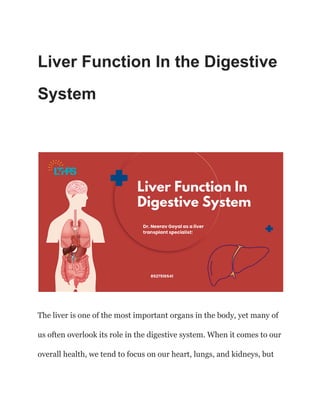
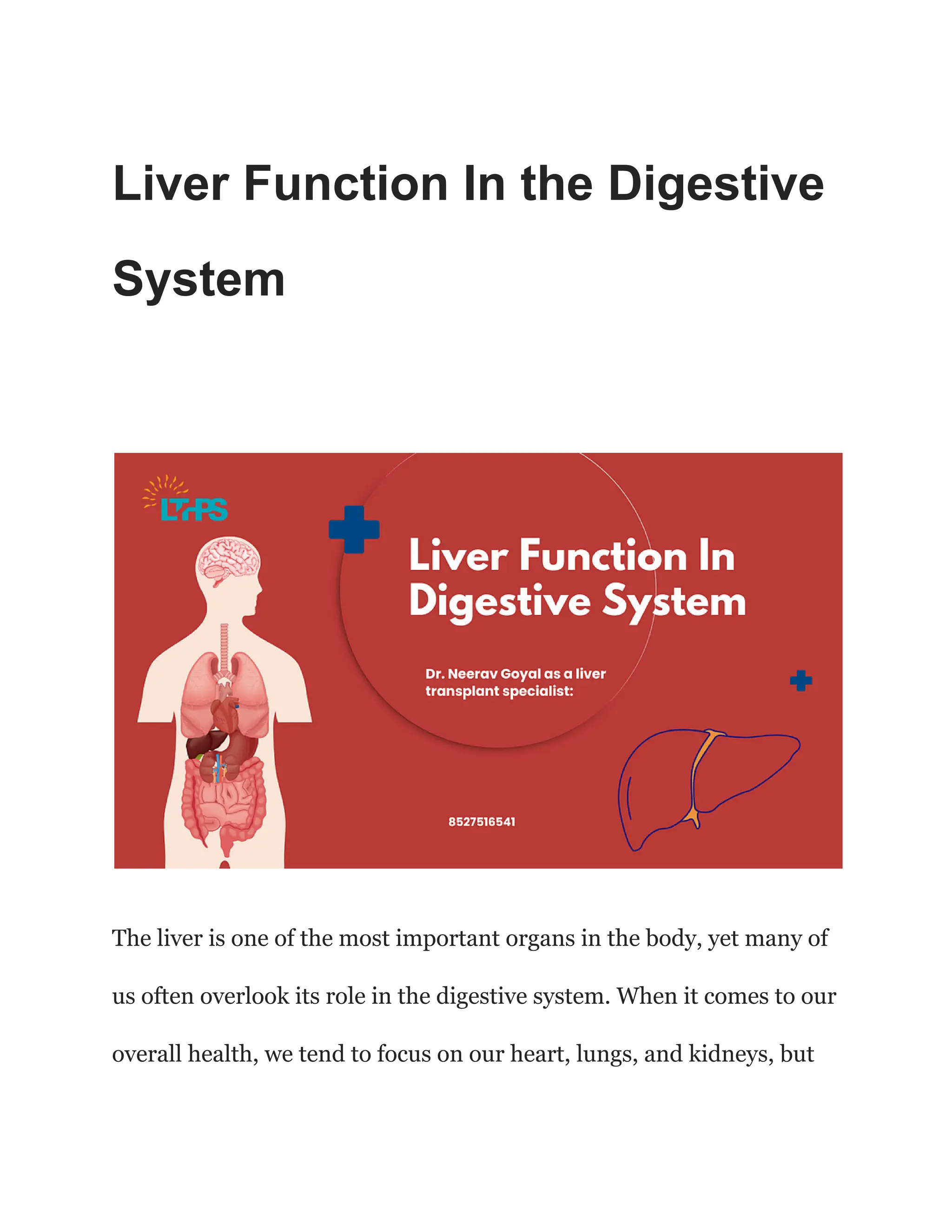
The liver is one of the most important organs in the body, yet many of
us often overlook its role in the digestive system. When it comes to our
overall health, we tend to focus on our heart, lungs, and kidneys, but
the liver plays a silent but crucial part in digestion and metabolism.
Have you ever wondered what would happen if the liver stopped doing
its job? Let’s take a closer look at the liver’s essential functions, its
involvement in the digestive process, and why it’s so important to
maintain liver health.
In this article, we will explore the liver’s functions in detail and discuss
how to identify liver-related issues. Additionally, for those who might
need a liver transplant, we’ll guide you through the process of
choosing the best liver transplant doctor in India, ensuring you
make an informed decision.
What is the Liver and Why is it Important?
It is huge organ that is reddish-brown and located to the left of your
abdominal. It plays an important role in the processing and filtering of
toxic substances and nutrients from the blood. It’s even described as
our blood’s “chemical factory” because of the capacity it has to produce
processes, store, and process vital substances such as bile, glucose and
proteins.
The liver is also involved in the storage of vitamins and minerals and
also in breaking down proteins and fats which are vital to produce
energy. It’s involved in so many different processes that it’s almost
impossible for the liver to be able to function without it!
The Liver’s Role in the Digestive System
We generally consider the stomach and the intestines when we speak
of digestion. Did you know that the liver plays a significant role in this
process, too? It produces bile, which is a digestive fluid that is stored
in the gallbladder before being is released to the small intestinal tract
to in the breakdown of fats. Without bile, the body will struggle to
digest fat-soluble vitamins such as A, D E, K.
The liver also process nutrients taken from food and then directs them
to different parts of the body to be used. It ensures that cells receive
the proper amount of nutrients required to work properly.
How the Liver Affects Digestion
Imagine eating a delicious fat-laden meal, such as the steak served
with buttery potatoes. When the food is placed in your stomach, it
starts in breaking up into small pieces. But, the process of digestion of
fats requires the liver to produce bile. The liver is responsible for
sending bile the gallbladder to store and, if necessary, it releases Bile
into the small intestine in order to reduce fats.
Without the liver’s participation, the process of digestion of fats would
be insufficient and your body would not be in a position to absorb the
necessary nutrients that they contain.
Key Functions of the Liver
1. Bile Production As previously mentioned your liver makes
bile. an essential substance that assists in digestion of fats
and the absorption of nutrients.
2. Removal of toxic substances: Your liver removes toxic
substances out of blood, which includes alcohol, drugs, as
well as the waste products.
3. Protein Synthesis Liver production of proteins is vital for
blood circulation, immune function and repair of tissue.
4. storage of nutrients This is where glycogen (a type of
sugar) as well as vitamin supplements that our bodies could
make use of later.
5. Metabolic: The liver controls the metabolic process of
proteins, fats and carbohydrates, by converting surplus
nutrients to energy.
The Liver’s Role in Detoxification
One of the most significant roles is to detoxify. The organ assists in
eliminating the toxins and waste out of the bloodstream. From
environmental pollutants to alcohol The liver’s job is to reduce
harmful substances and then filter them out, making sure that they do
not accumulate in your system.
Imagine the liver as the body’s filtering plant. As a water filtering
system eliminates impurities, the liver makes sure that toxins are
efficiently processed and removed out of the body via urine or bile.
Liver Enzymes: Their Importance in Digestion
Proteins in the liver which help to break down nutrients and cleanse
harmful substances from the liver. These enzymes, like Alanine
aminotransferase (ALT) and aspartate aminotransferase (AST) are
involved in vital roles in digestion and metabolic function in general.
When the liver cells become damaged the proteins are released in
bloodstreams and their elevated levels could signal liver issues.
If you’re experiencing an unanswered abdominal pain or fatigue The
test for liver enzymes can give you valuable information on the
condition of your liver.
Common Liver Diseases and Disorders
The liver is extraordinarily resilient, it may be afflicted by various
illnesses and ailments. The most frequent liver issues are:
● Fatty Liver Disease: A buildup of liver cells with fat which
is usually linked to drinking excessively or being overweight.
● Hepatitis: Inflammation of the liver. Usually due to viral
infection (Hepatitis A B, C,).
● The cirrhosis scarring and inflammation of liver tissue as a
result of chronic damage, usually caused by alcohol or
chronic liver disease.
● The Liver Cancer It is a potentially deadly condition that
can result out of chronic liver illness or cirrhosis.
Early detection is essential for preventing liver disease. If you notice
symptoms such as jaundice (yellowing of the eyes or skin) or dark
urine and chronic fatigue it’s important to see a doctor.
How to Maintain a Healthy Liver
To maintain liver health, you must live an enlightened lifestyle. Here
are some helpful tips to help keep your liver in good health:
● Get a healthy diet: Focus on eating vegetables, fruits
protein, lean meats, along with whole-grain grains. Avoid
processed foods and fats that are unhealthy.
● Exercise regularly: Regular physical activity aids in
maintaining an ideal weight and reduces the chance of
developing fat-liver disease.
● Avoid excessive Alcohol Consumption Consuming
alcohol only in moderation is vital. Alcohol consumption that
is excessive can cause liver damage and illness.
● Get Infected: Vaccines for Hepatitis A and B will protect
you from liver infection.
● Regular check-ups: Routine blood tests and liver function
tests may aid in identifying problems earlier.
Signs You Need to See a Liver Specialist
If you notice any of the symptoms listed below It is important to seek
medical care:
● Inexplicably weight gain or increase in weight
● Chronic fatigue
● Abdominal discomfort or swelling
● Jaundice (yellowing of the eyes or skin)
● Pale stool or dark urine
● Nausea or vomiting
An expert in liver disease (hepatologist) is able to diagnose the
problem and recommend treatment.
When is a Liver Transplant Necessary?
A liver transplant is needed when the liver stops working properly due
to serious damage or disease to the liver. The conditions like cirrhosis
or liver cancer as well as acute liver problems may cause a transplant
to the liver.
Although liver transplants are lifesaving, they’re complicated
procedures that require careful examination and expert medical
guidance. If you’re considering the need to undergo a transplant It is
crucial to find the most qualified surgeon for liver transplants
to India to get the most effective result.
Choosing the Best Doctor for Liver Transplant in India
India is known for its modern medical system and highly skilled
experts in liver transplantation. Selecting the best liver transplant
surgeon in India will significantly impact the outcome for the
operation. There are a few things to take into consideration when
choosing the right doctor:
● Experience: Choose a doctor who has years of experience
conducting liver transplants.
● High Success Ratio: Research the hospital’s rate of success
and the outcomes of patients.
● Testimonials from Patients: Check reviews and patient
accounts to evaluate the expertise of the doctor and his care.
● Accreditation Make sure the institution is recognized by
medical organizations.
Liver Transplant: What to Expect
A liver transplant is a significant decision and is a meticulous process
of preparation. The process of a transplant typically comprises:
1. The Pre-Transplant Assessment: Extensive tests to
evaluate the health of the patient as well as the compatibility
of the liver donor.
2. Procedure: The surgeon removes the liver that is diseased
in order to substitute it an organ donor that is healthy.
3. Post-Transplant Treatment: Close monitoring in the
hospital for a few days and then follow-up visits over a long
period to ensure rejection.
Recovery After Liver Transplantation
Recovery after an organ transplant can be challenging, but the
majority of patients are able to lead happy lives. After surgery it is
necessary to take anti-immune medications to stop organ rejection.
Lifestyle changes, like eating a balanced diet and consistent exercises,
are vital for long-term success.
Why India is a Leading Destination for Liver
Transplants
India is well-known for its low-cost but top-quality medical services.
Patients from all over the world visit India to undergo liver transplants
because of the nation’s leading medical equipment and highly skilled
doctors. The cost of a liver transplant in India is considerably cheaper
than Western nations, which makes it an a viable alternative for
medical tourism.
Conclusion
It is the liver’s under-appreciated important player within the
digestion system. It plays an essential role in digestion, detoxification
and all metabolic processes. Making sure you take care of your liver
with the right lifestyle is crucial in preventing liver ailments and
making sure your body performs efficiently. If you’re suffering from
liver problems and require a transplant, India has the most effective
liver transplant specialists and hospitals. Selecting the most suitable
liver transplant physician in India could make an impact on your
journey to recovery.
FAQs
1. What is the main function for the liver’s role in digestion?
It produces bile which is vital for digestion of fats. It also assists in
processing the nutrients that are absorbed by food, and converts them
into substances that the body can utilize.
2. What can I do to determine when I’m in need of an organ
transplant?
If you suffer from severe liver disease or failure, your physician may
recommend a transplant of your liver. The signs of chronic fatigue,
jaundice and abdominal pain can be a sign of liver issues.
3. What are the reasons to choose a doctor for liver transplants in
India?
India provides high-quality healthcare with a reasonable price. With
highly skilled surgeons and modern medical infrastructure, India is a
leading location to receive liver transplants.
4. Can lifestyle changes help improve liver health?
Yes, eating a balanced diet, exercising regularly and avoiding drinking
excessively can greatly improve the health of your liver and reduce the
risk of developing liver disease.
5. What happens to the body following an organ transplant?
Post-surgery recovery requires regular hospital visits, prescriptions to
prevent rejection of organs and follow-up visits for the long-term. The
practice of living a healthy and balanced way of life is vital to the
successful

Liver Function In the Digestive System.pdf

  • 1.
    Liver Function Inthe Digestive System The liver is one of the most important organs in the body, yet many of us often overlook its role in the digestive system. When it comes to our overall health, we tend to focus on our heart, lungs, and kidneys, but
  • 2.
    the liver playsa silent but crucial part in digestion and metabolism. Have you ever wondered what would happen if the liver stopped doing its job? Let’s take a closer look at the liver’s essential functions, its involvement in the digestive process, and why it’s so important to maintain liver health. In this article, we will explore the liver’s functions in detail and discuss how to identify liver-related issues. Additionally, for those who might need a liver transplant, we’ll guide you through the process of choosing the best liver transplant doctor in India, ensuring you make an informed decision. What is the Liver and Why is it Important? It is huge organ that is reddish-brown and located to the left of your abdominal. It plays an important role in the processing and filtering of toxic substances and nutrients from the blood. It’s even described as our blood’s “chemical factory” because of the capacity it has to produce
  • 3.
    processes, store, andprocess vital substances such as bile, glucose and proteins. The liver is also involved in the storage of vitamins and minerals and also in breaking down proteins and fats which are vital to produce energy. It’s involved in so many different processes that it’s almost impossible for the liver to be able to function without it! The Liver’s Role in the Digestive System We generally consider the stomach and the intestines when we speak of digestion. Did you know that the liver plays a significant role in this process, too? It produces bile, which is a digestive fluid that is stored in the gallbladder before being is released to the small intestinal tract to in the breakdown of fats. Without bile, the body will struggle to digest fat-soluble vitamins such as A, D E, K.
  • 4.
    The liver alsoprocess nutrients taken from food and then directs them to different parts of the body to be used. It ensures that cells receive the proper amount of nutrients required to work properly. How the Liver Affects Digestion Imagine eating a delicious fat-laden meal, such as the steak served with buttery potatoes. When the food is placed in your stomach, it starts in breaking up into small pieces. But, the process of digestion of fats requires the liver to produce bile. The liver is responsible for sending bile the gallbladder to store and, if necessary, it releases Bile into the small intestine in order to reduce fats. Without the liver’s participation, the process of digestion of fats would be insufficient and your body would not be in a position to absorb the necessary nutrients that they contain. Key Functions of the Liver
  • 5.
    1. Bile ProductionAs previously mentioned your liver makes bile. an essential substance that assists in digestion of fats and the absorption of nutrients. 2. Removal of toxic substances: Your liver removes toxic substances out of blood, which includes alcohol, drugs, as well as the waste products. 3. Protein Synthesis Liver production of proteins is vital for blood circulation, immune function and repair of tissue. 4. storage of nutrients This is where glycogen (a type of sugar) as well as vitamin supplements that our bodies could make use of later. 5. Metabolic: The liver controls the metabolic process of proteins, fats and carbohydrates, by converting surplus nutrients to energy. The Liver’s Role in Detoxification
  • 6.
    One of themost significant roles is to detoxify. The organ assists in eliminating the toxins and waste out of the bloodstream. From environmental pollutants to alcohol The liver’s job is to reduce harmful substances and then filter them out, making sure that they do not accumulate in your system. Imagine the liver as the body’s filtering plant. As a water filtering system eliminates impurities, the liver makes sure that toxins are efficiently processed and removed out of the body via urine or bile. Liver Enzymes: Their Importance in Digestion Proteins in the liver which help to break down nutrients and cleanse harmful substances from the liver. These enzymes, like Alanine aminotransferase (ALT) and aspartate aminotransferase (AST) are involved in vital roles in digestion and metabolic function in general. When the liver cells become damaged the proteins are released in bloodstreams and their elevated levels could signal liver issues.
  • 7.
    If you’re experiencingan unanswered abdominal pain or fatigue The test for liver enzymes can give you valuable information on the condition of your liver. Common Liver Diseases and Disorders The liver is extraordinarily resilient, it may be afflicted by various illnesses and ailments. The most frequent liver issues are: ● Fatty Liver Disease: A buildup of liver cells with fat which is usually linked to drinking excessively or being overweight. ● Hepatitis: Inflammation of the liver. Usually due to viral infection (Hepatitis A B, C,). ● The cirrhosis scarring and inflammation of liver tissue as a result of chronic damage, usually caused by alcohol or chronic liver disease. ● The Liver Cancer It is a potentially deadly condition that can result out of chronic liver illness or cirrhosis.
  • 8.
    Early detection isessential for preventing liver disease. If you notice symptoms such as jaundice (yellowing of the eyes or skin) or dark urine and chronic fatigue it’s important to see a doctor. How to Maintain a Healthy Liver To maintain liver health, you must live an enlightened lifestyle. Here are some helpful tips to help keep your liver in good health: ● Get a healthy diet: Focus on eating vegetables, fruits protein, lean meats, along with whole-grain grains. Avoid processed foods and fats that are unhealthy. ● Exercise regularly: Regular physical activity aids in maintaining an ideal weight and reduces the chance of developing fat-liver disease. ● Avoid excessive Alcohol Consumption Consuming alcohol only in moderation is vital. Alcohol consumption that is excessive can cause liver damage and illness.
  • 9.
    ● Get Infected:Vaccines for Hepatitis A and B will protect you from liver infection. ● Regular check-ups: Routine blood tests and liver function tests may aid in identifying problems earlier. Signs You Need to See a Liver Specialist If you notice any of the symptoms listed below It is important to seek medical care: ● Inexplicably weight gain or increase in weight ● Chronic fatigue ● Abdominal discomfort or swelling ● Jaundice (yellowing of the eyes or skin) ● Pale stool or dark urine ● Nausea or vomiting
  • 10.
    An expert inliver disease (hepatologist) is able to diagnose the problem and recommend treatment. When is a Liver Transplant Necessary? A liver transplant is needed when the liver stops working properly due to serious damage or disease to the liver. The conditions like cirrhosis or liver cancer as well as acute liver problems may cause a transplant to the liver. Although liver transplants are lifesaving, they’re complicated procedures that require careful examination and expert medical guidance. If you’re considering the need to undergo a transplant It is crucial to find the most qualified surgeon for liver transplants to India to get the most effective result. Choosing the Best Doctor for Liver Transplant in India
  • 11.
    India is knownfor its modern medical system and highly skilled experts in liver transplantation. Selecting the best liver transplant surgeon in India will significantly impact the outcome for the operation. There are a few things to take into consideration when choosing the right doctor: ● Experience: Choose a doctor who has years of experience conducting liver transplants. ● High Success Ratio: Research the hospital’s rate of success and the outcomes of patients. ● Testimonials from Patients: Check reviews and patient accounts to evaluate the expertise of the doctor and his care. ● Accreditation Make sure the institution is recognized by medical organizations. Liver Transplant: What to Expect
  • 12.
    A liver transplantis a significant decision and is a meticulous process of preparation. The process of a transplant typically comprises: 1. The Pre-Transplant Assessment: Extensive tests to evaluate the health of the patient as well as the compatibility of the liver donor. 2. Procedure: The surgeon removes the liver that is diseased in order to substitute it an organ donor that is healthy. 3. Post-Transplant Treatment: Close monitoring in the hospital for a few days and then follow-up visits over a long period to ensure rejection. Recovery After Liver Transplantation Recovery after an organ transplant can be challenging, but the majority of patients are able to lead happy lives. After surgery it is necessary to take anti-immune medications to stop organ rejection.
  • 13.
    Lifestyle changes, likeeating a balanced diet and consistent exercises, are vital for long-term success. Why India is a Leading Destination for Liver Transplants India is well-known for its low-cost but top-quality medical services. Patients from all over the world visit India to undergo liver transplants because of the nation’s leading medical equipment and highly skilled doctors. The cost of a liver transplant in India is considerably cheaper than Western nations, which makes it an a viable alternative for medical tourism. Conclusion It is the liver’s under-appreciated important player within the digestion system. It plays an essential role in digestion, detoxification and all metabolic processes. Making sure you take care of your liver with the right lifestyle is crucial in preventing liver ailments and making sure your body performs efficiently. If you’re suffering from
  • 14.
    liver problems andrequire a transplant, India has the most effective liver transplant specialists and hospitals. Selecting the most suitable liver transplant physician in India could make an impact on your journey to recovery. FAQs 1. What is the main function for the liver’s role in digestion? It produces bile which is vital for digestion of fats. It also assists in processing the nutrients that are absorbed by food, and converts them into substances that the body can utilize. 2. What can I do to determine when I’m in need of an organ transplant? If you suffer from severe liver disease or failure, your physician may recommend a transplant of your liver. The signs of chronic fatigue, jaundice and abdominal pain can be a sign of liver issues.
  • 15.
    3. What arethe reasons to choose a doctor for liver transplants in India? India provides high-quality healthcare with a reasonable price. With highly skilled surgeons and modern medical infrastructure, India is a leading location to receive liver transplants. 4. Can lifestyle changes help improve liver health? Yes, eating a balanced diet, exercising regularly and avoiding drinking excessively can greatly improve the health of your liver and reduce the risk of developing liver disease. 5. What happens to the body following an organ transplant? Post-surgery recovery requires regular hospital visits, prescriptions to prevent rejection of organs and follow-up visits for the long-term. The practice of living a healthy and balanced way of life is vital to the successful