Recreation
Lesson 1: Physical Education 3
HOW DO YOU
RELIEVE YOUR
STRESS?
What is
Recreation?
Recreation
• refreshment of strength and spirits after
work.
• A means of refreshment or diversion:
hobby or leisure.
Recreational Activities
• all those activities that people choose to do to
refresh their bodies and minds and make their
leisure time more interesting and enjoyable.
• Examples of recreation activities are walking,
swimming, meditation, reading, playing games
and dancing.
Objectives
of
Recreation
 Recreation is important because it allows
you to switch off from your daily routine
and gives you a chance to do what you
like. The top objectives of recreation
include enjoyment, socialization, and the
development of your personality.
 We all need a break from work; we need to break from our mundane
routine and refresh ourselves by indulging in recreational activities.
 For some, recreation means enjoying indoor games, while others derive
pleasure from camping and hiking.
 Recreation can mean different things to different people, but it is, for
sure, a refreshing break from monotony.
 One of the prime objectives of recreation is to relieve you from stress.
 It also aims at providing you with social engagement. It is an essential
component of a healthy lifestyle.
 Recreational activities give you
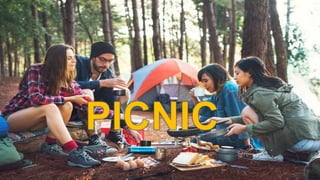
an opportunity to be with your loved
ones. An outing with your family or a
picnic with close friends refreshes not only
your mind and body, but also your
relationship with your dear ones.
 Recreational forms such as traveling and camping
take you close to nature. The company of nature
always proves to be an excellent relaxation to the
mind and body. Spending time watching the night
sky, lazing around on a beach, walking in the woods,
or just being in the proximity of nature in some quiet
place in the countryside freshens the mind and is
healthy for the body.
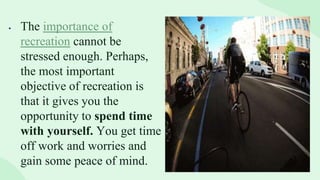
 The importance of
recreation cannot be
stressed enough. Perhaps,
the most important
objective of recreation is
that it gives you the
opportunity to spend time
with yourself. You get time
off work and worries and
gain some peace of mind.
SCOPE OF
RECREATION
Indoor Activities
a. Games and Sports: chess, parlor games
b. Dance Activities: stop dance, trip to Jerusalem
c. Music Activities: singing, instrumental playing
d. Drama Activities: story telling, comedy skits
e. Arts and Crafts: origami, pop- up cards
f. Hobby and Collecting Activities: cooking, dancing,
stamp collections, antique collection
Outdoor Activities
a. Games and Sports: dual and team sports
b. Dance Activities: street dancing, aerobics
c. Music Activities: singing contest during fiesta
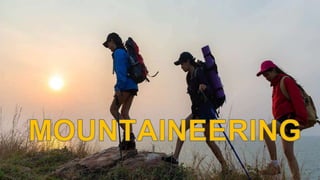
d. Nature and Outdoor Activities: camping, hiking,
field trips, picnic, excursions
e. Arts and Crafts: painting, drawing
f. Hobby and Collecting Activities: f.1. bowling, tennis
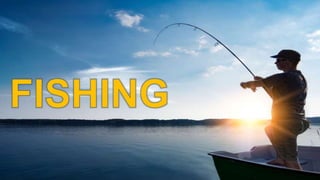
billiard, fishing
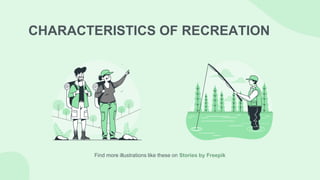
CHARACTERISTICS OF RECREATION
Find more illustrations like these on Stories by Freepik
• Involves Activity
• No single form
• Determined by motivation
• Occurs in unobligated time
• Voluntary participated
• Universally sought and practical
• By- products
• Gives direct satisfaction
1. What is the The top objectives of recreation? 3 answers: enjoyment, socialization, and the
development of your personality
2. This Activity done for enjoyment when one is not working.( Recreation)
3. Give 3 Indoor activities
4. Give 3 outdoor activities.
Laro ng
Lahi or
Traditional
Filipino
Games
1. These games are commonly played by children, usually using native
materials or instruments. Due to limited resources of toys of Filipino
Children, they usually come up with games without the need of
anything but the players themselves.
2. Years ago, kids used to gather in the streets or in their neighborhood
playground to play their favorite Pinoy games.
3. This has been their regular and popular pastimes, as well as the
favorite games of our parents and grandparents until new and modern
forms of entertainment (technology like computers, phones) has
taken over the interests of children. But a great majority of Filipino
children still play this games.
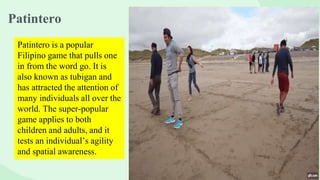
Patintero
Patintero is a popular
Filipino game that pulls one
in from the word go. It is
also known as tubigan and
has attracted the attention of
many individuals all over the
world. The super-popular
game applies to both
children and adults, and it
tests an individual’s agility
and spatial awareness.
Pantintero is a native game in the Philippines that
requires two teams with at least five players on each
side. The objective of the game is to block (harang)
the players from the opposing team from passing. It is
the best practice for hand-eye coordination and
strategic thinking.
How to play patintero
• Draw a massive rectangle on the ground using chalk for clarity
and divide it into smaller rectangles depending on the number of
players. The patintero drawing involves 6-8 smaller rectangles.
• The players should form two teams with an equal number of
players, where one team plays defensive and guards the other
team against passing the lines. The two teams make up the
guards and the runners (passers).
• The guards assign a player to the lateral line in the middle of the
rectangle and the other players on each horizontal line.
• The objective of the runners is to get across to one end of the big
rectangle and back without being touched or tagged by a guard.
How to play patintero
• During the game, the guards should ensure they have both feet
on the ground before tagging their opponent; otherwise, it will
not count.
• Once a runner is tagged, he or she gets out of the game. If a
runner makes it across the big rectangle and back without
being touched with the butterfly fingers, they earn a point.
• Once all the runners of a team have been tagged, it’s game
over.
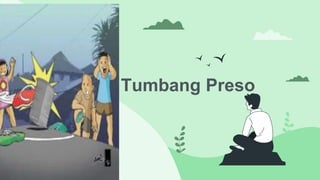
Tumbang Preso
Tumbang Preso is also known as Tumba lata, or
otherwise Bato lata, and it has maintained its
popularity over the years. The fabulous sport
has been passed from generation to generation
because of the fun and creativity derived from it.
Tumbang Preso is a unique traditional
game in the Philippines that is favorite
among Filipino children. The name of this
sport is derived from the Filipino words
Tumba, which means 'to fall' and preso,
which means 'prisoner', translating to
'fallen prisoner”.
How to play Tumbang Preso
• The one to guard the tin can (preso) is called It, and he/she is
chosen by all the players throwing the pamato to the toe-line. The
one who throws the farthest from the toe-line becomes the It.
• The other players will then get at the back of the toe-line, and the
game starts at a signal from the It.
• Immediately the can is knocked down, and the pamato is retrieved.
The It then starts putting it up inside the circle, and the tagged
player becomes the new It.
How to play Tumbang Preso
• In any case, the can is hit and fall outside the drawn circle
but remains to stand, then the It has all the rights to tag
the hitter once he/she leaves the toe-line.
• The can may be kicked or knocked down under when it is
outside the circle.
• Supposing a hitter is unable to retrieve his/her pamato,
the other hitters can save him/her by hitting the can.
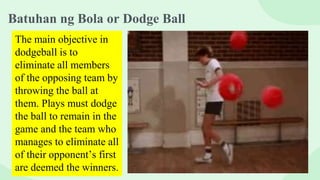
Batuhan ng Bola or Dodge Ball
The main objective in
dodgeball is to
eliminate all members
of the opposing team by
throwing the ball at
them. Plays must dodge
the ball to remain in the
game and the team who
manages to eliminate all
of their opponent’s first
are deemed the winners.
• The game is over when all of the players on one
team are eliminated, resulting in the other team
winning the game. If both teams still have
members at the end of an allotted amount of time,
the winning team will be the one with most
players. If this still results in deadlock, overtime
can be played.
Winning the Game

Lesson12-PE3.pptx

  • 1.
  • 12.
    HOW DO YOU RELIEVEYOUR STRESS?
  • 13.
  • 14.
    Recreation • refreshment ofstrength and spirits after work. • A means of refreshment or diversion: hobby or leisure.
  • 15.
    Recreational Activities • allthose activities that people choose to do to refresh their bodies and minds and make their leisure time more interesting and enjoyable. • Examples of recreation activities are walking, swimming, meditation, reading, playing games and dancing.
  • 16.
  • 17.
     Recreation isimportant because it allows you to switch off from your daily routine and gives you a chance to do what you like. The top objectives of recreation include enjoyment, socialization, and the development of your personality.
  • 18.
     We allneed a break from work; we need to break from our mundane routine and refresh ourselves by indulging in recreational activities.  For some, recreation means enjoying indoor games, while others derive pleasure from camping and hiking.  Recreation can mean different things to different people, but it is, for sure, a refreshing break from monotony.  One of the prime objectives of recreation is to relieve you from stress.  It also aims at providing you with social engagement. It is an essential component of a healthy lifestyle.
  • 19.
     Recreational activitiesgive you an opportunity to be with your loved ones. An outing with your family or a picnic with close friends refreshes not only your mind and body, but also your relationship with your dear ones.
  • 20.
     Recreational formssuch as traveling and camping take you close to nature. The company of nature always proves to be an excellent relaxation to the mind and body. Spending time watching the night sky, lazing around on a beach, walking in the woods, or just being in the proximity of nature in some quiet place in the countryside freshens the mind and is healthy for the body.
  • 21.
     The importanceof recreation cannot be stressed enough. Perhaps, the most important objective of recreation is that it gives you the opportunity to spend time with yourself. You get time off work and worries and gain some peace of mind.
  • 22.
  • 23.
    Indoor Activities a. Gamesand Sports: chess, parlor games b. Dance Activities: stop dance, trip to Jerusalem c. Music Activities: singing, instrumental playing d. Drama Activities: story telling, comedy skits e. Arts and Crafts: origami, pop- up cards f. Hobby and Collecting Activities: cooking, dancing, stamp collections, antique collection
  • 24.
    Outdoor Activities a. Gamesand Sports: dual and team sports b. Dance Activities: street dancing, aerobics c. Music Activities: singing contest during fiesta d. Nature and Outdoor Activities: camping, hiking, field trips, picnic, excursions e. Arts and Crafts: painting, drawing f. Hobby and Collecting Activities: f.1. bowling, tennis billiard, fishing
  • 25.
    CHARACTERISTICS OF RECREATION Findmore illustrations like these on Stories by Freepik
  • 26.
    • Involves Activity •No single form • Determined by motivation • Occurs in unobligated time • Voluntary participated • Universally sought and practical • By- products • Gives direct satisfaction
  • 28.
    1. What isthe The top objectives of recreation? 3 answers: enjoyment, socialization, and the development of your personality 2. This Activity done for enjoyment when one is not working.( Recreation) 3. Give 3 Indoor activities 4. Give 3 outdoor activities.
  • 29.
  • 30.
    1. These gamesare commonly played by children, usually using native materials or instruments. Due to limited resources of toys of Filipino Children, they usually come up with games without the need of anything but the players themselves. 2. Years ago, kids used to gather in the streets or in their neighborhood playground to play their favorite Pinoy games. 3. This has been their regular and popular pastimes, as well as the favorite games of our parents and grandparents until new and modern forms of entertainment (technology like computers, phones) has taken over the interests of children. But a great majority of Filipino children still play this games.
  • 31.
    Patintero Patintero is apopular Filipino game that pulls one in from the word go. It is also known as tubigan and has attracted the attention of many individuals all over the world. The super-popular game applies to both children and adults, and it tests an individual’s agility and spatial awareness.
  • 32.
    Pantintero is anative game in the Philippines that requires two teams with at least five players on each side. The objective of the game is to block (harang) the players from the opposing team from passing. It is the best practice for hand-eye coordination and strategic thinking.
  • 33.
    How to playpatintero • Draw a massive rectangle on the ground using chalk for clarity and divide it into smaller rectangles depending on the number of players. The patintero drawing involves 6-8 smaller rectangles. • The players should form two teams with an equal number of players, where one team plays defensive and guards the other team against passing the lines. The two teams make up the guards and the runners (passers). • The guards assign a player to the lateral line in the middle of the rectangle and the other players on each horizontal line. • The objective of the runners is to get across to one end of the big rectangle and back without being touched or tagged by a guard.
  • 34.
    How to playpatintero • During the game, the guards should ensure they have both feet on the ground before tagging their opponent; otherwise, it will not count. • Once a runner is tagged, he or she gets out of the game. If a runner makes it across the big rectangle and back without being touched with the butterfly fingers, they earn a point. • Once all the runners of a team have been tagged, it’s game over.
  • 35.
  • 36.
    Tumbang Preso isalso known as Tumba lata, or otherwise Bato lata, and it has maintained its popularity over the years. The fabulous sport has been passed from generation to generation because of the fun and creativity derived from it.
  • 37.
    Tumbang Preso isa unique traditional game in the Philippines that is favorite among Filipino children. The name of this sport is derived from the Filipino words Tumba, which means 'to fall' and preso, which means 'prisoner', translating to 'fallen prisoner”.
  • 38.
    How to playTumbang Preso • The one to guard the tin can (preso) is called It, and he/she is chosen by all the players throwing the pamato to the toe-line. The one who throws the farthest from the toe-line becomes the It. • The other players will then get at the back of the toe-line, and the game starts at a signal from the It. • Immediately the can is knocked down, and the pamato is retrieved. The It then starts putting it up inside the circle, and the tagged player becomes the new It.
  • 39.
    How to playTumbang Preso • In any case, the can is hit and fall outside the drawn circle but remains to stand, then the It has all the rights to tag the hitter once he/she leaves the toe-line. • The can may be kicked or knocked down under when it is outside the circle. • Supposing a hitter is unable to retrieve his/her pamato, the other hitters can save him/her by hitting the can.
  • 40.
    Batuhan ng Bolaor Dodge Ball The main objective in dodgeball is to eliminate all members of the opposing team by throwing the ball at them. Plays must dodge the ball to remain in the game and the team who manages to eliminate all of their opponent’s first are deemed the winners.
  • 41.
    • The gameis over when all of the players on one team are eliminated, resulting in the other team winning the game. If both teams still have members at the end of an allotted amount of time, the winning team will be the one with most players. If this still results in deadlock, overtime can be played. Winning the Game