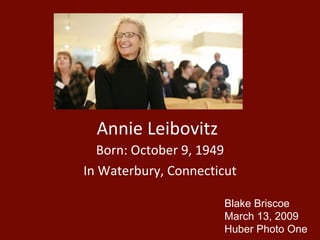
Annie Leibovitz Born: October 9, 1949 In Waterbury, Connecticut Blake Briscoe March 13, 2009 Huber Photo One
Enrolled in the San Francisco Art Institute in studying painting Interest in taking pictures did not occur until she traveled to Japan with her mother the summer after her sophomore year Started taking pictures in the 70’s: a 35-millimeter camera, black-and-white Tri X film In 1970, Leibovitz approached Jann Wenner, founding editor of  Rolling Stones Wenner gave Leibovitz her first assignment: shoot John Lennon Two years later Leibovitz was named  Rolling Stones  chief photographer In 1983 Leibovitz joined  Vanity Fair  and was named the magazine’s first contributing photographer Her portraits have appeared in  Vogue ,  The New York Times Magazine, and The New Yorker,  and in ad campaigns for American Express, the Gap, and the Milk Board Career
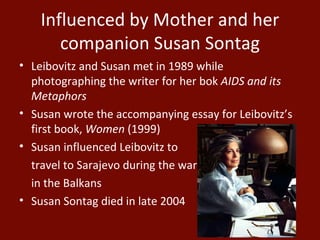
Influenced by Mother and her companion Susan Sontag Leibovitz and Susan met in 1989 while photographing the writer for her bok  AIDS and its Metaphors Susan wrote the accompanying essay for Leibovitz’s first book,  Women  (1999) Susan influenced Leibovitz to  travel to Sarajevo during the war  in the Balkans Susan Sontag died in late 2004
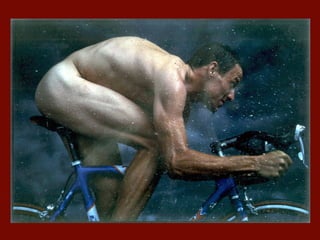
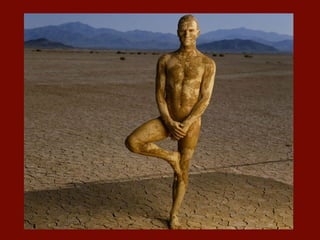
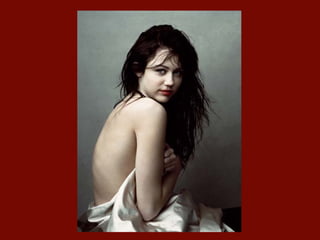
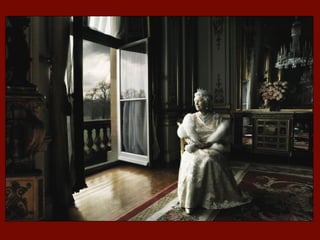
According to Cityfile, some critics have taken her for what they perceive as a lack of humanity in her work.  A NY Times review of her 2003 book  American Music  suggested she was “devoutly committed to portraiture while seeming remarkably uninterested in people.” “ Leibovitz’s collection has numerous portraits that jump off the wall with characteristic Leibovitzian flair — a heady mix of intimacy and posturing, elaborated, like paintings of saints, by recognizable attributes. “ “ In a sense Ms. Leibovitz’s portraits reiterate aspects of Conceptual, performance and installation art, as well as postmodern setup photography in popular form — aided by the innovations of Richard Avedon. Especially when her subjects are performers, she is likely to treat them as sculptural opportunities to incite them to extravagant displays of their gifts. “ “ Ms. Leibovitz’s images are best at magazine scale, and here you can skim across them, like turning pages. Critical analysis by Art Critic
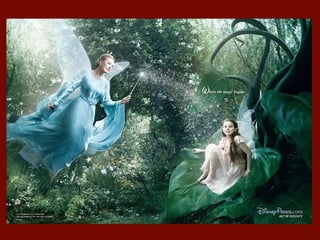
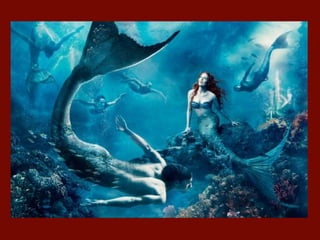
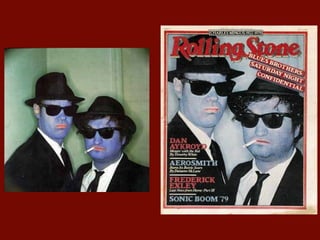
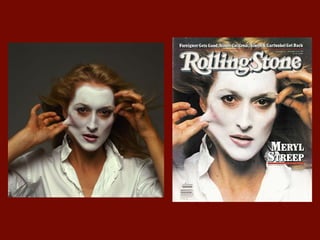
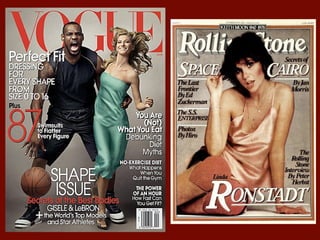
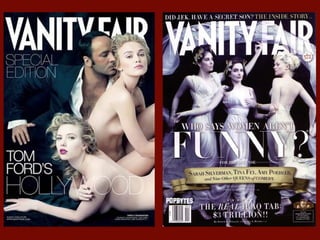
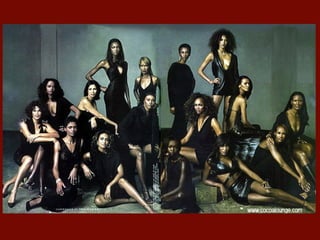
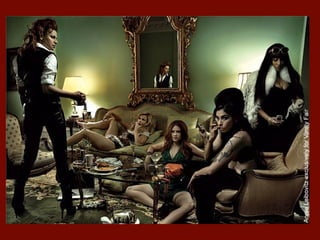
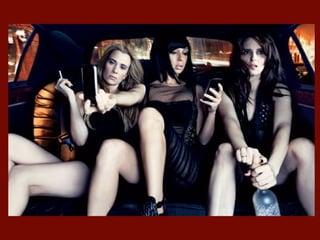
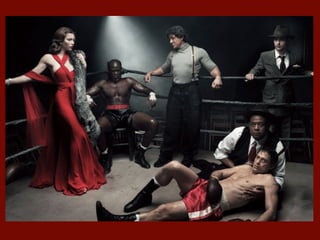
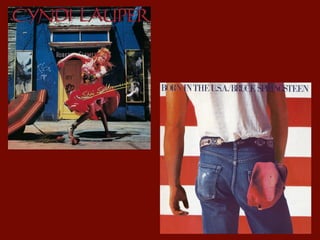
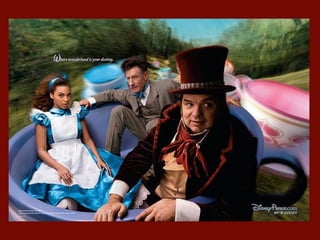
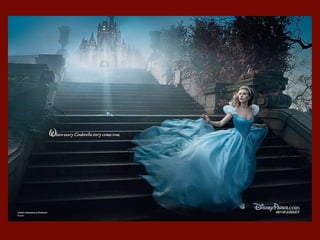
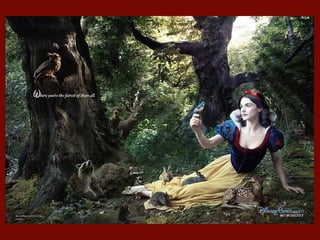
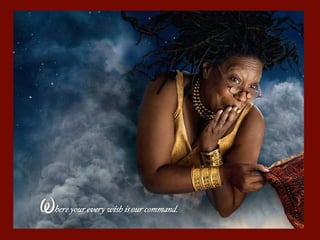
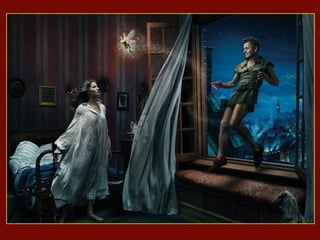
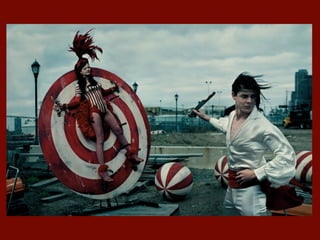
After viewing Leibovitz’s work I feel that she captures a unique side of her subjects that other photographers are not able to achieve I compared some of the pictures that she took for  Vanity Fair  and  Rolling Stones  and I came to the conclusion that Leibovitz always configures and shoots her subjects in a way that fit the magazine cover page Leibovitz has a game plan before she goes into her photo shoots so that she can make the most of the portraits Leibovitz always aims for a wildly lit, staged, and provocative portraits of celebrities When working with celebrities, Leibovitz allows them to escape from the real world and become submerged in a dream world that is carfully contrived to produce a strong portrait Due to Leibovitz’s ideas and visions, celebrities are seen in a different way than they are normally viewed by the public Personal Critical Analysis
Self Critique of her work “ I began calling myself a portrait photographer because it lent a kind of dignity to shooting well-known people.” “ Taking intimate pictures of family members and people to whom you are close is  a privilege, and it brings a certain responsibility.”
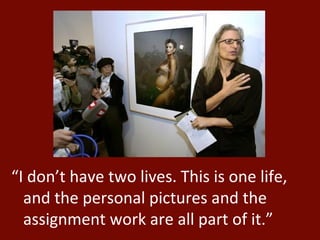
“ I don’t have two lives. This is one life, and the personal pictures and the assignment work are all part of it.”
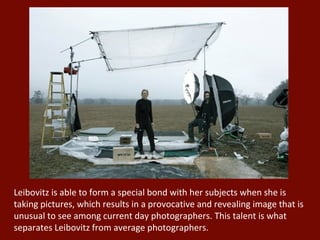
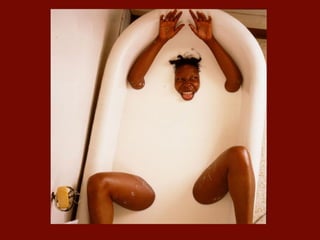
Leibovitz is able to form a special bond with her subjects when she is taking pictures, which results in a provocative and revealing image that is unusual to see among current day photographers. This talent is what separates Leibovitz from average photographers.
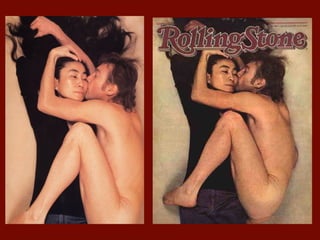
Famous Photographs John Lennon and Yoko Ono Leibovitz imagined that the two would pose nude together Lennon disrobed, but Ono refused to take off her pants Leibovitz “was kinda disappointed”, and so she told Ono to leave her clothes on “ We took one Polaroid”, said Leibovitz, “and the three of us knew it was profound right away The resulting portrait shows Lennon nude and curled around a fully clothed Ono Several hours after the photo shoot, Lennon was shot dead in front of his apartment In 2005, the portrait was named best magazine cover from the past 40 years
 
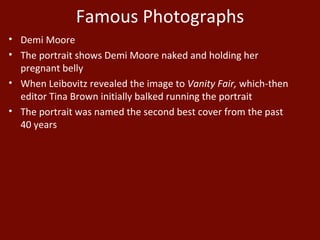
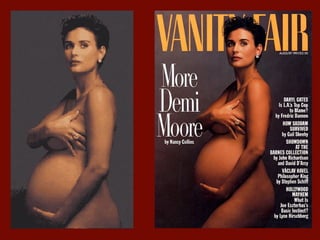
Famous Photographs Demi Moore The portrait shows Demi Moore naked and holding her pregnant belly When Leibovitz revealed the image to  Vanity Fair,  which-then editor Tina Brown initially balked running the portrait The portrait was named the second best cover from the past 40 years


Works Cited &quot;Annie Leibovitz: Life Through a Lens -.&quot;  Movie Reviews, Showtimes and Trailers - Movies - New York Times . 13 Mar. 2009 <http://movies.nytimes.com/movie/385441/Annie-Leibovitz-Life-Through-a-Lens/overview?scp=2&sq=Annie%20Leibovitz&st=Search>.  &quot;Annie Leibovitz: Life Through a Lens - TV Special - Review - NYTimes.com.&quot;  Movie Reviews, Showtimes and Trailers - Movies - New York Times . 13 Mar. 2009 <http://movies.nytimes.com/2007/01/03/arts/television/03bell.html?scp=6&sq=Annie%20Leibovitz&st=cse>.  Leibovitz, Annie.  A Photographer's Life 1990-2005 . New York: Random House, 2006.  Life Through A Lens . Dir. Barbara Leibovitz. Perf. Annie Leibovitz. DVD. Warner Home Video, 2008.  &quot;The New York Times Log In.&quot;  The New York Times - Breaking News, World News & Multimedia . 13 Mar. 2009 <http://www.nytimes.com/2006/10/20/arts/design/20anni.html?_r=1>.  Shepperd, Josh. &quot;Annie Leibovitz and Susan Sontag. Women.&quot;  Post Script . 26.2 (Winter-Spring 2007): p146. Literature Resource Center . Gale. MARY INST & ST LOUIS COUNTRY DAY SCHOOL. 15 Mar. 2009 <http://go.galegroup.com/ps/start.do?p=LitRC&u=sain62671>. 
Works Cited All images are cited to Annie Leibovitz.  Annie Leibovitz holds all rights to the images within this PowerPoint.  Rolling Stones and Vanity Fair also have rights to these imageswith consult from Annie Leibovitz.  No credit is being taken away from Annie Leibovitz.  All images were found on various sites throughout the internet.

Leibovitz / Briscoe

  • 1.
    Annie Leibovitz Born:October 9, 1949 In Waterbury, Connecticut Blake Briscoe March 13, 2009 Huber Photo One
  • 2.
    Enrolled in theSan Francisco Art Institute in studying painting Interest in taking pictures did not occur until she traveled to Japan with her mother the summer after her sophomore year Started taking pictures in the 70’s: a 35-millimeter camera, black-and-white Tri X film In 1970, Leibovitz approached Jann Wenner, founding editor of Rolling Stones Wenner gave Leibovitz her first assignment: shoot John Lennon Two years later Leibovitz was named Rolling Stones chief photographer In 1983 Leibovitz joined Vanity Fair and was named the magazine’s first contributing photographer Her portraits have appeared in Vogue , The New York Times Magazine, and The New Yorker, and in ad campaigns for American Express, the Gap, and the Milk Board Career
  • 3.
    Influenced by Motherand her companion Susan Sontag Leibovitz and Susan met in 1989 while photographing the writer for her bok AIDS and its Metaphors Susan wrote the accompanying essay for Leibovitz’s first book, Women (1999) Susan influenced Leibovitz to travel to Sarajevo during the war in the Balkans Susan Sontag died in late 2004
  • 4.
    According to Cityfile,some critics have taken her for what they perceive as a lack of humanity in her work. A NY Times review of her 2003 book American Music suggested she was “devoutly committed to portraiture while seeming remarkably uninterested in people.” “ Leibovitz’s collection has numerous portraits that jump off the wall with characteristic Leibovitzian flair — a heady mix of intimacy and posturing, elaborated, like paintings of saints, by recognizable attributes. “ “ In a sense Ms. Leibovitz’s portraits reiterate aspects of Conceptual, performance and installation art, as well as postmodern setup photography in popular form — aided by the innovations of Richard Avedon. Especially when her subjects are performers, she is likely to treat them as sculptural opportunities to incite them to extravagant displays of their gifts. “ “ Ms. Leibovitz’s images are best at magazine scale, and here you can skim across them, like turning pages. Critical analysis by Art Critic
  • 5.
    After viewing Leibovitz’swork I feel that she captures a unique side of her subjects that other photographers are not able to achieve I compared some of the pictures that she took for Vanity Fair and Rolling Stones and I came to the conclusion that Leibovitz always configures and shoots her subjects in a way that fit the magazine cover page Leibovitz has a game plan before she goes into her photo shoots so that she can make the most of the portraits Leibovitz always aims for a wildly lit, staged, and provocative portraits of celebrities When working with celebrities, Leibovitz allows them to escape from the real world and become submerged in a dream world that is carfully contrived to produce a strong portrait Due to Leibovitz’s ideas and visions, celebrities are seen in a different way than they are normally viewed by the public Personal Critical Analysis
  • 6.
    Self Critique ofher work “ I began calling myself a portrait photographer because it lent a kind of dignity to shooting well-known people.” “ Taking intimate pictures of family members and people to whom you are close is a privilege, and it brings a certain responsibility.”
  • 7.
    “ I don’thave two lives. This is one life, and the personal pictures and the assignment work are all part of it.”
  • 8.
    Leibovitz is ableto form a special bond with her subjects when she is taking pictures, which results in a provocative and revealing image that is unusual to see among current day photographers. This talent is what separates Leibovitz from average photographers.
  • 9.
    Famous Photographs JohnLennon and Yoko Ono Leibovitz imagined that the two would pose nude together Lennon disrobed, but Ono refused to take off her pants Leibovitz “was kinda disappointed”, and so she told Ono to leave her clothes on “ We took one Polaroid”, said Leibovitz, “and the three of us knew it was profound right away The resulting portrait shows Lennon nude and curled around a fully clothed Ono Several hours after the photo shoot, Lennon was shot dead in front of his apartment In 2005, the portrait was named best magazine cover from the past 40 years
  • 10.
  • 11.
    Famous Photographs DemiMoore The portrait shows Demi Moore naked and holding her pregnant belly When Leibovitz revealed the image to Vanity Fair, which-then editor Tina Brown initially balked running the portrait The portrait was named the second best cover from the past 40 years
  • 12.
  • 13.
  • 14.
  • 15.
  • 16.
  • 17.
  • 18.
  • 19.
  • 20.
  • 21.
  • 22.
  • 23.
  • 24.
  • 25.
  • 26.
  • 27.
  • 28.
  • 29.
  • 30.
  • 31.
  • 32.
  • 33.
  • 34.
  • 35.
  • 36.
  • 37.
  • 38.
  • 39.
  • 40.
  • 41.
  • 42.
  • 43.
  • 44.
    Works Cited &quot;AnnieLeibovitz: Life Through a Lens -.&quot; Movie Reviews, Showtimes and Trailers - Movies - New York Times . 13 Mar. 2009 <http://movies.nytimes.com/movie/385441/Annie-Leibovitz-Life-Through-a-Lens/overview?scp=2&sq=Annie%20Leibovitz&st=Search>. &quot;Annie Leibovitz: Life Through a Lens - TV Special - Review - NYTimes.com.&quot; Movie Reviews, Showtimes and Trailers - Movies - New York Times . 13 Mar. 2009 <http://movies.nytimes.com/2007/01/03/arts/television/03bell.html?scp=6&sq=Annie%20Leibovitz&st=cse>. Leibovitz, Annie. A Photographer's Life 1990-2005 . New York: Random House, 2006. Life Through A Lens . Dir. Barbara Leibovitz. Perf. Annie Leibovitz. DVD. Warner Home Video, 2008. &quot;The New York Times Log In.&quot; The New York Times - Breaking News, World News & Multimedia . 13 Mar. 2009 <http://www.nytimes.com/2006/10/20/arts/design/20anni.html?_r=1>. Shepperd, Josh. &quot;Annie Leibovitz and Susan Sontag. Women.&quot;  Post Script . 26.2 (Winter-Spring 2007): p146. Literature Resource Center . Gale. MARY INST & ST LOUIS COUNTRY DAY SCHOOL. 15 Mar. 2009 <http://go.galegroup.com/ps/start.do?p=LitRC&u=sain62671>. 
  • 45.
    Works Cited Allimages are cited to Annie Leibovitz. Annie Leibovitz holds all rights to the images within this PowerPoint. Rolling Stones and Vanity Fair also have rights to these imageswith consult from Annie Leibovitz. No credit is being taken away from Annie Leibovitz. All images were found on various sites throughout the internet.