
Fauji Fertilizer Bin-Qasim Limited( FFBL )
Internship Report
Aziz Jamali
Contact # 03462243209
M.sc Final Roll No 2K16-MBCH-41
University of Sindh Jamshoro Hyderabad
Summer Internship Program June – July 2017
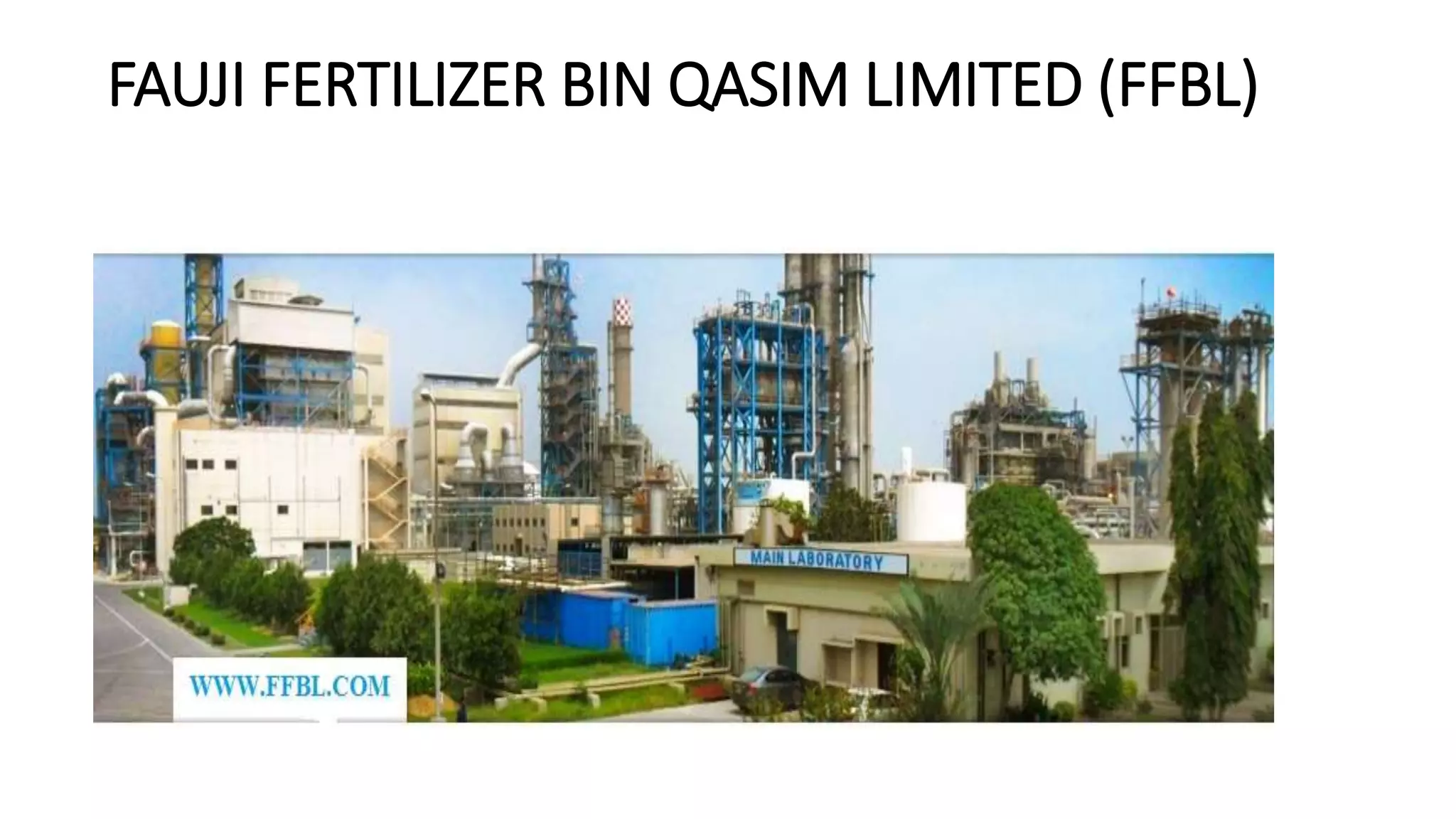
FAUJI FERTILIZER BIN QASIM LIMITED (FFBL)
COMPANY PROFILE
Fauji Fertilizer BinQasim Limited ( FFBL ).
FFBL Power Company Limited , 118 MW ( FPCL) Karachi.
Fauji Foods Limited (Formerly Noon Pakistan Limited).
Fauji Meat Limited Halal red meat Plant (FML) Karachi.
Fauji Fertilizer Bin Qasim Limited (FFBL) is high pressure high temperature largest DAP, UREA (granular) manufacturer chemical plant.
FFBL, built at a cost of US$ 468 million and located on 350 acres in the Eastern Industrial Zone of Bin Qasim, Karachi.
Products at FFBL :
• Ammonia, from 1270 metric tons to 1570 metric tons per day.
• DAP, from 1350 metric tons to 2230 metric tons per day.
• Urea, from 1670 metric tons to 1950 metric tons per day.
ACKNOWLEDGEMENT
I am very thankful to Almighty Allah for the successful completion of my four week internship
at FFBL which is one of the largest and growing Fertilizer Complex in Pakistan.
During my internship I have learnt about the Fertilizer industry,
its environment , Safe Lab Chemicals working procedure.
Handsome safety awareness ( HSE ) against personal safety as well as plant safety.
I am thankful to Management & Staff of FFBL who provided me a platform to
learn and gain practical knowledge. Who give me his extra time on understanding
things and make my things clear he also helped me giving ideas for my final year
project I would like to express my heartfelt thanks and appreciation to the
employees of FFBL who took the time off their busy schedule to share their
experience and knowledge.
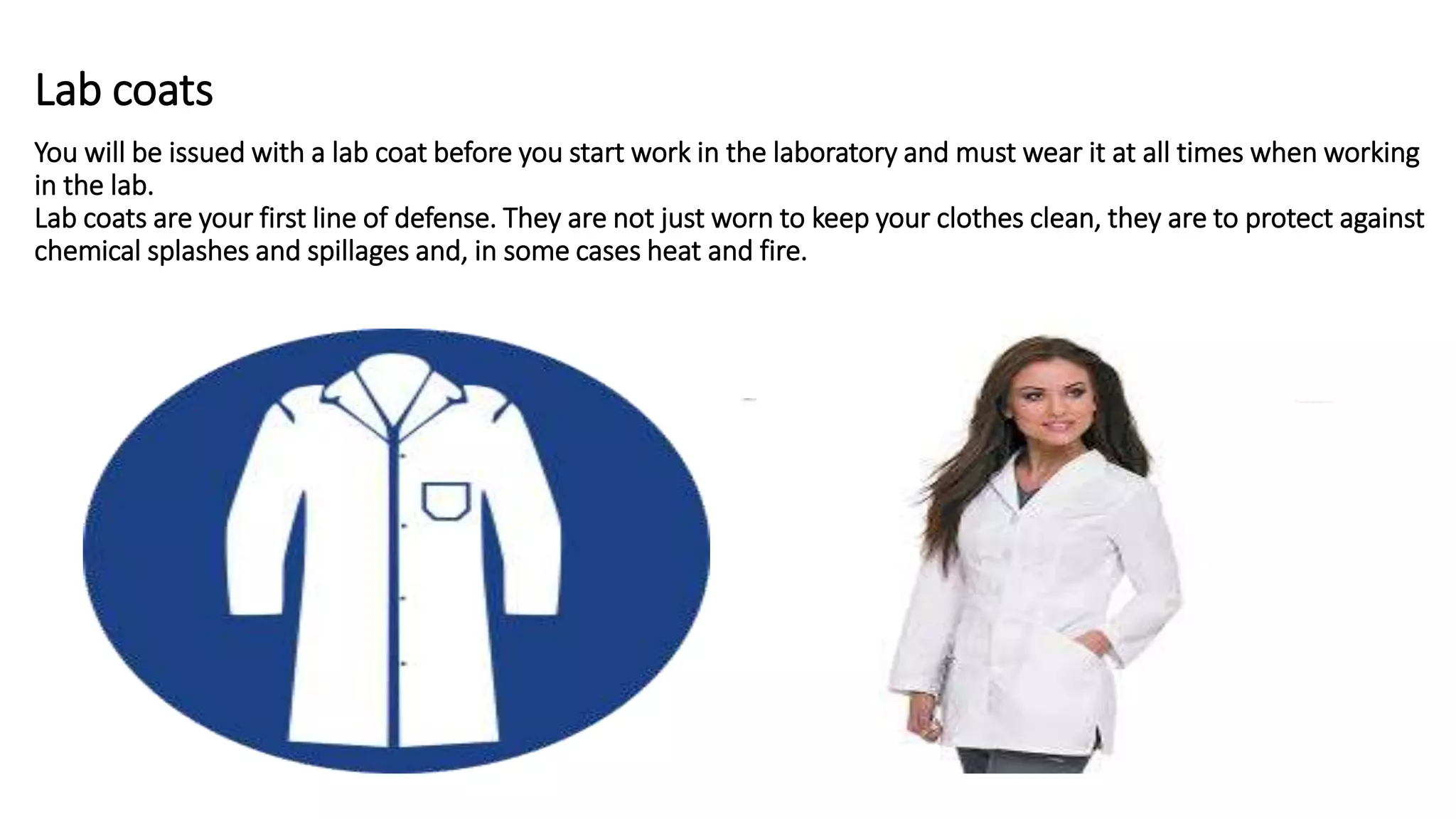
Lab coats
You will be issued with a lab coat before you start work in the laboratory and must wear it at all times when working
in the lab.
Lab coats are your first line of defense. They are not just worn to keep your clothes clean, they are to protect against
chemical splashes and spillages and, in some cases heat and fire.
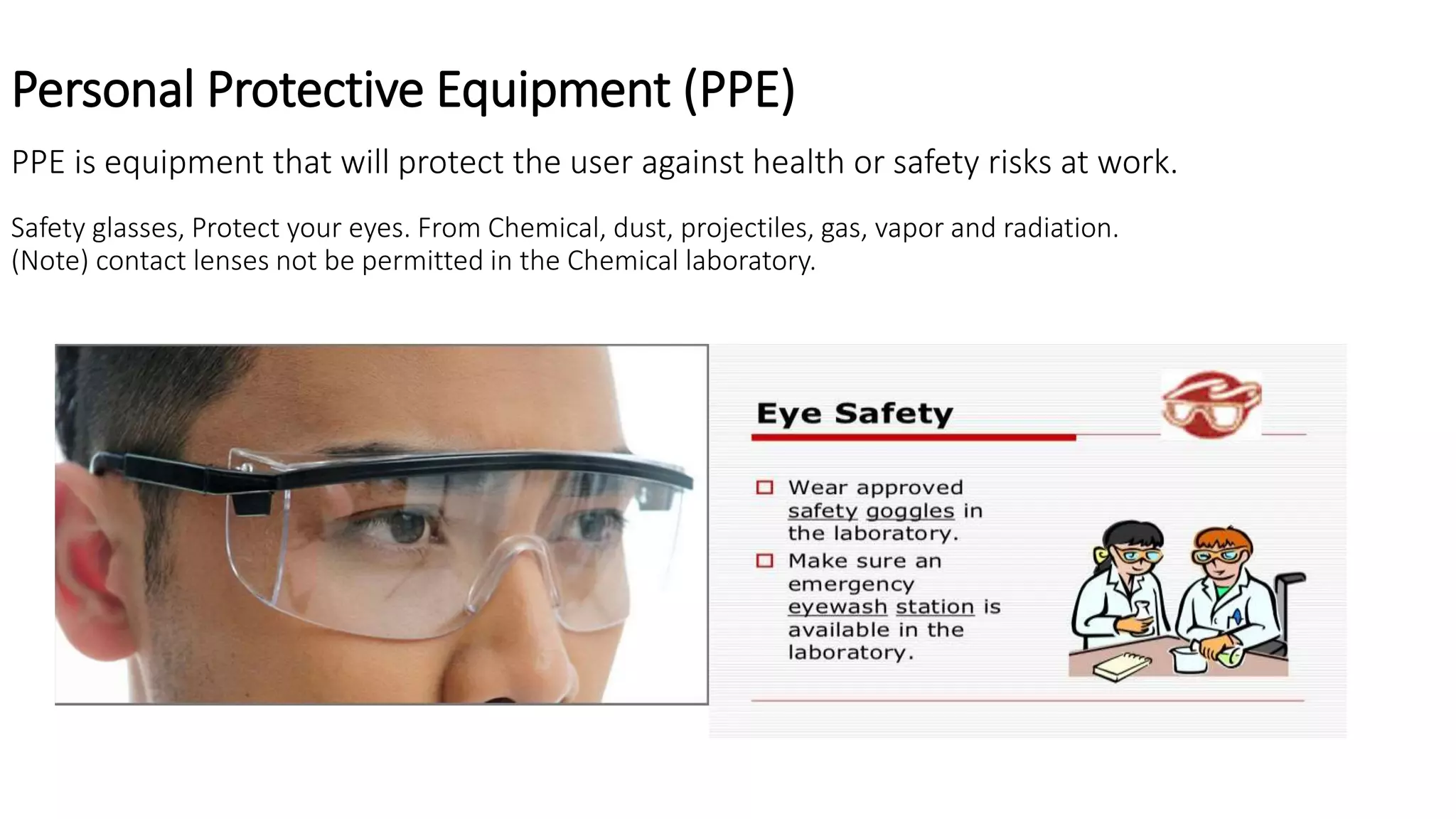
Personal Protective Equipment (PPE)
PPE is equipment that will protect the user against health or safety risks at work.
Safety glasses, Protect your eyes. From Chemical, dust, projectiles, gas, vapor and radiation.
(Note) contact lenses not be permitted in the Chemical laboratory.
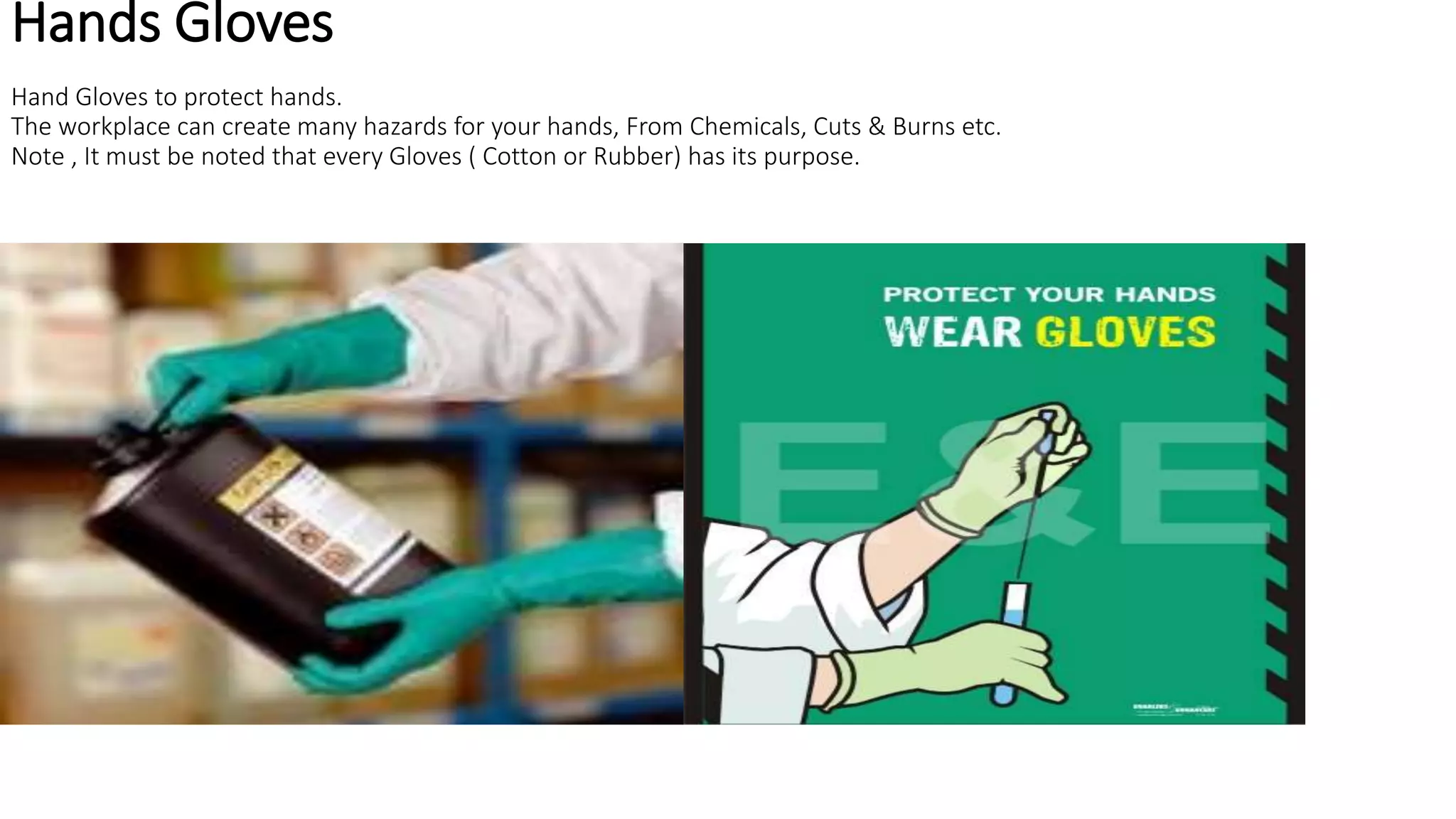
Hands Gloves
Hand Gloves to protect hands.
The workplace can create many hazards for your hands, From Chemicals, Cuts & Burns etc.
Note , It must be noted that every Gloves ( Cotton or Rubber) has its purpose.
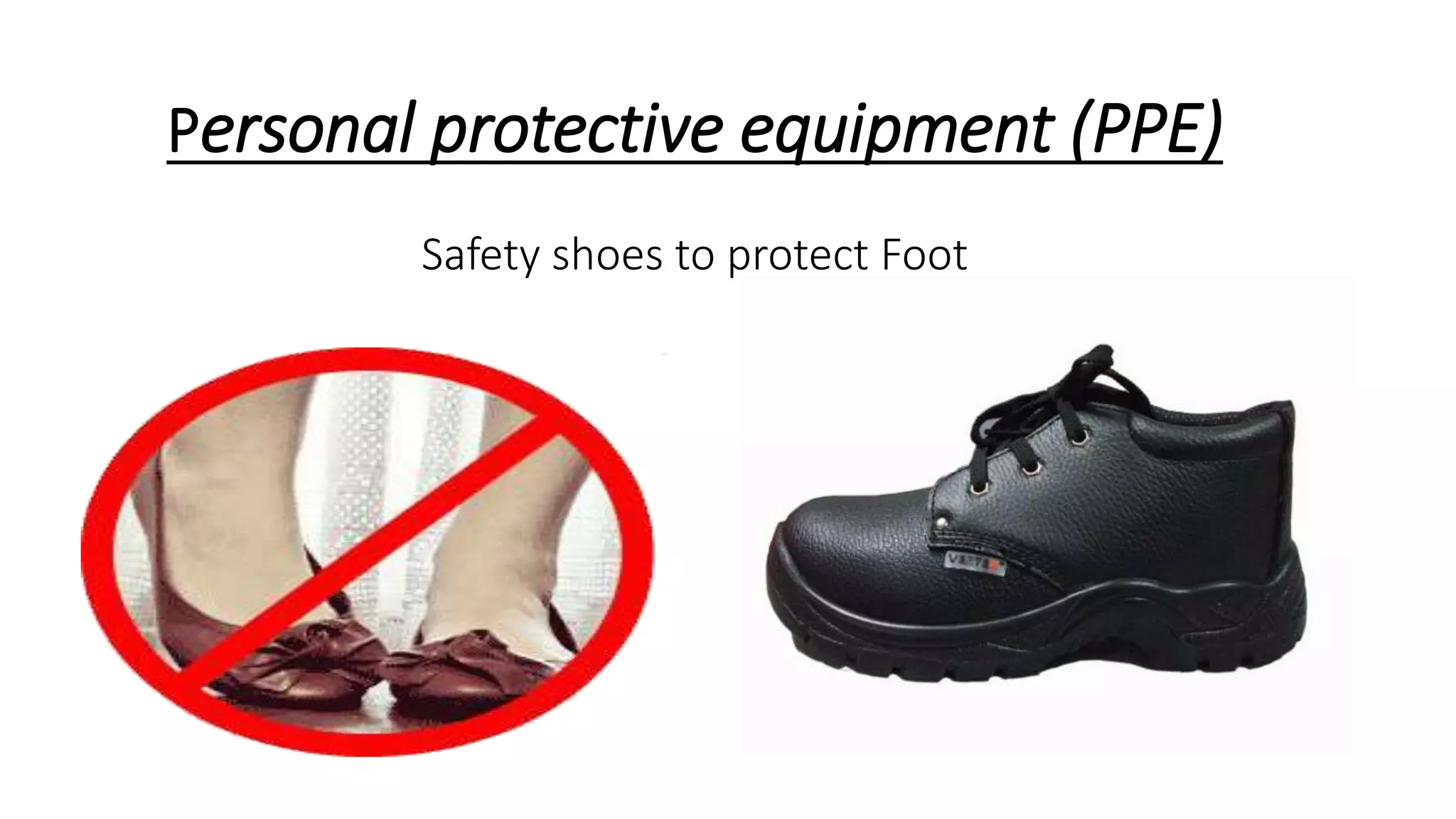
Personal protective equipment (PPE)
Safety shoes to protect Foot
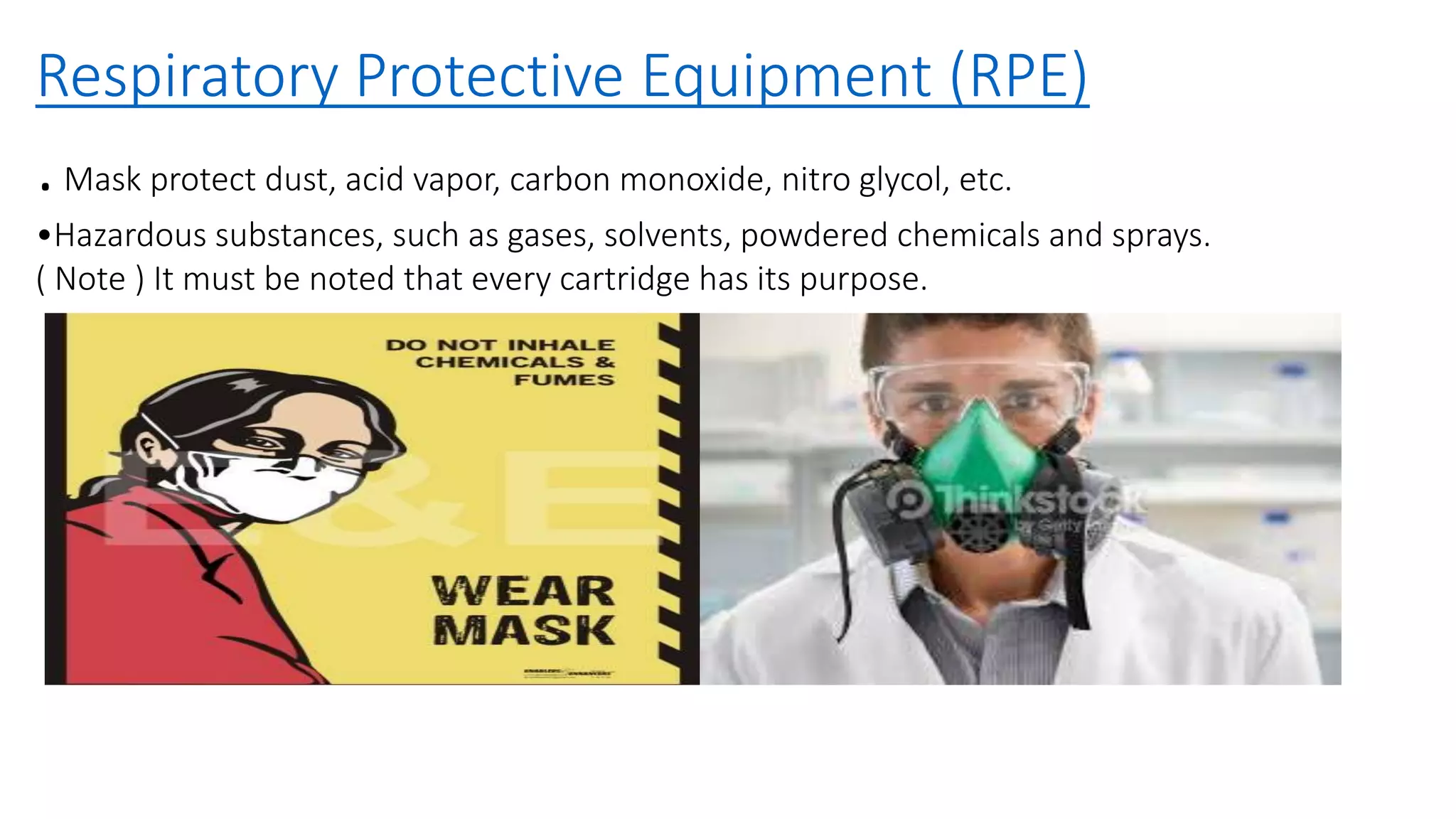
Respiratory Protective Equipment (RPE)
.Mask protect dust, acid vapor, carbon monoxide, nitro glycol, etc.
•Hazardous substances, such as gases, solvents, powdered chemicals and sprays.
( Note ) It must be noted that every cartridge has its purpose.
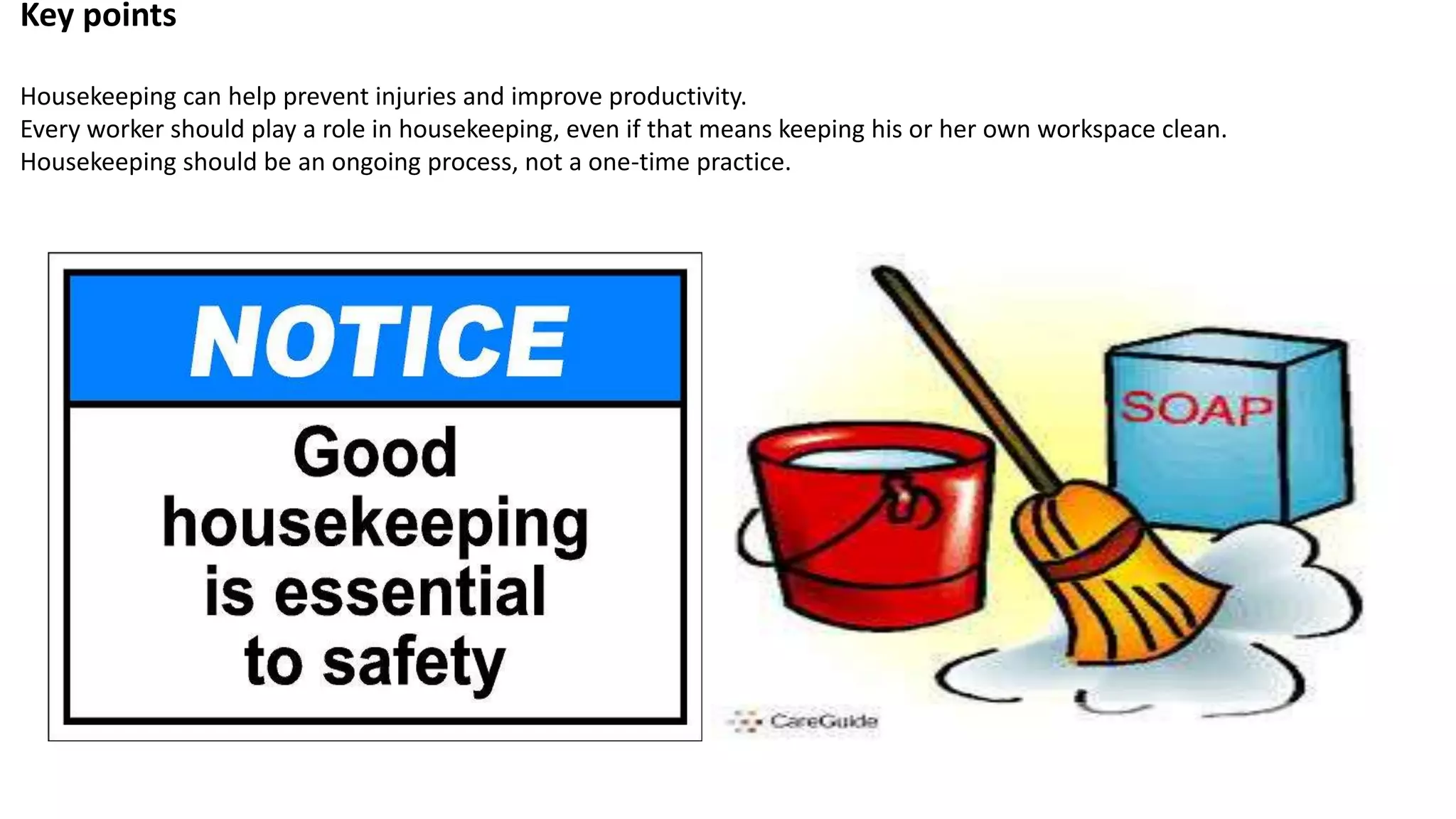
Key points
Housekeeping can help prevent injuries and improve productivity.
Every worker should play a role in housekeeping, even if that means keeping his or her own workspace clean.
Housekeeping should be an ongoing process, not a one-time practice.
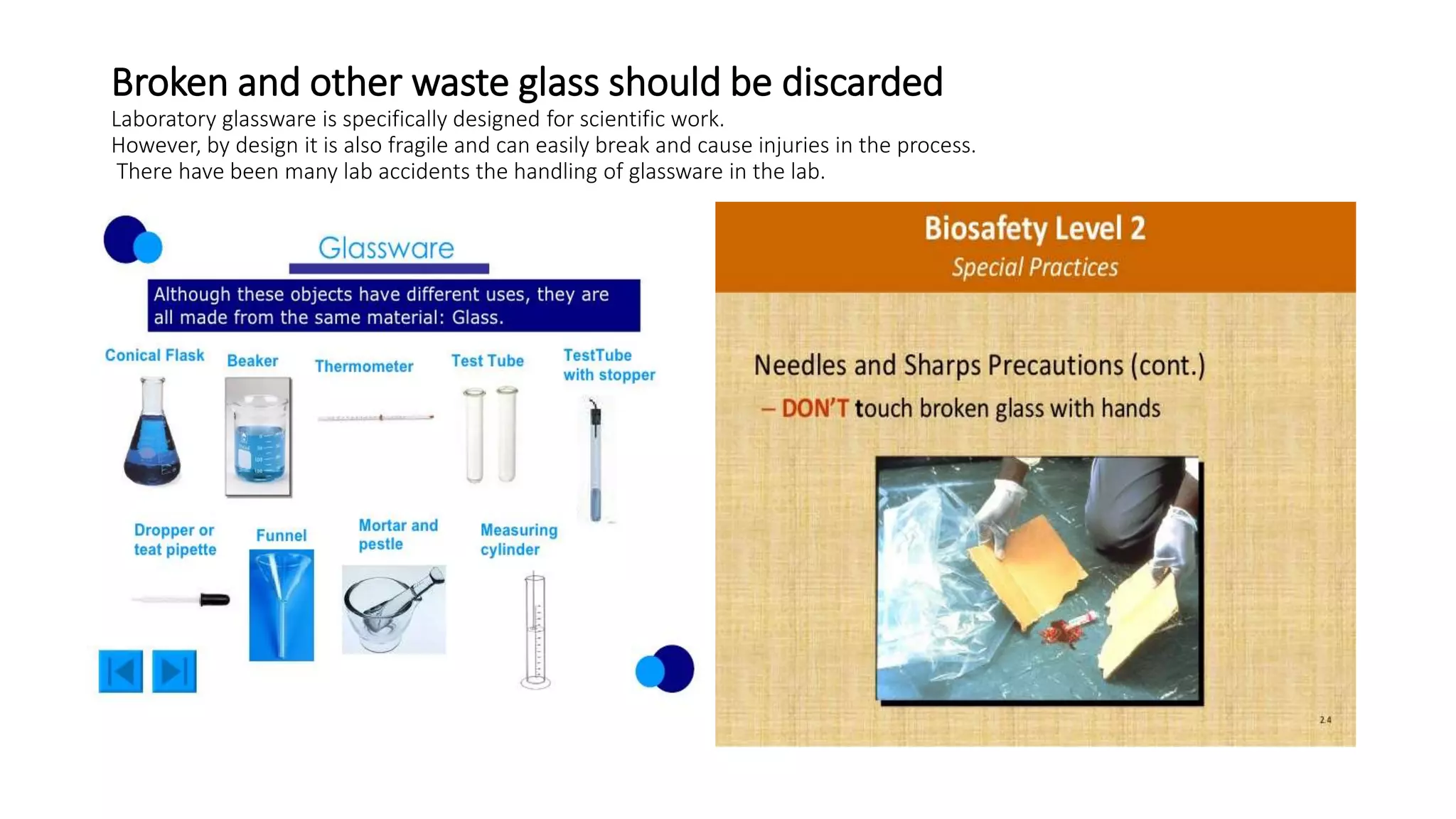
Broken and other waste glass should be discarded
Laboratory glassware is specifically designed for scientific work.
However, by design it is also fragile and can easily break and cause injuries in the process.
There have been many lab accidents the handling of glassware in the lab.
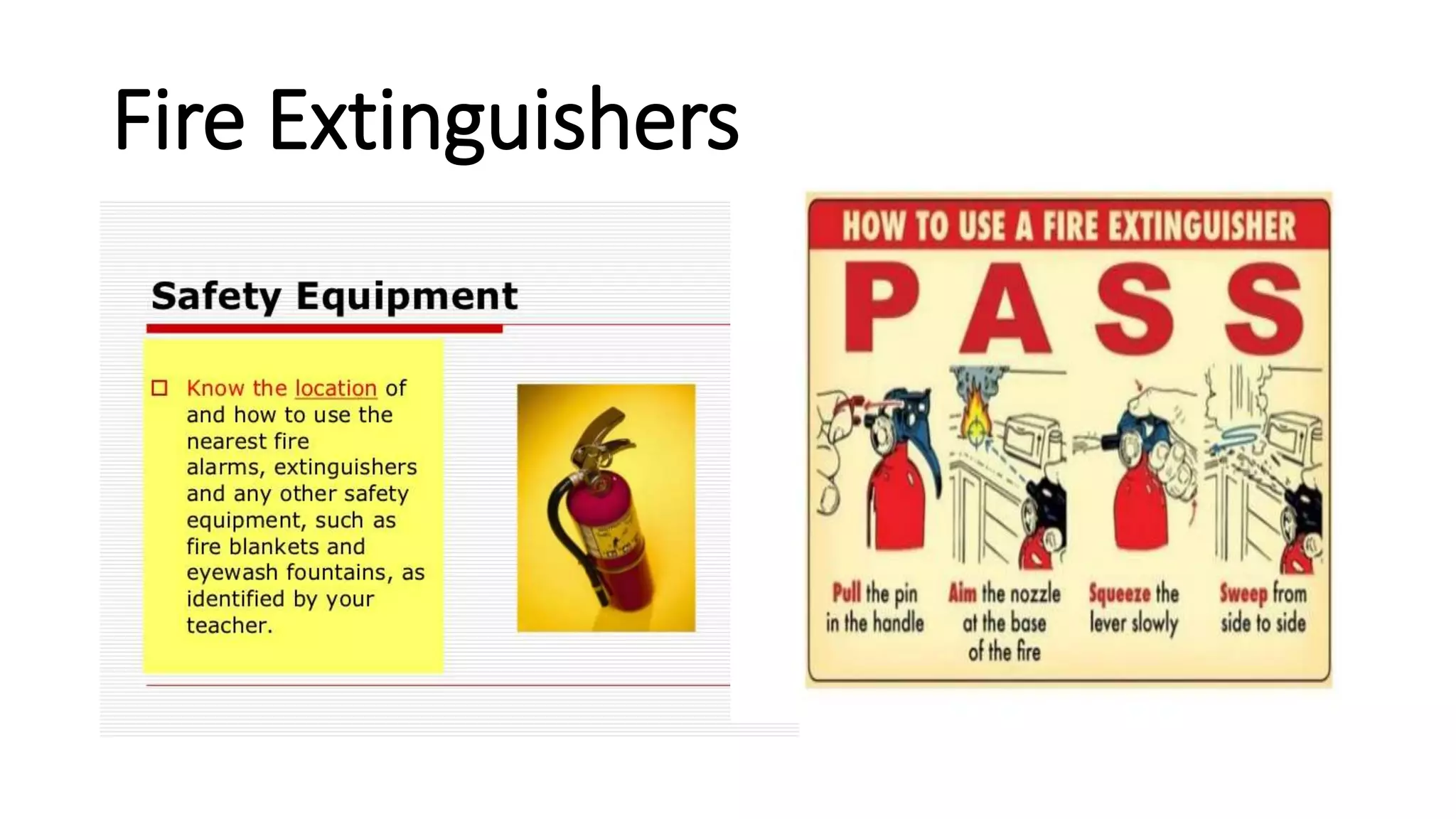
Fire Extinguishers
COURSE OBJECTIVES
This course is designed to give the student an understanding in the operation and care of
instruments used in the chemical laboratories of industry.
•To introduce the student to principles and theory of instrument analysis.
•To teach the student the correct operation of chemical instruments.
•To introduce the student to the techniques of troubleshooting instruments in the chemical laboratory.
•To emphasize the safe use of chemical instrumentation.
•To teach the student to solve problems related to the use of chemical instruments.
•To stress proper record keeping in the chemical laboratory and plant.
•To encourage library use as applied to instrumental analysis.

Lab safety presentation BY AZIZ JAMALI

  • 2.
    Fauji Fertilizer Bin-QasimLimited( FFBL ) Internship Report Aziz Jamali Contact # 03462243209 M.sc Final Roll No 2K16-MBCH-41 University of Sindh Jamshoro Hyderabad Summer Internship Program June – July 2017
  • 3.
    FAUJI FERTILIZER BINQASIM LIMITED (FFBL)
  • 4.
    COMPANY PROFILE Fauji FertilizerBinQasim Limited ( FFBL ). FFBL Power Company Limited , 118 MW ( FPCL) Karachi. Fauji Foods Limited (Formerly Noon Pakistan Limited). Fauji Meat Limited Halal red meat Plant (FML) Karachi. Fauji Fertilizer Bin Qasim Limited (FFBL) is high pressure high temperature largest DAP, UREA (granular) manufacturer chemical plant. FFBL, built at a cost of US$ 468 million and located on 350 acres in the Eastern Industrial Zone of Bin Qasim, Karachi. Products at FFBL : • Ammonia, from 1270 metric tons to 1570 metric tons per day. • DAP, from 1350 metric tons to 2230 metric tons per day. • Urea, from 1670 metric tons to 1950 metric tons per day.
  • 5.
    ACKNOWLEDGEMENT I am verythankful to Almighty Allah for the successful completion of my four week internship at FFBL which is one of the largest and growing Fertilizer Complex in Pakistan. During my internship I have learnt about the Fertilizer industry, its environment , Safe Lab Chemicals working procedure. Handsome safety awareness ( HSE ) against personal safety as well as plant safety. I am thankful to Management & Staff of FFBL who provided me a platform to learn and gain practical knowledge. Who give me his extra time on understanding things and make my things clear he also helped me giving ideas for my final year project I would like to express my heartfelt thanks and appreciation to the employees of FFBL who took the time off their busy schedule to share their experience and knowledge.
  • 8.
    Lab coats You willbe issued with a lab coat before you start work in the laboratory and must wear it at all times when working in the lab. Lab coats are your first line of defense. They are not just worn to keep your clothes clean, they are to protect against chemical splashes and spillages and, in some cases heat and fire.
  • 9.
    Personal Protective Equipment(PPE) PPE is equipment that will protect the user against health or safety risks at work. Safety glasses, Protect your eyes. From Chemical, dust, projectiles, gas, vapor and radiation. (Note) contact lenses not be permitted in the Chemical laboratory.
  • 10.
    Hands Gloves Hand Glovesto protect hands. The workplace can create many hazards for your hands, From Chemicals, Cuts & Burns etc. Note , It must be noted that every Gloves ( Cotton or Rubber) has its purpose.
  • 11.
    Personal protective equipment(PPE) Safety shoes to protect Foot
  • 12.
    Respiratory Protective Equipment(RPE) .Mask protect dust, acid vapor, carbon monoxide, nitro glycol, etc. •Hazardous substances, such as gases, solvents, powdered chemicals and sprays. ( Note ) It must be noted that every cartridge has its purpose.
  • 14.
    Key points Housekeeping canhelp prevent injuries and improve productivity. Every worker should play a role in housekeeping, even if that means keeping his or her own workspace clean. Housekeeping should be an ongoing process, not a one-time practice.
  • 17.
    Broken and otherwaste glass should be discarded Laboratory glassware is specifically designed for scientific work. However, by design it is also fragile and can easily break and cause injuries in the process. There have been many lab accidents the handling of glassware in the lab.
  • 31.
  • 32.
    COURSE OBJECTIVES This courseis designed to give the student an understanding in the operation and care of instruments used in the chemical laboratories of industry. •To introduce the student to principles and theory of instrument analysis. •To teach the student the correct operation of chemical instruments. •To introduce the student to the techniques of troubleshooting instruments in the chemical laboratory. •To emphasize the safe use of chemical instrumentation. •To teach the student to solve problems related to the use of chemical instruments. •To stress proper record keeping in the chemical laboratory and plant. •To encourage library use as applied to instrumental analysis.