If Health Canada approved it, your doctor
prescribed it, and your pharmacist
dispensed it, then it must be safe.
Right?
WRONG
Possibly deadly wrong
AS A CONSUMER, PARENT,
GUARDIAN OR CAREGIVER
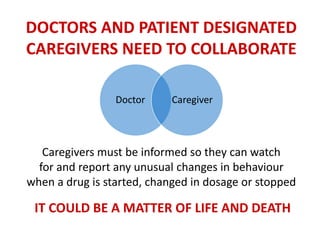
DOCTORS AND PATIENT DESIGNATED
CAREGIVERS NEED TO COLLABORATE
Caregivers must be informed so they can watch
for and report any unusual changes in behaviour
when a drug is started, changed in dosage or stopped
IT COULD BE A MATTER OF LIFE AND DEATH
Doctor Caregiver
• Adverse drug reactions are the 4th leading
cause of death after heart disease, cancer
and stroke.
• Each year adverse drug reactions kill:
– 100,000 in United States
– 197,000 in Europe
– Millions worldwide
• Adverse drug reactions could be the
leading cause of death and disability in
mental health.
DEPRESSION
• World Health Organization considers depression to
be the leading cause of disability worldwide.
• On World Health Day 2017, a Special Rapporteur to
the United Nations stated that "the use of
psychotropic medications as the first line of
treatment, especially for mild and moderate cases of
depression, is quite simply unsupported by evidence.
The overreliance on biomedical interventions causes
more harm than good, undermines the right to
health, and must be abandoned."
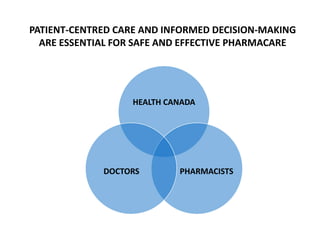
PATIENT-CENTRED CARE AND INFORMED DECISION-MAKING
ARE ESSENTIAL FOR SAFE AND EFFECTIVE PHARMACARE
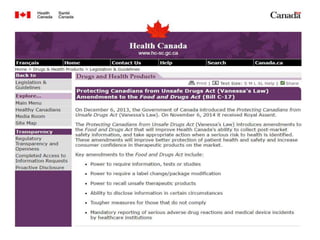
HEALTH CANADA
PHARMACISTSDOCTORS
LEGISLATION AND POLICIES SUPPORT
PATIENT-CENTRED CARE AND
INFORMED DECISION-MAKING
• All health care must be patient-centred.
Patients may consent to or refuse any
examination, intervention or treatment, and
may change or vary their decisions without
prejudice.
• Provide your patients with the information
they need to make informed decisions about
their medical care, and answer their questions
to the best of your ability.
• All communication with patients should
recognize an individual patient’s
autonomy and demonstrate a
collaborative approach to patient
decision-making.
• It is recommended that physicians
encourage their patients to: question why
they are receiving a drug; verify that it is
the appropriate drug, dose and route.
• Optimizing drug therapy outcomes for
Canadians through patient-centred care.
• Empower patients in decision-making
about their health, and play a prominent
role in health promotion, disease
prevention and chronic disease
management.
• Support patients in learning about their
health conditions, the treatments they
receive, and the results they should
expect.
• Individuals will be enabled to make
informed decisions about accessing the
level of care that they need and when
they need it.
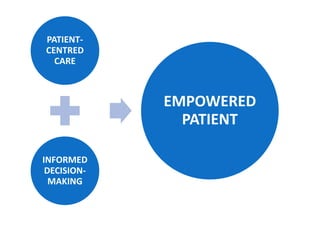
PATIENT-
CENTRED
CARE
INFORMED
DECISION-
MAKING
EMPOWERED
PATIENT
EMPOWERED PATIENTS
GET ANSWERS TO QUESTIONS
QUESTION
YOUR DOCTOR AND PHARMACIST
Answers to these 12 questions could save your life
1. How does this drug work, how much improvement can I
expect, and how soon?
2. If I don’t take this drug now, and instead wait for a
while, what will happen?
3. Are there any lifestyle changes (e.g., diet) or non drug
treatments that will help?
4. What are the most likely side effects?
5. Are there any rare serious side effects or any permanent
problems this drug can cause?
6. If this is a new drug, why can’t I take an older drug?
7. Why are you recommending this particular dose?
8. What date will we review my use/dose of this drug?
9. Are there problems stopping the drug or any special
considerations on stopping or changing dose that I
should watch for?
10. Are there any potential interactions with food, my other
medical conditions, or my current medications?
11. Might this drug affect my weight/sleep/hair/skin/
nails/mood/sex life and/or relationships, and if so, how?
12. Do I need to stop this drug before I get pregnant?
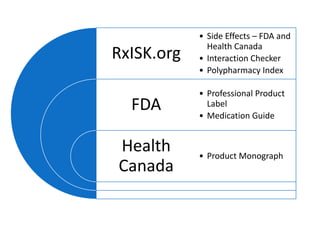
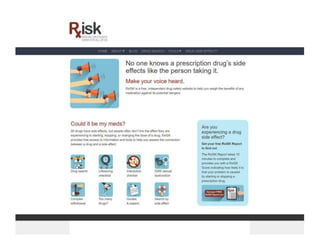
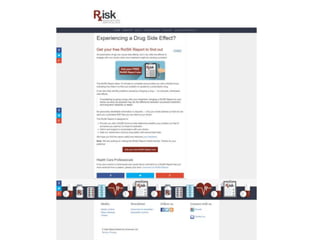
RxISK.org
RESEARCH
YOUR DRUGS
RxISK.org
FDA
Health
Canada
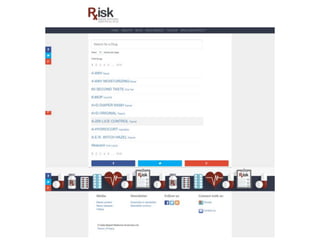
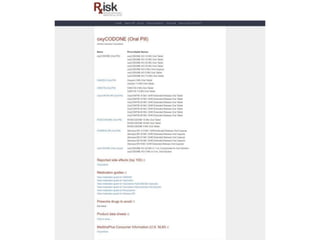
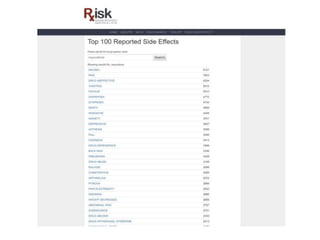
• Side Effects – FDA and
Health Canada
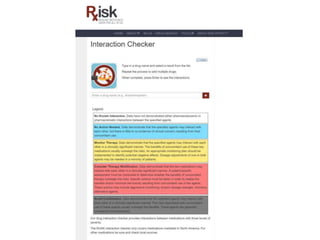
• Interaction Checker
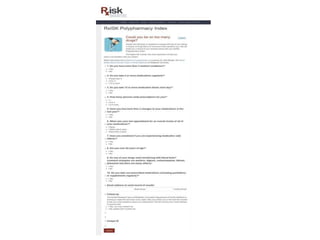
• Polypharmacy Index
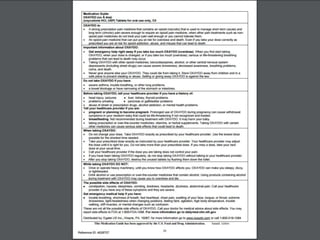
• Professional Product
Label
• Medication Guide
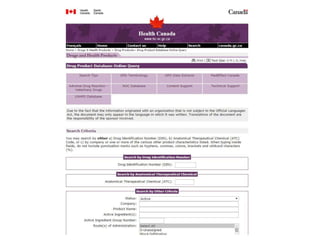
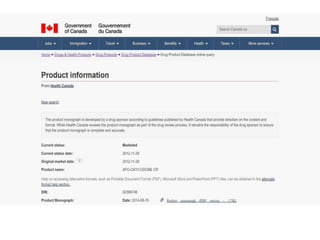
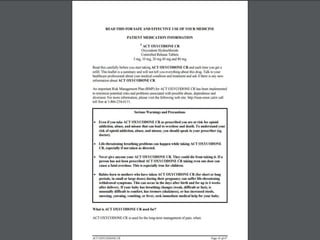
• Product Monograph
SHARE
YOUR KNOWLEDGE
WITH A BUDDY
SOMEONE WHO WILL WATCH
FOR DRUG SIDE EFFECTS
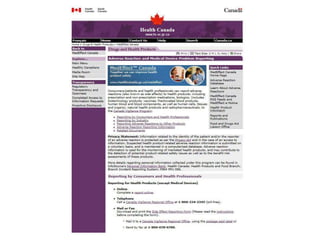
REPORT
ADVERSE DRUG REACTIONS
VISION
Canadians make informed choices
about prescription drug use
QUESTION, RESEARCH
SHARE AND REPORT
knowyourdrugs.org

Know Your Drugs

  • 1.
    If Health Canadaapproved it, your doctor prescribed it, and your pharmacist dispensed it, then it must be safe. Right?
  • 2.
  • 3.
    AS A CONSUMER,PARENT, GUARDIAN OR CAREGIVER
  • 4.
    DOCTORS AND PATIENTDESIGNATED CAREGIVERS NEED TO COLLABORATE Caregivers must be informed so they can watch for and report any unusual changes in behaviour when a drug is started, changed in dosage or stopped IT COULD BE A MATTER OF LIFE AND DEATH Doctor Caregiver
  • 5.
    • Adverse drugreactions are the 4th leading cause of death after heart disease, cancer and stroke. • Each year adverse drug reactions kill: – 100,000 in United States – 197,000 in Europe – Millions worldwide • Adverse drug reactions could be the leading cause of death and disability in mental health.
  • 6.
    DEPRESSION • World HealthOrganization considers depression to be the leading cause of disability worldwide. • On World Health Day 2017, a Special Rapporteur to the United Nations stated that "the use of psychotropic medications as the first line of treatment, especially for mild and moderate cases of depression, is quite simply unsupported by evidence. The overreliance on biomedical interventions causes more harm than good, undermines the right to health, and must be abandoned."
  • 7.
    PATIENT-CENTRED CARE ANDINFORMED DECISION-MAKING ARE ESSENTIAL FOR SAFE AND EFFECTIVE PHARMACARE HEALTH CANADA PHARMACISTSDOCTORS
  • 8.
    LEGISLATION AND POLICIESSUPPORT PATIENT-CENTRED CARE AND INFORMED DECISION-MAKING
  • 10.
    • All healthcare must be patient-centred. Patients may consent to or refuse any examination, intervention or treatment, and may change or vary their decisions without prejudice. • Provide your patients with the information they need to make informed decisions about their medical care, and answer their questions to the best of your ability.
  • 11.
    • All communicationwith patients should recognize an individual patient’s autonomy and demonstrate a collaborative approach to patient decision-making. • It is recommended that physicians encourage their patients to: question why they are receiving a drug; verify that it is the appropriate drug, dose and route.
  • 12.
    • Optimizing drugtherapy outcomes for Canadians through patient-centred care. • Empower patients in decision-making about their health, and play a prominent role in health promotion, disease prevention and chronic disease management.
  • 13.
    • Support patientsin learning about their health conditions, the treatments they receive, and the results they should expect. • Individuals will be enabled to make informed decisions about accessing the level of care that they need and when they need it.
  • 14.
  • 15.
    EMPOWERED PATIENTS GET ANSWERSTO QUESTIONS QUESTION YOUR DOCTOR AND PHARMACIST
  • 16.
    Answers to these12 questions could save your life 1. How does this drug work, how much improvement can I expect, and how soon? 2. If I don’t take this drug now, and instead wait for a while, what will happen? 3. Are there any lifestyle changes (e.g., diet) or non drug treatments that will help? 4. What are the most likely side effects? 5. Are there any rare serious side effects or any permanent problems this drug can cause?
  • 17.
    6. If thisis a new drug, why can’t I take an older drug? 7. Why are you recommending this particular dose? 8. What date will we review my use/dose of this drug? 9. Are there problems stopping the drug or any special considerations on stopping or changing dose that I should watch for? 10. Are there any potential interactions with food, my other medical conditions, or my current medications? 11. Might this drug affect my weight/sleep/hair/skin/ nails/mood/sex life and/or relationships, and if so, how? 12. Do I need to stop this drug before I get pregnant? RxISK.org
  • 18.
  • 19.
    RxISK.org FDA Health Canada • Side Effects– FDA and Health Canada • Interaction Checker • Polypharmacy Index • Professional Product Label • Medication Guide • Product Monograph
  • 31.
    SHARE YOUR KNOWLEDGE WITH ABUDDY SOMEONE WHO WILL WATCH FOR DRUG SIDE EFFECTS
  • 32.
  • 35.
    VISION Canadians make informedchoices about prescription drug use
  • 36.
    QUESTION, RESEARCH SHARE ANDREPORT knowyourdrugs.org