Introduction to Project Management 2nd Edition Schwalbe Test Bank
Introduction to Project Management 2nd Edition Schwalbe Test Bank
Introduction to Project Management 2nd Edition Schwalbe Test Bank
Introduction to Project Management 2nd Edition Schwalbe Test Bank
Introduction to Project Management 2nd Edition Schwalbe Test Bank
1.
Visit https://testbankfan.com todownload the full version and
browse more test banks or solution manuals
Introduction to Project Management 2nd Edition
Schwalbe Test Bank
_____ Press the link below to begin your download _____
https://testbankfan.com/product/introduction-to-project-
management-2nd-edition-schwalbe-test-bank/
Access testbankfan.com now to download high-quality
test banks or solution manuals
2.
Here are somerecommended products for you. Click the link to
download, or explore more at testbankfan.com
Information Technology Project Management 9th Edition
Schwalbe Test Bank
https://testbankfan.com/product/information-technology-project-
management-9th-edition-schwalbe-test-bank/
Information Technology Project Management 7th Edition
Kathy Schwalbe Test Bank
https://testbankfan.com/product/information-technology-project-
management-7th-edition-kathy-schwalbe-test-bank/
Information Technology Project Management Revised 6th
Edition Schwalbe Test Bank
https://testbankfan.com/product/information-technology-project-
management-revised-6th-edition-schwalbe-test-bank/
Introduction to Criminology Theories Methods and Criminal
Behavior 9th Edition Hagan Test Bank
https://testbankfan.com/product/introduction-to-criminology-theories-
methods-and-criminal-behavior-9th-edition-hagan-test-bank/
3.
Bond Markets AnalysisAnd Strategies 8th Edition Fabozzi
Solutions Manual
https://testbankfan.com/product/bond-markets-analysis-and-
strategies-8th-edition-fabozzi-solutions-manual/
Maternal Child Nursing Care 2nd Edition Ward Test Bank
https://testbankfan.com/product/maternal-child-nursing-care-2nd-
edition-ward-test-bank/
Hands-On Networking Fundamentals 2nd Edition Michael
Palmer Test Bank
https://testbankfan.com/product/hands-on-networking-fundamentals-2nd-
edition-michael-palmer-test-bank/
Anatomy Physiology and Disease Foundations for the Health
Professions 1st Edition Roiger Solutions Manual
https://testbankfan.com/product/anatomy-physiology-and-disease-
foundations-for-the-health-professions-1st-edition-roiger-solutions-
manual/
Essential Environment The Science behind the Stories 5th
Edition Withgott Test Bank
https://testbankfan.com/product/essential-environment-the-science-
behind-the-stories-5th-edition-withgott-test-bank/
4.
Marketing Management 11thEdition Peter Solutions Manual
https://testbankfan.com/product/marketing-management-11th-edition-
peter-solutions-manual/
5.
Chapter 5: PlanningProjects, Part 2 (Project Quality, Human Resource,
Communications, Risk, And Procurement Management)
TRUE/FALSE
1. Quality, human resource, communications, risk, and procurement management are incidental to project
success.
ANS: F PTS: 1 REF: 162
2. Project plans provide the basis for executing tasks.
ANS: T PTS: 1 REF: 162
3. Project management involves meeting or exceeding stakeholder needs and expectations.
ANS: T PTS: 1 REF: 164
4. The project manager ultimately decides what level of quality is acceptable.
ANS: F PTS: 1 REF: 164
5. Quality must be considered on an equal level of importance with project scope, time, and cost.
ANS: T PTS: 1 REF: 164
6. A single project should have only one checklist.
ANS: F PTS: 1 REF: 167
7. People determine the success and failure of organizations and projects.
ANS: T PTS: 1 REF: 169
8. The size and complexity of the project determines how simple or complex the organizational chart is.
ANS: T PTS: 1 REF: 169
9. Having a plan guarantees that all communications will flow smoothly.
ANS: F PTS: 1 REF: 173
10. The communications management plan for any project should always be expressed in written form.
ANS: T PTS: 1 REF: 174
11. Project Web sites provide a centralized way of delivering project documents and other
communications.
ANS: T PTS: 1 REF: 176
12. Risk management contributes very little to the chance of a project succeeding.
6.
ANS: F PTS:1 REF: 177
13. A risk management plan summarizes how risk management will be performed on a particular project.
ANS: T PTS: 1 REF: 178
14. Project teams should initially focus on risk events that fall in the low sections of the probability/impact
matrix.
ANS: F PTS: 1 REF: 181
15. There can be one or more potential responses to each risk event.
ANS: T PTS: 1 REF: 183
16. Many people should be responsible for monitoring each risk event.
ANS: F PTS: 1 REF: 183
17. Project managers should include clauses in contracts to help manage project risks.
ANS: T PTS: 1 REF: 183
18. By having suppliers visibly compete against each other, the buyers reduce their risks and benefit from
competition.
ANS: T PTS: 1 REF: 185
19. Good procurement management typically involves buyers and sellers in a zero-sum game.
ANS: F PTS: 1 REF: 186
20. In the context of choosing whether to make or buy goods and services, the members of the
Just-In-Time Training project would be exercising the “make” option if they conducted basic
management training in-house.
ANS: T PTS: 1 REF: 188
21. Unlike other project plans, the contents of the procurement management plan do not vary with project
needs.
ANS: F PTS: 1 REF: 190
22. Contract type is a key consideration in a procurement management plan.
ANS: T PTS: 1 REF: 190
23. The salaries for people working directly on a project and materials purchased for a specific project are
indirect costs.
ANS: F PTS: 1 REF: 191
24. Indirect costs are often calculated as a percentage of direct costs.
7.
ANS: T PTS:1 REF: 191
25. A bid is a document prepared by buyers providing pricing for standard items that have been clearly
defined by the seller.
ANS: F PTS: 1 REF: 193
26. A weighted scoring model provides a systematic process for selection based on numerous criteria.
ANS: T PTS: 1 REF: 195
MULTIPLE CHOICE
1. Project ____ management ensures that the project will satisfy the stated or implied needs for which it
was undertaken.
a. integration c. portfolio
b. quality d. performance
ANS: B PTS: 1 REF: 163
2. ____ to requirements means that the project’s processes and products meet written specifications.
a. Voluntary adherence c. Conformance
b. Management d. Fidelity
ANS: C PTS: 1 REF: 163
3. If a project’s stakeholders are not satisfied with the quality of the project management or the resulting
products or services, the project team will need to adjust ____, time, and cost to satisfy stakeholder
needs and expectations.
a. range c. vision
b. breadth d. scope
ANS: D PTS: 1 REF: 164
4. Examples of common ____ used by organizations include failure rates of products produced,
availability of goods and services, and customer satisfaction ratings.
a. metrics c. requirements
b. analytics d. guidelines
ANS: A PTS: 1 REF: 166
5. Two important metrics related to the Just-In-Time Training project include the ____ and course
evaluation ratings.
a. rate of attrition c. overall attendance
b. survey response rate d. quantity of lesson modules
ANS: B PTS: 1 REF: 167
6. A project ____ chart is a graphic representation of how authority and responsibility is distributed
within the project.
a. organizational c. stakeholder
b. planning d. management
ANS: A PTS: 1 REF: 169
8.
7. Some organizations,including Global Construction, use RACI charts—a type of responsibility
assignment matrix that shows Responsibility, ____, Consultation, and Informed roles for project
stakeholders.
a. Analysis c. Accountability
b. Allowance d. Assignment
ANS: C PTS: 1 REF: 170
8. In a RACI chart, each task may have multiple ____ entries.
a. R, C, or I c. A, C, or R
b. A, R, or I d. A, C, or I
ANS: A PTS: 1 REF: 170
9. A(n) ____ histogram is a column chart that shows the number of resources required for or assigned to
a project over time.
a. resource c. allocation
b. requirements d. assignment
ANS: A PTS: 1 REF: 171
10. A(n) ____ management plan describes when and how people will be added to and removed from a
project.
a. exchange c. staffing
b. labor d. human resource
ANS: C PTS: 1 REF: 172
11. Project ____ management involves generating, collecting, disseminating, and storing project
information.
a. information c. data
b. communications d. media
ANS: B PTS: 1 REF: 174
12. The WBS for the Just-In-Time Training project included an item called ____ communications to
ensure good project communications.
a. shareholder c. global
b. sponsor d. stakeholder
ANS: D PTS: 1 REF: 175
13. Project teams can develop project Web sites using Web-____ tools, such as Microsoft FrontPage or
SharePoint Designer 2007 or Macromedia Dreamweaver; enterprise project management software, if
available; or a combination of the two approaches.
a. authoring c. generation
b. management d. coding
ANS: A PTS: 1 REF: 176
14. PMI defines a project ____ as an uncertainty that can have a negative or positive effect on meeting
project objectives.
a. hazard c. risk
b. danger d. challenge
9.
ANS: C PTS:1 REF: 177
15. ____ plans are developed for risks that have a high impact on meeting project objectives, and are put
into effect if attempts to reduce the risk are not effective.
a. Emergency c. Secondary
b. Fallback d. Support
ANS: B PTS: 1 REF: 178
16. ____ risk events might include the performance failure of a product produced as part of a project,
delays in completing work as scheduled, increases in estimated costs, supply shortages, litigation
against the company, and strikes.
a. Negative c. Calculated
b. Hidden d. Countervailing
ANS: A PTS: 1 REF: 180
17. ____ risk events include completing work sooner than planned or at an unexpectedly reduced cost,
collaborating with suppliers to produce better products, and obtaining good publicity from the project.
a. Collaborative c. Anticipated
b. Positive d. Probable
ANS: B PTS: 1 REF: 180
18. There are ____ important dimensions of risk events.
a. two c. four
b. three d. five
ANS: A PTS: 1 REF: 180
19. Under which risk register heading would you list a defective product, poor survey results, reduced
consulting costs, or good publicity?
a. An identification number for each risk event
b. A rank for each risk event
c. The name of the risk event
d. A description of the risk event
ANS: C PTS: 1 REF: 181
20. Under which risk register heading would you list identification of a defective hard drive as the source
of a computer defect?
a. The category under which the risk event falls
b. The risk owner, or person who will own or take responsibility for the risk event
c. Potential responses to each risk event
d. The root cause of the risk event
ANS: D PTS: 1 REF: 182
21. You can help identify the root cause of problems by creating a cause-and-effect or ____ diagram.
a. fishbone c. results
b. event d. deterministic
ANS: A PTS: 1 REF: 182
22. ____ are indicators or symptoms of actual risk events.
a. Signals c. Triggers
10.
b. Flags d.Monitors
ANS: C PTS: 1 REF: 183
23. ____ contracts reduce the risk of incurring higher costs than expected.
a. Variable-price c. Oral
b. Bid d. Fixed-price
ANS: D PTS: 1 REF: 183
24. Project ____ management includes acquiring or procuring goods and services for a project from
outside the organization.
a. logistics c. acquisition
b. procurement d. supply
ANS: B PTS: 1 REF: 186
25. As the business world continues to become more competitive and ____, more and more projects
include procurement.
a. global c. local
b. provincial d. regulated
ANS: A PTS: 1 REF: 186
26. Which of the following is a key output of project procurement management planning?
a. quality metrics c. contract statements of work
b. quality checklists d. project Web site
ANS: C PTS: 1 REF: 186
27. You would use a(n) ____-or-buy analysis to decide whether to purchase or lease items for a particular
project.
a. retain c. acquire
b. lease d. inspect
ANS: B PTS: 1 REF: 187
28. Suppose that the purchase price for a piece of equipment is $12,000, with operational costs of $400 per
day. If the same equipment can be leased for $800 per day (inclusive of operational costs), after how
many days will the lease cost equal the purchase cost?
a. 10 c. 30
b. 15 d. 60
ANS: C PTS: 1 REF: 187
29. Which of the following topics could you expect to find in a procurement management plan?
a. methodology for risk management
b. guidelines on types of contracts to be used in different situations
c. budget and schedule estimates for risk-related activities
d. risk categories
ANS: B PTS: 1 REF: 190
30. Three broad categories of contracts are fixed price, or lump sum; ____; and time and material.
a. cost intensive c. cost reducing
b. cost averse d. cost reimbursable
11.
ANS: D PTS:1 REF: 190
31. A ____ contract has the least amount of risk for the buyer.
a. firm-fixed price c. soft-fixed-price
b. fixed-price incentive d. contingent-fixed
ANS: A PTS: 1 REF: 191
32. The costs of providing a work space for project workers, office furniture, electricity, and a cafeteria are
____ costs.
a. direct c. indirect
b. explicit d. incidental
ANS: C PTS: 1 REF: 191
33. Time-and-____ contracts are a hybrid of both fixed-price and cost reimbursable contracts.
a. space c. price
b. material d. reimbursable
ANS: B PTS: 1 REF: 191
34. ____ pricing can be used in various types of contracts to require the buyer to pay the supplier a
predetermined amount per unit of service.
a. Volume c. Variable
b. Discount d. Unit
ANS: D PTS: 1 REF: 191
35. A(n) ____ is a document in which sellers describe what they will do to meet the requirements of a
buyer.
a. proposal c. schedule
b. charter d. draft
ANS: A PTS: 1 REF: 192
36. A Request for ____ is a document used to solicit quotes or bids from prospective suppliers.
a. Proposal c. Quote
b. Price d. Cost
ANS: C PTS: 1 REF: 193
37. After thoroughly evaluating a supplier, many organizations summarize evaluations using a supplier
____ matrix—a type of weighted scoring model.
a. survey c. construction
b. evaluation d. review
ANS: B PTS: 1 REF: 195
COMPLETION
1. It is important to effectively plan the scope, time, and cost dimensions of a project and to develop the
overall project management plan as part of ____________________ management.
ANS: integration
12.
PTS: 1 REF:162
2. The International Organization for Standardization (ISO) defines ____________________ as “the
degree to which a set of inherent characteristics fulfill requirements” (ISO9000:2000).
ANS: quality
PTS: 1 REF: 163
3. ____________________ for use means that a product can be used as it was intended.
ANS: Fitness
PTS: 1 REF: 164
4. A(n) ____________________ is a standard of measurement.
ANS: metric
PTS: 1 REF: 166
5. A(n) ____________________ is a list of items to be noted or consulted.
ANS: checklist
PTS: 1 REF: 167
6. Project human ____________________ management is concerned with making effective use of the
people involved with a project.
ANS: resource
PTS: 1 REF: 169
7. A(n) ____________________ is a matrix that maps the work of the project as described in the work
breakdown structure (WBS) to the people responsible for performing the work.
ANS:
responsibility assignment matrix
RAM
responsibility assignment matrix (RAM)
RAM (responsibility assignment matrix)
PTS: 1 REF: 169
8. A(n) ____________________ management plan is a document that guides project communications.
ANS: communication
PTS: 1 REF: 174
9. ____________________ are easy-to-use journals on the Web that allow users to write entries, create
links, and upload pictures, while allowing readers to post comments to particular journal entries.
13.
ANS: Blogs
PTS: 1REF: 176
10. Key outputs of project ____________________ management planning include a risk management
plan, a probability/impact matrix, a risk register, and risk-related contractual agreements.
ANS: risk
PTS: 1 REF: 177
11. ____________________ plans are predefined actions that the project team will take if an identified
risk event occurs.
ANS: Contingency
PTS: 1 REF: 178
12. Contingency reserves or contingency ____________________ are funds held by the project sponsor
that can be used to mitigate cost or schedule overruns if unknown risks occur.
ANS: allowances
PTS: 1 REF: 178
13. Risk ____________________ refer to specific, uncertain events that may occur to the detriment or
enhancement of the project.
ANS: events
PTS: 1 REF: 180
14. One side (axis) of a(n) ____________________/impact matrix or chart lists the relative probability of
a risk event occurring, and the other side (axis) of the chart shows the relative impact of the risk event
occurring.
ANS: probability
PTS: 1 REF: 181
15. A risk ____________________ is a document that contains results of various risk management
processes, often displayed in a table or spreadsheet format.
ANS: register
PTS: 1 REF: 181
16. The ____________________ cause of a problem is the real or underlying reason a problem occurs.
ANS: root
PTS: 1 REF: 182
14.
17. Work doneby outside suppliers or sellers should be well documented in ____________________,
which are mutually binding agreements that obligate the seller to provide the specified products or
services, and obligate the buyer to pay for them.
ANS: contracts
PTS: 1 REF: 183
18. Competition for supplying goods and services can also help reduce ____________________ risks and
enhance positive risks on projects.
ANS: negative
PTS: 1 REF: 183
19. Risk management planning addresses procurement-related topics, such as preparing risk-related
____________________ agreements.
ANS: contractual
PTS: 1 REF: 186
20. ____________________ analysis involves estimating the internal costs of providing a product or
service, and comparing that estimate to the cost of outsourcing.
ANS: Make-or-buy
PTS: 1 REF: 187
21. A(n) ____________________ management plan is a document that describes how the procurement
processes will be managed, from developing documentation for making outside purchases or
acquisitions to contract closure.
ANS: procurement
PTS: 1 REF: 190
22. Fixed-price or ____________________ contracts involve a fixed total price for a well defined product
or service.
ANS: lump sum
PTS: 1 REF: 190
23. ____________________ contracts involve payment to the seller for direct and indirect actual costs.
ANS: Cost reimbursable
PTS: 1 REF: 191
24. A(n) ____________________ is a document used to solicit proposals from prospective suppliers.
ANS:
Request for Proposal
15.
RFP
Request for Proposal(RFP)
RFP (Request for Proposal)
PTS: 1 REF: 192
ESSAY
1. Describe quality planning and the quality management plan.
ANS:
Quality planning includes identifying which quality standards are relevant to the project and how best
to satisfy those standards. It also involves designing quality into the products and services of the
project as well as the processes involved in managing the project. It is important to describe important
factors that directly contribute to meeting customer requirements. Organizational policies related to
quality, the scope statement, product descriptions, and related standards and regulations are all
important inputs to the quality planning process.
The quality management plan describes how the project management team will implement quality
policies. Like other project plans, its format and contents vary based on the particular project and
organizational needs. It can be a long, formal document or short and informal.
PTS: 1 REF: 164
2. Describe several functions that may be performed using a RAM (responsibility assignment matrix).
ANS:
A RAM allocates work to responsible and performing organizations, teams, or individuals, depending
on the desired level of detail. For smaller projects, it is best to assign WBS activities to individuals.
For larger projects, it is more effective to assign the work to organizational units or teams. In addition
to using a RAM to assign detailed work activities, you can use a RAM to define general roles and
responsibilities on projects. This type of RAM can include the stakeholders in the project. The project
team should decide what to use as categories in the RAM and include a key to explain those
categories. For example, a RAM can show whether stakeholders are accountable for (A) or just
participants (P) in part of a project, and whether they are required to provide input (I), review (R), or
sign off (S) on parts of a project. This simple tool enables the project manager to efficiently
communicate the roles of project team members and expectations of important project stakeholders.
PTS: 1 REF: 169
3. Identify eight items that should be addressed by a communications management plan.
ANS:
The communications management plan should address the following items:
Stakeholder communications requirements
Information to be communicated, including format, content, and level of detail
Identification of who will receive the information and who will produce it
Suggested methods or guidelines for conveying the information
Description of the frequency of communication
Escalation procedures for resolving issues
Revision procedures for updating the communications management plan
A glossary of common terminology used on the project.
PTS: 1 REF: 174
16.
4. What isthe main purpose of the risk management plan? How should the document be constructed?
ANS:
A risk management plan documents the procedures for managing risk throughout the life of a project.
Project teams should hold several planning meetings early in the project’s life cycle to help develop
the risk management plan. The project team should review project documents as well as corporate risk
management policies, risk categories, lessons learned from past projects, and templates for creating a
risk management plan. It is also important to review the risk tolerances of various stakeholders. For
example, if the project sponsor is risk-averse, the project might require a different approach to risk
management than if the project sponsor were a risk seeker.
PTS: 1 REF: 178
5. What is a contract statement of work (SOW) and how should it be specified?
ANS:
A contract statement of work (SOW) is a description of the work that is to be purchased. The SOW
should be included with the RFP to clarify the work that needs to be performed. The contract SOW is a
type of scope statement that describes the work in sufficient detail to allow prospective suppliers to
both determine if they are capable of providing the goods and services required, and determine an
appropriate price for the work. A contract SOW should be clear, concise, and as complete as possible.
It should describe all services required and include performance information, such as the location and
timing of the work. It is important to use appropriate words in a contract SOW—for example, must
instead of may. Must implies that something has to be done; may implies that there is a choice
involved. The contract SOW should specify the products and services required for the project, use
industry terms, and refer to industry standards.
PTS: 1 REF: 195
The Project GutenbergeBook of The Broken
Font: A Story of the Civil War, Vol. 1 (of 2)
22.
This ebook isfor the use of anyone anywhere in the United
States and most other parts of the world at no cost and with
almost no restrictions whatsoever. You may copy it, give it away
or re-use it under the terms of the Project Gutenberg License
included with this ebook or online at www.gutenberg.org. If you
are not located in the United States, you will have to check the
laws of the country where you are located before using this
eBook.
Title: The Broken Font: A Story of the Civil War, Vol. 1 (of 2)
Author: Moyle Sherer
Release date: July 20, 2013 [eBook #43261]
Most recently updated: October 23, 2024
Language: English
Credits: Produced by sp1nd, Matthew Wheaton and the Online
Distributed Proofreading Team at http://www.pgdp.net
(This
file was produced from images generously made
available
by The Internet Archive)
*** START OF THE PROJECT GUTENBERG EBOOK THE BROKEN
FONT: A STORY OF THE CIVIL WAR, VOL. 1 (OF 2) ***
BY THE
AUTHOR OF“TALES OF THE WARS OF OUR TIMES,”
“RECOLLECTIONS OF THE PENINSULA,”
&c. &c. &c.
IN TWO VOLUMES.
VOL. I.
LONDON:
PRINTED FOR
LONGMAN, REES, ORME, BROWN, GREEN, & LONGMAN,
PATERNOSTER-ROW.
1836.
London:
Printed by A. Spottiswoode,
New-Street-Square.
25.
PREFACE.
It is impossibleto read or meditate concerning that period of history
in which the scene and action of my tale are laid without partaking
of the feelings of both parties in that great quarrel, and “being (in an
innocent sense) on both sides.”
In such a spirit has my story been conceived and written. Until
the sword was drawn, the more generous and constitutional
Royalists were separated by but a faint line from the best and most
patriotic men of the Parliament party.
I have, however, confined myself more particularly to the
contemplation of those miseries and violent acts of persecution
which the appeal to arms brought upon many private families, and
especially upon those of the clergy.
In the contrivance of such a fiction, it became necessary to
introduce pictures of fanaticism and hypocrisy, and to describe
scenes of cruelty and of low interested persecution; but such parts
of the story must not be considered separately from the rest. The
general tenor of my volumes will, I trust, be found in strict
consistency with that charity that “thinketh no evil,” but “hopeth all
things.”
CHAPTER I.
Thus tillman end, his vanities goe round,
In credit here, and there discredited;
Striving to binde, and never to be bound;
To governe God, and not bee governed:
Which is the cause his life is thus confused,
In his corruption, by these arts abused.
Lord Brooke.
It was the early afternoon of a fine open day in the last week of
April, in the year 1640. The sun shone warm; not a breath of wind
was stirring the tender foliage of the tall trees, or the delicate flower
of the lowly harebell beneath the hedge-rows. All was still, save that
at intervals the voice of the cuckoo was heard—loud, but yet mellow
—from the bosom of a neighbouring wood. The swains in the field
lay stretched in the shade, as though summer were already come: in
gardens and court-yards not a sound of labour or a clatter of life
disturbed the silence of the hour.
In a shady alcove, which looked out on the bowling alley of
Milverton House, sate the worthy old master of the mansion, with
one leg crossed over the other, a book upon his knee, and a kindly
smile playing across his manly features. Not far distant, upon the
steps which led up to the near end of a stately terrace, was seated a
fair little girl, about six years of age. A thick laurel protected her with
its shadow; and it might be seen by the paper in her hand, by the
motion of her lips, and by the sway of her little head and neck, that
she was committing some task to memory, with that pleasure that
makes a pastime even out of a lesson. Out on the smooth green an
old flap-mouthed hound, whose hunting days were long past, lay
basking in the sun, among the dispersed bowls, which the last
players had idly neglected to put away; and with them a boy’s bow
28.
and arrow hadbeen left, or forgotten, on the ground. The child’s
murmur was lower than the soft coo from the dove-cote, or the
gentle music of the fountain; and there was a hush of quiet about all
these whispers of created life that was in harmony with the general
silence.
The shadow of the dial had crept on nearly half an hour before
this repose was broken. It was so at last, by a hot boy of fourteen,
with vest unbuttoned, and without a hat, who came to seek his bow
and arrow. The glad cry of “I have found them!” dispelled the
silence: the little girl thrust her paper into her bosom, and jumped
up at the sound of the welcome voice; and the old man looked up,
and, putting his book down on the seat beside him, scolded the
noble boy for having left the bowls out to be scorched and injured
by the sun.
With no abatement of good humour, the cheerful boy, eagerly
helped by the little girl, gathered them up, and carried them into the
bowl-house. The old hound was too much accustomed to the thing
even to stir for it, though one of the bowls almost touched his nose.
This duty done, the boy, upon whose mind one thing lay
uppermost, with that abruptness which belongs to nature and to
boyhood, propounded to his great-uncle, Sir Oliver Heywood, the
following most startling question:—
“Was it not, sir, a very wicked thing to cut off Mr. Prynne’s
ears?”
Had it suddenly thundered the old knight could not have been
more surprised; and, if a wasp had stung him in a tender place, he
could not have been less pleased.
“Master Prynne! what do you know about Master Prynne, you
foolish boy?”
“O, I know—I know very well! they cut off his ears because he
didn’t like plays; and that was very cruel! What a shame it would be
to cut off the ears of old Josh. Cross, that takes care of your hawks,
because he didn’t like to hear Stephen play upon the fiddle!”
29.
“Why, Arthur, whathas come to you, boy? who has been
teaching you this nonsense? If Master Prynne had lost his head,
instead of his ears, it would be no more than he deserved, and I
hope he may live to own it.”
At this rebuke the boy coloured, and hung his head; but added,
as if pleading for his fault,—
“It was Master Noble said so; and you know, sir, you have told
us all to mind what he says, for he is always in the right.”
Sir Oliver bade him hastily go play; and the boy, taking his little
niece by the hand, they ran out of the bowling-green at one angle,
while the good old knight, not a little discomposed by the incident,
ascended slowly to the terrace. Here he found old Philip, the keeper
of the buttery, seated at the far end, in the shade, in the calm
enjoyment of a pipe. Instead of the wonted word of pleasant
greeting, Sir Oliver told him, in a rough tone, to go and seek
instantly for Master Noble, and send him thither.
While the kind old serving man went away with his message in
no comfortable mood—for the young tutor was as great a favourite
in kitchen as in hall—the old gentleman paced the terrace with a
leisurely and thoughtful step; and made frequent stops and
soliloquies on the strange and unexpected words and sentiments
which he had just heard from the lips of his open and artless boy.
While thus engaged, we will leave him for a few moments to place
before our reader the state of the family at the time of which we
write.
At the village of Milverton, in Warwickshire, upon a sweet spot
above the valley of the Avon, Sir Oliver Heywood, the descendant of
a successful and honoured merchant, occupied a fair and pleasant
mansion erected in the reign of Elizabeth by his wealthy father.
The family at Milverton House consisted of the worthy knight, a
maiden sister, his daughter—an only child—and a boy who was the
son of a favourite nephew slain in the German wars, in which he had
been led to engage as a diversion of his grief on the loss of a
beloved wife.
30.
In addition tothese regular members of the family there was a
little orphan girl, whom his benevolent sister had adopted. This
sister, Mistress Alice, was two years the junior of Sir Oliver, and had
attained the age of sixty-one. She had taken up her abode with him
at the death of Lady Heywood, about four years before the period of
which we now speak.
Katharine, his daughter, was in her twentieth year, and his
nephew’s son was about fourteen years of age.
Master Noble, of whom mention has been made, was tutor to
the boy Arthur, and resided with the family.
This young scholar was the son of an old school-fellow and
friend of Sir Oliver’s, who held the benefice of Cheddar, in
Somersetshire. Cuthbert Noble, like his father before him, had been
educated at William of Wykeham’s school of Winchester; but not
succeeding so far as to obtain a fellowship at New College, Oxford,
which is the usual aim and reward of the scholars upon the
Winchester foundation, he had proceeded to Cambridge, and there
graduated with good report. He had been now six months at
Milverton.
Sir Oliver’s birthday was ever a high festival at the manor-
house. This year it was the pleasure of his daughter to celebrate it
by a masque; and all the arrangements for this masque were
referred by Mistress Katharine to Cuthbert Noble. He cheerfully
undertook them; and having gained some experience in these
matters at college, and having some skill in painting, set himself to
prepare scenes—then a very recent invention. As, with a painting
brush in his hand, he was standing before a scene, nearly finished,
and dashing in the white and foamy water upon canvass, that was
fast changing into a torrent, falling from rocks, and rushing through
a lonely glen,—and as he stood back surveying the effect, and
humming the fragment of a song, Philip came slowly up the gallery,
and said gravely,—
“Master Cuthbert, Sir Oliver wants to speak with you directly.”
“Where is he?”
31.
“In the garden,on the lower terrace; and I wish he was looking
more pleasant:—it’s my thought, Master, there’s something wrong;
for it is not a small matter that can vex him.”
Cuthbert put down his brush and palette, and proceeded slowly
towards the terrace. As he was descending the wide steps which led
to it, he could not but observe that the good knight was serious, if
not angry.
“Master Cuthbert,” said Sir Oliver with an air of gravity and
displeasure, “I have sent for you to hear from your own lips some
little explanation or defence of a matter that hath come to my
knowledge by the accident of a child’s artless utterance. It may be
that it was only a word lightly dropped by you—a passing levity—a
lapsus of the tongue, not of the judgment—such an indiscretion as I
may pass over in one of your unripe age and little experience,
without further correction than a faithful reproof, and a timely
warning of the danger of such vain observations, and of their
unsuitableness and impropriety in one who fills so important an
office in my family, and hath so far enjoyed my confidence as to
have doubtless a great influence for evil or for good.”
This long preface Sir Oliver delivered, pacing slowly on the
terrace with his eyes bent upon the ground. Cuthbert walked by his
side, anxious for the direct charge, now too plainly whispered from
within by his own swift thoughts.
Sir Oliver paused, and, looking full and steadily upon the serious
countenance of the youthful tutor, demanded of him whether it were
true that he had said publicly before any of his family or household,
that it was a barbarous and cruel thing to cut off Master Prynne’s
ears?
“I certainly so expressed myself,” was the calm answer of
Cuthbert.
“Where and to whom did you thus speak?”
“It was in the library—the lady Alice was present, and Master
Arthur was there at his lesson.”
32.
“And are thesethe lessons that you teach in my house and to
my children?—know you, sir, that Master Prynne is a traitor—that he
speaketh evil of dignities, and soweth disloyalty—that he is a
hypocrite and a fanatic?”
“Sir Oliver,” said Cuthbert, “there was no discourse upon this
matter, save only the one remark of which you question me:—this
fell from my heart when your good sister read out some news of him
—and thereupon the lady Alice went forth without a word; for I
presume not to intrude my poor thoughts of court affairs upon any
one in this house. I know my place better.”
“Life of me! Thou dost not confess thy fault—thou dost not say
thy pænitet for teaching this false lesson to my child!”
“I would not be slow to speak out my sorrow and shame if I felt
them, but I am conscience-whole in this thing,—and my few words
did give no other lesson than one of plain humanity.”
“Master Cuthbert, I do believe thee a true and gentle youth, of
best intentions, and thou comest of a good stock. Thy father is my
good friend from the gladsome days when we were school-fellows
together at St. Mary, Winton; and where hath church or state a
better parson or better subject than he? therefore, I would for his
sake, as for thine own, entreat thee mildly. Youth is warm and
tender, and wanting a far sight to the great end of punishment—the
axe might rust and the scourge gather cobwebs before hearts like
thine would give rogues their due.”
“I am of sterner stuff, Sir Oliver, than to wish a rogue safe from
the beadle, or a traitor from the headsman; but I am not so taught
as to think the mistakes of a severe piety treasons deserving of
torture.”
“Odd’s life! I see how it is—thou art bitten by these gloomy
fanatics—the venom is in thy veins:—well for me that I have seen its
first workings. By my fathers! these new papists, these worse
Carthusians, would drive sunshine from the earth, and kill the
flowers, and stop the singing of birds, and give us a world of rock
and clouds—hard as their stony hearts, and gloomy as their cold
minds! Master Cuthbert, we must part. I’ll not have the path of my
33.
boy shadowed overbefore it be God’s will. The earth is green and
goodly, and pleasant to the eyes; and long may his heart rejoice in
it, as mine has before him. Look you, we must part.”
“At your pleasure I came, Sir Oliver, and I am ready, at your
pleasure, to return to my father’s. My stay with you has been short,
and I would fain hope that I have not failed in my duty to you. May
you be more fortunate in your choice of a tutor for Master Arthur
than you have been in me!”
Cuthbert spoke these words with so much self-command that
not one syllable trembled in the utterance; yet the tone was at once
mournful and resolved.
The better feelings of Sir Oliver were touched: the expression of
his eye showed plainly that he was repenting of his hastiness,
relenting in his decision. What his reply might have been, may, in its
spirit, be easily imagined; but a sudden interruption checked the
words that were rising to his lips; and a sounder and more
prudential reason for desiring the departure of Cuthbert was
presented to his judgment than any objection which could have
been urged at that time, with any semblance of fairness, against his
errors as a churchman, or his sins as a subject.
“Master Noble,” called a rich clear voice from above them,
—“Master Noble, we poor players do wait your pleasure, and are
ready with our parts; but we cannot go on with our rehearsal till the
manager doth come to us.” Looking up, Sir Oliver saw his daughter
leaning over the balustrade, with a paper in one hand, and a tall
wand wreathed with flowers in the other; and, as he turned his eyes
upon Cuthbert Noble, the strong emotions with which Cuthbert was
evidently struggling did not escape his observation.
“I have business with him just now, Kate,” said her father: “go
thy way. He shall come to thee in the hall anon.” But as he spoke,
the boy Arthur came down the steps, leading in his hand the little
girl; and, running up to Cuthbert with joyous eagerness, cried out,
“Kitten can do her part—she can say every word quite perfect—you
must hear her.” With that, the little girl letting go his hand, and
putting back her sunny curls, which had fallen over her blue eyes,
34.
repeated, with anair of sweet intelligence and pretty innocence,
these lines:—
“I do childhood represent,
Listen to my argument:
Mine the magic power to bring
Pleasure out of every thing;
Sunbeams, flowers, and summer air,
Music, wonders, visions fair,
All my happy steps attend;
Mine is peace without an end;—
All things are at peace with me,
Beast in field, and bird on tree;
The sheep that lie upon the grass
Never stir as I do pass;
If by the singing bird I stray,
He never quits his chosen spray;
If to the squirrel’s haunt I go,
He comes with curious eye below;
Earth and I are full of love,
I fear no harm from Heav’n above,
For there, as here, all things do tell
A Father God doth surely dwell:—
O! could I be a child alway,
How happy were life’s holyday!”
The countenance of Sir Oliver recovered all its wonted
expression of good humour, as the child prettily recited these lines;
and patting her on the head, as she concluded, he turned to
Cuthbert and said, in his usual kind tone, “We will talk our matter
over another time: I see that you are no joy-killer, and would never
mar an innocent pleasure-making—I was ever fond of a good play—
a pox on these prick-eared knaves that would forbid them!
“‘Why kings and emperors have taen delight
To make experience of their wits in plays,’
35.
as Master Kydhath it, in his Spanish tragedy.”
Cuthbert said nothing; but having a recollection of the passage
from which Sir Oliver had quoted, thought he might have found a
more comfortable sanction and a much better authority.
“But, prithee,” continued Sir Oliver, “whose rhymes be these that
the child has just spoken?”
“They are my poor doggerel,” answered Cuthbert; “for this dear
child would give me no rest till I made a part for her in the Birthday
Masque.”
“Marry,” rejoined the knight, “the fancy of them pleaseth me,
and for the verse I care not.”
They all now turned to ascend the steps; and as they did so,
apparent at the same instant to both Sir Oliver and Cuthbert was
Mistress Katharine, leaning over the balustrade of the upper terrace,
with an air of grave and perplexed curiosity.
As soon as they reached the top, which was level with the lawn
in front of the mansion, Katharine caught Kitten in her arms, kissed
her fair brow, and ran with her towards the house; the happy child
calling out the while, “Come along, Master Noble, pray, come,” and
at the same time clapping together her two little hands at thought of
the coming pleasure.
36.
CHAP. II.
“White, Idare not say good, witches (for woe be to him
that calleth evil good!) heal those that are hurt, and help them
to lost goods.
“Methinks she should bewitch to herself a golden mine, at
least good meat, and whole clothes.”
Fuller’s Profane State.
While a select few among the maidens and the serving men, who
were, to their great contentment, to figure beneath strange dresses
and uncouth vizards in the antimasque, and while some
neighbouring gentles of quality, who were to take part in the
masque itself, were rehearsing in the hall, old Philip, the butler,
betook himself to the outer gate, and there sitting down on the
porter’s stone, replenished his pipe, and fell a-thinking about Sir
Oliver and Master Noble. But the more he thought, the more he was
puzzled; and so he opened his vest to catch the breeze from the
valley, and smoked with half-closed eyes, too much accustomed to
the glorious scene before him to be always moved by its beauties.
Below him, in the rich bottom of the vale, flowed the shining Avon.
The white foam of the water at Guy’s mill might be seen, and the
rush of it might be almost heard.
The cliff of the renowned Guy presented a fine scarp of stone,
the summit of which was overhung with knotted and rude shrubs of
a fantastic growth; and far away to the left, at a distance of two
miles, might be seen the lordly towers, and the tall and ivied wall of
Warwick Castle. Such were the objects, which might, we say, have
been discerned from the spot where old Philip sate, together with
broad and pleasant meadows, well stocked with kine and sheep, and
many goodly trees of a stately size, and many a distant coppice of
rich underwood. Doubtless the old man had often felt the glad
37.
influence of thatscene,—but now, overcome with heat, tobacco, and
the labour of perplexed guesses about the grave mood of his master,
he fell fast asleep. Philip was one of those good faithful old creatures
whose world was his master’s, and whose greatest sin was the love
of victual. This sin was duly punished by black dreams; and now, as
he lay snoring against the wall, his indulgence over a rich mutton pie
at dinner was visited with the terrors of one of those nightmare
visions with which he was deservedly familiar. He dreamed that it
was the statute fair, and that they were roasting an ox whole in the
market-place of Warwick. The frontlet of the poor beast was gaily
gilded, and the horns were painted blue, and gilt at the tips. The
mighty spit turned slowly round. On one side stood a fat cook
basting the brown loins that the beast might not burn, and on the
other a stout and expert carver occasionally stopped the rude spit,
and with a long broad knife detached savoury portions for the
greedy by-standers, who, on receiving the same, dropped their
penny of thanks into the cap of the carver, and, slipping out of the
crowd, made way for others. Dreams are to the dreamer realities.
Philip’s mouth watered: he thought he had never before seen beef
so delicious; fat and lean in their exact proportions; the meat of the
finest grain, juicy, and full of gravy; but then his suit, his badge, his
pride of place, forbade his wishes: partake of the dainty he could
not, but he might go near, just out of curiosity, and for mere
amusement. Lo and behold! with an angry bellow forth leaped the
furious beast, his eyes all fire, the spit point issuing from his foaming
mouth, his carcass smoking and dripping, and half the sirloins cut
away. He singled old Philip from the crowd; he lowered his blue and
gilded horns; he shook the spit between his grinning teeth; and as
he made his rush, old Philip died a thousand deaths in one, and
woke into another world,—that other he had so shortly quitted. Nor
was the object on which his waking eyes first rested exactly
calculated to compose his terrors. A crowd of noisy clowns was
standing round him; and in the midst of them, upon a hurdle, they
bore an old withered and bony woman, crooked and blear-eyed, who
was counted the witch of that neighbourhood, and well known by
the name of yellow Margery of the Sand Pit.
38.
They set downthe hurdle close at Philip’s feet, and called loudly
for justice and Sir Oliver. “Hag!”—“Crone!”—“Beldame!”—“To the
faggot!”—“To the river,”—“Justice in the King’s name!”—were the
various cries by which the impatient rustics frighted all the
household of Milverton from their propriety and their pleasures, and
brought most of them forth to the gate, and the rest to the hall
steps, or the casements. Sir Oliver himself came forth, among the
first, loudly rating them. “Why, how now, ye rude varlets; is
Milverton a pot-house, and the seat of justice an ale bench? Speak—
what would you?—speak, you, Morton,—you should know better
than to head a rabble rout of this fashion.”
“Why then, troth, Sir Oliver, as thou art a worshipful knight, and
a king’s justice, not man, woman, nor child in the whole parish can
sup their porridge in peace or sleep o’ nights for this old witch
Margery: we’ve crown witness enough to hang, drown, and burn her
twenty times over.”
“Not so fast, not so fast, neighbour,” said Sir Oliver, seating
himself on the stone from which old Philip had retired melting with
fear. “Where are the witnesses, and what have they to say? Let them
stand forth.”
“First, here’s Master Crumble, the clerk; then, afore him, here’s
Master Screw, the great witch-finder from Coventry; and here’s Jock,
my carter; and old Blow, the blacksmith, and Pollard, your worship’s
woodman.”
“Stop, stop, I can’t hear all at once,—say thy say, Crumble.”
“Why, your worship, my sow—your worship, my sow is dead: all
of a sudden, this blessed morn, as I poured out her wash, down she
lay all in the shivers; and if the poor dumb creature had been her
own flesh and blood, my old woman could not ha’ taken on more.
Says I, directly, ‘This is a bit of Margery’s work; for I see her brush
the old sow with her black petticoat at the lane end, Sunday was a
week.’ It’s quite a plain case you see, Sir Oliver.”
“Stand back, you silly man.”
39.
“Silly, forsooth. Iam thirty-seven year clerk of the parish, come
next Lammas, and I say it’s writ on the Bible, ‘Thou shalt not suffer
a witch to live.’”
“That is true enough—it is so; but how do you know a witch?”
“Why, I know that a man’s not a witch.”
“That is true, thou art a man and no witch. But how dost thou
know one?”
“Why, it is an old woman, not to say any one, but a crook back,
with a hooked nose, and a peaked chin like Margery.”
“Master Crumble, I have done with thee, and in the matter of
thy sow’s death do acquit Margery.”
“That’s not crown law, nor Gospel charity,” said the old clerk, as
he stepped back into the crowd, who muttered and whispered
among each other till the next witness spoke out. This was the
witch-finder.
“Please your worship, I am ready to make oath that she hath a
familiar, always about her in the shape of a brown mouse; for I have
seen it crawling about her neck, and playing and feeding in her
hand.”
Here there was a mixed utterance of triumph and horror in the
crowd, and Sir Oliver himself looked grave.
“What dost thou answer to this, Margery?”
“They say true in that they say I have a tame mouse; and
haven’t court ladies their monkeys, and their parrots, and their
squirrels, and their white mice,—and why mayn’t an old lone woman
have her pet as well as they?” As thus she spoke, she held out her
open hand, and a lively brown mouse sat up quietly on the palm
seemingly quite tame. There was a slight shudder ran through the
veins of all present; and Cuthbert Noble, fearing lest this mode of
defence might rather hinder than help her, went up to advise her
better.
“A warm blessing on you, Master Noble,—the blessing of one
whom you have saved before, and are trying to save again.”
40.
Here Cuthbert stoppedher, and observed to Sir Oliver aloud,
that this mouse was but such a pet as a shepherd’s boy might play
with, and that the old woman, whose ways were odd, had once told
him that when she was a child and her little brother died, she had
taken to a field mouse which he had petted, and that she had ever
since as one died procured another.
The worthy knight was now for discharging Margery; but Farmer
Morton insisted that they should hear his carter’s story. Accordingly
Jock stepped forward, and smoothing down his hair said,—“Please
your worship, I lost my best startups (high shoes) the day before
last cattle fair, and precious mad I was; and Sukey Sly told me if I
went to old Margery, and took her a wheaten loaf, and crossed her
palm with a silver penny, she’d tell me where to find ’em. Well, I
went, and the old woman said she didn’t want to have aught to say
to me. ‘Look ye,’ says I, ‘Margery, here I be, here’s the bread and
here’s the money: I ha’ lost my startups, and you must tell me
where to find them; and I wo’n’t budge till you do.’ So with that she
puts her mouse down against the loaf, and finely he nibbled away,
and she set of a brown stud for a bit, and then told me to wait for
the first full moon, and then, exactly at midnight, to walk backwards
from the yard gate to the dung mixen, with my eyes fixed on the
moon, and that I should find them on the mixen; but if it were
before or after twelve o’clock, and if I looked behind me, or took my
eyes off the moon, the charm would be broke, and I should never
see my startups again; and sure enough I never have seen ’em.”
There was a little titter among the women; and Sukey Sly,
whose legs were set off in a pair of new red stockings, could not
suppress a laugh at Jock’s story: but the clowns called out for
justice, and Sir Oliver had much ado to pacify them. He did so at
last, by assuring the old woman, that, on condition she told what
was the great charm by which she was said to cure diseases, she
should be set free.
“Cure diseases! God bless you, Master! why I’m a poor helpless
old body, that can’t cure myself, and should starve but for pity,” said
Margery. “However, may be, once or so in a quarter there comes
41.
some wilful bodylike Jock, with a tied-up face, and makes a witch of
me, whether or no, and will have the charm. Then I take his loaf and
his money, and I say,—
“‘My loaf in my lap,
My penny in my purse;
Thou art never the better;
I’m never the worse.’”
This confession was followed by laughter, in which most joined;
and, except the clerk of the parish and the balked witch-finder, all
dispersed in such good humour, that the poor old crone was
released from her hurdle and her troublesome attendants, and, with
a basket of broken meat and a bottle of ale, was suffered to hobble
back to her hovel in the sand pit, without let or hinderance. It is true
that Margery was most justly liable to the charge of imposture in the
matter of Jock; and certain that, but for the easy and kind temper of
the knight, and the good humour which her own quaint and jocular
confession suddenly struck out of the wayward crowd, she might
have been committed by Sir Oliver, or half drowned by the brutal
and superstitious rustics on her road back to her miserable hovel.
But as she lived at a lone spot on the far side of the Avon, and was
not often seen in the parish of Milverton, and as the good knight
(though by no means free from the prevalent belief in witchcraft,
and still doubting whether under the form of a mouse she was not
attended by an imp, as the witch-finder had averred,) was a timid
magistrate, hated trouble, and sincerely feared doing what was
either wrong in law or severe in punishment, he rejoiced to be well
quit of the troublesome appeal. Nevertheless, he was not a little
secretly disturbed, when, late in the evening, old Philip—in a fear
which had not even yielded to the comforting warmth of a cup of
spiced ale—related to him his comical dream, with manifold
exaggerations, and expressed his stout belief that he had been
possessed during his sleep by the evil influence of old Margery.
Truth to say, at the period of which we write such was the fear
and hatred of those forlorn and miserable old women, whose
42.
unsightly features, infirmgait, and cross tempers, excited among
their neighbours any suspicion that they held intercourse with evil
spirits, and exercised the powers of witchcraft, as drove forth the
unhappy beings to lonely abodes in solitary places. Here again, in
the vicinity of some village, remote from the scene of their
persecution, their very loneliness, all compelled and oppressive as it
was, did most naturally subject them anew to the suspicions of fresh
oppressors. So bloody, too, were the laws which at that time
disgraced the statute book, having for their end the punishment of
witchcraft, so cruel were the modes of trial among the mean and
malignant persons who drove a lucrative trade as witch-finders, and
so credulous was the ignorant and easily abused multitude, that,
upon evidence far less colourable with guilt than that adduced
against Margery, unfortunate persons of both sexes were publicly
executed without shame and without pity. In numberless instances
false confessions were extorted from the hopeless sufferers by
torture, and adduced upon the day of trial, or proclaimed at the
place of execution. Thus a rooted persuasion of the existence of
sorcery and the practices of witchcraft was fixed in the minds of the
vulgar, and even infected those of the better and the educated
classes. As a natural consequence of this terrible superstition, some
of the poor creatures suspected of witchcraft, who found themselves
thrust out of the pale of human sympathy—avoided and shunned by
some, beaten and set upon by others—did madden, and mumble
curses in their gloomy solitude, and at last began to suspect
themselves as the servants of unseen spirits, and the partakers of a
supernatural power.
In the breast of Cuthbert Noble the vulgar and cruel prejudice
concerning witchcraft had no place. His humane and enlightened
father had very early instilled into his mind clear notions of the love
and care of the great Father of the human families; of the
sacredness of human life, indeed of all life, and of the holiness of
creation;—and he had, moreover, taught him to regard all particular
cases of severe and inexplicable suffering as parts only of one vast
and mysterious whole, and subserving, in the great end and issue,
43.
some wise, holy,wonderful purpose of divine and universal love. He
had taught him, too, that ours was a marred and fallen nature; and
how and by what means, and in whose divine person, it actually was
restored; and how all the sons of Adam had become capable,
through divine mercy, of partaking all the benefits of that restoration
of man’s nature—in some degree even in this troubled and
probationary state—in full and satisfying perfection in that state
which is future and eternal. Hence, to the eye of Cuthbert, every one
of human form was an object, though not perhaps of personal
interest and affection, yet of wonder and of reverence, as a creature
of God, born for immortality—an imperishable, an indestructible
being; and, when the crimes and errors of his fellow-creatures
stirred up his angry passions to punish and withstand them, the
sense of his own weakness and his own sinfulness was ever waiting
for him in his heart’s closet, to rebuke and humble him in the
calmness of solitude. But Cuthbert as yet had been little tried; he
knew not what spirit he was of. He thought that his placid and firm
father was the model which he surely followed; but the settled and
peaceful joy of that amiable and benevolent and subdued father was
as yet unknown to him.
However, the character and the life of Parson Noble will be the
better understood and conceived of by transporting our reader to
the village in Somersetshire where he dwelt, and where, had it been
her good fortune to have been a parishioner of his, old Margery, in
spite of her wild and withered aspect, might have lived unmolested
and in peace with her neighbours, and would not have lacked such
acquaintance with the mercy of the great Redeemer, as it is in the
power of a mere human instrument to impart.
45.
CHAP. III.
A branchof May we have brought you,
And at your door it stands;
It is but a sprout,
But it’s well budded out,
By the work of our Lord’s hands.
The hedges and trees they are so green,
As green as any leek;
Our heavenly Father he watereth them,
With his heavenly dew so sweet.
From the Mayer’s Song.
The morning star glittered brightly above the fine old tower of
Cheddar church, and the low parsonage lay still and asleep amid the
flowers and the dewy grass plots of its pleasant garden, as
advancing, from beneath the ancient yew in the churchyard, to the
wicket opposite the good vicar’s porch, a party of hale young rustics
with coloured ribands in their hats and on their loose white sleeves,
planted, on either side the entrance, a fine branch of white thorn in
full blossom, and struck up, with full and cheerful voices, the very
ancient medley from which the stanzas at the head of our present
chapter are taken. They had not sung two verses before the door of
the parsonage was opened by a merry looking old serving man—two
lasses’ heads were thrust from a window over the kitchen—the
mistress’s good humoured eyes were seen over a white chamber
blind,—and the parson himself, with a face as expressive of joy as a
child’s, though marked with the furrows of seven-and-sixty years,
came forth to the wicket in a loose morning gown, with a black scull-
cap on his silvery hairs, and listened, with a motion of the lips, that
showed his voice, though not audible, and his kind heart were
attuned to theirs, and to the coming holyday. When their song was
46.
done, he dismissedthem with his blessing, with the customary gift
of silver, and with a caution to keep their festival with gladness and
innocence, and with the love of brothers; letting the poor and aged
fare the better for it.
“And let us have no brawls on the ale bench,” said the old
parson,—“let our May-pole be the rod of peace; so that none may
rail at our sports and dances, but rather take note of us as merry
folk and honest neighbours.”
With loud thanks, and lively promises, and rude invocations of
Heaven’s best gifts on him, and his lady, and his absent sons, the
party now faced about, and with the accompaniment of pipe and
tabor, and a couple of fiddles, moved off at a dancing pace to pay
the like honours at the door of the chief franklin, and to deck the
village street as they passed along.
Parson Noble now passed round to his favourite terrace walk,
that overlooked a rich and extensive level, and taking up his lute,
which lay in a little alcove at one end of it, he breathed out his
morning hymn of thanksgiving, as was his wont, and thus
composed, went into his study, and secluded himself for an hour
from all interruption. At the close he again came into his garden,
where he commonly laboured both for pleasure and health, every
day of his life, in company with the attached old servant, who, for
his quaint words and ways, had been long known to the village by
the name of plain Peter,—an epithet, which, as it gave him credit for
blunt honesty, as well as for a cast in his eye, he readily pardoned,—
nay, some said he was proud of it;—for what manner of man is it
that hath not a pride in something?
“Master,” said Peter, putting down his rake as the parson came
up the walk, “I have won a silver groat on your words this day.”
“How so? what dost thou mean, Peter?”
“Why, last market day, when I was in the kitchen at the old Pack
Horse at Axbridge, that vinegar-faced old hypocrite, Master Pynche,
the staymaker, comes in, and asks me to bring out Betsy Blount’s
new stays.
47.
“Says I, ‘ThatI’ll do for Betsy’s sake,—a lass that hasn’t her
better for a good heart, or a pretty face, in all Somersetshire.’
“‘Verily, Master Peter, I think,’ said he, ‘thy speech might have
more respect to me, and more decency to the damsel, but thou
savourest not of the things that be from above:—thou art of the
earth, earthy.’
“‘Why, for the matter of things above,’ said I, ‘Master Pynche, I
don’t pretend to any skill in moonshine; and as to being of the earth,
that I don’t deny, and thirsty earth too; with that I put to my lips the
cup of ale that I had in hand, and drank it down.’
“‘Is it not written,’ he replied in a snuffling tone, ‘that favour is
deceitful, and beauty is vain?—but thou art a servant of Beelzebub,
and thou speakest the words of thy master, and his works wilt thou
do.’
“‘In the name of plain Peter,’ I added, ‘herewith I proclaim you
Prince of Fools, and I will send you a coloured coat, and a hood and
bells, and thou shalt have a bauble, and a bladder of pease, and a
licence to preach next April.’
“With that he lifted up his eyes and hands, and muttering
something about pearls and swine, glided off like a ghost at cock
crow.”
“Peter,” interrupted Noble, “thou shouldst not have said such
things.”
“Marry, did he not call me a servant of Beelzebub? the peevish
old puritan!—Well, but to go on with my story. The folk in Dame
Wattle’s kitchen fell a discoursing after Pynche was gone; and some
spake up after a fashion that made my hair stand up. Says a sturdy
pedlar in the corner,—‘Ay, they’ll soon be uppermost, and the sooner
the better; rot ’em, I don’t like ’em, the godly rogues; but they are
better than parsons, any way.’
“So with that I felt my blood come up, and I was going to
speak, when old Hardy, the cobbler, took up his words, and says he,
‘That’s true of some, and it’s true of our old Tosspot; but there’s
Peter’s master, of Cheddar,—you may search the country far and
48.
near before youwill find his like. I remember when my niece Sally
lay dying, night and day, fair weather and foul, he would trudge
through mire or snow to give her medicine for body as well as soul,
and that’s what I call a good parson.’”
“‘A good puritan,’ said Dame Wattle. ‘I have heard of his sayings
and doings, and trust me, he’ll go with your parliament men, your
down-church men: you’ll never have any more May-games and
Christmas gambols at Cheddar.’
“‘There you’re out, Dame,’ said I, ‘and don’t know any more
about Master Noble than a child unborn.’
“‘A silver crown to a silver groat he’ll give a long preachment
against the May-pole next May-morning.’
“‘Done with you, Dame,’ said I.
“‘You may lay a golden angel to a penny there will be no May-
poles at all, if you make it May twelvemonth,’ said the pedlar,
‘without, indeed, there be such as have pikes at the end of them;’
and with that he pulled out a printed paper, that he brought from
London, and read out a long matter about the king and the bishops,
and about church organs, and tithes, and play actors, and ship
money, and Master Hampden; and made out, as plain as a pike staff,
that there would be many a good buff coat and iron head piece
taken down from the wall before long. ‘We shall have a civil war
soon, and God defend the right,’ said he, as he folded up the paper
and took up his pack.
“Civil,” thought I, “that’s a queer word. I have heard talk of civil
people and civil speeches, but a civil blow from a battle-axe is a new
thing. I’ll tell master all about it when I get home, and axe what it
means;—but as I was on the path in Nine Acres, whom should I
meet but Master Blount, the young one, and he made me promise
not to say a word to you before May-day was come, for fear the old
sports might be hindered; and he told me that civil war meant war
at home; for which I didn’t think him much of a conjuror, as my
guess had reached that far: and now, Master, prithee tell me what
civil means.”
49.
“Peter, thou artan honest fellow, and as good a citizen as if
thou knewest what it was called in Latin, and that a civil war was a
war of citizens, but of a truth this is no matter for smiles; however,
‘sufficient unto the day is the evil thereof.’ This is no morning for a
cloudy face.”
“Well, then, here comes one, and the worst that darkens our
doors. For my part, I can’t bide the sight of it, ’t would turn all the
milk in the dairy.”
The vicar looked over his hedge, and saw the curate of a parish
with whom he was but slightly acquainted, walking across the last
close, which led by a footway into his orchard. The apple-trees
concealed Noble from his approaching visiter, who, just as he
reached the gate of the orchard, overtook a little boy, about nine
years of age, carrying in his hand a cluster of cowslips half as big as
himself, and having a thick crown of field flowers round his straw
hat.
With a severe scowl, he snatched the cowslips from the
frightened child, and threw them away, and then made a gripe at his
little hat; but, the boy drawing back with a blubbering cry, the
zealous and tall curate, who had a little over-reached himself, slipped
and fell prone upon the grass. This, however, was the lightest part of
his misfortune; for it so chanced that his face came in full contact
with a new-made rain-puddle, and he arose with his eyes half
blinded, and his face covered and besmeared with mud. With the
tears yet rolling down his red cheeks, the little fellow, as he saw
himself avenged in a measure so contenting, and a manner so
ridiculous, ran out of his reach, literally shrieking with laughter; and
a hearty roar from old Peter at once completed his mortification, and
determined his retreat. This soon became a maddened flight: for a
sleeping dog roused by the noise of the laughter pursued him with
angry barkings, from which, as he had no staff, and the grassy close
could furnish no stone, there was no escape till the wearied animal
paused and turned.
The whole of this scene was so very swiftly enacted, that Noble
had no opportunity to say or do any thing in the matter; and charity
50.
itself could notsuppress a smile at a punishment so well suited to
the morosity which had led to it. Neither was he at all sorry to be
relieved upon this festal day from the intrusive visit of a sour, ill-
instructed fanatic, whose opinions he could not value, and for whose
character he felt no respect. He looked, therefore, with unmixed
satisfaction at the laughing urchin, as he gathered up his scattered
wealth, and departed.
Now merrily rang out the lively bells of Cheddar Tower; and
already was every street a green alley, freshened by thick boughs,
and made fragrant by small branches of white thorn neatly
interwoven.
The house of the chief franklin, Mr. Blount, was more especially
honoured. Before his door was planted the largest and fairest branch
of May that could be found in a circuit of five good miles, and his
hospitable porch was made a rich bower of shrubs and flowers.
Beneath the tall trees in front of it was a little crowd of youths and
maidens, in holyday trim, wearing garlands, with green rushes and
strewing herbs in their arms, or aprons: full they were of smiles and
glee; and, out on the road, all the village was assembled, save the
infirm old and the cradled young; though, of these last, not a few
were borne in their mothers’ arms, or lifted up with honest pride in
those of their brown fathers, whose burning toils a field were, for
this joyous day, forgotten.
From the words passing in these expectant groups, a stranger
might soon have gathered that something more than the common
sport of May-day was engaging the honest and buzzing mob of men,
women, and children, that blocked the street opposite this goodly
mansion, and what that something was. “Better day better luck.”—“A
bonny bride is soon dressed.”—“Honest men marry soon,” said a
black-eyed, nut-brown wife, with a lively babe in her arms, and two
curly-headed little ones holding her apron,—and “Wise men not at
all,” added a gruff old blacksmith, with a seamed visage.—“Ah, it’s no
good kicking in fetters, Roger,” rejoined the laughing wife, at the
same time giving her infant into the horny hands of a stout young
woodman, with a green doublet and a clean white collar, who held it
51.
up, kicking andshrieking with delight, as though it would spring out
of his arms, and chimed in with “Ah, Master Roger, it’s an ill house
where the hen crows loudest.”—“Ah, thou’lt find that some day,
Stephen;” for this he got a heavy slap on his shoulder from the
young wife, whose coming words were checked by the sound of
fiddles, as the bridal procession came forth. “Dear heart,” said she,
“how pretty Bessy does look in that lilac gown with brave red
guardings and the golden cawl on her fair hair, and what a beautiful
lace rochet she has.”—“Ah, fine feathers make fine birds,” said a
spinster standing near.—“He’s a proper man is young Hargood, and
should have known better than choose a wife by the eye.”—“She had
rather kiss than spin, I’ll warrant.”—“Better be half hanged than ill
wed.”—“You may know a fool by her finery.”—“A precious stone
should be well set,” said the young wife, sharply, “and Bessy’s blue
eyes and her blushing cheeks are small matters to her ways and
words.” But envy and ill will were low-voiced, and confined to few,
for old Blount and all his house were well loved by the people; and
with many a word of cheerful greeting they made way for the party,
and the most of them followed it to the church.
The procession was led by a few youths and maidens, with
whom were all the musicians of the village; while others, walking
immediately before the bride and her two bride maidens, strewed
the ground, as they went, with rushes and herbs. The bridegroom,
in a suit of violet-coloured cloth, guarded with velvet of the deepest
crimson, and with a falling collar of worked linen, followed,
supported by his bridesmen, in fit bravery of apparel; next came a
group of relations, male and female, led by the old franklin himself,
with his grave and comely wife, and the men and maids of his
household brought up the rear of the procession. It was met at the
churchyard gate by Parson Noble and his wife,—she joining old Mrs.
Blount, and the good vicar, in his snowy surplice, taking place at the
head of it, immediately between the herb-strewers and the bridal
party; and now a gravity and silence succeeded, and in decency and
order all entered the church, and proceeded with quiet steps to the
altar. There, the sweet and solemn service, which binds together for
52.
“better for worse,for richer for poorer, in sickness and in health, till
death do part,” was reverently and impressively performed by Noble,
his own deep and mellow tones being only interrupted by the manly
voice of the bridegroom, and the faltering accents of the shy and
trembling bride, as they gave utterance to their heart’s true and
hallowed responses. No sooner was the ceremony ended than the
bells, which had, for a while, been silent, struck out with the
wedding peal; and as the new married couple came forth into the
churchyard the air was rent with the joyous acclamations of the
crowd without; and the procession returned in nearly the same order
as it had left the house of the worthy franklin, only, according to the
good custom of the time, the parson made one of the wedding
party, and partook of the marriage feast.
Such of the old as could not walk abroad, stood leaning on
staves, or sat dim-eyed on the stones before their doors, to see or
hear the bridal train pass down; for each of these Parson Noble and
the franklin had a kind word as they went by, returned by the
benison and good wishes for the bride, who had herself no voice for
any one, and, supported on her husband’s arm, scarce saw her path
through eyes that were filling from a happy bosom’s overflow.
We shall not detain our reader by describing the dinner at
Master Blount’s; right plentiful was the cheer. Parson Noble said a
grace in rhyme, out of old Tom Tusser’s book of Husbandry, to the
great contentment of his hospitable host, that being the one book by
which, after his Bible, Blount squared his honest life.
“God sendeth and giveth both mouth and the meat,
And blesseth us all with his benefits great;
Then serve we the God, who so richly doth give,
Show love to our neighbours, and lay for to live.”
This being the franklin’s rule,—while his guests were feasted in the
old oak parlour, at the back of the house; in the pleasant orchard, all
his labourers were regaled with a hearty meal of meat and plum-
porridge; and huge jacks of ale were emptied and replenished, to
the health of bride and bridegroom and good master.
53.
Welcome to ourwebsite – the perfect destination for book lovers and
knowledge seekers. We believe that every book holds a new world,
offering opportunities for learning, discovery, and personal growth.
That’s why we are dedicated to bringing you a diverse collection of
books, ranging from classic literature and specialized publications to
self-development guides and children's books.
More than just a book-buying platform, we strive to be a bridge
connecting you with timeless cultural and intellectual values. With an
elegant, user-friendly interface and a smart search system, you can
quickly find the books that best suit your interests. Additionally,
our special promotions and home delivery services help you save time
and fully enjoy the joy of reading.
Join us on a journey of knowledge exploration, passion nurturing, and
personal growth every day!
testbankfan.com



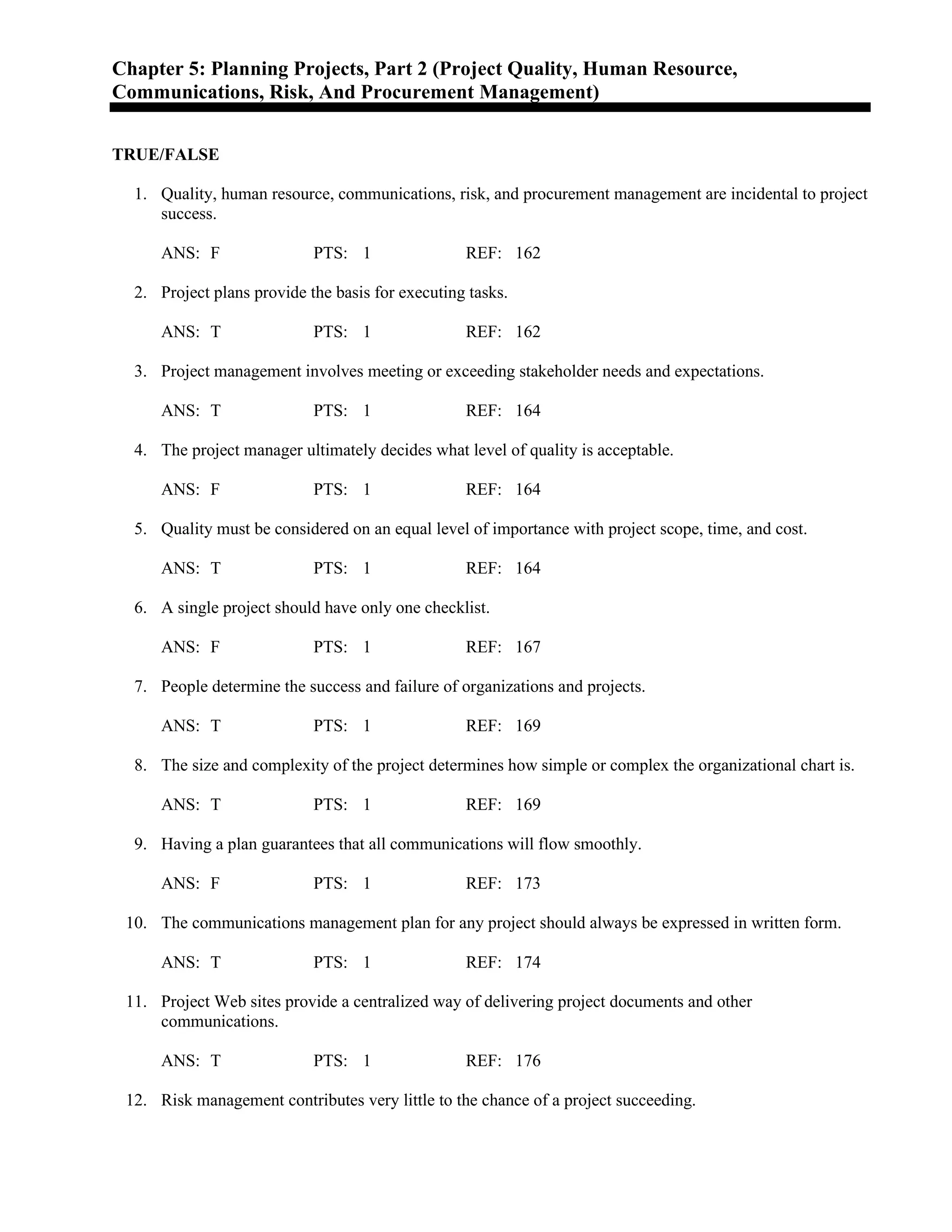
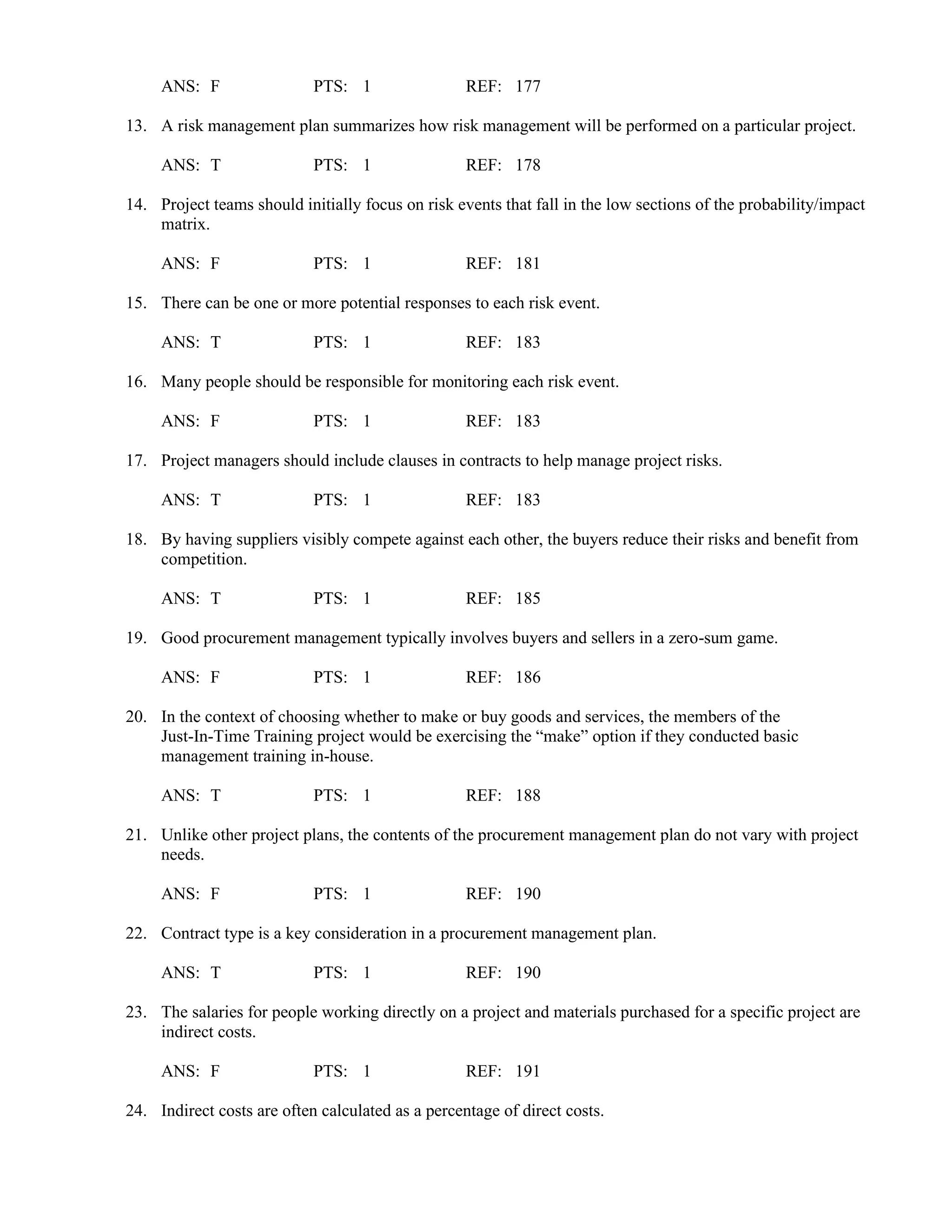
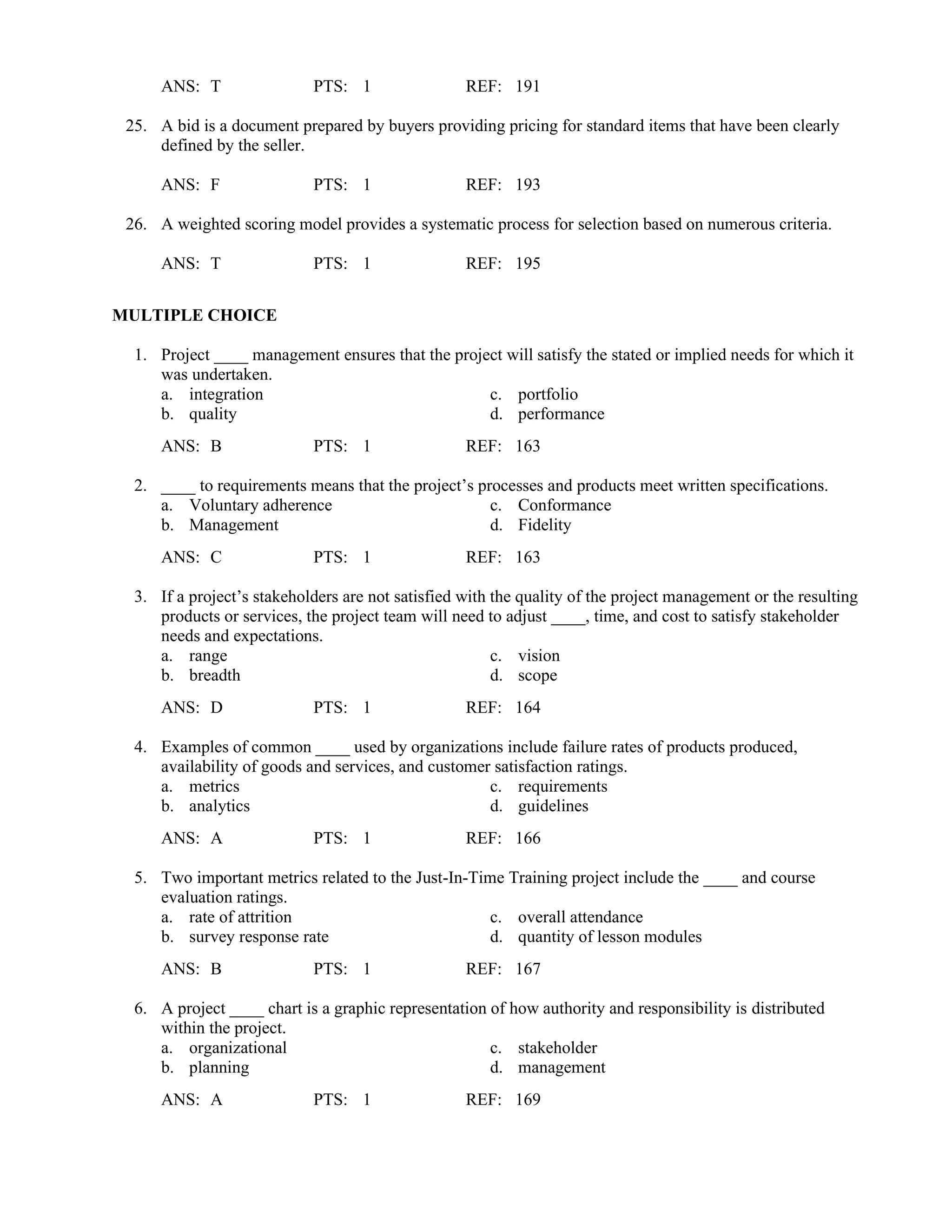
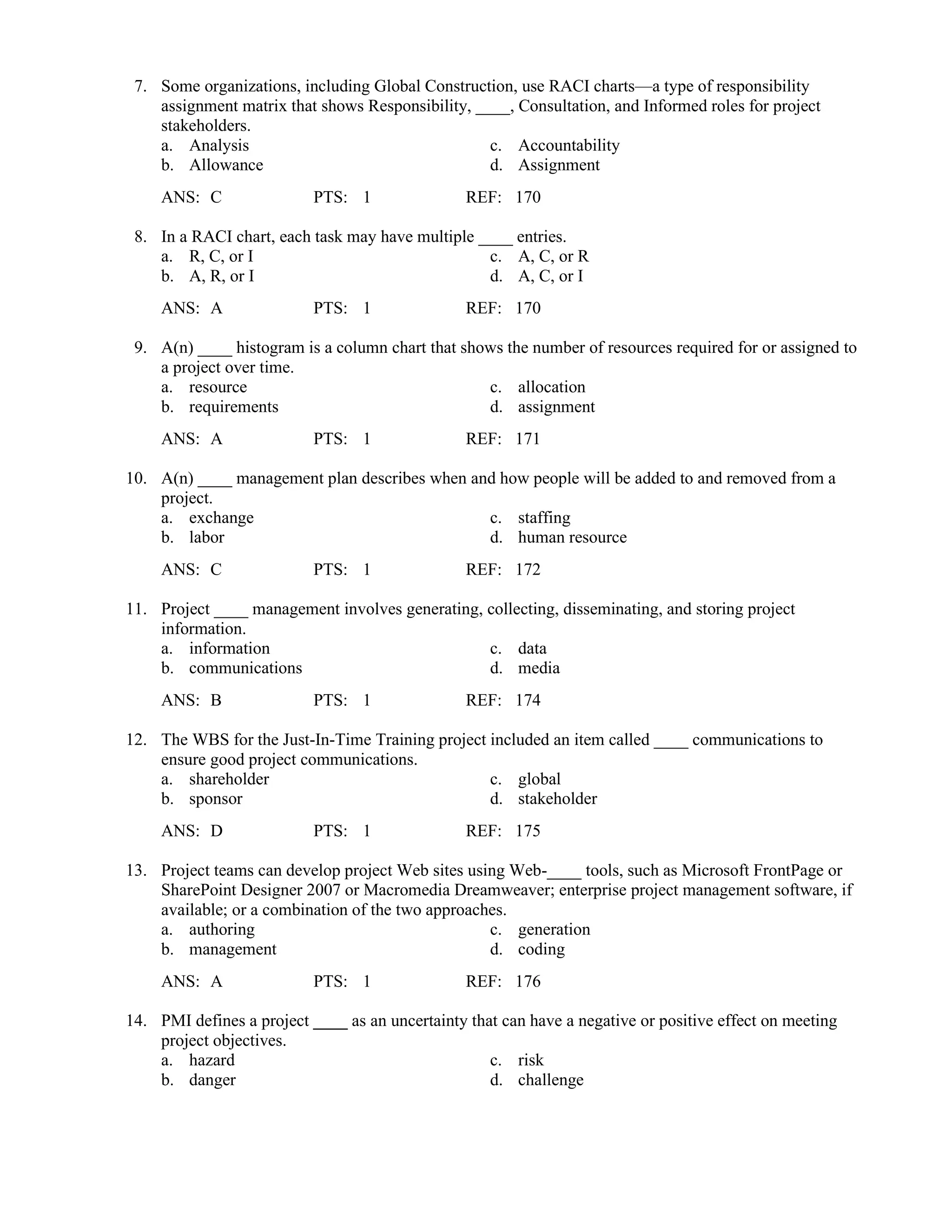
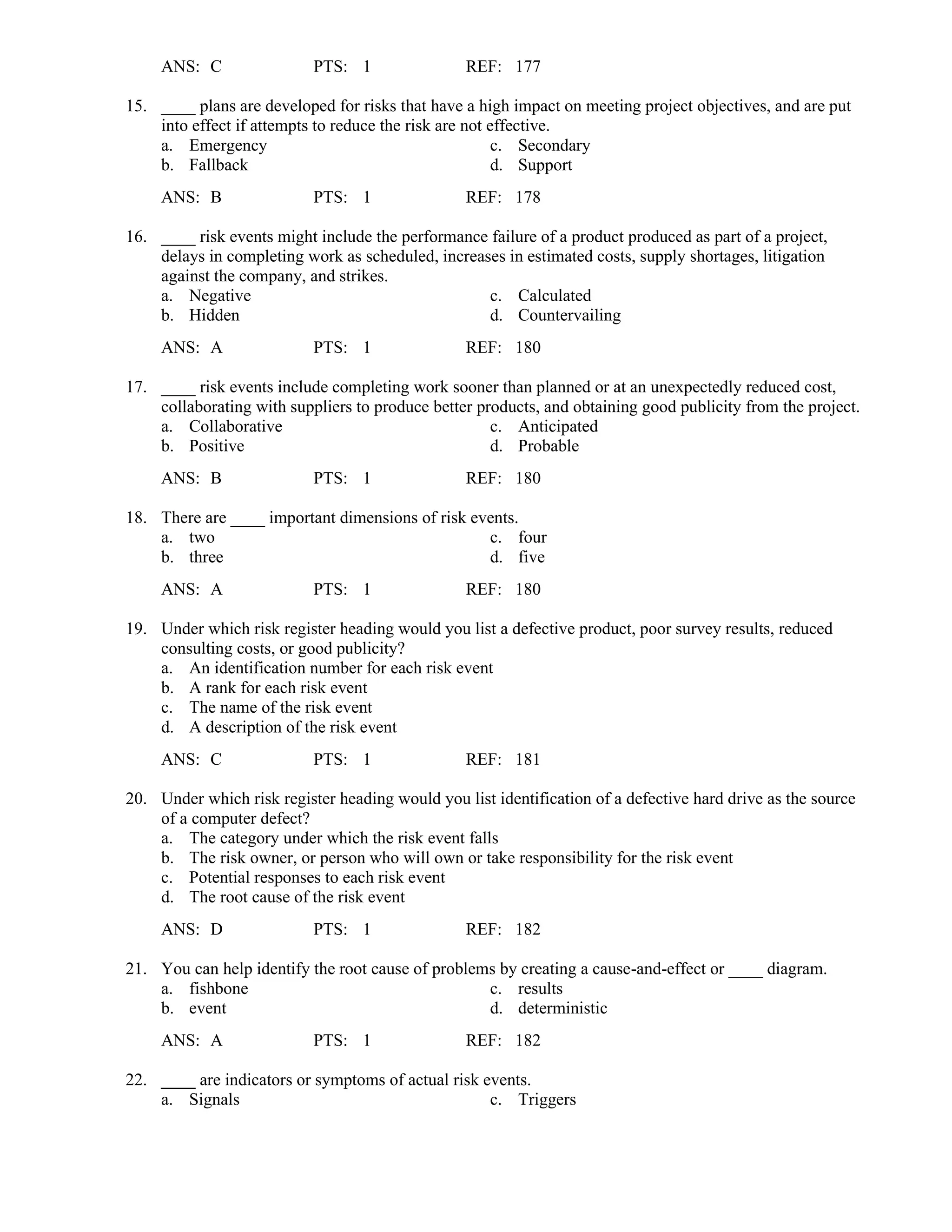
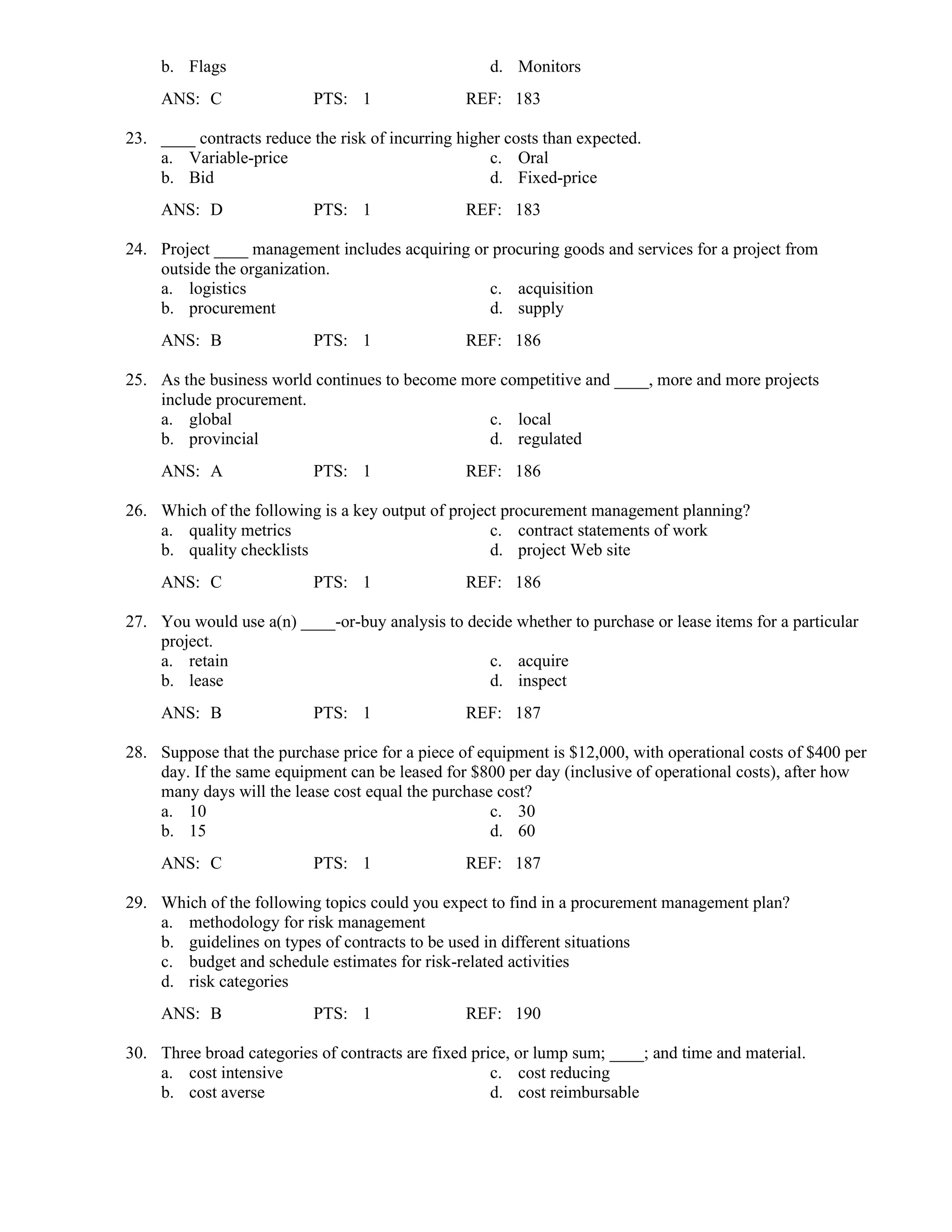
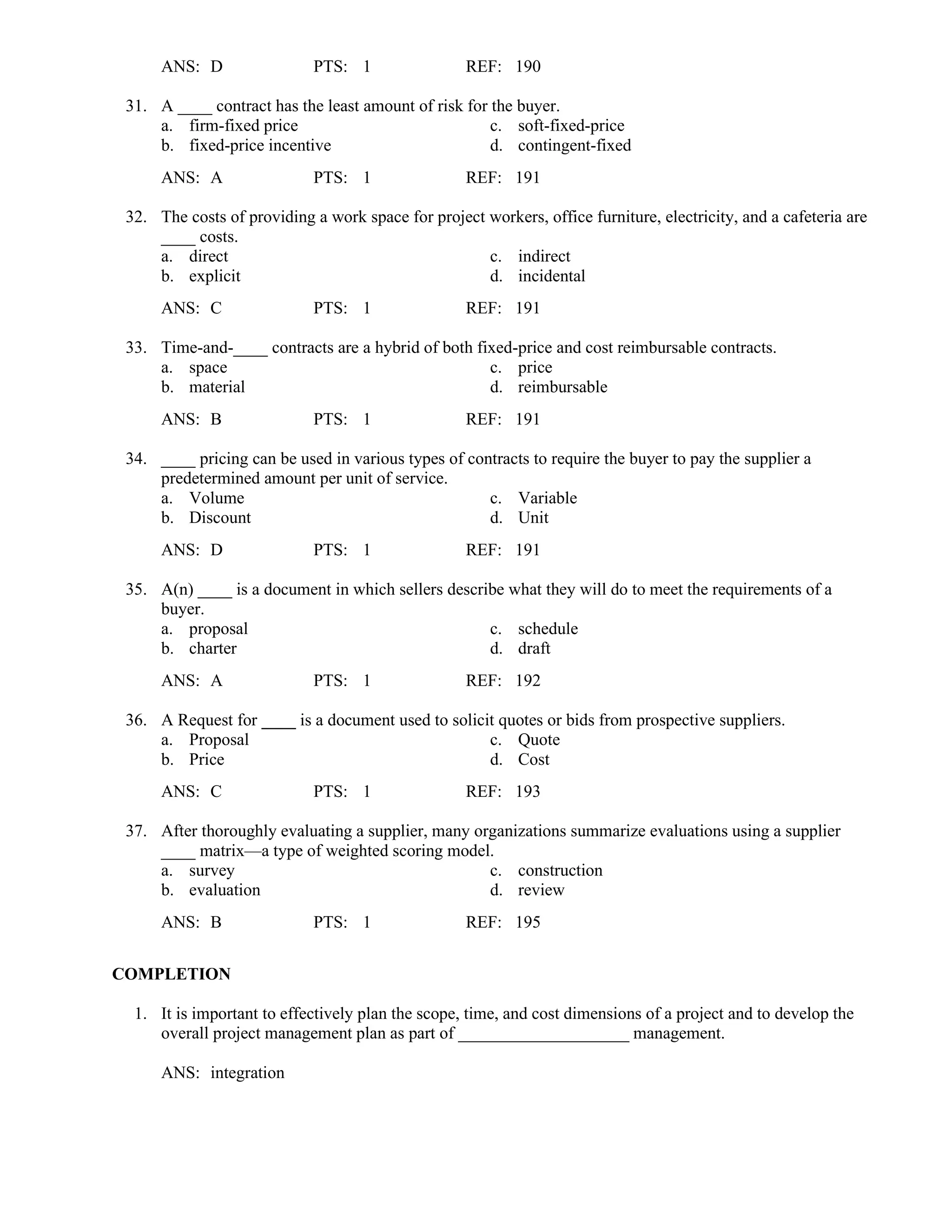
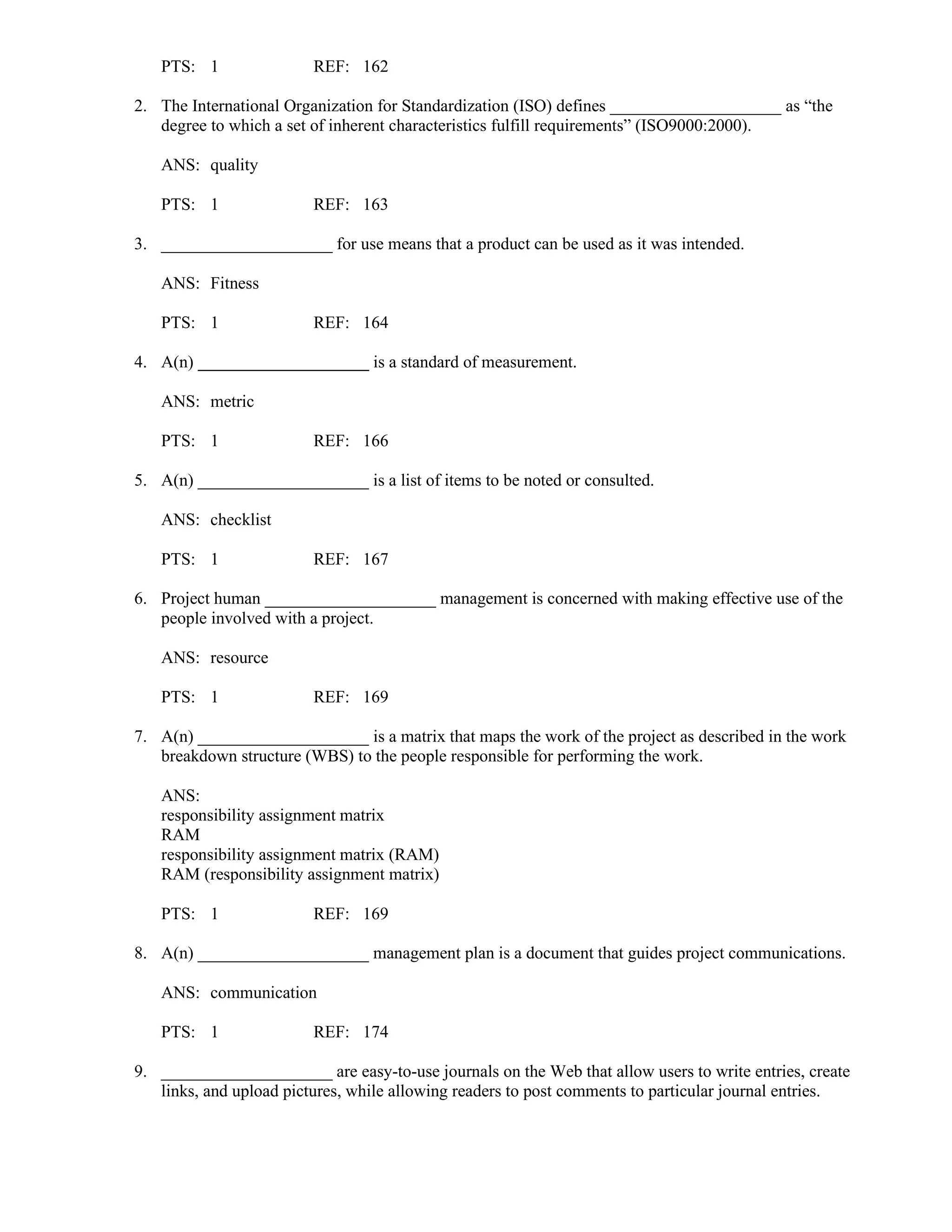


![This ebook is for the use of anyone anywhere in the United
States and most other parts of the world at no cost and with
almost no restrictions whatsoever. You may copy it, give it away
or re-use it under the terms of the Project Gutenberg License
included with this ebook or online at www.gutenberg.org. If you
are not located in the United States, you will have to check the
laws of the country where you are located before using this
eBook.
Title: The Broken Font: A Story of the Civil War, Vol. 1 (of 2)
Author: Moyle Sherer
Release date: July 20, 2013 [eBook #43261]
Most recently updated: October 23, 2024
Language: English
Credits: Produced by sp1nd, Matthew Wheaton and the Online
Distributed Proofreading Team at http://www.pgdp.net
(This
file was produced from images generously made
available
by The Internet Archive)
*** START OF THE PROJECT GUTENBERG EBOOK THE BROKEN
FONT: A STORY OF THE CIVIL WAR, VOL. 1 (OF 2) ***](https://image.slidesharecdn.com/9414-250326151334-c525bedb/75/Introduction-to-Project-Management-2nd-Edition-Schwalbe-Test-Bank-22-2048.jpg)