KAZEM MOUSSA
CELESTE ECHOLS
UNDERSTANDING ALLERGIES: A RESEARCH JOURNEY
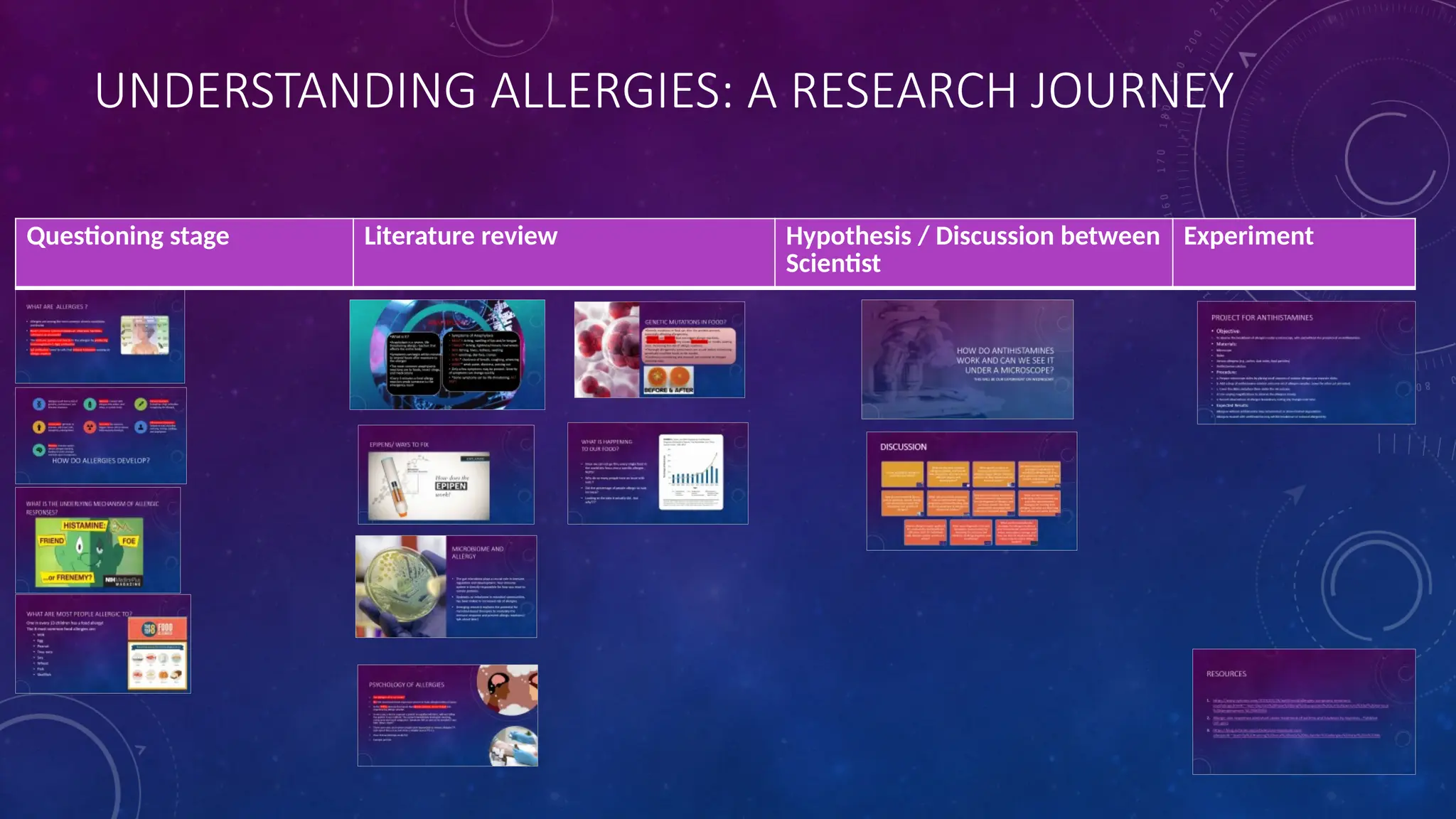
Questioning stage Literature review Hypothesis / Discussion between
Scientist
Experiment
HOW DO ANTIHISTAMINES
WORK AND CAN WE SEE IT
UNDER A MICROSCOPE?
THIS WILL BE OUR EXPERIMENT ON WEDNESDAY!
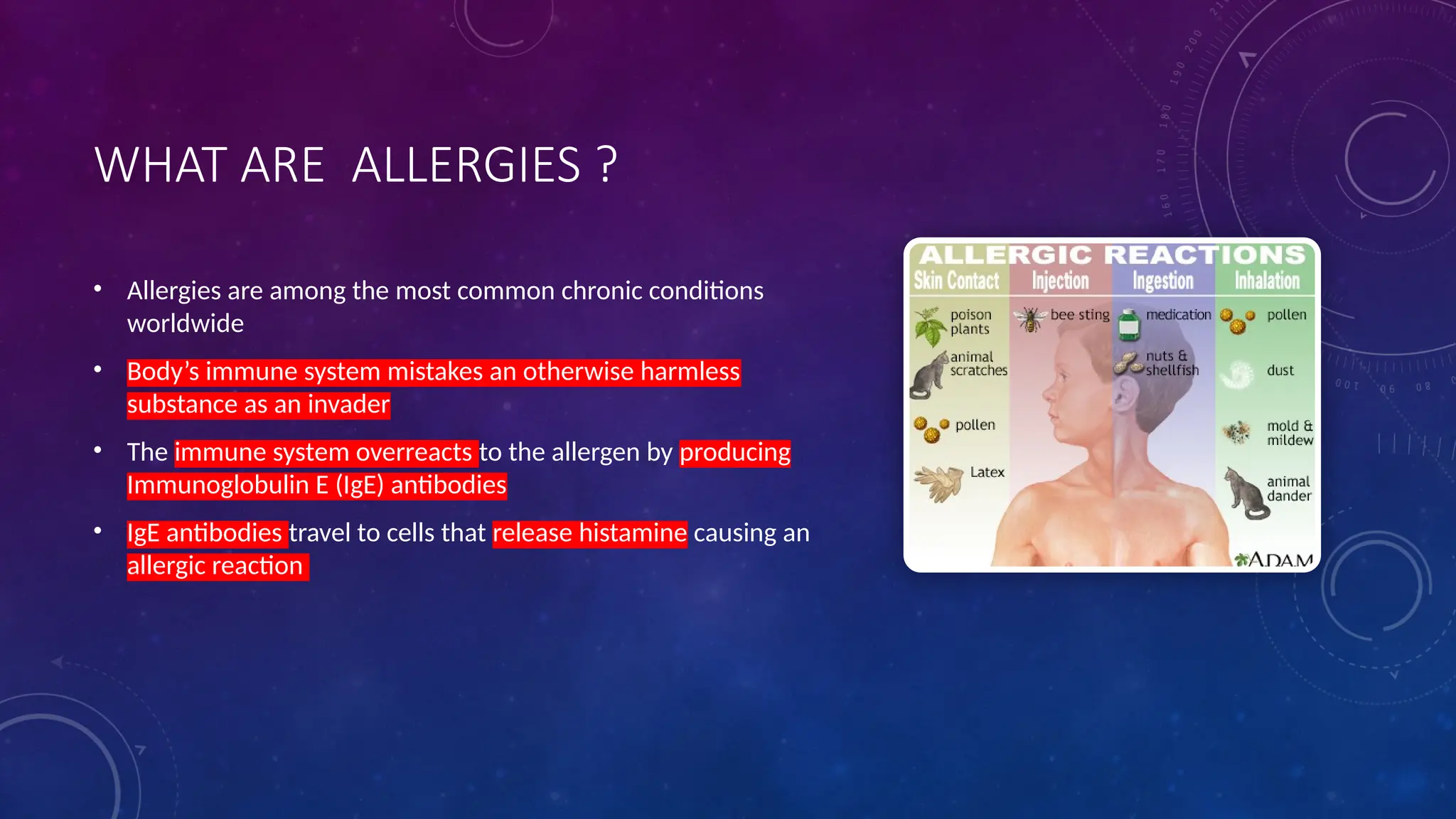
WHAT ARE ALLERGIES ?
• Allergies are among the most common chronic conditions
worldwide
• Body’s immune system mistakes an otherwise harmless
substance as an invader
• The immune system overreacts to the allergen by producing
Immunoglobulin E (IgE) antibodies
• IgE antibodies travel to cells that release histamine causing an
allergic reaction
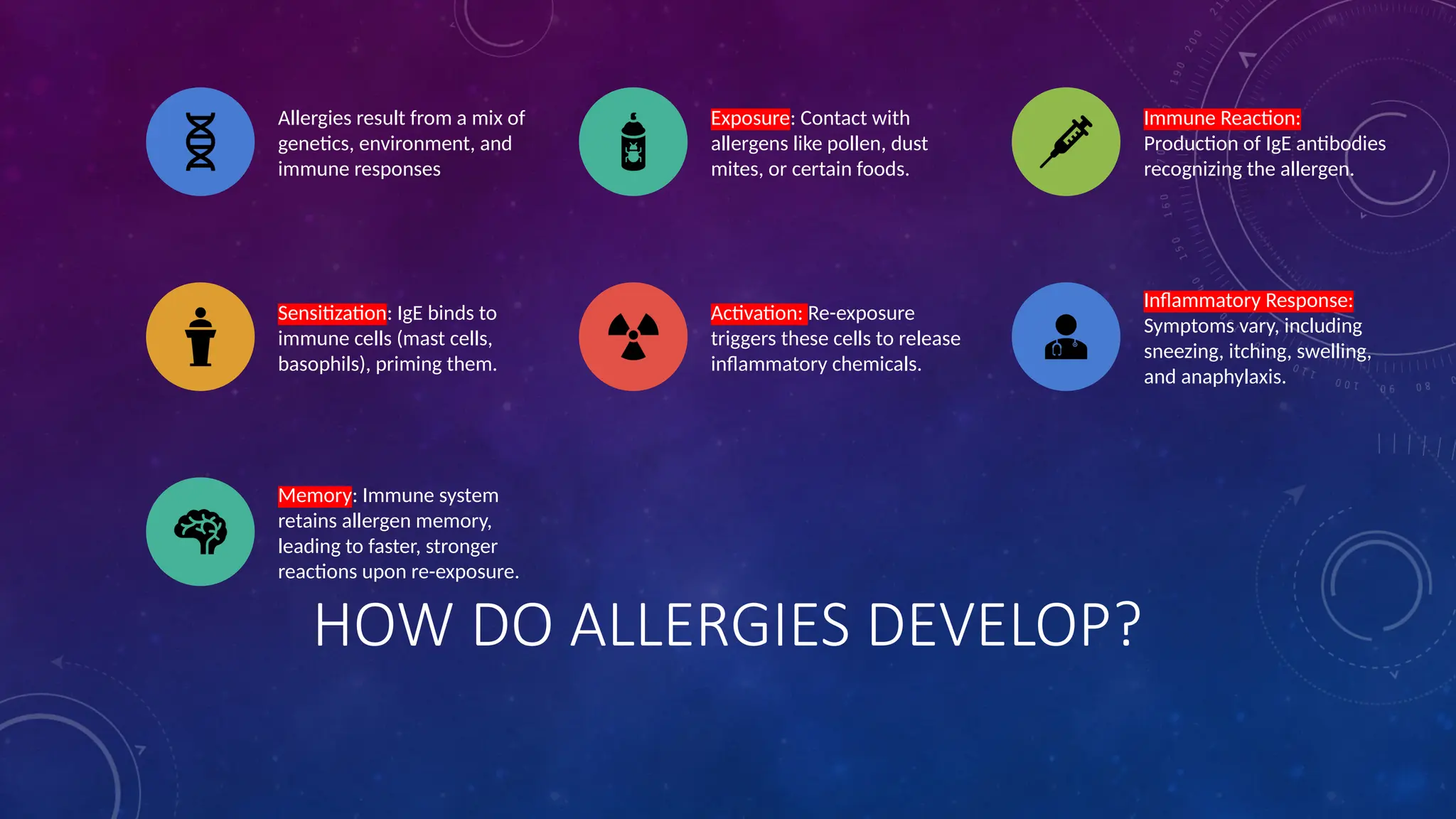
HOW DO ALLERGIES DEVELOP?
Allergies result from a mix of
genetics, environment, and
immune responses
Exposure: Contact with
allergens like pollen, dust
mites, or certain foods.
Immune Reaction:
Production of IgE antibodies
recognizing the allergen.
Sensitization: IgE binds to
immune cells (mast cells,
basophils), priming them.
Activation: Re-exposure
triggers these cells to release
inflammatory chemicals.
Inflammatory Response:
Symptoms vary, including
sneezing, itching, swelling,
and anaphylaxis.
Memory: Immune system
retains allergen memory,
leading to faster, stronger
reactions upon re-exposure.
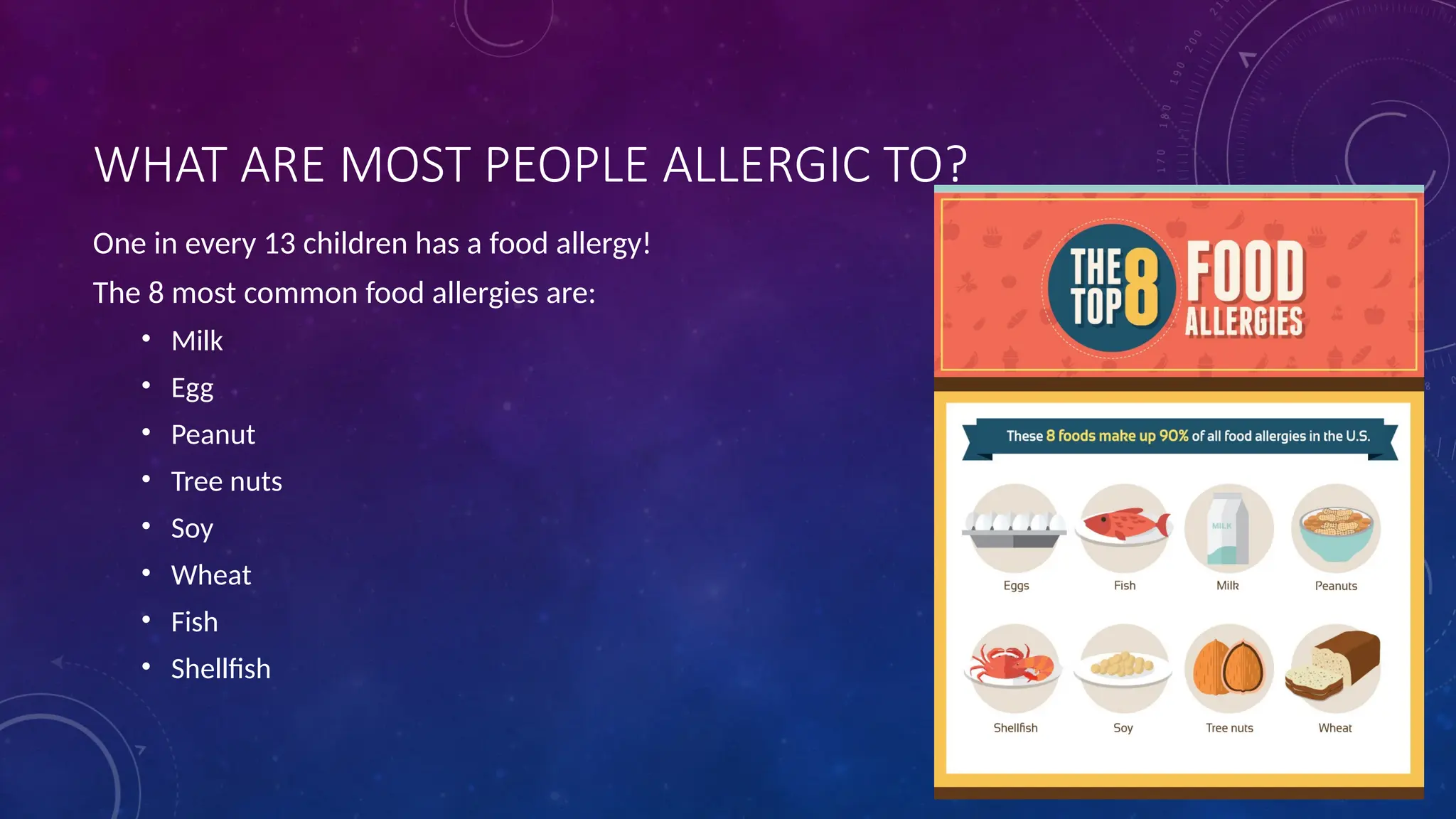
WHAT ARE MOST PEOPLE ALLERGIC TO?
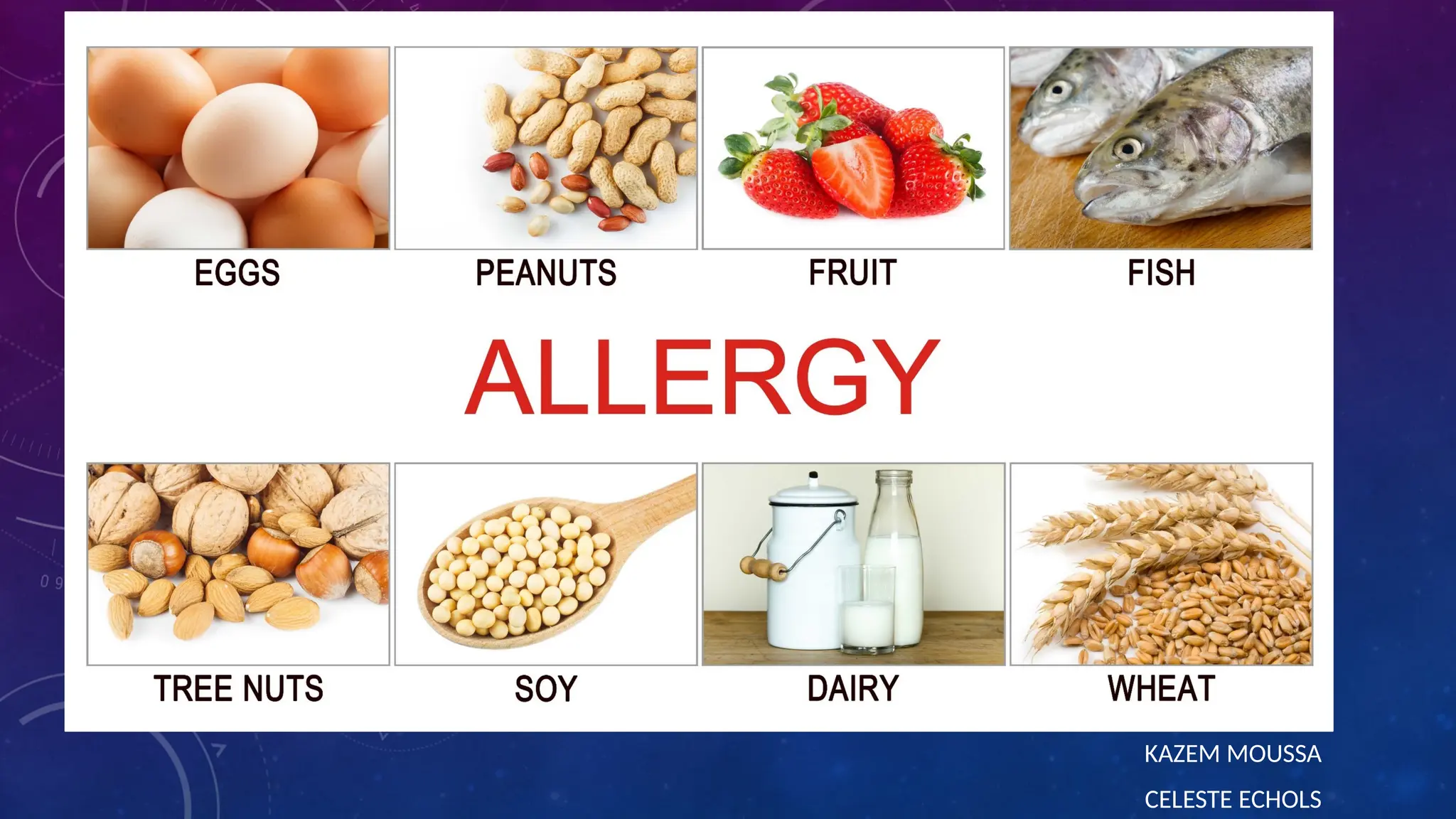
One in every 13 children has a food allergy!
The 8 most common food allergies are:
• Milk
• Egg
• Peanut
• Tree nuts
• Soy
• Wheat
• Fish
• Shellfish
PSYCHOLOGY OF ALLERGIES
• Are allergies all in our heads?
• No! But emotional factors have been proven to make allergies better or worse
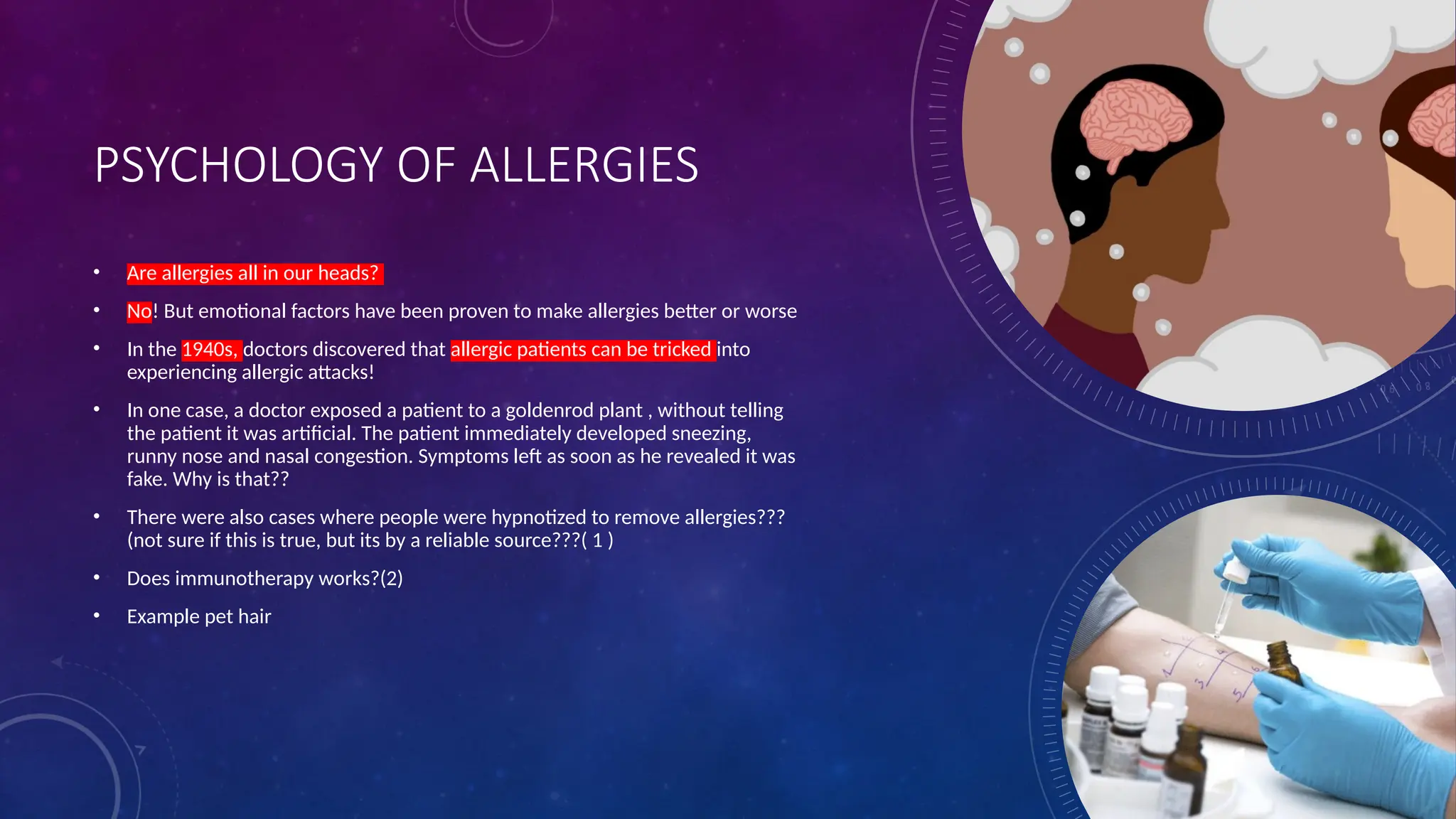
• In the 1940s, doctors discovered that allergic patients can be tricked into
experiencing allergic attacks!
• In one case, a doctor exposed a patient to a goldenrod plant , without telling
the patient it was artificial. The patient immediately developed sneezing,
runny nose and nasal congestion. Symptoms left as soon as he revealed it was
fake. Why is that??
• There were also cases where people were hypnotized to remove allergies???
(not sure if this is true, but its by a reliable source???( 1 )
• Does immunotherapy works?(2)
• Example pet hair
GENETIC MUTATIONS IN FOOD?
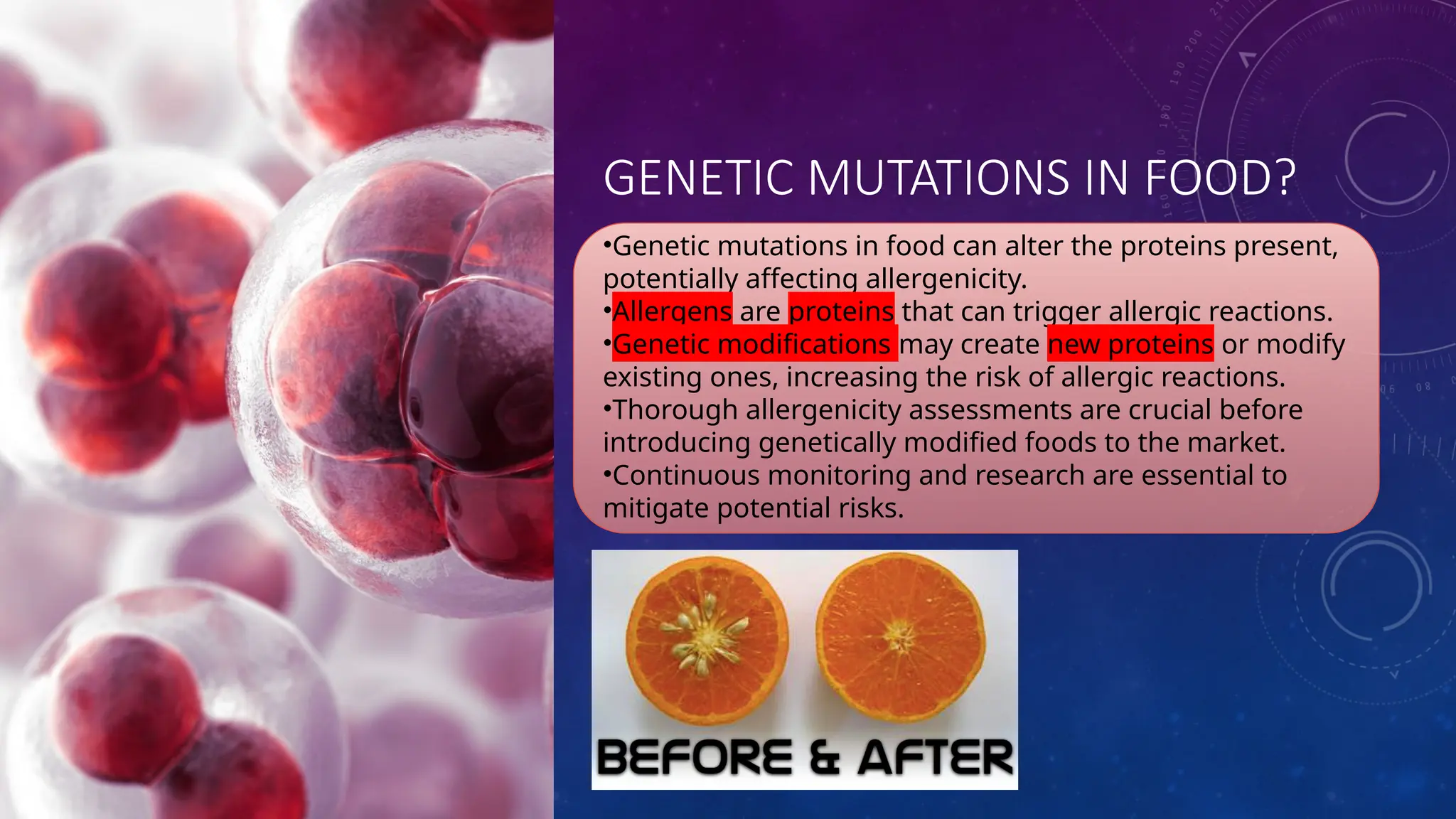
•Genetic mutations in food can alter the proteins present,
potentially affecting allergenicity.
•Allergens are proteins that can trigger allergic reactions.
•Genetic modifications may create new proteins or modify
existing ones, increasing the risk of allergic reactions.
•Thorough allergenicity assessments are crucial before
introducing genetically modified foods to the market.
•Continuous monitoring and research are essential to
mitigate potential risks.
WHAT IS HAPPENING
TO OUR FOOD?
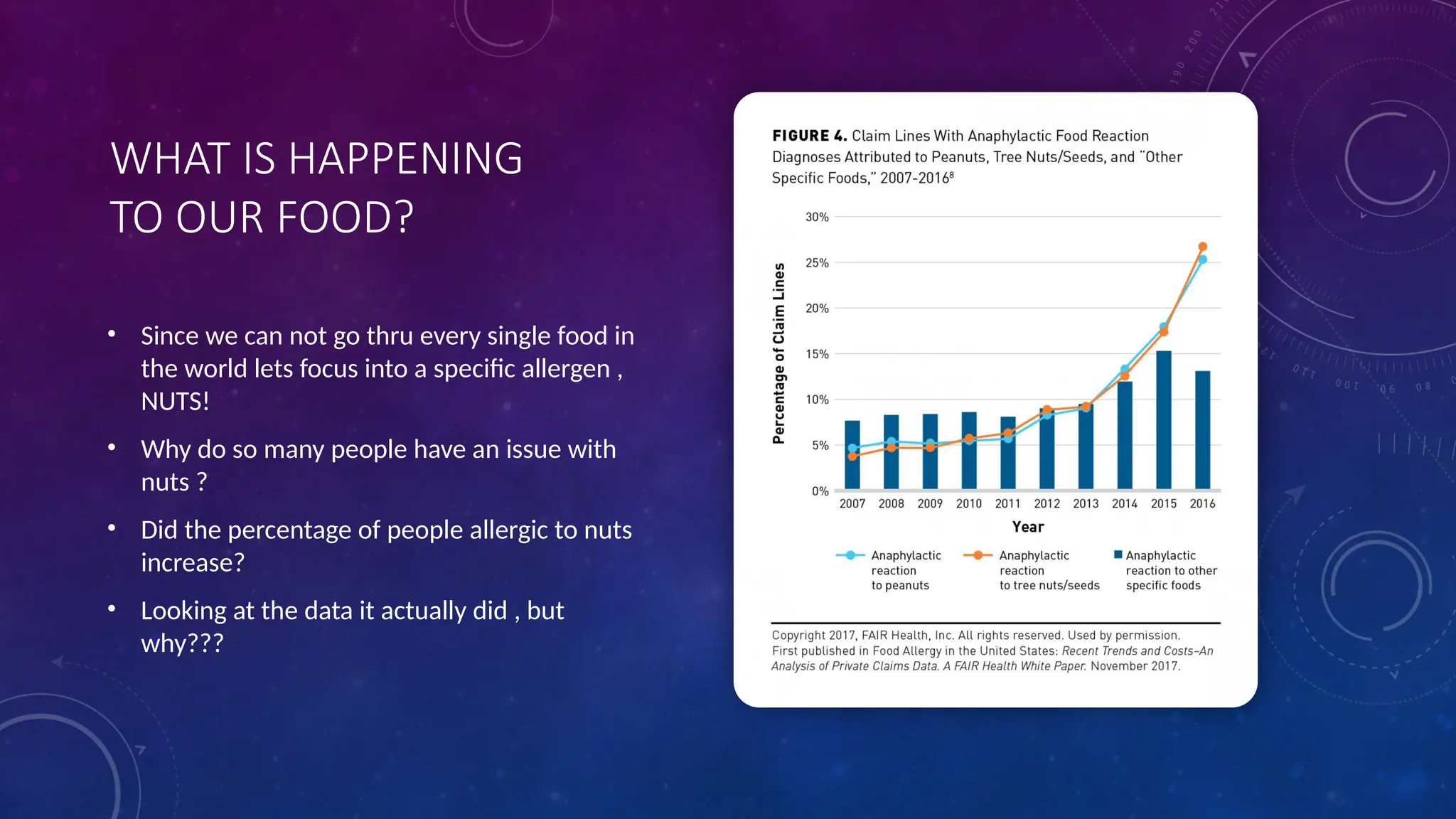
• Since we can not go thru every single food in
the world lets focus into a specific allergen ,
NUTS!
• Why do so many people have an issue with
nuts ?
• Did the percentage of people allergic to nuts
increase?
• Looking at the data it actually did , but
why???
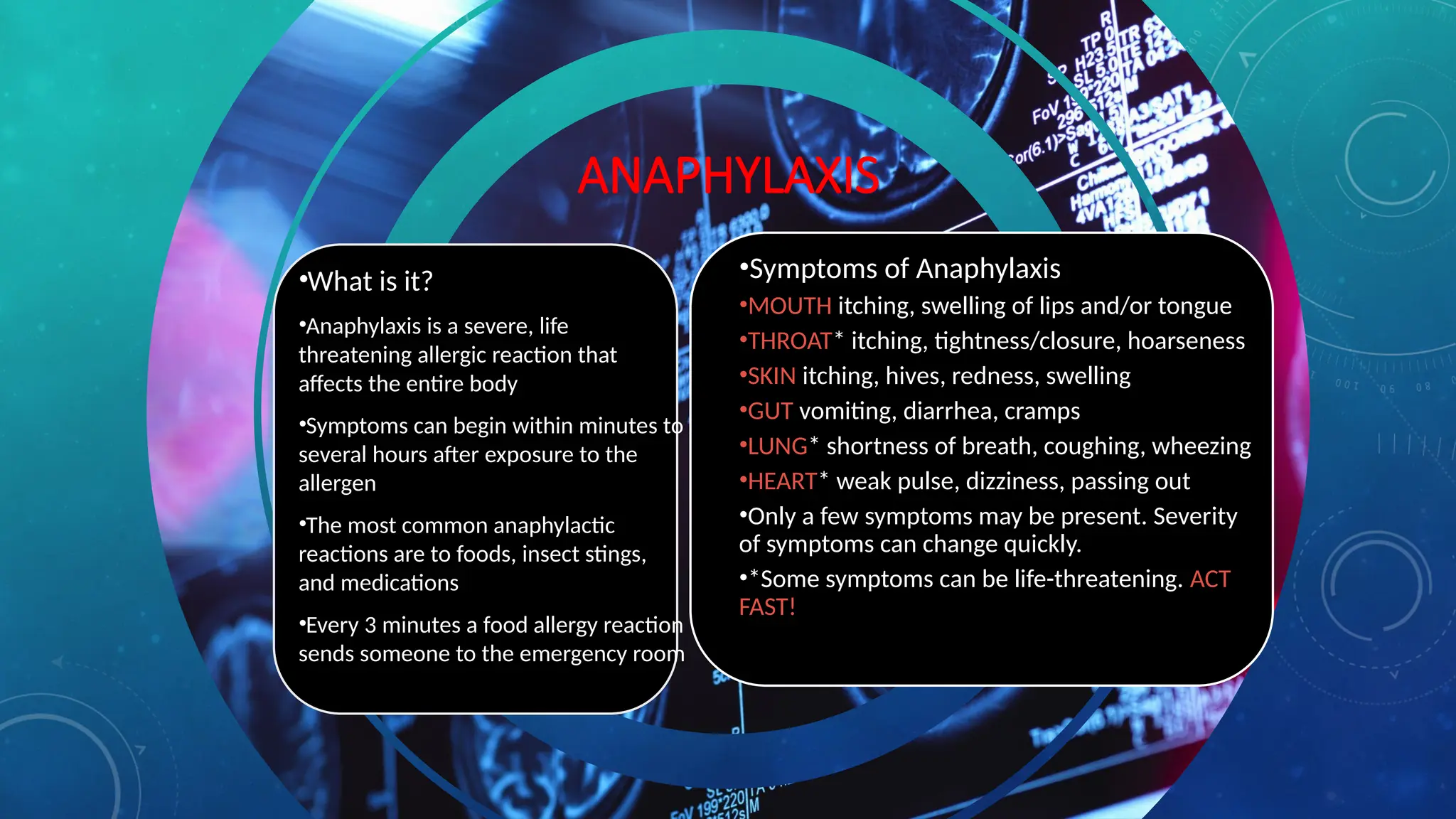
ANAPHYLAXIS
•What is it?
•Anaphylaxis is a severe, life
threatening allergic reaction that
affects the entire body
•Symptoms can begin within minutes to
several hours after exposure to the
allergen
•The most common anaphylactic
reactions are to foods, insect stings,
and medications
•Every 3 minutes a food allergy reaction
sends someone to the emergency room
•Symptoms of Anaphylaxis
•MOUTH itching, swelling of lips and/or tongue
•THROAT* itching, tightness/closure, hoarseness
•SKIN itching, hives, redness, swelling
•GUT vomiting, diarrhea, cramps
•LUNG* shortness of breath, coughing, wheezing
•HEART* weak pulse, dizziness, passing out
•Only a few symptoms may be present. Severity
of symptoms can change quickly.
•*Some symptoms can be life-threatening. ACT
FAST!
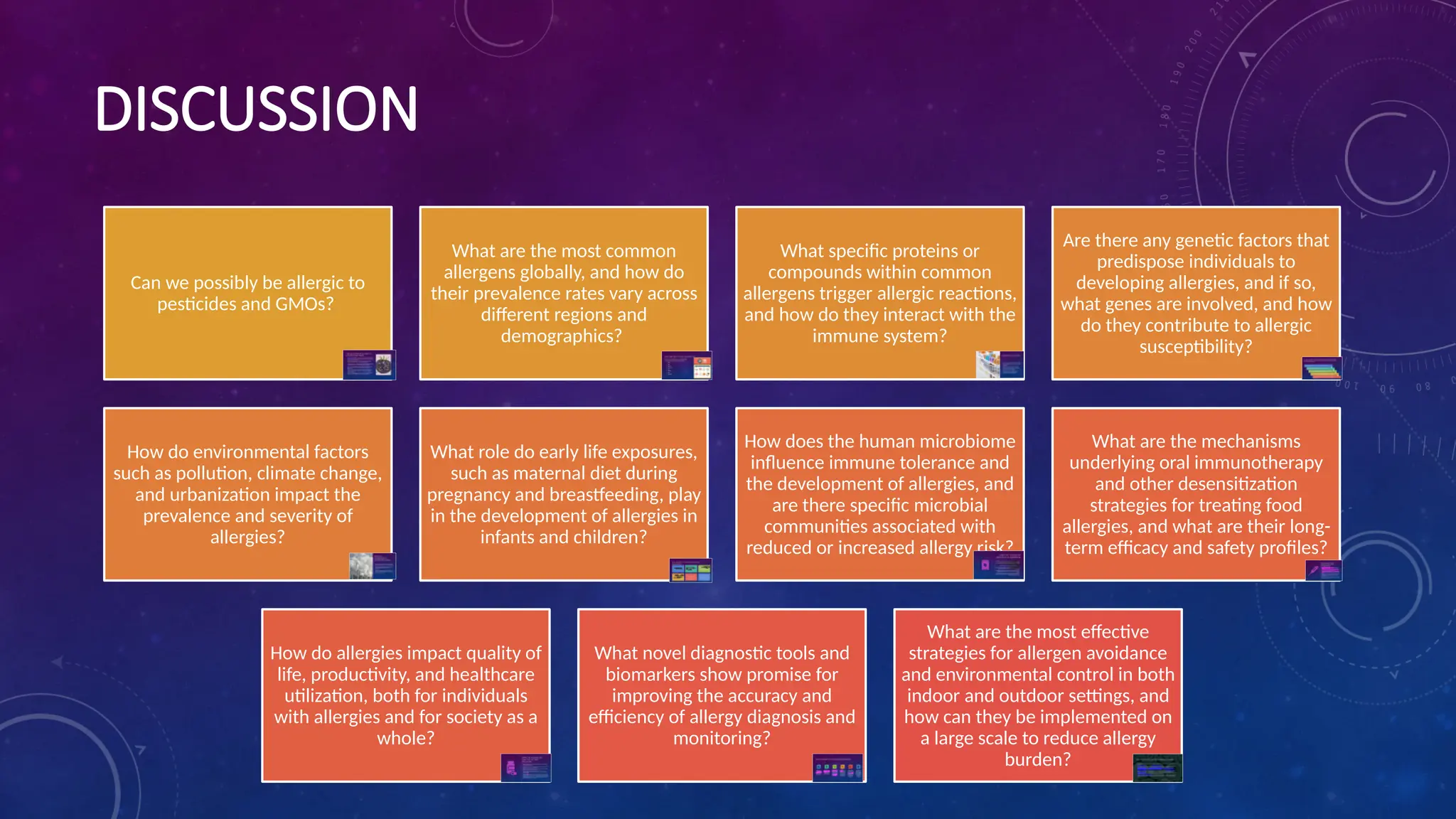
DISCUSSION
Can we possibly be allergic to
pesticides and GMOs?
What are the most common
allergens globally, and how do
their prevalence rates vary across
different regions and
demographics?
What specific proteins or
compounds within common
allergens trigger allergic reactions,
and how do they interact with the
immune system?
Are there any genetic factors that
predispose individuals to
developing allergies, and if so,
what genes are involved, and how
do they contribute to allergic
susceptibility?
How do environmental factors
such as pollution, climate change,
and urbanization impact the
prevalence and severity of
allergies?
What role do early life exposures,
such as maternal diet during
pregnancy and breastfeeding, play
in the development of allergies in
infants and children?
How does the human microbiome
influence immune tolerance and
the development of allergies, and
are there specific microbial
communities associated with
reduced or increased allergy risk?
What are the mechanisms
underlying oral immunotherapy
and other desensitization
strategies for treating food
allergies, and what are their long-
term efficacy and safety profiles?
How do allergies impact quality of
life, productivity, and healthcare
utilization, both for individuals
with allergies and for society as a
whole?
What novel diagnostic tools and
biomarkers show promise for
improving the accuracy and
efficiency of allergy diagnosis and
monitoring?
What are the most effective
strategies for allergen avoidance
and environmental control in both
indoor and outdoor settings, and
how can they be implemented on
a large scale to reduce allergy
burden?
EPIPENS/ WAYS TO FIX
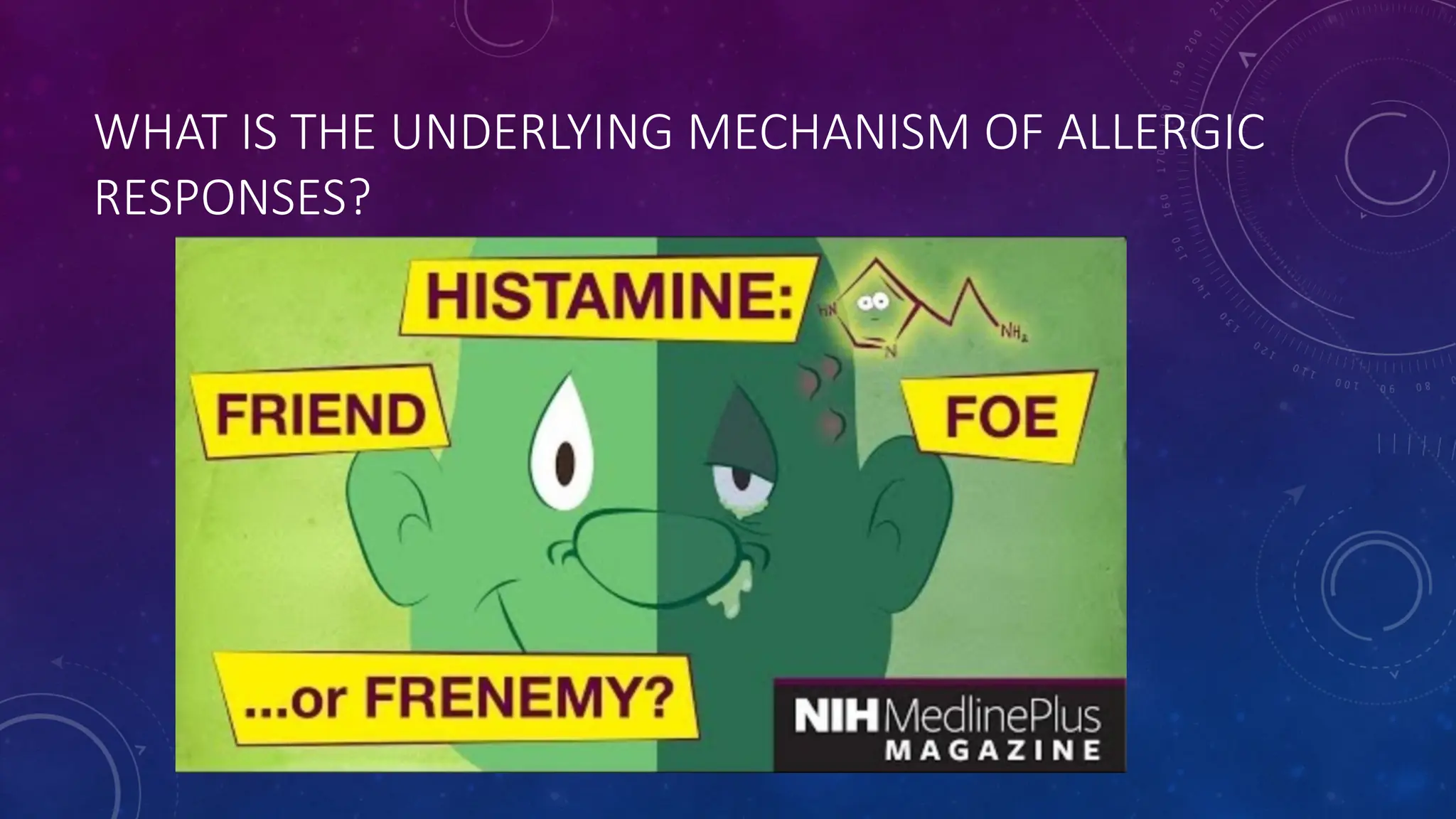
WHAT IS THE UNDERLYING MECHANISM OF ALLERGIC
RESPONSES?
PROJECT FOR ANTIHISTAMINES
• Objective:
• To observe the breakdown of allergens under a microscope, with and without the presence of an antihistamine.
• Materials:
• Microscope
• Slides
• Various allergens (e.g., pollen, dust mites, food particles)
• Antihistamine solution
• Procedure:
• a. Prepare microscope slides by placing small amounts of random allergens on separate slides.
• b. Add a drop of antihistamine solution onto one set of allergen samples. Leave the other set untreated.
• c. Cover the slides and place them under the microscope.
• d. Use varying magnifications to observe the allergens closely.
• e. Record observations of allergen breakdown, noting any changes over time.
• Expected Results:
• Allergens without antihistamine may remain intact or show minimal degradation.
• Allergens treated with antihistamine may exhibit breakdown or reduced allergenicity.
RESOURCES
1. https://www.nytimes.com/2019/03/29/well/mind/allergies-symptoms-emotions-psychology.html#:~:te
xt=Doctors%20have%20long%20suspected%20a,in%20persons%20of%20nervous%20temperament.%E
2%80%9D
2. Allergic skin responses abolished under treatment of asthma and hayfever
by hypnosis - PubMed (nih.gov)
3. https://blog.ochsner.org/articles/can-exposure-cure-allergies#:~:text=By%20training%20your%20body
%20to,dander%20allergies%20later%20in%20life
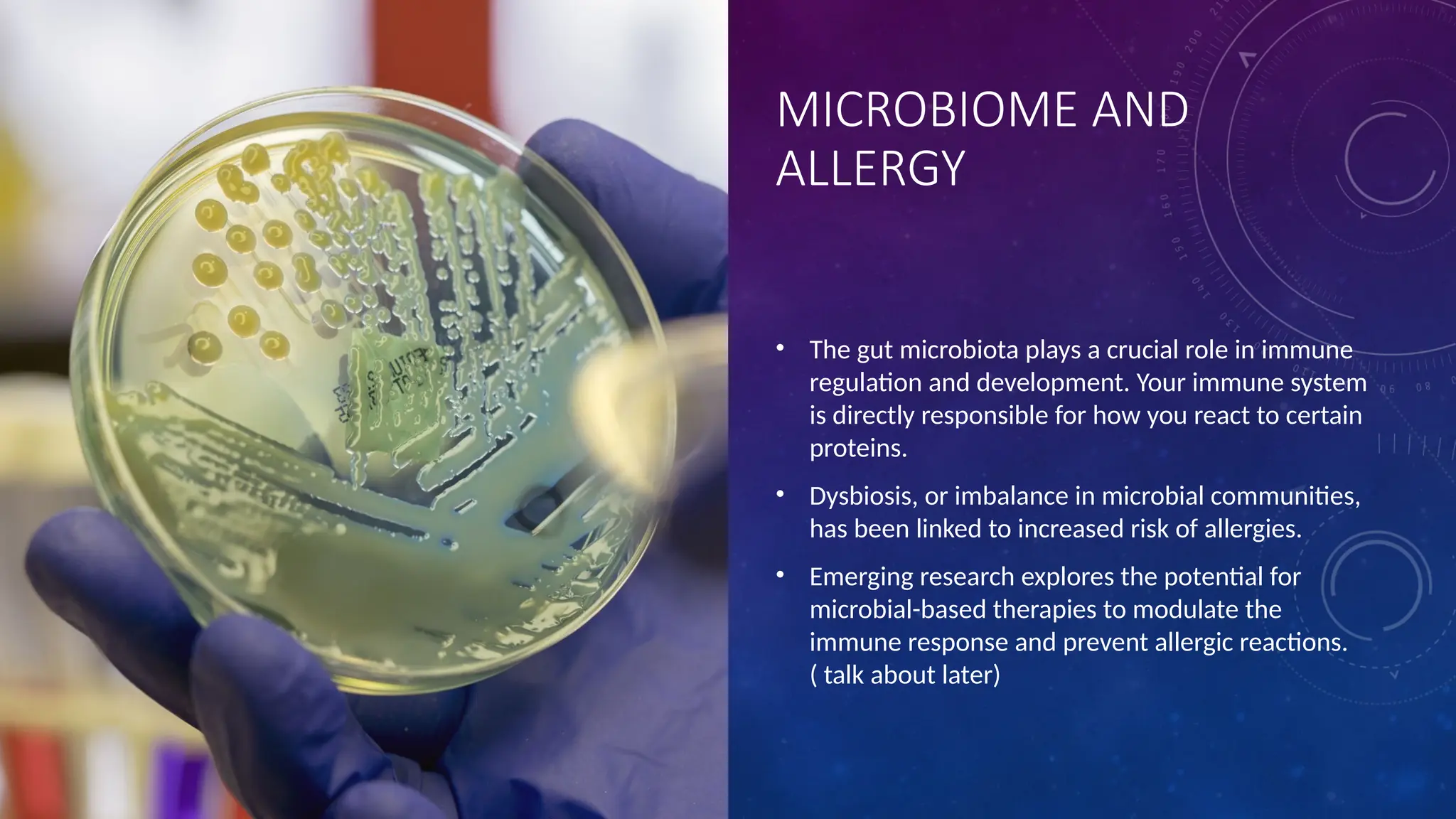
MICROBIOME AND
ALLERGY
• The gut microbiota plays a crucial role in immune
regulation and development. Your immune system
is directly responsible for how you react to certain
proteins.
• Dysbiosis, or imbalance in microbial communities,
has been linked to increased risk of allergies.
• Emerging research explores the potential for
microbial-based therapies to modulate the
immune response and prevent allergic reactions.
( talk about later)
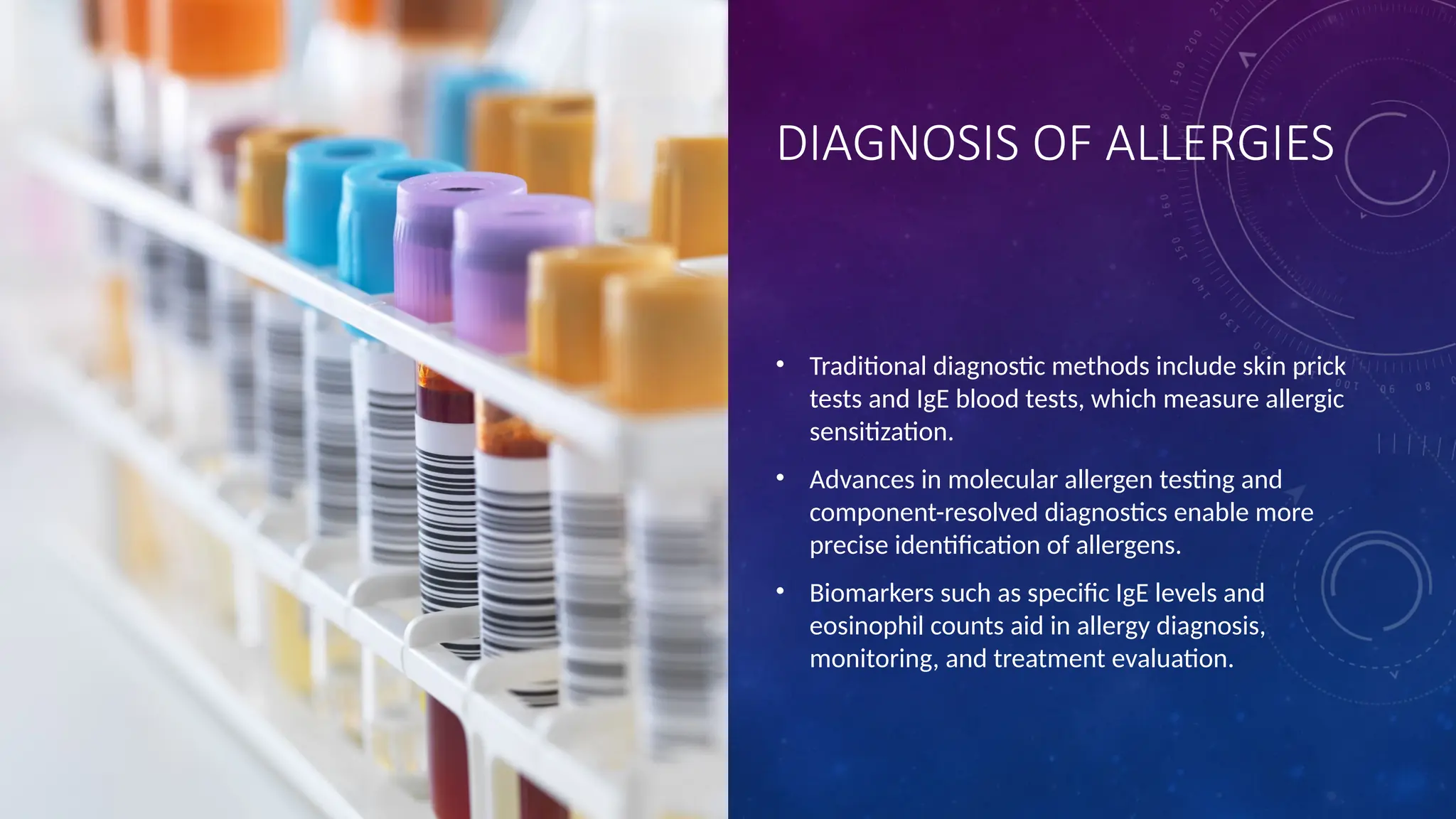
DIAGNOSIS OF ALLERGIES
• Traditional diagnostic methods include skin prick
tests and IgE blood tests, which measure allergic
sensitization.
• Advances in molecular allergen testing and
component-resolved diagnostics enable more
precise identification of allergens.
• Biomarkers such as specific IgE levels and
eosinophil counts aid in allergy diagnosis,
monitoring, and treatment evaluation.
CAN WE POSSIBLY BE ALLERGIC TO
PESTICIDES AND GMOS?
• Pesticides: While pesticides are designed to control pests and increase
crop yield, they may contain chemical compounds that can elicit allergic
reactions in susceptible individuals.
• Allergic reactions to pesticides are rare but have been reported in
occupational settings or due to environmental exposure.
• Some pesticides, such as organophosphates and pyrethroids, have been
associated with allergic sensitization and respiratory symptoms.
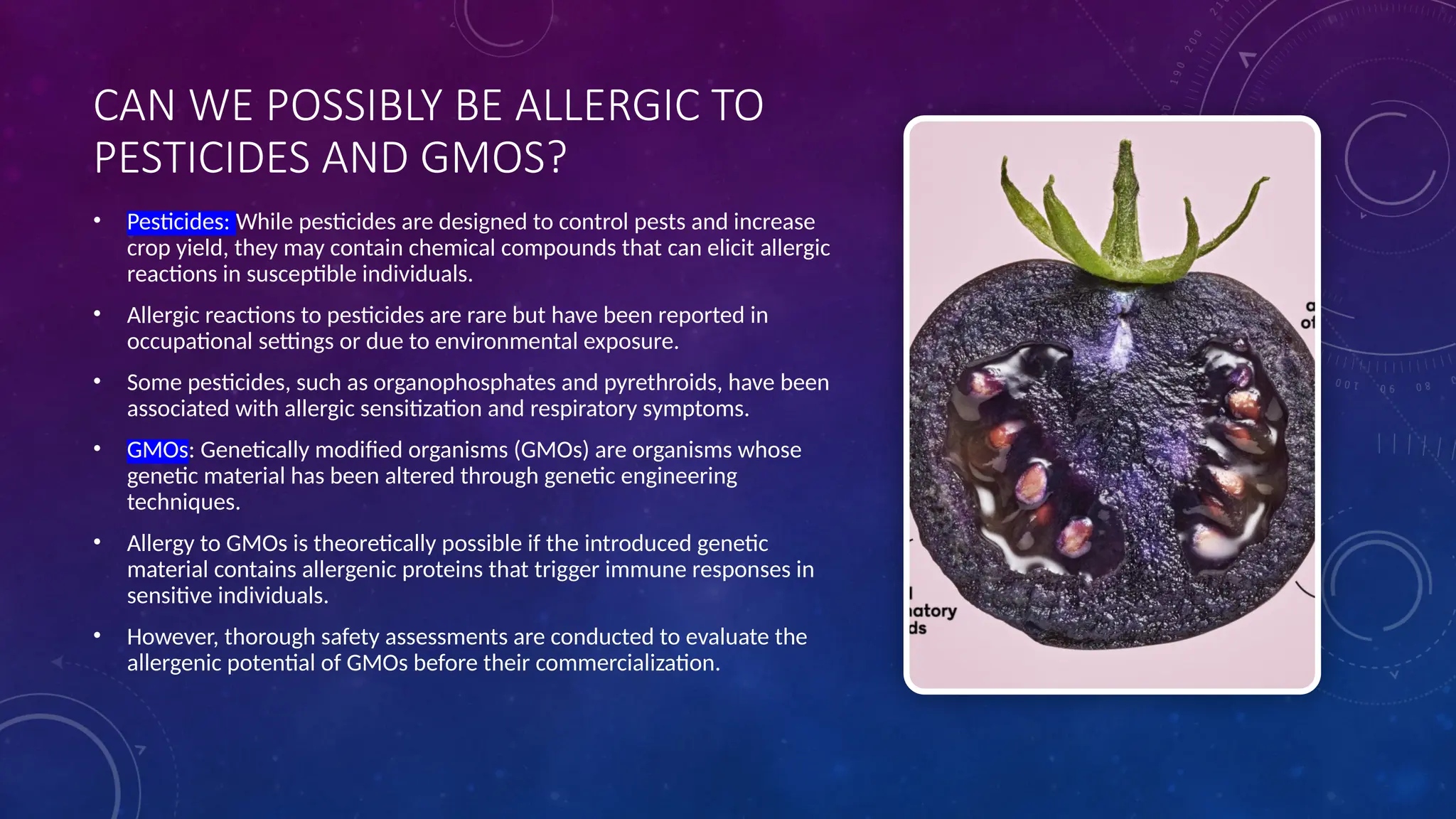
• GMOs: Genetically modified organisms (GMOs) are organisms whose
genetic material has been altered through genetic engineering
techniques.
• Allergy to GMOs is theoretically possible if the introduced genetic
material contains allergenic proteins that trigger immune responses in
sensitive individuals.
• However, thorough safety assessments are conducted to evaluate the
allergenic potential of GMOs before their commercialization.
ALLERGY MANAGEMENT
STRATEGIES
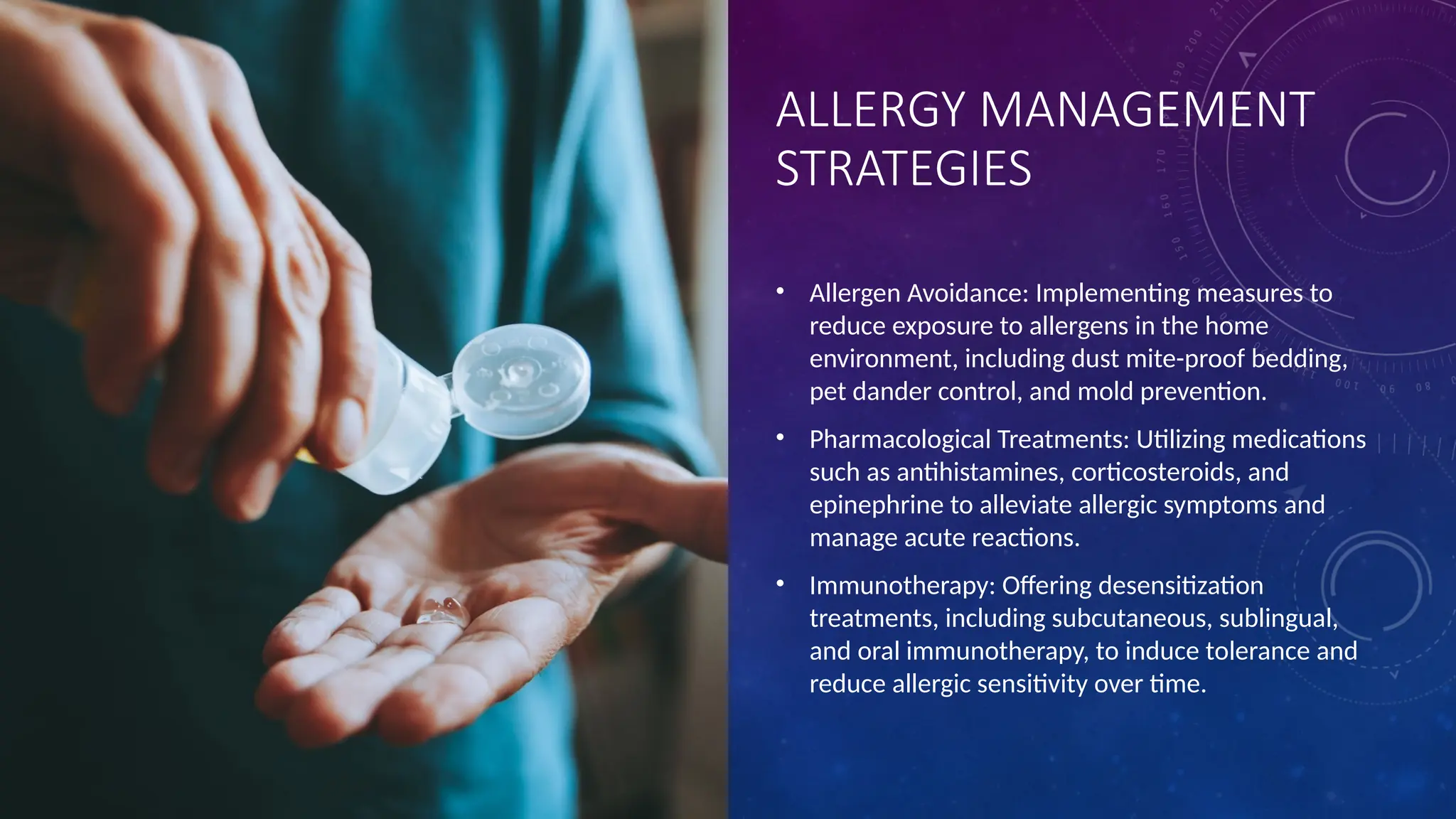
• Allergen Avoidance: Implementing measures to
reduce exposure to allergens in the home
environment, including dust mite-proof bedding,
pet dander control, and mold prevention.
• Pharmacological Treatments: Utilizing medications
such as antihistamines, corticosteroids, and
epinephrine to alleviate allergic symptoms and
manage acute reactions.
• Immunotherapy: Offering desensitization
treatments, including subcutaneous, sublingual,
and oral immunotherapy, to induce tolerance and
reduce allergic sensitivity over time.
MOST COMMON ALLERGENS AND GLOBAL
PREVALENCE
• Introduction to common allergens: pollen, dust mites, pet dander, mold spores, peanuts, shellfish, etc.
• Global prevalence rates vary: Pollen allergies are prevalent in temperate regions, while dust mite
allergies are common in humid environments.
• Demographic differences: Allergen prevalence can vary based on age, genetics, and environmental
factors.
ARE THERE ANY GENETIC FACTORS THAT PREDISPOSE INDIVIDUALS TO DEVELOPING
ALLERGIES, AND IF SO, WHAT GENES ARE INVOLVED, AND HOW DO THEY CONTRIBUTE
TO ALLERGIC SUSCEPTIBILITY?
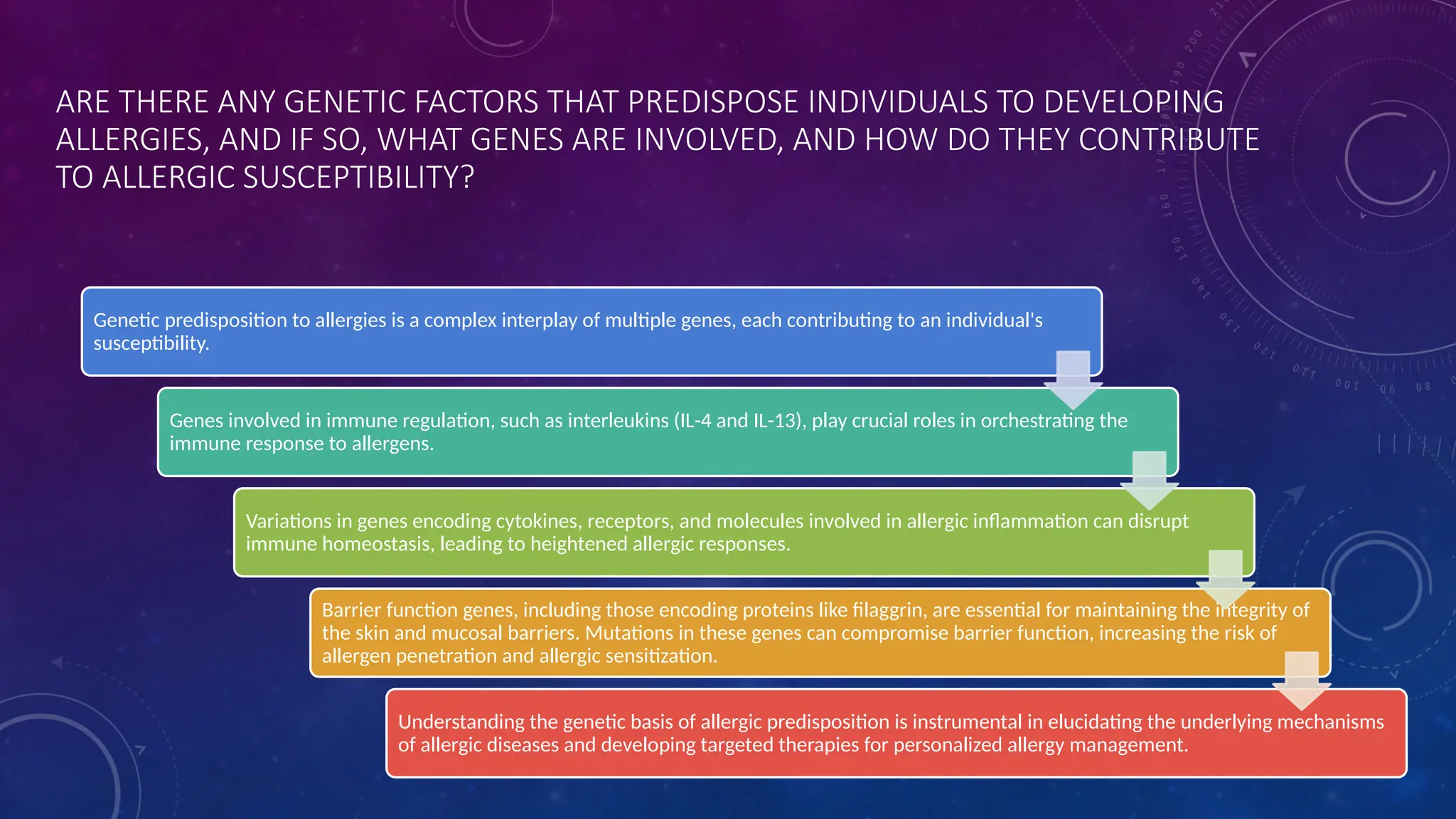
Genetic predisposition to allergies is a complex interplay of multiple genes, each contributing to an individual's
susceptibility.
Genes involved in immune regulation, such as interleukins (IL-4 and IL-13), play crucial roles in orchestrating the
immune response to allergens.
Variations in genes encoding cytokines, receptors, and molecules involved in allergic inflammation can disrupt
immune homeostasis, leading to heightened allergic responses.
Barrier function genes, including those encoding proteins like filaggrin, are essential for maintaining the integrity of
the skin and mucosal barriers. Mutations in these genes can compromise barrier function, increasing the risk of
allergen penetration and allergic sensitization.
Understanding the genetic basis of allergic predisposition is instrumental in elucidating the underlying mechanisms
of allergic diseases and developing targeted therapies for personalized allergy management.
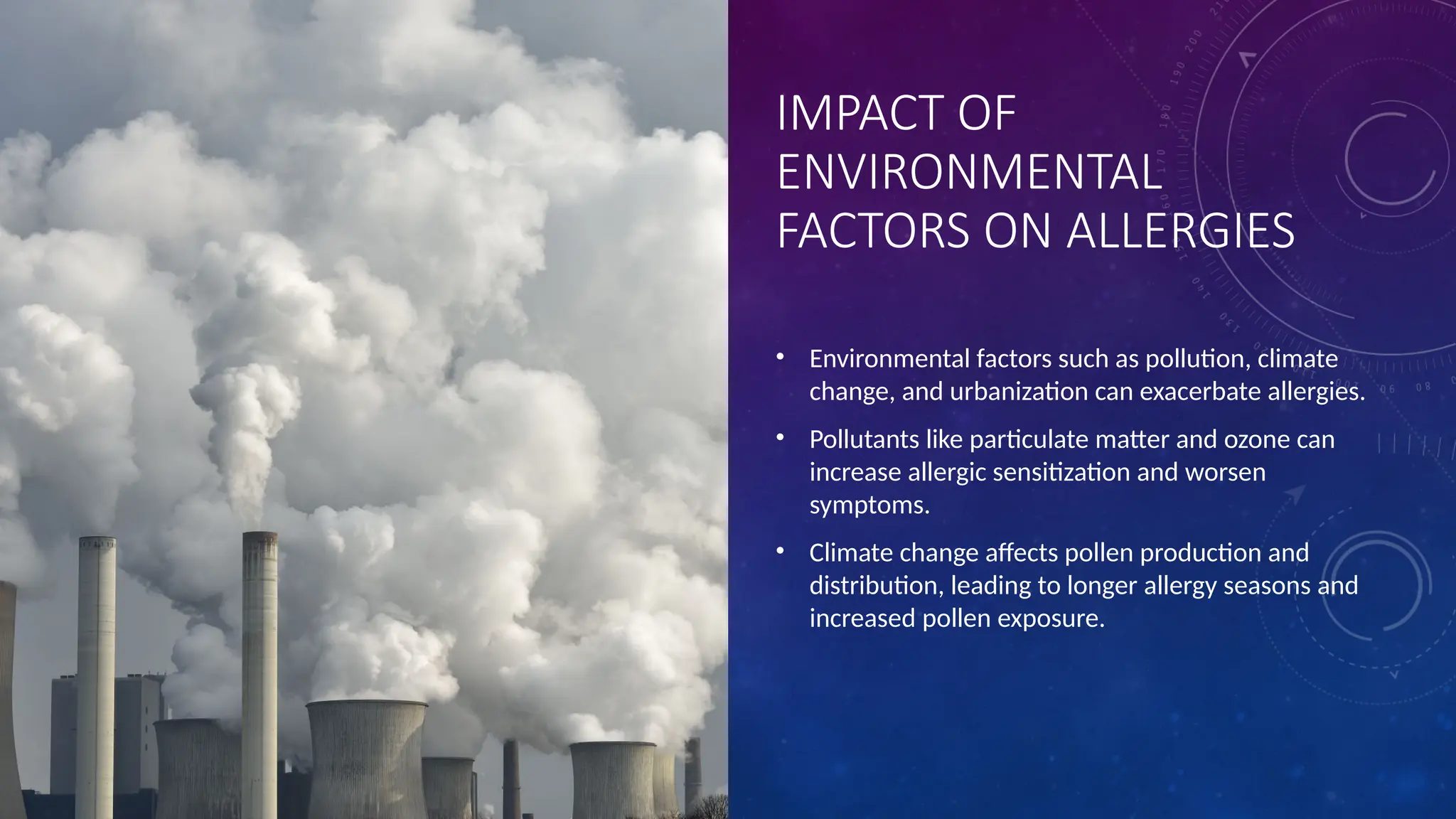
IMPACT OF
ENVIRONMENTAL
FACTORS ON ALLERGIES
• Environmental factors such as pollution, climate
change, and urbanization can exacerbate allergies.
• Pollutants like particulate matter and ozone can
increase allergic sensitization and worsen
symptoms.
• Climate change affects pollen production and
distribution, leading to longer allergy seasons and
increased pollen exposure.
ROLE OF EARLY LIFE EXPOSURES IN ALLERGY
DEVELOPMENT
The early stages of life play a critical role in
shaping an individual's immune system and
susceptibility to allergies.
Maternal factors during pregnancy, such as
diet and exposure to environmental
allergens, can influence the development of
allergic diseases in offspring.
Studies suggest that maternal consumption
of certain foods during pregnancy may affect
the child's risk of developing allergies later in
life. For example, a maternal diet rich in
fruits, vegetables, and omega-3 fatty acids
may have a protective effect against allergic
diseases.
Similarly, breastfeeding has been associated
with a reduced risk of allergic sensitization
and the development of allergic diseases in
children. Breast milk contains
immunomodulatory factors that help
regulate the infant's immune response and
promote tolerance to potential allergens.
Furthermore, the mode of delivery, with
cesarean section versus vaginal delivery, has
been linked to differences in the
establishment of the infant's gut microbiota
and subsequent allergy risk. Infants born via
cesarean section may have a higher risk of
allergic diseases due to alterations in their
gut microbiome composition.
Early exposure to antibiotics in infancy has
also been implicated in the development of
allergies. Antibiotics can disrupt the gut
microbiota, which plays a crucial role in
immune system development and regulation.
Consequently, alterations in the gut
microbiota composition during infancy may
contribute to immune dysregulation and
increased susceptibility to allergies.
INFLUENCE OF THE HUMAN
MICROBIOME ON ALLERGY RISK
• The human microbiome, comprising trillions of microorganisms residing in and on
the body, plays a crucial role in immune development and regulation.
• The gut microbiota, in particular, interacts extensively with the immune system,
influencing immune tolerance and responses to allergens.
• Dysbiosis, or imbalance in the gut microbiota composition, has been associated with
an increased risk of allergic diseases.
• Specific microbial taxa, such as certain strains of Bifidobacteria and Clostridia, have
been linked to reduced allergy risk, while others may exacerbate allergic
inflammation.
• Mechanisms by which the gut microbiome influences allergy risk include its role in
shaping the development of immune cells and the production of regulatory
molecules.
• Understanding the intricate interactions between the gut microbiome and the
immune system is essential for developing strategies to modulate the microbiome
and prevent or treat allergic diseases.
MECHANISMS OF ORAL
IMMUNOTHERAPY AND
DESENSITIZATION
• Oral immunotherapy (OIT) and desensitization strategies are designed to
induce immune tolerance to allergens, particularly in the context of food
allergies.
• OIT involves administering gradually increasing doses of allergen extracts,
typically in the form of food proteins, to allergic individuals.
• The goal of OIT is to retrain the immune system to recognize the allergen as
harmless, leading to decreased allergic responses upon subsequent exposure.
• Desensitization strategies, including sublingual and oral routes, aim to reduce
allergic sensitivity by exposing patients to allergens in controlled doses.
• Mechanisms underlying OIT and desensitization include the modulation of
allergen-specific T cells, induction of regulatory T cells, and suppression of
allergic inflammation.
• Long-term efficacy and safety profiles of OIT and desensitization therapies are
under investigation, with promising results suggesting potential for sustained
allergy relief and improved quality of life.
IMPACT OF ALLERGIES ON
QUALITY OF LIFE AND
HEALTHCARE
• Allergies can significantly impact quality of life, productivity, and overall well-
being for affected individuals.
• Symptoms such as sneezing, itching, congestion, and wheezing can interfere
with daily activities, sleep, and concentration.
• Allergic reactions may also lead to absenteeism from work or school, reduced
productivity, and impaired social functioning.
• Healthcare utilization for allergies includes doctor visits, medication use,
emergency department visits, and hospitalizations, resulting in substantial
economic burden.
• The indirect costs of allergies, such as lost productivity and reduced quality of
life, further contribute to the overall socioeconomic impact of allergic diseases.
• Addressing allergies comprehensively through effective management strategies
can improve symptom control, enhance productivity, and reduce healthcare
costs for individuals and society as a whole.
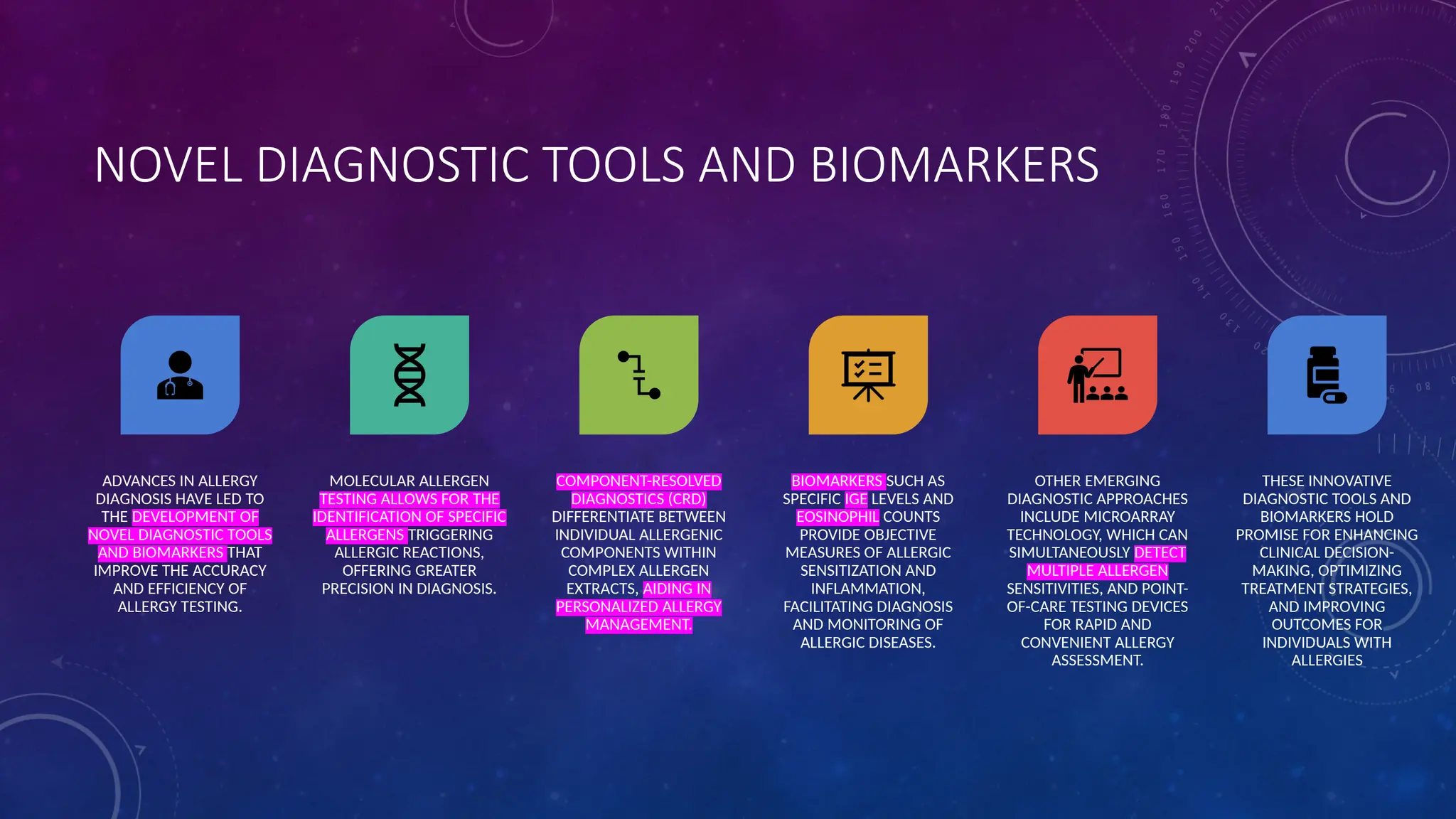
NOVEL DIAGNOSTIC TOOLS AND BIOMARKERS
ADVANCES IN ALLERGY
DIAGNOSIS HAVE LED TO
THE DEVELOPMENT OF
NOVEL DIAGNOSTIC TOOLS
AND BIOMARKERS THAT
IMPROVE THE ACCURACY
AND EFFICIENCY OF
ALLERGY TESTING.
MOLECULAR ALLERGEN
TESTING ALLOWS FOR THE
IDENTIFICATION OF SPECIFIC
ALLERGENS TRIGGERING
ALLERGIC REACTIONS,
OFFERING GREATER
PRECISION IN DIAGNOSIS.
COMPONENT-RESOLVED
DIAGNOSTICS (CRD)
DIFFERENTIATE BETWEEN
INDIVIDUAL ALLERGENIC
COMPONENTS WITHIN
COMPLEX ALLERGEN
EXTRACTS, AIDING IN
PERSONALIZED ALLERGY
MANAGEMENT.
BIOMARKERS SUCH AS
SPECIFIC IGE LEVELS AND
EOSINOPHIL COUNTS
PROVIDE OBJECTIVE
MEASURES OF ALLERGIC
SENSITIZATION AND
INFLAMMATION,
FACILITATING DIAGNOSIS
AND MONITORING OF
ALLERGIC DISEASES.
OTHER EMERGING
DIAGNOSTIC APPROACHES
INCLUDE MICROARRAY
TECHNOLOGY, WHICH CAN
SIMULTANEOUSLY DETECT
MULTIPLE ALLERGEN
SENSITIVITIES, AND POINT-
OF-CARE TESTING DEVICES
FOR RAPID AND
CONVENIENT ALLERGY
ASSESSMENT.
THESE INNOVATIVE
DIAGNOSTIC TOOLS AND
BIOMARKERS HOLD
PROMISE FOR ENHANCING
CLINICAL DECISION-
MAKING, OPTIMIZING
TREATMENT STRATEGIES,
AND IMPROVING
OUTCOMES FOR
INDIVIDUALS WITH
ALLERGIES
EFFECTIVE STRATEGIES FOR ALLERGEN AVOIDANCE
• Allergen avoidance is a cornerstone of allergy management, aimed at reducing exposure to triggers that elicit allergic
reactions.
• Indoor allergen avoidance strategies include implementing allergen-proofing measures such as using mattress and pillow
covers, regularly vacuuming carpets, and minimizing indoor humidity to control dust mites and mold.
• Outdoor allergen avoidance involves monitoring pollen counts, staying indoors during peak pollen seasons, wearing
protective clothing, and keeping windows closed to minimize pollen exposure.
• Dietary allergen avoidance is essential for individuals with food allergies. This may involve reading food labels carefully,
avoiding cross-contamination, and carrying emergency medications such as epinephrine for accidental exposures.
• Public health interventions, such as allergen-awareness campaigns and policies promoting allergen labeling in food products,
contribute to raising awareness and reducing allergen exposure on a larger scale.
• Comprehensive allergen avoidance strategies require collaboration between healthcare providers, allergists, environmental
specialists, and individuals with allergies to tailor approaches based on specific allergen sensitivities and environmental
factors.

in depth overview for allergies_presentation.pptx

  • 1.
  • 2.
    UNDERSTANDING ALLERGIES: ARESEARCH JOURNEY Questioning stage Literature review Hypothesis / Discussion between Scientist Experiment
  • 3.
    HOW DO ANTIHISTAMINES WORKAND CAN WE SEE IT UNDER A MICROSCOPE? THIS WILL BE OUR EXPERIMENT ON WEDNESDAY!
  • 4.
    WHAT ARE ALLERGIES? • Allergies are among the most common chronic conditions worldwide • Body’s immune system mistakes an otherwise harmless substance as an invader • The immune system overreacts to the allergen by producing Immunoglobulin E (IgE) antibodies • IgE antibodies travel to cells that release histamine causing an allergic reaction
  • 5.
    HOW DO ALLERGIESDEVELOP? Allergies result from a mix of genetics, environment, and immune responses Exposure: Contact with allergens like pollen, dust mites, or certain foods. Immune Reaction: Production of IgE antibodies recognizing the allergen. Sensitization: IgE binds to immune cells (mast cells, basophils), priming them. Activation: Re-exposure triggers these cells to release inflammatory chemicals. Inflammatory Response: Symptoms vary, including sneezing, itching, swelling, and anaphylaxis. Memory: Immune system retains allergen memory, leading to faster, stronger reactions upon re-exposure.
  • 6.
    WHAT ARE MOSTPEOPLE ALLERGIC TO? One in every 13 children has a food allergy! The 8 most common food allergies are: • Milk • Egg • Peanut • Tree nuts • Soy • Wheat • Fish • Shellfish
  • 7.
    PSYCHOLOGY OF ALLERGIES •Are allergies all in our heads? • No! But emotional factors have been proven to make allergies better or worse • In the 1940s, doctors discovered that allergic patients can be tricked into experiencing allergic attacks! • In one case, a doctor exposed a patient to a goldenrod plant , without telling the patient it was artificial. The patient immediately developed sneezing, runny nose and nasal congestion. Symptoms left as soon as he revealed it was fake. Why is that?? • There were also cases where people were hypnotized to remove allergies??? (not sure if this is true, but its by a reliable source???( 1 ) • Does immunotherapy works?(2) • Example pet hair
  • 8.
    GENETIC MUTATIONS INFOOD? •Genetic mutations in food can alter the proteins present, potentially affecting allergenicity. •Allergens are proteins that can trigger allergic reactions. •Genetic modifications may create new proteins or modify existing ones, increasing the risk of allergic reactions. •Thorough allergenicity assessments are crucial before introducing genetically modified foods to the market. •Continuous monitoring and research are essential to mitigate potential risks.
  • 9.
    WHAT IS HAPPENING TOOUR FOOD? • Since we can not go thru every single food in the world lets focus into a specific allergen , NUTS! • Why do so many people have an issue with nuts ? • Did the percentage of people allergic to nuts increase? • Looking at the data it actually did , but why???
  • 10.
    ANAPHYLAXIS •What is it? •Anaphylaxisis a severe, life threatening allergic reaction that affects the entire body •Symptoms can begin within minutes to several hours after exposure to the allergen •The most common anaphylactic reactions are to foods, insect stings, and medications •Every 3 minutes a food allergy reaction sends someone to the emergency room •Symptoms of Anaphylaxis •MOUTH itching, swelling of lips and/or tongue •THROAT* itching, tightness/closure, hoarseness •SKIN itching, hives, redness, swelling •GUT vomiting, diarrhea, cramps •LUNG* shortness of breath, coughing, wheezing •HEART* weak pulse, dizziness, passing out •Only a few symptoms may be present. Severity of symptoms can change quickly. •*Some symptoms can be life-threatening. ACT FAST!
  • 11.
    DISCUSSION Can we possiblybe allergic to pesticides and GMOs? What are the most common allergens globally, and how do their prevalence rates vary across different regions and demographics? What specific proteins or compounds within common allergens trigger allergic reactions, and how do they interact with the immune system? Are there any genetic factors that predispose individuals to developing allergies, and if so, what genes are involved, and how do they contribute to allergic susceptibility? How do environmental factors such as pollution, climate change, and urbanization impact the prevalence and severity of allergies? What role do early life exposures, such as maternal diet during pregnancy and breastfeeding, play in the development of allergies in infants and children? How does the human microbiome influence immune tolerance and the development of allergies, and are there specific microbial communities associated with reduced or increased allergy risk? What are the mechanisms underlying oral immunotherapy and other desensitization strategies for treating food allergies, and what are their long- term efficacy and safety profiles? How do allergies impact quality of life, productivity, and healthcare utilization, both for individuals with allergies and for society as a whole? What novel diagnostic tools and biomarkers show promise for improving the accuracy and efficiency of allergy diagnosis and monitoring? What are the most effective strategies for allergen avoidance and environmental control in both indoor and outdoor settings, and how can they be implemented on a large scale to reduce allergy burden?
  • 12.
  • 13.
    WHAT IS THEUNDERLYING MECHANISM OF ALLERGIC RESPONSES?
  • 14.
    PROJECT FOR ANTIHISTAMINES •Objective: • To observe the breakdown of allergens under a microscope, with and without the presence of an antihistamine. • Materials: • Microscope • Slides • Various allergens (e.g., pollen, dust mites, food particles) • Antihistamine solution • Procedure: • a. Prepare microscope slides by placing small amounts of random allergens on separate slides. • b. Add a drop of antihistamine solution onto one set of allergen samples. Leave the other set untreated. • c. Cover the slides and place them under the microscope. • d. Use varying magnifications to observe the allergens closely. • e. Record observations of allergen breakdown, noting any changes over time. • Expected Results: • Allergens without antihistamine may remain intact or show minimal degradation. • Allergens treated with antihistamine may exhibit breakdown or reduced allergenicity.
  • 15.
    RESOURCES 1. https://www.nytimes.com/2019/03/29/well/mind/allergies-symptoms-emotions-psychology.html#:~:te xt=Doctors%20have%20long%20suspected%20a,in%20persons%20of%20nervous%20temperament.%E 2%80%9D 2. Allergicskin responses abolished under treatment of asthma and hayfever by hypnosis - PubMed (nih.gov) 3. https://blog.ochsner.org/articles/can-exposure-cure-allergies#:~:text=By%20training%20your%20body %20to,dander%20allergies%20later%20in%20life
  • 16.
    MICROBIOME AND ALLERGY • Thegut microbiota plays a crucial role in immune regulation and development. Your immune system is directly responsible for how you react to certain proteins. • Dysbiosis, or imbalance in microbial communities, has been linked to increased risk of allergies. • Emerging research explores the potential for microbial-based therapies to modulate the immune response and prevent allergic reactions. ( talk about later)
  • 17.
    DIAGNOSIS OF ALLERGIES •Traditional diagnostic methods include skin prick tests and IgE blood tests, which measure allergic sensitization. • Advances in molecular allergen testing and component-resolved diagnostics enable more precise identification of allergens. • Biomarkers such as specific IgE levels and eosinophil counts aid in allergy diagnosis, monitoring, and treatment evaluation.
  • 18.
    CAN WE POSSIBLYBE ALLERGIC TO PESTICIDES AND GMOS? • Pesticides: While pesticides are designed to control pests and increase crop yield, they may contain chemical compounds that can elicit allergic reactions in susceptible individuals. • Allergic reactions to pesticides are rare but have been reported in occupational settings or due to environmental exposure. • Some pesticides, such as organophosphates and pyrethroids, have been associated with allergic sensitization and respiratory symptoms. • GMOs: Genetically modified organisms (GMOs) are organisms whose genetic material has been altered through genetic engineering techniques. • Allergy to GMOs is theoretically possible if the introduced genetic material contains allergenic proteins that trigger immune responses in sensitive individuals. • However, thorough safety assessments are conducted to evaluate the allergenic potential of GMOs before their commercialization.
  • 19.
    ALLERGY MANAGEMENT STRATEGIES • AllergenAvoidance: Implementing measures to reduce exposure to allergens in the home environment, including dust mite-proof bedding, pet dander control, and mold prevention. • Pharmacological Treatments: Utilizing medications such as antihistamines, corticosteroids, and epinephrine to alleviate allergic symptoms and manage acute reactions. • Immunotherapy: Offering desensitization treatments, including subcutaneous, sublingual, and oral immunotherapy, to induce tolerance and reduce allergic sensitivity over time.
  • 20.
    MOST COMMON ALLERGENSAND GLOBAL PREVALENCE • Introduction to common allergens: pollen, dust mites, pet dander, mold spores, peanuts, shellfish, etc. • Global prevalence rates vary: Pollen allergies are prevalent in temperate regions, while dust mite allergies are common in humid environments. • Demographic differences: Allergen prevalence can vary based on age, genetics, and environmental factors.
  • 21.
    ARE THERE ANYGENETIC FACTORS THAT PREDISPOSE INDIVIDUALS TO DEVELOPING ALLERGIES, AND IF SO, WHAT GENES ARE INVOLVED, AND HOW DO THEY CONTRIBUTE TO ALLERGIC SUSCEPTIBILITY? Genetic predisposition to allergies is a complex interplay of multiple genes, each contributing to an individual's susceptibility. Genes involved in immune regulation, such as interleukins (IL-4 and IL-13), play crucial roles in orchestrating the immune response to allergens. Variations in genes encoding cytokines, receptors, and molecules involved in allergic inflammation can disrupt immune homeostasis, leading to heightened allergic responses. Barrier function genes, including those encoding proteins like filaggrin, are essential for maintaining the integrity of the skin and mucosal barriers. Mutations in these genes can compromise barrier function, increasing the risk of allergen penetration and allergic sensitization. Understanding the genetic basis of allergic predisposition is instrumental in elucidating the underlying mechanisms of allergic diseases and developing targeted therapies for personalized allergy management.
  • 22.
    IMPACT OF ENVIRONMENTAL FACTORS ONALLERGIES • Environmental factors such as pollution, climate change, and urbanization can exacerbate allergies. • Pollutants like particulate matter and ozone can increase allergic sensitization and worsen symptoms. • Climate change affects pollen production and distribution, leading to longer allergy seasons and increased pollen exposure.
  • 23.
    ROLE OF EARLYLIFE EXPOSURES IN ALLERGY DEVELOPMENT The early stages of life play a critical role in shaping an individual's immune system and susceptibility to allergies. Maternal factors during pregnancy, such as diet and exposure to environmental allergens, can influence the development of allergic diseases in offspring. Studies suggest that maternal consumption of certain foods during pregnancy may affect the child's risk of developing allergies later in life. For example, a maternal diet rich in fruits, vegetables, and omega-3 fatty acids may have a protective effect against allergic diseases. Similarly, breastfeeding has been associated with a reduced risk of allergic sensitization and the development of allergic diseases in children. Breast milk contains immunomodulatory factors that help regulate the infant's immune response and promote tolerance to potential allergens. Furthermore, the mode of delivery, with cesarean section versus vaginal delivery, has been linked to differences in the establishment of the infant's gut microbiota and subsequent allergy risk. Infants born via cesarean section may have a higher risk of allergic diseases due to alterations in their gut microbiome composition. Early exposure to antibiotics in infancy has also been implicated in the development of allergies. Antibiotics can disrupt the gut microbiota, which plays a crucial role in immune system development and regulation. Consequently, alterations in the gut microbiota composition during infancy may contribute to immune dysregulation and increased susceptibility to allergies.
  • 24.
    INFLUENCE OF THEHUMAN MICROBIOME ON ALLERGY RISK • The human microbiome, comprising trillions of microorganisms residing in and on the body, plays a crucial role in immune development and regulation. • The gut microbiota, in particular, interacts extensively with the immune system, influencing immune tolerance and responses to allergens. • Dysbiosis, or imbalance in the gut microbiota composition, has been associated with an increased risk of allergic diseases. • Specific microbial taxa, such as certain strains of Bifidobacteria and Clostridia, have been linked to reduced allergy risk, while others may exacerbate allergic inflammation. • Mechanisms by which the gut microbiome influences allergy risk include its role in shaping the development of immune cells and the production of regulatory molecules. • Understanding the intricate interactions between the gut microbiome and the immune system is essential for developing strategies to modulate the microbiome and prevent or treat allergic diseases.
  • 25.
    MECHANISMS OF ORAL IMMUNOTHERAPYAND DESENSITIZATION • Oral immunotherapy (OIT) and desensitization strategies are designed to induce immune tolerance to allergens, particularly in the context of food allergies. • OIT involves administering gradually increasing doses of allergen extracts, typically in the form of food proteins, to allergic individuals. • The goal of OIT is to retrain the immune system to recognize the allergen as harmless, leading to decreased allergic responses upon subsequent exposure. • Desensitization strategies, including sublingual and oral routes, aim to reduce allergic sensitivity by exposing patients to allergens in controlled doses. • Mechanisms underlying OIT and desensitization include the modulation of allergen-specific T cells, induction of regulatory T cells, and suppression of allergic inflammation. • Long-term efficacy and safety profiles of OIT and desensitization therapies are under investigation, with promising results suggesting potential for sustained allergy relief and improved quality of life.
  • 26.
    IMPACT OF ALLERGIESON QUALITY OF LIFE AND HEALTHCARE • Allergies can significantly impact quality of life, productivity, and overall well- being for affected individuals. • Symptoms such as sneezing, itching, congestion, and wheezing can interfere with daily activities, sleep, and concentration. • Allergic reactions may also lead to absenteeism from work or school, reduced productivity, and impaired social functioning. • Healthcare utilization for allergies includes doctor visits, medication use, emergency department visits, and hospitalizations, resulting in substantial economic burden. • The indirect costs of allergies, such as lost productivity and reduced quality of life, further contribute to the overall socioeconomic impact of allergic diseases. • Addressing allergies comprehensively through effective management strategies can improve symptom control, enhance productivity, and reduce healthcare costs for individuals and society as a whole.
  • 27.
    NOVEL DIAGNOSTIC TOOLSAND BIOMARKERS ADVANCES IN ALLERGY DIAGNOSIS HAVE LED TO THE DEVELOPMENT OF NOVEL DIAGNOSTIC TOOLS AND BIOMARKERS THAT IMPROVE THE ACCURACY AND EFFICIENCY OF ALLERGY TESTING. MOLECULAR ALLERGEN TESTING ALLOWS FOR THE IDENTIFICATION OF SPECIFIC ALLERGENS TRIGGERING ALLERGIC REACTIONS, OFFERING GREATER PRECISION IN DIAGNOSIS. COMPONENT-RESOLVED DIAGNOSTICS (CRD) DIFFERENTIATE BETWEEN INDIVIDUAL ALLERGENIC COMPONENTS WITHIN COMPLEX ALLERGEN EXTRACTS, AIDING IN PERSONALIZED ALLERGY MANAGEMENT. BIOMARKERS SUCH AS SPECIFIC IGE LEVELS AND EOSINOPHIL COUNTS PROVIDE OBJECTIVE MEASURES OF ALLERGIC SENSITIZATION AND INFLAMMATION, FACILITATING DIAGNOSIS AND MONITORING OF ALLERGIC DISEASES. OTHER EMERGING DIAGNOSTIC APPROACHES INCLUDE MICROARRAY TECHNOLOGY, WHICH CAN SIMULTANEOUSLY DETECT MULTIPLE ALLERGEN SENSITIVITIES, AND POINT- OF-CARE TESTING DEVICES FOR RAPID AND CONVENIENT ALLERGY ASSESSMENT. THESE INNOVATIVE DIAGNOSTIC TOOLS AND BIOMARKERS HOLD PROMISE FOR ENHANCING CLINICAL DECISION- MAKING, OPTIMIZING TREATMENT STRATEGIES, AND IMPROVING OUTCOMES FOR INDIVIDUALS WITH ALLERGIES
  • 28.
    EFFECTIVE STRATEGIES FORALLERGEN AVOIDANCE • Allergen avoidance is a cornerstone of allergy management, aimed at reducing exposure to triggers that elicit allergic reactions. • Indoor allergen avoidance strategies include implementing allergen-proofing measures such as using mattress and pillow covers, regularly vacuuming carpets, and minimizing indoor humidity to control dust mites and mold. • Outdoor allergen avoidance involves monitoring pollen counts, staying indoors during peak pollen seasons, wearing protective clothing, and keeping windows closed to minimize pollen exposure. • Dietary allergen avoidance is essential for individuals with food allergies. This may involve reading food labels carefully, avoiding cross-contamination, and carrying emergency medications such as epinephrine for accidental exposures. • Public health interventions, such as allergen-awareness campaigns and policies promoting allergen labeling in food products, contribute to raising awareness and reducing allergen exposure on a larger scale. • Comprehensive allergen avoidance strategies require collaboration between healthcare providers, allergists, environmental specialists, and individuals with allergies to tailor approaches based on specific allergen sensitivities and environmental factors.
Editor's Notes

  • #12 https://www.youtube.com/watch?v=CHPjMFgXjiQ
  • #13 https://www.youtube.com/watch?v=1YrKVobZnNg