Making the Most of Plant and 
Insect Diagnostics 
Pat Beauzay, Extension Entomology Research 
Specialist 
Kasia Kinzer, Plant Diagnostician
Services Offered by the NDSU 
Plant Diagnostic Lab 
• Plant problem diagnosis (pathogen, pest, abiotic) 
• Weed ID, Insect ID (with Extension Entomology) 
• Home Mold/Fungus ID 
• Seed Health Testing (fee waivers do not apply) 
• Phytosanitary Testing (fee waivers do not apply) 
• Methods: visual, microscopy, incubation, culturing, 
ELISA, immunostrip, DNA-based testing, bioassay, 
nematode extraction
Plant Diagnostic Lab Information 
Request Form 
• NDSU Plant Diagnostic Lab forms available 
on-line: 
• http://www.ag.ndsu.edu/pdl 
• Please fill the form out as completely as 
possible 
3
What makes a good sample? 
• Quality background information is provided 
• Sample is fresh 
• Sample is representative
Obtain A Good Sample 
Examples of Good samples: 
– Good Quality – with as much 
background information as possible; 
more information = better quality 
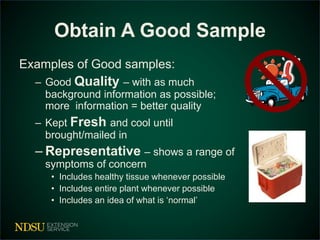
– Kept Fresh and cool until 
brought/mailed in 
– Representative – shows a range of 
symptoms of concern 
• Includes healthy tissue whenever possible 
• Includes entire plant whenever possible 
• Includes an idea of what is ‘normal’
Quality Background Information 
• What is the host? 
• What is the concern? 
• When and how was it planted? 
• Pattern of symptoms within plant? 
• Field distribution or pattern within the planting: 
• When were symptoms first noticed? 
• Soil type, cultural practices, chemical history, crop 
history, environmental conditions, et cetera 
• The more completely the form is filled out, the 
better 
6
Fresh Samples 
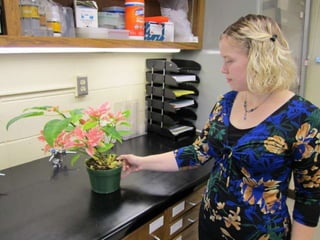
• Collect whole plants whenever possible 
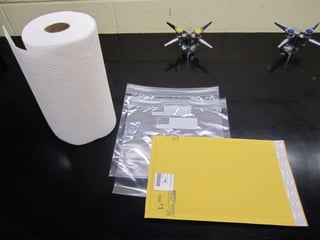
• Keep them cool until ready to ship 
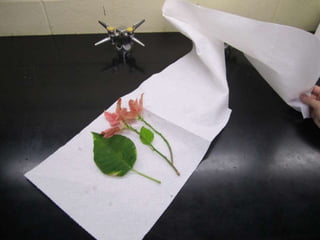
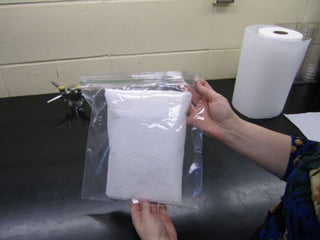
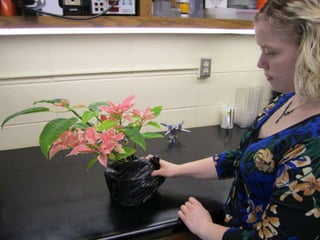
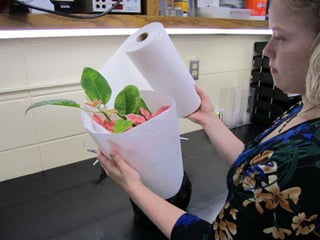
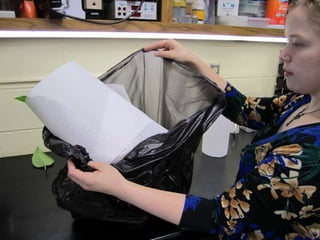
– Save them in the fridge like you would a head 
of lettuce – wrapped in a dry paper towel, 
then placed inside a plastic bag 
• Don’t include only dead plants 
Representative Samples 
• Choose plants that show a range of 
symptoms
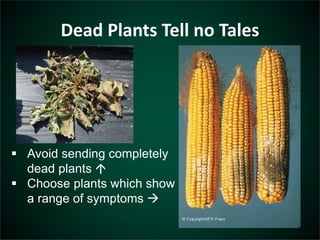
Dead Plants Tell no Tales 
8 
 Avoid sending completely 
dead plants  
 Choose plants which show 
a range of symptoms 
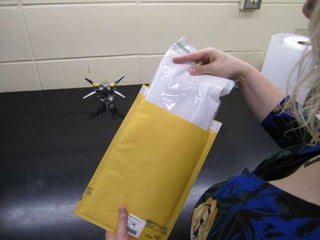
Preparing samples for 
shipping
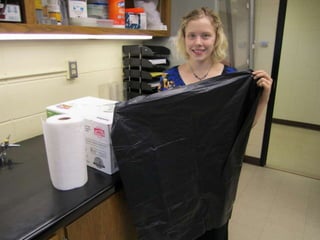
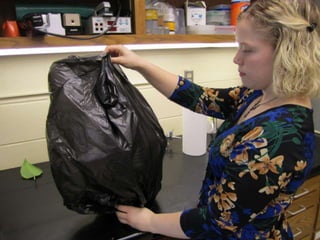
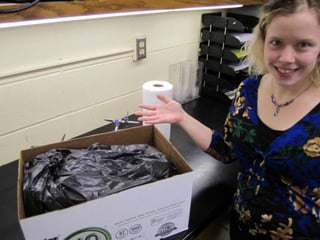
Sending bigger samples
Keep soil away from foliage
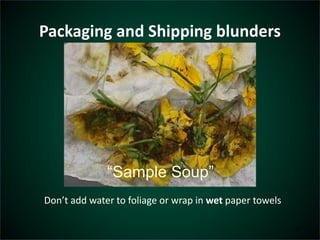
Packaging and Shipping blunders 
Don’t add water to foliage or wrap in wet paper towels 
23 
“Sample Soup”
Packaging & Shipping 
24 
Good Intentions
Actual Results 
25
What about High Risk Pests??
Sample Security – important for high 
risk pests 
• Communication – early contact with diagnostic labs and 
regulatory officials to let us know a pest or disease problem 
suspected to be high risk is on its way 
• Confidentiality – don’t alert media unless confirmed and given 
the okay from regulatory officials 
• Accuracy – make sure source information is correct 
• Chain of custody – keep track of when/how/to whom 
sample was sent 
• Delivery details – Let Plant Diagnostic Lab know where 
sample is coming from, how it is being sent, and expected 
arrival time 
27
Secure sample submission 
• Avoid contaminating outside of bags 
• Double bag in re-sealable bags and seal, 
then place in a sturdy box 
• Seal all seams of box with shipping tape 
• Ship via overnight mail or drive to state 
diagnostic lab to deliver personally 
28
Send Suspected High Risk 
Samples to: 
USPS 
NDSU Plant Diagnostic 
Lab 
NDSU Dept 7660 
PO Box 6050 
Fargo ND 58108-6050 
Ground/Private 
Shipper 
NDSU Plant Diagnostic 
Lab 
306 Walster Hall 
Fargo, ND 58102 
Tel: 701.231.7854 
Email: ndsu.pdl@ndsu.edu
Resources 
• NDSU Plant Diagnostic Lab 
– http://www.ag.ndsu.edu/pdl 
• NDSU Extension Departments 
– http://www.ag.ndsu.edu/extplantpath/ 
– http://www.ag.ndsu.edu/extensionentomology/ 
– http://www.ag.ndsu.edu/plantsciences/extension 
– http://www.ndsu.edu/soils/ 
– http://www.ndsu.edu/snrs/extension/ 
• North Dakota Department of Agriculture 
– http://www.nd.gov/ndda/ 
• NPDN First Detector Training, online modules: 
– https://firstdetector.org 
30
If we have time…
Weed Samples 
• Collect intact specimens 
• Preserve and package sample 
properly 
• Provide information on where sample 
was found 
• Send suspected exotics in overnight 
mail 
32
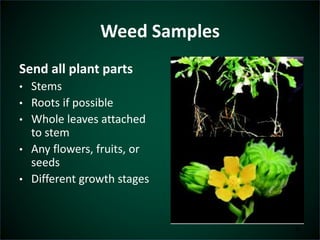
Weed Samples 
Send all plant parts 
• Stems 
• Roots if possible 
• Whole leaves attached 
to stem 
• Any flowers, fruits, or 
seeds 
• Different growth stages 
33
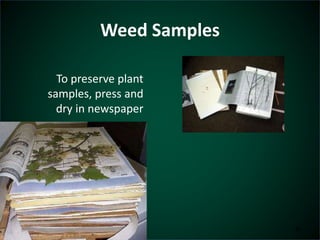
Weed Samples 
To preserve plant 
samples, press and 
dry in newspaper 
34
Soil Samples (Nematodes) 
1. Use a soil probe to collect samples (6 to 8 
inches in depth). 
2. Using a zigzag pattern, collect 10 to 20 
soil cores per every 10 to 20 acres. 
3. Collect cores from areas of similar soil 
type and crop history, and near or within 
rows, if visible. 
35 
*from the SCN Coalition
Soil Samples (Nematodes) 
4. Dump cores from each 10- to 20-acre set 
into a bucket or tub and mix thoroughly. 
5. Place 1 pint (2 cups, about 500 cc) of 
mixed soil in a soil sampling bag or plastic 
zippered bag and label with a permanent 
marker. 
6. Store sample in a cool, dark place until 
shipped to the lab. 
36 
*from the SCN Coalition
For Any Sample: 
• Clear, close-up digital photos can be 
helpful 
• There’s no such thing as too much 
information – the more information, the 
better quality the sample 
37

How to submit a quality sample to the NDSU Plant Diagnostic Lab

  • 1.
    Making the Mostof Plant and Insect Diagnostics Pat Beauzay, Extension Entomology Research Specialist Kasia Kinzer, Plant Diagnostician
  • 2.
    Services Offered bythe NDSU Plant Diagnostic Lab • Plant problem diagnosis (pathogen, pest, abiotic) • Weed ID, Insect ID (with Extension Entomology) • Home Mold/Fungus ID • Seed Health Testing (fee waivers do not apply) • Phytosanitary Testing (fee waivers do not apply) • Methods: visual, microscopy, incubation, culturing, ELISA, immunostrip, DNA-based testing, bioassay, nematode extraction
  • 3.
    Plant Diagnostic LabInformation Request Form • NDSU Plant Diagnostic Lab forms available on-line: • http://www.ag.ndsu.edu/pdl • Please fill the form out as completely as possible 3
  • 4.
    What makes agood sample? • Quality background information is provided • Sample is fresh • Sample is representative
  • 5.
    Obtain A GoodSample Examples of Good samples: – Good Quality – with as much background information as possible; more information = better quality – Kept Fresh and cool until brought/mailed in – Representative – shows a range of symptoms of concern • Includes healthy tissue whenever possible • Includes entire plant whenever possible • Includes an idea of what is ‘normal’
  • 6.
    Quality Background Information • What is the host? • What is the concern? • When and how was it planted? • Pattern of symptoms within plant? • Field distribution or pattern within the planting: • When were symptoms first noticed? • Soil type, cultural practices, chemical history, crop history, environmental conditions, et cetera • The more completely the form is filled out, the better 6
  • 7.
    Fresh Samples •Collect whole plants whenever possible • Keep them cool until ready to ship – Save them in the fridge like you would a head of lettuce – wrapped in a dry paper towel, then placed inside a plastic bag • Don’t include only dead plants Representative Samples • Choose plants that show a range of symptoms
  • 8.
    Dead Plants Tellno Tales 8  Avoid sending completely dead plants   Choose plants which show a range of symptoms 
  • 9.
  • 14.
  • 16.
    Keep soil awayfrom foliage
  • 23.
    Packaging and Shippingblunders Don’t add water to foliage or wrap in wet paper towels 23 “Sample Soup”
  • 24.
    Packaging & Shipping 24 Good Intentions
  • 25.
  • 26.
    What about HighRisk Pests??
  • 27.
    Sample Security –important for high risk pests • Communication – early contact with diagnostic labs and regulatory officials to let us know a pest or disease problem suspected to be high risk is on its way • Confidentiality – don’t alert media unless confirmed and given the okay from regulatory officials • Accuracy – make sure source information is correct • Chain of custody – keep track of when/how/to whom sample was sent • Delivery details – Let Plant Diagnostic Lab know where sample is coming from, how it is being sent, and expected arrival time 27
  • 28.
    Secure sample submission • Avoid contaminating outside of bags • Double bag in re-sealable bags and seal, then place in a sturdy box • Seal all seams of box with shipping tape • Ship via overnight mail or drive to state diagnostic lab to deliver personally 28
  • 29.
    Send Suspected HighRisk Samples to: USPS NDSU Plant Diagnostic Lab NDSU Dept 7660 PO Box 6050 Fargo ND 58108-6050 Ground/Private Shipper NDSU Plant Diagnostic Lab 306 Walster Hall Fargo, ND 58102 Tel: 701.231.7854 Email: ndsu.pdl@ndsu.edu
  • 30.
    Resources • NDSUPlant Diagnostic Lab – http://www.ag.ndsu.edu/pdl • NDSU Extension Departments – http://www.ag.ndsu.edu/extplantpath/ – http://www.ag.ndsu.edu/extensionentomology/ – http://www.ag.ndsu.edu/plantsciences/extension – http://www.ndsu.edu/soils/ – http://www.ndsu.edu/snrs/extension/ • North Dakota Department of Agriculture – http://www.nd.gov/ndda/ • NPDN First Detector Training, online modules: – https://firstdetector.org 30
  • 31.
    If we havetime…
  • 32.
    Weed Samples •Collect intact specimens • Preserve and package sample properly • Provide information on where sample was found • Send suspected exotics in overnight mail 32
  • 33.
    Weed Samples Sendall plant parts • Stems • Roots if possible • Whole leaves attached to stem • Any flowers, fruits, or seeds • Different growth stages 33
  • 34.
    Weed Samples Topreserve plant samples, press and dry in newspaper 34
  • 35.
    Soil Samples (Nematodes) 1. Use a soil probe to collect samples (6 to 8 inches in depth). 2. Using a zigzag pattern, collect 10 to 20 soil cores per every 10 to 20 acres. 3. Collect cores from areas of similar soil type and crop history, and near or within rows, if visible. 35 *from the SCN Coalition
  • 36.
    Soil Samples (Nematodes) 4. Dump cores from each 10- to 20-acre set into a bucket or tub and mix thoroughly. 5. Place 1 pint (2 cups, about 500 cc) of mixed soil in a soil sampling bag or plastic zippered bag and label with a permanent marker. 6. Store sample in a cool, dark place until shipped to the lab. 36 *from the SCN Coalition
  • 37.
    For Any Sample: • Clear, close-up digital photos can be helpful • There’s no such thing as too much information – the more information, the better quality the sample 37