HISTORY PRESENTATION
By: prejeeth v IX “b”
FOREST TRANSFORMATIONS IN JAVA
• Java is now famous as a rice-producing island in Indonesia. But
• once upon a time it was covered mostly with forests. The colonial
• power in Indonesia were the Dutch, and as we will see, there were
• many similarities in the laws for forest control in Indonesia and
• India. Java in Indonesia is where the Dutch started forest
• management. Like the British, they wanted timber from Java to
• build ships. In 1600, the population of Java was an estimated 3.4
• million. There were many villages in the fertile plains, but there
• were also many communities living in the mountains and practising
• shifting cultivation.
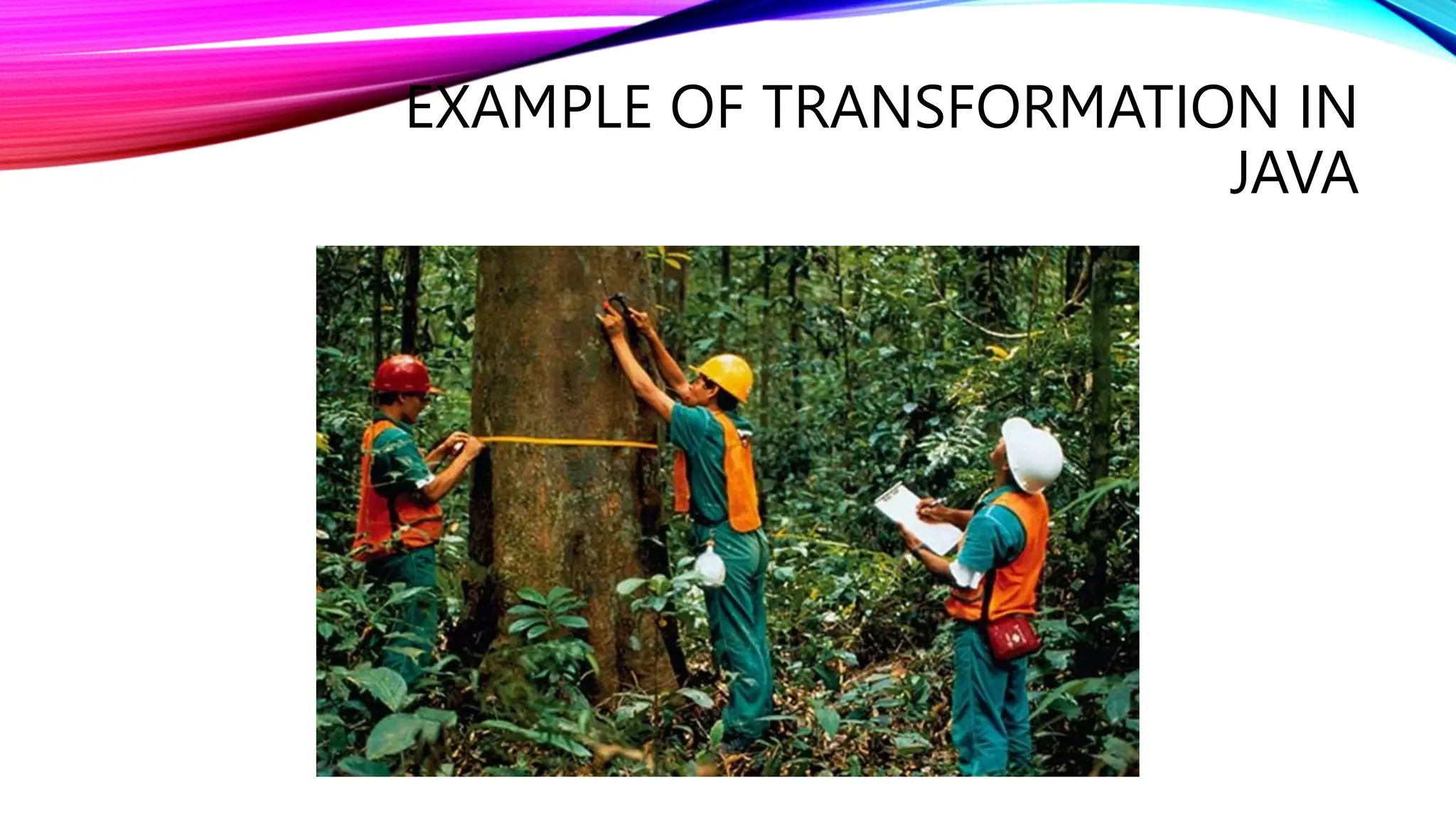
EXAMPLE OF TRANSFORMATION IN
JAVA
THE WOODCUTTERS OF JAVA
• The Kalangs of Java were a community of skilled forest cutters and
• shifting cultivators. They were so valuable that in 1755 when the
• Mataram kingdom of Java split, the 6,000 Kalang families were
• equally divided between the two kingdoms. Without their expertise,
• it would have been difficult to harvest teak and for the kings to
• build their palaces. When the Dutch began to gain control over the
• forests in the eighteenth century, they tried to make the Kalangs
• work under them. In 1770, the Kalangs resisted by attacking a Dutch
• fort at Joana, but the uprising was suppressed.
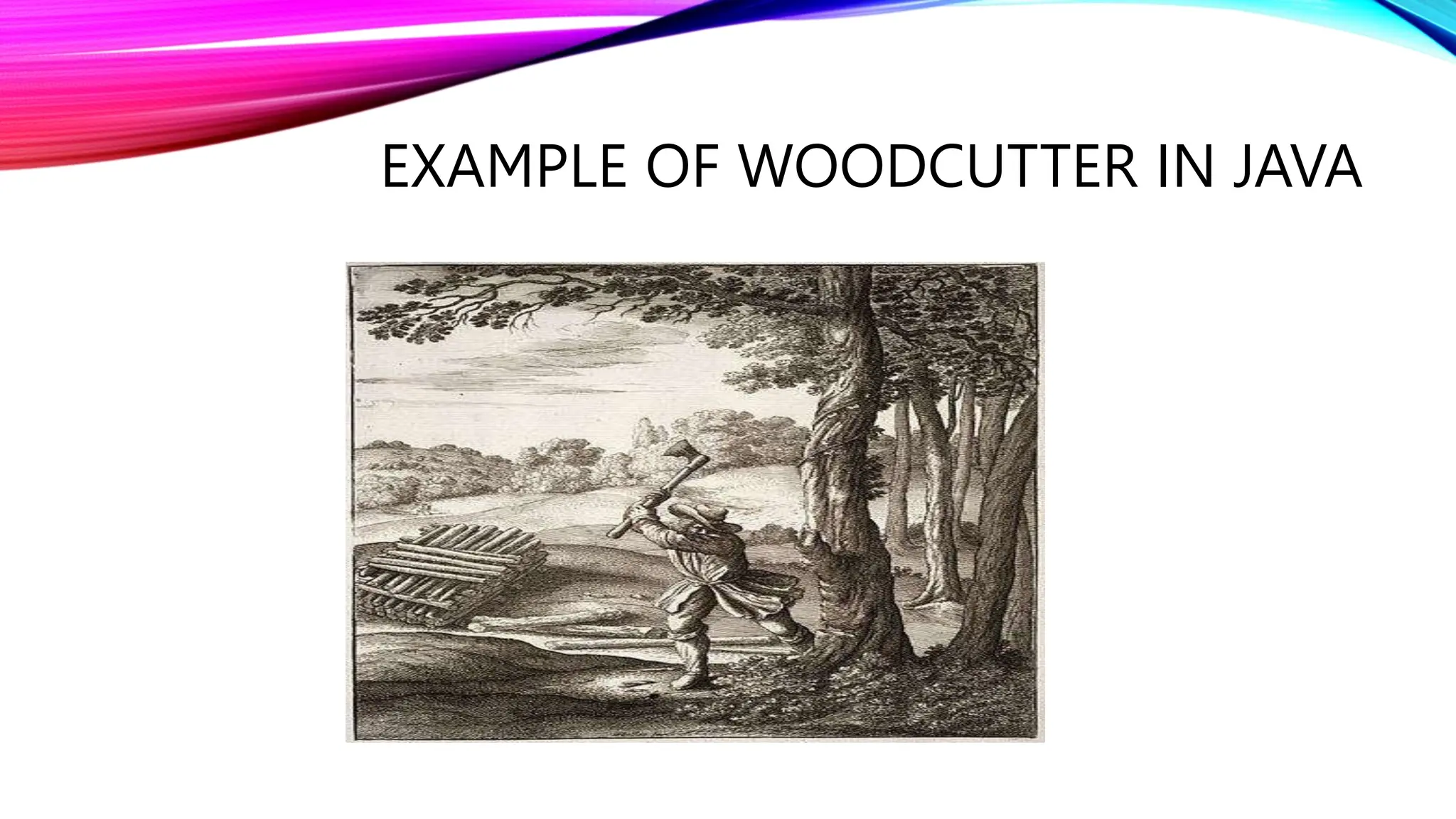
EXAMPLE OF WOODCUTTER IN JAVA
THANK YOU PPT IS BASED ON
HISTORY

History presentation.pptx

  • 1.
  • 2.
    FOREST TRANSFORMATIONS INJAVA • Java is now famous as a rice-producing island in Indonesia. But • once upon a time it was covered mostly with forests. The colonial • power in Indonesia were the Dutch, and as we will see, there were • many similarities in the laws for forest control in Indonesia and • India. Java in Indonesia is where the Dutch started forest • management. Like the British, they wanted timber from Java to • build ships. In 1600, the population of Java was an estimated 3.4 • million. There were many villages in the fertile plains, but there • were also many communities living in the mountains and practising • shifting cultivation.
  • 3.
  • 4.
    THE WOODCUTTERS OFJAVA • The Kalangs of Java were a community of skilled forest cutters and • shifting cultivators. They were so valuable that in 1755 when the • Mataram kingdom of Java split, the 6,000 Kalang families were • equally divided between the two kingdoms. Without their expertise, • it would have been difficult to harvest teak and for the kings to • build their palaces. When the Dutch began to gain control over the • forests in the eighteenth century, they tried to make the Kalangs • work under them. In 1770, the Kalangs resisted by attacking a Dutch • fort at Joana, but the uprising was suppressed.
  • 5.
  • 6.
    THANK YOU PPTIS BASED ON HISTORY