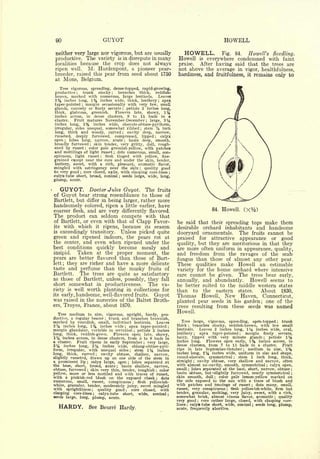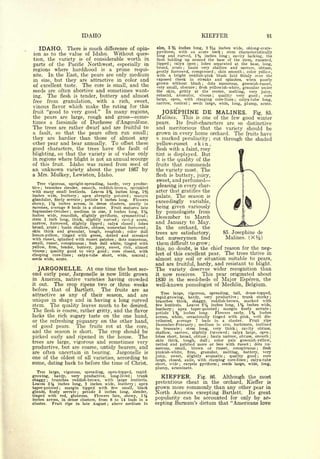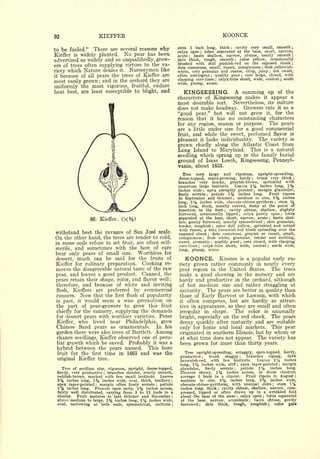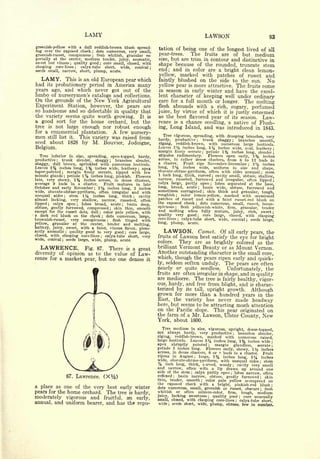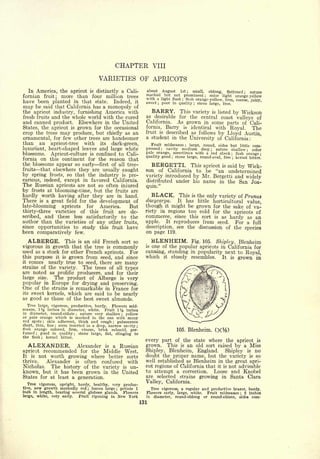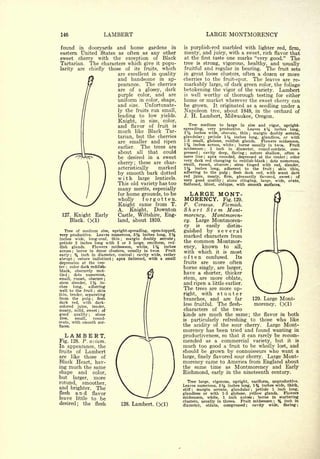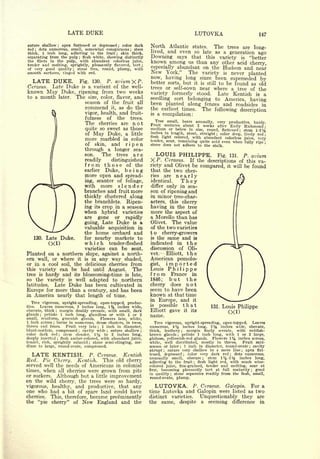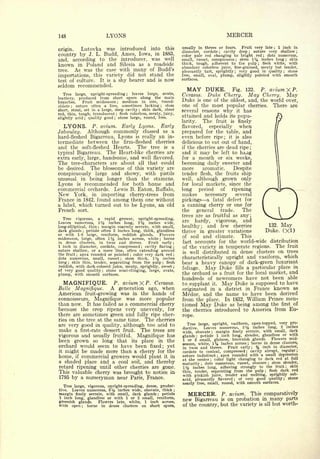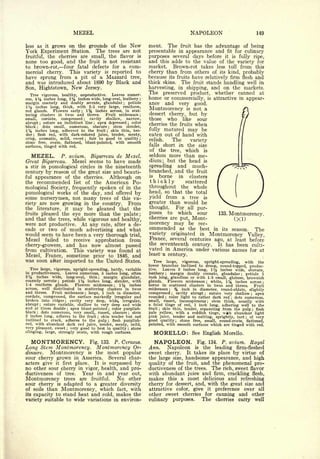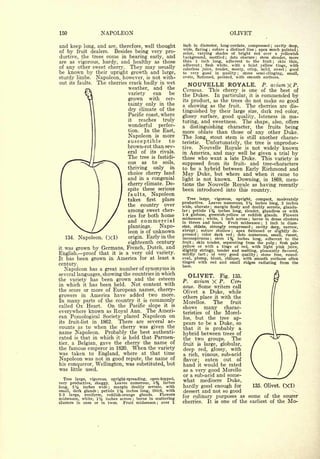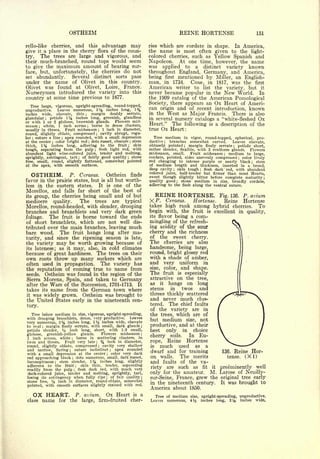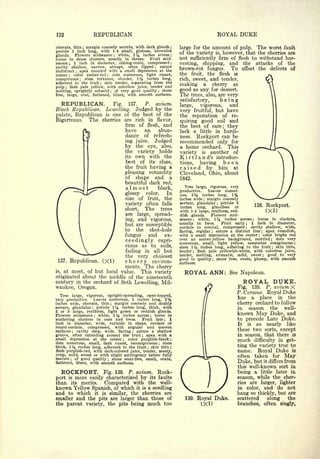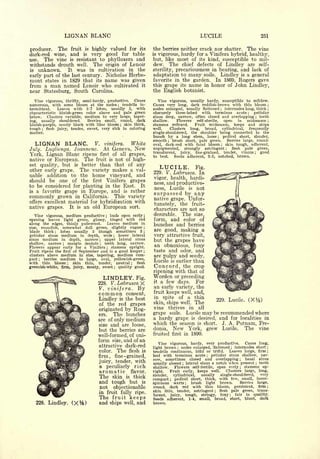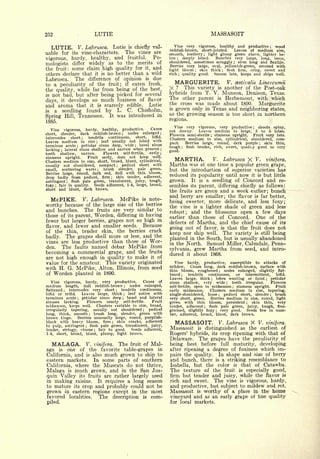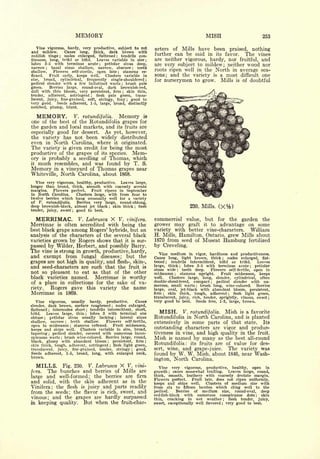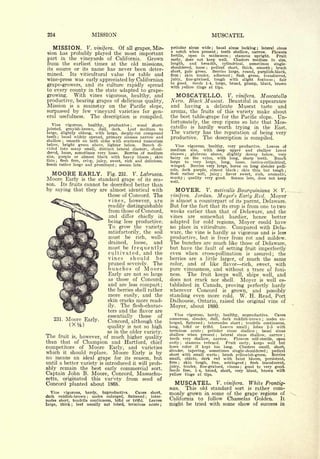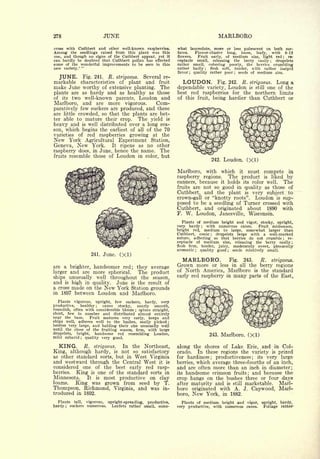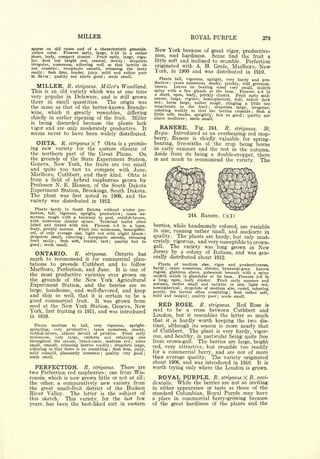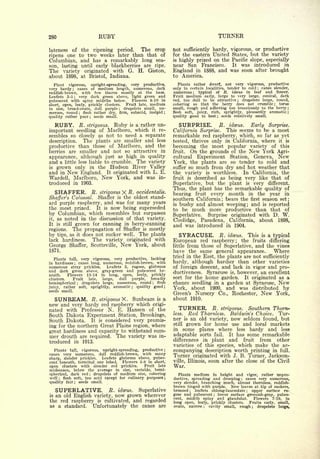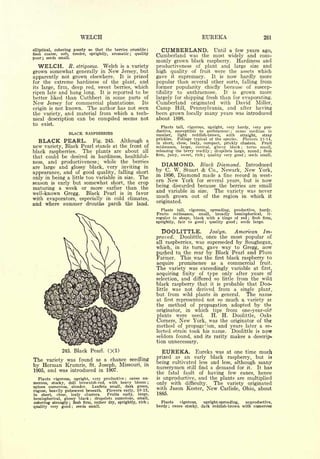








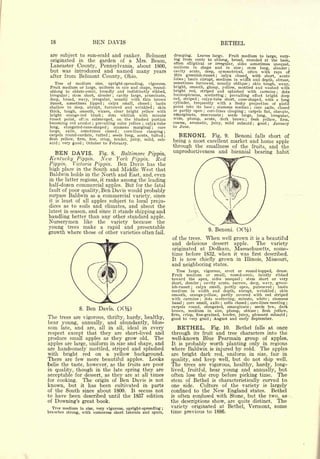
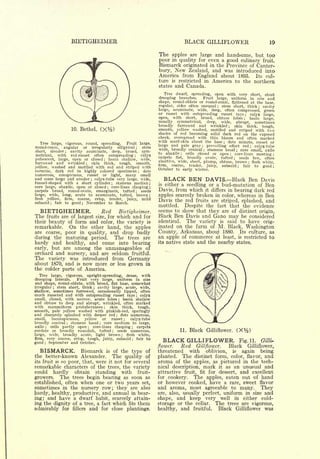
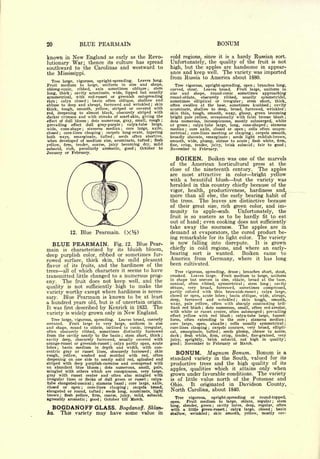
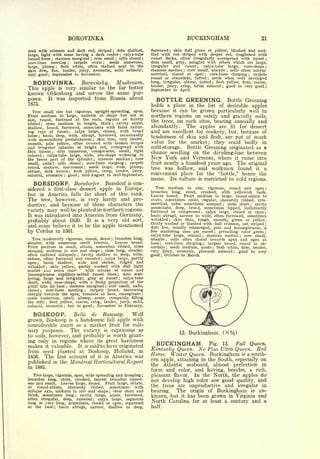

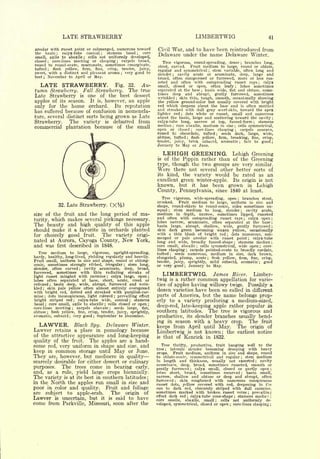
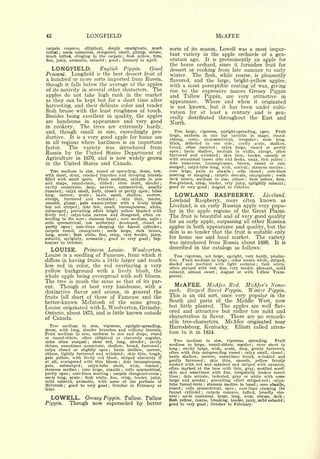
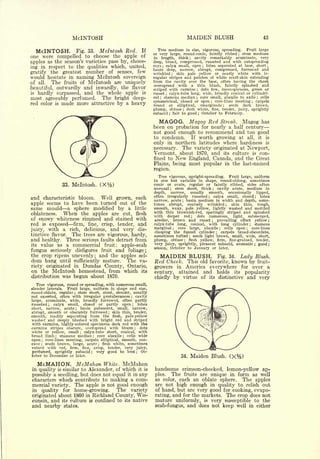
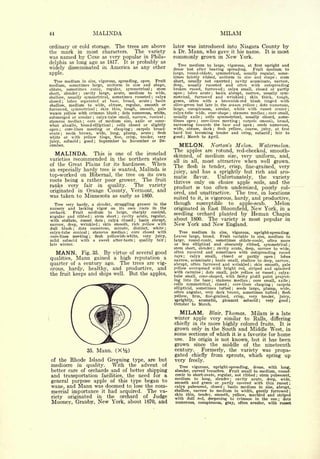

CYCLOPEDIA
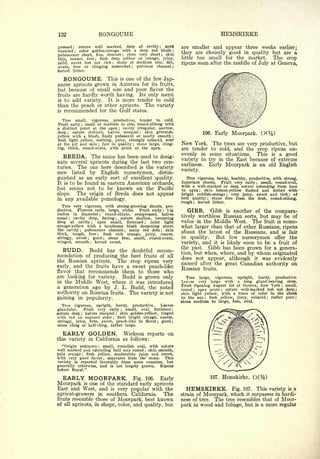
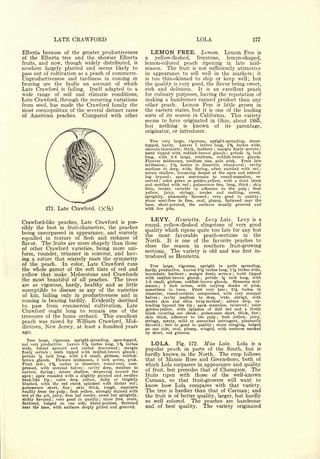
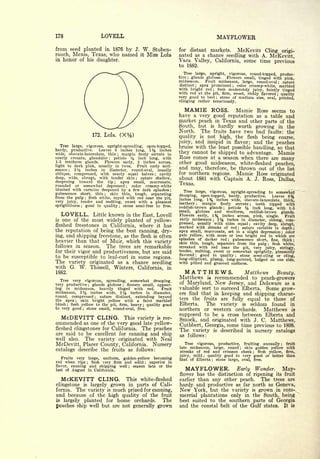
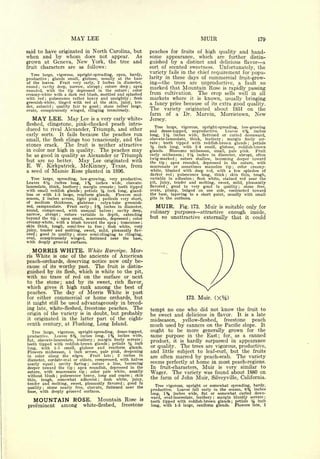
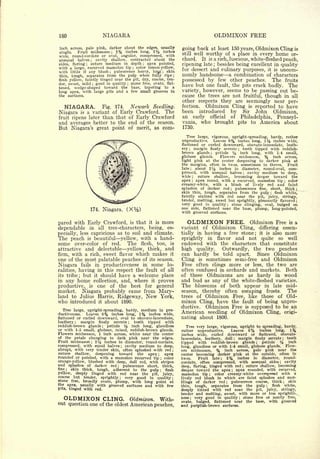
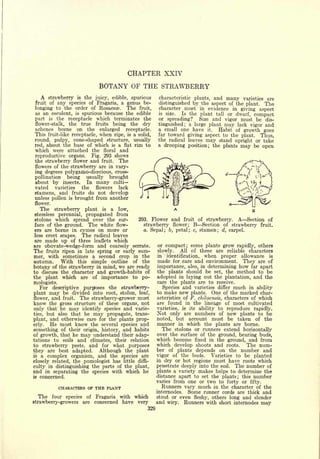
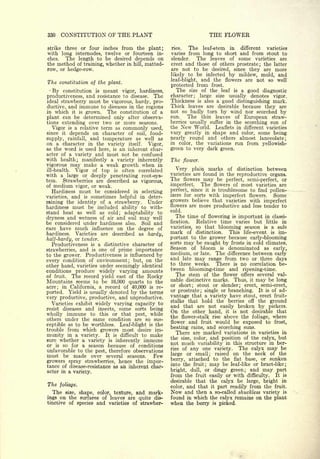
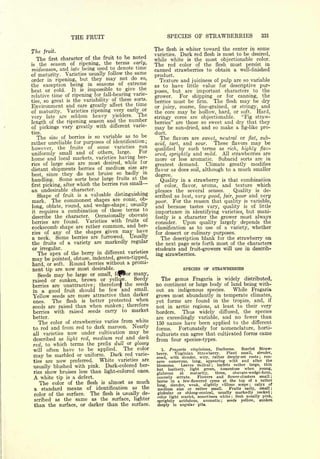
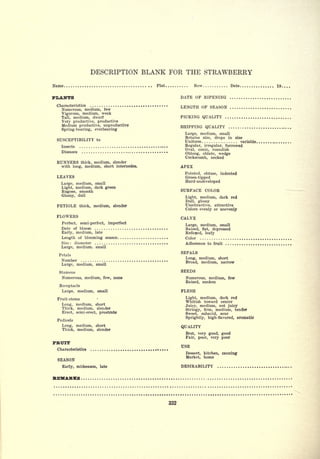
OF HARDY FRUITS
o.

     THE MACMILLAN COMPANY
   NEW YORK  BOSTON   CHICAGO   DALLAS
        ATLANTA   SAN FRANCISCO

      MACMILLAN &      CO., LIMITED
       LONDON    BOMBAY CALCUTTA
                MELBOURNE
 THE MACMILLAN      CO. OF   CANADA,   LTD.
                 TORONTO

MAW LIBttAfrr.AQRlCin.TUmi
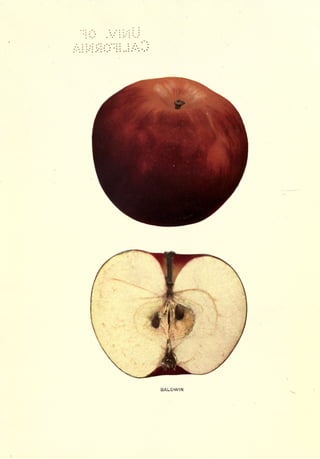
BALDWIN
CYCLOPEDIA OF
HARDY FRUITS


                       BY
           U. P.      HEDRICK
             AND HORTICULTURIST OF THE NEW
 VICE-DIRECTOR
    YORK AGRICULTURAL EXPERIMENT STATION


     THE MACMILLAN COMPANY
                       1922

                 All rights reserved
H4-
                             THE UNITED STATES OF AMERICA

 *
     a*
          **
             ,*"
**i       **"


                               COPYRIGHT, 1922,
                       BY THE MACMILLAN COMPANY.

             Set up and electrotyped.        Published September, 1922.

                MAIN


                                    Press of
                         J. J. Little   ft    Ives   Company
                              New   York. U.         S.   A.
PREFACE
   The purpose of this manual is to describe               The chief value of a book like this lies in
the varieties of hardy fruits grown in North             the accuracy of the descriptions and of the
America. A new book describing hardy fruits              determinations of synonyms.       Herein the
needs no justification. Downing's Fruits and             author has had an advantage over the old
Fruit Trees and Thomas' American Fruit Cul-              pomologists, since his connection with a mod-
turist, in their many editions, have served two          ern experiment station, with a large collection
generations of fruit-growers.   Both are worn out        of fruits and a good horticultural library, has
tools.   Most of the varieties described by these        given him opportunity to describe first hand
authors are not now found in American or-                and pass impartial judgment on varieties, and
chards or nurseries. Many of the kinds they              to go to original sources for names; whereas,
discuss have never been grown in this country,           the old writers, lacking these modern facilities,
the descriptions published having come from              were compelled to copy one from the other.
European fruit-books. On the other hand,                    With great reluctance, the author abandons
none of the varieties of this century is de-             a key to varieties of the several hardy fruits.
scribed in Downing or Thomas.       Moreover,            Years of patient labor have not enabled him
the descriptions of these old workers are too            to produce a key that will work. A variety
scant and fragmentary to have great value in             of any fruit behaves so differently in the sev-
modern pomology.      A new    manual   of fruits   is   eral great pomological regions of the continent
needed to take the place of Downing and                  that a key cannot be made that will be usable
Thomas, valuable as these books were for                 for a fruit in all regions.  A satisfactory key
their day.                                               to varieties of apples for New York does not
  The plan of the book is simple. A brief                fit this fruit in Virginia, Iowa, California, or

glance through its pages should suffice to reveal        Oregon. About the only constant characters
even to the beginner in the study of pomologi-           of the apple for all regions of the continent
cal literature the arrangement 'of fruits and            are sweetness and sourness. The color of the
their varieties, and the presentation of names           flesh is the only constant character of the
and synonyms. Clearness and simplicity have              peach.   There are few or no constant char-
been sought, that the reader may with the                acters in other fruits as they grow in different
least trouble obtain a perfect mental picture            regions.   To arrange varieties alphabetically
of the variety described.                                is   unscientific, disorderly,   and makes        difficult
  The ways in which the author designs to                the identification   of fruits, but   it is   the author's
make this manual useful are: (1) To aid in               belief that they     cannot be satisfactorily ar-
the identification of varieties.   (2) To guide          ranged otherwise    for a text covering more than
in the choice of varieties.     (3) To sort the          one pomological     region.  Keys to varieties of
names now in use for varieties of hardy fruits,          fruits   can be   of value only when made for
and assign them to the varieties to which they           particular    regions.
belong. (4) To state in what regions the va-               In acknowledging obligations, the author
rieties described grow best.   (5) To tell when          needs to name the pomologists of the nine-
and where the varieties originated.       (6) By         teenth century. Coxe, writing in 1817, was the
depicting choice products of the orchard, to             pioneer, followed by Prince, Kenrick, Manning,
stimulate the desire to grow better fruits.              Downing, Thomas, Cole, Barry, Hovey, Elliot,
   The book is written for fruit-growers,                Hooper, and Warder, the pageant ending in
nurserymen, students in colleges and high-               1867.  These men brought fruit-growing into
schools, county agricultural agents, and buyers          being in America and nourished it to maturity.
of fruits.  It is designed for those interested          They   studied fruits in their various seasonal
in fruits in general, rather than for the spe-           expressions   with accuracy and insight, and
cialist inpomology. Specialists will find fuller         wrote with the sincere and sympathetic feeling
discussions of nearly all of the varieties de-           of the best naturalists of their day, thereby
scribed in this manual in the fruit-books pub-           putting American pomology on a solid founda-
lished by the New York Agricultural Experi-
                           .                             tion. The author of this manual is not forget-
ment Station, most of them written under the             ful of their great work, a service to the national
direction of the author, and from which he               welfare little appreciated, but which is to him
has drawn heavily for this volume.                       perennial inspiration.

                                                                                           U. P. HEDRICK.
  Geneva,    New   York,
  December    15, 1921.


                                          483481
TABLE OF CONTENTS
                                                            na
                              PART    I     POME-FRUITS       1
  CHAPTER
     I      THE   STRUCTURAL BOTANY OF POME-FRUITS            1

    II      SPECIES OF POME-FRUITS                            8
  III       VARIETIES OF APPLES                              15

   IV       VARIETIES OF CRAB-APPLES                         72

    V       VARIETIES OF PEARS                               76

   VI       VARIETIES OF QUINCES                            107


                             PART    II     DRUPE-FRUITS    111

  VII       BOTANY OF THE DRUPE-FRUITS                      113

 VIII       VARIETIES OF APRICOTS                           131

   IX       VARIETIES OF CHERRIES                           136

    X       VARIETIES OF NECTARINES                         157

  XI        VARIETIES OF PEACHES                            161

 XII        VARIETIES OF   PLUMS                            190


                              PART    III       THE GRAPE   223
 XIII       BOTANY OF THE GRAPE       .                     225
 XIV        VARIETIES OF GRAPES                             233


                            PART    IV    THE BRAMBLES      263
  XV        BOTANY OF THE BRAMBLES                          265
 XVI        VARIETIES OF RASPBERRIES                        275
XVII        VARIETIES OF BLACKBERRIES AND DEWBERRIES        285


                  PART V CURRANTS AND GOOSEBERRIES          293
XVIII       BOTANY OF CURRANTS AND GOOSEBERRIES             295
 XIX        VARIETIES OF CURRANTS                           301
  XX        VARIETIES OF GOOSEBERRIES       .     ....      307
viii                         TABLE OF CONTENTS
                                                                       PAGE
                          PART    VI   HEA1TH FRUITS                   311
 CHAPTER
  XXI BOTANY       OF   HEATH FRUITS                                   313
XXII THE CRANBERRY AND            ITS VARIETIES                        316
XXIII BLUEBERRIES AND HUCKLEBERRIES                                    322

                        PART   VII     THE STRAWBERRY                  327
XXIV BOTANY       OF THE STRAWBERRY                                ,   329
 XXV       VARIETIES OF STRAWBERRIES                                   335

                   PART    VIII    MISCELLANEOUS FRUITS                347
XXVI       PERSIMMONS, MULBERRIES, PAWPAWS, ELDERS, HIGHBUSH CRAN-
               BERRIES, BUFFALO-BERRIES, GOUMIS AND BARBERRIES
                                                           .   .   .   349
PLATES
PLATE
    I   BALDWIN APPLE      (in color)               Frontispiece
                                                       FACING PAGE

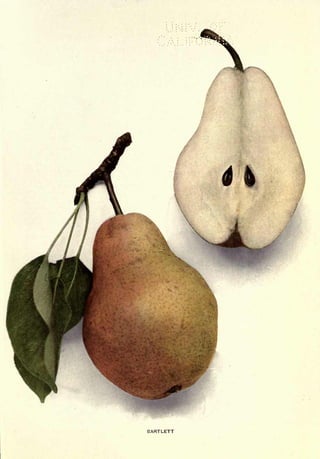
   II   BARTLETT PEAR      (in color)                          34

  III   SECKEL PEAR                                            64

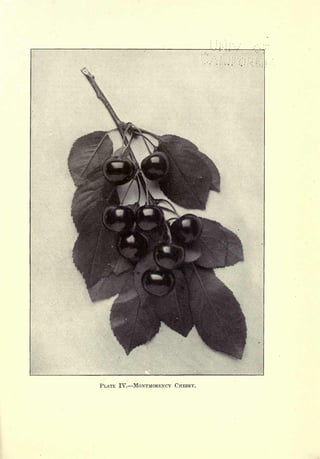
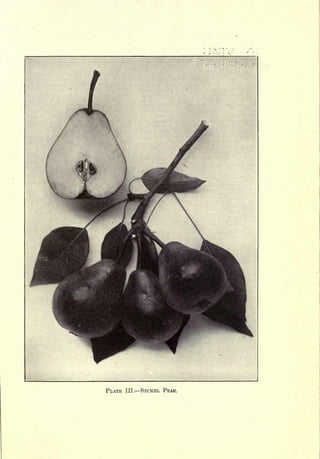
  IV    MONTMORENCY CHERRY                                     94

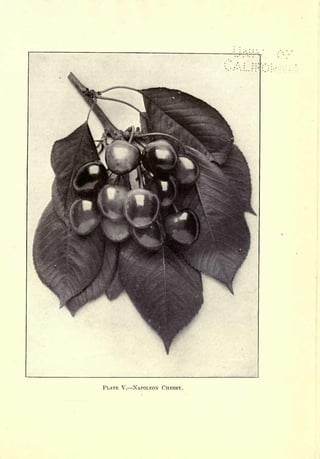
   V    NAPOLEON CHERRY                                       114

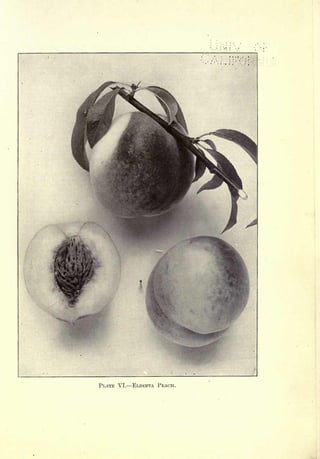
  VI    ELBERTA PEACH                                         132

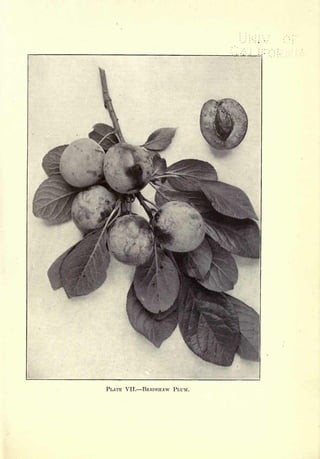
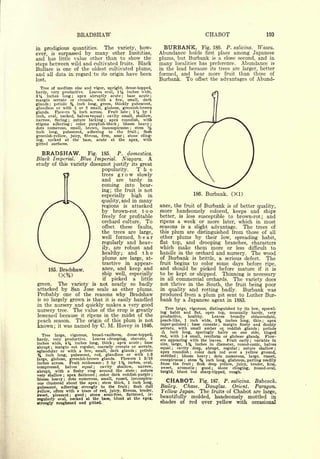
 VII    BRADSHAW PLUM                                         152

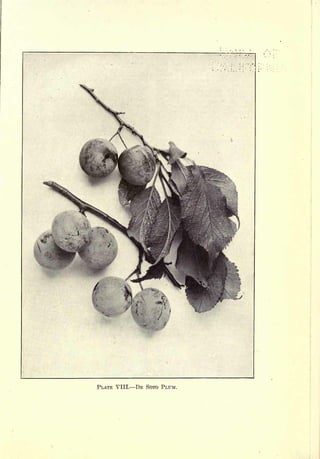
VIII    DE   SOTO   PLUM                                      172

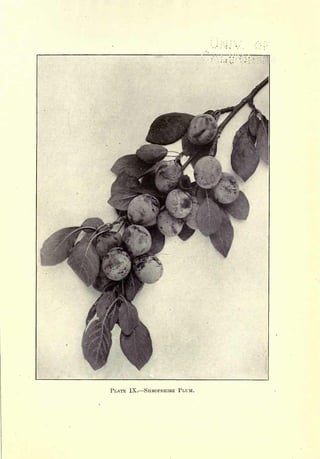
  IX    SHROPSHIRE PLUM                                       192

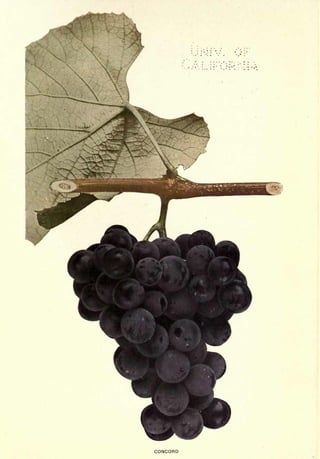
   X    CONCORD GRAPE      (in color)                         206
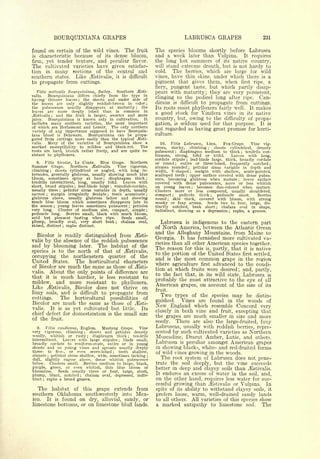
  XI    NIAGARA GRAPE                                         230
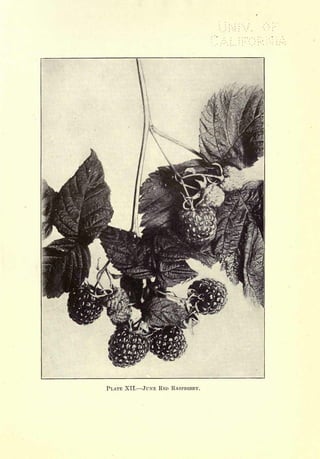
 XII    JUNE RED RASPBERRY                                    250

XIII    AGAWAM BLACKBERRY                                     272

XIV FAY CURRANT                                               296
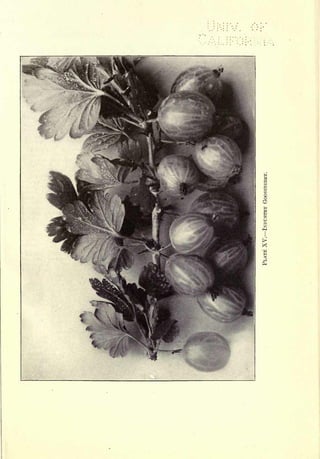
 XV     INDUSTRY GOOSEBERRY        .                          308
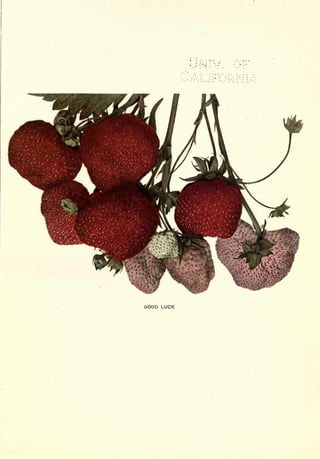
XVI GOOD LUCK STRAWBERRY               (in color)             342
CYCLOPEDIA
OF HARDY FRUITS
CYCLOPEDIA OF
                            HARDY FRUITS
                             PART         I    POME-FRUITS
                                 CHAPTER I
                    THE STRUCTURAL BOTANY OF POME-FRUITS
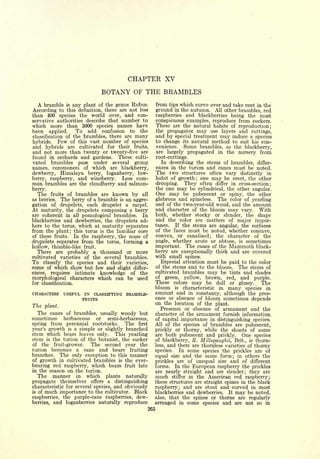
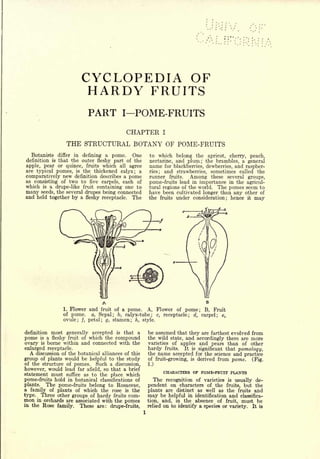
  Botanists differ in defining a pome.     One      to  which belong the apricot, cherry, peach,
definition is that the outer fleshy part of the     nectarine, and plum; the brambles, a general
apple, pear or quince, fruits which all agree       name for blackberries, dewberries, and raspber-
are typical pomes, is the thickened calyx; a        ries; and strawberries, sometimes called the
comparatively new definition describes a pome       runner fruits.    Among these several groups,
as consisting of two to five carpels, each of       pome-fruits lead in importance in the agricul-
which is a drupe-like fruit containing one to       tural regions of the world. The pomes seem to
many seeds, the several drupes being connected      have been cultivated longer than any other of
and held together by a fleshy receptacle. The       the fruits under consideration; hence        it   may


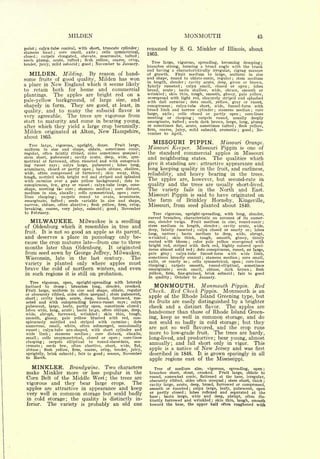
                   1. Flower and fruit of a pome.   A, Flower of pome; B, Fruit
                   of pome,   a, Sepal; b, calyx-tube; c, receptacle; d, carpel; e,
                   ovule; j, petal; g, stamen; h, style.

definition     most generally accepted is that a    be assumed that they are farthest evolved from
pome    is   a fleshy fruit of which the compound   the wild state, and accordingly there are more
ovary   is   borne within and connected with the    varieties of apples and pears than of other
enlarged receptacle.                                hardy fruits. It is significant that pomology,
  A discussion of the botanical alliances of this   the name accepted for the science and practice
group of plants would be helpful to the study       of fruit-growing, is derived from pome.   (Fig.
of the structure of pomes. Such a discussion,
however, would lead far afield, so that a brief
                                                            CHARACTERS OF POME-FRUIT PLANTS
statement must suffice as to the place which
pome-fruits hold in botanical classifications of      The   recognition of varieties   is   usually de-
plants.  The pome-fruits belong to Rosaceae,        pendent on characters of the       fruits,  but the
a family of plants of which the rose is the         plants are distinct as well as the fruits and
type. Three other groups of hardy fruits com-       may be   helpful in identification and classifica-
mon in orchards are associated with the pomes       tion, and, in the absence of fruit, must be
in the Rose family. These are: drupe-fruits,        relied on to identify a species or variety. It is
2-    vCONSTlT.tfnO'NAL      CHARACTERS                             LEAF-BUDS AND LEAVES

still   more important that thecultivator should      adaptability of varieties to special locations,
know whether   or not the plant is manageable         although nothing is more certain than that
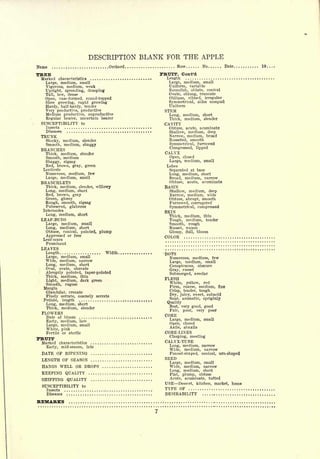
in the orchard, and, therefore, should have a         some varieties are adapted to a greater range
description of all plant-characters.                  of conditions than others. The Baldwin apple
  Size of tree is a very reliable character to        and Bartlett pear have as one of their most
determine varieties of any of the pome-fruits.        valuable qualities great adaptability to diverse
The Wagener or Rome Beauty apples, or the             conditions.
Winter Nelis pear, are almost dwarfs as com-
                                                      Trunk and branch.
pared with other apples and pears. Size varies
greatly with environment, it must be remem-             The trunk counts         for little in descriptions
bered, in using this character. The terms large,      of varieties because       it   usually changed by
                                                                                      is

small, and medium are commonly used to                pruning.       The bark may be smooth    or shaggy.
designate size.   Vigor must not be confused          Color of bark      is   often a most valuable diag-
with size. Vigor may be denned as internal            nostic    character,    especially       in   young   trees.
energy.   Small trees may be as vigorous as           Many      not most varieties of pome-fruits can
                                                               if

large ones.                                           be told in the nursery by the color of the bark.
  The term "habit of growth," as used by                 The branches offer several distinctive char-
pomologists, has reference to the form of the         acters, some of which are very reliable.     The
top. In describing the tops of pome-fruit trees       long slender branches of Rhode Island Green-
a number of self-explanatory terms are used;          ing and Tompkins King apples, and the slender
as, upright, spreading, drooping, tall, low, dense,   drooping branches of the Winter Nelis pear are
open-topped, vase-form, and round-topped.             examples. The branches of some pears bear
Many   if not most varieties of pome-fruits may       spines, and the fruit-spurs borne on branches
be told by the form of the top. One can tell          of all pome-fruits are very characteristic. The
Sutton at a glance by its upright branches; as        branchlets or twigs may be short or slender;
he can, also, Rhode Island Greening by its            long-jointed or short-jointed; straight or zig-
wide-spreading branches; or the Winter Nelis          zagging; variously colored; some, at certain
pear by its drooping branches. The form of            stages of maturity, are pubescent,         others
the top may make a variety easy or difficult to       glabrous; the branching angle of branchlets
manage in the orchard.                                is often characteristic; the epidermis may be
                                                      smooth or covered with scarf-skin; lastly, the
     Constitutional characters.                       size, shape, color, number, and position of the
     Constitution  a rather vague term used by
                     is                               lenticels on young wood are most important
pomologists     toindicate the vital power of         in identifying trees after the leaves have fallen.
varieties. It generally refers to hardiness, pro-
ductiveness, susceptibility to pests and adapt-       Leaf-buds and leaves.
ability to climates and soils.                          Size, length and shape of leaf-buds help to
  The degree of hardiness is difficult to use         identify dormant trees. The shape may usu-
in identification but does identify, and is of        ally be described as acute, pointed, obtuse,
utmost importance in characterizing the value         conical or plump. If the bud lies close to the
of a fruit. Baldwin and Rhode Island Green-           twig, it is said to be appressed; if it stands
ing apples are relatively tender to cold Mcln-
                                          ;
                                                      at a considerable angle, it is free. In examin-
tosh is hardy and Hibernal is very hardy. The         ing dormant buds, note should be made as to
Bartlett pear is tender; Seckel more hardy.           whether the leaf-scar is conspicuous or incon-
  Productiveness, age of bearing, regularity of       spicuous.
bearing, and certainty of bearing are all well-         While leaves vary much in accordance with
recognized characters of pome-fruits, helping         the condition of the plant which bears them,
to set the value of a variety, and all count in       they offer a number of valuable distinguishing
classifying, although rather difficult to use for     characters.   In the study of leaves, those
this purpose. Length of life, whether long or         found on water-sprouts or suckers and those
short, is another character of constitution that      borne on slow-growing spurs should not be
must be noted.                                        used, but, rather, those found on free-growing
  The degree of susceptibility of a variety to        twigs.
fungous diseases or insect pests is a most              The    size of the leaf, if        given in figures,   is   a
valuable cultural character and may be used           most valuable determinant of    varieties of all
in classifying. Thus, there are great differences     pome-fruits, as is the shape, if depicted in
in varieties of apples in their resistance to         well-chosen words. Thickness counts for some-
apple-scab, fire-blight, cedar-rust and bitter-       thing, as do the color of the upper and lower
rot; or, to codlin-moth, any of the aphids,           surfaces and the character and amount of
or San Jose scale. All pears are more or less         pubescence on the surfaces. The margins offer
susceptible to pear-blight and various fungous        evidence for identification in the character of
diseases, as they are also to psylla, San Jose        the serrations, and in the glands and hairs to
scale, and other insects.    Varieties of apples      be found in an occasional variety. The time
and pears are described in this text as immune        of the appearance and the fall of leaves
to one or more of these pests, and others as          characterizes some varieties.     Lastly, some
especially susceptible to them.                       sorts have many leaves and others few.      The
   All of these constitutional characters are         length, thickness, and color of the petiole and
much modified by care and environment. Care           its smoothaess or pubescence are sometimes
and environment, also, greatly modify the             worth noting.
FLOWER-BUDS AND FLOWERS                                         SIZE     AND SHAPE
 Flower-buds and flowers.                                   is in proper condition for use.    Unless other-
    Flower-buds offer the same marks for identi-            wise stated, season has reference to the
                                                                                                       period
 fication as are mentioned for leaf-buds. They              during which fruit is in condition for use in
 may usually be distinguished from leaf-buds,               ordinary storage, which of course greatly pro-
 being larger and less pointed, and, of course, by         longs the natural season. The terms summer,
 their contents, if examined under a microscope.           fall and winter, sometimes modified by early
 Time of opening is a mark of distinction with             or late, give the season with sufficient
                                                                                                    accuracy.
 varieties that bloom very early or very late,             Keeping quality and shipping quality, both de-
 but it will be found that most varieties open             pendent on several factors, are usually men-
 at approximately the same time.                           tioned in connection with season.
   The flower of the apple gives opportunity to               Rather closely connected with season is
                                                                                                          use,
                      its  characteristics   almost        the uses for which a variety is
 identify through                                                                                particularly
 every variety; the flowers of the pear and
                                                           suited being indicated by several terms.         A
 quince are of less use, but still are useful. The         market variety is one suitable for the general
 size,   shape, and color of the petals offer the          market;   a local market sort is one which does
 best  means of identification in flowers. The             not stand handling well enough for the
                                                                                                      general
 length, thickness, amount, and kind of pubes-
                                                           market but is acceptable in local trade. A
 cence on the styles may distinguish varieties.            dessert or table variety is suitable for
                                                                                                       eating
 The styles of Tolman Sweet are covered and                m   the uncooked state; culinary,
                                                                                                 cooking, or
 bound together by dense pubescence not to be              kitchen varieties are especially desirable for
 found in any other variety. The styles of the             culinary purposes.
 Howell pear are abnormally short. The calyx-
                                                           Size   and shape.
tubes,  calyx-lobes, and pedicels differ mate-
rially.  These structures in the flower, while                  Among   external   characters       of pome-fruits,
                                                           size is important, if several
offering decisive evidence in identification, are                                        typical   specimens
seldom used by pomologists, because characters             can be examined, but is often
                                                                                             misleading be-
of plant and fruit may be studied                          cause under the stress of environment abnormal
                                     during a
much longer time and are of greater cultural               specimens may be produced. Gradations in
                                                                                                .


                                                           size are expressed by the terms
importance. The stamens, however, afford a                                                   large, medium,
more permanent means of classifying than                   and small, modified by very, above, or below.
other parts of the flower.   In the blooming               Used in connection with size, uniform signifies
                                                           that the fruits of a variety are
season, length, diameter, and the pubescence                                                    generally of
of stamens may be noted, but much more im-                 about the same size.
portant, taxonomically,       is   the position of the        Probably no one character of pome-fruits is
stamens on the calyx-tube in the mature                    more important in classification than shape,
                                          fruit,
these organs, or remnants of them,                         especially since it may be used with reference
                                     persisting            to immature as well as mature
in the ripened fruits, as will be noted in the                                                    specimens.
discussion of characters of the fruit.                    In determining the shape of a pome, the fruit
                                                          should be held opposite the eye perpendicular
  Lastly, some varieties may be identified
                                                          to the diameter from stem to
during the blooming season by the distribution                                               calyx; or the
of the blossoms on the tree. The flowers of               fruit may be cut longitudinally at its widest
Rome Beauty, as an example, are borne on                  diameter.     So looked at, an apple may be
the periphery of the tree,                                described as round, oblate, conical,
                            giving it an aspect                                                   ovate, 06-
by which one may recognize the variety at                 long, truncate, or by combinations of these
once. The flower-clusters of some                         and similar terms. If the fruit then be turned
                                     pome-fruits          so that the base or apex is
bear many flowers; others few; in some the                                               opposite the eye,
flowers are loosely arranged, in others com-              or if a transverse section be made at the
                                                          widest diameter, it may be determined whether
pactly.
                                                          the fruit is regular, that is if the transverse
                                                          section is circular in outline;
               FRUIT CHARACTERS OF POMES                                                    elliptical, with
                                                          its   sides   compressed; or ribbed, angular,
  If a variety is not                                     oblique,   with sides unequal or
                      noteworthy in the char-                                               symmetrical,
                                                          all
acters for which the fruit is
                                  grown those                 self-explanatory terms.
which appeal to the senses of taste and                     The shapes    of pears are even more used in
                                        sight-
it stands small chance of                                 classifying that fruit than is the case with
                          being cultivated long
or widely.    Varieties are generally                     apples.   Besides the terms used in
                                        known,                                                  describing
therefore, from the characters of the fruit               apples, additional descriptive words are neces-
rather than those of the                                  sary by   reason of the common division of a
                         plant. Hence, especial
attention is paid to                                      pear into two parts the neck and the
                      descriptions of the fruit
some pomologists characterizing almost                    The neck is the narrow part bearing the body.
                                         wholly                                                     stem;
from the fruit and saying little or                       the body is the more or less swollen
                                     nothing of                                                       part
the plant.                                                crowned by the calyx. A pear is
                                                                                                 pyriform
                                                          when the curves formed by the
                                                                                           body and neck
Season and use.                                           are concave;
                                                                          turbinate, or top-shaped, when
                                                          the body is nearly round with a short
  Perhaps       season  the first character, and
                         is                                                                          neck.
                                                          Ihe neck may be long or short, distinct or ob-
certainly it is one of the most important char-           scure obtuse or acute.
acters to be noted in the                                                            The body is usually
season
                                   ripened
                                       fruit        By    described by the terms used in
          is   meant the period    in   which a variety                                         describing
                                                          apples.
THE STEM                                      CHARACTERS OF THE SKIN
  The terms used in describing shapes of apples           right, if the tips incline inward,    the lobes are
and pears are applicable to the quince. Many              said to be connivent; if inclined    outward, they
oomologists describe quinces as either apple-             are re flexed or divergent. The      lobes may be
shaped or pear-shaped.                                    broad or narrow, with tips acute     or acuminate.
     A   graphic record should   accompany a de-
                                                          Characters of the skin.
scription of the fruit, to show size and shape.
A  simple outline drawing serves the purpose.                The skins of pome-fruits offer several most
                                                          valuable features for classification, color being
The      stem.                                            the most important. Perhaps no character of
  Varying as little as any other character of             fruits varies more in accordance with environ-
the apple or pear, the stem is much used in               ment than the color, yet the color itself and
identification. It may be long and slender,               the way in which it is distributed on the fruit
as in the Rome Beauty apple or Bosc pear;                 serve to make this character a fairly safe dis-
short and thick as in the Sutton apple and                tinguishing mark for most varieties of pome-
Cornice pear; fleshy as in the Peck Pleasant              fruits.  The ground-color of apples, pears, and
apple and Louise Bonne pear; clubbed when                 quinces is the green or yellow-green of chloro-
enlarged at the end; and lipped when the                  phyll, usually with an over-color of tints and
flesh forms a protuberance under which the                shades of yellow or red. The over-color may
stem is inserted, as in the Pewaukee apple.               be  laid on in stripes, splashes or streaks; or
The stems of pears are often set obliquely, as            as a blush it may mottle the surface, or may
                                                                     ;


in Clairgeau; or are crooked or curved, as in             be a single color, in which case the fruit is said
Howell. The stems of some pome-fruits have                to be self-colored.
distinguishing colors; those of others are                  The skin may be thick or thin, tough or
pubescent. In some pears, as Bergamot d'Es-               tender. In a few varieties of apples it is rela-
peren, there are bud-like projections on the              tively free from the flesh, but with most clings
stem. The length of the stem in apples and                tightly. The surface of the skin may be cov-
pears is a reliable diagnostic character only             ered with a delicate white substance called
when it is known from what part of the flower-            the bloom, Mclntosh furnishing a good ex-
cluster the fruit was developed.      For, as a           ample of an apple with a bloom. In other
rule, the nearer the flower to the center of the          varieties the skin is waxy or oily, as in Lowell
umbel in the apple, and the tip of the raceme             and Tompkins King apples. This character
in the pear, the shorter the stem of the fruit.           must not be confused with waxen, which re-
                                                          fers to   the glossy appearance of the skin of
Cavity and basin.                                         such apples as Winter Banana and Maiden
     The
       cavity, the depression in which the stem           Blush.
is     offers several marks which greatly en-
     set,                                                    Some apples and pears have an unbroken
hance the value of a description of any of the            russet surface, as Roxbury Russet apple and
pomes. It may be acute or obtuse; shallow,                the Sheldon pear.      Or the surface may be
medium, or deep; narrow, medium, or broad;                rough because of minute russet dots or netted
smooth or russeted; furrowed, ribbed, angular,            veins.    In many apples the cavity alone is
or uniform; or it may be lipped as described              russeted, as in Pumpkin Sweet.      If the russet
under stem. The color of the skin within the              of the cavity is spread out in radiating lines,
cavity is sometimes different from that with-             it is said to be radiating.

out,     and there may be radiating      lines,   rays,      In some apples a suture-like line extends
or streaks.                                               toward the apex from the base, Tolman Sweet
     The    basin, the depression in which the calyx      furnishing an example.
is set, is    as important as the cavity in classify-        With varieties of all of the pome-fruits, note
ing pomes, and is described by the same                   should be made of the presence and character
terms.   The furrows in the basin are some-               of pubescence about the calyx. In the quince,
times indistinct and are then called wavy.                the whole surface is covered with woolly
The skin around the calyx-lobes may be                    pubescence, which must be described.
wrinkled, plaited, folded or corrugated. Rarely,             Nearly all apples and pears have few or
there are fleshy protuberances about the calyx-           many dots on the skin, notes on which may
lobes, as in the Delicious apple and Siberian             enhance the value of a description.         These
crab-apple, called mammiform appendages.                  may be obscure or conspicuous, large or small,
                                                          raised or sunken. If visible under the epider-
 Calyx-lobes.                                              mis, they are said to be submerged.        When
   The withered calyx-lobes persist in some               star-like, they are called stellate.      If sur-
 pomes and not in others. They persist in the             rounded by a halo of lighter color, they are
 common apple and are deciduous in P. bac-                 said to be areolar. In some varieties of apples,
 cata; persist in European pears, deciduous in             the dots are much elongated.
 the                 Asiatic species; persist in
         edible-fruited                                      The .roughened outer skin, called scarf-skin,
 the     commonquince, deciduous in the Japanese           gives a distinguishing appearance to a few
 quince. The calyx-lobes may be open, partly               apples. The scarf-skin runs outward from the
 open, or closed in varieties of the fruits in             base of the apple in lines or stripes on Pump-
 which they are persistent. In some varieties              kin Sweet, Green Newtown, and some other
 of apples the segments are separated at the               varieties.  This scarf-skin gives a dull appear-
 tase; in others, united. The lobes may lie flat           ance to some red apples, as Sweet Winesap and
 on the fruit or may stand erect. When up-                 Black Gilliflower.
INTERNAL STRUCTURE                                   FIBROVASCULAR BUNDLES

Cutting pomes to show the internal structure.          by abnormalities in the fruit. The base         of the

   When varieties cannot be distinguished from         styles, in some varieties, develops into        fleshy
                                                       tissue   which   alters the   shape of the calyx-tube.
external marks, there are several very reliable
characters that can be made use of in the in-
                                                       The   calyx-tube may          be cone-shaped, funnel-
ternal anatomy of the pome. To study these             shaped, or urn-shaped.    When funnel-shaped,
                                                       the broad upper part is called the limb; the
characters it is necessary to make a longi-
                                                       narrow lower part, the cylinder.        In some
tudinal and a transverse section of the fruit.
                                                       varieties the remnants of the styles, often more
To make an accurate examination of the in-             or less fleshy, form a point, called the pistil-
ternal structure of apple, pear or quince, the
                                                       point, which projects into the calyx-tube.
sectioning must be done with a keen, thin              Gano has a well-developed pistil point.
knife, with a steady hand and a good eye.
   In making the longitudinal section, the knife       The     core.
should pass through the center of the calyx,
                                                         The   position of the core in the fruit is
showing the remnants of styles and stamens;            often a valuable means of distinguishing varie-
through the middle of the core cell, showing           ties. If close to the stem, the core is said to
the outline of the core cavity; and through
                                                       be sessile; if at the center of the pome, it is
the middle of the stem. A true record cannot
be obtained unless the organs named are di-            median; when distant from the stem, distant.
                                                       The cell containing seed, called a carpel, is
vided with fair accuracy into halves. In mak-
                                                       morphologically a modified leaf, which by
ing the transverse section, the knife should
                                                       folding together and by union of its edges
pass through the widest diameter of the fruit,         forms a closed receptacle. In some varieties
cutting the core in half.   If the core is not
                                                       the carpels are open; in others, closed. If the
in the center of the fruit, trial cuts to locate
it must be made that it may be halved exactly.
                                                       tip of the carpel is indented, it is said to be
                                                       emarginate; if long and pointed, mucronate.
                                                       In shape, carpels may be round, cordate, ob-
                                                       cordate, elliptical, oblong, elongated, ovate, or
                                                       obovate. In the cores of most pomes there
                                                       is a central cavity called the core-cavity, some-
                                                       times spoken of as the axial-sac, which may
                                                       be either narrow or wide in some it is lacking.
                                                                                       ;


                                                       This is a character of much importance and
                                                       reliability in pears. When the carpels extend
                                                       quite to the axis of the fruit, they are said
                                                       to be axile, and there is no core cavity; when
                                                       distant from the axis, they are abaxile, and a
                                                       core cavity is formed. Sometimes the carpel
                                                       is lined on the inner surface with a white sub-
                                                       stance, as in Tompkins King, when it is said
                                                       to be tufted. In some pears there are many
                                                       fine hairs in the core-cavity, in which case the
2.    Longitudinal section of an apple showing
     core characters (X Vz). a, Cavity; b, core-       cavity is said to be tufted. The characters of
     lines; c, abaxile open core with broadly ellip-
                                                       the core are shown in Fig. 2. The limits of
     tical mucronate carpels; d, conical calyx-        the core are marked by a line usually very
                                                       distinct in apples and quinces, which is called
     tube; e, calyx-lobes; /, basin.
                                                       the core-line. The area enclosed by this line
                                                       may be large or small and may be variously
The stamens.                                           shaped.     In some species of apples, as in
     After halving the fruit longitudinally, the       P. coronaria and P. ioensis, rue core separates
first   organs to be studied are the stamens, the      from the flesh along the core-line so that it
position of which furnishes reliable taxonomic         may be taken out, leaving a well-defined cavity
data.   Hogg, an eminent British pomologist,           in the apple.    The direction which the core-
devised an analytical key to varieties of apples       line takes from the intruded woody stem fibres
based on the position of the stamens. Apples           is often a clear mark of distinction.  Thus, the
may be divided into three groups in accordance         line may proceed at right angles from the
with the position of stamens. In one group             stem, may incline upward, or incline down-
the stamens are on the outer margin of the             ward. When the core-line joins the calyx-tube
calyx-tube and are said to be marginal; in             along the sides it is said to be clasping; when
the second, they are located about the middle          the two ends of the line meet at the base of
of the tube and are said to be median; in the          the    calyx-tube,  the   expression "core-lines
third, they are inserted at the base of the            meeting" is used.
tube and are said to be basal.
                                                       Fibrovascular bundles.
The calyx-tube and      styles.                          Ten primary   fibrovascular bundles enter the
   Passing from the stamens to the calyx-tube,         flesh    of   pomes from thepedicel and closely
it will be found that the shape of this structure      follow the core-line which marks the limits of
is of some use in                                      the core. These are plainly seen in transverse
                   separating varieties, although
it is exceedingly variable in accordance with          sections of apples and quinces as well-marked
the size of the fruit, and is materially altered       dots.   They are arranged in two cycles. In
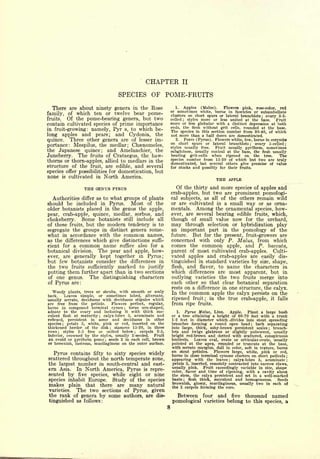
6                    SEEDS                                      FLAVOR AND QUALITY

the outer cycle, the bundles are opposite the        quality.   It is important, also, in describing
dorsal sutures of the carpels; those of the          the flesh to have the fruit at the proper stage
inner cycle alternate with the carpels.     The      of maturity, and as immaturity verges almost
core-line appears in the transverse section on       imperceptibly into maturity and maturity into
the inner side of the ten bundles as a beautiful     decay, each condition affecting the flesh, it is
bit of tracery, looping out between the bundles      not surprising that differences of opinion may
into the pulp. There is much difference in the       be many in judging the flesh characters of a
size of the bundles and in the outline of the        fruit.  In cutting an apple, the color of the
core-line, as seen in sections of a pome, and        flesh is first noted.  It may be white, as in
these seem quite distinct in each variety. Ac-       Mclntosh; tinged with yellow, as in Baldwin;
cordingly, it is proposed by several workers         greenish-white, as in Stark; or streaked or
at home and abroad to classify varieties by          tinged with red, as in Wealthy. Apples with
means of these structures. To the working            red flesh are occasionally found, but no stand-
pomologist, who finds little difficulty in identi-   ard varieties have flesh of this color. Pears
fying varieties from characters more easily seen,    have the flesh of the same colors as the apple,
such attempts seem an unnecessary magnifi-           except that none is quite as white in flesh as
cation of fine points.                               Mclntosh. The flesh of the quince is yellow
                                                     or orange, often turning pink or red when
Seeds.                                               cooked.    One determines the nature of the
  Seeds are characteristic in all varieties of       texture by cutting the fruit, by pressing
pome-fruits, and might well be used in classi-       with the ringers, and by eating. The texture
fication more generally than is the case. The        may be coarse or fine; tender or tough; crisp,
number is exceedingly variable in all varieties.     breaking, melting, or in the pear almost
In apples and pears, the usual number is two         buttery; dry or juicy.      Many varieties of
in each cell, but often there are three or more,     pears are granular or gritty about the core,
and occasionally seeds are missing; in quinces,      and sometimes gritty nodules are found in the
there are many in each cell.         Seeds vary      flesh, but usually as abnormalities.
greatly in different varieties in size, shape and
color, and differences in these characters are
                                                     Flavor and quality.
as constant as are those of any other organs           Apples and pears are readily divided into
of the fruit.   Number, size, shape, and color       two classes as to flavor; they are either sweet
of seeds should be noted with care in every          or sour. Such a division is less apparent in
technical description of a pome.        The point    quinces.    The qualifying terms mildly and
of the seed, also, is worth noting; it may be        very are often used with sweet and sour. Sub-
acute, acuminate, or obtuse. Like the carpels,       acid, tart, and sprightly are sometimes most
the seeds are often tufted.      In quinces, the     expressive.   Austere refers to a flavor more
seeds are arranged in two rows, and the testa        or less sour with some astringency. Pears and
abounds  in a gum having         demulcent    and    quinces may often be put down as astringent.
mucilaginous properties.                             All   varieties   have   a   more or   less   distinct
                                                     aroma. Rich and refreshing are words often
Flesh.                                               found in the rather extensive vocabulary neces-
   Most pomes may be identified from the flesh       sary to describe the flavors of fruits.
characters without a glance at any other part           Quality is that combination of texture,
of fruit or plant.    Flavor, odor, and texture      flavor, and aroma which makes a fruit pleasant
of flesh are distinct in almost every variety        to the palate.   Quality is rated by common
of apple, pear, or quince, and appeal more           consent of pomologists in five grades: poor,
strongly to the senses of taste and smell than       fair, good, very good, and best.   It should be
characters measured by the eye do to the             noted that good in this rating signifies a fruit
sight.  Unfortunately, flavors, odors, and tex-      of butmedium quality.
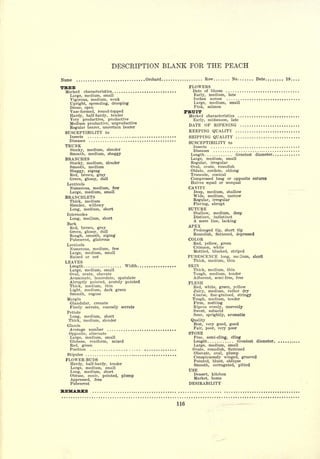
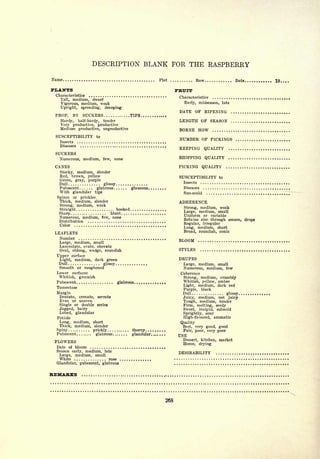
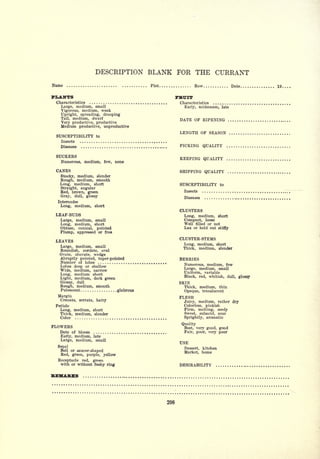
tures are difficult to describe.  All characters       The accompanying description blank   for the
of the flesh vary greatly in accordance with         apple sets forth most of the characters stu-
conditions of growth, soil and climate having        dents and fruit-growers will use in describing
a profound influence on texture, flavor, and         pome-fruits.
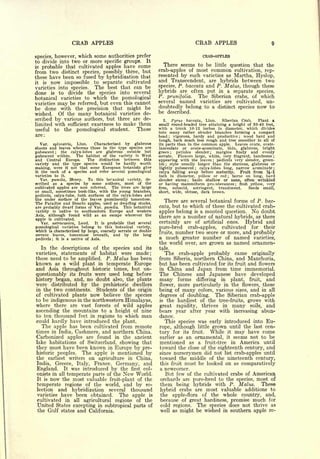
DESCRIPTION BLANK FOR THE APPLE
Name                                 Orchard.            Row           No       Date.    ....   19.

TREE                                            FRUIT, Cont'd
 Marked     characteristics                       Length
   Large, medium, small                            Large, medium, small
   Vigorous, medium, weak                          Uniform, variable
   Upright, spreading, drooping                    Roundish, oblate, conical
   Tall, low, dense                                Ovate, oblong, truncate
   Open, vase-formed, round-topped                 Oblique, ribbed, irregular
   Slow growing, rapid growing                     Symmetrical, sides unequal
   Hardy, half-hardy, tender                       Uniform
   Very productive, productive                   STEM
   Medium productive, unproductive                 Long, medium, short
   Regular bearer, uncertain bearer                Thick, medium, slender
 SUSCEPTIBILITY         to                       CAVITY
   Insects                                         Obtuse, acute, acuminate
   Diseases                                        Shallow, medium, deep
 TRUNK                                             Narrow, medium, broad
   Stocky, medium, slender                         Russeted, smooth
   Smooth, medium, shaggy                          Symmetrical, furrowed
 BRANCHES                                          Compressed, lipped
   Thick, medium,       slender                  CALYX
   Smooth, medium                                  Open, closed
   Shaggy, zigzag                                  Large, medium, small
   Red, brown, gray, green                        Lobes
  Lenticels                                        Separated at base
   Numerous, medium, few                           Long, medium, short
   Large, medium, small                            Broad, medium, narrow
 BRANCHLETS                                        Obtuse, acute, acuminate
   Thick, medium, slender, willowy               BASIN
   Long, medium, short                             Shallow,    medium, deep
   Red, brown, gray                                Narrow, medium, wide
   Green, glossy                                   Obtuse, abrupt, smooth
   Rough, smooth, zigzag                           Furrowed, corrugated
   Pubescent, glabrous                             Symmetrical, compressed
  Internodes                                     SKIN
   Long, medium, short                             Thick, medium, thin
 LEAF-BUDS                                         Tough, medium, tender
   Large, medium, small                            Smooth,     rough
   Long, medium, short                             Russet, waxen
   Obtuse, conical, pointed,      plump            Glossy, dull, bloom
   Appressed or free                             COLOR                               ,


  Leaf-scars
   Prominent
 LEAVES
   Length                           Width.       -DOTS
   Large, medium, small                            Numerous, medium, few
   Wide, medium, narrow                            Large, medium, small
   Long, medium, short                             Conspicuous,     obscure
   Oval,    ovate,   obovate
                                                   Gray, russet
   Abruptly pointed, taper-pointed                 Submerged, areolar
   Thick, medium, thin
   Light, medium, dark green
                                                 FLESH
   Smooth, rugose                                  White, yellow, red
  Margin                                           Firm, coarse, medium, fine
   Glandular, crenate                              Crisp, tender, tough
                                                   Dry, juicy, sweet, subacid
   Finely serrate, coarsely serrate
                                                   Sour, aromatic, sprightly
  Petiole, length
   Long, medium, short                            Quality
                                                   Best, very good, good
   Thick, medium, slender
                                                   Fair, poor, very poor
 FLOWERS                                         CORE
   Date of bloom
                                                   Large, medium, small
   Early, medium, late
   Large, medium, small
                                                   Open, closed
                                                   Axile, abaxile
   White, pink
   Fertile or sterile                            CORE-LINES
                                                   Clasping, meeting
FRUIT                                            CALYX-TUBE
 Marked  characteristics
   Early, mid-season, late                         Long, medium, narrow
                                                   Wide, medium, narrow
 DATE OF RIPENING                                  Funnel-shaped, conical, urn-shaped
 LENGTH OF SEASON                                SEED
                                                   Large, medium, small
 HANGS WELL OR DROPS                               Wide, medium, narrow
                                                   Long, medium, short
 KEEPING QUALITY                                   Flat, plump, obtuse
 SHIPPING QUALITY                                  Acute, acuminate, tufted
                                                 USE Dessert, kitchen, market, home
  SUSCEPTIBILITY        to
   Insects                                       TYPE OF
   Diseases                                      DESIRABILITY
REMARKS
CHAPTER              II

                                   SPECIES OF POME-FRUITS
   There are about ninety genera in the Rose                     1.  Apples (Malus).     Flowers pink, rose-color, red
                                                              or sometimes white, borne in fascicles or subumbellate
family,  of which ten or twelve bear pome-                    clusters on short spurs or lateral branchlets ; ovary 3-5-
fruits. Of the pome-bearing genera, but two                   celled  ;styles more or less united at the base.     Fruit
contain cultivated species of prime importance                more or less globular with a distinct depression at both
                                                              ends,  the flesh without grit cells, rounded at the base.
in fruit-growing: namely, Pyr s, to which be-                 The species in this section number from 30-40, of which
long apples and pears; and Cydonia, the                       not more than a half dozen are domesticated.
quince. Three other genera are of lesser im-                     2.  Pears (Pyrus). Flowers white, few, borne in corymbs
                                                              on short spurs or lateral branchlets       ovary 5-celled ;
portance: Mespilus, the medlar; Chsenomeles,
                                                                                                      ;


                                                              styles usually free.   Fruit usually pyriform, sometimes
the Japanese quince; and Amelanchier, the                     subglobose, usually conical at the base, the flesh usually
Juneberry. The fruits of Crataegus, the haw-                  bearing grit-cells when ripened on the tree.           The
thorns or thorn-apples, allied to medlars in the              species number from 15-20 of which but two are truly
                                                              domesticated,   but several others give promise of value
structure of the fruit, are edible, and several               for stocks and possibly for their fruits.
species offer possibilities for domestication, but
none is cultivated in North America.
                                                                                         THE APPLE
                  THE GENUS PYRUS                               Of the  thirty and more species of apples and
                                                              crab-apples, but two are prominent pomologi-
  Authorities differ as to what groups of plants              cal subjects, as all of the others remain wild
should be included in Pyrus.       Most of the                or are cultivated in a small way or as orna-
older botanists placed in the genus the apple,                mentals. Among the ornamental species, how-
pear, crab-apple, quince, medlar, sprbus, and                 ever, are several bearing edible fruits, which,
chokeberry.    Some botanists still include all               though of small value now for the orchard,
of these fruits, but the modern tendency is to                may through selection or hybridization play
segregate the groups in distinct genera some-                 an important part in the pomology of the
what in accordance with the common names,                     future. But for the present, fruit-growers are
as the differences which give distinctions suffi-             concerned with only P. Malus, from which
cient for a common name suffice also for a                    comes the common apple, and P. baccata,
botanical division. The pear and apple, how-                  parent of most cultivated crab-apples. Culti-
ever, are generally kept together in Pyrus;                   vated apples and crab-apples are easily dis-
but few botanists consider the differences in                 tinguished in standard varieties by size, shape,
the two fruits sufficiently marked to justify                 flesh, and flavor, to name the characters in
putting them further apart than in two sections               which differences are most apparent, but in
of one genus.     The distinguishing characters               outlying varieties the two fruits merge into
of   Pyrus are:                                               each other so that clear botanical separation
                                                              rests on a difference in one structure, the calyx.
  Woody     plants, trees or shrubs, with smooth or scaly     In the common apple the calyx persists on the
bark.     Leaves simple, or sometimes lobed, alternate,
usually serrate, deciduous with deciduous stipules which      ripened fruit; in the true crab-apple, it falls
are free from the petiole.       Flowers perfect, regular,    from        ripe fruits.
borne in compound terminal cymes ; torus urn-shaped,
adnate to the ovary and inclosing it with thick suc-             1.       Pyrus Malus, Linn.Apple.   Plant a large bush
culent flesh at maturity ; calyx-lobes 5, acuminate and       or a tree attaining a height of 60-70 feet with a trunk
reflexed,   persistent in some and deciduous in other         1-2 feet in diameter which .divides into stout spreading
species ; petals 5, white, pink or red, inserted on the       branches forming a round open head ; bark separating
thickened border of the disk   ;
                                   stamens 15-20, in three    into large, thick, ashy-brown persistent scales ; branch-
rows  ;  styles 2-5 free 01 united below    ;  carpels 2-5,   lets and twigs glabrous or slightly pubescent, usually
inferior, crowned by the styles, usually 2-seeded.    Fruit   bright red-brown and dotted with scattered, conspicuous
 an ovoid or pyriform poine ; seeds 2 in each cell, brown     lenticels.  Leaves oval, ovate or orbicular-ovate, usually
or brownish, lustrous, mucilaginous on the outer surface.     pointed at the apex, rounded or truncate at the base,
                                                              with serrate margins, dull in color, soft in texture, borne
                                                              on stout petioles.    Flowers large, white, pink or red,
  Pyrus contains fifty to sixty species widely                borne in close terminal cymose clusters on short pedicels ;
scattered throughout the north temperate zone,                appearing   with the leaves ; calyx-lobes 5, acuminate ;
the largest number in south-central and east-                 petals 5, inserted, remotely contracted into narrow claws,
                                                              usually pink.    Fruit exceedingly variable in size, shape
ern Asia. In North America, Pyrus is repre-
                                                              color, flavor and time of ripening, with a cavity about
sented by five species, while eight or nine                   the stem, the calyx persistent and set in a well-marked
species inhabit Europe. Study of the species                  basin ; flesh thick, succulent and homogeneous.       Seeds
makes plain that there are many natural                       brownish, glossy, mucilaginous, usually two in each of
                                                              the 5 carpels forming the core.
varieties.  The two sections of Pyrus, given
the rank of genera by some authors, are dis-                    Between four and five thousand named
tinguished as follows:                                        pomological varieties belong to this species, a
CRAB APPLES                                                  CRAB APPLES

species, however, which some authorities prefer                                          CRAB-APPLES
to divide into two or more specific groups. It
is probable that cultivated apples have come
                                                                There seems to be little question that the
from two distinct species, possibly three, but                crab-apples of most common cultivation, rep-
                                                              resented by such varieties as Martha, Hyslop,
these have been so fused by hybridization that
it is now impossible to separate cultivated
                                                              and Transcendent, are hybrids between two
varieties into species. The best that can be                  species, P. baccata and P. Mains, though these
done is to divide the species into several                    hybrids are often put in a separate species,
botanical varieties to which the pomological                  P. prunifolia.   The Siberian crabs, of which
                                                              several        named      varieties   are       cultivated,   un-
varietiesmay be referred, but even this cannot                doubtedly belong to a distinct species                  now    to
be done with the precision that might be
wished. Of the many botanical varieties de-                   be described,
scribed by various authors, but three are de-                    2.  Pyrus baccata, Linn.         Siberian Crab.     Plant a
limited with sufficient exactness to make them                small round-headed tree attaining a height of 30-40 feet,
useful to the pomological student.       These                with a trunk 10-12 inches in diameter, which divides
                                                              into many rather slender branches forming a compact
                                                              head   ; vigorous, hardy and productive         wood hard and
                                                                                                               ;


                                                              tough, bark much less rough and tree smoother in all of
  Var.   sylvestris, Linn.    Characterized by glabrous       its parts than in the common apple.        Leaves ovate, ovate-
shoots and leaves whereas those in the type species are       lanceolate or ovate-acuminate, thin, glabrous, bright
pubescent ; the calyx-lobes are glabrous outside but          green      petioles
                                                                         ;
                                                                                    slender ;  margins finely and evenly
pubescent within.    The habitat of the variety is West       serrate.    Flowers large, white, very fragrant, handsome ;
and Central Europe.        The distinction between this       appearing with the leaves        pedicels very slender, green-
                                                                                                ;

variety and the type species would be hardly worth            ish;  style usually longer than the stamens, glabrous or
making, were it not that some European botanists give         lightly pubescent     ; calyx-lobes long, narrow acuminate ;
it the rank of a species and refer several pomological        calyx falling away before maturity.          Fruit from %-l
varieties to it.                                              inch in diameter, yellow or red        ; borne on long, hard
   Var. pumila, Henry.     To this botanical variety, de-     slender stems     ; basin shallow or none, often wrinkled
scribed as a species by some authors, most of the             or having mammiform protuberances           ;flesh yellow, very
cultivated apples are now referred.    The trees are large    firm,    subacid,   astringent,   translucent.    Seeds small,
or small, sometimes bush-like, with the young branches,       short, wide, obtuse,     dark brown.
pedicels, calyx-tube, both surfaces of the calyx-lobes and
the under surface of the leaves prominently tomentose.
The Paradise and Doucin apples, used as dwarfing stocks,
                                                                There are several botanical forms of P. bac-
are probably dwarf forms of Var. pumila. This botanical       cata,but to which of these the cultivated crab-
variety is native to southeastern Europe and western          apples belong is a mooted question. No doubt
Asia, although found wild as an escape wherever the           there are a number of natural hybrids, as there
apple is cultivated.
   Var. astracanica, Loud.    It is probable that several     certainly are of artificial ones.  Hybrid and
pomological varieties belong to this botanical variety,       pure-bred crab-apples, cultivated for their
which is characterized by large, coarsely serrate or double
serrate leaves, tomentose beneath, and by the long            fruits, number two score or more, and probably
pedicels  it is a native of Asia.
            ;
                                                              a much greater number of named varieties,
                                                              the world over, are grown as named ornamen-
  In the descriptions of the species and its                  tals.
varieties, statements of habitat were made;                      The         crab-apple    probably       came      originally
these need to be amplified. P. Mains has been                 from         Siberia, northern China, and
                                                                                             Manchuria,
known as a wild plant in temperate Europe                     but                            and flowers
                                                                         has been cultivated for its fruit
and Asia throughout historic times, but un-                   in China and Japan from time immemorial.
questionably its fruits were used long before                 The Chinese and Japanese have developed
history began, and, no doubt also, the plants                 many forms differing in plant, fruit, and
were distributed by the prehistoric dwellers                  flower, more particularly in the flowers, these
in the two continents. Students of the origin                 being of many colors, various sizes, and in all
of cultivated plants now believe the species                  degrees of doubling. The Siberian crab-apple
to be indigenous in the northwestern Himalayas,               is the hardiest of the tree-fruits, grows with
where there are vast forests of wild apples                   great rapidity, thrives in many soils, and
ascending the mountains to a height of nine                   bears year after year with increasing abun-
to ten thousand feet in regions to which man                  dance.
could hardly have introduced the plant.                         This species was early introduced into Eu-
  The apple has been cultivated from remote                   rope, although little grown until the last cen-
times in India, Cashmere, and northern China.                 tury for        its fruit. While       it    may have come
Carbonized apples are found in the ancient                    earlier as        an ornamental,      it    seems not to be
lake habitations of Switzerland, showing that                 mentioned as a fruit-tree                  in America until
they must have been known in Europe by pre-                   toward the close of the eighteenth century, and
historic peoples.  The apple is mentioned by                  since nurserymen did not list crab-apples until
the earliest writers on agriculture in China,                 toward the middle of the nineteenth century,
India,            Italy, France, Germany, and
                Greece,                                       this fruit must be looked on as comparatively
England.        was introduced by the first col-
                   It                                         a newcomer.
onists in all temperate parts of the New World.                 But few of the cultivated crabs of American
It is now the most valuable fruit-plant of the                orchards are pure-bred to the species, most of
temperate regions of the world, and by se-                    them being hybrids with P. Mains. These
lection and hybridization several thousand                    hybrid crabs are most valuable additions to
varieties have been obtained.      The apple is               the apple-flora of the whole country, and,
 cultivated in all agricultural regions of the                because of great hardiness, promise much for
 United States excepting in subtropical parts of              cold regions. The species does not thrive as
 the Gulf states and California.                              well as might be wished in southern apple re-
10                   THE PEAR                                                        THE PEAR

gions, where its usefulness is also much cur-                     or many grit-cells.    Seeds    1-3   in   a   cell,   sometimes
                                                                  abortive or wanting,   large,   brown or brownish, often
tailed by its susceptibility to pear-blight.                      tufted at the tips.
Crab-apple trees are used in cold climates as
stocks upon which to graft the common apple,                        Botanists describe several botanical varieties,
for which purpose they are in most respects                       and some would separate from the species a
very desirable.                                                   number   of garden forms.         In the present state
  Some twenty or more oriental flowering                          of botanical knowledge of         the species, however,
crab-apples are listed in the botanies, several                   the pomologist may best           classify      pomological
of which produce edible fruit, and two of                         varieties under the type          species.
which, P. prunijolia, Willd. and P. Sieboldii,                      Pyrus communis now grows naturally in all
Regel, have been more or less cultivated for                      but the coldest and warmest parts of Europe
their fruits and used as stocks for the common                    and Asia. It probably came originally from
apple in China and Japan.        Some of these                    the Caucasian countries and northern Persia,
Asiatic crab-apples are promising, also, for
                                                                  where, in elevated regions, there are now for-
hybridization with the common apple and the                       ests of wild pears; or, possibly, the original
Siberian crab.                                                    center of distribution was in Cashmere and the
  Five types of native crab-apples grow in                        northwestern Himalayas where there are also
North America. None of these has sufficient                       pear forests.    The     tree    grows spontaneously
merit to recommend it to pomologists in                           as an escape from orchards in nearly all re-
regions where the common apple grows, but                         gions where the pear is generally cultivated,
one, the Soulard crab, P. Soulardii, Bailey,                      but sparingly in North America, because kept
probably a natural hybrid between P. Mains                        down by pear-blight.
and P. ioensis is grown in the upper Missis-                        The common pear has been cultivated from
sippi Valley where only trees of great hardiness                  time immemorial.    The ancient Greeks had
withstand the cold. A typical variety of this                     several varieties; Pliny, the Roman naturalist,
species is described as the Soulard crab by                       describes forty-one varieties. The pear is men-
botanists.   There is some promise of further                     tioned in France, Germany and Great Britain
amalgamation of the common apple and the                          almost with the first written records of agri-
native crab-apple to secure greater hardiness
                                                                  culture, and it came to America with the
of tree and longer keeping qualities in the                       earliest permanent settlers in the northern
fruit.                                                            states.  The French brought the pear to Can-
                                                                  ada and Michigan, and pear-trees said to be
                        THE PEAB                                  two hundred years old are yet standing about
                                                                  mission sites of the French along the St.
    The innumerable          varieties       of   pears,   more
                                   come from                      Lawrence and the Great Lakes to Detroit,
than 4000,      almost       all         single       a
                                   A
                            second species, P.                    Michigan.    The pear is now grown in the
species, P. communis.
          the Chinese Sand pear, furnishes per-                   temperate regions of the whole civilized world,
serotina,                                                         not so commonly planted as the apple only
haps a score of named sorts with showy fruits                     because less easily managed in the orchard,
which keep well, but are scarcely edible un-
                                                                  less adaptable to soils and climates, and more
cooked and of very indifferent quality in
                        This species, however,                    susceptible to pests, especially the pear-blight,
culinary preparations.                                            which takes prodigious toll from this fruit in
has added  much to the pear flora of the world;
                                                                  the pear-regions of the New World.
for, when hybridized with the common pear,
a plant is produced of remarkable vigor, clean                      In North America, pears thrive particularly
                                                                  well only in the states north of Maryland and
in growth, productive, hardy, and almost im-
mune to the dreaded pear-blight, which yields                     west to Wisconsin and in the Pacific states.
a fruit suitable for culinary purposes and                        The climate of the southern states is uncon-
edible out of hand, if properly ripened. The                      genial to this fruit, being too hot, while that
                                                                  of the Mississippi Valley and Great Plains is
well-known Kieffer is typical of these hybrids.
A                                                                 too hot in the summer and too cold in the
   third species, P. nivalis, the Snow pear, is
                                                                  winter. Blight, also, is more virulent in these
grown sparingly in parts of Europe for the
                                                                  regions than in those first named, and makes
making of pear cider, but is not of sufficient
                                                                  pear-culture precarious even where climate
importance to warrant discussion in a pom-                        favors. California and New York are the lead-
ological text.
                                                                  ing pear-growing states, in both of which re-
   3.  Pyrus communis, Linn.      Common Pear. A vig-             gions the pear industry is handicapped by
orous,  upright tree attaining a height of 80 feet and            blight.
a diameter of 4 feet, usually with an oblong or pyramidal
and rather compact top bark on old trees rough with
                         ;
                                                                    Pear-growing began in America as an avoca-
rather large persistent scales.   Leaves 2-4 inches long,         tion for  men of means, leisure, and taste. Its
1-2 inches wide, oblong-ovate, thin, hard and veiny ;
upper  surface dark green, glabrous     lower surface light
                                         ;
                                                                  period of greatest activity began early in the
green,   glabrous;   apex acuminate ; margin, crenate-            nineteenth century and passed before the close
serrate or entire, never setose-serrate     petiole 1 to 2
                                              ;                   of the century, during most of which time
inches long, becoming glabrous.       Flowers 1-2 inches          the pear was the center of interest in American
across, white, appearing with the leaves, borne in 4-12
umbel-like clusters on slender pedicels     calyx persistent
                                              ;
                                                                  fruit circles. In the first half of the last cen-
or rarely deciduous ; stamens 15-20.      Fruit exceedingly       tury many new varieties of pears were intro-
variable under cultivation, usually pyrifonn, sometimes           duced from Europe, and a considerable number
round-conic,   turbinate  or   occasionally   round-oblate    ;

green, yellow, red or russet, or combinations of these            originated on this side of the Atlantic.       In
colors; flesh of fruits ripening on the tree with few             1859, T. W. Field, in his Pear Culture, gave a
THE PEAR                                                   THE QUINCE                           11


listof 854 pears, of which 686 originated in                  other than varieties        of   the     European    pear.
Europe and 168  in America. The great Ameri-                  The   fruits are little liked     by those who have
can pomologists of the nineteenth century                     the   common pear, although they are attractive
Manning, the Downings, Wilder, Berckmans,                     in appearance, long keepers, and not unpalat-
Hovey, Barry, and Thomas were more inter-                     able in some culinary preparations.    Several
ested in the pear than in any other fruit.                    Japanese pears have been introduced into
  For many years past, however, the pear, in                  America, and their apple-like fruits are not
comparison with the apple, peach, plum, or                    uncommon, being readily distinguished from
cherry, has been losing in popularity. There                  apples by their deciduous calyces, rough
are now few good collections in the country;                  skins, long stems, gritty flesh,         and potato-like
nurserymen list fewer and fewer varieties; the                flavor.
pear is now less and less used as a dessert fruit,              These Japanese pears hybridize freely with
the product being largely used in canning.                    the common pear, and several valuable hybrids
Pear-culture is failing in America for the                    are now widely and commonly grown in North
reasons that the pear is not well adapted to                  America, Kieffer, Le Conte, and Garber, in
the American climate; that cultural and com-                  the order named, being the best known. These
mercial conditions make it more difficult to                  hybrids are     much     stronger       in   growth, more
grow than other fruits and that the formidable
                               ;                              blight-resistant, more productive, and more
disease, blight, remains unchecked by any of                  rapid in growth than the common pear; the
the remedies now in use.                                      fruits are more pyriform and of much better
  Owing to the decline in pear-growing, many                  flavor than those of the oriental parent; the
of the varieties described in this text cannot now            calyx in the hybrid is sometimes persistent
be purchased from nurserymen.              All have been      and sometimes deciduous. They do not make
cultivated on this continent,              however,  and      good stocks and intergraft but poorly with
many        old trees of all varieties stillexist. Some,      the common pear. Of all pear-trees, these are
it     is   to be hoped, will be reintrqduced for             handsomest in growth, making excellent orna-
home         orchards, if not for commercial planta-          mental plants.
tions.                                                          Several other oriental pears are being tested
                                                              in the United States as stocks for named varie-
   4.  Pyrus serotina, Rehd.      Tree vigorous, upright,
                                                              ties of the common pear.
attaining a height of 20-50 feet, the branchlets becoming                                    Seedlings of the
glabrous.   Leaves ovate-oblong, sometimes ovate, 3-5         common pear have been used in the past as
inches long, rounded at the base, long acuminate,             stocks, but these are susceptible to blight, lack
sharply setose-serrate ;lower surface cobwebby but be-        in vigor, and the seedlings are not uniform.
coming glabrous. Flowers white, borne in 6-9-flowered
umbellate-racemose clusters    calyx-lobes long-acuminate,
                                   ;
                                                              Search is being made for an oriental pear that
glandulose denticulate   petals oval, short-clawed stamens
                           ;                      ;           does not have these defects and those of
about 20    styles 4 or 5, glabrous.      Fruit subglobose,
                 ;

russet-brown ; stalk slender ; calyx deciduous.               European stocks. Some of the species intro-
                                                              duced from China for stocks are cultivated in
                                                              their native country for their fruits, and it
  Pomologists are interested in the type
species,which comes from central and western                  may be expected that hybrids between these
                                                              and the common pear will give new types of
China, only as a possible source of blight-
                                                              this fruit.
resistant stocks for varieties of the common
pear.  Stocks from the species were introduced
some years ago on the Pacific slope, but have                                       THE QUINCE
proved unsatisfactory because difficult to bud,                 The common quince belongs      to the genus
very susceptible to leaf-blight, and not im-                  Cydonia, which differs from Pyrus chiefly in
mune to pear-blight. Render, an authority on                  the fruits. Thus, the pomes of Cydonia are
Pyrus, gives two botanical varieties, one of                  harder than those of Pyrus; the quince has a
which is most important to pomologists, having
                                                              woolly surface while that of the apple and
given, as a hybrid with the common pear, a                    pear is smooth; the sepals at the apex of the
new and very distinct type of pear. This                      quince are more leaf-like than those of the
variety is described as follows:                              apple and pear; the five carpels of the quince
                                                              contain many seeds, those of species of Pyrus
  Var. culta, Rehd.    Sand Pear. Japanese Pear. Chi-
nese Pear.     Tree strong and rapid in growth, with          but few; the testa of quince seeds abounds
strong thick shoots.   Leaves very large, often 6 inches      in a gum having mucilaginous and demulcent
long and 3-4 inches broad, broadly ovate an'd long-
pointed, very dark green ; margins setose-serrate, the
                                                              properties, while there is little or no gum in
teeth very sharp, almost bristle-like. Flowers very large,    seeds of the apple and pear; the stem of the
appearing somewhat in advance of the foliage.        Fruit    quince is so short as to appear to be wanting,
apple-shaped or pyriform, more or less rough, with a          while the stem of the apple and pear is dis-
well-marked cavity about the stem       calyx usually de-
                                                              tinct and often long.
                                       ;

ciduous   flesh tough, gritty and poor in flavor.
            ;                                                                         Cydonia contains only
                                                              the species now to be described.
     The sand pear         from the type in its
                           differs
                                                                Cydonia oblonga, Mill. Common Quince. Small trees
larger          and
            differently shaped fruits and much                or shrubs 15-20 feet in height, with slender unarmed
larger, greener leaves.   It comes from Japan,                branches.  Leaves alternate, oblong-oval, entire, pubescent
where it must have been early introduced from                 beneath, petioled, stipulate, 2-4 inches long.      Flowers
                                                              white or tinged with pink, large, 2 inches in diameter,
China, and where it is now the most common                    showy, terminal on short leafy branchlets ; petals 5 ;
fruit-tree with the exception of the persimmon.               stamens numerous ; styles 5, free   ; ovary with 5 cells
There are several pomological varieties in                    each containing many seeds. Fruit large, round or pear-
                                                              shaped, yellow, woolly, with hard yellow flesh which
Japan, although they differ less from each                    becomes pink after cooking.
12         THE JAPANESE QUINCE                                                   THE JUNEBERRY
  The Japanese quince, now put in the genus                   most people very          pleasant, which         it   imparts to
Chaenomeles, was long included in Cydonia.                    other     fruits      when cooked with them.                    The
It is easily distinguished by the serrate or                  species   a native of China and Japan, but
                                                                         is
crenate papery leaves and styles united at                    has long been cultivated in Europe and Amer-
the base. The species has been divided into
several botanical varieties, but only the type
                                                                                      THE JUNEBERRY
is of interest to pomologists.
     The quince is of but secondary importance                  Under         the     names       juneberry,         shad-bush,
in fruit-growing, since it is only sparingly used
                                                              service-berry, sugar-pear, and grape-pear, or
for culinary purposes. The fruit deserves, how-               their equivalents in other languages, the fruits
ever, much more attention than is given it in                 of some twenty-five or thirty species of
domestic economy, for it is second to no other                Amelanchier are used for food in all parts of
for marmalades, jellies, and conserves of all                 the North Temperate Zone. While very dis-
kinds, and is much used for flavoring prepara-                tinct in aspect of tree and fruit, Amelanchier
tions of apples and pears. There are but few                  and Pyrus have few structural differences, the
varieties and there seems to be little or no                  two genera being separated chiefly by reason
interest in increasing the number, although                   of the fact that the compound ovary in
the quince offers great possibilities in hybrid-              Amelanchier has partial divisions which are
ization within the species and with the Japanese
quince, while interesting hybrids between the
quince  and the pear are recorded. Quince
stocks are much used whereon to graft the
pear, to dwarf the tree and increase the size
of the fruit and hasten its bearing.
  The quince is a native of the Mediterranean
and Caucasus regions, and in ancient times
grew     abundantly     in   Crete,    deriving     from
Cydon in that country the name Cydonia.
From ancient Greece, it was taken to Rome
before the Christian era, for the writers of
the first century mention it as if it were a
common fruit. The Romans knew the quince
as the cotonea, a name to be found in old
English as well as in Latin. Spreading from
Italy, it was soon cultivated, as agriculture
advanced step by step, throughout the mild
climates of Europe.   In 812, its culture was                                    3.   Juneberry.
enjoined by Charlemagne in France under the
name coing. Chaucer speaks of the quince in                                                       The species
                                                              lacking in the ovary of Pyrus.
the latter part of the fourteenth century in
                                                              are so closely related, with numerous spontane-
England, calling it come from the French.                     ous hybrids, from which, indeed, they are
Early Spanish, English, French, and Dutch
                                                              hardly to be distinguished that it serves the
       brought the quince to America.
settlers
                                                              uses of pomologists to characterize the genus
                                                              alone, without giving detailed descriptions of
               THE JAPANESE QUINCE                            the several species which have pomological
                                                              possibilities.        (Fig. 3.)
   Four species of Chamomeles are grown for
                                                                Amelanchier.        Shrubs or small            unarmed.       Leave*
their handsome flowers, and one, C. lagenaria,                                                        trees,
                                                              simple,   alternate, petioled,  serrate.    Flowers white,
is of some value also for its fruit and offers a              racemose or rarely solitary ; calyx 5-cleft, persistent, the
good field for the plant-breeder.       Through               tube campanulate and adnate to the ovary           petals 5,
                                                                                                                      ;


                                                              obovate, oblong or rarely linear         stamens numerous,
hybridization and selection, it is possible that                                                        ;


                                                              short ; styles 5, united below ; ovary inferior, 5-celled,
other species of the genus might be made to                   each cell with two ovules cells with a projection grow-
                                                                                              ;


yield fruits of value.                                        ing from the back forming a false partition.   Fruit an
                                                              edible berry-like pome with a cavity at the top    sweet    ;

   Chcenomeleg lagenaria, Koid. Japanese Quince. Shrub        and juicy ripening in early summer.
                                                                          ;

3-6 feet high, with spreading, spiny branches.       Leaves
sub- persistent or   deciduous,  alternate,   oblong-ovate,     The   species of interest to fruit-growers are
glossy above, papery, l%-3 inches long.         Flowers in
                                                              all natives of temperate North America. The
clusters of 2-6, red or reddish, l%-2 inches across;
calyx-lobes entire or serrate ; petals 5   ;
                                              stamens nu-     product of one or another of them plays an
merous ; styles 5, united at the base.      Fruit 5-celled,
                                                              important part in the diet of North American
each cell with many seeds ; globular or ovoid ; yellowish-
green ; stem lacking.
                                                              Indians, who make use of the berries both
                                                              fresh and dried.     So, also, juneberries have
   There are many ornamental forms, most of                   been a source of food supply to explorers, pros-
 which bear quinces esteemed for jellies, con-                pectors, and pioneers, who testify to their
 serves,and other culinary purposes. The dark,                value as pleasing dessert fruits. Juneberries
 green fruits are very hard, but contain a rich,              are as yet little used where they must compete
 aromatic, lemon-like juice which makes a jelly               with other fruits, although they have many
 of very pleasing flavor. The fruits are further              qualities to commend them for domestication.
 characterized by a strong, distinctive odor, to                The fruit of the juneberry is a small pome
THE MEDLAR                                                  THE MEDLAR                      13

or apple, usually with five cells, each more or    ovaries;        and in its apparently stemless      fruits.
less completely divided into two parts so that     There      is   but one species.
there appear to be ten cells. The pomes of
some species are no larger than a pea, while          Mespilus germanica, Linn.    Medlar.   Mespilus.
                                                   a small tree attaining a height of 25 feet, sometimes
                                                                                                        Plant
in the best strains of other species they attain
                                                   shrub-like, the wild plants thorny, cultivated varieties
the size of a small crab-apple. They vary in       thornless.   Leaves simple, nearly sessile, oblong-lance-
color from dark red to a purplish-blue or black    olate or oblong, pubescent, serrate.    Flowers large and
                                                   sessile on short, leafy shoots, white or
and   all have more or less bloom.  The several                                               pink, pubescent
                                                   outside; styles 5, glabrous and distinct.   Fruit a round-
juneberries are exceedingly variable in their      ish or top-shaped pome with the 5 leaf-like
                                                                                                        sepalt
fruits, suggesting high potentialities in the      persistent  ;receptacle hollowed as in the apple and
                                                   pear, but not completely inclosing the carpels; the 5
domestication of the best of the wild species.     carpels having a hard, bony wall protecting the single
They differ much in the character of the plants,   seed within.
some species being dwarf shrubs with many
stems, while others are small trees with
                                                        At   least    two botanical   varieties are   named,
                                                   one a large-fruited form, and the other seedless,
straight, slender trunks, the largest of which
attain a height of forty feet and a diameter       both of which, from the descriptions given,
of eight or ten inches. All are hardy, and at      might well be considered pomological varieties.
least two of them give promise of making most      The medlar is a native of Europe, being found
desirable domesticated plants in regions too       wild in many parts of central and southern
cold for any, or but few, other fruits. June-      Europe and even in England, where, however,
                                                   it is probably an escape from cultivation.
berries thrive under the same care as that                                                        It
                                                   is thought to be
given the apple or pear.      The genus shows                          indigenous to south-central
wide adaptation to soils and moisture condi-
tions; in temperate regions there are few lo-
calities where other fruits are grown in which
some one or several of the juneberries would
not thrive.
   Strains of several species have been brought
under cultivation, some of which have been
named and sparingly disseminated by nursery-
men. So far, all of the cultivated varieties
have come from the bush-like species, most
of them from A. alnifolia.         One of the
first named sorts to be sent out was Success,
a dwarf strain probably of A. canadensis, in-
troduced by H. E. Van Deman, then of Kansas,
about 1878; this variety seems to be no longer
cultivated.   Several western nurserymen now
offer strains of A. alnifolia under the names
Improved Dwarf Juneberry, Dwarf Mountain                             4.   Dutch Medlar.
Juneberry, and Western Huckleberry. These
named varieties are selected strains from wild
                                                   Europe eastward to the Caucasus.            The medlar
plants, no one as yet having set out to improve
                                                   is   said to hybridize with the hawthorns.
juneberries. Then; are many distinct forms in
the wild, some of them supposed to be natural
                                                        The medlar, it seems, held a much higher
hybrids, offering opportunities for selection in   place   among fruits in the Middle Ages than
the amelioration of the species for the garden.    now.      It    was used as a preserve and to season
There is no reason to believe that the species     meats.          The fruit was the foundation of the

will not hybridize as freely as other members
                                                   famous preserve known in Orleans, France, as
of the rose family.     Juneberries are readily    cotignac, which was always offered a French
                                                   sovereign when he entered the town, and which
propagated from seeds and no doubt all would       was the first present made to Joan of Arc when
yield to budding and grafting. They are said
                                                   she led her troops into that city. The fruit
to be easily budded on the hawthorn.      At
                                                   is  somewhat common in the markets of
present, suckers are used in propagating the
                                                   France, very common in Germany, and some-
species.
                                                   times is to be found on fruit-stalls in England.
                  THE MEDLAR                       Medlars are to be seen in many door-yard
                                                   plantations in the South Atlantic and Gulf
  The  medlar, or mespil, is a small, handsome     states in the United States, but are seldom
tree belonging to the genus Mespilus which         seen northward, although they are hardy as
bears edible fruits. The genus is closely re-      far north as Geneva, New York.       In parts of
lated to Crataegus and Pyrus. It is separated      Florida, the medlar is very common, being
from Crataegus by its large flowers, which are     used as a hedge-plant as well as a fruit-plant,
borne singly and have leaf-like sepals, and by     and is frequently found in a semi-wild state.
its stemless fruits. It differs from Pyrus, with      When plants or seeds were first brought to
which it is sometimes classed, in bearing its      America is not known; American pomologies
flowers singly on leafy shoots of the current      and horticultural magazines give but scant and
year's growth; in having an open-topped, over-     fragmentary information on the subject.       It
growing receptacle which does not cover the        seems certain, however, that the plant has
14             THE MEDLAR                                                    THE MEDLAR
been known in the South, especially about          pear, quince, or thorn. Usually the seeds will
New Orleans, for two centuries at least, prob-     not grow the first year, but require stratifica-
ably brought there from France by French           tion through this period. Three varieties are
Jesuits.                                           grown in England, compiled descriptions of
   The tree is small but handsome; often, es-      which are herewith given.
pecially in the North, it is a much-branched,        DUTCH. Tree weeping, very handsome and much
twiggy shrub. In central New York it bears         used as an ornamental.     Leaves large, soft, luxuriant.
showy white blossoms late in May or early in       Flowers very large and showy. Fruit large, 2% inches
                                                   in diameter, ripening in October, edible before Christmas
June, when the soft, luxuriant foliage is well     not the best in quality, but the most generally grown
                                                                                                               ;


out. The roundish or top-shaped fruit is red-      because of the      trefe.
dish-brown with firm, austere flesh which is
unpalatable until mellowed and sweetened by
                                                        ROYAL.       Tree more upright, with smaller leaves than
                                                   the former   ;   more productive. Fruit smaller and scarcely
frost or decay.   After the period of decay,       as                           Dutch.
                                                        good as that    of
called in England bletting, the fruit has a rich
subacid flavor much prized by those accus-              NOTTINGHAM.       Tree of upright growth, fewer
                                                   branches and sparser foliage than in the two former.
tomed to it.                                       Fruit smaller, brisker and better flavored, being the best
  Medlar stocks may be grown from seed; or         of the medlars.    Nottingham is sometimes called the
                                                   small-fruited medlar to distinguish it from Dutch which
the varieties may be budded or grafted on the      is called the large-fruited or monstrous.
CHAPTER            III

                                              VARIETIES OF APPLES
                         than 2500 apples have been              median core abaxile, open or partly closed core-lines
  Probably not
                                                                          ;                                                                ;
                  less
                                                                 meeting     carpela elliptical,
                                                                               ;                 emarginate   seeds  dark              ;

named or described in America. Possibly twice                    brown, long, narrow, acute, numerous flesh yellow, crisp,   ;


as many more names have appeared in the                          coarse, tender, very juicy, subacid, aromatic   good to                       ;


horticultural literature of the world. Com-                      very good    January to June.
                                                                                   ;


mercial fruit-growing demands few varieties,
and with the change from the growing of fruit                      ALBEMARLE.                                    See Green Newtown.
for personal use and pleasure to the commer-
cial  orcharding which is taking place in
America, the number of apples under culti-
vation annually grows less, until it is doubtful
whether as many as 300 names appear in
current literature; in fact, a count of varieties
offered by nurserymen in 1920 shows only
about 200, not a few of which are recent intro-
ductions that ought not to be considered es-
tablished sorts.   In this text, only standard
varieties are described those grown exten-
sively for home or market at the present time ;
those that are generally on probation among
fruit-growers or experiment stations; and a
few old sorts that have historical value or are
still to be found in old orchards.      All full
                                                                                               6.   Alexander.             (Xy2   )
descriptions were made at the Experiment
Station, Geneva, New York, while the ab-
breviated ones have been compiled.                                 ALEXANDER.           Fig. 6. Aporta. Alexan-
                                                                 der has many merits but some faults. Merits of
                                                                 the trees are vigor, hardiness, productiveness,
                                                                 earliness and regularity of bearing of the fruits,                ;


                                                                 large size and handsome appearance. The chief
                                                                 fault of the tree is susceptibility to blight.
                                                                 The apples fail in being coarse in texture and
                                                                 so poor in quality as to be suitable only for
                                                                 culinary purposes; in ripening unevenly and
                                                                 so requiring several pickings; in dropping
                                                                 prematurely; and in not keeping well in either
                                                                 common or cold storage. The variety is much
                                                                 used as a filler in some apple regions, and as a
                  5.   Akin.       (Xy2   )                      permanent tree where hardiness is a determi-
                                                                 nant.   Its cultivation is everywhere common
  AKIN. Fig. 5. Akin Red. Akin is a hand-                        in northern apple regions.     Alexander was in-
some dark red, late winter-apple of medium size                  troduced into England in 1817; when into
and very good quality. It is adapted to south-                   America is not known.
ern regions, though the fruits usually mature as                    Tree large, vigorous, with long stout branches, upright-
far north as central New York.       It succeeds                 spreading,  open, somewhat drooping.      Fruit large, uni-
                                                                 form in  size and shape, round-conic to oblate-conic, reg-
best in the Middle West and on rich warm                         ular or approaching broadly angular, symmetrical       stem                               ;

soils.  Akin is especially adapted to the needs                  short, thick   cavity acute, deep, broad, symmetrical, oc-
                                                                                       ;


of the fancy fruit trade.    The variety origi-                  casionally lipped, russeted, often with broad, conspicu-
                                                                 ous outspreading russet rays      calyx large, open   lobes
nated from seed planted near Lawrenceville,                                                                            ;                               ;


                                                                 short, narrow, acute    basin small, deep, narrow, abrupt,
                                                                                                     ;


Illinois, in 1831 by W. J. Akin.                                 smooth, symmetrical     skin thick, tough, smooth, glossy,
                                                                                                     ;


                                                                 waxen, pale yellow deepening to orange-yellow in the
   Tree upright-spreading, dense, vigorous branches long,
                                               ;                 sun, overspread with lively red or striped and splashed
stout.   Leaves large, broad.     Fruit medium, round-ob-        with carmine dots inconspicuous, scattering prevailing
                                                                                           ;                                               ;

late, often irregular,   slightly ribbed, sides sometimes        effect  red or striped    calyx-tube variable, long, wide,
                                                                                                             ;


unequal stem long, slender cavity obtuse, broad, shal-
           ;                   ;                                 conical   ; stamens median ; core small, usually axire ;
low, often distinctly furrowed and corrugated        skin
                                                       ;         cells closed or slightly open   core-lines clasping
                                                                                                                   ;   carpels                     ;


tough, smooth, yellow, blushed and striped with bright           elliptical, emarginate   seeds wide, short, plump, obtuse
                                                                                                         ;
                                                                                                                                                               ;


deep red, in well-colored specimens almost completely            flesh faint yellow, firm, coarse, crisp, tender, juicy, mild
red    dots small, white
       ;                  ;   calyx-tube conical  stamens
                                                   ;             subacid fair to good ; September to November.
                                                                               ;


                                                            15
16                                                                                                                                                 BAILEY SWEET

  ANISIM. According to N. E. Hansen, in                                                                                     ARKANSAS BLACK.              Arkansas   Black
charge of pomology at the South Dakota Ex-                                                                                Twig.   Arkansas Black is a beautiful dark red,
periment Station, Anisim is a most valuable                                                                               late-keeping apple of very good quality. Un-
apple in the northern states of the Great Plains.                                                                         fortunately, the trees are so unproductive as to
It seems not to be grown elsewhere in the                                                                                 make the variety hardly worth planting, even
United States. The variety is a Russian sort                                                                              for home use. It is profitably grown only in the
introduced into Canada about 1885. The fol-                                                                               South and Southwest. The variety originated
lowing is the description given by Hansen:                                                                                in Benton County, Arkansas, about 1870.

   "Tree a strong grower in the nursery and orchard and                                                                      Tree    vigorous,   upright-spreading,   open ;  branches
a   prodigious bearer    young trees upright, spreading
                                                   ;
                                                                                                                          long, slender.     Fruit medium or rarely large, uniform
with age limbs long, slender with a very strong shoul-
                          ;                                                                                               in size and shape, nearly round         cavity acute, small,
                                                                                                                                                                         ;

der leaves narrow, pointed, dark green.
      ;
                                           The beautiful                                                                  sometimes lipped, partly russeted       calyx small, closed ;
                                                                                                                                                                         ;

color of the fruit attracts favorable attention.   Fruit                                                                  basin obtuse, shallow, slightly furrowed, faintly cor-
below medium, roundish-conical, slightly angular     sur-                                                                              skin smooth, waxy, yellow covered with a
                                                                                                           ;
                                                                                                                          rugated  ;

face greenish-yellow, covered almost wholly with a beau-                                                                  lively red deepening to almost black on the exposed side ;
tiful dark crimson, with heavy blue bloom    dots white,                                           ;                      dots small, inconspicuous ; calyx-tube conical       stamens
                                                                                                                                                                                     ;

minute cavity regular, acute, usually slightly russeted ;
                      ;
                                                                                                                          marginal ;    core small, abaxile, closed or partly open ;
stem medium      basin narrow, very shallow, corrugated,
                                  ;                                                                                       core-lines clasping ;    carpels concave, roundish, emar-
sometimes flat calyx closed. Core closed, clasping tube
                                  ;                                                                        ;
                                                                                                                          ginate ; seeds plump, short, obtuse, dark brown         flesh  ;

short,  broad stamens median flesh greenish- white, with
                              ;                                       ;                                                   yellow, firm, fine-grained, crisp, juicy, sprightly subacid ;
green veins, good     early winter."       ;                                                                              good to very good December to April or later.
                                                                                                                                                     ;


     ARCTIC.                              Arctic, as the name implies,
                                            an                                                                 is           BABBITT. Western Baldwin. If the fruit
apple for cold                               climates, much hardier
                                          than                                                                            were not quite so acid, and the trees were more
Baldwin or Northern Spy, but not so hardy as                                                                              productive and more regular in bearing, Bab-
several of the Russian apples. The trees are                                                                              bitt would be rated as a valuable variety. The
vigorous, healthy, and usually productive; but                                                                            apples are large and often strikingly handsome,
the       fruit,              while pleasing in appearance,                                                is       far   while the trees are hardy, healthy, vigorous,
from good in quality. Arctic originated as a                                                                              and productive. The variety is of value as
seedling on the farm of John H. Esseltyne,                                                                                a culinary fruit, since the apples retain their
Cape Vincent, New York, about 1862.                                                                                       sprightly subacid flavor throughout late win-
     Treea moderate grower, spreading and open, with                                                                      ter.  It is grown most largely in the Mississippi
long,  stout branches.  Leaves large, dark green, broad                                                                   Valley. Babbitt is a seedling of Baldwin grown
             Fruit large, oblate, sometimes round-conic,
and       thick.
often faintly ribbed, uniform in size and shape ; stem
                                                                                                                          by C. W. Babbitt, Woodford County, Illinois,
short and thick ; cavity shallow, broad, usually sym-
                                                                                                                          about 1845.
metrical or furrowed and having outspreading rays of
red or green-russet ; calyx large, segments broad, ob-
                                                                                                                             Tree very vigorous, spreading, open ; branches stout,
               basin abrupt, wide and deep, often com-                                                                    often crooked.   Leaves large, broad, dark green, thick.
tuse, closed                  ;
                                                                                                                          Fruit large, round-oblate, angular and irregular; stem
pressed or furrowed and corrugated skin smooth, slightly                  ;
                                                                                                                          short ; cavity obtuse to acute, shallow, broad, russeted ;
roughened   by light russet or white dots, deep yellow                                                                                   basin abrupt, deep, furrowed, corrugated ;
almost wholly covered with bright red obscuring stripes                                                                   calyx closed     ;


                                                stamens me                                                                skin bright, pale yellow with mottled red cheek, striped
of deeper red     calyx -tube short, conical
                                      ;                                                    ;


        core medium, axile    cells closed or partly open
                                                                                                                          with bright carmine ; calyx-tube conical ; stamens me-
dian      ;                                                   ;

                                        round to obcordate                                                                dian ; core small, axile, closed ; core-lines clasping car-        ;
core-lines clasping   carpels broadly          ;

                      seeds often abortive, large, flat, ob                                                               pels broad, round, truncate ; seeds dark brown, small ;
emarginate, tufted                             ;
                                                                                                                          flesh yellow,  fine-grained, crisp, juicy, sprightly sub-
tuse, sometimes tufted, dark      flesh yellow, firm, coarse,     ;
                                                                                                                          acid ; good to very good ; November to May.
crisp, juicy, mild subacid    good in quality October to      ;                                        ;


February.
                                                                                                                                BAILEY SWEET.                        Howard's Sweet.             De-
      ARKANSAS. Mammoth                       Ar-                                 Black Twig.                             spite many faults, Bailey Sweet is largely grown
kansas Black. Arkansas is a large, dull, deep                                                                             in many
                                                                                                                                   parts of America because of its rich,
red, striped, late-keeping winter-apple of good                                                                           sweet fruits agreeable to all who like sweet
quality, much grown in the South and South-                                                                               apples. The trees lack vigor, health, and hardi-
west. In the North the fruits are usually small,                                                                          ness,   defects offset somewhat by productive-
poorly colored, and otherwise undeveloped.                                                                                ness and regularity in bearing. The fruits are
North and South, the trees are unproductive.                                                                              susceptible to the scab fungus, do not keep
Arkansas was grown from a seed planted in                                                                                 well, are often malformed, and are not uniform
1833 near Rhea Mills, Arkansas. It resembles                                                                              in size. The origin of the variety is not known,
Winesap, of which it may be a seedling, and                                                                               further than that it was disseminated from
Paragon, to which it is similar. It is often con-                                                                         Perry, New York.   The first description was
fused with Arkansas Black because of similarity                                                                           published by Thomas in 1849.
in name.
                                                                                                                             Tree upright-spreading, open branches slender. Leaves
                                                                                                                                                                     ;


      Tree large, vigorous, upright-spreading branches large,                          ;                                  large.   Fruit large, round-conic, or oblate, ribbed ob-
    crooked, stout, open.  Fruit large, uniform in size, round                                                            scurely, symmetrical, sides elliptical, uniform in size
    to conic, sometimes oblate, broadly ribbed, uniform in                                                                and shape    ;
                                                                                                                                        stem short    cavity acute, deep, furrowed,
                                                                                                                                                             ;


    shape    stem long or short, stout
                  ;                       cavity acute, wide,                 ;
                                                                                                                          sometimes with sides compressed or lipped, often with
    medium in depth, green, often much russeted, sometimes                                                                thin golden-brown russet     calyx closed, small with short
                                                                                                                                                                 ;


                                         closed  basin abrupt,                                                            obtuse lobes    basin shallow, narrow, obtuse, furrowed
    indistinctly furrowed   calyx small,               ;                                       ;                                               ;


    wide, deep, broadly furrowed or wavy skin smooth, dull                         ;
                                                                                                                          or corrugated, often with mammiform protuberances                        ;

                                                              a                                                           skin tender, smooth, clear bright yellow covered with
    green, often becoming deep yellow, overspread with
    dull deep red, obscurely striped with darker red       dots                                                ;          deep red, mottled or striped with darker red, often with
    small, russet, inconspicuous     calyx-tube  conical   sta-
                                                                      ;
                                                                                                               ;
                                                                                                                    _
                                                                                                                          irregularly netted markings and dots      calyx-tube funnel-
                                                                                                                                                                                 ;


    mens median     core axile, closed ; core-lines clasping ;
                                      ;
                                                                                                                          shape, wide limb     stamens median
                                                                                                                                                    ;
                                                                                                                                                                   core axile, closed
                                                                                                                                                                             ;                     ;

                                                                                                                          core-lines clasping                                    seeds
    carpels broadly ovate, deeply emarginate, tufted ; seeds                                                                                     carpels elliptic, emarginate
                                                                                                                                                         ;                               ;


    few, variable, long, narrow, acute, tufted ; flesh yellow,                                                             large, long, acute ; flesh yellow, firm, coarse, crisp, ten-
    very firm, fine-grained, tender, juicy, subacid, crisp ;                                                               der, juicy, sweet, agreeable in flavor ; very good in
    good      ;           December         to          May.                                                                quality ; October to January or later.
BALDWIN                                                                       BELMONT                                                           17


  BALDWIN.       Fig. 7. Pecker. Steele's Red                                    Tree large, vigorous, upright-spreading, open.   Fruit
Winter. Woodpecker. Baldwin is the standard                                   large, uniform in size but not in shape, oblate or round,
                                                                              somewhat   irregular, broad at the base, angular, narrow
winter apple of eastern America, and is more                                  to broad, irregularly russeted     calyx large, open or    ;


largely grown than any other variety of this                                  closed, with lobes large, long, very broad, acute   basin                                    ;


fruit on the continent.  It takes its high rank                               irregular, wide, obtuse to abrupt, wrinkled    skin thin,                        ;


from several characters, chief of which                                       tender,  rough, greenish-yellow or orange-yellow overlaid
                                                                 is   adap-   with broken stripes of light and dark red         dots few,                          ;


tability to a great diversity of soils and cli-                               small, light     prevailing effect yellow striped ; calyx
                                                                                                     ;


mates.   Other good qualities are: the fruits                                 tube large, conical ; stamens median ; core medium in
                                                                              size, strongly abaxile ;   cells open ; core-lines clasping
keep long; are uniformly large; when well                                     the funnel cylinder ; carpels broad-ovate, emarginate ;
grown, are attractive in color; the quality,                                  seeds large, long, plump, acute, brown ; flesh yellow,
while not of the best, is good; and the apples,                               firm, fine, crisp, tender, juicy, sprightly subacid, aro-
                                                                              matic    very good to best ; late September to early
because of firm texture and thick skin, stand                                 November.
                                                                                       ;


handling and shipping well; this fact makes it
the standard variety for both home and foreign                                     BAXTER.                Baxter's Red. Red Pound. The
markets. The trees are vigorous, long-lived,                                  bluish               bloom, large areolar dots, large size,
healthy, and remarkably productive, individual                                form, color, and the flesh and flavor of the
trees not infrequently bearing twenty barrels of                              fruits of Baxter, all indicate close relationship
apples, and the crop is usually uniform. The                                  to Blue Pearmain.    In quality, the apples are
trees are faulty in bearing biennially, in falling                            only fair, but immunity to fungi and the great
a little below the average of the species in                                  hardiness of the trees make the variety de-
                                                                              sirable in regions too cold for Baldwin or
                                                                              Northern Spy. Baxter came into local repute
                                                                              at Brockville, Ontario, about 1800.
                                                                                   Tree  productive,    very vigorous,      upright-spreading,
                                                                              open  ;  branches long, stout.      Leaves large.     Fruit large
                                                                              to  very large, round-conic, faintly ribbed, sides often
                                                                              unequal, axis sometimes oblique ; stem             short ; cavity
                                                                              large,    deep, acute, partly russeted, furrowed ;          calyx
                                                                              small, closed or partly open ; basin oblique, shallow to
                                                                              deep, narrow, obtuse, furrowed, corrugated ; skin thick,
                                                                              tough, roughened by russet dots, pale yellow mottled
                                                                              and blushed with bright red deepening to darker shades,
                                                                              splashed and striped with purplish-red           dots numerous,          ;


                                                                              conspicuous, areolar ; bloom heavy         prevailing effect red
                                                                                                                                             ;


                                                                              or striped red      calyx-tube large, elongated, funnel-form
                                                                                                         ;                                                                              ;


                                                                              stamens median to marginal            core abaxile, open ; core-
                                                                                                                                     ;


                                                                              lines    clasping ;    carpels    elongated-ovate,    emarginate,
                                                                              tufted ;    seeds numerous, small, wide, plump, obtuse,
                                                                              tufted, dark brown          flesh  ;yellow, sometimes stained
                                                                              with red, firm, breaking, coarse, tender, juicy, mild,
                              7.   Baldwin.       (X%)                        subacid, aromatic ; fair to good ; November to January.


hardiness, and in being susceptible in both fruit
                                                                                BEACH. Apple of Commerce. Beach has
and                                                                           been widely distributed in the United States
     foliage to the apple-scab fungus. Baldwin
                                                                              and Canada, and is now offered by many
originated about 1740 as a chance seedling on
the farm of John Ball, Wilmington, Massachu-                                  nurserymen. It is not likely to become widely
setts.                                                                        grown, and yet it should be known for its
                                                                              late-keeping fruits.  The apples are pleasant
   Tree large, very vigorous, upright-spreading branches     ;                to eat hardly among the best but are not
stout.  Leaves large. Fruit large, round-conic to round-
                                                                              attractive in form or color. The variety was
oblong, often faintly ribbed or irregular, uniform in
shape stem medium to long cavity acute, deep, broad,
          ;                                   ;
                                                                              first described in Arkansas in 1898.
often furrowed, sometimes compressed, sometimes lipped,
                                                                                 Tree   large,  vigorous,   productive,   round,   dense
often russeted with outspreading rays of russet or green ;                                                                                                                              ;


                                                                              branches stocky.     Leaves large, long    petioles red at
calyx small, closed or open, with long lobes, acuminate
                                                                                                                                                   ;


basin abrupt, narrow to wide, often furrowed, corrugated
                                                                          ;
                                                                              base.   Fruit medium in size and uniform in size and
                                                                          ;

skin tough, smooth, light yellow, blushed and mottled                         shape, round-obovate, sometimes oblate, regular, sym-
with red, striped with deep carmine                                           metrical    stem slender
                                                                                               ;          cavity acuminate, deep, wide,
                                                                                                                         ;
                                            dots gray, de-
                                                         ;

pressed, small and numerous toward the basin, conspicu-
                                                                              green or with outspreading russet, symmetrical        calyx                                  ;


ous towards the cavity                                                        closed   basin shallow to deep, obtuse, wide, furrowed,
                                                                                           ;
                             calyx-tube conical, short and
                                                                              corrugated, often with mammiform protuberances
                                      ;
                                                                                                                                     skin                                      ;
wide with projection of fleshy pistil point into its base
                                                                              thick, tough, smooth, bright yellow, shaded and mottled
                                                                          ;

stamens basal      core medium, axile, closed or partly
                          ;
                                                                              with red and striped with dark carmine          dots incon-                  ;
open    core-lines meeting     carpels round-ovate, ernar-
                                                                                                          prevailing effect red or red
      ;                                   ;


                  seeds variable, large, long, acute, dark                    spicuous,   small, gray                ;
ginate, tufted            ;

brown             flesh
              yellow, firm, coarse, crisp, tender, juicy,
              ;


agreeably subacid, sprightly, aromatic ; good to very                         core                         core-lines clasping
                                                                                    axue, large, ciuseu                          caipeis                               ;

good ; November to March or April.
                                                                                                                             ;


                                                                              broadly ovate, emarginate      seeds large, narrow, long,
                                                                                                                                 ;

                                                                              acute   flesh yellow, very firm, coarse, subacid   fair to
   BANANA:                         See Winter Banana.
                                                                                       ;

                                                                              good in quality very late.     ;
                                                                                                                                                                       ;


  BANKS. Banks Gravenstein. Banks is a                                             BELMONT.                 Golden Pippin. Waxen. This
bright red Gravenstein, differing in no other im-                             beautiful              and choice cooking and dessert apple
portant particular than color. Some say that                                  seems on the way to oblivion in the East, but
the apples are smaller, less ribbed, and more                                 is still rather commonly grown in the Pacific
regular in shape. Banks is a bud-variation of                                 states as              Waxen.              Its chief               faults are in the
Gravenstein, first noticed and propagated by                                  fruits,which bruise readily, do not keep well,
C. E. Banks, Berwick, Kings County, Nova                                      and lack uniformity in size; but the trees fail
Scotia, about 1880.                                                           also in that they are not reliably fruitful and
18                    BEN DAVIS                                                                         BETHEL
 are subject to sun-scald and canker. Belmont                   drooping.    Leaves large.    Fruit medium to large, vary-
                                                                ing from conic to oblong, broad, rounded at the base,
 originated in the garden of a Mrs. Beam,                       often elliptical or irregular, sides sometimes
 Lancaster County, Pennsylvania, about 1800,                                                                          unequal,
                                                                uniform in shape and in size           stem long, slender ;
                                                                                                                       ;

 but was introduced and named many years                        cavity acute, deep, symmetrical, often with rays of
                                                                 thin greenish-russet; calyx closed, with
 after from Belmont County, Ohio.                                                                               short, acute
                                                                lobes basin abrupt, medium in width and
                                                                          ;
                                                                                                               depth, obtuse,
     Tree of medium size, upright-spreading, vigorous.          sometimes furrowed, usually oblique       skin tough, waxy,            ;

 Fruit medium or large, uniform in size and shape, round-       bright, smooth, glossy, yellow, mottled and washed with
 oblong to oblate-conic, broadly and indistinctly ribbed,       bright red, striped and splashed with carmine              dots                                ;


 irregular;   stem short, slender   cavity large, acuminate,
                                    ;                           inconspicuous, scattering     prevailing effect bright deep
                                                                                                                 ;


 deep, broad, wavy, irregular, usually with thin brown          red, striped   calyx-tube short, cone-shaped, with a long
                                                                                  ;


  russet, sometimes lipped      calyx small, closed ; basin
                                ;                               cylinder, frequently with a fleshy projection of pistil
 shallow to deep, abrupt, furrowed and wrinkled ; skin          point into its base     stamens median
                                                                                                   ;       core axile, closed              ;


 thick, tough, smooth, waxen, clear bright yellow with          or partly open    core-lines clasping
                                                                                          ;
                                                                                                        carpels flat, obovate,
                                                                                                                           ;


 bright orange-red blush    ;   dots whitish with minute        emarginate, mucronate        seeds large, long,
                                                                                                             ;
                                                                                                                     irregular,
 russet point, oftan submerged, on the blushed portion          wide, plump, acute, dark brown           flesh yellow,    firm,;


 becoming red areolar prevailing color yellow ; calyx-tube
                       ;                                        coarse, aromatic, juicy, mild subacid ; good ;        January
 long,   elongated-cone-shaped ;   stamens marginal ; core      to June.
 large,   axile,  sometimes closed      core-lines
                                        ;          clasping ;
 carpels round-cordate,  tufted ; seeds long, acute, tufted ;
 flesh yellow, firm, fine, crisp, tender, juicy, mild, sub-
                                                                  BENONI. Fig. 9. Benoni falls short of
 acid ; very good ; October to February.                        being a most excellent market and home apple
                                                                through the smallness of the fruits, and the
   BEN DAVIS.              Fig. 8.          Baltimore Pippin.   unproductiveness and biennial bearing habit
 Kentucky Pippin.          New
                          York Pippin. Red
Pippin. Victoria Pippin. Ben Davis has the
high place in the South and Middle West that
Baldwin holds in the North and East, and, even
in the latter regions, it ranks among the leading
half-dozen commercial apples. But for the fatal
fault of poor quality,      Ben Davis would probably
surpass Baldwin as a commercial variety, since
it is least of all apples subject to local preju-
dices as to soils and climates, and about the
latest in season, and since it stands shipping and
handling better than any other standard apple.
Nurserymen like the variety because the
young trees make a rapid and presentable                                                      9.       Benoni.       (XV2              )
growth where those of other varieties often fail.
                                                                of the trees. When well grown it is a beautiful
                                                                and delicious dessert apple.     The variety
                                                                originated at Dedham, Massachusetts, some-
                                                                time before 1832, when it was first described.
                                                                It is now chiefly grown in Illinois, Missouri,
                                                                and neighboring                    states.
                                                                   Tree large, vigorous, erect or round-topped, dense.
                                                                Fruit medium or small, round-conic, faintly ribbed
                                                                toward the apex, sides unequal         stem short or very
                                                                                                                      ;


                                                                short, slender   cavity acute, narrow, deep, wavy, green-
                                                                                      ;

                                                                ish-russet   calyx small, partly open, pubescent
                                                                              ;                                        basin                           ;


                                                                medium in width and depth, abrupt, wrinkled             skin                               ;


                                                                smooth, orange-yellow, partly covered with red striped
                                                                with carmine      dots scattering, minute, white
                                                                                      ;
                                                                                                                     stamens                       ;

                                                                basal ; core small, axile cells closed core-lines meeting
                                                                                                         ;                         ;                               ;


                                                                carpels round, elongated, emarginate       seeds few, dark,
                8.   Ben Davis.         (XV )
                                           2                    brown, medium in size, plump, obtuse           flesh yellow,
                                                                                                                                           ;


                                                                                                                                               ;


                                                                firm, crisp, fine-grained, tender, juicy, pleasant subacid                                         ;
The   trees are vigorous, thrifty, hardy, healthy,              good  to very good     August ;and early September.
bear young, annually, and abundantly, blos-
som late, and are, all in all, ideal in every                      BETHEL. Fig. 10. Bethel falls at once
respect except that they are short-lived and                    through its fruit and tree characters into the
produce small apples as they grow old. The                      well-known Blue Pearmain group of apples.
apples are large, uniform in size and shape, and                It is probably worth planting only in regions
are handsomely mottled, striped and splashed                    where Baldwin is injured by cold. The apples
with bright red on a yellow background.                         are bright dark red, uniform in size, fair in
There are few more beautiful apples. Looks                      quality, and keep well, but do not ship well.
belie the taste, however, as the fruits are poor                The       trees are vigorous, healthy, hardy, long-
in quality, though in the late spring they are                  lived, fruitful, bear young and annually, but
acceptable for dessert, as they are at all times                often lose the crop before picking time. The
for cooking.   The origin of Ben Davis is not                   stem of Bethel is characteristically curved to
known, but it has been cultivated in parts                      one side. Culture of the variety is largely
of the South since about 1800.     It seems not                 confined to the New England states. Bethel
to have been described until the 1857 edition                   is often confused with Stone, but the two, as
of Downing's great book.                                        the descriptions show, are quite distinct. The
  Tree medium in size, very vigorous, upright-spreading    ;
                                                                variety originated at Bethel, Vermont, some
branches strong, with numerous short laterals and spurs,        time previous to 1886.
BIETIGHEIMER                                                                                      BLACK GILLIFLOWER
                                                                                                            The apples are large and handsome, but too
                                                                                                            poor in quality for even a good culinary fruit.
                                                                                                            Bismarck originated in the Province of Canter-
                                                                                                            bury, New Zealand, and was introduced into
                                                                                                            America from England about 1895. Its cul-
                                                                                                            ture is restricted in America to the northern,
                                                                                                            states and Canada.

                                                                                                              Tree dwarf, spreading, open with very short, stout
                                                                                                            drooping branches.  Fruit large, uniform in size and
                                                                                                            shape, round-oblate or round-conic, flattened at the base,
                                                                                                            regular, sides often unequal      stem short, thick
                                                                                                                                              ;
                                                                                                                                                                    cavity      ;

                                                                                                            large, acuminate, wide, deep, often compressed, green
                                                                                                            or russet with outspreading russet rays          calyx large,
                                                                                                                                                                        ;

                                                                                                            open, with short, broad, obtuse lobes            basin large,
                                                                                                                                                                    ;


                                                                                                            usually symmetrical,      deep,  wide, abrupt,      sometimes
                                                                                                            broadly furrowed and wrinkled ; skin thick, tough,
                           10.   Bethel.           (X%)                                                     smooth, yellow washed, mottled and striped with two
                                                                                                            shades of red becoming solid dark red on the exposed
                                                                                                            cheek, overspread with thin bloom and often marked
                                                                                                            with scarf-skin about the base       dots minute, russet or
   Tree large, vigorous, round, spreading.    Fruit large,                                                                                             ;


                                                      stem                                                  large and pale gray       prevailing effect red ; calyx-tube
                angular or irregularly elliptical
                                                                                                                                     ;
round-conic,                                                                                      ;

         slender                                                                                            wide, broadly conical     stamens basal ; core small, axile
                                                                                                                                         ;
short,             cavity acuminate, deep, broad, sym-
                   ;
                                                                                                            to abaxile     cells closed or open
             with red-russet often outspreading                                                                          ;                           core-lines meeting ;
                                                                                                                                                            ;
metrical,                                            calyx                                    ;
                                                                                                            carpels flat, broadly ovate, tufted ; seeds few, often
pubescent, large, open or closed    basin shallow, wide,;

furrowed and wrinkled       skin thick, tough,                                                              abortive, wide, short, plump, obtuse, brown       flesh white,
                                   ;               smooth,                                                                                                                  ;

                                                                                                            firm,  coarse,   tender, juicy,   subacid ; fair to good
yellow, washed and mottled with red and striped with                                                        October to early winter.
                                                                                                                                                                                        ;


carmine, dark red in highly colored specimens ; dots
numerous, conspicuous, russet or light, many small
and some large and areolar calyx-tube very large, wide,
                                           ;


                                         stamens median ;
                                                                                                                 BLACK BEN DAVIS.                               Black Ben Davis
funnel-shaped with a short cylinder                              ;
                                                                                                            is either a seedling or a bud-mutation of Ben
core large, abaxile, open or closed   core-lines clasping ; ;


carpels broad, round-ovate, emarginate, tufted       seeds                                        ;         Davis, from which it differs in bearing dark red
large, wide, long, acute to acuminate, tufted, brown ;                                                      apples scarcely broken in color, whereas in Ben
flesh  yellow, firm, coarse, crisp, tender, juicy, mild                                                     Davis the red fruits are striped, splashed, and
subacid ; fair to good ; November to March.
                                                                                                            mottled. Despite the fact that the evidence
   BIETIGHEIMER.                                       Red                   Bietigheimer.                  seems to show that they are of distinct origin,
The        fruits are of largest size, for                               which and for                      Black Ben Davis and Gano                       may     be considered
their beauty of             form and                   color, the variety is                                identical.       The    variety       is       said to          have    orig-
remarkable.                On    the other hand, the apples                                                 inated on the farm of             M.
                                                                                                                                         Black, Washington
are coarse, poor in quality,                                     and drop badly                             County, Arkansas, about 1880. Its culture, as
during the maturing period.                                              The             trees        are   an apple of commerce at least, is restricted to
hardy and healthy, and come into bearing                                                                    its native state and the nearby states.

early, but are among the unmanageables of
orchard and nursery, and are seldom fruitful.
The variety was introduced from Germany
about 1870, and is now more or less grown in
the colder parts of America.
   Tree large, vigorous, upright-spreading, dense, with
drooping laterals.    Fruit very large, uniform in size
and shape, round-oblate, with broad, flat base, somewhat
irregular   stem short, thick
             ;                   cavity large, acute, wide,
                                               ;

shallow, sometimes furrowed, occasionally lipped, often
much russeted and with outspreading russet rays calyx                                             ;

small, closed, with narrow, acute lobes        basin shallow                 ;

and obtuse to deep and abrupt, wrinkled, often marked
with mammiform protuberances           skin thick,      tough,
                                                        ;


smooth, pale yellow washed with pinkish-red, sparingly
and obscurely splashed with deeper red dots numerous,                    ;


small,   inconspicuous,   yellow   or   russet     calyx-tube                        ;


broadly conical    stamens basal
                       ;            core medium to large,
                                                   ;

axile  ;cells partly open     core-lines clasping
                                       ;               carpels                            ;

cordate or broadly roundish, tufted        seeds numerous,           ;
                                                                                                                       11.    Black Gilliflower.                 (X%)
large, wide, broadly acute, light brown          flesh white,                    ;

firm, very coarse, crisp, tough, juicy, subacid
good September and October.
      ;
                                                      fair to                             ;
                                                                                                                 BLACK GILLIFLOWER.                               Fig. 11. Gilli-
                                                                                                            flower.      Red       Gill flower.            Black      Gilliflower,
  BISMARCK.                      Bismarck
                                   of the type of           is                                              threatened   with oblivion, is again being
the better-known Alexander.             quality of               The                                        planted. The distinct form, color, flavor, and
its fruit is so poor, that, were it not for several                                                         aroma of the apples, as pictured in the tech-
remarkable characters of the trees, the variety                                                             nical description, mark it as an unusual and
could   hardly obtain standing with fruit-                                                                  attractive fruit, fit for dessert, and excellent
growers. The trees begin bearing as soon as                                                                 for cookery.    The apples, eaten out of hand
established, often when one or two years set,                                                               or however cooked, have a rare, sweet flavor
sometimes in the nursery row; they are also                                                                 and aroma, most agreeable to many. They
hardy, healthy, productive, and annual in bear-                                                             are, also, usually perfect, uniform in size and
ing; and have a dwarf habit, scarcely attain-                                                               shape, and keep very well in either cold-
ing the dignity of a tree, a fact which fits them                                                           storage or the cellar. The trees are vigorous,
admirably for fillers and for close plantings.                                                              healthy, and fruitful.    Black Gilliflower was
20                              BLUE PEARMAIM                                                                                                    BONUM
known               in       New England                          as early as the Revo-                         cold regions, since it is a hardy Russian sort.
lutionary                    War; thence                         its culture has spread                         Unfortunately, the quality of the fruit is not
southward to the Carolinas and westward to                                                                      high, but the apples are handsome in appear-
the Mississippi.                                                                                                ance and keep well. The variety was imported
                                                                                                                from Russia to America about 1880.
   Tree large, vigorous, upright-spreading.    Leaves long.
Fruit medium to large, uniform in size and shape,                                                                  Tree vigorous, upright-spreading, open branches long,         ;


oblong-conic,   ribbed,   axis  sometimes oblique      stem                                     ;
                                                                                                                curved,   stout.   Leaves broad.    Fruit large, uniform in
long, thick    cavity acuminate, wide, lipped but usually
                         ;                                                                                      size  and shape, round-conic sometimes approaching
symmetrical, with red-russet     or greenish outspreading                                                       round-oblate,    obscurely   ribbed,   usually   symmetrical,
rays  ; calyx closed    basin often oblique, shallow and
                                             ;                                                                  sometimes elliptical or irregular        stem short, thick,
                                                                                                                                                             ;


obtuse to deep and abrupt, furrowed and wrinkled skin                                                   ;       often swollen at the base, sometimes knobbed            cavity                     ;


thick, tough, smooth, yellow, striped or covered with                                                           acuminate, shallow to deep, broad, furrowed, wrinkled                                   ;

red, deepening to almost black, obscurely striped with                                                          skin thin, tough, smooth, waxy, glossy, green becoming
darker crimson and with streaks of scarf-skin, giving the                                                       bright pale yellow, occasionally with faint bronze blush                                ;

effect of dull bloom    dots numerous, gray, small, rough
                                             ;                                                              ;   dots numerous, inconspicuous, mostly submerged, white
prevailing effect dull gray-purple; calyx-tube large,                                                           or green     calyx-tube large, long, cone-shaped
                                                                                                                                   ;
                                                                                                                                                                      stamens                  ;

wide, cone-shape     stamens median  ;
                                          core large, axile,               ;                                    median core axile, closed or open cells often unsym-
                                                                                                                           ;                                     ;

closed   core-lines clasping
              ;                carpels long-ovate, tapering ;                                                   metrical    core-lines meeting or clasping
                                                                                                                               ;                              carpels smooth,;

both ways, emarginate, tufted         seeds often abortive,            ;
                                                                                                                broadly obovate, emarginate       seeds light reddish-brown,
                                                                                                                                                     ;

when developed of medium size, acuminate, tufted flesh                                              ;           smooth, wide, plump, obtuse to acute flesh white, firm,  ;


yellow, firm, tender, coarse, juicy becoming dry, mild                                                          fine, crisp, tender, juicy, brisk subacid      fair to good      ;                      ;

subacid, rich, peculiarly aromatic, good ; October to                                                           November to February.
January or February.
                                                                                                                     BOIKEN.                 Boiken was one of the marvels
                                                                                                                of     the             American horticultural press at the
                                                                                                                close of the nineteenth century. The apples
                                                                                                                are most attractive in color bright yellow
                                                                                                                with a beautiful blush but the variety was
                                                                                                                heralded in this country chiefly because of the
                                                                                                                vigor,         health,      productiveness, hardiness and,
                                                                                                                more than                        the early bearing habit of
                                                                                                                                         all else,
                                                                                                                the trees.               The leaves are distinctive because
                                                                                                                of their great size, rich green color, and im-
                                                                                                                munity to apple-scab.       Unfortunately, the
                                                                                                                fruit is so austere as to be hardly fit to eat
                                                                                                                out of hand; even cooking does not sufficiently
                                                                                                                take away the sourness. The apples are in
                         12.    Blue Pearmain.                                                                  demand at evaporators, the cured product be-
                                                                                                                ing remarkable for its light color. The variety
     BLUE PEARMAIN.                                                    Fig. 12.          Blue Pear-             is     now
                                                                                                                        falling into disrepute.  It                                       is grown

main       characterized by its bluish bloom,
                   is                                                                                           chieflyin cold regions, and where                                         an early-
                                                                                                                bearing sort is wanted.     Boiken                                            came     to
deep purplish color, ribbed or sometimes fur-
rowed surface, thick skin, the mild pleasant                                                                    America from Germany, where                                          it       has long
flavor of its fruits, and the hardiness of the                                                                  been cultivated.
trees all of which characters it seems to have                                                                     Tree vigorous, spreading, dense ; branches short, stout,
transmitted little changed to a numerous prog-                                                                  crooked.    Leaves large. Fruit medium to large, uniform
                                                                                                                in shape but uneven in size, oblate, broad at the base,
eny. The fruit does not keep well, and the                                                                      conical, often ribbed, symmetrical ; stem long ; cavity
quality is not sufficiently high to make the                                                                    obtuse, very broad, furrowed, sometimes compressed,
variety worthy except where hardiness is neces-                                                                 partly colored with thin brownish-russet ; calyx large,
                                                                                                                closed or open, acute lobes ; basin oblique, wide, abrupt,
sary. Blue Pearmain is known to be at least                                                                     deep,   furrowed and wrinkled         skin tough,
                                                                                                                                                         ;           smooth,
a hundred years old, but is of uncertain origin.                                                                waxy, pale yellow, often with sharply contrasting bril-
It was first described by Kenrick in 1833. The                                                                  liant red blush ; dots numerous, small, often red-areolar,

variety             is   widely grown only in                                  New       England.
                                                                                                                with white or russet center, often submerged prevailing
                                                                                                                effect yellow with red blush ; calyx-tube large, funnel-
                                                                                                                                                                                          ;


   Tree large, vigorous, spreading. Leaves broad, coarsely                                                      form, often extending to the core         stamens median
                                                                                                                                                                     ;                                  ;


serrated.   Fruit large to very large, uniform in size                                                          core large, open, abaxile ; cells usually symmetrical                                   ;


and shape, round to oblate, inclined to conic, irregular,                                                       core-lines clasping    carpels concave, very broad, ellipti-
                                                                                                                                             ;

often obscurely ribbed, sometimes distinctly furrowed                                                           cal, emarginate, tufted ; seeds plump, obtuse to acute,
from the cavity nearly to the basin stem short, thick                      ;                                ;   dark   ;
                                                                                                                        flesh white, firm, crisp, tender, fine-grained, very
cavity deep, obscurely furrowed, usually covered with                                                           juicy, sprightly, brisk subacid, not high in quality ;
orange-russet or greenish-russet calyx partly open, acute          ;                                            good ; November to February or March.
lobes    basin medium in depth and width, with con-
          ;

centric gray or russet lines, obscurely furrowed
rough, yellow, washed and mottled with red, often
                                                        skin                                        ;
                                                                                                                     BONUM.     Magnum Bonum. Bonum is a
deepening   on one side to nearly solid red, splashed and                                                       standard variety in the South, valued for its
striped with deep purplish-carmine and overspread with                                                          productive trees and the high quality of its
an abundant blue bloom
                                                                                                                apples, qualities which it attains only when
                               dots numerous, small, pale,
                                                        ;


mingled with others which are conspicuous, very large,
gray   with russet center and often also mingled with                                                           grown under favorable conditions. The variety
irregular lines or flecks of dull green or russet     calyx-                                    ;               is of little value north of the Potomac and
tube elongated-conical     stamens basal core large, axile,
closed or open        core-lines clasping
                                                  ;                            ;
                                                                                                                Ohio.    It  originated in Davidson County,
                                 ;           carpels broad,                        ;

elongated or round, tufted      seeds long, acuminate, light;
                                                                                                                North Carolina, about 1840.
brown         ;    flesh      yellow, firm,                     coarse,    juicy,       mild,   subacid,
                                                                                                                  Tree vigorous,    upright-spreading    or  round-topped,
agreeably aromatic                               good           October    till        March.
                                                                                                                        Fruit medium to large, oblate, regular ; stem
                                         ;              ;
                                                                                                                open.
                                                                                                                long, slender, green ; cavity larsre, deep, regular, often
  BOGDANOFF GLASS.                                                         Bogdanoff.                           with a little green-russet ; calyx large, closed ; basin
ka.               This variety                        may have some                 value in                    shul'ow, wrinkled     skin smooth, yellow, mostly cov-
                                                                                                                                             ;
BOROVINKA                                                                                                  BUCKINGHAM                                              21

ered with crimson and dark red, striped ; dots distinct,                                                                furrowed    skin dull green or yellow, blushed and mot-
                                                                                                                                        ;


large, light with some having a dark center calyx-tube                                                      ;
                                                                                                                        tled with red striped with deeper red, roughened with
funnel-form stamens marginal core small cells closed ;
                  ;                                                 ;                           ;
                                                                                                                        russet flecks, often irregularly overspread with russet ;
core-lines  meeting    carpels  ovate   seeds
                                           ;  numerous,                         ;
                                                                                                                        dots small, gray, mingled with others which are large,
large, plump    flesh white, often stained next to the
                          ;                                                                                             irregular   and russet ; calyx-tube large, cone-shape ;
skin firm, fine, tender, juicy, aromatic, mild subacid ;                                                                stamens median ; core small, abaxile cells often unsym-        ;


very good ; September to November.                                                                                      metrical, closed or open ; core-lines clasping        carpels                 ;

                                                                                                                        round or obcordate, tufted      seeds when well developed
                                                                                                                                                                      ;


  BOROVINKA.                                               Barovitsky.                           Mushroom.              long, irregular, obtuse, tufted   flesh yellow, firm, coarse,
                                                                                                                                                                           ;


                                                                                                                        tender, juicy, crisp, brisk subacid ; good to very good ;
This apple                    is       very similar to the far better                                                   September to April.
known Oldenburg and                  serves the same pur-
poses.           It       was imported from Russia about                                                                  BOTTLE      GREENING. Bottle Greening
1875.                                                                                                                   holds a place in the list of desirable apples
   Tree small size but vigorous, upright-spreading, open.                                                               because it can be grown particularly well in
Fruit medium to large, uniform in shape but not in                                                                      northern regions on sandy and gravelly soils,
size,  round, flattened at the ends, regular or faintly                                                                 the trees, on such sites, bearing annually and
ribbed ; stem medium in length, thick        cavity acute,                                  ;


shallow, broad, furrowed, sometimes with faint radiat-                                                                  abundantly.   The apples are fit for dessert
ing rays of russet ; calyx large, closed, with broad                                                                    and are excellent for cookery, but, because of
lobes ; basin deep, wide, abrupt, furrowed, occasionally                                                                tenderness of skin and flesh, are not of much
with mammiform protuberances ; skin thin, very tender,
smooth, pale yellow, often covered with broken stripes
                                                                                                                        value for the market; they scald badly in
and irregular splashes of bright red, overspread with                                                                   cold-storage. Bottle Greening originated as a
thin bloom ; dots numerous, conspicuous, small, light                                                                   chance seedling on the dividing-line between
colored ; calyx-tube large, wide, urn-shape widening in
the lower part of the cylinder      stamens median ; core               ;
                                                                                                                        New York         and Vermont, where it came into
small, axile ; cells closed   core-lines clasping  carpels ;                                                    ;       fruit nearly a      hundred years ago. The original
round, concave, mucronate      seeds large, wide, plump,       ;
                                                                                                                        tree        was hollow, and workmen found it a
obtuse,  dark brown ; flesh yellow, crisp, tender, juicy,
subacid, aromatic    good ; mid-August to mid-September.
                                   ;
                                                                                                                        convenient place for the "bottle," hence the
                                                                                                                        name.               Its culture is restricted to cold regions.
  BORSDORF.         Borsdorjer. Borsdorf is con-
                                                                                                                           Tree medium in size, vigorous, round and open
sidered a first-class dessert apple in Europe,                                                                                                                                                                 ;

                                                                                                                        branches long, stout, crooked, with yellowish bark.
but in America falls far short of this rank.                                                                            Leaves broad.     Fruit medium to large, round-oblate to
The tree, however, is very hardy and pro-                                                                               ovate, sometimes conic, regular, obscurely ribbed, sym-
                                                                                                                        metrical, sides sometimes unequal        stem short
ductive, and because of these characters the                                                                                                                                   cavity
                                                                                                                                                                                   ;                      ;


                                                                                                                        acuminate, deep, broad, sometimes lipped, indistinctly
variety may well be planted in northern regions.                                                                        furrowed or compressed       calyx large, closed or open ;
                                                                                                                                                          ;

It was introduced into America from Germany,                                                                            basin abrupt, narrow to wide, often furrowed, sometimes
                                                                                                                        wrinkled     skin thin, tough, smooth, green or yellow,
probably about 1830. It is a very old sort,                                                                                             ;


                                                                                                                        thinly washed or blushed with dull crimson, not striped
and some believe it to be the apple mentioned                                                                           dots few, usually submerged, pale and inconspicuous, a
                                                                                                                                                                                                               ;


by Cordus                 in 1561.                                                                                      few scattering ones are russet      prevailing color green
                                                                                                                                                                               ;                               ;

                                                                                                                        calyx-tube large, conical    stamens median
                                                                                                                                                              ;           core small,           ;

   Tree moderately vigorous, round, dense branches long,                                    ;                           abaxile    cells often closed towards apex and open at
                                                                                                                                    ;

slender, with numerous small laterals.       Leaves broad.                                                              base   ;core-lines clasping   carpels broad,
                                                                                                                                                                  ;    round to ob-
Fruit medium to small, oblate, somewhat ribbed, sides                                                                   cordate    seeds medium, acute
                                                                                                                                    ;                      flesh white, firm, tender,
                                                                                                                                                                           ;


unequal, uniform in size and shape      stem long, slender,                 ;                                           very jtricy, aromatic, pleasant subacid        good to very        ;

often inclined obliquely    cavity shallow to deep, wide,
                                                   ;                                                                    good October to March.
                                                                                                                                ;

obtuse, often furrowed and russeted     calyx large, partly                 ;


open ;
         basin shallow, wide and obtuse, ridged and
wrinkled     skin yellow, partly washed with dull light
             ;

scarlet and oiten mar''       with streaks of russet and
                                                       *


inconspicuous capillary-netted russet lines      dots scat-                                         ;


tering, large and irregular, gray or russet      calyx-tube                                             ;


short, wide, cone-shape,   with a fleshy projection of the
pistil into its base  stamens marginal core small, axile,
                                       ;                                            ;

closed   ;
          core-lines meeting    carpels broad, narrowing       ;


sharply towards the apex, truncate at base, emarginate                                                              ;

seeds numerous, small, plump, acute, compactly filling
the cells  flesh yellow, coarse, crisp, tender, juicy, mild,
             ;


subacid, aromatic    fair to good ; November to February.
                                   ;


  BOSKOOP.          Belle de Boscoop.     Well
grown, Boskoop is a handsome fall apple with
considerable merit as a market fruit for culi-
nary purposes. The variety is capricious as                                                                                                                                        (X%)
to soils, however, and probably is worth plant-
                                                                                                                                                13.   Buckingham.
ing only in regions where its great hardiness
makes it valuable.              have originated    It          is   said to
                                                                                                                          BUCKINGHAM.                                     Fig.     13.         Fall       Queen.
from seed planted                                                                                                       Kentucky Queen.                  Ne
                                                                                                                                                Plus Ultra Queen. Red
                        Boskoop, Holland, in           at
                                                                                                                        Horse. Winter Queen. Buckingham is a south-
1856.  The first account of it in America was
                                                                                                                        ern apple, attaining in the South, especially on
published in the Montreal Horticultural Report                                                                          the Atlantic seaboard, almost perfection in
in 1881.
                                                                                                                        form and color, and having, besides, a rich,
   Tree large, vigorous, open, wide-spreading and drooping ;                                                            pleasant flavor. In the North, the apples do
branches long, stout, crooked, lateral branches numer-                                                                  not develop high color nor good quality, and
ous and small. Leaves large, broad. Fruit large, oblate,
or   round-oblate,    obscurely   ribbed,  sometimes   with                                                             the trees are unproductive and irregular in
oblique axis, uniform in size and shape      stem short and                             ;                               bearing.   The origin of Buckingham is un-
thick, sometimes long       cavity large, acute, furrowed,
often irregular, deep, russeted
                                               ;
                                                                                                                        known, but it has been grown in Virginia and
                                      calyx large, segments
long or very long, acuminate, closed or open, separated
                                                                        ;
                                                                                                                        North Carolina for at least a century and a
at the base      basin abrupt, narrow, shallow to deep,
                      ;                                                                                                 half.
22                                                BULLOCK                                                                                                           CARSON
   Tree a moderate grower. Fruit large, oblate to round-                                                                                  similar sorts, but
                                                                                                                                                   is highly esteemed in
oblate,  irregular, broadly and obscurely ribbed, sides
                                                                                                                          many
sometimes unequal      stem stout, short                                                                                  Europe.   In America, the apples lack in quality
                                             ;cavity large,                           ;

acute to acuminate, wide, deep, with heavy outspreading                                                                   and the trees are unproductive. The origin of
russet  calyx large, closed or open
          ;                            basin large, abrupt,                   ;                                           the variety is not definitely known; it was
wide, deep, obscurely furrowed, wrinkled        skin thick,
                                                                                                                          first described in France in 1786.
                                                                                                  ;


tough, pale yellow or pale green washed and mottled
with red, striped and blushed with bright carmine dots                                                            ;
                                                                                                                             Tree vigorous, spreading and drooping branches long,                             ;
numerous, small, light or russet, mingled with others                                                                             crooked.   Leaves broad.     Fruit variable in size,
which are large, gray and areolar                                                                                         stout,
                                        calyx-tube conical                    ;                                       ;

stamens median core small, abaxile to axile cells sym-                                                                    frequently very large, oblate or roundish, inclined to
                                                                                                                          conic, often irregularly, broadly angular, sometimes with
                                 ;                                                                    ;

metrical and open or closed    core-lines clasping   carpels      ;                                       ;
                                                                                                                          furrows extending from base to apex, not uniform in
concave, elliptical to round, emarginate, smooth       seeds
                                                                                                                          shape stem short cavity acute, broad, wavy, sometimes
                                                                                                              ;
                                                                                                                                     ;                         ;
dark, large, plump, wide, obtuse        flesh yellow, firm,                   ;
                                                                                                                          russeted    calyx large, closed or partly open          basin
coarse, tender, crisp, juicy,  with distinct aroma, mild                                                                                  ;                                                                                   ;


subacid    fair to good   November to April.                                                                              abrupt, deep, wide, furrowed and wrinkled        skin yellow,                               ;
                     ;                                ;
                                                                                                                          sometimes with a blush, not striped, marked with dots,
                                                                                                                          flecks or irregular patches of russet       calyx-tube wide,               ;


   BULLOCK.       Bullock's Pippin. Golden Rus-                                                                           cone-shape     stamens median or basal
                                                                                                                                                ;                        core medium,                     ;

                                                                                                                          abaxile to axile, open or partly so      core-lines meeting
set.  Bullock was one of the favorite dessert                                                                                                                                                ;                                        ;

                                                                                                                          carpels round, inclined to obovate, tufted         seeds few,                                   ;

apples of a century ago, and continued in                                                                                 large, long, tufted, dark      flesh yellow,   ;firm, tender,
favor until Downing's time. He speaks of it                                                                               coarse, breaking, juicy, subacid    very good early winter ;                                ;


as "one of the most delicious and tender of                                                                               until March or April.

apples." The fruits are small, and, with their                                                                               CANNON. Cannon Pearmain. Cannon is
modest russet skins, are not striking enough
                                                                                                                          an old southern apple, valued as a long-lived
to attract much attention now, but its rich,
                                                                                                                          sort, which first appeared in pomological litera-
spicy, refreshing flavor makes it too good an                                                                             ture in 1851 with the statement that it origi-
apple to be wholly lost. It succeeds best in                                                                              nated in Virginia or North Carolina. It is
sandy or gravelly soils.      Bullock originated
                                                                                                                          still grown in the South Atlantic states.
in Burlington County, New Jersey, more than
a century ago. Its culture is restricted to the                                                                              Tree healthy, vigorous, spreading.   Fruit medium to
seaboard of the Middle Atlantic states.                                                                                   large, ovate varying to roundish, regular, symmetrical,
                                                                                                                          uniform   skin greenish-yellow, mottled and washed with
                                                                                                                                          ;


   Tree not large but vigorous, upright or round-topped.                                                                  bright red faintly striped with carmine      dots yellow,                               ;


Fruit small or medium, round-conic to ovate, regular in                                                                   often areolar with russet point     core medium, axile,        ;

                                                                                                                          closed              core-lines
                                                                                                                                               clasping  flesh yellow, firm, coarse,
outline, uniform     stem long, slender cavity acuminate,                                                                             ;                                      ;
                                     ;                                            ;

                                                                                                                          crisp, juicy, aromatic, subacid ; good ; January to April.
deep, narrow, funnel-shape or compressed        calyx small,                                  ;

closed     basin small, often oblique, shallow, narrow,
             ;

wrinkled     skin pale yellow, more or less overspread and
                         ;                                                                                                   CARPENTIN.                                Carnation.                        Gray Reinette.
splashed with thin russet     dots numerous, small, obscure,  ;                                                           The        fruit of
                                                                                                                                        Carpentin is handsome, pleasantly
russet    core large, axile, open    core-lines nearly meet-
                                                                                                                          flavored, red-russet, not larger than the well-
         ;                                                                ;


ing  ; carpels round     seeds large, plump  ;
                                                flesh yellow,                             ;


firm, fine, crisp, very tender, juicy with an agreeable                                                                   known Lady, and most suitable for dessert.
rich, aromatic, mild subacid flavor      very good to best                    ;                                       ;   The origin of the variety is unknown, but it
October to January.
                                                                                                                          was        first          described in America        by Downing in
   CANADA BALDWIN.                                                 Canada Baldwin,
                                                                                                                          1872.           It         is    little     grown and deserves wider
an inapt name,                                   is       a very late Fameuse, and                                        recognition in                     home      orchards.
deserves a place on apple lists in northern re-                                                                             Tree vigorous, with long slender shoots.                                                      Fruit small,
gions to extend the season of Fameuse.       It                                                                           uniform in size and shape, round-conic to oblate, regular
is not so attractive in appearance nor so well-
                                                                                                                          and symmetrical, occasionally with sides unequal     stem                                               ;


                                                                                                                          very long, slender cavity large, acuminate, deep, broad,
                                                                                                                                                              ;

flavored as the better-known Fameuse.      The                                                                            symmetrical, often with concentric broken russet lines ;
variety originated on the farm of Alexis Dery,                                                                            calyx small, closed ; lobes short, broad, obtuse        basin,                                      ;


                                                                                                                          abrupt, shallow, narrow, smooth or sometimes furrowed,
St. Hilaire,                 Quebec, about 1850.                                                                          symmetrical,    marked with concentric broken lines of
                                                                                                                          russet ; skin thick, tough, dull yellow or with bright
   Tree upright, becoming open and spreading ; branches
                                                                                                                          blush, partly smooth but more or less netted with cin-
long, stout.   Leaves broad.     Fruit medium, round-conic,
                                                                                                                          namon-russet      dots scattering, gray
                                                                                                                                                     ;                calyx-tube small,          ;
sometimes oblate, obscurely ribbed, symmetrical, regular ;
                                                                                                                          short, narrow to wide, conical ; stamens basal ; core
stem pubescent, long, slender, bracted, or more often
                                                                                                                          axile, medium, often closed       core-lines meeting, clasp-
short and thick
                                                                                                                                                                                 ;

                   cavity large, acute, deep, broad, smooth
                                                                                                                          ing ; carpels elliptic to round or broadly ovate, emargi-
                             ;

or covered with thin russet, often furrowed or com-
                                                                                                                          nate   ;seeds dark, wide, short, obtuse to broadly acute ;
pressed, pubescent near base of stem ; calyx closed or                                                                    flesh white, sometimes with red tinge next the skin, very-
open, pubescent, with long, acuminate, reflexed lobes ;
                                                                                                                          firm,   fine, crisp,  tender, very juicy, subacid, brisk,
basin shallow, obtuse, often furrowed or compressed,
                                                                                                                          strongly aromatic, high in flavor ; very good ; December
irregularly wrinkled, often with mammiform protub-                                                                        to April.
erances   skin thick, tough, smooth, pale yellow, mottled
                 ;

and blushed with bright red, splashed and striped with
carmine, conspicuously marked with areolar dots and                                                                         CARSON.                                Nurserymen and fruit-growers
covered with a thin bloom ; dots large, numerous, areolar                                                                 in Indiana speak very highly of Carson as an
with russet or gray center          calyx-tube funnel-shape ;         ;
                                                                                                                          extra early variety, and believe that it has
stamens marginal to median ; core closed or partly open ;
core-lines clasping ; carpels smooth, ovate, emarginate,                                                                  commercial possibilities. The variety is said
mucronate ; seeds large, plump, acute, numerous, narrow,                                                                  to be a seedling of Summer Rose; it origi-
long, smooth or tufted       flesh white, tinged with red,;
                                                                                                                          nated with a Mr. Carson near Indianapolis,.
firm, coarse, crisp, tender, juicy, mild subacid, pleasant ;
good or very good November to January.   ;
                                                                                                                          Indiana, about 1906, and -was introduced by
                                                                                                                          C. M. Hobbs & Son, Bridgeport, Indiana, in
  CANADA RED: See Red Canada.                                                                                             1915.  The following description is compiled
                                                                                                                          from nursery catalogs:
  CANADA REINETTE. Canada Pippin.                                                                                           Tree upright, straight-limbed, very vigorous, bearing
White Pippin. This variety, supposed to have                                                                                             and heavily, without tendency to blight.
                                                                                                                          early, annually
originated in Canada, is not well thought of                                                                              Fruit      medium               to large,   from one-third to one-half larger
on this side of the Atlantic, being excelled by                                                                           than       Yellow              Transparent,        round-oval,                  yellow,             overlaid
CHAMPLAIN                                                                                   COLLINS                                  23

with  streaks and blotches of bright pinkish-carmine ;                                              Tree of medium size, vigorous, upright-spreading,
flesh white, crisp, juicy, tart, aromatic    quality good   ;                                    dense, with short, stout, curved branches.  Fruit medium
for either dessert or culinary purposes ; one week before                                        to large, elongated-ovate or oblong-conic, ribbed    stem         ;


Yellow Transparent.                                                                              short,  thick ; cavity acuminate, deep, narrow, often
                                                                                                 furrowed and compressed      calyx large, partly open or
                                                                                                                                 ;


                                                                                                 closed ; lobes often separated at the base, long, broad,
  CHAMPLAIN. Haverstraw Pippin. Large
Golden Pippin. Nyack. Sour Bough. Summer
Pippin.  Tart Bough.  Champlain has many
qualities                that    commend      it for the                 home              or-
chard.                   The apples     are    attractive                in        color,
good in quality, and ripen throughout a long
period. The trees are vigorous, hardy, healthy,
long-lived, and productive. The origin of the
variety is unknown but it has been on record
since 1853, when an account of it was published
in the New England Farmer.        Its culture is
almost wholly confined to New England and
the Middle Atlantic states. It is more often
known as Nyack or as Summer Pippin than
as Champlain.

   Tree medium to large, vigorous, upright-spreading,
open, with long stout branches.    Fruit medium to large,
un-uniform in size or shape, round-conic to ovate or                                                                14.       Chenango
oblong, irregularly ribbed, sides unequal    stem medium   ;


to long     cavity acuminate, shallow, narrow, sometimes
                    ;
                                                                                                 obtuse   ;basin small, shallow, narrow, obtuse, furrowed,
furrowed and usually russeted ; calyx small, closed or                                           sometimes wrinkled skin tough, smooth, glossy, yellowish-
                                                                                                                          ;

open ; basin shallow, narrow, abrupt, smooth          skin                         ;
                                                                                                 white, overspread and mottled with pinkish-red, con-
tender, pale yellow, often with a light crimson blush ;                                          spicuously striped and splashed with carmine     dots few,    ;

dots numerous, small, russet or submerged       calyx-tube           ;
                                                                                                 inconspicuous, light-colored, often submerged ; calyx-tube
conical, usually short but sometimes elongated    stamens
                                                                                                 long, funnel-shape ; stamens median ; core large, abaxile ;
                                                                          ;


median ; core large, axile to abaxile ; cells open ; core-                                       cells often unsymmetrical, wide, open or closed ; core-
lines clasping ; carpels smooth, elongated-ovate     seeds
                                                                                                 lines clasping ;  carpels broadly ovate, smooth ; seeds
                                                                               ;


dark brown, narrow, short, plump, sharp-pointed, acumi-                                          small, wide, plump, obtuse ; flesh white, firm, tender,
nate    flesh yellow, fine, very tender, juicy, sprightly,
        ;
                                                                                                         mild subacid, very aromatic good to very good ;
                                                                                                                                                 ;
subacid    good to very good ; late August to October.
                ;
                                                                                                 }'uicy, part of August and through September.
                                                                                                  atter

  CHARLAMOFF. Arabka. Pointed Pipka.                                                                CLAYTON. The tree-characters of Clay-
Charlamoff is a Russian variety of the Olden-                                                    ton are satisfactory, but the fruits are but
burg type, suitable for the cold climate of the                                                  mediocre in size, color, and quality, their chief
northern parts of the Great Plains and Canada.                                                   merit being good keeping and shipping quali-
It ripens a little earlier than Oldenburg, but is                                                ties. It is grown chiefly in the Middle West,
not so good in quality, and has the fault of                                                     more particularly in the Ozark region of south-
remaining in good condition for only a short                                                     western Missouri. Clayton was first described
time.                   To   offset these faults of        the           fruit,            the   by Warder in 1867. The origin is given as
trees           come
            in bearing                    young and yield large                                  Indiana.
crops biennially.   It                    was introduced from                                       Tree vigorous, upright-spreading, open ; branches long,
Europe about 1880.                                                                               stout.  Leaves large. Fruit large, round-oblate to round-
                                                                                                 conic ; stem medium, often obliquely set under a promi-
  Tree rather small, compact, very hardy, spreading, pro-                                        nent, fleshy lip ; cavity acute to obtuse, deep, broad,
ductive, bearing biennially.    Fruit of medium size,                                            often furrowed, usually with conspicuous outspreading
sometimes large, oblong-conical       skin  pale yellow,
                                                   ;                                             russet ; calyx small, open or closed         basin abrupt,
                                                                                                                                                       ;

splashed and streaked with purplish-red        dots few,         ;                               medium in width and depth, symmetrical, often
distinct  cavity deep,
                    ;   of medium width     stem medium    ;                                     wrinkled ; skin thick, tough, smooth, yellow, blushed
long, stout   basin shallow, wrinkled
                         ;              calyx open   flesh
                                                       ;                               ;         and mottled with dull red, with splashes and stripes of
white, coarse, juicy, mildly subacid, pleasant    quality                  ;
                                                                                                 carmine, often marked with gray scarf-skin near the
good August or just before Oldenburg.
            ;
                                                                                                 cavity ; dots medium, pale or russet, scattering ; calyx-
                                                                                                 tube long, narrow, funnel-shape       stamens marginal ;
                                                                                                                                             ;


   CHENANGO.         Fig. 14.  Chenango Straw-                                                   core abaxile ; cells usually unsymmetrical, open ; core-
                                                                                                 lines clasping ; carpels concave, elliptical, emarginate ;
berry.   In its season, Chenango is the apple                                                    seeds numerous, dark, small, plump, obtuse flesh yellow,  ;


of apples in taste, smell, and appearance. The                                                   firm, coarse, crisp, mild subacid ; good ; January to
fruits begin to mature in September and con-                                                     May or June.
tinue to ripen for several weeks, lasting, in
                                                                                                      COLLAMER.      This variety is a sport of
storage at least, until November.     Chenango                                                   the well-known Twenty Ounce, from which it
is too delicate to send to market, but no apple
                                                                                                 differs in bearing fruits more solidly covered
can give more pleasure to those who grow                                                         with red, more regular in shape, and less
fruit for quality. The trees are early and                                                                    The                                                  makes
                                                                                                 ribbed.            brighter color of Collamer
regular                  bearers,   hardy,     healthy, long-lived,                              it a more valuable commercial apple than
                         and usually annual       in bearing.  Un-
fruitful,
                                                                                                 Twenty Ounce. The variety originated at
fortunately, the history of this delicious apple
                                                                                                 Hilton, New York, in the orchard of J. B.
is not known, but it probably originated in
                                                                                                 Collamer, about 1895. For a technical account
Madison or Chenango County, New York. It                                                         of fruit and tree, the reader is referred to
was first described in 1854. Its merits quickly
                                                                                                 Twenty Ounce.
brought it into culture in the apple regions of
the whole country, and it now grows in the                                                            COLLINS.                Champion.              Champion Red.
orchard of nearly every amateur apple-grower.                                                    Collins Red.        Collins         is   receiving attention in
24                                                 COLTON                                                                                           COOPER MARKET

regions where    Ben Davis thrives. The fruit                                                                                 CONSTANTINE.                                  Fig. 15.       Grand Duke
is   somewhat like that of Baldwin in shape and                                                                            Constantine.    Constantine is very similar to
color, with a cavity like that of       Beauty.                                     Rome                                   the better-known Alexander, from which it
The trees have a high reputation for vigor and
                                                                                                                                                                                           '


                                                                                                                           differs in that the fruit ripens a week later,
productiveness.    In the North, the fruit is                                                                              keeps longer, hangs later, cracks less, and is a
much               appearance and quality to
                    inferior              in                                                                               little better in quality. The trees are not so
Baldwin, and        not equal to Rome Beauty
                                  it          is                                                                           large as those of Alexander and may be planted
or even Ben Davis in these respects in the                                                                                 more closely. The origin of Constantine is
South.    Collins originated about 1865 near                                                                               uncertain. It was first described in Europe in
Fayetteville, Arkansas.                                                                                                    1873, in America in 1880 in the Iowa Horticul-
                                                                                                                           tural Society Report.
   Tree large, tall, very vigorous, upright and dense,
eventually becoming open ; branches long, thick, crooked.
Leaves large, long.       Fruit large, globular or oblate
inclined to conic, symmetrical ; stem medium to short ;
cavity acute, sometimes acuminate, broad, symmetrical
or obscurely furrowed, smooth or with radiating russet
rays ; calyx small, open or sometimes closed ; lobes
separated at the base, short, obtuse ; basin round, deep,
abrupt, symmetrical or furrowed ; skin thick, tough,
waxy, with faint bloom, bright dark red, indistinctly
striped with purplish-carmine and occasionally showing
contrasting clear yellow ground color dots inconspicuous,                      ;


russet or pale gray ; sometimes a suture line extends
from cavity to basin ; calyx-tube small, long, narrow
funnel-shape to short-conic        stamens median ;    core        ;


small, abaxile    cells symmetrical, closed or open ; core-
                              ;


lines clasp  the funnel cylinder ; carpels concave, ellipti-
cal to obcordate, tufted and deeply emarginate        seeds                                                  ;


dark, large, narrow, long, flat, acute ; flesh white, very
firm,  coarse,   crisp,  tender, juicy, sprightly subacid,
aromatic    fair to good ; January to June.
                    ;
                                                                                                                                                   15.       Constantine.

     COLTON.                              Early Colton.                            The   tree of Col-
                                                                                                                              Tree small, at first vigorous but becoming a slow
ton         is   hardy, and productive, and
                        thrifty,                                                                                           grower, spreading, open,        with short, stout, curved
comes into bearing young, but the fruit is not                                                                             branches.    Fruit very large, round-conic to oblate-conic,
                                                                                                                                    or ribbed, symmetrical ; stem medium to long,
good enough in quality to make the variety                                                                                 regular
                                                                                                                           slender to thick ; cavity large, acuminate, very deep,
valuable, although it is much grown in parts                                                                               broad, symmetrical,      russeted and     with outspreading
of the Middle West.      Colton originated in                                                                              rays of greenish-russet     calyx open ; lobes medium in
                                                                                                                                                                ;


Franklin County, Massachusetts, about 1840                                                                                 width and length, acute ; basin narrow, abrupt, smooth
                                                                                                                           or wrinkled     skin thick, tough, smooth, waxy, greenish-
on the farm of a Mr. Colton.                                                                                                                   ;


                                                                                                                           yellow, mottled, marbled and blushed with bright red
                                                                                                                           over nearly the whole surface, with wide broken stripes
   Tree large, vigorous, upright when young but eventu-                                                                    of carmine radiating from the cavity, overspread with
ally   spreading, with long, stout, crooked branches.                                                                      thin bloom     dots white or pale russet     prevailing effect
Fruit   medium in size, round, narrowing toward both                                                                                       ;                                           ;


                 stem medium in length, stout                                                                              bright red  ; calyx-tube long, wide, funnel-shape ; stamens
ends, ribbed              ;                           cavity                                             ;
                                                                                                                           median     core of medium size, abaxile ; cells open or
                                  calyx closed, with long,
                                                                                                                                   ;

small, acute, shallow, narrow
                                                                                                                                                             carpels broadly ovate or
                                                                       ;
                                                                                                                           closed ; core-lines clasping
                  basin pmall, shallow, obtuse, wrinkled
                                                                                                                                                                        ;
recurved lobes
                                                                                                                           cordate, emarginate ; seeds medium in size, wide, short,
                              ;                                                                                        ;


skin pale yellow, sometimes with a shade of red         dots                                                     ;
                                                                                                                           thick, plump, obtuse, dark brown ; flesh white, firm,
numerous, large, green       calyx-tube elongated, funnel-
                                                                                                                           coarse, tender, juicy, sprightly subacid ; fair to good ;
                                                       ;

form stamens median core large, abaxile cells open ;
        ;                                          ;                                             ;
                                                                                                                           late September to November.
core-lines clasping   carpels broadly round
                                      ;
                                               flesh' white,                                 ;


coarse, crisp, juicy, mild subacid     fair to good     last
of July to early September.
                                                                           ;                                     ;
                                                                                                                              COOPER MARKET.           Cooper's Red. For
                                                                                                                           nearly a century Cooper Market was a stand-
     COLVERT.                                 Colvert is grown in some lo-                                                 ard commercial apple in northern regions. Its
calities                to compete                with Twenty Ounce, to                                                    chief merits are capacity to keep, attractive
which, however, it is usually inferior in size,                                                                            color and form in the fruit, and vigor, hardi-
color, and quality of fruit. The trees are quite                                                                           ness, healthfulness, and productiveness in the
as good as those of Twenty Ounce, being                                                                                    trees.  The variety is now passing from culti-
hardy, healthy, and productive.     The origin                                                                             vation because the apples are small and their
is   uncertain, but it is an American sort                                                                           and   quality is poor.    The variety is thought to
was    first described by Warder in 1867.                                                                                  have originated in Pennsylvania. It was first
                                                                                                                           described in 1804.
   Tree large, vigorous, upright-spreading, open branches                                            ;


long,   curved, crooked.     Leaves broad.     Fruit large,                                                                  Tree vigorous, upright, lateral branches long, slender
uniform in   size but variable in shape, oblate to oblate-                                                                 and drooping.     Fruit medium or large, round-ovate to
conic, obscurely ribbed, irregular and with sides unequal ;                                                                round-conic, flattened at the base and often narrowing
stem short, thick cavity acute, deep, medium in width,
                                  ;                                                                                        sharply   towards the apex, symmetrical ; stem long,
usually heavily russeted,      sometimes compressed and                                                                    slender ;  cavity acuminate, deep, narrow, sometimes
frequently lipped     calyx closed or open
                                  ;
                                                lobes short,                             ;                                 furrowed, often russeted calyx small, closed, pubescent ;
                                                                                                                                                                    ;


narrow, acuminate       basin abrupt, medium in depth,
                                          ;
                                                                                                                           basin small, often oblique, shallow, narrow, obtuse, fur-
narrow, furrowed       skin thick, tough, dull greenish-
                                      ;                                                                                    rowed, wrinkled ; skin tough, smooth, glossy, greenish-
yellow, sometimes partly washed with red and striped                                                                       yellow, mottled and blushed with red, conspicuously
and splashed with carmine dots inconspicuous, usually          ;                                                           splashed and striped with bright carmine and covered
submerged, a few scattering ones are large and russet                                                                  ;   with light bloom      dots white or with a russet point,
                                                                                                                                                         ;


prevailing color greenish-yellow;       calyx-tube broadly                                                                 numerous and small towards the cavity, scattering, large
conical   stamens median core axile, small cells closed
                ;                                          ;                                     ;                         and irregular towards the basin calyx-tube small, short,
                                                                                                                                                                              ;

or   partly open      carpels   broad-cordate,
                                  ;              emarginate,                                                               cone-shape  ;
                                                                                                                                         stamens median ; core distant, truncate,
tufted   seeds large, wide, long, plump, acute, frequently
            ;                                                                                                              abaxile, medium ; cells closed or open, often unsym-
abortive ; flesh yellow, firm, coarse, crisp, tender, juicy,                                                               metrical ; core-lines clasping ; carpels round, emarginate,
subacid ; good ; October to January.                                                                                       tufted ; seeds numerous, dark, short, plump, acute ; flesh
CORTLAND                                                                             DELICIOUS                                                                        25

yellow, very firm, coarse, tender,                     juicy,   brisk subacid   ;   closed or open ; basin deep, russeted ; skin smooth,
fair to good   January to June.
                   ;                                                                shining, light yellow, blushed, striped and splashed with
                                                                                    scarlet ; dots many, large, often red-areolar with russet
     CORTLAND.       The fruits of Cortland are                                     center ; flesh yellow, juicy, mild subacid ; good to very
                                                                                            October to February.
so similar to those of Mclntosh that the two                                        good    ;


varieties are certain to be confused, but each is
distinct and the differences are all in favor of
                                                                                         DEACON JONES.                                 The                 fruits of                   Deacon
                                                                                    Jones are of large size and when well colored
Cortland so that the apple is better than that                                      are handsome, the yellow ground-color being
of Mclntosh, impossible as it may seem. The                                         overlaid with an attractive red, relieved with
fruits of Cortland ripen a little later than those                                  numerous prominent dots. The apples hang
of Mclntosh, keep longer, are larger, and
                                                                                    exceptionally well to the tree, there is almost
brighter in color. The shape, taste, and flesh-                                     no waste from windfalls and culls, and they
characters of the two are almost identical. The                                     are uniform in size and shape. The quality is
trees are much the same. Cortland is an im-                                         much better than that of Ben Davis, but hardly
proved Mclntosh and as such is sought for in                                        as good as that of Baldwin. A tough skin and
New York               and   New       England where Mclntosh                       firm texture  make the apples good shippers.
is   chiefly grown.            The
                       variety is a cross be-                                       The   tree in nursery and in orchard is most
tween Ben Davis and Mclntosh made at the                                            thrifty, comes into bearing young, is very pro-
New York Agricultural Experiment Station in                                         ductive, and is an annual bearer. The variety
1898. The variety was distributed in 1915 and
                                                                                    originated in Pennsylvania some time previous
now promises to be a close competitor or to                                         to 1890. It is now grown only in New York.
take the place of Mclntosh where the latter
                                                                                         Tree vigorous, upright-spreading  branchlets willowy,
is   grown.                                                                                                                                        ;

                                                                                    long,    slender, drooping.   Fruit large to very large,
                                                                                    uniform in size, round-conic to oblong-conic, ribbed,
     COX ORANGE.        Cox's Orange Pippin.                                        axis sometimes oblique    stem short   cavity obtuse,
Beautiful to sight and delicious in taste, Cox
                                                                                                                           ;                                   ;

                                                                                    shallow to deep, smooth, often prominently lipped                                                                   ;


Orange is one of the choicest of apples. Un-                                        calyx       small,   closed   or
                                                                                                                 partly open, often leafy   lobes                                          ;

                                                                                    sometimes separated at the base ; basin shallow to deep,
fortunately, though the fruits attain the same                                      usually narrow, distinctly furrowed and wrinkled         skin                                              ;

perfection here as in Europe, the trees in                                          thick, tough, smooth or rough, waxen yellow, mottled
America are unthrifty and unfruitful on stand-                                      and blushed with red and with irregular dashes of
ard stocks, and must be given special care on                                       carmine, in highly colored specimens deep red, with a
                                                                                    bloom which gives the fruit a dull appearance            dots
a dwarfing stock. The variety is said to have
                                                                                                                                                                                               ;


                                                                                    conspicuous, small and large, white, many areolar with
originated in 1830 from seed of Ribston, at                                         russet   point,    numerous toward the eye         calyx-tube                          ;


Colnbrook Lawn, Bucks, England. Introduced                                          variable   in    size,  urn -shape   stamens median ; core
                                                                                                                                   ;

                                                                                    abaxile     cells
                                                                                                ;       symmetrical, wide open, very large                                                             ;

in America as early as 1850, it is as yet found                                     core-lines meeting      seeds numerous^ small, dark brown,
                                                                                                             ;


but sparingly on the Atlantic seaboard.                                             plump, obtuse, irregular ; carpels much tufted, emargi-
                                                                                    nate, mucronate, elongated and broadly ovate             flesh                                         ;


   Tree medium or above, vigorous, upright, thickly                                 yellow, firm, coarse, crisp, tender, juicy, mild subacid,
branched, dense, with slender branches.        Leaves small                         aromatic fair to good November to March.
                                                                                                    ;                  ;


and narrow.       Fruit medium or large, uniform in size
and shape, round-oblate, sometimes conic, regular or                                     DEADERICK.     Ozark Pippin. Deaderick
faintly ribbed, symmetrical, axis sometimes oblique ;                               is a large apple with a pleasing commingling
stem obliquely inclined, short, thick, sometimes long ;
cavity obtuse, shallow, narrow, often russeted         calyx          ;
                                                                                    of yellow and green, making it rather more
small, closed or open ; basin shallow and obtuse to deep                            handsome than Rhode Island Greening, which
and abrupt, narrow, smooth or furrowed            skin thin,     ;
                                                                                    it much resembles.    The apples are inferior
tough, smooth, washed with orange-red deepening to
bright' red and mottled and splashed with carmine over
                                                                                    to those of Rhode Island Greening in quality,
a deep yellow background          dots conspicuous, large,
                                            ;                                       and do not keep so well. In Tennessee and
areolar with pale gray or russet center ; calyx-tube                                other parts of the South, it is looked on with
cone-shaped ; stamens median ; core of medium size,
abaxile  ;
           cells usually symmetrical, open or closed   core-              ;
                                                                                    favor as an early winter apple. The variety
lines clasping the funnel cylinder ; carpels thin, obovate                          originated in Washington County, Tennessee,
to obcordate, emarginate, smooth       seeds reddish-brown,
                                                   ;
                                                                                    about 1890, on the farm of Benjamin Ford.
large, wide, obtuse, often abortive      flesh yellow, firm,
                                                       ;


fine, crisp, tender, very juicy, rich, sprightly subacid,                              Tree vigorous, spreading, upright.      Leaves narrow                                                        ;
aromatic ; very good to best late September to January.
                                        ;
                                                                                    often the base of the petioles is conspicuously streaked
                                                                                    with red.   Fruit large, round, often conical, sometimes
     CRANBERRY                 PIPPIN.                     The    large size,       broadly ribbed, regular, uniform      stem long, slender ; ;


bright       color,      uniform         keepingshape,     good                     cavity large, acute,    deep,  broad, smooth and sym-
                                                                                    metrical, sometimes furrowed, occasionally lipped      calyx
qualities, and pleasant flavor of the fruit, with
                                                                                                                                                                                       ;

                                                                                    small, open or closed   lobes narrow, acute
                                                                                                                  ;                basin small,                    ;

hardiness of tree and resistance to scab, make                                      shallow, obtuse, abrupt, smooth, wrinkled       skin thick,                        ;


Cranberry Pippin an excellent apple for some                                        tough, smooth, yellow usually partly covered with a
                                                                                    thin pinkish-red blush upon which are red, areolar dots
localities. Unfortunately the trees do not                                          with russet or whitish centers     commonly the dots are
                                                                                                                                       ;

bear young in some situations, and are capri-                                       white and often submerged       prevailing color green or
                                                                                                                               ;


cious in bearing at all times, so that its local                                    yellow ; calyx-tube long, funnel-form     stamens median               ;                                       ;

                                                                                    core abaxile, small ; cells symmetrical, open     core-lines
adaptabilities should always be determined
                                                                                                                                                                               ;


                                                                                    clasping the base of the cylinder    carpels thin, smooth,
                                                                                                                                           ;

before planting. Cranberry Pippin originated                                        broadly round, narrowing toward the base, emarginate ;
near Hudson, New York, sometime previous                                            seeds numerous, large, wide, obtuse     flesh yellow, firm,        ;


                                                                                    coarse, tender, juicy, pleasant subacid             October
to 1845, when Downing first set forth its merits.                                   to January.
                                                                                                                                good                           ;                   ;


Its culture is confined to New York, New
England, and the adjoining parts of Canada.                                              DELICIOUS.     Fig. 16.   Stark Delicious.
  Tree large, vigorous, upright-spreading branches stout.
                                                                                    A  few years ago, Delicious created a sensation
                                                            ;

Leaves dark green, large.      Fruit large, round-oblate,                           in fruit-growing circles.    Probably no new
symmetrical    stem short
               ;             cavity broad, wavy
                                   ;                calyx             ;             apple of recent times has been more widely
26                            DETROIT RED                                                                                  DR.        MATTHEWS
talked about, more generally planted, or better                                             conspicuous, very small, pale or russet  calyx-tube short,               ;


                                                                                            wide, broadly conical      stamens median ; core round,
received by consumers and growers alike.                                                    flat, tufted
                                                                                                                                      ;

                                                                                                           seeds large, plump, obtuse, light brown ;
                                                                                                                     ;

Introduced in 1895, in the short time that has                                              flesh white, streaked or stained with red, coarse, tender,

intervened, its culture has spread throughout the                                           juicy, mild subacid, very aromatic    good to very good              ;                                ;

                                                                                            last        of      September to December.
apple districts of the United States. In the
orchards of the West and Northwest, it has been                                                DICKINSON. Dickinson is a seedling of
extensively planted and, according to all re-                                               Yellow Bellflower; the fruits of the offspring
ports, is proving a commercial success.        All                                          resemble those of the parent in shape and size,
who have tasted the apple agree that its rich,                                              but are red instead of yellow. Though produc-
distinctive flavor is its chief asset, although it
                                                                                            tive, the trees are otherwise of poor habit, and
has size and beauty as well. Contrary to the                                                the quality of the fruit is second rate. The va-
usual behavior of apples, the fruit of this                                                 riety was grown from seed at West Chester,
variety seems to increase in size and color as                                              Pennsylvania, by Sarah Dickinson, about 1875,
the trees grow older. The variety was found in                                              and has been rather widely disseminated
1881 by Jesse Hiatt, Peru, Iowa. Stark Broth-
                                                                                            throughout the United States.
ers, Louisiana, Missouri, introduced it in 1895.
                                                                                               Tree   small, round-spreading, dense ; branches short,
                                                                                            stout,  crooked.    Leaves broad.    Fruit medium to large,
                                                                                            somewhat variable     in size, oblong-conic, sometimes com-
                                                                                            pressed or broadly angular, sides sometimes unequal                                                   ;

                                                                                            stem medium to long          cavity broad, deep, acuminate,
                                                                                                                                      ;


                                                                                            symmetrical or sometimes compressed, smooth             calyx                                     ;

                                                                                            closed or sometimes open         basin shallow to deep and
                                                                                                                                                  ;


                                                                                            abrupt, often oblique, somewhat furrowed and wrinkled                                                 ;

                                                                                            ekin smooth, light yellow or green, blushed and mottled
                                                                                            with bright red, striped with darker red, sprinkled with
                                                                                            inconspicuous, small, green and white dots         prevailing                             ;

                                                                                            effect red     calyx-tube funnel-form
                                                                                                                 ;                    stamens median to          ;

                                                                                            basal ; core large, abaxile ; cells open ; core-lines clasp-
                                                                                            ing ; carpels round-oblong ; seeds numerous, large, plump,
                                                                                            obtuse    flesh juicy, fine-grained, aromatic, subacid, firm,
                                                                                                            ;


                                                                                            tender    fair to good ; November to April.
                                                                                                         ;


                                                                                               DOCTOR.      The fruit of this variety is well-
                                                                                            colored, satisfactory in size and shape, and of
                                                                                            about the same quality as that of the Baldwin.
                                                                                            The tree is but moderately vigorous, and not
                                                                                            above the average in other characters, thus
                            16. Delicious.                                                  bringing                 the    variety                   down           to       mediocrity.
                                                                                            Doctor originated                             in          Germantown, Pennsyl-
   Tree large, vigorous, spreading, hardy, productive ;                                     vania, about 1800.
branches smooth, stout. Leaves large, thick, dark green.
Fruit large, uniform, roundish-conic to oblong-conic,                                          Tree vigorous, open and spreading.          Leaves broad.
ribbed    stem long, medium thick
            ;                        cavity deep, broad,    ;                               Fruit medium to large, uniform in size and shape, oblate,
often furrowed, flaring, greenish  calyx medium, nearly                                     symmetrical, angular     stem short
                                                        ;
                                                                                                                              ;      cavity acute, deep,     ;

closed, with long, narrow, acute lobes  basin moderately            ;
                                                                                            wavy, sometimes lipped       calyx large, open;    lobes long,                    ;

deep, wide, abrupt, very strongly furrowed and corru-                                       acute ; basin variable, obtuse to abrupt, often wide,
gated   ;
         skin very thick, tough, smooth       color light                   ;
                                                                                            deep, ridged and wrinkled       skin smooth, waxen yellow,
                                                                                                                                                  ;

yellow, nearly to almost entirely overspread with dark,                                     with a bright red blush, indistinctly marked with naf-
attractive red, splashed and mottled with carmine    dots                         ;         row carmine splashes ; dots green or gray           prevailing                        ;


numerous, small, yellow     core medium in size, axile,
                                    ;                                                       effect red and yellow ; calyx-tube large, short, urn-shape
closed with clasping core-lines   calyx-tube long, wide
                                                    ;                                       to truncate funnel-form        stamens basal ; core small,
                                                                                                                                              ;

funnel-shaped    seeds of medium size
                    ;
                                         flesh yellowish,               ;                   abaxile ; cells usually symmetrical, open or sometimes
firm, a little coarse, tender, juicy, aromatic,                                 pleasant    closed   core-lines meeting or somewhat clasping
                                                                                                        ;                                           carpels                               ;

subacid ; good to very good       December to   ;                               last   of   smooth, broadly elliptical, quite concave       seeds medium                  ;

February.                                                                                   in size, wide, obtuse     flesh yellow, firm, coarse, crisp,
                                                                                                                                  ;


                                                                                            tender, juicy, mild subacid, aromatic ; good to very
  DETROIT     RED. Detroit Black. Several                                                   good December to April.
                                                                                                    ;


apples have been grown under the name De-
troit Red, but since none is of much value,                                                    DR.              MATTHEWS.
                                                                                                                       Fruit-growers in In-
and     are passing from cultivation, it is not
        all                                                                                 diana speak very highly of Dr. Matthews, a
worth while to attempt to straighten out the                                                comparatively new apple in that state. The
nomenclatorial tangle. The description below                                                variety has the seal of approval of the Indiana
makes the   identification of the true Detroit                                              Experiment Station and of the Indiana Horti-
Red an  easy task. This old and unique variety
                                                                                            cultural Society.  The two characters which
is suppose to have been grown and dissemi-
                                                                                            seem to distinguish the fruit are high quality
nated by French settlers near Detroit nearly                                                and length of season, the variety ripening in
two     centuries ago.                                                                      August or September and keeping until April.
                                                                                            The origin of Dr. Matthews is in doubt, but it
  Tree large, upright-spreading or roundish. Fruit large,                                   has been grown since 1899 in the orchards of
oblate-conic to round-oblate, often strongly ribbed, ir-
          stem short, slender
                                                                                            the Indiana Experiment Station, where it was
regular         ;                cavity very large, acute,
                                            ;


deep, broad to very broad, frequently compressed, usually                                   received from an unknown source in a ship-
thinly russeted   calyx variable, large, closed or open
                        ;                                                               ;   ment of nursery stock. The variety is de-
lobes short, broad, obtuse   basin medium in width and
                                        ;
                                                                                            scribed in circular 74 of the Indiana Experi-
depth, obtuse, irregularly furrowed and wrinkled and
often with mammiform protuberances skin thick, tough,           ;
                                                                                            ment Station as follows:
dark crimson, striped and splashed with carmine becom-
ing almost black, sometimes having a portion of the                                           "Size medium, uniform   shape roundish oblate, regular,
                                                                                                                                              ;


greenish-yellow ground color exposed       dots numerous,               ;
                                                                                            sides slightly unequal, uniform   color dull yellowish       ;
DOMINE                                                                                                                       EARLY HARVEST                                            27

green,           blushed and washed with bronze red, prevailing                                                                              obtuse, dull dark brown ; flesh yellow, firm, crisp, fine-
                                                                                                                                                                                                  fint
effect          yellowish green  skin thin, tough, smooth, dull,
                                                 ;                                                                                           grained, tender, very juicy, aromatic, brisk subacid
waxen dots pronounced, numerous, large to small, more
                ;                                                                                                                            becoming mild very good September and October.
                                                                                                                                                                          ;            ;


numerous at basin, submerged, areolar   cavity acumi-                                        ;

                        medium
nate,       deep,
often compressed
                                             wid^h,
                     stem medium length, slender, pubes-
                                 ;
                                                                 sometimes slightly russeted,
                                                                                                                                                DUTCH MIGNONNE.             This once valued
cent, green     basin medium to deep, medium width,
                        ;                                                                                                                    general-purpose apple has served its day and
abrupt, smooth, tendency to be compressed       calyx open                                                   ;                               is passing from cultivation, disappearing chiefly
to partly closed, large  lobes long, leafy, acute, narrow
                                                 ;                                                                                       ;
                                                                                                                                             because the apples are unattractive and not
calyx-tube conical, short, wide      stamens basal     core                  ;                                                ;


medium, lines clasping, axile ; cells symmetrical, closed ;                                                                                  quite good enough in quality. The trees are
carpels elliptical, mucronate   seeds medium sized, long,        ;
                                                                                                                                             vigorous and in alternate years productive.
plump, acute, dark brown flesh firm, fine, crisp, tender,    ;
                                                                                                                                             The history of this old-time worthy goes back
cream white, juicy, very mild, subacid, sprightly,
aromatic, very good to best ; use dessert      season, har-                                              ;
                                                                                                                                             to 1771 it was probably grown long before
vested last of August, storage to February.     Tree large,                                                                                  that date when it was imported from Holland
upright spreading, dense, very vigorous, healthy."                                                                                           to England; thence to America about 1800.

     DOMINE.    English Red Streak. Domine                                                                                                      Tree vigorous, wide-spreading, dense    branches short,        ;


isone of the choicely good apples rapidly pass-                                                                                              stout,  curved.   Leaves broad.  Fruit large, uniform in
                                                                                                                                             size, round-oblate, sometimes conic, often elliptical and
ing from cultivation, but still to be found in                                                                                               broadly ribbed     stem often characteristically long and
                                                                                                                                                                          ;


many   old orchards. The apple is commonplace                                                                                                slender and obliquely inserted ; cavity acute, deep, broad,
in color and size, but the quality is good, its                                                                                              often with outspreading russet rays and faint lines and
                                                                                                                                             flecks of dull gray scarf-skin, furrowed or sometimes
juiciness and sprightliness making it one of                                                                                                 compressed, occasionally lipped ; calyx small, closed or
the most refreshing of fruits, while, at the                                                                                                 open basin shallow, wide, often furrowed and wrinkled
                                                                                                                                                    ;
                                                                                                                                                                                                                                        ;


same time, it is rich in flavor. The tree, un-                                                                                               skin yellow with thin orange blush, in highly-colored
                                                                                                                                             specimens deepening to orange-red, mottled and spar-
fortunately,is not very productive, and    its
                                                                                                                                             ingly splashed or striped with carmine ; dots numerous,
branches break easily when heavy crops do set.                                                                                               white or russet, often areolar       prevailing effect dull
                                                                                                                                                                                                   ;


The origin of Domine is uncertain, but it has                                                                                                orange-yellow    calyx-tube large, long, conical
                                                                                                                                                                     ;                            stamens                      ;


been grown                  in       America
                       at least since 1820, its                                                                                              marginal core axile, small, closed
                                                                                                                                                            ;                        core-lines clasping ; ;


                                                                                                                                             carpels broadly roundish, flat, emarginate        seeds few,              ;

culture being confined for the most part to                                                                                                  often long, irregular, flat, obtuse or acute ; flesh yellow,
the Middle Atlantic states.                                                                                                                  firm, fine, crisp, tender, juicy, subacid, sprightly, good
                                                                                                                                             for dessert ; excellent for cooking ; often extending to
    Tree vigorous, upright-spreading, with long, spreading                                                                                   May.
branches.      Leaves long, drooping and characteristically
twisted.     Fruit medium, sometimes large, oblate, some-
times oblong and distinctly flattened at the base, sides
                                                                                                                                                DYER.                Golden Spice.         Pomme Royale.                           White
often unequal, ribbed       stem medium to long, slender
                                             ;                                                                                           ;
                                                                                                                                             Spice.             The creamy
                                                                                                                                                                     white, half transparent
cavity obtuse, wide, deep, often furrowed, usually with                                                                                      flesh  tender, crisp, aromatic, sprightly, and
 outspreading    brown-russet rays    calyx closed or open ;             ;                                                                   rich  make the fruit of Dyer the quintessence
 lobes long, acute      basin pubescent, shallow to deep,
                                     ;

wide or compressed, abrupt, usually furrowed              skin                                                               ;
                                                                                                                                             of the apple-orchard.       The color greenish
thick, tough, smooth, bright, yellow or green mottled                                                                                        yellow with a delicate blush of red makes it
and splashed with deep pinkish-red, striped with bright                                                                                      a handsome fruit as well. Unfortunately this
carmine and overlaid with thin bloom           dots pale, nu-
merous toward the basin, toward the cavity scattering,
                                                                                         ;
                                                                                                                                             fine apple cannot be enjoyed often nor in
large,    irregular and with     russet   center ; calyx-tube                                                                                quantity, nor by many, as the trees bear only
funnel-shape with a wide limb and short truncate cylin-                                                                                      biennially, and are not fruitful, vigorous,
der ; stamens median        core small, abaxile ; cells sym-
                                                                                                                                             healthy, or hardy. The name, Dyer, was given
                                             ;


metrical, closed or partly open        core-lines meeting or                 ;


clasping      carpels broadly elliptical, emarginate
                    ;                                    seeds                                                           ;
                                                                                                                                             the fruit about sixty years ago, but the variety
numerous, large, plump, narrow, long, acute, dark ;                                                                                          was cultivated during the Revolutionary War,
jftesh yellow, firm, breaking, coarse, tender, juicy, mild
subacid with a peculiar aromatic flavor
                                                                                                                                             and is supposed by some to be the old French
                                                good to very
                                                                                                                                             sort, Pomme Royale.
                                                                                                 ;


good    ;November to March.                                                                                                                                           Its culture is confined
                                                                                                                                             to the East and Middle West.
     DUCHESS OF OLDENBURG:                                                                                       See Old-                       Tree vigorous in the nursery, dwarf in the orchard                                      ;

enburg.                                                                                                                                      comes   in bearing young, but is short-lived        productive                ;


                                                                                                                                             biennially.    Fruit medium or sometimes large, round-
     DUDLEY.                             Dudley's Winter.                                                North                       Star.   oblate, regular or obscurely ribbed       stem long, slender
                                                                                                                                             cavity small, acute, deep, sometimes lipped
                                                                                                                                                                                                       ;                                ;


     virtue of hardiness and productiveness,                                                                                                                                                   calyx small,
By                                                                                                                                           closed    lobes Ion.?, recurved
                                                                                                                                                        ;                        basin small, s.iailow to
                                                                                                                                                                                           ;
                                                                                                                                                                                                                   ;


Dudley deserves a place in orchards in north-                                                                                                deep, furrowed      skin smooth, pale yellow, more or less
                                                                                                                                                                         ;


ern localities.  The fruit is of the type of                                                                                                 flecked and marbled with a brow7iish blush on one cheek                                    ;

                                                                                                                                             dots dark or russet        core of medium size      cells open
Oldenburg. The variety is not desirable except
                                                                                                                                                                                   ;                                   ;

                                                                                                                                             or closed     core-lines clasping
                                                                                                                                                            ;                     seeds numerous, plump,
                                                                                                                                                                                               ;

where hardiness is a determinant. Dudley is                                                                                                  short, small, pale     flesh yellow, fine, very crisp, tender,
                                                                                                                                                                               ;


a seedling of Oldenburg, grown by J. W.                                                                                                      aromatic, sprightly, mild subacid, highly flavored        very                        ;

                                                                                                                                             good to best                September and October.
Dudley, Castle Hill, Maine, having been first                                                                                                                    ;


described in 1891.
                                                                                                                                                EARLY HARVEST.             Fig. 17. July Pip-
   Tree small, vigorous, spreading and drooping, dense;                                                                                      pin.   Tart Bough.     Yellow Harvest.     Yellow
branches short, stout.    Fruit large, uniform, round-conic
or round-oblate, symmetrical       stem long, thick                                                                                          Juneating. As the earliest summer apple, and
                                                        cavity       ;                                               ;


acute, deep, broad, sometimes russeted, obscurely fur-
                                                                                                                                             because the fruit is excellent for either dessert
rowed calyx large, open or partly closed basin abrupt,
            ;                                                                                        ;                                       or cooking, Early Harvest should hold a wel-
deep, broad, obscurely furrowed, wrinkled          skin thin,                                                ;
                                                                                                                                             come place in every home collection. Much
tender, smooth, pale yellow covered with a bright red
blush, striped   and splashed with carmine and covered                                                                                       of the fruit is too small to be marketable, and
with light bloom       dots" scattering, light, small
                                     ;                    pre-                                                                   ;
                                                                                                                                             the apples bruise badly in handling, so that
vailing color red striped over yellow        calyx-tube long                         ;
                                                                                                                                             the variety is suitable only for nearby markets.
wide, funnel-shape      stamens median     core axile     cells
closed or    partly open      core-lines
                                         ;


                                          clasping   ; carpels
                                                                                 ;

                                                                                                                 ;
                                                                                                                             ;
                                                                                                                                             The trees are above the average in vigor, pro-
broadly elliptical, tufted    seeds large, wide, long, flat,
                                                         ;                                                                                   ductiveness, hardiness, and healthfulness. Early
28                                     EARLY JOE                                                                           ENGLISH RUSSET

 Harvest was described as long ago as 1806, and                                          large, uniform in size but not in shape, round-oblate,
                                                                                         sometimes conic, irregular, broadly ribbed stem often
   probably of American origin.
                                                                                                                                                                                                               ;
is
                                                                                        bracted, medium in length or short, thick      cavity acute,                                                   ;


                                                                                        shallow, broad, sometimes russeted     calyx small, closed                                      ;                                                 ;

                                                                                        basin obtuse, very shallow, wide, somewhat wrinkled ;
                                                                                        skin light yellowish-green     dots numerous, small, pale             ;


                                                                                        gray or russet calyx-tube narrow, funnel-form stamens
                                                                                                                        ;
                                                                                                                                                                                                                           ;

                                                                                        median ; core large, abaxile cells closed or partly open                  ;                                                                           ;

                                                                                        core-lines clasping ; carpels broadly roundish, emargi-
                                                                                        nate    seeds plump, obtuse
                                                                                                   ;                     flesh white, firm, coarse,                   ;


                                                                                        crisp,   tender, juicy,  brisk   subacid,   becoming mild
                                                                                        subacid ; fair to good ; August.

                                                                                           EARLY STRAWBERRY.                                                                                     Red               Juneating.
                                                                                        Early Strawberry is a favorite August apple.
                                                                                        It merits the esteem bestowed on it by virtue
                                                                                        of fruits with crisp, tender, sprightly, aromatic
                                                                                        flesh; and hardy, healthy, early-bearing, fruit-
                                                                                        ful trees. The apples are too delicate to ship,
                                                                                        and a high percentage of them are undersized
                             17.    Early Harvest.              (X%)                    and malformed, so that the variety is not a
                                                                                        good general market sort. Early Strawberry
  Tree medium size, moderately vigorous, upright-                                       was first known in what is now the City of
spreading or roundish, open. Fruit medium, sometimes                                    New                York, where                         it         probably originated about
                   in size and shape, oblate to nearly,
                   uniform
large,
                                                        stem
                                                                                        1800 or a little later. It is                                              now widely dis-
round, regular or slightly angular ; sides unequal                              ;


medium in length, thick        cavity acuminate, shallow,
                                               ;
                                                                                        tributed in eastern America.
narrow to broad, russeted,     with outspreading, broken
russet rays     calyx small, closed ; lobes long, narrow ;
                         :
                                                                                           Tree medium in size, moderately vigorous, upright-
basin shallow, wide, obtuse, wrinkled    skin thin, tender,     ;
                                                                                        spreading, hardy, healthy, coming in bearing young,
smooth, clear pale waxen yellow, with deeper yellow on                                  moderately productive biennially.       Fruit medium, uni-
exposed cheek, sometimes slightly blushed ; dots numer-                                 form in shape and size, round-conic or round, regular
ous, large and small, submerged or russet         calyx-tube                ;
                                                                                        or somewhat ribbed, sides often unequal       stem long and                                                ;


short,   funnel-shape ; stamens median       core medium,               ;
                                                                                        slender, often clubbed     cavity acute, deep, broad, sym-
                                                                                                                                               ;


abaxile ; cells closed or slightly open    core-lines clasp-        ;
                                                                                        metrical, sometimes with faint radiating rays of russet                                                                                           ;


ing carpels obovate ; seeds small to large, narrow, long,
      ;                                                                                 calyx small, closed or open      lobes long, narrow    basin                  ;                                                        ;


plump, acute ; flesh white, fine, crisp, tender, juicy, at                              small, shallow, narrow, obiuse, furrowed         skin thick,                                                       ;


first briskly subacid but becoming mild ; good to very                                  tough, smooth, waxy, yellow, covered with rich dark red,
good      ;       late July         and August.                                         mottled and irregularly striped and splashed with deeper
                                                                                        red    ;
                                                                                                dots minute, grayish       calyx-tube short, wide,                        ;


     EARLY                        JOE.        The       and richest es-
                                                       rarest
                                                                                        conical with fleshy pistil point projecting into the base ;
                                                                                        stamens median core large, axile or abaxile cells open,
                                                                                                                            ;
                                                                                                                                                                                                                   ;
sence of the apple is                          to be found in the fruits                sometimes partly closed        core-lines meeting    carpels      ;                                                            ;

of Early Joe; their crisp, tender, juicy, aro-                                          elliptical,  concave,  emarginate      seeds wide,   plump,                             ;


                          flesh is                                                      obtuse,   dark brown    flesh yellow often with streaks of
                                                                                                                                      ;
matic,   richly-flavored            universally                                         red,           coarse,      crisp,                    tender,                         juicy,            subacid,               aromatic,
liked.  Unfortunately the tree is among the                                             sprightly           ;   very            good          ;           August.
"unmanageables," being slow of growth, attain-
ing only medium size, seldom fruitful, and                                                 ENGLISH        RUSSET.        Winter Russet.
producing many undersized and otherwise un-                                             English Russet is preeminent among apples
marketable apples.     Early Joe grew from a                                            because its fruits keep latest of all often from
seed planted in 1800 by Heman Chapin, East                                              one season until the next. There is little else
Bloomfield, New York.                                                                   to extol, since the fruits are not good In qual-
                                                                                        ity, attractive in color, nor even up to medium
  Tree                    spreading, dwarfish with short,
                   vigorous,
stout,            crooked branches.
                                     flat,
                             Fruit small, uniform in size
                                                                                        size.   The tree falls below the mark in the
and shape, oblate-conic to conic, ribbed, symmetrical ;                                 several essentials of a good apple-tree.     The
stem long, slender ; cavity acute, shallow, broad, sym-                                 day of English Russet passed with the advent
metrical, sometimes thinly russeted        calyx closed or      ;
                                                                                        of cold storage. The variety is often confused
slightly open ; basin small, shallow, medium in width,
abrupt, smooth or wrinkled       skin thin, tender, smooth,
                                                   ;
                                                                                        with Golden Russet, from which it may be
pale yellow,    irregularly   and obscurely striped and                                 easily distinguished if their descriptions                                                                                                  be
splashed with dull, dark red, in highly colored speci-
mens deeply blushed on the exposed cheek ; dots russet,                                 closely compared.   Despite its name, this                                                                                                   is

white    calyx-tube wide, broadly conical ; stamens me-
              ;
                                                                                        an American apple from                                                                          southeastern                               New
dian ; core small, axile ; cells open or closed ; core-lines                            York,              first    described in 1845.
clasping    carpels broadly obcordate,
                   ;                        concave ; seeds
small, wide, short, obtuse ; flesh yellow, fine, crisp, very                              Tree           upright.
                                                                                                           large,     Fruit small, uniform in size
tender, very juicy, mild subacid       very good to best  ;                         ;
                                                                                        and shape, round, inclined to conic, regular and sym-
August             to   September.                                                      metrical, sometimes faintly ribbed ; stem slender, me-
                                                                                        dium in length, often streaked on one side with
     EARLY                        RIPE.
                        Early Ripe has little to                                        brownish-red, usually not exserted ; cavity acute to
                                                                                        acuminate, narrow, deep, symmetrical or compressed,
commend          other than thriftiness and pro-
                             it
                                                                                        occasionally lipped     calyx small, usually open ; seg-
                                                                                                                                  ;

ductiveness of tree. The apples, while of quite                                         ments long, acute and reflexed           basin abrupt, deep,                                ;


sufficient size, are not uniform in size or shape,                                      narrow, symmetrical         skin tough,    varies ; from pale
                                                                                        green  to yellow more or less covered with russet, the
and are not good enough in quality to rank                                              base often entirely russeted        dots inconspicuous, round             ;

with a half score of other August apples. It                                            or irregular, dark russet calyx-tube narrow, cone-shape       ;                                                                               ;


was first described by Warder in 1867, and                                              stamens basal     core small, abaxile
                                                                                                                    ;               cells symmetrical,                                      ;


                                                                                        open, sometimes closed       core-lines meeting    carpels flat,
                                                                                                                                                  ;

probably originated in Pennsylvania, in which
                                                                                                                                                                                                       ;

                                                                                        round to broad-ovate, tufted ; seeds numerous, plump,
state it is chiefly to be found.                                                        narrow, acute to acuminate, light brown, sometimes
                                                                                        tufted    flesh yellow,
                                                                                                       ;          firm, crisp, tender, fine-grained,
  Tree             large,         vigorous,   upright-spreading, dense ; top            aromatic, pleasant, mild, subacid ; good ; January to
roundish,               with long stout branches.           Fruit medium to             May.
EN SEE                                                                FALL ORANGE                                                                                   29

  ENSEE. About 1900, Ensee, introduced by                  ribbed    stem medium
                                                                            ;           cavity acuminate, deep, wide,
                                                           red or yellow or with outspreading rays of thin yellowish-
                                                                                                                      ;


U. T. Cox, Rockwood, Ohio, created something               russet   calyx small, closed or open ; basin often oblique,
                                                                        ;

of a sensation in the horticultural press and in           abrupt, narrow, shallow, sometimes compressed, fur-
horticultural societies.   It seemed especially            rowed and wrinkled        skin tough, waxy, roughened by
                                                                                                              ;

                                                           the russet dots, deep rich yellow covered with bright
worthy of trial because of the good keeping                red, inconspicuously striped with darker red, marked
qualities of the fruit, and the early bearing and          with pale yellow and russet dots numerous toward the
productiveness of the trees.        After twenty           basin, larger and much elongated toward the cavity                                                                                 ;

                                                                                                 stamens median ; core
years of probation, however, it is now almost
                                                           calyx-tube elongated, cone-shape                                                       ;


                                                           large, abaxile ; cells often unsymmetrical and open but
wholly discarded except in Ohio, but two or                sometimes closed       core-lines  clasping
                                                                                              ;           carpels large,                                   ;


three nurserymen in the country offer it, and              round-ovate, mucronate, tufted ; seeds large, long, wide,
there is but little demand for the trees. On               acute, dark shaded with light brown ; flesh yellow, firm,
                                                           fine, crisp, tender, juicy, aromatic,     sprightly subacid ;
the grounds of the New York Agricultural                   very good to best     November to February.
                                                                                                  ;


Experiment Station, the apples are similar to
those of Rome, differing chiefly in being a little           FALLAWATER.                                                                      Tulpahocken.                               The
darker in color. The tree-characters of Rome               fruits of Falla water are unique, easily recog-
seem to be somewhat better than those of                   nized by their large size, globular form, and,
Ensee, which fact, no doubt, accounts for the              in well-colored specimens, the unbroken pink-
falling off in the demand for the newer variety.           ish-red color on a yellow background.      The
                                                           flesh            is    coarse, without distinctive flavor. The
                                                           season                is more or less variable. The tree char-
                                                           acters   are usually very satisfactory, though
                                                           productiveness is sometimes a fault, causing
                                                           branches to break.      Fallawater is at least a
                                                           century old, having originated in Bucks County,
                                                           Pennsylvania; it was taken by pioneers from
                                                           its native state to the Middle West, where it
                                                           is still widely cultivated.

                                                              Tree large, vigorous, upright.      Fruit large to very-
                                                           large,  globular, sometimes oblate, symmetrical, some-
                                                           times slightly irregular and faintly ribbed, uniform in
                                                           size and shape    stem very short cavity acuminate, deep,
                                                                                          ;                                                   ;


                                                           narrow, somewhat furrowed          calyx large, closed or                      ;

                                                           open   ;lobes variable    basin shallow to deep, abrupt,
                                                                                                                  ;

        18.   Esopus Spitzenburg.                          sometimes furrowed, wrinkled          skin tough,    smooth,                       ;


                                                           waxy, often dull grass-green with dull blush, highly-
                                                           colored specimens yellow and blushed with bright deep
  ESOPUS SPITZENBURG.               Fig. 18. Eso-          red, often streaked with thin grayish scarf-skin         dots                                                             ;


pus.  Esopus Spitzenburg is one of the leading             conspicuous, white, areolar with russet point     calyx-tube                                                  ;


American apples. The fruits are unexcelled in              wide, short, cone-shape    stamens basal    core abaxile to    ;                                ;

                                                           axile, large   cells unsymmetrical, open or closed      core-
quality, and are most pleasing in appearance.
                                                                                      ;                                                                                          ;

                                                           lines meeting or clasping    carpels tufted, long, narrowly            ;

The flavor is subacid, rich, spicy, and aromatic.          ovate, mucronate     seeds few, long, narrow, acuminate,
                                                                                              ;


The color is a commingling of light and dark               tufted
                                                           subacid
                                                                            ;    flesh yellow, firm, coarse,
                                                                                 to mildly sweet
                                                                                                                                                      crisp,           tender,           juicy,
                                                                                                     fair to                                          good             November             to-
red laid on a rich yellow background with a                March or               April.
                                                                                                                                  ;                            ;


dark red blush on the cheek to the sun, the
whole surface being sprinkled with yellow and                 FALL JENNETING.           The fruit of this
russet dots contrasting well with the red. The             old variety was at one time highly esteemed,
apples range from medium to large in size;                 but there are now many better sorts of its
are beautifully formed in an oblong-conic                  season. The tree is so remarkable for its vigor,
mould; and are sufficiently uniform in size and            size, health, and longevity that the variety
shape to make this an ideal apple for fancy                should be a good parent to breed from. Con-
packages. The apples are about the best to                 necticut is given as the habitat of the original
eat out of hand, and very good for all culinary            tree, which first fruited more than a century
purposes as well they withstand well all the
                    ;                                      ago.
usages of marketing and keep in cold storage                  Tree large, vigorous, spreading or roundish.     Fruit
until June.   They are found in nearly every               large,  round-oblate inclined to conic, ribbed at the
large market on the continent in season, often             base, sides unequal    stem short, thick ; cavity acumi-
                                                                                                          ;


under the sobriquet "Spitz." Esopus Spitzen-               nate, deep, wide, symmetrical, with outspreading rays
                                                           of russet    calyx large, closed or open      lobes long,
burg, however, falls considerably below the
                                                                                  ;                                                                                ;


                                                           narrow, acute, reflexed    basin small, shallow, narrow,           ;

mark of perfection through lack of vigor and               furrowed and wrinkled        skin thin, tough, smooth, pale ;


health in the tree, and because of decided local           yellow with faint brownish-red or bronze blush           dots                                                         ;

                                                           numerous, inconspicuous, sometimes russet but more
prejudices to soil and climate which make it               often white and submerged          prevailing effect yellow                ;                                                       ;

suitable only to favored localities.  Unfortu-             calyx-tube long, narrow funnel-shape        stamens median ;                                ;


nately, also, blossom, foliage, and fruit are              core small, axile to abaxile      cells symmetrical, closed                ;                                                       ;

                                                           core-lines clasping      carpels round to broadly ovate
inviting prey to apple-scab. The variety origi-
                                                                                                      ;                                                                                       ;

                                                           seeds light brown, small, narrow, plump, acute           flesh
nated in Esopus, New York, some years
                                                                                                                                                                                 ;

                                                           yellow, firm, fine, crisp, tender, juicy, sprightly, subacid                                                                       ;


previous to 1800, and has long been grown from             good late September to December.
                                                                    ;


the Atlantic to the Pacific.
                                                              FALL ORANGE. New         York Bellflower.
  Tree open and spreading, upright, the lateral branches   The                        of Fall
                                                                             Orange are scarcely good
                                                                            fruits
slender and drooping.   Leaves narrow.    Fruit medium
                                                           enough            and are so readily bruised
                                                                                  for dessert
to large, uniform in size and shape, broad and flat at
the base,   varying from oblong to conic, obscurely
                                                           in handling that they are not suitable for
80                               FALL PIPPIN                                                                                                      FAMILY
 market.   Several rivals in season surpass it.                                                                     FALL WINE. Musk                              Spice.  Ohio Wine.
 The  origin of the variety is given as Holden,                                                                 Sweet Wine.           Wine.                 At one time noted for its
 Massachusetts, and the date as previous to                                                                     excellent fruits, Fall Wine has practically
 1848. Its culture seems to be confined to New                                                                  passed into oblivion.   Except for the high
 England and                 New        York.                                                                   quality of its product, the variety is but
                                                                                                                mediocre.    Fall Wine is reported to have
   Tree vigorous, hardy, healthy, long-lived, productive
 biennially. Fruit large, uniform in size but not in                                                            originated in Albany, New York, in 1832.
shape,   round-conic,   irregular    stem short, slender   ;                                               ;


cavity acute, deep, regular or compressed, often russeted                                                         Tree of medium size, vigorous, healthy, long-lived,
and with outspreading russet rays calyx large, open or         ;                                               productive biennially.  Fruit large, round-oblate, ribbed,
closed   basin uneven, one side projecting higher than
            ;
                                                                                                               sides often unequal ; stem long      cavity obtuse, wide,      ;


the other, deep, wide, abrupt, furrowed ; skin pale                                                            deep, sometimes lipped     calyx small, closed or partly
                                                                                                                                                    ;


yellow sometimes with brownish blush ; dots numerous,                                                          open ; lobes long, narrow, reflexed     basin deep, wide,          ;


large and small, russet or red, areolar     calyx-tube large,                   ;                              abrupt, furrowed    skin yellow washed with red which
                                                                                                                                      ;


long, conical with fleshy point projecting into the base,                                                      on the exposed cheek deepens to a bright blush, indis-
the lower part of the funnel cylinder sometimes en-                                                            tinctly striped with carmine     dots yellowish-brown or
                                                                                                                                                                  ;


larged   stamens median
            ;                core small, axile ; cells sym-
                                         ;
                                                                                                               russet ; calyx-tube long, narrow, funnel-form     stamens                      ;


metrical    core-lines meeting when the tube is short,
                ;
                                                                                                               median    core medium, axile ; cells symmetrical, closed
                                                                                                                          ;


clasping when it is long      carpels elliptical to cordate
                                             ;                                                             ;
                                                                                                               or open ; core-lines clasping   carpels broadly roundish,
                                                                                                                                                              ;


seeds not numerous, dark brown, plump, obtuse ; flesh                                                          tufted ;
                                                                                                                        seeds wide, acute ; flesh yellow, tender, juicy,
white, fine, crisp, tender, juicy, subacid, aromatic                                                       ;
                                                                                                               aromatic, very mild subacid     fair to good ; September
                                                                                                                                                              ;


very good    late September to early winter.
                    ;
                                                                                                               to January.

                                                                                                                    FAMEUSE.      Fig. 20.   Snow. Few apples
                                                                                                               are more beautiful and more refreshing than
                                                                                                               those of Fameuse. If the tender skin of light
                                                                                                               and shaded red be cut through, flesh of snowy
                                                                                                               whiteness rimmed and stained with crimson is
                                                                                                               exposed, beautiful to sight and delectable to
                                                                                                               smell and taste.      Fameuse, commonly and
                                                                                                               aptly called Snow, belongs to Canada and the
                                                                                                               high altitudes and northern latitudes of the
                                                                                                               United States, where, alone, the apples reach
                                                                                                               perfection, and the trees attain vigor, health,
                                                                                                               and longevity. The variety has several serious
                                                                                                               faults; thus, the apples are small and keep only
                                                                                                               until Christmas fruit and tree are inviting prey
                                                                                                                                          ;


                                                                                                               to apple-scab and the trees are very fastidious
                                                                                                                                  ;


                        19.   Fall Pippin.                     (X%)                                            as to soils. Fameuse is of Canadian origin, with
                                                                                                               a history of at least 200 years. It is the parent
     FALL PIPPIN.                                Fig. 19.                      Autumn            Pippin.       of a score or more of worthy offspring.
Pound Pippin. Summer Pippin. York Pippin.
Though one of the oldest American apples, it
is   doubtful whether Fall Pippin                                               is          properly ap-
preciated.              The name                     is   inapt, as in the                        North
the fruit keeps well into mid-winter, and is of
first rate quality to the very last.  The color
is a beautiful golden yellow, and the flesh is
tender, rich, crisp, aromatic, and of delectable
quality either for dessert or for culinary uses.
The trees are hardy, healthy, long-lived, and
very large; few trees carry a more majestic
port at maturity.      Unfortunately, tree and
fruit are most inviting prey to the apple-scab                                                                                    20.             Fameuse.
fungus; this accounts for the neglect into
which the variety fell a generation ago, but,                                                                     Tree vigorous, upright-spreading, dense, with long,
with means of controlling the scab, its culture                                                                stout branches.     Fruit medium size, round-conic, some-
                                                                                                               times                                                     stem
should be renewed. The habitat of the variety                                                                          oblate,   regular,   uniform,     symmetrical ;
                                                                                                               medium to short, sometimes long, slender cavity acute,
is New England, where it has been grown for
                                                                                                                                                                                      ;


                                                                                                               deep, wide, often gently furrowed, sometimes russeted
at least a century and a half.                                                                                 but generally smooth and red or green            calyx small,          ;

                                                                                                               closed ; basin medium in width ajid depth, abrupt,
     Tree large, very vigorous, spreading, with long branches                                                  obscurely furrowed or wrinkled, often having mammi-
which become drooping.    Fruit large or very large,                                                           form protuberances       skin thin, tender, smooth, bright
                                                                                                                                              ;

uniform in size and shape, round to round-oblate, in-                                                          red deepening to dark red in highly-colored specimens,
clined to conic, sometimes oblong and truncate, often                                                          striped toward the apex ; dots few, scattering, light ;
obscurely ribbed  stem long, thick
                         ;                                         ;           cavity acute, wide,             calyx-tube narrow, funnel-form        stamens median ; core
                                                                                                                                                                      ;


symmetrical or compressed, russettd                                    ;       calyx large, open       ;       small, axile   ;
                                                                                                                               cells closed    core-lines clasping
                                                                                                                                                        ;              carpels                ;

lobes  separated         atbase, long, narrow, acuminate
                                  the                                                                  ;       symmetrical,  round or elliptical, emarginate, mucronate ;
basin wide, abrupt, wavy, wrinkled       skin thin, smooth,            ;                                       seeds dark, long, narrow, acute         flesh white, streaked
                                                                                                                                                                          ;

clear yellow, sometimes faintly blushed      dots numerous,                         ;                          or stained with red, very tender, juicy, subacid becom-
small, pale and submerged or russet ; calyx-tube large,                                                        ing mild subacid, aromatic ; very good             October to              ;

wide, long,   conical  stamens median core medium size,
                              ;                                            ;                                   midwinter.
abaxile ; cells symmetrical, closed or partly open ; core-
lines meeting or clasping
tufted  ;
                                carpels round, emarginate,
          seeds dark brown, acute, plump
                                                 ;

                                                flesh yellow,                           ;
                                                                                                                    FAMILY.   Family has little to recommend
firm, fine, tender, very juicy, agreeably subacid, aromatic ;
                                                                                                               it excepting its long period of ripening a
very good ; late September to January.                                                                         valuable attribute in a fruit for home use. It
FANNY                                                                                                     GIDEON                                                              31


originated some time before the Civil War in                                                     quality,                and the                            trees are seldom fruitful.
Georgia, where alone it is of value as a sum-                                                    Nothing                  is               known              of the early history of
mer apple. Farther north, it is a fall or even                                                   Flushing Spitzenburg, but it has been culti-
an early winter fruit.                                                                           vated since 1800, when it was first described.
                                                                                                    Tree large, vigorous, round-headed or spreading. Fruit
                                                                                                 medium    to large, round-conic or sometimes oblate-conic,
                                                                                                 obscurely ribbed, symmetrical     stem short cavity acumi-             ;                                   ;


                                                                                                 nate, deep, narrow, smooth ana red or greenish         calyx                                                               ;


                                                                                                 small, closed or open    lobes broad, obtuse   basin narrow
                                                                                                                                                        ;                                                       ;

                                                                                                 and shallow, obtuse, sometimes furrowed and wrinkled;
                                                                                                 skin tough, yellow, overspread with orange-red, becom-
                                                                                                 ing bright deep red on the exposed side, coated with
                                                                                                 light bloom     dots conspicuous, white
                                                                                                                          ;                  calyx-tube long,                                       ;


                                                                                                 funnel-form, extending to the core        stamens median                               ;                                        ;

                                                                                                 core distant, abaxile with a wide hollow cylinder at the
                                                                                                 center, nearly axile    cells symmetrical, partly open or
                                                                                                                                                    ;

                                                                                                 closed   core-lines clasping
                                                                                                           ;                     carpels round, wide, mu-       ;


                                                                                                 cronate, emarginate, somewhat tufted      seeds dark, large,                               ;


                                                                                                 wide, plump, acute, sometimes tufted           flesh yellow,                                           ;

                                                                                                 sometimes streaked with red, firm, coarse, crisp, juicy,
                                                                                                 mild subacid good in quality October to February.
                                                                                                                              ;                                             ;


                                                                                                    CANS.                                 See Black Ben Davis.

   FANNY.                          Theare beauti-
                                                                                                    GARDEN ROYAL.           Garden Royal is a
                                                  fruits of        Fanny                         very good                        home
                                                                                                                   variety for late summer and
ful   and most excellent                    trees     in quality,              and the
                                                                                                 early autumn, but the apples are too small
are very satisfactory; but the apples are so                                                     and the season is too short for commercial
deficient in size and ripen over so long a period                                                value.   The fruits are regular in form and
that the variety is of value only for the home
                                                                                                 handsomely colored a deep yellow striped with
orchard. Fanny originated at Lancaster, Penn-
                                                                                                 orange-red and dark crimson a most prepos-
sylvania, with Dr. John K. Eshelman, previous                                                    sessing apple.  The flesh is very tender and
to 1869, when Downing called attention to its                                                    aromatic and has a pleasant acid flavor. The
merits.
                                                                                                 variety originated at Sudbury, Massachusetts,
   Tree vigorous, flat, spreading, open, with long, stout                                        over a century ago. Its cultivation is confined
branches.    Fruit medium size, uniform in size and                                              to New England and New York.
shape, round-oblate, oblong or ovate, regular or slightly
ribbed    stem short, slender ; cavity acute, medium in
              ;                                                                                    Tree of               mediumvigorous, round-headed, hardy,
                                                                                                                                                    size,
width and depth, sometimes russeted calyx small, closed                ;                         healthy,              long-lived,                      comes
                                                                                                                                  into bearing young and is
or partly open        lobes short,; narrow, acute ; basin                                        reliable              in biennial
                                                                                                                          bearing.     Fruit small, round ot
shallow, wide, abrupt, furrowed         skin thin, tender,         ;                             oblate-conic, regular or obscurely ribbed            stem short                                                ;

smooth, yellow overlaid with bright red indistinctly                                             straight, slender     cavity acute, deep and broad, fur
                                                                                                                                            ;


striped with carmine       dots small, yellow ;  calyx-tube                        ;             rowed, often russeted calyx small, open or partly closed
                                                                                                                                                        ;


wide, funnel-form with pistil point projecting into the                                          lobes separated, short, acute     basin shallow, wide, obtuse   ;

base  ;stamens median ; core below medium, abaxile ;                                             wrinkled; skin thin, greenish-yellow, sometimes entirel;'
cells open    core-lines clasping
                          ;         carpels broadly ovate,     ;                                 overspread   with red, irregularly striped and splasheJ
emarginate ; seeds large, wide, flat, plump, acute flesh                                 ;       with carmine       dots numerous, conspicuous, often ir
                                                                                                                                      ;


yellow, firm, fine, very tender, juicy, mild subacid ;                                           regular,   russet   or yellow ;     calyx-tube    funnel-shape
good to very good September to November or later.
                                      ;                                                          stamens median        core small, axile   ;    cells   closed or                               ;


                                                                                                 slightly open     core-lines clasping
                                                                                                                                  ;        carpels small, ellip-                    ;


   FLORY.     Flory Bellflower.         Belle.                                 Flora             tical,  emarginate      flesh   yellow, fine,  ; tender,   juicy,
                                                                                                 agreeable, mild subacid, aromatic ;          very good ; late
Flory is an apple of the type of Yellow Bell-                                                    August and September.
flower, to which it is inferior in nearly all
characters.  It  originated in   Montgomery                                                        GIDEON.                                          Gideon          White.  The clear
County, Ohio, previous to 1872, when it was                                                      waxen yellow                                    color,         heightened by a bright
first described by Downing. It is now grown                                                      pinkish blush, makes the fruits of Gideon
only in the Middle West, usually under the                                                       beautiful; but the quality is not good, and the
name              Flora Belle.                                                                   flesh passes rapidly from maturity to decay.
                                                                                                 The greatest assets of the variety are hardi-
  Tree  vigorous, upright-spreading.    Fruit medium to
       ovate to round-conic, often ribbed, symmetrical                                           ness, vigor, and fruitfulness.   It is of value
large,                                                                                       ;


stem slender   cavity acuminate, symmetrical, sometimes
                              ;                                                                  only where less hardy varieties cannot be
lipped   basin medium in width, deep, abrupt, somewhat
              ;
                                                                                                 grown.                 Gideon was grown by Peter Gideon,
furrowed calyx closed or open lobes narrow and acute ;
                                                                                                 Excelsior, Minnesota, about 1880 from a seed
                      ;                                    ;

skin tough, clear yellow, becoming deeper yellow, rough-
ened with capillary-netted russet lines and russet dots ;                                        of a crab-apple which was thought to have
calyx-tube conical, sometimes meeting the core ; stamens                                         been fecundated by pollen of Blue Pearmain.
median    core large, abaxile
                  ;             cells symmetrical, partly
                                                       ;


open to wide open      core-lines meeting ;  carpels long,                     ;                    Tree medium to large, vigorous, upright becoming
ovate   seeds numerous, often irregular in form, small
          ;                                                                                      spreading and open.      Fruit medium to large, uniform in
to large, wide, obtuse, dark brown     flesh yellow, firm,             ;                         size, round-conic or ovate, sometimes oblong, angular ;
hard, coarse, juicy, agreeably subacid   good in quality                   ;                 ;   stem long, slender cavity acute, deep, broad, sometimes
                                                                                                                                                ;

October.                                                                                         russeted     calyx small, closed
                                                                                                                   ;                   lobes narrow,    acute,                  ;

                                                                                                 reflexed   basin small, sometimes oblique, shallow, narrow,
                                                                                                               ;


   FLUSHING                                   SPITZENBURG.                               Black   obtuse, wrinkled, usually with narrow ridges
                                                                                                           waxen yellow, with pink blush on exposed
                                                                                                                                                    skin thin,                                                          ;


                                                                                                 glossy,
Spitzenburg. Flushing. This old variety, still                                                   cheek ;   dots light,     submerged, inconspicuous, except
grown but passing into deserved oblivion, has                                                    where the skin is blushed         calyx-tube short, narrow,        ;


had its career prolonged by an inapt name                                                        often funnel-shape with very short, truncate cylinder ;
                                                                                                 stamens marginal        core axile or abaxile    cells closed
which has caused it to be confounded with                                                        or open
                                                                                                                                                ;

                                                                                                              core-lines meeting the limb or clasping the
                                                                                                                   ;
                                                                                                                                                                                                                    ;


Esopus Spitzenburg. The apples are poor in                                                       cylinder ; carpels round, broadly ovate, or elliptical.
32                                     GIDEON SWEET                                                                                   GOLDEN DELICIOUS
emarginate,                      tufted    ;
                                                   seeds large, irregular, long,                            acute,      Tree small, vigorous, spreading or drooping, with
tufted, light                     brown            ; flesh yellow,  soft, coarse,                           crisp,   short, stout branches.   Fruit medium to large, uniform,
juicy, subacid                    ;   fair to         good ; October.                                                round-oblate, sometimes conic, obscurely ribbed, sides
                                                                                                                     usually unequal      stem medium in length, slender ;
                                                                                                                                           ;


     GIDEON SWEET.        Gideon Sweet is a                                                                          cavity acuminate,     wide,    deep,  sometimes with out-
                                                                                                                     spreading russet ; calyx large, closed or open ; basin
variety of the Blue Pearmain group so closely                                                                        small, medium in depth and width, abrupt, furrowed
resembling Bethel that the two are sure to be                                                                        and wrinkled ; skin thin, smooth, pale yellow, thinly
generally confounded.    The essential differ-                                                                       overspread with red, irregularly mottled, splashed and
                                                                                                                     distinctly striped with carmine         dots numerous, in-
ences are that the flesh of Bethel is whiter                                                                                                                                       ;


                                                                                                                     conspicuous, light colored, submerged       calyx-tube short           ;

and more often tinged with red, not so sweet                                                                         cone-shape   ;
                                                                                                                                   stamens median ; core large, usually axile
nor so high in quality, and the skin is redder.                                                                      cells symmetrical, closed or open ; core-lines clasping
                                                                                                                     carpels broadly roundish, emarginate       seeds dark brown
In both varieties the stem is characteristically                                                                                                                                        ;


                                                                                                                     very wide, flat, obtuse    flesh yellow, firm, coarse, crisp
                                                                                                                                                         ;

curved.  The variety originated with Peter                                                                           tender, juicy, mild subacid ; fair in quality      September                            ;


Gideon, Excelsior, Minnesota, about 1880. Its                                                                        and October.
hardiness fits it for northern latitudes, where,
alone, it is worth cultivating.
                                                                                                                        GLORIA MUNDI.                                            American Mammoth.
                                                                                                                     Pound.     Gloria Mundi is of interest because
  Tree vigorous, wide-spreading, dense    branches short,                               ;
                                                                                                                     its fruits are the largest of cultivated apples,
stout,  crooked.    Fruit large, round to conic, often
                                                                                                                     fit, however, only for culinary uses.   All that
oblate, broadly   and obscurely ribbed, sides sometimes
                                                                                                                     is known of its history is that it was culti-
unequal   stem long, curved
                 ;              cavity broad, acuminate,            ;


deep, indistinctly furrowed, often with green or red-                                                                vated in the states of the Northeast very gen-
russet rays    calyx small, closed or open
                             ;
                                               lobes long,                                          ;
                                                                                                                     erally before 1804, since which time it has been
acuminate     basin shallow, broad,    obtuse,   furrowed,
                                                                                                                     widely distributed in the United States and
                         ;


wrinkled    skin tough, rough towards the apex, deep
                     ;


yellow or green mottled and blushed with orange-red                                                                  Canada.
sometimes irregularly splashed and striped with carmine
and overspread with thin bloom dots conspicuous, yellow                     ;
                                                                                                                        Tree large, vigorous, spreading, hardy, long-lived, but
or russet,  scattering ; calyx-tube large, broad, conical ;                                                          not very productive.     Fruit large, uniform, round with
stamens median to basal       core irregular, abaxile   cells
                                                            ;                                           ;
                                                                                                                     truncate ends, conical, ribbed, sides usually unequal                                                         ;


often unsymmetrical, open or closed       core-lines meeting                    ;
                                                                                                                     stem short, thick cavity large, acuminate, deep, broad,
                                                                                                                                               ;


or clasping    carpels roundish, tufted ; seeds medium to
                             ;
                                                                                                                     furrowed and compressed, sometimes russeted            calyx                                       ;


large, light brown, narrow, acute, tufted ; flesh yellow,                                                            large, open or partly closed      lobes separated at base,
                                                                                                                                                                         ;


firm, crisp, coarse, juicy, aromatic, sweet ; good to very                                                           short, narrow    ;basin large, deep, wide, abrupt, some-
good ; November to April.                                                                                            times with faint bronze blush      dots small, often areolar
                                                                                                                                                                             ;

                                                                                                                     with russet center, or light colored and submerged                                                            ;


     GILPIN.   Carthouse. Red Romanite. Ro-                                                                          prevailing effect yellow     calyx-tube very large, long,
                                                                                                                                                             ;

                                                                                                                     wide, broadly conical extending to core stamens median                     ;                                  ;
manite.    Gilpin has a place in the South,                                                                          core large, usually abaxile      cells symmetrical, open ;
                                                                                                                                                                     ;


where it is chiefly grown, by virtue of its long-                                                                    core-lines usually clasping    carpels broadly roundish to
                                                                                                                                                                 ;

                                                                                                                                 tufted    seeds dark brown, small, narrow,
keeping fruits. The apples hang on the tree                                                                          elliptical,               ;

                                                                                                                     short, plump, obtuse, sometimes tufted                                                 flesh           yellow,
until        heavy                frosts,              and      suffer little                   by moderate          coarse, crisp, tender, juicy, mild subacid
                                                                                                                                                                                                    ;


                                                                                                                                                                                                        ;
                                                                                                                                                                                                            fair or             good
freezes, often remaining in good condition                                                                           in quality ; October to January.
under leaves or rubbish throughout the winter.
The tree-characters are all good. The apples                                                                            GOLDEN DELICIOUS.                                                 There are no
are too small and hardly high enough in                                                                              yellow dessert apples of                                first      rate in America,
                                                                                                                     fruit or tree of all failing                                      in one character
quality to make the variety generally desir-
able.  The birthplace of the variety is Vir-                                                                         or another.   Golden Delicious is now being
                                                                                                                     introduced for this place as a cosmopolitan
ginia, and its history dates back at least to
the Revolution, though the earliest account of                                                                       yellow dessert apple with the expectation
                                                                                                                     that it will rank with the best red apples.
it   is      given by Coxe in 1817.
                                                                                                                     Judged by            its          fruit-characters,                            the          expecta-
  Tree vigorous, round, open, spreading with short and                                                               tions of the introducers may be realized, for
drooping laterals.      Fruit small, uniform in size and
          round     to                       sometimes
                                                                                                                     no other yellow apple is handsomer and of
shape,                   ovate-truncate,                  nearly
cylindrical,   often obscurely ribbed, symmetrical or sides                                                          better quality, nor possesses better shipping
unequal, sometimes oblique         stem short     cavity acumi- ;                           ;                        and keeping characters. It is too soon to speak
nate, usually deep, broad, obscurely furrowed or com-                                                                with confidence of the trees, but it seems cer-
pressed, sometimes lipped, often russeted           calyx large,                                ;

open, rarely closed       lobes leafy, reflexed, long, acumi-
                                               ;
                                                                                                                     tain, from their behavior in many widely
nate basin oblique, deep, wide, abrupt and prominently
         ;                                                                                                           separated regions, that they are hardy, vigor-
furrowed but sometimes shallow and narrow or com-
                                                                                                                     ous, healthy, and productive, with no marked
pressed, wrinkled      skin tough, smooth, glossy, greenish-
                                                                                                                     faults that have appeared as yet. The variety
                                       ;

yellow becoming deep yellow, with brownish-red cheek
often deepening to dark red            calyx-tube wide, short,          ;                                            was given the Wilder Silver Medal by the
truncate-funnel-shape       stamens basal     core axile
                                                   ;
                                                            cells                   ;                   ;
                                                                                                                     American Pomological Society in 1920. Golden
symmetrical,    closed or open     core-lines meeting or clasp-
                                                                                                                     Delicious originated as a chance seedling in
                                                                ;


ing  ; carpels round to ovate, narrowing towards apex,
mucronate, emarginate          seeds numerous, dark brown,
                                                        ;
                                                                                                                     West Virginia  in the orchard of A. H. Mullins
large, plump, acute, tufted           flesh yellow,   very firm,    ;
                                                                                                                     about thirty years ago, and was introduced by
coarse,  at first hard but becoming crisp and tender, juicy,
subacid    good February to June.
             ;                    ;
                                                                                                                     Stark Brothers, Louisiana, Missouri, in 1916.
                                                                                                                        Trees hardy, vigorous, healthy, productive.          Fruit
     GLADSTONE.      Relationship to Oldenburg                                                                       large,  1^4 inches broad, 1% inches long, oblong-conic,
and Gravenstein       immediately apparent in          is                                                            uniform    in size and     shape,   symmetrical, distinctly
the fruit of Gladstone, the apples resembling                                                                        ribbed   ;stem 1     %
                                                                                                                                          inches long, slender, curved      cavity                                  ;


                                                                                                                     acuminate, broad, very deep, smooth, gently furrowed ;
the latter more than the former. The variety,                                                                        calyx large, closed     basin narrow, abrupt, furrowed ;
                                                                                                                                                   ;


however, is hardly equal to either in quality                                                                        skin golden yellow, thin, smooth ; dots numerous, small,
of fruit or in tree-characters.  It is of com-                                                                       conspicuous, russet and submerged at the apex            core                                          ;


                                                                                                                     large, open, abaxile ; core-lines distinct, clasping ; calyx-
paratively recent introduction in America, but                                                                       tube long, wide, funnel-shaped          carpels  round-oval,  ;

has been grown for half a century in England.                                                                        tufted   ;seeds large, plump, acute ; flesh firm, crisp.
GOLDEN PIPPIN                                                                                                                                 GRAVENSTEIN                                            33

tender, juicy, mild subacid, rich, aromatic ; quality                                                                            Golden Sweet      a standard early variety for            is
very good to best for dessert and cooking  autumn to
May.
                                                                                                      ;
                                                                                                                                 home               use.               The
                                                                                                                                                                       by those                 fruits are surpassed
                                                                                                                                 of few other sweet apples in richness and
   GOLDEN                            PIPPIN.
                            Butter Pippin. Pound                                                                                 sweetness of flavor; while of only medium
Royal.                  This name
                         applied to several quite is                                                                             size, they are very attractive in appearance,
distinct apples, of which the one here de-                                                                                       being uniform in size and shape and having a
scribed is much the most important. A com-                                                                                       handsome clear yellow color. The variety is
parison of the descriptions will show that this                                                                                  at least a century old, probably from Con-
variety is very similar to Fall Pippin, and that                                                                                 necticut, but now grown in all apple regions.
it is suitable for the same uses, adapted to the
same regions, and has the same faults. The es-
sential differences between the two are that in
this sort the apple is a little coarser in size, tex-
ture of flesh, and flavor, but keeps longer, ships
better, and has an even more vigorous and
hardy tree. The origin of Golden Pippin is
unknown, but it dates back a century at least.
Its culture                     is   confined to                       New           York.
   Tree large, spreading, 'hardy, vigorous, healthy, long-
lived and reliable in bearing.    Fruit large, uniform in
size and shape, round to round-oblate, sometimes conic,
often with a broad, flat base and broadly ribbed toward
the apex    stem long, thick, sometimes swollen
                    ;                               cavity                                                      ;


acute, medium in depth, broad, usually symmetrical,
sometimes lipped, russeted and often with heavy, out-
spreading russet rays    calyx large, closed   basin deep,
                                              ;

                             sometimes irregularly com-
                                                                                              ;
                                                                                                                                                               21.                 Golden Sweet.                     (X%)
wide, abrupt,    furrowed,
pressed   skin tender, green or yellow when mature,
               ;

sometimes with bronze blush and russet flecks         dots                                                              ;
                                                                                                                                    Tree large, vigorous, spreading or drooping, dense.
large and conspicuous, green, submerged or with russet                                                                           Fruit large, uniform in size and shape, round, round-
point   calyx-tube wide,
          ;               conical   stamens median    core         ;                                                     ;
                                                                                                                                 oblate or ovate, regular or faintly ribbed        stem very                                      ;


small, abaxile  cells open  ;
                             core-lines meeting or clasp-
                                                       ;                                                                         long, thick   cavity acute, of medium depth and width,
                                                                                                                                                       ;


ing   ;carpels round or elliptical, sometimes obovate,                                                                           symmetrical, usually partly russeted, often with out-
heavily tufted  seeds few, often not perfectly developed,
                            ;                                                                                                    spreading russet rays calyx small, closed lobes narrow,        ;                             ;

medium size, irregular, dark brown, plump, acute flesh                                                                   ;
                                                                                                                                 acute    basin shallow, narrow, obtuse, smooth, sym-
                                                                                                                                            ;


yellow, coarse, tender, juicy, mild subacid, aromatic ;                                                                          metrical, furrowed      skin thin, tender, smooth, waxy,  ;


good to very good September to January.
                                      ;                                                                                          pale yellow    calyx-tube medium in width, cone-shape
                                                                                                                                                           ;                                                                                  ;

                                                                                                                                 stamens median      core small, abaxile     cells often un-
                                                                                                                                                                               ;                                      ;


   GOLDEN RUSSET.                                                  The          fruits of                      Golden
                                                                                                                                 symmetrical, open
                                                                                                                                 der   carpels ovate
                                                                                                                                       ;
                                                                                                                                                       core-lines clasping the funnel cylin-
                                                                                                                                                                                       ;


                                                                                                                                                       seeds small, narrow, angular, acute,
                                                                                                                                                                                       ;

Russet are not large, but they are smooth,                                                                                       brown flesh yellow, firm, fine-grained, tender, juicy, very
                                                                                                                                                ;

                                                                                                                                 sweet, aromatic     good to very good
uniform, suffer little from pests, and are most                                                                                  late September.
                                                                                                                                                                              mid-August to
                                                                                                                                                                               ;                                          ;


excellent for dessert, culinary uses, evaporat-
ing, and, of all varieties, best for cider. Be-                                                                                        GRANDMOTHER.                                                    Bogdanoff.                 Red Rein-
sides, they keep and ship very well. The trees                                                                                   ette. Grandmother was imported from Russia
are           hardy,                vigorous,              and                 usually                         fruitful.         about 1880 and widely distributed for trial in
Among   russet apples, Golden Russet ranks sec-                                                                                  the northern states.                                  It has the usual merits
ond only to Roxbury. There is much con-                                                                                          and       faults of                           Russian apples, and is not above
fusion in names of the russet apples, but a                                                                                      the average in any of                                               its       characters.
careful reading of the descriptions will keep
                                                                                                                                    Tree large, vigorous, spreading, flat, open, with long
one straight.    Golden Russet is at least a                                                                                     stout branches.     Fruit large, ovate to round-conic, flat
century old in America, but when and from                                                                                        at base, angular, sides unequal, fairly uniform         stem                                         ;


where              it   came         is   not known.                                                                             short, thick    cavity acute, narrow, deep, shallow or
                                                                                                                                                           ;


                                                                                                                                 scarcely depressed, much russeted and often with out-
   Tree large, vigorous, upright-spreading, dense branches                                                 ;
                                                                                                                                 spreading russet calyx large, closed lobes broad, acute
                                                                                                                                                                           ;                                     ;                         ;

                                                                                                                                 basin deep, wide, abrupt, usually furrowed and wrinkled
long, stout, with long, slender laterals which become                                                                                                                                                                                      ;


              Fruit medium to large, round-oblate to conic,                                                                      skin smooth, greenish-yellow, with faint blush          dots
drooping.                                                                                                                                                                                                                             ;


sometimes       elliptical,  sometimes      obscurely    angular,                                                                numerous, inconspicuous, light and submerged, or areolar
smooth, uniform in shape and size            stem short to very            ;
                                                                                                                                 with dark center       calyx-tube medium in length, wide,
                                                                                                                                                                                   ;


short, stout      cavity wide, acuminate, often deep green
                        ;
                                                                                                                                 broadly conical     stamens basal    core small or abortive,
                                                                                                                                                                       ;                                   ;

with numerous paler green or grayish dots calyx large,                                    ;
                                                                                                                                 axile or abaxile    cells symmetrical, usually closed
                                                                                                                                                                       ;
                                                                                                                                                                                        core-                                         ;


closed or open       lobes long, acute, often reflexed, some-
                                ;
                                                                                                                                 lines meeting    carpels variable, irregular, broadly ovate
                                                                                                                                                               ;


times separated at the base              basin oblique, round, ;
                                                                                                                                 or obovate, emarginate, tufted     seeds large, dark brown,           ;


abrupt, shallow,        sometimes plaited or ribbed          skin                                                   ;
                                                                                                                                 plump, obtuse      flesh yellow, firm, coarse,
                                                                                                                                                                   ;              very juicy,
thick, tender, sometimes with patches and flecks of                                                                              subacid to brisk subacid, aromatic ; fair to good                                                        ;


russet,   more often covered with green- or yellow-russet,                                                                       November to January.
becoming golden russet with bronze cheek dots gray or                                 ;


russet, inconspicuous on the smooth skin               calyx-tube                                 ;                                    GRAVENSTEIN.             Fig. 22. In America,
short,    wide, conical      stamens basal;       core medium,                   ;
                                                                                                                                 all       lovers of fruits value Gravenstein for its
abaxile, or having a wide, hollow cylinder for the axis ;
cells often     unsymmetrical, open         core-lines meeting         ;                                                     ;
                                                                                                                                 crisp,             tender, sprightly, juicy, richly-flavored,
carpels     broadly-ovate,    elongated,     sometimes    tufted,                                                                aromatic apples.               It is a valuable commercial
slightly emarginate if at all          seeds light brown with
                                                           ;
                                                                                                                                                    where it succeeds, by reason of early
a red tone, small, plump, obtuse, sometimes tufted                                                                               fruit,
                                                                                                                                           productiveness, and good shipping
                                                                                                                             ;

flesh   yellow, fine-grained,     crisp,   tender, juicy,   rich,                                                                bearing,
eubacid, aromatic ; very good ; December to April.                                                                               qualities.  The trees are vigorous but quite
                                                                                                                                 subject to sun-scald and apple-canker, and do
   GOLDEN SWEET.                                                       Fig.          21.                       Golden            not hold their load well. Unfortunately, it is
Sweeting.                   Orange                Sweet.                   Yellow                         Sweeting.              fastidious as to both soil and climate, and is
34                      GREEN NEWTOWN                                                                               GREENVILLE

grown        in highest perfection in but few locali-                   and Thomas Jefferson was growing the variety
ties.        Nova  Scotia, where it becomes a winter                     at  Monticello in 1778.    Some pomologists
apple, seems best suited to its needs. Graven-                          maintain that there is a Yellow Newtown, a
stein is an old German apple which has been                             distinct variety from Green Newtown; but the
in America probably a hundred years or more;                            differences in color are due to differences in
it was described as early as 1824.                                      soil or climate two varieties do not exist.
                                                                           Tree moderately vigorous, of medium size, spread-
                                                                        ing or roundish, dense. Fruit medium to large, uniform
                                                                        in size but variable in form and coloring,
                                                                                                                   usually round-
                                                                        oblate and more or less angular, with an oblique axis,
                                                                        sometimes                 elliptical             ;   stem         medium                      or       short     ;           cavity
                                                                        deep, acuminate, broad or compressed, often with rays
                                                                        of russet ; calyx small, closed or nearly so ; lobes small,
                                                                        acute   basin medium in width and depth, furrowed and
                                                                                      ;

                                                                        often wrinkled    skin tough, smooth or roughened with
                                                                                                        ;


                                                                        brownish-russet  dots, grass-green at fruit harvest but
                                                                        yellow later, often showing brownish-pink especially
                                                                        near the base     dots submerged, numerous toward the
                                                                                                       ;


                                                                        eye, white scarf-skin over the base        calyx-tube long,                               ;


                                                                        funnel-shape   stamens median
                                                                                                  ;          core small, abaxile                  ;                                                          ;

                                                                        cells symmetrical,   closed   core-lines clasping    carpels
                                                                                                                                 ;                                                   ;

                                                                        broadly roundish or round-obcordate, emarginate, tufted                                                                              ;
                                                                        seeds tufted, dark, narrow, acuminate          flesh yellow,                                       ;

                                                                        firm, crisp, tender, fine-grained, juicy, sprightly, with
                    22. Gravenstein.
                                                                        a fine aromatic subacid flavor    best   February to May.         ;                   ;


   Tree large, vigorous, upright-spreading, open.        Fruit
large, uniform in size but not in shape, oblate or round,                     GREEN SWEET.                                               Green Sweeting. Honey
somewhat irregular,     broad at the base, angular, narrow
                                                                        Sweeting.                     The               fruits of this excellent variety
to broad, irregularly russeted        calyx large, open or              remain    crisp and juicy until spring: from
                                      ;

closed   ;lobes large, long, very broad, acute           basin
                                                            ;


irregular, wide, obtuse to abrupt, wrinkled         skin thin,
                                                      ;                 apple   harvest to apple blossoming, it is a
tender, rough, greenish-yellow or orange-yellow overlaid                delicious sweet apple either for dessert or
with broken stripes of light and dark red            dots few,
                                                                        culinary uses. The fruits run small, with the
                                                       ;


small, light   ;prevailing effect yellow striped    calyx-tube
                                                       ;


large,  conical    stamens median
                    ;                  core medium in size,
                                          ;
                                                                        result that there is usually much loss from
strongly abaxile      cells open
                            ;     ;
                                    core-lines clasping the             culls, as there is also from dropping. The tree
funnel cylinder     carpels broad-ovate, emarginate       seeds
                        ;                                       ;
                                                                        is unique in its upright, compact growth, and
large, long, plump, acute, brown      flesh yellow, firm, fine,
                                          ;


crisp, tender, juicy, sprightly subacid, aromatic
                                                                        in bearing fruit close to the branches on short
                                                           very     ;

good to best ; late September till early November.                      laterals and spurs.      The variety probably
                                                                        originated more than a century ago in New
   GREEN NEWTOWN.                              Fig.   23.       Albe-
                                                                        England, where it is still chiefly grown.
marle.        Albemarle Pippin.               Green Newtown
               Mountain Pippin.               Newtown                      Tree large, vigorous, compact, erect or round-topped
Pippin.                                                     Pippin.                                                                                                                                          ;

                                                                        branches stout, young branches dark green.             Fruit
Yellow Newtown.      Unfortunately, this apple                          medium, sometimes large, ovate to round-conic, some-
can be grown in perfection only in certain re-                          times obscurely ribbed, regular and uniform in size                                                                                  ;

                                                                        stem long, slender
gions, as: Hood River, Oregon; the Albemarle                                                   cavity furrowed, deep, acuminate,
                                                                                                                    ;


                                                                        broad, smooth or open      lobes leafy, long, acute    basin
region, Virginia; and along the Hudson River,
                                                                                                                             ;                                                               ;

                                                                        variable, medium in width and depth, abrupt, wrinkled
New York. By virtue of high quality, long-                              and more or less obscurely furrowed         skin green, be-                               ;


keeping and beauty of fruit, together with good                         coming yellow, with a thin brownish-red blush           dots                                                             ;


                                                                        green or with fine russet point, often submerged and
                                                                        white    prevailing color green
                                                                                  ;                         calyx-tube wide, cone-            ;


                                                                        shape stamens median core large, abaxile, open core-
                                                                                  ;                                          ;                                                                   ;

                                                                        lines clasping or meeting       carpels round-ovate    seeds ;                                                       ;

                                                                        numerous, small, narrow, acute         flesh greenish-white,                  ;

                                                                        tender, fine-grained, juicy, very sweet     good ; December                               ;

                                                                        to April or May.


                                                                           GREENVILLE.                                               Winter Maiden Blush.
                                                                        Greenville                    is        a        seedling        of the well-known
                                                                        Maiden Blush, which it much resembles, differ-
                                                                        ing chiefly in bearing winter instead of fall
                                                                        apples.   The tree is a heavy and an annual
                                                                        bearer, a light crop usually alternating with
                                                                        a heavy one. It is a good winter apple, but
               23.      Green Newtown.
                                                                        quite destitute of any characters that would
tree-characters, Green Newtown has high                                 make it stand forth preeminently. The variety
standing in regions where it thrives. Experi-                           originated on the farm of Jason Downing,
ments at the Experiment Station, Geneva,                                Darke County, Ohio, in 1874, and its culture
                                                                        is confined to its native state.
New York, show that it is a most excellent
apple to use in breeding. Green Newtown is                                 Tree vigorous, upright-spreading.    Fruit medium to
preeminently an American apple. The original                            large,  round-oblate to round-oblong, symmetrical but
tree came into bearing early in the eighteenth                          sometimes irregular or obscurely ribbed, uniform in
                                                                        shape    stem short     cavity acute, deep, wide, sym-
century, and the variety was soon widely
                                                                                  ;                                  ;

                                                                        metrical, sometimes furrowed, sometimes lipped, often
grown. In 1759 samples were sent to Benjamin                            russeted    calyx ;closed  or open     lobes often long,                          ;


Franklin in England, where they attracted                               acuminate    basin shallow, usually furrowed and wrin-
                                                                                              ;

                                                                        kled   skin tough, waxen, pale yellow with a red blush
much attention; John Bartram, the Quaker                                      ;

                                                                        calyx-tube narrow, funnel-form     stamens median   core              ;                                                  ;
                                                                                                                                                                                                         ;


botanist, soon after sent grafts to England;                            medium, abaxile cells closed or partly open core-lines
                                                                                                            ;                                                                    ;
EARTLETT
HAWLEY                                                  35

clasping    carpels broadly roundish
                   ;
                                          seeds large, light                 ;
                                                                                                 or gently furrowed, sometimes lipped ; calyx large,
brown,   narrow, acute      flesh yellow, firm,  crisp, fine,
                                                   ;                                             usually open disclosing the yellow calyx-tube        lobes                       ;


tender,    juicy,   pleasant,    mild   subacid,   sometimes                                     separated at the base, long, often leafy, acute      basin                       ;


astringent     good    November to February, sometimes
                           ;          ;                                                          often oblique, large, medium in depth and width, abrupt,
extending   into April.                                                                          somewhat furrowed skin thick, tough, waxy, greenish-
                                                                                                                              ;


                                                                                                 yellow becoming bright yellow, washed and mottled with
                                                                                                 bright red and striped and splashed with carmine ; ex-
                                                                                                 cept in highly colored specimens, yellow predominates ;
                                                                                                 dots numerous, large, gray or russet, often areolar or
                                                                                                 white and submerged       calyx-tube large, wide at the
                                                                                                                                   ;


                                                                                                 top, conical ; stamens basal to median   core small, axile           ;

                                                                                                 or abaxile with hollow cylinder in the axis ; cells
                                                                                                 symmetrical, closed or partly open    core-lines clasping ;
                                                                                                                                                      ;


                                                                                                 carpels ovate, emarginate, often tufted   seeds numerous,                ;

                                                                                                 dark brown, often abortive, wide, obtuse ; flesh slightly
                                                                                                 tinged with yellow, firm, coarse, tender, juicy, sprightly
                                                                                                 subacid, aromatic ; good to very good ; September to
                                                                                                 January.

                                                                                                    HAAS.          Fig. 25.  Fall Queen. Haas. Horse,
                                                                                                 Hoss. Yellow Horse.           Because of early bearing,
                                                                                                 thriftiness,       hardiness, and productiveness in
                               24.   Grimes Golden
                                                                                                 tree, Haas       has been widely planted in different
   GRIMES GOLDEN.                                                                  Grimes.       parts of America, and is still in favor in Texas
                                                                         Fig. 24.                and other parts of the South. It might be a
Grimes Golden Pippin.                                                  In spite of several
                                                                                                 universal favorite, were it not for the poor
faults,Grimes Golden is                                                a universal favorite
wherever it can be grown.      The outstanding                                                   quality of the fruit, which has a flavor dis-
merits of the fruits are: beautiful rich golden                                                  agreeable to many. Haas originated over half
                                                                                                 a century ago on the farm of Gabriel Cerre,
color, well-moulded form, firm but crisp and
                                                                                                 St. Louis, Missouri.
tender flesh, pleasantly acidulous flavor, and
most pleasant aroma. Unfortunately, except in
the Virginias and adjoining states, the variety
has many faults. Thus, the apples do not de-
velop size, color, or quality elsewhere than in a
few regions, and, wherever grown, they scald
badly in storage. The trees, too, are but mod-
erately vigorous, and under most conditions
must be classed with the "unmanageables."
Grimes Golden originated in West Virginia
more than a century ago; its culture is con-
fined to the regions named, and Indiana, Illi-
nois, and Missouri.
                                                                                                                          25.      Haas.       (XV )
                                                                                                                                                  2
   Tree vigorous, upright-spreading, drooping, dense                                         ;

branches short, stout, curved, crooked.         Fruit medium                                        Tree large, very vigorous, tall and upright becoming
to large, round-oblong, often flattened at the ends, some-                                                                                       Fruit medium
                                                                                                 spreading, with long, slender branches.
times    conic,    regular,   sometimes obscurely ribbed                                     ;
                                                                                                 to large, oblate-conic, ribbed, sides usually unequal ;
sometimes oblique, symmetrical, uniform, sides often                                             stem short, thick, often partly red       cavity acute, deep,
                                                                                                                                                          ;

unequal     stem short
               ;            cavity broad, deep, acute, often
                                           ;
                                                                                                 broad, usually symmetrical, covered with thin greenish-
russeted     calyx large, closed        lobes long,    reflexed,
               ;                                                       ;
                                                                                                 russet   ;calyx small, closed ; lobes separated at base,
often separated at base        basin abrupt, deep, wide, fur-
                                                       ;
                                                                                                 short, narrow, acuminate       basin narrow, deep, abrupt,
                                                                                                                                        ;
rowed  ;  skin tough, deep yellow with scattering pale                                           smooth or furrowed and wrinkled            skin thin, tough, ;


yellow or russet dots       calyx-tube yellow, very broad at
                                               ;
                                                                                                 smooth, yellow, mottled, washed and covered with bright
the top, conical, deep          stamens basal      core small,
                                                           ;                     ;
                                                                                                 red or brownish-red, striped and splashed with carmine ;
abaxile    cells symmetrical, closed or open
           ;
                                                      core-lines                     ;
                                                                                                 dots large, inconspicuous, numerous, pale or russet ;
meeting      cells
               ;     roundish, emarginate, concave         seeds                         ;
                                                                                                 prevailing effect red striped with carmine ; calyx-tube
numerous, tufted, plump, acute flesh yellow, very firm,            ;
                                                                                                 variable, long and wide, conical       stamens median
                                                                                                                                                ;
                                                                                                                                                           core                       ;

tender, crisp, coarse, juicy, subacid,        rich,   aromatic,                                  medium, abaxile      cells symmetrical, open or closed ;
                                                                                                                      ;

sprightly    very good to best
                       ;
                                     November to January or    ;
                                                                                                 core-lines clasping              round to elliptical     seeds
                                                                                                                        carpels
                                                                                                                          ;                                                       ;

February.                                                                                        dark brown, large, plump, acute           flesh  white, often
                                                                                                                                                      ;


                                                                                                 stained with red, firm, fine, a little tough, juicy, sprightly
   GROSH.                                  Mammoth. Large Rambo,
                                     Grosh's                                                     subacid, aromatic, a little astringent      poor in quality      ;                        ;


Ohio Beauty.                         Summer Rambo. Western Beauty.                               October to early winter.
The number                           of   synonyms                     is   usually a measure
of merit   not so in the case of Grosh. While
                                                                                                   HAWLEY.                        Douse.        Few                       apples surpass
the apples are handsome when well-colored,                                                       Hawley in appearance and quality of fruit.
                                                                                                 The fruits are large, of the Fall Pippin type,
they are not high in quality; and the trees,                                                     made in a similar mould, and have a color of
though good in most characters, have the fatal                                                   the same pleasing commingling of green and
fault of not being able to carry the crop, much
                                  The variety is                                                 gold.  But it is in quality that they become
of which drops prematurely.
at its best in Ohio, where it is reputed to have                                                 quite preeminent, being characterized by ten-
                                                                                                 derness,        crispness,     and fineness of
                                                                                                                                       juiciness
originated about 1840; it was described first                                                                 and richness of
in 1853.                                                                                         flesh,                          Hawley can be
                                                                                                                                            flavor.
                                                                                                 as readily characterized by its faults as by its
   Tree vigorous, upright-spreading, open, with long,                                            merits: the apples cannot be kept long, are
stout, curved branches.    Fruit large, uniform in size
and shape, round-oblate to conical, regular or elliptical                                        frequently water-cored or rotten at the core                                              ;


stem short, thick
                                                                                             ;
                                                                                                 the trees are unproductive; and fruit and
                    cavity acuminate, deep, wide, often
                                      ;


compressed, smooth and green or russeted, symmetrical                                            foliage are susceptible to the scab-fungus.
36                                               HIBERNAL                                                                                   HOLLAND WINTER
Hawley  originated from seeds planted by                                                                          HOADLEY.      Hoadley is an apple of the
 Mathew Hawley, New Canaan, New York,                                                                        Oldenburg    group, differing from Oldenburg
about       1750.           It is to                  be found in             all             apple re-      chiefly in ripening its crop a month later. The
gions where there are fruit-growers                                                            of      New   apples are not as high in quality as those of
York        ancestry.                                                                                        Oldenburg.    The variety originated in Wis-
                                                                                                             consin about 1890, and its culture is chiefly
   Tree large, vigorous, hardy, long-lived, susceptible to
fungi, comes in bearing late, moderately productive.
                                                                                                             confined to its native state.
Fruit large or very large, uniform in size and shape,
                                                                                                                Tree vigorous, upright-spreading.     Fruit large, some-
globular, oblate or conic, sometimes elliptical, ribbed ;
*tem medium in length, slender ; cavity acute, deep,                                                         times very large, round-oblate or conic, angular, sides
wide and with outspreading russet rays                                                                       unequal    stem short, thick
                                                                                                                           ;                 cavity acute, deep, broad,
                                                                                                                                                                 ;
                                                calyx large,                  ;


partly closed ; lobes often separated at the base, re-                                                       symmetrical,   thinly and irregularly       russeted    calyx                               ;


flexed, wide,  acute   basin deep, medium to wide, very
                                     ;
                                                                                                             large, closed or partly open      lobes long, broad, acute  ;

                                                                                                             to obtuse   basin deep, narrow, wide, abrupt, furrowed
abrupt, often furrowed     skin smooth, waxy, thin, pale
                                                  ;
                                                                                                                               ;                                                                                            ;

                                                                                                             skin thick, tough, yellow overspread with bright red,
green deepening to yellow, sometimes showing a faint
Tarown blush, with scattering russet dots and flecks                                                         mottled and irregularly striped and splashed with
                                                                                                             carmine    dots inconspicuous, submerged, pale         calyx-
especially toward the cavity
                                                                                                                           ;
                                   calyx-tube large, wide,    ;
                                                                                                                                                                                                         ;


                                core medium
                                                                                                             tube variable, short, wide, funnel-shape core of medium
cone-shape, yellow or brown                     cells closed ;
                                                          ;                       ;
                                                                                                                                                                                         ;


core-lines meeting                                                                                           size, abaxile   cells open ;  core-lines meeting      carpels
                      carpels flat, tufted, round, emargi-
                                 ;
                                                                                                                                                            ;                                        ;


nate   seeds few, obtuse, medium in size, often abortive ;
       ;
                                                                                                             broadly cordate or elliptical, tufted     seeds wide, long,         ;


flesh yellow, soft, tender, fine-grained, juicy, rich, mild                                                  plump, obtuse, dark colored      flesh yellow, firm, coarse,
                                                                                                                                                                     ;


                                                                                                             crisp, tender, very juicy, brisk subacid         good    late
subacid ; very good    September to November or later.
                                         ;
                                                                                                                                                                                             ;                       ;

                                                                                                             September to November.
     HIBERNAL.       Romna.    Hibernal ranks
                                                                                                                  HOLLAND                        PIPPIN.
                                                                                                                                            French Pippin.
among   the best of the Russian apples one of
                                                                                                             Summer            Holland Pippin is often con-
                                                                                                                                   Pippin.
the most valuable in rigorous climates in the
                                                                                                             fused with Holland Winter and Fall Pippin.
United States and Canada. The fruit is but                                                                   The following differences distinguish it from
mediocre for dessert or cooking, but the tree                                                                these two: Holland Pippin is a fall apple,
commends the variety most highly. The tree                                                                   while Holland Winter is in season in winter.
is not only one of the hardiest of its type, but
                                                                                                             Holland Pippin is a culinary fruit, while Fall
also one of the most vigorous, healthy, and
                                                                                                             Pippin is a choice dessert apple. Of the two,
productive, making an excellent orchard plant                                                                Holland Pippin is the earlier, going out of
either to produce its own fruit or upon which
                                                                                                             season soon after Fall Pippin begins to ripen.
to graft less hardy or less vigorous varieties.
                                                                                                             Holland Pippin is the greener fruit of the
The variety was imported from Russia between
                                                                                                             two, Fall Pippin being fit to use only when
1870 and 1880.
                                                                                                             it    a golden yellow in color. The stalk of
                                                                                                                  is
     Treevigorous, spreading, drooping ; branches short,                                                     Holland Pippin    is short and set in a wide
stout, curved, crooked and drooping.        Fruit large, not
uniform in shape or size, usually oblate-conic, often                                                        cavity, while that of Fall Pippin is long and
with sides unequal ; stem short and stout, pubescent ;                                                       set in a narrow cavity.     The trees of both
cavity large, acute, deep, wide, furrowed, occasionally                                                      varieties are much the same in habit and
lipped, russeted     calyx large, open or partly closed ;
                            ;
                                                                                                             both are exceptionally satisfactory. The origin
lobes often separated at the base, broad, acute         basin
                                                                                                             of Holland Pippin is unknown, but it has been
                                                                                                   ;


large,  often oblique,      narrow, abrupt, furrowed and
wrinkled ; skin thick, tough, smooth or roughened with                                                       grown in America over a century, its culture
flecks of russet; color pale yellow, with thin bloom,
"blushed and striped with hfright carmine         dots small,
                                                                                                             extending from the Atlantic westward to
                                                                                                             Michigan and Indiana.
                                                                                  ;


numerous, pale yellow or gray, conspicuous         calyx-tube                             ;


long, wide, funnel-shape ; stamens median         core small,                         ;
                                                                                                                Tree large, vigorous, spreading or round-topped. Fruit
axile  ;cells closed    core-lines meeting    carpels round-
                                                                                                             large or very large, uniform in size and shape, round or
                                     ;                                ;


ovate, emarginate, tufted        seeds small, short, plump,
                                                      ;
                                                                                                             oblate-conic, obscurely ribbed   stem short, usually slen-
obtuse, dark brown
                                                                                                                                                                         ;
                          flesh yellow, firm, coarse, juicy,
                                                                                                             der   cavity acute, medium in width, shallow, usually
                                             ;
                                                                                                                  ;
brisk subacid ; astringent ; fair to good ; September
                                                                                                             covered with thick outspreading russet    calyx pubescent,
to   January.
                                                                                                                                                                                     ;


                                                                                                             small, closed or partly open ; lobes long, acute     basin                                      ;

                                                                                                             shallow to deep, narrow, abrupt to obtuse, ridged and
     HILAIRE.                           a seed-
                                     St. Hilaire.                 Hilaire                 is                 wrinkled ; skin thin, tough, smooth, pale yellow with
ling of Fameuse, from which it differs in bear-                                                              brownish-red blush which                       is           conspicuously marked with
ing fruits a little larger, which keep longer                                                                large irregular, areolar dots ; dots numerous, large and
                                                                                                             small,   often   submerged      calyx-tube   wide,    broadly
.and have a more acidulous flavor.         Like                                                              conical   stamens median
                                                                                                                                                        ;

                                                                                                                                          core large, abaxile
                                                                                                                       ;                            ;            cells un-                       ;


Fameuse, Hilaire is of Canadian origin, having                                                               symmetrical, open ;     core-lines  meeting or clasping ;
come from                  St.               Hilaire,    Quebec, about 1875,                                 carpels broad, narrowing toward base and apex, emargi-
                                                                                                             nate, tufted    seeds narrow, acute     flesh white, coarse-
where           it       originated                   on the farm of Alexis                                                         ;


                                                                                                             grained, crisp, tender, very juicy, brisk subacid
                                                                                                                                                                             ;


                                                                                                                                                                      good                                       ;


Dery. Its culture is largely confined to the                                                                 to very good     September to October.
                                                                                                                                        ;


French settlements in Canada.
   Tree large, vigorous. Fruit medium to large, uniform
                                                                                                                  HOLLAND WINTER.                                                    Several              apples
in size, oblate or round-oblate, irregular     stem medium,                                                  pass under the                      name Holland Winter.                                                    The
                                                                          ;

:slender ; cavity acuminate, deep and broad, not russeted,                                                   one which                     supposed to have received the
                                                                                                                                            is
symmetrical ; calyx medium, usually closed lobes broad,                           ;                          name      first,           and which is here described, is very
obtuse ; basin shallow, wide, abrupt, wrinkled, sym-
metrical ; skin thin, tender, smooth, pale yellow over-
                                                                                                             similar to Rhode Island Greening. The fruits
spread with red, covered with faint bloom, stripes                                                           of Holland Winter are not equal to those of
 obscure ; dots very numerous, small, red, sometimes gray                                                    Rhode Island Greening in quality for either
or russet     prevailing effect brilliant red deepening to
                ;
                                                                                                             dessert or culinary use, but keep better and
dark red ; calyx-tube long, narrow, funnel-shape stamens
median ; core axile, small ; cells closed or partly open ;
                                                                                               ;
                                                                                                             do not scald so badly in storage. The trees
core-lines clasping the funnel cylinder       carpels round,          ;                                      are vigorous, healthy, fruitful and usually bear
emarginate      seeds dark, numerous, large, wide, obtuse                                                                The variety is supposed to have
to acute
                     ;

            flesh white tinged with red, fine, crisp, tender,
                                                                                                             annually.
            ;


juicy, sprightly subacid ; good to very good       November                               ;
                                                                                                             come from the Holland district of Lincoln-
to January.                                                                                                  shire, England, and is at least two hundred
HUBBARDSTON                                                                                             HURLBUT                                                                     37


years old.        When         it came to America is not                                     fine-grained, tender, crisp,                   juicy, aromatic, rich,                                    at      first

                           has been long grown in eastern                                    sprightly but becoming mild subacid                                    very good to best
known, but        it
                                                                                             October to January.
                                                                                                                                                                ;                                                    ;


America.
   Tree vigorous, spreading, open ; branches long, stout.
                                                                                                HUNT      RUSSET. Golden Russet. New
Fruit medium to large, round-conic, symmetrical, regular                                     England Russet. Russet Pearmain. Hunt Rus-
or sometimes ribbed     stem short and thick cavity acute,
                            ;                                           ;                    set, a favorite of a century and a half ago but
large,   furrowed, occasionally with thin, outspreading                                      now no longer planted, is found in many old
russet rays    calyx small, closed or open    basin shallow,
             ;                                                      ;
                                                                                             orchards in New England and New York. The
occasionally deep and abrupt, furrowed, wrinkled        skin                             ;


tough, waxy, smooth, pale green often with a faint,                                          fruits are attractive, of excellent quality, and
dull blush ; dots numerous, large, conspicuous, sub-
                                                                                             keep remarkably well. The variety takes its
merged, white, mingled with a few fine russet points ;                                       name from a Mr. Hunt upon whose farm, near
calyx-tube long, narrow, funnel-shape      stamens median ;;


core of medium size, abaxile        cells symmetrical, open
                                            ;                                                Concord, Massachusetts,                                 it       originated.
or partly closed     core-lines clasping
                       ;                   carpels round to
                                                       ;


elliptical, broad, tufted ;   seeds short, plump, obtuse ;                                     Tree vigorous, upright-spreading.     Fruit medium or
flesh  white, firm, crisp, fine-grained, juicy, subacid,                                     small, uniform, oblate to conical, often elliptical, uniform
with mild pleasing aroma ; good ; December to May.                                           in shape   stem short, slender cavity large, acute, deep,
                                                                                                              ;                                  ;

                                                                                             broad, sometimes furrowed and compressed        calyx partly                         ;


                                                                                             open or closed    lobes medium in length, broad
                                                                                                                        ;                            basin                                            ;


                                                                                             deep to shallow, narrow to wide, abrupt, furrowed skin                                                       ;


                                                                                             thin, tender, golden-russet or with red-russet cheek                                                                    ;

                                                                                             dots numerous, gray or russet     calyx-tube long, funnel-
                                                                                                                                                     ;

                                                                                             shape    stamens basal
                                                                                                      ;                core small, axile
                                                                                                                                    ;          cells sym-                             ;

                                                                                             metrical, closed ; core-lines clasping the funnel cylinder ;
                                                                                             carpels round to elliptical, emarginate ;       seeds dark,
                                                                                             medium in size, plump, usually obtuse flesh yellow,                          ;


                                                                                             fine, tender, juicy,   subacid, sprightly becoming mild ;
                                                                                             very good to best ; January to April or later.

                                                                                               HUNTSMAN.                                    Huntsman's
                                                                                                                                      Favorite.
                                                                                             Huntsman produces an       excellent apple in ap-
                                                                                             pearance and quality, which sells as a fancy
                                                                                             fruit in Missouri, Kansas, and nearby regions.
                                                                                             The handsome color and delectable quality of
                                                                                             the fruit, however, are offset by several serious
                 26.       Hubbardston.            (X%)                                      faults, as: susceptibility to the scab and bitter-
                                                                                             rot fungi sun-burning of the fruit and lateness
                                                                                                                  ;                                                   ;


   HUBBARDSTON.                       American                 26.
                                                                                             in coming into bearing.        These faults have
                                                Fig.
Blush. Hubbardston Nonsuch. Nonsuch. Hub-                                                    kept the variety from becoming an apple of
                                                                                             commercial importance. Huntsman originated
bardston, under favorable conditions, is a most                                              on the farm of John Huntsman, Fayette, Mis-
excellent apple.                The fruits are of large size,
                                                                                             souri, sometime previous to 1872, when it was
handsome         color,          good enough for dessert,                                    first described by Downing.
smooth, uniform, and are produced abundantly
on a vigorous            Unfortunately, several
                            tree.                                                              Tree vigorous, upright, open                          ;  branches long, straight,
faults   condemn the variety for general culture.                                            slender      ;   internodes very short.                   Fruit large, round-oblate,
                                                                                             conical,         somewhat
                                                                                                                    irregular,                       obscurely angular      stem
The apples, very good for dessert, are not at                                                short,   thick ;  cavity acute,                          deep,   broad,   sometimes
                                                                                                                                                                                                  ;


all suitable for culinary uses.  The variety is                                              russeted,   frequently furrowed, sometimes compressed ;
so variable on different soils and in different                                              calyx small, closed      lobes short, narrow, acute ; basin
                                                                                                                               ;


climates in both tree- and fruit-characters as to                                            very abrupt, deep, narrow, usually deeply furrowed ;
                                                                                             skin thick, tender, yellow, often with an orange-red
be unsatisfactory. Thus, very often, the trees                                               blush which sometimes deepens to distinct red ; dots
do not hold the crop well, the apples are under-                                             small, inconspicuous, pale, submerged, numerous ; calyx-
                                                                                             tube usually extends to the core, cylindrical         stamens
sized, poorly colored, drop badly; the crop
                                                                                                                                                                                          ;


                                                                                             marginal core small, abaxile ; cells often unsymmetrical,
                                                                                                              ;

does not keep its allotted time, and the trees                                               open ;   core-lines  clasping ;   carpels elliptical,  deeply
suffer from winter injury.    The variety takes                                              emarginate, sometimes tufted       seeds irregular in shape,
                                                                                                                                             ;


                                                                                             dark brown, wide and long, plump, obtuse flesh yellow,
its name from Hubbardston, Massachusetts,                                                                                                                                     ;

                                                                                             firm, coarse, tender, juicy, mild subacid with a dis-
where it originated at least a century ago,                                                  tinct pleasantly aromatic flavor  good to very good          ;                                                      ;

and whence it has been widely disseminated                                                   December to              April.
throughout northern United States.
                                                                                               HURLBUT.                            Hurlbut Stripe.                                Hurlbut                      is

  Tree vigorous, large,          spreading, dense.
                                  erect,             Leaves                                  one of the                many mediocre
                                                                                                                          apples having just
small, narrow, incurved.   Fruit medium to large, round-                                     sufficient merit to keep them in the limbo of
ovate to round-conic, characteristically rounded toward
the cavity, symmetrical, often obscurely ribbed        stem                                  the nurserymen's catalogs.     It will be seen
                                                                                    ;


short ; cavity deep, acute, symmetrical, sometimes fur-                                      from the description that fruit and tree of
rowed, russeted    ;calyx small, open or closed       basin                     ;
                                                                                             Hurlbut are good but in no case superior.
narrow, shallow to deep, furrowed, often marked with                                         The variety originated at Winchester, Con-
concentric flecks of russet in and about the basin      skin                            ;


smooth or more often roughened with dots, flecks and                                         necticut, nearly a century ago on the farm of
fine veins of russet, covered with faint bloom ; color                                       General Leonard Hurlbut. Its cultivation has
yellow, blushed and mottled with red which varies from                                       not spread far from the place of its nativity.
dull brown to bright red, more or less marked with
carmine dots pale or russet, often large and irregular,
         ;
                                                                                             It was first described by Cole in 1849.
conspicuous on the red portions of the fruit     calyx -tube                ;

medium in length, broad, cone-shape stamens median ;   ;
                                                                                                Tree large, vigorous, spreading.    Fruit medium to
core small, abaxile ; cells symmetrical, closed or partly                                    large, uniform in size and shape, round-oblate to oblate-
open ;  core-lines meeting or clasping      carpels broad,      ;                            conic, angular, symmetrical ; stem short, slender  cavity                                        ;


round, emarofinate, tufted   seeds numerous, small, short,
                                    ;                                                        acute, shallow, medium in width, symmetrical or com-
plump, acute, light brown flesh yellow, firm, breaking,
                                        ;                                                    pressed,  usually closed   lobes long,   narrow, acute ;
                                                                                                                                        ;
INGRAM                                                                                                    JERSEY SWEET

basin shallow, narrow, abrupt, smooth or wrinkled                                                                      ;   glossy, yellow with a bright blush                                      ;
                                                                                                                                                                                                        dots obscure white
skin thick, tough, smooth, greenish-yellow overspread                                                                      or russet     calyx-tube cone-shape
                                                                                                                                                    ;                                              ;
                                                                                                                                                                                                               stamens       median   ;


with brownish-red or dull red, splashed and striped with                                                                   core large, abaxile    cells symmetrical, open or partly
                                                                                                                                                                    ;


carmine     dots scattering, inconspicuous, usually sub-
                  ;
                                                                                                                           closed ; core-lines clasping ;   carpels large, round to
merged, sometimes russet      calyx-tube very short, wide, ;
                                                                                                                           broad-obovate ; seeds numerous, acute flesh yellow, firm,                   ;


truncate conical with fleshy pistil point projecting into                                                                  coarse, very tender, crisp, juicy, aromatic, very sweet                                                    ;


the base      stamens marginal
                          ;
                                   core of medium size,                 ;                                                  good ; October to April.
abaxile   cells wide open to closed
              ;
                                        core-lines meeting                          ;                                  ;


carpels round    seeds numerous, large, wide, long, plump,
                               ;                                                                                                JEFFERIS.              one of the best fall
                                                                                                                                                                        Jefferis is
acute   flesh white or yellowish, firm, fine, tender, crisp,                                                                                        fruits
      ;
                                                                                                                           apples                    pleasantly   acidulous,
                                                                                                                                                                    tender,
very juicy, aromatic, mild subacid     good to very good                        ;                                      ;
                                                                                                                                            The trees, too, are satisfactory
October to January.                                                                                                        rich, delicious.
                                                                                                                           in all respects. But the apples ripen unevenly,
  INGRAM.                               Ingram Seedling. Ingram                                                 is   re-   are not attractive in color, and lack both size
markable for two qualities   late-blooming, and                                                                            and uniformity, qualities which condemn the
late-keeping fruits. It is a seedling of Rails,                                                                            variety for any but the home orchard, where
which it much resembles except for larger and                                                                              it is most deserving of a place.   Jefferis origi-
more brightly colored apples. The fruit is but                                                                             nated with Isaac Jefferis, Chester County,
mediocre, and the variety has small value ex-                                                                              Pennsylvania, and                      is first recorded in 1848.                                      It
cept when a tree is wanted which blooms late                                                                               is   grown                   in all of the eastern states.
or an apple which keeps long.      This variety
                                                                                                                              Tree of medium size, vigorous, upright, open.       Fruit
has attracted much attention in the Southwest,                                                                             small, uniform in size and shape, round-oblate, conic,
                                              in
especially in the Ozarks, but promises little                                                                              regular or obscurely ribbed       stem of medium length,      ;


other regions.   Ingram originated in the or-                                                                              thick    cavity acute, medium in depth, broad, sym-
                                                                                                                                    ;

                                                                                                                           metrical   calyx small, closed or open ; lobes short, broad,
chard of Martin Ingram, Springfield, Missouri,
                                                                                                                                            ;


                                                                                                                           acute ; basin shallow to deep, wide, abrupt, smooth,
about 1850.                                                                                                                symmetrical     skin thin, tough, pale yellow, blushed and
                                                                                                                                                        ;


                                                                                                                           mottled with dull red overlaid with narrow splashes and
  Tree                vigorous,             upright,                dense,              with       long,         stout
                                                                                                                           stripes of carmine    dots small, scattering, inconspicuous,
                                                                                                                                                                ;

branches.   Fruit medium, sometimes large, round-conic                                                                     submerged or russet calyx-tube narrow, conical stamens
                                                                                                                                                                        ;                                                ;


to round-oblate, symmetrical ; stem short, varying from                                                                    marginal core small, axile cells open ; core-lines clasp-
                                                                                                                                                ;                                   ;

thick and swollen to slender ; cavity acuminate, from                                                                      ing  ; carpels elliptical, emarginate, sometimes tufted                                                    ;

medium in depth and width to deep and broad, some-                                                                         seeds numerous, large, wide, long, flat, very irregular,
times partly russeted, obscurely furrowed   calyx large,                                       ;
                                                                                                                           obtuse    flesh yellowish-white, firm, fine, crisp, tender,
                                                                                                                                        ;

open ; basin regular, deep, narrow, abrupt    skin thick
                                                                                                                           very juicy, mild, subacid ; very good ; September to
                                                                                                   ;


and tough, smooth, pale yellow, washed, mottled and                                                                        January.
striped with two shades of red and clouded with white
scarf-skin over the base     dots numerous, white areolar
                                                       ;                                                                        JERSEY SWEET.                                                Fig. 27.           American.         In
with russet center, conspicuous         calyx-tube conical                  ;                                          ;
                                                                                                                           spite of faults, there                              much in the
                                                                                                                                                                                    is                                   fruit of
stamens   basal    core small, axile     cells  symmetrical,
closed   core-lines meeting
                                   ;


                               carpels round, tufted    seeds  ;
                                                                                    ;


                                                                                                            ;
                                                                                                                           Jersey Sweet to                              commend it for home
                                                                                                                                                                   use and
          ;

wide, acute, tufted     flesh yellow, firm, and hard but
                                            ;
                                                                                                                           local markets. Its faults are: susceptibility to
becoming crisp and tender, juicy, very mild subacid,                                                                       the scab-fungus, early decay, and failure to
aromatic good to very good February to June.
                      ;                                             ;


  IOWA BLUSH.                                                      This variety                        is   briefly
described by nurserymen of Iowa and Ne-
braska, who speak of it in superlative terms.
It seems not to be known elsewhere.        The
author has been unable to learn its history,
other than that it has been grown in the states
named for at least twelve years. The tree is
described as very vigorous and productive, but
only second-hardy, not thriving in the Da-
kotas and northern Minnesota. The fruit is
medium in size, round-conical, pale yellow
with a red cheek.      The flesh is yellowish,
subacid or tart, rich and good. The season is                                                                                                               27. Jersey Sweet.                          (X%)
November                        to February.
                                                                                                                           color well in most environments.      To offset
  JACOBS SWEET.                                                         Jacobs Winter Sweet.                               the faults, the quality is of the best, making
Jacobs Sweet has                                    many            of the qualities                        which          a good sweet apple for either dessert or
have made its more widely-known rival,                                                                      Sweet          cooking.    The tree-characters are excellent.
Bough, a universal favorite. The apples of the                                                                             The origin of the variety is unknown, but it
two, in color, form, and texture are much alike.                                                                           has been listed in pomologies since 1845.
The   fruits of this variety are                                                 very tender, crack
                      and are susceptible to the scab-fungus.                                                                 Tree large, vigorous, upright or round-topped, open                                                     ;
easily,                                                                                                                                                               Fruit medium
                                                                                                                           branches long, stout, filled with spurs.
Add  to these faults, unreliability in keeping                                                                             size, round-ovate, conic or oblate-conic, sides unequal                                                        ;

and great variability in season, and it may be                                                                             stem long, slender cavity acute, deep, medium in width,
                                                                                                                                                                ;


seen why Sweet Bough is generally thought                                                                                  occasionally lipped, russeted ; calyx small, closed ; lobes
                                                                                                                           long,   narrow, acute      basin small, shallow, narrow,
to be the better apple. The variety is best
                                                                                                                                                                            ;


                                                                                                                           abrupt, ribbed and wrinkled       skin fine, tender, yellow       ;

known in New England, where it originated                                                                                  washed and mottled with brownish-red and overlaid with
at Medford, Massachusetts, about 1860.                                                                                     narrow stripes of carmine dots inconspicuous, greenish,
                                                                                                                                                                                ;


                                                                                                                           submerged ; calyx-tube narrow, conical, often with fleshy
  Tree                medium           to
                             vigorous, spreading.   Fruit
                                                    large,                                                                 pistil point projecting into the base      stamens median ;                     ;


medium                    toinclined to conic, sometimes
                               large,       round,                                                                         core large, axile ; cells symmetrical, usually closed ;
oblate, symmetrical     stem short    cavity wide, deep,
                                                ;                               ;
                                                                                                                           core-lines clasping the funnel cylinder    carpels elongated-                   ;


acute, sometimes furrowed or compressed, seldom rus-                                                                       ovate, tufted ; seeds large, acute ; flesh yellow, firm, fine,
seted ; calyx closed or partly open   basin often abrupt,                           ;                                      crisp, tender, juicy, sweet ; good to very good ; September
round, medium in width and depth ; skin tough, waxen,                                                                      to December.
JEWETT RED                                                                                         KESWICK                              39


   JEWETT RED.                                  Fig.       28.           Nodhead.        is from November to January, longer in cold
Jewett Red is an early winter apple of the                                               storage, with the greatest demand at Christ-
Blue Pearmain type, more or less grown and                                               mas. Unfortunately, when the apples are kept
highly esteemed in parts of New England.                                                 long in either common or cold storage, dark
The apples are handsomely colored dark red                                               spots develop in the skin which greatly mar
                                                                                         their appearance. The trees are usually hardy,
                                                                                         vigorous and productive, and very accommo-
                                                                                         dating as to soils and climates, requiring, how-
                                                                                         ever, a fertile soil, and developing fullest per-
                                                                                         fection in cool climates.    The variety is an
                                                                                         inviting prey to insects and fungi, and the
                                                                                         trees must be carefully sprayed. Jonathan is
                                                                                         grown best in parts of the Middle West and
                                                                                         the Pacific Coast states.     The variety origi-
                                                                                         nated on the farm of Philip Rick, Ulster
                                                                                         County,  New York, about 1800, and the name
                           28.   Jewett Red.
                                                                                         commemorates Jonathan Hasbrouck, who had
                                                                                         the  honor of first                             calling   attention       to   this
                                                                                         excellent apple.
covered by       heavy, blue bloom; and the
                            a
quality is excellent, the flavor being a pleasing                                           Tree medium in size, vigorous, round or spreading,
mingling of sweet and sour. The trees are                                                drooping,   dense.  Leaves small, narrow.    Fruit small,
                                                                                         rarely large, round-conic to round-ovate, often truncate,
precocious in bearing, but grow slowly, and                                                        uniform in shape and size ; stem medium to
                                                                                         regular,
are seldom productive. The variety originated                                            long, slender ; cavity acute, deep to very deep, abrupt,
at Hollis, New Hampshire, early in the nine-                                             narrow    skin thin, tough, smooth, pale yellow striped
                                                                                                        ;


teenth century.                                                                          with carmine, covered with red which deepens on the
                                                                                         sunny side, often showing contrasting bits of pale yellow
   Tree small, spreading, open    branches short and stout
                                            ;
                                                                                         about the cavity dots minute, inconspicuous calyx-tube
                                                                                                                        ;                                      ;

with few laterals and numerous spurs. Fruit of medium                                    small, funnel-shape   stamens basal   core small, axile
                                                                                                                                ;                  ;                       ;


size,  uniform in size and shape, round-oblate, sides                                    cells symmetrical   but often not uniformly developed,
unequal, obscurely ribbed, often irregular     stem short        ;                   ;   usually closed ; core-lines clasping the funnel cylinder                          ;


cavity variable, acute, shallow, wide, furrowed ob-                                      carpels concave, round to round-cordate, emarginate,
scurely,  green or russeted, sometimes lipped          calyx                 ;
                                                                                         smooth seeds large, long, acute, dark, numerous ; flesh
                                                                                                       ;


small, open or partly closed    lobes broad, short, obtuse
                                        ;                                            ;   yellow, sometimes with a tinge of red, firm, fine, crisp,
basin shallow, wide, obtuse, obscurely furrowed and                                      tender, juicy, very aromatic, sprightly subacid ; very
wrinkled skin thin, tough, smooth, dark red over yellow
               ;                                                                         good to best ; November to January.
background, often deepening to purplish-red and obscurely
marked with broken stripes and splashes of carmine
                                                                                            JULY.    August. Fourth of July. July, in
                                                                                     ;

dots numerous, conspicuous, pale yellow with character-
istic scarf-skin overspreading the base    prevailing effect
                                                           ;                             fruit, isalmost a facsimile of the well-known
deep red      calyx-tube narrow,
                   ;                 funnel-form    stamens              ;
                                                                                         Tetofsky, which surpasses it in tree-characters,
median ;   core axile    cells closed or open
                                  ;               core-lines         ;
                                                                                         in which the two are quite distinct.   It is an
clasping   ;carpels oval, elongated, emarginate        seeds                 ;


numerous, clear reddish-brown, small flesh yellow, fine,
                                                       ;
                                                                                         old~ Russian variety introduced into America
tender, juicy, pleasantly aromatic,    mild subacid    good                      ;       sometime previous to the Civil War as an
to very good     October to February.
                       ;
                                                                                         apple suitable for cold regions.
   JONATHAN. Fig. 29. Jonathan has a                                                        Tree vigorous, upright, roundish, dense. Fruit medium,
world-wide reputation, and the apples by gen-                                            uniform in shape but not in size, round-conical, irregu-
eral consent are placed among the very best                                              larly ribbed, sides often unequal; stem long, slender,
                                                                                         often bracted ; cavity acuminate, deep, medium, furrowed,
in both appearance and quality. Though only                                                                                                lobes nar-
                                                                                         thinly russeted    calyx large, usually closed
                                                                                                            ;                                              ;


medium in size, the fruits are large enough for                                          row, acuminate       basin shallow to medium, narrow,
                                                                                                                    ;


                                                                                         abrupt, furrowed and wrinkled ; skin thin, tough, smooth,
                                                                                         glossy, pale yellow washed and mottled with red, striped
                                                                                         and splashed with carmine and overspread with bloom ;
                                                                                         dots small, numerous, submerged, inconspicuous, light,
                                                                                         areolar    calyx-tube variable in length, funnel-shape ;
                                                                                                       ;

                                                                                         stamens median ; core medium, axile           cells  closed ; ;


                                                                                         core-lines clasping    carpels round-ovate or elongated-
                                                                                                                            ;


                                                                                         ovate ;
                                                                                                  seeds dark dull brown, wide, short, plump,
                                                                                         obtuse ;  flesh  yellow,   coarse,  crisp,  tender,    juicy,
                                                                                         sprightly subacid ; fair to good ; July to September.

                                                                                           KESWICK. Keswick Codlin. This is an
                                                                                         English apple of small value in America. The
                                                                                         variety may be recommended more for its tree-
                                                                                         than its fruit-characters. It was brought to
                                 Jonathan.        (X%)                                   America and widely disseminated early in the
                                                                                         nineteenth century.
a dessert apple. The brilliant red skin, indis-
tinctly striped with carmine and underlaid with                                             Tree large, vigorous, upright-spreading.  Fruit large,
                                                                                         round-conic or oblong-conic, broad at the base, ribbed,
pale yellow, contrasting with the nearly white                                                                      stem short, slender to thick ;
                                                                                         sides frequently unequal
flesh; and the shapely, round-conic, smoothly
                                                                                                                                     ;


                                                                                         cavity variably acute, shallow, narrow, russeted   calyx                  ;

and regularly turned form, make it one of the                                            closed  lobes long, medium in width, acuminate
                                                                                                   ;
                                                                                                                                             basin                  ;


most attractive apples. The flesh is firm, crisp,                                        shallow, narrow, furrowed or angular, often with fleshy
                                                                                         protuberances alternating with the calyx-lobes ; skin
tender, juicy, not especially rich in flavor, but                                        thin, tough, smooth, waxy, yellow, sometimes with a
peculiarly sprightly and refreshing, having a                                            faint blush and often with a suture line extending out
distinct and most pleasing aroma. The season                                             from the cavity dots submerged, inconspicuous or rus-
                                                                                                                ;
40                                       KING                                                                       LADY SWEET
set   ;calyx-tube    wide,   bluntly   cone-shape ;    stamens                          red ; dots numerous, small, white, elongated towards the
median     core variable, large, abaxile
              ;
                                            cells wide open ;    ;                      cavity   prevailing effect dark red
                                                                                                  ;
                                                                                                                                calyx- tube conical,
                                                                                                                                       ;


core-lines  meeting    carpels variable, round-ovate
                               ;
                                                          seeds                 ;
                                                                                        short to cylindrical and deep, sometimes extending to
light brown, small, short, plump, acute           flesh white,          ;
                                                                                        the core ; stamens marginal       core small, axile
                                                                                                                                   ;            cells           ;


fine, tender, juicy,  brisk subacid    fair to good ; August
                                                        ;                               symmetrical, closed ; core-lines clasping ; carpels ob-
and September.                                                                          cordate, emarginate, concave, tufted ; seeds short, wide,
                                                                                        plump ; flesh yellow, crisp, fine or a little coarse, agree-
      KING:              See Tompkins King.                                             ably subacid, aromatic ; good to very good ; season,
                                                                                        November          to March.

      KING DAVID.            This apple is a
                                           Fig. 30.                                        LADY. Fig. 31. Api. Christmas Apple.
cross between Jonathan and Arkansas Black,                                              This variety is known wherever apples are
resembling both parents in one or more                                                  grown, usually, except in America, under the
characters. The trees are equal to either in                                            name Api with some
hardiness,   productiveness, vigor, and health.
                                                                                        modifying term. Its pop-
The   apples are about the size of those of Jona-                                       ularity is due to its beau-
than and even better colored, as beautiful as                                           tiful   miniature     fruits
any in the orchard; for added to the deep,                                              which are of highest
solid, red color are rotundity in shape and uni-                                                   most suitable
                                                                                        quality,
formity in size; these three qualities give the                                         for dessert and for dec-
fruitsan almost perfect appearance. The ap-                                             orative             The
                                                                                                  purposes.
ples hang long on the tree, all the while deep-
                                                                                        apples keep well until
ening in color, but for late keeping should be                                          April or May, but are in
                                                                                                                                       31.     Lady.    (X%)
picked as soon as overspread with red and                                               greatest   demand during
before the seeds are well ripened. The flesh
                                                                                        the   holiday season. The   trees are not very
is firm, fine, crisp, tender, spicy, and juicy.
                                                                                        satisfactory, being small,very dense in growth,
The chief fault of the fruit is a tendency to
                                                                                        unproductive, and come in bearing late. The
                                                                                        fruit is borne in clusters on short spurs and
                                                                                        hangs well to the tree. The variety is very
                                                                                        susceptible to the apple-scab fungus.  Lady
                                                                                        has been in cultivation in France, under the
                                                                                        name Api, for over three hundred years, and
                                                                                        was one of the first European apples to be
                                                                                        brought to America.
                                                                                           Tree vigorous, dwarf, dense, erect    branches erect,
                                                                                                                                               ;


                                                                                        slender.  Leaves narrow.  Fruit very small, uniform in
                                                                                        size and shape, oblate to round-conic, obscurely ribbed,
                                                                                        symmetrical      stem slender ; cavity large and wide,
                                                                                                           ;


                                                                                        obtuse, shallow, gently furrowed, sometimes thinly rus-
                                                                                        seted ;  calyx  small, closed   lobes small, acute
                                                                                                                               ;
                                                                                                                                              basin         ;


                         30.   King David.                                              wide, shallow, obtuse, narrowly ridged and wrinkled ;
                                                                                        skin thick, tough, smooth, glossy with a deep red blush
                                                                                        which is often irregularly and sharply outlined against
decay at the core, especially when over-ripe.                                           the pale yellow ground-color ; dots white or with russet
King David was found growing in a fence-row                                             points,   inconspicuous   calyx-tube conical with short,
                                                                                                                       ;


                                                                                        truncate cylinder    stamens marginal core small, axile ;
in Washington County, Arkansas, in 1893, and
                                                                                                                ;                          ;


                                                                                        cells symmetrical, closed     core-lines clasping ; carpels
                                                                                                                           ;


was introduced by Stark Brothers, Louisiana,                                            smooth, round or elliptical, emarginate, mucronate;
                                                                                        seeds plump, wide, obtuse, completely filling the cells ;
Missouri, in 1902.
                                                                                        flesh   white, firm, fine-grained,   crisp, tender,  juicy,
                                                                                        aromatic, mild subacid ; good to very good        December
   Tree vigorous, healthy, hardy, productive; branches                                                                                              ;


long, moderately stout.   Fruit of medium size, round-oblate                            to May.
to oblate-conic, slightly ribbed    stem medium in length,
                                                                                           LADY SWEET.
                                                    ;


slender   cavity
              ;   moderately deep and broad, usually rus-                                                                      Pommeroy.           Lady Sweet
seted ; calyx small, closed       basin medium in depth,
                                                ;
                                                                                        has few rivals among sweet apples in               its season.
somewhat abrupt, furrowed skin thin, tender, smooth ;
                                            ;


color pale greenish-yellow, almost entirely overspread
                                                                                        The        fruits are         superior in size, color, flavor,
with a very attractive deep, dark red, changing to                                      and keeping                 qualities.  The trees come in
scarlet ; core rather large, open, abaxile, with clasping
                                                        flesh
                                                                                        bearing young and bear regularly and heavily,
core-lines ; calyx-tube long, narrow, funnel-shaped
                                                                                        though they are not remarkably vigorous, are
                                                                                    ;


distinctly yellow, firm, crisp, moderately tender, juicy,
brisk subacid, spicy and aromatic      quality good  to very;                           short-lived, and often suffer from winter injury.
good November to February.
          ;                                                                             Fruit and foliage are quite susceptible to
                                                                                        apple-scab.   The season is from late autumn
      KINNAIRD.                          Kinnaird's                  Choice.  Kin-
                                                                                        to late spring.   Lady Sweet originated near
naird's               Favorite.          Kinnaird               is   an attractive,
                                                                                        Newburg, New York, and was brought to no-
dark-red   apple similar to Winesap in size,                                            tice by Downing in 1845.        It is a general
quality, color, and season. The variety origi-                                          favorite in the North Atlantic states and the
nated at Franklin, Williamson County, Ten-
                                                                                        Middle West.
nessee, and is now grown only in its native
and neighboring                    states.                                                 Tree upright-spreading, vigorous.       Leaves narrow,
                                                                                        small, ovate.    Fruit large, uniform in size and shape,
   Tree medium in           vigorous, spreading, irregular ;
                                   size,                                                round-conic, often approaching oblong-conic, irregularly
branchlets slender.    Fruit medium to large, oblate to                                 elliptical, often ribbed, symmetrical ; stem short  cavity      ;


conic, flat at the base, obscurely ribbed, sides sometimes                              acute, deep, narrow, sometimes wide, gently furrowed,
unequal     stem not exserted, short, thick
                  ;                             cavity very                 ;           often russeted,   sometimes lipped ; calyx small, closed,
wide, deep, acute, sometimes russeted ; calyx small,                                    pubescent     basin small, narrow, shallow, abrupt, fur-
                                                                                                      ;


closed or partly open     basin wide, deep, abrupt, gently
                                     ;
                                                                                        rowed ; skin thin, smooth, yellow overspread with bright
furrowed, often oblique ; skin thick, tough, smooth,                                    red splashed with carmine, mottled and striped with
yellow, mottled and blushed with red, in the sun deep                                   white scarf-skin about the cavity ; dots conspicuous, pale
LATE STRAWBERRY                                                                                                 LIMBERTWIG                                                               41

areolar with russet point or submerged, numerous toward                                 Civil War, and to have been reintroduced from
the basin      calyx-tube conical    stamens basal     core
                 ;                                  ;


                            cells not uniformly developed,
                                                                             ;
                                                                                        Delaware under the name Delaware Winter.
small, axile to abaxile                   ;


closed   core-lines meeting or clasping      carpels broad,                                Tree vigorous, round-spreading, dense
             ;                                                       ;
                                                                                                                                      branches long,                                   ;
round to round-ovate, mucronate, sometimes emarginate,                                                    Fruit medium to large, round or oblate,
                                                                                        stout, curved.
tufted   flesh yellow,   firm, fine,  crisp, tender, juicy,
             ;
                                                                                        regular and symmetrical       stem variable, often long and;

sweet, with a distinct and pleasant aroma ; very good to                                slender ; cavity acute or acuminate, deep, large and
best   November to April or May.
     ;
                                                                                        broad, often compiessed or furrowed, more or less rus-
                                                                                        seted and often with outspreading russet rays          calyx
   LATE STRAWBERRY.                Fig. 32.   Au-                                       small, closed or open, often leafy          lobes sometimes                        ;
                                                                                                                                                                                                        ;


tumn   Strawberry. Fall Strawberry. The true                                            separated at the base     basin wide, flat and obtuse, some-
                                                                                                                                           ;


                                                                                        times deep and abrupt, gently furrowed, sometimes
Late Strawberry is one of the best dessert                                              wrinkled skin thin, tough, smooth, occasionally showing
                                                                                                                   ;


apples of its season. It is, however, an apple                                          the yellow ground-color but usually covered with bright
only for the home orchard.         Its reputation                                       red which deepens about the base and is often mottled
                                                                                        and streaked with dull gray scarf-skin, toward the apex
has suffered because of confusion in nomencla-                                                         dots white or russet, small and numerous
                                                                                        lighter red                    ;


ture, several distinct sorts being grown as Late                                        about the basin, large and scattering toward the cavity ;
Strawberry.                 The           variety       is       debarred        from   calyx-tube long, narrow at top, funnel-form          stamens                                                ;

                                                                                        median core abaxile, medium in size cells symmetrical,
commercial plantation because of the small                                                                 ;                                                           ;


                                                                                        open or closed       core-lines clasping   ;carpels concave,                       ;

                                                                                        round to obcordate, tufted        seeds dark, large, wide,         ;


                                                                                        obtuse, tufted ; flesh yellow, firm, breaking, fine, crisp,
                                                                                        tender, juicy, brisk subacid, aromatic        fair to good ;                               ;


                                                                                        January to May or June.

                                                                                             LEHIGH GREENING.                                                          Lehigh Greening
                                                                                        is of the Pippin rather than of the Greening
                                                                                        type, though the two groups are very similar.
                                                                                        Were there not several other better sorts of
                                                                                        its kind, the variety would be rated as an
                                                                                        excellent green winter-apple. Its origin is not
                                                                                        known, but it has been grown in Lehigh
                                                                                        County, Pennsylvania, since 1840 at least.
                                                                                           Tree vigorous, wide-spreading, open        branches stout,                          ;

                                                                                        crooked.   Fruit medium to large, uniform in size and
                     32.   Late Strawberry.                                             shape, round-oblate to round-conic, sides sometimes un-
                                                                                        equal    stem medium to long, slender ; cavity acute,
                                                                                                   ;


size of the  fruit and the long period of ma-                                           medium in depth, narrow, sometimes lipped, russeted
                                                                                        and often with outspreading russet rays
turity, which makes several pickings necessary.                                                                                          calyx open ;                                       ;

                                                                                        lobes narrow, acuminate, often separated at the base
The beauty and high quality of this apple                                               basin large, abrupt, shallow, wide, gently furrowed ;
                                                                                                                                                                                                                    ;


should make it a favorite in orchards planted                                           skin dark green becoming waxen yellow, occasionally
for choicely good fruit.    The variety origi-                                          with a thin blush of bright red         dots numerous, sub-            ;


                                                                                        merged or pale areolar with russet point ; calyx-tube
nated at Aurora, Cayuga County, New York,                                               long and wide, broadly funnel-shape         stamens median                     ;                                            ;

and was first described in 1848.                                                        core small, abaxile    cells symmetrical, wide open
                                                                                                                                       ;        core-                                                       ;

                                                                                        lines clasping   carpels pointed-ovate to broadly cordate,
                                                                                                                           ;

   Tree medium to large, vigorous, upright-spreading,                                   tufted   seeds numerous, medium in size, dark brown,
                                                                                                       ;

hardy, healthy, long-lived, yielding regularly and heavily.                             elongated, plump, acute      flesh yellow, firm, fine, crisp,
                                                                                                                                               ;

Fruit small, uniform in size and shape, round or oblong-                                tender, juicy, sprightly, mild subacid, aromatic ; good
conic, sometimes strongly ribbed, irregular ; stem long,                                or very good ; January to May.
slender, often curved       cavity acuminate, deep, broad,
                                      ;


furrowed, sometimes with thin radiating streaks of                                           LIMBERTWIG.       James River. Limber-
light russet mingled with carmine         calyx large, open ;
                                                         ;


lobes often separated at base, short, acute, erect or                                   twig     a rather common appellation for varie-
                                                                                                       is
reflexed ; basin deep, wide, abrupt, furrowed and wrin-                                 ties of apples having willowy twigs. Possibly a
kled   skin pale yellow often almost entirely overspread
     ;

with bright red, dotted and streaked with purplish-car-
                                                                                        dozen varieties have been so called in different
mine dots inconspicuous, light colored prevailing effect
         ;                                                       ;                      parts of America, but the name belongs prop-
bright striped red ; calyx-tube wide, conical         stamens            ;
                                                                                        erly to a variety producing a medium-sized,
basal ; core small, axile to abaxile ; cells closed or open
                                                                                        deep-red, late-keeping apple rather popular in
                                                                                    ;

core-lines meeting      carpels ;
                                 obovate    seeds large, flat,
                                                             ;


obtuse    flesh yellow, fine, crisp, tender, juicy, sprightly,
             ;
                                                                                        southern latitudes. The tree is vigorous and
aromatic, subacid very good ; September to December.
                            ;
                                                                                        productive, its slender branches usually bend-
                                                                                        ing in season with a heavy crop.     The fruit
  LAWYER.                           Black Spy.          Delaware Winter.
                                                                                        keeps from April until May. The origin of
Lawver   retains a place in pomology because
                                                                                        Limbertwig is not known; the earliest notice
of the attractive appearance and long-keeping                                           is that of Kenrick in 1832.
quality of the fruit. The apples are a hand-
some red, very uniform in shape and size, and                                              Tree thrifty, productive, fruit hanging well to the
                                                                                        tree   laterals slender becoming drooping with heavy
keep in common storage until                                     May                           ;
                                         or June.                                                Fruit medium, uniform in size and shape, round
                                                                                        crops.
They are, however, but mediocre in quality                                              to oblate-conic, symmetrical and regular  stem medium                                          ;

                                                                                        in length and thickness, usually not exserted ; cavity
scarcely desirable for either dessert or culinary
                                                                                        acuminate, deep, broad, sometimes russeted, smooth or
purposes.   The trees come in bearing early,                                            gently furrowed    calyx small, closed or partly open ;
                                                                                                                                   ;


and, as a rule, yield large crops biennially.                                           lobes short, broad, sometimes recurved     basin small,                                         ;


The variety is at its best in southern latitudes;                                       narrow, shallow and obtuse or deep and abrupt, often
                                                                                        furrowed    skin roughened with numerous conspicuous
in the North the apples run small in size and                                                                  ;

                                                                                        russet dots, yellow covered with red, deepening in t'.ie
poor in color and quality. Fruit and foliage                                            sun to dark red, obscurely striped with dull carmine,
are subject to apple-scab.       The origin of                                          sometimes marked with broken russet veins        prevailing                                             ;

                                                                                        effect dark red  calyx-tube cone-shape    stamens median
Lawver is uncertain, but it is said to have                                             core sessile, abaxile, small
                                                                                                                               ;


                                                                                                                        cells not uniformly de-        ;
                                                                                                                                                                       ;                                        ;


come from Parkville, Missouri, soon after the                                           veloped, symmetrical, closed or open   core-lines clasping ;               ;
42                                LONGFIELD                                                                                               MCAFEE
carpels concave, elliptical,   deeply emarginate, much                                     sorts of its season, Lowell was a most impor-
tufted ; seeds numerous, elongated, small, plump, obtuse,
much tufted, clinging to the carpels ; flesh yellow, firm,                                 tant variety in the apple orchards of a gen-
fine, juicy, aromatic, subacid good January to April.
                                          ;                    ;
                                                                                           eration ago. It is preeminently an apple for
                                                                                           the home orchard, since it furnishes fruit for
   LONGFIELD. English Pippin. Good                                                         dessert or cooking from late summer to early
Peasant. Longfield is the best dessert fruit of                                            winter.  The flesh, while coarse, is pleasantly
a hundred or more sorts imported from Russia,                                              flavored, and the large, bright-yellow apples,
though it falls below the average of the apples                                            with a most perceptible coating of wax, giving
of its nativity in several other characters. The                                           rise to the expressive names Greasy Pippin
apples do not take high rank in the market                                                 and Tallow Pippin, are very attractive in
as they can be kept but for a short time after                                                           Where and when it originated
                                                                                           appearance.
harvesting, and their delicate color and tender                                            is not known, but it has been under culti-
flesh bruise with the least roughness of touch.                                            vation for at least a century and is gen-
Besides being excellent in quality, the apples
                                                                                           erally distributed throughout the East and
are handsome in appearance and very good                                                   North.
in cookery.    The trees are extremely hardy,
                                                                                              Tree large, vigorous, upright-spreading, open.
and, though small in size, exceedingly pro-                                                                                                     Fruit
                                                                                                  uniform in size but variable in shape, round-
ductive. It is a very good apple for home use                                              large,
                                                                                           oblong,   conic, unsymmetrical, irregular      stem long,                               ;

in all regions where hardiness is an important                                             thick, deflected to one side       cavity acute, shallow,        ;


factor.   The variety was introduced from                                                  broad, often russeted     calyx large, closed or partly
                                                                                                                                          ;


                                                                                           open    basin shallow, medium in width, abrupt, often
Russia by the United States Department of                                                              ;

                                                                                           furrowed and wrinkled      skin thin, tender, smooth or
Agriculture in 1870, and is now widely grown
                                                                                                                                               ;

                                                                                           with occasional russet dots and flecks, waxy, rich yellow                                                   ;


in the United States and Canada.                                                           dots numerous, inconspicuous, brown, russet or sub-
                                                                                           merged calyx-tube long, wide, conical stamens median
                                                                                                             ;                                                                 ;                       ;

   Tree medium in size, round or spreading, dense, low,                                    core            large,    axile           to       abaxile   ;           cells       closed   ;    core-lines
with short, stout, crooked branches and drooping laterals                                  meeting or clasping carpels obovate, emarginate seeds
                                                                                                                                     ;                                                          ;

filled with small spurs.    Fruit medium, uniform in size                                  dark brown, medium in size, obtuse   flesh yellow, firm,                        ;


and shape, round-conic, ribbed        stem short, slender
                                                   ;                                   ;   fine-grained, crisp, tender, very juicy, sprightly subacid                                                  ;

cavity acuminate, deep, narrow, symmetrical, usually                                       good to very good August to October.  ;


russeted   calyx small, leafy, closed or partly open lobes
long,
         ;

        narrow, acute      basin small, shallow, narrow,
          furrowed and wrinkled
                                  ;

                                        skin thin, tender,
                                                                                   ;

                                                                                              LOWLAND RASPBERRY.                                                                             Liveland.
abrupt,                                                ;
                                                                                           Lowland                  Raspberry,                     more                   often        known        as
smooth, glossy, pale waxen-yellow with a lively blush
but not striped     dots few, small, inconspicuous, white,
                      ;
                                                                                           Liveland,                is   an early Russian apple very popu-
submerged; prevailing effect bright yellow blushed with                                    lar in the apple regions of the Great Plains.
lively red    calyx-tube narrow and elongated, often ex-
              ;
                                                                                           The fruit is beautiful and of very good quality
tending to the core stamens basal core medium, axile
                              ;                            ;                           ;

cells symmetrical, not uniformly developed, closed or                                      for an early apple, surpassing all other Russian
partly open      core-lines clasping the funnel cylinder
                  ;                                                                    ;
                                                                                           apples in both appearance and quality, but the
carpels round, emarginate       seeds large, dark brown,
                                      ;
                                                                                           skin is so tender that the fruit is suitable only
long, acute ; flesh white, fine, crisp, very tender, juicy,
subacid, sprightly, aromatic ; good to very good ; Sep-
                                                                                           for home use and local market.       The variety
tember to October.                                                                         was introduced from Russia about 1880. It is
                                                                                           described in the catalogs as follows:
   LOUISE.       Princess Louise.      Woolverton.
Louise     a seedling of Fameuse, from which it
             is                                                                              Tree vigorous, not large, upright, very hardy, produc-
differs in having fruits a little larger and much                                          tive.  Fruit medium to large color waxen white, striped,;

                                                                                           shaded   and marbled with light carmine       flesh white,
less red in color, the red overlaying a very                                                                                                                                       ;

                                                                                           often stained with red, fine, very tender, pleasant, mild
yellow background with a lively blush, the                                                 subacid,  almost sweet   August   or with Yellow Trans-
                                                                                                                                          ;

whole apple being overspread with soft bloom.                                              parent.
The tree is much the same as that of its par-
ent.   Though at best very handsome, with a                                                   McAFEE. McAfee                                        Red.                  McAfee's None-
distinctive flavor and aroma, in general the                                               such.   Striped Sweet Pippin.  Winter Pippin.
fruits fall short of those of Fameuse and the                                              This is an old sort, once very popular in the
better-known Mclntosh of the same group.                                                   South and parts of the Middle West, now
Louise originated with L. Woolverton, Grimsby,                                             but little planted. The apples are well flav-
                                                                       known               ored and attractive but rather too mild and
Ontario, about 1875, and                      is little                        outside
of Canada.                                                                                 characterless in flavor. There are no remark-
                                                                                           able tree-characters.   McAfee originated near
   Tree medium in size, vigorous, upright-spreading,
                                                                                           Harrodsburg, Kentucky. Elliott called atten-
dense, with long, slender branches and willowy laterals.
Fruit  medium in size, uniform in size and shape, round                                    tion to it in 1854.
or round-oblate, often elliptical or obscurely angular,
sides often unequal ; stem red, long, slender           cavity                 ;
                                                                                             Tree     medium in size, vigorous, spreading.        Fruit
obtuse, sometimes acuminate, shallow, broad, furrowed ;
                                                                                           medium     to large, round-oblate, regular ; stem short to
calyx closed or slightly open       basin shallow, narrow,
                                               ;
                                                                                           long    cavity large, wide, acute, deep, gently furrowed,
                                                                                                   ;

                                                                                           often with thin outspreading russet    calyx small, closed ;
obtuse, lightly furrowed and wrinkled ; skin thin, tough,                                                                                                             ;

                                                                                           basin shallow, narrow, sometimes broad, wrinkled and
pale yellow, with lively red blush, striped obscurely if
at all, overspread with thin bloom       dots inconspicuous,   ;
                                                                                           gently furrowed       skin thin, smooth, yellow faintly
                                                                                                                             ;


pale,   submerged ;    calyx-tube   short,    wide,  conical ;                             washed with red and splashed and striped with carmine,
stamens median     core large, abaxile     cells symmetrical,                              often marked at the base with thin, gray, mottled scarf-
                      ;                                            ;
                                                                                           skin and sometimes with fine, irregularly broken russet
partly open ; core-lines meeting ; carpels elongated-ovate ;
seeds long, acute    flesh white, fine, crisp, tender, juicy,                              lines    dots minute, indented, gray or white with some
                                                                                                       ;
                          ;

mild subacid, aromatic, with some of the perfume of                                        large and areolar ; prevailing effect striped-red ; calyx-
Mclntosh ; good to very good ; October to February or                                      tube funnel-form stamens median to basal ; core abaxile,
                                                                                                                             ;


later.                                                                                     round ; cells symmetrical, open     core-lines clasping the          ;

                                                                                           funnel cylinder     carpels concave, tufted, broadly obo-
                                                                                                                         ;

                                                                                           vate
   LOWELL.             Greasy Pippin. Tallow. Tallow
                                                                                                   seeds numerous, large, long, wide, obtuse, dark ;
                                                                                                   ;


                                                                                           flesh yellow, coarse, breaking, tender, juicy, mild subacid ;
Pippin.           Though now superseded by better                                          good to very good ; October to February.
McINTOSH                                                                              MAIDEN BLUSH                                                   43

                                                                             Tree medium in size, vigorous, spreading. Fruit large
  McINTOSH. Fig. 33. Mclntosh Red. If                                      or very large, round-conic, faintly ribbed     stem medium                   ;

one were compelled to choose the apple of                                  in length, thick       cavity remarkably acuminate, very
                                                                                                                  ;


apples as the season's varieties pass by, choos-                           deep, broad, compressed, russeted and with outspreading
                                                                           rays ; ealyx small, open ; lobes separated at base, short ;
ing in respect to the qualities which, united,                             basin deep, narrow, abrupt, compressed, furrowed and
gratify the greatest number of senses, few                                 wrinkled     skin pale yellow or nearly white with ir-
                                                                                              ;


would hesitate in naming Mclntosh sovereign                                regular stripes and patches of white scarf-skin extending
of all.  The fruits of Mclntosh are uniquely                               from the cavity over the base, often having the cheek
                                                                           overspread with a thin blush, faintly splashed and
beautiful, outwardly and inwardly, the flavor                              slriped with carmine      dots few, inconspicuous, green or
                                                                                                                          ;


is hardly surpassed, and the whole apple is                                russet ; calyx-tube long, wide, broadly conical or cylindri-
most agreeably perfumed. The bright deep-                                  cal;
                                                                                 stamens median ; core small, abaxile to axile ; cells
                                                                           symmetrical, closed or open      core-lines meeting   carpels
red color is made more attractive by a heavy
                                                                                                                              ;                                       ;


                                                                           round or elliptical, emarginate          seeds dark brown,          ;


                                                                           plump,   obtuse ; flesh white, fine, tender, juicy, sprightly
                                                                           subacid fair to good ; October to February.
                                                                                      ;


                                                                              MAGOG. Magog Red                                                Streak.       Magog           has
                                                                           been on probation for nearly a half century
                                                                           not good enough to recommend and too good
                                                                           to condemn.    If worth growing at all, it is
                                                                           only in northern latitudes where hardiness is
                                                                           necessary. The variety originated at Newport,
                                                                           Vermont, about 1870, and its culture is con-
                                                                           fined to New England, Canada, and the Great
                                                                           Plains, being most popular in the last-named
                                                                           region.
                                                                             Tree vigorous, upright-spreading. Fruit large, uniform
                                                                           in size but variable in shape, round-oblong, sometimes
                 33.    Mclntosh.           (X%)                           conic or ovate, regular or faintly ribbed, sides often
                                                                           unequal    stem short, thick
                                                                                          ;                 cavity acute, medium in   ;


                                                                           depth,  narrow,    usually   smooth, occasionally lipped,
                                                                           often irregularly russeted ; calyx small, closed ; lobes
and   characteristic bloom. Well grown, each
                                                                           narrow, acute basin medium in width and depth, some-
                                                                                                      ;


apple seems to have been turned out of the                                 times abrupt, coarsely wrinkled ; skin thin, tough,
same mould a sphere modified by a little                                   smooth, waxy, pale yellow, lightly washed and mottled
                                                                           with thin brownish-red, sparingly striped and splashed
oblateness.    When the apples are cut, flesh                              with deeper red        dots  numerous, light, submerged,
                                                                                                                      ;

of snowy whiteness rimmed and stained with                                 areolar, brown and russet        prevailing effect yellow ;
                                                                                                                                  ;


red is exposed firm, fine, crisp, tender, and                              calyx-tube long, conical, with long cylinder        stamens                            ;


                                                                           marginal    core large, abaxile      cells open   core-lines
juicy, with a rich, delicious, and very dis-
                                                                                                  ;                                       ;                   ;


                                                                           clasping the funnel cylinder ; carpels broad-obcordate,
tinctive flavor. The trees are vigorous, hardy,                            sometimes tufted seeds light brown, small, wide, short,
                                                                                                              ;


and healthy.       Three serious            faults detract       from      plump, obtuse     flesh yellow, firm, fine-grained, tender,
                                                                                                          ;


its value as a commercial fruit: apple-scab                                very juicy, sprightly, pleasant subacid, aromatic ; good ;
                                                                           season, October to January or later.
fungus seriously disfigures fruit and foliage;
the crop ripens unevenly; and the apples sel-                                 MAIDEN BLUSH.                                               Fig. 34.          Lady          Blush.
dom hang until sufficiently mature. The va-                                Red Cheek. This   old favorite, known by fruit-
riety      originated   in       Dundas County, Ontario,                   growers in America everywhere for over a
on the Mclntosh homestead, from which                                its
                                                                           century, attained and holds its popularity
          was begun about 1870.
distribution                                                               chiefly by virtue of its distinctive and very
   Tree vigorous, round or spreading, with numerous small,
slender laterals. Fruit large, uniform in shape and size,
round-oblate, regular ; stem short, stout, slender, usually
not exserted, often with irregular protuberances      cavity
                                                         ;


large, acuminate, wide, broadly furrowed, often partly
russeted ; calyx small, closed or partly open          lobes ;


short, narrow, acute ; basin pubescent, small, narrow,
abrupt, smooth or obscurely furrowed     skin thin, tender,
                                               ;


smooth, readily separating from the flesh, pale-yellow
washed and deeply blushed with bright red and striped
with carmine, highly-colored specimens dark red with the
carmine stripes obscure, overspread with bloom          dots     ;

white or yellow, small     calyx-tube short, conical, with
                             ;


broad limb ; stamens median       core abaxile ; cells wide
                                    ;


open core-lines meeting, carpels elliptical, smooth, con-
       ;

cave seeds brown, large, acute flesh white, sometimes
      ;                                 ;


veined with red, firm, fine, crisp, tender, very juicy,
perfumed, sprightly subacid ; very good to best ; Oc-
tober to December or later.                                                                           34.         Maiden Blush.
      McMAHON. McMahon         White. McMahon
in quality is similar to Alexander, of which it is                         handsome crimson-cheeked, lemon-yellow ap-
possibly a seedling, but does not equal it in any                          ples.  The fruits are unique in                                              form as well
characters which contribute to making a com-                               as color, each an oblate sphere.                                                 The           apples
mercial variety. The apple is not good enough                              are not high enough in quality to relish out
in quality for home-growing.        The variety                            of hand, but are very good for cooking, evapo-
originated about 1860 in Richland County, Wis-                             rating, and for the markets. The crop does not
consin, and its culture is confined to its native                          mature uniformly, is very susceptible to the
and nearby states.                                                         scab-fungus, and does not keep well in either
44                                  MALINDA                                                                                          MILAM

ordinary or cold storage. The trees are above                                             later was introduced into Niagara County by
the mark in most characters.      The variety                                             a Dr. Mann, who gave it his name. It is most
was named by Coxe as very popular in Phila-                                               commonly grown in New York.
delphia as long ago as 1817. It is probably as                                               Tree medium to large, vigorous, at first upright and
widely disseminated in America as any other                                               dense but after bearing spreading.          Fruit medium to
apple.                                                                                    large, round-oblate, symmetrical, usually regular, some-
                                                                                          times faintly ribbed, uniform in size and shape           stem                                                      ;


  Tree    medium in size, vigorous, spreading, open.  Fruit                               short, usually not exserted       cavity acuminate, narrow,;


medium, sometimes      large, uniform in size and shape,                                  deep,   usually russeted and often with outspreading
oblate,  sometimes conic, regular, symmetrical ; stem                                     broken russet, furrowed       calyx small, closed or partly
                                                                                                                                       ;


short, slender   ;cavity large, acute, medium to wide,                                    open    lobes acute
                                                                                                  ;              basin abrupt, narrow, usually sym-
                                                                                                                        ;


shallow, usually symmetrical, sometimes russeted      calyx                     ;         metrical, furrowed and wrinkled           skin thick, tough,              ;

closed ; lobes separated at base, broad, acute        basin                 ;             green, often with a brownish-red blush tinged with
shallow, medium to wide, obtuse, regular, smooth or                                       olive-green but late in the season yellow      dots numerous,                             ;


furrowed, symmetrical       skin thin, tough, smooth, pale
                                        ;                                                 large, conspicuous, areolar, white with russet center                                                                           ;

waxen yellow with crimson blush ; dots numerous, white,                                   calyx-tube wide, cone-shape      stamens median core small,
                                                                                                                                                 ;                                            ;


submerged   or areolar   calyx-tube small, narrow, conical ;
                                    ;                                                     usually axile    cells symmetrical, usually closed, some-
                                                                                                               ;

stamens median ; core of medium size, axile or some-                                      times open     core-lines meeting
                                                                                                           ;                    carpels smooth, broad,          ;


what abaxile, broad-elliptical ; cells closed or slightly                                 narrowing   towards the base and apex         seeds numerous,                         ;


open ; core-lines meeting or clasping        carpels broad-       ;                       wide, obtuse, dark      flesh yellow, coarse, juicy, at first
                                                                                                                            ;


ovate ; seeds brown, wide, long, plump, acute ; flesh                                     hard but becoming tender and crisp, subacid            fair to                                          ;

white or with yellow tinge, fine, crisp, tender, very                                     good    ;   March to April.
juicy, subacid ; good ; September to November or De-
cember.                                                                                      MELON.                    Norton's Melon.                                                  Watermelon.
                                                                                          The   apples are rotund, red-cheeked, smooth-
     MALINDA.                       This
                           one of the ironclad      is
                                                                                          skinned, of medium size, very uniform, and,
varieties recommended in the northern states                                              all in all, most attractive when well grown.
of the Great Plains for its hardiness.  When                                              The flesh is tender, crisp, fine-grained, very-
an especially hardy tree is wanted, Malinda is
                                                                                          juicy, and has a sprightly but rich and aro-
top-worked on Hibernal, the tree on its own                                               matic flavor.       Unfortunately, the variety
roots being a rather poor grower.    The fruit                                            thrives only on choice apple soils, and the
ranks very fair in quality.       The variety
                                                                                          product is too often undersized, poorly col-
originated in Orange County, Vermont, and                                                 ored, and unattractive. The tree, in locations
was taken to Minnesota as early as 1860.                                                  suited to it, is vigorous, hardy, and productive,
  Tree very hardy, a slender, straggling grower in the                                    though susceptible to apple-scab.          Melon
nursery and lacking vigor on its own roots in the                                         originated in East Bloomfield, New York, in a
orchard.    Fruit medium to large,
                                                                                          seedling orchard planted by Heman Chapin
                                           sharply conical,
angular and ribbed    stem short;     cavity acute, regular,
                                                         ;


with stellate, russet dots     calyx closed    basin abrupt,
                                                ;                     ;
                                                                                          about 1800. The variety is most popular in
narrow, deep, wrinkled      skin smooth, rich yellow with
                                            ;                                             New York             and          New            England.
dull blush   ; dots numerous, minute, distinct, white                                 ;


calyx-tube conical   stamens median
                        ;
                                           core closed with  ;                              Tree medium in                           size, vigorous, upright-spreading.
core-lines meeting    flesh ; yellowish-white, very juicy,                                Leaves large, broad.                       Fruit variable in size, medium to
mild subacid with a sweet after-taste          quality fair           ;               ;   large,               sometimes oblate-conic, often more
                                                                                                       round-conic,
late winter.                                                                              or less elliptical and obscurely ribbed, symmetrical                                                                                ;

                                                                                          stem short, slender cavity acute, deep, narrow to wide,
                                                                                                                            ;


     MANN.              virtue of several good
                     Fig. 35.                   By                                        often russeted and sometimes with outspreading russet
                                                                                          rays                    closed or partly             lobes
                                                                                                  calyx  small,
qualities, Mann gained a high reputation a
                                                                                                  ;                                    open                                                               ;

                                                                                          narrow, acuminate basin small, shallow to deep, narrow,
                                                                                                                        ;


quarter of a century ago. The trees are vig-                                              abrupt, often furrowed and wrinkled    skin smooth, pale                          ;


orous, hardy, healthy, and productive, and                                                yellow overspread with bright red, striped and splashed
                                                                                          with carmine dots small, pale yellow or russet calyx-
the fruit keeps and ships well. But the apples,                                                                    ;

                                                                                          tube small, cone-shaped, with fleshy pistil point project-
                                                                                                                                                                                                          ;


                                                                                          ing into the base    stamens median
                                                                                                                        ;        core small, axile                      ;                                                     ;

                                                                                          cells       symmetrical,              closed       ;               core-lines             clasping          ;           carpels
                                                                                          elliptical,sometimes tufted  seeds large, plump, wide,         ;

                                                                                          often angular, very dark brown, sometimes tufted  flesh                                                                 ;

                                                                                          yellow, firm, fine-grained, crisp, very                                                           tender,                   juicy,
                                                                                          sprightly,  aromatic,  pkasant subacid                                                        ;     very                good        ;
                                                                                          October to March.

                                                                                             MILAM.                    Blair.              Thomas.                           Milam                is           a late
                                                                                          winter apple very similar to Rails, differing
                                                                                          chiefly in its more highly colored fruits. It is
                                                                                          grown only in the South and Middle West, in
                                                                                          some         sections of which                                 it is      a favorite for                                home
                                                                                          use.               not known, but it has been
                                                                                                       Its origin               is

                                                                                          grown since the middle of the nineteenth
                       35.              Mann.            (XV2 )                           century.   Formerly, the variety was propa-
                                                                                          gated chiefly from sprouts, which spring up
of the      Rhode
               Island Greening type, are but                                              very freely.
mediocre         in     With the advent of
                       quality.                                                             Tree vigorous, upright-spreading, dense, with long,
better care of orchards and of better shipping                                            slender, curved branches.   Fruit small to medium, round-
and transportation facilities, the need for a                                             conic to short-ovate, regular, not ribbed stem pubescent,                                 ;

                                                                                          medium to long, slender        cavity acute, deep, wide,
general purpose apple of this type began to
                                                                                                                                                 ;

                                                                                          smooth and green or partly covered with thin russet ;
wane, and Mann was doomed to lose the com-                                                calyx pubescent, closed    basin medium in size, abrupt,
                                                                                                                                       ;


mercial importance it had acquired. The va-                                               shallow, narrow to medium in width, gently furrowed ;
                                                                                          skin thin, tender, smooth, yellow, marbled and striped
riety originated in the orchard of Judge                                                  with dull red, deepening to crimson in the sun ; dots
 Mooney, Granby, New York, about                                          1870,     and   numerous, conspicuous, gray, often areolar, with russet
MILDEN                                                                                                              MONMOUTH                                                                          45

point ; calyx-tube conical, with short, truncate cylinder ;                                                                 renamed by                               S.           G. Minkler of                   Illinois,                 about
stamens basal ; core small, axile       cells symmetrical,                        ;
                                                                                                                            1865.
closed   carpels elongated, obovate, mucronate, tufted ;
          ;


seeds plump, acute, tufted     flesh yellow, coarse, crisp,           ;
                                                                                                                              Tree large, vigorous, spreading, becoming drooping
tender, juicy, mild subacid   good November to January.           ;           ;
                                                                                                                            branches strong, forming a broad angle with the trunk
                                                                                                                                                                                                                                                             ;


                                                                                                                            and having a characteristically irregular, zigzag manner
  MILDEN.      Milding. By reason of hand-                                                                                  of growth.    Fruit medium to large, uniform in size
                                                                                                                            and shape, round to oblate-conic, regular stem medium
some  fruits ofgood quality, Milden has won                                                                                 in length, slender
                                                                                                                                                                                                                    ;


                                                                                                                                                  cavity acute, deep, green or brown,
a place in New England which it seems likely                                                                                faintly russeted
                                                                                                                                                                          ;


                                                                                                                                                 calyx small, closed or open
                                                                                                                                                                     ;             lobes                                                    ;

to retain both for home and commercial                                                                                      broad, acute     basin shallow, wide, obtuse, smooth or
                                                                                                                                                             ;


            The apples are bright red on a                                                                                  wrinkled   skin thin, tough, smooth, glossy, pale yellow,
                                                                                                                                         ;
plantings.
                                                                                                                            overspread with light red, obscurely striped and splashed
pale-yellow background, of large size, and                                                                                  with dull carmine      dots small, yellow, gray or russet,
                                                                                                                                                                              ;


shapely in form. They are good, at least, in                                                                                conspicuous    calyx-tube short, wide, funnel-form with
                                                                                                                                                     ;


                                                                                                                            broad limb and narrow cylinder       stamens median     core
quality, and to many the subacid flavor is                                                                                                                                                            ;                                             ;


                                                                                                                            large, axile    cells  closed or partly open      core-lines
very agreeable. The trees are vigorous from
                                                                                                                                                         ;                                                                          ;


                                                                                                                            meeting or clasping        carpels round, usually deeply  ;

start to maturity and come in bearing young,                                                                                emarginate, tufted seeds dark brown, large, long, plump
                                                                                                                                                                          ;


after which they yield a large crop biennially.                                                                             or sometimes flat, acute, sometimes tufted    flesh yellow,                                     ;


                                                                                                                            firm, coarse, juicy, mild subacid, aromatic              No-
Milden originated at Alton, New Hampshire,                                                                                  vember to April.
                                                                                                                                                                            good                                                ;                       ;


about 1865.
   Tree large, vigorous, upright, dense.    Fruit large,
                                                                                                                              MISSOURI PIPPIN. Missouri Orange.
uniform in size and shape, oblate, sometimes conic,                                                                         Missouri Keeper. Missouri Pippin is one of
regular, often faintly ribbed, sides sometimes unequal                                                                  ;   the standard commercial apples in Missouri
stem short, pubescent    cavity acute, deep, wide, sym-
                                                      ;                                                                     and neighboring states. The qualities which
metrical or furrowed, often russeted and with outspread-
ing 'russet rays   calyx large, pubescent ;
                                             lobes long,                                           ;
                                                                                                                            give it standing are: attractive appearance and
acuminate, closed or partly open  basin obtuse, shallow,                      ;                                             long keeping quality in the fruit, and earliness,
wide, often compressed or furrowed     skin waxy, thin,                                   ;
                                                                                                                            reliability, and heavy bearing in the trees.
tough, mottled with bright red and striped and splashed
with carmine over a pale yellow background       dots in-                                                   ;
                                                                                                                            The apples are, however, but second-rate in
conspicuous, few, gray or russet calyx-tube large, cone-                  ;                                                 quality and the trees are usually short-lived.
shape, meeting tke core     stamens, median ; core distant,   ;                                                             The variety fails in the North and East.
medium in size, abaxile cells symmetrical, open core-
lines                       round to ovate, acuminate,
                                                              ;                                                     ;
                                                                                                                            Missouri Pippin is said to have originated on
       clasping    carpels            ;


emarginate, tufted     seeds variable in size and shape,
                                              ;
                                                                                                                            the farm of Brinkley Hornsby, Kingsville,
                 often abortive ; flesh yellow, firm, crisp,
narrow, obtuse,                                                                                                             Missouri, from seed planted about 1840.
breaking, coarse, very juicy, subacid ; good ; November
to February.                                                                                                                   Tree vigorous, upright-spreading, with long, slender,
                                                                                                                            curved branches, characteristic on account of its numer-
     MILWAUKEE.                                                    Milwaukee                      is   a seedling           ous, slender twigs.  Fruit medium in size, round-conic ;
of Oldenburg which it resembles in tree and                                                                                 stem        medium
                                                                                                                                            in length, slender    cavity acute, wide,                     ;


                                                                                                                            deep, faintly russeted ; calyx closed or nearly so    lobes
       It is not so good an apple as its parent,
                                                                                                                                                                                                                                                ;
fruit.                                                                                                                            narrow     basin medium to deep, wide, abrupt,
                                                                                                                            long,                                ;

and deserves a place in pomology only be-                                                                                   wrinkled    skin thick, tough, smooth, glossy, thinly
                                                                                                                                             ;


cause the crop matures late from one to three                                                                               coated with bloom      color pale yellow overspread with
                                                                                                                                                                                  ;


                                                                                                                            bright red, striped with dark red, highly colored speci-
months later than Oldenburg. It originated                                                                                  mens almost solid red ; dots conspicuous, russet, or large,
from seed sown by George Jeffrey, Milwaukee,                                                                                pale gray     calyx-tube funnel-form with wide limb,
                                                                                                                                                 ;


Wisconsin,            the last century.
                                      lateThe         in                                                                    sometimes broadly conical stamens median core small,            ;                                   ;


                                                                                                                            axile, or nearly so   cells symmetrical, open      core-lines
variety is planted only where apples must
                                                                                                                                                                                  ;                                                     ;


                                                                                                                            clasping   carpels smooth,
                                                                                                                                         ;                round-elliptical,   sometimes
brave the cold of northern winters, and even                                                                                emarginate    seeds small, obtuse,
                                                                                                                                                     ;             dark brown        flesh                                                      ;

in such regions it is still on probation.                                                                                   yellow, firm, fine-grained, brisk subacid     fair to good                                  ;

                                                                                                                            in quality   October to January.
                                                                                                                                                 ;


  Tree vigorous, open, upright-spreading with laterals
inclined  to  droop    branches long, slender, crooked.
                                                  ;
                                                                                                                               MONMOUTH.           Monmouth Pippin. Red
Fruit large, uniform in size and shape, oblate, regular
or obscurely ribbed, sides often unequal stem pubescent,
                                                                                                                             Cheek.                Pippin. Monmouth is an
                                                                                                                                                 Red Cheek
                                                                                                                            apple of the Rhode Island Greening type, but
                                                                                              ;


short   cavity large, acute, deep, broad, furrowed, rus-
          ;

seted and with outspreading brown-russet rays           calyx                                                   ;
                                                                                                                            its fruits are easily distinguished by a brighter
pubescent, large, leafy, partly open, sometimes closed ;                                                                    cheek and a distinct flavor. The apples are
lobes wide, long, acute     basin laige, often oblique, deep,
                                                          ;
                                                                                                                            handsomer than those of Rhode Island Green-
wide, abrupt, furrowed, wrinkled          skin thin, tough,                           ;


smooth, glossy, pale yellow blushed with red, con-                                                                           ing, keep as well in common storage, and do
spicuously mottled and striped with carmine               dots                                                      ;        not scald so badly in cold storage; but they
numerous, small, white, often submerged, occasionally                                                                        are not so well flavored, and the crop runs
russet   calyx-tube urn-shaped, with short cylinder and
                  ;

wide limb       stamens median ; core distant, abaxile,
                                  ;
                                                                                                                             more to low-grade fruit. The trees are hardy,
small    cells unsymmetrical, closed or open
              ;
                                                    core-lines                                          ;
                                                                                                                             long-lived, and productive; bear young, almost
clasping     carpels  elliptical  to round-obcordate,     mu-
cronate
                              ;

           seeds few, often abortive, short, wide, flat,                                                                     annually; and fall short only in vigor. This
                                                                                                                             apple is a native of New Jersey and was first
                          ;

obtuse    flesh yellow, firm, coarse, crisp, tender, juicy,
                      ;


sprightly, brisk subacid ; fair to good ; season, November                                                                   described in 1848.                                           It is   grown sparingly                                   in all
to March.
                                                                                                                             apple regions east of the Mississippi.
     MINKLER.                                         Brandywine.                             Two      characters              Tree of medium size, vigorous, spreading, open
 make                         M inkier          more or less popular in the                                                  branches short, stout, crooked.     Fruit large, oblate to
                                                                                                                                                                                                                                                                 ;


 Corn Belt                            of      the Middle West; the trees are                                                 round, somewhat conic, flattened at the base, irregular,
                                                                                                                             obscurely ribbed,  sides often unequal   stem short, thick
 vigorous and they bear large crops.       The                                                                               cavity large, acute, deep, broad, furrowed or compressed,
                                                                                                                                                                                                              ;                                                  ;


 apples are attractive in appearance and keep                                                                                smooth or   russeted   calyx large, leafy, pubescent, open
                                                                                                                                                                                  ;


                                                                                                                             or partly closed     lobes reflexed and separated at the
 very well in common storage but scald badly                                                                                 base   ;
                                                                                                                                                                          ;

                                                                                                                                     basin large, wide and deep, abrupt, often dis-
 in cold storage; the quality is distinctly in-
                                                                                                                             tinctly furrowed and wrinkled     skin thin, tough, smooth           ;

 ferior. The variety is probably an old one                                                                                  toward the base, the upper half often roughened with
46                                MOTHER                                                                             NORTHERN SPY
russet dots or with capillary russet lines which become                          tube funnel-shape with long cylinder stamens marginal                                     ;                         ;


concentric tow'ard the calyx, green marbled with yellow                          calyx closed or open      core-lines clasping the cylinder
                                                                                                                                     ;                                                               ;

or pale yellow blushed with lively red          dots variable,
                                                            ;                    carpels round to elliptical, emarginate, tufted       seeds                                                   ;

 numerous, green and areolar, with brown-russet points,                          short, flat, obtuse, dark brown flesh yellow, fine-grained,              ;

often elongated about the cavity            calyx-tube large,
                                                        ;                        tender, juicy, sweet    good to very good September to
                                                                                                                                 ;                                             ;


 wide, conical, with fleshy pistil point projecting into the                     December.
base    stamens median      core small, abaxile with hollow
                                                                                    NEWTOWN
      ;                            ;


cylinder in the axis    cells symmetrical and closed
                              ;
                                                         core-           ;
                                                                                                    SPITZENBURG. English
lines meeting or clasping       carpels round-obcordate, mu-
                                       ;
                                                                                                Vandevere. Possibly this apple
cronate, tufted  ;  seeds few, long, acute, tufted        flesh          ;
                                                                                 Spitzenberg.
                                                                                 is as well known under the na~ne "Vandevere"
.yellow, firm, coarse, crisp, tender, juicy, brisk subacid,
becoming mild, aromatic ; good to very good ; November                           as that here given it. This is not, however, the
to February.
                                                                                 true Vandevere, and neither must it be con-
      MOTHER.                                                                    founded with Esopus Spitzenburg. Once in
                  Fig. 36. Mother is one of the
                                                                                 hand, the apples are most excellent crisp and
prized apples of old orchards, valued alike for                                  tender of flesh, and having a delectable, rich,
its handsome appearance and its tender, rich,
                                                                                 aromatic flavor. But the trees are so unreli-
well-flavored flesh. It calls to mind the better-
                                                                                 able in growth and bearing and so fastidious
                                                                                 as to soils that the variety has no commercial
                                                                                 value.             It originated in                                  Newtown, Long                            Island,
                                                                                 and was                 first       described in 1817.
                                                                                   Tree           medium
                                                                                                   to large, vigorous, spreading, dense, with
                                                                                 long,           stout,     curved
                                                                                                         branches.    Fruit of medium size,
                                                                                 round-oblong        somewhat oblate, regular and uniform
                                                                                                            or
                                                                                 in shape and size       stem very short to long, slender,
                                                                                                                             ;


                                                                                 pubescent     cavity acute, deep, broad, indistinctly fur-
                                                                                                     ;


                                                                                 rowed, sometimes russeted        calyx small, closed, some-      ;

                                                                                 times partly open       lobes broad, obtuse ;   basin small,                                   ;


                                                                                 wide, shallow to deep, furrowed         skin smooth, tough,                       ;


                                                                                 deep yellow blushed and mottled with dull red, striped
                                                                                 with carmine, streaked with gray scarf-skin and over-
                                                                                 spread with light bloom ; dots characteristic, conspicu-
                                                                                 ous, very numerous, yellow, often with russet center,
                                                                                 small, very numerous and crowded about the basin but
                                                                                 less numerous, larger and irregular toward the cavity ;
                                                                                 calyx-tube cone-shape with short, truncate cylinder ;
                                                                                 stamens median ; core small, al>axile ; cells symmetrical
                     36.          Mother. (XVa)                                  and partly open core-lines meeting or clasping carpels
                                                                                                                     ;                                                                     ;


                                                                                 smooth, elliptical seeds numerous, large, narrow, plump,
                                                                                                                         ;

                                                                                 acute    flesh yellow,
                                                                                             ;             firm, fine-grained, crisp,  tender,
known Esopus   Spitzenburg, but it is not quite                                  juicy, mild subacid, rich, aromatic ; very good in quality ;
so good an apple either for dessert or for                                       November to March.
cookery, falling short in flavor and keeping
qualities.  The trees are seldom satisfactory                                      NICKAJACK. Chatham Pippin. Missouri
and should be top-worked on a more vigorous                                      Pippin. Missouri Red. Pound. Red Pippin.
stock to obtain vigor and thrift. Mother was
                                                                                 Red Warrior. Winter Horse. This variety has
described first in 1848 from Worcester County,                                   long been held in high esteem in the South.
                                                                                 The fruits keep remarkably well, but the qual-
Massachusetts. It is very generally grown in
                                                                                 ity is but second-rate and, as generally grown,              ;
all   apple regions.                                                             the apples are dull in color and unattractive.
  Tree small, slow grower, upright-spreading, open.                              A long season is necessary for the full devel-
Fruit large, uniform in size and shape, round, round-                            opment of its fruit; therefore the variety can-
conic or oblong-ovate, obscurely and broadly ribbed
stem long, slender
                                                                             ;
                                                                                 not be grown in the North. The trees are
                       cavity acute, shallow, broad, often
                          ;


russeted,  sometimes    furrowed, compressed or lipped                       ;   vigorous and productive. The variety is sup-
calyx small, closed or nearly so       lobes narrow, acute ;
                                                   ;
                                                                                 posed to have originated near a stream of the
Tsasin shallow, narrow, abrupt, furrowed and wrinkled ;
skin thin, smooth, golden yellow covered with bright
                                                                                 same name in Macon County, North Carolina,
deep red, marbled and striped with carmine          dots in-     ;
                                                                                 and was first described in 1853.
conspicuous, yellow, submerged      calyx-tube long, funnel-
                                               ;


form with wide limb and narrow cylinder ; stamens                                   Tree large, very vigorous, upright-spreading.      Fruit
                                                                                 medium    to large, uniform in size and shape, round-conic
marginal ; core small, abaxile ; cells symmetrical, open                         to round-oblate or rarely round-oblong, sides unequal,
or partly so ; core-lines clasping ; carpels broad-ovate to
                                                                                 axis often oblique ; stem short and thick ; cavity acumi-
round, emarginate, mucronate seeds dark, plump, acute ;
                                           ;


flesh yellow, fine tender, juicy, mild subacid, aromatic ;                       nate, deep, broad, obscurely furrowed and partly cov-
                                                                                 ered with thin greenish-russet         calyx rather large,
very good to best     September to January.
                                                                                                                                                               ;
                      ;
                                                                                 closed or open      lobes short, broad, acute
                                                                                                                 ;
                                                                                                                                 basin often                                        ;


                                                                                 oblique, shallow, medium in width, obtuse to abrupt,
   MUNSON SWEET.                                       Meachem       Sweet.      obscurely   furrowed and wrinkled       skin thick, tough,                            ;


Orange Sweet. Munson is a sweet apple prom-                                      smooth, glossy, yellow, mottled and shaded with orange-
inent in New York and New England a genera-                                      red or red, irregularly splashed and streaked over the
                                                                                 base with scarf-skin and overspread with thin bloom ;
tion ago but now disappearing. It is supposed                                    dots numerous, irregular in shape, very conspicuous,
to have originated in Massachusetts early in                                     pale or russet ; prevailing effect grayish-red ; calyx-tube
the eighteenth century and was first described                                   large, wide, short and urn-shaped or long funnel-form ;
                                                                                 stamens median ; core large, axile cells closed or partly                         ;
in 1849.
                                                                                 open core-lines clasping carpels concave, broadly-ovate
                                                                                         ;                                                ;


                                                                                 to round, tufted     seeds light to dark brown, short and
                                                                                                                     ;
   Tree large, vigorous, spreading, dense.     Fruit large,
                                                                                 wide, plump, acute, tufted        flesh yellow,  very firm,          ;

round-oblate, often elliptical, ribbed ; stem short, thick                   ;
                                                                                 coarse, crisp, tender, juicy, mild subacid becoming nearly
cavity large, acuminate, narrow, unsymmetrical, rus-                             sweet, aromatic ; good ; December to May.
seted ; calyx closed ; lobes narrow, acute ; basin shallow
or very shallow, narrow, obtuse, furrowed, often un-
symmetrical ; skin thick, tough, separating readily from
                                                                                   NORTHERN                                              SPY.                 Fig. 37.                  Spy.       De-
ihe flesh, smooth, greenish-yellow often blushed calyx-              ;
                                                                                 lectable                quality,                    great                beauty in color and
NORTHERN SPY                                               OAKLAND                                47


form, and the fair size of the fruit, with hardi-                 NORTHWESTERN GREENING.                                  Fig.
ness, healthfulness, reliability in bearing, vigor             38.  Possessed of a constitution which enables
and productiveness in the tree, make the                       it to endure as much cold as any other apple
Northern Spy one of the leading American ap-                   excepting, possibly, a few Russian sorts, North-
ples.  The fruits play an important part in                    western Greening has found a niche in the
commerce, having a well established reputa-                    apple flora of the cold Northwest that it fills
tion in all American fruit markets; they stand                 very well. The tree grows with rapidity and
usage in shipping, storing, and marketing very                 vigor, and while it does not bear early, eventu-
well, after which they sell at highest prices.                 ally becomes a reliable and productive pro-
The trees bloom remarkably late and thereby                    ducer.   The apples are mediocre in quality,
often escape spring frosts; they are long-lived,               and the flesh within the core-lines is often
                                                               corky and discolored. Northwestern Greening


                                                                        38.   Northwestern Greening.
                   37.   Northern Spy.   (X%)
                                                               originated in Waupaca County, Wisconsin, and
nearly perfect in form; and grow to maturity                   was first described in 1895. It plays an im-
with rapidity from the nursery. The last three                 portant part in the fruit-growing of Wisconsin
characters make them favorites upon which to                   and Minnesota.
graft less vigorous sorts. Northern Spy is not
                                                                  Tree vigorous, upright-spreading, dense, with long,
without faults, however. Those of the fruit                            crooked branches.    Fruit large or very large,
                                                               stout,
are the skin is thin and tender, making careful
     :                                                         variable in size and form, round, oblong or oblate, often
handling necessary; and when poorly grown,                     conic, more or less irregular, sometimes elliptical, some-
                                                               times ribbed    stem short ; cavity small, acute, narrow,
the flavor deteriorates. Other faults are: the                                 ;


                                                               deep, often compressed or lipped, with outspreading
trees are most capricious as to soils; come in                 russet ; calyx variable, small, closed or open        basin
                                                                                                                      ;


bearing only after several years of care; and                  small, narrow, abrupt, deep, furrowed and wrinkled            ;

                                                               skin smooth,    waxy, pale yellow,      sometimes faintly
are an inviting prey to apple-scab, both fruit
                                                               blushed dots small or large and irregular, usually white
                                                                         ;

and foliage suffering.   The Northern Spy tree                 and submerged, sometimes gray with russet point ; pre-
isof largest size and  must be given plenty of                 vailing effect yellow ; calyx-tube wide, conical or urn-
room in the orchard;   it prefers a warm, fertile,             shaped ; stamens median    ;
                                                                                           core large, axile   cells sym-
                                                                                                                ;


                                                               metrical, closed or open      core-lines meeting ; carpels
                                                                                              ;

well-drained, gravelly or sandy loam in a cool                 broadly round, mucronate ; seeds small, often abortive ;
and somewhat moist climate. This excellent                     flesh yellow, crisp, firm, juicy, mild subacid ; fair to
                                                               good ; November to April.
apple was grown from seeds planted by Heman
Chapin about 1800 in East Bloomfield, New                         OAKLAND.               Oakland   County           Seek-no-
York.            Long considered one  of the best apples
                                                               further.  In Michigan, Oakland is prized in
in   New York and New               England, its culture       many orchards, but it seems not to be grown
has spread westward to the Pacific.                            elsewhere. The apples, while not remarkable,
   Tree large, vigorous, upright, dense, becoming round-       are attractive and so pleasantly flavored that
topped, with willowy, slender, drooping laterals branches
                                                  ;
                                                               they elicit praise from all who taste them.
long, stout, curved.     Fruit large, round-conical, some-     The trees, though slow in growth, eventually
times oblong, flattened at the base, symmetrical, ribbed
stem thick ; cavity large, acute, very wide and deep,
                                                           ;
                                                               make large specimens which bear abundantly
broadly furrowed, usually with greenish-russet radiating       but,as a rule, only biennially. The name
upwards to the brim calyx small, closed lobes short,
                            ;                ;
                                                               commemorates the county in Michigan in
broad, obtuse     basin small, narrow, deep, abrupt, fur-
                    ;


rowed skin thin, tender, smooth, glossy, the pale yellow
         ;
                                                               which the variety is supposed to have orig-
ground-color nearly concealed with bright red, mottled         inated. Oakland was first described in 1883.
and splashed with carmine and overspread with thin
bloom ; dots small, scattering, white, gray or russet      ;      Tree slow of growth, open, spreading, with long and
prevailing effect striped-red ; calyx-tube large, long,        stout branches.   Fruit medium to large, uniform in size,
narrow funnel-form with very narrow cylinder stamens
                                                 ;             round, usually somewhat oblate, sometimes conic, sym-
basal ; core large, abaxile   cells symmetrical, open, often
                                ;                              metrical, irregular, often obscurely angular or ribbed ;
not uniformly developed ; core-lines clasping the funnel       stem slender    cavity acuminate, wide, deep, angular,
                                                                               ;


cylinder    carpels concave, broadly round, emarginate,
             ;
                                                               sometimes lipped, often russeted and with some out-
tufted   seeds small, wide, plump, obtuse, dark, tufted
         ;                                                 ;   spreading russet ; calyx pubescent, small, closed ; basin
flesh  yellow, firm, fine-grained, tender, crisp, juicy,       shallow, abrupt, compressed or furrowed      ;skin thin,
sprightly, aromatic, subacid ; very good to best      ;
                                                        No-    tough, smooth, yellow blushed and mottled with dark
vember       to April.                                         red, striped with carmine and overspread with thin
48                                   OHIO NONPAREIL                                                                                                   ONTARIO
bloom    dots light, sometimes mingled with flecks of
             ;
                                                                                                            firstof the Russian apples, and inspired in-
russet  prevailing color dark red dulled by the bloom
             ;


calyx-tube small, narrow, funnel-form    stamens median                        ;
                                                                                                            terest in a group of varieties which has made
core small, abaxile with hollow cylinder at the axis                                                       fruit-growing possible in the colder parts of
cells symmetrical, open or closed     core-lines clasping             ;                                    America. The apples are handsome and well
carpels smooth, distinctly concave, elliptical, obtusely
emarginate, mucronate ; seeds numerous, variable, small,                                                   flavored, being especially suitable for culinary
obtuse   flesh white, tender, fine-grained, juicy, sweet,                                                  uses. The trees, while neither large nor
                 ;
                                                                                                                                                       long-
crisp    ;           good   ;
                                    November      to       March.                                          lived and while quite susceptible to
                                                                                                                                                    disease,
                                                                                                           come in bearing early, are hardy and pro-
     OHIO NONPAREIL.          Nonpareil.  Red
                                                                                                           ductive, and are especially fitted for planting
Bell/lower.This       once very popular in thesort,                                                        as fillers among permanent trees. The
Middle West, is  now to be found only in old                                                                                                        variety
                                                                                                           is preeminently an
orchards. The tree is seldom satisfactory. It                                                                                    apple of commerce and
                                                                                                           thrives north and south, east and
                                                                                                                                                  west, on
originated near Massillon, Ohio, and was first                                                             many soils, but always requires good care.
described in 1848.
                                                                                                           Oldenburg was imported from England to
   Tree  medium in size, spreading. Fruit medium to                                                        America in 1835.
large, round-oblate, often obscurely ribbed ; stem short
and thick  ;  cavity large, acute, deep, symmetrical, rus-                                                    Tree medium in size, upright-spreading.       Fruit me-
seted, the russet sometimes spreading over the base                                                    ;
                                                                                                           dium to large, uniform in size and shape, round-oblate
                                       lobes narrow, acute ;                                               or oblate, regular, symmetrical      stem short, slender ;
calyx closed or slightly open                                 ;                                                                                                    ;


basin small, medium in depth, wide, abrupt, symmetri-                                                      cavity acute, deep, broad, usually partly covered with
cal ; skin yellow overspread with bright red, mottled                                                      green-russet   calyx large, usually closed
                                                                                                                                     ;                    lobes broad,         ;


and irregularly striped and splashed with carmine dots                                         ;
                                                                                                           acute; basin deep, wide, abrupt, smooth or with small
numerous, small, areolar with russet center          calyx-tube                            ;
                                                                                                           mammiform protuberances skin thick, tender, smooth,
                                                                                                                                                           ;


short, conical   stamens basal ; core small, abaxile cells
                                ;                                                              ;
                                                                                                           pale yellow, covered with irregular splashes and stripes
                                                                                                           of bright red, mottled and shaded with crimson
symmetrical, closed or open      core-lines meeting ; carpels
                                                       ;                                                                                                           dots                ;


round, flat, tufted ; seeds medium in size, long, plump,                                                   scattering, small, light colored ; prevailing effect red-
acute, tufted   flesh yellow, firm, fine, crisp, tender, juicy,
                            ;
                                                                                                           striped   calyx-tube long, wide, funnel-shape with broad
                                                                                                                        ;

                                                                                                           truncate cylinder    stamens median ; core large, axile ;
agreeably subacid, aromatic ; good to very good ; October                                                                                    ;


and November.                                                                                              cells symmetrical, closed or open ; core-lines
                                                                                                                                                             clasping ;
                                                                                                           carpels broad-ovate, emarginate   seeds large, wide, obtuse,
                                                                                                                                                               ;


   OKABENA.                                   The     fruits of               Okabena are not              plump, dark brown ; flesh yellow, firm, fine, crisp, tender,
                                                                                                           juicy, sprightly subacid, aromatic     good to very good    ;

attractive enough in appearance, nor good                                                                  for culinary purposes ; August and September.
enough in quality for the great apple regions
of the country, but the hardiness of the tree                                                                 OLIVER. Oliver's Red. Senator. Oliver
makes it a desirable variety for the northern                                                              has not generally received the attention which
part of the Great Plains. Okabena originated
                                                                                                           both fruit- and tree-characters justify. The
in 1871 near Worthington, Minnesota, from a                                                                apples are handsome in color, smooth of skin,
seed of Oldenburg supposed to have been fer-                                                               shapely, and while not large are uniform in
tilized by Wealthy.   The variety was intro-                                                               size.  The quality is good, the flavor being
duced by the Jewell Nursery Company in                                                                     pleasantly acidulous, eventually approaching
1892.                                                                                                      sweet. The trees are hardy, vigorous, come in
                                                                                                           bearing young, bear abundantly, almost an-
   Tree of the Russian type, rather small, compact, very
                                                                                                           nually, and hold the crop well.      The season
hardy, bearing almost annually, productive.       Fruit of
                                                                                                           coincides with that of Baldwin, being, if any-
medium size, not uniform in size, round-oblate or some-
times slightly conical, symmetrical    stem long, slender ;           ;                                    thing, a little longer.   Oliver is supposed to
cavity acuminate, deep, broad, russeted, symmetrical ;                                                     have originated in northwestern Arkansas, and
calyx closed, medium to large        basin shallow, wide,         ;
                                                                                                           its cultivation is confined to that and
obtuse, almost smooth, symmetrical      skin rather thick,                ;
                                                                                                                                                      neigh-
tender, light greenish-yellow overlaid with scattering                                                     boring states where long seasons insure full
stripes of light red    dots numerous, pale, submerged
                                          ;                                                        ;
                                                                                                           development.    It was first described in 1893.
core closed, with clasping core-lines, axile    calyx-tube                             ;


narrow, funnel-shaped stamens marginal      carpels round,
                                              ;                                    ;                          Tree medium in size, very vigorous, round-spreading                          ;
emarginate ; flesh tinged with yellow, sometimes with a                                                    branches long, stocky.      Leaves long and broad, thick,
trace of red, firm, tender, juicy, subacid  quality rather                         ;                       dark green.     Fruit large, uniform in size and shape,
poor, suitable only for culinary purposes ; season August                                                  round or oblate, symmetrical, regular, elliptical or ob-
and September.                                                                                             scurely angular, sides sometimes unequal         stem short             ;

                                                                                                           to long    cavity medium to large, acute, deep, broad to
                                                                                                                         ;

                                                                                                           narrow, regular, smooth, green or partly covered with
                                                                                                           greenish-russet, sometimes with outspreading russet rays ;
                                                                                                           calyx large, open      lobes separated at the base, short,
                                                                                                                                             ;


                                                                                                           broad, obtuse, erect or reflexed       basin large, saucer-
                                                                                                                                                                   ;


                                                                                                           shape, wide and abrupt, sometimes shallow and obtuse,
                                                                                                           wrinkled    skin thin, tough, waxy, smooth or roughened
                                                                                                                             ;

                                                                                                           with large russet dots, yellow, mottled and striped with
                                                                                                           red or nearly covered with bright deep red and splashed
                                                                                                           with carmine       dots conspicuous, numerous, gray or
                                                                                                                                         ;

                                                                                                           russet, large, often elongated or irregular about the
                                                                                                           cavity   calyx-tube obtusely cone-shaped
                                                                                                                    ;                                    carpels round     ;

                                                                                                           or elongated narrowing toward the base and apex,
                                                                                                           emarginate, mucronate, smooth        seeds irregular, large,
                                                                                                                                                               ;

                                                                                                           numerous, completely filling the cells, long, wide, obtuse,
                                                                                                           dark brown flesh yellow, fine and crisp, tender, breaking,
                                                                                                                                 ;

                                                                                                           juicy, sprightly subacid     good or very good ; December
                                                                                                                                                       ;

                                                                                                           to April.

                                    39.   Oldenburg.                  (X%)                                    ONTARIO.               In most of its char-
                                                                                                                                                  Fig. 40.
                                                                                                           acters,           an intermediate between its
                                                                                                                             Ontario             is
  OLDENBURG.                                      Fig. 39.          Duchess. Duchess                       parents, Northern Spy and Wagener.        The
of Oldenburg. Oldenburg,                                      still    one of the best                     apple has the oblate shape and the prominent
general purpose apples of                                         its season, was the
                                                                                                           ribbing of Wagener, but the deep cavity and
OPALESCENT                                                                  PARAGON                                                         49

the color of Northern Spy. Usually the fruits                  hardy, vigorous,                      productive,                hold their load
are larger than those of either parent, but in-                well,     and are remarkably                           free       from          insect           and
ferior in both color and flavor.     Its season                fungous pests. Opalescent is a comparatively
coincides with that of Northern Spy. At one                    new variety introduced about 1899 from Xenia,
time much heralded, Ontario has been widely                    Ohio. It is so similar in tree and fruit to the
                                                               well-known Twenty Ounce that one may well
                                                               suspect it to be a sport or a seedling of the
                                                               older sort. All characters mark it as a variety
                                                               full of promise for regions in which Twenty
                                                               Ounce       thrives.

                                                                  Tree vigorous, round-topped, open.      Fruit large to
                                                               very large, round-conic, symmetrical or with sides
                                                               unequal, obscurely ribbed     stem short, slender
                                                                                                              ;    cavity                           ;

                                                               large, acuminate, very deep, sometimes russeted, sym-
                                                               metrical or compressed    calyx small, partly open
                                                                                                          ;         lobes                               ;

                                                               small, obtuse, reflexed   basin small, often oblique with
                                                                                                      ;

                                                               the brim prominent on one side, narrow, deep, abrupt,
                                                               sometimes furrowed      skin thick, tough, glossy, pale
                                                                                                 ;

                                                               yellow overspread with dark deep red with scarcely
                                                               perceptible streaks of carmine     dots numerous, small,
                                                                                                                      ;


                                                               red,   yellow or russet, often submerged,       frequently
                                                               mingled with irregular lines and flecks of russet     pre-                                   ;


                     40. Ontario.                              vailing effect brilliant red ; calyx-tube small, cone-shape ;
                                                               stamens median       core small, abaxile
                                                                                         ;                  cells sometimes          ;


                                                               unsymmetrical,     closed     core-lines  meeting ;
                                                                                                          ;          carpels
distributed, but is nowhere largely grown un-                  smooth, round or broadly obcordate seeds acute, medium       ;

                                                               in size, form and color ; flesh yellow, firm, tender, coarse,
less it be in Ontario, where it was produced,                           mild subacid, aromatic ; good to very good ;
                                                               juicy,
in the town of Paris, by Charles Arnold.   It                  November to February or March.
was first described in 1874.
  Tree medium to large, vigorous, upright-spreading.
                                                                 ORTLEY. Golden Pippin. Greasy Pippin.
Leaves long and large. Fruit large to very large, uni-
                                                               Green Bellflower.    Yellow Pippin. Ortley is
form  in size and shape, oblate or round-conic, distinctly     probably a seedling of Yellow Bellflower, sur-
ribbed or angular, symmetrical ; stem medium in length         passed in most respects by the better-known
and thickness ; cavity large, acute, deep, wide, often
                                                               variety. The essential differences between the
thinly russeted and with outspreading rays of russet ;
calyx small, closed or slightly open ; lobes narrow,           two are: the fruits of Ortley are paler in color
acute  ; basin small, deep, narrow, abrupt, often fur-         and have less acidity than those of Yellow
rowed and wrinkled       skin thin, tough, smooth, pale
                                                               Bellflower, and the trees are less productive.
                        ;


yellow  washed with brownish-red, splashed with carmine,
in highly colored specimens bright red striped with            Ortley is an old variety first described by Coxe
carmine, often coated with white bloom and mottled and         in 1817. It is a favorite in the South, parts of
streaked with scarf-skin ; dots numerous, small, white,        the Middle West, and on the Pacific slope.
gray or russet calyx-tube narrow, funnel-form stamens
                 ;                                ;


median ; core small, abaxile with a large hollow cylinder        Tree vigorous,            medium in                 size  or large, with long
at the axis  ;
                cells symmetrical, closed or open ; core-      slender                   when mature                                Fruit large,
                                                                           shoots,                                    spreading.
lines clasping the funnel cylinder   carpels smooth, round,    un-uniform in         size    and shape, oblong-conic and
                                    ;
                                                                                                                                                    flattened
narrowing toward the apex, often truncate at the base,         at the base or round-conic, regular or obscurely ribbed                                            ;

emarginate ;  seeds wide, obtuse, dark ; flesh yellow, firm,   stem long, slender    cavity large, acute, deep, narrow,
                                                                                             ;

fine,  crisp,  tender,  juicy,  sprightly,   brisk  subacid,
                                                               partly russeted, furrowed ; calyx small, closed or open ;
aromatic ; good to very good ; November to March.              lobes long, acute, usually converging and reflexed   basin                               ;


                                                               small, shallow, narrow, abrupt and wrinkled or furrowed                                            ;

                                                               skin thin, tough, smooth, waxy, yellow, rarely with a
                                                               faint blush ; dots inconspicuous, white and submerged                                              ;


                                                               calyx-tube funnel-form, sometimes constricted at the
                                                               base of the limb and enlarging below, often elongated
                                                               and extending to the core stamens median core large,
                                                                                                              ;                                ;


                                                               widely abaxile cells symmetrical and wide open, some-
                                                                                     ;


                                                               times closed core-lines clasping the funnel-like cylinder ;
                                                                                 ;


                                                               carpels round-ovate, elongated, emarginate, mucronate                                              ;

                                                               seeds numerous, small and pointed, round, plump, light
                                                               brown flesh yellow, fine, crisp, tender, juicy, sprightly ;
                                                                       ;


                                                               very good    October to January.
                                                                             ;


                                                                 PALOUSE.                        Palouse              is    supposed to be a
                                                               seedling of Tompkins King, which it closely
                                                               resembles in tree and fruit. The apples of
                                                               parent and offspring are                               much               alike in color,
                                                               texture,          flavor,             and
                                                                                       aroma, but those of
                                                               Palouse are more oblong and do not keep so
                                                               long.   The variety is a comparatively new
                 41. Opalescent.        (X%)                   candidate for pomological honors and comes
                                                               from Whitman County, Washington. Palouse
   OPALESCENT.         Fig. 41. The outstanding                is being planted only in the Pacific Northwest.
character of Opalescent is beauty of product.
The fruits are large, shapely, uniform in size,                   PARAGON.                           Fig. 42.          Paragon                is   probably
and nearly covered or sometimes quite cov-                     a seedling of Winesap, which                                              it   greatly re-
ered with brilliant red on a yellow background                 sembles in tree and                                fruit.        It       is    not easily
  a veritable feast to the eye. The quality,                   distinguished, either,                         from Arkansas, which is
while not the best, is good.     The trees are                  also thought to be                            an offspring of Winesap.
50                                  PARRY WHITE                                                                                                           PENNOCK
The            variety              thrives               only           in regions where                      Tree vigorous, spreading, dense, flat, with long, stout,
                                                                                                            curved, drooping branches.       Fruit medium to large,
Winesap grows                            well,           and        is   for most purposes                  uniform in size and shape, oblate or round-oblate, some-
inferior to the older sort.
                          Paragon originated                                                                times conic, usually regular, symmetrical        stem short,                          ;


on the farm of Major Rankin Toole, Fayette-                                                                 thick   ;cavity acuminate, deep, broad or compressed,
                                                                                                            russeted and with outspreading russet rays        calyx large
ville, Tennessee, from a seed planted about
                                                                                                                                                                                                      ;

                                                                                                            or very large, closed or open      basin deep, medium in          ;

1830.                                                                                                       width, abrupt, usually smooth and symmetrical            skin                                             ;


                                                                                                            thin, tough,    smooth, pale greenish-yellow, sometimes
                                                                                                            blushed and occasionally faintly striped         dots small,                      ;


                                                                                                            numerous, pale and submerged           calyx-tube conical                 ;                                       ;

                                                                                                            stamens median       core small, axile or abaxile
                                                                                                                                                     ;               cells                                        ;


                                                                                                            symmetrical,   closed or partly open    core-lines clasping                   ;                                   ;

                                                                                                            carpels round, irregular      seeds dark brown, plump,
                                                                                                                                                                ;


                                                                                                            obtuse          ;
                                                                                                                                    flesh yellow, firm,          coarse, tender, juicy, sprightly
                                                                                                            subacid             ;    good    ;       October    to January.

                                                                                                                 PECK PLEASANT.          Peck. This old fa-
                                                                                                            vorite is still one of the standards of its season
                                                                                                            to gauge choicely good apples.       The tender-
                                                                                                            fleshed,                  perfumed fruits, pleasantly flavored,
                                                                                                            beautiful                  and unique in color waxen yellow
                                                                                                            with an orange or pinkish blush please all the
                                   42.    Paragon.                                                          senses through which apples are appreciated.
                                                                                                            The             trees,          unfortunately,                            have many               faults,
   Tree vigorous, round-spreading, inclined to droop,
                                              Leaves broad.
                                                                                                            being subject to root-rot and canker and sel-
dense, with short, stout, twisted branches.
Fruit medium or large, uniform in size and shape, round                                                     dom bearing large crops or a high percentage
or sometimes oblate, slightly conic, rounding toward                                                        of first-class fruit. Peck Pleasant is distinctly
stem and calyx, sides often unequal       stem medium in                    ;
                                                                                                            a fruit for family use, and the many spreading,
length and thickness      cavity obtuse, shallow to wide
                                              ;

and deep, symmetrical, often furrowed or compressed,                                                        lichen-covered ancients of this old sort to be
occasionally lipped, russet and with outspreading russet                                                    found in the dooryards and farm orchards of
ra.ys  ;calyx small, closed ; basin shallow, obtuse, often
fui rowed and wrinkled;      skin tough, smooth, yellow,
                                                                                                            New York and New England are testimonials
covered with dull red and indistinctly striped with                                                         to the esteem in which lovers of fruit hold it.
darker red    dots gray or white, small, sometimes con-
                        ;
                                                                                                            The variety originated in Rhode Island early
spicuous ; prevailing effect dark red     calyx-tube small,                 ;                               in the nineteenth century.
conical   stamens median core small ; cells partly open ;
               ;                                     ;

core-lines clasping ; carpels concave, round varying to                                                        Tree medium in size, vigorous, upright-spreading or
cordate, emarginate      seeds large, long, acute, dark,
                                         ;                                                                  round, dense.    Fruit medium to large, variable in size,
often abortive ; flesh yellow, firm, coarse, tender, juicy,                                                 oblate or round, sometimes conic, often ribbed or ir-
mild subacid, aromatic ; good to very good ; January to                                                     regularly elliptical, sometimes with furrow on one side ;
May.                                                                                                        stem short, thick or fleshy cavity obtuse, wide, shallow,
                                                                                                                                                                    ;

                                                                                                            often lipped or compressed, sometimes russeted          calyx
   PARRY WHITE.
                                                                                                                                                                                                              ;


                        Imperial White. Su-                                                                 pubescent, large     lobes long, open or closed, sometimes
                                                                                                                                                 ;


                 White Apple. The fruit of                                                                  separated at the base, obtuse          basin broad, obtuse,
perior White.
                                                                                                                                                                                  ;


                                                                                                            symmetrical, furrowed or wrinkled         skin thick, tough,
Parry White is unique in the coloring of both
                                                                                                                                                                                          ;


                                                                                                            smooth, waxen yellow with orange-red blush ; dots
skin and flesh, the former being pale yellow                                                                numerous, white and submerged or with russet point ;
or waxen and the latter pure white. The crop                                                                core small, abaxile to axile    cells usually closed or slit ;
                                                                                                                                                                        ;


                                                                                                            core-lines clasp the funnel cylinder ;       carpels tender,
ripens early, following Yellow Transparent                                                                  broadly round, often truncate, emarginate, mucronate ;
closely.  The variety does not come up to                                                                   seeds numerous, dark, long, narrow, acute, sometimes
the mark now set for apples, and will probably                                                              tufted    flesh yellow, firm,
                                                                                                                        ;                   tender, crisp, fine-grained,
                                                                                                            juicy, pleasant subacid, aromatic ; very good to best ;
never be largely grown. It is supposed to have                                                              October to January.
originated in Pennsylvania about the close of
the Civil War, and its culture is confined to                                                                    PEERLESS.    Peerless has been tested in
that state, New Jersey, and Delaware.        It                                                             nearly       the apple-growing sections of the
                                                                                                                                    all of
was first described by Downing in 1872.                                                                     United States, and, in nearly all, discarded.
  Tree             of       medium            size       and
                                                                                                            However, the capacity of the trees to endure
                                                                   vigor,           upright-spreading,      cold and blight and their great productiveness
somewhat                drooping,              dense.             Fruit     medium            to   large,
uniform            in       size    and shape,                    globular,          oblate   or ovate,     make it desirable in some regions. It seems
regular  stem short, slender cavity acuminate, medium
               ;                                              ;                                             to be more popular in Canada and the Middle
in depth and width, smooth, symmetrical     calyx small,
closed  lobes narrow, acute
           ;                 basin very shallow, narrow
                                                                                       ;
                                                                                                            West than elsewhere. Peerless originated with
                                                          ;

to broad, obtuse, smooth or wrinkled, symmetrical   skin                                           ;
                                                                                                            J.   G. Miller, Rice County, Minnesota, in 1867.
thick, tough, pale waxen-yellow, occasionally blushed                                                   ;

dots small, pale, numerous, depressed                                                                            Tree               vigorous,            healthy,           productive,       hardy.                      Fruit
                                           calyx-tube short,                    ;


narrow, funnel-shape ; stamens marginal ; core small,                                                       medium   to large, yellowish-green with stripes and splashes
abaxile    cells open
               ;          core-lines meeting or clasping
                                          ;
                                                                                                            of carmine     flesh yellowish-white, fine-grained, subacid,
                                                                                                                                       ;
                                                                                                        ;


carpels round, emarginate ; seeds acute, light brown ;                                                      agreeable but not rich ; quality fair to good       October                                   ;


flesh white, firm, fine, tender, juicy, subacid ; good ; late                                               to March.
August through October.
                                                                                                                 PENNOCK.                                 Big Romanite. Pennock's                                         Red
  PATTEN.        Patten Greening. Patten is a                                                               Winter. Phoenix. Red Pennock. Romanite.
seedling of Oldenburg, which it resembles in                                                                This old sort was at one time a familiar in-
shape and flavor of fruit and in tree-characters.                                                           habitant of Pennsylvania and New York and
The color of the fruit, however, is green. The                                                              was widely distributed, though not largely
variety is much grown in cold regions where                                                                 planted, in other apple regions. Its outstand-
the apple-list is short. Patten originated from                                                             ing characters are: for the fruit, large size, dull
seed of Oldenburg planted by C. G. Patten,                                                                  red color, oblique axis, yellow flesh, and dis-
Charles City, Iowa, about 1885.                                                                             tinct flavor; for the trees, hardiness, longevity,
PETER                                                                                                  PORTER                                                                      51

and vigor. The variety fails because of the                                             ovate,  characteristically rounded toward the cavity,
                                                                                        ribbed, more or less irregularly elliptical ; stem short,
poor quality of the fruit and its susceptibility                                        often fleshy, inserted under a lip ; cavity large, some-
to a physiological trouble known as "Baldwin                                            times scarcely developed, narrow, very shallow, often
spot." Pennock appears to have originated on                                            furrowed and sometimes thinly russeted       calyx large,                                   ;


                                                                                        open or closed      basin medium in depth and width,
the farm of Joseph Pennock, Delaware County,                                                              wrinkled
                                                                                                                       ;

                                                                                                                      skin smooth, thin, tough,
                                                                                        usually            abrupt,                            ;

Pennsylvania, about 1800.     The earliest ac-                                          yellow washed and mottled with orange-red or red,
count of it is that of Coxe in 1817.                                                    striped and splashed with carmine, covered with bloom                                                                        ;

                                                                                        dots conspicuous, pale gray or white, some large, ob-
  Tree                                            upright-                              scurely defined and areolar       calyx-tube funnel-form          ;
             large,   vigorous,           regular,               symmetrical,           stamens median
                                                                                                                                                                                                                     ;

                                                                                                            core large, axile to abaxile     cells
spreading. Fruit large, uniform in size and shape, round
                                                                                                                           ;                                                                                ;


to oblate or oblong, often conic, sometimes obscurely                                   irregularly developed, usually closed or slit     core-lines                                        ;


ribbed or elliptical, axis oblique  stem short, thick, not
                                                     ;
                                                                                        clasping the funnel cylinder    carpels obcordate, tufted ;   ;

                                                                                        seeds numerous,                   narrow, acute, plump,
exserted   cavity medium in size, acute, narrow to broad,
             ;
                                                                                                           large, long,
                                                                                        tufted, light brown ; flesh white, firm, coarse, tender,
deep,- symmetrical, green or russeted, sometimes with
outspreading russet rays     calyx large, closed or partly
                                      ;
                                                                                        very juicy, subacid, aromatic ; fair to good ; November
        lobes long, acute, connivent or varying to flat                                 to April.
open ;


and convergent, pubescent ; basin shallow, narrow,
abrupt, sometimes obtuse, often furrowed or wrinkled ;
skin thick, tough, smooth, yellow, washed and mottled
                                                                                              PLUMB                    CIDER. The                                  hardiness and pro-
with red, indistinctly striped with carmine and mottled                                 ductiveness of this variety                                               commend    it to the

and streaked with thin scarf-skin      dots numerous, con-   ;                          fruit-growers of Wisconsin it i& little known
spicuous, large, gray or yellow, often areolar with russet                              elsewhere. The variety was taken from Ohio
point    calyx-tube large, wide, conical
         ;                                  stamens basal               ;           ;
                                                                                        to Wisconsin in 1844, but what its history
core small, axile     cells uniformly developed,
                         ;                          closed                          ;

core-lines meeting     carpels ovate to round-obcordate,
                             ;
                                                                                        otherwise                  may             be does not appear.
emarginate, sometimes tufted     seeds large, narrow, long,
                                                 ;


plump, acute, rarely tufted     flesh yellow, firm, coarse,
                                             ;
                                                                                           Tree vigorous, very hardy, healthy, productive, long-
crisp, tender, juicy, subacid to mild subacid       fair to                     ;
                                                                                        lived.  Fruit large, round-ovate, sometimes conic      stem                                                         ;


good December to April or May.
     ;                                                                                  stout, short   cavity shallow, narrow calyx small, closed ;
                                                                                                                   ;                                                   ;


                                                                                        basin narrow, shallow, plaited     skin yellow shaded with            ;


                                                                                        pale red and striped with brighter red       dots few, fine,
  PETER. Peter is a seedling of Wealthy,                                                gray   ;calyx-tube long, narrow, funnel-form        stamens
                                                                                                                                                                            ;


                                                                                                                                                                                                ;


which outwardly in fruit it closely resembles.                                          marginal, touching the segments, a marked characteristic                                                                     ;


The two apples differ in quality, in season, in                                         core large     cells open
                                                                                                               ;
                                                                                                                      core-lines clasping ;  carpels                                                ;


                                                                                        cordate   seeds pale brown, short, plump, pointed       flesh
color of flesh, and in the seeds, those of Peter                                                       ;

                                                                                                                                    brisk subacid
                                                                                                                                                                                                                ;


                                                                                        greenish, firm, fine, breaking, juicy,                                                                                       ;


being larger.   Peter serves the same purposes                                          good October to January.
                                                                                               ;


and is adapted to the same conditions as its
well-known parent. The variety was grown                                                      POMME                    GRISE.                             French Russet.                                        Gray
by Peter Gideon, Excelsior, Minnesota, and                                              Apple.                 Grise.               The
                                                                                                                                Grise is,     fruit               of   Pomme
was first distributed in 1886.                                                          handsome and delectable, distinguished by
                                                                                        small size, golden russet color, and crisp, ten-
   Tree large, upright-spreading, with stout, drooping                                                                  aromatic flesh.
branches.    Fruit medium or large, uniform in size and
                                                                                        der,   fine-grained, sprightly,
shape, oblate or round-oblate, conic, regular ; stem long,
                                                                                        The   trees are hardy, healthy, and annually
sometimes short, slender ; cavity acuminate, deep, broad,                               produce fruit in great abundance. Trees and
compressed, russeted or smooth        calyx small, closed
                                                     ;                              ;
                                                                                        fruit reach full development only in northern
lobes broad, acute     basin deep, narrow, abrupt, gently
                                                                                        latitudes. The variety had its origin and finds
                             ;


furrowed,     sometimes compressed      skin   thin,   tough,
                                                         ;


smooth, pale yellow washed and mottled with red,                                        greatest favor among the French in the valley
conspicuously striped   and splashed with deep carmine                              ;   of the St. Lawrence.  It has been cultivated
dots scattering, brown, or white arid submerged      prevail-
ing effect red or striped-red     calyx-tube small, funnel-
                                                 ;
                                                                                ;
                                                                                        more than a century in Canada.
shape    stamens median
         ;
                            core usually axile
                                  ;
                                                  cells sym-                ;
                                                                                          Tree vigorous, dense, round or spreading. Fruit small,
metrical, closed or partly open        core-lines clasping ;
                                                         ;
                                                                                        uniform in size and shape, oblate, sometimes conic,
carpels round, emarginate ; seeds large, wide, long, flat,
acute    flesh yellow, sometimes stained with red, firm,                                ribbed,  symmetrical     stem slender, pubescent, often
                                                                                                                                    ;
         ;
                                                                                        bracted and streaked with reddish-brown     cavity large,
medium-grained, tender, juicy, with a pleasant, mild
                                                                                                                                                                                ;


subacid, aromatic flavor                                                                obtuse, deep, wide, often compressed or gently furrowed ;
                            good to very good September
                                  ;                                         ;
                                                                                                                 lobes long, narrow, acuminate,
and October or later.                                                                   calyx small, closed                         ;


                                                                                        pubescent   basin variable, pubescent, saucer-shaped, nar-
                                                                                                           ;


                                                                                        row, shallow, obtuse, furrowed skin thick, tough, yellow
   PEWAUKEE.                          Pewaukee
                                        unusual in its             is                   covered with russet,      the cheek often      smooth and
                                                                                                                                                              ;


fruits,      which are distinguished by bluish bloom,                                   yellowish-brown, mottled and striped with red          dots                                                         ;


                                                                                        gray  or white, scattering and inconspicuous     calyx-tube
characteristically  rounded basal end, and a                                                           stamens basal    core abaxile ; cells sym-
                                                                                                                                                                                        ;


                                                                                        cone-shaped
short stem inserted under a large lip.       The                                                               ;


                                                                                        metrical, closed or partly so  core-lines clasping
                                                                                                                                                  ;


                                                                                                                                            carpels
                                                                                                                                                  ;                                                     ;


apples can scarcely be said to be attractive in                                         round, narrowing toward the apex, emarginate, mu-
color green striped with dull red; nor in shape                                         cronate, smooth or tufted    seeds plump, irregular, obtuse,
                                                                                                                                          ;

                                                                                        tufted   flesh yellow, firm, crisp, fine-grained, juicy, rich,
                                                                                                   ;


  oblong and not uniform; nor, least of all, in                                         subacid,  aromatic very good to best November to April.
                                                                                                                               ;                                       ;


the flesh, which is coarse in texture and austere
in flavor.   The trees, however, have health,                                                 PORTER. Summer      Pearmain. A genera-
vigor, longevity, early bearing, great produc-                                          tion ago Porter took rank as one of the best
tiveness, and remarkable hardiness to com-                                              of all yellow fall apples.     If the fruits be
mend them. Pewaukee is a cross between                                                  judged by quality, the variety would still rank
Northern Spy and Oldenburg made by George                                               as one of the best of its season, but the apple?
F. Peffer, Pewaukee, Wisconsin, who brought                                             are too tender in flesh to ship, the season of
the variety to the attention of fruit-growers                                           ripening is long and variable, and the crop
about 1870. It is grown only where hardiness                                            drops badly.    Porter must remain, then, an
is a prime requisite.                                                                   apple for the connoisseur,                                                who      will delight in
                                                                                        its   crisp,               tender, juicy,
                                                                                                                            flesh, richly                 perfumed
  Tree vigorous, large, upright-spreading or round, open,                               flavored and sufficiently acidulous to make it
with stout, curved branches.     Fruit large, uniform in
size but not in shape, round-oblate, sometimes round-                                   one of the most refreshing of all apples. Por-
52                          POUND SWEET                                                                          PUMPKIN SWEET
ter  originated about 1800 with Rev. Samuel                                                    sort,formerly a great favorite in New England,
Porter, Sherburne, Massachusetts.    The va-                                                   is hardly surpassed in tree-characters, but the
riety is planted more or less wherever apples                                                  apples are so coarse as to be fit only for
are grown in the United States.                                                                cooking, and are none too good for culinary
                                                                                               purposes.   The variety has been grown in
   Tree large, vigorous, round or spreading.            Fruit
usually large, oblong-conic, truncate at base and with
                                                                                               New England for a century. It seems to have
apex oblique     and ribbed ; stem short, thick, sometimes                                     been described first in 1832.
knobbed, curved        cavity acute, deep, narrow,
                            ;                            sym-
metrical or compresesd, sometimes lipped, usually faintly                                        Tree large,     vigorous,    round or spreading, open      ;

russeted ; calyx large, closed or open         lobes usually            ;
                                                                                               branches long,            curved.
                                                                                                                    stout,         Fruit large, uniform in
separated at base, short, narrow, acute ; basin deep,                                          size    and shape,  oblate or conic, sometimes irregular,
shallow, narrow, abrupt, broadly furrowed and wrinkled ;                                       faintly ribbed, often compressed      ; stem short, slender ;
skin thin, smooth, glossy, yellow with faint blush,                                            cavity acute ; basin small, shallow, medium in width,
usually obscurely striped with darker red, marked with                                         abrupt, furrowed and wrinkled ; skin thick, tough, pale
scattering red dots      dots small, submerged, green with
                                ;                                                              yellow, sometimes with bronze blush on cheek, covered
white center, sometimes russet       calyx-tube short, wide,
                                                ;
                                                                                               with russet patches or netted veins of russet dots large
                                                                                                                                                 ;


broadly conical ; stamens median        core large, axile or;
                                                                                               and small, scattering, russet, irregular calyx-tube short,
                                                                                                                                             ;


abaxile ;   cells  partly open   or wide open ; core-lines                                     wide, broadly conical       stamens median ; core medium,
                                                                                                                             ;


meeting     carpels broadly ovate, mucronate
            ;                                      seeds me-                    ;
                                                                                               abaxile ; cells usually open, symmetrical but not uni-
dium to large, plump, rounded, acute ; flesh yellow, fine,                                     formly developed    ;  core-lines clasping ; carpels broadly
crisp, tender, juicy, subacid, agreeably aromatic, sprightly ;                                 ovate, emarginate, sometimes tufted       ;
                                                                                                                                          seeds light brown,
good to very good ; September to November.                                                     large, wide, flat, acute ; flesh greenish-white, firm, coarse,
                                                                                               tender, juicy, sweet ; good      September and October.
                                                                                                                                 ;


     POUND SWEET:                              See Pumpkin Sweet.
                                                                                                    PUMPKIN SWEET.             Fig. 44.   Pound
     PRIMATE.                       Fig. 43.
                                   July Apple.  Harvest.                                       Sweet.   Rhode Island Sweet. Vermont Sweet.
Sour Harvest. Sour Bough. Primate is another                                                   Pumpkin     Sweet is the standard sweet apple of
choicely good fall apple, preceding Porter in                                                  its season.   The fruits are esteemed for baking,
season, and so different in most characters as


                            43. Primate.                                                                     44 .Pumpkin Sweet.

to be hardly a rival. By many it is considered                                                 canning, and stewing, but are too coarse and
the best variety of its season, by reason of                                                   not delicately enough flavored for dessert.
high quality of fruit and trees that grow vig-                                                 The crop holds up well both under handling
orously and bear reliably and abundantly.                                                      and in storage. In the markets, especially in
The   variety fails in commercial plantations                                                  New York, the variety is generally known as
because the crop ripens over a period of sev-                                                  Pound Sweet. The trees are very satisfactory
eral weeks.   Unfortunately, the trees are in-                                                 from every point of view excepting hardiness,
viting prey to the canker-fungi, because of                                                    as they suffer both from winter-injury and
which they are often short-lived. The variety                                                  from sun-scald. This variety has been much
is a welcome addition in every home orchard                                                    confused with other sweet apples, but can be
to precede Porter. Primate grew as a seedling                                                  distinguished from similar sorts by its large
on the farm of Calvin D. Bingham, Camillus,                                                    fruits, of greenish-yellow color, sometimes
New    York, about 1840.                                                                       bronzed on the cheek, but never marked with
                                                                                               red nor with russet except about the cavity.
   Tree large, vigorous, upright-spreading, dense.      Fruit                          .


medium, sometimes large, round-conic or oblate-conic,                                          It originated in the orchard of S. Lyman,
often distinctly ribbed   stem short, thick cavity acute,
                                         ;                                  ;                  Manchester, Connecticut, early in the nine-
deep, broad, furrowed    calyx closed lobes long, narrow
                                     ;                          ;                          ;
                                                                                               teenth century. It is rather widely distributed
basin shallow, medium in width, abrupt, furrowed and
wrinkled    skin thin, tender, smooth, light green or
                ;
                                                                                               in the United States.
yellow, blushed but not striped     dots scattering, numer-
                                                    ;

ous, small, submerged or russet
                                                                                                  Tree large, vigorous, upright-spreading, open, with
                                    calyx-tube large, long,
                                                        ;

         conical   stamens median      core large, axile or                                    long, stout branches.   Fruit large or very large, uniform
broadly                 ;                                   ;

abaxile with hollow cylinder in the axis          cells sym-                                   in size and shape, globular or round-conic, sometimes
                                                                                ;

                                                                                               irregularly elliptical or prominently ribbed     stem very
metrical, open     core-lines clasping
                        ;                  carpels cordate          ;                      ;
                                                                                                                                                 ;


seeds large, wide, plump, acute     flesh white, fine, crisp,
                                                    ;
                                                                                               short, stout, often inserted under a lip or having a
very tender, juicy, subacid, aromatic, sprightly         very                         ;
                                                                                               fleshy protuberance     cavity acuminate, deep, narrow,
                                                                                                                         ;


                                                                                               often furrowed or lipped, sometimes russeted         calyx
good to best August and September.
                    ;
                                                                                                                                                     ;


                                                                                               large, open   ;
                                                                                                              lobes separated at the base, short, broad,
     PUMPKIN RUSSET.                                                Pumpkin Sweet.
                                                                                               acute basin small, deep, narrow, abrupt, often furrowed
                                                                                                       ;

                                                                                               or wrinkled"; skin thin, tough, smooth, yellow marbled
Pumpkin             Sweeting.                Sweet Russet.                          This old    with greenish-yellow, with stripes of white scarf-skin
RALLS                                                   RED ASTRACHAN                                       53

radiating from the cavity, sometimes with a brownish-            deep, abrupt, often furrowed and wrinkled ; skin thin,
red blush but never red    dots conspicuous, white, often
                             ;                                   tough, smooth or roughened with russet dots, pale
areolar with russet center ; calyx-tube wide, conical ;          yellow, mottled with red, striped with carmine and
stamens median     core large, axilej cells symmetrical,
                         ;                                       overspread with gray bloom       dots conspicuous, large,
                                                                                                              ;


closed or open, not uniformly developed          core-lines
                                                     ;           white, gray or russet ; calyx-tube funnel-form, long with
clasping ; carpels thin,   broadly round, but slightly           wide limb     ;stamens median    core small, axile
                                                                                                              ;       cells          ;


emarginate if at all, often tufted     seeds small, wide,
                                             ;
                                                                 closed ; core-lines clasping   carpels round to broadly
                                                                                                  ;


plump, acute, light brown, tufted ; flesh yellow, firm,          obovate, emarginate, tufted     seeds large, broad, flat,
                                                                                                      ;


crisp and juicy, sweet with a peculiar flavor ; good ;           obtuse, tufted, light and dark brown ; flesh yellow, firm,
October to January.                                              fine,  crisp,  tender,  juicy, mild subacid, aromatic ;
                                                                 good to very good ; October to December or January.
   RALLS. Genet. Geneton. Genneting. Janet.
Rails Genet. Winter Genneting. Rails is a south-                    RAMSDELL SWEET.                                   Hurlbut.   Rams-
ern apple, but its good characters have enabled                  dell's Red. Red Pumpkin Sweet. Ramsdell
it to gain a foothold in parts of the North and
                                                                 Sweet was once popular because of the hand-
West as well. The apples are not large, nor                      some red color and good quality of the apples,
are they attractive in shape or color; but                       which, however, are not uniform in size or
they are excellent in quality, and this has                      shape. The trees are not fruitful enough to
given the variety high place in the South, par-                  give the variety value for commercial planta-
                                                                 tions.  Ramsdell Sweet was brought to notice
ticularly in regions where the poorly flavored
Ben Davis and York Imperial are the chief                        by Rev. H. S. Ramsdell, Thompson, Connecti-
commercial apples. The young trees annually                      cut, about 1838. Its culture is confined to the
bear large crops of apples of fair size, but the                 East and North.
old trees are biennial in bearing, and the                          Tree vigorous, upright, open. Fruit medium or large,
apples, though borne in great abundance, are                     variable in size, uniform in shape, oblong-conic or
small.   The variety is noted as one of the                      round-conic, often elliptical and faintly ribbed         stem   ;


                                                                 short, slender, often red     cavity acuminate, deep, broad,
latest to bloom, so that it often escapes un-
                                                                                              ;


                                                                 symmetrical, often russeted         calyx small, closed or
                                                                                                          ;

favorable weather at blooming time.         The                  open ;   lobes   narrow, abrupt,      faintly  furrowed and
origin of Rails is not known, but it first came
                                                                 wrinkled  ;  skin thin, tough, smooth, yellow, overspread
                                                                 with dark red, with obscure splashes and stripes of
to the notice of fruit-growers about 1800 on
                                                                 carmine, overspread with bloom ; dots many, distinct,
the farm of Caleb Rails, Amherst County,                         conspicuous, large, pale yellow or gray, often sub-
Virginia.                                                        merged^ prevailing effect red        calyx-tube large, long,
                                                                                                                  ;


                                                                 cylindrical ;   stamens median ; core small, axile or
   Tree of medium size, vigorous, upright-spreading,             abaxile ; cells symmetrical but not uniformly developed,
inclined to droop, dense.   Fruit medium in size, uniform        closed or open     core-lines clasping ; carpels ovate ; seeds
                                                                                     ;


in size and shape, round-oblate or round-conic, sym-             small, narrow, plump, acute ; flesh yellow, firm, fine,
metrical ; stem long and slender ; cavity obtuse, deep,          tender, juicy, sweet ; good to very good ; October to
sometimes compressed or furrowed, often russeted ; calyx         February.
small, open ; basin often oblique, wide, shallow, abrupt,
wrinkled skin smooth, yellow blushed and mottled with
             ;                                                     RED    ASTRACHAN. Fig. 45. Red As-
red, indistinctly striped with carmine, overspread with          trachan is the standard red summer apple for
light bloom which with broken stripes of thin scarf-skin
gives the fruit a dull appearance ; dots numerous, small,
                                                                 home orchards in the United States and Can-
white or russet     calyx-tube broad cone-shape ; stamens
                     ;                                           ada, not because it is best in any of its char-
marginal    core axile or abaxile ; cells closed or partly
             ;


open ; core-lines meeting or clasping          carpels
                                                 ;       flat,
broadly round, emarginate, tufted seeds narrow, plump,
                                     ;


acute, dark   flesh white, firm, fine-grained, crisp, tender,
                 ;


juicy,  subacid, aromatic, pleasant ; very good ; No-
vember to April.

  RAMBO.       Fall Rpmanite. Gray Romanite.
Large Rambo.      Striped Rambo.     Externally,
the fruit of Rambo is almost a counterpart of
that of the better-known Domine. The flavor
and the season of the two apples, however, is
quite distinct. Rambo is a mildly and richly
flavored late autumn apple, while Domine is
much more sprightly in flavor and is a long-
keeping winter apple. The trees of Rambo are
doubtfully hardy, with wood so brittle as often
to break under heavy loads. The variety has                                        45.   Red Astrachan
never taken a prominent place among com-
mercial apples, and is surpassed for home use                    acters,  but because it is considerably above
by several of its orchard associates. Its origin                 the average in all. The apples are beautiful
is unknown, but Coxe, in 1817, noted that it                     in color and shape when well grown, but are
was much grown in Delaware, Pennsylvania,                        often poorly colored and lacking in uniformity
and New Jersey whence it spread westward                         of size and shape.     They are fit for cooking
to parts of the Mississippi Valley, in many                      long before maturity, and, when fully ripe, are
localities of which it is still a favorite fruit.                fair for dessert, having a long season of useful-
                                                                 ness. The trees come into bearing young and
   Tree of medium size, vigorous, upright-spreading,
open, the old bark peculiarly rough.    Fruit medium in          bear regularly and abundantly, but are short-
size, uniform in size and shape, round-oblate or round-          lived and subject to most of the ills that
oblong,   symmetrical, usually regular but sometimes             apple-trees are heir to. The apples cannot be
faintly ribbed ; stem short, slender cavity regular, wide,
                                         ;


deep, acute, usually with outspreading russet ; calyx
                                                                 handled or stored, and, therefore, the variety
small, usually closed ; lobes narrow, acute ; basin wide,        has small place as a market fruit. Red As-
54                                    RED CANADA                                                                RHODE ISLAND GREENING
 trachan          Russian apple introduced into
                  is       a                                                                     round,  narrowing toward the apex, mucronate     seeds             ;


 America             and has long been grown in
                  in 1835,                                                                        numerous, large, angular, long, wide, plump, obtuse                       ;
                                                                                                 flesh yellow, firm, crisp, fine-grained, tender, juicy,
 all   of the apple regions of America.                                                          aromatic, rich, agreeably subacid ; good to best ; October
                                                                                                 to March.
   Tree large, vigorous, upright-spreading, dense.      Fruit
medium
oblate,
           to large, not uniform in size or shape, round-
          conical, ribbed, sides unequal        stem slender,
                                                                                                       RED JUNE.                   Fig. 47.       Carolina June. Carp-
bracted   ; cavity acute, deep, broad, often russeted with
                                                                 ;
                                                                                                 Una Red. June. Red June is characterized by its
greenish-russet, usually symmetrical, sometimes lipped                                       ;   small, deep red, round apples of uniform size
calyx large, open, or closed        lobes long, broad;  basin                    ;
                                                                                                 and shape. The flesh is white, rimmed and
shallow, narrow, obtuse, wrinkled          skin thin, tender,
                                                         ;


smooth, pale yellow often overspread with light and
dark red, splashed and irregularly striped with deep
crimson or carmine and covered with heavy bloom          dots                            ;


numerous, white calyx-tube long, funnel-form
                               ;                      stamens            ;

median core small, abaxile cells closed or open core-
          ;                                      ;                                   ;

lines clasping    carpels broadly ovate, tufted seeds small,
                       ;                                             ;


wide, plump, obtuse       flesh white often tinged with red,
                                         ;


fine, crisp, tender, juicy, brisk subacid, aromatic, some-
times astringent       good to very good
                                   ;            late July to     ;


September.

   RED CANADA.          Fig. 46.   Canada Red-
streak. Red Winter. Steele's Red. Were the
trees as satisfactory as the fruit, Red Canada
would take high rank among the commercial
apples of the country. The apples are char-
acterized by firm, crisp, fine-grained, juicy,                                                                            47.    Red   June.        (X%)
aromatic, richly flavored flesh; they are me-

                                                                                                 stained with               red,    juicy,        sprightly, refreshing,
                                                                                                 rich, and very                 good. The variety is grown in
                                                                                                 full perfection                only in the South and parts of
                                                                                                 the West, though well worth growing as far
                                                                                                 north as the Baldwin is hardy, furnishing in the
                                                                                                 South an excellent summer -apple and in the
                                                                                                 North a very good fall fruit. Red June is
                                                                                                 supposed to have originated in North Carolina,
                                                                                                 having been first described in 1848, though it
                                                                                                 is probably much older.

                                                                                                    Tree vigorous, spreading, with short, stout, curved
                                                                                                 branches. Fruit small, uniform in size and shape, round-
                                                                                                 ovate or oblong, regular, sides usually unequal         stem       ;


                       46.             Red Canada.                                               variable, usually long, slender     cavity small, acuminate,
                                                                                                                                              ;


                                                                                                 shallow, narrow,     symmetrical, sometimes compressed                 ;


                                                                                                 calyx large, leafy, closed or open ; lobes long, narrow,
dium   to large, shapely, uniform in size and                                                    acuminate basin small, shallow, narrow, obtuse, smooth
                                                                                                                 ;

                                                                                                 or wavy     skin thin, tender, smooth, glossy, pale yellow,
shape, and colored a beautiful fine, deep red,
                                                                                                             ;


                                                                                                 overspread with deep red, very dark red on the ex-
striped with deeper red on a background of                                                       posed   cheek   dots numerous, very small, light
                                                                                                                     ;                                  calyx-  ;

                                                                                                 tube short, wide, conical ; stamens median
yellow, the whole surface being conspicuously                                                    axile or somewhat abaxile
                                                                                                                                                   core large,
                                                                                                                                                            ;

                                                                                                                                 cells symmetrical, open or
marked with large fawn-colored dots. The                                                         sometimes closed
                                                                                                                                        ;


                                                                                                                       core-lines clasping
                                                                                                                            ;                 carpels broadly
                                                                                                                                                        ;


trees, however, signally fail; they are precari-                                                 ovate ;   seeds  dark brown, numerous, small, plump,
                                                                                                 acute
ously hardy, lack in vigor, subject to most of                                                           ;
                                                                                                          flesh white, fine, tender, juicy, brisk subacid               ;


the troubles that apple flesh is heir to, fastidi-                                               good to very good ; July to October.
ous as to soils, and seldom sure or annual
bearers.  Red Canada probably originated in
                                                                                                   RHODE ISLAND GREENING.                                       Fig. 48.
                                                                                                 Rhode           Island.      Greening. This is the favor-
New England a hundred or more years ago,                                                         ite  green              apple of the continent.  It ranks
and has been most largely planted in New                                                                  the first half dozen commercial varieties
                                                                                                 among
England,          New                  York, and Michigan.                                       of the country, and is to be found in as many
  Tree    medium   to large, vigorous, upright ; branches                                        home orchards as any other apple. Fruit- and
short, stout, curved, crooked.   Leaves broad, thin. Fruit                                       tree-characters contribute in equal measure
medium to large, uniform in size and shape, round-conic,                                         to its popularity. In color, the apples are a
flattened at the base, symmetrical and regular, some-
times elliptical or obscurely ribbed and with sides a                                            mellow shade of yellow with a dull blush or
little unequal ;  stem slender, pubescent ; cavity large,                                        occasionally a pale red cheek not showy
acuminate, deep, wide, often russeted and with radiating                                         but pleasing.       The apples are substantially
green or russet rays, symmetrical, sometimes furrowed ;
calyx small, closed or partly open, pubescent         basin                  ;
                                                                                                 large, never coarse, in general symmetrically
small, narrow, shallow, abrupt, furrowed and sometimes                                           rotund, and very uniform in size and shape.
wrinkled, often oblique    skin tough, smooth toward the
                                             ;                                                   The fruit ranks high among dessert apples,,
cavity, rough about the basin, light yellow overspread                                           and for culinary purposes is unsurpassed. The
with a deep re'd blush, indistinctly striped with deeper
red ; dots conspicuous, gray or fawn colored, towards                                            flesh is tender, very juicy, and has the mellow,,
the cavity scattering, large and elongated but towards                                           yellow tint of the skin. The flavor is rich but
the apex more numerous and smaller         prevailing effect ;
                                                                                                 does not cloy, pleasantly acidulous, always
deep red ;     calyx-tube   elongated-cone-shape ;  stamens
marginal    core sessile, axile, small ; cells symmetrical,
              ;                                                                                  refreshing, and as the apples ripen they de-
closed or slit ; core-lines clasping ;     carpels smooth,                                       velop a delightful aroma. The trees are of
RIBSTON                                                                     ROMAN STEM                                                       55


largest            size,       have      wide-spreading, drooping            ing    best          in       New             York,                    New    England, and
branches,              rejoice      in    health and vigor, load             Canada.
themselves with   fruit, and are long-lived. The
                                                                                Tree large, vigorous, upright-spreading, with stout,
faults of the fruits are that they bruise rather                                                  Fruit medium or large, uniform in
                                                                             stocky branches.
                                                                             size and shape, round, broad and flattened at the base,
                                                                             narrowing toward the basin, occasionally round-oblong,
                                                                             often broadly and obscurely ribbed ; stem pubescent,
                                                                             short, occasionally slender, more often thick, sometimes
                                                                             irregularly swollen or inserted under a lip      cavity large,                     ;


                                                                             acute, deep, wide, sometimes furrowed or compressed,
                                                                             russeted and with outspreading russet rays         calyx vari-                         ;


                                                                             able, small, closed or partly open ; lobes separated at
                                                                             the base, erect, tips usually reflexed     basin small, shal-             ;


                                                                             low,   narrow, abrupt,      or occasionally    obtuse,   often
                                                                             furrowed and wrinkled       skin smooth or roughened with
                                                                                                                       ;


                                                                             russet, yellow overspread with dull red which in highly-
                                                                             colored specimens deepens to bright red, with obscure
                                                                             carmine stripes and splashes          dots scattering,    con-     ;


                                                                             spicuous toward the base, more numerous and smaller
                                                                             toward the basin, pale, often areolar with russet center                                             ;


                                                                             calyx-tube wide, cone-shape      stamens basal     core small,
                                                                                                                                    ;                               ;

                                                                             axile or with a narrow, hollow cylinder at the axis ; cells
                                                                             regular, closed ; core-lines clasping      carpels elliptical,            ;


                                                                             emarginate, tufted     seeds variable, some abortive, light
                                                                                                               ;

                                                                             and dark brown, large, wide, long, obtuse, sometimes
          48.          Rhode       Island Greening.           (X%)                     tufted   flesh yellow, firm,
                                                                             slightly                  ;               very crisp, juicy,
                                                                             pleasantly aromatic, rich, sprightly subacid ; very good ;
                                                                             September to December.
easily, are often disfigured by apple-scab, and
scald badly in cold storage. The trees fail in                                    RICHARD     GRAFT. Red Spitzenberg.
not always holding their load well, in suscepti-
                                                                             Strawberry. Wine. Richard Graft is a product
bility to apple-scab, and in tenderness to cold.                             of the Hudson Valley, New York, and at pres-
The variety is more fastidious to climate than                               ent is grown only there. It is a fall apple,
to soil, refusing to flourish either in extreme
                                                                             superior because choicely good in quality, but
northern or in southern apple regions.        It                             suitable for a home product only, as the crop
prefers the fertile intervale lands of New York                              ripens in a succession of several weeks. The
or Michigan, whether sandy loam or clayey                                    trees are satisfactory except in bearing bien-
loam, requiring always good drainage.     The                                nially.  The variety was introduced in 1860
name commemorates the state of its nativity,                                 by E. G. Studley, Claverack, New York.
but when and where in Rhode Island it first
                                                                               Tree of medium size, vigorous, upright, open.
grew is not known. Its cultivation dates back                                of  medium size, round-oblate stem of medium length,
                                                                                                                                  Fruit

nearly 200 years.
                                                                                                                                        ;

                                                                             slender ;  cavity small, closed ; basin of medium size ;
                                                                             skin yellow, covered with stripes and splashes of deep
   Tree large, vigorous, wide-spreading, drooping. Leaves                    red ; flesh yellow, very tender, juicy, aromatic, subacid ;
large,   broad,   foliage   dense.   Fruit large or very
                                                                             very good       ;   September.
large,  uniform in shape and size, round or round-
obldte,  sometimes conic, regular or a little elliptical,
sometimes obscurely ribbed, symmetrical or sides slightly                         ROLFE.                   Macpmber. Rolfe                                 is   a somewhat
unequal     stem medium in length, green, pubescent
              ;                                                          ;   popular variety in                                 cold                regions     because of
cavity acute, medium in depth and width, symmetrical                                                                                                             above the
or rarely lipped, smooth, sometimes russeted and with                        superior            hardiness,                 though                    it   is

narrow, outspreading russet rays         calyx large, closed,
                                                  ;
                                                                             average in both fruit- and tree-characters. The
sometimes partly open, pubescent          lobes long, acute
                                                      ;                  ;   variety originated in the town of Guilford,
basin small, shallow, obtuse, regular or furrowed        skin
thick, tough, smooth, waxy, green or yellow, sometimes
                                                                     ;
                                                                             Maine, about 1820, and is said to be a seedling
with brownish-red blush which rarely deepens to red                      ;
                                                                             of Blue Pearmain.
dots greenish-white or russet, especially numerous toward
the basin and often submerged         prevailing effect green
                                              ;
                                                                                Tree large, vigorous, spreading and drooping, dense ;
or yellow    calyx-tube wide, cone-shape with fleshy pistil
                   ;
                                                                             laterals slender, willowy.  Fruit sometimes large, uniform
point projecting    into the base     stamens median
                                              ;           core       ;
                                                                             in shape and size, round or round-oblate, regular or
small, abaxile     cells uniform, symmetrical, closed or
                           ;                                                 angular, symmetrical      stem short to medium, slender ;
                                                                                                                   ;


partly open      core-lines meeting
                       ;                  carpels thin,
                                                      ;   flat,              cavity acute, deep, wide, sometimes furrowed or com-
emarginate, round to round-cordate, sometimes tufted                     ;   pressed ; calyx small, medium, closed ; lobes short, wide,
seeds few, often abortive, large, narrow, long, acute,                       acute ; basin large, regular, shallow, narrow, abrupt,
sometimes tufted      flesh yellow, firm, fine-grained, crisp,
                               ;
                                                                             wrinkled    ;
                                                                                          skin thin, tough, glossy, pale yellow, some-
tender, juicy, rich, sprightly subacid         very good in
                                                          ;
                                                                             times blushed or in well-colored specimens shaded and
quality   November to March.
          ;                                                                  striped with red     dots numerous, inconspicuous, small ;
                                                                                                           ;


                                                                             prevailing  effect   yellow    calyx-tube   narrow,; short,
                                                                                            stamens median       core variable, medium
   RIBSTON.      Essex Pippin. Ribston Pippin.                               funnel-shape
                                                                             to large, abaxile
                                                                                                  ;

                                                                                                 cells usually symmetrical, wide open ;
                                                                                                           ;
                                                                                                                                            ;


Ribston is one of the few exotic apples                                      core-lines clasping ; carpels markedly concave, broadly
worth growing in America. The apples are                                     ovate, emarginate, tufted    seeds large, long and narrow,
                                                                                                                            ;


not attractive in appearance, but have a fine                                plump, acute, light brown ; flesh yellow, fine-grained,
                                                                             crisp, tender, juicy, brisk subacid ; good ; late Septem-
rich flavor, a pleasant aroma, and firm, fine,                               ber to January.
crisp flesh that fit them admirably for dessert.
The trees are hardy, vigorous, and long-lived,                                    ROMAN                    STEM.                        French Pippin.                         This
come in bearing young, and are annually fruit-                               apple, described as early as 1817, is still more
ful, though not sufficiently productive nor do                               or less grown in the South, in the Mississippi
they hold the crop well enough to make a mar-                                Valley, and in the Pacific states. In the try-
ket variety. Ribston originated in Yorkshire,                                ing climate of the Great Plains, it is hardier
England, over two centuries ago, and has been                                than        almost                any         other                    excepting            Russian
grown             in   America for at       least a century, thriv-          apples.             The       fruits are suitable for                                      home use
56                           ROME BEAUTY                                                                    ST.    LAWRENCE
                                                                                      times obtusely emarginate, mucronate         seeds numerous,
only, lacking in size and in keeping qualities,
                                                                                                                                  ;


                                                                                      plump, acute, tufted, light and dark brown ; flesh
The  original tree was found near Burlington,                                         yellow, firm, fine-grained to coarse, crisp, juicy, aromatic,
New Jersey, where it still stood in 1817.                                             mild subacid ; good November to May.
                                                                                                              ;


   Tree moderately vigorous, spreading, irregular, very
                                 fruit small to medium,
                                                                                           ROXBURY RUSSET.                      Fig.   50.       Boston
hardy and very productive                      ;
                                                                                      Russet. Rox. Roxbury. Russet.      Roxbury is
round, uniform    stem with a fleshy protuberance from
                         ;


the neighboring part, resembling a Roman nose, whence
                                                                                      the best known russet apple in America. The
the name Roman Stem       skin rough, yellow, clouded and
                                  ;                                                   apples are notable keepers and before the days
spotted   flesh tender, mild, juicy, with an agreeable
          ;                                                                           of cold storage were to be found under the
flavor; good early ;
                     winter.


     ROME BEAUTY.                              Fig. 49.       Rome. Rome
Beauty      a desirable commercial apple in all
              is

apple regions except northern ones, where in
its early years at least, it is precariously hardy.
The best characters are those of the tree. The
trees, while of but medium size, are vigorous,
come in bearing early, load with fruit annually,
and in high winds the apples persist on the
long stems and flexible branches better than
those of almost any other variety. The trees
are susceptible to blight and the scab-fungus
unfortunate faults.      The apples are large,
smooth, handsome, uniform in size and shape,
thick-skinned, and, therefore, ship and keep                                                          50.   Roxbury Russet. (X%)
well, but are of only mediocre quality.       Gen-
                                                                                      name  "Russet," or "Rox," in all apple markets.
                                                                                      With the coming     of cold storage, the demand
                                                                                      for the long-keeping, dull-colored russet apples
                                                                                      has fallen off, and the popularity of Roxbury
                                                                                      is now on the wane. The rough, tough-skinned,

                                                                                      yellowish-brown, russeted fruits are known by
                                                                                      all. The flesh, too, is distinct with its yellow-
                                                                                      green color, its tenderness, and its pleasing
                                                                                      sprightly flavor. The fruit is remarkable for
                                                                                      the amount of sugar contained, making this
                                                                                      about the best sort for cider. The variety does
                                                                                      best in rich intervale soils, and is most popular
                                                                                      inNew England and westward into Michigan.
                                                                                      Roxbury is supposed to have originated in
                                                                                      Roxbury, Massachusetts, nearly 300 years ago,
                                                                                      and is, therefore, one of the oldest American
                       49.   Rome         Beauty.            (X%)                     varieties.

                                                                                        Tree medium to large, vigorous, round-spreading.
erally        speaking,         Rome Beauty
                                     does best in                                     Fruit large, variable in size and shape, oblate or oblate-
southern           latitudes   the mild western
                                          or       in                                 conic, often broadly and obscurely angular and some-
                                                                                      times remarkably elliptical, sides unequal ; stem short,
climates, yet it is grown to perfection in some                                       thick or swollen, pubescent, often red on one side ;
parts of New York and Michigan. It requires                                           cavity acute, deep, wide, sometimes lipped ; calyx large,
rich soils, failing in which, the fruits are under-                                   pubescent, closed or partly open ; lobes long, sometimes
                                                                                      short, obtuse ; basin variable, narrow, obtuse, furrowed
sized and poorly colored. Rome Beauty origi-                                          and often wrinkled skin tough, covered with yellowish-
                                                                                                               ;

nated with H. N. Gillet, Lawrence County,                                             brown russet, colored specimens developing a bronze
Ohio, who brought it to the attention of fruit-                                       blush which rarely deepens to red     dots russet or gray ;
                                                                                                                            ;


                                                                                      calyx-tube large, wide, with fleshy pistil point project-
growers in 1848.                                                                      ing into the base, conical     stamens basal
                                                                                                                     ;
                                                                                                                                      core axile ;
                                                                                                                                        ;


                                                                                      cells symmetrical, closed, rarely partly open     core-lines
  Tree vigorous, small, at first upright but later spread-                                                                                   ;


                                                                                      meeting    carpels flat, elongated and narrowing toward
ing and drooping, with slender, lateral branches. Leaves
                                                                                                 ;


                                                                                      the apex, sometimes emarginate, mucronate, tufted ; seeds
long.  Fruit medium to very large, uniform in size
                                                        or                       or   few, often abortive, long, plump, acute, tufted ; flesh
and shape,             round,   round-conic,                 oblong,   regular
                                                                                      yellow, firm, coarse, tender, breaking, juicy, sprightly
faintly ribbed, usually symmetrical but sometimes with                                subacid ; good to very good ; December to May.
sides  unequal ; stem characteristically long, slender,
often oblique ; cavity large, characteristically obtuse
and smooth, shallow, wide, sometimes compressed or                                         ST.       LAWRENCE.   Montreal. St. Law-
lipped, often gently furrowed, green or red, never rus-                                rence     an apple of the Fameuse type; the
                                                                                                 is
seted ; calyx small, closed or open ; lobes converging
above but separated toward the base ; basin small, shal-                               fruits greatly resemble those of Fameuse, but
low, narrow, abrupt, usually furrowed or wrinkled                                 ;    seldom equal them except in size, being usually
skin thick, tough, smooth, yellow mottled with bright                                  much larger. It thrives in New England and
red which in highly-colored specimens deepens to solid
red on the exposed cheek, striped with bright carmine                             ;
                                                                                       parts of Canada and is especially prized along
dots numerous, white or brown, small ; calyx-tube cone-                                the St. Lawrence River.      Its origin is not
 shape, often with fleshy pistil point projecting into the                             known, but it is probably a seedling of Fa-
base stamens marginal      core medium to large, abaxile ;
      ;                               ;

cells sometimes unsymmetrical, open ; core-lines meeting ;
                                                                                       meuse grown in lower Canada early in the
carpels round, narrowing toward base and apex, some-                                   nineteenth century.
SALOME                                                                                                                           SHARP                                                                     57

   Tree of medium size, vigorous, upright-spreading.                                                                            Tree vigorous, upright. Fruit of medium
                                                                                                                                                                              size, round-
Fruit large, oblate-conic or round-oblate, faintly ribbed                                                                ;   oblate, regular   stem short, stout cavity acute, shallow
                                                                                                                                                                ;
                                                                                                                                                                                                                     ;
stem short, slender     cavity large, acute, deep, regular,
                                                  ;                                                                          wide, sometimes lipped       calyx closed or open       basin  ;
                                                                                                                                                                                                                                                           ;
greenish-russeted     calyx small,    closed
                                          ;     basin small,                                   ;                             narrow, shallow, wrinkled core small       flesh white, firm           ;                            ;

narrow, deep, abrupt, wrinkled ; skin pale yellow washed                                                                     crisp,  tender,  melting, juicy, mild subacid with a
and marbled with red, striped and splashed with dark                                                                         pleasant flavor  very good     fall and early winter.
                                                                                                                                                                ;                                       ;
carmine and overspread with thin bloom dots numerous,                                      ;


obscure, fine, russet
stamens median
                           calyx-tube narrow, cone-shape ;
                                                      ;

                     core medium in size, abaxile ; cells
                                                                                                                                SCOTT WINTER.                                                                    Scott's                     Red          Winter.
                                          ;


               core-lines clasping ; carpels obovate, emargi-
                                                                                                                             Scott.  This variety at one time played an im-
partly open                   ;

nate ;
       flesh white, stained with red, tender, fine-grained,                                                                  portant part as a commercial apple in New
crisp, juicy, mild subacid ; good to very good ; Septem-                                                                     England, but seems now to be passing from
ber and October.
                                                                                                                             cultivation. It came into prominence because
                                                                                                                             of the hardiness, healthfulness, and
   SALOME.     Salome is a very good commer-                                                                                 of the trees, and the
                                                                                                                                                                  reliability
cial apple in the southern Mississippi Valley.                                                                                                     long-keeping qualities of
                                                                                                                             the apples. It is being superseded
The characters commending the fruits are:                                                                                                                         by better
                                                                                                                             kinds, because the apples are small, uneven in
ability to stand handling well, long-keeping
                                          The                                                                                shape and size, susceptible to scab, and with
qualities, and freedom from apple-scab.                                                                                      coarse flesh and austere flavor. The apple is
outstanding characters of the tree are: hardi-                                                                               now grown with profit only in a few parts of
ness, healthfulness, vigor, productiveness, early                                                                            New England and Canada. It originated on
and nearly annual bearing. The variety needs                                                                                 the Scott farm, Newport, Vermont, about 1864.
a long season to develop either fruit or tree.
Salome originated about 1853 in Ottawa, Illi-                                                                                   SEEK-NO-FURTHER.                                                                         See Westfield.
nois.
                                                                                                                                Tree large, vigorous, upright-spreading, dense.       Fruit
  Tree vigorous, large,   upright, dense.     Fruit medium                                                                   medium in size, round-conic or round-oblate, often
in size, uniform in size and shape, round-oblate to round-                                                                   irregularly elliptical, broadly ribbed        stem short or                                             ;


ovate,  often elliptical, obscurely ribbed, usually sym-                                                                     very short cavity small, acuminate, deep, narrow, some-
                                                                                                                                                    ;


metrical ; stem long, slender                                                                                                times gently furrowed, usually russeted and often with
                                  cavity large, acute, deep,       ;


broad, often compressed or obscurely furrowed, thinly                                                                        outspreading russet rays; calyx small, closed; lobes
russeted     calyx small, closed
                  ;                  basin often depressed,                ;
                                                                                                                             converging, usually reflexed, narrow, acute      basin small,                                                       ;


sometimes deep and inclined to abrupt, usually narrow,                                                                       abrupt, usually deep, narrow, furrowed, often pubescent                                                                                   ;

furrowed and wrinkled      skin thin, tough, smooth, pale                                                                    skin smooth, thin, tough, pale yellow covered with
                                                          ;


yellow mottled and blushed with red and obscurely                                                                            red, mottled and striped with darker red      dots scattering,                                              ;


striped with carmine, marked toward the cavity with                                                                          obscure, pale yellow or russet        calyx-tube long, cone-                        ;


gray scarf-skin and covered with bloom ; dots conspicu-                                                                      shape, sometimes extending into the core              stamens                                                           ;


ous, pale gray, often areolar with russet point
                                                                                                                             median core small, axile or abaxile with hollow central
                                                                                                                                            ;
                                                      calyx-                                               ;

tube small, cone-shape        stamens basal ; core large,     ;
                                                                                                                             cylinder; cells uniformly developed, symmetrical, closed
abaxile    cells often unsymmetrical, usually wide open,                                                                     or partly open       core-lines meeting
              :                                                                                                                                                         ;
                                                                                                                                                                          carpels broadly                                        ;


sometimes closed ; core-lines meeting ; carpels thin,                                                                        round, elliptical,    emarginate, mucronate, smooth or
smooth, often concave, broadly round, sometimes emargi-                                                                      nearly so   seeds numerous, small, narrow, acute,
                                                                                                                                                ;
                                                                                                                                                                                    plump,
nate ; seeds numerous, wide, obtuse, light and dark                                                                          dark, sometimes tufted      flesh yellow, sometimes stained;


brown     flesh yellow, firm,                                                                                                with red, firm, crisp, coarse, tender, very
          ;                     fine-grained, crisp, tender,                                                                                                                juicy, briskly
juicy, sprightly subacid ; good to very good ; November                                                                      subacid, eventually becoming mild subacid, aromatic                                                                                       ;

to March.                                                                                                                    good   ;November to April.

   SANDY     GLASS. This Russian variety                                                                                        SHACKLEFORD.                                                                     Shackleford's                                 Best.
                                                                                                                             Shackleford                        is          an apple of the Ben Davis type.
bears attractive greenish-yellow fruits, which,
                                                                                                                             The        fruits                  of several rivals in season of the
however, are of inferior quality and come at                                                                                 same group surpass it in flavor, in keeping
a season when there are many better apples.
                                                                                                                             qualities, and in appearance.  The trees have
The trees are extremely hardy, and the variety,                                                                              the merits of bearing young and
therefore, has value in cold regions.                                                                                                                         regularly, and
                                         Sandy                                                                               of being productive, hardy.   Shackleford was
Glass was imported from Russia about 1880.
                                                                                                                             discovered near Athens, Missouri, some time
   Tree small, vigorous, flat, spreading, drooping.   Fruit                                                                  previous to 1883.
large, uniform in size and shape, round-oblate or ovate,
regular, sometimes obscurely ribbed ; stem short, thick ;                                                                       Tree medium in size, vigorous, flat, spreading, droop-
cavity small, acuminate, deep, narrow, usually sym-                                                                          ing, open. Fruit large, uniform in size and shape, round
metrical, more or less russeted and often with out-                                                                          or round-ovate, regular and symmetrical ; stem long,
spreading rays of thin russet ; calyx small, closed ; lobes                                                                  slender   cavity small, acuminate, shallow, narrow, sym-
                                                                                                                                        ;


short, acute     basin shallow, wide, lightly furrowed,
                                  ;
                                                                                                                             metrical, russeted    calyx usually closed     lobes long,
                                                                                                                                                                                ;                                                            ;


wrinkled    skin pale yellow, faintly blushed and over-
                      ;
                                                                                                                             broad, acute    basin large, deep, wide, abrupt, wrinkled
                                                                                                                                                        ;


spread  with bloom      dots numerous, small, submerged,
                                              ;
                                                                                                                             and furrowed skin thick, tough, waxy, smooth, yellow
                                                                                                                                                            ;


with some large and russet         calyx-tube long, wide,              ;
                                                                                                                             washed with    red, mottled and striped with carmine                                                                                  ;

conical   stamens median core axile cells symmetrical,
              ;
                                                                                                                             dots  inconspicuous, small, numerous, sometimes sub-
                                                               ;                       ;

closed or open    core-lines meeting  carpels ovate, deeply
                                      ;                                        ;
                                                                                                                             merged, some imes russet       calyx-tube short, cone-shape,       ;


emarginate    seeds large, wide, plump, acute, dull dark
                          ;
                                                                                                                             often with a fks'.iy pistil point projecting into the base                                                                            ;

brown              flesh              white or with green                                                                    stamens median      core axile, small     cells symmetrical,
         ;                                                                             tinge,      fine,       tender,                                              ;                                                    ;

          brisk subacid                      fair to good                                                                    closed or open       core-lines meeting      carpels pointed
juicy,                                            ;                                ;   September to early                                                           ;                                                        ;

winter.                                                                                                                      ovate, emarginate    seeds numerous, wide, plump, acute
                                                                                                                                                                            ;
                                                                                                                                                                                                                                                                   ;

                                                                                                                             flesh yellow,  firm,   coarse, crisp, tender, juicy,    mild
                                                                                                                             subacid   fair to good     November to April.
  SCARLET PIPPIN. Crimson Beauty.                                                                                                        ;                                          ;


Crimson Pippin. This is a Canadian apple of                                                                                    SHARP.                               Sharp                   is              a   little       known                       variety,
the Fameuse type   the fruits are somewhat                ;                                                                  often confused with                                                    Maiden Blush, which                                           it
similar to those of the well-known Mclntosh,                                                                                 does not equal in tree or fruit. A comparison
but differ in being firmer in flesh, more acid                                                                               of the descriptions enables one at once to dis-
and not so good in quality. Scarlet Pippin                                                                                   tinguish between the two. The variety can be
originated about 1860 near Brockville, Ontario.                                                                              traced to Halliday and Son, Baltimore, Mary-
Its culture is confined to Canada, New Eng-                                                                                  land, about 1880. It is more generally                                                                                       grown
land,     and nearby                                  states.                                                                in Illinois than elsewhere.
58                                        SHIAWASSEE                                                                                               SOPS OF WINE

   Tree small, upright, spreading, open      branches short,                    ;                                 stem  short, slender   cavity large, acute, deep, narrow,
                                                                                                                                                           ;

stout.  Fruit of medium size, uniform in shape and size,                                                          often  with outspreading russet rays       calyx open or                           ;

round-oblate or round-conic,       sometimes oblong-conic,                                                        sometimes closed    lobes leafy, long, acute
                                                                                                                                               ;                 basin wide,                                         ;


regular or very faintly ribbed, symmetrical       stem short,                                   ;                 very shallow and obtuse to deep and abrupt, somewhat
not exserted    cavity large, acute, deep, wide, sometimes
                                 ;                                                                                furrowed and wrinkled     skin thin, smooth or roughened
                                                                                                                                                                   ;

furrowed and often      russeted    calyx small, closed or    ;                                                   with capillary russet lines about the basin, glossy, pale
partly open ; lobes long ; basin shallow, deep, wide,                                                             yellow mottled and shaded with red, splashed and striped
abrupt, smooth or sometimes ridged or wrinkled ; skin                                                             with carmine dots white or russet, often areolar, con-
                                                                                                                                         ;


pale yellow with a bright blush        dots minute, pale or            ;                                          spicuous    prevailing effect bright red
                                                                                                                                   ;                           calyx-tube short                      ;


brown ; calyx-tube funnel-form         stamens median to           ;                                              and obtusely cone-shape       stamens median      core large,
                                                                                                                                                                       ;                                             ;

basal   core medium in size, abaxile
         ;                                    cells open    or                  ;                                 abaxile or nearly axile        cells symmetrical,    open or
                                                                                                                                                                           ;

closed   core-lines clasping ; carpels elliptical, emargi-
             ;                                                                                                    closed ; core-lines meeting    carpels thin, smooth, broadly ;

nate ; seeds large, long, flat, obtuse, dark      flesh white,                              ;                     round or narrowing irregularly toward the apex, acumi-
firm, fine-grained, tender, crisp, juicy, mild subacid ;                                                          nate, emarginate     seeds numerous, wide, plump, obtuse,
                                                                                                                                               ;


very good    late September into October.
                     ;                                                                                            dark flesh white, firm, fine-grained, crisp, tender, juicy,
                                                                                                                           ;


                                                                                                                  subacid becoming mild subacid, aromatic, sprightly ;
     SHIAWASSEE.     Shiawassee Beauty. This                                                                      good     ;   November            to March.
is another Fameuse seedling, and one well de-
serving general recognition, were it not that
Mclntosh and Fameuse excel it in tree and
fruit. The apples have the merit of keeping
well and of adding variety in size, color, and
flavor to the winter supply of fruits.      The
variety originated in the orchard of Beebe
Truesdell, Vernon, Michigan; it is little grown
except in the state of its nativity. Its merits
were first set forth in 1860.
     Tree of medium  size, very hardy, vigorous, upright-
spreading,  healthy and long-lived.      Fruit medium to
large,  uniform in shape but not in size, oblate-conic,
regular or sometimes elliptical    stem medium in length,     ;

slender ; cavity acute, deep, broad, symmetrical, some-
times compressed, often with outspreading russet rays ;                                                                                  51.           Smokehouse.                         (XV2              )

calyz small, closed   lobes short, narrow  ;
                                             basin shallow,                         ;

wide, obtuse, somewhat furrowed and wrinkled, often
compressed     skin pale yellow, overspread with red,
                         ;
                                                                                                                      SMOKEHOUSE.                   English Van-                   Fig. 51.
irregularly splashed and striped with, carmine          dots                                            ;         devere.              Red Vandevere. When
                                                                                                                                                   the characters
small, gray   calyx-tube wide, conical
                             ;
                                          stamens median ;                  ;
                                                                                                                  of Smokehouse are set forth, the variety seems
core small, widely abaxile      cells symmetrical, usually
                                                        ;


open ; core-lines meeting    carpels cordate    flesh white,
                                                   ;                                    ;
                                                                                                                  almost perfect; yet it is nowhere very popular
fine,    crisp,                  tender,       juicy,       pleasant        subacid,                 aromatic,    and it is being less and less planted. It is
sprightly                good to very good                         October to January.
                 ;                                            ;
                                                                                                                  passing out, probably, because the apples lack
     SHOCKLEY.      Sweet Romanite. This is                                                                       high character in either flavor or appearance.
an old southern                                                                                                   The trees are vigorous, hardy, healthy, pro-
                              grown under sev- sort widely
eral names.   Before cold storage became com-                                                                     ductive, come into bearing young, and hold
                                                                                                                  their crop well. The variety originated on the
mon, Shockley was a favorite variety because                                                                      farm of William Gibbons, Lancaster County,
of the long season of the fruits, which ripen in
October and keep until the following summer.                                                                      Pennsylvania, and was first brought to notice
                                                                                                                  in 1848.
Its origin is not known, but it is reported as
having been long grown in Maryland. Catalogs                                                                         Tree medium to large, vigorous, wide-spreading, dense                                                               ;


describe             it              as follows:                                                                  lateral  branches willowy, slender.     Fruit medium to
                                                                                                                  large, uniform in size and shape, round-oblate or oblate-
     Tree erect, vigorous,                        coming into bearing early and                                   conic,  regular, symmetrical      stem medium to long,           ;


very    productive   fruit            ;           of     medium            size,        round-conical,
                                                                                                                  slender   cavity acute, deep, narrow, sometimes furrowed,
                                                                                                                               ;


uniform in size and shape, yellow, with a bright crimson                                                          often thinly russeted     calyx large, open  ;lobes often                                      ;


cheek   flesh firm, subacid or almost sweet, with a dis-                                                          flat,   convergent,          separated at the                            base          ;
                                                                                                                                                                                                                 basin shallow,
         ;

tinctive flavor ; quality fair to good   October to May                     ;
                                                                                                                  wide,   sometimes compressed, abrupt, wrinkled         skin                                                        ;


or June.                                                                                                          thin, tough, smooth, or roughened with capillary russet
                                                                                                                  lines and russet dots     color yellow mottled with dull
                                                                                                                                                               ;

                                                                                                                  red, sometimes deepening to a solid red, indistinctly
     SMITH   CIDER.      Cider.  Pennsylvania                                                                     mottled, striped and splashed with carmine       dots con-                                             ;

Cider. This is an old-time favorite in Penn-                                                                      spicuous, irregular, gray or russet, becoming smaller
sylvania, Ohio, and Indiana, usually failing in                                                                   and more numerous about the basin         prevailing effect                    ;


more northern regions, but now disappearing                                                                       greenish-yellow, in highly-colored specimens red     calyx-                                                    ;

                                                                                                                  tube wide, short, obtusely cone-shape    stamens median                    ;                                           ;

because of poor fruit-characters.       Except in                                                                 core small, axile    cells symmetrical, closed or open
                                                                                                                                                   ;                                                                                     ;

choice apple soils, the fruits do not attain                                                                      core-lines meeting    carpels flat, broadly elliptical to
                                                                                                                                                       ;

                                                                                                                  round or cordate, usually smooth seeds few, very dark,
sufficient size, attractive color, or high quality.                                                                                                                                    ;


                                                                                                                  large, narrow    flesh yellow,
                                                                                                                                         ;        firm, fine, crisp, tender,
The apples are not good enough for dessert,                                                                       juicy, mild subacid, delicately aromatic    good October                               ;                   ;

but give satisfaction for culinary purposes and,                                                                  to March.
more  particularly, for cider. The trees come
in bearing young and are usually productive.                                                                         SNOW: See Fameuse.
The variety originated in Bucks County, Penn-
sylvania, and seems                                     to        have been                         first   de-      SOPS OF WINE.                                                     Bennington.   Early
scribed in 1817.                                                                                                  Washington. Strawberry.                                              This is an old Eng-
                                                                                                                                       and cider apple, known in
                                                                                                                  lish dessert, culinary,
   Tree vigorous, tall, upright-spreading, open, with
long, stout, straggling branches. Fruit medium to large,
                                                                                                                  Europe since 1688, when it was described by
round-oblate, sometimes conic or oblong and truncate,                                                             Ray, and grown in America for nearly two cen-
regular, axis often oblique, sides sometimes unequal ;                                                            turies. The crimson apples are handsome, well-
STARK                                                                                                   STREAKED PIPPIN                                 59


                          and have fine-grained                                                         which                  is       brown,    large,           wide, plump, acute ; flesh yellow, fine,
flavored,                                                                              flesh,
                                                                                                                                        tender,   crisp,           very juicy good to very good ; August
white stained with red. It is grown only on
                                                                                                                                                                                    ;


                                                                                                                                        and September.
the Atlantic seaboard and even there is rapidly
passing from cultivation.                                                                                                                  STAYMAN.                              Fig.       52.       Stayman Winesap.
                                                                                                                                        Stayman     a seedling of Winesap, which it
                                                                                                                                                              is
   Tree large, vigorous, upright, dense.     Fruit medium
to large, uniform in shape but not in size, round or
                                                                                                                                        much resembles in tree and fruit, but sur-
round-conic, ribbed, sides unequal     stem short, slender                         ;                                            ;       passes in several essentials; thus, the fruits
cavity acute, deep, narrow, sometimes furrowed,
                                                        with                                                                            are larger and better-flavored; the trees are
thin radiating russet rays   calyx small, closed or slightly   ;
                                                                                                                                        more productive and adapted to a much wider
open ;
        lobes short    basin shallow, narrow, furrowed,
                                                   ;

wrinkled    skin thin, tender, roughened, greenish-yellow
               ;


overspread with purplish-red, mottled, irregularly splashed
and sometimes indistinctly striped with dark carmine,
overspread with thin bloom         dots small, few, light                  ;


russet or yellow     calyx-tube short, wide, cone-shape
                                           ;
                                                                                                                                ;


stamens marginal     core of medium size, abaxile
                                           ;
                                                        cells                                                       ;


usually symmetrical but not uniformly developed, open                                                                           ;


core-lines meeting     carpels broad-ovate, concave, mu-
                                               ;


cronate, tufted   seeds large, wide, plump, obtuse
                                   ;
                                                        flesh                                                           ;


yellow often stained with pink, soft, fine, juicy, aromatic,
mild, pleasant subacid good      August   to October.      ;           ;


   STARK.                              Stark surpasses most of                                                  its          or-
chard associates in all essential tree-characters
  the trees being vigorous, hardy, healthy, pro-
ductive, and very accommodating as to soils.
The fruits are large, smooth, well-turned in
shape, uniform, and keep well, but are dull
and unattractive in color and not good enough                                                                                                                              52.   Stayman.
in quality for a dessert fruit, though well liked
for culinary purposes and prime favorites for                                                                                           range of   soil and climate.      The apples fall
drying.                   The
                            and the skin thick
                                       flesh is firm                                                                                    short in brilliancy of color, a defect which
and tough, qualities which make the crop de-                                                                                            lessens their popularity for the fancy-fruit
sirable for distant shipment.  Stark is one of                                                                                          trade.  The culture of Stayman Winesap is
the most cosmopolitan of all apples, thriving                                                                                           limited to regions having a long season, for
wherever apples are generally grown on this                                                                                             in northern latitudes the apples fail to attain
continent. The variety probably originated in                                                                                           perfection in size, color, or flavor. In the East,
Ohio, having been described first in 1867 as                                                                                            south of New York and Michigan, it is one of
coming from that state.                                                                                                                 the most popular and valuable of all apples.
  Tree vigorous,                                                                                        with                long,
                                                                                                                                        The variety was grown from seed of Winesap
                                               upright-spreading,                      dense,
strong branches.          Fruit large, sometimes very large,                                                                            planted in 1866 by Dr. J. Stayman, Leaven-
uniform in        size and shape, round-conic, oblate or round-                                                                         worth, Kansas.
ovate,       sides   sometimes unequal ; stem short, stout ;
cavity       acuminate, deep, wide, sometimes furrowed, oc-                                                                                Tree vigorous, spreading, open.      Fruit medium to
casionally  lipped, sometimes russeted and with out-                                                                                    large, round-conic or globular, flattened at the base and
spreading russet    calyx large, closed or partly open
                                       ;                                                                                            ;
                                                                                                                                        rounding toward the basin, sides sometimes unequal                              ;


basin shallow, obtuse, wide, wrinkled       skin smooth or                              ;                                               stem short    cavity large, acuminate, deep, often gently
                                                                                                                                                          ;


roughened with russet dots, pale yellow more or less                                                                                    furrowed, sometimes compressed, russeted, sometimes with
blushed and mottled with      red and indistinctly striped                                                                              outspreading, broken, russet rays ; calyx small, closed ;
with darker red     prevailing effect dull green and red,
                                       ;                                                                                                lobes long, acute      basin small, sometimes oblique, shal-
                                                                                                                                                                            ;

in highly-colored specimens bright red     calyx-tube wide,                            ;
                                                                                                                                        low, narrow and obtuse to deep and abrupt, furrowed,
truncate cone-shape with fleshy pistil point projecting                                                                                 wrinkled     skin smooth, thick, tough, yellow, often cov-
                                                                                                                                                      ;

into the base    stamens median;
                                    core small, axile   cells                  ;                                        ;               ered with dull red and indistinctly striped with carmine                        ;


uniform, symmetrical, closed or partly open        core-lines                                           ;                               dots light gray and russet, large       calyx-tube cone-shape,;


meeting    carpels thin, tender, flat, broadly round to
              ;                                                                                                                         sometimes extending to the core stamens median ; core     ;


obcordate, emarginate, mucronate, tufted         seeds few,                                     ;
                                                                                                                                        small,   abaxile   cells symmetrical, closed or open ; core-
                                                                                                                                                                   ;


long, acute, tufted     flesh yellow, firm, fine, breaking,
                                                       ;                                                                                lines clasping the cylinder     carpels thin, tender, concave,
                                                                                                                                                                                        ;


tender, juicy, sprightly, mild subacid       fair to good                                   ;                                       ;
                                                                                                                                        elliptical, emarginate ; seeds usually long, obtuse, plump,
November                  to       April.                                                                                               often abortive      flesh yellow, firm, fine-grained, tender,
                                                                                                                                                                       ;


                                                                                                                                        crisp,    breaking, juicy,    aromatic,   sprightly,  pleasant
   STARR. The                                              fruits of Starr are attractive                                               subacid   ; good to very good ; December to May.
green or yellow, early, and well-flavored high
enough in quality for dessert. The crop ripens                                                                                             STREAKED                              PIPPIN. Hempstead. Quak-
at a season when competition is keen, and the                                                                                           er.   Red Pippin. Streaked Pippin is character-
              therefore, scarcely gone further
                                                                                                                                        ized by the size and color of its fruit.   The
variety                   has,
than     native state, New Jersey, where, ac-
             its                                                                                                                        apples are large, sometimes very large, pre-
cording to Downing, it appeared in 1865.                                                                                                dominantly yellow, but always distinctly
                                                                                                                                        streaked with red. They rank from good to
   Tree                                                                                                 with
              vigorous,
       curved branches.
                                               upright-spreading,
                           Fruit large, uniform in size
                                                                                       dense,                               short,
                                                                                                                                        very good in quality either for dessert or for
stout,
and shape, oblate or round-oblate, regular or faintly                                                                                   culinary purposes. The trees are satisfactory,
ribbed   stem short, thick, sometimes swollen
          ;                                      cavity                                                         ;                       excepting that they ripen their crop unevenly
acute, shallow, broad, smooth or gently furrowed  calyx                                                             ;
                                                                                                                                        and do not hold it to maturity. The variety
closed   lobes long, narrow     basin medium in depth,
                                                                                                                                        originated at Westbury, Long Island, and was
         ;                                                             ;


narrow,   abrupt, furrowed     skin thick, tough, smooth,          ;


yellowish-green, sometimes with a faint blush          dots                                                             ;
                                                                                                                                        first noticed in 1869.
numerous, small and large, pale or russet       calyx-tube                                          ;


long,  conical, large, extending to the core       stamens                                                  ;
                                                                                                                                           Tree  large,  vigorous,  upright-spreading,   drooping,
marginal     core large, abaxile
                      ;
                                   cells closed  core-lines                    ;                        ;
                                                                                                                                        dense.  Fruit large, uniform in size and shape, round-
clasping    carpels obovate, sometimes tufted
                  ;
                                                seeds dark                                          ;                                   oblong or round-conic, often faintly ribbed, symmetrical ;
60                                     STUMP                                                                                               SWAAR
etem short to medium, slender to thick       cavity acumi-              ;                       deep,  broad, usually symmetrical, sometimes lipped,
nate,            often furrowed, occasionally compressed,
                 narrow,                                                                        sometimes russeted near the stem     calyx large, closed                   ;


sometimes    lipped,   sometimes russeted ; calyx small,                                        or sometimes open    lobes short, narrow, acute
                                                                                                                                       ;           basin                                              ;


closed or open ; lobes short, obtuse    basin shallow, nar-
                                                        ;                                       deep, wide, abrupt, smooth, symmetrical      skin thick,                                     ;


row, obtuse to wide and abrupt, often furrowed ; skin                                           tough, smooth, yellow or greenish, in well-colored speci-
thin, tough, smooth,     covered with thin bloom which                                          mens largely washed and mottled with red, conspicuously
gives a dull effect, predominantly yellow, mottled and                                          marked with many broken stripes and splashes of car-
blushed with orange-red and distinctly striped with                                             mine dots numerous, usually small and submerged, with
                                                                                                       ;


carmine ; dots numerous and conspicuous, white or with                                          some       large,       brown or           russet          ;   prevailing effect striped                              ;

russet point, often areolar ; calyx-tube conical    stamens                     ;               calyx-tube  medium in length, wide, broadly conical                                                                   ;

median ; core large, abaxile ; cells open or partly closed ;                                    stamens median      core small, axile
                                                                                                                                 ;     cells closed   core-                    ;                          ;

core-lines clasping   carpels very concave, broadly round-
                               ;
                                                                                                lines meeting      carpels round-ovate
                                                                                                                            ;             seeds frequently                          ;


ish or approaching elliptical, mucronate, tufted       seeds                            ;       abortive, or large, wide, plump, acute, dark brown     flesh                                                      ;

medium to large, plump, acute, tufted flesh yellow, firm,   ;                                   yellow, firm, breaking, coarse, tender, very juicy, mild
coarse, breaking, tender, juicy, pleasant subacid, aro-                                         subacid,  somewhat aromatic     good   September    to No-
                                                                                                                                                       ;                       ;

matic ; good to very good ; November to February.                                               vember.

  STUMP. Stump is so similar to the better-                                                        SUTTON.                             Morris Red.                                     Sutton Beauty.
known Chenango in tree and fruit, having no                                                     Few  apples are more attractive in appearance
qualities superior, that,                          though an excellent                          or better in taste than those of Sutton.   In
apple, it can never attain high rank in the lists                                               consequence, the variety has been much sought
of either home or commercial fruits.           It                                               after, but plantations of it have usually proved
originated            on the grounds of John Prue, Chili,                                       a failure because of weaknesses in the trees.
New              York, and was first described in 1881.                                         The trees are very capricious as to soils, bear
   Tree vigorous, upright; branches long, stout, curved.                                        spasmodically, even individuals show irregu-
Fruit of medium size, uniform in size and shape, round-                                         larities in bearing, often a branch producing
conic or oblong-conic, regular or faintly ribbed, sides                                         while the rest of the tree is barren; and, worse
sometimes unequal     stem very short, variable in thick-
ness
                                   ;
                                                                                                than any other fault, Sutton takes longest of
        cavity acute, shallow, broad, unsymmetrical, fre-
         ;


quently furrowed, sometimes lipped, partly russeted                                         ;
                                                                                                all   varieties to                    come   into fruiting.                                  The     variety
calyx small, open or closed    lobes short, narrow, acute
                                               ;                                            ;   has gone through its probationary period and
basin shallow, narrow, abrupt; skin smooth, pale yellow
washed and mottled with pinkish-red, becoming deep                                              by common consent is a failure as a commer-
red in highly-colored specimens, indistinctly striped and                                       cial apple, but the uniform size, symmetrical
splashed with bright carmine        dots numerous, large,
                                                   ;
                                                                                                shape, and delectable quality of the fruit make
areolar with russet and white points       prevailing effect    ;
                                                                                                it a most desirable sort for the home orchard
red and yellow ; calyx-tube broadly conical with fleshy
pistil point projecting   into the base     stamens basal           ;                       ;
                                                                                                and fancy-fruit market. The name commemo-
core large, usually abaxile   cells open   ;core-lines meet-        ;                           rates the town of Sutton, Massachusetts, in
ing  ; carpels elongated-ovate tapering   toward base and                                       which the variety originated some time previ-
apex seeds dark brown, small, very wide, short, plump,
             ;

obtuse flesh white tinged with yellow, fine, tender, juicy,
                 ;
                                                                                                ous to 1849. Sutton is chiefly grown in New
rich, aromatic, sprightly, pleasant subacid      very good ;                ;                   York and New England.
September and October.
                                                                                                   Tree vigorous, upright, dense, with stout branches.
   SUMMER QUEEN.              Sweet     Harvest.                                                Leaves narrow, dark green.        Fruit rarely large, uniform
                                                                                                in size and shape, round or oblong, rounding toward
Queen. Summer Queen is an old variety, at                                                       cavity and basin, symmetrical, regular or very slightly
one time rather largely grown in eastern                                                        ribbed stem short, sometimes fleshy cavity acute, wide,
                                                                                                               ;                                                               ;

United States, but now seldom planted except                                                    symmetrical, often with greenish-russet           calyx partly                           ;


in the Pacific states, where it is still offered                                                open, sometimes closed, pubescent lobes long, acuminate                ;                                              ;

                                                                                                basin shallow and obtuse to deep and abrupt, furrowed
by several nurserymen. It is of value only                                                      and wrinkled, sometimes compressed           skin thin, tough,                     ;


for home use and local markets; the fruits                                                      often roughened toward the basin by concentric russet
                                                                                                lines and fine russet dots, otherwise glossy and smooth,
ripen over a long season and do not ship or                                                     bright red striped with carmine         prevailing effect red
keep well. The variety seems to have been
                                                                                                                                                                   ;                                                  ;

                                                                                                calyx-tube symmetrical, conical        stamens median       core
                                                                                                                                                               ;                                              ;

first            described in 1806.                                                             small,   abaxile     cells   symmetrical, closed
                                                                                                                             ;                        core-lines                                 ;


                                                                                                clasping    carpels broadly cordate, emarginate, sometimes
                                                                                                                   ;

   Tree lacking in vigor, rather small, spreading, pro-                                         tufted    seeds light brown, small, plump, acute, some-
                                                                                                           ;


ductive,  bearing annually.     Fruit medium to large,                                          times tufted       flesh;  yellow, firm, fine-grained, crisp,
round-conic, somewhat angular      stem medium to long,
                                                   ;                                            tender, juicy, mild subacid         good to very good
                                                                                                                                                   ;         No-                                               ;

slender ; cavity narrow to wide, regular, deep       calyx                          ;
                                                                                                vember to March.
large, open, or closed ; basin shallow or none, furrowed ;
skin yellow, striped, splashed and shaded with mixed
red ; dots small, yellow   core medium in size with cells
                                       ;
                                                                                                   SWAAR.      Swaar is distinguished by green-
open ; seeds numerous, acute, brown ; flesh whitish-                                            ish-yellow fruits, covered with dots and flecks
yellow, sometimes with a tinge of pink, firm, aromatic,                                         of russet, which have heavy, aromatic flesh of
juicy, subacid ; quality good to very good for culinary
purposes             ;   August and September.
                                                                                                uncommonly rich flavor. The apples keep well
                                                                                                both in ordinary and cold storage. Though
  SUMMER RAMBO.                                        Rambour. Summer                          the apples are comparatively unattractive,
Rambour.     This apple is of the type of the                                                   the faults of the variety are chiefly those of
better-known Grosh, differing chiefly in ripen-                                                 the trees, which are neither long-lived nor
ing its crop about a month earlier. The variety                                                 hardy; suffer much from apple-canker; lack
probably originated in France more than two                                                     vigor; are shy bearers; and lose a large part
centuries ago, and has been grown in America                                                    of the crop as drops or culls. Swaar was early
since 1800. It is now to be found, on this side                                                 produced by the Dutch settlers in the Hudson
of the Atlantic, only in Ohio and states to the                                                 River Valley, and has long been a favorite in
West.                                                                                           that region.
  Tree vigorous, upright-spreading, open.      Fruit large                                         Tree of medium size, vigorous, round to spreading,
or very large, uniform in size and shape, oblate or round-                                      dense ; branches inclined to droop.  Fruit medium to
oblate, sometimes ovate, faintly ribbed, regular, sides                                         large, uniform in size and shape, round-oblate, often
often unequal ; stem short, thick ; cavity acuminate,                                           ribbed,            regular,          symmetrical       ;       stem medium in length,
SWAZIE                                                                                                                                        61

slender   cavity large, acute, deep, wide, often furrowed,
                 ;                                                                                               home    use or local market.    Sweet Bough is
usually russeted and with broken outspreading russet ;                                                           an old variety of American origin, described
calyx small, closed or open      lobes broad, obtuse, usually ;


connivent     basin small, shallow, obtuse, wide, fur-
                             ;
                                                                                                                 first in 1817, and now well distributed through-
rowed and wrinkled       skin tough, roughened with dots
                                              ;                                                                  out the United States.
and flecks of russet, yellow, often shaded with a bronze
blush   dots numerous, green or russet
         ;                                    prevailing effect                  ;                                 Tree vigorous, upright-spreading, dense. Fruit medium
yellow    calyx-tube cone-shape ; stamens median
             ;
                                                          core                                          ;
                                                                                                                 to large, uniform in size and shape, round-conic or
small, axile, with hollow cylinder in the axis            cells                                         ;
                                                                                                                 ovate, sometimes oblong-conic with broad and flat base,
symmetrical,   closed or partly open      core-lines clasping              ;                                ;
                                                                                                                 regular, sides often unequal     stem short, thick, usually
                                                                                                                                                            ;


carpels thin, tender, broadly round, emarginate, mu-                                                             not exserted  ; cavity acuminate, deep, broad, sometimes
cronate, sometimes tufted      seeds numerous, broad, plump,
                                                          ;
                                                                                                                 furrowed, usually smooth      calyx small, closed or partly
                                                                                                                                                        ;

obtuse, light brown       flesh yellow,    firm, tender, fine-
                                                  ;
                                                                                                                 open ; lobes often leafy, sometimes separated at the base,
grained, juicy,   mild or very mild subacid, aromatic,                                                           long, narrow, acute    basin small, shallow, narrow, abrupt,
                                                                                                                                            ;

rich ; very good to best November to April.           ;                                                          smooth or wrinkled        skin thick, tough, smooth, pale
                                                                                                                                                ;


                                                                                                                 yellow, sometimes faintly blushed     dots numerous, small,
                                                                                                                                                                        ;


   SWAZIE.     Golden Gray. Swazie is very                                                                       light-colored  and submerged, sometimes russet         calyx-          ;


similar in fruit and tree to Pomme Grise.                                                                        tube long, wide at top, conical      stamens median;     core                  ;


                                                                                                                 large, abaxile   cells closed or open ; core-lines clasping ;
The fruits, however, in most respects are an                                                                                       ;


                                                                                                                 carpels round or cordate, emarginate,         tufted ;  seeds
improvement. Thus, the golden russet color                                                                       light brown, small, plump, acute ; flesh white, firm, fine,
makes them more attractive; they are, too,                                                                       crisp, very tender, juicy, sweet, aromatic   good to very      ;


more aromatic; a little more richly flavored;                                                                    good August and early September.
                                                                                                                      ;


of slightly larger size; and further distin-                                                                        SWEET      WINESAP. Fig. 54. Hendrick.
guished by being more oblong. Unfortunately                                                                      Hendrick Sweet. Sweet Pearmain. Under one
the trees are not productive and but fairly                                                                      or another of its several names, Sweet Winesap
vigorous, though very hardy.    The variety                                                                      is cultivated as widely as any other sweet apple,
originated on the Swazie farm, Niagara, Can-
ada, and was first described by Downing in
1872.  Swazie is a comparatively rare variety
except in Ontario and Quebec.
  Tree vigorous, upright. Fruit small, oblate, conical or
round stem short, slender cavity narrow, acute, deep
             ;                                                ;                                              ;


calyx closed or partly open     lobes broad, obtuse    basin      ;                                     ;

narrow, medium in depth, furrowed gently, wrinkled                                                          ;

skin pale yellow with some cinnamon-russet         dots nu-                                     ;


merous, white     calyx-tube elongated, cone-shape stamens
                                       ;                                                            ;


median core small, abaxile, often with hollow cylinder
                     ;

in the axis   cells symmetrical, closed or open
                                  ;
                                                  core-lines                                    ;


meeting    carpels broadly round, truncate at the base,
                         ;

narrowing toward the apex, mucronate seeds numerous,                                 ;


small, narrow to broad, often angular, usually obtuse ;
flesh pale yellow, fine-grained, tender, crisp, juicy, highly
aromatic, sprightly, mild subacid, pleasant ; very good
to best              ;           December     to      March.                                                                   54.         Sweet Winesap.
   SWEET BOUGH.                                                       Fig. 53.           August Sweet.
                                                                                                                                   Tolman and Pound Sweet. The
Autumn Bough. Bough. Early Bough. Yellow                                                                         excepting
                                                                                                                 fruits are a        handsome red, large, well-turned,
Bough. Sweet Bough is acknowledged by all
to be the best summer sweet apple.        The                                                                    symmetrical, and uniform; excellent for dessert
tender flesh and honied sweetness of the fruits                                                                  or culinary uses; and sufficiently firm of flesh
                                                                                                                 and tough of skin to stand marketing and
                                                                                                                 storage. The trees are a little lacking in vigor
                                                                                                                 and hardiness, but are usually healthy, long-
                                                                                                                 lived, and productive, though they are some-
                                                                                                                 what tardy in coming in bearing. It is not
                                                                                                                 known where  the variety originated, but it
                                                                                                                 seems to have been described first in 1854.
                                                                                                                 Though widely distributed, Sweet Winesap is
                                                                                                                 most commonly grown in New York and
                                                                                                                 Pennsylvania.
                                                                                                                    Tree   medium in size, vigorous, upright-spreading,
                                                                                                                 dense.    Fruit medium to large, uniform in size and
                                                                                                                 shape,   round-conic, wide and flattened at the base,
                                                                                                                 round-ovate or oblate-conic, regular or elliptical, sym-
                                                                                                                 metrical  ; stem short, slender cavity acuminate, shallow,
                                                                                                                                                                ;


                                                                                                                 wide, symmetrical or gently furrowed, sometimes partly
                                                                                                                 russeted  ;  calyx open     lobes long, acuminate
                                                                                                                                                    ;                    basin              ;


                                                                                                                 large, often oblique, round, deep, wide, abrupt, some-
                                                                                                                 times furrowed      skin tough, smooth, pale yellow over-
                                                                                                                                       ;


                                       53.   Sweet Bough.                      (X%)                              spread with bright red, plainly marked with long, narrow
                                                                                                                 carmine stripes, covered with a thin bloom and often
                                                                                                                 with thin, light gray scarf-skin producing a dull effect ;
 as eaten                             from the hand remain                                 in       whatever     dots small, scattering, white or russet ; prevailing effect
                                                                                                                 red or striped-red ; calyx-tube funnel-shape with broad,
 way the apple may be prepared for the table.                                                                    yellow limb and narrow cylinder ; stamens median ; core
 The fruits are large and handsome, and the                                                                      small, axile or sometimes abaxile         cells symmetrical,
                                                                                                                                                                            ;


 trees are all that could be desired, falling short                                                              closed or partly open      core-lines clasping ; carpels flat,
                                                                                                                                                    ;

                                                                                                                 round to broadly elliptical, emarginate          seeds small,
 only in hardiness. The apples are too tender
                                                                                                                                                                                    ;


                                                                                                                 plump, obtuse ; flesh white, firm, fine, crisp, tender,
 for distant shipment, but they are ideal for                                                                    juicy, sweet ; good to very good ; November to March.
62                                                       TERRY                                                                                   TOLMAN SWEET
     TERRY.                                  Terry Winter.                         Terry         is   very gen-      hardy,           healthy,                   bear
                                                                                                                                                         productive,             long-lived,
erally          recommended                                  for the cotton-belt of the                              young, and hold their load         Despite these         well.
South, usually with the advice that it be more                                                                       good qualities, the variety, after a long period
largely planted.    It is, however, an old sort                                                                      of probation, is not superseding the better-
that seems to be losing in popularity.      The                                                                      known Yellow Bellflower. Titus Pippin origi-
qualities that particularly recommend it for                                                                         nated near Hempstead, Long Island, and was
the South are that the crop ripens late and                                                                          first described in 1841.   It is still a general
keeps well. Terry is said to have originated                                                                         favorite on Long Island, but is little known
in Georgia a good many years ago, but when                                                                           elsewhere.
or where does not appear; neither are there
                                                                                                                        Tree large, vigorous, upright-spreading, dense.    Fruit
full descriptions of the variety.  Catalogs de-                                                                      large,   oblong-conic or round-conic, often irregularly
scribe the fruits as of medium size, pale yellow                                                                     elliptical or obtusely ribbed, sides unequal, axis oblique ;
                                                                                                                     stem   medium in length and thickness
overspread with rich red and russet; the qual-                                                                                                                       cavity small,    ;


                                                                                                                     acuminate, deep, narrow to broad, furrowed, often rus-
ity is said to be good; the season is from                                                                           seted and with narrow, outspreading russet rays          calyx                ;

November until March.                                                                                                large, open    lobes leafy, long, acute
                                                                                                                                       ;                        basin small, often
                                                                                                                                                                                 ;


                                                                                                                     oblique, shallow to deep, narrow, abrupt, often promi-
     TETOFSKY.                                           Tetofsky                  is       the       standard       nently ribbed, sometimes with mammiform protuberances                                      ;

                                                                                                                     skin tender, smooth, waxy, yellow, clouded with green,
early apple in the northern limits of apple cul-                                                                     sometimes with an orange blush, rarely with distinct
ture. It has, too, some value in more southerly                                                                      red lines or dots     dots numerous, small, russet or sub-
                                                                                                                                                 ;


regions, the fruits being attractive in color and                                                                    merged prevailing effect yellow calyx-tube large, wide,
                                                                                                                              ;                                           ;


                                                                                                                                        with fleshy pistil point projecting into
                                                                                                                     deep, cone-shape
pleasantly acidulous in flavor. The apples are                                                                       the base     stamens median
                                                                                                                                  ;                   core large, abaxile
                                                                                                                                                                ;              cells                   ;


small, however, and fall short, when all charac-                                                                     symmetrical, wide open, sometimes partly closed          core-                ;


ters are considered, of several other summer                                                                         lines   clasping or meeting         carpels   elongated-ovate,
                                                                                                                                                                    ;


                                                                                                                     emarginate, tufted      seeds irregular, often imperfectly
apples in the great fruit regions. Tetofsky is a
                                                                                                                                                     ;


                                                                                                                     developed, large, long, acute     flesh yellow, firm, coarse,
                                                                                                                                                                    ;

pioneer Russian variety, having been imported                                                                        crisp, tender, juicy, subacid, with pleasant aroma       good                     ;


in 1835 by the Massachusetts Horticultural                                                                           to very good     October to February.
                                                                                                                                           ;


Society.                                                                                                               TOLMAN SWEET.                                          Fig.    55.    Tollman
   Tree dwarfish, vigorous, very erect, dense, with stout                                                            Sweet. Tolman. Tolman Sweet is the leading
branches, filled with small spurs.   Fruit small, uniform                                                            sweet apple of this continent. It has attained
in size and shape, oblate or round, sometimes conic,
regular  stem medium in length, slender cavity obtuse,
            ;                                                                                ;
                                                                                                                     and holds this high place by virtue of good
medium to deep, broad, usually symmetrical, gently                                                                   characters of both fruit and tree.                                     The        fruit-
furrowed   calyx large, closed
                    ;
                                 lobes long, broad    basin            ;                                 ;           characters which commend it are                                        attractive
shallow, furrowed and wrinkled         skin thick, tough,
smooth, waxy, greenish-yellow, more or less striped and
                                                                               ;
                                                                                                                               fair size, and good quality.
                                                                                                                     appearance,                              The
splashed with bright red, overspread with faint bloom                                                            ;           everywhere liked for dessert, but are
                                                                                                                     fruits are
dots inconspicuous, pale, submerged        calyx-tube long,                         ;
                                                                                                                     even more highly esteemed for all culinary
wide, funnel-shape    stamens median      core large, axile
or somewhat abaxile      cells open
                                               ;


                                       core-lines clasping
                                                     ;                         ;
                                                                                    ;

                                                                                                                 ;
                                                                                                                     purposes.             The       variety    is      easily distinguished               by
carpels broadly round, concave       seeds short, plump                    ;                                     ;

flesh white, firm, coarse, tender, juicy, sprightly, aro-
matic, subacid    fair to good ; late July to early Sep-
                                     ;

tember.

     TITOVKA.      Tit-us Apple.     Titus Riga.
Titovka      valuable in the upper Mississippi
                            is

Valley, and has considerable merit in all re-
gions where hardiness must be taken into ac-
count. The apples, which are large and hand-
some, are suitable for culinary use, but scarcely
so for dessert. The trees, besides being hardy,
are vigorous, healthy, and productive.       The
variety was imported from Russia in 1870 by
the United States Department of Agriculture.
                                                                                                                                           55.   Tolman Sweet. (X%)
   Tree dwarfish but vigorous, upright, dense, with stout,
twiggy branches.     Fruit large, round or oblong, some-
times conic, regular, symmetrical      stem short, usually                     ;
                                                                                                                     a suture line which runs from the cavity to
not exserted     cavity acuminate, very deep, sometimes
                                 ;                                                                                   the basin.   The trees are preeminent among
russeted   calyx of medium size, closed
                ;                          segments small,                              ;
                                                                                                                     those of all apples hardy, healthy, vigorous,
convergent    basin shallow, very abrupt, wrinkled
                        ;
                                                       skin                                                  ;


smooth, yellow, shaded and striped with bright red and                                                               productive, long-lived, hold the crop well,
overspread with light bloom      calyx-tube elongated-cone-    ;                                                     and come into bearing early.       The many
         stamens median core large, abaxile cells sym-
shape   ;


metrical,   open    core-lines clasping  ;
                                                         ;

                                           carpels broadly                          ;
                                                                                                  ;
                                                                                                                     good characters of the trees make Tolman a
round or obovate, emarginate seeds few, small, plump ;             ;
                                                                                                                     favorite as a stock upon which to top-work
flesh white, coarse, crisp, juicy, subacid    good to very                                   ;                       kinds less well endowed. The origin of this
good ; August and September.                                                                                         best of all sweet apples is unknown. It was

     TITUS PIPPIN.                                                                                                   brought to the attention of fruit-growers in
                       Hang-on. Timothy. Well                                                                        1822. Tolman is grown in all the leading apple
Apple.                     of Titus Pippin be-
                        Every character
        its relationship to Yellow Bellflower,
                                                                                                                     regions of America.
speaks
by which it is surpassed in both tree and fruit.                                                                       Tree vigorous,     upright-spreading,  drooping, open                                ;


The fruits are large, smooth, attractive, pleas-                                                                     branches long, stout, curved and drooping. Fruit medium
                                                                                                                     to large, uniform in size and shape, globular or round-
antly flavored, and adapted to either dessert                                                                        conical,  often  elliptical  or  obscurely ribbed   stem                  ;

or      culinary                             uses.           The           trees            are       vigorous,      medium to long, slender cavity obtuse, broad, deep,
                                                                                                                                                            ;
TOMPKINS KING                                                                      TWENTY OUNCE                                                     63


often russeted, obscurely furrowed ; calyx small, open or                              small, narrow, shallow, deep, abrupt, regular or ob-
closed    lobes long and acuminate
          ;
                                          basin small, .often  ;                       scurely ridged and wrinkled       skin smooth or roughened
                                                                                                                                    ;


oblique, shallow, abrupt, furrowed, wrinkled, sometimes                                with russet dots, yellow, mottled and washed with orange-
compressed     skin tough, marked by a suture line ex-
                  ;                                                                    red,  often shading to deep red, striped and splashed
tending from the cavity to the basin color pale yellow,            ;
                                                                                       with bright carmine dots numerous, conspicuous, white
                                                                                                                           ;


sometimes blushed      dots inconspicuous
                                      ;      capillary russet          ;
                                                                                       or russet     prevailing effect red over yellow
                                                                                                        ;                                calyx-tube                   ;


lines over the surface, becoming heavier and concentric                                small, cone-shape     stamens median ; core large, abaxile
                                                                                                                   ;                                                                 ;


at the basin     calyx-tube urn-shape
                          ;
                                         stamens basal ; core
                                                           ;
                                                                                       cells   symmetrical, closed or partly open         core-lines                  ;


small, axile    cells symmetrical, closed ; core-lines clasp-
                      ;                                                                meeting ; carpels ovate or obovate, tufted, mucronate,
       carpels flat, broadly round, emarginate, tufted                                 slightly emarginate     if at all   seeds few, large, long,
ing   ;                                                                            ;                                                    ;


seeds wide, plump, acute, tufted      flesh white, firm, fine,
                                                       ;                               irregular, obtuse, often abortive, tufted      flesh yellow,       ;


dry, sweet    good to very good October to March.
              ;                                    ;                                   coarse,   crisp,  tender, aromatic, juicy, subacid ; very
                                                                                       good to best October to April.
                                                                                                              ;


     TOMPKINS KING.        Fig. 56. King. Win-
ter King. Tompkins King, commonly short-
                                                                                          TUFTS. Tufts Baldwin. Tufts Seedling.
ened to King, has few superiors on the score                                           This apple is of the Baldwin type; the fruits
either of beauty or quality of fruit accordingly,                                      are very similar in form, color, and size, but
                                                                           ;
                                                                                       differ somewhat in flavor, being much milder.
                                                                                       It is not so good a variety as Baldwin, but is
                                                                                       occasionally                preferred,               especially                        in   New
                                                                                       England, where it is chiefly to be found. It
                                                                                       originated at Cambridge, Massachusetts, about
                                                                                       1830.
                                                                                          Tree large, vigorous, spreading, flat, open.     Fruit
                                                                                       large, uniform in size and shape, round or round-oblate,
                                                                                       sometimes with a broad protuberance above the cavity
                                                                                       on one side, often flattened at apex, broadly ribbed                                          ;

                                                                                       stem long, slender     cavity acute, medium in depth,
                                                                                                                       ;


                                                                                       broad, often furrowed, usually with outspreading, irregu-
                                                                                       lar, greenish-russet rays ; calyx small, usually closed ;
                                                                                       basin shallow, wide, obtuse, wrinkled, ridged     skin thin,                       ;


                                                                                       tough, smooth, green or yellow nearly covered with
                                                                                       bright, deep red, with indistinct stripes of purplish-
                                                                                       carmine dots inconspicuous, gray or russet
                                                                                                    ;
                                                                                                                                         calyx-tube                   ;

                                                                                       medium in length, conical stamens median core large,
                                                                                                                               ;                                  ;

                                                                                       axile   cells closed or partly open
                                                                                                ;                             core-lines clasping ;
                                                                                                                                               ;


                                                                                       carpels broadly round, often discolored, flat, emarginate                                     ;

                                                                                       seeds few, not well developed, dark brown, large, long,
                                                                                       somewhat acute, tufted ; flesh yellow or greenish, firm,
                      56.       Tompkins King.                                         coarse, crisp, tender, juicy, mild subacid    fair to good     ;                              ;

                                                                                       October to December or January.

it is
home
          one of the most widely planted apples in                                          TWENTY OUNCE.                  Fig. 57. Cayuga Red
       orchards, and in either home or foreign                                         Streak.              Twenty Ounce Pippin. Twenty Ounce
market   sells for a higher average than most                                          is    the standard  fall apple for the market in
other standard apples. The fruits are a beauti-                                        New      England and the North Atlantic states,
ful red on a yellow background, handsomely                                             its   culture extending as far south as Maryland.
moulded, uniformly large and symmetrical;                                              It    continues to hold its place against all com-
while the                     flesh    rather coarse, it is crisp,
                                          is
                                                                                                                   virtue      of
                                                                                       petition             by                          many        excellences                     in
tender,       juicy,              aromatic, and richly flavored.
In    common         King
                   storage,                            keeps until January,
and in cold storage two or three months later.
While the fruit is paramount, the trees are far
from being so; they lack in hardiness, healthi-
ness, longevity, and productiveness, so that
few varieties are harder to handle.       King
thrives only in fertile, well-drained soils, and,
since at best there are many windfalls, it must
be sheltered from strong winds. Codlin-moth
takes heavy toll, but there is comparatively
little injury from apple-scab, though the trees
suffer much from apple-canker, sun-scald, and
collar-rot. Many recommend working King on
a more vigorous stock. The variety originated
in Warren County, New Jersey, whence, about
1804, it was brought to Tompkins County, New
York, and given its present name. It is widely
distributed throughout the North and East, but                                                               57.   Twenty Ounce.                   (Xy2       )

is most commonly grown in New York, where
it ranks fourth in commercial importance.                                              fruit and tree. Thus, the apples are large,
                                                                                       handsomely colored with stripes and splashes
   Tree vigorous, spreading, open ; lateral branches slen-                             of red on a rich yellow background, and while
der and drooping.    Fruit large to very large, uniform
in shape and size, round or oblate, sometimes conic,                                   the quality is not good enough for a dessert
regular or obscurely ribbed    stem short to long, some-
                                               ;                                       apple, the fruits are scarcely surpassed for
times thick and swollen ; cavity large, obtuse, deep,
                                                                                       culinary uses.  Furthermore, the apples are
narrow, furrowed or wavy, occasionally lipped, often
russeted, sometimes with fine outspreading russet
                                                                                       uniform in size, color, and shape, and stand
                                                     calyx                     ;


large, closed or open   segments long, acuminate ; basin
                                          ;                                            handling rather better than any other fall
64           TWENTY OUNCE                                PIPPIN                                                           VICTORIA SWEET
                                                                                             of medium size, abaxile
variety. The trees bear early and abundantly,                                                closed   core-lines clasping
                                                                                                                                      ;       cells   symmetrical,    open or
                                                                                                                           carpels broadly round, but
hold their crop well, but fall short in being                                                            ;


                                                                                             slightly emarginate if at
                                                                                                                                          ;


                                                                                                                              smooth or tufted   seeds
                                                                                                                                          all,                                ;


susceptible to winter-injury and canker-fungi                                                numerous, large, narrow, obtuse, light reddish-brown ;
and in not attaining large size. Twenty Ounce                                                flesh yellow, coarse, crisp, tender, juicy, mild subacid,
                                                                                             pleasant flavored ; good ; October to December or later.
was brought prominently to notice by Downing
in 1845, but the origin of the variety remains                                                  VANHOY.      No-core. The apples of this
a mystery.
                                                                                             variety, as grown in the North at least, have
   Tree vigorous, upright becoming round-topped, dense,                                      little to commend them except that the core is
with branches long and stout laterals willowy, slender,
                                           ;                                                 small and the seeds are small and few if any.
drooping.    Fruit very large, round or round-conic, some-                                   The                               which                           made from
times broadly ribbed ; stem deep set, short, thick or
                                                                                                             description                           follows,
slender ; cavity acuminate, very deep, sometimes lipped,
                                                                                             northern grown trees,                            may     not do the apple
sometimes russeted      calyx usually closed
                          ;
                                               basin often           ;                                     North Carolina, where it is said
                                                                                             justice, for, in
oblique, shallow but occasionally deep, narrow, abrupt,                                      to have originated soon after the Civil War,
broadly   and deeply furrowed ; skin thick, tough, green
becoming yellow, washed, mottled and splashed with                                           Vanhoy is said to be a good dessert apple and
bright red or deepening to dark or purplish-red, with                                        in demand in the markets.
carmine stripes dots gray or russet, small, often raised,
                  ;


sometimes submerged ; calyx-tube large, long, wide,                                             Tree vigorous, spreading, flat, open.    Fruit medium
                                                                                             to large, oblate or round, sometimes conic, axis some-
conical, extending to the core ; stamens usually basal                                   ;


core large, axile or abaxile ; cells symmetrical, usually                                    times  oblique, sides often unequal ; stem medium to
closed, sometimes wide open ; core-lines clasping the                                        long, thick      cavity acute, narrow, deep, often com-
                                                                                                                   ;


cylinder ; carpels elongated-ovate, emarginate, tufted ;                                     pressed or obscurely furrowed, sometimes lipped, some-
seeds narrow, obtuse, variable ; flesh yellow, coarse,                                       times thinly russeted ; calyx large, closed or partly
tender, juicy, subacid ; good     late September to early
                                          ;
                                                                                             open lobes often leafy, long, acute basin small, obtuse,
                                                                                                     ;                                                 ;


winter.                                                                                      medium in width and depth, occasionally furrowed ;
                                                                                             skin thick, leathery, smooth, yellowish-green overspread
  TWENTY OUNCE             PIPPIN. Cabashea.                                                 with dull red and marked with narrow, obscure splashes
                                                                                             of carmine ; dots conspicuous, pale yellow or russet ;
King. Oxheart. Twenty Ounce Pippin subsists                                                  calyx-tube large, cone-shape       stamens median ; core
                                                                                                                                               ;


only because it has been much planted for                                                    small,   abaxile ; cells symmetrical, closed ;   core-lines
                                                                                             meeting or, when the tube is cone-shape, clasping ;
Twenty Ounce, a very different and much                                                      carpels flat, round-ovate, emarginate, mucronate      seeds
better apple. The apple of this description is
                                                                                                                                                                           ;


                                                                                             few, wide, long, obtuse, sometimes tufted, often all are
very large and rather attractive in appearance,                                              abortive    flesh;  yellow, firm, coarse, crisp, breaking,
but is coarse in flesh and poor in quality. The                                              juicy, mild subacid ; fair quality ; January to May.

trees are satisfactory except in productiveness.
                                                                                               VICTORIA SWEET.                                        Fig. 58.       Victoria.
The origin of the variety is not known, but it                                               Victoria   one of the good red sweet apples.
                                                                                                                  is
is an old sort long cultivated before Downing
                                                                                             The fruits are easily identified by their dark
published the first account of it in 1845. It is                                             red color and large, conspicuous dots, which
grown chiefly in New York and neighboring                                                    call to mind varieties in the Blue Pearmain
states.

   Tree medium to large, vigorous, spreading or somewhat
drooping.   Fruit large or very large, heavy, oblate or
globular with flattened base, often conic, elliptical or
obscurely ribbed, sides frequently unequal       stem short,         ;


thick ; cavity acute, shallow, wide, furrowed, sometimes
lipped, green, with elongated white dots, often russeted
and with outspreading russet rays ; calyx large, closed
or partly open ; lobes separated at the base, wide, flat
or reflexed, pubescent ; basin large, shallow, obtuse,
irregularly furrowed and wrinkled       skin thick, tough,
                                                         ;


smooth, pale yellow, washed, mottled and blushed with
red, striped and splashed with carmine       dots numerous,  ;


small, narrow, elongated, conspicuous, often submerged
or depressed, white, sometimes with russet point       calyx-                    ;


tube short, funnel-shape with wide limb, or obtuse cone-
shape   stamens median
        ;
                           core large, axile
                              ;
                                                cells usually    ;


symmetrical and closed, sometimes open core-lines clasp-     ;


ing the funnel cylinder   carpels broadly round or ovate,
emarginate, tufted, brown
                              ;

                               flesh yellow, firm,
                                      ;            coarse,
                                                                                                                       58. Victoria           Sweet.       (X%)
tender, crisp or breaking, juicy, sprightly subacid with
a peculiar flavor  fair or good in quality     October to
                      ;                                                  ;

                                                                                             group.  In quality, while a little coarse, the
February.
                                                                                             apples are good to very good for either culi-
     UTTER.           Seeve/s     Red                  Streak, litter's Red.                 nary uses or dessert. Victoria is now grown
Utter has value in Wisconsin, where it has                                                   only in New York, in which state it came to
been known since 1855, because of its hardi-                                                 notice about 1840.
ness.       The
             description which follows contains                                                 Tree vigorous, spreading, with short, stocky, crooked
but       to indicate that it is of general value
      little                                                                                 branches.   Fruit of medium size, uniform in size and
in apple-culture.                                                                            shape, round-conic, flattened at the base, faintly and
                                                                                             broadly ribbed    stem usually short, thick
                                                                                                                         ;                cavity deep,         ;


  Tree upright, healthy, vigorous, productive, with a                                        broad, symmetrical, often lipped, sometimes red and
full-rounded head, very hardy.   Fruit large, round-oblate                                    smooth, yellow-russet often overspreading the cavity and
or round, sometimes oblong, often broadly ribbed, regu-                                      radiating irregularly over the base in broken lines and
lar ; stem short, rtout   cavity acute, deep, wide, fur-
                              ;                                                              splashes   calyx small, closed or partly open
                                                                                                              ;                                   lobes                   ;


rowed, sometimes russeted     calyx small, closed
                                      ;              lobes                           ;       usually short and not separated at base, acute ; basin
small, short, obtuse ; basin shallow, medium in width,                                       medium in depth, narrow, abrupt, wrinkled ; skin tough,
abrupt,  furrowed and wrinkled    skin thick, tough, pale
                                                   ;                                         smooth, yellow, blushed and mottled with dull red and
yellow usually washed with orange-red and narrowly                                           marked with numerous, narrow stripes of deeper red ;
streaked with bright carmine      dots inconspicuous, nu-
                                               ;                                             dots or flecks conspicuous, gray or russet, becoming
merous, white, occasionally with russet point       calyx-                   ;               smaller and more numerous toward the cavity         calyx-               ;

tube elongated-funnel-form   stamens median ; core sessile,
                                  ;                                                          tube short, conical ; stamens median     core medium in       ;
PLATE   III.   SECKEL PEAR.
VIRGINIA BEAUTY                                                               WASHINGTON STRAWBERRY                                                                                  65

size,  abaxile   cells closed or partly open
                      ;
                                                  core-lines             ;               clasping the cylinder    carpels broadly round or ellipti-
                                                                                                                                       ;


clasping the cylinder      carpels round-cordate, concave,
                                       ;                                                 cal, but slightly emarginate if at all, smooth, mucronate ;
tufted    seeds numerous, dark, flat, acute ; flesh yellow,
            ;                                                                            seeds numerous, small, short, wide, obtuse, light brown,
firm, coarse, very tender, juicy, sweet; good to very                                    often abortive ; flesh firm, fine-grained, crisp, tender,
good ; October to January.                                                               very juicy, subacid, aromatic, sprightly ; very good to
                                                                                         best ; October to February.
   VIRGINIA BEAUTY.         Virginia Beauty is
offered by several nurserymen from Virginia                                                  WALBRIDGE.                 Red Streak. Ken-            Edgar.
and North Carolina, the variety being popular                                            tucky          Red      Several good characters
                                                                                                                       Streak.
in southwest Virginia and the neighboring                                                have enabled Walbridge to gain a foothold in
parts of North Carolina. The fruit-character                                             the states of the North Mississippi Valley.
of especial merit                      is   that of long-keeping, al-                    Its merits are chiefly in the trees, which are
though the apples are attractive in appearance                                           hardy, healthy, vigorous, come into bearing
and of very good quality. Nurserymen de-                                                 young, and yield full crops biennially. Some
scribe   the trees as being large, vigorous,                                             of the popularity of Walbridge is due to its
healthy, and very productive. The apples are                                             very satisfactory growth in the nursery, because
described as large, conical, red, with yellow                                            of which it is a favorite with nurserymen. The
flesh which is rich and aromatic.  The variety                                           apples, while not remarkable in appearance, are
is said to have been grown for over fifty years                                          attractive when well grown, but often much of
and is still highly prized. The season is from                                           the crop is undersized and malformed. It is
late fall to April.                                                                      a culinary fruit which keeps in ordinary storage
                                                                                         until February.    The variety originated with
  WAGENER.                             Fig.     59.        Wagener           is   most
                                                                                         Joseph Curtis, Paris,                                          Illinois, in                      1818.
remarkable for precociousness in bearing,
which makes it a general favorite for planting                                              Tree medium in size, vigorous, upright-spreading, open.
                                                                                         Fruit medium in size, round-conic, flattened at the base,
as a filler between permanent trees. Its merits                                                                                         stem short
                                                                                         or round to oblate-conic, often one-sided                                                            ;                  ;
and         its   faults   are chiefly those of the tree.                                cavity acute, deep, narrow, symmetrical, furrowed gently,
To name               the merits first: besides coming in                                sometimes partly covered with fine russet      calyx small,                                          ;


                                                                                         usually closed, pubescent basin small, shallow or scarcely
                                                                                                                                                ;


                                                                                         depressed, often oblique, furrowed and wrinkled         skin                                                      ;


                                                                                         thin, tough, smooth, pale yellow washed with red, con-
                                                                                         spicuously mottled and striped with carmine and over-
                                                                                         spread with thin bloom        dots numerous, often sub-    ;


                                                                                         merged, conspicuous, white or a few russet        prevailing                                              ;

                                                                                         effect striped-red   calyx-tube long, narrow, cone-shape
                                                                                                                                ;

                                                                                         with fleshy pistil point projecting into base       stamens                                                   ;

                                                                                         median core small, abaxile, with a wide, hollow cylinder
                                                                                                    ;

                                                                                         in the axis, sometimes axile     cells symmetrical, closed         ;

                                                                                         or partly open      core-lines clasping
                                                                                                                            ;       carpels broadly                               ;


                                                                                         round, emarginate, mucronate      seeds few, tinged with               ;


                                                                                         yellow, firm, fine to coarse, crisp, tender, juicy, sprightly,
                                                                                         mild   subacid,                aromatic                ;       fair         to       good        ;       November to
                                                                                         February.

                                                                                             WASHINGTON ROYAL.         Palmer Green-
                                                                                         ing. Under the name here given and also that
                          59.         Wagener.            (X%)                           of Palmer Greening, this variety is held in
                                                                                         high regard in                               parts                 of           New              England.              It
                                                                                         seems to have few outstanding characters of
bearing early, the trees bear annually and
heavily and are hardy. The several faults are
                                                                                         either tree or fruit to recommend it.      The
that the trees overload, are short-lived, subject                                        apples are of very good flavor, which, however,
to blight, and, vigorous at first, become very                                           is too mild for most tastes.     Numerous and
weak in growth with advancing age. The                                                   conspicuous areolar dots with russet centers
                                                                                         on a waxy, yellow skin, sometimes blushed,
apples are attractive in appearance because of
their bright red color.   The quality is much                                            are characteristics of the fruit.  The variety
above the average either for dessert or cookery                                          originated in Sterling, Massachusetts, and was
  some rank it excellent. Wagener came from                                              brought to notice in 1855.
seed planted in 1791, near Penn Yan, New                                                     Tree vigorous,                         upright-spreading.                             Fruit           medium       to
York. It has been widely planted in all north-                                           large, oblate, often ribbed, irregular   stem short ; cavity                         ;


ern apple regions.                                                                       medium to large, acuminate, narrow, often furrowed,
                                                                                         usually smooth and green        calyx small, partly open,      ;


  Tree dwarf, at first vigorous but soon dwarfing, round                                 sometimes closed     lobes erect    basin shallow, narrow,
                                                                                                                                ;                                ;


to spreading, open    branches short, stout and filled with
                                  ;
                                                                                         abrupt, often furrowed, wrinkled        skin thin, tender,                       ;


spurs.    Fruit medium to large, oblate or round-oblate,                                 waxy, greenish-yellow, usually with thin dull orange
                                                                                         blush which sometimes deepens to red        dots numerous,
broadly ribbed or irregularly elliptical, sides often un-
                                                                                                                                                                                      ;


         stem short to long, slender                                                     white or areolar with russet center, characteristic and
equal   ;                                  cavity variable, ;

                                                                                         conspicuous    prevailing  effect greenish-yellow ;   calyx-
acute, deep, broad or sometimes compressed and narrow,                                                    ;


often angular or furrowed, thinly russeted                                               tube conical   stamens median ; core large, abaxile cells
                                                                                                              ;                                                                                            ;
                                                calyx small,     ;
                                                                                         closed or partly open     core-lines clasping the funnel
closed or partly open      lobes small, short, acute, con-
                                       ;
                                                                                                                                            ;


nivent, reflexed    basin medium in width and depth,
                          ;
                                                                                         cylinder ; carpels concave, broadly round, emarginate ;
                                                                                         seeds dark, wide, plump, obtuse     flesh white, firm, fine,
abrupt, furrowed      skin thin, tough, smooth, glossy,
                              ;
                                                                                                                                                                     ;


                                                                                         crisp, tender, juicy, pleasant subacid, aromatic ; good
bright red striped with carmine and mottled and
streaked with thin scarf-skin over a clear, pale yellow                                  to very good    November to April.
                                                                                                                  ;


background     dots numerous, white or russet, sometimes
                  ;


mingled with light russet flecks prevailing color bright
                                                      ;
                                                                                             WASHINGTON STRAWBERRY.                                                                                            Ju-
red    calyx-tube long, narrow, funnel-form, often elongated                             niata.         At
    ;

and extending to the core stamens median core large,
                                                                                                                      its           best,       Washington Strawberry                                           is
                                            ;

abaxile with hollow cylinder in the axis, or nearly
                                                                     ;
                                                                                         a   fine       dessert                     and culinary apple.                                                Unfortu-
axile   ;cells  symmetrical, closed or open        core-lines            ;               nately,         the            fruits               are            extremely variable in
66                            WEALTHY                                                                              WHITE PEARMAIN
                                                                                   obtuse ; basin narrow, abrupt, smooth, symmetrical ;
size, color, and quality as grown in different
                                                                                   skin thin, pale yellow, blushed and marked with narrow
localities  a fatal fault for a market apple and
                                                                                   stripes and splashes of red, deepening to brilliant red                                    ;

a serious one for a home variety. The tree is                                      dots numerous, inconspicuous, pale or russet ; prevailing
                                                                                   effect bright red    calyx-tube conical    stamens median
vigorous, hardy, healthy, bears early, lives                                                                         ;

                                                                                   core small, axile or sometimes abaxile
                                                                                                                                                    ;                         ;

                                                                                                                             cells symmetrical,
long, is productive, and altogether very satis-
                                                                                                                                                    ;


                                                                                   open ; core-lines clasping     carpels small, round, nar-
                                                                                                                                  ;


factory.  The variety originated on the farm                                       rowing toward base and apex, smooth, flat         seeds dark                ;


of Job Whipple, Union Springs, New York,                                           brown, acute ; flesh white, sometimes stained with red,
                                                                                   fine,  crisp,  tender,   very   juicy,  agreeable    subacid,
and its fruit was first exhibited in 1849. Its
                                                                                   sprightly, aromatic ; good to very good ; October to
culture is confined to eastern New York and                                        January.
nearby regions.
                                                                                     WESTFIELD           Connecticut Seek-no-fur-
   Tree medium to large, vigorous, spreading, open.                                ther.  Russet Seek-no-further. Westfield Seek-
Fruit medium to large, globular, conic, base rounding
or sometimes flattened, regular, sides often unequal                           ;
                                                                                   no-further.   Westfield or Seek-no-further is
stem short, sometimes long, thick cavity acute, shallow,
                                               ;                                   an old favorite distinguished by its dessert
narrow, occasionally lipped, often furrowed, thinly rus-                                                   and a pleasing aroma.
                                                                                   fruits of a full rich flavor
seted    calyx large, open     lobes separated and broad
        ;                          ;

at the base, narrow above, long, acute        basin small,             ;
                                                                                   The apples are not remarkable for size, color,
narrow, abrupt, furrowed, wrinkled       skin thin, tough,
                                                       ;
                                                                                   or form, though not unattractive, especially in
smooth, waxy, yellow, washed and mottled with red,                                 the creamy yellow color striped with red and
conspicuously splashed and striped with carmine and
overspread with thin bloom       dots numerous, russet or
                                       ;
                                                                                   spotted with russet. The trees are exception-
white, conspicuous, often submerged       prevailing effect;                       ally hardy, vigorous, and long-lived, but are
striped red   calyx-tube large, wide, cone-shape
                    ;                              stamens                 ;
                                                                                   productive only on certain soils, the choice
basal   core axile, sometimes abaxile
        ;                              cells not uniformly
                                                   ;


developed, usually symmetrical, open, sometimes closed                         ;
                                                                                   being warm, well-drained, fertile, sandy or
core-lines meeting    carpels ovate or broadly obcordate,
                          ;                                                        gravelly loams. The variety is said to have
sometimes emarginate, often tufted      seeds dark, long,
                                                       ;
                                                                                   originated at Westfield, Massachusetts, and was
acute, often many are abortive      flesh yellow, firm, fine,
                                           ;
                                                                                   under cultivation as early, at least, as the
crisp, tender, juicy, pleasant subacid, sprightly ; good to
very good     from September to early winter.
                ;                                                                  Revolutionary War.       The variety is well
                                                                                   known in New England, New York, Ohio, and
  WEALTHY.        Fig. 60. Wealthy is a stand-                                     Michigan.
ard American apple, indispensable in cold re-
                                                                                      Tree medium to large, slender, vigorous, spreading or
gions and valuable wherever apples are grown                                       roundish.    Fruit medium, sometimes large, uniform,
on this continent. Its good qualities are: the                                     round-conical, less often oblong-conical, obscurely ribbed,
fruits are handsome in appearance, color, size,                                    symmetrical ; stem long, slender cavity acuminate, deep, ;


                                                                                   narrow, symmetrical, russeted with green- or yellow-rus-
                                                                                   set;  calyx small, partly open ; lobes short, reflexed,
                                                                                   obtuse ; basin small, shallow, narrow, obtuse ; skin
                                                                                   tough, smooth, deep yellow, splashed with dull red, in
                                                                                   highly-colored specimens overspread with bright red,
                                                                                   striped with carmine     bloom thin dots characteristically
                                                                                                                             ;                  ;


                                                                                   large, pale yellow, gray or russet, often areolar with
                                                                                   russet center      calyx-tube wide, cone-shape ;
                                                                                                               ;
                                                                                                                                        stamens
                                                                                   basal   ;core medium, axile       cells symmetrical,
                                                                                                                                      ;   open ;
                                                                                   core-lines meeting    carpels elliptical or round and some-
                                                                                                                         ;

                                                                                   what truncate at the base, narrowing toward the apex,
                                                                                   mucronate     seeds numerous, small, plump, acute
                                                                                                       ;                                   flesh                         ;


                                                                                   pale yellow, firm, coarse, crisp, tender, breaking, juicy,
                                                                                   mild subacid, rich, peculiarly aromatic, sprightly ; very
                                                                                   good to best October to March.
                                                                                                           ;


                                                                                      WHITE ASTRACHAN.                                                  This       is   a Rus-
                                                                                   sian        apple               similar       in       tree-characters               to the
                                                                                   well-known Red Astrachan, but quite                                                  differ-
                        60.   Wealthy.         (X%)                                ent in fruit. It is offered by several nursery-
                                                                                   men in the Pacific states, but seems not to be
and shape,  in all of which they are uniform;
                                                                                   grown east of the Rocky Mountains. The
the quality, while not of the best, is good, the
                                                                                   variety is a favorite in the Yolo district of
flesh being especially crisp, juicy, and refresh-                                  California and in the valley and foot-hill re-
ing;   the fruits stand handling and storage;
                                                                                   gions in central coast counties. White Astra-
the trees bear early and abundantly and at                                         chan is an old European sort, known under
first are thrifty and healthy.   Faults are: the
trees fail in vigor as they reach maturity and
                                                                                   many names in Europe, which has been more
                                                                                   or less grown in the United States for nearly
are never of large size; the apples run small                                      one hundred years. The only descriptions to
and uneven on old trees, and there is some                                         be found are brief ones in the old fruit-books
loss from dropping. Wealthy is an ideal apple                                      from which the following is compiled:
for planting as a filler among permanent trees.
The variety is especially well adapted to sandy                                      Tree very hardy, rather compact, vigorous, fairly pro-
and gravelly soils. Wealthy originated from                                        ductive   somewhat subject to blight. Fruit medium to
                                                                                               ;


                                                                                   large, round or round-oblate, waxen-yellow or whitish,
seed of the Cherry Crab planted by Peter M.                                        with faint streaks of red and sometimes with a pink
Gideon, Excelsior, Minnesota, about 1860.                                          blush   ;
                                                                                            flesh white, acid, highly prized for culinary
                                                                                   purposes    August and September.
                                                                                                   ;


  Tree dwarfish, vigorous, upright-spreading, open and
drooping, with short, stout, curved branches.
medium
                                                  Fruit                              WHITE PEARMAIN.           White Winter
          to large, uniform in shape, round-conic, slightly                                   White Pearmain, possibly better
                                                                                   Pearmain.
flattened at base, regular, symmetrical   stem short, long
on small fruit, slender cavity acuminate, deep, narrow,
                               ;
                                                               ;
                                                                                   known as White Winter Pearmain, was one of
russeted    calyx closed or partly open
            ;                                 lobes broad,         ;
                                                                                   the highly prized possessions of the pioneers
WHITE PIPPIN                                                                                       WINDSOR                               67


of Ohio and Indiana, having been brought to                                                        the tender-fleshed dessert apples, the fruits do
these states as grafts in the days of saddle-bag                                                   not stand shipping well and cannot be kept
transportation.   It is thought to be an old                                                       long.   Ordinarily, the apples are large, but
sort            renamed, but what                   it   is   no one knows.                        with a heavy crop many of them may be
The   apples are very good to best in quality, a                                                   small and uneven in size, and they ripen so
little too mild for culinary uses, not particu-                                                    unevenly that more than one picking is re-
larly attractive in appearance, neither shape                                                      quired.   The trees are only moderately vig-
nor color appealing to the eye. Its cultivation                                                    orous, but are healthful and fruitful.      Wil-
is largely confined to the states mentioned,                                                       liams originated in Roxbury, Massachusetts,
though it has been somewhat planted in the                                                         about 1750, and for a century and a half has
Far West.                                                                                          been a favorite in New England and the Mid-
                                                                                                   dle Atlantic states.
  Tree vigorous, spreading.   Fruit medium to large,
uniform in size, round-oblate, round or oblong-conic,                                                 Tree small, upright-spreading, dense.      Fruit medium
ribbed, symmetrical   stem medium to long
                                    ;          cavity                                  ;
                                                                                                   or large, uniform in size and shape, oblong-conic or
small, acute, deep, narrow, furrowed, sometimes rus-                                               round-conic, broadly ribbed,    sides often unequal     stem     ;

seted    calyx large, usually closed
            ;
                                        lobes long, acute ;
                                                         ;                                         medium to long, thick ; cavity obtuse, shallow, broad
basin small, oblique, shallow, obtuse, often distinctly                                            furrowed,   so"metimes russeted      calyx usually
                                                                                                                                               ;        closed
furrowed, wrinkled, pubescent        skin tough,    ;smooth,                                       lobes long     basin shallow, narrow, abrupt, furrowed
                                                                                                                              ;

waxen, pale yellow, with a shade of brownish-red        dots                               ;       skin thick, tender, smooth, pale yellow overlaid with
numerous, pale or russet, often submerged, usually large                                           bright, deep red, striped with dark red ; dots numerous
and much elongated about the cavity        calyx-tube long,   ;
                                                                                                   inconspicuous, gray or russet      calyx-tube long, narrow
                                                                                                                                           ;

conical    core medium to large     cells closed or partly
                ;                                    ;
                                                                                                   funnel-shape, sometimes extending to the core ; stamens
open    core-lines clasping
        ;                    carpels flat, broad or round-
                                            ;
                                                                                                   marginal     core large, axile
                                                                                                                          ;
                                                                                                                                       cells
                                                                                                                                           ; closed ; core-lines
cordate,   emarginate, mucronate, tufted        seeds light       ;
                                                                                                   clasping ; carpels ovate     seeds narrow, long, plump,
                                                                                                                                       ;

brown, large, wide, plump, obtuse, tufted      flesh yellow,          ;
                                                                                                   acute, dark brown      flesh white sometimes tinged with
                                                                                                                                  ;

firm, fine-grained, crisp, tender, juicy, mild subacid,                                            red, firm, coarse, crisp, tender, juicy, becoming dry
sprightly, pleasantly aromatic ; good to best ; December                                           when overripe, pleasant mild subacid, aromatic ; good ;
to March.
                                                                                                   August and September.

  WHITE       PIPPIN. Canada Pippin. Be-                                                             WILLOW                       TWIG.    Willow Leaf.        Willow.
cause of similarity in color and in having an                                                      Once  seen, the tree of this variety can always
oblique axis, fruits of this variety are often                                                     be recognized by its slender drooping twigs.
confounded with those of Green Newtown                                                             The tree is further characterized by strong,
Pippin, but here the similarities end; for, in                                                     vigorous, healthy growth, early bearing, and
flesh and flavor, the last-named apple is much                                                     productiveness.   Despite the fact that the
superior, while in tree-character White Pippin                                                     variety is of value only in the South, the tree
is usually the better.    The fruits of White                                                      is comparatively hardy.      The crop requires
Pippin are larger, and the blush is not so well                                                    a long and warm season for full development.
marked, nor do they keep so long. The apples                                                       The apples are large, symmetrical, shapely,
are yellow with a sprightly, subacid, very good                                                    with dull red as the prevailing color not at
flavor, keeping until February in ordinary                                                         all striking in appearance.      Nor would the
storage.   The trees are thrifty, bear young,                                                      quality of the apples attract attention, the flesh
are hardy and healthy, and yield large crops                                                       being coarse and the flavor but fairly good.
almost annually.     The variety is gradually                                                      The character by virtue of which Willow Twig
passing out of cultivation, though it would                                                        has gained eminence in the Central Mississippi
seem to be too good to be wholly lost. Its                                                         Valley, where it is chiefly grown, is length of
origin is not known, but since the fruits were                                                     season, as few apples keep longer. The origin
described from old trees in 1848, it must be                                                       of the variety is not known, but probably it is
more than a century old. It is most commonly                                                       an old sort brought to new life in Ohio about
grown               in   New York and New                     England.                             1848.

   Tree large, vigorous, upright-spreading, dense.   Fruit                                            Tree large, vigorous, upright-spreading with terminals
medium to large, uniform in size and shape, round or                                               drooping.    Fruit large, round-conic, sometimes round-
round-oblate, irregular  or angular, sometimes symmetri-                                           oblate, regular or faintly ribbed, symmetrical       stem    ;


cal;  stem short cavity large, acute, deep, narrow, often
                               ;                                                                   short   cavity acute, deep, wide, often irregular or com-
                                                                                                              ;


wavy, sometimes lipped, partly russeted and often with                                             pressed,  sometimes lipped, smooth, green or red, with
a strip of russet extending out on one side   calyx small,                ;                        pale dots sometimes thinly russeted ;        calyx small,
closed or partly open     lobes long, narrow, acuminate
                                        ;                                                      ;   closed   basin wide, irregular or compressed, deep, often
                                                                                                                  ;


basin small, shallow, narrow, abrupt, usually furrowed                                             abrupt, sometimes ridged, wrinkled      skin smooth, pale
                                                                                                                                                   ;


and wrinkled      skin pale yellow, sometimes blushed,
                          ;                                                                        yellow or dull green, mottled and blushed with red and
mottled and striped with thin brownish-red     dots small,                    ;                    irregularly striped and splashed with deeper red      dots           ;


characteristically white and submerged, or green with                                              numerous, large, russet-gray or yellow ; prevailing color
fine russet point, scattering, large, irregular                                   and russeted     dull red   calyx-tube long, narrow, funnel-shape
                                                                                                                      ;
                                                                                                                                                     stamens
                                                                                                                                                           ;


toward the cavity ; prevailing effect yellow                                      ;   calyx-tube
long, narrow, elongated conical      stamens median  ;
                                                        core                               ;


small, abaxile with hollow cylinder in the axis ; cells not                                        carpels thin, flat, broadly round, narrowing toward the
uniformly developed     but usually symmetrical, closed or                                         base   seeds large, flat, wide, plump, blunt
                                                                                                          ;
                                                                                                                                                flesh yellow,
                                                                                                                                                       ;


open    core-lines clasping
        ;                      carpels round to ovate or
                                                ;                                                  firm, coarse, crisp, tender, juicy, sprightly, aromatic ;
elongated and narrow, sometimes emarginate, tufted                                             ;   fair to good ; January to May.
seeds small, plump, narrow, elongated, acuminate, brown
to dark brown      flesh yellow, firm, fine-grained, tender,
                              ;
                                                                                                     WINDSOR. Fig. 61. Windsor Chief.
crisp, juicy, sprightly subacid ; good or very good ;
November to April.                                                                                 Windsor has recently come to the notice of
                                                                                                   northern apple-growers because it is endowed
  WILLIAMS. Lady's Apple. Queen. Wil-                                                              with a constitution which enables it to stand
liams Early. Williams Red. Beautiful bright                                                        rigorous climates. The trees come into bearing
red color and rich, agreeable flavor characterize                                                  early, bear regularly and heavily, and hold
the fruits of Williams. As with so many of                                                         their crop well.   The apples are somewhat
68                         WINESAP                                                 WINTER BANANA
conspicuous by reason of the large areolar dots                 blotched with dark purple, the ground color
centered with russet, which, mingled with                       being golden yellow, which, with the smooth
flecks of russet, plentifully besprinkle the                    glossy texture and soft bloom, make this a
rather dull red skin. The flesh is somewhat                     very handsome fruit.        The rotund shape,
                                                                usually somewhat truncate, and always uni-
                                                                form and regular, adds to the attractiveness of
                                                                the apples.    The coarse yellow flesh, with
                                                                veins tinged with red, is distinctive, as is, also,
                                                                the sprightly, subacid flavor. The apples keep
                                                                and ship well, though they often scald in cold
                                                                storage.        The          trees       are   vigorous,   come           in
                                                                bearing early, and on light, rich, deep, well-
                                                                drained soils are remarkably productive and
                                                                regular bearers; they are precariously hardy
                                                                and will grow only where the season is long.
                                                                As a commercial fruit, Winesap finds its best
                                                                environment in parts of Virginia and in the
                                                                northern states of the Pacific Coast.     The
                     61.   Windsor.       (X%)                  origin of the variety is unknown, but it dates
                                                                well back into the Colonial period.
coarse, but is juicy, aromatic, and rather well
                                                                     Tree of medium
flavored, though possibly a little too neutral                                               size, vigorous, round-spreading, strag-
                                                                                                                      Fruit medium
                                                                gling and open.             Leaves small, narrow.
to be called very good. The variety was first                   to    large,         in size and shape, usually conical,
                                                                               uniform
described in 1889.                                              sometimes round, truncate at base, regular or obscurely
                                                                ribbed, symmetrical    stem short, slender
                                                                                                 ;           cavity small,
                                                                                                                      ;

   Fruit above medium, round-conic varying to oblate,           acute, narrow, deep, symmetrical or furrowed, often lipped,
broad, flat at the base, often one-sided and faintly ribbed ;   often russeted or with outspreading russet rays       calyx   ;


stem medium to long, slender cavity large, obtuse to
                                      ;                         large,  closed ; lobes long, narrow, acuminate ; basin
acute, wide, deep or sometimes shallow, russeted and            small, often oblique, shallow, narrow, distinctly fur-
with coarse, outspreading russet rays ; calyx small, closed     rowed, wrinkled    skin tough, smooth, glossy, bright red
                                                                                    ;


or partly open ; lobes small, connivent, acute, pubescent ;     indistinctly striped and blotched with dark red over a
basin abrupt, shallow to deep, wide, furrowed, wrinkled ;       yellow ground-color, overspread with faint bloom       dots           ;


skin thick, smooth, waxy, pale yellow or greenish,              small, scattering, white     prevailing effect deep red ;
                                                                                                     ;


blushed with thin, dull red or in highly-colored speci-         calyx-tube variable, conical ; stamens marginal ; core
mens predominantly deep red, obscurely striped with             small, abaxile with a hollow cylinder in the axis, nar-
dull carmine   ;  dots characteristically large, dull, pale,    rowing toward the apex ; cells uniformly developed, sym-
often areolar with russet center, sometimes mingled with        metrical, open or nearly closed ; core-lines clasping ;
flecks of russet ; calyx-tube funnel-form    stamens median
                                               ;                carpels broadly round, concave, slightly emarginate if
or below ; core small, axile ; cells closed ; core-lines        at all, mucronate ; seeds wide, plump, obtuse          flesh      ;


clasping  the funnel cylinder ; carpels broad, narrowing        yellow, veins sometimes red, firm, coarse, crisp, juicy,
toward base and apex, tufted ; seeds variable, narrow to        sprightly subacid good to very good ; October to March.
                                                                                        ;


wide, obtuse or approaching acute, tufted, light brown ;
flesh white, tinged with green or yellow, firm, fine-
grained, juicy, aromatic, mild subacid becoming nearly
                                                                     WINTER BANANA.                             Banana.     Possibly
sweet ; good to very good October to March.
                              ;
                                                                no apple of recent introduction deserves a
                                                                more conspicuous place in the plantings of the
     WINESAP.   Fig. 62. Holland's Red Win-                     amateur than Winter Banana. The fruits are
ter. Royal Red.     Texan Red.    Wine Sop.                     large, shapely, not so uniform in size and
Winesap is one of the most widely distributed                   shape as might be desired, with a most hand-
and best known American apples. Though it                       somely colored skin clear pale waxen yellow
has    its   local    attachments,        it   may   be found   with a delicate blush which sometimes deepens
                                                                into a bright red. The flavor is that rich ad-
                                                                mixture of sweet and sour which characterizes
                                                                most of our best fruits, while the aroma has a
                                                                suggestion of musk exclusively the property
                                                                of this apple. The trees are hardy, fairly vig-
                                                                orous, bear young, almost annually, and are
                                                                usually fruitful. The season is that of Rhode
                                                                Island Greening.    The fruits are so easily
                                                                bruised that they seldom reach the market in
                                                                good condition, and the variety                       is   thus con-
                                                                demned          for commercial
                                                                                         plantings.  Winter
                                                                Banana                   originated in Cass
                                                                               is said to have

                                                                County, Indiana, but the writer has recently
                                                                seen fruit brought from Holland,                           name un-
                     62.   Winesap.                             known, which leads him to believe this to be
                                                                an Old World apple that has somehow found
thriving on both the Atlantic and Pacific sea-                  its way to the New World.
boards and in most of the apple regions that
                                                                  Tree medium in size, vigorous, spreading and inclined
lie between.    No doubt its adaptability to                    to droop, open.    Fruit large to very large, un-uniform
various soils and climates is the chief asset of                in size and shape, round-conic, oblong-conic, or some-
the variety, but it has excellent qualities of                  times oblate, flat at the base, often irregularly elliptical
                                                                and ribbed, axis sometimes oblique, sides often unequal ;
fruit and tree besides.   The prevailing color                  stem short to long cavity large, acute, shallow, broad,
                                                                                             ;

of the apple is bright deep red, striped and                    gently furrowed, sometimes lipped, smooth or partly
WINTERSTEIN                                                                                                 YELLOW BELLFLOWER                                         69

russeted   calyx small, partly open or sometimes closed ;
                 ;

lobes convergent or connivent, short, obtuse      basin small,
                                                                                                                                   WOLF     RIVER. Fig. 63. Wolf River is
often oblique, shallow, narrow or sometimes wide, obtuse,
                                                                                                     ;
                                                                                                                                of note chiefly for its very large apples. The
furrowed and wrinkled           skin smooth, thick, tough,
                                                       ;
                                                                                                                                fruits resemble those of the better-known and
waxy, pale yellow, often with a blush which in well-                                                                            more desirable Alexander in color, shape, and
colored specimens deepens to dark red          often a suture
                                                                                                                                quality; but average larger and are rounder
                                                                                         ;


line extends from the basin to the cavity      dots numerous,                                ;


white and submerged or with fine russet point ; pre-                                                                            and less conical. The tree is very hardy and
vailing effect yellow    calyx-tube wide above, short, cone-
                                           ;


shape   ;
         stamens median       core small, abaxile  ; cells not                                           ;


uniformly developed, usually symmetrical and open,
sometimes closed core-lines clasping ; carpels elongated-
                               ;


ovate, narrow, emarginate, tufted        seeds often abortive,             ;

small to large and more or less irregular, obtuse, dull,
dark brown, sometimes tufted         flesh pale yellow, firm,      ;


coarse, crisp, tender, juicy., mild subacid, aromatic ; good
to very good ; October to March.

     WINTERSTEIN.        Winterstein is a seed-
ling     Gravenstein, which it resembles in
            of
fruit and tree, but the fruit keeps much long-
er as long as that of Baldwin. The variety is
favorably spoken of in the Pacific states, but
seems to be little grown east of the Rocky
Mountains.      Winterstein   originated  with
Luther Burbank, Santa Rosa, California, about
1898.

  Tree upright, vigorous, hardy, fairly productive, bear-                                                                                          63.       Wolf River. (X%)
ing every year in the West.    Fruit medium to large, not
uniform, oblate or round-oblate, slightly ribbed, sides
unequal    stem long, slender
             ;                     cavity obtuse, narrow,      ;
                                                                                                                                thrifty,     but   is    only moderately productive.                     In
smooth, compressed     calyx open, medium size
                                       ;             basin                                                       ;              the West,         prefer tree and fruit to the
                                                                                                                                                   many
medium, narrow, obtuse, furrowed skin greenish-yellow                          ;
                                                                                                                                Alexander   not so in the East. The variety
overlaid with dull red stripes and splashes of deeper red
                                                                                                                                           on the farm of W. A. Springer, Wolf
                                                                                                                            ;

dots    medium in size, scattered and russet   core medium                                       ;
                                                                                                                                originated
size,         axile
        closed,       core-lines meeting
                                   ;       calyx-tube short,                         ;
                                                                                                                                River, Wisconsin, and was first described in
wide, conical ; flesh yellowish-white, firm, fine, crisp,                                                                       1875.
tender,  juicy,   subacid, sprightly     good for culinary                 ;


purposes   November to April.
                 ;
                                                                                                                                   Tree large, vigorous, spreading, open, drooping. Fruit
                                                                                                                                very large, uniform in size and shape, broad and flat
     WINTER SWEET PARADISE.                                                                                          Win-       at the base, conic or round, often irregular ; stem short,
ter Paradise.                  Honey Sweet.                                        Paradise Winter.                             thick,   not exserted     cavity acuminate,
                                                                                                                                                              ;                deep,    wide,
Seldom found in orchards, this old variety is                                                                                   heavily russeted   calyx large, open or closed basin deep,
                                                                                                                                                    ;                                      ;


                                                                                                                                narrow, abrupt, usually smooth, broadly furrowed         skin        ;
still offered by nurserymen.    It is doubtful                                                                                  thick, pale yellow, mottled and blushed with bright, deep
whether it has characters sufficiently good to                                                                                  red and marked with conspicuous splashes and broad
make its cultivation worth while. It origi-                                                                                     stripes of bright carmine    dots numerous, large, areolar,
                                                                                                                                                                    ;


                                                                                                                                depressed, pale or russet      calyx-tube conical
                                                                                                                                                                        ;            stamens    ;
nated with a Mr. Garber, Columbia, Pennsyl-                                                                                     median core large, abaxile cells closed or partly open
                                                                                                                                         ;                                  ;                             ;


vania, nearly a century ago. The tree is de-                                                                                    core-lines clasping   carpels broadly cordate, emarginate,
                                                                                                                                                         ;

                                                                                                                                tufted ; seeds dark brown, wide, short, plump, obtuse ;
scribed as vigorous, upright, very productive,
                                                                                                                                flesh white tinged with yellow, firm, coarse, tender,
                                                                                                                                                                                       juicy,
but not an early bearer. The fruit is large,                                                                                    subacid, aromatic       fair to good ; September to De-
                                                                                                                                                         ;


round, oblate, dull green with a reddish-brown                                                                                  cember.
blush.               The flesh is fine-grained, juicy, and
sweet.               The season is early winter and mid-                                                                          YATES. It is almost impossible properly
winter.                                                                                                                         to place this variety. Some writers maintain
                                                                                                                                that it is identical with the old Nickajack,
     WISMER.     Wismer's Dessert. This apple,                                                                                  which, in the South, has many synonyms.
of   Canadian        seems to be little grown in
                             origin,                                                                                            Southern catalogs which describe Yates agree
Canada or the East, but is listed by several                                                                                    only that the variety is a favorite in Georgia;
western nurserymen. According to all reports,                                                                                   that it probably formerly came from there                                 ;

it might well be tried out in eastern apple-                                                                                    and that the apples are of small size, dark red
growing regions, its merits being hardiness of                                                                                  with white dots, firm, juicy, and aromatic.
tree, productiveness, and handsome appearance                                                                                   The trees are described as vigorous, healthy,
and good flavor of the fruit. In color of fruit,                                                                                and heavy bearers. From the fact that it is
it  is said to resemble Esopus Spitzenburg.                                                                                     listedby nearly all southern nurserymen, it
The variety originated with J. H. Wismer,                                                                                       would seem that Yates is still popular in many
Port Elgin, Ontario, in 1897.                                                                                                   parts of the South.
  Tree large, vigorous, upright-spreading, round-topped,
productive.   Fruit medium to large, oblong-conic, some-
                                                                                                                                  YELLOW BELLFLOWER.                    Fig.  64.
times oblique, strongly ribbed        stem long, slender               ;                                                ;
                                                                                                                                Beilflower. Lady Washington. Lincoln Pippin.
cavity acute, deep, slightly russeted, sometimes furrowed                                                               ;
                                                                                                                                Yellow Beilflower is distinguished by its unique
calyx       small,         closed      ;       basin       rather                  deep,          wide,          abrupt,        fruits. The apples are oblong-conic with very
furrowed and wrinkled skin thin, tender, smooth, waxen,
                                                                                                                                prominent ridges at the apex, and with a
                                               ;


pale yellow overspread with stripes and splashes of
carmine   dots large, numerous, conspicuous, russet
             ;                                                                                                          ;       smooth,       delicate,           pale,         lemon-yellow,       waxen
core very large, open, abaxile    core-line clasping calyx-;                                                 ;
                                                                                                                                skin usually beautifully blushed on the cheek
tube long, wide, conical     seeds medium, wide, obtuse ;
                                                       ;

flesh yellow, firm, crisp, rather dry, mild subacid, aro-                                                                       to the sun.   The fruits are not suitable for
matic   ;good   November to April.
                       ;                                                                                                        dessert, the flavor being a little too austere,
70               YELLOW NEWTOWN                                                                     YORK IMPERIAL
but   are unsurpassed for culinary purposes.                                  trees run small and uneven in size and shape;
Unfortunately, the apples are variable in size                                the tender flesh shows bruises readily; and
and shape, and the tender skin is easily in-                                  the fruits can never be kept long nor shipped
jured, so that the variety is not profitable in                               far. The trees are small and lack health and
commercial orchards.    Fruit and foliage are                                 productiveness, but come in bearing very early


            64.     Yellow Bellflower.                    (X%)                             65.   Yellow Transparent.

very susceptible to injury by the apple-scab                                  and are extremely hardy. The variety was
fungus. The apples do not stand storage well,                                 imported from Russia in 1870, and is now
and deteriorate quickly when brought from low                                 grown north and south from the Atlantic to
temperatures. The trees are vigorous, healthy,                                the Pacific.
hardy, long-lived, and productive in warm,                                       Tree  of medium     size,  vigorous, upright becoming
well-drained, fertile soils.  The variety has                                 spreading,  dense, with short, stout, crooked branches
strong local attachments, and, though widely                                  filledwith short spurs.    Fruit sometimes large, uniform
                                                                              in shape and size, round-oval, round-conic or oblate-
distributed, is now being planted in but few
                                                                              conic, ribbed, sides unequal       stem medium to long,
localities.  The most suitable regions for its                                thick
                                                                                                                               ;


                                                                                      cavity acute, medium to deep, narrow, sometimes
                                                                                       ;

culture are the coast valleys of California. In                               lipped, sometimes russeted     calyx closed
                                                                                                                       ;    lobes medium           ;

                                                                              in length, broad
1817, Coxe reported that the original tree wasJ                                                    basin shallow, narrow, abrupt, fur-
                                                                                                       ;


                                                                              rowed and wrinkled       skin thin, tender, smooth, waxy,
still standing near Crosswicks, New Jersey.
                                                                                                                   ;


                                                                              pale yellow changing to yellowish-white     dots numerous,       ;


                                                                              light colored,   often   submerged     calyx-tube conical
  Tree    medium        to      vigorous, upright-spreading,
                                large,                                        stamens marginal      core medium in size
                                                                                                                                   ;

                                                                                                                              cells partly
                                                                                                                                                           ;


                                                                                                           ;                                           ;
laterals drooping.      Fruit large or very large, round-
                                                                              open to wide open core-lines clasping
                                                                                                               ;          carpels broadly  ;

oblong, oblong-conic, or ovate, irregularly elliptical,                       ovate   seeds wide, flat, obtuse ; flesh white, firm, fine-
                                                                                       ;

ribbed, often with prominent ridges at the apex, sides
                                                                              grained, crisp, tender, juicy, sprightly subacid, with a
usually unequal     stem long, slender cavity large, acute,
                                                                              pleasant but not high flavor good     July and August.
                    ;                                 ;
                                                                                                                           ;           ;

deep, wide, furrowed, sometimes compressed, sometimes
                     with outspreading broken rays of
lipped,   usually
brownish-red in the sun which in highly-colored speci-                           YORK    IMPERIAL. Fig. 66. Johnson's
mens deepens to a blush calyx below medium to above,
                                   ;
                                                                              Fine Winter.    York Imperial is a popular
closed or partly so     lobes narrow, acuminate, pubescent
                            ;                                             ;
                                                                              southern apple, more generally cultivated in
basin small, oblique, abrupt, narrow, shallow to rather
                                                                              the Virginias and neighboring states, possibly,
deep, distinctly     ridged and wrinkled ; skin smooth,
bright, pale lemon-yellow varying to whitish in the
shade and often with a shade of brownish-red in the
sun which in highly-colored specimens deepens to a
pinkish-red blush      dots white or russet, numerous and
                        ;

small toward the basin, large, irregular and scattering
toward the cavity ; prevailing effect bright yellow ;
calyx-tube elongated funnel-shape, sometimes extending
to the core ;  stamens median core large, long, remark-
                                             ;


ably abaxile    ;cells unsymmetrical, wide open or partly
closed;  core-lines clasping    carpels long, narrow, round-
                                         ;


obovate, concave, much tufted ; seeds large, long, obtuse ;
flesh  yellow, firm,     crisp, fine-grained,  tender, juicy,
aromatic ; very good ; October to March.

     YELLOW NEWTOWN:                                      See Green   New-
town.

     YELLOW TRANSPARENT.                                         Fig.   65.
Yellow Transparent is more readily character-
ized by its faults than by its virtues. Earliness                                                66.   York Imperial.
is the chief asset of the variety, though, if not

over-ripe, the apples are very good culinary                                  than any other variety. The apple is easily
fruits,   and
           at the proper stage of maturity are                                recognized by its bright red color, indistinctly
acceptable for dessert. The apples are above                                  striped with carmine, and by the shape of the
medium size, and have                            a clear, clean yellow        fruit, both ends being distinctly truncate and
color.The chief faults                           are: the fruitson old        the axis very oblique, so that the apples are
YORK IMPERIAL                                                  YORK IMPERIAL                                71


           an objectionable defect when the         Tree       vigorous,       upright-spreading,    dense.     Fruit uni-
lopsided                                          form    in   size        and shape, medium to      large,   round-oblate,
          only for culinary purposes, are to be
fruits, fit                                       usually with an oblique axis     stem short cavity large,
                                                                                             ;            ;

pared with a machine. The flesh is coarse and     acuminate, deep, broad, often gently furrowed, smooth
the flavor not inviting to most tastes.    The    and green or partly russeted        calyx small, closed or
                                                                                                 ;


                                                  partly open      basin large, abrupt, deep, wide, often
apples keep and ship exceedingly well. These
                                                                       ;

                                                  furrowed     skin tough, bright, smooth, yellow blushed
                                                               ;


qualities give the variety its chief value,       with light red and striped with carmine        dots pale or
                                                                                                          ;


though the trees are very satisfactory in soils   russet, conspicuous, numerous toward the eye, scattering,
and climates to which they are adapted.           very large and elongated toward the cavity where they
                                                  are often mingled with narrow, broken streaks of gray
York Imperial can be grown well only on           scarf-skin     calyx-tube
                                                                   ;         elongated-cone-shape      stamens    ;


heavy fertile soils, such, usually, as have a     median   ;
                                                             core small, axile    cells usually symmetrical,
                                                                                         ;

                                                  closed or    partly open     core-lines  clasping     carpels
substantial foundation of clay. In the North,                                        ;                                ;


                                                  broadly round, emarginate, sometimes tufted       seeds few,;

the apples are deficient in size, color, and      dark, wide, flat, obtuse, compactly filling the cells                    ;


quality.   The variety takes its name from        flesh yellow, firm, crisp, coarse, tender, juicy, sprightly
                                                  subacid, becoming mild subacid, aromatic ; good ; No-
York, Pennsylvania, where it originated soon      vember to April.
after the Revolutionary War.
CHAPTER                IV

                                        VARIETIES OF CRAB-APPLES
  Books and magazines dealing with fruits list                  to February.                              It originated in                             the vicinity of
fifty or sixty crab-apples, but not more than                   Marengo,                        Illinois,        and was                            first described in
fifteen or eighteen are mentioned in nursery                    1869.
catalogs. In the cold Northwest, the culture
                                                                  Tree vigorous, spreading, comes in bearing young,
of hardy fruits is being encouraged, and the                    annually productive.    Fruit 1% inches in diameter,
crab-apple, therefore, is receiving much atten-                 round or oblong, regular stem medium to long, slender,
                                                                                                                  ;

                                                                bracted   cavity acute, medium in width and depth,
tion, new varieties being introduced almost
                                                                                ;

                                                                regular, usually russeted    calyx small, closed     lobes
annually. The number is certain to increase
                                                                                                                      ;                                                ;

                                                                reflexed  basin very shallow, broad, obtuse, or none
                                                                                ;                                                                                                      ;


greatly in the near future.       Unfortunately,                skin smooth, yellow, blushed with scarlet        dots nu-                                      ;


these new varieties seem not to have been                       merous, small, gray or russet    calyx-tube long, narrow,         ;

                                                                funnel-form   stamens median      core small, axile with
described, so that a few cannot be portrayed
                                                                                            ;                                         ;

                                                                narrow cylinder  in the axis ; cells closed    core-lines                                      ;

at all in this text, while others have but brief                clasp      funnel cylinder
                                                                              the            carpels round-ovate    seeds ;                                            ;


discussions compiled from the catalogs of                       compactly fill the cells, small, obtuse, plump, dark                                                                   ;

                                                                flesh yellow, breaking, juicy,   crisp, sprightly,  mild
nurserymen. Nearly all of the varieties ad-                     subacid to nearly sweet     fair to good ;   October to
                                                                                                                      ;

mitted to this list, however, are growing at                    February.
Geneva, New York, and full descriptions have
been made from these plants.                                             CURRANT.                               Currant                   is little         more than a
                                                                curiosity,                      its       small
                                                                                                      borne in                fruits  being
   BRIER.     Brier's Sweet Crab.  Van Wyck.                    currant-like clusters.               be one of                It is said to
Brier is a cross between the Bailey apple and                   the hardiest of the crabs, and, since the trees
Siberian crab. The variety has no remarkable                    are vigorous, come in bearing young, and are
qualities, and is grown only in Wisconsin, in                   remarkably productive, the variety might well
which state         it   originated,    at   Baraboo, soon      be used in breeding.     The flesh lacks the
after the Civil          War.                                   juiciness of a good crab, and the flavor does
                                                                not           commend                     it.    Downing                            first   described the
                                                                variety in 1857.
                                                                   Tree vigorous, upright-spreading or round, open, with
                                                                long, slender, curved branches.     Fruit small, oblate,
                                                                regular, uniform    stem medium to long, slender ; cavity
                                                                                                      ;


                                                                obtuse, deep, broad, symmetrical, frequently . russeted ;
                                                                calyx sometimes deciduous, closed    lobes narrow, acute ;                      ;

                                                                basin deep, wide, abrupt, obscurely furrowed          skin                                                 ;

                                                                thin, tough, smooth, glossy, yellow, striped with bril-
                                                                liant red, overspread with bloom    dots numerous, small,                   ;


   CHERRY.      This crab is remarkable for the                 pale    calyx-tube broadly cone-shape, short
                                                                          ;                                        stamens
                                                                             core medium to large, axile ; cells closed
                                                                                                                                                                   ;


                                                                marginal
            productiveness, and regularity in
                                                                                        ;
                                                                                                                                                                                           ;
large       size,                                               core-lines clasping   carpels round to elliptical, emargi-
                                                                                                           ;


bearing of the trees, which may be further dis-                 nate ; seeds light brown, medium to large, wide, obtuse ;
tinguished by their long, slender, curved
                                                                flesh  yellow, firm, fine, tender, dry, subacid ; poor ;
                                                                October and November.
branches.   The fruits are small, red, and
rather too coarse to be wholly acceptable.
Cherry is an old variety of unknown origin.
                                                                         DARTMOUTH.   The fruits of Dartmouth
                                                                are large and brilliantly colored, very prepos-
   Tree vigorous, upright-spreading, open, with long,           sessing in appearance, and of fine flavor, but
slender, curved branches.       Fruit small, oblate-round,
                                                                ripen too early for either market or home use.
ribbed ; stem long to very long, slender, bracted     cavity
broad, shallow, obtuse, russeted    ;
                                                    ;


                                     calyx medium to large,
                                                                The trees are none too vigorous and bear only
usually closed, eventually  deciduous ; basin wide, shallow,    in alternate years.  The variety originated in
obtuse, wrinkled     skin pale yellow covered with bright
                     ;                                          New Hampshire and was first described in
red, often striped with carmine and overspread with
thin bloom      dots distinct, numerous, large, white or
                                                                    1883.
                ;

russet  ; calyx-tube funnel -form ; stamens marginal ; core
                                                                         Treevigorous, upright-spreading, open, with long,
large, axile ; cells closed     ;carpels broadly round or
                                                                    stout, crooked branches.   Fruit medium to large, oblate
elliptical, emarginate, mucronate ; flesh yellow, coarse,
                                                                    or  round-oblate, ribbed ; stem long and slender, often
juicy, crisp, mild subacid, astringent ; fair ; August to
                                                                    bracted    cavity acute, broad, deep, russeted ; calyx
October.                                                                            ;

                                                                    small ; lobes long, reflexed  basin broad, shallow   skin ;                                                    ;

                                                                    pale yellow, overlaid with bright red deepening to a
   CORAL.       Coral takes its name from the                       dark red on the exposed side, dotted with yellow and
 brilliant color of the fruit yellow, blushed                       covered with heavy bloom ; calyx-tube elongated-cone-
 with bright scarlet. The flavor is a little too                    shape ; stamens marginal ; core large, abaxile      cells                                                  ;

                                                                    open; core-lines clasping; flesh yellow, tinged with red
 mild, almost insipid. The fruit is noted for                       next the skin, fine-grained, juicy, mild subacid ; good ;
 long keeping, its season being from October                        August.
                                                               72
EXCELSIOR                                                      LARGE RED SIBERIAN                                                                         73

  EXCELSIOR.         Fig. 67.   Excelsior is one                                    grounds of the New York Agricultural Ex-
of the few good dessert crabs, if, indeed, it                                       periment Station, it is not nearly so desirable
should be called a crab, for its maternal parent                                    as several other crab-apples, having two rather
was Wealthy and the other the Cherry crab.                                          serious faults: the fruits rot badly at the core,
The fruits are large and handsome, especially                                       and the color is too dull to be attractive. The
in coloring yellow shaded and splashed with                                         origin is not known.
                                                                                      Tree vigorous, of rapid growth, rather small, compact,
                                                                                    with a slender trunk and slender branches. Fruit small
                                                                                    to medium, oblate, slightly ribbed, uniform in size and
                                                                                    shape ; stem very long     cavity acute, deep, russeted
                                                                                                                                       ;                                                       ;


                                                                                    calyx closed, pubescent, large    basin shallow, obtuse,   ;


                                                                                    deeply furrowed     skin thin, tender, smooth, greasy
                                                                                                                  ;                                                                            ;

                                                                                    color greenish-yellow, almost entirely covered with a
                                                                                    deep, dull scarlet, striped and splashed with red   dots                                            ;

                                                                                    small to large, scattering, greenish-russet ; core abaxile,
                                                                                    small, with clasping core-lines     calyx-tube very long,      ;

                                                                                    conical   seeds medium sized, flat on one side, obtuse ;
                                                                                              ;

                                                                                    flesh firm,  coarse, tender, moderately juicy, subacid ;
                                                                                    quality rather poor ; September.

                                                                                      GIBB. Gibb is      another cross between the
                                                                                    common apple and     the crab-apple, with char-
                                                                                    acters that make it somewhat doubtful with
                      67. Excelsior.                                                which of its parents, Yellow Siberian and Fall
                                                                                    Greening, it should be placed.      The fruits
bright red, the latter giving the apples their                                      are large, yellow, blushed with dull red, with
prevailing color. Besides being a good dessert                                      remarkably yellow flesh, which is juicy, pleas-
fruit, it is excellent for culinary purposes. The                                   antly acidulous, and very good. The trees are
trees    are    exceptionally    vigorous,   hardy,                                 slow growing but eventually attain large
healthy, and come in bearing young, but are                                         growth, and are very hardy and fruitful. Gibb
productive only in alternate seasons.          The                                  originated with George P. Peffer, Pewaukee,
crop ripens earlier than that of any other crab.                                    Wisconsin.    The variety was first described
The         variety     originated with Peter Gideon,                               in 1884.
Excelsior,           Minnesota, and was first described                               Tree vigorous, upright-spreading, slow in growth, very
in 1880.
                                                                                    hardy and very productive.     Fruit large, round-oblate                                                   ;

                                                                                    stem short, thick cavity wide, deep, regular
                                                                                                                      ;              calyx of                               ;
   Tree large, spreading, dense, with long, stout branches.                         medium size, open basin very wide, shallow, wrinkled ;
                                                                                                                          ;
Fruit very large, round-ovate to round-oblate, sym-                                 skin thin, yellow, blushed with dull red      dots white,
            stem long and slender, sometimes bracted
                                                                                                                                                                    ;
metrical     ;
                                                                                ;
                                                                                    minute    flesh
                                                                                              ;     remarkably yellow, firm, crisp, juicy,
cavity small, acute, narrow, shallow, often russeted                            ;
                                                                                    pleasant acid, astringent, sprightly fair to good   early.             ;                        ;

calyx large, closed ; lobes reflexed basin shallow, broad,
                                                  ;


obtuse,   furrowed    skin smooth, yellow, shaded and
                           ;


splashed with red      dots numerous, russet
                               ;                 calyx-tube       ;                   HYSLOP. Hyslop has long been one of the
wide, cone-shape    stamens median core large, abaxile
                       ;                              ;                         ;
                                                                                    standard American crab-apples, and is widely
cells  unsymmetrical, wide open       core-lines clasping ;
                                                  ;
                                                                                    distributed  and extensively cultivated. The
carpels  elongated-ovate, sometimes tufted ; seeds long,
narrow,  acute, tufted ; flesh white, firm, coarse, crisp,                          apples are   a brilliant, dark red with heavy
juicy, subacid, with Siberian crab flavor ; good to very                            blue bloom, and are thickly borne in large
good early September.
        ;
                                                                                    clusters.  The flesh is yellow with a tinge of
   FLORENCE.         Florence ia remarkable for                                     red next the skin, firm, fine-grained, juicy, but
the beauty and high quality of its fruit and                                        eventually becoming dry and mealy.           The
the fruitfulness of its treesdesirable in every                                     trees are vigorous, hardy, and fruitful.     The
way for an early crab for either home or                                            origin of the variety is unknown; Warder first
market plantations. Possibly, the fruits fail                                       set forth its                 good                qualities in 1869.
somewhat in being somewhat austere and                                                Tree vigorous, upright-spreading, open. Fruit medium
astringent, but still they are rated by all as                                      to large, uniform in size and shape, round-ovate or
good in quality. This is another of Peter                                           obovate, sometimes oblong, regular or obscurely ribbed,
                                                                                    symmetrical     stem short to very long, slender         cavity                             ;
Gideon's crabs and was first described in 1886.                                                   ;


                                                                                    acuminate, small, shallow, narrow, sometimes furrowed,
                                                                                    often russeted   calyx closed    lobes long, narrow, acumi-
  Tree vigorous,               upright,     drooping.     Fruit       medium   in
                                                                                           reflexed
                                                                                                          ;

                                                                                                       basin shallow, wide,
                                                                                                                                           ;

                                                                                                                                               fur-
                                                                                    nate,                     ;                   distinctly
size,uniform in size and shape, oblate, faintly ribbed                          ;
                                                                                    rowed and wrinkled       skin pale yellow overspread with
                                                                                                                                  ;
stem very long, slender cavity acute, deep, symmetrical,
                                        ;
                                                                                    dark red shading to deep carmine          and covered with
russeted    calyx variable, small, closed ;              very         basin
             ;
                                                                                    thick bloom      dots small, numerous, pale
                                                                                                      ;                                 calyx-tube                      ;

shallow,   wide, obtuse, furrowed ; skin thin, tough,                               short, narrow, cone-shape to urn-shape      stamens median ;               ;

smooth, yellowish-white overspread with brilliant red,                              core medium size, axile     cells symmetrical, closed
                                                                                                                                       ;
                                                                                                                                              core-                                     ;
sometimes with white bands radiating from the cavity,                               lines                                             emarginate ;
                                                                                           meeting ;    carpels   elongated-ovate,
overspread with faint bloom      dots minute, white
                                             ;         calyx-            ;
                                                                                    seeds small, narrow, short, plump, obtuse, brown           flesh                                    ;
tube long, wide, urn-shape or funnel-form ; stamens
                                                                                    yellow, sometimes with tinge of red next the skin, very
marginal ; core large     cells closed ; core-lines clasping ;
                                    ;
                                                                                    firm, fine, at first juicy but becoming dry and mealy,
carpels broadly obovate, emarginate ; seeds small, wide,                            subacid, astringent      very good     late September and
                                                                                                                              ;                        ;

flat, obtuse    flesh yellow, coarse, crisp, tender, juicy,
                 ;
                                                                                    October.
very brisk subacid, astringent ; good ; late August and
early September.
                                                                                       LARGE RED SIBERIAN.                                                         This old                 sort,
    GENERAL GRANT.         This crab has been                                       an improvement on Red Siberian, is, in its
under cultivation since about 1890, and, while                                      turn, being superseded by varieties having
nowhere generally grown, it is still offered by                                     larger and handsomer fruits. Large Red Si-
several nurserymen in the East.        On the                                       berian differs from Red Siberian in being
74                                                  MARTHA                                                                                                     PICTA STRIATA

larger in tree and fruit, with coarser foliage                                                                                  MONTREAL BEAUTY.         This crab is
and longer and more slender twigs. Large                                                                                  listed                 both Canada and the
                                                                                                                                            by nurserymen                                in
Yellow Siberian and Yellow Siberian differ                                                                                United States, but is now seldom found in
from these two varieties chiefly in having                                                                                orchards except in the vicinity of Montreal
yellow fruit. All four varieties are from the                                                                             and in parts of Quebec. The variety origi-
Old World, but when and by whom introduced                                                                                nated in Quebec some time previous to 1833.
does not appear.
                                                                                                                            Tree hardy, strong, vigorous, large, upright, compact,
   Tree very hardy, healthy, moderately long-lived, pro-                                                                  bearing heavily but does not come in bearing early.
ductive biennially and sometimes annually.          Fruit of                                                              Fruit large, oblong-conic, or round-oblong, truncate                                                         ;


medium size, uniform in size and shape, round to round-                                                                   skin yellowish-white, tender, juicy, subacid with little
ovate, regular    stem medium to long, slender
                        ;                              cavity                                       ;                     astringency  good late September and October.
                                                                                                                                                    ;                   ;


acuminate, shallow, broad, often furrowed, usually rus-
seted ;  calyx closed     lobes long, narrow, acuminate
                                                ;                                                                     ;         ORANGE.   This is an old eastern crab-
basin shallow or none, obtuse, wrinkled, having mammi-
form protuberances       skin thin, tough,     smooth, pale
                                                                                                                          apple, at one time a favorite, but now seldom
                                            ;


yellow, overlaid with bright red and marked with ob-                                                                      grown east of the Mississippi. Nurserymen
scure, narrow stripes of dark red        dots small, light,                ;                                              on the Great Plains list it and speak well of
inconspicuous
stamens median
                   calyx-tube
                    ;           short,   wide,
                    core medium size, axile
                                                  urn-shape
                                                cells closed ;                          ;
                                                                                                                      ;
                                                                                                                          it.       Its origin is not                                    known, but it seems to
core-lines meeting
                                ;


                        carpels ovate, emarginate
                                    ;
                                                        seeds                                           ;
                                                                                                                          have been                         first           described       by Downing in 1869.
glossy, dark brown, small, short, wide, obtuse           flesh                                              ;

                                                                                                                             Tree round-topped, spreading, dwarfish, rather slow in
yellow", firm, subacid, astringent    good September and           ;               ;

October.                                                                                                                  growth, hardy, long-lived, productive, bearing annually.
                                                                                                                          Fruit of medium size, round or slightly oblate        stem                                               ;


     MARTHA.                                                68.        The                                                very long, slender cavity open, deep, acute, with a trace
                                                                                                                                                                    ;

                                                Fig.                                   large                fruits,       of russet   calyx closed
                                                                                                                                                ;
                                                                                                                                                      basin very shallow, wrinkled   ;                                                 ;


handsomely colored with bright red on a                                                                                   skin orange-yellow, often netted with russet   dots white,                                       ;

                                                                                                                                                                              rather
yellow background, perfectly turned in oblate                                                                             obscure   core open
                                                                                                                                            ;
                                                                                                                                                  flesh light salmon-yellow, ;


                                                                                                                               mild subacid with a sweet after-taste quality good
spheres, and the uniformity in size and shape,
                                                                                                                          dry,                                                                                         ;               ;


                                                                                                                          September to November.
                          make Martha one of
                          the most prepossess-                                                                                  PAUL IMPERIAL. Paul Imperial is an
                                                                  ing of           all crabs.                       The   English crab imported in 1888 by Ellwanger
                                                                  yellowish                                     flesh,    & Barry, Rochester, New York. The fruits
                                                                  though                     a little                     are less attractive in appearance than those of
                                                                  coarse,              is     so crisp,                   several               American crab-apples, falling short both
                                                                  juicy,               and    well-fla-                   in size                and color, and are not so good in
                                                                  vored that one is                                       quality.                   The  trees are only medium in size,
                                                                  tempted to say that                                     but come                   in bearing young, and are very pro-
                                      very best                   this is the                                             ductive.                   This variety is said to be a cross
                           crab for culinary                                                                              between                   Red Astrachan and Siberian crab.
   68. Martha. (X%)        purposes. The trees,
                                                                                                                             Tree vigorous, spreading, open, with short, stout,
                           while of but medium
                                                                                                                          crooked branches having numerous small spurs.     Fruit
size and vigor, are hardy, come into bearing                                                                              small, uniform in size but not in shape, usually oblate,
young, bear annually, and are usually fruitful.                                                                           often   irregularly elliptical, strongly ribbed, sides un-
                                                                                                                          equal    stem long, slender     cavity obtuse, deep, broad,
Furthermore, the season, late fall, makes this
                                                                                                                                                                                         ;
                                                                                                                                        ;

                                                                                                                          furrowed, not russeted      calyx large, closed, prominent,
                                                                                                                                                                                 ;

one of the most desirable crabs for home or                                                                               persistent ;   lobes long, broad      basin shallow, wide,               ;


market.   This is another of Peter Gideon's                                                                               obtuse, furrowed and wrinkled and sometimes mammil-
                                                                                                                          late   skin thin, tender, smooth, yellow, often covered
crab-apples first described in 1839.
                                                                                                                                ;

                                                                                                                          with dark red, overspread with bloom         dots numerous,                          ;


                                                                                                                          indistinct, light    calyx-tube small, short, wide, urn-
                                                                                                                                                               ;

   Tree medium in size, vigorous, spreading, open, droop-
                                                                                                                          shape stamens marginal ; core large, axile cells closed                                          ;

       Fruit large, uniform in size and shape, round or
                                                                                                                                        ;

ing.                                                                                                                      or open ; core-lines meeting      carpels round, narrowing          ;

oblate, regular or faintly ribbed, usually symmetrical,                                                                   toward apex, tufted ; seeds small, wide, acute, light
sides sometimes unequal        stem long, slender      cavity
                                                        ;                                       ;
                                                                                                                          brown ; flesh yellow sometimes stained with red, firm,
acute, broad, sometimes furrowed, often thinly russeted                                                               ;
                                                                                                                          coarse, crisp, tough, juicy, brisk subacid ; good ; Sep-
calyx small, closed or partly open, occasionally de-                                                                      tember and October.
ciduous    basin shallow, wide, obtuse, smooth
           ;
                                                         skin                                               ;


thin, tough, smooth, pale yellow almost covered with
bright, light red overspread with bloom      sometimes faint                       ;
                                                                                                                                PICTA STRIATA.      This crab, too small
narrow stripes extend from the cavity to calyx           dots                                                   ;         for a                          has a place in
                                                                                                                                                good commercial                                   fruit,
numerous light colored, small calyx-tube short, narrow,       ;
                                                                                                                          the crab-apple flora because of its late season.
very small, conical    stamens median to marginal        core
of medium size, axile      cells closed
                                        ;


                                           carpels round or                    ;
                                                                                                                ;
                                                                                                                          The apples are handsome but a little too mild
obovate, tufted   seeds narrow, acute
                            ;
                                                    ;

                                          flesh yellow, firm,                  ;
                                                                                                                          in flavor to be generally acceptable.       The
coarse, crisp, juicy, brisk subacid     good to very good              ;                                              ;
                                                                                                                          variety was introduced by Ellwanger & Barry,
September to November.
                                                                                                                          Rochester, New York, about 1888.
  MINNESOTA. In the northern part of the                                                                                     Tree large, upright-spreading with drooping laterals.
Great Plains, where the hardy crab-apple is a                                                                             Fruit of medium size, uniform in size but not in shape,
                                                                                                                          oblate or round-oblate, irregularly ribbed ; stem long,
favorite fruit, Minnesota finds favor; else-
                                                                                                                          slender   cavity obtuse, deep, broad, compressed, smooth                                                     ;

where it is hardly known. The variety is an
                                                                                                                                            ;


                                                                                                                          calyx usually small, closed      lobes separated at base,           ;


old one, having originated in Minnesota .some                                                                             long, acute    basin shallow, obtuse, smooth
                                                                                                                                                        ;
                                                                                                                                                                          skin thin,                                           ;


time previous to 1872.                                                                                                    tender, smooth, glossy, pale yellow covered with crim-
                                                                                                                          son, blushed and striped with carmine      dots indistinct,                          ;


  Tree                                                                                                                    gray    calyx-tube short, narrow, conical    stamens mar-
                 small, compact, spreading, moderately
               rather                                                                                                               ;
                                                                                                                                                                                                                   ;


                                                                                                                                  core medium to large, axile cells open or closed ;
vigorous, moderately productive, very large, round ; skin                                                                 ginal         ;                                                              ;


pale yellow, blushed or mottled on the sunny side and                                                                     core-lines clasping  carpels round to elliptical, concave,
                                                                                                                                                                        ;


                                                                                                                          deeply emarginate, sometimes tufted     seeds dark brown,
overspread with thin, white bloom ; flesh white, firm,                                                                                                                                                     ;


                                mild subacid or nearly                                                                    wide, short, obtuse    flesh yellow, firm, coarse, tender,
crisp,   juicy,  fine-grained,                                                                                                                                              ;


sweet, slightly astringent ; quality good ; September and                                                                 juicy, astringent, sprightly subacid    good ; October to                        ;


October.                                                                                                                  early winter.
RED SIBERIAN                                                                                           YELLOW SIBERIAN                                                         75


   RED SIBERIAN.        This variety is not to                                                                market, and, with the advent of later and even
be   confused       Large Red Siberian, the
                                 with                                                                         handsomer and better flavored varieties, its
fruits and trees of which are larger and the                                                                  popularity began to wane.    It seems first to
foliage coarser. Tree and fruit are ornamental,                                                               have been mentioned in 1844, but it was grown
but the fruits are too small to find favor for                                                                long before               this.           How      long, or where                          it   orig-
any purpose. The variety is rapidly passing                                                                   inated,          no one knows.
from cultivation. Red Siberian originated in
                                                                                                                 Tree large, very spreading, drooping, dense, with stout,
France, but when and where does not appear;                                                                   curved and drooping branches.       Fruit large, round or
nor is it known when it was brought to                                                                        round-oblong, flattened at the ends, somewhat ribbed                                                ;

                                                                                                              stem medium to long, stout, bracted
America, although it must have been one of                                                                                                                 cavity narrow,                    ;


                                                                                                              shallow, obtuse    calyx large, closed    lobes long, leafy,
the first to be imported, since it was described                                                              reflexed
                                                                                                                                         ;

                                                                                                                        basin shallow, wrinkled skin thin, yellow with
                                                                                                                                                                                     ;


                                                                                                                           ;                                             ;

as early as 1803.                                                                                             bright red cheek, overspread with bloom, highly-colored
                                                                                                              specimens covered with bright red       calyx-tube conical     ;                                    ;

   Tree rather small, vigorous, erect, very hardy, pro-                                                       stamens marginal       core medium size
                                                                                                                                               ;             cells closed                            ;            ;


ductive, with rather long, slender twigs.   Fruit small,                                                      flesh       yellow,       crisp,          juicy,   fine,somewhat astringent,
borne in clusters,                %
                       inch in diameter, round-oblate to                                                      subacid    very
                                                                                                                           ;                 good   ;     late   August to the middle of
oblong, irregularly elliptical  stem long and slender ;                                                   ;   September.
cavity acute, medium in width and depth      calyx small                          ;


to medium, often deciduous
pressed
                                 basin but slightly de-
          skin smooth, pale yellow striped and blushed
              ;
                                                          ;
                                                                                                                 VAN WYCK.                               Van Wyck Sweet. Although
with lively red and overspread with blue bloom      flesh                                           ;
                                                                                                              this        sweet       originated in Duchess
                                                                                                                                        crab-apple
subacid, astringent, good for culinary uses    September                              ;                       County,           New
                                                                                                                            York, it is now seldom found in
and October.                                                                                                  eastern United States, but is advertised by
                                                                                                              several western nurserymen. Its only value is
  SEPTEMBER.                                  This variety, also, comes
                                                                                                              that it is one of a few sweet crab-apples. It
from Peter Gideon, but                            is not as desirable as
                                                                                                              seems to have been first described by Downing
several other of his crab-apples, though the
                                                                                                              in 1872.
fruits are handsome and of good quality for
either dessert or culinary uses.   The trees,                                                                    Fruit large for a Siberian crab-apple, whitish shaded
though vigorous, have                                                                                         with bright red, covered with bloom flesh white, tender,
                                                short, stout, crooked,                                                                                                           ;


                                                                                                              juicy, sweet, rich   core small, closed    quality good
                                          serious defects which make
                                                                                                                                                                                                                  ;
twisted branches                                                                                                                               ;                                                 ;


                                                                                                              August and September.
the variety much more difficult to manage
than several of its orchard associates. The                                                                      WHITNEY.                               Whitney No.                              20.     Whitney
variety is said to be a seedling from the                                                                     has in full measure all the good qualities of
Cherry crab.                                                                                                  the best crab-apples in both fruit and tree
                                                                                                              excepting one the season.     It ripens in late
   Tree vigorous, spreading, open, with short, stout,
crooked and twisted branches.       Fruit medium to large,                                                    August, too early to meet the demand of
uniform in size but not in shape, round-oblate to oblong,                                                     housewives who postpone caring for this fruit
sometimes conic, frequently ribbed, sides usually un-                                                                                 For those who want a
        stem long, slender cavity obtuse, shallow, broad,                                                     until cooler weather.
equal ;                                       ;


occasionally furrowed, sometimes russeted      calyx large,                   ;                               crab-apple for dessert early in the season,
closed or partly open
obtuse
                          basin mammillate, shallow, deep,
                                      ;

          skin thin, tender, smooth, pale yellow, striped
                                                                                                              Whitney is about as good as any. The variety
          ;


with red, in well-colored specimens nearly covered with                                                       was grown from seed by A. E. Whitney, Frank-
dark red, overspread with bloom dots small, scattering,       ;
                                                                                                              lin Grove, Illinois, and was first described in
gray or brown       calyx-tube short, broadly funnel-form,
                             ;                                                                                1869. It is more popular in the West than in
pistil point persistent     stamens median    core medium
                                          ;                               ;
                                                                                                              the East.
size, axile or abaxile    cells closed or wide open
                                      ;                core-                                    ;

lines clasping    carpels round, elongated
                         ;                   seeds 'variable          ;

in shape, of         medium wide, short, acute, light dull
                                      size,
brown    flesh yellow,
          ;            tender, juicy, subacid, with an
agreeable crab-apple flavor
tember.
                               good to very good ; Sep-
                                                  ;
                                                                                                              row,  deep, obtuse  cayx         ;
                                                                                                                                                  o arge, cose   meum
                                                                                                                                                                    or
                                                                                                              open basin broad, shallow, wrinkled skin light yellow
                                                                                                                      ;
                                                                                                                                                                                         ;


                                                                                                              shaded and striped with red
                                                              TRANSCEND-                                                                   flesh yellow, crisp, juicy,
                                                                                                                                                                 ;


                                                                                                              mild subacid good to very good late August and early
                                                                                                                                    ;                                    ;


                                                      ENT.          Fig.                  69.           For   September.
                                                  many  years Transcend-
                                                  ent was the most pop-                                          YELLOW                        SIBERIAN.             Golden Beauty.
                                                  ular            crab-apple                             in   Yellow Siberian                       is    almost identical with Red
                                                   America,           its                 beautiful           Siberian, except in color and size of fruit. The
                                                   color          and high quality                            fruits are larger than those of Red Siberian and
                                                  commending                              it.           The   of clear golden-yellow color.    The trees come
                                                   trees, too, are vigorous,                                  into bearing young and are reliable croppers,
                                                   hardy,   and very pro-                                     yielding very heavy crops annually or almost
                                                   ductive. It is, however,                                   annually. The trees are very hardy but some-
 69. Transcendent.                                 a little top early in sea-                                 times suffer from blight.                              The season                          is   Sep-
                  (xy2   )                         son for either home or                                     tember.
CHAPTER V
                                            VARIETIES OF PEARS
  As compared with other hardy fruits, the pear                    buttery, juicy, sweet, aromatic ; quality very good ;
                                                                   core large, closed, with clasping core-lines   calyx-tube
reaches high perfection in few places in the                       short, wide, conical  seeds small, wide, plump, acute.
                                                                                                     ;
                                                                                                                                                 ;


United States, and nowhere succeeds quite so
well as in parts of France, Belgium, and Eng-                         ANGOULEME:                                    See      Duchesse                d'Angou-
land. It is not surprising, then, to learn that,                   leme.
while the Europeans have listed about 5000
varieties of pears, current American fruit pub-                       ANJOU:                See Beurre d'Anjou.
lications have never mentioned more than
1000.   In 1872, the Downings described 997                           ANSAULT.                               The        fruits       of       Ansault rival
varieties of pears, but many of the descriptions                   those of Seckel in quality. In particular, the
were from European fruit-books of varieties                        flesh is notable, being described by the term
probably never grown on this side of the                           "buttery" rather better than that of any other
Atlantic, since the catalogs of that date offer                    pear.   The rich sweet flavor and distinct but
only about 300 varieties. It is surprising, how-                   delicate perfume contribute to making the
ever, to find that probably not more than                          fruits of highest quality.   Unfortunately, the
100 varieties of pears are now discussed                           pears are small, and the green coat, nearly
in current pomological literature, and that                        covered with russet dots and markings, is dull,
nurserymen's catalogs for 1920 list only 60                        though enlivened somewhat at full maturity
odd varieties, and this in spite of the fact that                  by a rich yellow. The tree is vigorous, pro-
the pear industry in the country is now many                       ductive, bears annually, and is not more sub-
times greater than in 1872, when fruit-books                       ject to blight than that of the average variety.
contained 1000 names of pears. Feeling that                        While not at                 all              suitable for commercial or-
only fruits under cultivation in America                           chards, Ansault should find a place in every
should be included in this manual, the author                      collection of pears for home use.  This pear
describes only the varieties now being sold                        was raised from seed in the nurseries of M.
by nurserymen and sorts likely to be found in                      Andre Leroy, Angers, France. The parent tree
old orchards. All of the descriptions, without                     bore fruit           first   in 1863.
exception,        are   made from       trees   growing at
Geneva,         New     York.                                         Tree large, upright-spreading, hardy, very productive                                      ;

                                                                   branches thick, dull brownish-red, with numerous, raised
                                                                                Leaves numerous, 2% inches long, 1% inches
     ANDRE DESPORTES.                    This old French           lenticels.
                                                                   wide, ovate or broadly oval, leathery         apex abruptly            ;

sort   is still listed    by a few American nursery-               pointed      margin finely serrate, with small, reddish,
                                                                                  ;


men.        The   pears are  handsome and very good                sharp-pointed glands     petiole 1    ;                   %
                                                                                                          inches long, slender,
                                                                   glabrous.     Flowers 1% inches across, in dense clusters,
in  quality, but they quickly soften at the                        7 to 9 flowers in a cluster.     Fruit ripens in late Sep-
center and neither keep nor ship well. While                       tember and early October medium in size, 2       ;    inches                       %
usually of medium size, or sometimes large,                        wide, uniform, obtuse-obovate-pyriform, slightly irregu-
the pears often run small. The variety is well
                                                                   lar;
                                                                          stein         %
                                                                                     inch long, shore, thick     cavity obtuse,           ;


                                                                   russeted, furrowed, slightly ribbed      calyx partly open,   ;

worth planting in a collection, but has no                         large    lobes acute
                                                                              ;           basin abrupt, furrowed and wrin-
                                                                                                 ;


value in a commercial plantation, and there                        kled   ;
                                                                           skin roughened with russet markings and dots                                          ;

                                                                   color dull greenish -yellow changing to pale yellow, con-
are many better sorts for home orchards. The
                                                                   siderably russeted about the basin and cavity with
parent tree of this variety sprang from the                        russet dots, with scattered flecks and patches of russet                                      ;

seed-beds of M. Andre Leroy, the well-known                        dots numerous, small, russet      flesh tinged with yellow,
                                                                                                                         ;


                                                                   granular at the center, melting and tender, buttery, very
authority on pomology, at Angers, France.
                                                                   juicy, sweet, aromatic    quality good to very good
                                                                                                             ;             core                           ;

                                                                   closed, axile, the core-lines clasping   calyx-tube long,          ;
   Tree characteristically upright and vigorous, hardy    ;
                                                                   narrow, funnel-shaped   seeds short, plump, obtuse.
                                                                                                             ;
branches slender, smooth, marked with small lenticels.
Leaves 2% inches long, 1% inches wide, ovate, stiff,
leathery   apex taper-pointed margin glandular, slightly
            ;                       ;
                                                                      BARTLETT.         Fig.  70.   Williams' Bon
crenate ; petiole 1 Vz inches long.   Flowers showy, 1 ^4          Chretien.   Williams.   Bartlett leads all other
inches across, occasionally tinged pink, in dense clusters,
                                                                   pears in number of trees in America.         Its
averaging 9 flowers to a cluster. Fruit ripe in August;
medium    in size, 2% inches long, 2% inches wide,                 fruits are more common and more popular
pbovate-obtuse-pyriform, symmetrical, uniform ; stem 1             than those of any other pear.         The pre-
inch long, thick, curved ; cavity obtuse, shallow, dotted
with russet, often lipped                                          eminently meritorious character of Bartlett is
                              calyx small, open ; lobes
                                ;


separated at the base, short, narrow, acute         ;
                                                     basin         its great  adaptability to different climates,
shallow, narrow, obtuse, gently furrowed, symmetrical ;            soils          and
                                                                              situations.  Thus, it is grown with
skin thin, tender, smooth; color dull greenish-yellow,
dotted and marbled with reddish-brown, blushed on the
                                                                   profit inevery pear-growing region in America
sunny side ; dots numerous, small, light colored, obscure ;
                                                                   and in all in greater quantities than any other
flesh  tinged with yellow, fine, tender and melting,               sort.          Another character which commends                                            this
                                                              76
BARTLETT                                                                BELLE LUCRATIVE                                                               77


variety is fruitfulness barring frosts or freezes
                                                                     toward the apex, symmetrical, uniform                            stem 1    inches    ;               %
                                                                     long,   often curved,               thick           cavity small, usually lipped,
the trees bear full crops year after year. The
                                                                                                                     ;


                                                                     with thin, light russet overspreading streaks of russet,
trees are vigorous, attain large size, bear young,                   acute, shallow     calyx partly open
                                                                                                ;
                                                                                                              lobes separated at              ;


live long, and are easily managed in the                             the base, narrow, acute      basin very shallow, narrow,
                                                                                                                 ;


                                                                     obtuse, furrowed and wrinkled      skin thin, tender, smooth,
orchard.   The pears are large, handsome, of                         often dull, the surface somewhat uneven
                                                                                                                              ;

                                                                                                                       color clear                                ;


good but not of the best quality, and keep and                       yellow when fully mature, with a faint blush on the
                                                                                       more or less dotted with russet and
ship remarkably well. Bartlett is not without                        exposed cheek,
                                                                     often thinly russeted around the basin     dots many, small,                     ;
serious faults, however: the trees are not                                                           flesh fine-grained, although
                                                                     conspicuous, greenish-russet                        ;


above the average in resistance to blight;                           slightly granular at the center, melting, buttery, very
they are not as hardy as those of some other                         juicy, vinous, aromatic    quality very good
                                                                                                            ;          core large,                                    ;


                                                                     closed, with clasping core-lines     calyx-tube long, wide,
varieties; and more than those of any other
                                                                                                                                      ;


                                                                     funnel-shaped    seeds medium in size and length, wide,
                                                                                            ;

standard variety the blossoms require cross-                         plump, acute.
fertilization.The fruits are satisfactory in all
characters excepting quality.   They lack the                          BELLE LUCRATIVE.                                                           Fig. 71.                Berga-
rich, perfumed flavor of Seckel on one hand,                         mote Lucrative.    Lucrative.   Seigneur d'Es-
or the piquant, vinous taste of Winter Nelis                         peren. This pear has been a standard autumn
                                                                     sort for nearly a century, maintaining a place
                                                                     for high quality with the pears of its season
                                                                     second only to Seckel. Flesh and flavor are


                                                                                                     71. Belle Lucrative.


                                                                     nearly perfect, but externallymuch more might
                                                                     be desired. The fruits are not as large as is
                                                                     desirable, and are variable in shape and color.
                                                                     The trees bear enormously and almost annually
                   70. Bartlett.                                     on either standard or dwarfing stocks; they
                                                                     are vigorous with a distinct upright-spreading
on the   other.    But they are above the average                    habit of growth; hardier than the average
in quality,      and since no other variety is so                    variety of this fruit; and are more resistant to
easily grown, nor so reliable in the markets,                        blight.  The fruits are too small for a com-
Bartlett promises long to hold its supremacy                         mercial product, but their delectable flavor
for home and commercial plantations.    It is                        and luscious flesh make them as desirable as
the most desired of all pears by the canning                         any other pear for home use besides which the                        ;

trade. This pear was found as a wilding by a                         trees grow so well, and are so easily managed
Mr. Stair, a schoolmaster at Aldermaston,                            that the variety becomes one of the very best
Berkshire, England.              It   was    first   introduced to   for the home orchard.     Belle Lucrative is of
                          under the name of
this country in 1797 or 1799                                         Flemish             origin.
Williams' Bon Chretien, by which name it is
known both in England and France. In 1817                              Tree            medium       in     size,             vigorous,                    upright-spreading,
                                                                     dense-topped,   rapid-growing, hardy, productive       trunk                                         ;

Enoch   Bartlett, Dorchester, Massachusetts, al-                     and  branches medium in thickness          branches smooth,                  ;


lowed the pear to go out under his own name.                         grayish-brown mingled with red, covered with scarf-skin,
                                                                     with numerous, elongated lenticels.        Leaves 3 inches
Henceforth it became known in America ex-
                                                                     long, 1       %
                                                                                  inches wide, stiff    apex abruptly pointed ;                                                ;

clusively as Bartlett.                                               margin finely serrate, tipped     with very small, sharp
                                                                     glands    petiole 2 inches long.
                                                                               ;
                                                                                                           Flowers with an un-
  Tree medium in           with age becoming tall and
                         size,                                       pleasant odor, showy, 1% inches across, average 7 buds
pyriform, upright ;   branches stocky, smooth, reddish-              in a cluster.   Fruit ripe in late September and October                                                  ;

brown    with    few           Leaves 2% inches long,
                       lenticels.                                    medium in size, 2% inches long, 2% inches wide,
1% inches wide, ova], leathery apex taper-pointed
                                            ;                    ;   turbinate, with sides unequal       stem 1      inches long  ;                           %                ;

margin tipped  with small dark red glands, finely serrate        ;   cavity very shallow and narrow or lacking, the flesh
petiole 1% inches long.      Flowers showy, 1% inches                drawn up about the base of the stem calyx open, large ;                      ;


across, in dense clusters averaging 7 buds in a cluster.             lobes long, narrow, acuminate        basin shallow, obtuse,      ;

Fruit matures in September       large, 3
                                      ;              %
                                             inches long,            smooth        ;
                                                                                        skin thin, tender, smooth ; color dull greenish-
2% inches wide, oblong-obtuse-pyriform, tapering slightly            yellow,           thickly sprinkled with small, russet dots, often
78                 BEURRE D'ANJOU                                                                         BEURRE BOSC
overspread with russet around the basin ; dots                   numer-    sweet and                spicy, with a rich aromatic flavor    ;  quality
ous, small, russet, conspicuous   flesh tinged with
                                     ;                           yellow,   very good            ;   core large, closed   core-lines clasping
                                                                                                                         ;                    calyx-
                                                                                                                                                  ;

firm, fine-grained, crisp, buttery, juicy, sweet         ;       quality   tube short,              wide, conical ; seeds large, wide, long, plump,
very good ; core closed, abaxile calyx-tube long,
                                         ;                       narrow,   acuminate,               tufted at the tips.
funnel-shape ; seeds narrow, plump, acute.
                                                                              BEURRE D'ARENBERG.             The fruits of
     BEURRE D'ANJOU.         Fig. 72. Anjou. Nee                           this variety are distinguished by their refresh-
plus Meuris. Beurre d'Anjou is a standard mar-                             ing, vinous taste and long-keeping qualities.
ket pear for late fall and early winter, its season
                                                                           Very often, however, they do not ripen in
lasting until well into January.      As an early                          eastern America, and when not properly rip-
winter pear, it has no superior and few equals                             ened the pears are highly acidulous and so
in appearance and quality of fruit. The pear is
                                                                           astringent as to be almost intolerable to the
of a distinct type large, very uniform, the sides                          taste.  The frequency with which these poor
.slightly unequal, smooth of skin, yellow, marked                          fruits are borne, always on heavy, cold clays
                                                                           and in cold climates, coupled with rather small,
                                                                           short-lived trees, condemn the variety for most
                                                                           pear regions in the East. In the far West, the
                                                                           crop ripens better and the pears are excellent
                                                                           winter fruits. The variety is an old Belgian
                                                                           one, the origin of which is in dispute.
                                                                              Tree medium in size and vigor, upright, very hardy
                                                                           and very productive       trunk and branches medium in
                                                                                                                ;

                                                                           thickness and smoothness.      Leaves 3 inches long, 1%
                                                                           inches wide apex taper-pointed margin glandless, finely
                                                                                                    ;                        ;

                                                                           serrate  ;petiole 1            %
                                                                                                  inches long.  Fruit ripe December-
                                                                           January     large, obovate-pyriform, ribbed
                                                                                        ;                                 stem 1 inch
                                                                                                                                    ;

                                                                           long, thick, fleshy at the base, obliquely inserted  cavity        ;

                                                                           lacking,  drawn up in an oblique lip about the stem ;
                                                                           calyx small, closed, lobes short, sometimes lacking                            ;

                                                                           basin deep, smooth ; skin roughish, thick, uneven     color                ;

                                                                           greenish-yellow    becoming yellow at maturity, with
                                                                           patches and tracings of russet especially around the
                                                                           calyx end     dots numerous, cinnamon-russet ; flesh white,
                                                                                            ;


                                                                           very juicy, melting, vinous or acidulous ; quality very
                                                                           good ; core large ; seeds large, roundish, plump.


                     72.    Beurre d'Anjou.
and dotted with russet, with n, faint blush,
and borne on a very short, thick stem. The
yellowish-white fleshis firm but tender, slightly
granular, very juicy, sweet and spicy, with a
rich vinous flavor.  Uniformity of shape and
the smooth skin are marked and constant char-
acters. The fruits of this pear are not always
up to their best, but they are never poor in
quality.  The trees are vigorous, hardy, grow
rapidly and come in bearing early, but have
the serious fault of being uncertain croppers.
Of all winter pears, none is more valuable for
commercial or home orchards than Beurre
d'Anjou. It is an old French pear, the origin
of    which   is    obscure.

   Tree large, vigorous, spreading, hardy, an uncertain
bearer ; trunk smooth      branches slightly zigzag, with
                             ;

few small lenticels. Leaves 3% inches long, 1% inches
wide, elongated-oval, thin, leathery  apex taper-pointed
                                                 ;                    ;

margin nearly  entire or crenate   petiole 2 inches long.
                                             ;

Flowers    1%      inches
                      across, showy, in dense clusters,
from 8 to 12 buds in a cluster. Fruit ripe November-
December; large,      3%
                      inches long, 3 inches wide, uniform
in size, oblong-obovate-pyriform, with surface irregular
in outline but with smooth skin, sides slightly unequal,
uniform in general shape stem    ;           ^
                                    inch long, short, very
thick and woody ; cavity obtuse, shallow, slightly rus-                                                   73.       Beurre Bosc.
seted and furrowed, usually lipped     calyx open ; lobes
                                                     ;


separated at the base, long, narrow, acuminate       basin
shallow, narrow, obtuse, smooth, symmetrical and regu-
                                                             ;
                                                                             BEURRE       BOSC. Fig. 73. Bosc. The
lar ; skin thin, tender, smooth, dull ; color greenish                     fruits of Beurre Bosc are nearly flawless in
becoming quite yellow, clouded with russet around the                      every character. They at once receive appro-
basin and occasionally with very fine russet lines and
markings ; dots many, small, russet, conspicuous ; flesh                   bation from all who see them by virtue of
white, firm but granular, tender, buttery, very juicy,                     their uniquely beautiful color and shape, in
BEURRE CLAIRGEAU                                                                              BEURRE DIEL                                 79


these characters being wholly unlike any other                                 ing      often softens prematurely. The fruit is
                                                                                         it

pear. The shape is pyriform with a very long                                   more    suitable for cookery than dessert.   The
tapering neck, perfectly symmetrical and un-                                   pears are heavy and often drop before matu-
equalled in trimness of contour. The color is                                  rity ; hence the trees should not be set in wind-
a dark rich yellow overspread with cinnamon                                    swept situations.     Despite these demerits of
russet with here and there a spot of the yellow
ground color visible. The quality is "very
good" or "best," Seckel alone surpassing it as
a dessert fruit. The flesh is tender and melting
or almost buttery, very juicy, with a rich
piquant flavor and a pleasing aroma.         The
characters of the tree fall far short of those of
the fruits; they make a poor growth in the
nursery; must be humored in soil and climate;
and make but a moderate growth as young
plants.   Established trees, however, surpass
most of their neighbors in size and luxuriance
of foliage.   While slow in coming in bearing,
after fruiting begins the trees bear regularly
and abundantly. Unfortunately, the trees are
tender to cold and somewhat susceptible to
blight. Beurre Bosc has long been a favorite,
and its culture may be recommended for the
home, for local and general markets and for
exportation. This pear is a native of Belgium,
having been raised from seed in 1807 by Dr.
Van Mons, the renowned pomologist of Lou-
vain.

   Tree medium in size, not very vigorous, upright-
spreading, hardy, productive, not an early bearer         trunk   ;

medium to stocky branches nearly smooth, brownish,
with large lenticels.
                         ;

                          Leaves 3 inches long, 1% inches
                                                                                                  74.    Beurre Clairgeau.                 (X%)
wide, ovate, thick, leathery     apex taper-pointed margin
                                 ;                            ;


finely crenate    petiole 1 ^4 inches long.      Flowers open                  the  fruits, the variety is well worth planting in
                 ;


early, 1% inches across, showy, in dense clusters, from
10 to 20 buds in a cluster.       Fruit ripe in late October                   commercial orchards for late markets. The
and' November     large, 3% inches long, 2% inches wide,
                     ;
                                                                               original tree of Beurre Clairgeau appears to
uniform in size, acute-obovate-pyriform, with a very                           have grown by chance as early as 1828 or 1830
long, tapering neck, uniform in shape and very sym-
metrical ;
            stem 1 *& inches long, somewhat curved                         ;
                                                                               by Pierre Clairgeau, Nantes, France.
cavity very obtuse or lacking, occasionally very shallow
and narrow, wrinkled, russeted, with a fleshy ring folded                         Tree below medium in size, vigorous, unusually
up around the stem, slightly lipped calyx open, small ;
                                           ;
                                                                               upright, dense, slow-growing, hardy, productive, a regu-
lobes short, broad, obtuse   ;
                                basin very shallow, narrow,                    lar bearer    trunk slender, shaggy
                                                                                                  ;                   branches smooth, ;


obtuse, smooth, symmetrical ; skin slightly granular,                          slightly zigzag, ash-gray almost completely overspread-
tender, roughened by russet, dull      ;   color dark yellow,                  ing reddish-brown,   with many lenticels.   Leaves very
overspread with thick, dark, attractive russet, laid on in                     numerous, 3 inches long, 2 inches wide, broadly oval,
streaks and patches, with a cheek of solid russet ; dots                       leathery apex abruptly pointed margin glandless, finely
                                                                                              ;                                 ;


small,   light   russet,   obscure ;   flesh   yellowish-white,
slightly granular,     tender and melting, buttery, very
juicy, with a rich, delicious, aromatic flavor          quality
                                                          ;

very good to best ; core large, closed, with clasping                          Novemb
Cyclopedia of Hardy Fruits; by U. P. Hedrick (1922)

Cyclopedia of Hardy Fruits; by U. P. Hedrick (1922)

  • 5.
  • 6.
    o. THE MACMILLAN COMPANY NEW YORK BOSTON CHICAGO DALLAS ATLANTA SAN FRANCISCO MACMILLAN & CO., LIMITED LONDON BOMBAY CALCUTTA MELBOURNE THE MACMILLAN CO. OF CANADA, LTD. TORONTO MAW LIBttAfrr.AQRlCin.TUmi
  • 8.
  • 9.
    CYCLOPEDIA OF HARDY FRUITS BY U. P. HEDRICK AND HORTICULTURIST OF THE NEW VICE-DIRECTOR YORK AGRICULTURAL EXPERIMENT STATION THE MACMILLAN COMPANY 1922 All rights reserved
  • 10.
    H4- THE UNITED STATES OF AMERICA * a* ** ,*" **i **" COPYRIGHT, 1922, BY THE MACMILLAN COMPANY. Set up and electrotyped. Published September, 1922. MAIN Press of J. J. Little ft Ives Company New York. U. S. A.
  • 11.
    PREFACE The purpose of this manual is to describe The chief value of a book like this lies in the varieties of hardy fruits grown in North the accuracy of the descriptions and of the America. A new book describing hardy fruits determinations of synonyms. Herein the needs no justification. Downing's Fruits and author has had an advantage over the old Fruit Trees and Thomas' American Fruit Cul- pomologists, since his connection with a mod- turist, in their many editions, have served two ern experiment station, with a large collection generations of fruit-growers. Both are worn out of fruits and a good horticultural library, has tools. Most of the varieties described by these given him opportunity to describe first hand authors are not now found in American or- and pass impartial judgment on varieties, and chards or nurseries. Many of the kinds they to go to original sources for names; whereas, discuss have never been grown in this country, the old writers, lacking these modern facilities, the descriptions published having come from were compelled to copy one from the other. European fruit-books. On the other hand, With great reluctance, the author abandons none of the varieties of this century is de- a key to varieties of the several hardy fruits. scribed in Downing or Thomas. Moreover, Years of patient labor have not enabled him the descriptions of these old workers are too to produce a key that will work. A variety scant and fragmentary to have great value in of any fruit behaves so differently in the sev- modern pomology. A new manual of fruits is eral great pomological regions of the continent needed to take the place of Downing and that a key cannot be made that will be usable Thomas, valuable as these books were for for a fruit in all regions. A satisfactory key their day. to varieties of apples for New York does not The plan of the book is simple. A brief fit this fruit in Virginia, Iowa, California, or glance through its pages should suffice to reveal Oregon. About the only constant characters even to the beginner in the study of pomologi- of the apple for all regions of the continent cal literature the arrangement 'of fruits and are sweetness and sourness. The color of the their varieties, and the presentation of names flesh is the only constant character of the and synonyms. Clearness and simplicity have peach. There are few or no constant char- been sought, that the reader may with the acters in other fruits as they grow in different least trouble obtain a perfect mental picture regions. To arrange varieties alphabetically of the variety described. is unscientific, disorderly, and makes difficult The ways in which the author designs to the identification of fruits, but it is the author's make this manual useful are: (1) To aid in belief that they cannot be satisfactorily ar- the identification of varieties. (2) To guide ranged otherwise for a text covering more than in the choice of varieties. (3) To sort the one pomological region. Keys to varieties of names now in use for varieties of hardy fruits, fruits can be of value only when made for and assign them to the varieties to which they particular regions. belong. (4) To state in what regions the va- In acknowledging obligations, the author rieties described grow best. (5) To tell when needs to name the pomologists of the nine- and where the varieties originated. (6) By teenth century. Coxe, writing in 1817, was the depicting choice products of the orchard, to pioneer, followed by Prince, Kenrick, Manning, stimulate the desire to grow better fruits. Downing, Thomas, Cole, Barry, Hovey, Elliot, The book is written for fruit-growers, Hooper, and Warder, the pageant ending in nurserymen, students in colleges and high- 1867. These men brought fruit-growing into schools, county agricultural agents, and buyers being in America and nourished it to maturity. of fruits. It is designed for those interested They studied fruits in their various seasonal in fruits in general, rather than for the spe- expressions with accuracy and insight, and cialist inpomology. Specialists will find fuller wrote with the sincere and sympathetic feeling discussions of nearly all of the varieties de- of the best naturalists of their day, thereby scribed in this manual in the fruit-books pub- putting American pomology on a solid founda- lished by the New York Agricultural Experi- . tion. The author of this manual is not forget- ment Station, most of them written under the ful of their great work, a service to the national direction of the author, and from which he welfare little appreciated, but which is to him has drawn heavily for this volume. perennial inspiration. U. P. HEDRICK. Geneva, New York, December 15, 1921. 483481
  • 13.
    TABLE OF CONTENTS na PART I POME-FRUITS 1 CHAPTER I THE STRUCTURAL BOTANY OF POME-FRUITS 1 II SPECIES OF POME-FRUITS 8 III VARIETIES OF APPLES 15 IV VARIETIES OF CRAB-APPLES 72 V VARIETIES OF PEARS 76 VI VARIETIES OF QUINCES 107 PART II DRUPE-FRUITS 111 VII BOTANY OF THE DRUPE-FRUITS 113 VIII VARIETIES OF APRICOTS 131 IX VARIETIES OF CHERRIES 136 X VARIETIES OF NECTARINES 157 XI VARIETIES OF PEACHES 161 XII VARIETIES OF PLUMS 190 PART III THE GRAPE 223 XIII BOTANY OF THE GRAPE . 225 XIV VARIETIES OF GRAPES 233 PART IV THE BRAMBLES 263 XV BOTANY OF THE BRAMBLES 265 XVI VARIETIES OF RASPBERRIES 275 XVII VARIETIES OF BLACKBERRIES AND DEWBERRIES 285 PART V CURRANTS AND GOOSEBERRIES 293 XVIII BOTANY OF CURRANTS AND GOOSEBERRIES 295 XIX VARIETIES OF CURRANTS 301 XX VARIETIES OF GOOSEBERRIES . .... 307
  • 14.
    viii TABLE OF CONTENTS PAGE PART VI HEA1TH FRUITS 311 CHAPTER XXI BOTANY OF HEATH FRUITS 313 XXII THE CRANBERRY AND ITS VARIETIES 316 XXIII BLUEBERRIES AND HUCKLEBERRIES 322 PART VII THE STRAWBERRY 327 XXIV BOTANY OF THE STRAWBERRY , 329 XXV VARIETIES OF STRAWBERRIES 335 PART VIII MISCELLANEOUS FRUITS 347 XXVI PERSIMMONS, MULBERRIES, PAWPAWS, ELDERS, HIGHBUSH CRAN- BERRIES, BUFFALO-BERRIES, GOUMIS AND BARBERRIES . . . 349
  • 15.
    PLATES PLATE I BALDWIN APPLE (in color) Frontispiece FACING PAGE II BARTLETT PEAR (in color) 34 III SECKEL PEAR 64 IV MONTMORENCY CHERRY 94 V NAPOLEON CHERRY 114 VI ELBERTA PEACH 132 VII BRADSHAW PLUM 152 VIII DE SOTO PLUM 172 IX SHROPSHIRE PLUM 192 X CONCORD GRAPE (in color) 206 XI NIAGARA GRAPE 230 XII JUNE RED RASPBERRY 250 XIII AGAWAM BLACKBERRY 272 XIV FAY CURRANT 296 XV INDUSTRY GOOSEBERRY . 308 XVI GOOD LUCK STRAWBERRY (in color) 342
  • 17.
  • 19.
    CYCLOPEDIA OF HARDY FRUITS PART I POME-FRUITS CHAPTER I THE STRUCTURAL BOTANY OF POME-FRUITS Botanists differ in defining a pome. One to which belong the apricot, cherry, peach, definition is that the outer fleshy part of the nectarine, and plum; the brambles, a general apple, pear or quince, fruits which all agree name for blackberries, dewberries, and raspber- are typical pomes, is the thickened calyx; a ries; and strawberries, sometimes called the comparatively new definition describes a pome runner fruits. Among these several groups, as consisting of two to five carpels, each of pome-fruits lead in importance in the agricul- which is a drupe-like fruit containing one to tural regions of the world. The pomes seem to many seeds, the several drupes being connected have been cultivated longer than any other of and held together by a fleshy receptacle. The the fruits under consideration; hence it may 1. Flower and fruit of a pome. A, Flower of pome; B, Fruit of pome, a, Sepal; b, calyx-tube; c, receptacle; d, carpel; e, ovule; j, petal; g, stamen; h, style. definition most generally accepted is that a be assumed that they are farthest evolved from pome is a fleshy fruit of which the compound the wild state, and accordingly there are more ovary is borne within and connected with the varieties of apples and pears than of other enlarged receptacle. hardy fruits. It is significant that pomology, A discussion of the botanical alliances of this the name accepted for the science and practice group of plants would be helpful to the study of fruit-growing, is derived from pome. (Fig. of the structure of pomes. Such a discussion, however, would lead far afield, so that a brief CHARACTERS OF POME-FRUIT PLANTS statement must suffice as to the place which pome-fruits hold in botanical classifications of The recognition of varieties is usually de- plants. The pome-fruits belong to Rosaceae, pendent on characters of the fruits, but the a family of plants of which the rose is the plants are distinct as well as the fruits and type. Three other groups of hardy fruits com- may be helpful in identification and classifica- mon in orchards are associated with the pomes tion, and, in the absence of fruit, must be in the Rose family. These are: drupe-fruits, relied on to identify a species or variety. It is
  • 20.
    2- vCONSTlT.tfnO'NAL CHARACTERS LEAF-BUDS AND LEAVES still more important that thecultivator should adaptability of varieties to special locations, know whether or not the plant is manageable although nothing is more certain than that in the orchard, and, therefore, should have a some varieties are adapted to a greater range description of all plant-characters. of conditions than others. The Baldwin apple Size of tree is a very reliable character to and Bartlett pear have as one of their most determine varieties of any of the pome-fruits. valuable qualities great adaptability to diverse The Wagener or Rome Beauty apples, or the conditions. Winter Nelis pear, are almost dwarfs as com- Trunk and branch. pared with other apples and pears. Size varies greatly with environment, it must be remem- The trunk counts for little in descriptions bered, in using this character. The terms large, of varieties because it usually changed by is small, and medium are commonly used to pruning. The bark may be smooth or shaggy. designate size. Vigor must not be confused Color of bark is often a most valuable diag- with size. Vigor may be denned as internal nostic character, especially in young trees. energy. Small trees may be as vigorous as Many not most varieties of pome-fruits can if large ones. be told in the nursery by the color of the bark. The term "habit of growth," as used by The branches offer several distinctive char- pomologists, has reference to the form of the acters, some of which are very reliable. The top. In describing the tops of pome-fruit trees long slender branches of Rhode Island Green- a number of self-explanatory terms are used; ing and Tompkins King apples, and the slender as, upright, spreading, drooping, tall, low, dense, drooping branches of the Winter Nelis pear are open-topped, vase-form, and round-topped. examples. The branches of some pears bear Many if not most varieties of pome-fruits may spines, and the fruit-spurs borne on branches be told by the form of the top. One can tell of all pome-fruits are very characteristic. The Sutton at a glance by its upright branches; as branchlets or twigs may be short or slender; he can, also, Rhode Island Greening by its long-jointed or short-jointed; straight or zig- wide-spreading branches; or the Winter Nelis zagging; variously colored; some, at certain pear by its drooping branches. The form of stages of maturity, are pubescent, others the top may make a variety easy or difficult to glabrous; the branching angle of branchlets manage in the orchard. is often characteristic; the epidermis may be smooth or covered with scarf-skin; lastly, the Constitutional characters. size, shape, color, number, and position of the Constitution a rather vague term used by is lenticels on young wood are most important pomologists toindicate the vital power of in identifying trees after the leaves have fallen. varieties. It generally refers to hardiness, pro- ductiveness, susceptibility to pests and adapt- Leaf-buds and leaves. ability to climates and soils. Size, length and shape of leaf-buds help to The degree of hardiness is difficult to use identify dormant trees. The shape may usu- in identification but does identify, and is of ally be described as acute, pointed, obtuse, utmost importance in characterizing the value conical or plump. If the bud lies close to the of a fruit. Baldwin and Rhode Island Green- twig, it is said to be appressed; if it stands ing apples are relatively tender to cold Mcln- ; at a considerable angle, it is free. In examin- tosh is hardy and Hibernal is very hardy. The ing dormant buds, note should be made as to Bartlett pear is tender; Seckel more hardy. whether the leaf-scar is conspicuous or incon- Productiveness, age of bearing, regularity of spicuous. bearing, and certainty of bearing are all well- While leaves vary much in accordance with recognized characters of pome-fruits, helping the condition of the plant which bears them, to set the value of a variety, and all count in they offer a number of valuable distinguishing classifying, although rather difficult to use for characters. In the study of leaves, those this purpose. Length of life, whether long or found on water-sprouts or suckers and those short, is another character of constitution that borne on slow-growing spurs should not be must be noted. used, but, rather, those found on free-growing The degree of susceptibility of a variety to twigs. fungous diseases or insect pests is a most The size of the leaf, if given in figures, is a valuable cultural character and may be used most valuable determinant of varieties of all in classifying. Thus, there are great differences pome-fruits, as is the shape, if depicted in in varieties of apples in their resistance to well-chosen words. Thickness counts for some- apple-scab, fire-blight, cedar-rust and bitter- thing, as do the color of the upper and lower rot; or, to codlin-moth, any of the aphids, surfaces and the character and amount of or San Jose scale. All pears are more or less pubescence on the surfaces. The margins offer susceptible to pear-blight and various fungous evidence for identification in the character of diseases, as they are also to psylla, San Jose the serrations, and in the glands and hairs to scale, and other insects. Varieties of apples be found in an occasional variety. The time and pears are described in this text as immune of the appearance and the fall of leaves to one or more of these pests, and others as characterizes some varieties. Lastly, some especially susceptible to them. sorts have many leaves and others few. The All of these constitutional characters are length, thickness, and color of the petiole and much modified by care and environment. Care its smoothaess or pubescence are sometimes and environment, also, greatly modify the worth noting.
  • 21.
    FLOWER-BUDS AND FLOWERS SIZE AND SHAPE Flower-buds and flowers. is in proper condition for use. Unless other- Flower-buds offer the same marks for identi- wise stated, season has reference to the period fication as are mentioned for leaf-buds. They during which fruit is in condition for use in may usually be distinguished from leaf-buds, ordinary storage, which of course greatly pro- being larger and less pointed, and, of course, by longs the natural season. The terms summer, their contents, if examined under a microscope. fall and winter, sometimes modified by early Time of opening is a mark of distinction with or late, give the season with sufficient accuracy. varieties that bloom very early or very late, Keeping quality and shipping quality, both de- but it will be found that most varieties open pendent on several factors, are usually men- at approximately the same time. tioned in connection with season. The flower of the apple gives opportunity to Rather closely connected with season is use, its characteristics almost the uses for which a variety is identify through particularly every variety; the flowers of the pear and suited being indicated by several terms. A quince are of less use, but still are useful. The market variety is one suitable for the general size, shape, and color of the petals offer the market; a local market sort is one which does best means of identification in flowers. The not stand handling well enough for the general length, thickness, amount, and kind of pubes- market but is acceptable in local trade. A cence on the styles may distinguish varieties. dessert or table variety is suitable for eating The styles of Tolman Sweet are covered and m the uncooked state; culinary, cooking, or bound together by dense pubescence not to be kitchen varieties are especially desirable for found in any other variety. The styles of the culinary purposes. Howell pear are abnormally short. The calyx- Size and shape. tubes, calyx-lobes, and pedicels differ mate- rially. These structures in the flower, while Among external characters of pome-fruits, size is important, if several offering decisive evidence in identification, are typical specimens seldom used by pomologists, because characters can be examined, but is often misleading be- of plant and fruit may be studied cause under the stress of environment abnormal during a much longer time and are of greater cultural specimens may be produced. Gradations in . size are expressed by the terms importance. The stamens, however, afford a large, medium, more permanent means of classifying than and small, modified by very, above, or below. other parts of the flower. In the blooming Used in connection with size, uniform signifies that the fruits of a variety are season, length, diameter, and the pubescence generally of of stamens may be noted, but much more im- about the same size. portant, taxonomically, is the position of the Probably no one character of pome-fruits is stamens on the calyx-tube in the mature more important in classification than shape, fruit, these organs, or remnants of them, especially since it may be used with reference persisting to immature as well as mature in the ripened fruits, as will be noted in the specimens. discussion of characters of the fruit. In determining the shape of a pome, the fruit should be held opposite the eye perpendicular Lastly, some varieties may be identified to the diameter from stem to during the blooming season by the distribution calyx; or the of the blossoms on the tree. The flowers of fruit may be cut longitudinally at its widest Rome Beauty, as an example, are borne on diameter. So looked at, an apple may be the periphery of the tree, described as round, oblate, conical, giving it an aspect ovate, 06- by which one may recognize the variety at long, truncate, or by combinations of these once. The flower-clusters of some and similar terms. If the fruit then be turned pome-fruits so that the base or apex is bear many flowers; others few; in some the opposite the eye, flowers are loosely arranged, in others com- or if a transverse section be made at the widest diameter, it may be determined whether pactly. the fruit is regular, that is if the transverse section is circular in outline; FRUIT CHARACTERS OF POMES elliptical, with its sides compressed; or ribbed, angular, If a variety is not oblique, with sides unequal or noteworthy in the char- symmetrical, all acters for which the fruit is grown those self-explanatory terms. which appeal to the senses of taste and The shapes of pears are even more used in sight- it stands small chance of classifying that fruit than is the case with being cultivated long or widely. Varieties are generally apples. Besides the terms used in known, describing therefore, from the characters of the fruit apples, additional descriptive words are neces- rather than those of the sary by reason of the common division of a plant. Hence, especial attention is paid to pear into two parts the neck and the descriptions of the fruit some pomologists characterizing almost The neck is the narrow part bearing the body. wholly stem; from the fruit and saying little or the body is the more or less swollen nothing of part the plant. crowned by the calyx. A pear is pyriform when the curves formed by the body and neck Season and use. are concave; turbinate, or top-shaped, when the body is nearly round with a short Perhaps season the first character, and is neck. Ihe neck may be long or short, distinct or ob- certainly it is one of the most important char- scure obtuse or acute. acters to be noted in the The body is usually season ripened fruit By described by the terms used in is meant the period in which a variety describing apples.
  • 22.
    THE STEM CHARACTERS OF THE SKIN The terms used in describing shapes of apples right, if the tips incline inward, the lobes are and pears are applicable to the quince. Many said to be connivent; if inclined outward, they oomologists describe quinces as either apple- are re flexed or divergent. The lobes may be shaped or pear-shaped. broad or narrow, with tips acute or acuminate. A graphic record should accompany a de- Characters of the skin. scription of the fruit, to show size and shape. A simple outline drawing serves the purpose. The skins of pome-fruits offer several most valuable features for classification, color being The stem. the most important. Perhaps no character of Varying as little as any other character of fruits varies more in accordance with environ- the apple or pear, the stem is much used in ment than the color, yet the color itself and identification. It may be long and slender, the way in which it is distributed on the fruit as in the Rome Beauty apple or Bosc pear; serve to make this character a fairly safe dis- short and thick as in the Sutton apple and tinguishing mark for most varieties of pome- Cornice pear; fleshy as in the Peck Pleasant fruits. The ground-color of apples, pears, and apple and Louise Bonne pear; clubbed when quinces is the green or yellow-green of chloro- enlarged at the end; and lipped when the phyll, usually with an over-color of tints and flesh forms a protuberance under which the shades of yellow or red. The over-color may stem is inserted, as in the Pewaukee apple. be laid on in stripes, splashes or streaks; or The stems of pears are often set obliquely, as as a blush it may mottle the surface, or may ; in Clairgeau; or are crooked or curved, as in be a single color, in which case the fruit is said Howell. The stems of some pome-fruits have to be self-colored. distinguishing colors; those of others are The skin may be thick or thin, tough or pubescent. In some pears, as Bergamot d'Es- tender. In a few varieties of apples it is rela- peren, there are bud-like projections on the tively free from the flesh, but with most clings stem. The length of the stem in apples and tightly. The surface of the skin may be cov- pears is a reliable diagnostic character only ered with a delicate white substance called when it is known from what part of the flower- the bloom, Mclntosh furnishing a good ex- cluster the fruit was developed. For, as a ample of an apple with a bloom. In other rule, the nearer the flower to the center of the varieties the skin is waxy or oily, as in Lowell umbel in the apple, and the tip of the raceme and Tompkins King apples. This character in the pear, the shorter the stem of the fruit. must not be confused with waxen, which re- fers to the glossy appearance of the skin of Cavity and basin. such apples as Winter Banana and Maiden The cavity, the depression in which the stem Blush. is offers several marks which greatly en- set, Some apples and pears have an unbroken hance the value of a description of any of the russet surface, as Roxbury Russet apple and pomes. It may be acute or obtuse; shallow, the Sheldon pear. Or the surface may be medium, or deep; narrow, medium, or broad; rough because of minute russet dots or netted smooth or russeted; furrowed, ribbed, angular, veins. In many apples the cavity alone is or uniform; or it may be lipped as described russeted, as in Pumpkin Sweet. If the russet under stem. The color of the skin within the of the cavity is spread out in radiating lines, cavity is sometimes different from that with- it is said to be radiating. out, and there may be radiating lines, rays, In some apples a suture-like line extends or streaks. toward the apex from the base, Tolman Sweet The basin, the depression in which the calyx furnishing an example. is set, is as important as the cavity in classify- With varieties of all of the pome-fruits, note ing pomes, and is described by the same should be made of the presence and character terms. The furrows in the basin are some- of pubescence about the calyx. In the quince, times indistinct and are then called wavy. the whole surface is covered with woolly The skin around the calyx-lobes may be pubescence, which must be described. wrinkled, plaited, folded or corrugated. Rarely, Nearly all apples and pears have few or there are fleshy protuberances about the calyx- many dots on the skin, notes on which may lobes, as in the Delicious apple and Siberian enhance the value of a description. These crab-apple, called mammiform appendages. may be obscure or conspicuous, large or small, raised or sunken. If visible under the epider- Calyx-lobes. mis, they are said to be submerged. When The withered calyx-lobes persist in some star-like, they are called stellate. If sur- pomes and not in others. They persist in the rounded by a halo of lighter color, they are common apple and are deciduous in P. bac- said to be areolar. In some varieties of apples, cata; persist in European pears, deciduous in the dots are much elongated. the Asiatic species; persist in edible-fruited The .roughened outer skin, called scarf-skin, the commonquince, deciduous in the Japanese gives a distinguishing appearance to a few quince. The calyx-lobes may be open, partly apples. The scarf-skin runs outward from the open, or closed in varieties of the fruits in base of the apple in lines or stripes on Pump- which they are persistent. In some varieties kin Sweet, Green Newtown, and some other of apples the segments are separated at the varieties. This scarf-skin gives a dull appear- tase; in others, united. The lobes may lie flat ance to some red apples, as Sweet Winesap and on the fruit or may stand erect. When up- Black Gilliflower.
  • 23.
    INTERNAL STRUCTURE FIBROVASCULAR BUNDLES Cutting pomes to show the internal structure. by abnormalities in the fruit. The base of the When varieties cannot be distinguished from styles, in some varieties, develops into fleshy tissue which alters the shape of the calyx-tube. external marks, there are several very reliable characters that can be made use of in the in- The calyx-tube may be cone-shaped, funnel- ternal anatomy of the pome. To study these shaped, or urn-shaped. When funnel-shaped, the broad upper part is called the limb; the characters it is necessary to make a longi- narrow lower part, the cylinder. In some tudinal and a transverse section of the fruit. varieties the remnants of the styles, often more To make an accurate examination of the in- or less fleshy, form a point, called the pistil- ternal structure of apple, pear or quince, the point, which projects into the calyx-tube. sectioning must be done with a keen, thin Gano has a well-developed pistil point. knife, with a steady hand and a good eye. In making the longitudinal section, the knife The core. should pass through the center of the calyx, The position of the core in the fruit is showing the remnants of styles and stamens; often a valuable means of distinguishing varie- through the middle of the core cell, showing ties. If close to the stem, the core is said to the outline of the core cavity; and through be sessile; if at the center of the pome, it is the middle of the stem. A true record cannot be obtained unless the organs named are di- median; when distant from the stem, distant. The cell containing seed, called a carpel, is vided with fair accuracy into halves. In mak- morphologically a modified leaf, which by ing the transverse section, the knife should folding together and by union of its edges pass through the widest diameter of the fruit, forms a closed receptacle. In some varieties cutting the core in half. If the core is not the carpels are open; in others, closed. If the in the center of the fruit, trial cuts to locate it must be made that it may be halved exactly. tip of the carpel is indented, it is said to be emarginate; if long and pointed, mucronate. In shape, carpels may be round, cordate, ob- cordate, elliptical, oblong, elongated, ovate, or obovate. In the cores of most pomes there is a central cavity called the core-cavity, some- times spoken of as the axial-sac, which may be either narrow or wide in some it is lacking. ; This is a character of much importance and reliability in pears. When the carpels extend quite to the axis of the fruit, they are said to be axile, and there is no core cavity; when distant from the axis, they are abaxile, and a core cavity is formed. Sometimes the carpel is lined on the inner surface with a white sub- stance, as in Tompkins King, when it is said to be tufted. In some pears there are many fine hairs in the core-cavity, in which case the 2. Longitudinal section of an apple showing core characters (X Vz). a, Cavity; b, core- cavity is said to be tufted. The characters of lines; c, abaxile open core with broadly ellip- the core are shown in Fig. 2. The limits of tical mucronate carpels; d, conical calyx- the core are marked by a line usually very distinct in apples and quinces, which is called tube; e, calyx-lobes; /, basin. the core-line. The area enclosed by this line may be large or small and may be variously The stamens. shaped. In some species of apples, as in After halving the fruit longitudinally, the P. coronaria and P. ioensis, rue core separates first organs to be studied are the stamens, the from the flesh along the core-line so that it position of which furnishes reliable taxonomic may be taken out, leaving a well-defined cavity data. Hogg, an eminent British pomologist, in the apple. The direction which the core- devised an analytical key to varieties of apples line takes from the intruded woody stem fibres based on the position of the stamens. Apples is often a clear mark of distinction. Thus, the may be divided into three groups in accordance line may proceed at right angles from the with the position of stamens. In one group stem, may incline upward, or incline down- the stamens are on the outer margin of the ward. When the core-line joins the calyx-tube calyx-tube and are said to be marginal; in along the sides it is said to be clasping; when the second, they are located about the middle the two ends of the line meet at the base of of the tube and are said to be median; in the the calyx-tube, the expression "core-lines third, they are inserted at the base of the meeting" is used. tube and are said to be basal. Fibrovascular bundles. The calyx-tube and styles. Ten primary fibrovascular bundles enter the Passing from the stamens to the calyx-tube, flesh of pomes from thepedicel and closely it will be found that the shape of this structure follow the core-line which marks the limits of is of some use in the core. These are plainly seen in transverse separating varieties, although it is exceedingly variable in accordance with sections of apples and quinces as well-marked the size of the fruit, and is materially altered dots. They are arranged in two cycles. In
  • 24.
    6 SEEDS FLAVOR AND QUALITY the outer cycle, the bundles are opposite the quality. It is important, also, in describing dorsal sutures of the carpels; those of the the flesh to have the fruit at the proper stage inner cycle alternate with the carpels. The of maturity, and as immaturity verges almost core-line appears in the transverse section on imperceptibly into maturity and maturity into the inner side of the ten bundles as a beautiful decay, each condition affecting the flesh, it is bit of tracery, looping out between the bundles not surprising that differences of opinion may into the pulp. There is much difference in the be many in judging the flesh characters of a size of the bundles and in the outline of the fruit. In cutting an apple, the color of the core-line, as seen in sections of a pome, and flesh is first noted. It may be white, as in these seem quite distinct in each variety. Ac- Mclntosh; tinged with yellow, as in Baldwin; cordingly, it is proposed by several workers greenish-white, as in Stark; or streaked or at home and abroad to classify varieties by tinged with red, as in Wealthy. Apples with means of these structures. To the working red flesh are occasionally found, but no stand- pomologist, who finds little difficulty in identi- ard varieties have flesh of this color. Pears fying varieties from characters more easily seen, have the flesh of the same colors as the apple, such attempts seem an unnecessary magnifi- except that none is quite as white in flesh as cation of fine points. Mclntosh. The flesh of the quince is yellow or orange, often turning pink or red when Seeds. cooked. One determines the nature of the Seeds are characteristic in all varieties of texture by cutting the fruit, by pressing pome-fruits, and might well be used in classi- with the ringers, and by eating. The texture fication more generally than is the case. The may be coarse or fine; tender or tough; crisp, number is exceedingly variable in all varieties. breaking, melting, or in the pear almost In apples and pears, the usual number is two buttery; dry or juicy. Many varieties of in each cell, but often there are three or more, pears are granular or gritty about the core, and occasionally seeds are missing; in quinces, and sometimes gritty nodules are found in the there are many in each cell. Seeds vary flesh, but usually as abnormalities. greatly in different varieties in size, shape and color, and differences in these characters are Flavor and quality. as constant as are those of any other organs Apples and pears are readily divided into of the fruit. Number, size, shape, and color two classes as to flavor; they are either sweet of seeds should be noted with care in every or sour. Such a division is less apparent in technical description of a pome. The point quinces. The qualifying terms mildly and of the seed, also, is worth noting; it may be very are often used with sweet and sour. Sub- acute, acuminate, or obtuse. Like the carpels, acid, tart, and sprightly are sometimes most the seeds are often tufted. In quinces, the expressive. Austere refers to a flavor more seeds are arranged in two rows, and the testa or less sour with some astringency. Pears and abounds in a gum having demulcent and quinces may often be put down as astringent. mucilaginous properties. All varieties have a more or less distinct aroma. Rich and refreshing are words often Flesh. found in the rather extensive vocabulary neces- Most pomes may be identified from the flesh sary to describe the flavors of fruits. characters without a glance at any other part Quality is that combination of texture, of fruit or plant. Flavor, odor, and texture flavor, and aroma which makes a fruit pleasant of flesh are distinct in almost every variety to the palate. Quality is rated by common of apple, pear, or quince, and appeal more consent of pomologists in five grades: poor, strongly to the senses of taste and smell than fair, good, very good, and best. It should be characters measured by the eye do to the noted that good in this rating signifies a fruit sight. Unfortunately, flavors, odors, and tex- of butmedium quality. tures are difficult to describe. All characters The accompanying description blank for the of the flesh vary greatly in accordance with apple sets forth most of the characters stu- conditions of growth, soil and climate having dents and fruit-growers will use in describing a profound influence on texture, flavor, and pome-fruits.
  • 25.
    DESCRIPTION BLANK FORTHE APPLE Name Orchard. Row No Date. .... 19. TREE FRUIT, Cont'd Marked characteristics Length Large, medium, small Large, medium, small Vigorous, medium, weak Uniform, variable Upright, spreading, drooping Roundish, oblate, conical Tall, low, dense Ovate, oblong, truncate Open, vase-formed, round-topped Oblique, ribbed, irregular Slow growing, rapid growing Symmetrical, sides unequal Hardy, half-hardy, tender Uniform Very productive, productive STEM Medium productive, unproductive Long, medium, short Regular bearer, uncertain bearer Thick, medium, slender SUSCEPTIBILITY to CAVITY Insects Obtuse, acute, acuminate Diseases Shallow, medium, deep TRUNK Narrow, medium, broad Stocky, medium, slender Russeted, smooth Smooth, medium, shaggy Symmetrical, furrowed BRANCHES Compressed, lipped Thick, medium, slender CALYX Smooth, medium Open, closed Shaggy, zigzag Large, medium, small Red, brown, gray, green Lobes Lenticels Separated at base Numerous, medium, few Long, medium, short Large, medium, small Broad, medium, narrow BRANCHLETS Obtuse, acute, acuminate Thick, medium, slender, willowy BASIN Long, medium, short Shallow, medium, deep Red, brown, gray Narrow, medium, wide Green, glossy Obtuse, abrupt, smooth Rough, smooth, zigzag Furrowed, corrugated Pubescent, glabrous Symmetrical, compressed Internodes SKIN Long, medium, short Thick, medium, thin LEAF-BUDS Tough, medium, tender Large, medium, small Smooth, rough Long, medium, short Russet, waxen Obtuse, conical, pointed, plump Glossy, dull, bloom Appressed or free COLOR , Leaf-scars Prominent LEAVES Length Width. -DOTS Large, medium, small Numerous, medium, few Wide, medium, narrow Large, medium, small Long, medium, short Conspicuous, obscure Oval, ovate, obovate Gray, russet Abruptly pointed, taper-pointed Submerged, areolar Thick, medium, thin Light, medium, dark green FLESH Smooth, rugose White, yellow, red Margin Firm, coarse, medium, fine Glandular, crenate Crisp, tender, tough Dry, juicy, sweet, subacid Finely serrate, coarsely serrate Sour, aromatic, sprightly Petiole, length Long, medium, short Quality Best, very good, good Thick, medium, slender Fair, poor, very poor FLOWERS CORE Date of bloom Large, medium, small Early, medium, late Large, medium, small Open, closed Axile, abaxile White, pink Fertile or sterile CORE-LINES Clasping, meeting FRUIT CALYX-TUBE Marked characteristics Early, mid-season, late Long, medium, narrow Wide, medium, narrow DATE OF RIPENING Funnel-shaped, conical, urn-shaped LENGTH OF SEASON SEED Large, medium, small HANGS WELL OR DROPS Wide, medium, narrow Long, medium, short KEEPING QUALITY Flat, plump, obtuse SHIPPING QUALITY Acute, acuminate, tufted USE Dessert, kitchen, market, home SUSCEPTIBILITY to Insects TYPE OF Diseases DESIRABILITY REMARKS
  • 26.
    CHAPTER II SPECIES OF POME-FRUITS There are about ninety genera in the Rose 1. Apples (Malus). Flowers pink, rose-color, red or sometimes white, borne in fascicles or subumbellate family, of which ten or twelve bear pome- clusters on short spurs or lateral branchlets ; ovary 3-5- fruits. Of the pome-bearing genera, but two celled ;styles more or less united at the base. Fruit contain cultivated species of prime importance more or less globular with a distinct depression at both ends, the flesh without grit cells, rounded at the base. in fruit-growing: namely, Pyr s, to which be- The species in this section number from 30-40, of which long apples and pears; and Cydonia, the not more than a half dozen are domesticated. quince. Three other genera are of lesser im- 2. Pears (Pyrus). Flowers white, few, borne in corymbs on short spurs or lateral branchlets ovary 5-celled ; portance: Mespilus, the medlar; Chsenomeles, ; styles usually free. Fruit usually pyriform, sometimes the Japanese quince; and Amelanchier, the subglobose, usually conical at the base, the flesh usually Juneberry. The fruits of Crataegus, the haw- bearing grit-cells when ripened on the tree. The thorns or thorn-apples, allied to medlars in the species number from 15-20 of which but two are truly domesticated, but several others give promise of value structure of the fruit, are edible, and several for stocks and possibly for their fruits. species offer possibilities for domestication, but none is cultivated in North America. THE APPLE THE GENUS PYRUS Of the thirty and more species of apples and crab-apples, but two are prominent pomologi- Authorities differ as to what groups of plants cal subjects, as all of the others remain wild should be included in Pyrus. Most of the or are cultivated in a small way or as orna- older botanists placed in the genus the apple, mentals. Among the ornamental species, how- pear, crab-apple, quince, medlar, sprbus, and ever, are several bearing edible fruits, which, chokeberry. Some botanists still include all though of small value now for the orchard, of these fruits, but the modern tendency is to may through selection or hybridization play segregate the groups in distinct genera some- an important part in the pomology of the what in accordance with the common names, future. But for the present, fruit-growers are as the differences which give distinctions suffi- concerned with only P. Malus, from which cient for a common name suffice also for a comes the common apple, and P. baccata, botanical division. The pear and apple, how- parent of most cultivated crab-apples. Culti- ever, are generally kept together in Pyrus; vated apples and crab-apples are easily dis- but few botanists consider the differences in tinguished in standard varieties by size, shape, the two fruits sufficiently marked to justify flesh, and flavor, to name the characters in putting them further apart than in two sections which differences are most apparent, but in of one genus. The distinguishing characters outlying varieties the two fruits merge into of Pyrus are: each other so that clear botanical separation rests on a difference in one structure, the calyx. Woody plants, trees or shrubs, with smooth or scaly In the common apple the calyx persists on the bark. Leaves simple, or sometimes lobed, alternate, usually serrate, deciduous with deciduous stipules which ripened fruit; in the true crab-apple, it falls are free from the petiole. Flowers perfect, regular, from ripe fruits. borne in compound terminal cymes ; torus urn-shaped, adnate to the ovary and inclosing it with thick suc- 1. Pyrus Malus, Linn.Apple. Plant a large bush culent flesh at maturity ; calyx-lobes 5, acuminate and or a tree attaining a height of 60-70 feet with a trunk reflexed, persistent in some and deciduous in other 1-2 feet in diameter which .divides into stout spreading species ; petals 5, white, pink or red, inserted on the branches forming a round open head ; bark separating thickened border of the disk ; stamens 15-20, in three into large, thick, ashy-brown persistent scales ; branch- rows ; styles 2-5 free 01 united below ; carpels 2-5, lets and twigs glabrous or slightly pubescent, usually inferior, crowned by the styles, usually 2-seeded. Fruit bright red-brown and dotted with scattered, conspicuous an ovoid or pyriform poine ; seeds 2 in each cell, brown lenticels. Leaves oval, ovate or orbicular-ovate, usually or brownish, lustrous, mucilaginous on the outer surface. pointed at the apex, rounded or truncate at the base, with serrate margins, dull in color, soft in texture, borne on stout petioles. Flowers large, white, pink or red, Pyrus contains fifty to sixty species widely borne in close terminal cymose clusters on short pedicels ; scattered throughout the north temperate zone, appearing with the leaves ; calyx-lobes 5, acuminate ; the largest number in south-central and east- petals 5, inserted, remotely contracted into narrow claws, usually pink. Fruit exceedingly variable in size, shape ern Asia. In North America, Pyrus is repre- color, flavor and time of ripening, with a cavity about sented by five species, while eight or nine the stem, the calyx persistent and set in a well-marked species inhabit Europe. Study of the species basin ; flesh thick, succulent and homogeneous. Seeds makes plain that there are many natural brownish, glossy, mucilaginous, usually two in each of the 5 carpels forming the core. varieties. The two sections of Pyrus, given the rank of genera by some authors, are dis- Between four and five thousand named tinguished as follows: pomological varieties belong to this species, a
  • 27.
    CRAB APPLES CRAB APPLES species, however, which some authorities prefer CRAB-APPLES to divide into two or more specific groups. It is probable that cultivated apples have come There seems to be little question that the from two distinct species, possibly three, but crab-apples of most common cultivation, rep- resented by such varieties as Martha, Hyslop, these have been so fused by hybridization that it is now impossible to separate cultivated and Transcendent, are hybrids between two varieties into species. The best that can be species, P. baccata and P. Mains, though these done is to divide the species into several hybrids are often put in a separate species, botanical varieties to which the pomological P. prunifolia. The Siberian crabs, of which several named varieties are cultivated, un- varietiesmay be referred, but even this cannot doubtedly belong to a distinct species now to be done with the precision that might be wished. Of the many botanical varieties de- be described, scribed by various authors, but three are de- 2. Pyrus baccata, Linn. Siberian Crab. Plant a limited with sufficient exactness to make them small round-headed tree attaining a height of 30-40 feet, useful to the pomological student. These with a trunk 10-12 inches in diameter, which divides into many rather slender branches forming a compact head ; vigorous, hardy and productive wood hard and ; tough, bark much less rough and tree smoother in all of Var. sylvestris, Linn. Characterized by glabrous its parts than in the common apple. Leaves ovate, ovate- shoots and leaves whereas those in the type species are lanceolate or ovate-acuminate, thin, glabrous, bright pubescent ; the calyx-lobes are glabrous outside but green petioles ; slender ; margins finely and evenly pubescent within. The habitat of the variety is West serrate. Flowers large, white, very fragrant, handsome ; and Central Europe. The distinction between this appearing with the leaves pedicels very slender, green- ; variety and the type species would be hardly worth ish; style usually longer than the stamens, glabrous or making, were it not that some European botanists give lightly pubescent ; calyx-lobes long, narrow acuminate ; it the rank of a species and refer several pomological calyx falling away before maturity. Fruit from %-l varieties to it. inch in diameter, yellow or red ; borne on long, hard Var. pumila, Henry. To this botanical variety, de- slender stems ; basin shallow or none, often wrinkled scribed as a species by some authors, most of the or having mammiform protuberances ;flesh yellow, very cultivated apples are now referred. The trees are large firm, subacid, astringent, translucent. Seeds small, or small, sometimes bush-like, with the young branches, short, wide, obtuse, dark brown. pedicels, calyx-tube, both surfaces of the calyx-lobes and the under surface of the leaves prominently tomentose. The Paradise and Doucin apples, used as dwarfing stocks, There are several botanical forms of P. bac- are probably dwarf forms of Var. pumila. This botanical cata,but to which of these the cultivated crab- variety is native to southeastern Europe and western apples belong is a mooted question. No doubt Asia, although found wild as an escape wherever the there are a number of natural hybrids, as there apple is cultivated. Var. astracanica, Loud. It is probable that several certainly are of artificial ones. Hybrid and pomological varieties belong to this botanical variety, pure-bred crab-apples, cultivated for their which is characterized by large, coarsely serrate or double serrate leaves, tomentose beneath, and by the long fruits, number two score or more, and probably pedicels it is a native of Asia. ; a much greater number of named varieties, the world over, are grown as named ornamen- In the descriptions of the species and its tals. varieties, statements of habitat were made; The crab-apple probably came originally these need to be amplified. P. Mains has been from Siberia, northern China, and Manchuria, known as a wild plant in temperate Europe but and flowers has been cultivated for its fruit and Asia throughout historic times, but un- in China and Japan from time immemorial. questionably its fruits were used long before The Chinese and Japanese have developed history began, and, no doubt also, the plants many forms differing in plant, fruit, and were distributed by the prehistoric dwellers flower, more particularly in the flowers, these in the two continents. Students of the origin being of many colors, various sizes, and in all of cultivated plants now believe the species degrees of doubling. The Siberian crab-apple to be indigenous in the northwestern Himalayas, is the hardiest of the tree-fruits, grows with where there are vast forests of wild apples great rapidity, thrives in many soils, and ascending the mountains to a height of nine bears year after year with increasing abun- to ten thousand feet in regions to which man dance. could hardly have introduced the plant. This species was early introduced into Eu- The apple has been cultivated from remote rope, although little grown until the last cen- times in India, Cashmere, and northern China. tury for its fruit. While it may have come Carbonized apples are found in the ancient earlier as an ornamental, it seems not to be lake habitations of Switzerland, showing that mentioned as a fruit-tree in America until they must have been known in Europe by pre- toward the close of the eighteenth century, and historic peoples. The apple is mentioned by since nurserymen did not list crab-apples until the earliest writers on agriculture in China, toward the middle of the nineteenth century, India, Italy, France, Germany, and Greece, this fruit must be looked on as comparatively England. was introduced by the first col- It a newcomer. onists in all temperate parts of the New World. But few of the cultivated crabs of American It is now the most valuable fruit-plant of the orchards are pure-bred to the species, most of temperate regions of the world, and by se- them being hybrids with P. Mains. These lection and hybridization several thousand hybrid crabs are most valuable additions to varieties have been obtained. The apple is the apple-flora of the whole country, and, cultivated in all agricultural regions of the because of great hardiness, promise much for United States excepting in subtropical parts of cold regions. The species does not thrive as the Gulf states and California. well as might be wished in southern apple re-
  • 28.
    10 THE PEAR THE PEAR gions, where its usefulness is also much cur- or many grit-cells. Seeds 1-3 in a cell, sometimes abortive or wanting, large, brown or brownish, often tailed by its susceptibility to pear-blight. tufted at the tips. Crab-apple trees are used in cold climates as stocks upon which to graft the common apple, Botanists describe several botanical varieties, for which purpose they are in most respects and some would separate from the species a very desirable. number of garden forms. In the present state Some twenty or more oriental flowering of botanical knowledge of the species, however, crab-apples are listed in the botanies, several the pomologist may best classify pomological of which produce edible fruit, and two of varieties under the type species. which, P. prunijolia, Willd. and P. Sieboldii, Pyrus communis now grows naturally in all Regel, have been more or less cultivated for but the coldest and warmest parts of Europe their fruits and used as stocks for the common and Asia. It probably came originally from apple in China and Japan. Some of these the Caucasian countries and northern Persia, Asiatic crab-apples are promising, also, for where, in elevated regions, there are now for- hybridization with the common apple and the ests of wild pears; or, possibly, the original Siberian crab. center of distribution was in Cashmere and the Five types of native crab-apples grow in northwestern Himalayas where there are also North America. None of these has sufficient pear forests. The tree grows spontaneously merit to recommend it to pomologists in as an escape from orchards in nearly all re- regions where the common apple grows, but gions where the pear is generally cultivated, one, the Soulard crab, P. Soulardii, Bailey, but sparingly in North America, because kept probably a natural hybrid between P. Mains down by pear-blight. and P. ioensis is grown in the upper Missis- The common pear has been cultivated from sippi Valley where only trees of great hardiness time immemorial. The ancient Greeks had withstand the cold. A typical variety of this several varieties; Pliny, the Roman naturalist, species is described as the Soulard crab by describes forty-one varieties. The pear is men- botanists. There is some promise of further tioned in France, Germany and Great Britain amalgamation of the common apple and the almost with the first written records of agri- native crab-apple to secure greater hardiness culture, and it came to America with the of tree and longer keeping qualities in the earliest permanent settlers in the northern fruit. states. The French brought the pear to Can- ada and Michigan, and pear-trees said to be THE PEAB two hundred years old are yet standing about mission sites of the French along the St. The innumerable varieties of pears, more come from Lawrence and the Great Lakes to Detroit, than 4000, almost all single a A second species, P. Michigan. The pear is now grown in the species, P. communis. the Chinese Sand pear, furnishes per- temperate regions of the whole civilized world, serotina, not so commonly planted as the apple only haps a score of named sorts with showy fruits because less easily managed in the orchard, which keep well, but are scarcely edible un- less adaptable to soils and climates, and more cooked and of very indifferent quality in This species, however, susceptible to pests, especially the pear-blight, culinary preparations. which takes prodigious toll from this fruit in has added much to the pear flora of the world; the pear-regions of the New World. for, when hybridized with the common pear, a plant is produced of remarkable vigor, clean In North America, pears thrive particularly well only in the states north of Maryland and in growth, productive, hardy, and almost im- mune to the dreaded pear-blight, which yields west to Wisconsin and in the Pacific states. a fruit suitable for culinary purposes and The climate of the southern states is uncon- edible out of hand, if properly ripened. The genial to this fruit, being too hot, while that of the Mississippi Valley and Great Plains is well-known Kieffer is typical of these hybrids. A too hot in the summer and too cold in the third species, P. nivalis, the Snow pear, is winter. Blight, also, is more virulent in these grown sparingly in parts of Europe for the regions than in those first named, and makes making of pear cider, but is not of sufficient pear-culture precarious even where climate importance to warrant discussion in a pom- favors. California and New York are the lead- ological text. ing pear-growing states, in both of which re- 3. Pyrus communis, Linn. Common Pear. A vig- gions the pear industry is handicapped by orous, upright tree attaining a height of 80 feet and blight. a diameter of 4 feet, usually with an oblong or pyramidal and rather compact top bark on old trees rough with ; Pear-growing began in America as an avoca- rather large persistent scales. Leaves 2-4 inches long, tion for men of means, leisure, and taste. Its 1-2 inches wide, oblong-ovate, thin, hard and veiny ; upper surface dark green, glabrous lower surface light ; period of greatest activity began early in the green, glabrous; apex acuminate ; margin, crenate- nineteenth century and passed before the close serrate or entire, never setose-serrate petiole 1 to 2 ; of the century, during most of which time inches long, becoming glabrous. Flowers 1-2 inches the pear was the center of interest in American across, white, appearing with the leaves, borne in 4-12 umbel-like clusters on slender pedicels calyx persistent ; fruit circles. In the first half of the last cen- or rarely deciduous ; stamens 15-20. Fruit exceedingly tury many new varieties of pears were intro- variable under cultivation, usually pyrifonn, sometimes duced from Europe, and a considerable number round-conic, turbinate or occasionally round-oblate ; green, yellow, red or russet, or combinations of these originated on this side of the Atlantic. In colors; flesh of fruits ripening on the tree with few 1859, T. W. Field, in his Pear Culture, gave a
  • 29.
    THE PEAR THE QUINCE 11 listof 854 pears, of which 686 originated in other than varieties of the European pear. Europe and 168 in America. The great Ameri- The fruits are little liked by those who have can pomologists of the nineteenth century the common pear, although they are attractive Manning, the Downings, Wilder, Berckmans, in appearance, long keepers, and not unpalat- Hovey, Barry, and Thomas were more inter- able in some culinary preparations. Several ested in the pear than in any other fruit. Japanese pears have been introduced into For many years past, however, the pear, in America, and their apple-like fruits are not comparison with the apple, peach, plum, or uncommon, being readily distinguished from cherry, has been losing in popularity. There apples by their deciduous calyces, rough are now few good collections in the country; skins, long stems, gritty flesh, and potato-like nurserymen list fewer and fewer varieties; the flavor. pear is now less and less used as a dessert fruit, These Japanese pears hybridize freely with the product being largely used in canning. the common pear, and several valuable hybrids Pear-culture is failing in America for the are now widely and commonly grown in North reasons that the pear is not well adapted to America, Kieffer, Le Conte, and Garber, in the American climate; that cultural and com- the order named, being the best known. These mercial conditions make it more difficult to hybrids are much stronger in growth, more grow than other fruits and that the formidable ; blight-resistant, more productive, and more disease, blight, remains unchecked by any of rapid in growth than the common pear; the the remedies now in use. fruits are more pyriform and of much better Owing to the decline in pear-growing, many flavor than those of the oriental parent; the of the varieties described in this text cannot now calyx in the hybrid is sometimes persistent be purchased from nurserymen. All have been and sometimes deciduous. They do not make cultivated on this continent, however, and good stocks and intergraft but poorly with many old trees of all varieties stillexist. Some, the common pear. Of all pear-trees, these are it is to be hoped, will be reintrqduced for handsomest in growth, making excellent orna- home orchards, if not for commercial planta- mental plants. tions. Several other oriental pears are being tested in the United States as stocks for named varie- 4. Pyrus serotina, Rehd. Tree vigorous, upright, ties of the common pear. attaining a height of 20-50 feet, the branchlets becoming Seedlings of the glabrous. Leaves ovate-oblong, sometimes ovate, 3-5 common pear have been used in the past as inches long, rounded at the base, long acuminate, stocks, but these are susceptible to blight, lack sharply setose-serrate ;lower surface cobwebby but be- in vigor, and the seedlings are not uniform. coming glabrous. Flowers white, borne in 6-9-flowered umbellate-racemose clusters calyx-lobes long-acuminate, ; Search is being made for an oriental pear that glandulose denticulate petals oval, short-clawed stamens ; ; does not have these defects and those of about 20 styles 4 or 5, glabrous. Fruit subglobose, ; russet-brown ; stalk slender ; calyx deciduous. European stocks. Some of the species intro- duced from China for stocks are cultivated in their native country for their fruits, and it Pomologists are interested in the type species,which comes from central and western may be expected that hybrids between these and the common pear will give new types of China, only as a possible source of blight- this fruit. resistant stocks for varieties of the common pear. Stocks from the species were introduced some years ago on the Pacific slope, but have THE QUINCE proved unsatisfactory because difficult to bud, The common quince belongs to the genus very susceptible to leaf-blight, and not im- Cydonia, which differs from Pyrus chiefly in mune to pear-blight. Render, an authority on the fruits. Thus, the pomes of Cydonia are Pyrus, gives two botanical varieties, one of harder than those of Pyrus; the quince has a which is most important to pomologists, having woolly surface while that of the apple and given, as a hybrid with the common pear, a pear is smooth; the sepals at the apex of the new and very distinct type of pear. This quince are more leaf-like than those of the variety is described as follows: apple and pear; the five carpels of the quince contain many seeds, those of species of Pyrus Var. culta, Rehd. Sand Pear. Japanese Pear. Chi- nese Pear. Tree strong and rapid in growth, with but few; the testa of quince seeds abounds strong thick shoots. Leaves very large, often 6 inches in a gum having mucilaginous and demulcent long and 3-4 inches broad, broadly ovate an'd long- pointed, very dark green ; margins setose-serrate, the properties, while there is little or no gum in teeth very sharp, almost bristle-like. Flowers very large, seeds of the apple and pear; the stem of the appearing somewhat in advance of the foliage. Fruit quince is so short as to appear to be wanting, apple-shaped or pyriform, more or less rough, with a while the stem of the apple and pear is dis- well-marked cavity about the stem calyx usually de- tinct and often long. ; ciduous flesh tough, gritty and poor in flavor. ; Cydonia contains only the species now to be described. The sand pear from the type in its differs Cydonia oblonga, Mill. Common Quince. Small trees larger and differently shaped fruits and much or shrubs 15-20 feet in height, with slender unarmed larger, greener leaves. It comes from Japan, branches. Leaves alternate, oblong-oval, entire, pubescent where it must have been early introduced from beneath, petioled, stipulate, 2-4 inches long. Flowers white or tinged with pink, large, 2 inches in diameter, China, and where it is now the most common showy, terminal on short leafy branchlets ; petals 5 ; fruit-tree with the exception of the persimmon. stamens numerous ; styles 5, free ; ovary with 5 cells There are several pomological varieties in each containing many seeds. Fruit large, round or pear- shaped, yellow, woolly, with hard yellow flesh which Japan, although they differ less from each becomes pink after cooking.
  • 30.
    12 THE JAPANESE QUINCE THE JUNEBERRY The Japanese quince, now put in the genus most people very pleasant, which it imparts to Chaenomeles, was long included in Cydonia. other fruits when cooked with them. The It is easily distinguished by the serrate or species a native of China and Japan, but is crenate papery leaves and styles united at has long been cultivated in Europe and Amer- the base. The species has been divided into several botanical varieties, but only the type THE JUNEBERRY is of interest to pomologists. The quince is of but secondary importance Under the names juneberry, shad-bush, in fruit-growing, since it is only sparingly used service-berry, sugar-pear, and grape-pear, or for culinary purposes. The fruit deserves, how- their equivalents in other languages, the fruits ever, much more attention than is given it in of some twenty-five or thirty species of domestic economy, for it is second to no other Amelanchier are used for food in all parts of for marmalades, jellies, and conserves of all the North Temperate Zone. While very dis- kinds, and is much used for flavoring prepara- tinct in aspect of tree and fruit, Amelanchier tions of apples and pears. There are but few and Pyrus have few structural differences, the varieties and there seems to be little or no two genera being separated chiefly by reason interest in increasing the number, although of the fact that the compound ovary in the quince offers great possibilities in hybrid- Amelanchier has partial divisions which are ization within the species and with the Japanese quince, while interesting hybrids between the quince and the pear are recorded. Quince stocks are much used whereon to graft the pear, to dwarf the tree and increase the size of the fruit and hasten its bearing. The quince is a native of the Mediterranean and Caucasus regions, and in ancient times grew abundantly in Crete, deriving from Cydon in that country the name Cydonia. From ancient Greece, it was taken to Rome before the Christian era, for the writers of the first century mention it as if it were a common fruit. The Romans knew the quince as the cotonea, a name to be found in old English as well as in Latin. Spreading from Italy, it was soon cultivated, as agriculture advanced step by step, throughout the mild climates of Europe. In 812, its culture was 3. Juneberry. enjoined by Charlemagne in France under the name coing. Chaucer speaks of the quince in The species lacking in the ovary of Pyrus. the latter part of the fourteenth century in are so closely related, with numerous spontane- England, calling it come from the French. ous hybrids, from which, indeed, they are Early Spanish, English, French, and Dutch hardly to be distinguished that it serves the brought the quince to America. settlers uses of pomologists to characterize the genus alone, without giving detailed descriptions of THE JAPANESE QUINCE the several species which have pomological possibilities. (Fig. 3.) Four species of Chamomeles are grown for Amelanchier. Shrubs or small unarmed. Leave* their handsome flowers, and one, C. lagenaria, trees, simple, alternate, petioled, serrate. Flowers white, is of some value also for its fruit and offers a racemose or rarely solitary ; calyx 5-cleft, persistent, the good field for the plant-breeder. Through tube campanulate and adnate to the ovary petals 5, ; obovate, oblong or rarely linear stamens numerous, hybridization and selection, it is possible that ; short ; styles 5, united below ; ovary inferior, 5-celled, other species of the genus might be made to each cell with two ovules cells with a projection grow- ; yield fruits of value. ing from the back forming a false partition. Fruit an edible berry-like pome with a cavity at the top sweet ; Chcenomeleg lagenaria, Koid. Japanese Quince. Shrub and juicy ripening in early summer. ; 3-6 feet high, with spreading, spiny branches. Leaves sub- persistent or deciduous, alternate, oblong-ovate, The species of interest to fruit-growers are glossy above, papery, l%-3 inches long. Flowers in all natives of temperate North America. The clusters of 2-6, red or reddish, l%-2 inches across; calyx-lobes entire or serrate ; petals 5 ; stamens nu- product of one or another of them plays an merous ; styles 5, united at the base. Fruit 5-celled, important part in the diet of North American each cell with many seeds ; globular or ovoid ; yellowish- green ; stem lacking. Indians, who make use of the berries both fresh and dried. So, also, juneberries have There are many ornamental forms, most of been a source of food supply to explorers, pros- which bear quinces esteemed for jellies, con- pectors, and pioneers, who testify to their serves,and other culinary purposes. The dark, value as pleasing dessert fruits. Juneberries green fruits are very hard, but contain a rich, are as yet little used where they must compete aromatic, lemon-like juice which makes a jelly with other fruits, although they have many of very pleasing flavor. The fruits are further qualities to commend them for domestication. characterized by a strong, distinctive odor, to The fruit of the juneberry is a small pome
  • 31.
    THE MEDLAR THE MEDLAR 13 or apple, usually with five cells, each more or ovaries; and in its apparently stemless fruits. less completely divided into two parts so that There is but one species. there appear to be ten cells. The pomes of some species are no larger than a pea, while Mespilus germanica, Linn. Medlar. Mespilus. a small tree attaining a height of 25 feet, sometimes Plant in the best strains of other species they attain shrub-like, the wild plants thorny, cultivated varieties the size of a small crab-apple. They vary in thornless. Leaves simple, nearly sessile, oblong-lance- color from dark red to a purplish-blue or black olate or oblong, pubescent, serrate. Flowers large and sessile on short, leafy shoots, white or and all have more or less bloom. The several pink, pubescent outside; styles 5, glabrous and distinct. Fruit a round- juneberries are exceedingly variable in their ish or top-shaped pome with the 5 leaf-like sepalt fruits, suggesting high potentialities in the persistent ;receptacle hollowed as in the apple and pear, but not completely inclosing the carpels; the 5 domestication of the best of the wild species. carpels having a hard, bony wall protecting the single They differ much in the character of the plants, seed within. some species being dwarf shrubs with many stems, while others are small trees with At least two botanical varieties are named, one a large-fruited form, and the other seedless, straight, slender trunks, the largest of which attain a height of forty feet and a diameter both of which, from the descriptions given, of eight or ten inches. All are hardy, and at might well be considered pomological varieties. least two of them give promise of making most The medlar is a native of Europe, being found desirable domesticated plants in regions too wild in many parts of central and southern cold for any, or but few, other fruits. June- Europe and even in England, where, however, it is probably an escape from cultivation. berries thrive under the same care as that It is thought to be given the apple or pear. The genus shows indigenous to south-central wide adaptation to soils and moisture condi- tions; in temperate regions there are few lo- calities where other fruits are grown in which some one or several of the juneberries would not thrive. Strains of several species have been brought under cultivation, some of which have been named and sparingly disseminated by nursery- men. So far, all of the cultivated varieties have come from the bush-like species, most of them from A. alnifolia. One of the first named sorts to be sent out was Success, a dwarf strain probably of A. canadensis, in- troduced by H. E. Van Deman, then of Kansas, about 1878; this variety seems to be no longer cultivated. Several western nurserymen now offer strains of A. alnifolia under the names Improved Dwarf Juneberry, Dwarf Mountain 4. Dutch Medlar. Juneberry, and Western Huckleberry. These named varieties are selected strains from wild Europe eastward to the Caucasus. The medlar plants, no one as yet having set out to improve is said to hybridize with the hawthorns. juneberries. Then; are many distinct forms in the wild, some of them supposed to be natural The medlar, it seems, held a much higher hybrids, offering opportunities for selection in place among fruits in the Middle Ages than the amelioration of the species for the garden. now. It was used as a preserve and to season There is no reason to believe that the species meats. The fruit was the foundation of the will not hybridize as freely as other members famous preserve known in Orleans, France, as of the rose family. Juneberries are readily cotignac, which was always offered a French sovereign when he entered the town, and which propagated from seeds and no doubt all would was the first present made to Joan of Arc when yield to budding and grafting. They are said she led her troops into that city. The fruit to be easily budded on the hawthorn. At is somewhat common in the markets of present, suckers are used in propagating the France, very common in Germany, and some- species. times is to be found on fruit-stalls in England. THE MEDLAR Medlars are to be seen in many door-yard plantations in the South Atlantic and Gulf The medlar, or mespil, is a small, handsome states in the United States, but are seldom tree belonging to the genus Mespilus which seen northward, although they are hardy as bears edible fruits. The genus is closely re- far north as Geneva, New York. In parts of lated to Crataegus and Pyrus. It is separated Florida, the medlar is very common, being from Crataegus by its large flowers, which are used as a hedge-plant as well as a fruit-plant, borne singly and have leaf-like sepals, and by and is frequently found in a semi-wild state. its stemless fruits. It differs from Pyrus, with When plants or seeds were first brought to which it is sometimes classed, in bearing its America is not known; American pomologies flowers singly on leafy shoots of the current and horticultural magazines give but scant and year's growth; in having an open-topped, over- fragmentary information on the subject. It growing receptacle which does not cover the seems certain, however, that the plant has
  • 32.
    14 THE MEDLAR THE MEDLAR been known in the South, especially about pear, quince, or thorn. Usually the seeds will New Orleans, for two centuries at least, prob- not grow the first year, but require stratifica- ably brought there from France by French tion through this period. Three varieties are Jesuits. grown in England, compiled descriptions of The tree is small but handsome; often, es- which are herewith given. pecially in the North, it is a much-branched, DUTCH. Tree weeping, very handsome and much twiggy shrub. In central New York it bears used as an ornamental. Leaves large, soft, luxuriant. showy white blossoms late in May or early in Flowers very large and showy. Fruit large, 2% inches in diameter, ripening in October, edible before Christmas June, when the soft, luxuriant foliage is well not the best in quality, but the most generally grown ; out. The roundish or top-shaped fruit is red- because of the trefe. dish-brown with firm, austere flesh which is unpalatable until mellowed and sweetened by ROYAL. Tree more upright, with smaller leaves than the former ; more productive. Fruit smaller and scarcely frost or decay. After the period of decay, as Dutch. good as that of called in England bletting, the fruit has a rich subacid flavor much prized by those accus- NOTTINGHAM. Tree of upright growth, fewer branches and sparser foliage than in the two former. tomed to it. Fruit smaller, brisker and better flavored, being the best Medlar stocks may be grown from seed; or of the medlars. Nottingham is sometimes called the small-fruited medlar to distinguish it from Dutch which the varieties may be budded or grafted on the is called the large-fruited or monstrous.
  • 33.
    CHAPTER III VARIETIES OF APPLES than 2500 apples have been median core abaxile, open or partly closed core-lines Probably not ; ; less meeting carpela elliptical, ; emarginate seeds dark ; named or described in America. Possibly twice brown, long, narrow, acute, numerous flesh yellow, crisp, ; as many more names have appeared in the coarse, tender, very juicy, subacid, aromatic good to ; horticultural literature of the world. Com- very good January to June. ; mercial fruit-growing demands few varieties, and with the change from the growing of fruit ALBEMARLE. See Green Newtown. for personal use and pleasure to the commer- cial orcharding which is taking place in America, the number of apples under culti- vation annually grows less, until it is doubtful whether as many as 300 names appear in current literature; in fact, a count of varieties offered by nurserymen in 1920 shows only about 200, not a few of which are recent intro- ductions that ought not to be considered es- tablished sorts. In this text, only standard varieties are described those grown exten- sively for home or market at the present time ; those that are generally on probation among fruit-growers or experiment stations; and a few old sorts that have historical value or are still to be found in old orchards. All full 6. Alexander. (Xy2 ) descriptions were made at the Experiment Station, Geneva, New York, while the ab- breviated ones have been compiled. ALEXANDER. Fig. 6. Aporta. Alexan- der has many merits but some faults. Merits of the trees are vigor, hardiness, productiveness, earliness and regularity of bearing of the fruits, ; large size and handsome appearance. The chief fault of the tree is susceptibility to blight. The apples fail in being coarse in texture and so poor in quality as to be suitable only for culinary purposes; in ripening unevenly and so requiring several pickings; in dropping prematurely; and in not keeping well in either common or cold storage. The variety is much used as a filler in some apple regions, and as a 5. Akin. (Xy2 ) permanent tree where hardiness is a determi- nant. Its cultivation is everywhere common AKIN. Fig. 5. Akin Red. Akin is a hand- in northern apple regions. Alexander was in- some dark red, late winter-apple of medium size troduced into England in 1817; when into and very good quality. It is adapted to south- America is not known. ern regions, though the fruits usually mature as Tree large, vigorous, with long stout branches, upright- far north as central New York. It succeeds spreading, open, somewhat drooping. Fruit large, uni- form in size and shape, round-conic to oblate-conic, reg- best in the Middle West and on rich warm ular or approaching broadly angular, symmetrical stem ; soils. Akin is especially adapted to the needs short, thick cavity acute, deep, broad, symmetrical, oc- ; of the fancy fruit trade. The variety origi- casionally lipped, russeted, often with broad, conspicu- ous outspreading russet rays calyx large, open lobes nated from seed planted near Lawrenceville, ; ; short, narrow, acute basin small, deep, narrow, abrupt, ; Illinois, in 1831 by W. J. Akin. smooth, symmetrical skin thick, tough, smooth, glossy, ; waxen, pale yellow deepening to orange-yellow in the Tree upright-spreading, dense, vigorous branches long, ; sun, overspread with lively red or striped and splashed stout. Leaves large, broad. Fruit medium, round-ob- with carmine dots inconspicuous, scattering prevailing ; ; late, often irregular, slightly ribbed, sides sometimes effect red or striped calyx-tube variable, long, wide, ; unequal stem long, slender cavity obtuse, broad, shal- ; ; conical ; stamens median ; core small, usually axire ; low, often distinctly furrowed and corrugated skin ; cells closed or slightly open core-lines clasping ; carpels ; tough, smooth, yellow, blushed and striped with bright elliptical, emarginate seeds wide, short, plump, obtuse ; ; deep red, in well-colored specimens almost completely flesh faint yellow, firm, coarse, crisp, tender, juicy, mild red dots small, white ; ; calyx-tube conical stamens ; subacid fair to good ; September to November. ; 15
  • 34.
    16 BAILEY SWEET ANISIM. According to N. E. Hansen, in ARKANSAS BLACK. Arkansas Black charge of pomology at the South Dakota Ex- Twig. Arkansas Black is a beautiful dark red, periment Station, Anisim is a most valuable late-keeping apple of very good quality. Un- apple in the northern states of the Great Plains. fortunately, the trees are so unproductive as to It seems not to be grown elsewhere in the make the variety hardly worth planting, even United States. The variety is a Russian sort for home use. It is profitably grown only in the introduced into Canada about 1885. The fol- South and Southwest. The variety originated lowing is the description given by Hansen: in Benton County, Arkansas, about 1870. "Tree a strong grower in the nursery and orchard and Tree vigorous, upright-spreading, open ; branches a prodigious bearer young trees upright, spreading ; long, slender. Fruit medium or rarely large, uniform with age limbs long, slender with a very strong shoul- ; in size and shape, nearly round cavity acute, small, ; der leaves narrow, pointed, dark green. ; The beautiful sometimes lipped, partly russeted calyx small, closed ; ; color of the fruit attracts favorable attention. Fruit basin obtuse, shallow, slightly furrowed, faintly cor- below medium, roundish-conical, slightly angular sur- skin smooth, waxy, yellow covered with a ; rugated ; face greenish-yellow, covered almost wholly with a beau- lively red deepening to almost black on the exposed side ; tiful dark crimson, with heavy blue bloom dots white, ; dots small, inconspicuous ; calyx-tube conical stamens ; minute cavity regular, acute, usually slightly russeted ; ; marginal ; core small, abaxile, closed or partly open ; stem medium basin narrow, very shallow, corrugated, ; core-lines clasping ; carpels concave, roundish, emar- sometimes flat calyx closed. Core closed, clasping tube ; ; ginate ; seeds plump, short, obtuse, dark brown flesh ; short, broad stamens median flesh greenish- white, with ; ; yellow, firm, fine-grained, crisp, juicy, sprightly subacid ; green veins, good early winter." ; good to very good December to April or later. ; ARCTIC. Arctic, as the name implies, an is BABBITT. Western Baldwin. If the fruit apple for cold climates, much hardier than were not quite so acid, and the trees were more Baldwin or Northern Spy, but not so hardy as productive and more regular in bearing, Bab- several of the Russian apples. The trees are bitt would be rated as a valuable variety. The vigorous, healthy, and usually productive; but apples are large and often strikingly handsome, the fruit, while pleasing in appearance, is far while the trees are hardy, healthy, vigorous, from good in quality. Arctic originated as a and productive. The variety is of value as seedling on the farm of John H. Esseltyne, a culinary fruit, since the apples retain their Cape Vincent, New York, about 1862. sprightly subacid flavor throughout late win- Treea moderate grower, spreading and open, with ter. It is grown most largely in the Mississippi long, stout branches. Leaves large, dark green, broad Valley. Babbitt is a seedling of Baldwin grown Fruit large, oblate, sometimes round-conic, and thick. often faintly ribbed, uniform in size and shape ; stem by C. W. Babbitt, Woodford County, Illinois, short and thick ; cavity shallow, broad, usually sym- about 1845. metrical or furrowed and having outspreading rays of red or green-russet ; calyx large, segments broad, ob- Tree very vigorous, spreading, open ; branches stout, basin abrupt, wide and deep, often com- often crooked. Leaves large, broad, dark green, thick. tuse, closed ; Fruit large, round-oblate, angular and irregular; stem pressed or furrowed and corrugated skin smooth, slightly ; short ; cavity obtuse to acute, shallow, broad, russeted ; roughened by light russet or white dots, deep yellow basin abrupt, deep, furrowed, corrugated ; almost wholly covered with bright red obscuring stripes calyx closed ; stamens me skin bright, pale yellow with mottled red cheek, striped of deeper red calyx -tube short, conical ; ; core medium, axile cells closed or partly open with bright carmine ; calyx-tube conical ; stamens me- dian ; ; round to obcordate dian ; core small, axile, closed ; core-lines clasping car- ; core-lines clasping carpels broadly ; seeds often abortive, large, flat, ob pels broad, round, truncate ; seeds dark brown, small ; emarginate, tufted ; flesh yellow, fine-grained, crisp, juicy, sprightly sub- tuse, sometimes tufted, dark flesh yellow, firm, coarse, ; acid ; good to very good ; November to May. crisp, juicy, mild subacid good in quality October to ; ; February. BAILEY SWEET. Howard's Sweet. De- ARKANSAS. Mammoth Ar- Black Twig. spite many faults, Bailey Sweet is largely grown kansas Black. Arkansas is a large, dull, deep in many parts of America because of its rich, red, striped, late-keeping winter-apple of good sweet fruits agreeable to all who like sweet quality, much grown in the South and South- apples. The trees lack vigor, health, and hardi- west. In the North the fruits are usually small, ness, defects offset somewhat by productive- poorly colored, and otherwise undeveloped. ness and regularity in bearing. The fruits are North and South, the trees are unproductive. susceptible to the scab fungus, do not keep Arkansas was grown from a seed planted in well, are often malformed, and are not uniform 1833 near Rhea Mills, Arkansas. It resembles in size. The origin of the variety is not known, Winesap, of which it may be a seedling, and further than that it was disseminated from Paragon, to which it is similar. It is often con- Perry, New York. The first description was fused with Arkansas Black because of similarity published by Thomas in 1849. in name. Tree upright-spreading, open branches slender. Leaves ; Tree large, vigorous, upright-spreading branches large, ; large. Fruit large, round-conic, or oblate, ribbed ob- crooked, stout, open. Fruit large, uniform in size, round scurely, symmetrical, sides elliptical, uniform in size to conic, sometimes oblate, broadly ribbed, uniform in and shape ; stem short cavity acute, deep, furrowed, ; shape stem long or short, stout ; cavity acute, wide, ; sometimes with sides compressed or lipped, often with medium in depth, green, often much russeted, sometimes thin golden-brown russet calyx closed, small with short ; closed basin abrupt, obtuse lobes basin shallow, narrow, obtuse, furrowed indistinctly furrowed calyx small, ; ; ; wide, deep, broadly furrowed or wavy skin smooth, dull ; or corrugated, often with mammiform protuberances ; a skin tender, smooth, clear bright yellow covered with green, often becoming deep yellow, overspread with dull deep red, obscurely striped with darker red dots ; deep red, mottled or striped with darker red, often with small, russet, inconspicuous calyx-tube conical sta- ; ; _ irregularly netted markings and dots calyx-tube funnel- ; mens median core axile, closed ; core-lines clasping ; ; shape, wide limb stamens median ; core axile, closed ; ; core-lines clasping seeds carpels broadly ovate, deeply emarginate, tufted ; seeds carpels elliptic, emarginate ; ; few, variable, long, narrow, acute, tufted ; flesh yellow, large, long, acute ; flesh yellow, firm, coarse, crisp, ten- very firm, fine-grained, tender, juicy, subacid, crisp ; der, juicy, sweet, agreeable in flavor ; very good in good ; December to May. quality ; October to January or later.
  • 35.
    BALDWIN BELMONT 17 BALDWIN. Fig. 7. Pecker. Steele's Red Tree large, vigorous, upright-spreading, open. Fruit Winter. Woodpecker. Baldwin is the standard large, uniform in size but not in shape, oblate or round, somewhat irregular, broad at the base, angular, narrow winter apple of eastern America, and is more to broad, irregularly russeted calyx large, open or ; largely grown than any other variety of this closed, with lobes large, long, very broad, acute basin ; fruit on the continent. It takes its high rank irregular, wide, obtuse to abrupt, wrinkled skin thin, ; from several characters, chief of which tender, rough, greenish-yellow or orange-yellow overlaid is adap- with broken stripes of light and dark red dots few, ; tability to a great diversity of soils and cli- small, light prevailing effect yellow striped ; calyx ; mates. Other good qualities are: the fruits tube large, conical ; stamens median ; core medium in size, strongly abaxile ; cells open ; core-lines clasping keep long; are uniformly large; when well the funnel cylinder ; carpels broad-ovate, emarginate ; grown, are attractive in color; the quality, seeds large, long, plump, acute, brown ; flesh yellow, while not of the best, is good; and the apples, firm, fine, crisp, tender, juicy, sprightly subacid, aro- matic very good to best ; late September to early because of firm texture and thick skin, stand November. ; handling and shipping well; this fact makes it the standard variety for both home and foreign BAXTER. Baxter's Red. Red Pound. The markets. The trees are vigorous, long-lived, bluish bloom, large areolar dots, large size, healthy, and remarkably productive, individual form, color, and the flesh and flavor of the trees not infrequently bearing twenty barrels of fruits of Baxter, all indicate close relationship apples, and the crop is usually uniform. The to Blue Pearmain. In quality, the apples are trees are faulty in bearing biennially, in falling only fair, but immunity to fungi and the great a little below the average of the species in hardiness of the trees make the variety de- sirable in regions too cold for Baldwin or Northern Spy. Baxter came into local repute at Brockville, Ontario, about 1800. Tree productive, very vigorous, upright-spreading, open ; branches long, stout. Leaves large. Fruit large to very large, round-conic, faintly ribbed, sides often unequal, axis sometimes oblique ; stem short ; cavity large, deep, acute, partly russeted, furrowed ; calyx small, closed or partly open ; basin oblique, shallow to deep, narrow, obtuse, furrowed, corrugated ; skin thick, tough, roughened by russet dots, pale yellow mottled and blushed with bright red deepening to darker shades, splashed and striped with purplish-red dots numerous, ; conspicuous, areolar ; bloom heavy prevailing effect red ; or striped red calyx-tube large, elongated, funnel-form ; ; stamens median to marginal core abaxile, open ; core- ; lines clasping ; carpels elongated-ovate, emarginate, tufted ; seeds numerous, small, wide, plump, obtuse, tufted, dark brown flesh ;yellow, sometimes stained with red, firm, breaking, coarse, tender, juicy, mild, 7. Baldwin. (X%) subacid, aromatic ; fair to good ; November to January. hardiness, and in being susceptible in both fruit BEACH. Apple of Commerce. Beach has and been widely distributed in the United States foliage to the apple-scab fungus. Baldwin and Canada, and is now offered by many originated about 1740 as a chance seedling on the farm of John Ball, Wilmington, Massachu- nurserymen. It is not likely to become widely setts. grown, and yet it should be known for its late-keeping fruits. The apples are pleasant Tree large, very vigorous, upright-spreading branches ; to eat hardly among the best but are not stout. Leaves large. Fruit large, round-conic to round- attractive in form or color. The variety was oblong, often faintly ribbed or irregular, uniform in shape stem medium to long cavity acute, deep, broad, ; ; first described in Arkansas in 1898. often furrowed, sometimes compressed, sometimes lipped, Tree large, vigorous, productive, round, dense often russeted with outspreading rays of russet or green ; ; branches stocky. Leaves large, long petioles red at calyx small, closed or open, with long lobes, acuminate ; basin abrupt, narrow to wide, often furrowed, corrugated ; base. Fruit medium in size and uniform in size and ; skin tough, smooth, light yellow, blushed and mottled shape, round-obovate, sometimes oblate, regular, sym- with red, striped with deep carmine metrical stem slender ; cavity acuminate, deep, wide, ; dots gray, de- ; pressed, small and numerous toward the basin, conspicu- green or with outspreading russet, symmetrical calyx ; ous towards the cavity closed basin shallow to deep, obtuse, wide, furrowed, ; calyx-tube conical, short and corrugated, often with mammiform protuberances ; skin ; wide with projection of fleshy pistil point into its base thick, tough, smooth, bright yellow, shaded and mottled ; stamens basal core medium, axile, closed or partly ; with red and striped with dark carmine dots incon- ; open core-lines meeting carpels round-ovate, ernar- prevailing effect red or red ; ; seeds variable, large, long, acute, dark spicuous, small, gray ; ginate, tufted ; brown flesh yellow, firm, coarse, crisp, tender, juicy, ; agreeably subacid, sprightly, aromatic ; good to very core core-lines clasping axue, large, ciuseu caipeis ; good ; November to March or April. ; broadly ovate, emarginate seeds large, narrow, long, ; acute flesh yellow, very firm, coarse, subacid fair to BANANA: See Winter Banana. ; good in quality very late. ; ; BANKS. Banks Gravenstein. Banks is a BELMONT. Golden Pippin. Waxen. This bright red Gravenstein, differing in no other im- beautiful and choice cooking and dessert apple portant particular than color. Some say that seems on the way to oblivion in the East, but the apples are smaller, less ribbed, and more is still rather commonly grown in the Pacific regular in shape. Banks is a bud-variation of states as Waxen. Its chief faults are in the Gravenstein, first noticed and propagated by fruits,which bruise readily, do not keep well, C. E. Banks, Berwick, Kings County, Nova and lack uniformity in size; but the trees fail Scotia, about 1880. also in that they are not reliably fruitful and
  • 36.
    18 BEN DAVIS BETHEL are subject to sun-scald and canker. Belmont drooping. Leaves large. Fruit medium to large, vary- ing from conic to oblong, broad, rounded at the base, originated in the garden of a Mrs. Beam, often elliptical or irregular, sides sometimes Lancaster County, Pennsylvania, about 1800, unequal, uniform in shape and in size stem long, slender ; ; but was introduced and named many years cavity acute, deep, symmetrical, often with rays of thin greenish-russet; calyx closed, with after from Belmont County, Ohio. short, acute lobes basin abrupt, medium in width and ; depth, obtuse, Tree of medium size, upright-spreading, vigorous. sometimes furrowed, usually oblique skin tough, waxy, ; Fruit medium or large, uniform in size and shape, round- bright, smooth, glossy, yellow, mottled and washed with oblong to oblate-conic, broadly and indistinctly ribbed, bright red, striped and splashed with carmine dots ; irregular; stem short, slender cavity large, acuminate, ; inconspicuous, scattering prevailing effect bright deep ; deep, broad, wavy, irregular, usually with thin brown red, striped calyx-tube short, cone-shaped, with a long ; russet, sometimes lipped calyx small, closed ; basin ; cylinder, frequently with a fleshy projection of pistil shallow to deep, abrupt, furrowed and wrinkled ; skin point into its base stamens median ; core axile, closed ; thick, tough, smooth, waxen, clear bright yellow with or partly open core-lines clasping ; carpels flat, obovate, ; bright orange-red blush ; dots whitish with minute emarginate, mucronate seeds large, long, ; irregular, russet point, oftan submerged, on the blushed portion wide, plump, acute, dark brown flesh yellow, firm,; becoming red areolar prevailing color yellow ; calyx-tube ; coarse, aromatic, juicy, mild subacid ; good ; January long, elongated-cone-shaped ; stamens marginal ; core to June. large, axile, sometimes closed core-lines ; clasping ; carpels round-cordate, tufted ; seeds long, acute, tufted ; flesh yellow, firm, fine, crisp, tender, juicy, mild, sub- BENONI. Fig. 9. Benoni falls short of acid ; very good ; October to February. being a most excellent market and home apple through the smallness of the fruits, and the BEN DAVIS. Fig. 8. Baltimore Pippin. unproductiveness and biennial bearing habit Kentucky Pippin. New York Pippin. Red Pippin. Victoria Pippin. Ben Davis has the high place in the South and Middle West that Baldwin holds in the North and East, and, even in the latter regions, it ranks among the leading half-dozen commercial apples. But for the fatal fault of poor quality, Ben Davis would probably surpass Baldwin as a commercial variety, since it is least of all apples subject to local preju- dices as to soils and climates, and about the latest in season, and since it stands shipping and handling better than any other standard apple. Nurserymen like the variety because the young trees make a rapid and presentable 9. Benoni. (XV2 ) growth where those of other varieties often fail. of the trees. When well grown it is a beautiful and delicious dessert apple. The variety originated at Dedham, Massachusetts, some- time before 1832, when it was first described. It is now chiefly grown in Illinois, Missouri, and neighboring states. Tree large, vigorous, erect or round-topped, dense. Fruit medium or small, round-conic, faintly ribbed toward the apex, sides unequal stem short or very ; short, slender cavity acute, narrow, deep, wavy, green- ; ish-russet calyx small, partly open, pubescent ; basin ; medium in width and depth, abrupt, wrinkled skin ; smooth, orange-yellow, partly covered with red striped with carmine dots scattering, minute, white ; stamens ; basal ; core small, axile cells closed core-lines meeting ; ; ; carpels round, elongated, emarginate seeds few, dark, 8. Ben Davis. (XV ) 2 brown, medium in size, plump, obtuse flesh yellow, ; ; firm, crisp, fine-grained, tender, juicy, pleasant subacid ; The trees are vigorous, thrifty, hardy, healthy, good to very good August ;and early September. bear young, annually, and abundantly, blos- som late, and are, all in all, ideal in every BETHEL. Fig. 10. Bethel falls at once respect except that they are short-lived and through its fruit and tree characters into the produce small apples as they grow old. The well-known Blue Pearmain group of apples. apples are large, uniform in size and shape, and It is probably worth planting only in regions are handsomely mottled, striped and splashed where Baldwin is injured by cold. The apples with bright red on a yellow background. are bright dark red, uniform in size, fair in There are few more beautiful apples. Looks quality, and keep well, but do not ship well. belie the taste, however, as the fruits are poor The trees are vigorous, healthy, hardy, long- in quality, though in the late spring they are lived, fruitful, bear young and annually, but acceptable for dessert, as they are at all times often lose the crop before picking time. The for cooking. The origin of Ben Davis is not stem of Bethel is characteristically curved to known, but it has been cultivated in parts one side. Culture of the variety is largely of the South since about 1800. It seems not confined to the New England states. Bethel to have been described until the 1857 edition is often confused with Stone, but the two, as of Downing's great book. the descriptions show, are quite distinct. The Tree medium in size, very vigorous, upright-spreading ; variety originated at Bethel, Vermont, some branches strong, with numerous short laterals and spurs, time previous to 1886.
  • 37.
    BIETIGHEIMER BLACK GILLIFLOWER The apples are large and handsome, but too poor in quality for even a good culinary fruit. Bismarck originated in the Province of Canter- bury, New Zealand, and was introduced into America from England about 1895. Its cul- ture is restricted in America to the northern, states and Canada. Tree dwarf, spreading, open with very short, stout drooping branches. Fruit large, uniform in size and shape, round-oblate or round-conic, flattened at the base, regular, sides often unequal stem short, thick ; cavity ; large, acuminate, wide, deep, often compressed, green or russet with outspreading russet rays calyx large, ; open, with short, broad, obtuse lobes basin large, ; usually symmetrical, deep, wide, abrupt, sometimes broadly furrowed and wrinkled ; skin thick, tough, 10. Bethel. (X%) smooth, yellow washed, mottled and striped with two shades of red becoming solid dark red on the exposed cheek, overspread with thin bloom and often marked with scarf-skin about the base dots minute, russet or Tree large, vigorous, round, spreading. Fruit large, ; stem large and pale gray prevailing effect red ; calyx-tube angular or irregularly elliptical ; round-conic, ; slender wide, broadly conical stamens basal ; core small, axile ; short, cavity acuminate, deep, broad, sym- ; to abaxile cells closed or open with red-russet often outspreading ; core-lines meeting ; ; metrical, calyx ; carpels flat, broadly ovate, tufted ; seeds few, often pubescent, large, open or closed basin shallow, wide,; furrowed and wrinkled skin thick, tough, abortive, wide, short, plump, obtuse, brown flesh white, ; smooth, ; firm, coarse, tender, juicy, subacid ; fair to good yellow, washed and mottled with red and striped with October to early winter. ; carmine, dark red in highly colored specimens ; dots numerous, conspicuous, russet or light, many small and some large and areolar calyx-tube very large, wide, ; stamens median ; BLACK BEN DAVIS. Black Ben Davis funnel-shaped with a short cylinder ; is either a seedling or a bud-mutation of Ben core large, abaxile, open or closed core-lines clasping ; ; carpels broad, round-ovate, emarginate, tufted seeds ; Davis, from which it differs in bearing dark red large, wide, long, acute to acuminate, tufted, brown ; apples scarcely broken in color, whereas in Ben flesh yellow, firm, coarse, crisp, tender, juicy, mild Davis the red fruits are striped, splashed, and subacid ; fair to good ; November to March. mottled. Despite the fact that the evidence BIETIGHEIMER. Red Bietigheimer. seems to show that they are of distinct origin, The fruits are of largest size, for which and for Black Ben Davis and Gano may be considered their beauty of form and color, the variety is identical. The variety is said to have orig- remarkable. On the other hand, the apples inated on the farm of M. Black, Washington are coarse, poor in quality, and drop badly County, Arkansas, about 1880. Its culture, as during the maturing period. The trees are an apple of commerce at least, is restricted to hardy and healthy, and come into bearing its native state and the nearby states. early, but are among the unmanageables of orchard and nursery, and are seldom fruitful. The variety was introduced from Germany about 1870, and is now more or less grown in the colder parts of America. Tree large, vigorous, upright-spreading, dense, with drooping laterals. Fruit very large, uniform in size and shape, round-oblate, with broad, flat base, somewhat irregular stem short, thick ; cavity large, acute, wide, ; shallow, sometimes furrowed, occasionally lipped, often much russeted and with outspreading russet rays calyx ; small, closed, with narrow, acute lobes basin shallow ; and obtuse to deep and abrupt, wrinkled, often marked with mammiform protuberances skin thick, tough, ; smooth, pale yellow washed with pinkish-red, sparingly and obscurely splashed with deeper red dots numerous, ; small, inconspicuous, yellow or russet calyx-tube ; broadly conical stamens basal ; core medium to large, ; axile ;cells partly open core-lines clasping ; carpels ; cordate or broadly roundish, tufted seeds numerous, ; 11. Black Gilliflower. (X%) large, wide, broadly acute, light brown flesh white, ; firm, very coarse, crisp, tough, juicy, subacid good September and October. ; fair to ; BLACK GILLIFLOWER. Fig. 11. Gilli- flower. Red Gill flower. Black Gilliflower, BISMARCK. Bismarck of the type of is threatened with oblivion, is again being the better-known Alexander. quality of The planted. The distinct form, color, flavor, and its fruit is so poor, that, were it not for several aroma of the apples, as pictured in the tech- remarkable characters of the trees, the variety nical description, mark it as an unusual and could hardly obtain standing with fruit- attractive fruit, fit for dessert, and excellent growers. The trees begin bearing as soon as for cookery. The apples, eaten out of hand established, often when one or two years set, or however cooked, have a rare, sweet flavor sometimes in the nursery row; they are also and aroma, most agreeable to many. They hardy, healthy, productive, and annual in bear- are, also, usually perfect, uniform in size and ing; and have a dwarf habit, scarcely attain- shape, and keep very well in either cold- ing the dignity of a tree, a fact which fits them storage or the cellar. The trees are vigorous, admirably for fillers and for close plantings. healthy, and fruitful. Black Gilliflower was
  • 38.
    20 BLUE PEARMAIM BONUM known in New England as early as the Revo- cold regions, since it is a hardy Russian sort. lutionary War; thence its culture has spread Unfortunately, the quality of the fruit is not southward to the Carolinas and westward to high, but the apples are handsome in appear- the Mississippi. ance and keep well. The variety was imported from Russia to America about 1880. Tree large, vigorous, upright-spreading. Leaves long. Fruit medium to large, uniform in size and shape, Tree vigorous, upright-spreading, open branches long, ; oblong-conic, ribbed, axis sometimes oblique stem ; curved, stout. Leaves broad. Fruit large, uniform in long, thick cavity acuminate, wide, lipped but usually ; size and shape, round-conic sometimes approaching symmetrical, with red-russet or greenish outspreading round-oblate, obscurely ribbed, usually symmetrical, rays ; calyx closed basin often oblique, shallow and ; sometimes elliptical or irregular stem short, thick, ; obtuse to deep and abrupt, furrowed and wrinkled skin ; often swollen at the base, sometimes knobbed cavity ; thick, tough, smooth, yellow, striped or covered with acuminate, shallow to deep, broad, furrowed, wrinkled ; red, deepening to almost black, obscurely striped with skin thin, tough, smooth, waxy, glossy, green becoming darker crimson and with streaks of scarf-skin, giving the bright pale yellow, occasionally with faint bronze blush ; effect of dull bloom dots numerous, gray, small, rough ; ; dots numerous, inconspicuous, mostly submerged, white prevailing effect dull gray-purple; calyx-tube large, or green calyx-tube large, long, cone-shaped ; stamens ; wide, cone-shape stamens median ; core large, axile, ; median core axile, closed or open cells often unsym- ; ; closed core-lines clasping ; carpels long-ovate, tapering ; metrical core-lines meeting or clasping ; carpels smooth,; both ways, emarginate, tufted seeds often abortive, ; broadly obovate, emarginate seeds light reddish-brown, ; when developed of medium size, acuminate, tufted flesh ; smooth, wide, plump, obtuse to acute flesh white, firm, ; yellow, firm, tender, coarse, juicy becoming dry, mild fine, crisp, tender, juicy, brisk subacid fair to good ; ; subacid, rich, peculiarly aromatic, good ; October to November to February. January or February. BOIKEN. Boiken was one of the marvels of the American horticultural press at the close of the nineteenth century. The apples are most attractive in color bright yellow with a beautiful blush but the variety was heralded in this country chiefly because of the vigor, health, productiveness, hardiness and, more than the early bearing habit of all else, the trees. The leaves are distinctive because of their great size, rich green color, and im- munity to apple-scab. Unfortunately, the fruit is so austere as to be hardly fit to eat out of hand; even cooking does not sufficiently take away the sourness. The apples are in 12. Blue Pearmain. demand at evaporators, the cured product be- ing remarkable for its light color. The variety BLUE PEARMAIN. Fig. 12. Blue Pear- is now falling into disrepute. It is grown main characterized by its bluish bloom, is chieflyin cold regions, and where an early- bearing sort is wanted. Boiken came to deep purplish color, ribbed or sometimes fur- rowed surface, thick skin, the mild pleasant America from Germany, where it has long flavor of its fruits, and the hardiness of the been cultivated. trees all of which characters it seems to have Tree vigorous, spreading, dense ; branches short, stout, transmitted little changed to a numerous prog- crooked. Leaves large. Fruit medium to large, uniform in shape but uneven in size, oblate, broad at the base, eny. The fruit does not keep well, and the conical, often ribbed, symmetrical ; stem long ; cavity quality is not sufficiently high to make the obtuse, very broad, furrowed, sometimes compressed, variety worthy except where hardiness is neces- partly colored with thin brownish-russet ; calyx large, closed or open, acute lobes ; basin oblique, wide, abrupt, sary. Blue Pearmain is known to be at least deep, furrowed and wrinkled skin tough, ; smooth, a hundred years old, but is of uncertain origin. waxy, pale yellow, often with sharply contrasting bril- It was first described by Kenrick in 1833. The liant red blush ; dots numerous, small, often red-areolar, variety is widely grown only in New England. with white or russet center, often submerged prevailing effect yellow with red blush ; calyx-tube large, funnel- ; Tree large, vigorous, spreading. Leaves broad, coarsely form, often extending to the core stamens median ; ; serrated. Fruit large to very large, uniform in size core large, open, abaxile ; cells usually symmetrical ; and shape, round to oblate, inclined to conic, irregular, core-lines clasping carpels concave, very broad, ellipti- ; often obscurely ribbed, sometimes distinctly furrowed cal, emarginate, tufted ; seeds plump, obtuse to acute, from the cavity nearly to the basin stem short, thick ; ; dark ; flesh white, firm, crisp, tender, fine-grained, very cavity deep, obscurely furrowed, usually covered with juicy, sprightly, brisk subacid, not high in quality ; orange-russet or greenish-russet calyx partly open, acute ; good ; November to February or March. lobes basin medium in depth and width, with con- ; centric gray or russet lines, obscurely furrowed rough, yellow, washed and mottled with red, often skin ; BONUM. Magnum Bonum. Bonum is a deepening on one side to nearly solid red, splashed and standard variety in the South, valued for its striped with deep purplish-carmine and overspread with productive trees and the high quality of its an abundant blue bloom apples, qualities which it attains only when dots numerous, small, pale, ; mingled with others which are conspicuous, very large, gray with russet center and often also mingled with grown under favorable conditions. The variety irregular lines or flecks of dull green or russet calyx- ; is of little value north of the Potomac and tube elongated-conical stamens basal core large, axile, closed or open core-lines clasping ; ; Ohio. It originated in Davidson County, ; carpels broad, ; elongated or round, tufted seeds long, acuminate, light; North Carolina, about 1840. brown ; flesh yellow, firm, coarse, juicy, mild, subacid, Tree vigorous, upright-spreading or round-topped, agreeably aromatic good October till March. Fruit medium to large, oblate, regular ; stem ; ; open. long, slender, green ; cavity larsre, deep, regular, often BOGDANOFF GLASS. Bogdanoff. with a little green-russet ; calyx large, closed ; basin ka. This variety may have some value in shul'ow, wrinkled skin smooth, yellow, mostly cov- ;
  • 39.
    BOROVINKA BUCKINGHAM 21 ered with crimson and dark red, striped ; dots distinct, furrowed skin dull green or yellow, blushed and mot- ; large, light with some having a dark center calyx-tube ; tled with red striped with deeper red, roughened with funnel-form stamens marginal core small cells closed ; ; ; ; russet flecks, often irregularly overspread with russet ; core-lines meeting carpels ovate seeds ; numerous, ; dots small, gray, mingled with others which are large, large, plump flesh white, often stained next to the ; irregular and russet ; calyx-tube large, cone-shape ; skin firm, fine, tender, juicy, aromatic, mild subacid ; stamens median ; core small, abaxile cells often unsym- ; very good ; September to November. metrical, closed or open ; core-lines clasping carpels ; round or obcordate, tufted seeds when well developed ; BOROVINKA. Barovitsky. Mushroom. long, irregular, obtuse, tufted flesh yellow, firm, coarse, ; tender, juicy, crisp, brisk subacid ; good to very good ; This apple is very similar to the far better September to April. known Oldenburg and serves the same pur- poses. It was imported from Russia about BOTTLE GREENING. Bottle Greening 1875. holds a place in the list of desirable apples Tree small size but vigorous, upright-spreading, open. because it can be grown particularly well in Fruit medium to large, uniform in shape but not in northern regions on sandy and gravelly soils, size, round, flattened at the ends, regular or faintly the trees, on such sites, bearing annually and ribbed ; stem medium in length, thick cavity acute, ; shallow, broad, furrowed, sometimes with faint radiat- abundantly. The apples are fit for dessert ing rays of russet ; calyx large, closed, with broad and are excellent for cookery, but, because of lobes ; basin deep, wide, abrupt, furrowed, occasionally tenderness of skin and flesh, are not of much with mammiform protuberances ; skin thin, very tender, smooth, pale yellow, often covered with broken stripes value for the market; they scald badly in and irregular splashes of bright red, overspread with cold-storage. Bottle Greening originated as a thin bloom ; dots numerous, conspicuous, small, light chance seedling on the dividing-line between colored ; calyx-tube large, wide, urn-shape widening in the lower part of the cylinder stamens median ; core ; New York and Vermont, where it came into small, axile ; cells closed core-lines clasping carpels ; ; fruit nearly a hundred years ago. The original round, concave, mucronate seeds large, wide, plump, ; tree was hollow, and workmen found it a obtuse, dark brown ; flesh yellow, crisp, tender, juicy, subacid, aromatic good ; mid-August to mid-September. ; convenient place for the "bottle," hence the name. Its culture is restricted to cold regions. BORSDORF. Borsdorjer. Borsdorf is con- Tree medium in size, vigorous, round and open sidered a first-class dessert apple in Europe, ; branches long, stout, crooked, with yellowish bark. but in America falls far short of this rank. Leaves broad. Fruit medium to large, round-oblate to The tree, however, is very hardy and pro- ovate, sometimes conic, regular, obscurely ribbed, sym- metrical, sides sometimes unequal stem short ductive, and because of these characters the cavity ; ; acuminate, deep, broad, sometimes lipped, indistinctly variety may well be planted in northern regions. furrowed or compressed calyx large, closed or open ; ; It was introduced into America from Germany, basin abrupt, narrow to wide, often furrowed, sometimes wrinkled skin thin, tough, smooth, green or yellow, probably about 1830. It is a very old sort, ; thinly washed or blushed with dull crimson, not striped and some believe it to be the apple mentioned dots few, usually submerged, pale and inconspicuous, a ; by Cordus in 1561. few scattering ones are russet prevailing color green ; ; calyx-tube large, conical stamens median ; core small, ; Tree moderately vigorous, round, dense branches long, ; abaxile cells often closed towards apex and open at ; slender, with numerous small laterals. Leaves broad. base ;core-lines clasping carpels broad, ; round to ob- Fruit medium to small, oblate, somewhat ribbed, sides cordate seeds medium, acute ; flesh white, firm, tender, ; unequal, uniform in size and shape stem long, slender, ; very jtricy, aromatic, pleasant subacid good to very ; often inclined obliquely cavity shallow to deep, wide, ; good October to March. ; obtuse, often furrowed and russeted calyx large, partly ; open ; basin shallow, wide and obtuse, ridged and wrinkled skin yellow, partly washed with dull light ; scarlet and oiten mar'' with streaks of russet and * inconspicuous capillary-netted russet lines dots scat- ; tering, large and irregular, gray or russet calyx-tube ; short, wide, cone-shape, with a fleshy projection of the pistil into its base stamens marginal core small, axile, ; ; closed ; core-lines meeting carpels broad, narrowing ; sharply towards the apex, truncate at base, emarginate ; seeds numerous, small, plump, acute, compactly filling the cells flesh yellow, coarse, crisp, tender, juicy, mild, ; subacid, aromatic fair to good ; November to February. ; BOSKOOP. Belle de Boscoop. Well grown, Boskoop is a handsome fall apple with considerable merit as a market fruit for culi- nary purposes. The variety is capricious as (X%) to soils, however, and probably is worth plant- 13. Buckingham. ing only in regions where its great hardiness makes it valuable. have originated It is said to BUCKINGHAM. Fig. 13. Fall Queen. from seed planted Kentucky Queen. Ne Plus Ultra Queen. Red Boskoop, Holland, in at Horse. Winter Queen. Buckingham is a south- 1856. The first account of it in America was ern apple, attaining in the South, especially on published in the Montreal Horticultural Report the Atlantic seaboard, almost perfection in in 1881. form and color, and having, besides, a rich, Tree large, vigorous, open, wide-spreading and drooping ; pleasant flavor. In the North, the apples do branches long, stout, crooked, lateral branches numer- not develop high color nor good quality, and ous and small. Leaves large, broad. Fruit large, oblate, or round-oblate, obscurely ribbed, sometimes with the trees are unproductive and irregular in oblique axis, uniform in size and shape stem short and ; bearing. The origin of Buckingham is un- thick, sometimes long cavity large, acute, furrowed, often irregular, deep, russeted ; known, but it has been grown in Virginia and calyx large, segments long or very long, acuminate, closed or open, separated ; North Carolina for at least a century and a at the base basin abrupt, narrow, shallow to deep, ; half.
  • 40.
    22 BULLOCK CARSON Tree a moderate grower. Fruit large, oblate to round- similar sorts, but is highly esteemed in oblate, irregular, broadly and obscurely ribbed, sides many sometimes unequal stem stout, short Europe. In America, the apples lack in quality ;cavity large, ; acute to acuminate, wide, deep, with heavy outspreading and the trees are unproductive. The origin of russet calyx large, closed or open ; basin large, abrupt, ; the variety is not definitely known; it was wide, deep, obscurely furrowed, wrinkled skin thick, first described in France in 1786. ; tough, pale yellow or pale green washed and mottled with red, striped and blushed with bright carmine dots ; Tree vigorous, spreading and drooping branches long, ; numerous, small, light or russet, mingled with others crooked. Leaves broad. Fruit variable in size, which are large, gray and areolar stout, calyx-tube conical ; ; stamens median core small, abaxile to axile cells sym- frequently very large, oblate or roundish, inclined to conic, often irregularly, broadly angular, sometimes with ; ; metrical and open or closed core-lines clasping carpels ; ; furrows extending from base to apex, not uniform in concave, elliptical to round, emarginate, smooth seeds shape stem short cavity acute, broad, wavy, sometimes ; ; ; dark, large, plump, wide, obtuse flesh yellow, firm, ; russeted calyx large, closed or partly open basin coarse, tender, crisp, juicy, with distinct aroma, mild ; ; subacid fair to good November to April. abrupt, deep, wide, furrowed and wrinkled skin yellow, ; ; ; sometimes with a blush, not striped, marked with dots, flecks or irregular patches of russet calyx-tube wide, ; BULLOCK. Bullock's Pippin. Golden Rus- cone-shape stamens median or basal ; core medium, ; abaxile to axile, open or partly so core-lines meeting set. Bullock was one of the favorite dessert ; ; carpels round, inclined to obovate, tufted seeds few, ; apples of a century ago, and continued in large, long, tufted, dark flesh yellow, ;firm, tender, favor until Downing's time. He speaks of it coarse, breaking, juicy, subacid very good early winter ; ; as "one of the most delicious and tender of until March or April. apples." The fruits are small, and, with their CANNON. Cannon Pearmain. Cannon is modest russet skins, are not striking enough an old southern apple, valued as a long-lived to attract much attention now, but its rich, sort, which first appeared in pomological litera- spicy, refreshing flavor makes it too good an ture in 1851 with the statement that it origi- apple to be wholly lost. It succeeds best in nated in Virginia or North Carolina. It is sandy or gravelly soils. Bullock originated still grown in the South Atlantic states. in Burlington County, New Jersey, more than a century ago. Its culture is restricted to the Tree healthy, vigorous, spreading. Fruit medium to seaboard of the Middle Atlantic states. large, ovate varying to roundish, regular, symmetrical, uniform skin greenish-yellow, mottled and washed with ; Tree not large but vigorous, upright or round-topped. bright red faintly striped with carmine dots yellow, ; Fruit small or medium, round-conic to ovate, regular in often areolar with russet point core medium, axile, ; closed core-lines clasping flesh yellow, firm, coarse, outline, uniform stem long, slender cavity acuminate, ; ; ; ; crisp, juicy, aromatic, subacid ; good ; January to April. deep, narrow, funnel-shape or compressed calyx small, ; closed basin small, often oblique, shallow, narrow, ; wrinkled skin pale yellow, more or less overspread and ; CARPENTIN. Carnation. Gray Reinette. splashed with thin russet dots numerous, small, obscure, ; The fruit of Carpentin is handsome, pleasantly russet core large, axile, open core-lines nearly meet- flavored, red-russet, not larger than the well- ; ; ing ; carpels round seeds large, plump ; flesh yellow, ; firm, fine, crisp, very tender, juicy with an agreeable known Lady, and most suitable for dessert. rich, aromatic, mild subacid flavor very good to best ; ; The origin of the variety is unknown, but it October to January. was first described in America by Downing in CANADA BALDWIN. Canada Baldwin, 1872. It is little grown and deserves wider an inapt name, is a very late Fameuse, and recognition in home orchards. deserves a place on apple lists in northern re- Tree vigorous, with long slender shoots. Fruit small, gions to extend the season of Fameuse. It uniform in size and shape, round-conic to oblate, regular is not so attractive in appearance nor so well- and symmetrical, occasionally with sides unequal stem ; very long, slender cavity large, acuminate, deep, broad, ; flavored as the better-known Fameuse. The symmetrical, often with concentric broken russet lines ; variety originated on the farm of Alexis Dery, calyx small, closed ; lobes short, broad, obtuse basin, ; abrupt, shallow, narrow, smooth or sometimes furrowed, St. Hilaire, Quebec, about 1850. symmetrical, marked with concentric broken lines of russet ; skin thick, tough, dull yellow or with bright Tree upright, becoming open and spreading ; branches blush, partly smooth but more or less netted with cin- long, stout. Leaves broad. Fruit medium, round-conic, namon-russet dots scattering, gray ; calyx-tube small, ; sometimes oblate, obscurely ribbed, symmetrical, regular ; short, narrow to wide, conical ; stamens basal ; core stem pubescent, long, slender, bracted, or more often axile, medium, often closed core-lines meeting, clasp- short and thick ; cavity large, acute, deep, broad, smooth ing ; carpels elliptic to round or broadly ovate, emargi- ; or covered with thin russet, often furrowed or com- nate ;seeds dark, wide, short, obtuse to broadly acute ; pressed, pubescent near base of stem ; calyx closed or flesh white, sometimes with red tinge next the skin, very- open, pubescent, with long, acuminate, reflexed lobes ; firm, fine, crisp, tender, very juicy, subacid, brisk, basin shallow, obtuse, often furrowed or compressed, strongly aromatic, high in flavor ; very good ; December irregularly wrinkled, often with mammiform protub- to April. erances skin thick, tough, smooth, pale yellow, mottled ; and blushed with bright red, splashed and striped with carmine, conspicuously marked with areolar dots and CARSON. Nurserymen and fruit-growers covered with a thin bloom ; dots large, numerous, areolar in Indiana speak very highly of Carson as an with russet or gray center calyx-tube funnel-shape ; ; extra early variety, and believe that it has stamens marginal to median ; core closed or partly open ; core-lines clasping ; carpels smooth, ovate, emarginate, commercial possibilities. The variety is said mucronate ; seeds large, plump, acute, numerous, narrow, to be a seedling of Summer Rose; it origi- long, smooth or tufted flesh white, tinged with red,; nated with a Mr. Carson near Indianapolis,. firm, coarse, crisp, tender, juicy, mild subacid, pleasant ; good or very good November to January. ; Indiana, about 1906, and -was introduced by C. M. Hobbs & Son, Bridgeport, Indiana, in CANADA RED: See Red Canada. 1915. The following description is compiled from nursery catalogs: CANADA REINETTE. Canada Pippin. Tree upright, straight-limbed, very vigorous, bearing White Pippin. This variety, supposed to have and heavily, without tendency to blight. early, annually originated in Canada, is not well thought of Fruit medium to large, from one-third to one-half larger on this side of the Atlantic, being excelled by than Yellow Transparent, round-oval, yellow, overlaid
  • 41.
    CHAMPLAIN COLLINS 23 with streaks and blotches of bright pinkish-carmine ; Tree of medium size, vigorous, upright-spreading, flesh white, crisp, juicy, tart, aromatic quality good ; dense, with short, stout, curved branches. Fruit medium for either dessert or culinary purposes ; one week before to large, elongated-ovate or oblong-conic, ribbed stem ; Yellow Transparent. short, thick ; cavity acuminate, deep, narrow, often furrowed and compressed calyx large, partly open or ; closed ; lobes often separated at the base, long, broad, CHAMPLAIN. Haverstraw Pippin. Large Golden Pippin. Nyack. Sour Bough. Summer Pippin. Tart Bough. Champlain has many qualities that commend it for the home or- chard. The apples are attractive in color, good in quality, and ripen throughout a long period. The trees are vigorous, hardy, healthy, long-lived, and productive. The origin of the variety is unknown but it has been on record since 1853, when an account of it was published in the New England Farmer. Its culture is almost wholly confined to New England and the Middle Atlantic states. It is more often known as Nyack or as Summer Pippin than as Champlain. Tree medium to large, vigorous, upright-spreading, open, with long stout branches. Fruit medium to large, un-uniform in size or shape, round-conic to ovate or 14. Chenango oblong, irregularly ribbed, sides unequal stem medium ; to long cavity acuminate, shallow, narrow, sometimes ; obtuse ;basin small, shallow, narrow, obtuse, furrowed, furrowed and usually russeted ; calyx small, closed or sometimes wrinkled skin tough, smooth, glossy, yellowish- ; open ; basin shallow, narrow, abrupt, smooth skin ; white, overspread and mottled with pinkish-red, con- tender, pale yellow, often with a light crimson blush ; spicuously striped and splashed with carmine dots few, ; dots numerous, small, russet or submerged calyx-tube ; inconspicuous, light-colored, often submerged ; calyx-tube conical, usually short but sometimes elongated stamens long, funnel-shape ; stamens median ; core large, abaxile ; ; median ; core large, axile to abaxile ; cells open ; core- cells often unsymmetrical, wide, open or closed ; core- lines clasping ; carpels smooth, elongated-ovate seeds lines clasping ; carpels broadly ovate, smooth ; seeds ; dark brown, narrow, short, plump, sharp-pointed, acumi- small, wide, plump, obtuse ; flesh white, firm, tender, nate flesh yellow, fine, very tender, juicy, sprightly, ; mild subacid, very aromatic good to very good ; ; subacid good to very good ; late August to October. ; }'uicy, part of August and through September. atter CHARLAMOFF. Arabka. Pointed Pipka. CLAYTON. The tree-characters of Clay- Charlamoff is a Russian variety of the Olden- ton are satisfactory, but the fruits are but burg type, suitable for the cold climate of the mediocre in size, color, and quality, their chief northern parts of the Great Plains and Canada. merit being good keeping and shipping quali- It ripens a little earlier than Oldenburg, but is ties. It is grown chiefly in the Middle West, not so good in quality, and has the fault of more particularly in the Ozark region of south- remaining in good condition for only a short western Missouri. Clayton was first described time. To offset these faults of the fruit, the by Warder in 1867. The origin is given as trees come in bearing young and yield large Indiana. crops biennially. It was introduced from Tree vigorous, upright-spreading, open ; branches long, Europe about 1880. stout. Leaves large. Fruit large, round-oblate to round- conic ; stem medium, often obliquely set under a promi- Tree rather small, compact, very hardy, spreading, pro- nent, fleshy lip ; cavity acute to obtuse, deep, broad, ductive, bearing biennially. Fruit of medium size, often furrowed, usually with conspicuous outspreading sometimes large, oblong-conical skin pale yellow, ; russet ; calyx small, open or closed basin abrupt, ; splashed and streaked with purplish-red dots few, ; medium in width and depth, symmetrical, often distinct cavity deep, ; of medium width stem medium ; wrinkled ; skin thick, tough, smooth, yellow, blushed long, stout basin shallow, wrinkled ; calyx open flesh ; ; and mottled with dull red, with splashes and stripes of white, coarse, juicy, mildly subacid, pleasant quality ; carmine, often marked with gray scarf-skin near the good August or just before Oldenburg. ; cavity ; dots medium, pale or russet, scattering ; calyx- tube long, narrow, funnel-shape stamens marginal ; ; CHENANGO. Fig. 14. Chenango Straw- core abaxile ; cells usually unsymmetrical, open ; core- lines clasping ; carpels concave, elliptical, emarginate ; berry. In its season, Chenango is the apple seeds numerous, dark, small, plump, obtuse flesh yellow, ; of apples in taste, smell, and appearance. The firm, coarse, crisp, mild subacid ; good ; January to fruits begin to mature in September and con- May or June. tinue to ripen for several weeks, lasting, in COLLAMER. This variety is a sport of storage at least, until November. Chenango the well-known Twenty Ounce, from which it is too delicate to send to market, but no apple differs in bearing fruits more solidly covered can give more pleasure to those who grow with red, more regular in shape, and less fruit for quality. The trees are early and The makes ribbed. brighter color of Collamer regular bearers, hardy, healthy, long-lived, it a more valuable commercial apple than and usually annual in bearing. Un- fruitful, Twenty Ounce. The variety originated at fortunately, the history of this delicious apple Hilton, New York, in the orchard of J. B. is not known, but it probably originated in Collamer, about 1895. For a technical account Madison or Chenango County, New York. It of fruit and tree, the reader is referred to was first described in 1854. Its merits quickly Twenty Ounce. brought it into culture in the apple regions of the whole country, and it now grows in the COLLINS. Champion. Champion Red. orchard of nearly every amateur apple-grower. Collins Red. Collins is receiving attention in
  • 42.
    24 COLTON COOPER MARKET regions where Ben Davis thrives. The fruit CONSTANTINE. Fig. 15. Grand Duke is somewhat like that of Baldwin in shape and Constantine. Constantine is very similar to color, with a cavity like that of Beauty. Rome the better-known Alexander, from which it The trees have a high reputation for vigor and ' differs in that the fruit ripens a week later, productiveness. In the North, the fruit is keeps longer, hangs later, cracks less, and is a much appearance and quality to inferior in little better in quality. The trees are not so Baldwin, and not equal to Rome Beauty it is large as those of Alexander and may be planted or even Ben Davis in these respects in the more closely. The origin of Constantine is South. Collins originated about 1865 near uncertain. It was first described in Europe in Fayetteville, Arkansas. 1873, in America in 1880 in the Iowa Horticul- tural Society Report. Tree large, tall, very vigorous, upright and dense, eventually becoming open ; branches long, thick, crooked. Leaves large, long. Fruit large, globular or oblate inclined to conic, symmetrical ; stem medium to short ; cavity acute, sometimes acuminate, broad, symmetrical or obscurely furrowed, smooth or with radiating russet rays ; calyx small, open or sometimes closed ; lobes separated at the base, short, obtuse ; basin round, deep, abrupt, symmetrical or furrowed ; skin thick, tough, waxy, with faint bloom, bright dark red, indistinctly striped with purplish-carmine and occasionally showing contrasting clear yellow ground color dots inconspicuous, ; russet or pale gray ; sometimes a suture line extends from cavity to basin ; calyx-tube small, long, narrow funnel-shape to short-conic stamens median ; core ; small, abaxile cells symmetrical, closed or open ; core- ; lines clasp the funnel cylinder ; carpels concave, ellipti- cal to obcordate, tufted and deeply emarginate seeds ; dark, large, narrow, long, flat, acute ; flesh white, very firm, coarse, crisp, tender, juicy, sprightly subacid, aromatic fair to good ; January to June. ; 15. Constantine. COLTON. Early Colton. The tree of Col- Tree small, at first vigorous but becoming a slow ton is hardy, and productive, and thrifty, grower, spreading, open, with short, stout, curved comes into bearing young, but the fruit is not branches. Fruit very large, round-conic to oblate-conic, or ribbed, symmetrical ; stem medium to long, good enough in quality to make the variety regular slender to thick ; cavity large, acuminate, very deep, valuable, although it is much grown in parts broad, symmetrical, russeted and with outspreading of the Middle West. Colton originated in rays of greenish-russet calyx open ; lobes medium in ; Franklin County, Massachusetts, about 1840 width and length, acute ; basin narrow, abrupt, smooth or wrinkled skin thick, tough, smooth, waxy, greenish- on the farm of a Mr. Colton. ; yellow, mottled, marbled and blushed with bright red over nearly the whole surface, with wide broken stripes Tree large, vigorous, upright when young but eventu- of carmine radiating from the cavity, overspread with ally spreading, with long, stout, crooked branches. thin bloom dots white or pale russet prevailing effect Fruit medium in size, round, narrowing toward both ; ; stem medium in length, stout bright red ; calyx-tube long, wide, funnel-shape ; stamens ends, ribbed ; cavity ; median core of medium size, abaxile ; cells open or calyx closed, with long, ; small, acute, shallow, narrow carpels broadly ovate or ; closed ; core-lines clasping basin pmall, shallow, obtuse, wrinkled ; recurved lobes cordate, emarginate ; seeds medium in size, wide, short, ; ; skin pale yellow, sometimes with a shade of red dots ; thick, plump, obtuse, dark brown ; flesh white, firm, numerous, large, green calyx-tube elongated, funnel- coarse, tender, juicy, sprightly subacid ; fair to good ; ; form stamens median core large, abaxile cells open ; ; ; ; late September to November. core-lines clasping carpels broadly round ; flesh' white, ; coarse, crisp, juicy, mild subacid fair to good last of July to early September. ; ; COOPER MARKET. Cooper's Red. For nearly a century Cooper Market was a stand- COLVERT. Colvert is grown in some lo- ard commercial apple in northern regions. Its calities to compete with Twenty Ounce, to chief merits are capacity to keep, attractive which, however, it is usually inferior in size, color and form in the fruit, and vigor, hardi- color, and quality of fruit. The trees are quite ness, healthfulness, and productiveness in the as good as those of Twenty Ounce, being trees. The variety is now passing from culti- hardy, healthy, and productive. The origin vation because the apples are small and their is uncertain, but it is an American sort and quality is poor. The variety is thought to was first described by Warder in 1867. have originated in Pennsylvania. It was first described in 1804. Tree large, vigorous, upright-spreading, open branches ; long, curved, crooked. Leaves broad. Fruit large, Tree vigorous, upright, lateral branches long, slender uniform in size but variable in shape, oblate to oblate- and drooping. Fruit medium or large, round-ovate to conic, obscurely ribbed, irregular and with sides unequal ; round-conic, flattened at the base and often narrowing stem short, thick cavity acute, deep, medium in width, ; sharply towards the apex, symmetrical ; stem long, usually heavily russeted, sometimes compressed and slender ; cavity acuminate, deep, narrow, sometimes frequently lipped calyx closed or open ; lobes short, ; furrowed, often russeted calyx small, closed, pubescent ; ; narrow, acuminate basin abrupt, medium in depth, ; basin small, often oblique, shallow, narrow, obtuse, fur- narrow, furrowed skin thick, tough, dull greenish- ; rowed, wrinkled ; skin tough, smooth, glossy, greenish- yellow, sometimes partly washed with red and striped yellow, mottled and blushed with red, conspicuously and splashed with carmine dots inconspicuous, usually ; splashed and striped with bright carmine and covered submerged, a few scattering ones are large and russet ; with light bloom dots white or with a russet point, ; prevailing color greenish-yellow; calyx-tube broadly numerous and small towards the cavity, scattering, large conical stamens median core axile, small cells closed ; ; ; and irregular towards the basin calyx-tube small, short, ; or partly open carpels broad-cordate, ; emarginate, cone-shape ; stamens median ; core distant, truncate, tufted seeds large, wide, long, plump, acute, frequently ; abaxile, medium ; cells closed or open, often unsym- abortive ; flesh yellow, firm, coarse, crisp, tender, juicy, metrical ; core-lines clasping ; carpels round, emarginate, subacid ; good ; October to January. tufted ; seeds numerous, dark, short, plump, acute ; flesh
  • 43.
    CORTLAND DELICIOUS 25 yellow, very firm, coarse, tender, juicy, brisk subacid ; closed or open ; basin deep, russeted ; skin smooth, fair to good January to June. ; shining, light yellow, blushed, striped and splashed with scarlet ; dots many, large, often red-areolar with russet CORTLAND. The fruits of Cortland are center ; flesh yellow, juicy, mild subacid ; good to very October to February. so similar to those of Mclntosh that the two good ; varieties are certain to be confused, but each is distinct and the differences are all in favor of DEACON JONES. The fruits of Deacon Jones are of large size and when well colored Cortland so that the apple is better than that are handsome, the yellow ground-color being of Mclntosh, impossible as it may seem. The overlaid with an attractive red, relieved with fruits of Cortland ripen a little later than those numerous prominent dots. The apples hang of Mclntosh, keep longer, are larger, and exceptionally well to the tree, there is almost brighter in color. The shape, taste, and flesh- no waste from windfalls and culls, and they characters of the two are almost identical. The are uniform in size and shape. The quality is trees are much the same. Cortland is an im- much better than that of Ben Davis, but hardly proved Mclntosh and as such is sought for in as good as that of Baldwin. A tough skin and New York and New England where Mclntosh firm texture make the apples good shippers. is chiefly grown. The variety is a cross be- The tree in nursery and in orchard is most tween Ben Davis and Mclntosh made at the thrifty, comes into bearing young, is very pro- New York Agricultural Experiment Station in ductive, and is an annual bearer. The variety 1898. The variety was distributed in 1915 and originated in Pennsylvania some time previous now promises to be a close competitor or to to 1890. It is now grown only in New York. take the place of Mclntosh where the latter Tree vigorous, upright-spreading branchlets willowy, is grown. ; long, slender, drooping. Fruit large to very large, uniform in size, round-conic to oblong-conic, ribbed, COX ORANGE. Cox's Orange Pippin. axis sometimes oblique stem short cavity obtuse, Beautiful to sight and delicious in taste, Cox ; ; shallow to deep, smooth, often prominently lipped ; Orange is one of the choicest of apples. Un- calyx small, closed or partly open, often leafy lobes ; sometimes separated at the base ; basin shallow to deep, fortunately, though the fruits attain the same usually narrow, distinctly furrowed and wrinkled skin ; perfection here as in Europe, the trees in thick, tough, smooth or rough, waxen yellow, mottled America are unthrifty and unfruitful on stand- and blushed with red and with irregular dashes of ard stocks, and must be given special care on carmine, in highly colored specimens deep red, with a bloom which gives the fruit a dull appearance dots a dwarfing stock. The variety is said to have ; conspicuous, small and large, white, many areolar with originated in 1830 from seed of Ribston, at russet point, numerous toward the eye calyx-tube ; Colnbrook Lawn, Bucks, England. Introduced variable in size, urn -shape stamens median ; core ; abaxile cells ; symmetrical, wide open, very large ; in America as early as 1850, it is as yet found core-lines meeting seeds numerous^ small, dark brown, ; but sparingly on the Atlantic seaboard. plump, obtuse, irregular ; carpels much tufted, emargi- nate, mucronate, elongated and broadly ovate flesh ; Tree medium or above, vigorous, upright, thickly yellow, firm, coarse, crisp, tender, juicy, mild subacid, branched, dense, with slender branches. Leaves small aromatic fair to good November to March. ; ; and narrow. Fruit medium or large, uniform in size and shape, round-oblate, sometimes conic, regular or DEADERICK. Ozark Pippin. Deaderick faintly ribbed, symmetrical, axis sometimes oblique ; is a large apple with a pleasing commingling stem obliquely inclined, short, thick, sometimes long ; cavity obtuse, shallow, narrow, often russeted calyx ; of yellow and green, making it rather more small, closed or open ; basin shallow and obtuse to deep handsome than Rhode Island Greening, which and abrupt, narrow, smooth or furrowed skin thin, ; it much resembles. The apples are inferior tough, smooth, washed with orange-red deepening to bright' red and mottled and splashed with carmine over to those of Rhode Island Greening in quality, a deep yellow background dots conspicuous, large, ; and do not keep so well. In Tennessee and areolar with pale gray or russet center ; calyx-tube other parts of the South, it is looked on with cone-shaped ; stamens median ; core of medium size, abaxile ; cells usually symmetrical, open or closed core- ; favor as an early winter apple. The variety lines clasping the funnel cylinder ; carpels thin, obovate originated in Washington County, Tennessee, to obcordate, emarginate, smooth seeds reddish-brown, ; about 1890, on the farm of Benjamin Ford. large, wide, obtuse, often abortive flesh yellow, firm, ; fine, crisp, tender, very juicy, rich, sprightly subacid, Tree vigorous, spreading, upright. Leaves narrow ; aromatic ; very good to best late September to January. ; often the base of the petioles is conspicuously streaked with red. Fruit large, round, often conical, sometimes CRANBERRY PIPPIN. The large size, broadly ribbed, regular, uniform stem long, slender ; ; bright color, uniform keepingshape, good cavity large, acute, deep, broad, smooth and sym- metrical, sometimes furrowed, occasionally lipped calyx qualities, and pleasant flavor of the fruit, with ; small, open or closed lobes narrow, acute ; basin small, ; hardiness of tree and resistance to scab, make shallow, obtuse, abrupt, smooth, wrinkled skin thick, ; Cranberry Pippin an excellent apple for some tough, smooth, yellow usually partly covered with a thin pinkish-red blush upon which are red, areolar dots localities. Unfortunately the trees do not with russet or whitish centers commonly the dots are ; bear young in some situations, and are capri- white and often submerged prevailing color green or ; cious in bearing at all times, so that its local yellow ; calyx-tube long, funnel-form stamens median ; ; core abaxile, small ; cells symmetrical, open core-lines adaptabilities should always be determined ; clasping the base of the cylinder carpels thin, smooth, ; before planting. Cranberry Pippin originated broadly round, narrowing toward the base, emarginate ; near Hudson, New York, sometime previous seeds numerous, large, wide, obtuse flesh yellow, firm, ; coarse, tender, juicy, pleasant subacid October to 1845, when Downing first set forth its merits. to January. good ; ; Its culture is confined to New York, New England, and the adjoining parts of Canada. DELICIOUS. Fig. 16. Stark Delicious. Tree large, vigorous, upright-spreading branches stout. A few years ago, Delicious created a sensation ; Leaves dark green, large. Fruit large, round-oblate, in fruit-growing circles. Probably no new symmetrical stem short ; cavity broad, wavy ; calyx ; apple of recent times has been more widely
  • 44.
    26 DETROIT RED DR. MATTHEWS talked about, more generally planted, or better conspicuous, very small, pale or russet calyx-tube short, ; wide, broadly conical stamens median ; core round, received by consumers and growers alike. flat, tufted ; seeds large, plump, obtuse, light brown ; ; Introduced in 1895, in the short time that has flesh white, streaked or stained with red, coarse, tender, intervened, its culture has spread throughout the juicy, mild subacid, very aromatic good to very good ; ; last of September to December. apple districts of the United States. In the orchards of the West and Northwest, it has been DICKINSON. Dickinson is a seedling of extensively planted and, according to all re- Yellow Bellflower; the fruits of the offspring ports, is proving a commercial success. All resemble those of the parent in shape and size, who have tasted the apple agree that its rich, but are red instead of yellow. Though produc- distinctive flavor is its chief asset, although it tive, the trees are otherwise of poor habit, and has size and beauty as well. Contrary to the the quality of the fruit is second rate. The va- usual behavior of apples, the fruit of this riety was grown from seed at West Chester, variety seems to increase in size and color as Pennsylvania, by Sarah Dickinson, about 1875, the trees grow older. The variety was found in and has been rather widely disseminated 1881 by Jesse Hiatt, Peru, Iowa. Stark Broth- throughout the United States. ers, Louisiana, Missouri, introduced it in 1895. Tree small, round-spreading, dense ; branches short, stout, crooked. Leaves broad. Fruit medium to large, somewhat variable in size, oblong-conic, sometimes com- pressed or broadly angular, sides sometimes unequal ; stem medium to long cavity broad, deep, acuminate, ; symmetrical or sometimes compressed, smooth calyx ; closed or sometimes open basin shallow to deep and ; abrupt, often oblique, somewhat furrowed and wrinkled ; ekin smooth, light yellow or green, blushed and mottled with bright red, striped with darker red, sprinkled with inconspicuous, small, green and white dots prevailing ; effect red calyx-tube funnel-form ; stamens median to ; basal ; core large, abaxile ; cells open ; core-lines clasp- ing ; carpels round-oblong ; seeds numerous, large, plump, obtuse flesh juicy, fine-grained, aromatic, subacid, firm, ; tender fair to good ; November to April. ; DOCTOR. The fruit of this variety is well- colored, satisfactory in size and shape, and of about the same quality as that of the Baldwin. The tree is but moderately vigorous, and not above the average in other characters, thus 16. Delicious. bringing the variety down to mediocrity. Doctor originated in Germantown, Pennsyl- Tree large, vigorous, spreading, hardy, productive ; vania, about 1800. branches smooth, stout. Leaves large, thick, dark green. Fruit large, uniform, roundish-conic to oblong-conic, Tree vigorous, open and spreading. Leaves broad. ribbed stem long, medium thick ; cavity deep, broad, ; Fruit medium to large, uniform in size and shape, oblate, often furrowed, flaring, greenish calyx medium, nearly symmetrical, angular stem short ; ; cavity acute, deep, ; closed, with long, narrow, acute lobes basin moderately ; wavy, sometimes lipped calyx large, open; lobes long, ; deep, wide, abrupt, very strongly furrowed and corru- acute ; basin variable, obtuse to abrupt, often wide, gated ; skin very thick, tough, smooth color light ; deep, ridged and wrinkled skin smooth, waxen yellow, ; yellow, nearly to almost entirely overspread with dark, with a bright red blush, indistinctly marked with naf- attractive red, splashed and mottled with carmine dots ; row carmine splashes ; dots green or gray prevailing ; numerous, small, yellow core medium in size, axile, ; effect red and yellow ; calyx-tube large, short, urn-shape closed with clasping core-lines calyx-tube long, wide ; to truncate funnel-form stamens basal ; core small, ; funnel-shaped seeds of medium size ; flesh yellowish, ; abaxile ; cells usually symmetrical, open or sometimes firm, a little coarse, tender, juicy, aromatic, pleasant closed core-lines meeting or somewhat clasping ; carpels ; subacid ; good to very good December to ; last of smooth, broadly elliptical, quite concave seeds medium ; February. in size, wide, obtuse flesh yellow, firm, coarse, crisp, ; tender, juicy, mild subacid, aromatic ; good to very DETROIT RED. Detroit Black. Several good December to April. ; apples have been grown under the name De- troit Red, but since none is of much value, DR. MATTHEWS. Fruit-growers in In- and are passing from cultivation, it is not all diana speak very highly of Dr. Matthews, a worth while to attempt to straighten out the comparatively new apple in that state. The nomenclatorial tangle. The description below variety has the seal of approval of the Indiana makes the identification of the true Detroit Experiment Station and of the Indiana Horti- Red an easy task. This old and unique variety cultural Society. The two characters which is suppose to have been grown and dissemi- seem to distinguish the fruit are high quality nated by French settlers near Detroit nearly and length of season, the variety ripening in two centuries ago. August or September and keeping until April. The origin of Dr. Matthews is in doubt, but it Tree large, upright-spreading or roundish. Fruit large, has been grown since 1899 in the orchards of oblate-conic to round-oblate, often strongly ribbed, ir- stem short, slender the Indiana Experiment Station, where it was regular ; cavity very large, acute, ; deep, broad to very broad, frequently compressed, usually received from an unknown source in a ship- thinly russeted calyx variable, large, closed or open ; ; ment of nursery stock. The variety is de- lobes short, broad, obtuse basin medium in width and ; scribed in circular 74 of the Indiana Experi- depth, obtuse, irregularly furrowed and wrinkled and often with mammiform protuberances skin thick, tough, ; ment Station as follows: dark crimson, striped and splashed with carmine becom- ing almost black, sometimes having a portion of the "Size medium, uniform shape roundish oblate, regular, ; greenish-yellow ground color exposed dots numerous, ; sides slightly unequal, uniform color dull yellowish ;
  • 45.
    DOMINE EARLY HARVEST 27 green, blushed and washed with bronze red, prevailing obtuse, dull dark brown ; flesh yellow, firm, crisp, fine- fint effect yellowish green skin thin, tough, smooth, dull, ; grained, tender, very juicy, aromatic, brisk subacid waxen dots pronounced, numerous, large to small, more ; becoming mild very good September and October. ; ; numerous at basin, submerged, areolar cavity acumi- ; medium nate, deep, often compressed wid^h, stem medium length, slender, pubes- ; sometimes slightly russeted, DUTCH MIGNONNE. This once valued cent, green basin medium to deep, medium width, ; general-purpose apple has served its day and abrupt, smooth, tendency to be compressed calyx open ; is passing from cultivation, disappearing chiefly to partly closed, large lobes long, leafy, acute, narrow ; ; because the apples are unattractive and not calyx-tube conical, short, wide stamens basal core ; ; medium, lines clasping, axile ; cells symmetrical, closed ; quite good enough in quality. The trees are carpels elliptical, mucronate seeds medium sized, long, ; vigorous and in alternate years productive. plump, acute, dark brown flesh firm, fine, crisp, tender, ; The history of this old-time worthy goes back cream white, juicy, very mild, subacid, sprightly, aromatic, very good to best ; use dessert season, har- ; to 1771 it was probably grown long before vested last of August, storage to February. Tree large, that date when it was imported from Holland upright spreading, dense, very vigorous, healthy." to England; thence to America about 1800. DOMINE. English Red Streak. Domine Tree vigorous, wide-spreading, dense branches short, ; isone of the choicely good apples rapidly pass- stout, curved. Leaves broad. Fruit large, uniform in size, round-oblate, sometimes conic, often elliptical and ing from cultivation, but still to be found in broadly ribbed stem often characteristically long and ; many old orchards. The apple is commonplace slender and obliquely inserted ; cavity acute, deep, broad, in color and size, but the quality is good, its often with outspreading russet rays and faint lines and flecks of dull gray scarf-skin, furrowed or sometimes juiciness and sprightliness making it one of compressed, occasionally lipped ; calyx small, closed or the most refreshing of fruits, while, at the open basin shallow, wide, often furrowed and wrinkled ; ; same time, it is rich in flavor. The tree, un- skin yellow with thin orange blush, in highly-colored specimens deepening to orange-red, mottled and spar- fortunately,is not very productive, and its ingly splashed or striped with carmine ; dots numerous, branches break easily when heavy crops do set. white or russet, often areolar prevailing effect dull ; The origin of Domine is uncertain, but it has orange-yellow calyx-tube large, long, conical ; stamens ; been grown in America at least since 1820, its marginal core axile, small, closed ; core-lines clasping ; ; carpels broadly roundish, flat, emarginate seeds few, ; culture being confined for the most part to often long, irregular, flat, obtuse or acute ; flesh yellow, the Middle Atlantic states. firm, fine, crisp, tender, juicy, subacid, sprightly, good for dessert ; excellent for cooking ; often extending to Tree vigorous, upright-spreading, with long, spreading May. branches. Leaves long, drooping and characteristically twisted. Fruit medium, sometimes large, oblate, some- times oblong and distinctly flattened at the base, sides DYER. Golden Spice. Pomme Royale. White often unequal, ribbed stem medium to long, slender ; ; Spice. The creamy white, half transparent cavity obtuse, wide, deep, often furrowed, usually with flesh tender, crisp, aromatic, sprightly, and outspreading brown-russet rays calyx closed or open ; ; rich make the fruit of Dyer the quintessence lobes long, acute basin pubescent, shallow to deep, ; wide or compressed, abrupt, usually furrowed skin ; of the apple-orchard. The color greenish thick, tough, smooth, bright, yellow or green mottled yellow with a delicate blush of red makes it and splashed with deep pinkish-red, striped with bright a handsome fruit as well. Unfortunately this carmine and overlaid with thin bloom dots pale, nu- merous toward the basin, toward the cavity scattering, ; fine apple cannot be enjoyed often nor in large, irregular and with russet center ; calyx-tube quantity, nor by many, as the trees bear only funnel-shape with a wide limb and short truncate cylin- biennially, and are not fruitful, vigorous, der ; stamens median core small, abaxile ; cells sym- healthy, or hardy. The name, Dyer, was given ; metrical, closed or partly open core-lines meeting or ; clasping carpels broadly elliptical, emarginate ; seeds ; the fruit about sixty years ago, but the variety numerous, large, plump, narrow, long, acute, dark ; was cultivated during the Revolutionary War, jftesh yellow, firm, breaking, coarse, tender, juicy, mild subacid with a peculiar aromatic flavor and is supposed by some to be the old French good to very sort, Pomme Royale. ; good ;November to March. Its culture is confined to the East and Middle West. DUCHESS OF OLDENBURG: See Old- Tree vigorous in the nursery, dwarf in the orchard ; enburg. comes in bearing young, but is short-lived productive ; biennially. Fruit medium or sometimes large, round- DUDLEY. Dudley's Winter. North Star. oblate, regular or obscurely ribbed stem long, slender cavity small, acute, deep, sometimes lipped ; ; virtue of hardiness and productiveness, calyx small, By closed lobes Ion.?, recurved ; basin small, s.iailow to ; ; Dudley deserves a place in orchards in north- deep, furrowed skin smooth, pale yellow, more or less ; ern localities. The fruit is of the type of flecked and marbled with a brow7iish blush on one cheek ; dots dark or russet core of medium size cells open Oldenburg. The variety is not desirable except ; ; or closed core-lines clasping ; seeds numerous, plump, ; where hardiness is a determinant. Dudley is short, small, pale flesh yellow, fine, very crisp, tender, ; a seedling of Oldenburg, grown by J. W. aromatic, sprightly, mild subacid, highly flavored very ; good to best September and October. Dudley, Castle Hill, Maine, having been first ; described in 1891. EARLY HARVEST. Fig. 17. July Pip- Tree small, vigorous, spreading and drooping, dense; pin. Tart Bough. Yellow Harvest. Yellow branches short, stout. Fruit large, uniform, round-conic or round-oblate, symmetrical stem long, thick Juneating. As the earliest summer apple, and cavity ; ; acute, deep, broad, sometimes russeted, obscurely fur- because the fruit is excellent for either dessert rowed calyx large, open or partly closed basin abrupt, ; ; or cooking, Early Harvest should hold a wel- deep, broad, obscurely furrowed, wrinkled skin thin, ; come place in every home collection. Much tender, smooth, pale yellow covered with a bright red blush, striped and splashed with carmine and covered of the fruit is too small to be marketable, and with light bloom dots" scattering, light, small ; pre- ; the apples bruise badly in handling, so that vailing color red striped over yellow calyx-tube long ; the variety is suitable only for nearby markets. wide, funnel-shape stamens median core axile cells closed or partly open core-lines ; clasping ; carpels ; ; ; The trees are above the average in vigor, pro- broadly elliptical, tufted seeds large, wide, long, flat, ; ductiveness, hardiness, and healthfulness. Early
  • 46.
    28 EARLY JOE ENGLISH RUSSET Harvest was described as long ago as 1806, and large, uniform in size but not in shape, round-oblate, sometimes conic, irregular, broadly ribbed stem often probably of American origin. ; is bracted, medium in length or short, thick cavity acute, ; shallow, broad, sometimes russeted calyx small, closed ; ; basin obtuse, very shallow, wide, somewhat wrinkled ; skin light yellowish-green dots numerous, small, pale ; gray or russet calyx-tube narrow, funnel-form stamens ; ; median ; core large, abaxile cells closed or partly open ; ; core-lines clasping ; carpels broadly roundish, emargi- nate seeds plump, obtuse ; flesh white, firm, coarse, ; crisp, tender, juicy, brisk subacid, becoming mild subacid ; fair to good ; August. EARLY STRAWBERRY. Red Juneating. Early Strawberry is a favorite August apple. It merits the esteem bestowed on it by virtue of fruits with crisp, tender, sprightly, aromatic flesh; and hardy, healthy, early-bearing, fruit- ful trees. The apples are too delicate to ship, and a high percentage of them are undersized 17. Early Harvest. (X%) and malformed, so that the variety is not a good general market sort. Early Strawberry Tree medium size, moderately vigorous, upright- was first known in what is now the City of spreading or roundish, open. Fruit medium, sometimes New York, where it probably originated about in size and shape, oblate to nearly, uniform large, stem 1800 or a little later. It is now widely dis- round, regular or slightly angular ; sides unequal ; medium in length, thick cavity acuminate, shallow, ; tributed in eastern America. narrow to broad, russeted, with outspreading, broken russet rays calyx small, closed ; lobes long, narrow ; : Tree medium in size, moderately vigorous, upright- basin shallow, wide, obtuse, wrinkled skin thin, tender, ; spreading, hardy, healthy, coming in bearing young, smooth, clear pale waxen yellow, with deeper yellow on moderately productive biennially. Fruit medium, uni- exposed cheek, sometimes slightly blushed ; dots numer- form in shape and size, round-conic or round, regular ous, large and small, submerged or russet calyx-tube ; or somewhat ribbed, sides often unequal stem long and ; short, funnel-shape ; stamens median core medium, ; slender, often clubbed cavity acute, deep, broad, sym- ; abaxile ; cells closed or slightly open core-lines clasp- ; metrical, sometimes with faint radiating rays of russet ; ing carpels obovate ; seeds small to large, narrow, long, ; calyx small, closed or open lobes long, narrow basin ; ; plump, acute ; flesh white, fine, crisp, tender, juicy, at small, shallow, narrow, obiuse, furrowed skin thick, ; first briskly subacid but becoming mild ; good to very tough, smooth, waxy, yellow, covered with rich dark red, good ; late July and August. mottled and irregularly striped and splashed with deeper red ; dots minute, grayish calyx-tube short, wide, ; EARLY JOE. The and richest es- rarest conical with fleshy pistil point projecting into the base ; stamens median core large, axile or abaxile cells open, ; ; sence of the apple is to be found in the fruits sometimes partly closed core-lines meeting carpels ; ; of Early Joe; their crisp, tender, juicy, aro- elliptical, concave, emarginate seeds wide, plump, ; flesh is obtuse, dark brown flesh yellow often with streaks of ; matic, richly-flavored universally red, coarse, crisp, tender, juicy, subacid, aromatic, liked. Unfortunately the tree is among the sprightly ; very good ; August. "unmanageables," being slow of growth, attain- ing only medium size, seldom fruitful, and ENGLISH RUSSET. Winter Russet. producing many undersized and otherwise un- English Russet is preeminent among apples marketable apples. Early Joe grew from a because its fruits keep latest of all often from seed planted in 1800 by Heman Chapin, East one season until the next. There is little else Bloomfield, New York. to extol, since the fruits are not good In qual- ity, attractive in color, nor even up to medium Tree spreading, dwarfish with short, vigorous, stout, crooked branches. flat, Fruit small, uniform in size size. The tree falls below the mark in the and shape, oblate-conic to conic, ribbed, symmetrical ; several essentials of a good apple-tree. The stem long, slender ; cavity acute, shallow, broad, sym- day of English Russet passed with the advent metrical, sometimes thinly russeted calyx closed or ; of cold storage. The variety is often confused slightly open ; basin small, shallow, medium in width, abrupt, smooth or wrinkled skin thin, tender, smooth, ; with Golden Russet, from which it may be pale yellow, irregularly and obscurely striped and easily distinguished if their descriptions be splashed with dull, dark red, in highly colored speci- mens deeply blushed on the exposed cheek ; dots russet, closely compared. Despite its name, this is white calyx-tube wide, broadly conical ; stamens me- ; an American apple from southeastern New dian ; core small, axile ; cells open or closed ; core-lines York, first described in 1845. clasping carpels broadly obcordate, ; concave ; seeds small, wide, short, obtuse ; flesh yellow, fine, crisp, very Tree upright. large, Fruit small, uniform in size tender, very juicy, mild subacid very good to best ; ; and shape, round, inclined to conic, regular and sym- August to September. metrical, sometimes faintly ribbed ; stem slender, me- dium in length, often streaked on one side with EARLY RIPE. Early Ripe has little to brownish-red, usually not exserted ; cavity acute to acuminate, narrow, deep, symmetrical or compressed, commend other than thriftiness and pro- it occasionally lipped calyx small, usually open ; seg- ; ductiveness of tree. The apples, while of quite ments long, acute and reflexed basin abrupt, deep, ; sufficient size, are not uniform in size or shape, narrow, symmetrical skin tough, varies ; from pale green to yellow more or less covered with russet, the and are not good enough in quality to rank base often entirely russeted dots inconspicuous, round ; with a half score of other August apples. It or irregular, dark russet calyx-tube narrow, cone-shape ; ; was first described by Warder in 1867, and stamens basal core small, abaxile ; cells symmetrical, ; open, sometimes closed core-lines meeting carpels flat, ; probably originated in Pennsylvania, in which ; round to broad-ovate, tufted ; seeds numerous, plump, state it is chiefly to be found. narrow, acute to acuminate, light brown, sometimes tufted flesh yellow, ; firm, crisp, tender, fine-grained, Tree large, vigorous, upright-spreading, dense ; top aromatic, pleasant, mild, subacid ; good ; January to roundish, with long stout branches. Fruit medium to May.
  • 47.
    EN SEE FALL ORANGE 29 ENSEE. About 1900, Ensee, introduced by ribbed stem medium ; cavity acuminate, deep, wide, red or yellow or with outspreading rays of thin yellowish- ; U. T. Cox, Rockwood, Ohio, created something russet calyx small, closed or open ; basin often oblique, ; of a sensation in the horticultural press and in abrupt, narrow, shallow, sometimes compressed, fur- horticultural societies. It seemed especially rowed and wrinkled skin tough, waxy, roughened by ; the russet dots, deep rich yellow covered with bright worthy of trial because of the good keeping red, inconspicuously striped with darker red, marked qualities of the fruit, and the early bearing and with pale yellow and russet dots numerous toward the productiveness of the trees. After twenty basin, larger and much elongated toward the cavity ; stamens median ; core years of probation, however, it is now almost calyx-tube elongated, cone-shape ; large, abaxile ; cells often unsymmetrical and open but wholly discarded except in Ohio, but two or sometimes closed core-lines clasping ; carpels large, ; three nurserymen in the country offer it, and round-ovate, mucronate, tufted ; seeds large, long, wide, there is but little demand for the trees. On acute, dark shaded with light brown ; flesh yellow, firm, fine, crisp, tender, juicy, aromatic, sprightly subacid ; the grounds of the New York Agricultural very good to best November to February. ; Experiment Station, the apples are similar to those of Rome, differing chiefly in being a little FALLAWATER. Tulpahocken. The darker in color. The tree-characters of Rome fruits of Falla water are unique, easily recog- seem to be somewhat better than those of nized by their large size, globular form, and, Ensee, which fact, no doubt, accounts for the in well-colored specimens, the unbroken pink- falling off in the demand for the newer variety. ish-red color on a yellow background. The flesh is coarse, without distinctive flavor. The season is more or less variable. The tree char- acters are usually very satisfactory, though productiveness is sometimes a fault, causing branches to break. Fallawater is at least a century old, having originated in Bucks County, Pennsylvania; it was taken by pioneers from its native state to the Middle West, where it is still widely cultivated. Tree large, vigorous, upright. Fruit large to very- large, globular, sometimes oblate, symmetrical, some- times slightly irregular and faintly ribbed, uniform in size and shape stem very short cavity acuminate, deep, ; ; narrow, somewhat furrowed calyx large, closed or ; open ;lobes variable basin shallow to deep, abrupt, ; 18. Esopus Spitzenburg. sometimes furrowed, wrinkled skin tough, smooth, ; waxy, often dull grass-green with dull blush, highly- colored specimens yellow and blushed with bright deep ESOPUS SPITZENBURG. Fig. 18. Eso- red, often streaked with thin grayish scarf-skin dots ; pus. Esopus Spitzenburg is one of the leading conspicuous, white, areolar with russet point calyx-tube ; American apples. The fruits are unexcelled in wide, short, cone-shape stamens basal core abaxile to ; ; axile, large cells unsymmetrical, open or closed core- quality, and are most pleasing in appearance. ; ; lines meeting or clasping carpels tufted, long, narrowly ; The flavor is subacid, rich, spicy, and aromatic. ovate, mucronate seeds few, long, narrow, acuminate, ; The color is a commingling of light and dark tufted subacid ; flesh yellow, firm, coarse, to mildly sweet crisp, tender, juicy, fair to good November to- red laid on a rich yellow background with a March or April. ; ; dark red blush on the cheek to the sun, the whole surface being sprinkled with yellow and FALL JENNETING. The fruit of this russet dots contrasting well with the red. The old variety was at one time highly esteemed, apples range from medium to large in size; but there are now many better sorts of its are beautifully formed in an oblong-conic season. The tree is so remarkable for its vigor, mould; and are sufficiently uniform in size and size, health, and longevity that the variety shape to make this an ideal apple for fancy should be a good parent to breed from. Con- packages. The apples are about the best to necticut is given as the habitat of the original eat out of hand, and very good for all culinary tree, which first fruited more than a century purposes as well they withstand well all the ; ago. usages of marketing and keep in cold storage Tree large, vigorous, spreading or roundish. Fruit until June. They are found in nearly every large, round-oblate inclined to conic, ribbed at the large market on the continent in season, often base, sides unequal stem short, thick ; cavity acumi- ; under the sobriquet "Spitz." Esopus Spitzen- nate, deep, wide, symmetrical, with outspreading rays of russet calyx large, closed or open lobes long, burg, however, falls considerably below the ; ; narrow, acute, reflexed basin small, shallow, narrow, ; mark of perfection through lack of vigor and furrowed and wrinkled skin thin, tough, smooth, pale ; health in the tree, and because of decided local yellow with faint brownish-red or bronze blush dots ; numerous, inconspicuous, sometimes russet but more prejudices to soil and climate which make it often white and submerged prevailing effect yellow ; ; suitable only to favored localities. Unfortu- calyx-tube long, narrow funnel-shape stamens median ; ; nately, also, blossom, foliage, and fruit are core small, axile to abaxile cells symmetrical, closed ; ; core-lines clasping carpels round to broadly ovate inviting prey to apple-scab. The variety origi- ; ; seeds light brown, small, narrow, plump, acute flesh nated in Esopus, New York, some years ; yellow, firm, fine, crisp, tender, juicy, sprightly, subacid ; previous to 1800, and has long been grown from good late September to December. ; the Atlantic to the Pacific. FALL ORANGE. New York Bellflower. Tree open and spreading, upright, the lateral branches The of Fall Orange are scarcely good fruits slender and drooping. Leaves narrow. Fruit medium enough and are so readily bruised for dessert to large, uniform in size and shape, broad and flat at the base, varying from oblong to conic, obscurely in handling that they are not suitable for
  • 48.
    80 FALL PIPPIN FAMILY market. Several rivals in season surpass it. FALL WINE. Musk Spice. Ohio Wine. The origin of the variety is given as Holden, Sweet Wine. Wine. At one time noted for its Massachusetts, and the date as previous to excellent fruits, Fall Wine has practically 1848. Its culture seems to be confined to New passed into oblivion. Except for the high England and New York. quality of its product, the variety is but mediocre. Fall Wine is reported to have Tree vigorous, hardy, healthy, long-lived, productive biennially. Fruit large, uniform in size but not in originated in Albany, New York, in 1832. shape, round-conic, irregular stem short, slender ; ; cavity acute, deep, regular or compressed, often russeted Tree of medium size, vigorous, healthy, long-lived, and with outspreading russet rays calyx large, open or ; productive biennially. Fruit large, round-oblate, ribbed, closed basin uneven, one side projecting higher than ; sides often unequal ; stem long cavity obtuse, wide, ; the other, deep, wide, abrupt, furrowed ; skin pale deep, sometimes lipped calyx small, closed or partly ; yellow sometimes with brownish blush ; dots numerous, open ; lobes long, narrow, reflexed basin deep, wide, ; large and small, russet or red, areolar calyx-tube large, ; abrupt, furrowed skin yellow washed with red which ; long, conical with fleshy point projecting into the base, on the exposed cheek deepens to a bright blush, indis- the lower part of the funnel cylinder sometimes en- tinctly striped with carmine dots yellowish-brown or ; larged stamens median ; core small, axile ; cells sym- ; russet ; calyx-tube long, narrow, funnel-form stamens ; metrical core-lines meeting when the tube is short, ; median core medium, axile ; cells symmetrical, closed ; clasping when it is long carpels elliptical to cordate ; ; or open ; core-lines clasping carpels broadly roundish, ; seeds not numerous, dark brown, plump, obtuse ; flesh tufted ; seeds wide, acute ; flesh yellow, tender, juicy, white, fine, crisp, tender, juicy, subacid, aromatic ; aromatic, very mild subacid fair to good ; September ; very good late September to early winter. ; to January. FAMEUSE. Fig. 20. Snow. Few apples are more beautiful and more refreshing than those of Fameuse. If the tender skin of light and shaded red be cut through, flesh of snowy whiteness rimmed and stained with crimson is exposed, beautiful to sight and delectable to smell and taste. Fameuse, commonly and aptly called Snow, belongs to Canada and the high altitudes and northern latitudes of the United States, where, alone, the apples reach perfection, and the trees attain vigor, health, and longevity. The variety has several serious faults; thus, the apples are small and keep only until Christmas fruit and tree are inviting prey ; to apple-scab and the trees are very fastidious ; 19. Fall Pippin. (X%) as to soils. Fameuse is of Canadian origin, with a history of at least 200 years. It is the parent FALL PIPPIN. Fig. 19. Autumn Pippin. of a score or more of worthy offspring. Pound Pippin. Summer Pippin. York Pippin. Though one of the oldest American apples, it is doubtful whether Fall Pippin is properly ap- preciated. The name is inapt, as in the North the fruit keeps well into mid-winter, and is of first rate quality to the very last. The color is a beautiful golden yellow, and the flesh is tender, rich, crisp, aromatic, and of delectable quality either for dessert or for culinary uses. The trees are hardy, healthy, long-lived, and very large; few trees carry a more majestic port at maturity. Unfortunately, tree and fruit are most inviting prey to the apple-scab 20. Fameuse. fungus; this accounts for the neglect into which the variety fell a generation ago, but, Tree vigorous, upright-spreading, dense, with long, with means of controlling the scab, its culture stout branches. Fruit medium size, round-conic, some- times stem should be renewed. The habitat of the variety oblate, regular, uniform, symmetrical ; medium to short, sometimes long, slender cavity acute, is New England, where it has been grown for ; deep, wide, often gently furrowed, sometimes russeted at least a century and a half. but generally smooth and red or green calyx small, ; closed ; basin medium in width ajid depth, abrupt, Tree large, very vigorous, spreading, with long branches obscurely furrowed or wrinkled, often having mammi- which become drooping. Fruit large or very large, form protuberances skin thin, tender, smooth, bright ; uniform in size and shape, round to round-oblate, in- red deepening to dark red in highly-colored specimens, clined to conic, sometimes oblong and truncate, often striped toward the apex ; dots few, scattering, light ; obscurely ribbed stem long, thick ; ; cavity acute, wide, calyx-tube narrow, funnel-form stamens median ; core ; symmetrical or compressed, russettd ; calyx large, open ; small, axile ; cells closed core-lines clasping ; carpels ; lobes separated atbase, long, narrow, acuminate the ; symmetrical, round or elliptical, emarginate, mucronate ; basin wide, abrupt, wavy, wrinkled skin thin, smooth, ; seeds dark, long, narrow, acute flesh white, streaked ; clear yellow, sometimes faintly blushed dots numerous, ; or stained with red, very tender, juicy, subacid becom- small, pale and submerged or russet ; calyx-tube large, ing mild subacid, aromatic ; very good October to ; wide, long, conical stamens median core medium size, ; ; midwinter. abaxile ; cells symmetrical, closed or partly open ; core- lines meeting or clasping tufted ; carpels round, emarginate, seeds dark brown, acute, plump ; flesh yellow, ; FAMILY. Family has little to recommend firm, fine, tender, very juicy, agreeably subacid, aromatic ; it excepting its long period of ripening a very good ; late September to January. valuable attribute in a fruit for home use. It
  • 49.
    FANNY GIDEON 31 originated some time before the Civil War in quality, and the trees are seldom fruitful. Georgia, where alone it is of value as a sum- Nothing is known of the early history of mer apple. Farther north, it is a fall or even Flushing Spitzenburg, but it has been culti- an early winter fruit. vated since 1800, when it was first described. Tree large, vigorous, round-headed or spreading. Fruit medium to large, round-conic or sometimes oblate-conic, obscurely ribbed, symmetrical stem short cavity acumi- ; ; nate, deep, narrow, smooth ana red or greenish calyx ; small, closed or open lobes broad, obtuse basin narrow ; ; and shallow, obtuse, sometimes furrowed and wrinkled; skin tough, yellow, overspread with orange-red, becom- ing bright deep red on the exposed side, coated with light bloom dots conspicuous, white ; calyx-tube long, ; funnel-form, extending to the core stamens median ; ; core distant, abaxile with a wide hollow cylinder at the center, nearly axile cells symmetrical, partly open or ; closed core-lines clasping ; carpels round, wide, mu- ; cronate, emarginate, somewhat tufted seeds dark, large, ; wide, plump, acute, sometimes tufted flesh yellow, ; sometimes streaked with red, firm, coarse, crisp, juicy, mild subacid good in quality October to February. ; ; CANS. See Black Ben Davis. FANNY. Theare beauti- GARDEN ROYAL. Garden Royal is a fruits of Fanny very good home variety for late summer and ful and most excellent trees in quality, and the early autumn, but the apples are too small are very satisfactory; but the apples are so and the season is too short for commercial deficient in size and ripen over so long a period value. The fruits are regular in form and that the variety is of value only for the home handsomely colored a deep yellow striped with orchard. Fanny originated at Lancaster, Penn- orange-red and dark crimson a most prepos- sylvania, with Dr. John K. Eshelman, previous sessing apple. The flesh is very tender and to 1869, when Downing called attention to its aromatic and has a pleasant acid flavor. The merits. variety originated at Sudbury, Massachusetts, Tree vigorous, flat, spreading, open, with long, stout over a century ago. Its cultivation is confined branches. Fruit medium size, uniform in size and to New England and New York. shape, round-oblate, oblong or ovate, regular or slightly ribbed stem short, slender ; cavity acute, medium in ; Tree of mediumvigorous, round-headed, hardy, size, width and depth, sometimes russeted calyx small, closed ; healthy, long-lived, comes into bearing young and is or partly open lobes short,; narrow, acute ; basin reliable in biennial bearing. Fruit small, round ot shallow, wide, abrupt, furrowed skin thin, tender, ; oblate-conic, regular or obscurely ribbed stem short ; smooth, yellow overlaid with bright red indistinctly straight, slender cavity acute, deep and broad, fur ; striped with carmine dots small, yellow ; calyx-tube ; rowed, often russeted calyx small, open or partly closed ; wide, funnel-form with pistil point projecting into the lobes separated, short, acute basin shallow, wide, obtuse ; base ;stamens median ; core below medium, abaxile ; wrinkled; skin thin, greenish-yellow, sometimes entirel;' cells open core-lines clasping ; carpels broadly ovate, ; overspread with red, irregularly striped and splasheJ emarginate ; seeds large, wide, flat, plump, acute flesh ; with carmine dots numerous, conspicuous, often ir ; yellow, firm, fine, very tender, juicy, mild subacid ; regular, russet or yellow ; calyx-tube funnel-shape good to very good September to November or later. ; stamens median core small, axile ; cells closed or ; slightly open core-lines clasping ; carpels small, ellip- ; FLORY. Flory Bellflower. Belle. Flora tical, emarginate flesh yellow, fine, ; tender, juicy, agreeable, mild subacid, aromatic ; very good ; late Flory is an apple of the type of Yellow Bell- August and September. flower, to which it is inferior in nearly all characters. It originated in Montgomery GIDEON. Gideon White. The clear County, Ohio, previous to 1872, when it was waxen yellow color, heightened by a bright first described by Downing. It is now grown pinkish blush, makes the fruits of Gideon only in the Middle West, usually under the beautiful; but the quality is not good, and the name Flora Belle. flesh passes rapidly from maturity to decay. The greatest assets of the variety are hardi- Tree vigorous, upright-spreading. Fruit medium to ovate to round-conic, often ribbed, symmetrical ness, vigor, and fruitfulness. It is of value large, ; stem slender cavity acuminate, symmetrical, sometimes ; only where less hardy varieties cannot be lipped basin medium in width, deep, abrupt, somewhat ; grown. Gideon was grown by Peter Gideon, furrowed calyx closed or open lobes narrow and acute ; Excelsior, Minnesota, about 1880 from a seed ; ; skin tough, clear yellow, becoming deeper yellow, rough- ened with capillary-netted russet lines and russet dots ; of a crab-apple which was thought to have calyx-tube conical, sometimes meeting the core ; stamens been fecundated by pollen of Blue Pearmain. median core large, abaxile ; cells symmetrical, partly ; open to wide open core-lines meeting ; carpels long, ; Tree medium to large, vigorous, upright becoming ovate seeds numerous, often irregular in form, small ; spreading and open. Fruit medium to large, uniform in to large, wide, obtuse, dark brown flesh yellow, firm, ; size, round-conic or ovate, sometimes oblong, angular ; hard, coarse, juicy, agreeably subacid good in quality ; ; stem long, slender cavity acute, deep, broad, sometimes ; October. russeted calyx small, closed ; lobes narrow, acute, ; reflexed basin small, sometimes oblique, shallow, narrow, ; FLUSHING SPITZENBURG. Black obtuse, wrinkled, usually with narrow ridges waxen yellow, with pink blush on exposed skin thin, ; glossy, Spitzenburg. Flushing. This old variety, still cheek ; dots light, submerged, inconspicuous, except grown but passing into deserved oblivion, has where the skin is blushed calyx-tube short, narrow, ; had its career prolonged by an inapt name often funnel-shape with very short, truncate cylinder ; stamens marginal core axile or abaxile cells closed which has caused it to be confounded with or open ; core-lines meeting the limb or clasping the ; ; Esopus Spitzenburg. The apples are poor in cylinder ; carpels round, broadly ovate, or elliptical.
  • 50.
    32 GIDEON SWEET GOLDEN DELICIOUS emarginate, tufted ; seeds large, irregular, long, acute, Tree small, vigorous, spreading or drooping, with tufted, light brown ; flesh yellow, soft, coarse, crisp, short, stout branches. Fruit medium to large, uniform, juicy, subacid ; fair to good ; October. round-oblate, sometimes conic, obscurely ribbed, sides usually unequal stem medium in length, slender ; ; GIDEON SWEET. Gideon Sweet is a cavity acuminate, wide, deep, sometimes with out- spreading russet ; calyx large, closed or open ; basin variety of the Blue Pearmain group so closely small, medium in depth and width, abrupt, furrowed resembling Bethel that the two are sure to be and wrinkled ; skin thin, smooth, pale yellow, thinly generally confounded. The essential differ- overspread with red, irregularly mottled, splashed and distinctly striped with carmine dots numerous, in- ences are that the flesh of Bethel is whiter ; conspicuous, light colored, submerged calyx-tube short ; and more often tinged with red, not so sweet cone-shape ; stamens median ; core large, usually axile nor so high in quality, and the skin is redder. cells symmetrical, closed or open ; core-lines clasping carpels broadly roundish, emarginate seeds dark brown In both varieties the stem is characteristically ; very wide, flat, obtuse flesh yellow, firm, coarse, crisp ; curved. The variety originated with Peter tender, juicy, mild subacid ; fair in quality September ; Gideon, Excelsior, Minnesota, about 1880. Its and October. hardiness fits it for northern latitudes, where, alone, it is worth cultivating. GLORIA MUNDI. American Mammoth. Pound. Gloria Mundi is of interest because Tree vigorous, wide-spreading, dense branches short, ; its fruits are the largest of cultivated apples, stout, crooked. Fruit large, round to conic, often fit, however, only for culinary uses. All that oblate, broadly and obscurely ribbed, sides sometimes is known of its history is that it was culti- unequal stem long, curved ; cavity broad, acuminate, ; deep, indistinctly furrowed, often with green or red- vated in the states of the Northeast very gen- russet rays calyx small, closed or open ; lobes long, ; erally before 1804, since which time it has been acuminate basin shallow, broad, obtuse, furrowed, widely distributed in the United States and ; wrinkled skin tough, rough towards the apex, deep ; yellow or green mottled and blushed with orange-red Canada. sometimes irregularly splashed and striped with carmine and overspread with thin bloom dots conspicuous, yellow ; Tree large, vigorous, spreading, hardy, long-lived, but or russet, scattering ; calyx-tube large, broad, conical ; not very productive. Fruit large, uniform, round with stamens median to basal core irregular, abaxile cells ; ; truncate ends, conical, ribbed, sides usually unequal ; often unsymmetrical, open or closed core-lines meeting ; stem short, thick cavity large, acuminate, deep, broad, ; or clasping carpels roundish, tufted ; seeds medium to ; furrowed and compressed, sometimes russeted calyx ; large, light brown, narrow, acute, tufted ; flesh yellow, large, open or partly closed lobes separated at base, ; firm, crisp, coarse, juicy, aromatic, sweet ; good to very short, narrow ;basin large, deep, wide, abrupt, some- good ; November to April. times with faint bronze blush dots small, often areolar ; with russet center, or light colored and submerged ; GILPIN. Carthouse. Red Romanite. Ro- prevailing effect yellow calyx-tube very large, long, ; wide, broadly conical extending to core stamens median ; ; manite. Gilpin has a place in the South, core large, usually abaxile cells symmetrical, open ; ; where it is chiefly grown, by virtue of its long- core-lines usually clasping carpels broadly roundish to ; tufted seeds dark brown, small, narrow, keeping fruits. The apples hang on the tree elliptical, ; short, plump, obtuse, sometimes tufted flesh yellow, until heavy frosts, and suffer little by moderate coarse, crisp, tender, juicy, mild subacid ; ; fair or good freezes, often remaining in good condition in quality ; October to January. under leaves or rubbish throughout the winter. The tree-characters are all good. The apples GOLDEN DELICIOUS. There are no are too small and hardly high enough in yellow dessert apples of first rate in America, fruit or tree of all failing in one character quality to make the variety generally desir- able. The birthplace of the variety is Vir- or another. Golden Delicious is now being introduced for this place as a cosmopolitan ginia, and its history dates back at least to the Revolution, though the earliest account of yellow dessert apple with the expectation that it will rank with the best red apples. it is given by Coxe in 1817. Judged by its fruit-characters, the expecta- Tree vigorous, round, open, spreading with short and tions of the introducers may be realized, for drooping laterals. Fruit small, uniform in size and round to sometimes no other yellow apple is handsomer and of shape, ovate-truncate, nearly cylindrical, often obscurely ribbed, symmetrical or sides better quality, nor possesses better shipping unequal, sometimes oblique stem short cavity acumi- ; ; and keeping characters. It is too soon to speak nate, usually deep, broad, obscurely furrowed or com- with confidence of the trees, but it seems cer- pressed, sometimes lipped, often russeted calyx large, ; open, rarely closed lobes leafy, reflexed, long, acumi- ; tain, from their behavior in many widely nate basin oblique, deep, wide, abrupt and prominently ; separated regions, that they are hardy, vigor- furrowed but sometimes shallow and narrow or com- ous, healthy, and productive, with no marked pressed, wrinkled skin tough, smooth, glossy, greenish- faults that have appeared as yet. The variety ; yellow becoming deep yellow, with brownish-red cheek often deepening to dark red calyx-tube wide, short, ; was given the Wilder Silver Medal by the truncate-funnel-shape stamens basal core axile ; cells ; ; American Pomological Society in 1920. Golden symmetrical, closed or open core-lines meeting or clasp- Delicious originated as a chance seedling in ; ing ; carpels round to ovate, narrowing towards apex, mucronate, emarginate seeds numerous, dark brown, ; West Virginia in the orchard of A. H. Mullins large, plump, acute, tufted flesh yellow, very firm, ; about thirty years ago, and was introduced by coarse, at first hard but becoming crisp and tender, juicy, subacid good February to June. ; ; Stark Brothers, Louisiana, Missouri, in 1916. Trees hardy, vigorous, healthy, productive. Fruit GLADSTONE. Relationship to Oldenburg large, 1^4 inches broad, 1% inches long, oblong-conic, and Gravenstein immediately apparent in is uniform in size and shape, symmetrical, distinctly the fruit of Gladstone, the apples resembling ribbed ;stem 1 % inches long, slender, curved cavity ; acuminate, broad, very deep, smooth, gently furrowed ; the latter more than the former. The variety, calyx large, closed basin narrow, abrupt, furrowed ; ; however, is hardly equal to either in quality skin golden yellow, thin, smooth ; dots numerous, small, of fruit or in tree-characters. It is of com- conspicuous, russet and submerged at the apex core ; large, open, abaxile ; core-lines distinct, clasping ; calyx- paratively recent introduction in America, but tube long, wide, funnel-shaped carpels round-oval, ; has been grown for half a century in England. tufted ;seeds large, plump, acute ; flesh firm, crisp.
  • 51.
    GOLDEN PIPPIN GRAVENSTEIN 33 tender, juicy, mild subacid, rich, aromatic ; quality Golden Sweet a standard early variety for is very good to best for dessert and cooking autumn to May. ; home use. The by those fruits are surpassed of few other sweet apples in richness and GOLDEN PIPPIN. Butter Pippin. Pound sweetness of flavor; while of only medium Royal. This name applied to several quite is size, they are very attractive in appearance, distinct apples, of which the one here de- being uniform in size and shape and having a scribed is much the most important. A com- handsome clear yellow color. The variety is parison of the descriptions will show that this at least a century old, probably from Con- variety is very similar to Fall Pippin, and that necticut, but now grown in all apple regions. it is suitable for the same uses, adapted to the same regions, and has the same faults. The es- sential differences between the two are that in this sort the apple is a little coarser in size, tex- ture of flesh, and flavor, but keeps longer, ships better, and has an even more vigorous and hardy tree. The origin of Golden Pippin is unknown, but it dates back a century at least. Its culture is confined to New York. Tree large, spreading, 'hardy, vigorous, healthy, long- lived and reliable in bearing. Fruit large, uniform in size and shape, round to round-oblate, sometimes conic, often with a broad, flat base and broadly ribbed toward the apex stem long, thick, sometimes swollen ; cavity ; acute, medium in depth, broad, usually symmetrical, sometimes lipped, russeted and often with heavy, out- spreading russet rays calyx large, closed basin deep, ; sometimes irregularly com- ; 21. Golden Sweet. (X%) wide, abrupt, furrowed, pressed skin tender, green or yellow when mature, ; sometimes with bronze blush and russet flecks dots ; Tree large, vigorous, spreading or drooping, dense. large and conspicuous, green, submerged or with russet Fruit large, uniform in size and shape, round, round- point calyx-tube wide, ; conical stamens median core ; ; oblate or ovate, regular or faintly ribbed stem very ; small, abaxile cells open ; core-lines meeting or clasp- ; long, thick cavity acute, of medium depth and width, ; ing ;carpels round or elliptical, sometimes obovate, symmetrical, usually partly russeted, often with out- heavily tufted seeds few, often not perfectly developed, ; spreading russet rays calyx small, closed lobes narrow, ; ; medium size, irregular, dark brown, plump, acute flesh ; acute basin shallow, narrow, obtuse, smooth, sym- ; yellow, coarse, tender, juicy, mild subacid, aromatic ; metrical, furrowed skin thin, tender, smooth, waxy, ; good to very good September to January. ; pale yellow calyx-tube medium in width, cone-shape ; ; stamens median core small, abaxile cells often un- ; ; GOLDEN RUSSET. The fruits of Golden symmetrical, open der carpels ovate ; core-lines clasping the funnel cylin- ; seeds small, narrow, angular, acute, ; Russet are not large, but they are smooth, brown flesh yellow, firm, fine-grained, tender, juicy, very ; sweet, aromatic good to very good uniform, suffer little from pests, and are most late September. mid-August to ; ; excellent for dessert, culinary uses, evaporat- ing, and, of all varieties, best for cider. Be- GRANDMOTHER. Bogdanoff. Red Rein- sides, they keep and ship very well. The trees ette. Grandmother was imported from Russia are hardy, vigorous, and usually fruitful. about 1880 and widely distributed for trial in Among russet apples, Golden Russet ranks sec- the northern states. It has the usual merits ond only to Roxbury. There is much con- and faults of Russian apples, and is not above fusion in names of the russet apples, but a the average in any of its characters. careful reading of the descriptions will keep Tree large, vigorous, spreading, flat, open, with long one straight. Golden Russet is at least a stout branches. Fruit large, ovate to round-conic, flat century old in America, but when and from at base, angular, sides unequal, fairly uniform stem ; where it came is not known. short, thick cavity acute, narrow, deep, shallow or ; scarcely depressed, much russeted and often with out- Tree large, vigorous, upright-spreading, dense branches ; spreading russet calyx large, closed lobes broad, acute ; ; ; basin deep, wide, abrupt, usually furrowed and wrinkled long, stout, with long, slender laterals which become ; Fruit medium to large, round-oblate to conic, skin smooth, greenish-yellow, with faint blush dots drooping. ; sometimes elliptical, sometimes obscurely angular, numerous, inconspicuous, light and submerged, or areolar smooth, uniform in shape and size stem short to very ; with dark center calyx-tube medium in length, wide, ; short, stout cavity wide, acuminate, often deep green ; broadly conical stamens basal core small or abortive, ; ; with numerous paler green or grayish dots calyx large, ; axile or abaxile cells symmetrical, usually closed ; core- ; closed or open lobes long, acute, often reflexed, some- ; lines meeting carpels variable, irregular, broadly ovate ; times separated at the base basin oblique, round, ; or obovate, emarginate, tufted seeds large, dark brown, ; abrupt, shallow, sometimes plaited or ribbed skin ; plump, obtuse flesh yellow, firm, coarse, ; very juicy, thick, tender, sometimes with patches and flecks of subacid to brisk subacid, aromatic ; fair to good ; russet, more often covered with green- or yellow-russet, November to January. becoming golden russet with bronze cheek dots gray or ; russet, inconspicuous on the smooth skin calyx-tube ; GRAVENSTEIN. Fig. 22. In America, short, wide, conical stamens basal; core medium, ; all lovers of fruits value Gravenstein for its abaxile, or having a wide, hollow cylinder for the axis ; cells often unsymmetrical, open core-lines meeting ; ; crisp, tender, sprightly, juicy, richly-flavored, carpels broadly-ovate, elongated, sometimes tufted, aromatic apples. It is a valuable commercial slightly emarginate if at all seeds light brown with ; where it succeeds, by reason of early a red tone, small, plump, obtuse, sometimes tufted fruit, productiveness, and good shipping ; flesh yellow, fine-grained, crisp, tender, juicy, rich, bearing, eubacid, aromatic ; very good ; December to April. qualities. The trees are vigorous but quite subject to sun-scald and apple-canker, and do GOLDEN SWEET. Fig. 21. Golden not hold their load well. Unfortunately, it is Sweeting. Orange Sweet. Yellow Sweeting. fastidious as to both soil and climate, and is
  • 52.
    34 GREEN NEWTOWN GREENVILLE grown in highest perfection in but few locali- and Thomas Jefferson was growing the variety ties. Nova Scotia, where it becomes a winter at Monticello in 1778. Some pomologists apple, seems best suited to its needs. Graven- maintain that there is a Yellow Newtown, a stein is an old German apple which has been distinct variety from Green Newtown; but the in America probably a hundred years or more; differences in color are due to differences in it was described as early as 1824. soil or climate two varieties do not exist. Tree moderately vigorous, of medium size, spread- ing or roundish, dense. Fruit medium to large, uniform in size but variable in form and coloring, usually round- oblate and more or less angular, with an oblique axis, sometimes elliptical ; stem medium or short ; cavity deep, acuminate, broad or compressed, often with rays of russet ; calyx small, closed or nearly so ; lobes small, acute basin medium in width and depth, furrowed and ; often wrinkled skin tough, smooth or roughened with ; brownish-russet dots, grass-green at fruit harvest but yellow later, often showing brownish-pink especially near the base dots submerged, numerous toward the ; eye, white scarf-skin over the base calyx-tube long, ; funnel-shape stamens median ; core small, abaxile ; ; cells symmetrical, closed core-lines clasping carpels ; ; broadly roundish or round-obcordate, emarginate, tufted ; seeds tufted, dark, narrow, acuminate flesh yellow, ; firm, crisp, tender, fine-grained, juicy, sprightly, with 22. Gravenstein. a fine aromatic subacid flavor best February to May. ; ; Tree large, vigorous, upright-spreading, open. Fruit large, uniform in size but not in shape, oblate or round, GREEN SWEET. Green Sweeting. Honey somewhat irregular, broad at the base, angular, narrow Sweeting. The fruits of this excellent variety to broad, irregularly russeted calyx large, open or remain crisp and juicy until spring: from ; closed ;lobes large, long, very broad, acute basin ; irregular, wide, obtuse to abrupt, wrinkled skin thin, ; apple harvest to apple blossoming, it is a tender, rough, greenish-yellow or orange-yellow overlaid delicious sweet apple either for dessert or with broken stripes of light and dark red dots few, culinary uses. The fruits run small, with the ; small, light ;prevailing effect yellow striped calyx-tube ; large, conical stamens median ; core medium in size, ; result that there is usually much loss from strongly abaxile cells open ; ; core-lines clasping the culls, as there is also from dropping. The tree funnel cylinder carpels broad-ovate, emarginate seeds ; ; is unique in its upright, compact growth, and large, long, plump, acute, brown flesh yellow, firm, fine, ; crisp, tender, juicy, sprightly subacid, aromatic in bearing fruit close to the branches on short very ; good to best ; late September till early November. laterals and spurs. The variety probably originated more than a century ago in New GREEN NEWTOWN. Fig. 23. Albe- England, where it is still chiefly grown. marle. Albemarle Pippin. Green Newtown Mountain Pippin. Newtown Tree large, vigorous, compact, erect or round-topped Pippin. Pippin. ; branches stout, young branches dark green. Fruit Yellow Newtown. Unfortunately, this apple medium, sometimes large, ovate to round-conic, some- can be grown in perfection only in certain re- times obscurely ribbed, regular and uniform in size ; stem long, slender gions, as: Hood River, Oregon; the Albemarle cavity furrowed, deep, acuminate, ; broad, smooth or open lobes leafy, long, acute basin region, Virginia; and along the Hudson River, ; ; variable, medium in width and depth, abrupt, wrinkled New York. By virtue of high quality, long- and more or less obscurely furrowed skin green, be- ; keeping and beauty of fruit, together with good coming yellow, with a thin brownish-red blush dots ; green or with fine russet point, often submerged and white prevailing color green ; calyx-tube wide, cone- ; shape stamens median core large, abaxile, open core- ; ; ; lines clasping or meeting carpels round-ovate seeds ; ; numerous, small, narrow, acute flesh greenish-white, ; tender, fine-grained, juicy, very sweet good ; December ; to April or May. GREENVILLE. Winter Maiden Blush. Greenville is a seedling of the well-known Maiden Blush, which it much resembles, differ- ing chiefly in bearing winter instead of fall apples. The tree is a heavy and an annual bearer, a light crop usually alternating with a heavy one. It is a good winter apple, but 23. Green Newtown. quite destitute of any characters that would tree-characters, Green Newtown has high make it stand forth preeminently. The variety standing in regions where it thrives. Experi- originated on the farm of Jason Downing, ments at the Experiment Station, Geneva, Darke County, Ohio, in 1874, and its culture is confined to its native state. New York, show that it is a most excellent apple to use in breeding. Green Newtown is Tree vigorous, upright-spreading. Fruit medium to preeminently an American apple. The original large, round-oblate to round-oblong, symmetrical but tree came into bearing early in the eighteenth sometimes irregular or obscurely ribbed, uniform in shape stem short cavity acute, deep, wide, sym- century, and the variety was soon widely ; ; metrical, sometimes furrowed, sometimes lipped, often grown. In 1759 samples were sent to Benjamin russeted calyx ;closed or open lobes often long, ; Franklin in England, where they attracted acuminate basin shallow, usually furrowed and wrin- ; kled skin tough, waxen, pale yellow with a red blush much attention; John Bartram, the Quaker ; calyx-tube narrow, funnel-form stamens median core ; ; ; botanist, soon after sent grafts to England; medium, abaxile cells closed or partly open core-lines ; ;
  • 53.
  • 55.
    HAWLEY 35 clasping carpels broadly roundish ; seeds large, light ; or gently furrowed, sometimes lipped ; calyx large, brown, narrow, acute flesh yellow, firm, crisp, fine, ; usually open disclosing the yellow calyx-tube lobes ; tender, juicy, pleasant, mild subacid, sometimes separated at the base, long, often leafy, acute basin ; astringent good November to February, sometimes ; ; often oblique, large, medium in depth and width, abrupt, extending into April. somewhat furrowed skin thick, tough, waxy, greenish- ; yellow becoming bright yellow, washed and mottled with bright red and striped and splashed with carmine ; ex- cept in highly colored specimens, yellow predominates ; dots numerous, large, gray or russet, often areolar or white and submerged calyx-tube large, wide at the ; top, conical ; stamens basal to median core small, axile ; or abaxile with hollow cylinder in the axis ; cells symmetrical, closed or partly open core-lines clasping ; ; carpels ovate, emarginate, often tufted seeds numerous, ; dark brown, often abortive, wide, obtuse ; flesh slightly tinged with yellow, firm, coarse, tender, juicy, sprightly subacid, aromatic ; good to very good ; September to January. HAAS. Fig. 25. Fall Queen. Haas. Horse, Hoss. Yellow Horse. Because of early bearing, thriftiness, hardiness, and productiveness in 24. Grimes Golden tree, Haas has been widely planted in different GRIMES GOLDEN. Grimes. parts of America, and is still in favor in Texas Fig. 24. and other parts of the South. It might be a Grimes Golden Pippin. In spite of several universal favorite, were it not for the poor faults,Grimes Golden is a universal favorite wherever it can be grown. The outstanding quality of the fruit, which has a flavor dis- merits of the fruits are: beautiful rich golden agreeable to many. Haas originated over half a century ago on the farm of Gabriel Cerre, color, well-moulded form, firm but crisp and St. Louis, Missouri. tender flesh, pleasantly acidulous flavor, and most pleasant aroma. Unfortunately, except in the Virginias and adjoining states, the variety has many faults. Thus, the apples do not de- velop size, color, or quality elsewhere than in a few regions, and, wherever grown, they scald badly in storage. The trees, too, are but mod- erately vigorous, and under most conditions must be classed with the "unmanageables." Grimes Golden originated in West Virginia more than a century ago; its culture is con- fined to the regions named, and Indiana, Illi- nois, and Missouri. 25. Haas. (XV ) 2 Tree vigorous, upright-spreading, drooping, dense ; branches short, stout, curved, crooked. Fruit medium Tree large, very vigorous, tall and upright becoming to large, round-oblong, often flattened at the ends, some- Fruit medium spreading, with long, slender branches. times conic, regular, sometimes obscurely ribbed ; to large, oblate-conic, ribbed, sides usually unequal ; sometimes oblique, symmetrical, uniform, sides often stem short, thick, often partly red cavity acute, deep, ; unequal stem short ; cavity broad, deep, acute, often ; broad, usually symmetrical, covered with thin greenish- russeted calyx large, closed lobes long, reflexed, ; ; russet ;calyx small, closed ; lobes separated at base, often separated at base basin abrupt, deep, wide, fur- ; short, narrow, acuminate basin narrow, deep, abrupt, ; rowed ; skin tough, deep yellow with scattering pale smooth or furrowed and wrinkled skin thin, tough, ; yellow or russet dots calyx-tube yellow, very broad at ; smooth, yellow, mottled, washed and covered with bright the top, conical, deep stamens basal core small, ; ; red or brownish-red, striped and splashed with carmine ; abaxile cells symmetrical, closed or open ; core-lines ; dots large, inconspicuous, numerous, pale or russet ; meeting cells ; roundish, emarginate, concave seeds ; prevailing effect red striped with carmine ; calyx-tube numerous, tufted, plump, acute flesh yellow, very firm, ; variable, long and wide, conical stamens median ; core ; tender, crisp, coarse, juicy, subacid, rich, aromatic, medium, abaxile cells symmetrical, open or closed ; ; sprightly very good to best ; November to January or ; core-lines clasping round to elliptical seeds carpels ; ; February. dark brown, large, plump, acute flesh white, often ; stained with red, firm, fine, a little tough, juicy, sprightly GROSH. Mammoth. Large Rambo, Grosh's subacid, aromatic, a little astringent poor in quality ; ; Ohio Beauty. Summer Rambo. Western Beauty. October to early winter. The number of synonyms is usually a measure of merit not so in the case of Grosh. While HAWLEY. Douse. Few apples surpass the apples are handsome when well-colored, Hawley in appearance and quality of fruit. The fruits are large, of the Fall Pippin type, they are not high in quality; and the trees, made in a similar mould, and have a color of though good in most characters, have the fatal the same pleasing commingling of green and fault of not being able to carry the crop, much The variety is gold. But it is in quality that they become of which drops prematurely. at its best in Ohio, where it is reputed to have quite preeminent, being characterized by ten- derness, crispness, and fineness of juiciness originated about 1840; it was described first and richness of in 1853. flesh, Hawley can be flavor. as readily characterized by its faults as by its Tree vigorous, upright-spreading, open, with long, merits: the apples cannot be kept long, are stout, curved branches. Fruit large, uniform in size and shape, round-oblate to conical, regular or elliptical frequently water-cored or rotten at the core ; stem short, thick ; the trees are unproductive; and fruit and cavity acuminate, deep, wide, often ; compressed, smooth and green or russeted, symmetrical foliage are susceptible to the scab-fungus.
  • 56.
    36 HIBERNAL HOLLAND WINTER Hawley originated from seeds planted by HOADLEY. Hoadley is an apple of the Mathew Hawley, New Canaan, New York, Oldenburg group, differing from Oldenburg about 1750. It is to be found in all apple re- chiefly in ripening its crop a month later. The gions where there are fruit-growers of New apples are not as high in quality as those of York ancestry. Oldenburg. The variety originated in Wis- consin about 1890, and its culture is chiefly Tree large, vigorous, hardy, long-lived, susceptible to fungi, comes in bearing late, moderately productive. confined to its native state. Fruit large or very large, uniform in size and shape, Tree vigorous, upright-spreading. Fruit large, some- globular, oblate or conic, sometimes elliptical, ribbed ; *tem medium in length, slender ; cavity acute, deep, times very large, round-oblate or conic, angular, sides wide and with outspreading russet rays unequal stem short, thick ; cavity acute, deep, broad, ; calyx large, ; partly closed ; lobes often separated at the base, re- symmetrical, thinly and irregularly russeted calyx ; flexed, wide, acute basin deep, medium to wide, very ; large, closed or partly open lobes long, broad, acute ; to obtuse basin deep, narrow, wide, abrupt, furrowed abrupt, often furrowed skin smooth, waxy, thin, pale ; ; ; skin thick, tough, yellow overspread with bright red, green deepening to yellow, sometimes showing a faint Tarown blush, with scattering russet dots and flecks mottled and irregularly striped and splashed with carmine dots inconspicuous, submerged, pale calyx- especially toward the cavity ; calyx-tube large, wide, ; ; core medium tube variable, short, wide, funnel-shape core of medium cone-shape, yellow or brown cells closed ; ; ; ; core-lines meeting size, abaxile cells open ; core-lines meeting carpels carpels flat, tufted, round, emargi- ; ; ; nate seeds few, obtuse, medium in size, often abortive ; ; broadly cordate or elliptical, tufted seeds wide, long, ; flesh yellow, soft, tender, fine-grained, juicy, rich, mild plump, obtuse, dark colored flesh yellow, firm, coarse, ; crisp, tender, very juicy, brisk subacid good late subacid ; very good September to November or later. ; ; ; September to November. HIBERNAL. Romna. Hibernal ranks HOLLAND PIPPIN. French Pippin. among the best of the Russian apples one of Summer Holland Pippin is often con- Pippin. the most valuable in rigorous climates in the fused with Holland Winter and Fall Pippin. United States and Canada. The fruit is but The following differences distinguish it from mediocre for dessert or cooking, but the tree these two: Holland Pippin is a fall apple, commends the variety most highly. The tree while Holland Winter is in season in winter. is not only one of the hardiest of its type, but Holland Pippin is a culinary fruit, while Fall also one of the most vigorous, healthy, and Pippin is a choice dessert apple. Of the two, productive, making an excellent orchard plant Holland Pippin is the earlier, going out of either to produce its own fruit or upon which season soon after Fall Pippin begins to ripen. to graft less hardy or less vigorous varieties. Holland Pippin is the greener fruit of the The variety was imported from Russia between two, Fall Pippin being fit to use only when 1870 and 1880. it a golden yellow in color. The stalk of is Treevigorous, spreading, drooping ; branches short, Holland Pippin is short and set in a wide stout, curved, crooked and drooping. Fruit large, not uniform in shape or size, usually oblate-conic, often cavity, while that of Fall Pippin is long and with sides unequal ; stem short and stout, pubescent ; set in a narrow cavity. The trees of both cavity large, acute, deep, wide, furrowed, occasionally varieties are much the same in habit and lipped, russeted calyx large, open or partly closed ; ; both are exceptionally satisfactory. The origin lobes often separated at the base, broad, acute basin of Holland Pippin is unknown, but it has been ; large, often oblique, narrow, abrupt, furrowed and wrinkled ; skin thick, tough, smooth or roughened with grown in America over a century, its culture flecks of russet; color pale yellow, with thin bloom, "blushed and striped with hfright carmine dots small, extending from the Atlantic westward to Michigan and Indiana. ; numerous, pale yellow or gray, conspicuous calyx-tube ; long, wide, funnel-shape ; stamens median core small, ; Tree large, vigorous, spreading or round-topped. Fruit axile ;cells closed core-lines meeting carpels round- large or very large, uniform in size and shape, round or ; ; ovate, emarginate, tufted seeds small, short, plump, ; oblate-conic, obscurely ribbed stem short, usually slen- obtuse, dark brown ; flesh yellow, firm, coarse, juicy, der cavity acute, medium in width, shallow, usually ; ; brisk subacid ; astringent ; fair to good ; September covered with thick outspreading russet calyx pubescent, to January. ; small, closed or partly open ; lobes long, acute basin ; shallow to deep, narrow, abrupt to obtuse, ridged and HILAIRE. a seed- St. Hilaire. Hilaire is wrinkled ; skin thin, tough, smooth, pale yellow with ling of Fameuse, from which it differs in bear- brownish-red blush which is conspicuously marked with ing fruits a little larger, which keep longer large irregular, areolar dots ; dots numerous, large and small, often submerged calyx-tube wide, broadly .and have a more acidulous flavor. Like conical stamens median ; core large, abaxile ; ; cells un- ; Fameuse, Hilaire is of Canadian origin, having symmetrical, open ; core-lines meeting or clasping ; come from St. Hilaire, Quebec, about 1875, carpels broad, narrowing toward base and apex, emargi- nate, tufted seeds narrow, acute flesh white, coarse- where it originated on the farm of Alexis ; grained, crisp, tender, very juicy, brisk subacid ; good ; Dery. Its culture is largely confined to the to very good September to October. ; French settlements in Canada. Tree large, vigorous. Fruit medium to large, uniform HOLLAND WINTER. Several apples in size, oblate or round-oblate, irregular stem medium, pass under the name Holland Winter. The ; :slender ; cavity acuminate, deep and broad, not russeted, one which supposed to have received the is symmetrical ; calyx medium, usually closed lobes broad, ; name first, and which is here described, is very obtuse ; basin shallow, wide, abrupt, wrinkled, sym- metrical ; skin thin, tender, smooth, pale yellow over- similar to Rhode Island Greening. The fruits spread with red, covered with faint bloom, stripes of Holland Winter are not equal to those of obscure ; dots very numerous, small, red, sometimes gray Rhode Island Greening in quality for either or russet prevailing effect brilliant red deepening to ; dessert or culinary use, but keep better and dark red ; calyx-tube long, narrow, funnel-shape stamens median ; core axile, small ; cells closed or partly open ; ; do not scald so badly in storage. The trees core-lines clasping the funnel cylinder carpels round, ; are vigorous, healthy, fruitful and usually bear emarginate seeds dark, numerous, large, wide, obtuse The variety is supposed to have to acute ; flesh white tinged with red, fine, crisp, tender, annually. ; juicy, sprightly subacid ; good to very good November ; come from the Holland district of Lincoln- to January. shire, England, and is at least two hundred
  • 57.
    HUBBARDSTON HURLBUT 37 years old. When it came to America is not fine-grained, tender, crisp, juicy, aromatic, rich, at first has been long grown in eastern sprightly but becoming mild subacid very good to best known, but it October to January. ; ; America. Tree vigorous, spreading, open ; branches long, stout. HUNT RUSSET. Golden Russet. New Fruit medium to large, round-conic, symmetrical, regular England Russet. Russet Pearmain. Hunt Rus- or sometimes ribbed stem short and thick cavity acute, ; ; set, a favorite of a century and a half ago but large, furrowed, occasionally with thin, outspreading now no longer planted, is found in many old russet rays calyx small, closed or open basin shallow, ; ; orchards in New England and New York. The occasionally deep and abrupt, furrowed, wrinkled skin ; tough, waxy, smooth, pale green often with a faint, fruits are attractive, of excellent quality, and dull blush ; dots numerous, large, conspicuous, sub- keep remarkably well. The variety takes its merged, white, mingled with a few fine russet points ; name from a Mr. Hunt upon whose farm, near calyx-tube long, narrow, funnel-shape stamens median ;; core of medium size, abaxile cells symmetrical, open ; Concord, Massachusetts, it originated. or partly closed core-lines clasping ; carpels round to ; elliptical, broad, tufted ; seeds short, plump, obtuse ; Tree vigorous, upright-spreading. Fruit medium or flesh white, firm, crisp, fine-grained, juicy, subacid, small, uniform, oblate to conical, often elliptical, uniform with mild pleasing aroma ; good ; December to May. in shape stem short, slender cavity large, acute, deep, ; ; broad, sometimes furrowed and compressed calyx partly ; open or closed lobes medium in length, broad ; basin ; deep to shallow, narrow to wide, abrupt, furrowed skin ; thin, tender, golden-russet or with red-russet cheek ; dots numerous, gray or russet calyx-tube long, funnel- ; shape stamens basal ; core small, axile ; cells sym- ; metrical, closed ; core-lines clasping the funnel cylinder ; carpels round to elliptical, emarginate ; seeds dark, medium in size, plump, usually obtuse flesh yellow, ; fine, tender, juicy, subacid, sprightly becoming mild ; very good to best ; January to April or later. HUNTSMAN. Huntsman's Favorite. Huntsman produces an excellent apple in ap- pearance and quality, which sells as a fancy fruit in Missouri, Kansas, and nearby regions. The handsome color and delectable quality of the fruit, however, are offset by several serious 26. Hubbardston. (X%) faults, as: susceptibility to the scab and bitter- rot fungi sun-burning of the fruit and lateness ; ; HUBBARDSTON. American 26. in coming into bearing. These faults have Fig. Blush. Hubbardston Nonsuch. Nonsuch. Hub- kept the variety from becoming an apple of commercial importance. Huntsman originated bardston, under favorable conditions, is a most on the farm of John Huntsman, Fayette, Mis- excellent apple. The fruits are of large size, souri, sometime previous to 1872, when it was handsome color, good enough for dessert, first described by Downing. smooth, uniform, and are produced abundantly on a vigorous Unfortunately, several tree. Tree vigorous, upright, open ; branches long, straight, faults condemn the variety for general culture. slender ; internodes very short. Fruit large, round-oblate, conical, somewhat irregular, obscurely angular stem The apples, very good for dessert, are not at short, thick ; cavity acute, deep, broad, sometimes ; all suitable for culinary uses. The variety is russeted, frequently furrowed, sometimes compressed ; so variable on different soils and in different calyx small, closed lobes short, narrow, acute ; basin ; climates in both tree- and fruit-characters as to very abrupt, deep, narrow, usually deeply furrowed ; skin thick, tender, yellow, often with an orange-red be unsatisfactory. Thus, very often, the trees blush which sometimes deepens to distinct red ; dots do not hold the crop well, the apples are under- small, inconspicuous, pale, submerged, numerous ; calyx- tube usually extends to the core, cylindrical stamens sized, poorly colored, drop badly; the crop ; marginal core small, abaxile ; cells often unsymmetrical, ; does not keep its allotted time, and the trees open ; core-lines clasping ; carpels elliptical, deeply suffer from winter injury. The variety takes emarginate, sometimes tufted seeds irregular in shape, ; dark brown, wide and long, plump, obtuse flesh yellow, its name from Hubbardston, Massachusetts, ; firm, coarse, tender, juicy, mild subacid with a dis- where it originated at least a century ago, tinct pleasantly aromatic flavor good to very good ; ; and whence it has been widely disseminated December to April. throughout northern United States. HURLBUT. Hurlbut Stripe. Hurlbut is Tree vigorous, large, spreading, dense. erect, Leaves one of the many mediocre apples having just small, narrow, incurved. Fruit medium to large, round- sufficient merit to keep them in the limbo of ovate to round-conic, characteristically rounded toward the cavity, symmetrical, often obscurely ribbed stem the nurserymen's catalogs. It will be seen ; short ; cavity deep, acute, symmetrical, sometimes fur- from the description that fruit and tree of rowed, russeted ;calyx small, open or closed basin ; Hurlbut are good but in no case superior. narrow, shallow to deep, furrowed, often marked with The variety originated at Winchester, Con- concentric flecks of russet in and about the basin skin ; smooth or more often roughened with dots, flecks and necticut, nearly a century ago on the farm of fine veins of russet, covered with faint bloom ; color General Leonard Hurlbut. Its cultivation has yellow, blushed and mottled with red which varies from not spread far from the place of its nativity. dull brown to bright red, more or less marked with carmine dots pale or russet, often large and irregular, ; It was first described by Cole in 1849. conspicuous on the red portions of the fruit calyx -tube ; medium in length, broad, cone-shape stamens median ; ; Tree large, vigorous, spreading. Fruit medium to core small, abaxile ; cells symmetrical, closed or partly large, uniform in size and shape, round-oblate to oblate- open ; core-lines meeting or clasping carpels broad, ; conic, angular, symmetrical ; stem short, slender cavity ; round, emarofinate, tufted seeds numerous, small, short, ; acute, shallow, medium in width, symmetrical or com- plump, acute, light brown flesh yellow, firm, breaking, ; pressed, usually closed lobes long, narrow, acute ; ;
  • 58.
    INGRAM JERSEY SWEET basin shallow, narrow, abrupt, smooth or wrinkled ; glossy, yellow with a bright blush ; dots obscure white skin thick, tough, smooth, greenish-yellow overspread or russet calyx-tube cone-shape ; ; stamens median ; with brownish-red or dull red, splashed and striped with core large, abaxile cells symmetrical, open or partly ; carmine dots scattering, inconspicuous, usually sub- ; closed ; core-lines clasping ; carpels large, round to merged, sometimes russet calyx-tube very short, wide, ; broad-obovate ; seeds numerous, acute flesh yellow, firm, ; truncate conical with fleshy pistil point projecting into coarse, very tender, crisp, juicy, aromatic, very sweet ; the base stamens marginal ; core of medium size, ; good ; October to April. abaxile cells wide open to closed ; core-lines meeting ; ; carpels round seeds numerous, large, wide, long, plump, ; JEFFERIS. one of the best fall Jefferis is acute flesh white or yellowish, firm, fine, tender, crisp, fruits ; apples pleasantly acidulous, tender, very juicy, aromatic, mild subacid good to very good ; ; The trees, too, are satisfactory October to January. rich, delicious. in all respects. But the apples ripen unevenly, INGRAM. Ingram Seedling. Ingram is re- are not attractive in color, and lack both size markable for two qualities late-blooming, and and uniformity, qualities which condemn the late-keeping fruits. It is a seedling of Rails, variety for any but the home orchard, where which it much resembles except for larger and it is most deserving of a place. Jefferis origi- more brightly colored apples. The fruit is but nated with Isaac Jefferis, Chester County, mediocre, and the variety has small value ex- Pennsylvania, and is first recorded in 1848. It cept when a tree is wanted which blooms late is grown in all of the eastern states. or an apple which keeps long. This variety Tree of medium size, vigorous, upright, open. Fruit has attracted much attention in the Southwest, small, uniform in size and shape, round-oblate, conic, in especially in the Ozarks, but promises little regular or obscurely ribbed stem of medium length, ; other regions. Ingram originated in the or- thick cavity acute, medium in depth, broad, sym- ; metrical calyx small, closed or open ; lobes short, broad, chard of Martin Ingram, Springfield, Missouri, ; acute ; basin shallow to deep, wide, abrupt, smooth, about 1850. symmetrical skin thin, tough, pale yellow, blushed and ; mottled with dull red overlaid with narrow splashes and Tree vigorous, upright, dense, with long, stout stripes of carmine dots small, scattering, inconspicuous, ; branches. Fruit medium, sometimes large, round-conic submerged or russet calyx-tube narrow, conical stamens ; ; to round-oblate, symmetrical ; stem short, varying from marginal core small, axile cells open ; core-lines clasp- ; ; thick and swollen to slender ; cavity acuminate, from ing ; carpels elliptical, emarginate, sometimes tufted ; medium in depth and width to deep and broad, some- seeds numerous, large, wide, long, flat, very irregular, times partly russeted, obscurely furrowed calyx large, ; obtuse flesh yellowish-white, firm, fine, crisp, tender, ; open ; basin regular, deep, narrow, abrupt skin thick very juicy, mild, subacid ; very good ; September to ; and tough, smooth, pale yellow, washed, mottled and January. striped with two shades of red and clouded with white scarf-skin over the base dots numerous, white areolar ; JERSEY SWEET. Fig. 27. American. In with russet center, conspicuous calyx-tube conical ; ; spite of faults, there much in the is fruit of stamens basal core small, axile cells symmetrical, closed core-lines meeting ; carpels round, tufted seeds ; ; ; Jersey Sweet to commend it for home use and ; wide, acute, tufted flesh yellow, firm, and hard but ; local markets. Its faults are: susceptibility to becoming crisp and tender, juicy, very mild subacid, the scab-fungus, early decay, and failure to aromatic good to very good February to June. ; ; IOWA BLUSH. This variety is briefly described by nurserymen of Iowa and Ne- braska, who speak of it in superlative terms. It seems not to be known elsewhere. The author has been unable to learn its history, other than that it has been grown in the states named for at least twelve years. The tree is described as very vigorous and productive, but only second-hardy, not thriving in the Da- kotas and northern Minnesota. The fruit is medium in size, round-conical, pale yellow with a red cheek. The flesh is yellowish, subacid or tart, rich and good. The season is 27. Jersey Sweet. (X%) November to February. color well in most environments. To offset JACOBS SWEET. Jacobs Winter Sweet. the faults, the quality is of the best, making Jacobs Sweet has many of the qualities which a good sweet apple for either dessert or have made its more widely-known rival, Sweet cooking. The tree-characters are excellent. Bough, a universal favorite. The apples of the The origin of the variety is unknown, but it two, in color, form, and texture are much alike. has been listed in pomologies since 1845. The fruits of this variety are very tender, crack and are susceptible to the scab-fungus. Tree large, vigorous, upright or round-topped, open ; easily, Fruit medium branches long, stout, filled with spurs. Add to these faults, unreliability in keeping size, round-ovate, conic or oblate-conic, sides unequal ; and great variability in season, and it may be stem long, slender cavity acute, deep, medium in width, ; seen why Sweet Bough is generally thought occasionally lipped, russeted ; calyx small, closed ; lobes long, narrow, acute basin small, shallow, narrow, to be the better apple. The variety is best ; abrupt, ribbed and wrinkled skin fine, tender, yellow ; known in New England, where it originated washed and mottled with brownish-red and overlaid with at Medford, Massachusetts, about 1860. narrow stripes of carmine dots inconspicuous, greenish, ; submerged ; calyx-tube narrow, conical, often with fleshy Tree medium to vigorous, spreading. Fruit large, pistil point projecting into the base stamens median ; ; medium toinclined to conic, sometimes large, round, core large, axile ; cells symmetrical, usually closed ; oblate, symmetrical stem short cavity wide, deep, ; ; core-lines clasping the funnel cylinder carpels elongated- ; acute, sometimes furrowed or compressed, seldom rus- ovate, tufted ; seeds large, acute ; flesh yellow, firm, fine, seted ; calyx closed or partly open basin often abrupt, ; crisp, tender, juicy, sweet ; good to very good ; September round, medium in width and depth ; skin tough, waxen, to December.
  • 59.
    JEWETT RED KESWICK 39 JEWETT RED. Fig. 28. Nodhead. is from November to January, longer in cold Jewett Red is an early winter apple of the storage, with the greatest demand at Christ- Blue Pearmain type, more or less grown and mas. Unfortunately, when the apples are kept highly esteemed in parts of New England. long in either common or cold storage, dark The apples are handsomely colored dark red spots develop in the skin which greatly mar their appearance. The trees are usually hardy, vigorous and productive, and very accommo- dating as to soils and climates, requiring, how- ever, a fertile soil, and developing fullest per- fection in cool climates. The variety is an inviting prey to insects and fungi, and the trees must be carefully sprayed. Jonathan is grown best in parts of the Middle West and the Pacific Coast states. The variety origi- nated on the farm of Philip Rick, Ulster County, New York, about 1800, and the name 28. Jewett Red. commemorates Jonathan Hasbrouck, who had the honor of first calling attention to this excellent apple. covered by heavy, blue bloom; and the a quality is excellent, the flavor being a pleasing Tree medium in size, vigorous, round or spreading, mingling of sweet and sour. The trees are drooping, dense. Leaves small, narrow. Fruit small, rarely large, round-conic to round-ovate, often truncate, precocious in bearing, but grow slowly, and uniform in shape and size ; stem medium to regular, are seldom productive. The variety originated long, slender ; cavity acute, deep to very deep, abrupt, at Hollis, New Hampshire, early in the nine- narrow skin thin, tough, smooth, pale yellow striped ; teenth century. with carmine, covered with red which deepens on the sunny side, often showing contrasting bits of pale yellow Tree small, spreading, open branches short and stout ; about the cavity dots minute, inconspicuous calyx-tube ; ; with few laterals and numerous spurs. Fruit of medium small, funnel-shape stamens basal core small, axile ; ; ; size, uniform in size and shape, round-oblate, sides cells symmetrical but often not uniformly developed, unequal, obscurely ribbed, often irregular stem short ; ; usually closed ; core-lines clasping the funnel cylinder ; cavity variable, acute, shallow, wide, furrowed ob- carpels concave, round to round-cordate, emarginate, scurely, green or russeted, sometimes lipped calyx ; smooth seeds large, long, acute, dark, numerous ; flesh ; small, open or partly closed lobes broad, short, obtuse ; ; yellow, sometimes with a tinge of red, firm, fine, crisp, basin shallow, wide, obtuse, obscurely furrowed and tender, juicy, very aromatic, sprightly subacid ; very wrinkled skin thin, tough, smooth, dark red over yellow ; good to best ; November to January. background, often deepening to purplish-red and obscurely marked with broken stripes and splashes of carmine JULY. August. Fourth of July. July, in ; dots numerous, conspicuous, pale yellow with character- istic scarf-skin overspreading the base prevailing effect ; fruit, isalmost a facsimile of the well-known deep red calyx-tube narrow, ; funnel-form stamens ; Tetofsky, which surpasses it in tree-characters, median ; core axile cells closed or open ; core-lines ; in which the two are quite distinct. It is an clasping ;carpels oval, elongated, emarginate seeds ; numerous, clear reddish-brown, small flesh yellow, fine, ; old~ Russian variety introduced into America tender, juicy, pleasantly aromatic, mild subacid good ; sometime previous to the Civil War as an to very good October to February. ; apple suitable for cold regions. JONATHAN. Fig. 29. Jonathan has a Tree vigorous, upright, roundish, dense. Fruit medium, world-wide reputation, and the apples by gen- uniform in shape but not in size, round-conical, irregu- eral consent are placed among the very best larly ribbed, sides often unequal; stem long, slender, often bracted ; cavity acuminate, deep, medium, furrowed, in both appearance and quality. Though only lobes nar- thinly russeted calyx large, usually closed ; ; medium in size, the fruits are large enough for row, acuminate basin shallow to medium, narrow, ; abrupt, furrowed and wrinkled ; skin thin, tough, smooth, glossy, pale yellow washed and mottled with red, striped and splashed with carmine and overspread with bloom ; dots small, numerous, submerged, inconspicuous, light, areolar calyx-tube variable in length, funnel-shape ; ; stamens median ; core medium, axile cells closed ; ; core-lines clasping carpels round-ovate or elongated- ; ovate ; seeds dark dull brown, wide, short, plump, obtuse ; flesh yellow, coarse, crisp, tender, juicy, sprightly subacid ; fair to good ; July to September. KESWICK. Keswick Codlin. This is an English apple of small value in America. The variety may be recommended more for its tree- than its fruit-characters. It was brought to Jonathan. (X%) America and widely disseminated early in the nineteenth century. a dessert apple. The brilliant red skin, indis- tinctly striped with carmine and underlaid with Tree large, vigorous, upright-spreading. Fruit large, round-conic or oblong-conic, broad at the base, ribbed, pale yellow, contrasting with the nearly white stem short, slender to thick ; sides frequently unequal flesh; and the shapely, round-conic, smoothly ; cavity variably acute, shallow, narrow, russeted calyx ; and regularly turned form, make it one of the closed lobes long, medium in width, acuminate ; basin ; most attractive apples. The flesh is firm, crisp, shallow, narrow, furrowed or angular, often with fleshy protuberances alternating with the calyx-lobes ; skin tender, juicy, not especially rich in flavor, but thin, tough, smooth, waxy, yellow, sometimes with a peculiarly sprightly and refreshing, having a faint blush and often with a suture line extending out distinct and most pleasing aroma. The season from the cavity dots submerged, inconspicuous or rus- ;
  • 60.
    40 KING LADY SWEET set ;calyx-tube wide, bluntly cone-shape ; stamens red ; dots numerous, small, white, elongated towards the median core variable, large, abaxile ; cells wide open ; ; cavity prevailing effect dark red ; calyx- tube conical, ; core-lines meeting carpels variable, round-ovate ; seeds ; short to cylindrical and deep, sometimes extending to light brown, small, short, plump, acute flesh white, ; the core ; stamens marginal core small, axile ; cells ; fine, tender, juicy, brisk subacid fair to good ; August ; symmetrical, closed ; core-lines clasping ; carpels ob- and September. cordate, emarginate, concave, tufted ; seeds short, wide, plump ; flesh yellow, crisp, fine or a little coarse, agree- KING: See Tompkins King. ably subacid, aromatic ; good to very good ; season, November to March. KING DAVID. This apple is a Fig. 30. LADY. Fig. 31. Api. Christmas Apple. cross between Jonathan and Arkansas Black, This variety is known wherever apples are resembling both parents in one or more grown, usually, except in America, under the characters. The trees are equal to either in name Api with some hardiness, productiveness, vigor, and health. modifying term. Its pop- The apples are about the size of those of Jona- ularity is due to its beau- than and even better colored, as beautiful as tiful miniature fruits any in the orchard; for added to the deep, which are of highest solid, red color are rotundity in shape and uni- most suitable quality, formity in size; these three qualities give the for dessert and for dec- fruitsan almost perfect appearance. The ap- orative The purposes. ples hang long on the tree, all the while deep- apples keep well until ening in color, but for late keeping should be April or May, but are in 31. Lady. (X%) picked as soon as overspread with red and greatest demand during before the seeds are well ripened. The flesh the holiday season. The trees are not very is firm, fine, crisp, tender, spicy, and juicy. satisfactory, being small,very dense in growth, The chief fault of the fruit is a tendency to unproductive, and come in bearing late. The fruit is borne in clusters on short spurs and hangs well to the tree. The variety is very susceptible to the apple-scab fungus. Lady has been in cultivation in France, under the name Api, for over three hundred years, and was one of the first European apples to be brought to America. Tree vigorous, dwarf, dense, erect branches erect, ; slender. Leaves narrow. Fruit very small, uniform in size and shape, oblate to round-conic, obscurely ribbed, symmetrical stem slender ; cavity large and wide, ; obtuse, shallow, gently furrowed, sometimes thinly rus- seted ; calyx small, closed lobes small, acute ; basin ; 30. King David. wide, shallow, obtuse, narrowly ridged and wrinkled ; skin thick, tough, smooth, glossy with a deep red blush which is often irregularly and sharply outlined against decay at the core, especially when over-ripe. the pale yellow ground-color ; dots white or with russet King David was found growing in a fence-row points, inconspicuous calyx-tube conical with short, ; truncate cylinder stamens marginal core small, axile ; in Washington County, Arkansas, in 1893, and ; ; cells symmetrical, closed core-lines clasping ; carpels ; was introduced by Stark Brothers, Louisiana, smooth, round or elliptical, emarginate, mucronate; seeds plump, wide, obtuse, completely filling the cells ; Missouri, in 1902. flesh white, firm, fine-grained, crisp, tender, juicy, aromatic, mild subacid ; good to very good December Tree vigorous, healthy, hardy, productive; branches ; long, moderately stout. Fruit of medium size, round-oblate to May. to oblate-conic, slightly ribbed stem medium in length, LADY SWEET. ; slender cavity ; moderately deep and broad, usually rus- Pommeroy. Lady Sweet seted ; calyx small, closed basin medium in depth, ; has few rivals among sweet apples in its season. somewhat abrupt, furrowed skin thin, tender, smooth ; ; color pale greenish-yellow, almost entirely overspread The fruits are superior in size, color, flavor, with a very attractive deep, dark red, changing to and keeping qualities. The trees come in scarlet ; core rather large, open, abaxile, with clasping flesh bearing young and bear regularly and heavily, core-lines ; calyx-tube long, narrow, funnel-shaped though they are not remarkably vigorous, are ; distinctly yellow, firm, crisp, moderately tender, juicy, brisk subacid, spicy and aromatic quality good to very; short-lived, and often suffer from winter injury. good November to February. ; Fruit and foliage are quite susceptible to apple-scab. The season is from late autumn KINNAIRD. Kinnaird's Choice. Kin- to late spring. Lady Sweet originated near naird's Favorite. Kinnaird is an attractive, Newburg, New York, and was brought to no- dark-red apple similar to Winesap in size, tice by Downing in 1845. It is a general quality, color, and season. The variety origi- favorite in the North Atlantic states and the nated at Franklin, Williamson County, Ten- Middle West. nessee, and is now grown only in its native and neighboring states. Tree upright-spreading, vigorous. Leaves narrow, small, ovate. Fruit large, uniform in size and shape, Tree medium in vigorous, spreading, irregular ; size, round-conic, often approaching oblong-conic, irregularly branchlets slender. Fruit medium to large, oblate to elliptical, often ribbed, symmetrical ; stem short cavity ; conic, flat at the base, obscurely ribbed, sides sometimes acute, deep, narrow, sometimes wide, gently furrowed, unequal stem not exserted, short, thick ; cavity very ; often russeted, sometimes lipped ; calyx small, closed, wide, deep, acute, sometimes russeted ; calyx small, pubescent basin small, narrow, shallow, abrupt, fur- ; closed or partly open basin wide, deep, abrupt, gently ; rowed ; skin thin, smooth, yellow overspread with bright furrowed, often oblique ; skin thick, tough, smooth, red splashed with carmine, mottled and striped with yellow, mottled and blushed with red, in the sun deep white scarf-skin about the cavity ; dots conspicuous, pale
  • 61.
    LATE STRAWBERRY LIMBERTWIG 41 areolar with russet point or submerged, numerous toward Civil War, and to have been reintroduced from the basin calyx-tube conical stamens basal core ; ; cells not uniformly developed, ; Delaware under the name Delaware Winter. small, axile to abaxile ; closed core-lines meeting or clasping carpels broad, Tree vigorous, round-spreading, dense ; ; branches long, ; round to round-ovate, mucronate, sometimes emarginate, Fruit medium to large, round or oblate, stout, curved. tufted flesh yellow, firm, fine, crisp, tender, juicy, ; regular and symmetrical stem variable, often long and; sweet, with a distinct and pleasant aroma ; very good to slender ; cavity acute or acuminate, deep, large and best November to April or May. ; broad, often compiessed or furrowed, more or less rus- seted and often with outspreading russet rays calyx LATE STRAWBERRY. Fig. 32. Au- small, closed or open, often leafy lobes sometimes ; ; tumn Strawberry. Fall Strawberry. The true separated at the base basin wide, flat and obtuse, some- ; times deep and abrupt, gently furrowed, sometimes Late Strawberry is one of the best dessert wrinkled skin thin, tough, smooth, occasionally showing ; apples of its season. It is, however, an apple the yellow ground-color but usually covered with bright only for the home orchard. Its reputation red which deepens about the base and is often mottled and streaked with dull gray scarf-skin, toward the apex has suffered because of confusion in nomencla- dots white or russet, small and numerous lighter red ; ture, several distinct sorts being grown as Late about the basin, large and scattering toward the cavity ; Strawberry. The variety is debarred from calyx-tube long, narrow at top, funnel-form stamens ; median core abaxile, medium in size cells symmetrical, commercial plantation because of the small ; ; open or closed core-lines clasping ;carpels concave, ; round to obcordate, tufted seeds dark, large, wide, ; obtuse, tufted ; flesh yellow, firm, breaking, fine, crisp, tender, juicy, brisk subacid, aromatic fair to good ; ; January to May or June. LEHIGH GREENING. Lehigh Greening is of the Pippin rather than of the Greening type, though the two groups are very similar. Were there not several other better sorts of its kind, the variety would be rated as an excellent green winter-apple. Its origin is not known, but it has been grown in Lehigh County, Pennsylvania, since 1840 at least. Tree vigorous, wide-spreading, open branches stout, ; crooked. Fruit medium to large, uniform in size and 32. Late Strawberry. shape, round-oblate to round-conic, sides sometimes un- equal stem medium to long, slender ; cavity acute, ; size of the fruit and the long period of ma- medium in depth, narrow, sometimes lipped, russeted and often with outspreading russet rays turity, which makes several pickings necessary. calyx open ; ; lobes narrow, acuminate, often separated at the base The beauty and high quality of this apple basin large, abrupt, shallow, wide, gently furrowed ; ; should make it a favorite in orchards planted skin dark green becoming waxen yellow, occasionally for choicely good fruit. The variety origi- with a thin blush of bright red dots numerous, sub- ; merged or pale areolar with russet point ; calyx-tube nated at Aurora, Cayuga County, New York, long and wide, broadly funnel-shape stamens median ; ; and was first described in 1848. core small, abaxile cells symmetrical, wide open ; core- ; lines clasping carpels pointed-ovate to broadly cordate, ; Tree medium to large, vigorous, upright-spreading, tufted seeds numerous, medium in size, dark brown, ; hardy, healthy, long-lived, yielding regularly and heavily. elongated, plump, acute flesh yellow, firm, fine, crisp, ; Fruit small, uniform in size and shape, round or oblong- tender, juicy, sprightly, mild subacid, aromatic ; good conic, sometimes strongly ribbed, irregular ; stem long, or very good ; January to May. slender, often curved cavity acuminate, deep, broad, ; furrowed, sometimes with thin radiating streaks of LIMBERTWIG. James River. Limber- light russet mingled with carmine calyx large, open ; ; lobes often separated at base, short, acute, erect or twig a rather common appellation for varie- is reflexed ; basin deep, wide, abrupt, furrowed and wrin- ties of apples having willowy twigs. Possibly a kled skin pale yellow often almost entirely overspread ; with bright red, dotted and streaked with purplish-car- dozen varieties have been so called in different mine dots inconspicuous, light colored prevailing effect ; ; parts of America, but the name belongs prop- bright striped red ; calyx-tube wide, conical stamens ; erly to a variety producing a medium-sized, basal ; core small, axile to abaxile ; cells closed or open deep-red, late-keeping apple rather popular in ; core-lines meeting carpels ; obovate seeds large, flat, ; obtuse flesh yellow, fine, crisp, tender, juicy, sprightly, ; southern latitudes. The tree is vigorous and aromatic, subacid very good ; September to December. ; productive, its slender branches usually bend- ing in season with a heavy crop. The fruit LAWYER. Black Spy. Delaware Winter. keeps from April until May. The origin of Lawver retains a place in pomology because Limbertwig is not known; the earliest notice of the attractive appearance and long-keeping is that of Kenrick in 1832. quality of the fruit. The apples are a hand- some red, very uniform in shape and size, and Tree thrifty, productive, fruit hanging well to the tree laterals slender becoming drooping with heavy keep in common storage until May ; or June. Fruit medium, uniform in size and shape, round crops. They are, however, but mediocre in quality to oblate-conic, symmetrical and regular stem medium ; in length and thickness, usually not exserted ; cavity scarcely desirable for either dessert or culinary acuminate, deep, broad, sometimes russeted, smooth or purposes. The trees come in bearing early, gently furrowed calyx small, closed or partly open ; ; and, as a rule, yield large crops biennially. lobes short, broad, sometimes recurved basin small, ; The variety is at its best in southern latitudes; narrow, shallow and obtuse or deep and abrupt, often furrowed skin roughened with numerous conspicuous in the North the apples run small in size and ; russet dots, yellow covered with red, deepening in t'.ie poor in color and quality. Fruit and foliage sun to dark red, obscurely striped with dull carmine, are subject to apple-scab. The origin of sometimes marked with broken russet veins prevailing ; effect dark red calyx-tube cone-shape stamens median Lawver is uncertain, but it is said to have core sessile, abaxile, small ; cells not uniformly de- ; ; ; come from Parkville, Missouri, soon after the veloped, symmetrical, closed or open core-lines clasping ; ;
  • 62.
    42 LONGFIELD MCAFEE carpels concave, elliptical, deeply emarginate, much sorts of its season, Lowell was a most impor- tufted ; seeds numerous, elongated, small, plump, obtuse, much tufted, clinging to the carpels ; flesh yellow, firm, tant variety in the apple orchards of a gen- fine, juicy, aromatic, subacid good January to April. ; ; eration ago. It is preeminently an apple for the home orchard, since it furnishes fruit for LONGFIELD. English Pippin. Good dessert or cooking from late summer to early Peasant. Longfield is the best dessert fruit of winter. The flesh, while coarse, is pleasantly a hundred or more sorts imported from Russia, flavored, and the large, bright-yellow apples, though it falls below the average of the apples with a most perceptible coating of wax, giving of its nativity in several other characters. The rise to the expressive names Greasy Pippin apples do not take high rank in the market and Tallow Pippin, are very attractive in as they can be kept but for a short time after Where and when it originated appearance. harvesting, and their delicate color and tender is not known, but it has been under culti- flesh bruise with the least roughness of touch. vation for at least a century and is gen- Besides being excellent in quality, the apples erally distributed throughout the East and are handsome in appearance and very good North. in cookery. The trees are extremely hardy, Tree large, vigorous, upright-spreading, open. and, though small in size, exceedingly pro- Fruit uniform in size but variable in shape, round- ductive. It is a very good apple for home use large, oblong, conic, unsymmetrical, irregular stem long, ; in all regions where hardiness is an important thick, deflected to one side cavity acute, shallow, ; factor. The variety was introduced from broad, often russeted calyx large, closed or partly ; open basin shallow, medium in width, abrupt, often Russia by the United States Department of ; furrowed and wrinkled skin thin, tender, smooth or Agriculture in 1870, and is now widely grown ; with occasional russet dots and flecks, waxy, rich yellow ; in the United States and Canada. dots numerous, inconspicuous, brown, russet or sub- merged calyx-tube long, wide, conical stamens median ; ; ; Tree medium in size, round or spreading, dense, low, core large, axile to abaxile ; cells closed ; core-lines with short, stout, crooked branches and drooping laterals meeting or clasping carpels obovate, emarginate seeds ; ; filled with small spurs. Fruit medium, uniform in size dark brown, medium in size, obtuse flesh yellow, firm, ; and shape, round-conic, ribbed stem short, slender ; ; fine-grained, crisp, tender, very juicy, sprightly subacid ; cavity acuminate, deep, narrow, symmetrical, usually good to very good August to October. ; russeted calyx small, leafy, closed or partly open lobes long, ; narrow, acute basin small, shallow, narrow, furrowed and wrinkled ; skin thin, tender, ; LOWLAND RASPBERRY. Liveland. abrupt, ; Lowland Raspberry, more often known as smooth, glossy, pale waxen-yellow with a lively blush but not striped dots few, small, inconspicuous, white, ; Liveland, is an early Russian apple very popu- submerged; prevailing effect bright yellow blushed with lar in the apple regions of the Great Plains. lively red calyx-tube narrow and elongated, often ex- ; The fruit is beautiful and of very good quality tending to the core stamens basal core medium, axile ; ; ; cells symmetrical, not uniformly developed, closed or for an early apple, surpassing all other Russian partly open core-lines clasping the funnel cylinder ; ; apples in both appearance and quality, but the carpels round, emarginate seeds large, dark brown, ; skin is so tender that the fruit is suitable only long, acute ; flesh white, fine, crisp, very tender, juicy, subacid, sprightly, aromatic ; good to very good ; Sep- for home use and local market. The variety tember to October. was introduced from Russia about 1880. It is described in the catalogs as follows: LOUISE. Princess Louise. Woolverton. Louise a seedling of Fameuse, from which it is Tree vigorous, not large, upright, very hardy, produc- differs in having fruits a little larger and much tive. Fruit medium to large color waxen white, striped,; shaded and marbled with light carmine flesh white, less red in color, the red overlaying a very ; often stained with red, fine, very tender, pleasant, mild yellow background with a lively blush, the subacid, almost sweet August or with Yellow Trans- ; whole apple being overspread with soft bloom. parent. The tree is much the same as that of its par- ent. Though at best very handsome, with a McAFEE. McAfee Red. McAfee's None- distinctive flavor and aroma, in general the such. Striped Sweet Pippin. Winter Pippin. fruits fall short of those of Fameuse and the This is an old sort, once very popular in the better-known Mclntosh of the same group. South and parts of the Middle West, now Louise originated with L. Woolverton, Grimsby, but little planted. The apples are well flav- known ored and attractive but rather too mild and Ontario, about 1875, and is little outside of Canada. characterless in flavor. There are no remark- able tree-characters. McAfee originated near Tree medium in size, vigorous, upright-spreading, Harrodsburg, Kentucky. Elliott called atten- dense, with long, slender branches and willowy laterals. Fruit medium in size, uniform in size and shape, round tion to it in 1854. or round-oblate, often elliptical or obscurely angular, sides often unequal ; stem red, long, slender cavity ; Tree medium in size, vigorous, spreading. Fruit obtuse, sometimes acuminate, shallow, broad, furrowed ; medium to large, round-oblate, regular ; stem short to calyx closed or slightly open basin shallow, narrow, ; long cavity large, wide, acute, deep, gently furrowed, ; often with thin outspreading russet calyx small, closed ; obtuse, lightly furrowed and wrinkled ; skin thin, tough, ; basin shallow, narrow, sometimes broad, wrinkled and pale yellow, with lively red blush, striped obscurely if at all, overspread with thin bloom dots inconspicuous, ; gently furrowed skin thin, smooth, yellow faintly ; pale, submerged ; calyx-tube short, wide, conical ; washed with red and splashed and striped with carmine, stamens median core large, abaxile cells symmetrical, often marked at the base with thin, gray, mottled scarf- ; ; skin and sometimes with fine, irregularly broken russet partly open ; core-lines meeting ; carpels elongated-ovate ; seeds long, acute flesh white, fine, crisp, tender, juicy, lines dots minute, indented, gray or white with some ; ; mild subacid, aromatic, with some of the perfume of large and areolar ; prevailing effect striped-red ; calyx- Mclntosh ; good to very good ; October to February or tube funnel-form stamens median to basal ; core abaxile, ; later. round ; cells symmetrical, open core-lines clasping the ; funnel cylinder carpels concave, tufted, broadly obo- ; vate LOWELL. Greasy Pippin. Tallow. Tallow seeds numerous, large, long, wide, obtuse, dark ; ; flesh yellow, coarse, breaking, tender, juicy, mild subacid ; Pippin. Though now superseded by better good to very good ; October to February.
  • 63.
    McINTOSH MAIDEN BLUSH 43 Tree medium in size, vigorous, spreading. Fruit large McINTOSH. Fig. 33. Mclntosh Red. If or very large, round-conic, faintly ribbed stem medium ; one were compelled to choose the apple of in length, thick cavity remarkably acuminate, very ; apples as the season's varieties pass by, choos- deep, broad, compressed, russeted and with outspreading rays ; ealyx small, open ; lobes separated at base, short ; ing in respect to the qualities which, united, basin deep, narrow, abrupt, compressed, furrowed and gratify the greatest number of senses, few wrinkled skin pale yellow or nearly white with ir- ; would hesitate in naming Mclntosh sovereign regular stripes and patches of white scarf-skin extending of all. The fruits of Mclntosh are uniquely from the cavity over the base, often having the cheek overspread with a thin blush, faintly splashed and beautiful, outwardly and inwardly, the flavor slriped with carmine dots few, inconspicuous, green or ; is hardly surpassed, and the whole apple is russet ; calyx-tube long, wide, broadly conical or cylindri- most agreeably perfumed. The bright deep- cal; stamens median ; core small, abaxile to axile ; cells symmetrical, closed or open core-lines meeting carpels red color is made more attractive by a heavy ; ; round or elliptical, emarginate seeds dark brown, ; plump, obtuse ; flesh white, fine, tender, juicy, sprightly subacid fair to good ; October to February. ; MAGOG. Magog Red Streak. Magog has been on probation for nearly a half century not good enough to recommend and too good to condemn. If worth growing at all, it is only in northern latitudes where hardiness is necessary. The variety originated at Newport, Vermont, about 1870, and its culture is con- fined to New England, Canada, and the Great Plains, being most popular in the last-named region. Tree vigorous, upright-spreading. Fruit large, uniform in size but variable in shape, round-oblong, sometimes 33. Mclntosh. (X%) conic or ovate, regular or faintly ribbed, sides often unequal stem short, thick ; cavity acute, medium in ; depth, narrow, usually smooth, occasionally lipped, often irregularly russeted ; calyx small, closed ; lobes and characteristic bloom. Well grown, each narrow, acute basin medium in width and depth, some- ; apple seems to have been turned out of the times abrupt, coarsely wrinkled ; skin thin, tough, same mould a sphere modified by a little smooth, waxy, pale yellow, lightly washed and mottled with thin brownish-red, sparingly striped and splashed oblateness. When the apples are cut, flesh with deeper red dots numerous, light, submerged, ; of snowy whiteness rimmed and stained with areolar, brown and russet prevailing effect yellow ; ; red is exposed firm, fine, crisp, tender, and calyx-tube long, conical, with long cylinder stamens ; marginal core large, abaxile cells open core-lines juicy, with a rich, delicious, and very dis- ; ; ; clasping the funnel cylinder ; carpels broad-obcordate, tinctive flavor. The trees are vigorous, hardy, sometimes tufted seeds light brown, small, wide, short, ; and healthy. Three serious faults detract from plump, obtuse flesh yellow, firm, fine-grained, tender, ; its value as a commercial fruit: apple-scab very juicy, sprightly, pleasant subacid, aromatic ; good ; season, October to January or later. fungus seriously disfigures fruit and foliage; the crop ripens unevenly; and the apples sel- MAIDEN BLUSH. Fig. 34. Lady Blush. dom hang until sufficiently mature. The va- Red Cheek. This old favorite, known by fruit- riety originated in Dundas County, Ontario, growers in America everywhere for over a on the Mclntosh homestead, from which its century, attained and holds its popularity was begun about 1870. distribution chiefly by virtue of its distinctive and very Tree vigorous, round or spreading, with numerous small, slender laterals. Fruit large, uniform in shape and size, round-oblate, regular ; stem short, stout, slender, usually not exserted, often with irregular protuberances cavity ; large, acuminate, wide, broadly furrowed, often partly russeted ; calyx small, closed or partly open lobes ; short, narrow, acute ; basin pubescent, small, narrow, abrupt, smooth or obscurely furrowed skin thin, tender, ; smooth, readily separating from the flesh, pale-yellow washed and deeply blushed with bright red and striped with carmine, highly-colored specimens dark red with the carmine stripes obscure, overspread with bloom dots ; white or yellow, small calyx-tube short, conical, with ; broad limb ; stamens median core abaxile ; cells wide ; open core-lines meeting, carpels elliptical, smooth, con- ; cave seeds brown, large, acute flesh white, sometimes ; ; veined with red, firm, fine, crisp, tender, very juicy, perfumed, sprightly subacid ; very good to best ; Oc- tober to December or later. 34. Maiden Blush. McMAHON. McMahon White. McMahon in quality is similar to Alexander, of which it is handsome crimson-cheeked, lemon-yellow ap- possibly a seedling, but does not equal it in any ples. The fruits are unique in form as well characters which contribute to making a com- as color, each an oblate sphere. The apples mercial variety. The apple is not good enough are not high enough in quality to relish out in quality for home-growing. The variety of hand, but are very good for cooking, evapo- originated about 1860 in Richland County, Wis- rating, and for the markets. The crop does not consin, and its culture is confined to its native mature uniformly, is very susceptible to the and nearby states. scab-fungus, and does not keep well in either
  • 64.
    44 MALINDA MILAM ordinary or cold storage. The trees are above later was introduced into Niagara County by the mark in most characters. The variety a Dr. Mann, who gave it his name. It is most was named by Coxe as very popular in Phila- commonly grown in New York. delphia as long ago as 1817. It is probably as Tree medium to large, vigorous, at first upright and widely disseminated in America as any other dense but after bearing spreading. Fruit medium to apple. large, round-oblate, symmetrical, usually regular, some- times faintly ribbed, uniform in size and shape stem ; Tree medium in size, vigorous, spreading, open. Fruit short, usually not exserted cavity acuminate, narrow,; medium, sometimes large, uniform in size and shape, deep, usually russeted and often with outspreading oblate, sometimes conic, regular, symmetrical ; stem broken russet, furrowed calyx small, closed or partly ; short, slender ;cavity large, acute, medium to wide, open lobes acute ; basin abrupt, narrow, usually sym- ; shallow, usually symmetrical, sometimes russeted calyx ; metrical, furrowed and wrinkled skin thick, tough, ; closed ; lobes separated at base, broad, acute basin ; green, often with a brownish-red blush tinged with shallow, medium to wide, obtuse, regular, smooth or olive-green but late in the season yellow dots numerous, ; furrowed, symmetrical skin thin, tough, smooth, pale ; large, conspicuous, areolar, white with russet center ; waxen yellow with crimson blush ; dots numerous, white, calyx-tube wide, cone-shape stamens median core small, ; ; submerged or areolar calyx-tube small, narrow, conical ; ; usually axile cells symmetrical, usually closed, some- ; stamens median ; core of medium size, axile or some- times open core-lines meeting ; carpels smooth, broad, ; what abaxile, broad-elliptical ; cells closed or slightly narrowing towards the base and apex seeds numerous, ; open ; core-lines meeting or clasping carpels broad- ; wide, obtuse, dark flesh yellow, coarse, juicy, at first ; ovate ; seeds brown, wide, long, plump, acute ; flesh hard but becoming tender and crisp, subacid fair to ; white or with yellow tinge, fine, crisp, tender, very good ; March to April. juicy, subacid ; good ; September to November or De- cember. MELON. Norton's Melon. Watermelon. The apples are rotund, red-cheeked, smooth- MALINDA. This one of the ironclad is skinned, of medium size, very uniform, and, varieties recommended in the northern states all in all, most attractive when well grown. of the Great Plains for its hardiness. When The flesh is tender, crisp, fine-grained, very- an especially hardy tree is wanted, Malinda is juicy, and has a sprightly but rich and aro- top-worked on Hibernal, the tree on its own matic flavor. Unfortunately, the variety roots being a rather poor grower. The fruit thrives only on choice apple soils, and the ranks very fair in quality. The variety product is too often undersized, poorly col- originated in Orange County, Vermont, and ored, and unattractive. The tree, in locations was taken to Minnesota as early as 1860. suited to it, is vigorous, hardy, and productive, Tree very hardy, a slender, straggling grower in the though susceptible to apple-scab. Melon nursery and lacking vigor on its own roots in the originated in East Bloomfield, New York, in a orchard. Fruit medium to large, seedling orchard planted by Heman Chapin sharply conical, angular and ribbed stem short; cavity acute, regular, ; with stellate, russet dots calyx closed basin abrupt, ; ; about 1800. The variety is most popular in narrow, deep, wrinkled skin smooth, rich yellow with ; New York and New England. dull blush ; dots numerous, minute, distinct, white ; calyx-tube conical stamens median ; core closed with ; Tree medium in size, vigorous, upright-spreading. core-lines meeting flesh ; yellowish-white, very juicy, Leaves large, broad. Fruit variable in size, medium to mild subacid with a sweet after-taste quality fair ; ; large, sometimes oblate-conic, often more round-conic, late winter. or less elliptical and obscurely ribbed, symmetrical ; stem short, slender cavity acute, deep, narrow to wide, ; MANN. virtue of several good Fig. 35. By often russeted and sometimes with outspreading russet rays closed or partly lobes calyx small, qualities, Mann gained a high reputation a ; open ; narrow, acuminate basin small, shallow to deep, narrow, ; quarter of a century ago. The trees are vig- abrupt, often furrowed and wrinkled skin smooth, pale ; orous, hardy, healthy, and productive, and yellow overspread with bright red, striped and splashed with carmine dots small, pale yellow or russet calyx- the fruit keeps and ships well. But the apples, ; tube small, cone-shaped, with fleshy pistil point project- ; ing into the base stamens median ; core small, axile ; ; cells symmetrical, closed ; core-lines clasping ; carpels elliptical,sometimes tufted seeds large, plump, wide, ; often angular, very dark brown, sometimes tufted flesh ; yellow, firm, fine-grained, crisp, very tender, juicy, sprightly, aromatic, pkasant subacid ; very good ; October to March. MILAM. Blair. Thomas. Milam is a late winter apple very similar to Rails, differing chiefly in its more highly colored fruits. It is grown only in the South and Middle West, in some sections of which it is a favorite for home use. not known, but it has been Its origin is grown since the middle of the nineteenth 35. Mann. (XV2 ) century. Formerly, the variety was propa- gated chiefly from sprouts, which spring up of the Rhode Island Greening type, are but very freely. mediocre in With the advent of quality. Tree vigorous, upright-spreading, dense, with long, better care of orchards and of better shipping slender, curved branches. Fruit small to medium, round- and transportation facilities, the need for a conic to short-ovate, regular, not ribbed stem pubescent, ; medium to long, slender cavity acute, deep, wide, general purpose apple of this type began to ; smooth and green or partly covered with thin russet ; wane, and Mann was doomed to lose the com- calyx pubescent, closed basin medium in size, abrupt, ; mercial importance it had acquired. The va- shallow, narrow to medium in width, gently furrowed ; skin thin, tender, smooth, yellow, marbled and striped riety originated in the orchard of Judge with dull red, deepening to crimson in the sun ; dots Mooney, Granby, New York, about 1870, and numerous, conspicuous, gray, often areolar, with russet
  • 65.
    MILDEN MONMOUTH 45 point ; calyx-tube conical, with short, truncate cylinder ; renamed by S. G. Minkler of Illinois, about stamens basal ; core small, axile cells symmetrical, ; 1865. closed carpels elongated, obovate, mucronate, tufted ; ; seeds plump, acute, tufted flesh yellow, coarse, crisp, ; Tree large, vigorous, spreading, becoming drooping tender, juicy, mild subacid good November to January. ; ; branches strong, forming a broad angle with the trunk ; and having a characteristically irregular, zigzag manner MILDEN. Milding. By reason of hand- of growth. Fruit medium to large, uniform in size and shape, round to oblate-conic, regular stem medium some fruits ofgood quality, Milden has won in length, slender ; cavity acute, deep, green or brown, a place in New England which it seems likely faintly russeted ; calyx small, closed or open ; lobes ; to retain both for home and commercial broad, acute basin shallow, wide, obtuse, smooth or ; The apples are bright red on a wrinkled skin thin, tough, smooth, glossy, pale yellow, ; plantings. overspread with light red, obscurely striped and splashed pale-yellow background, of large size, and with dull carmine dots small, yellow, gray or russet, ; shapely in form. They are good, at least, in conspicuous calyx-tube short, wide, funnel-form with ; broad limb and narrow cylinder stamens median core quality, and to many the subacid flavor is ; ; large, axile cells closed or partly open core-lines very agreeable. The trees are vigorous from ; ; meeting or clasping carpels round, usually deeply ; start to maturity and come in bearing young, emarginate, tufted seeds dark brown, large, long, plump ; after which they yield a large crop biennially. or sometimes flat, acute, sometimes tufted flesh yellow, ; firm, coarse, juicy, mild subacid, aromatic No- Milden originated at Alton, New Hampshire, vember to April. good ; ; about 1865. Tree large, vigorous, upright, dense. Fruit large, MISSOURI PIPPIN. Missouri Orange. uniform in size and shape, oblate, sometimes conic, Missouri Keeper. Missouri Pippin is one of regular, often faintly ribbed, sides sometimes unequal ; the standard commercial apples in Missouri stem short, pubescent cavity acute, deep, wide, sym- ; and neighboring states. The qualities which metrical or furrowed, often russeted and with outspread- ing 'russet rays calyx large, pubescent ; lobes long, ; give it standing are: attractive appearance and acuminate, closed or partly open basin obtuse, shallow, ; long keeping quality in the fruit, and earliness, wide, often compressed or furrowed skin waxy, thin, ; reliability, and heavy bearing in the trees. tough, mottled with bright red and striped and splashed with carmine over a pale yellow background dots in- ; The apples are, however, but second-rate in conspicuous, few, gray or russet calyx-tube large, cone- ; quality and the trees are usually short-lived. shape, meeting tke core stamens, median ; core distant, ; The variety fails in the North and East. medium in size, abaxile cells symmetrical, open core- lines round to ovate, acuminate, ; ; Missouri Pippin is said to have originated on clasping carpels ; emarginate, tufted seeds variable in size and shape, ; the farm of Brinkley Hornsby, Kingsville, often abortive ; flesh yellow, firm, crisp, narrow, obtuse, Missouri, from seed planted about 1840. breaking, coarse, very juicy, subacid ; good ; November to February. Tree vigorous, upright-spreading, with long, slender, curved branches, characteristic on account of its numer- MILWAUKEE. Milwaukee is a seedling ous, slender twigs. Fruit medium in size, round-conic ; of Oldenburg which it resembles in tree and stem medium in length, slender cavity acute, wide, ; deep, faintly russeted ; calyx closed or nearly so lobes It is not so good an apple as its parent, ; fruit. narrow basin medium to deep, wide, abrupt, long, ; and deserves a place in pomology only be- wrinkled skin thick, tough, smooth, glossy, thinly ; cause the crop matures late from one to three coated with bloom color pale yellow overspread with ; bright red, striped with dark red, highly colored speci- months later than Oldenburg. It originated mens almost solid red ; dots conspicuous, russet, or large, from seed sown by George Jeffrey, Milwaukee, pale gray calyx-tube funnel-form with wide limb, ; Wisconsin, the last century. lateThe in sometimes broadly conical stamens median core small, ; ; axile, or nearly so cells symmetrical, open core-lines variety is planted only where apples must ; ; clasping carpels smooth, ; round-elliptical, sometimes brave the cold of northern winters, and even emarginate seeds small, obtuse, ; dark brown flesh ; in such regions it is still on probation. yellow, firm, fine-grained, brisk subacid fair to good ; in quality October to January. ; Tree vigorous, open, upright-spreading with laterals inclined to droop branches long, slender, crooked. ; MONMOUTH. Monmouth Pippin. Red Fruit large, uniform in size and shape, oblate, regular or obscurely ribbed, sides often unequal stem pubescent, Cheek. Pippin. Monmouth is an Red Cheek apple of the Rhode Island Greening type, but ; short cavity large, acute, deep, broad, furrowed, rus- ; seted and with outspreading brown-russet rays calyx ; its fruits are easily distinguished by a brighter pubescent, large, leafy, partly open, sometimes closed ; cheek and a distinct flavor. The apples are lobes wide, long, acute basin laige, often oblique, deep, ; handsomer than those of Rhode Island Green- wide, abrupt, furrowed, wrinkled skin thin, tough, ; smooth, glossy, pale yellow blushed with red, con- ing, keep as well in common storage, and do spicuously mottled and striped with carmine dots ; not scald so badly in cold storage; but they numerous, small, white, often submerged, occasionally are not so well flavored, and the crop runs russet calyx-tube urn-shaped, with short cylinder and ; wide limb stamens median ; core distant, abaxile, ; more to low-grade fruit. The trees are hardy, small cells unsymmetrical, closed or open ; core-lines ; long-lived, and productive; bear young, almost clasping carpels elliptical to round-obcordate, mu- cronate ; seeds few, often abortive, short, wide, flat, annually; and fall short only in vigor. This apple is a native of New Jersey and was first ; obtuse flesh yellow, firm, coarse, crisp, tender, juicy, ; sprightly, brisk subacid ; fair to good ; season, November described in 1848. It is grown sparingly in all to March. apple regions east of the Mississippi. MINKLER. Brandywine. Two characters Tree of medium size, vigorous, spreading, open make M inkier more or less popular in the branches short, stout, crooked. Fruit large, oblate to ; Corn Belt of the Middle West; the trees are round, somewhat conic, flattened at the base, irregular, obscurely ribbed, sides often unequal stem short, thick vigorous and they bear large crops. The cavity large, acute, deep, broad, furrowed or compressed, ; ; apples are attractive in appearance and keep smooth or russeted calyx large, leafy, pubescent, open ; or partly closed lobes reflexed and separated at the very well in common storage but scald badly base ; ; basin large, wide and deep, abrupt, often dis- in cold storage; the quality is distinctly in- tinctly furrowed and wrinkled skin thin, tough, smooth ; ferior. The variety is probably an old one toward the base, the upper half often roughened with
  • 66.
    46 MOTHER NORTHERN SPY russet dots or with capillary russet lines which become tube funnel-shape with long cylinder stamens marginal ; ; concentric tow'ard the calyx, green marbled with yellow calyx closed or open core-lines clasping the cylinder ; ; or pale yellow blushed with lively red dots variable, ; carpels round to elliptical, emarginate, tufted seeds ; numerous, green and areolar, with brown-russet points, short, flat, obtuse, dark brown flesh yellow, fine-grained, ; often elongated about the cavity calyx-tube large, ; tender, juicy, sweet good to very good September to ; ; wide, conical, with fleshy pistil point projecting into the December. base stamens median core small, abaxile with hollow NEWTOWN ; ; cylinder in the axis cells symmetrical and closed ; core- ; SPITZENBURG. English lines meeting or clasping carpels round-obcordate, mu- ; Vandevere. Possibly this apple cronate, tufted ; seeds few, long, acute, tufted flesh ; Spitzenberg. is as well known under the na~ne "Vandevere" .yellow, firm, coarse, crisp, tender, juicy, brisk subacid, becoming mild, aromatic ; good to very good ; November as that here given it. This is not, however, the to February. true Vandevere, and neither must it be con- MOTHER. founded with Esopus Spitzenburg. Once in Fig. 36. Mother is one of the hand, the apples are most excellent crisp and prized apples of old orchards, valued alike for tender of flesh, and having a delectable, rich, its handsome appearance and its tender, rich, aromatic flavor. But the trees are so unreli- well-flavored flesh. It calls to mind the better- able in growth and bearing and so fastidious as to soils that the variety has no commercial value. It originated in Newtown, Long Island, and was first described in 1817. Tree medium to large, vigorous, spreading, dense, with long, stout, curved branches. Fruit of medium size, round-oblong somewhat oblate, regular and uniform or in shape and size stem very short to long, slender, ; pubescent cavity acute, deep, broad, indistinctly fur- ; rowed, sometimes russeted calyx small, closed, some- ; times partly open lobes broad, obtuse ; basin small, ; wide, shallow to deep, furrowed skin smooth, tough, ; deep yellow blushed and mottled with dull red, striped with carmine, streaked with gray scarf-skin and over- spread with light bloom ; dots characteristic, conspicu- ous, very numerous, yellow, often with russet center, small, very numerous and crowded about the basin but less numerous, larger and irregular toward the cavity ; calyx-tube cone-shape with short, truncate cylinder ; stamens median ; core small, al>axile ; cells symmetrical 36. Mother. (XVa) and partly open core-lines meeting or clasping carpels ; ; smooth, elliptical seeds numerous, large, narrow, plump, ; acute flesh yellow, ; firm, fine-grained, crisp, tender, known Esopus Spitzenburg, but it is not quite juicy, mild subacid, rich, aromatic ; very good in quality ; so good an apple either for dessert or for November to March. cookery, falling short in flavor and keeping qualities. The trees are seldom satisfactory NICKAJACK. Chatham Pippin. Missouri and should be top-worked on a more vigorous Pippin. Missouri Red. Pound. Red Pippin. stock to obtain vigor and thrift. Mother was Red Warrior. Winter Horse. This variety has described first in 1848 from Worcester County, long been held in high esteem in the South. The fruits keep remarkably well, but the qual- Massachusetts. It is very generally grown in ity is but second-rate and, as generally grown, ; all apple regions. the apples are dull in color and unattractive. Tree small, slow grower, upright-spreading, open. A long season is necessary for the full devel- Fruit large, uniform in size and shape, round, round- opment of its fruit; therefore the variety can- conic or oblong-ovate, obscurely and broadly ribbed stem long, slender ; not be grown in the North. The trees are cavity acute, shallow, broad, often ; russeted, sometimes furrowed, compressed or lipped ; vigorous and productive. The variety is sup- calyx small, closed or nearly so lobes narrow, acute ; ; posed to have originated near a stream of the Tsasin shallow, narrow, abrupt, furrowed and wrinkled ; skin thin, smooth, golden yellow covered with bright same name in Macon County, North Carolina, deep red, marbled and striped with carmine dots in- ; and was first described in 1853. conspicuous, yellow, submerged calyx-tube long, funnel- ; form with wide limb and narrow cylinder ; stamens Tree large, very vigorous, upright-spreading. Fruit medium to large, uniform in size and shape, round-conic marginal ; core small, abaxile ; cells symmetrical, open to round-oblate or rarely round-oblong, sides unequal, or partly so ; core-lines clasping ; carpels broad-ovate to axis often oblique ; stem short and thick ; cavity acumi- round, emarginate, mucronate seeds dark, plump, acute ; ; flesh yellow, fine tender, juicy, mild subacid, aromatic ; nate, deep, broad, obscurely furrowed and partly cov- ered with thin greenish-russet calyx rather large, very good to best September to January. ; ; closed or open lobes short, broad, acute ; basin often ; oblique, shallow, medium in width, obtuse to abrupt, MUNSON SWEET. Meachem Sweet. obscurely furrowed and wrinkled skin thick, tough, ; Orange Sweet. Munson is a sweet apple prom- smooth, glossy, yellow, mottled and shaded with orange- inent in New York and New England a genera- red or red, irregularly splashed and streaked over the base with scarf-skin and overspread with thin bloom ; tion ago but now disappearing. It is supposed dots numerous, irregular in shape, very conspicuous, to have originated in Massachusetts early in pale or russet ; prevailing effect grayish-red ; calyx-tube the eighteenth century and was first described large, wide, short and urn-shaped or long funnel-form ; stamens median ; core large, axile cells closed or partly ; in 1849. open core-lines clasping carpels concave, broadly-ovate ; ; to round, tufted seeds light to dark brown, short and ; Tree large, vigorous, spreading, dense. Fruit large, wide, plump, acute, tufted flesh yellow, very firm, ; round-oblate, often elliptical, ribbed ; stem short, thick ; coarse, crisp, tender, juicy, mild subacid becoming nearly cavity large, acuminate, narrow, unsymmetrical, rus- sweet, aromatic ; good ; December to May. seted ; calyx closed ; lobes narrow, acute ; basin shallow or very shallow, narrow, obtuse, furrowed, often un- symmetrical ; skin thick, tough, separating readily from NORTHERN SPY. Fig. 37. Spy. De- ihe flesh, smooth, greenish-yellow often blushed calyx- ; lectable quality, great beauty in color and
  • 67.
    NORTHERN SPY OAKLAND 47 form, and the fair size of the fruit, with hardi- NORTHWESTERN GREENING. Fig. ness, healthfulness, reliability in bearing, vigor 38. Possessed of a constitution which enables and productiveness in the tree, make the it to endure as much cold as any other apple Northern Spy one of the leading American ap- excepting, possibly, a few Russian sorts, North- ples. The fruits play an important part in western Greening has found a niche in the commerce, having a well established reputa- apple flora of the cold Northwest that it fills tion in all American fruit markets; they stand very well. The tree grows with rapidity and usage in shipping, storing, and marketing very vigor, and while it does not bear early, eventu- well, after which they sell at highest prices. ally becomes a reliable and productive pro- The trees bloom remarkably late and thereby ducer. The apples are mediocre in quality, often escape spring frosts; they are long-lived, and the flesh within the core-lines is often corky and discolored. Northwestern Greening 38. Northwestern Greening. 37. Northern Spy. (X%) originated in Waupaca County, Wisconsin, and nearly perfect in form; and grow to maturity was first described in 1895. It plays an im- with rapidity from the nursery. The last three portant part in the fruit-growing of Wisconsin characters make them favorites upon which to and Minnesota. graft less vigorous sorts. Northern Spy is not Tree vigorous, upright-spreading, dense, with long, without faults, however. Those of the fruit crooked branches. Fruit large or very large, stout, are the skin is thin and tender, making careful : variable in size and form, round, oblong or oblate, often handling necessary; and when poorly grown, conic, more or less irregular, sometimes elliptical, some- times ribbed stem short ; cavity small, acute, narrow, the flavor deteriorates. Other faults are: the ; deep, often compressed or lipped, with outspreading trees are most capricious as to soils; come in russet ; calyx variable, small, closed or open basin ; bearing only after several years of care; and small, narrow, abrupt, deep, furrowed and wrinkled ; skin smooth, waxy, pale yellow, sometimes faintly are an inviting prey to apple-scab, both fruit blushed dots small or large and irregular, usually white ; and foliage suffering. The Northern Spy tree and submerged, sometimes gray with russet point ; pre- isof largest size and must be given plenty of vailing effect yellow ; calyx-tube wide, conical or urn- room in the orchard; it prefers a warm, fertile, shaped ; stamens median ; core large, axile cells sym- ; metrical, closed or open core-lines meeting ; carpels ; well-drained, gravelly or sandy loam in a cool broadly round, mucronate ; seeds small, often abortive ; and somewhat moist climate. This excellent flesh yellow, crisp, firm, juicy, mild subacid ; fair to good ; November to April. apple was grown from seeds planted by Heman Chapin about 1800 in East Bloomfield, New OAKLAND. Oakland County Seek-no- York. Long considered one of the best apples further. In Michigan, Oakland is prized in in New York and New England, its culture many orchards, but it seems not to be grown has spread westward to the Pacific. elsewhere. The apples, while not remarkable, Tree large, vigorous, upright, dense, becoming round- are attractive and so pleasantly flavored that topped, with willowy, slender, drooping laterals branches ; they elicit praise from all who taste them. long, stout, curved. Fruit large, round-conical, some- The trees, though slow in growth, eventually times oblong, flattened at the base, symmetrical, ribbed stem thick ; cavity large, acute, very wide and deep, ; make large specimens which bear abundantly broadly furrowed, usually with greenish-russet radiating but,as a rule, only biennially. The name upwards to the brim calyx small, closed lobes short, ; ; commemorates the county in Michigan in broad, obtuse basin small, narrow, deep, abrupt, fur- ; rowed skin thin, tender, smooth, glossy, the pale yellow ; which the variety is supposed to have orig- ground-color nearly concealed with bright red, mottled inated. Oakland was first described in 1883. and splashed with carmine and overspread with thin bloom ; dots small, scattering, white, gray or russet ; Tree slow of growth, open, spreading, with long and prevailing effect striped-red ; calyx-tube large, long, stout branches. Fruit medium to large, uniform in size, narrow funnel-form with very narrow cylinder stamens ; round, usually somewhat oblate, sometimes conic, sym- basal ; core large, abaxile cells symmetrical, open, often ; metrical, irregular, often obscurely angular or ribbed ; not uniformly developed ; core-lines clasping the funnel stem slender cavity acuminate, wide, deep, angular, ; cylinder carpels concave, broadly round, emarginate, ; sometimes lipped, often russeted and with some out- tufted seeds small, wide, plump, obtuse, dark, tufted ; ; spreading russet ; calyx pubescent, small, closed ; basin flesh yellow, firm, fine-grained, tender, crisp, juicy, shallow, abrupt, compressed or furrowed ;skin thin, sprightly, aromatic, subacid ; very good to best ; No- tough, smooth, yellow blushed and mottled with dark vember to April. red, striped with carmine and overspread with thin
  • 68.
    48 OHIO NONPAREIL ONTARIO bloom dots light, sometimes mingled with flecks of ; firstof the Russian apples, and inspired in- russet prevailing color dark red dulled by the bloom ; calyx-tube small, narrow, funnel-form stamens median ; terest in a group of varieties which has made core small, abaxile with hollow cylinder at the axis fruit-growing possible in the colder parts of cells symmetrical, open or closed core-lines clasping ; America. The apples are handsome and well carpels smooth, distinctly concave, elliptical, obtusely emarginate, mucronate ; seeds numerous, variable, small, flavored, being especially suitable for culinary obtuse flesh white, tender, fine-grained, juicy, sweet, uses. The trees, while neither large nor ; long- crisp ; good ; November to March. lived and while quite susceptible to disease, come in bearing early, are hardy and pro- OHIO NONPAREIL. Nonpareil. Red ductive, and are especially fitted for planting Bell/lower.This once very popular in thesort, as fillers among permanent trees. The Middle West, is now to be found only in old variety is preeminently an orchards. The tree is seldom satisfactory. It apple of commerce and thrives north and south, east and west, on originated near Massillon, Ohio, and was first many soils, but always requires good care. described in 1848. Oldenburg was imported from England to Tree medium in size, spreading. Fruit medium to America in 1835. large, round-oblate, often obscurely ribbed ; stem short and thick ; cavity large, acute, deep, symmetrical, rus- Tree medium in size, upright-spreading. Fruit me- seted, the russet sometimes spreading over the base ; dium to large, uniform in size and shape, round-oblate lobes narrow, acute ; or oblate, regular, symmetrical stem short, slender ; calyx closed or slightly open ; ; basin small, medium in depth, wide, abrupt, symmetri- cavity acute, deep, broad, usually partly covered with cal ; skin yellow overspread with bright red, mottled green-russet calyx large, usually closed ; lobes broad, ; and irregularly striped and splashed with carmine dots ; acute; basin deep, wide, abrupt, smooth or with small numerous, small, areolar with russet center calyx-tube ; mammiform protuberances skin thick, tender, smooth, ; short, conical stamens basal ; core small, abaxile cells ; ; pale yellow, covered with irregular splashes and stripes of bright red, mottled and shaded with crimson symmetrical, closed or open core-lines meeting ; carpels ; dots ; round, flat, tufted ; seeds medium in size, long, plump, scattering, small, light colored ; prevailing effect red- acute, tufted flesh yellow, firm, fine, crisp, tender, juicy, ; striped calyx-tube long, wide, funnel-shape with broad ; truncate cylinder stamens median ; core large, axile ; agreeably subacid, aromatic ; good to very good ; October ; and November. cells symmetrical, closed or open ; core-lines clasping ; carpels broad-ovate, emarginate seeds large, wide, obtuse, ; OKABENA. The fruits of Okabena are not plump, dark brown ; flesh yellow, firm, fine, crisp, tender, juicy, sprightly subacid, aromatic good to very good ; attractive enough in appearance, nor good for culinary purposes ; August and September. enough in quality for the great apple regions of the country, but the hardiness of the tree OLIVER. Oliver's Red. Senator. Oliver makes it a desirable variety for the northern has not generally received the attention which part of the Great Plains. Okabena originated both fruit- and tree-characters justify. The in 1871 near Worthington, Minnesota, from a apples are handsome in color, smooth of skin, seed of Oldenburg supposed to have been fer- shapely, and while not large are uniform in tilized by Wealthy. The variety was intro- size. The quality is good, the flavor being duced by the Jewell Nursery Company in pleasantly acidulous, eventually approaching 1892. sweet. The trees are hardy, vigorous, come in bearing young, bear abundantly, almost an- Tree of the Russian type, rather small, compact, very nually, and hold the crop well. The season hardy, bearing almost annually, productive. Fruit of coincides with that of Baldwin, being, if any- medium size, not uniform in size, round-oblate or some- times slightly conical, symmetrical stem long, slender ; ; thing, a little longer. Oliver is supposed to cavity acuminate, deep, broad, russeted, symmetrical ; have originated in northwestern Arkansas, and calyx closed, medium to large basin shallow, wide, ; its cultivation is confined to that and obtuse, almost smooth, symmetrical skin rather thick, ; neigh- tender, light greenish-yellow overlaid with scattering boring states where long seasons insure full stripes of light red dots numerous, pale, submerged ; ; development. It was first described in 1893. core closed, with clasping core-lines, axile calyx-tube ; narrow, funnel-shaped stamens marginal carpels round, ; ; Tree medium in size, very vigorous, round-spreading ; emarginate ; flesh tinged with yellow, sometimes with a branches long, stocky. Leaves long and broad, thick, trace of red, firm, tender, juicy, subacid quality rather ; dark green. Fruit large, uniform in size and shape, poor, suitable only for culinary purposes ; season August round or oblate, symmetrical, regular, elliptical or ob- and September. scurely angular, sides sometimes unequal stem short ; to long cavity medium to large, acute, deep, broad to ; narrow, regular, smooth, green or partly covered with greenish-russet, sometimes with outspreading russet rays ; calyx large, open lobes separated at the base, short, ; broad, obtuse, erect or reflexed basin large, saucer- ; shape, wide and abrupt, sometimes shallow and obtuse, wrinkled skin thin, tough, waxy, smooth or roughened ; with large russet dots, yellow, mottled and striped with red or nearly covered with bright deep red and splashed with carmine dots conspicuous, numerous, gray or ; russet, large, often elongated or irregular about the cavity calyx-tube obtusely cone-shaped ; carpels round ; or elongated narrowing toward the base and apex, emarginate, mucronate, smooth seeds irregular, large, ; numerous, completely filling the cells, long, wide, obtuse, dark brown flesh yellow, fine and crisp, tender, breaking, ; juicy, sprightly subacid good or very good ; December ; to April. 39. Oldenburg. (X%) ONTARIO. In most of its char- Fig. 40. acters, an intermediate between its Ontario is OLDENBURG. Fig. 39. Duchess. Duchess parents, Northern Spy and Wagener. The of Oldenburg. Oldenburg, still one of the best apple has the oblate shape and the prominent general purpose apples of its season, was the ribbing of Wagener, but the deep cavity and
  • 69.
    OPALESCENT PARAGON 49 the color of Northern Spy. Usually the fruits hardy, vigorous, productive, hold their load are larger than those of either parent, but in- well, and are remarkably free from insect and ferior in both color and flavor. Its season fungous pests. Opalescent is a comparatively coincides with that of Northern Spy. At one new variety introduced about 1899 from Xenia, time much heralded, Ontario has been widely Ohio. It is so similar in tree and fruit to the well-known Twenty Ounce that one may well suspect it to be a sport or a seedling of the older sort. All characters mark it as a variety full of promise for regions in which Twenty Ounce thrives. Tree vigorous, round-topped, open. Fruit large to very large, round-conic, symmetrical or with sides unequal, obscurely ribbed stem short, slender ; cavity ; large, acuminate, very deep, sometimes russeted, sym- metrical or compressed calyx small, partly open ; lobes ; small, obtuse, reflexed basin small, often oblique with ; the brim prominent on one side, narrow, deep, abrupt, sometimes furrowed skin thick, tough, glossy, pale ; yellow overspread with dark deep red with scarcely perceptible streaks of carmine dots numerous, small, ; red, yellow or russet, often submerged, frequently mingled with irregular lines and flecks of russet pre- ; 40. Ontario. vailing effect brilliant red ; calyx-tube small, cone-shape ; stamens median core small, abaxile ; cells sometimes ; unsymmetrical, closed core-lines meeting ; ; carpels distributed, but is nowhere largely grown un- smooth, round or broadly obcordate seeds acute, medium ; in size, form and color ; flesh yellow, firm, tender, coarse, less it be in Ontario, where it was produced, mild subacid, aromatic ; good to very good ; juicy, in the town of Paris, by Charles Arnold. It November to February or March. was first described in 1874. Tree medium to large, vigorous, upright-spreading. ORTLEY. Golden Pippin. Greasy Pippin. Leaves long and large. Fruit large to very large, uni- Green Bellflower. Yellow Pippin. Ortley is form in size and shape, oblate or round-conic, distinctly probably a seedling of Yellow Bellflower, sur- ribbed or angular, symmetrical ; stem medium in length passed in most respects by the better-known and thickness ; cavity large, acute, deep, wide, often variety. The essential differences between the thinly russeted and with outspreading rays of russet ; calyx small, closed or slightly open ; lobes narrow, two are: the fruits of Ortley are paler in color acute ; basin small, deep, narrow, abrupt, often fur- and have less acidity than those of Yellow rowed and wrinkled skin thin, tough, smooth, pale Bellflower, and the trees are less productive. ; yellow washed with brownish-red, splashed with carmine, in highly colored specimens bright red striped with Ortley is an old variety first described by Coxe carmine, often coated with white bloom and mottled and in 1817. It is a favorite in the South, parts of streaked with scarf-skin ; dots numerous, small, white, the Middle West, and on the Pacific slope. gray or russet calyx-tube narrow, funnel-form stamens ; ; median ; core small, abaxile with a large hollow cylinder Tree vigorous, medium in size or large, with long at the axis ; cells symmetrical, closed or open ; core- slender when mature Fruit large, shoots, spreading. lines clasping the funnel cylinder carpels smooth, round, un-uniform in size and shape, oblong-conic and ; flattened narrowing toward the apex, often truncate at the base, at the base or round-conic, regular or obscurely ribbed ; emarginate ; seeds wide, obtuse, dark ; flesh yellow, firm, stem long, slender cavity large, acute, deep, narrow, ; fine, crisp, tender, juicy, sprightly, brisk subacid, partly russeted, furrowed ; calyx small, closed or open ; aromatic ; good to very good ; November to March. lobes long, acute, usually converging and reflexed basin ; small, shallow, narrow, abrupt and wrinkled or furrowed ; skin thin, tough, smooth, waxy, yellow, rarely with a faint blush ; dots inconspicuous, white and submerged ; calyx-tube funnel-form, sometimes constricted at the base of the limb and enlarging below, often elongated and extending to the core stamens median core large, ; ; widely abaxile cells symmetrical and wide open, some- ; times closed core-lines clasping the funnel-like cylinder ; ; carpels round-ovate, elongated, emarginate, mucronate ; seeds numerous, small and pointed, round, plump, light brown flesh yellow, fine, crisp, tender, juicy, sprightly ; ; very good October to January. ; PALOUSE. Palouse is supposed to be a seedling of Tompkins King, which it closely resembles in tree and fruit. The apples of parent and offspring are much alike in color, texture, flavor, and aroma, but those of Palouse are more oblong and do not keep so long. The variety is a comparatively new 41. Opalescent. (X%) candidate for pomological honors and comes from Whitman County, Washington. Palouse OPALESCENT. Fig. 41. The outstanding is being planted only in the Pacific Northwest. character of Opalescent is beauty of product. The fruits are large, shapely, uniform in size, PARAGON. Fig. 42. Paragon is probably and nearly covered or sometimes quite cov- a seedling of Winesap, which it greatly re- ered with brilliant red on a yellow background sembles in tree and fruit. It is not easily a veritable feast to the eye. The quality, distinguished, either, from Arkansas, which is while not the best, is good. The trees are also thought to be an offspring of Winesap.
  • 70.
    50 PARRY WHITE PENNOCK The variety thrives only in regions where Tree vigorous, spreading, dense, flat, with long, stout, curved, drooping branches. Fruit medium to large, Winesap grows well, and is for most purposes uniform in size and shape, oblate or round-oblate, some- inferior to the older sort. Paragon originated times conic, usually regular, symmetrical stem short, ; on the farm of Major Rankin Toole, Fayette- thick ;cavity acuminate, deep, broad or compressed, russeted and with outspreading russet rays calyx large ville, Tennessee, from a seed planted about ; or very large, closed or open basin deep, medium in ; 1830. width, abrupt, usually smooth and symmetrical skin ; thin, tough, smooth, pale greenish-yellow, sometimes blushed and occasionally faintly striped dots small, ; numerous, pale and submerged calyx-tube conical ; ; stamens median core small, axile or abaxile ; cells ; symmetrical, closed or partly open core-lines clasping ; ; carpels round, irregular seeds dark brown, plump, ; obtuse ; flesh yellow, firm, coarse, tender, juicy, sprightly subacid ; good ; October to January. PECK PLEASANT. Peck. This old fa- vorite is still one of the standards of its season to gauge choicely good apples. The tender- fleshed, perfumed fruits, pleasantly flavored, beautiful and unique in color waxen yellow with an orange or pinkish blush please all the 42. Paragon. senses through which apples are appreciated. The trees, unfortunately, have many faults, Tree vigorous, round-spreading, inclined to droop, Leaves broad. being subject to root-rot and canker and sel- dense, with short, stout, twisted branches. Fruit medium or large, uniform in size and shape, round dom bearing large crops or a high percentage or sometimes oblate, slightly conic, rounding toward of first-class fruit. Peck Pleasant is distinctly stem and calyx, sides often unequal stem medium in ; a fruit for family use, and the many spreading, length and thickness cavity obtuse, shallow to wide ; and deep, symmetrical, often furrowed or compressed, lichen-covered ancients of this old sort to be occasionally lipped, russet and with outspreading russet found in the dooryards and farm orchards of ra.ys ;calyx small, closed ; basin shallow, obtuse, often fui rowed and wrinkled; skin tough, smooth, yellow, New York and New England are testimonials covered with dull red and indistinctly striped with to the esteem in which lovers of fruit hold it. darker red dots gray or white, small, sometimes con- ; The variety originated in Rhode Island early spicuous ; prevailing effect dark red calyx-tube small, ; in the nineteenth century. conical stamens median core small ; cells partly open ; ; ; core-lines clasping ; carpels concave, round varying to Tree medium in size, vigorous, upright-spreading or cordate, emarginate seeds large, long, acute, dark, ; round, dense. Fruit medium to large, variable in size, often abortive ; flesh yellow, firm, coarse, tender, juicy, oblate or round, sometimes conic, often ribbed or ir- mild subacid, aromatic ; good to very good ; January to regularly elliptical, sometimes with furrow on one side ; May. stem short, thick or fleshy cavity obtuse, wide, shallow, ; often lipped or compressed, sometimes russeted calyx PARRY WHITE. ; Imperial White. Su- pubescent, large lobes long, open or closed, sometimes ; White Apple. The fruit of separated at the base, obtuse basin broad, obtuse, perior White. ; symmetrical, furrowed or wrinkled skin thick, tough, Parry White is unique in the coloring of both ; smooth, waxen yellow with orange-red blush ; dots skin and flesh, the former being pale yellow numerous, white and submerged or with russet point ; or waxen and the latter pure white. The crop core small, abaxile to axile cells usually closed or slit ; ; core-lines clasp the funnel cylinder ; carpels tender, ripens early, following Yellow Transparent broadly round, often truncate, emarginate, mucronate ; closely. The variety does not come up to seeds numerous, dark, long, narrow, acute, sometimes the mark now set for apples, and will probably tufted flesh yellow, firm, ; tender, crisp, fine-grained, juicy, pleasant subacid, aromatic ; very good to best ; never be largely grown. It is supposed to have October to January. originated in Pennsylvania about the close of the Civil War, and its culture is confined to PEERLESS. Peerless has been tested in that state, New Jersey, and Delaware. It nearly the apple-growing sections of the all of was first described by Downing in 1872. United States, and, in nearly all, discarded. Tree of medium size and However, the capacity of the trees to endure vigor, upright-spreading, cold and blight and their great productiveness somewhat drooping, dense. Fruit medium to large, uniform in size and shape, globular, oblate or ovate, make it desirable in some regions. It seems regular stem short, slender cavity acuminate, medium ; ; to be more popular in Canada and the Middle in depth and width, smooth, symmetrical calyx small, closed lobes narrow, acute ; basin very shallow, narrow ; West than elsewhere. Peerless originated with ; to broad, obtuse, smooth or wrinkled, symmetrical skin ; J. G. Miller, Rice County, Minnesota, in 1867. thick, tough, pale waxen-yellow, occasionally blushed ; dots small, pale, numerous, depressed Tree vigorous, healthy, productive, hardy. Fruit calyx-tube short, ; narrow, funnel-shape ; stamens marginal ; core small, medium to large, yellowish-green with stripes and splashes abaxile cells open ; core-lines meeting or clasping ; of carmine flesh yellowish-white, fine-grained, subacid, ; ; carpels round, emarginate ; seeds acute, light brown ; agreeable but not rich ; quality fair to good October ; flesh white, firm, fine, tender, juicy, subacid ; good ; late to March. August through October. PENNOCK. Big Romanite. Pennock's Red PATTEN. Patten Greening. Patten is a Winter. Phoenix. Red Pennock. Romanite. seedling of Oldenburg, which it resembles in This old sort was at one time a familiar in- shape and flavor of fruit and in tree-characters. habitant of Pennsylvania and New York and The color of the fruit, however, is green. The was widely distributed, though not largely variety is much grown in cold regions where planted, in other apple regions. Its outstand- the apple-list is short. Patten originated from ing characters are: for the fruit, large size, dull seed of Oldenburg planted by C. G. Patten, red color, oblique axis, yellow flesh, and dis- Charles City, Iowa, about 1885. tinct flavor; for the trees, hardiness, longevity,
  • 71.
    PETER PORTER 51 and vigor. The variety fails because of the ovate, characteristically rounded toward the cavity, ribbed, more or less irregularly elliptical ; stem short, poor quality of the fruit and its susceptibility often fleshy, inserted under a lip ; cavity large, some- to a physiological trouble known as "Baldwin times scarcely developed, narrow, very shallow, often spot." Pennock appears to have originated on furrowed and sometimes thinly russeted calyx large, ; open or closed basin medium in depth and width, the farm of Joseph Pennock, Delaware County, wrinkled ; skin smooth, thin, tough, usually abrupt, ; Pennsylvania, about 1800. The earliest ac- yellow washed and mottled with orange-red or red, count of it is that of Coxe in 1817. striped and splashed with carmine, covered with bloom ; dots conspicuous, pale gray or white, some large, ob- Tree upright- scurely defined and areolar calyx-tube funnel-form ; large, vigorous, regular, symmetrical, stamens median ; core large, axile to abaxile cells spreading. Fruit large, uniform in size and shape, round ; ; to oblate or oblong, often conic, sometimes obscurely irregularly developed, usually closed or slit core-lines ; ribbed or elliptical, axis oblique stem short, thick, not ; clasping the funnel cylinder carpels obcordate, tufted ; ; seeds numerous, narrow, acute, plump, exserted cavity medium in size, acute, narrow to broad, ; large, long, tufted, light brown ; flesh white, firm, coarse, tender, deep,- symmetrical, green or russeted, sometimes with outspreading russet rays calyx large, closed or partly ; very juicy, subacid, aromatic ; fair to good ; November lobes long, acute, connivent or varying to flat to April. open ; and convergent, pubescent ; basin shallow, narrow, abrupt, sometimes obtuse, often furrowed or wrinkled ; skin thick, tough, smooth, yellow, washed and mottled PLUMB CIDER. The hardiness and pro- with red, indistinctly striped with carmine and mottled ductiveness of this variety commend it to the and streaked with thin scarf-skin dots numerous, con- ; fruit-growers of Wisconsin it i& little known spicuous, large, gray or yellow, often areolar with russet elsewhere. The variety was taken from Ohio point calyx-tube large, wide, conical ; stamens basal ; ; to Wisconsin in 1844, but what its history core small, axile cells uniformly developed, ; closed ; core-lines meeting carpels ovate to round-obcordate, ; otherwise may be does not appear. emarginate, sometimes tufted seeds large, narrow, long, ; plump, acute, rarely tufted flesh yellow, firm, coarse, ; Tree vigorous, very hardy, healthy, productive, long- crisp, tender, juicy, subacid to mild subacid fair to ; lived. Fruit large, round-ovate, sometimes conic stem ; good December to April or May. ; stout, short cavity shallow, narrow calyx small, closed ; ; ; basin narrow, shallow, plaited skin yellow shaded with ; pale red and striped with brighter red dots few, fine, PETER. Peter is a seedling of Wealthy, gray ;calyx-tube long, narrow, funnel-form stamens ; ; which outwardly in fruit it closely resembles. marginal, touching the segments, a marked characteristic ; The two apples differ in quality, in season, in core large cells open ; core-lines clasping ; carpels ; cordate seeds pale brown, short, plump, pointed flesh color of flesh, and in the seeds, those of Peter ; brisk subacid ; greenish, firm, fine, breaking, juicy, ; being larger. Peter serves the same purposes good October to January. ; and is adapted to the same conditions as its well-known parent. The variety was grown POMME GRISE. French Russet. Gray by Peter Gideon, Excelsior, Minnesota, and Apple. Grise. The Grise is, fruit of Pomme was first distributed in 1886. handsome and delectable, distinguished by small size, golden russet color, and crisp, ten- Tree large, upright-spreading, with stout, drooping aromatic flesh. branches. Fruit medium or large, uniform in size and der, fine-grained, sprightly, shape, oblate or round-oblate, conic, regular ; stem long, The trees are hardy, healthy, and annually sometimes short, slender ; cavity acuminate, deep, broad, produce fruit in great abundance. Trees and compressed, russeted or smooth calyx small, closed ; ; fruit reach full development only in northern lobes broad, acute basin deep, narrow, abrupt, gently latitudes. The variety had its origin and finds ; furrowed, sometimes compressed skin thin, tough, ; smooth, pale yellow washed and mottled with red, greatest favor among the French in the valley conspicuously striped and splashed with deep carmine ; of the St. Lawrence. It has been cultivated dots scattering, brown, or white arid submerged prevail- ing effect red or striped-red calyx-tube small, funnel- ; ; more than a century in Canada. shape stamens median ; core usually axile ; cells sym- ; Tree vigorous, dense, round or spreading. Fruit small, metrical, closed or partly open core-lines clasping ; ; uniform in size and shape, oblate, sometimes conic, carpels round, emarginate ; seeds large, wide, long, flat, acute flesh yellow, sometimes stained with red, firm, ribbed, symmetrical stem slender, pubescent, often ; ; bracted and streaked with reddish-brown cavity large, medium-grained, tender, juicy, with a pleasant, mild ; subacid, aromatic flavor obtuse, deep, wide, often compressed or gently furrowed ; good to very good September ; ; lobes long, narrow, acuminate, and October or later. calyx small, closed ; pubescent basin variable, pubescent, saucer-shaped, nar- ; row, shallow, obtuse, furrowed skin thick, tough, yellow PEWAUKEE. Pewaukee unusual in its is covered with russet, the cheek often smooth and ; fruits, which are distinguished by bluish bloom, yellowish-brown, mottled and striped with red dots ; gray or white, scattering and inconspicuous calyx-tube characteristically rounded basal end, and a stamens basal core abaxile ; cells sym- ; cone-shaped short stem inserted under a large lip. The ; metrical, closed or partly so core-lines clasping ; carpels ; ; apples can scarcely be said to be attractive in round, narrowing toward the apex, emarginate, mu- color green striped with dull red; nor in shape cronate, smooth or tufted seeds plump, irregular, obtuse, ; tufted flesh yellow, firm, crisp, fine-grained, juicy, rich, ; oblong and not uniform; nor, least of all, in subacid, aromatic very good to best November to April. ; ; the flesh, which is coarse in texture and austere in flavor. The trees, however, have health, PORTER. Summer Pearmain. A genera- vigor, longevity, early bearing, great produc- tion ago Porter took rank as one of the best tiveness, and remarkable hardiness to com- of all yellow fall apples. If the fruits be mend them. Pewaukee is a cross between judged by quality, the variety would still rank Northern Spy and Oldenburg made by George as one of the best of its season, but the apple? F. Peffer, Pewaukee, Wisconsin, who brought are too tender in flesh to ship, the season of the variety to the attention of fruit-growers ripening is long and variable, and the crop about 1870. It is grown only where hardiness drops badly. Porter must remain, then, an is a prime requisite. apple for the connoisseur, who will delight in its crisp, tender, juicy, flesh, richly perfumed Tree vigorous, large, upright-spreading or round, open, flavored and sufficiently acidulous to make it with stout, curved branches. Fruit large, uniform in size but not in shape, round-oblate, sometimes round- one of the most refreshing of all apples. Por-
  • 72.
    52 POUND SWEET PUMPKIN SWEET ter originated about 1800 with Rev. Samuel sort,formerly a great favorite in New England, Porter, Sherburne, Massachusetts. The va- is hardly surpassed in tree-characters, but the riety is planted more or less wherever apples apples are so coarse as to be fit only for are grown in the United States. cooking, and are none too good for culinary purposes. The variety has been grown in Tree large, vigorous, round or spreading. Fruit usually large, oblong-conic, truncate at base and with New England for a century. It seems to have apex oblique and ribbed ; stem short, thick, sometimes been described first in 1832. knobbed, curved cavity acute, deep, narrow, ; sym- metrical or compresesd, sometimes lipped, usually faintly Tree large, vigorous, round or spreading, open ; russeted ; calyx large, closed or open lobes usually ; branches long, curved. stout, Fruit large, uniform in separated at base, short, narrow, acute ; basin deep, size and shape, oblate or conic, sometimes irregular, shallow, narrow, abrupt, broadly furrowed and wrinkled ; faintly ribbed, often compressed ; stem short, slender ; skin thin, smooth, glossy, yellow with faint blush, cavity acute ; basin small, shallow, medium in width, usually obscurely striped with darker red, marked with abrupt, furrowed and wrinkled ; skin thick, tough, pale scattering red dots dots small, submerged, green with ; yellow, sometimes with bronze blush on cheek, covered white center, sometimes russet calyx-tube short, wide, ; with russet patches or netted veins of russet dots large ; broadly conical ; stamens median core large, axile or; and small, scattering, russet, irregular calyx-tube short, ; abaxile ; cells partly open or wide open ; core-lines wide, broadly conical stamens median ; core medium, ; meeting carpels broadly ovate, mucronate ; seeds me- ; abaxile ; cells usually open, symmetrical but not uni- dium to large, plump, rounded, acute ; flesh yellow, fine, formly developed ; core-lines clasping ; carpels broadly crisp, tender, juicy, subacid, agreeably aromatic, sprightly ; ovate, emarginate, sometimes tufted ; seeds light brown, good to very good ; September to November. large, wide, flat, acute ; flesh greenish-white, firm, coarse, tender, juicy, sweet ; good September and October. ; POUND SWEET: See Pumpkin Sweet. PUMPKIN SWEET. Fig. 44. Pound PRIMATE. Fig. 43. July Apple. Harvest. Sweet. Rhode Island Sweet. Vermont Sweet. Sour Harvest. Sour Bough. Primate is another Pumpkin Sweet is the standard sweet apple of choicely good fall apple, preceding Porter in its season. The fruits are esteemed for baking, season, and so different in most characters as 43. Primate. 44 .Pumpkin Sweet. to be hardly a rival. By many it is considered canning, and stewing, but are too coarse and the best variety of its season, by reason of not delicately enough flavored for dessert. high quality of fruit and trees that grow vig- The crop holds up well both under handling orously and bear reliably and abundantly. and in storage. In the markets, especially in The variety fails in commercial plantations New York, the variety is generally known as because the crop ripens over a period of sev- Pound Sweet. The trees are very satisfactory eral weeks. Unfortunately, the trees are in- from every point of view excepting hardiness, viting prey to the canker-fungi, because of as they suffer both from winter-injury and which they are often short-lived. The variety from sun-scald. This variety has been much is a welcome addition in every home orchard confused with other sweet apples, but can be to precede Porter. Primate grew as a seedling distinguished from similar sorts by its large on the farm of Calvin D. Bingham, Camillus, fruits, of greenish-yellow color, sometimes New York, about 1840. bronzed on the cheek, but never marked with red nor with russet except about the cavity. Tree large, vigorous, upright-spreading, dense. Fruit . medium, sometimes large, round-conic or oblate-conic, It originated in the orchard of S. Lyman, often distinctly ribbed stem short, thick cavity acute, ; ; Manchester, Connecticut, early in the nine- deep, broad, furrowed calyx closed lobes long, narrow ; ; ; teenth century. It is rather widely distributed basin shallow, medium in width, abrupt, furrowed and wrinkled skin thin, tender, smooth, light green or ; in the United States. yellow, blushed but not striped dots scattering, numer- ; ous, small, submerged or russet Tree large, vigorous, upright-spreading, open, with calyx-tube large, long, ; conical stamens median core large, axile or long, stout branches. Fruit large or very large, uniform broadly ; ; abaxile with hollow cylinder in the axis cells sym- in size and shape, globular or round-conic, sometimes ; irregularly elliptical or prominently ribbed stem very metrical, open core-lines clasping ; carpels cordate ; ; ; seeds large, wide, plump, acute flesh white, fine, crisp, ; short, stout, often inserted under a lip or having a very tender, juicy, subacid, aromatic, sprightly very ; fleshy protuberance cavity acuminate, deep, narrow, ; often furrowed or lipped, sometimes russeted calyx good to best August and September. ; ; large, open ; lobes separated at the base, short, broad, PUMPKIN RUSSET. Pumpkin Sweet. acute basin small, deep, narrow, abrupt, often furrowed ; or wrinkled"; skin thin, tough, smooth, yellow marbled Pumpkin Sweeting. Sweet Russet. This old with greenish-yellow, with stripes of white scarf-skin
  • 73.
    RALLS RED ASTRACHAN 53 radiating from the cavity, sometimes with a brownish- deep, abrupt, often furrowed and wrinkled ; skin thin, red blush but never red dots conspicuous, white, often ; tough, smooth or roughened with russet dots, pale areolar with russet center ; calyx-tube wide, conical ; yellow, mottled with red, striped with carmine and stamens median core large, axilej cells symmetrical, ; overspread with gray bloom dots conspicuous, large, ; closed or open, not uniformly developed core-lines ; white, gray or russet ; calyx-tube funnel-form, long with clasping ; carpels thin, broadly round, but slightly wide limb ;stamens median core small, axile ; cells ; emarginate if at all, often tufted seeds small, wide, ; closed ; core-lines clasping carpels round to broadly ; plump, acute, light brown, tufted ; flesh yellow, firm, obovate, emarginate, tufted seeds large, broad, flat, ; crisp and juicy, sweet with a peculiar flavor ; good ; obtuse, tufted, light and dark brown ; flesh yellow, firm, October to January. fine, crisp, tender, juicy, mild subacid, aromatic ; good to very good ; October to December or January. RALLS. Genet. Geneton. Genneting. Janet. Rails Genet. Winter Genneting. Rails is a south- RAMSDELL SWEET. Hurlbut. Rams- ern apple, but its good characters have enabled dell's Red. Red Pumpkin Sweet. Ramsdell it to gain a foothold in parts of the North and Sweet was once popular because of the hand- West as well. The apples are not large, nor some red color and good quality of the apples, are they attractive in shape or color; but which, however, are not uniform in size or they are excellent in quality, and this has shape. The trees are not fruitful enough to given the variety high place in the South, par- give the variety value for commercial planta- tions. Ramsdell Sweet was brought to notice ticularly in regions where the poorly flavored Ben Davis and York Imperial are the chief by Rev. H. S. Ramsdell, Thompson, Connecti- commercial apples. The young trees annually cut, about 1838. Its culture is confined to the bear large crops of apples of fair size, but the East and North. old trees are biennial in bearing, and the Tree vigorous, upright, open. Fruit medium or large, apples, though borne in great abundance, are variable in size, uniform in shape, oblong-conic or small. The variety is noted as one of the round-conic, often elliptical and faintly ribbed stem ; short, slender, often red cavity acuminate, deep, broad, latest to bloom, so that it often escapes un- ; symmetrical, often russeted calyx small, closed or ; favorable weather at blooming time. The open ; lobes narrow, abrupt, faintly furrowed and origin of Rails is not known, but it first came wrinkled ; skin thin, tough, smooth, yellow, overspread with dark red, with obscure splashes and stripes of to the notice of fruit-growers about 1800 on carmine, overspread with bloom ; dots many, distinct, the farm of Caleb Rails, Amherst County, conspicuous, large, pale yellow or gray, often sub- Virginia. merged^ prevailing effect red calyx-tube large, long, ; cylindrical ; stamens median ; core small, axile or Tree of medium size, vigorous, upright-spreading, abaxile ; cells symmetrical but not uniformly developed, inclined to droop, dense. Fruit medium in size, uniform closed or open core-lines clasping ; carpels ovate ; seeds ; in size and shape, round-oblate or round-conic, sym- small, narrow, plump, acute ; flesh yellow, firm, fine, metrical ; stem long and slender ; cavity obtuse, deep, tender, juicy, sweet ; good to very good ; October to sometimes compressed or furrowed, often russeted ; calyx February. small, open ; basin often oblique, wide, shallow, abrupt, wrinkled skin smooth, yellow blushed and mottled with ; RED ASTRACHAN. Fig. 45. Red As- red, indistinctly striped with carmine, overspread with trachan is the standard red summer apple for light bloom which with broken stripes of thin scarf-skin gives the fruit a dull appearance ; dots numerous, small, home orchards in the United States and Can- white or russet calyx-tube broad cone-shape ; stamens ; ada, not because it is best in any of its char- marginal core axile or abaxile ; cells closed or partly ; open ; core-lines meeting or clasping carpels ; flat, broadly round, emarginate, tufted seeds narrow, plump, ; acute, dark flesh white, firm, fine-grained, crisp, tender, ; juicy, subacid, aromatic, pleasant ; very good ; No- vember to April. RAMBO. Fall Rpmanite. Gray Romanite. Large Rambo. Striped Rambo. Externally, the fruit of Rambo is almost a counterpart of that of the better-known Domine. The flavor and the season of the two apples, however, is quite distinct. Rambo is a mildly and richly flavored late autumn apple, while Domine is much more sprightly in flavor and is a long- keeping winter apple. The trees of Rambo are doubtfully hardy, with wood so brittle as often to break under heavy loads. The variety has 45. Red Astrachan never taken a prominent place among com- mercial apples, and is surpassed for home use acters, but because it is considerably above by several of its orchard associates. Its origin the average in all. The apples are beautiful is unknown, but Coxe, in 1817, noted that it in color and shape when well grown, but are was much grown in Delaware, Pennsylvania, often poorly colored and lacking in uniformity and New Jersey whence it spread westward of size and shape. They are fit for cooking to parts of the Mississippi Valley, in many long before maturity, and, when fully ripe, are localities of which it is still a favorite fruit. fair for dessert, having a long season of useful- ness. The trees come into bearing young and Tree of medium size, vigorous, upright-spreading, open, the old bark peculiarly rough. Fruit medium in bear regularly and abundantly, but are short- size, uniform in size and shape, round-oblate or round- lived and subject to most of the ills that oblong, symmetrical, usually regular but sometimes apple-trees are heir to. The apples cannot be faintly ribbed ; stem short, slender cavity regular, wide, ; deep, acute, usually with outspreading russet ; calyx handled or stored, and, therefore, the variety small, usually closed ; lobes narrow, acute ; basin wide, has small place as a market fruit. Red As-
  • 74.
    54 RED CANADA RHODE ISLAND GREENING trachan Russian apple introduced into is a round, narrowing toward the apex, mucronate seeds ; America and has long been grown in in 1835, numerous, large, angular, long, wide, plump, obtuse ; flesh yellow, firm, crisp, fine-grained, tender, juicy, all of the apple regions of America. aromatic, rich, agreeably subacid ; good to best ; October to March. Tree large, vigorous, upright-spreading, dense. Fruit medium oblate, to large, not uniform in size or shape, round- conical, ribbed, sides unequal stem slender, RED JUNE. Fig. 47. Carolina June. Carp- bracted ; cavity acute, deep, broad, often russeted with ; Una Red. June. Red June is characterized by its greenish-russet, usually symmetrical, sometimes lipped ; small, deep red, round apples of uniform size calyx large, open, or closed lobes long, broad; basin ; and shape. The flesh is white, rimmed and shallow, narrow, obtuse, wrinkled skin thin, tender, ; smooth, pale yellow often overspread with light and dark red, splashed and irregularly striped with deep crimson or carmine and covered with heavy bloom dots ; numerous, white calyx-tube long, funnel-form ; stamens ; median core small, abaxile cells closed or open core- ; ; ; lines clasping carpels broadly ovate, tufted seeds small, ; ; wide, plump, obtuse flesh white often tinged with red, ; fine, crisp, tender, juicy, brisk subacid, aromatic, some- times astringent good to very good ; late July to ; September. RED CANADA. Fig. 46. Canada Red- streak. Red Winter. Steele's Red. Were the trees as satisfactory as the fruit, Red Canada would take high rank among the commercial apples of the country. The apples are char- acterized by firm, crisp, fine-grained, juicy, 47. Red June. (X%) aromatic, richly flavored flesh; they are me- stained with red, juicy, sprightly, refreshing, rich, and very good. The variety is grown in full perfection only in the South and parts of the West, though well worth growing as far north as the Baldwin is hardy, furnishing in the South an excellent summer -apple and in the North a very good fall fruit. Red June is supposed to have originated in North Carolina, having been first described in 1848, though it is probably much older. Tree vigorous, spreading, with short, stout, curved branches. Fruit small, uniform in size and shape, round- ovate or oblong, regular, sides usually unequal stem ; 46. Red Canada. variable, usually long, slender cavity small, acuminate, ; shallow, narrow, symmetrical, sometimes compressed ; calyx large, leafy, closed or open ; lobes long, narrow, dium to large, shapely, uniform in size and acuminate basin small, shallow, narrow, obtuse, smooth ; or wavy skin thin, tender, smooth, glossy, pale yellow, shape, and colored a beautiful fine, deep red, ; overspread with deep red, very dark red on the ex- striped with deeper red on a background of posed cheek dots numerous, very small, light ; calyx- ; tube short, wide, conical ; stamens median yellow, the whole surface being conspicuously axile or somewhat abaxile core large, ; cells symmetrical, open or marked with large fawn-colored dots. The sometimes closed ; core-lines clasping ; carpels broadly ; trees, however, signally fail; they are precari- ovate ; seeds dark brown, numerous, small, plump, acute ously hardy, lack in vigor, subject to most of ; flesh white, fine, tender, juicy, brisk subacid ; the troubles that apple flesh is heir to, fastidi- good to very good ; July to October. ous as to soils, and seldom sure or annual bearers. Red Canada probably originated in RHODE ISLAND GREENING. Fig. 48. Rhode Island. Greening. This is the favor- New England a hundred or more years ago, ite green apple of the continent. It ranks and has been most largely planted in New the first half dozen commercial varieties among England, New York, and Michigan. of the country, and is to be found in as many Tree medium to large, vigorous, upright ; branches home orchards as any other apple. Fruit- and short, stout, curved, crooked. Leaves broad, thin. Fruit tree-characters contribute in equal measure medium to large, uniform in size and shape, round-conic, to its popularity. In color, the apples are a flattened at the base, symmetrical and regular, some- times elliptical or obscurely ribbed and with sides a mellow shade of yellow with a dull blush or little unequal ; stem slender, pubescent ; cavity large, occasionally a pale red cheek not showy acuminate, deep, wide, often russeted and with radiating but pleasing. The apples are substantially green or russet rays, symmetrical, sometimes furrowed ; calyx small, closed or partly open, pubescent basin ; large, never coarse, in general symmetrically small, narrow, shallow, abrupt, furrowed and sometimes rotund, and very uniform in size and shape. wrinkled, often oblique skin tough, smooth toward the ; The fruit ranks high among dessert apples,, cavity, rough about the basin, light yellow overspread and for culinary purposes is unsurpassed. The with a deep re'd blush, indistinctly striped with deeper red ; dots conspicuous, gray or fawn colored, towards flesh is tender, very juicy, and has the mellow,, the cavity scattering, large and elongated but towards yellow tint of the skin. The flavor is rich but the apex more numerous and smaller prevailing effect ; does not cloy, pleasantly acidulous, always deep red ; calyx-tube elongated-cone-shape ; stamens marginal core sessile, axile, small ; cells symmetrical, ; refreshing, and as the apples ripen they de- closed or slit ; core-lines clasping ; carpels smooth, velop a delightful aroma. The trees are of
  • 75.
    RIBSTON ROMAN STEM 55 largest size, have wide-spreading, drooping ing best in New York, New England, and branches, rejoice in health and vigor, load Canada. themselves with fruit, and are long-lived. The Tree large, vigorous, upright-spreading, with stout, faults of the fruits are that they bruise rather Fruit medium or large, uniform in stocky branches. size and shape, round, broad and flattened at the base, narrowing toward the basin, occasionally round-oblong, often broadly and obscurely ribbed ; stem pubescent, short, occasionally slender, more often thick, sometimes irregularly swollen or inserted under a lip cavity large, ; acute, deep, wide, sometimes furrowed or compressed, russeted and with outspreading russet rays calyx vari- ; able, small, closed or partly open ; lobes separated at the base, erect, tips usually reflexed basin small, shal- ; low, narrow, abrupt, or occasionally obtuse, often furrowed and wrinkled skin smooth or roughened with ; russet, yellow overspread with dull red which in highly- colored specimens deepens to bright red, with obscure carmine stripes and splashes dots scattering, con- ; spicuous toward the base, more numerous and smaller toward the basin, pale, often areolar with russet center ; calyx-tube wide, cone-shape stamens basal core small, ; ; axile or with a narrow, hollow cylinder at the axis ; cells regular, closed ; core-lines clasping carpels elliptical, ; emarginate, tufted seeds variable, some abortive, light ; and dark brown, large, wide, long, obtuse, sometimes 48. Rhode Island Greening. (X%) tufted flesh yellow, firm, slightly ; very crisp, juicy, pleasantly aromatic, rich, sprightly subacid ; very good ; September to December. easily, are often disfigured by apple-scab, and scald badly in cold storage. The trees fail in RICHARD GRAFT. Red Spitzenberg. not always holding their load well, in suscepti- Strawberry. Wine. Richard Graft is a product bility to apple-scab, and in tenderness to cold. of the Hudson Valley, New York, and at pres- The variety is more fastidious to climate than ent is grown only there. It is a fall apple, to soil, refusing to flourish either in extreme superior because choicely good in quality, but northern or in southern apple regions. It suitable for a home product only, as the crop prefers the fertile intervale lands of New York ripens in a succession of several weeks. The or Michigan, whether sandy loam or clayey trees are satisfactory except in bearing bien- loam, requiring always good drainage. The nially. The variety was introduced in 1860 name commemorates the state of its nativity, by E. G. Studley, Claverack, New York. but when and where in Rhode Island it first Tree of medium size, vigorous, upright, open. grew is not known. Its cultivation dates back of medium size, round-oblate stem of medium length, Fruit nearly 200 years. ; slender ; cavity small, closed ; basin of medium size ; skin yellow, covered with stripes and splashes of deep Tree large, vigorous, wide-spreading, drooping. Leaves red ; flesh yellow, very tender, juicy, aromatic, subacid ; large, broad, foliage dense. Fruit large or very very good ; September. large, uniform in shape and size, round or round- obldte, sometimes conic, regular or a little elliptical, sometimes obscurely ribbed, symmetrical or sides slightly ROLFE. Macpmber. Rolfe is a somewhat unequal stem medium in length, green, pubescent ; ; popular variety in cold regions because of cavity acute, medium in depth and width, symmetrical above the or rarely lipped, smooth, sometimes russeted and with superior hardiness, though it is narrow, outspreading russet rays calyx large, closed, ; average in both fruit- and tree-characters. The sometimes partly open, pubescent lobes long, acute ; ; variety originated in the town of Guilford, basin small, shallow, obtuse, regular or furrowed skin thick, tough, smooth, waxy, green or yellow, sometimes ; Maine, about 1820, and is said to be a seedling with brownish-red blush which rarely deepens to red ; of Blue Pearmain. dots greenish-white or russet, especially numerous toward the basin and often submerged prevailing effect green ; Tree large, vigorous, spreading and drooping, dense ; or yellow calyx-tube wide, cone-shape with fleshy pistil ; laterals slender, willowy. Fruit sometimes large, uniform point projecting into the base stamens median ; core ; in shape and size, round or round-oblate, regular or small, abaxile cells uniform, symmetrical, closed or ; angular, symmetrical stem short to medium, slender ; ; partly open core-lines meeting ; carpels thin, ; flat, cavity acute, deep, wide, sometimes furrowed or com- emarginate, round to round-cordate, sometimes tufted ; pressed ; calyx small, medium, closed ; lobes short, wide, seeds few, often abortive, large, narrow, long, acute, acute ; basin large, regular, shallow, narrow, abrupt, sometimes tufted flesh yellow, firm, fine-grained, crisp, ; wrinkled ; skin thin, tough, glossy, pale yellow, some- tender, juicy, rich, sprightly subacid very good in ; times blushed or in well-colored specimens shaded and quality November to March. ; striped with red dots numerous, inconspicuous, small ; ; prevailing effect yellow calyx-tube narrow,; short, stamens median core variable, medium RIBSTON. Essex Pippin. Ribston Pippin. funnel-shape to large, abaxile ; cells usually symmetrical, wide open ; ; ; Ribston is one of the few exotic apples core-lines clasping ; carpels markedly concave, broadly worth growing in America. The apples are ovate, emarginate, tufted seeds large, long and narrow, ; not attractive in appearance, but have a fine plump, acute, light brown ; flesh yellow, fine-grained, crisp, tender, juicy, brisk subacid ; good ; late Septem- rich flavor, a pleasant aroma, and firm, fine, ber to January. crisp flesh that fit them admirably for dessert. The trees are hardy, vigorous, and long-lived, ROMAN STEM. French Pippin. This come in bearing young, and are annually fruit- apple, described as early as 1817, is still more ful, though not sufficiently productive nor do or less grown in the South, in the Mississippi they hold the crop well enough to make a mar- Valley, and in the Pacific states. In the try- ket variety. Ribston originated in Yorkshire, ing climate of the Great Plains, it is hardier England, over two centuries ago, and has been than almost any other excepting Russian grown in America for at least a century, thriv- apples. The fruits are suitable for home use
  • 76.
    56 ROME BEAUTY ST. LAWRENCE times obtusely emarginate, mucronate seeds numerous, only, lacking in size and in keeping qualities, ; plump, acute, tufted, light and dark brown ; flesh The original tree was found near Burlington, yellow, firm, fine-grained to coarse, crisp, juicy, aromatic, New Jersey, where it still stood in 1817. mild subacid ; good November to May. ; Tree moderately vigorous, spreading, irregular, very fruit small to medium, ROXBURY RUSSET. Fig. 50. Boston hardy and very productive ; Russet. Rox. Roxbury. Russet. Roxbury is round, uniform stem with a fleshy protuberance from ; the neighboring part, resembling a Roman nose, whence the best known russet apple in America. The the name Roman Stem skin rough, yellow, clouded and ; apples are notable keepers and before the days spotted flesh tender, mild, juicy, with an agreeable ; of cold storage were to be found under the flavor; good early ; winter. ROME BEAUTY. Fig. 49. Rome. Rome Beauty a desirable commercial apple in all is apple regions except northern ones, where in its early years at least, it is precariously hardy. The best characters are those of the tree. The trees, while of but medium size, are vigorous, come in bearing early, load with fruit annually, and in high winds the apples persist on the long stems and flexible branches better than those of almost any other variety. The trees are susceptible to blight and the scab-fungus unfortunate faults. The apples are large, smooth, handsome, uniform in size and shape, thick-skinned, and, therefore, ship and keep 50. Roxbury Russet. (X%) well, but are of only mediocre quality. Gen- name "Russet," or "Rox," in all apple markets. With the coming of cold storage, the demand for the long-keeping, dull-colored russet apples has fallen off, and the popularity of Roxbury is now on the wane. The rough, tough-skinned, yellowish-brown, russeted fruits are known by all. The flesh, too, is distinct with its yellow- green color, its tenderness, and its pleasing sprightly flavor. The fruit is remarkable for the amount of sugar contained, making this about the best sort for cider. The variety does best in rich intervale soils, and is most popular inNew England and westward into Michigan. Roxbury is supposed to have originated in Roxbury, Massachusetts, nearly 300 years ago, and is, therefore, one of the oldest American 49. Rome Beauty. (X%) varieties. Tree medium to large, vigorous, round-spreading. erally speaking, Rome Beauty does best in Fruit large, variable in size and shape, oblate or oblate- southern latitudes the mild western or in conic, often broadly and obscurely angular and some- times remarkably elliptical, sides unequal ; stem short, climates, yet it is grown to perfection in some thick or swollen, pubescent, often red on one side ; parts of New York and Michigan. It requires cavity acute, deep, wide, sometimes lipped ; calyx large, rich soils, failing in which, the fruits are under- pubescent, closed or partly open ; lobes long, sometimes short, obtuse ; basin variable, narrow, obtuse, furrowed sized and poorly colored. Rome Beauty origi- and often wrinkled skin tough, covered with yellowish- ; nated with H. N. Gillet, Lawrence County, brown russet, colored specimens developing a bronze Ohio, who brought it to the attention of fruit- blush which rarely deepens to red dots russet or gray ; ; calyx-tube large, wide, with fleshy pistil point project- growers in 1848. ing into the base, conical stamens basal ; core axile ; ; cells symmetrical, closed, rarely partly open core-lines Tree vigorous, small, at first upright but later spread- ; meeting carpels flat, elongated and narrowing toward ing and drooping, with slender, lateral branches. Leaves ; the apex, sometimes emarginate, mucronate, tufted ; seeds long. Fruit medium to very large, uniform in size or or few, often abortive, long, plump, acute, tufted ; flesh and shape, round, round-conic, oblong, regular yellow, firm, coarse, tender, breaking, juicy, sprightly faintly ribbed, usually symmetrical but sometimes with subacid ; good to very good ; December to May. sides unequal ; stem characteristically long, slender, often oblique ; cavity large, characteristically obtuse and smooth, shallow, wide, sometimes compressed or ST. LAWRENCE. Montreal. St. Law- lipped, often gently furrowed, green or red, never rus- rence an apple of the Fameuse type; the is seted ; calyx small, closed or open ; lobes converging above but separated toward the base ; basin small, shal- fruits greatly resemble those of Fameuse, but low, narrow, abrupt, usually furrowed or wrinkled ; seldom equal them except in size, being usually skin thick, tough, smooth, yellow mottled with bright much larger. It thrives in New England and red which in highly-colored specimens deepens to solid red on the exposed cheek, striped with bright carmine ; parts of Canada and is especially prized along dots numerous, white or brown, small ; calyx-tube cone- the St. Lawrence River. Its origin is not shape, often with fleshy pistil point projecting into the known, but it is probably a seedling of Fa- base stamens marginal core medium to large, abaxile ; ; ; cells sometimes unsymmetrical, open ; core-lines meeting ; meuse grown in lower Canada early in the carpels round, narrowing toward base and apex, some- nineteenth century.
  • 77.
    SALOME SHARP 57 Tree of medium size, vigorous, upright-spreading. Tree vigorous, upright. Fruit of medium size, round- Fruit large, oblate-conic or round-oblate, faintly ribbed ; oblate, regular stem short, stout cavity acute, shallow ; ; stem short, slender cavity large, acute, deep, regular, ; wide, sometimes lipped calyx closed or open basin ; ; greenish-russeted calyx small, closed ; basin small, ; narrow, shallow, wrinkled core small flesh white, firm ; ; narrow, deep, abrupt, wrinkled ; skin pale yellow washed crisp, tender, melting, juicy, mild subacid with a and marbled with red, striped and splashed with dark pleasant flavor very good fall and early winter. ; ; carmine and overspread with thin bloom dots numerous, ; obscure, fine, russet stamens median calyx-tube narrow, cone-shape ; ; core medium in size, abaxile ; cells SCOTT WINTER. Scott's Red Winter. ; core-lines clasping ; carpels obovate, emargi- Scott. This variety at one time played an im- partly open ; nate ; flesh white, stained with red, tender, fine-grained, portant part as a commercial apple in New crisp, juicy, mild subacid ; good to very good ; Septem- England, but seems now to be passing from ber and October. cultivation. It came into prominence because of the hardiness, healthfulness, and SALOME. Salome is a very good commer- of the trees, and the reliability cial apple in the southern Mississippi Valley. long-keeping qualities of the apples. It is being superseded The characters commending the fruits are: by better kinds, because the apples are small, uneven in ability to stand handling well, long-keeping The shape and size, susceptible to scab, and with qualities, and freedom from apple-scab. coarse flesh and austere flavor. The apple is outstanding characters of the tree are: hardi- now grown with profit only in a few parts of ness, healthfulness, vigor, productiveness, early New England and Canada. It originated on and nearly annual bearing. The variety needs the Scott farm, Newport, Vermont, about 1864. a long season to develop either fruit or tree. Salome originated about 1853 in Ottawa, Illi- SEEK-NO-FURTHER. See Westfield. nois. Tree large, vigorous, upright-spreading, dense. Fruit Tree vigorous, large, upright, dense. Fruit medium medium in size, round-conic or round-oblate, often in size, uniform in size and shape, round-oblate to round- irregularly elliptical, broadly ribbed stem short or ; ovate, often elliptical, obscurely ribbed, usually sym- very short cavity small, acuminate, deep, narrow, some- ; metrical ; stem long, slender times gently furrowed, usually russeted and often with cavity large, acute, deep, ; broad, often compressed or obscurely furrowed, thinly outspreading russet rays; calyx small, closed; lobes russeted calyx small, closed ; basin often depressed, ; converging, usually reflexed, narrow, acute basin small, ; sometimes deep and inclined to abrupt, usually narrow, abrupt, usually deep, narrow, furrowed, often pubescent ; furrowed and wrinkled skin thin, tough, smooth, pale skin smooth, thin, tough, pale yellow covered with ; yellow mottled and blushed with red and obscurely red, mottled and striped with darker red dots scattering, ; striped with carmine, marked toward the cavity with obscure, pale yellow or russet calyx-tube long, cone- ; gray scarf-skin and covered with bloom ; dots conspicu- shape, sometimes extending into the core stamens ; ous, pale gray, often areolar with russet point median core small, axile or abaxile with hollow central ; calyx- ; tube small, cone-shape stamens basal ; core large, ; cylinder; cells uniformly developed, symmetrical, closed abaxile cells often unsymmetrical, usually wide open, or partly open core-lines meeting : ; carpels broadly ; sometimes closed ; core-lines meeting ; carpels thin, round, elliptical, emarginate, mucronate, smooth or smooth, often concave, broadly round, sometimes emargi- nearly so seeds numerous, small, narrow, acute, ; plump, nate ; seeds numerous, wide, obtuse, light and dark dark, sometimes tufted flesh yellow, sometimes stained; brown flesh yellow, firm, with red, firm, crisp, coarse, tender, very ; fine-grained, crisp, tender, juicy, briskly juicy, sprightly subacid ; good to very good ; November subacid, eventually becoming mild subacid, aromatic ; to March. good ;November to April. SANDY GLASS. This Russian variety SHACKLEFORD. Shackleford's Best. Shackleford is an apple of the Ben Davis type. bears attractive greenish-yellow fruits, which, The fruits of several rivals in season of the however, are of inferior quality and come at same group surpass it in flavor, in keeping a season when there are many better apples. qualities, and in appearance. The trees have The trees are extremely hardy, and the variety, the merits of bearing young and therefore, has value in cold regions. regularly, and Sandy of being productive, hardy. Shackleford was Glass was imported from Russia about 1880. discovered near Athens, Missouri, some time Tree small, vigorous, flat, spreading, drooping. Fruit previous to 1883. large, uniform in size and shape, round-oblate or ovate, regular, sometimes obscurely ribbed ; stem short, thick ; Tree medium in size, vigorous, flat, spreading, droop- cavity small, acuminate, deep, narrow, usually sym- ing, open. Fruit large, uniform in size and shape, round metrical, more or less russeted and often with out- or round-ovate, regular and symmetrical ; stem long, spreading rays of thin russet ; calyx small, closed ; lobes slender cavity small, acuminate, shallow, narrow, sym- ; short, acute basin shallow, wide, lightly furrowed, ; metrical, russeted calyx usually closed lobes long, ; ; wrinkled skin pale yellow, faintly blushed and over- ; broad, acute basin large, deep, wide, abrupt, wrinkled ; spread with bloom dots numerous, small, submerged, ; and furrowed skin thick, tough, waxy, smooth, yellow ; with some large and russet calyx-tube long, wide, ; washed with red, mottled and striped with carmine ; conical stamens median core axile cells symmetrical, ; dots inconspicuous, small, numerous, sometimes sub- ; ; closed or open core-lines meeting carpels ovate, deeply ; ; merged, some imes russet calyx-tube short, cone-shape, ; emarginate seeds large, wide, plump, acute, dull dark ; often with a fks'.iy pistil point projecting into the base ; brown flesh white or with green stamens median core axile, small cells symmetrical, ; tinge, fine, tender, ; ; brisk subacid fair to good closed or open core-lines meeting carpels pointed juicy, ; ; September to early ; ; winter. ovate, emarginate seeds numerous, wide, plump, acute ; ; flesh yellow, firm, coarse, crisp, tender, juicy, mild subacid fair to good November to April. SCARLET PIPPIN. Crimson Beauty. ; ; Crimson Pippin. This is a Canadian apple of SHARP. Sharp is a little known variety, the Fameuse type the fruits are somewhat ; often confused with Maiden Blush, which it similar to those of the well-known Mclntosh, does not equal in tree or fruit. A comparison but differ in being firmer in flesh, more acid of the descriptions enables one at once to dis- and not so good in quality. Scarlet Pippin tinguish between the two. The variety can be originated about 1860 near Brockville, Ontario. traced to Halliday and Son, Baltimore, Mary- Its culture is confined to Canada, New Eng- land, about 1880. It is more generally grown land, and nearby states. in Illinois than elsewhere.
  • 78.
    58 SHIAWASSEE SOPS OF WINE Tree small, upright, spreading, open branches short, ; stem short, slender cavity large, acute, deep, narrow, ; stout. Fruit of medium size, uniform in shape and size, often with outspreading russet rays calyx open or ; round-oblate or round-conic, sometimes oblong-conic, sometimes closed lobes leafy, long, acute ; basin wide, ; regular or very faintly ribbed, symmetrical stem short, ; very shallow and obtuse to deep and abrupt, somewhat not exserted cavity large, acute, deep, wide, sometimes ; furrowed and wrinkled skin thin, smooth or roughened ; furrowed and often russeted calyx small, closed or ; with capillary russet lines about the basin, glossy, pale partly open ; lobes long ; basin shallow, deep, wide, yellow mottled and shaded with red, splashed and striped abrupt, smooth or sometimes ridged or wrinkled ; skin with carmine dots white or russet, often areolar, con- ; pale yellow with a bright blush dots minute, pale or ; spicuous prevailing effect bright red ; calyx-tube short ; brown ; calyx-tube funnel-form stamens median to ; and obtusely cone-shape stamens median core large, ; ; basal core medium in size, abaxile ; cells open or ; abaxile or nearly axile cells symmetrical, open or ; closed core-lines clasping ; carpels elliptical, emargi- ; closed ; core-lines meeting carpels thin, smooth, broadly ; nate ; seeds large, long, flat, obtuse, dark flesh white, ; round or narrowing irregularly toward the apex, acumi- firm, fine-grained, tender, crisp, juicy, mild subacid ; nate, emarginate seeds numerous, wide, plump, obtuse, ; very good late September into October. ; dark flesh white, firm, fine-grained, crisp, tender, juicy, ; subacid becoming mild subacid, aromatic, sprightly ; SHIAWASSEE. Shiawassee Beauty. This good ; November to March. is another Fameuse seedling, and one well de- serving general recognition, were it not that Mclntosh and Fameuse excel it in tree and fruit. The apples have the merit of keeping well and of adding variety in size, color, and flavor to the winter supply of fruits. The variety originated in the orchard of Beebe Truesdell, Vernon, Michigan; it is little grown except in the state of its nativity. Its merits were first set forth in 1860. Tree of medium size, very hardy, vigorous, upright- spreading, healthy and long-lived. Fruit medium to large, uniform in shape but not in size, oblate-conic, regular or sometimes elliptical stem medium in length, ; slender ; cavity acute, deep, broad, symmetrical, some- times compressed, often with outspreading russet rays ; 51. Smokehouse. (XV2 ) calyz small, closed lobes short, narrow ; basin shallow, ; wide, obtuse, somewhat furrowed and wrinkled, often compressed skin pale yellow, overspread with red, ; SMOKEHOUSE. English Van- Fig. 51. irregularly splashed and striped with, carmine dots ; devere. Red Vandevere. When the characters small, gray calyx-tube wide, conical ; stamens median ; ; of Smokehouse are set forth, the variety seems core small, widely abaxile cells symmetrical, usually ; open ; core-lines meeting carpels cordate flesh white, ; ; almost perfect; yet it is nowhere very popular fine, crisp, tender, juicy, pleasant subacid, aromatic, and it is being less and less planted. It is sprightly good to very good October to January. ; ; passing out, probably, because the apples lack SHOCKLEY. Sweet Romanite. This is high character in either flavor or appearance. an old southern The trees are vigorous, hardy, healthy, pro- grown under sev- sort widely eral names. Before cold storage became com- ductive, come into bearing young, and hold their crop well. The variety originated on the mon, Shockley was a favorite variety because farm of William Gibbons, Lancaster County, of the long season of the fruits, which ripen in October and keep until the following summer. Pennsylvania, and was first brought to notice in 1848. Its origin is not known, but it is reported as having been long grown in Maryland. Catalogs Tree medium to large, vigorous, wide-spreading, dense ; describe it as follows: lateral branches willowy, slender. Fruit medium to large, uniform in size and shape, round-oblate or oblate- Tree erect, vigorous, coming into bearing early and conic, regular, symmetrical stem medium to long, ; very productive fruit ; of medium size, round-conical, slender cavity acute, deep, narrow, sometimes furrowed, ; uniform in size and shape, yellow, with a bright crimson often thinly russeted calyx large, open ;lobes often ; cheek flesh firm, subacid or almost sweet, with a dis- flat, convergent, separated at the base ; basin shallow, ; tinctive flavor ; quality fair to good October to May ; wide, sometimes compressed, abrupt, wrinkled skin ; or June. thin, tough, smooth, or roughened with capillary russet lines and russet dots color yellow mottled with dull ; red, sometimes deepening to a solid red, indistinctly SMITH CIDER. Cider. Pennsylvania mottled, striped and splashed with carmine dots con- ; Cider. This is an old-time favorite in Penn- spicuous, irregular, gray or russet, becoming smaller sylvania, Ohio, and Indiana, usually failing in and more numerous about the basin prevailing effect ; more northern regions, but now disappearing greenish-yellow, in highly-colored specimens red calyx- ; tube wide, short, obtusely cone-shape stamens median ; ; because of poor fruit-characters. Except in core small, axile cells symmetrical, closed or open ; ; choice apple soils, the fruits do not attain core-lines meeting carpels flat, broadly elliptical to ; round or cordate, usually smooth seeds few, very dark, sufficient size, attractive color, or high quality. ; large, narrow flesh yellow, ; firm, fine, crisp, tender, The apples are not good enough for dessert, juicy, mild subacid, delicately aromatic good October ; ; but give satisfaction for culinary purposes and, to March. more particularly, for cider. The trees come in bearing young and are usually productive. SNOW: See Fameuse. The variety originated in Bucks County, Penn- sylvania, and seems to have been first de- SOPS OF WINE. Bennington. Early scribed in 1817. Washington. Strawberry. This is an old Eng- and cider apple, known in lish dessert, culinary, Tree vigorous, tall, upright-spreading, open, with long, stout, straggling branches. Fruit medium to large, Europe since 1688, when it was described by round-oblate, sometimes conic or oblong and truncate, Ray, and grown in America for nearly two cen- regular, axis often oblique, sides sometimes unequal ; turies. The crimson apples are handsome, well-
  • 79.
    STARK STREAKED PIPPIN 59 and have fine-grained which is brown, large, wide, plump, acute ; flesh yellow, fine, flavored, flesh, tender, crisp, very juicy good to very good ; August white stained with red. It is grown only on ; and September. the Atlantic seaboard and even there is rapidly passing from cultivation. STAYMAN. Fig. 52. Stayman Winesap. Stayman a seedling of Winesap, which it is Tree large, vigorous, upright, dense. Fruit medium to large, uniform in shape but not in size, round or much resembles in tree and fruit, but sur- round-conic, ribbed, sides unequal stem short, slender ; ; passes in several essentials; thus, the fruits cavity acute, deep, narrow, sometimes furrowed, with are larger and better-flavored; the trees are thin radiating russet rays calyx small, closed or slightly ; more productive and adapted to a much wider open ; lobes short basin shallow, narrow, furrowed, ; wrinkled skin thin, tender, roughened, greenish-yellow ; overspread with purplish-red, mottled, irregularly splashed and sometimes indistinctly striped with dark carmine, overspread with thin bloom dots small, few, light ; russet or yellow calyx-tube short, wide, cone-shape ; ; stamens marginal core of medium size, abaxile ; cells ; usually symmetrical but not uniformly developed, open ; core-lines meeting carpels broad-ovate, concave, mu- ; cronate, tufted seeds large, wide, plump, obtuse ; flesh ; yellow often stained with pink, soft, fine, juicy, aromatic, mild, pleasant subacid good August to October. ; ; STARK. Stark surpasses most of its or- chard associates in all essential tree-characters the trees being vigorous, hardy, healthy, pro- ductive, and very accommodating as to soils. The fruits are large, smooth, well-turned in shape, uniform, and keep well, but are dull and unattractive in color and not good enough 52. Stayman. in quality for a dessert fruit, though well liked for culinary purposes and prime favorites for range of soil and climate. The apples fall drying. The and the skin thick flesh is firm short in brilliancy of color, a defect which and tough, qualities which make the crop de- lessens their popularity for the fancy-fruit sirable for distant shipment. Stark is one of trade. The culture of Stayman Winesap is the most cosmopolitan of all apples, thriving limited to regions having a long season, for wherever apples are generally grown on this in northern latitudes the apples fail to attain continent. The variety probably originated in perfection in size, color, or flavor. In the East, Ohio, having been described first in 1867 as south of New York and Michigan, it is one of coming from that state. the most popular and valuable of all apples. Tree vigorous, with long, The variety was grown from seed of Winesap upright-spreading, dense, strong branches. Fruit large, sometimes very large, planted in 1866 by Dr. J. Stayman, Leaven- uniform in size and shape, round-conic, oblate or round- worth, Kansas. ovate, sides sometimes unequal ; stem short, stout ; cavity acuminate, deep, wide, sometimes furrowed, oc- Tree vigorous, spreading, open. Fruit medium to casionally lipped, sometimes russeted and with out- large, round-conic or globular, flattened at the base and spreading russet calyx large, closed or partly open ; ; rounding toward the basin, sides sometimes unequal ; basin shallow, obtuse, wide, wrinkled skin smooth or ; stem short cavity large, acuminate, deep, often gently ; roughened with russet dots, pale yellow more or less furrowed, sometimes compressed, russeted, sometimes with blushed and mottled with red and indistinctly striped outspreading, broken, russet rays ; calyx small, closed ; with darker red prevailing effect dull green and red, ; lobes long, acute basin small, sometimes oblique, shal- ; in highly-colored specimens bright red calyx-tube wide, ; low, narrow and obtuse to deep and abrupt, furrowed, truncate cone-shape with fleshy pistil point projecting wrinkled skin smooth, thick, tough, yellow, often cov- ; into the base stamens median; core small, axile cells ; ; ered with dull red and indistinctly striped with carmine ; uniform, symmetrical, closed or partly open core-lines ; dots light gray and russet, large calyx-tube cone-shape,; meeting carpels thin, tender, flat, broadly round to ; sometimes extending to the core stamens median ; core ; obcordate, emarginate, mucronate, tufted seeds few, ; small, abaxile cells symmetrical, closed or open ; core- ; long, acute, tufted flesh yellow, firm, fine, breaking, ; lines clasping the cylinder carpels thin, tender, concave, ; tender, juicy, sprightly, mild subacid fair to good ; ; elliptical, emarginate ; seeds usually long, obtuse, plump, November to April. often abortive flesh yellow, firm, fine-grained, tender, ; crisp, breaking, juicy, aromatic, sprightly, pleasant STARR. The fruits of Starr are attractive subacid ; good to very good ; December to May. green or yellow, early, and well-flavored high enough in quality for dessert. The crop ripens STREAKED PIPPIN. Hempstead. Quak- at a season when competition is keen, and the er. Red Pippin. Streaked Pippin is character- therefore, scarcely gone further ized by the size and color of its fruit. The variety has, than native state, New Jersey, where, ac- its apples are large, sometimes very large, pre- cording to Downing, it appeared in 1865. dominantly yellow, but always distinctly streaked with red. They rank from good to Tree with vigorous, curved branches. upright-spreading, Fruit large, uniform in size dense, short, very good in quality either for dessert or for stout, and shape, oblate or round-oblate, regular or faintly culinary purposes. The trees are satisfactory, ribbed stem short, thick, sometimes swollen ; cavity ; excepting that they ripen their crop unevenly acute, shallow, broad, smooth or gently furrowed calyx ; and do not hold it to maturity. The variety closed lobes long, narrow basin medium in depth, originated at Westbury, Long Island, and was ; ; narrow, abrupt, furrowed skin thick, tough, smooth, ; yellowish-green, sometimes with a faint blush dots ; first noticed in 1869. numerous, small and large, pale or russet calyx-tube ; long, conical, large, extending to the core stamens ; Tree large, vigorous, upright-spreading, drooping, marginal core large, abaxile ; cells closed core-lines ; ; dense. Fruit large, uniform in size and shape, round- clasping carpels obovate, sometimes tufted ; seeds dark ; oblong or round-conic, often faintly ribbed, symmetrical ;
  • 80.
    60 STUMP SWAAR etem short to medium, slender to thick cavity acumi- ; deep, broad, usually symmetrical, sometimes lipped, nate, often furrowed, occasionally compressed, narrow, sometimes russeted near the stem calyx large, closed ; sometimes lipped, sometimes russeted ; calyx small, or sometimes open lobes short, narrow, acute ; basin ; closed or open ; lobes short, obtuse basin shallow, nar- ; deep, wide, abrupt, smooth, symmetrical skin thick, ; row, obtuse to wide and abrupt, often furrowed ; skin tough, smooth, yellow or greenish, in well-colored speci- thin, tough, smooth, covered with thin bloom which mens largely washed and mottled with red, conspicuously gives a dull effect, predominantly yellow, mottled and marked with many broken stripes and splashes of car- blushed with orange-red and distinctly striped with mine dots numerous, usually small and submerged, with ; carmine ; dots numerous and conspicuous, white or with some large, brown or russet ; prevailing effect striped ; russet point, often areolar ; calyx-tube conical stamens ; calyx-tube medium in length, wide, broadly conical ; median ; core large, abaxile ; cells open or partly closed ; stamens median core small, axile ; cells closed core- ; ; core-lines clasping carpels very concave, broadly round- ; lines meeting carpels round-ovate ; seeds frequently ; ish or approaching elliptical, mucronate, tufted seeds ; abortive, or large, wide, plump, acute, dark brown flesh ; medium to large, plump, acute, tufted flesh yellow, firm, ; yellow, firm, breaking, coarse, tender, very juicy, mild coarse, breaking, tender, juicy, pleasant subacid, aro- subacid, somewhat aromatic good September to No- ; ; matic ; good to very good ; November to February. vember. STUMP. Stump is so similar to the better- SUTTON. Morris Red. Sutton Beauty. known Chenango in tree and fruit, having no Few apples are more attractive in appearance qualities superior, that, though an excellent or better in taste than those of Sutton. In apple, it can never attain high rank in the lists consequence, the variety has been much sought of either home or commercial fruits. It after, but plantations of it have usually proved originated on the grounds of John Prue, Chili, a failure because of weaknesses in the trees. New York, and was first described in 1881. The trees are very capricious as to soils, bear Tree vigorous, upright; branches long, stout, curved. spasmodically, even individuals show irregu- Fruit of medium size, uniform in size and shape, round- larities in bearing, often a branch producing conic or oblong-conic, regular or faintly ribbed, sides while the rest of the tree is barren; and, worse sometimes unequal stem very short, variable in thick- ness ; than any other fault, Sutton takes longest of cavity acute, shallow, broad, unsymmetrical, fre- ; quently furrowed, sometimes lipped, partly russeted ; all varieties to come into fruiting. The variety calyx small, open or closed lobes short, narrow, acute ; ; has gone through its probationary period and basin shallow, narrow, abrupt; skin smooth, pale yellow washed and mottled with pinkish-red, becoming deep by common consent is a failure as a commer- red in highly-colored specimens, indistinctly striped and cial apple, but the uniform size, symmetrical splashed with bright carmine dots numerous, large, ; shape, and delectable quality of the fruit make areolar with russet and white points prevailing effect ; it a most desirable sort for the home orchard red and yellow ; calyx-tube broadly conical with fleshy pistil point projecting into the base stamens basal ; ; and fancy-fruit market. The name commemo- core large, usually abaxile cells open ;core-lines meet- ; rates the town of Sutton, Massachusetts, in ing ; carpels elongated-ovate tapering toward base and which the variety originated some time previ- apex seeds dark brown, small, very wide, short, plump, ; obtuse flesh white tinged with yellow, fine, tender, juicy, ; ous to 1849. Sutton is chiefly grown in New rich, aromatic, sprightly, pleasant subacid very good ; ; York and New England. September and October. Tree vigorous, upright, dense, with stout branches. SUMMER QUEEN. Sweet Harvest. Leaves narrow, dark green. Fruit rarely large, uniform in size and shape, round or oblong, rounding toward Queen. Summer Queen is an old variety, at cavity and basin, symmetrical, regular or very slightly one time rather largely grown in eastern ribbed stem short, sometimes fleshy cavity acute, wide, ; ; United States, but now seldom planted except symmetrical, often with greenish-russet calyx partly ; in the Pacific states, where it is still offered open, sometimes closed, pubescent lobes long, acuminate ; ; basin shallow and obtuse to deep and abrupt, furrowed by several nurserymen. It is of value only and wrinkled, sometimes compressed skin thin, tough, ; for home use and local markets; the fruits often roughened toward the basin by concentric russet lines and fine russet dots, otherwise glossy and smooth, ripen over a long season and do not ship or bright red striped with carmine prevailing effect red keep well. The variety seems to have been ; ; calyx-tube symmetrical, conical stamens median core ; ; first described in 1806. small, abaxile cells symmetrical, closed ; core-lines ; clasping carpels broadly cordate, emarginate, sometimes ; Tree lacking in vigor, rather small, spreading, pro- tufted seeds light brown, small, plump, acute, some- ; ductive, bearing annually. Fruit medium to large, times tufted flesh; yellow, firm, fine-grained, crisp, round-conic, somewhat angular stem medium to long, ; tender, juicy, mild subacid good to very good ; No- ; slender ; cavity narrow to wide, regular, deep calyx ; vember to March. large, open, or closed ; basin shallow or none, furrowed ; skin yellow, striped, splashed and shaded with mixed red ; dots small, yellow core medium in size with cells ; SWAAR. Swaar is distinguished by green- open ; seeds numerous, acute, brown ; flesh whitish- ish-yellow fruits, covered with dots and flecks yellow, sometimes with a tinge of pink, firm, aromatic, of russet, which have heavy, aromatic flesh of juicy, subacid ; quality good to very good for culinary purposes ; August and September. uncommonly rich flavor. The apples keep well both in ordinary and cold storage. Though SUMMER RAMBO. Rambour. Summer the apples are comparatively unattractive, Rambour. This apple is of the type of the the faults of the variety are chiefly those of better-known Grosh, differing chiefly in ripen- the trees, which are neither long-lived nor ing its crop about a month earlier. The variety hardy; suffer much from apple-canker; lack probably originated in France more than two vigor; are shy bearers; and lose a large part centuries ago, and has been grown in America of the crop as drops or culls. Swaar was early since 1800. It is now to be found, on this side produced by the Dutch settlers in the Hudson of the Atlantic, only in Ohio and states to the River Valley, and has long been a favorite in West. that region. Tree vigorous, upright-spreading, open. Fruit large Tree of medium size, vigorous, round to spreading, or very large, uniform in size and shape, oblate or round- dense ; branches inclined to droop. Fruit medium to oblate, sometimes ovate, faintly ribbed, regular, sides large, uniform in size and shape, round-oblate, often often unequal ; stem short, thick ; cavity acuminate, ribbed, regular, symmetrical ; stem medium in length,
  • 81.
    SWAZIE 61 slender cavity large, acute, deep, wide, often furrowed, ; home use or local market. Sweet Bough is usually russeted and with broken outspreading russet ; an old variety of American origin, described calyx small, closed or open lobes broad, obtuse, usually ; connivent basin small, shallow, obtuse, wide, fur- ; first in 1817, and now well distributed through- rowed and wrinkled skin tough, roughened with dots ; out the United States. and flecks of russet, yellow, often shaded with a bronze blush dots numerous, green or russet ; prevailing effect ; Tree vigorous, upright-spreading, dense. Fruit medium yellow calyx-tube cone-shape ; stamens median ; core ; to large, uniform in size and shape, round-conic or small, axile, with hollow cylinder in the axis cells ; ovate, sometimes oblong-conic with broad and flat base, symmetrical, closed or partly open core-lines clasping ; ; regular, sides often unequal stem short, thick, usually ; carpels thin, tender, broadly round, emarginate, mu- not exserted ; cavity acuminate, deep, broad, sometimes cronate, sometimes tufted seeds numerous, broad, plump, ; furrowed, usually smooth calyx small, closed or partly ; obtuse, light brown flesh yellow, firm, tender, fine- ; open ; lobes often leafy, sometimes separated at the base, grained, juicy, mild or very mild subacid, aromatic, long, narrow, acute basin small, shallow, narrow, abrupt, ; rich ; very good to best November to April. ; smooth or wrinkled skin thick, tough, smooth, pale ; yellow, sometimes faintly blushed dots numerous, small, ; SWAZIE. Golden Gray. Swazie is very light-colored and submerged, sometimes russet calyx- ; similar in fruit and tree to Pomme Grise. tube long, wide at top, conical stamens median; core ; large, abaxile cells closed or open ; core-lines clasping ; The fruits, however, in most respects are an ; carpels round or cordate, emarginate, tufted ; seeds improvement. Thus, the golden russet color light brown, small, plump, acute ; flesh white, firm, fine, makes them more attractive; they are, too, crisp, very tender, juicy, sweet, aromatic good to very ; more aromatic; a little more richly flavored; good August and early September. ; of slightly larger size; and further distin- SWEET WINESAP. Fig. 54. Hendrick. guished by being more oblong. Unfortunately Hendrick Sweet. Sweet Pearmain. Under one the trees are not productive and but fairly or another of its several names, Sweet Winesap vigorous, though very hardy. The variety is cultivated as widely as any other sweet apple, originated on the Swazie farm, Niagara, Can- ada, and was first described by Downing in 1872. Swazie is a comparatively rare variety except in Ontario and Quebec. Tree vigorous, upright. Fruit small, oblate, conical or round stem short, slender cavity narrow, acute, deep ; ; ; calyx closed or partly open lobes broad, obtuse basin ; ; narrow, medium in depth, furrowed gently, wrinkled ; skin pale yellow with some cinnamon-russet dots nu- ; merous, white calyx-tube elongated, cone-shape stamens ; ; median core small, abaxile, often with hollow cylinder ; in the axis cells symmetrical, closed or open ; core-lines ; meeting carpels broadly round, truncate at the base, ; narrowing toward the apex, mucronate seeds numerous, ; small, narrow to broad, often angular, usually obtuse ; flesh pale yellow, fine-grained, tender, crisp, juicy, highly aromatic, sprightly, mild subacid, pleasant ; very good to best ; December to March. 54. Sweet Winesap. SWEET BOUGH. Fig. 53. August Sweet. Tolman and Pound Sweet. The Autumn Bough. Bough. Early Bough. Yellow excepting fruits are a handsome red, large, well-turned, Bough. Sweet Bough is acknowledged by all to be the best summer sweet apple. The symmetrical, and uniform; excellent for dessert tender flesh and honied sweetness of the fruits or culinary uses; and sufficiently firm of flesh and tough of skin to stand marketing and storage. The trees are a little lacking in vigor and hardiness, but are usually healthy, long- lived, and productive, though they are some- what tardy in coming in bearing. It is not known where the variety originated, but it seems to have been described first in 1854. Though widely distributed, Sweet Winesap is most commonly grown in New York and Pennsylvania. Tree medium in size, vigorous, upright-spreading, dense. Fruit medium to large, uniform in size and shape, round-conic, wide and flattened at the base, round-ovate or oblate-conic, regular or elliptical, sym- metrical ; stem short, slender cavity acuminate, shallow, ; wide, symmetrical or gently furrowed, sometimes partly russeted ; calyx open lobes long, acuminate ; basin ; large, often oblique, round, deep, wide, abrupt, some- times furrowed skin tough, smooth, pale yellow over- ; 53. Sweet Bough. (X%) spread with bright red, plainly marked with long, narrow carmine stripes, covered with a thin bloom and often with thin, light gray scarf-skin producing a dull effect ; as eaten from the hand remain in whatever dots small, scattering, white or russet ; prevailing effect red or striped-red ; calyx-tube funnel-shape with broad, way the apple may be prepared for the table. yellow limb and narrow cylinder ; stamens median ; core The fruits are large and handsome, and the small, axile or sometimes abaxile cells symmetrical, ; trees are all that could be desired, falling short closed or partly open core-lines clasping ; carpels flat, ; round to broadly elliptical, emarginate seeds small, only in hardiness. The apples are too tender ; plump, obtuse ; flesh white, firm, fine, crisp, tender, for distant shipment, but they are ideal for juicy, sweet ; good to very good ; November to March.
  • 82.
    62 TERRY TOLMAN SWEET TERRY. Terry Winter. Terry is very gen- hardy, healthy, bear productive, long-lived, erally recommended for the cotton-belt of the young, and hold their load Despite these well. South, usually with the advice that it be more good qualities, the variety, after a long period largely planted. It is, however, an old sort of probation, is not superseding the better- that seems to be losing in popularity. The known Yellow Bellflower. Titus Pippin origi- qualities that particularly recommend it for nated near Hempstead, Long Island, and was the South are that the crop ripens late and first described in 1841. It is still a general keeps well. Terry is said to have originated favorite on Long Island, but is little known in Georgia a good many years ago, but when elsewhere. or where does not appear; neither are there Tree large, vigorous, upright-spreading, dense. Fruit full descriptions of the variety. Catalogs de- large, oblong-conic or round-conic, often irregularly scribe the fruits as of medium size, pale yellow elliptical or obtusely ribbed, sides unequal, axis oblique ; stem medium in length and thickness overspread with rich red and russet; the qual- cavity small, ; acuminate, deep, narrow to broad, furrowed, often rus- ity is said to be good; the season is from seted and with narrow, outspreading russet rays calyx ; November until March. large, open lobes leafy, long, acute ; basin small, often ; oblique, shallow to deep, narrow, abrupt, often promi- TETOFSKY. Tetofsky is the standard nently ribbed, sometimes with mammiform protuberances ; skin tender, smooth, waxy, yellow, clouded with green, early apple in the northern limits of apple cul- sometimes with an orange blush, rarely with distinct ture. It has, too, some value in more southerly red lines or dots dots numerous, small, russet or sub- ; regions, the fruits being attractive in color and merged prevailing effect yellow calyx-tube large, wide, ; ; with fleshy pistil point projecting into deep, cone-shape pleasantly acidulous in flavor. The apples are the base stamens median ; core large, abaxile ; cells ; small, however, and fall short, when all charac- symmetrical, wide open, sometimes partly closed core- ; ters are considered, of several other summer lines clasping or meeting carpels elongated-ovate, ; emarginate, tufted seeds irregular, often imperfectly apples in the great fruit regions. Tetofsky is a ; developed, large, long, acute flesh yellow, firm, coarse, ; pioneer Russian variety, having been imported crisp, tender, juicy, subacid, with pleasant aroma good ; in 1835 by the Massachusetts Horticultural to very good October to February. ; Society. TOLMAN SWEET. Fig. 55. Tollman Tree dwarfish, vigorous, very erect, dense, with stout Sweet. Tolman. Tolman Sweet is the leading branches, filled with small spurs. Fruit small, uniform sweet apple of this continent. It has attained in size and shape, oblate or round, sometimes conic, regular stem medium in length, slender cavity obtuse, ; ; and holds this high place by virtue of good medium to deep, broad, usually symmetrical, gently characters of both fruit and tree. The fruit- furrowed calyx large, closed ; lobes long, broad basin ; ; characters which commend it are attractive shallow, furrowed and wrinkled skin thick, tough, smooth, waxy, greenish-yellow, more or less striped and ; fair size, and good quality. appearance, The splashed with bright red, overspread with faint bloom ; everywhere liked for dessert, but are fruits are dots inconspicuous, pale, submerged calyx-tube long, ; even more highly esteemed for all culinary wide, funnel-shape stamens median core large, axile or somewhat abaxile cells open ; core-lines clasping ; ; ; ; purposes. The variety is easily distinguished by carpels broadly round, concave seeds short, plump ; ; flesh white, firm, coarse, tender, juicy, sprightly, aro- matic, subacid fair to good ; late July to early Sep- ; tember. TITOVKA. Tit-us Apple. Titus Riga. Titovka valuable in the upper Mississippi is Valley, and has considerable merit in all re- gions where hardiness must be taken into ac- count. The apples, which are large and hand- some, are suitable for culinary use, but scarcely so for dessert. The trees, besides being hardy, are vigorous, healthy, and productive. The variety was imported from Russia in 1870 by the United States Department of Agriculture. 55. Tolman Sweet. (X%) Tree dwarfish but vigorous, upright, dense, with stout, twiggy branches. Fruit large, round or oblong, some- times conic, regular, symmetrical stem short, usually ; a suture line which runs from the cavity to not exserted cavity acuminate, very deep, sometimes ; the basin. The trees are preeminent among russeted calyx of medium size, closed ; segments small, ; those of all apples hardy, healthy, vigorous, convergent basin shallow, very abrupt, wrinkled ; skin ; smooth, yellow, shaded and striped with bright red and productive, long-lived, hold the crop well, overspread with light bloom calyx-tube elongated-cone- ; and come into bearing early. The many stamens median core large, abaxile cells sym- shape ; metrical, open core-lines clasping ; ; carpels broadly ; ; good characters of the trees make Tolman a round or obovate, emarginate seeds few, small, plump ; ; favorite as a stock upon which to top-work flesh white, coarse, crisp, juicy, subacid good to very ; kinds less well endowed. The origin of this good ; August and September. best of all sweet apples is unknown. It was TITUS PIPPIN. brought to the attention of fruit-growers in Hang-on. Timothy. Well 1822. Tolman is grown in all the leading apple Apple. of Titus Pippin be- Every character its relationship to Yellow Bellflower, regions of America. speaks by which it is surpassed in both tree and fruit. Tree vigorous, upright-spreading, drooping, open ; The fruits are large, smooth, attractive, pleas- branches long, stout, curved and drooping. Fruit medium to large, uniform in size and shape, globular or round- antly flavored, and adapted to either dessert conical, often elliptical or obscurely ribbed stem ; or culinary uses. The trees are vigorous, medium to long, slender cavity obtuse, broad, deep, ;
  • 83.
    TOMPKINS KING TWENTY OUNCE 63 often russeted, obscurely furrowed ; calyx small, open or small, narrow, shallow, deep, abrupt, regular or ob- closed lobes long and acuminate ; basin small, .often ; scurely ridged and wrinkled skin smooth or roughened ; oblique, shallow, abrupt, furrowed, wrinkled, sometimes with russet dots, yellow, mottled and washed with orange- compressed skin tough, marked by a suture line ex- ; red, often shading to deep red, striped and splashed tending from the cavity to the basin color pale yellow, ; with bright carmine dots numerous, conspicuous, white ; sometimes blushed dots inconspicuous ; capillary russet ; or russet prevailing effect red over yellow ; calyx-tube ; lines over the surface, becoming heavier and concentric small, cone-shape stamens median ; core large, abaxile ; ; at the basin calyx-tube urn-shape ; stamens basal ; core ; cells symmetrical, closed or partly open core-lines ; small, axile cells symmetrical, closed ; core-lines clasp- ; meeting ; carpels ovate or obovate, tufted, mucronate, carpels flat, broadly round, emarginate, tufted slightly emarginate if at all seeds few, large, long, ing ; ; ; seeds wide, plump, acute, tufted flesh white, firm, fine, ; irregular, obtuse, often abortive, tufted flesh yellow, ; dry, sweet good to very good October to March. ; ; coarse, crisp, tender, aromatic, juicy, subacid ; very good to best October to April. ; TOMPKINS KING. Fig. 56. King. Win- ter King. Tompkins King, commonly short- TUFTS. Tufts Baldwin. Tufts Seedling. ened to King, has few superiors on the score This apple is of the Baldwin type; the fruits either of beauty or quality of fruit accordingly, are very similar in form, color, and size, but ; differ somewhat in flavor, being much milder. It is not so good a variety as Baldwin, but is occasionally preferred, especially in New England, where it is chiefly to be found. It originated at Cambridge, Massachusetts, about 1830. Tree large, vigorous, spreading, flat, open. Fruit large, uniform in size and shape, round or round-oblate, sometimes with a broad protuberance above the cavity on one side, often flattened at apex, broadly ribbed ; stem long, slender cavity acute, medium in depth, ; broad, often furrowed, usually with outspreading, irregu- lar, greenish-russet rays ; calyx small, usually closed ; basin shallow, wide, obtuse, wrinkled, ridged skin thin, ; tough, smooth, green or yellow nearly covered with bright, deep red, with indistinct stripes of purplish- carmine dots inconspicuous, gray or russet ; calyx-tube ; medium in length, conical stamens median core large, ; ; axile cells closed or partly open ; core-lines clasping ; ; carpels broadly round, often discolored, flat, emarginate ; seeds few, not well developed, dark brown, large, long, somewhat acute, tufted ; flesh yellow or greenish, firm, 56. Tompkins King. coarse, crisp, tender, juicy, mild subacid fair to good ; ; October to December or January. it is home one of the most widely planted apples in TWENTY OUNCE. Fig. 57. Cayuga Red orchards, and in either home or foreign Streak. Twenty Ounce Pippin. Twenty Ounce market sells for a higher average than most is the standard fall apple for the market in other standard apples. The fruits are a beauti- New England and the North Atlantic states, ful red on a yellow background, handsomely its culture extending as far south as Maryland. moulded, uniformly large and symmetrical; It continues to hold its place against all com- while the flesh rather coarse, it is crisp, is virtue of petition by many excellences in tender, juicy, aromatic, and richly flavored. In common King storage, keeps until January, and in cold storage two or three months later. While the fruit is paramount, the trees are far from being so; they lack in hardiness, healthi- ness, longevity, and productiveness, so that few varieties are harder to handle. King thrives only in fertile, well-drained soils, and, since at best there are many windfalls, it must be sheltered from strong winds. Codlin-moth takes heavy toll, but there is comparatively little injury from apple-scab, though the trees suffer much from apple-canker, sun-scald, and collar-rot. Many recommend working King on a more vigorous stock. The variety originated in Warren County, New Jersey, whence, about 1804, it was brought to Tompkins County, New York, and given its present name. It is widely distributed throughout the North and East, but 57. Twenty Ounce. (Xy2 ) is most commonly grown in New York, where it ranks fourth in commercial importance. fruit and tree. Thus, the apples are large, handsomely colored with stripes and splashes Tree vigorous, spreading, open ; lateral branches slen- of red on a rich yellow background, and while der and drooping. Fruit large to very large, uniform in shape and size, round or oblate, sometimes conic, the quality is not good enough for a dessert regular or obscurely ribbed stem short to long, some- ; apple, the fruits are scarcely surpassed for times thick and swollen ; cavity large, obtuse, deep, culinary uses. Furthermore, the apples are narrow, furrowed or wavy, occasionally lipped, often russeted, sometimes with fine outspreading russet uniform in size, color, and shape, and stand calyx ; large, closed or open segments long, acuminate ; basin ; handling rather better than any other fall
  • 84.
    64 TWENTY OUNCE PIPPIN VICTORIA SWEET of medium size, abaxile variety. The trees bear early and abundantly, closed core-lines clasping ; cells symmetrical, open or carpels broadly round, but hold their crop well, but fall short in being ; slightly emarginate if at ; smooth or tufted seeds all, ; susceptible to winter-injury and canker-fungi numerous, large, narrow, obtuse, light reddish-brown ; and in not attaining large size. Twenty Ounce flesh yellow, coarse, crisp, tender, juicy, mild subacid, pleasant flavored ; good ; October to December or later. was brought prominently to notice by Downing in 1845, but the origin of the variety remains VANHOY. No-core. The apples of this a mystery. variety, as grown in the North at least, have Tree vigorous, upright becoming round-topped, dense, little to commend them except that the core is with branches long and stout laterals willowy, slender, ; small and the seeds are small and few if any. drooping. Fruit very large, round or round-conic, some- The which made from times broadly ribbed ; stem deep set, short, thick or description follows, slender ; cavity acuminate, very deep, sometimes lipped, northern grown trees, may not do the apple sometimes russeted calyx usually closed ; basin often ; North Carolina, where it is said justice, for, in oblique, shallow but occasionally deep, narrow, abrupt, to have originated soon after the Civil War, broadly and deeply furrowed ; skin thick, tough, green becoming yellow, washed, mottled and splashed with Vanhoy is said to be a good dessert apple and bright red or deepening to dark or purplish-red, with in demand in the markets. carmine stripes dots gray or russet, small, often raised, ; sometimes submerged ; calyx-tube large, long, wide, Tree vigorous, spreading, flat, open. Fruit medium to large, oblate or round, sometimes conic, axis some- conical, extending to the core ; stamens usually basal ; core large, axile or abaxile ; cells symmetrical, usually times oblique, sides often unequal ; stem medium to closed, sometimes wide open ; core-lines clasping the long, thick cavity acute, narrow, deep, often com- ; cylinder ; carpels elongated-ovate, emarginate, tufted ; pressed or obscurely furrowed, sometimes lipped, some- seeds narrow, obtuse, variable ; flesh yellow, coarse, times thinly russeted ; calyx large, closed or partly tender, juicy, subacid ; good late September to early ; open lobes often leafy, long, acute basin small, obtuse, ; ; winter. medium in width and depth, occasionally furrowed ; skin thick, leathery, smooth, yellowish-green overspread TWENTY OUNCE PIPPIN. Cabashea. with dull red and marked with narrow, obscure splashes of carmine ; dots conspicuous, pale yellow or russet ; King. Oxheart. Twenty Ounce Pippin subsists calyx-tube large, cone-shape stamens median ; core ; only because it has been much planted for small, abaxile ; cells symmetrical, closed ; core-lines meeting or, when the tube is cone-shape, clasping ; Twenty Ounce, a very different and much carpels flat, round-ovate, emarginate, mucronate seeds better apple. The apple of this description is ; few, wide, long, obtuse, sometimes tufted, often all are very large and rather attractive in appearance, abortive flesh; yellow, firm, coarse, crisp, breaking, but is coarse in flesh and poor in quality. The juicy, mild subacid ; fair quality ; January to May. trees are satisfactory except in productiveness. VICTORIA SWEET. Fig. 58. Victoria. The origin of the variety is not known, but it Victoria one of the good red sweet apples. is is an old sort long cultivated before Downing The fruits are easily identified by their dark published the first account of it in 1845. It is red color and large, conspicuous dots, which grown chiefly in New York and neighboring call to mind varieties in the Blue Pearmain states. Tree medium to large, vigorous, spreading or somewhat drooping. Fruit large or very large, heavy, oblate or globular with flattened base, often conic, elliptical or obscurely ribbed, sides frequently unequal stem short, ; thick ; cavity acute, shallow, wide, furrowed, sometimes lipped, green, with elongated white dots, often russeted and with outspreading russet rays ; calyx large, closed or partly open ; lobes separated at the base, wide, flat or reflexed, pubescent ; basin large, shallow, obtuse, irregularly furrowed and wrinkled skin thick, tough, ; smooth, pale yellow, washed, mottled and blushed with red, striped and splashed with carmine dots numerous, ; small, narrow, elongated, conspicuous, often submerged or depressed, white, sometimes with russet point calyx- ; tube short, funnel-shape with wide limb, or obtuse cone- shape stamens median ; core large, axile ; cells usually ; symmetrical and closed, sometimes open core-lines clasp- ; ing the funnel cylinder carpels broadly round or ovate, emarginate, tufted, brown ; flesh yellow, firm, ; coarse, 58. Victoria Sweet. (X%) tender, crisp or breaking, juicy, sprightly subacid with a peculiar flavor fair or good in quality October to ; ; group. In quality, while a little coarse, the February. apples are good to very good for either culi- UTTER. Seeve/s Red Streak, litter's Red. nary uses or dessert. Victoria is now grown Utter has value in Wisconsin, where it has only in New York, in which state it came to been known since 1855, because of its hardi- notice about 1840. ness. The description which follows contains Tree vigorous, spreading, with short, stocky, crooked but to indicate that it is of general value little branches. Fruit of medium size, uniform in size and in apple-culture. shape, round-conic, flattened at the base, faintly and broadly ribbed stem usually short, thick ; cavity deep, ; Tree upright, healthy, vigorous, productive, with a broad, symmetrical, often lipped, sometimes red and full-rounded head, very hardy. Fruit large, round-oblate smooth, yellow-russet often overspreading the cavity and or round, sometimes oblong, often broadly ribbed, regu- radiating irregularly over the base in broken lines and lar ; stem short, rtout cavity acute, deep, wide, fur- ; splashes calyx small, closed or partly open ; lobes ; rowed, sometimes russeted calyx small, closed ; lobes ; usually short and not separated at base, acute ; basin small, short, obtuse ; basin shallow, medium in width, medium in depth, narrow, abrupt, wrinkled ; skin tough, abrupt, furrowed and wrinkled skin thick, tough, pale ; smooth, yellow, blushed and mottled with dull red and yellow usually washed with orange-red and narrowly marked with numerous, narrow stripes of deeper red ; streaked with bright carmine dots inconspicuous, nu- ; dots or flecks conspicuous, gray or russet, becoming merous, white, occasionally with russet point calyx- ; smaller and more numerous toward the cavity calyx- ; tube elongated-funnel-form stamens median ; core sessile, ; tube short, conical ; stamens median core medium in ;
  • 85.
    PLATE III. SECKEL PEAR.
  • 87.
    VIRGINIA BEAUTY WASHINGTON STRAWBERRY 65 size, abaxile cells closed or partly open ; core-lines ; clasping the cylinder carpels broadly round or ellipti- ; clasping the cylinder carpels round-cordate, concave, ; cal, but slightly emarginate if at all, smooth, mucronate ; tufted seeds numerous, dark, flat, acute ; flesh yellow, ; seeds numerous, small, short, wide, obtuse, light brown, firm, coarse, very tender, juicy, sweet; good to very often abortive ; flesh firm, fine-grained, crisp, tender, good ; October to January. very juicy, subacid, aromatic, sprightly ; very good to best ; October to February. VIRGINIA BEAUTY. Virginia Beauty is offered by several nurserymen from Virginia WALBRIDGE. Red Streak. Ken- Edgar. and North Carolina, the variety being popular tucky Red Several good characters Streak. in southwest Virginia and the neighboring have enabled Walbridge to gain a foothold in parts of North Carolina. The fruit-character the states of the North Mississippi Valley. of especial merit is that of long-keeping, al- Its merits are chiefly in the trees, which are though the apples are attractive in appearance hardy, healthy, vigorous, come into bearing and of very good quality. Nurserymen de- young, and yield full crops biennially. Some scribe the trees as being large, vigorous, of the popularity of Walbridge is due to its healthy, and very productive. The apples are very satisfactory growth in the nursery, because described as large, conical, red, with yellow of which it is a favorite with nurserymen. The flesh which is rich and aromatic. The variety apples, while not remarkable in appearance, are is said to have been grown for over fifty years attractive when well grown, but often much of and is still highly prized. The season is from the crop is undersized and malformed. It is late fall to April. a culinary fruit which keeps in ordinary storage until February. The variety originated with WAGENER. Fig. 59. Wagener is most Joseph Curtis, Paris, Illinois, in 1818. remarkable for precociousness in bearing, which makes it a general favorite for planting Tree medium in size, vigorous, upright-spreading, open. Fruit medium in size, round-conic, flattened at the base, as a filler between permanent trees. Its merits stem short or round to oblate-conic, often one-sided ; ; and its faults are chiefly those of the tree. cavity acute, deep, narrow, symmetrical, furrowed gently, To name the merits first: besides coming in sometimes partly covered with fine russet calyx small, ; usually closed, pubescent basin small, shallow or scarcely ; depressed, often oblique, furrowed and wrinkled skin ; thin, tough, smooth, pale yellow washed with red, con- spicuously mottled and striped with carmine and over- spread with thin bloom dots numerous, often sub- ; merged, conspicuous, white or a few russet prevailing ; effect striped-red calyx-tube long, narrow, cone-shape ; with fleshy pistil point projecting into base stamens ; median core small, abaxile, with a wide, hollow cylinder ; in the axis, sometimes axile cells symmetrical, closed ; or partly open core-lines clasping ; carpels broadly ; round, emarginate, mucronate seeds few, tinged with ; yellow, firm, fine to coarse, crisp, tender, juicy, sprightly, mild subacid, aromatic ; fair to good ; November to February. WASHINGTON ROYAL. Palmer Green- ing. Under the name here given and also that 59. Wagener. (X%) of Palmer Greening, this variety is held in high regard in parts of New England. It seems to have few outstanding characters of bearing early, the trees bear annually and heavily and are hardy. The several faults are either tree or fruit to recommend it. The that the trees overload, are short-lived, subject apples are of very good flavor, which, however, to blight, and, vigorous at first, become very is too mild for most tastes. Numerous and weak in growth with advancing age. The conspicuous areolar dots with russet centers on a waxy, yellow skin, sometimes blushed, apples are attractive in appearance because of their bright red color. The quality is much are characteristics of the fruit. The variety above the average either for dessert or cookery originated in Sterling, Massachusetts, and was some rank it excellent. Wagener came from brought to notice in 1855. seed planted in 1791, near Penn Yan, New Tree vigorous, upright-spreading. Fruit medium to York. It has been widely planted in all north- large, oblate, often ribbed, irregular stem short ; cavity ; ern apple regions. medium to large, acuminate, narrow, often furrowed, usually smooth and green calyx small, partly open, ; Tree dwarf, at first vigorous but soon dwarfing, round sometimes closed lobes erect basin shallow, narrow, ; ; to spreading, open branches short, stout and filled with ; abrupt, often furrowed, wrinkled skin thin, tender, ; spurs. Fruit medium to large, oblate or round-oblate, waxy, greenish-yellow, usually with thin dull orange blush which sometimes deepens to red dots numerous, broadly ribbed or irregularly elliptical, sides often un- ; stem short to long, slender white or areolar with russet center, characteristic and equal ; cavity variable, ; conspicuous prevailing effect greenish-yellow ; calyx- acute, deep, broad or sometimes compressed and narrow, ; often angular or furrowed, thinly russeted tube conical stamens median ; core large, abaxile cells ; ; calyx small, ; closed or partly open core-lines clasping the funnel closed or partly open lobes small, short, acute, con- ; ; nivent, reflexed basin medium in width and depth, ; cylinder ; carpels concave, broadly round, emarginate ; seeds dark, wide, plump, obtuse flesh white, firm, fine, abrupt, furrowed skin thin, tough, smooth, glossy, ; ; crisp, tender, juicy, pleasant subacid, aromatic ; good bright red striped with carmine and mottled and streaked with thin scarf-skin over a clear, pale yellow to very good November to April. ; background dots numerous, white or russet, sometimes ; mingled with light russet flecks prevailing color bright ; WASHINGTON STRAWBERRY. Ju- red calyx-tube long, narrow, funnel-form, often elongated niata. At ; and extending to the core stamens median core large, its best, Washington Strawberry is ; abaxile with hollow cylinder in the axis, or nearly ; a fine dessert and culinary apple. Unfortu- axile ;cells symmetrical, closed or open core-lines ; nately, the fruits are extremely variable in
  • 88.
    66 WEALTHY WHITE PEARMAIN obtuse ; basin narrow, abrupt, smooth, symmetrical ; size, color, and quality as grown in different skin thin, pale yellow, blushed and marked with narrow localities a fatal fault for a market apple and stripes and splashes of red, deepening to brilliant red ; a serious one for a home variety. The tree is dots numerous, inconspicuous, pale or russet ; prevailing effect bright red calyx-tube conical stamens median vigorous, hardy, healthy, bears early, lives ; core small, axile or sometimes abaxile ; ; cells symmetrical, long, is productive, and altogether very satis- ; open ; core-lines clasping carpels small, round, nar- ; factory. The variety originated on the farm rowing toward base and apex, smooth, flat seeds dark ; of Job Whipple, Union Springs, New York, brown, acute ; flesh white, sometimes stained with red, fine, crisp, tender, very juicy, agreeable subacid, and its fruit was first exhibited in 1849. Its sprightly, aromatic ; good to very good ; October to culture is confined to eastern New York and January. nearby regions. WESTFIELD Connecticut Seek-no-fur- Tree medium to large, vigorous, spreading, open. ther. Russet Seek-no-further. Westfield Seek- Fruit medium to large, globular, conic, base rounding or sometimes flattened, regular, sides often unequal ; no-further. Westfield or Seek-no-further is stem short, sometimes long, thick cavity acute, shallow, ; an old favorite distinguished by its dessert narrow, occasionally lipped, often furrowed, thinly rus- and a pleasing aroma. fruits of a full rich flavor seted calyx large, open lobes separated and broad ; ; at the base, narrow above, long, acute basin small, ; The apples are not remarkable for size, color, narrow, abrupt, furrowed, wrinkled skin thin, tough, ; or form, though not unattractive, especially in smooth, waxy, yellow, washed and mottled with red, the creamy yellow color striped with red and conspicuously splashed and striped with carmine and overspread with thin bloom dots numerous, russet or ; spotted with russet. The trees are exception- white, conspicuous, often submerged prevailing effect; ally hardy, vigorous, and long-lived, but are striped red calyx-tube large, wide, cone-shape ; stamens ; productive only on certain soils, the choice basal core axile, sometimes abaxile ; cells not uniformly ; developed, usually symmetrical, open, sometimes closed ; being warm, well-drained, fertile, sandy or core-lines meeting carpels ovate or broadly obcordate, ; gravelly loams. The variety is said to have sometimes emarginate, often tufted seeds dark, long, ; originated at Westfield, Massachusetts, and was acute, often many are abortive flesh yellow, firm, fine, ; under cultivation as early, at least, as the crisp, tender, juicy, pleasant subacid, sprightly ; good to very good from September to early winter. ; Revolutionary War. The variety is well known in New England, New York, Ohio, and WEALTHY. Fig. 60. Wealthy is a stand- Michigan. ard American apple, indispensable in cold re- Tree medium to large, slender, vigorous, spreading or gions and valuable wherever apples are grown roundish. Fruit medium, sometimes large, uniform, on this continent. Its good qualities are: the round-conical, less often oblong-conical, obscurely ribbed, fruits are handsome in appearance, color, size, symmetrical ; stem long, slender cavity acuminate, deep, ; narrow, symmetrical, russeted with green- or yellow-rus- set; calyx small, partly open ; lobes short, reflexed, obtuse ; basin small, shallow, narrow, obtuse ; skin tough, smooth, deep yellow, splashed with dull red, in highly-colored specimens overspread with bright red, striped with carmine bloom thin dots characteristically ; ; large, pale yellow, gray or russet, often areolar with russet center calyx-tube wide, cone-shape ; ; stamens basal ;core medium, axile cells symmetrical, ; open ; core-lines meeting carpels elliptical or round and some- ; what truncate at the base, narrowing toward the apex, mucronate seeds numerous, small, plump, acute ; flesh ; pale yellow, firm, coarse, crisp, tender, breaking, juicy, mild subacid, rich, peculiarly aromatic, sprightly ; very good to best October to March. ; WHITE ASTRACHAN. This is a Rus- sian apple similar in tree-characters to the well-known Red Astrachan, but quite differ- 60. Wealthy. (X%) ent in fruit. It is offered by several nursery- men in the Pacific states, but seems not to be and shape, in all of which they are uniform; grown east of the Rocky Mountains. The the quality, while not of the best, is good, the variety is a favorite in the Yolo district of flesh being especially crisp, juicy, and refresh- California and in the valley and foot-hill re- ing; the fruits stand handling and storage; gions in central coast counties. White Astra- the trees bear early and abundantly and at chan is an old European sort, known under first are thrifty and healthy. Faults are: the trees fail in vigor as they reach maturity and many names in Europe, which has been more or less grown in the United States for nearly are never of large size; the apples run small one hundred years. The only descriptions to and uneven on old trees, and there is some be found are brief ones in the old fruit-books loss from dropping. Wealthy is an ideal apple from which the following is compiled: for planting as a filler among permanent trees. The variety is especially well adapted to sandy Tree very hardy, rather compact, vigorous, fairly pro- and gravelly soils. Wealthy originated from ductive somewhat subject to blight. Fruit medium to ; large, round or round-oblate, waxen-yellow or whitish, seed of the Cherry Crab planted by Peter M. with faint streaks of red and sometimes with a pink Gideon, Excelsior, Minnesota, about 1860. blush ; flesh white, acid, highly prized for culinary purposes August and September. ; Tree dwarfish, vigorous, upright-spreading, open and drooping, with short, stout, curved branches. medium Fruit WHITE PEARMAIN. White Winter to large, uniform in shape, round-conic, slightly White Pearmain, possibly better Pearmain. flattened at base, regular, symmetrical stem short, long on small fruit, slender cavity acuminate, deep, narrow, ; ; known as White Winter Pearmain, was one of russeted calyx closed or partly open ; lobes broad, ; the highly prized possessions of the pioneers
  • 89.
    WHITE PIPPIN WINDSOR 67 of Ohio and Indiana, having been brought to the tender-fleshed dessert apples, the fruits do these states as grafts in the days of saddle-bag not stand shipping well and cannot be kept transportation. It is thought to be an old long. Ordinarily, the apples are large, but sort renamed, but what it is no one knows. with a heavy crop many of them may be The apples are very good to best in quality, a small and uneven in size, and they ripen so little too mild for culinary uses, not particu- unevenly that more than one picking is re- larly attractive in appearance, neither shape quired. The trees are only moderately vig- nor color appealing to the eye. Its cultivation orous, but are healthful and fruitful. Wil- is largely confined to the states mentioned, liams originated in Roxbury, Massachusetts, though it has been somewhat planted in the about 1750, and for a century and a half has Far West. been a favorite in New England and the Mid- dle Atlantic states. Tree vigorous, spreading. Fruit medium to large, uniform in size, round-oblate, round or oblong-conic, Tree small, upright-spreading, dense. Fruit medium ribbed, symmetrical stem medium to long ; cavity ; or large, uniform in size and shape, oblong-conic or small, acute, deep, narrow, furrowed, sometimes rus- round-conic, broadly ribbed, sides often unequal stem ; seted calyx large, usually closed ; lobes long, acute ; ; medium to long, thick ; cavity obtuse, shallow, broad basin small, oblique, shallow, obtuse, often distinctly furrowed, so"metimes russeted calyx usually ; closed furrowed, wrinkled, pubescent skin tough, ;smooth, lobes long basin shallow, narrow, abrupt, furrowed ; waxen, pale yellow, with a shade of brownish-red dots ; skin thick, tender, smooth, pale yellow overlaid with numerous, pale or russet, often submerged, usually large bright, deep red, striped with dark red ; dots numerous and much elongated about the cavity calyx-tube long, ; inconspicuous, gray or russet calyx-tube long, narrow ; conical core medium to large cells closed or partly ; ; funnel-shape, sometimes extending to the core ; stamens open core-lines clasping ; carpels flat, broad or round- ; marginal core large, axile ; cells ; closed ; core-lines cordate, emarginate, mucronate, tufted seeds light ; clasping ; carpels ovate seeds narrow, long, plump, ; brown, large, wide, plump, obtuse, tufted flesh yellow, ; acute, dark brown flesh white sometimes tinged with ; firm, fine-grained, crisp, tender, juicy, mild subacid, red, firm, coarse, crisp, tender, juicy, becoming dry sprightly, pleasantly aromatic ; good to best ; December when overripe, pleasant mild subacid, aromatic ; good ; to March. August and September. WHITE PIPPIN. Canada Pippin. Be- WILLOW TWIG. Willow Leaf. Willow. cause of similarity in color and in having an Once seen, the tree of this variety can always oblique axis, fruits of this variety are often be recognized by its slender drooping twigs. confounded with those of Green Newtown The tree is further characterized by strong, Pippin, but here the similarities end; for, in vigorous, healthy growth, early bearing, and flesh and flavor, the last-named apple is much productiveness. Despite the fact that the superior, while in tree-character White Pippin variety is of value only in the South, the tree is usually the better. The fruits of White is comparatively hardy. The crop requires Pippin are larger, and the blush is not so well a long and warm season for full development. marked, nor do they keep so long. The apples The apples are large, symmetrical, shapely, are yellow with a sprightly, subacid, very good with dull red as the prevailing color not at flavor, keeping until February in ordinary all striking in appearance. Nor would the storage. The trees are thrifty, bear young, quality of the apples attract attention, the flesh are hardy and healthy, and yield large crops being coarse and the flavor but fairly good. almost annually. The variety is gradually The character by virtue of which Willow Twig passing out of cultivation, though it would has gained eminence in the Central Mississippi seem to be too good to be wholly lost. Its Valley, where it is chiefly grown, is length of origin is not known, but since the fruits were season, as few apples keep longer. The origin described from old trees in 1848, it must be of the variety is not known, but probably it is more than a century old. It is most commonly an old sort brought to new life in Ohio about grown in New York and New England. 1848. Tree large, vigorous, upright-spreading, dense. Fruit Tree large, vigorous, upright-spreading with terminals medium to large, uniform in size and shape, round or drooping. Fruit large, round-conic, sometimes round- round-oblate, irregular or angular, sometimes symmetri- oblate, regular or faintly ribbed, symmetrical stem ; cal; stem short cavity large, acute, deep, narrow, often ; short cavity acute, deep, wide, often irregular or com- ; wavy, sometimes lipped, partly russeted and often with pressed, sometimes lipped, smooth, green or red, with a strip of russet extending out on one side calyx small, ; pale dots sometimes thinly russeted ; calyx small, closed or partly open lobes long, narrow, acuminate ; ; closed basin wide, irregular or compressed, deep, often ; basin small, shallow, narrow, abrupt, usually furrowed abrupt, sometimes ridged, wrinkled skin smooth, pale ; and wrinkled skin pale yellow, sometimes blushed, ; yellow or dull green, mottled and blushed with red and mottled and striped with thin brownish-red dots small, ; irregularly striped and splashed with deeper red dots ; characteristically white and submerged, or green with numerous, large, russet-gray or yellow ; prevailing color fine russet point, scattering, large, irregular and russeted dull red calyx-tube long, narrow, funnel-shape ; stamens ; toward the cavity ; prevailing effect yellow ; calyx-tube long, narrow, elongated conical stamens median ; core ; small, abaxile with hollow cylinder in the axis ; cells not carpels thin, flat, broadly round, narrowing toward the uniformly developed but usually symmetrical, closed or base seeds large, flat, wide, plump, blunt ; flesh yellow, ; open core-lines clasping ; carpels round to ovate or ; firm, coarse, crisp, tender, juicy, sprightly, aromatic ; elongated and narrow, sometimes emarginate, tufted ; fair to good ; January to May. seeds small, plump, narrow, elongated, acuminate, brown to dark brown flesh yellow, firm, fine-grained, tender, ; WINDSOR. Fig. 61. Windsor Chief. crisp, juicy, sprightly subacid ; good or very good ; November to April. Windsor has recently come to the notice of northern apple-growers because it is endowed WILLIAMS. Lady's Apple. Queen. Wil- with a constitution which enables it to stand liams Early. Williams Red. Beautiful bright rigorous climates. The trees come into bearing red color and rich, agreeable flavor characterize early, bear regularly and heavily, and hold the fruits of Williams. As with so many of their crop well. The apples are somewhat
  • 90.
    68 WINESAP WINTER BANANA conspicuous by reason of the large areolar dots blotched with dark purple, the ground color centered with russet, which, mingled with being golden yellow, which, with the smooth flecks of russet, plentifully besprinkle the glossy texture and soft bloom, make this a rather dull red skin. The flesh is somewhat very handsome fruit. The rotund shape, usually somewhat truncate, and always uni- form and regular, adds to the attractiveness of the apples. The coarse yellow flesh, with veins tinged with red, is distinctive, as is, also, the sprightly, subacid flavor. The apples keep and ship well, though they often scald in cold storage. The trees are vigorous, come in bearing early, and on light, rich, deep, well- drained soils are remarkably productive and regular bearers; they are precariously hardy and will grow only where the season is long. As a commercial fruit, Winesap finds its best environment in parts of Virginia and in the northern states of the Pacific Coast. The 61. Windsor. (X%) origin of the variety is unknown, but it dates well back into the Colonial period. coarse, but is juicy, aromatic, and rather well Tree of medium flavored, though possibly a little too neutral size, vigorous, round-spreading, strag- Fruit medium gling and open. Leaves small, narrow. to be called very good. The variety was first to large, in size and shape, usually conical, uniform described in 1889. sometimes round, truncate at base, regular or obscurely ribbed, symmetrical stem short, slender ; cavity small, ; Fruit above medium, round-conic varying to oblate, acute, narrow, deep, symmetrical or furrowed, often lipped, broad, flat at the base, often one-sided and faintly ribbed ; often russeted or with outspreading russet rays calyx ; stem medium to long, slender cavity large, obtuse to ; large, closed ; lobes long, narrow, acuminate ; basin acute, wide, deep or sometimes shallow, russeted and small, often oblique, shallow, narrow, distinctly fur- with coarse, outspreading russet rays ; calyx small, closed rowed, wrinkled skin tough, smooth, glossy, bright red ; or partly open ; lobes small, connivent, acute, pubescent ; indistinctly striped and blotched with dark red over a basin abrupt, shallow to deep, wide, furrowed, wrinkled ; yellow ground-color, overspread with faint bloom dots ; skin thick, smooth, waxy, pale yellow or greenish, small, scattering, white prevailing effect deep red ; ; blushed with thin, dull red or in highly-colored speci- calyx-tube variable, conical ; stamens marginal ; core mens predominantly deep red, obscurely striped with small, abaxile with a hollow cylinder in the axis, nar- dull carmine ; dots characteristically large, dull, pale, rowing toward the apex ; cells uniformly developed, sym- often areolar with russet center, sometimes mingled with metrical, open or nearly closed ; core-lines clasping ; flecks of russet ; calyx-tube funnel-form stamens median ; carpels broadly round, concave, slightly emarginate if or below ; core small, axile ; cells closed ; core-lines at all, mucronate ; seeds wide, plump, obtuse flesh ; clasping the funnel cylinder ; carpels broad, narrowing yellow, veins sometimes red, firm, coarse, crisp, juicy, toward base and apex, tufted ; seeds variable, narrow to sprightly subacid good to very good ; October to March. ; wide, obtuse or approaching acute, tufted, light brown ; flesh white, tinged with green or yellow, firm, fine- grained, juicy, aromatic, mild subacid becoming nearly WINTER BANANA. Banana. Possibly sweet ; good to very good October to March. ; no apple of recent introduction deserves a more conspicuous place in the plantings of the WINESAP. Fig. 62. Holland's Red Win- amateur than Winter Banana. The fruits are ter. Royal Red. Texan Red. Wine Sop. large, shapely, not so uniform in size and Winesap is one of the most widely distributed shape as might be desired, with a most hand- and best known American apples. Though it somely colored skin clear pale waxen yellow has its local attachments, it may be found with a delicate blush which sometimes deepens into a bright red. The flavor is that rich ad- mixture of sweet and sour which characterizes most of our best fruits, while the aroma has a suggestion of musk exclusively the property of this apple. The trees are hardy, fairly vig- orous, bear young, almost annually, and are usually fruitful. The season is that of Rhode Island Greening. The fruits are so easily bruised that they seldom reach the market in good condition, and the variety is thus con- demned for commercial plantings. Winter Banana originated in Cass is said to have County, Indiana, but the writer has recently seen fruit brought from Holland, name un- 62. Winesap. known, which leads him to believe this to be an Old World apple that has somehow found thriving on both the Atlantic and Pacific sea- its way to the New World. boards and in most of the apple regions that Tree medium in size, vigorous, spreading and inclined lie between. No doubt its adaptability to to droop, open. Fruit large to very large, un-uniform various soils and climates is the chief asset of in size and shape, round-conic, oblong-conic, or some- the variety, but it has excellent qualities of times oblate, flat at the base, often irregularly elliptical and ribbed, axis sometimes oblique, sides often unequal ; fruit and tree besides. The prevailing color stem short to long cavity large, acute, shallow, broad, ; of the apple is bright deep red, striped and gently furrowed, sometimes lipped, smooth or partly
  • 91.
    WINTERSTEIN YELLOW BELLFLOWER 69 russeted calyx small, partly open or sometimes closed ; ; lobes convergent or connivent, short, obtuse basin small, WOLF RIVER. Fig. 63. Wolf River is often oblique, shallow, narrow or sometimes wide, obtuse, ; of note chiefly for its very large apples. The furrowed and wrinkled skin smooth, thick, tough, ; fruits resemble those of the better-known and waxy, pale yellow, often with a blush which in well- more desirable Alexander in color, shape, and colored specimens deepens to dark red often a suture quality; but average larger and are rounder ; line extends from the basin to the cavity dots numerous, ; white and submerged or with fine russet point ; pre- and less conical. The tree is very hardy and vailing effect yellow calyx-tube wide above, short, cone- ; shape ; stamens median core small, abaxile ; cells not ; uniformly developed, usually symmetrical and open, sometimes closed core-lines clasping ; carpels elongated- ; ovate, narrow, emarginate, tufted seeds often abortive, ; small to large and more or less irregular, obtuse, dull, dark brown, sometimes tufted flesh pale yellow, firm, ; coarse, crisp, tender, juicy., mild subacid, aromatic ; good to very good ; October to March. WINTERSTEIN. Winterstein is a seed- ling Gravenstein, which it resembles in of fruit and tree, but the fruit keeps much long- er as long as that of Baldwin. The variety is favorably spoken of in the Pacific states, but seems to be little grown east of the Rocky Mountains. Winterstein originated with Luther Burbank, Santa Rosa, California, about 1898. Tree upright, vigorous, hardy, fairly productive, bear- 63. Wolf River. (X%) ing every year in the West. Fruit medium to large, not uniform, oblate or round-oblate, slightly ribbed, sides unequal stem long, slender ; cavity obtuse, narrow, ; thrifty, but is only moderately productive. In smooth, compressed calyx open, medium size ; basin ; the West, prefer tree and fruit to the many medium, narrow, obtuse, furrowed skin greenish-yellow ; Alexander not so in the East. The variety overlaid with dull red stripes and splashes of deeper red on the farm of W. A. Springer, Wolf ; dots medium in size, scattered and russet core medium ; originated size, axile closed, core-lines meeting ; calyx-tube short, ; River, Wisconsin, and was first described in wide, conical ; flesh yellowish-white, firm, fine, crisp, 1875. tender, juicy, subacid, sprightly good for culinary ; purposes November to April. ; Tree large, vigorous, spreading, open, drooping. Fruit very large, uniform in size and shape, broad and flat WINTER SWEET PARADISE. Win- at the base, conic or round, often irregular ; stem short, ter Paradise. Honey Sweet. Paradise Winter. thick, not exserted cavity acuminate, ; deep, wide, Seldom found in orchards, this old variety is heavily russeted calyx large, open or closed basin deep, ; ; narrow, abrupt, usually smooth, broadly furrowed skin ; still offered by nurserymen. It is doubtful thick, pale yellow, mottled and blushed with bright, deep whether it has characters sufficiently good to red and marked with conspicuous splashes and broad make its cultivation worth while. It origi- stripes of bright carmine dots numerous, large, areolar, ; depressed, pale or russet calyx-tube conical ; stamens ; nated with a Mr. Garber, Columbia, Pennsyl- median core large, abaxile cells closed or partly open ; ; ; vania, nearly a century ago. The tree is de- core-lines clasping carpels broadly cordate, emarginate, ; tufted ; seeds dark brown, wide, short, plump, obtuse ; scribed as vigorous, upright, very productive, flesh white tinged with yellow, firm, coarse, tender, juicy, but not an early bearer. The fruit is large, subacid, aromatic fair to good ; September to De- ; round, oblate, dull green with a reddish-brown cember. blush. The flesh is fine-grained, juicy, and sweet. The season is early winter and mid- YATES. It is almost impossible properly winter. to place this variety. Some writers maintain that it is identical with the old Nickajack, WISMER. Wismer's Dessert. This apple, which, in the South, has many synonyms. of Canadian seems to be little grown in origin, Southern catalogs which describe Yates agree Canada or the East, but is listed by several only that the variety is a favorite in Georgia; western nurserymen. According to all reports, that it probably formerly came from there ; it might well be tried out in eastern apple- and that the apples are of small size, dark red growing regions, its merits being hardiness of with white dots, firm, juicy, and aromatic. tree, productiveness, and handsome appearance The trees are described as vigorous, healthy, and good flavor of the fruit. In color of fruit, and heavy bearers. From the fact that it is it is said to resemble Esopus Spitzenburg. listedby nearly all southern nurserymen, it The variety originated with J. H. Wismer, would seem that Yates is still popular in many Port Elgin, Ontario, in 1897. parts of the South. Tree large, vigorous, upright-spreading, round-topped, productive. Fruit medium to large, oblong-conic, some- YELLOW BELLFLOWER. Fig. 64. times oblique, strongly ribbed stem long, slender ; ; Beilflower. Lady Washington. Lincoln Pippin. cavity acute, deep, slightly russeted, sometimes furrowed ; Yellow Beilflower is distinguished by its unique calyx small, closed ; basin rather deep, wide, abrupt, fruits. The apples are oblong-conic with very furrowed and wrinkled skin thin, tender, smooth, waxen, prominent ridges at the apex, and with a ; pale yellow overspread with stripes and splashes of carmine dots large, numerous, conspicuous, russet ; ; smooth, delicate, pale, lemon-yellow, waxen core very large, open, abaxile core-line clasping calyx-; ; skin usually beautifully blushed on the cheek tube long, wide, conical seeds medium, wide, obtuse ; ; flesh yellow, firm, crisp, rather dry, mild subacid, aro- to the sun. The fruits are not suitable for matic ;good November to April. ; dessert, the flavor being a little too austere,
  • 92.
    70 YELLOW NEWTOWN YORK IMPERIAL but are unsurpassed for culinary purposes. trees run small and uneven in size and shape; Unfortunately, the apples are variable in size the tender flesh shows bruises readily; and and shape, and the tender skin is easily in- the fruits can never be kept long nor shipped jured, so that the variety is not profitable in far. The trees are small and lack health and commercial orchards. Fruit and foliage are productiveness, but come in bearing very early 64. Yellow Bellflower. (X%) 65. Yellow Transparent. very susceptible to injury by the apple-scab and are extremely hardy. The variety was fungus. The apples do not stand storage well, imported from Russia in 1870, and is now and deteriorate quickly when brought from low grown north and south from the Atlantic to temperatures. The trees are vigorous, healthy, the Pacific. hardy, long-lived, and productive in warm, Tree of medium size, vigorous, upright becoming well-drained, fertile soils. The variety has spreading, dense, with short, stout, crooked branches strong local attachments, and, though widely filledwith short spurs. Fruit sometimes large, uniform in shape and size, round-oval, round-conic or oblate- distributed, is now being planted in but few conic, ribbed, sides unequal stem medium to long, localities. The most suitable regions for its thick ; cavity acute, medium to deep, narrow, sometimes ; culture are the coast valleys of California. In lipped, sometimes russeted calyx closed ; lobes medium ; in length, broad 1817, Coxe reported that the original tree wasJ basin shallow, narrow, abrupt, fur- ; rowed and wrinkled skin thin, tender, smooth, waxy, still standing near Crosswicks, New Jersey. ; pale yellow changing to yellowish-white dots numerous, ; light colored, often submerged calyx-tube conical Tree medium to vigorous, upright-spreading, large, stamens marginal core medium in size ; cells partly ; ; ; laterals drooping. Fruit large or very large, round- open to wide open core-lines clasping ; carpels broadly ; oblong, oblong-conic, or ovate, irregularly elliptical, ovate seeds wide, flat, obtuse ; flesh white, firm, fine- ; ribbed, often with prominent ridges at the apex, sides grained, crisp, tender, juicy, sprightly subacid, with a usually unequal stem long, slender cavity large, acute, pleasant but not high flavor good July and August. ; ; ; ; deep, wide, furrowed, sometimes compressed, sometimes with outspreading broken rays of lipped, usually brownish-red in the sun which in highly-colored speci- YORK IMPERIAL. Fig. 66. Johnson's mens deepens to a blush calyx below medium to above, ; Fine Winter. York Imperial is a popular closed or partly so lobes narrow, acuminate, pubescent ; ; southern apple, more generally cultivated in basin small, oblique, abrupt, narrow, shallow to rather the Virginias and neighboring states, possibly, deep, distinctly ridged and wrinkled ; skin smooth, bright, pale lemon-yellow varying to whitish in the shade and often with a shade of brownish-red in the sun which in highly-colored specimens deepens to a pinkish-red blush dots white or russet, numerous and ; small toward the basin, large, irregular and scattering toward the cavity ; prevailing effect bright yellow ; calyx-tube elongated funnel-shape, sometimes extending to the core ; stamens median core large, long, remark- ; ably abaxile ;cells unsymmetrical, wide open or partly closed; core-lines clasping carpels long, narrow, round- ; obovate, concave, much tufted ; seeds large, long, obtuse ; flesh yellow, firm, crisp, fine-grained, tender, juicy, aromatic ; very good ; October to March. YELLOW NEWTOWN: See Green New- town. YELLOW TRANSPARENT. Fig. 65. Yellow Transparent is more readily character- ized by its faults than by its virtues. Earliness 66. York Imperial. is the chief asset of the variety, though, if not over-ripe, the apples are very good culinary than any other variety. The apple is easily fruits, and at the proper stage of maturity are recognized by its bright red color, indistinctly acceptable for dessert. The apples are above striped with carmine, and by the shape of the medium size, and have a clear, clean yellow fruit, both ends being distinctly truncate and color.The chief faults are: the fruitson old the axis very oblique, so that the apples are
  • 93.
    YORK IMPERIAL YORK IMPERIAL 71 an objectionable defect when the Tree vigorous, upright-spreading, dense. Fruit uni- lopsided form in size and shape, medium to large, round-oblate, only for culinary purposes, are to be fruits, fit usually with an oblique axis stem short cavity large, ; ; pared with a machine. The flesh is coarse and acuminate, deep, broad, often gently furrowed, smooth the flavor not inviting to most tastes. The and green or partly russeted calyx small, closed or ; partly open basin large, abrupt, deep, wide, often apples keep and ship exceedingly well. These ; furrowed skin tough, bright, smooth, yellow blushed ; qualities give the variety its chief value, with light red and striped with carmine dots pale or ; though the trees are very satisfactory in soils russet, conspicuous, numerous toward the eye, scattering, and climates to which they are adapted. very large and elongated toward the cavity where they are often mingled with narrow, broken streaks of gray York Imperial can be grown well only on scarf-skin calyx-tube ; elongated-cone-shape stamens ; heavy fertile soils, such, usually, as have a median ; core small, axile cells usually symmetrical, ; closed or partly open core-lines clasping carpels substantial foundation of clay. In the North, ; ; broadly round, emarginate, sometimes tufted seeds few,; the apples are deficient in size, color, and dark, wide, flat, obtuse, compactly filling the cells ; quality. The variety takes its name from flesh yellow, firm, crisp, coarse, tender, juicy, sprightly subacid, becoming mild subacid, aromatic ; good ; No- York, Pennsylvania, where it originated soon vember to April. after the Revolutionary War.
  • 94.
    CHAPTER IV VARIETIES OF CRAB-APPLES Books and magazines dealing with fruits list to February. It originated in the vicinity of fifty or sixty crab-apples, but not more than Marengo, Illinois, and was first described in fifteen or eighteen are mentioned in nursery 1869. catalogs. In the cold Northwest, the culture Tree vigorous, spreading, comes in bearing young, of hardy fruits is being encouraged, and the annually productive. Fruit 1% inches in diameter, crab-apple, therefore, is receiving much atten- round or oblong, regular stem medium to long, slender, ; bracted cavity acute, medium in width and depth, tion, new varieties being introduced almost ; regular, usually russeted calyx small, closed lobes annually. The number is certain to increase ; ; reflexed basin very shallow, broad, obtuse, or none ; ; greatly in the near future. Unfortunately, skin smooth, yellow, blushed with scarlet dots nu- ; these new varieties seem not to have been merous, small, gray or russet calyx-tube long, narrow, ; funnel-form stamens median core small, axile with described, so that a few cannot be portrayed ; ; narrow cylinder in the axis ; cells closed core-lines ; at all in this text, while others have but brief clasp funnel cylinder the carpels round-ovate seeds ; ; discussions compiled from the catalogs of compactly fill the cells, small, obtuse, plump, dark ; flesh yellow, breaking, juicy, crisp, sprightly, mild nurserymen. Nearly all of the varieties ad- subacid to nearly sweet fair to good ; October to ; mitted to this list, however, are growing at February. Geneva, New York, and full descriptions have been made from these plants. CURRANT. Currant is little more than a curiosity, its small borne in fruits being BRIER. Brier's Sweet Crab. Van Wyck. currant-like clusters. be one of It is said to Brier is a cross between the Bailey apple and the hardiest of the crabs, and, since the trees Siberian crab. The variety has no remarkable are vigorous, come in bearing young, and are qualities, and is grown only in Wisconsin, in remarkably productive, the variety might well which state it originated, at Baraboo, soon be used in breeding. The flesh lacks the after the Civil War. juiciness of a good crab, and the flavor does not commend it. Downing first described the variety in 1857. Tree vigorous, upright-spreading or round, open, with long, slender, curved branches. Fruit small, oblate, regular, uniform stem medium to long, slender ; cavity ; obtuse, deep, broad, symmetrical, frequently . russeted ; calyx sometimes deciduous, closed lobes narrow, acute ; ; basin deep, wide, abrupt, obscurely furrowed skin ; thin, tough, smooth, glossy, yellow, striped with bril- liant red, overspread with bloom dots numerous, small, ; CHERRY. This crab is remarkable for the pale calyx-tube broadly cone-shape, short ; stamens core medium to large, axile ; cells closed ; marginal productiveness, and regularity in ; ; large size, core-lines clasping carpels round to elliptical, emargi- ; bearing of the trees, which may be further dis- nate ; seeds light brown, medium to large, wide, obtuse ; tinguished by their long, slender, curved flesh yellow, firm, fine, tender, dry, subacid ; poor ; October and November. branches. The fruits are small, red, and rather too coarse to be wholly acceptable. Cherry is an old variety of unknown origin. DARTMOUTH. The fruits of Dartmouth are large and brilliantly colored, very prepos- Tree vigorous, upright-spreading, open, with long, sessing in appearance, and of fine flavor, but slender, curved branches. Fruit small, oblate-round, ripen too early for either market or home use. ribbed ; stem long to very long, slender, bracted cavity broad, shallow, obtuse, russeted ; ; calyx medium to large, The trees are none too vigorous and bear only usually closed, eventually deciduous ; basin wide, shallow, in alternate years. The variety originated in obtuse, wrinkled skin pale yellow covered with bright ; New Hampshire and was first described in red, often striped with carmine and overspread with thin bloom dots distinct, numerous, large, white or 1883. ; russet ; calyx-tube funnel -form ; stamens marginal ; core Treevigorous, upright-spreading, open, with long, large, axile ; cells closed ;carpels broadly round or stout, crooked branches. Fruit medium to large, oblate elliptical, emarginate, mucronate ; flesh yellow, coarse, or round-oblate, ribbed ; stem long and slender, often juicy, crisp, mild subacid, astringent ; fair ; August to bracted cavity acute, broad, deep, russeted ; calyx October. ; small ; lobes long, reflexed basin broad, shallow skin ; ; pale yellow, overlaid with bright red deepening to a CORAL. Coral takes its name from the dark red on the exposed side, dotted with yellow and brilliant color of the fruit yellow, blushed covered with heavy bloom ; calyx-tube elongated-cone- with bright scarlet. The flavor is a little too shape ; stamens marginal ; core large, abaxile cells ; open; core-lines clasping; flesh yellow, tinged with red mild, almost insipid. The fruit is noted for next the skin, fine-grained, juicy, mild subacid ; good ; long keeping, its season being from October August. 72
  • 95.
    EXCELSIOR LARGE RED SIBERIAN 73 EXCELSIOR. Fig. 67. Excelsior is one grounds of the New York Agricultural Ex- of the few good dessert crabs, if, indeed, it periment Station, it is not nearly so desirable should be called a crab, for its maternal parent as several other crab-apples, having two rather was Wealthy and the other the Cherry crab. serious faults: the fruits rot badly at the core, The fruits are large and handsome, especially and the color is too dull to be attractive. The in coloring yellow shaded and splashed with origin is not known. Tree vigorous, of rapid growth, rather small, compact, with a slender trunk and slender branches. Fruit small to medium, oblate, slightly ribbed, uniform in size and shape ; stem very long cavity acute, deep, russeted ; ; calyx closed, pubescent, large basin shallow, obtuse, ; deeply furrowed skin thin, tender, smooth, greasy ; ; color greenish-yellow, almost entirely covered with a deep, dull scarlet, striped and splashed with red dots ; small to large, scattering, greenish-russet ; core abaxile, small, with clasping core-lines calyx-tube very long, ; conical seeds medium sized, flat on one side, obtuse ; ; flesh firm, coarse, tender, moderately juicy, subacid ; quality rather poor ; September. GIBB. Gibb is another cross between the common apple and the crab-apple, with char- acters that make it somewhat doubtful with 67. Excelsior. which of its parents, Yellow Siberian and Fall Greening, it should be placed. The fruits bright red, the latter giving the apples their are large, yellow, blushed with dull red, with prevailing color. Besides being a good dessert remarkably yellow flesh, which is juicy, pleas- fruit, it is excellent for culinary purposes. The antly acidulous, and very good. The trees are trees are exceptionally vigorous, hardy, slow growing but eventually attain large healthy, and come in bearing young, but are growth, and are very hardy and fruitful. Gibb productive only in alternate seasons. The originated with George P. Peffer, Pewaukee, crop ripens earlier than that of any other crab. Wisconsin. The variety was first described The variety originated with Peter Gideon, in 1884. Excelsior, Minnesota, and was first described Tree vigorous, upright-spreading, slow in growth, very in 1880. hardy and very productive. Fruit large, round-oblate ; stem short, thick cavity wide, deep, regular ; calyx of ; Tree large, spreading, dense, with long, stout branches. medium size, open basin very wide, shallow, wrinkled ; ; Fruit very large, round-ovate to round-oblate, sym- skin thin, yellow, blushed with dull red dots white, stem long and slender, sometimes bracted ; metrical ; ; minute flesh ; remarkably yellow, firm, crisp, juicy, cavity small, acute, narrow, shallow, often russeted ; pleasant acid, astringent, sprightly fair to good early. ; ; calyx large, closed ; lobes reflexed basin shallow, broad, ; obtuse, furrowed skin smooth, yellow, shaded and ; splashed with red dots numerous, russet ; calyx-tube ; HYSLOP. Hyslop has long been one of the wide, cone-shape stamens median core large, abaxile ; ; ; standard American crab-apples, and is widely cells unsymmetrical, wide open core-lines clasping ; ; distributed and extensively cultivated. The carpels elongated-ovate, sometimes tufted ; seeds long, narrow, acute, tufted ; flesh white, firm, coarse, crisp, apples are a brilliant, dark red with heavy juicy, subacid, with Siberian crab flavor ; good to very blue bloom, and are thickly borne in large good early September. ; clusters. The flesh is yellow with a tinge of FLORENCE. Florence ia remarkable for red next the skin, firm, fine-grained, juicy, but the beauty and high quality of its fruit and eventually becoming dry and mealy. The the fruitfulness of its treesdesirable in every trees are vigorous, hardy, and fruitful. The way for an early crab for either home or origin of the variety is unknown; Warder first market plantations. Possibly, the fruits fail set forth its good qualities in 1869. somewhat in being somewhat austere and Tree vigorous, upright-spreading, open. Fruit medium astringent, but still they are rated by all as to large, uniform in size and shape, round-ovate or good in quality. This is another of Peter obovate, sometimes oblong, regular or obscurely ribbed, symmetrical stem short to very long, slender cavity ; Gideon's crabs and was first described in 1886. ; acuminate, small, shallow, narrow, sometimes furrowed, often russeted calyx closed lobes long, narrow, acumi- Tree vigorous, upright, drooping. Fruit medium in reflexed ; basin shallow, wide, ; fur- nate, ; distinctly size,uniform in size and shape, oblate, faintly ribbed ; rowed and wrinkled skin pale yellow overspread with ; stem very long, slender cavity acute, deep, symmetrical, ; dark red shading to deep carmine and covered with russeted calyx variable, small, closed ; very basin ; thick bloom dots small, numerous, pale ; calyx-tube ; shallow, wide, obtuse, furrowed ; skin thin, tough, short, narrow, cone-shape to urn-shape stamens median ; ; smooth, yellowish-white overspread with brilliant red, core medium size, axile cells symmetrical, closed ; core- ; sometimes with white bands radiating from the cavity, lines emarginate ; meeting ; carpels elongated-ovate, overspread with faint bloom dots minute, white ; calyx- ; seeds small, narrow, short, plump, obtuse, brown flesh ; tube long, wide, urn-shape or funnel-form ; stamens yellow, sometimes with tinge of red next the skin, very marginal ; core large cells closed ; core-lines clasping ; ; firm, fine, at first juicy but becoming dry and mealy, carpels broadly obovate, emarginate ; seeds small, wide, subacid, astringent very good late September and ; ; flat, obtuse flesh yellow, coarse, crisp, tender, juicy, ; October. very brisk subacid, astringent ; good ; late August and early September. LARGE RED SIBERIAN. This old sort, GENERAL GRANT. This crab has been an improvement on Red Siberian, is, in its under cultivation since about 1890, and, while turn, being superseded by varieties having nowhere generally grown, it is still offered by larger and handsomer fruits. Large Red Si- several nurserymen in the East. On the berian differs from Red Siberian in being
  • 96.
    74 MARTHA PICTA STRIATA larger in tree and fruit, with coarser foliage MONTREAL BEAUTY. This crab is and longer and more slender twigs. Large listed both Canada and the by nurserymen in Yellow Siberian and Yellow Siberian differ United States, but is now seldom found in from these two varieties chiefly in having orchards except in the vicinity of Montreal yellow fruit. All four varieties are from the and in parts of Quebec. The variety origi- Old World, but when and by whom introduced nated in Quebec some time previous to 1833. does not appear. Tree hardy, strong, vigorous, large, upright, compact, Tree very hardy, healthy, moderately long-lived, pro- bearing heavily but does not come in bearing early. ductive biennially and sometimes annually. Fruit of Fruit large, oblong-conic, or round-oblong, truncate ; medium size, uniform in size and shape, round to round- skin yellowish-white, tender, juicy, subacid with little ovate, regular stem medium to long, slender ; cavity ; astringency good late September and October. ; ; acuminate, shallow, broad, often furrowed, usually rus- seted ; calyx closed lobes long, narrow, acuminate ; ; ORANGE. This is an old eastern crab- basin shallow or none, obtuse, wrinkled, having mammi- form protuberances skin thin, tough, smooth, pale apple, at one time a favorite, but now seldom ; yellow, overlaid with bright red and marked with ob- grown east of the Mississippi. Nurserymen scure, narrow stripes of dark red dots small, light, ; on the Great Plains list it and speak well of inconspicuous stamens median calyx-tube ; short, wide, core medium size, axile urn-shape cells closed ; ; ; it. Its origin is not known, but it seems to core-lines meeting ; carpels ovate, emarginate ; seeds ; have been first described by Downing in 1869. glossy, dark brown, small, short, wide, obtuse flesh ; Tree round-topped, spreading, dwarfish, rather slow in yellow", firm, subacid, astringent good September and ; ; October. growth, hardy, long-lived, productive, bearing annually. Fruit of medium size, round or slightly oblate stem ; MARTHA. 68. The very long, slender cavity open, deep, acute, with a trace ; Fig. large fruits, of russet calyx closed ; basin very shallow, wrinkled ; ; handsomely colored with bright red on a skin orange-yellow, often netted with russet dots white, ; rather yellow background, perfectly turned in oblate obscure core open ; flesh light salmon-yellow, ; mild subacid with a sweet after-taste quality good spheres, and the uniformity in size and shape, dry, ; ; September to November. make Martha one of the most prepossess- PAUL IMPERIAL. Paul Imperial is an ing of all crabs. The English crab imported in 1888 by Ellwanger yellowish flesh, & Barry, Rochester, New York. The fruits though a little are less attractive in appearance than those of coarse, is so crisp, several American crab-apples, falling short both juicy, and well-fla- in size and color, and are not so good in vored that one is quality. The trees are only medium in size, tempted to say that but come in bearing young, and are very pro- very best this is the ductive. This variety is said to be a cross crab for culinary between Red Astrachan and Siberian crab. 68. Martha. (X%) purposes. The trees, Tree vigorous, spreading, open, with short, stout, while of but medium crooked branches having numerous small spurs. Fruit size and vigor, are hardy, come into bearing small, uniform in size but not in shape, usually oblate, young, bear annually, and are usually fruitful. often irregularly elliptical, strongly ribbed, sides un- equal stem long, slender cavity obtuse, deep, broad, Furthermore, the season, late fall, makes this ; ; furrowed, not russeted calyx large, closed, prominent, ; one of the most desirable crabs for home or persistent ; lobes long, broad basin shallow, wide, ; market. This is another of Peter Gideon's obtuse, furrowed and wrinkled and sometimes mammil- late skin thin, tender, smooth, yellow, often covered crab-apples first described in 1839. ; with dark red, overspread with bloom dots numerous, ; indistinct, light calyx-tube small, short, wide, urn- ; Tree medium in size, vigorous, spreading, open, droop- shape stamens marginal ; core large, axile cells closed ; Fruit large, uniform in size and shape, round or ; ing. or open ; core-lines meeting carpels round, narrowing ; oblate, regular or faintly ribbed, usually symmetrical, toward apex, tufted ; seeds small, wide, acute, light sides sometimes unequal stem long, slender cavity ; ; brown ; flesh yellow sometimes stained with red, firm, acute, broad, sometimes furrowed, often thinly russeted ; coarse, crisp, tough, juicy, brisk subacid ; good ; Sep- calyx small, closed or partly open, occasionally de- tember and October. ciduous basin shallow, wide, obtuse, smooth ; skin ; thin, tough, smooth, pale yellow almost covered with bright, light red overspread with bloom sometimes faint ; PICTA STRIATA. This crab, too small narrow stripes extend from the cavity to calyx dots ; for a has a place in good commercial fruit, numerous light colored, small calyx-tube short, narrow, ; the crab-apple flora because of its late season. very small, conical stamens median to marginal core of medium size, axile cells closed ; carpels round or ; ; The apples are handsome but a little too mild obovate, tufted seeds narrow, acute ; ; flesh yellow, firm, ; in flavor to be generally acceptable. The coarse, crisp, juicy, brisk subacid good to very good ; ; variety was introduced by Ellwanger & Barry, September to November. Rochester, New York, about 1888. MINNESOTA. In the northern part of the Tree large, upright-spreading with drooping laterals. Great Plains, where the hardy crab-apple is a Fruit of medium size, uniform in size but not in shape, oblate or round-oblate, irregularly ribbed ; stem long, favorite fruit, Minnesota finds favor; else- slender cavity obtuse, deep, broad, compressed, smooth ; where it is hardly known. The variety is an ; calyx usually small, closed lobes separated at base, ; old one, having originated in Minnesota .some long, acute basin shallow, obtuse, smooth ; skin thin, ; time previous to 1872. tender, smooth, glossy, pale yellow covered with crim- son, blushed and striped with carmine dots indistinct, ; Tree gray calyx-tube short, narrow, conical stamens mar- small, compact, spreading, moderately rather ; ; core medium to large, axile cells open or closed ; vigorous, moderately productive, very large, round ; skin ginal ; ; pale yellow, blushed or mottled on the sunny side and core-lines clasping carpels round to elliptical, concave, ; deeply emarginate, sometimes tufted seeds dark brown, overspread with thin, white bloom ; flesh white, firm, ; mild subacid or nearly wide, short, obtuse flesh yellow, firm, coarse, tender, crisp, juicy, fine-grained, ; sweet, slightly astringent ; quality good ; September and juicy, astringent, sprightly subacid good ; October to ; October. early winter.
  • 97.
    RED SIBERIAN YELLOW SIBERIAN 75 RED SIBERIAN. This variety is not to market, and, with the advent of later and even be confused Large Red Siberian, the with handsomer and better flavored varieties, its fruits and trees of which are larger and the popularity began to wane. It seems first to foliage coarser. Tree and fruit are ornamental, have been mentioned in 1844, but it was grown but the fruits are too small to find favor for long before this. How long, or where it orig- any purpose. The variety is rapidly passing inated, no one knows. from cultivation. Red Siberian originated in Tree large, very spreading, drooping, dense, with stout, France, but when and where does not appear; curved and drooping branches. Fruit large, round or nor is it known when it was brought to round-oblong, flattened at the ends, somewhat ribbed ; stem medium to long, stout, bracted America, although it must have been one of cavity narrow, ; shallow, obtuse calyx large, closed lobes long, leafy, the first to be imported, since it was described reflexed ; basin shallow, wrinkled skin thin, yellow with ; ; ; as early as 1803. bright red cheek, overspread with bloom, highly-colored specimens covered with bright red calyx-tube conical ; ; Tree rather small, vigorous, erect, very hardy, pro- stamens marginal core medium size ; cells closed ; ; ductive, with rather long, slender twigs. Fruit small, flesh yellow, crisp, juicy, fine,somewhat astringent, borne in clusters, % inch in diameter, round-oblate to subacid very ; good ; late August to the middle of oblong, irregularly elliptical stem long and slender ; ; September. cavity acute, medium in width and depth calyx small ; to medium, often deciduous pressed basin but slightly de- skin smooth, pale yellow striped and blushed ; ; VAN WYCK. Van Wyck Sweet. Although with lively red and overspread with blue bloom flesh ; this sweet originated in Duchess crab-apple subacid, astringent, good for culinary uses September ; County, New York, it is now seldom found in and October. eastern United States, but is advertised by several western nurserymen. Its only value is SEPTEMBER. This variety, also, comes that it is one of a few sweet crab-apples. It from Peter Gideon, but is not as desirable as seems to have been first described by Downing several other of his crab-apples, though the in 1872. fruits are handsome and of good quality for either dessert or culinary uses. The trees, Fruit large for a Siberian crab-apple, whitish shaded though vigorous, have with bright red, covered with bloom flesh white, tender, short, stout, crooked, ; juicy, sweet, rich core small, closed quality good serious defects which make ; twisted branches ; ; August and September. the variety much more difficult to manage than several of its orchard associates. The WHITNEY. Whitney No. 20. Whitney variety is said to be a seedling from the has in full measure all the good qualities of Cherry crab. the best crab-apples in both fruit and tree excepting one the season. It ripens in late Tree vigorous, spreading, open, with short, stout, crooked and twisted branches. Fruit medium to large, August, too early to meet the demand of uniform in size but not in shape, round-oblate to oblong, housewives who postpone caring for this fruit sometimes conic, frequently ribbed, sides usually un- For those who want a stem long, slender cavity obtuse, shallow, broad, until cooler weather. equal ; ; occasionally furrowed, sometimes russeted calyx large, ; crab-apple for dessert early in the season, closed or partly open obtuse basin mammillate, shallow, deep, ; skin thin, tender, smooth, pale yellow, striped Whitney is about as good as any. The variety ; with red, in well-colored specimens nearly covered with was grown from seed by A. E. Whitney, Frank- dark red, overspread with bloom dots small, scattering, ; lin Grove, Illinois, and was first described in gray or brown calyx-tube short, broadly funnel-form, ; 1869. It is more popular in the West than in pistil point persistent stamens median core medium ; ; the East. size, axile or abaxile cells closed or wide open ; core- ; lines clasping carpels round, elongated ; seeds 'variable ; in shape, of medium wide, short, acute, light dull size, brown flesh yellow, ; tender, juicy, subacid, with an agreeable crab-apple flavor tember. good to very good ; Sep- ; row, deep, obtuse cayx ; o arge, cose meum or open basin broad, shallow, wrinkled skin light yellow ; ; shaded and striped with red TRANSCEND- flesh yellow, crisp, juicy, ; mild subacid good to very good late August and early ; ; ENT. Fig. 69. For September. many years Transcend- ent was the most pop- YELLOW SIBERIAN. Golden Beauty. ular crab-apple in Yellow Siberian is almost identical with Red America, its beautiful Siberian, except in color and size of fruit. The color and high quality fruits are larger than those of Red Siberian and commending it. The of clear golden-yellow color. The trees come trees, too, are vigorous, into bearing young and are reliable croppers, hardy, and very pro- yielding very heavy crops annually or almost ductive. It is, however, annually. The trees are very hardy but some- 69. Transcendent. a little top early in sea- times suffer from blight. The season is Sep- (xy2 ) son for either home or tember.
  • 98.
    CHAPTER V VARIETIES OF PEARS As compared with other hardy fruits, the pear buttery, juicy, sweet, aromatic ; quality very good ; core large, closed, with clasping core-lines calyx-tube reaches high perfection in few places in the short, wide, conical seeds small, wide, plump, acute. ; ; United States, and nowhere succeeds quite so well as in parts of France, Belgium, and Eng- ANGOULEME: See Duchesse d'Angou- land. It is not surprising, then, to learn that, leme. while the Europeans have listed about 5000 varieties of pears, current American fruit pub- ANJOU: See Beurre d'Anjou. lications have never mentioned more than 1000. In 1872, the Downings described 997 ANSAULT. The fruits of Ansault rival varieties of pears, but many of the descriptions those of Seckel in quality. In particular, the were from European fruit-books of varieties flesh is notable, being described by the term probably never grown on this side of the "buttery" rather better than that of any other Atlantic, since the catalogs of that date offer pear. The rich sweet flavor and distinct but only about 300 varieties. It is surprising, how- delicate perfume contribute to making the ever, to find that probably not more than fruits of highest quality. Unfortunately, the 100 varieties of pears are now discussed pears are small, and the green coat, nearly in current pomological literature, and that covered with russet dots and markings, is dull, nurserymen's catalogs for 1920 list only 60 though enlivened somewhat at full maturity odd varieties, and this in spite of the fact that by a rich yellow. The tree is vigorous, pro- the pear industry in the country is now many ductive, bears annually, and is not more sub- times greater than in 1872, when fruit-books ject to blight than that of the average variety. contained 1000 names of pears. Feeling that While not at all suitable for commercial or- only fruits under cultivation in America chards, Ansault should find a place in every should be included in this manual, the author collection of pears for home use. This pear describes only the varieties now being sold was raised from seed in the nurseries of M. by nurserymen and sorts likely to be found in Andre Leroy, Angers, France. The parent tree old orchards. All of the descriptions, without bore fruit first in 1863. exception, are made from trees growing at Geneva, New York. Tree large, upright-spreading, hardy, very productive ; branches thick, dull brownish-red, with numerous, raised Leaves numerous, 2% inches long, 1% inches ANDRE DESPORTES. This old French lenticels. wide, ovate or broadly oval, leathery apex abruptly ; sort is still listed by a few American nursery- pointed margin finely serrate, with small, reddish, ; men. The pears are handsome and very good sharp-pointed glands petiole 1 ; % inches long, slender, glabrous. Flowers 1% inches across, in dense clusters, in quality, but they quickly soften at the 7 to 9 flowers in a cluster. Fruit ripens in late Sep- center and neither keep nor ship well. While tember and early October medium in size, 2 ; inches % usually of medium size, or sometimes large, wide, uniform, obtuse-obovate-pyriform, slightly irregu- the pears often run small. The variety is well lar; stein % inch long, shore, thick cavity obtuse, ; russeted, furrowed, slightly ribbed calyx partly open, ; worth planting in a collection, but has no large lobes acute ; basin abrupt, furrowed and wrin- ; value in a commercial plantation, and there kled ; skin roughened with russet markings and dots ; color dull greenish -yellow changing to pale yellow, con- are many better sorts for home orchards. The siderably russeted about the basin and cavity with parent tree of this variety sprang from the russet dots, with scattered flecks and patches of russet ; seed-beds of M. Andre Leroy, the well-known dots numerous, small, russet flesh tinged with yellow, ; granular at the center, melting and tender, buttery, very authority on pomology, at Angers, France. juicy, sweet, aromatic quality good to very good ; core ; closed, axile, the core-lines clasping calyx-tube long, ; Tree characteristically upright and vigorous, hardy ; narrow, funnel-shaped seeds short, plump, obtuse. ; branches slender, smooth, marked with small lenticels. Leaves 2% inches long, 1% inches wide, ovate, stiff, leathery apex taper-pointed margin glandular, slightly ; ; BARTLETT. Fig. 70. Williams' Bon crenate ; petiole 1 Vz inches long. Flowers showy, 1 ^4 Chretien. Williams. Bartlett leads all other inches across, occasionally tinged pink, in dense clusters, pears in number of trees in America. Its averaging 9 flowers to a cluster. Fruit ripe in August; medium in size, 2% inches long, 2% inches wide, fruits are more common and more popular pbovate-obtuse-pyriform, symmetrical, uniform ; stem 1 than those of any other pear. The pre- inch long, thick, curved ; cavity obtuse, shallow, dotted with russet, often lipped eminently meritorious character of Bartlett is calyx small, open ; lobes ; separated at the base, short, narrow, acute ; basin its great adaptability to different climates, shallow, narrow, obtuse, gently furrowed, symmetrical ; soils and situations. Thus, it is grown with skin thin, tender, smooth; color dull greenish-yellow, dotted and marbled with reddish-brown, blushed on the profit inevery pear-growing region in America sunny side ; dots numerous, small, light colored, obscure ; and in all in greater quantities than any other flesh tinged with yellow, fine, tender and melting, sort. Another character which commends this 76
  • 99.
    BARTLETT BELLE LUCRATIVE 77 variety is fruitfulness barring frosts or freezes toward the apex, symmetrical, uniform stem 1 inches ; % long, often curved, thick cavity small, usually lipped, the trees bear full crops year after year. The ; with thin, light russet overspreading streaks of russet, trees are vigorous, attain large size, bear young, acute, shallow calyx partly open ; lobes separated at ; live long, and are easily managed in the the base, narrow, acute basin very shallow, narrow, ; obtuse, furrowed and wrinkled skin thin, tender, smooth, orchard. The pears are large, handsome, of often dull, the surface somewhat uneven ; color clear ; good but not of the best quality, and keep and yellow when fully mature, with a faint blush on the more or less dotted with russet and ship remarkably well. Bartlett is not without exposed cheek, often thinly russeted around the basin dots many, small, ; serious faults, however: the trees are not flesh fine-grained, although conspicuous, greenish-russet ; above the average in resistance to blight; slightly granular at the center, melting, buttery, very they are not as hardy as those of some other juicy, vinous, aromatic quality very good ; core large, ; closed, with clasping core-lines calyx-tube long, wide, varieties; and more than those of any other ; funnel-shaped seeds medium in size and length, wide, ; standard variety the blossoms require cross- plump, acute. fertilization.The fruits are satisfactory in all characters excepting quality. They lack the BELLE LUCRATIVE. Fig. 71. Berga- rich, perfumed flavor of Seckel on one hand, mote Lucrative. Lucrative. Seigneur d'Es- or the piquant, vinous taste of Winter Nelis peren. This pear has been a standard autumn sort for nearly a century, maintaining a place for high quality with the pears of its season second only to Seckel. Flesh and flavor are 71. Belle Lucrative. nearly perfect, but externallymuch more might be desired. The fruits are not as large as is desirable, and are variable in shape and color. The trees bear enormously and almost annually 70. Bartlett. on either standard or dwarfing stocks; they are vigorous with a distinct upright-spreading on the other. But they are above the average habit of growth; hardier than the average in quality, and since no other variety is so variety of this fruit; and are more resistant to easily grown, nor so reliable in the markets, blight. The fruits are too small for a com- Bartlett promises long to hold its supremacy mercial product, but their delectable flavor for home and commercial plantations. It is and luscious flesh make them as desirable as the most desired of all pears by the canning any other pear for home use besides which the ; trade. This pear was found as a wilding by a trees grow so well, and are so easily managed Mr. Stair, a schoolmaster at Aldermaston, that the variety becomes one of the very best Berkshire, England. It was first introduced to for the home orchard. Belle Lucrative is of under the name of this country in 1797 or 1799 Flemish origin. Williams' Bon Chretien, by which name it is known both in England and France. In 1817 Tree medium in size, vigorous, upright-spreading, dense-topped, rapid-growing, hardy, productive trunk ; Enoch Bartlett, Dorchester, Massachusetts, al- and branches medium in thickness branches smooth, ; lowed the pear to go out under his own name. grayish-brown mingled with red, covered with scarf-skin, with numerous, elongated lenticels. Leaves 3 inches Henceforth it became known in America ex- long, 1 % inches wide, stiff apex abruptly pointed ; ; clusively as Bartlett. margin finely serrate, tipped with very small, sharp glands petiole 2 inches long. ; Flowers with an un- Tree medium in with age becoming tall and size, pleasant odor, showy, 1% inches across, average 7 buds pyriform, upright ; branches stocky, smooth, reddish- in a cluster. Fruit ripe in late September and October ; brown with few Leaves 2% inches long, lenticels. medium in size, 2% inches long, 2% inches wide, 1% inches wide, ova], leathery apex taper-pointed ; ; turbinate, with sides unequal stem 1 inches long ; % ; margin tipped with small dark red glands, finely serrate ; cavity very shallow and narrow or lacking, the flesh petiole 1% inches long. Flowers showy, 1% inches drawn up about the base of the stem calyx open, large ; ; across, in dense clusters averaging 7 buds in a cluster. lobes long, narrow, acuminate basin shallow, obtuse, ; Fruit matures in September large, 3 ; % inches long, smooth ; skin thin, tender, smooth ; color dull greenish- 2% inches wide, oblong-obtuse-pyriform, tapering slightly yellow, thickly sprinkled with small, russet dots, often
  • 100.
    78 BEURRE D'ANJOU BEURRE BOSC overspread with russet around the basin ; dots numer- sweet and spicy, with a rich aromatic flavor ; quality ous, small, russet, conspicuous flesh tinged with ; yellow, very good ; core large, closed core-lines clasping ; calyx- ; firm, fine-grained, crisp, buttery, juicy, sweet ; quality tube short, wide, conical ; seeds large, wide, long, plump, very good ; core closed, abaxile calyx-tube long, ; narrow, acuminate, tufted at the tips. funnel-shape ; seeds narrow, plump, acute. BEURRE D'ARENBERG. The fruits of BEURRE D'ANJOU. Fig. 72. Anjou. Nee this variety are distinguished by their refresh- plus Meuris. Beurre d'Anjou is a standard mar- ing, vinous taste and long-keeping qualities. ket pear for late fall and early winter, its season Very often, however, they do not ripen in lasting until well into January. As an early eastern America, and when not properly rip- winter pear, it has no superior and few equals ened the pears are highly acidulous and so in appearance and quality of fruit. The pear is astringent as to be almost intolerable to the of a distinct type large, very uniform, the sides taste. The frequency with which these poor .slightly unequal, smooth of skin, yellow, marked fruits are borne, always on heavy, cold clays and in cold climates, coupled with rather small, short-lived trees, condemn the variety for most pear regions in the East. In the far West, the crop ripens better and the pears are excellent winter fruits. The variety is an old Belgian one, the origin of which is in dispute. Tree medium in size and vigor, upright, very hardy and very productive trunk and branches medium in ; thickness and smoothness. Leaves 3 inches long, 1% inches wide apex taper-pointed margin glandless, finely ; ; serrate ;petiole 1 % inches long. Fruit ripe December- January large, obovate-pyriform, ribbed ; stem 1 inch ; long, thick, fleshy at the base, obliquely inserted cavity ; lacking, drawn up in an oblique lip about the stem ; calyx small, closed, lobes short, sometimes lacking ; basin deep, smooth ; skin roughish, thick, uneven color ; greenish-yellow becoming yellow at maturity, with patches and tracings of russet especially around the calyx end dots numerous, cinnamon-russet ; flesh white, ; very juicy, melting, vinous or acidulous ; quality very good ; core large ; seeds large, roundish, plump. 72. Beurre d'Anjou. and dotted with russet, with n, faint blush, and borne on a very short, thick stem. The yellowish-white fleshis firm but tender, slightly granular, very juicy, sweet and spicy, with a rich vinous flavor. Uniformity of shape and the smooth skin are marked and constant char- acters. The fruits of this pear are not always up to their best, but they are never poor in quality. The trees are vigorous, hardy, grow rapidly and come in bearing early, but have the serious fault of being uncertain croppers. Of all winter pears, none is more valuable for commercial or home orchards than Beurre d'Anjou. It is an old French pear, the origin of which is obscure. Tree large, vigorous, spreading, hardy, an uncertain bearer ; trunk smooth branches slightly zigzag, with ; few small lenticels. Leaves 3% inches long, 1% inches wide, elongated-oval, thin, leathery apex taper-pointed ; ; margin nearly entire or crenate petiole 2 inches long. ; Flowers 1% inches across, showy, in dense clusters, from 8 to 12 buds in a cluster. Fruit ripe November- December; large, 3% inches long, 3 inches wide, uniform in size, oblong-obovate-pyriform, with surface irregular in outline but with smooth skin, sides slightly unequal, uniform in general shape stem ; ^ inch long, short, very thick and woody ; cavity obtuse, shallow, slightly rus- 73. Beurre Bosc. seted and furrowed, usually lipped calyx open ; lobes ; separated at the base, long, narrow, acuminate basin shallow, narrow, obtuse, smooth, symmetrical and regu- ; BEURRE BOSC. Fig. 73. Bosc. The lar ; skin thin, tender, smooth, dull ; color greenish fruits of Beurre Bosc are nearly flawless in becoming quite yellow, clouded with russet around the every character. They at once receive appro- basin and occasionally with very fine russet lines and markings ; dots many, small, russet, conspicuous ; flesh bation from all who see them by virtue of white, firm but granular, tender, buttery, very juicy, their uniquely beautiful color and shape, in
  • 101.
    BEURRE CLAIRGEAU BEURRE DIEL 79 these characters being wholly unlike any other ing often softens prematurely. The fruit is it pear. The shape is pyriform with a very long more suitable for cookery than dessert. The tapering neck, perfectly symmetrical and un- pears are heavy and often drop before matu- equalled in trimness of contour. The color is rity ; hence the trees should not be set in wind- a dark rich yellow overspread with cinnamon swept situations. Despite these demerits of russet with here and there a spot of the yellow ground color visible. The quality is "very good" or "best," Seckel alone surpassing it as a dessert fruit. The flesh is tender and melting or almost buttery, very juicy, with a rich piquant flavor and a pleasing aroma. The characters of the tree fall far short of those of the fruits; they make a poor growth in the nursery; must be humored in soil and climate; and make but a moderate growth as young plants. Established trees, however, surpass most of their neighbors in size and luxuriance of foliage. While slow in coming in bearing, after fruiting begins the trees bear regularly and abundantly. Unfortunately, the trees are tender to cold and somewhat susceptible to blight. Beurre Bosc has long been a favorite, and its culture may be recommended for the home, for local and general markets and for exportation. This pear is a native of Belgium, having been raised from seed in 1807 by Dr. Van Mons, the renowned pomologist of Lou- vain. Tree medium in size, not very vigorous, upright- spreading, hardy, productive, not an early bearer trunk ; medium to stocky branches nearly smooth, brownish, with large lenticels. ; Leaves 3 inches long, 1% inches 74. Beurre Clairgeau. (X%) wide, ovate, thick, leathery apex taper-pointed margin ; ; finely crenate petiole 1 ^4 inches long. Flowers open the fruits, the variety is well worth planting in ; early, 1% inches across, showy, in dense clusters, from 10 to 20 buds in a cluster. Fruit ripe in late October commercial orchards for late markets. The and' November large, 3% inches long, 2% inches wide, ; original tree of Beurre Clairgeau appears to uniform in size, acute-obovate-pyriform, with a very have grown by chance as early as 1828 or 1830 long, tapering neck, uniform in shape and very sym- metrical ; stem 1 *& inches long, somewhat curved ; by Pierre Clairgeau, Nantes, France. cavity very obtuse or lacking, occasionally very shallow and narrow, wrinkled, russeted, with a fleshy ring folded Tree below medium in size, vigorous, unusually up around the stem, slightly lipped calyx open, small ; ; upright, dense, slow-growing, hardy, productive, a regu- lobes short, broad, obtuse ; basin very shallow, narrow, lar bearer trunk slender, shaggy ; branches smooth, ; obtuse, smooth, symmetrical ; skin slightly granular, slightly zigzag, ash-gray almost completely overspread- tender, roughened by russet, dull ; color dark yellow, ing reddish-brown, with many lenticels. Leaves very overspread with thick, dark, attractive russet, laid on in numerous, 3 inches long, 2 inches wide, broadly oval, streaks and patches, with a cheek of solid russet ; dots leathery apex abruptly pointed margin glandless, finely ; ; small, light russet, obscure ; flesh yellowish-white, slightly granular, tender and melting, buttery, very juicy, with a rich, delicious, aromatic flavor quality ; very good to best ; core large, closed, with clasping Novemb