THE HISTORY OF
PSYCHIATRIC NURSING
IN GHANA
GROUP 3
PRESENTATION
OUTLINE
 Introduction to Psychiatric
Nursing
 Overview of Mental Health in
Ghana
 Early Beginnings (Pre-Colonial
and Colonial Era)
 Establishment of Asylum
 Role of Colonial Authorities
 Early Psychiatric Nurses
 Development of Psychiatric
Training in the 1950s
 Establishment of Ankaful
Psychiatric Hospital
 The Role of Dr. Kwasi Osei
 Nursing Curriculum Evolution
in the 1960s
 Role of Nurses in
Psychiatric Hospitals
 Growth of Psychiatric
Nursing in the 1970s
and 1980s
 Integration of Mental
Health in General
Nursing
 The Shift Toward
Community-Based
Care
 Challenges in
Psychiatric Nursing
 references
Introduction to
Psychiatric Nursing
Psychiatric Nursing is a specialized
area of nursing practice focused on
the care and treatment of
individuals with mental health
disorders. It involves the
assessment, diagnosis, and
treatment of psychiatric conditions,
ensuring the emotional and
psychological well-being of
patients.
Overview of Mental
Health in Ghana
Brief Overview of Mental Health
Awareness in Ghana Before
Psychiatric Care:
• Mental health issues were often
misunderstood and attributed to
supernatural or spiritual causes.
• Limited awareness of psychiatric
conditions led to stigmatization
and neglect of individuals with
mental health disorders.
Cultural Perceptions of
Mental Illness:
• Mental illness was often seen as a
result of spiritual possession or
curses.
• Traditional healers and spiritual
leaders were the primary sources
of mental health intervention.
• Isolation and exclusion from
society were common treatments.
Early Beginnings (Pre-
Colonial and Colonial
Era)
• Mental illness was addressed
through traditional healing
practices, including herbal
medicine, spiritual rituals, and
community support.
• British colonial rule introduced
Western medical practices,
including psychiatry.
• Early efforts were aimed at
controlling mental health issues
Establishment of
Asylum
• Initial psychiatric facilities were
established to house individuals
with severe mental health
conditions.
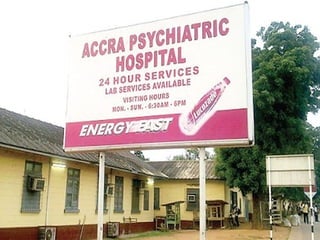
• The Opening of Accra Psychiatric
Hospital in 1906:
• Accra Psychiatric Hospital became
the first psychiatric institution in
Ghana.
• The facility primarily focused on
Role of Colonial
Authorities
• Mental health care under colonial
rule emphasized confinement for
public safety rather than holistic
care.
• The focus was on controlling
individuals deemed as "mentally
unstable" rather than providing
therapeutic interventions.
• Psychiatric institutions served as
custodial spaces for people with
Early Psychiatric Nurses
• Early psychiatric nurses were
recruited primarily from general
nursing pools.
• Their role was limited to custodial
care and basic medical support for
psychiatric patients.
• Early psychiatric nurses ensured the
confinement and safety of patients.
• They provided basic nursing care,
medication administration, and
Development of
Psychiatric Training in
the 1950s
• Psychiatric nursing began to evolve
as a specialized field with the
introduction of formal training
programs.
• The establishment of training
programs for psychiatric nurses
marked a significant step in
professionalizing mental health
care.
• The programs provided nurses with
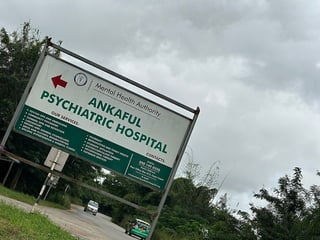
Establishment of
Ankaful Psychiatric
Hospital
• Ankaful Psychiatric Hospital, located in
Cape Coast, was officially opened in
1965.
• It became one of the leading psychiatric
hospitals in Ghana, offering specialized
care for mental health patients.
• The hospital played a key role in
advancing psychiatric care and served as
a training center for psychiatric nurses.
• Ankaful became a cornerstone for
psychiatric education, research, and the
The Role of Dr. Kwasi
Osei
• Dr. Kwasi Osei is recognized for his
leadership in shaping Ghana's psychiatric
nursing education and services.
• He introduced modern psychiatric nursing
practices and advocated for improved
mental health policies
• Under Dr. Osei’s leadership, the mental
health system in Ghana became more
structured, with an emphasis on patient-
centered care.
• His work contributed to the formalization
of psychiatric nurse training programs and
the expansion of mental health services in
Nursing Curriculum
Evolution in the 1960s
• In the 1960s, there was a significant
shift towards structured training
programs for psychiatric nurses,
focusing on clinical skills and patient
care.
• Psychiatric nursing was formally
integrated into the general nursing
curriculum.
• This ensured that nurses had a
foundational understanding of mental
health care and were better equipped
to handle psychiatric conditions in
Role of Nurses in
Psychiatric Hospitals
• Psychiatric nurses were responsible for
administering medication, monitoring
patient progress, and providing therapeutic
interventions.
• They played a crucial role in rehabilitation,
patient counseling, and helping patients
reintegrate into society.
• Psychiatric nurses employed various
therapeutic techniques such as counseling,
cognitive-behavioral therapy, and crisis
intervention.
• Nurses also worked closely with families to
ensure continuous support for patients
after discharge.
Growth of Psychiatric
Nursing in the 1970s and
1980s
• During the 1970s and 1980s, there
was significant growth in the
establishment of psychiatric care
facilities across Ghana
• Psychiatric nursing training
programs were expanded to meet
the growing demand for mental
health services.
Integration of Mental
Health in General
Nursing
• Mental health education is increasingly
being incorporated into the general
nursing curriculum.
• General nurses are being equipped
with basic psychiatric skills to provide
mental health support in non-
specialized healthcare settings.
• This integration ensures that mental
health issues are recognized and
managed early, even in primary
healthcare settings.
The Shift Toward
Community-Based Care
• A significant shift from institutional-based
to community-based care.
• Mental health services were integrated
into district hospitals and primary
healthcare systems.
• Nurses began working more within
communities, providing mental health
education, early intervention, and home-
based care.
• Focus on reducing the stigma
surrounding mental illness by promoting
mental health awareness and support in
Current State of
Psychiatric Nursing in
Ghana
• Psychiatric nurses now work in diverse
settings, including psychiatric hospitals,
general hospitals, and community health
centers.
• Increased focus on patient-centered care,
early intervention, and rehabilitation
services.
• Psychiatric nurses are involved in both
public and private healthcare facilities,
contributing significantly to mental
health service delivery.
• Integration of mental health services into
Challenges in Psychiatric
Nursing in Ghana
Staffing Shortages:
• One of the major challenges in
psychiatric nursing was the lack of
sufficient staff to meet the needs of
patients in psychiatric facilities.
• This issue led to burnout among existing
staff and affected the quality of care
provided.
• Mental health was heavily stigmatized,
which also affected psychiatric nursing as
a profession.
• Nurses working in psychiatric care often
THANK YOU
References
1. Ghana Mental Health Authority. (2012). Mental Health
Act, 2012 (Act 846). [Online] Available:
Ghana Mental Health Authority
2. World Health Organization. (2017). Mental Health Atlas
2017: Country Profile for Ghana. [Online] Available: WHO
3. Osei, E. Y. (2014). The Role of Mental Health Services in
Ghana: A Historical Perspective. Journal of Psychiatry,
17(3), 123-130.
4. BasicNeeds Ghana. (2020). Annual Report 2020:
Advancing Mental Health Care in Ghana. [Online]
Available: BasicNeeds
5. Ghana Health Service. (2019). National Mental Health
Policy. [Online] Available: GHS
6. Ghana Nursing and Midwifery Council. (2018).
Nursing Education Curriculum. [Online] Available: GNMC
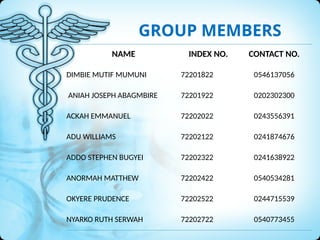
GROUP MEMBERS
NAME INDEX NO. CONTACT NO.
DIMBIE MUTIF MUMUNI 72201822 0546137056
ANIAH JOSEPH ABAGMBIRE 72201922 0202302300
ACKAH EMMANUEL 72202022 0243556391
ADU WILLIAMS 72202122 0241874676
ADDO STEPHEN BUGYEI 72202322 0241638922
ANORMAH MATTHEW 72202422 0540534281
OKYERE PRUDENCE 72202522 0244715539
NYARKO RUTH SERWAH 72202722 0540773455

GROUP 3.pptxxxxxxxxxxxxxxxxxxxxxxxxxxxxx

  • 1.
    THE HISTORY OF PSYCHIATRICNURSING IN GHANA GROUP 3
  • 2.
    PRESENTATION OUTLINE  Introduction toPsychiatric Nursing  Overview of Mental Health in Ghana  Early Beginnings (Pre-Colonial and Colonial Era)  Establishment of Asylum  Role of Colonial Authorities  Early Psychiatric Nurses  Development of Psychiatric Training in the 1950s  Establishment of Ankaful Psychiatric Hospital  The Role of Dr. Kwasi Osei  Nursing Curriculum Evolution in the 1960s  Role of Nurses in Psychiatric Hospitals  Growth of Psychiatric Nursing in the 1970s and 1980s  Integration of Mental Health in General Nursing  The Shift Toward Community-Based Care  Challenges in Psychiatric Nursing  references
  • 3.
    Introduction to Psychiatric Nursing PsychiatricNursing is a specialized area of nursing practice focused on the care and treatment of individuals with mental health disorders. It involves the assessment, diagnosis, and treatment of psychiatric conditions, ensuring the emotional and psychological well-being of patients.
  • 4.
    Overview of Mental Healthin Ghana Brief Overview of Mental Health Awareness in Ghana Before Psychiatric Care: • Mental health issues were often misunderstood and attributed to supernatural or spiritual causes. • Limited awareness of psychiatric conditions led to stigmatization and neglect of individuals with mental health disorders.
  • 5.
    Cultural Perceptions of MentalIllness: • Mental illness was often seen as a result of spiritual possession or curses. • Traditional healers and spiritual leaders were the primary sources of mental health intervention. • Isolation and exclusion from society were common treatments.
  • 6.
    Early Beginnings (Pre- Colonialand Colonial Era) • Mental illness was addressed through traditional healing practices, including herbal medicine, spiritual rituals, and community support. • British colonial rule introduced Western medical practices, including psychiatry. • Early efforts were aimed at controlling mental health issues
  • 7.
    Establishment of Asylum • Initialpsychiatric facilities were established to house individuals with severe mental health conditions. • The Opening of Accra Psychiatric Hospital in 1906: • Accra Psychiatric Hospital became the first psychiatric institution in Ghana. • The facility primarily focused on
  • 9.
    Role of Colonial Authorities •Mental health care under colonial rule emphasized confinement for public safety rather than holistic care. • The focus was on controlling individuals deemed as "mentally unstable" rather than providing therapeutic interventions. • Psychiatric institutions served as custodial spaces for people with
  • 10.
    Early Psychiatric Nurses •Early psychiatric nurses were recruited primarily from general nursing pools. • Their role was limited to custodial care and basic medical support for psychiatric patients. • Early psychiatric nurses ensured the confinement and safety of patients. • They provided basic nursing care, medication administration, and
  • 11.
    Development of Psychiatric Trainingin the 1950s • Psychiatric nursing began to evolve as a specialized field with the introduction of formal training programs. • The establishment of training programs for psychiatric nurses marked a significant step in professionalizing mental health care. • The programs provided nurses with
  • 12.
    Establishment of Ankaful Psychiatric Hospital •Ankaful Psychiatric Hospital, located in Cape Coast, was officially opened in 1965. • It became one of the leading psychiatric hospitals in Ghana, offering specialized care for mental health patients. • The hospital played a key role in advancing psychiatric care and served as a training center for psychiatric nurses. • Ankaful became a cornerstone for psychiatric education, research, and the
  • 14.
    The Role ofDr. Kwasi Osei • Dr. Kwasi Osei is recognized for his leadership in shaping Ghana's psychiatric nursing education and services. • He introduced modern psychiatric nursing practices and advocated for improved mental health policies • Under Dr. Osei’s leadership, the mental health system in Ghana became more structured, with an emphasis on patient- centered care. • His work contributed to the formalization of psychiatric nurse training programs and the expansion of mental health services in
  • 15.
    Nursing Curriculum Evolution inthe 1960s • In the 1960s, there was a significant shift towards structured training programs for psychiatric nurses, focusing on clinical skills and patient care. • Psychiatric nursing was formally integrated into the general nursing curriculum. • This ensured that nurses had a foundational understanding of mental health care and were better equipped to handle psychiatric conditions in
  • 16.
    Role of Nursesin Psychiatric Hospitals • Psychiatric nurses were responsible for administering medication, monitoring patient progress, and providing therapeutic interventions. • They played a crucial role in rehabilitation, patient counseling, and helping patients reintegrate into society. • Psychiatric nurses employed various therapeutic techniques such as counseling, cognitive-behavioral therapy, and crisis intervention. • Nurses also worked closely with families to ensure continuous support for patients after discharge.
  • 17.
    Growth of Psychiatric Nursingin the 1970s and 1980s • During the 1970s and 1980s, there was significant growth in the establishment of psychiatric care facilities across Ghana • Psychiatric nursing training programs were expanded to meet the growing demand for mental health services.
  • 18.
    Integration of Mental Healthin General Nursing • Mental health education is increasingly being incorporated into the general nursing curriculum. • General nurses are being equipped with basic psychiatric skills to provide mental health support in non- specialized healthcare settings. • This integration ensures that mental health issues are recognized and managed early, even in primary healthcare settings.
  • 19.
    The Shift Toward Community-BasedCare • A significant shift from institutional-based to community-based care. • Mental health services were integrated into district hospitals and primary healthcare systems. • Nurses began working more within communities, providing mental health education, early intervention, and home- based care. • Focus on reducing the stigma surrounding mental illness by promoting mental health awareness and support in
  • 20.
    Current State of PsychiatricNursing in Ghana • Psychiatric nurses now work in diverse settings, including psychiatric hospitals, general hospitals, and community health centers. • Increased focus on patient-centered care, early intervention, and rehabilitation services. • Psychiatric nurses are involved in both public and private healthcare facilities, contributing significantly to mental health service delivery. • Integration of mental health services into
  • 21.
    Challenges in Psychiatric Nursingin Ghana Staffing Shortages: • One of the major challenges in psychiatric nursing was the lack of sufficient staff to meet the needs of patients in psychiatric facilities. • This issue led to burnout among existing staff and affected the quality of care provided. • Mental health was heavily stigmatized, which also affected psychiatric nursing as a profession. • Nurses working in psychiatric care often
  • 22.
  • 23.
    References 1. Ghana MentalHealth Authority. (2012). Mental Health Act, 2012 (Act 846). [Online] Available: Ghana Mental Health Authority 2. World Health Organization. (2017). Mental Health Atlas 2017: Country Profile for Ghana. [Online] Available: WHO 3. Osei, E. Y. (2014). The Role of Mental Health Services in Ghana: A Historical Perspective. Journal of Psychiatry, 17(3), 123-130. 4. BasicNeeds Ghana. (2020). Annual Report 2020: Advancing Mental Health Care in Ghana. [Online] Available: BasicNeeds 5. Ghana Health Service. (2019). National Mental Health Policy. [Online] Available: GHS 6. Ghana Nursing and Midwifery Council. (2018). Nursing Education Curriculum. [Online] Available: GNMC
  • 24.
    GROUP MEMBERS NAME INDEXNO. CONTACT NO. DIMBIE MUTIF MUMUNI 72201822 0546137056 ANIAH JOSEPH ABAGMBIRE 72201922 0202302300 ACKAH EMMANUEL 72202022 0243556391 ADU WILLIAMS 72202122 0241874676 ADDO STEPHEN BUGYEI 72202322 0241638922 ANORMAH MATTHEW 72202422 0540534281 OKYERE PRUDENCE 72202522 0244715539 NYARKO RUTH SERWAH 72202722 0540773455