MEDIA AND
INFORMATION
LANGUAGE
• Kathlyn plantig
• Kyrene Bajade
• Angelo Espinosa
LEARNING OBJECTIVES
Media Languages Codes
Conventions and Messages Audience
Producers and Other Stakeholders
LANGUAGE
- Pertains to the technical and symbolic ingredients or
codes and conventions that media and information
professionals may select and use in an effort to
communicate ideas, information and knowledge.
MEDIA LANGUAGE
- codes, conventions, formats symbols and
narrative structures that indicate the
meaning of media messages to an audience.
Codes
✓ are systems of signs that when put together
create meaning
✓ is a set of rules or a system of communication,
often with randomly assigned numbers and letters
given specific meanings.
Types of codes
☐ SYMBOLIC CODES
☐ WRITTEN CODES
☐ TECHNICAL
CODES
SYMBOLIC Codes
- Include the language, dress or actions of
characters, or iconic symbols that are easily
understood.
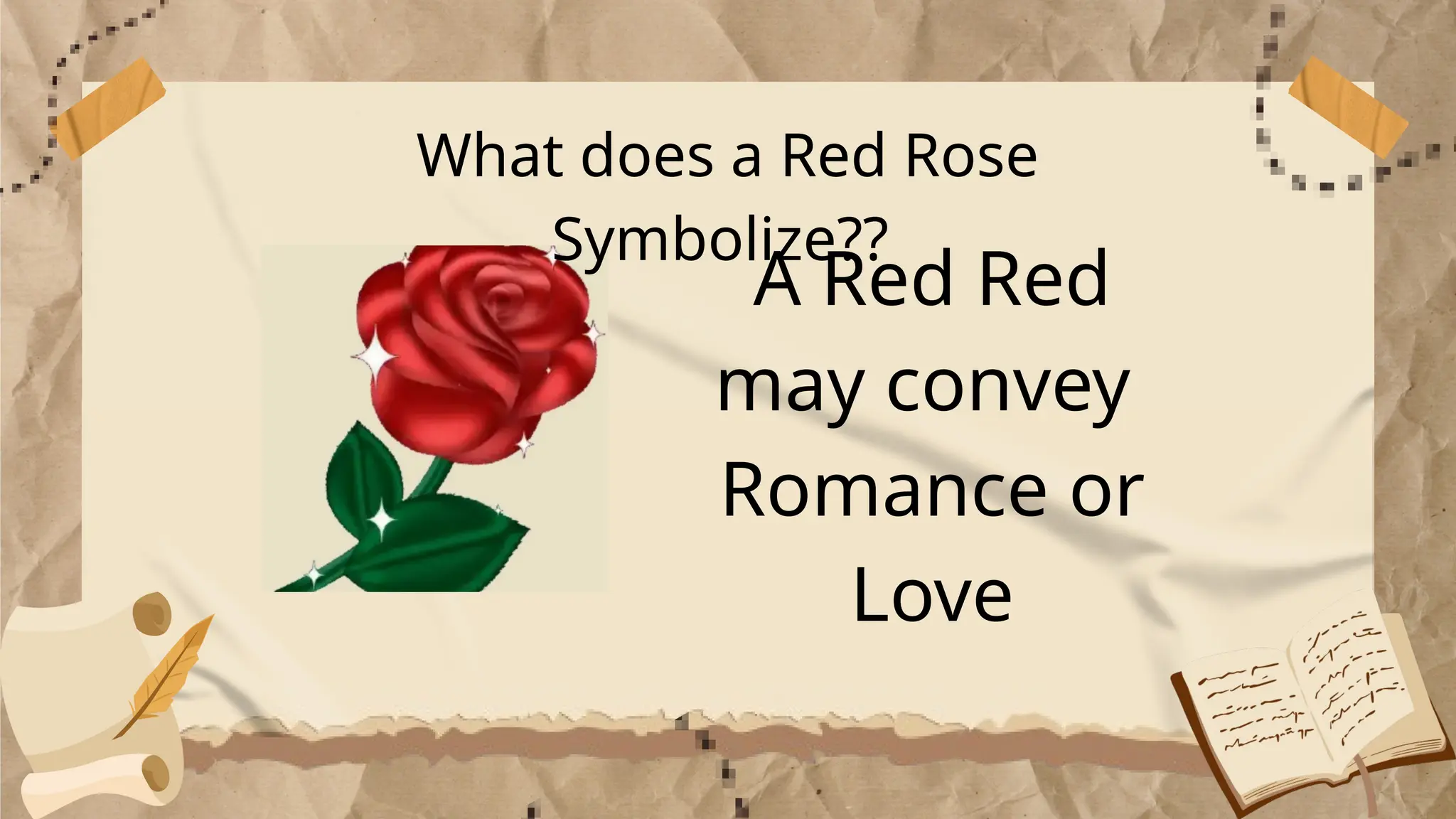
What does a Red Rose
Symbolize??
A Red Red
may convey
Romance or
Love
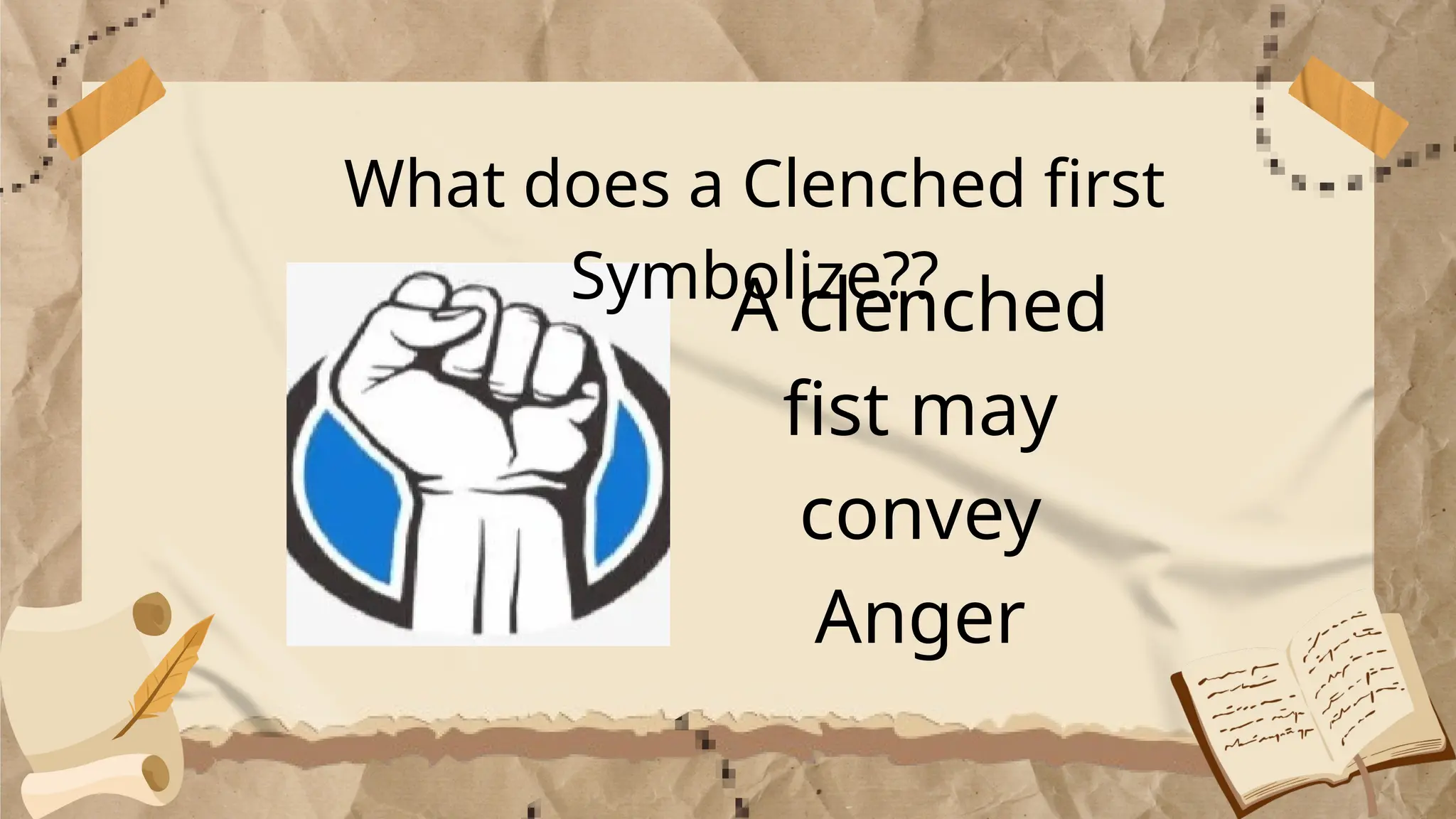
What does a Clenched first
Symbolize??
A clenched
fist may
convey
Anger
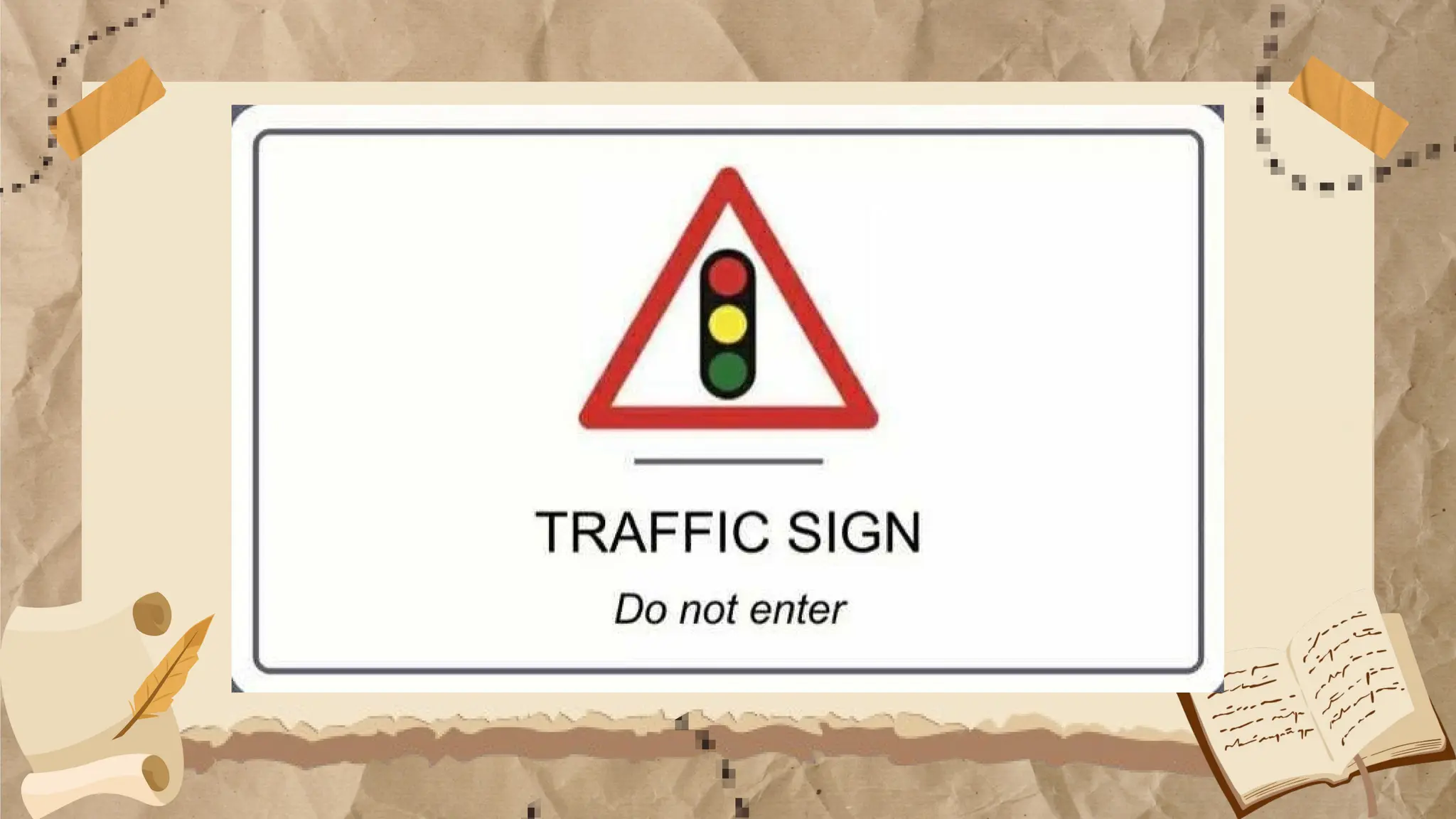
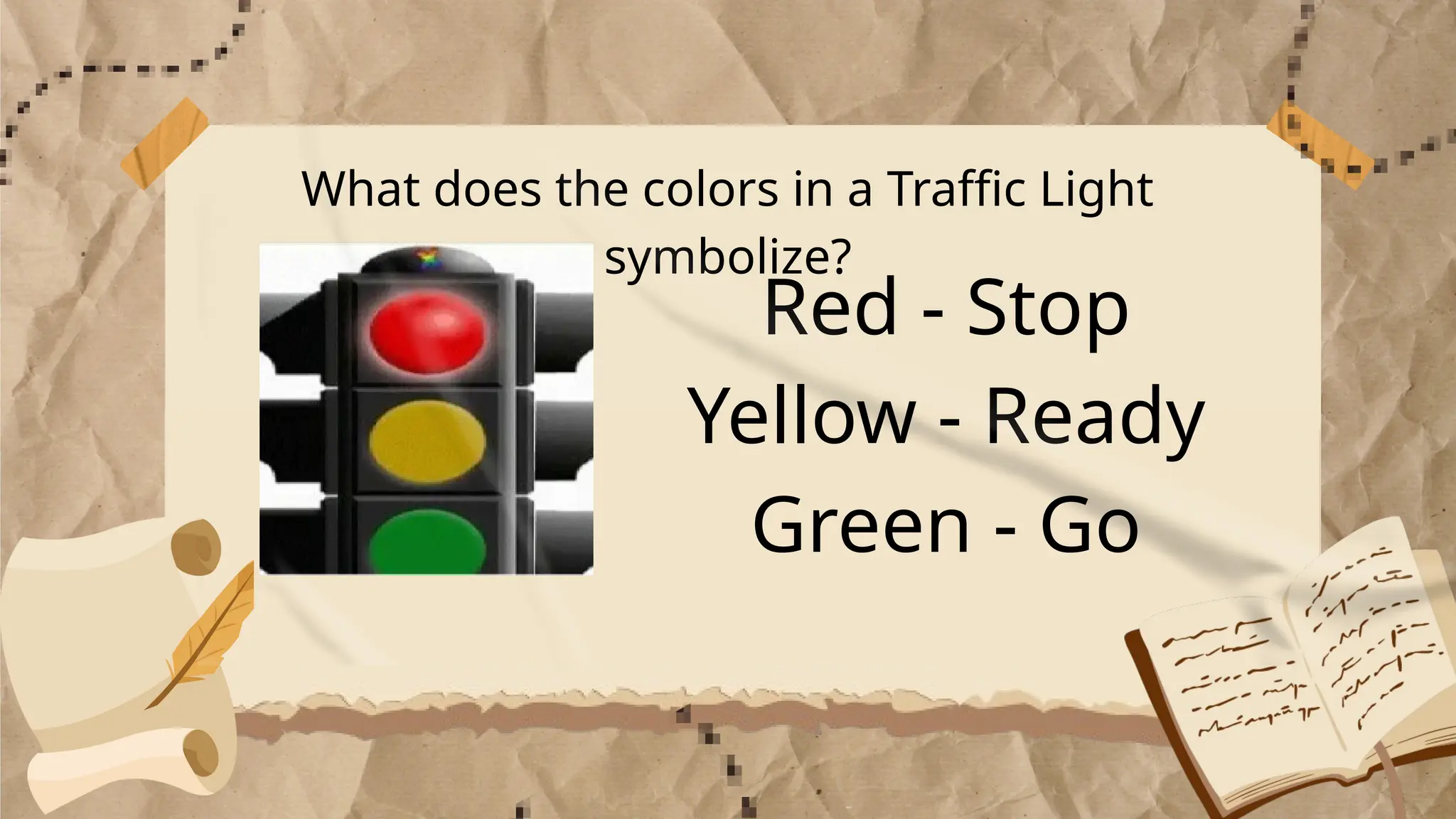
What does the colors in a Traffic Light
symbolize?
Red - Stop
Yellow - Ready
Green - Go
Written codes
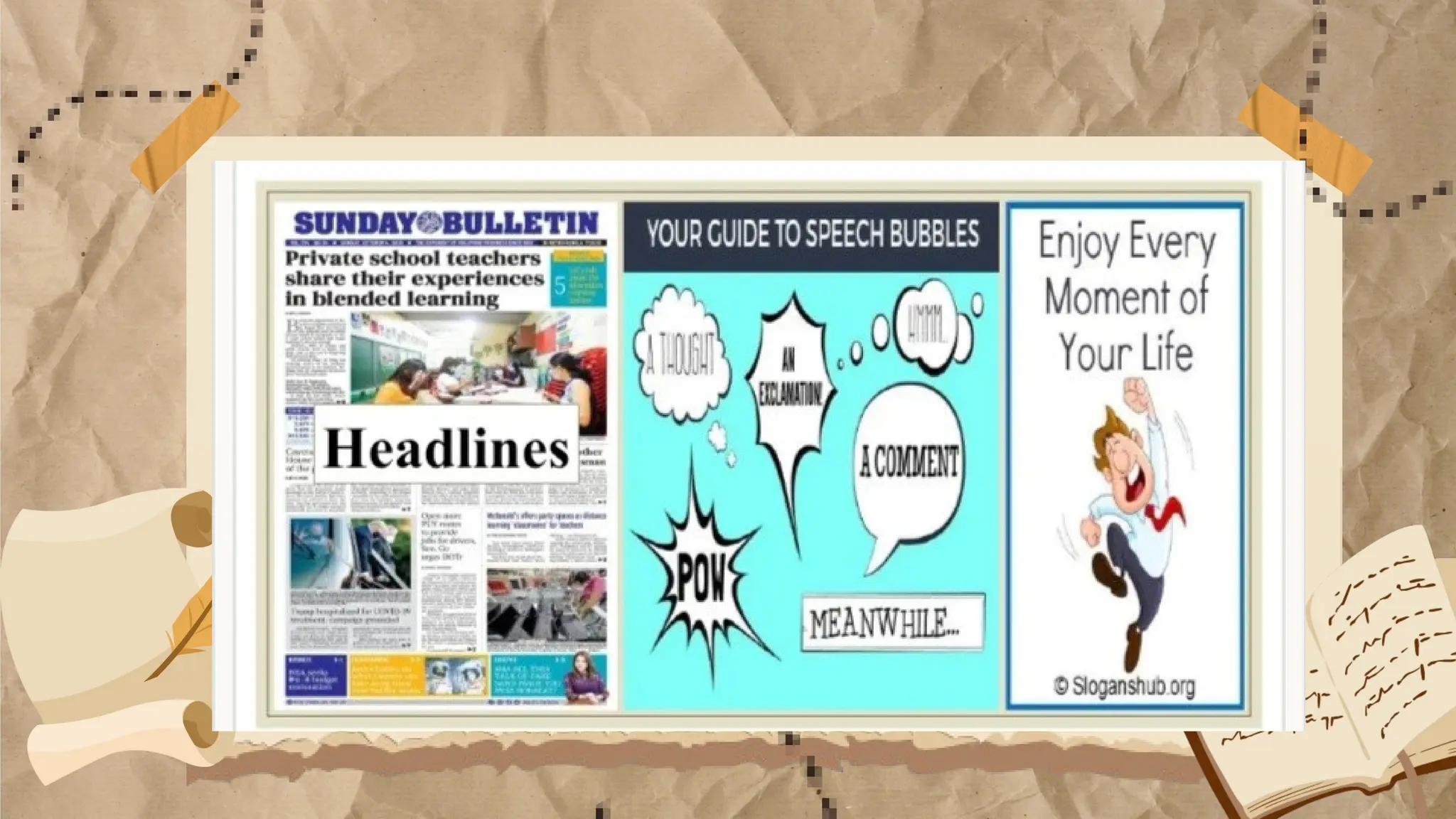
use of language style and textual layout
(headlines, captions, speech bubbles,
language style, etc.)
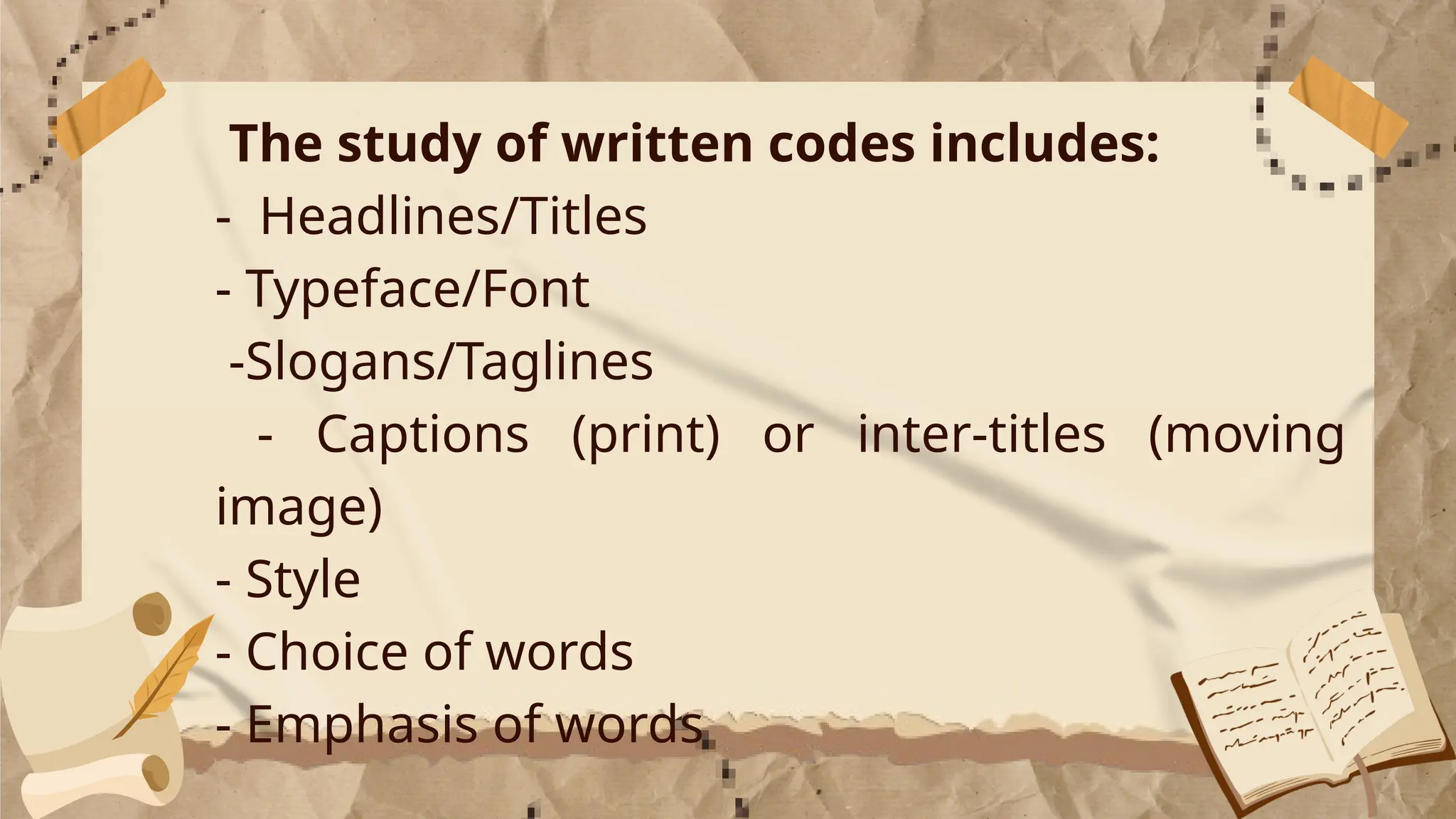
The study of written codes includes:
- Headlines/Titles
- Typeface/Font
-Slogans/Taglines
- Captions (print) or inter-titles (moving
image)
- Style
- Choice of words
- Emphasis of words
TECHNICAL Codes
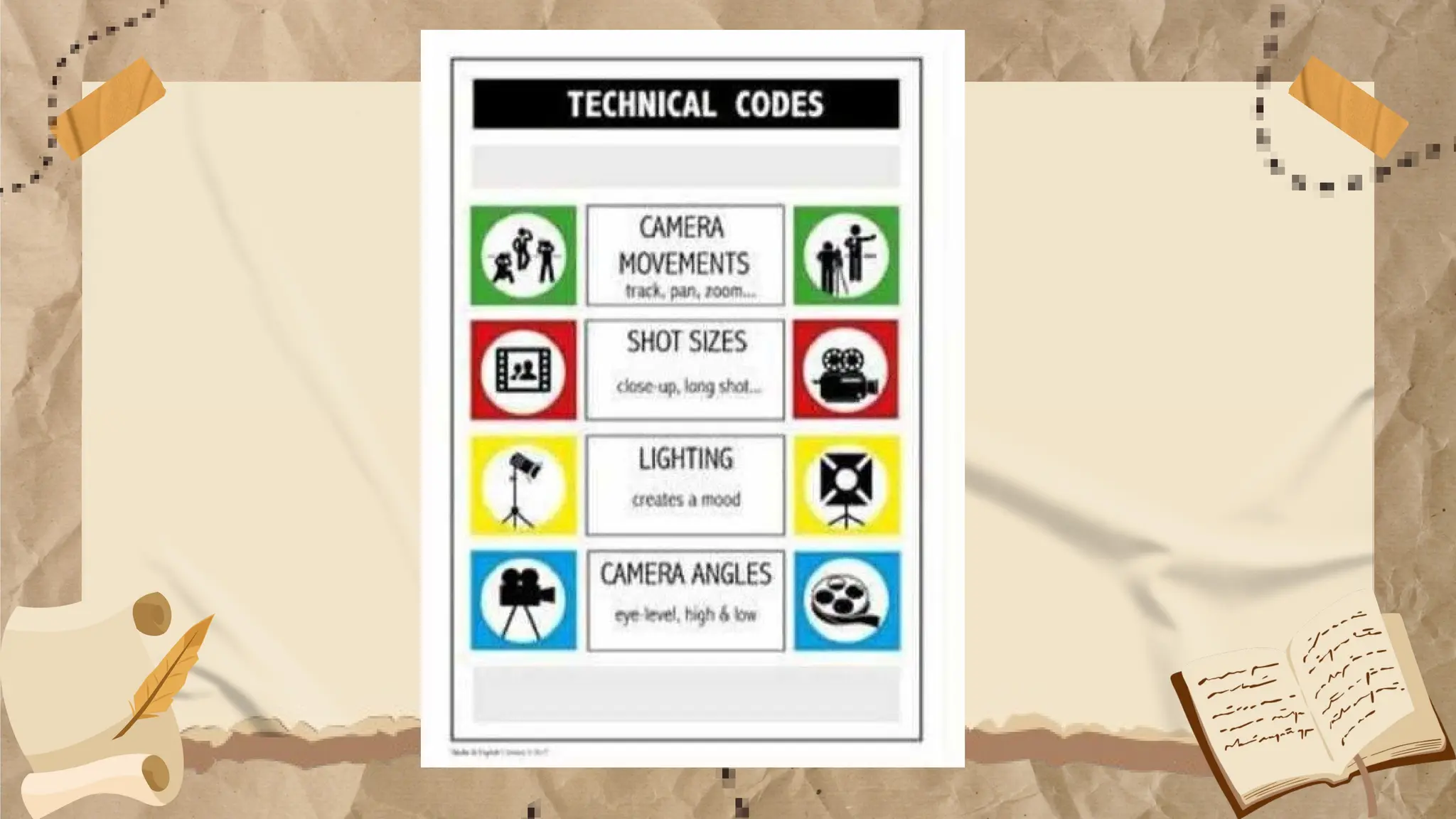
- Include sound, camera angles, types of shots and
lighting. They may include, for example, ominous
music to communicate danger in a feature film, or
high-angle camera shots to create a feeling of power
in a photograph.
CAMERA SHOTS
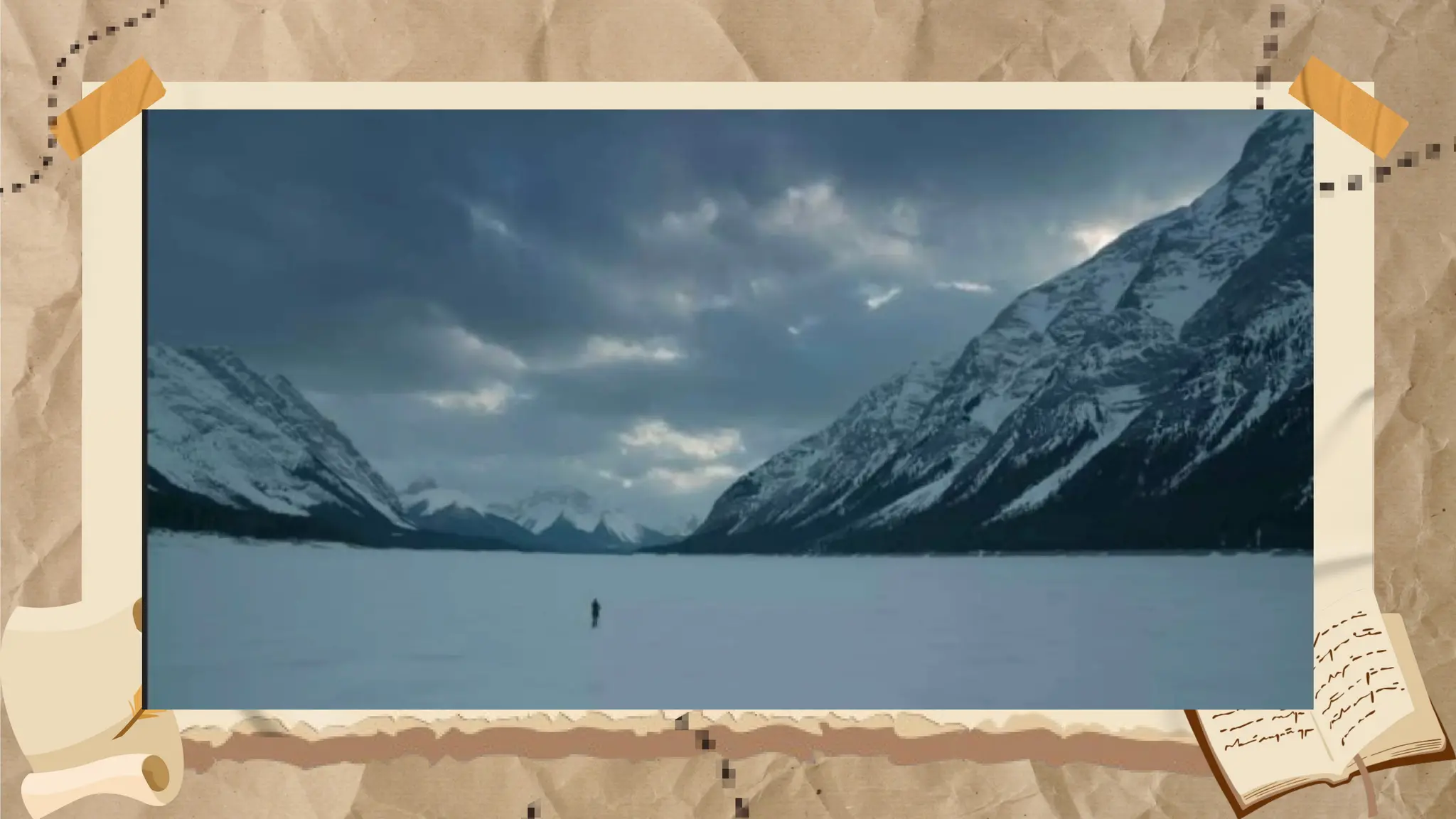
EXTREME LONG SHOTS
—Also called extreme wide shots such as a
large crowd scene or a view of scenery as far
as the horizon
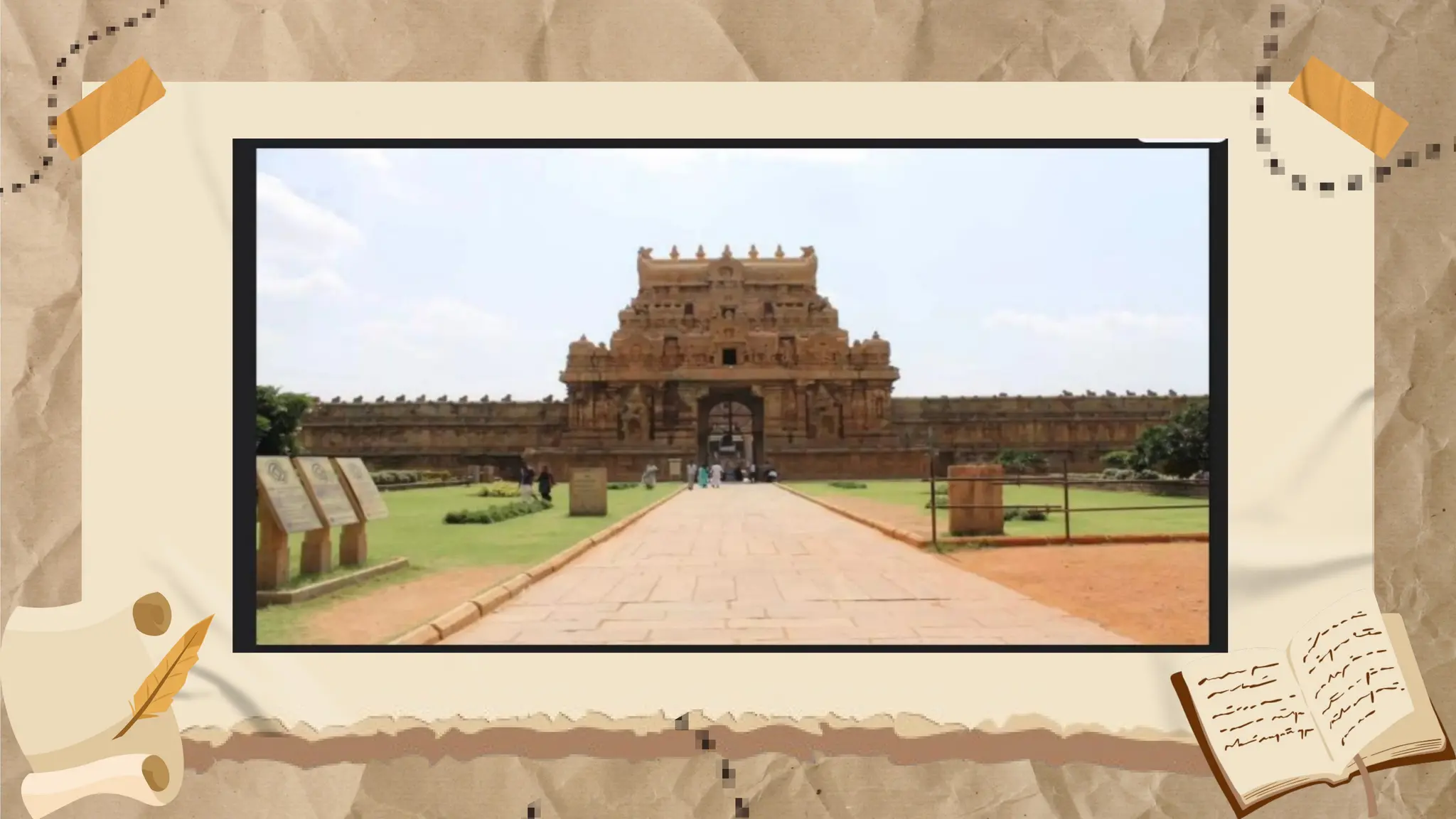
LONG SHOTS
- a view of a situation or setting
from a distance
MEDIUM LONG SHOT
- shows a group of people in interaction
with each other,
example: fight scene with part of their
surroundings in the picture
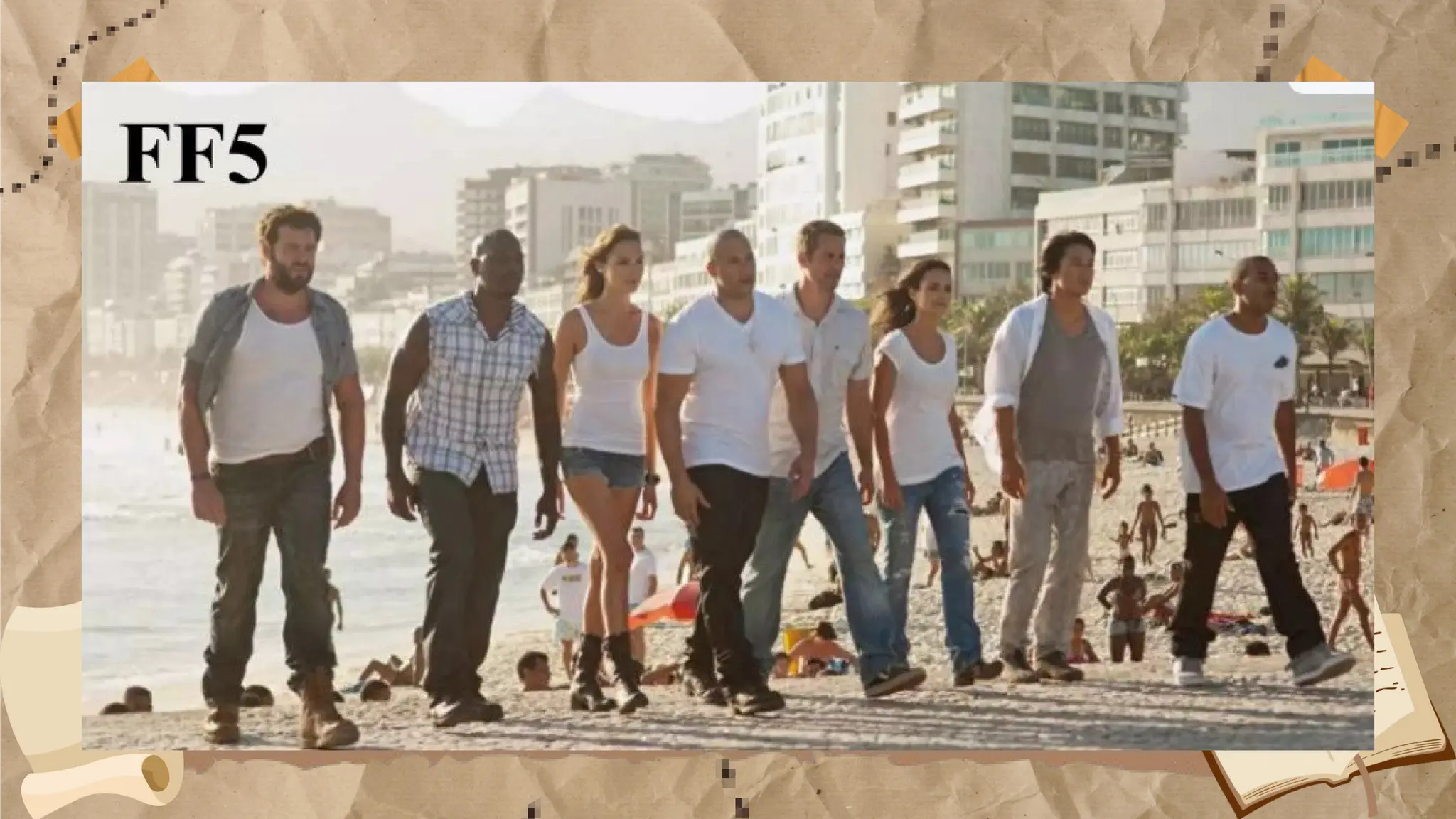
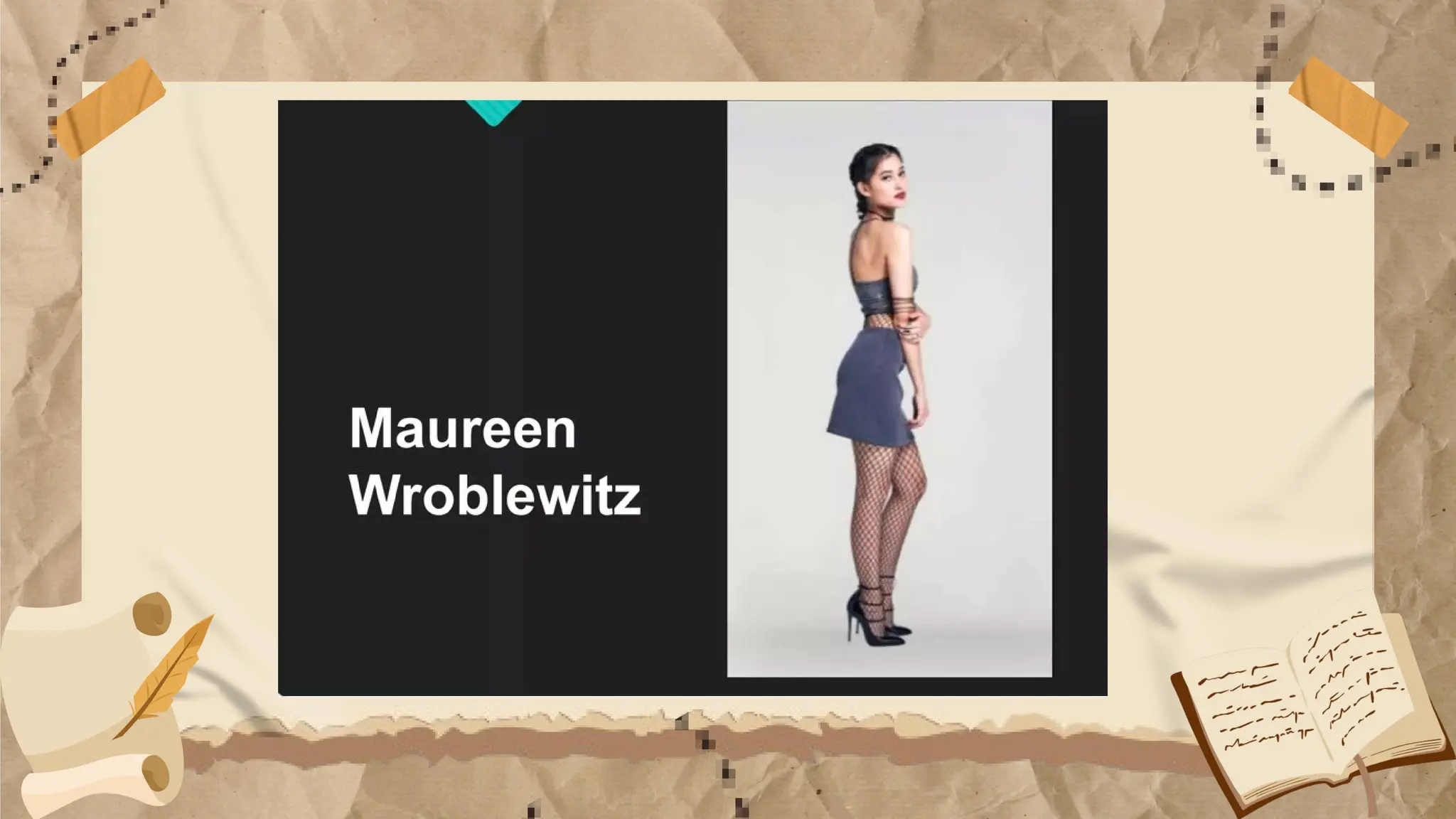
FULL SHOT
- a view of a figure's entire body in
order to show action and/or a
constellation group of characters
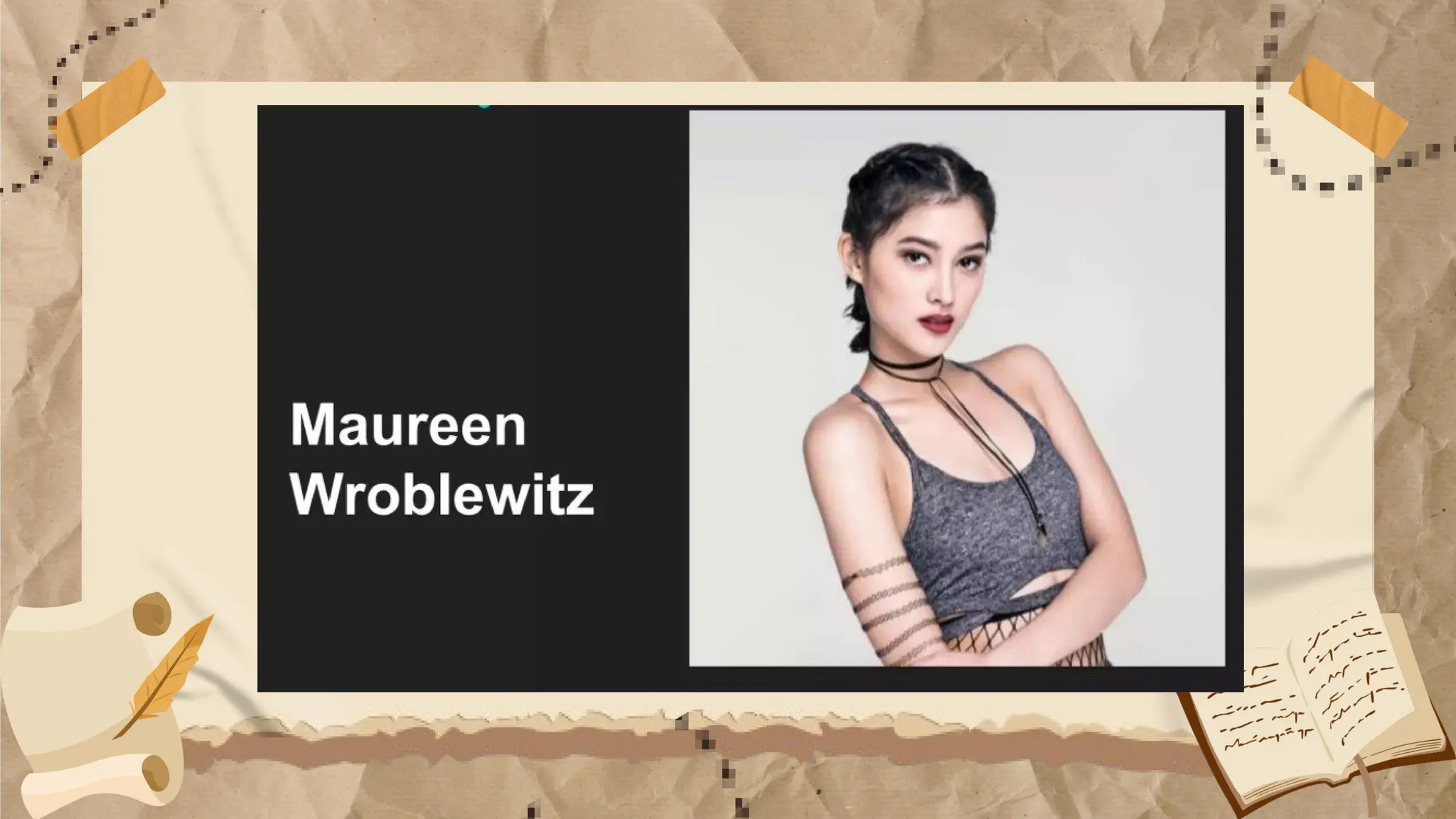
Medium close shot
- shows a subject down to his/her chest/waist
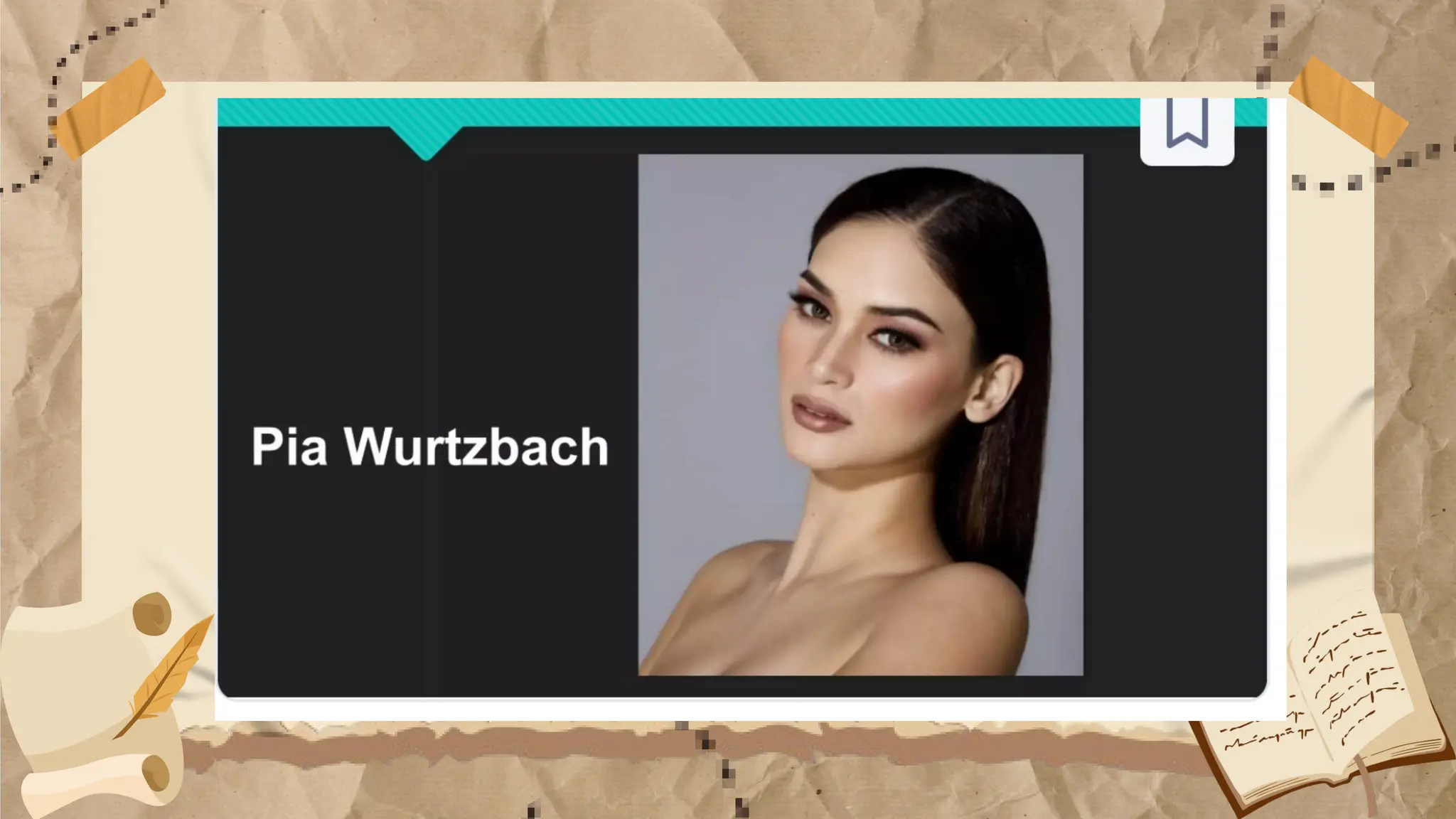
close up shot
- a full-screen shot of a subject's face showing
the finest nuances of expression
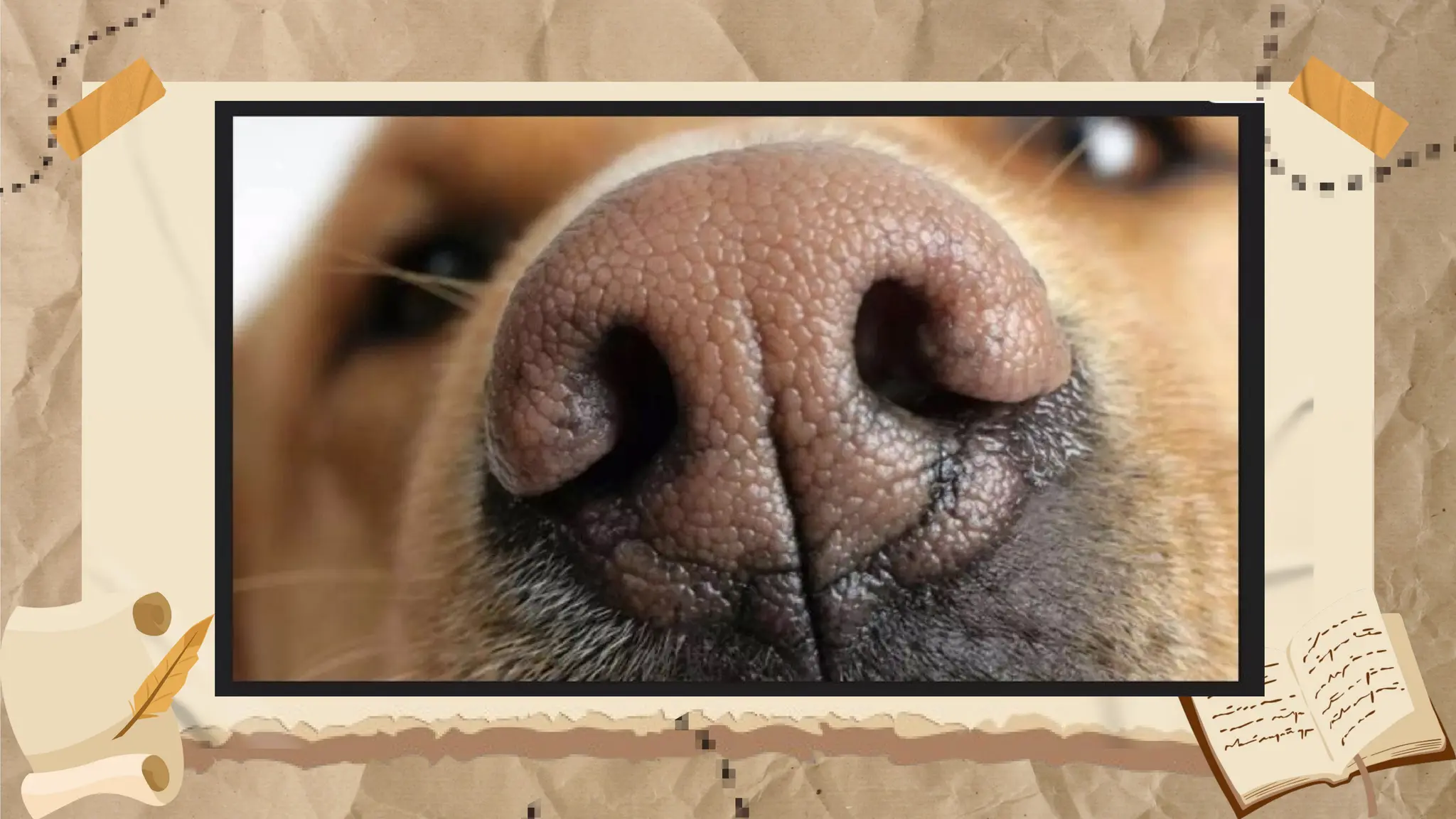
Extreme close up shot
- a shot of a hand, eye, mouth, or any object in
detail
Convention
- In the media context, refers to a standard or
norm that acts as a rule governing behavior.
MESSAGES
- The information sent from a source
to a receiver.
- The group of consumers for whom a media
message was conducted as well as anyone else
who is exposed to the message.
AUDIENCE
Producer
- People engaged in the process of creating
and putting together media content to make
a finished media product.
Other stake holders
- Libraries, archives, museums, internet and
other relevant information providers.
GET
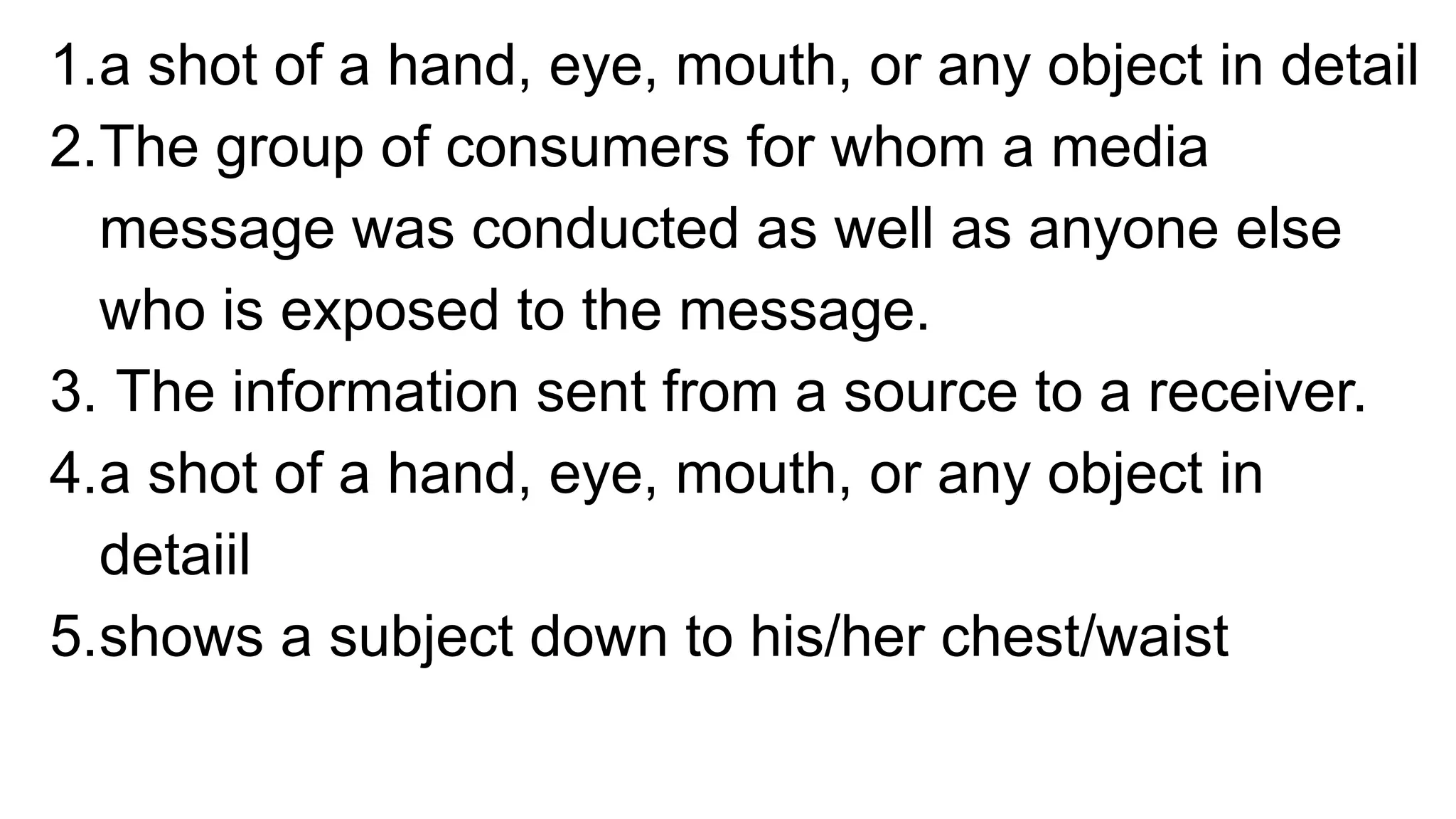
1.a shot of a hand, eye, mouth, or any object in detail
2.The group of consumers for whom a media
message was conducted as well as anyone else
who is exposed to the message.
3. The information sent from a source to a receiver.
4.a shot of a hand, eye, mouth, or any object in
detaiil
5.shows a subject down to his/her chest/waist
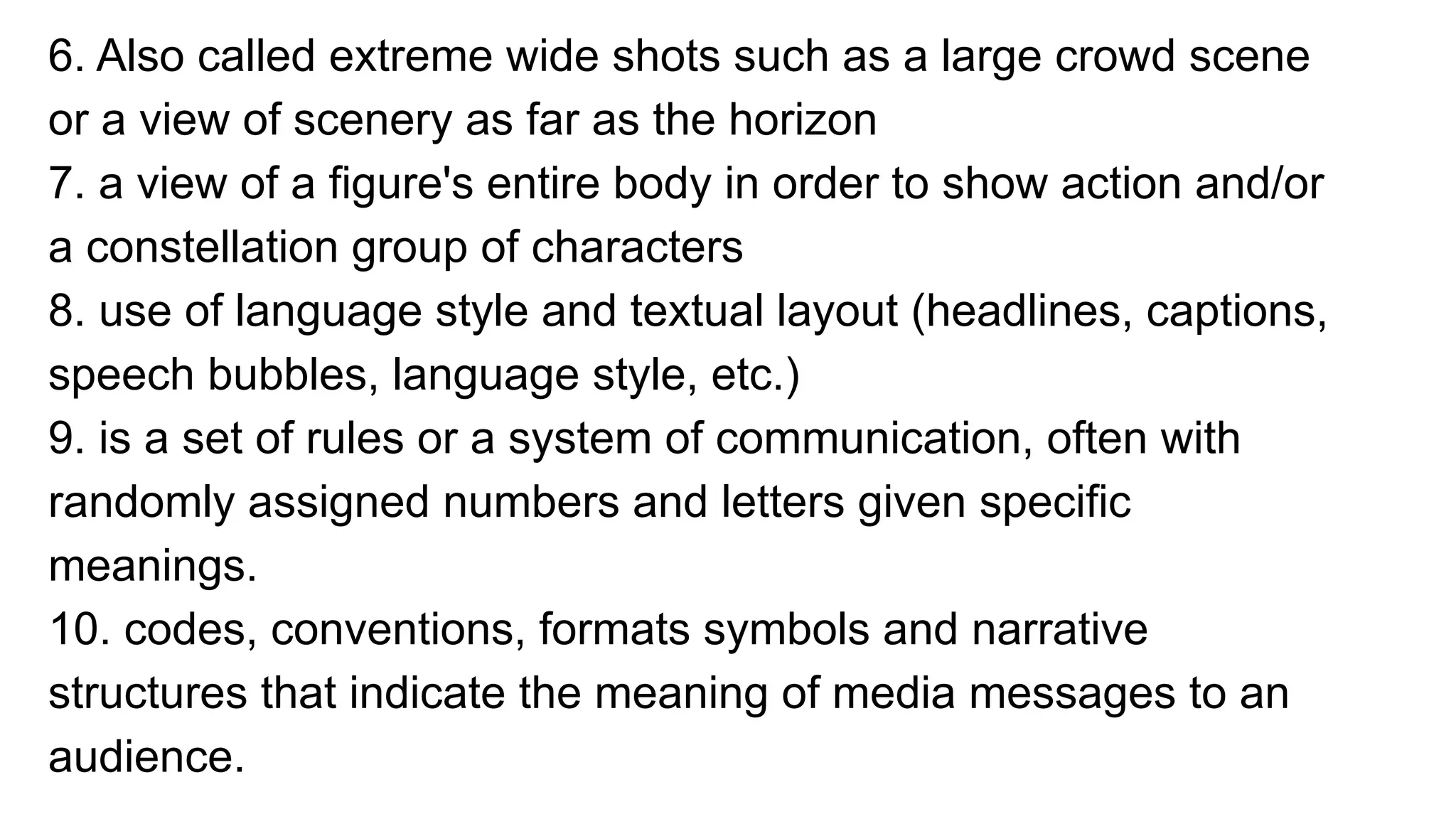
6. Also called extreme wide shots such as a large crowd scene
or a view of scenery as far as the horizon
7. a view of a figure's entire body in order to show action and/or
a constellation group of characters
8. use of language style and textual layout (headlines, captions,
speech bubbles, language style, etc.)
9. is a set of rules or a system of communication, often with
randomly assigned numbers and letters given specific
meanings.
10. codes, conventions, formats symbols and narrative
structures that indicate the meaning of media messages to an
audience.
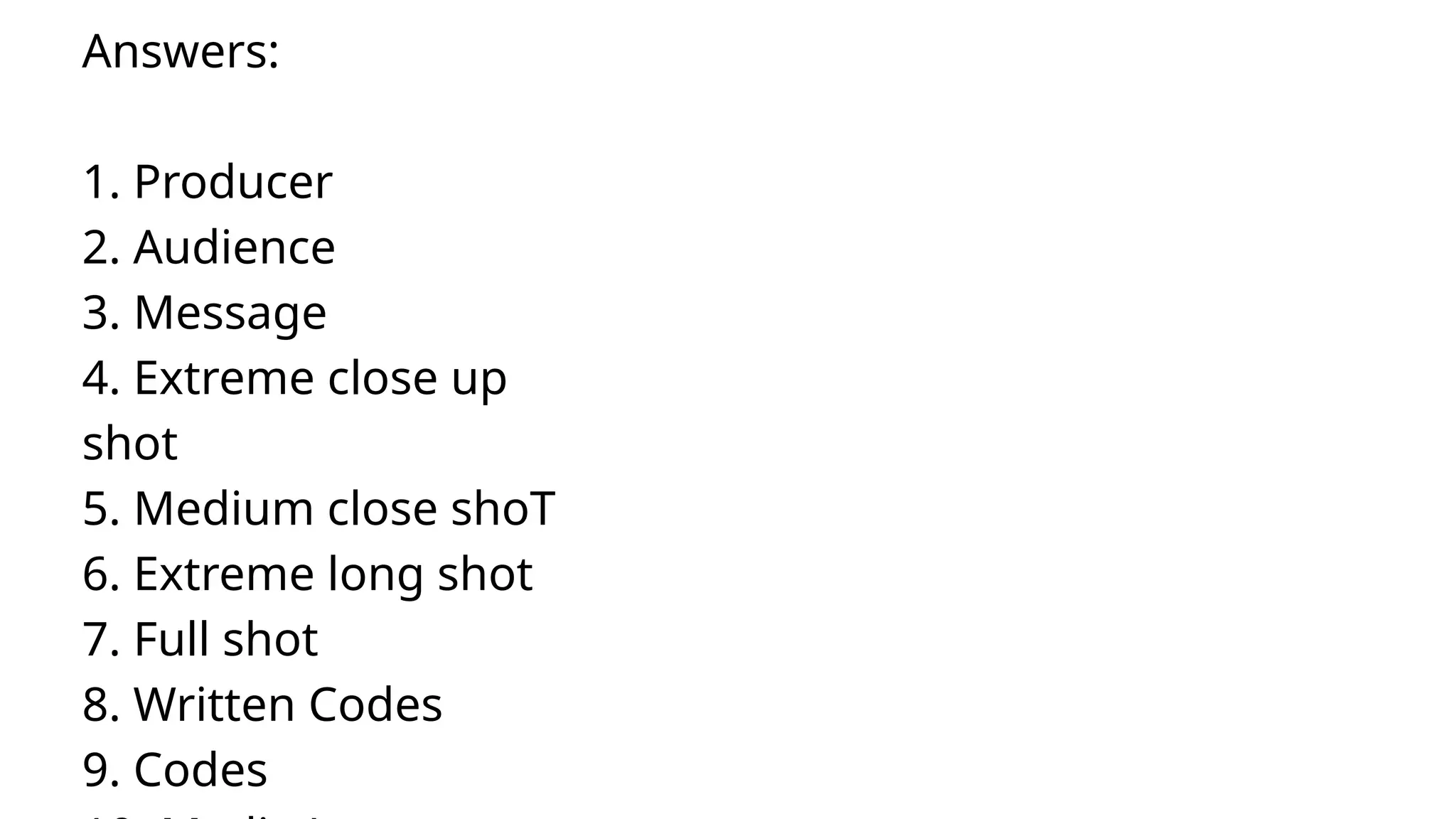
Answers:
1. Producer
2. Audience
3. Message
4. Extreme close up
shot
5. Medium close shoT
6. Extreme long shot
7. Full shot
8. Written Codes
9. Codes
thank you
Group 2

GROUP 2 ARES.pptxXXXXXXXXXXXXXXXXXXXXXXX

  • 1.
    MEDIA AND INFORMATION LANGUAGE • Kathlynplantig • Kyrene Bajade • Angelo Espinosa
  • 2.
    LEARNING OBJECTIVES Media LanguagesCodes Conventions and Messages Audience Producers and Other Stakeholders
  • 3.
    LANGUAGE - Pertains tothe technical and symbolic ingredients or codes and conventions that media and information professionals may select and use in an effort to communicate ideas, information and knowledge.
  • 4.
    MEDIA LANGUAGE - codes,conventions, formats symbols and narrative structures that indicate the meaning of media messages to an audience.
  • 9.
    Codes ✓ are systemsof signs that when put together create meaning ✓ is a set of rules or a system of communication, often with randomly assigned numbers and letters given specific meanings.
  • 10.
    Types of codes ☐SYMBOLIC CODES ☐ WRITTEN CODES ☐ TECHNICAL CODES
  • 11.
    SYMBOLIC Codes - Includethe language, dress or actions of characters, or iconic symbols that are easily understood.
  • 12.
    What does aRed Rose Symbolize?? A Red Red may convey Romance or Love
  • 13.
    What does aClenched first Symbolize?? A clenched fist may convey Anger
  • 14.
    What does thecolors in a Traffic Light symbolize? Red - Stop Yellow - Ready Green - Go
  • 15.
    Written codes use oflanguage style and textual layout (headlines, captions, speech bubbles, language style, etc.)
  • 16.
    The study ofwritten codes includes: - Headlines/Titles - Typeface/Font -Slogans/Taglines - Captions (print) or inter-titles (moving image) - Style - Choice of words - Emphasis of words
  • 18.
    TECHNICAL Codes - Includesound, camera angles, types of shots and lighting. They may include, for example, ominous music to communicate danger in a feature film, or high-angle camera shots to create a feeling of power in a photograph.
  • 20.
  • 21.
    EXTREME LONG SHOTS —Alsocalled extreme wide shots such as a large crowd scene or a view of scenery as far as the horizon
  • 23.
    LONG SHOTS - aview of a situation or setting from a distance
  • 25.
    MEDIUM LONG SHOT -shows a group of people in interaction with each other, example: fight scene with part of their surroundings in the picture
  • 27.
    FULL SHOT - aview of a figure's entire body in order to show action and/or a constellation group of characters
  • 29.
    Medium close shot -shows a subject down to his/her chest/waist
  • 31.
    close up shot -a full-screen shot of a subject's face showing the finest nuances of expression
  • 33.
    Extreme close upshot - a shot of a hand, eye, mouth, or any object in detail
  • 35.
    Convention - In themedia context, refers to a standard or norm that acts as a rule governing behavior.
  • 36.
    MESSAGES - The informationsent from a source to a receiver.
  • 37.
    - The groupof consumers for whom a media message was conducted as well as anyone else who is exposed to the message. AUDIENCE
  • 38.
    Producer - People engagedin the process of creating and putting together media content to make a finished media product.
  • 39.
    Other stake holders -Libraries, archives, museums, internet and other relevant information providers.
  • 40.
  • 41.
    1.a shot ofa hand, eye, mouth, or any object in detail 2.The group of consumers for whom a media message was conducted as well as anyone else who is exposed to the message. 3. The information sent from a source to a receiver. 4.a shot of a hand, eye, mouth, or any object in detaiil 5.shows a subject down to his/her chest/waist
  • 42.
    6. Also calledextreme wide shots such as a large crowd scene or a view of scenery as far as the horizon 7. a view of a figure's entire body in order to show action and/or a constellation group of characters 8. use of language style and textual layout (headlines, captions, speech bubbles, language style, etc.) 9. is a set of rules or a system of communication, often with randomly assigned numbers and letters given specific meanings. 10. codes, conventions, formats symbols and narrative structures that indicate the meaning of media messages to an audience.
  • 43.
    Answers: 1. Producer 2. Audience 3.Message 4. Extreme close up shot 5. Medium close shoT 6. Extreme long shot 7. Full shot 8. Written Codes 9. Codes
  • 44.