LINES and
COLORS
LINES
Lines are one of the many
elements of art and are
regarded as the most basic
among all elements of art.
In drawing anything, a line is the very first
thing you scribble on your paper.
Everything starts in a line. With art, line is
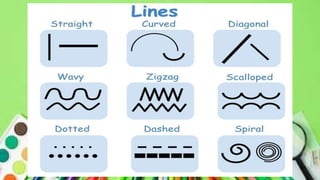
not just straight. It can be curvy, crooked,
zigzag and others. It can show depth and
movement, describe edges, and can be
used to highlight certain parts of the
artwork.
ORGANIC LINES
Organic lines are asymmetrical and
curve. They do not follow the shape of
any geometrical figure. They do not
follow any rules. These lines are lines
found in nature. Drawing organic lines
would express fluidity, gracefulness.
Enthusiasm, and naturalness.
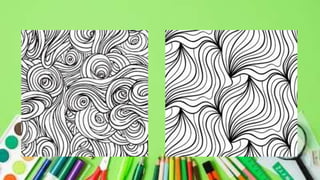
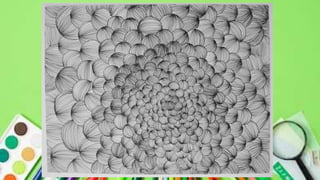
As you see, organic lines are irregular
and these lines are always used to draw
nature, hence having the term “organic”
or natural. In drawing organic lines, the
key is to find the central area of your
drawing and make your drawing develop
from there. This will make your organic
line drawing more fluid and graceful
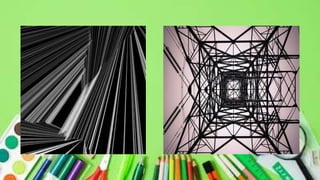
INORGANIC LINES
Inorganic lines are the complete
opposite of organic lines. They are
regular and follow a geometrical pattern
and a geometric shape. They are rigid
and follow certain rules. These lines are
used when drawing man-made
structures like a house or a car.
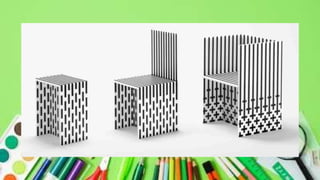
These lines are usually your basic
shapes such as squares, triangles, and
rectangles. These shapes are rarely
found in nature. These are often used in
making designs of buildings, furniture,
and others. An inorganic line
demonstrates control over nature, thus,
having its rigid characteristics compared
to the fluidity of an organic line.
COLORS
Can you imagine life without
colors?
Color is another important element of art
that is made whenever light strikes on an object
and is reflected back to one’s eye. You cannot
see colors without light.
Colors give life to everything. They make
everything very interesting.
There are three properties of
color
1. HUE which is basically the name of
the colors (red, blue, green, and others.
2. INTENSITY which talks about
brightness or dullness of hue and
is changed by mixing a color with
its complement
3. VALUE the lightness and darkness
of colors or shades adjusted by
adding black or white shades create
the value.
Primary Colors
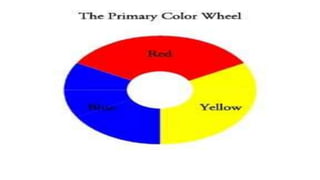
Primary colors are the root of every hue imaginable.
These are red, blue, and yellow hues.
They are called primary colors because these
colors can only be obtained by using natural pigments.
They cannot be created by mixing two other colors. Also,
all the colors from the color wheel are created by mixing
primary colors together. Think of the primary colors as
the parents in the family of colors.
Secondary Colors
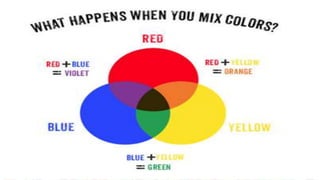
Mixing any two primary colors produces the secondary
colors. This will give you three new colors. These are
orange, purple, and green.
Think of the secondary colors as the children in the
family of colors. The intensity of the secondary color
depends on the proportion in which you mix the two
primary colors. For instance, if you mix more yellow than
red, you will get a lighter shade of orange (yellowish
orange, while if you mix more red than yellow, you will have
a darker intensity of orange (red orange).
•
Grade-4-Mapeh-Lines,colors and shape.pptx

Grade-4-Mapeh-Lines,colors and shape.pptx

  • 1.
  • 2.
    LINES Lines are oneof the many elements of art and are regarded as the most basic among all elements of art.
  • 3.
    In drawing anything,a line is the very first thing you scribble on your paper. Everything starts in a line. With art, line is not just straight. It can be curvy, crooked, zigzag and others. It can show depth and movement, describe edges, and can be used to highlight certain parts of the artwork.
  • 5.
    ORGANIC LINES Organic linesare asymmetrical and curve. They do not follow the shape of any geometrical figure. They do not follow any rules. These lines are lines found in nature. Drawing organic lines would express fluidity, gracefulness. Enthusiasm, and naturalness.
  • 8.
    As you see,organic lines are irregular and these lines are always used to draw nature, hence having the term “organic” or natural. In drawing organic lines, the key is to find the central area of your drawing and make your drawing develop from there. This will make your organic line drawing more fluid and graceful
  • 9.
    INORGANIC LINES Inorganic linesare the complete opposite of organic lines. They are regular and follow a geometrical pattern and a geometric shape. They are rigid and follow certain rules. These lines are used when drawing man-made structures like a house or a car.
  • 12.
    These lines areusually your basic shapes such as squares, triangles, and rectangles. These shapes are rarely found in nature. These are often used in making designs of buildings, furniture, and others. An inorganic line demonstrates control over nature, thus, having its rigid characteristics compared to the fluidity of an organic line.
  • 13.
  • 15.
    Can you imaginelife without colors?
  • 16.
    Color is anotherimportant element of art that is made whenever light strikes on an object and is reflected back to one’s eye. You cannot see colors without light. Colors give life to everything. They make everything very interesting.
  • 17.
    There are threeproperties of color 1. HUE which is basically the name of the colors (red, blue, green, and others.
  • 18.
    2. INTENSITY whichtalks about brightness or dullness of hue and is changed by mixing a color with its complement
  • 19.
    3. VALUE thelightness and darkness of colors or shades adjusted by adding black or white shades create the value.
  • 20.
    Primary Colors Primary colorsare the root of every hue imaginable. These are red, blue, and yellow hues. They are called primary colors because these colors can only be obtained by using natural pigments. They cannot be created by mixing two other colors. Also, all the colors from the color wheel are created by mixing primary colors together. Think of the primary colors as the parents in the family of colors.
  • 22.
    Secondary Colors Mixing anytwo primary colors produces the secondary colors. This will give you three new colors. These are orange, purple, and green. Think of the secondary colors as the children in the family of colors. The intensity of the secondary color depends on the proportion in which you mix the two primary colors. For instance, if you mix more yellow than red, you will get a lighter shade of orange (yellowish orange, while if you mix more red than yellow, you will have a darker intensity of orange (red orange). •