Governance of ecosystem services: how to
transform the ES concept in an explicit
management tool
A very first draft of a blueprint protocol for ES management by
Jose Lascurain (Barcelona) and to be revised by OPERAs team
17 November 2016
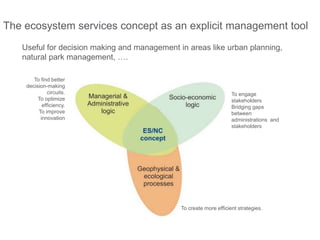
To engage
stakeholders
Bridging gaps
between
administrations and
stakeholders
To find better
decision-making
circuits.
To optimize
efficiency.
To improve
innovation
To create more efficient strategies.
The ecosystem services concept as an explicit management tool
Useful for decision making and management in areas like urban planning,
natural park management, ….
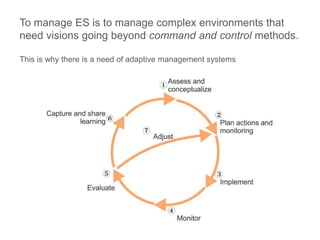
To manage ES is to manage complex environments that
need visions going beyond command and control methods.
This is why there is a need of adaptive management systems
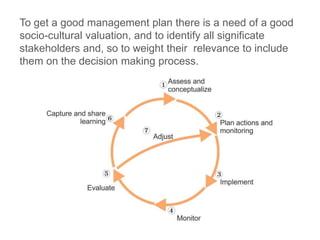
To get a good management plan there is a need of a good
socio-cultural valuation, and to identify all significate
stakeholders and, so to weight their relevance to include
them on the decision making process.
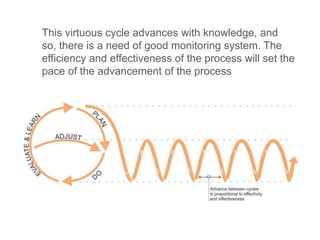
This virtuous cycle advances with knowledge, and
so, there is a need of good monitoring system. The
efficiency and effectiveness of the process will set the
pace of the advancement of the process
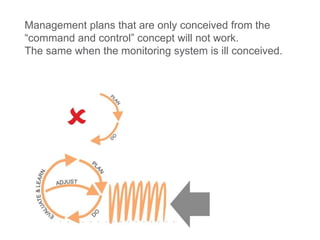
Management plans that are only conceived from the
“command and control” concept will not work.
The same when the monitoring system is ill conceived.
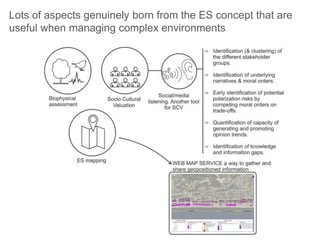
Lots of aspects genuinely born from the ES concept that are
useful when managing complex environments
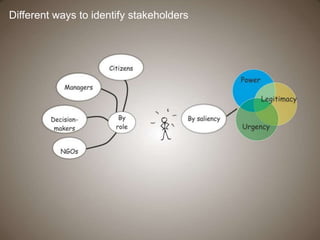
Different ways to identify stakeholders
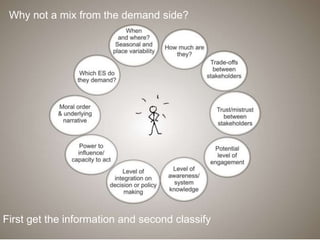
Why not a mix from the demand side?
First get the information and second classify
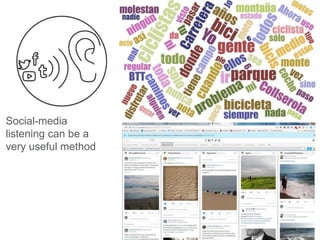
Social-media
listening can be a
very useful method
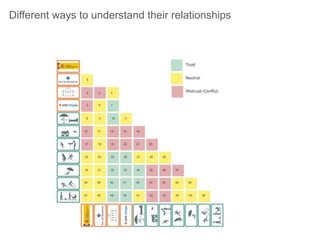
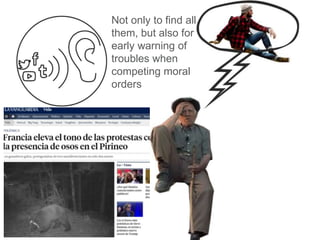
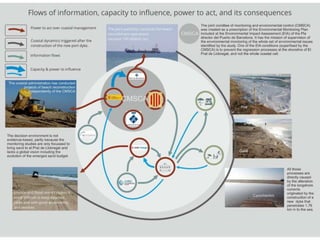
Different ways to understand their relationships
Not only to find all
them, but also for
early warning of
troubles when
competing moral
orders
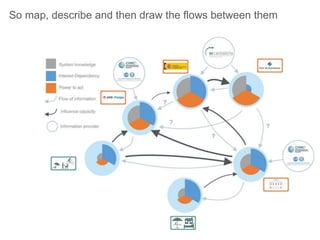
So map, describe and then draw the flows between them
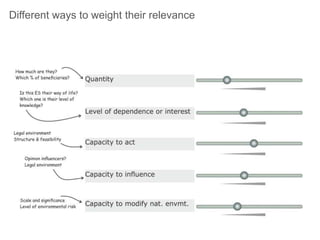
Different ways to weight their relevance
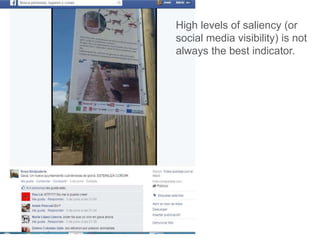
High levels of saliency (or
social media visibility) is not
always the best indicator.
And the obvious need to assess the
monitoring system.
There are objective ways to say
if it is evidence-based or not.
And not so difficult to determine
when a second opinion or a
validation system is needed.
And all this with transparency,
and open standards!
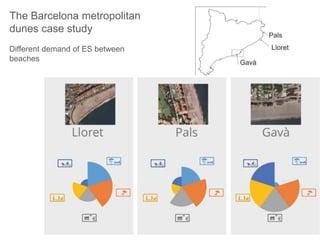
The Barcelona metropolitan
dunes case study
Different demand of ES between
beaches
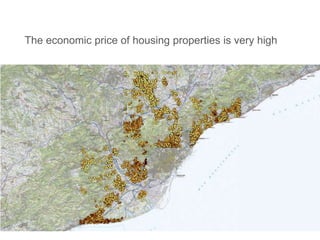
The economic price of housing properties is very high
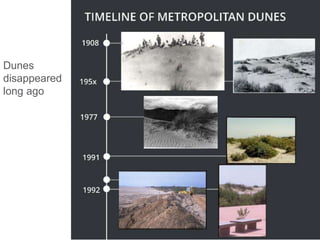
Dunes
disappeared
long ago
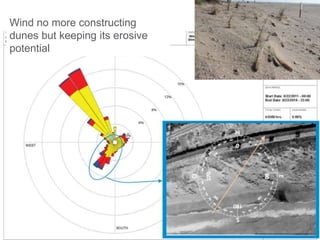
Wind no more constructing
dunes but keeping its erosive
potential
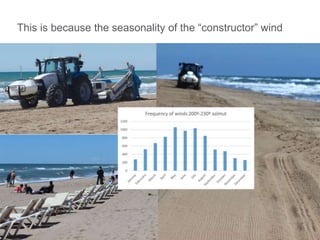
This is because the seasonality of the “constructor” wind
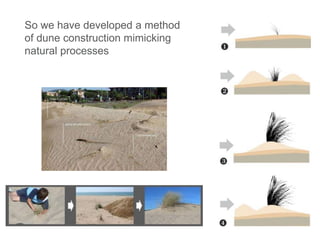
So we have developed a method
of dune construction mimicking
natural processes
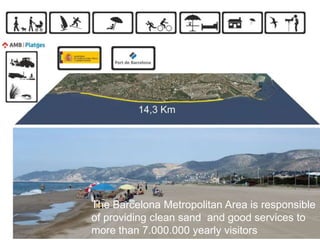
The Barcelona Metropolitan Area is responsible

of providing clean sand and good services to
more than 7.000.000 yearly visitors
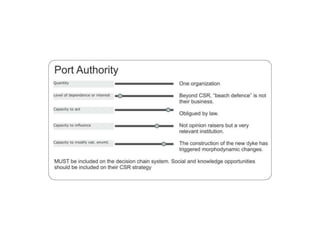
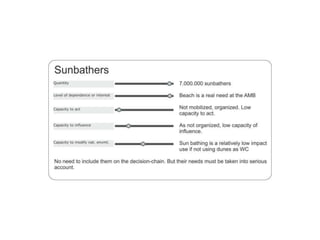
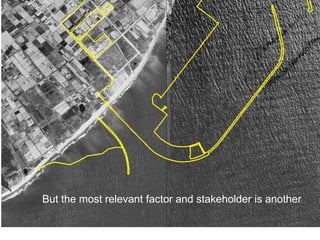
But the most relevant factor and stakeholder is another
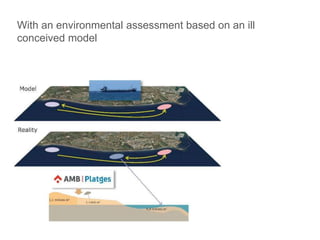
With an environmental assessment based on an ill
conceived model
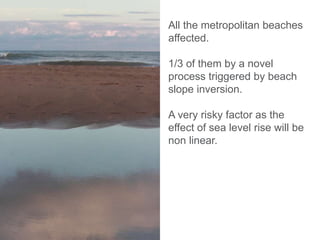
All the metropolitan beaches
affected.
1/3 of them by a novel
process triggered by beach
slope inversion.
A very risky factor as the
effect of sea level rise will be
non linear.
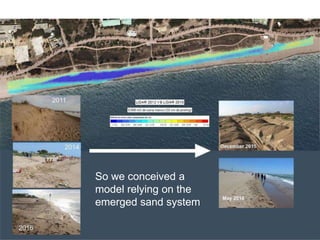
So we conceived a
model relying on the
emerged sand system
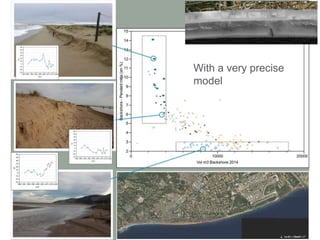
With a very precise
model
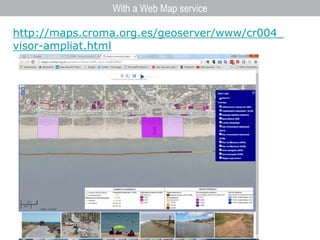
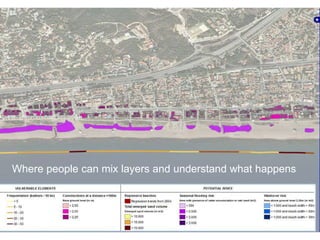
http://maps.croma.org.es/geoserver/www/cr004_
visor-ampliat.html
With a Web Map service
Where people can mix layers and understand what happens
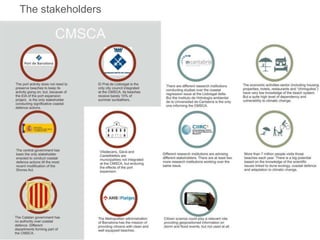
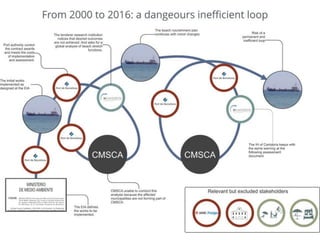
The stakeholders
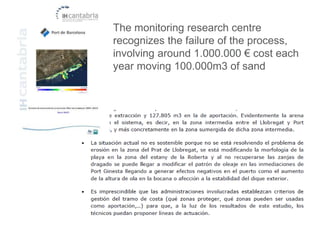
The monitoring research centre
recognizes the failure of the process,
involving around 1.000.000 € cost each
year moving 100.000m3 of sand
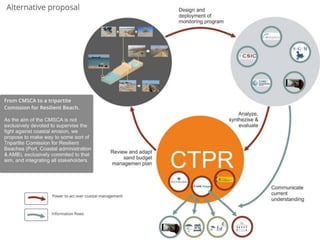
And with other opportunities
Governance user board-17nov16

Governance user board-17nov16

  • 1.
    Governance of ecosystemservices: how to transform the ES concept in an explicit management tool A very first draft of a blueprint protocol for ES management by Jose Lascurain (Barcelona) and to be revised by OPERAs team 17 November 2016
  • 2.
    To engage stakeholders Bridging gaps between administrationsand stakeholders To find better decision-making circuits. To optimize efficiency. To improve innovation To create more efficient strategies. The ecosystem services concept as an explicit management tool Useful for decision making and management in areas like urban planning, natural park management, ….
  • 3.
    To manage ESis to manage complex environments that need visions going beyond command and control methods. This is why there is a need of adaptive management systems
  • 4.
    To get agood management plan there is a need of a good socio-cultural valuation, and to identify all significate stakeholders and, so to weight their relevance to include them on the decision making process.
  • 5.
    This virtuous cycleadvances with knowledge, and so, there is a need of good monitoring system. The efficiency and effectiveness of the process will set the pace of the advancement of the process
  • 6.
    Management plans thatare only conceived from the “command and control” concept will not work. The same when the monitoring system is ill conceived.
  • 7.
    Lots of aspectsgenuinely born from the ES concept that are useful when managing complex environments
  • 8.
    Different ways toidentify stakeholders
  • 9.
    Why not amix from the demand side? First get the information and second classify
  • 10.
    Social-media listening can bea very useful method
  • 11.
    Different ways tounderstand their relationships
  • 12.
    Not only tofind all them, but also for early warning of troubles when competing moral orders
  • 13.
    So map, describeand then draw the flows between them
  • 14.
    Different ways toweight their relevance
  • 16.
    High levels ofsaliency (or social media visibility) is not always the best indicator.
  • 18.
    And the obviousneed to assess the monitoring system. There are objective ways to say if it is evidence-based or not. And not so difficult to determine when a second opinion or a validation system is needed. And all this with transparency, and open standards!
  • 19.
    The Barcelona metropolitan dunescase study Different demand of ES between beaches
  • 20.
    The economic priceof housing properties is very high
  • 21.
  • 22.
    Wind no moreconstructing dunes but keeping its erosive potential
  • 23.
    This is becausethe seasonality of the “constructor” wind
  • 24.
    So we havedeveloped a method of dune construction mimicking natural processes
  • 25.
    The Barcelona MetropolitanArea is responsible of providing clean sand and good services to more than 7.000.000 yearly visitors
  • 26.
    But the mostrelevant factor and stakeholder is another
  • 27.
    With an environmentalassessment based on an ill conceived model
  • 28.
    All the metropolitanbeaches affected. 1/3 of them by a novel process triggered by beach slope inversion. A very risky factor as the effect of sea level rise will be non linear.
  • 29.
    So we conceiveda model relying on the emerged sand system
  • 30.
    With a veryprecise model
  • 31.
  • 32.
    Where people canmix layers and understand what happens
  • 33.
  • 35.
    The monitoring researchcentre recognizes the failure of the process, involving around 1.000.000 € cost each year moving 100.000m3 of sand
  • 38.
    And with otheropportunities