REVIEW ARTICLE
Defining Fluid Responsiveness: A Guide to Patient-Tailored Volume Titration
Thomas G.V. Cherpanath, MD,* Leon P.H.J. Aarts, MD, PhD,† Johan A.B. Groeneveld, MD, PhD,‡
and Bart F. Geerts, MD, PhD, MSc*
FLUID RESPONSIVENESS
FLUID RESPONSIVENESS is a strategy used to select
patients who will respond with a positive reaction in a
physiologic parameter upon fluid administration. Curiously,
there is no generally accepted definition of fluid responsive-
ness. A provisional definition of fluid responsiveness would be
“the positive reaction of a physiologic parameter of a certain
size to a standardized volume of a certain type of fluid
administered within a certain amount of time and measured
within a certain interval.” It is clear that these issues need to be
resolved before a more detailed and precise definition can be
proposed. The aim of predicting fluid responsiveness is to
achieve this positive reaction while using the least amount of
fluids. Accurate prediction of fluid responsiveness to facilitate
patient-tailored fluid titration is crucial, as it has been shown
that only half of critically ill patients will respond to fluid
loading with an increase in cardiac output.1,2
Moreover,
unnecessary fluid administration has shown to increase morbid-
ity, mortality, and hospital and intensive care stays.3–5
Over the
last decade, the rise in the number of publications about fluid
responsiveness in the intensive care and operating room has
shown the increased interest in this topic. In this review, the
authors describe the physiology, requirements, and limitations
of fluid responsiveness. Subsequently, using available litera-
ture, a practical definition on fluid responsiveness is proposed.
The reliability of clinical, static, and hemodynamic parameters
is evaluated to predict the response to fluid loading in critically
ill patients. Finally, the potential, shortcomings, and use of
passive leg raising are discussed in this review.
IMPORTANCE OF FLUID RESPONSIVENESS
Until recently, a strategy of cardiac output (CO) max-
imization was employed to maximize oxygen delivery to vital
organs of critically ill patients in order to prevent prolonged
oxygen deficit leading to an inflammatory cascade resulting in
multiorgan dysfunction.6
However, achieving a supraphysio-
logic CO and systemic oxygen delivery through inotropics has
shown to be detrimental,7
although some studies have indicated
improved outcomes upon oxygen delivery optimization.8,9
Moreover, overzealous fluid administration can lead to general
and pulmonary edema, cardiac failure, anastomotic leakage,
infections prolonging hospitalization, and even death.10
Because fluid administration is often employed as one of the
first steps to improve hemodynamics, physicians caring for
critically ill patients try to assess and optimize the volume
status to preserve oxygen delivery to vital organs. Merely
assessing volume status does not predict the response upon
fluid loading. The prediction of fluid responsiveness is crucial
because inotropic support may be indicated instead of fluid
replacement in patients who are deemed fluid unresponsive.
Several studies have shown the beneficial effects of restrictive
use of fluids during and after surgery, resulting in a reduction
of hospital stay up to 10%.11
Therefore, it is essential to select
those patients who will respond to fluid loading with a positive
physiologic reaction, so-called “fluid responders”. This selec-
tion can be made with the use of fluid responsiveness. In
addition to fluid responsiveness, other terms such as (biven-
tricular) preload dependence and preload responsiveness have
been used in the past.12
However, the administration of fluid
does not necessarily lead to an increase in preload. Further-
more, preload is not easily obtained using the law of Laplace
and only indirectly estimated. Therefore, the term fluid
responsiveness is preferred because it acknowledges the overall
clinical hemodynamic effects of fluid administration on a
patient.
PHYSIOLOGY
Otto Frank and Ernest Starling demonstrated increased
ventricular contraction with stroke volume augmentation when
the ventricle was stretched before contraction because of
increased venous return.13
When stroke volume is set off against
the sarcomere length of the cardiac muscle, the Frank-Starling
curve is constructed. When CO, the product of stroke volume
and heart rate, is plotted against right atrial pressure (RAP) as a
reflection of ventricular preload, the cardiac function curve is
obtained. A patient’s response upon fluid loading can be
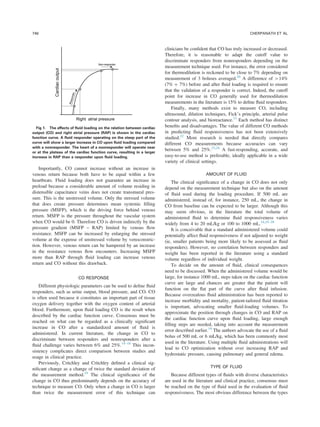
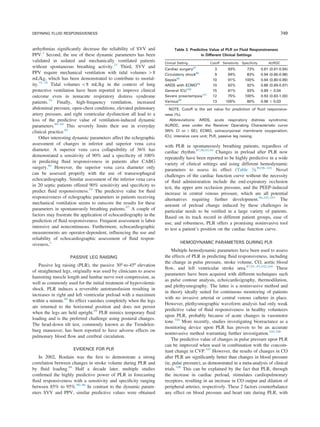
clarified using the cardiac function curve (Fig 1).
From the *Department of Intensive Care Medicine, Academic
Medical Centre, Amsterdam, the Netherlands; †Department of Anes-
thesiology, Leiden University Medical Center, Leiden, the Netherlands;
and ‡Department of Intensive Care, Erasmus University Medical
Centre, Rotterdam, the Netherlands.
Address reprint requests to Thomas G.V. Cherpanath, MD,
Academic Medical Center, Department of Intensive Care, G3-220,
Meibergdreef 9, 1105 AZ Amsterdam. E-mail: T.G.Cherpanath@
amc.uva.nl
© 2014 Elsevier Inc. All rights reserved.
1053-0770/2601-0001$36.00/0
http://dx.doi.org/10.1053/j.jvca.2013.12.025
Key words: passive leg raising, fluid responsiveness, cardiac output,
stroke-volume variation, pulse-pressure variation, central venous
pressure
Journal of Cardiothoracic and Vascular Anesthesia, Vol 28, No 3 (June), 2014: pp 745–754 745
Importantly, CO cannot increase without an increase in
venous return because both have to be equal within a few
heartbeats. Fluid loading does not guarantee an increase in
preload because a considerable amount of volume residing in
distensible capacitance veins does not create transmural pres-
sure. This is the unstressed volume. Only the stressed volume
that does create pressure determines mean systemic filling
pressure (MSFP), which is the driving force behind venous
return. MSFP is the pressure throughout the vascular system
when CO would be 0. Therefore CO is driven indirectly by the
pressure gradient (MSFP – RAP) limited by venous flow
resistance. MSFP can be increased by enlarging the stressed
volume at the expense of unstressed volume by venoconstric-
tion. However, venous return can be hampered by an increase
in the resistance venous flow encounters. Increasing MSFP
more than RAP through fluid loading can increase venous
return and CO without this drawback.
CO RESPONSE
Different physiologic parameters can be used to define fluid
responders, such as urine output, blood pressure, and CO. CO
is often used because it constitutes an important part of tissue
oxygen delivery together with the oxygen content of arterial
blood. Furthermore, upon fluid loading CO is the result when
described by the cardiac function curve. Consensus must be
reached on what can be regarded as a clinically significant
increase in CO after a standardized amount of fluid is
administered. In current literature, the change in CO to
discriminate between responders and nonresponders after a
fluid challenge varies between 6% and 25%.14–18
This incon-
sistency complicates direct comparison between studies and
usage in clinical practice.
Previously, Critchley and Critchley defined a clinical sig-
nificant change as a change of twice the standard deviation of
the measurement method.19
The clinical significance of the
change in CO thus predominantly depends on the accuracy of
technique to measure CO. Only when a change in CO is larger
than twice the measurement error of this technique can
clinicians be confident that CO has truly increased or decreased.
Therefore, it is reasonable to adapt the cutoff value to
discriminate responders from nonresponders depending on the
measurement technique used. For instance, the error considered
for thermodilution is reckoned to be close to 7% depending on
measurement of 3 boluses averaged.20
A difference of 414%
(7% þ 7%) before and after fluid loading is required to ensure
that the validation of a responder is correct. Indeed, the cutoff
point for increase in CO generally used for thermodilution
measurements in the literature is 15% to define fluid responders.
Finally, many methods exist to measure CO, including
ultrasound, dilution techniques, Fick’s principle, arterial pulse
contour analysis, and bioreactance.21
Each method has distinct
benefits and disadvantages. The value of different CO methods
in predicting fluid responsiveness has not been extensively
studied.22
More research is needed that directly compares
different CO measurements because accuracies can vary
between 5% and 25%.23,24
A fast-responding, accurate, and
easy-to-use method is preferable, ideally applicable in a wide
variety of clinical settings.
AMOUNT OF FLUID
The clinical significance of a change in CO does not only
depend on the measurement technique but also on the amount
of fluid used during the loading procedure. If 500 mL are
administered, instead of, for instance, 250 mL, the change in
CO from baseline can be expected to be larger. Although this
may seem obvious, in the literature the total volume of
administered fluid to determine fluid responsiveness varies
widely from 4 to 20 mL/kg or 100 to 1000 mL.14,25–28
It is conceivable that a standard administered volume could
potentially affect fluid responsiveness if not adjusted to weight
(ie, smaller patients being more likely to be assessed as fluid
responders). However, no correlation between responders and
weight has been reported in the literature using a standard
volume regardless of individual weight.
To decide on the amount of fluid, clinical consequences
need to be discussed. When the administered volume would be
large, for instance 1000 mL, steps taken on the cardiac function
curve are large and chances are greater that the patient will
function on the flat part of the curve after fluid infusion.
Because overzealous fluid administration has been reported to
increase morbidity and mortality, patient-tailored fluid titration
is important, advocating smaller fluid-loading volumes. To
approximate the position through changes in CO and RAP on
the cardiac function curve upon fluid loading, large enough
filling steps are needed, taking into account the measurement
error described earlier.19
The authors advocate the use of a fluid
bolus of 500 mL or 6 mL/kg, which has been commonly most
used in the literature. Using multiple fluid administrations will
lead to CO optimization without over increasing RAP and
hydrostatic pressure, causing pulmonary and general edema.
TYPE OF FLUID
Because different types of fluids with diverse characteristics
are used in the literature and clinical practice, consensus must
be reached on the type of fluid used in the evaluation of fluid
responsiveness. The most obvious difference between the types
Fig 1. The effects of fluid loading on the relation between cardiac
output (CO) and right atrial pressure (RAP) is shown in the cardiac
function curve. A fluid responder operating on the steep part of the
curve will show a larger increase in CO upon fluid loading compared
with a nonresponder. The heart of a nonresponder will operate near
or at the plateau of the cardiac function curve, resulting in a larger
increase in RAP than a responder upon fluid loading.
CHERPANATH ET AL746
of fluid administered is the time in which the administered fluid
remains in the intravascular compartment. Colloids—for
instance, hydroxyethyl starch solutions—have the longest
lasting effect of addition to the circulating volume of approx-
imately 90 minutes and deliver a more linear increase in cardiac
filling and stroke volume than crystalloids.29
Although the
Surviving Sepsis campaign guidelines30
do not discriminate
between the use of crystalloids in fluid resuscitation, more and
more proof is surfacing that colloids can result in adverse
events. The Scandinavian Starch for Severe Sepsis/Septic
Shock trial, also known as the 6S trial,31
even demonstrated
an increase in mortality, confirming this alarming finding of
previous studies.32
The use of colloids is associated with
kidney dysfunction necessitating renal replacement therapy as
well as coagulopathy requiring more red blood cell trans-
fusions. It remains unclear if similar adverse events occur with
the usage of gelatins, dextrans, or albumin. In light of the
absence of evidence supporting the use of colloids and others
compared with crystalloids, the authors advocate the use of the
latter to assess fluid responsiveness.33
TIMING
Because a portion of administered fluids of any kind will
eventually be lost to the extravascular compartment, the timing
of the CO measurement is of importance.34
Therefore, certain
time limits need to be determined. Two hours after fluid
loading, regardless of type, largely all of the administered
volume has disappeared from the circulation.35
Thus, if the
time interval is chosen too late, the effect of increased preload
on CO potentially has passed. Furthermore, rapid optimization
of tissue oxygenation of septic patients has shown to improve
outcome.36
On the other hand, too rapid infusion of fluids may
accelerate a rise in cardiac filling pressures, potentially induc-
ing adverse effects such as pulmonary edema. Dependent on
cardiac function and pulmonary status, a duration of 15 minutes
for fluid loading is proposed, measuring its effect on CO within
15 minutes before crystalloids tend to migrate to the extrava-
scular compartment.35
DEFINITION AND RESTRICTIONS
When these considerations are taken into account, clinicians
ultimately come up with the following definition of fluid
responsiveness: An improvement in a physiologic parameter,
preferably cardiac output, within 15 minutes superseding twice
the error of the measuring technique following a 15-minute
administration of 6 mL/kg-
of crystalloids.
It is important to realize that the optimization of CO is only
warranted in the treatment of tissue hypoperfusion. Patients’
inclusion in clinical trials for fluid loading were based on
clinical evaluation (eg, decreased urine production), which
have been reported to not correlate with volemic state.37
Even
during normovolemia, fluid responsiveness can be present,
often resulting in fluid overadministration. Only if organ
hypoperfusion is truly present is an increase in CO to facilitate
tissue oxygen delivery needed. Furthermore, an increase in CO
does not guarantee that organ perfusion is improved, as is often
observed in sepsis.38
Fluid responsiveness is a commonly
accepted approach to optimize volume status while minimizing
deleterious fluid administration. Interestingly, no study has yet
been performed that proves an effect on intensive care stay,
ventilator days, or morbidity and mortality. It should be noted
that fluid responsiveness even could have adverse effects on
cardiac function because augmented CO increases myocardial
workload and thus oxygen use and demand, potentially
eliciting myocardial ischemia. Nevertheless, the restrictive use
of fluids regularly has been reported to be beneficial.39
When
fluid responsiveness is tested in critically ill patients, approx-
imately 50% will respond with an increase in CO 4 15% and
are deemed fluid responders. Subsequently, half of patients will
receive unnecessary fluid loading up to 500 mL despite the fact
that a positive fluid status has been correlated with worse
outcomes.
CLINICAL PARAMETERS
The initial assessment of volume status most often is based
on clinical signs and symptoms in the prediction of fluid
responsiveness, such as skin turgor, urine color or production,
fluid balance, and the presence of peripheral edema. In a study
by Stephan et al, hypovolemia was defined as a 10% lower
circulating blood volume compared with a control popula-
tion.37
Hypovolemia was present in 53% of critically ill
patients. In a separate study they found that clinical signs do
not prove to be useful to discriminate between hypovolemic
and normovolemic individuals.40
In both conditions, fluid
responsiveness can be present. The assessment of volume
status using clinical parameters on their own appears unreliable
to predict fluid responsiveness.
STATIC PARAMETERS
Mean arterial pressure (MAP) is a well-identified goal to
maintain perfusion of vital organs, although it has not been
studied extensively for its value to predict fluid responsiveness.
Only a couple of studies are available that report on the
reliability of MAP to predict fluid responsiveness.14,41
The low
predictive value of MAP likely is related to the influence of
changes in systemic vascular resistance by the disease state—
for instance, vasoplegia in sepsis—and pre-existing differences
in normotensive values between individuals. The International
Consensus Conference on Hemodynamic Monitoring in 2006
found moderate-to-low evidence to implement target blood
pressures in the management of shock in the absence of
relevant clinical studies.42
Heart rate (HR) has been studied on a small scale. In theory,
heart rate could be an accurate and noninvasive predictor of
fluid responsiveness. However, the predictive value of baseline
HR in patients undergoing cardiac or neurosurgery has been
only fair.41,43
Mechanical ventilation and anesthesia are known
to impede neural and humoral control. Furthermore, the large
number of patients receiving negative chronotropic medication
such as beta-blockers further complicates the possibility to use
HR for the prediction of fluid responsiveness.
Central venous pressure (CVP) and pulmonary artery
occlusion pressure (PAOP) are still the most often used
hemodynamic parameter in the assessment of fluid responsive-
ness.44–46
However, multiple studies in patients with sepsis,
trauma, acute respiratory failure, and in the perioperative phase
DEFINING FLUID RESPONSIVENESS 747
of cardiovascular surgery have shown CVP and PAOP to be
poor predictors of fluid responsiveness.47,48
CVP was found to
have clinical significance only for very low and high values.47
PAOP showed a poor predictive value for fluid responsiveness
in cardiac surgery patients.49,50
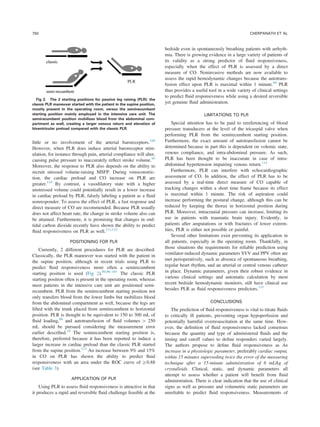
In Table 1 several studies
performed in different clinical settings are displayed that
reported on the prediction of fluid responsiveness by CVP
and PAOP, respectively.22,43,51–58
Left ventricular end-diastolic area (LVEDA) has been
viewed as a more direct estimation of preload than the
previously mentioned parameters. Echocardiographic assess-
ment of ventricular volumes has been in use in daily clinical
care for decades, is now used increasingly in the critical care
setting, and is becoming standard practice in particularly high-
risk perioperative patients.59–62
However, echocardiography is
accompanied by great interoperator variability. Sensitivity and
specificity for LVEDA predicting fluid responsiveness vary
between 60% and 90%.52,53,63–65
The predictive value of global
end-diastolic volume index (GEDVI) obtained by transpulmo-
nary thermodilution also is only modest, with an area under the
receiver operating characteristic (ROC) curve between 0.23 and
0.70.25,66
CO often is used as the physiologic parameter in the
determination of fluid responsiveness upon fluid loading.
However, baseline CO measurements are not uniform in
predicting fluid responsiveness. Baseline CO values to predict
fluid responsiveness predominantly have been studied in
cardiac surgery patients, with only 1 study in septic patients.
In both patient groups, baseline CO demonstrated only moder-
ate predictive value for fluid responsiveness.15,16,67
In summary, measurement of static hemodynamic parame-
ters such as CVP and LVEDA cannot lead to a proper
prediction of the response to the administration of fluid. Even
baseline CO possesses only moderate predictive value because
the cardiac function curve characteristics differ among patients
as well as within patients with continuously changing patho-
physiologic constitutions. Moreover, a single value does not
discriminate whether a patient is on the steep part or near the
plateau on the curve. To determine whether a patient is a fluid
responder or nonresponder, at least 2 points on the curve are
needed, which necessitates the change in preload on one hand
with the subsequent measurement of CO or another physiologic
parameter on the other hand.
DYNAMIC PARAMETERS
In recent years dynamic parameters have been the focus of
interest in predicting fluid responsiveness. Variables based on
heart-lung interaction have been an attractive way to predict
fluid responsiveness. Already described a half century ago,26
mechanical ventilator–induced stroke-volume variation (SVV)
and pulse-pressure variation (PPV) have been reported to be
reliable predictors of fluid responsiveness in different clinical
settings (Table 2).22,23,25,43,53,68–75
These dynamic parameters
have been increasingly-employed in the operating room and
intensive care, especially because more physicians use pulse
contour methods that not only allow CO measurements but also
obtain SVV and PPV.46
It is noteworthy that more recent
publications report lower area under the ROC curves than older
publications. Whether this depends on publication bias, a
decrease in the accuracy of newer pulse-contour methods to
determine SVV, or more frequent improper use remains
uncertain and will need further (meta-) analysis.
Furthermore, several restrictions apply to the use of
ventilation-induced dynamic parameters. First, cardiac
Table 1. Predictive Value of CVP and PAOP on Fluid Responsiveness
in Different Clinical Settings
Clinical Setting Cutoff Sensitivity Specificity AUROC
CVP
Abdominal surgery51
10.5 66% 40% 0.55 (0.27-0.83)
Cardiac surgery52
10 71% 62% 0.71 (0.54-0.88)
Hepatic surgery53
10 0.63 (0.49-0.77)
Neurosurgery43
0.49 (0.40-0.59)
Sepsis54
7 40% 80% 0.57 Ϯ 0.13
ARDS55
0.63 (0.50-0.75)
Decreased LVEF52
6 50% 90% 0.71 (0.50-0.92)
Circulatory shock56
7 54% 100% 0.77 Ϯ 0.10
Liver transplantation22
3 0.64 (0.44-0.78)
Subarachnoid
bleeding57
0.67 (0.47-0.83)
PAOP
Cardiac surgery52
8 59% 75% 0.70 (0.52-0.88)
Hepatic surgery53
8 0.55 (0.39-0.70)
Sepsis58
11 77% 51% 0.63 (0.55-0.70)
Decreased LVEF52
7 79% 70% 0.77 (0.58-0.96)
NOTE. Cutoff is the set value for prediction of fluid responsiveness
(mmHg).
Abbreviations: ARDS, acute respiratory distress syndrome;
AUROC, area under the receiver operating characteristic curve (95%
CI or Ϯ SE); CVP, central venous pressure; LVEF, left ventricular
ejection fraction; PAOP, pulmonary artery occlusion pressure.
Table 2. Predictive Value of SVV and PPV on Fluid Responsiveness
in Different Clinical Settings
Clinical Setting Cutoff Sensitivity Specificity AUROC
SVV
Abdominal surgery68
12 86% 91% 0.95 (0.65-1.00)
Cardiac surgery23
12.5 74% 71% 0.82 (0.68-0.97)
Neurosurgery43
9.5 79% 93% 0.87 (0.81-0.90)
Scoliosis surgery69
9 88% 91% 0.93 (0.77-0.99)
Liver transplantation22
10 94% 94% 0.95 (0.81-0.99)
Pulmonary
lobectomy70
10.5 82% 92% 0.90 (0.81-0.99)
Sepsis71
15.5 85% 80% 0.84 (0.68-0.99)
PPV
Abdominal surgery68
13 88% 92% 0.96 (0.70-1.00)
Cardiac surgery72
11.5 80% 74% 0.85 (0.75-0.94)
Hepatic surgery53
12.5 0.79 (0.67-0.92)
Neurosurgery43
9.5 79% 93% 0.87 (0.81-0.90)
Scoliosis surgery69
11 88% 82% 0.95 (0.79-0.99)
Liver transplantation22
10 94% 94% 0.95 (0.81-0.99)
Circulatory shock73
10 95% 95% 0.97 Ϯ 0.03
Sepsis74
17 85% 100% 0.96 Ϯ 0.03
ARDS25
11.8 68% 100% 0.77
Various75
12 88% 89% 0.89 Ϯ 0.07
NOTE. Cutoff is the set value for prediction of fluid responsive-
ness (%).
Abbreviations: ARDS, acute respiratory distress syndrome; AUROC,
area under the receiver operating characteristic curve (95% CI or Ϯ SE);
PPV, pulse-pressure variation; SVV, stroke-volume variation.
CHERPANATH ET AL748
arrhythmias significantly decrease the reliability of SVV and
PPV.2
Second, the use of these dynamic parameters has been
validated in sedated and mechanically ventilated patients
without spontaneous breathing activity.23
Third, SVV and
PPV require mechanical ventilation with tidal volumes 48
mL/kg, which has been demonstrated to contribute to mortal-
ity.75–78
Tidal volumes o8 mL/kg in the context of lung
protective ventilation have been reported to improve clinical
outcome even in nonacute respiratory distress syndrome
patients.79
Finally, high-frequency ventilation, increased
abdominal pressure, open-chest conditions, elevated pulmonary
artery pressure, and right ventricular dysfunction all lead to a
loss of the predictive value of ventilation-induced dynamic
parameters.80–84
This severely limits their use in everyday
clinical practice.85
Other interesting dynamic parameters affect the echographic
assessment of changes in inferior and superior vena cava
diameter. A superior vena cava collapsibility of 36% has
demonstrated a sensitivity of 90% and a specificity of 100%
in predicting fluid responsiveness in patients after CABG
surgery.86
However, the superior vena cava diameter only
can be assessed properly with the use of transesophageal
echocardiography. Similar assessment of the inferior vena cava
in 20 septic patients offered 90% sensitivity and specificity to
predict fluid responsiveness.54
The predictive value for fluid
responsiveness of echographic parameters in patients receiving
mechanical ventilation seems to outscore the results for these
parameters in spontaneously breathing patients.87
A couple of
factors may frustrate the application of echocardiography in the
prediction of fluid responsiveness. Frequent assessment is labor
intensive and noncontinuous. Furthermore, echocardiographic
measurements are operator-dependent, influencing the use and
reliability of echocardiographic assessment of fluid respon-
siveness.2
PASSIVE LEG RAISING
Passive leg raising (PLR), the passive 30º-to-45º elevation
of straightened legs, originally was used by clinicians to assess
hamstring muscle length and lumbar nerve root compression, as
well as commonly used for the initial treatment of hypovolemic
shock. PLR induces a reversible autotransfusion resulting in
increases in right and left ventricular preload with a maximum
within a minute.88
Its effect vanishes completely when the legs
are returned to the horizontal position and does not persist
when the legs are held upright.89
PLR mimics temporary fluid
loading and is the preferred challenge using postural changes.
The head-down tilt test, commonly known as the Trendelen-
burg maneuver, has been reported to have adverse effects on
pulmonary blood flow and cerebral circulation.
EVIDENCE FOR PLR
In 2002, Boulain was the first to demonstrate a strong
correlation between changes in stroke volume during PLR and
by fluid loading.88
Half a decade later, multiple studies
confirmed the highly predictive power of PLR in forecasting
fluid responsiveness with a sensitivity and specificity ranging
between 85% to 95%.90–96
In contrast to the dynamic param-
eters SVV and PPV, similar predictive values were obtained
with PLR in spontaneously breathing patients, regardless of
cardiac rhythm.87,90,93,94
Changes in preload after PLR now
repeatedly have been reported to be highly predictive in a wide
variety of clinical settings and using different hemodynamic
parameters to assess its effect (Table 3).90,96–101
Novel
challenges of the cardiac function curve without the necessity
of fluid administration include the end-expiratory occlusion
test, the upper arm occlusion pressure, and the PEEP-induced
increase in central venous pressure, which are all potential
alternatives requiring further development.96,102,103
The
amount of preload change induced by these challenges in
particular needs to be verified in a large variety of patients.
Based on its track record in different patient groups, ease of
use, and robustness, PLR offers a promising noninvasive tool
to test a patient’s position on the cardiac function curve.
HEMODYNAMIC PARAMETERS DURING PLR
Multiple hemodynamic parameters have been used to assess
the effects of PLR in predicting fluid responsiveness, including
the change in pulse pressure, stroke volume, CO, aortic blood
flow, and left ventricular stroke area.87,91–93,102,104
These
parameters have been acquired with different techniques such
as pulse contour analysis, echo(cardio)graphy, thermodilution,
and plethysmography. The latter is a noninvasive method and
in theory ideally suited for continuous monitoring of patients
with no invasive arterial or central venous catheter in place.
However, plethysmographic waveform analysis had only weak
predictive value of fluid responsiveness in healthy volunteers
upon PLR, probably because of acute changes in vasomotor
tone.104
More recently, studies investigating bioreactance as a
monitoring device upon PLR has proven to be an accurate
noninvasive method warranting further investigation.105,106
The predictive value of changes in pulse pressure upon PLR
can be improved when used in combination with the concom-
itant change in CVP.107
However, the results of changes in CO
after PLR are significantly better than changes in blood pressure
(ie, pulse pressure), as demonstrated in a meta-analysis of clinical
trials.108
This can be explained by the fact that PLR, through
the increase in cardiac preload, stimulates cardiopulmonary
receptors, resulting in an increase in CO output and dilation of
peripheral arteries, respectively. These 2 factors counterbalance
any effect on blood pressure and heart rate during PLR, with
Table 3. Predictive Value of PLR on Fluid Responsiveness
in Different Clinical Settings
Clinical Setting Cutoff Sensitivity Specificity AUROC
Cardiac surgery97
3 93% 73% 0.81 (0.61-0.94)
Circulatory shock98
9 94% 83% 0.94 (0.85-0.98)
Sepsis96
10 91% 100% 0.94 (0.80-0.99)
ARDS with ECMO99
10 62% 92% 0.88 (0.69-0.97)
General ICU100
15 81% 93% 0.89 Ϯ 0.04
Severe preeclampsia101
12 75% 100% 0.93 (0.83-1.00)
Various90
13 100% 80% 0.96 Ϯ 0.03
NOTE. Cutoff is the set value for prediction of fluid responsive-
ness (%).
Abbreviations: ARDS, acute respiratory distress syndrome;
AUROC, area under the Receiver Operating Characteristic curve
(95% CI or Ϯ SE); ECMO, extracorporeal membrane oxygenation;
ICU, intensive care unit; PLR, passive leg raising.
DEFINING FLUID RESPONSIVENESS 749
little or no involvement of the arterial baroreceptors.109
However, when PLR does induce arterial baroreceptor stim-
ulation, for instance through pain, arterial compliance will alter,
causing pulse pressure to inaccurately reflect stroke volume.95
Moreover, the response to PLR also depends on the ability to
recruit stressed volume-raising MSFP. During venoconstric-
tion, the cardiac preload and CO increase on PLR are
greater.110
By contrast, a vasodilatory state with a higher
unstressed volume could potentially result in a lower increase
in cardiac preload by PLR, falsely labeling a patient as a fluid
nonresponder. To assess the effect of PLR, a fast response and
direct measure of CO are recommended. Because PLR usually
does not affect heart rate, the change in stroke volume also can
be attained. Furthermore, it is promising that changes in end-
tidal carbon dioxide recently have shown the ability to predict
fluid responsiveness on PLR as well.111,112
POSITIONING FOR PLR
Currently, 2 different procedures for PLR are described:
Classically, the PLR maneuver was started with the patient in
the supine position, although in recent trials using PLR to
predict fluid responsiveness more often a semirecumbent
starting position is used (Fig 2).90,96–101
The classic PLR
starting position often is present in the operating room, whereas
most patients in the intensive care unit are positioned semi-
recumbent. PLR from the semirecumbent starting position not
only transfers blood from the lower limbs but mobilizes blood
from the abdominal compartment as well, because the legs are
lifted with the trunk placed from semirecumbent to horizontal
position. PLR is thought to be equivalent to 150 to 300 mL of
fluid loading,88
and autotransfusion of fluid volumes 4 250
mL should be pursued considering the measurement error
earlier described.19
The semirecumbent starting position is,
therefore, preferred because it has been reported to induce a
larger increase in cardiac preload than the classic PLR started
from the supine position.113
An increase between 9% and 15%
in CO on PLR has shown the ability to predict fluid
responsiveness with an area under the ROC curve of Z0.88
(see Table 3).
APPLICATION OF PLR
Using PLR to assess fluid responsiveness is attractive in that
it produces a rapid and reversible fluid challenge feasible at the
bedside even in spontaneously breathing patients with arrhyth-
mia. There is growing evidence in a large variety of patients of
its validity as a strong predictor of fluid responsiveness,
especially when the effect of PLR is assessed by a direct
measure of CO. Noninvasive methods are now available to
assess the rapid hemodynamic changes because the autotrans-
fusion effect upon PLR is maximal within 1 minute.89
PLR
thus provides a useful tool in a wide variety of clinical settings
to predict fluid responsiveness while using a desired reversible
yet genuine fluid administration.
LIMITATIONS TO PLR
Special attention has to be paid to rereferencing of blood
pressure transducers at the level of the tricuspid valve when
performing PLR from the semirecumbent starting position.
Furthermore, the exact amount of autotransfusion cannot be
determined because in part this is dependent on volemic state,
venous compliance, and intra-abdominal pressure. As such,
PLR has been thought to be inaccurate in case of intra-
abdominal hypertension impairing venous return.114
Furthermore, PLR can interfere with echocardiographic
assessment of CO. In addition, the effect of PLR has to be
assessed by a real-time direct measure of CO capable of
tracking changes within a short time frame because its effect
is maximal within 1 minute. The risk of aspiration could
increase performing the postural change, although this can be
reduced by keeping the thorax in horizontal position during
PLR. Moreover, intracranial pressure can increase, limiting its
use in patients with traumatic brain injury. Evidently, in
patients after amputations or with fractures of lower extrem-
ities, PLR is either not possible or painful.
Several other limitations exist preventing its application in
all patients, especially in the operating room. Thankfully, in
those situations the requirements for reliable prediction using
ventilator-induced dynamic parameters SVV and PPV often are
met perioperatively, such as absence of spontaneous breathing,
regular heart rhythm, and an arterial or central venous catheter
in place. Dynamic parameters, given their robust evidence in
various clinical settings and automatic calculation by most
recent bedside hemodynamic monitors, still have clinical use
besides PLR as fluid responsiveness predictors.115
CONCLUSIONS
The prediction of fluid responsiveness is vital to titrate fluids
to critically ill patients, preventing organ hypoperfusion and
potentially harmful overresuscitation at the same time. How-
ever, the definition of fluid responsiveness lacked consensus
because the quantity and type of administered fluids and the
timing and cutoff values to define responders varied largely.
The authors propose to define fluid responsiveness as An
increase in a physiologic parameter, preferably cardiac output,
within 15 minutes superseding twice the error of the measuring
technique after a 15-minute administration of 6 mL/kg of
crystalloids. Clinical, static, and dynamic parameters all
attempt to assess whether a patient will benefit from fluid
administration. There is clear indication that the use of clinical
signs as well as pressure and volumetric static parameters are
unreliable to predict fluid responsiveness. Measurements of
Fig 2. The 2 starting positions for passive leg raising (PLR): the
classic PLR maneuver started with the patient in the supine position,
mostly present in the operating room, versus the semirecumbent
starting position mainly employed in the intensive care unit. The
semirecumbent position mobilizes blood from the abdominal com-
partment as well, creating a larger venous return and elevation of
biventricular preload compared with the classic PLR.
CHERPANATH ET AL750
dynamic parameters such as SVV and PPV consistently have
been reported to be more reliable than static parameters in
predicting fluid responsiveness. However, several requirements
limit the use of these dynamic parameters in critically ill
patients. A brief, rapid, but completely reversible
autotransfusion by PLR provides accurate prediction of fluid
responsiveness in a wide variety of clinical settings in different
patient populations, although some situations limit its applica-
tion. Studies on outcome using PLR to guide fluid titration are
still lacking and are urgently needed.
REFERENCES
1. Marik PE, Cavalazzi R, Vasu T, et al: Dynamic changes in arterial
waveform derived variables and fluid responsiveness in mechanically
ventilated patients: a systematic review of the literature. Crit Care Med
37:2642-2647, 2009
2. Michard F, Teboul JL: Predicting fluid responsiveness in ICU
patients: a critical analysis of the evidence. Chest 121:2000-2008, 2002
3. Holte K, Kehlet H: Fluid therapy and surgical outcomes in elective
surgery: a need for reassessment in fast-track surgery. J Am Coll Surg
202:971-989, 2006
4. Wiedemann HP, Wheeler AP, Bernard GR, et al: Comparison of
two fluid-management strategies in acute lung injury. N Engl J Med
354:2564-2575, 2006
5. Boyd JH, Forbes J, Nakada TA, et al: Fluid resuscitation in septic
shock: a positive fluid balance and elevated central venous pressure are
associated with increased mortality. Crit Care Med 39:259-265, 2011
6. Bilkovski RN, Rivers EP, Horst HM: Targeted resuscitation
strategies after injury. Curr Opin Crit Care 10:529-538, 2004
7. Hayes MA, Timmins AC, Yau EH, et al: Elevation of systemic
oxygen delivery in the treatment of critically ill patients. N Engl J Med
330:1717-1722, 1994
8. Lobo SM, Salgado PF, Castillo VG, et al: Effects of maximizing
oxygen delivery on morbidity and mortality in high-risk surgical
patients. Crit Care Med 28:3396-3404, 2000
9. Wilson J, Woods I, Fawcett J, et al: Reducing the risk of major
elective surgery: randomised controlled trial of preoperative optimisa-
tion of oxygen delivery. BMJ 318:1099-1103, 1999
10. Chappell D, Jacob M, Hofmann-Kiefer K, et al: A rational
approach to perioperative fluid management. Anesthesiology 109:
723-740, 2008
11. Nisanevich V, Felsenstein I, Almogy G, et al: Effect of intra-
operative fluid management on outcome after intraabdominal surgery.
Anesthesiology 103:25-32, 2005
12. Vieillard-Baron A, Charron C: Preload responsiveness or right
ventricular dysfunction? Crit Care Med 37:2662-2663, 2009
13. Starling EH: The Linacre Lecture on the Law of the Heart.
London, UK: Longmans, Green and Co, 1918
14. Preisman S, Kogan S, Berkenstadt H, et al: Predicting fluid
responsiveness in patients undergoing cardiac surgery: functional
haemodynamic parameters including the Respiratory Systolic Variation
Test and static preload indicators. Br J Anaesth 95:746-755, 2005
15. Auler JO Jr., Galas F, Hajjar L, et al: Online monitoring of pulse
pressure variation to guide fluid therapy after cardiac surgery. Anesth
Analg 106:1201-1206, 2008
16. Perner A, Faber T: Stroke volume variation does not predict fluid
responsiveness in patients with septic shock on pressure support
ventilation. Acta Anaesthesiol Scand 50:1068-1073, 2006
17. Hofer CK, Senn A, Weibel L, et al: Assessment of stroke volume
variation for prediction of fluid responsiveness using the modified
FloTrac and PiCCOplus system. Crit Care 12:R82, 2008
18. Breukers RM, Trof RJ, de Wilde RB, et al: Relative value of
pressures and volumes in assessing fluid responsiveness after valvular
and coronary artery surgery. Eur J Cardiothorac Surg 35:62-68, 2009
19. Critchley LA, Critchley JA: A meta-analysis of studies using bias
and precision statistics to compare cardiac output measurement
techniques. J Clin Monit Comput 15:85-91, 1999
20. Jansen JR, Versprille A: Improvement of cardiac output estima-
tion by the thermodilution method during mechanical ventilation.
Intensive Care Med 12:71-79, 1986
21. Geerts BF, Aarts LP, Jansen JR: Methods in pharmacology:
measurement of cardiac output. Br J Clin Pharmacol 71:316-330,
2011
22. Biais M, Nouette-Gaulain K, Cottenceau V, et al: Uncalibrated
pulse contour-derived stroke volume variation predicts fluid respon-
siveness in mechanically ventilated patients undergoing liver trans-
plantation. Br J Anaesth 101:761-768, 2008
23. Hofer CK, Muller SM, Furrer L, et al: Stroke volume and pulse
pressure variation for prediction of fluid responsiveness in patients
undergoing off-pump coronary artery bypass grafting. Chest 128:
848-854, 2005
24. Donati A, Nardella R, Gabbanelli V, et al: The ability of PiCCO
versus LiDCO variables to detect changes in cardiac index: a
prospective clinical study. Minerva Anestesiol 74:367-374, 2008
25. Huang CC, Fu JY, Hu HC, et al: Prediction of fluid responsive-
ness in acute respiratory distress syndrome patients ventilated with low
tidal volume and high positive end-expiratory pressure. Crit Care Med
36:2810-2816, 2008
26. Morgan BC, Martin WE, Hornbein TF, et al: Hemodynamic
effects of intermittent positive pressure respiration. Anesthesiology 27:
584-590, 1966
27. Vallée F, Fourcade O, De Soyres O, et al: Stroke output
variations calculated by esophageal Doppler is a reliable predictor of
fluid response. Intensive Care Med 31:1388-1393, 2005
28. Heenen S, De Backer D, Vincent JL: How can the response to
volume expansion in patients with spontaneous respiratory movements
be predicted? Crit Care 10:R102, 2006
29. Trof RJ, Sukul SP, Twisk JW, et al: Greater cardiac response of
colloid than saline fluid loading in septic and non-septic critically ill
patients with clinical hypovolaemia. Intensive Care Med 36:697-701,
2010
30. Dellinger RP, Levy MM, Carlet JM, et al: Surviving Sepsis
Campaign: international guidelines for management of severe sepsis
and septic shock: 2008. Crit Care Med 36:296-327, 2008
31. Perner A, Haase N, Guttormsen AB, et al: Hydroxyethyl starch
130/0.42 versus Ringer's acetate in severe sepsis. N Engl J Med 367:
124-134, 2012
32. Brunkhorst FM, Engel C, Bloos F, et al: Intensive insulin therapy
and pentastarch resuscitation in severe sepsis. N Engl J Med 358:
125-139, 2008
33. Perel P, Roberts I: Colloids versus crystalloids for fluid
resuscitation in critically ill patients. Cochrane Database Syst Rev
CD000567, 2011
34. Hiltebrand LB, Kimbergen O, Arnberger M, et al: Crystalloids
versus colloids for goal-directed fluid therapy in major surgery. Crit
Care 13:R40, 2009
35. Prather JW, Taylor AE, Guyton AC: Effect of blood volume,
mean circulatory pressure, and stress relaxation on cardiac output. Am J
Physiol 216:467-472, 1969
36. Rivers E, Nguyen B, Havstad S, et al: Early goal-directed therapy
in the treatment of severe sepsis and septic shock. N Engl J Med 345:
1368-1377, 2001
DEFINING FLUID RESPONSIVENESS 751
37. Stephan F, Flahault A, Dieudonne N, et al: Clinical evaluation of
circulating blood volume in critically ill patients–contribution of a
clinical scoring system. Br J Anaesth 86:754-762, 2001
38. Monnet X, Julien F, Ait-Hamou N, et al: Lactate and venoarterial
carbon dioxide difference/arterial-venous oxygen difference ratio, but
not central venous oxygen saturation, predict increase in oxygen
consumption in fluid responders. Crit Care Med 41:1412-1420, 2013
39. Bundgaard-Nielsen M, Secher NH, Kehlet H: “Liberal” vs.
“restrictive” perioperative fluid therapy—a critical assessment of the
evidence. Acta Anaesthesiol Scand 53:843-851, 2009
40. Saugel B, Ringmaier S, Holzaphel K, et al: Physical examination,
central venous pressure, and chest radiography for the prediction of
transpulmonary thermodilution-derived hemodynamic parameters in
critically ill patients: a prospective trial. J Crit Care 26:402-410, 2011
41. Kramer A, Zygun D, Hawes H, et al: Pulse pressure variation
predicts fluid responsiveness following coronary artery bypass surgery.
Chest 126:1563-1568, 2004
42. Antonelli M, Levy M, Andrews PJ, et al: Hemodynamic
monitoring in shock and implications for management. International
Consensus Conference, Paris, France, 27-28 April 2006. Intensive Care
Med 33:575-590, 2007
43. Berkenstadt H, Margalit N, Hadani M, et al: Stroke volume
variation as a predictor of fluid responsiveness in patients undergoing
brain surgery. Anesth Analg 92:984-989, 2001
44. Boldt J, Lenz M, Kumle B, et al: Volume replacement strategies
on intensive care units: results from a postal survey. Intensive Care
Med 24:147-151, 1998
45. Kastrup M, Markewitz A, Spies C, et al: Current practice of
hemodynamic monitoring and vasopressor and inotropic therapy in
post-operative cardiac surgery patients in Germany: results from a
postal survey. Acta Anaesthesiol Scand 51:347-358, 2007
46. Geerts BF, Maas JJ, de Wilde RBP, et al: Hemodynamic
assessment in the Dutch intensive care unit. Neth Journal of Critical
Care 13:178-184, 2009
47. Marik PE, Baram M, Vahid B: Does central venous pressure
predict fluid responsiveness? A systematic review of the literature and
the tale of seven mares. Chest 134:172-178, 2008
48. Magder S: Fluid status and fluid responsiveness. Curr Opin Crit
Care 16:289-296, 2010
49. Lattik R, Couture P, Denault AY, et al: Mitral Doppler indices
are superior to two-dimensional echocardiographic and hemodynamic
variables in predicting responsiveness of cardiac output to a rapid
intravenous infusion of colloid. Anesth Analg 94:1092-1099, 2002
50. Wyffels PA, Durnez PJ, Helderweirt J, et al: Ventilation-induced
plethysmographic variations predict fluid responsiveness in ventilated
postoperative cardiac surgery patients. Anesth Analg 105:448-452,
2007
51. Zimmermann M, Feibicke T, Keyl C, et al: Accuracy of stroke
volume variation compared with pleth variability index to predict fluid
responsiveness in mechanically ventilated patients undergoing major
surgery. Eur J Anaesthesiol 27:555-561, 2010
52. Reuter DA, Kirchner A, Felbinger TW, et al: Usefulness of left
ventricular stroke volume variation to assess fluid responsiveness in
patients with reduced cardiac function. Crit Care Med 31:1399-1404,
2003
53. Solus-Biguenet H, Fleyfel M, Tavernier B, et al: Non-invasive
prediction of fluid responsiveness during major hepatic surgery.
Br J Anaesth 97:808-816, 2006
54. Barbier C, Loubieres Y, Schmit C, et al: Respiratory changes in
inferior vena cava diameter are helpful in predicting fluid responsiveness
in ventilated septic patients. Intensive Care Med 30:1740-1746, 2004
55. Lakhal K, Ehrmann S, Benzekri-Lefèvre D, et al: Respiratory
pulse pressure variation fails to predict fluid responsiveness in acute
respiratory distress syndrome. Crit Care 15:R85, 2011
56. Muller L, Louart G, Teboul JL, et al: Could B-type Natriuretic
Peptide (BNP) plasma concentration be useful to predict fluid
responsiveness [corrected] in critically ill patients with acute circulatory
failure? Ann Fr Anesth Reanim 28:531-536, 2009
57. Moretti R, Pizzi B: Inferior vena cava distensibility as a predictor
of fluid responsiveness in patients with subarachnoid hemorrhage.
Neurocrit Care 13:3-9, 2010
58. Osman D, Ridel C, Ray P, et al: Cardiac filling pressures are not
appropriate to predict hemodynamic response to volume challenge. Crit
Care Med 35:64-68, 2007
59. Price S, Nicol E, Gibson DG, et al: Echocardiography in the
critically ill: current and potential roles. Intensive Care Med 32:
48-59, 2006
60. Guarracino F, Baldassarri R: Transesophageal echocardiography
in the OR and ICU. Minerva Anestesiol 75:518-529, 2009
61. The American Society of Anesthesiologists and the Society of
Cardiovascular Anesthesiologists Task Force on Transesophageal
Echocardiography: Practice guidelines for perioperative transesopha-
geal echocardiography. An updated report. Anesthesiology 112:
1084-1096, 2010
62. Cholley BP, Vieillard-Baron A, Mebazaa A: Echocardiography
in the ICU: time for widespread use! Intensive Care Med 32:9-10,
2006
63. Charron C, Fessenmeyer C, Cosson C, et al: The influence of
tidal volume on the dynamic variables of fluid responsiveness in
critically ill patients. Anesth Analg 102:1511-1517, 2006
64. Cannesson M, Slieker J, Desebbe O, et al: Prediction of fluid
responsiveness using respiratory variations in left ventricular stroke
area by transoesophageal echocardiographic automated border detec-
tion in mechanically ventilated patients. Crit Care 10:R171, 2006
65. Lee JH, Kim JT, Yoon SZ, et al: Evaluation of corrected flow
time in oesophageal Doppler as a predictor of fluid responsiveness.
Br J Anaesth 99:343-348, 2007
66. De Waal EE, Rex S, Kruitwagen CL, et al: Dynamic preload
indicators fail to predict fluid responsiveness in open-chest conditions.
Crit Care Med 37:510-515, 2009
67. Cannesson M, Attof Y, Rosamel P, et al: Respiratory variations
in pulse oximetry plethysmographic waveform amplitude to predict
fluid responsiveness in the operating room. Anesthesiology 106: 1105-
1011, 2007
68. Derichard A, Robin E, Tavernier B, et al: Automated pulse
pressure and stroke volume variations from radial artery: evaluation
during major abdominal surgery. Br J Anaesth 103:678-684, 2009
69. Biais M, Bernard O, Ha JC, et al: Abilities of pulse pressure
variations and stroke volume variations to predict fluid responsiveness
in prone position during scoliosis surgery. Br J Anaesth 104:
407-413, 2010
70. Suehiro K, Okutani R: Stroke volume variation as a predictor of
fluid responsiveness in patients undergoing one-lung ventilation.
J Cardiothorac Vasc Anesth 24:772-775, 2010
71. Lei H, Zhang WX, Cai WX, et al: The role of stroke volume
variation in predicting the volume responsiveness of patients
with severe sepsis and septic shock. Chin J Emerg Med 19:
916-920, 2010
72. Yazigi A, Khoury E, Hlais S, et al: Pulse pressure variation
predicts fluid responsiveness in elderly patients after coronary artery
bypass graft surgery. J Cardiothorac Vasc Anesth 26:387-390, 2012
73. Monge Garcia MI, Gil Cano A, Diaz Monrove JC: Arterial
pressure changes during the Valsalva maneuver to predict fluid
responsiveness in spontaneously breathing patients. Intensive Care
Med 35:77-84, 2009
74. Feissel M, Badie J, Merlani PG, et al: Pre-ejection period
variations predict the fluid responsiveness of septic ventilated patients.
Crit Care Med 33:2534-2539, 2005
CHERPANATH ET AL752
75. De Backer D, Heenen S, Piagnerelli M, et al: Pulse pressure
variations to predict fluid responsiveness: influence of tidal volume.
Intensive Care Med 31:517-523, 2005
76. Reuter DA, Bayerlein J, Goepfert MS, et al: Influence of tidal
volume on left ventricular stroke volume variation measured by pulse
contour analysis in mechanically ventilated patients. Intensive Care
Med 29:476-480, 2003
77. International consensus conferences in intensive care medicine:
Ventilator-associated Lung Injury in ARDS. Am J Respir Crit Care
Med 160:2118-2124, 1999
78. Bouferrache K, Vieillard-Baron A: Acute respiratory distress
syndrome, mechanical ventilation, and right ventricular function. Curr
Opin Crit Care 17:30-35, 2011
79. Futier E, Constantin JM, Paugam-Burtz C, et al: A trial of
intraoperative low-tidal-volume ventilation in abdominal surgery.
N Engl J Med 369:428-437, 2013
80. De Backer D, Taccone FS, Holsten R, et al: Influence of
respiratory rate on stroke volume variation in mechanically ventilated
patients. Anesthesiology 110:1092-1097, 2009
81. Jacques D, Bendjelid K, Duperret S, et al: Pulse pressure
variation and stroke volume variation during increased intra-
abdominal pressure: an experimental study. Crit Care 15:R33,
2011
82. Tavernier B, Robin E: Assessment of fluid responsiveness during
increased intra-abdominal pressure: keep the indices, but change the
thresholds. Crit Care 15:134, 2011
83. Wyler von Ballmoos M, Takala J, Roeck M, et al: Pulse-pressure
variation and hemodynamic response in patients with elevated
pulmonary artery pressure: a clinical study. Crit Care 14:R111,
2010
84. Mahjoub Y, Pila C, Friggeri A, et al: Assessing fluid responsive-
ness in critically ill patients: False-positive pulse pressure variation is
detected by Doppler echocardiographic evaluation of the right ventricle.
Crit Care Med 37:2570-2575, 2009
85. Lansdorp B, Lemson J, van Putten MJ, et al: Dynamic indices do
not predict volume responsiveness in routine clinical practice. Br J
Anaesth 108:395-401, 2012
86. Vieillard-Baron A, Chergui K, Rabiller A, et al: Superior vena
caval collapsibility as a gauge of volume status in ventilated septic
patients. Intensive Care Med 30:1734-1739, 2004
87. Lamia B, Ochagavia A, Monnet X, et al: Echocardiographic
prediction of volume responsiveness in critically ill patients with
spontaneously breathing activity. Intensive Care Med 33:1125-1132,
2007
88. Boulain T, Achard JM, Teboul JL, et al: Changes in BP induced
by passive leg raising predict response to fluid loading in critically ill
patients. Chest 121:1245-1252, 2002
89. Geerts BF, van den Bergh L, Stijnen T, et al: Comprehensive
review: is it better to use the Trendelenburg position or passive leg
raising for the initial treatment of hypovolemia? J Clin Anesth 24:
668-674, 2012
90. Biais M, Vidil L, Sarrabay P, et al: Changes in stroke volume
induced by passive leg raising in spontaneously breathing patients:
comparison between echocardiography and Vigileo/FloTrac device.
Crit Care 13:R195, 2009
91. Monnet X, Rienzo M, Osman D, et al: Passive leg raising
predicts fluid responsiveness in the critically ill. Crit Care Med 34:
1402-1407, 2006
92. Lafanachère A, Pène F, Goulenok C, et al: Changes in aortic
blood flow induced by passive leg raising predicts fluid responsiveness
in critically ill patients. Crit Care 10:R132, 2006
93. Maizel J, Airapetian N, Lorne E, et al: Diagnosis of central
hypovolemia by using passive leg raising. Intensive Care Med 33:
1133-1138, 2007
94. Préau S, Saulnier F, Dewavrin F, et al: Passive leg raising is
predictive of fluid responsiveness in spontaneously breathing patients
with severe sepsis or acute pancreatitis. Crit Care Med 38:
819-825, 2010
95. Geerts B, de Wilde R, Aarts L, et al: Pulse contour analysis to
assess hemodynamic response to passive leg raising. J Cardiothorac
Vasc Anesth 25:48-52, 2011
96. Monnet X, Osman D, Ridel C, et al: Predicting volume
responsiveness by using the end-expiratory occlusion in mechani-
cally ventilated intensive care unit patients. Crit Care Med 37:
951-956, 2009
97. Fellahi JL, Fischer MO, Dalbera A, et al: Can endotracheal
bioimpedance cardiography assess hemodynamic response to
passive leg raising following cardiac surgery? Ann Intensive Care 2:
26, 2012
98. Lakhal K, Ehrmann S, Benzekri-Lefèvre D, et al: Brachial cuff
measurements of blood pressure during passive leg raising for fluid
responsiveness prediction. Ann Fr Anesth Reanim 31:67-72, 2012
99. Guinot PG, Zogheib E, Detave M, et al: Passive leg raising can
predict fluid responsiveness in patients placed on venovenous extrac-
orporeal membrane oxygenation. Crit Care 15:R216, 2011
100. Thiel SW, Kollef MH, Isakow W: Non-invasive stroke volume
measurement and passive leg raising predict volume responsiveness in
medical ICU patients: an observational cohort study. Crit Care 13:
R111, 2009
101. Brun C, Zieleskiewicz L, Textoris J, et al: Prediction of fluid
responsiveness in severe preeclamptic patients with oliguria. Intensive
Care Med 39:593-600, 2013
102. Geerts BF, Maas J, de Wilde RB, et al: Arm occlusion pressure
is a useful predictor of an increase in cardiac output after fluid loading
following cardiac surgery. Eur J Anaesthesiol 28:802-806, 2011
103. Geerts BF, Aarts LP, Groeneveld AB, et al: Predicting cardiac
output responses to passive leg raising by a PEEP-induced increase in
central venous pressure, in cardiac surgery patients. Br J Anaesth 107:
150-156, 2011
104. Keller G, Cassar E, Desebbe O, et al: Ability of pleth variability
index to detect hemodynamic changes induced by passive leg raising in
spontaneously breathing volunteers. Crit Care 12:R37, 2008
105. Benomar B, Ouattara A, Estagnasie P, et al: Fluid responsive-
ness predicted by noninvasive bioreactance-based passive leg raise test.
Intensive Care Med 36:1875-1881, 2010
106. Marik PE, Levitov A, Young A, et al: The use of bioreactance
and carotid Doppler to determine volume responsiveness and blood
flow redistribution following passive leg raising in hemodynamically
instable patients. Chest 143:364-370, 2013
107. Lakhal K, Ehrmann S, Runge I, et al: Central venous pressure
measurements improve the accuracy of leg raising-induced change in
pulse pressure to predict fluid responsiveness. Intensive Care Med 36:
940-948, 2010
108. Cavallaro F, Sandroni C, Marano C, et al: Diagnostic accuracy
of passive leg raising for prediction of fluid responsiveness in adults:
systematic review and meta-analysis of clinical studies. Intensive Care
Med 36:1475-1483, 2010
109. Grassi G, Giannattasio C, Saino A, et al: Cardiopulmonary
receptor modulation of plasma renin activity in normotensive and
hypertensive subjects. Hypertension 11:92-99, 1988
110. Monnet X, Jabot J, Maizel J, et al: Norepinephrine increases
cardiac preload and reduces preload dependency assessed by passive
leg raising in septic shock patients. Crit Care Med 39:689-694,
2011
111. Monge García MI, Gil Cano A, Gracia Romero M: Non-
invasive assessment of fluid responsiveness by changes in partial
end-tidal CO2 pressure during a passive leg-raising maneuver. Ann
Intensive Care 2:9, 2012
DEFINING FLUID RESPONSIVENESS 753
112. Monnet X, Bataille A, Magelhaes E, et al: End-tidal cardon
dioxide is better than arterial pressure for predicting volume responsive-
ness by the passive leg raising test. Intensive Care Med 39:93-100, 2013
113. Jabot J, Teboul JL, Richard C, et al: Passive leg raising for
predicting fluid responsiveness: importance of the postural change.
Intensive Care Med 35:85-90, 2009
114. Mahjoub Y, Touzeau J, Airapetian N, et al: The passive leg-
raising maneuver cannot accurately predict fluid responsiveness in
patients with intra-abdominal hypertension. Crit Care Med 38:
1824-1829, 2010
115. Monnet X, Teboul JL: Assessment of volume responsiveness
during mechanical ventilation: recent advances. Crit Care 17:217, 2013
CHERPANATH ET AL754

Fluidos respuesta 2014 pdf

  • 1.
    REVIEW ARTICLE Defining FluidResponsiveness: A Guide to Patient-Tailored Volume Titration Thomas G.V. Cherpanath, MD,* Leon P.H.J. Aarts, MD, PhD,† Johan A.B. Groeneveld, MD, PhD,‡ and Bart F. Geerts, MD, PhD, MSc* FLUID RESPONSIVENESS FLUID RESPONSIVENESS is a strategy used to select patients who will respond with a positive reaction in a physiologic parameter upon fluid administration. Curiously, there is no generally accepted definition of fluid responsive- ness. A provisional definition of fluid responsiveness would be “the positive reaction of a physiologic parameter of a certain size to a standardized volume of a certain type of fluid administered within a certain amount of time and measured within a certain interval.” It is clear that these issues need to be resolved before a more detailed and precise definition can be proposed. The aim of predicting fluid responsiveness is to achieve this positive reaction while using the least amount of fluids. Accurate prediction of fluid responsiveness to facilitate patient-tailored fluid titration is crucial, as it has been shown that only half of critically ill patients will respond to fluid loading with an increase in cardiac output.1,2 Moreover, unnecessary fluid administration has shown to increase morbid- ity, mortality, and hospital and intensive care stays.3–5 Over the last decade, the rise in the number of publications about fluid responsiveness in the intensive care and operating room has shown the increased interest in this topic. In this review, the authors describe the physiology, requirements, and limitations of fluid responsiveness. Subsequently, using available litera- ture, a practical definition on fluid responsiveness is proposed. The reliability of clinical, static, and hemodynamic parameters is evaluated to predict the response to fluid loading in critically ill patients. Finally, the potential, shortcomings, and use of passive leg raising are discussed in this review. IMPORTANCE OF FLUID RESPONSIVENESS Until recently, a strategy of cardiac output (CO) max- imization was employed to maximize oxygen delivery to vital organs of critically ill patients in order to prevent prolonged oxygen deficit leading to an inflammatory cascade resulting in multiorgan dysfunction.6 However, achieving a supraphysio- logic CO and systemic oxygen delivery through inotropics has shown to be detrimental,7 although some studies have indicated improved outcomes upon oxygen delivery optimization.8,9 Moreover, overzealous fluid administration can lead to general and pulmonary edema, cardiac failure, anastomotic leakage, infections prolonging hospitalization, and even death.10 Because fluid administration is often employed as one of the first steps to improve hemodynamics, physicians caring for critically ill patients try to assess and optimize the volume status to preserve oxygen delivery to vital organs. Merely assessing volume status does not predict the response upon fluid loading. The prediction of fluid responsiveness is crucial because inotropic support may be indicated instead of fluid replacement in patients who are deemed fluid unresponsive. Several studies have shown the beneficial effects of restrictive use of fluids during and after surgery, resulting in a reduction of hospital stay up to 10%.11 Therefore, it is essential to select those patients who will respond to fluid loading with a positive physiologic reaction, so-called “fluid responders”. This selec- tion can be made with the use of fluid responsiveness. In addition to fluid responsiveness, other terms such as (biven- tricular) preload dependence and preload responsiveness have been used in the past.12 However, the administration of fluid does not necessarily lead to an increase in preload. Further- more, preload is not easily obtained using the law of Laplace and only indirectly estimated. Therefore, the term fluid responsiveness is preferred because it acknowledges the overall clinical hemodynamic effects of fluid administration on a patient. PHYSIOLOGY Otto Frank and Ernest Starling demonstrated increased ventricular contraction with stroke volume augmentation when the ventricle was stretched before contraction because of increased venous return.13 When stroke volume is set off against the sarcomere length of the cardiac muscle, the Frank-Starling curve is constructed. When CO, the product of stroke volume and heart rate, is plotted against right atrial pressure (RAP) as a reflection of ventricular preload, the cardiac function curve is obtained. A patient’s response upon fluid loading can be clarified using the cardiac function curve (Fig 1). From the *Department of Intensive Care Medicine, Academic Medical Centre, Amsterdam, the Netherlands; †Department of Anes- thesiology, Leiden University Medical Center, Leiden, the Netherlands; and ‡Department of Intensive Care, Erasmus University Medical Centre, Rotterdam, the Netherlands. Address reprint requests to Thomas G.V. Cherpanath, MD, Academic Medical Center, Department of Intensive Care, G3-220, Meibergdreef 9, 1105 AZ Amsterdam. E-mail: T.G.Cherpanath@ amc.uva.nl © 2014 Elsevier Inc. All rights reserved. 1053-0770/2601-0001$36.00/0 http://dx.doi.org/10.1053/j.jvca.2013.12.025 Key words: passive leg raising, fluid responsiveness, cardiac output, stroke-volume variation, pulse-pressure variation, central venous pressure Journal of Cardiothoracic and Vascular Anesthesia, Vol 28, No 3 (June), 2014: pp 745–754 745
  • 2.
    Importantly, CO cannotincrease without an increase in venous return because both have to be equal within a few heartbeats. Fluid loading does not guarantee an increase in preload because a considerable amount of volume residing in distensible capacitance veins does not create transmural pres- sure. This is the unstressed volume. Only the stressed volume that does create pressure determines mean systemic filling pressure (MSFP), which is the driving force behind venous return. MSFP is the pressure throughout the vascular system when CO would be 0. Therefore CO is driven indirectly by the pressure gradient (MSFP – RAP) limited by venous flow resistance. MSFP can be increased by enlarging the stressed volume at the expense of unstressed volume by venoconstric- tion. However, venous return can be hampered by an increase in the resistance venous flow encounters. Increasing MSFP more than RAP through fluid loading can increase venous return and CO without this drawback. CO RESPONSE Different physiologic parameters can be used to define fluid responders, such as urine output, blood pressure, and CO. CO is often used because it constitutes an important part of tissue oxygen delivery together with the oxygen content of arterial blood. Furthermore, upon fluid loading CO is the result when described by the cardiac function curve. Consensus must be reached on what can be regarded as a clinically significant increase in CO after a standardized amount of fluid is administered. In current literature, the change in CO to discriminate between responders and nonresponders after a fluid challenge varies between 6% and 25%.14–18 This incon- sistency complicates direct comparison between studies and usage in clinical practice. Previously, Critchley and Critchley defined a clinical sig- nificant change as a change of twice the standard deviation of the measurement method.19 The clinical significance of the change in CO thus predominantly depends on the accuracy of technique to measure CO. Only when a change in CO is larger than twice the measurement error of this technique can clinicians be confident that CO has truly increased or decreased. Therefore, it is reasonable to adapt the cutoff value to discriminate responders from nonresponders depending on the measurement technique used. For instance, the error considered for thermodilution is reckoned to be close to 7% depending on measurement of 3 boluses averaged.20 A difference of 414% (7% þ 7%) before and after fluid loading is required to ensure that the validation of a responder is correct. Indeed, the cutoff point for increase in CO generally used for thermodilution measurements in the literature is 15% to define fluid responders. Finally, many methods exist to measure CO, including ultrasound, dilution techniques, Fick’s principle, arterial pulse contour analysis, and bioreactance.21 Each method has distinct benefits and disadvantages. The value of different CO methods in predicting fluid responsiveness has not been extensively studied.22 More research is needed that directly compares different CO measurements because accuracies can vary between 5% and 25%.23,24 A fast-responding, accurate, and easy-to-use method is preferable, ideally applicable in a wide variety of clinical settings. AMOUNT OF FLUID The clinical significance of a change in CO does not only depend on the measurement technique but also on the amount of fluid used during the loading procedure. If 500 mL are administered, instead of, for instance, 250 mL, the change in CO from baseline can be expected to be larger. Although this may seem obvious, in the literature the total volume of administered fluid to determine fluid responsiveness varies widely from 4 to 20 mL/kg or 100 to 1000 mL.14,25–28 It is conceivable that a standard administered volume could potentially affect fluid responsiveness if not adjusted to weight (ie, smaller patients being more likely to be assessed as fluid responders). However, no correlation between responders and weight has been reported in the literature using a standard volume regardless of individual weight. To decide on the amount of fluid, clinical consequences need to be discussed. When the administered volume would be large, for instance 1000 mL, steps taken on the cardiac function curve are large and chances are greater that the patient will function on the flat part of the curve after fluid infusion. Because overzealous fluid administration has been reported to increase morbidity and mortality, patient-tailored fluid titration is important, advocating smaller fluid-loading volumes. To approximate the position through changes in CO and RAP on the cardiac function curve upon fluid loading, large enough filling steps are needed, taking into account the measurement error described earlier.19 The authors advocate the use of a fluid bolus of 500 mL or 6 mL/kg, which has been commonly most used in the literature. Using multiple fluid administrations will lead to CO optimization without over increasing RAP and hydrostatic pressure, causing pulmonary and general edema. TYPE OF FLUID Because different types of fluids with diverse characteristics are used in the literature and clinical practice, consensus must be reached on the type of fluid used in the evaluation of fluid responsiveness. The most obvious difference between the types Fig 1. The effects of fluid loading on the relation between cardiac output (CO) and right atrial pressure (RAP) is shown in the cardiac function curve. A fluid responder operating on the steep part of the curve will show a larger increase in CO upon fluid loading compared with a nonresponder. The heart of a nonresponder will operate near or at the plateau of the cardiac function curve, resulting in a larger increase in RAP than a responder upon fluid loading. CHERPANATH ET AL746
  • 3.
    of fluid administeredis the time in which the administered fluid remains in the intravascular compartment. Colloids—for instance, hydroxyethyl starch solutions—have the longest lasting effect of addition to the circulating volume of approx- imately 90 minutes and deliver a more linear increase in cardiac filling and stroke volume than crystalloids.29 Although the Surviving Sepsis campaign guidelines30 do not discriminate between the use of crystalloids in fluid resuscitation, more and more proof is surfacing that colloids can result in adverse events. The Scandinavian Starch for Severe Sepsis/Septic Shock trial, also known as the 6S trial,31 even demonstrated an increase in mortality, confirming this alarming finding of previous studies.32 The use of colloids is associated with kidney dysfunction necessitating renal replacement therapy as well as coagulopathy requiring more red blood cell trans- fusions. It remains unclear if similar adverse events occur with the usage of gelatins, dextrans, or albumin. In light of the absence of evidence supporting the use of colloids and others compared with crystalloids, the authors advocate the use of the latter to assess fluid responsiveness.33 TIMING Because a portion of administered fluids of any kind will eventually be lost to the extravascular compartment, the timing of the CO measurement is of importance.34 Therefore, certain time limits need to be determined. Two hours after fluid loading, regardless of type, largely all of the administered volume has disappeared from the circulation.35 Thus, if the time interval is chosen too late, the effect of increased preload on CO potentially has passed. Furthermore, rapid optimization of tissue oxygenation of septic patients has shown to improve outcome.36 On the other hand, too rapid infusion of fluids may accelerate a rise in cardiac filling pressures, potentially induc- ing adverse effects such as pulmonary edema. Dependent on cardiac function and pulmonary status, a duration of 15 minutes for fluid loading is proposed, measuring its effect on CO within 15 minutes before crystalloids tend to migrate to the extrava- scular compartment.35 DEFINITION AND RESTRICTIONS When these considerations are taken into account, clinicians ultimately come up with the following definition of fluid responsiveness: An improvement in a physiologic parameter, preferably cardiac output, within 15 minutes superseding twice the error of the measuring technique following a 15-minute administration of 6 mL/kg- of crystalloids. It is important to realize that the optimization of CO is only warranted in the treatment of tissue hypoperfusion. Patients’ inclusion in clinical trials for fluid loading were based on clinical evaluation (eg, decreased urine production), which have been reported to not correlate with volemic state.37 Even during normovolemia, fluid responsiveness can be present, often resulting in fluid overadministration. Only if organ hypoperfusion is truly present is an increase in CO to facilitate tissue oxygen delivery needed. Furthermore, an increase in CO does not guarantee that organ perfusion is improved, as is often observed in sepsis.38 Fluid responsiveness is a commonly accepted approach to optimize volume status while minimizing deleterious fluid administration. Interestingly, no study has yet been performed that proves an effect on intensive care stay, ventilator days, or morbidity and mortality. It should be noted that fluid responsiveness even could have adverse effects on cardiac function because augmented CO increases myocardial workload and thus oxygen use and demand, potentially eliciting myocardial ischemia. Nevertheless, the restrictive use of fluids regularly has been reported to be beneficial.39 When fluid responsiveness is tested in critically ill patients, approx- imately 50% will respond with an increase in CO 4 15% and are deemed fluid responders. Subsequently, half of patients will receive unnecessary fluid loading up to 500 mL despite the fact that a positive fluid status has been correlated with worse outcomes. CLINICAL PARAMETERS The initial assessment of volume status most often is based on clinical signs and symptoms in the prediction of fluid responsiveness, such as skin turgor, urine color or production, fluid balance, and the presence of peripheral edema. In a study by Stephan et al, hypovolemia was defined as a 10% lower circulating blood volume compared with a control popula- tion.37 Hypovolemia was present in 53% of critically ill patients. In a separate study they found that clinical signs do not prove to be useful to discriminate between hypovolemic and normovolemic individuals.40 In both conditions, fluid responsiveness can be present. The assessment of volume status using clinical parameters on their own appears unreliable to predict fluid responsiveness. STATIC PARAMETERS Mean arterial pressure (MAP) is a well-identified goal to maintain perfusion of vital organs, although it has not been studied extensively for its value to predict fluid responsiveness. Only a couple of studies are available that report on the reliability of MAP to predict fluid responsiveness.14,41 The low predictive value of MAP likely is related to the influence of changes in systemic vascular resistance by the disease state— for instance, vasoplegia in sepsis—and pre-existing differences in normotensive values between individuals. The International Consensus Conference on Hemodynamic Monitoring in 2006 found moderate-to-low evidence to implement target blood pressures in the management of shock in the absence of relevant clinical studies.42 Heart rate (HR) has been studied on a small scale. In theory, heart rate could be an accurate and noninvasive predictor of fluid responsiveness. However, the predictive value of baseline HR in patients undergoing cardiac or neurosurgery has been only fair.41,43 Mechanical ventilation and anesthesia are known to impede neural and humoral control. Furthermore, the large number of patients receiving negative chronotropic medication such as beta-blockers further complicates the possibility to use HR for the prediction of fluid responsiveness. Central venous pressure (CVP) and pulmonary artery occlusion pressure (PAOP) are still the most often used hemodynamic parameter in the assessment of fluid responsive- ness.44–46 However, multiple studies in patients with sepsis, trauma, acute respiratory failure, and in the perioperative phase DEFINING FLUID RESPONSIVENESS 747
  • 4.
    of cardiovascular surgeryhave shown CVP and PAOP to be poor predictors of fluid responsiveness.47,48 CVP was found to have clinical significance only for very low and high values.47 PAOP showed a poor predictive value for fluid responsiveness in cardiac surgery patients.49,50 In Table 1 several studies performed in different clinical settings are displayed that reported on the prediction of fluid responsiveness by CVP and PAOP, respectively.22,43,51–58 Left ventricular end-diastolic area (LVEDA) has been viewed as a more direct estimation of preload than the previously mentioned parameters. Echocardiographic assess- ment of ventricular volumes has been in use in daily clinical care for decades, is now used increasingly in the critical care setting, and is becoming standard practice in particularly high- risk perioperative patients.59–62 However, echocardiography is accompanied by great interoperator variability. Sensitivity and specificity for LVEDA predicting fluid responsiveness vary between 60% and 90%.52,53,63–65 The predictive value of global end-diastolic volume index (GEDVI) obtained by transpulmo- nary thermodilution also is only modest, with an area under the receiver operating characteristic (ROC) curve between 0.23 and 0.70.25,66 CO often is used as the physiologic parameter in the determination of fluid responsiveness upon fluid loading. However, baseline CO measurements are not uniform in predicting fluid responsiveness. Baseline CO values to predict fluid responsiveness predominantly have been studied in cardiac surgery patients, with only 1 study in septic patients. In both patient groups, baseline CO demonstrated only moder- ate predictive value for fluid responsiveness.15,16,67 In summary, measurement of static hemodynamic parame- ters such as CVP and LVEDA cannot lead to a proper prediction of the response to the administration of fluid. Even baseline CO possesses only moderate predictive value because the cardiac function curve characteristics differ among patients as well as within patients with continuously changing patho- physiologic constitutions. Moreover, a single value does not discriminate whether a patient is on the steep part or near the plateau on the curve. To determine whether a patient is a fluid responder or nonresponder, at least 2 points on the curve are needed, which necessitates the change in preload on one hand with the subsequent measurement of CO or another physiologic parameter on the other hand. DYNAMIC PARAMETERS In recent years dynamic parameters have been the focus of interest in predicting fluid responsiveness. Variables based on heart-lung interaction have been an attractive way to predict fluid responsiveness. Already described a half century ago,26 mechanical ventilator–induced stroke-volume variation (SVV) and pulse-pressure variation (PPV) have been reported to be reliable predictors of fluid responsiveness in different clinical settings (Table 2).22,23,25,43,53,68–75 These dynamic parameters have been increasingly-employed in the operating room and intensive care, especially because more physicians use pulse contour methods that not only allow CO measurements but also obtain SVV and PPV.46 It is noteworthy that more recent publications report lower area under the ROC curves than older publications. Whether this depends on publication bias, a decrease in the accuracy of newer pulse-contour methods to determine SVV, or more frequent improper use remains uncertain and will need further (meta-) analysis. Furthermore, several restrictions apply to the use of ventilation-induced dynamic parameters. First, cardiac Table 1. Predictive Value of CVP and PAOP on Fluid Responsiveness in Different Clinical Settings Clinical Setting Cutoff Sensitivity Specificity AUROC CVP Abdominal surgery51 10.5 66% 40% 0.55 (0.27-0.83) Cardiac surgery52 10 71% 62% 0.71 (0.54-0.88) Hepatic surgery53 10 0.63 (0.49-0.77) Neurosurgery43 0.49 (0.40-0.59) Sepsis54 7 40% 80% 0.57 Ϯ 0.13 ARDS55 0.63 (0.50-0.75) Decreased LVEF52 6 50% 90% 0.71 (0.50-0.92) Circulatory shock56 7 54% 100% 0.77 Ϯ 0.10 Liver transplantation22 3 0.64 (0.44-0.78) Subarachnoid bleeding57 0.67 (0.47-0.83) PAOP Cardiac surgery52 8 59% 75% 0.70 (0.52-0.88) Hepatic surgery53 8 0.55 (0.39-0.70) Sepsis58 11 77% 51% 0.63 (0.55-0.70) Decreased LVEF52 7 79% 70% 0.77 (0.58-0.96) NOTE. Cutoff is the set value for prediction of fluid responsiveness (mmHg). Abbreviations: ARDS, acute respiratory distress syndrome; AUROC, area under the receiver operating characteristic curve (95% CI or Ϯ SE); CVP, central venous pressure; LVEF, left ventricular ejection fraction; PAOP, pulmonary artery occlusion pressure. Table 2. Predictive Value of SVV and PPV on Fluid Responsiveness in Different Clinical Settings Clinical Setting Cutoff Sensitivity Specificity AUROC SVV Abdominal surgery68 12 86% 91% 0.95 (0.65-1.00) Cardiac surgery23 12.5 74% 71% 0.82 (0.68-0.97) Neurosurgery43 9.5 79% 93% 0.87 (0.81-0.90) Scoliosis surgery69 9 88% 91% 0.93 (0.77-0.99) Liver transplantation22 10 94% 94% 0.95 (0.81-0.99) Pulmonary lobectomy70 10.5 82% 92% 0.90 (0.81-0.99) Sepsis71 15.5 85% 80% 0.84 (0.68-0.99) PPV Abdominal surgery68 13 88% 92% 0.96 (0.70-1.00) Cardiac surgery72 11.5 80% 74% 0.85 (0.75-0.94) Hepatic surgery53 12.5 0.79 (0.67-0.92) Neurosurgery43 9.5 79% 93% 0.87 (0.81-0.90) Scoliosis surgery69 11 88% 82% 0.95 (0.79-0.99) Liver transplantation22 10 94% 94% 0.95 (0.81-0.99) Circulatory shock73 10 95% 95% 0.97 Ϯ 0.03 Sepsis74 17 85% 100% 0.96 Ϯ 0.03 ARDS25 11.8 68% 100% 0.77 Various75 12 88% 89% 0.89 Ϯ 0.07 NOTE. Cutoff is the set value for prediction of fluid responsive- ness (%). Abbreviations: ARDS, acute respiratory distress syndrome; AUROC, area under the receiver operating characteristic curve (95% CI or Ϯ SE); PPV, pulse-pressure variation; SVV, stroke-volume variation. CHERPANATH ET AL748
  • 5.
    arrhythmias significantly decreasethe reliability of SVV and PPV.2 Second, the use of these dynamic parameters has been validated in sedated and mechanically ventilated patients without spontaneous breathing activity.23 Third, SVV and PPV require mechanical ventilation with tidal volumes 48 mL/kg, which has been demonstrated to contribute to mortal- ity.75–78 Tidal volumes o8 mL/kg in the context of lung protective ventilation have been reported to improve clinical outcome even in nonacute respiratory distress syndrome patients.79 Finally, high-frequency ventilation, increased abdominal pressure, open-chest conditions, elevated pulmonary artery pressure, and right ventricular dysfunction all lead to a loss of the predictive value of ventilation-induced dynamic parameters.80–84 This severely limits their use in everyday clinical practice.85 Other interesting dynamic parameters affect the echographic assessment of changes in inferior and superior vena cava diameter. A superior vena cava collapsibility of 36% has demonstrated a sensitivity of 90% and a specificity of 100% in predicting fluid responsiveness in patients after CABG surgery.86 However, the superior vena cava diameter only can be assessed properly with the use of transesophageal echocardiography. Similar assessment of the inferior vena cava in 20 septic patients offered 90% sensitivity and specificity to predict fluid responsiveness.54 The predictive value for fluid responsiveness of echographic parameters in patients receiving mechanical ventilation seems to outscore the results for these parameters in spontaneously breathing patients.87 A couple of factors may frustrate the application of echocardiography in the prediction of fluid responsiveness. Frequent assessment is labor intensive and noncontinuous. Furthermore, echocardiographic measurements are operator-dependent, influencing the use and reliability of echocardiographic assessment of fluid respon- siveness.2 PASSIVE LEG RAISING Passive leg raising (PLR), the passive 30º-to-45º elevation of straightened legs, originally was used by clinicians to assess hamstring muscle length and lumbar nerve root compression, as well as commonly used for the initial treatment of hypovolemic shock. PLR induces a reversible autotransfusion resulting in increases in right and left ventricular preload with a maximum within a minute.88 Its effect vanishes completely when the legs are returned to the horizontal position and does not persist when the legs are held upright.89 PLR mimics temporary fluid loading and is the preferred challenge using postural changes. The head-down tilt test, commonly known as the Trendelen- burg maneuver, has been reported to have adverse effects on pulmonary blood flow and cerebral circulation. EVIDENCE FOR PLR In 2002, Boulain was the first to demonstrate a strong correlation between changes in stroke volume during PLR and by fluid loading.88 Half a decade later, multiple studies confirmed the highly predictive power of PLR in forecasting fluid responsiveness with a sensitivity and specificity ranging between 85% to 95%.90–96 In contrast to the dynamic param- eters SVV and PPV, similar predictive values were obtained with PLR in spontaneously breathing patients, regardless of cardiac rhythm.87,90,93,94 Changes in preload after PLR now repeatedly have been reported to be highly predictive in a wide variety of clinical settings and using different hemodynamic parameters to assess its effect (Table 3).90,96–101 Novel challenges of the cardiac function curve without the necessity of fluid administration include the end-expiratory occlusion test, the upper arm occlusion pressure, and the PEEP-induced increase in central venous pressure, which are all potential alternatives requiring further development.96,102,103 The amount of preload change induced by these challenges in particular needs to be verified in a large variety of patients. Based on its track record in different patient groups, ease of use, and robustness, PLR offers a promising noninvasive tool to test a patient’s position on the cardiac function curve. HEMODYNAMIC PARAMETERS DURING PLR Multiple hemodynamic parameters have been used to assess the effects of PLR in predicting fluid responsiveness, including the change in pulse pressure, stroke volume, CO, aortic blood flow, and left ventricular stroke area.87,91–93,102,104 These parameters have been acquired with different techniques such as pulse contour analysis, echo(cardio)graphy, thermodilution, and plethysmography. The latter is a noninvasive method and in theory ideally suited for continuous monitoring of patients with no invasive arterial or central venous catheter in place. However, plethysmographic waveform analysis had only weak predictive value of fluid responsiveness in healthy volunteers upon PLR, probably because of acute changes in vasomotor tone.104 More recently, studies investigating bioreactance as a monitoring device upon PLR has proven to be an accurate noninvasive method warranting further investigation.105,106 The predictive value of changes in pulse pressure upon PLR can be improved when used in combination with the concom- itant change in CVP.107 However, the results of changes in CO after PLR are significantly better than changes in blood pressure (ie, pulse pressure), as demonstrated in a meta-analysis of clinical trials.108 This can be explained by the fact that PLR, through the increase in cardiac preload, stimulates cardiopulmonary receptors, resulting in an increase in CO output and dilation of peripheral arteries, respectively. These 2 factors counterbalance any effect on blood pressure and heart rate during PLR, with Table 3. Predictive Value of PLR on Fluid Responsiveness in Different Clinical Settings Clinical Setting Cutoff Sensitivity Specificity AUROC Cardiac surgery97 3 93% 73% 0.81 (0.61-0.94) Circulatory shock98 9 94% 83% 0.94 (0.85-0.98) Sepsis96 10 91% 100% 0.94 (0.80-0.99) ARDS with ECMO99 10 62% 92% 0.88 (0.69-0.97) General ICU100 15 81% 93% 0.89 Ϯ 0.04 Severe preeclampsia101 12 75% 100% 0.93 (0.83-1.00) Various90 13 100% 80% 0.96 Ϯ 0.03 NOTE. Cutoff is the set value for prediction of fluid responsive- ness (%). Abbreviations: ARDS, acute respiratory distress syndrome; AUROC, area under the Receiver Operating Characteristic curve (95% CI or Ϯ SE); ECMO, extracorporeal membrane oxygenation; ICU, intensive care unit; PLR, passive leg raising. DEFINING FLUID RESPONSIVENESS 749
  • 6.
    little or noinvolvement of the arterial baroreceptors.109 However, when PLR does induce arterial baroreceptor stim- ulation, for instance through pain, arterial compliance will alter, causing pulse pressure to inaccurately reflect stroke volume.95 Moreover, the response to PLR also depends on the ability to recruit stressed volume-raising MSFP. During venoconstric- tion, the cardiac preload and CO increase on PLR are greater.110 By contrast, a vasodilatory state with a higher unstressed volume could potentially result in a lower increase in cardiac preload by PLR, falsely labeling a patient as a fluid nonresponder. To assess the effect of PLR, a fast response and direct measure of CO are recommended. Because PLR usually does not affect heart rate, the change in stroke volume also can be attained. Furthermore, it is promising that changes in end- tidal carbon dioxide recently have shown the ability to predict fluid responsiveness on PLR as well.111,112 POSITIONING FOR PLR Currently, 2 different procedures for PLR are described: Classically, the PLR maneuver was started with the patient in the supine position, although in recent trials using PLR to predict fluid responsiveness more often a semirecumbent starting position is used (Fig 2).90,96–101 The classic PLR starting position often is present in the operating room, whereas most patients in the intensive care unit are positioned semi- recumbent. PLR from the semirecumbent starting position not only transfers blood from the lower limbs but mobilizes blood from the abdominal compartment as well, because the legs are lifted with the trunk placed from semirecumbent to horizontal position. PLR is thought to be equivalent to 150 to 300 mL of fluid loading,88 and autotransfusion of fluid volumes 4 250 mL should be pursued considering the measurement error earlier described.19 The semirecumbent starting position is, therefore, preferred because it has been reported to induce a larger increase in cardiac preload than the classic PLR started from the supine position.113 An increase between 9% and 15% in CO on PLR has shown the ability to predict fluid responsiveness with an area under the ROC curve of Z0.88 (see Table 3). APPLICATION OF PLR Using PLR to assess fluid responsiveness is attractive in that it produces a rapid and reversible fluid challenge feasible at the bedside even in spontaneously breathing patients with arrhyth- mia. There is growing evidence in a large variety of patients of its validity as a strong predictor of fluid responsiveness, especially when the effect of PLR is assessed by a direct measure of CO. Noninvasive methods are now available to assess the rapid hemodynamic changes because the autotrans- fusion effect upon PLR is maximal within 1 minute.89 PLR thus provides a useful tool in a wide variety of clinical settings to predict fluid responsiveness while using a desired reversible yet genuine fluid administration. LIMITATIONS TO PLR Special attention has to be paid to rereferencing of blood pressure transducers at the level of the tricuspid valve when performing PLR from the semirecumbent starting position. Furthermore, the exact amount of autotransfusion cannot be determined because in part this is dependent on volemic state, venous compliance, and intra-abdominal pressure. As such, PLR has been thought to be inaccurate in case of intra- abdominal hypertension impairing venous return.114 Furthermore, PLR can interfere with echocardiographic assessment of CO. In addition, the effect of PLR has to be assessed by a real-time direct measure of CO capable of tracking changes within a short time frame because its effect is maximal within 1 minute. The risk of aspiration could increase performing the postural change, although this can be reduced by keeping the thorax in horizontal position during PLR. Moreover, intracranial pressure can increase, limiting its use in patients with traumatic brain injury. Evidently, in patients after amputations or with fractures of lower extrem- ities, PLR is either not possible or painful. Several other limitations exist preventing its application in all patients, especially in the operating room. Thankfully, in those situations the requirements for reliable prediction using ventilator-induced dynamic parameters SVV and PPV often are met perioperatively, such as absence of spontaneous breathing, regular heart rhythm, and an arterial or central venous catheter in place. Dynamic parameters, given their robust evidence in various clinical settings and automatic calculation by most recent bedside hemodynamic monitors, still have clinical use besides PLR as fluid responsiveness predictors.115 CONCLUSIONS The prediction of fluid responsiveness is vital to titrate fluids to critically ill patients, preventing organ hypoperfusion and potentially harmful overresuscitation at the same time. How- ever, the definition of fluid responsiveness lacked consensus because the quantity and type of administered fluids and the timing and cutoff values to define responders varied largely. The authors propose to define fluid responsiveness as An increase in a physiologic parameter, preferably cardiac output, within 15 minutes superseding twice the error of the measuring technique after a 15-minute administration of 6 mL/kg of crystalloids. Clinical, static, and dynamic parameters all attempt to assess whether a patient will benefit from fluid administration. There is clear indication that the use of clinical signs as well as pressure and volumetric static parameters are unreliable to predict fluid responsiveness. Measurements of Fig 2. The 2 starting positions for passive leg raising (PLR): the classic PLR maneuver started with the patient in the supine position, mostly present in the operating room, versus the semirecumbent starting position mainly employed in the intensive care unit. The semirecumbent position mobilizes blood from the abdominal com- partment as well, creating a larger venous return and elevation of biventricular preload compared with the classic PLR. CHERPANATH ET AL750
  • 7.
    dynamic parameters suchas SVV and PPV consistently have been reported to be more reliable than static parameters in predicting fluid responsiveness. However, several requirements limit the use of these dynamic parameters in critically ill patients. A brief, rapid, but completely reversible autotransfusion by PLR provides accurate prediction of fluid responsiveness in a wide variety of clinical settings in different patient populations, although some situations limit its applica- tion. Studies on outcome using PLR to guide fluid titration are still lacking and are urgently needed. REFERENCES 1. Marik PE, Cavalazzi R, Vasu T, et al: Dynamic changes in arterial waveform derived variables and fluid responsiveness in mechanically ventilated patients: a systematic review of the literature. Crit Care Med 37:2642-2647, 2009 2. Michard F, Teboul JL: Predicting fluid responsiveness in ICU patients: a critical analysis of the evidence. Chest 121:2000-2008, 2002 3. Holte K, Kehlet H: Fluid therapy and surgical outcomes in elective surgery: a need for reassessment in fast-track surgery. J Am Coll Surg 202:971-989, 2006 4. Wiedemann HP, Wheeler AP, Bernard GR, et al: Comparison of two fluid-management strategies in acute lung injury. N Engl J Med 354:2564-2575, 2006 5. Boyd JH, Forbes J, Nakada TA, et al: Fluid resuscitation in septic shock: a positive fluid balance and elevated central venous pressure are associated with increased mortality. Crit Care Med 39:259-265, 2011 6. Bilkovski RN, Rivers EP, Horst HM: Targeted resuscitation strategies after injury. Curr Opin Crit Care 10:529-538, 2004 7. Hayes MA, Timmins AC, Yau EH, et al: Elevation of systemic oxygen delivery in the treatment of critically ill patients. N Engl J Med 330:1717-1722, 1994 8. Lobo SM, Salgado PF, Castillo VG, et al: Effects of maximizing oxygen delivery on morbidity and mortality in high-risk surgical patients. Crit Care Med 28:3396-3404, 2000 9. Wilson J, Woods I, Fawcett J, et al: Reducing the risk of major elective surgery: randomised controlled trial of preoperative optimisa- tion of oxygen delivery. BMJ 318:1099-1103, 1999 10. Chappell D, Jacob M, Hofmann-Kiefer K, et al: A rational approach to perioperative fluid management. Anesthesiology 109: 723-740, 2008 11. Nisanevich V, Felsenstein I, Almogy G, et al: Effect of intra- operative fluid management on outcome after intraabdominal surgery. Anesthesiology 103:25-32, 2005 12. Vieillard-Baron A, Charron C: Preload responsiveness or right ventricular dysfunction? Crit Care Med 37:2662-2663, 2009 13. Starling EH: The Linacre Lecture on the Law of the Heart. London, UK: Longmans, Green and Co, 1918 14. Preisman S, Kogan S, Berkenstadt H, et al: Predicting fluid responsiveness in patients undergoing cardiac surgery: functional haemodynamic parameters including the Respiratory Systolic Variation Test and static preload indicators. Br J Anaesth 95:746-755, 2005 15. Auler JO Jr., Galas F, Hajjar L, et al: Online monitoring of pulse pressure variation to guide fluid therapy after cardiac surgery. Anesth Analg 106:1201-1206, 2008 16. Perner A, Faber T: Stroke volume variation does not predict fluid responsiveness in patients with septic shock on pressure support ventilation. Acta Anaesthesiol Scand 50:1068-1073, 2006 17. Hofer CK, Senn A, Weibel L, et al: Assessment of stroke volume variation for prediction of fluid responsiveness using the modified FloTrac and PiCCOplus system. Crit Care 12:R82, 2008 18. Breukers RM, Trof RJ, de Wilde RB, et al: Relative value of pressures and volumes in assessing fluid responsiveness after valvular and coronary artery surgery. Eur J Cardiothorac Surg 35:62-68, 2009 19. Critchley LA, Critchley JA: A meta-analysis of studies using bias and precision statistics to compare cardiac output measurement techniques. J Clin Monit Comput 15:85-91, 1999 20. Jansen JR, Versprille A: Improvement of cardiac output estima- tion by the thermodilution method during mechanical ventilation. Intensive Care Med 12:71-79, 1986 21. Geerts BF, Aarts LP, Jansen JR: Methods in pharmacology: measurement of cardiac output. Br J Clin Pharmacol 71:316-330, 2011 22. Biais M, Nouette-Gaulain K, Cottenceau V, et al: Uncalibrated pulse contour-derived stroke volume variation predicts fluid respon- siveness in mechanically ventilated patients undergoing liver trans- plantation. Br J Anaesth 101:761-768, 2008 23. Hofer CK, Muller SM, Furrer L, et al: Stroke volume and pulse pressure variation for prediction of fluid responsiveness in patients undergoing off-pump coronary artery bypass grafting. Chest 128: 848-854, 2005 24. Donati A, Nardella R, Gabbanelli V, et al: The ability of PiCCO versus LiDCO variables to detect changes in cardiac index: a prospective clinical study. Minerva Anestesiol 74:367-374, 2008 25. Huang CC, Fu JY, Hu HC, et al: Prediction of fluid responsive- ness in acute respiratory distress syndrome patients ventilated with low tidal volume and high positive end-expiratory pressure. Crit Care Med 36:2810-2816, 2008 26. Morgan BC, Martin WE, Hornbein TF, et al: Hemodynamic effects of intermittent positive pressure respiration. Anesthesiology 27: 584-590, 1966 27. Vallée F, Fourcade O, De Soyres O, et al: Stroke output variations calculated by esophageal Doppler is a reliable predictor of fluid response. Intensive Care Med 31:1388-1393, 2005 28. Heenen S, De Backer D, Vincent JL: How can the response to volume expansion in patients with spontaneous respiratory movements be predicted? Crit Care 10:R102, 2006 29. Trof RJ, Sukul SP, Twisk JW, et al: Greater cardiac response of colloid than saline fluid loading in septic and non-septic critically ill patients with clinical hypovolaemia. Intensive Care Med 36:697-701, 2010 30. Dellinger RP, Levy MM, Carlet JM, et al: Surviving Sepsis Campaign: international guidelines for management of severe sepsis and septic shock: 2008. Crit Care Med 36:296-327, 2008 31. Perner A, Haase N, Guttormsen AB, et al: Hydroxyethyl starch 130/0.42 versus Ringer's acetate in severe sepsis. N Engl J Med 367: 124-134, 2012 32. Brunkhorst FM, Engel C, Bloos F, et al: Intensive insulin therapy and pentastarch resuscitation in severe sepsis. N Engl J Med 358: 125-139, 2008 33. Perel P, Roberts I: Colloids versus crystalloids for fluid resuscitation in critically ill patients. Cochrane Database Syst Rev CD000567, 2011 34. Hiltebrand LB, Kimbergen O, Arnberger M, et al: Crystalloids versus colloids for goal-directed fluid therapy in major surgery. Crit Care 13:R40, 2009 35. Prather JW, Taylor AE, Guyton AC: Effect of blood volume, mean circulatory pressure, and stress relaxation on cardiac output. Am J Physiol 216:467-472, 1969 36. Rivers E, Nguyen B, Havstad S, et al: Early goal-directed therapy in the treatment of severe sepsis and septic shock. N Engl J Med 345: 1368-1377, 2001 DEFINING FLUID RESPONSIVENESS 751
  • 8.
    37. Stephan F,Flahault A, Dieudonne N, et al: Clinical evaluation of circulating blood volume in critically ill patients–contribution of a clinical scoring system. Br J Anaesth 86:754-762, 2001 38. Monnet X, Julien F, Ait-Hamou N, et al: Lactate and venoarterial carbon dioxide difference/arterial-venous oxygen difference ratio, but not central venous oxygen saturation, predict increase in oxygen consumption in fluid responders. Crit Care Med 41:1412-1420, 2013 39. Bundgaard-Nielsen M, Secher NH, Kehlet H: “Liberal” vs. “restrictive” perioperative fluid therapy—a critical assessment of the evidence. Acta Anaesthesiol Scand 53:843-851, 2009 40. Saugel B, Ringmaier S, Holzaphel K, et al: Physical examination, central venous pressure, and chest radiography for the prediction of transpulmonary thermodilution-derived hemodynamic parameters in critically ill patients: a prospective trial. J Crit Care 26:402-410, 2011 41. Kramer A, Zygun D, Hawes H, et al: Pulse pressure variation predicts fluid responsiveness following coronary artery bypass surgery. Chest 126:1563-1568, 2004 42. Antonelli M, Levy M, Andrews PJ, et al: Hemodynamic monitoring in shock and implications for management. International Consensus Conference, Paris, France, 27-28 April 2006. Intensive Care Med 33:575-590, 2007 43. Berkenstadt H, Margalit N, Hadani M, et al: Stroke volume variation as a predictor of fluid responsiveness in patients undergoing brain surgery. Anesth Analg 92:984-989, 2001 44. Boldt J, Lenz M, Kumle B, et al: Volume replacement strategies on intensive care units: results from a postal survey. Intensive Care Med 24:147-151, 1998 45. Kastrup M, Markewitz A, Spies C, et al: Current practice of hemodynamic monitoring and vasopressor and inotropic therapy in post-operative cardiac surgery patients in Germany: results from a postal survey. Acta Anaesthesiol Scand 51:347-358, 2007 46. Geerts BF, Maas JJ, de Wilde RBP, et al: Hemodynamic assessment in the Dutch intensive care unit. Neth Journal of Critical Care 13:178-184, 2009 47. Marik PE, Baram M, Vahid B: Does central venous pressure predict fluid responsiveness? A systematic review of the literature and the tale of seven mares. Chest 134:172-178, 2008 48. Magder S: Fluid status and fluid responsiveness. Curr Opin Crit Care 16:289-296, 2010 49. Lattik R, Couture P, Denault AY, et al: Mitral Doppler indices are superior to two-dimensional echocardiographic and hemodynamic variables in predicting responsiveness of cardiac output to a rapid intravenous infusion of colloid. Anesth Analg 94:1092-1099, 2002 50. Wyffels PA, Durnez PJ, Helderweirt J, et al: Ventilation-induced plethysmographic variations predict fluid responsiveness in ventilated postoperative cardiac surgery patients. Anesth Analg 105:448-452, 2007 51. Zimmermann M, Feibicke T, Keyl C, et al: Accuracy of stroke volume variation compared with pleth variability index to predict fluid responsiveness in mechanically ventilated patients undergoing major surgery. Eur J Anaesthesiol 27:555-561, 2010 52. Reuter DA, Kirchner A, Felbinger TW, et al: Usefulness of left ventricular stroke volume variation to assess fluid responsiveness in patients with reduced cardiac function. Crit Care Med 31:1399-1404, 2003 53. Solus-Biguenet H, Fleyfel M, Tavernier B, et al: Non-invasive prediction of fluid responsiveness during major hepatic surgery. Br J Anaesth 97:808-816, 2006 54. Barbier C, Loubieres Y, Schmit C, et al: Respiratory changes in inferior vena cava diameter are helpful in predicting fluid responsiveness in ventilated septic patients. Intensive Care Med 30:1740-1746, 2004 55. Lakhal K, Ehrmann S, Benzekri-Lefèvre D, et al: Respiratory pulse pressure variation fails to predict fluid responsiveness in acute respiratory distress syndrome. Crit Care 15:R85, 2011 56. Muller L, Louart G, Teboul JL, et al: Could B-type Natriuretic Peptide (BNP) plasma concentration be useful to predict fluid responsiveness [corrected] in critically ill patients with acute circulatory failure? Ann Fr Anesth Reanim 28:531-536, 2009 57. Moretti R, Pizzi B: Inferior vena cava distensibility as a predictor of fluid responsiveness in patients with subarachnoid hemorrhage. Neurocrit Care 13:3-9, 2010 58. Osman D, Ridel C, Ray P, et al: Cardiac filling pressures are not appropriate to predict hemodynamic response to volume challenge. Crit Care Med 35:64-68, 2007 59. Price S, Nicol E, Gibson DG, et al: Echocardiography in the critically ill: current and potential roles. Intensive Care Med 32: 48-59, 2006 60. Guarracino F, Baldassarri R: Transesophageal echocardiography in the OR and ICU. Minerva Anestesiol 75:518-529, 2009 61. The American Society of Anesthesiologists and the Society of Cardiovascular Anesthesiologists Task Force on Transesophageal Echocardiography: Practice guidelines for perioperative transesopha- geal echocardiography. An updated report. Anesthesiology 112: 1084-1096, 2010 62. Cholley BP, Vieillard-Baron A, Mebazaa A: Echocardiography in the ICU: time for widespread use! Intensive Care Med 32:9-10, 2006 63. Charron C, Fessenmeyer C, Cosson C, et al: The influence of tidal volume on the dynamic variables of fluid responsiveness in critically ill patients. Anesth Analg 102:1511-1517, 2006 64. Cannesson M, Slieker J, Desebbe O, et al: Prediction of fluid responsiveness using respiratory variations in left ventricular stroke area by transoesophageal echocardiographic automated border detec- tion in mechanically ventilated patients. Crit Care 10:R171, 2006 65. Lee JH, Kim JT, Yoon SZ, et al: Evaluation of corrected flow time in oesophageal Doppler as a predictor of fluid responsiveness. Br J Anaesth 99:343-348, 2007 66. De Waal EE, Rex S, Kruitwagen CL, et al: Dynamic preload indicators fail to predict fluid responsiveness in open-chest conditions. Crit Care Med 37:510-515, 2009 67. Cannesson M, Attof Y, Rosamel P, et al: Respiratory variations in pulse oximetry plethysmographic waveform amplitude to predict fluid responsiveness in the operating room. Anesthesiology 106: 1105- 1011, 2007 68. Derichard A, Robin E, Tavernier B, et al: Automated pulse pressure and stroke volume variations from radial artery: evaluation during major abdominal surgery. Br J Anaesth 103:678-684, 2009 69. Biais M, Bernard O, Ha JC, et al: Abilities of pulse pressure variations and stroke volume variations to predict fluid responsiveness in prone position during scoliosis surgery. Br J Anaesth 104: 407-413, 2010 70. Suehiro K, Okutani R: Stroke volume variation as a predictor of fluid responsiveness in patients undergoing one-lung ventilation. J Cardiothorac Vasc Anesth 24:772-775, 2010 71. Lei H, Zhang WX, Cai WX, et al: The role of stroke volume variation in predicting the volume responsiveness of patients with severe sepsis and septic shock. Chin J Emerg Med 19: 916-920, 2010 72. Yazigi A, Khoury E, Hlais S, et al: Pulse pressure variation predicts fluid responsiveness in elderly patients after coronary artery bypass graft surgery. J Cardiothorac Vasc Anesth 26:387-390, 2012 73. Monge Garcia MI, Gil Cano A, Diaz Monrove JC: Arterial pressure changes during the Valsalva maneuver to predict fluid responsiveness in spontaneously breathing patients. Intensive Care Med 35:77-84, 2009 74. Feissel M, Badie J, Merlani PG, et al: Pre-ejection period variations predict the fluid responsiveness of septic ventilated patients. Crit Care Med 33:2534-2539, 2005 CHERPANATH ET AL752
  • 9.
    75. De BackerD, Heenen S, Piagnerelli M, et al: Pulse pressure variations to predict fluid responsiveness: influence of tidal volume. Intensive Care Med 31:517-523, 2005 76. Reuter DA, Bayerlein J, Goepfert MS, et al: Influence of tidal volume on left ventricular stroke volume variation measured by pulse contour analysis in mechanically ventilated patients. Intensive Care Med 29:476-480, 2003 77. International consensus conferences in intensive care medicine: Ventilator-associated Lung Injury in ARDS. Am J Respir Crit Care Med 160:2118-2124, 1999 78. Bouferrache K, Vieillard-Baron A: Acute respiratory distress syndrome, mechanical ventilation, and right ventricular function. Curr Opin Crit Care 17:30-35, 2011 79. Futier E, Constantin JM, Paugam-Burtz C, et al: A trial of intraoperative low-tidal-volume ventilation in abdominal surgery. N Engl J Med 369:428-437, 2013 80. De Backer D, Taccone FS, Holsten R, et al: Influence of respiratory rate on stroke volume variation in mechanically ventilated patients. Anesthesiology 110:1092-1097, 2009 81. Jacques D, Bendjelid K, Duperret S, et al: Pulse pressure variation and stroke volume variation during increased intra- abdominal pressure: an experimental study. Crit Care 15:R33, 2011 82. Tavernier B, Robin E: Assessment of fluid responsiveness during increased intra-abdominal pressure: keep the indices, but change the thresholds. Crit Care 15:134, 2011 83. Wyler von Ballmoos M, Takala J, Roeck M, et al: Pulse-pressure variation and hemodynamic response in patients with elevated pulmonary artery pressure: a clinical study. Crit Care 14:R111, 2010 84. Mahjoub Y, Pila C, Friggeri A, et al: Assessing fluid responsive- ness in critically ill patients: False-positive pulse pressure variation is detected by Doppler echocardiographic evaluation of the right ventricle. Crit Care Med 37:2570-2575, 2009 85. Lansdorp B, Lemson J, van Putten MJ, et al: Dynamic indices do not predict volume responsiveness in routine clinical practice. Br J Anaesth 108:395-401, 2012 86. Vieillard-Baron A, Chergui K, Rabiller A, et al: Superior vena caval collapsibility as a gauge of volume status in ventilated septic patients. Intensive Care Med 30:1734-1739, 2004 87. Lamia B, Ochagavia A, Monnet X, et al: Echocardiographic prediction of volume responsiveness in critically ill patients with spontaneously breathing activity. Intensive Care Med 33:1125-1132, 2007 88. Boulain T, Achard JM, Teboul JL, et al: Changes in BP induced by passive leg raising predict response to fluid loading in critically ill patients. Chest 121:1245-1252, 2002 89. Geerts BF, van den Bergh L, Stijnen T, et al: Comprehensive review: is it better to use the Trendelenburg position or passive leg raising for the initial treatment of hypovolemia? J Clin Anesth 24: 668-674, 2012 90. Biais M, Vidil L, Sarrabay P, et al: Changes in stroke volume induced by passive leg raising in spontaneously breathing patients: comparison between echocardiography and Vigileo/FloTrac device. Crit Care 13:R195, 2009 91. Monnet X, Rienzo M, Osman D, et al: Passive leg raising predicts fluid responsiveness in the critically ill. Crit Care Med 34: 1402-1407, 2006 92. Lafanachère A, Pène F, Goulenok C, et al: Changes in aortic blood flow induced by passive leg raising predicts fluid responsiveness in critically ill patients. Crit Care 10:R132, 2006 93. Maizel J, Airapetian N, Lorne E, et al: Diagnosis of central hypovolemia by using passive leg raising. Intensive Care Med 33: 1133-1138, 2007 94. Préau S, Saulnier F, Dewavrin F, et al: Passive leg raising is predictive of fluid responsiveness in spontaneously breathing patients with severe sepsis or acute pancreatitis. Crit Care Med 38: 819-825, 2010 95. Geerts B, de Wilde R, Aarts L, et al: Pulse contour analysis to assess hemodynamic response to passive leg raising. J Cardiothorac Vasc Anesth 25:48-52, 2011 96. Monnet X, Osman D, Ridel C, et al: Predicting volume responsiveness by using the end-expiratory occlusion in mechani- cally ventilated intensive care unit patients. Crit Care Med 37: 951-956, 2009 97. Fellahi JL, Fischer MO, Dalbera A, et al: Can endotracheal bioimpedance cardiography assess hemodynamic response to passive leg raising following cardiac surgery? Ann Intensive Care 2: 26, 2012 98. Lakhal K, Ehrmann S, Benzekri-Lefèvre D, et al: Brachial cuff measurements of blood pressure during passive leg raising for fluid responsiveness prediction. Ann Fr Anesth Reanim 31:67-72, 2012 99. Guinot PG, Zogheib E, Detave M, et al: Passive leg raising can predict fluid responsiveness in patients placed on venovenous extrac- orporeal membrane oxygenation. Crit Care 15:R216, 2011 100. Thiel SW, Kollef MH, Isakow W: Non-invasive stroke volume measurement and passive leg raising predict volume responsiveness in medical ICU patients: an observational cohort study. Crit Care 13: R111, 2009 101. Brun C, Zieleskiewicz L, Textoris J, et al: Prediction of fluid responsiveness in severe preeclamptic patients with oliguria. Intensive Care Med 39:593-600, 2013 102. Geerts BF, Maas J, de Wilde RB, et al: Arm occlusion pressure is a useful predictor of an increase in cardiac output after fluid loading following cardiac surgery. Eur J Anaesthesiol 28:802-806, 2011 103. Geerts BF, Aarts LP, Groeneveld AB, et al: Predicting cardiac output responses to passive leg raising by a PEEP-induced increase in central venous pressure, in cardiac surgery patients. Br J Anaesth 107: 150-156, 2011 104. Keller G, Cassar E, Desebbe O, et al: Ability of pleth variability index to detect hemodynamic changes induced by passive leg raising in spontaneously breathing volunteers. Crit Care 12:R37, 2008 105. Benomar B, Ouattara A, Estagnasie P, et al: Fluid responsive- ness predicted by noninvasive bioreactance-based passive leg raise test. Intensive Care Med 36:1875-1881, 2010 106. Marik PE, Levitov A, Young A, et al: The use of bioreactance and carotid Doppler to determine volume responsiveness and blood flow redistribution following passive leg raising in hemodynamically instable patients. Chest 143:364-370, 2013 107. Lakhal K, Ehrmann S, Runge I, et al: Central venous pressure measurements improve the accuracy of leg raising-induced change in pulse pressure to predict fluid responsiveness. Intensive Care Med 36: 940-948, 2010 108. Cavallaro F, Sandroni C, Marano C, et al: Diagnostic accuracy of passive leg raising for prediction of fluid responsiveness in adults: systematic review and meta-analysis of clinical studies. Intensive Care Med 36:1475-1483, 2010 109. Grassi G, Giannattasio C, Saino A, et al: Cardiopulmonary receptor modulation of plasma renin activity in normotensive and hypertensive subjects. Hypertension 11:92-99, 1988 110. Monnet X, Jabot J, Maizel J, et al: Norepinephrine increases cardiac preload and reduces preload dependency assessed by passive leg raising in septic shock patients. Crit Care Med 39:689-694, 2011 111. Monge García MI, Gil Cano A, Gracia Romero M: Non- invasive assessment of fluid responsiveness by changes in partial end-tidal CO2 pressure during a passive leg-raising maneuver. Ann Intensive Care 2:9, 2012 DEFINING FLUID RESPONSIVENESS 753
  • 10.
    112. Monnet X,Bataille A, Magelhaes E, et al: End-tidal cardon dioxide is better than arterial pressure for predicting volume responsive- ness by the passive leg raising test. Intensive Care Med 39:93-100, 2013 113. Jabot J, Teboul JL, Richard C, et al: Passive leg raising for predicting fluid responsiveness: importance of the postural change. Intensive Care Med 35:85-90, 2009 114. Mahjoub Y, Touzeau J, Airapetian N, et al: The passive leg- raising maneuver cannot accurately predict fluid responsiveness in patients with intra-abdominal hypertension. Crit Care Med 38: 1824-1829, 2010 115. Monnet X, Teboul JL: Assessment of volume responsiveness during mechanical ventilation: recent advances. Crit Care 17:217, 2013 CHERPANATH ET AL754