FIVE HORIZONS OF
SYSTEMS MASTERY
PHILIPPE VANDENBROECK, SHIFTN
SYSTEMS INNOVATION GATHERING
BARCELONA, 30-31 MARCH 2019
We need to be more
ambitious and take more
personal risks in shaping the
future systems practice.
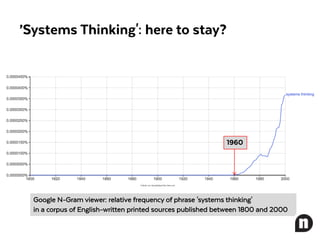
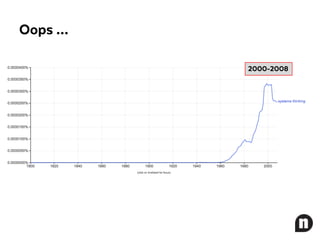
’Systems Thinking': here to stay?
Google N-Gram viewer: relative frequency of phrase 'systems thinking'
in a corpus of English-written printed sources published between 1800 and 2000
1960
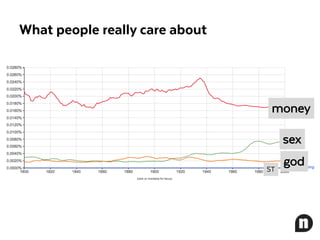
What people really care about
money
sex
godST
Oops …
2000-2008
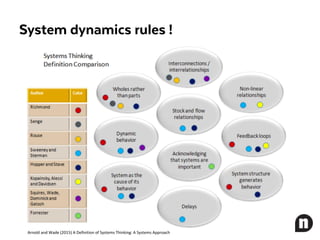
System dynamics rules !
Arnold	and Wade	(2015)	A	Definition	of	Systems	Thinking:	A	Systems	Approach
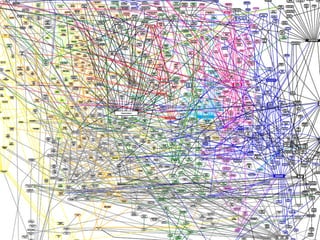
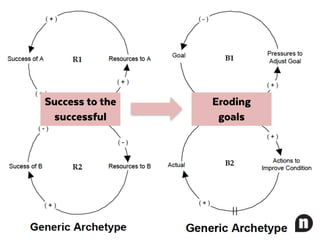
Success to the
successful
Eroding
goals
How will we navigate an
imminent time window in
which we will have to find
solutions to many pressing
societal problems?
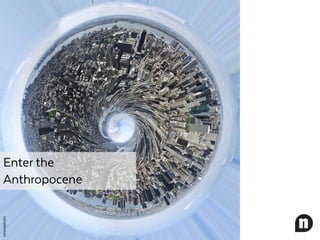
Enter the
Anthropocene
istockphoto
How will we meaningfully
add to the intellectual capital
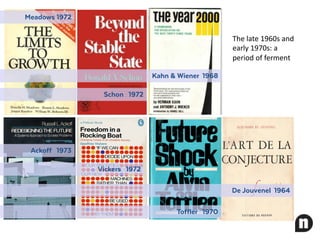
from the 1960s and 70s we
are still drawing down from?
Kahn & Wiener 1968
Schon 1972
Meadows 1972
Toffler 1970
Ackoff 1973
Vickers 1972
De Jouvenel 1964
The	late	1960s	and	
early	1970s:	a	
period	of	ferment
How will we respond when
some mark us as
‘enemy of the people’?
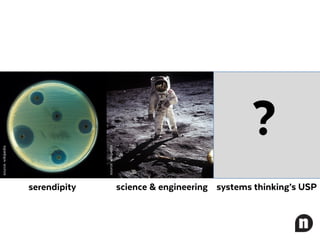
serendipity science & engineering systems thinking’s USP
?
source:wikipedia
source:wikipedia
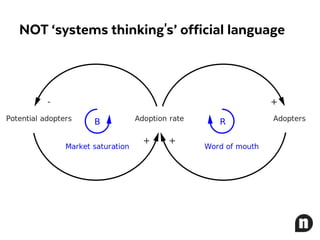
NOT ‘systems thinking's’ official language
FIVE HORIZONS OF
SYSTEMS MASTERY
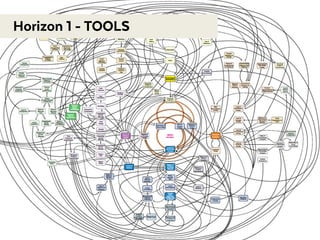
Horizon 1 - TOOLS
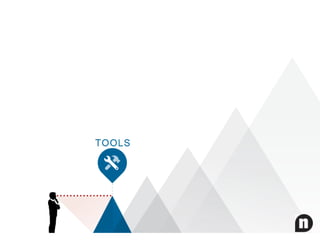
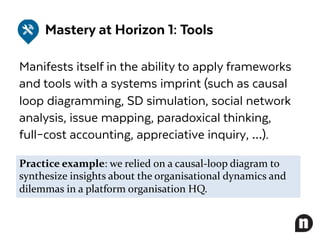
Mastery at Horizon 1: Tools
Manifests itself in the ability to apply frameworks
and tools with a systems imprint (such as causal
loop diagramming, SD simulation, social network
analysis, issue mapping, paradoxical thinking,
full–cost accounting, appreciative inquiry, …).
Practice example: we relied on a causal-loop diagram to
synthesize insights about the organisational dynamics and
dilemmas in a platform organisation HQ.
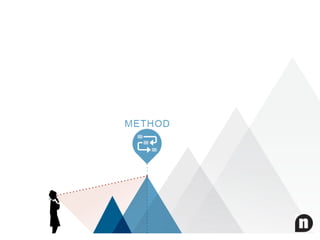
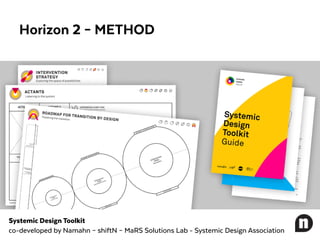
Horizon 2 – METHOD
Systemic Design Toolkit
co-developed by Namahn – shiftN – MaRS Solutions Lab - Systemic Design Association
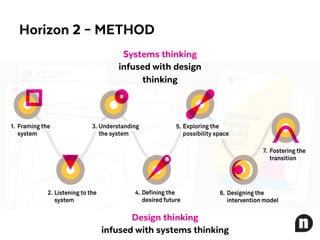
Horizon 2 – METHOD
Systems thinking
infused with design
thinking
Design thinking
infused with systems thinking
Mastery at Horizon 2: Method
Manifests itself in the ability to purposively and
context-sensitively combine systems oriented
tools into multi-faceted interventions with the
aim to improve situations perceived as
problematic.
Practice example: we relied on a systemic design approach
to increase the effectiveness of the information exchange
between platform HQ and platform members.
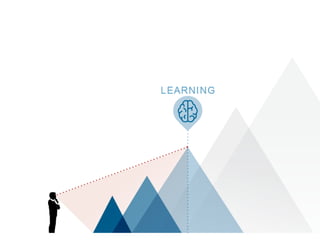
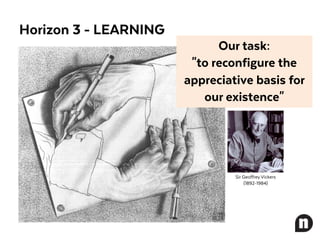
Horizon 3 - LEARNING
Our task:
"to reconfigure the
appreciative basis for
our existence"
Sir Geoffrey Vickers
(1892-1984)
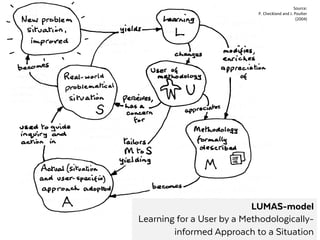
LUMAS-model
Learning for a User by a Methodologically-
informed Approach to a Situation
Source:
P.	Checkland	and	J.	Poulter
(2004)
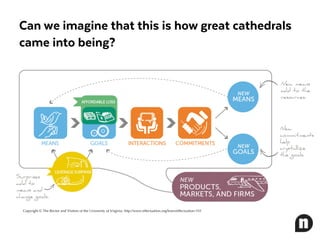
Can we imagine that this is how great cathedrals
came into being?
Copyright © The Rector and Visitors of the University of Virginia: http://www.effectuation.org/learn/effectuation-101
Mastery at Horizon 3: Learning
Manifests itself in the ability to create and
maintain a context to increase a social system’s
capacity for learning and action.
Practice example: we supported the platform organisation
to reframe their strategy from ‘defending sectoral interests’
to ‘supporting a cross-sectoral alliance to turn fragilised
minorities into a de facto majority that contributes to long-
term societal viability.’
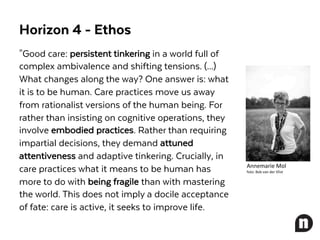
"Good care: persistent tinkering in a world full of
complex ambivalence and shifting tensions. (...)
What changes along the way? One answer is: what
it is to be human. Care practices move us away
from rationalist versions of the human being. For
rather than insisting on cognitive operations, they
involve embodied practices. Rather than requiring
impartial decisions, they demand attuned
attentiveness and adaptive tinkering. Crucially, in
care practices what it means to be human has
more to do with being fragile than with mastering
the world. This does not imply a docile acceptance
of fate: care is active, it seeks to improve life.
Annemarie	Mol
foto:	Bob	van	der	Vlist
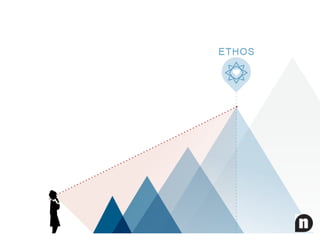
Horizon 4 - Ethos
Mastery at Horizon 4: Ethos
Manifests itself in an individual disposition or an
organisational culture characterised by
suspension of judgment, humility, empathy and
an ability to reflexively question identity.
Practice example: we support the platform organisation to
develop a culture of ‘normative professionalisation’ with
staff members being fluent and open in negotiating tensions
between personal goals, professional standards and acute
needs of individuals in their member organisations.
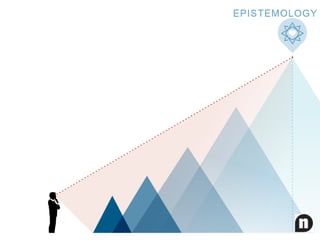
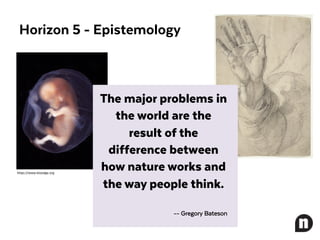
Horizon 5 - Epistemology
https://www.bioedge.org
The major problems in
the world are the
result of the
difference between
how nature works and
the way people think.
-- Gregory Bateson
Mastery at Horizon 5 : Epistemology
Manifests itself in an ability to intuit and/or
articulate the pattern that connects us, mortal
and languaging beings with everything else
under the sun, and to model that wisdom in
personal behaviour.
Practice example:
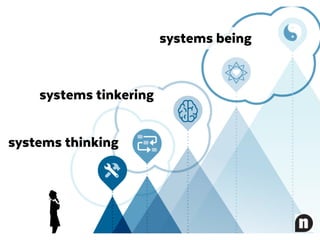
systems thinking
systems tinkering
systems being
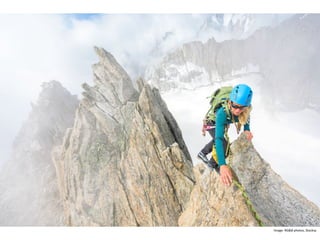
Image:	RG&B	photos,	Stocksy
“If you can not grasp the
consciousness-altering
experience that real mastery of
these disciplines proposes,
of what value is your
participation?”
― Mark Twight
Thank you
www.shiftn.com

Five Horizons of Systems Mastery

  • 1.
    FIVE HORIZONS OF SYSTEMSMASTERY PHILIPPE VANDENBROECK, SHIFTN SYSTEMS INNOVATION GATHERING BARCELONA, 30-31 MARCH 2019
  • 2.
    We need tobe more ambitious and take more personal risks in shaping the future systems practice.
  • 3.
    ’Systems Thinking': hereto stay? Google N-Gram viewer: relative frequency of phrase 'systems thinking' in a corpus of English-written printed sources published between 1800 and 2000 1960
  • 4.
    What people reallycare about money sex godST
  • 5.
  • 8.
    System dynamics rules! Arnold and Wade (2015) A Definition of Systems Thinking: A Systems Approach
  • 9.
  • 10.
    How will wenavigate an imminent time window in which we will have to find solutions to many pressing societal problems?
  • 11.
  • 12.
    How will wemeaningfully add to the intellectual capital from the 1960s and 70s we are still drawing down from?
  • 13.
    Kahn & Wiener1968 Schon 1972 Meadows 1972 Toffler 1970 Ackoff 1973 Vickers 1972 De Jouvenel 1964 The late 1960s and early 1970s: a period of ferment
  • 14.
    How will werespond when some mark us as ‘enemy of the people’?
  • 15.
    serendipity science &engineering systems thinking’s USP ? source:wikipedia source:wikipedia
  • 16.
  • 17.
  • 19.
  • 20.
    Mastery at Horizon1: Tools Manifests itself in the ability to apply frameworks and tools with a systems imprint (such as causal loop diagramming, SD simulation, social network analysis, issue mapping, paradoxical thinking, full–cost accounting, appreciative inquiry, …). Practice example: we relied on a causal-loop diagram to synthesize insights about the organisational dynamics and dilemmas in a platform organisation HQ.
  • 22.
    Horizon 2 –METHOD Systemic Design Toolkit co-developed by Namahn – shiftN – MaRS Solutions Lab - Systemic Design Association
  • 23.
    Horizon 2 –METHOD Systems thinking infused with design thinking Design thinking infused with systems thinking
  • 24.
    Mastery at Horizon2: Method Manifests itself in the ability to purposively and context-sensitively combine systems oriented tools into multi-faceted interventions with the aim to improve situations perceived as problematic. Practice example: we relied on a systemic design approach to increase the effectiveness of the information exchange between platform HQ and platform members.
  • 26.
    Horizon 3 -LEARNING Our task: "to reconfigure the appreciative basis for our existence" Sir Geoffrey Vickers (1892-1984)
  • 27.
    LUMAS-model Learning for aUser by a Methodologically- informed Approach to a Situation Source: P. Checkland and J. Poulter (2004)
  • 28.
    Can we imaginethat this is how great cathedrals came into being? Copyright © The Rector and Visitors of the University of Virginia: http://www.effectuation.org/learn/effectuation-101
  • 29.
    Mastery at Horizon3: Learning Manifests itself in the ability to create and maintain a context to increase a social system’s capacity for learning and action. Practice example: we supported the platform organisation to reframe their strategy from ‘defending sectoral interests’ to ‘supporting a cross-sectoral alliance to turn fragilised minorities into a de facto majority that contributes to long- term societal viability.’
  • 31.
    "Good care: persistenttinkering in a world full of complex ambivalence and shifting tensions. (...) What changes along the way? One answer is: what it is to be human. Care practices move us away from rationalist versions of the human being. For rather than insisting on cognitive operations, they involve embodied practices. Rather than requiring impartial decisions, they demand attuned attentiveness and adaptive tinkering. Crucially, in care practices what it means to be human has more to do with being fragile than with mastering the world. This does not imply a docile acceptance of fate: care is active, it seeks to improve life. Annemarie Mol foto: Bob van der Vlist Horizon 4 - Ethos
  • 32.
    Mastery at Horizon4: Ethos Manifests itself in an individual disposition or an organisational culture characterised by suspension of judgment, humility, empathy and an ability to reflexively question identity. Practice example: we support the platform organisation to develop a culture of ‘normative professionalisation’ with staff members being fluent and open in negotiating tensions between personal goals, professional standards and acute needs of individuals in their member organisations.
  • 34.
    Horizon 5 -Epistemology https://www.bioedge.org The major problems in the world are the result of the difference between how nature works and the way people think. -- Gregory Bateson
  • 35.
    Mastery at Horizon5 : Epistemology Manifests itself in an ability to intuit and/or articulate the pattern that connects us, mortal and languaging beings with everything else under the sun, and to model that wisdom in personal behaviour. Practice example:
  • 36.
  • 37.
  • 38.
    “If you cannot grasp the consciousness-altering experience that real mastery of these disciplines proposes, of what value is your participation?” ― Mark Twight
  • 39.