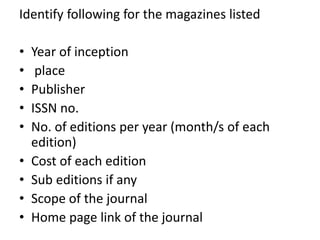
Identify following forthe magazines listed
• Year of inception
• place
• Publisher
• ISSN no.
• No. of editions per year (month/s of each
edition)
• Cost of each edition
• Sub editions if any
• Scope of the journal
• Home page link of the journal
5.
WGSN
• WGSN (formerlyWorth Global Style Network) is a trend
forecasting company of parent organisation Ascetial.
WGSN was founded in 1998 in West London by brothers
Julian and Marc Worth. Emap (now Ascetical), a business-
to-business publisher and exhibitions company, bought
the company in October 2005 for £140m.
• As it merged itself with Stylesight in 2013, WGSN
became the World’s largest network of fashion forecast
resources that includes WGSN Insight, WGSN Fashion,
WGSN Lifestyle & Interiors, WGSN Barometer, WGSN
Instock, and WGSN Styletrial with maximum
subscriptions around the world becoming the only
synonym of Fashion trends forecasting.
6.
Role of WGSN
•forecasts global trend insights,
• expertly curated data and
• industry expertise to help clients
• understand consumer behaviour and
lifestyles,
• create products with confidence and
• trade at the right time.
7.
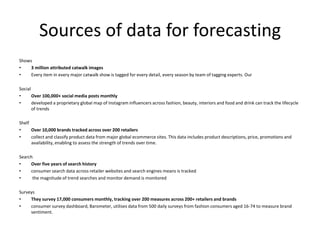
Sources of datafor forecasting
Shows
• 3 million attributed catwalk images
• Every item in every major catwalk show is tagged for every detail, every season by team of tagging experts. Our
Social
• Over 100,000+ social media posts monthly
• developed a proprietary global map of Instagram influencers across fashion, beauty, interiors and food and drink can track the lifecycle
of trends
Shelf
• Over 10,000 brands tracked across over 200 retailers
• collect and classify product data from major global ecommerce sites. This data includes product descriptions, price, promotions and
availability, enabling to assess the strength of trends over time.
Search
• Over five years of search history
• consumer search data across retailer websites and search engines means is tracked
• the magnitude of trend searches and monitor demand is monitored
Surveys
• They survey 17,000 consumers monthly, tracking over 200 measures across 200+ retailers and brands
• consumer survey dashboard, Barometer, utilises data from 500 daily surveys from fashion consumers aged 16-74 to measure brand
sentiment.
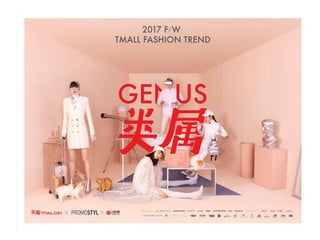
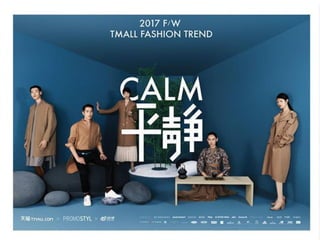
Promostyl
• Founded inthe year 1966
• Invented the concept of trend book on 1970
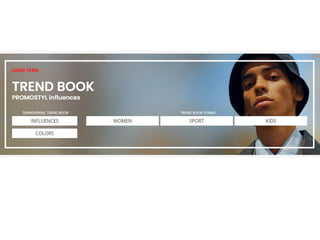
• Creation of INFLUENCES trend book in 1980
• Established fabric library in 1987
• Launched promostyle blog in 2012
• News letter and week trends – 2017
14.
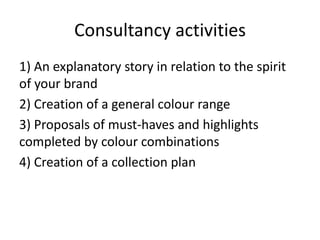
Consultancy activities
1) Anexplanatory story in relation to the spirit
of your brand
2) Creation of a general colour range
3) Proposals of must-haves and highlights
completed by colour combinations
4) Creation of a collection plan
PUBLIC RELATION
I. Influencestrategies
connect brands with journalists, bloggers, influencers,
opinion leaders, and consumers.
II. Building and nurturing a relationship
work with journalists and influencers to produce adapted
content, special operations, and partnerships that will
allow
III. Communication during a crisis
allow to react as quickly as possible and manage the
situation.
IV. Events
organize internal or public events to measure.
26.
• Promostyl -Mr Bharath - 23.2.2023
• Role of forecaster in aiding fashion designers,
developers and retailers - Ms. Sri vaishnavi -
monday
• Process of forecasting –Ms. Yosha - tuesday
27.
when to startforecasting for the
selling season
• The key to getting seasonal forecasts right is to
get an early start.
• Give enough time to analyze store data, design,
manufacture, and ship goods before ideal sales
season.
• Many brands start preparations for seasonal
events a good 6-12 months in advance.
– they will take time to manufacture
28.
• Long termforecasting (over 2 years ahead) is used by
executives for corporate planning purposes. It is also
used for marketing managers to position products in
the marketplace in relationship to competition.
Short term forecasting is used by product developers,
merchandisers and production managers to give style
direction and shape collections. For short term
forecasting most apparel companies subscribe to one
or more services, whose job is to scan the market and
report on the developments in color, textiles and style
directions.
29.
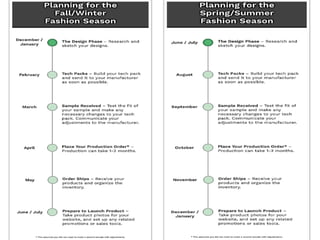
• need timeto design,
• create tech packs,
• send them to manufacturer,
• receive samples,
• make adjustments as needed,
• and possibly create a second series of samples,
before finalize product design so that production
can begin.
– The whole process from start to finish can take at
least six months
• To avoid huge costs and unsold products, it is
needed to set up a design production timeline.
30.
• Spring/Summer and
•Fall/Winter
• Spring/Summer begins in January and ends in
June.
• Fall/Winter picks up in July and runs through
December.