
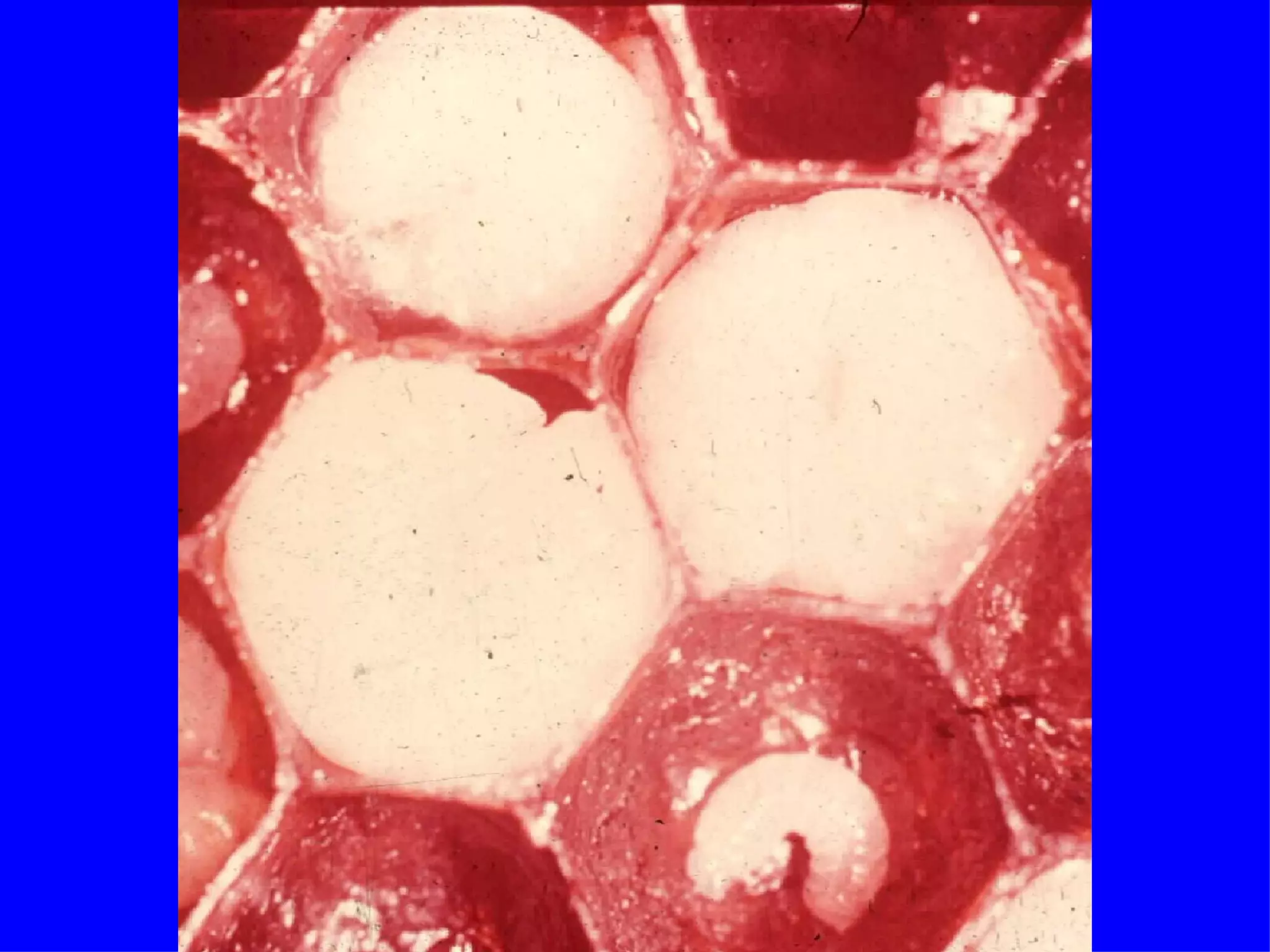
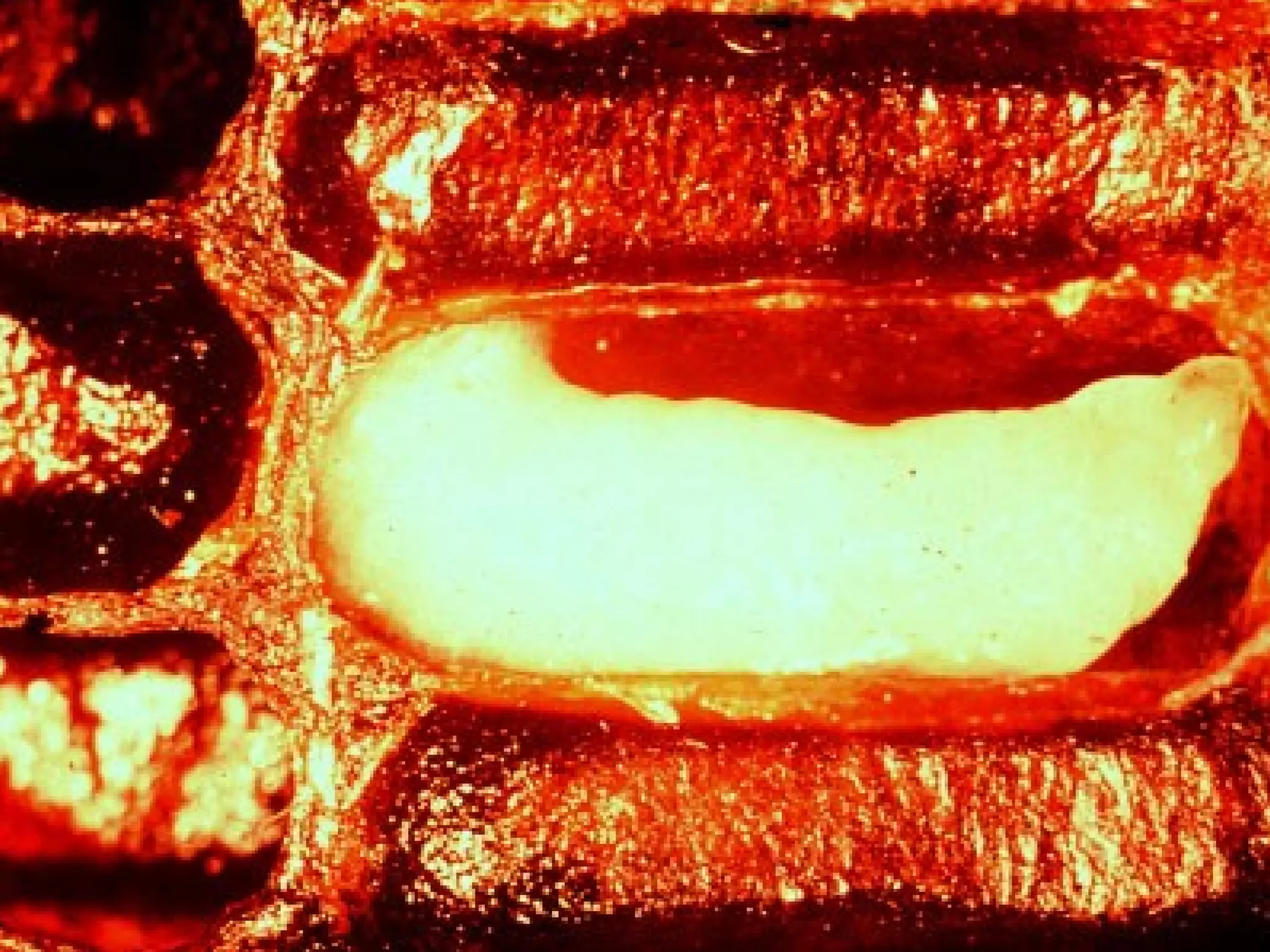
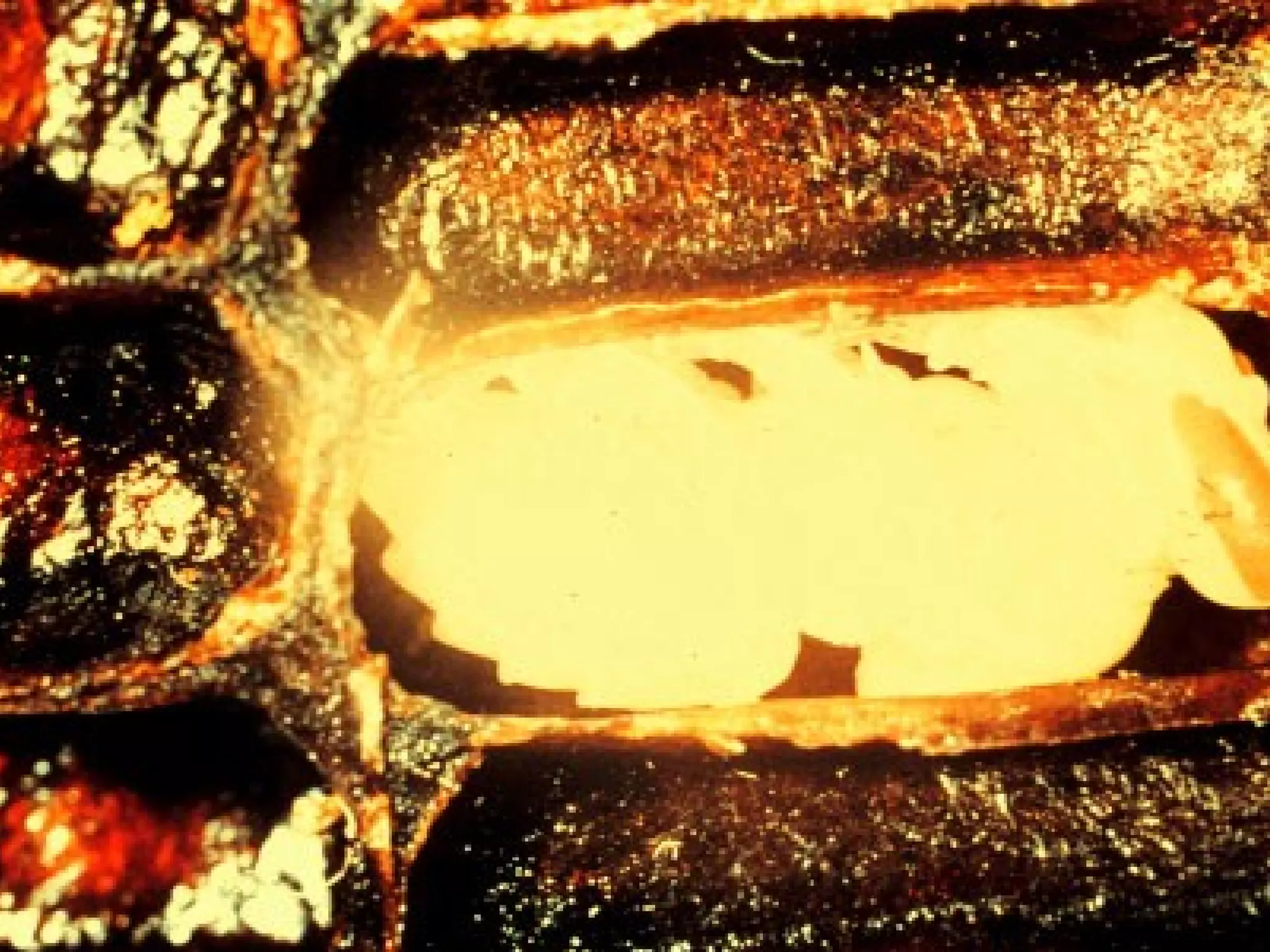
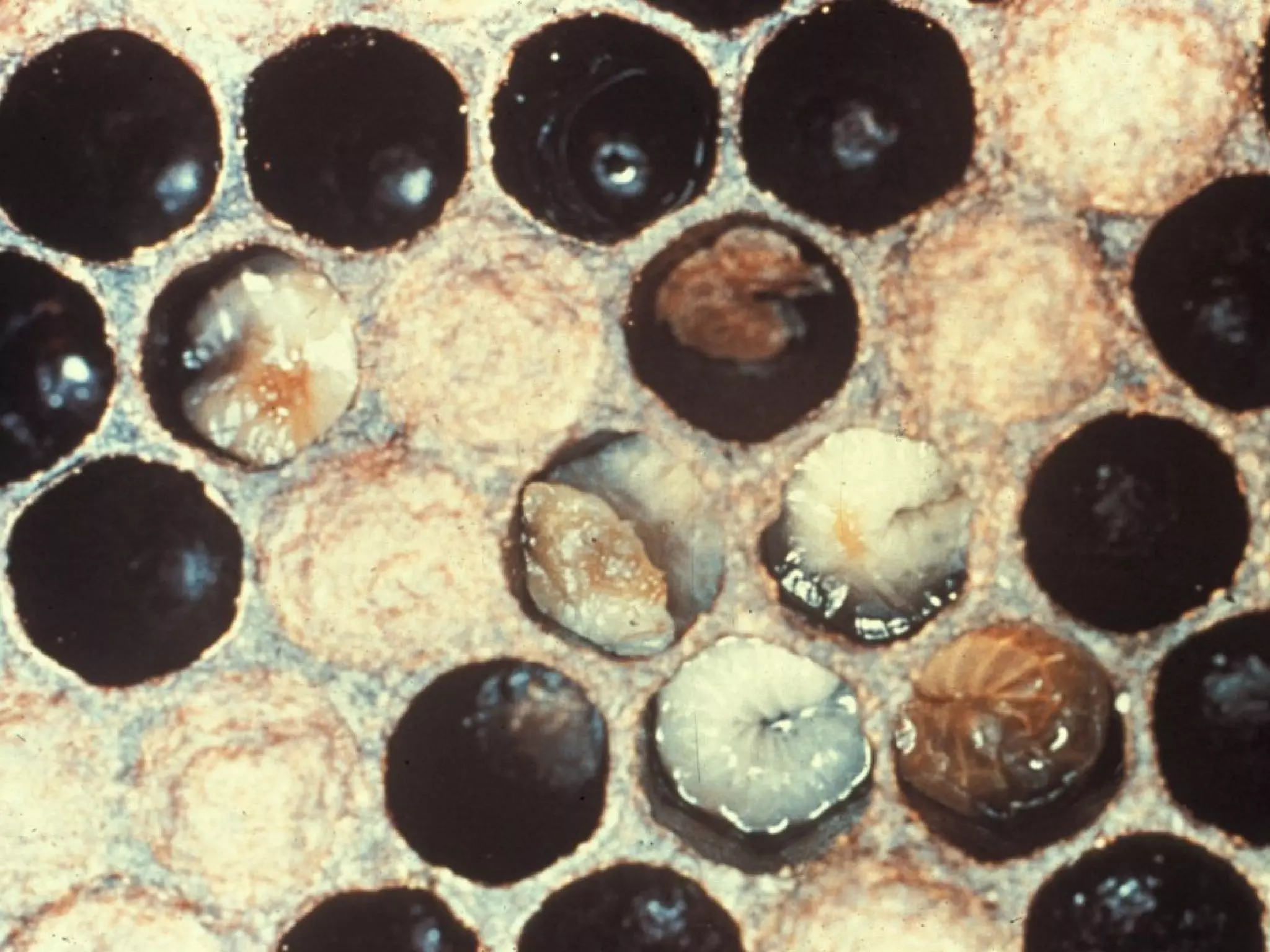


Examining Combs-
       What Do They Tell
             You?

   Clarence H. Collison
       Entomologist
Mississippi State University
Why Ever Look In The
 Brood Chamber(s)?

Are You One Of Those People
  Who Never Go Below The
Queen Excluder; Never Look
 At The Brood Nest; Assume
     Everything Is Well??
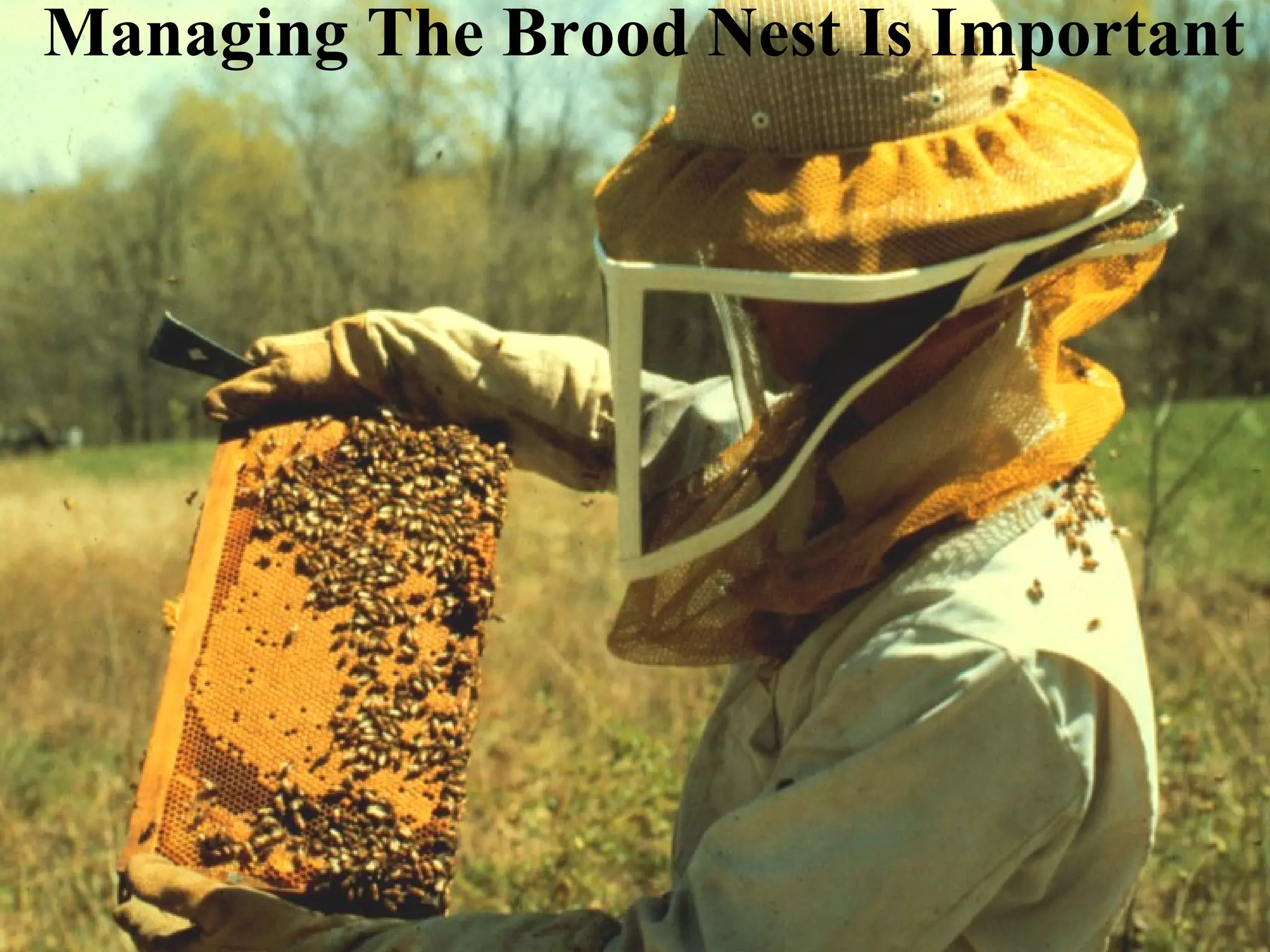
Managing The Brood Nest Is Important
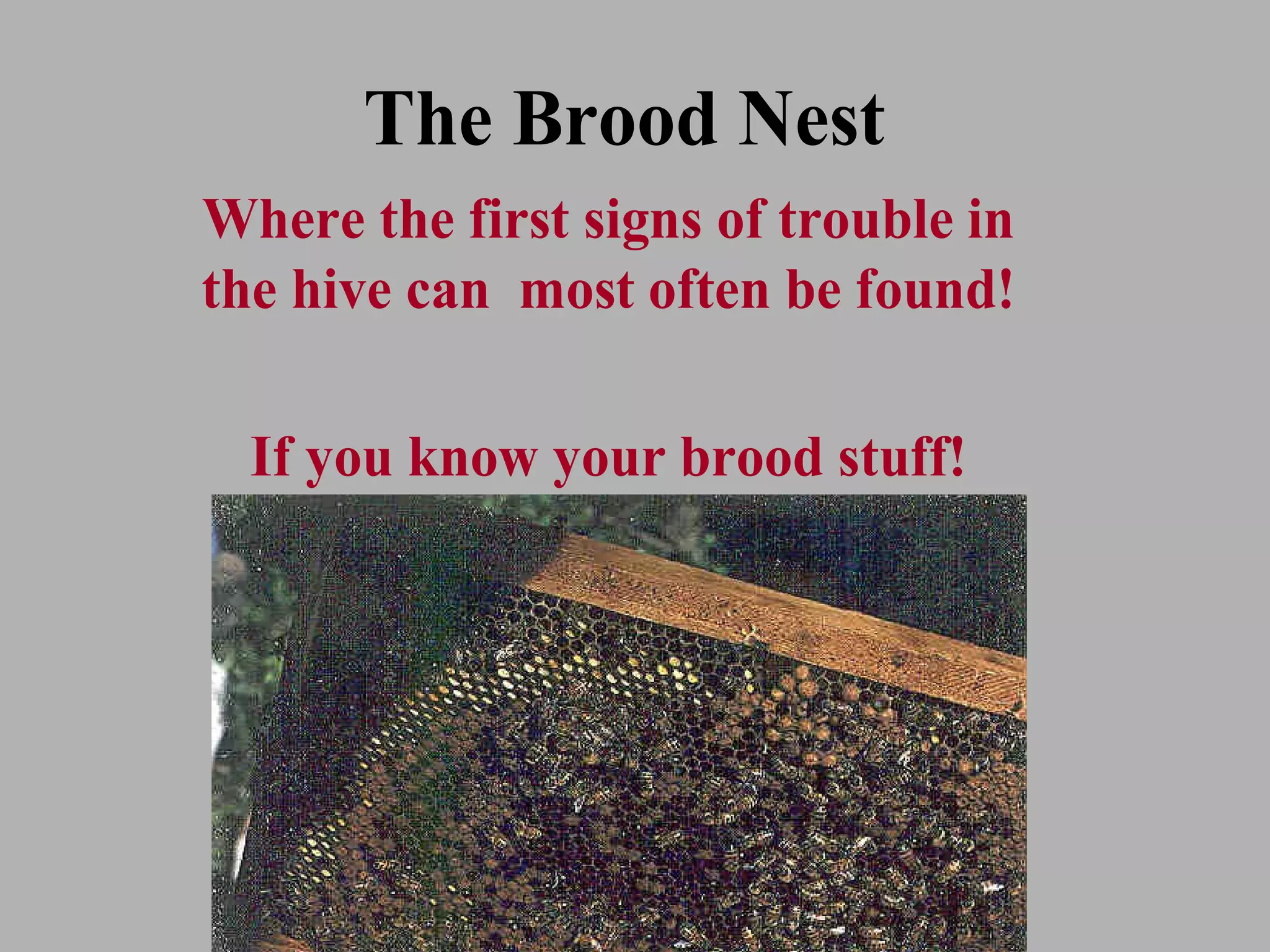
The Brood Nest
Where the first signs of trouble in
the hive can most often be found!

  If you know your brood stuff!
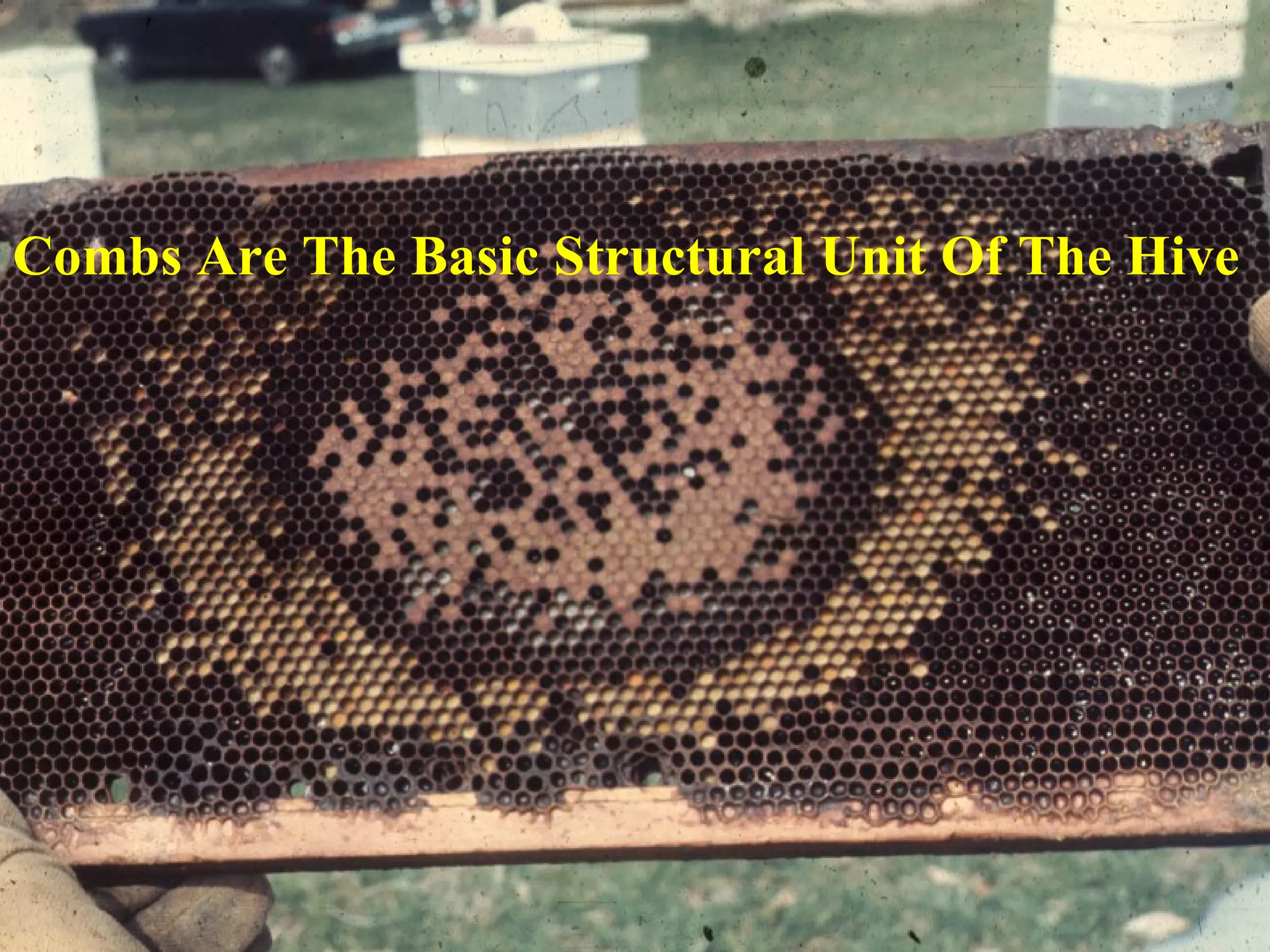
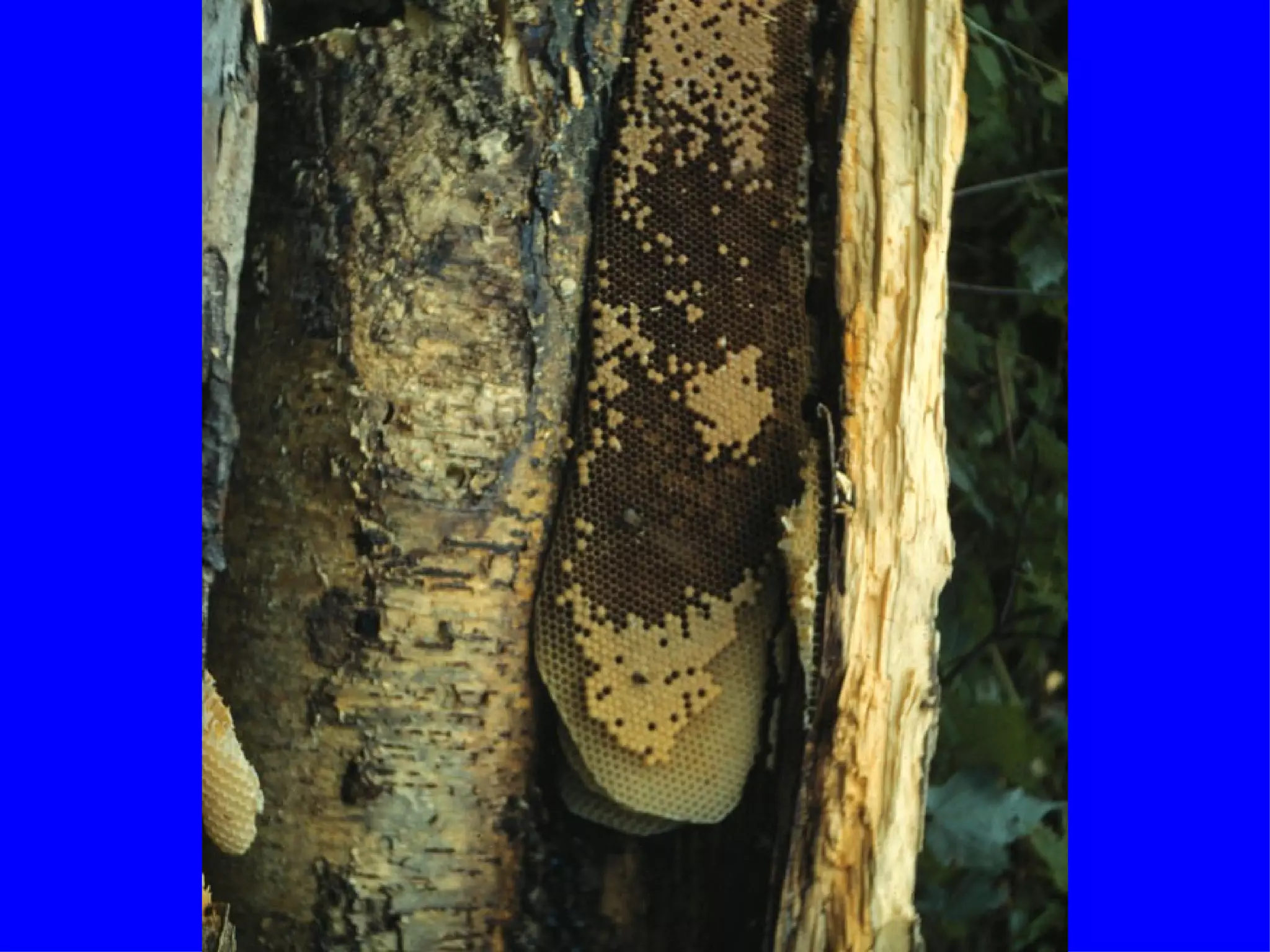
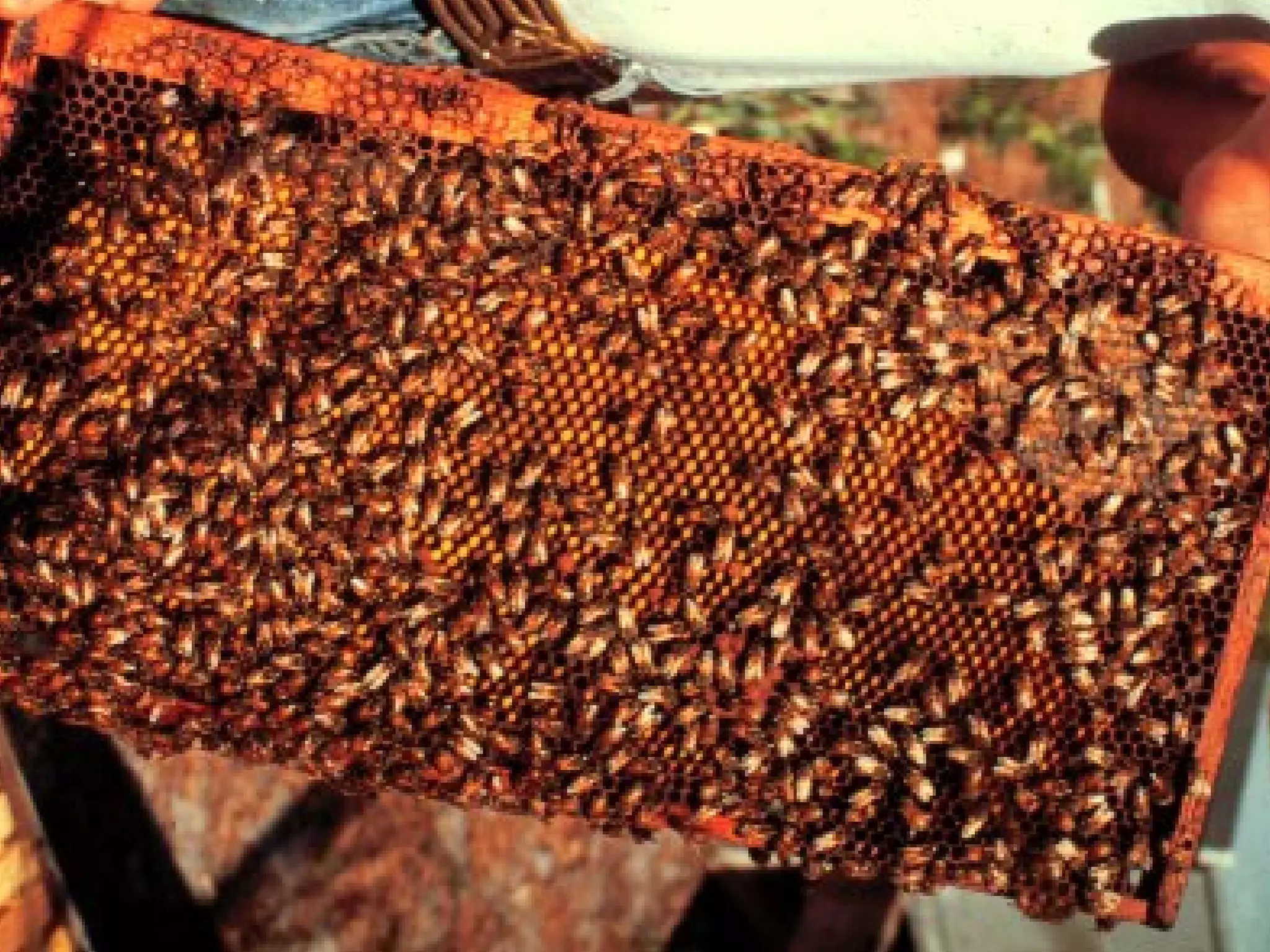
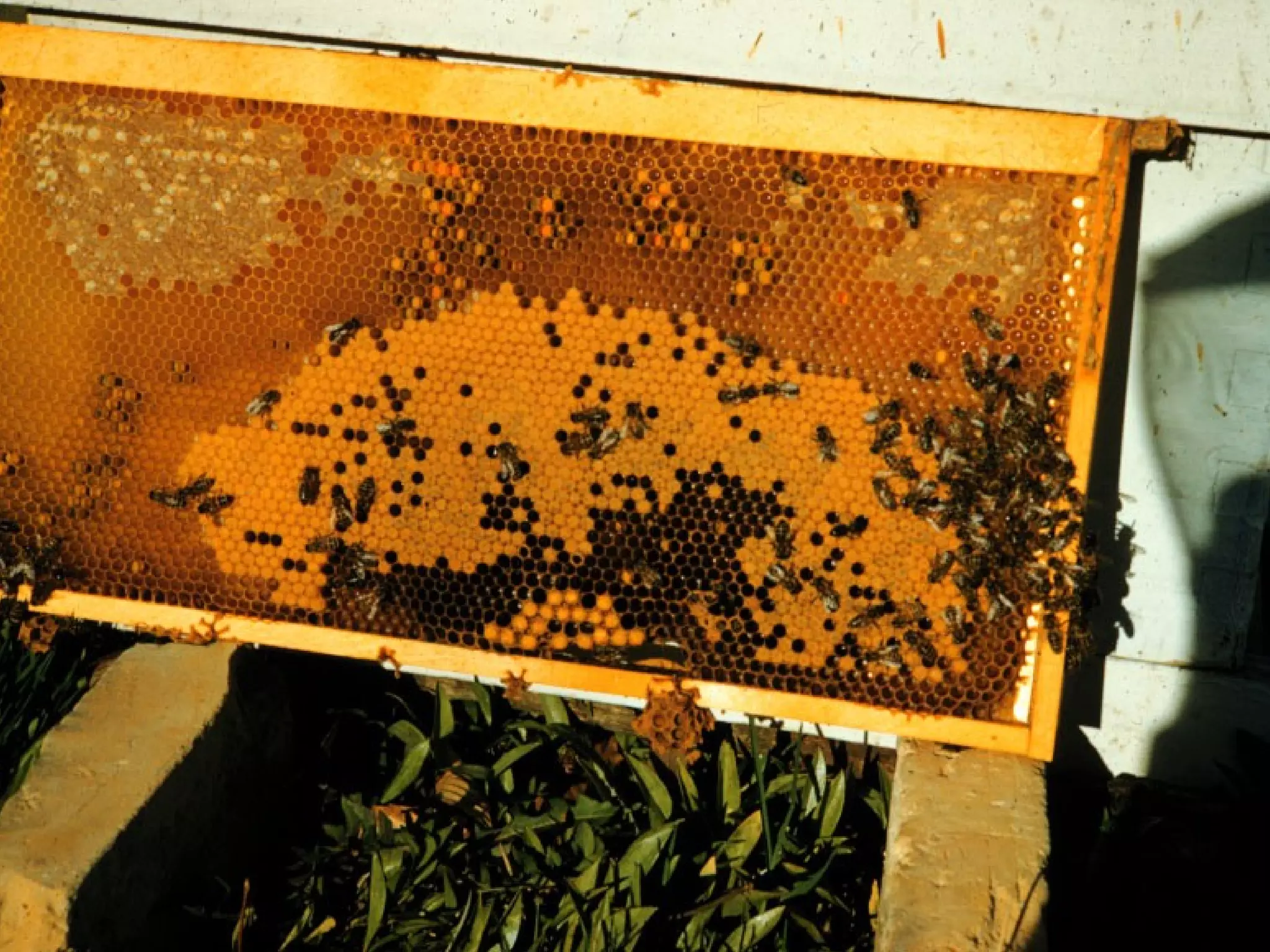
Combs Are The Basic Structural Unit Of The Hive
Functions Of The Comb
   Reproduction Of The Colony

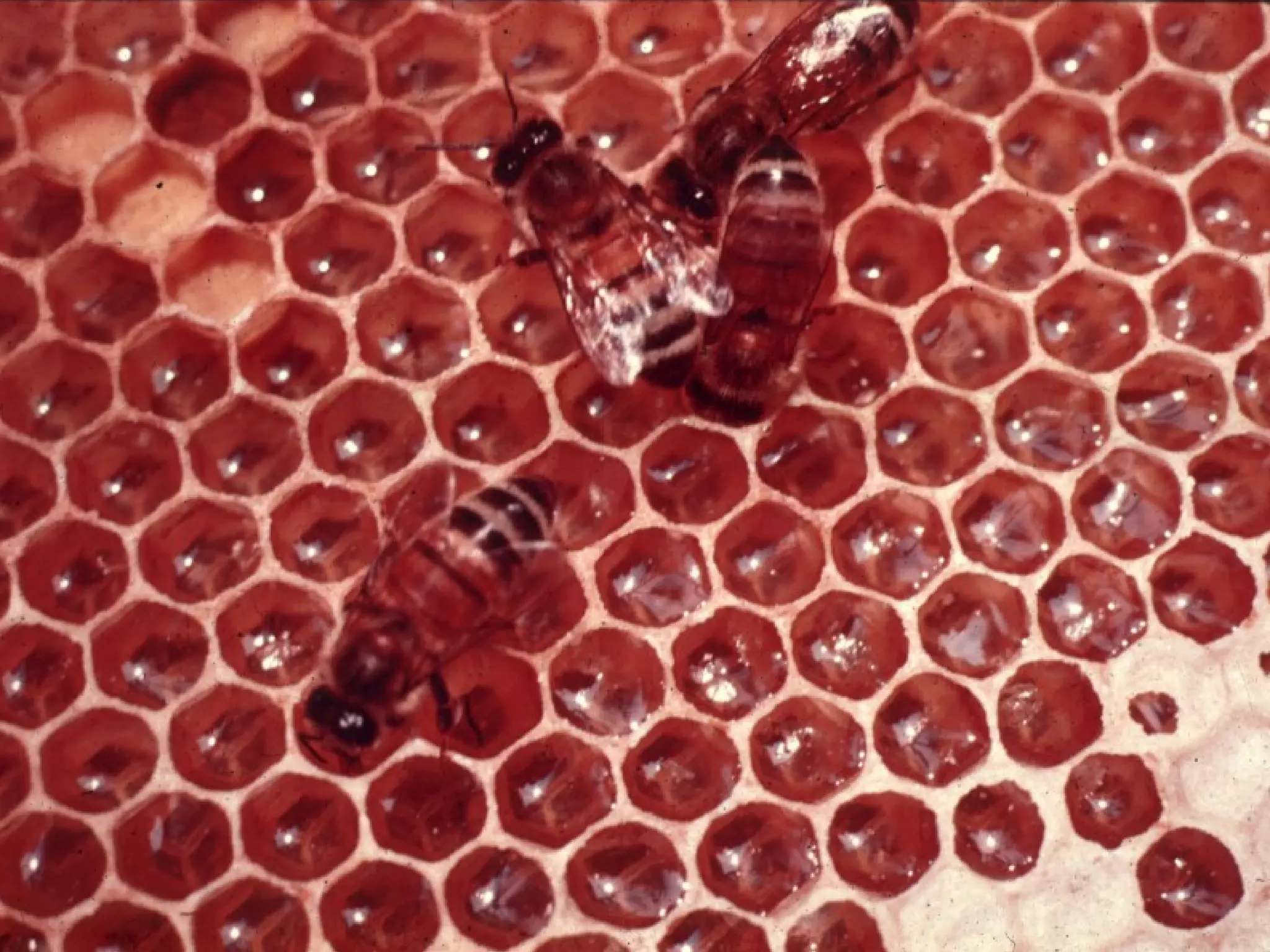
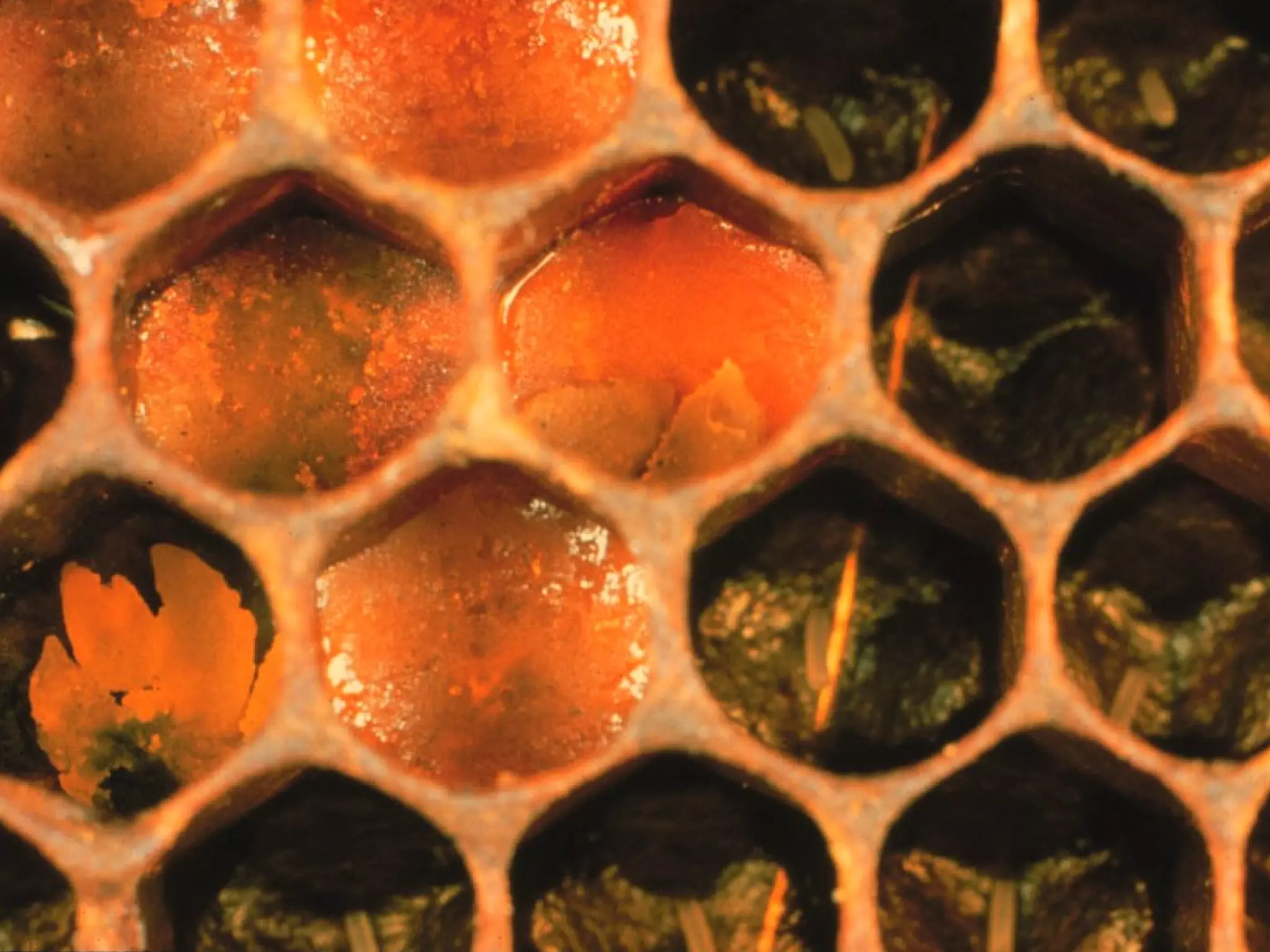
   Storage Of Nectar And Pollen

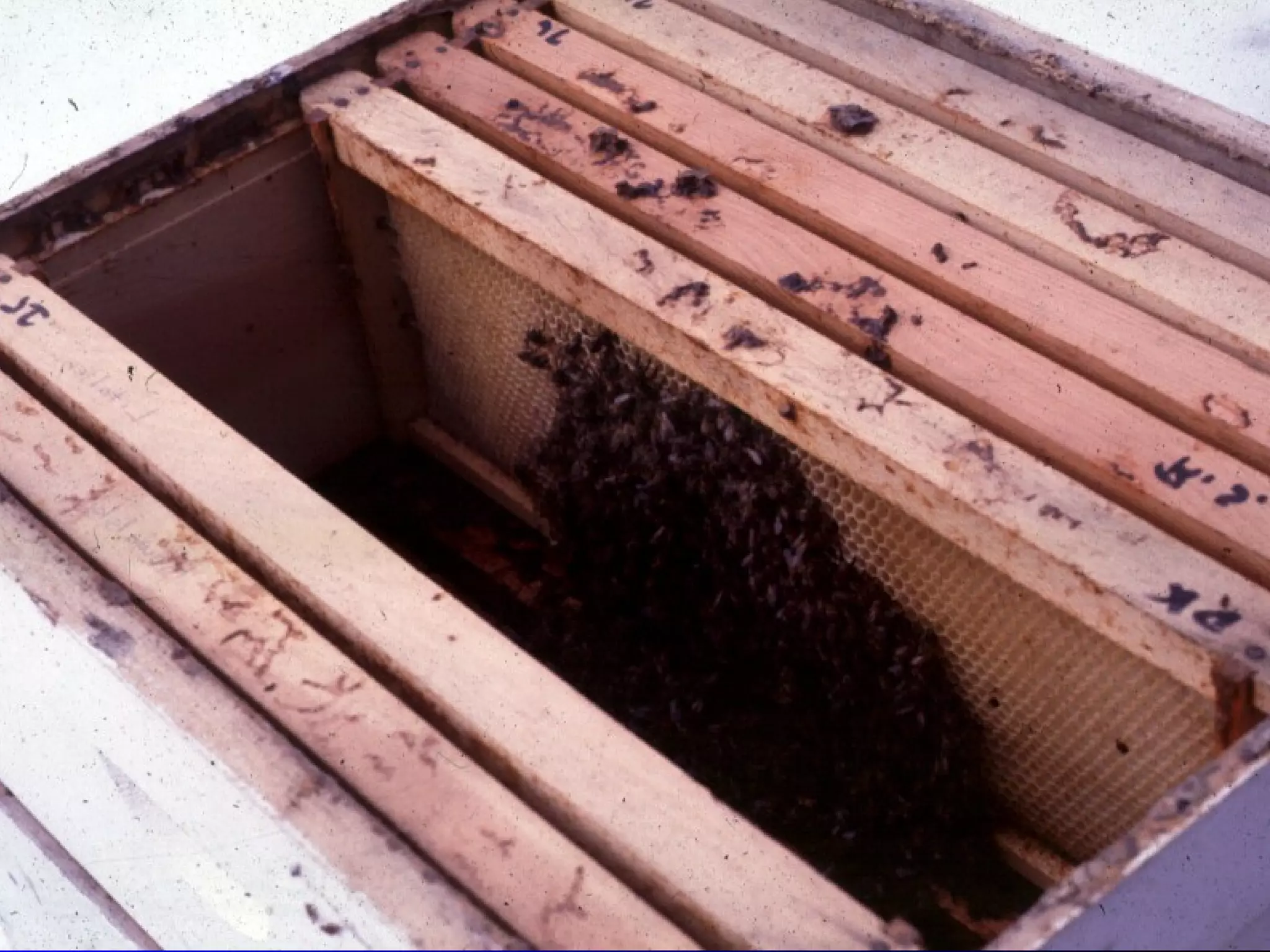
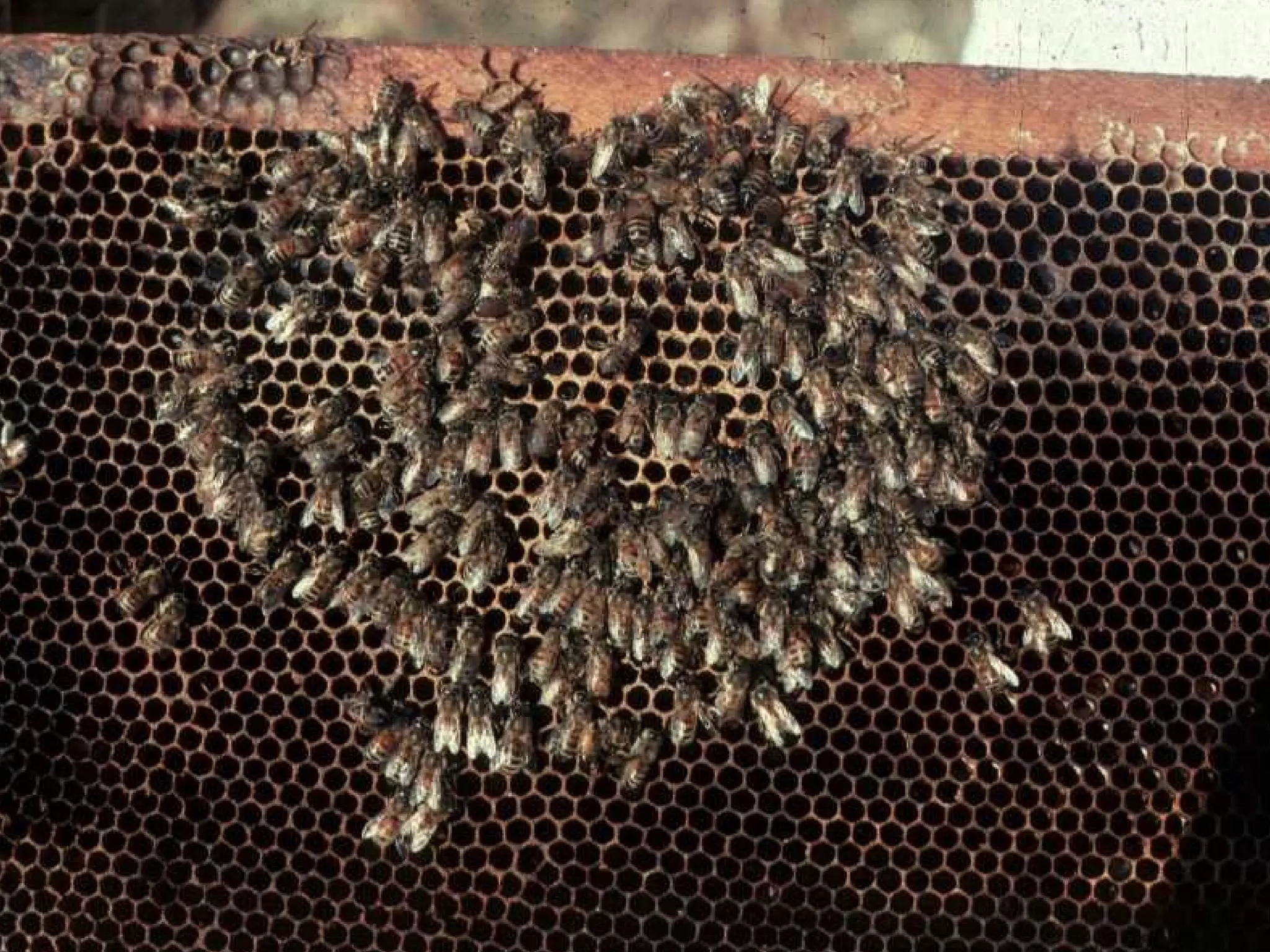
   Foundation For Establishing The Winter
    Cluster

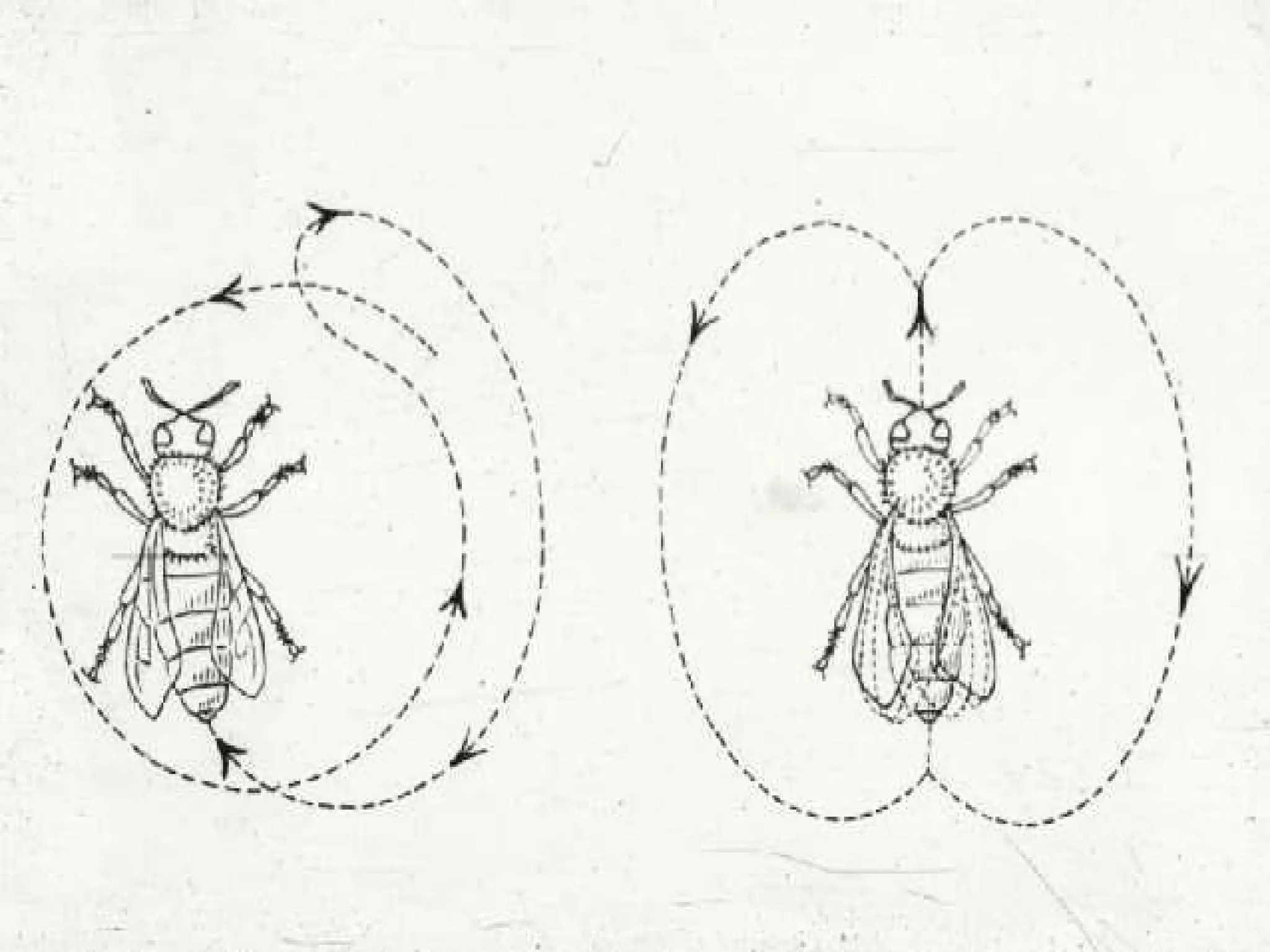
   Orientation Point For Communicative Dances
Adequate Supplies of Drawn
Comb Is A Limiting Factor In
Most Beekeeping Operations
Proper Arrangement Of
             Combs


   Bee Space 1/4- 3/8 Inches

   Burr Comb
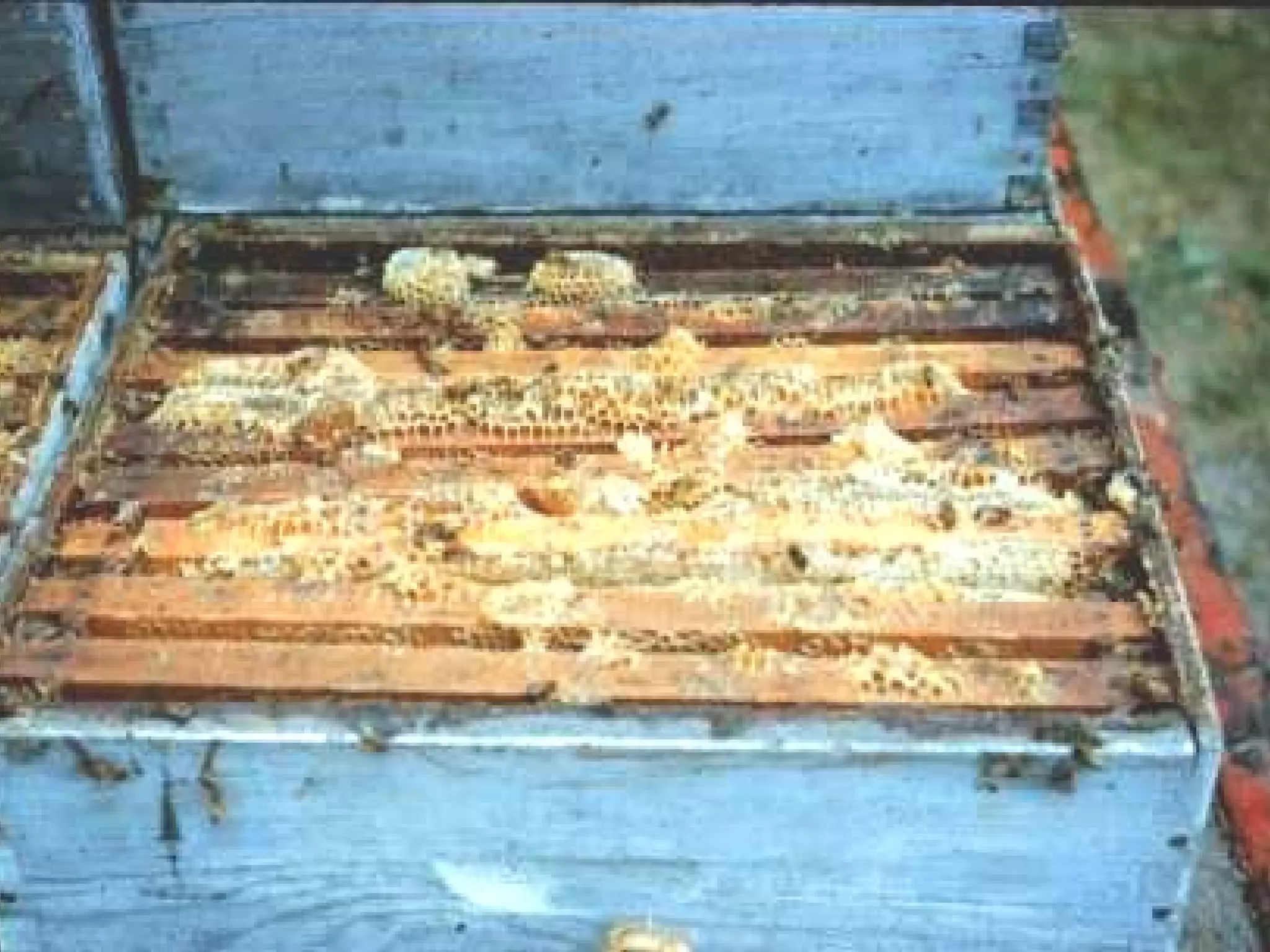
Damaged Combs

   Loss Of Brood Area

   Increase In Drone Brood

   Increased Difficulty In Uncapping Honey
Why Examine Brood
              Patterns?
 Overall Condition Of The Colony
 Presence Or Absence Of A Queen
 Quality Of A Queen
 Availability of Fresh Nectar And Food Stores
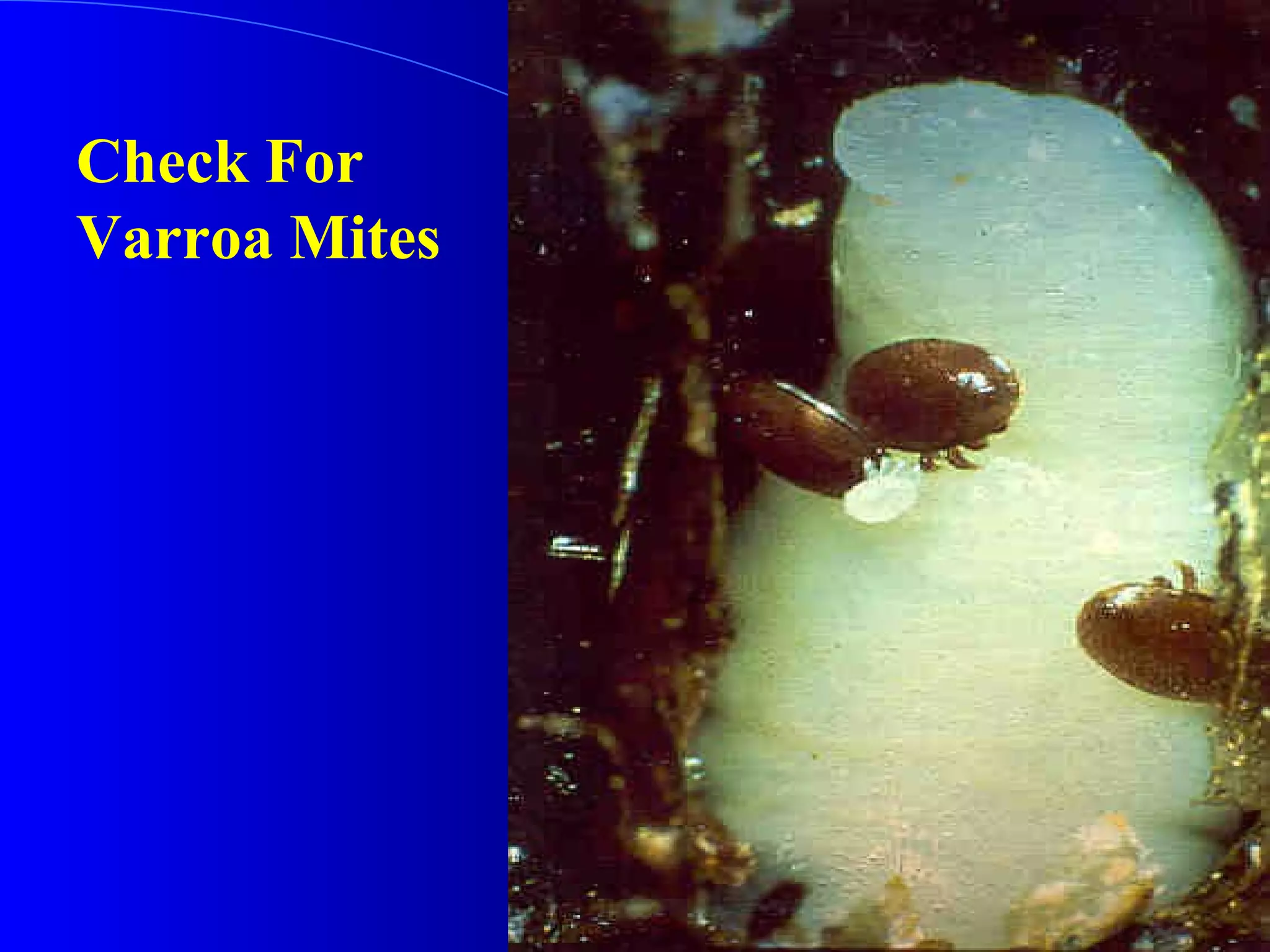
 Checking For Bee Diseases/Varroa Mites
 Colony Strength
 Inclination To Swarm
 Population Balance
QUEENLESSNESS!
• How to Recognize it?
 – First, Look for Lack of Eggs and/or Young
   Brood!
 – Look for signs of laying workers!
 – Look for virgin Queen!
 – Listen to the sound of the bees!
 – Look at Pollen!
   • Is there fresh pollen in the combs?
   • Is the pollen old and has a glossy appearance?
Quality Of The Queen

   Cannot Determine By Queen’s
    Appearance

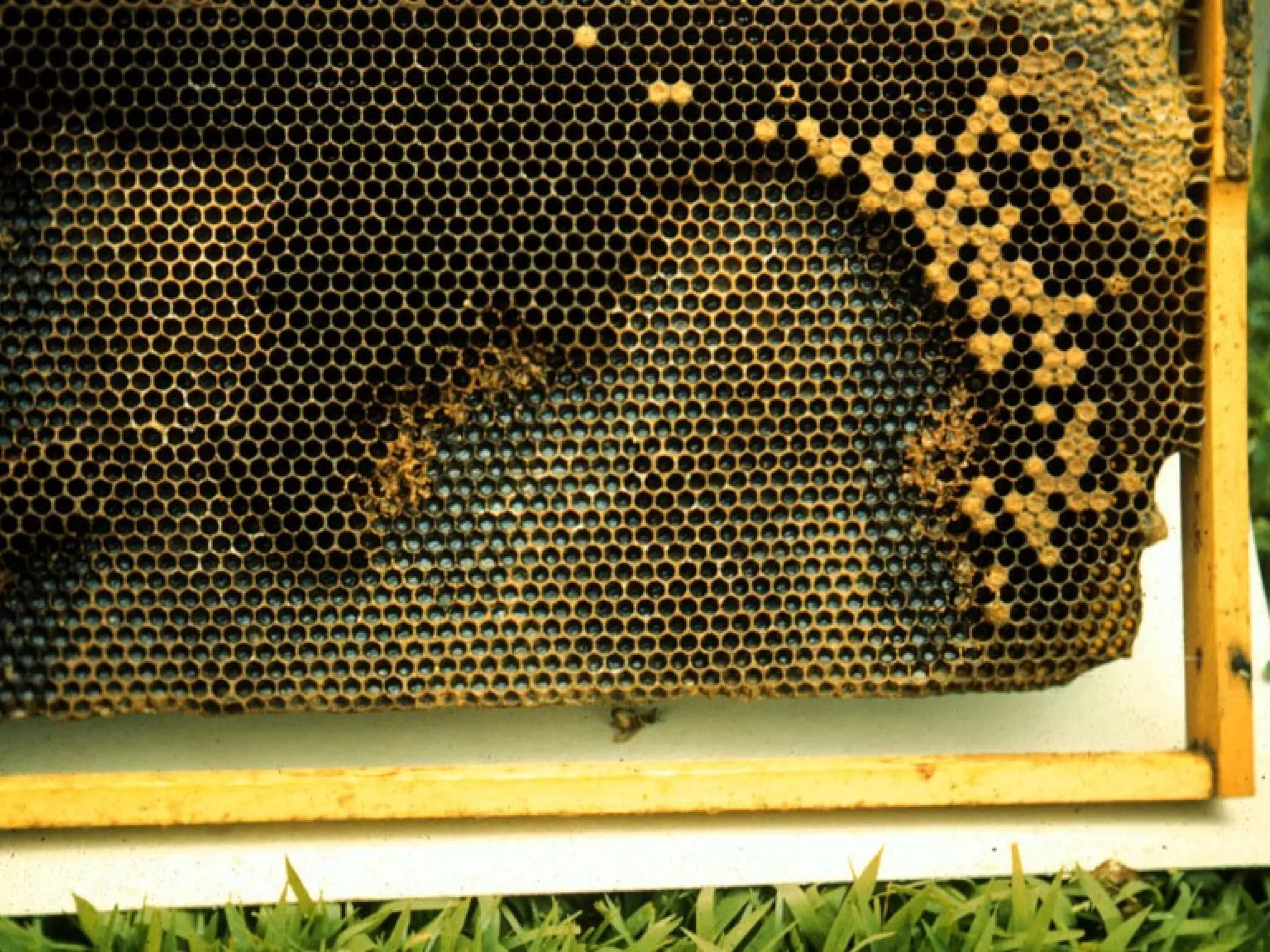
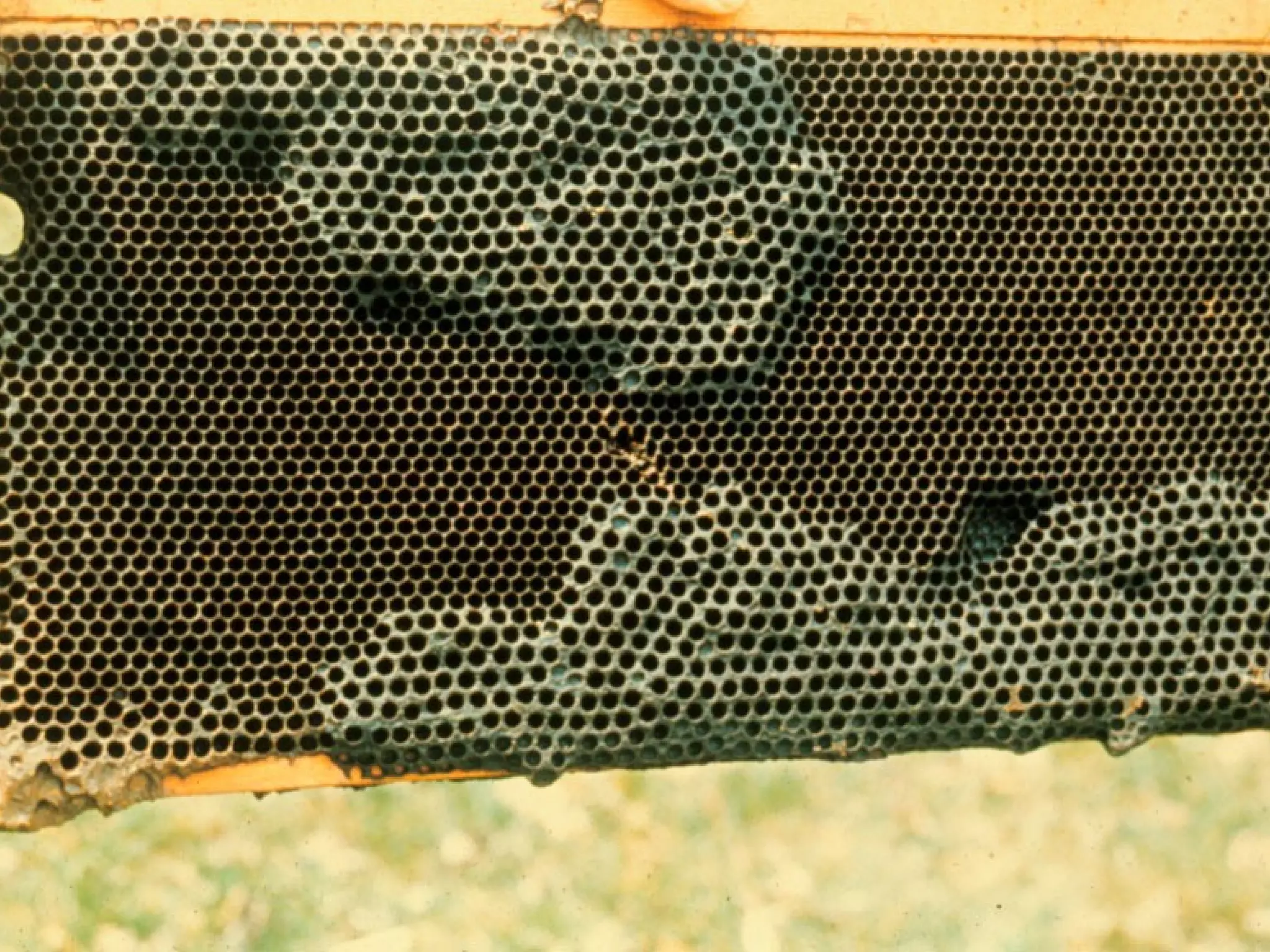
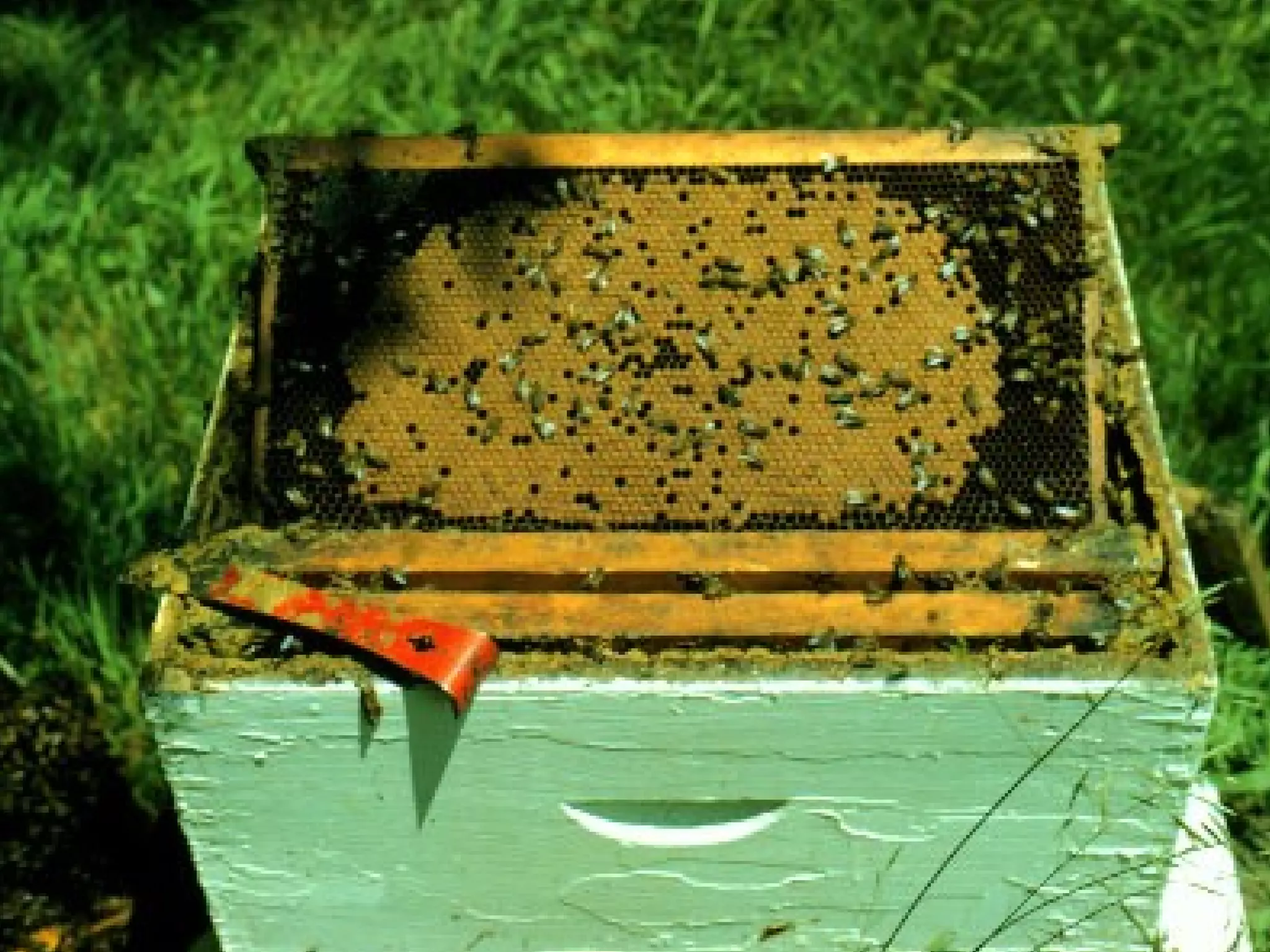
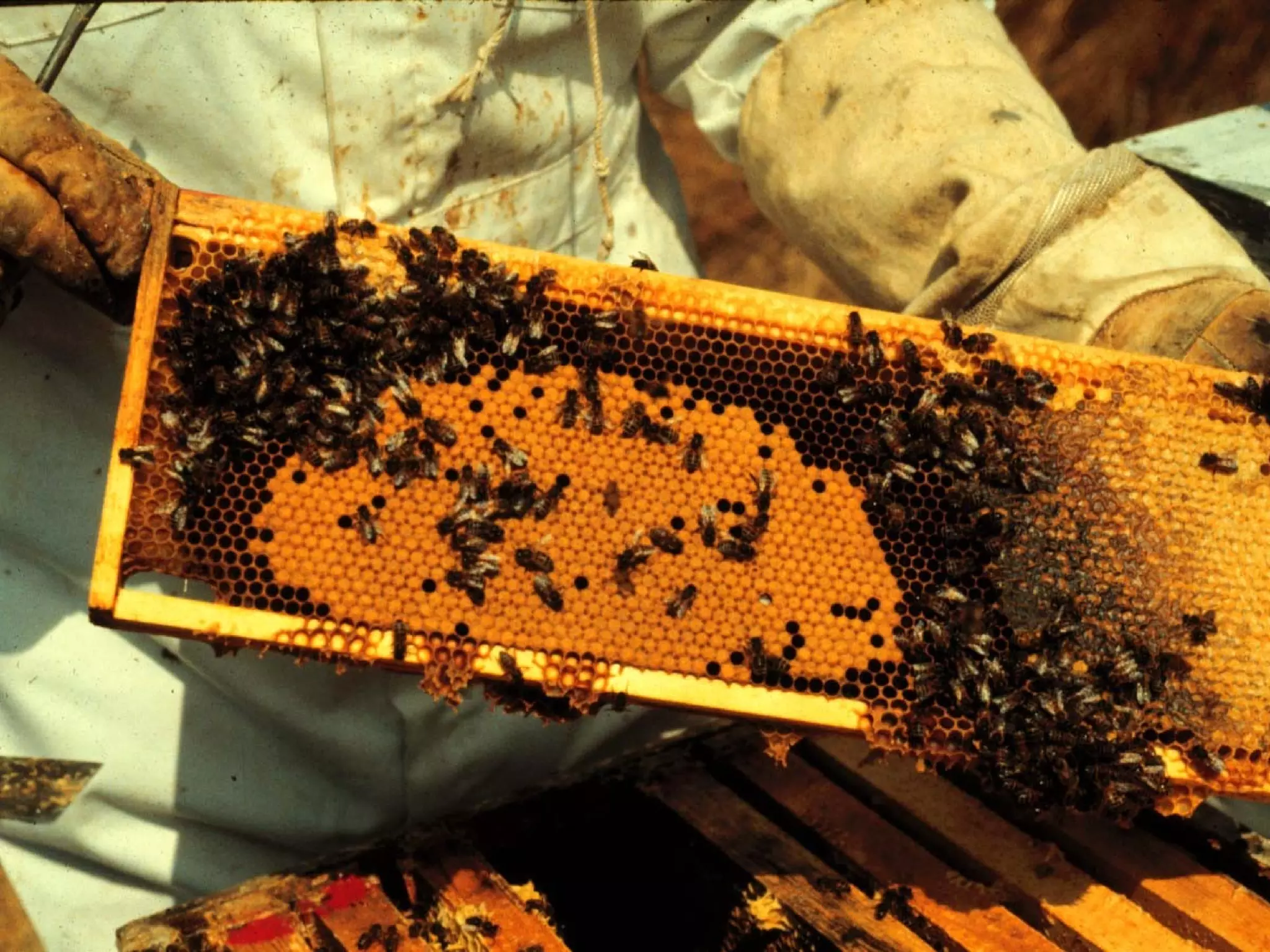
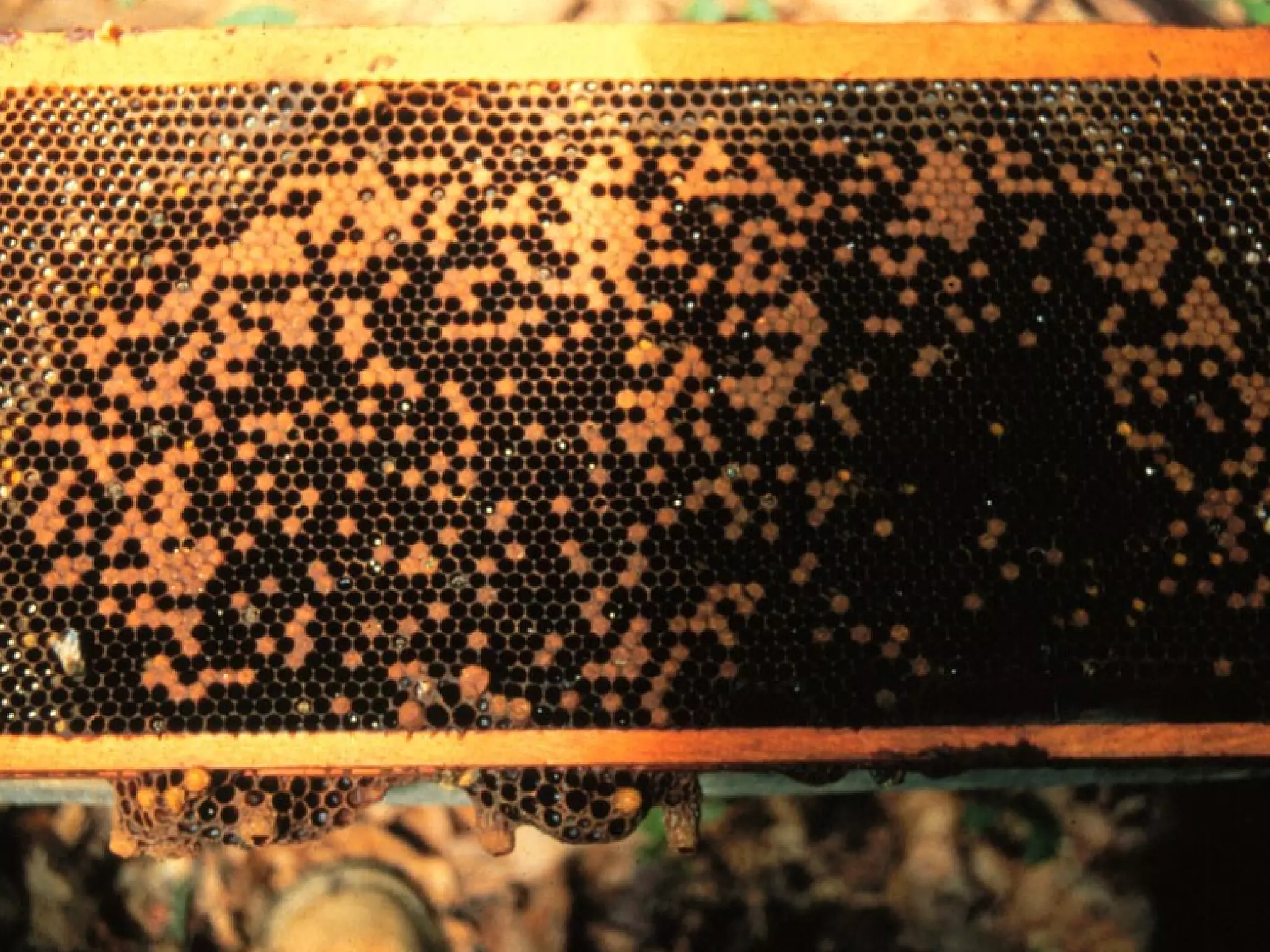
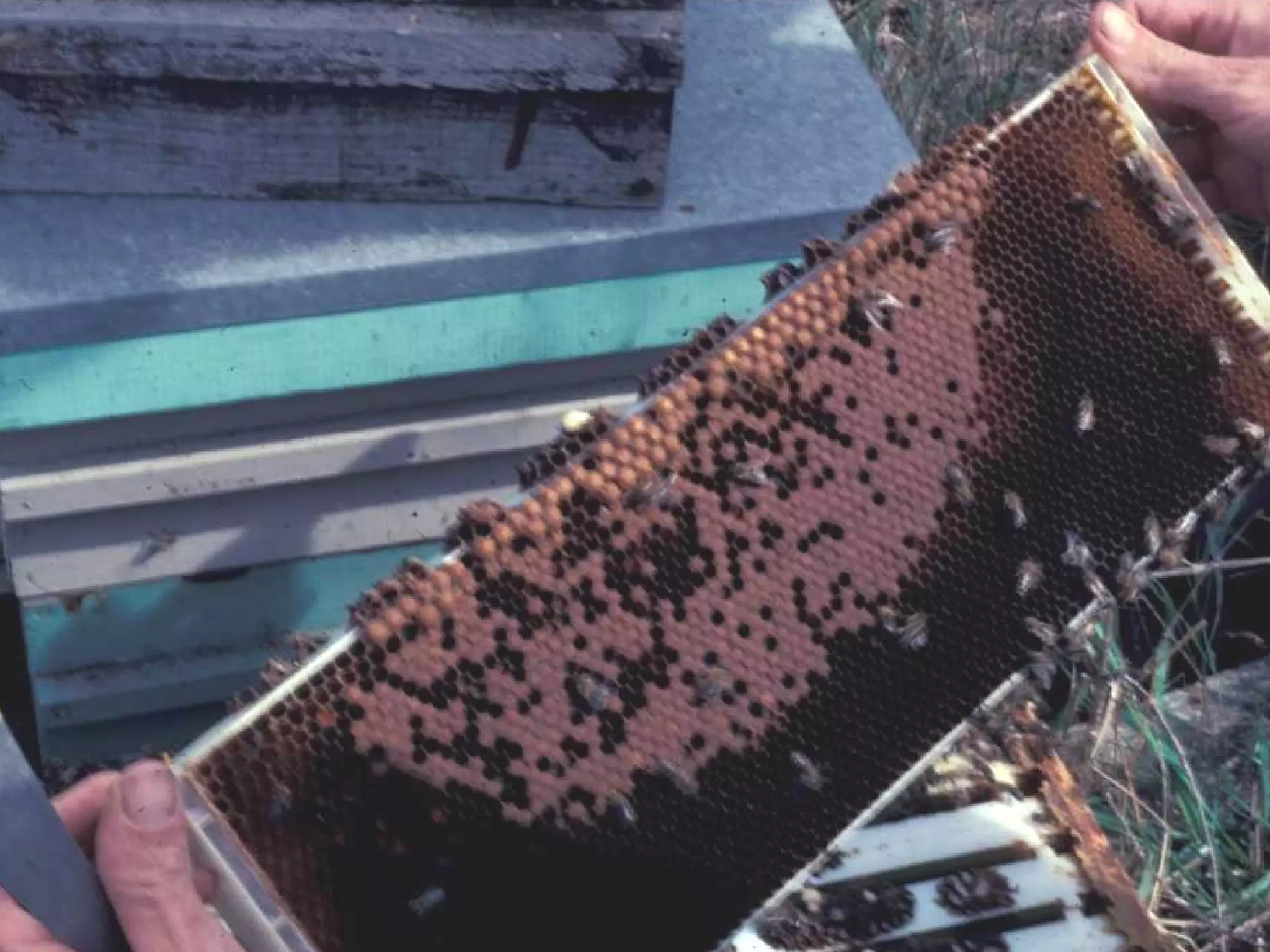
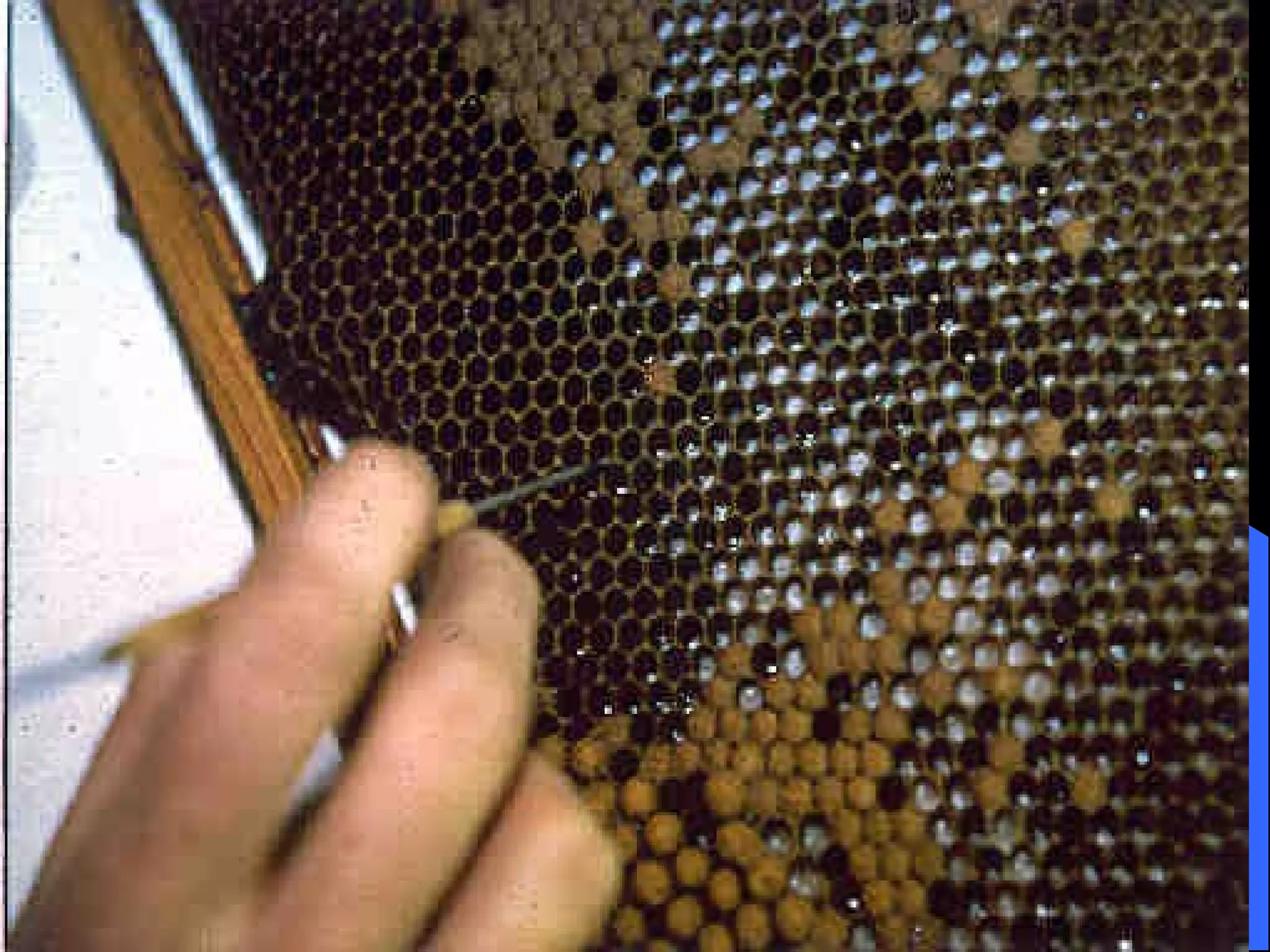
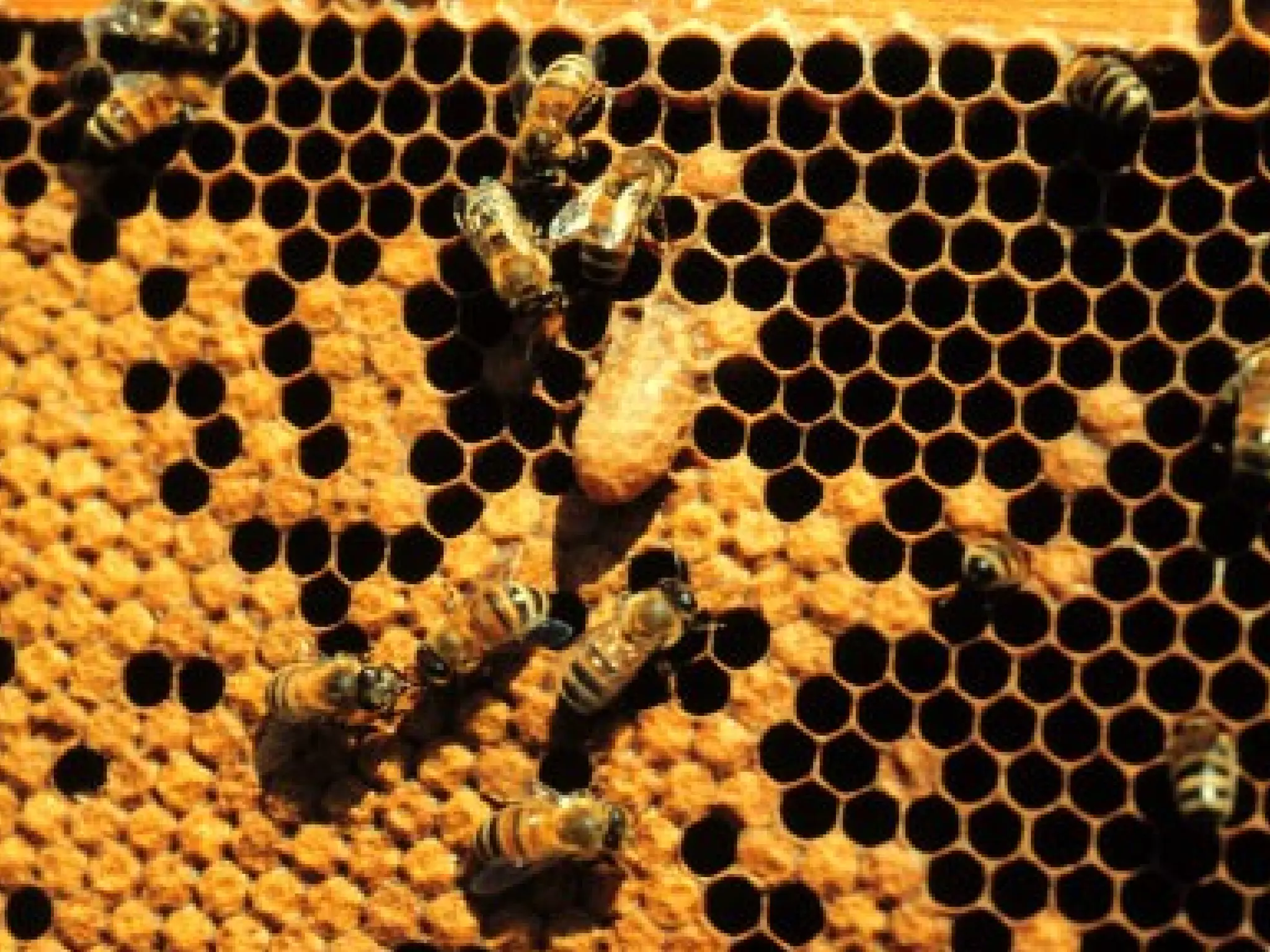
   Examine The Brood Pattern
      Solid Brood Pattern
      Spotty Brood Pattern
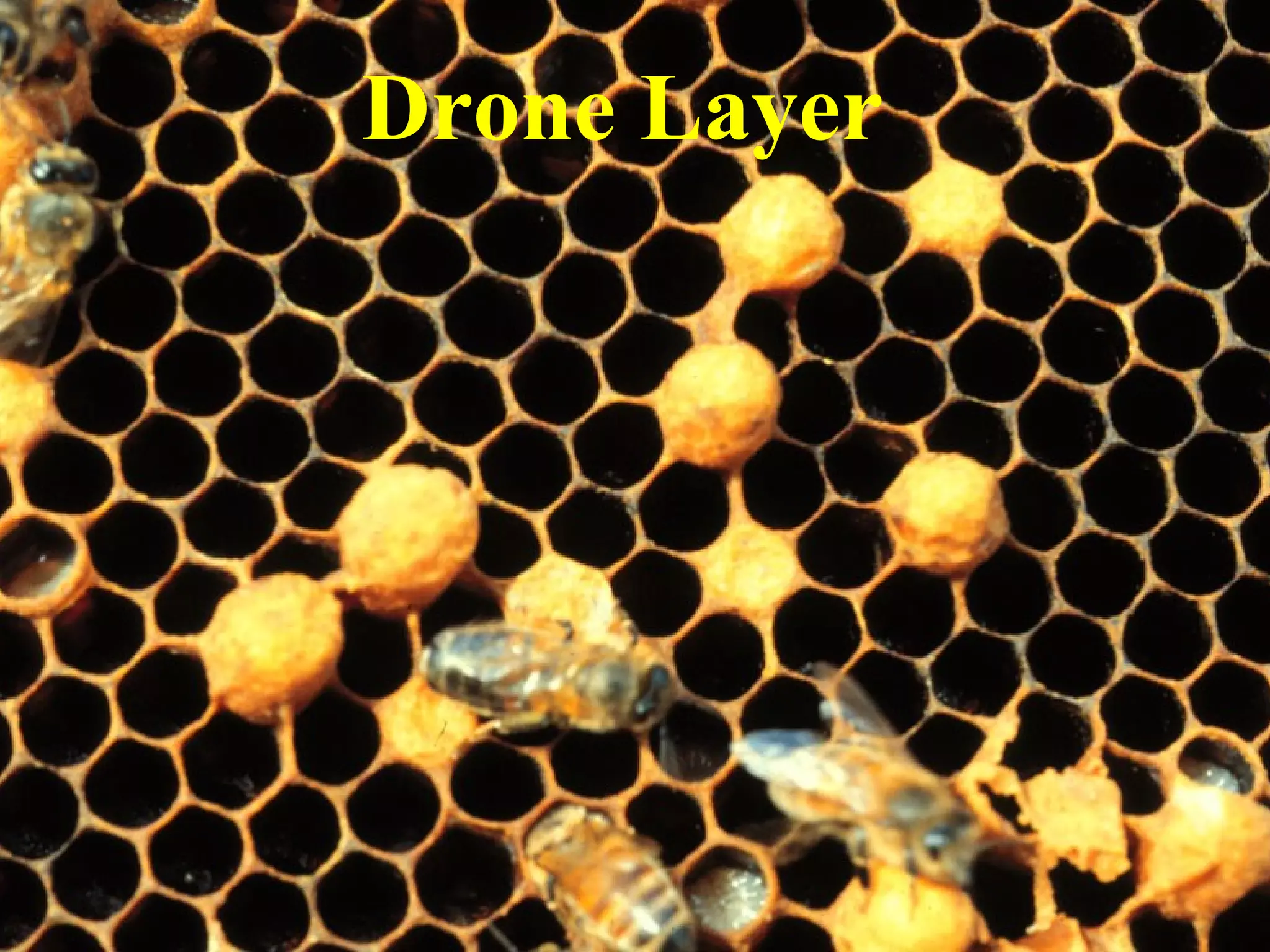
Drone Layer
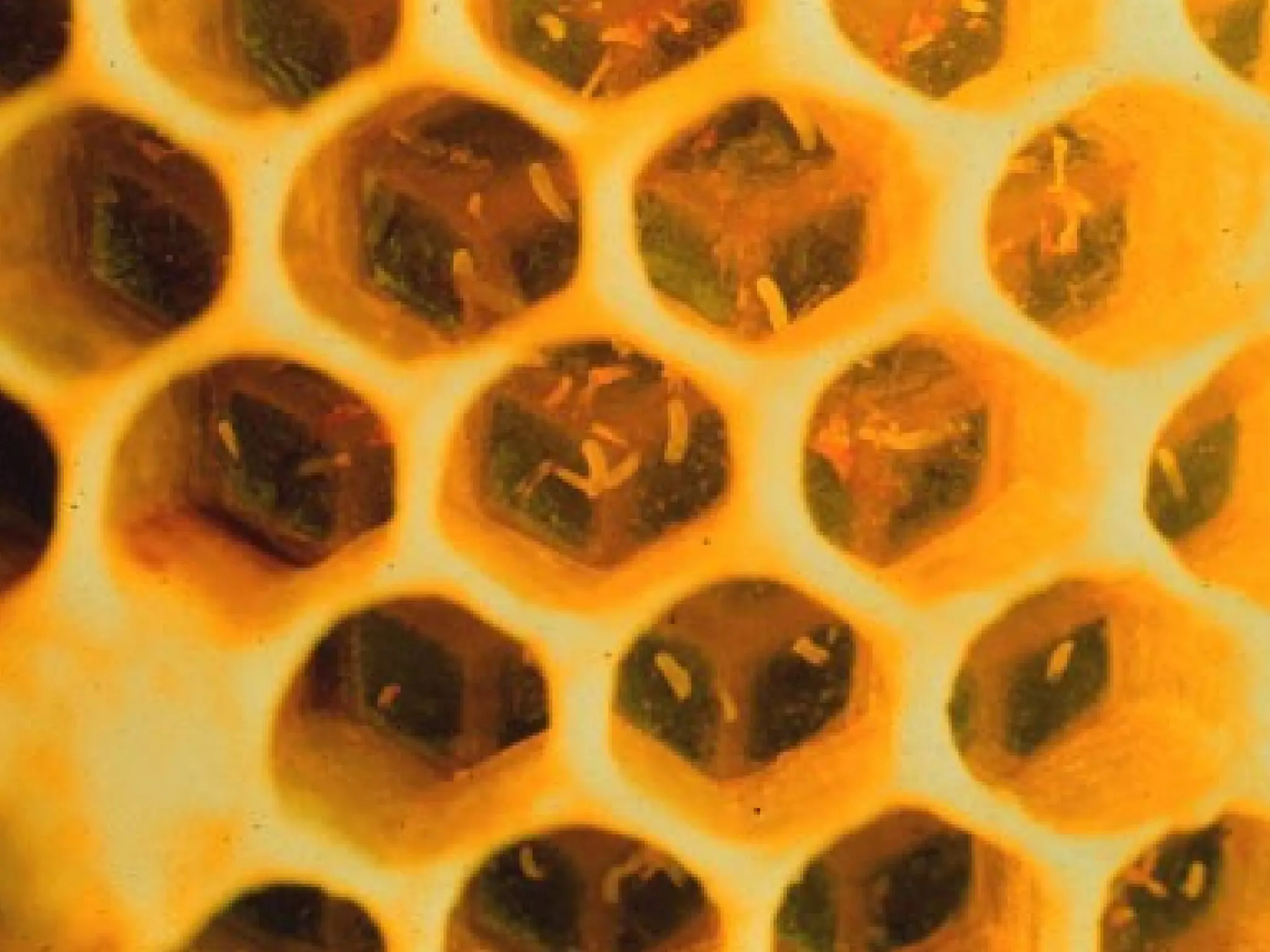
Laying Workers
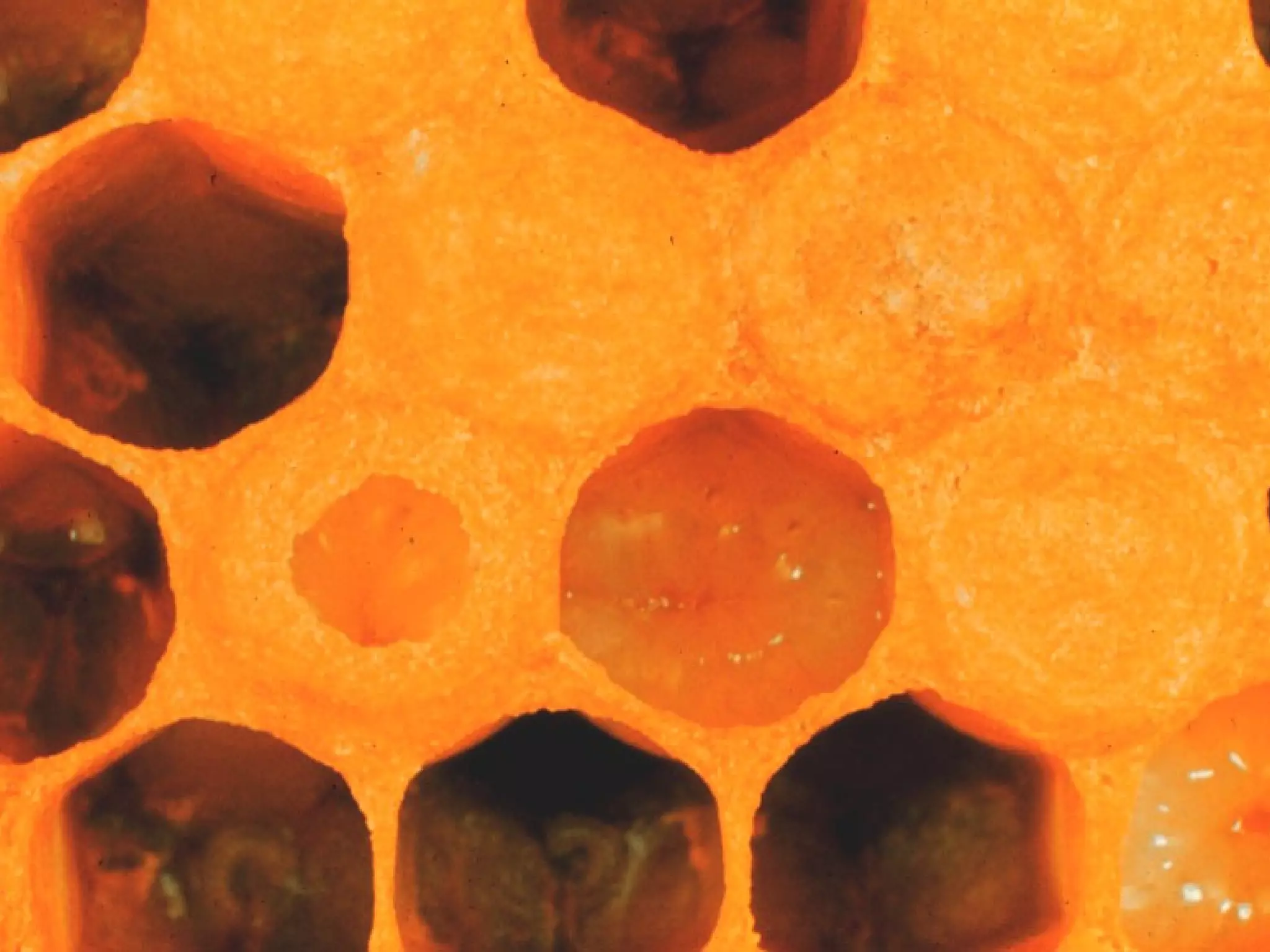
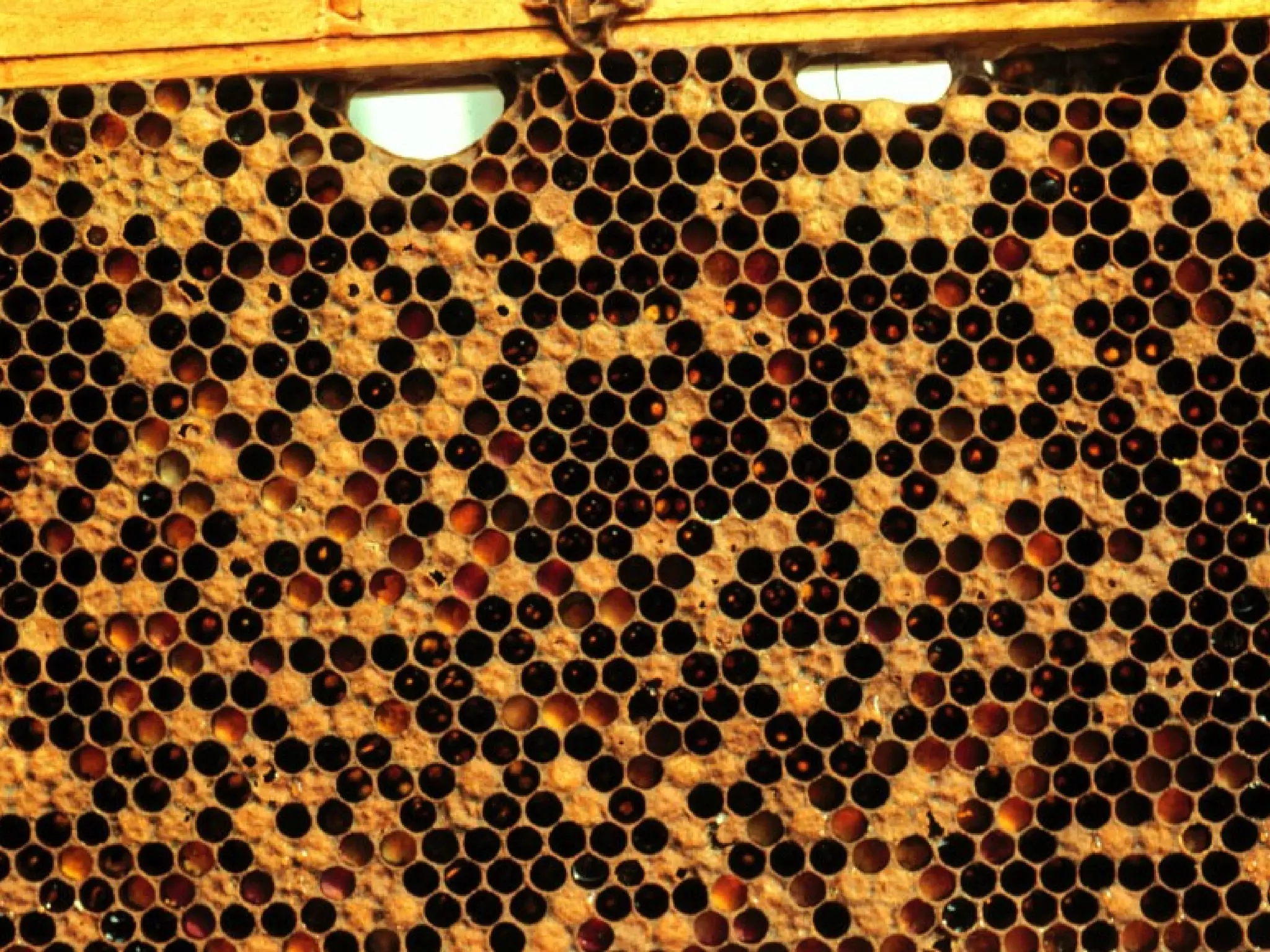
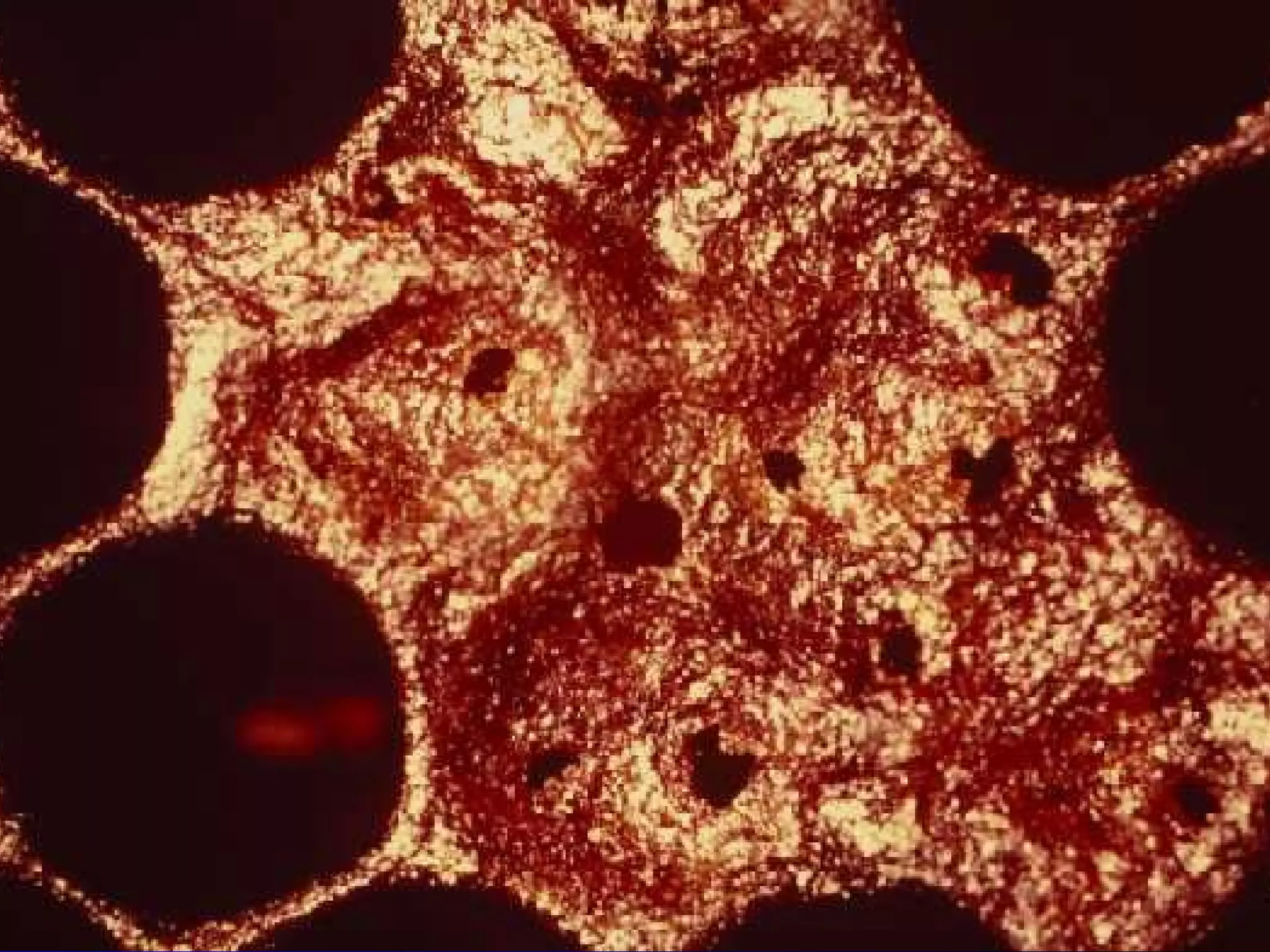
Combs Can Serve As A
       Disease Reservoir

   Cappings

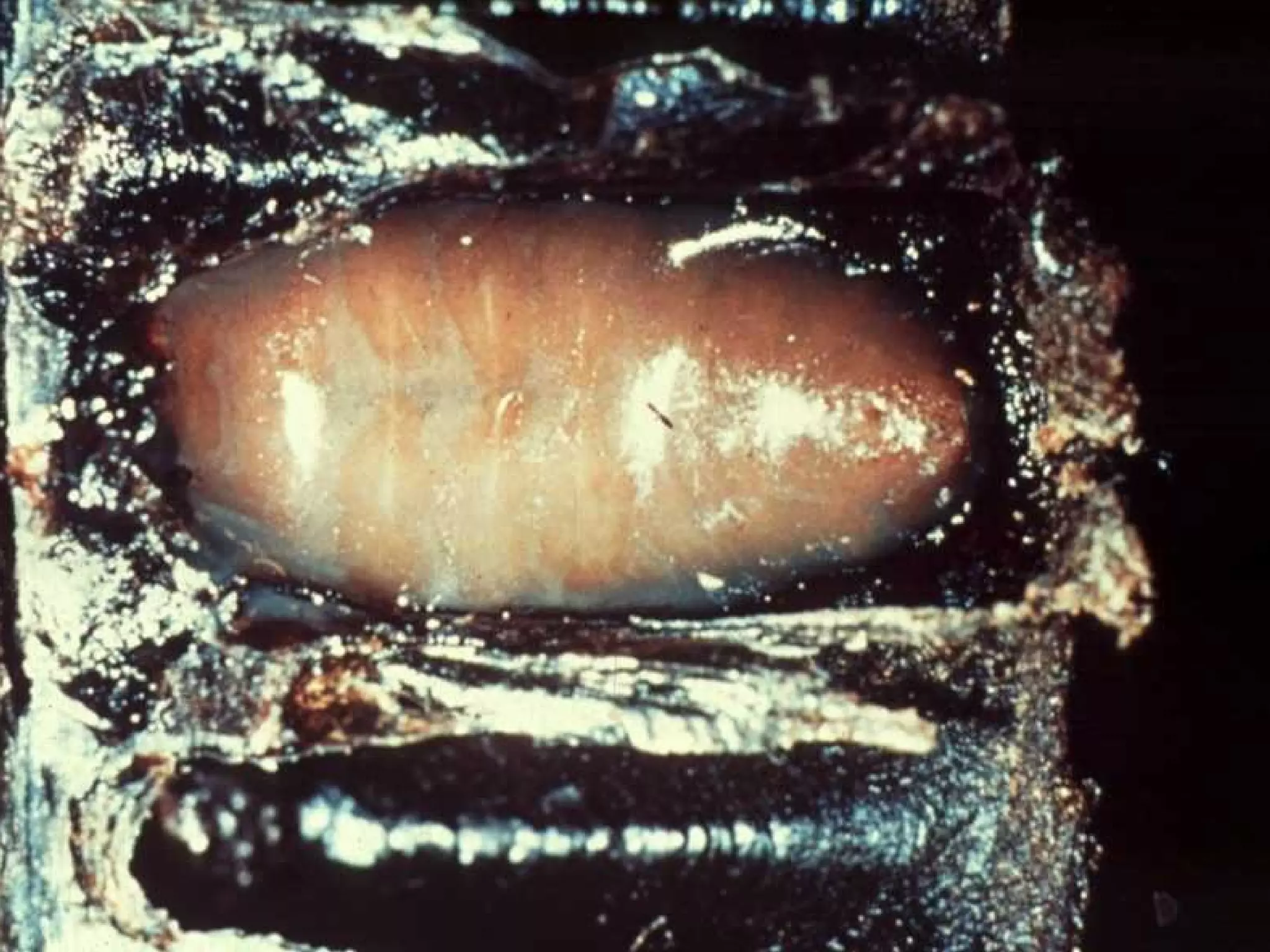
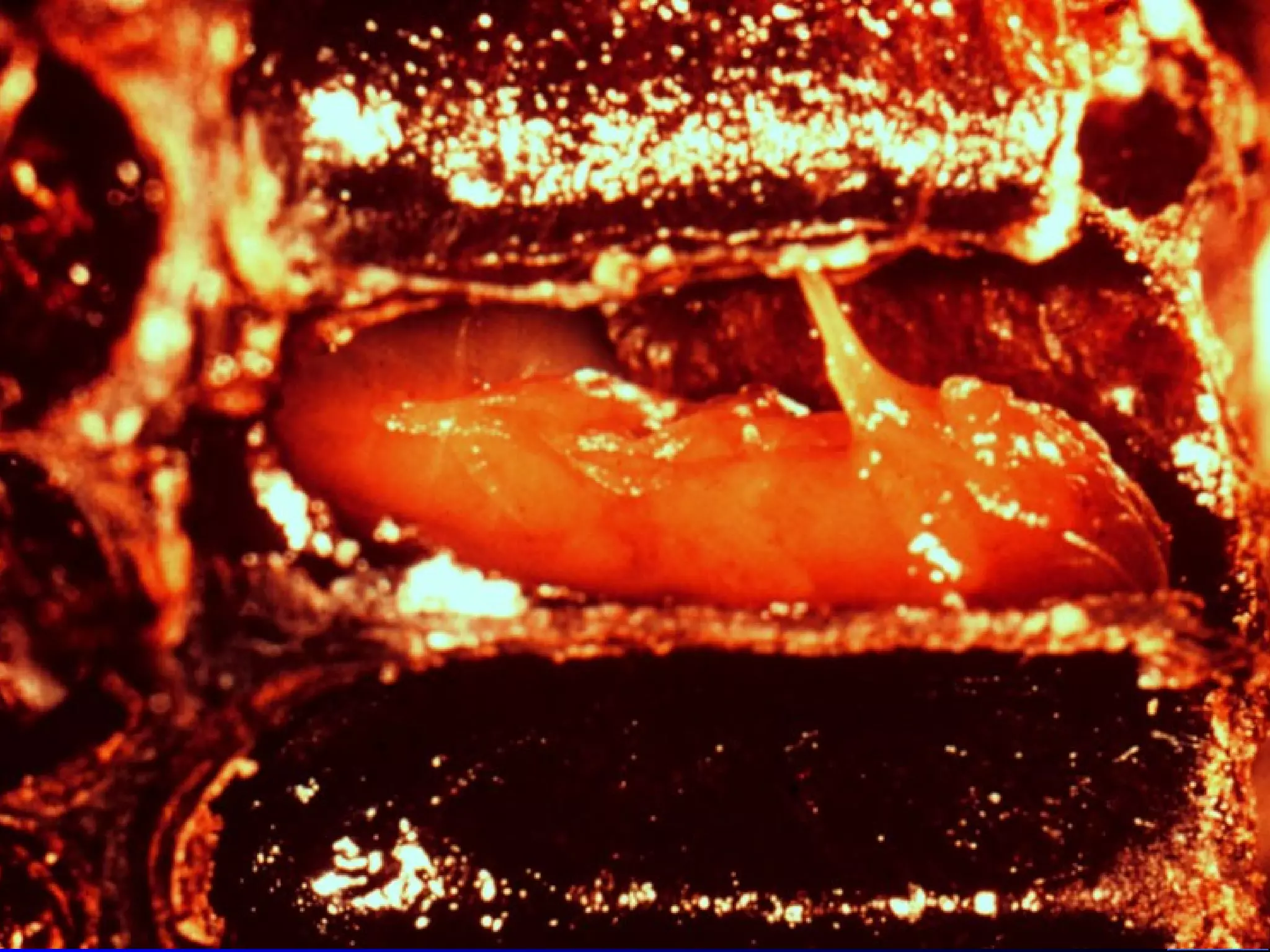
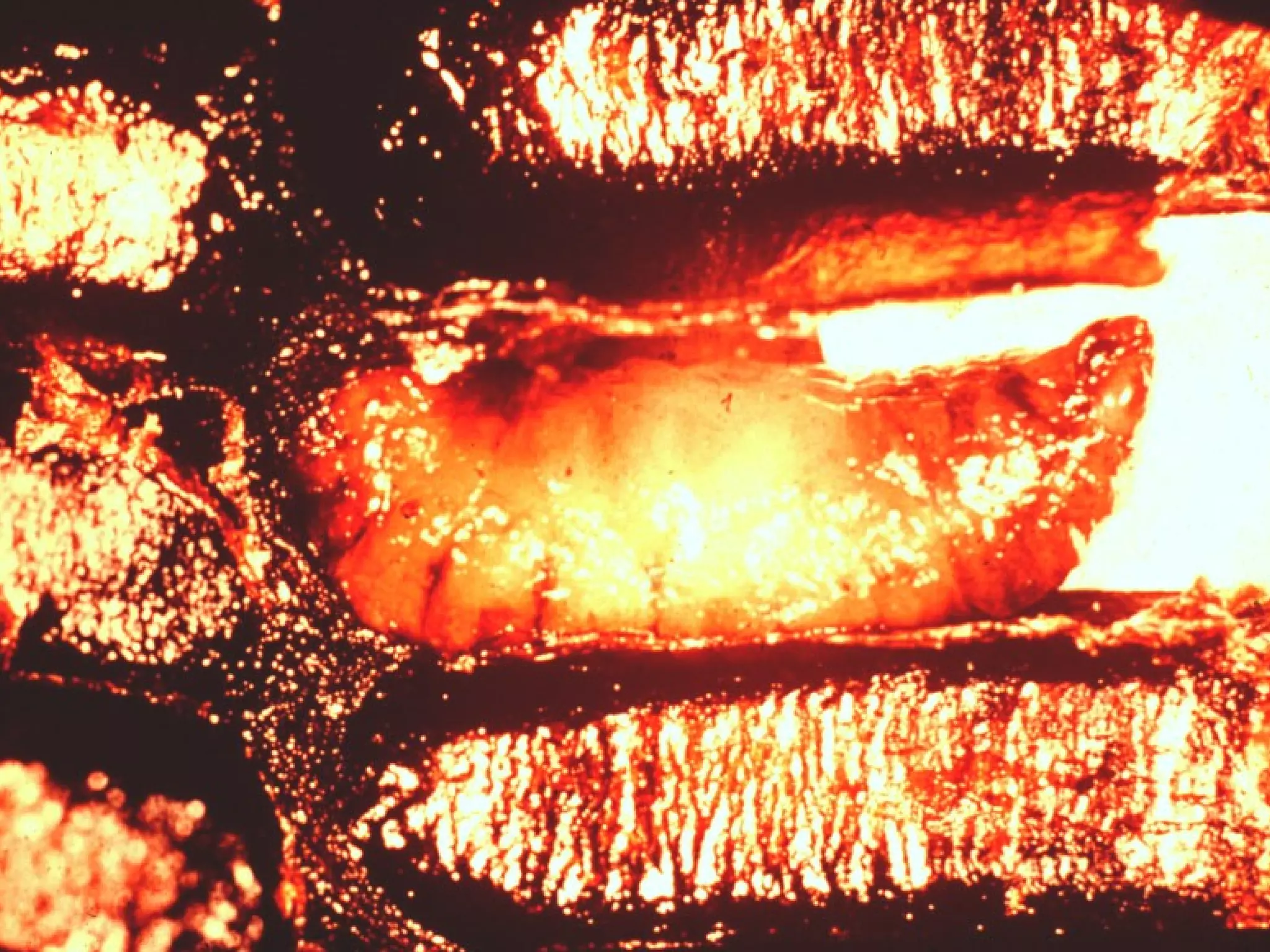
   Color Changes In Larvae/Pupae

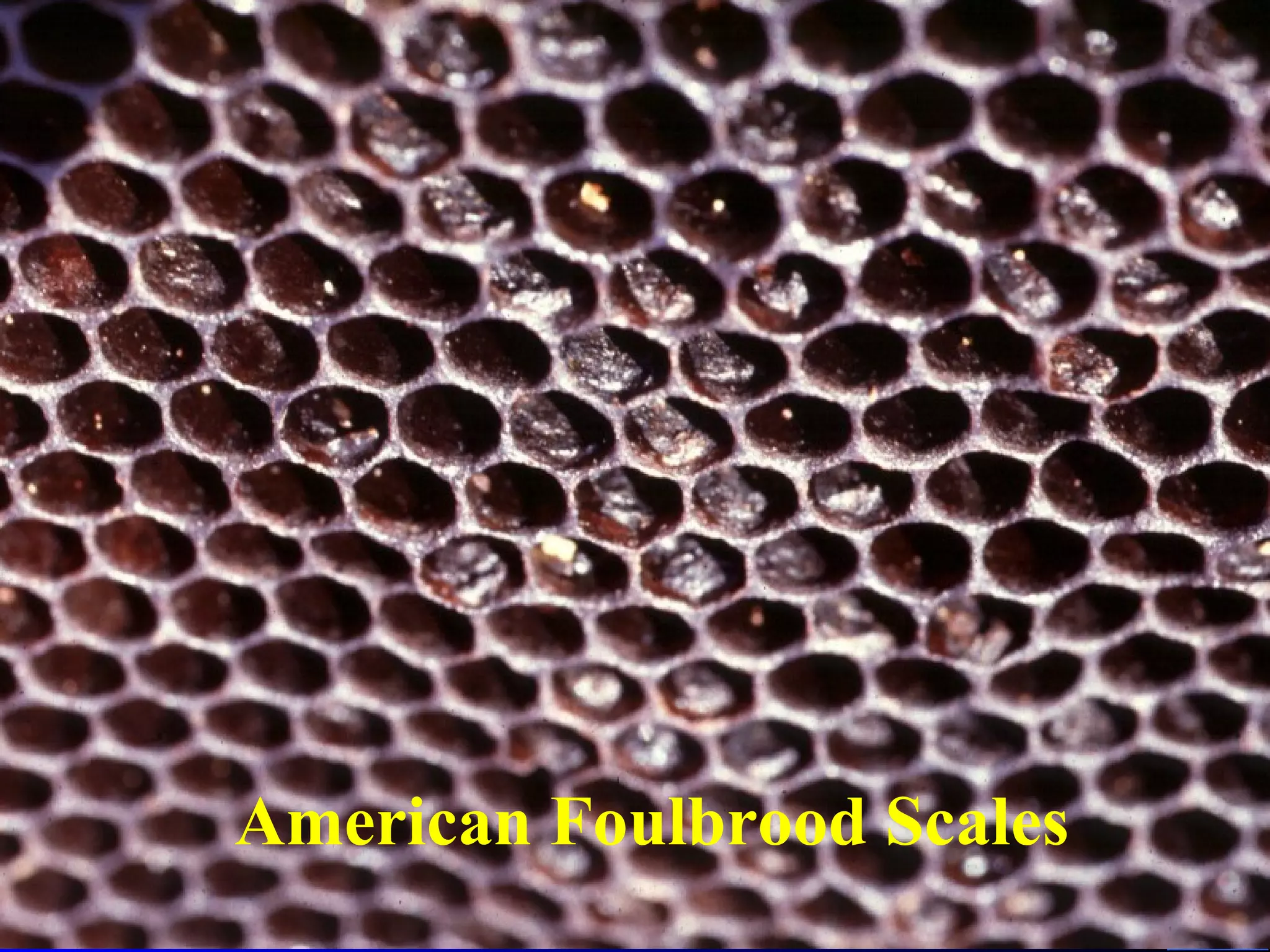
   Scale

   Mummies
American Foulbrood Scales
Check For
Varroa Mites
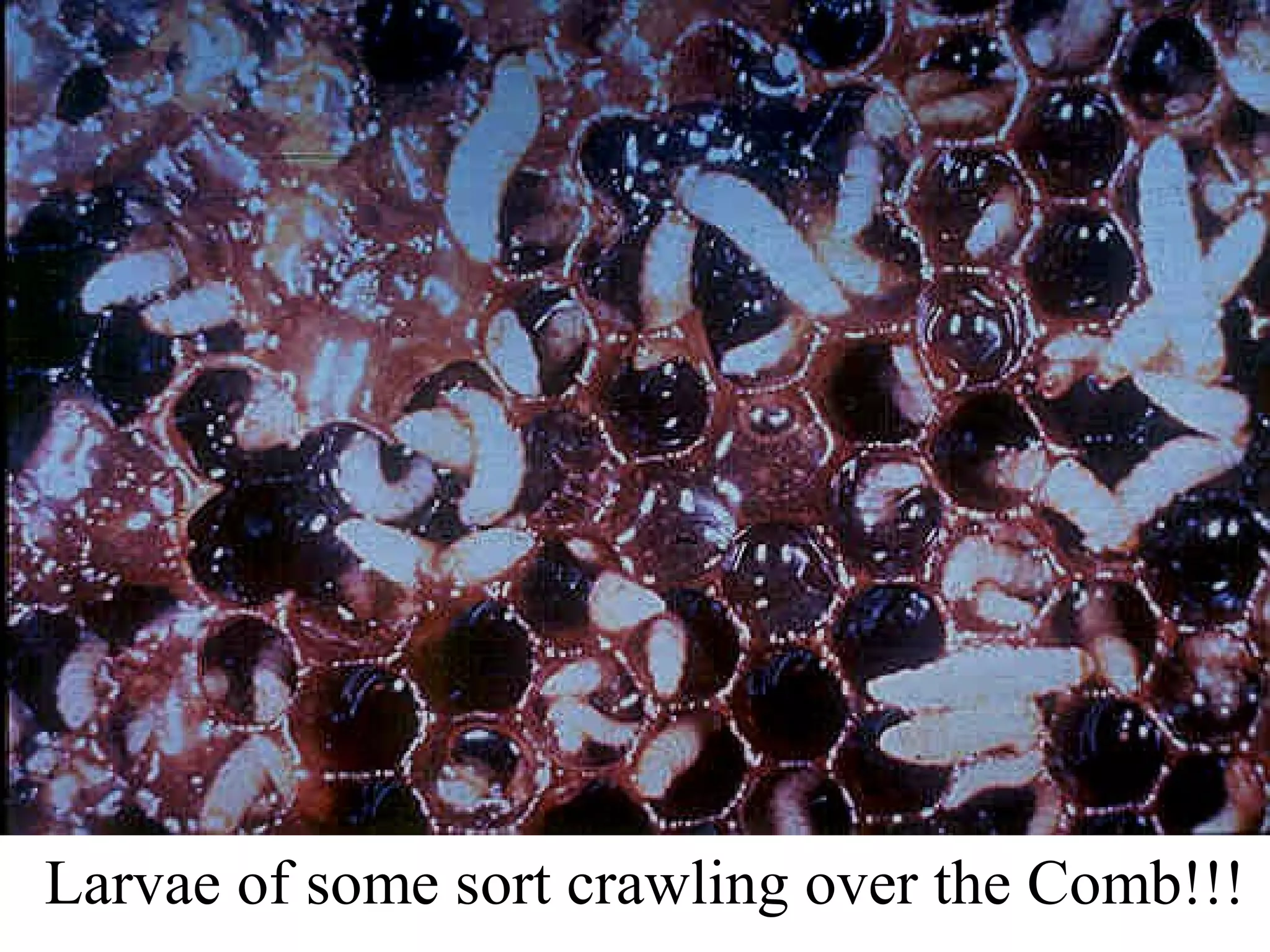
Larvae of some sort crawling over the Comb!!!
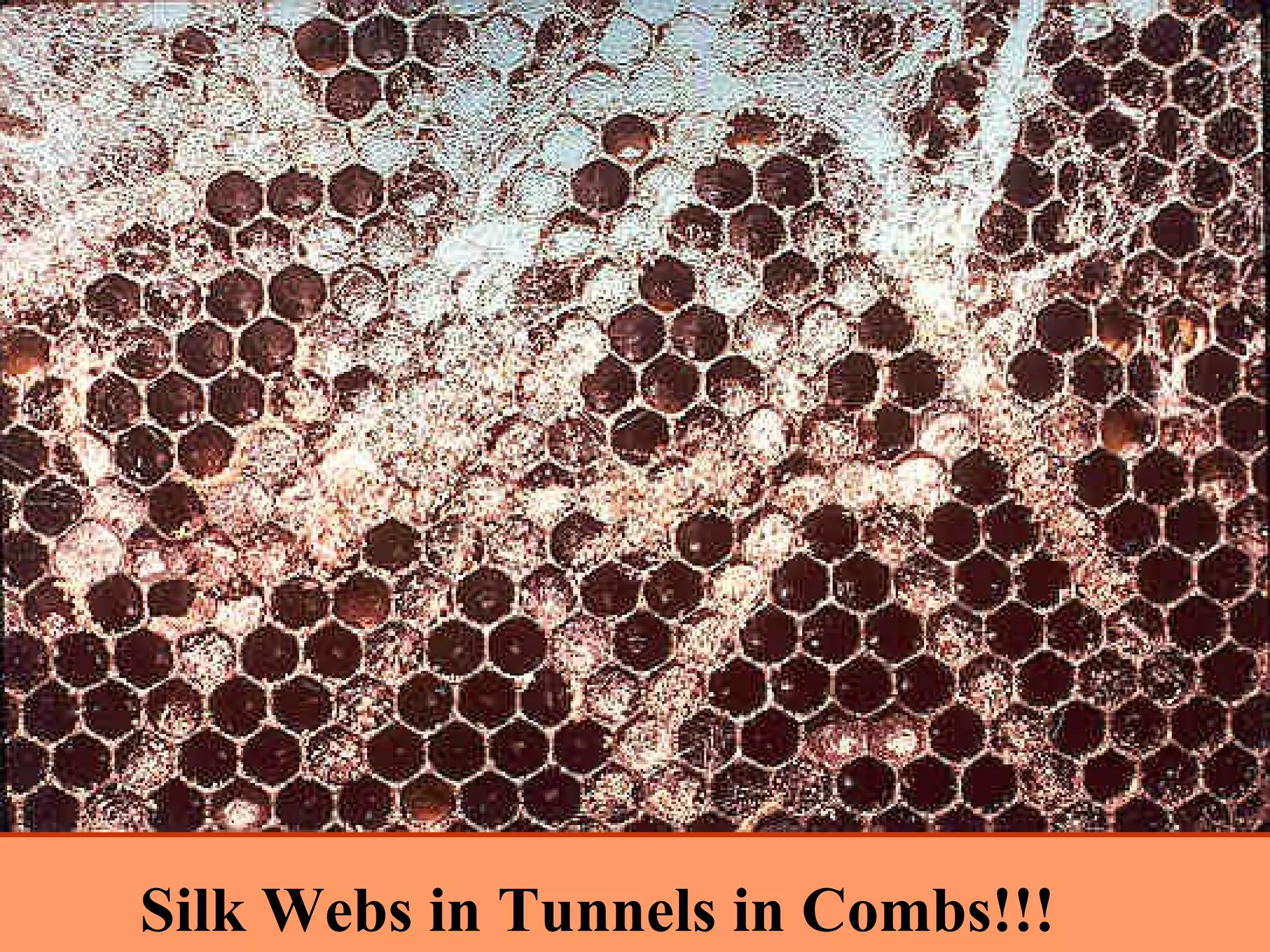
Silk Webs in Tunnels in Combs!!!
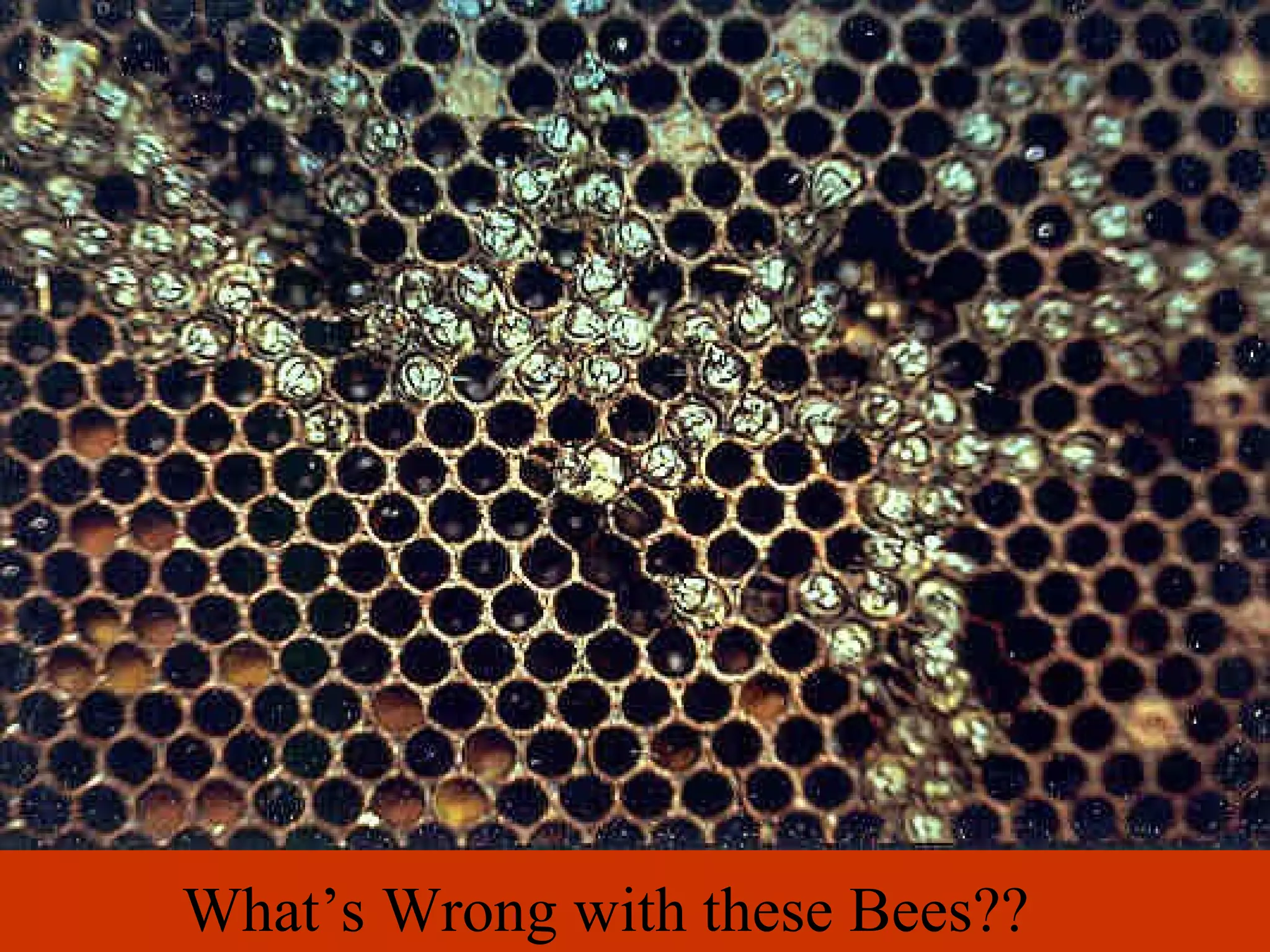
What’s Wrong with these Bees??
When Additional
Honey Supers Are
    Needed
Population Balance
Amount Of Brood

What Is Normal?
Can There Be Too Much?
Can There Be Too Little?
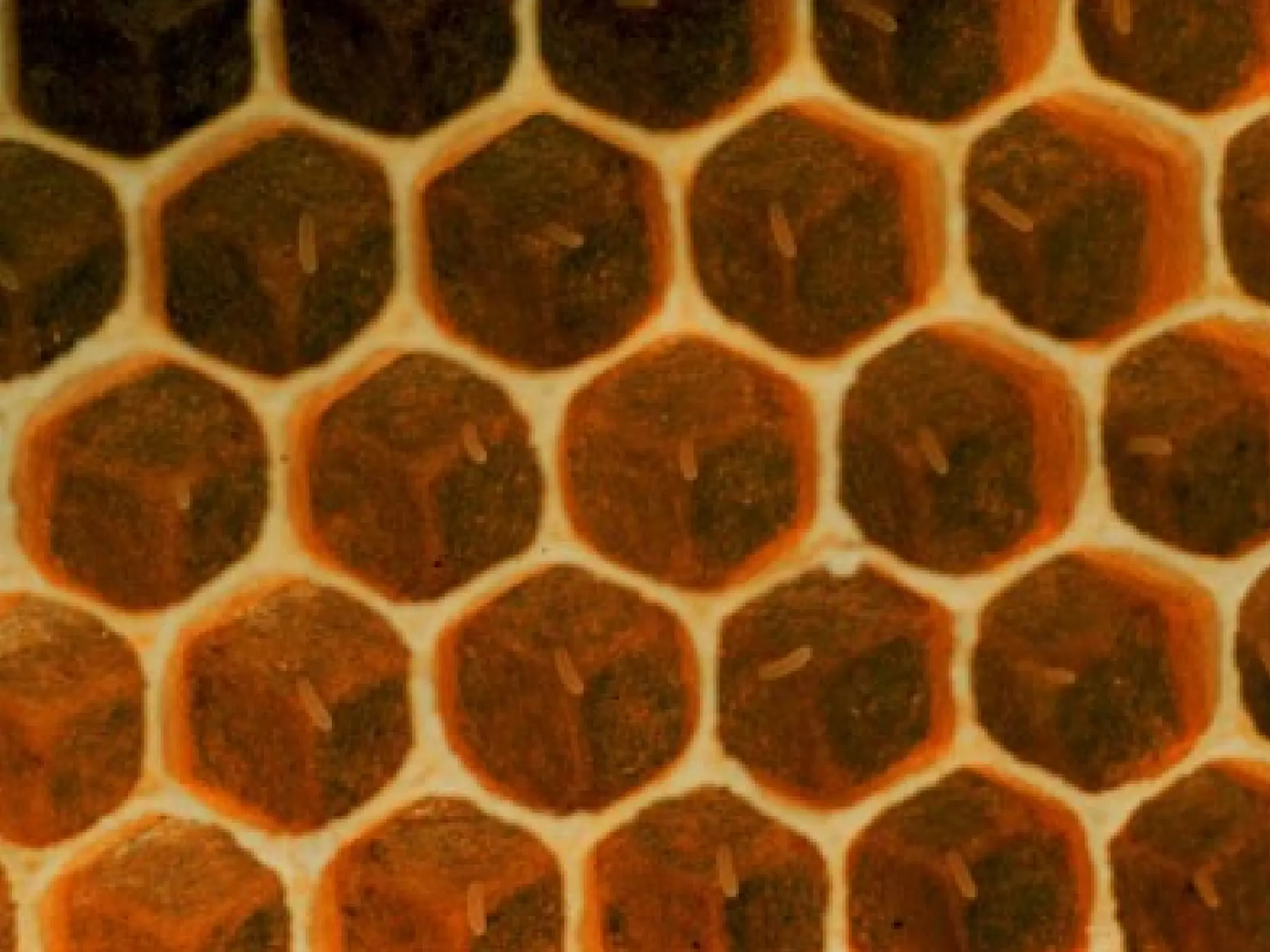
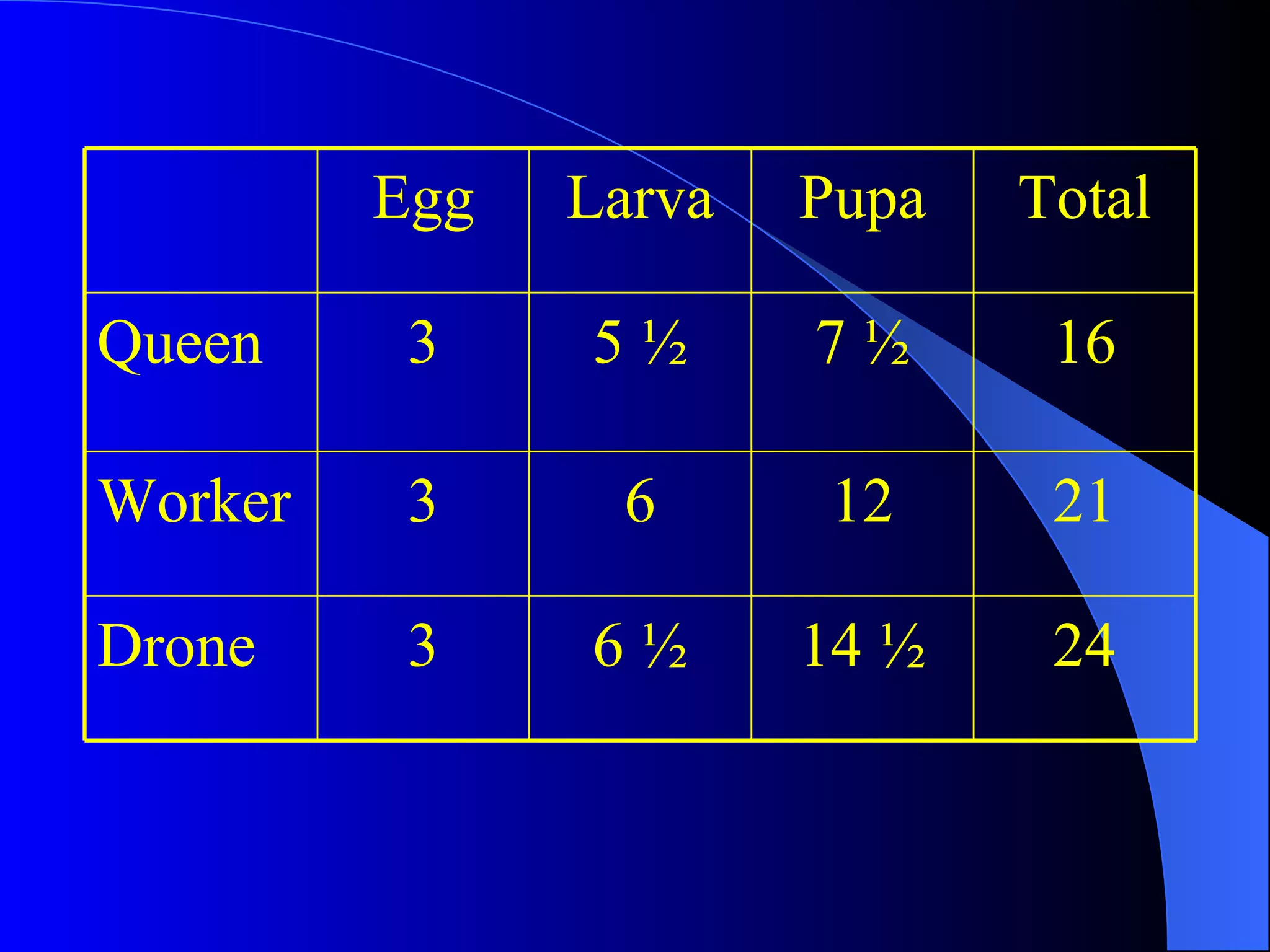
Egg   Larva   Pupa   Total

Queen     3    5½      7½      16

Worker    3     6       12     21

Drone     3    6½      14 ½    24
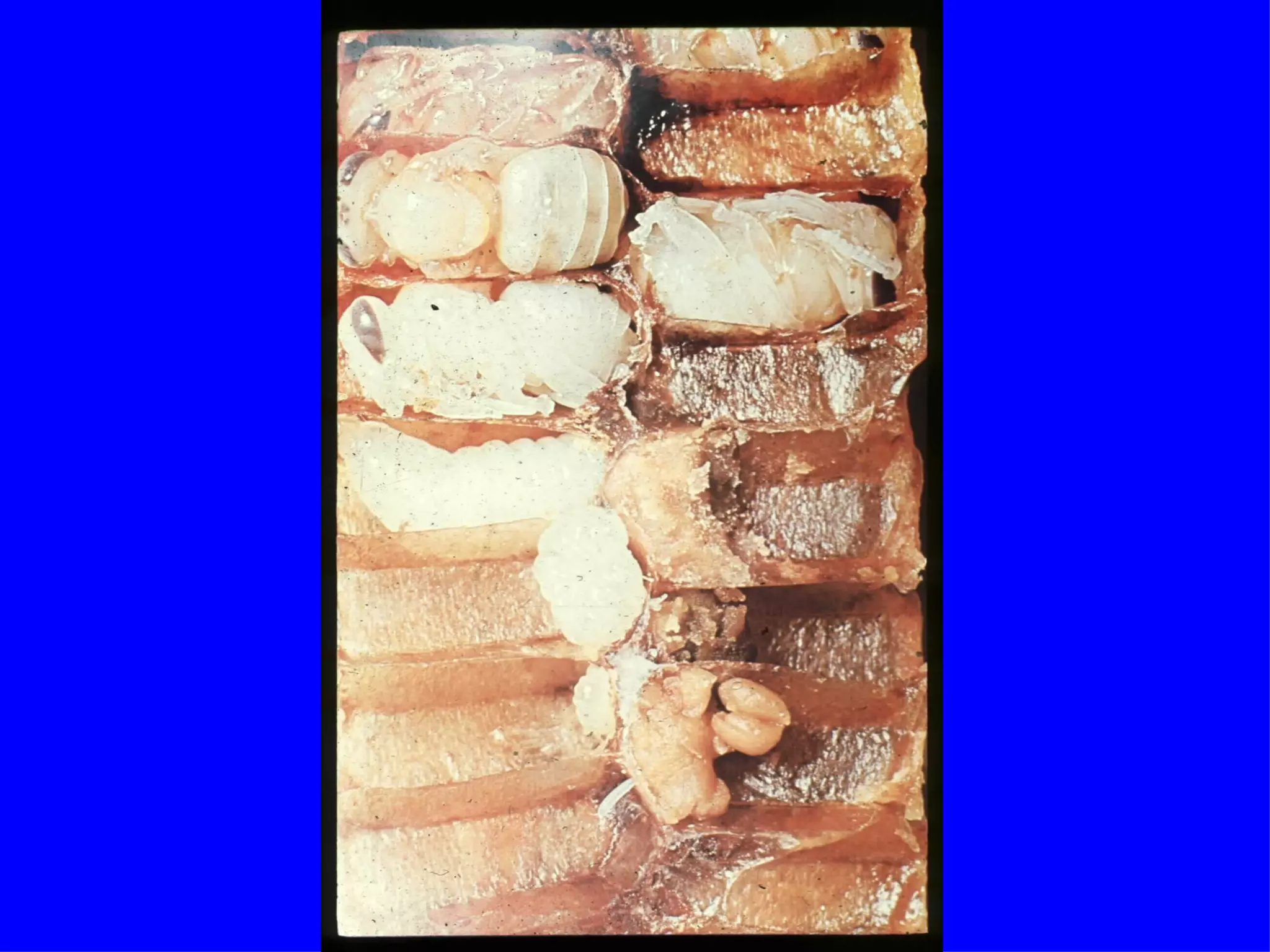
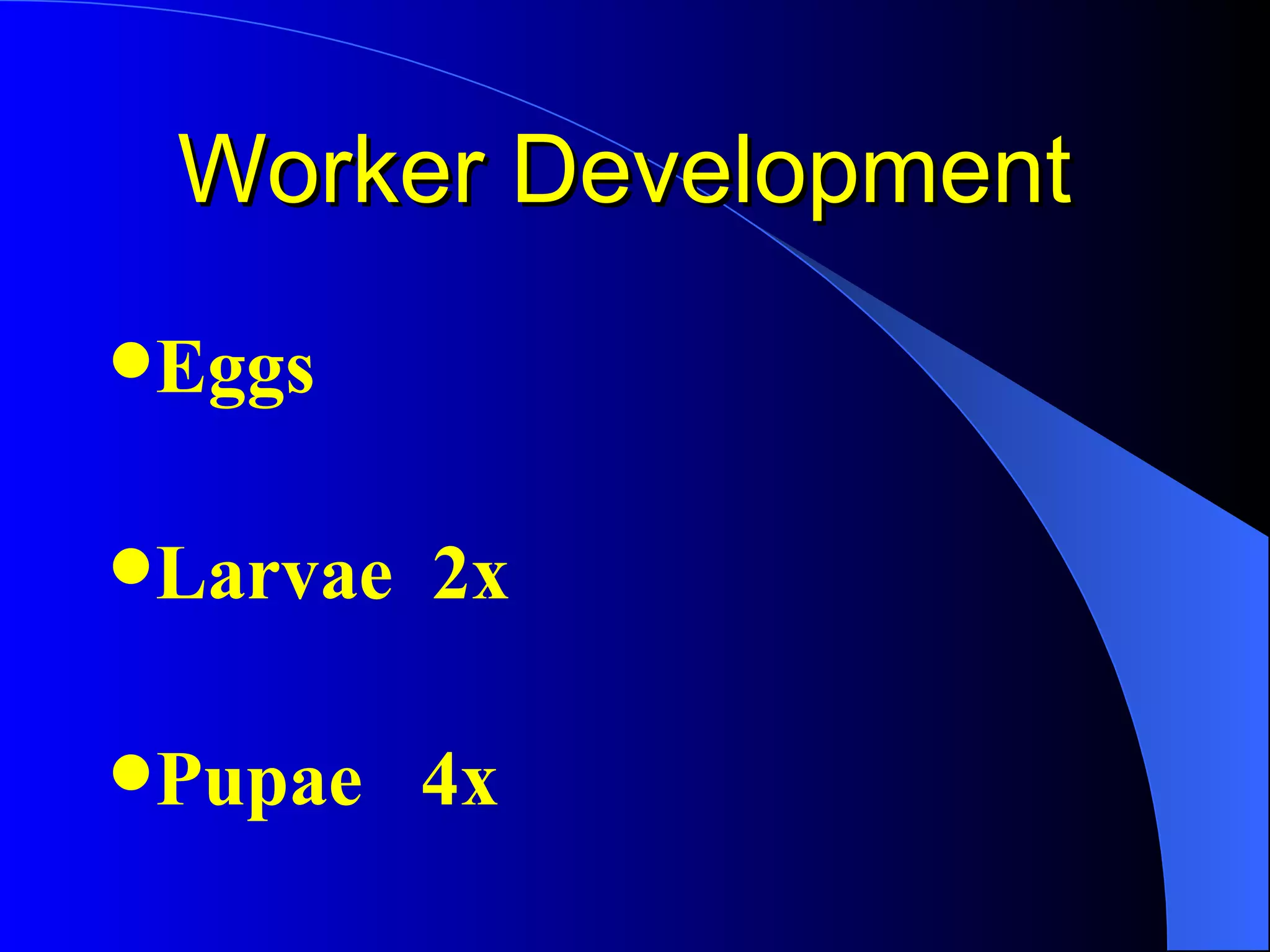
Worker Development
Eggs


Larvae   2x

Pupae    4x
How Can You Tell If
The Brood Cycle Has
   Been Broken?
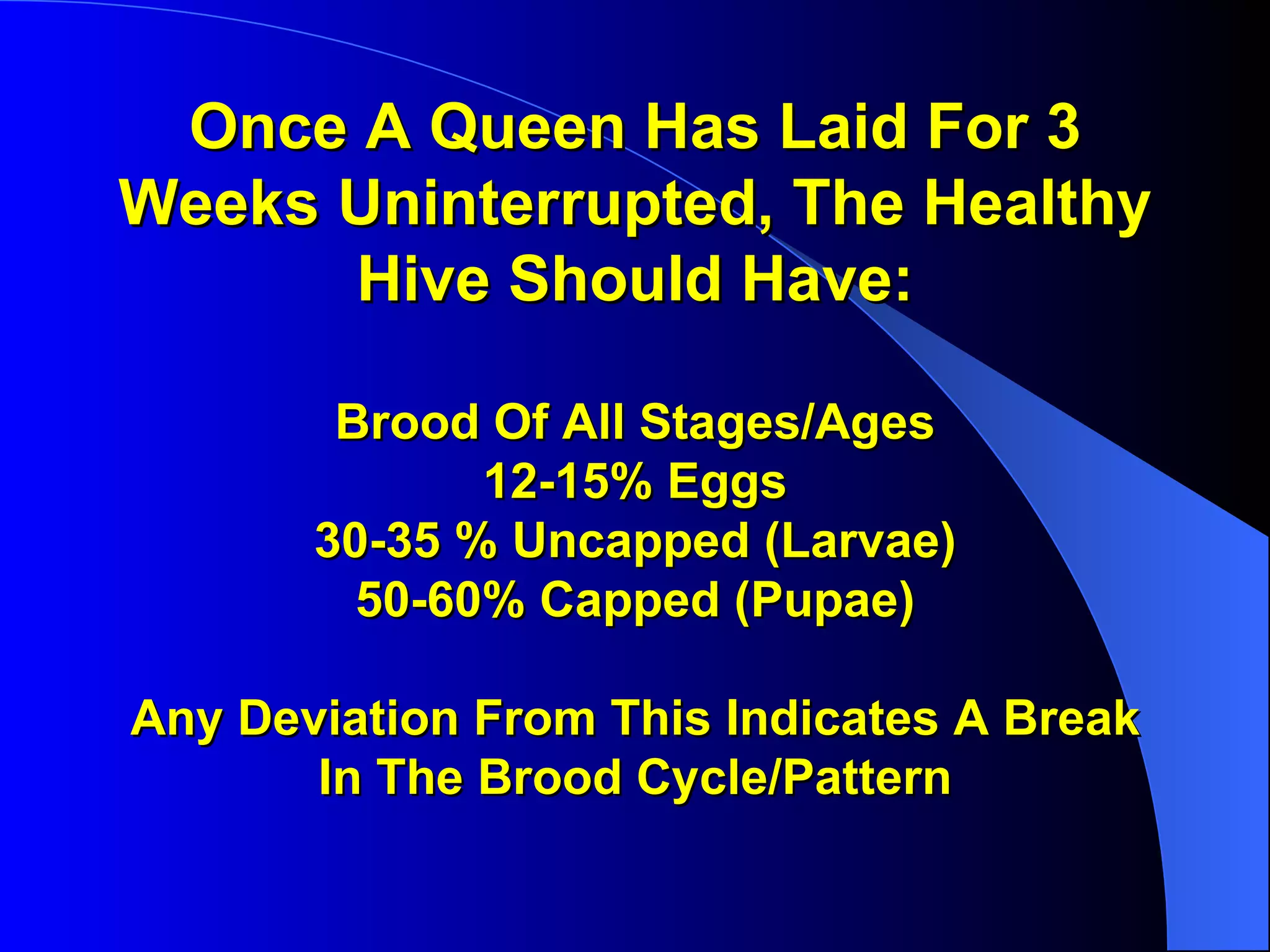
Once A Queen Has Laid For 3
Weeks Uninterrupted, The Healthy
      Hive Should Have:

        Brood Of All Stages/Ages
              12-15% Eggs
       30-35 % Uncapped (Larvae)
         50-60% Capped (Pupae)

Any Deviation From This Indicates A Break
       In The Brood Cycle/Pattern
What Causes A Disruption
  Of The Brood Cycle?

Anything That Causes The
Queen To Stop Laying Or
That Destroys The Brood
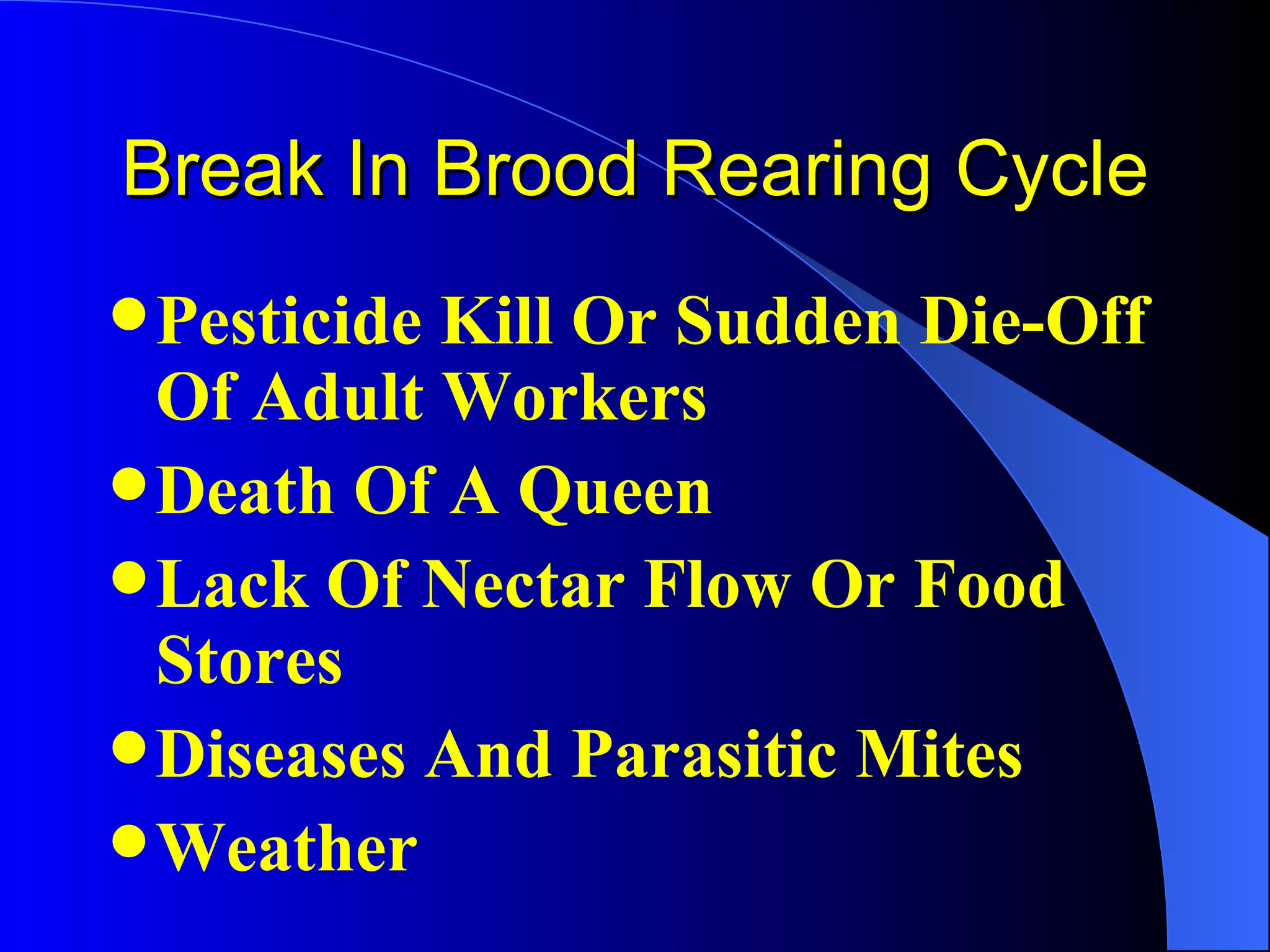
Break In Brood Rearing Cycle
 PesticideKill Or Sudden Die-Off
  Of Adult Workers
 Death Of A Queen
 Lack Of Nectar Flow Or Food
  Stores
 Diseases And Parasitic Mites
 Weather
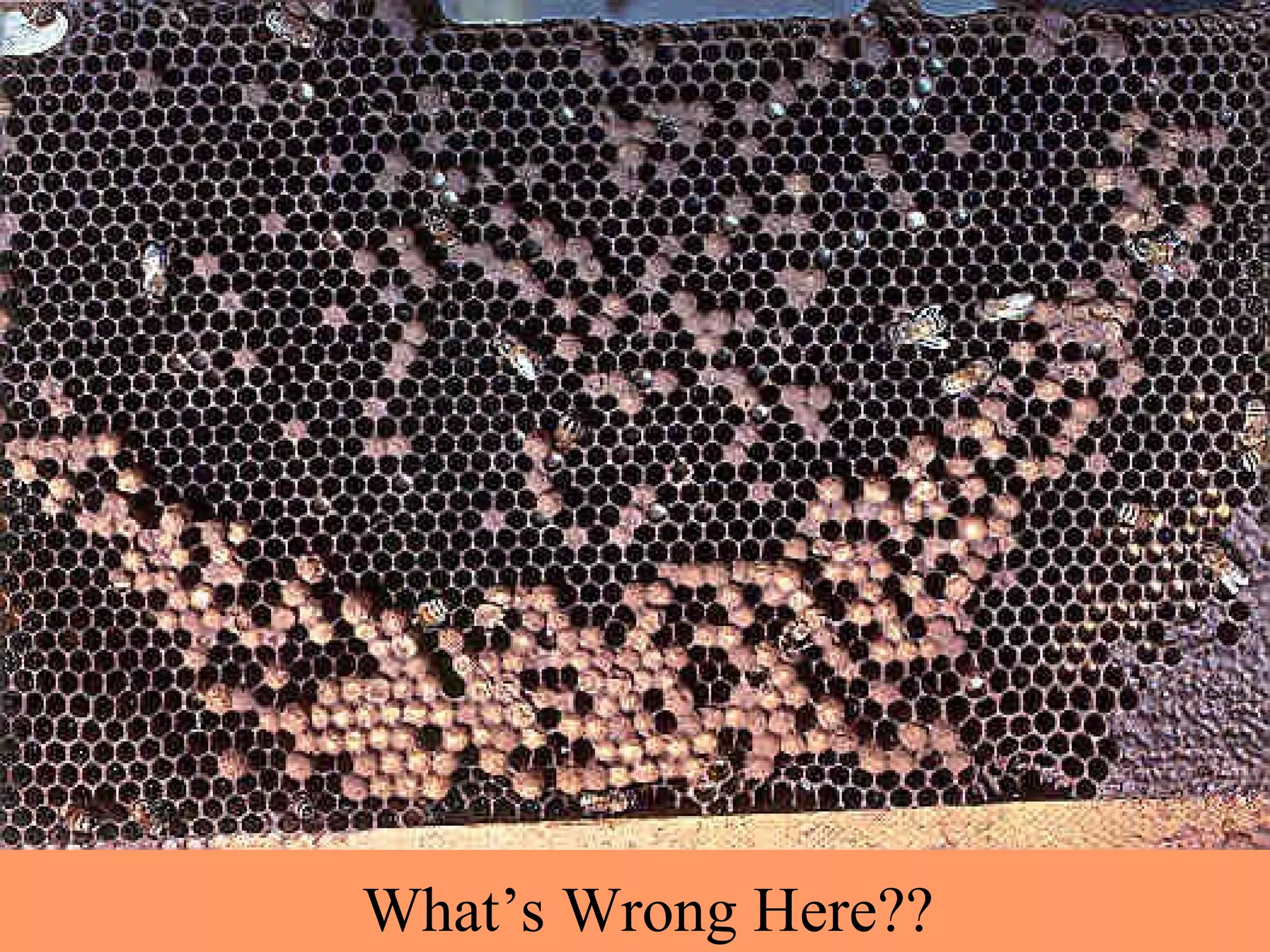
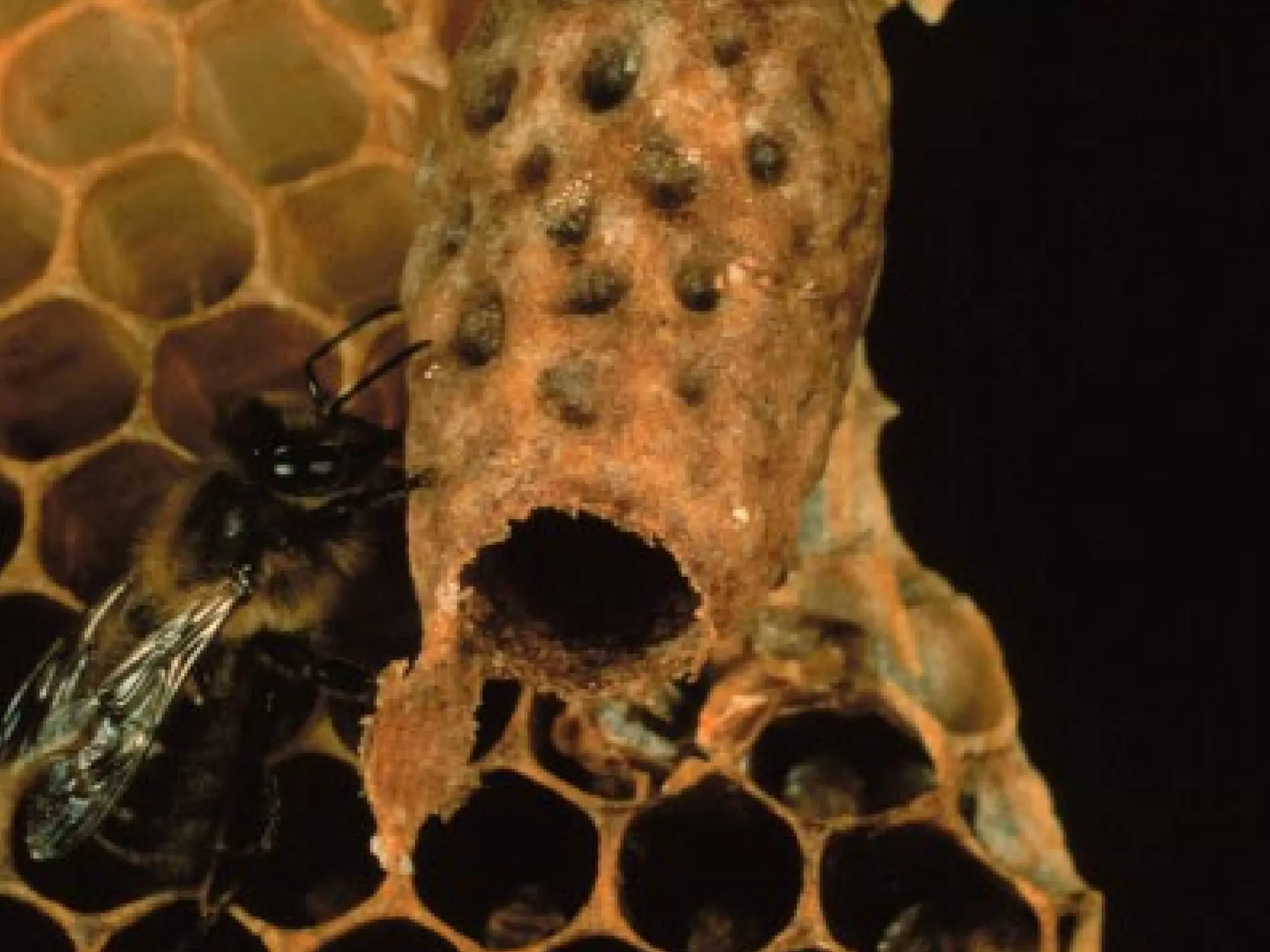
What’s Wrong Here??
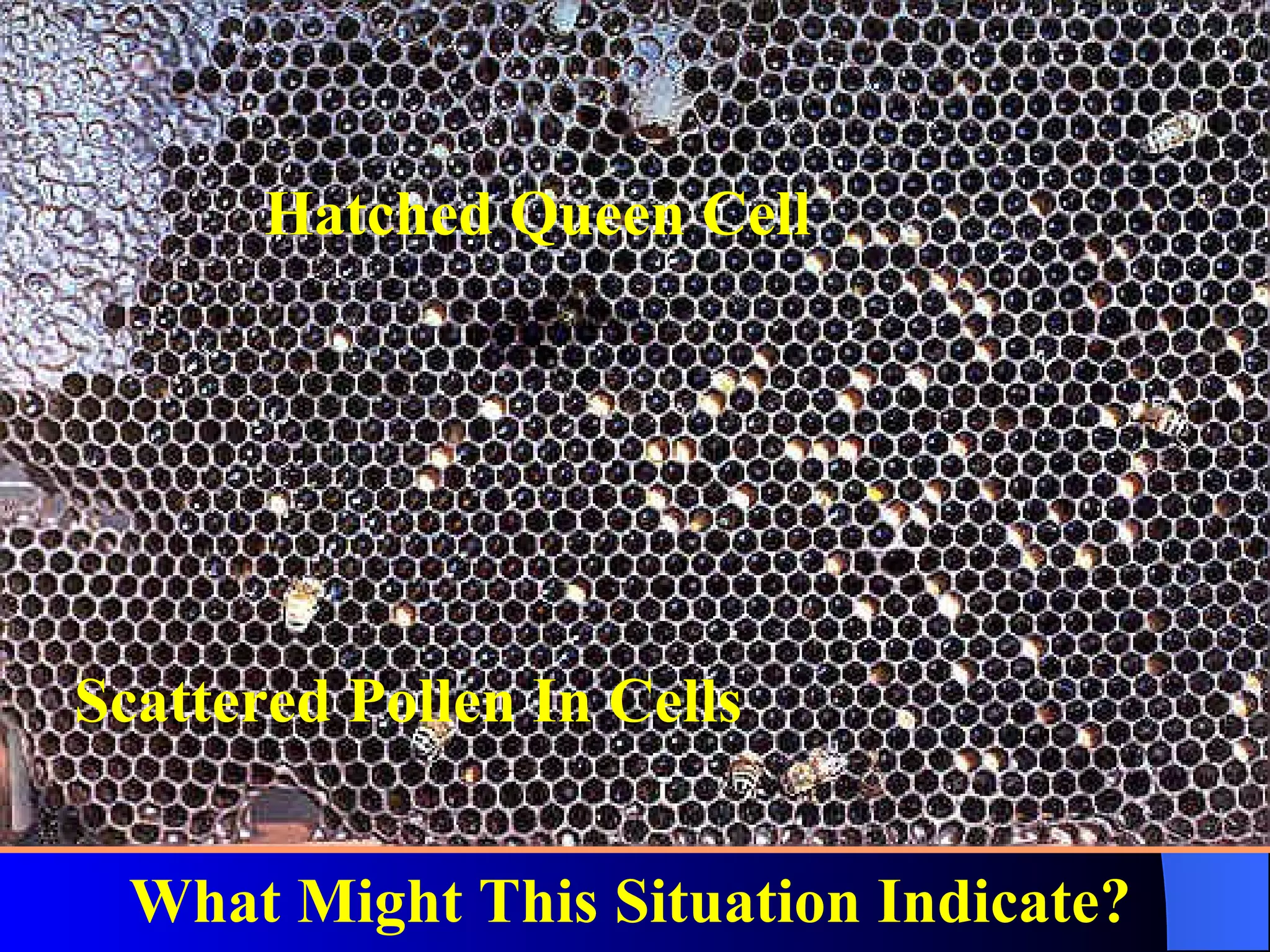
Hatched Queen Cell


Scattered Pollen In Cells


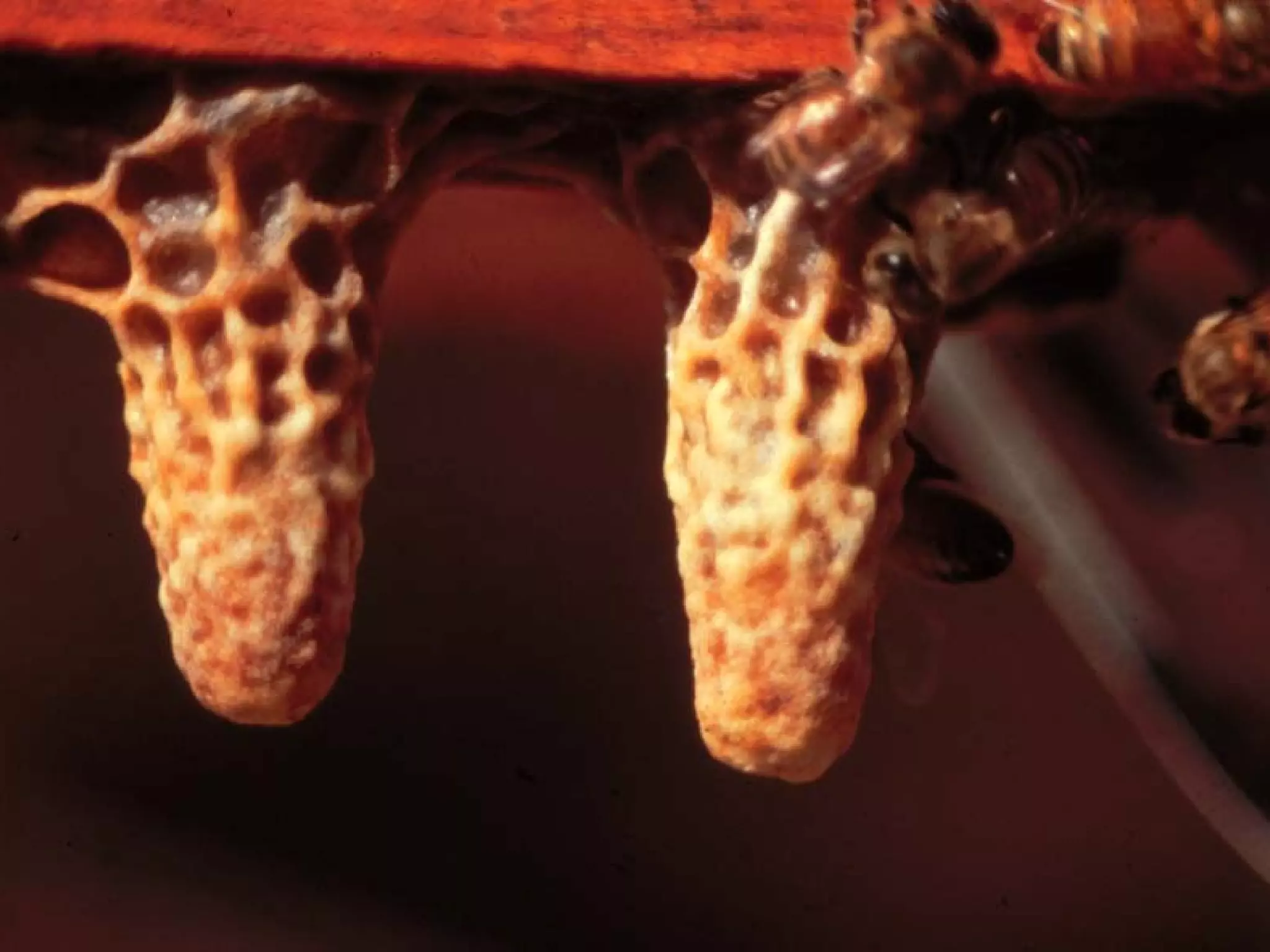
  What Might This Situation Indicate?
Emergency
Supersedure
Swarming
What Should You Do
Upon Finding A Large
 Drone Population?
Prosperity!
  Doom!
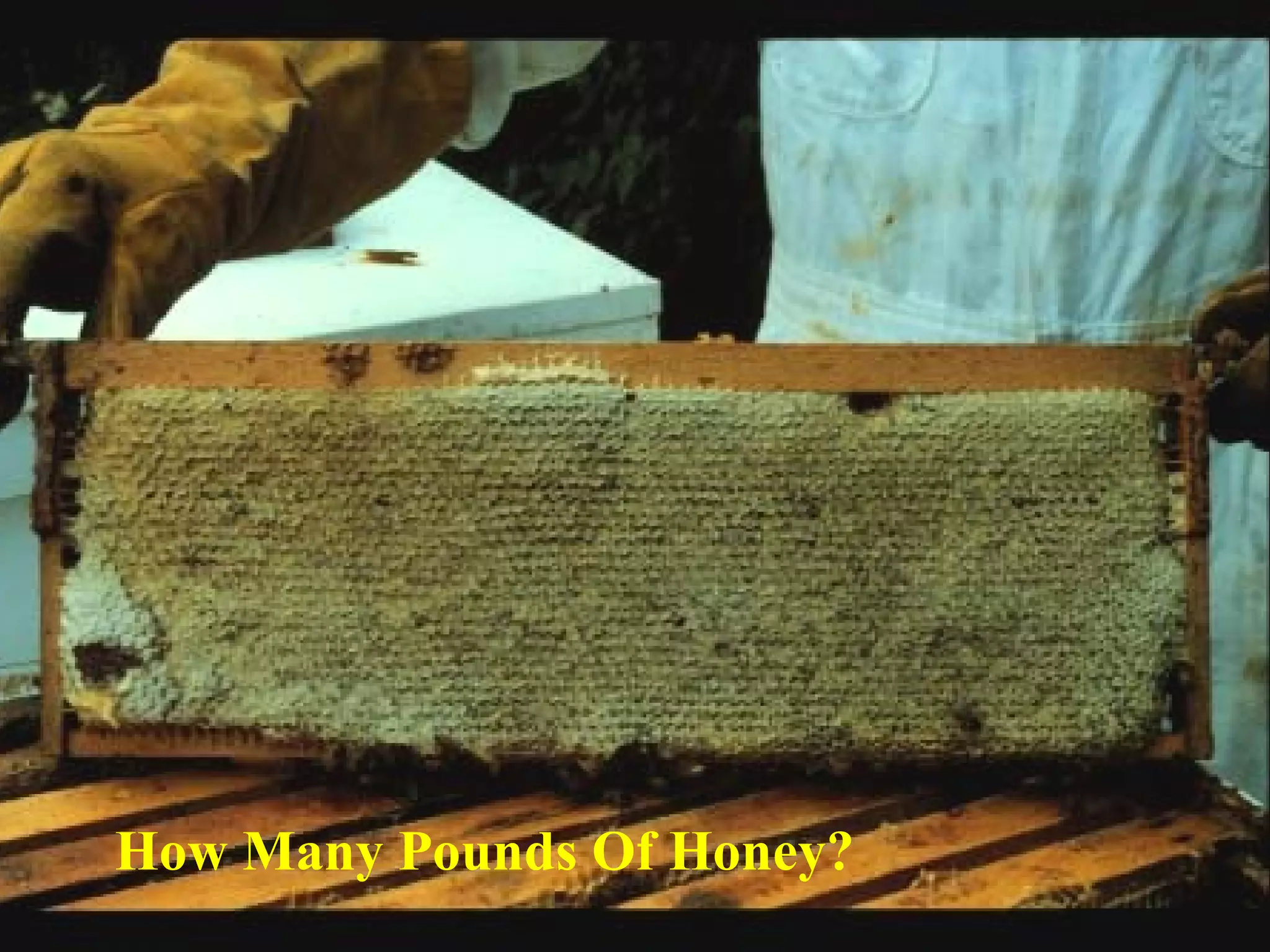
How Many Pounds Of Honey?

Examining combs what do they tell you

Editor's Notes