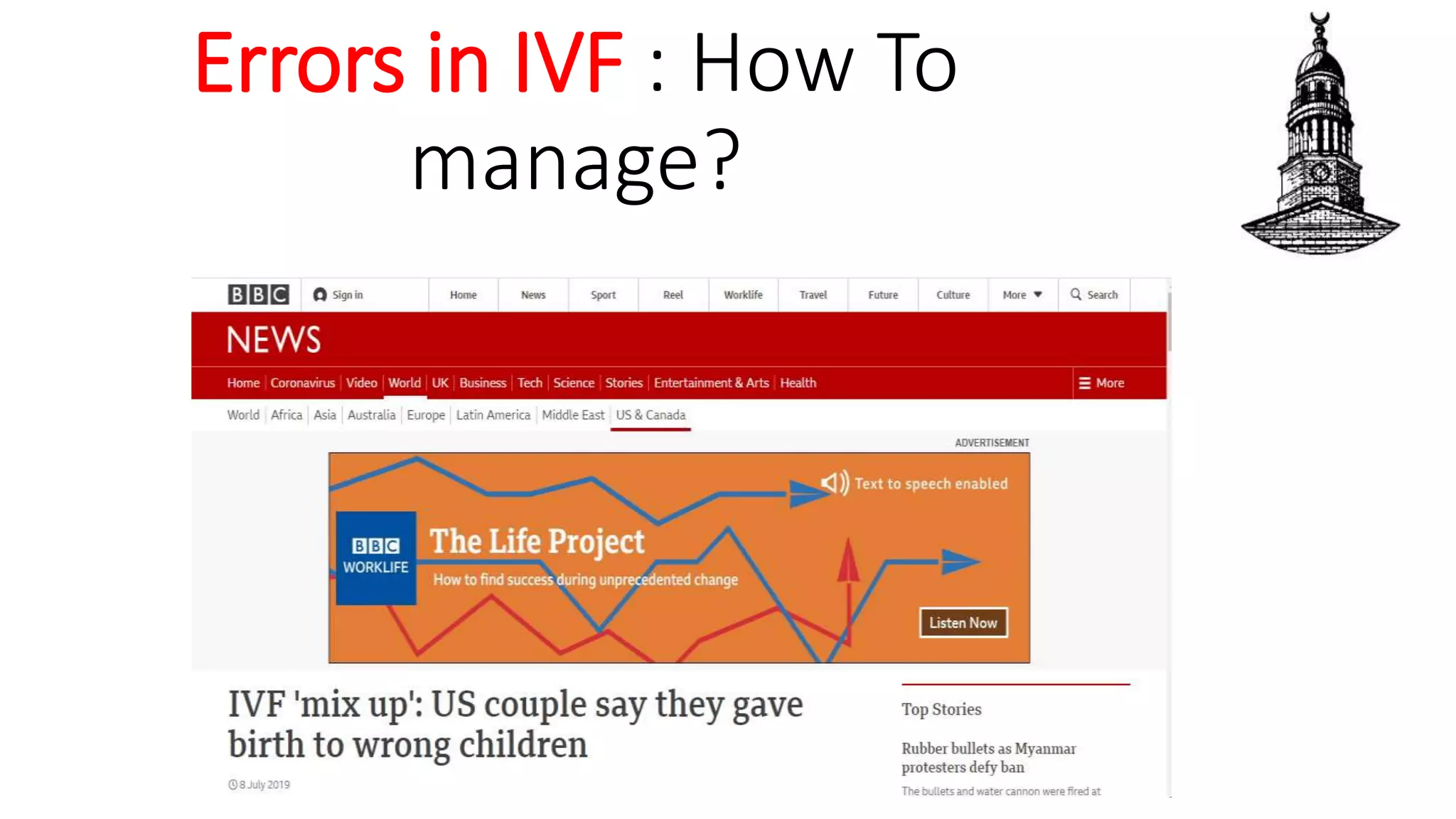
Errors in IVF : How To
manage?
Outline
• Introduction
• Incidence
• Causes of IVF errors
• Grading
• How to Avoid
• Clinical errors
• Disclosure to patients
Introduction
• The aim of this talk is to discuss the unintended errors
that may occur during the IVF procedure
•Ricardo Asch
Incidence
• ART errors are fortunately a rare occurrence
• But mistakes are inevitable
(Mark P. Trolice et al., 2020)
Causes of IVF errors
• 1. Clinical
• 2. Administrative
• 3. Embryo Lab
(HFEA, State of the fertility sector 2019/2020)
Causes of IVF errors
1- Clinical
• Andrology
Semen Analysis
associated ID
Infertility Specialist
• Sub-optimal stimulation protocols
• Variation in skills for ovum-pick-up / Embryo Transfer
(HFEA, State of the fertility sector 2019/2020)
Hospitalisation
• major vessel injury (internal iliac).
• Patients starting a treatment cycle before all of their screening
results were reviewed (hepatic & anaethesia)
• Severe OHSS
(HFEA, State of the fertility sector 2019/2020)
As of the fertility sector 2017-2018
2- Administrative ( most common)
• Usually data protection breaches
• Overbooking , negligence, dis coordination
Also
• communication skills among team members.
• Daily organization, distribution, and easy visualization of
laboratory tasks.
(Maria and Amparo, 2013)
3- Embryo Lab
• All procedures related to frozen embryo and egg storage.
• PGS/D including sex selection.
• Equipment failures / calibration.
• Accidents / Mix-ups.
• Power failure.
Human
• heavy clinical workload and distraction.
• Sakkas et al. reported error rates were significantly low where 99.9% of
procedures proceeded with no errors.
(Sakkas et al., 2018)
Outline
• Introduction
• Incidence
• Causes of IVF errors
• Grading
• How to Avoid
• Clinical errors
• Disclosure to patients
Grading
None/Minimal
Error or problem occurred, but fully correctable or
no measurable effect
Moderate
Serious error which affects a cycle, but cycle not lost
(Sakkas et al., 2014)
Significant
Significant compromise or loss of cycle
Major
A pregnancy or birth confirmed to have arisen from a misidentification
of gametes or embryos
(Sakkas et al., 2014)
How to avoid?
• Strict system
• Avoiding situations that can lead to errors
such as insufficient staffing and insufficient training.
• Avoiding the manipulation of more than one sample at
Once and shared working spaces.
(Maria and Amparo, 2013)
General rule
• Guidelines suggest that safe and efficient ART laboratory operation
requires one embryologist for every 150 ART cycles per year.
(Practice Committee of the ASRM, 2008)
Assess
• ratio of senior to junior embryologists to determine
appropriate staffing.
•1:2
(Alikani et al., 2014)
Cryo embryos & semen
• Some tank alert systems feature a scale underneath each tank to
monitor the liquid nitrogen.
(Mark P. Trolice et al., 2020)
Regarding clinical errors
• Ensure that staff are suitably trained to carry out egg collection.
• Supervision
• Have a protocol for the management of patients at risk of OHSS
(HFEA Adverse incidents in fertility clinics 2010-2012)
OHSS free clinic
• Lower human chorionic gonadotrophin dose
• Gonadotrophin-releasing hormone agonist in antagonist cycles
• Cryopreservation of all embryos
• Use of oral dopamine agonists after oocyte retrieval.
( El Tokhy et al, 2016)
Procedures for identification
• Manual double witnessing
• Electronic witnessing
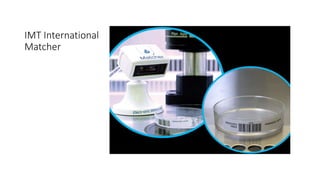
– Matcher – bar codes
– RI Witness – RFID (Radiofrequency identification)
(Brison D, et al., 2004)
IMT International
Matcher
In addition
• reduce patient concerns.
• electronic tracing each procedure and the time it was
performed.
(Maria and Amparo, 2013)
Multichamber Incubators
Outline
• Introduction
• Incidence
• Causes of IVF errors
• Grading
• How to Avoid
• Clinical errors
• Disclosure to patients
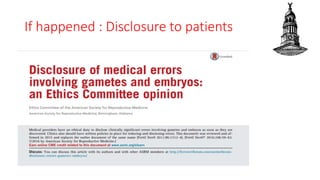
If happened : Disclosure to patients
“Culture of truth-telling”
• People will trust you more if you told them the hard to say/hard to
hear things that everyone else was avoiding.
Disclosure: 2016 ASRM Ethics Committee Report
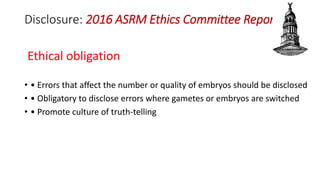
Ethical obligation
• • Errors that affect the number or quality of embryos should be disclosed
• • Obligatory to disclose errors where gametes or embryos are switched
• • Promote culture of truth-telling
Catastrophe
errors.pptx

errors.pptx

  • 1.
    Errors in IVF: How To manage?
  • 2.
    Outline • Introduction • Incidence •Causes of IVF errors • Grading • How to Avoid • Clinical errors • Disclosure to patients
  • 3.
    Introduction • The aimof this talk is to discuss the unintended errors that may occur during the IVF procedure •Ricardo Asch
  • 4.
    Incidence • ART errorsare fortunately a rare occurrence • But mistakes are inevitable (Mark P. Trolice et al., 2020)
  • 5.
    Causes of IVFerrors • 1. Clinical • 2. Administrative • 3. Embryo Lab (HFEA, State of the fertility sector 2019/2020)
  • 6.
    Causes of IVFerrors 1- Clinical • Andrology Semen Analysis associated ID
  • 7.
    Infertility Specialist • Sub-optimalstimulation protocols • Variation in skills for ovum-pick-up / Embryo Transfer (HFEA, State of the fertility sector 2019/2020)
  • 8.
    Hospitalisation • major vesselinjury (internal iliac). • Patients starting a treatment cycle before all of their screening results were reviewed (hepatic & anaethesia) • Severe OHSS (HFEA, State of the fertility sector 2019/2020)
  • 9.
    As of thefertility sector 2017-2018 2- Administrative ( most common) • Usually data protection breaches • Overbooking , negligence, dis coordination
  • 10.
    Also • communication skillsamong team members. • Daily organization, distribution, and easy visualization of laboratory tasks. (Maria and Amparo, 2013)
  • 11.
    3- Embryo Lab •All procedures related to frozen embryo and egg storage. • PGS/D including sex selection. • Equipment failures / calibration. • Accidents / Mix-ups. • Power failure.
  • 12.
    Human • heavy clinicalworkload and distraction. • Sakkas et al. reported error rates were significantly low where 99.9% of procedures proceeded with no errors. (Sakkas et al., 2018)
  • 13.
    Outline • Introduction • Incidence •Causes of IVF errors • Grading • How to Avoid • Clinical errors • Disclosure to patients
  • 14.
    Grading None/Minimal Error or problemoccurred, but fully correctable or no measurable effect Moderate Serious error which affects a cycle, but cycle not lost (Sakkas et al., 2014)
  • 15.
    Significant Significant compromise orloss of cycle Major A pregnancy or birth confirmed to have arisen from a misidentification of gametes or embryos (Sakkas et al., 2014)
  • 16.
    How to avoid? •Strict system • Avoiding situations that can lead to errors such as insufficient staffing and insufficient training. • Avoiding the manipulation of more than one sample at Once and shared working spaces. (Maria and Amparo, 2013)
  • 17.
    General rule • Guidelinessuggest that safe and efficient ART laboratory operation requires one embryologist for every 150 ART cycles per year. (Practice Committee of the ASRM, 2008)
  • 18.
    Assess • ratio ofsenior to junior embryologists to determine appropriate staffing. •1:2 (Alikani et al., 2014)
  • 19.
    Cryo embryos &semen • Some tank alert systems feature a scale underneath each tank to monitor the liquid nitrogen. (Mark P. Trolice et al., 2020)
  • 20.
    Regarding clinical errors •Ensure that staff are suitably trained to carry out egg collection. • Supervision • Have a protocol for the management of patients at risk of OHSS (HFEA Adverse incidents in fertility clinics 2010-2012)
  • 21.
    OHSS free clinic •Lower human chorionic gonadotrophin dose • Gonadotrophin-releasing hormone agonist in antagonist cycles • Cryopreservation of all embryos • Use of oral dopamine agonists after oocyte retrieval. ( El Tokhy et al, 2016)
  • 22.
    Procedures for identification •Manual double witnessing • Electronic witnessing – Matcher – bar codes – RI Witness – RFID (Radiofrequency identification) (Brison D, et al., 2004)
  • 23.
  • 24.
    In addition • reducepatient concerns. • electronic tracing each procedure and the time it was performed. (Maria and Amparo, 2013)
  • 25.
  • 26.
    Outline • Introduction • Incidence •Causes of IVF errors • Grading • How to Avoid • Clinical errors • Disclosure to patients
  • 27.
    If happened :Disclosure to patients
  • 28.
    “Culture of truth-telling” •People will trust you more if you told them the hard to say/hard to hear things that everyone else was avoiding.
  • 29.
    Disclosure: 2016 ASRMEthics Committee Report Ethical obligation • • Errors that affect the number or quality of embryos should be disclosed • • Obligatory to disclose errors where gametes or embryos are switched • • Promote culture of truth-telling
  • 30.

Editor's Notes

  • #21 Antagonist protocol, Freeze all policy