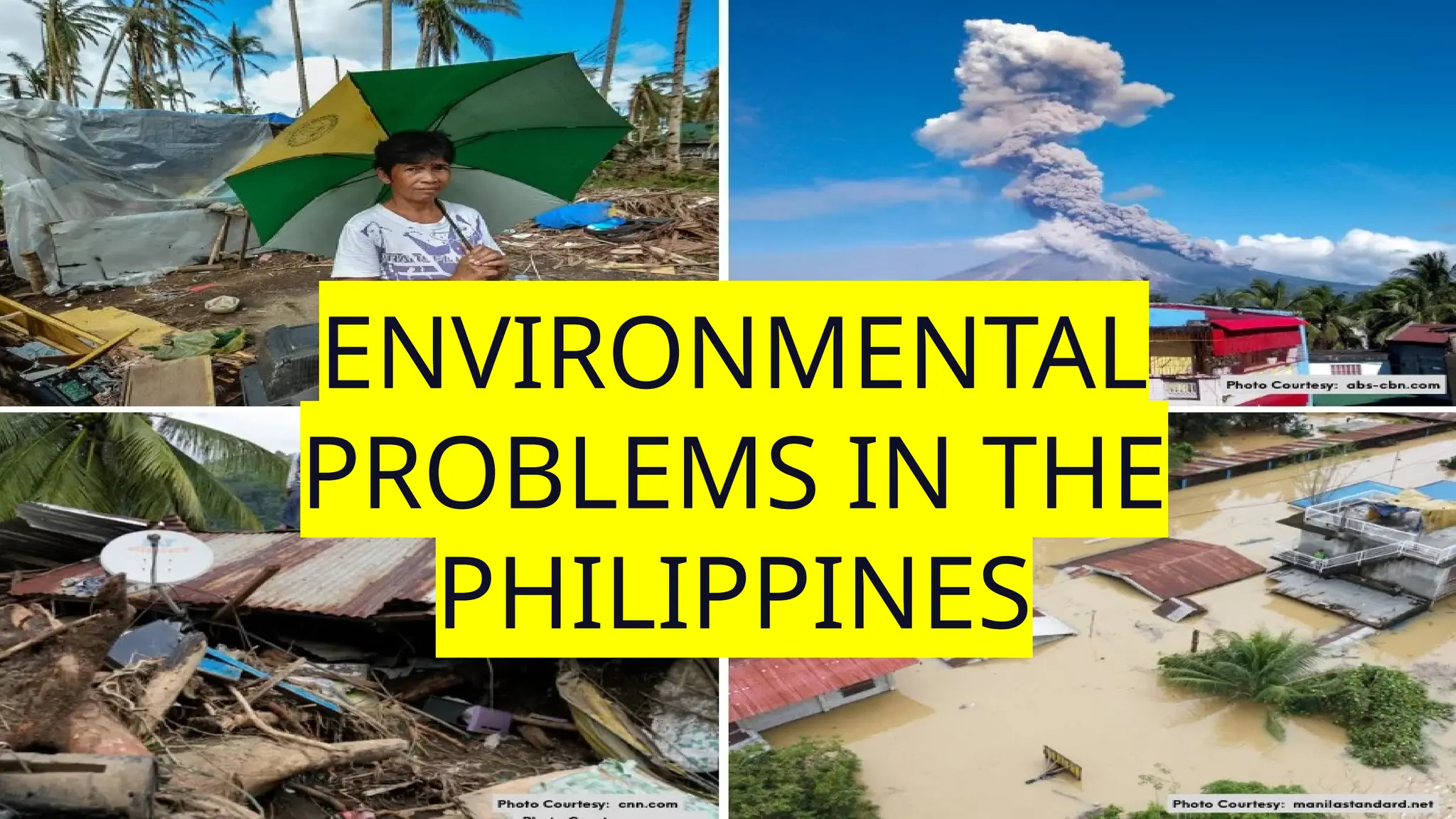
The environmental problems in the Philippines include significant issues with air and water pollution, deforestation, plastic waste management, soil degradation, and severe impacts from climate change such as extreme weather and rising sea levels. Other pressing problems are destructive fishing practices, extensive illegal mining, and widespread coastal degradation, which threaten biodiversity and livelihoods across the archipelago.
Here's a breakdown of the key issues:
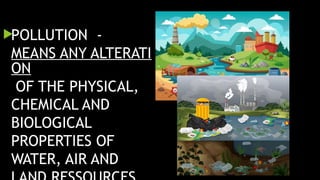
Pollution
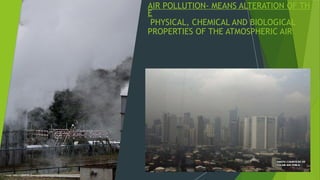
Air Pollution:
A major challenge, particularly in urban areas, linked to industrial and vehicle emissions, causing significant health problems.
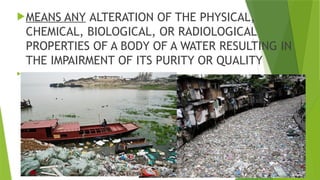
Water Pollution:
Rivers and other water bodies are heavily polluted with industrial and human waste. The Pasig River in Metro Manila is a notable example of a highly polluting river.
Plastic Pollution:
The country is a major contributor to ocean plastic waste, exacerbated by a high reliance on single-use plastics and inadequate waste management infrastructure.
Resource Depletion and Degradation
Deforestation:
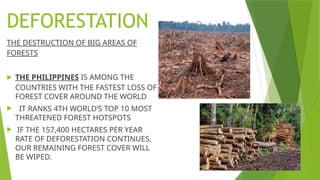
The Philippines is experiencing rapid deforestation, with illegal logging contributing to significant forest loss.
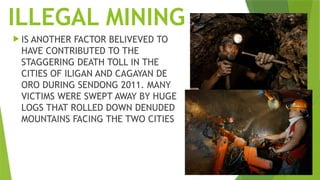
Illegal Mining:
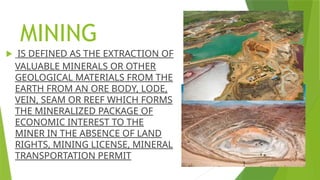
Extraction of minerals, often using destructive methods, contributes to environmental damage.
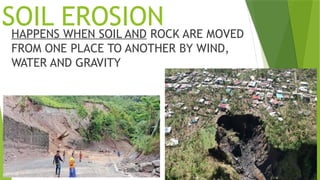
Soil Erosion:
Caused by deforestation and other land-use practices, soil erosion degrades agricultural lands and can lead to landslides.
Coral Reef Degradation:
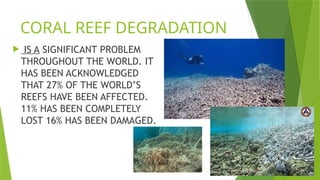
Destructive fishing methods like dynamite and cyanide fishing are major threats to the marine ecosystems of the Philippines.
Climate Change Impacts
Extreme Weather Events:
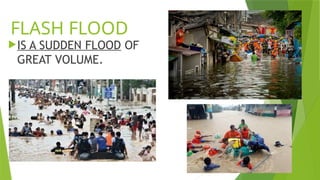
The Philippines is highly vulnerable to climate change, experiencing intensified typhoons, droughts, and heavy rainfall.
Sea Level Rise:
Rising sea levels pose a significant threat to coastal communities and ecosystems.
Waste Management
Solid Waste Crisis: Inadequate infrastructure for solid waste management, particularly in urban centers like Metro Manila, results in a large volume of unmanaged waste.
Other Issues
Biodiversity Loss:
The combination of deforestation, habitat degradation, and unsustainable practices leads to a severe threat to the country's rich biodiversity.
Coastal Erosion:
Degradation of coastal habitats contributes to widespread erosion, impacting communities and ecosystems.
Deforestation: The country has experienced a drastic reduction in its forest cover, from 70% in the 20th century to just 24% as of 2022. Causes include illegal logging, mining, land conversion for agriculture and infrastructure, and short-sighted government policies in the past.
Biodiversity loss: Deforestation and coral reef degradation contribute to a severe loss of biodiversity in the Philippines, which is one of the world's most threatened biodiversity hotspots. Destructive practices like dynamite and cyanide fishing cause extensive damage to coral reefs, jeopardizing marine ecosystems.
Mining: Both legal and illegal mining operations cause significant environmental da