Raúl Cana Pinel 3º ESO A
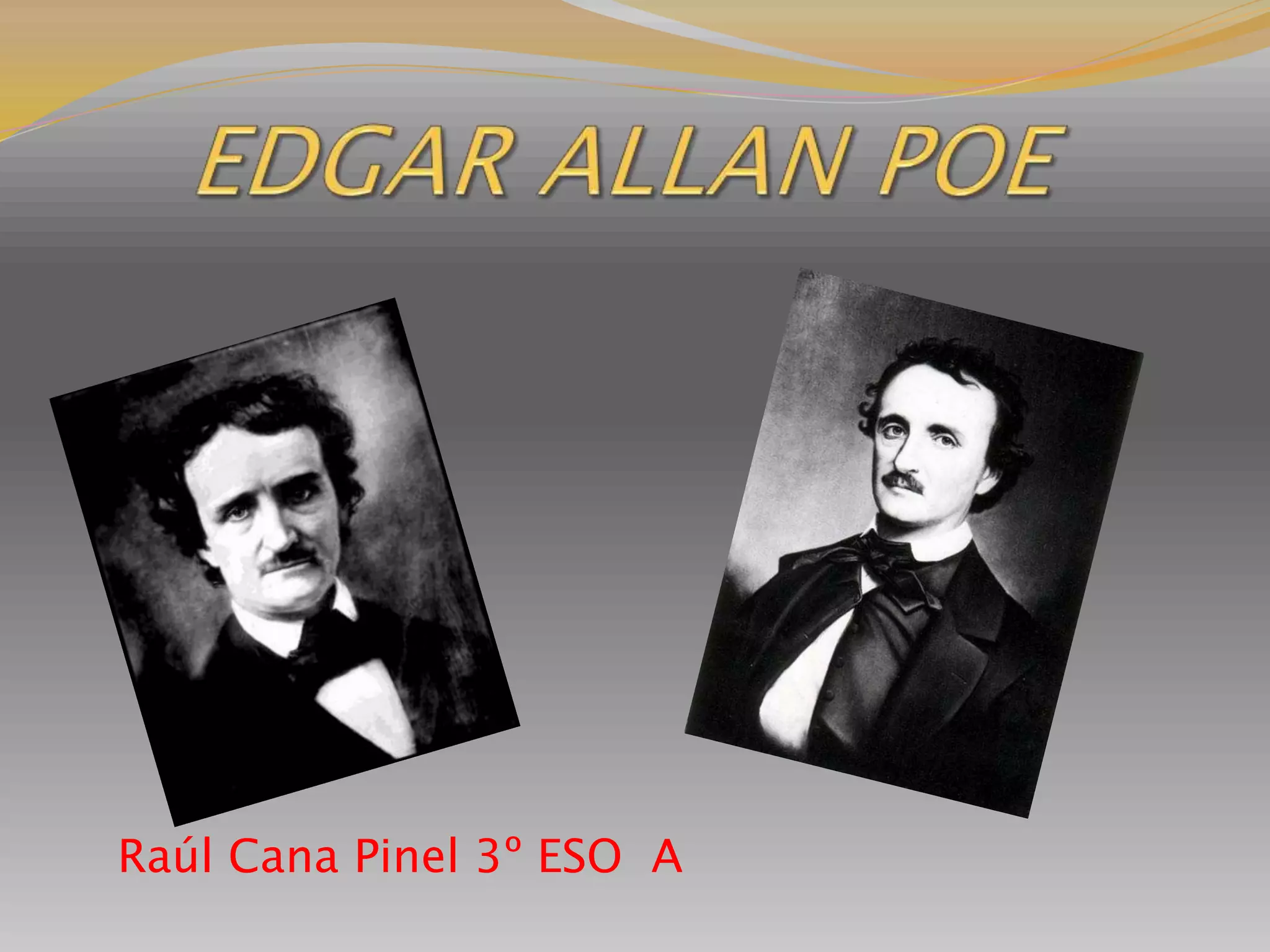
Edgar Allan Poe was born on January 19th 1809
and he died on October 7th1849. He was an
American author, poet, editor, and literary
critic, considered part of the American Romantic
Movement. Poe was one of the earliest American
practitioners of the short story and he is
generally considered the inventor of the
detective fiction genre. He had an incredible
and interesting life and career.
He was born in Boston, Massachusetts, the second
child of the English actress Elizabeth Arnold
Hopkins Poe and actor David Poe, Jr. He had an
elder brother, William Henry Leonard Poe, and a
younger sister, Rosalie Poe. Their
grandfather, David Poe, had emigrated from
Cavan, Ireland, to America around the year 1750.
Edgar may have been named after a character in
William Shakespeare's King Lear, a play the couple
was performing in 1809. Poe was then taken into
the home of John Allan, a successful Scottish
merchant in Richmond, Virginia. The Allans served
as a foster family and gave him the name "Edgar
Allan Poe", though they never formally adopted him.
Poe's best known fiction works are Gothic, a genre
he followed to appease the public taste. His most
recurring themes deal with questions of
death, including its physical signs, the effects of
decomposition, concerns of premature burial, the
reanimation of the dead, and mourning. Many of his
works are generally considered part of the dark
Romanticism genre. Poe once wrote in a letter to
Thomas Holley Chivers that he did not dislike
Transcendentalists.
Poe also wrote satires and humor tales. For comic
effect, he used irony and ludicrous extravagance .
Poe also reinvented science fiction.
-THEORY He disliked didacticism and allegory, though he
believed that meaning in literature should be an undercurrent
just beneath the surface. In the end, he believed that the writer
should carefully calculate every sentiment and idea.
"The Raven“ has been questioned, however, whether he really
followed this system.
-INFLUENCE Poe was mostly recognized as a literary critic.
He was the most discriminating, philosophical, and fearless
critic upon imaginative works which had been written in
America.
Poe was also known as a writer of fiction and became one of
the first American authors of the 19th century to become more
popular in Europe than in the United States. Poe is particularly
respected in France, in part due to early translations by
Charles Baudelaire. Baudelaire's translations became definitive
renditions of Poe's work throughout Europe.
The literary period which he worked was the
Romanticism. It was an artistic, literary, and
intellectual movement that was originated in
Europe from1800 to 1850. Partly a reaction to
the Industrial Revolution, it was also a revolt
against aristocratic social and its effect on
politics was considerable; while for much of the
peak Romantic period it was associated with
liberalism and radicalism, in the long term its
effect on the growth of nationalism was
probably more significant.
Romanticism happened about the XIX century. The 19th
century (January 1, 1801 – December 31, 1900) was a period
in history marked by the collapse of the Spanish, First and
Second French, Holy Roman and Mughal empires. This paved
the way for the growing influence of the British Empire,
Russian Empire, German Empire, the United States and the
Empire of Japan, spurring military conflicts but also advances
in science and exploration.
After the defeat of the French Empire and its allies in the
Napoleonic Wars. Numerous cities worldwide surpassed
populations of a million or more during this century. London
was transformed into the world's largest city and capital of the
British Empire. Its population expanded from 1 million in 1800
to 6.7 million a century later. The last remaining undiscovered
landmasses of Earth included vast expanses of interior Africa
and Asia.
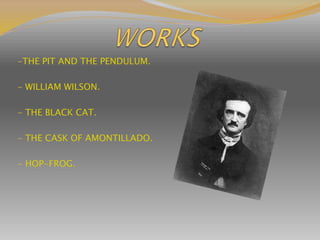
-THE PIT AND THE PENDULUM.
- WILLIAM WILSON.
- THE BLACK CAT.
- THE CASK OF AMONTILLADO.
- HOP-FROG.
The Pit and the Pendulum is a short story
published in 1842 in the literary annual The
Gift: A Christmas and New Year's Present for
1843. The story is about the torments endured
by a prisoner of the Spanish Inquisition, though
Poe skews historical facts. The narrator of the
story describes his experience of being
tortured. The traditional elements established in
popular horror tales at the time are
followed, but critical reception has been mixed.
The tale has been adapted to film several times.
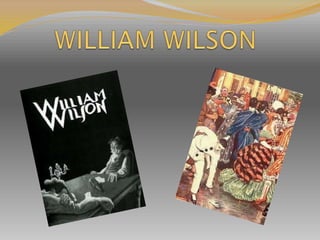
William Wilson is a short story by Edgar Allan
Poe, published in 1839, with a setting inspired
by Poe's formative years outside London. The
tale follows the theme of the doppelgänger and
is written in a style based on rationality. It also
appeared in the 1840 collection Tales of the
Grotesque and Arabesque, and has been
adapted several times.
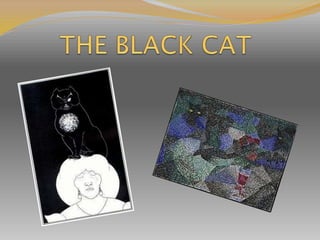
The Black Cat is a short story which was first
published in the August 19, 1843, edition of
The Saturday Evening Post. It is a study of the
psychology of guilt, often paired in analysis with
Poe's "The Tell-Tale Heart". In both, a murderer
carefully conceals his crime and believes himself
unassailable, but eventually breaks down and
reveals himself, impelled by a nagging reminder
of his guilt.

Edgar allan poe

  • 1.
  • 2.
    Edgar Allan Poewas born on January 19th 1809 and he died on October 7th1849. He was an American author, poet, editor, and literary critic, considered part of the American Romantic Movement. Poe was one of the earliest American practitioners of the short story and he is generally considered the inventor of the detective fiction genre. He had an incredible and interesting life and career.
  • 3.
    He was bornin Boston, Massachusetts, the second child of the English actress Elizabeth Arnold Hopkins Poe and actor David Poe, Jr. He had an elder brother, William Henry Leonard Poe, and a younger sister, Rosalie Poe. Their grandfather, David Poe, had emigrated from Cavan, Ireland, to America around the year 1750. Edgar may have been named after a character in William Shakespeare's King Lear, a play the couple was performing in 1809. Poe was then taken into the home of John Allan, a successful Scottish merchant in Richmond, Virginia. The Allans served as a foster family and gave him the name "Edgar Allan Poe", though they never formally adopted him.
  • 4.
    Poe's best knownfiction works are Gothic, a genre he followed to appease the public taste. His most recurring themes deal with questions of death, including its physical signs, the effects of decomposition, concerns of premature burial, the reanimation of the dead, and mourning. Many of his works are generally considered part of the dark Romanticism genre. Poe once wrote in a letter to Thomas Holley Chivers that he did not dislike Transcendentalists. Poe also wrote satires and humor tales. For comic effect, he used irony and ludicrous extravagance . Poe also reinvented science fiction.
  • 5.
    -THEORY He dislikeddidacticism and allegory, though he believed that meaning in literature should be an undercurrent just beneath the surface. In the end, he believed that the writer should carefully calculate every sentiment and idea. "The Raven“ has been questioned, however, whether he really followed this system. -INFLUENCE Poe was mostly recognized as a literary critic. He was the most discriminating, philosophical, and fearless critic upon imaginative works which had been written in America. Poe was also known as a writer of fiction and became one of the first American authors of the 19th century to become more popular in Europe than in the United States. Poe is particularly respected in France, in part due to early translations by Charles Baudelaire. Baudelaire's translations became definitive renditions of Poe's work throughout Europe.
  • 6.
    The literary periodwhich he worked was the Romanticism. It was an artistic, literary, and intellectual movement that was originated in Europe from1800 to 1850. Partly a reaction to the Industrial Revolution, it was also a revolt against aristocratic social and its effect on politics was considerable; while for much of the peak Romantic period it was associated with liberalism and radicalism, in the long term its effect on the growth of nationalism was probably more significant.
  • 7.
    Romanticism happened aboutthe XIX century. The 19th century (January 1, 1801 – December 31, 1900) was a period in history marked by the collapse of the Spanish, First and Second French, Holy Roman and Mughal empires. This paved the way for the growing influence of the British Empire, Russian Empire, German Empire, the United States and the Empire of Japan, spurring military conflicts but also advances in science and exploration. After the defeat of the French Empire and its allies in the Napoleonic Wars. Numerous cities worldwide surpassed populations of a million or more during this century. London was transformed into the world's largest city and capital of the British Empire. Its population expanded from 1 million in 1800 to 6.7 million a century later. The last remaining undiscovered landmasses of Earth included vast expanses of interior Africa and Asia.
  • 8.
    -THE PIT ANDTHE PENDULUM. - WILLIAM WILSON. - THE BLACK CAT. - THE CASK OF AMONTILLADO. - HOP-FROG.
  • 10.
    The Pit andthe Pendulum is a short story published in 1842 in the literary annual The Gift: A Christmas and New Year's Present for 1843. The story is about the torments endured by a prisoner of the Spanish Inquisition, though Poe skews historical facts. The narrator of the story describes his experience of being tortured. The traditional elements established in popular horror tales at the time are followed, but critical reception has been mixed. The tale has been adapted to film several times.
  • 12.
    William Wilson isa short story by Edgar Allan Poe, published in 1839, with a setting inspired by Poe's formative years outside London. The tale follows the theme of the doppelgänger and is written in a style based on rationality. It also appeared in the 1840 collection Tales of the Grotesque and Arabesque, and has been adapted several times.
  • 14.
    The Black Catis a short story which was first published in the August 19, 1843, edition of The Saturday Evening Post. It is a study of the psychology of guilt, often paired in analysis with Poe's "The Tell-Tale Heart". In both, a murderer carefully conceals his crime and believes himself unassailable, but eventually breaks down and reveals himself, impelled by a nagging reminder of his guilt.