DEVELOPMENT
ECONOMICS
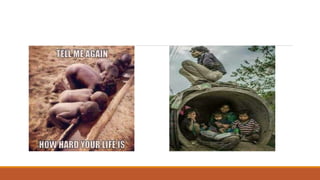
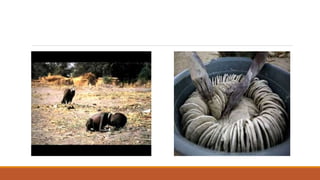
Big Questions
Why are some people and countries so much poorer than
others?
How did some countries become more prosperous?
What can governments and philanthropic organizations do
to reduce poverty and encourage the spread of prosperity?
What is development economics?
Development economics is a branch of economics
which deals with economic aspects of the
development process in low- income countries.
Development economics vs. Economic
Development
Development Economics concerns the theory and practice
of how to achieve economic development, while economic
development simply makes a statement that there has
been economic progress.
Development economics
is a field on the crest of a breaking wave, with new theories and new
data constantly emerging. These theories and statistics sometimes
confirm and sometimes challenge traditional ways of viewing the
world. The ultimate purpose of development economics, however,
remains unchanged: to help us understand developing economies
in order to help improve the material lives of the majority of the
global population.
ECONOMIC GROWTH vs. ECONOMIC
DEVELOPMENT
Economic Growth is the positive change in the real output
of the country in a particular span of time.
Economic Development involves rise in the level of
production in an economy along with the advancement of
technology, improvement in living standards and so on.
ECONOMIC GROWTH vs. ECONOMIC
DEVELOPMENT
Concept: Narrow  Broad
Scope: Increase in the indicators like GDP, per capita income etc.
:Improvement in life expectancy rate, infant
mortality rate, literacy rate and poverty rates.
ECONOMIC GROWTH vs. ECONOMIC
DEVELOPMENT
Term Short term process-- Long term process
How it can be measured?
-Upward movement in national income.
-Upward movement in real national income.
ECONOMIC GROWTH vs. ECONOMIC
DEVELOPMENT
Which kind of changes are expected?
Quantitative changes Qualitative and
quantitative changes
ECONOMIC DEVELOPMENT vs.
DEVELOPMENT ECONOMICS
Development economics is a branch of economics that focuses on
improving fiscal, economic and social conditions in developing
countries. Development economics considers factors such as health,
education, working conditions, domestic and international policies,
and market conditions. The field also examines both macroeconomic
and microeconomic factors relating to the structure of developing
economies, and domestic and international economic growth.
What Do We Mean by Development?
Three Core Values of Development
◦Sustenance: The Ability to Meet Basic Needs
◦Self-Esteem: To Be a Person
◦Freedom from Servitude: To Be Able to Choose
The importance of Development Economics
Inclusion of non-economic variables in designing
development strategies
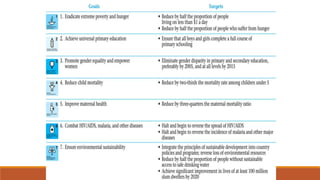
Achieving the Millennium Development Goals
“…One future-or none at all”

DEVELOPMENT ECONOMICS BASIC CONCEPTS AND SIMPLE DISCUSSION

  • 1.
  • 6.
    Big Questions Why aresome people and countries so much poorer than others? How did some countries become more prosperous? What can governments and philanthropic organizations do to reduce poverty and encourage the spread of prosperity?
  • 7.
    What is developmenteconomics? Development economics is a branch of economics which deals with economic aspects of the development process in low- income countries.
  • 8.
    Development economics vs.Economic Development Development Economics concerns the theory and practice of how to achieve economic development, while economic development simply makes a statement that there has been economic progress.
  • 9.
    Development economics is afield on the crest of a breaking wave, with new theories and new data constantly emerging. These theories and statistics sometimes confirm and sometimes challenge traditional ways of viewing the world. The ultimate purpose of development economics, however, remains unchanged: to help us understand developing economies in order to help improve the material lives of the majority of the global population.
  • 10.
    ECONOMIC GROWTH vs.ECONOMIC DEVELOPMENT Economic Growth is the positive change in the real output of the country in a particular span of time. Economic Development involves rise in the level of production in an economy along with the advancement of technology, improvement in living standards and so on.
  • 11.
    ECONOMIC GROWTH vs.ECONOMIC DEVELOPMENT Concept: Narrow  Broad Scope: Increase in the indicators like GDP, per capita income etc. :Improvement in life expectancy rate, infant mortality rate, literacy rate and poverty rates.
  • 12.
    ECONOMIC GROWTH vs.ECONOMIC DEVELOPMENT Term Short term process-- Long term process How it can be measured? -Upward movement in national income. -Upward movement in real national income.
  • 13.
    ECONOMIC GROWTH vs.ECONOMIC DEVELOPMENT Which kind of changes are expected? Quantitative changes Qualitative and quantitative changes
  • 14.
    ECONOMIC DEVELOPMENT vs. DEVELOPMENTECONOMICS Development economics is a branch of economics that focuses on improving fiscal, economic and social conditions in developing countries. Development economics considers factors such as health, education, working conditions, domestic and international policies, and market conditions. The field also examines both macroeconomic and microeconomic factors relating to the structure of developing economies, and domestic and international economic growth.
  • 15.
    What Do WeMean by Development? Three Core Values of Development ◦Sustenance: The Ability to Meet Basic Needs ◦Self-Esteem: To Be a Person ◦Freedom from Servitude: To Be Able to Choose
  • 18.
    The importance ofDevelopment Economics Inclusion of non-economic variables in designing development strategies Achieving the Millennium Development Goals “…One future-or none at all”