DECISION MAKING MODELS IN 2/2 TIME
Two Speakers,Two Models (Maybe)
SPEAKERS
• Sharon Bradley
• Special Collections Librarian
• University of Georgia School of Law
• TimTarvin
• Associate Professor of Law
• University of Arkansas School of Law
• Resource guide: http://libguides.law.uga.edu/cali2017
WHAT DO WE MEAN BY DECISION
MAKING MODELS?
• Thinking broadly
• Teaching skills
• Processes
• Strategies
WHY
• They will make life altering decisions for their clients
• Advise their clients in making decisions
• Avoid traps
PSYCHOLOGICAL TRAPS THAT
UNDERMINE DECISIONS
• Anchoring – the mind gives disproportionate weight to the first information it
receives
• Status-Quo – strong bias toward alternatives that perpetuate SQ
• Sunk-Cost – make choices that justify past choices
• Confirming-Evidence – seek out information that supports our POV/avoid
contradicting information
• Framing – how a problem is framed influences the choices you make
• Estimating & Forecasting
• Overconfidence – about accuracy of predictions
• Prudence – overcautious
• Recallability – overly influenced by dramatic events
TRAPS OUR STUDENTS FALL INTO
• Deciding “the issue” too soon
• Not adequately stating the issue
• Looking for cases, not the law
• Failure to consider alternatives
• Using just their favorite service/database
• Unable to separate pieces from the whol
DECISION MAKING PROCESS
1. What’s important
2. Logical & consistent
3. Subjective & objective factors
4. Just the right amount of information
5. Gathering relevant information
6. Straightforward, reliable, easy to use, flexible
QUALITY DECISIONS
• Be clear about what to decide (Framing)
• Gather the facts (Useful information)
• Set the criteria for a successful decision (Values)
• Options (Alternatives)
• Develop the options
• Evaluate the options
• Assess the risk for each option
• Make the decision (Reasoning)
• Follow through (Action)
DECISION TREE
IN THE CLINICAL SETTING
• Propositional
• Introduces a logical series of propositions as syllogisms
• Conversational
CLINICAL USES AND BENEFITS
• Protect clients and students from professional error
• Teach students about critical issues in legal analysis
• Assist clinical faculty in supervision
• Improve risk management
• Promote access to justice
• Foster judicial economy
• Rehabilitate and reclaim the image of lawyers
BENEFIT TO STUDENTS…
• Test analytical skills
• Ability confirmed or corrected
• Teaching students and protecting clients
• Benefits and risks associated with new technology
LEGAL MALPRACTICE
• Rising number of claims
• Amount of recovery
• Kinds of errors
• Time lost resolving claims
• Image of the legal profession
BANKRUPTCY
• #5 legal malpractice area by number of claims
• Intersects with several other areas of law
NEGLIGENCE ERRORS
• Failure to know and apply the law
• Planning error
• Inadequate discovery/investigation
• Failure to file documents
• No specific deadline
PROTOTYPE CREATION
• Question Crafting (Framing)
• Analyze Code Provisions
• Assess Relevant Case Law
• Website Crafting
• HTML
• Adobe Dreamweaver CC
• WordPress
PROTOTYPE AREAS
• Four Key Areas of Analysis
1. Filing Eligibility
2. Exemption Eligibility
3. Dischargeability
4. Privilege Against Self-Incrimination
PROTOTYPE FEATURES
1. Linked Citations to Code Provisions
2. Practice Pointers
3. “For Example”
4. Identify Circuit Splits
PROTOTYPE MAINTENANCE
1. Citation Compilation
2. West’s Drafting Assistant
3. Verify Changes/Updates in Law
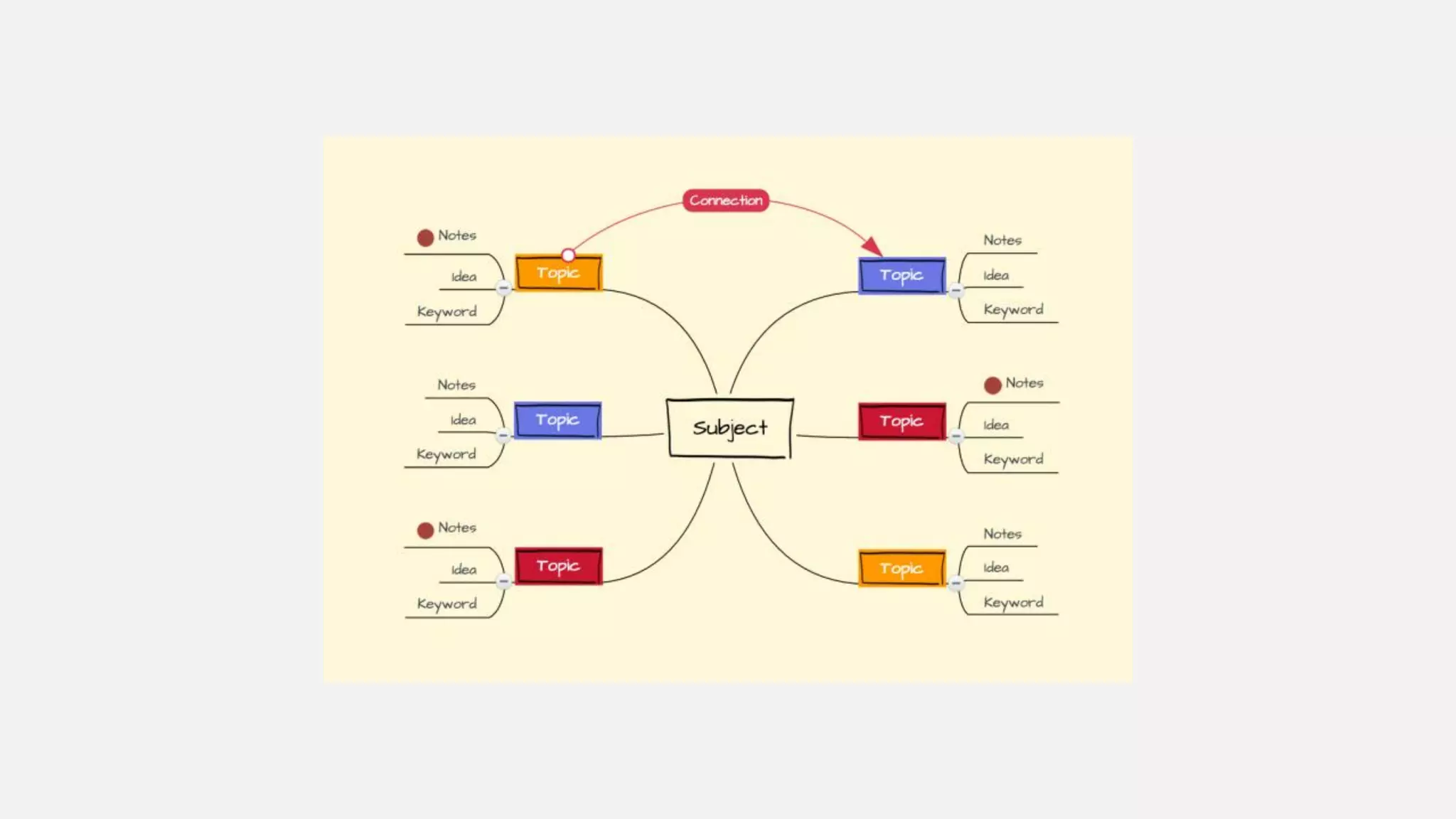
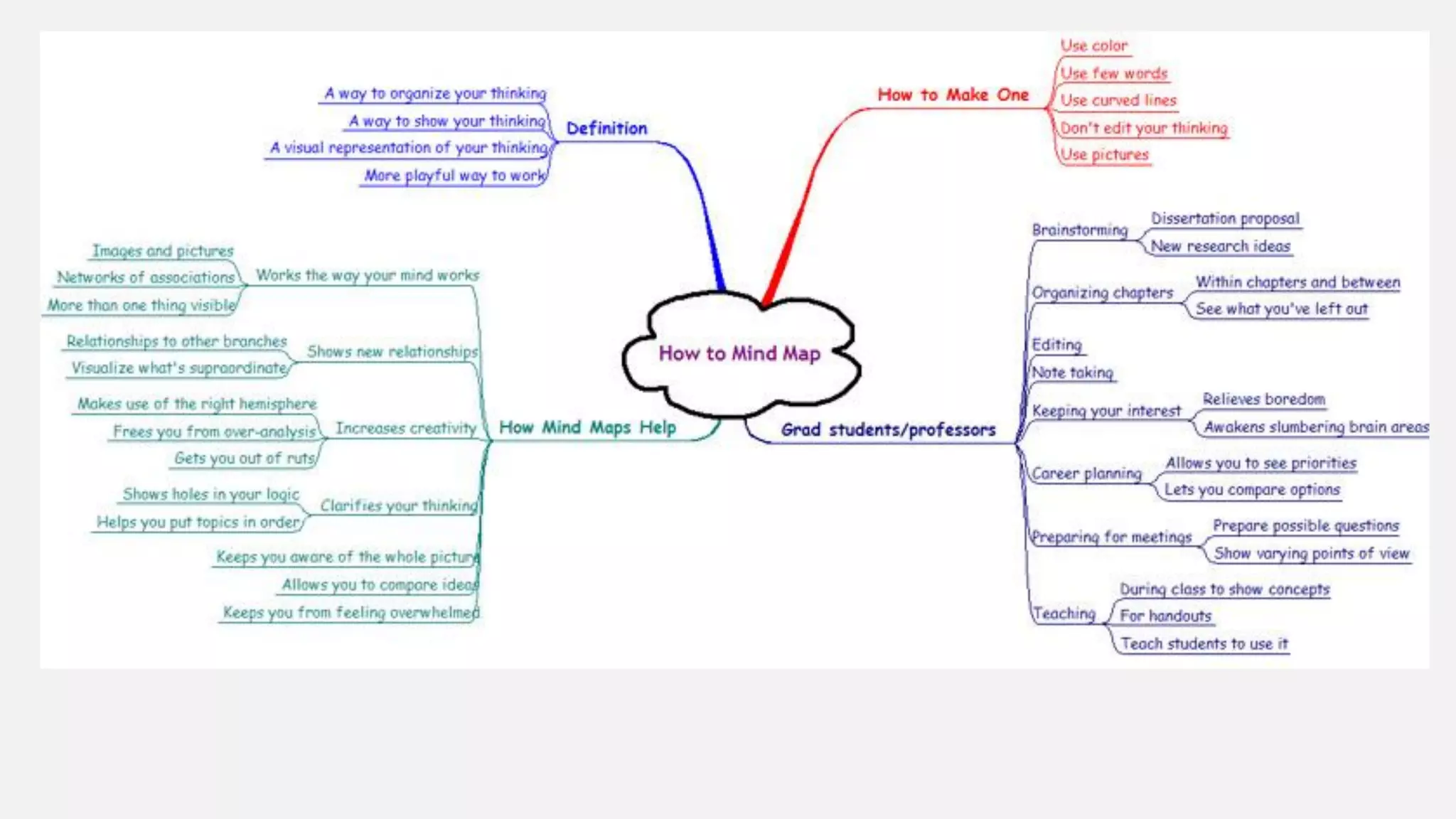
MIND MAPPING
PROS
• Organize
• Ease of adding
• Ease of shifting
• Flexibility
• Promote creativity
• Sharing
• Broad view
• Portability
& CONS
• Learning curve
• Costs
• Tied to a computer or tablet
• Switching if discontinued
QUESTIONS

Decision Making Models in 2/2 Time

  • 1.
    DECISION MAKING MODELSIN 2/2 TIME Two Speakers,Two Models (Maybe)
  • 2.
    SPEAKERS • Sharon Bradley •Special Collections Librarian • University of Georgia School of Law • TimTarvin • Associate Professor of Law • University of Arkansas School of Law • Resource guide: http://libguides.law.uga.edu/cali2017
  • 3.
    WHAT DO WEMEAN BY DECISION MAKING MODELS? • Thinking broadly • Teaching skills • Processes • Strategies
  • 4.
    WHY • They willmake life altering decisions for their clients • Advise their clients in making decisions • Avoid traps
  • 5.
    PSYCHOLOGICAL TRAPS THAT UNDERMINEDECISIONS • Anchoring – the mind gives disproportionate weight to the first information it receives • Status-Quo – strong bias toward alternatives that perpetuate SQ • Sunk-Cost – make choices that justify past choices • Confirming-Evidence – seek out information that supports our POV/avoid contradicting information • Framing – how a problem is framed influences the choices you make • Estimating & Forecasting • Overconfidence – about accuracy of predictions • Prudence – overcautious • Recallability – overly influenced by dramatic events
  • 6.
    TRAPS OUR STUDENTSFALL INTO • Deciding “the issue” too soon • Not adequately stating the issue • Looking for cases, not the law • Failure to consider alternatives • Using just their favorite service/database • Unable to separate pieces from the whol
  • 7.
    DECISION MAKING PROCESS 1.What’s important 2. Logical & consistent 3. Subjective & objective factors 4. Just the right amount of information 5. Gathering relevant information 6. Straightforward, reliable, easy to use, flexible
  • 8.
    QUALITY DECISIONS • Beclear about what to decide (Framing) • Gather the facts (Useful information) • Set the criteria for a successful decision (Values) • Options (Alternatives) • Develop the options • Evaluate the options • Assess the risk for each option • Make the decision (Reasoning) • Follow through (Action)
  • 9.
  • 10.
    IN THE CLINICALSETTING • Propositional • Introduces a logical series of propositions as syllogisms • Conversational
  • 11.
    CLINICAL USES ANDBENEFITS • Protect clients and students from professional error • Teach students about critical issues in legal analysis • Assist clinical faculty in supervision • Improve risk management • Promote access to justice • Foster judicial economy • Rehabilitate and reclaim the image of lawyers
  • 12.
    BENEFIT TO STUDENTS… •Test analytical skills • Ability confirmed or corrected • Teaching students and protecting clients • Benefits and risks associated with new technology
  • 13.
    LEGAL MALPRACTICE • Risingnumber of claims • Amount of recovery • Kinds of errors • Time lost resolving claims • Image of the legal profession
  • 14.
    BANKRUPTCY • #5 legalmalpractice area by number of claims • Intersects with several other areas of law
  • 15.
    NEGLIGENCE ERRORS • Failureto know and apply the law • Planning error • Inadequate discovery/investigation • Failure to file documents • No specific deadline
  • 16.
    PROTOTYPE CREATION • QuestionCrafting (Framing) • Analyze Code Provisions • Assess Relevant Case Law • Website Crafting • HTML • Adobe Dreamweaver CC • WordPress
  • 17.
    PROTOTYPE AREAS • FourKey Areas of Analysis 1. Filing Eligibility 2. Exemption Eligibility 3. Dischargeability 4. Privilege Against Self-Incrimination
  • 18.
    PROTOTYPE FEATURES 1. LinkedCitations to Code Provisions 2. Practice Pointers 3. “For Example” 4. Identify Circuit Splits
  • 19.
    PROTOTYPE MAINTENANCE 1. CitationCompilation 2. West’s Drafting Assistant 3. Verify Changes/Updates in Law
  • 20.
  • 23.
    PROS • Organize • Easeof adding • Ease of shifting • Flexibility • Promote creativity • Sharing • Broad view • Portability
  • 24.
    & CONS • Learningcurve • Costs • Tied to a computer or tablet • Switching if discontinued
  • 25.