Neural
Networks
By
Debajyoti Karmaker
1
• Computer Science
2
• Artificial Intelligence
3
• Machine Learning
4
• Neural Networks
5
• Deep Learning
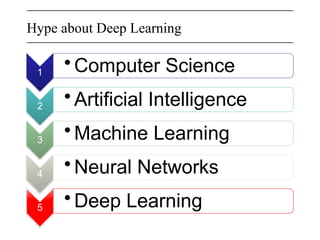
Hype about Deep Learning
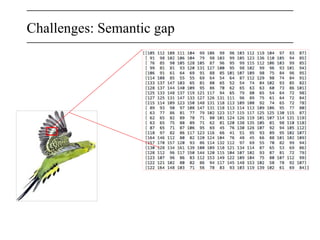
Challenges: Semantic gap
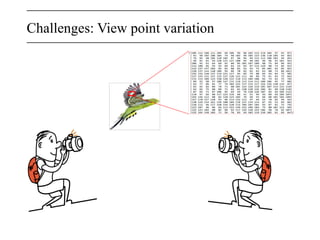
Challenges: View point variation
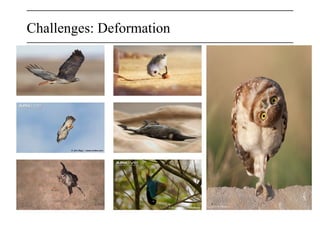
Challenges: Deformation
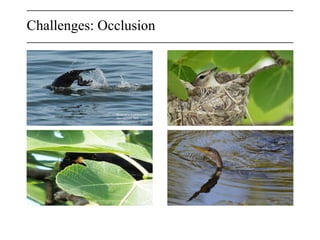
Challenges: Occlusion
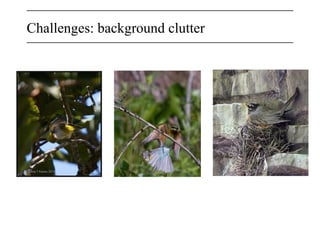
Challenges: background clutter
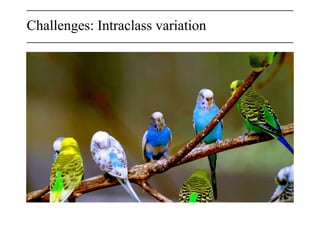
Challenges: Intraclass variation
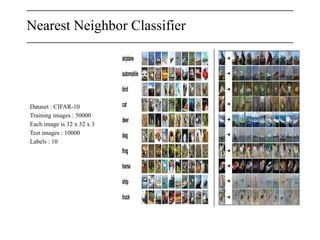
Dataset : CIFAR-10
Training images : 50000
Each image is 32 x 32 x 3
Test images : 10000
Labels : 10
Nearest Neighbor Classifier
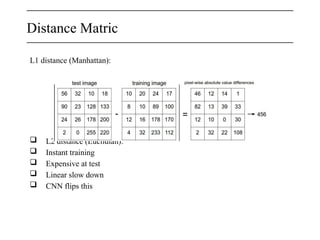
L1 distance (Manhattan):
 L2 distance (Euclidian):
 Instant training
 Expensive at test
 Linear slow down
 CNN flips this
Distance Matric
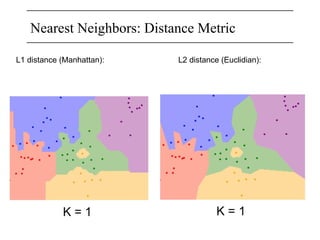
Nearest Neighbors: Distance Metric
L1 distance (Manhattan): L2 distance (Euclidian):
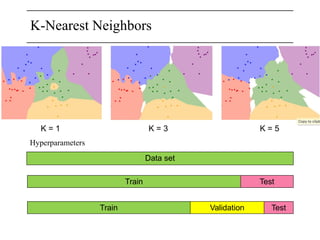
K-Nearest Neighbors
Hyperparameters
Data set
Train Test
Train Validation Test
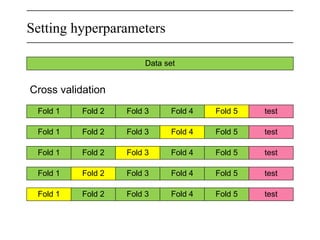
Setting hyperparameters
Data set
Fold 1 Fold 2 Fold 3 Fold 4 Fold 5 test
Cross validation
Fold 1 Fold 2 Fold 3 Fold 4 Fold 5 test
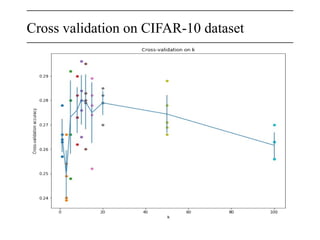
Cross validation on CIFAR-10 dataset
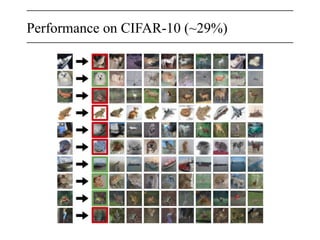
Performance on CIFAR-10 (~29%)
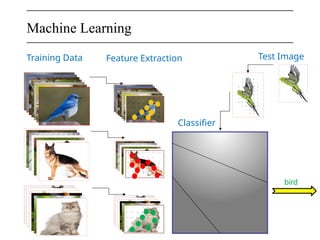
Machine Learning
Training Data Feature Extraction Test Image
Classifier
bird
Linear Classification
[ 32 x 32 x 3 ] (3072 numbers in total)
10 numbers
Indicating class scores
¿𝑾 𝒙
Parametric approach
10
x
3072
3072
x
1
10
x
1
0.2 -0.5 0.1 2.0
1.5 1.3 2.1 0.0
0.0 0.25 0.2 -0.3
56
231
24
2
+
1.1
3.2
-1.2
-96.8
437.9
60.75
Bird score
Dog score
Cat score
𝑊
𝑥𝑖
𝑏 𝑓 (𝑥𝑖 ;𝑊 ,𝑏)
Stress pixels into single column
𝒇 (𝒙,𝑾 ) + b
56 231
24 2
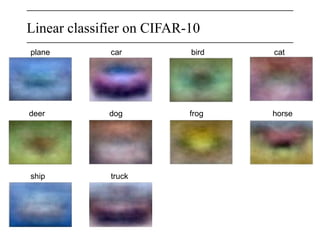
Linear classifier on CIFAR-10
plane car bird cat
deer dog frog horse
ship truck
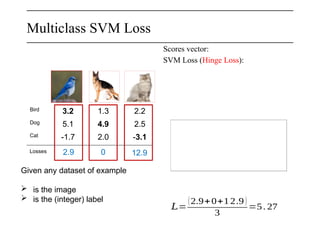
Multiclass SVM Loss
Scores vector:
SVM Loss (Hinge Loss):
Bird 3.2 1.3 2.2
Dog 5.1 4.9 2.5
Cat -1.7 2.0 -3.1
Losses 2.9 0 12.9
Given any dataset of example
 is the image
 is the (integer) label
𝐿=
(2.9+0+12.9 )
3
=5.27
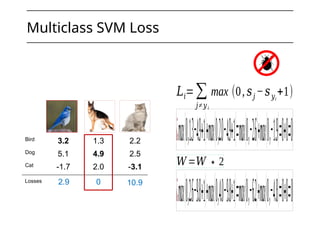
Bird 3.2 1.3 2.2
Dog 5.1 4.9 2.5
Cat -1.7 2.0 -3.1
Losses 2.9 0 10.9
¿max(0,1.3−4.9+1)+max(0,2.0−4.9+1)=max(0,−2.6)+max(0,−1.9)=0+0=0
𝐿𝑖=∑
𝑗≠𝑦𝑖
max ⁡(0, 𝑠𝑗 −𝑠𝑦𝑖
+1)
Multiclass SVM Loss
¿max(0,2.6−9.8+1)+max(0,4.0−9.8+1)=max(0,−6.2)+max(0,−4.8)=0+0=0
𝑊=𝑊 ∗2
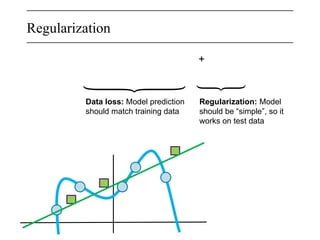
Regularization
Data loss: Model prediction
should match training data
Regularization: Model
should be “simple”, so it
works on test data
+
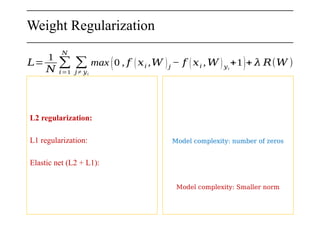
𝐿=
1
𝑁
∑
𝑖=1
𝑁
∑
𝑗≠ 𝑦𝑖
max (0 , 𝑓 (𝑥𝑖 ,𝑊 )𝑗
− 𝑓 (𝑥𝑖 ,𝑊 )𝑦𝑖
+1)+ 𝜆 𝑅(𝑊 )
L2 regularization:
L1 regularization:
Elastic net (L2 + L1):
Model complexity: number of zeros
Model complexity: Smaller norm
Weight Regularization
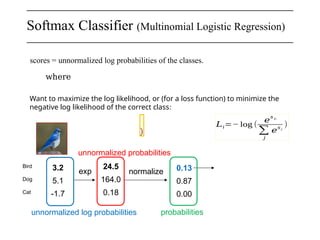
0.13
0.87
0.00
24.5
164.0
0.18
Softmax Classifier (Multinomial Logistic Regression)
scores = unnormalized log probabilities of the classes.
where
Bird 3.2
Dog 5.1
Cat -1.7
Want to maximize the log likelihood, or (for a loss function) to minimize the
negative log likelihood of the correct class:
)
𝐿𝑖=− log (
𝑒
𝑠𝑦 𝑖
∑
𝑗
𝑒𝑠𝑗
)⁡
exp normalize
unnormalized probabilities
unnormalized log probabilities probabilities
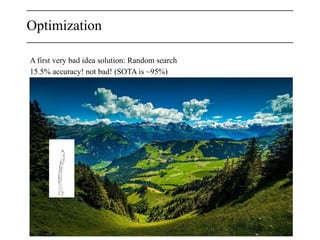
Optimization
A first very bad idea solution: Random search
15.5% accuracy! not bad! (SOTA is ~95%)
Numeric Gradient
Follow the slope
[
0.34
-1.11
0.78
0.12
0.55
2.81
-3.1
-1.5
0.33
… ]
[
0.34
-1.11
0.78
0.12
0.55
2.81
-3.1
-1.5
0.33
… ]
[
?
?
?
?
?
?
?
… ]
Current W W + h Gradient dW
+ 0.0001
+ 0.0001
loss 1.25347 loss 1.25322
?
?
-2.5
loss 1.25353
0.6
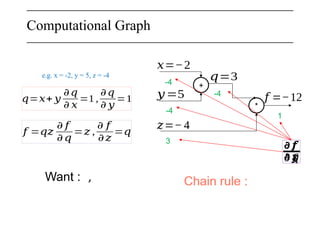
Computational Graph
e.g. x = -2, y = 5, z = -4
+
𝑥=−2
𝑦 =5
*
𝑞=3
𝑧=−4
𝑓 =−12
1
𝑞=𝑥+ 𝑦
𝜕𝑞
𝜕 𝑥
=1,
𝜕𝑞
𝜕 𝑦
=1
𝑓 =𝑞𝑧
𝜕 𝑓
𝜕𝑞
=𝑧 ,
𝜕 𝑓
𝜕𝑧
=𝑞
Want : ,
𝜕 𝑓
𝜕 𝑓
𝜕 𝑓
𝜕 𝑧
𝜕 𝑓
𝜕𝑞
3
𝜕 𝑓
𝜕 𝑦
-4
𝜕 𝑓
𝜕 𝑥
-4
Chain rule :
-4
Chain rule :
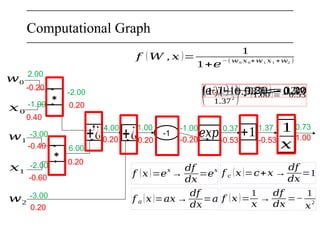
𝑓 (𝑊 , 𝑥 )=
1
1+𝑒−(𝑤0 𝑥0+𝑤1 𝑥1 +𝑤2 )
Computational Graph
∗
∗
+¿ +¿ -1 𝑒𝑥𝑝
𝑤0
𝑥0
𝑤1
𝑥1
𝑤2
2.00
-1.00
-3.00
-2.00
-3.00
+1 1
𝑥
-2.00
6.00
4.00 1.00 -1.00 0.37 1.37 0.73
1.00
-0.53
-0.53
-0.20
0.20
0.20
0.20
0.20
0.20
-0.20
0.40
-0.40
-0.60 𝑓 (𝑥)=𝑒
𝑥
→
𝑑𝑓
𝑑𝑥
=𝑒
𝑥
𝑓 𝑐 (𝑥)=𝑐+𝑥 →
𝑑𝑓
𝑑𝑥
=1
𝑓 (𝑥)=
1
𝑥
→
𝑑𝑓
𝑑𝑥
=−
1
𝑥
2
𝑓 𝑎 (𝑥)=𝑎𝑥 →
𝑑𝑓
𝑑𝑥
=𝑎
(−
1
1.37
2 )∗(1.00 )=− 0.53
(1)(− 0.53)=− 0.53
(𝑒¿¿−1)(−0.53)=−0.20¿
(−1)(−0.20 )=0.20
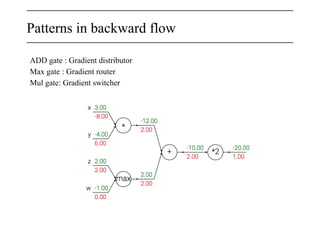
ADD gate : Gradient distributor
Max gate : Gradient router
Mul gate: Gradient switcher
Patterns in backward flow
• Torch
• Theano
• Caffe
• Keras
• …
• etc
Deep Learning frameworks
Vectorized example
∈ℝ𝑛
∈ℝ𝑛×𝑛
*
𝑊 =
[ 0 .1 0.5
− 0.3 0.8 ]
𝑥=[0 .2
0.4 ]
𝑞=𝑊.𝑥=
[𝑊1,1𝑥1+¿⋯ +𝑊1,𝑛𝑥𝑛
⋮ ¿
⋮¿𝑊𝑛,1𝑥1+¿⋯¿+𝑊𝑛,𝑛𝑥𝑛¿]
L2
[0 .2 2
0. 26 ] 0.116
1.00
[0 . 4 4
0. 52 ]
𝜕 𝑓
𝜕𝑞𝑖
=2𝑞𝑖
𝑓 (𝑞)
𝑞
𝜕𝑞𝑘
𝜕𝑊𝑖, 𝑗
=1𝑘=𝑖 𝑥 𝑗
𝑓 (𝑞)=‖𝑞‖
2
=𝑞1
2
+…+𝑞𝑛
2
[0 . 088 0. 104
0. 176 0. 208]
𝜕𝑞𝑘
𝜕 𝑥𝑖
=𝑊 𝑘,𝑖
[−0. 1 12
0.636 ]

CVPR_01 On Image Processing and application of various alogorithms

  • 1.
  • 2.
    1 • Computer Science 2 •Artificial Intelligence 3 • Machine Learning 4 • Neural Networks 5 • Deep Learning Hype about Deep Learning
  • 3.
  • 4.
  • 5.
  • 6.
  • 7.
  • 8.
  • 9.
    Dataset : CIFAR-10 Trainingimages : 50000 Each image is 32 x 32 x 3 Test images : 10000 Labels : 10 Nearest Neighbor Classifier
  • 10.
    L1 distance (Manhattan): L2 distance (Euclidian):  Instant training  Expensive at test  Linear slow down  CNN flips this Distance Matric
  • 11.
    Nearest Neighbors: DistanceMetric L1 distance (Manhattan): L2 distance (Euclidian):
  • 12.
  • 13.
    Setting hyperparameters Data set Fold1 Fold 2 Fold 3 Fold 4 Fold 5 test Cross validation Fold 1 Fold 2 Fold 3 Fold 4 Fold 5 test Fold 1 Fold 2 Fold 3 Fold 4 Fold 5 test Fold 1 Fold 2 Fold 3 Fold 4 Fold 5 test Fold 1 Fold 2 Fold 3 Fold 4 Fold 5 test
  • 14.
    Cross validation onCIFAR-10 dataset
  • 15.
  • 16.
    Machine Learning Training DataFeature Extraction Test Image Classifier bird
  • 17.
    Linear Classification [ 32x 32 x 3 ] (3072 numbers in total) 10 numbers Indicating class scores ¿𝑾 𝒙 Parametric approach 10 x 3072 3072 x 1 10 x 1 0.2 -0.5 0.1 2.0 1.5 1.3 2.1 0.0 0.0 0.25 0.2 -0.3 56 231 24 2 + 1.1 3.2 -1.2 -96.8 437.9 60.75 Bird score Dog score Cat score 𝑊 𝑥𝑖 𝑏 𝑓 (𝑥𝑖 ;𝑊 ,𝑏) Stress pixels into single column 𝒇 (𝒙,𝑾 ) + b 56 231 24 2
  • 18.
    Linear classifier onCIFAR-10 plane car bird cat deer dog frog horse ship truck
  • 19.
    Multiclass SVM Loss Scoresvector: SVM Loss (Hinge Loss): Bird 3.2 1.3 2.2 Dog 5.1 4.9 2.5 Cat -1.7 2.0 -3.1 Losses 2.9 0 12.9 Given any dataset of example  is the image  is the (integer) label 𝐿= (2.9+0+12.9 ) 3 =5.27
  • 20.
    Bird 3.2 1.32.2 Dog 5.1 4.9 2.5 Cat -1.7 2.0 -3.1 Losses 2.9 0 10.9 ¿max(0,1.3−4.9+1)+max(0,2.0−4.9+1)=max(0,−2.6)+max(0,−1.9)=0+0=0 𝐿𝑖=∑ 𝑗≠𝑦𝑖 max ⁡(0, 𝑠𝑗 −𝑠𝑦𝑖 +1) Multiclass SVM Loss ¿max(0,2.6−9.8+1)+max(0,4.0−9.8+1)=max(0,−6.2)+max(0,−4.8)=0+0=0 𝑊=𝑊 ∗2
  • 21.
    Regularization Data loss: Modelprediction should match training data Regularization: Model should be “simple”, so it works on test data +
  • 22.
    𝐿= 1 𝑁 ∑ 𝑖=1 𝑁 ∑ 𝑗≠ 𝑦𝑖 max (0, 𝑓 (𝑥𝑖 ,𝑊 )𝑗 − 𝑓 (𝑥𝑖 ,𝑊 )𝑦𝑖 +1)+ 𝜆 𝑅(𝑊 ) L2 regularization: L1 regularization: Elastic net (L2 + L1): Model complexity: number of zeros Model complexity: Smaller norm Weight Regularization
  • 23.
    0.13 0.87 0.00 24.5 164.0 0.18 Softmax Classifier (MultinomialLogistic Regression) scores = unnormalized log probabilities of the classes. where Bird 3.2 Dog 5.1 Cat -1.7 Want to maximize the log likelihood, or (for a loss function) to minimize the negative log likelihood of the correct class: ) 𝐿𝑖=− log ( 𝑒 𝑠𝑦 𝑖 ∑ 𝑗 𝑒𝑠𝑗 )⁡ exp normalize unnormalized probabilities unnormalized log probabilities probabilities
  • 24.
    Optimization A first verybad idea solution: Random search 15.5% accuracy! not bad! (SOTA is ~95%)
  • 25.
    Numeric Gradient Follow theslope [ 0.34 -1.11 0.78 0.12 0.55 2.81 -3.1 -1.5 0.33 … ] [ 0.34 -1.11 0.78 0.12 0.55 2.81 -3.1 -1.5 0.33 … ] [ ? ? ? ? ? ? ? … ] Current W W + h Gradient dW + 0.0001 + 0.0001 loss 1.25347 loss 1.25322 ? ? -2.5 loss 1.25353 0.6
  • 26.
    Computational Graph e.g. x= -2, y = 5, z = -4 + 𝑥=−2 𝑦 =5 * 𝑞=3 𝑧=−4 𝑓 =−12 1 𝑞=𝑥+ 𝑦 𝜕𝑞 𝜕 𝑥 =1, 𝜕𝑞 𝜕 𝑦 =1 𝑓 =𝑞𝑧 𝜕 𝑓 𝜕𝑞 =𝑧 , 𝜕 𝑓 𝜕𝑧 =𝑞 Want : , 𝜕 𝑓 𝜕 𝑓 𝜕 𝑓 𝜕 𝑧 𝜕 𝑓 𝜕𝑞 3 𝜕 𝑓 𝜕 𝑦 -4 𝜕 𝑓 𝜕 𝑥 -4 Chain rule : -4 Chain rule :
  • 27.
    𝑓 (𝑊 ,𝑥 )= 1 1+𝑒−(𝑤0 𝑥0+𝑤1 𝑥1 +𝑤2 ) Computational Graph ∗ ∗ +¿ +¿ -1 𝑒𝑥𝑝 𝑤0 𝑥0 𝑤1 𝑥1 𝑤2 2.00 -1.00 -3.00 -2.00 -3.00 +1 1 𝑥 -2.00 6.00 4.00 1.00 -1.00 0.37 1.37 0.73 1.00 -0.53 -0.53 -0.20 0.20 0.20 0.20 0.20 0.20 -0.20 0.40 -0.40 -0.60 𝑓 (𝑥)=𝑒 𝑥 → 𝑑𝑓 𝑑𝑥 =𝑒 𝑥 𝑓 𝑐 (𝑥)=𝑐+𝑥 → 𝑑𝑓 𝑑𝑥 =1 𝑓 (𝑥)= 1 𝑥 → 𝑑𝑓 𝑑𝑥 =− 1 𝑥 2 𝑓 𝑎 (𝑥)=𝑎𝑥 → 𝑑𝑓 𝑑𝑥 =𝑎 (− 1 1.37 2 )∗(1.00 )=− 0.53 (1)(− 0.53)=− 0.53 (𝑒¿¿−1)(−0.53)=−0.20¿ (−1)(−0.20 )=0.20
  • 28.
    ADD gate :Gradient distributor Max gate : Gradient router Mul gate: Gradient switcher Patterns in backward flow
  • 29.
    • Torch • Theano •Caffe • Keras • … • etc Deep Learning frameworks
  • 30.
    Vectorized example ∈ℝ𝑛 ∈ℝ𝑛×𝑛 * 𝑊 = [0 .1 0.5 − 0.3 0.8 ] 𝑥=[0 .2 0.4 ] 𝑞=𝑊.𝑥= [𝑊1,1𝑥1+¿⋯ +𝑊1,𝑛𝑥𝑛 ⋮ ¿ ⋮¿𝑊𝑛,1𝑥1+¿⋯¿+𝑊𝑛,𝑛𝑥𝑛¿] L2 [0 .2 2 0. 26 ] 0.116 1.00 [0 . 4 4 0. 52 ] 𝜕 𝑓 𝜕𝑞𝑖 =2𝑞𝑖 𝑓 (𝑞) 𝑞 𝜕𝑞𝑘 𝜕𝑊𝑖, 𝑗 =1𝑘=𝑖 𝑥 𝑗 𝑓 (𝑞)=‖𝑞‖ 2 =𝑞1 2 +…+𝑞𝑛 2 [0 . 088 0. 104 0. 176 0. 208] 𝜕𝑞𝑘 𝜕 𝑥𝑖 =𝑊 𝑘,𝑖 [−0. 1 12 0.636 ]

Editor's Notes

  • #16 Features can be colors, edges, SIFT, SURF, HoG etc. Invariant to lighting, scale, rotation.
  • #17 Template matching approach Each of the rows correspond to some template of the image Inner product or dot product gives us the similarity between the template and the image
  • #19 Loss function Li - which will take in the predicted scores coming in from the function f,
  • #20 Linear mapping Loss function in full form
  • #22 \lambda = Regularization strength (hyperparameter)
  • #25 Finite difference approximation Very slow
  • #28 Intuitive interpretation
  • #29 Gaint collection of layers or gates and thin connectivity layers