Cork Ring Glue Up by Jeffrey Shafer
The method that follows allows me to use a mandrel and a hand clamp to bond cork
rings for handle production. This method is used by numerous rod builders, and has
the advantage of allowing me to clamp glued rings, and then remove the mandrel
before the glue begins to set up. I can quickly remove, clean, and dry my mandrel
to avoid having the rings bond to the mandrel - and avoid rust forming on the steel
mandrel. An added advantage is that with multiple hand clamps I can glue more
than one set of rings using a single mandrel.
Required Materials:
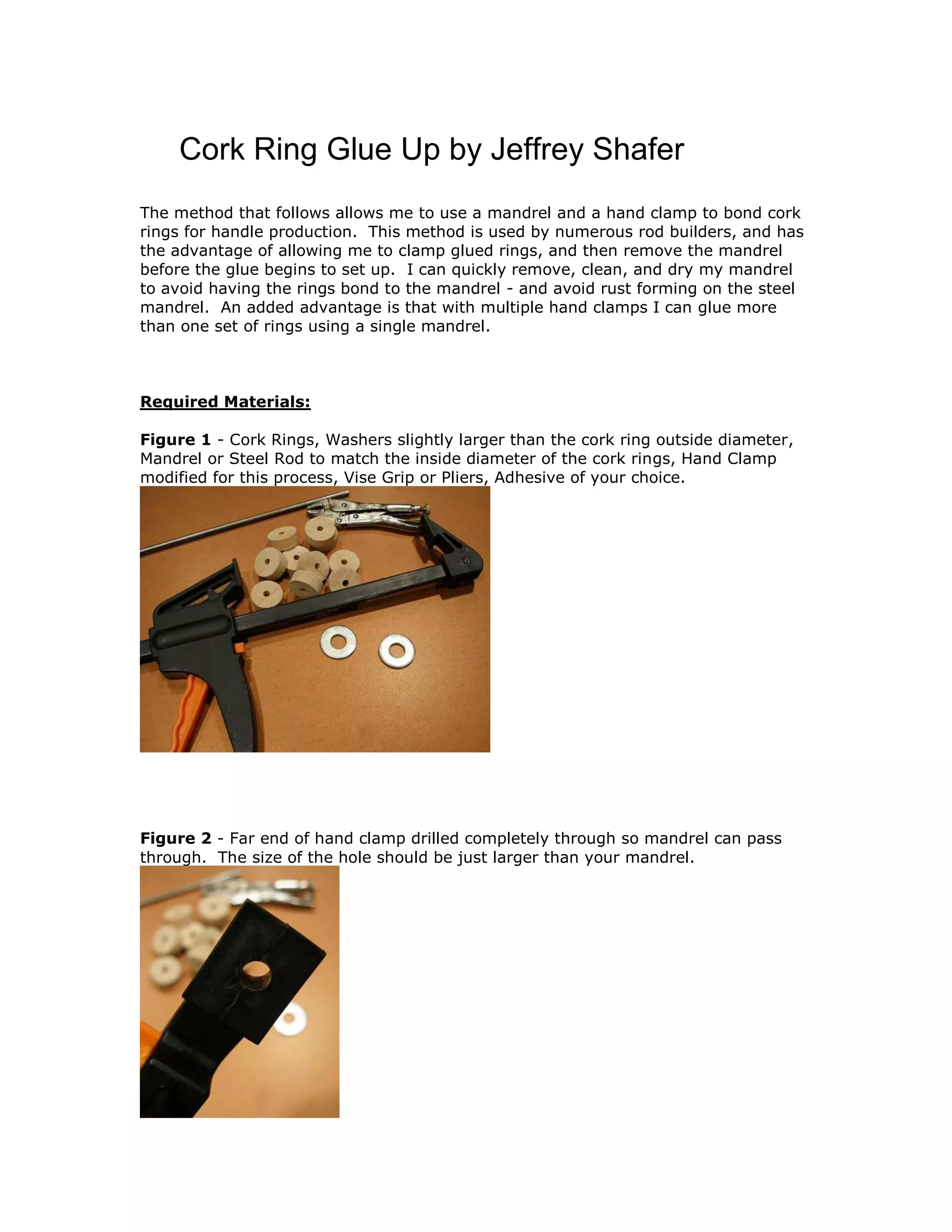
Figure 1 - Cork Rings, Washers slightly larger than the cork ring outside diameter,
Mandrel or Steel Rod to match the inside diameter of the cork rings, Hand Clamp
modified for this process, Vise Grip or Pliers, Adhesive of your choice.
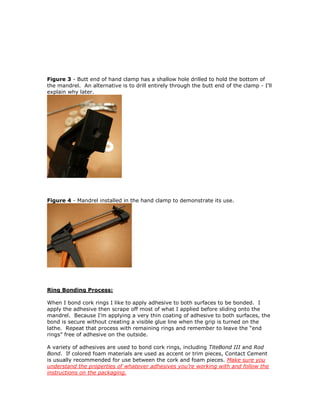
Figure 2 - Far end of hand clamp drilled completely through so mandrel can pass
through. The size of the hole should be just larger than your mandrel.
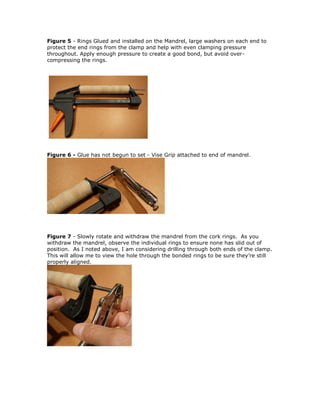
Figure 3 - Butt end of hand clamp has a shallow hole drilled to hold the bottom of
the mandrel. An alternative is to drill entirely through the butt end of the clamp - I’ll
explain why later.
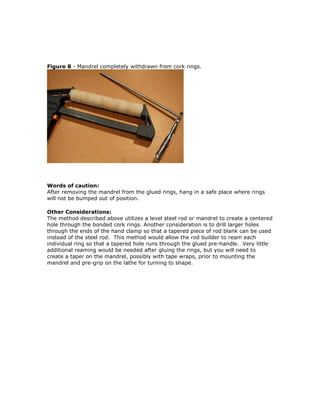
Figure 4 - Mandrel installed in the hand clamp to demonstrate its use.
Ring Bonding Process:
When I bond cork rings I like to apply adhesive to both surfaces to be bonded. I
apply the adhesive then scrape off most of what I applied before sliding onto the
mandrel. Because I’m applying a very thin coating of adhesive to both surfaces, the
bond is secure without creating a visible glue line when the grip is turned on the
lathe. Repeat that process with remaining rings and remember to leave the “end
rings” free of adhesive on the outside.
A variety of adhesives are used to bond cork rings, including TiteBond III and Rod
Bond. If colored foam materials are used as accent or trim pieces, Contact Cement
is usually recommended for use between the cork and foam pieces. Make sure you
understand the properties of whatever adhesives you’re working with and follow the
instructions on the packaging.
Figure 5 - Rings Glued and installed on the Mandrel, large washers on each end to
protect the end rings from the clamp and help with even clamping pressure
throughout. Apply enough pressure to create a good bond, but avoid over-
compressing the rings.
Figure 6 - Glue has not begun to set - Vise Grip attached to end of mandrel.
Figure 7 - Slowly rotate and withdraw the mandrel from the cork rings. As you
withdraw the mandrel, observe the individual rings to ensure none has slid out of
position. As I noted above, I am considering drilling through both ends of the clamp.
This will allow me to view the hole through the bonded rings to be sure they’re still
properly aligned.
Figure 8 - Mandrel completely withdrawn from cork rings.
Words of caution:
After removing the mandrel from the glued rings, hang in a safe place where rings
will not be bumped out of position.
Other Considerations:
The method described above utilizes a level steel rod or mandrel to create a centered
hole through the bonded cork rings. Another consideration is to drill larger holes
through the ends of the hand clamp so that a tapered piece of rod blank can be used
instead of the steel rod. This method would allow the rod builder to ream each
individual ring so that a tapered hole runs through the glued pre-handle. Very little
additional reaming would be needed after gluing the rings, but you will need to
create a taper on the mandrel, possibly with tape wraps, prior to mounting the
mandrel and pre-grip on the lathe for turning to shape.

Cork ring glue up by jeffrey shafer

  • 1.
    Cork Ring GlueUp by Jeffrey Shafer The method that follows allows me to use a mandrel and a hand clamp to bond cork rings for handle production. This method is used by numerous rod builders, and has the advantage of allowing me to clamp glued rings, and then remove the mandrel before the glue begins to set up. I can quickly remove, clean, and dry my mandrel to avoid having the rings bond to the mandrel - and avoid rust forming on the steel mandrel. An added advantage is that with multiple hand clamps I can glue more than one set of rings using a single mandrel. Required Materials: Figure 1 - Cork Rings, Washers slightly larger than the cork ring outside diameter, Mandrel or Steel Rod to match the inside diameter of the cork rings, Hand Clamp modified for this process, Vise Grip or Pliers, Adhesive of your choice. Figure 2 - Far end of hand clamp drilled completely through so mandrel can pass through. The size of the hole should be just larger than your mandrel.
  • 2.
    Figure 3 -Butt end of hand clamp has a shallow hole drilled to hold the bottom of the mandrel. An alternative is to drill entirely through the butt end of the clamp - I’ll explain why later. Figure 4 - Mandrel installed in the hand clamp to demonstrate its use. Ring Bonding Process: When I bond cork rings I like to apply adhesive to both surfaces to be bonded. I apply the adhesive then scrape off most of what I applied before sliding onto the mandrel. Because I’m applying a very thin coating of adhesive to both surfaces, the bond is secure without creating a visible glue line when the grip is turned on the lathe. Repeat that process with remaining rings and remember to leave the “end rings” free of adhesive on the outside. A variety of adhesives are used to bond cork rings, including TiteBond III and Rod Bond. If colored foam materials are used as accent or trim pieces, Contact Cement is usually recommended for use between the cork and foam pieces. Make sure you understand the properties of whatever adhesives you’re working with and follow the instructions on the packaging.
  • 3.
    Figure 5 -Rings Glued and installed on the Mandrel, large washers on each end to protect the end rings from the clamp and help with even clamping pressure throughout. Apply enough pressure to create a good bond, but avoid over- compressing the rings. Figure 6 - Glue has not begun to set - Vise Grip attached to end of mandrel. Figure 7 - Slowly rotate and withdraw the mandrel from the cork rings. As you withdraw the mandrel, observe the individual rings to ensure none has slid out of position. As I noted above, I am considering drilling through both ends of the clamp. This will allow me to view the hole through the bonded rings to be sure they’re still properly aligned.
  • 4.
    Figure 8 -Mandrel completely withdrawn from cork rings. Words of caution: After removing the mandrel from the glued rings, hang in a safe place where rings will not be bumped out of position. Other Considerations: The method described above utilizes a level steel rod or mandrel to create a centered hole through the bonded cork rings. Another consideration is to drill larger holes through the ends of the hand clamp so that a tapered piece of rod blank can be used instead of the steel rod. This method would allow the rod builder to ream each individual ring so that a tapered hole runs through the glued pre-handle. Very little additional reaming would be needed after gluing the rings, but you will need to create a taper on the mandrel, possibly with tape wraps, prior to mounting the mandrel and pre-grip on the lathe for turning to shape.