Common Sense in
    Philosophical and
Scientific Perspective
Philosophical Perspective
 Plato- true knowledge is a function of reason
  going beyond the world of appearances and
  everyday experience to an abstract, ideal
  realm of the forms of absolute being.
 Herbert of Cherbury & Rene Descartes – a
  new traditon of philosophical thinking
  emerged in the early modern period that
  began to assess the role played by “first
  principles” of common sense in our
  intellectual and social life.
Scientific Perspective
   Aristotle- science for Aristotle was an activity
    of moving from the “givens” of sense of
    experience, through inductive observations of
    particulars, to the general causal connections
    that bind everything together into one system
    of nature.
   Kepler, Galileo, Boyle, Newton and Bacon-
    scientific thought from its roots in common
    sense experience, reinstating rupture between
    the two that began with the pre-Socratics and
    Plato. Modern science was founded in part on
    a distrust of ordinary sense experience and
    “appearances” in favor of corpuscular,
    idealized and mathematical truths. The world
    of everyday exp. needed to be re examined,
    tested, transcended, put on the rack and
    reduced to invisible forces and minute
    particles in order to be understood.
   Steven Pinker- many cognitive scientist
    believe that the mind is equipped with innate
    intuitive theories or modules for the major
    ways of making sense of the world.
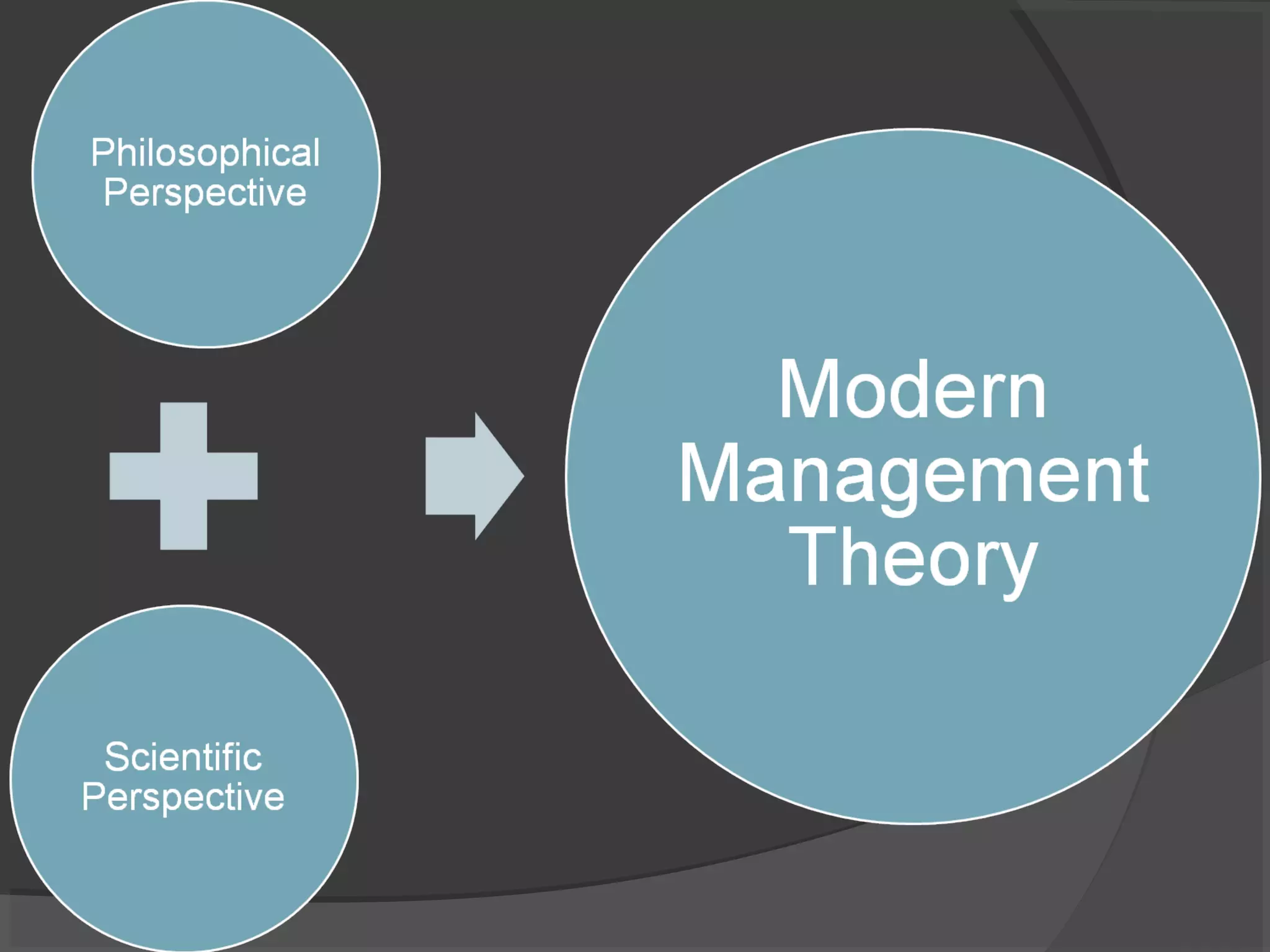
Modern Management Theory
 As a future educator in social studies we must
  managed our deeply analytical thinking order
  to apply common sense in our lessons so that
  our students easily understand the lesson.
 The role of the teacher as a manager is very
  important. It forms a organize class to
  accomplish aims and objectives they could not
  accomplish as individual, so managing has
  been essential to ensure the coordination of
  individual efforts.
Prepared by:
 Bartolome, Lorriene
 Daisog, Leony
 Purisima, Sheena Rhea
 Pusa, Francisco


 III- H BSE Social Studies
 University of Makati

Common sense in philosophical and scientific perspective

  • 1.
    Common Sense in Philosophical and Scientific Perspective
  • 3.
    Philosophical Perspective  Plato-true knowledge is a function of reason going beyond the world of appearances and everyday experience to an abstract, ideal realm of the forms of absolute being.  Herbert of Cherbury & Rene Descartes – a new traditon of philosophical thinking emerged in the early modern period that began to assess the role played by “first principles” of common sense in our intellectual and social life.
  • 4.
    Scientific Perspective  Aristotle- science for Aristotle was an activity of moving from the “givens” of sense of experience, through inductive observations of particulars, to the general causal connections that bind everything together into one system of nature.
  • 5.
    Kepler, Galileo, Boyle, Newton and Bacon- scientific thought from its roots in common sense experience, reinstating rupture between the two that began with the pre-Socratics and Plato. Modern science was founded in part on a distrust of ordinary sense experience and “appearances” in favor of corpuscular, idealized and mathematical truths. The world of everyday exp. needed to be re examined, tested, transcended, put on the rack and reduced to invisible forces and minute particles in order to be understood.
  • 6.
    Steven Pinker- many cognitive scientist believe that the mind is equipped with innate intuitive theories or modules for the major ways of making sense of the world.
  • 7.
    Modern Management Theory As a future educator in social studies we must managed our deeply analytical thinking order to apply common sense in our lessons so that our students easily understand the lesson.  The role of the teacher as a manager is very important. It forms a organize class to accomplish aims and objectives they could not accomplish as individual, so managing has been essential to ensure the coordination of individual efforts.
  • 8.
    Prepared by:  Bartolome,Lorriene  Daisog, Leony  Purisima, Sheena Rhea  Pusa, Francisco  III- H BSE Social Studies  University of Makati