CLASS III
MALOCCLUSION
DEFINITION
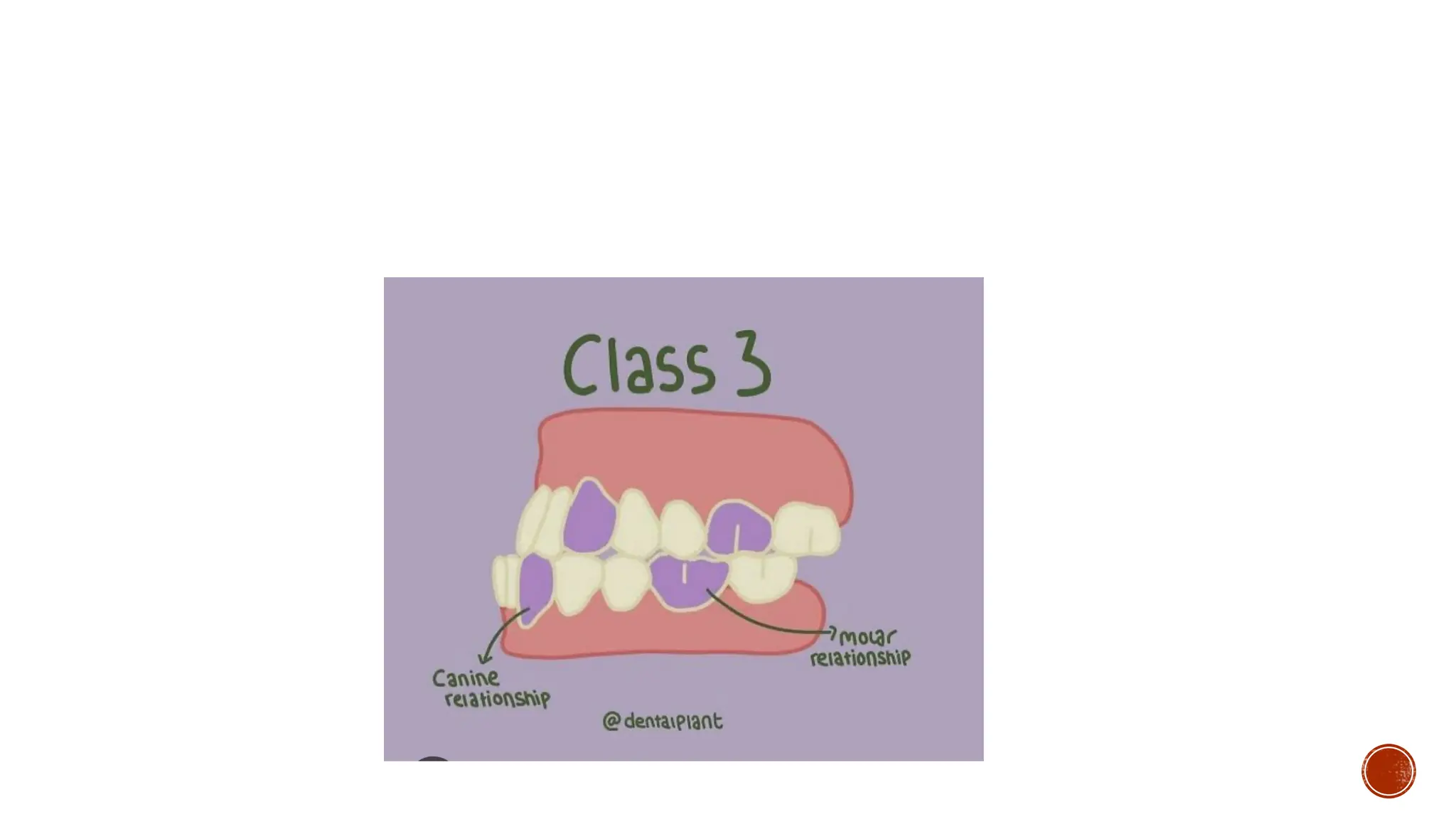
 “ It is defined as the anterioposterior jaw relation in which lower jaw is ahead
of upper jaw with dental features of lower molar more mesially positioned
relative to upper molar”
 Class 3 malocclusion, called prognathism or underbite, occurs when the lower
jaw protrudes or juts forward, causing the lower jaw and teeth to overlap the
upper jaw and teeth.
 Skeletofacial deformity characterized by forward mandibular position with
respect to cranial base and maxilla
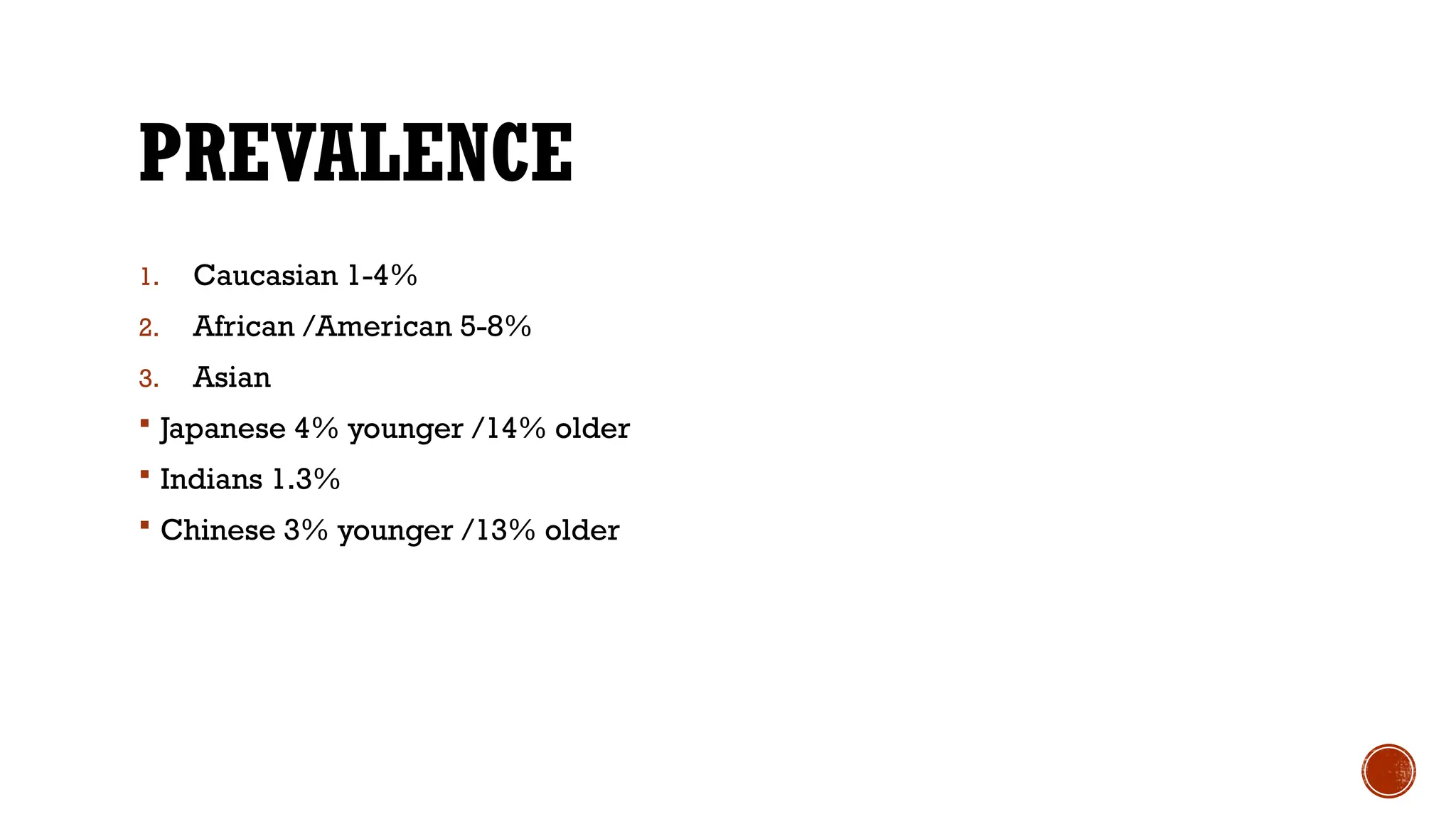
PREVALENCE
1. Caucasian 1-4%
2. African /American 5-8%
3. Asian
 Japanese 4% younger /14% older
 Indians 1.3%
 Chinese 3% younger /13% older
ETIOLOGY
 Skeletal pattern :
Genetic / environmental
•Dental factors
•Familial ( Hapsburg jaw)
 •Environmental ( mouth breathing, postural habits)
•Cleft lip and palate
 Mental disease
 Premature loss of deciduous molars
•Ethnic
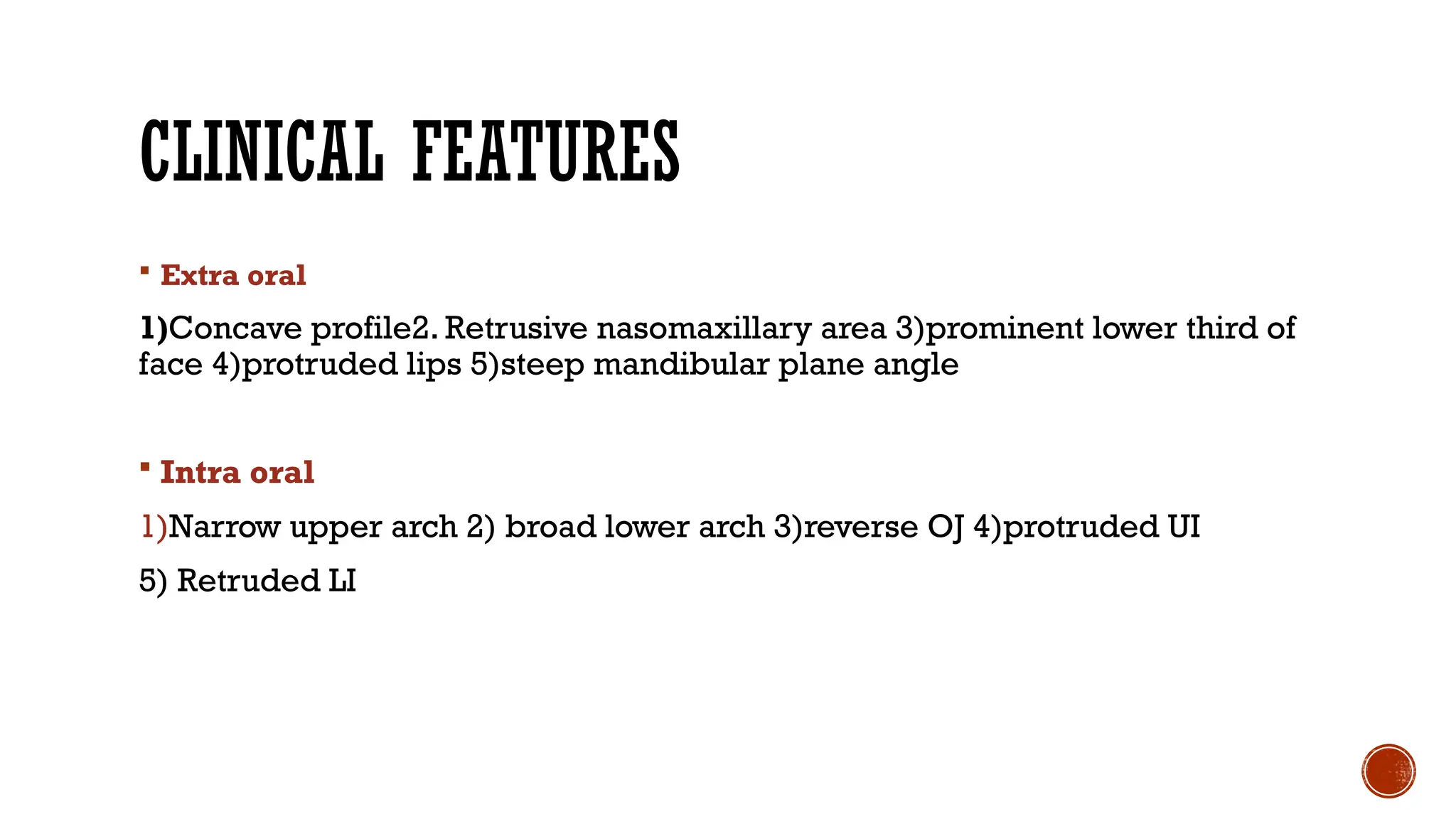
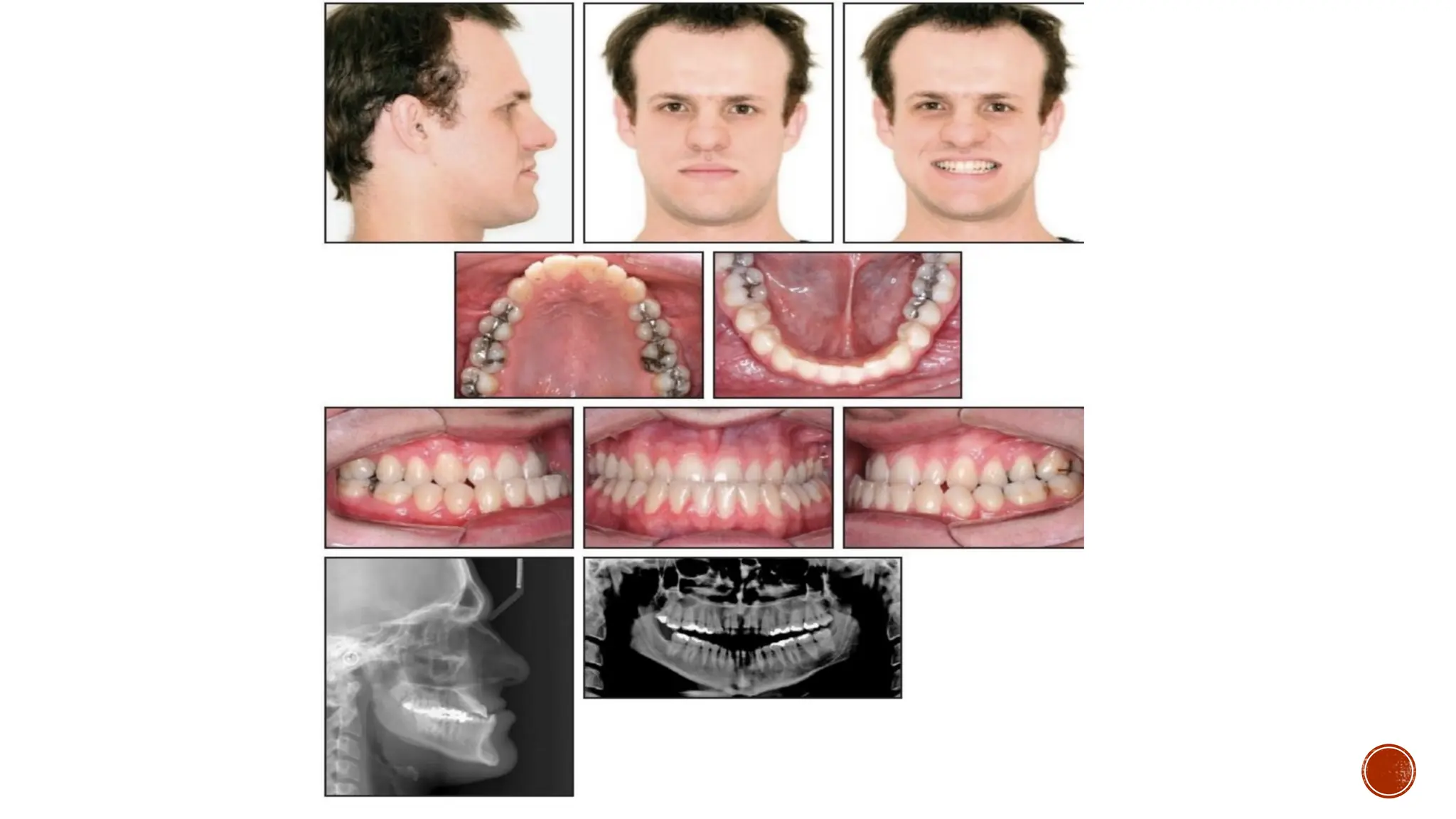
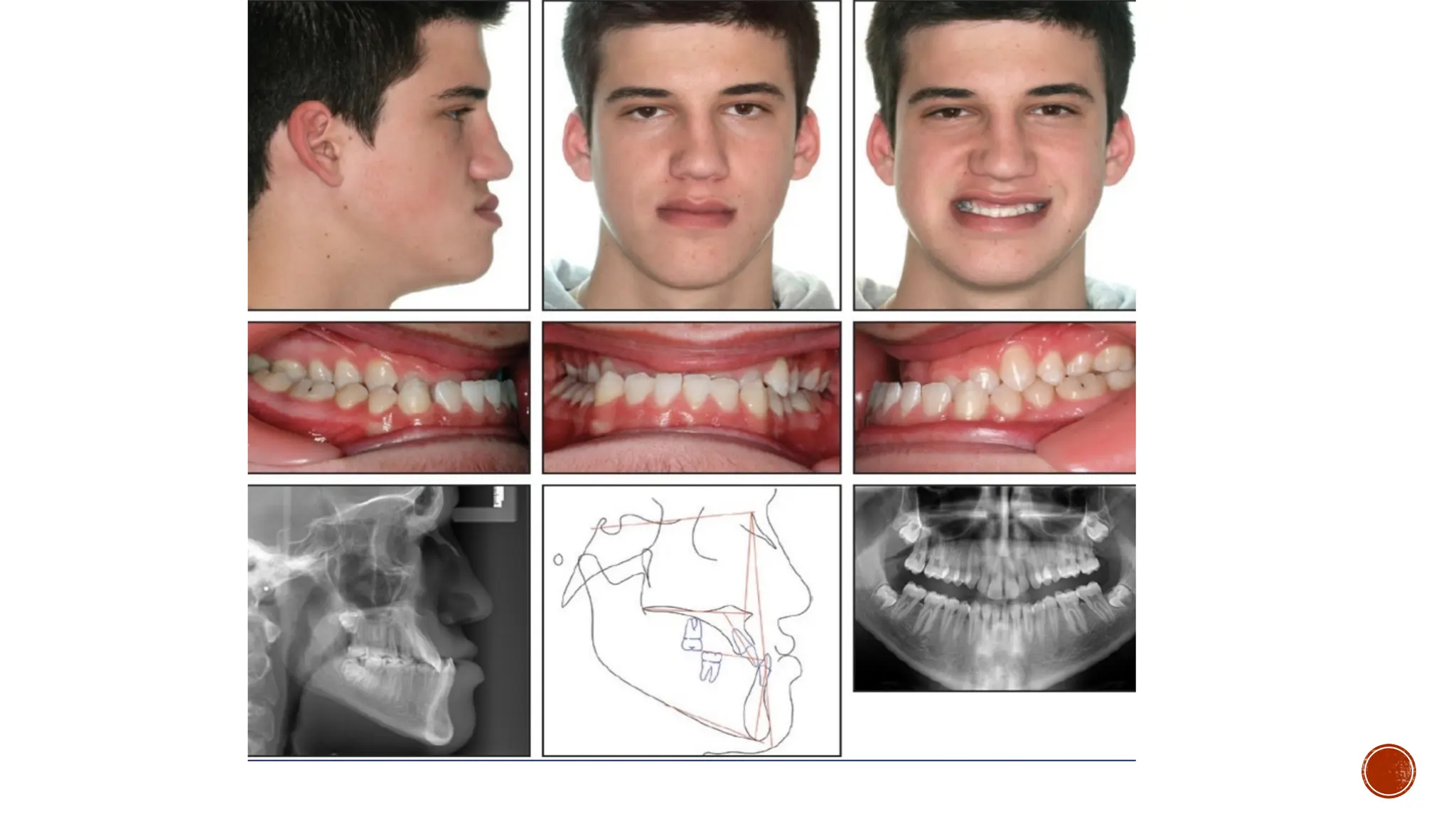
CLINICAL FEATURES
 Extra oral
1)Concave profile2. Retrusive nasomaxillary area 3)prominent lower third of
face 4)protruded lips 5)steep mandibular plane angle
 Intra oral
1)Narrow upper arch 2) broad lower arch 3)reverse OJ 4)protruded UI
5) Retruded LI
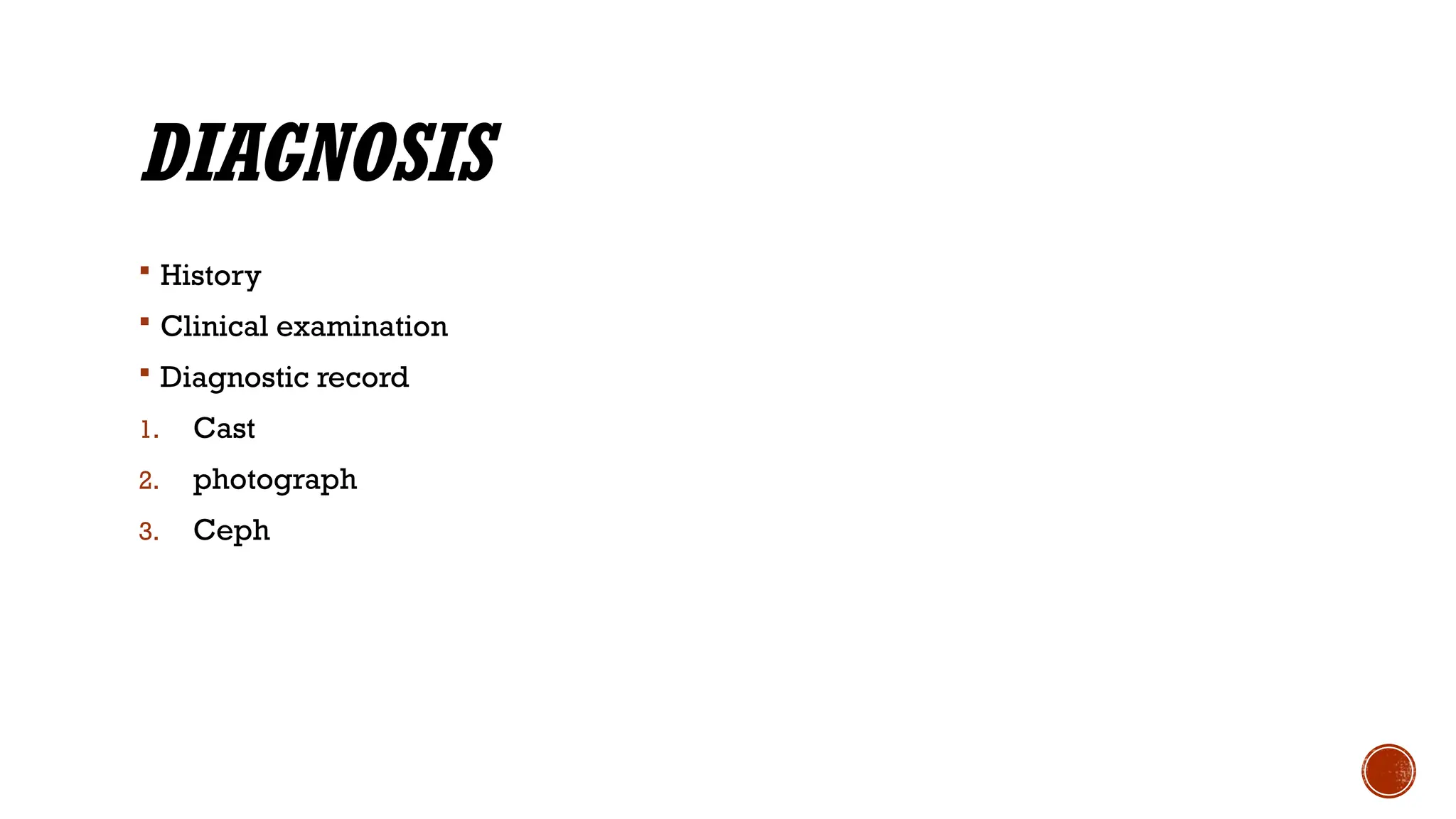
DIAGNOSIS
 History
 Clinical examination
 Diagnostic record
1. Cast
2. photograph
3. Ceph
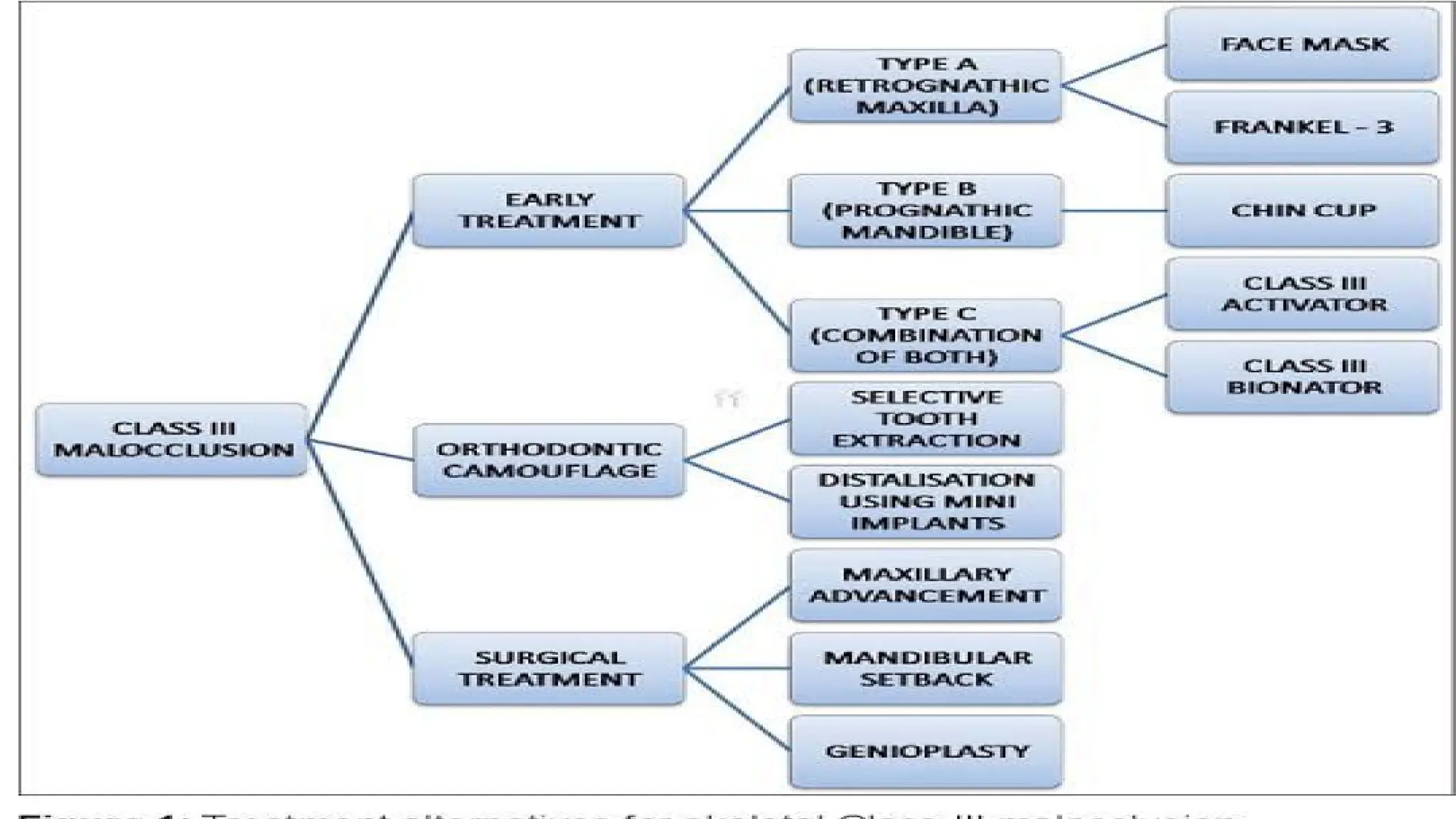
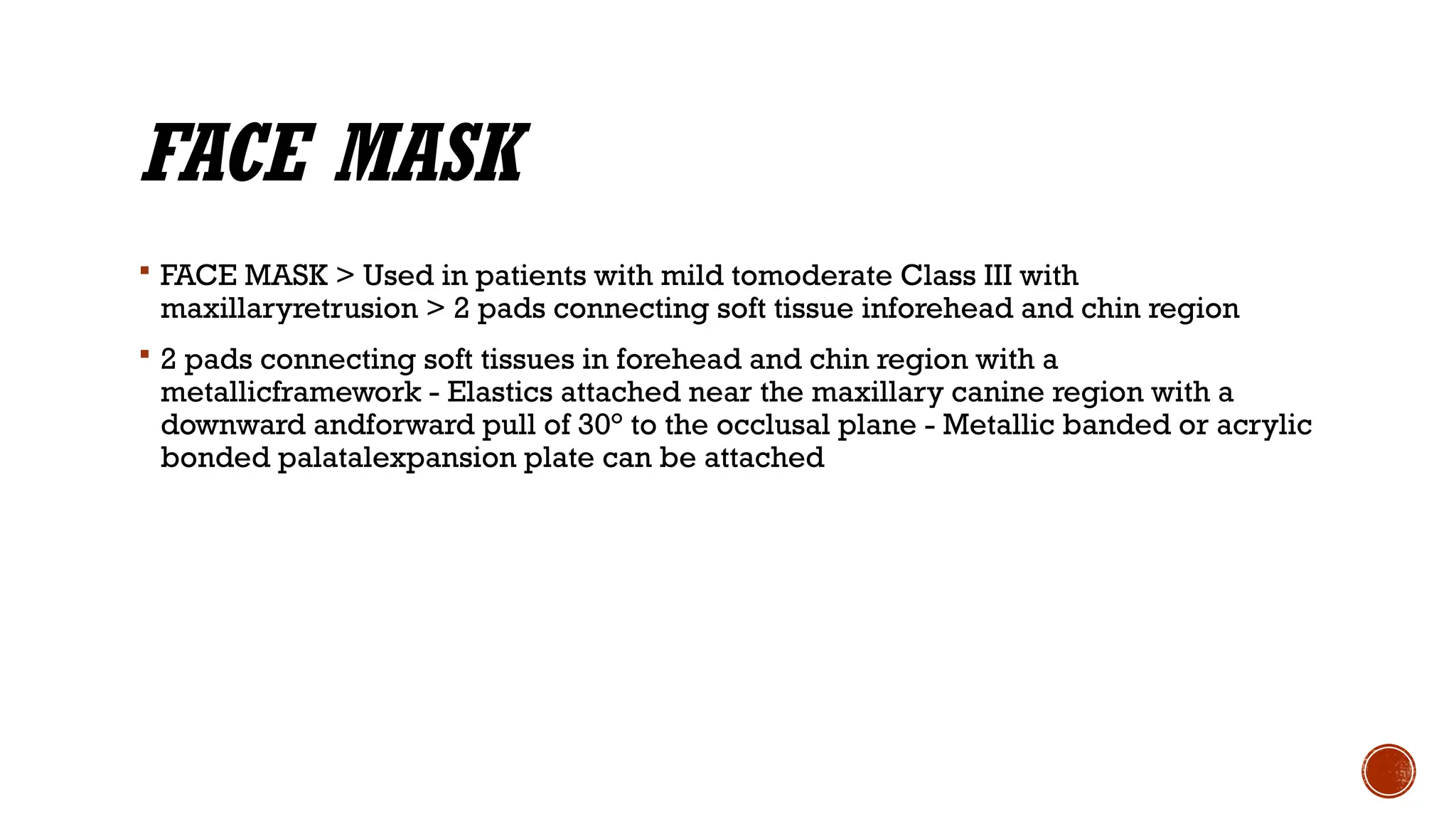
FACE MASK
 FACE MASK > Used in patients with mild tomoderate Class III with
maxillaryretrusion > 2 pads connecting soft tissue inforehead and chin region
 2 pads connecting soft tissues in forehead and chin region with a
metallicframework - Elastics attached near the maxillary canine region with a
downward andforward pull of 30° to the occlusal plane - Metallic banded or acrylic
bonded palatalexpansion plate can be attached
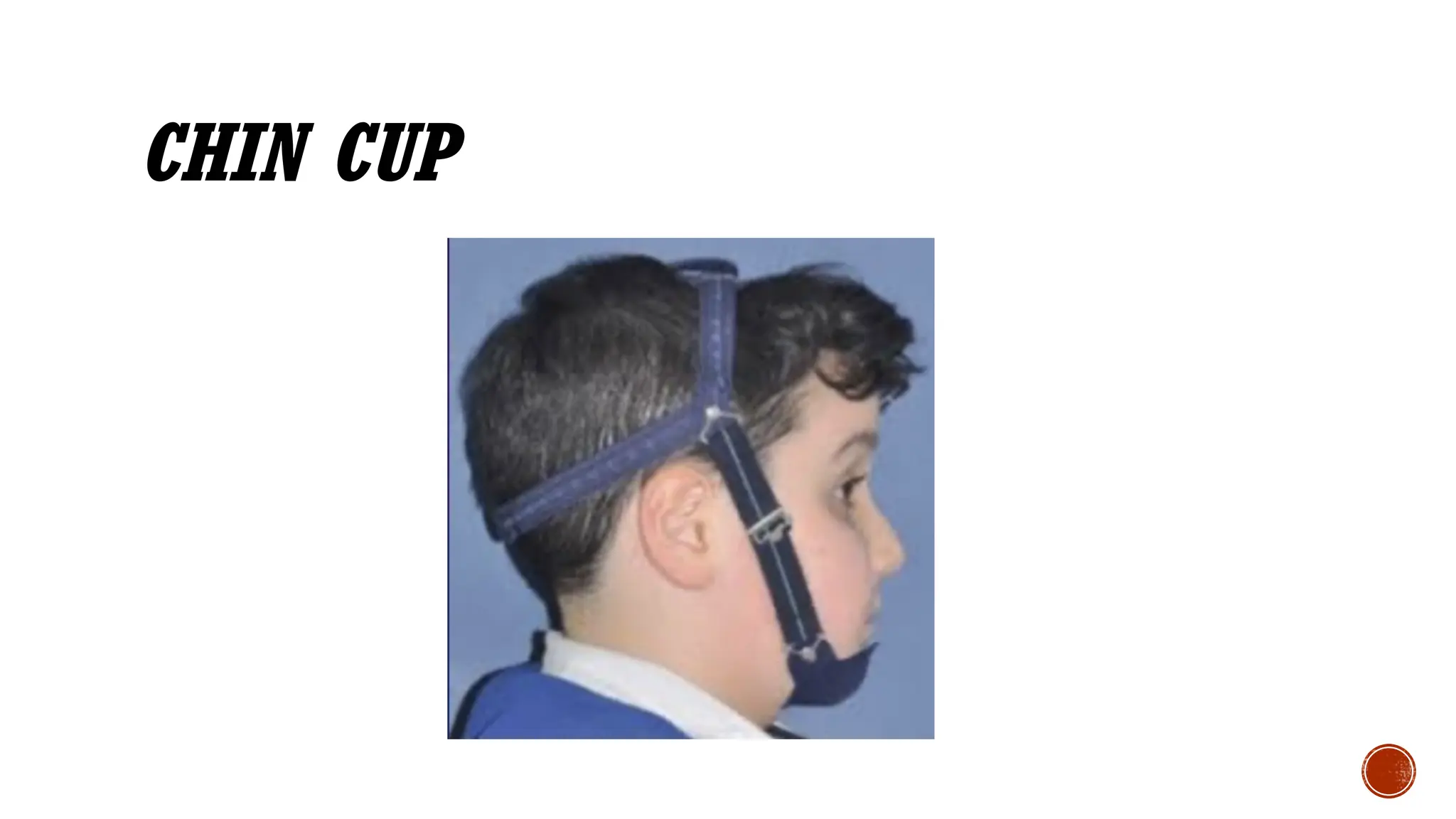
CHIN CUP
 Effects on growth:
 A) Mandible- Redirection of mandibular growth vertically- Backward repositioning
or rotation- Remodeling with closure of gonial angle- Posterior movement of Point
B and Pogonion
 A study by Graber showed that the use of a chincup promoted a backward
movement of Point B, due to a clockwise rotation of themandible. (AJO 1977)B)
Maxilla- Prevents retardation of Anteroposterior maxillary growth
 Types
1. Occipital pull-
2. Vertical pull
TANDEM APPLIANCE
 TANDEM APPLIANCE>
 By Chun et al, 1999• Appliance design: (By Leon Klempner, JCO 2011) - Intraoral
appliance with one fixed and tworemovable components - Upper section is fixed
Hyrax, Hass or Quad helix with buccal arms soldered forattachment of protraction
elastics - Lower similar to removable retainer, with posterior occlusal cover- age
and buccal headaear tubes embedded in the lower
ORTHODONTIC CAMOUFLAGE
 Depending on the malocclusion extraction can be doneas follows:• Two lower
premolars or a mandibular incisor> All four premolars> Maxillary 2nd and
mandibular 1st premolars> Mandibular second molars[By Jiuxiang Lin, Angle
Orthodontist 2006;76(2)]
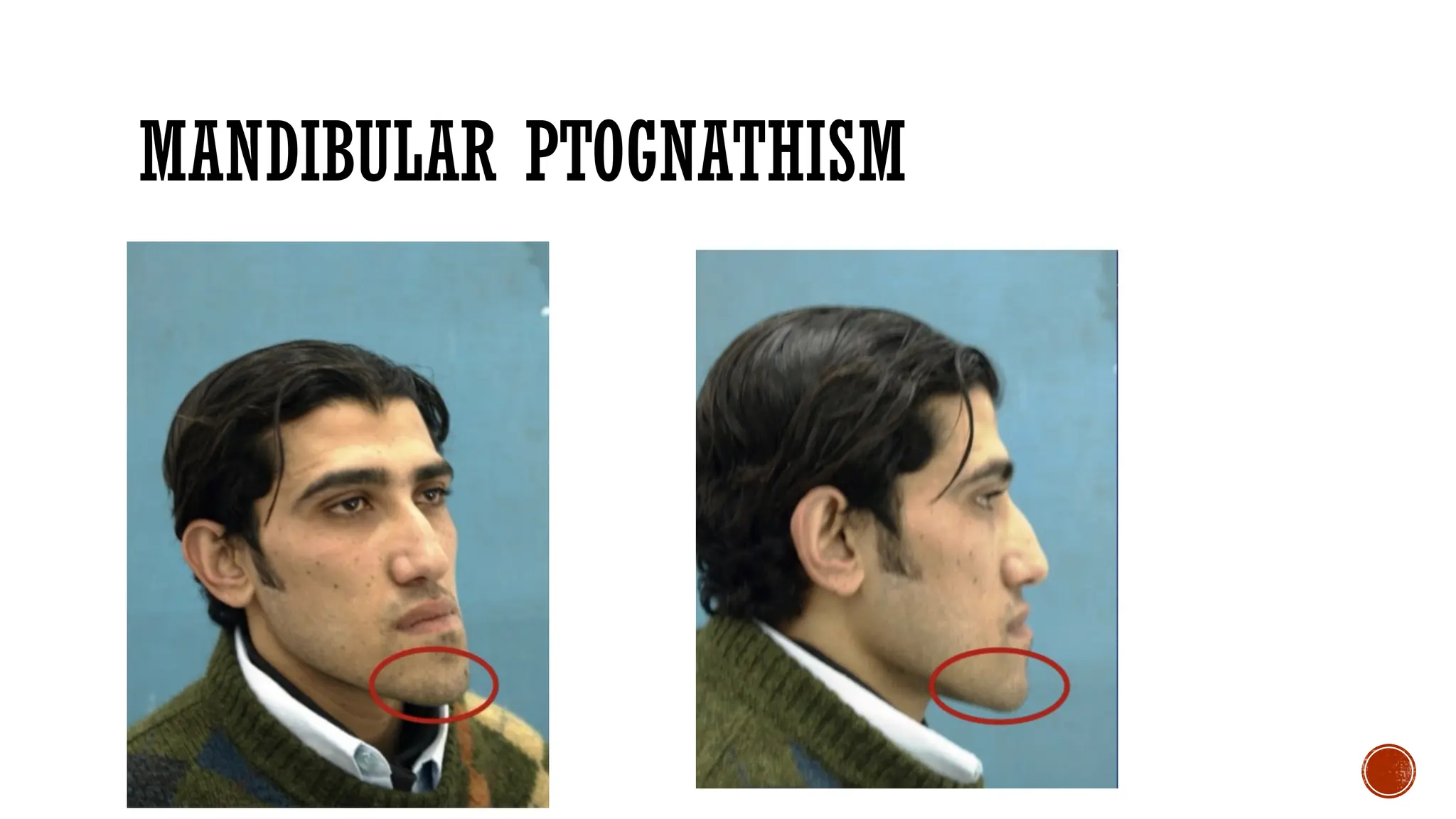
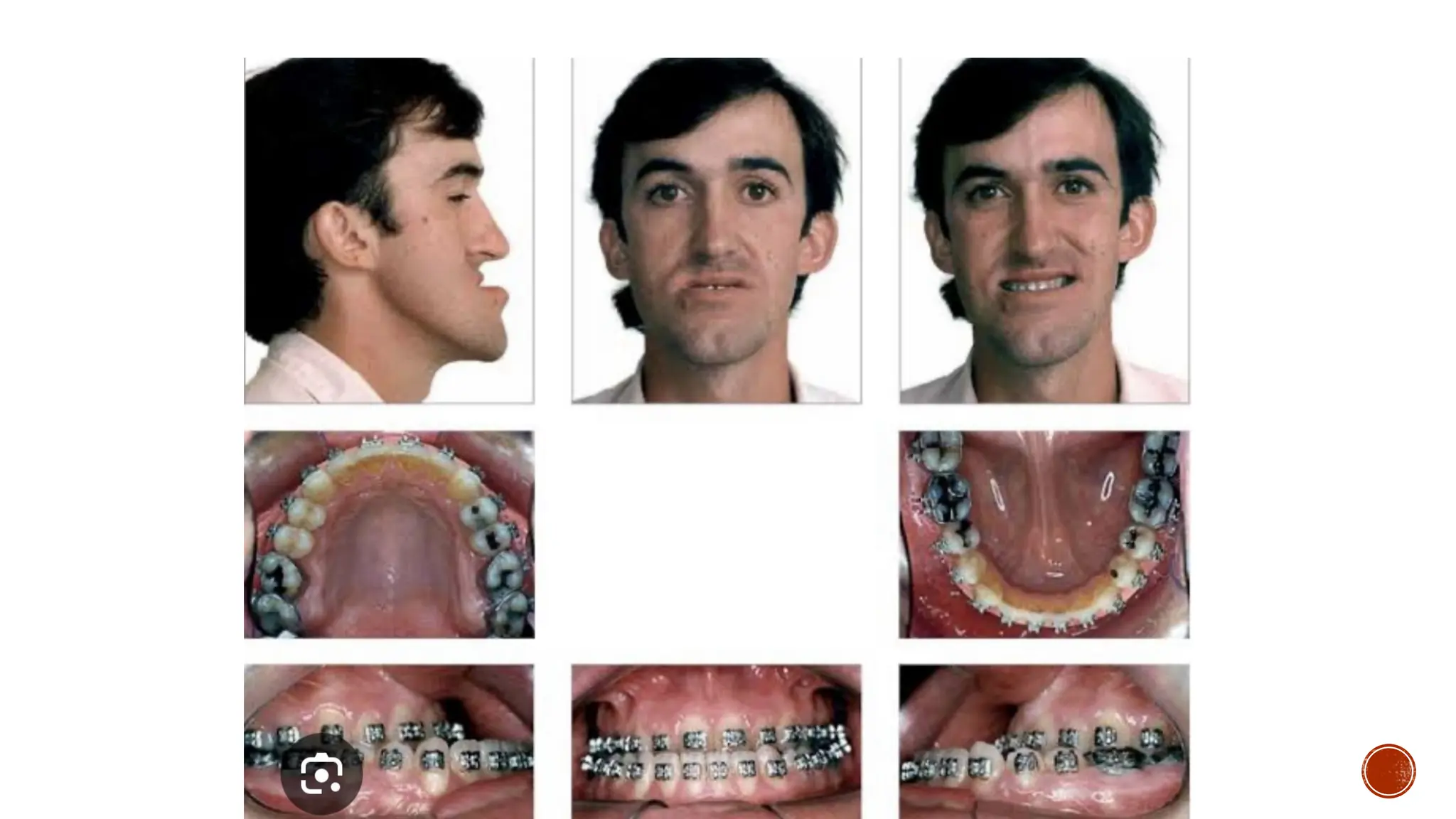
MANDIBULAR PTOGNATHISM
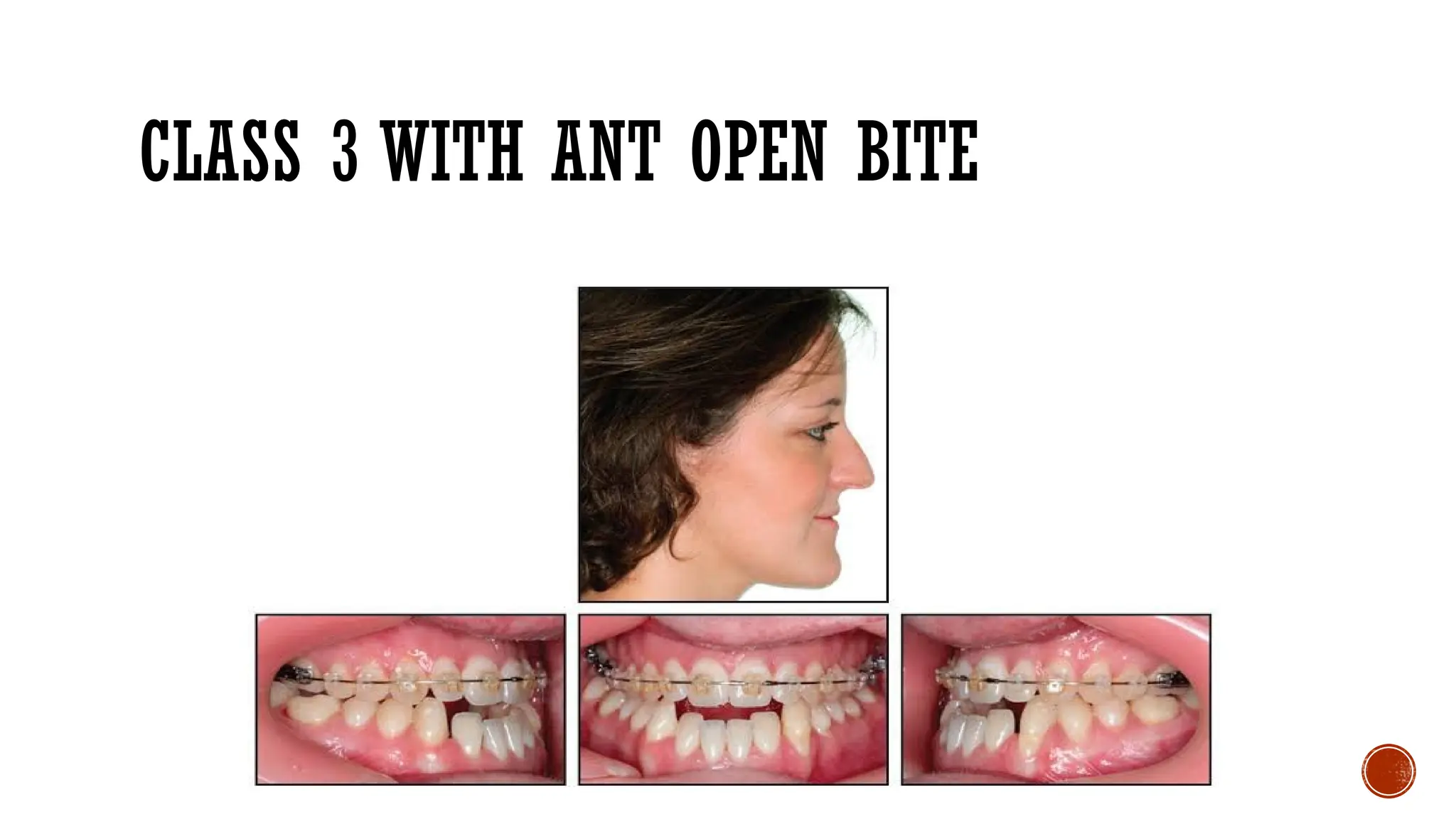
CLASS 3 WITH ANT OPEN BITE
Class 3 malocclusion class III malocclusion profit

Class 3 malocclusion class III malocclusion profit

  • 1.
  • 2.
    DEFINITION  “ Itis defined as the anterioposterior jaw relation in which lower jaw is ahead of upper jaw with dental features of lower molar more mesially positioned relative to upper molar”  Class 3 malocclusion, called prognathism or underbite, occurs when the lower jaw protrudes or juts forward, causing the lower jaw and teeth to overlap the upper jaw and teeth.  Skeletofacial deformity characterized by forward mandibular position with respect to cranial base and maxilla
  • 4.
    PREVALENCE 1. Caucasian 1-4% 2.African /American 5-8% 3. Asian  Japanese 4% younger /14% older  Indians 1.3%  Chinese 3% younger /13% older
  • 5.
    ETIOLOGY  Skeletal pattern: Genetic / environmental •Dental factors •Familial ( Hapsburg jaw)  •Environmental ( mouth breathing, postural habits) •Cleft lip and palate  Mental disease  Premature loss of deciduous molars •Ethnic
  • 6.
    CLINICAL FEATURES  Extraoral 1)Concave profile2. Retrusive nasomaxillary area 3)prominent lower third of face 4)protruded lips 5)steep mandibular plane angle  Intra oral 1)Narrow upper arch 2) broad lower arch 3)reverse OJ 4)protruded UI 5) Retruded LI
  • 7.
    DIAGNOSIS  History  Clinicalexamination  Diagnostic record 1. Cast 2. photograph 3. Ceph
  • 9.
    FACE MASK  FACEMASK > Used in patients with mild tomoderate Class III with maxillaryretrusion > 2 pads connecting soft tissue inforehead and chin region  2 pads connecting soft tissues in forehead and chin region with a metallicframework - Elastics attached near the maxillary canine region with a downward andforward pull of 30° to the occlusal plane - Metallic banded or acrylic bonded palatalexpansion plate can be attached
  • 10.
  • 11.
     Effects ongrowth:  A) Mandible- Redirection of mandibular growth vertically- Backward repositioning or rotation- Remodeling with closure of gonial angle- Posterior movement of Point B and Pogonion  A study by Graber showed that the use of a chincup promoted a backward movement of Point B, due to a clockwise rotation of themandible. (AJO 1977)B) Maxilla- Prevents retardation of Anteroposterior maxillary growth  Types 1. Occipital pull- 2. Vertical pull
  • 12.
    TANDEM APPLIANCE  TANDEMAPPLIANCE>  By Chun et al, 1999• Appliance design: (By Leon Klempner, JCO 2011) - Intraoral appliance with one fixed and tworemovable components - Upper section is fixed Hyrax, Hass or Quad helix with buccal arms soldered forattachment of protraction elastics - Lower similar to removable retainer, with posterior occlusal cover- age and buccal headaear tubes embedded in the lower
  • 13.
    ORTHODONTIC CAMOUFLAGE  Dependingon the malocclusion extraction can be doneas follows:• Two lower premolars or a mandibular incisor> All four premolars> Maxillary 2nd and mandibular 1st premolars> Mandibular second molars[By Jiuxiang Lin, Angle Orthodontist 2006;76(2)]
  • 14.
  • 15.
    CLASS 3 WITHANT OPEN BITE