Salvador
Galvan
Cycle 54
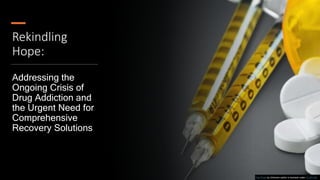
Rekindling
Hope:
Addressing the
Ongoing Crisis of
Drug Addiction and
the Urgent Need for
Comprehensive
Recovery Solutions
This Photo by Unknown author is licensed under CC BY-ND.
Extend of The
Issue:
• Opioid Overdose Deaths:
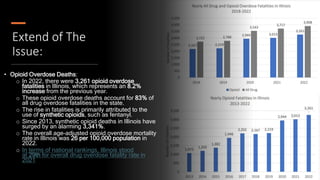
o In 2022, there were 3,261 opioid overdose
fatalities in Illinois, which represents an 8.2%
increase from the previous year.
o These opioid overdose deaths account for 83% of
all drug overdose fatalities in the state.
o The rise in fatalities is primarily attributed to the
use of synthetic opioids, such as fentanyl.
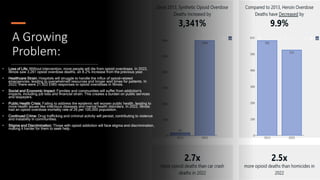
o Since 2013, synthetic opioid deaths in Illinois have
surged by an alarming 3,341%.
o The overall age-adjusted opioid overdose mortality
rate in Illinois was 26 per 100,000 population in
2022.
o In terms of national rankings, Illinois stood
at 29th for overall drug overdose fatality rate in
2021
A Growing
Problem:
• Loss of Life: Without intervention, more people will die from opioid overdoses. In 2022,
Illinois saw 3,261 opioid overdose deaths, an 8.2% increase from the previous year.
• Healthcare Strain: Hospitals will struggle to handle the influx of opioid-related
emergencies, leading to overwhelmed resources and longer wait times for patients. In
2022, there were 21,922 EMS responses to opioid overdoses in Illinois.
• Social and Economic Impact: Families and communities will suffer from addiction's
impacts, including job loss and financial strain. This creates a burden on public services
and taxpayers.
• Public Health Crisis: Failing to address the epidemic will worsen public health, leading to
more health issues like infectious diseases and mental health disorders. In 2022, Illinois
had an opioid overdose mortality rate of 26 per 100,000 population.
• Continued Crime: Drug trafficking and criminal activity will persist, contributing to violence
and instability in communities.
• Stigma and Discrimination: Those with opioid addiction will face stigma and discrimination,
making it harder for them to seek help.
How They Can
Help:
• Expertise offered by registered nurses, addictions
counselors, social workers, psychologists, and
physicians.
• Utilizes a team-oriented approach to assist substance
users and their loved ones.
• Provides education, assessments, and fosters strong
relationships with various treatment providers.
• Embraces the case management philosophy and
incorporates recommendations from clinical advisors such
as ASAM and SAMHSA.
• Not funded by treatment or recovery programs; based on
social work best practices and rooted in harm reduction.
• Assistance available for individuals who have just
discovered a loved one's substance use or those ready to
make positive changes for overall health related to
substance use or mental illness.
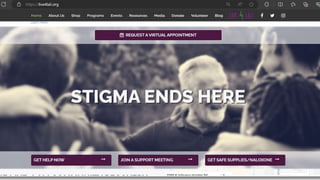
• To make an appointment, call 844.LV4.LALI (584.5254)
x803 or click to email.
Current
Challanges:
• Meeting Immediate and Long-Term Needs:
• Live4Lali aims not only to address immediate harm
caused by substance use but also to tackle
subsequent legal, social, and health issues.
• Providing safe injection kits, naloxone, food,
personal care items, and assistance with finding
treatment and recovery options requires ongoing
effort1.
• Balancing these short-term interventions with long-
term support remains a challenge.
Solutions:
Responsibilities:
• Event Planning: Assist in organizing workshops, awareness campaigns, and fundraising
events.
• Promotion: Spread the word about events via social media, community boards, and local
media.
• Engagement: Interact with participants, provide information about Live4Lali's services, and
encourage involvement.
• Resource Coordination: Help secure venues, equipment, materials, and speakers for events.
• Data Collection: Gather feedback from participants to assess impact and improve outreach
efforts.
Benefits for Live4Lali:
• Expanded Reach: Reach a wider audience and engage with more community members.
• Increased Awareness: Raise awareness about substance abuse prevention and support
services.
• Community Connections: Forge connections with local organizations and individuals who
share the mission.
• Improvement Insights: Use feedback to refine outreach strategies and better serve the
community.
End

Civics Presentation - Salvador Galvan.pptx

  • 1.
  • 2.
    Rekindling Hope: Addressing the Ongoing Crisisof Drug Addiction and the Urgent Need for Comprehensive Recovery Solutions This Photo by Unknown author is licensed under CC BY-ND.
  • 3.
    Extend of The Issue: •Opioid Overdose Deaths: o In 2022, there were 3,261 opioid overdose fatalities in Illinois, which represents an 8.2% increase from the previous year. o These opioid overdose deaths account for 83% of all drug overdose fatalities in the state. o The rise in fatalities is primarily attributed to the use of synthetic opioids, such as fentanyl. o Since 2013, synthetic opioid deaths in Illinois have surged by an alarming 3,341%. o The overall age-adjusted opioid overdose mortality rate in Illinois was 26 per 100,000 population in 2022. o In terms of national rankings, Illinois stood at 29th for overall drug overdose fatality rate in 2021
  • 4.
    A Growing Problem: • Lossof Life: Without intervention, more people will die from opioid overdoses. In 2022, Illinois saw 3,261 opioid overdose deaths, an 8.2% increase from the previous year. • Healthcare Strain: Hospitals will struggle to handle the influx of opioid-related emergencies, leading to overwhelmed resources and longer wait times for patients. In 2022, there were 21,922 EMS responses to opioid overdoses in Illinois. • Social and Economic Impact: Families and communities will suffer from addiction's impacts, including job loss and financial strain. This creates a burden on public services and taxpayers. • Public Health Crisis: Failing to address the epidemic will worsen public health, leading to more health issues like infectious diseases and mental health disorders. In 2022, Illinois had an opioid overdose mortality rate of 26 per 100,000 population. • Continued Crime: Drug trafficking and criminal activity will persist, contributing to violence and instability in communities. • Stigma and Discrimination: Those with opioid addiction will face stigma and discrimination, making it harder for them to seek help.
  • 7.
    How They Can Help: •Expertise offered by registered nurses, addictions counselors, social workers, psychologists, and physicians. • Utilizes a team-oriented approach to assist substance users and their loved ones. • Provides education, assessments, and fosters strong relationships with various treatment providers. • Embraces the case management philosophy and incorporates recommendations from clinical advisors such as ASAM and SAMHSA. • Not funded by treatment or recovery programs; based on social work best practices and rooted in harm reduction. • Assistance available for individuals who have just discovered a loved one's substance use or those ready to make positive changes for overall health related to substance use or mental illness. • To make an appointment, call 844.LV4.LALI (584.5254) x803 or click to email.
  • 9.
    Current Challanges: • Meeting Immediateand Long-Term Needs: • Live4Lali aims not only to address immediate harm caused by substance use but also to tackle subsequent legal, social, and health issues. • Providing safe injection kits, naloxone, food, personal care items, and assistance with finding treatment and recovery options requires ongoing effort1. • Balancing these short-term interventions with long- term support remains a challenge.
  • 10.
    Solutions: Responsibilities: • Event Planning:Assist in organizing workshops, awareness campaigns, and fundraising events. • Promotion: Spread the word about events via social media, community boards, and local media. • Engagement: Interact with participants, provide information about Live4Lali's services, and encourage involvement. • Resource Coordination: Help secure venues, equipment, materials, and speakers for events. • Data Collection: Gather feedback from participants to assess impact and improve outreach efforts. Benefits for Live4Lali: • Expanded Reach: Reach a wider audience and engage with more community members. • Increased Awareness: Raise awareness about substance abuse prevention and support services. • Community Connections: Forge connections with local organizations and individuals who share the mission. • Improvement Insights: Use feedback to refine outreach strategies and better serve the community.
  • 11.