Download to read offline

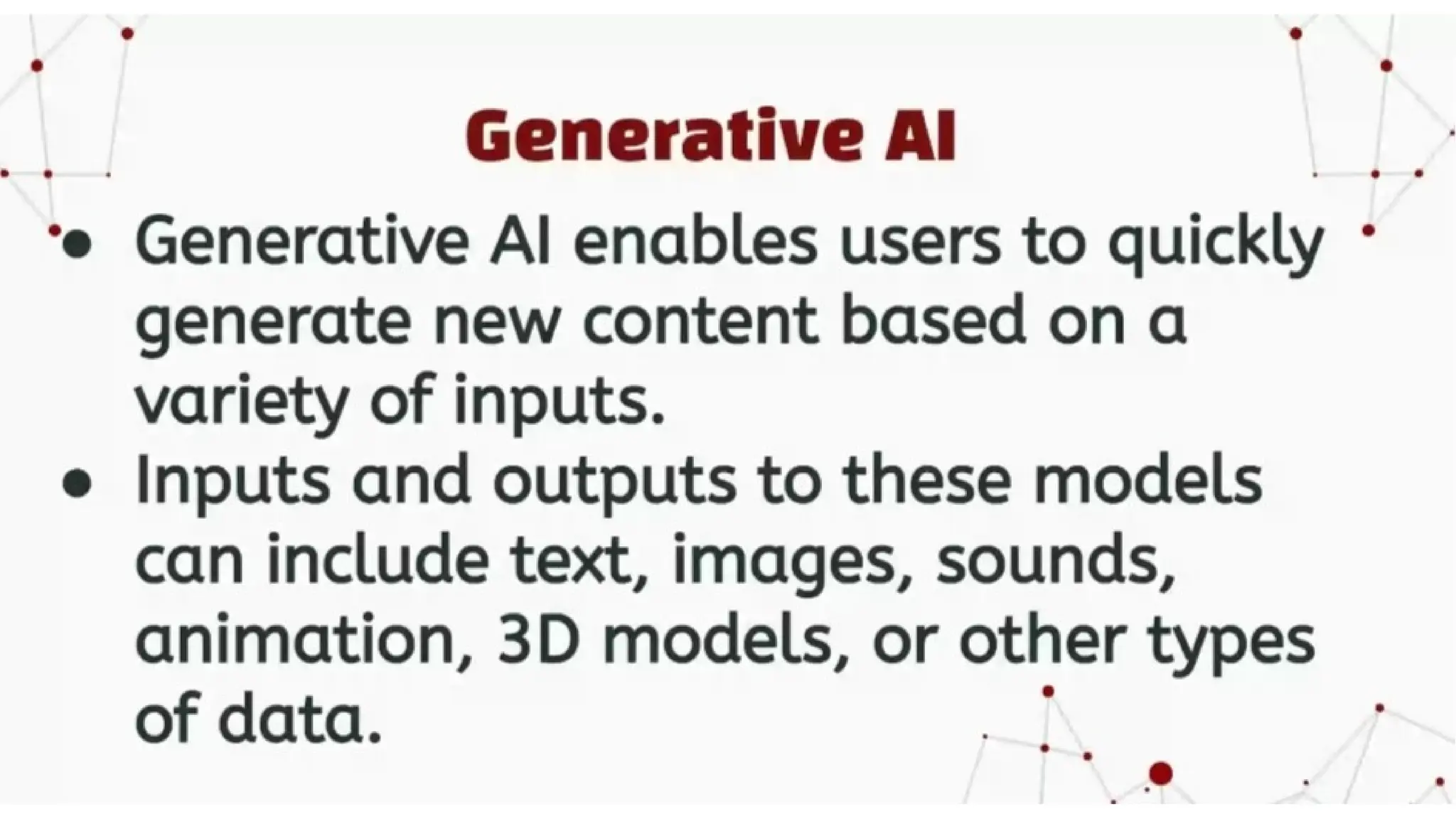
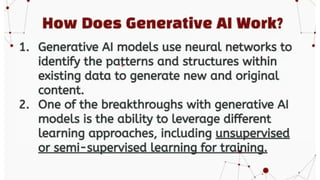
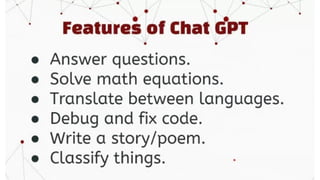
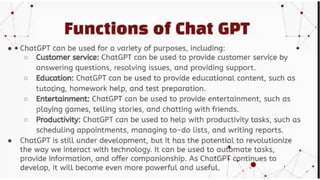
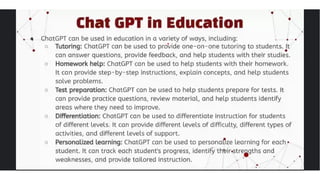

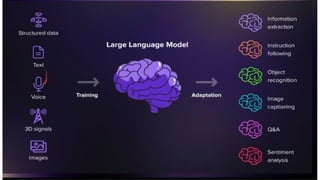

ChatGPT is a large language model (LLM) developed by OpenAI that excels at generating human-like text and engaging in conversational interactions. LLMs, in general, are AI models trained on massive amounts of text data to understand and generate language, often with billions of parameters. ChatGPT leverages this training to answer questions, create content, and even assist with coding. Key Features of ChatGPT and LLMs: Conversational AI: ChatGPT is designed for dialogue, allowing it to follow up on questions, correct mistakes, and even decline inappropriate requests. Generative Capabilities: LLMs like ChatGPT can generate various forms of text, including articles, poems, and even code, by predicting the next most likely word based on the input. Parameter Scaling: The number of parameters in an LLM (like the billions in ChatGPT) determines its capacity to learn and generate complex language patterns. Multimodal Potential: Some LLMs are being trained to process and generate other types of data besides text, like images and audio, leading to the development of large multimodal models (LMMs). Training on Massive Datasets: LLMs are trained on vast amounts of publicly available text, including books, articles, and websites, to learn the nuances of human language. Ethical Considerations: While powerful, LLMs can also perpetuate biases and stereotypes present in the training data, and they may sometimes present false information as truth. Applications in Various Fields: LLMs are being explored for use in education, research, software development, and even legal work. Examples of LLMs: GPT (Generative Pre-trained Transformer): The foundation for ChatGPT, GPT models are known for their ability to predict and generate text. LLaMA: A source-available LLM that has gained popularity, though with some restrictions on use, according to Wikipedia. Ernie: Baidu's LLM, particularly strong in Mandarin. Mistral AI's models: Mistral 7B


