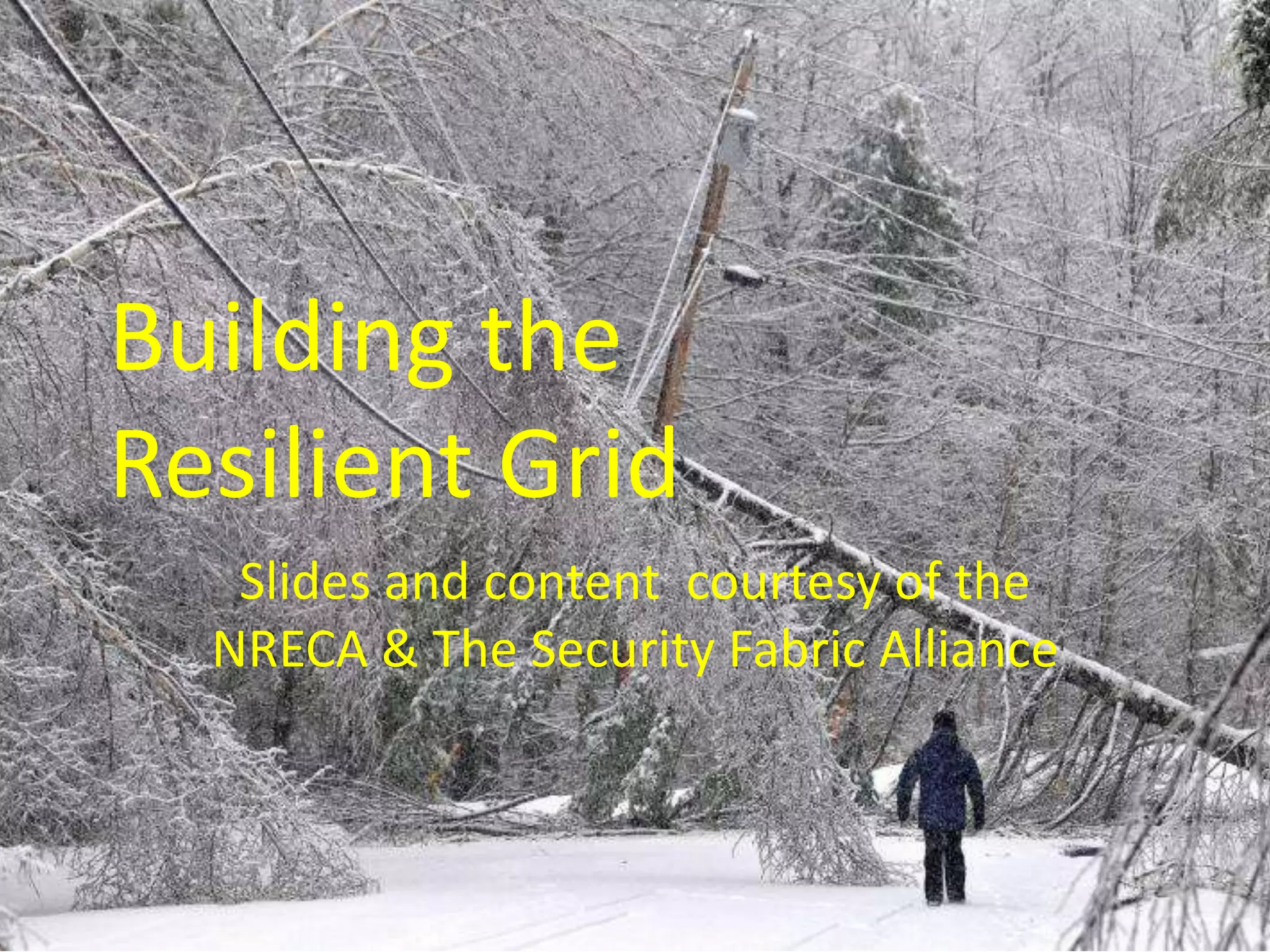
Building the
Resilient Grid
Slides and content courtesy of the
NRECA & The Security Fabric Alliance
Agile / Fractal Grid
• Concept: a grid that where distributed generators
can integrate with and island from each other
and the broader grid.
• Approach: develop common / shared methods
for grid control so that different areas of control
can communicate with each other without the
development of custom interfaces
• Principle: the method of control should be the
same at different scales, from building
automation and industrial controls, to
distribution to generation and transmission.
Key Areas of Development to Realize the Resilient Grid
1. Distributed Generation
2. Microgrids
3. Segmentability, Agile Control and Fractal Construction
4. An Internet You Can Trust
5. Advanced VAR Control and Solid State Power
Electronics
6. Advanced Architecture
7. Improving Standards
8. Real Big Data Capabilities
9. Advanced Analytics
10. High Performance Communications
Distributed Generation
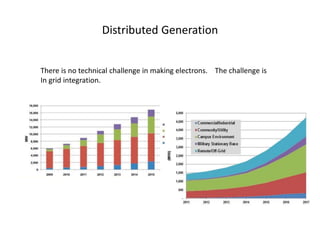
There is no technical challenge in making electrons. The challenge is
In grid integration.
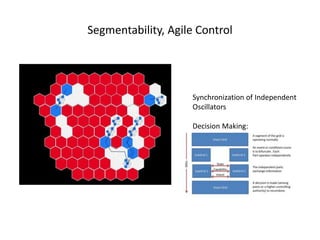
Segmentability, Agile Control
Synchronization of Independent
Oscillators
Decision Making:
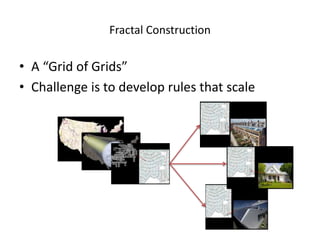
Fractal Construction
• A “Grid of Grids”
• Challenge is to develop rules that scale
Back up slides
“The Rest of the Story”
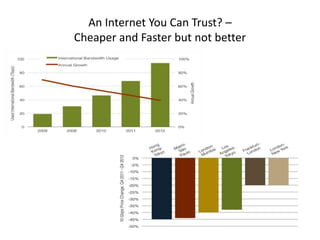
An Internet You Can Trust? –
Cheaper and Faster but not better
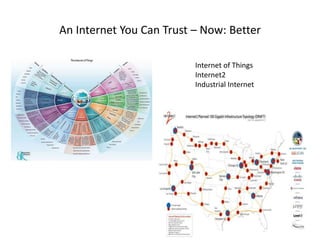
An Internet You Can Trust – Now: Better
Internet of Things
Internet2
Industrial Internet
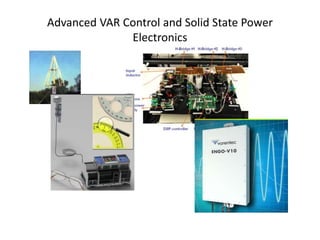
Advanced VAR Control and Solid State Power
Electronics
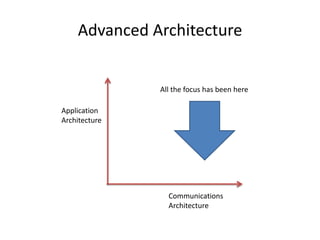
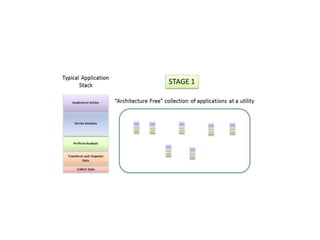
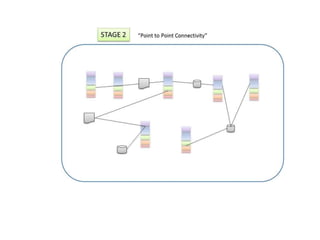
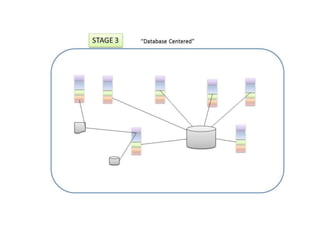
Advanced Architecture
Application
Architecture
Communications
Architecture
All the focus has been here
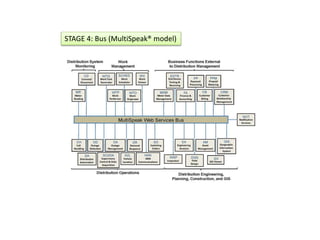
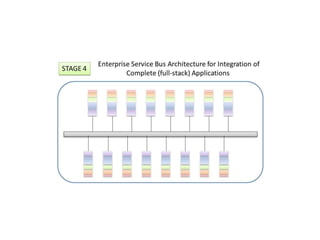
STAGE 4: Bus (MultiSpeak® model)
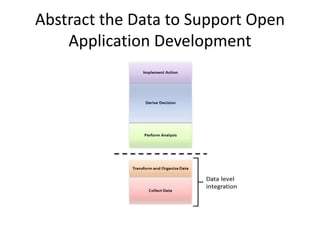
Abstract the Data to Support Open
Application Development
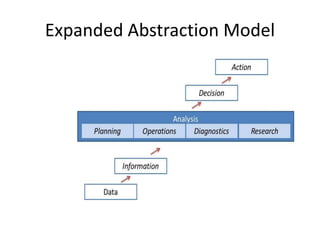
Expanded Abstraction Model
Improving Standards
• MultiSpeak®
• IEC 618**
• CIM (as data dictionary)
• NIST security standards
• MultiSpeak® security extensions
• GWAC
• Abstraction model interfaces
Goal: Get out of the N *(N-1) approach
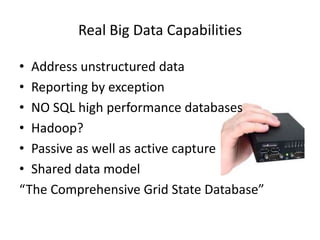
Real Big Data Capabilities
• Address unstructured data
• Reporting by exception
• NO SQL high performance databases
• Hadoop?
• Passive as well as active capture
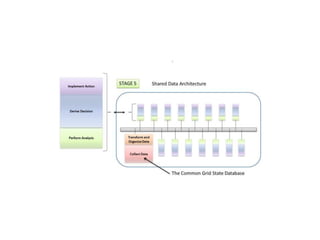
• Shared data model
“The Comprehensive Grid State Database”
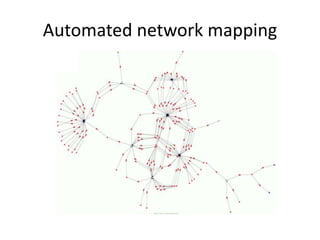
Automated network mapping
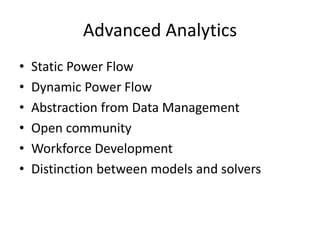
Advanced Analytics
• Static Power Flow
• Dynamic Power Flow
• Abstraction from Data Management
• Open community
• Workforce Development
• Distinction between models and solvers
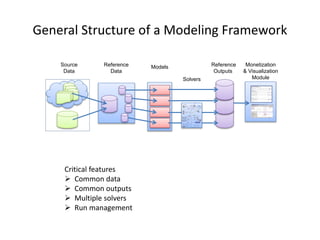
General Structure of a Modeling Framework
Source
Data
Reference
Data
Models Reference
Outputs
Solvers
Monetization
& Visualization
Module
Critical features
 Common data
 Common outputs
 Multiple solvers
 Run management
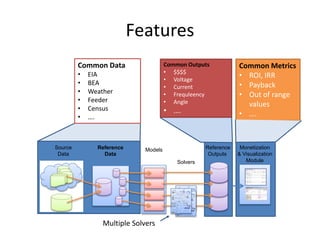
Features
Source
Data
Reference
Data
Models Reference
Outputs
Solvers
Monetization
& Visualization
Module
Common Metrics
• ROI, IRR
• Payback
• Out of range
values
• ….
Common Data
• EIA
• BEA
• Weather
• Feeder
• Census
• ….
Common Outputs
• $$$$
• Voltage
• Current
• Frequleency
• Angle
• ….
Multiple Solvers
High Performance Communications
• Reporting by exception
• Understanding the “interesting” day
• Build from the Substation of the Future
taxonomy
• Neighborhood of the future
• Distributed data model
• IP based with redundant paths
Building the Resilient Grid NRECA SFA

Building the Resilient Grid NRECA SFA

  • 1.
    Building the Resilient Grid Slidesand content courtesy of the NRECA & The Security Fabric Alliance
  • 2.
    Agile / FractalGrid • Concept: a grid that where distributed generators can integrate with and island from each other and the broader grid. • Approach: develop common / shared methods for grid control so that different areas of control can communicate with each other without the development of custom interfaces • Principle: the method of control should be the same at different scales, from building automation and industrial controls, to distribution to generation and transmission.
  • 3.
    Key Areas ofDevelopment to Realize the Resilient Grid 1. Distributed Generation 2. Microgrids 3. Segmentability, Agile Control and Fractal Construction 4. An Internet You Can Trust 5. Advanced VAR Control and Solid State Power Electronics 6. Advanced Architecture 7. Improving Standards 8. Real Big Data Capabilities 9. Advanced Analytics 10. High Performance Communications
  • 4.
    Distributed Generation There isno technical challenge in making electrons. The challenge is In grid integration.
  • 5.
    Segmentability, Agile Control Synchronizationof Independent Oscillators Decision Making:
  • 6.
    Fractal Construction • A“Grid of Grids” • Challenge is to develop rules that scale
  • 7.
    Back up slides “TheRest of the Story”
  • 8.
    An Internet YouCan Trust? – Cheaper and Faster but not better
  • 9.
    An Internet YouCan Trust – Now: Better Internet of Things Internet2 Industrial Internet
  • 10.
    Advanced VAR Controland Solid State Power Electronics
  • 11.
  • 16.
    STAGE 4: Bus(MultiSpeak® model)
  • 18.
    Abstract the Datato Support Open Application Development
  • 20.
  • 21.
    Improving Standards • MultiSpeak® •IEC 618** • CIM (as data dictionary) • NIST security standards • MultiSpeak® security extensions • GWAC • Abstraction model interfaces Goal: Get out of the N *(N-1) approach
  • 22.
    Real Big DataCapabilities • Address unstructured data • Reporting by exception • NO SQL high performance databases • Hadoop? • Passive as well as active capture • Shared data model “The Comprehensive Grid State Database”
  • 23.
  • 24.
    Advanced Analytics • StaticPower Flow • Dynamic Power Flow • Abstraction from Data Management • Open community • Workforce Development • Distinction between models and solvers
  • 25.
    General Structure ofa Modeling Framework Source Data Reference Data Models Reference Outputs Solvers Monetization & Visualization Module Critical features  Common data  Common outputs  Multiple solvers  Run management
  • 26.
    Features Source Data Reference Data Models Reference Outputs Solvers Monetization & Visualization Module CommonMetrics • ROI, IRR • Payback • Out of range values • …. Common Data • EIA • BEA • Weather • Feeder • Census • …. Common Outputs • $$$$ • Voltage • Current • Frequleency • Angle • …. Multiple Solvers
  • 27.
    High Performance Communications •Reporting by exception • Understanding the “interesting” day • Build from the Substation of the Future taxonomy • Neighborhood of the future • Distributed data model • IP based with redundant paths