BRAIN SPECIFIC DRUG DELIVERY SYSTEM
Submitted To-
Dr. Priyanka
Kriplani
(Professor)
Submitted by-
Muskan (M-506)
M.Pharm.
2nd Sem
GURU GOBIND SINGH COLLEGE OF PHARMACY
 INTRODUCTION
 BARRIERS TO CNS DRUG
DELIVERY
 DRUG TRANSPORT ACROSS
BBB
 TRANSPORTERS
 FACTORS AFFECTING
DRUG TRANSPORT ACROSS
BBB
 APPROACHES FOR BRAIN
TARGETED DRUG
DELIVERY
 FUTURE ASPECTS
 MARKETED FORMULATION
1880
Paul Ehrlich
use vascular dyes
The existence of a blood brain barrier (BBB)
1960s
Drs. Reese, Karnovsky, and Brightman
using electron microscopy
localized tight junctions
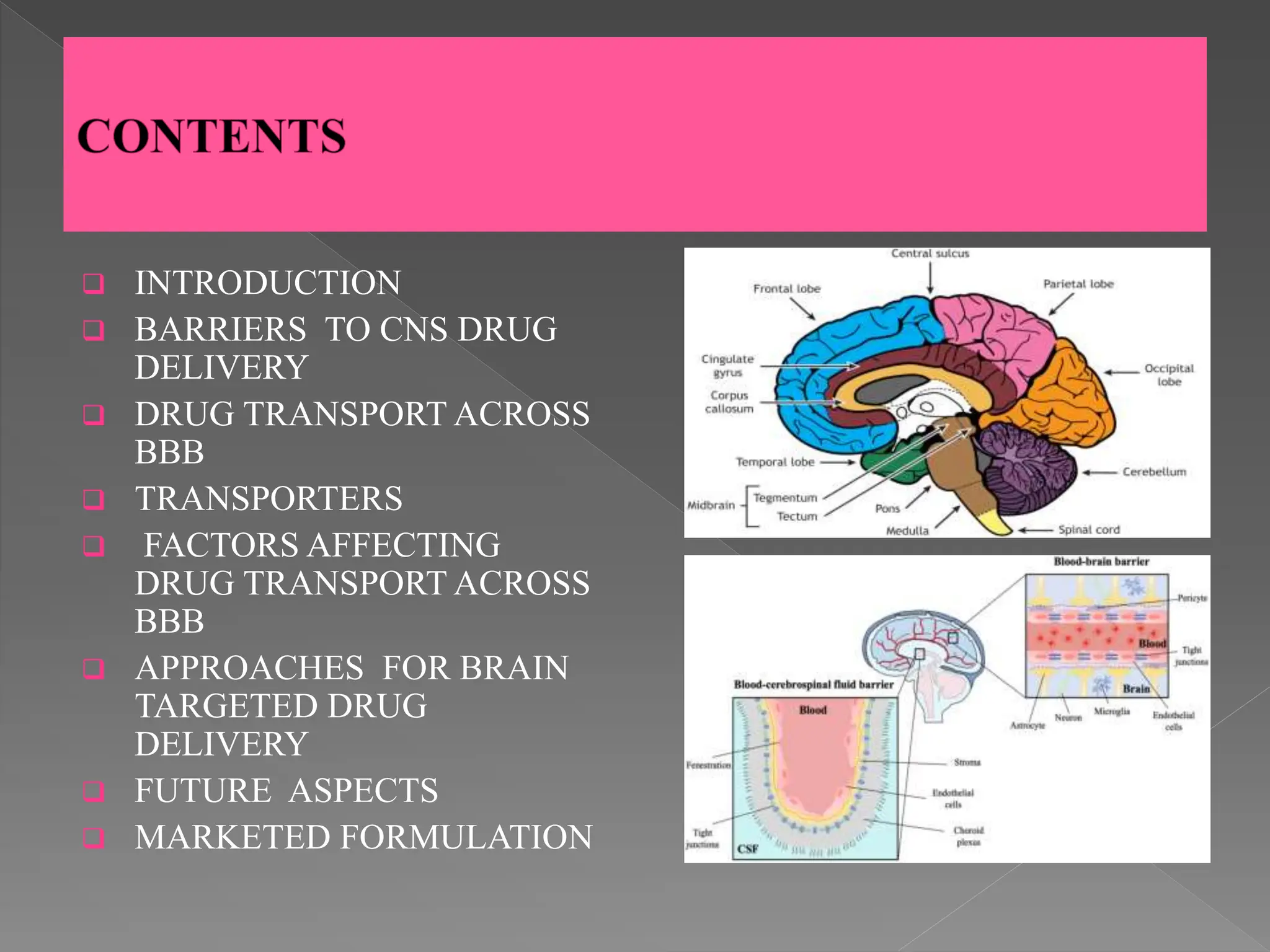
Blood Brain Barrier
(BBB)
 Endothelial Cells
 P-Glycoprotein
 Tight Junctions
 FUNCTIONS:
 STABILIZER – stabilize CNS neurons
 PROTECTION – from toxins, microbes (bacteria)
 HOLDER – hold neurotransmitter within CNS
Blood cerebrospinal fluid
barrier (BCSFB)
 Fenestrated Endothelial cells
 Modified Ependymal cells (Choroidal cells)
• BBB and BCF
 control the entry of compounds into the brain and
 regulate brain homeostasis.
 restricts access to brain cells of blood–borne compounds and
 facilitates nutrients essential for normal metabolism to reach brain cells.
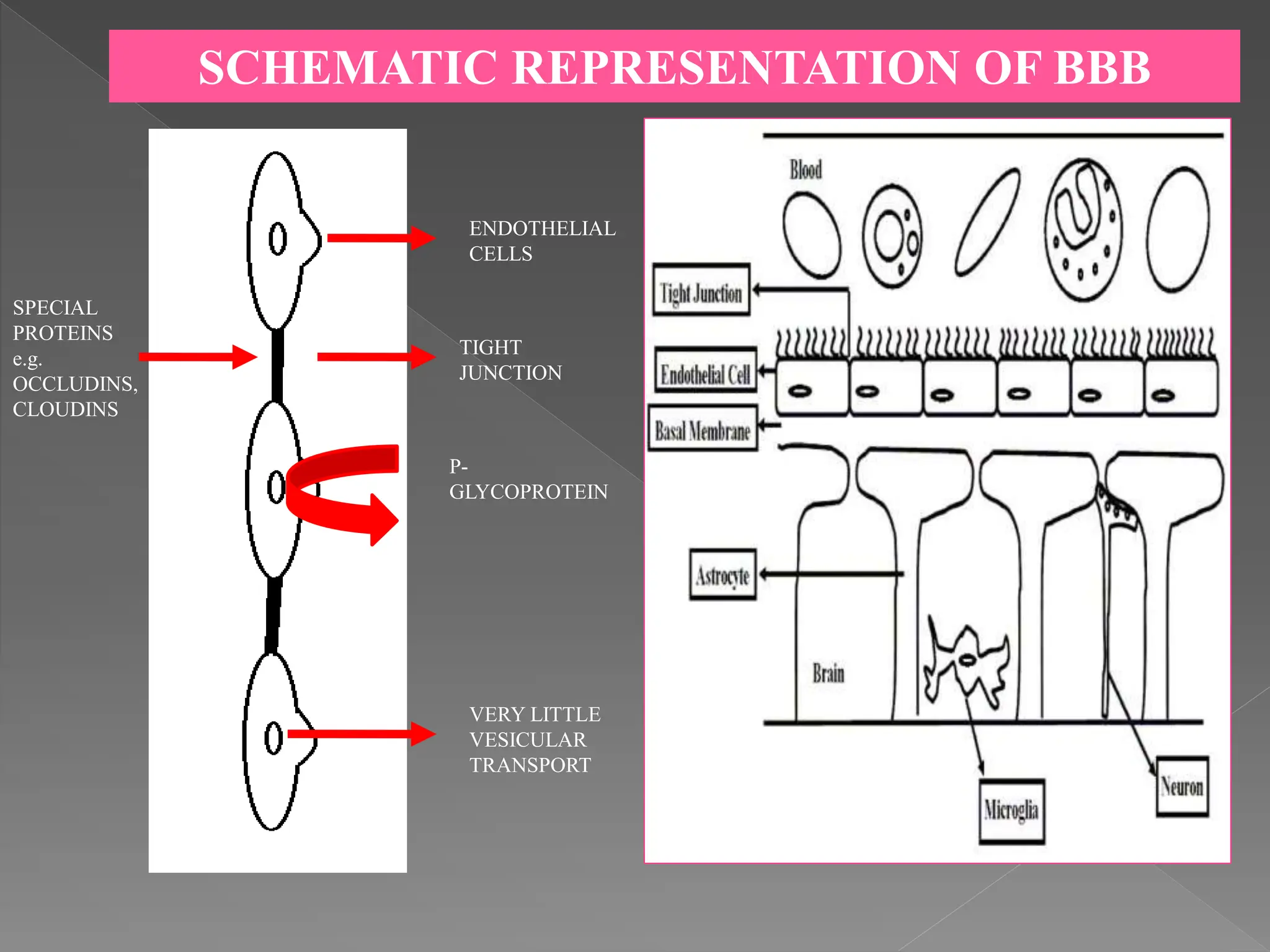
SPECIAL
PROTEINS
e.g.
OCCLUDINS,
CLOUDINS
TIGHT
JUNCTION
P-
GLYCOPROTEIN
VERY LITTLE
VESICULAR
TRANSPORT
ENDOTHELIAL
CELLS
SCHEMATIC REPRESENTATION OF BBB
Schematic representation of BCSF
S.N
O
TRANSPORT
MECHANISM
DESCRIPTION
1 PASSIVE
TRANSPORT
1. Molecular weight (>600
Dalton is limiting factor)
Inversely related to passive
transport
2. Lipophilicity is directly
related to passive transport
log P values (- 0.2 to 1.3) is
responsible for optimal cerebral
transport
3. Protein binding : Protein-
drug complex size is
responsible for transport
(Free fraction of drug is
transported.)
2 ADSORPTIVE
MEDIATED
TRANSCYTOSIS/
ENDOCYTOSIS
1. Adsorptive-mediated
transcytosis
macromoleculs like cationic
macromoleculs e.g. histone,
avidine
and cationized albumin
2.Brain targeting using
adsorptive
mediated endocytosis
cationized human serum albumin
(cHSA) as a transport vector
coupled to 3H-biotin is able to
cross the BBB in significant
amounts
2 ACTIVE
TRANSPORT
requires energy
Receptor-mediated
transport
Active efflux-mediated
transport
Transporter(Carrier) -
mediated transport
Transferrin receptor
(TfR)
Adenosine triphosphate-binding
cassette (ABC) transporter
subfamily B, member 1
(P-glycoprotein)
Glucose
transporter(Glut1)
Insulin receptor(IR) MRPs(1&5) Large neutral amino acid
transporter (LAT1)
Nicotinic acetylcholine
receptor
Organic anion transporting
peptide
Cationic amino acid
transporter (CAT1)
Low-density lipoprotein
receptor
Glutamic acid amino acid
transporter
Monocarboxylic acid
transporter (MCT1)
Insulin-like growth factor
receptor(IGF-R)
Taurine transporter Choline transporter
Diphtheria toxin receptor Organic anion transporter
(oatp2)
Nucleobase transporter
Leptin receptor(OB-R) BBB-specific anion transporter
type 1 (BSAT1)
CNT2 adenosine
transporter
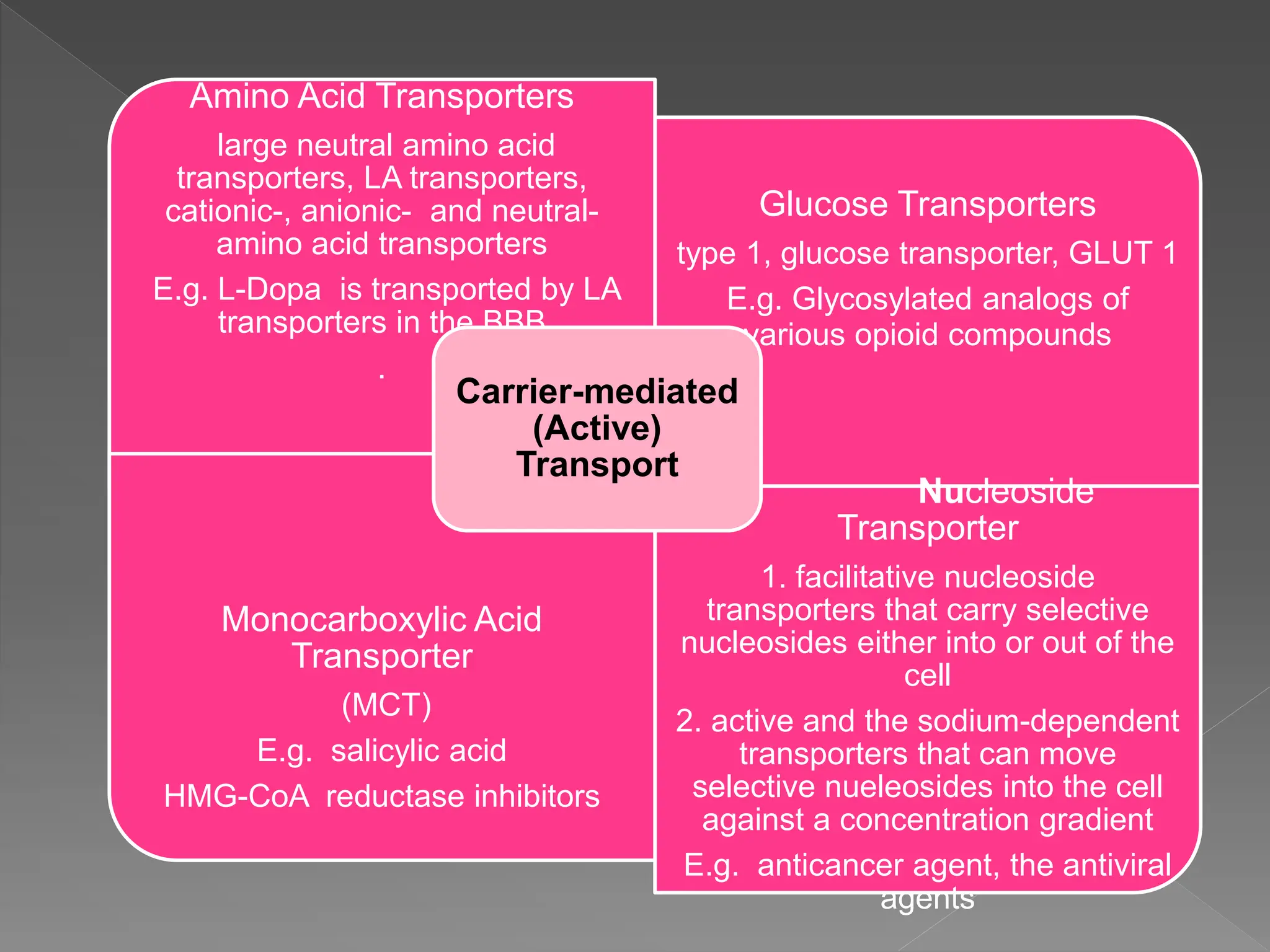
Amino Acid Transporters
large neutral amino acid
transporters, LA transporters,
cationic-, anionic- and neutral-
amino acid transporters
E.g. L-Dopa is transported by LA
transporters in the BBB
.
Glucose Transporters
type 1, glucose transporter, GLUT 1
E.g. Glycosylated analogs of
various opioid compounds
Monocarboxylic Acid
Transporter
(MCT)
E.g. salicylic acid
HMG-CoA reductase inhibitors
Nucleoside
Transporter
1. facilitative nucleoside
transporters that carry selective
nucleosides either into or out of the
cell
2. active and the sodium-dependent
transporters that can move
selective nueleosides into the cell
against a concentration gradient
E.g. anticancer agent, the antiviral
agents
Carrier-mediated
(Active)
Transport
Molecular Antibody (Mab) -
Molecular Trojan Horse
Act as ligands for RMT
e.g. CRM197 (Carrier Protein) uses
HB-EGF(heparin binding epidermal
growth factor) as its transport
receptor (Diptheria Toxin Receptor)
used for Multiple Sclerosis,
Parkinsonism, Alzhemier, Poliovirus
Trojan Horse Liposome
Attachment of a MTH to tips of PEG
strands of liposome triggers RMT
Encapsulation of plasmid DNA inside
pegylated liposome eliminates
nuclease sensitivity
Low Density
Lipoprotein Receptor (LRP1&2)
Multiligand lipoprotein receptor
interacting with proteins
apoE(apolipoprotein E)
Alpha2 M(macroglobulin)
APP(Amyloid precursor protein)
PAI-1 & tPA
Transferin And
Insulin Receptor
BDNF-HIR Mab
EGF-TR mab
Beta galactosidase –TR Mab
Neurotrophin-HIR fusion
Receptor Mediated
Transport
Compound should be unionized.
Approximately log P value must be 2.
Its molecular weight must be less
than 400 Da
Cumulative number of hydrogen
bonds between 8 to 10
CNS DRUG DELIVERY APPROACHES
INVASIVE TECHNIQUES
NON INVASIVE TECHNIQUES
MISCELLANEOUS TECHNIQUES
INVASIVE APPROACH
INTRA
CEREBRAL
IMPLANTS
INTRA
VENTRICULAR
INFUSION
BBB
DISRUPTION
A.
Delivery of drugs directly
into the brain
parenchymal space
the drugs can be
administered by:
•Direct injection via
intrathecal catheter
•Control release matrices
& Microencapsulated
chemicals.
The basic mechanism is
diffusion
• Pharmacological effect is
seen if the target receptors
of the drug are located
near the ependymal
surface of the brain.
•Drug is infused using an
ommaya reservoir, a
plastic reservoir implanted
subcutaneously in the
scalp and connected to
ventricles
•Exposure to X-
irradiation and infusion of
solvents such as dimethyl
sulfoxide, ethanol may
disrupt BBB.
Osmotic disruption
The osmotic shock
endothelial cells shrink
disrupting the tight
junctions
INTRA
CEREBRAL
IMPLANTS
INTRA
VENTRICULAR
INFUSION
BBB
DISRUPTION
Limitations-require anaesthesia and hospitalization.
It may enhance tumour dissemination after successful disruption of the BBB.
Neurons may be damaged permanently from unwanted blood components entering the brain
NON INVASIVE
APPROACH
CHEMICAL
PRODRUGS
DRUG
CONJUGATES
BIOLOGICAL
MONOCLONAL /
CATIONIC
ANTIBODIES
CONJUGATES
RECEPTOR /
VECTOR
MEDIATED
APROTONIN /
CHIMERIC
PEPTIDES AS
CARRIER
COLLOIDAL
NANOPARTICLES
LIPOSOMES
B.
 Esterification or amidation of hydroxy-, amino-, or carboxylic acid-
containing drugs, may greatly enhance lipid solubility and, hence, entry
into the brain
Prodrug is lipid soluble (pharmacologically
inactive compounds)
cross the BBB
metabolized within the brain
converted to the parent drug
 Drugs that inhibit a BBB AET(active efflux transporters) could be
used as a “codrug” to cause increased brain penetration of a
therapeutic drug that is
normally excluded from brain by a BBB AET system.
 Example:
 Loperamide produced no respiratory depression when administered
alone, but respiratory depression occurred when loperamide (16
mg), a known inhibitor of p-glycoprotein was given with quinidine at
a dose of 600 mg (P < .001).
 Increased brain penetration of the chemotherapeutic agent, paclitaxel
(taxol®), by co-administration of the pglycoprotein inhibitor, psc-833
(valspodar).
 Aromatic amino acid decarboxylase (aaad) inhibitors are administered
as codrugs in conjunction with l-dopa to optimize brain penetration of
the ldopa
 Lipidization of molecules generally increases the volume of distibution.
 Chemical approaches include lipophilic addition and modification of
hydrophilic drugs ( e.g. Nmethylpyrimidium 2 carbaldoxime chloride)
 Example:
 Glycosylated analogs of various opioid compounds
 Antioxidant + pyrrolopyrimidines – increase access
 For Ganciclovir : to hydroxymethyl group + 1methyl 1,4
dihydronicotinate- increase transport
 For small drugs: use of fatty acids like N docosahexaenoyl(DHA) increase
uptake
 Casomorphin is a heptapeptide , able to pass the BBB.
 Drug transfered via amino acid transporter (LAT1):
 Melphalan for brain cancer
 Alpha methyl dopa for high blood pressure
 Gabapentin for epilepsy
 Ldopa for parkinsonism
 Transport via organic acid transporter(MCT)
salicyclic acid, lactate, acetate, propionate
 Choline transporter( for choline, thiamine)
 Nucleoside transporter(purine bases like adenine guanine)
anticancer agent, antiviral agent, 3 azidodeoxythymide
 Amine transporter: for mepyramine
 Peptide transporters: for glutathione, peptide harmones, growth
factor, enkephalins, t vasopressin , arginine
VECTOR
BRAIN
SPECIFICITY
PHARMACOKINET
ICS
HIGH YIELD
COUPLING
CLEAVABILITY
RETENTION OF
AFFINITY AFTER
CLEAVAGE
INTRINSIC
RECEPTOR
LINKER
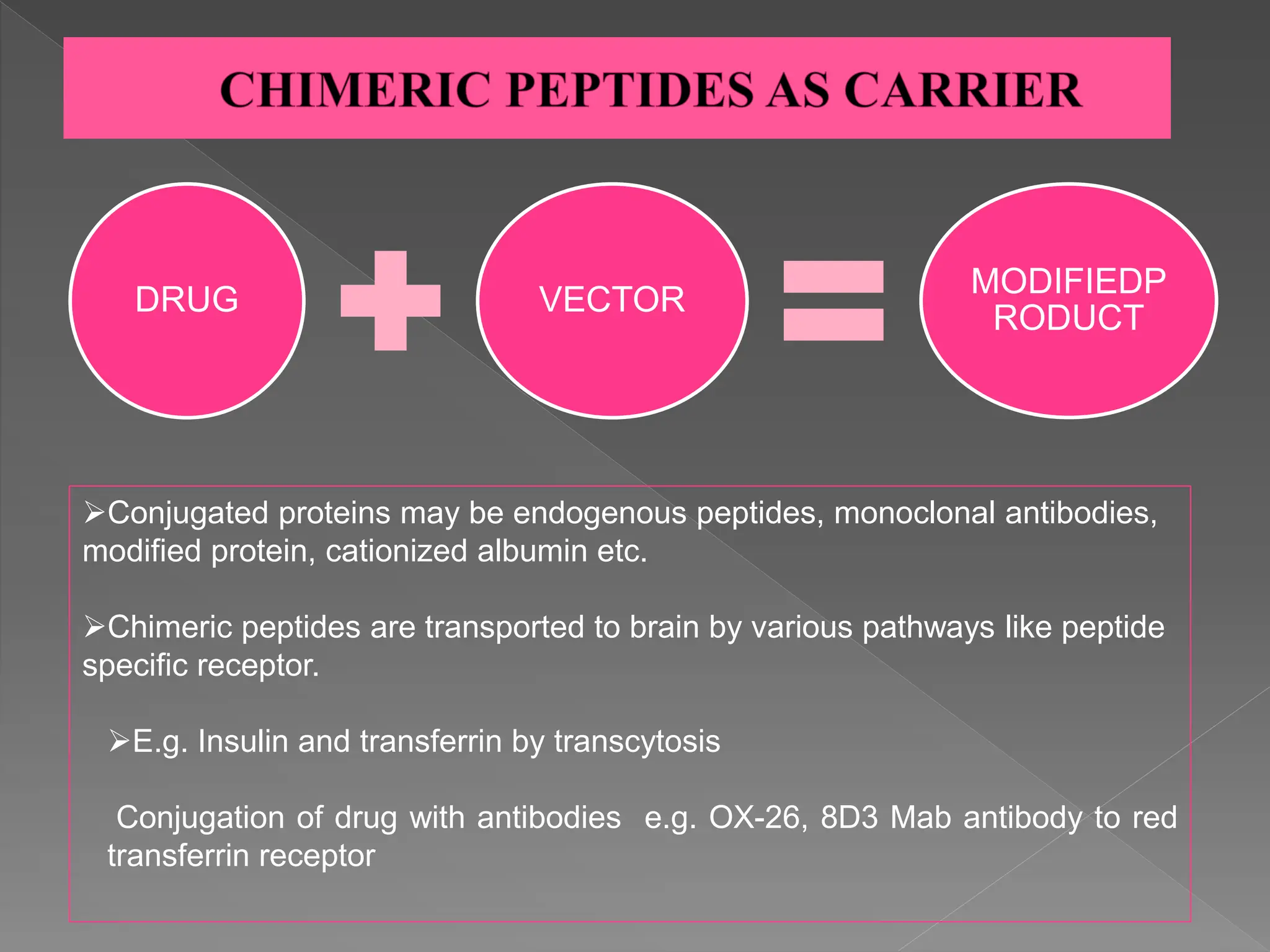
DRUG
DRUG VECTOR
MODIFIEDP
RODUCT
Conjugated proteins may be endogenous peptides, monoclonal antibodies,
modified protein, cationized albumin etc.
Chimeric peptides are transported to brain by various pathways like peptide
specific receptor.
E.g. Insulin and transferrin by transcytosis
Conjugation of drug with antibodies e.g. OX-26, 8D3 Mab antibody to red
transferrin receptor
 Size 1-1000 nm
 includes both nanocapsules, with a core-shell structure
(a reservoir system) and nanospheres (a matrix system).
 Materials used: polyacetates, acrylic copolymers, poly(lactide),
poly(alkylcyanoacrylates) (PACA), poly(D,L-lactide-co-glycolide)
 Polysorbate coated nanoparticles can mimic LDL to cross BBB.
 Polyoxyethylene sorbitan monooleate coated nanoparticles containing
drug easily cross BBB.
 Radiolabeled polyethylene glycol coated hexadecylcyanoacrylate
nanospheres targeted and accumulated in a rat gliosarcoma.
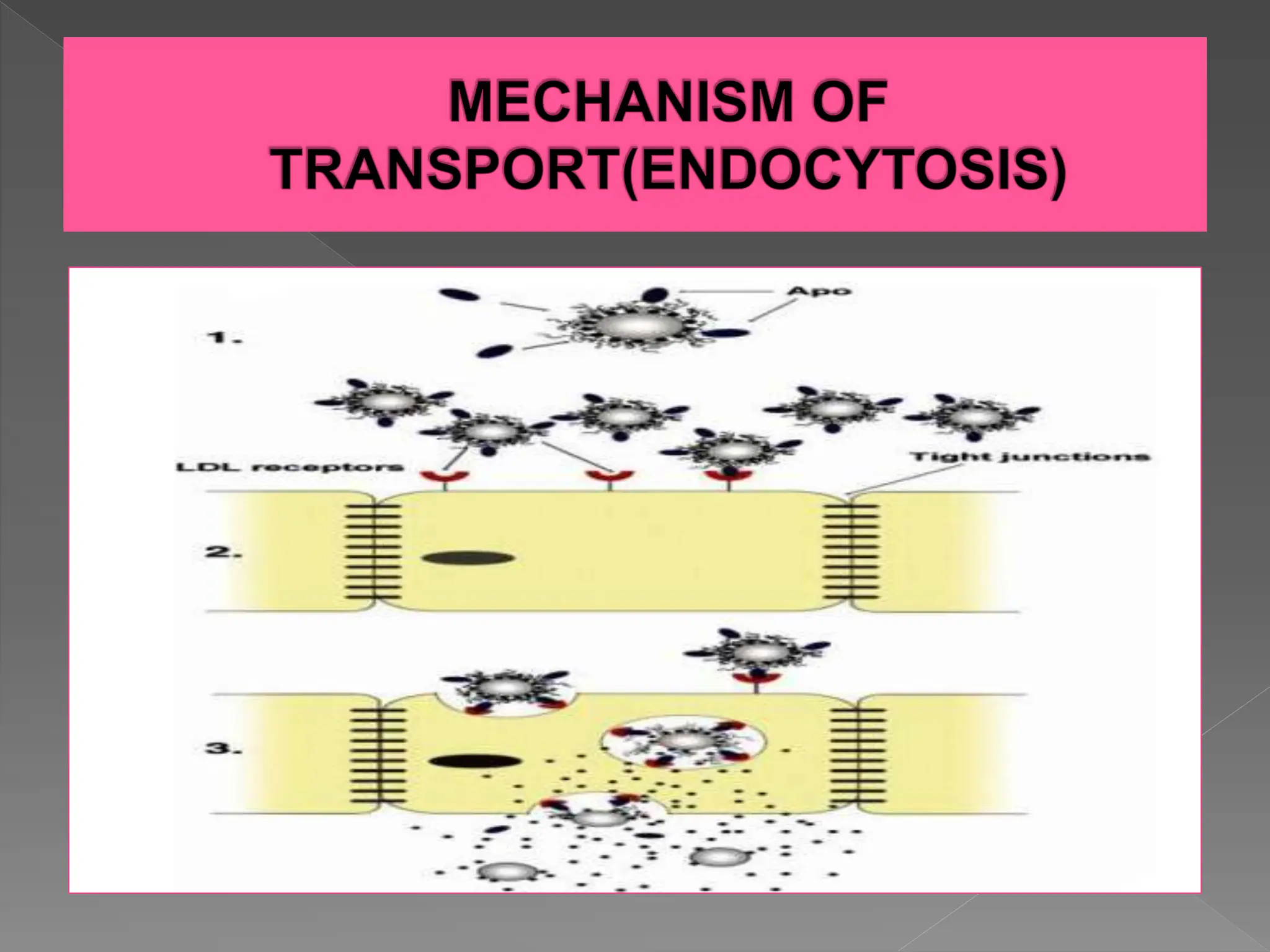
The coating of polyalkylcyanoacrylate or poly-lactic-co-glycolic acid (PLGA)
nanoparticles with polysorbate 80 or poloxamer 188.
Due to this coating the particles adsorb apolipoproteins E or A-1 from the blood
Interact with the LRP1 or with the scavenger receptor followed by transcytosis
across the blood-brain barrier into the brain.
Targetting-
 lipid based vesicles are microscopic (unilamellar or multilamellar) vesicles
 Lipid soluble or lipophilic drugs get entrapped within the bilayered membrane
whereas water soluble or hydrophilic drugs get entrapped in the central
aqueous core of the vesicles
 Advantages
 suitable for delivery of hydrophobic, amphipathic and hydrophilic drugs and
agents.
 could encapsulate macromolecules like superoxide dismutase, haemoglobin,
erythropoietin, interleukin-2 and interferon-g.
 reduced toxicity and increased stability of entrapped drug via encapsulation
(eg.Amphotericin B, Taxol).
 Limitation :
 High production cost , Short half-life , Low solubility , Less stability
 Leakage and fusion of encapsulated drug / molecules
 Sometimes phospholipid undergoes oxidation and hydrolysis
Mechanism: receptor/adsorptive mediated transport
liposome coated with mannose reaches brain tissue where mannose coat assists transport
Addition of sulphatide (a sulphate ester of galactocerebroside) to liposome increases
availability
A non viral supercoiled plasmid DNA is encapsulated in an
interior of an 85nm liposome
Liposome surface is conjucated with 1000-2000 strands of
2000 dalton peg to form pegylated liposome
Tips of 1-2 % peg strands are conjucated with a
peptidomimetic Mab(HIR/TR) to form pegylated
immunoliposomeS
Transfer via RMT
Targetting
MISCELLANEOUS
TECHNIQUE
INTRANASAL
DELIVAERY
IONTOPHORETIC
DELIVERY
C.
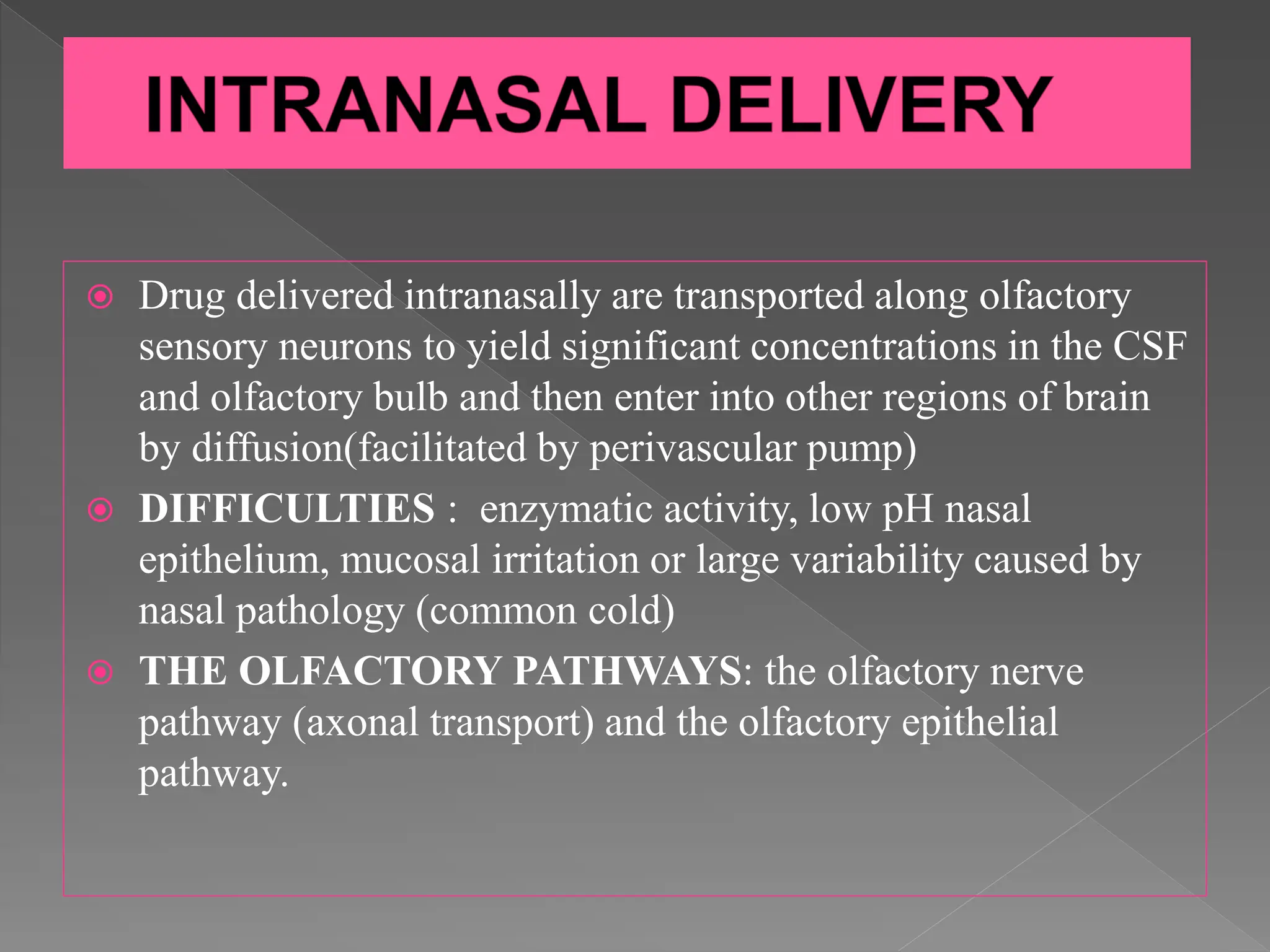
 Drug delivered intranasally are transported along olfactory
sensory neurons to yield significant concentrations in the CSF
and olfactory bulb and then enter into other regions of brain
by diffusion(facilitated by perivascular pump)
 DIFFICULTIES : enzymatic activity, low pH nasal
epithelium, mucosal irritation or large variability caused by
nasal pathology (common cold)
 THE OLFACTORY PATHWAYS: the olfactory nerve
pathway (axonal transport) and the olfactory epithelial
pathway.
AXONAL TRANSPORT (slow route) :
THE EPITHELIAL PATHWAY (faster route) :direct nose-to-brain transfer
Agent enters the olfactory neuron via endocytotic or
pinocytotic mechanisms
travels to the olfactory bulb
compounds pass paracellularly across the olfactory
epithelium into the perineural space
continues to the subarachnoid space & in
direct contact with the CSF.
 Iontophoresis is the
introduction of ionised
molecules into tissues by
means of an electric current
 biologically active agent is
transported by means of
iontophoresis and/or
phonophoresis directly to the
CNS using the olfactory
pathway to the brain and
thereby circumventing the
BBB and is known as
transnasal iontophoretic
delivery
 Identify new BBB transporters
 Develop brain drug targeting systems enabling the brain
delivery of recombinant protein neurotherapeutics.
 Validate new drug targeting systems using in vivo models.
 Optimize pharmacokinetics of in vivo brain drug targeting
systems.
 Improve/enhance release of nanoparticles from implantable
devices/nanochips
 Multifunctional nanoparticles
 Universal formulation schemes that can be used as I/V, I/M &
oral.
S.NO BRAND NAME ACTIVE
PHARMACEUTICAL
INGREDIENT
ROLE
1 AMBISOME AMPHOTERICIN B LIPOSOME
2 CASELYX PEGYLATED LIPOSOME
OF DOXORUBICIN
HYDROCHLORIDE
BRAIN TUMOUR
3 ARICEPT DONEPEZPIL ALZHEIMER’S
DISEASE
4 AUROSHELL GOLD COATED SILICA
NANOPARTICLES IV
SOLID TUMOURS
5 AURIMMUNE COLLOIDAL GOLD IV
NANOPARTICLES
SOLID TUMOURS
S.
NO.
DRUG TRADE NAMES COMPANY NAME
1 LOMUSTINE LUSTIN SAMARTH PHARMA PVT LTD
VHB-NU V.H. BHAGAT PHARMACEUTICALS
PVT LTD
LOMUWIN CHANDRA BHAGAT PHARMA PVT
LTD
LOMUSTINE VHB LIFE SCIENCE INC
LOMUSTINE(GSK) GSK
2 ETOPOSIDE ESIDE INJ VHB LIFE SCIENCE INC
ETOSID CIPLA LIMITED
ACTITOP KHANDELWAL LAB LTD
ETOLON CELON LABS
POSID CADILA PHARMACEUTICAL LTD
3 CYCLOPHOSPHAMIDE ONCOPHOS CADILA PHARMACEUTICALS
CYPHOS INTAS PHARMACEUTICALS
ONCOMIDE KHANDELWAL LAB
CYCLOXAN BIOCHEM PHARMACEUTICAL
CYDOXAN ALKEM LAB
THANK
YOU

Brain specific drug delivery.pptx -Mpharm

  • 1.
    BRAIN SPECIFIC DRUGDELIVERY SYSTEM Submitted To- Dr. Priyanka Kriplani (Professor) Submitted by- Muskan (M-506) M.Pharm. 2nd Sem GURU GOBIND SINGH COLLEGE OF PHARMACY
  • 2.
     INTRODUCTION  BARRIERSTO CNS DRUG DELIVERY  DRUG TRANSPORT ACROSS BBB  TRANSPORTERS  FACTORS AFFECTING DRUG TRANSPORT ACROSS BBB  APPROACHES FOR BRAIN TARGETED DRUG DELIVERY  FUTURE ASPECTS  MARKETED FORMULATION
  • 3.
    1880 Paul Ehrlich use vasculardyes The existence of a blood brain barrier (BBB) 1960s Drs. Reese, Karnovsky, and Brightman using electron microscopy localized tight junctions
  • 4.
    Blood Brain Barrier (BBB) Endothelial Cells  P-Glycoprotein  Tight Junctions  FUNCTIONS:  STABILIZER – stabilize CNS neurons  PROTECTION – from toxins, microbes (bacteria)  HOLDER – hold neurotransmitter within CNS Blood cerebrospinal fluid barrier (BCSFB)  Fenestrated Endothelial cells  Modified Ependymal cells (Choroidal cells) • BBB and BCF  control the entry of compounds into the brain and  regulate brain homeostasis.  restricts access to brain cells of blood–borne compounds and  facilitates nutrients essential for normal metabolism to reach brain cells.
  • 5.
  • 6.
  • 8.
    S.N O TRANSPORT MECHANISM DESCRIPTION 1 PASSIVE TRANSPORT 1. Molecularweight (>600 Dalton is limiting factor) Inversely related to passive transport 2. Lipophilicity is directly related to passive transport log P values (- 0.2 to 1.3) is responsible for optimal cerebral transport 3. Protein binding : Protein- drug complex size is responsible for transport (Free fraction of drug is transported.) 2 ADSORPTIVE MEDIATED TRANSCYTOSIS/ ENDOCYTOSIS 1. Adsorptive-mediated transcytosis macromoleculs like cationic macromoleculs e.g. histone, avidine and cationized albumin 2.Brain targeting using adsorptive mediated endocytosis cationized human serum albumin (cHSA) as a transport vector coupled to 3H-biotin is able to cross the BBB in significant amounts 2 ACTIVE TRANSPORT requires energy
  • 9.
    Receptor-mediated transport Active efflux-mediated transport Transporter(Carrier) - mediatedtransport Transferrin receptor (TfR) Adenosine triphosphate-binding cassette (ABC) transporter subfamily B, member 1 (P-glycoprotein) Glucose transporter(Glut1) Insulin receptor(IR) MRPs(1&5) Large neutral amino acid transporter (LAT1) Nicotinic acetylcholine receptor Organic anion transporting peptide Cationic amino acid transporter (CAT1) Low-density lipoprotein receptor Glutamic acid amino acid transporter Monocarboxylic acid transporter (MCT1) Insulin-like growth factor receptor(IGF-R) Taurine transporter Choline transporter Diphtheria toxin receptor Organic anion transporter (oatp2) Nucleobase transporter Leptin receptor(OB-R) BBB-specific anion transporter type 1 (BSAT1) CNT2 adenosine transporter
  • 10.
    Amino Acid Transporters largeneutral amino acid transporters, LA transporters, cationic-, anionic- and neutral- amino acid transporters E.g. L-Dopa is transported by LA transporters in the BBB . Glucose Transporters type 1, glucose transporter, GLUT 1 E.g. Glycosylated analogs of various opioid compounds Monocarboxylic Acid Transporter (MCT) E.g. salicylic acid HMG-CoA reductase inhibitors Nucleoside Transporter 1. facilitative nucleoside transporters that carry selective nucleosides either into or out of the cell 2. active and the sodium-dependent transporters that can move selective nueleosides into the cell against a concentration gradient E.g. anticancer agent, the antiviral agents Carrier-mediated (Active) Transport
  • 11.
    Molecular Antibody (Mab)- Molecular Trojan Horse Act as ligands for RMT e.g. CRM197 (Carrier Protein) uses HB-EGF(heparin binding epidermal growth factor) as its transport receptor (Diptheria Toxin Receptor) used for Multiple Sclerosis, Parkinsonism, Alzhemier, Poliovirus Trojan Horse Liposome Attachment of a MTH to tips of PEG strands of liposome triggers RMT Encapsulation of plasmid DNA inside pegylated liposome eliminates nuclease sensitivity Low Density Lipoprotein Receptor (LRP1&2) Multiligand lipoprotein receptor interacting with proteins apoE(apolipoprotein E) Alpha2 M(macroglobulin) APP(Amyloid precursor protein) PAI-1 & tPA Transferin And Insulin Receptor BDNF-HIR Mab EGF-TR mab Beta galactosidase –TR Mab Neurotrophin-HIR fusion Receptor Mediated Transport
  • 12.
    Compound should beunionized. Approximately log P value must be 2. Its molecular weight must be less than 400 Da Cumulative number of hydrogen bonds between 8 to 10
  • 14.
    CNS DRUG DELIVERYAPPROACHES INVASIVE TECHNIQUES NON INVASIVE TECHNIQUES MISCELLANEOUS TECHNIQUES
  • 15.
  • 16.
    Delivery of drugsdirectly into the brain parenchymal space the drugs can be administered by: •Direct injection via intrathecal catheter •Control release matrices & Microencapsulated chemicals. The basic mechanism is diffusion • Pharmacological effect is seen if the target receptors of the drug are located near the ependymal surface of the brain. •Drug is infused using an ommaya reservoir, a plastic reservoir implanted subcutaneously in the scalp and connected to ventricles •Exposure to X- irradiation and infusion of solvents such as dimethyl sulfoxide, ethanol may disrupt BBB. Osmotic disruption The osmotic shock endothelial cells shrink disrupting the tight junctions INTRA CEREBRAL IMPLANTS INTRA VENTRICULAR INFUSION BBB DISRUPTION Limitations-require anaesthesia and hospitalization. It may enhance tumour dissemination after successful disruption of the BBB. Neurons may be damaged permanently from unwanted blood components entering the brain
  • 17.
    NON INVASIVE APPROACH CHEMICAL PRODRUGS DRUG CONJUGATES BIOLOGICAL MONOCLONAL / CATIONIC ANTIBODIES CONJUGATES RECEPTOR/ VECTOR MEDIATED APROTONIN / CHIMERIC PEPTIDES AS CARRIER COLLOIDAL NANOPARTICLES LIPOSOMES B.
  • 18.
     Esterification oramidation of hydroxy-, amino-, or carboxylic acid- containing drugs, may greatly enhance lipid solubility and, hence, entry into the brain Prodrug is lipid soluble (pharmacologically inactive compounds) cross the BBB metabolized within the brain converted to the parent drug
  • 19.
     Drugs thatinhibit a BBB AET(active efflux transporters) could be used as a “codrug” to cause increased brain penetration of a therapeutic drug that is normally excluded from brain by a BBB AET system.  Example:  Loperamide produced no respiratory depression when administered alone, but respiratory depression occurred when loperamide (16 mg), a known inhibitor of p-glycoprotein was given with quinidine at a dose of 600 mg (P < .001).  Increased brain penetration of the chemotherapeutic agent, paclitaxel (taxol®), by co-administration of the pglycoprotein inhibitor, psc-833 (valspodar).  Aromatic amino acid decarboxylase (aaad) inhibitors are administered as codrugs in conjunction with l-dopa to optimize brain penetration of the ldopa
  • 20.
     Lipidization ofmolecules generally increases the volume of distibution.  Chemical approaches include lipophilic addition and modification of hydrophilic drugs ( e.g. Nmethylpyrimidium 2 carbaldoxime chloride)  Example:  Glycosylated analogs of various opioid compounds  Antioxidant + pyrrolopyrimidines – increase access  For Ganciclovir : to hydroxymethyl group + 1methyl 1,4 dihydronicotinate- increase transport  For small drugs: use of fatty acids like N docosahexaenoyl(DHA) increase uptake  Casomorphin is a heptapeptide , able to pass the BBB.
  • 21.
     Drug transferedvia amino acid transporter (LAT1):  Melphalan for brain cancer  Alpha methyl dopa for high blood pressure  Gabapentin for epilepsy  Ldopa for parkinsonism  Transport via organic acid transporter(MCT) salicyclic acid, lactate, acetate, propionate  Choline transporter( for choline, thiamine)  Nucleoside transporter(purine bases like adenine guanine) anticancer agent, antiviral agent, 3 azidodeoxythymide  Amine transporter: for mepyramine  Peptide transporters: for glutathione, peptide harmones, growth factor, enkephalins, t vasopressin , arginine
  • 22.
  • 23.
    DRUG VECTOR MODIFIEDP RODUCT Conjugated proteinsmay be endogenous peptides, monoclonal antibodies, modified protein, cationized albumin etc. Chimeric peptides are transported to brain by various pathways like peptide specific receptor. E.g. Insulin and transferrin by transcytosis Conjugation of drug with antibodies e.g. OX-26, 8D3 Mab antibody to red transferrin receptor
  • 24.
     Size 1-1000nm  includes both nanocapsules, with a core-shell structure (a reservoir system) and nanospheres (a matrix system).  Materials used: polyacetates, acrylic copolymers, poly(lactide), poly(alkylcyanoacrylates) (PACA), poly(D,L-lactide-co-glycolide)  Polysorbate coated nanoparticles can mimic LDL to cross BBB.  Polyoxyethylene sorbitan monooleate coated nanoparticles containing drug easily cross BBB.  Radiolabeled polyethylene glycol coated hexadecylcyanoacrylate nanospheres targeted and accumulated in a rat gliosarcoma.
  • 26.
    The coating ofpolyalkylcyanoacrylate or poly-lactic-co-glycolic acid (PLGA) nanoparticles with polysorbate 80 or poloxamer 188. Due to this coating the particles adsorb apolipoproteins E or A-1 from the blood Interact with the LRP1 or with the scavenger receptor followed by transcytosis across the blood-brain barrier into the brain. Targetting-
  • 27.
     lipid basedvesicles are microscopic (unilamellar or multilamellar) vesicles  Lipid soluble or lipophilic drugs get entrapped within the bilayered membrane whereas water soluble or hydrophilic drugs get entrapped in the central aqueous core of the vesicles  Advantages  suitable for delivery of hydrophobic, amphipathic and hydrophilic drugs and agents.  could encapsulate macromolecules like superoxide dismutase, haemoglobin, erythropoietin, interleukin-2 and interferon-g.  reduced toxicity and increased stability of entrapped drug via encapsulation (eg.Amphotericin B, Taxol).  Limitation :  High production cost , Short half-life , Low solubility , Less stability  Leakage and fusion of encapsulated drug / molecules  Sometimes phospholipid undergoes oxidation and hydrolysis
  • 28.
    Mechanism: receptor/adsorptive mediatedtransport liposome coated with mannose reaches brain tissue where mannose coat assists transport Addition of sulphatide (a sulphate ester of galactocerebroside) to liposome increases availability A non viral supercoiled plasmid DNA is encapsulated in an interior of an 85nm liposome Liposome surface is conjucated with 1000-2000 strands of 2000 dalton peg to form pegylated liposome Tips of 1-2 % peg strands are conjucated with a peptidomimetic Mab(HIR/TR) to form pegylated immunoliposomeS Transfer via RMT Targetting
  • 30.
  • 31.
     Drug deliveredintranasally are transported along olfactory sensory neurons to yield significant concentrations in the CSF and olfactory bulb and then enter into other regions of brain by diffusion(facilitated by perivascular pump)  DIFFICULTIES : enzymatic activity, low pH nasal epithelium, mucosal irritation or large variability caused by nasal pathology (common cold)  THE OLFACTORY PATHWAYS: the olfactory nerve pathway (axonal transport) and the olfactory epithelial pathway.
  • 32.
    AXONAL TRANSPORT (slowroute) : THE EPITHELIAL PATHWAY (faster route) :direct nose-to-brain transfer Agent enters the olfactory neuron via endocytotic or pinocytotic mechanisms travels to the olfactory bulb compounds pass paracellularly across the olfactory epithelium into the perineural space continues to the subarachnoid space & in direct contact with the CSF.
  • 33.
     Iontophoresis isthe introduction of ionised molecules into tissues by means of an electric current  biologically active agent is transported by means of iontophoresis and/or phonophoresis directly to the CNS using the olfactory pathway to the brain and thereby circumventing the BBB and is known as transnasal iontophoretic delivery
  • 34.
     Identify newBBB transporters  Develop brain drug targeting systems enabling the brain delivery of recombinant protein neurotherapeutics.  Validate new drug targeting systems using in vivo models.  Optimize pharmacokinetics of in vivo brain drug targeting systems.  Improve/enhance release of nanoparticles from implantable devices/nanochips  Multifunctional nanoparticles  Universal formulation schemes that can be used as I/V, I/M & oral.
  • 35.
    S.NO BRAND NAMEACTIVE PHARMACEUTICAL INGREDIENT ROLE 1 AMBISOME AMPHOTERICIN B LIPOSOME 2 CASELYX PEGYLATED LIPOSOME OF DOXORUBICIN HYDROCHLORIDE BRAIN TUMOUR 3 ARICEPT DONEPEZPIL ALZHEIMER’S DISEASE 4 AUROSHELL GOLD COATED SILICA NANOPARTICLES IV SOLID TUMOURS 5 AURIMMUNE COLLOIDAL GOLD IV NANOPARTICLES SOLID TUMOURS
  • 36.
    S. NO. DRUG TRADE NAMESCOMPANY NAME 1 LOMUSTINE LUSTIN SAMARTH PHARMA PVT LTD VHB-NU V.H. BHAGAT PHARMACEUTICALS PVT LTD LOMUWIN CHANDRA BHAGAT PHARMA PVT LTD LOMUSTINE VHB LIFE SCIENCE INC LOMUSTINE(GSK) GSK 2 ETOPOSIDE ESIDE INJ VHB LIFE SCIENCE INC ETOSID CIPLA LIMITED ACTITOP KHANDELWAL LAB LTD ETOLON CELON LABS POSID CADILA PHARMACEUTICAL LTD 3 CYCLOPHOSPHAMIDE ONCOPHOS CADILA PHARMACEUTICALS CYPHOS INTAS PHARMACEUTICALS ONCOMIDE KHANDELWAL LAB CYCLOXAN BIOCHEM PHARMACEUTICAL CYDOXAN ALKEM LAB
  • 37.