



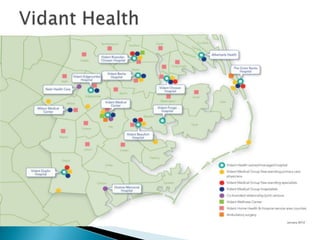
Discussing Vidant Health’s Telehealth &
Care Transitions Program

Discussing VH’s Telehealth Outcomes
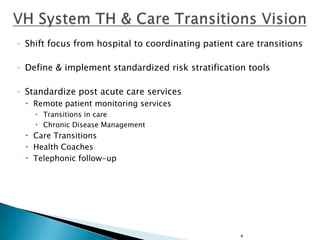
◦ Shift focus from hospital to coordinating patient care transitions
◦ Define & implement standardized risk stratification tools
◦ Standardize post acute care services
 Remote patient monitoring services
 Transitions in care
 Chronic Disease Management

 Care Transitions
 Health Coaches
 Telephonic follow-up

4
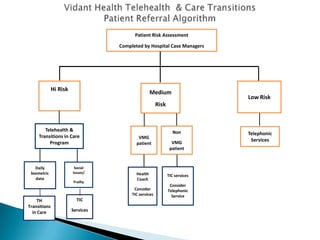
Patient Risk Assessment
Completed by Hospital Case Managers

Hi Risk

Medium

Low Risk

Risk

Telehealth &
Transitions in Care
Program

Daily
biometric
data

Social
Issues/

Non
VMG
patient

VMG
patient

TH
Transitions
in Care

TIC
Services

TIC services

Consider
TIC services

Frailty

Health
Coach

Consider
Telephonic
Service

Telephonic
Services
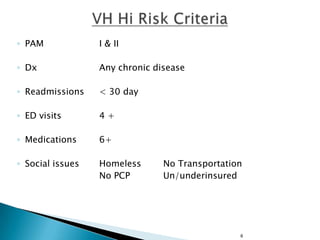
◦ PAM

I & II

◦ Dx

Any chronic disease

◦ Readmissions

< 30 day

◦ ED visits

4+

◦ Medications

6+

◦ Social issues

Homeless
No PCP

No Transportation
Un/underinsured

6
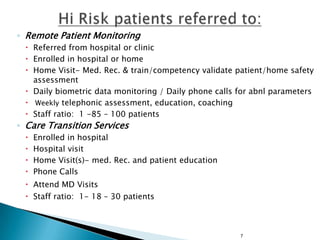
◦ Remote Patient Monitoring
 Referred from hospital or clinic
 Enrolled in hospital or home
 Home Visit- Med. Rec. & train/competency validate patient/home safety
assessment
 Daily biometric data monitoring / Daily phone calls for abnl parameters
 Weekly telephonic assessment, education, coaching
 Staff ratio: 1 -85 – 100 patients

◦ Care Transition Services





Enrolled in hospital
Hospital visit
Home Visit(s)- med. Rec. and patient education
Phone Calls

 Attend MD Visits
 Staff ratio: 1- 18 – 30 patients

7
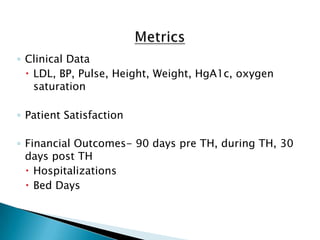
◦ Clinical Data
 LDL, BP, Pulse, Height, Weight, HgA1c, oxygen
saturation
◦ Patient Satisfaction
◦ Financial Outcomes- 90 days pre TH, during TH, 30
days post TH
 Hospitalizations
 Bed Days
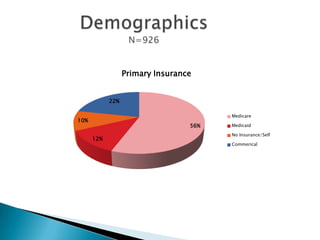
Primary Insurance
22%
Medicare

10%

56%
12%

Medicaid
No Insurance/Self
Commerical
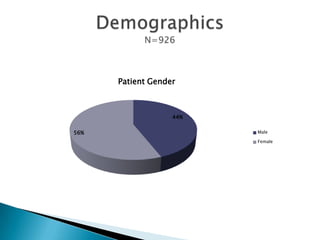
Patient Gender

44%
56%

Male
Female
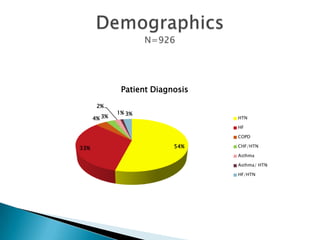
Patient Diagnosis
2%
4% 3%

1% 3%

HTN
HF
COPD

33%

54%

CHF/HTN
Asthma
Asthma/ HTN
HF/HTN
N= 926
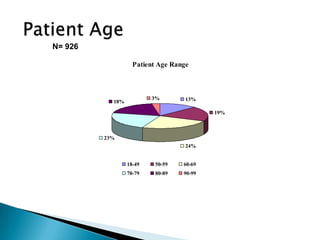
Patient Age Range

3%

18%

13%
19%

23%
24%

18-49

50-59

60-69

70-79

80-89

90-99
N= 926
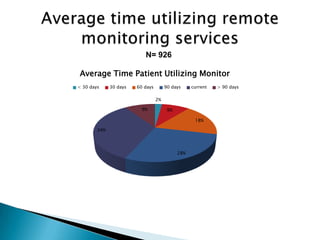
Average Time Patient Utilizing Monitor
< 30 days

30 days

60 days

90 days

current

2%

9%

9%
18%

34%

28%

> 90 days
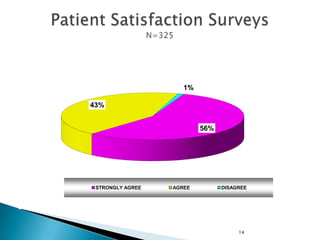
1%

43%
56%

STRONGLY AGREE

AGREE

DISAGREE

14
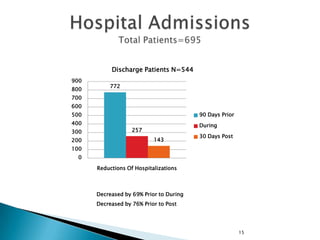
Discharge Patients N=544
900
800

772

700
600
90 Days Prior

500
400
300
200

During

257
143

30 Days Post

100
0
Reductions Of Hospitalizations

Decreased by 69% Prior to During
Decreased by 76% Prior to Post

15
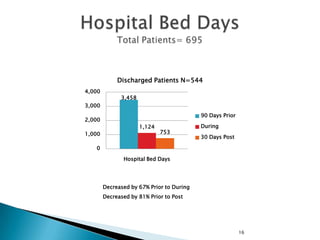
Discharged Patients N=544
4,000

3,458

3,000
90 Days Prior

2,000
1,124
1,000

753

During
30 Days Post

0
Hospital Bed Days

Decreased by 67% Prior to During
Decreased by 81% Prior to Post

16
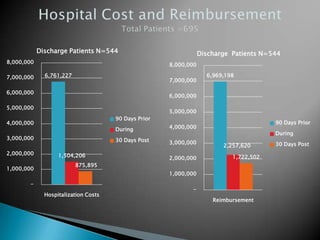
Discharge Patients N=544
8,000,000

7,000,000

8,000,000
6,761,227

7,000,000

6,000,000

5,000,000
90 Days Prior

4,000,000

During

1,504,206

3,000,000

90 Days Prior

4,000,000

30 Days Post

3,000,000

1,000,000

6,969,198

6,000,000

5,000,000

2,000,000

Discharge Patients N=544

2,000,000

During
2,257,620
1,722,502

875,895
1,000,000

Hospitalization Costs

Reimbursement

30 Days Post


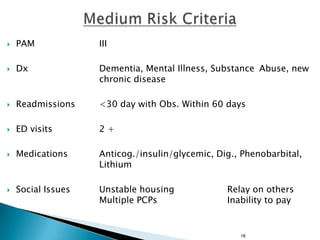
PAM

III



Dx

Dementia, Mental Illness, Substance Abuse, new
chronic disease



Readmissions

<30 day with Obs. Within 60 days



ED visits

2+



Medications

Anticog./insulin/glycemic, Dig., Phenobarbital,
Lithium



Social Issues

Unstable housing
Multiple PCPs

Relay on others
Inability to pay

18


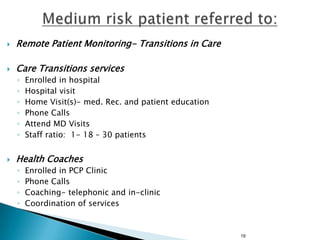
Remote Patient Monitoring- Transitions in Care



Care Transitions services
◦
◦
◦
◦
◦
◦



Enrolled in hospital
Hospital visit
Home Visit(s)- med. Rec. and patient education
Phone Calls
Attend MD Visits
Staff ratio: 1- 18 – 30 patients

Health Coaches
◦
◦
◦
◦

Enrolled in PCP Clinic
Phone Calls
Coaching- telephonic and in-clinic
Coordination of services

19


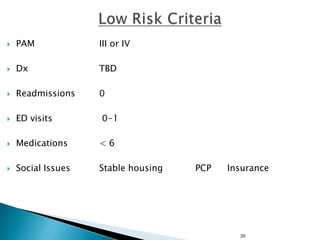
PAM

III or IV



Dx

TBD



Readmissions

0



ED visits



Medications

<6



Social Issues

Stable housing

0-1

PCP

Insurance

20


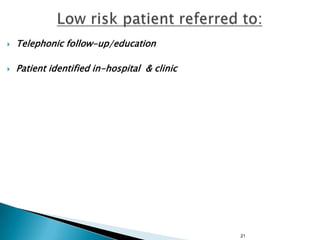
Telephonic follow-up/education



Patient identified in-hospital & clinic

21
Combating the Rising Cost of Care

Combating the Rising Cost of Care

  • 2.
      Discussing Vidant Health’sTelehealth & Care Transitions Program Discussing VH’s Telehealth Outcomes
  • 4.
    ◦ Shift focusfrom hospital to coordinating patient care transitions ◦ Define & implement standardized risk stratification tools ◦ Standardize post acute care services  Remote patient monitoring services  Transitions in care  Chronic Disease Management  Care Transitions  Health Coaches  Telephonic follow-up 4
  • 5.
    Patient Risk Assessment Completedby Hospital Case Managers Hi Risk Medium Low Risk Risk Telehealth & Transitions in Care Program Daily biometric data Social Issues/ Non VMG patient VMG patient TH Transitions in Care TIC Services TIC services Consider TIC services Frailty Health Coach Consider Telephonic Service Telephonic Services
  • 6.
    ◦ PAM I &II ◦ Dx Any chronic disease ◦ Readmissions < 30 day ◦ ED visits 4+ ◦ Medications 6+ ◦ Social issues Homeless No PCP No Transportation Un/underinsured 6
  • 7.
    ◦ Remote PatientMonitoring  Referred from hospital or clinic  Enrolled in hospital or home  Home Visit- Med. Rec. & train/competency validate patient/home safety assessment  Daily biometric data monitoring / Daily phone calls for abnl parameters  Weekly telephonic assessment, education, coaching  Staff ratio: 1 -85 – 100 patients ◦ Care Transition Services     Enrolled in hospital Hospital visit Home Visit(s)- med. Rec. and patient education Phone Calls  Attend MD Visits  Staff ratio: 1- 18 – 30 patients 7
  • 8.
    ◦ Clinical Data LDL, BP, Pulse, Height, Weight, HgA1c, oxygen saturation ◦ Patient Satisfaction ◦ Financial Outcomes- 90 days pre TH, during TH, 30 days post TH  Hospitalizations  Bed Days
  • 9.
  • 10.
  • 11.
    Patient Diagnosis 2% 4% 3% 1%3% HTN HF COPD 33% 54% CHF/HTN Asthma Asthma/ HTN HF/HTN
  • 12.
    N= 926 Patient AgeRange 3% 18% 13% 19% 23% 24% 18-49 50-59 60-69 70-79 80-89 90-99
  • 13.
    N= 926 Average TimePatient Utilizing Monitor < 30 days 30 days 60 days 90 days current 2% 9% 9% 18% 34% 28% > 90 days
  • 14.
  • 15.
    Discharge Patients N=544 900 800 772 700 600 90Days Prior 500 400 300 200 During 257 143 30 Days Post 100 0 Reductions Of Hospitalizations Decreased by 69% Prior to During Decreased by 76% Prior to Post 15
  • 16.
    Discharged Patients N=544 4,000 3,458 3,000 90Days Prior 2,000 1,124 1,000 753 During 30 Days Post 0 Hospital Bed Days Decreased by 67% Prior to During Decreased by 81% Prior to Post 16
  • 17.
    Discharge Patients N=544 8,000,000 7,000,000 8,000,000 6,761,227 7,000,000 6,000,000 5,000,000 90Days Prior 4,000,000 During 1,504,206 3,000,000 90 Days Prior 4,000,000 30 Days Post 3,000,000 1,000,000 6,969,198 6,000,000 5,000,000 2,000,000 Discharge Patients N=544 2,000,000 During 2,257,620 1,722,502 875,895 1,000,000 Hospitalization Costs Reimbursement 30 Days Post
  • 18.
     PAM III  Dx Dementia, Mental Illness,Substance Abuse, new chronic disease  Readmissions <30 day with Obs. Within 60 days  ED visits 2+  Medications Anticog./insulin/glycemic, Dig., Phenobarbital, Lithium  Social Issues Unstable housing Multiple PCPs Relay on others Inability to pay 18
  • 19.
     Remote Patient Monitoring-Transitions in Care  Care Transitions services ◦ ◦ ◦ ◦ ◦ ◦  Enrolled in hospital Hospital visit Home Visit(s)- med. Rec. and patient education Phone Calls Attend MD Visits Staff ratio: 1- 18 – 30 patients Health Coaches ◦ ◦ ◦ ◦ Enrolled in PCP Clinic Phone Calls Coaching- telephonic and in-clinic Coordination of services 19
  • 20.
     PAM III or IV  Dx TBD  Readmissions 0  EDvisits  Medications <6  Social Issues Stable housing 0-1 PCP Insurance 20
  • 21.