Blogging for BusinessUsing Web Communication to Enhance Information DeliverySearcy Denney Scarola Barnhart & Shipley, PAExclusively for the use of Partner Firms© Copyright 2009
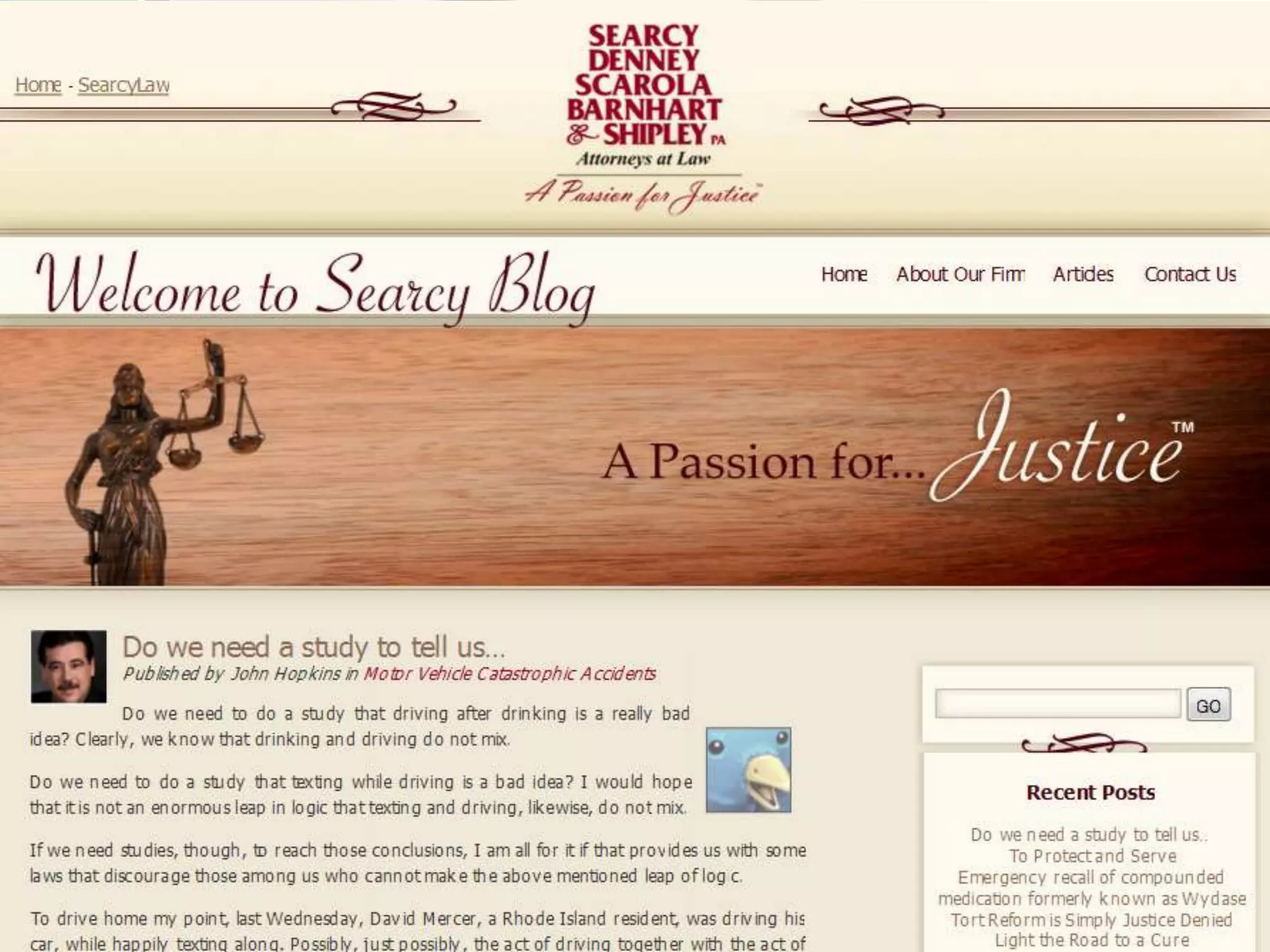
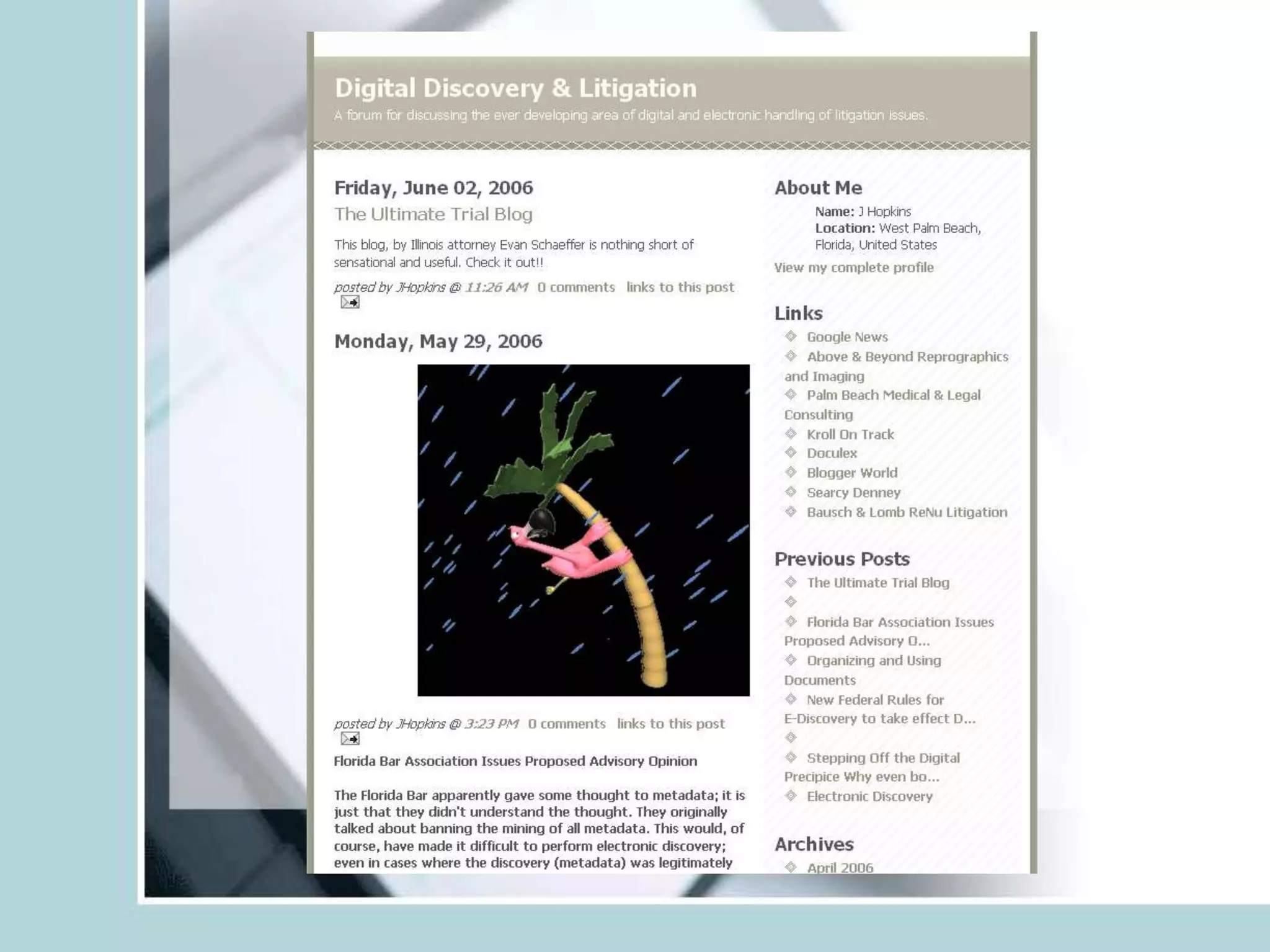
What is a “blog”?a Web site that contains an online personal journal with reflections, comments, and often hyperlinks provided by the writer; also: the contents of such a site (Merriam-Webster)A Web site providing a variety of different thoughts, opinions, information, and news in a compressed, news journal format. (Hopkins, J)
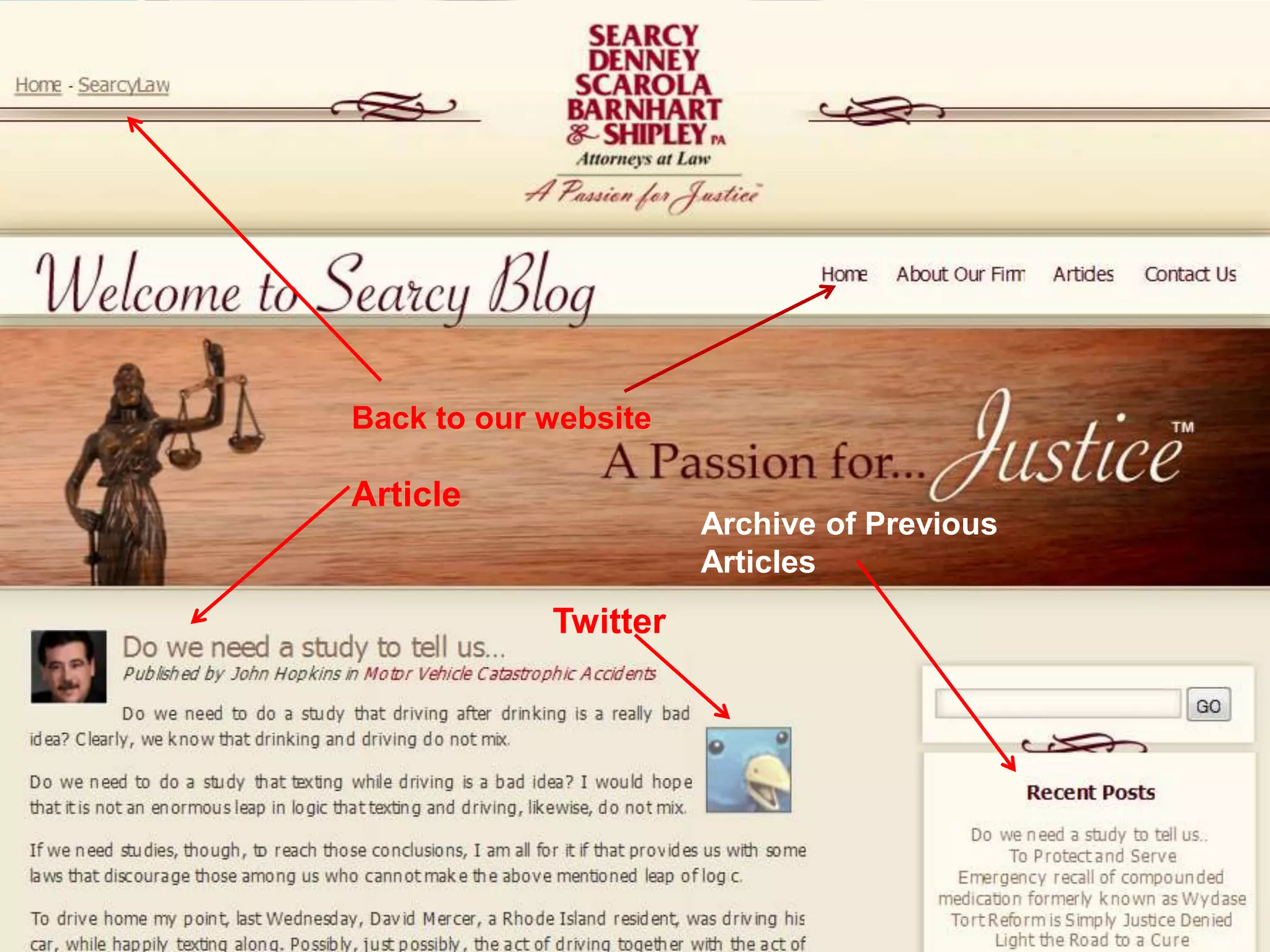
Back to our websiteArticleArchive of Previous ArticlesTwitter
What am I trying to communicate?ExpertiseKnowledgeAreas of specialty and practiceImportant issues (tort reform, preemption)Taking time to care—charity work and other good contributions to the community
Blogging & SEOSEO: Search Engine OptimizationWhat is SEO?the process of increasing the amount of visitors to a Web site by ranking high in the search results of a search engine. The higher a Web site ranks in the results of a search, the greater the chance that that site will be visited by a user.
Content Changes to WebsitesConstant content changes to a website not always practicalBlogging serves multiple purposes by presenting content change, marketing, and creation of the firm’s image as an authorityBlogging creates an avenue to integrate multi-media into websites
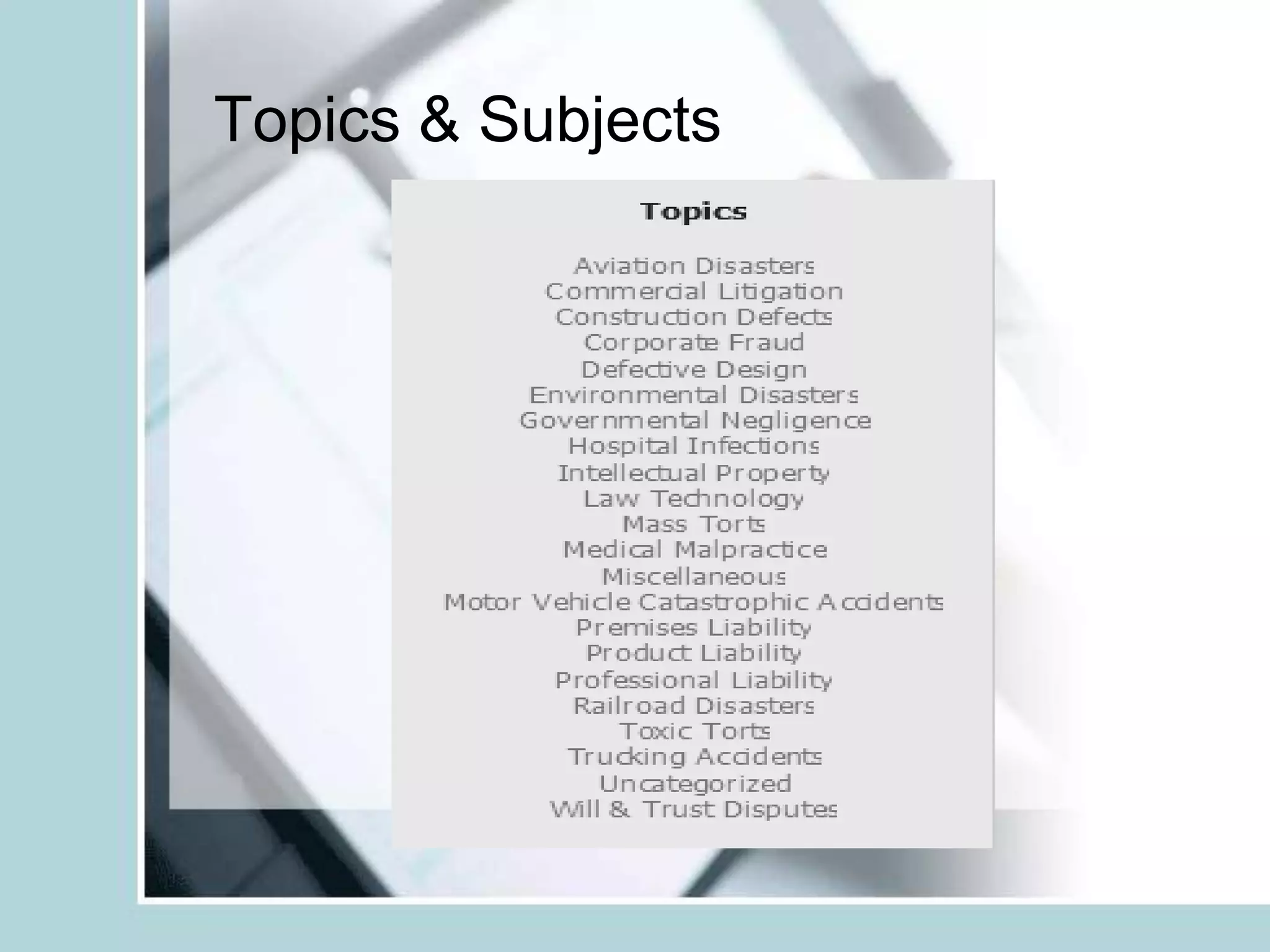
Topics & Subjects
Authors & EditorsA single editor to receive & publish Authors need to have some grounding in the law: lawyers, paralegals, experienced secretariesAuthors should be creative and at least “B” writersAvoid too much legalese
Who is your audience?Your current clientsProspective clientsOther lawyersGeneral public
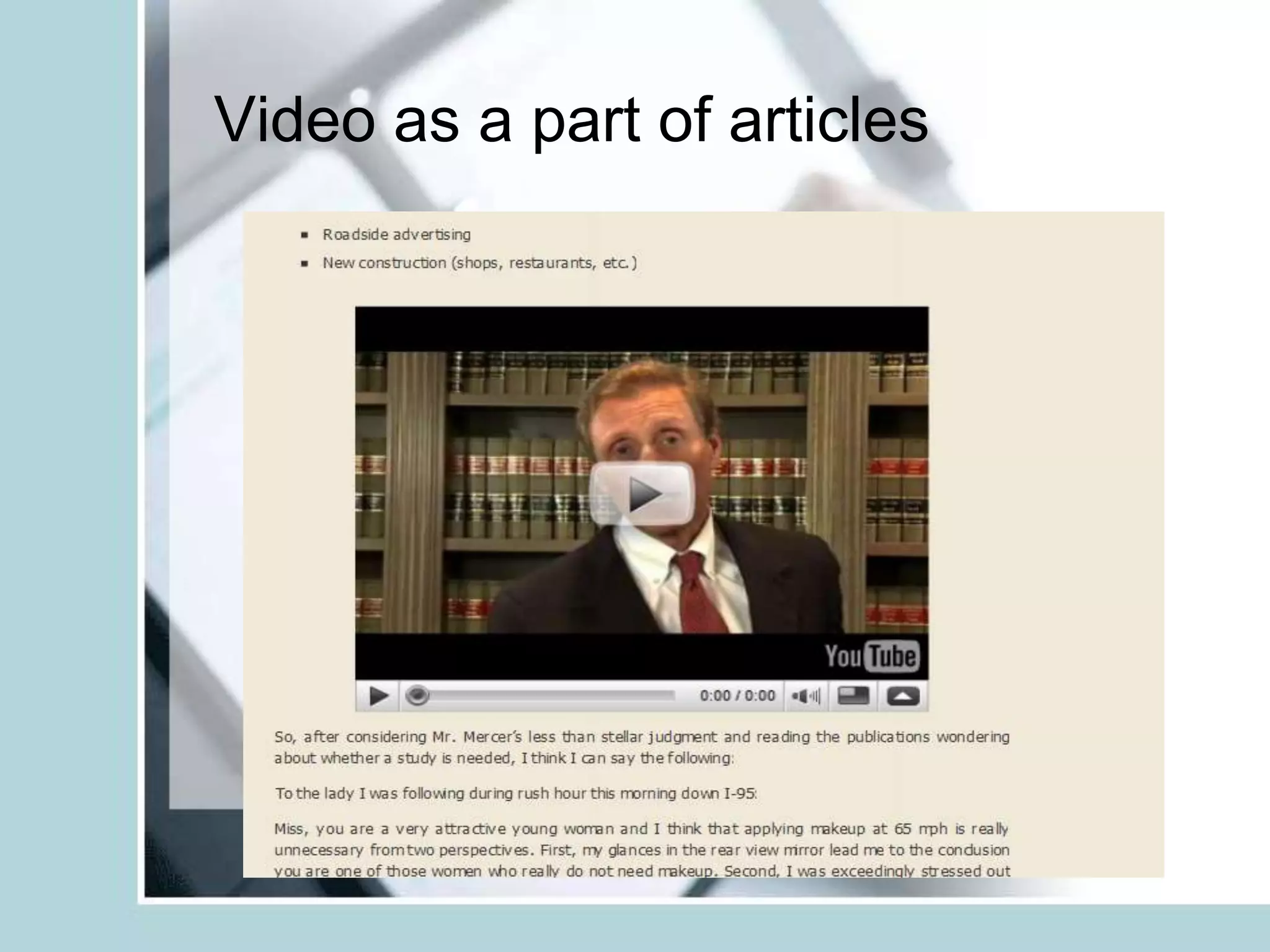
Video as a part of articles
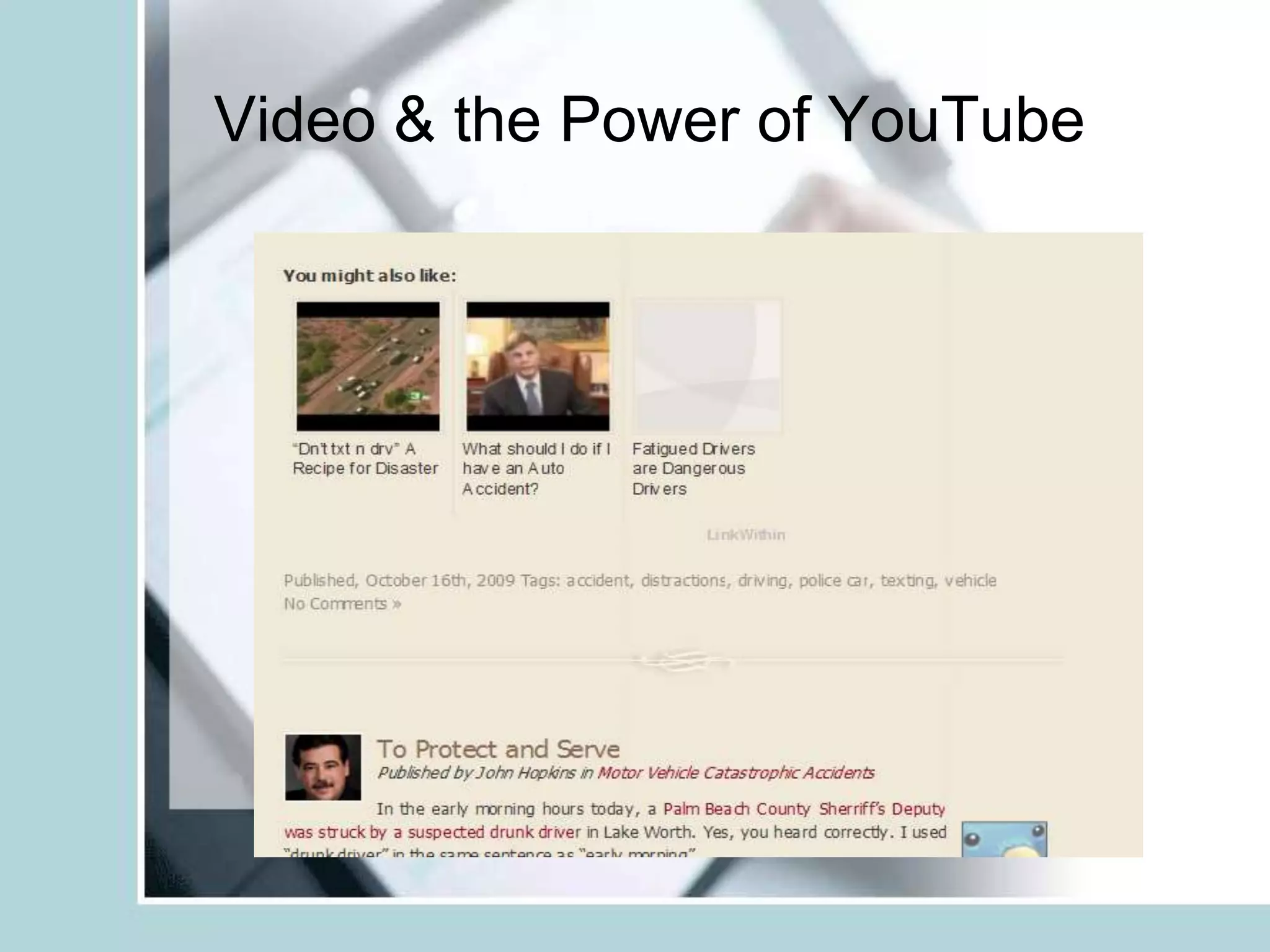
Video & the Power of YouTube
YouTube
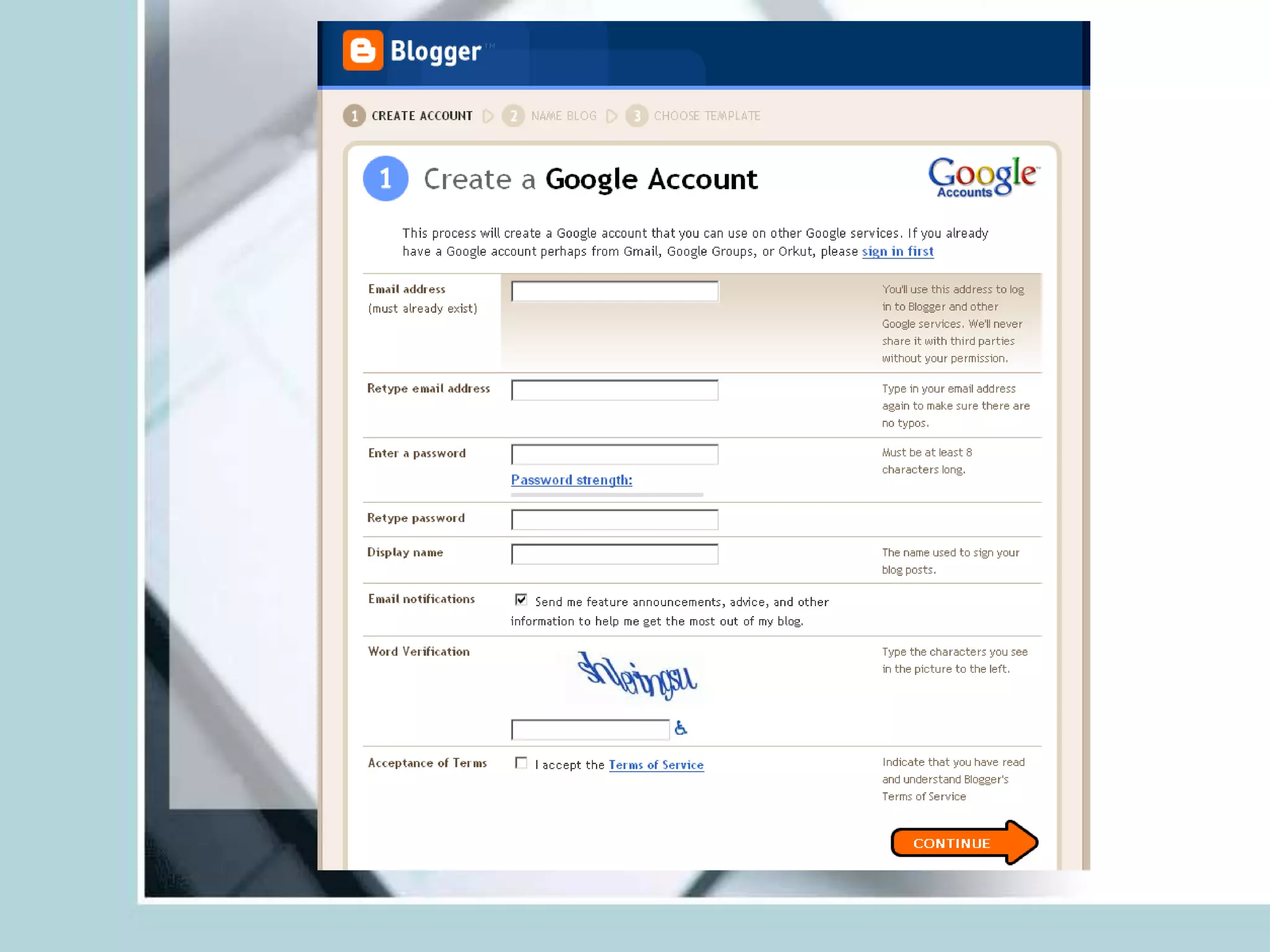
Publishing SoftwareWordPress – Free design and publishingBlogger (Google) – Free design and publishingDotNetNukeTumblr.TypePadXanga
Lawyer Blog Sites for a FeePaperStreet.comLexBlog: www.lexblog.comMartindale-HubbelLawyers.comJustia.comScorpion.com
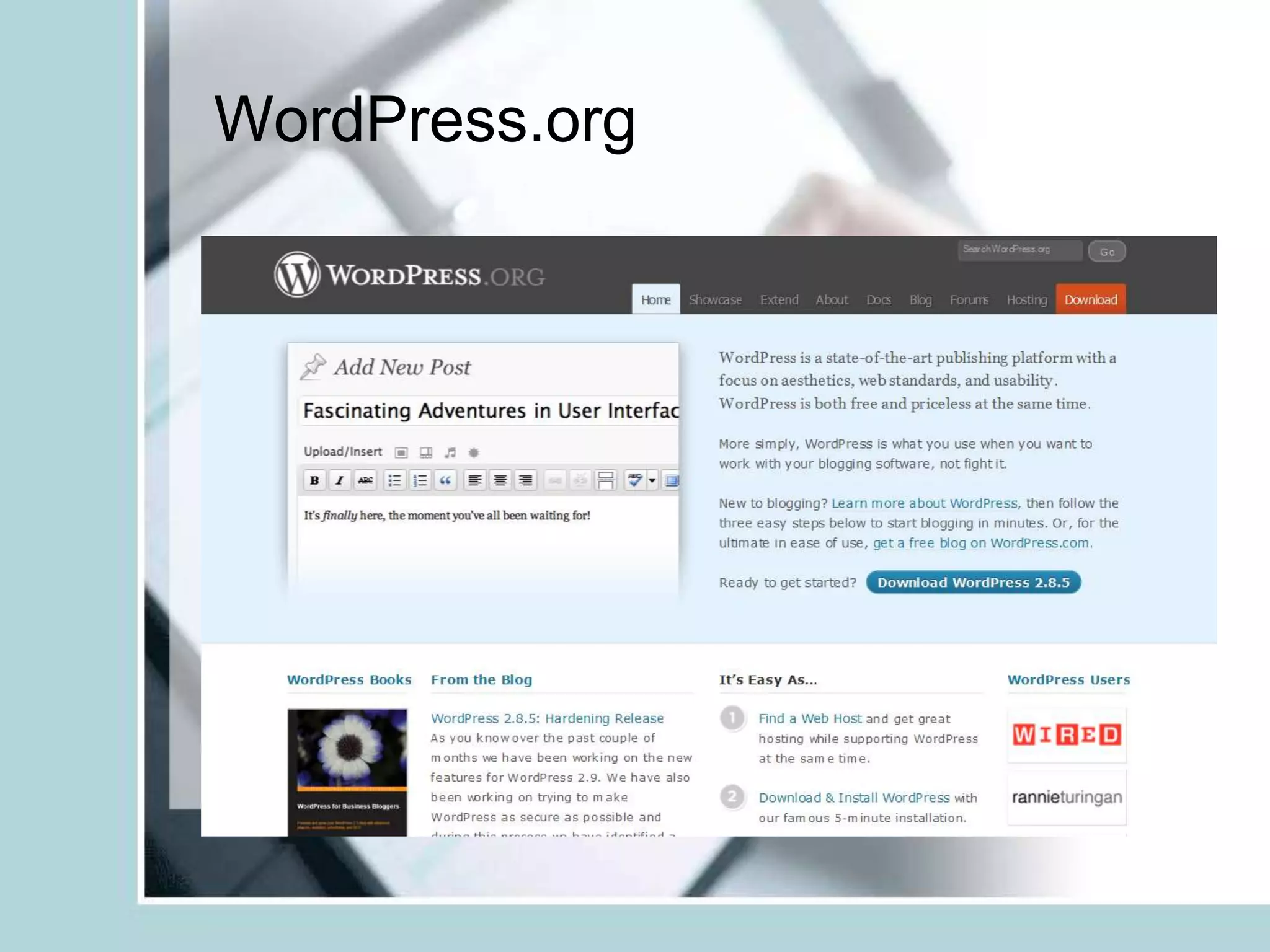
WordPress.org
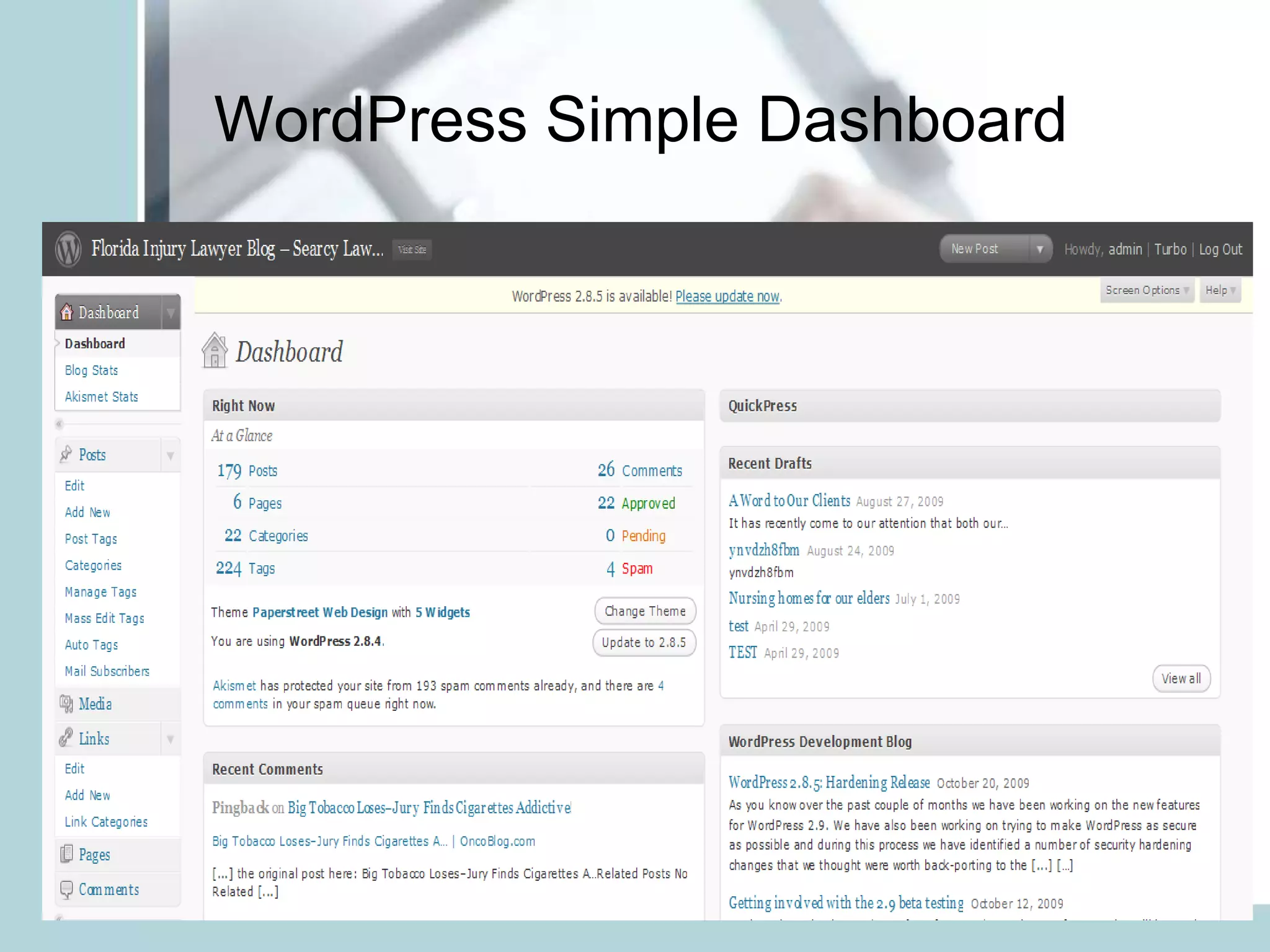
WordPress Simple Dashboard
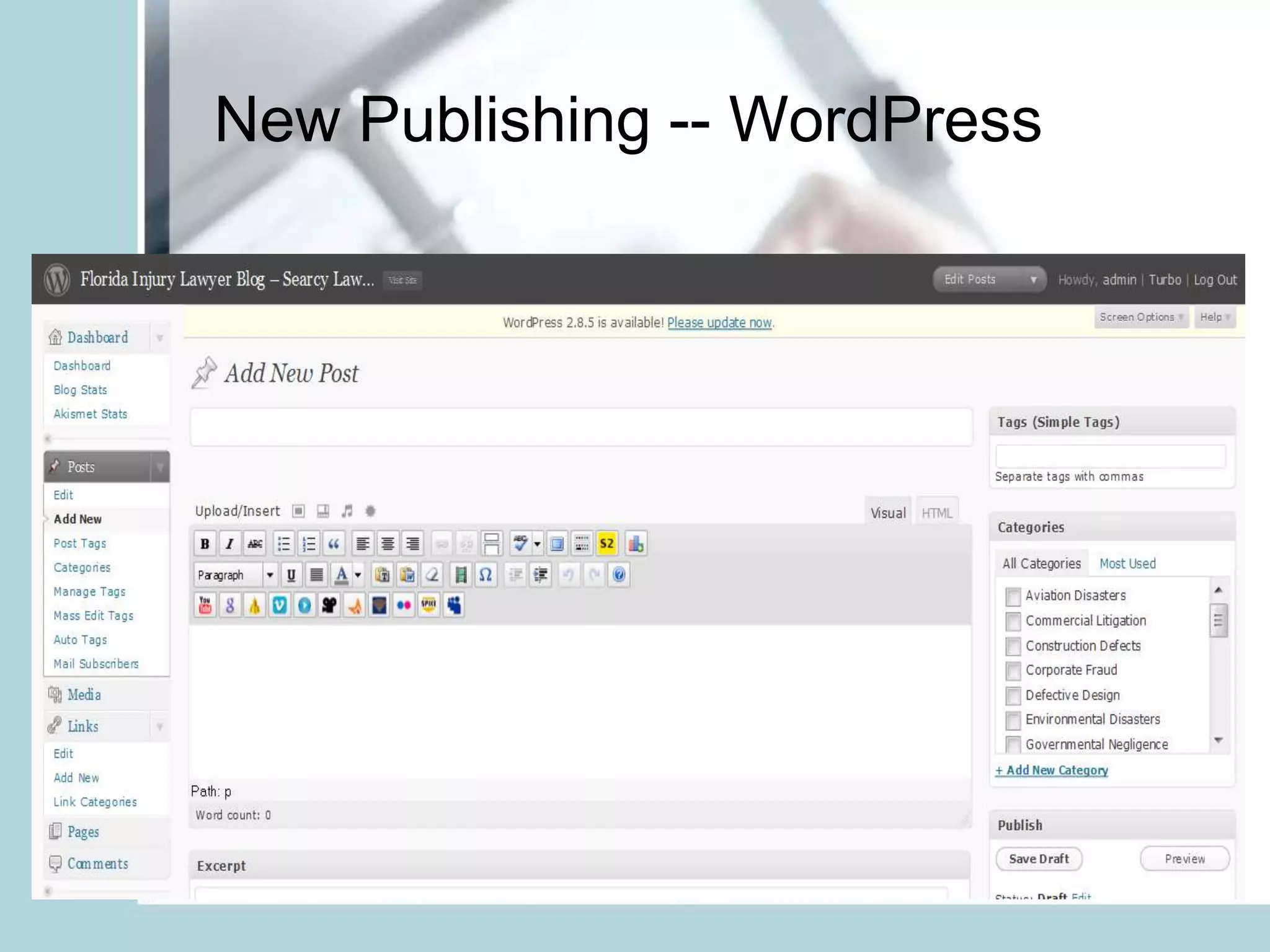
New Publishing -- WordPress
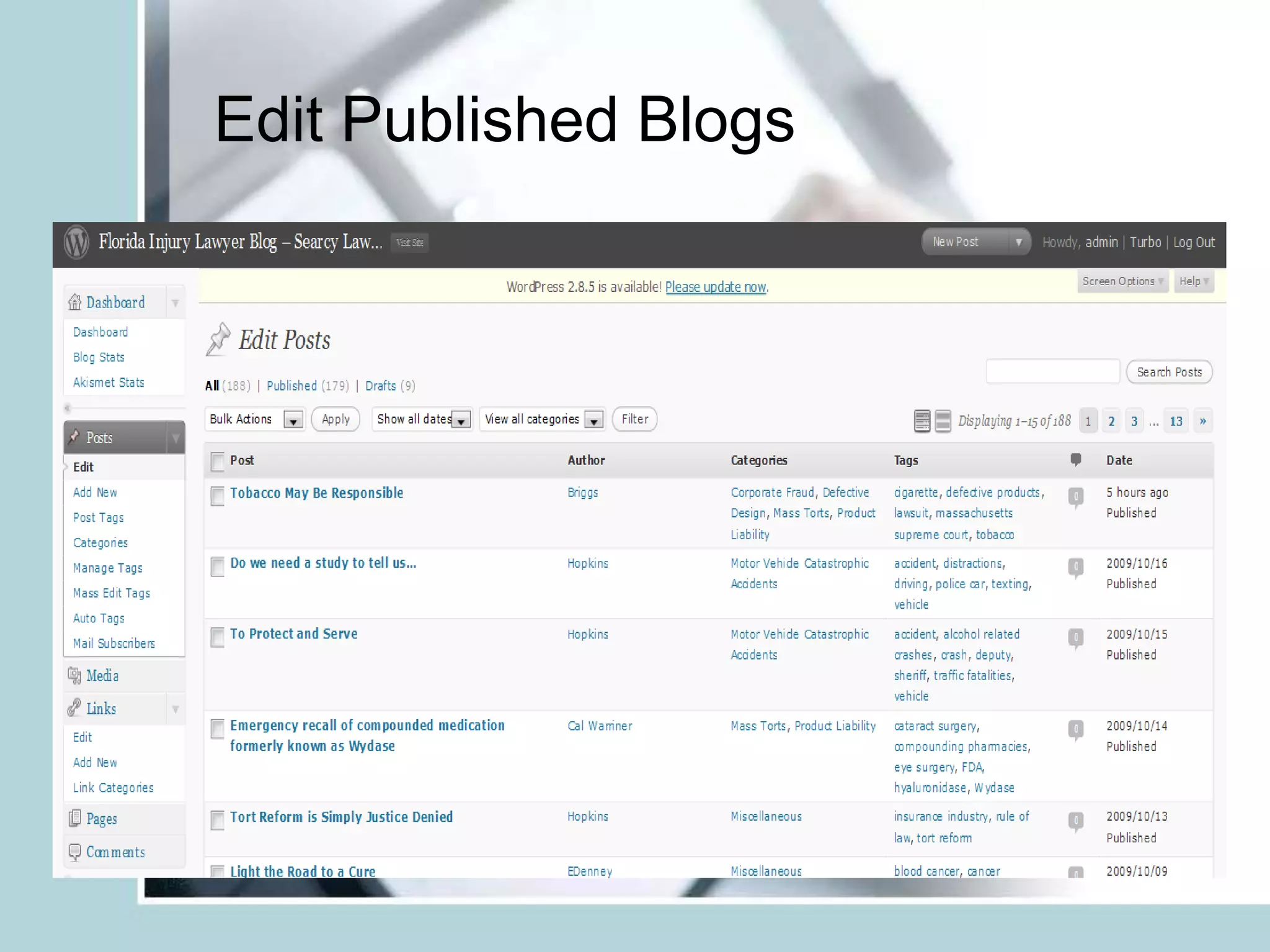
Edit Published Blogs
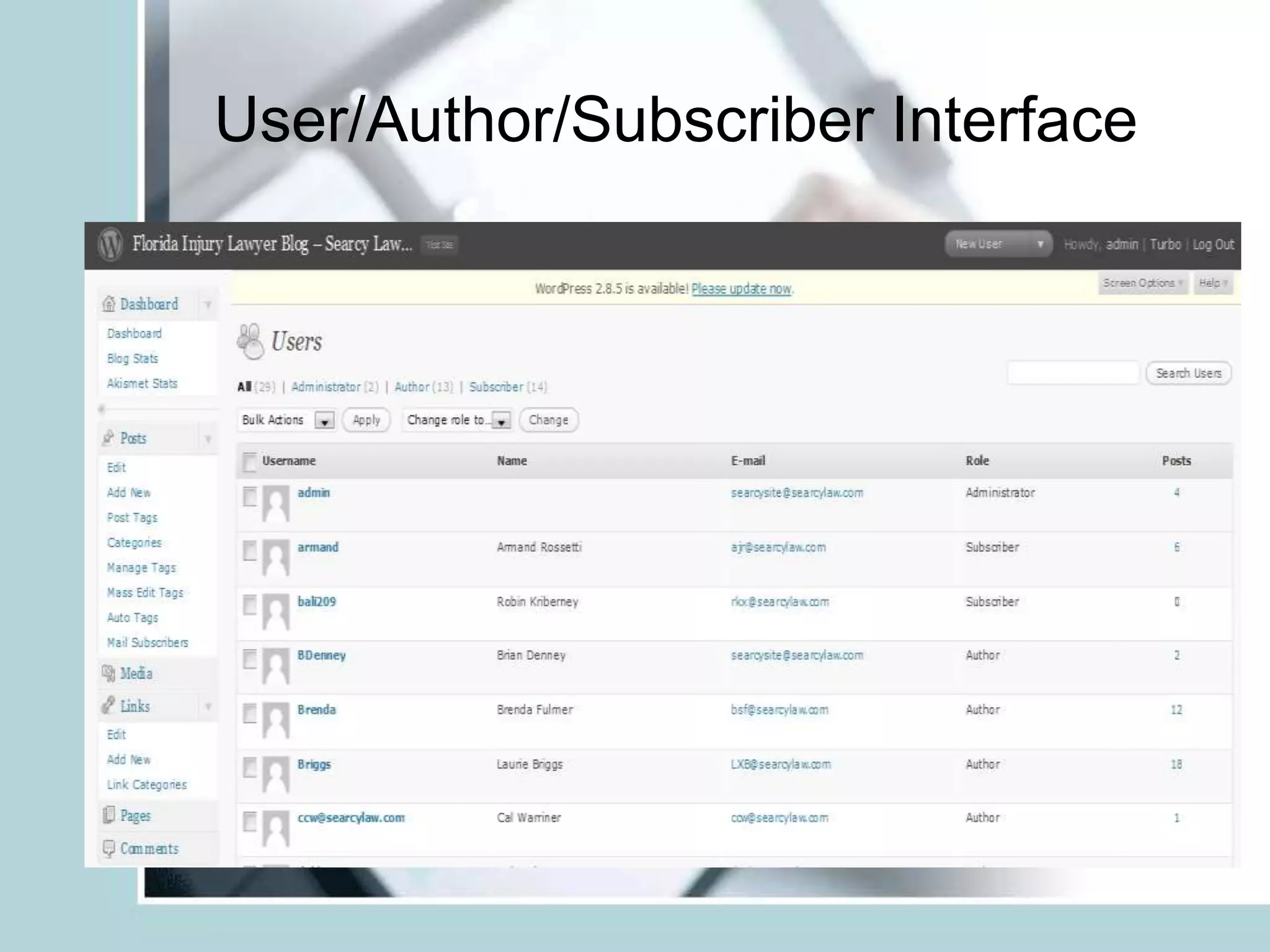
User/Author/Subscriber Interface
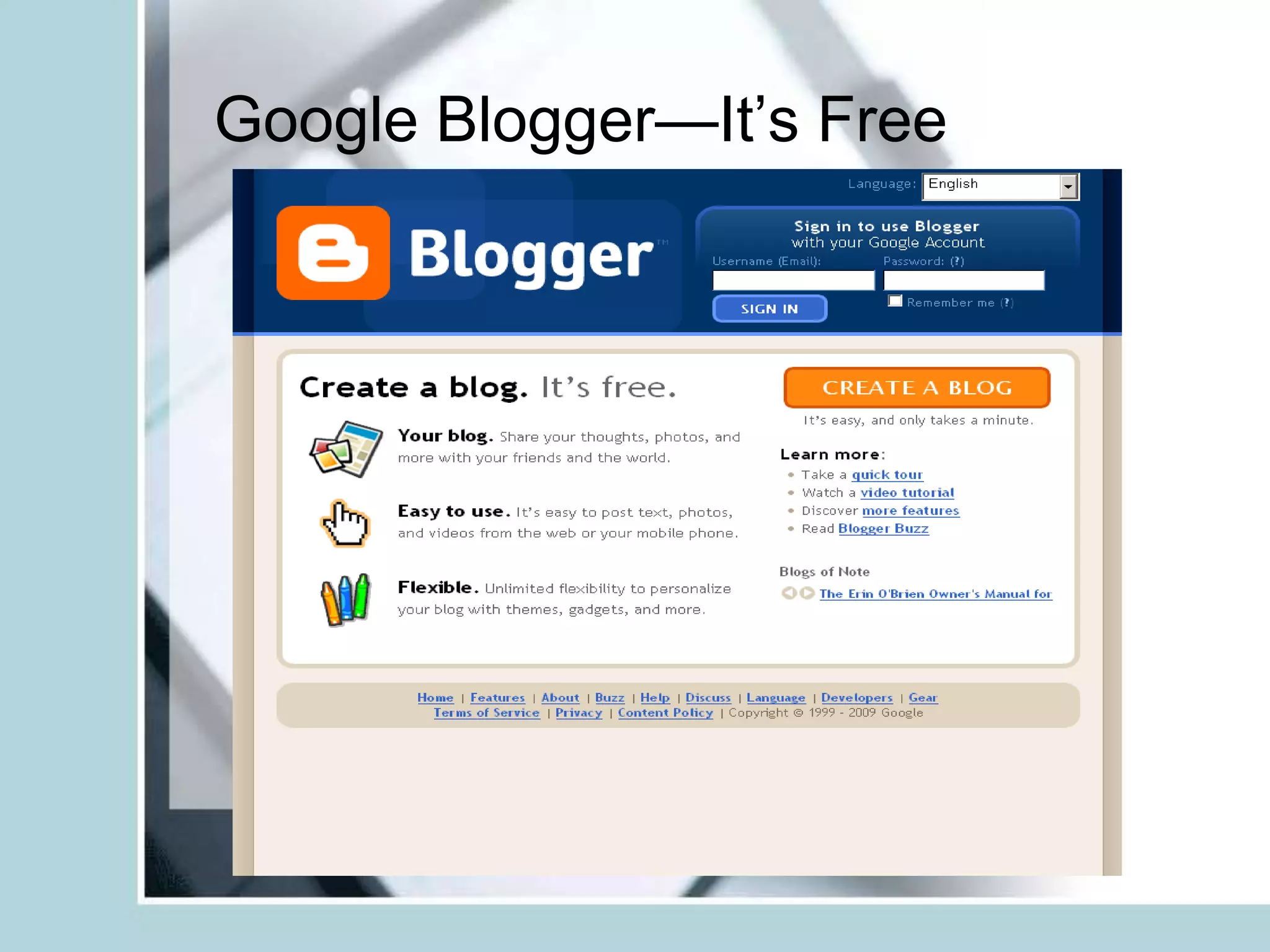
Google Blogger—It’s Free
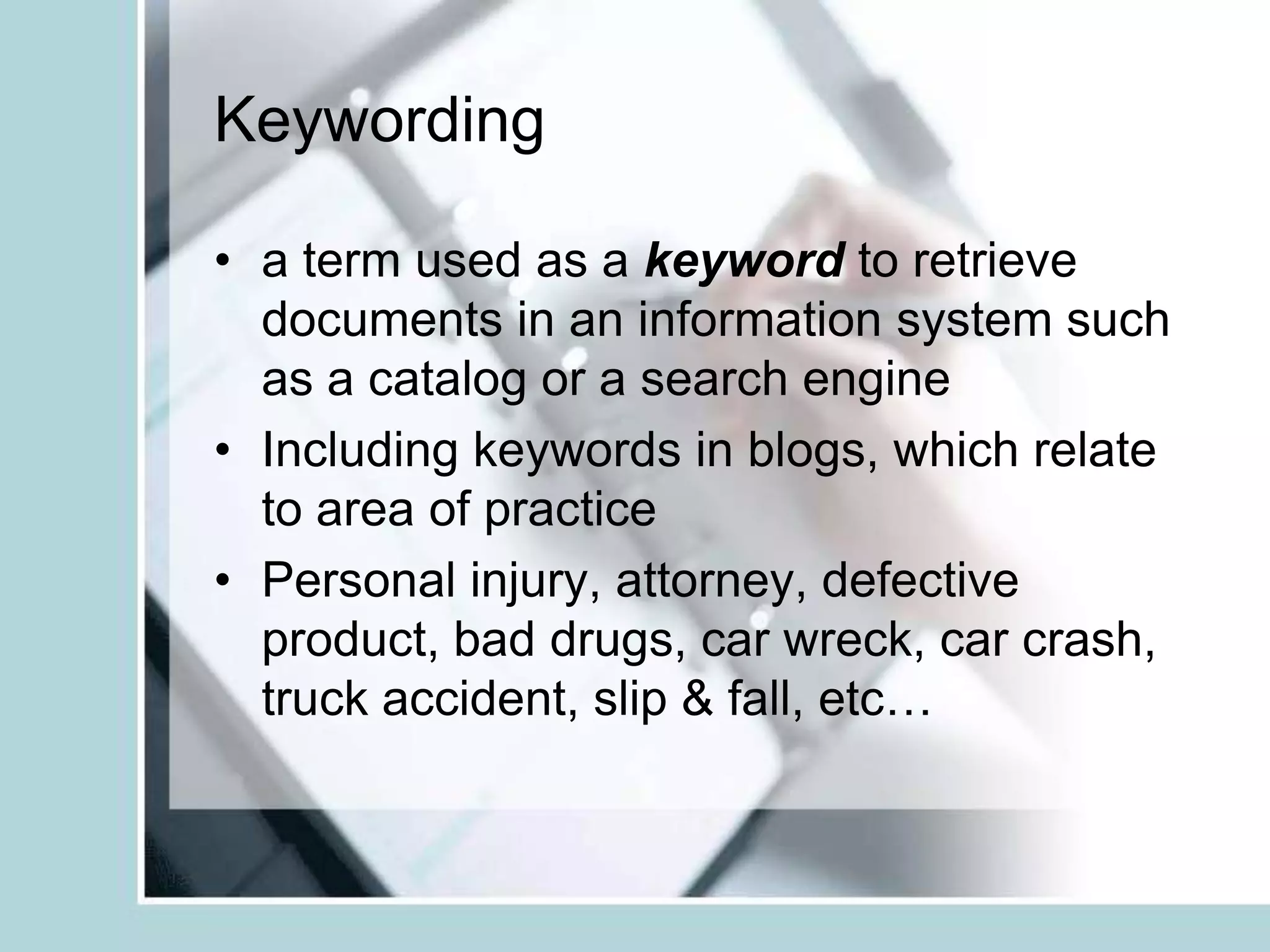
Keywordinga term used as a keyword to retrieve documents in an information system such as a catalog or a search engineIncluding keywords in blogs, which relate to area of practicePersonal injury, attorney, defective product, bad drugs, car wreck, car crash, truck accident, slip & fall, etc…
Questions to Ask Who will blog?Will the firm “police” individual lawyer blogs?Who will blog?What motivation or requirement will there be for attorney participation?What is the focus of the blog—its niche subjects?
More QuestionsDoes the firm need guidelines for authors?Does the firm need to restrict content? Should editorial restrictions be placed on political, religious, and controversial topics?What blog training should the firm provide?
Resources
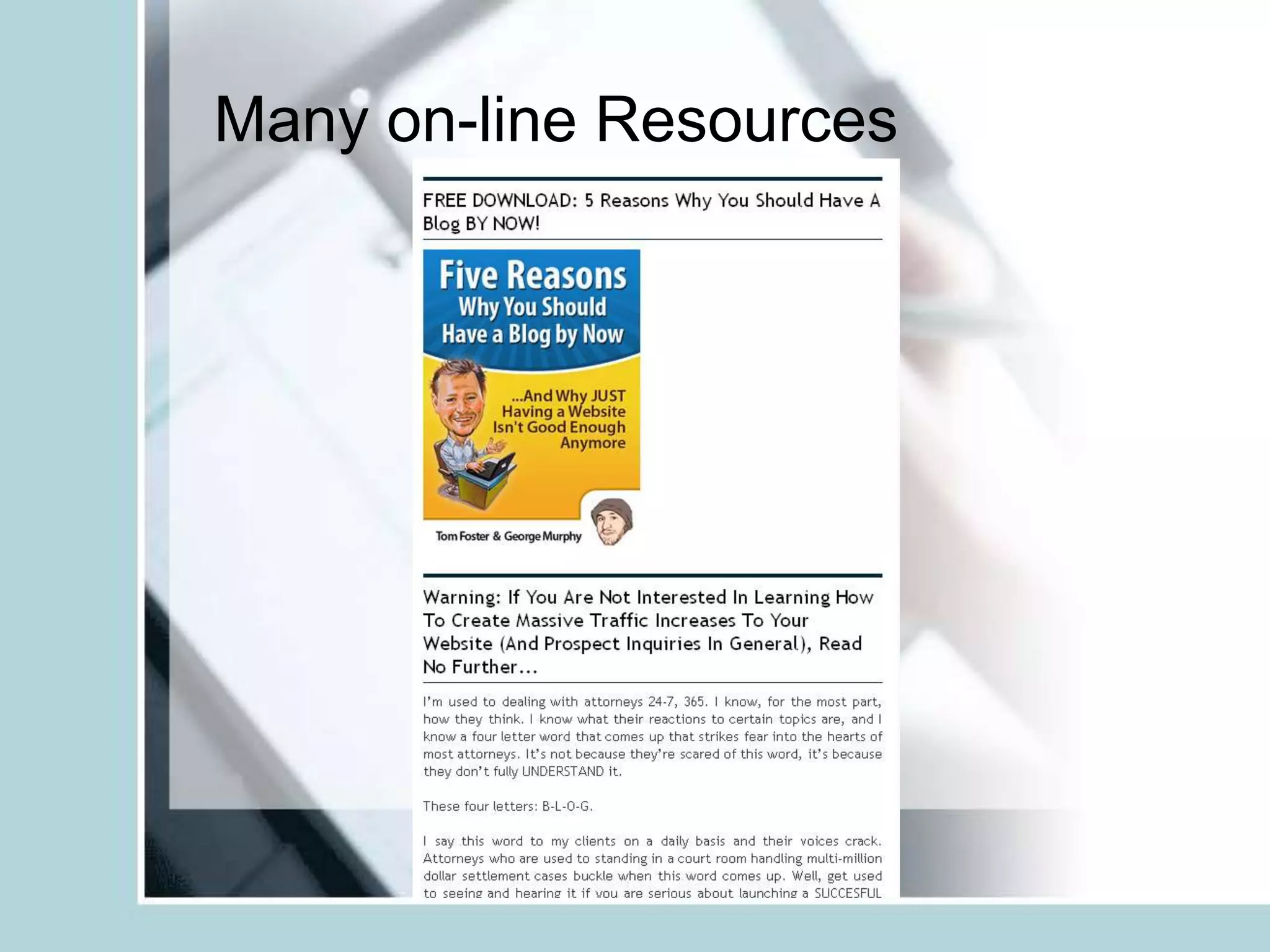
Many on-line Resources

Blog 101 For Law Firms Presentation

  • 1.
    Blogging for BusinessUsingWeb Communication to Enhance Information DeliverySearcy Denney Scarola Barnhart & Shipley, PAExclusively for the use of Partner Firms© Copyright 2009
  • 2.
    What is a“blog”?a Web site that contains an online personal journal with reflections, comments, and often hyperlinks provided by the writer; also: the contents of such a site (Merriam-Webster)A Web site providing a variety of different thoughts, opinions, information, and news in a compressed, news journal format. (Hopkins, J)
  • 4.
    Back to ourwebsiteArticleArchive of Previous ArticlesTwitter
  • 5.
    What am Itrying to communicate?ExpertiseKnowledgeAreas of specialty and practiceImportant issues (tort reform, preemption)Taking time to care—charity work and other good contributions to the community
  • 6.
    Blogging & SEOSEO:Search Engine OptimizationWhat is SEO?the process of increasing the amount of visitors to a Web site by ranking high in the search results of a search engine. The higher a Web site ranks in the results of a search, the greater the chance that that site will be visited by a user.
  • 7.
    Content Changes toWebsitesConstant content changes to a website not always practicalBlogging serves multiple purposes by presenting content change, marketing, and creation of the firm’s image as an authorityBlogging creates an avenue to integrate multi-media into websites
  • 8.
  • 9.
    Authors & EditorsAsingle editor to receive & publish Authors need to have some grounding in the law: lawyers, paralegals, experienced secretariesAuthors should be creative and at least “B” writersAvoid too much legalese
  • 10.
    Who is youraudience?Your current clientsProspective clientsOther lawyersGeneral public
  • 11.
    Video as apart of articles
  • 12.
    Video & thePower of YouTube
  • 13.
  • 14.
    Publishing SoftwareWordPress –Free design and publishingBlogger (Google) – Free design and publishingDotNetNukeTumblr.TypePadXanga
  • 15.
    Lawyer Blog Sitesfor a FeePaperStreet.comLexBlog: www.lexblog.comMartindale-HubbelLawyers.comJustia.comScorpion.com
  • 16.
  • 17.
  • 18.
  • 19.
  • 20.
  • 21.
  • 24.
    Keywordinga term usedas a keyword to retrieve documents in an information system such as a catalog or a search engineIncluding keywords in blogs, which relate to area of practicePersonal injury, attorney, defective product, bad drugs, car wreck, car crash, truck accident, slip & fall, etc…
  • 25.
    Questions to AskWho will blog?Will the firm “police” individual lawyer blogs?Who will blog?What motivation or requirement will there be for attorney participation?What is the focus of the blog—its niche subjects?
  • 26.
    More QuestionsDoes thefirm need guidelines for authors?Does the firm need to restrict content? Should editorial restrictions be placed on political, religious, and controversial topics?What blog training should the firm provide?
  • 27.
  • 28.