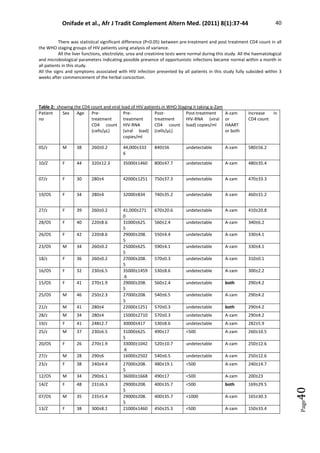
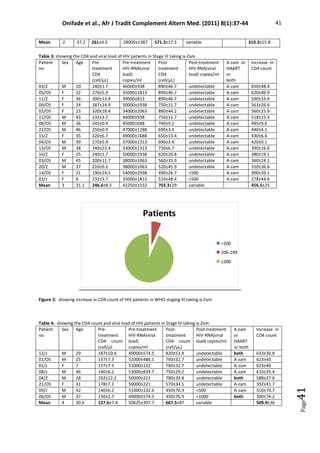
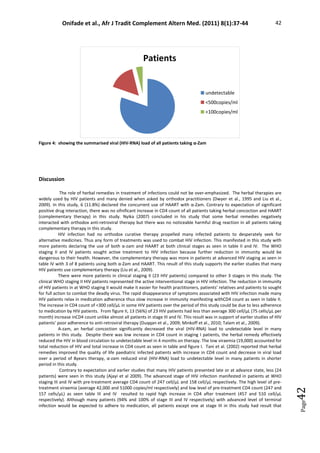
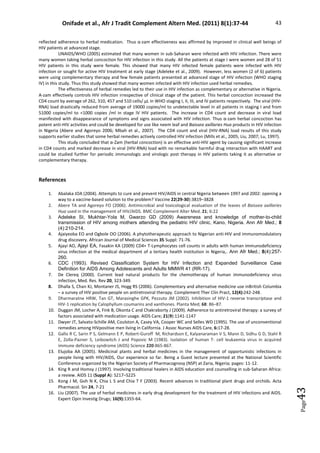
Review on Clinical Trials of Black Seed (Nigella sativa )
and Its Active Constituent, Thymoquinone
Alireza Tavakkoli1
, Vahid Mahdian2
, Bibi Marjan Razavi3
, Hossein Hosseinzadeh4
*
Abstract
Objectives: Nigella sativa (black seed or black cumin),
which belongs to the Ranunculacea family, is an annual
herb with many pharmacological properties. Among
its many active constituents, thymoquinone (TQ) is
the most abundant constituent of the volatile oil of Ni-
gella sativa (N. sativa) seeds, and it is the constituent to
which most properties of this herb are attributed.
Methods: PubMed-Medline, Scopus, and Web of Sci-
ence databases were searched to identify randomized
control trials (RCTs) investigating the therapeutic effects
of N. sativa and/or TQ. In this review, we investigated
the clinical uses of N. sativa and TQ in the prevention
and the treatment of different diseases and morbidity
conditions in humans.
Results: Black seed and TQ are shown to possess multi-
ple useful effects for the treatment of patients with sev-
eral diseases, such as inflammatory and auto-immune
disorders, as well as metabolic syndrome. Also, other
advantages, including antimicrobial, anti-nociceptive
and anti-epileptic properties, have been documented.
The side effects of this herbal medicine appear not to be
serious, so it can be applied in clinical trials because of
its many advantages.
Conclusion: Some effects of N. sativa, such as its
hypoglycemic, hypolipidemic and bronchodilatory
effects, have been sufficiently studied and are suffi-
ciently understood to allow for the next phase of clini-
cal trials or drug developments. However, most of its
other effects and applications require further clinical
and animal studies.
1. Introduction
Nigella sativa (black seed or black cumin), which be-
longs to the Ranunculacea family, is an annual herb
with many pharmacological properties [1]. The use of
N.sativa(NS)seedsandoilintraditionalremediesgoes
back more than 2000 years, and the herb is described
as ‘the Melanthion’ by Hippocrates and Discroides [2].
Black seeds and their oil have a long history of folklore
usage in the Indian and the Arabian civilizations as
food and medicine and have been commonly used as
treatment for a variety of health conditions pertaining
to the respiratory system, digestive tract, kidney and
liver functions, cardiovascular system, and immune
system support, as well as for general well-being [3, 4].
NS contains many active components, such as thymo-
quinone (TQ), alkaloids (nigellicines and nigelledine),
saponins (alpha-hederin), flavonoids, proteins, fatty
acids, and many others, that have positive effects in the
treatment of patients with different diseases [5, 6]. TQ
Review
article
Key Words
black seed, clinical trials, diseases, Nigella sativa, safety,
thymoquinone
ISSN 2093-6966 [Print], ISSN 2234-6856 [Online]
JournalofPharmacopuncture2017;20[3]:179-193
DOI: https://doi.org/10.3831/KPI.2017.20.021
This is an Open-Access article distributed under the terms of the Creative Commons
Attribution Non-Commercial License (http://creativecommons.org/licenses/by-nc/4.0/)
which permits unrestricted noncommercial use, distribution, and reproduction in any
medium, provided the original work is properly cited.
This paper meets the requirements of KS X ISO 9706, ISO 9706-1994 and ANSI/NISO
Z39.48-1992 (Permanence of Paper).
*
Corresponding Author
Hossein Hosseinzadeh. Pharmaceutical Research Center, Department of Pharmacody-
namics and Toxicology, School of Pharmacy, Mashhad University of Medical Sciences,
Mashhad, Iran.
Tel: +98-51-1881-9042 Fax: +98-51-1882-3251
E-mail: hosseinzadehh@mums.ac.ir
ⓒ 2017 Korean Pharmacopuncture Institute http://www.journal.ac
Received: Apr 28, 2017 Reviewed: Aug 21, 2017 Accepted: Aug 30, 2017
1 
Department of Pharmacognosy, School of Pharmacy, Mashhad University of Medical Sciences, Mashhad, Iran
2
Student Research Committee, School of Medicine, Mashhad University of Medical Sciences, Mashhad, Iran
3 
Targeted Drug Delivery Research Center, Department of Pharmacodynamics and Toxicology, School of Pharmacy, Mashhad University
of Medical Sciences, Mashhad, Iran
4

Pharmaceutical Research Center, Department of Pharmacodynamics and Toxicology, School of Pharmacy, Mashhad University of Medi
cal Sciences, Mashhad, Iran
http://www.journal.ac
180
is the most abundant constituent in the volatile oil of NS
seeds, and most of the herb’s properties are attributed to it.
Cell culture studies and animal models have indicated
several therapeutic potentials, such as anti-cancer [5, 7-9],
antimicrobial [10, 11], analgesic [12, 13], antipyretic [14],
contraceptive and anti-fertility, anti-oxytocic [3], anti-
tussive [15], anti-inflammatory [12, 16], and anti-oxidant
[17-19] potentials, for black seed and its active component
TQ. NS or TQ anticancer activity has been demonstrated
for blood, breast, colon, pancreatic, liver, lung, fibrosar-
coma, prostate, and cervix cancer cell lines and in animal
models of lung, kidney, skin, colon, and breast cancer [7].
Black seed’s antimicrobial effects include those on gram-
negative and gram-positive bacteria, viruses, parasites,
Schistosoma, and fungi pathogens [10]. NS was also found
to be able to relieve the symptoms of or cure patients with
several diseases, such as hypertension, dyslipidemia, met-
abolic syndrome, diabetes [5, 20, 21], asthma [3], convul-
sion [22-24], and natural and chemical toxicities [25, 26].
Additionally, a suggestion was made that NS and TQ uti-
lization could prevent many disorders [6], including neu-
robehavioral [27], kidney [28, 29], and liver [4] disorders.
For these reasons, in this review, we investigated the clini-
cal uses of NS and TQ in the prevention and treatment of
different diseases and morbidity conditions in humans.
Fig. 1.
Journal of Pharmacopuncture 2017;20(3):179-193
Figure 1 Schematic description for the effects of Nigella sativa in different parts of the human body.
http://www.journal.ac 181
Journal of Pharmacopuncture 2017;20(3):179-193
2. Methods
PubMed-Medline, Scopus, and Web of Science databases
were searched to identify randomized control trials (RCTs)
investigating the therapeutic effects of NS and/or TQ. We
reviewed the existing literature published until April 2016
by using the following keywords: Nigella sativa'', black
cumin'', black seeds'', thymoquinone'', and patient'',
clinic'' or clinical trial''. All studies assessing the effects
of NS or TQ, topical use or oral intake, on human health
conditions were included.
3. Results
3.1. Safety
Administration of NS oil (5 mL/day) to healthy volunteers
for 8 weeks was reported not to have any notable liver,
kidney, or gastrointestinal side effects [30, 31]. NS oil in-
take (equivalent to oil obtained from 0.7 g of seeds) for 40
days showed reasonable kidney and liver safety in patients
with type 2 diabetes mellitus (DM); neither did it alter the
platelet or the total leukocyte count [32]. Another study
performed on 39 centrally obese men demonstrated that
intake of NS seeds (3 g/day for 3 months) had no detect-
able side effects [33]. Qidwai et al reported that the admin-
istration of NS seeds (2 g/day for 6 weeks) did not affect the
serum alanine aminotransferase (ALT) or the serum creat-
inine (Cr) levels in adults [34]. Furthermore, NS at doses of
1, 2 and 3 g/day for 3 months did not adversely affect either
the renal or the hepatic functions of diabetic patients [35].
Another study revealed that NS seed powder intake for 40
days caused no significant change in total leukocyte and
platelet count [36].
Treatment with NS tea (5 g/day) added to the usual oral
anti-diabetic drugs, diet, and exercise for 6 months showed
significant decreases in aspartate aminotransferase (AST),
ALT, serum total, direct and indirect bilirubin, serum Cr,
and blood urea levels in type 2 diabetic patients, as well as
improved liver and kidney functions [37]. The intake of NS
extract (200 or 400 mg/day) for 2 months was also reported
to cause no observable complications in patients with mild
hypertension [38].
No adverse effects were reported in applications of NS
oil twice daily for six months to the lesions of vitiligo pa-
tients [39]. Intake of NS oil (0.05 mL/kg/day) in osteopenic
postmenopausal women for three months showed no
beneficial effects; however, no adverse side effects were
produced, either [40]. In another study conducted on Ira-
nian infertile men in order to assess the impacts of NS oil
(5 mL/day) on abnormal semen quality, no side effects
were observed [41]. Whereas no severe side effects were
reported in administration of NS oil (5 mL/day) to func-
tional dyspeptic patients, some mild adverse impacts were
observed, including nausea, bloating, and burning sensa-
tion [42]. On the other hand, some cases of epigastric pain
and hypoglycemia were reported as adverse effects when
NS oil capsules were used to treat patients with hepatitis
C virus (HCV) [43]. Dirjomuljono et al demonstrated the
safety of NS extract (1,080 mg/day) when used to treat pa-
tients with acute tonsillopharyngitis [44]. In another study
that investigated the anti-cestodal effects of NS powdered
seeds (40 mg/kg body weight) on children infected with
cestodes, no serious side effects were reported [45].
Treatment of seasonal allergic rhinitis patients with NS
seeds (250 mg/day) for two weeks has been reported not
to cause any adverse effects [46]. However, some patients
with allergic rhinitis when treated using nasal drops of
NS oil showed nasal dryness [47]. Dogar et al confirmed
that side effects produced by treatment of children with
acute lymphoblastic leukemia (ALL), aged between 2 - 18
years, with NS powder (40 mg/kg in two equal doses for 3
months), along with conventional therapy, were remark-
ably less than they were for L-asparaginase and conven-
tional therapy (note: conventional therapy includes dau-
norubicin, vincristine, and prednisolone). Thus, one can
conclude that NS powder, as an anti-cancer agent, is a
beneficial substitute for L-asparaginase in the treatment of
patients with ALL [48].
Nevertheless, in a patient suffering from DM, along with
coronary artery disease and hypertension, acute renal fail-
ure due to the use of NS tablets (2,000 – 2,500 mg/day) was
reported to have occurred 6 days after the start of treat-
ment [49]. Bamosa suggested that this adverse effect could
not have been related to NS because other clinical trials
with many more human subjects had demonstrated the
safety of NS in higher doses over longer periods of intake
and that the adverse effect could probably be attributed
to contamination of the tablets with other products [50].
Ibraheim also reported that only the total oil showed sig-
nificant increases in the AST and the ALT levels while both
the oil and the crushed seeds showed significant increases
in the γ-GT and the alkaline phosphatase (ALP) activities
[51]. A case of systemic and contact bullous drug eruption
as erythematous plaques with vesicles and bullous lesions
because of topical application and digestion of NS oil was
reported [52]. In addition, another report showed that the
use of NS at 5 g/day inhibited CYP2D6- and CYP3A4-me-
diated metabolism of dextromethorphan in healthy hu-
man volunteers, showing that it may interact with other
CYP2D6 and CYP3A4 substrates [53].
Taken together, NS has been established as a safe herbal
product. Nevertheless, according to the mentioned stud-
ies, some adverse effects, including nausea, bloating, and
burning sensation, have been reported after administra-
tion of NS oil in functional dyspeptic patients, and a slight
increase in liver and kidney enzymatic markers has been
shownfollowingconsumptionofNSoilandcrushedseeds.
3.2. Metabolic syndrome
Metabolic syndrome is a cluster of cardio-metabolic
conditions that include obesity, insulin resistance, ather-
ogenic dyslipidemia, and high blood pressure (BP) [54]
and is a major contributor to the development of diabetes
[55]. A RCT done on 60 patients with metabolic syndrome
showed that NS oil (5 mL/day) used in combination with
atorvastatin and metformin could decrease fasting blood
sugar (FBS), LDL, and TC significantly after six weeks
http://www.journal.ac
182
of use, but had no significant effect on body mass index
(BMI) or waist circumference (WC) [56].
Another study by Amin et al evaluated the effect of black
seeds (1.5 g/day) alone and concurrent with turmeric
(900 mg and 1.5 g/day, respectively) on 250 patients with
metabolic syndrome. The results show that NS and tur-
meric alone improved BMI, WC and BF% after 4 weeks,
compared to baseline. Combination therapy improved
all parameters including BMI, BF%, WC, hip circumfer-
ence (HC), BP, total cholesterol (TC), triglyceride (TG),
and C-reactive protein (CRP) except HDL-cholesterol with
lower FBG and LDL-cholesterol as compared to placebo
after four weeks. After 8 weeks, NS reduced lipids and FBG,
whereas turmeric decreased LDL-cholesterol and CRP.
Combination therapy showed an improvement in all pa-
rameters and reduced BF%, FBG, cholesterol, TG, LDL-
cholesterol, CRP and increased HDL-cholesterol [57].
In another study, premenopausal women underwent the
following protocol: 12-week administration of NS-powder
capsules (1,600 mg/day), a 2-week washout period, and
12-week administration of a placebo, and vise versa. The
authors of the study concluded that NS could help to con-
trol weight gain, the lipid profile, and the blood glucose
and hormonal levels [58]. According to a clinical trial by
Najmi et al, NS (500 mg/day) after 8 weeks was able to im-
prove the efficacy of the therapeutic protocol (metformin
+ atorvastatin + aspirin) in patients with metabolic syn-
drome and poor glycemic control so that NS-treated pa-
tients indicated significant improvements in their FBG,
postprandial blood glucose (PPBG), haemoglobin A1c
(HbA1c), and LDL-C levels [59].
The effects of NS and TQ on different components of met-
abolic syndrome and cardiovascular disease risk factors,
including high BP, obesity, dyslipidemia, and high blood
glucose, have been established [21]. The clinical uses of NS
and TQ in the prevention and treatment of these factors
will be discussed in subsequent subsections.
3.3. Hypertension
Hypertension (HT) is a lifestyle-related disease, and di-
etary modifications are effective for its management and
prevention. In a study performed by Dehkordi and Kam-
khah, which evaluated the anti-hypertensive effect of NS,
the intake of NS extract (200 or 400 mg/day) for 2 months
was reported to decrease both the systolic and the diastolic
BP in patients with mild HT as compared with the baseline
and the placebo values [38]. Another study by Huseini et al
on healthy volunteers who received NS oil (5 mL/day) for
two months revealed the hypotensive effect of NS, with the
systolic and the diastolic BP being lowered significantly as
compared with both the placebo and the baseline values
[31].
3.4. Obesity
Obesity, defined as excess fat mass, increases the risks for
multiple metabolic diseases, such as type 2 diabetes, car-
diovascular disease, and several types of cancer [60]. Some
RCTs demonstrated that NS oil in combination with a low-
calorie diet decreased weight in obese women in compari-
son to the placebo level [61, 62]. It also caused the super-
oxide dismutase (SOD) level to be elevated [61] and the TG
and the LDL-C levels to be decreased [62].
Another study was performed on 39 centrally obese men
to evaluate the effect of NS on body weight, WC, and some
biochemical parameters [33]. The results of that study
showed that intake of NS seeds (3 g/day for 3 months)
caused a very significant reduction in body weight and
WC, but insignificant reductions in the serum free testo-
sterone level, as well as the systolic and the diastolic BP,
and an insignificant increase in the adiponectin level. The
reduction of serum free testosterone in the control group,
who received two capsules of 750 mg flour twice daily, was
more than it was in the treatment group, thus indicating
that NS can inhibit the decrease in the serum free testo-
sterone level.
3.5. Dyslipidemia
Dyslipidemia is defined as the derangements of one or
more of the lipoproteins in blood, such as elevated TC,
LDL-C, and/or TG, or low levels of HDL-C alone [63].
Moeen-ud-din et al reported that the intake of 2 teaspoons
of NS seeds for 6 weeks by hyperlipidemic patients de-
creased their LDL-C (P-value  0.001) and increased their
HDL-C (P-value  0.01) as significantly as niacin [64]. The
results of another RCT indicated that compared to mineral
oil, administration of NS oil (5 mL/day) to healthy volun-
teers for 8 weeks induced significant decreases in the fast-
ing blood cholesterol, LDL, TG, glucose, and HbA1C levels
[30]. Administration of NS seeds (two spoons/day) to male
and female hyperlipidemic patients for 4 weeks signifi-
cantly (P-value  0.001) increased HDL-C and decreased
body weight [65].
Menopausal women are one of the high risk groups for
developing dyslipidemia. In a study by Ibrahim et al, the
administration of powdered NS seeds (1 g/day) over a two-
month intervention was found to decrease significantly
the TG, LDL-C and TC levels, but to increase the HDL-C
level [66]. However, one month after cessation of treat-
ment, the lipid profiles in the NS-treated group tended to
change towards the pretreatment levels. Another clinical
trial done for a similar duration showed that a supplement
of powdered NS seeds (1 g/day) could improve some bio-
chemical parameters, including the lipid profile and blood
glucose, in menopausal women, but had no significant ef-
fect on their body weight [67].
According to a World Health Organization (WHO) report,
coronary heart disease is a major cause of mortality in the
world [68]. The results of a study which examined the ef-
fects of NS on the lipid profiles in patients with stable coro-
nary artery disease indicated that intake of NS powder (500
mg/day) for 6 months concurrent with statin (10 - 20 mg/
day) both decreased the serum levels of TG, VLDL, LDL,
and TC and elevated the HDL level significantly whereas
statin alone decreased neither the TG, VLDL, LDL nor TC
level [69].
Journal of Pharmacopuncture 2017;20(3):179-193
http://www.journal.ac 183
In healthy female volunteers, administration of both
crushed seeds and the formulated total oil of NS caused
significant reductions in the prolactin, glucose, triglycer-
ide, and cholesterol levels. Additionally, administration
of the crushed seeds caused a significant increase in the
white blood cell count (WBC) and the hemoglobin level
whereas administration of NS oil only increased the hemo-
globin level significantly [51]. In another study, Bamosa et
al suggested that the administration of NS at 2 g/day for 2
weeks decreased the blood levels of both glucose and cho-
lesterol in healthy volunteers [70].
A large RCT compared the effects of simvastatin (10 mg/
Journal of Pharmacopuncture 2017;20(3):179-193
Study design Population
Part of the herb, dose,
and duration of treat-
ment
Result References
Randomized,
double-blind,
placebo-controlled
trial
72 Type 2 DM patients
(men and women aged
30 - 60 years old)
NS oil (3 g/day)
12 weeks
↓ BMI, insulin level and insulin
resistance as well as HDL-C as
compared with baseline ,
↓ FBS, TG, LDL-C and HbA1c as
compared to the placebo group
[77]
-
41 Type 2 DM patients
(men and women aged
30 - 60 years old)
NS oil (equivalent to
oil obtained from 0.7 g
of seeds)
40 days
↓ FBS ,↑ insulin, but reversed
after 40 days of placebo adminis-
tration
[36]
Prospective study
60 patients with insulin
resistance (men and
women)
NS oil (5 mL/day) +
atorvastatin (10 mg/
day) and metformin
(1 g/day)
6 weeks
↓ TC, LDL-C and FBS [78]
Randomized,
double blind,
placebo-controlled
clinical trial
43 Type 2 DM patients
(men and women)
NS oil extract
(1 g/day)
8 weeks
↓ TG, LDL-C, TC, and LDL-C to
HDL-C ratios as compared to the
placebo
[79]
-
41 type 2 DM patients
(men and women)
NS tea (5 g/day) +
usual oral anti-dia-
betic drugs, diet, and
exercises
6 months
↓ FBG, PPBG and HbA1c [37]
-
94 type 2 DM patients
(men and women)
NS seeds 2 g/day or 3
g/day
12 weeks
↓ FBG, 2hPG, and HbA1c,
↓ Insulin resistance ,
↑ β-cell function; no significant
change in body weight
[35]
NS seeds 1 g/day,
12 weeks
Insignificant changes [35]
-
41 type 2 DM patients
(men and women aged
30 - 60 years old)
NS seed powder,
40 days
↓ FBG, TC, LDL-C and TG,
↑ HDL-C and insulin; all men-
tioned values except HDL signifi-
cantly reversed again after 40 days
of placebo intake
[36]
Table 1 Effects of Nigella sativa supplementation on patients with diabetes
DM, Diabetes mellitus; NS, Nigella sativa; BMI, Body mass index; HDL-C, High density lipoprotein-cholesterol; TG, Triglyceride; LDL-
C, Low density lipoprotein-cholesterol; HbA1c, Haemoglobin A1c; FBS, Fasting blood sugar; TC, Total cholesterol; FBG, Fasting blood
glucose; PPBG, Postprandial blood glucose; 2hPG, 2 hours postprandial glucose.
http://www.journal.ac
184
day)aloneandconcurrentwithNSseeds(500mg/day)and
garlic oil (0.625 mg/day) on the lipid profile in 258 patients
with hyperlipidemia over an 8-week treatment [71]. In that
study, a comparison of mean values between the two treat-
ment groups indicated a highly significant difference (P =
 0.01) for cholesterol, TG, non-HDL, and LDL reductions
and a significant difference (P = 0.03) for HDL elevation
[71]. Sabzghabaee et al reported that the TC, LDL, and TG
serum levels in hypercholesterolemic patients who took
NS at 2 g/day for 4 weeks decreased significantly [72]. The
uses of NS extract at 200 and 400 mg/day for 2 months were
also reported to have decreased both the total and the LDL
cholesterol in patients with mild HT as compared with the
baseline [38].
Of course, some controversies exist in the clinical trial
results. Qidwai et al reported that NS seeds (2 g/day) ad-
ministration had not affected the BMI, waist-hip ratio, BP,
FBS or serum lipids in adults after 6 weeks of use [34]. Un-
like pervasive evidence for the effects of NS use on the lipid
profile, the administration of powdered NS seeds was re-
ported to have had no significant effect on BP, serum lipid
levels,bloodsugar,orbodyweightinadults[73].According
to some meta-analyses, overall, the use of NS was shown
to reduce the plasma levels of TC, LDL-C and TG, but its
effect on HDL-C was not significant [74, 75]. Whereas the
use of NS seed oil was observed to have greater effects on
the serum TC and the LDL-C levels, versus the use of seed
powder, elevation of the HDL-C levels was found only after
supplementation with NS seed powder [75].
3.6. Diabetes
DM is characterized by chronic elevation of blood glu-
cose, which is a central factor in the production of reactive
oxygen species (ROS) that, in turn, promote cellular dam-
age and contribute to the development and progression
of diabetic complications [76]. In a report by Heshmati et
al, although the administration of NS oil at 3 g/day for 12
weeks was stated to have caused insignificant decreases in
the BMI, insulin level, and insulin resistance, as well as an
increase in the HDL-C level, in patients with type 2 diabe-
tes, the FBS, TG, LDL-C, and HbA1c levels were observed
to have been lowered significantly in the intervention
group as compared to the placebo group [77].
Another clinical trial showed that NS oil intake (equiva-
Journal of Pharmacopuncture 2017;20(3):179-193
Table 2 Clinical effects of Nigella sativa supplementation on the nervous system
NS, Nigella sativa.
Study design Population
Part of the herb, dose,
and duration of treat-
ment
Result References
Double-blinded
crossover clinical trial
23 epileptic children
Water extract of black
seed (40 mg/kg/8 h),
10 weeks
Significant reduction of
mean frequency of seizures
[80]
Pilot, double-blinded
crossover clinical trial
22 epileptic children
Thymoquinone
(1 mg/kg), 10 weeks
Significant reduction of
frequency of seizures
[81]
Prospective,
randomized,
single-blinded,
controlled,
crossover pilot study
30 intractable
epileptic patients
40 - 80 mg/kg/day of
black seed oil,
10 weeks
No beneficial effects in the
frequency and
severity of seizures
[82]
Placebo-controlled
clinical trial
40 healthy
elderly volunteers
500 mg NS seed cap-
sule twice a day,
9 weeks
Improvement of cognition,
memory, and attention
[83]
Placebo-controlled
clinical trial
48 healthy
adolescent males
500 mg NS capsule
once daily, 4 weeks
Enhancements of mood,
anxiety, and cognition
[84]
- 35 male opiate addicts
500 mg NS daily,
12 weeks
Significant reduction of
withdrawal effects
[85]
Randomized, triple-
blind, active, and
placebo-controlled
clinical trial
52 women with cyclic
mastalgia
Topical 600 mg
NS oil twice a day,
2 months
Significant improvement of
the pain scores
[86]
http://www.journal.ac 185
lent to oil obtained from 0.7 g of seeds) for 40 days caused a
significant reduction of FBS and a significant rise of insulin
in type 2 DM patients [32]. In still another study, the ad-
dition of NS oil at 5 mL/day to atorvastatin at 10 mg/day
and metformin at 1 g/day was shown to have induced sig-
nificant reductions in the TC, LDL-C, and FBS levels after
6 weeks of use in patients with insulin resistance [78]. Fur-
thermore, according to a study performed by Hadi et al on
43 type 2 diabetic patients, after an 8-week treatment, the
administration of NS oil extract at 1 g/day decreased the
serum levels of TG, LDL-C, and TC, as well as the LDL-C
to HDL-C ratio, significantly in comparison to the placebo
[79]. Moreover, treatment with NS tea at 5 g/day added to
the usual oral anti-diabetic drugs, diet, and exercise for 6
months led to significant decreases in the FBG, PPBG, and
HbA1c level in type 2 diabetic patients [37]. Another clini-
cal trial showed that the administration of NS at a dose of
2 g/day over a 12-week treatment caused significant de-
creases in the FBG, 2hPG, and HbA1c levels without any
significant change in body weight [35]. In that study, in-
sulin resistance, calculated by using a homeostatic model
assessment, was also reduced while β-cell function was
increased significantly. However, a dose of 1 g/day caused
insignificant changes, and no further increments in the
beneficial responses were observed with a dose of 3 g/day,
indicating that 2 g/day was the optimum dose. Bilal et al
reported the highly significant decreases in the FBG, TC,
LDL-C and TG levels and increases in the HDL-C and the
insulin levels were observed in patients with type 2 diabe-
tes after 40 days of NS seed powder intake [36]. However,
in that study, all mentioned values, except the HDL level,
significantly reversed again after 40 days of placebo intake.
Table 1.
3.7. Nervous system
Akhondian et al demonstrated that treatment of intracta-
ble pediatric seizures with water extract of black seed (40
mg/kg/8 h) versus placebo, as an adjuvant therapy to anti-
epileptic drugs, led to a significant reduction in the mean
frequency of seizures [80]. A similar clinical trial done by
the same author had similar outcomes, although TQ (1
mg/kg) was administered as an add-on therapy instead of
water extract of black seed [81]. On the other hand, anoth-
er study conducted by Shawki et al had a different result;
after administration of 40 - 80 mg/kg/day of black seed oil
as an adjuvant therapy for 4 weeks, no beneficial effects on
the frequency and severity of seizures in intractable epi-
leptic children were observed [82].
In a placebo-controlled clinical trial addressing memory
and cognition, healthy elderly volunteers took a 500-mg
NS capsule twice a day over a period of 9 weeks [83]. At the
end of that period, through special tests, the authors ob-
served improved cognition, memory, and attention. Simi-
larly, another CT performed on healthy adolescent males
aged 14 to 17 years established the modulatory effects on
cognition, mood, and anxiety of NS taken in the form of a
500-mg NS capsule once a day for four weeks [84].
Sangi et al introduced NS administration as a effective
non-opiate treatment for opioid dependence [85]. They
found that NS treatment offers some advantages in con-
trast with opiate treatments, such as relieving the with-
drawal effects, maintaining the physiological parameters,
and improving appetite. Table 2.
3.8. Analgesic effects
Huseini et al showed that as compared with the topi-
cal administration of diclofenac, topical administration
of NS oil had significant therapeutic effects on patients
with cyclic mastalgia without any adverse effects [86]. In
that study, 600 mg of NS oil (in the first treatment group)
and 20 mg of topical diclofenac (in the second treatment
group) were applied to the painful area twice daily for two
months.
3.9. Dermatology
Vitiligo is an autoimmune skin disease occurring due to
the destruction of skin melanocytes that produce skin pig-
ment. A RCT comparing the efficacy of applying NS oil and
fish oil to the lesions of vitiligo twice a day for six months
indicated that the former is more effective than the latter in
reducing the size of the lesions [39].
Hand eczema is a pruritic papulovesicular dermatitis se-
verely influencing the patient's quality of life. Yousefi et al
compared the effects of NS ointment, betamethasone, and
eucerin on the severity of hand eczema and the patients'
quality of life [87]. In that study, for new cases of hand ec-
zema in patients between 18 and 60 years of age the men-
tioned drugs were applied twice daily for 4 weeks. Through
particular measures, the authors concluded that NS may
be as effective as betamethasone in enhancing quality of
life and alleviating the severity of eczema and that both
were more effective than eucerin.
In contrast, for a comparison of the therapeutic effects of
NS oil ointment and aplacebo on patients with atopic der-
matitis (eczema), 20 patients were asked to apply NS oil on
one arm and a placebo on the other every day for 4 weeks
[88]. The authors of that study reported that no meaning-
ful difference could be found in terms of the parameters
measured, e.g., severity, pruritis, transepidermal water
loss, and skin hydration, between the treatment with NS
oil ointment and with a placebo.
Arsenical keratosis manifests itself in both the palms of
the hands and the soles of the feet due to chronic arsenic
consumption caused by drinking contaminated water.
Taking capsules of NS oil (500 mg) and vitamin E (200 mg)
for eight weeks has been shown to reduce the body’s ar-
senic load, thereby contributing to an overall alleviation of
the symptoms in patients with this disease [89].
3.10. Infectious diseases
Infection with HCV often leads to chronic hepatitis,
which, in turn, results in liver cirrhosis and hepatocellular
carcinomas. A study conducted in Egypt on HCV patients
Journal of Pharmacopuncture 2017;20(3):179-193
http://www.journal.ac
186
demonstrated that ethanolic extracts of NS and Zingiber
officinale (Z. officinale), alone and together, had benefi-
cial effects on HCV patients; i.e., their liver function was
improved and the viral load was decreased [90]. In that
study, a mixture of these extracts was observed to be more
effective than each one alone. Patients included in that
study were treated with capsules containing 500 mg of NS
and/or Z. officinale twice daily for one month. In a similar
study, HCV patients received capsules of NS oil (450 mg)
three times a day over a 3-month period. That treatment
led to the same results reported in Ref. 90, i.e., decreased
viral load and improved liver function [43].
Onifade et al confirmed that treatment of a sero-positive
human immunodeficiency virus (HIV) infected man with
NS concoction (10 mL twice/day for six months) resulted
in the reduction of the viral load to an undetectable level
in 3 months, an elevation of the CD4 count, an allevia-
tion of the symptoms, and a sustained sero-reversion [91].
Similarly, another study conducted by the same author on
a sero-positive HIV infected woman revealed the efficacy
of NS and honey therapy (10 mL thrice/day for 1 year)
for sustained sero-reversion [92]. These effects can be as-
cribed to the probable virucidal activity of NS [91].
The helicobacter pylori (H. pylori) bacterium can cause
many diseases, such as peptic ulcers and gastric cancer.
Infection with H. pylori has a high prevalence worldwide.
Salem et al stated that in a four-week course, the efficacy
of NS powder (2 g/day) administered together with ome-
prazole to eradicate an H. pylori infection in non-ulcer
dyspeptic patients was relatively the same as that of triple
therapy, although 1 g/day or 3 g/day of NS powder given
together with omeprazole was not as effective, indicating
that the optimal dose of NS was 2 g/day [93]. (Triple thera-
py includes clarithromycin, amoxicillin, and omeprazole.)
In a study conducted on children who were infected with
cestodes, the efficacy of single oral administration of NS
powdered seeds and ethanolic extract (40 mg/kg body
weight) was proven to reduce the percentage of fecal eggs
per gram, which means NS has an anti-cestodal effect
[45]. Furthermore, in a RCT in which 100 infected women
were included, the therapeutic effects of black seed cap-
sules (500 mg twice daily) used together with clotrimazole
vaginal cream on C. albicans vaginitis were compared
with those of placebo capsules (500 mg twice daily) used
in combination with the same vaginal cream [94]. In that
study, after a 7-day treatment, the black seed capsules
used with clotrimazole vaginal cream were more impres-
sive in reducing the symptoms of the disease, such as vagi-
nal itching, discharge, irritation, vulvovaginal redness and
inflammation [94].
3.11. Reproductive system
Kolahdooz et al proved that treatment of infertile Iranian
men with 2.5 mL of NS oil twice a day for two months, in
contrast with a placebo treatment in the same manner,
could enhance sperm parameters, including sperm count,
motility and morphology, semen volume, pH, and its
round cells [41]. Other beneficial effects of NS on Leydig
cells, reproductive organs, and sexual hormones in infer-
tile men have also been confirmed [95].
3.12. Respiratory system
As for lower respiratory tract illnesses (LRTI), Boskabady
et al investigated the antiasthmatic effects of NS boiled
extract (50 and 100 mg/kg), theophylline (5 mg/kg), and
salbutamol (200 μg) [96]. In that study, 15 asthmatic pa-
tients were recruited, and each patient received one of
these 4 treatments in random order at intervals of 48 hours
for 2 weeks. The results of that study demonstrated that
in spite of the fact that both doses of NS boiled extract
showed bronchodilatory effects, their efficacies for pul-
monary function test (PFT) elevation were less than those
of theophylline and salbutamol. The results also revealed
the prophylactic effects of NS boiled extract on adult asth-
matic patients. In another study, over a 3-month period,
the daily intake of 15 mL/kg of 0.1% NS boiled extract led
to more impressive improvements in the PFT parameters
and alleviations of the symptoms of asthma than the intake
of the placebo solution did [97]. Ahmad et al conducted a
study on 5- to15-year-old LRTI patients with wheezing and
investigated the beneficial impacts of the standard treat-
ment alone and the standard treatment combined with the
use of NS oil [98]. The authors of that study concluded that
the standard treatment when administered with NS oil (0.1
mg/kg for 14 days) had more beneficial effects in reducing
the pulmonary index and improving the peak expiratory
flow rate [98]. In another study, daily administration of
0.375 mL/kg of 50% NS boiled water extract, as compared
with a placebo solution to victims of chemical warfare, as
compared with a placebo solution, for two months effect-
ed meaningful improvements in the PFT measures and the
respiratory symptoms, indicating that the use of NS had a
prophylactic impact on victims of chemical warfare [99].
Allergic rhinitis (AR) is an inflammatory response of the
nasal mucosa to natural allergens and is characterized by
sneezing, rhinorrhea, nasal congestion, and itching [47,
100]. Moreover, a study comparing the therapeutic effects
of NS seeds (250 mg/day) and montelukast (10 mg/day) on
patients with seasonal allergic rhinitis over a course of two
weeks illustrated that both improved the daytime and oph-
thalmic symptoms considerably, although NS was more
efficient in alleviating the nighttime symptoms [46]. Simi-
larly, Nikakhlagh et al showed the positive effects of NS oil
capsule consumption over four weeks on the symptoms of
allergic rhinitis, i.e., nasal mucosal congestion, nasal itch-
ing, runny nose, sneezing attacks, turbinate hypertrophy,
and mucosal pallor [100]. Like the previous studies, that
of Alsamarai et al demonstrated that nasal drops of NS oil,
in comparison with nasal drops of ordinary food oil, could
significantly improve the symptoms of AR patients, as well
as their ability to tolerate exposure to allergens [47]. In that
study, each drop comprised 15 mL of oil, and the patients
applied 2 drops nasally (one in each nostril) 3 times dai-
ly for 6 weeks. In an additional study of AR patients who
underwent a month of allergen-specific immunotherapy
and then received treatment with NS seeds (2 g/d) dur-
ing the next month, in contrast with the AR patients who
only received immunotherapy for two months, the former
Journal of Pharmacopuncture 2017;20(3):179-193
http://www.journal.ac 187
showed more progress in their immune status, e.g., PMN
functions and CD8 counts [101]. That study showed that
NS administration contributed to a more effective immu-
notherapy. According to a study by Oysu et al, some of the
nasal symptoms of geriatric patients, for example, nasal
dryness, obstruction, and crusting, can be significantly
improved by using NS oil [102].
As for patients with tonsillopharyngitis, the results of a
study by Dirjomuljono et al indicated that NSPN capsules
containing 360 mg of NS and 50 mg of Phyllanthus niruri
extracts, as compared with a placebo, if given three times
a day for 7 days to patients with acute tonsillopharyngitis,
could significantly alleviate the symptoms of the disease
due to their anti-inflammatory and immuno-modulatory
effects [44]. In another study, which was undertaken on
patients with inhalation allergy, the beneficial impacts of
NS oil on the immune status of those patients, including
enhancement of the NK cell count and percentage of lym-
phocytes, were confirmed [103].
3.13. Skeletal system
Rheumatoid arthritis (RA) is a chronic systemic disease
characterized by inflammation of the joints, degeneration
of collagen fibers in mesenchymal tissues, and atrophy of
bones. Although the etiology is not well understood, au-
toimmunity seems to play a role in the etiology of RA. A
study on 40 female RA patients who received placebo cap-
sules twice a day in the first month and 500-mg NS oil cap-
sules twice a day in the next month observed that the use
of NS oil capsules notably improved the disease’s activity
Journal of Pharmacopuncture 2017;20(3):179-193
Table 3 Effects of Nigella sativa supplementation on patients with some diseases of the respiratory system
NS, Nigella sativa.
Disease Study design Population
Part of the herb,
dose, and duration
of treatment
Result References
Lower
respiratory
tract
illnesses
-
15 asthmatic
patients
NS boiled extract
(50 and 100 mg/kg)
NS was less effective than
theophylline and salb-
utamol, on pulmonary
function tests
[96]
Controlled
clinical trial
29 asthmatic
adults
15 mL/kg/day of
0.1% NS boiled
extract, 3 months
Prophylactic effects of NS
on asthmatic patients
[97]
Prospective,
randomized,
open study
84 patients of
wheeze associated
LRTI
NS oil (0.1 mg/kg),
14 days
More beneficial effects in
reducing the pulmonary
index and improving the
peak expiratory flow rate
[98]
Randomized,
double-blind,
placebo-
controlled trial
40 chemical war
victims
0.375 mL/kg/day of
50 g NS boiled water
extract,
2 months
Prophylactic effect of NS
on chemical war victims
[99]
Allergic
rhinitis
Single-blind
comparative
clinical trial
47 untreated adult
patients with
seasonal allergic
rhinitis
NS seeds
(250 mg/day),
2 weeks
Decreasing daytime, oph-
thalmic, and nighttime
symptoms
[46]
Double-blind
clinical trial
68 patients with
allergic rhinitis
Nasal drops of NS
oil (each drop: 15
mL oil), 6 weeks
Notable symptomatic
improvement of patients
[47]
Tonsillo-
pharyngitis
Comparative,
parallel, randomized,
double-blind,
placebo-controlled
study
186 acute tonsil-
lopharyngitis
patients
NSPN capsule
(360 mg NS and
50 mg Phyllanthus
niruri extracts),
thrice/day, 7 days
Treatment of the symp-
toms of the disease
[44]
http://www.journal.ac
188
score and alleviated its symptoms, which could be attrib-
uted to the modulatory effect of NS on the immune system
[104].
A clinical trial conducted on osteopenic postmenopausal
women showed that the intake of NS oil (0.05 cc/kg/d) for
three months had no considerable effects on bone turno-
ver markers [40]. Furthermore, in another clinical trial,
in which 15 osteoporotic postmenopausal women were
included, no beneficial effects of consuming NS extract
(0.05 mL/kg/d for three months) on bone turnover were
observed [105].
3.14. Gastrointestinal system
Celiac disease (CD) is characterized by increased sen-
sitivity to gluten and by inflammation and destruction of
the small intestine mucosa due to an autoimmune mecha-
nism. In a study by Osman et al, the prescription of a glu-
ten free diet (GFD) together with the consumption of a
NS oil capsule (450 mg) twice daily as dietary supplement
for one year was more effective than a GFD alone in the
treatment of patients with iron deficiency anemia associ-
ated with refractory CD; i.e., the hematological and im-
munological indices and the duodenal histology recovery
were improved [106]. Dermatitis herpetiformis (DH) is an
autoimmune skin disease caused by CD and is character-
ized by itchiness, a burning sensation, and chronic derma-
titis. Similar to the former CT, adding NS oil capsules to a
GFD for a period of 6 months was found to enhance the
efficacy of a GFD in the treatment of the disease [107]. Fur-
thermore, Mohtashami et al. reported that administration
of a honey-based formulation of NS oil (5 mL NS oil/day),
in comparison with a placebo, for 8 weeks could signifi-
cantly improve the symptoms, such as dyspepsia severity,
and decrease the rate of H. pylori infection in functional
dyspeptic patients [42].
3.15. Anti-toxicity effects
Leukemia is a tumoral growth of WBCs in the bone mar-
row and is caused by a malignant neoplasm of hemat-
opoietic stem cells. In ALL, which is the most common
childhood malignancy [108], increased numbers of lym-
phoblasts are present in the circulating blood and in differ-
ent tissues and organs [48]. A study by Hagag et al reported
that NS oil (80 mg/kg/day) administered for one week after
each methotrexate treatment could reduce hepatotoxicity
and improve the survival rate in ALL children undergoing
that treatment [108]. Table 3.
4. Discussion
This review article summarized different studies on the
clinical uses of NS and TQ in the prevention and the treat-
ment of different diseases. Results indicated that NS has
beneficial effects when used in the therapies for various
diseases, including cardiovascular, nervous system, skin,
infectious, reproductive system, respiratory system, skel-
etal system, and gastrointestinal diseases. Taken together,
the role of NS in the treatment of different diseases is dis-
cussed in the following sentences.
Dyslipidemia plays an important role in the genesis of
cardiovascular diseases (CVDs) [71], and hypercholeste-
rolemia is the most important risk factor for atheroscle-
rosis [72]. Lipid abnormalities are accountable for 56% of
patients with heart disease and 18% of those with an in-
farction; further, it is associated with one third of deaths
worldwide. In this article, we reviewed 19 clinical trials
that reported the ameliorative effect of NS on the lipid pro-
file. This finding shows that the use of NS supplements can
improve the lipid profile and prevent CVDs both in healthy
people and hyperlipidemic patients. The exact mecha-
nisms of the lipid-modifying effects of NS are not known,
but might be associated with the inhibition of intestinal
cholesterol absorption, decreased hepatic cholesterol syn-
thesis, and up-regulation of LDL receptors [74].
On the other hand, dyslipidemia is an important risk fac-
tor responsible for cardiovascular disease in patients with
diabetes [109], so alleviation/elimination of lipid abnor-
malities is important in the prevention of the complica-
tions of diabetes [79]. Thus, keeping the lipid profile of dia-
betic patients in the normal range can improve their health
status, and NS intake, in combination with anti-diabetics
and statins or fibrates, can help diabetic patients to control
both dyslipidemia and blood sugar. We also reported the
results of 13 clinical trials that presented data on the hy-
poglycemic effect of NS, 8 of which included patients with
insulin resistance. The results showed that the use of black
seed could decrease the HbA1c (5 studies) and the PPBG
(2 studies) levels significantly.
Obesity is typically associated with increased risk factors
of CVDs. Therefore, a therapeutic approach that aims to
control body weight and the metabolic profile might be ef-
fective in preventing CVDs [62]. The results of this review
demonstrate that the use of NS may have a weight-lose ef-
fect in obese men and women. Because of the lipid-mod-
ifying, hypoglycemic, and weight-lowering effects of black
seed, its use in the treatment of patients with metabolic
syndrome may be beneficial [21].
According to some studies reviewed, NS may be a useful
herb for improving sexual function because of its inhibito-
ry effect on prolactin [51] and excitatory effect on testoster-
one [33]. In addition, spermatogenesis can be stimulated
by NS [95]. Consequently, it presents a good option for use
in the treatment of infertile men. However, more studies
are needed due to the lack of an adequate number of stud-
ies proving this effect.
TQ has an antioxidant role, improves the body's defense
system, induces apoptosis, and controls the Akt pathway
[7]. Immune system modulation is one of the most impor-
tant properties of NS, and a number of studies have been
done in order to prove this significant effect. In this article,
we reviewed five studies that directly showed the immuno-
modulatory effect of NS [39, 44, 104, 106, 107]. In addition,
other investigations have demonstrated that NS may be an
optimum choice for treating patients with allergy-related
diseases, such as asthma, atopic eczema and allergic rhini-
tis [110].
Journal of Pharmacopuncture 2017;20(3):179-193
http://www.journal.ac 189
Moreover, the anti-nociceptive effect of NS has been
widely investigated in animal models, and a few studies
have evaluated that effect in humans. In this paper, the
anti-microbial activities of NS against bacteria, viruses,
and parasites have also been highlighted. The conclusion
is that it can be used in the treatment of infectious diseases
[111].
Theexistingdrugsforsomediseasesproduceadverseside
effects, do not lead to complete recovery, or are sometimes
expensive. Thus, herbal medicines, such as NS, can be use-
ful alternatives; however, before such herbal medicines are
used extensively, many RCTs should be conducted in or-
der to evaluate and confirm the effects of herbal medicines
[46, 48, 108]. One obvious example is sero-reversion in
HIV-infected patients. Highly active anti-retroviral therapy
does not cause sero-reversion in HIV-infected patients.
Onifade et al proved that NS contributes to sustained sero-
reversion in patients with HIV infection [91, 92].
Some authorities, despite achieving positive outcomes
for the features of NS, suggest further investigations with
larger samples and groups, diverse doses of NS, and longer
periods of study [42, 83-85, 93, 97-99]. After the beneficial
effects of NS have been confirmed, it can be used in treat-
ment protocols. In contrast, some authors have reached
results that conflict with the traditional beliefs about NS.
Actually, the evidence for the positive effects of NS in the
treatment of osteopenic postmenopausal women and
intractable epileptic children is conflicting [40, 82, 105].
Therefore, more studies should be planned in these situ-
ations.
5. Conclusion
In conclusion, the use of black seeds and their active
constituent TQ has been shown to have multiple useful
effects in the treatments of patients with several diseases,
such as inflammatory and auto-immune disorders, as well
as metabolic syndrome. In this study, we also reviewed
other advantages of NS, e.g., its antimicrobial properties,
anti-nociceptive and anti-epileptic impacts, etc. We found
that the side effects of this herbal medicine did not ap-
pear serious, so it can be applied in clinical trials because
most of its major effects have been shown to be beneficial.
Some properties of NS, such as its hypoglycemic, hypoli-
pidemic, and bronchodilatory properties, are sufficiently
understood so that NS can be used for subsequent phases
of clinical trials or for drug development. However, most
of the other effects and applications of NS require further
clinical and animal studies.
Acknowledgment
The authors thank Mashhad University of Medical Sci-
ences, Mashhad, Iran.
Conflict of interest
Ziaee T, Moharreri N, Hosseinzadeh H. Review of phar-
macological and toxicological effects of Nigella sativa
and its active constituents. J Med Plants. 2012;2(42):16-
42.
Darakhshan S, Bidmeshki Pour A, Hosseinzadeh Cola-
gar A, Sisakhtnezhad S. Thymoquinone and its thera-
peutic potentials. Pharmacol Res. 2015;95-96:138-58.
Ahmad A, Husain A, Mujeeb M, Khan SA, Najmi AK,
Siddique NA, et al. A review on therapeutic potential of
Nigella sativa: a miracle herb. Asian Pac J Trop Biomed.
2013;3(5):337-52.
Mollazadeh H, Hosseinzadeh H. The protective effect
of Nigella sativa against liver injury: a review. Iran J Ba-
sic Med Sci. 2014;17(12):958-66.
Shafiq H, Ahmad A, Masud T, Kaleem M. Cardio-pro-
tective and anti-cancer therapeutic potential of Nigella
sativa. Iran J Basic Med Sci. 2014;17(12):967-79.
Butt MS, Sultan MT. Nigella sativa: reduces the
risk of various maladies. Crit Rev Food Sci Nutr.
2010;50(7):654-65.
Khan MA, Chen HC, Tania M, Zhang DZ. Anticancer
activities of Nigella sativa (black cumin). Afr J Tradit
Complement Altern Med. 2011;8(5):226-32.
Banerjee S, Padhye S, Azmi A, Wang Z, Philip PA,
Kucuk O, et al. Review on molecular and therapeu-
tic potential of thymoquinone in cancer. Nutr Cancer.
2010;62(7):938-46.
Abukhader MM. Thymoquinone in the clinical treat-
ment of cancer: fact or fiction?. Pharmacogn Rev.
2013;7(14):117-20.
Forouzanfar F, Bazzaz BSF, Hosseinzadeh H. Black
cumin (Nigella sativa) and its constituent (thymoqui-
none): a review on antimicrobial effects. Iran J Basic
Med Sci. 2014;17(12):929-38.
Hosseinzadeh H, Fazly Bazzaz BS, Haghi MM. Anti-
bacterial activity of total extracts and essential oil of
Nigella sativa L. seeds in mice. Pharmacologyonline.
2007;2:429-35.
Amin B, Hosseinzadeh H. Black Cumin (Nigella sativa)
and its active constituent, thymoquinone: an overview
on the analgesic and anti-inflammatory effects. Planta
Med. 2015;82(1-2):8-16.
Amin B, Taheri MM, Hosseinzadeh H. Effects of intra-
peritoneal thymoquinone on chronic neuropathic pain
in rats. Planta Med. 2014;80(15):1269-77.
Ali BH, Blunden G. Pharmacological and toxico-
logical properties of Nigella sativa. Phytother Res.
2003;17(4):299-305.
Hosseinzadeh H, Eskandari M, Ziaee T. Antitussive ef-
fect of thymoquinone, a constituent of Nigella sativa
seeds, in guinea pigs. Pharmacologyonline. 2008;2:480-
4.
Salem ML. Immunomodulatory and therapeutic prop-
erties of the Nigella sativa L. seed. Int Immunopharma-
col. 2005;5(13-14):1749-70.
Hosseinzadeh H, Taiari S, Nassiri-Asl M. Effect of
1.
2.
3.
4.
5.
6.
7.
8.
9.
10.
11.
12.
13.
14.
15.
16.
17.
The authors declare that there are no conflicts of interest.
References
Journal of Pharmacopuncture 2017;20(3):179-193
http://www.journal.ac
190
thymoquinone, a constituent of Nigella sativa L., on
ischemia-reperfusion in rat skeletal muscle. Naunyn-
Schmiedebergs Arch Pharmacol. 2012;385(5):503-8.
Hosseinzadeh H, Moghim FF, Mansouri S, Mansouri
T. Effect of Nigella sativa seed extracts on ischemia-
reperfusion in rat skeletal muscle. Pharmacologyon-
line 2007;2:326-35.
Hosseinzadeh H, Parvardeh S, Asl MN, Sadeghnia HR,
Ziaee T. Effect of thymoquinone and Nigella sativa
seeds oil on lipid peroxidation level during global cer-
ebral ischemia-reperfusion injury in rat hippocampus.
Phytomedicine. 2007;14(9):621-7.
Shabana A, El-Menyar A, Asim M, Al-Azzeh H, Al Thani
H. Cardiovascular benefits of black cumin (Nigella sati-
va). Cardiovasc Toxicol. 2013;13(1):9-21.
Razavi B, Hosseinzadeh H. A review of the effects
of Nigella sativa L. and its constituent, thymoqui-
none, in metabolic syndrome. J Endocrinol Invest.
2014;37(11):1031-40.
Parvardeh S, Nassiri-Asl M, Mansouri SMT, Hossein-
zadeh H. Study on the anticonvulsant activity of thy-
moquinone, the major constituent of Nigella sativa L.
seeds, through intracerebroventricular injection. J Med
Plants. 2005;4:45-52.
Hosseinzadeh H, Parvardeh S, Nassiri-Asl M, Mansouri
MT. Intracerebroventricular administration of thymo-
quinone, the major constituent of Nigella sativa seeds,
suppresses epileptic seizures in rats. Med Sci Monit.
2005;11(4):106-10.
Hosseinzadeh H, Parvardeh S. Anticonvulsant effects
of thymoquinone, the major constituent of Nigella
sativa seeds, in mice. Phytomedicine. 2004;11(1):56-64.
Pourbakhsh H, Taghiabadi E, Abnous K, Hariri AT,
Hosseini SM, Hosseinzadeh H. Effect of Nigella sativa
fixed oil on ethanol toxicity in rats. Iran J Basic Med Sci.
2014;17(12):1020-31.
Mehri S, Shahi M, Razavi BM, Hassani FV, Hossein-
zadeh H. Neuroprotective effect of thymoquinone in
acrylamideinduced neurotoxicity in wistar rats. Iran J
Basic Med Sci. 2014;17(12):1007-11.
Javidi S, Razavi BM, Hosseinzadeh H. A review of
neuropharmacology effects of Nigella sativa and its
main component, thymoquinone. Phytother Res.
2016;30(8):1219-29.
HavakhahS,SadeghniaHR,HajzadehMA,RoshanNM,
Shafiee S, Hosseinzadeh H, et al. Effect of Nigella sativa
on ischemia-reperfusion induced rat kidney damage.
Iran J Basic Med Sci. 2014;17(12):986-92.
Hosseinzadeh H, Montahaei R. Protective effect of
Nigella sativa L. extracts and thymoquinone, its ac-
tive constituent, on renal ischemia-reperfusion-in-
duced oxidative damage in rats. Pharmacologyonline.
2007;1:176-89.
Amini M, Huseini HF, Mohtashami R, Ghamarchehre
MA. Hypolipidemic effects of Nigella sativa L. seeds
oil in healthy volunteers: a randomized, double-
blind, placebo-controlled clinical trial. J Med Plants.
2011;10:133-8.
Huseini HF, Amini M, Mohtashami R, Ghamarchehre
ME, Sadeqhi Z, Kianbakht S, et al. Blood pressure low-
ering effect of Nigella sativa L. seed oil in healthy vol-
18.
19.
20.
21.
22.
23.
24.
25.
26.
27.
28.
29.
30.
31.
unteers: a randomized, double-blind, placebo-control-
led clinical trial. Phytother Res. 2013;27(12):1849-53.
Bilal A, Masud T, Uppal AM, Naveed AK. Effects of Nig-
ella sativa oil on some blood parameters in type 2 dia-
betes mellitus patients. Asian J Chem. 2009;21(7):5373-
81.
Datau EA, Wardhana, Surachmanto EE, Pandelaki K,
Langi JA, Fias. Efficacy of Nigella sativa on serum free
testosterone and metabolic disturbances in central
obese male. Acta Med Indones. 2010;42(3):130-4.
Qidwai W, Hamza HB, Qureshi R, Gilani A. Effective-
ness, safety, and tolerability of powdered Nigella sativa
(kalonji) seed in capsules on serum lipid levels, blood
sugar, blood pressure, and body weight in adults: re-
sults of a randomized, double-blind controlled trial. J
Altern Complement Med. 2009;15(6):639-44.
Bamosa AO, Kaatabi H, Lebda FM, Elq AM, Al-Sultan A.
Effect of Nigella Sativa seeds on the glycemic control of
patients with type 2 diabetes mellitus. Indian J Physiol
Pharmacol. 2010;54(4):344-54.
Bilal A, Masud T, Uppal AM. BS5-5 Black seed (Nigella
sativa) regulates glucose, insulin level and lipid pro-
file in patients with type 2 diabetes. Diabetes Res Clin
Pract. 2008;79:19-20.
El-Shamy KA, Mosa MMA, El-Nabarawy SK, El-Qattan
M. Effect of Nigella sativa tea in type 2-diabetic patients
as regards glucose homeostasis, liver and kidney func-
tions. J Appl Sci Res. 2011;7(12):2524-34.
Dehkordi FR, Kamkhah AF. Antihypertensive effect of
Nigella sativa seed extract in patients with mild hyper-
tension. Fundam Clin Pharmacol. 2008;22(4):447-52.
Ghorbanibirgani A, Khalili A, Rokhafrooz D. Compar-
ing Nigella sativa oil and fish oil in treatment of vitiligo.
Iran Red Crescent Med J. 2014;16(6):e4515.
Valizadeh N, Zakeri HR, Shafiee A, Sarkheil P, Heshmat
R, Larijani B. The effect of Nigella sativa extract on bio-
chemical bone markers in osteopenic postmenopausal
women. Iran J Endocrinol Metab. 2009;10(6):571-80.
Kolahdooz M, Nasri S, Modarres SZ, Kianbakht S,
Huseini HF. Effects of Nigella sativa L. seed oil on ab-
normal semen quality in infertile men: a randomized,
double-blind, placebo-controlled clinical trial. Phyto-
medicine. 2014;21(6):901-5.
Mohtashami R, Huseini HF, Heydari M, Amini M, Sad-
eqhi Z, Ghaznavi H, et al. Efficacy and safety of honey
based formulation of Nigella sativa seed oil in func-
tional dyspepsia: a double blind randomized control-
led clinical trial. J Ethnopharmacol. 2015;175:147-52.
Barakat EMF, El Wakeel LM, Hagag RS. Effects of Nig-
ella sativa on outcome of hepatitis C in Egypt. World J
Gastroenterol. 2013;19(16):2529-36.
Dirjomuljono M, Kristyono I, Tjandrawinata RR, Nofi-
arny D. Symptomatic treatment of acute tonsillo-phar-
yngitis patients with a combination of Nigella sativa
and Phyllanthus niruri extract. Int J Clin Pharmacol
Ther. 2008;46(6):295-306.
Akhtar MS, Riffat S. Field trial of Saussurea lappa roots
against nematodes and Nigella sativa seeds against
cestodes in children. J Pak Med Assoc. 1991;41(8):185-
7.
Ansari MA, Ansari NA, Junejo SA. Montelukast ver-
32.
33.
34.
35.
36.
37.
38.
39.
40.
41.
42.
43.
44.
45.
Journal of Pharmacopuncture 2017;20(3):179-193
http://www.journal.ac 191
sus Nigella sativa for management of seasonal allergic
rhinitis: a single blind comparative clinical trial. Pak J
Med Sci. 2010;26(2):249-54.
Alsamarai AM, Abdulsatar M, Ahmed Alobaidi AH.
Evaluation of topical black seed oil in the treatment of
allergic rhinitis. Antiinflamm Antiallergy Agents Med
Chem. 2014;13(1):75-82.
Dogar MZUH, Adi H, Akhtar MS, Sheikh MA. Prelimi-
nary assessment of efficacy of Nigella sativa seeds in
acute lymphoblastic leukemia in local children. Phar-
macologyonline. 2009;2:769-77.
Arslan E, Sayin S, Demirbas S, Cakar M, Somak NG,
Yesilkaya S, et al. A case study report of acute renal fail-
ure associated with Nigella sativa in a diabetic patient.
J Integr Med. 2013;11(1):64-6.
Bamosa A. Nigella sativa is a safe herbal product. J In-
tegr Med. 2014;12(1):66.
Ibraheim ZZ. Effect of Nigella sativa seeds and total oil
on some blood parameters in female volunteers. Saudi
Pharm J. 2002;10:54-9.
Gelot P, Bara-Passot C, Gimenez-Arnau E, Bene-
ton N, Maillard H, Celerier P. [Bullous drug erup-
tion with Nigella sativa oil]. Ann Dermatol Venereol.
2012;139(4):287-91. French.
Al-Jenoobi FI, Al-Thukair AA, Abbas FA, Ansari MJ,
Alkharfy KM, Al-Mohizea AM, et al. Effect of black seed
on dextromethorphan O- and N-demethylation in hu-
man liver microsomes and healthy human subjects.
Drug Metab Lett. 2010;4(1):51-5.
Lonardo A, Ballestri S, Marchesini G, Angulo P, Loria
P. Nonalcoholic fatty liver disease: a precursor of the
metabolic syndrome. Dig Liver Dis. 2015;47(3):181-90.
Kim B, Feldman EL. Insulin resistance as a key link for
the increased risk of cognitive impairment in the meta-
bolic syndrome. Exp Mol Med. 2015;47:e149.
Najmi A, Haque SF, Naseeruddin M, Khan RA. Effect
of Nigella sativa oil on various clinical and biochemi-
cal parameters of metabolic syndrome. Int J Diabetes
Metab. 2008;16:85-7.
Amin F, Islam N, Anila N, Gilani AH. Clinical efficacy
of the co-administration of Turmeric and Black seeds
(Kalongi) in metabolic syndrome - a double blind ran-
domized controlled trial- TAK-MetS trial. Complement
Ther Med. 2015;23(2):165-74.
Latiff LA, Parhizkar S, Dollah MA, Tajuddin Syed Has-
san S. Alternative supplement for enhancement of re-
productive health and metabolic profile among peri-
menopausal women: a novel role of Nigella sativa. Iran
J Basic Med Sci. 2014;17(12):980-5.
Najmi A, Nasiruddin M, Khan RA, Haque SA. Thera-
peutic effect of Nigella sativa in patients of poor glyc-
emic control. Asian J Pharm Clin Res. 2012;5:224-8.
Lee MJ, Wu Y, Fried SK. Adipose tissue heterogeneity:
implication of depot differences in adipose tissue for
obesity complications. Mol Aspects Med. 2013;34(1):1-
11.
Namazi N, Mahdavi R, Alizadeh M, Farajnia S. Oxida-
tive stress responses to Nigella sativa oil concurrent
with a low-calorie diet in obese women: a randomized,
double-blind controlled clinical trial. Phytother Res.
2015;29(11):1722-8.
Mahdavi R, Namazi N, Alizadeh M, Farajnia S. Effects
of Nigella sativa oil with a low-calorie diet on cardi-
ometabolic risk factors in obese women: a randomized
controlled clinical trial. Food Funct. 2015;6(6):2041-8.
Ni WQ, Liu XL, Zhuo ZP, Yuan XL, Song JP, Chi HS, et
al. Serum lipids and associated factors of dyslipidemia
in the adult population in Shenzhen. Lipids Health Dis.
2015;14:71.
Moeen-ud-din H, Murad S, Fatima A. Placebo control-
led study on comparison of effects of Nigella sativa and
nicotinic acid along with low fat diet and physical ex-
ercise on LDL-cholesterol and HDL-cholesterol. Pak J
Med Health Sci. 2014;8:306-9.
Fatima A, Shad MN, Asrar A, Murad S. Effects of Nigella
sativa on HDL-c  body weight. Pak J Med Health Sci.
2014;8(1):122-4.
Ibrahim RM, Hamdan NS, Mahmud R, Imam MU, Saini
SM, Rashid SN, et al. A randomised controlled trial on
hypolipidemic effects of Nigella Sativa seeds powder in
menopausal women. J Transl Med. 2014;12:82.
Ibrahim RM, Hamdan NS, Ismail M, Saini SM, Abd
Rashid SN, Abd Latiff L, et al. Protective effects of Ni-
gella sativa on metabolic syndrome in menopausal
women. Adv Pharm Bull. 2014;4(1):29-33.
Mathews MJ, Liebenberg L, Mathews EH. The mecha-
nism by which moderate alcohol consumption influ-
ences coronary heart disease. Nutr J. 2015;14:33.
Tasawar Z, Siraj Z, Ahmad N, Mushtaq H. The effects of
Nigella sativa (Kalonji) on lipid profile in patients with
stable coronary artery disease in Multan, Pakistan. Pak
J Nut. 2011;10:162-7.
Bamosa AO, Basil A, Sowayan AA, Sowayan SA. Effect
of oral ingestion of Nigella sativa seeds on some blood
parameters. Saudi Pharm J. 2007;2:126-9.
Ahmad Alobaidi AH. Effect of Nigella sativa and Al-
lium sativum coadminstered with simvastatin in dys-
lipidemia patients: a prospective, randomized, double-
blind trial. Antiinflamm Antiallergy Agents Med Chem.
2014;13(1):68-74.
Sabzghabaee AM, Dianatkhah M, Sarrafzadegan N,
Asgary S, Ghannadi A. Clinical evaluation of Nigella
sativa seeds for the treatment of hyperlipidemia: a ran-
domized, placebo controlled clinical trial. Med Arch.
2012;66(3):198-200.
Roufogalis B, Sekhon B. No statistically significant ef-
fects of powdered Nigella sativa (kalonji) seed on se-
rum lipid levels, blood sugar, blood pressure or body
weight in adults. Focus Altern Complement Ther.
2009;14(4):292-4.
Asgary S, Sahebkar A, Goli-malekabadi N. Ameliorative
effects of Nigella sativa on dyslipidemia. J Endocrinol
Invest. 2015;38(10):1039-46.
Sahebkar A, Beccuti G, Simental-Mendia LE, Nobili V,
Bo S. Nigella sativa (black seed) effects on plasma li-
pid concentrations in humans: a systematic review and
meta-analysis of randomized placebo-controlled trials.
Pharmacol Res. 2016;106:37-50.
Kaatabi H, Bamosa AO, Badar A, Al-Elq A, Abou-Ho-
zaifa B, Lebda F, et al. Nigella sativa improves glycemic
controlandamelioratesoxidativestressinpatientswith
type 2 diabetes mellitus: placebo controlled participant
62.
63.
64.
65.
66.
67.
68.
69.
70.
71.
72.
73.
74.
75.
76.
46.
47.
48.
49.
50.
51.
52.
53.
54.
55.
56.
57.
58.
59.
60.
61.
Journal of Pharmacopuncture 2017;20(3):179-193
http://www.journal.ac
192
blinded clinical trial. PLoS One. 2015;10(2):e0113486.
Heshmati J, Namazi N, Memarzadeh MR, Taghizadeh
M, Kolandooz F. Nigella sativa oil affects glucose me-
tabolism and lipid concentrations in patients with type
2 diabetes: a randomized, double-blind, placebo-con-
trolled trial. Food Res Int. 2015;70:87-93.
Najmi A, Nasiruddin M, Khan R, Haque SF. Effect of Ni-
gella sativa oil on various clinical and biochemical pa-
rameters of insulin resistance syndrome. Int J Diabetes
Dev Ctries. 2008;28(1):11-4.
Hadi S, Mirmiran P, Hosseinpour-Niazi S, Hedayati M,
Azizi F. Effect of Nigella sativa oil extract on lipid pro-
files in type 2 diabetic patients: a randomized, double
blind, placebo-controlled clinical trial. Iran J Endocri-
nol Metab. 2015;16(6):411-8.
Akhondian J, Parsa A, Rakhshande H. The effect of Nig-
ella sativa L. (black cumin seed) on intractable pediat-
ric seizures. Med Sci Monit. 2007;13(12):CR555-9.
Akhondian J, Kianifar H, Raoofziaee M, Moayedpour A,
Toosi MB, Khajedaluee M. The effect of thymoquinone
on intractable pediatric seizures (pilot study). Epilepsy
Res. 2011;93(1):39-43.
Shawki M, El Wakeel LM, Shatla R, El-Saeed G, Ibrahim
S, Badary O. The clinical outcome of adjuvant therapy
with black seed oil on intractable paediatric seizures: a
pilot study. Epileptic Disord. 2013;15(3):295-301.
Bin Sayeed MS, Asaduzzaman M, Morshed H, Hos-
sain MM, Kadir MF, Rahman MR. The effect of Nigella
sativa Linn. seed on memory, attention and cogni-
tion in healthy human volunteers. J Ethnopharmacol.
2013;148(3):780-6.
Bin Sayeed MS, Shams T, Fahim Hossain S, Rahman
MR, Mostofa A, Fahim Kadir M, et al. Nigella sativa L.
seeds modulate mood, anxiety and cognition in healthy
adolescent males. J Ethnopharmacol. 2014;152(1):156-
62.
Sangi S, Ahmed SP, Channa MA, Ashfaq M, Mastoi
SM. A new and novel treatment of opioid dependence:
Nigella sativa 500 mg. J Ayub Med Coll Abbottabad.
2008;20(2):118-24.
Huseini HF, Kianbakht S, Mirshamsi MH, Zarch AB. Ef-
fectiveness of topical Nigella sativa seed oil in the treat-
ment of cyclic mastalgia: a randomized, triple-blind,
active, and placebo-controlled clinical trial. Planta
Med. 2016;82(4):285-8.
Yousefi M, Barikbin B, Kamalinejad M, Abolhasani E,
Ebadi A, Younespour S, et al. Comparison of therapeu-
tic effect of topical Nigella with betamethasone and
eucerin in hand eczema. J Eur Acad Dermatol Vener-
eol. 2013;27(12):1498-504.
Stern T, Bayerl C. Black seed oil ointment - a new ap-
proach for the treatment of atopic dermatitis?. Aktuelle
Derm. 2002;28(3):74-9.
Bashar T, Misbahuddin M, Hossain MA. A double-
blind, randomize, placebo-control trial to evaluate the
effect of Nigella sativa on palmer arsenical keratosis
patients. Bangladesh J Pharmacol. 2014;9:15-21.
Abdel-Moneim A, Morsy BM, Mahmoud AM, Abo-Seif
MA, Zanaty MI. Beneficial theraputic effects of Nigella
sativa and/or Zingiber officinale in HCV patients in
Egypt. Excli J. 2013;12:943-55.
Onifade AA, Jewell AP, Adedeji WA. Nigella sativa con-
coctioninducedsustainedseroreversioninHIVpatient.
Afr J Tradit Complement Altern Med. 2013;10(5):332-5.
Onifade AA, Jewell AP, Okesina AB. Seronegative con-
version of an HIV positive subject treated with Nigella
sativa and honey. Afr J Infect Dis. 2015;9(2):47-50.
EM Salem, Yar T, Bamosa AO, Al-Quorain A, Yasawy
MI, Alsulaiman RM, et al. Comparative study of Nigella
Sativa and triple therapy in eradication of Helicobacter
Pylori in patients with non-ulcer dyspepsia. Saudi J
Gastroenterol. 2010;16(3):207-14.
Fard FA, Zahrani ST, Bagheban AA, Mojab F. Thera-
peutic effects of Nigella Sativa Linn (Black Cumin)
on Candida albicans vaginitis. Arch Clin Infect Dis.
2015;10(1):e22991.
Mandavi R, Heshmati J, Namazi N. Effects of black
seeds (Nigella sativa) on male infertility: a systematic
review. J Herb Med. 2015;5(3):133-9.
Boskabady MH, Mohsenpoor N, Takaloo L. Antiasth-
matic effect of Nigella sativa in airways of asthmatic
patients. Phytomedicine. 2010;17(10):707-13.
Boskabady MH, Javan H, Sajady M, Rakhshandeh H.
The possible prophylactic effect of Nigella sativa seed
extract in asthmatic patients. Fundam Clin Pharmacol.
2007;21(5):559-66.
Ahmad J, Khan RA, Malik MA. A study of Nigella sativa
oil in the management of wheeze associated lower res-
piratory tract illness in children. Afr J Pharm Pharma-
col. 2009;3(5):248-51.
Boskabady MH, Farhadi J. The possible prophylactic
effect of Nigella sativa seed aqueous extract on res-
piratory symptoms and pulmonary function tests on
chemical war victims: a randomized, double-blind,
placebo-controlled trial. J Altern Complement Med.
2008;14(9):1137-44.
Nikakhlagh S, Rahim F, Aryani FH, Syahpoush A,
Brougerdnya MG, Saki N. Herbal treatment of allergic
rhinitis: the use of Nigella sativa. Am J Otolaryngol.
2011;32(5):402-7.
Isik H, Cevikbas A, Gurer US, Kiran B, Uresin Y, Raya-
man P, et al. Potential adjuvant effects of Nigella sativa
seeds to improve specific immunotherapy in allergic
rhinitis patients. Med Princ Pract. 2010;19(3):206-11.
Oysu C, Tosun A, Yilmaz HB, Sahin-Yilmaz A, Korkmaz
D, Karaaslan A. Topical Nigella sativa for nasal symp-
toms in elderly. Auris Nasus Larynx. 2014;41(3):269-72.
Deurer A, Schleicher P, Kalus U, Pruß A, Kiesewetter H.
Effect of black cumin oil on the immune status of pa-
tients with inhalation energy. Biol Med. 2002;31:75-8.
Gheita TA, Kenawy SA. Effectiveness of Nigella sativa
oil in the management of rheumatoid arthritis pa-
tients: a placebo controlled study. Phytother Res.
2012;26(8):1246-8.
Valizadeh N, Zakeri HR, Amin Asnafi G, Shafiee A,
Sarkhail P, Heshmat R, et al. Impact of black seed
(Nigella sativa) extract on bone turnover markers in
postmenopausal women with osteoporosis. Daru.
2010;1:20-5.
Osman MT, Taha BI, Al-Duboni G, Muhamed LA. Im-
munomodulatory effect of Nigella sativa oil treatment
in iron deficiency anemia caused by refractory coeliac
77.
78.
79.
80.
81.
82.
83.
84.
85.
86.
87.
88.
89.
90.
91.
92.
93.
94.
95.
96.
97.
98.
99.
100.
101.
102.
103.
104.
105.
106.
Journal of Pharmacopuncture 2017;20(3):179-193
http://www.journal.ac 193
disease. Res J Pharm Biol Chem Sci. 2012;3:887-95.
Osman MT, Kutty MK. Immunotherapeutic application
of Nigella sativa oil in management of dermatitis her-
petiformis associated with refractory coeliac disease.
Res J Pharm Biol Chem Sci. 2013;4:1181-6.
Hagag AA, AbdElaal AM, Elfaragy MS, Hassan SM, El-
zamarany EA. Therapeutic value of black seed oil in
methotrexate hepatotoxicity in Egyptian children with
acute lymphoblastic leukemia. Infect Disord Drug Tar-
gets. 2015;15(1):64-71.
Qidwai W, Ashfaq T. Effect of dietary supplementa-
tion of black seed (N. Sativa L.) on lipid profile of pa-
tients suffering from diabetes. Antiinflamm Antiallergy
Agents Med Chem. 2014;13(1):3-8.
Kalus U, Pruss A, Bystron J, Jurecka M, Smekalova A,
Lichius JJ, et al. Effect of Nigella sativa (black seed) on
subjective feeling in patients with allergic diseases.
Phytother Res. 2003;17(10):1209-14.
Esmail F, Farhad Rahmani N, Mehrtash M, Fatemeh Sa-
dat M, Jalilvand M, The effects of 8-week Nigella sativa
supplementation and aerobic training on lipid profile
and VO2 max in sedentary overweight females. Int J
Prev Med. 2014;5(2):210-6.
107.
108.
109.
110.
111.
Journal of Pharmacopuncture 2017;20(3):179-193
Hindawi Publishing Corporation
Evidence-Based Complementary and Alternative Medicine
Volume 2012, Article ID 696230, 6 pages
doi:10.1155/2012/696230
Review Article
Nigella sativa: A Potential Antiosteoporotic Agent
Ahmad Nazrun Shuid, Norazlina Mohamed,
Isa Naina Mohamed, Faizah Othman, Farihah Suhaimi, Elvy Suhana Mohd Ramli,
Norliza Muhammad, and Ima Nirwana Soelaiman
Department of Pharmacology, Faculty of Medicine, National University of Malaysia (UKM), Kuala Lumpur Campus,
Raja Muda Abdul Aziz Road, 50300 Kuala Lumpur, Malaysia
Correspondence should be addressed to Ima Nirwana Soelaiman, imasoel@medic.ukm.my
Received 2 April 2012; Revised 20 July 2012; Accepted 8 August 2012
Academic Editor: Srijit Das
Copyright © 2012 Ahmad Nazrun Shuid et al. This is an open access article distributed under the Creative Commons Attribution
License, which permits unrestricted use, distribution, and reproduction in any medium, provided the original work is properly
cited.
Nigella sativa seeds (NS) has been used traditionally for various illnesses. The most abundant and active component of NS is
thymoquinone (TQ). Animal studies have shown that NS and TQ may be used for the treatment of diabetes-induced osteoporosis
and for the promotion of fracture healing. The mechanism involved is unclear, but it was postulated that the antioxidative, and
anti-inflammatory activities may play some roles in the treatment of osteoporosis as this bone disease has been linked to oxidative
stress and inflammation. This paper highlights studies on the antiosteoporotic effects of NS and TQ, the mechanisms behind these
effects and their safety profiles. NS and TQ were shown to inhibit inflammatory cytokines such as interleukin-1 and 6 and the
transcription factor, nuclear factor κB. NS and TQ were found to be safe at the current dosage for supplementation in human with
precautions in children and pregnant women. Both NS and TQ have shown potential as antiosteoporotic agent but more animal
and clinical studies are required to further assess their antiosteoporotic efficacies.
1. Nigella sativa
Nigella sativa is a herbal plant which belongs to Ranuncu-
laceae family. It is also known as black cumin or habatus
sauda, and has a rich historical and religious background.
It is found in the southern region of Asia. It can grow
up to 30 cm and produces pale blue flowers. The fruit is
composed of follicles which contain the seeds, the most
valuable part of the plant. The seeds of Nigella sativa (NS),
which have a pungent bitter taste, are used in confectionery
and liquors. The seed is the source of the active ingredients
of this plant and has been used in Islamic medicine for its
healing powers [1]. Studies have revealed various therapeutic
values of NS such as anticancer, antioxidant, antibacterial,
antifungal, antiparasitic and antiasthmatic [2–7]. NS may
also inhibit renal calculi and improve poultry quality [8, 9].
NS contains 36–38% fixed oils, proteins, alkaloids, saponin,
and 0.4–2.5% essential oil [10]. High-performance liquid
chromatography (HPLC) analysis of NS essential oil revealed
that the main active ingredients were thymoquinone, dithy-
moquinone, thymohydroquinone, and thymol [11]. Among
the compounds identified, thymoquinone (TQ) is the most
abundant, which makes up 30–48% of the total compounds.
This quinine constituent is the most potent and pharmaco-
logically active compound in NS. There were several studies
showing that NS and TQ have beneficial effects on bone and
joint diseases.
2. Osteoporosis
The major bone disease is osteoporosis, a systemic skeletal
disease characterized by low bone mass and microarchitec-
tural deterioration of bone tissue, with a consequent increase
in bone fragility and susceptibility to fracture. According to
World Health Organization (WHO), osteoporosis is defined
as a bone mineral density that lays 2.5 standard deviations
or more below the average value for young healthy women.
In osteoporosis, bone loss occurs especially at the trabecular
2 Evidence-Based Complementary and Alternative Medicine
area when the balance of bone remodeling is tipped towards
bone resorption. The bone loss is associated with bone
biochemical marker changes such as reduction in osteocalcin
level, the marker for bone formation and elevation in cross-
link C-telopeptide, the marker for bone resorption. The
diagnosis of osteoporosis is made using dual emission X-
ray absorptiometry (DEXA) machine but more sophisticated
three-dimensional micro-computed tomography (micro-
CT) is making way for a better diagnosis.
This paper attempts to discuss the beneficial effects of NS
and TQ, its active compound, on osteoporosis and fracture
healing.
3. Postmenopausal Osteoporosis
The main cause of osteoporosis is menopause or estrogen-
deficiency. Several medicinal plants have been studied using
postmenopausal osteoporosis animal model such as soy,
blueberry, achyranthes bidentata, and labisia pumila [12–15].
To date, there is no study of NS or TQ on postmenopausal
osteoporosis animal model. There was a human study on
the effects of NS supplements on the bone markers of
postmenopausal women [16]. It was found that NS supple-
mentation for 3 months to these postmenopausal women
failed to cause any significant changes in the bone markers
levels. The authors concluded that NS was not recommended
for the treatment of postmenopausal osteoporosis. However,
there were several weaknesses in the study which may
account for the nonsignificant results. The sample size of
only 15 postmenopausal women was too small. The duration
of study should be longer to obtain bone markers readings at
several time points and to register any changes in the bone
mineral density. Noncompliant in taking NS oil was also a
problem due to the nonfavorable greasy taste. In the future, a
long term study with larger sample size should be planned.
NS in the form of capsules should be given to the study
participants to improve compliance. Before that, the effects
of NS should be tested in animal osteoporosis models. In
vitro studies are also required to determine the effects of NS
on osteoblasts and osteoclasts.
4. Diabetes-Induced Osteoporosis
Currently, NS has only been tested in animal osteoporosis
model of diabetes-induced osteoporosis. No study has been
conducted on other osteoporotic animal models. Osteoporo-
sis is now accepted as a major complication of patients
with diabetes mellitus. Diabetes could affect bone through
multiple mechanisms such as insulin deficiency, insulin resis-
tance, hyperglycemia, or atherosclerosis. However, the exact
mechanism responsible for osteopenia in diabetes is still
unknown [17]. Insulin and insulin-like growth factors (IGF-
1) may have some roles to play in the pathogenesis of
diabetic-induced bone loss due to their anabolic effects [18].
A study found that combined treatment of NS and
parathyroid hormone was more effective in reversing the
osteoporotic changes and improving the bone strength of
steptozocin-induced diabetic rats than either treatment alone
[19]. In another study using the same model, histological
assessments found that NS was able to ameliorate diabetic
changes of the bone [20]. These findings suggested that
NS has potential to be used for the treatment of diabetic
osteoporosis.
The mechanisms behind the bone protective effects of
NS against diabetes induced-osteoporosis are still unclear.
NS may have improved the bone metabolism by improving
the blood sugar levels. In certain parts of the world, NS
is frequently used as the traditional treatment of diabetes
[21]. Studies on streptozotocin-induced diabetic rats have
shown that NS may reduce hyperglycaemia, increase serum
insulin concentrations, and promote partial regeneration or
proliferation of pancreatic beta cells, causing an increase in
insulin secretion [22–25]. In other study, NS treatments of
diabetic rats have been shown to increase the area of insulin
immunoreactive beta-cells. These results have shown that NS
may be used as an effective antidiabetic therapy [19]. There
is a possibility that NS may have exerted its antiosteoporotic
effects in diabetes by improving the blood sugar profile, but
further studies are required to confirm this.
Besides that, previous literatures on NS and TQ have
highlighted two properties that may be responsible for their
antiosteoporotic effects, that is, antoxidative and antiinflam-
matory properties.
5. The Antioxidant Role of NS and
TQ against Osteoporosis
Osteoporotic patients were found to be under oxidative
stress as their lipid peroxidation levels were elevated and
antioxidant enzymes reduced [26, 27]. Most risk factors
for osteoporosis were associated with oxidative stress such
as hypertension [28], diabetes mellitus [29], and smoking
[30]. Exposure to oxidative stress would result in reduction
of bone-mineral density [31]. In bone studies, ferric nitril-
o-triacetate (FeNTA) was used to induce osteoporosis via
oxidative stress [32]. The ferric ions (Fe3+) in FeNTA gen-
erate reactive oxygen species through Fenton reaction [33],
which may damage bone cells by lipid peroxidation [34, 35].
They could also stimulate osteoclast formation and activity
[32, 34, 36], impair osteoblastic function [34, 36], and
decrease osteoblast recruitment and collagen synthesis [35].
Free radicals have also been shown to activate nuclear factor-
kappa B (NFκB) and raised the levels of bone-resorbing
cytokines, interleukin-1(IL-1), and interleukin-6 (IL-6) [32,
37].
Since it is apparent that oxidative stress may lead to
osteoporosis, antioxidants may play a role in protecting bone
against the damaging effects of free-radicals. Studies have
shown that potent anti-oxidants such as tocotrienol and
tocopherol, were able to protect bone against FeNTA (oxi-
dative-stress-) induced osteoporosis [32].
It is interesting to find that the most significant property
of TQ, the active compound of NS, is its antioxidative
activities. It has been reported that the freeradical scavenging
capability of TQ is as effective as superoxide dismutase [38].
It is most effective in scavenging superoxides, the reactive
oxygen species which plays an important role in the activa-
tion of osteoclasts [31]. Since TQ is a potent antioxidant,
Evidence-Based Complementary and Alternative Medicine 3
it is expected that it may be able to protect bone against
osteoporosis due to oxidative stress. In a cancer study, TQ
has been proven to suppress the FeNTA-induced oxidative
stress, hyperproliferative response and renal carcinogenesis
in rats [39]. In studies using rheumatoid arthritis model, TQ
was reported to reduce the serum levels of IL-1 and Tumour
Necrosis Factor-α [40, 41]. The bone turnover markers,
alkaline phosphatase and tartrate-resistant acid phosphatase
were also reduced, indicating stable bone formation and
resorption activities. The NFκB activation was also blocked
by TQ in time-dependent manner [41].
We suspect that the potent antioxidative properties of
NS or TQ may account for the antiosteoporotic effects. Fur-
thermore, the antiosteoporotic effects of tocotrienol, another
potent antioxidant, have been established in several studies
[32, 42].
6. Anti-Inflammatory Role of NS and TQ in
Protecting against Osteoporosis
Inflammation is mediated by two enzymes, cyclooxyge-
nase and lipoxygenase, which generates prostaglandins and
leukotrienes from arachidonic acid, respectively [43]. There-
fore, both prostaglandins and leukotrienes are the main
mediators of inflammation [44]. TQ was believed to exert
anti-inflammatory effects by inhibiting the synthesis of
prostaglandins and leukotrienes [45, 46]. It was found to
inhibit in a dose-dependent manner the cyclooxygenase and
lipoxygenase pathways of rat peritoneal leukocytes that were
stimulated with calcium ionophore A23187 [47].
The antiinflammatory activities of NS were investigated
in vitro, using the cyclooxygenase (COX) assay. TQ was
one of the compounds in NS that was able to inhibit the
COX activity at concentrations comparable to indomethacin,
a nonsteroidal antiinflammatory drug. Therefore, TQ con-
tributed significantly to the anti-inflammatory activities
of NS and has potential to be used as an alternative to
nonsteroidal antiinflammatory drugs [48]. Another possible
antiinflammatory mechanism of TQ might be suppression of
nitric oxide production by macrophages [49].
The anti-inflammatory activity of NS was also demon-
strated in studies using adjuvant-induced arthritis rat model.
Intraperitoneal injections of NS-inhibited carrageenan-
induced paw edema in a dose-dependent manner [50]. Sim-
ilar reduction of formalin-induced paw edema was also
observed with oral treatment of NS [51].
Osteoporosis is known to be caused by various endo-
crine, metabolic, and mechanical factors. Recently, plenty
of evidences had surfaced, linking inflammation to osteo-
porosis. This has led to the opinions that inflammation may
contribute to osteoporosis [52, 53]. Inflammatory conditions
such as ankylosing spondylitis, rheumatoid arthritis and
systemic lupus erythematosus were associated with higher
incidence of osteoporosis [54–57]. The level of C-reactive
protein, a marker of systemic inflammation was also found
to be negatively associated with bone mineral density [58].
The extend of osteoporosis is directly related to the degree
of inflammation, whereby systemic inflammation resulted
in general bone loss, while for local inflammation, bone
loss is restricted to the site of inflammation [52]. Elevations
of proinflammatory cytokines with aging, gouty arthritis,
rheumatoid arthritis and psoriatic arthritis may also con-
tribute to osteoporosis [59–62].
Periodontitis is defined as the inflammation and infec-
tion of the ligaments and bones that support the teeth. A
study has shown that the alveolar bone loss due to periodon-
titis was reduced by gastric feeding of TQ to rats. This was
accompanied by reduction in osteoclast number and raised
osteoblastic activity in TQ-treated rats [63]. The protective
effects of TQ on the alveolar bone were thought to be
contributed by it antioxidative and anti-inflammatory effects
(Figure 1).
7. Effects of NS or TQ on Bone Fracture Healing
To date, there is no study on the effects of NS or TQ on the
complication of osteoporosis, namely osteoporotic fracture.
There is however, an animal study on fracture healing of
nonosteoporotic bone, which resembled traumatic fracture
healing [64]. In this study, anatomical observations indicated
better healing pattern in rats with sustained delivery of TQ. It
was concluded that the sustained levels of TQ may enhance
bone fracture healing. More studies on fracture healing are
required before the effectiveness of NS or TQ in promoting
fracture healing can be concluded. In the most recent study,
TQ was found to accelerate bone formation and shorten
the retention period in rapid maxillary expansion procedure
[65].
8. Toxicity of NS
As in other herbal preparations, safety is one of the important
criteria before NS can be considered for medicinal use. In an
acute toxicity study of NS in mice, toxicity signs were first
noticed after 4 to 6 hours of NS extract administration. The
median lethal dose (LD50) was about 470 mg/kg body weight.
The toxic signs observed were decreased locomotor activity,
decreased sensitivity to touch, and jerking. After 10 hours of
administration, the mice exhibited tachypnoea, prostration,
and reduced food intake [51]. In other acute and chronic
toxicity studies in mice and rats, NS was found to have a wide
margin of safety at therapeutic doses. However, attention
should be paid to the rise in hematocrit and hemoglobin
levels and decrease in white blood cells and platelet counts
[66].
Sustained delivery of TQ for 30 days using Tri-Calcium
Phosphate Lysine (TCPL) capsule loaded with 0.02 grams of
TQ to adult male rats have shown little or no side effects
on the major vital and reproductive organs [64]. In an in
vitro study, TQ at the concentration of 0 to 10 μM was not
cytotoxic to isolated fibroblast-like synoviocytes [41].
The suitable dose for NS extract in human can be
extrapolated from animal studies based on the human
equivalent dose of no observed adverse effect level (NOAEL)
[67]. The human dose is approximately 0.6 mg/kg/day per
oral of TQ [41] or 0.05 mL/kg/day per oral of NS extract,
which was well received by postmenopausal women [16]. NS
extract should be used with precaution in pregnant ladies
4 Evidence-Based Complementary and Alternative Medicine
Increased bone
resorption
Osteoporosis
Free radicals
Osteoclast formation
and activation
Inflammation
Prostaglandins and
leucotrienes
Cyclooxygenase and
lipooxygenase enzymes
Nigella Sativa
or
thymoquinone
Catalyses the reaction
Arachidonic acid
Proposed antiosteoporotic
mechanism 1: neutralizes
the free radicals
Proposed antiosteoporotic
mechanism 2: inhibit these two
enzymes and inhibit inflammation
Activate
NFκB, IL-1, IL-6
Figure 1: The two pathways which may lead to osteoporosis are shown, that is, activation of osteclastic bone resorption activity by free
radicals and by inflammation. The inhibition of these two pathways by Nigella sativa or Thymoquinone, its active component, may account
for the mechanisms involved in prevention of osteoporosis.
and children due to its well-known hypoglycemic properties.
Diabetic patients should consult with their physicians before
taking NS [19, 68]. In children, it was recommended that
NS should be administered in weight-adapted doses and
given after meals [69]. NS at doses below 80 mg/kg was
considered safe in children as there were no adverse effects
being reported [70].
9. Conclusion
NS or TQ has shown potential as a safe and effective antios-
teoporotic agent. However, more studies on the effects of
NS or TQ using various animal osteoporotic models are
required. Once the antiosteoporotic effectiveness of NS or
TQ has been established, human studies can be carried out.
References
[1] W. G. Goreja, Black Seed: Natural Medical Remedy, Amazing
Herbs Press, New York, NY, USA, 2003.
[2] O. A. Badary and A. M. Gamal El-Din, “Inhibitory effects
of thymoquinone against 20-methylcholanthrene-induced
fibrosarcoma tumorigenesis,” Cancer Detection and Preven-
tion, vol. 25, no. 4, pp. 362–368, 2001.
[3] M. Burits and F. Bucar, “Antioxidant activity of Nigella sativa
essential oil,” Phytotherapy Research, vol. 14, no. 5, pp. 323–
328, 2000.
[4] N. M. Morsi, “Antimicrobial effect of crude extracts of Nigella
sativa on multiple antibiotics-resistant bacteria,” Acta Micro-
biologica Polonica, vol. 49, no. 1, pp. 63–74, 2000.
[5] S. H. M. Aljabre, M. A. Randhawa, N. Akhtar, O. M. Alakloby,
A. M. Alqurashi, and A. Aldossary, “Antidermatophyte activity
of ether extract of Nigella sativa and its active principle, thy-
moquinone,” Journal of Ethnopharmacology, vol. 101, no. 1–3,
pp. 116–119, 2005.
[6] M. A. Randhawa, O. M. Alaklobi, S. H. M. Ajabre et al., “Thy-
moquinone, an active principle of Nigella sativa, inhibited
Fusarium solani,” Pakistan Journal of Medical Research, vol. 44,
no. 1, pp. 1–3, 2005.
[7] M. H. Boskabady and B. Shirmohammadi, “Effect of Nigella
sativa on isolated guinea pig trachea,” Archives of Iranian
Medicine, vol. 5, no. 2, pp. 103–107, 2002.
[8] M. A. Hadjzadeh, A. Khoei, Z. Hadjzadeh, and M. Parizady,
“Ethanolic extract of Nigella sativa L seeds on ethylene glycol-
induced kidney calculi in rats,” Urology Journal, vol. 4, no. 2,
pp. 86–90, 2007.
[9] M. T. Islam, A. S. M. Selim, M. A. Sayed et al., “Nigella sativa
L. supplemented diet decreases egg cholesterol content and
suppresses harmful intestinal bacteria in laying hens,” Journal
of Animal and Feed Sciences, vol. 20, pp. 587–598, 2011.
Evidence-Based Complementary and Alternative Medicine 5
[10] B. H. Ali and G. Blunden, “Pharmacological and toxicological
properties of Nigella sativa,” Phytotherapy Research, vol. 17, no.
4, pp. 299–305, 2003.
[11] O. A. Ghosheh, A. A. Houdi, and P. A. Crooks, “High perfor-
mance liquid chromatographic analysis of the pharmacologi-
cally active quinones and related compounds in the oil of the
black seed (Nigella sativa L.),” Journal of Pharmaceutical and
Biomedical Analysis, vol. 19, no. 5, pp. 757–762, 1999.
[12] L. Devareddy, D. A. Khalil, B. J. Smith et al., “Soy moderately
improves microstructural properties without affecting bone
mass in an ovariectomized rat model of osteoporosis,” Bone,
vol. 38, no. 5, pp. 686–693, 2006.
[13] L. Devareddy, S. Hooshmand, J. K. Collins, E. A. Lucas, S. C.
Chai, and B. H. Arjmandi, “Blueberry prevents bone loss in
ovariectomized rat model of postmenopausal osteoporosis,”
Journal of Nutritional Biochemistry, vol. 19, no. 10, pp. 694–
699, 2008.
[14] C. C. He, R. R. Hui, Y. Tezuka, S. Kadota, and J. X. Li,
“Osteoprotective effect of extract from Achyranthes bidentata
in ovariectomized rats,” Journal of Ethnopharmacology, vol.
127, no. 2, pp. 229–234, 2010.
[15] A. N. Shuid, L. L. Ping, N. Muhammad, N. Mohamed, and I.
N. Soelaiman, “The effects of Labisia pumila var. alata on bone
markers and bone calcium in a rat model of post-menopausal
osteoporosis,” Journal of Ethnopharmacology, vol. 133, no. 2,
pp. 538–542, 2011.
[16] N. Valizadeh, H. R. Zakeri, A. Shafiee et al., “The effect
of Nigella sativa extract on biochemical bone markers in
osteopenic postmenopausal women,” Iranian Journal of Endo-
crinology  Metabolism, vol. 10, no. 6, pp. 570–580, 2009.
[17] R. Okazaki, “Diabetes mellitus and bone metabolism,” Clinical
Calcium, vol. 21, no. 5, pp. 669–675, 2011.
[18] A. Pater and G. Odrowa̧ż-Sypniewska, “Alterations of bone
metabolism in children and adolescents with diabetes mellitus
type 1,” The Pediatric Endocrinology Diabetes and Metabolism,
vol. 17, no. 3, pp. 158–161, 2011.
[19] M. F. Altan, M. Kanter, S. Donmez, M. E. Kartal, and S.
Buyukbas, “Combination therapy of Nigella sativa and human
parathyroid hormone on bone mass, biomechanical behavior
and structure in streptozotocin-induced diabetic rats,” Acta
Histochemica, vol. 109, no. 4, pp. 304–314, 2007.
[20] A. M. Shady and H. Z. Nooh, “Effect of black seed (Nigella
sativa) on compact bone of streptozotocin induced diabetic
rats,” Egypt Journal of Histology, vol. 33, no. 1, pp. 168–177,
2010.
[21] A. Tahraoui, J. El-Hilaly, Z. H. Israili, and B. Lyoussi, “Ethno-
pharmacological survey of plants used in the traditional treat-
ment of hypertension and diabetes in south-eastern Morocco
(Errachidia province),” Journal of Ethnopharmacology, vol.
110, no. 1, pp. 105–117, 2007.
[22] M. Kanter, I. Meral, Z. Yener, H. Ozbek, and H. Demir,
“Partial regeneration/proliferation of the β-cells in the Islets
of Langerhans by Nigella sativa L. in streptozotocin-induced
diabetic rats,” Tohoku Journal of Experimental Medicine, vol.
201, no. 4, pp. 213–219, 2003.
[23] M. Kanter, O. Coskun, A. Korkmaz, and S. Oter, “Effects of
Nigella sativa on oxidative stress and β-cell damage in strep-
tozotocin-induced diabetic rats,” Anatomical Record—Part A,
vol. 279, no. 1, pp. 685–691, 2004.
[24] H. Rchid, H. Chevassus, R. Nmila et al., “Nigella sativa seed
extracts enhance glucose-induced insulin release from rat-
isolated Langerhans islets,” Fundamental and Clinical Pharma-
cology, vol. 18, no. 5, pp. 525–529, 2004.
[25] Z. A. Hawsawi, B. A. Ali, and A. O. Bamosa, “Effect of Nigella
sativa (black seed) and thymoquinone on blood glucose in
albino rats,” Annals of Saudi Medicine, vol. 21, no. 3-4, pp. 242–
244, 2001.
[26] A. N. Sontakke and R. S. Tare, “A duality in the roles of
reactive oxygen species with respect to bone metabolism,”
Clinica Chimica Acta, vol. 318, no. 1-2, pp. 145–148, 2002.
[27] D. Maggio, M. Barabani, M. Pierandrei et al., “Marked
decrease in plasma antioxidants in aged osteoporotic women:
results of a cross-sectional study,” Journal of Clinical Endo-
crinology and Metabolism, vol. 88, no. 4, pp. 1523–1527, 2003.
[28] F. P. Cappuccio, E. Meilahn, J. M. Zmuda, and J. A. Cauley,
“High blood pressure and bone-mineral loss in elderly white
women: a prospective study,” The Lancet, vol. 354, no. 9183,
pp. 971–975, 1999.
[29] J. O. Christensen and O. L. Svendsen, “Bone mineral in
pre- and postmenopausal women with insulin-dependent and
non-insulin-dependent diabetes mellitus,” Osteoporosis Inter-
national, vol. 10, no. 4, pp. 307–311, 1999.
[30] M. R. Law and A. K. Hackshaw, “A meta-analysis of cigarette
smoking, bone mineral density and risk of hip fracture:
recognition of a major effect,” British Medical Journal, vol. 315,
no. 7112, pp. 841–846, 1997.
[31] S. Basu, K. Michaëlsson, H. Olofsson, S. Johansson, and H.
Melhus, “Association between oxidative stress and bone min-
eral density,” Biochemical and Biophysical Research Communi-
cations, vol. 288, no. 1, pp. 275–279, 2001.
[32] N. S. Ahmad, B. A. K. Khalid, D. A. Luke, and S. I. Nir-
wana, “Tocotrienol offers better protection than tocopherol
from free radical-induced damage of rat bone,” Clinical and
Experimental Pharmacology and Physiology, vol. 32, no. 9, pp.
761–770, 2005.
[33] J. M. C. Gutteridge, D. A. Rowley, and B. Halliwell, “Super-
oxide-dependent formation of hydroxyl radicals and lipid
peroxidation in the presence of iron salts,” Biochemical Journal,
vol. 206, no. 3, pp. 605–609, 1982.
[34] Y. Ebina, S. Okada, S. Hamazaki, Y. Toda, and O. Midorikawa,
“Impairment of bone formation with aluminum and ferric
nitrilotriacetate complexes,” Calcified Tissue International, vol.
48, no. 1, pp. 28–36, 1991.
[35] K. Takeuchi, S. Okada, S. Yukihiro, and H. Inoue, “The
inhibitory effects of aluminum and iron on bone formation,
in vivo and in vitro study,” Pathophysiology, vol. 4, no. 2, pp.
97–104, 1997.
[36] I. R. Garrett, B. F. Boyce, R. O. C. Oreffo, L. Bonewald, J. Poser,
and G. R. Mundy, “Oxygen-derived free radicals stimulate
osteoclastic bone resorption in rodent bone in vitro and in
vivo,” Journal of Clinical Investigation, vol. 85, no. 3, pp. 632–
639, 1990.
[37] A. S. Baldwin, “Control of oncogenesis and cancer therapy
resistance by the transcription factor NF-κB,” Journal of Clini-
cal Investigation, vol. 107, no. 3, pp. 241–246, 2001.
[38] M. A. Nader, D. S. El-Agamy, and G. M. Suddek, “Protective
effects of propolis and thymoquinone on development of
atherosclerosis in cholesterol-fed rabbits,” Archives of Pharma-
cal Research, vol. 33, no. 4, pp. 637–643, 2010.
[39] N. Khan and S. Sultana, “Inhibition of two stage renal carcino-
genesis, oxidative damage and hyperproliterative response by
Nigella sativa,” European Journal of Cancer Prevention, vol. 14,
no. 2, pp. 159–168, 2005.
[40] I. Tekeoǧlu, A. Dogan, L. Ediz, M. Budancamanak, and
A. Demirel, “Effects of thymoquinone (volatile oil of black
cumin) on rheumatoid arthritis in rat models,” Phytotherapy
Research, vol. 21, no. 9, pp. 895–897, 2007.
6 Evidence-Based Complementary and Alternative Medicine
[41] F. Vaillancourt, P. Silva, Q. Shi, H. Fahmi, J. C. Fernandes,
and M. Benderdour, “Elucidation of molecular mechanisms
underlying the protective effects of thymoquinone against
rheumatoid arthritis,” Journal of Cellular Biochemistry, vol.
112, no. 1, pp. 107–117, 2011.
[42] A. S. Nazrun, M. Norazlina, M. Norliza, and S. Ima Nirwana,
“Comparison of the effects of tocopherol and tocotrienol
on osteoporosis in animal models,” International Journal of
Pharmacology, vol. 6, no. 5, pp. 561–568, 2010.
[43] C. S. Williams, M. Mann, and R. N. DuBois, “The role of
cyclooxygenases in inflammation, cancer, and development,”
Oncogene, vol. 18, no. 55, pp. 7908–7916, 1999.
[44] J. van Ryn, G. Trummlitz, and M. Pairet, “COX-2 selectivity
and inflammatory processes,” Current Medicinal Chemistry,
vol. 7, no. 11, pp. 1145–1161, 2000.
[45] P. J. Houghton, R. Zarka, B. D. L. Heras, and J. R. S. Hoult,
“Fixed oil of Nigella sativa and derived thymoquinone inhibit
eicosanoid generation in leukocytes and membrane lipid
peroxidation,” Planta Medica, vol. 61, no. 1, pp. 33–36, 1995.
[46] A. Ghannadi, V. Hajhashemi, and H. Jafarabadi, “An investiga-
tion of the analgesic and anti-inflammatory effects of Nigella
sativa seed polyphenols,” Journal of Medicinal Food, vol. 8, no.
4, pp. 488–493, 2005.
[47] M. Mansour and S. Tornhamre, “Inhibition of 5-lipoxygenase
and leukotriene C4 synthase in human blood cells by
thymoquinone,” Journal of Enzyme Inhibition and Medicinal
Chemistry, vol. 19, no. 5, pp. 431–436, 2004.
[48] M. El-Dakhakhny, M. Barakat, M. Abd El-Halim, and S. M.
Aly, “Effects of Nigella sativa oil on gastric secretion and
ethanol induced ulcer in rats,” Journal of Ethnopharmacology,
vol. 72, no. 1-2, pp. 299–304, 2000.
[49] B. Suna, G. Asha, D. Ferhan et al., “Nigella sativa (black
seed) oil does not affect the T-helper 1 and T-helper 2
type cytokine production from splenic mononuclear cells in
allergen sensitized mice,” Journal of Ethnopharmacology, vol.
100, no. 3, pp. 295–298, 2005.
[50] M. S. Al-Ghamdi, “The anti-inflammatory, analgesic and
antipyretic activity of Nigella sativa,” Journal of Ethnopharma-
cology, vol. 76, no. 1, pp. 45–48, 2001.
[51] Y. Tanko, A. Mohammed, M. A. Okasha, A. Shuaibu, M. G.
Magaji, and A. H. Yaro, “Analgesic and anti-inflammatory
activities of ethanol seed extract of Nigella sativa (black
cumin) in mice and rats,” European Journal of Scientific
Research, vol. 18, no. 2, pp. 277–281, 2007.
[52] D. Mitra, D. M. Elvins, D. J. Speden, and A. J. Collins,
“The prevalence of vertebral fractures in mild ankylosing
spondylitis and their relationship to bone mineral density,”
Rheumatology, vol. 39, no. 1, pp. 85–89, 2000.
[53] A. J. Yun and P. Y. Lee, “Maldaptation of the link between
inflammation and bone turnover may be a key determinant of
osteoporosis,” Medical Hypotheses, vol. 63, no. 3, pp. 532–537,
2004.
[54] G. Hougeberg, M. C. Lodder, W. F. Lems et al., “Hand
cortical bone mass and its associations with radiographic joint
damage and fractures in 50–70 year old female patients with
rheumatoid arthritis: cross sectional Oslo-Truro-Amsterdam
(OSTRA) collaborative study,” Annals of the Rheumatic Dis-
eases, vol. 63, no. 10, pp. 1331–1334, 2004.
[55] I. E. M. Bultink, W. F. Lems, P. J. Kostense, B. A. C. Dijkmans,
and A. E. Voskuyl, “Prevalence of and risk factors for low
bone mineral density and vertebral fractures in patients with
systemic lupus erythematosus,” Arthritis and Rheumatism, vol.
52, no. 7, pp. 2044–2050, 2005.
[56] T. R. Mikuls, K. G. Saag, J. Curtis et al., “Prevalence of
osteoporosis and osteopenia among African Americans with
early rheumatoid arthritis: the impact of ethnic-specific
normative data,” Journal of the National Medical Association,
vol. 97, no. 8, pp. 1155–1160, 2005.
[57] C. Franceschi, M. Bonafè, S. Valensin et al., “Inflamm-aging.
An evolutionary perspective on immunosenescence,” Annals of
the New York Academy of Sciences, vol. 908, pp. 244–254, 2000.
[58] J. R. Arron and Y. Choi, “Bone versus immune system,” Nature,
vol. 408, no. 6812, pp. 535–536, 2000.
[59] K. Ishihara and T. Hirano, “IL-6 in autoimmune disease
and chronic inflammatory proliferative disease,” Cytokine and
Growth Factor Reviews, vol. 13, no. 4-5, pp. 357–368, 2002.
[60] J. K. Kiecolt-Glaser, K. J. Preacher, R. C. MacCallum, C.
Atkinson, W. B. Malarkey, and R. Glaser, “Chronic stress and
age-related increases in the proinflammatory cytokine IL-6,”
Proceedings of the National Academy of Sciences of the United
States of America, vol. 100, no. 15, pp. 9090–9095, 2003.
[61] A. R. Moschen, A. Kaser, B. Enrich et al., “The RANKL/OPG
system is activated in inflammatory bowel diseases and relates
to the state or bone loss,” Gut, vol. 54, no. 4, pp. 479–487, 2005.
[62] N. Saidenberg-Kermanac’h, M. Cohen-Solal, N. Bessis, M. C.
de Vernejoul, and M. C. Boissier, “Role for osteoprotegerin in
rheumatoid inflammation,” Joint Bone Spine, vol. 71, no. 1, pp.
9–13, 2004.
[63] H. Ozdemir, M. I. Kara, K. Erciyas et al., “Preventive effects of
thymoquinone in a rat periodontitis model: a morphometric
and histopathological study,” Journal of Periodontal Research,
vol. 47, no. 1, pp. 74–80, 2012.
[64] P. K. Kirui, J. Cameron, H. A. Benghuzzi et al., “Effects of
sustained delivery of thymoqiunone on bone healing of male
rats,” Biomedical Sciences Instrumentation, vol. 40, pp. 111–
116, 2004.
[65] I. M. Kara, K. Erciyas, A. B. Altan et al., “Thymoqionone accel-
erates new bone formation in the rapid maxillary expansion
procedure,” Archives of Oral Biology, vol. 57, no. 4, pp. 357–
363, 2012.
[66] A. Zaoui, Y. Cherrah, N. Mahassini, K. Alaoui, H. Amarouch,
and M. Hassar, “Acute and chronic toxicity of Nigella sativa
fixed oil,” Phytomedicine, vol. 9, no. 1, pp. 69–74, 2002.
[67] S. Reagan-Shaw, M. Nihal, and N. Ahmad, “Dose translation
from animal to human studies revisited,” The FASEB Journal,
vol. 22, no. 3, pp. 659–661, 2008.
[68] P. M. Le, A. Benhaddou-Andaloussi, A. Elimadi, A. Settaf,
Y. Cherrah, and P. S. Haddad, “The petroleum ether extract
of Nigella sativa exerts lipid-lowering and insulin-sensitizing
actions in the rat,” Journal of Ethnopharmacology, vol. 94, no.
2-3, pp. 251–259, 2004.
[69] M. S. Akhtar and S. Riffat, “Field trial of Saussurea lappa roots
against nematodes and Nigella sativa seeds against cestodes in
children,” Journal of the Pakistan Medical Association, vol. 41,
no. 8, pp. 185–187, 1991.
[70] U. Kalus, A. Pruss, J. Bystron et al., “Effect of Nigella sativa
(black seed) on subjective feeling in patients with allergic
diseases,” Phytotherapy Research, vol. 17, no. 10, pp. 1209–
1214, 2003.
Submit your manuscripts at
http://www.hindawi.com
Stem Cells
International
Hindawi Publishing Corporation
http://www.hindawi.com Volume 2014
Hindawi Publishing Corporation
http://www.hindawi.com Volume 2014
MEDIATORS
INFLAMMATION
of
Hindawi Publishing Corporation
http://www.hindawi.com Volume 2014
Behavioural
Neurology
Endocrinology
International Journal of
Hindawi Publishing Corporation
http://www.hindawi.com Volume 2014
Hindawi Publishing Corporation
http://www.hindawi.com Volume 2014
Disease Markers
Hindawi Publishing Corporation
http://www.hindawi.com Volume 2014
BioMed
Research International
Oncology
Journal of
Hindawi Publishing Corporation
http://www.hindawi.com Volume 2014
Hindawi Publishing Corporation
http://www.hindawi.com Volume 2014
Oxidative Medicine and
Cellular Longevity
Hindawi Publishing Corporation
http://www.hindawi.com Volume 2014
PPAR Research
The Scientific
World Journal
Hindawi Publishing Corporation
http://www.hindawi.com Volume 2014
Immunology Research
Hindawi Publishing Corporation
http://www.hindawi.com Volume 2014
Journal of
Obesity
Journal of
Hindawi Publishing Corporation
http://www.hindawi.com Volume 2014
Hindawi Publishing Corporation
http://www.hindawi.com Volume 2014
Computational and
Mathematical Methods
in Medicine
Ophthalmology
Journal of
Hindawi Publishing Corporation
http://www.hindawi.com Volume 2014
Diabetes Research
Journal of
Hindawi Publishing Corporation
http://www.hindawi.com Volume 2014
Hindawi Publishing Corporation
http://www.hindawi.com Volume 2014
Research and Treatment
AIDS
Hindawi Publishing Corporation
http://www.hindawi.com Volume 2014
Gastroenterology
Research and Practice
Hindawi Publishing Corporation
http://www.hindawi.com Volume 2014
Parkinson’s
Disease
Evidence-Based
Complementary and
Alternative Medicine
Volume 2014
Hindawi Publishing Corporation
http://www.hindawi.com
RESEARCH ARTICLE Open Access
Nigella Sativa reverses osteoporosis in
ovariectomized rats
Ansam Aly Seif1,2
Abstract
Background: Osteoporosis poses a significant public health issue. It is a skeletal disorder characterized by
compromised bone strength that predisposes to increased risk of fracture. There is a direct relationship between
the lack of estrogen after menopause and the development of osteoporosis. About 33% of women over 50 will
experience bone fractures as a result of osteoporosis. Nigella Sativa (NS) has been shown to have beneficial effects
on bone and joint diseases. The present study was conducted to elucidate the protective effect of Nigella Sativa on
osteoporosis produced by ovariectomy in rats.
Methods: Female Wistar rats aged 12–14 months were divided into three groups: sham-operated control (SHAM),
ovariectomized (OVX), and ovariectomized supplemented with nigella sativa (OVX-NS) orally for 12 weeks; 4 weeks
before ovariectomy and 8 weeks after. After 12 weeks, plasma levels of calcium (Ca+2
), phosphorous (Pi), alkaline
phosphatase (ALP), amino terminal collagen type 1 telopeptide, malondialdehyde (MDA), nitrates, nitric oxide
surrogate, tumor necrosis factor-α (TNF-α), and interleukin-6 (IL-6) were measured. Histological examination of the
liver and the tibia was conducted. Histomorphometric analysis of the tibia was also performed.
Results: OVX rats showed significant decrease in plasma Ca+2
, accompanied by a significant increase in plasma
ALP, amino terminal collagen type 1 telopeptide, MDA, nitrates, TNF-α and IL-6. These changes were reversed by
NS supplementation in OVX-NS group to be near SHAM levels. Histological examination of the tibias revealed
discontinuous eroded bone trabeculae with widened bone marrow spaces in OVX rats accompanied by a
significant decrease in both cortical and trabecular bone thickness compared to Sham rats. These parameters were
markedly reversed in OVX-NS rats. Histological examination of the liver showed mononuclear cellular infiltration and
congestion of blood vessels at the portal area in OVX rats which were not found in OVX-NS rats.
Conclusion: Nigella sativa reverses osteoporosis in ovariectomized rats, which could be attributed to its high
content of unsaturated fatty acids as well as its antioxidant and anti-inflammatory properties.
Keywords: Osteoporosis, Nigella sativa, Ovariectomy, Rats
Background
The major bone disease is osteoporosis, a systemic skeletal
disease characterized by low bone mass and microarchi-
tectural deterioration of bone tissue, with a consequent in-
crease in bone fragility and susceptibility to fracture. The
main cause of osteoporosis is menopause or estrogen-
deficiency [1]. The increasing evidence of postmenopausal
osteoporosis and its related fractures have become global
health issues recently [2]. Although hormone replacement
therapy has been proven to be efficacious in preventing
bone loss, yet, it is not desirable to many women due to
its side effects [3].
The use of natural products as an alternative to conven-
tional treatment in healing and treatment of various di-
seases has been on the rise in the last few decades. Nigella
sativa, a natural herb which belongs to Ranunculaceae
family, has long been used as a natural medicine for treat-
ment of many acute, as well as, chronic conditions. It is
also known as black cumin or habatus sauda. The seed
is the source of the active ingredients of this plant [4].
Nigella sativa seed oils constitute a good alternative source
of essential fatty acids compared with common vegetable
Correspondence: ansamseif@yahoo.com
1
Physiology Department, Faculty of Medicine, Ain Shams University,
Abbassiya, Cairo, Egypt
2
Postal address: 12 Abdullah Abu Elseoud Street, Triumph, Heliopolis, Cairo,
Egypt
© 2014 Seif; licensee BioMed Central Ltd. This is an open access article distributed under the terms of the Creative Commons
Attribution License (http://creativecommons.org/licenses/by/2.0), which permits unrestricted use, distribution, and
reproduction in any medium, provided the original work is properly cited.
Seif BMC Complementary and Alternative Medicine 2014, 14:22
http://www.biomedcentral.com/1472-6882/14/22
oils and could contribute to the overall dietary intake. On
the other hand, in terms of both quantity and quality,
these seeds are potentially attractive source of protein,
lipid and some common minerals that appear to have a
very positive effect on human health [5]. Nigella sativa
seed extracts and its oil have been exploited for their
various health benefits. Studies have revealed various
therapeutic values of NS such as anticancer, antioxidant,
antibacterial, antifungal, antiparasitic and antiasthmatic
[6]. Besides that, previous literatures on NS and thymo-
quinone (TQ), the main active ingredient of NS, have
shown that they have beneficial effects on bone and joint
diseases [6].
To our knowledge, there is no study of NS or TQ on
postmenopausal osteoporosis animal model. In view of
the aforementioned data, the present study aimed to test
the efficacy of NS in mitigating or prevention of post-
menopausal osteoporosis using the ovariectomized rat
model.
Methods
The present study was conducted in the Physiology
Department, Faculty of Medicine, Ain Shams University,
and approved by Faculty of Medicine Ain Shams Univer-
sity (FMASU), Research Ethics Committee (REC), Cairo,
Egypt, which conforms to the Guide for the Care and Use
of Laboratory Animals published by the US National Insti-
tutes of Health. This study was performed on 30 female
Wistar rats aged 12–14 months. Rats were maintained
under standard conditions of boarding. They were fed
standard laboratory chow with free access to water. Rats
were allocated into 3 groups: a) SHAM-operated control
(SHAM) rats (n = 10), b) Ovariectomized (OVX) rats
(n = 10), c) Nigella Sativa-supplemented Ovariectomized
(OVX-NS) rats (n = 10) which received a dose of 800 mg/kg
body weight of nigella sativa daily for 12 weeks, 4 weeks
before ovariectomy and continued for 8 weeks after the
operation. This dose was chosen because it corresponds
to the submaximal dose of thymoquinone (TQ), the active
ingredient of nigella sativa, producing hypotensive effect
in rats [7]. NS seeds (Bioextract (Pvt) Ltd, Sri Lanka,
www.bioextracts.lk) were provided in the form of 500 mg
capsules of grounded NS (powder). The powder was
added to distilled water at room temperature to prepare a
crude suspension of nigella sativa, a few minutes before
giving it to rats by oral gavage. An equivalent volume of
water was administered by the same route to the other
groups of rats.
Bilateral ovariectomy and sham operation were per-
formed under ether anaesthesia. A midline longitudinal
incision was made inferior to the rib cage. The ovaries
of rats in groups OVX and OVX-NS were exteriorized,
ligated and excised. The SHAM-operated control rats
had their dermal integuments, muscles and peritoneum
sectioned, without excision of the ovaries.
Experimental procedures
On the day of the experiments, overnight fasted rats
were weighed and injected intraperitoneally with he-
parin sodium, 1000 IU (B.Braun Melsungen AG.D-34209
Melsungen, Germany). One hour later, rats were anaesthe-
tized with thiopental sodium 40 mg/kg intraperitoneally
(Sandoz, GmbH, Kundl-Austria).
Biochemical analysis
Blood samples were collected from the abdominal aorta,
centrifuged, and then the plasma was subjected to the fol-
lowing assays: calcium (Ca+2
), phosphorous (Pi), alkaline
phosphatase (ALP), amino terminal collagen type 1 telo-
peptide (NTx), malondialdehyde (MDA), nitrates, tumor
necrosis factor-α (TNF-α), and interleukin-6 (IL-6). Tibia
and liver specimens were isolated and processed for histo-
logical examination.
Plasma Ca+2
, Pi
Plasma Ca+2
, Pi were measured using standard labora-
tory methods.
Plasma ALP
Plasma ALP was measured by a kinetic photometric test
using the Alkaline Phosphatase FS kit supplied by DiaSys
Diagnostic Systems GmbH (Germany) according to the
method described by Moss and Henderson [8]. Samples
were added to supplied regents (Diethanolamine pH 9.8 1.2
mol/L, Magnesium chloride 0.6 mmol/L, p-Nitrophenyl-
phosphate 50 mmol/L), incubated at 25°C for 1, 2 and 3
min and absorbance was read 400–420 nm. Calculations
were made from absorbance readings and ALP was
expressed as IU/L.
Plasma NTx
Plasma NTx was measured by a competitive inhibition en-
zyme immunoassay (EIA) method using the Osteomark
NTx plasma kit supplied by Ostex International, Inc.
(USA) according to the method described by Clemens
et al. [9]. Plasma controls, test samples, and calibrators
were added to the antigen-coated 96-well plate. Antibody
to the N-telopeptide cross-links that were conjugated to
horseradish peroxidase were then added to each well. The
wells were then washed to remove unbound material.
Buffered substrate/chromogen reagent was then added to
each well. The reaction was stopped by the addition of
stopping reagent (1N sulfuric acid), which resulted in a
color change from blue to yellow. The absorbance values
for the control, calibrators, and test samples were deter-
mined spectrophotometrically at 450 nm with a 650 nm
reference filter by using a microtiter plate reader. A
Seif BMC Complementary and Alternative Medicine 2014, 14:22 Page 2 of 8
http://www.biomedcentral.com/1472-6882/14/22
standard curve was constructed for each assay by plotting
absorbance versus concentration for each calibrator. The
antigen concentrations of the samples and control were
then read from the curve. Assay values were standardized
to an equivalent amount of bone collagen and are ex-
pressed in nanomoles bone collagen equivalents (nM
BCE/L) per liter.
Plasma MDA assay
Plasma MDA was determined according to the method
of Draper and Hadley [10], based on the reaction of
MDA with thiobarbituric acid (TBA). The reaction was
performed at 95°C for 15 minutes. The sample was
mixed with 2.5 volumes of 10% (w/v) trichloroacetic acid
to precipitate the protein. The precipitate was pelleted
by centrifugation and an aliquot of the supernatant was
allowed to react with an equal volume of 0.67% TBA in
a boiling water bath for 15 minutes. After cooling, the
absorbance was read at 532 nm.
Plasma nitrate assay
Plasma nitrate levels were measured according to the
method of Bories and Bories [11], using an enzymatic one
step methodology based on the reduction of nitrate by
nitrate reductase from Aspergillous species in the pres-
ence of β-NADPH and FAD. The concomitant oxidation
of the coenzyme β-NADPH was monitored by the de-
crease in the absorbance at 340 nm. FAD was used as a
supplementary electron carrier.
Plasma TNF-α assay
Plasma TNF-α was measured by the RayBio® Rat TNF-
alpha ELISA kit (RayBiotech, Inc., Norcross, Georgia,
USA). Standards and samples were pipetted into the wells
and TNF-alpha present in a sample was bound to the
wells by the immobilized antibody. The wells were washed
and biotinylated anti-Rat TNF-alpha antibody was added.
After washing away unbound biotinylated antibody, HRP
conjugated streptavidin was pipetted to the wells. The
wells were again washed, a TMB substrate solution was
added to the wells and color developed in proportion to
the amount of TNF-alpha bound. The Stop Solution
changes the color from blue to yellow, and the intensity of
the color was measured at 450 nm.
Plasma IL-6 assay
Plasma IL–6 was measured using using Rat IL-6 ELISA
kit (Immuno-Biological Laboratories, Inc.) (IBL-America).
Rat IL-6 specific-specific polyclonal antibodies were pre-
coated onto 96-well plates. The rat specific detection poly-
clonal antibodies were biotinylated. The test samples and
biotinylated detection antibodies were added to the wells
subsequently and then followed by washing with PBS or
TBS buffer. Avidin-Biotin-Peroxidase Complex was added
and unbound conjugates were washed away with PBS or
TBS buffer. HRP substrate TMB was used to visualize
HRP enzymatic reaction. TMB was catalyzed by HRP to
produce a blue color product that changed into yellow
after adding acidic stop solution. The density of yellow is
proportional to the rat IL-6 amount of sample captured in
plate.
Histological examination of bone
The tibias were dissected out, fixed in 10% buffered neu-
tral formaldehyde, and decalcified in EDTA solution for 2
weeks. Once decalcified, the specimens followed routine
histological processing and were embedded in paraffin.
Paraffin sections (5 μm thick) from the metaphysis of
tibias were deparaffinized and stained by haematoxylin 
eosin (HE) for light microscopic examination [12].
Histological examination of the liver
Liver specimens were fixed in 10% buffered neutral pa-
raformaldehyde solution, processed and embedded in
paraffin. Thin paraffin sections (5 μm) were stained by
HE [12].
Morphometric analysis
The mean cortical bone thickness (CBT) and the mean
trabecular bone thickness (TBT) were measured in 5
fields/slide from 5 slides for each rat. The reading of each
rat was considered as one variable. Measurements were
done using the image analyzer (Leica Q 500 MC program)
in the Histology Department, Ain Shams University.
Statistical analysis
Statistical Package for social sciences (SPSS Inc., Chicago,
IL, USA) version 16 for windows was used for the statis-
tical evaluation of the results. All data were expressed as
mean ± SD. Statistical significance for data was deter-
mined using a one-way analysis of variance (ANOVA)
with post-hoc test, significance calculated by Tukey test to
find inter-group significance. The level of significance was
accepted as P  0.05.
Results
Biochemical parameters
The results of the present study show that plasma Ca+2
levels were significantly decreased in ovariectomized rats
compared to both SHAM and OVX-NS rats. NS sup-
plementation in OVX-NS group restored Ca+2
levels to be
insignificantly different from control SHAM rats, and sig-
nificantly higher compared to OVX rats. Plasma Pi levels
showed no significant changes between the 3 studied
groups. Plasma ALP levels were significantly increased in
ovariectomized rats compared to SHAM group. Although
ALP levels were decreased in OVX-NS compared to OVX
rats, these levels remained significantly higher compared
Seif BMC Complementary and Alternative Medicine 2014, 14:22 Page 3 of 8
http://www.biomedcentral.com/1472-6882/14/22
to SHAM group. Plasma NTx levels were significantly ele-
vated in OVX rats compared to Sham rats. Plasma NTx
levels showed no significant difference between Sham and
OVX-NS rats (Table 1).
Plasma MDA levels were significantly increased in
OVX rats compared to SHAM rats. These levels were
normalized by NS supplementation in OVX-NS group
to be insignificantly different from SHAM group and
significantly lower than OVX group. Plasma nitrate
levels were significantly higher in OVX group compared
to both SHAM and OVX-NS groups (Table 1). Plasma
TNF-α and IL-6 levels were significantly higher in OVX
rats compared to SHAM rats. These levels were sig-
nificantly decreased by NS supplementation in OVX-NS
group compared to OVX rats, though still being signifi-
cantly higher compared to SHAM rats.
Histological results
Bone
The proximal metaphysis of the tibia in SHAM rats
showed cancellous bone trabeculae with irregular bone
lamellae between which osteocytes resided in their lacu-
nae. The endosteal surface of trabeculae was lined by
osteoprogenitor cells with flat nuclei and osteoblasts
(Figures 1  2). OVX rats showed a discontinuous
network of bone trabeculae with eroded cavities and wid-
ening of bone marrow spaces (Figures 3  4). OVX-NS
rats showed marked improvement with preserved bone
architecture as compared to OVX rats (Figure 5). The
mean CBT and the mean TBT showed a significant de-
crease in OVX rats when compared to both the Sham and
OVX-NS groups. In OVX-NS rats, the mean CBT rats
showed no significant change from Sham rats and was sig-
nificantly higher compared to OVX rats, whereas the
mean TBT was significantly higher compared to OVX
rats, but still significantly lower compared to the Sham
group (Table 2).
Liver
Sections from livers of SHAM-operated control rats
showed classic parenchymal hepatic lobules with branch-
ing and anastomosing cords of hepatocytes radiating from
the central vein and separated by blood sinusoids. The
Table 1 Plasma calcium (Ca+2
), phosphorous (Pi), alkaline
phosphatase (ALP), malondialdehyde (MDA), nitrates,
tumor necrosis factor-α (TNF-α), and interleukin-6 (IL-6) in
SHAM-operated control (SHAM) rats, ovariectomized (OVX)
rats, and Nigella sativa-supplemented ovariectomized
(OVX-NS) rats
SHAM OVX OVX-NS
Ca+2
(mg/dl) 9.20 ± 0.68 7.86 ± 0.45a,b
9.09 ± 0.63
n = 10 n = 10 n = 10
Pi (mg/dl) 3.79 ± 0.24 4.12 ± 0.31 4.00 ± 0.35
n = 10 n = 10 n = 10
ALP (IU/liter) 58.10 ± 14.56 86.20 ± 9.37a
74.30 ± 10.24a
n = 10 n = 10 n = 10
NTx (nM BCE) 10 ± 1.28 28.69 ± 3.02a,b
10.84 ± 1.15
n = 10 n = 10 n = 10
MDA (μmol/l) 1.50 ± 0.19 1.92 ± 0.13a,b
1.71 ± 0.24
n = 10 n = 10 n = 10
Nitrates (μmol/l) 92.70 ± 20.77 142.20 ± 18.56a,b
75.50 ± 15.07
n = 10 n = 10 n = 10
TNF-α (pg/ml) 27.92 ± 2.68 87.62 ± 5.47a,b
36.55 ± 4.32a
n = 10 n = 10 n = 10
IL-6 (pg/ml) 18.87 ± 1.26 45.56 ± 4.72a,b
29.13 ± 4.60a
n = 10 n = 10 n = 10
n is the number of observations.
(a)
is the significance calculated by Tukey test, P  0.05 from SHAM-operated
control group.
(b)
is the significance calculated by Tukey test, P  0.05 from OVX-NS group.
Figure 1 Proximal metaphysis of tibia of the SHAM group
showing network of bone trabeculae of cancellous bone. Bone
marrow fills the spaces between the trabeculae (HE × 250).
Figure 2 Proximal metaphysis of tibia of the SHAM group
showing bone tabeculae with irrgular bone lamellae and
osteocytes residing in their lacunae (a very small arrow),
osteoprgenitor cell with flat nucleus (⬍) and osteoblast (⬆)
lining its endosteal surface (HE × 400).
Seif BMC Complementary and Alternative Medicine 2014, 14:22 Page 4 of 8
http://www.biomedcentral.com/1472-6882/14/22
portal area shows normal branches of hepatic artery, por-
tal vein and bile duct (Figures 6  7). OVX rats showed
mononuclear cellular infiltration and congestion of blood
vessels at the portal area (Figure 8). In OVX-NS rats, there
was less congestion of blood vessels at the portal area
without mononuclear cellular infiltration (Figure 9).
Discussion
The present study highlights the anti-osteoporotic effects
of NS and the possible mechanisms behind these effects
using ovariectomized rats as a model of post- menopausal
osteoporosis. In the present study, ovariectomy in OVX
group resulted in significant hypocalcaemia. These results
are in agreement with Mattix-Kramer et al. [13], who
reported that ovariectomized rats had impaired Ca+2
ba-
lance that could have contributed to ovariectomy-induced
osteoporosis. Moreover, menopause is associated with im-
paired intestinal Ca+2
absorption that could be attributed
to reduced plasma 1,25 dihydroxyvitamin D levels, as well
as to the resistance of the gastrointestinal system to the
action of 1,25 dihydroxyvitamin D [14]. Estrogen has been
shown to modulate the end organ effect of 1,25 dihydro-
xyvitamin D on intestinal calcium absorption [15]. Fur-
thermore, menopause is associated with increased renal
excretion of calcium [16]. Estradiol increases renal tubular
Ca+2
reabsorption [17]. Our results show that NS supple-
mentation in OVX-NS was effective in preventing hypo-
calcemia caused by ovariectomy in OVX rats. Ali et al. [5]
reported that NS seed oils revealed higher degree of unsa-
turation and that the major unsaturated fatty acids were
linoleic acid followed by oleic acid. Oleic acid was found
to increase Ca+2
levels [18]. Oleic acid was also found to
help maintain bone health and prevent calcium loss by
promoting the absorption of nutrients in the body [19].
Martin-Bautista et al. [20], reported improvement of bone
formation biomarkers after 1-year consumption with milk
fortified with oleic acid and other fortifiers with a signifi-
cant increase in plasma calcium (4%), vitamin D (11%),
and osteocalcin (22%). Current evidence in animals also
suggests that linoleic acid may help decrease bone loss by
enhancing calcium absorption [21]. An average woman is
estimated to eat about 2 1/2 lbs of food a day, therefore
0.1–1% of her diet would amount to about 1.14–11.4 g of
linoleic acid a day. Given that dietary linoleic acid intakes
Figure 3 Proximal metaphysis of tibia of the OVX group
showing discontinuous network of bone trabaculae with
widening of bone marrow spaces (HE × 200).
Figure 4 Proximal metaphysis of tibia of the OVX group
showing erosion cavities in bone trabeculae (*) (HE × 1000).
Figure 5 Proximal metaphysis of tibia from OVX-NS group,
showing preserved bone architecture as compared to
ovariectomized (OVX) rat group (HE × 200).
Table 2 Cortical bone thickness (CBT) and trabecular bone
thickness (TBT) in SHAM-operated control (SHAM) rats,
ovariectomized (OVX) rats, and Nigella sativa-supplemented
ovariectomized (OVX-NS) rats
SHAM OVX OVX-NS
CBT (μm) 238.35 ± 5.41 197.10 ± 6.06a,b
236.75 ± 5.84
(n = 5) (n = 5) (n = 5)
TBT (μm) 98.86 ± 2.12 60.78 ± 3.14a,b
93.56 ± 2.70a
(n = 5) (n = 5) (n = 5)
n is the number of observations.
(a)
is the significance calculated by Tukey test, P  0.05 from SHAM-operated
control group.
(b)
is the significance calculated by Tukey test, P  0.05 from OVX-NS group.
Seif BMC Complementary and Alternative Medicine 2014, 14:22 Page 5 of 8
http://www.biomedcentral.com/1472-6882/14/22
in men and women are reported to not exceed 500 mg a
day [22], theoretically the health benefits attributed to
linoleic acid would not likely be observed by diet alone,
but would require supplementation. Moreover, Ali et al.,
[5], reported that NS seeds contain useful quantities of
calcium which makes them a natural source of calcium
supplementation for pregnant and lactating women as
well as for children and elderly people, which might par-
tially explain raised Ca+2
levels seen in OVX-NS rats.
In the current study, plasma ALP was significantly
increased in OVX rats compared to SHAM rats, indica-
ting increased osteoblastic activity with increased bone
formation. OVX rats also showed a significant increase in
plasma NTx levels compared to Sham rats indicating in-
creased bone resorption. Moreover, tibias of OVX rats
showed eroded cavities with widened bone marrow spaces
indicating increased bone resorption. The mean CBT and
TBT were both significantly decreased in OVX rats
compared to Sham rats. These results are in accordance
with Grassi et al. [23], who linked estrogen deficiency to
accelerated bone remodeling, where bone resorption out-
paced bone formation. NS supplementation in OVX-NS
rats lowered plasma ALP levels, albeit still significantly
higher compared to SHAM rats, indicating more stable
bone formation [6]. NS also lowered plasma NTx levels to
levels of control Sham rats, indicating decreased bone re-
sorption to normal control levels. The enhanced effects of
NS supplementation are assured by the elevation of the
mean CBT to control levels, as well as the elevation of the
mean TBT to be very near to control Sham rats, although
still significantly lower.
Besides that, previous literatures on NS and TQ have
highlighted two properties that might be responsible for
their antiosteoporotic effects, that is, antoxidative and
antiinflammatory properties [6]. Histological exami-
nation of liver specimens showed mononuclear cellular
Figure 6 Section in the liver of the SHAM group showing
classic parenchymal hepatic lobules with branching and
anastomosing cords of hepatocytes radiating from the central
vein and separated by blood sinusoids (HE × 200).
Figure 7 Section in the liver of SHAM group where the portal
area shows normal branches of hepatic artery, portal vein and
bile duct (HE × 200).
Figure 8 Section in the liver of OVX rats showing mononuclear
cellular infiltration and congestion of blood vessels at the
portal area (HE × 200).
Figure 9 Section in the liver of OVX-NS group showing less
congestion of blood vessels at the portal area without
mononuclear cellular infiltration (HE × 200).
Seif BMC Complementary and Alternative Medicine 2014, 14:22 Page 6 of 8
http://www.biomedcentral.com/1472-6882/14/22
infiltration and congested blood vessels in OVX-NS
rats. Recently, plenty of evidences had surfaced, linking
inflammation to osteoporosis. This has led to the opinions
that inflammation may contribute to osteoporosis [24].
Kireev et al. [25], reported that pro-inflammatory cyto-
kines TNF-alpha (TNF- α), IL-1beta and IL-6 measured in
liver homogenates were significantly increased and anti-
inflammatory IL-10 decreased during ageing and after
ovariectomy in rats. Moreover, Levels of lipid peroxides in
the liver homogenates as well as iNOS protein expression
and NO levels were increased in old rats as compared to
young animals; this effect was more evident in ovariecto-
mized animals. The authors also stated that administra-
tion of the different hormonal replacement therapies was
able to inhibit the induction of pro-inflammatory cyto-
kines and iNOS, decreased the levels of oxidative stress
markers and had therapeutic potential in the prevention
of liver injury. Moreover, Pighon et al. [26], showed that
exercise training in ovariectomized rats acted like estrogen
in properly regulating the expression of inflammatory bio-
markers in liver of OVX rats. TQ was believed to exert
anti-inflammatory effects by inhibiting the synthesis of
prostaglandins and leukotrienes which are the main me-
diators of inflammation [27]. The results of the present
study show significant elevation of plasma nitrates, NO
surrogate, in OVX rats compared to SHAM rats, which
was lowered to control levels by NS supplementation in
OVX-NS group. NO might have been produced by
macrophages as one of the inflammatory signs that were
corrected by NS supplementation. These results are in
agreement with Suna et al. [28], who stated that a possible
anti-inflammatory mechanism of TQ might be suppres-
sion of nitric oxide production by macrophages. Another
study has shown that the alveolar bone loss due to peri-
odontitis was reduced by gastric feeding of TQ to rats.
This was accompanied by reduction in osteoclast number
and raised osteoblastic activity in TQ-treated rats [29]. In
studies using rheumatoid arthritis model, TQ was
reported to reduce the serum levels of IL-1 and TNF-α,
[30]. The production of cytokines including TNF and
IL-17 can increase osteoclastogenesis and bone loss in
inflammatory liver conditions [31]. Bone protective effects
of estrogen might involve suppression of inflammatory
cytokines such as IL-1 and TNF-α, which in turn activate
inducible NO synthase (iNOS). iNOS is only expressed in
response to inflammatory stimuli, and NO derived from
this pathway potentiates cytokine and inflammatory-
induced bone loss [32]. This might be a possible ex-
planation for the detected significant increase in plasma
nitrates level in OVX rats in the present study. Further-
more, a previous study reported that IL-1 and TNF-α were
increased in healthy premenopausal women who under-
went ovariectomy and reached the highest levels 8 weeks
after ovariectomy, and these changes were associated with
indices of bone resorption [3]. In the present study, the
anti-inflammatory effects of NS were further assured by
the significant decrease in plasma TNF-α and plasma IL-6
levels in the OVX-NS group compared to the OVX group.
Osteoporotic patients were found to be under oxida-
tive stress as their lipid peroxidation levels were elevated
and antioxidant enzymes reduced [33,34]. Most risk
factors for osteoporosis were associated with oxidative
stress such as hypertension [35], diabetes mellitus [36],
and smoking [37]. Reactive oxygen species could also
stimulate osteoclast formation and activity [38], impair
osteoblastic function [39], and decrease osteoblast re-
cruitment and collagen synthesis [40]. Exposure to oxi-
dative stress would result in reduction of bone-mineral
density [41]. Increased oxidative stress could be attri-
buted to the loss of the antioxidant effects of estrogen
[3]. Since it is apparent that oxidative stress may lead to
osteoporosis, antioxidants may play a role in protecting
bone against the damaging effects of free-radicals. It has
been reported that the free radical scavenging capability
of TQ is as effective as superoxide dismutase [41]. It is
most effective in scavenging superoxides, the reactive
oxygen species which plays an important role in the acti-
vation of osteoclasts [42]. The results of the present
study are in agreement with the previous data showing
that plasma MDA levels, an important measure of lipid
peroxidation, were significantly increased in OVX rats
compared to both SHAM and OVX-NS rats.
Conclusion
It can be concluded that NS has shown potential as a safe
and effective antiosteoporotic agent, which can be attri-
buted to its high content of unsaturated fatty acids as well
as its antioxidant and anti-inflammatory properties.
Competing interests
I declare that I have no competing interests.
Acknowledgements
Special gratitude goes to Dr. Safaa Shaker, assistant professor of histology,
Faculty of medicine, Ain Shams University for performing the histological
results of the present study.
Received: 16 May 2013 Accepted: 7 January 2014
Published: 14 January 2014
References
1. Shuid AN, Ping LL, Muhammad N, Mohamed N, Soelaiman IN: The effects
of Labisia pumila var.alata on bone markers and bone calcium in a rat
model of post-menopausal osteoporosis. J Ethnopharmacol 2011,
133(2):538–542.
2. Potu BK, Rao MS, Nampurath GK, Chamallamudi MR, Prasad K, Nayak SR,
Dharmavarapu PK, Kedage V, Bhat KM: Evidence-based assessment of
antiosteoporotic activity of petroleum-ether extract of Cissus quadrangularis
Linn: On ovariectomy-induced osteoporosis. Ups J Med Sci 2009,
114:140–148.
3. Das UN: Nitric oxide as the mediator of the antiosteoporotic actions of
estrogen, statins, and essential fatty acids. Exp Biol Med 2002, 227:88–93.
4. Goreja WG: Black Seed: Natural Medical Remedy. New York, NY, USA:
Amazing Herbs Press; 2003.
Seif BMC Complementary and Alternative Medicine 2014, 14:22 Page 7 of 8
http://www.biomedcentral.com/1472-6882/14/22
5. Ali MA, Abu Sayeed M, Shahinur Alam M, Yeasmin Mst S, Khan AM,
Muhamad II: Characteristics of oils and nutrient contents of nigella sativa
linn. and trigonella foenum-graecum seeds. Bull Chem Soc Thiop 2012,
26(1):55–64.
6. Shuid AN, Mohamed N, Mohamed IN, Othman F, Suhaimi F, Ramli ESM,
Muhammad N, Soelaiman IN: Nigella sativa: A Potential Antiosteoporotic
Agent. *Evid Based Complement Alternat Med 2012. doi:10.1155/2012/696230.
7. El Tahir KE, Ashour MM, al-Harbi MM: The cardiovascular actions of the
volatile oil of the black seed (Nigella sativa) in rats: elucidation of the
mechanism of action. Gen Pharmacol 1993, 24(5):1123–1131.
8. Moss DW, Henderson R: Clinical Enzymology. In Teitz textbook of clinical
chemistry. 3rd edition. Edited by Burtis CA, Ashwood ER. Philadelphia: W.B.
Saunders Company; 1991:617–721.
9. Clemens JD, Herrick M, Singer F, Eyre DR: Evidence that serum NTx
(collagen type 1 N-telopeptides) can act as an immunochemical marker
of bone resorption. Clin Chem 1997, 7:1251–1258.
10. Draper HH, Hadley M: Malondialdehyde determination as index of lipid
peroxidation. Methods Enzymol 1990, 186:421–431.
11. Bories PN, Bories C: Nitrate determination in biological fluids by an
enzymatic one-step assay with nitrate reductase. Clin Chem 1995,
41(6 Pt 1):904–907.
12. Bancroft JD, Gamble M: Theory and Practice of Histological Techniques.
5th edition. London (UK): Churchill Livingstone; 2002.
13. Mattix Kramer HJ, Grodstein F, Stampfer MJ, Curhan GC: Menopause and
postmenopausal hormone use and risk of incident kidney stones.
J Am Soc Nephrol 2003, 14(5):1272–1277.
14. O’Loughlin PD, Morris HA: Oestrogen deficiency impairs intestinal calcium
absorption in the rat. J Physiol 1998, 511(Pt 1):313–322.
15. Gennari C, Agnusdei D, Nardi P, Civitelli R: Estrogen preserves a normal
intestinal responsiveness to 1,25-dihydroxyvitamin D3 in
oophorectomized women. J Clin Endocrinol Metab 1990, 71(5):1288–1293.
16. Sheweita SA, Khoshhal KI: Calcium metabolism and oxidative stress in
bone fractures: role of antioxidants. Curr Drug Metab 2007, 8(5):519–525.
17. Dick IM, Devine A, Beilby J, Prince RL: Effects of endogenous estrogen on
renal calcium and phosphate handling in elderly women. Am J Physiol
Endocrinol Metab 2005, 288:E430–E435.
18. Carrillo C, Cavia MD, Alonso-Torre SR: Oleic acid inhibits store-operated
calcium entry in human colorectal adenocarcinoma cells. Eur J Nutr 2012,
51(6):677–684.
19. Skoldstam L, Hagfors L, Johansson G: An experimental study of a
Mediterranean diet intervention for patients with rheumatoid arthritis.
Ann Rheum Dis 2003, 62:208.
20. Martin-Bautista E, Muñoz-Torres M, Fonolla J, Quesada M, Poyatos A,
Lopez-Huertas E: Improvement of bone formation biomarkers after 1-year
consumption with milk fortified with eicosapentaenoic acid, docosahexaenoic
acid, oleic acid, and selected vitamins. Nutr Res 2010, 30(5):320–326.
21. Kelly O, Cusack S, Jewell C, Cashman KD: The effect of polyunsaturated
fatty acids, including conjugated linoleic acid, on calcium absorption
and bone metabolism and composition in young growing rats.
Br J Nutr 2003, 90:743–750.
22. Ritzenthaler KL, Mcguire MK, Falen R, Shultz TD, Dasgupta N, Mcguire MA:
Estimation of conjugated linoleic acid intake by written dietary
assessment methodologies underestimates actual intake evaluated by
food duplicate methodology. J Nutr 2001, 131:1548–1554.
23. Grassi F, Fan X, Rahnert J, Weitzmann MN, Pacifici R, Nanes MS, Rubin J:
Bone e/modeling is more dynamic in the endothelial nitric oxide
synthase(−/−) mouse. Endocrinology 2006, 147(9):4392–4399.
24. Yun AJ, Lee PY: Maldaptation of the link between inflammation and
bone turnover may be a key determinant of osteoporosis.
Med Hypotheses 2004, 63(3):532–537.
25. Kireev RA, Tresguerres AC, Garcia C, Borras C, Ariznavarreta C, Vara E, Vina J,
Tresguerres JA: Hormonal regulation of pro-inflammatory and lipid
peroxidation processes in liver of old ovariectomized female rats.
Biogerontology 2010, 11(2):229–243.
26. Pighon A, Gutkowska J, Jankowski M, Rabasa-Lhoret R, Lavoie JM: Exercise
training in ovariectomized rats stimulates estrogenic-like effects on
expression of genes involved in lipid accumulation and subclinical
inflammation in liver. Metabolism 2011, 60(5):629–639.
27. Ghannadi A, Hajhashemi V, Jafarabadi H: An investigation of the analgesic
and anti-inflammatory effects of Nigella sativa seed polyphenols.
J Med Food 2005, 8(4):488–493.
28. Suna B, Asha G, Ferhan D, et al: Nigella sativa (black seed) oil does not
affect the T-helper 1 and T-helper 2 type cytokine production from
splenic mononuclear cells in allergen sensitized mice. J Ethnopharmacol
2005, 100(3):295–298.
29. Ozdemir H, Kara MI, Erciyas K, et al: Preventive effects of thymoquinone in
a rat periodontitis model: a morphometric and histopathological study.
J Periodontal Res 2012, 47(1):74–80.
30. Vaillancourt F, Silva P, Shi Q, Fahmi H, Fernandes JC, Benderdour M:
Elucidation of molecular mechanisms underlying the protective effects
of thymoquinone against rheumatoid arthritis. J Cell Biochem 2011,
112(1):107–117.
31. Nakchbandi IA, van der Merwe SW: Current understanding of osteoporosis
associated with liver disease. Nat Rev Gastroenterol Hepatol 2009,
6(11):660–670.
32. Van’t Hof RJ, Ralston SH: Nitric oxide and bone. Immunology 2001,
103:255–261.
33. Sontakke AN, Tare RS: A duality in the roles of reactive oxygen species
with respect to bone metabolism. Clin Chim Acta 2002, 318(1–2):145–148.
34. Maggio D, Barabani M, Pierandrei M, et al: Marked decrease in plasma
antioxidants in aged osteoporotic women: results of a cross-sectional
study. J Clin Endocrinol Metab 2003, 88(4):1523–1527.
35. Cappuccio FP, Meilahn E, Zmuda JM, Cauley JA: High blood pressure and
bone-mineral loss in elderly white women: a prospective study.
The Lancet 1999, 354(9183):971–975.
36. Christensen JO, Svendsen OL: Bone mineral in pre- and postmenopausal
women with insulin-dependent and non-insulin-dependent diabetes
mellitus. Osteoporos Int 1999, 10(4):307–311.
37. Law MR, Hackshaw AK: A meta-analysis of cigarette smoking, bone
mineral density andrisk of hip fracture: recognition of a major effect.
BMJ 1997, 315(7112):841–846.
38. Ahmad NS, Khalid BAK, Luke DA, Nirwana SI: Tocotrienol offers better
protection than tocopherol from free radical-induced damage of rat
bone. Clin Exp Pharmacol Physiol 2005, 32(9):761–770.
39. Ebina Y, Okada, Hamazaki S, Toda Y, Midorikawa O: Impairment of bone
formation with aluminum and ferric nitrilotriacetate complexes.
Calcif Tissue Int 1991, 48(1):28–36.
40. Takeuchi K, Okada S, Yukihiro S, Inoue H: The inhibitory effects of
aluminum and iron on bone formation, in vivo and in vitro study.
Pathophysiology 1997, 4(2):97–104.
41. Basu S, Michaëlsson K, Olofsson H, Johansson S, Melhus H: Association
between oxidative stress and bone mineral density. Biochem Biophys Res
Commun 2001, 288(1):275–279.
42. Nader MA, El-Agamy DS, Suddek GM: Protective effects of propolis and
thymoquinone on development of atherosclerosis in cholesterol-fed
rabbits. Arch Pharm Res 2010, 33(4):637–643.
doi:10.1186/1472-6882-14-22
Cite this article as: Seif: Nigella Sativa reverses osteoporosis in
ovariectomized rats. BMC Complementary and Alternative Medicine
2014 14:22.
Submit your next manuscript to BioMed Central
and take full advantage of:
• Convenient online submission
• Thorough peer review
• No space constraints or color figure charges
• Immediate publication on acceptance
• Inclusion in PubMed, CAS, Scopus and Google Scholar
• Research which is freely available for redistribution
Submit your manuscript at
www.biomedcentral.com/submit
Seif BMC Complementary and Alternative Medicine 2014, 14:22 Page 8 of 8
http://www.biomedcentral.com/1472-6882/14/22
See discussions, stats, and author profiles for this publication at: https://www.researchgate.net/publication/271013445
Anti-Ischemic Properties of Nigella Sativa Against Cardiac and Non-
Cardiovascular Ischemia
Article  in  Journal of Pharmacology and Toxicology · January 2015
CITATION
1
READS
1,091
1 author:
Dr. Ahmed Abdul-sabour Bader
Menoufia University
15 PUBLICATIONS   12 CITATIONS   
SEE PROFILE
All content following this page was uploaded by Dr. Ahmed Abdul-sabour Bader on 28 June 2015.
The user has requested enhancement of the downloaded file.
International Journal of Pharmacology  Toxicology / 5(1), 2015, 53-61.
53 | P a g e
e - ISSN - 2249-7668
Print ISSN - 2249-7676
ANTI-ISCHEMIC PROPERTIES OF NIGELLA SATIVA AGAINST
CARDIAC AND NON-CARDIOVASCULAR ISCHEMIA
Ahmed A. A. Bader
Department of Pharmacology and Toxicology, Unaizah College of Pharmacy, Qassim University,
Al-Qassim 51452, Kingdom of Saudi Arabia.
ABSTRACT
Ischemic Cardiovascular Diseases (ICVD) may be broadly classified into ischemic coronary heart disease, renal
hypertension, ischemic cerebrovascular disease and peripheral vascular disease. The black seed, Nigella sativa (NS), a
member of the family of ranunculaceae, is commonly used as a natural food additive. NS and its active constituents have been
documented to exhibit antioxidant, hypotensive, calcium channel blockade and diuretic properties which may contribute to
reduce blood pressure and exerting anti-ischemic effects via reduction in sympatheic overactivity and oxidative stress;
suggesting a potential role of NS in the management of cardiovascular diseases as hypertension and ischemic coronary heart
diseases and other non-cardiovascular ischemia. This study aiming for exploring the anti-ischemic properties of NS that
protecting he heart and other vital organs against ischemia and decreasing incidence of myocardial infraction and ischemic-
reperfusion injuries on different body organs in experimental animal models and from clinical trials as found in ischemic heart
patients received NS. The results provide a clear evidence that both the NS oil and its active ingredients, in particular
thymoquinone (TQ), possessing reproducible anti-oxidant effects through enhancing the oxidant scavenger system against
several ischemic insults and suggesting that the regular use of NS seed is recommended for prevention of ischemic cardiac
and non-cardiovascular diseases.
Keywords: NS: Nigella sativa, TQ: thymoquinone, ICVD: Ischemic Cardiovascular Diseases, Anti-oxidant.
INTRODUCTION
Ischemic cardiovascular diseases (CVD) may be
broadly classified into ischemic coronary heart disease,
ischemic renal hypertension, ischemic cerebrovascular
disease and ischemic peripheral vascular disease, in which
the blood supplies to the heart, the brain and the peripheral
vasculature, respectively, are compromised [1]. Various of
vascular ischemia implicates oxygen-derived free radicals
(especially superoxide and hydroxyl radical) and high-
energy oxidants (such as peroxynitrite) are as mediators of
inflammation, shock, and ischemia/reperfusion injury [2].
The oxidantinjury can potentially occur during ischemia
and reperfusion due to an excess production of oxygen
free radicals, a decrease in antioxidant defenses, or both.
Because antioxidants function by removing the
toxicoxygen metabolites; they are generally highly
effective in reducing ischemia-reperfusion injury activity
[3].
MATERIALS AND METHODS
NS is one of the members of Ranunculaceae
family, commonly grows in the Middle East, Eastern
Europe and Eastern and Middle Asia. NS and its oil are
being used as food additives as well as natural remedies
for many ailments forover thousands of years. Many
active ingredients have been isolated from NS, including:
thymoquinone, thymo-hydroquinone, dithymoquinone,
thymol, carvacrol, nigellicine and alphahedrin. In addition,
many pharmacological effects of NS and its active
principles have been identified, such as immune
stimulation, anti-inflammatory, anti-cancer and anti-
microbial activity [4].
Corresponding Author:-Ahmed Abdul-Sabour Ahmed Bader Email:-ahmedpharma7@gmail.com
International Journal of
Pharmacology  Toxicology
www.ijpt.org
International Journal of Pharmacology  Toxicology / 5(1), 2015, 53-61.
54 | P a g e
NS as a natural remedy has been documented to
possess numerous therapeutic values, including diabetes,
tumors, hypercholesterolemia, hypertension,
inflammation, and gastrointestinal disorders [5-10]. This
study aiming for exploring the anti-ischemic properties of
NS and its constituents against oxidative stress and
ischemic reperfusion injury inducing vascular dysfunction
and in addition to outline the possible mechanisms of
actions underlying these beneficial effects that protecting
heart and other vital organs against ischemia and
decreasing incidence of myocardial infraction and
ischemic-reperfusion injuries on different body organs as
proved from experimental animal models and from
clinical trials in ischemic patients received NS.
Nigella sativa (NS)
The seed oil of NS was found to be rich in
polyphenols and tocopherols. The seeds contain 36–38%
fixed oils, 0.4–2.5% essential (volatile) oil, proteins,
alkaloids, and saponins [11-13]. Thymoquinone (TQ) is
the most pharmacologically active ingredient found
abundantly (30– 48%) in the black seeds, together with its
derivatives such as dithymoquinone, thymohydroquinone,
and thymol [14].
Antioxidant Property of NS
The seed oil of NS is well known for its strong
antioxidant properties [15]. Previous studies have
documented that pretreatment with TQ, the main active
constituents in seed oil, protected organs against oxidative
damage induced by a variety of free radical generating
agents, such as carbon tetrachloride and including the
alkylating agents, cisplatin, and the cardiotoxic anticancer
drug doxorubicin [16-17]. The free radical scavenging
effects of TQ, dithymoquinone, and thymol were tested
against several reactive oxygen species (ROS), and all the
tested compounds from NS exerted strong antioxidant
effects; thymol acted as singlet oxygen quencher, while
TQ and dithymoquinone showed superoxide dismutase
(SOD)-like activity [18].
Pathogenesis of Vascular ischemia
1. Role of Oxidative Stress in atherosclerosis and
vascular dysfunction. The most atherogenic type of plasma
lipids is LDLc component of total serum cholesterol; that
become oxidized by a process of low level oxidation when
bound to the LDL receptor, internalized, and transported
through the endothelium [19]. Oxidation of the serum
LDL may induce a decreased uptake of L-arginine that
may derange the eNOS, leading to over production of
super-oxide free radical ; that induce more vascular
damage due to defect in biosynthesis of NO[20].
Free radicals possess one or more unpaired
electrons in their outer electronic orbits. Free radicals and
ROS are formed continuously in normal physiological
process. ROS are highly reactive and unstable by nature;
hence, they can damage various cellular components
including lipid membranes [21]. Excessive production
leads to oxidative stress with an increase in the formation
of nitrogen-oxygen derivative free radicals as well as a
decrease in antioxidant capacity [22]. Oxidative stress
occurs when there is an imbalance between production of
ROS and antioxidant defence system in favour of the
former [23-24].
Lipid peroxides are derived from polyunsaturated
fatty acid (PUFA) oxidation and are capable to initiate
lipid peroxidation via free radicals chain reaction.
Molinaldehyde acid (MDA) is a major end product of
PUFA peroxidation and is often used as an indicator of
cell injury. Increase in the production of MDA may be due
to the formation of reactive oxidants. Lipid peroxidation
leads to structural changes of the lipid molecules, and the
changes are more severe as lipids are the main constituent
of biological membranes. Generally, lipid peroxides
carrying a risk factor for atherosclerotic complications
strongly producing vascular ischemia .
NO is synthesized predominantly in the vascular
endothelium. Endothelial nitric oxide synthase (eNOS) is
required for the synthesis of NO from amino acid L-
arginine. Reduced NO bioavailability, that is, a reduction
in NO production by free radicals or an increase in
deactivation of NO due to imbalance between antioxidant
and oxidant levels may be the mechanism underlying
endothelium dysfunction that producing vascular
ischemia. Generation of ROS such as superoxide anions
may cause vascular and cellular injury by oxidizing
membrane lipids, proteins, and nucleic acids. Furthermore,
superoxide anions may reduce NO bioavailability by
binding to the gaseous molecule and forming peroxynitrite
which itself is a free radical [25].
2. Evidences of Oxidative Stress Involved in
vascular dysfunction and ischemia. There is a growth
evidence suggesting that vascular dysfunction and
ischemia may be attributable to the increased production
of ROS [26-27]. Oxidative stress may play a vital role in
the development of vascular dysfunction and ischemia via
the following mechanisms: enhanced sequestration of NO
by ROS [28], formation of lipid peroxidation products
[29], and depletion of NOS cofactor (tetrahydrobiopterin)
[30] . Lastly, it may cause functional and structural
changes in vascular wall and blood vessel [31] . These
vascular alterations may be mediated by several ways,
including direct injury to endothelial and vascular smooth
muscle cells, effects on endothelial cell eicosanoid
metabolism, altered redox state, increases in intracellular
free calcium concentration, stimulation of inflammatory,
and growth signalling events [32-33]. Oxidative stress
promotes proliferation of vascular smooth muscle cells as
well as collagen deposition which cause thickening of
tunica media and narrowing of the vascular lumen, which
eventually leads to an increase in the total peripheral
resistance and vascular dysfunction and ischemia [34].
International Journal of Pharmacology  Toxicology / 5(1), 2015, 53-61.
55 | P a g e
RESULTS AND DISCUSSION
Possible Pharmacological Actions of NS against
vascular ischemia. The therapeutic properties of NS have
been carried out by various previous experimental and
clinical trials. A wide spectrum of pharmacological
actions of NS have been explored which may include
antidiabetic, anticancer, immunomodulator, analgesic,
antimicrobial, anti-inflammatory, spasmolytic,
bronchodilator, hepato-protective, renal protective, gastro-
protective, antioxidant properties [47-52].
NS exerting pleiotropic vascular properties
effects including cardiac depressant effect, calcium
channels blocking property, and diuretic effect [53]. In
addition, NS was significantly ameliorating the
inflammatory changes in vital organs (liver, kidney and
lungs) and preventing multi-organ dysfunctions in aged
rats and recommending that the dietary supplement of NS
for elderly people can improve their prognosis on
exposure to sepsis [54]. Thymoquinone, the active
constituent of Nigella sativa seeds, is a pharmacologically
active quinone, which possesses several properties
including analgesic and anti-inflammatory actions [55]. It
has been reported that thymoquinone prevents oxidative
injury in various in vitro and in vivo studies in rats [56-
57]. It has been suggested that thymoquinone may act as
an antioxidant agent and prevents membrane lipid
peroxidation in tissues [58]. The mechanism of action is
still largely unknown. But, it seems these effects may be
related to inhibition of eicosanoid generation, namely
thromboxane B2 and leucotrienes B4 (by inhibiting
cyclooxygenase and 5-lipooxygenase, respectively), and
inhibition of membrane lipid peroxidation [59]. Moreover,
it has been demonstrated that NS can significantly prevent
hepatotoxicity [60]. Furthermore, the results obtained
some other experimental studies suggest that the NS seed
extract decreases cerebral ischemia reperfusion injury-
induced pathological stress in the rat model [36].
Although, the exact mechanism of action of anti-ischemic
activities is not clear; NS seed has a variety of anti-
ischemic activities including antioxidant [61, 62],anti-
eicosanoid [63], calcium channel blocker effects [64] and
a decreasing effect on intracellular calcium in mast cells
[65].
Myocardial infarction (MI) is a deleterious
enigma which is the principal cause of death in both
developed and developing countries as a result of
cardiovascular diseases, and has been the object of intense
investigation by clinicians and basic medical scientists
[66]. MI results from the prolonged myocardial ischemia
with necrosis of myocytes due to interruption of blood
supply to an area of heart [67]. The myocardial protective
effect of NS (black cumin) could be due to its protective
activity as result of the presence of phytoconstituents such
as thymoquinone, dithymoquinone, thymohydro-quinone,
thymol, carvacrol, tanethole and 4-terpineol [68].
Furthermore, the previous results indicated that
the prior administration of the black cumin attenuates
isoproterenol induced MI. The cardioprotective effect of
the black cumin is probably related to its ability to
strengthen the myocardial membrane by its membrane
stabilizing action, with a decrease in activity of Creatinine
Kinase-MB (CK-MB) isoenzyme in the serum; suggesting
a protective effect of NS against myocardial injury [37].
Recently, it has been shown that NS oil had a
marked protective action against ischemia/ reperfusion-
induced gastric mucosal lesions, an effect that was
associated with suppression in the levels of lipid peroxide
(LPX) and lactate dehydrogenase (LDH) and an increase
in those of glutathione (GSH) and superoxide dismutase
(SOD) [69]. Ischemic stroke results from a transient or
permanent reduction in the cerebral blood flow, that is
restricted to the territory of a major brain artery [70].
Three major approaches of possible mechanisms had been
investigated to ameliorate ischemia-induced brain damage
by (i) interfering with the excitatory action of glutamate;
(ii) preventing intracellular accumulation of Calcium and
(iii) preventing the destructive actions of reactive oxygen
species [71]. Vascular ischemia can cause an increase in
the lipid peroxidation reaction and elevation in production
of free radicals, which contributes to a secondary damage
of the nervous tissues [72-73].
Diabetes is associated with marked increase in
ischemic heart disease [74]. The form of dyslipidemia, that
is most characteristic of the diabetes has increased
triglyceride and decreased HDL-Cholesterol level [75-76].
Atherosclerosis is a multifactorial progressive disease
characterized by inflammatory, athero-thrombotic and
fibroproliferative changes leading to macro and
microvascular complications with different clinical
sequelae particularly in diabetic persons [77].
Hypercholesterolemia is the major risk factor associated
with the increased incidence of atherosclerosis [78]. It had
been recorded that NS having a favorable impact on total
cholesterol, LDLc, triglycerides and fasting blood sugar,
that was observed in the intervention group with NS oil
capsules in comparison to the control group [39, 79].
There are various mechanisms were proposed for
the lowering of cholesterol by NS seed, the seed may
either inhibit de novo cholesterol synthesis or stimulate
bile acid excretion and both effects would lead to a
decrease in serum cholesterol [80]. The mechanism may
be due to stabilization of atherosclerotic plaques due to
anti-inflammatory effect of NS or its immunomodulatory
effect [81]. It was reported in a previous clinical study that
there was an effective reduction of serum cholesterol by
braka oil (Oil of NS) in hypercholesterolemic patients
[81]. Moreover, it was observed that the influence of
thymoquinoe on doxorubicin-induced hyperlipidemic
nephropathy in rats, that the rats treated with
thymoquinone (10mg/kg/day) for five days significantly
had lowered serum urea, triglycerides and total cholesterol
International Journal of Pharmacology  Toxicology / 5(1), 2015, 53-61.
56 | P a g e
[82]. It has been observed that NS is very useful in
treatment of thrombosis due to their lipid reducing, blood
diluting and anti-oxidant property [44].
Oxygen free radicals, produced on reperfusion,
play a critical role in the vascular injury caused by
ischemia-reperfusion [83]. It has been shown that NS has
protective effect against ischemia reperfusion injury to
various organs [59, 69, 84]. Many studies have suggested
the beneficial antioxidant effects of antioxidant nutrients
such as NS, vitamin E, green tea extract, ginkgo biloba
extract, resveratrol and niacin for reducing or preventing
cerebral or muscle injury during ischemia-reperfusion [85,
86]. Furthermore, NS and thymoquinone possessing strong
antioxidant activity that had been shown to decrease
ischemia-reperfusion (I/R) injury in rat hippocampus [87]
or gastric mucosal tissues [69].
Table 1. Significant anti-ischemic effects of NS and its constituents against different cardio and non-cardiac vascular
ischemia in experimental and clinical trials
Reference Study model Constituents Laboratory Findings Conclusion and
Recommendations
[35] Experimental study of
renovascular ischemic
hypertension in rats
NS oil (i.p) 0.2
mL/kg
↓ SBP, tissue MDA, luminol,
and lucigenin CL
↑ tissue Na+ and K+-ATPase
and ↑ plasma NO
↓ plasma CK, LDH, and ADMA
NS seed oil could have a
therapeutic antihypertensive
effect against renovascular
hypertension in ischemic
hypertensive rat.
[36] Experimental study of
four-vessel occlusion
model in rats
NS aqueous (1 g /
kg) and Ethanolic
(1.6 g / kg) extracts
Significant reduction in
neuronal cell injuries
of rat hippocampus
NS seed extracts could have
a therapeutic protective
effects against cerebral
ischemia.
[37] Experimental study of
isoproterenol-induced
myocardial infarction
in rats
Black cumin (150
mg/kg body weight)
intragastrically for a
period of 15 days
Significant ↓ in serum AST,
ALT, LDH, CK, and tissue lipid
profile of TG, cholesterol, free
fatty acids in NS treated rat
groups
Pretreatment with black
cumin offered a protective
effects against isoproterenol
induced myocardial
infarction in rats.
[38] Experimental study of
L-NAME-induced
hypertension in rats
NS seed extract
(p.o) 400mg/kg
Significant ↓ in arterial BP,
SBP, DBP, and serum LDH; ↑
serum NO
Anti-ischemic effect could
be related to thee significant
decrease in blood lipids and
the increase in serum NO
[39] Experimental study of
Experimentally
induced
hypercholesterolemia
in rabbits
NS (5 g/kg/day) p.o NS showed a promising blood
lipid lowering effects when
compared to placebo and also
has a favourable significant
increase in serum HDL
NS recommended as a
dietary supplement for long
term use without toxic
effects for primary
prevention of
hypercholesterolemia and
atherosclerosis and also has
therapeutic potential actions
for ischemic patients with
coronary artery disease.
[40] Experimental study of
hepatic ischemia /
reperfusion injury in
rats
NS oil (0.2 mL/kg)
intraperitoneally,
before ischemia and
before reperfusion
Significant ↓ in serum AST,
ALT, and LDH in treated rats in
comparison with non-treated
rats
Suggested that NS oil
treatment can protect the rat
liver against ischemia-
reperfusion injury
[41] Experimental study of
ischemic / reperfusion
injury of skeletal
muscle in rats
The aqueous (1, 1.5
and 2 g/kg) and
ethanolic extracts
(1.6, 2.4 and 3.2
g/kg) of NS
Extracts of NS had suppressed
the increase of MDA levels in
the rat skeletal muscle and
therefore inhibiting lipid
peroxidation following
ischemia-reperfusion injury.
Concluded that NS extracts
having some protective
effects against skeletal
muscle tissue injury on
exposure to ischemia-
reperfusion and the anti-
ischemic effects could be
due to antioxidant properties
and free radical
scavengering of NS
International Journal of Pharmacology  Toxicology / 5(1), 2015, 53-61.
57 | P a g e
[42] Experimental study of
adrenaline-induced
dyslipidemia and left
ventricular
hypertrophy in rats
Injection of NS with
different doses (0.5,
1 and1.5 mg/kg
body weight, BW)
NS showed significant anti-
dyslipidemic effects with
significantly increase in free
radical scavenging activity and
with attenuation of ischemic
cardiomyocyte damage
Suggested that NS having
antidyslipidemic,
antioxidative and
cardioprotectiving effects on
heart and NS might be used
as a therapeutic alternative
or as a combination with
drug in the treatment of
dyslipidemia that increase
risk of cardiac ischemia and
LVH.
[43] Clinical study on
patients with coronary
artery disease
NS seed oil capsules
with the dose (900
mg/ oral per day)
for 8 weeks.
Significant decreased in serum
levels of LDL, TG, VLDL and
total cholesterol after 8 weeks of
treatment, with significant
increase in serum HDL of
treated patients compared with
pre-treated group
NS seed oil can be usefull
in the treatment of mild
dyslipidemia due to its
potential
hypocholesterolemic and
hypolipidemic effects
[44] Clinical study on
patients with stable
coronary artery disease
NS seed powder
500 mg/daily orally
Significant decrease in serum
total cholesterol, LDL,VLDL,
TG after the treatment, with
significant increase in serum
HDL cholesterol after six
months of treatment
NS has ability to reduce
lipid profile which is a
major risk factor for
ischemic coronary artery
disease in cardiac patients.
[45] Clinical study on
patients with mild
hypertension
NS seed extract
100mg/kg and
200mg/kg, orally
per day
Significant ↓ SBP and DBP
(dose dependent)
↓ total and LDL cholesterol
NS seed extract could be
exerting antihypertensive
and hypolipidemic effects;
which may be beneficial for
ischemic hypertensive
diseases by decreasing
serum total cholesterol and
LDL cholesterol
[46] Clinical study on
patients with ischemic
heart disease
NS seeds in a dose
of 200 mg twice
daily; for 3 months
NS exerted beneficial reductive
effects on blood glucose levels
especially in diabetic patients,
with a significant increase in
serum HDL and a decrease in
serum TG after regular intake
of NS
NS could have beneficial
anti-ischemic effects on
patients with ischemic heart
disease after regular intake
for 3 months
Abbreviation
NS: Nigella sativa; L-NAME: L-NG-nitroarginine methyl ester; i.p: intraperitoneal; i.v: intravenous; p.o: per os; TQ:
thymoquinone; De-TQ: de-thymoquinonated; SBP: systolic blood pressure; DBP: diastolic blood pressure; MDA:
malondialdehyde; CL: chemiluminescence; CK: creatine kinase; LDH: lactate dehydrogenase; ADMA: asymmetric
dimethylarginine; NO: nitric oxide; GFR: glomerular filtration rate; GSH: glutathione; LDL: low-density lipoprotein; AST and
ALT ; aspartate and alanine transaminase; LDH; lactate dehydrogenase; CK; Creatine kinase; VLDL; very low density
lipoprotein ; LDL ; Low density lipoprotein; HDL ; high density lipoprotein; TG; triglycerides; NO; nitric oxide ; LVH; left
ventricular hypertrophy
CONCLUSION
The protective anti-ischemic effects of NS
against different vascular ischemia could be possibly
contributed to their multiple pleiotropic effects including
cardiac depressant and/ or calcium channel blockade
actions that are very helpful for decreasing myocardial
oxygen demands and for strengthening myocardial
membrane by its membrane stabilizing action in ischemic
patients, and in addition to this it could be attributed
largely to hypolipidemic and antioxidant properties of NS.
NS is a promising medicinal plant with many therapeutic
properties and this effect could be related to the presence
of active alkaloid components and/or other constituents.
Further studies should be carried out on human to confirm
International Journal of Pharmacology  Toxicology / 5(1), 2015, 53-61.
58 | P a g e
its efficacy. It is an important area for further research and
development to combine NS with other anti-ischemic
drugs to investigate their possible synergistic effects and
preferable pharmacological properties against different
vascular dysfunction and ischemic insults.
REFERENCES
1. Rader DJ and Daugherty A. Translating molecular disco-veries into new therapies for atherosclerosis. Nature, 451, 2008,
904-913.
2. Cuzzocrea S, Riley DP, Caputi AP and Salvemini D. Antioxidant therapy: a new pharmacological approach inshock,
inflammation, and ischemia/reperfusion injury. Pharmacol.Rev, 53, 2001, 135-159.
3. Das DK and Maulik N. Antioxidant effectiveness in ischemia reperfusion tissue injury. Methods Enzymol, 233, 1994,
601-610.
4. Salem EM, Yar T, Bamosa AO, Al-Quorain A, Yasawy MI, Alsulaiman RM and Randhawa MA. Comparative Study of
Nigella sativa and Triple Therapy in Eradication of Helicobacter pylori in Patients with Non-Ulcer Dyspepsia. The Saudi
Journal of Gastroenterology, 16 (3), 2010, 207-214.
5. Meddah B, Ducroc R, El Abbes-Faouzi M, Eto B, Mahraoui L, Andaloussi AB, Martineau LC, Cherrah Y and Haddad
PS. Nigella sativa inhibits intestinal glucose absorption and improves glucose tolerance in rats. Journal of
Ethnopharmacology, 121(3), 2009, 419–424.
6. Nagi MN and Almakki HA. Thymoquinone supplementation induces quinone reductase and glutathione transferase in
mice liver: possible role in protection against chemical carcinogenesis and toxicity. Phytotherapy Research, 23(9), 2009,
1295–1298.
7. Kocyigit Y, Atamer Y, and Uysal E. The effect of dietary supplementation of Nigella sativa L. on serum lipid profile in
rats. Saudi Medical Journal, 30(7), 2009, 893–896.
8. Tasar N, Sehirli Z, Yigner M, Leymanoglu S, and Yegen B. Protective effects of Nigella sativa against hypertension-
induced oxidative stress and cardiovascular dysfunction in rats. Marmara Pharmaceutical Journal, 16(2), 2012, 141–149.
9. Ghannadi A, Hajhashemi V and Jafarabadi H. An investigation of the analgesic and anti-inflammatory effects of Nigella
sativa seed polyphenols. Journal of Medicinal Food, 8(4), 2005, 488–493.
10. Terzi A, Coban S, Yildiz F, Ates M, Bitiren M, Taskin A and Aksoy N. Protective effects of Nigella sativa on intestinal
ischemia-reperfusion injury in rats. Journal of Investigative Surgery, 23(1), 2010, 21–27.
11. Meziti A, Meziti H, Boudiaf K, Mustapha B and Bouriche H. Polyphenolic profile and antioxidant activities of Nigella
sativa seed extracts in vitro and in vivo. World Academy of Science, Engineering and Technology, 64(6), 2012, 24–32.
12. Al-Naqeeb G, Ismail M and Al-Zubairi AS. Fatty acid profile, 𝛼-tocopherol content and total antioxidant activity of oil
extracted from Nigella sativa seeds. International Journal of Pharmacology, 5(4), 2009, 244–250.
13. Ali BH and Blunden G. Pharmacological and toxicological properties of Nigella sativa. Phytotherapy Research, 17(4),
2003, 299–305.
14. Ghosheh OA, Houdi AA and Crooks PA. High performance liquid chromatographic analysis of the pharmacologically
active quinones and related compounds in the oil of the black seed (Nigella sativa). Journal of Pharmaceutical and
Biomedical Analysis, 19(5), 1999, 757–762.
15. Nagi MN, Alam K, Badary OA, Al-Shabanah OA, Al- Sawaf HA, and Al-Bekairi AM. Thymoquinone protects against
carbon tetrachloride hepatotoxicity in mice via an antioxidant mechanism. Biochemistry and Molecular Biology
International, 47(1), 1999, 153–159.
16. Badary OA, Nagi MN, Al-Shabanah OA, Al-Sawaf HA, Al- Sohaibani MO and Al-Bekairi AM. Thymoquinone
ameliorates the nephrotoxicity induced by cisplatin in rodents and potentiates its antitumor activity. Canadian Journal of
Physiology and Pharmacology, 75(12), 1997, 1356–1361.
17. Al-Shabanah OA, Badary OA, Nagi MN, Al- Garably NM, Al-Rikabi AC and Al-Bekairi AM. Thymoquinone protects
against doxorubicin-induced cardiotoxicity without compromising its antitumor activity. Journal of Experimental and
Clinical Cancer Research, 17(2), 1998, 193–198.
18. Kruk I, Michalska T, Lichszteld K, Kladna A, and Aboul- Enein HY. The effect of thymol and its derivatives on reactions
generating reactive oxygen species. Chemosphere, 41(7), 2000, 1059–1064.
19. Vibhuti NS, Prakash D and Rakesh KS. Coronary artery atherosclerosis. eMedicine Specialties Cardiology Updated.
2005.
20. Louis JI, Maria LB and Claudio N. Nutrition, physical activity, and cardiovascular disease: An update. Cardiovascular
Research, 73(2), 2007, 326-340.
21. Urso ML and Clarkson PM. Oxidative stress, exercise, and antioxidant supplementation. Toxicology, 189(1-2), 2003, 41–
54.
International Journal of Pharmacology  Toxicology / 5(1), 2015, 53-61.
59 | P a g e
22. Grotto D, SantaMaria L, Valentini J, Paniz C, Schmitt G, Garcia SC, Pomblum VJ , Rocha JT and Farin M. Importance
of the lipid peroxidation biomarkers and methodological aspects for malondialdehyde quantification. Quimica Nova,
32(1), 2009, 169–174.
23. Ceretta LB, R´eus GZ, Abelaira HM, Ribeiro KF, Zappellini G, Felisbino FF, Steckert AV, Dal-Pizzol F and Quevedo J.
Increased oxidative stress and imbalance in antioxidant enzymes in the brains of alloxan-induced diabetic rats.
Experimental Diabetes Research, 2012, Article ID 302682.
24. Raut AM, Suryakar AN, and Mhaisekar D. Study of oxidative stress in relation with antioxidant status in chronic
bronchitis. International Journal of Medicine and Medical Sciences, 4(2), 2012, 75–77.
25. Peluffo G, Calcerrada P, Piacenza L, Pizzano N, and Radi R. Superoxide-mediated inactivation of nitric oxide and
peroxynitrite formation by tobacco smoke in vascular endothelium: studies in cultured cells and smokers. The American
Journal of Physiology, 296(6), 2009, H1781–H1792.
26. Rodrigo R, Passalacqua W, Araya J, Orellana M and Rivera G. Implications of oxidative stress and homocysteine in the
pathophysiology of essential hypertension. Journal of Cardiovascular Pharmacology, 42(4), 2003, 453–461.
27. Miyajima K, Minatoguchi S, Ito Y, Hukunishi M, Matsuno Y, Kakami M, Kawasaki M, Nishigaki K, Takemura G and
Fujiwara H. Reduction of QTc dispersion by the angiotensin II receptor blocker valsartan may be related to its anti-
oxidative stress effect in patients with essential hypertension. Hypertension Research, 30(4), 2007, 307–313.
28. Guzik TJ, West NEJ, Pillai R, Taggart DP and Channon KM. Nitric oxide modulates superoxide release and peroxynitrite
formation in human blood vessels. Hypertension, 39(6), 2002, 1088–1094.
29. Cracowski JL, Degano B, Chabot F et al., Independent association of urinary F2-isoprostanes with survival in pulmonary
arterial hypertension. Chest, 142(4), 2012, 869–876.
30. Landmesser U, Dikalov S, Price SR, McCann L, Fukai T, Holland SM, Mitch, WE and Harrison DG. Oxidation of
tetrahydrobiopterin leads to uncoupling of endothelial cell nitric oxide synthase in hypertension. Journal of Clinical
Investigation, 111(8), 2003, 1201–1209.
31. Zalba G, Jos´e GS, Moreno MU et al., Oxidative stress in arterial hypertension role of NAD(P)H oxidase. Hypertension,
38(6), 2001, 1395–1399.
32. Chen X, Touyz RM, Park JB and Schiffrin EL. Antioxidant effects of vitamins C and E are associated with altered
activation of vascular NADPH oxidase and superoxide dismutase in stroke-prone SHR. Hypertension, 38(3), 2001, 606–
611.
33. Schiffrin EL. Beyond blood pressure: the endothelium and atherosclerosis progression. The American Journal of
Hypertension, 15(10), 2002, 115S–122S.
34. McIntyre M, Bohr DF and Dominiczak AF. Endothelial function in hypertension: the role of superoxide anion.
Hypertension, 34(4), 1999, 539–545.
35. Tasar N, Sehirli O, Yigner O. Protective effects of Nigella sativa against hypertension-induced oxidative stress and
cardiovascular dysfunction in rats. Marmara Pharmaceutical Journal, 16(2), 2012, 141–149.
36. Hosseinzadeh H, Jaafari MR, KhoeiAR and Rahmani M. Anti-ischemic Effect of Nigella sativa L. Seed in Male Rats.
Iranian Journal of Pharmaceutical Research, 1, 2006, 53-58.
37. Murugesan M, Ragunath M, Prabu T, Nadanasabapathi S, Sakthivel M and Manju V. Protective role of black cumin
(Nigella sativa) on isoproterenol induced myocardial infarction in rats. Int J Pharmacol and Clin Sci, 1, 2012, 45-53.
38. Sayed HM, El-Latif HAA, Eid NI, Elsayed AZ and El-Kader EMA. Potential antihypertensive and antioxidative effects of
Nigella sativa seeds or biomass and Syzygium aromaticum extracts on L-NAME-induced hypertensive rats. Egyptian
Journal of Pharmaceutical Sciences, 50, 2009, 127–146.
39. Paul S, Paul KK, Palodhi S and Dutta S. Effect of Atorvastatin and Black Seed (Nigella sativa) in Experimentally
Induced Hypercholesterolemia in Rabbits. Pharmacologyonline, 2, 2010, 842-849 .
40. Yildiz F, Coban S, Terzi A, Ates M, Aksoy N, Cakir H, Ocak AR and Bitiren M. Nigella sativa relieves the deleterious
effects of ischemia reperfusion injury on liver. World Journal of Gastroenterology, 7, 2008, 14(33), 5204-5209.
41. Hosseinzadeh H, Moghim FF and Mansou SM. The Effect of Nigella sativa seed extracts on ischemic reperfusion in rat
skeletal muscle.Pharmacologyonline, 2, 2007, 326-335.
42. Ali Y, Islam MS, Alam AHM, Rahman MAA, Mamun A, Hossain MK, Hossain KMM, Parvin MS and Rashid M.
Inhibitory Effects of Nigella sativa Seed Extract on Adrenaline-Induced Dyslipidemia and Left Ventricular Hypertrophy
in Rats. Journal of Scientific Research, 5(2), 2013, 325-334.
43. El-Deeb H, Elrehany MM, Elbawb Elsaid ME and Younis HA. Biochemical effect of Nigella sativa on patients with
coronary artery disease. EL-Minia Med Bul, 21(1), 2010, 25-36.
44. Tasawar Z, Siraj Z, Ahmad N and Lashari MH. The Effects of Nigella sativa (Kalonji) on Lipid Profile in Patients with
Stable Coronary Artery Disease in Multan. Pakistan Pakistan Journal of Nutrition, 10(2), 2011, 162-167.
45. Dehkordi FR and Kamkhah AF. Antihypertensive effect of Nigella sativa seed extract in patients with mild hypertension.
Fundamental and Clinical Pharmacology, 22(4), 2008, 447– 452.
International Journal of Pharmacology  Toxicology / 5(1), 2015, 53-61.
60 | P a g e
46. Zaki A, Kandil S, Abaz M, Ragab M, El-Attar H, Zaki M and Wanas H. Study of the Effect of Nigella sativa Seeds on
Serum Level of Glucose and Some Lipoprotein Fractions in Patients With Ischemic Heart Disease. Journal of the Medical
Research Institute (JMRI), 26(1), 2005, 15-19.
47. Abel-Salam BK. Immunomodulatory effects of black seeds and garlic on alloxan-induced diabetes in albino rat. Allergo.
Immunopatho. (Madr), 40(6), 2012, 336-340.
48. Khaled AAS. Gastroprotective effects of Nigella sativa oil on the formation of stress gastritis in hypothyroidal rats. Int J
Physiol Pathophysiol Pharmacol, 1, 2009, 143-149.
49. Assayed ME. Radioprotective effects of black seed (Nigella sativa) oil against hemopoietic damage and
immunosuppression in gamma-irradiated rats. Immunopharmacol Immunotoxicol, 32(2), 2010, 284-296.
50. Abdel-Zaher AO, Abdel-Rahman MS and Elwasei FM. Protective effect of Nigella sativa oil against tramadol-induced
tolerance and dependence in mice: role of nitric oxide and oxidative stress. Neurotoxicology, 32(6), 2011, 725-733.
51. Boskabady MH, Mohsenpoor N and Takaloo L. Antiasthmatic effect of Nigella sativa in airways of asthmatic patients.
Phytomedicine,17(10), 2010, 707-713.
52. Goreja WG. Black seed: nature’s miracle remedy. New York, NY, Amazing Herbs Press, 2003.
53. Leong XF, Mustafa MR and Jaarin K. Nigella sativa and Its Protective Role in Oxidative Stress and Hypertension.
Evidence-Based Complementary and Alternative Medicine 2013, Article ID 120732, 9 pages.
54. Bahgat NM, Hamed GM, Salah El Din RA and Soliman GZA. Impact of Nigella sativa Supplementation on the Outcome
of Systemic Inflammatory Response /Multiple Organ Dysfunction Syndromes in Aged Rats. Life Science Journal, 8(3),
2011, 245-246.
55. Abdel-Fattah AM, Matsumoto K and Watanabe H. Antinociceptive effects of Nigella sativa oil and its major component,
thymoquinone, in mice. Eur J Pharmacol, 400, 2000, 89-97.
56. Daba MH and Abdel-Rahman MS. Hepatoprotective activity of thymoquinone in isolated rat hepatocytes. Toxicol Lett,
95, 1998, 23-29.
57. Mansour MA, Ginawi OT, El-Hadiyah T, El-Khatib AS, Al-Shabanah OA and Al-Sawaf HA. Effects of volatile oil
constituents of Nigella sativa on carbon tetrachloride- induced hepatotoxicity in mice: evidence for antioxidant effects of
thymoquinone. Res Commun Mol Pathol Pharmacol, 110, 2001, 239-251.
58. Mansour MA, Nagi MN, El-Khatib AS and Al-Bekairi AM. Effects of thymoquinone on antioxidant enzyme activities,
lipid peroxidation and DT-diaphorase in different tissues of mice: a possible mechanism of action. Cell Biochem Funct,
20, 2002, 143-51.
59. Hosseinzadeh H, Parvardeh S, Asl MN, Sadeghnia HR and Ziaee T. Effect of thymoquinone and Nigella sativa seeds oil
on lipid peroxidation level during global cerebral ischemia- reperfusion injury in rat hippocampus. Phytomedicine, 14,
2007, 621-627.
60. Turkdogan MK, Ozbek H, Yener Z, Tuncer I, Uygan I and Ceylan E. The role of Urtica dioica and Nigella sativa in the
prevention of carbon tetrachloride-induced hepatotoxicity in rats. Phytother Res, 17, 2003, 942-946.
61. Burits M and Bucar F. Antioxidant activity of Nigella sativa essential oil. Phytother. Res, 14, 2000, 323-328.
62. Houghton PJ, Zarka R, de las Heras B and Hoult JR. Fixed oil of Nigella sativa and derived thymoquinone inhibit
eicosanoid generation in leukocytes and membrane lipid peroxidation. Planta Med, 61, 1995, 33-36.
63. Turkdogan MK, Agaoglu Z, Yener Z, Sekeroglu R, Akkan HA and Avci ME. The role of antioxidant vitamins (C and E),
selenium and Nigella sativa in the prevention of liver fibrosis and cirrhosis in rabbits: new hopes. Dtsch. Tierarztl.
Wochenschr, 108, 2001, 71-73.
64. Gilani AH, Aziz N, Khurram IM, Chaudhary KS and Iqbal A. Bronchodilator, spasmolytic and calcium antagonist
activities of Nigella sativa seeds (Kalonji): a traditional herbal product with multiple medicinal uses. J. Pak. Med. Assoc,
51, 2001, 115-120.
65. Chakravarty N. Inhibition of histamine release from mast cells by nigellone. Ann. Allergy, 70, 1993, 237-242.
66. Maxwell SR and Lip GY. Reperfusion injury: a review of the pathophysiology, clinical mani-festations and therapeutic
options. Int J Cardiol, 58, 1997, 95-117.
67. Whellan DJ. Heart failure disease management: Implementation and outcomes. Cardiol Rev, 13, 2005, 231-239.
68. Senthil KH, Anandan R and Santhosh M. Cardioprotective effect of Picor-rhiza kurrooa against isoproterenol induced
myocardial stress in rats. Fitotherapia, 72, 2001, 402.
69. El-Abhar HS, Abdallah DM and Saleh S. Gastroprotective activity of Nigella sativa oil and its constituent, thymoquinone,
against gastric mucosal injury induced by ischemia/reperfusion in rats. J.Ethnopharmacol, 84, 2003, 251-258.
70. Dirnagl U, Iadecola C and Moskowitz MA. Pathobiology of ischemic stroke: an integrated view. Trends Neurosci, 22,
1997, 391-397.
71. Jurlink BHJ and Sweeney MI. Mechanisms that result in damage during and following cerebral ischemia. Neurosci.
Behav. Rev, 21, 1997, 121-128.
International Journal of Pharmacology  Toxicology / 5(1), 2015, 53-61.
61 | P a g e
72. Patel M, Day BJ, Crapo JD, Fridovich I and McNamara JO. Requirement for superoxide in excitotoxic celldeath. Neuron,
16, 1996, 345-355.
73. Weglicki WB, Dichens BF and Mak JT. Enhanced ysosomal phospholipid degradation and lysophospholipid production
due to free radicals. Biochem. Biophys. Res. Commun, 124, 1984, 229- 235.
74. Wingard DL and Barrett CE. Heart disease and diabetes. In: Harris MI.: Diabetes in America. 2nd
ed, Washington: U.S.
Govt. Printing office, 1995, 429-448.
75. Wilson PW, Kannel B and Anderson KV. Lipids , glucose tolerance and vascular disease : The Framingham Study.
Monogr Atheroscler, 13, 1985, 1- 11.
76. Haffner SM. Management of dyslipidemia in adults with' diabetes. Diabetes Care, 21, 1998, 160-178.
77. Ross R and Harker L. Hyperlipidemia and atherosclerosis. Science, 193, 1996, 1094-1100.
78. Ridker PM, Stampfer M and Rifai N. Novel risk factors for systemic atherosclerosis. A comparison of Creactive protein,
fibrinogen, homocysteine, Lp(a) and standard cholesterol screening as predictors of peripheral arterial disease. JAMA,
285, 2001, 2481-2485.
79. Qidwai W, Hamza HB, Qureshi R and Gilani A. Effectiveness, safety, and tolerability of powdered Nigella sativa
(Kalonji) seed in capsules on serum Lipid Levels, blood Sugar, blood pressure, and body weight in adults: Results of a
randomized, double-blind controlled trial. The Journal of alternative and complementary medicine, 15(6), 2009, 639–644.
80. Gilani AH, Jabeen Q, Khan MAU. A review of medicinal uses an pharmacological activities of Nigella sativa. Pakistan
Journal of Biological Sciences, 7, 2004, 441-451.
81. Tissera MHA, Kumaranayaka KS and Serasinghe P. Effective reduction of Serum Cholesterol by Baraka Oil (Oil of
Nigella sativa) http://barakaoil.org/ reductioncholesterol.php. 2007.
82. Badary OA, Abdel-Naim AB, Abdel-Wahab MH and Hamada FM. The influence of thymoquinone on doxorubicin-
induced hyperlipidemic nephropathay in rats. Toxicology, 143, 2000, 219-226.
83. Hassan-Khabbar S, Cottart CH, Wendum D, Vibert F, Clot JP, Savouret JF, Conti M, and Nivet-Antoine V. Postischemic
treatment by trans-resveratrol in rat liver ischemia- reperfusion: a possible strategy in liver surgery. Liver Transpl, 14,
2008, 451-459.
84. Bayrak O, Bavbek N, Karatas OF, Bayrak R, Catal F, Cimentepe E, Akbas A, Yildirim E, Unal D, and Akcay A. Nigella
sativa protects against ischaemia/reperfusion injury in rat kidneys. Nephrol Dial Transplant, 23, 2008, 2206-2212.
85. Ascher E, Hanson JN, Cheng W, Hingorani A and Scheinman M. Glycine preserves function and decreases necrosis in
skeletal muscle undergoing ischemia and reperfusion injury. Surgery, 129, 2001, 231-235.
86. Ikeda K, Negishi H and Yamori Y. Antioxidant nutrients and hypoxia/ischemia brain injury in rodents. Toxicology, 189,
2003, 55-61.
87. Hosseinzadeh H, Nassiri Asl M and Parvardeh S. The effects of carbenoxolone, a semisynthetic derivative of
glycyrrhizinic acid, on peripheral and central ischemia-reperfusion injuries in the skeletal muscle and hippocampus of
rats. Phytomedicine, 12, 2005, 632-37.
View publication stats
See discussions, stats, and author profiles for this publication at: https://www.researchgate.net/publication/259208129
Nigella Sativa Concoction Induced Sustained Seroreversion in HIV Patient
Article  in  African Journal of Traditional, Complementary and Alternative Medicines · August 2013
DOI: 10.4314/ajtcam.v10i5.18 · Source: PubMed
CITATIONS
11
READS
3,857
3 authors, including:
Some of the authors of this publication are also working on these related projects:
Are herbal remedies effective in HIV infection? View project
Abdulfatah Adekunle Onifade
University of Ibadan
32 PUBLICATIONS   128 CITATIONS   
SEE PROFILE
Waheed Adedeji
University of Ibadan
12 PUBLICATIONS   104 CITATIONS   
SEE PROFILE
All content following this page was uploaded by Abdulfatah Adekunle Onifade on 05 December 2015.
The user has requested enhancement of the downloaded file.
Onifade et al., Afr. J. Infect. Dis. (2015) 9(2): 47 – 50
http://dx.doi.org/10.4314/ajid.v9i2.6
47
SERONEGATIVE CONVERSION OF AN HIV POSITIVE SUBJECT TREATED WITH NIGELLA SATIVA AND HONEY
* 1
Onifade, A. A., 2
Jewell, A. P., and 3
Okesina, A. B.
1
Immunology unit, Chemical Pathology department, College of Medicine, University of Ibadan, Nigeria. 2
Faculty of Health 
Social Care Education, St George’s University of London  Kingston University, London. 3
Osun State University, Osogbo,
Nigeria.
*E-mail: abdufattah_sa@yahoo.com
Abstract
Background: There are many documented roles of Nigella sativa and honey in treatment of diseases but the least expected are the potentials in curing HIV
infection.
Materials and Method: A 27 years old HIV infected woman was diagnosed during ante-natal care (ANC) at General Hospital (EIA) and confirmed with
Western blot in 2004 at National Institute of Medical Research, Lagos (NIMR). She could not benefit from free antiretroviral therapy because her CD4
count was above 200 cells/ µL (350 cells/ µL) thus herbal therapist commenced her on Nigella sativa and honey therapy (60: 40 respectively) of 10mls
thrice daily for a year.
Result: The repeat serology tests for HIV infection (EIA and Western blot) since 2005 were negative with undetectable viral (HIV-RNA) load. The woman
had 3 children (2007, 2010 and 2012) that were breastfed without any of the children infected with HIV and none of the repeat CD4 count was less than 750
cells/ µL.
Conclusion: It was concluded by this report that HIV infection in this 27 years old woman completely sero-reverted by a year therapy of Nigella sativa and
honey.
Key word: HIV infection, Nigella sativa, honey, serology tests.
Introduction
Since 1980’s when Human immunodeficiency virus (HIV) was isolated from patients with opportunistic infections and Kaposi sarcoma there are
millions of people living with this dreadful virus (Barre-Sinoussi et al, 1983; Gallo et al, 1983 and UNAIDS 2010). It was estimated that no infectious
organism has claimed more lives in history than HIV (UNAIDS 2010). Although the prevalence of HIV infection is reducing globally, many factors had
been associated with this gain. Advent of highly active antiretroviral therapy (HAART) and vigorous campaign on sexual behaviours considerably have
reduced the loss of lives to HIV infection. However, HIV infection is still believed to be incurable and can only be managed with HAART. Numerous
research works had been done, and still on going to determine the effective curative agent for HIV infection. Presently, there is no publicly documented
effective HIV vaccine. Interestingly, seroreversion has been reported in some HIV patients placed on HAART at early stage of HIV infection (Coyne et al,
2007; Jurriaans et al, 2004 and Kassutto et al, 2005). The ‘Berlin patient’ and ‘Mississippi child’ are also very few publicly declared patients that were
functionally cured of HIV infection (Hutter et al, 2009; Lampton 2013; Tobin and Aldrovandi 2014; Saez-Cirion et al, 2013).
The potential HIV curative agents that had been documented are bone marrow transplantation, some vaccines, cytotoxic agent, early commencement
of HAART and some herbal remedies (Abalaka 2004; Hutter et al, 2009; Jurriaans et al 2004; Lampton et al 2013; Lu et al 1997). However, none of these
agents had been considered to be effective HIV curative agent. Bone marrow transplantation is expensive and risky. The vaccines content and procedures
were scantly documented or available to the public (Abalaka 2004; Metadilogkul et al, 2009)). Likewise not all HIV patients that were commenced on
HAART early became sero-reverted (Kassutto et al, 2005).
The role of herbal remedies as defined by World Health Organisation (2002) as herbs, herbal materials, herbal preparations and finished herbal
products, that contain as active ingredients parts of plants, or plant materials, or combinations thereof used to treat a multitude of ailments throughout the
world is not doubtful. Like HAART, some herbal remedies have been documented to inhibit viral replication. For example, Ancistrocladus korupensis
(tropical liana plant) inhibits reverse transcriptase and HIV induced cell fusion while Calophyllum lanigerum was rated as non-nucleoside reverse
transcriptase inhibitor in potency and pentosan poly-sulphate (carbohydrate derivate) inhibits HIV tat regulatory protein (p14) that strongly activates
transcription of proviral DNA (Matthee et al, 1999; Watson et al, 1999; Dhamaratne et al, 2002). But curative role of herbal remedy is yet to be full
elucidated perhaps due to low expectation or scientific recognition among others.
Although it was initially documented that some traditional Chinese Medicines caused sero-reversion in HIV infected patient in 1990’s but duration of
effectiveness and content of the drug had been main concern since almost two decades when it was documented (Lu et al, 1997). Nigella sativa and honey
are widely available in many countries in the World. The role of honey as antimicrobial agent is not ambiguous but its effectiveness when combined with
Nigella sativa in HIV infection was scantly documented. Nigella sativa and honey (main constituents of α- zam) was initially documented to have caused
increase in CD4 count and decrease in viral load in HIV patients (Onifade et al, 2011).
Honey is widely available and generally used for wound dressing and as medication (Osuegbo et al., 2012, Beicher 2013; Johnson et al, 2014). Unlike
honey, N. sativa is widely available in Asia and Mediterranean regions. N. sativa was documented to increase T helper cell and other leucocytes (Bamosa et
al, 1997; El-Kadi and Kandil, 1986). Nigella sativa was documented to be potent antimicrobial agent on bacteria, fungi, protozoa and viruses (Alijabre et al,
2005; Akhtar and Riffat, 1991; Morsi 2000; Topozada et al, 1965).
Previous studies and presentations of a herbal remedy (α- zam) that contained Nigella sativa and honey as the main constituents, other auxiliary
constituents were not declared for public use by the herbal therapist (Onifade et al 2011; Onifade et al 2012; Onifade et al 2013). Further studies with other
herbal therapists suggested that Nigella sativa and honey alone may be effective in HIV infection. This was confirmed with the outcome of this reported
case study.
Onifade et al., Afr. J. Infect. Dis. (2015) 9(2): 47 – 50
http://dx.doi.org/10.4314/ajid.v9i2.6
48
Methods
Herbal preparation
Six kg of dried seed of Nigella sativa purchased from market in Kano (Northern part of Nigeria) was grounded to fine powder with pestle and
mortar. 4 litres of newly harvested honey (pure honey) was poured into a clean large open container of about 20 litres for mixing. The 6kg of grounded fine
powder of Nigella sativa was mixed with 4 litres of pure honey with stirrer. The paste formed is stored in another clean container with cover for daily
dispensing of 30 millilitres per day in three divided doses (10mls t. d. s)
Herbal administration
The medication was commenced at third trimester (31-week gestational age) with 10mls of paste formed (from well mixed Nigella sativa powder
and honey) was taken three times daily. She took the medication for 1 year (third trimester inclusive).
Patient’s monitoring
The patient was monitored weekly until after delivery and monthly until 2 years then every 6 month until 10th
year. CD4 count, viral (HIV-RNA)
load and Enzyme Immunoassay/Western blot were repeated yearly after sero-reversion
Results
The result obtained of serial CD4 count, viral (HIV-RNA) load and Enzyme Immunoassay (EIA)/Western blot is tabulated below
Table 1: CD4, Viral load, EIA/Western blot and Child delivery of HIV infected patient
CD4 count HIV (RNA) EIA  Western blot Delivery of new-
born baby
0th
350 - Positive
3rd
month - - - Baby boy
6th
month 500 - Positive
1yr 750 ≤50 Negative
2nd
year 820 ≤50 Negative
3rd
year 850 ≤50 Negative New child
4th
year 850 ≤50 Negative
5th
year 880 ≤50 Negative
6th
year 900 ≤50 Negative New child
7th
year 860 ≤50 Negative
8th
year 920 ≤50 Negative New child
9th
year 840 ≤50 Negative
10th
year 900 ≤50 Negative
Discussion
HIV infection had generated many interests since about 3 decades when it was discovered. The general dogma that HIV infection is not curable
had been questioned in recent years with reported cases of ‘Missisipi child’, ‘Berlin patient’ and sustained sero-reversion and complete recovery of HIV
infected patients (Hutter et al, 2009; Onifade et al, 2012; Onifade et al, 2013; Onifade et al, 2014; Saez-Cirion et al, 2013). The potential effective
therapeutic agents documented were associated with problems of cost, availability and reproducibility (Blanco, 2013). In fact some of the proffered
solutions (eg bone marrow transplantation) are not applicable to all HIV patients because of the associated risk of the procedure (Tobin and Aldrovandi
2014). This patient and other documented cases questioned the dogma that HIV/AIDS is not curable.
Some herbal remedies had been documented to induce sero-reversion in HIV patients (Lu et al, 1997; Onifade et al, 2012; Onifade et al, 2013;
Onifade et al, 2014). Although Nigella sativa herbal concoction had been earlier documented to induce sustained sero-reversion and complete recovery in
some HIV patients, however the herbal therapist did not declare the full content and procedure of producing the concoction. The herbal therapist of the
earlier documented Nigella sativa concoction only declared that the main active constituents are Nigella sativa and honey (Onifade et al., 2011; Onifade et
al., 2012; Onifade et a., 2013; Onifade et al., 2014). From the result of this patient and herbal therapist procedure of producing the medication, this may be a
lead drug which can be researched further for possible sterile cure of the dreaded infection/disease.
Since there is no HIV infection vaccine (pre or post exposure) and this HIV infected patient did not declare taking any other medication since
diagnosis was confirmed, the only acceptable explanation is that the therapeutic agent (Nigella sativa and honey therapy) taken by the patient induced
sustained seroreversion. Although pre-treatment viral (HIV-RNA) load test would have been preferred in diagnosis, however gradual increase in CD4 count
despite seropositivity with EIA and Western blot confirmed the initial diagnosis of HIV infection in this patient. Aviraemia, double fold increase in CD4
count and sero-negativity recorded in this patient at the end of a year therapy on Nigella sativa and honey therapy is not strange because it was documented
earlier that HIV patients became sero-reverted and recovered completely with advanced HIV infection after 5-month therapy (Onifade et al, 2012).
This patient sustained sero-reversion, avairaemia and normal CD4 count confirmed the earlier herbalist’s claim that the concoction contained
mainly Nigella sativa and honey (Onifade et al, 2011; Onifade et al, 2012; Onifade et al, 2013). Based on the findings from this HIV patient and others
Onifade et al., Afr. J. Infect. Dis. (2015) 9(2): 47 – 50
http://dx.doi.org/10.4314/ajid.v9i2.6
49
earlier documented evidences, the inference is that Nigella sativa and honey are the main constituents and other non-disclosed components are accelerating
separation media. There is no doubt that any agent that will induce sustained sero-reversion must have caused selective lysis of HIV infected cell (virucidal)
because about 1% of HIV infected cells are at latent phase (not in replicative stage} thus escaping the inhibitory effect of highly active antiretroviral therapy
(HAART) which acts by inhibiting one or more steps in HIV replication (Finci and Silicino 1998; Siliciano and Siliciano 2004). Furthermore, the
persistence of HIV in latent or memory immune cells (although not in circulation) will evoke immune response of continuous antibody production thus
sustained sero-positivity despite aviraemia. Thus, HIV infected individual is expected to be sero-positive for life because some cells are not within the reach
of elimination of HAART (inhibitory agent).
The selective lysis (virucidal) effect of Nigella sativa and honey therapy could be an acceptable mechanism that eliminated all the HIV infected
(circulatory or latent/memory) cells from the body resulting in sustained sero-reversion because the half-life of IgM and IgG are 24 hours and 23 days
respectively thus non-existent HIV infected cell will not stimulate B or plasma cell to produce antibodies (Doan 2013). Although the patient was
asymptomatic therefore the effectiveness of Nigella sativa and honey was only determined by laboratory assay of CD4 count and HIV-RNA load but the
expectation was that the HIV infection should rebound after the therapy was stopped. This confirmed the earlier studies that there are agents that could
selectively lysed HIV infected cells culminating in complete elimination of the dreadful virus from the body (Levin et al, 2010; Onifade et al, 2012; Onifade
et al, 2013). Complete elimination of HIV infected cells by Nigella sativa could be the only explanation of non-rebound infection in this patient after a year
therapy like the case of Berlin patient (Hutter et al, 2009).
Contrary to the mechanism of action of HAART, Nigella sativa and honey effect on HIV infection causes complete elimination of the dreadful
virus. It was documented that HIV patients on HAART despite aviraemia still have the virus in their secretions (Lambert-Niclot et al, 2012). From this
study, the child was not infected with HIV despite the seropositive mother (patient) practiced exclusive breastfeeding. The expectation was that subsequent
pregnancy will induce immune-suppression thus non complete HIV elimination would result in rebound of the dreadful virus. Rebound HIV infection will
induce HIV antibody production. However, there was no rebound HIV infection during subsequent pregnancies that culminated in delivery of new child at
3rd
, 6th
and 8th
year thus confirming complete elimination of the virus from the body.
The effect of Nigella sativa on HIV infected cells is also different from HAART based on CD4 count measured in this patient. Unlike HIV infected patient
on HAART, there is multiple folds increase in CD4 count within 6 month therapy, this was not found in this patient on Nigella sativa and honey therapy.
The patient had increase in CD4 count but not multiple folds at the 6th
month therapy. This confirmed the similar findings in other HIV patients on Nigella
sativa concoction from the other herbal therapists (Onifade et al, 2011; Onifade et al, 2012; Onifade et al, 2013).
From the above result of this HIV patient on Nigella sativa and honey therapy alone, it confirmed the earlier studies that Nigella sativa is the main
constituent of the concoction and other components served as separation vehicle that releases the active constituent of the herb (Onifade et al, 2011; Onifade
et al, 2012; Onifade et al, 2013; Onifade et al, 2014). Unlike other patients that were at advanced stage of HIV/AIDS and recovered completely with
sustained seroreversion after 4- 6 month therapy on Nigella sativa concoction, this patient took almost 12 months to achieve the same status. This showed
that honey served as separation medium and other components of the concoction catalysed the release of active constituent. This confirmed that Nigella
sativa has many constituents with antimicrobial functions if separated in appropriate media.
Conclusion
It is concluded that sustained sero-reversion and non transmission of HIV infection to any of the children in this patient could be attributed
curative potentials of Nigella sativa and honey therapy
Limitation: This study is limited by inability to do in-vitro study of effect of Nigella sativa and honey on HIV infected cell
Further study. There will be further studies on more HIV infected patients and in vitro effect of different fractions of Nigella sativa on HIV cell lines
Declaration: There is no conflict of interest and no grant was given for this study
Recommendation: It is recommended this study should be repeated with many HIV patients
References
1. Abalaka J.O.A. (2004). Attempts to cure and prevent HIV/AIDS in central Nigeria between 1997 and 2002: opening a way to a vaccine-based
solution to the problem? Vaccine: 22(29-30):3819–3828.
2. Akhtar MS and Riffat S (1991). Field trial of Saussurea lappa roots against nematodes and Nigella sativa seeds against cestodes in children.
Journal of Pakistan Medical Association, 41(8):185–7
3. Aljabre S.H.M, Randhawa M.A, Akhtar A, Alakloby O.M, Alqurashi A.M and Aldossary A, (2005). Antidermatophyte activity of ether extract of
Nigella sativa and its active principle, thymoquinone. Journal of Ethno pharmacology, 101(1–3):116–9
4. Bamosa A.O, Ali B.A.and Sowayan S.A (1997). Effect of oral ingestion of Nigella sativa seed on some blood parameters, Saudi Pharmaceutical
Journal, 5(2–3):126–9
5. Barre-Sinoussi F, Chermann JC, Rey F, Nugeyre M. T, Chamaret S, Gruest C, et al (1983). Isolation of a T lymphotropic retrovirus from a patient
at risk for acquired immune deficiency syndrome (AIDS) Science 220:868–71
6. Beicher J (2013). Does honey have place in stoma care; British Journal of Nursing 22 (12) 684
7. Blanco J (2013). Child cured of HIV, can this be repeated, Expert Opinion on Pharmacotherapy 14 (17) 2307-9
8. Coyne K. M, Parry J. V, Atkins M, Pozniak A and McOwan A (2007). “Spontaneous HIV-1 seroreversion in an adult male,” Sexually
Transmitted Diseases, 34 (9) 627–630
9. Dharmaratne H. R. W, Tan G. T, Marasinghe G. P. K and Pezzuto J. M (2002). Inhibition of HIV-1 reverse transcriptase and HIV-1replicationby
Calophyllum coumarins and xanthones, Planta Medica; 68: 86–87
10. Doan T, Melvold R, Viselli S and Waltenbaugh C (2013). Lippincott’s illustrated reviews Immunology, 2nd
edition, Lippincott Williams 
Wilkins, US page 62-63
11. El-Kadi A and Kandil O (1986). Effect of Nigella sativa (the black seed) on immunity, Proceeding of the 4th
International Conference on Islamic
Medicine, Kuwait. Bulletin Islamic Medical, 4:344–8
12. Gallo RC, Sarin PS, Gelmann EP, Robert-Guroff M, Richardson E, Kalyanaraman VS, Mann D, Sidhu GD, Stahl RE, Zolla-Pazner S, Leibowitch
J, Popovic M. (1983). Isolation of human T- cell leukaemia virus in acquired immune deficiency syndrome (AIDS), Science; 220:865–7
Onifade et al., Afr. J. Infect. Dis. (2015) 9(2): 47 – 50
http://dx.doi.org/10.4314/ajid.v9i2.6
50
13. Finzi D and Siliciano RF (1998). Viral dynamics in HIV-infection, Cell 93:665-671
14. Houghton P. J, Zarka R, de las Heras B and Hoult JR (1995). Fixed oil of Nigella sativa and derived thymoquinone inhibit eicosanoid generation
in leukocytes and membrane lipid peroxidation. Planta Medica, 61(1):33–6
15. Hütter G, Nowak D, Mossner M, Ganepola S, Ganepola A, Allers K, Schneider T, Hofmann J, Kücherer C, Blau O, Blau I. W, Hofmann W. K,
Thiel E (2009). Long-Term Control of HIV by CCR5 Delta32/Delta32 Stem-Cell Transplantation. New England Journal of Medicine 360 (7): 692–698
16. Johnson D. W, Badue S. V, Pascoe E. M, Beller E, Cass A, Clark C, et al (2014). Antimicrobial honey for the prevention of peritoneal-dialysis
related infections (HONEPOT): a randomised trial; Lancet Infectious Diseases 14 (1) 23-40
17. Jurriaans S, Sankatsing S. U, Prins J. M, Schuitemaker H, Lange J, Van Der Kuyl A. C and Cornelissen M (2004). HIV-1 seroreversion in
an HIV-1 seropositive patient treated during acute infection with highly active antiretroviral therapy and mycophenolate mofetil, AIDS: 18 (11) 1607-8
18. Kassutto S, Johnston M. N and Rosenberg E. S (2005). “Incomplete HIV type 1 antibody evolution and seroreversion in acutely infected
individuals treated with early antiretroviral therapy,” Clinical Infectious Diseases, 40 (6) 868–873
19. Lambert-Niclot S, Tubiana R, Beaudoux C, Lefebvre G, Caby F, Bonmarchand M (2012). Detection of HIV-1 RNA in seminal plasma samples
from treated patients with undetectable HIV-1 RNA in blood plasma on a 2002-2011 survey, AIDS 26:971-975
20. Lampton L. M (2013). Functional cure in HIV infected child in Mississippi, Journal Mississippi State Medical Association 54 (4) 94
21. Levin A, Hayouka Z, Friedler A and Loyter A (2010). Specific eradication of HIV-1 from infected cultured cells. AIDS Research and Therapy
7:31 doi:10.1186/1742-6405-7-31
22. Lu W. B, Wen R. X, and Guan C. F (1997). “A report on 8 seronegative converted HIV/AIDS patients with traditional Chinese medicine,”
Zhongguo Zhong Xi Yi Jie He Za Zhi Zhongguo Zhongxiyi Jiehe Zazhi, 17 (5) 271–273 (Chinese)
23. Matthee G, Wright A. D, König G (1999). HIV reverse transcriptase inhibitors of natural origin, Planta Medica; 65:493–506.
24. Metadilogkul O, Jirathitikal V, Bourinbaiar A. S (2009). Serodeconversion of HIV antibody-positive AIDS patients following treatment with V-1
Immunitor. Journal of Biomedicine  Biotechnology.: 934579 Epub 2008 Oct 28.
25. Morsi N. M (2000). Antimicrobial effect of crude extracts of Nigella sativa on multiple antibiotic resistant bacteria. Acta Microbiological
Polonica, 49(1):63–74
26. Onifade A. A, Jewell A. P and Okesina A. B (2011). Virologic and immunologic outcomes of treatment of HIV infection with a herbal
concoction, A-zam among clients seeking herbal remedy in Nigeria, African Journal of Traditional, Complementary and Alternative Medicine 8 (1) 37-44
27. Onifade A. A, Jewell A. P, Okesina A. B, Ajadi T. A, Rahamon S. K, Muhibi M. O (2012). 5-month therapy and complete sero-reversion with
recovery in an adult HIV/AIDS patient. Scientific reports 124, 1 (1) 1-3, http://dx.doi.org/10.4172
28. Onifade A. A, Jewell A. P, Adedeji W. A (2013). Nigella sativa concoction induced sustained seroreversion in HIV patient, African Journal of
Traditional, Complementary  Alternative Medicine 10 (5) 332-335
29. Onifade A. A, Jewell A. P, Ajadi T. A, Rahamon S. K, Ogunrin O. O (2013). Effectiveness of herbal remedy in 6 HIV patients in Nigeria, Journal
of Herbal Medicine 3 (3) 99-103 http://dx.doi.org/10.1016/j.hermed.2013.04.006
30. Onifade A. A. and Jewell A. P (2014). Does Nigella sativa concoction cured HIV infection? Journal of Infectious Diseases 113; 264-269
31. Osuegbo O. I, Yama O. E, Edibamode E. I, Awolola N. A, Clement A. B and Amah C. I (2012). Honey improves healing of circumscribed
excision injury to the Paniculus adiposus in albino rats; Nigerian Quarterly Journal of Hospital Medicine, 22(4) 268-73
32. Sáez-Cirión A, Bacchus C, Hocqueloux L, Avettand-Fenoel V, Girault I, et al. (2013). Post-Treatment HIV-1 Controllers with a Long-Term
Virological Remission after the Interruption of Early Initiated Antiretroviral Therapy ANRS VISCONTI Study. PLoS Pathogens 9(3): e1003211.
doi:10.1371/journal.ppat.1003211
33. Siliciano JD and Siliciano RF (2004). A long-term latent reservoir for HIV-1: discovery and clinical implications Journal of Antimicrobial
Chemotherapy 54 (1): 6-9. doi: 10.1093/jac/dkh292
34. Tobin N. H and Aldrovandi G. M (2014). Are infants unique in their ability to be ‘’functionally cured’’ of HIV 1? Current HIV/AIDS Reports
11(1) 1-10
35. Topozada H. H, Masloum H and El-Dakhakhany M (1965). The antibacterial properties of Nigella sativa seeds: Active principle with some
clinical application. Journal of Egypt Medical Association, 48 (suppl):187–202
36. Watson K, Gooderham N. J, Davies DS and Edwards R. J (1999). Interaction of the transactivating protein HIV-1 tat with sulphated
polysaccharides, Biology Pharmaceutical 57: 775–783.
37. WHO (2002). Traditional Medicine; Growing Needs and Potential, WHO Policy Perspectives on Medicines. World Health Organization, Geneva;
pp. 1–6
38. UNAIDS/WHO (2010). UN Millenium Goals report 2010 , pages 1-45
View publication stats
See discussions, stats, and author profiles for this publication at: https://www.researchgate.net/publication/281193905
Seronegative conversion of an HIV positive subject treated with Nigella sativa
and honey
Article  in  African Journal of Infectious Diseases · May 2015
DOI: 10.4314/ajid.v9i2.6
CITATIONS
3
READS
5,204
3 authors, including:
Some of the authors of this publication are also working on these related projects:
Are herbal remedies effective in HIV infection? View project
Abdulfatah Adekunle Onifade
University of Ibadan
32 PUBLICATIONS   129 CITATIONS   
SEE PROFILE
Ab Okesina
University of Ilorin Nigeria ,
49 PUBLICATIONS   517 CITATIONS   
SEE PROFILE
All content following this page was uploaded by Abdulfatah Adekunle Onifade on 05 December 2015.
The user has requested enhancement of the downloaded file.
Onifade et al., Afr J Tradit Complement Altern Med. (2011) 8(1):37-44 37
Page
37
VIROLOGIC AND IMMUNOLOGIC OUTCOME OF TREATMENT OF HIV INFECTION WITH A HERBAL
CONCOCTION, Α-ZAM, AMONG CLIENTS SEEKING HERBAL REMEDY IN NIGERIA
A. A. OnifadeE1,3
, A. P. Jewell1
and A. B. Okesina2
1
Faculty of Health Social Care Sciences, Kingston University  St George’s University of London,
London, UK, 2
Osun State University, Osogbo, Osun State, Nigeria
3
College of Health Sciences, Igbinedion University, Okada, Edo State, Nigeria
E-mail: abdufattah_sa@yahoo.com
Abstract
This study was to determine the effectiveness (CD4 count and viral load) of a safe herbal concoction, α-Zam used
by clients seeking herbal remedy for treatment of HIV infection in Nigeria. 51 patients taking α-Zam as complementary and
alternative therapy through the herbal therapist were studied for a period of 16 months. Preliminary medical and
laboratory examinations using WHO and CDC criteria were done after confirmation of HIV infection by Western blotting in
the nearest teaching hospitals to the residence of the patients. Regular visits were paid to the patients after
commencement of the α-Zam to assess the side-effects, drug interactions, toxicity and effectiveness of the herbal remedy.
There was a statistical significance (P0.05) between pre-treatment and post-treatment CD4 count. 4 (7.8%) of the
patients had average increase in CD4 count of 262±16 cell/µL, 23 (45.1%) patients with average increase 310±16 cell/µL, 16
(31.4%) patients with average increase 456±25 cell/µL and 8 (15.7%) patients with average increase 510±36 cell/µL( %)
were at WHO staging I , II, III and IV respectively within 4 months on herbal therapy. There was very marked reduction in
viral (HIV-RNA) load with 41 (80.4%) and10 (19.6%) HIV infected patients had undetectable viral load and 1000 copies/ml
respectively after the therapy. All symptoms and signs associated with HIV infection in all patients fully subsided within 4
weeks of commencement of α-zam therapy and there was no evidence of negative drug interaction in those HIV patients
using both the herbal and highly active anti-retroviral therapy (HAART). The study is in progress to determine periodic
immunological outcomes of post therapy in all patients.
Introduction
There are many herbal medicines used for human immunodeficiency virus (HIV) infection in many parts of the
world. Herbal remedies are herbs, herbal materials, herbal preparations and finished herbal products, that contain as
active ingredients parts of plants, or plant materials, or combinations thereof used to treat a multitude of ailments
throughout the world (WHO, 2002). It was estimated that about 80% of Africans used herbal remedies (WHO, 2002). The
nature and severity of the illness prompted many to seek for options outside orthodox medicines especially when they are
available in abundance. Herbal remedies may be used as complementary or alternative to orthodox medicines (King and
Homsy, 1997).
In 2006, 63% (about 2/3
rd
) of the people infected in the world live in sub-Saharan Africa, of which Nigeria has the
largest population (UNAIDS, 2006). Thus, Nigeria is the third country in the world with largest population of people
infected with HIV infection (WHO, 2005). Since the discovery of acquired immunodeficiency syndrome (AIDS) linked with
HIV as the causative agent in early 1980s, Nigeria was not excluded from the scourge of this dreadful infection (Gallo et al.,
1983). The use of herbal remedies for terminal illness is very common and the fact that HIV infection had no cure
prompted many to seek for traditional medicines and spiritual solutions.
Thus Nigerians living with HIV infection since 1987 when the first case was reported in the country resulted to
super-natural solutions (Abalaka, 2004). Despite the widely availability of non-expensive Highly Active Antiretroviral
therapy (HAART), many HIV patients in Nigeria are desperately looking for quicker solution to the existing problems of long
duration therapy by patronising herbal therapist. Campaigns by media houses and discouragement by medical
practitioners had not stopped the herbal therapists from flourishing in HIV infection treatment business.
The effectiveness of herbal remedies in HIV infection is not doubtful. There are many herbal remedies that have
been found to inhibit one or more steps in HIV replication (De Clereq, 2000; Kong et al 2003). Alkaloids derivatives herbal
remedies (e.g. Ancistrocladus korupensis) from tropical liana plant inhibit reverse transcriptase and HIV induced cell fusion
(Matthee et al., 1999). Pentosan poly-sulphate, a carbohydrate derivate inhibits HIV tat regulatory protein (p14) that
strongly activates transcription of proviral DNA (Watson et al., 1999). A coumarin herbal remedy in form of canolides from
tropical forest tree (Calophyllum lanigerum) was rated as non nucleoside reverse transcriptase inhibitor in potency
Onifade et al., Afr J Tradit Complement Altern Med. (2011) 8(1):37-44 38
Page
38
(Dhamaratne et al., 2002). Despite the fact that sero-deconversion is very rare with HAART, some herbal remedies (e.g.
Chinese medicines) have been documented in serodeconversion of HIV infected patients (Lu, 1997).
However, many HIV patients taking herbal remedies denied when asked by medical practitioners (Dwyer et al.,
1995). The possible negative drug interaction between orthodox medicine and herb had been a major concern. St John’s
wort, herbal derived vitamins and garlic were documented to have caused negative drug interaction with anti-HIV drugs in
some HIV patients (Dhalla et al., 2006; Nyika, 2007). However, many herbal medicines decreased drug resistance
associated orthodox anti-retroviral drugs. Coumarins in combination therapy with nevirapine (component of HAART)
decreased resistance due to HIV mutation (Dharmaratne et al., 2002; Yu et al., 2003).
There are many herbal remedies that are effective against HIV infection in Nigeria (Elujoba, 2005). Many of these
documented herbal remedies act on the opportunistic infections caused by micro-organisms (Abere and Agoreyo, 2006;
Elujoba, 2005). Baissea axillaries Hua, a popular herbal remedy in Nigeria used to treat many diseases was also effective in
bacterial caused opportunistic infections in HIV patients (Abere and Agoreyo, 2006). However, neem leaves that are widely
distributed in Nigeria increased the CD4 count and general well being significantly in HIV patients (Mbah et al., 2007). Thus
there is a need to investigate the level of effectiveness of α-Zam, an herbal remedy used by many HIV patients in Nigeria in
patients taking it as alternative or complementary therapy.
Materials and Methods
This study got ethical approval from Faculty of Health and Social Care Sciences of Kingston University and St
George’s University of London thus leading to ATAS clearance in United Kingdom. Osun State University, Osogbo and
Igbinedion University, Okada in Edo State also gave ethical approval to this study in Nigeria.
Α-Zam -Is a safe herbal concoction that contained saponins (titerpene glycosides), tannins, cardenolides, alkaloids and
possibly anthraquinones (Onifade et al., 2010). The adult table-spoon (about 10ml) of the concoction was diluted with
about 50ml of warm water. The dosage was reduced to 5ml for paediatric patient. Each freshly constituted diluted
medication was taken three times daily before food and normally for three months by patient at home (out-patient)
Patients were the HIV infected patients seeking herbal remedies as alternative or complementary therapy to
HAART at α-Zam therapist herbal centres.
Herbal centre:Herbal therapist confidence was gained and consent sought for using his patients and herbal remedy for this
study. All the new patients coming for treatment on out-patient were recruited into the study after counselling and gaining
their consents. The herbal therapist recruits patient via well treated ‘former HIV patient’ and their relatives. The herbal
therapist dispensed a monthly α-Zam dosage in 1litre container for patient to come back for monitoring and review (out-
patient).Each patient’s contact and address was taken for monitoring, bi-monthly visits and repeat of medical and
laboratory examinations when necessary.
Patients’ selection: Power calculation was used to determine the sample size for this study. The pilot study was done. The
patients were selected based on HIV positive test result from the diagnosed orthodox hospitals (government and private)
however, only 51 patients that were confirmed (Western blot) at LAUTECH teaching hospital and Ahmadu Bello University
Teaching Hospital and completed their herbal therapy within 5 months between September 2008 and December 2009
were considered for this study.
Patients: Blood sample for HIV confirmatory test in Nigerian Government owned tertiary institution laboratory (LAUTECH
Teaching Hospital, Osogbo and Ahmadu Bello Teaching Hospital, Zaria) were done on all the patients in this study. All the
samples were sent for laboratory analysis in teaching hospitals on out-patient basis. The viral (HIV-RNA) load was done at
research centre via the LAUTECH teaching hospital while the CD4 count and other laboratory tests were done at both
teaching hospitals used for this study. The study conducted preliminary examinations (laboratory and medical) using World
Health Organisation (WHO, 2007) and Centre for Disease Control and Prevention (CDC, 1993) staging criteria and identified
associated opportunistic infections or systemic diseases. The patients taking HAART with α-Zam as complementary therapy
were noted.
Medical examination: Skin, peripheral palpable lymph nodes, anaemia, body mass index, spleen, liver, kidney, chest, heart,
including radiological investigations to ascertain the level of involvement of the organs
Laboratory- Immunology: CD4/CD8 count, B cell, Electrophoresis, ELISA and Western blotting techniques to confirm HIV
infection.
Virology: viral (HIV-RNA) load using Polymerase Chain Reaction (PCR)
Haematology: Full Blood Count (FBC), blood film, Erythrocyte Sedimentation Rate (ESR)
Clinical chemistry: Electrolyte Urea (EU), Creatinine, Liver function test (LFT), C-reactive protein (CRP) and urinalysis.
Microbiology; blood microscopy, culture and sensitivity, sputum AAFB, urine microscopy and blood films for parasites
when there was evidenced of infection
Results
The results are presented in Tables 1-4 and Figures 1-4.
Onifade et al., Afr J Tradit Complement Altern Med. (2011) 8(1):37-44 39
Page
39
Table 1: showing the CD4 count and viral load of patients in WHO Staging I taking α-Zam
Patient
no
Sex Age Pre-
treatment
CD4 count
(cell/µL)
Pre-treatment
HIV-RNA(viral
load)
copies/ml
Post-
treatment
CD4 count
(cell/µL)
Post-treatment
HIV-RNA(viral
load) copies/ml
A-zam
or
HAART
or both
Increase in
CD4 count
06/z F 30 400±31.3 11000±4000 700±50 undetectable A-zam 300±18.9
24/Z F 41 290±23.8 21000±1000 580±10 undetectable A-zam 290±13.9
17/OS F 29 280±28.8 31000±6000 540±30 undetectable A-zam 260±1.1
22/Z F 39 380±21.3 13000±3000 580±10 undetectable A-zam 200±31.1
Mean 1 34.75 337.5±27 19000±3500 600±25 262.2±16
Patients
200
200-299
≥300
Figure 1: showing increase in CD4 count with the % of WHO staging I HIV patients
Patients
200
200-299
≥300
Figure 2: showing the increase inCD4 count with% of HIV patients in WHO staging II taking α-zam
Onifade et al., Afr J Tradit Complement Altern Med. (2011) 8(1):37-44 40
Page
40
There was statistical significant difference (P0.05) between pre-treatment and post treatment CD4 count in all
the WHO staging groups of HIV patients using analysis of variance.
All the liver functions, electrolyte, urea and creatinine tests were normal during this study. All the haematological
and microbiological parameters indicating possible presence of opportunistic infections became normal within a month in
all patients in this study.
All the signs and symptoms associated with HIV infection presented by all patients in this study fully subsided within 3
weeks after commencement of the herbal concoction.
Table 2: showing the CD4 count and viral load of HIV patients in WHO Staging II taking α-Zam
Patient
no
Sex Age Pre-
treatment
CD4 count
(cells/µL)
Pre-
treatment
HIV-RNA
(viral load)
copies/ml
Post-
treatment
CD4 count
(cells/µL)
Post-treatment
HIV-RNA (viral
load) copies/ml
A-zam
or
HAART
or both
Increase in
CD4 count
05/z M 38 260±0.2 44,000±333
6
840±56 undetectable A-zam 580±56.2
10/Z F 44 320±12.3 35000±1460 800±47.7 undetectable A-zam 480±35.4
07/z F 30 280±4 42000±1251 750±37.3 undetectable A-zam 470±33.3
19/OS F 34 280±4 32000±834 740±35.2 undetectable A-zam 460±31.2
27/z F 39 260±0.2 41,000±271
0
670±20.6 undetectable A-zam 410±20.8
28/OS F 40 220±8.6 31000±625.
5
560±2.4 undetectable A-zam 340±6.2
26/OS F 42 220±8.6 29000±208.
5
550±4.4 undetectable A-zam 330±4.1
23/OS M 34 260±0.2 25000±625.
5
590±4.1 undetectable A-zam 330±4.1
18/z F 36 260±0.2 27000±208.
5
570±0.3 undetectable A-zam 310±0.1
16/OS F 32 230±6.5 35000±1459
.6
530±8.6 undetectable A-zam 300±2.2
15/OS F 41 270±1.9 29000±208.
5
560±2.4 undetectable both 290±4.2
25/OS M 46 250±2.3 27000±208.
5
540±6.5 undetectable A-zam 290±4.2
21/z M 41 280±4 22000±1251 570±0.3 undetectable both 290±4.2
28/z M 34 280±4 15000±2710 570±0.3 undetectable A-zam 290±4.2
19/z F 41 248±2.7 30000±417 530±8.6 undetectable A-zam 282±5.9
25/z M 37 230±6.5 31000±625.
5
490±17 500 A-zam 260±10.5
20/OS F 26 270±1.9 33000±1042
.6
520±10.7 undetectable A-zam 250±12.6
27/z M 28 290±6 16000±2502 540±6.5 undetectable A-zam 250±12.6
23/z F 38 240±4.4 27000±208.
5
480±19.1 500 A-zam 240±14.7
12/OS M 34 290±6.1 36000±1668 490±17 500 A-zam 200±23
14/Z F 48 231±6.3 29000±208.
5
400±35.7 500 both 169±29.5
07/OS M 35 235±5.4 29000±208.
5
400±35.7 1000 A-zam 165±30.3
13/Z F 38 300±8.1 21000±1460 450±25.3 500 A-zam 150±33.4
Onifade et al., Afr J Tradit Complement Altern Med. (2011) 8(1):37-44 41
Page
41
Mean 2 37.2 261±4.5 28000±1387 571.3±17.5 variable 310.3±15.8
Table 3: showing the CD4 and viral load of HIV patients in Stage III taking α-Zam
Patient
no
Sex Age Pre-
treatment
CD4
(cell/µL)
Pre-treatment
HIV-RNA(viral
load)
copies/ml
Post-
treatment
CD4
(cell/µL)
Post-treatment
HIV-RNA(viral
load) copies/ml
A-zam or
HAART
or
both
Increase in
CD4 count
03/Z M 10 240±1.7 46000±938 890±46.7 undetectable A-zam 650±48.4
05/OS F 32 270±5.9 35000±1813 890±46.7 undetectable A-zam 620±40.9
11/Z F 36 300±13.4 39000±813 890±46.7 undetectable A-zam 590±33.4
09/OS F 24 187±14.9 50000±1938 750±11.7 undetectable A-zam 563±26.6
02/OS F 23 320±18.4 34000±2063 880±44.2 undetectable A-zam 560±25.9
11/OS M 43 232±3.7 46000±938 750±11.7 undetectable A-zam 518±15.4
08/OS M 36 245±0.4 45000±688 740±9.2 undetectable A-zam 495±9.6
22/OS M 46 250±0.9 47000±1188 690±3.4 undetectable A-zam 440±4.1
15/Z F 35 220±6.7 49000±1688 650±13.4 undetectable A-zam 430±6.6
04/OS M 39 270±5.9 37000±1313 690±3.4 undetectable A-zam 420±9.1
13/OS M 38 340±23.4 33000±2313 730±6.7 undetectable A-zam 390±16.6
16/Z F 25 240±1.7 50000±1938 620±20.8 undetectable A-zam 380±19.1
03/OS M 45 200±11.7 38000±1063 560±35.9 undetectable A-zam 360±24.1
20/Z M 37 210±9.2 38000±1063 520±45.9 undetectable A-zam 310±36.6
14/OS F 21 190±14.2 54000±2938 490±26.7 500 A-zam 300±39.1
02/z F 8 232±3.7 35000±1813 510±48.4 500 A-zam 278±44.6
Mean 3 31.1 246.6±8.5 42250±1532 703.3±29 variable 456.5±25
Patients
200
200-299
≥300
Figure 3: showing increase in CD4 count of HIV patients in WHO staging III taking α-Zam
Table 4: showing the CD4 count and viral load of HIV patients in Stage IV taking α-Zam
Patient
no
Sex Age Pre-
treatment
CD4 count
(cell/µL
Pre-treatment
HIV-RNA(viral
load)
copies/ml
Post-
treatment
CD4 count
(cell/µL)
Post-treatment
HIV-RNA(viral
load) copies/ml
A-zam
or
HAART
or both
Increase in
CD4 count
12/z M 29 187±10.4 49000±574.5 820±53.9 undetectable both 633±30.8
01/OS M 25 137±7.3 52000±486.1 760±32.7 undetectable A-zam 623±40
01/z F 7 137±7.3 51000±132 760±32.7 undetectable A-zam 623±40
08/z M 46 140±6.2 53000±839.7 750±29.2 undetectable A-zam 610±35.4
04/Z M 28 192±12.2 50000±221 780±39.8 undetectable both 588±27.6
21/OS F 31 178±7.2 50000±221 570±34.5 undetectable A-zam 392±41.7
09/z M 42 140±6.2 51000±132.6 450±76.9 500 A-zam 310±70.7
06/OS M 37 150±2.7 49000±574.5 450±76.9 1000 both 300±74.2
Mean 4 30.6 157.6±7.4 50625±397.7 667.5±47 variable 509.9±36
Onifade et al., Afr J Tradit Complement Altern Med. (2011) 8(1):37-44 42
Page
42
Patients
undetectable
500copies/ml
100copies/ml
Figure 4: showing the summarised viral (HIV-RNA) load of all patients taking α-Zam
Discussion
The role of herbal remedies in treatment of infections could not be over-emphasized. The herbal therapies are
widely used by HIV patients and many denied when asked by orthodox practitioners (Dwyer et al., 1995 and Liu et al.,
2009). In this study, 6 (11.8%) declared the concurrent use of HAART with α-Zam. Contrary to expectation of significant
positive drug interaction, there was no sifnificant increase in CD4 count of all patients taking herbal concoction and HAART
(complementary therapy) in this study. Nyika (2007) concluded in his study that some herbal remedies negatively
interacted with orthodox anti-retroviral therapy but there was no noticeable harmful drug reaction in all patients taking
complementary therapy in this study.
HIV infection had no orthodox curative therapy propelled many infected patients to desperately seek for
alternative medicines. Thus any form of treatments was used to combat HIV infection. This manifested in this study with
more patients declaring the use of both α-zam and HAART at both clinical stages as seen in table II and IV. The WHO
staging II and IV patients sought active treatment to HIV infection because further reduction in immunity would be
dangerous to their health. However, the complementary therapy was more in patients at advanced HIV staging as seen in
table IV with 3 of 8 patients using both α-Zam and HAART. This result of this study supports the earlier studies that many
HIV patients use complementary therapy (Liu et al., 2009).
There were more patients in clinical staging II (23 HIV patients) compared to other 3 stages in this study. The
clinical WHO staging II HIV patients represented the active interventional stage in HIV infection. The reduction in immunity
of HIV patients in at WHO staging II would make it easier for health practitioners, patients’ relatives and patients to sought
for full action to combat the deadly virus. The rapid disappearance of symptoms associated with HIV infection made many
HIV patients relax in medication adherence thus slow increase in immunity manifesting withCD4 count as seen in table II.
The increase in CD4 count of 300 cell/µL in some HIV patients over the period of this study could be due to less adherence
to medication by HIV patients. From figure II, 13 (56%) of 23 HIV patients had less than average 300 cell/µL (75 cells/µL per
month) increase inCD4 count unlike almost all patients in stage III and IV. This result was in support of earlier studies of HIV
patients’ poor adherence to anti-retroviral therapy (Duqqan et al., 2009; Minkoff et al., 2010; Talam et al., 2009).
A-zam, an herbal concoction significantly decreased the viral (HIV-RNA) load to undetectable level in many
patients in this study. Despite there was low increase in CD4 count in staging I patients, the herbal remedy effectively
reduced the HIV in blood circulation to undetectable level in 4 months on therapy. The low viraemia (19,000) accounted for
total reduction of HIV and total increase in CD4 count as seen in table and figure I. Tani et al. (2002) reported that herbal
remedies improved the quality of life paediatric infected patients with increase in CD4 count and decrease in viral load
over a period of 8years therapy, α-zam reduced viral (HIV-RNA) load to undetectable level in many patients in shorter
period in this study.
Contrary to expectation and earlier studies that many HIV patients presented late or at advance state, less (24
patients) were seen in this study (Ajayi et al 2009). The advanced stage of HIV infection manifested in patients at WHO
staging III and IV with pre-treatment average CD4 count of 247 cell/µL and 158 cell/µL respectively. The high level of pre-
treatment viraemia (average 42,000 and 51000 copies/ml respectively) and low level of pre-treatment CD4 count (247 and
157 cells/µL) as seen table III and IV resulted to rapid high increase in CD4 after treatment (457 and 510 cell/µL
respectively). Although many patients (94% and 100% of stage III and IV respectively) with advanced level of terminal
infection would be expected to adhere to medication, all patients except one at stage III in this study had result that
Onifade et al., Afr J Tradit Complement Altern Med. (2011) 8(1):37-44 43
Page
43
reflected adherence to herbal medication. Thus α-zam effectiveness was affirmed by improved in clinical well beings of
HIV patients at advanced stage.
UNAIDS/WHO (2005) estimated that many women in sub-Saharan were infected with HIV infection. There were
many women taking herbal concoction for HIV infection in this study. All the patients at stage I were women and 28 of 51
HIV patients in this study were female. This showed that many HIV infected female patients were infected with HIV
infection or sought for active HIV treatment at early stage (Adeleke et al., 2009). However, less women (2 of 6) patients
were using complementary therapy and few female patients presented at advanced stage of HIV infection (WHO staging
IV) in this study. Thus this study showed that many women infected with HIV infection used herbal remedies.
The effectiveness of herbal remedies led to their use in HIV infection as complementary or alternative in Nigeria.
A-zam effectively controls HIV infection irrespective of clinical stage of the patient. This herbal concoction increased the
CD4 count by average of 262, 310, 457 and 510 cells/ µL in WHO staging I, II, III, and IV patients respectively. The viral (HIV-
RNA) load drastically reduced from average of 19000 copies/ml to undetectable level in all patients in staging I and from
51000 copies/ml to 1000 copies /ml in stage IV HIV patients. The increase in CD4 count and decrease in viral load
manifested with disappearance of symptoms and signs associated with HIV infection. Thus α-zam herbal concoction has
potent anti-HIV activities and could be developed for use like neem leaf and Baissea axillaries Hua products in HIV infection
in Nigeria (Abere and Agoreyo 2006; Mbah et al., 2007). The CD4 count and viral (HIV-RNA) load results of this study
supports earlier studies that some herbal remedies actively controlled HIV infection (Mills et al., 2005; Liu, 2007; Lu, 1997).
This study concluded that α-Zam (herbal concoction) is an effective anti-HIV agent by causing significant increase
in CD4 counts and marked decrease in viral (HIV-RNA) load with no remarkable harmful drug interaction with HAART and
could be studied further for periodic immunologic and virologic post therapy in HIV patients taking it as alternative or
complementary therapy.
References
1. Abalaka JOA (2004). Attempts to cure and prevent HIV/AIDS in central Nigeria between 1997 and 2002: opening a
way to a vaccine-based solution to the problem? Vaccine 22(29-30):3819–3828
2. Abere TA and Agoreyo FO (2006). Antimicrobial and toxicological evaluation of the leaves of Baissea axillaries
Hua used in the management of HIV/AIDS. BMC Complement Alter Med. 21; 6:22
3. Adeleke SI, Mukhtar-Yola M, Gwarzo GD (2009) Awareness and knowledge of mother-to-child
transmission of HIV among mothers attending the pediatric HIV clinic, Kano, Nigeria. Ann Afr Med.; 8
(4):210-214.
4. Ajaiyeoba EO and Ogbole OO (2006). A phytotherapeutic approach to Nigerian anti-HIV and immunomodulatory
drug discovery. African Journal of Medical Sciences 35 Suppl: 71-76.
5. Ajayi AO, Ajayi EA, Fasakin KA (2009) CD4+ T-Lymphocytes cell counts in adults with human immunodeficiency
virus infection at the medical department of a tertiary health institution in Nigeria,. Ann Afr Med.; 8(4):257-
260.
6. CDC (1993). Revised Classification System for HIV Infection and Expanded Surveillance Case
Definition for AIDS Among Adolescents and Adults MMWR 41 (RR-17).
7. De Clereq (2000). Current lead natural products for the chemotherapy of human immunodeficiency virus
infection, Med. Res. Rev 20, 323-349.
8. Dhalla S, Chan KJ, Montaner JS, Hogg RS (2006). Complementary and alternative medicine use inBritish Columbia
– a survey of HIV positive people on antiretroviral therapy. Complement Ther Clin Pract, 12(4):242-248.
9. Dharmaratne HRW, Tan GT, Marasinghe GPK, Pezzuto JM (2002). Inhibition of HIV-1 reverse transcriptase and
HIV-1 replication by Calophyllum coumarins and xanthones. Planta Med; 68: 86–87.
10. Duggan JM, Locher A, Fink B, Okonta C and Chakraborty J (2009). Adherence to antiretroviral therapy: a survey of
factors associated with medication usage. AIDS Care; 21(9):1141-1147
11. Dwyer JT, Salvato-Schille AM, Coulston A, Casey VA, Cooper WC and Selles WD (1995). The use of unconventional
remedies among HIVpositive men living in California. J Assoc Nurses AIDS Care, 6:17-28.
12. Gallo R C, Sarin P S, Gelmann E P, Robert-Guroff M, Richardson E, Kalyanaraman V S, Mann D, Sidhu G D, Stahl R
E, Zolla-Pazner S, Leibowitch J and Popovic M (1983). Isolation of human T- cell leukaemia virus in acquired
immune deficiency syndrome (AIDS) Science 220:865-867.
13. Elujoba AA (2005). Medicinal plants and herbal medicines in the management of opportunistic infections in
people living with HIV/AIDS, Our experience so far. Being a Guest lecture presented at the National Scientific
Conference organized by the Nigerian Society of Pharmacognosy (NSP) at Zaria, Nigeria; pages: 11-12.
14. King R and Homsy J (1997). Involving traditional healers in AIDS education and counselling in sub-Saharan Africa:
a review. AIDS 11 (Suppl A): S217–S225
15. Kong J M, Goh N K, Chia L S and Chia T F (2003). Recent advances in traditional plant drugs and orchids. Acta
Pharmacol. Sin 24, 7-21
16. Liu (2007). The use of herbal medicines in early drug development for the treatment of HIV infections and AIDS.
Expert Opin Investig Drugs; 16(9):1355-64.
Onifade et al., Afr J Tradit Complement Altern Med. (2011) 8(1):37-44 44
Page
44
17. Liu C, Yang Y, Gange SJ, Weber K, Sharp GB, Wilson TE, Levine A, Robison E, Goparaju L, Gandhi M, Merenstein D
(2009). Disclosure of complementary and alternative medicine use to health care providers among HIV-infected
women. AIDS Patient Care STDS; 23(11):965-71
18. Lu WB (1997). A report on 8 seronegative converted HIV/AIDS patients with traditional Chinese medicine.
Zhongguo Zhong Xi Yi Jie He Za Zhi Zhongguo Zhongxiyi Jiehe Zazhi; 17 (5):271–273. Chinese
19. Matthee G, Wright AD, König G (1999). HIV reverse transcriptase inhibitors of natural origin. Planta Med; 65:
493–506
20. Mbah A U, Udeinya IJ, Shu EN, Chijioke CP, Nubila T, Udeinya F, Muobuike A, Mmuobieri A and Obioma MS(
2007). Fractionated neem leaf extracts is safe and increases CD4+ cell levels in HIV/AIDS patients. America
Journal Ther 14 (4):369-74
21. Mills E, Cooper C, Kanfer I (2005). Traditional African medicine in the treatment of HIV, Lancet Infect Dis,
5(8):465-467
22. Minkoff H, Zhong Y, Burk RD, Palefsky JM, Xue X, Watts DH, Levine AM, Wright RL, Colie C, D'Souza G, Massad LS,
Strickler HD (2010). Influence of adherent and effective antiretroviral therapy use on human papillomavirus
infection and squamous intraepithelial lesions in human immunodeficiency virus-positive women. J Infect Dis;
201(5):681-90
23. Nyika A(2007). Ethical and regulatory issues surrounding African traditional medicine in the context of HIV/AIDS.
Dev World Bioeth, 7(1):25-34
24. Onifade AA, Jewell AP, Okesina AB (2010). Phytochemistry and Safety profiles of α-zam, an herbal remedy for HIV
infection in Nigeria. Tropical Journal of Health; In Press.
25. Talam NC, Gatongi PM, Rotich JK, Kimaiyo S (2009). Adherence to antiretroviral drug therapy by adult patients
attending HIV/AIDS clinic at a Kenyan tertiary health institution. East Afr Med J; 86(5):240-243.
26. Tani M, Nagase M, Nishiyama T, Yamamoto T, Matusa R (2002) The effects of long-term herbal treatment for
pediatric AIDS, Am J Chin Med.;30(1):51-64.
27. Watson K, Gooderham NJ, Davies DS, Edwards RJ (1999) Interaction of the transactivating protein HIV-1 tat with
sulphated polysaccharides,Biochem Pharmacol; 57: 775–783.
28. WHO (2002). Traditional Medicine Strategy 2002-2005. World Health Organisation, Geneva.
29. WHO (2007) Case Definitions of HIV for Surveillance and Revised Clinical Staging and Immunological Classification
of HIV-related disease in Adults and Children, www.who.int/hiv/pub/guidelines/HIVstaging150307.
30. UNAIDS/WHO (2005). AIDS Epidemic Update, UNAIDS, Geneva, Switzerland
31. UNAIDS/WHO (2006). AIDS epidemic update; pp. 1–90.
32. Yu D, Suzuki M, Xie L, Morris-Natschke SL, Lee KH (2003). recent progress in the development of coumarin
derivatives as potent anti-HIV agents, Med Res Rev; 23: 322–45
View publication stats
See discussions, stats, and author profiles for this publication at: https://www.researchgate.net/publication/327945912
Tualang honey ameliorates viral load, CD4 counts and improves quality of life
in asymptomatic human immunodeficiency virus infected patients
Article  in  Journal of Traditional and Complementary Medicine · September 2018
DOI: 10.1016/j.jtcme.2018.05.003
CITATIONS
2
READS
150
6 authors, including:
Some of the authors of this publication are also working on these related projects:
traditional CVD risk factors among health care workers in Kelantan Malaysia - May 2015 View project
Antioxidant Properties and Cardioprotective Mechanism of Malaysian Propolis in Rat View project
Wan Nazirah Wan Yusuf
Universiti Sains Malaysia
11 PUBLICATIONS   34 CITATIONS   
SEE PROFILE
Wan Mohd Zahiruddin Wan Mohammad
Universiti Sains Malaysia
45 PUBLICATIONS   255 CITATIONS   
SEE PROFILE
Siew Hua Gan
Monash University (Malaysia)
312 PUBLICATIONS   3,965 CITATIONS   
SEE PROFILE
Che Badariah Abdul Aziz
Universiti Sains Malaysia
41 PUBLICATIONS   106 CITATIONS   
SEE PROFILE
All content following this page was uploaded by Wan Nazirah Wan Yusuf on 07 October 2018.
The user has requested enhancement of the downloaded file.
Tualang honey ameliorates viral load, CD4 counts and improves
quality of life in asymptomatic human immunodeficiency virus
infected patients
Wan Nazirah Wan Yusuf a, *
, Wan Mohd Zahiruddin Wan Mohammad b
, Siew Hua Gan c
,
Mahiran Mustafa d
, Che Badariah Abd Aziz e
, Siti Amrah Sulaiman a
a
Pharmacology Department, School of Medical Sciences, Universiti Sains Malaysia, 16150, Kubang Kerian, Kelantan, Malaysia
b
Biostatistics Unit, School of Medical Sciences, Universiti Sains Malaysia, 16150, Kubang Kerian, Kelantan, Malaysia
c
School of Pharmacy, Building 2, Level 5, Room 40 (2-5-40), Monash University Malaysia, Jalan Lagoon Selatan, 47500, Bandar Sunway, Selangor Darul
Ehsan, Malaysia
d
Infectious Disease Unit, Department of Medicine, Raja Perempuan Zainab II Hospital, 15586, Kota Bharu, Kelantan, Malaysia
e
Physiology Department, School of Medical Sciences, Universiti Sains Malaysia, 16150, Kubang Kerian, Kelantan, Malaysia
a r t i c l e i n f o
Article history:
Received 2 January 2018
Received in revised form
17 May 2018
Accepted 17 May 2018
Available online xxx
Keywords:
Honey
Human immunodeficiency virus
Viral load
CD4 count
Quality of life
a b s t r a c t
This is the first study to report on the effects of honey in asymptomatic HIV positive subjects in
ameliorating CD4 count, viral load (VL) and quality of life (QOL). It is a randomized, controlled, open
labelled study, comparing the effects of Tualang honey (TH) administration for six months at three
different doses: 20 g (THL), 40 g (THI) or 60 g (THH) daily compared with control (no administered
treatment, THC). Only asymptomatic HIV positive subjects (n¼95) having CD4 count 250-600 cell/ml, not
on antiretrovirals were enrolled. Blood, (together with QOL questionnaires administration) were inves-
tigated at baseline, three and six months (CD4 cell count) while VL was determined only at baseline and
six months. Significant reductions in CD4 counts in THL and THC groups (p¼ 0.003 for both) were seen
with no significant reductions in the CD4 counts in THI and THH groups (p¼0.447 and 0.053 respec-
tively). There was improvement in VL in THC and THI (130% and 32% respectively) and reductions in THL
and THH (26% and 8% respectively). Within and between group analyses for VL indicated significant
differences between THL and THH compared to THC. In addition, significant improvement in QOL of
groups which received TH was noted. TH has the potential to improve the QOL (physical and psycho-
logical) and CD4 counts. There was a trend of lower VL in asymptomatic HIV subjects following TH
administration thus supporting the possible role of TH in boosting the immune system by improving CD4
counts, causing VL reductions in HIV positive subjects.
© 2018 Center for Food and Biomolecules, National Taiwan University. Production and hosting by Elsevier
Taiwan LLC. This is an open access article under the CC BY-NC-ND license (http://creativecommons.org/
licenses/by-nc-nd/4.0/).
1. Introduction
Human Immunodeficiency Virus (HIV) infection is reported to
be among the top ten leading cause of death in the productive
population in the world.1
Based on the UNAIDS Fact Sheet 2017,
there were 30.8e42.9 million people living with HIV (PLHIV) in
2016, affecting women (52%) and children (6%) with approximately
1.8 million people becoming newly infected with HIV yearly. In
Malaysia, the situation is also similar with an estimated 108,519
PLHIV cases reported and 3330 new HIV cases detected by the end
of 2015. Generally, PLHIV is predominant among Malaysian males
(89%) but over time, the pattern is progressively shifted towards
increasing infection rates in females with declining male to female
ratio [from 9.6 (in 2000) to 5.5 (in 2015)].2
HIV infection is a chronic disease whose progression to acquired
immune deficiency syndrome (AIDS) varies depending on the pa-
tient's state of immunity.3
The introduction of highly active anti-
retroviral therapy (HAART) in 1996 which reduces morbidity and
mortality, prolongs lives and improves quality of life (QOL) of
* Corresponding author.
E-mail address: wnazirah@usm.my (W.N. Wan Yusuf).
Peer review under responsibility of The Center for Food and Biomolecules,
National Taiwan University.
Contents lists available at ScienceDirect
Journal of Traditional and Complementary Medicine
journal homepage: http://www.elsevier.com/locate/jtcme
https://doi.org/10.1016/j.jtcme.2018.05.003
2225-4110/© 2018 Center for Food and Biomolecules, National Taiwan University. Production and hosting by Elsevier Taiwan LLC. This is an open access article under the CC
BY-NC-ND license (http://creativecommons.org/licenses/by-nc-nd/4.0/).
Journal of Traditional and Complementary Medicine xxx (2018) 1e8
Please cite this article in press as: Wan Yusuf WN, et al., Tualang honey ameliorates viral load, CD4 counts and improves quality of life in
asymptomatic human immunodeficiency virus infected patients, Journal of Traditional and Complementary Medicine (2018), https://doi.org/
10.1016/j.jtcme.2018.05.003
infected patients, has dramatically changed the development of
HIV-related disease. Nevertheless, to date, there is still no cure for
HIV and AIDS, both of which require life-long adherence since
treatment does not completely restore immune system integrity.
Currently, the use of HAART is reported to increase the survival rate
of PLHIV while its use is associated with reduced AIDS-defining
opportunistic infections as well as mortality which are directly
related to immune suppression.
In Malaysia, only selected PLHIV are administered with HAART.
Based on the Malaysian Guideline for HIV, many factors should be
considered before commencing patients on HAART including 1)
having CD4 counts 350 cells/mm, 2) patients' willingness to start
and adhere strictly to the treatment as well as during follow-up, 3)
available antiretroviral options, 4) underlying medical diseases
including cardiovascular diseases and diabetes mellitus, 5) the risk
of primary resistance and 6) individual factors which may hinder
adherence such as irregular working hours and lack of social sup-
port.4
The selection is done to ensure that patients on HAART are
compliant to the medications and to avoid the risk of developing
HIV resistant strains. Due to these reasons, only 28% of HIV patients
was reported to be on HAART in Malaysia in 2015.2
HIV infection increases oxidative stress which can result in
further oxidative damage.5
The extent of the damage is influenced
by both the amount of oxidative stress and the host defense
mechanisms both of which may be affected by the intake of dietary
and non-dietary antioxidants and the levels of antioxidant en-
zymes. The activity of the latter may in turn be dependent on the
intake of nutrients required for enzyme activity. In addition, low
plasma selenium concentration during HIV infection is associated
with low glutathione peroxidase activity.6
Significantly higher
oxidative stress and lower concentrations of major plasma anti-
oxidants such as ascorbic acid (vitamin C), alpha tocopherol
(vitamin E), beta-carotene (pro-vitamin A) and selenium have also
been reported in patients compared to seronegative patients.7
Low
levels of antioxidant may hasten disease progression due to
impaired defenses.8
Therefore, in order to boost the defense sys-
tem, many studies have been conducted on supplementation of
PLHIV with micronutrients including the use of selenium, b-caro-
tene9
as well as vitamins A10,11
and E.11
Additionally, due to gastrointestinal malabsorption, increased
metabolic demand, body redistribution, weight loss and muscle
wasting, PLHIV are reported to be more prone to suffering from
multi-nutrient deficiencies especially that of micronutrients.12
Therefore, some HIV patients have been reported to be deficient
in important micronutrients including thiamine, selenium, zinc and
vitamins A, B3, B6, B12, C, D and E.7,13
Moreover, oxidative stress has
been linked to a weakened antioxidant defense system7
thus
contributing to a decreased immunity, increased production of
reactive oxygen species (ROS) as well as a higher risk of disease
progression as well as mortality in PLHIV, indicating the need for
the use of micronutrients.
PLHIV are also at higher risk of developing non-AIDS conditions
such as accelerated aging,14
higher mortality, cardiovascular15
and
other inflammatory-related diseases16
despite having low VL and
high CD4 count17
since low levels of residual viral replication
contribute to residual immune activation and inflammation. Honey
may be a good supplement for HIV patients. It contains at least 181
substances which include vitamins, minerals, trace elements, pro-
teins, enzymes, amino acids and carbohydrates.18,19
Honey also
contains phenolic and flavonoids compounds19,20
which are
important antioxidants that can alleviate chronic inflammation and
stimulate immune cells.21
In addition, honey has antibacterial22
and anticancer properties.23
Interestingly, the oligosaccharides
present in honey has been reported to be rich in bifidobacteria and
lactobacilli both of which can act as prebiotics to alleviate
diarrhoea.24
Honey also shortens the duration of bacterial gastro-
enteritis attributed to its antibacterial properties.19
Besides being
rich in nutrients and antioxidants, honey provides energy where
one tablespoon of honey can supply 64 calories of energy.18
In
addition, honey has anti-inflammatory properties25
which can help
quench the inflammatory effects of residual immune activation and
inflammation. It is thus postulated that honey is an ideal supple-
ment for HIV patients who are at risk of malnutrition, infection and
cancers.
Due to its strong antioxidant, anti-inflammatory effects and the
ability to boost the immune system, it is hypothesized that honey
can improve the immunity of HIV patients, their CD4 counts hence
reducing VL in HIV-positive subjects. To our knowledge, the effects
of honey on immunocompromised patients especially in HIV pos-
itive subjects have not been investigated. Among the different types
of honey present in Malaysia, Tualang honey has been reported to
have a high antioxidant properties26
which may help to improve
the QOL of HIV patients. Thus, the objective of this study was to
investigate the effects of Tualang honey on CD4 counts, the VL and
the QOL in HIV positive subjects with a special focus on patients
who were not given anti-retroviral (treatment naïve) since these
group of individuals are also prone to opportunistic and other in-
flammatory reactions.
2. Materials and methods
2.1. Study subjects
The study was approved by the Ethical Committee of Universiti
Sains Malaysia (USMKK/PPP/JEPeM [198.3 (1)]) which complies
with the Declaration of Helsinki. Subjects were inmates from
Pengkalan Chepa Kota Bharu, Kelantan, Malaysia diagnosed to be
HIV positive with CD4 counts between 250 and 600 cells/ml and
were not on HAART. Written informed consents were signed prior
to enrollment. The enrolled subjects were mostly the unfortunate
ones who do not meet the criteria for HAART due to their poor
social support and difficulty to adhere to treatment and follow up.
2.2. Tualang honey
Tualang honey (AgroMas, Malaysia) was supplied by the Federal
Agriculture Marketing Authority (FAMA) of Malaysia. Honey was
collected by an authorized honey collector and was transported to
the laboratory at room temperature (30 C). It was evaporated to
achieve a 20% water content before being gamma irradiated at
20 Gy to ensure its sterility. It was individually packed in 20 g
sachet each to help standardize the amount administered to all
subjects.
2.3. Study design
This is a randomized, controlled, open-labeled study on the ef-
fects of Tualang honey administered at three different doses for six
months (Fig. 1). Inclusion criteria was PLHIV who were treatment
naïve with CD4 counts 250e600 cell/ml. Exclusion criteria include
AIDS defining illness,27
concurrent chronic diseases such as dia-
betes mellitus, tuberculosis, chronic renal failure and chronic liver
diseases. Demographic data and baseline investigations of CD4
count, VL and assessment of QOL were taken upon recruitment.
Using a block randomization method, the subjects were randomly
divided into four groups. Group THL was administered with honey
20 g daily (low dose), Group THI received 20 g of honey two times
daily (40 g/day, intermediate dose), Group THH received 20 g of
honey three times daily (40 g/day, high dose) while Group THC did
not receive any treatment and served as a control (an acceptable
W.N. Wan Yusuf et al. / Journal of Traditional and Complementary Medicine xxx (2018) 1e8
2
Please cite this article in press as: Wan Yusuf WN, et al., Tualang honey ameliorates viral load, CD4 counts and improves quality of life in
asymptomatic human immunodeficiency virus infected patients, Journal of Traditional and Complementary Medicine (2018), https://doi.org/
10.1016/j.jtcme.2018.05.003
standard approach in the current management of HIV patient). To
ensure compliance, honey was consumed with a glass of plain
water under supervision of the prison guard, an hour before their
main meals. All subjects (treatment and control groups) received
similar food as their main meals since they were all inmates of the
same prison which can help reduce inter-subject variability. The
subjects were followed up after three and six months for the
determination of CD4 levels and assessment of QOL. In addition, VL
was determined at six months.
CD4 count was determined by using an immunofluorescence
method (BD Multi-test IMK Kit CA, USA). The determination of VL
was done using a COBAS®
Amplicor HIV-1 Test (Roche Laboratories,
CA, USA). The tests were performed in an ISO 15189 accredited
laboratory.
QOL was assessed using validated questionnaires which were
adapted from WHOQOL HIV-BREF for the local population.27
The
questionnaire assessed six different domains; domain 1: physical
wellbeing, domain 2: psychological, domain 3: level of indepen-
dence, domain 4: social relationship, domain 5: environment and
domain 6: spirituality/religion/personal beliefs.
2.4. Sample size calculation
Sample size was calculated using a G*Power software version
3.0.10 (Universitat Kiel, Germany). Based on the software (ANOVA:
repeated measures, within-between interaction), the ideal sample
size was determined as 76 (where a was 0.05, power 0.9 and effect
size 0.20 with four groups and three repetitions conducted).
Assuming a dropout rate of 20%, the calculated targeted sample size
was 91.
2.5. Statistical analysis
Data entry and statistical analysis were performed using a sta-
tistical software package SPSS for Windows version 22.0 (IBM
Corporation, USA). One-way ANOVA and Pearson Chi Squared tests
were used to compare the means of each group for numerical and
categorical data respectively. Factorial analysis of variance for
Fig. 1. Study design.
W.N. Wan Yusuf et al. / Journal of Traditional and Complementary Medicine xxx (2018) 1e8 3
Please cite this article in press as: Wan Yusuf WN, et al., Tualang honey ameliorates viral load, CD4 counts and improves quality of life in
asymptomatic human immunodeficiency virus infected patients, Journal of Traditional and Complementary Medicine (2018), https://doi.org/
10.1016/j.jtcme.2018.05.003
repeated measurements (repeated measure ANOVA) was applied to
investigate the differences in log VL and CD4 counts between the
four groups. A two-sided p-value of less than 0.05 is considered as
statistically significant. There were no p-values for repeated mea-
sures ANOVA between group analyses, with regards to time. If the
mean of the group is outside the confidence interval range of the
compared group, then the difference is considered as statistically
significant.
3. Results
Ninety-five HIV-infected subjects were recruited where the
majority (72.6%) were previous intravenous drug users. Most sub-
jects were males (85.3%) and were unmarried (74.7%) (Table 1).
There was no significant difference in terms of the baseline data for
age, weight, CD4 counts and log VL among the honey-treated
groups as compared to the control indicating that the subjects
were homogenous. This was as expected since block randomization
was performed to ensure that the bias in subject selection is
minimized.
All groups had decreased CD4 absolute counts over the inves-
tigated period (Table 2). However, the reduction in the count was
significant only in groups THC (control group) and THL (low dose
group). Nevertheless, there was no significant difference in mean
CD4 count between all groups when repeated measures ANOVA
between group analysis were performed [F-stat (df) ¼ 0.245,3
p-
value ¼ 0.864].
There was an increase in VL in groups THC and THI (by 130% and
31% respectively) but reductions in groups THL and THH (by 25%
and 8% respectively) (Table 3). There were trends of VL increment in
control group and reduction in treatment group (Fig. 2). However,
the within group analysis were not statistically significant. When
between group analysis was conducted, significant differences
between groups THL and THH as compared to group THC were seen
at six months of treatment (Table 4).
As for the QOL, there were significant difference in the scores for
group THC (control group) in domains 1 (physical; p ¼ 0.045) and 2
(psychological; p ¼ 0.033) based on time (Table 4). There was a
significant difference in the mean score of domains 1 and 2 be-
tween the treatment groups and the control group at three and six
months (Table 5). Fig. 3 illustrates the reductions of the means score
for domains 1 and 2 where the control group had significant re-
ductions in the mean score as compared to the groups treated with
honey which showed improvement in the QOL score.
4. Discussion
To our knowledge, this is the first study to investigate on the
effect of Tualang honey administration on CD4 count and QOL of
HIV-positive subjects. The natural history of HIV infection in un-
treated patients is decreased in CD4 cell counts and an increased VL
where in the later stages, patients are more prone to opportunistic
infections. This phenomenon usually occurs within several years
once CD4 count is less than 200 cells/mm3.28
Nevertheless, the
production of new CD4 cells to counter the dead HIV-induced
lymphocyte cells requires time.
Our study indicated that there were reductions in the CD4
counts of all the treatment groups and the control specifically
groups A (low dose honey) and D (control), showed significant
reductions in CD4 counts. On the contrary, the reduction in CD4
counts were not significant in subjects treated with intermediate
and high doses of honey (groups B and C respectively). As discussed
earlier, even the CD4 counts of patients on antiretroviral therapies
with good VL suppression may not return to normalcy. In fact, there
were reports showing reduction of CD4 or failure of CD4 levels to
return to normalcy even among patients with good VL suppression
following treatment with antiretroviral therapies.29
This phenom-
enon may be due to persistent HIV infections which shorten the life
span of CD4 T-cells,30
causing functional dysregulation.31
Another
plausible explanation for the poor CD4 cell recovery especially in
subjects receiving intermediate and high doses of honey is
apoptosis32,33
secondary to chronic activation of uninfected cells
responding to HIV leading to activation-induced cell death.34
In
addition, reduction in CD4 has been reported to be lower among
naïve CD4 cell productions,34
subsequently leading to reduced
production of CD4 cells.
Our study on honey cannot be compared with that of an anti-
retroviral therapy since the mode of actions are different and
honey is given merely as a supplement, not for treatment. With its
good antioxidant and anti-inflammatory activities, honey con-
sumption is expected to boost the immunity which can help the
body combat infections naturally and are not intended for killing of
the HIV virus. The insignificant reduction in CD4 seen in groups
which received both intermediate and high doses of honey suggests
that the HIV subjects might have benefited from honey adminis-
tration since the decreased in CD4 counts seen was lower than that
Table 1
Baseline characteristics of the subjects.
Characteristics Groups Total F statistics (df) p-value
THL (n ¼ 26) (low dose) THI (n ¼ 24) (intermediate) THH (n ¼ 22) (high dose) THC (n ¼ 23) (control) freq (%)
Mean age (SD) 33.42 (7.65) 32.96 (4.86) 36.50 (7.78) 36.35 (7.29) 1.698 (3,91) 0.173a
Weight (kg) (SD) 56.35 (7.80) 58.75 (8.25) 54.89 (6.83) 58.28 (7.14) 1.287 (3,91) 0.284a
Mean BMI (SD) 21.47 (2.62) 22.22 (3.05) 20.80 (2.40) 22.71 (2.55) 2.159 (3,91) 0.099a
Mean CD4 (SD) 410.41 (104.16) 412.89 (99.84) 414.67 (99.55) 421.28 (82.33) 0.055 (3,91) 0.983a
Mean VL (SD) 74512.14 (149219.59) 61280.85 (91513.23) 64330.82 (57153.31) 79934.44 (95014.57) 0.159 (3,91) 0.924a
Sex
Male 22 (27.2) 20 (24.7) 19 (23.5) 20 (24.7) 81 (85.3) 0.985#
Female 4 (28.6) 4 (28.6) 3 (21.4) 3 (21.4) 14 (14.7)
Marital status
Married 6 (23.1) 5 (20.8) 5 (22.7) 5 (21.7) 21 (22.1) 0.979#
Single 19 (73.1) 19 (79.2) 16 (72.7) 17 (73.9) 71 (74.7)
Divorced or widow 1 (3.8) 0 (0.0) 1 (4.5) 1 (4.3) 3 (3.2)
Transmission
Sexual intercourse 5 (19.2) 10 (41.7) 6 (27.3) 3 (21.7) 24 (25.3) 0.422#
Needle sharing 20 (76.9) 14 (58.3) 16 (72.7) 19 (82.6) 69 (72.6)
Unknown 1 (3.8) 0 (0.0) 0 (0.0) 1 (4.3) 2 (2.2)
a
A one-way ANOVA was applied to compare the means of each group.# A Pearson Chi Square test was applied to compare the means of each group. Normality and ho-
mogeneity of variances assumptions are met for both statistics. SD: Standard deviation, Freq: frequency, BMI: body mass index.
W.N. Wan Yusuf et al. / Journal of Traditional and Complementary Medicine xxx (2018) 1e8
4
Please cite this article in press as: Wan Yusuf WN, et al., Tualang honey ameliorates viral load, CD4 counts and improves quality of life in
asymptomatic human immunodeficiency virus infected patients, Journal of Traditional and Complementary Medicine (2018), https://doi.org/
10.1016/j.jtcme.2018.05.003
of the control and low dose groups, as normally shown in the
natural progression of HIV infections among untreated patients.
The finding suggests that the improvements in CD4 counts in
groups which received intermediate and high doses of honey are
useful since improvements in CD4 count is one of the important
prognostic outcomes for HIV patients.35
Moreover, honey being a
natural product is known to confer its effects relatively slower as
compared to modern medicine while the production of CD4 cells in
countering dead HIV-induced lymphocyte cells requires time.
Although honey has also been reported to increase apoptosis in
cancer cells and is protective against apoptosis for normal cells,36
no studies have been conducted to confirm apoptosis in HIV-
infected cells treated with honey so far. In addition, honey was
also known to be protective against blood cells damage37
indicating
its utility in actively-proliferating cells.
The VL findings showed 130% increment from baseline (group
THC) and 31% (group THI) while reductions were seen in groups
THL and THH (by 26% and 8% respectively). However, within group
analyses indicated no significant differences between groups THL
and THH as compared to Group THC. This result is not surprising
Table 2
Comparison of CD4 absolute count within each treatment group based on time (n ¼ 95).
Comparison Treatment group
THL THI THH THC
MD (95% CI) p-value MD (95% CI) p-value MD (95% CI) p-value MD (95% CI) p-value
Week 1e2 38.41 (73.57, 3.25) 0.029* 1.54 (66.14, 63.06) 0.95 14.11 (66.77, 38.55) 0.95 9.98 (67.18, 47.23) 0.95
Week 2e3 28.66 (75.81, 18.49) 0.394 34.23 (85.13, 16.68) 0.288 48.85 (98.48, 10.78) 0.147 55.64 (94.04, 17.25) 0.003*
Week 1e3 67.07 (113.05, 21.08) 0.003* 35.76 (97.61, 26.09) 0.447 57.96 (116.75, 0.83) 0.054 65.62 (110.94, 20.30) 0.003*
A repeated measure ANOVA within group analysis was applied followed by pairwise comparison within 95% confidence interval adjustment by Bonferroni correction.
MD ¼ mean difference. * significant difference.
Table 3
Descriptive statistics of viral load at baseline, 6 months and the percentage difference.
Group Time Mean (cp/ml) SD ^Percentage difference (%)
THL (Low dose) (n ¼ 26) Baseline 6 months 74512.14 55352.64 149219.59 84792.96 25.7
THI (Intermediate dose) (n ¼ 24) Baseline 6 months 61280.85 80557.92 91513.23 171606.66 31.5
THH (high dose) (n ¼ 22) Baseline 6 months 64330.82 59009.32 57153.31 61103.25 8.3
THC (control) (n ¼ 23) Baseline 6 months 79934.44 183973.85 95014.57 506879.91 130.2
^Percentage difference was calculated using the formula (
6months  baseline
baseline
) x 100%. Group D showed marked increment of VL (130%) with smaller increment seen in group
B. However, groups A and C showed some reductions in VL.
Fig. 2. Trend of VL reduction in the treatment groups with increment seen in both intermediate and control groups.
W.N. Wan Yusuf et al. / Journal of Traditional and Complementary Medicine xxx (2018) 1e8 5
Please cite this article in press as: Wan Yusuf WN, et al., Tualang honey ameliorates viral load, CD4 counts and improves quality of life in
asymptomatic human immunodeficiency virus infected patients, Journal of Traditional and Complementary Medicine (2018), https://doi.org/
10.1016/j.jtcme.2018.05.003
since honey is known for its antibacterial22
and antifungal prop-
erties.38
However, to our knowledge there were no previous reports
on the inhibitory effects of honey on HIV and our report is the first
to demonstrate this effect.
Tualang honey contains phenolic compounds including caffeic
acid39
and flavonoids such as quercetin which are strong antioxi-
dants that are also reported to have anti-HIV 1 activity.39
Tualang
honey is also reported to contain another potent antioxidant
named pinobanksin.39
The presence of the various types of anti-
oxidants may contribute to the reduction in VL in the treated group
and increment of VL in the control group. Methylglyoxal in honey is
also reported to confer some anti-HIV activities since it has been
reported to interfere with the assembly of new HIV virions and
maturation of the virions in the later stages of HIV infection.40
High
amounts of methylglyoxal has also been reported to be present in
Manuka41
and Iranian honeys40
although its presence was not re-
ported in Tualang honey previously.
Besides honey, other bee products have also been reported to be
useful against HIV infection. An example is propolis, a substance
collected by the honey bees which is reported to confer some anti-
HIV-1 activity in CD4 lymphocytes and microglial cell cultures.42
Although the products were not investigated in our study, honey
may also contain propolis, royal jelly, bee venom and pollen during
the cultivation process, all of which are important substances that
have anti-HIV effects. In addition, mellitin, another important
substance present in the bee venom has been reported to suppress
HIV-1 gene expression.43
These are some of the plausible mecha-
nism of actions for honey's anti-HIV activity.
In terms of QOL, significant improvements in physical and
psychological scores for all subjects who received honey treatment
were seen as compared to control at three and six months following
treatment. Honey contains some important carbohydrates
including fructose and glucose which can supply some energies to
the individuals thus improving the subjects' physical wellbeing as
confirmed by the enhanced physical scores seen among the groups
administered with honey. In addition, honey also contains trypto-
phan and phenylalanine44
which is a precursor for serotonin45
and
dopamine46
respectively. Neurotransmitters produced in the body
can affect mood and social behavior, appetite and digestion, sleep,
memory as well as sexual desire and function.47
We investigated HIV subjects with CD4 counts between 250 and
600 cells/ml because these individuals already have a decreased
immunity, are more prone to having infections and malnutrition
but have not yet received antiretroviral treatment. It is plausible
that honey supplementation may help the subjects achieve a better
QOL as also shown by Rosediani et al. (2017) and delay disease
progression to AIDS.48
Honey is also known to have anti-
inflammatory activities49
which may reduce the risk of
inflammation-related diseases in HIV patients including cardio-
vascular problems.50
HIV, being a chronic disease, may result in
chronic diarrhoea and a poorer appetite, both of which may also
contribute to malnutrition. In addition, honey is a natural product
which contains not only carbohydrates, but also other important
nutrients, minerals, vitamins, trace elements and proteins. Overall,
the antibacterial, anticancer, antioxidant, antidiarrhoeal and
nutritional properties of honey may boost the nutritional status
and physical wellbeing of HIV patients all of which may help them
better combat opportunistic infections, improve nutritional status
and quality of lives.
To our knowledge, this is the first extensive study to investigate
on honey treatment in a group of HIV patients. Heidari et al. 201251
reported a 1% increment in CD4 and CD8 cell counts in a single
patient administered with 80 g of honey daily for 30 days. Al-Waili
et al. reported that honey administered at 80 g daily for 21 days to a
40 year old patient with a long history of AIDS showed decreased
prostaglandin level, elevated nitric oxide production and improved
lymphocytes, platelet count, serum protein, albumin and copper
levels.52
Our study has some limitations. A longer duration of honey
administration (up to one year) should be conducted to perceive a
Table 4
Comparison of viral load between the groups based on time.
Time Treatment group Adjusted mean viral load (cp/ml) 95% CI
Baseline THL 74512.14 33339.83, 115684.45
THI 61280.85 18427.35, 104134.35
THH 64330.82 19571.80, 109089.84
THC 79934.441 36159.25, 123709.63
6 months THL 55352.64* 49463.22, 160168.50
THI 80557.92 28537.89, 189653.73
THH 59009.33* 54937.53, 172956.18
THC 183973.85 72531.63, 295416.07
F-stat (df) ¼ 1.083(3), p-value ¼ 0.301 Repeated measures ANOVA between group analysis with regards to time was applied. Assumptions of normality, homogeneity of
variances and compound symmetry were checked and fulfilled. * significant difference compared to control (group D).
Table 5
Comparison of adjusted mean score for domains 1 (physical) and 2 (psychological)
between honey treatment groups and control based on time.
Time Treatment group Mean Score 95% CI
Domain 1
Baseline THL (low dose) 12.31 11.55, 13.07
THI (intermediate dose) 12.63 11.83, 13.42
THH (high dose) 12.64 11.81, 13.46
THC (control) 11.83 11.02, 13.64
3 months THL (low dose) 12.50* 11.59, 13.41
THI (intermediate dose) 12.21* 11.26, 13.15
THH (high dose) 12.00* 11.01, 12.99
THC (control) 10.17 9.21, 11.14
6 months THL (low dose) 12.08* 10.58, 13.56
THI (intermediate dose) 12.00* 10.44, 13.56
THH (high dose) 11.23* 9.60, 12.86
THC (control) 9.22 7.63, 10.81
Domain 2
Baseline THL (low dose) 13.51 12.71, 14.31
THI (intermediate dose) 13.43 12.60, 14.27
THH (high dose) 13.64 12.77, 14.51
THC (control) 12.84 11.98, 13.69
3 months THL (low dose) 13.97* 12.89, 15.04
THI (intermediate dose) 13.98* 12.85, 15.09
THH (high dose) 13.35* 12.18, 14.51
THC (control) 11.48 10.33, 12.62
6 months THL (low dose) 13.75* 12.11, 15.39
THI (intermediate dose) 14.07* 12.36, 15.77
THH (high dose) 12.73* 10.95, 14.51
THC (control) 9.77 8.03, 11.52
Repeated measures ANOVA between group analyses with regards to time was
applied. Assumptions of normality, homogeneity of variances and compound
symmetry were checked and fulfilled. *significant difference compared to control
(group D).
W.N. Wan Yusuf et al. / Journal of Traditional and Complementary Medicine xxx (2018) 1e8
6
Please cite this article in press as: Wan Yusuf WN, et al., Tualang honey ameliorates viral load, CD4 counts and improves quality of life in
asymptomatic human immunodeficiency virus infected patients, Journal of Traditional and Complementary Medicine (2018), https://doi.org/
10.1016/j.jtcme.2018.05.003
more positive trend. In our study, the subjects were administered
with a maximum dose of 20 g of honey thrice daily based on an in-
house study conducted previously. In addition, dose of honey may
be increased to 80 g daily to achieve a more significant finding.
Further studies are required to elucidate the molecular mecha-
nisms of action of Tualang honey in asymptomatic HIV subjects
which may address some of these issues.
5. Conclusion
Honey, especially at 40 g and 60 g daily doses, has the potential
to improve QOL (both physical and psychological) and CD4 counts
in asymptomatic HIV subjects not on HAART. There was a trend of
lower VL following Tualang honey administration in asymptomatic
HIV subjects thus supporting the possible role of honey in boosting
the immune system by improving the CD4 counts and reducing VL
in HIV positive subjects.
Acknowledgement
We would like to thank Universiti Sains Malaysia for providing a
Research University Grant (1001/PPSP/8120209). We are also
grateful to the staff of Prison Centre in Pengkalan Chepa, Kelantan,
Malaysia for their full cooperation during our study. We would like
to thank Dr Siti Azrin and Assoc. Prof Dr Kamarul Imran Musa
(USM) for their invaluable help in statistical analyses as well as Mr
Jamaruddin Mat Asan (USM) for his assistance in conducting the
CD4 counts in this study. Finally, we would like to thank Dr Aida
Maziha for her assistance in content clarity.
References
1. Organization WH. The top ten causes of death. Accessed June http://www.who.
int/mediacentre/factsheets/fs310/en/; 2015.
2. Malaysia MoH. Global AIDS Progress Report 2016. Ministry of Health Malaysia;
2016.
3. Chene G, Sterne JAC, May M, Costagliola D. Prognostic importance of initial
response in HIV-1 infected patients starting potent antiretroviral therapy:
analysis of prospective studies. Lancet. 2003;362(9385):678e686.
4. Medicine MSoH. Consensus guidelines on antiretroviral therapy. In:
Medicine Do, ed. Hospital Sg Buloh Jalan Hospital 47000 Sungai Buloh: the
Malaysian Society for HIV Medicine. 2014.
5. Ivanov AV, Valuev-Elliston VT, Ivanova ON, et al. Oxidative stress during HIV
infection: mechanisms and consequences. Oxidative medicine and cellular
longevity. 2016:2016.
6. Ogunro P, Ogungbamigbe T, Elemie P, Egbewale B, Adewole T. Plasma selenium
concentration and glutathione peroxidase activity in HIV-1/AIDS infected pa-
tients: a correlation with the disease progression. Niger Postgrad Med J.
2006;13(1):1e5.
7. Allard JP, Aghdassi E, Chau J, Walmsley S. Oxidative stress and plasma anti-
oxidant micronutrients in humans with HIV infection. Am J Clin Nutr. 1998;67:
143e147.
8. Stephensen CB, Marquis GS, Douglas SD, Kruzich LA, Wilson CM. Glutathione,
glutathione peroxidase and selenium status in HIV-positive and HIV-negative
adolescents and young adults. Am J Clin Nutr. 2007;85:173e181.
9. Tang AM, Smit E, Semba RD, et al. Improved antioxidant status among HIV
infected injecting drug users on potent antiretroviral therapy. J Acquir Immune
Defic Syndr. 2000;23:321e326.
10. Toma E, Devost D, Chow LN, Bhat PV. HIV protease inhibitors alter retinoic acid
synthesis. AIDS. 2001;15:1979e1984.
11. Rousseau MC, Molines C, Moreau J. Influence of highly active antiretroviral
therapy on micronutrient profiles in HIV infected patients. Ann Nutr Metab.
2000;44:212e216.
12. Kotler DP, Thea DM, Heo M, et al. Relative influences of sex, race, environment
and HIV infection on body composition in adults. Am J Clin Nutr. 2009;69:
432e439.
13. Drain PK, Kupka R, Mugusi F, Fawzi WW. Micronutrients in HIV-positive per-
sons receiving highly active antiretroviral therapy. Am J Clin Nutr. 2007;85:
333e345.
14. Hazenberg MD, Otto SA, van Benthem BH, et al. Persistent immune activation
in HIV-1 infection is associated with progression to AIDS. AIDS (Lond).
2003;17(13):1881e1888.
15. Cerrato E, Calcagno A, D'Ascenzo F, et al. Cardiovascular disease in HIV patients:
from bench to bedside and backwards. Open heart. 2015;2(1), e000174.
16. Subramanian S, Tawakol A, Burdo TH, et al. Arterial inflammation in patients
with HIV. Jama. 2012;308(4):379e386.
17. Highleyman L. HIV and inflammation. GMHC Treatment Issues. March 2011.
18. Khan FR, Abadin ZU, Rauf N. Honey: nutritional and medicinal value. Int J Clin
Pract. 2007;61(10):1705e1707.
19. Alvarez-Suarez JM, Tulipani S, Romandini S, Bertoli E, Battino M. Contribution
of honey in nutrition and human health: a review. Mediterr J Nutr Metabol.
2010;3:15e23.
20. Khalil M, Alam N, Moniruzzaman M, Sulaiman S, Gan S. Phenolic acid
composition and antioxidant properties of Malaysian honeys. J Food Sci.
2011;76(6).
21. Tonks AJ, Dudley E, Porter NG, et al. A 5.8 kDa component of manuka honey
stimulates immune cells via TLR4. J Leukoc Biol. 2007;82:1147e1155.
22. Tan HT, Rahman RA, Gan SH, et al. The antibacterial properties of Malaysian
tualang honey against wound and enteric microorganisms in comparison to
manuka honey. BMC Compl Alternative Med. 2009;9(1):1.
23. Swellam T, Miyanaga N, Onozawa M, et al. Antineoplastic activity of honey in
an experimental bladder cancer implantation model: in vivo and in vitro
studies. Int J Urol. 2003;10:213e219.
24. Sanz ML, Polemis N, Morales V, et al. In vitro investigation into the potential
prebiotic activity of honey oligosaccharides. J Agric Food Chem. 2005;53(8):
2914e2921.
25. Vallianou NG, Gounari P, Skourtis A, Panagos J, Kazazis C. Honey and its anti-
inflammatory, anti-bacterial and anti-oxidant properties. Gen Med: Open Ac-
cess. 2014:2014.
26. Khalil M, Sulaiman S, Boukraa L. Antioxidant properties of honey and its role in
Fig. 3. The Profile Plot of Adjusted Means of Domain 1 (Physical) and Domain 2 (Psychological) at baseline (visit 1), 3 months (visit 2) and 6 months (visit 3).
W.N. Wan Yusuf et al. / Journal of Traditional and Complementary Medicine xxx (2018) 1e8 7
Please cite this article in press as: Wan Yusuf WN, et al., Tualang honey ameliorates viral load, CD4 counts and improves quality of life in
asymptomatic human immunodeficiency virus infected patients, Journal of Traditional and Complementary Medicine (2018), https://doi.org/
10.1016/j.jtcme.2018.05.003
preventing health disorder. Open Nutraceuticals J. 2010;3(1).
27. Saddki N, Noor MM, Norbanee TH, et al. Validity and reliability of the Malay
version of WHOQOL-HIV BREF in patients with HIV infection. AIDS Care.
2009;21(10):1271e1278.
28. Barlett JG, Gallant JE. Medical Management of HIV Infection. Baltimore, USA:
Johns Hopkins University, Health Publishing Business Group; 2004.
29. Asfaw A, Ali D, Eticha T, Alemayehu A, Alemayehu M, Kindeya F. CD4 cell count
trends after commencement of antiretroviral therapy among HIV-infected
patients in Tigray, Northern Ethiopia: a retrospective cross-sectional study.
PLoS One. 2015;(3):10. e0122583.
30. Brenchley JM, Ruff LE, Casazza JP, Koup RA, Price DA, Douek DC. Preferential
infection shortens the life span of human immunodeficiency virus-specific
CD4þ T cells in vivo. J Virol. 2006;80(14):6801e6809.
31. Brooks DG, Teyton L, Oldstone MBA, McGavern DB. Intrinsic functional dys-
regulation of CD4 T cells occurs rapidly following persistent viral infection.
J Virol. 2005;79(16):10514e10527.
32. Benveniste O, Flahault A, Rollot F, et al. Mechanisms involved in the low-level
regeneration of CD4þ cells in HIV-1-infected patients receiving highly active
antiretroviral therapy who have prolonged undetectable plasma viral loads. JID
(J Infect Dis). 2005;191:1670e1679.
33. Negredo E, Massanella M, Puig J, et al. Nadir CD4 T cell count as predictor and
high CD4 T cell intrinsic apoptosis as final mechanism of poor CD4 T cell re-
covery in virologically suppressed HIV-infected patients: clinical implications.
Clin Infect Dis. 2010;50(9):1300e1308.
34. Kumar V, Abbas AK, Fausto N, Robin Aster JC, Pathologic Contran. Basis of
Disease. eighth ed. Philadelphia: Saunders Elsevier; 2010.
35. No A. What's New in Treatment Monitoring: Viral Load and Cd4 Testing. Update.
2017.
36. Fauzi AN, Norazmi MN, Yaacob NS. Tualang honey induces apoptosis and
disrupts the mitochondrial membrane potential of human breast and cervical
cancer cell lines. Food Chem Toxicol. 2011;49:871e878.
37. Blasa M, Candiracci M, Accorsi A, Piacentini MP, Piatti E. Honey flavonoids as
protection agents against oxidative damage to human red blood cells. Food
Chem. 2007;104(4):1635e1640.
38. El-Arab AME, Girgis SM, Hegazy EM, El-Khalek ABA. Effect of dietary honey on
intestinal microflora and toxicity of mycotoxins in mice. BMC Compl Alternative
Med. 2006;6(1):6.
39. Singh IP, Bharate SB, Bhutani K. Anti-HIV natural products. Curr Sci. 2005:
269e290.
40. Behbahani M. Anti-HIV-1 activity of eight monofloral iranian honey types. PLoS
One. 2014;9(10).
41. Atrott J, Henle T. Methylglyoxal in manuka honeydcorrelation with antibac-
terial properties. Czech J Food Sci. 2009;27(Spec.):S163eS165.
42. Gekker G, Hu S, Spivak M, Lokesngard JR, Peterson PK. Anti-HIV-1 activity of
propolis in CD4þ lymphocyte and microglial cell cultures. J Ethnopharmacol.
2005;102:158e163.
43. Moreno M, Giralt E. Three valuable peptides from bee and wasp venoms for
therapeutic and biotechnological use: melittin, apamin and mastoparan. Toxins.
2015;7(4):1126e1150.
44. Kıvrak Ş. Analysis of amino acid and phenolic content in honey by UPLC-ESI-
MS/MS. In: Toledo VdAAd, ed. Honey Analysis. Rijeka. InTech; 2017. Ch. 04.
45. Soto ME, Ares AM, Bernal J, Nozal MJ, Bernal JL. Simultaneous determination of
tryptophan, kynurenine, kynurenic and xanthurenic acids in honey by liquid
chromatography with diode array, fluorescence and tandem mass spectrom-
etry detection. J Chromatogr A. 2011;1218(42):7592e7600.
46. Cools R, Nakamura K, Daw ND. Serotonin and dopamine: unifying affective,
activational, and decision functions. Neuropsychopharmacology. 2011;36(1):
98e113.
47. Young SN. How to increase serotonin in the human brain without drugs.
J Psychiatr Neurosci: JPN (J Psychiatry Neurosci). 2007;32(6):394.
48. Muhamad R, Draman N, Aziz AA, Abdullah S, Jaeb MZM. The effect of Tualang
honey on the quality of life of patients with chronic obstructive pulmonary
disease: a randomized controlled trial. J Taibah University Med Sci; 2017.
https://doi.org/10.1016/j.jtumed.2017.05.014.
49. Kassim M, Achoui M, Mustafa MR, Mohd MA, Yusoff KM. Ellagic acid, phenolic
acids, and flavonoids in Malaysian honey extracts demonstrate in vitro anti-
inflammatory activity. Nutr Res (NY). 2010;30(9):650e659.
50. Baker JV, Henry WK, Neaton JD. The consequences of HIV infection and anti-
retroviral therapy use for cardiovascular disease risk: shifting paradigms. Curr
Opin HIV AIDS. 2009;4(3):176e182.
51. Heidari A, Zia H, Amiri G, Afsahi S, Sarahroodi S. Has the natural raw honey any
effect on HIV infection. Int J Pharmaceut Res Biosci. 2012;1(5):205e210.
52. Al-Waili NS, Al-Waili TN, Al-Waili AN, Saloom KS. Influence of natural honey on
biochemical and hematological variables in AIDS: a case study. Sci World J.
2006;6:1985e1989.
W.N. Wan Yusuf et al. / Journal of Traditional and Complementary Medicine xxx (2018) 1e8
8
Please cite this article in press as: Wan Yusuf WN, et al., Tualang honey ameliorates viral load, CD4 counts and improves quality of life in
asymptomatic human immunodeficiency virus infected patients, Journal of Traditional and Complementary Medicine (2018), https://doi.org/
10.1016/j.jtcme.2018.05.003
View publication stats

Black Seed Oil - Case Study.pdf

  • 1.
    Review on ClinicalTrials of Black Seed (Nigella sativa ) and Its Active Constituent, Thymoquinone Alireza Tavakkoli1 , Vahid Mahdian2 , Bibi Marjan Razavi3 , Hossein Hosseinzadeh4 * Abstract Objectives: Nigella sativa (black seed or black cumin), which belongs to the Ranunculacea family, is an annual herb with many pharmacological properties. Among its many active constituents, thymoquinone (TQ) is the most abundant constituent of the volatile oil of Ni- gella sativa (N. sativa) seeds, and it is the constituent to which most properties of this herb are attributed. Methods: PubMed-Medline, Scopus, and Web of Sci- ence databases were searched to identify randomized control trials (RCTs) investigating the therapeutic effects of N. sativa and/or TQ. In this review, we investigated the clinical uses of N. sativa and TQ in the prevention and the treatment of different diseases and morbidity conditions in humans. Results: Black seed and TQ are shown to possess multi- ple useful effects for the treatment of patients with sev- eral diseases, such as inflammatory and auto-immune disorders, as well as metabolic syndrome. Also, other advantages, including antimicrobial, anti-nociceptive and anti-epileptic properties, have been documented. The side effects of this herbal medicine appear not to be serious, so it can be applied in clinical trials because of its many advantages. Conclusion: Some effects of N. sativa, such as its hypoglycemic, hypolipidemic and bronchodilatory effects, have been sufficiently studied and are suffi- ciently understood to allow for the next phase of clini- cal trials or drug developments. However, most of its other effects and applications require further clinical and animal studies. 1. Introduction Nigella sativa (black seed or black cumin), which be- longs to the Ranunculacea family, is an annual herb with many pharmacological properties [1]. The use of N.sativa(NS)seedsandoilintraditionalremediesgoes back more than 2000 years, and the herb is described as ‘the Melanthion’ by Hippocrates and Discroides [2]. Black seeds and their oil have a long history of folklore usage in the Indian and the Arabian civilizations as food and medicine and have been commonly used as treatment for a variety of health conditions pertaining to the respiratory system, digestive tract, kidney and liver functions, cardiovascular system, and immune system support, as well as for general well-being [3, 4]. NS contains many active components, such as thymo- quinone (TQ), alkaloids (nigellicines and nigelledine), saponins (alpha-hederin), flavonoids, proteins, fatty acids, and many others, that have positive effects in the treatment of patients with different diseases [5, 6]. TQ Review article Key Words black seed, clinical trials, diseases, Nigella sativa, safety, thymoquinone ISSN 2093-6966 [Print], ISSN 2234-6856 [Online] JournalofPharmacopuncture2017;20[3]:179-193 DOI: https://doi.org/10.3831/KPI.2017.20.021 This is an Open-Access article distributed under the terms of the Creative Commons Attribution Non-Commercial License (http://creativecommons.org/licenses/by-nc/4.0/) which permits unrestricted noncommercial use, distribution, and reproduction in any medium, provided the original work is properly cited. This paper meets the requirements of KS X ISO 9706, ISO 9706-1994 and ANSI/NISO Z39.48-1992 (Permanence of Paper). * Corresponding Author Hossein Hosseinzadeh. Pharmaceutical Research Center, Department of Pharmacody- namics and Toxicology, School of Pharmacy, Mashhad University of Medical Sciences, Mashhad, Iran. Tel: +98-51-1881-9042 Fax: +98-51-1882-3251 E-mail: hosseinzadehh@mums.ac.ir ⓒ 2017 Korean Pharmacopuncture Institute http://www.journal.ac Received: Apr 28, 2017 Reviewed: Aug 21, 2017 Accepted: Aug 30, 2017 1 Department of Pharmacognosy, School of Pharmacy, Mashhad University of Medical Sciences, Mashhad, Iran 2 Student Research Committee, School of Medicine, Mashhad University of Medical Sciences, Mashhad, Iran 3 Targeted Drug Delivery Research Center, Department of Pharmacodynamics and Toxicology, School of Pharmacy, Mashhad University of Medical Sciences, Mashhad, Iran 4 Pharmaceutical Research Center, Department of Pharmacodynamics and Toxicology, School of Pharmacy, Mashhad University of Medi cal Sciences, Mashhad, Iran
  • 2.
    http://www.journal.ac 180 is the mostabundant constituent in the volatile oil of NS seeds, and most of the herb’s properties are attributed to it. Cell culture studies and animal models have indicated several therapeutic potentials, such as anti-cancer [5, 7-9], antimicrobial [10, 11], analgesic [12, 13], antipyretic [14], contraceptive and anti-fertility, anti-oxytocic [3], anti- tussive [15], anti-inflammatory [12, 16], and anti-oxidant [17-19] potentials, for black seed and its active component TQ. NS or TQ anticancer activity has been demonstrated for blood, breast, colon, pancreatic, liver, lung, fibrosar- coma, prostate, and cervix cancer cell lines and in animal models of lung, kidney, skin, colon, and breast cancer [7]. Black seed’s antimicrobial effects include those on gram- negative and gram-positive bacteria, viruses, parasites, Schistosoma, and fungi pathogens [10]. NS was also found to be able to relieve the symptoms of or cure patients with several diseases, such as hypertension, dyslipidemia, met- abolic syndrome, diabetes [5, 20, 21], asthma [3], convul- sion [22-24], and natural and chemical toxicities [25, 26]. Additionally, a suggestion was made that NS and TQ uti- lization could prevent many disorders [6], including neu- robehavioral [27], kidney [28, 29], and liver [4] disorders. For these reasons, in this review, we investigated the clini- cal uses of NS and TQ in the prevention and treatment of different diseases and morbidity conditions in humans. Fig. 1. Journal of Pharmacopuncture 2017;20(3):179-193 Figure 1 Schematic description for the effects of Nigella sativa in different parts of the human body.
  • 3.
    http://www.journal.ac 181 Journal ofPharmacopuncture 2017;20(3):179-193 2. Methods PubMed-Medline, Scopus, and Web of Science databases were searched to identify randomized control trials (RCTs) investigating the therapeutic effects of NS and/or TQ. We reviewed the existing literature published until April 2016 by using the following keywords: Nigella sativa'', black cumin'', black seeds'', thymoquinone'', and patient'', clinic'' or clinical trial''. All studies assessing the effects of NS or TQ, topical use or oral intake, on human health conditions were included. 3. Results 3.1. Safety Administration of NS oil (5 mL/day) to healthy volunteers for 8 weeks was reported not to have any notable liver, kidney, or gastrointestinal side effects [30, 31]. NS oil in- take (equivalent to oil obtained from 0.7 g of seeds) for 40 days showed reasonable kidney and liver safety in patients with type 2 diabetes mellitus (DM); neither did it alter the platelet or the total leukocyte count [32]. Another study performed on 39 centrally obese men demonstrated that intake of NS seeds (3 g/day for 3 months) had no detect- able side effects [33]. Qidwai et al reported that the admin- istration of NS seeds (2 g/day for 6 weeks) did not affect the serum alanine aminotransferase (ALT) or the serum creat- inine (Cr) levels in adults [34]. Furthermore, NS at doses of 1, 2 and 3 g/day for 3 months did not adversely affect either the renal or the hepatic functions of diabetic patients [35]. Another study revealed that NS seed powder intake for 40 days caused no significant change in total leukocyte and platelet count [36]. Treatment with NS tea (5 g/day) added to the usual oral anti-diabetic drugs, diet, and exercise for 6 months showed significant decreases in aspartate aminotransferase (AST), ALT, serum total, direct and indirect bilirubin, serum Cr, and blood urea levels in type 2 diabetic patients, as well as improved liver and kidney functions [37]. The intake of NS extract (200 or 400 mg/day) for 2 months was also reported to cause no observable complications in patients with mild hypertension [38]. No adverse effects were reported in applications of NS oil twice daily for six months to the lesions of vitiligo pa- tients [39]. Intake of NS oil (0.05 mL/kg/day) in osteopenic postmenopausal women for three months showed no beneficial effects; however, no adverse side effects were produced, either [40]. In another study conducted on Ira- nian infertile men in order to assess the impacts of NS oil (5 mL/day) on abnormal semen quality, no side effects were observed [41]. Whereas no severe side effects were reported in administration of NS oil (5 mL/day) to func- tional dyspeptic patients, some mild adverse impacts were observed, including nausea, bloating, and burning sensa- tion [42]. On the other hand, some cases of epigastric pain and hypoglycemia were reported as adverse effects when NS oil capsules were used to treat patients with hepatitis C virus (HCV) [43]. Dirjomuljono et al demonstrated the safety of NS extract (1,080 mg/day) when used to treat pa- tients with acute tonsillopharyngitis [44]. In another study that investigated the anti-cestodal effects of NS powdered seeds (40 mg/kg body weight) on children infected with cestodes, no serious side effects were reported [45]. Treatment of seasonal allergic rhinitis patients with NS seeds (250 mg/day) for two weeks has been reported not to cause any adverse effects [46]. However, some patients with allergic rhinitis when treated using nasal drops of NS oil showed nasal dryness [47]. Dogar et al confirmed that side effects produced by treatment of children with acute lymphoblastic leukemia (ALL), aged between 2 - 18 years, with NS powder (40 mg/kg in two equal doses for 3 months), along with conventional therapy, were remark- ably less than they were for L-asparaginase and conven- tional therapy (note: conventional therapy includes dau- norubicin, vincristine, and prednisolone). Thus, one can conclude that NS powder, as an anti-cancer agent, is a beneficial substitute for L-asparaginase in the treatment of patients with ALL [48]. Nevertheless, in a patient suffering from DM, along with coronary artery disease and hypertension, acute renal fail- ure due to the use of NS tablets (2,000 – 2,500 mg/day) was reported to have occurred 6 days after the start of treat- ment [49]. Bamosa suggested that this adverse effect could not have been related to NS because other clinical trials with many more human subjects had demonstrated the safety of NS in higher doses over longer periods of intake and that the adverse effect could probably be attributed to contamination of the tablets with other products [50]. Ibraheim also reported that only the total oil showed sig- nificant increases in the AST and the ALT levels while both the oil and the crushed seeds showed significant increases in the γ-GT and the alkaline phosphatase (ALP) activities [51]. A case of systemic and contact bullous drug eruption as erythematous plaques with vesicles and bullous lesions because of topical application and digestion of NS oil was reported [52]. In addition, another report showed that the use of NS at 5 g/day inhibited CYP2D6- and CYP3A4-me- diated metabolism of dextromethorphan in healthy hu- man volunteers, showing that it may interact with other CYP2D6 and CYP3A4 substrates [53]. Taken together, NS has been established as a safe herbal product. Nevertheless, according to the mentioned stud- ies, some adverse effects, including nausea, bloating, and burning sensation, have been reported after administra- tion of NS oil in functional dyspeptic patients, and a slight increase in liver and kidney enzymatic markers has been shownfollowingconsumptionofNSoilandcrushedseeds. 3.2. Metabolic syndrome Metabolic syndrome is a cluster of cardio-metabolic conditions that include obesity, insulin resistance, ather- ogenic dyslipidemia, and high blood pressure (BP) [54] and is a major contributor to the development of diabetes [55]. A RCT done on 60 patients with metabolic syndrome showed that NS oil (5 mL/day) used in combination with atorvastatin and metformin could decrease fasting blood sugar (FBS), LDL, and TC significantly after six weeks
  • 4.
    http://www.journal.ac 182 of use, buthad no significant effect on body mass index (BMI) or waist circumference (WC) [56]. Another study by Amin et al evaluated the effect of black seeds (1.5 g/day) alone and concurrent with turmeric (900 mg and 1.5 g/day, respectively) on 250 patients with metabolic syndrome. The results show that NS and tur- meric alone improved BMI, WC and BF% after 4 weeks, compared to baseline. Combination therapy improved all parameters including BMI, BF%, WC, hip circumfer- ence (HC), BP, total cholesterol (TC), triglyceride (TG), and C-reactive protein (CRP) except HDL-cholesterol with lower FBG and LDL-cholesterol as compared to placebo after four weeks. After 8 weeks, NS reduced lipids and FBG, whereas turmeric decreased LDL-cholesterol and CRP. Combination therapy showed an improvement in all pa- rameters and reduced BF%, FBG, cholesterol, TG, LDL- cholesterol, CRP and increased HDL-cholesterol [57]. In another study, premenopausal women underwent the following protocol: 12-week administration of NS-powder capsules (1,600 mg/day), a 2-week washout period, and 12-week administration of a placebo, and vise versa. The authors of the study concluded that NS could help to con- trol weight gain, the lipid profile, and the blood glucose and hormonal levels [58]. According to a clinical trial by Najmi et al, NS (500 mg/day) after 8 weeks was able to im- prove the efficacy of the therapeutic protocol (metformin + atorvastatin + aspirin) in patients with metabolic syn- drome and poor glycemic control so that NS-treated pa- tients indicated significant improvements in their FBG, postprandial blood glucose (PPBG), haemoglobin A1c (HbA1c), and LDL-C levels [59]. The effects of NS and TQ on different components of met- abolic syndrome and cardiovascular disease risk factors, including high BP, obesity, dyslipidemia, and high blood glucose, have been established [21]. The clinical uses of NS and TQ in the prevention and treatment of these factors will be discussed in subsequent subsections. 3.3. Hypertension Hypertension (HT) is a lifestyle-related disease, and di- etary modifications are effective for its management and prevention. In a study performed by Dehkordi and Kam- khah, which evaluated the anti-hypertensive effect of NS, the intake of NS extract (200 or 400 mg/day) for 2 months was reported to decrease both the systolic and the diastolic BP in patients with mild HT as compared with the baseline and the placebo values [38]. Another study by Huseini et al on healthy volunteers who received NS oil (5 mL/day) for two months revealed the hypotensive effect of NS, with the systolic and the diastolic BP being lowered significantly as compared with both the placebo and the baseline values [31]. 3.4. Obesity Obesity, defined as excess fat mass, increases the risks for multiple metabolic diseases, such as type 2 diabetes, car- diovascular disease, and several types of cancer [60]. Some RCTs demonstrated that NS oil in combination with a low- calorie diet decreased weight in obese women in compari- son to the placebo level [61, 62]. It also caused the super- oxide dismutase (SOD) level to be elevated [61] and the TG and the LDL-C levels to be decreased [62]. Another study was performed on 39 centrally obese men to evaluate the effect of NS on body weight, WC, and some biochemical parameters [33]. The results of that study showed that intake of NS seeds (3 g/day for 3 months) caused a very significant reduction in body weight and WC, but insignificant reductions in the serum free testo- sterone level, as well as the systolic and the diastolic BP, and an insignificant increase in the adiponectin level. The reduction of serum free testosterone in the control group, who received two capsules of 750 mg flour twice daily, was more than it was in the treatment group, thus indicating that NS can inhibit the decrease in the serum free testo- sterone level. 3.5. Dyslipidemia Dyslipidemia is defined as the derangements of one or more of the lipoproteins in blood, such as elevated TC, LDL-C, and/or TG, or low levels of HDL-C alone [63]. Moeen-ud-din et al reported that the intake of 2 teaspoons of NS seeds for 6 weeks by hyperlipidemic patients de- creased their LDL-C (P-value 0.001) and increased their HDL-C (P-value 0.01) as significantly as niacin [64]. The results of another RCT indicated that compared to mineral oil, administration of NS oil (5 mL/day) to healthy volun- teers for 8 weeks induced significant decreases in the fast- ing blood cholesterol, LDL, TG, glucose, and HbA1C levels [30]. Administration of NS seeds (two spoons/day) to male and female hyperlipidemic patients for 4 weeks signifi- cantly (P-value 0.001) increased HDL-C and decreased body weight [65]. Menopausal women are one of the high risk groups for developing dyslipidemia. In a study by Ibrahim et al, the administration of powdered NS seeds (1 g/day) over a two- month intervention was found to decrease significantly the TG, LDL-C and TC levels, but to increase the HDL-C level [66]. However, one month after cessation of treat- ment, the lipid profiles in the NS-treated group tended to change towards the pretreatment levels. Another clinical trial done for a similar duration showed that a supplement of powdered NS seeds (1 g/day) could improve some bio- chemical parameters, including the lipid profile and blood glucose, in menopausal women, but had no significant ef- fect on their body weight [67]. According to a World Health Organization (WHO) report, coronary heart disease is a major cause of mortality in the world [68]. The results of a study which examined the ef- fects of NS on the lipid profiles in patients with stable coro- nary artery disease indicated that intake of NS powder (500 mg/day) for 6 months concurrent with statin (10 - 20 mg/ day) both decreased the serum levels of TG, VLDL, LDL, and TC and elevated the HDL level significantly whereas statin alone decreased neither the TG, VLDL, LDL nor TC level [69]. Journal of Pharmacopuncture 2017;20(3):179-193
  • 5.
    http://www.journal.ac 183 In healthyfemale volunteers, administration of both crushed seeds and the formulated total oil of NS caused significant reductions in the prolactin, glucose, triglycer- ide, and cholesterol levels. Additionally, administration of the crushed seeds caused a significant increase in the white blood cell count (WBC) and the hemoglobin level whereas administration of NS oil only increased the hemo- globin level significantly [51]. In another study, Bamosa et al suggested that the administration of NS at 2 g/day for 2 weeks decreased the blood levels of both glucose and cho- lesterol in healthy volunteers [70]. A large RCT compared the effects of simvastatin (10 mg/ Journal of Pharmacopuncture 2017;20(3):179-193 Study design Population Part of the herb, dose, and duration of treat- ment Result References Randomized, double-blind, placebo-controlled trial 72 Type 2 DM patients (men and women aged 30 - 60 years old) NS oil (3 g/day) 12 weeks ↓ BMI, insulin level and insulin resistance as well as HDL-C as compared with baseline , ↓ FBS, TG, LDL-C and HbA1c as compared to the placebo group [77] - 41 Type 2 DM patients (men and women aged 30 - 60 years old) NS oil (equivalent to oil obtained from 0.7 g of seeds) 40 days ↓ FBS ,↑ insulin, but reversed after 40 days of placebo adminis- tration [36] Prospective study 60 patients with insulin resistance (men and women) NS oil (5 mL/day) + atorvastatin (10 mg/ day) and metformin (1 g/day) 6 weeks ↓ TC, LDL-C and FBS [78] Randomized, double blind, placebo-controlled clinical trial 43 Type 2 DM patients (men and women) NS oil extract (1 g/day) 8 weeks ↓ TG, LDL-C, TC, and LDL-C to HDL-C ratios as compared to the placebo [79] - 41 type 2 DM patients (men and women) NS tea (5 g/day) + usual oral anti-dia- betic drugs, diet, and exercises 6 months ↓ FBG, PPBG and HbA1c [37] - 94 type 2 DM patients (men and women) NS seeds 2 g/day or 3 g/day 12 weeks ↓ FBG, 2hPG, and HbA1c, ↓ Insulin resistance , ↑ β-cell function; no significant change in body weight [35] NS seeds 1 g/day, 12 weeks Insignificant changes [35] - 41 type 2 DM patients (men and women aged 30 - 60 years old) NS seed powder, 40 days ↓ FBG, TC, LDL-C and TG, ↑ HDL-C and insulin; all men- tioned values except HDL signifi- cantly reversed again after 40 days of placebo intake [36] Table 1 Effects of Nigella sativa supplementation on patients with diabetes DM, Diabetes mellitus; NS, Nigella sativa; BMI, Body mass index; HDL-C, High density lipoprotein-cholesterol; TG, Triglyceride; LDL- C, Low density lipoprotein-cholesterol; HbA1c, Haemoglobin A1c; FBS, Fasting blood sugar; TC, Total cholesterol; FBG, Fasting blood glucose; PPBG, Postprandial blood glucose; 2hPG, 2 hours postprandial glucose.
  • 6.
    http://www.journal.ac 184 day)aloneandconcurrentwithNSseeds(500mg/day)and garlic oil (0.625mg/day) on the lipid profile in 258 patients with hyperlipidemia over an 8-week treatment [71]. In that study, a comparison of mean values between the two treat- ment groups indicated a highly significant difference (P = 0.01) for cholesterol, TG, non-HDL, and LDL reductions and a significant difference (P = 0.03) for HDL elevation [71]. Sabzghabaee et al reported that the TC, LDL, and TG serum levels in hypercholesterolemic patients who took NS at 2 g/day for 4 weeks decreased significantly [72]. The uses of NS extract at 200 and 400 mg/day for 2 months were also reported to have decreased both the total and the LDL cholesterol in patients with mild HT as compared with the baseline [38]. Of course, some controversies exist in the clinical trial results. Qidwai et al reported that NS seeds (2 g/day) ad- ministration had not affected the BMI, waist-hip ratio, BP, FBS or serum lipids in adults after 6 weeks of use [34]. Un- like pervasive evidence for the effects of NS use on the lipid profile, the administration of powdered NS seeds was re- ported to have had no significant effect on BP, serum lipid levels,bloodsugar,orbodyweightinadults[73].According to some meta-analyses, overall, the use of NS was shown to reduce the plasma levels of TC, LDL-C and TG, but its effect on HDL-C was not significant [74, 75]. Whereas the use of NS seed oil was observed to have greater effects on the serum TC and the LDL-C levels, versus the use of seed powder, elevation of the HDL-C levels was found only after supplementation with NS seed powder [75]. 3.6. Diabetes DM is characterized by chronic elevation of blood glu- cose, which is a central factor in the production of reactive oxygen species (ROS) that, in turn, promote cellular dam- age and contribute to the development and progression of diabetic complications [76]. In a report by Heshmati et al, although the administration of NS oil at 3 g/day for 12 weeks was stated to have caused insignificant decreases in the BMI, insulin level, and insulin resistance, as well as an increase in the HDL-C level, in patients with type 2 diabe- tes, the FBS, TG, LDL-C, and HbA1c levels were observed to have been lowered significantly in the intervention group as compared to the placebo group [77]. Another clinical trial showed that NS oil intake (equiva- Journal of Pharmacopuncture 2017;20(3):179-193 Table 2 Clinical effects of Nigella sativa supplementation on the nervous system NS, Nigella sativa. Study design Population Part of the herb, dose, and duration of treat- ment Result References Double-blinded crossover clinical trial 23 epileptic children Water extract of black seed (40 mg/kg/8 h), 10 weeks Significant reduction of mean frequency of seizures [80] Pilot, double-blinded crossover clinical trial 22 epileptic children Thymoquinone (1 mg/kg), 10 weeks Significant reduction of frequency of seizures [81] Prospective, randomized, single-blinded, controlled, crossover pilot study 30 intractable epileptic patients 40 - 80 mg/kg/day of black seed oil, 10 weeks No beneficial effects in the frequency and severity of seizures [82] Placebo-controlled clinical trial 40 healthy elderly volunteers 500 mg NS seed cap- sule twice a day, 9 weeks Improvement of cognition, memory, and attention [83] Placebo-controlled clinical trial 48 healthy adolescent males 500 mg NS capsule once daily, 4 weeks Enhancements of mood, anxiety, and cognition [84] - 35 male opiate addicts 500 mg NS daily, 12 weeks Significant reduction of withdrawal effects [85] Randomized, triple- blind, active, and placebo-controlled clinical trial 52 women with cyclic mastalgia Topical 600 mg NS oil twice a day, 2 months Significant improvement of the pain scores [86]
  • 7.
    http://www.journal.ac 185 lent tooil obtained from 0.7 g of seeds) for 40 days caused a significant reduction of FBS and a significant rise of insulin in type 2 DM patients [32]. In still another study, the ad- dition of NS oil at 5 mL/day to atorvastatin at 10 mg/day and metformin at 1 g/day was shown to have induced sig- nificant reductions in the TC, LDL-C, and FBS levels after 6 weeks of use in patients with insulin resistance [78]. Fur- thermore, according to a study performed by Hadi et al on 43 type 2 diabetic patients, after an 8-week treatment, the administration of NS oil extract at 1 g/day decreased the serum levels of TG, LDL-C, and TC, as well as the LDL-C to HDL-C ratio, significantly in comparison to the placebo [79]. Moreover, treatment with NS tea at 5 g/day added to the usual oral anti-diabetic drugs, diet, and exercise for 6 months led to significant decreases in the FBG, PPBG, and HbA1c level in type 2 diabetic patients [37]. Another clini- cal trial showed that the administration of NS at a dose of 2 g/day over a 12-week treatment caused significant de- creases in the FBG, 2hPG, and HbA1c levels without any significant change in body weight [35]. In that study, in- sulin resistance, calculated by using a homeostatic model assessment, was also reduced while β-cell function was increased significantly. However, a dose of 1 g/day caused insignificant changes, and no further increments in the beneficial responses were observed with a dose of 3 g/day, indicating that 2 g/day was the optimum dose. Bilal et al reported the highly significant decreases in the FBG, TC, LDL-C and TG levels and increases in the HDL-C and the insulin levels were observed in patients with type 2 diabe- tes after 40 days of NS seed powder intake [36]. However, in that study, all mentioned values, except the HDL level, significantly reversed again after 40 days of placebo intake. Table 1. 3.7. Nervous system Akhondian et al demonstrated that treatment of intracta- ble pediatric seizures with water extract of black seed (40 mg/kg/8 h) versus placebo, as an adjuvant therapy to anti- epileptic drugs, led to a significant reduction in the mean frequency of seizures [80]. A similar clinical trial done by the same author had similar outcomes, although TQ (1 mg/kg) was administered as an add-on therapy instead of water extract of black seed [81]. On the other hand, anoth- er study conducted by Shawki et al had a different result; after administration of 40 - 80 mg/kg/day of black seed oil as an adjuvant therapy for 4 weeks, no beneficial effects on the frequency and severity of seizures in intractable epi- leptic children were observed [82]. In a placebo-controlled clinical trial addressing memory and cognition, healthy elderly volunteers took a 500-mg NS capsule twice a day over a period of 9 weeks [83]. At the end of that period, through special tests, the authors ob- served improved cognition, memory, and attention. Simi- larly, another CT performed on healthy adolescent males aged 14 to 17 years established the modulatory effects on cognition, mood, and anxiety of NS taken in the form of a 500-mg NS capsule once a day for four weeks [84]. Sangi et al introduced NS administration as a effective non-opiate treatment for opioid dependence [85]. They found that NS treatment offers some advantages in con- trast with opiate treatments, such as relieving the with- drawal effects, maintaining the physiological parameters, and improving appetite. Table 2. 3.8. Analgesic effects Huseini et al showed that as compared with the topi- cal administration of diclofenac, topical administration of NS oil had significant therapeutic effects on patients with cyclic mastalgia without any adverse effects [86]. In that study, 600 mg of NS oil (in the first treatment group) and 20 mg of topical diclofenac (in the second treatment group) were applied to the painful area twice daily for two months. 3.9. Dermatology Vitiligo is an autoimmune skin disease occurring due to the destruction of skin melanocytes that produce skin pig- ment. A RCT comparing the efficacy of applying NS oil and fish oil to the lesions of vitiligo twice a day for six months indicated that the former is more effective than the latter in reducing the size of the lesions [39]. Hand eczema is a pruritic papulovesicular dermatitis se- verely influencing the patient's quality of life. Yousefi et al compared the effects of NS ointment, betamethasone, and eucerin on the severity of hand eczema and the patients' quality of life [87]. In that study, for new cases of hand ec- zema in patients between 18 and 60 years of age the men- tioned drugs were applied twice daily for 4 weeks. Through particular measures, the authors concluded that NS may be as effective as betamethasone in enhancing quality of life and alleviating the severity of eczema and that both were more effective than eucerin. In contrast, for a comparison of the therapeutic effects of NS oil ointment and aplacebo on patients with atopic der- matitis (eczema), 20 patients were asked to apply NS oil on one arm and a placebo on the other every day for 4 weeks [88]. The authors of that study reported that no meaning- ful difference could be found in terms of the parameters measured, e.g., severity, pruritis, transepidermal water loss, and skin hydration, between the treatment with NS oil ointment and with a placebo. Arsenical keratosis manifests itself in both the palms of the hands and the soles of the feet due to chronic arsenic consumption caused by drinking contaminated water. Taking capsules of NS oil (500 mg) and vitamin E (200 mg) for eight weeks has been shown to reduce the body’s ar- senic load, thereby contributing to an overall alleviation of the symptoms in patients with this disease [89]. 3.10. Infectious diseases Infection with HCV often leads to chronic hepatitis, which, in turn, results in liver cirrhosis and hepatocellular carcinomas. A study conducted in Egypt on HCV patients Journal of Pharmacopuncture 2017;20(3):179-193
  • 8.
    http://www.journal.ac 186 demonstrated that ethanolicextracts of NS and Zingiber officinale (Z. officinale), alone and together, had benefi- cial effects on HCV patients; i.e., their liver function was improved and the viral load was decreased [90]. In that study, a mixture of these extracts was observed to be more effective than each one alone. Patients included in that study were treated with capsules containing 500 mg of NS and/or Z. officinale twice daily for one month. In a similar study, HCV patients received capsules of NS oil (450 mg) three times a day over a 3-month period. That treatment led to the same results reported in Ref. 90, i.e., decreased viral load and improved liver function [43]. Onifade et al confirmed that treatment of a sero-positive human immunodeficiency virus (HIV) infected man with NS concoction (10 mL twice/day for six months) resulted in the reduction of the viral load to an undetectable level in 3 months, an elevation of the CD4 count, an allevia- tion of the symptoms, and a sustained sero-reversion [91]. Similarly, another study conducted by the same author on a sero-positive HIV infected woman revealed the efficacy of NS and honey therapy (10 mL thrice/day for 1 year) for sustained sero-reversion [92]. These effects can be as- cribed to the probable virucidal activity of NS [91]. The helicobacter pylori (H. pylori) bacterium can cause many diseases, such as peptic ulcers and gastric cancer. Infection with H. pylori has a high prevalence worldwide. Salem et al stated that in a four-week course, the efficacy of NS powder (2 g/day) administered together with ome- prazole to eradicate an H. pylori infection in non-ulcer dyspeptic patients was relatively the same as that of triple therapy, although 1 g/day or 3 g/day of NS powder given together with omeprazole was not as effective, indicating that the optimal dose of NS was 2 g/day [93]. (Triple thera- py includes clarithromycin, amoxicillin, and omeprazole.) In a study conducted on children who were infected with cestodes, the efficacy of single oral administration of NS powdered seeds and ethanolic extract (40 mg/kg body weight) was proven to reduce the percentage of fecal eggs per gram, which means NS has an anti-cestodal effect [45]. Furthermore, in a RCT in which 100 infected women were included, the therapeutic effects of black seed cap- sules (500 mg twice daily) used together with clotrimazole vaginal cream on C. albicans vaginitis were compared with those of placebo capsules (500 mg twice daily) used in combination with the same vaginal cream [94]. In that study, after a 7-day treatment, the black seed capsules used with clotrimazole vaginal cream were more impres- sive in reducing the symptoms of the disease, such as vagi- nal itching, discharge, irritation, vulvovaginal redness and inflammation [94]. 3.11. Reproductive system Kolahdooz et al proved that treatment of infertile Iranian men with 2.5 mL of NS oil twice a day for two months, in contrast with a placebo treatment in the same manner, could enhance sperm parameters, including sperm count, motility and morphology, semen volume, pH, and its round cells [41]. Other beneficial effects of NS on Leydig cells, reproductive organs, and sexual hormones in infer- tile men have also been confirmed [95]. 3.12. Respiratory system As for lower respiratory tract illnesses (LRTI), Boskabady et al investigated the antiasthmatic effects of NS boiled extract (50 and 100 mg/kg), theophylline (5 mg/kg), and salbutamol (200 μg) [96]. In that study, 15 asthmatic pa- tients were recruited, and each patient received one of these 4 treatments in random order at intervals of 48 hours for 2 weeks. The results of that study demonstrated that in spite of the fact that both doses of NS boiled extract showed bronchodilatory effects, their efficacies for pul- monary function test (PFT) elevation were less than those of theophylline and salbutamol. The results also revealed the prophylactic effects of NS boiled extract on adult asth- matic patients. In another study, over a 3-month period, the daily intake of 15 mL/kg of 0.1% NS boiled extract led to more impressive improvements in the PFT parameters and alleviations of the symptoms of asthma than the intake of the placebo solution did [97]. Ahmad et al conducted a study on 5- to15-year-old LRTI patients with wheezing and investigated the beneficial impacts of the standard treat- ment alone and the standard treatment combined with the use of NS oil [98]. The authors of that study concluded that the standard treatment when administered with NS oil (0.1 mg/kg for 14 days) had more beneficial effects in reducing the pulmonary index and improving the peak expiratory flow rate [98]. In another study, daily administration of 0.375 mL/kg of 50% NS boiled water extract, as compared with a placebo solution to victims of chemical warfare, as compared with a placebo solution, for two months effect- ed meaningful improvements in the PFT measures and the respiratory symptoms, indicating that the use of NS had a prophylactic impact on victims of chemical warfare [99]. Allergic rhinitis (AR) is an inflammatory response of the nasal mucosa to natural allergens and is characterized by sneezing, rhinorrhea, nasal congestion, and itching [47, 100]. Moreover, a study comparing the therapeutic effects of NS seeds (250 mg/day) and montelukast (10 mg/day) on patients with seasonal allergic rhinitis over a course of two weeks illustrated that both improved the daytime and oph- thalmic symptoms considerably, although NS was more efficient in alleviating the nighttime symptoms [46]. Simi- larly, Nikakhlagh et al showed the positive effects of NS oil capsule consumption over four weeks on the symptoms of allergic rhinitis, i.e., nasal mucosal congestion, nasal itch- ing, runny nose, sneezing attacks, turbinate hypertrophy, and mucosal pallor [100]. Like the previous studies, that of Alsamarai et al demonstrated that nasal drops of NS oil, in comparison with nasal drops of ordinary food oil, could significantly improve the symptoms of AR patients, as well as their ability to tolerate exposure to allergens [47]. In that study, each drop comprised 15 mL of oil, and the patients applied 2 drops nasally (one in each nostril) 3 times dai- ly for 6 weeks. In an additional study of AR patients who underwent a month of allergen-specific immunotherapy and then received treatment with NS seeds (2 g/d) dur- ing the next month, in contrast with the AR patients who only received immunotherapy for two months, the former Journal of Pharmacopuncture 2017;20(3):179-193
  • 9.
    http://www.journal.ac 187 showed moreprogress in their immune status, e.g., PMN functions and CD8 counts [101]. That study showed that NS administration contributed to a more effective immu- notherapy. According to a study by Oysu et al, some of the nasal symptoms of geriatric patients, for example, nasal dryness, obstruction, and crusting, can be significantly improved by using NS oil [102]. As for patients with tonsillopharyngitis, the results of a study by Dirjomuljono et al indicated that NSPN capsules containing 360 mg of NS and 50 mg of Phyllanthus niruri extracts, as compared with a placebo, if given three times a day for 7 days to patients with acute tonsillopharyngitis, could significantly alleviate the symptoms of the disease due to their anti-inflammatory and immuno-modulatory effects [44]. In another study, which was undertaken on patients with inhalation allergy, the beneficial impacts of NS oil on the immune status of those patients, including enhancement of the NK cell count and percentage of lym- phocytes, were confirmed [103]. 3.13. Skeletal system Rheumatoid arthritis (RA) is a chronic systemic disease characterized by inflammation of the joints, degeneration of collagen fibers in mesenchymal tissues, and atrophy of bones. Although the etiology is not well understood, au- toimmunity seems to play a role in the etiology of RA. A study on 40 female RA patients who received placebo cap- sules twice a day in the first month and 500-mg NS oil cap- sules twice a day in the next month observed that the use of NS oil capsules notably improved the disease’s activity Journal of Pharmacopuncture 2017;20(3):179-193 Table 3 Effects of Nigella sativa supplementation on patients with some diseases of the respiratory system NS, Nigella sativa. Disease Study design Population Part of the herb, dose, and duration of treatment Result References Lower respiratory tract illnesses - 15 asthmatic patients NS boiled extract (50 and 100 mg/kg) NS was less effective than theophylline and salb- utamol, on pulmonary function tests [96] Controlled clinical trial 29 asthmatic adults 15 mL/kg/day of 0.1% NS boiled extract, 3 months Prophylactic effects of NS on asthmatic patients [97] Prospective, randomized, open study 84 patients of wheeze associated LRTI NS oil (0.1 mg/kg), 14 days More beneficial effects in reducing the pulmonary index and improving the peak expiratory flow rate [98] Randomized, double-blind, placebo- controlled trial 40 chemical war victims 0.375 mL/kg/day of 50 g NS boiled water extract, 2 months Prophylactic effect of NS on chemical war victims [99] Allergic rhinitis Single-blind comparative clinical trial 47 untreated adult patients with seasonal allergic rhinitis NS seeds (250 mg/day), 2 weeks Decreasing daytime, oph- thalmic, and nighttime symptoms [46] Double-blind clinical trial 68 patients with allergic rhinitis Nasal drops of NS oil (each drop: 15 mL oil), 6 weeks Notable symptomatic improvement of patients [47] Tonsillo- pharyngitis Comparative, parallel, randomized, double-blind, placebo-controlled study 186 acute tonsil- lopharyngitis patients NSPN capsule (360 mg NS and 50 mg Phyllanthus niruri extracts), thrice/day, 7 days Treatment of the symp- toms of the disease [44]
  • 10.
    http://www.journal.ac 188 score and alleviatedits symptoms, which could be attrib- uted to the modulatory effect of NS on the immune system [104]. A clinical trial conducted on osteopenic postmenopausal women showed that the intake of NS oil (0.05 cc/kg/d) for three months had no considerable effects on bone turno- ver markers [40]. Furthermore, in another clinical trial, in which 15 osteoporotic postmenopausal women were included, no beneficial effects of consuming NS extract (0.05 mL/kg/d for three months) on bone turnover were observed [105]. 3.14. Gastrointestinal system Celiac disease (CD) is characterized by increased sen- sitivity to gluten and by inflammation and destruction of the small intestine mucosa due to an autoimmune mecha- nism. In a study by Osman et al, the prescription of a glu- ten free diet (GFD) together with the consumption of a NS oil capsule (450 mg) twice daily as dietary supplement for one year was more effective than a GFD alone in the treatment of patients with iron deficiency anemia associ- ated with refractory CD; i.e., the hematological and im- munological indices and the duodenal histology recovery were improved [106]. Dermatitis herpetiformis (DH) is an autoimmune skin disease caused by CD and is character- ized by itchiness, a burning sensation, and chronic derma- titis. Similar to the former CT, adding NS oil capsules to a GFD for a period of 6 months was found to enhance the efficacy of a GFD in the treatment of the disease [107]. Fur- thermore, Mohtashami et al. reported that administration of a honey-based formulation of NS oil (5 mL NS oil/day), in comparison with a placebo, for 8 weeks could signifi- cantly improve the symptoms, such as dyspepsia severity, and decrease the rate of H. pylori infection in functional dyspeptic patients [42]. 3.15. Anti-toxicity effects Leukemia is a tumoral growth of WBCs in the bone mar- row and is caused by a malignant neoplasm of hemat- opoietic stem cells. In ALL, which is the most common childhood malignancy [108], increased numbers of lym- phoblasts are present in the circulating blood and in differ- ent tissues and organs [48]. A study by Hagag et al reported that NS oil (80 mg/kg/day) administered for one week after each methotrexate treatment could reduce hepatotoxicity and improve the survival rate in ALL children undergoing that treatment [108]. Table 3. 4. Discussion This review article summarized different studies on the clinical uses of NS and TQ in the prevention and the treat- ment of different diseases. Results indicated that NS has beneficial effects when used in the therapies for various diseases, including cardiovascular, nervous system, skin, infectious, reproductive system, respiratory system, skel- etal system, and gastrointestinal diseases. Taken together, the role of NS in the treatment of different diseases is dis- cussed in the following sentences. Dyslipidemia plays an important role in the genesis of cardiovascular diseases (CVDs) [71], and hypercholeste- rolemia is the most important risk factor for atheroscle- rosis [72]. Lipid abnormalities are accountable for 56% of patients with heart disease and 18% of those with an in- farction; further, it is associated with one third of deaths worldwide. In this article, we reviewed 19 clinical trials that reported the ameliorative effect of NS on the lipid pro- file. This finding shows that the use of NS supplements can improve the lipid profile and prevent CVDs both in healthy people and hyperlipidemic patients. The exact mecha- nisms of the lipid-modifying effects of NS are not known, but might be associated with the inhibition of intestinal cholesterol absorption, decreased hepatic cholesterol syn- thesis, and up-regulation of LDL receptors [74]. On the other hand, dyslipidemia is an important risk fac- tor responsible for cardiovascular disease in patients with diabetes [109], so alleviation/elimination of lipid abnor- malities is important in the prevention of the complica- tions of diabetes [79]. Thus, keeping the lipid profile of dia- betic patients in the normal range can improve their health status, and NS intake, in combination with anti-diabetics and statins or fibrates, can help diabetic patients to control both dyslipidemia and blood sugar. We also reported the results of 13 clinical trials that presented data on the hy- poglycemic effect of NS, 8 of which included patients with insulin resistance. The results showed that the use of black seed could decrease the HbA1c (5 studies) and the PPBG (2 studies) levels significantly. Obesity is typically associated with increased risk factors of CVDs. Therefore, a therapeutic approach that aims to control body weight and the metabolic profile might be ef- fective in preventing CVDs [62]. The results of this review demonstrate that the use of NS may have a weight-lose ef- fect in obese men and women. Because of the lipid-mod- ifying, hypoglycemic, and weight-lowering effects of black seed, its use in the treatment of patients with metabolic syndrome may be beneficial [21]. According to some studies reviewed, NS may be a useful herb for improving sexual function because of its inhibito- ry effect on prolactin [51] and excitatory effect on testoster- one [33]. In addition, spermatogenesis can be stimulated by NS [95]. Consequently, it presents a good option for use in the treatment of infertile men. However, more studies are needed due to the lack of an adequate number of stud- ies proving this effect. TQ has an antioxidant role, improves the body's defense system, induces apoptosis, and controls the Akt pathway [7]. Immune system modulation is one of the most impor- tant properties of NS, and a number of studies have been done in order to prove this significant effect. In this article, we reviewed five studies that directly showed the immuno- modulatory effect of NS [39, 44, 104, 106, 107]. In addition, other investigations have demonstrated that NS may be an optimum choice for treating patients with allergy-related diseases, such as asthma, atopic eczema and allergic rhini- tis [110]. Journal of Pharmacopuncture 2017;20(3):179-193
  • 11.
    http://www.journal.ac 189 Moreover, theanti-nociceptive effect of NS has been widely investigated in animal models, and a few studies have evaluated that effect in humans. In this paper, the anti-microbial activities of NS against bacteria, viruses, and parasites have also been highlighted. The conclusion is that it can be used in the treatment of infectious diseases [111]. Theexistingdrugsforsomediseasesproduceadverseside effects, do not lead to complete recovery, or are sometimes expensive. Thus, herbal medicines, such as NS, can be use- ful alternatives; however, before such herbal medicines are used extensively, many RCTs should be conducted in or- der to evaluate and confirm the effects of herbal medicines [46, 48, 108]. One obvious example is sero-reversion in HIV-infected patients. Highly active anti-retroviral therapy does not cause sero-reversion in HIV-infected patients. Onifade et al proved that NS contributes to sustained sero- reversion in patients with HIV infection [91, 92]. Some authorities, despite achieving positive outcomes for the features of NS, suggest further investigations with larger samples and groups, diverse doses of NS, and longer periods of study [42, 83-85, 93, 97-99]. After the beneficial effects of NS have been confirmed, it can be used in treat- ment protocols. In contrast, some authors have reached results that conflict with the traditional beliefs about NS. Actually, the evidence for the positive effects of NS in the treatment of osteopenic postmenopausal women and intractable epileptic children is conflicting [40, 82, 105]. Therefore, more studies should be planned in these situ- ations. 5. Conclusion In conclusion, the use of black seeds and their active constituent TQ has been shown to have multiple useful effects in the treatments of patients with several diseases, such as inflammatory and auto-immune disorders, as well as metabolic syndrome. In this study, we also reviewed other advantages of NS, e.g., its antimicrobial properties, anti-nociceptive and anti-epileptic impacts, etc. We found that the side effects of this herbal medicine did not ap- pear serious, so it can be applied in clinical trials because most of its major effects have been shown to be beneficial. Some properties of NS, such as its hypoglycemic, hypoli- pidemic, and bronchodilatory properties, are sufficiently understood so that NS can be used for subsequent phases of clinical trials or for drug development. However, most of the other effects and applications of NS require further clinical and animal studies. Acknowledgment The authors thank Mashhad University of Medical Sci- ences, Mashhad, Iran. Conflict of interest Ziaee T, Moharreri N, Hosseinzadeh H. Review of phar- macological and toxicological effects of Nigella sativa and its active constituents. J Med Plants. 2012;2(42):16- 42. Darakhshan S, Bidmeshki Pour A, Hosseinzadeh Cola- gar A, Sisakhtnezhad S. Thymoquinone and its thera- peutic potentials. Pharmacol Res. 2015;95-96:138-58. Ahmad A, Husain A, Mujeeb M, Khan SA, Najmi AK, Siddique NA, et al. A review on therapeutic potential of Nigella sativa: a miracle herb. Asian Pac J Trop Biomed. 2013;3(5):337-52. Mollazadeh H, Hosseinzadeh H. The protective effect of Nigella sativa against liver injury: a review. Iran J Ba- sic Med Sci. 2014;17(12):958-66. Shafiq H, Ahmad A, Masud T, Kaleem M. Cardio-pro- tective and anti-cancer therapeutic potential of Nigella sativa. Iran J Basic Med Sci. 2014;17(12):967-79. Butt MS, Sultan MT. Nigella sativa: reduces the risk of various maladies. Crit Rev Food Sci Nutr. 2010;50(7):654-65. Khan MA, Chen HC, Tania M, Zhang DZ. Anticancer activities of Nigella sativa (black cumin). Afr J Tradit Complement Altern Med. 2011;8(5):226-32. Banerjee S, Padhye S, Azmi A, Wang Z, Philip PA, Kucuk O, et al. Review on molecular and therapeu- tic potential of thymoquinone in cancer. Nutr Cancer. 2010;62(7):938-46. Abukhader MM. Thymoquinone in the clinical treat- ment of cancer: fact or fiction?. Pharmacogn Rev. 2013;7(14):117-20. Forouzanfar F, Bazzaz BSF, Hosseinzadeh H. Black cumin (Nigella sativa) and its constituent (thymoqui- none): a review on antimicrobial effects. Iran J Basic Med Sci. 2014;17(12):929-38. Hosseinzadeh H, Fazly Bazzaz BS, Haghi MM. Anti- bacterial activity of total extracts and essential oil of Nigella sativa L. seeds in mice. Pharmacologyonline. 2007;2:429-35. Amin B, Hosseinzadeh H. Black Cumin (Nigella sativa) and its active constituent, thymoquinone: an overview on the analgesic and anti-inflammatory effects. Planta Med. 2015;82(1-2):8-16. Amin B, Taheri MM, Hosseinzadeh H. Effects of intra- peritoneal thymoquinone on chronic neuropathic pain in rats. Planta Med. 2014;80(15):1269-77. Ali BH, Blunden G. Pharmacological and toxico- logical properties of Nigella sativa. Phytother Res. 2003;17(4):299-305. Hosseinzadeh H, Eskandari M, Ziaee T. Antitussive ef- fect of thymoquinone, a constituent of Nigella sativa seeds, in guinea pigs. Pharmacologyonline. 2008;2:480- 4. Salem ML. Immunomodulatory and therapeutic prop- erties of the Nigella sativa L. seed. Int Immunopharma- col. 2005;5(13-14):1749-70. Hosseinzadeh H, Taiari S, Nassiri-Asl M. Effect of 1. 2. 3. 4. 5. 6. 7. 8. 9. 10. 11. 12. 13. 14. 15. 16. 17. The authors declare that there are no conflicts of interest. References Journal of Pharmacopuncture 2017;20(3):179-193
  • 12.
    http://www.journal.ac 190 thymoquinone, a constituentof Nigella sativa L., on ischemia-reperfusion in rat skeletal muscle. Naunyn- Schmiedebergs Arch Pharmacol. 2012;385(5):503-8. Hosseinzadeh H, Moghim FF, Mansouri S, Mansouri T. Effect of Nigella sativa seed extracts on ischemia- reperfusion in rat skeletal muscle. Pharmacologyon- line 2007;2:326-35. Hosseinzadeh H, Parvardeh S, Asl MN, Sadeghnia HR, Ziaee T. Effect of thymoquinone and Nigella sativa seeds oil on lipid peroxidation level during global cer- ebral ischemia-reperfusion injury in rat hippocampus. Phytomedicine. 2007;14(9):621-7. Shabana A, El-Menyar A, Asim M, Al-Azzeh H, Al Thani H. Cardiovascular benefits of black cumin (Nigella sati- va). Cardiovasc Toxicol. 2013;13(1):9-21. Razavi B, Hosseinzadeh H. A review of the effects of Nigella sativa L. and its constituent, thymoqui- none, in metabolic syndrome. J Endocrinol Invest. 2014;37(11):1031-40. Parvardeh S, Nassiri-Asl M, Mansouri SMT, Hossein- zadeh H. Study on the anticonvulsant activity of thy- moquinone, the major constituent of Nigella sativa L. seeds, through intracerebroventricular injection. J Med Plants. 2005;4:45-52. Hosseinzadeh H, Parvardeh S, Nassiri-Asl M, Mansouri MT. Intracerebroventricular administration of thymo- quinone, the major constituent of Nigella sativa seeds, suppresses epileptic seizures in rats. Med Sci Monit. 2005;11(4):106-10. Hosseinzadeh H, Parvardeh S. Anticonvulsant effects of thymoquinone, the major constituent of Nigella sativa seeds, in mice. Phytomedicine. 2004;11(1):56-64. Pourbakhsh H, Taghiabadi E, Abnous K, Hariri AT, Hosseini SM, Hosseinzadeh H. Effect of Nigella sativa fixed oil on ethanol toxicity in rats. Iran J Basic Med Sci. 2014;17(12):1020-31. Mehri S, Shahi M, Razavi BM, Hassani FV, Hossein- zadeh H. Neuroprotective effect of thymoquinone in acrylamideinduced neurotoxicity in wistar rats. Iran J Basic Med Sci. 2014;17(12):1007-11. Javidi S, Razavi BM, Hosseinzadeh H. A review of neuropharmacology effects of Nigella sativa and its main component, thymoquinone. Phytother Res. 2016;30(8):1219-29. HavakhahS,SadeghniaHR,HajzadehMA,RoshanNM, Shafiee S, Hosseinzadeh H, et al. Effect of Nigella sativa on ischemia-reperfusion induced rat kidney damage. Iran J Basic Med Sci. 2014;17(12):986-92. Hosseinzadeh H, Montahaei R. Protective effect of Nigella sativa L. extracts and thymoquinone, its ac- tive constituent, on renal ischemia-reperfusion-in- duced oxidative damage in rats. Pharmacologyonline. 2007;1:176-89. Amini M, Huseini HF, Mohtashami R, Ghamarchehre MA. Hypolipidemic effects of Nigella sativa L. seeds oil in healthy volunteers: a randomized, double- blind, placebo-controlled clinical trial. J Med Plants. 2011;10:133-8. Huseini HF, Amini M, Mohtashami R, Ghamarchehre ME, Sadeqhi Z, Kianbakht S, et al. Blood pressure low- ering effect of Nigella sativa L. seed oil in healthy vol- 18. 19. 20. 21. 22. 23. 24. 25. 26. 27. 28. 29. 30. 31. unteers: a randomized, double-blind, placebo-control- led clinical trial. Phytother Res. 2013;27(12):1849-53. Bilal A, Masud T, Uppal AM, Naveed AK. Effects of Nig- ella sativa oil on some blood parameters in type 2 dia- betes mellitus patients. Asian J Chem. 2009;21(7):5373- 81. Datau EA, Wardhana, Surachmanto EE, Pandelaki K, Langi JA, Fias. Efficacy of Nigella sativa on serum free testosterone and metabolic disturbances in central obese male. Acta Med Indones. 2010;42(3):130-4. Qidwai W, Hamza HB, Qureshi R, Gilani A. Effective- ness, safety, and tolerability of powdered Nigella sativa (kalonji) seed in capsules on serum lipid levels, blood sugar, blood pressure, and body weight in adults: re- sults of a randomized, double-blind controlled trial. J Altern Complement Med. 2009;15(6):639-44. Bamosa AO, Kaatabi H, Lebda FM, Elq AM, Al-Sultan A. Effect of Nigella Sativa seeds on the glycemic control of patients with type 2 diabetes mellitus. Indian J Physiol Pharmacol. 2010;54(4):344-54. Bilal A, Masud T, Uppal AM. BS5-5 Black seed (Nigella sativa) regulates glucose, insulin level and lipid pro- file in patients with type 2 diabetes. Diabetes Res Clin Pract. 2008;79:19-20. El-Shamy KA, Mosa MMA, El-Nabarawy SK, El-Qattan M. Effect of Nigella sativa tea in type 2-diabetic patients as regards glucose homeostasis, liver and kidney func- tions. J Appl Sci Res. 2011;7(12):2524-34. Dehkordi FR, Kamkhah AF. Antihypertensive effect of Nigella sativa seed extract in patients with mild hyper- tension. Fundam Clin Pharmacol. 2008;22(4):447-52. Ghorbanibirgani A, Khalili A, Rokhafrooz D. Compar- ing Nigella sativa oil and fish oil in treatment of vitiligo. Iran Red Crescent Med J. 2014;16(6):e4515. Valizadeh N, Zakeri HR, Shafiee A, Sarkheil P, Heshmat R, Larijani B. The effect of Nigella sativa extract on bio- chemical bone markers in osteopenic postmenopausal women. Iran J Endocrinol Metab. 2009;10(6):571-80. Kolahdooz M, Nasri S, Modarres SZ, Kianbakht S, Huseini HF. Effects of Nigella sativa L. seed oil on ab- normal semen quality in infertile men: a randomized, double-blind, placebo-controlled clinical trial. Phyto- medicine. 2014;21(6):901-5. Mohtashami R, Huseini HF, Heydari M, Amini M, Sad- eqhi Z, Ghaznavi H, et al. Efficacy and safety of honey based formulation of Nigella sativa seed oil in func- tional dyspepsia: a double blind randomized control- led clinical trial. J Ethnopharmacol. 2015;175:147-52. Barakat EMF, El Wakeel LM, Hagag RS. Effects of Nig- ella sativa on outcome of hepatitis C in Egypt. World J Gastroenterol. 2013;19(16):2529-36. Dirjomuljono M, Kristyono I, Tjandrawinata RR, Nofi- arny D. Symptomatic treatment of acute tonsillo-phar- yngitis patients with a combination of Nigella sativa and Phyllanthus niruri extract. Int J Clin Pharmacol Ther. 2008;46(6):295-306. Akhtar MS, Riffat S. Field trial of Saussurea lappa roots against nematodes and Nigella sativa seeds against cestodes in children. J Pak Med Assoc. 1991;41(8):185- 7. Ansari MA, Ansari NA, Junejo SA. Montelukast ver- 32. 33. 34. 35. 36. 37. 38. 39. 40. 41. 42. 43. 44. 45. Journal of Pharmacopuncture 2017;20(3):179-193
  • 13.
    http://www.journal.ac 191 sus Nigellasativa for management of seasonal allergic rhinitis: a single blind comparative clinical trial. Pak J Med Sci. 2010;26(2):249-54. Alsamarai AM, Abdulsatar M, Ahmed Alobaidi AH. Evaluation of topical black seed oil in the treatment of allergic rhinitis. Antiinflamm Antiallergy Agents Med Chem. 2014;13(1):75-82. Dogar MZUH, Adi H, Akhtar MS, Sheikh MA. Prelimi- nary assessment of efficacy of Nigella sativa seeds in acute lymphoblastic leukemia in local children. Phar- macologyonline. 2009;2:769-77. Arslan E, Sayin S, Demirbas S, Cakar M, Somak NG, Yesilkaya S, et al. A case study report of acute renal fail- ure associated with Nigella sativa in a diabetic patient. J Integr Med. 2013;11(1):64-6. Bamosa A. Nigella sativa is a safe herbal product. J In- tegr Med. 2014;12(1):66. Ibraheim ZZ. Effect of Nigella sativa seeds and total oil on some blood parameters in female volunteers. Saudi Pharm J. 2002;10:54-9. Gelot P, Bara-Passot C, Gimenez-Arnau E, Bene- ton N, Maillard H, Celerier P. [Bullous drug erup- tion with Nigella sativa oil]. Ann Dermatol Venereol. 2012;139(4):287-91. French. Al-Jenoobi FI, Al-Thukair AA, Abbas FA, Ansari MJ, Alkharfy KM, Al-Mohizea AM, et al. Effect of black seed on dextromethorphan O- and N-demethylation in hu- man liver microsomes and healthy human subjects. Drug Metab Lett. 2010;4(1):51-5. Lonardo A, Ballestri S, Marchesini G, Angulo P, Loria P. Nonalcoholic fatty liver disease: a precursor of the metabolic syndrome. Dig Liver Dis. 2015;47(3):181-90. Kim B, Feldman EL. Insulin resistance as a key link for the increased risk of cognitive impairment in the meta- bolic syndrome. Exp Mol Med. 2015;47:e149. Najmi A, Haque SF, Naseeruddin M, Khan RA. Effect of Nigella sativa oil on various clinical and biochemi- cal parameters of metabolic syndrome. Int J Diabetes Metab. 2008;16:85-7. Amin F, Islam N, Anila N, Gilani AH. Clinical efficacy of the co-administration of Turmeric and Black seeds (Kalongi) in metabolic syndrome - a double blind ran- domized controlled trial- TAK-MetS trial. Complement Ther Med. 2015;23(2):165-74. Latiff LA, Parhizkar S, Dollah MA, Tajuddin Syed Has- san S. Alternative supplement for enhancement of re- productive health and metabolic profile among peri- menopausal women: a novel role of Nigella sativa. Iran J Basic Med Sci. 2014;17(12):980-5. Najmi A, Nasiruddin M, Khan RA, Haque SA. Thera- peutic effect of Nigella sativa in patients of poor glyc- emic control. Asian J Pharm Clin Res. 2012;5:224-8. Lee MJ, Wu Y, Fried SK. Adipose tissue heterogeneity: implication of depot differences in adipose tissue for obesity complications. Mol Aspects Med. 2013;34(1):1- 11. Namazi N, Mahdavi R, Alizadeh M, Farajnia S. Oxida- tive stress responses to Nigella sativa oil concurrent with a low-calorie diet in obese women: a randomized, double-blind controlled clinical trial. Phytother Res. 2015;29(11):1722-8. Mahdavi R, Namazi N, Alizadeh M, Farajnia S. Effects of Nigella sativa oil with a low-calorie diet on cardi- ometabolic risk factors in obese women: a randomized controlled clinical trial. Food Funct. 2015;6(6):2041-8. Ni WQ, Liu XL, Zhuo ZP, Yuan XL, Song JP, Chi HS, et al. Serum lipids and associated factors of dyslipidemia in the adult population in Shenzhen. Lipids Health Dis. 2015;14:71. Moeen-ud-din H, Murad S, Fatima A. Placebo control- led study on comparison of effects of Nigella sativa and nicotinic acid along with low fat diet and physical ex- ercise on LDL-cholesterol and HDL-cholesterol. Pak J Med Health Sci. 2014;8:306-9. Fatima A, Shad MN, Asrar A, Murad S. Effects of Nigella sativa on HDL-c body weight. Pak J Med Health Sci. 2014;8(1):122-4. Ibrahim RM, Hamdan NS, Mahmud R, Imam MU, Saini SM, Rashid SN, et al. A randomised controlled trial on hypolipidemic effects of Nigella Sativa seeds powder in menopausal women. J Transl Med. 2014;12:82. Ibrahim RM, Hamdan NS, Ismail M, Saini SM, Abd Rashid SN, Abd Latiff L, et al. Protective effects of Ni- gella sativa on metabolic syndrome in menopausal women. Adv Pharm Bull. 2014;4(1):29-33. Mathews MJ, Liebenberg L, Mathews EH. The mecha- nism by which moderate alcohol consumption influ- ences coronary heart disease. Nutr J. 2015;14:33. Tasawar Z, Siraj Z, Ahmad N, Mushtaq H. The effects of Nigella sativa (Kalonji) on lipid profile in patients with stable coronary artery disease in Multan, Pakistan. Pak J Nut. 2011;10:162-7. Bamosa AO, Basil A, Sowayan AA, Sowayan SA. Effect of oral ingestion of Nigella sativa seeds on some blood parameters. Saudi Pharm J. 2007;2:126-9. Ahmad Alobaidi AH. Effect of Nigella sativa and Al- lium sativum coadminstered with simvastatin in dys- lipidemia patients: a prospective, randomized, double- blind trial. Antiinflamm Antiallergy Agents Med Chem. 2014;13(1):68-74. Sabzghabaee AM, Dianatkhah M, Sarrafzadegan N, Asgary S, Ghannadi A. Clinical evaluation of Nigella sativa seeds for the treatment of hyperlipidemia: a ran- domized, placebo controlled clinical trial. Med Arch. 2012;66(3):198-200. Roufogalis B, Sekhon B. No statistically significant ef- fects of powdered Nigella sativa (kalonji) seed on se- rum lipid levels, blood sugar, blood pressure or body weight in adults. Focus Altern Complement Ther. 2009;14(4):292-4. Asgary S, Sahebkar A, Goli-malekabadi N. Ameliorative effects of Nigella sativa on dyslipidemia. J Endocrinol Invest. 2015;38(10):1039-46. Sahebkar A, Beccuti G, Simental-Mendia LE, Nobili V, Bo S. Nigella sativa (black seed) effects on plasma li- pid concentrations in humans: a systematic review and meta-analysis of randomized placebo-controlled trials. Pharmacol Res. 2016;106:37-50. Kaatabi H, Bamosa AO, Badar A, Al-Elq A, Abou-Ho- zaifa B, Lebda F, et al. Nigella sativa improves glycemic controlandamelioratesoxidativestressinpatientswith type 2 diabetes mellitus: placebo controlled participant 62. 63. 64. 65. 66. 67. 68. 69. 70. 71. 72. 73. 74. 75. 76. 46. 47. 48. 49. 50. 51. 52. 53. 54. 55. 56. 57. 58. 59. 60. 61. Journal of Pharmacopuncture 2017;20(3):179-193
  • 14.
    http://www.journal.ac 192 blinded clinical trial.PLoS One. 2015;10(2):e0113486. Heshmati J, Namazi N, Memarzadeh MR, Taghizadeh M, Kolandooz F. Nigella sativa oil affects glucose me- tabolism and lipid concentrations in patients with type 2 diabetes: a randomized, double-blind, placebo-con- trolled trial. Food Res Int. 2015;70:87-93. Najmi A, Nasiruddin M, Khan R, Haque SF. Effect of Ni- gella sativa oil on various clinical and biochemical pa- rameters of insulin resistance syndrome. Int J Diabetes Dev Ctries. 2008;28(1):11-4. Hadi S, Mirmiran P, Hosseinpour-Niazi S, Hedayati M, Azizi F. Effect of Nigella sativa oil extract on lipid pro- files in type 2 diabetic patients: a randomized, double blind, placebo-controlled clinical trial. Iran J Endocri- nol Metab. 2015;16(6):411-8. Akhondian J, Parsa A, Rakhshande H. The effect of Nig- ella sativa L. (black cumin seed) on intractable pediat- ric seizures. Med Sci Monit. 2007;13(12):CR555-9. Akhondian J, Kianifar H, Raoofziaee M, Moayedpour A, Toosi MB, Khajedaluee M. The effect of thymoquinone on intractable pediatric seizures (pilot study). Epilepsy Res. 2011;93(1):39-43. Shawki M, El Wakeel LM, Shatla R, El-Saeed G, Ibrahim S, Badary O. The clinical outcome of adjuvant therapy with black seed oil on intractable paediatric seizures: a pilot study. Epileptic Disord. 2013;15(3):295-301. Bin Sayeed MS, Asaduzzaman M, Morshed H, Hos- sain MM, Kadir MF, Rahman MR. The effect of Nigella sativa Linn. seed on memory, attention and cogni- tion in healthy human volunteers. J Ethnopharmacol. 2013;148(3):780-6. Bin Sayeed MS, Shams T, Fahim Hossain S, Rahman MR, Mostofa A, Fahim Kadir M, et al. Nigella sativa L. seeds modulate mood, anxiety and cognition in healthy adolescent males. J Ethnopharmacol. 2014;152(1):156- 62. Sangi S, Ahmed SP, Channa MA, Ashfaq M, Mastoi SM. A new and novel treatment of opioid dependence: Nigella sativa 500 mg. J Ayub Med Coll Abbottabad. 2008;20(2):118-24. Huseini HF, Kianbakht S, Mirshamsi MH, Zarch AB. Ef- fectiveness of topical Nigella sativa seed oil in the treat- ment of cyclic mastalgia: a randomized, triple-blind, active, and placebo-controlled clinical trial. Planta Med. 2016;82(4):285-8. Yousefi M, Barikbin B, Kamalinejad M, Abolhasani E, Ebadi A, Younespour S, et al. Comparison of therapeu- tic effect of topical Nigella with betamethasone and eucerin in hand eczema. J Eur Acad Dermatol Vener- eol. 2013;27(12):1498-504. Stern T, Bayerl C. Black seed oil ointment - a new ap- proach for the treatment of atopic dermatitis?. Aktuelle Derm. 2002;28(3):74-9. Bashar T, Misbahuddin M, Hossain MA. A double- blind, randomize, placebo-control trial to evaluate the effect of Nigella sativa on palmer arsenical keratosis patients. Bangladesh J Pharmacol. 2014;9:15-21. Abdel-Moneim A, Morsy BM, Mahmoud AM, Abo-Seif MA, Zanaty MI. Beneficial theraputic effects of Nigella sativa and/or Zingiber officinale in HCV patients in Egypt. Excli J. 2013;12:943-55. Onifade AA, Jewell AP, Adedeji WA. Nigella sativa con- coctioninducedsustainedseroreversioninHIVpatient. Afr J Tradit Complement Altern Med. 2013;10(5):332-5. Onifade AA, Jewell AP, Okesina AB. Seronegative con- version of an HIV positive subject treated with Nigella sativa and honey. Afr J Infect Dis. 2015;9(2):47-50. EM Salem, Yar T, Bamosa AO, Al-Quorain A, Yasawy MI, Alsulaiman RM, et al. Comparative study of Nigella Sativa and triple therapy in eradication of Helicobacter Pylori in patients with non-ulcer dyspepsia. Saudi J Gastroenterol. 2010;16(3):207-14. Fard FA, Zahrani ST, Bagheban AA, Mojab F. Thera- peutic effects of Nigella Sativa Linn (Black Cumin) on Candida albicans vaginitis. Arch Clin Infect Dis. 2015;10(1):e22991. Mandavi R, Heshmati J, Namazi N. Effects of black seeds (Nigella sativa) on male infertility: a systematic review. J Herb Med. 2015;5(3):133-9. Boskabady MH, Mohsenpoor N, Takaloo L. Antiasth- matic effect of Nigella sativa in airways of asthmatic patients. Phytomedicine. 2010;17(10):707-13. Boskabady MH, Javan H, Sajady M, Rakhshandeh H. The possible prophylactic effect of Nigella sativa seed extract in asthmatic patients. Fundam Clin Pharmacol. 2007;21(5):559-66. Ahmad J, Khan RA, Malik MA. A study of Nigella sativa oil in the management of wheeze associated lower res- piratory tract illness in children. Afr J Pharm Pharma- col. 2009;3(5):248-51. Boskabady MH, Farhadi J. The possible prophylactic effect of Nigella sativa seed aqueous extract on res- piratory symptoms and pulmonary function tests on chemical war victims: a randomized, double-blind, placebo-controlled trial. J Altern Complement Med. 2008;14(9):1137-44. Nikakhlagh S, Rahim F, Aryani FH, Syahpoush A, Brougerdnya MG, Saki N. Herbal treatment of allergic rhinitis: the use of Nigella sativa. Am J Otolaryngol. 2011;32(5):402-7. Isik H, Cevikbas A, Gurer US, Kiran B, Uresin Y, Raya- man P, et al. Potential adjuvant effects of Nigella sativa seeds to improve specific immunotherapy in allergic rhinitis patients. Med Princ Pract. 2010;19(3):206-11. Oysu C, Tosun A, Yilmaz HB, Sahin-Yilmaz A, Korkmaz D, Karaaslan A. Topical Nigella sativa for nasal symp- toms in elderly. Auris Nasus Larynx. 2014;41(3):269-72. Deurer A, Schleicher P, Kalus U, Pruß A, Kiesewetter H. Effect of black cumin oil on the immune status of pa- tients with inhalation energy. Biol Med. 2002;31:75-8. Gheita TA, Kenawy SA. Effectiveness of Nigella sativa oil in the management of rheumatoid arthritis pa- tients: a placebo controlled study. Phytother Res. 2012;26(8):1246-8. Valizadeh N, Zakeri HR, Amin Asnafi G, Shafiee A, Sarkhail P, Heshmat R, et al. Impact of black seed (Nigella sativa) extract on bone turnover markers in postmenopausal women with osteoporosis. Daru. 2010;1:20-5. Osman MT, Taha BI, Al-Duboni G, Muhamed LA. Im- munomodulatory effect of Nigella sativa oil treatment in iron deficiency anemia caused by refractory coeliac 77. 78. 79. 80. 81. 82. 83. 84. 85. 86. 87. 88. 89. 90. 91. 92. 93. 94. 95. 96. 97. 98. 99. 100. 101. 102. 103. 104. 105. 106. Journal of Pharmacopuncture 2017;20(3):179-193
  • 15.
    http://www.journal.ac 193 disease. ResJ Pharm Biol Chem Sci. 2012;3:887-95. Osman MT, Kutty MK. Immunotherapeutic application of Nigella sativa oil in management of dermatitis her- petiformis associated with refractory coeliac disease. Res J Pharm Biol Chem Sci. 2013;4:1181-6. Hagag AA, AbdElaal AM, Elfaragy MS, Hassan SM, El- zamarany EA. Therapeutic value of black seed oil in methotrexate hepatotoxicity in Egyptian children with acute lymphoblastic leukemia. Infect Disord Drug Tar- gets. 2015;15(1):64-71. Qidwai W, Ashfaq T. Effect of dietary supplementa- tion of black seed (N. Sativa L.) on lipid profile of pa- tients suffering from diabetes. Antiinflamm Antiallergy Agents Med Chem. 2014;13(1):3-8. Kalus U, Pruss A, Bystron J, Jurecka M, Smekalova A, Lichius JJ, et al. Effect of Nigella sativa (black seed) on subjective feeling in patients with allergic diseases. Phytother Res. 2003;17(10):1209-14. Esmail F, Farhad Rahmani N, Mehrtash M, Fatemeh Sa- dat M, Jalilvand M, The effects of 8-week Nigella sativa supplementation and aerobic training on lipid profile and VO2 max in sedentary overweight females. Int J Prev Med. 2014;5(2):210-6. 107. 108. 109. 110. 111. Journal of Pharmacopuncture 2017;20(3):179-193
  • 16.
    Hindawi Publishing Corporation Evidence-BasedComplementary and Alternative Medicine Volume 2012, Article ID 696230, 6 pages doi:10.1155/2012/696230 Review Article Nigella sativa: A Potential Antiosteoporotic Agent Ahmad Nazrun Shuid, Norazlina Mohamed, Isa Naina Mohamed, Faizah Othman, Farihah Suhaimi, Elvy Suhana Mohd Ramli, Norliza Muhammad, and Ima Nirwana Soelaiman Department of Pharmacology, Faculty of Medicine, National University of Malaysia (UKM), Kuala Lumpur Campus, Raja Muda Abdul Aziz Road, 50300 Kuala Lumpur, Malaysia Correspondence should be addressed to Ima Nirwana Soelaiman, imasoel@medic.ukm.my Received 2 April 2012; Revised 20 July 2012; Accepted 8 August 2012 Academic Editor: Srijit Das Copyright © 2012 Ahmad Nazrun Shuid et al. This is an open access article distributed under the Creative Commons Attribution License, which permits unrestricted use, distribution, and reproduction in any medium, provided the original work is properly cited. Nigella sativa seeds (NS) has been used traditionally for various illnesses. The most abundant and active component of NS is thymoquinone (TQ). Animal studies have shown that NS and TQ may be used for the treatment of diabetes-induced osteoporosis and for the promotion of fracture healing. The mechanism involved is unclear, but it was postulated that the antioxidative, and anti-inflammatory activities may play some roles in the treatment of osteoporosis as this bone disease has been linked to oxidative stress and inflammation. This paper highlights studies on the antiosteoporotic effects of NS and TQ, the mechanisms behind these effects and their safety profiles. NS and TQ were shown to inhibit inflammatory cytokines such as interleukin-1 and 6 and the transcription factor, nuclear factor κB. NS and TQ were found to be safe at the current dosage for supplementation in human with precautions in children and pregnant women. Both NS and TQ have shown potential as antiosteoporotic agent but more animal and clinical studies are required to further assess their antiosteoporotic efficacies. 1. Nigella sativa Nigella sativa is a herbal plant which belongs to Ranuncu- laceae family. It is also known as black cumin or habatus sauda, and has a rich historical and religious background. It is found in the southern region of Asia. It can grow up to 30 cm and produces pale blue flowers. The fruit is composed of follicles which contain the seeds, the most valuable part of the plant. The seeds of Nigella sativa (NS), which have a pungent bitter taste, are used in confectionery and liquors. The seed is the source of the active ingredients of this plant and has been used in Islamic medicine for its healing powers [1]. Studies have revealed various therapeutic values of NS such as anticancer, antioxidant, antibacterial, antifungal, antiparasitic and antiasthmatic [2–7]. NS may also inhibit renal calculi and improve poultry quality [8, 9]. NS contains 36–38% fixed oils, proteins, alkaloids, saponin, and 0.4–2.5% essential oil [10]. High-performance liquid chromatography (HPLC) analysis of NS essential oil revealed that the main active ingredients were thymoquinone, dithy- moquinone, thymohydroquinone, and thymol [11]. Among the compounds identified, thymoquinone (TQ) is the most abundant, which makes up 30–48% of the total compounds. This quinine constituent is the most potent and pharmaco- logically active compound in NS. There were several studies showing that NS and TQ have beneficial effects on bone and joint diseases. 2. Osteoporosis The major bone disease is osteoporosis, a systemic skeletal disease characterized by low bone mass and microarchitec- tural deterioration of bone tissue, with a consequent increase in bone fragility and susceptibility to fracture. According to World Health Organization (WHO), osteoporosis is defined as a bone mineral density that lays 2.5 standard deviations or more below the average value for young healthy women. In osteoporosis, bone loss occurs especially at the trabecular
  • 17.
    2 Evidence-Based Complementaryand Alternative Medicine area when the balance of bone remodeling is tipped towards bone resorption. The bone loss is associated with bone biochemical marker changes such as reduction in osteocalcin level, the marker for bone formation and elevation in cross- link C-telopeptide, the marker for bone resorption. The diagnosis of osteoporosis is made using dual emission X- ray absorptiometry (DEXA) machine but more sophisticated three-dimensional micro-computed tomography (micro- CT) is making way for a better diagnosis. This paper attempts to discuss the beneficial effects of NS and TQ, its active compound, on osteoporosis and fracture healing. 3. Postmenopausal Osteoporosis The main cause of osteoporosis is menopause or estrogen- deficiency. Several medicinal plants have been studied using postmenopausal osteoporosis animal model such as soy, blueberry, achyranthes bidentata, and labisia pumila [12–15]. To date, there is no study of NS or TQ on postmenopausal osteoporosis animal model. There was a human study on the effects of NS supplements on the bone markers of postmenopausal women [16]. It was found that NS supple- mentation for 3 months to these postmenopausal women failed to cause any significant changes in the bone markers levels. The authors concluded that NS was not recommended for the treatment of postmenopausal osteoporosis. However, there were several weaknesses in the study which may account for the nonsignificant results. The sample size of only 15 postmenopausal women was too small. The duration of study should be longer to obtain bone markers readings at several time points and to register any changes in the bone mineral density. Noncompliant in taking NS oil was also a problem due to the nonfavorable greasy taste. In the future, a long term study with larger sample size should be planned. NS in the form of capsules should be given to the study participants to improve compliance. Before that, the effects of NS should be tested in animal osteoporosis models. In vitro studies are also required to determine the effects of NS on osteoblasts and osteoclasts. 4. Diabetes-Induced Osteoporosis Currently, NS has only been tested in animal osteoporosis model of diabetes-induced osteoporosis. No study has been conducted on other osteoporotic animal models. Osteoporo- sis is now accepted as a major complication of patients with diabetes mellitus. Diabetes could affect bone through multiple mechanisms such as insulin deficiency, insulin resis- tance, hyperglycemia, or atherosclerosis. However, the exact mechanism responsible for osteopenia in diabetes is still unknown [17]. Insulin and insulin-like growth factors (IGF- 1) may have some roles to play in the pathogenesis of diabetic-induced bone loss due to their anabolic effects [18]. A study found that combined treatment of NS and parathyroid hormone was more effective in reversing the osteoporotic changes and improving the bone strength of steptozocin-induced diabetic rats than either treatment alone [19]. In another study using the same model, histological assessments found that NS was able to ameliorate diabetic changes of the bone [20]. These findings suggested that NS has potential to be used for the treatment of diabetic osteoporosis. The mechanisms behind the bone protective effects of NS against diabetes induced-osteoporosis are still unclear. NS may have improved the bone metabolism by improving the blood sugar levels. In certain parts of the world, NS is frequently used as the traditional treatment of diabetes [21]. Studies on streptozotocin-induced diabetic rats have shown that NS may reduce hyperglycaemia, increase serum insulin concentrations, and promote partial regeneration or proliferation of pancreatic beta cells, causing an increase in insulin secretion [22–25]. In other study, NS treatments of diabetic rats have been shown to increase the area of insulin immunoreactive beta-cells. These results have shown that NS may be used as an effective antidiabetic therapy [19]. There is a possibility that NS may have exerted its antiosteoporotic effects in diabetes by improving the blood sugar profile, but further studies are required to confirm this. Besides that, previous literatures on NS and TQ have highlighted two properties that may be responsible for their antiosteoporotic effects, that is, antoxidative and antiinflam- matory properties. 5. The Antioxidant Role of NS and TQ against Osteoporosis Osteoporotic patients were found to be under oxidative stress as their lipid peroxidation levels were elevated and antioxidant enzymes reduced [26, 27]. Most risk factors for osteoporosis were associated with oxidative stress such as hypertension [28], diabetes mellitus [29], and smoking [30]. Exposure to oxidative stress would result in reduction of bone-mineral density [31]. In bone studies, ferric nitril- o-triacetate (FeNTA) was used to induce osteoporosis via oxidative stress [32]. The ferric ions (Fe3+) in FeNTA gen- erate reactive oxygen species through Fenton reaction [33], which may damage bone cells by lipid peroxidation [34, 35]. They could also stimulate osteoclast formation and activity [32, 34, 36], impair osteoblastic function [34, 36], and decrease osteoblast recruitment and collagen synthesis [35]. Free radicals have also been shown to activate nuclear factor- kappa B (NFκB) and raised the levels of bone-resorbing cytokines, interleukin-1(IL-1), and interleukin-6 (IL-6) [32, 37]. Since it is apparent that oxidative stress may lead to osteoporosis, antioxidants may play a role in protecting bone against the damaging effects of free-radicals. Studies have shown that potent anti-oxidants such as tocotrienol and tocopherol, were able to protect bone against FeNTA (oxi- dative-stress-) induced osteoporosis [32]. It is interesting to find that the most significant property of TQ, the active compound of NS, is its antioxidative activities. It has been reported that the freeradical scavenging capability of TQ is as effective as superoxide dismutase [38]. It is most effective in scavenging superoxides, the reactive oxygen species which plays an important role in the activa- tion of osteoclasts [31]. Since TQ is a potent antioxidant,
  • 18.
    Evidence-Based Complementary andAlternative Medicine 3 it is expected that it may be able to protect bone against osteoporosis due to oxidative stress. In a cancer study, TQ has been proven to suppress the FeNTA-induced oxidative stress, hyperproliferative response and renal carcinogenesis in rats [39]. In studies using rheumatoid arthritis model, TQ was reported to reduce the serum levels of IL-1 and Tumour Necrosis Factor-α [40, 41]. The bone turnover markers, alkaline phosphatase and tartrate-resistant acid phosphatase were also reduced, indicating stable bone formation and resorption activities. The NFκB activation was also blocked by TQ in time-dependent manner [41]. We suspect that the potent antioxidative properties of NS or TQ may account for the antiosteoporotic effects. Fur- thermore, the antiosteoporotic effects of tocotrienol, another potent antioxidant, have been established in several studies [32, 42]. 6. Anti-Inflammatory Role of NS and TQ in Protecting against Osteoporosis Inflammation is mediated by two enzymes, cyclooxyge- nase and lipoxygenase, which generates prostaglandins and leukotrienes from arachidonic acid, respectively [43]. There- fore, both prostaglandins and leukotrienes are the main mediators of inflammation [44]. TQ was believed to exert anti-inflammatory effects by inhibiting the synthesis of prostaglandins and leukotrienes [45, 46]. It was found to inhibit in a dose-dependent manner the cyclooxygenase and lipoxygenase pathways of rat peritoneal leukocytes that were stimulated with calcium ionophore A23187 [47]. The antiinflammatory activities of NS were investigated in vitro, using the cyclooxygenase (COX) assay. TQ was one of the compounds in NS that was able to inhibit the COX activity at concentrations comparable to indomethacin, a nonsteroidal antiinflammatory drug. Therefore, TQ con- tributed significantly to the anti-inflammatory activities of NS and has potential to be used as an alternative to nonsteroidal antiinflammatory drugs [48]. Another possible antiinflammatory mechanism of TQ might be suppression of nitric oxide production by macrophages [49]. The anti-inflammatory activity of NS was also demon- strated in studies using adjuvant-induced arthritis rat model. Intraperitoneal injections of NS-inhibited carrageenan- induced paw edema in a dose-dependent manner [50]. Sim- ilar reduction of formalin-induced paw edema was also observed with oral treatment of NS [51]. Osteoporosis is known to be caused by various endo- crine, metabolic, and mechanical factors. Recently, plenty of evidences had surfaced, linking inflammation to osteo- porosis. This has led to the opinions that inflammation may contribute to osteoporosis [52, 53]. Inflammatory conditions such as ankylosing spondylitis, rheumatoid arthritis and systemic lupus erythematosus were associated with higher incidence of osteoporosis [54–57]. The level of C-reactive protein, a marker of systemic inflammation was also found to be negatively associated with bone mineral density [58]. The extend of osteoporosis is directly related to the degree of inflammation, whereby systemic inflammation resulted in general bone loss, while for local inflammation, bone loss is restricted to the site of inflammation [52]. Elevations of proinflammatory cytokines with aging, gouty arthritis, rheumatoid arthritis and psoriatic arthritis may also con- tribute to osteoporosis [59–62]. Periodontitis is defined as the inflammation and infec- tion of the ligaments and bones that support the teeth. A study has shown that the alveolar bone loss due to periodon- titis was reduced by gastric feeding of TQ to rats. This was accompanied by reduction in osteoclast number and raised osteoblastic activity in TQ-treated rats [63]. The protective effects of TQ on the alveolar bone were thought to be contributed by it antioxidative and anti-inflammatory effects (Figure 1). 7. Effects of NS or TQ on Bone Fracture Healing To date, there is no study on the effects of NS or TQ on the complication of osteoporosis, namely osteoporotic fracture. There is however, an animal study on fracture healing of nonosteoporotic bone, which resembled traumatic fracture healing [64]. In this study, anatomical observations indicated better healing pattern in rats with sustained delivery of TQ. It was concluded that the sustained levels of TQ may enhance bone fracture healing. More studies on fracture healing are required before the effectiveness of NS or TQ in promoting fracture healing can be concluded. In the most recent study, TQ was found to accelerate bone formation and shorten the retention period in rapid maxillary expansion procedure [65]. 8. Toxicity of NS As in other herbal preparations, safety is one of the important criteria before NS can be considered for medicinal use. In an acute toxicity study of NS in mice, toxicity signs were first noticed after 4 to 6 hours of NS extract administration. The median lethal dose (LD50) was about 470 mg/kg body weight. The toxic signs observed were decreased locomotor activity, decreased sensitivity to touch, and jerking. After 10 hours of administration, the mice exhibited tachypnoea, prostration, and reduced food intake [51]. In other acute and chronic toxicity studies in mice and rats, NS was found to have a wide margin of safety at therapeutic doses. However, attention should be paid to the rise in hematocrit and hemoglobin levels and decrease in white blood cells and platelet counts [66]. Sustained delivery of TQ for 30 days using Tri-Calcium Phosphate Lysine (TCPL) capsule loaded with 0.02 grams of TQ to adult male rats have shown little or no side effects on the major vital and reproductive organs [64]. In an in vitro study, TQ at the concentration of 0 to 10 μM was not cytotoxic to isolated fibroblast-like synoviocytes [41]. The suitable dose for NS extract in human can be extrapolated from animal studies based on the human equivalent dose of no observed adverse effect level (NOAEL) [67]. The human dose is approximately 0.6 mg/kg/day per oral of TQ [41] or 0.05 mL/kg/day per oral of NS extract, which was well received by postmenopausal women [16]. NS extract should be used with precaution in pregnant ladies
  • 19.
    4 Evidence-Based Complementaryand Alternative Medicine Increased bone resorption Osteoporosis Free radicals Osteoclast formation and activation Inflammation Prostaglandins and leucotrienes Cyclooxygenase and lipooxygenase enzymes Nigella Sativa or thymoquinone Catalyses the reaction Arachidonic acid Proposed antiosteoporotic mechanism 1: neutralizes the free radicals Proposed antiosteoporotic mechanism 2: inhibit these two enzymes and inhibit inflammation Activate NFκB, IL-1, IL-6 Figure 1: The two pathways which may lead to osteoporosis are shown, that is, activation of osteclastic bone resorption activity by free radicals and by inflammation. The inhibition of these two pathways by Nigella sativa or Thymoquinone, its active component, may account for the mechanisms involved in prevention of osteoporosis. and children due to its well-known hypoglycemic properties. Diabetic patients should consult with their physicians before taking NS [19, 68]. In children, it was recommended that NS should be administered in weight-adapted doses and given after meals [69]. NS at doses below 80 mg/kg was considered safe in children as there were no adverse effects being reported [70]. 9. Conclusion NS or TQ has shown potential as a safe and effective antios- teoporotic agent. However, more studies on the effects of NS or TQ using various animal osteoporotic models are required. Once the antiosteoporotic effectiveness of NS or TQ has been established, human studies can be carried out. References [1] W. G. Goreja, Black Seed: Natural Medical Remedy, Amazing Herbs Press, New York, NY, USA, 2003. [2] O. A. Badary and A. M. Gamal El-Din, “Inhibitory effects of thymoquinone against 20-methylcholanthrene-induced fibrosarcoma tumorigenesis,” Cancer Detection and Preven- tion, vol. 25, no. 4, pp. 362–368, 2001. [3] M. Burits and F. Bucar, “Antioxidant activity of Nigella sativa essential oil,” Phytotherapy Research, vol. 14, no. 5, pp. 323– 328, 2000. [4] N. M. Morsi, “Antimicrobial effect of crude extracts of Nigella sativa on multiple antibiotics-resistant bacteria,” Acta Micro- biologica Polonica, vol. 49, no. 1, pp. 63–74, 2000. [5] S. H. M. Aljabre, M. A. Randhawa, N. Akhtar, O. M. Alakloby, A. M. Alqurashi, and A. Aldossary, “Antidermatophyte activity of ether extract of Nigella sativa and its active principle, thy- moquinone,” Journal of Ethnopharmacology, vol. 101, no. 1–3, pp. 116–119, 2005. [6] M. A. Randhawa, O. M. Alaklobi, S. H. M. Ajabre et al., “Thy- moquinone, an active principle of Nigella sativa, inhibited Fusarium solani,” Pakistan Journal of Medical Research, vol. 44, no. 1, pp. 1–3, 2005. [7] M. H. Boskabady and B. Shirmohammadi, “Effect of Nigella sativa on isolated guinea pig trachea,” Archives of Iranian Medicine, vol. 5, no. 2, pp. 103–107, 2002. [8] M. A. Hadjzadeh, A. Khoei, Z. Hadjzadeh, and M. Parizady, “Ethanolic extract of Nigella sativa L seeds on ethylene glycol- induced kidney calculi in rats,” Urology Journal, vol. 4, no. 2, pp. 86–90, 2007. [9] M. T. Islam, A. S. M. Selim, M. A. Sayed et al., “Nigella sativa L. supplemented diet decreases egg cholesterol content and suppresses harmful intestinal bacteria in laying hens,” Journal of Animal and Feed Sciences, vol. 20, pp. 587–598, 2011.
  • 20.
    Evidence-Based Complementary andAlternative Medicine 5 [10] B. H. Ali and G. Blunden, “Pharmacological and toxicological properties of Nigella sativa,” Phytotherapy Research, vol. 17, no. 4, pp. 299–305, 2003. [11] O. A. Ghosheh, A. A. Houdi, and P. A. Crooks, “High perfor- mance liquid chromatographic analysis of the pharmacologi- cally active quinones and related compounds in the oil of the black seed (Nigella sativa L.),” Journal of Pharmaceutical and Biomedical Analysis, vol. 19, no. 5, pp. 757–762, 1999. [12] L. Devareddy, D. A. Khalil, B. J. Smith et al., “Soy moderately improves microstructural properties without affecting bone mass in an ovariectomized rat model of osteoporosis,” Bone, vol. 38, no. 5, pp. 686–693, 2006. [13] L. Devareddy, S. Hooshmand, J. K. Collins, E. A. Lucas, S. C. Chai, and B. H. Arjmandi, “Blueberry prevents bone loss in ovariectomized rat model of postmenopausal osteoporosis,” Journal of Nutritional Biochemistry, vol. 19, no. 10, pp. 694– 699, 2008. [14] C. C. He, R. R. Hui, Y. Tezuka, S. Kadota, and J. X. Li, “Osteoprotective effect of extract from Achyranthes bidentata in ovariectomized rats,” Journal of Ethnopharmacology, vol. 127, no. 2, pp. 229–234, 2010. [15] A. N. Shuid, L. L. Ping, N. Muhammad, N. Mohamed, and I. N. Soelaiman, “The effects of Labisia pumila var. alata on bone markers and bone calcium in a rat model of post-menopausal osteoporosis,” Journal of Ethnopharmacology, vol. 133, no. 2, pp. 538–542, 2011. [16] N. Valizadeh, H. R. Zakeri, A. Shafiee et al., “The effect of Nigella sativa extract on biochemical bone markers in osteopenic postmenopausal women,” Iranian Journal of Endo- crinology Metabolism, vol. 10, no. 6, pp. 570–580, 2009. [17] R. Okazaki, “Diabetes mellitus and bone metabolism,” Clinical Calcium, vol. 21, no. 5, pp. 669–675, 2011. [18] A. Pater and G. Odrowa̧ż-Sypniewska, “Alterations of bone metabolism in children and adolescents with diabetes mellitus type 1,” The Pediatric Endocrinology Diabetes and Metabolism, vol. 17, no. 3, pp. 158–161, 2011. [19] M. F. Altan, M. Kanter, S. Donmez, M. E. Kartal, and S. Buyukbas, “Combination therapy of Nigella sativa and human parathyroid hormone on bone mass, biomechanical behavior and structure in streptozotocin-induced diabetic rats,” Acta Histochemica, vol. 109, no. 4, pp. 304–314, 2007. [20] A. M. Shady and H. Z. Nooh, “Effect of black seed (Nigella sativa) on compact bone of streptozotocin induced diabetic rats,” Egypt Journal of Histology, vol. 33, no. 1, pp. 168–177, 2010. [21] A. Tahraoui, J. El-Hilaly, Z. H. Israili, and B. Lyoussi, “Ethno- pharmacological survey of plants used in the traditional treat- ment of hypertension and diabetes in south-eastern Morocco (Errachidia province),” Journal of Ethnopharmacology, vol. 110, no. 1, pp. 105–117, 2007. [22] M. Kanter, I. Meral, Z. Yener, H. Ozbek, and H. Demir, “Partial regeneration/proliferation of the β-cells in the Islets of Langerhans by Nigella sativa L. in streptozotocin-induced diabetic rats,” Tohoku Journal of Experimental Medicine, vol. 201, no. 4, pp. 213–219, 2003. [23] M. Kanter, O. Coskun, A. Korkmaz, and S. Oter, “Effects of Nigella sativa on oxidative stress and β-cell damage in strep- tozotocin-induced diabetic rats,” Anatomical Record—Part A, vol. 279, no. 1, pp. 685–691, 2004. [24] H. Rchid, H. Chevassus, R. Nmila et al., “Nigella sativa seed extracts enhance glucose-induced insulin release from rat- isolated Langerhans islets,” Fundamental and Clinical Pharma- cology, vol. 18, no. 5, pp. 525–529, 2004. [25] Z. A. Hawsawi, B. A. Ali, and A. O. Bamosa, “Effect of Nigella sativa (black seed) and thymoquinone on blood glucose in albino rats,” Annals of Saudi Medicine, vol. 21, no. 3-4, pp. 242– 244, 2001. [26] A. N. Sontakke and R. S. Tare, “A duality in the roles of reactive oxygen species with respect to bone metabolism,” Clinica Chimica Acta, vol. 318, no. 1-2, pp. 145–148, 2002. [27] D. Maggio, M. Barabani, M. Pierandrei et al., “Marked decrease in plasma antioxidants in aged osteoporotic women: results of a cross-sectional study,” Journal of Clinical Endo- crinology and Metabolism, vol. 88, no. 4, pp. 1523–1527, 2003. [28] F. P. Cappuccio, E. Meilahn, J. M. Zmuda, and J. A. Cauley, “High blood pressure and bone-mineral loss in elderly white women: a prospective study,” The Lancet, vol. 354, no. 9183, pp. 971–975, 1999. [29] J. O. Christensen and O. L. Svendsen, “Bone mineral in pre- and postmenopausal women with insulin-dependent and non-insulin-dependent diabetes mellitus,” Osteoporosis Inter- national, vol. 10, no. 4, pp. 307–311, 1999. [30] M. R. Law and A. K. Hackshaw, “A meta-analysis of cigarette smoking, bone mineral density and risk of hip fracture: recognition of a major effect,” British Medical Journal, vol. 315, no. 7112, pp. 841–846, 1997. [31] S. Basu, K. Michaëlsson, H. Olofsson, S. Johansson, and H. Melhus, “Association between oxidative stress and bone min- eral density,” Biochemical and Biophysical Research Communi- cations, vol. 288, no. 1, pp. 275–279, 2001. [32] N. S. Ahmad, B. A. K. Khalid, D. A. Luke, and S. I. Nir- wana, “Tocotrienol offers better protection than tocopherol from free radical-induced damage of rat bone,” Clinical and Experimental Pharmacology and Physiology, vol. 32, no. 9, pp. 761–770, 2005. [33] J. M. C. Gutteridge, D. A. Rowley, and B. Halliwell, “Super- oxide-dependent formation of hydroxyl radicals and lipid peroxidation in the presence of iron salts,” Biochemical Journal, vol. 206, no. 3, pp. 605–609, 1982. [34] Y. Ebina, S. Okada, S. Hamazaki, Y. Toda, and O. Midorikawa, “Impairment of bone formation with aluminum and ferric nitrilotriacetate complexes,” Calcified Tissue International, vol. 48, no. 1, pp. 28–36, 1991. [35] K. Takeuchi, S. Okada, S. Yukihiro, and H. Inoue, “The inhibitory effects of aluminum and iron on bone formation, in vivo and in vitro study,” Pathophysiology, vol. 4, no. 2, pp. 97–104, 1997. [36] I. R. Garrett, B. F. Boyce, R. O. C. Oreffo, L. Bonewald, J. Poser, and G. R. Mundy, “Oxygen-derived free radicals stimulate osteoclastic bone resorption in rodent bone in vitro and in vivo,” Journal of Clinical Investigation, vol. 85, no. 3, pp. 632– 639, 1990. [37] A. S. Baldwin, “Control of oncogenesis and cancer therapy resistance by the transcription factor NF-κB,” Journal of Clini- cal Investigation, vol. 107, no. 3, pp. 241–246, 2001. [38] M. A. Nader, D. S. El-Agamy, and G. M. Suddek, “Protective effects of propolis and thymoquinone on development of atherosclerosis in cholesterol-fed rabbits,” Archives of Pharma- cal Research, vol. 33, no. 4, pp. 637–643, 2010. [39] N. Khan and S. Sultana, “Inhibition of two stage renal carcino- genesis, oxidative damage and hyperproliterative response by Nigella sativa,” European Journal of Cancer Prevention, vol. 14, no. 2, pp. 159–168, 2005. [40] I. Tekeoǧlu, A. Dogan, L. Ediz, M. Budancamanak, and A. Demirel, “Effects of thymoquinone (volatile oil of black cumin) on rheumatoid arthritis in rat models,” Phytotherapy Research, vol. 21, no. 9, pp. 895–897, 2007.
  • 21.
    6 Evidence-Based Complementaryand Alternative Medicine [41] F. Vaillancourt, P. Silva, Q. Shi, H. Fahmi, J. C. Fernandes, and M. Benderdour, “Elucidation of molecular mechanisms underlying the protective effects of thymoquinone against rheumatoid arthritis,” Journal of Cellular Biochemistry, vol. 112, no. 1, pp. 107–117, 2011. [42] A. S. Nazrun, M. Norazlina, M. Norliza, and S. Ima Nirwana, “Comparison of the effects of tocopherol and tocotrienol on osteoporosis in animal models,” International Journal of Pharmacology, vol. 6, no. 5, pp. 561–568, 2010. [43] C. S. Williams, M. Mann, and R. N. DuBois, “The role of cyclooxygenases in inflammation, cancer, and development,” Oncogene, vol. 18, no. 55, pp. 7908–7916, 1999. [44] J. van Ryn, G. Trummlitz, and M. Pairet, “COX-2 selectivity and inflammatory processes,” Current Medicinal Chemistry, vol. 7, no. 11, pp. 1145–1161, 2000. [45] P. J. Houghton, R. Zarka, B. D. L. Heras, and J. R. S. Hoult, “Fixed oil of Nigella sativa and derived thymoquinone inhibit eicosanoid generation in leukocytes and membrane lipid peroxidation,” Planta Medica, vol. 61, no. 1, pp. 33–36, 1995. [46] A. Ghannadi, V. Hajhashemi, and H. Jafarabadi, “An investiga- tion of the analgesic and anti-inflammatory effects of Nigella sativa seed polyphenols,” Journal of Medicinal Food, vol. 8, no. 4, pp. 488–493, 2005. [47] M. Mansour and S. Tornhamre, “Inhibition of 5-lipoxygenase and leukotriene C4 synthase in human blood cells by thymoquinone,” Journal of Enzyme Inhibition and Medicinal Chemistry, vol. 19, no. 5, pp. 431–436, 2004. [48] M. El-Dakhakhny, M. Barakat, M. Abd El-Halim, and S. M. Aly, “Effects of Nigella sativa oil on gastric secretion and ethanol induced ulcer in rats,” Journal of Ethnopharmacology, vol. 72, no. 1-2, pp. 299–304, 2000. [49] B. Suna, G. Asha, D. Ferhan et al., “Nigella sativa (black seed) oil does not affect the T-helper 1 and T-helper 2 type cytokine production from splenic mononuclear cells in allergen sensitized mice,” Journal of Ethnopharmacology, vol. 100, no. 3, pp. 295–298, 2005. [50] M. S. Al-Ghamdi, “The anti-inflammatory, analgesic and antipyretic activity of Nigella sativa,” Journal of Ethnopharma- cology, vol. 76, no. 1, pp. 45–48, 2001. [51] Y. Tanko, A. Mohammed, M. A. Okasha, A. Shuaibu, M. G. Magaji, and A. H. Yaro, “Analgesic and anti-inflammatory activities of ethanol seed extract of Nigella sativa (black cumin) in mice and rats,” European Journal of Scientific Research, vol. 18, no. 2, pp. 277–281, 2007. [52] D. Mitra, D. M. Elvins, D. J. Speden, and A. J. Collins, “The prevalence of vertebral fractures in mild ankylosing spondylitis and their relationship to bone mineral density,” Rheumatology, vol. 39, no. 1, pp. 85–89, 2000. [53] A. J. Yun and P. Y. Lee, “Maldaptation of the link between inflammation and bone turnover may be a key determinant of osteoporosis,” Medical Hypotheses, vol. 63, no. 3, pp. 532–537, 2004. [54] G. Hougeberg, M. C. Lodder, W. F. Lems et al., “Hand cortical bone mass and its associations with radiographic joint damage and fractures in 50–70 year old female patients with rheumatoid arthritis: cross sectional Oslo-Truro-Amsterdam (OSTRA) collaborative study,” Annals of the Rheumatic Dis- eases, vol. 63, no. 10, pp. 1331–1334, 2004. [55] I. E. M. Bultink, W. F. Lems, P. J. Kostense, B. A. C. Dijkmans, and A. E. Voskuyl, “Prevalence of and risk factors for low bone mineral density and vertebral fractures in patients with systemic lupus erythematosus,” Arthritis and Rheumatism, vol. 52, no. 7, pp. 2044–2050, 2005. [56] T. R. Mikuls, K. G. Saag, J. Curtis et al., “Prevalence of osteoporosis and osteopenia among African Americans with early rheumatoid arthritis: the impact of ethnic-specific normative data,” Journal of the National Medical Association, vol. 97, no. 8, pp. 1155–1160, 2005. [57] C. Franceschi, M. Bonafè, S. Valensin et al., “Inflamm-aging. An evolutionary perspective on immunosenescence,” Annals of the New York Academy of Sciences, vol. 908, pp. 244–254, 2000. [58] J. R. Arron and Y. Choi, “Bone versus immune system,” Nature, vol. 408, no. 6812, pp. 535–536, 2000. [59] K. Ishihara and T. Hirano, “IL-6 in autoimmune disease and chronic inflammatory proliferative disease,” Cytokine and Growth Factor Reviews, vol. 13, no. 4-5, pp. 357–368, 2002. [60] J. K. Kiecolt-Glaser, K. J. Preacher, R. C. MacCallum, C. Atkinson, W. B. Malarkey, and R. Glaser, “Chronic stress and age-related increases in the proinflammatory cytokine IL-6,” Proceedings of the National Academy of Sciences of the United States of America, vol. 100, no. 15, pp. 9090–9095, 2003. [61] A. R. Moschen, A. Kaser, B. Enrich et al., “The RANKL/OPG system is activated in inflammatory bowel diseases and relates to the state or bone loss,” Gut, vol. 54, no. 4, pp. 479–487, 2005. [62] N. Saidenberg-Kermanac’h, M. Cohen-Solal, N. Bessis, M. C. de Vernejoul, and M. C. Boissier, “Role for osteoprotegerin in rheumatoid inflammation,” Joint Bone Spine, vol. 71, no. 1, pp. 9–13, 2004. [63] H. Ozdemir, M. I. Kara, K. Erciyas et al., “Preventive effects of thymoquinone in a rat periodontitis model: a morphometric and histopathological study,” Journal of Periodontal Research, vol. 47, no. 1, pp. 74–80, 2012. [64] P. K. Kirui, J. Cameron, H. A. Benghuzzi et al., “Effects of sustained delivery of thymoqiunone on bone healing of male rats,” Biomedical Sciences Instrumentation, vol. 40, pp. 111– 116, 2004. [65] I. M. Kara, K. Erciyas, A. B. Altan et al., “Thymoqionone accel- erates new bone formation in the rapid maxillary expansion procedure,” Archives of Oral Biology, vol. 57, no. 4, pp. 357– 363, 2012. [66] A. Zaoui, Y. Cherrah, N. Mahassini, K. Alaoui, H. Amarouch, and M. Hassar, “Acute and chronic toxicity of Nigella sativa fixed oil,” Phytomedicine, vol. 9, no. 1, pp. 69–74, 2002. [67] S. Reagan-Shaw, M. Nihal, and N. Ahmad, “Dose translation from animal to human studies revisited,” The FASEB Journal, vol. 22, no. 3, pp. 659–661, 2008. [68] P. M. Le, A. Benhaddou-Andaloussi, A. Elimadi, A. Settaf, Y. Cherrah, and P. S. Haddad, “The petroleum ether extract of Nigella sativa exerts lipid-lowering and insulin-sensitizing actions in the rat,” Journal of Ethnopharmacology, vol. 94, no. 2-3, pp. 251–259, 2004. [69] M. S. Akhtar and S. Riffat, “Field trial of Saussurea lappa roots against nematodes and Nigella sativa seeds against cestodes in children,” Journal of the Pakistan Medical Association, vol. 41, no. 8, pp. 185–187, 1991. [70] U. Kalus, A. Pruss, J. Bystron et al., “Effect of Nigella sativa (black seed) on subjective feeling in patients with allergic diseases,” Phytotherapy Research, vol. 17, no. 10, pp. 1209– 1214, 2003.
  • 22.
    Submit your manuscriptsat http://www.hindawi.com Stem Cells International Hindawi Publishing Corporation http://www.hindawi.com Volume 2014 Hindawi Publishing Corporation http://www.hindawi.com Volume 2014 MEDIATORS INFLAMMATION of Hindawi Publishing Corporation http://www.hindawi.com Volume 2014 Behavioural Neurology Endocrinology International Journal of Hindawi Publishing Corporation http://www.hindawi.com Volume 2014 Hindawi Publishing Corporation http://www.hindawi.com Volume 2014 Disease Markers Hindawi Publishing Corporation http://www.hindawi.com Volume 2014 BioMed Research International Oncology Journal of Hindawi Publishing Corporation http://www.hindawi.com Volume 2014 Hindawi Publishing Corporation http://www.hindawi.com Volume 2014 Oxidative Medicine and Cellular Longevity Hindawi Publishing Corporation http://www.hindawi.com Volume 2014 PPAR Research The Scientific World Journal Hindawi Publishing Corporation http://www.hindawi.com Volume 2014 Immunology Research Hindawi Publishing Corporation http://www.hindawi.com Volume 2014 Journal of Obesity Journal of Hindawi Publishing Corporation http://www.hindawi.com Volume 2014 Hindawi Publishing Corporation http://www.hindawi.com Volume 2014 Computational and Mathematical Methods in Medicine Ophthalmology Journal of Hindawi Publishing Corporation http://www.hindawi.com Volume 2014 Diabetes Research Journal of Hindawi Publishing Corporation http://www.hindawi.com Volume 2014 Hindawi Publishing Corporation http://www.hindawi.com Volume 2014 Research and Treatment AIDS Hindawi Publishing Corporation http://www.hindawi.com Volume 2014 Gastroenterology Research and Practice Hindawi Publishing Corporation http://www.hindawi.com Volume 2014 Parkinson’s Disease Evidence-Based Complementary and Alternative Medicine Volume 2014 Hindawi Publishing Corporation http://www.hindawi.com
  • 23.
    RESEARCH ARTICLE OpenAccess Nigella Sativa reverses osteoporosis in ovariectomized rats Ansam Aly Seif1,2 Abstract Background: Osteoporosis poses a significant public health issue. It is a skeletal disorder characterized by compromised bone strength that predisposes to increased risk of fracture. There is a direct relationship between the lack of estrogen after menopause and the development of osteoporosis. About 33% of women over 50 will experience bone fractures as a result of osteoporosis. Nigella Sativa (NS) has been shown to have beneficial effects on bone and joint diseases. The present study was conducted to elucidate the protective effect of Nigella Sativa on osteoporosis produced by ovariectomy in rats. Methods: Female Wistar rats aged 12–14 months were divided into three groups: sham-operated control (SHAM), ovariectomized (OVX), and ovariectomized supplemented with nigella sativa (OVX-NS) orally for 12 weeks; 4 weeks before ovariectomy and 8 weeks after. After 12 weeks, plasma levels of calcium (Ca+2 ), phosphorous (Pi), alkaline phosphatase (ALP), amino terminal collagen type 1 telopeptide, malondialdehyde (MDA), nitrates, nitric oxide surrogate, tumor necrosis factor-α (TNF-α), and interleukin-6 (IL-6) were measured. Histological examination of the liver and the tibia was conducted. Histomorphometric analysis of the tibia was also performed. Results: OVX rats showed significant decrease in plasma Ca+2 , accompanied by a significant increase in plasma ALP, amino terminal collagen type 1 telopeptide, MDA, nitrates, TNF-α and IL-6. These changes were reversed by NS supplementation in OVX-NS group to be near SHAM levels. Histological examination of the tibias revealed discontinuous eroded bone trabeculae with widened bone marrow spaces in OVX rats accompanied by a significant decrease in both cortical and trabecular bone thickness compared to Sham rats. These parameters were markedly reversed in OVX-NS rats. Histological examination of the liver showed mononuclear cellular infiltration and congestion of blood vessels at the portal area in OVX rats which were not found in OVX-NS rats. Conclusion: Nigella sativa reverses osteoporosis in ovariectomized rats, which could be attributed to its high content of unsaturated fatty acids as well as its antioxidant and anti-inflammatory properties. Keywords: Osteoporosis, Nigella sativa, Ovariectomy, Rats Background The major bone disease is osteoporosis, a systemic skeletal disease characterized by low bone mass and microarchi- tectural deterioration of bone tissue, with a consequent in- crease in bone fragility and susceptibility to fracture. The main cause of osteoporosis is menopause or estrogen- deficiency [1]. The increasing evidence of postmenopausal osteoporosis and its related fractures have become global health issues recently [2]. Although hormone replacement therapy has been proven to be efficacious in preventing bone loss, yet, it is not desirable to many women due to its side effects [3]. The use of natural products as an alternative to conven- tional treatment in healing and treatment of various di- seases has been on the rise in the last few decades. Nigella sativa, a natural herb which belongs to Ranunculaceae family, has long been used as a natural medicine for treat- ment of many acute, as well as, chronic conditions. It is also known as black cumin or habatus sauda. The seed is the source of the active ingredients of this plant [4]. Nigella sativa seed oils constitute a good alternative source of essential fatty acids compared with common vegetable Correspondence: ansamseif@yahoo.com 1 Physiology Department, Faculty of Medicine, Ain Shams University, Abbassiya, Cairo, Egypt 2 Postal address: 12 Abdullah Abu Elseoud Street, Triumph, Heliopolis, Cairo, Egypt © 2014 Seif; licensee BioMed Central Ltd. This is an open access article distributed under the terms of the Creative Commons Attribution License (http://creativecommons.org/licenses/by/2.0), which permits unrestricted use, distribution, and reproduction in any medium, provided the original work is properly cited. Seif BMC Complementary and Alternative Medicine 2014, 14:22 http://www.biomedcentral.com/1472-6882/14/22
  • 24.
    oils and couldcontribute to the overall dietary intake. On the other hand, in terms of both quantity and quality, these seeds are potentially attractive source of protein, lipid and some common minerals that appear to have a very positive effect on human health [5]. Nigella sativa seed extracts and its oil have been exploited for their various health benefits. Studies have revealed various therapeutic values of NS such as anticancer, antioxidant, antibacterial, antifungal, antiparasitic and antiasthmatic [6]. Besides that, previous literatures on NS and thymo- quinone (TQ), the main active ingredient of NS, have shown that they have beneficial effects on bone and joint diseases [6]. To our knowledge, there is no study of NS or TQ on postmenopausal osteoporosis animal model. In view of the aforementioned data, the present study aimed to test the efficacy of NS in mitigating or prevention of post- menopausal osteoporosis using the ovariectomized rat model. Methods The present study was conducted in the Physiology Department, Faculty of Medicine, Ain Shams University, and approved by Faculty of Medicine Ain Shams Univer- sity (FMASU), Research Ethics Committee (REC), Cairo, Egypt, which conforms to the Guide for the Care and Use of Laboratory Animals published by the US National Insti- tutes of Health. This study was performed on 30 female Wistar rats aged 12–14 months. Rats were maintained under standard conditions of boarding. They were fed standard laboratory chow with free access to water. Rats were allocated into 3 groups: a) SHAM-operated control (SHAM) rats (n = 10), b) Ovariectomized (OVX) rats (n = 10), c) Nigella Sativa-supplemented Ovariectomized (OVX-NS) rats (n = 10) which received a dose of 800 mg/kg body weight of nigella sativa daily for 12 weeks, 4 weeks before ovariectomy and continued for 8 weeks after the operation. This dose was chosen because it corresponds to the submaximal dose of thymoquinone (TQ), the active ingredient of nigella sativa, producing hypotensive effect in rats [7]. NS seeds (Bioextract (Pvt) Ltd, Sri Lanka, www.bioextracts.lk) were provided in the form of 500 mg capsules of grounded NS (powder). The powder was added to distilled water at room temperature to prepare a crude suspension of nigella sativa, a few minutes before giving it to rats by oral gavage. An equivalent volume of water was administered by the same route to the other groups of rats. Bilateral ovariectomy and sham operation were per- formed under ether anaesthesia. A midline longitudinal incision was made inferior to the rib cage. The ovaries of rats in groups OVX and OVX-NS were exteriorized, ligated and excised. The SHAM-operated control rats had their dermal integuments, muscles and peritoneum sectioned, without excision of the ovaries. Experimental procedures On the day of the experiments, overnight fasted rats were weighed and injected intraperitoneally with he- parin sodium, 1000 IU (B.Braun Melsungen AG.D-34209 Melsungen, Germany). One hour later, rats were anaesthe- tized with thiopental sodium 40 mg/kg intraperitoneally (Sandoz, GmbH, Kundl-Austria). Biochemical analysis Blood samples were collected from the abdominal aorta, centrifuged, and then the plasma was subjected to the fol- lowing assays: calcium (Ca+2 ), phosphorous (Pi), alkaline phosphatase (ALP), amino terminal collagen type 1 telo- peptide (NTx), malondialdehyde (MDA), nitrates, tumor necrosis factor-α (TNF-α), and interleukin-6 (IL-6). Tibia and liver specimens were isolated and processed for histo- logical examination. Plasma Ca+2 , Pi Plasma Ca+2 , Pi were measured using standard labora- tory methods. Plasma ALP Plasma ALP was measured by a kinetic photometric test using the Alkaline Phosphatase FS kit supplied by DiaSys Diagnostic Systems GmbH (Germany) according to the method described by Moss and Henderson [8]. Samples were added to supplied regents (Diethanolamine pH 9.8 1.2 mol/L, Magnesium chloride 0.6 mmol/L, p-Nitrophenyl- phosphate 50 mmol/L), incubated at 25°C for 1, 2 and 3 min and absorbance was read 400–420 nm. Calculations were made from absorbance readings and ALP was expressed as IU/L. Plasma NTx Plasma NTx was measured by a competitive inhibition en- zyme immunoassay (EIA) method using the Osteomark NTx plasma kit supplied by Ostex International, Inc. (USA) according to the method described by Clemens et al. [9]. Plasma controls, test samples, and calibrators were added to the antigen-coated 96-well plate. Antibody to the N-telopeptide cross-links that were conjugated to horseradish peroxidase were then added to each well. The wells were then washed to remove unbound material. Buffered substrate/chromogen reagent was then added to each well. The reaction was stopped by the addition of stopping reagent (1N sulfuric acid), which resulted in a color change from blue to yellow. The absorbance values for the control, calibrators, and test samples were deter- mined spectrophotometrically at 450 nm with a 650 nm reference filter by using a microtiter plate reader. A Seif BMC Complementary and Alternative Medicine 2014, 14:22 Page 2 of 8 http://www.biomedcentral.com/1472-6882/14/22
  • 25.
    standard curve wasconstructed for each assay by plotting absorbance versus concentration for each calibrator. The antigen concentrations of the samples and control were then read from the curve. Assay values were standardized to an equivalent amount of bone collagen and are ex- pressed in nanomoles bone collagen equivalents (nM BCE/L) per liter. Plasma MDA assay Plasma MDA was determined according to the method of Draper and Hadley [10], based on the reaction of MDA with thiobarbituric acid (TBA). The reaction was performed at 95°C for 15 minutes. The sample was mixed with 2.5 volumes of 10% (w/v) trichloroacetic acid to precipitate the protein. The precipitate was pelleted by centrifugation and an aliquot of the supernatant was allowed to react with an equal volume of 0.67% TBA in a boiling water bath for 15 minutes. After cooling, the absorbance was read at 532 nm. Plasma nitrate assay Plasma nitrate levels were measured according to the method of Bories and Bories [11], using an enzymatic one step methodology based on the reduction of nitrate by nitrate reductase from Aspergillous species in the pres- ence of β-NADPH and FAD. The concomitant oxidation of the coenzyme β-NADPH was monitored by the de- crease in the absorbance at 340 nm. FAD was used as a supplementary electron carrier. Plasma TNF-α assay Plasma TNF-α was measured by the RayBio® Rat TNF- alpha ELISA kit (RayBiotech, Inc., Norcross, Georgia, USA). Standards and samples were pipetted into the wells and TNF-alpha present in a sample was bound to the wells by the immobilized antibody. The wells were washed and biotinylated anti-Rat TNF-alpha antibody was added. After washing away unbound biotinylated antibody, HRP conjugated streptavidin was pipetted to the wells. The wells were again washed, a TMB substrate solution was added to the wells and color developed in proportion to the amount of TNF-alpha bound. The Stop Solution changes the color from blue to yellow, and the intensity of the color was measured at 450 nm. Plasma IL-6 assay Plasma IL–6 was measured using using Rat IL-6 ELISA kit (Immuno-Biological Laboratories, Inc.) (IBL-America). Rat IL-6 specific-specific polyclonal antibodies were pre- coated onto 96-well plates. The rat specific detection poly- clonal antibodies were biotinylated. The test samples and biotinylated detection antibodies were added to the wells subsequently and then followed by washing with PBS or TBS buffer. Avidin-Biotin-Peroxidase Complex was added and unbound conjugates were washed away with PBS or TBS buffer. HRP substrate TMB was used to visualize HRP enzymatic reaction. TMB was catalyzed by HRP to produce a blue color product that changed into yellow after adding acidic stop solution. The density of yellow is proportional to the rat IL-6 amount of sample captured in plate. Histological examination of bone The tibias were dissected out, fixed in 10% buffered neu- tral formaldehyde, and decalcified in EDTA solution for 2 weeks. Once decalcified, the specimens followed routine histological processing and were embedded in paraffin. Paraffin sections (5 μm thick) from the metaphysis of tibias were deparaffinized and stained by haematoxylin eosin (HE) for light microscopic examination [12]. Histological examination of the liver Liver specimens were fixed in 10% buffered neutral pa- raformaldehyde solution, processed and embedded in paraffin. Thin paraffin sections (5 μm) were stained by HE [12]. Morphometric analysis The mean cortical bone thickness (CBT) and the mean trabecular bone thickness (TBT) were measured in 5 fields/slide from 5 slides for each rat. The reading of each rat was considered as one variable. Measurements were done using the image analyzer (Leica Q 500 MC program) in the Histology Department, Ain Shams University. Statistical analysis Statistical Package for social sciences (SPSS Inc., Chicago, IL, USA) version 16 for windows was used for the statis- tical evaluation of the results. All data were expressed as mean ± SD. Statistical significance for data was deter- mined using a one-way analysis of variance (ANOVA) with post-hoc test, significance calculated by Tukey test to find inter-group significance. The level of significance was accepted as P 0.05. Results Biochemical parameters The results of the present study show that plasma Ca+2 levels were significantly decreased in ovariectomized rats compared to both SHAM and OVX-NS rats. NS sup- plementation in OVX-NS group restored Ca+2 levels to be insignificantly different from control SHAM rats, and sig- nificantly higher compared to OVX rats. Plasma Pi levels showed no significant changes between the 3 studied groups. Plasma ALP levels were significantly increased in ovariectomized rats compared to SHAM group. Although ALP levels were decreased in OVX-NS compared to OVX rats, these levels remained significantly higher compared Seif BMC Complementary and Alternative Medicine 2014, 14:22 Page 3 of 8 http://www.biomedcentral.com/1472-6882/14/22
  • 26.
    to SHAM group.Plasma NTx levels were significantly ele- vated in OVX rats compared to Sham rats. Plasma NTx levels showed no significant difference between Sham and OVX-NS rats (Table 1). Plasma MDA levels were significantly increased in OVX rats compared to SHAM rats. These levels were normalized by NS supplementation in OVX-NS group to be insignificantly different from SHAM group and significantly lower than OVX group. Plasma nitrate levels were significantly higher in OVX group compared to both SHAM and OVX-NS groups (Table 1). Plasma TNF-α and IL-6 levels were significantly higher in OVX rats compared to SHAM rats. These levels were sig- nificantly decreased by NS supplementation in OVX-NS group compared to OVX rats, though still being signifi- cantly higher compared to SHAM rats. Histological results Bone The proximal metaphysis of the tibia in SHAM rats showed cancellous bone trabeculae with irregular bone lamellae between which osteocytes resided in their lacu- nae. The endosteal surface of trabeculae was lined by osteoprogenitor cells with flat nuclei and osteoblasts (Figures 1 2). OVX rats showed a discontinuous network of bone trabeculae with eroded cavities and wid- ening of bone marrow spaces (Figures 3 4). OVX-NS rats showed marked improvement with preserved bone architecture as compared to OVX rats (Figure 5). The mean CBT and the mean TBT showed a significant de- crease in OVX rats when compared to both the Sham and OVX-NS groups. In OVX-NS rats, the mean CBT rats showed no significant change from Sham rats and was sig- nificantly higher compared to OVX rats, whereas the mean TBT was significantly higher compared to OVX rats, but still significantly lower compared to the Sham group (Table 2). Liver Sections from livers of SHAM-operated control rats showed classic parenchymal hepatic lobules with branch- ing and anastomosing cords of hepatocytes radiating from the central vein and separated by blood sinusoids. The Table 1 Plasma calcium (Ca+2 ), phosphorous (Pi), alkaline phosphatase (ALP), malondialdehyde (MDA), nitrates, tumor necrosis factor-α (TNF-α), and interleukin-6 (IL-6) in SHAM-operated control (SHAM) rats, ovariectomized (OVX) rats, and Nigella sativa-supplemented ovariectomized (OVX-NS) rats SHAM OVX OVX-NS Ca+2 (mg/dl) 9.20 ± 0.68 7.86 ± 0.45a,b 9.09 ± 0.63 n = 10 n = 10 n = 10 Pi (mg/dl) 3.79 ± 0.24 4.12 ± 0.31 4.00 ± 0.35 n = 10 n = 10 n = 10 ALP (IU/liter) 58.10 ± 14.56 86.20 ± 9.37a 74.30 ± 10.24a n = 10 n = 10 n = 10 NTx (nM BCE) 10 ± 1.28 28.69 ± 3.02a,b 10.84 ± 1.15 n = 10 n = 10 n = 10 MDA (μmol/l) 1.50 ± 0.19 1.92 ± 0.13a,b 1.71 ± 0.24 n = 10 n = 10 n = 10 Nitrates (μmol/l) 92.70 ± 20.77 142.20 ± 18.56a,b 75.50 ± 15.07 n = 10 n = 10 n = 10 TNF-α (pg/ml) 27.92 ± 2.68 87.62 ± 5.47a,b 36.55 ± 4.32a n = 10 n = 10 n = 10 IL-6 (pg/ml) 18.87 ± 1.26 45.56 ± 4.72a,b 29.13 ± 4.60a n = 10 n = 10 n = 10 n is the number of observations. (a) is the significance calculated by Tukey test, P 0.05 from SHAM-operated control group. (b) is the significance calculated by Tukey test, P 0.05 from OVX-NS group. Figure 1 Proximal metaphysis of tibia of the SHAM group showing network of bone trabeculae of cancellous bone. Bone marrow fills the spaces between the trabeculae (HE × 250). Figure 2 Proximal metaphysis of tibia of the SHAM group showing bone tabeculae with irrgular bone lamellae and osteocytes residing in their lacunae (a very small arrow), osteoprgenitor cell with flat nucleus (⬍) and osteoblast (⬆) lining its endosteal surface (HE × 400). Seif BMC Complementary and Alternative Medicine 2014, 14:22 Page 4 of 8 http://www.biomedcentral.com/1472-6882/14/22
  • 27.
    portal area showsnormal branches of hepatic artery, por- tal vein and bile duct (Figures 6 7). OVX rats showed mononuclear cellular infiltration and congestion of blood vessels at the portal area (Figure 8). In OVX-NS rats, there was less congestion of blood vessels at the portal area without mononuclear cellular infiltration (Figure 9). Discussion The present study highlights the anti-osteoporotic effects of NS and the possible mechanisms behind these effects using ovariectomized rats as a model of post- menopausal osteoporosis. In the present study, ovariectomy in OVX group resulted in significant hypocalcaemia. These results are in agreement with Mattix-Kramer et al. [13], who reported that ovariectomized rats had impaired Ca+2 ba- lance that could have contributed to ovariectomy-induced osteoporosis. Moreover, menopause is associated with im- paired intestinal Ca+2 absorption that could be attributed to reduced plasma 1,25 dihydroxyvitamin D levels, as well as to the resistance of the gastrointestinal system to the action of 1,25 dihydroxyvitamin D [14]. Estrogen has been shown to modulate the end organ effect of 1,25 dihydro- xyvitamin D on intestinal calcium absorption [15]. Fur- thermore, menopause is associated with increased renal excretion of calcium [16]. Estradiol increases renal tubular Ca+2 reabsorption [17]. Our results show that NS supple- mentation in OVX-NS was effective in preventing hypo- calcemia caused by ovariectomy in OVX rats. Ali et al. [5] reported that NS seed oils revealed higher degree of unsa- turation and that the major unsaturated fatty acids were linoleic acid followed by oleic acid. Oleic acid was found to increase Ca+2 levels [18]. Oleic acid was also found to help maintain bone health and prevent calcium loss by promoting the absorption of nutrients in the body [19]. Martin-Bautista et al. [20], reported improvement of bone formation biomarkers after 1-year consumption with milk fortified with oleic acid and other fortifiers with a signifi- cant increase in plasma calcium (4%), vitamin D (11%), and osteocalcin (22%). Current evidence in animals also suggests that linoleic acid may help decrease bone loss by enhancing calcium absorption [21]. An average woman is estimated to eat about 2 1/2 lbs of food a day, therefore 0.1–1% of her diet would amount to about 1.14–11.4 g of linoleic acid a day. Given that dietary linoleic acid intakes Figure 3 Proximal metaphysis of tibia of the OVX group showing discontinuous network of bone trabaculae with widening of bone marrow spaces (HE × 200). Figure 4 Proximal metaphysis of tibia of the OVX group showing erosion cavities in bone trabeculae (*) (HE × 1000). Figure 5 Proximal metaphysis of tibia from OVX-NS group, showing preserved bone architecture as compared to ovariectomized (OVX) rat group (HE × 200). Table 2 Cortical bone thickness (CBT) and trabecular bone thickness (TBT) in SHAM-operated control (SHAM) rats, ovariectomized (OVX) rats, and Nigella sativa-supplemented ovariectomized (OVX-NS) rats SHAM OVX OVX-NS CBT (μm) 238.35 ± 5.41 197.10 ± 6.06a,b 236.75 ± 5.84 (n = 5) (n = 5) (n = 5) TBT (μm) 98.86 ± 2.12 60.78 ± 3.14a,b 93.56 ± 2.70a (n = 5) (n = 5) (n = 5) n is the number of observations. (a) is the significance calculated by Tukey test, P 0.05 from SHAM-operated control group. (b) is the significance calculated by Tukey test, P 0.05 from OVX-NS group. Seif BMC Complementary and Alternative Medicine 2014, 14:22 Page 5 of 8 http://www.biomedcentral.com/1472-6882/14/22
  • 28.
    in men andwomen are reported to not exceed 500 mg a day [22], theoretically the health benefits attributed to linoleic acid would not likely be observed by diet alone, but would require supplementation. Moreover, Ali et al., [5], reported that NS seeds contain useful quantities of calcium which makes them a natural source of calcium supplementation for pregnant and lactating women as well as for children and elderly people, which might par- tially explain raised Ca+2 levels seen in OVX-NS rats. In the current study, plasma ALP was significantly increased in OVX rats compared to SHAM rats, indica- ting increased osteoblastic activity with increased bone formation. OVX rats also showed a significant increase in plasma NTx levels compared to Sham rats indicating in- creased bone resorption. Moreover, tibias of OVX rats showed eroded cavities with widened bone marrow spaces indicating increased bone resorption. The mean CBT and TBT were both significantly decreased in OVX rats compared to Sham rats. These results are in accordance with Grassi et al. [23], who linked estrogen deficiency to accelerated bone remodeling, where bone resorption out- paced bone formation. NS supplementation in OVX-NS rats lowered plasma ALP levels, albeit still significantly higher compared to SHAM rats, indicating more stable bone formation [6]. NS also lowered plasma NTx levels to levels of control Sham rats, indicating decreased bone re- sorption to normal control levels. The enhanced effects of NS supplementation are assured by the elevation of the mean CBT to control levels, as well as the elevation of the mean TBT to be very near to control Sham rats, although still significantly lower. Besides that, previous literatures on NS and TQ have highlighted two properties that might be responsible for their antiosteoporotic effects, that is, antoxidative and antiinflammatory properties [6]. Histological exami- nation of liver specimens showed mononuclear cellular Figure 6 Section in the liver of the SHAM group showing classic parenchymal hepatic lobules with branching and anastomosing cords of hepatocytes radiating from the central vein and separated by blood sinusoids (HE × 200). Figure 7 Section in the liver of SHAM group where the portal area shows normal branches of hepatic artery, portal vein and bile duct (HE × 200). Figure 8 Section in the liver of OVX rats showing mononuclear cellular infiltration and congestion of blood vessels at the portal area (HE × 200). Figure 9 Section in the liver of OVX-NS group showing less congestion of blood vessels at the portal area without mononuclear cellular infiltration (HE × 200). Seif BMC Complementary and Alternative Medicine 2014, 14:22 Page 6 of 8 http://www.biomedcentral.com/1472-6882/14/22
  • 29.
    infiltration and congestedblood vessels in OVX-NS rats. Recently, plenty of evidences had surfaced, linking inflammation to osteoporosis. This has led to the opinions that inflammation may contribute to osteoporosis [24]. Kireev et al. [25], reported that pro-inflammatory cyto- kines TNF-alpha (TNF- α), IL-1beta and IL-6 measured in liver homogenates were significantly increased and anti- inflammatory IL-10 decreased during ageing and after ovariectomy in rats. Moreover, Levels of lipid peroxides in the liver homogenates as well as iNOS protein expression and NO levels were increased in old rats as compared to young animals; this effect was more evident in ovariecto- mized animals. The authors also stated that administra- tion of the different hormonal replacement therapies was able to inhibit the induction of pro-inflammatory cyto- kines and iNOS, decreased the levels of oxidative stress markers and had therapeutic potential in the prevention of liver injury. Moreover, Pighon et al. [26], showed that exercise training in ovariectomized rats acted like estrogen in properly regulating the expression of inflammatory bio- markers in liver of OVX rats. TQ was believed to exert anti-inflammatory effects by inhibiting the synthesis of prostaglandins and leukotrienes which are the main me- diators of inflammation [27]. The results of the present study show significant elevation of plasma nitrates, NO surrogate, in OVX rats compared to SHAM rats, which was lowered to control levels by NS supplementation in OVX-NS group. NO might have been produced by macrophages as one of the inflammatory signs that were corrected by NS supplementation. These results are in agreement with Suna et al. [28], who stated that a possible anti-inflammatory mechanism of TQ might be suppres- sion of nitric oxide production by macrophages. Another study has shown that the alveolar bone loss due to peri- odontitis was reduced by gastric feeding of TQ to rats. This was accompanied by reduction in osteoclast number and raised osteoblastic activity in TQ-treated rats [29]. In studies using rheumatoid arthritis model, TQ was reported to reduce the serum levels of IL-1 and TNF-α, [30]. The production of cytokines including TNF and IL-17 can increase osteoclastogenesis and bone loss in inflammatory liver conditions [31]. Bone protective effects of estrogen might involve suppression of inflammatory cytokines such as IL-1 and TNF-α, which in turn activate inducible NO synthase (iNOS). iNOS is only expressed in response to inflammatory stimuli, and NO derived from this pathway potentiates cytokine and inflammatory- induced bone loss [32]. This might be a possible ex- planation for the detected significant increase in plasma nitrates level in OVX rats in the present study. Further- more, a previous study reported that IL-1 and TNF-α were increased in healthy premenopausal women who under- went ovariectomy and reached the highest levels 8 weeks after ovariectomy, and these changes were associated with indices of bone resorption [3]. In the present study, the anti-inflammatory effects of NS were further assured by the significant decrease in plasma TNF-α and plasma IL-6 levels in the OVX-NS group compared to the OVX group. Osteoporotic patients were found to be under oxida- tive stress as their lipid peroxidation levels were elevated and antioxidant enzymes reduced [33,34]. Most risk factors for osteoporosis were associated with oxidative stress such as hypertension [35], diabetes mellitus [36], and smoking [37]. Reactive oxygen species could also stimulate osteoclast formation and activity [38], impair osteoblastic function [39], and decrease osteoblast re- cruitment and collagen synthesis [40]. Exposure to oxi- dative stress would result in reduction of bone-mineral density [41]. Increased oxidative stress could be attri- buted to the loss of the antioxidant effects of estrogen [3]. Since it is apparent that oxidative stress may lead to osteoporosis, antioxidants may play a role in protecting bone against the damaging effects of free-radicals. It has been reported that the free radical scavenging capability of TQ is as effective as superoxide dismutase [41]. It is most effective in scavenging superoxides, the reactive oxygen species which plays an important role in the acti- vation of osteoclasts [42]. The results of the present study are in agreement with the previous data showing that plasma MDA levels, an important measure of lipid peroxidation, were significantly increased in OVX rats compared to both SHAM and OVX-NS rats. Conclusion It can be concluded that NS has shown potential as a safe and effective antiosteoporotic agent, which can be attri- buted to its high content of unsaturated fatty acids as well as its antioxidant and anti-inflammatory properties. Competing interests I declare that I have no competing interests. Acknowledgements Special gratitude goes to Dr. Safaa Shaker, assistant professor of histology, Faculty of medicine, Ain Shams University for performing the histological results of the present study. Received: 16 May 2013 Accepted: 7 January 2014 Published: 14 January 2014 References 1. Shuid AN, Ping LL, Muhammad N, Mohamed N, Soelaiman IN: The effects of Labisia pumila var.alata on bone markers and bone calcium in a rat model of post-menopausal osteoporosis. J Ethnopharmacol 2011, 133(2):538–542. 2. Potu BK, Rao MS, Nampurath GK, Chamallamudi MR, Prasad K, Nayak SR, Dharmavarapu PK, Kedage V, Bhat KM: Evidence-based assessment of antiosteoporotic activity of petroleum-ether extract of Cissus quadrangularis Linn: On ovariectomy-induced osteoporosis. Ups J Med Sci 2009, 114:140–148. 3. Das UN: Nitric oxide as the mediator of the antiosteoporotic actions of estrogen, statins, and essential fatty acids. Exp Biol Med 2002, 227:88–93. 4. Goreja WG: Black Seed: Natural Medical Remedy. New York, NY, USA: Amazing Herbs Press; 2003. Seif BMC Complementary and Alternative Medicine 2014, 14:22 Page 7 of 8 http://www.biomedcentral.com/1472-6882/14/22
  • 30.
    5. Ali MA,Abu Sayeed M, Shahinur Alam M, Yeasmin Mst S, Khan AM, Muhamad II: Characteristics of oils and nutrient contents of nigella sativa linn. and trigonella foenum-graecum seeds. Bull Chem Soc Thiop 2012, 26(1):55–64. 6. Shuid AN, Mohamed N, Mohamed IN, Othman F, Suhaimi F, Ramli ESM, Muhammad N, Soelaiman IN: Nigella sativa: A Potential Antiosteoporotic Agent. *Evid Based Complement Alternat Med 2012. doi:10.1155/2012/696230. 7. El Tahir KE, Ashour MM, al-Harbi MM: The cardiovascular actions of the volatile oil of the black seed (Nigella sativa) in rats: elucidation of the mechanism of action. Gen Pharmacol 1993, 24(5):1123–1131. 8. Moss DW, Henderson R: Clinical Enzymology. In Teitz textbook of clinical chemistry. 3rd edition. Edited by Burtis CA, Ashwood ER. Philadelphia: W.B. Saunders Company; 1991:617–721. 9. Clemens JD, Herrick M, Singer F, Eyre DR: Evidence that serum NTx (collagen type 1 N-telopeptides) can act as an immunochemical marker of bone resorption. Clin Chem 1997, 7:1251–1258. 10. Draper HH, Hadley M: Malondialdehyde determination as index of lipid peroxidation. Methods Enzymol 1990, 186:421–431. 11. Bories PN, Bories C: Nitrate determination in biological fluids by an enzymatic one-step assay with nitrate reductase. Clin Chem 1995, 41(6 Pt 1):904–907. 12. Bancroft JD, Gamble M: Theory and Practice of Histological Techniques. 5th edition. London (UK): Churchill Livingstone; 2002. 13. Mattix Kramer HJ, Grodstein F, Stampfer MJ, Curhan GC: Menopause and postmenopausal hormone use and risk of incident kidney stones. J Am Soc Nephrol 2003, 14(5):1272–1277. 14. O’Loughlin PD, Morris HA: Oestrogen deficiency impairs intestinal calcium absorption in the rat. J Physiol 1998, 511(Pt 1):313–322. 15. Gennari C, Agnusdei D, Nardi P, Civitelli R: Estrogen preserves a normal intestinal responsiveness to 1,25-dihydroxyvitamin D3 in oophorectomized women. J Clin Endocrinol Metab 1990, 71(5):1288–1293. 16. Sheweita SA, Khoshhal KI: Calcium metabolism and oxidative stress in bone fractures: role of antioxidants. Curr Drug Metab 2007, 8(5):519–525. 17. Dick IM, Devine A, Beilby J, Prince RL: Effects of endogenous estrogen on renal calcium and phosphate handling in elderly women. Am J Physiol Endocrinol Metab 2005, 288:E430–E435. 18. Carrillo C, Cavia MD, Alonso-Torre SR: Oleic acid inhibits store-operated calcium entry in human colorectal adenocarcinoma cells. Eur J Nutr 2012, 51(6):677–684. 19. Skoldstam L, Hagfors L, Johansson G: An experimental study of a Mediterranean diet intervention for patients with rheumatoid arthritis. Ann Rheum Dis 2003, 62:208. 20. Martin-Bautista E, Muñoz-Torres M, Fonolla J, Quesada M, Poyatos A, Lopez-Huertas E: Improvement of bone formation biomarkers after 1-year consumption with milk fortified with eicosapentaenoic acid, docosahexaenoic acid, oleic acid, and selected vitamins. Nutr Res 2010, 30(5):320–326. 21. Kelly O, Cusack S, Jewell C, Cashman KD: The effect of polyunsaturated fatty acids, including conjugated linoleic acid, on calcium absorption and bone metabolism and composition in young growing rats. Br J Nutr 2003, 90:743–750. 22. Ritzenthaler KL, Mcguire MK, Falen R, Shultz TD, Dasgupta N, Mcguire MA: Estimation of conjugated linoleic acid intake by written dietary assessment methodologies underestimates actual intake evaluated by food duplicate methodology. J Nutr 2001, 131:1548–1554. 23. Grassi F, Fan X, Rahnert J, Weitzmann MN, Pacifici R, Nanes MS, Rubin J: Bone e/modeling is more dynamic in the endothelial nitric oxide synthase(−/−) mouse. Endocrinology 2006, 147(9):4392–4399. 24. Yun AJ, Lee PY: Maldaptation of the link between inflammation and bone turnover may be a key determinant of osteoporosis. Med Hypotheses 2004, 63(3):532–537. 25. Kireev RA, Tresguerres AC, Garcia C, Borras C, Ariznavarreta C, Vara E, Vina J, Tresguerres JA: Hormonal regulation of pro-inflammatory and lipid peroxidation processes in liver of old ovariectomized female rats. Biogerontology 2010, 11(2):229–243. 26. Pighon A, Gutkowska J, Jankowski M, Rabasa-Lhoret R, Lavoie JM: Exercise training in ovariectomized rats stimulates estrogenic-like effects on expression of genes involved in lipid accumulation and subclinical inflammation in liver. Metabolism 2011, 60(5):629–639. 27. Ghannadi A, Hajhashemi V, Jafarabadi H: An investigation of the analgesic and anti-inflammatory effects of Nigella sativa seed polyphenols. J Med Food 2005, 8(4):488–493. 28. Suna B, Asha G, Ferhan D, et al: Nigella sativa (black seed) oil does not affect the T-helper 1 and T-helper 2 type cytokine production from splenic mononuclear cells in allergen sensitized mice. J Ethnopharmacol 2005, 100(3):295–298. 29. Ozdemir H, Kara MI, Erciyas K, et al: Preventive effects of thymoquinone in a rat periodontitis model: a morphometric and histopathological study. J Periodontal Res 2012, 47(1):74–80. 30. Vaillancourt F, Silva P, Shi Q, Fahmi H, Fernandes JC, Benderdour M: Elucidation of molecular mechanisms underlying the protective effects of thymoquinone against rheumatoid arthritis. J Cell Biochem 2011, 112(1):107–117. 31. Nakchbandi IA, van der Merwe SW: Current understanding of osteoporosis associated with liver disease. Nat Rev Gastroenterol Hepatol 2009, 6(11):660–670. 32. Van’t Hof RJ, Ralston SH: Nitric oxide and bone. Immunology 2001, 103:255–261. 33. Sontakke AN, Tare RS: A duality in the roles of reactive oxygen species with respect to bone metabolism. Clin Chim Acta 2002, 318(1–2):145–148. 34. Maggio D, Barabani M, Pierandrei M, et al: Marked decrease in plasma antioxidants in aged osteoporotic women: results of a cross-sectional study. J Clin Endocrinol Metab 2003, 88(4):1523–1527. 35. Cappuccio FP, Meilahn E, Zmuda JM, Cauley JA: High blood pressure and bone-mineral loss in elderly white women: a prospective study. The Lancet 1999, 354(9183):971–975. 36. Christensen JO, Svendsen OL: Bone mineral in pre- and postmenopausal women with insulin-dependent and non-insulin-dependent diabetes mellitus. Osteoporos Int 1999, 10(4):307–311. 37. Law MR, Hackshaw AK: A meta-analysis of cigarette smoking, bone mineral density andrisk of hip fracture: recognition of a major effect. BMJ 1997, 315(7112):841–846. 38. Ahmad NS, Khalid BAK, Luke DA, Nirwana SI: Tocotrienol offers better protection than tocopherol from free radical-induced damage of rat bone. Clin Exp Pharmacol Physiol 2005, 32(9):761–770. 39. Ebina Y, Okada, Hamazaki S, Toda Y, Midorikawa O: Impairment of bone formation with aluminum and ferric nitrilotriacetate complexes. Calcif Tissue Int 1991, 48(1):28–36. 40. Takeuchi K, Okada S, Yukihiro S, Inoue H: The inhibitory effects of aluminum and iron on bone formation, in vivo and in vitro study. Pathophysiology 1997, 4(2):97–104. 41. Basu S, Michaëlsson K, Olofsson H, Johansson S, Melhus H: Association between oxidative stress and bone mineral density. Biochem Biophys Res Commun 2001, 288(1):275–279. 42. Nader MA, El-Agamy DS, Suddek GM: Protective effects of propolis and thymoquinone on development of atherosclerosis in cholesterol-fed rabbits. Arch Pharm Res 2010, 33(4):637–643. doi:10.1186/1472-6882-14-22 Cite this article as: Seif: Nigella Sativa reverses osteoporosis in ovariectomized rats. BMC Complementary and Alternative Medicine 2014 14:22. Submit your next manuscript to BioMed Central and take full advantage of: • Convenient online submission • Thorough peer review • No space constraints or color figure charges • Immediate publication on acceptance • Inclusion in PubMed, CAS, Scopus and Google Scholar • Research which is freely available for redistribution Submit your manuscript at www.biomedcentral.com/submit Seif BMC Complementary and Alternative Medicine 2014, 14:22 Page 8 of 8 http://www.biomedcentral.com/1472-6882/14/22
  • 31.
    See discussions, stats,and author profiles for this publication at: https://www.researchgate.net/publication/271013445 Anti-Ischemic Properties of Nigella Sativa Against Cardiac and Non- Cardiovascular Ischemia Article  in  Journal of Pharmacology and Toxicology · January 2015 CITATION 1 READS 1,091 1 author: Dr. Ahmed Abdul-sabour Bader Menoufia University 15 PUBLICATIONS   12 CITATIONS    SEE PROFILE All content following this page was uploaded by Dr. Ahmed Abdul-sabour Bader on 28 June 2015. The user has requested enhancement of the downloaded file.
  • 32.
    International Journal ofPharmacology Toxicology / 5(1), 2015, 53-61. 53 | P a g e e - ISSN - 2249-7668 Print ISSN - 2249-7676 ANTI-ISCHEMIC PROPERTIES OF NIGELLA SATIVA AGAINST CARDIAC AND NON-CARDIOVASCULAR ISCHEMIA Ahmed A. A. Bader Department of Pharmacology and Toxicology, Unaizah College of Pharmacy, Qassim University, Al-Qassim 51452, Kingdom of Saudi Arabia. ABSTRACT Ischemic Cardiovascular Diseases (ICVD) may be broadly classified into ischemic coronary heart disease, renal hypertension, ischemic cerebrovascular disease and peripheral vascular disease. The black seed, Nigella sativa (NS), a member of the family of ranunculaceae, is commonly used as a natural food additive. NS and its active constituents have been documented to exhibit antioxidant, hypotensive, calcium channel blockade and diuretic properties which may contribute to reduce blood pressure and exerting anti-ischemic effects via reduction in sympatheic overactivity and oxidative stress; suggesting a potential role of NS in the management of cardiovascular diseases as hypertension and ischemic coronary heart diseases and other non-cardiovascular ischemia. This study aiming for exploring the anti-ischemic properties of NS that protecting he heart and other vital organs against ischemia and decreasing incidence of myocardial infraction and ischemic- reperfusion injuries on different body organs in experimental animal models and from clinical trials as found in ischemic heart patients received NS. The results provide a clear evidence that both the NS oil and its active ingredients, in particular thymoquinone (TQ), possessing reproducible anti-oxidant effects through enhancing the oxidant scavenger system against several ischemic insults and suggesting that the regular use of NS seed is recommended for prevention of ischemic cardiac and non-cardiovascular diseases. Keywords: NS: Nigella sativa, TQ: thymoquinone, ICVD: Ischemic Cardiovascular Diseases, Anti-oxidant. INTRODUCTION Ischemic cardiovascular diseases (CVD) may be broadly classified into ischemic coronary heart disease, ischemic renal hypertension, ischemic cerebrovascular disease and ischemic peripheral vascular disease, in which the blood supplies to the heart, the brain and the peripheral vasculature, respectively, are compromised [1]. Various of vascular ischemia implicates oxygen-derived free radicals (especially superoxide and hydroxyl radical) and high- energy oxidants (such as peroxynitrite) are as mediators of inflammation, shock, and ischemia/reperfusion injury [2]. The oxidantinjury can potentially occur during ischemia and reperfusion due to an excess production of oxygen free radicals, a decrease in antioxidant defenses, or both. Because antioxidants function by removing the toxicoxygen metabolites; they are generally highly effective in reducing ischemia-reperfusion injury activity [3]. MATERIALS AND METHODS NS is one of the members of Ranunculaceae family, commonly grows in the Middle East, Eastern Europe and Eastern and Middle Asia. NS and its oil are being used as food additives as well as natural remedies for many ailments forover thousands of years. Many active ingredients have been isolated from NS, including: thymoquinone, thymo-hydroquinone, dithymoquinone, thymol, carvacrol, nigellicine and alphahedrin. In addition, many pharmacological effects of NS and its active principles have been identified, such as immune stimulation, anti-inflammatory, anti-cancer and anti- microbial activity [4]. Corresponding Author:-Ahmed Abdul-Sabour Ahmed Bader Email:-ahmedpharma7@gmail.com International Journal of Pharmacology Toxicology www.ijpt.org
  • 33.
    International Journal ofPharmacology Toxicology / 5(1), 2015, 53-61. 54 | P a g e NS as a natural remedy has been documented to possess numerous therapeutic values, including diabetes, tumors, hypercholesterolemia, hypertension, inflammation, and gastrointestinal disorders [5-10]. This study aiming for exploring the anti-ischemic properties of NS and its constituents against oxidative stress and ischemic reperfusion injury inducing vascular dysfunction and in addition to outline the possible mechanisms of actions underlying these beneficial effects that protecting heart and other vital organs against ischemia and decreasing incidence of myocardial infraction and ischemic-reperfusion injuries on different body organs as proved from experimental animal models and from clinical trials in ischemic patients received NS. Nigella sativa (NS) The seed oil of NS was found to be rich in polyphenols and tocopherols. The seeds contain 36–38% fixed oils, 0.4–2.5% essential (volatile) oil, proteins, alkaloids, and saponins [11-13]. Thymoquinone (TQ) is the most pharmacologically active ingredient found abundantly (30– 48%) in the black seeds, together with its derivatives such as dithymoquinone, thymohydroquinone, and thymol [14]. Antioxidant Property of NS The seed oil of NS is well known for its strong antioxidant properties [15]. Previous studies have documented that pretreatment with TQ, the main active constituents in seed oil, protected organs against oxidative damage induced by a variety of free radical generating agents, such as carbon tetrachloride and including the alkylating agents, cisplatin, and the cardiotoxic anticancer drug doxorubicin [16-17]. The free radical scavenging effects of TQ, dithymoquinone, and thymol were tested against several reactive oxygen species (ROS), and all the tested compounds from NS exerted strong antioxidant effects; thymol acted as singlet oxygen quencher, while TQ and dithymoquinone showed superoxide dismutase (SOD)-like activity [18]. Pathogenesis of Vascular ischemia 1. Role of Oxidative Stress in atherosclerosis and vascular dysfunction. The most atherogenic type of plasma lipids is LDLc component of total serum cholesterol; that become oxidized by a process of low level oxidation when bound to the LDL receptor, internalized, and transported through the endothelium [19]. Oxidation of the serum LDL may induce a decreased uptake of L-arginine that may derange the eNOS, leading to over production of super-oxide free radical ; that induce more vascular damage due to defect in biosynthesis of NO[20]. Free radicals possess one or more unpaired electrons in their outer electronic orbits. Free radicals and ROS are formed continuously in normal physiological process. ROS are highly reactive and unstable by nature; hence, they can damage various cellular components including lipid membranes [21]. Excessive production leads to oxidative stress with an increase in the formation of nitrogen-oxygen derivative free radicals as well as a decrease in antioxidant capacity [22]. Oxidative stress occurs when there is an imbalance between production of ROS and antioxidant defence system in favour of the former [23-24]. Lipid peroxides are derived from polyunsaturated fatty acid (PUFA) oxidation and are capable to initiate lipid peroxidation via free radicals chain reaction. Molinaldehyde acid (MDA) is a major end product of PUFA peroxidation and is often used as an indicator of cell injury. Increase in the production of MDA may be due to the formation of reactive oxidants. Lipid peroxidation leads to structural changes of the lipid molecules, and the changes are more severe as lipids are the main constituent of biological membranes. Generally, lipid peroxides carrying a risk factor for atherosclerotic complications strongly producing vascular ischemia . NO is synthesized predominantly in the vascular endothelium. Endothelial nitric oxide synthase (eNOS) is required for the synthesis of NO from amino acid L- arginine. Reduced NO bioavailability, that is, a reduction in NO production by free radicals or an increase in deactivation of NO due to imbalance between antioxidant and oxidant levels may be the mechanism underlying endothelium dysfunction that producing vascular ischemia. Generation of ROS such as superoxide anions may cause vascular and cellular injury by oxidizing membrane lipids, proteins, and nucleic acids. Furthermore, superoxide anions may reduce NO bioavailability by binding to the gaseous molecule and forming peroxynitrite which itself is a free radical [25]. 2. Evidences of Oxidative Stress Involved in vascular dysfunction and ischemia. There is a growth evidence suggesting that vascular dysfunction and ischemia may be attributable to the increased production of ROS [26-27]. Oxidative stress may play a vital role in the development of vascular dysfunction and ischemia via the following mechanisms: enhanced sequestration of NO by ROS [28], formation of lipid peroxidation products [29], and depletion of NOS cofactor (tetrahydrobiopterin) [30] . Lastly, it may cause functional and structural changes in vascular wall and blood vessel [31] . These vascular alterations may be mediated by several ways, including direct injury to endothelial and vascular smooth muscle cells, effects on endothelial cell eicosanoid metabolism, altered redox state, increases in intracellular free calcium concentration, stimulation of inflammatory, and growth signalling events [32-33]. Oxidative stress promotes proliferation of vascular smooth muscle cells as well as collagen deposition which cause thickening of tunica media and narrowing of the vascular lumen, which eventually leads to an increase in the total peripheral resistance and vascular dysfunction and ischemia [34].
  • 34.
    International Journal ofPharmacology Toxicology / 5(1), 2015, 53-61. 55 | P a g e RESULTS AND DISCUSSION Possible Pharmacological Actions of NS against vascular ischemia. The therapeutic properties of NS have been carried out by various previous experimental and clinical trials. A wide spectrum of pharmacological actions of NS have been explored which may include antidiabetic, anticancer, immunomodulator, analgesic, antimicrobial, anti-inflammatory, spasmolytic, bronchodilator, hepato-protective, renal protective, gastro- protective, antioxidant properties [47-52]. NS exerting pleiotropic vascular properties effects including cardiac depressant effect, calcium channels blocking property, and diuretic effect [53]. In addition, NS was significantly ameliorating the inflammatory changes in vital organs (liver, kidney and lungs) and preventing multi-organ dysfunctions in aged rats and recommending that the dietary supplement of NS for elderly people can improve their prognosis on exposure to sepsis [54]. Thymoquinone, the active constituent of Nigella sativa seeds, is a pharmacologically active quinone, which possesses several properties including analgesic and anti-inflammatory actions [55]. It has been reported that thymoquinone prevents oxidative injury in various in vitro and in vivo studies in rats [56- 57]. It has been suggested that thymoquinone may act as an antioxidant agent and prevents membrane lipid peroxidation in tissues [58]. The mechanism of action is still largely unknown. But, it seems these effects may be related to inhibition of eicosanoid generation, namely thromboxane B2 and leucotrienes B4 (by inhibiting cyclooxygenase and 5-lipooxygenase, respectively), and inhibition of membrane lipid peroxidation [59]. Moreover, it has been demonstrated that NS can significantly prevent hepatotoxicity [60]. Furthermore, the results obtained some other experimental studies suggest that the NS seed extract decreases cerebral ischemia reperfusion injury- induced pathological stress in the rat model [36]. Although, the exact mechanism of action of anti-ischemic activities is not clear; NS seed has a variety of anti- ischemic activities including antioxidant [61, 62],anti- eicosanoid [63], calcium channel blocker effects [64] and a decreasing effect on intracellular calcium in mast cells [65]. Myocardial infarction (MI) is a deleterious enigma which is the principal cause of death in both developed and developing countries as a result of cardiovascular diseases, and has been the object of intense investigation by clinicians and basic medical scientists [66]. MI results from the prolonged myocardial ischemia with necrosis of myocytes due to interruption of blood supply to an area of heart [67]. The myocardial protective effect of NS (black cumin) could be due to its protective activity as result of the presence of phytoconstituents such as thymoquinone, dithymoquinone, thymohydro-quinone, thymol, carvacrol, tanethole and 4-terpineol [68]. Furthermore, the previous results indicated that the prior administration of the black cumin attenuates isoproterenol induced MI. The cardioprotective effect of the black cumin is probably related to its ability to strengthen the myocardial membrane by its membrane stabilizing action, with a decrease in activity of Creatinine Kinase-MB (CK-MB) isoenzyme in the serum; suggesting a protective effect of NS against myocardial injury [37]. Recently, it has been shown that NS oil had a marked protective action against ischemia/ reperfusion- induced gastric mucosal lesions, an effect that was associated with suppression in the levels of lipid peroxide (LPX) and lactate dehydrogenase (LDH) and an increase in those of glutathione (GSH) and superoxide dismutase (SOD) [69]. Ischemic stroke results from a transient or permanent reduction in the cerebral blood flow, that is restricted to the territory of a major brain artery [70]. Three major approaches of possible mechanisms had been investigated to ameliorate ischemia-induced brain damage by (i) interfering with the excitatory action of glutamate; (ii) preventing intracellular accumulation of Calcium and (iii) preventing the destructive actions of reactive oxygen species [71]. Vascular ischemia can cause an increase in the lipid peroxidation reaction and elevation in production of free radicals, which contributes to a secondary damage of the nervous tissues [72-73]. Diabetes is associated with marked increase in ischemic heart disease [74]. The form of dyslipidemia, that is most characteristic of the diabetes has increased triglyceride and decreased HDL-Cholesterol level [75-76]. Atherosclerosis is a multifactorial progressive disease characterized by inflammatory, athero-thrombotic and fibroproliferative changes leading to macro and microvascular complications with different clinical sequelae particularly in diabetic persons [77]. Hypercholesterolemia is the major risk factor associated with the increased incidence of atherosclerosis [78]. It had been recorded that NS having a favorable impact on total cholesterol, LDLc, triglycerides and fasting blood sugar, that was observed in the intervention group with NS oil capsules in comparison to the control group [39, 79]. There are various mechanisms were proposed for the lowering of cholesterol by NS seed, the seed may either inhibit de novo cholesterol synthesis or stimulate bile acid excretion and both effects would lead to a decrease in serum cholesterol [80]. The mechanism may be due to stabilization of atherosclerotic plaques due to anti-inflammatory effect of NS or its immunomodulatory effect [81]. It was reported in a previous clinical study that there was an effective reduction of serum cholesterol by braka oil (Oil of NS) in hypercholesterolemic patients [81]. Moreover, it was observed that the influence of thymoquinoe on doxorubicin-induced hyperlipidemic nephropathy in rats, that the rats treated with thymoquinone (10mg/kg/day) for five days significantly had lowered serum urea, triglycerides and total cholesterol
  • 35.
    International Journal ofPharmacology Toxicology / 5(1), 2015, 53-61. 56 | P a g e [82]. It has been observed that NS is very useful in treatment of thrombosis due to their lipid reducing, blood diluting and anti-oxidant property [44]. Oxygen free radicals, produced on reperfusion, play a critical role in the vascular injury caused by ischemia-reperfusion [83]. It has been shown that NS has protective effect against ischemia reperfusion injury to various organs [59, 69, 84]. Many studies have suggested the beneficial antioxidant effects of antioxidant nutrients such as NS, vitamin E, green tea extract, ginkgo biloba extract, resveratrol and niacin for reducing or preventing cerebral or muscle injury during ischemia-reperfusion [85, 86]. Furthermore, NS and thymoquinone possessing strong antioxidant activity that had been shown to decrease ischemia-reperfusion (I/R) injury in rat hippocampus [87] or gastric mucosal tissues [69]. Table 1. Significant anti-ischemic effects of NS and its constituents against different cardio and non-cardiac vascular ischemia in experimental and clinical trials Reference Study model Constituents Laboratory Findings Conclusion and Recommendations [35] Experimental study of renovascular ischemic hypertension in rats NS oil (i.p) 0.2 mL/kg ↓ SBP, tissue MDA, luminol, and lucigenin CL ↑ tissue Na+ and K+-ATPase and ↑ plasma NO ↓ plasma CK, LDH, and ADMA NS seed oil could have a therapeutic antihypertensive effect against renovascular hypertension in ischemic hypertensive rat. [36] Experimental study of four-vessel occlusion model in rats NS aqueous (1 g / kg) and Ethanolic (1.6 g / kg) extracts Significant reduction in neuronal cell injuries of rat hippocampus NS seed extracts could have a therapeutic protective effects against cerebral ischemia. [37] Experimental study of isoproterenol-induced myocardial infarction in rats Black cumin (150 mg/kg body weight) intragastrically for a period of 15 days Significant ↓ in serum AST, ALT, LDH, CK, and tissue lipid profile of TG, cholesterol, free fatty acids in NS treated rat groups Pretreatment with black cumin offered a protective effects against isoproterenol induced myocardial infarction in rats. [38] Experimental study of L-NAME-induced hypertension in rats NS seed extract (p.o) 400mg/kg Significant ↓ in arterial BP, SBP, DBP, and serum LDH; ↑ serum NO Anti-ischemic effect could be related to thee significant decrease in blood lipids and the increase in serum NO [39] Experimental study of Experimentally induced hypercholesterolemia in rabbits NS (5 g/kg/day) p.o NS showed a promising blood lipid lowering effects when compared to placebo and also has a favourable significant increase in serum HDL NS recommended as a dietary supplement for long term use without toxic effects for primary prevention of hypercholesterolemia and atherosclerosis and also has therapeutic potential actions for ischemic patients with coronary artery disease. [40] Experimental study of hepatic ischemia / reperfusion injury in rats NS oil (0.2 mL/kg) intraperitoneally, before ischemia and before reperfusion Significant ↓ in serum AST, ALT, and LDH in treated rats in comparison with non-treated rats Suggested that NS oil treatment can protect the rat liver against ischemia- reperfusion injury [41] Experimental study of ischemic / reperfusion injury of skeletal muscle in rats The aqueous (1, 1.5 and 2 g/kg) and ethanolic extracts (1.6, 2.4 and 3.2 g/kg) of NS Extracts of NS had suppressed the increase of MDA levels in the rat skeletal muscle and therefore inhibiting lipid peroxidation following ischemia-reperfusion injury. Concluded that NS extracts having some protective effects against skeletal muscle tissue injury on exposure to ischemia- reperfusion and the anti- ischemic effects could be due to antioxidant properties and free radical scavengering of NS
  • 36.
    International Journal ofPharmacology Toxicology / 5(1), 2015, 53-61. 57 | P a g e [42] Experimental study of adrenaline-induced dyslipidemia and left ventricular hypertrophy in rats Injection of NS with different doses (0.5, 1 and1.5 mg/kg body weight, BW) NS showed significant anti- dyslipidemic effects with significantly increase in free radical scavenging activity and with attenuation of ischemic cardiomyocyte damage Suggested that NS having antidyslipidemic, antioxidative and cardioprotectiving effects on heart and NS might be used as a therapeutic alternative or as a combination with drug in the treatment of dyslipidemia that increase risk of cardiac ischemia and LVH. [43] Clinical study on patients with coronary artery disease NS seed oil capsules with the dose (900 mg/ oral per day) for 8 weeks. Significant decreased in serum levels of LDL, TG, VLDL and total cholesterol after 8 weeks of treatment, with significant increase in serum HDL of treated patients compared with pre-treated group NS seed oil can be usefull in the treatment of mild dyslipidemia due to its potential hypocholesterolemic and hypolipidemic effects [44] Clinical study on patients with stable coronary artery disease NS seed powder 500 mg/daily orally Significant decrease in serum total cholesterol, LDL,VLDL, TG after the treatment, with significant increase in serum HDL cholesterol after six months of treatment NS has ability to reduce lipid profile which is a major risk factor for ischemic coronary artery disease in cardiac patients. [45] Clinical study on patients with mild hypertension NS seed extract 100mg/kg and 200mg/kg, orally per day Significant ↓ SBP and DBP (dose dependent) ↓ total and LDL cholesterol NS seed extract could be exerting antihypertensive and hypolipidemic effects; which may be beneficial for ischemic hypertensive diseases by decreasing serum total cholesterol and LDL cholesterol [46] Clinical study on patients with ischemic heart disease NS seeds in a dose of 200 mg twice daily; for 3 months NS exerted beneficial reductive effects on blood glucose levels especially in diabetic patients, with a significant increase in serum HDL and a decrease in serum TG after regular intake of NS NS could have beneficial anti-ischemic effects on patients with ischemic heart disease after regular intake for 3 months Abbreviation NS: Nigella sativa; L-NAME: L-NG-nitroarginine methyl ester; i.p: intraperitoneal; i.v: intravenous; p.o: per os; TQ: thymoquinone; De-TQ: de-thymoquinonated; SBP: systolic blood pressure; DBP: diastolic blood pressure; MDA: malondialdehyde; CL: chemiluminescence; CK: creatine kinase; LDH: lactate dehydrogenase; ADMA: asymmetric dimethylarginine; NO: nitric oxide; GFR: glomerular filtration rate; GSH: glutathione; LDL: low-density lipoprotein; AST and ALT ; aspartate and alanine transaminase; LDH; lactate dehydrogenase; CK; Creatine kinase; VLDL; very low density lipoprotein ; LDL ; Low density lipoprotein; HDL ; high density lipoprotein; TG; triglycerides; NO; nitric oxide ; LVH; left ventricular hypertrophy CONCLUSION The protective anti-ischemic effects of NS against different vascular ischemia could be possibly contributed to their multiple pleiotropic effects including cardiac depressant and/ or calcium channel blockade actions that are very helpful for decreasing myocardial oxygen demands and for strengthening myocardial membrane by its membrane stabilizing action in ischemic patients, and in addition to this it could be attributed largely to hypolipidemic and antioxidant properties of NS. NS is a promising medicinal plant with many therapeutic properties and this effect could be related to the presence of active alkaloid components and/or other constituents. Further studies should be carried out on human to confirm
  • 37.
    International Journal ofPharmacology Toxicology / 5(1), 2015, 53-61. 58 | P a g e its efficacy. It is an important area for further research and development to combine NS with other anti-ischemic drugs to investigate their possible synergistic effects and preferable pharmacological properties against different vascular dysfunction and ischemic insults. REFERENCES 1. Rader DJ and Daugherty A. Translating molecular disco-veries into new therapies for atherosclerosis. Nature, 451, 2008, 904-913. 2. Cuzzocrea S, Riley DP, Caputi AP and Salvemini D. Antioxidant therapy: a new pharmacological approach inshock, inflammation, and ischemia/reperfusion injury. Pharmacol.Rev, 53, 2001, 135-159. 3. Das DK and Maulik N. Antioxidant effectiveness in ischemia reperfusion tissue injury. Methods Enzymol, 233, 1994, 601-610. 4. Salem EM, Yar T, Bamosa AO, Al-Quorain A, Yasawy MI, Alsulaiman RM and Randhawa MA. Comparative Study of Nigella sativa and Triple Therapy in Eradication of Helicobacter pylori in Patients with Non-Ulcer Dyspepsia. The Saudi Journal of Gastroenterology, 16 (3), 2010, 207-214. 5. Meddah B, Ducroc R, El Abbes-Faouzi M, Eto B, Mahraoui L, Andaloussi AB, Martineau LC, Cherrah Y and Haddad PS. Nigella sativa inhibits intestinal glucose absorption and improves glucose tolerance in rats. Journal of Ethnopharmacology, 121(3), 2009, 419–424. 6. Nagi MN and Almakki HA. Thymoquinone supplementation induces quinone reductase and glutathione transferase in mice liver: possible role in protection against chemical carcinogenesis and toxicity. Phytotherapy Research, 23(9), 2009, 1295–1298. 7. Kocyigit Y, Atamer Y, and Uysal E. The effect of dietary supplementation of Nigella sativa L. on serum lipid profile in rats. Saudi Medical Journal, 30(7), 2009, 893–896. 8. Tasar N, Sehirli Z, Yigner M, Leymanoglu S, and Yegen B. Protective effects of Nigella sativa against hypertension- induced oxidative stress and cardiovascular dysfunction in rats. Marmara Pharmaceutical Journal, 16(2), 2012, 141–149. 9. Ghannadi A, Hajhashemi V and Jafarabadi H. An investigation of the analgesic and anti-inflammatory effects of Nigella sativa seed polyphenols. Journal of Medicinal Food, 8(4), 2005, 488–493. 10. Terzi A, Coban S, Yildiz F, Ates M, Bitiren M, Taskin A and Aksoy N. Protective effects of Nigella sativa on intestinal ischemia-reperfusion injury in rats. Journal of Investigative Surgery, 23(1), 2010, 21–27. 11. Meziti A, Meziti H, Boudiaf K, Mustapha B and Bouriche H. Polyphenolic profile and antioxidant activities of Nigella sativa seed extracts in vitro and in vivo. World Academy of Science, Engineering and Technology, 64(6), 2012, 24–32. 12. Al-Naqeeb G, Ismail M and Al-Zubairi AS. Fatty acid profile, 𝛼-tocopherol content and total antioxidant activity of oil extracted from Nigella sativa seeds. International Journal of Pharmacology, 5(4), 2009, 244–250. 13. Ali BH and Blunden G. Pharmacological and toxicological properties of Nigella sativa. Phytotherapy Research, 17(4), 2003, 299–305. 14. Ghosheh OA, Houdi AA and Crooks PA. High performance liquid chromatographic analysis of the pharmacologically active quinones and related compounds in the oil of the black seed (Nigella sativa). Journal of Pharmaceutical and Biomedical Analysis, 19(5), 1999, 757–762. 15. Nagi MN, Alam K, Badary OA, Al-Shabanah OA, Al- Sawaf HA, and Al-Bekairi AM. Thymoquinone protects against carbon tetrachloride hepatotoxicity in mice via an antioxidant mechanism. Biochemistry and Molecular Biology International, 47(1), 1999, 153–159. 16. Badary OA, Nagi MN, Al-Shabanah OA, Al-Sawaf HA, Al- Sohaibani MO and Al-Bekairi AM. Thymoquinone ameliorates the nephrotoxicity induced by cisplatin in rodents and potentiates its antitumor activity. Canadian Journal of Physiology and Pharmacology, 75(12), 1997, 1356–1361. 17. Al-Shabanah OA, Badary OA, Nagi MN, Al- Garably NM, Al-Rikabi AC and Al-Bekairi AM. Thymoquinone protects against doxorubicin-induced cardiotoxicity without compromising its antitumor activity. Journal of Experimental and Clinical Cancer Research, 17(2), 1998, 193–198. 18. Kruk I, Michalska T, Lichszteld K, Kladna A, and Aboul- Enein HY. The effect of thymol and its derivatives on reactions generating reactive oxygen species. Chemosphere, 41(7), 2000, 1059–1064. 19. Vibhuti NS, Prakash D and Rakesh KS. Coronary artery atherosclerosis. eMedicine Specialties Cardiology Updated. 2005. 20. Louis JI, Maria LB and Claudio N. Nutrition, physical activity, and cardiovascular disease: An update. Cardiovascular Research, 73(2), 2007, 326-340. 21. Urso ML and Clarkson PM. Oxidative stress, exercise, and antioxidant supplementation. Toxicology, 189(1-2), 2003, 41– 54.
  • 38.
    International Journal ofPharmacology Toxicology / 5(1), 2015, 53-61. 59 | P a g e 22. Grotto D, SantaMaria L, Valentini J, Paniz C, Schmitt G, Garcia SC, Pomblum VJ , Rocha JT and Farin M. Importance of the lipid peroxidation biomarkers and methodological aspects for malondialdehyde quantification. Quimica Nova, 32(1), 2009, 169–174. 23. Ceretta LB, R´eus GZ, Abelaira HM, Ribeiro KF, Zappellini G, Felisbino FF, Steckert AV, Dal-Pizzol F and Quevedo J. Increased oxidative stress and imbalance in antioxidant enzymes in the brains of alloxan-induced diabetic rats. Experimental Diabetes Research, 2012, Article ID 302682. 24. Raut AM, Suryakar AN, and Mhaisekar D. Study of oxidative stress in relation with antioxidant status in chronic bronchitis. International Journal of Medicine and Medical Sciences, 4(2), 2012, 75–77. 25. Peluffo G, Calcerrada P, Piacenza L, Pizzano N, and Radi R. Superoxide-mediated inactivation of nitric oxide and peroxynitrite formation by tobacco smoke in vascular endothelium: studies in cultured cells and smokers. The American Journal of Physiology, 296(6), 2009, H1781–H1792. 26. Rodrigo R, Passalacqua W, Araya J, Orellana M and Rivera G. Implications of oxidative stress and homocysteine in the pathophysiology of essential hypertension. Journal of Cardiovascular Pharmacology, 42(4), 2003, 453–461. 27. Miyajima K, Minatoguchi S, Ito Y, Hukunishi M, Matsuno Y, Kakami M, Kawasaki M, Nishigaki K, Takemura G and Fujiwara H. Reduction of QTc dispersion by the angiotensin II receptor blocker valsartan may be related to its anti- oxidative stress effect in patients with essential hypertension. Hypertension Research, 30(4), 2007, 307–313. 28. Guzik TJ, West NEJ, Pillai R, Taggart DP and Channon KM. Nitric oxide modulates superoxide release and peroxynitrite formation in human blood vessels. Hypertension, 39(6), 2002, 1088–1094. 29. Cracowski JL, Degano B, Chabot F et al., Independent association of urinary F2-isoprostanes with survival in pulmonary arterial hypertension. Chest, 142(4), 2012, 869–876. 30. Landmesser U, Dikalov S, Price SR, McCann L, Fukai T, Holland SM, Mitch, WE and Harrison DG. Oxidation of tetrahydrobiopterin leads to uncoupling of endothelial cell nitric oxide synthase in hypertension. Journal of Clinical Investigation, 111(8), 2003, 1201–1209. 31. Zalba G, Jos´e GS, Moreno MU et al., Oxidative stress in arterial hypertension role of NAD(P)H oxidase. Hypertension, 38(6), 2001, 1395–1399. 32. Chen X, Touyz RM, Park JB and Schiffrin EL. Antioxidant effects of vitamins C and E are associated with altered activation of vascular NADPH oxidase and superoxide dismutase in stroke-prone SHR. Hypertension, 38(3), 2001, 606– 611. 33. Schiffrin EL. Beyond blood pressure: the endothelium and atherosclerosis progression. The American Journal of Hypertension, 15(10), 2002, 115S–122S. 34. McIntyre M, Bohr DF and Dominiczak AF. Endothelial function in hypertension: the role of superoxide anion. Hypertension, 34(4), 1999, 539–545. 35. Tasar N, Sehirli O, Yigner O. Protective effects of Nigella sativa against hypertension-induced oxidative stress and cardiovascular dysfunction in rats. Marmara Pharmaceutical Journal, 16(2), 2012, 141–149. 36. Hosseinzadeh H, Jaafari MR, KhoeiAR and Rahmani M. Anti-ischemic Effect of Nigella sativa L. Seed in Male Rats. Iranian Journal of Pharmaceutical Research, 1, 2006, 53-58. 37. Murugesan M, Ragunath M, Prabu T, Nadanasabapathi S, Sakthivel M and Manju V. Protective role of black cumin (Nigella sativa) on isoproterenol induced myocardial infarction in rats. Int J Pharmacol and Clin Sci, 1, 2012, 45-53. 38. Sayed HM, El-Latif HAA, Eid NI, Elsayed AZ and El-Kader EMA. Potential antihypertensive and antioxidative effects of Nigella sativa seeds or biomass and Syzygium aromaticum extracts on L-NAME-induced hypertensive rats. Egyptian Journal of Pharmaceutical Sciences, 50, 2009, 127–146. 39. Paul S, Paul KK, Palodhi S and Dutta S. Effect of Atorvastatin and Black Seed (Nigella sativa) in Experimentally Induced Hypercholesterolemia in Rabbits. Pharmacologyonline, 2, 2010, 842-849 . 40. Yildiz F, Coban S, Terzi A, Ates M, Aksoy N, Cakir H, Ocak AR and Bitiren M. Nigella sativa relieves the deleterious effects of ischemia reperfusion injury on liver. World Journal of Gastroenterology, 7, 2008, 14(33), 5204-5209. 41. Hosseinzadeh H, Moghim FF and Mansou SM. The Effect of Nigella sativa seed extracts on ischemic reperfusion in rat skeletal muscle.Pharmacologyonline, 2, 2007, 326-335. 42. Ali Y, Islam MS, Alam AHM, Rahman MAA, Mamun A, Hossain MK, Hossain KMM, Parvin MS and Rashid M. Inhibitory Effects of Nigella sativa Seed Extract on Adrenaline-Induced Dyslipidemia and Left Ventricular Hypertrophy in Rats. Journal of Scientific Research, 5(2), 2013, 325-334. 43. El-Deeb H, Elrehany MM, Elbawb Elsaid ME and Younis HA. Biochemical effect of Nigella sativa on patients with coronary artery disease. EL-Minia Med Bul, 21(1), 2010, 25-36. 44. Tasawar Z, Siraj Z, Ahmad N and Lashari MH. The Effects of Nigella sativa (Kalonji) on Lipid Profile in Patients with Stable Coronary Artery Disease in Multan. Pakistan Pakistan Journal of Nutrition, 10(2), 2011, 162-167. 45. Dehkordi FR and Kamkhah AF. Antihypertensive effect of Nigella sativa seed extract in patients with mild hypertension. Fundamental and Clinical Pharmacology, 22(4), 2008, 447– 452.
  • 39.
    International Journal ofPharmacology Toxicology / 5(1), 2015, 53-61. 60 | P a g e 46. Zaki A, Kandil S, Abaz M, Ragab M, El-Attar H, Zaki M and Wanas H. Study of the Effect of Nigella sativa Seeds on Serum Level of Glucose and Some Lipoprotein Fractions in Patients With Ischemic Heart Disease. Journal of the Medical Research Institute (JMRI), 26(1), 2005, 15-19. 47. Abel-Salam BK. Immunomodulatory effects of black seeds and garlic on alloxan-induced diabetes in albino rat. Allergo. Immunopatho. (Madr), 40(6), 2012, 336-340. 48. Khaled AAS. Gastroprotective effects of Nigella sativa oil on the formation of stress gastritis in hypothyroidal rats. Int J Physiol Pathophysiol Pharmacol, 1, 2009, 143-149. 49. Assayed ME. Radioprotective effects of black seed (Nigella sativa) oil against hemopoietic damage and immunosuppression in gamma-irradiated rats. Immunopharmacol Immunotoxicol, 32(2), 2010, 284-296. 50. Abdel-Zaher AO, Abdel-Rahman MS and Elwasei FM. Protective effect of Nigella sativa oil against tramadol-induced tolerance and dependence in mice: role of nitric oxide and oxidative stress. Neurotoxicology, 32(6), 2011, 725-733. 51. Boskabady MH, Mohsenpoor N and Takaloo L. Antiasthmatic effect of Nigella sativa in airways of asthmatic patients. Phytomedicine,17(10), 2010, 707-713. 52. Goreja WG. Black seed: nature’s miracle remedy. New York, NY, Amazing Herbs Press, 2003. 53. Leong XF, Mustafa MR and Jaarin K. Nigella sativa and Its Protective Role in Oxidative Stress and Hypertension. Evidence-Based Complementary and Alternative Medicine 2013, Article ID 120732, 9 pages. 54. Bahgat NM, Hamed GM, Salah El Din RA and Soliman GZA. Impact of Nigella sativa Supplementation on the Outcome of Systemic Inflammatory Response /Multiple Organ Dysfunction Syndromes in Aged Rats. Life Science Journal, 8(3), 2011, 245-246. 55. Abdel-Fattah AM, Matsumoto K and Watanabe H. Antinociceptive effects of Nigella sativa oil and its major component, thymoquinone, in mice. Eur J Pharmacol, 400, 2000, 89-97. 56. Daba MH and Abdel-Rahman MS. Hepatoprotective activity of thymoquinone in isolated rat hepatocytes. Toxicol Lett, 95, 1998, 23-29. 57. Mansour MA, Ginawi OT, El-Hadiyah T, El-Khatib AS, Al-Shabanah OA and Al-Sawaf HA. Effects of volatile oil constituents of Nigella sativa on carbon tetrachloride- induced hepatotoxicity in mice: evidence for antioxidant effects of thymoquinone. Res Commun Mol Pathol Pharmacol, 110, 2001, 239-251. 58. Mansour MA, Nagi MN, El-Khatib AS and Al-Bekairi AM. Effects of thymoquinone on antioxidant enzyme activities, lipid peroxidation and DT-diaphorase in different tissues of mice: a possible mechanism of action. Cell Biochem Funct, 20, 2002, 143-51. 59. Hosseinzadeh H, Parvardeh S, Asl MN, Sadeghnia HR and Ziaee T. Effect of thymoquinone and Nigella sativa seeds oil on lipid peroxidation level during global cerebral ischemia- reperfusion injury in rat hippocampus. Phytomedicine, 14, 2007, 621-627. 60. Turkdogan MK, Ozbek H, Yener Z, Tuncer I, Uygan I and Ceylan E. The role of Urtica dioica and Nigella sativa in the prevention of carbon tetrachloride-induced hepatotoxicity in rats. Phytother Res, 17, 2003, 942-946. 61. Burits M and Bucar F. Antioxidant activity of Nigella sativa essential oil. Phytother. Res, 14, 2000, 323-328. 62. Houghton PJ, Zarka R, de las Heras B and Hoult JR. Fixed oil of Nigella sativa and derived thymoquinone inhibit eicosanoid generation in leukocytes and membrane lipid peroxidation. Planta Med, 61, 1995, 33-36. 63. Turkdogan MK, Agaoglu Z, Yener Z, Sekeroglu R, Akkan HA and Avci ME. The role of antioxidant vitamins (C and E), selenium and Nigella sativa in the prevention of liver fibrosis and cirrhosis in rabbits: new hopes. Dtsch. Tierarztl. Wochenschr, 108, 2001, 71-73. 64. Gilani AH, Aziz N, Khurram IM, Chaudhary KS and Iqbal A. Bronchodilator, spasmolytic and calcium antagonist activities of Nigella sativa seeds (Kalonji): a traditional herbal product with multiple medicinal uses. J. Pak. Med. Assoc, 51, 2001, 115-120. 65. Chakravarty N. Inhibition of histamine release from mast cells by nigellone. Ann. Allergy, 70, 1993, 237-242. 66. Maxwell SR and Lip GY. Reperfusion injury: a review of the pathophysiology, clinical mani-festations and therapeutic options. Int J Cardiol, 58, 1997, 95-117. 67. Whellan DJ. Heart failure disease management: Implementation and outcomes. Cardiol Rev, 13, 2005, 231-239. 68. Senthil KH, Anandan R and Santhosh M. Cardioprotective effect of Picor-rhiza kurrooa against isoproterenol induced myocardial stress in rats. Fitotherapia, 72, 2001, 402. 69. El-Abhar HS, Abdallah DM and Saleh S. Gastroprotective activity of Nigella sativa oil and its constituent, thymoquinone, against gastric mucosal injury induced by ischemia/reperfusion in rats. J.Ethnopharmacol, 84, 2003, 251-258. 70. Dirnagl U, Iadecola C and Moskowitz MA. Pathobiology of ischemic stroke: an integrated view. Trends Neurosci, 22, 1997, 391-397. 71. Jurlink BHJ and Sweeney MI. Mechanisms that result in damage during and following cerebral ischemia. Neurosci. Behav. Rev, 21, 1997, 121-128.
  • 40.
    International Journal ofPharmacology Toxicology / 5(1), 2015, 53-61. 61 | P a g e 72. Patel M, Day BJ, Crapo JD, Fridovich I and McNamara JO. Requirement for superoxide in excitotoxic celldeath. Neuron, 16, 1996, 345-355. 73. Weglicki WB, Dichens BF and Mak JT. Enhanced ysosomal phospholipid degradation and lysophospholipid production due to free radicals. Biochem. Biophys. Res. Commun, 124, 1984, 229- 235. 74. Wingard DL and Barrett CE. Heart disease and diabetes. In: Harris MI.: Diabetes in America. 2nd ed, Washington: U.S. Govt. Printing office, 1995, 429-448. 75. Wilson PW, Kannel B and Anderson KV. Lipids , glucose tolerance and vascular disease : The Framingham Study. Monogr Atheroscler, 13, 1985, 1- 11. 76. Haffner SM. Management of dyslipidemia in adults with' diabetes. Diabetes Care, 21, 1998, 160-178. 77. Ross R and Harker L. Hyperlipidemia and atherosclerosis. Science, 193, 1996, 1094-1100. 78. Ridker PM, Stampfer M and Rifai N. Novel risk factors for systemic atherosclerosis. A comparison of Creactive protein, fibrinogen, homocysteine, Lp(a) and standard cholesterol screening as predictors of peripheral arterial disease. JAMA, 285, 2001, 2481-2485. 79. Qidwai W, Hamza HB, Qureshi R and Gilani A. Effectiveness, safety, and tolerability of powdered Nigella sativa (Kalonji) seed in capsules on serum Lipid Levels, blood Sugar, blood pressure, and body weight in adults: Results of a randomized, double-blind controlled trial. The Journal of alternative and complementary medicine, 15(6), 2009, 639–644. 80. Gilani AH, Jabeen Q, Khan MAU. A review of medicinal uses an pharmacological activities of Nigella sativa. Pakistan Journal of Biological Sciences, 7, 2004, 441-451. 81. Tissera MHA, Kumaranayaka KS and Serasinghe P. Effective reduction of Serum Cholesterol by Baraka Oil (Oil of Nigella sativa) http://barakaoil.org/ reductioncholesterol.php. 2007. 82. Badary OA, Abdel-Naim AB, Abdel-Wahab MH and Hamada FM. The influence of thymoquinone on doxorubicin- induced hyperlipidemic nephropathay in rats. Toxicology, 143, 2000, 219-226. 83. Hassan-Khabbar S, Cottart CH, Wendum D, Vibert F, Clot JP, Savouret JF, Conti M, and Nivet-Antoine V. Postischemic treatment by trans-resveratrol in rat liver ischemia- reperfusion: a possible strategy in liver surgery. Liver Transpl, 14, 2008, 451-459. 84. Bayrak O, Bavbek N, Karatas OF, Bayrak R, Catal F, Cimentepe E, Akbas A, Yildirim E, Unal D, and Akcay A. Nigella sativa protects against ischaemia/reperfusion injury in rat kidneys. Nephrol Dial Transplant, 23, 2008, 2206-2212. 85. Ascher E, Hanson JN, Cheng W, Hingorani A and Scheinman M. Glycine preserves function and decreases necrosis in skeletal muscle undergoing ischemia and reperfusion injury. Surgery, 129, 2001, 231-235. 86. Ikeda K, Negishi H and Yamori Y. Antioxidant nutrients and hypoxia/ischemia brain injury in rodents. Toxicology, 189, 2003, 55-61. 87. Hosseinzadeh H, Nassiri Asl M and Parvardeh S. The effects of carbenoxolone, a semisynthetic derivative of glycyrrhizinic acid, on peripheral and central ischemia-reperfusion injuries in the skeletal muscle and hippocampus of rats. Phytomedicine, 12, 2005, 632-37. View publication stats View publication stats
  • 41.
    See discussions, stats,and author profiles for this publication at: https://www.researchgate.net/publication/259208129 Nigella Sativa Concoction Induced Sustained Seroreversion in HIV Patient Article  in  African Journal of Traditional, Complementary and Alternative Medicines · August 2013 DOI: 10.4314/ajtcam.v10i5.18 · Source: PubMed CITATIONS 11 READS 3,857 3 authors, including: Some of the authors of this publication are also working on these related projects: Are herbal remedies effective in HIV infection? View project Abdulfatah Adekunle Onifade University of Ibadan 32 PUBLICATIONS   128 CITATIONS    SEE PROFILE Waheed Adedeji University of Ibadan 12 PUBLICATIONS   104 CITATIONS    SEE PROFILE All content following this page was uploaded by Abdulfatah Adekunle Onifade on 05 December 2015. The user has requested enhancement of the downloaded file.
  • 42.
    Onifade et al.,Afr. J. Infect. Dis. (2015) 9(2): 47 – 50 http://dx.doi.org/10.4314/ajid.v9i2.6 47 SERONEGATIVE CONVERSION OF AN HIV POSITIVE SUBJECT TREATED WITH NIGELLA SATIVA AND HONEY * 1 Onifade, A. A., 2 Jewell, A. P., and 3 Okesina, A. B. 1 Immunology unit, Chemical Pathology department, College of Medicine, University of Ibadan, Nigeria. 2 Faculty of Health Social Care Education, St George’s University of London Kingston University, London. 3 Osun State University, Osogbo, Nigeria. *E-mail: abdufattah_sa@yahoo.com Abstract Background: There are many documented roles of Nigella sativa and honey in treatment of diseases but the least expected are the potentials in curing HIV infection. Materials and Method: A 27 years old HIV infected woman was diagnosed during ante-natal care (ANC) at General Hospital (EIA) and confirmed with Western blot in 2004 at National Institute of Medical Research, Lagos (NIMR). She could not benefit from free antiretroviral therapy because her CD4 count was above 200 cells/ µL (350 cells/ µL) thus herbal therapist commenced her on Nigella sativa and honey therapy (60: 40 respectively) of 10mls thrice daily for a year. Result: The repeat serology tests for HIV infection (EIA and Western blot) since 2005 were negative with undetectable viral (HIV-RNA) load. The woman had 3 children (2007, 2010 and 2012) that were breastfed without any of the children infected with HIV and none of the repeat CD4 count was less than 750 cells/ µL. Conclusion: It was concluded by this report that HIV infection in this 27 years old woman completely sero-reverted by a year therapy of Nigella sativa and honey. Key word: HIV infection, Nigella sativa, honey, serology tests. Introduction Since 1980’s when Human immunodeficiency virus (HIV) was isolated from patients with opportunistic infections and Kaposi sarcoma there are millions of people living with this dreadful virus (Barre-Sinoussi et al, 1983; Gallo et al, 1983 and UNAIDS 2010). It was estimated that no infectious organism has claimed more lives in history than HIV (UNAIDS 2010). Although the prevalence of HIV infection is reducing globally, many factors had been associated with this gain. Advent of highly active antiretroviral therapy (HAART) and vigorous campaign on sexual behaviours considerably have reduced the loss of lives to HIV infection. However, HIV infection is still believed to be incurable and can only be managed with HAART. Numerous research works had been done, and still on going to determine the effective curative agent for HIV infection. Presently, there is no publicly documented effective HIV vaccine. Interestingly, seroreversion has been reported in some HIV patients placed on HAART at early stage of HIV infection (Coyne et al, 2007; Jurriaans et al, 2004 and Kassutto et al, 2005). The ‘Berlin patient’ and ‘Mississippi child’ are also very few publicly declared patients that were functionally cured of HIV infection (Hutter et al, 2009; Lampton 2013; Tobin and Aldrovandi 2014; Saez-Cirion et al, 2013). The potential HIV curative agents that had been documented are bone marrow transplantation, some vaccines, cytotoxic agent, early commencement of HAART and some herbal remedies (Abalaka 2004; Hutter et al, 2009; Jurriaans et al 2004; Lampton et al 2013; Lu et al 1997). However, none of these agents had been considered to be effective HIV curative agent. Bone marrow transplantation is expensive and risky. The vaccines content and procedures were scantly documented or available to the public (Abalaka 2004; Metadilogkul et al, 2009)). Likewise not all HIV patients that were commenced on HAART early became sero-reverted (Kassutto et al, 2005). The role of herbal remedies as defined by World Health Organisation (2002) as herbs, herbal materials, herbal preparations and finished herbal products, that contain as active ingredients parts of plants, or plant materials, or combinations thereof used to treat a multitude of ailments throughout the world is not doubtful. Like HAART, some herbal remedies have been documented to inhibit viral replication. For example, Ancistrocladus korupensis (tropical liana plant) inhibits reverse transcriptase and HIV induced cell fusion while Calophyllum lanigerum was rated as non-nucleoside reverse transcriptase inhibitor in potency and pentosan poly-sulphate (carbohydrate derivate) inhibits HIV tat regulatory protein (p14) that strongly activates transcription of proviral DNA (Matthee et al, 1999; Watson et al, 1999; Dhamaratne et al, 2002). But curative role of herbal remedy is yet to be full elucidated perhaps due to low expectation or scientific recognition among others. Although it was initially documented that some traditional Chinese Medicines caused sero-reversion in HIV infected patient in 1990’s but duration of effectiveness and content of the drug had been main concern since almost two decades when it was documented (Lu et al, 1997). Nigella sativa and honey are widely available in many countries in the World. The role of honey as antimicrobial agent is not ambiguous but its effectiveness when combined with Nigella sativa in HIV infection was scantly documented. Nigella sativa and honey (main constituents of α- zam) was initially documented to have caused increase in CD4 count and decrease in viral load in HIV patients (Onifade et al, 2011). Honey is widely available and generally used for wound dressing and as medication (Osuegbo et al., 2012, Beicher 2013; Johnson et al, 2014). Unlike honey, N. sativa is widely available in Asia and Mediterranean regions. N. sativa was documented to increase T helper cell and other leucocytes (Bamosa et al, 1997; El-Kadi and Kandil, 1986). Nigella sativa was documented to be potent antimicrobial agent on bacteria, fungi, protozoa and viruses (Alijabre et al, 2005; Akhtar and Riffat, 1991; Morsi 2000; Topozada et al, 1965). Previous studies and presentations of a herbal remedy (α- zam) that contained Nigella sativa and honey as the main constituents, other auxiliary constituents were not declared for public use by the herbal therapist (Onifade et al 2011; Onifade et al 2012; Onifade et al 2013). Further studies with other herbal therapists suggested that Nigella sativa and honey alone may be effective in HIV infection. This was confirmed with the outcome of this reported case study.
  • 43.
    Onifade et al.,Afr. J. Infect. Dis. (2015) 9(2): 47 – 50 http://dx.doi.org/10.4314/ajid.v9i2.6 48 Methods Herbal preparation Six kg of dried seed of Nigella sativa purchased from market in Kano (Northern part of Nigeria) was grounded to fine powder with pestle and mortar. 4 litres of newly harvested honey (pure honey) was poured into a clean large open container of about 20 litres for mixing. The 6kg of grounded fine powder of Nigella sativa was mixed with 4 litres of pure honey with stirrer. The paste formed is stored in another clean container with cover for daily dispensing of 30 millilitres per day in three divided doses (10mls t. d. s) Herbal administration The medication was commenced at third trimester (31-week gestational age) with 10mls of paste formed (from well mixed Nigella sativa powder and honey) was taken three times daily. She took the medication for 1 year (third trimester inclusive). Patient’s monitoring The patient was monitored weekly until after delivery and monthly until 2 years then every 6 month until 10th year. CD4 count, viral (HIV-RNA) load and Enzyme Immunoassay/Western blot were repeated yearly after sero-reversion Results The result obtained of serial CD4 count, viral (HIV-RNA) load and Enzyme Immunoassay (EIA)/Western blot is tabulated below Table 1: CD4, Viral load, EIA/Western blot and Child delivery of HIV infected patient CD4 count HIV (RNA) EIA Western blot Delivery of new- born baby 0th 350 - Positive 3rd month - - - Baby boy 6th month 500 - Positive 1yr 750 ≤50 Negative 2nd year 820 ≤50 Negative 3rd year 850 ≤50 Negative New child 4th year 850 ≤50 Negative 5th year 880 ≤50 Negative 6th year 900 ≤50 Negative New child 7th year 860 ≤50 Negative 8th year 920 ≤50 Negative New child 9th year 840 ≤50 Negative 10th year 900 ≤50 Negative Discussion HIV infection had generated many interests since about 3 decades when it was discovered. The general dogma that HIV infection is not curable had been questioned in recent years with reported cases of ‘Missisipi child’, ‘Berlin patient’ and sustained sero-reversion and complete recovery of HIV infected patients (Hutter et al, 2009; Onifade et al, 2012; Onifade et al, 2013; Onifade et al, 2014; Saez-Cirion et al, 2013). The potential effective therapeutic agents documented were associated with problems of cost, availability and reproducibility (Blanco, 2013). In fact some of the proffered solutions (eg bone marrow transplantation) are not applicable to all HIV patients because of the associated risk of the procedure (Tobin and Aldrovandi 2014). This patient and other documented cases questioned the dogma that HIV/AIDS is not curable. Some herbal remedies had been documented to induce sero-reversion in HIV patients (Lu et al, 1997; Onifade et al, 2012; Onifade et al, 2013; Onifade et al, 2014). Although Nigella sativa herbal concoction had been earlier documented to induce sustained sero-reversion and complete recovery in some HIV patients, however the herbal therapist did not declare the full content and procedure of producing the concoction. The herbal therapist of the earlier documented Nigella sativa concoction only declared that the main active constituents are Nigella sativa and honey (Onifade et al., 2011; Onifade et al., 2012; Onifade et a., 2013; Onifade et al., 2014). From the result of this patient and herbal therapist procedure of producing the medication, this may be a lead drug which can be researched further for possible sterile cure of the dreaded infection/disease. Since there is no HIV infection vaccine (pre or post exposure) and this HIV infected patient did not declare taking any other medication since diagnosis was confirmed, the only acceptable explanation is that the therapeutic agent (Nigella sativa and honey therapy) taken by the patient induced sustained seroreversion. Although pre-treatment viral (HIV-RNA) load test would have been preferred in diagnosis, however gradual increase in CD4 count despite seropositivity with EIA and Western blot confirmed the initial diagnosis of HIV infection in this patient. Aviraemia, double fold increase in CD4 count and sero-negativity recorded in this patient at the end of a year therapy on Nigella sativa and honey therapy is not strange because it was documented earlier that HIV patients became sero-reverted and recovered completely with advanced HIV infection after 5-month therapy (Onifade et al, 2012). This patient sustained sero-reversion, avairaemia and normal CD4 count confirmed the earlier herbalist’s claim that the concoction contained mainly Nigella sativa and honey (Onifade et al, 2011; Onifade et al, 2012; Onifade et al, 2013). Based on the findings from this HIV patient and others
  • 44.
    Onifade et al.,Afr. J. Infect. Dis. (2015) 9(2): 47 – 50 http://dx.doi.org/10.4314/ajid.v9i2.6 49 earlier documented evidences, the inference is that Nigella sativa and honey are the main constituents and other non-disclosed components are accelerating separation media. There is no doubt that any agent that will induce sustained sero-reversion must have caused selective lysis of HIV infected cell (virucidal) because about 1% of HIV infected cells are at latent phase (not in replicative stage} thus escaping the inhibitory effect of highly active antiretroviral therapy (HAART) which acts by inhibiting one or more steps in HIV replication (Finci and Silicino 1998; Siliciano and Siliciano 2004). Furthermore, the persistence of HIV in latent or memory immune cells (although not in circulation) will evoke immune response of continuous antibody production thus sustained sero-positivity despite aviraemia. Thus, HIV infected individual is expected to be sero-positive for life because some cells are not within the reach of elimination of HAART (inhibitory agent). The selective lysis (virucidal) effect of Nigella sativa and honey therapy could be an acceptable mechanism that eliminated all the HIV infected (circulatory or latent/memory) cells from the body resulting in sustained sero-reversion because the half-life of IgM and IgG are 24 hours and 23 days respectively thus non-existent HIV infected cell will not stimulate B or plasma cell to produce antibodies (Doan 2013). Although the patient was asymptomatic therefore the effectiveness of Nigella sativa and honey was only determined by laboratory assay of CD4 count and HIV-RNA load but the expectation was that the HIV infection should rebound after the therapy was stopped. This confirmed the earlier studies that there are agents that could selectively lysed HIV infected cells culminating in complete elimination of the dreadful virus from the body (Levin et al, 2010; Onifade et al, 2012; Onifade et al, 2013). Complete elimination of HIV infected cells by Nigella sativa could be the only explanation of non-rebound infection in this patient after a year therapy like the case of Berlin patient (Hutter et al, 2009). Contrary to the mechanism of action of HAART, Nigella sativa and honey effect on HIV infection causes complete elimination of the dreadful virus. It was documented that HIV patients on HAART despite aviraemia still have the virus in their secretions (Lambert-Niclot et al, 2012). From this study, the child was not infected with HIV despite the seropositive mother (patient) practiced exclusive breastfeeding. The expectation was that subsequent pregnancy will induce immune-suppression thus non complete HIV elimination would result in rebound of the dreadful virus. Rebound HIV infection will induce HIV antibody production. However, there was no rebound HIV infection during subsequent pregnancies that culminated in delivery of new child at 3rd , 6th and 8th year thus confirming complete elimination of the virus from the body. The effect of Nigella sativa on HIV infected cells is also different from HAART based on CD4 count measured in this patient. Unlike HIV infected patient on HAART, there is multiple folds increase in CD4 count within 6 month therapy, this was not found in this patient on Nigella sativa and honey therapy. The patient had increase in CD4 count but not multiple folds at the 6th month therapy. This confirmed the similar findings in other HIV patients on Nigella sativa concoction from the other herbal therapists (Onifade et al, 2011; Onifade et al, 2012; Onifade et al, 2013). From the above result of this HIV patient on Nigella sativa and honey therapy alone, it confirmed the earlier studies that Nigella sativa is the main constituent of the concoction and other components served as separation vehicle that releases the active constituent of the herb (Onifade et al, 2011; Onifade et al, 2012; Onifade et al, 2013; Onifade et al, 2014). Unlike other patients that were at advanced stage of HIV/AIDS and recovered completely with sustained seroreversion after 4- 6 month therapy on Nigella sativa concoction, this patient took almost 12 months to achieve the same status. This showed that honey served as separation medium and other components of the concoction catalysed the release of active constituent. This confirmed that Nigella sativa has many constituents with antimicrobial functions if separated in appropriate media. Conclusion It is concluded that sustained sero-reversion and non transmission of HIV infection to any of the children in this patient could be attributed curative potentials of Nigella sativa and honey therapy Limitation: This study is limited by inability to do in-vitro study of effect of Nigella sativa and honey on HIV infected cell Further study. There will be further studies on more HIV infected patients and in vitro effect of different fractions of Nigella sativa on HIV cell lines Declaration: There is no conflict of interest and no grant was given for this study Recommendation: It is recommended this study should be repeated with many HIV patients References 1. Abalaka J.O.A. (2004). Attempts to cure and prevent HIV/AIDS in central Nigeria between 1997 and 2002: opening a way to a vaccine-based solution to the problem? Vaccine: 22(29-30):3819–3828. 2. Akhtar MS and Riffat S (1991). Field trial of Saussurea lappa roots against nematodes and Nigella sativa seeds against cestodes in children. Journal of Pakistan Medical Association, 41(8):185–7 3. Aljabre S.H.M, Randhawa M.A, Akhtar A, Alakloby O.M, Alqurashi A.M and Aldossary A, (2005). Antidermatophyte activity of ether extract of Nigella sativa and its active principle, thymoquinone. Journal of Ethno pharmacology, 101(1–3):116–9 4. Bamosa A.O, Ali B.A.and Sowayan S.A (1997). Effect of oral ingestion of Nigella sativa seed on some blood parameters, Saudi Pharmaceutical Journal, 5(2–3):126–9 5. Barre-Sinoussi F, Chermann JC, Rey F, Nugeyre M. T, Chamaret S, Gruest C, et al (1983). Isolation of a T lymphotropic retrovirus from a patient at risk for acquired immune deficiency syndrome (AIDS) Science 220:868–71 6. Beicher J (2013). Does honey have place in stoma care; British Journal of Nursing 22 (12) 684 7. Blanco J (2013). Child cured of HIV, can this be repeated, Expert Opinion on Pharmacotherapy 14 (17) 2307-9 8. Coyne K. M, Parry J. V, Atkins M, Pozniak A and McOwan A (2007). “Spontaneous HIV-1 seroreversion in an adult male,” Sexually Transmitted Diseases, 34 (9) 627–630 9. Dharmaratne H. R. W, Tan G. T, Marasinghe G. P. K and Pezzuto J. M (2002). Inhibition of HIV-1 reverse transcriptase and HIV-1replicationby Calophyllum coumarins and xanthones, Planta Medica; 68: 86–87 10. Doan T, Melvold R, Viselli S and Waltenbaugh C (2013). Lippincott’s illustrated reviews Immunology, 2nd edition, Lippincott Williams Wilkins, US page 62-63 11. El-Kadi A and Kandil O (1986). Effect of Nigella sativa (the black seed) on immunity, Proceeding of the 4th International Conference on Islamic Medicine, Kuwait. Bulletin Islamic Medical, 4:344–8 12. Gallo RC, Sarin PS, Gelmann EP, Robert-Guroff M, Richardson E, Kalyanaraman VS, Mann D, Sidhu GD, Stahl RE, Zolla-Pazner S, Leibowitch J, Popovic M. (1983). Isolation of human T- cell leukaemia virus in acquired immune deficiency syndrome (AIDS), Science; 220:865–7
  • 45.
    Onifade et al.,Afr. J. Infect. Dis. (2015) 9(2): 47 – 50 http://dx.doi.org/10.4314/ajid.v9i2.6 50 13. Finzi D and Siliciano RF (1998). Viral dynamics in HIV-infection, Cell 93:665-671 14. Houghton P. J, Zarka R, de las Heras B and Hoult JR (1995). Fixed oil of Nigella sativa and derived thymoquinone inhibit eicosanoid generation in leukocytes and membrane lipid peroxidation. Planta Medica, 61(1):33–6 15. Hütter G, Nowak D, Mossner M, Ganepola S, Ganepola A, Allers K, Schneider T, Hofmann J, Kücherer C, Blau O, Blau I. W, Hofmann W. K, Thiel E (2009). Long-Term Control of HIV by CCR5 Delta32/Delta32 Stem-Cell Transplantation. New England Journal of Medicine 360 (7): 692–698 16. Johnson D. W, Badue S. V, Pascoe E. M, Beller E, Cass A, Clark C, et al (2014). Antimicrobial honey for the prevention of peritoneal-dialysis related infections (HONEPOT): a randomised trial; Lancet Infectious Diseases 14 (1) 23-40 17. Jurriaans S, Sankatsing S. U, Prins J. M, Schuitemaker H, Lange J, Van Der Kuyl A. C and Cornelissen M (2004). HIV-1 seroreversion in an HIV-1 seropositive patient treated during acute infection with highly active antiretroviral therapy and mycophenolate mofetil, AIDS: 18 (11) 1607-8 18. Kassutto S, Johnston M. N and Rosenberg E. S (2005). “Incomplete HIV type 1 antibody evolution and seroreversion in acutely infected individuals treated with early antiretroviral therapy,” Clinical Infectious Diseases, 40 (6) 868–873 19. Lambert-Niclot S, Tubiana R, Beaudoux C, Lefebvre G, Caby F, Bonmarchand M (2012). Detection of HIV-1 RNA in seminal plasma samples from treated patients with undetectable HIV-1 RNA in blood plasma on a 2002-2011 survey, AIDS 26:971-975 20. Lampton L. M (2013). Functional cure in HIV infected child in Mississippi, Journal Mississippi State Medical Association 54 (4) 94 21. Levin A, Hayouka Z, Friedler A and Loyter A (2010). Specific eradication of HIV-1 from infected cultured cells. AIDS Research and Therapy 7:31 doi:10.1186/1742-6405-7-31 22. Lu W. B, Wen R. X, and Guan C. F (1997). “A report on 8 seronegative converted HIV/AIDS patients with traditional Chinese medicine,” Zhongguo Zhong Xi Yi Jie He Za Zhi Zhongguo Zhongxiyi Jiehe Zazhi, 17 (5) 271–273 (Chinese) 23. Matthee G, Wright A. D, König G (1999). HIV reverse transcriptase inhibitors of natural origin, Planta Medica; 65:493–506. 24. Metadilogkul O, Jirathitikal V, Bourinbaiar A. S (2009). Serodeconversion of HIV antibody-positive AIDS patients following treatment with V-1 Immunitor. Journal of Biomedicine Biotechnology.: 934579 Epub 2008 Oct 28. 25. Morsi N. M (2000). Antimicrobial effect of crude extracts of Nigella sativa on multiple antibiotic resistant bacteria. Acta Microbiological Polonica, 49(1):63–74 26. Onifade A. A, Jewell A. P and Okesina A. B (2011). Virologic and immunologic outcomes of treatment of HIV infection with a herbal concoction, A-zam among clients seeking herbal remedy in Nigeria, African Journal of Traditional, Complementary and Alternative Medicine 8 (1) 37-44 27. Onifade A. A, Jewell A. P, Okesina A. B, Ajadi T. A, Rahamon S. K, Muhibi M. O (2012). 5-month therapy and complete sero-reversion with recovery in an adult HIV/AIDS patient. Scientific reports 124, 1 (1) 1-3, http://dx.doi.org/10.4172 28. Onifade A. A, Jewell A. P, Adedeji W. A (2013). Nigella sativa concoction induced sustained seroreversion in HIV patient, African Journal of Traditional, Complementary Alternative Medicine 10 (5) 332-335 29. Onifade A. A, Jewell A. P, Ajadi T. A, Rahamon S. K, Ogunrin O. O (2013). Effectiveness of herbal remedy in 6 HIV patients in Nigeria, Journal of Herbal Medicine 3 (3) 99-103 http://dx.doi.org/10.1016/j.hermed.2013.04.006 30. Onifade A. A. and Jewell A. P (2014). Does Nigella sativa concoction cured HIV infection? Journal of Infectious Diseases 113; 264-269 31. Osuegbo O. I, Yama O. E, Edibamode E. I, Awolola N. A, Clement A. B and Amah C. I (2012). Honey improves healing of circumscribed excision injury to the Paniculus adiposus in albino rats; Nigerian Quarterly Journal of Hospital Medicine, 22(4) 268-73 32. Sáez-Cirión A, Bacchus C, Hocqueloux L, Avettand-Fenoel V, Girault I, et al. (2013). Post-Treatment HIV-1 Controllers with a Long-Term Virological Remission after the Interruption of Early Initiated Antiretroviral Therapy ANRS VISCONTI Study. PLoS Pathogens 9(3): e1003211. doi:10.1371/journal.ppat.1003211 33. Siliciano JD and Siliciano RF (2004). A long-term latent reservoir for HIV-1: discovery and clinical implications Journal of Antimicrobial Chemotherapy 54 (1): 6-9. doi: 10.1093/jac/dkh292 34. Tobin N. H and Aldrovandi G. M (2014). Are infants unique in their ability to be ‘’functionally cured’’ of HIV 1? Current HIV/AIDS Reports 11(1) 1-10 35. Topozada H. H, Masloum H and El-Dakhakhany M (1965). The antibacterial properties of Nigella sativa seeds: Active principle with some clinical application. Journal of Egypt Medical Association, 48 (suppl):187–202 36. Watson K, Gooderham N. J, Davies DS and Edwards R. J (1999). Interaction of the transactivating protein HIV-1 tat with sulphated polysaccharides, Biology Pharmaceutical 57: 775–783. 37. WHO (2002). Traditional Medicine; Growing Needs and Potential, WHO Policy Perspectives on Medicines. World Health Organization, Geneva; pp. 1–6 38. UNAIDS/WHO (2010). UN Millenium Goals report 2010 , pages 1-45 View publication stats View publication stats
  • 46.
    See discussions, stats,and author profiles for this publication at: https://www.researchgate.net/publication/281193905 Seronegative conversion of an HIV positive subject treated with Nigella sativa and honey Article  in  African Journal of Infectious Diseases · May 2015 DOI: 10.4314/ajid.v9i2.6 CITATIONS 3 READS 5,204 3 authors, including: Some of the authors of this publication are also working on these related projects: Are herbal remedies effective in HIV infection? View project Abdulfatah Adekunle Onifade University of Ibadan 32 PUBLICATIONS   129 CITATIONS    SEE PROFILE Ab Okesina University of Ilorin Nigeria , 49 PUBLICATIONS   517 CITATIONS    SEE PROFILE All content following this page was uploaded by Abdulfatah Adekunle Onifade on 05 December 2015. The user has requested enhancement of the downloaded file.
  • 47.
    Onifade et al.,Afr J Tradit Complement Altern Med. (2011) 8(1):37-44 37 Page 37 VIROLOGIC AND IMMUNOLOGIC OUTCOME OF TREATMENT OF HIV INFECTION WITH A HERBAL CONCOCTION, Α-ZAM, AMONG CLIENTS SEEKING HERBAL REMEDY IN NIGERIA A. A. OnifadeE1,3 , A. P. Jewell1 and A. B. Okesina2 1 Faculty of Health Social Care Sciences, Kingston University St George’s University of London, London, UK, 2 Osun State University, Osogbo, Osun State, Nigeria 3 College of Health Sciences, Igbinedion University, Okada, Edo State, Nigeria E-mail: abdufattah_sa@yahoo.com Abstract This study was to determine the effectiveness (CD4 count and viral load) of a safe herbal concoction, α-Zam used by clients seeking herbal remedy for treatment of HIV infection in Nigeria. 51 patients taking α-Zam as complementary and alternative therapy through the herbal therapist were studied for a period of 16 months. Preliminary medical and laboratory examinations using WHO and CDC criteria were done after confirmation of HIV infection by Western blotting in the nearest teaching hospitals to the residence of the patients. Regular visits were paid to the patients after commencement of the α-Zam to assess the side-effects, drug interactions, toxicity and effectiveness of the herbal remedy. There was a statistical significance (P0.05) between pre-treatment and post-treatment CD4 count. 4 (7.8%) of the patients had average increase in CD4 count of 262±16 cell/µL, 23 (45.1%) patients with average increase 310±16 cell/µL, 16 (31.4%) patients with average increase 456±25 cell/µL and 8 (15.7%) patients with average increase 510±36 cell/µL( %) were at WHO staging I , II, III and IV respectively within 4 months on herbal therapy. There was very marked reduction in viral (HIV-RNA) load with 41 (80.4%) and10 (19.6%) HIV infected patients had undetectable viral load and 1000 copies/ml respectively after the therapy. All symptoms and signs associated with HIV infection in all patients fully subsided within 4 weeks of commencement of α-zam therapy and there was no evidence of negative drug interaction in those HIV patients using both the herbal and highly active anti-retroviral therapy (HAART). The study is in progress to determine periodic immunological outcomes of post therapy in all patients. Introduction There are many herbal medicines used for human immunodeficiency virus (HIV) infection in many parts of the world. Herbal remedies are herbs, herbal materials, herbal preparations and finished herbal products, that contain as active ingredients parts of plants, or plant materials, or combinations thereof used to treat a multitude of ailments throughout the world (WHO, 2002). It was estimated that about 80% of Africans used herbal remedies (WHO, 2002). The nature and severity of the illness prompted many to seek for options outside orthodox medicines especially when they are available in abundance. Herbal remedies may be used as complementary or alternative to orthodox medicines (King and Homsy, 1997). In 2006, 63% (about 2/3 rd ) of the people infected in the world live in sub-Saharan Africa, of which Nigeria has the largest population (UNAIDS, 2006). Thus, Nigeria is the third country in the world with largest population of people infected with HIV infection (WHO, 2005). Since the discovery of acquired immunodeficiency syndrome (AIDS) linked with HIV as the causative agent in early 1980s, Nigeria was not excluded from the scourge of this dreadful infection (Gallo et al., 1983). The use of herbal remedies for terminal illness is very common and the fact that HIV infection had no cure prompted many to seek for traditional medicines and spiritual solutions. Thus Nigerians living with HIV infection since 1987 when the first case was reported in the country resulted to super-natural solutions (Abalaka, 2004). Despite the widely availability of non-expensive Highly Active Antiretroviral therapy (HAART), many HIV patients in Nigeria are desperately looking for quicker solution to the existing problems of long duration therapy by patronising herbal therapist. Campaigns by media houses and discouragement by medical practitioners had not stopped the herbal therapists from flourishing in HIV infection treatment business. The effectiveness of herbal remedies in HIV infection is not doubtful. There are many herbal remedies that have been found to inhibit one or more steps in HIV replication (De Clereq, 2000; Kong et al 2003). Alkaloids derivatives herbal remedies (e.g. Ancistrocladus korupensis) from tropical liana plant inhibit reverse transcriptase and HIV induced cell fusion (Matthee et al., 1999). Pentosan poly-sulphate, a carbohydrate derivate inhibits HIV tat regulatory protein (p14) that strongly activates transcription of proviral DNA (Watson et al., 1999). A coumarin herbal remedy in form of canolides from tropical forest tree (Calophyllum lanigerum) was rated as non nucleoside reverse transcriptase inhibitor in potency
  • 48.
    Onifade et al.,Afr J Tradit Complement Altern Med. (2011) 8(1):37-44 38 Page 38 (Dhamaratne et al., 2002). Despite the fact that sero-deconversion is very rare with HAART, some herbal remedies (e.g. Chinese medicines) have been documented in serodeconversion of HIV infected patients (Lu, 1997). However, many HIV patients taking herbal remedies denied when asked by medical practitioners (Dwyer et al., 1995). The possible negative drug interaction between orthodox medicine and herb had been a major concern. St John’s wort, herbal derived vitamins and garlic were documented to have caused negative drug interaction with anti-HIV drugs in some HIV patients (Dhalla et al., 2006; Nyika, 2007). However, many herbal medicines decreased drug resistance associated orthodox anti-retroviral drugs. Coumarins in combination therapy with nevirapine (component of HAART) decreased resistance due to HIV mutation (Dharmaratne et al., 2002; Yu et al., 2003). There are many herbal remedies that are effective against HIV infection in Nigeria (Elujoba, 2005). Many of these documented herbal remedies act on the opportunistic infections caused by micro-organisms (Abere and Agoreyo, 2006; Elujoba, 2005). Baissea axillaries Hua, a popular herbal remedy in Nigeria used to treat many diseases was also effective in bacterial caused opportunistic infections in HIV patients (Abere and Agoreyo, 2006). However, neem leaves that are widely distributed in Nigeria increased the CD4 count and general well being significantly in HIV patients (Mbah et al., 2007). Thus there is a need to investigate the level of effectiveness of α-Zam, an herbal remedy used by many HIV patients in Nigeria in patients taking it as alternative or complementary therapy. Materials and Methods This study got ethical approval from Faculty of Health and Social Care Sciences of Kingston University and St George’s University of London thus leading to ATAS clearance in United Kingdom. Osun State University, Osogbo and Igbinedion University, Okada in Edo State also gave ethical approval to this study in Nigeria. Α-Zam -Is a safe herbal concoction that contained saponins (titerpene glycosides), tannins, cardenolides, alkaloids and possibly anthraquinones (Onifade et al., 2010). The adult table-spoon (about 10ml) of the concoction was diluted with about 50ml of warm water. The dosage was reduced to 5ml for paediatric patient. Each freshly constituted diluted medication was taken three times daily before food and normally for three months by patient at home (out-patient) Patients were the HIV infected patients seeking herbal remedies as alternative or complementary therapy to HAART at α-Zam therapist herbal centres. Herbal centre:Herbal therapist confidence was gained and consent sought for using his patients and herbal remedy for this study. All the new patients coming for treatment on out-patient were recruited into the study after counselling and gaining their consents. The herbal therapist recruits patient via well treated ‘former HIV patient’ and their relatives. The herbal therapist dispensed a monthly α-Zam dosage in 1litre container for patient to come back for monitoring and review (out- patient).Each patient’s contact and address was taken for monitoring, bi-monthly visits and repeat of medical and laboratory examinations when necessary. Patients’ selection: Power calculation was used to determine the sample size for this study. The pilot study was done. The patients were selected based on HIV positive test result from the diagnosed orthodox hospitals (government and private) however, only 51 patients that were confirmed (Western blot) at LAUTECH teaching hospital and Ahmadu Bello University Teaching Hospital and completed their herbal therapy within 5 months between September 2008 and December 2009 were considered for this study. Patients: Blood sample for HIV confirmatory test in Nigerian Government owned tertiary institution laboratory (LAUTECH Teaching Hospital, Osogbo and Ahmadu Bello Teaching Hospital, Zaria) were done on all the patients in this study. All the samples were sent for laboratory analysis in teaching hospitals on out-patient basis. The viral (HIV-RNA) load was done at research centre via the LAUTECH teaching hospital while the CD4 count and other laboratory tests were done at both teaching hospitals used for this study. The study conducted preliminary examinations (laboratory and medical) using World Health Organisation (WHO, 2007) and Centre for Disease Control and Prevention (CDC, 1993) staging criteria and identified associated opportunistic infections or systemic diseases. The patients taking HAART with α-Zam as complementary therapy were noted. Medical examination: Skin, peripheral palpable lymph nodes, anaemia, body mass index, spleen, liver, kidney, chest, heart, including radiological investigations to ascertain the level of involvement of the organs Laboratory- Immunology: CD4/CD8 count, B cell, Electrophoresis, ELISA and Western blotting techniques to confirm HIV infection. Virology: viral (HIV-RNA) load using Polymerase Chain Reaction (PCR) Haematology: Full Blood Count (FBC), blood film, Erythrocyte Sedimentation Rate (ESR) Clinical chemistry: Electrolyte Urea (EU), Creatinine, Liver function test (LFT), C-reactive protein (CRP) and urinalysis. Microbiology; blood microscopy, culture and sensitivity, sputum AAFB, urine microscopy and blood films for parasites when there was evidenced of infection Results The results are presented in Tables 1-4 and Figures 1-4.
  • 49.
    Onifade et al.,Afr J Tradit Complement Altern Med. (2011) 8(1):37-44 39 Page 39 Table 1: showing the CD4 count and viral load of patients in WHO Staging I taking α-Zam Patient no Sex Age Pre- treatment CD4 count (cell/µL) Pre-treatment HIV-RNA(viral load) copies/ml Post- treatment CD4 count (cell/µL) Post-treatment HIV-RNA(viral load) copies/ml A-zam or HAART or both Increase in CD4 count 06/z F 30 400±31.3 11000±4000 700±50 undetectable A-zam 300±18.9 24/Z F 41 290±23.8 21000±1000 580±10 undetectable A-zam 290±13.9 17/OS F 29 280±28.8 31000±6000 540±30 undetectable A-zam 260±1.1 22/Z F 39 380±21.3 13000±3000 580±10 undetectable A-zam 200±31.1 Mean 1 34.75 337.5±27 19000±3500 600±25 262.2±16 Patients 200 200-299 ≥300 Figure 1: showing increase in CD4 count with the % of WHO staging I HIV patients Patients 200 200-299 ≥300 Figure 2: showing the increase inCD4 count with% of HIV patients in WHO staging II taking α-zam
  • 50.
    Onifade et al.,Afr J Tradit Complement Altern Med. (2011) 8(1):37-44 40 Page 40 There was statistical significant difference (P0.05) between pre-treatment and post treatment CD4 count in all the WHO staging groups of HIV patients using analysis of variance. All the liver functions, electrolyte, urea and creatinine tests were normal during this study. All the haematological and microbiological parameters indicating possible presence of opportunistic infections became normal within a month in all patients in this study. All the signs and symptoms associated with HIV infection presented by all patients in this study fully subsided within 3 weeks after commencement of the herbal concoction. Table 2: showing the CD4 count and viral load of HIV patients in WHO Staging II taking α-Zam Patient no Sex Age Pre- treatment CD4 count (cells/µL) Pre- treatment HIV-RNA (viral load) copies/ml Post- treatment CD4 count (cells/µL) Post-treatment HIV-RNA (viral load) copies/ml A-zam or HAART or both Increase in CD4 count 05/z M 38 260±0.2 44,000±333 6 840±56 undetectable A-zam 580±56.2 10/Z F 44 320±12.3 35000±1460 800±47.7 undetectable A-zam 480±35.4 07/z F 30 280±4 42000±1251 750±37.3 undetectable A-zam 470±33.3 19/OS F 34 280±4 32000±834 740±35.2 undetectable A-zam 460±31.2 27/z F 39 260±0.2 41,000±271 0 670±20.6 undetectable A-zam 410±20.8 28/OS F 40 220±8.6 31000±625. 5 560±2.4 undetectable A-zam 340±6.2 26/OS F 42 220±8.6 29000±208. 5 550±4.4 undetectable A-zam 330±4.1 23/OS M 34 260±0.2 25000±625. 5 590±4.1 undetectable A-zam 330±4.1 18/z F 36 260±0.2 27000±208. 5 570±0.3 undetectable A-zam 310±0.1 16/OS F 32 230±6.5 35000±1459 .6 530±8.6 undetectable A-zam 300±2.2 15/OS F 41 270±1.9 29000±208. 5 560±2.4 undetectable both 290±4.2 25/OS M 46 250±2.3 27000±208. 5 540±6.5 undetectable A-zam 290±4.2 21/z M 41 280±4 22000±1251 570±0.3 undetectable both 290±4.2 28/z M 34 280±4 15000±2710 570±0.3 undetectable A-zam 290±4.2 19/z F 41 248±2.7 30000±417 530±8.6 undetectable A-zam 282±5.9 25/z M 37 230±6.5 31000±625. 5 490±17 500 A-zam 260±10.5 20/OS F 26 270±1.9 33000±1042 .6 520±10.7 undetectable A-zam 250±12.6 27/z M 28 290±6 16000±2502 540±6.5 undetectable A-zam 250±12.6 23/z F 38 240±4.4 27000±208. 5 480±19.1 500 A-zam 240±14.7 12/OS M 34 290±6.1 36000±1668 490±17 500 A-zam 200±23 14/Z F 48 231±6.3 29000±208. 5 400±35.7 500 both 169±29.5 07/OS M 35 235±5.4 29000±208. 5 400±35.7 1000 A-zam 165±30.3 13/Z F 38 300±8.1 21000±1460 450±25.3 500 A-zam 150±33.4
  • 51.
    Onifade et al.,Afr J Tradit Complement Altern Med. (2011) 8(1):37-44 41 Page 41 Mean 2 37.2 261±4.5 28000±1387 571.3±17.5 variable 310.3±15.8 Table 3: showing the CD4 and viral load of HIV patients in Stage III taking α-Zam Patient no Sex Age Pre- treatment CD4 (cell/µL) Pre-treatment HIV-RNA(viral load) copies/ml Post- treatment CD4 (cell/µL) Post-treatment HIV-RNA(viral load) copies/ml A-zam or HAART or both Increase in CD4 count 03/Z M 10 240±1.7 46000±938 890±46.7 undetectable A-zam 650±48.4 05/OS F 32 270±5.9 35000±1813 890±46.7 undetectable A-zam 620±40.9 11/Z F 36 300±13.4 39000±813 890±46.7 undetectable A-zam 590±33.4 09/OS F 24 187±14.9 50000±1938 750±11.7 undetectable A-zam 563±26.6 02/OS F 23 320±18.4 34000±2063 880±44.2 undetectable A-zam 560±25.9 11/OS M 43 232±3.7 46000±938 750±11.7 undetectable A-zam 518±15.4 08/OS M 36 245±0.4 45000±688 740±9.2 undetectable A-zam 495±9.6 22/OS M 46 250±0.9 47000±1188 690±3.4 undetectable A-zam 440±4.1 15/Z F 35 220±6.7 49000±1688 650±13.4 undetectable A-zam 430±6.6 04/OS M 39 270±5.9 37000±1313 690±3.4 undetectable A-zam 420±9.1 13/OS M 38 340±23.4 33000±2313 730±6.7 undetectable A-zam 390±16.6 16/Z F 25 240±1.7 50000±1938 620±20.8 undetectable A-zam 380±19.1 03/OS M 45 200±11.7 38000±1063 560±35.9 undetectable A-zam 360±24.1 20/Z M 37 210±9.2 38000±1063 520±45.9 undetectable A-zam 310±36.6 14/OS F 21 190±14.2 54000±2938 490±26.7 500 A-zam 300±39.1 02/z F 8 232±3.7 35000±1813 510±48.4 500 A-zam 278±44.6 Mean 3 31.1 246.6±8.5 42250±1532 703.3±29 variable 456.5±25 Patients 200 200-299 ≥300 Figure 3: showing increase in CD4 count of HIV patients in WHO staging III taking α-Zam Table 4: showing the CD4 count and viral load of HIV patients in Stage IV taking α-Zam Patient no Sex Age Pre- treatment CD4 count (cell/µL Pre-treatment HIV-RNA(viral load) copies/ml Post- treatment CD4 count (cell/µL) Post-treatment HIV-RNA(viral load) copies/ml A-zam or HAART or both Increase in CD4 count 12/z M 29 187±10.4 49000±574.5 820±53.9 undetectable both 633±30.8 01/OS M 25 137±7.3 52000±486.1 760±32.7 undetectable A-zam 623±40 01/z F 7 137±7.3 51000±132 760±32.7 undetectable A-zam 623±40 08/z M 46 140±6.2 53000±839.7 750±29.2 undetectable A-zam 610±35.4 04/Z M 28 192±12.2 50000±221 780±39.8 undetectable both 588±27.6 21/OS F 31 178±7.2 50000±221 570±34.5 undetectable A-zam 392±41.7 09/z M 42 140±6.2 51000±132.6 450±76.9 500 A-zam 310±70.7 06/OS M 37 150±2.7 49000±574.5 450±76.9 1000 both 300±74.2 Mean 4 30.6 157.6±7.4 50625±397.7 667.5±47 variable 509.9±36
  • 52.
    Onifade et al.,Afr J Tradit Complement Altern Med. (2011) 8(1):37-44 42 Page 42 Patients undetectable 500copies/ml 100copies/ml Figure 4: showing the summarised viral (HIV-RNA) load of all patients taking α-Zam Discussion The role of herbal remedies in treatment of infections could not be over-emphasized. The herbal therapies are widely used by HIV patients and many denied when asked by orthodox practitioners (Dwyer et al., 1995 and Liu et al., 2009). In this study, 6 (11.8%) declared the concurrent use of HAART with α-Zam. Contrary to expectation of significant positive drug interaction, there was no sifnificant increase in CD4 count of all patients taking herbal concoction and HAART (complementary therapy) in this study. Nyika (2007) concluded in his study that some herbal remedies negatively interacted with orthodox anti-retroviral therapy but there was no noticeable harmful drug reaction in all patients taking complementary therapy in this study. HIV infection had no orthodox curative therapy propelled many infected patients to desperately seek for alternative medicines. Thus any form of treatments was used to combat HIV infection. This manifested in this study with more patients declaring the use of both α-zam and HAART at both clinical stages as seen in table II and IV. The WHO staging II and IV patients sought active treatment to HIV infection because further reduction in immunity would be dangerous to their health. However, the complementary therapy was more in patients at advanced HIV staging as seen in table IV with 3 of 8 patients using both α-Zam and HAART. This result of this study supports the earlier studies that many HIV patients use complementary therapy (Liu et al., 2009). There were more patients in clinical staging II (23 HIV patients) compared to other 3 stages in this study. The clinical WHO staging II HIV patients represented the active interventional stage in HIV infection. The reduction in immunity of HIV patients in at WHO staging II would make it easier for health practitioners, patients’ relatives and patients to sought for full action to combat the deadly virus. The rapid disappearance of symptoms associated with HIV infection made many HIV patients relax in medication adherence thus slow increase in immunity manifesting withCD4 count as seen in table II. The increase in CD4 count of 300 cell/µL in some HIV patients over the period of this study could be due to less adherence to medication by HIV patients. From figure II, 13 (56%) of 23 HIV patients had less than average 300 cell/µL (75 cells/µL per month) increase inCD4 count unlike almost all patients in stage III and IV. This result was in support of earlier studies of HIV patients’ poor adherence to anti-retroviral therapy (Duqqan et al., 2009; Minkoff et al., 2010; Talam et al., 2009). A-zam, an herbal concoction significantly decreased the viral (HIV-RNA) load to undetectable level in many patients in this study. Despite there was low increase in CD4 count in staging I patients, the herbal remedy effectively reduced the HIV in blood circulation to undetectable level in 4 months on therapy. The low viraemia (19,000) accounted for total reduction of HIV and total increase in CD4 count as seen in table and figure I. Tani et al. (2002) reported that herbal remedies improved the quality of life paediatric infected patients with increase in CD4 count and decrease in viral load over a period of 8years therapy, α-zam reduced viral (HIV-RNA) load to undetectable level in many patients in shorter period in this study. Contrary to expectation and earlier studies that many HIV patients presented late or at advance state, less (24 patients) were seen in this study (Ajayi et al 2009). The advanced stage of HIV infection manifested in patients at WHO staging III and IV with pre-treatment average CD4 count of 247 cell/µL and 158 cell/µL respectively. The high level of pre- treatment viraemia (average 42,000 and 51000 copies/ml respectively) and low level of pre-treatment CD4 count (247 and 157 cells/µL) as seen table III and IV resulted to rapid high increase in CD4 after treatment (457 and 510 cell/µL respectively). Although many patients (94% and 100% of stage III and IV respectively) with advanced level of terminal infection would be expected to adhere to medication, all patients except one at stage III in this study had result that
  • 53.
    Onifade et al.,Afr J Tradit Complement Altern Med. (2011) 8(1):37-44 43 Page 43 reflected adherence to herbal medication. Thus α-zam effectiveness was affirmed by improved in clinical well beings of HIV patients at advanced stage. UNAIDS/WHO (2005) estimated that many women in sub-Saharan were infected with HIV infection. There were many women taking herbal concoction for HIV infection in this study. All the patients at stage I were women and 28 of 51 HIV patients in this study were female. This showed that many HIV infected female patients were infected with HIV infection or sought for active HIV treatment at early stage (Adeleke et al., 2009). However, less women (2 of 6) patients were using complementary therapy and few female patients presented at advanced stage of HIV infection (WHO staging IV) in this study. Thus this study showed that many women infected with HIV infection used herbal remedies. The effectiveness of herbal remedies led to their use in HIV infection as complementary or alternative in Nigeria. A-zam effectively controls HIV infection irrespective of clinical stage of the patient. This herbal concoction increased the CD4 count by average of 262, 310, 457 and 510 cells/ µL in WHO staging I, II, III, and IV patients respectively. The viral (HIV- RNA) load drastically reduced from average of 19000 copies/ml to undetectable level in all patients in staging I and from 51000 copies/ml to 1000 copies /ml in stage IV HIV patients. The increase in CD4 count and decrease in viral load manifested with disappearance of symptoms and signs associated with HIV infection. Thus α-zam herbal concoction has potent anti-HIV activities and could be developed for use like neem leaf and Baissea axillaries Hua products in HIV infection in Nigeria (Abere and Agoreyo 2006; Mbah et al., 2007). The CD4 count and viral (HIV-RNA) load results of this study supports earlier studies that some herbal remedies actively controlled HIV infection (Mills et al., 2005; Liu, 2007; Lu, 1997). This study concluded that α-Zam (herbal concoction) is an effective anti-HIV agent by causing significant increase in CD4 counts and marked decrease in viral (HIV-RNA) load with no remarkable harmful drug interaction with HAART and could be studied further for periodic immunologic and virologic post therapy in HIV patients taking it as alternative or complementary therapy. References 1. Abalaka JOA (2004). Attempts to cure and prevent HIV/AIDS in central Nigeria between 1997 and 2002: opening a way to a vaccine-based solution to the problem? Vaccine 22(29-30):3819–3828 2. Abere TA and Agoreyo FO (2006). Antimicrobial and toxicological evaluation of the leaves of Baissea axillaries Hua used in the management of HIV/AIDS. BMC Complement Alter Med. 21; 6:22 3. Adeleke SI, Mukhtar-Yola M, Gwarzo GD (2009) Awareness and knowledge of mother-to-child transmission of HIV among mothers attending the pediatric HIV clinic, Kano, Nigeria. Ann Afr Med.; 8 (4):210-214. 4. Ajaiyeoba EO and Ogbole OO (2006). A phytotherapeutic approach to Nigerian anti-HIV and immunomodulatory drug discovery. African Journal of Medical Sciences 35 Suppl: 71-76. 5. Ajayi AO, Ajayi EA, Fasakin KA (2009) CD4+ T-Lymphocytes cell counts in adults with human immunodeficiency virus infection at the medical department of a tertiary health institution in Nigeria,. Ann Afr Med.; 8(4):257- 260. 6. CDC (1993). Revised Classification System for HIV Infection and Expanded Surveillance Case Definition for AIDS Among Adolescents and Adults MMWR 41 (RR-17). 7. De Clereq (2000). Current lead natural products for the chemotherapy of human immunodeficiency virus infection, Med. Res. Rev 20, 323-349. 8. Dhalla S, Chan KJ, Montaner JS, Hogg RS (2006). Complementary and alternative medicine use inBritish Columbia – a survey of HIV positive people on antiretroviral therapy. Complement Ther Clin Pract, 12(4):242-248. 9. Dharmaratne HRW, Tan GT, Marasinghe GPK, Pezzuto JM (2002). Inhibition of HIV-1 reverse transcriptase and HIV-1 replication by Calophyllum coumarins and xanthones. Planta Med; 68: 86–87. 10. Duggan JM, Locher A, Fink B, Okonta C and Chakraborty J (2009). Adherence to antiretroviral therapy: a survey of factors associated with medication usage. AIDS Care; 21(9):1141-1147 11. Dwyer JT, Salvato-Schille AM, Coulston A, Casey VA, Cooper WC and Selles WD (1995). The use of unconventional remedies among HIVpositive men living in California. J Assoc Nurses AIDS Care, 6:17-28. 12. Gallo R C, Sarin P S, Gelmann E P, Robert-Guroff M, Richardson E, Kalyanaraman V S, Mann D, Sidhu G D, Stahl R E, Zolla-Pazner S, Leibowitch J and Popovic M (1983). Isolation of human T- cell leukaemia virus in acquired immune deficiency syndrome (AIDS) Science 220:865-867. 13. Elujoba AA (2005). Medicinal plants and herbal medicines in the management of opportunistic infections in people living with HIV/AIDS, Our experience so far. Being a Guest lecture presented at the National Scientific Conference organized by the Nigerian Society of Pharmacognosy (NSP) at Zaria, Nigeria; pages: 11-12. 14. King R and Homsy J (1997). Involving traditional healers in AIDS education and counselling in sub-Saharan Africa: a review. AIDS 11 (Suppl A): S217–S225 15. Kong J M, Goh N K, Chia L S and Chia T F (2003). Recent advances in traditional plant drugs and orchids. Acta Pharmacol. Sin 24, 7-21 16. Liu (2007). The use of herbal medicines in early drug development for the treatment of HIV infections and AIDS. Expert Opin Investig Drugs; 16(9):1355-64.
  • 54.
    Onifade et al.,Afr J Tradit Complement Altern Med. (2011) 8(1):37-44 44 Page 44 17. Liu C, Yang Y, Gange SJ, Weber K, Sharp GB, Wilson TE, Levine A, Robison E, Goparaju L, Gandhi M, Merenstein D (2009). Disclosure of complementary and alternative medicine use to health care providers among HIV-infected women. AIDS Patient Care STDS; 23(11):965-71 18. Lu WB (1997). A report on 8 seronegative converted HIV/AIDS patients with traditional Chinese medicine. Zhongguo Zhong Xi Yi Jie He Za Zhi Zhongguo Zhongxiyi Jiehe Zazhi; 17 (5):271–273. Chinese 19. Matthee G, Wright AD, König G (1999). HIV reverse transcriptase inhibitors of natural origin. Planta Med; 65: 493–506 20. Mbah A U, Udeinya IJ, Shu EN, Chijioke CP, Nubila T, Udeinya F, Muobuike A, Mmuobieri A and Obioma MS( 2007). Fractionated neem leaf extracts is safe and increases CD4+ cell levels in HIV/AIDS patients. America Journal Ther 14 (4):369-74 21. Mills E, Cooper C, Kanfer I (2005). Traditional African medicine in the treatment of HIV, Lancet Infect Dis, 5(8):465-467 22. Minkoff H, Zhong Y, Burk RD, Palefsky JM, Xue X, Watts DH, Levine AM, Wright RL, Colie C, D'Souza G, Massad LS, Strickler HD (2010). Influence of adherent and effective antiretroviral therapy use on human papillomavirus infection and squamous intraepithelial lesions in human immunodeficiency virus-positive women. J Infect Dis; 201(5):681-90 23. Nyika A(2007). Ethical and regulatory issues surrounding African traditional medicine in the context of HIV/AIDS. Dev World Bioeth, 7(1):25-34 24. Onifade AA, Jewell AP, Okesina AB (2010). Phytochemistry and Safety profiles of α-zam, an herbal remedy for HIV infection in Nigeria. Tropical Journal of Health; In Press. 25. Talam NC, Gatongi PM, Rotich JK, Kimaiyo S (2009). Adherence to antiretroviral drug therapy by adult patients attending HIV/AIDS clinic at a Kenyan tertiary health institution. East Afr Med J; 86(5):240-243. 26. Tani M, Nagase M, Nishiyama T, Yamamoto T, Matusa R (2002) The effects of long-term herbal treatment for pediatric AIDS, Am J Chin Med.;30(1):51-64. 27. Watson K, Gooderham NJ, Davies DS, Edwards RJ (1999) Interaction of the transactivating protein HIV-1 tat with sulphated polysaccharides,Biochem Pharmacol; 57: 775–783. 28. WHO (2002). Traditional Medicine Strategy 2002-2005. World Health Organisation, Geneva. 29. WHO (2007) Case Definitions of HIV for Surveillance and Revised Clinical Staging and Immunological Classification of HIV-related disease in Adults and Children, www.who.int/hiv/pub/guidelines/HIVstaging150307. 30. UNAIDS/WHO (2005). AIDS Epidemic Update, UNAIDS, Geneva, Switzerland 31. UNAIDS/WHO (2006). AIDS epidemic update; pp. 1–90. 32. Yu D, Suzuki M, Xie L, Morris-Natschke SL, Lee KH (2003). recent progress in the development of coumarin derivatives as potent anti-HIV agents, Med Res Rev; 23: 322–45 View publication stats View publication stats
  • 55.
    See discussions, stats,and author profiles for this publication at: https://www.researchgate.net/publication/327945912 Tualang honey ameliorates viral load, CD4 counts and improves quality of life in asymptomatic human immunodeficiency virus infected patients Article  in  Journal of Traditional and Complementary Medicine · September 2018 DOI: 10.1016/j.jtcme.2018.05.003 CITATIONS 2 READS 150 6 authors, including: Some of the authors of this publication are also working on these related projects: traditional CVD risk factors among health care workers in Kelantan Malaysia - May 2015 View project Antioxidant Properties and Cardioprotective Mechanism of Malaysian Propolis in Rat View project Wan Nazirah Wan Yusuf Universiti Sains Malaysia 11 PUBLICATIONS   34 CITATIONS    SEE PROFILE Wan Mohd Zahiruddin Wan Mohammad Universiti Sains Malaysia 45 PUBLICATIONS   255 CITATIONS    SEE PROFILE Siew Hua Gan Monash University (Malaysia) 312 PUBLICATIONS   3,965 CITATIONS    SEE PROFILE Che Badariah Abdul Aziz Universiti Sains Malaysia 41 PUBLICATIONS   106 CITATIONS    SEE PROFILE All content following this page was uploaded by Wan Nazirah Wan Yusuf on 07 October 2018. The user has requested enhancement of the downloaded file.
  • 56.
    Tualang honey amelioratesviral load, CD4 counts and improves quality of life in asymptomatic human immunodeficiency virus infected patients Wan Nazirah Wan Yusuf a, * , Wan Mohd Zahiruddin Wan Mohammad b , Siew Hua Gan c , Mahiran Mustafa d , Che Badariah Abd Aziz e , Siti Amrah Sulaiman a a Pharmacology Department, School of Medical Sciences, Universiti Sains Malaysia, 16150, Kubang Kerian, Kelantan, Malaysia b Biostatistics Unit, School of Medical Sciences, Universiti Sains Malaysia, 16150, Kubang Kerian, Kelantan, Malaysia c School of Pharmacy, Building 2, Level 5, Room 40 (2-5-40), Monash University Malaysia, Jalan Lagoon Selatan, 47500, Bandar Sunway, Selangor Darul Ehsan, Malaysia d Infectious Disease Unit, Department of Medicine, Raja Perempuan Zainab II Hospital, 15586, Kota Bharu, Kelantan, Malaysia e Physiology Department, School of Medical Sciences, Universiti Sains Malaysia, 16150, Kubang Kerian, Kelantan, Malaysia a r t i c l e i n f o Article history: Received 2 January 2018 Received in revised form 17 May 2018 Accepted 17 May 2018 Available online xxx Keywords: Honey Human immunodeficiency virus Viral load CD4 count Quality of life a b s t r a c t This is the first study to report on the effects of honey in asymptomatic HIV positive subjects in ameliorating CD4 count, viral load (VL) and quality of life (QOL). It is a randomized, controlled, open labelled study, comparing the effects of Tualang honey (TH) administration for six months at three different doses: 20 g (THL), 40 g (THI) or 60 g (THH) daily compared with control (no administered treatment, THC). Only asymptomatic HIV positive subjects (n¼95) having CD4 count 250-600 cell/ml, not on antiretrovirals were enrolled. Blood, (together with QOL questionnaires administration) were inves- tigated at baseline, three and six months (CD4 cell count) while VL was determined only at baseline and six months. Significant reductions in CD4 counts in THL and THC groups (p¼ 0.003 for both) were seen with no significant reductions in the CD4 counts in THI and THH groups (p¼0.447 and 0.053 respec- tively). There was improvement in VL in THC and THI (130% and 32% respectively) and reductions in THL and THH (26% and 8% respectively). Within and between group analyses for VL indicated significant differences between THL and THH compared to THC. In addition, significant improvement in QOL of groups which received TH was noted. TH has the potential to improve the QOL (physical and psycho- logical) and CD4 counts. There was a trend of lower VL in asymptomatic HIV subjects following TH administration thus supporting the possible role of TH in boosting the immune system by improving CD4 counts, causing VL reductions in HIV positive subjects. © 2018 Center for Food and Biomolecules, National Taiwan University. Production and hosting by Elsevier Taiwan LLC. This is an open access article under the CC BY-NC-ND license (http://creativecommons.org/ licenses/by-nc-nd/4.0/). 1. Introduction Human Immunodeficiency Virus (HIV) infection is reported to be among the top ten leading cause of death in the productive population in the world.1 Based on the UNAIDS Fact Sheet 2017, there were 30.8e42.9 million people living with HIV (PLHIV) in 2016, affecting women (52%) and children (6%) with approximately 1.8 million people becoming newly infected with HIV yearly. In Malaysia, the situation is also similar with an estimated 108,519 PLHIV cases reported and 3330 new HIV cases detected by the end of 2015. Generally, PLHIV is predominant among Malaysian males (89%) but over time, the pattern is progressively shifted towards increasing infection rates in females with declining male to female ratio [from 9.6 (in 2000) to 5.5 (in 2015)].2 HIV infection is a chronic disease whose progression to acquired immune deficiency syndrome (AIDS) varies depending on the pa- tient's state of immunity.3 The introduction of highly active anti- retroviral therapy (HAART) in 1996 which reduces morbidity and mortality, prolongs lives and improves quality of life (QOL) of * Corresponding author. E-mail address: wnazirah@usm.my (W.N. Wan Yusuf). Peer review under responsibility of The Center for Food and Biomolecules, National Taiwan University. Contents lists available at ScienceDirect Journal of Traditional and Complementary Medicine journal homepage: http://www.elsevier.com/locate/jtcme https://doi.org/10.1016/j.jtcme.2018.05.003 2225-4110/© 2018 Center for Food and Biomolecules, National Taiwan University. Production and hosting by Elsevier Taiwan LLC. This is an open access article under the CC BY-NC-ND license (http://creativecommons.org/licenses/by-nc-nd/4.0/). Journal of Traditional and Complementary Medicine xxx (2018) 1e8 Please cite this article in press as: Wan Yusuf WN, et al., Tualang honey ameliorates viral load, CD4 counts and improves quality of life in asymptomatic human immunodeficiency virus infected patients, Journal of Traditional and Complementary Medicine (2018), https://doi.org/ 10.1016/j.jtcme.2018.05.003
  • 57.
    infected patients, hasdramatically changed the development of HIV-related disease. Nevertheless, to date, there is still no cure for HIV and AIDS, both of which require life-long adherence since treatment does not completely restore immune system integrity. Currently, the use of HAART is reported to increase the survival rate of PLHIV while its use is associated with reduced AIDS-defining opportunistic infections as well as mortality which are directly related to immune suppression. In Malaysia, only selected PLHIV are administered with HAART. Based on the Malaysian Guideline for HIV, many factors should be considered before commencing patients on HAART including 1) having CD4 counts 350 cells/mm, 2) patients' willingness to start and adhere strictly to the treatment as well as during follow-up, 3) available antiretroviral options, 4) underlying medical diseases including cardiovascular diseases and diabetes mellitus, 5) the risk of primary resistance and 6) individual factors which may hinder adherence such as irregular working hours and lack of social sup- port.4 The selection is done to ensure that patients on HAART are compliant to the medications and to avoid the risk of developing HIV resistant strains. Due to these reasons, only 28% of HIV patients was reported to be on HAART in Malaysia in 2015.2 HIV infection increases oxidative stress which can result in further oxidative damage.5 The extent of the damage is influenced by both the amount of oxidative stress and the host defense mechanisms both of which may be affected by the intake of dietary and non-dietary antioxidants and the levels of antioxidant en- zymes. The activity of the latter may in turn be dependent on the intake of nutrients required for enzyme activity. In addition, low plasma selenium concentration during HIV infection is associated with low glutathione peroxidase activity.6 Significantly higher oxidative stress and lower concentrations of major plasma anti- oxidants such as ascorbic acid (vitamin C), alpha tocopherol (vitamin E), beta-carotene (pro-vitamin A) and selenium have also been reported in patients compared to seronegative patients.7 Low levels of antioxidant may hasten disease progression due to impaired defenses.8 Therefore, in order to boost the defense sys- tem, many studies have been conducted on supplementation of PLHIV with micronutrients including the use of selenium, b-caro- tene9 as well as vitamins A10,11 and E.11 Additionally, due to gastrointestinal malabsorption, increased metabolic demand, body redistribution, weight loss and muscle wasting, PLHIV are reported to be more prone to suffering from multi-nutrient deficiencies especially that of micronutrients.12 Therefore, some HIV patients have been reported to be deficient in important micronutrients including thiamine, selenium, zinc and vitamins A, B3, B6, B12, C, D and E.7,13 Moreover, oxidative stress has been linked to a weakened antioxidant defense system7 thus contributing to a decreased immunity, increased production of reactive oxygen species (ROS) as well as a higher risk of disease progression as well as mortality in PLHIV, indicating the need for the use of micronutrients. PLHIV are also at higher risk of developing non-AIDS conditions such as accelerated aging,14 higher mortality, cardiovascular15 and other inflammatory-related diseases16 despite having low VL and high CD4 count17 since low levels of residual viral replication contribute to residual immune activation and inflammation. Honey may be a good supplement for HIV patients. It contains at least 181 substances which include vitamins, minerals, trace elements, pro- teins, enzymes, amino acids and carbohydrates.18,19 Honey also contains phenolic and flavonoids compounds19,20 which are important antioxidants that can alleviate chronic inflammation and stimulate immune cells.21 In addition, honey has antibacterial22 and anticancer properties.23 Interestingly, the oligosaccharides present in honey has been reported to be rich in bifidobacteria and lactobacilli both of which can act as prebiotics to alleviate diarrhoea.24 Honey also shortens the duration of bacterial gastro- enteritis attributed to its antibacterial properties.19 Besides being rich in nutrients and antioxidants, honey provides energy where one tablespoon of honey can supply 64 calories of energy.18 In addition, honey has anti-inflammatory properties25 which can help quench the inflammatory effects of residual immune activation and inflammation. It is thus postulated that honey is an ideal supple- ment for HIV patients who are at risk of malnutrition, infection and cancers. Due to its strong antioxidant, anti-inflammatory effects and the ability to boost the immune system, it is hypothesized that honey can improve the immunity of HIV patients, their CD4 counts hence reducing VL in HIV-positive subjects. To our knowledge, the effects of honey on immunocompromised patients especially in HIV pos- itive subjects have not been investigated. Among the different types of honey present in Malaysia, Tualang honey has been reported to have a high antioxidant properties26 which may help to improve the QOL of HIV patients. Thus, the objective of this study was to investigate the effects of Tualang honey on CD4 counts, the VL and the QOL in HIV positive subjects with a special focus on patients who were not given anti-retroviral (treatment naïve) since these group of individuals are also prone to opportunistic and other in- flammatory reactions. 2. Materials and methods 2.1. Study subjects The study was approved by the Ethical Committee of Universiti Sains Malaysia (USMKK/PPP/JEPeM [198.3 (1)]) which complies with the Declaration of Helsinki. Subjects were inmates from Pengkalan Chepa Kota Bharu, Kelantan, Malaysia diagnosed to be HIV positive with CD4 counts between 250 and 600 cells/ml and were not on HAART. Written informed consents were signed prior to enrollment. The enrolled subjects were mostly the unfortunate ones who do not meet the criteria for HAART due to their poor social support and difficulty to adhere to treatment and follow up. 2.2. Tualang honey Tualang honey (AgroMas, Malaysia) was supplied by the Federal Agriculture Marketing Authority (FAMA) of Malaysia. Honey was collected by an authorized honey collector and was transported to the laboratory at room temperature (30 C). It was evaporated to achieve a 20% water content before being gamma irradiated at 20 Gy to ensure its sterility. It was individually packed in 20 g sachet each to help standardize the amount administered to all subjects. 2.3. Study design This is a randomized, controlled, open-labeled study on the ef- fects of Tualang honey administered at three different doses for six months (Fig. 1). Inclusion criteria was PLHIV who were treatment naïve with CD4 counts 250e600 cell/ml. Exclusion criteria include AIDS defining illness,27 concurrent chronic diseases such as dia- betes mellitus, tuberculosis, chronic renal failure and chronic liver diseases. Demographic data and baseline investigations of CD4 count, VL and assessment of QOL were taken upon recruitment. Using a block randomization method, the subjects were randomly divided into four groups. Group THL was administered with honey 20 g daily (low dose), Group THI received 20 g of honey two times daily (40 g/day, intermediate dose), Group THH received 20 g of honey three times daily (40 g/day, high dose) while Group THC did not receive any treatment and served as a control (an acceptable W.N. Wan Yusuf et al. / Journal of Traditional and Complementary Medicine xxx (2018) 1e8 2 Please cite this article in press as: Wan Yusuf WN, et al., Tualang honey ameliorates viral load, CD4 counts and improves quality of life in asymptomatic human immunodeficiency virus infected patients, Journal of Traditional and Complementary Medicine (2018), https://doi.org/ 10.1016/j.jtcme.2018.05.003
  • 58.
    standard approach inthe current management of HIV patient). To ensure compliance, honey was consumed with a glass of plain water under supervision of the prison guard, an hour before their main meals. All subjects (treatment and control groups) received similar food as their main meals since they were all inmates of the same prison which can help reduce inter-subject variability. The subjects were followed up after three and six months for the determination of CD4 levels and assessment of QOL. In addition, VL was determined at six months. CD4 count was determined by using an immunofluorescence method (BD Multi-test IMK Kit CA, USA). The determination of VL was done using a COBAS® Amplicor HIV-1 Test (Roche Laboratories, CA, USA). The tests were performed in an ISO 15189 accredited laboratory. QOL was assessed using validated questionnaires which were adapted from WHOQOL HIV-BREF for the local population.27 The questionnaire assessed six different domains; domain 1: physical wellbeing, domain 2: psychological, domain 3: level of indepen- dence, domain 4: social relationship, domain 5: environment and domain 6: spirituality/religion/personal beliefs. 2.4. Sample size calculation Sample size was calculated using a G*Power software version 3.0.10 (Universitat Kiel, Germany). Based on the software (ANOVA: repeated measures, within-between interaction), the ideal sample size was determined as 76 (where a was 0.05, power 0.9 and effect size 0.20 with four groups and three repetitions conducted). Assuming a dropout rate of 20%, the calculated targeted sample size was 91. 2.5. Statistical analysis Data entry and statistical analysis were performed using a sta- tistical software package SPSS for Windows version 22.0 (IBM Corporation, USA). One-way ANOVA and Pearson Chi Squared tests were used to compare the means of each group for numerical and categorical data respectively. Factorial analysis of variance for Fig. 1. Study design. W.N. Wan Yusuf et al. / Journal of Traditional and Complementary Medicine xxx (2018) 1e8 3 Please cite this article in press as: Wan Yusuf WN, et al., Tualang honey ameliorates viral load, CD4 counts and improves quality of life in asymptomatic human immunodeficiency virus infected patients, Journal of Traditional and Complementary Medicine (2018), https://doi.org/ 10.1016/j.jtcme.2018.05.003
  • 59.
    repeated measurements (repeatedmeasure ANOVA) was applied to investigate the differences in log VL and CD4 counts between the four groups. A two-sided p-value of less than 0.05 is considered as statistically significant. There were no p-values for repeated mea- sures ANOVA between group analyses, with regards to time. If the mean of the group is outside the confidence interval range of the compared group, then the difference is considered as statistically significant. 3. Results Ninety-five HIV-infected subjects were recruited where the majority (72.6%) were previous intravenous drug users. Most sub- jects were males (85.3%) and were unmarried (74.7%) (Table 1). There was no significant difference in terms of the baseline data for age, weight, CD4 counts and log VL among the honey-treated groups as compared to the control indicating that the subjects were homogenous. This was as expected since block randomization was performed to ensure that the bias in subject selection is minimized. All groups had decreased CD4 absolute counts over the inves- tigated period (Table 2). However, the reduction in the count was significant only in groups THC (control group) and THL (low dose group). Nevertheless, there was no significant difference in mean CD4 count between all groups when repeated measures ANOVA between group analysis were performed [F-stat (df) ¼ 0.245,3 p- value ¼ 0.864]. There was an increase in VL in groups THC and THI (by 130% and 31% respectively) but reductions in groups THL and THH (by 25% and 8% respectively) (Table 3). There were trends of VL increment in control group and reduction in treatment group (Fig. 2). However, the within group analysis were not statistically significant. When between group analysis was conducted, significant differences between groups THL and THH as compared to group THC were seen at six months of treatment (Table 4). As for the QOL, there were significant difference in the scores for group THC (control group) in domains 1 (physical; p ¼ 0.045) and 2 (psychological; p ¼ 0.033) based on time (Table 4). There was a significant difference in the mean score of domains 1 and 2 be- tween the treatment groups and the control group at three and six months (Table 5). Fig. 3 illustrates the reductions of the means score for domains 1 and 2 where the control group had significant re- ductions in the mean score as compared to the groups treated with honey which showed improvement in the QOL score. 4. Discussion To our knowledge, this is the first study to investigate on the effect of Tualang honey administration on CD4 count and QOL of HIV-positive subjects. The natural history of HIV infection in un- treated patients is decreased in CD4 cell counts and an increased VL where in the later stages, patients are more prone to opportunistic infections. This phenomenon usually occurs within several years once CD4 count is less than 200 cells/mm3.28 Nevertheless, the production of new CD4 cells to counter the dead HIV-induced lymphocyte cells requires time. Our study indicated that there were reductions in the CD4 counts of all the treatment groups and the control specifically groups A (low dose honey) and D (control), showed significant reductions in CD4 counts. On the contrary, the reduction in CD4 counts were not significant in subjects treated with intermediate and high doses of honey (groups B and C respectively). As discussed earlier, even the CD4 counts of patients on antiretroviral therapies with good VL suppression may not return to normalcy. In fact, there were reports showing reduction of CD4 or failure of CD4 levels to return to normalcy even among patients with good VL suppression following treatment with antiretroviral therapies.29 This phenom- enon may be due to persistent HIV infections which shorten the life span of CD4 T-cells,30 causing functional dysregulation.31 Another plausible explanation for the poor CD4 cell recovery especially in subjects receiving intermediate and high doses of honey is apoptosis32,33 secondary to chronic activation of uninfected cells responding to HIV leading to activation-induced cell death.34 In addition, reduction in CD4 has been reported to be lower among naïve CD4 cell productions,34 subsequently leading to reduced production of CD4 cells. Our study on honey cannot be compared with that of an anti- retroviral therapy since the mode of actions are different and honey is given merely as a supplement, not for treatment. With its good antioxidant and anti-inflammatory activities, honey con- sumption is expected to boost the immunity which can help the body combat infections naturally and are not intended for killing of the HIV virus. The insignificant reduction in CD4 seen in groups which received both intermediate and high doses of honey suggests that the HIV subjects might have benefited from honey adminis- tration since the decreased in CD4 counts seen was lower than that Table 1 Baseline characteristics of the subjects. Characteristics Groups Total F statistics (df) p-value THL (n ¼ 26) (low dose) THI (n ¼ 24) (intermediate) THH (n ¼ 22) (high dose) THC (n ¼ 23) (control) freq (%) Mean age (SD) 33.42 (7.65) 32.96 (4.86) 36.50 (7.78) 36.35 (7.29) 1.698 (3,91) 0.173a Weight (kg) (SD) 56.35 (7.80) 58.75 (8.25) 54.89 (6.83) 58.28 (7.14) 1.287 (3,91) 0.284a Mean BMI (SD) 21.47 (2.62) 22.22 (3.05) 20.80 (2.40) 22.71 (2.55) 2.159 (3,91) 0.099a Mean CD4 (SD) 410.41 (104.16) 412.89 (99.84) 414.67 (99.55) 421.28 (82.33) 0.055 (3,91) 0.983a Mean VL (SD) 74512.14 (149219.59) 61280.85 (91513.23) 64330.82 (57153.31) 79934.44 (95014.57) 0.159 (3,91) 0.924a Sex Male 22 (27.2) 20 (24.7) 19 (23.5) 20 (24.7) 81 (85.3) 0.985# Female 4 (28.6) 4 (28.6) 3 (21.4) 3 (21.4) 14 (14.7) Marital status Married 6 (23.1) 5 (20.8) 5 (22.7) 5 (21.7) 21 (22.1) 0.979# Single 19 (73.1) 19 (79.2) 16 (72.7) 17 (73.9) 71 (74.7) Divorced or widow 1 (3.8) 0 (0.0) 1 (4.5) 1 (4.3) 3 (3.2) Transmission Sexual intercourse 5 (19.2) 10 (41.7) 6 (27.3) 3 (21.7) 24 (25.3) 0.422# Needle sharing 20 (76.9) 14 (58.3) 16 (72.7) 19 (82.6) 69 (72.6) Unknown 1 (3.8) 0 (0.0) 0 (0.0) 1 (4.3) 2 (2.2) a A one-way ANOVA was applied to compare the means of each group.# A Pearson Chi Square test was applied to compare the means of each group. Normality and ho- mogeneity of variances assumptions are met for both statistics. SD: Standard deviation, Freq: frequency, BMI: body mass index. W.N. Wan Yusuf et al. / Journal of Traditional and Complementary Medicine xxx (2018) 1e8 4 Please cite this article in press as: Wan Yusuf WN, et al., Tualang honey ameliorates viral load, CD4 counts and improves quality of life in asymptomatic human immunodeficiency virus infected patients, Journal of Traditional and Complementary Medicine (2018), https://doi.org/ 10.1016/j.jtcme.2018.05.003
  • 60.
    of the controland low dose groups, as normally shown in the natural progression of HIV infections among untreated patients. The finding suggests that the improvements in CD4 counts in groups which received intermediate and high doses of honey are useful since improvements in CD4 count is one of the important prognostic outcomes for HIV patients.35 Moreover, honey being a natural product is known to confer its effects relatively slower as compared to modern medicine while the production of CD4 cells in countering dead HIV-induced lymphocyte cells requires time. Although honey has also been reported to increase apoptosis in cancer cells and is protective against apoptosis for normal cells,36 no studies have been conducted to confirm apoptosis in HIV- infected cells treated with honey so far. In addition, honey was also known to be protective against blood cells damage37 indicating its utility in actively-proliferating cells. The VL findings showed 130% increment from baseline (group THC) and 31% (group THI) while reductions were seen in groups THL and THH (by 26% and 8% respectively). However, within group analyses indicated no significant differences between groups THL and THH as compared to Group THC. This result is not surprising Table 2 Comparison of CD4 absolute count within each treatment group based on time (n ¼ 95). Comparison Treatment group THL THI THH THC MD (95% CI) p-value MD (95% CI) p-value MD (95% CI) p-value MD (95% CI) p-value Week 1e2 38.41 (73.57, 3.25) 0.029* 1.54 (66.14, 63.06) 0.95 14.11 (66.77, 38.55) 0.95 9.98 (67.18, 47.23) 0.95 Week 2e3 28.66 (75.81, 18.49) 0.394 34.23 (85.13, 16.68) 0.288 48.85 (98.48, 10.78) 0.147 55.64 (94.04, 17.25) 0.003* Week 1e3 67.07 (113.05, 21.08) 0.003* 35.76 (97.61, 26.09) 0.447 57.96 (116.75, 0.83) 0.054 65.62 (110.94, 20.30) 0.003* A repeated measure ANOVA within group analysis was applied followed by pairwise comparison within 95% confidence interval adjustment by Bonferroni correction. MD ¼ mean difference. * significant difference. Table 3 Descriptive statistics of viral load at baseline, 6 months and the percentage difference. Group Time Mean (cp/ml) SD ^Percentage difference (%) THL (Low dose) (n ¼ 26) Baseline 6 months 74512.14 55352.64 149219.59 84792.96 25.7 THI (Intermediate dose) (n ¼ 24) Baseline 6 months 61280.85 80557.92 91513.23 171606.66 31.5 THH (high dose) (n ¼ 22) Baseline 6 months 64330.82 59009.32 57153.31 61103.25 8.3 THC (control) (n ¼ 23) Baseline 6 months 79934.44 183973.85 95014.57 506879.91 130.2 ^Percentage difference was calculated using the formula ( 6months baseline baseline ) x 100%. Group D showed marked increment of VL (130%) with smaller increment seen in group B. However, groups A and C showed some reductions in VL. Fig. 2. Trend of VL reduction in the treatment groups with increment seen in both intermediate and control groups. W.N. Wan Yusuf et al. / Journal of Traditional and Complementary Medicine xxx (2018) 1e8 5 Please cite this article in press as: Wan Yusuf WN, et al., Tualang honey ameliorates viral load, CD4 counts and improves quality of life in asymptomatic human immunodeficiency virus infected patients, Journal of Traditional and Complementary Medicine (2018), https://doi.org/ 10.1016/j.jtcme.2018.05.003
  • 61.
    since honey isknown for its antibacterial22 and antifungal prop- erties.38 However, to our knowledge there were no previous reports on the inhibitory effects of honey on HIV and our report is the first to demonstrate this effect. Tualang honey contains phenolic compounds including caffeic acid39 and flavonoids such as quercetin which are strong antioxi- dants that are also reported to have anti-HIV 1 activity.39 Tualang honey is also reported to contain another potent antioxidant named pinobanksin.39 The presence of the various types of anti- oxidants may contribute to the reduction in VL in the treated group and increment of VL in the control group. Methylglyoxal in honey is also reported to confer some anti-HIV activities since it has been reported to interfere with the assembly of new HIV virions and maturation of the virions in the later stages of HIV infection.40 High amounts of methylglyoxal has also been reported to be present in Manuka41 and Iranian honeys40 although its presence was not re- ported in Tualang honey previously. Besides honey, other bee products have also been reported to be useful against HIV infection. An example is propolis, a substance collected by the honey bees which is reported to confer some anti- HIV-1 activity in CD4 lymphocytes and microglial cell cultures.42 Although the products were not investigated in our study, honey may also contain propolis, royal jelly, bee venom and pollen during the cultivation process, all of which are important substances that have anti-HIV effects. In addition, mellitin, another important substance present in the bee venom has been reported to suppress HIV-1 gene expression.43 These are some of the plausible mecha- nism of actions for honey's anti-HIV activity. In terms of QOL, significant improvements in physical and psychological scores for all subjects who received honey treatment were seen as compared to control at three and six months following treatment. Honey contains some important carbohydrates including fructose and glucose which can supply some energies to the individuals thus improving the subjects' physical wellbeing as confirmed by the enhanced physical scores seen among the groups administered with honey. In addition, honey also contains trypto- phan and phenylalanine44 which is a precursor for serotonin45 and dopamine46 respectively. Neurotransmitters produced in the body can affect mood and social behavior, appetite and digestion, sleep, memory as well as sexual desire and function.47 We investigated HIV subjects with CD4 counts between 250 and 600 cells/ml because these individuals already have a decreased immunity, are more prone to having infections and malnutrition but have not yet received antiretroviral treatment. It is plausible that honey supplementation may help the subjects achieve a better QOL as also shown by Rosediani et al. (2017) and delay disease progression to AIDS.48 Honey is also known to have anti- inflammatory activities49 which may reduce the risk of inflammation-related diseases in HIV patients including cardio- vascular problems.50 HIV, being a chronic disease, may result in chronic diarrhoea and a poorer appetite, both of which may also contribute to malnutrition. In addition, honey is a natural product which contains not only carbohydrates, but also other important nutrients, minerals, vitamins, trace elements and proteins. Overall, the antibacterial, anticancer, antioxidant, antidiarrhoeal and nutritional properties of honey may boost the nutritional status and physical wellbeing of HIV patients all of which may help them better combat opportunistic infections, improve nutritional status and quality of lives. To our knowledge, this is the first extensive study to investigate on honey treatment in a group of HIV patients. Heidari et al. 201251 reported a 1% increment in CD4 and CD8 cell counts in a single patient administered with 80 g of honey daily for 30 days. Al-Waili et al. reported that honey administered at 80 g daily for 21 days to a 40 year old patient with a long history of AIDS showed decreased prostaglandin level, elevated nitric oxide production and improved lymphocytes, platelet count, serum protein, albumin and copper levels.52 Our study has some limitations. A longer duration of honey administration (up to one year) should be conducted to perceive a Table 4 Comparison of viral load between the groups based on time. Time Treatment group Adjusted mean viral load (cp/ml) 95% CI Baseline THL 74512.14 33339.83, 115684.45 THI 61280.85 18427.35, 104134.35 THH 64330.82 19571.80, 109089.84 THC 79934.441 36159.25, 123709.63 6 months THL 55352.64* 49463.22, 160168.50 THI 80557.92 28537.89, 189653.73 THH 59009.33* 54937.53, 172956.18 THC 183973.85 72531.63, 295416.07 F-stat (df) ¼ 1.083(3), p-value ¼ 0.301 Repeated measures ANOVA between group analysis with regards to time was applied. Assumptions of normality, homogeneity of variances and compound symmetry were checked and fulfilled. * significant difference compared to control (group D). Table 5 Comparison of adjusted mean score for domains 1 (physical) and 2 (psychological) between honey treatment groups and control based on time. Time Treatment group Mean Score 95% CI Domain 1 Baseline THL (low dose) 12.31 11.55, 13.07 THI (intermediate dose) 12.63 11.83, 13.42 THH (high dose) 12.64 11.81, 13.46 THC (control) 11.83 11.02, 13.64 3 months THL (low dose) 12.50* 11.59, 13.41 THI (intermediate dose) 12.21* 11.26, 13.15 THH (high dose) 12.00* 11.01, 12.99 THC (control) 10.17 9.21, 11.14 6 months THL (low dose) 12.08* 10.58, 13.56 THI (intermediate dose) 12.00* 10.44, 13.56 THH (high dose) 11.23* 9.60, 12.86 THC (control) 9.22 7.63, 10.81 Domain 2 Baseline THL (low dose) 13.51 12.71, 14.31 THI (intermediate dose) 13.43 12.60, 14.27 THH (high dose) 13.64 12.77, 14.51 THC (control) 12.84 11.98, 13.69 3 months THL (low dose) 13.97* 12.89, 15.04 THI (intermediate dose) 13.98* 12.85, 15.09 THH (high dose) 13.35* 12.18, 14.51 THC (control) 11.48 10.33, 12.62 6 months THL (low dose) 13.75* 12.11, 15.39 THI (intermediate dose) 14.07* 12.36, 15.77 THH (high dose) 12.73* 10.95, 14.51 THC (control) 9.77 8.03, 11.52 Repeated measures ANOVA between group analyses with regards to time was applied. Assumptions of normality, homogeneity of variances and compound symmetry were checked and fulfilled. *significant difference compared to control (group D). W.N. Wan Yusuf et al. / Journal of Traditional and Complementary Medicine xxx (2018) 1e8 6 Please cite this article in press as: Wan Yusuf WN, et al., Tualang honey ameliorates viral load, CD4 counts and improves quality of life in asymptomatic human immunodeficiency virus infected patients, Journal of Traditional and Complementary Medicine (2018), https://doi.org/ 10.1016/j.jtcme.2018.05.003
  • 62.
    more positive trend.In our study, the subjects were administered with a maximum dose of 20 g of honey thrice daily based on an in- house study conducted previously. In addition, dose of honey may be increased to 80 g daily to achieve a more significant finding. Further studies are required to elucidate the molecular mecha- nisms of action of Tualang honey in asymptomatic HIV subjects which may address some of these issues. 5. Conclusion Honey, especially at 40 g and 60 g daily doses, has the potential to improve QOL (both physical and psychological) and CD4 counts in asymptomatic HIV subjects not on HAART. There was a trend of lower VL following Tualang honey administration in asymptomatic HIV subjects thus supporting the possible role of honey in boosting the immune system by improving the CD4 counts and reducing VL in HIV positive subjects. Acknowledgement We would like to thank Universiti Sains Malaysia for providing a Research University Grant (1001/PPSP/8120209). We are also grateful to the staff of Prison Centre in Pengkalan Chepa, Kelantan, Malaysia for their full cooperation during our study. We would like to thank Dr Siti Azrin and Assoc. Prof Dr Kamarul Imran Musa (USM) for their invaluable help in statistical analyses as well as Mr Jamaruddin Mat Asan (USM) for his assistance in conducting the CD4 counts in this study. Finally, we would like to thank Dr Aida Maziha for her assistance in content clarity. References 1. Organization WH. The top ten causes of death. Accessed June http://www.who. int/mediacentre/factsheets/fs310/en/; 2015. 2. Malaysia MoH. Global AIDS Progress Report 2016. Ministry of Health Malaysia; 2016. 3. Chene G, Sterne JAC, May M, Costagliola D. Prognostic importance of initial response in HIV-1 infected patients starting potent antiretroviral therapy: analysis of prospective studies. Lancet. 2003;362(9385):678e686. 4. Medicine MSoH. Consensus guidelines on antiretroviral therapy. In: Medicine Do, ed. Hospital Sg Buloh Jalan Hospital 47000 Sungai Buloh: the Malaysian Society for HIV Medicine. 2014. 5. Ivanov AV, Valuev-Elliston VT, Ivanova ON, et al. Oxidative stress during HIV infection: mechanisms and consequences. Oxidative medicine and cellular longevity. 2016:2016. 6. Ogunro P, Ogungbamigbe T, Elemie P, Egbewale B, Adewole T. Plasma selenium concentration and glutathione peroxidase activity in HIV-1/AIDS infected pa- tients: a correlation with the disease progression. Niger Postgrad Med J. 2006;13(1):1e5. 7. Allard JP, Aghdassi E, Chau J, Walmsley S. Oxidative stress and plasma anti- oxidant micronutrients in humans with HIV infection. Am J Clin Nutr. 1998;67: 143e147. 8. Stephensen CB, Marquis GS, Douglas SD, Kruzich LA, Wilson CM. Glutathione, glutathione peroxidase and selenium status in HIV-positive and HIV-negative adolescents and young adults. Am J Clin Nutr. 2007;85:173e181. 9. Tang AM, Smit E, Semba RD, et al. Improved antioxidant status among HIV infected injecting drug users on potent antiretroviral therapy. J Acquir Immune Defic Syndr. 2000;23:321e326. 10. Toma E, Devost D, Chow LN, Bhat PV. HIV protease inhibitors alter retinoic acid synthesis. AIDS. 2001;15:1979e1984. 11. Rousseau MC, Molines C, Moreau J. Influence of highly active antiretroviral therapy on micronutrient profiles in HIV infected patients. Ann Nutr Metab. 2000;44:212e216. 12. Kotler DP, Thea DM, Heo M, et al. Relative influences of sex, race, environment and HIV infection on body composition in adults. Am J Clin Nutr. 2009;69: 432e439. 13. Drain PK, Kupka R, Mugusi F, Fawzi WW. Micronutrients in HIV-positive per- sons receiving highly active antiretroviral therapy. Am J Clin Nutr. 2007;85: 333e345. 14. Hazenberg MD, Otto SA, van Benthem BH, et al. Persistent immune activation in HIV-1 infection is associated with progression to AIDS. AIDS (Lond). 2003;17(13):1881e1888. 15. Cerrato E, Calcagno A, D'Ascenzo F, et al. Cardiovascular disease in HIV patients: from bench to bedside and backwards. Open heart. 2015;2(1), e000174. 16. Subramanian S, Tawakol A, Burdo TH, et al. Arterial inflammation in patients with HIV. Jama. 2012;308(4):379e386. 17. Highleyman L. HIV and inflammation. GMHC Treatment Issues. March 2011. 18. Khan FR, Abadin ZU, Rauf N. Honey: nutritional and medicinal value. Int J Clin Pract. 2007;61(10):1705e1707. 19. Alvarez-Suarez JM, Tulipani S, Romandini S, Bertoli E, Battino M. Contribution of honey in nutrition and human health: a review. Mediterr J Nutr Metabol. 2010;3:15e23. 20. Khalil M, Alam N, Moniruzzaman M, Sulaiman S, Gan S. Phenolic acid composition and antioxidant properties of Malaysian honeys. J Food Sci. 2011;76(6). 21. Tonks AJ, Dudley E, Porter NG, et al. A 5.8 kDa component of manuka honey stimulates immune cells via TLR4. J Leukoc Biol. 2007;82:1147e1155. 22. Tan HT, Rahman RA, Gan SH, et al. The antibacterial properties of Malaysian tualang honey against wound and enteric microorganisms in comparison to manuka honey. BMC Compl Alternative Med. 2009;9(1):1. 23. Swellam T, Miyanaga N, Onozawa M, et al. Antineoplastic activity of honey in an experimental bladder cancer implantation model: in vivo and in vitro studies. Int J Urol. 2003;10:213e219. 24. Sanz ML, Polemis N, Morales V, et al. In vitro investigation into the potential prebiotic activity of honey oligosaccharides. J Agric Food Chem. 2005;53(8): 2914e2921. 25. Vallianou NG, Gounari P, Skourtis A, Panagos J, Kazazis C. Honey and its anti- inflammatory, anti-bacterial and anti-oxidant properties. Gen Med: Open Ac- cess. 2014:2014. 26. Khalil M, Sulaiman S, Boukraa L. Antioxidant properties of honey and its role in Fig. 3. The Profile Plot of Adjusted Means of Domain 1 (Physical) and Domain 2 (Psychological) at baseline (visit 1), 3 months (visit 2) and 6 months (visit 3). W.N. Wan Yusuf et al. / Journal of Traditional and Complementary Medicine xxx (2018) 1e8 7 Please cite this article in press as: Wan Yusuf WN, et al., Tualang honey ameliorates viral load, CD4 counts and improves quality of life in asymptomatic human immunodeficiency virus infected patients, Journal of Traditional and Complementary Medicine (2018), https://doi.org/ 10.1016/j.jtcme.2018.05.003
  • 63.
    preventing health disorder.Open Nutraceuticals J. 2010;3(1). 27. Saddki N, Noor MM, Norbanee TH, et al. Validity and reliability of the Malay version of WHOQOL-HIV BREF in patients with HIV infection. AIDS Care. 2009;21(10):1271e1278. 28. Barlett JG, Gallant JE. Medical Management of HIV Infection. Baltimore, USA: Johns Hopkins University, Health Publishing Business Group; 2004. 29. Asfaw A, Ali D, Eticha T, Alemayehu A, Alemayehu M, Kindeya F. CD4 cell count trends after commencement of antiretroviral therapy among HIV-infected patients in Tigray, Northern Ethiopia: a retrospective cross-sectional study. PLoS One. 2015;(3):10. e0122583. 30. Brenchley JM, Ruff LE, Casazza JP, Koup RA, Price DA, Douek DC. Preferential infection shortens the life span of human immunodeficiency virus-specific CD4þ T cells in vivo. J Virol. 2006;80(14):6801e6809. 31. Brooks DG, Teyton L, Oldstone MBA, McGavern DB. Intrinsic functional dys- regulation of CD4 T cells occurs rapidly following persistent viral infection. J Virol. 2005;79(16):10514e10527. 32. Benveniste O, Flahault A, Rollot F, et al. Mechanisms involved in the low-level regeneration of CD4þ cells in HIV-1-infected patients receiving highly active antiretroviral therapy who have prolonged undetectable plasma viral loads. JID (J Infect Dis). 2005;191:1670e1679. 33. Negredo E, Massanella M, Puig J, et al. Nadir CD4 T cell count as predictor and high CD4 T cell intrinsic apoptosis as final mechanism of poor CD4 T cell re- covery in virologically suppressed HIV-infected patients: clinical implications. Clin Infect Dis. 2010;50(9):1300e1308. 34. Kumar V, Abbas AK, Fausto N, Robin Aster JC, Pathologic Contran. Basis of Disease. eighth ed. Philadelphia: Saunders Elsevier; 2010. 35. No A. What's New in Treatment Monitoring: Viral Load and Cd4 Testing. Update. 2017. 36. Fauzi AN, Norazmi MN, Yaacob NS. Tualang honey induces apoptosis and disrupts the mitochondrial membrane potential of human breast and cervical cancer cell lines. Food Chem Toxicol. 2011;49:871e878. 37. Blasa M, Candiracci M, Accorsi A, Piacentini MP, Piatti E. Honey flavonoids as protection agents against oxidative damage to human red blood cells. Food Chem. 2007;104(4):1635e1640. 38. El-Arab AME, Girgis SM, Hegazy EM, El-Khalek ABA. Effect of dietary honey on intestinal microflora and toxicity of mycotoxins in mice. BMC Compl Alternative Med. 2006;6(1):6. 39. Singh IP, Bharate SB, Bhutani K. Anti-HIV natural products. Curr Sci. 2005: 269e290. 40. Behbahani M. Anti-HIV-1 activity of eight monofloral iranian honey types. PLoS One. 2014;9(10). 41. Atrott J, Henle T. Methylglyoxal in manuka honeydcorrelation with antibac- terial properties. Czech J Food Sci. 2009;27(Spec.):S163eS165. 42. Gekker G, Hu S, Spivak M, Lokesngard JR, Peterson PK. Anti-HIV-1 activity of propolis in CD4þ lymphocyte and microglial cell cultures. J Ethnopharmacol. 2005;102:158e163. 43. Moreno M, Giralt E. Three valuable peptides from bee and wasp venoms for therapeutic and biotechnological use: melittin, apamin and mastoparan. Toxins. 2015;7(4):1126e1150. 44. Kıvrak Ş. Analysis of amino acid and phenolic content in honey by UPLC-ESI- MS/MS. In: Toledo VdAAd, ed. Honey Analysis. Rijeka. InTech; 2017. Ch. 04. 45. Soto ME, Ares AM, Bernal J, Nozal MJ, Bernal JL. Simultaneous determination of tryptophan, kynurenine, kynurenic and xanthurenic acids in honey by liquid chromatography with diode array, fluorescence and tandem mass spectrom- etry detection. J Chromatogr A. 2011;1218(42):7592e7600. 46. Cools R, Nakamura K, Daw ND. Serotonin and dopamine: unifying affective, activational, and decision functions. Neuropsychopharmacology. 2011;36(1): 98e113. 47. Young SN. How to increase serotonin in the human brain without drugs. J Psychiatr Neurosci: JPN (J Psychiatry Neurosci). 2007;32(6):394. 48. Muhamad R, Draman N, Aziz AA, Abdullah S, Jaeb MZM. The effect of Tualang honey on the quality of life of patients with chronic obstructive pulmonary disease: a randomized controlled trial. J Taibah University Med Sci; 2017. https://doi.org/10.1016/j.jtumed.2017.05.014. 49. Kassim M, Achoui M, Mustafa MR, Mohd MA, Yusoff KM. Ellagic acid, phenolic acids, and flavonoids in Malaysian honey extracts demonstrate in vitro anti- inflammatory activity. Nutr Res (NY). 2010;30(9):650e659. 50. Baker JV, Henry WK, Neaton JD. The consequences of HIV infection and anti- retroviral therapy use for cardiovascular disease risk: shifting paradigms. Curr Opin HIV AIDS. 2009;4(3):176e182. 51. Heidari A, Zia H, Amiri G, Afsahi S, Sarahroodi S. Has the natural raw honey any effect on HIV infection. Int J Pharmaceut Res Biosci. 2012;1(5):205e210. 52. Al-Waili NS, Al-Waili TN, Al-Waili AN, Saloom KS. Influence of natural honey on biochemical and hematological variables in AIDS: a case study. Sci World J. 2006;6:1985e1989. W.N. Wan Yusuf et al. / Journal of Traditional and Complementary Medicine xxx (2018) 1e8 8 Please cite this article in press as: Wan Yusuf WN, et al., Tualang honey ameliorates viral load, CD4 counts and improves quality of life in asymptomatic human immunodeficiency virus infected patients, Journal of Traditional and Complementary Medicine (2018), https://doi.org/ 10.1016/j.jtcme.2018.05.003 View publication stats View publication stats