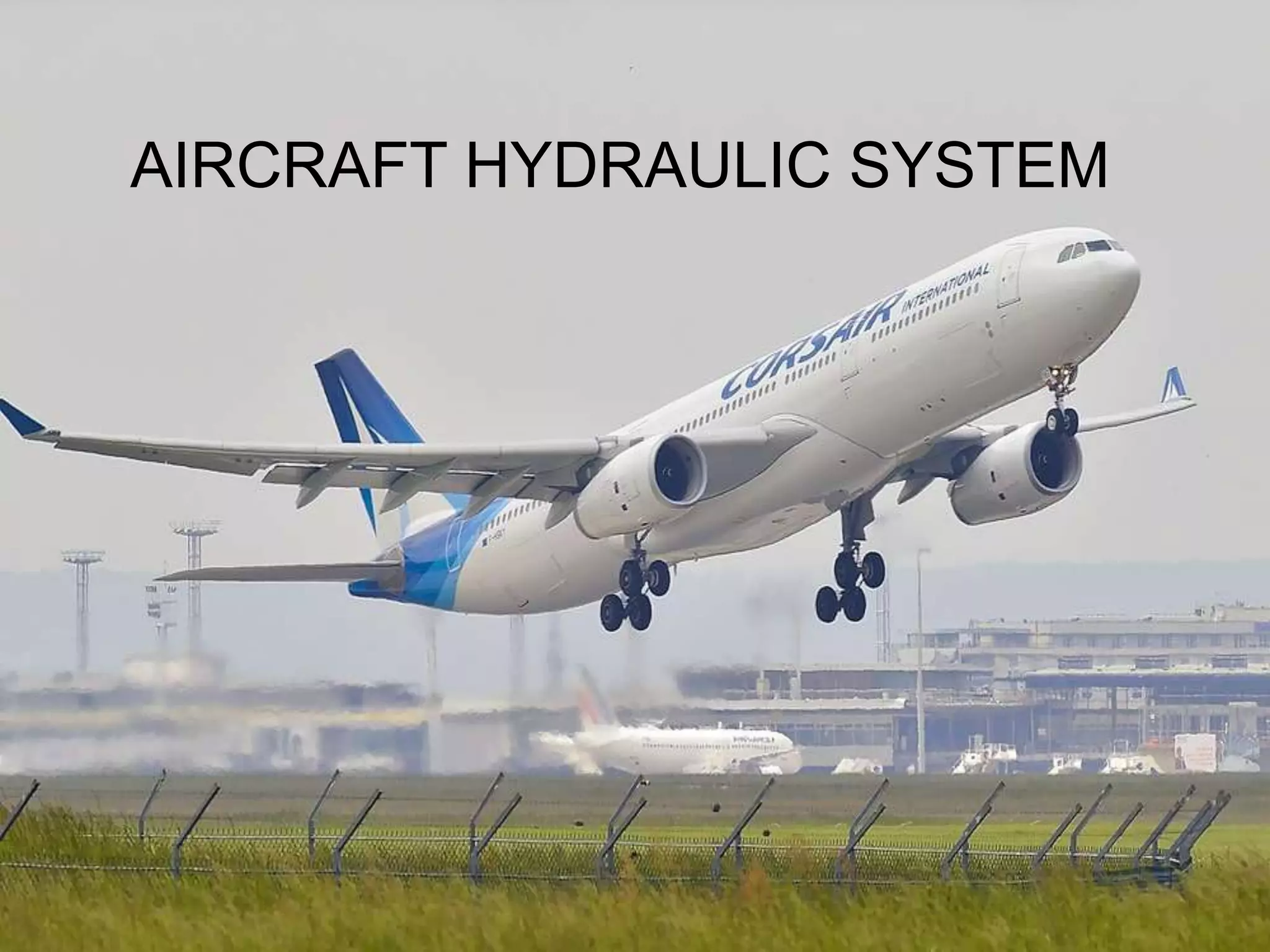
AIRCRAFT HYDRAULIC SYSTEM
CONTENT OF U1L1
• Pre requisites
• Course Outcome
• All Unit Introduction
• Internal Mark
• Career opportunities
Pre Requisites
• Elements of aeronautical Engineering
• Avionics Engineering
• Aerodynamics
• Aircraft structure
Course Outcome
• The students will be able to,
 Discuss various Aircraft Systems
 Explain the working principle of the Flight Control
System
 Explain the working principle of the Aircraft
Electrical and Engine System
 Explain the working principle of Aircraft Instruments
and Health Monitoring Systems.
 Develop a model of aircraft instrumentation for flying
vehicle.
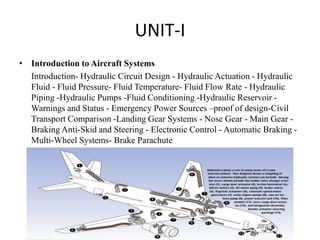
UNIT-I
• Introduction to Aircraft Systems
Introduction- Hydraulic Circuit Design - Hydraulic Actuation - Hydraulic
Fluid - Fluid Pressure- Fluid Temperature- Fluid Flow Rate - Hydraulic
Piping -Hydraulic Pumps -Fluid Conditioning -Hydraulic Reservoir -
Warnings and Status - Emergency Power Sources –proof of design-Civil
Transport Comparison -Landing Gear Systems - Nose Gear - Main Gear -
Braking Anti-Skid and Steering - Electronic Control - Automatic Braking -
Multi-Wheel Systems- Brake Parachute
UNIT-II
• Flight Control System
Introduction - Principles of Flight Control- Flight Control Surfaces - Primary Flight
Control - Secondary Flight Control - Commercial Aircraft - Flight Control Linkage
Systems - Push-Pull Control Rod System - Cable and Pulley System -High Lift
Control Systems- Trim and Feel - Flight Control Actuation- Simple
Mechanical/Hydraulic Actuation - Mechanical Actuation with Electrical Signalling
- Multiple Redundancy Actuation - Mechanical Screw jack Actuator- Integrated
Actuator Package (IAP)- Advanced Actuation Implementations -Civil System
Implementations - Fly-By-Wire Control Laws -Interrelationship of Flight Control,
Guidance and Flight Management.
UNIT-III
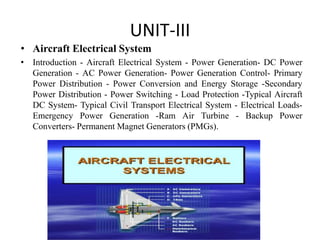
• Aircraft Electrical System
• Introduction - Aircraft Electrical System - Power Generation- DC Power
Generation - AC Power Generation- Power Generation Control- Primary
Power Distribution - Power Conversion and Energy Storage -Secondary
Power Distribution - Power Switching - Load Protection -Typical Aircraft
DC System- Typical Civil Transport Electrical System - Electrical Loads-
Emergency Power Generation -Ram Air Turbine - Backup Power
Converters- Permanent Magnet Generators (PMGs).
UNIT-IV
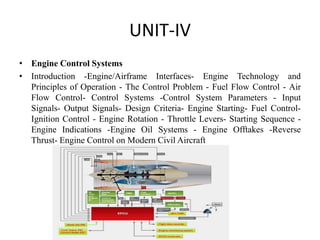
• Engine Control Systems
• Introduction -Engine/Airframe Interfaces- Engine Technology and
Principles of Operation - The Control Problem - Fuel Flow Control - Air
Flow Control- Control Systems -Control System Parameters - Input
Signals- Output Signals- Design Criteria- Engine Starting- Fuel Control-
Ignition Control - Engine Rotation - Throttle Levers- Starting Sequence -
Engine Indications -Engine Oil Systems - Engine Offtakes -Reverse
Thrust- Engine Control on Modern Civil Aircraft
UNIT-V
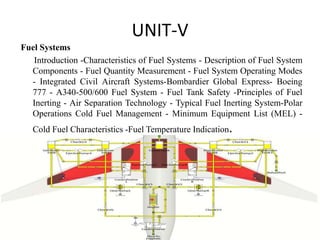
Fuel Systems
Introduction -Characteristics of Fuel Systems - Description of Fuel System
Components - Fuel Quantity Measurement - Fuel System Operating Modes
- Integrated Civil Aircraft Systems-Bombardier Global Express- Boeing
777 - A340-500/600 Fuel System - Fuel Tank Safety -Principles of Fuel
Inerting - Air Separation Technology - Typical Fuel Inerting System-Polar
Operations Cold Fuel Management - Minimum Equipment List (MEL) -
Cold Fuel Characteristics -Fuel Temperature Indication.
UNIT VI
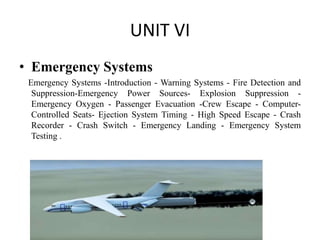
• Emergency Systems
Emergency Systems -Introduction - Warning Systems - Fire Detection and
Suppression-Emergency Power Sources- Explosion Suppression -
Emergency Oxygen - Passenger Evacuation -Crew Escape - Computer-
Controlled Seats- Ejection System Timing - High Speed Escape - Crash
Recorder - Crash Switch - Emergency Landing - Emergency System
Testing .
UNIT-I
INTRODUCTION
• Hydraulic is based on the fact that liquids are
incompressible
• Liquid under pressure is used to transmit
energy
• Hydraulic pump convert mechanical power to
hydraulic power
• An actuating cylinder converts hydraulic
power to mechanical power
INTERNAL MARK
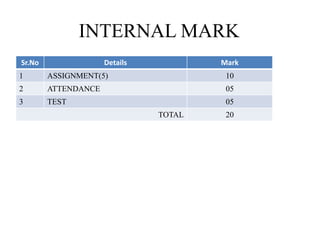
Sr.No Details Mark
1 ASSIGNMENT(5) 10
2 ATTENDANCE 05
3 TEST 05
TOTAL 20
SUCCESS STEP
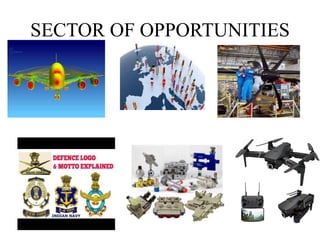
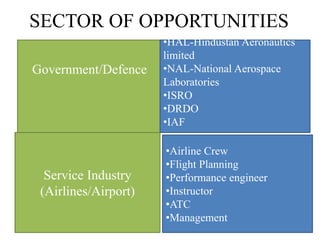
SECTOR OF OPPORTUNITIES
Government/Defence
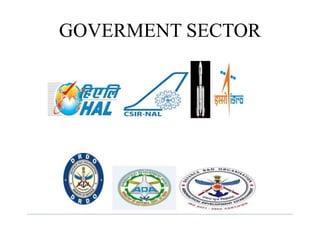
•HAL-Hindustan Aeronautics
limited
•NAL-National Aerospace
Laboratories
•ISRO
•DRDO
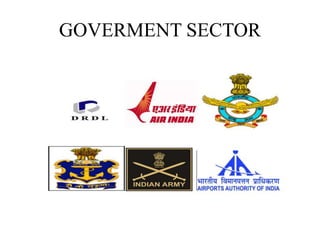
•IAF
Service Industry
(Airlines/Airport)
•Airline Crew
•Flight Planning
•Performance engineer
•Instructor
•ATC
•Management
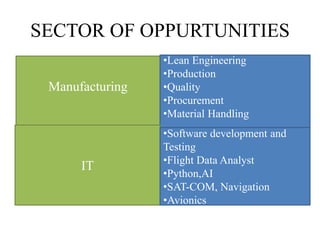
SECTOR OF OPPURTUNITIES
Manufacturing
•Lean Engineering
•Production
•Quality
•Procurement
•Material Handling
IT
•Software development and
Testing
•Flight Data Analyst
•Python,AI
•SAT-COM, Navigation
•Avionics
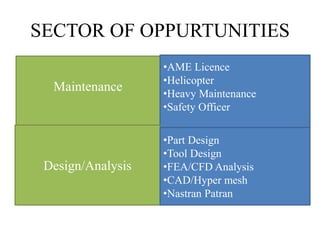
SECTOR OF OPPURTUNITIES
Maintenance
•AME Licence
•Helicopter
•Heavy Maintenance
•Safety Officer
Design/Analysis
•Part Design
•Tool Design
•FEA/CFD Analysis
•CAD/Hyper mesh
•Nastran Patran
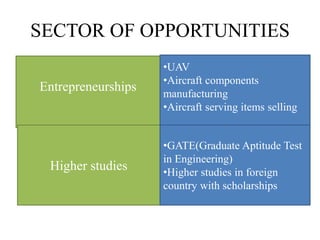
SECTOR OF OPPORTUNITIES
Entrepreneurships
•UAV
•Aircraft components
manufacturing
•Aircraft serving items selling
Higher studies
•GATE(Graduate Aptitude Test
in Engineering)
•Higher studies in foreign
country with scholarships
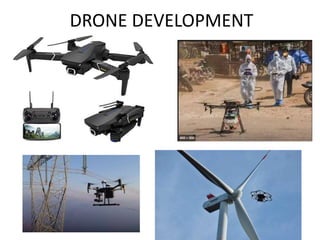
DRONE DEVELOPMENT
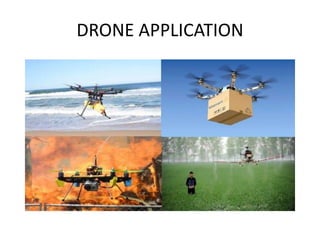
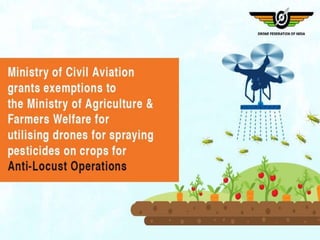
DRONE APPLICATION
GOVERMENT SECTOR
GOVERMENT SECTOR
PRIVATE SECTOR
PRIVATE SECTOR
THANK YOU
QUESTIONS????

AS-U1L1.ppt

  • 1.
  • 2.
    CONTENT OF U1L1 •Pre requisites • Course Outcome • All Unit Introduction • Internal Mark • Career opportunities
  • 3.
    Pre Requisites • Elementsof aeronautical Engineering • Avionics Engineering • Aerodynamics • Aircraft structure
  • 4.
    Course Outcome • Thestudents will be able to,  Discuss various Aircraft Systems  Explain the working principle of the Flight Control System  Explain the working principle of the Aircraft Electrical and Engine System  Explain the working principle of Aircraft Instruments and Health Monitoring Systems.  Develop a model of aircraft instrumentation for flying vehicle.
  • 5.
    UNIT-I • Introduction toAircraft Systems Introduction- Hydraulic Circuit Design - Hydraulic Actuation - Hydraulic Fluid - Fluid Pressure- Fluid Temperature- Fluid Flow Rate - Hydraulic Piping -Hydraulic Pumps -Fluid Conditioning -Hydraulic Reservoir - Warnings and Status - Emergency Power Sources –proof of design-Civil Transport Comparison -Landing Gear Systems - Nose Gear - Main Gear - Braking Anti-Skid and Steering - Electronic Control - Automatic Braking - Multi-Wheel Systems- Brake Parachute
  • 6.
    UNIT-II • Flight ControlSystem Introduction - Principles of Flight Control- Flight Control Surfaces - Primary Flight Control - Secondary Flight Control - Commercial Aircraft - Flight Control Linkage Systems - Push-Pull Control Rod System - Cable and Pulley System -High Lift Control Systems- Trim and Feel - Flight Control Actuation- Simple Mechanical/Hydraulic Actuation - Mechanical Actuation with Electrical Signalling - Multiple Redundancy Actuation - Mechanical Screw jack Actuator- Integrated Actuator Package (IAP)- Advanced Actuation Implementations -Civil System Implementations - Fly-By-Wire Control Laws -Interrelationship of Flight Control, Guidance and Flight Management.
  • 7.
    UNIT-III • Aircraft ElectricalSystem • Introduction - Aircraft Electrical System - Power Generation- DC Power Generation - AC Power Generation- Power Generation Control- Primary Power Distribution - Power Conversion and Energy Storage -Secondary Power Distribution - Power Switching - Load Protection -Typical Aircraft DC System- Typical Civil Transport Electrical System - Electrical Loads- Emergency Power Generation -Ram Air Turbine - Backup Power Converters- Permanent Magnet Generators (PMGs).
  • 8.
    UNIT-IV • Engine ControlSystems • Introduction -Engine/Airframe Interfaces- Engine Technology and Principles of Operation - The Control Problem - Fuel Flow Control - Air Flow Control- Control Systems -Control System Parameters - Input Signals- Output Signals- Design Criteria- Engine Starting- Fuel Control- Ignition Control - Engine Rotation - Throttle Levers- Starting Sequence - Engine Indications -Engine Oil Systems - Engine Offtakes -Reverse Thrust- Engine Control on Modern Civil Aircraft
  • 9.
    UNIT-V Fuel Systems Introduction -Characteristicsof Fuel Systems - Description of Fuel System Components - Fuel Quantity Measurement - Fuel System Operating Modes - Integrated Civil Aircraft Systems-Bombardier Global Express- Boeing 777 - A340-500/600 Fuel System - Fuel Tank Safety -Principles of Fuel Inerting - Air Separation Technology - Typical Fuel Inerting System-Polar Operations Cold Fuel Management - Minimum Equipment List (MEL) - Cold Fuel Characteristics -Fuel Temperature Indication.
  • 10.
    UNIT VI • EmergencySystems Emergency Systems -Introduction - Warning Systems - Fire Detection and Suppression-Emergency Power Sources- Explosion Suppression - Emergency Oxygen - Passenger Evacuation -Crew Escape - Computer- Controlled Seats- Ejection System Timing - High Speed Escape - Crash Recorder - Crash Switch - Emergency Landing - Emergency System Testing .
  • 11.
    UNIT-I INTRODUCTION • Hydraulic isbased on the fact that liquids are incompressible • Liquid under pressure is used to transmit energy • Hydraulic pump convert mechanical power to hydraulic power • An actuating cylinder converts hydraulic power to mechanical power
  • 12.
    INTERNAL MARK Sr.No DetailsMark 1 ASSIGNMENT(5) 10 2 ATTENDANCE 05 3 TEST 05 TOTAL 20
  • 13.
  • 14.
  • 15.
    SECTOR OF OPPORTUNITIES Government/Defence •HAL-HindustanAeronautics limited •NAL-National Aerospace Laboratories •ISRO •DRDO •IAF Service Industry (Airlines/Airport) •Airline Crew •Flight Planning •Performance engineer •Instructor •ATC •Management
  • 16.
    SECTOR OF OPPURTUNITIES Manufacturing •LeanEngineering •Production •Quality •Procurement •Material Handling IT •Software development and Testing •Flight Data Analyst •Python,AI •SAT-COM, Navigation •Avionics
  • 17.
    SECTOR OF OPPURTUNITIES Maintenance •AMELicence •Helicopter •Heavy Maintenance •Safety Officer Design/Analysis •Part Design •Tool Design •FEA/CFD Analysis •CAD/Hyper mesh •Nastran Patran
  • 18.
    SECTOR OF OPPORTUNITIES Entrepreneurships •UAV •Aircraftcomponents manufacturing •Aircraft serving items selling Higher studies •GATE(Graduate Aptitude Test in Engineering) •Higher studies in foreign country with scholarships
  • 19.
  • 20.
  • 22.
  • 23.
  • 24.
  • 25.
  • 26.
  • 27.