Alaska
  Photographed by Jair (Yair) Moreshet 2007


Music: Handel, Water Music Suite No. 3 in G major
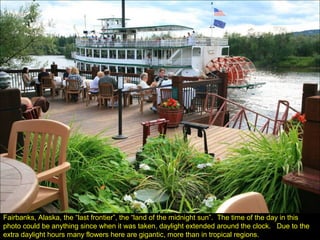
Fairbanks, Alaska, the “last frontier”, the “land of the midnight sun”. The time of the day in this
photo could be anything since when it was taken, daylight extended around the clock. Due to the
extra daylight hours many flowers here are gigantic, more than in tropical regions.
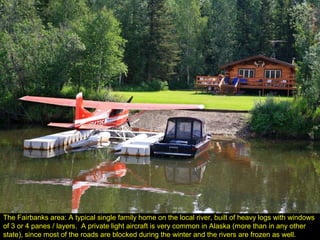
The Fairbanks area: A typical single family home on the local river, built of heavy logs with windows
of 3 or 4 panes / layers. A private light aircraft is very common in Alaska (more than in any other
state), since most of the roads are blocked during the winter and the rivers are frozen as well.
The huge Trans-Alaskan pipeline carries 20% of the US oil consumption. Since the freshly pumped
oil is hot, major sections of the pipeline run above the surface to minimize interference with natural
environment, where a bit deeper under the surface soil stays frozen year round (“permafrost”).
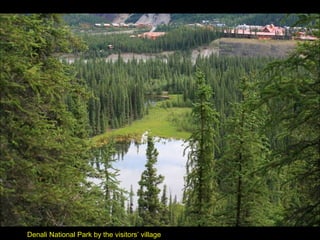
Denali National Park by the visitors’ village
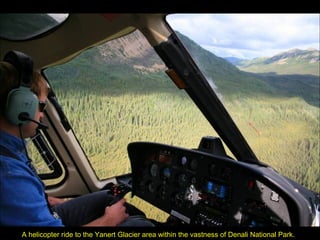
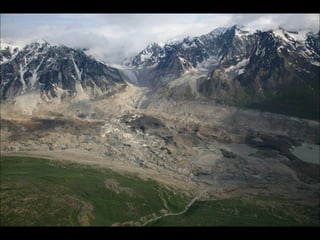
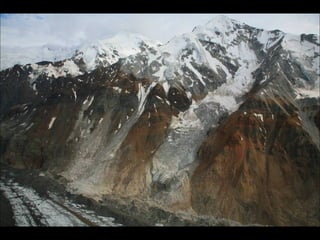
A helicopter ride to the Yanert Glacier area within the vastness of Denali National Park.
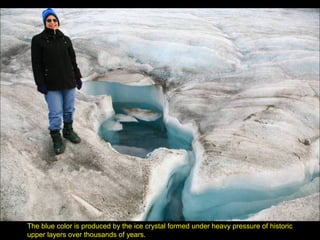
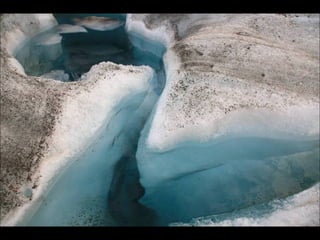
Landing on the Yanert Glacier in Denali National Park
The blue color is produced by the ice crystal formed under heavy pressure of historic
upper layers over thousands of years.
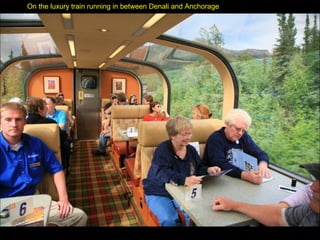
On the luxury train running in between Denali and Anchorage
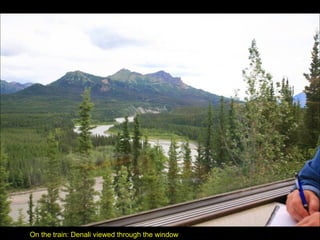
On the train: Denali viewed through the window
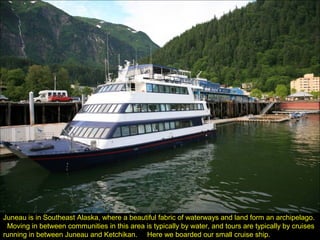
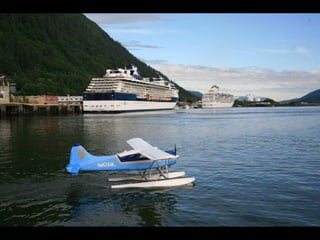
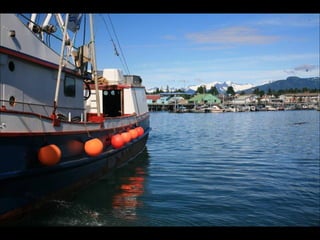
Juneau is in Southeast Alaska, where a beautiful fabric of waterways and land form an archipelago.
 Moving in between communities in this area is typically by water, and tours are typically by cruises
running in between Juneau and Ketchikan. Here we boarded our small cruise ship.
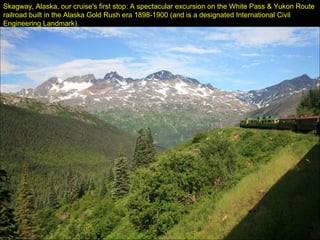
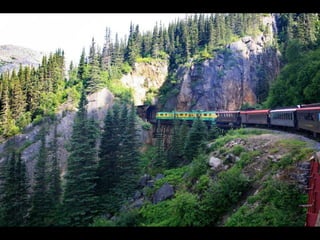
Skagway, Alaska, our cruise's first stop: A spectacular excursion on the White Pass & Yukon Route
railroad built in the Alaska Gold Rush era 1898-1900 (and is a designated International Civil
Engineering Landmark).
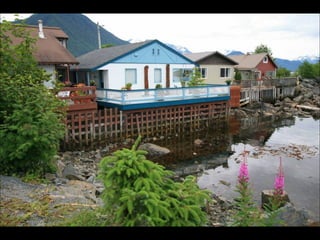
The colorful town of Skagway. In the Gold Rush era, this small town sported no less
than 60 brothels…
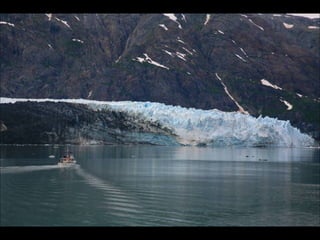
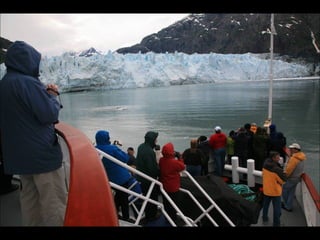
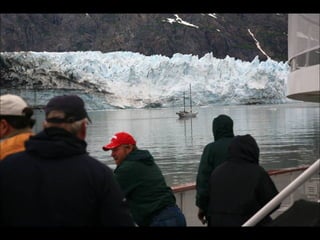
Admiring nature in silence while cruising slowly at Glacier Bay National Park
Sitka, Alaska: Native worshippers in a Sunday service at the Russian Orthodox Church. Sitka was
the colonial center of “Russian America” (Alaska) before Russia sold the territory to the USA.
Sitka, Alaska: (This photo didn’t move here just by mistake from my tropical collections…) The
region has heavy annual precipitation, the highest in North America.
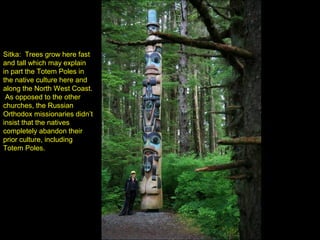
Sitka: Trees grow here fast
and tall which may explain
in part the Totem Poles in
the native culture here and
along the North West Coast.
 As opposed to the other
churches, the Russian
Orthodox missionaries didn’t
insist that the natives
completely abandon their
prior culture, including
Totem Poles.
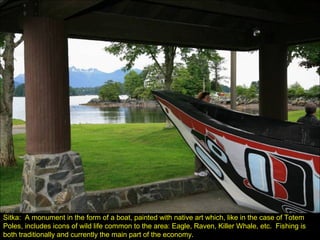
Sitka: A monument in the form of a boat, painted with native art which, like in the case of Totem
Poles, includes icons of wild life common to the area: Eagle, Raven, Killer Whale, etc. Fishing is
both traditionally and currently the main part of the economy.
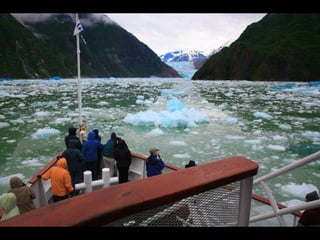
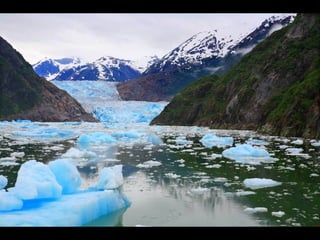
The Tracy Arm (Fjord like): Advancing slowly and cautiously in silence between the ice
floats toward the Sawyer Glacier.
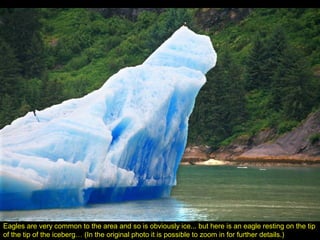
Eagles are very common to the area and so is obviously ice... but here is an eagle resting on the tip
of the tip of the iceberg… (In the original photo it is possible to zoom in for further details.)
Watching whales while cruising at Stephens Passage / Frederick Sound.
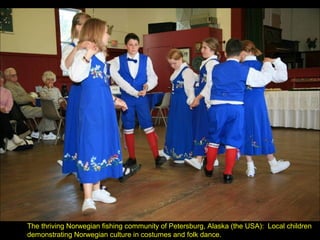
The thriving Norwegian fishing community of Petersburg, Alaska (the USA): Local children
demonstrating Norwegian culture in costumes and folk dance.
The small isolated native marine community of Metlakatla is the only “native reservation” in Alaska.
They are dedicated today to the revival and preservation of their own specific native culture after
having to abandon it at the time as required by their own beloved Christian missionary.
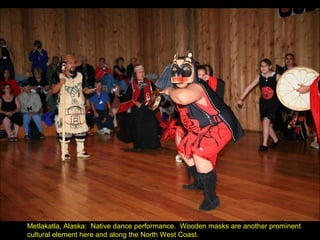
Metlakatla, Alaska: Native dance performance. Wooden masks are another prominent
cultural element here and along the North West Coast.
Metlakatla, Alaska: The
native regalia here carry a
big native icon of an Eagle,
a Raven, a Killer Whale, or
a Wolf -- the names of the 4
clans (chamulas) of the
tribe. By tradition, marriage
is permitted only between
different clans, which
eases a bit their concern
about intermarriages within
their tiny community.
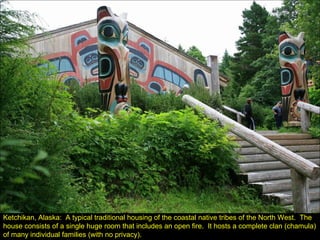
Ketchikan, Alaska: A typical traditional housing of the coastal native tribes of the North West. The
house consists of a single huge room that includes an open fire. It hosts a complete clan (chamula)
of many individual families (with no privacy).
Ketchikan, Alaska, has the
very highest annual
precipitation in North
America and it shows in
their collection of Totem
Poles which is the richest,
as well…
Ketchikan, Alaska: This colorful Creek Street was known in the Alaska Gold Rush era as the town’s
“red light” district. Salmon also come here up the stream back from their long ocean journey to
mate…
Alaska

Alaska

  • 1.
    Alaska Photographedby Jair (Yair) Moreshet 2007 Music: Handel, Water Music Suite No. 3 in G major
  • 2.
    Fairbanks, Alaska, the“last frontier”, the “land of the midnight sun”. The time of the day in this photo could be anything since when it was taken, daylight extended around the clock. Due to the extra daylight hours many flowers here are gigantic, more than in tropical regions.
  • 3.
    The Fairbanks area:A typical single family home on the local river, built of heavy logs with windows of 3 or 4 panes / layers. A private light aircraft is very common in Alaska (more than in any other state), since most of the roads are blocked during the winter and the rivers are frozen as well.
  • 4.
    The huge Trans-Alaskanpipeline carries 20% of the US oil consumption. Since the freshly pumped oil is hot, major sections of the pipeline run above the surface to minimize interference with natural environment, where a bit deeper under the surface soil stays frozen year round (“permafrost”).
  • 5.
    Denali National Parkby the visitors’ village
  • 6.
    A helicopter rideto the Yanert Glacier area within the vastness of Denali National Park.
  • 10.
    Landing on theYanert Glacier in Denali National Park
  • 11.
    The blue coloris produced by the ice crystal formed under heavy pressure of historic upper layers over thousands of years.
  • 15.
    On the luxurytrain running in between Denali and Anchorage
  • 16.
    On the train:Denali viewed through the window
  • 17.
    Juneau is inSoutheast Alaska, where a beautiful fabric of waterways and land form an archipelago. Moving in between communities in this area is typically by water, and tours are typically by cruises running in between Juneau and Ketchikan. Here we boarded our small cruise ship.
  • 19.
    Skagway, Alaska, ourcruise's first stop: A spectacular excursion on the White Pass & Yukon Route railroad built in the Alaska Gold Rush era 1898-1900 (and is a designated International Civil Engineering Landmark).
  • 21.
    The colorful townof Skagway. In the Gold Rush era, this small town sported no less than 60 brothels…
  • 23.
    Admiring nature insilence while cruising slowly at Glacier Bay National Park
  • 29.
    Sitka, Alaska: Nativeworshippers in a Sunday service at the Russian Orthodox Church. Sitka was the colonial center of “Russian America” (Alaska) before Russia sold the territory to the USA.
  • 30.
    Sitka, Alaska: (Thisphoto didn’t move here just by mistake from my tropical collections…) The region has heavy annual precipitation, the highest in North America.
  • 31.
    Sitka: Trees growhere fast and tall which may explain in part the Totem Poles in the native culture here and along the North West Coast. As opposed to the other churches, the Russian Orthodox missionaries didn’t insist that the natives completely abandon their prior culture, including Totem Poles.
  • 33.
    Sitka: A monumentin the form of a boat, painted with native art which, like in the case of Totem Poles, includes icons of wild life common to the area: Eagle, Raven, Killer Whale, etc. Fishing is both traditionally and currently the main part of the economy.
  • 35.
    The Tracy Arm(Fjord like): Advancing slowly and cautiously in silence between the ice floats toward the Sawyer Glacier.
  • 39.
    Eagles are verycommon to the area and so is obviously ice... but here is an eagle resting on the tip of the tip of the iceberg… (In the original photo it is possible to zoom in for further details.)
  • 40.
    Watching whales whilecruising at Stephens Passage / Frederick Sound.
  • 44.
    The thriving Norwegianfishing community of Petersburg, Alaska (the USA): Local children demonstrating Norwegian culture in costumes and folk dance.
  • 49.
    The small isolatednative marine community of Metlakatla is the only “native reservation” in Alaska. They are dedicated today to the revival and preservation of their own specific native culture after having to abandon it at the time as required by their own beloved Christian missionary.
  • 50.
    Metlakatla, Alaska: Nativedance performance. Wooden masks are another prominent cultural element here and along the North West Coast.
  • 52.
    Metlakatla, Alaska: The nativeregalia here carry a big native icon of an Eagle, a Raven, a Killer Whale, or a Wolf -- the names of the 4 clans (chamulas) of the tribe. By tradition, marriage is permitted only between different clans, which eases a bit their concern about intermarriages within their tiny community.
  • 53.
    Ketchikan, Alaska: Atypical traditional housing of the coastal native tribes of the North West. The house consists of a single huge room that includes an open fire. It hosts a complete clan (chamula) of many individual families (with no privacy).
  • 54.
    Ketchikan, Alaska, hasthe very highest annual precipitation in North America and it shows in their collection of Totem Poles which is the richest, as well…
  • 55.
    Ketchikan, Alaska: Thiscolorful Creek Street was known in the Alaska Gold Rush era as the town’s “red light” district. Salmon also come here up the stream back from their long ocean journey to mate…