Aztec and Maya

Centrality of Human Sacrifice
Onondaga Land Rights
• http://centralny.ynn.com/content/top_sto
  ries/518483/neighbors-of-the-
  onondaga-nation-hold-vigil/?ap=1&MP4
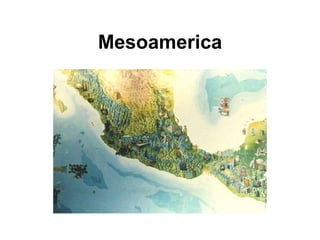
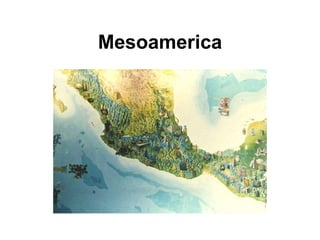
Mesoamerica
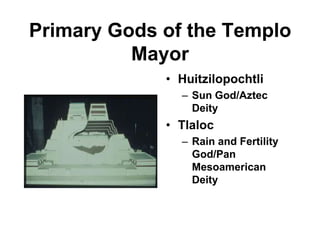
Primary Gods of the Templo
          Mayor
             • Huitzilopochtli
               – Sun God/Aztec
                 Deity
             • Tlaloc
               – Rain and Fertility
                 God/Pan
                 Mesoamerican
                 Deity
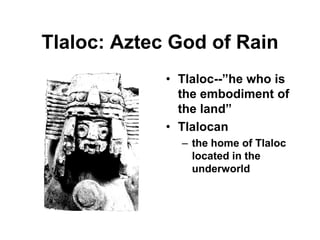
Tlaloc: Aztec God of Rain
             • Tlaloc--”he who is
               the embodiment of
               the land”
             • Tlalocan
               – the home of Tlaloc
                 located in the
                 underworld
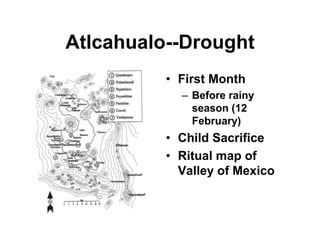
Atlcahualo--Drought
          • First Month
            – Before rainy
              season (12
              February)
          • Child Sacrifice
          • Ritual map of
            Valley of Mexico
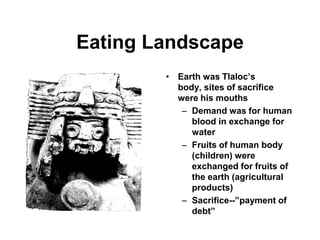
Eating Landscape
        • Earth was Tlaloc’s
          body, sites of sacrifice
          were his mouths
           – Demand was for human
             blood in exchange for
             water
           – Fruits of human body
             (children) were
             exchanged for fruits of
             the earth (agricultural
             products)
           – Sacrifice--”payment of
             debt”
Mesoamerica
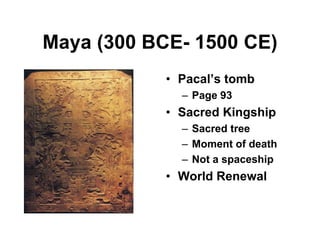
Maya (300 BCE- 1500 CE)
            • Pacal’s tomb
              – Page 93
            • Sacred Kingship
              – Sacred tree
              – Moment of death
              – Not a spaceship
            • World Renewal
Auto-sacrifice and Vision
• Sheild Jaguar and Lady
  Xoc
   – Page 111
• Blood of Kings leads to
  sacred knowledge
   – “...female blood, shed in
     this sacrificial manner
     opens the membrane
     between heaven and earth
     through which flow
     astronomical
     influences, the spirit of the
     ancestors and legitimate
     power for a ruler ascending
     the throne."[112]
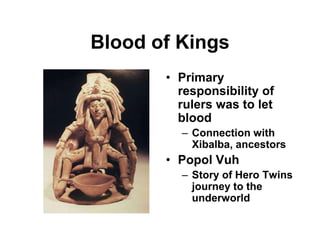
Blood of Kings
       • Primary
         responsibility of
         rulers was to let
         blood
         – Connection with
           Xibalba, ancestors
       • Popol Vuh
         – Story of Hero Twins
           journey to the
           underworld
I, Rigoberta Menchú
• Maya woman from Guatemala
• 1992 Noble Peace Prize winner
• “Every part of our culture comes
  from the earth. Our religion comes
  from the maize and bean harvests
  which are so vital to our community.”
  (p. 16)
Mesoamerican Human
         Sacrifice
• Payment of debt
• “We eat the earth and then the earth
  eats us.”
• “Religion” in exchange between
  human and sacred beings
Indigenous or Native
           Religions
• Centrality of place
  – Locative
    • Primacy of place
    • Crisis of contact with utopian traditions
  – Mircea Eliade--the hierophany
    • Manifestation of the sacred
    • Distinctive qualities and presence of the
      sacred
Mesoamericans as
             Indigenous
• Religion as Habitation
   – Centrality of habitation
   – Centrality of the body
• Materiality of Religion
   – Engagement with material world
   – Distinctive from “belief” emphasis

9 19-12-rel142

  • 1.
    Aztec and Maya Centralityof Human Sacrifice
  • 2.
    Onondaga Land Rights •http://centralny.ynn.com/content/top_sto ries/518483/neighbors-of-the- onondaga-nation-hold-vigil/?ap=1&MP4
  • 3.
  • 4.
    Primary Gods ofthe Templo Mayor • Huitzilopochtli – Sun God/Aztec Deity • Tlaloc – Rain and Fertility God/Pan Mesoamerican Deity
  • 5.
    Tlaloc: Aztec Godof Rain • Tlaloc--”he who is the embodiment of the land” • Tlalocan – the home of Tlaloc located in the underworld
  • 6.
    Atlcahualo--Drought • First Month – Before rainy season (12 February) • Child Sacrifice • Ritual map of Valley of Mexico
  • 7.
    Eating Landscape • Earth was Tlaloc’s body, sites of sacrifice were his mouths – Demand was for human blood in exchange for water – Fruits of human body (children) were exchanged for fruits of the earth (agricultural products) – Sacrifice--”payment of debt”
  • 8.
  • 9.
    Maya (300 BCE-1500 CE) • Pacal’s tomb – Page 93 • Sacred Kingship – Sacred tree – Moment of death – Not a spaceship • World Renewal
  • 10.
    Auto-sacrifice and Vision •Sheild Jaguar and Lady Xoc – Page 111 • Blood of Kings leads to sacred knowledge – “...female blood, shed in this sacrificial manner opens the membrane between heaven and earth through which flow astronomical influences, the spirit of the ancestors and legitimate power for a ruler ascending the throne."[112]
  • 11.
    Blood of Kings • Primary responsibility of rulers was to let blood – Connection with Xibalba, ancestors • Popol Vuh – Story of Hero Twins journey to the underworld
  • 12.
    I, Rigoberta Menchú •Maya woman from Guatemala • 1992 Noble Peace Prize winner • “Every part of our culture comes from the earth. Our religion comes from the maize and bean harvests which are so vital to our community.” (p. 16)
  • 13.
    Mesoamerican Human Sacrifice • Payment of debt • “We eat the earth and then the earth eats us.” • “Religion” in exchange between human and sacred beings
  • 14.
    Indigenous or Native Religions • Centrality of place – Locative • Primacy of place • Crisis of contact with utopian traditions – Mircea Eliade--the hierophany • Manifestation of the sacred • Distinctive qualities and presence of the sacred
  • 15.
    Mesoamericans as Indigenous • Religion as Habitation – Centrality of habitation – Centrality of the body • Materiality of Religion – Engagement with material world – Distinctive from “belief” emphasis