Pedro Cantista El termalismo del siglo XXI, medicina y entornos  saludables. Capital salud
COMO PLANIFICAR UM POLO TERMAL NOS DIAS DE HOJE? El termalismo del siglo XXI, medicina y entornos saludables. Capital salud
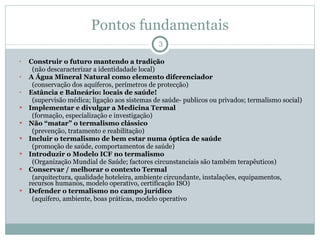
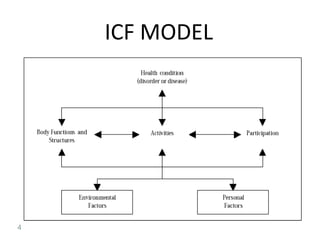
Pontos fundamentais Construir o futuro mantendo a tradição  (não descaracterizar a identidadade local) A Água Mineral Natural como elemento diferenciador (conservação dos aquíferos, perímetros de protecção) Estância e Balneário: locais de saúde! (supervisão médica; ligação aos sistemas de saúde- publicos ou privados; termalismo social) Implementar e divulgar a Medicina Termal  (formação, especialização e investigação)  Não “matar” o termalismo clássico  (prevenção, tratamento e reabilitação) Incluir o termalismo de bem estar numa óptica de saúde  (promoção de saúde, comportamentos de saúde) Introduzir o Modelo ICF no termalismo (Organização Mundial de Saúde; factores circunstanciais são também terapêuticos) Conservar / melhorar o contexto Termal  (arquitectura, qualidade hoteleira, ambiente circundante, instalações, equipamentos, recursos humanos, modelo operativo, certificação ISO) Defender o termalismo no campo jurídico (aquífero, ambiente, boas práticas, modelo operativo
ICF MODEL
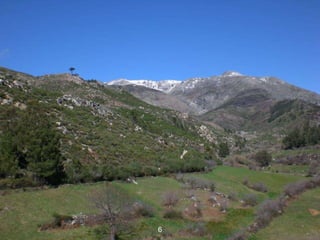
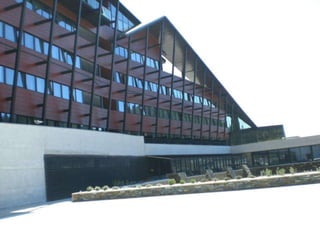
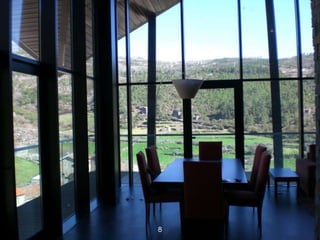
UM EXEMPLO DE BOA INTGRAÇÃO DOS FACTORES CIRUNSTANCIAIS Unhais da Serra
Tradição / Investigação A tradição termal dá-nos uma base empírica sobre a qual devemos desenvolver uma aprofundada investigação em ordem ao atingimento do conhecimento científico
Tradição histórica
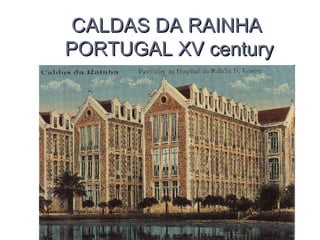
CALDAS DA RAINHA  PORTUGAL XV century
Evolução científica
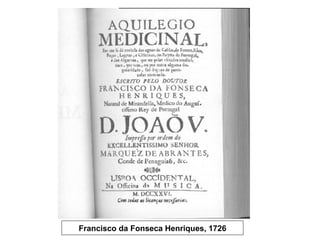
Francisco da Fonseca Henriques, 1726
Realidade Termal Europeia  na actualidade
European  Survey Bender Tamás; Cantista, Pedro
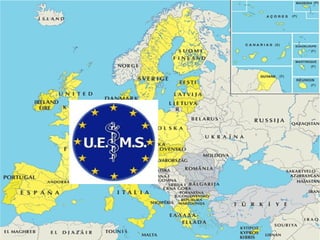
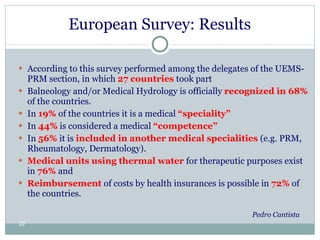
European Survey: Results  According to this survey performed among the delegates of the UEMS-PRM section, in which  27 countries  took part  Balneology and/or Medical Hydrology is officially  recognized in 68%  of the countries.  In  19%   of the countries it is a medical  “speciality” In  44%  is considered a medical  “competence” In  56%  it is  included in another medical specialities  (e.g. PRM, Rheumatology, Dermatology).  Medical units using thermal water  for therapeutic purposes exist in  76%  and Reimbursement  of costs by health insurances is possible in  72%  of the countries.  Pedro Cantista
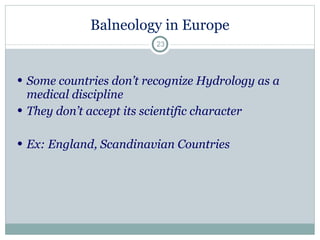
Balneology in Europe Some countries don’t recognize Hydrology as a medical discipline  They don’t accept its scientific character  Ex: England, Scandinavian Countries
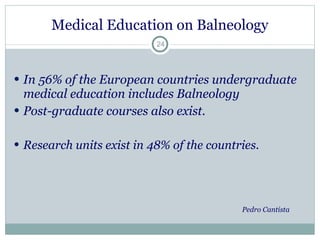
Medical Education on Balneology In 56% of the European countries undergraduate medical education includes Balneology Post-graduate courses also exist.  Research units exist in 48% of the countries. Pedro Cantista
Research Evidences on Crenotherapy Methodology in Medical Hydrology Research Pedro Cantista
Portugal,  25-28 June  2008 www.ismh08.org
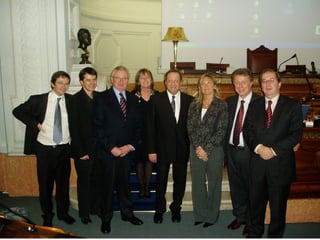
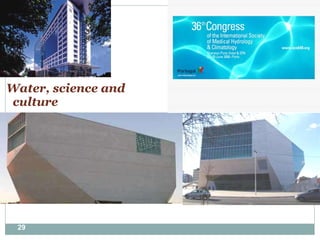
Opening Ceremony Water, science and culture
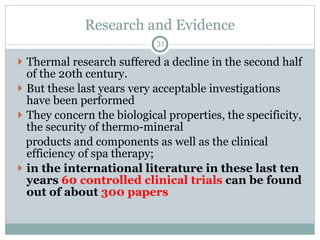
Research and Evidence Thermal research suffered a decline in the second half of the 20th century. But these last years very acceptable investigations have been performed They concern the biological properties, the specificity, the security of thermo-mineral products and components as well as the clinical efficiency of spa therapy;  in the international literature in these last ten years  60 controlled clinical trials  can be  found out of about  300 papers
Teaching Balneology in Europe Pedro Cantista
Wider recognition Scientific evidence Publication of relevant papers Standardization Definitions  Glossary Methodology Consensus Pedro Cantista  Teaching Balneology in Europe
Which contents should we include ? Definitions and concepts within Hydrology, Climatology, Health Resort Medicine, Health behaviour (diet, exercise, relaxation, social interaction) Therapeutic principles of Medical Hydrology and Climatology (physical, chemical, biological, psychological, sociological, environmental). The physiologic effects of water immersion  The physiologic effects of  mineral products (water, steam, gas, pelloids)  Characteristics  and Classification of different mineral waters The main Hydrotherapy and Crenotherapy techniques The main complementary techniques The indications, non indications and contra indications of thermal treatments Knowing how to orientate a patient to a specific thermal station or program Pedro Cantista
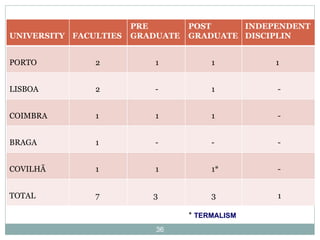
*  TERMALISM UNIVERSITY FACULTIES PRE GRADUATE POST GRADUATE INDEPENDENT DISCIPLIN PORTO 2 1 1 1 LISBOA 2 - 1 - COIMBRA 1 1 1 - BRAGA 1 - - - COVILHÃ 1 1 1* - TOTAL 7 3 3 1
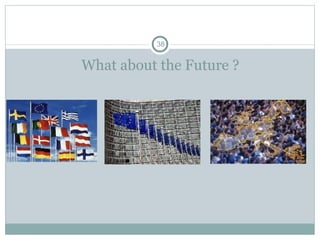
What about the Future ?
What do we already achived?
Consensus
GUTENBRUNNER C ,  BENDER T ,  CANTISTA P ,  KARAGÜLLE Z     A proposal for a worldwide definition of health resort medicine, balneology, medical hydrology and climatology .  Int J Biometeorol. 2010 Jun 9  
Thermal Certification
                                                                                                                                                                                                                                © EOQ. Developed by  MVEurope  
  ISO INTERNATIONAL  ORGANIZATION FOR STANDARDS ORGANISATION INTERNATIONALE DE NORMALISATION
Como poderemos então idealizar um balneário para o futuro?
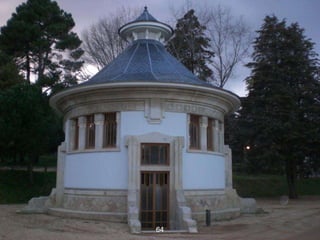
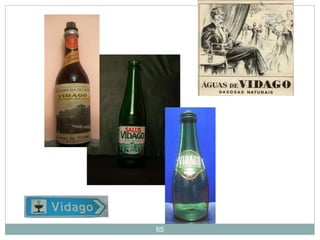
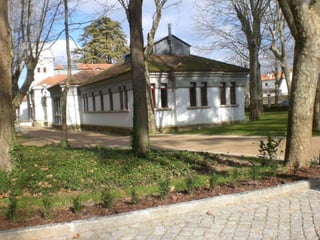
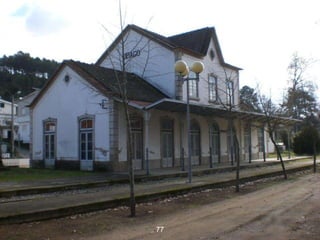
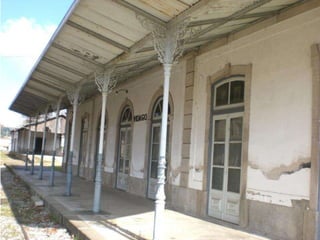
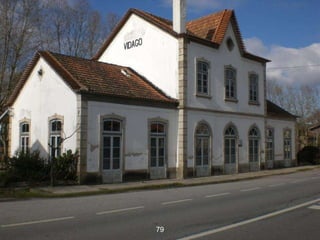
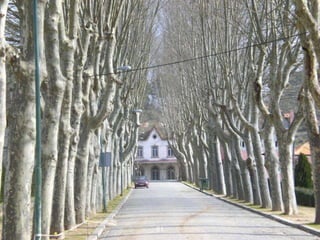
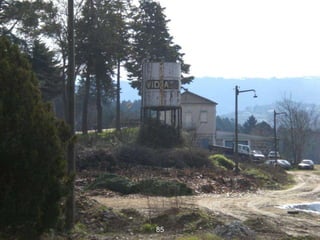
O exemplo de Vidago
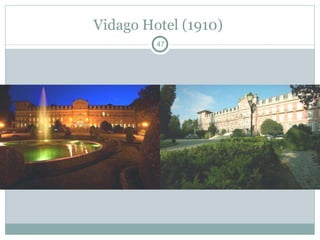
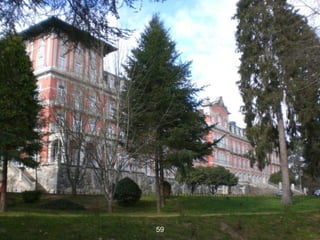
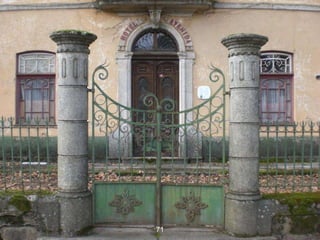
Vidago Hotel (1910)
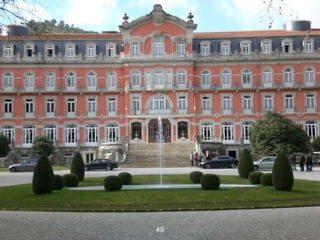
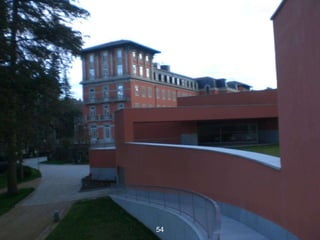
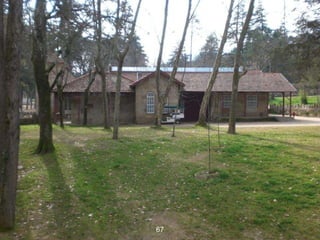
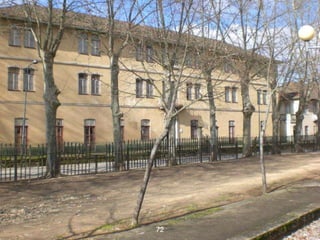
Remodelação actual
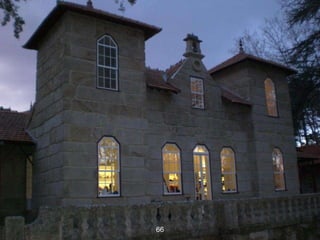
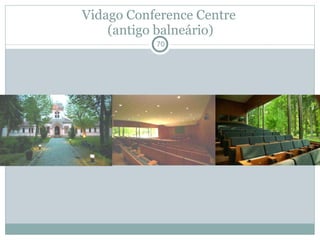
Vidago Conference Centre  (antigo balneário)
CÂMARA MUNICIPAL DE CHAVES Projecto novo balneário termal
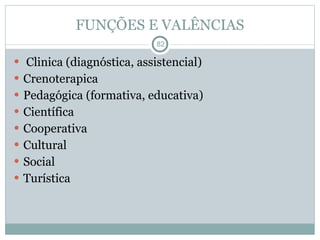
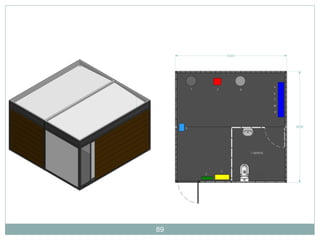
FUNÇÕES E VALÊNCIAS Clinica (diagnóstica, assistencial) Crenoterapica Pedagógica (formativa, educativa) Científica  Cooperativa Cultural Social Turística
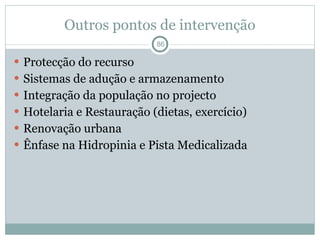
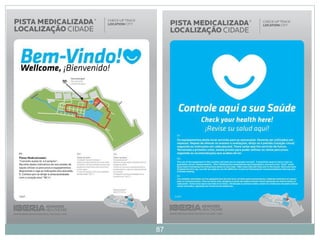
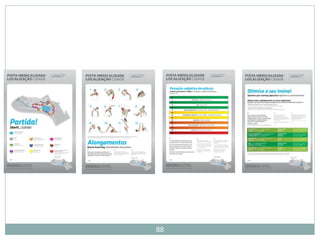
Outros pontos de intervenção Protecção do recurso Sistemas de adução e armazenamento Integração da população no projecto Hotelaria e Restauração (dietas, exercício) Renovação urbana Ênfase na Hidropinia e Pista Medicalizada
Termas de Monte Real  10 e 11 de Junho, 2011
PEDRO CANTISTA Thermal Treatments and Methodologies
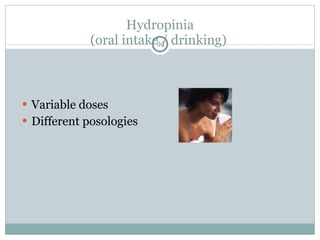
Hydropinia (oral intake / drinking)  Variable doses  Different posologies
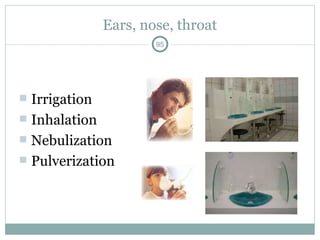
Ears, nose, throat Irrigation Inhalation Nebulization Pulverization
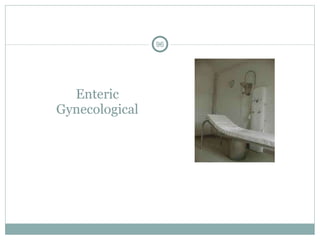
Enteric Gynecological
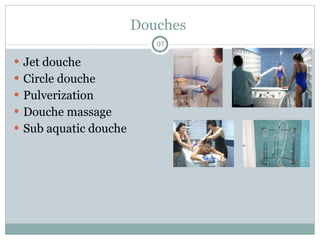
Douches  Jet douche Circle douche  Pulverization Douche massage Sub aquatic douche
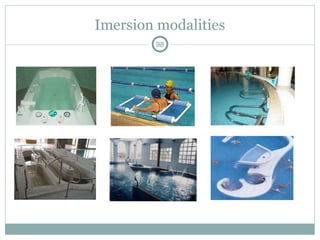
Imersion modalities
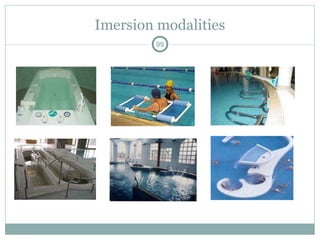
Imersion modalities
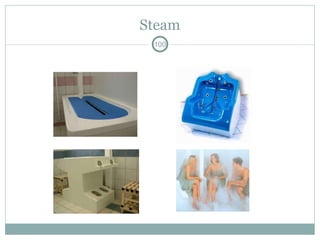
Steam
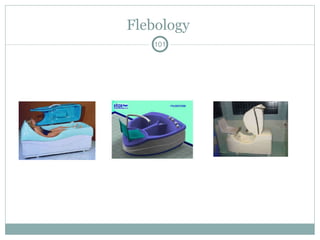
Flebology
Many others… Peloids Psamitotherapy (sand) Radon Cavetherapy  Mophetas Sauna Turkish Baths Massage
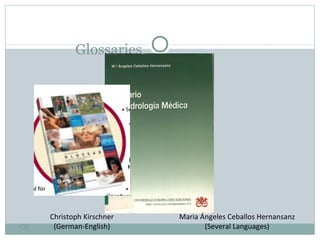
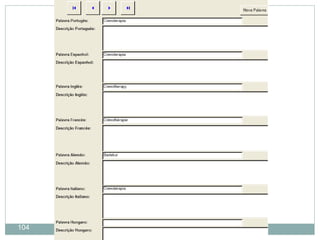
Glossaries Christoph Kirschner (German-English) Maria Ángeles Ceballos Hernansanz (Several Languages)
P. Cantista

P. Cantista

Editor's Notes

  • #23 I com back again to our survey and we realize the magnitude of Balneology in Health in the majority of our countries
  • #94 My presentation won’t be a list of thermal techniques or methodologies. There isn’t yet an international agreement about the different modalities or the way of their application. For example nomenclature, mineral water classification, time or temperatures of application, indications, counter indications, So ..What I will talk is about the need that we have to achieve a consensus in order to get a systematization of this important discipline that in many countries is included in PRM I can’t talk of them all during the discussion or during the congress