WORKSHOP
•TEACHING, LEARNING
AND ASSESSMENT FOR
THE NEW LOWER
SECONDARY
CURRICULUM
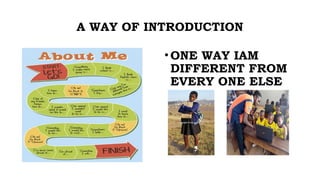
A WAY OF INTRODUCTION
•ONE WAY IAM
DIFFERENT FROM
EVERY ONE ELSE
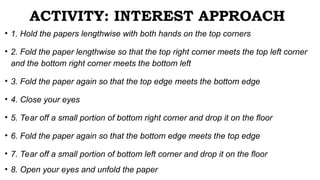
ACTIVITY: INTEREST APPROACH
• 1. Hold the papers lengthwise with both hands on the top corners
• 2. Fold the paper lengthwise so that the top right corner meets the top left corner
and the bottom right corner meets the bottom left
• 3. Fold the paper again so that the top edge meets the bottom edge
• 4. Close your eyes
• 5. Tear off a small portion of bottom right corner and drop it on the floor
• 6. Fold the paper again so that the bottom edge meets the top edge
• 7. Tear off a small portion of bottom left corner and drop it on the floor
• 8. Open your eyes and unfold the paper
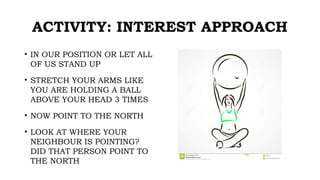
ACTIVITY: INTEREST APPROACH
• IN OUR POSITION OR LET ALL
OF US STAND UP
• STRETCH YOUR ARMS LIKE
YOU ARE HOLDING A BALL
ABOVE YOUR HEAD 3 TIMES
• NOW POINT TO THE NORTH
• LOOK AT WHERE YOUR
NEIGHBOUR IS POINTING?
DID THAT PERSON POINT TO
THE NORTH
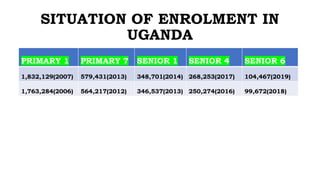
SITUATION OF ENROLMENT IN
UGANDA
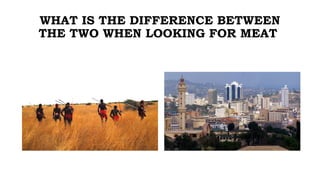
WHAT IS THE DIFFERENCE BETWEEN
THE TWO WHEN LOOKING FOR MEAT
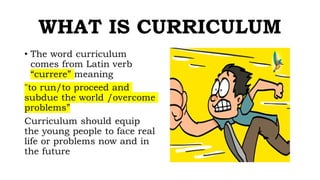
WHAT IS CURRICULUM
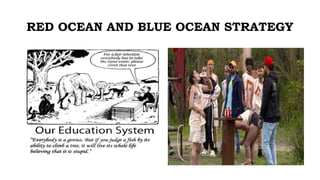
RED OCEAN AND BLUE OCEAN STRATEGY
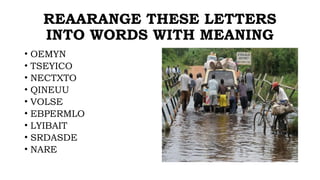
REAARANGE THESE LETTERS
INTO WORDS WITH MEANING
• OEMYN
• TSEYICO
• NECTXTO
• QINEUU
• VOLSE
• EBPERMLO
• LYIBAIT
• SRDASDE
• NARE
COMPETENCY LOGIC VIDEO
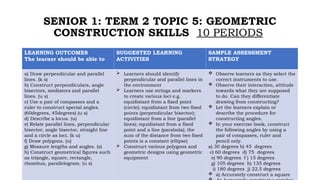
SENIOR 1: TERM 2 TOPIC 5: GEOMETRIC
CONSTRUCTION SKILLS 10 PERIODS
LEARNING OUTCOMES
The learner should be able to
SUGGESTED LEARNING
ACTIVITIES
SAMPLE ASSESSMENT
STRATEGY
a) Draw perpendicular and parallel
lines. (k s)
b) Construct perpendiculars, angle
bisectors, mediators and parallel
lines. (u s)
c) Use a pair of compasses and a
ruler to construct special angles.
(60degrees, 45degrees) (u s)
d) Describe a locus. (u)
e) Relate parallel lines, perpendicular
bisector, angle bisector, straight line
and a circle as loci. (k u)
f) Draw polygons. (u)
g) Measure lengths and angles. (s)
h) Construct geometrical figures such
as triangle, square, rectangle,
rhombus, parallelogram. (u s)
 Learners should identify
perpendicular and parallel lines in
the environment
 Learners use strings and markers
to create various loci e.g.
equidistant from a fixed point
(circle); equidistant from two fixed
points (perpendicular bisector);
equidistant from a line (parallel
lines); equidistant from a fixed
point and a line (parabola); the
sum of the distance from two fixed
points is a constant (ellipse)
 Construct various polygons and
geometric designs using geometric
equipment
 Observe learners as they select the
correct instruments to use.
 Observe their interaction, attitude
towards what they are supposed
to do. Can they differentiate
drawing from constructing?
 Let the learners explain or
describe the procedure for
constructing angles.
 In your exercise book, construct
the following angles by using a
pair of compasses, ruler and
pencil only.
a) 30 degrees b) 45 degrees
c) 60 degrees d) 75 degrees
e) 90 degrees f ) 15 degrees
g) 105 degrees h) 135 degrees
i) 180 degrees j) 22.5 degrees
 a) Accurately construct a square
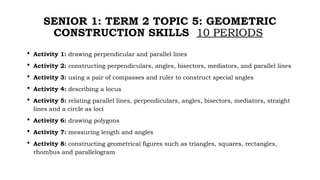
SENIOR 1: TERM 2 TOPIC 5: GEOMETRIC
CONSTRUCTION SKILLS 10 PERIODS
 Activity 1: drawing perpendicular and parallel lines
 Activity 2: constructing perpendiculars, angles, bisectors, mediators, and parallel lines
 Activity 3: using a pair of compasses and ruler to construct special angles
 Activity 4: describing a locus
 Activity 5: relating parallel lines, perpendiculars, angles, bisectors, mediators, straight
lines and a circle as loci
 Activity 6: drawing polygons
 Activity 7: measuring length and angles
 Activity 8: constructing geometrical figures such as triangles, squares, rectangles,
rhombus and parallelogram
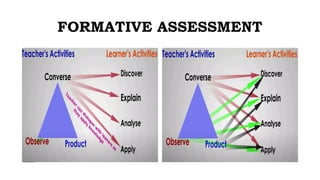
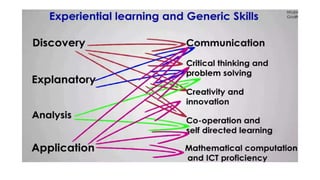
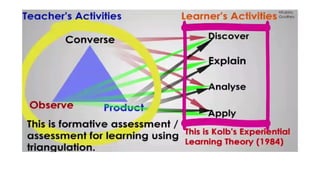
FORMATIVE ASSESSMENT
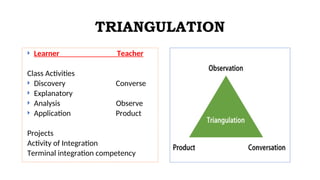
TRIANGULATION
 Learner Teacher
Class Activities
 Discovery Converse
 Explanatory
 Analysis Observe
 Application Product
Projects
Activity of Integration
Terminal integration competency
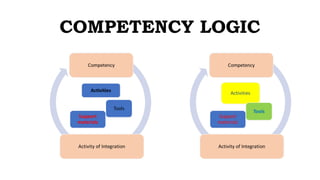
COMPETENCY LOGIC
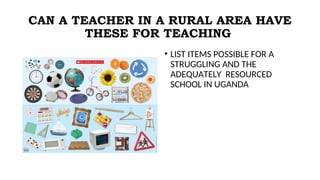
CAN A TEACHER IN A RURAL AREA HAVE
THESE FOR TEACHING
• LIST ITEMS POSSIBLE FOR A
STRUGGLING AND THE
ADEQUATELY RESOURCED
SCHOOL IN UGANDA
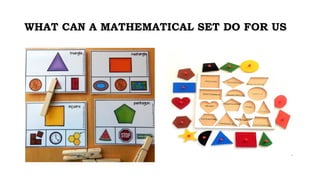
WHAT CAN A MATHEMATICAL SET DO FOR US
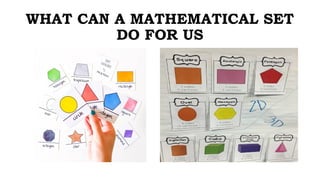
WHAT CAN A MATHEMATICAL SET
DO FOR US
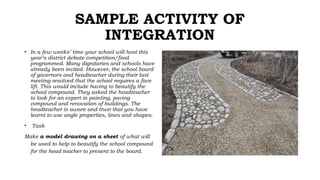
SAMPLE ACTIVITY OF
INTEGRATION
• In a few weeks’ time your school will host this
year’s district debate competition/food
programmed. Many dignitaries and schools have
already been invited. However, the school board
of governors and headteacher during their last
meeting resolved that the school requires a face
lift. This would include having to beautify the
school compound. They asked the headteacher
to look for an expert in painting, paving
compound and renovation of buildings. The
headteacher is aware and trust that you have
learnt to use angle properties, lines and shapes.
• Task
Make a model drawing on a sheet of what will
be used to help to beautify the school compound
for the head teacher to present to the board.
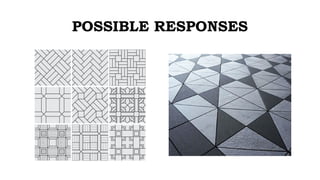
POSSIBLE RESPONSES
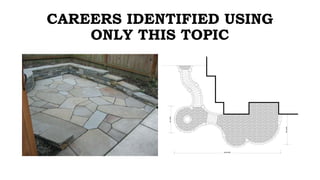
CAREERS IDENTIFIED USING
ONLY THIS TOPIC
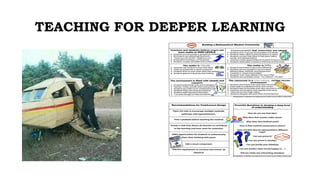
TEACHING FOR DEEPER LEARNING
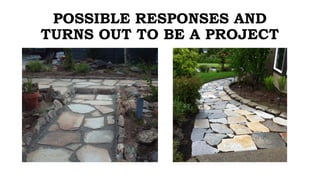
POSSIBLE RESPONSES AND
TURNS OUT TO BE A PROJECT
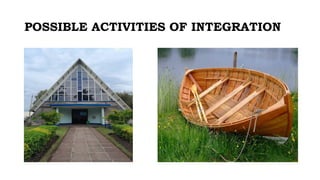
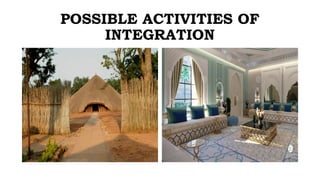
POSSIBLE ACTIVITIES OF INTEGRATION
POSSIBLE ACTIVITIES OF
INTEGRATION
POSSIBLE ACTIVITIES OF
INTEGRATION
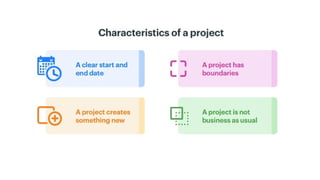
CHARACTERISTICS OF
COMPETENCY BASED APRROACH
• 1.ORGANIZED AROUND LEARNING TASKS AND OR
ACTIVITIES: TASK BASED TO DELIVER KNOWLEDGE,
UNDERSTANDING, SKILLS, VALUES AND ATTITUDES
• 2.LEARNER CENTRED THUS USE OF
GROUP/INTERACTIVE LEARNING WAYS
• 3.ASSESSES PERFORMANCE OR WHAT YOU CAN DO
WITH WHAT YOU HAVE LEARNT OR HAVE BEEN
TAUGHT
• 4.WANTS TO ATTAIN COMPETENCY AND BE ABLE TO
ADDRESS PROBLEMS YOU FACE
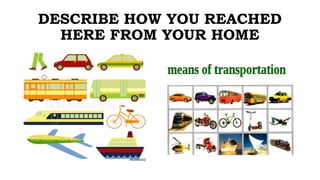
DESCRIBE HOW YOU REACHED HERE FROM
YOUR HOME
DESCRIBE HOW YOU REACHED
HERE FROM YOUR HOME
FUNCTIONAL ENGLISH IS
REQUIREMENT FOR ALL
• JOURNEY IS A TRIP FROM ONE
PLACE TO ANOTHER. YOU MOVE
TO PLACES. HAVE YOU EVER
MOVED TO PLACES? YOU WERE
DEFINITELY MAKING A JOURNEY.
YOU HAVE DONE THIS MANY
TIMES. PEOPLE DO TRAVEL IN
MANY WAYS. TRAVEL CAN BE BY
FOOT, BICYCLE, ANIMALS, CART,
TRAIN, BUS, AIRPLANE, BOAT,
CANOE OR SHIP
HOW DO YOU APPLY WHAT YOU KNOW
DESCRIPTION OF A JOURNEY
UNDER THE TOPIC TRAVEL
• Last weekend we went to Jinja. We travelled with fellow workmates to this
famous town. We went there; by a green drone taxi. The vehicle moved quickly.
On this smooth road; the journey took us two hours. This was due to the heavy
traffic going to Eastern Uganda.
• We went as a pleasant group to see the source of the Nile. This frequently visited
place is one cannot miss when in Jinja. During the journey we did many things.
Some of us read newspapers or interesting books. Once in while each one slept
away almost half the trip. At some point we ate hot snacks. Salty Rolex Chapati
and oily roasted chicken; caffeinated goats meat and many cold soft drinks
• were served. Sweet banana and apples saw our teeth. Finally we arrived at 11
o’clock in the morning. Our journey was on warm and sunny. At the source it
was quite busy. There were many stalls of traditional crafts. The source of the
Nile is really a huge tourist attraction
HANDS-ON WITH CARDS TO FORM
AN OBJECT WITH MEANING
HANDS-ON WITH CARDS TO FORM
AN OBJECT WITH MEANING
• YOU ARE PROVIDED WITH A PACK OF CARDS. EACH ONE OF YOU SHOULD
GET ONE CARD FROM THE PACK
• AS A GROUP ARRANGE THESE CARDS INTO ONE OBJECT WITH MEANING?
• TEACHEABLE MOMENT
• WHAT IS YOU EXPERIENCE AS YOU FIGURE OUT THE OBJECT? WHAT IS
INTERESTING IN THIS ACTIVITY THAT YOU HAVE LEARNT? WHAT IS THE NAME
OF YOUR OBJECT? RECORD YOUR RESPONSES ON A SHEET
• WHICH SKILLS IS THIS ACTIVITY DEVELOPING IN YOU? WHERE ARE SUCH
SKILLS REQUIRED? RECORD YOUR RESPONSES ON A SHEET
• WHAT PRODUCTS DO WE GET FROM THE NAMED OBJECT? WHICH DO YOU
LIKE MOST AND WHY. RECORD YOUR RESPONSES ON A SHEET
• WHICH TOPIC CAN YOU INTRODUCE USING THE PACK OF CARDS PROVIDED
• WHICH ALTERNATIVE WAY CAN YOU USE TO INTEREST THE LEARNERS IN
THAT TOPIC?
LEARNING FROM KNOWN TO UNKNOWN
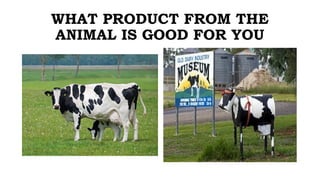
• WHAT PRODUCTS CAN YOU GET
FROM THE DAIRY CATTLE
• WHAT STEPS DO YOU FOLLOW
WHEN PREPARING THE
PRODUCT FOR THE MARKET
WHAT PRODUCT FROM THE
ANIMAL IS GOOD FOR YOU
PERFORM A PLATFORM TEST ON MILK
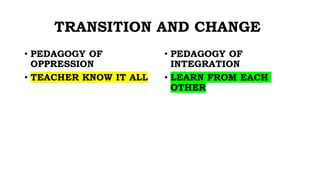
TRANSITION AND CHANGE
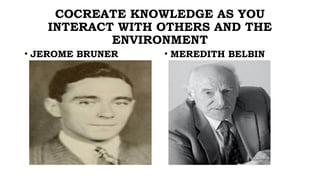
COCREATE KNOWLEDGE AS YOU
INTERACT WITH OTHERS AND THE
ENVIRONMENT
• MEREDITH BELBIN
• JEROME BRUNER
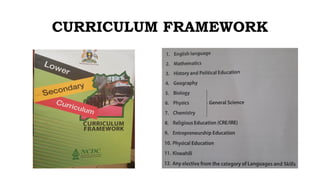
CURRICULUM FRAMEWORK
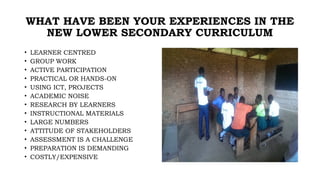
WHAT HAVE BEEN YOUR EXPERIENCES IN THE
NEW LOWER SECONDARY CURRICULUM
• LEARNER CENTRED
• GROUP WORK
• ACTIVE PARTICIPATION
• PRACTICAL OR HANDS-ON
• USING ICT, PROJECTS
• ACADEMIC NOISE
• RESEARCH BY LEARNERS
• INSTRUCTIONAL MATERIALS
• LARGE NUMBERS
• ATTITUDE OF STAKEHOLDERS
• ASSESSMENT IS A CHALLENGE
• PREPARATION IS DEMANDING
• COSTLY/EXPENSIVE
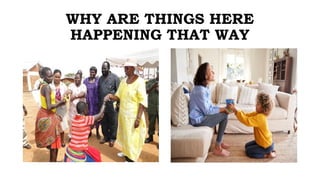
WHY ARE THINGS HERE
HAPPENING THAT WAY
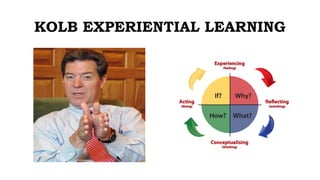
KOLB EXPERIENTIAL LEARNING
TO PRODUCE GRADUATES WHO ARE COMPETENT
SHORT STORY: LESSON FOR
SCHOOL LEADERS
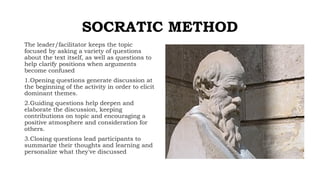
SOCRATIC METHOD
The leader/facilitator keeps the topic
focused by asking a variety of questions
about the text itself, as well as questions to
help clarify positions when arguments
become confused
1.Opening questions generate discussion at
the beginning of the activity in order to elicit
dominant themes.
2.Guiding questions help deepen and
elaborate the discussion, keeping
contributions on topic and encouraging a
positive atmosphere and consideration for
others.
3.Closing questions lead participants to
summarize their thoughts and learning and
personalize what they've discussed
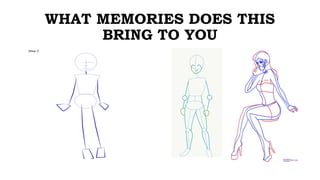
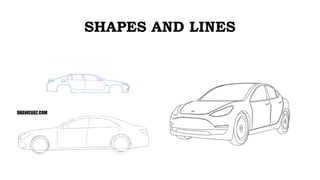
DRAW THE PICTURES YOU SEE
HERE ON A SHEET OF PAPER
WHAT MEMORIES DOES THIS
BRING TO YOU
SHAPES AND LINES
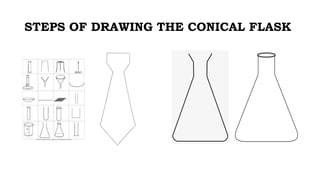
STEPS OF DRAWING THE CONICAL FLASK
DRAWING THE CONICAL FLASK
ACTIVITY 4.1 INVESTIGATING THE FLOWER STRUCTURE
• 1.You are provided with a flower. You are going to take the flower apart and stick
the various parts on a flip chart sheet. Look carefully at your flower
• 2.How many sepals does it have? Carefully remove each of the sepals and stick
them in a neat row on the sheet. Write a label to remind you what they are.
• 3.How many petals does your flower have? What colour are they? List down
three plants you know and the colour of their flowers. Which colour do you like
most and why? What is the reason for having flowers which have colours?
Carefully remove each of the petals and stick them into the sheet.
• 4.Why should human being have interest in understanding the structure of
flowers
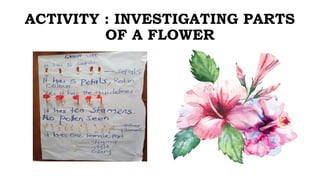
ACTIVITY : INVESTIGATING PARTS
OF A FLOWER
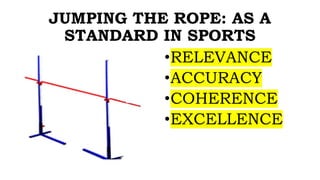
JUMPING THE ROPE: AS A
STANDARD IN SPORTS
TEACHING,LEARNING AND ASSESSMENT
EXPLORING DIFFERENT AMOUNTS OR NUMBERS BY MAKING BUNDLES/HEAPS
•You are provided with a bundle (or four different bundles) of straws to your group. How many straws
do you have? Write on the flip chart sheet to remind you how many they are.
•As a group put the straws in bundles of :
-10 -9 -8 -7 -4 -3
•Write on a flip chart sheet how many bundles you have and those that remain. Put these findings in
the most suitable way you want to share with others. Give reasons for your choice.
•GET TO THREE OTHER GROUPDS AND FIND OUT THE TOTAL THEY STARTED WITH ? Record their
starting figures and yours in one line. What does this make you to remember? How does it relate to
when you made bundles of 7? Which real life activities uses bundle 7 to function? Why do you say so
•In real life which things are handled using the same approach of making bundles? Where does it take
place? When do the different numbers in bundle come to be useful? In your opinion who should be
given this kind of teaching and learning?
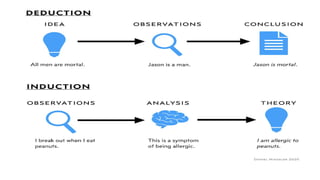
REASONING TYPES IN REAL LIFE
• ALL FRUITS CAN BE MADE INTO JUICE
• ORANGES ARE FRUITS
• ORANGES CAN BE MADE INTO JUICE
• CASSAVA LEAVES CONTAIN LIQUIDS
• YOU CAN EXTRACT LIQUIDS FROM CASSAVA LEAVES
• YOU CAN DRINK EXTRACTED CASSAVA LEAVES LIQUID
TEACHING,LEARNING AND
ASSESSMENT
A market vendor has 30 oranges(you can use seeds, bottle tops, or
straws/sticks/stones/ to represent) for sale.
1.How many groups of seven does she/he have?
2.How much money will she get if she sold each group of oranges at
1400/=.
3.How much will she sell the remaining oranges? Why do you think
so? What different way can he/she handle the remaining oranges and
why?
4.What will happen if she decides to make groups of eight? In which
situation can the number in a bundle or heap change? What lesson can
you use from this activity?
VEGETABLES
• Vegetables are parts of plants that are consumed by humans or
other animals as food.
• Despite Sub-Saharan Africa being home to hundreds of
indigenous vegetables, which can supply the required vitamins
and minerals such as Beta-carotene, vitamins A, C and E, folates,
iron and calcium, these vegetables have not been mainstreamed
in the staple diets.
• Potential consumers of indigenous vegetables complain about the
inconsistency in supply and poor quality of products availed to
them due to the seasonality of supply, long distances between
production areas and potential consumption centres and poor
post-harvest handling.
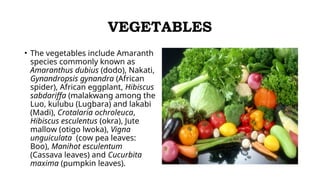
VEGETABLES
• The vegetables include Amaranth
species commonly known as
Amaranthus dubius (dodo), Nakati,
Gynandropsis gynandra (African
spider), African eggplant, Hibiscus
sabdariffa (malakwang among the
Luo, kulubu (Lugbara) and lakabi
(Madi), Crotalaria ochroleuca,
Hibiscus esculentus (okra), Jute
mallow (otigo lwoka), Vigna
unguiculata (cow pea leaves:
Boo), Manihot esculentum
(Cassava leaves) and Cucurbita
maxima (pumpkin leaves).
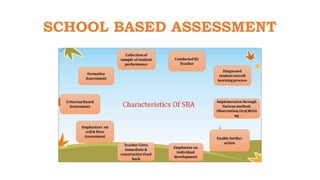
SCHOOL BASED ASSESSMENT
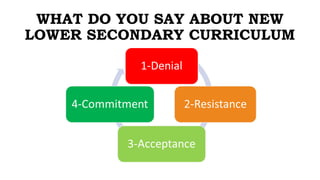
WHAT DO YOU SAY ABOUT NEW
LOWER SECONDARY CURRICULUM
PROJECT IDENTIFICATION AND
PLANNING
Group 1: Which topics and competency are covered in Biology
in: Senior 1(Introduction to biology, cells, classification, insects and
flowering plants)
How do these areas work or relate in real life? Do we need to
increase the population of these organisms(parts)? What should we
do? What are the characteristics of the organisms(parts) that would
be involved
Group 2: Which organisms visit plants? Why do these organisms
visit the plant? What is the use of this visit to the plant and to the
big environment? What single name can you give to these
organisms? What society problem do these organisms help to solve?
PROJECT IDENTIFICATION AND
PLANNING
• Group 3: What native plants can you identify that attract butterflies
mainly? What are the characteristics of these plants? Which feature on the
plant are the butterflies looking for and why? What makes that part to be the
most suitable for the butterflies to visit?
• Group 4: What will you need to do, so that our school can attract many
butterflies? Which native plant would you choose to have in our school? What
would you need? How will you get the requirement for ensuring that many
butterflies are attracted? When you start that activity of attracting butterflies
who will do task involved? How will you ensure that activities/tasks are
performed as required? What else will you have to do for this endeavour to be a
success.
• Group 4: What will you need to do, so that our
school can attract many butterflies? Which
native plant would you choose to have in our
school? What would you need? How will you get the
requirement for ensuring that many butterflies are
attracted? When you start that activity of attracting
butterflies who will do task involved? How will you
ensure that activities/tasks are performed as
required? What else will you have to do for this
endeavour to be a success.
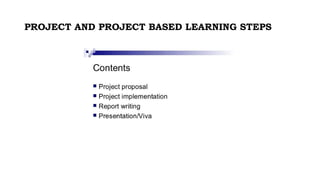
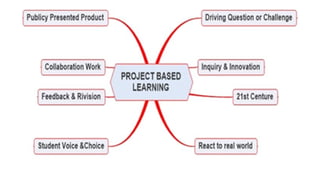
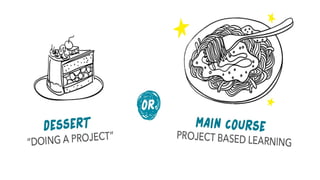
PROJECT AND PROJECT BASED LEARNING STEPS
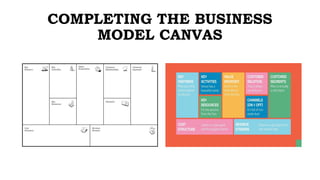
COMPLETING THE BUSINESS
MODEL CANVAS
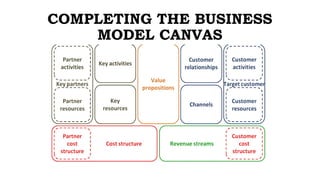
COMPLETING THE BUSINESS
MODEL CANVAS
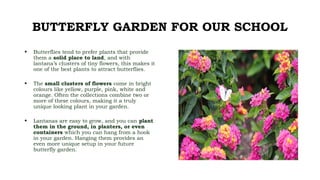
BUTTERFLY GARDEN FOR OUR SCHOOL
• Butterflies tend to prefer plants that provide
them a solid place to land, and with
lantana’s clusters of tiny flowers, this makes it
one of the best plants to attract butterflies.
• The small clusters of flowers come in bright
colours like yellow, purple, pink, white and
orange. Often the collections combine two or
more of these colours, making it a truly
unique looking plant in your garden.
• Lantanas are easy to grow, and you can plant
them in the ground, in planters, or even
containers which you can hang from a hook
in your garden. Hanging them provides an
even more unique setup in your future
butterfly garden.
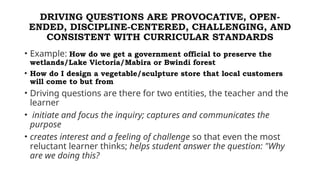
DRIVING QUESTIONS ARE PROVOCATIVE, OPEN-
ENDED, DISCIPLINE-CENTERED, CHALLENGING, AND
CONSISTENT WITH CURRICULAR STANDARDS
• Example: How do we get a government official to preserve the
wetlands/Lake Victoria/Mabira or Bwindi forest
• How do I design a vegetable/sculpture store that local customers
will come to but from
• Driving questions are there for two entities, the teacher and the
learner
• initiate and focus the inquiry; captures and communicates the
purpose
• creates interest and a feeling of challenge so that even the most
reluctant learner thinks; helps student answer the question: "Why
are we doing this?
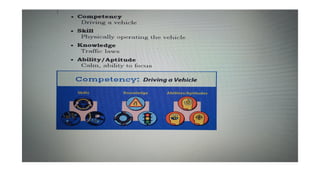
USING MATERIALS
• Competency
Exploring how materials are used
• Skills
Physically selects the different materials for building
• Knowledge
Molecular structures and properties of materials
• Ability
Honest, responsibility, empathy
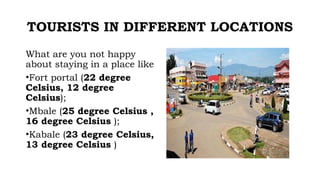
TOURISTS IN DIFFERENT LOCATIONS
What are you not happy
about staying in a place like
•Fort portal (22 degree
Celsius, 12 degree
Celsius);
•Mbale (25 degree Celsius ,
16 degree Celsius );
•Kabale (23 degree Celsius,
13 degree Celsius )
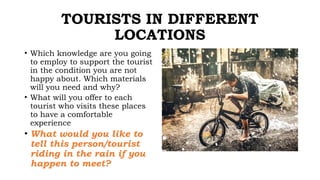
TOURISTS IN DIFFERENT
LOCATIONS
• Which knowledge are you going
to employ to support the tourist
in the condition you are not
happy about. Which materials
will you need and why?
• What will you offer to each
tourist who visits these places
to have a comfortable
experience
• What would you like to
tell this person/tourist
riding in the rain if you
happen to meet?
MATERIALS ARE GOOD FOR US
• You are provided with 25mls of zinc
sulphate solution or aqueous copper
suplhate; 100gm of magnesium or zinc
powder; 25mls or 50mls of sodium
hydrogen carbonate; beakers(250mls);
citric acid crystals; stirring rod; stop clock;
100gms ammonium nitrate; water;
laboratory hand gloves; thermometer;
spatula and test tubes
• Add magnesium powder to the beaker
with zinc sulphate. What is your
experience?
• Put the given volume of sodium hydrogen
carbonate in a beaker. Write it
somewhere to remind you. Record the
initial temperature of the sodium
hydrogen carbonate.
• Add a spatula of citric acid crystals and
stir. What have you used to stir and why?
What do you observe in the reaction?
Record the minimum temperature after
60 seconds; 90 seconds; 120 seconds; 180
seconds; 240 seconds and 300 seconds.
what happens to the materials and the
final product? What explanation can you
give for this?
• In another beaker dissolve ammonium
nitrate in water. What do you observe?
Touch the outside of the beaker. What do
you feel?
• Which energy changes are here? Where
in real life can you use this experience to
make money?
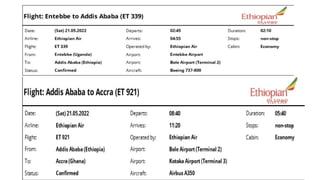
MOVING FROM ENTEBBE TO GHANA
 For how long will the person wait in Addis?
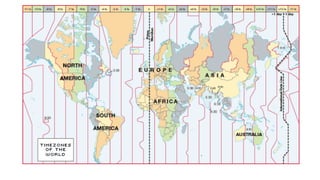
 When the person arrives in Ghana, what time will it be in
Uganda?
 Comment about the subject and topic where this is
taking us.
• Do you see the air-ticket as a Teaching resource?
• Which knowledge, understanding, skills, values and
attitudes are being applied here
• Which topic and subject are we in?
SAMPLE ACTIVITY OF
INTEGRATION
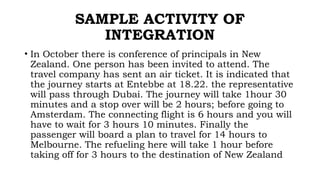
• In October there is conference of principals in New
Zealand. One person has been invited to attend. The
travel company has sent an air ticket. It is indicated that
the journey starts at Entebbe at 18.22. the representative
will pass through Dubai. The journey will take 1hour 30
minutes and a stop over will be 2 hours; before going to
Amsterdam. The connecting flight is 6 hours and you will
have to wait for 3 hours 10 minutes. Finally the
passenger will board a plan to travel for 14 hours to
Melbourne. The refueling here will take 1 hour before
taking off for 3 hours to the destination of New Zealand
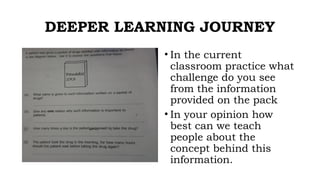
DEEPER LEARNING JOURNEY
• In the current
classroom practice what
challenge do you see
from the information
provided on the pack
• In your opinion how
best can we teach
people about the
concept behind this
information.

DEEPER
LEARNING
JOURNEY
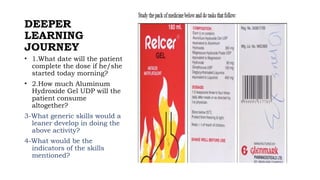
• 1.What date will the patient
complete the dose if he/she
started today morning?
• 2.How much Aluminum
Hydroxide Gel UDP will the
patient consume
altogether?
3-What generic skills would a
leaner develop in doing the
above activity?
4-What would be the
indicators of the skills
mentioned?
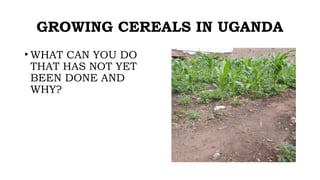
GROWING CEREALS IN UGANDA
• WHAT CAN YOU DO
THAT HAS NOT YET
BEEN DONE AND
WHY?
SAMPLE ACTIVITY OF
INTEGRATION
• When you travel to the vehicles repair spots in
your urban area, are many abandoned. These
machines accumulate one by one. They
experience heat, wind, rain, day and night.
When time passes the materials used in
making vehicles is scrap. It peels off the
surfaces into irreparable form. The water
running from them into the storm water is
brown in colour.
SUPPORT TASK
• As a material expert in
this area you have been
approached to express
the feeling of the
community to Local
Council about the
changing water colour
in the area.
SAMPLE ACTIVITY OF
INTEGRATION
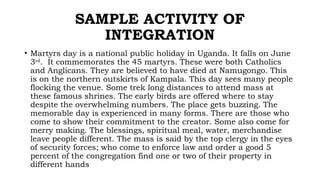
• Martyrs day is a national public holiday in Uganda. It falls on June
3rd
. It commemorates the 45 martyrs. These were both Catholics
and Anglicans. They are believed to have died at Namugongo. This
is on the northern outskirts of Kampala. This day sees many people
flocking the venue. Some trek long distances to attend mass at
these famous shrines. The early birds are offered where to stay
despite the overwhelming numbers. The place gets buzzing. The
memorable day is experienced in many forms. There are those who
come to show their commitment to the creator. Some also come for
merry making. The blessings, spiritual meal, water, merchandise
leave people different. The mass is said by the top clergy in the eyes
of security forces; who come to enforce law and order a good 5
percent of the congregation find one or two of their property in
different hands
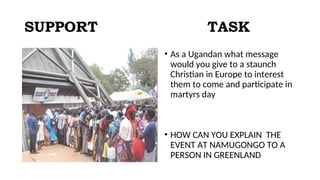
SUPPORT TASK
• As a Ugandan what message
would you give to a staunch
Christian in Europe to interest
them to come and participate in
martyrs day
• HOW CAN YOU EXPLAIN THE
EVENT AT NAMUGONGO TO A
PERSON IN GREENLAND
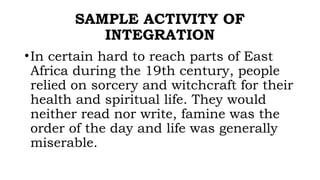
SAMPLE ACTIVITY OF
INTEGRATION
•In certain hard to reach parts of East
Africa during the 19th century, people
relied on sorcery and witchcraft for their
health and spiritual life. They would
neither read nor write, famine was the
order of the day and life was generally
miserable.
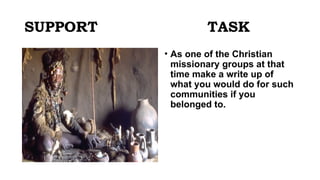
SUPPORT TASK
• As one of the Christian
missionary groups at that
time make a write up of
what you would do for such
communities if you
belonged to.
SAMPLE ACTIVITY OF
INTEGRATION
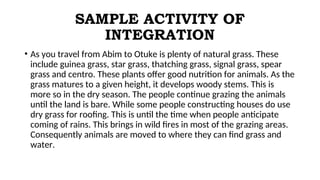
• As you travel from Abim to Otuke is plenty of natural grass. These
include guinea grass, star grass, thatching grass, signal grass, spear
grass and centro. These plants offer good nutrition for animals. As the
grass matures to a given height, it develops woody stems. This is
more so in the dry season. The people continue grazing the animals
until the land is bare. While some people constructing houses do use
dry grass for roofing. This is until the time when people anticipate
coming of rains. This brings in wild fires in most of the grazing areas.
Consequently animals are moved to where they can find grass and
water.
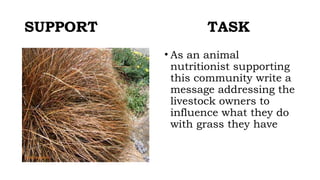
SUPPORT TASK
• As an animal
nutritionist supporting
this community write a
message addressing the
livestock owners to
influence what they do
with grass they have
SAMPLE ACTIVITY OF
INTEGRATION
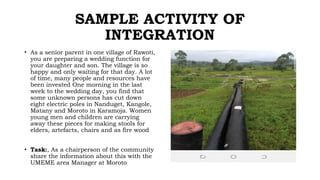
• As a senior parent in one village of Rawoti,
you are preparing a wedding function for
your daughter and son. The village is so
happy and only waiting for that day. A lot
of time, many people and resources have
been invested One morning in the last
week to the wedding day, you find that
some unknown persons has cut down
eight electric poles in Nanduget, Kangole,
Matany and Moroto in Karamoja. Women
young men and children are carrying
away these pieces for making stools for
elders, artefacts, chairs and as fire wood
• Task:, As a chairperson of the community
share the information about this with the
UMEME area Manager at Moroto
SURFACE LEARNING
SURFACE LEARNING
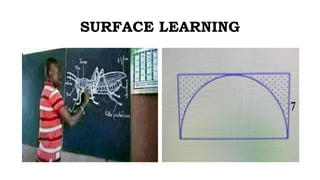
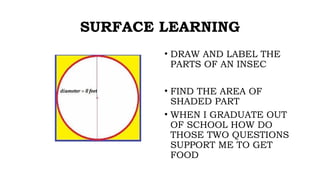
• DRAW AND LABEL THE
PARTS OF AN INSEC
• FIND THE AREA OF
SHADED PART
• WHEN I GRADUATE OUT
OF SCHOOL HOW DO
THOSE TWO QUESTIONS
SUPPORT ME TO GET
FOOD
DEEPER LEARNING
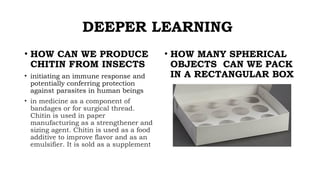
• HOW MANY SPHERICAL
OBJECTS CAN WE PACK
IN A RECTANGULAR BOX
• HOW CAN WE PRODUCE
CHITIN FROM INSECTS
• initiating an immune response and
potentially conferring protection
against parasites in human beings
• in medicine as a component of
bandages or for surgical thread.
Chitin is used in paper
manufacturing as a strengthener and
sizing agent. Chitin is used as a food
additive to improve flavor and as an
emulsifier. It is sold as a supplement
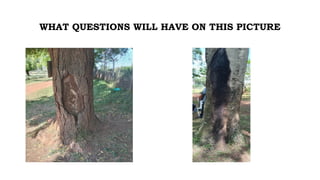
WHAT QUESTIONS WILL HAVE ON THIS PICTURE
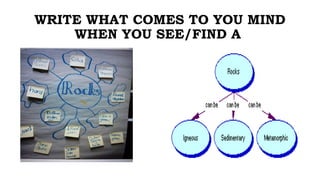
WRITE WHAT COMES TO YOU MIND
WHEN YOU SEE/FIND A
ROCK
ROCK
WRITE WHAT COMES TO YOU MIND
WHEN YOU SEE/FIND A
• Assemble in a circle
• Those who are likely to get problems with
materials from the container go 10 m
away. That is called HACCP(Hazard
Analysis Critical Control Plan-so this is
helping to identify where hazards can
come from)
• Those having the containers should spray
in air/ceiling of the room
• If any one of the members smells
somethings they put up their hand.
• Observe the pattern of how raising up of
the hand is occurring. Why is it like that?
• IN REAL LIFE OR DAY TO DAY
SITUATION DO YOU EXPERIENCE THIS
THAT ARE FAR. GIVE EXAMPLES
• IS THIS A USEFUL PROCESS TO HUMAN
BEINGS? WHERE IS THIS USED FOR
MAKING MONEY
WHAT MADE THE SMELL TO
REACH YOU NOSE
• ILLUSTRATE MORE BY HAVING PEOPLE RUNNING IN SET
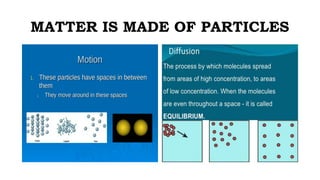
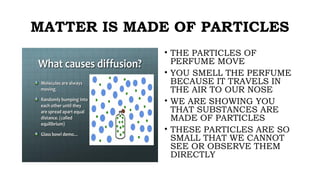
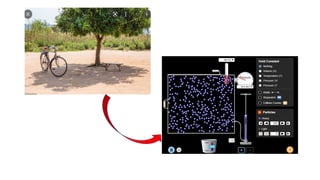
MATTER IS MADE OF PARTICLES
• THE PARTICLES OF
PERFUME MOVE
• YOU SMELL THE PERFUME
BECAUSE IT TRAVELS IN
THE AIR TO OUR NOSE
• WE ARE SHOWING YOU
THAT SUBSTANCES ARE
MADE OF PARTICLES
• THESE PARTICLES ARE SO
SMALL THAT WE CANNOT
SEE OR OBSERVE THEM
DIRECTLY
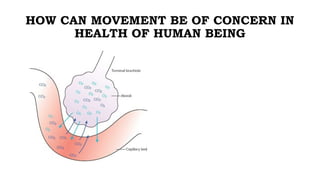
HOW CAN MOVEMENT BE OF CONCERN IN
HEALTH OF HUMAN BEING
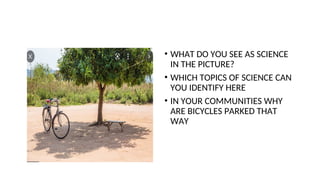
• WHAT DO YOU SEE AS SCIENCE
IN THE PICTURE?
• WHICH TOPICS OF SCIENCE CAN
YOU IDENTIFY HERE
• IN YOUR COMMUNITIES WHY
ARE BICYCLES PARKED THAT
WAY
WHAT DO WE DO IN THE MORNING
MATERIALS COME INTO CONTACT
TOUCH EACH OTHER: WHAT HAPPEN
• Rubbing our own hands together
• Streamlined bodies of fish and birds are copied in
order to guarantee that there is as little friction
• Smoothening wood
• Grinding of surfaces
• Using sand papers
• Shoe soles
• Ball bearings are used to separate two bearing
races by using balls as separators between the two
races. The result is that sliding friction becomes
rolling friction
• Oiling the door hinges will make them easier to
open and close.
• Grease and oil is used to keep bicycle parts
moving smoothly and petroleum jelly; shoe polish;
water our body as move against air particles.
SURFACES RUBBING FAST
• During the manufacture of engine parts, a lot of care is taken. This
is to make sure that metal surfaces which have to slide or rotate in
contact with each other are finished as smoothly as possible.
However, the surfaces are never completely smooth. On close
observation of these surfaces they may look or feel smooth. The
surfaces will show roughness when examined under a microscope.
• If two such surfaces are rubbed together they will get hot. The heat
you have is caused by particles touching each other. In fact, if they
have enough pressure applied and they are rubbed fast enough
together they will eventually become hot enough. They will melt on
the surface and weld together. This is similar to when you rub your
hands smartly back and forth across a table surface.
SURFACES RUBBING FAST
• a) What are the facts in the text? What information do you need to
find out after reading the text
• b)How do you feel about having to rub you hands back and forth
across different surfaces
• c) In you daily life, list examples where two surfaces rub together?
What problems could arise when two surfaces are regularly rubbed
together
• d) What do you need to do next time if you expect that two surfaces
are to rub together?
• e) What new ideas come to your mind about surfaces in the engine
that are moving against each other or tongue in the mouth and if a
rope tied in the neck of tethered cow/goat
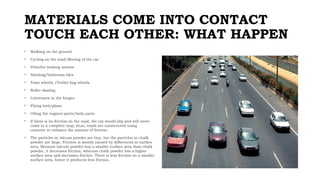
MATERIALS COME INTO CONTACT
TOUCH EACH OTHER: WHAT HAPPEN
• Walking on the ground
• Cycling on the road/Moving of the car
• Vehicles braking system
• Sanding/bathroom tiles
• Train wheels /Trolley bag wheels
• Roller skating
• Lubricants in the hinges
• Flying bird/plane
• Oiling the engines parts/body parts
• If there is no friction on the road, the car would slip and will never
come to a complete stop; thus, roads are constructed using
concrete to enhance the amount of friction.
• The particles in talcum powder are tiny, but the particles in chalk
powder are large. Friction is mostly caused by differences in surface
area. Because talcum powder has a smaller surface area than chalk
powder, it decreases friction, whereas chalk powder has a higher
surface area and increases friction. There is less friction on a smaller
surface area, hence it produces less friction.
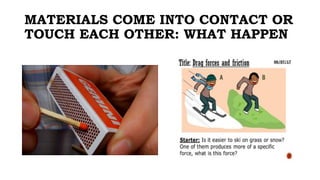
MATERIALS COME INTO CONTACT OR
TOUCH EACH OTHER: WHAT HAPPEN
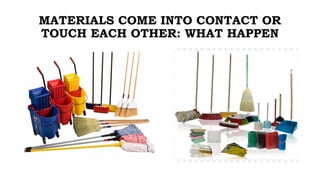
MATERIALS COME INTO CONTACT OR
TOUCH EACH OTHER: WHAT HAPPEN
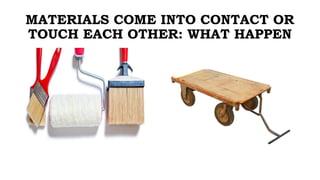
MATERIALS COME INTO CONTACT OR
TOUCH EACH OTHER: WHAT HAPPEN
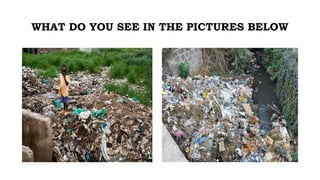
WHAT DO YOU SEE IN THE PICTURES BELOW
DRIVING QUESTIONS
•1. HOW CAN YOU HELP THAT
ENVIRONMENT AND THE
COMMUNITY
•2. HOW ARE YOU TELLING
EVERYONE ABOUT THIS
ENVIRONMENT YOU HAVE SEEN
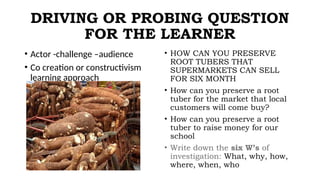
DRIVING OR PROBING QUESTION
FOR THE LEARNER
• Actor -challenge –audience
• Co creation or constructivism
learning approach
• HOW CAN YOU PRESERVE
ROOT TUBERS THAT
SUPERMARKETS CAN SELL
FOR SIX MONTH
• How can you preserve a root
tuber for the market that local
customers will come buy?
• How can you preserve a root
tuber to raise money for our
school
• Write down the six W’s of
investigation: What, why, how,
where, when, who
ACTIVITY
•How can you start,
work to produce,
maintain, market
and sell preserved
root tuber products
successfully?
•List all thing to be
done on a single
sheet of paper
• A business model
canvas is a one-page
summary describing
the high-level
strategic details
needed to get a
business (or product)
successfully to
market
TOPIC: ENVIRONMENT AND POLLUTION
• COMPETENCY: Learners should be able to carry out research and talk
about the environment and pollution, and suggest ways of reducing
pollution.
• What objects/things can you identify? Where is this taking place?
What activities led to this to happen?
• What is being affected and why? How do you know that? How can you
help this community?
• What are the feeling of the people who happen to live in the
neighbourhood? How can tell their feeling to other people who do not
know about it? What can they tell you when you happen to talk to
them? How do you know that? What message can you share to
influence the behaviours of the community? What will be its title?
Competency:
The learner should investigate how some objects emit light resulting in light and
shade, while other objects, such as a mirror, simply reflect light, and understand
the applications of light/shade and reflection
LEARNING OUTCOMES
The learner should be able to:
SUGGESTED LEARNING ACTIVITIES SAMPLE ASSESSMENT STRATEGY
a. identify illuminated and
light source objects in
everyday life (u, s)
b. understand how
shadows are formed (u)
c. understand how the
reflection of light from
plane surfaces occurs
and how we can make
use of this (u, s)
• In groups, learners brainstorm prior
learning about natural and artificial
sources of light and the formation of
shadows, and explain using diagrams.
• In pairs, learners apply prior learning to
investigations of a pinhole camera and
use it to explain magnification and image,
using diagrams.
• In pairs, learners investigate the
characteristics of images formed by plane
mirrors and research and explain angles
of incidence and reflection, recording
findings with (ray) diagrams.
• In pairs, learners apply their
knowledge of reflection to design,
make and report on a device
(periscope) using card and mirrors
which would allow a person to see over
a wall.
• In pairs, learners use their knowledge
about how light travels to explain in
diagrams how light from the sun reaches
the Earth and how eclipses are formed
Listen to pair discussions and
intervene to ensure diagrams are
drawn accurately and that they use
them to explain the nature of light,
the formation of shadows and the
pinhole camera.
• Observe pairs and groups
engaged in practical activities and
intervene to ensure investigations
are well planned and conducted
and misconceptions are avoided.
• Evaluate learning through
products: diagrams and designs;
assess progress towards the
learning outcomes.
PROJECT AND PROJECT BASED LEARNING:
HOW DOES IT GO?
• SITUATION AND OPTIONS
• Some people in our community cannot see objects
that are at a distance or behind the wall yet there is a
window.
• What plan do you have for them as you study the nature
of light; reflection of light at plane surfaces. Explain why
your plan is needed? How will your plan help these
people? Why is it best thing you can do for them?
• What will you need to help them? What will be the use of
each? How will you get those materials? How will you
ensure that you succeed in helping them?
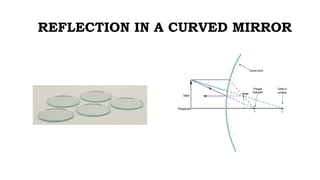
REFLECTION IN A CURVED MIRROR
VISITOR DETECTOR
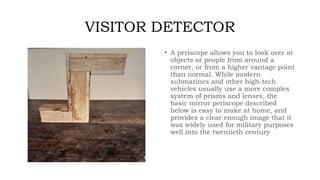
• A periscope allows you to look over at
objects or people from around a
corner, or from a higher vantage point
than normal. While modern
submarines and other high-tech
vehicles usually use a more complex
system of prisms and lenses, the
basic mirror periscope described
below is easy to make at home, and
provides a clear enough image that it
was widely used for military purposes
well into the twentieth century
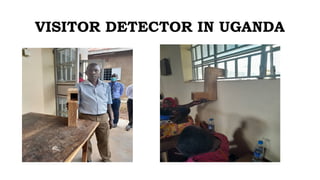
VISITOR DETECTOR IN UGANDA
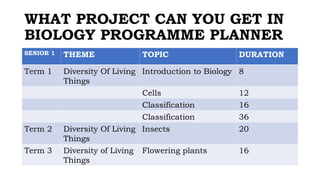
WHAT PROJECT CAN YOU GET IN
BIOLOGY PROGRAMME PLANNER
SENIOR 1 THEME TOPIC DURATION
Term 1 Diversity Of Living
Things
Introduction to Biology 8
Cells 12
Classification 16
Classification 36
Term 2 Diversity Of Living
Things
Insects 20
Term 3 Diversity of Living
Things
Flowering plants 16
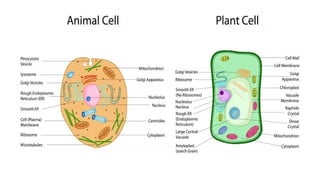
DRAW THE CELL AND LABEL 5
MAIN PARTS
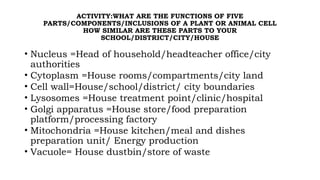
ACTIVITY:WHAT ARE THE FUNCTIONS OF FIVE
PARTS/COMPONENTS/INCLUSIONS OF A PLANT OR ANIMAL CELL
HOW SIMILAR ARE THESE PARTS TO YOUR
SCHOOL/DISTRICT/CITY/HOUSE
• Nucleus =Head of household/headteacher office/city
authorities
• Cytoplasm =House rooms/compartments/city land
• Cell wall=House/school/district/ city boundaries
• Lysosomes =House treatment point/clinic/hospital
• Golgi apparatus =House store/food preparation
platform/processing factory
• Mitochondria =House kitchen/meal and dishes
preparation unit/ Energy production
• Vacuole= House dustbin/store of waste
WORKING ON A MODEL
•CAN YOU DESIGN A MODEL OF A
NEW CITY IN UGANDA USING THE
LEARNING FROM CELLS.
•WHAT MATERIALS WILL YOU
NEED? WHO WILL PROVIDE THEM?
•DO IT AND SHOW US
ACTIVITY : INVESTIGATING PARTS OF A FLOWER
You are provided with a flower. You are going to take the flower apart and stick the
various parts on a flip chart sheet. Look carefully at your flower
1.How many sepals does it have? Carefully remove each of the sepals and stick
them in a neat row on the sheet. Write a label on a sheet to remind you what they
are.
2.How many petals does your flower have? What colour are they? List down three
plants you know and the colour of their flowers. Which colour do you like most
and why? What is the reason for having flowers which have colours? Carefully
remove each of the petals and stick them into the sheet. Which colour do you like
most and why?
3.What native plants do have coloured flowers? List 10 native plants on a sheet.
4.Why should human beings (me and you) have interest in understanding the
structure of flowers and plants that have them
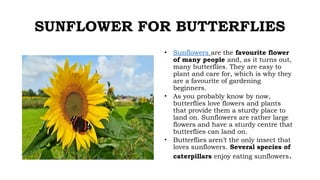
SUNFLOWER FOR BUTTERFLIES
• Sunflowers are the favourite flower
of many people and, as it turns out,
many butterflies. They are easy to
plant and care for, which is why they
are a favourite of gardening
beginners.
• As you probably know by now,
butterflies love flowers and plants
that provide them a sturdy place to
land on. Sunflowers are rather large
flowers and have a sturdy centre that
butterflies can land on.
• Butterflies aren’t the only insect that
loves sunflowers. Several species of
caterpillars enjoy eating sunflowers.
HEALTHY MEALS FOR A FAMILY
• How can you buy available food items for a healthy meal at low
cost
• What are the available food items? What do these food items
contain?
• What is a healthy food option in our community and why?
• What are the prices of available food items? How do you know that?
• What are the amount required for your healthy option? What will
be the cost?
• How can you be telling everyone about this healthy meal at low
cost?
SHOWCASING A SCHOOL GARDEN
DOCUMENTARY
• How can you showcase a healthy vegetable garden in our school?
• Which vegetable garden can you have at school?
• What do you need to show case a healthy vegetable garden? Whose
garden will be showcasing? How will you ensure that? (plan; choose a
healthy vegetable to plant, care/tend and harvest in 12 weeks; choose
a recipe; work in groups; task allocation-camera operator, tech expert,
actor/presenter, script writer, salesperson)
• What are the timelines
• How will you be telling everyone about healthy vegetables? How will
you ensure that the healthy vegetable is liked
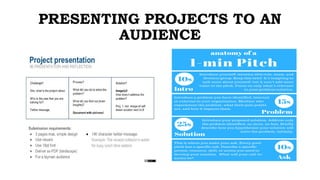
PRESENTING PROJECTS TO AN
AUDIENCE
ROLE OF A FACILITATOR
In project and project based learning and assessment, it is expected
that you:
▪Make observations of each step/phase
▪Hold conversations at each opportunity identified
▪Provide guidance and support the learner in all steps through
probing/driving questions
▪Keep analog or digital records of the project journey
▪Receive a Product or service during an exhibition/pitching with
a report on the journey including lessons learnt and challenges
met
This is continuous throughout the project lifetime.
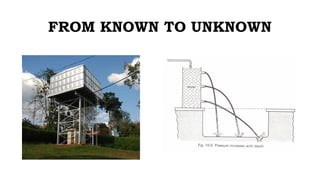
FROM KNOWN TO UNKNOWN
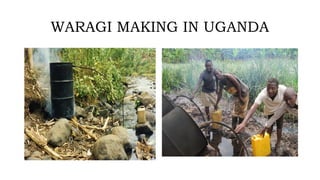
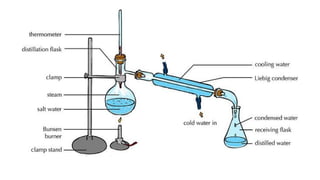
WARAGI MAKING IN UGANDA
HAIR ON YOUR HEAD
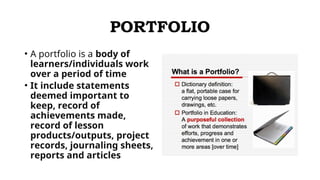
PORTFOLIO
• A portfolio is a body of
learners/individuals work
over a period of time
• It include statements
deemed important to
keep, record of
achievements made,
record of lesson
products/outputs, project
records, journaling sheets,
reports and articles
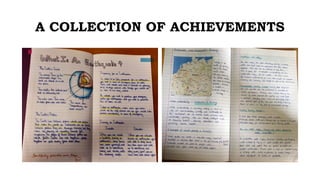
A COLLECTION OF ACHIEVEMENTS
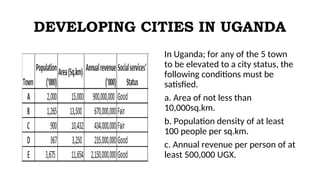
DEVELOPING CITIES IN UGANDA
In Uganda; for any of the 5 town
to be elevated to a city status, the
following conditions must be
satisfied.
a. Area of not less than
10,000sq.km.
b. Population density of at least
100 people per sq.km.
c. Annual revenue per person of at
least 500,000 UGX.
DEVELOPING CITIES IN UGANDA
1. Study table 1 and establish towns likely to
gain city status.
2. Use the information in the table to explain
what other towns need to do to attain city
status.
3. In your opinion, what problems are the
identified cities in 1) likely to face? As athe
next mayor of city how will you handle that?
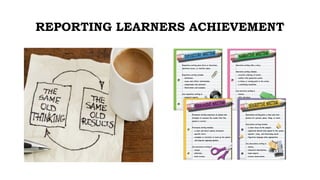
REPORTING LEARNERS ACHIEVEMENT
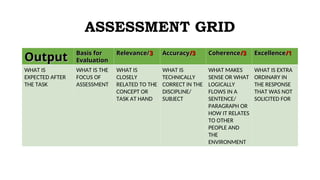
ASSESSMENT GRID
Output
Output Basis for
Basis for
Evaluation
Evaluation
Relevance/
Relevance/3
3 Accuracy
Accuracy/3
/3 Coherence
Coherence/3
/3 Excellence
Excellence/1
/1
WHAT IS
EXPECTED AFTER
THE TASK
WHAT IS THE
FOCUS OF
ASSESSMENT
WHAT IS
CLOSELY
RELATED TO THE
CONCEPT OR
TASK AT HAND
WHAT IS
TECHNICALLY
CORRECT IN THE
DISCIPLINE/
SUBJECT
WHAT MAKES
SENSE OR WHAT
LOGICALLY
FLOWS IN A
SENTENCE/
PARAGRAPH OR
HOW IT RELATES
TO OTHER
PEOPLE AND
THE
ENVIRONMENT
WHAT IS EXTRA
ORDINARY IN
THE RESPONSE
THAT WAS NOT
SOLICITED FOR
Output
Output Basis for
Basis for
Evaluation
Evaluation
Relevance/
Relevance/3
3 Accuracy
Accuracy/3
/3 Coherence
Coherence/3
/3 Excellence
Excellence/1
/1
PAVEMENT
MODEL MADE
FROM LOCALLY
AVAILABLE
MATERIAL
WHAT IS THE
FOCUS OF
ASSESSMENT
GEOMETRIC
CONSTRUCTION
SHAPES
WHAT IS
CLOSELY
RELATED TO
THE CONCEPT
OR TASK AT
HAND
Score 3 when
the
Learners work
has
5 or more of
these
-lines
-angles
-mediators
-
perpendiculars
-
measurements
Score 2 when
learner has 3-4
WHAT IS
TECHNICALLY
CORRECT IN THE
DISCIPLINE/
SUBJECT
Score 3 when
the
Learners work
has
5 or more of
these that are
technically
correct or facts
in the subject
-lines
-angles
-mediators
-perpendiculars
-measurements
Score 2 when
learner has 3-4
WHAT MAKES
SENSE OR WHAT
LOGICALLY
FLOWS IN A
SENTENCE/
PARAGRAPH OR
HOW IT RELATES
TO OTHER
PEOPLE AND
THE
ENVIRONMENT
Score 3 when
the
Learners work
has
5 or more of
these which are
logical
-lines
-angles
-mediators
-perpendiculars
WHAT IS EXTRA
ORDINARY IN
THE RESPONSE
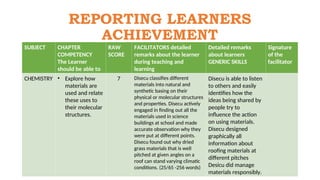
REPORTING LEARNERS
ACHIEVEMENT
SUBJECT CHAPTER
COMPETENCY
The Learner
should be able to
RAW
SCORE
FACILITATORS detailed
remarks about the learner
during teaching and
learning
Detailed remarks
about learners
GENERIC SKILLS
Signature
of the
facilitator
CHEMISTRY • Explore how
materials are
used and relate
these uses to
their molecular
structures.
7 Disecu classifies different
materials into natural and
synthetic basing on their
physical or molecular structures
and properties. Disecu actively
engaged in finding out all the
materials used in science
buildings at school and made
accurate observation why they
were put at different points.
Disecu found out why dried
grass materials that is well
pitched at given angles on a
roof can stand varying climatic
conditions. (25/65 -256 words)
Disecu is able to listen
to others and easily
identifies how the
ideas being shared by
people try to
influence the action
on using materials.
Disecu designed
graphically all
information about
roofing materials at
different pitches
Desicu did manage
materials responsibly.
ACTIVITY: PICKING TREASURES
• 7 VOLUNTEERS COME FORWARD 3 MALES AND 4 FEMALES
• THE REST OF THE PARTICIPANTS OBSERVE AND PREPARE TO SHARE
• 3 MALES AND 3 FEMALES GATHER AND STAND 60 CM AROUND THE
BOX OF TREASURES
• THE REMAINING FEMALE IS GOING TO COUNT FROM 10 TO ZERO.
WHEN SHE REACHES ZERO THE OTHER PEOPLE PICK AS MANY
TREASURES AS POSSIBLE FROM THE BOX
• COUNT THE TREASURES YOU HAVE GOT
ACTIVITY: PICKING TREASURES
• STAND ACCORDING TO THE NUMBER OF TREASURES
• HOW DID YOU FEEL AS YOU GOT ENGAGED IN THIS
• TEACHEABLE MOMENTS: WHAT DO WE LEARN
• WHAT THINGS IN OUR COMMUNITY CAN MAKE PEOPLE TO IN SUCH
A SITUATION
• COULD THEY HAVE DONE IT DIFFERENTLY: HOW
• IF YOU WERE LIVING IN SUCH SITUATION(WHERE THEY ARE COMING
FROM OR WHERE THEY ARE SETTLING) HOW WOULD YOU HANDLE
SUCH
STRUGGLE FOR THINGS
221008  PUBLIC TRAINING FOR LEARNING NLSC.ppt

221008 PUBLIC TRAINING FOR LEARNING NLSC.ppt

  • 1.
    WORKSHOP •TEACHING, LEARNING AND ASSESSMENTFOR THE NEW LOWER SECONDARY CURRICULUM
  • 2.
    A WAY OFINTRODUCTION •ONE WAY IAM DIFFERENT FROM EVERY ONE ELSE
  • 3.
    ACTIVITY: INTEREST APPROACH •1. Hold the papers lengthwise with both hands on the top corners • 2. Fold the paper lengthwise so that the top right corner meets the top left corner and the bottom right corner meets the bottom left • 3. Fold the paper again so that the top edge meets the bottom edge • 4. Close your eyes • 5. Tear off a small portion of bottom right corner and drop it on the floor • 6. Fold the paper again so that the bottom edge meets the top edge • 7. Tear off a small portion of bottom left corner and drop it on the floor • 8. Open your eyes and unfold the paper
  • 4.
    ACTIVITY: INTEREST APPROACH •IN OUR POSITION OR LET ALL OF US STAND UP • STRETCH YOUR ARMS LIKE YOU ARE HOLDING A BALL ABOVE YOUR HEAD 3 TIMES • NOW POINT TO THE NORTH • LOOK AT WHERE YOUR NEIGHBOUR IS POINTING? DID THAT PERSON POINT TO THE NORTH
  • 5.
  • 6.
    WHAT IS THEDIFFERENCE BETWEEN THE TWO WHEN LOOKING FOR MEAT
  • 8.
  • 9.
    RED OCEAN ANDBLUE OCEAN STRATEGY
  • 10.
    REAARANGE THESE LETTERS INTOWORDS WITH MEANING • OEMYN • TSEYICO • NECTXTO • QINEUU • VOLSE • EBPERMLO • LYIBAIT • SRDASDE • NARE
  • 11.
  • 12.
    SENIOR 1: TERM2 TOPIC 5: GEOMETRIC CONSTRUCTION SKILLS 10 PERIODS LEARNING OUTCOMES The learner should be able to SUGGESTED LEARNING ACTIVITIES SAMPLE ASSESSMENT STRATEGY a) Draw perpendicular and parallel lines. (k s) b) Construct perpendiculars, angle bisectors, mediators and parallel lines. (u s) c) Use a pair of compasses and a ruler to construct special angles. (60degrees, 45degrees) (u s) d) Describe a locus. (u) e) Relate parallel lines, perpendicular bisector, angle bisector, straight line and a circle as loci. (k u) f) Draw polygons. (u) g) Measure lengths and angles. (s) h) Construct geometrical figures such as triangle, square, rectangle, rhombus, parallelogram. (u s)  Learners should identify perpendicular and parallel lines in the environment  Learners use strings and markers to create various loci e.g. equidistant from a fixed point (circle); equidistant from two fixed points (perpendicular bisector); equidistant from a line (parallel lines); equidistant from a fixed point and a line (parabola); the sum of the distance from two fixed points is a constant (ellipse)  Construct various polygons and geometric designs using geometric equipment  Observe learners as they select the correct instruments to use.  Observe their interaction, attitude towards what they are supposed to do. Can they differentiate drawing from constructing?  Let the learners explain or describe the procedure for constructing angles.  In your exercise book, construct the following angles by using a pair of compasses, ruler and pencil only. a) 30 degrees b) 45 degrees c) 60 degrees d) 75 degrees e) 90 degrees f ) 15 degrees g) 105 degrees h) 135 degrees i) 180 degrees j) 22.5 degrees  a) Accurately construct a square
  • 13.
    SENIOR 1: TERM2 TOPIC 5: GEOMETRIC CONSTRUCTION SKILLS 10 PERIODS  Activity 1: drawing perpendicular and parallel lines  Activity 2: constructing perpendiculars, angles, bisectors, mediators, and parallel lines  Activity 3: using a pair of compasses and ruler to construct special angles  Activity 4: describing a locus  Activity 5: relating parallel lines, perpendiculars, angles, bisectors, mediators, straight lines and a circle as loci  Activity 6: drawing polygons  Activity 7: measuring length and angles  Activity 8: constructing geometrical figures such as triangles, squares, rectangles, rhombus and parallelogram
  • 14.
  • 17.
    TRIANGULATION  Learner Teacher ClassActivities  Discovery Converse  Explanatory  Analysis Observe  Application Product Projects Activity of Integration Terminal integration competency
  • 18.
  • 19.
    CAN A TEACHERIN A RURAL AREA HAVE THESE FOR TEACHING • LIST ITEMS POSSIBLE FOR A STRUGGLING AND THE ADEQUATELY RESOURCED SCHOOL IN UGANDA
  • 20.
    WHAT CAN AMATHEMATICAL SET DO FOR US
  • 21.
    WHAT CAN AMATHEMATICAL SET DO FOR US
  • 22.
    SAMPLE ACTIVITY OF INTEGRATION •In a few weeks’ time your school will host this year’s district debate competition/food programmed. Many dignitaries and schools have already been invited. However, the school board of governors and headteacher during their last meeting resolved that the school requires a face lift. This would include having to beautify the school compound. They asked the headteacher to look for an expert in painting, paving compound and renovation of buildings. The headteacher is aware and trust that you have learnt to use angle properties, lines and shapes. • Task Make a model drawing on a sheet of what will be used to help to beautify the school compound for the head teacher to present to the board.
  • 23.
  • 24.
  • 25.
  • 26.
    POSSIBLE RESPONSES AND TURNSOUT TO BE A PROJECT
  • 27.
  • 28.
  • 29.
  • 30.
    CHARACTERISTICS OF COMPETENCY BASEDAPRROACH • 1.ORGANIZED AROUND LEARNING TASKS AND OR ACTIVITIES: TASK BASED TO DELIVER KNOWLEDGE, UNDERSTANDING, SKILLS, VALUES AND ATTITUDES • 2.LEARNER CENTRED THUS USE OF GROUP/INTERACTIVE LEARNING WAYS • 3.ASSESSES PERFORMANCE OR WHAT YOU CAN DO WITH WHAT YOU HAVE LEARNT OR HAVE BEEN TAUGHT • 4.WANTS TO ATTAIN COMPETENCY AND BE ABLE TO ADDRESS PROBLEMS YOU FACE
  • 31.
    DESCRIBE HOW YOUREACHED HERE FROM YOUR HOME
  • 32.
    DESCRIBE HOW YOUREACHED HERE FROM YOUR HOME
  • 33.
    FUNCTIONAL ENGLISH IS REQUIREMENTFOR ALL • JOURNEY IS A TRIP FROM ONE PLACE TO ANOTHER. YOU MOVE TO PLACES. HAVE YOU EVER MOVED TO PLACES? YOU WERE DEFINITELY MAKING A JOURNEY. YOU HAVE DONE THIS MANY TIMES. PEOPLE DO TRAVEL IN MANY WAYS. TRAVEL CAN BE BY FOOT, BICYCLE, ANIMALS, CART, TRAIN, BUS, AIRPLANE, BOAT, CANOE OR SHIP
  • 34.
    HOW DO YOUAPPLY WHAT YOU KNOW
  • 35.
    DESCRIPTION OF AJOURNEY UNDER THE TOPIC TRAVEL • Last weekend we went to Jinja. We travelled with fellow workmates to this famous town. We went there; by a green drone taxi. The vehicle moved quickly. On this smooth road; the journey took us two hours. This was due to the heavy traffic going to Eastern Uganda. • We went as a pleasant group to see the source of the Nile. This frequently visited place is one cannot miss when in Jinja. During the journey we did many things. Some of us read newspapers or interesting books. Once in while each one slept away almost half the trip. At some point we ate hot snacks. Salty Rolex Chapati and oily roasted chicken; caffeinated goats meat and many cold soft drinks • were served. Sweet banana and apples saw our teeth. Finally we arrived at 11 o’clock in the morning. Our journey was on warm and sunny. At the source it was quite busy. There were many stalls of traditional crafts. The source of the Nile is really a huge tourist attraction
  • 36.
    HANDS-ON WITH CARDSTO FORM AN OBJECT WITH MEANING
  • 37.
    HANDS-ON WITH CARDSTO FORM AN OBJECT WITH MEANING • YOU ARE PROVIDED WITH A PACK OF CARDS. EACH ONE OF YOU SHOULD GET ONE CARD FROM THE PACK • AS A GROUP ARRANGE THESE CARDS INTO ONE OBJECT WITH MEANING? • TEACHEABLE MOMENT • WHAT IS YOU EXPERIENCE AS YOU FIGURE OUT THE OBJECT? WHAT IS INTERESTING IN THIS ACTIVITY THAT YOU HAVE LEARNT? WHAT IS THE NAME OF YOUR OBJECT? RECORD YOUR RESPONSES ON A SHEET • WHICH SKILLS IS THIS ACTIVITY DEVELOPING IN YOU? WHERE ARE SUCH SKILLS REQUIRED? RECORD YOUR RESPONSES ON A SHEET • WHAT PRODUCTS DO WE GET FROM THE NAMED OBJECT? WHICH DO YOU LIKE MOST AND WHY. RECORD YOUR RESPONSES ON A SHEET • WHICH TOPIC CAN YOU INTRODUCE USING THE PACK OF CARDS PROVIDED • WHICH ALTERNATIVE WAY CAN YOU USE TO INTEREST THE LEARNERS IN THAT TOPIC?
  • 38.
    LEARNING FROM KNOWNTO UNKNOWN • WHAT PRODUCTS CAN YOU GET FROM THE DAIRY CATTLE • WHAT STEPS DO YOU FOLLOW WHEN PREPARING THE PRODUCT FOR THE MARKET
  • 39.
    WHAT PRODUCT FROMTHE ANIMAL IS GOOD FOR YOU
  • 40.
    PERFORM A PLATFORMTEST ON MILK
  • 41.
  • 42.
    COCREATE KNOWLEDGE ASYOU INTERACT WITH OTHERS AND THE ENVIRONMENT • MEREDITH BELBIN • JEROME BRUNER
  • 43.
  • 45.
    WHAT HAVE BEENYOUR EXPERIENCES IN THE NEW LOWER SECONDARY CURRICULUM • LEARNER CENTRED • GROUP WORK • ACTIVE PARTICIPATION • PRACTICAL OR HANDS-ON • USING ICT, PROJECTS • ACADEMIC NOISE • RESEARCH BY LEARNERS • INSTRUCTIONAL MATERIALS • LARGE NUMBERS • ATTITUDE OF STAKEHOLDERS • ASSESSMENT IS A CHALLENGE • PREPARATION IS DEMANDING • COSTLY/EXPENSIVE
  • 46.
    WHY ARE THINGSHERE HAPPENING THAT WAY
  • 47.
  • 48.
    TO PRODUCE GRADUATESWHO ARE COMPETENT
  • 50.
    SHORT STORY: LESSONFOR SCHOOL LEADERS
  • 51.
    SOCRATIC METHOD The leader/facilitatorkeeps the topic focused by asking a variety of questions about the text itself, as well as questions to help clarify positions when arguments become confused 1.Opening questions generate discussion at the beginning of the activity in order to elicit dominant themes. 2.Guiding questions help deepen and elaborate the discussion, keeping contributions on topic and encouraging a positive atmosphere and consideration for others. 3.Closing questions lead participants to summarize their thoughts and learning and personalize what they've discussed
  • 52.
    DRAW THE PICTURESYOU SEE HERE ON A SHEET OF PAPER
  • 53.
    WHAT MEMORIES DOESTHIS BRING TO YOU
  • 54.
  • 55.
    STEPS OF DRAWINGTHE CONICAL FLASK
  • 56.
  • 59.
    ACTIVITY 4.1 INVESTIGATINGTHE FLOWER STRUCTURE • 1.You are provided with a flower. You are going to take the flower apart and stick the various parts on a flip chart sheet. Look carefully at your flower • 2.How many sepals does it have? Carefully remove each of the sepals and stick them in a neat row on the sheet. Write a label to remind you what they are. • 3.How many petals does your flower have? What colour are they? List down three plants you know and the colour of their flowers. Which colour do you like most and why? What is the reason for having flowers which have colours? Carefully remove each of the petals and stick them into the sheet. • 4.Why should human being have interest in understanding the structure of flowers
  • 60.
    ACTIVITY : INVESTIGATINGPARTS OF A FLOWER
  • 61.
    JUMPING THE ROPE:AS A STANDARD IN SPORTS
  • 63.
    TEACHING,LEARNING AND ASSESSMENT EXPLORINGDIFFERENT AMOUNTS OR NUMBERS BY MAKING BUNDLES/HEAPS •You are provided with a bundle (or four different bundles) of straws to your group. How many straws do you have? Write on the flip chart sheet to remind you how many they are. •As a group put the straws in bundles of : -10 -9 -8 -7 -4 -3 •Write on a flip chart sheet how many bundles you have and those that remain. Put these findings in the most suitable way you want to share with others. Give reasons for your choice. •GET TO THREE OTHER GROUPDS AND FIND OUT THE TOTAL THEY STARTED WITH ? Record their starting figures and yours in one line. What does this make you to remember? How does it relate to when you made bundles of 7? Which real life activities uses bundle 7 to function? Why do you say so •In real life which things are handled using the same approach of making bundles? Where does it take place? When do the different numbers in bundle come to be useful? In your opinion who should be given this kind of teaching and learning?
  • 65.
    REASONING TYPES INREAL LIFE • ALL FRUITS CAN BE MADE INTO JUICE • ORANGES ARE FRUITS • ORANGES CAN BE MADE INTO JUICE • CASSAVA LEAVES CONTAIN LIQUIDS • YOU CAN EXTRACT LIQUIDS FROM CASSAVA LEAVES • YOU CAN DRINK EXTRACTED CASSAVA LEAVES LIQUID
  • 66.
    TEACHING,LEARNING AND ASSESSMENT A marketvendor has 30 oranges(you can use seeds, bottle tops, or straws/sticks/stones/ to represent) for sale. 1.How many groups of seven does she/he have? 2.How much money will she get if she sold each group of oranges at 1400/=. 3.How much will she sell the remaining oranges? Why do you think so? What different way can he/she handle the remaining oranges and why? 4.What will happen if she decides to make groups of eight? In which situation can the number in a bundle or heap change? What lesson can you use from this activity?
  • 67.
    VEGETABLES • Vegetables areparts of plants that are consumed by humans or other animals as food. • Despite Sub-Saharan Africa being home to hundreds of indigenous vegetables, which can supply the required vitamins and minerals such as Beta-carotene, vitamins A, C and E, folates, iron and calcium, these vegetables have not been mainstreamed in the staple diets. • Potential consumers of indigenous vegetables complain about the inconsistency in supply and poor quality of products availed to them due to the seasonality of supply, long distances between production areas and potential consumption centres and poor post-harvest handling.
  • 68.
    VEGETABLES • The vegetablesinclude Amaranth species commonly known as Amaranthus dubius (dodo), Nakati, Gynandropsis gynandra (African spider), African eggplant, Hibiscus sabdariffa (malakwang among the Luo, kulubu (Lugbara) and lakabi (Madi), Crotalaria ochroleuca, Hibiscus esculentus (okra), Jute mallow (otigo lwoka), Vigna unguiculata (cow pea leaves: Boo), Manihot esculentum (Cassava leaves) and Cucurbita maxima (pumpkin leaves).
  • 69.
  • 71.
    WHAT DO YOUSAY ABOUT NEW LOWER SECONDARY CURRICULUM
  • 72.
    PROJECT IDENTIFICATION AND PLANNING Group1: Which topics and competency are covered in Biology in: Senior 1(Introduction to biology, cells, classification, insects and flowering plants) How do these areas work or relate in real life? Do we need to increase the population of these organisms(parts)? What should we do? What are the characteristics of the organisms(parts) that would be involved Group 2: Which organisms visit plants? Why do these organisms visit the plant? What is the use of this visit to the plant and to the big environment? What single name can you give to these organisms? What society problem do these organisms help to solve?
  • 73.
    PROJECT IDENTIFICATION AND PLANNING •Group 3: What native plants can you identify that attract butterflies mainly? What are the characteristics of these plants? Which feature on the plant are the butterflies looking for and why? What makes that part to be the most suitable for the butterflies to visit? • Group 4: What will you need to do, so that our school can attract many butterflies? Which native plant would you choose to have in our school? What would you need? How will you get the requirement for ensuring that many butterflies are attracted? When you start that activity of attracting butterflies who will do task involved? How will you ensure that activities/tasks are performed as required? What else will you have to do for this endeavour to be a success.
  • 74.
    • Group 4:What will you need to do, so that our school can attract many butterflies? Which native plant would you choose to have in our school? What would you need? How will you get the requirement for ensuring that many butterflies are attracted? When you start that activity of attracting butterflies who will do task involved? How will you ensure that activities/tasks are performed as required? What else will you have to do for this endeavour to be a success.
  • 76.
    PROJECT AND PROJECTBASED LEARNING STEPS
  • 77.
  • 78.
  • 79.
    BUTTERFLY GARDEN FOROUR SCHOOL • Butterflies tend to prefer plants that provide them a solid place to land, and with lantana’s clusters of tiny flowers, this makes it one of the best plants to attract butterflies. • The small clusters of flowers come in bright colours like yellow, purple, pink, white and orange. Often the collections combine two or more of these colours, making it a truly unique looking plant in your garden. • Lantanas are easy to grow, and you can plant them in the ground, in planters, or even containers which you can hang from a hook in your garden. Hanging them provides an even more unique setup in your future butterfly garden.
  • 84.
    DRIVING QUESTIONS AREPROVOCATIVE, OPEN- ENDED, DISCIPLINE-CENTERED, CHALLENGING, AND CONSISTENT WITH CURRICULAR STANDARDS • Example: How do we get a government official to preserve the wetlands/Lake Victoria/Mabira or Bwindi forest • How do I design a vegetable/sculpture store that local customers will come to but from • Driving questions are there for two entities, the teacher and the learner • initiate and focus the inquiry; captures and communicates the purpose • creates interest and a feeling of challenge so that even the most reluctant learner thinks; helps student answer the question: "Why are we doing this?
  • 86.
    USING MATERIALS • Competency Exploringhow materials are used • Skills Physically selects the different materials for building • Knowledge Molecular structures and properties of materials • Ability Honest, responsibility, empathy
  • 87.
    TOURISTS IN DIFFERENTLOCATIONS What are you not happy about staying in a place like •Fort portal (22 degree Celsius, 12 degree Celsius); •Mbale (25 degree Celsius , 16 degree Celsius ); •Kabale (23 degree Celsius, 13 degree Celsius )
  • 88.
    TOURISTS IN DIFFERENT LOCATIONS •Which knowledge are you going to employ to support the tourist in the condition you are not happy about. Which materials will you need and why? • What will you offer to each tourist who visits these places to have a comfortable experience • What would you like to tell this person/tourist riding in the rain if you happen to meet?
  • 89.
    MATERIALS ARE GOODFOR US • You are provided with 25mls of zinc sulphate solution or aqueous copper suplhate; 100gm of magnesium or zinc powder; 25mls or 50mls of sodium hydrogen carbonate; beakers(250mls); citric acid crystals; stirring rod; stop clock; 100gms ammonium nitrate; water; laboratory hand gloves; thermometer; spatula and test tubes • Add magnesium powder to the beaker with zinc sulphate. What is your experience? • Put the given volume of sodium hydrogen carbonate in a beaker. Write it somewhere to remind you. Record the initial temperature of the sodium hydrogen carbonate. • Add a spatula of citric acid crystals and stir. What have you used to stir and why? What do you observe in the reaction? Record the minimum temperature after 60 seconds; 90 seconds; 120 seconds; 180 seconds; 240 seconds and 300 seconds. what happens to the materials and the final product? What explanation can you give for this? • In another beaker dissolve ammonium nitrate in water. What do you observe? Touch the outside of the beaker. What do you feel? • Which energy changes are here? Where in real life can you use this experience to make money?
  • 91.
    MOVING FROM ENTEBBETO GHANA  For how long will the person wait in Addis?  When the person arrives in Ghana, what time will it be in Uganda?  Comment about the subject and topic where this is taking us. • Do you see the air-ticket as a Teaching resource? • Which knowledge, understanding, skills, values and attitudes are being applied here • Which topic and subject are we in?
  • 93.
    SAMPLE ACTIVITY OF INTEGRATION •In October there is conference of principals in New Zealand. One person has been invited to attend. The travel company has sent an air ticket. It is indicated that the journey starts at Entebbe at 18.22. the representative will pass through Dubai. The journey will take 1hour 30 minutes and a stop over will be 2 hours; before going to Amsterdam. The connecting flight is 6 hours and you will have to wait for 3 hours 10 minutes. Finally the passenger will board a plan to travel for 14 hours to Melbourne. The refueling here will take 1 hour before taking off for 3 hours to the destination of New Zealand
  • 94.
    DEEPER LEARNING JOURNEY •In the current classroom practice what challenge do you see from the information provided on the pack • In your opinion how best can we teach people about the concept behind this information.
  • 95.
    DEEPER LEARNING JOURNEY • 1.What datewill the patient complete the dose if he/she started today morning? • 2.How much Aluminum Hydroxide Gel UDP will the patient consume altogether? 3-What generic skills would a leaner develop in doing the above activity? 4-What would be the indicators of the skills mentioned?
  • 96.
    GROWING CEREALS INUGANDA • WHAT CAN YOU DO THAT HAS NOT YET BEEN DONE AND WHY?
  • 97.
    SAMPLE ACTIVITY OF INTEGRATION •When you travel to the vehicles repair spots in your urban area, are many abandoned. These machines accumulate one by one. They experience heat, wind, rain, day and night. When time passes the materials used in making vehicles is scrap. It peels off the surfaces into irreparable form. The water running from them into the storm water is brown in colour.
  • 98.
    SUPPORT TASK • Asa material expert in this area you have been approached to express the feeling of the community to Local Council about the changing water colour in the area.
  • 99.
    SAMPLE ACTIVITY OF INTEGRATION •Martyrs day is a national public holiday in Uganda. It falls on June 3rd . It commemorates the 45 martyrs. These were both Catholics and Anglicans. They are believed to have died at Namugongo. This is on the northern outskirts of Kampala. This day sees many people flocking the venue. Some trek long distances to attend mass at these famous shrines. The early birds are offered where to stay despite the overwhelming numbers. The place gets buzzing. The memorable day is experienced in many forms. There are those who come to show their commitment to the creator. Some also come for merry making. The blessings, spiritual meal, water, merchandise leave people different. The mass is said by the top clergy in the eyes of security forces; who come to enforce law and order a good 5 percent of the congregation find one or two of their property in different hands
  • 100.
    SUPPORT TASK • Asa Ugandan what message would you give to a staunch Christian in Europe to interest them to come and participate in martyrs day • HOW CAN YOU EXPLAIN THE EVENT AT NAMUGONGO TO A PERSON IN GREENLAND
  • 101.
    SAMPLE ACTIVITY OF INTEGRATION •Incertain hard to reach parts of East Africa during the 19th century, people relied on sorcery and witchcraft for their health and spiritual life. They would neither read nor write, famine was the order of the day and life was generally miserable.
  • 102.
    SUPPORT TASK • Asone of the Christian missionary groups at that time make a write up of what you would do for such communities if you belonged to.
  • 103.
    SAMPLE ACTIVITY OF INTEGRATION •As you travel from Abim to Otuke is plenty of natural grass. These include guinea grass, star grass, thatching grass, signal grass, spear grass and centro. These plants offer good nutrition for animals. As the grass matures to a given height, it develops woody stems. This is more so in the dry season. The people continue grazing the animals until the land is bare. While some people constructing houses do use dry grass for roofing. This is until the time when people anticipate coming of rains. This brings in wild fires in most of the grazing areas. Consequently animals are moved to where they can find grass and water.
  • 104.
    SUPPORT TASK • Asan animal nutritionist supporting this community write a message addressing the livestock owners to influence what they do with grass they have
  • 105.
    SAMPLE ACTIVITY OF INTEGRATION •As a senior parent in one village of Rawoti, you are preparing a wedding function for your daughter and son. The village is so happy and only waiting for that day. A lot of time, many people and resources have been invested One morning in the last week to the wedding day, you find that some unknown persons has cut down eight electric poles in Nanduget, Kangole, Matany and Moroto in Karamoja. Women young men and children are carrying away these pieces for making stools for elders, artefacts, chairs and as fire wood • Task:, As a chairperson of the community share the information about this with the UMEME area Manager at Moroto
  • 106.
  • 107.
    SURFACE LEARNING • DRAWAND LABEL THE PARTS OF AN INSEC • FIND THE AREA OF SHADED PART • WHEN I GRADUATE OUT OF SCHOOL HOW DO THOSE TWO QUESTIONS SUPPORT ME TO GET FOOD
  • 108.
    DEEPER LEARNING • HOWMANY SPHERICAL OBJECTS CAN WE PACK IN A RECTANGULAR BOX • HOW CAN WE PRODUCE CHITIN FROM INSECTS • initiating an immune response and potentially conferring protection against parasites in human beings • in medicine as a component of bandages or for surgical thread. Chitin is used in paper manufacturing as a strengthener and sizing agent. Chitin is used as a food additive to improve flavor and as an emulsifier. It is sold as a supplement
  • 109.
    WHAT QUESTIONS WILLHAVE ON THIS PICTURE
  • 110.
    WRITE WHAT COMESTO YOU MIND WHEN YOU SEE/FIND A ROCK ROCK
  • 111.
    WRITE WHAT COMESTO YOU MIND WHEN YOU SEE/FIND A
  • 112.
    • Assemble ina circle • Those who are likely to get problems with materials from the container go 10 m away. That is called HACCP(Hazard Analysis Critical Control Plan-so this is helping to identify where hazards can come from) • Those having the containers should spray in air/ceiling of the room • If any one of the members smells somethings they put up their hand. • Observe the pattern of how raising up of the hand is occurring. Why is it like that? • IN REAL LIFE OR DAY TO DAY SITUATION DO YOU EXPERIENCE THIS THAT ARE FAR. GIVE EXAMPLES • IS THIS A USEFUL PROCESS TO HUMAN BEINGS? WHERE IS THIS USED FOR MAKING MONEY
  • 113.
    WHAT MADE THESMELL TO REACH YOU NOSE • ILLUSTRATE MORE BY HAVING PEOPLE RUNNING IN SET
  • 114.
    MATTER IS MADEOF PARTICLES
  • 115.
    MATTER IS MADEOF PARTICLES • THE PARTICLES OF PERFUME MOVE • YOU SMELL THE PERFUME BECAUSE IT TRAVELS IN THE AIR TO OUR NOSE • WE ARE SHOWING YOU THAT SUBSTANCES ARE MADE OF PARTICLES • THESE PARTICLES ARE SO SMALL THAT WE CANNOT SEE OR OBSERVE THEM DIRECTLY
  • 116.
    HOW CAN MOVEMENTBE OF CONCERN IN HEALTH OF HUMAN BEING
  • 117.
    • WHAT DOYOU SEE AS SCIENCE IN THE PICTURE? • WHICH TOPICS OF SCIENCE CAN YOU IDENTIFY HERE • IN YOUR COMMUNITIES WHY ARE BICYCLES PARKED THAT WAY
  • 119.
    WHAT DO WEDO IN THE MORNING
  • 120.
    MATERIALS COME INTOCONTACT TOUCH EACH OTHER: WHAT HAPPEN • Rubbing our own hands together • Streamlined bodies of fish and birds are copied in order to guarantee that there is as little friction • Smoothening wood • Grinding of surfaces • Using sand papers • Shoe soles • Ball bearings are used to separate two bearing races by using balls as separators between the two races. The result is that sliding friction becomes rolling friction • Oiling the door hinges will make them easier to open and close. • Grease and oil is used to keep bicycle parts moving smoothly and petroleum jelly; shoe polish; water our body as move against air particles.
  • 121.
    SURFACES RUBBING FAST •During the manufacture of engine parts, a lot of care is taken. This is to make sure that metal surfaces which have to slide or rotate in contact with each other are finished as smoothly as possible. However, the surfaces are never completely smooth. On close observation of these surfaces they may look or feel smooth. The surfaces will show roughness when examined under a microscope. • If two such surfaces are rubbed together they will get hot. The heat you have is caused by particles touching each other. In fact, if they have enough pressure applied and they are rubbed fast enough together they will eventually become hot enough. They will melt on the surface and weld together. This is similar to when you rub your hands smartly back and forth across a table surface.
  • 122.
    SURFACES RUBBING FAST •a) What are the facts in the text? What information do you need to find out after reading the text • b)How do you feel about having to rub you hands back and forth across different surfaces • c) In you daily life, list examples where two surfaces rub together? What problems could arise when two surfaces are regularly rubbed together • d) What do you need to do next time if you expect that two surfaces are to rub together? • e) What new ideas come to your mind about surfaces in the engine that are moving against each other or tongue in the mouth and if a rope tied in the neck of tethered cow/goat
  • 123.
    MATERIALS COME INTOCONTACT TOUCH EACH OTHER: WHAT HAPPEN • Walking on the ground • Cycling on the road/Moving of the car • Vehicles braking system • Sanding/bathroom tiles • Train wheels /Trolley bag wheels • Roller skating • Lubricants in the hinges • Flying bird/plane • Oiling the engines parts/body parts • If there is no friction on the road, the car would slip and will never come to a complete stop; thus, roads are constructed using concrete to enhance the amount of friction. • The particles in talcum powder are tiny, but the particles in chalk powder are large. Friction is mostly caused by differences in surface area. Because talcum powder has a smaller surface area than chalk powder, it decreases friction, whereas chalk powder has a higher surface area and increases friction. There is less friction on a smaller surface area, hence it produces less friction.
  • 124.
    MATERIALS COME INTOCONTACT OR TOUCH EACH OTHER: WHAT HAPPEN
  • 125.
    MATERIALS COME INTOCONTACT OR TOUCH EACH OTHER: WHAT HAPPEN
  • 126.
    MATERIALS COME INTOCONTACT OR TOUCH EACH OTHER: WHAT HAPPEN
  • 127.
    WHAT DO YOUSEE IN THE PICTURES BELOW
  • 128.
    DRIVING QUESTIONS •1. HOWCAN YOU HELP THAT ENVIRONMENT AND THE COMMUNITY •2. HOW ARE YOU TELLING EVERYONE ABOUT THIS ENVIRONMENT YOU HAVE SEEN
  • 129.
    DRIVING OR PROBINGQUESTION FOR THE LEARNER • Actor -challenge –audience • Co creation or constructivism learning approach • HOW CAN YOU PRESERVE ROOT TUBERS THAT SUPERMARKETS CAN SELL FOR SIX MONTH • How can you preserve a root tuber for the market that local customers will come buy? • How can you preserve a root tuber to raise money for our school • Write down the six W’s of investigation: What, why, how, where, when, who
  • 130.
    ACTIVITY •How can youstart, work to produce, maintain, market and sell preserved root tuber products successfully? •List all thing to be done on a single sheet of paper • A business model canvas is a one-page summary describing the high-level strategic details needed to get a business (or product) successfully to market
  • 131.
    TOPIC: ENVIRONMENT ANDPOLLUTION • COMPETENCY: Learners should be able to carry out research and talk about the environment and pollution, and suggest ways of reducing pollution. • What objects/things can you identify? Where is this taking place? What activities led to this to happen? • What is being affected and why? How do you know that? How can you help this community? • What are the feeling of the people who happen to live in the neighbourhood? How can tell their feeling to other people who do not know about it? What can they tell you when you happen to talk to them? How do you know that? What message can you share to influence the behaviours of the community? What will be its title?
  • 132.
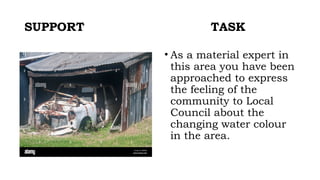
    Competency: The learner shouldinvestigate how some objects emit light resulting in light and shade, while other objects, such as a mirror, simply reflect light, and understand the applications of light/shade and reflection LEARNING OUTCOMES The learner should be able to: SUGGESTED LEARNING ACTIVITIES SAMPLE ASSESSMENT STRATEGY a. identify illuminated and light source objects in everyday life (u, s) b. understand how shadows are formed (u) c. understand how the reflection of light from plane surfaces occurs and how we can make use of this (u, s) • In groups, learners brainstorm prior learning about natural and artificial sources of light and the formation of shadows, and explain using diagrams. • In pairs, learners apply prior learning to investigations of a pinhole camera and use it to explain magnification and image, using diagrams. • In pairs, learners investigate the characteristics of images formed by plane mirrors and research and explain angles of incidence and reflection, recording findings with (ray) diagrams. • In pairs, learners apply their knowledge of reflection to design, make and report on a device (periscope) using card and mirrors which would allow a person to see over a wall. • In pairs, learners use their knowledge about how light travels to explain in diagrams how light from the sun reaches the Earth and how eclipses are formed Listen to pair discussions and intervene to ensure diagrams are drawn accurately and that they use them to explain the nature of light, the formation of shadows and the pinhole camera. • Observe pairs and groups engaged in practical activities and intervene to ensure investigations are well planned and conducted and misconceptions are avoided. • Evaluate learning through products: diagrams and designs; assess progress towards the learning outcomes.
  • 133.
    PROJECT AND PROJECTBASED LEARNING: HOW DOES IT GO? • SITUATION AND OPTIONS • Some people in our community cannot see objects that are at a distance or behind the wall yet there is a window. • What plan do you have for them as you study the nature of light; reflection of light at plane surfaces. Explain why your plan is needed? How will your plan help these people? Why is it best thing you can do for them? • What will you need to help them? What will be the use of each? How will you get those materials? How will you ensure that you succeed in helping them?
  • 134.
    REFLECTION IN ACURVED MIRROR
  • 135.
    VISITOR DETECTOR • Aperiscope allows you to look over at objects or people from around a corner, or from a higher vantage point than normal. While modern submarines and other high-tech vehicles usually use a more complex system of prisms and lenses, the basic mirror periscope described below is easy to make at home, and provides a clear enough image that it was widely used for military purposes well into the twentieth century
  • 136.
  • 137.
    WHAT PROJECT CANYOU GET IN BIOLOGY PROGRAMME PLANNER SENIOR 1 THEME TOPIC DURATION Term 1 Diversity Of Living Things Introduction to Biology 8 Cells 12 Classification 16 Classification 36 Term 2 Diversity Of Living Things Insects 20 Term 3 Diversity of Living Things Flowering plants 16
  • 138.
    DRAW THE CELLAND LABEL 5 MAIN PARTS
  • 140.
    ACTIVITY:WHAT ARE THEFUNCTIONS OF FIVE PARTS/COMPONENTS/INCLUSIONS OF A PLANT OR ANIMAL CELL HOW SIMILAR ARE THESE PARTS TO YOUR SCHOOL/DISTRICT/CITY/HOUSE • Nucleus =Head of household/headteacher office/city authorities • Cytoplasm =House rooms/compartments/city land • Cell wall=House/school/district/ city boundaries • Lysosomes =House treatment point/clinic/hospital • Golgi apparatus =House store/food preparation platform/processing factory • Mitochondria =House kitchen/meal and dishes preparation unit/ Energy production • Vacuole= House dustbin/store of waste
  • 141.
    WORKING ON AMODEL •CAN YOU DESIGN A MODEL OF A NEW CITY IN UGANDA USING THE LEARNING FROM CELLS. •WHAT MATERIALS WILL YOU NEED? WHO WILL PROVIDE THEM? •DO IT AND SHOW US
  • 142.
    ACTIVITY : INVESTIGATINGPARTS OF A FLOWER You are provided with a flower. You are going to take the flower apart and stick the various parts on a flip chart sheet. Look carefully at your flower 1.How many sepals does it have? Carefully remove each of the sepals and stick them in a neat row on the sheet. Write a label on a sheet to remind you what they are. 2.How many petals does your flower have? What colour are they? List down three plants you know and the colour of their flowers. Which colour do you like most and why? What is the reason for having flowers which have colours? Carefully remove each of the petals and stick them into the sheet. Which colour do you like most and why? 3.What native plants do have coloured flowers? List 10 native plants on a sheet. 4.Why should human beings (me and you) have interest in understanding the structure of flowers and plants that have them
  • 143.
    SUNFLOWER FOR BUTTERFLIES •Sunflowers are the favourite flower of many people and, as it turns out, many butterflies. They are easy to plant and care for, which is why they are a favourite of gardening beginners. • As you probably know by now, butterflies love flowers and plants that provide them a sturdy place to land on. Sunflowers are rather large flowers and have a sturdy centre that butterflies can land on. • Butterflies aren’t the only insect that loves sunflowers. Several species of caterpillars enjoy eating sunflowers.
  • 144.
    HEALTHY MEALS FORA FAMILY • How can you buy available food items for a healthy meal at low cost • What are the available food items? What do these food items contain? • What is a healthy food option in our community and why? • What are the prices of available food items? How do you know that? • What are the amount required for your healthy option? What will be the cost? • How can you be telling everyone about this healthy meal at low cost?
  • 145.
    SHOWCASING A SCHOOLGARDEN DOCUMENTARY • How can you showcase a healthy vegetable garden in our school? • Which vegetable garden can you have at school? • What do you need to show case a healthy vegetable garden? Whose garden will be showcasing? How will you ensure that? (plan; choose a healthy vegetable to plant, care/tend and harvest in 12 weeks; choose a recipe; work in groups; task allocation-camera operator, tech expert, actor/presenter, script writer, salesperson) • What are the timelines • How will you be telling everyone about healthy vegetables? How will you ensure that the healthy vegetable is liked
  • 146.
  • 147.
    ROLE OF AFACILITATOR In project and project based learning and assessment, it is expected that you: ▪Make observations of each step/phase ▪Hold conversations at each opportunity identified ▪Provide guidance and support the learner in all steps through probing/driving questions ▪Keep analog or digital records of the project journey ▪Receive a Product or service during an exhibition/pitching with a report on the journey including lessons learnt and challenges met This is continuous throughout the project lifetime.
  • 148.
  • 149.
  • 151.
  • 152.
    PORTFOLIO • A portfoliois a body of learners/individuals work over a period of time • It include statements deemed important to keep, record of achievements made, record of lesson products/outputs, project records, journaling sheets, reports and articles
  • 153.
    A COLLECTION OFACHIEVEMENTS
  • 154.
    DEVELOPING CITIES INUGANDA In Uganda; for any of the 5 town to be elevated to a city status, the following conditions must be satisfied. a. Area of not less than 10,000sq.km. b. Population density of at least 100 people per sq.km. c. Annual revenue per person of at least 500,000 UGX.
  • 155.
    DEVELOPING CITIES INUGANDA 1. Study table 1 and establish towns likely to gain city status. 2. Use the information in the table to explain what other towns need to do to attain city status. 3. In your opinion, what problems are the identified cities in 1) likely to face? As athe next mayor of city how will you handle that?
  • 156.
  • 157.
    ASSESSMENT GRID Output Output Basisfor Basis for Evaluation Evaluation Relevance/ Relevance/3 3 Accuracy Accuracy/3 /3 Coherence Coherence/3 /3 Excellence Excellence/1 /1 WHAT IS EXPECTED AFTER THE TASK WHAT IS THE FOCUS OF ASSESSMENT WHAT IS CLOSELY RELATED TO THE CONCEPT OR TASK AT HAND WHAT IS TECHNICALLY CORRECT IN THE DISCIPLINE/ SUBJECT WHAT MAKES SENSE OR WHAT LOGICALLY FLOWS IN A SENTENCE/ PARAGRAPH OR HOW IT RELATES TO OTHER PEOPLE AND THE ENVIRONMENT WHAT IS EXTRA ORDINARY IN THE RESPONSE THAT WAS NOT SOLICITED FOR
  • 158.
    Output Output Basis for Basisfor Evaluation Evaluation Relevance/ Relevance/3 3 Accuracy Accuracy/3 /3 Coherence Coherence/3 /3 Excellence Excellence/1 /1 PAVEMENT MODEL MADE FROM LOCALLY AVAILABLE MATERIAL WHAT IS THE FOCUS OF ASSESSMENT GEOMETRIC CONSTRUCTION SHAPES WHAT IS CLOSELY RELATED TO THE CONCEPT OR TASK AT HAND Score 3 when the Learners work has 5 or more of these -lines -angles -mediators - perpendiculars - measurements Score 2 when learner has 3-4 WHAT IS TECHNICALLY CORRECT IN THE DISCIPLINE/ SUBJECT Score 3 when the Learners work has 5 or more of these that are technically correct or facts in the subject -lines -angles -mediators -perpendiculars -measurements Score 2 when learner has 3-4 WHAT MAKES SENSE OR WHAT LOGICALLY FLOWS IN A SENTENCE/ PARAGRAPH OR HOW IT RELATES TO OTHER PEOPLE AND THE ENVIRONMENT Score 3 when the Learners work has 5 or more of these which are logical -lines -angles -mediators -perpendiculars WHAT IS EXTRA ORDINARY IN THE RESPONSE
  • 159.
    REPORTING LEARNERS ACHIEVEMENT SUBJECT CHAPTER COMPETENCY TheLearner should be able to RAW SCORE FACILITATORS detailed remarks about the learner during teaching and learning Detailed remarks about learners GENERIC SKILLS Signature of the facilitator CHEMISTRY • Explore how materials are used and relate these uses to their molecular structures. 7 Disecu classifies different materials into natural and synthetic basing on their physical or molecular structures and properties. Disecu actively engaged in finding out all the materials used in science buildings at school and made accurate observation why they were put at different points. Disecu found out why dried grass materials that is well pitched at given angles on a roof can stand varying climatic conditions. (25/65 -256 words) Disecu is able to listen to others and easily identifies how the ideas being shared by people try to influence the action on using materials. Disecu designed graphically all information about roofing materials at different pitches Desicu did manage materials responsibly.
  • 160.
    ACTIVITY: PICKING TREASURES •7 VOLUNTEERS COME FORWARD 3 MALES AND 4 FEMALES • THE REST OF THE PARTICIPANTS OBSERVE AND PREPARE TO SHARE • 3 MALES AND 3 FEMALES GATHER AND STAND 60 CM AROUND THE BOX OF TREASURES • THE REMAINING FEMALE IS GOING TO COUNT FROM 10 TO ZERO. WHEN SHE REACHES ZERO THE OTHER PEOPLE PICK AS MANY TREASURES AS POSSIBLE FROM THE BOX • COUNT THE TREASURES YOU HAVE GOT
  • 161.
    ACTIVITY: PICKING TREASURES •STAND ACCORDING TO THE NUMBER OF TREASURES • HOW DID YOU FEEL AS YOU GOT ENGAGED IN THIS • TEACHEABLE MOMENTS: WHAT DO WE LEARN • WHAT THINGS IN OUR COMMUNITY CAN MAKE PEOPLE TO IN SUCH A SITUATION • COULD THEY HAVE DONE IT DIFFERENTLY: HOW • IF YOU WERE LIVING IN SUCH SITUATION(WHERE THEY ARE COMING FROM OR WHERE THEY ARE SETTLING) HOW WOULD YOU HANDLE SUCH
  • 162.