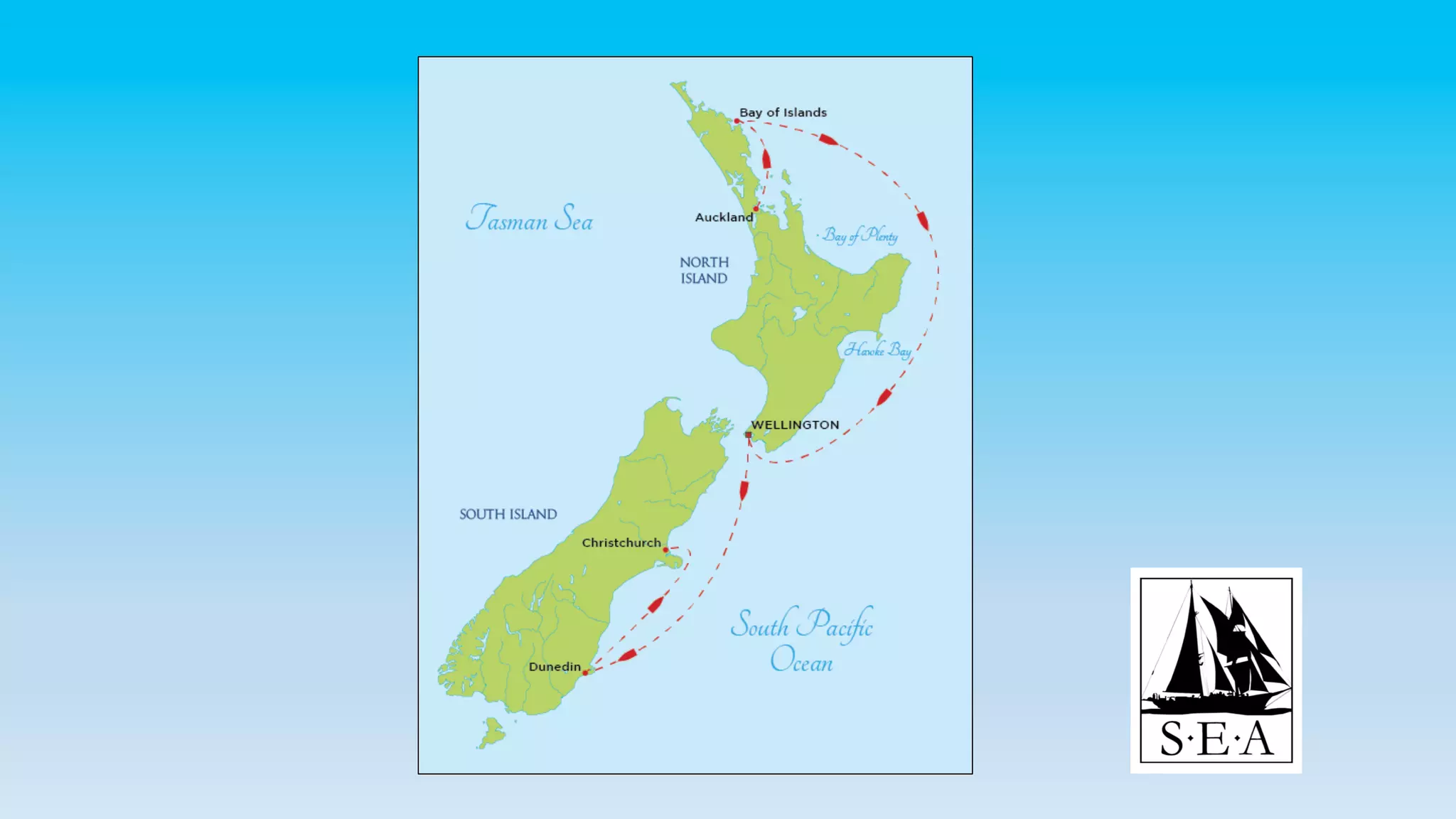
Sailing	One	Ocean:	SEA	Semester	in	Aotearoa	New	Zealand	
11	March	2016	
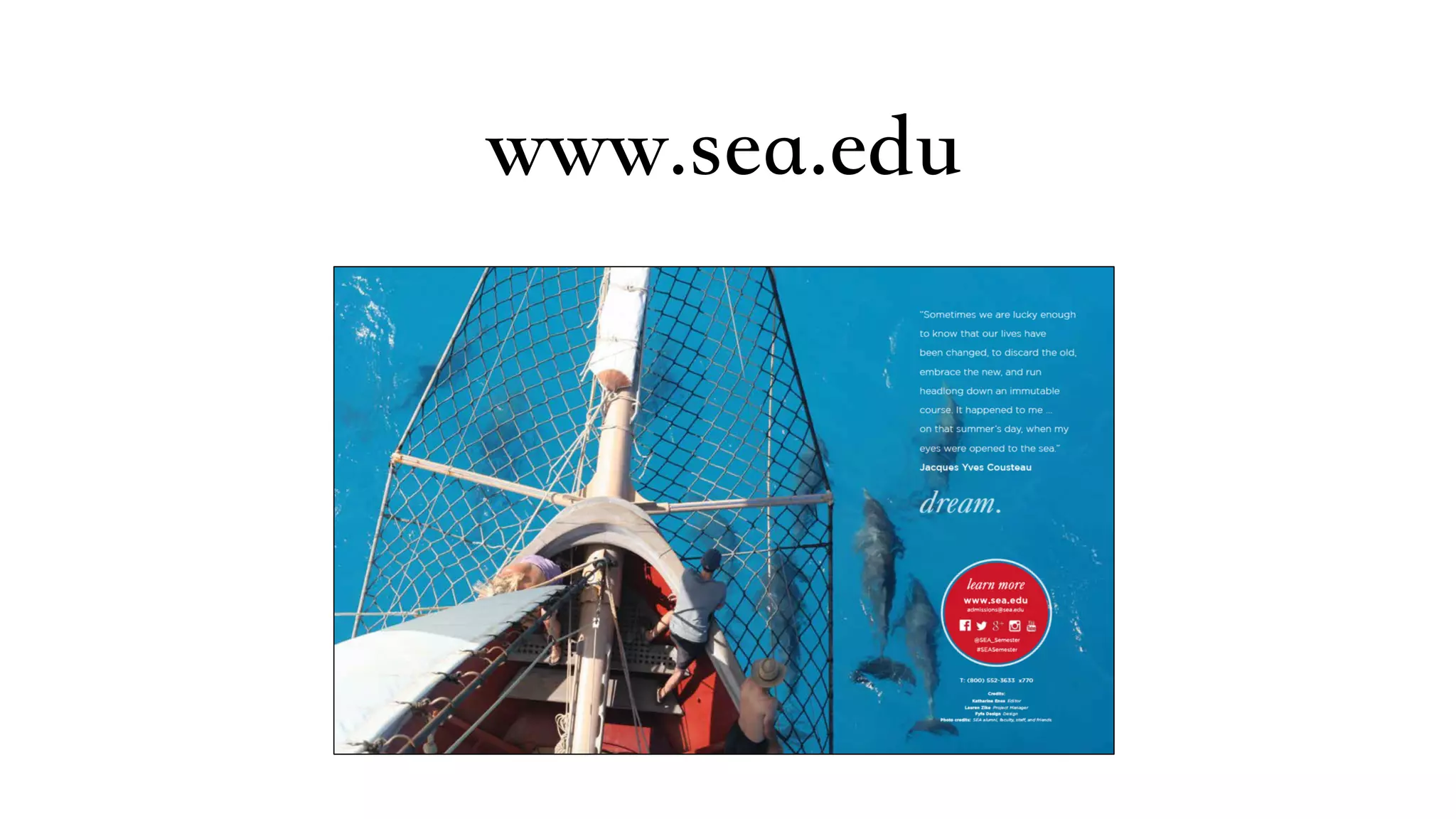
www.sea.edu
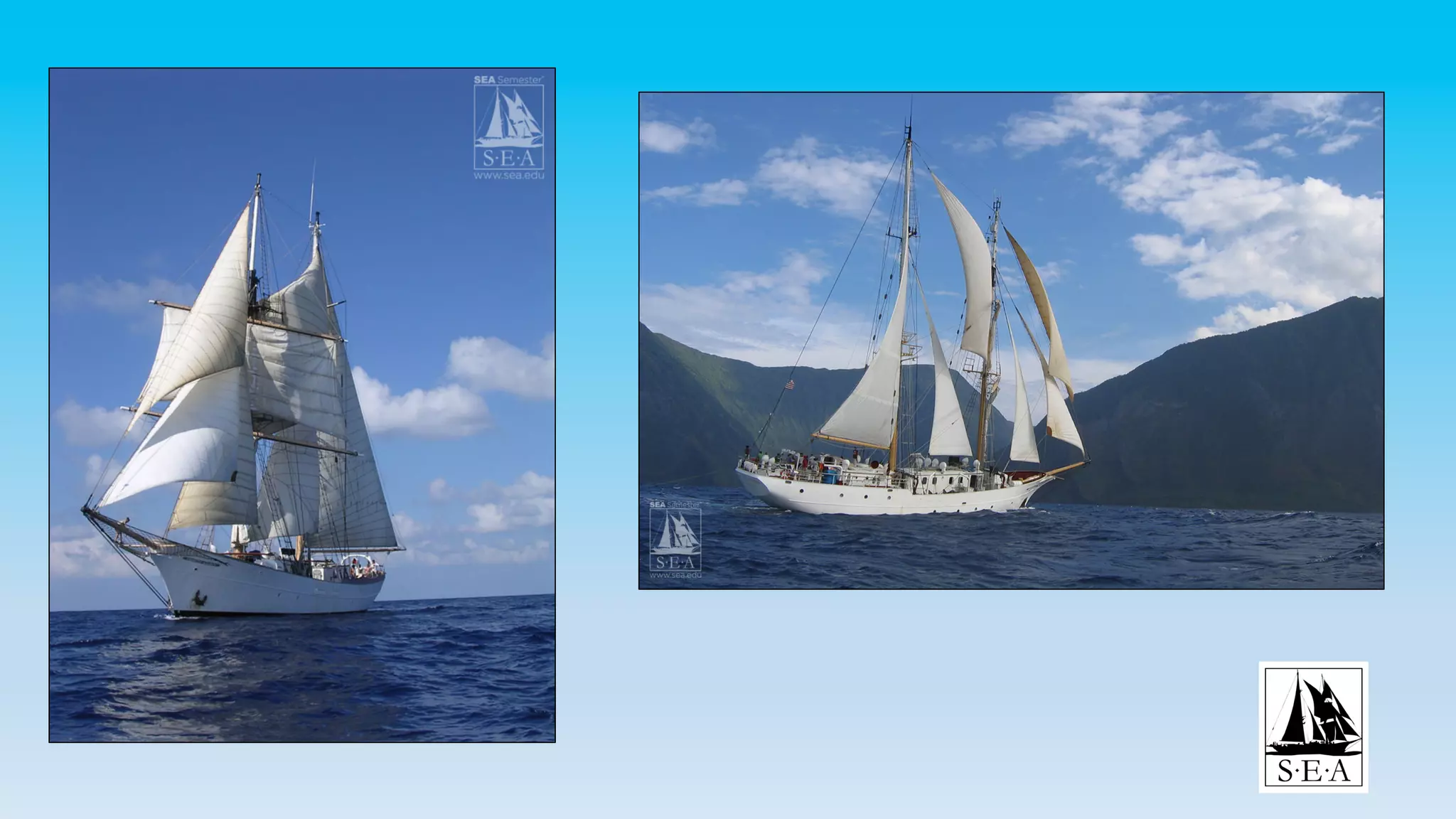
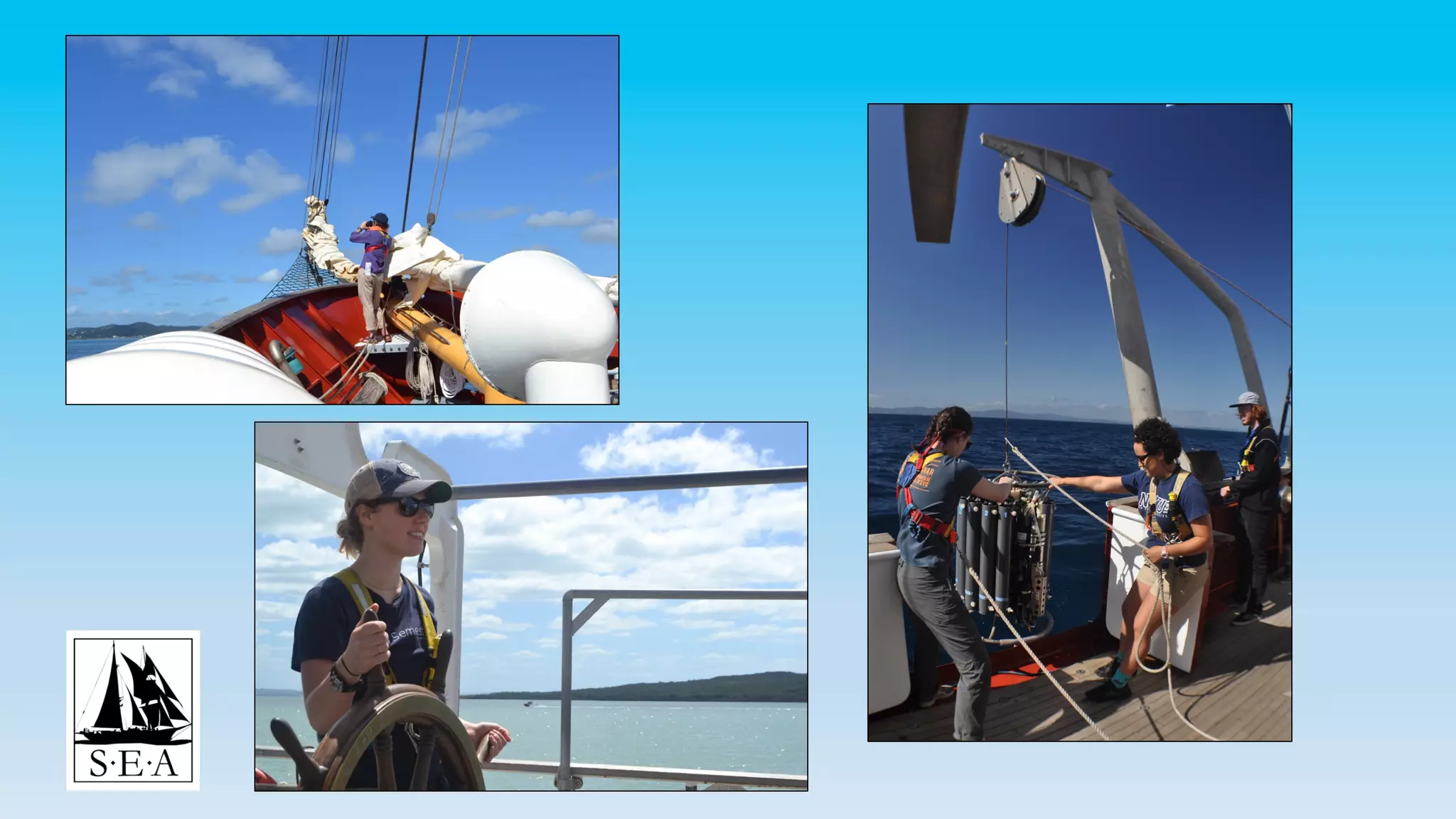
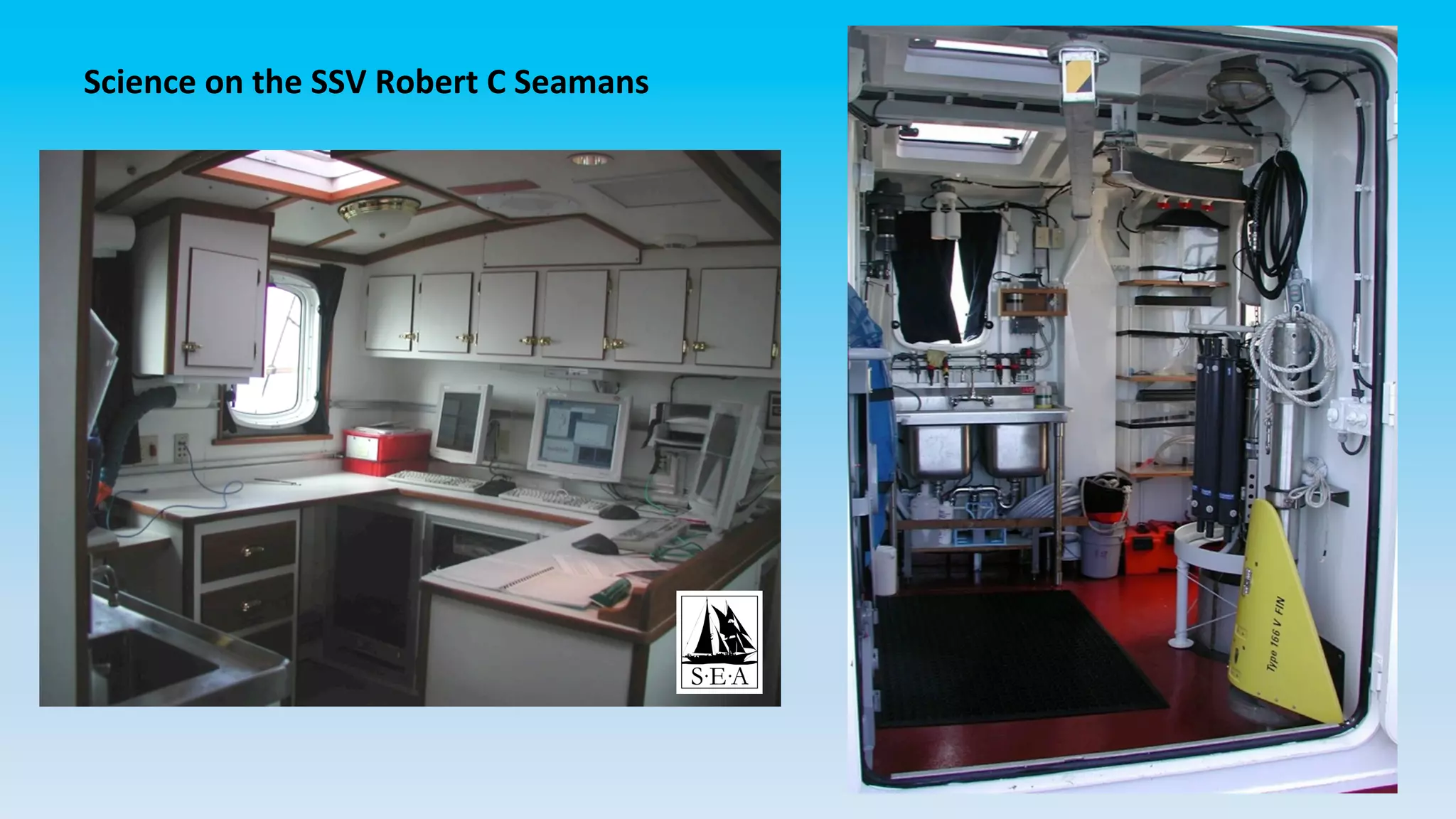
Science	on	the	SSV	Robert	C	Seamans
182 172 174 176 178 180 182
−44
−42
−40
−38
−36
−34
−32
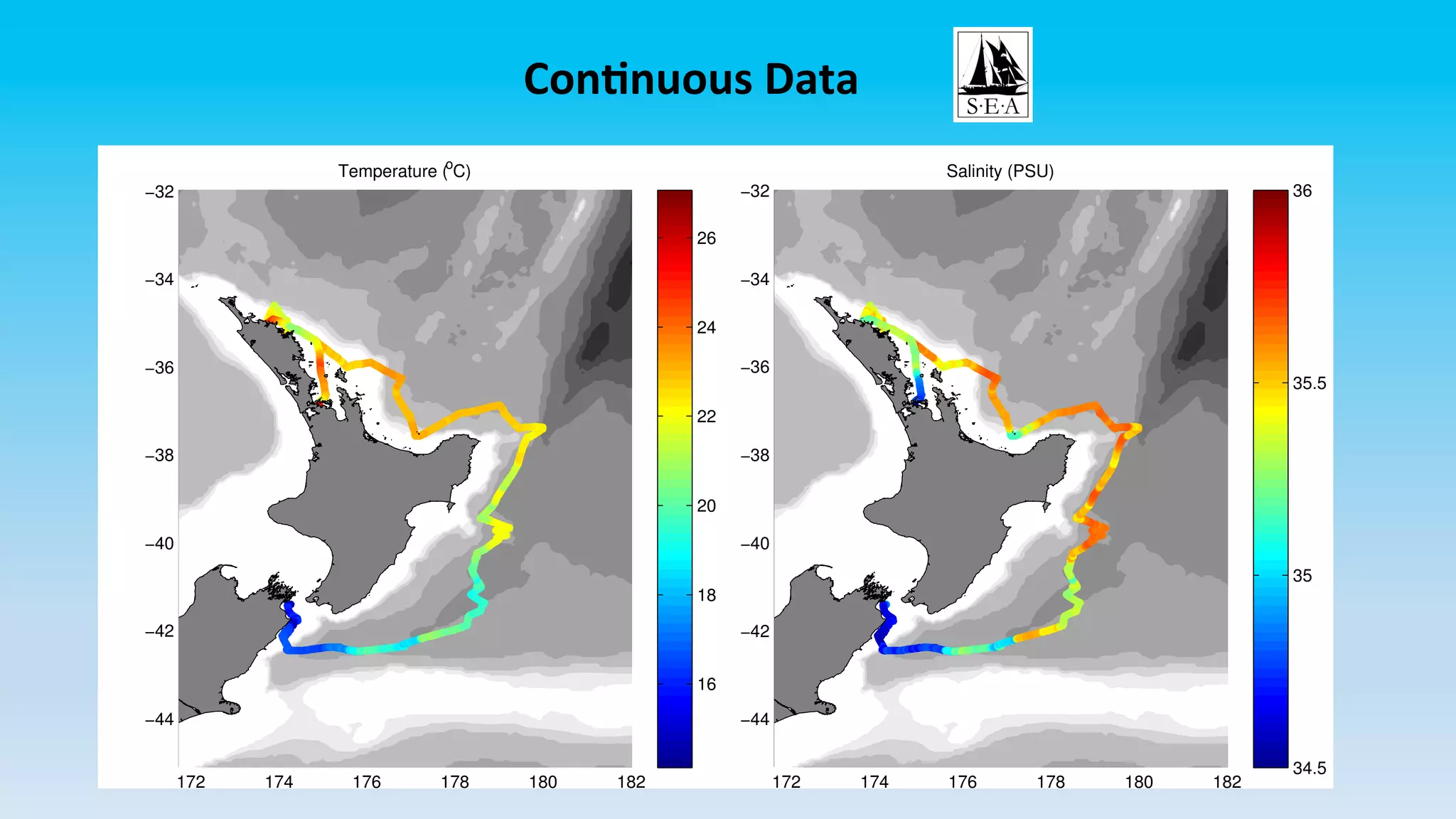
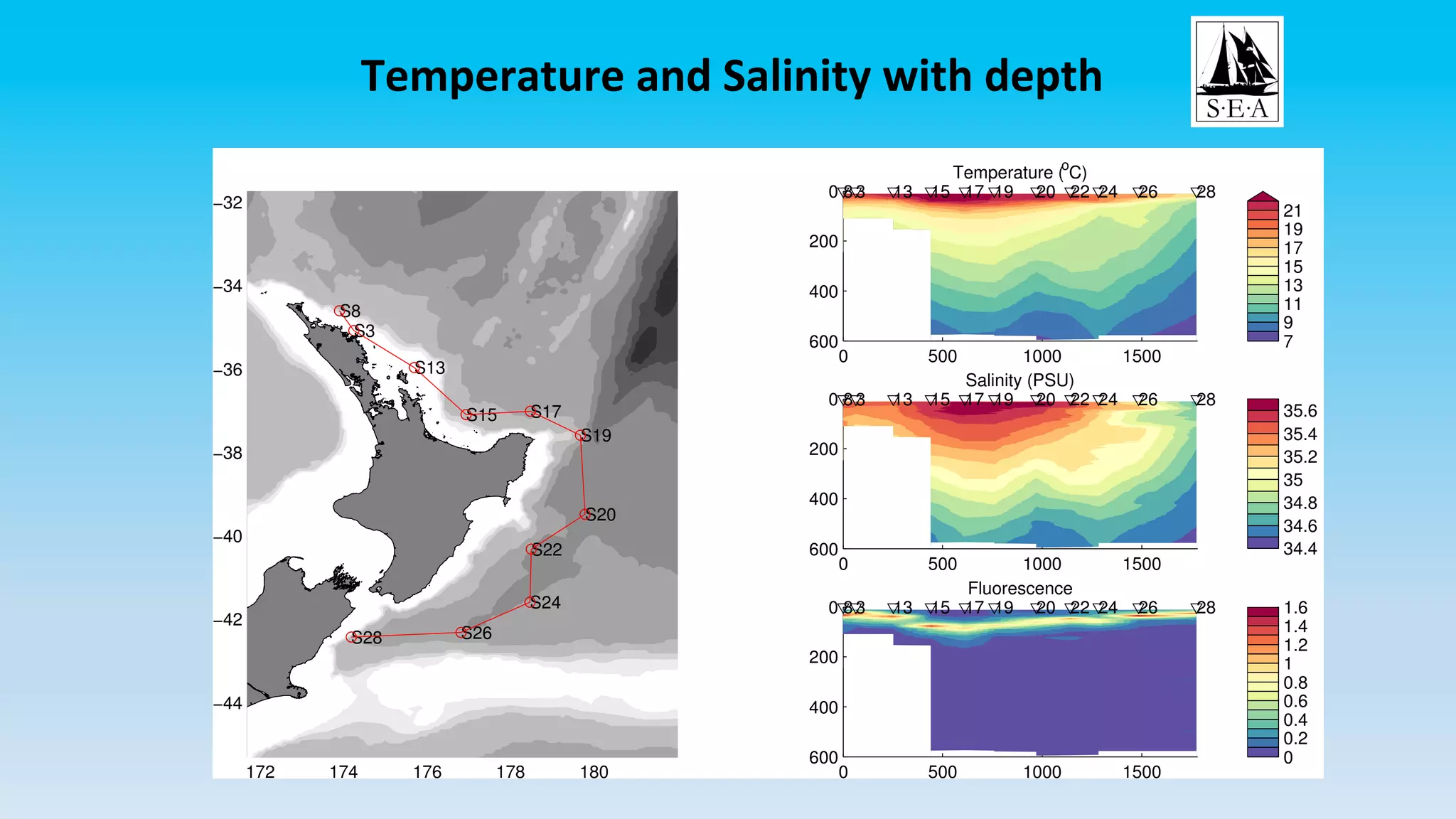
Temperature (o
C)
16
18
20
22
24
26
172 174 176 178 180 182
−44
−42
−40
−38
−36
−34
−32
Salinity (PSU)
34.5
35
35.5
36
ConCnuous	Data
172 173 174 175 176 177 178 179 180 181
−44
−42
−40
−38
−36
−34
−32
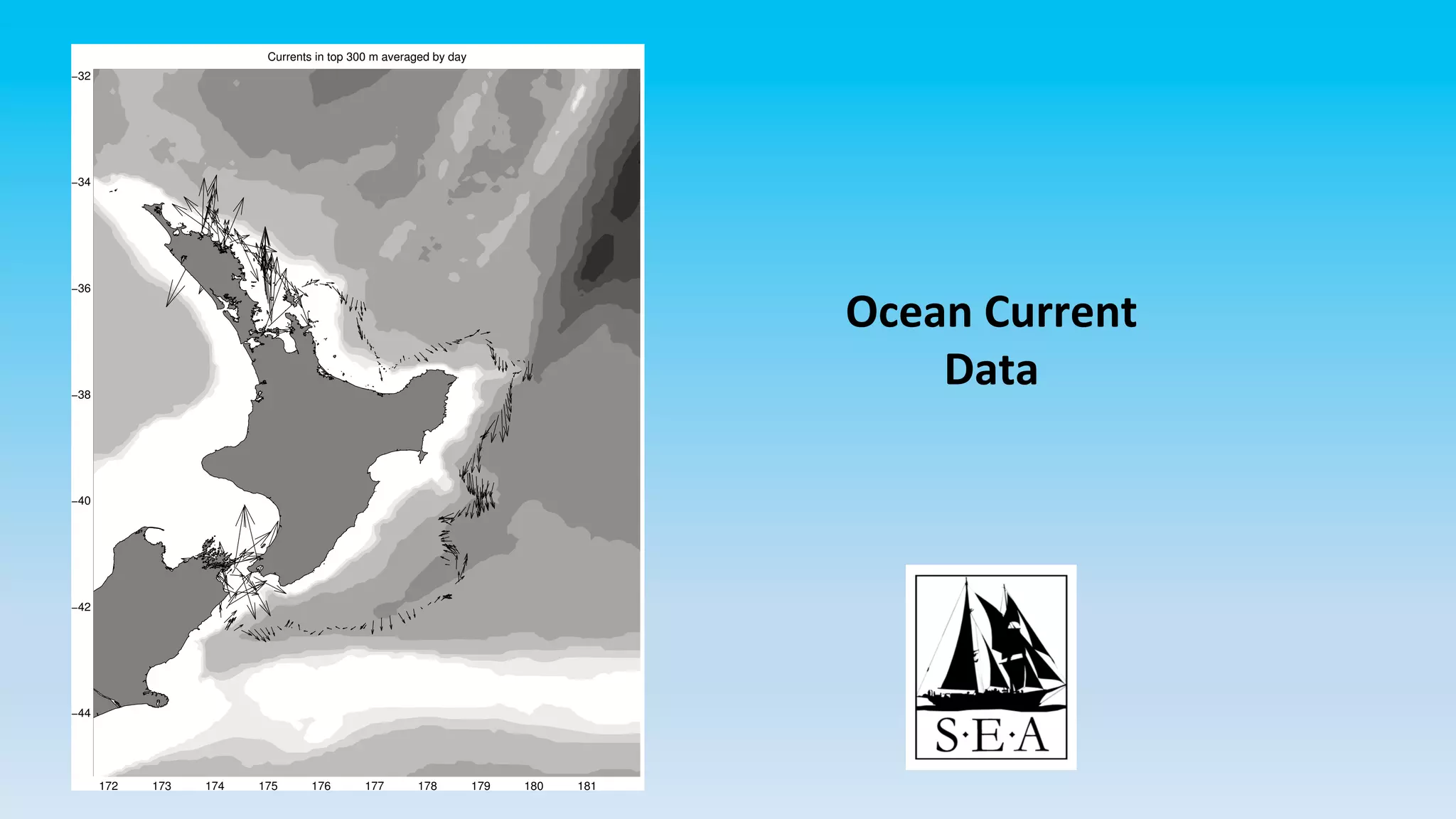
Currents in top 300 m averaged by day
Ocean	Current	
Data
172 174 176 178 180
−44
−42
−40
−38
−36
−34
−32
S3
S8
S13
S15 S17
S19
S20
S22
S24
S26S28
7
9
11
13
15
17
19
21
0 500 1000 1500
0
200
400
600
Temperature (o
C)
8 3 13 15 17 19 20 22 24 26 28
34.4
34.6
34.8
35
35.2
35.4
35.6
0 500 1000 1500
0
200
400
600
Salinity (PSU)
8 3 13 15 17 19 20 22 24 26 28
0
0.2
0.4
0.6
0.8
1
1.2
1.4
1.6
0 500 1000 1500
0
200
400
600
Fluorescence
8 3 13 15 17 19 20 22 24 26 28
Temperature	and	Salinity	with	depth
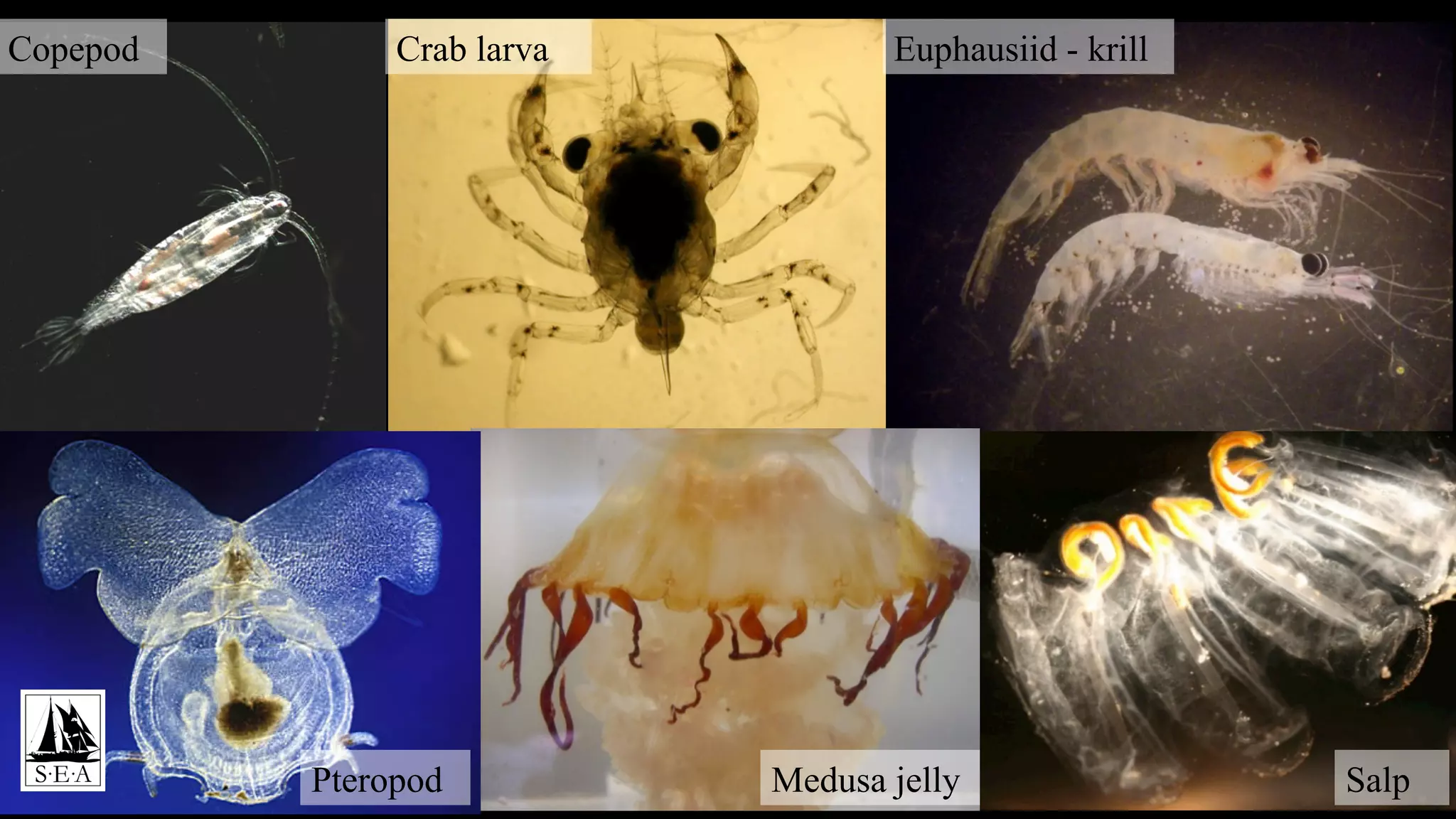
Copepod Crab larva Euphausiid - krill
Pteropod Medusa jelly Salp
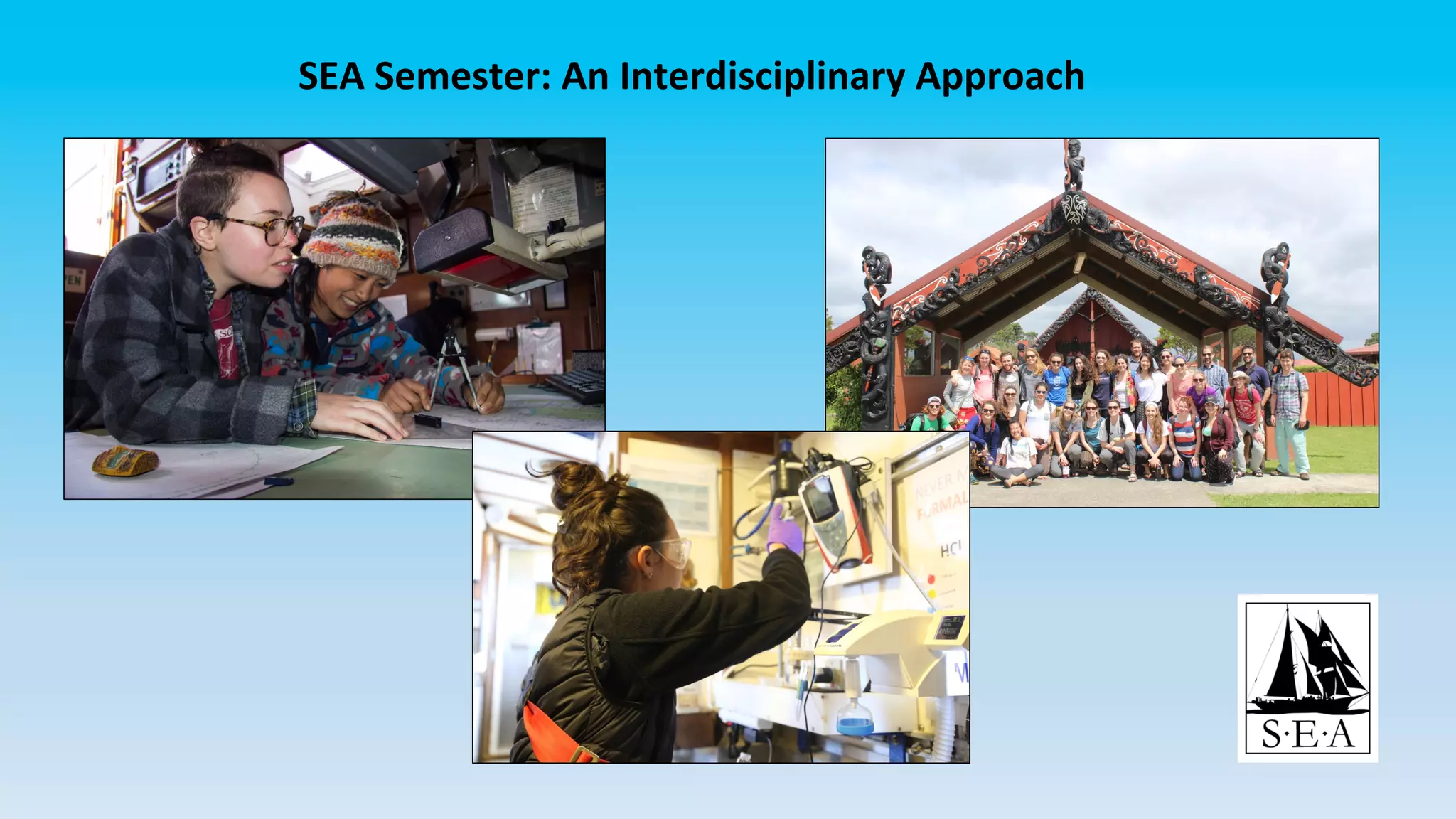
SEA	Semester:	An	Interdisciplinary	Approach
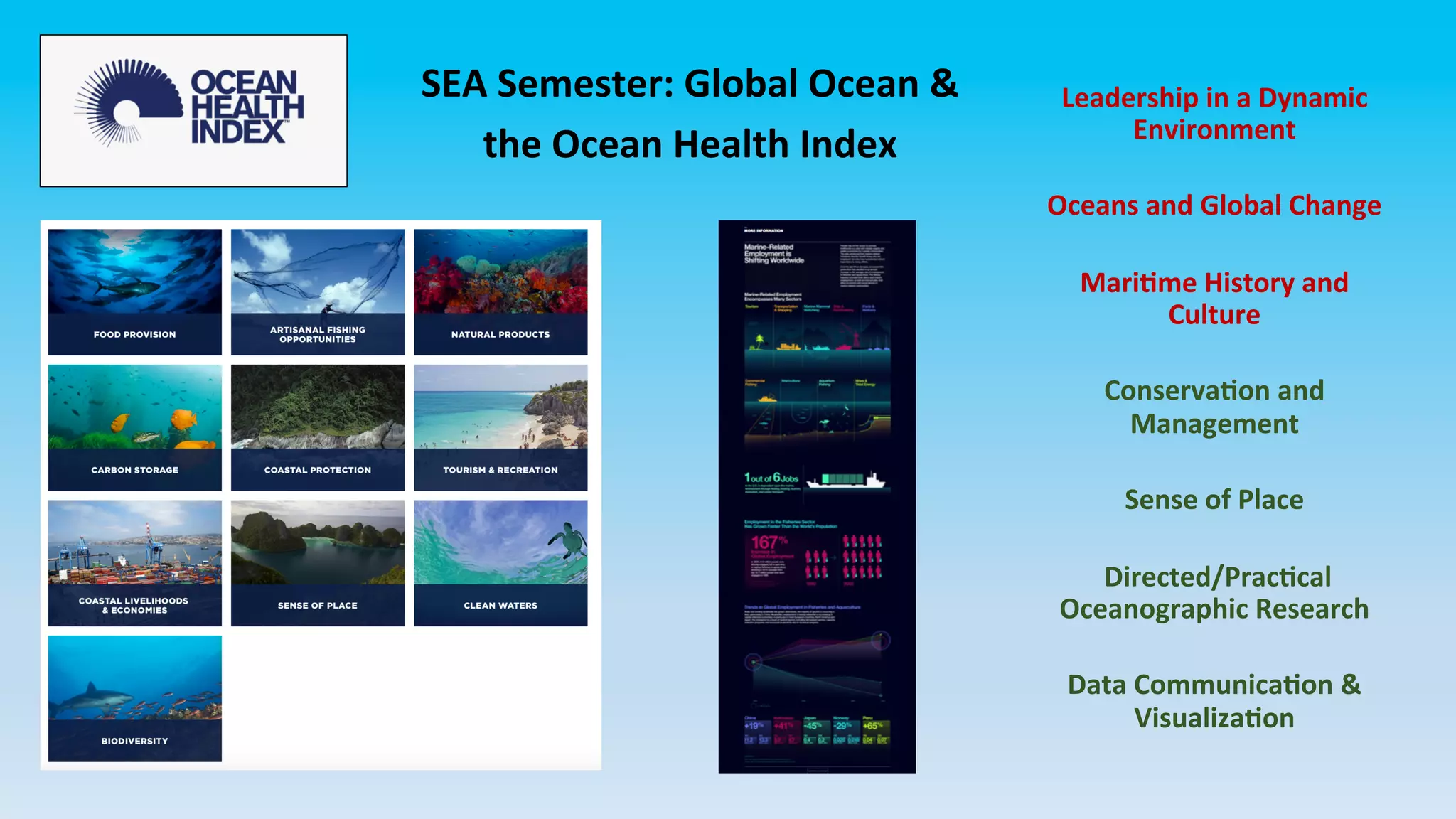
SEA	Semester:	Global	Ocean	&	
the	Ocean	Health	Index	
Leadership	in	a	Dynamic	
Environment	
	
Oceans	and	Global	Change	
	
MariCme	History	and	
Culture	
	
ConservaCon	and	
Management	
	
Sense	of	Place	
	
	Directed/PracCcal	
Oceanographic	Research	
	
Data	CommunicaCon	&	
VisualizaCon
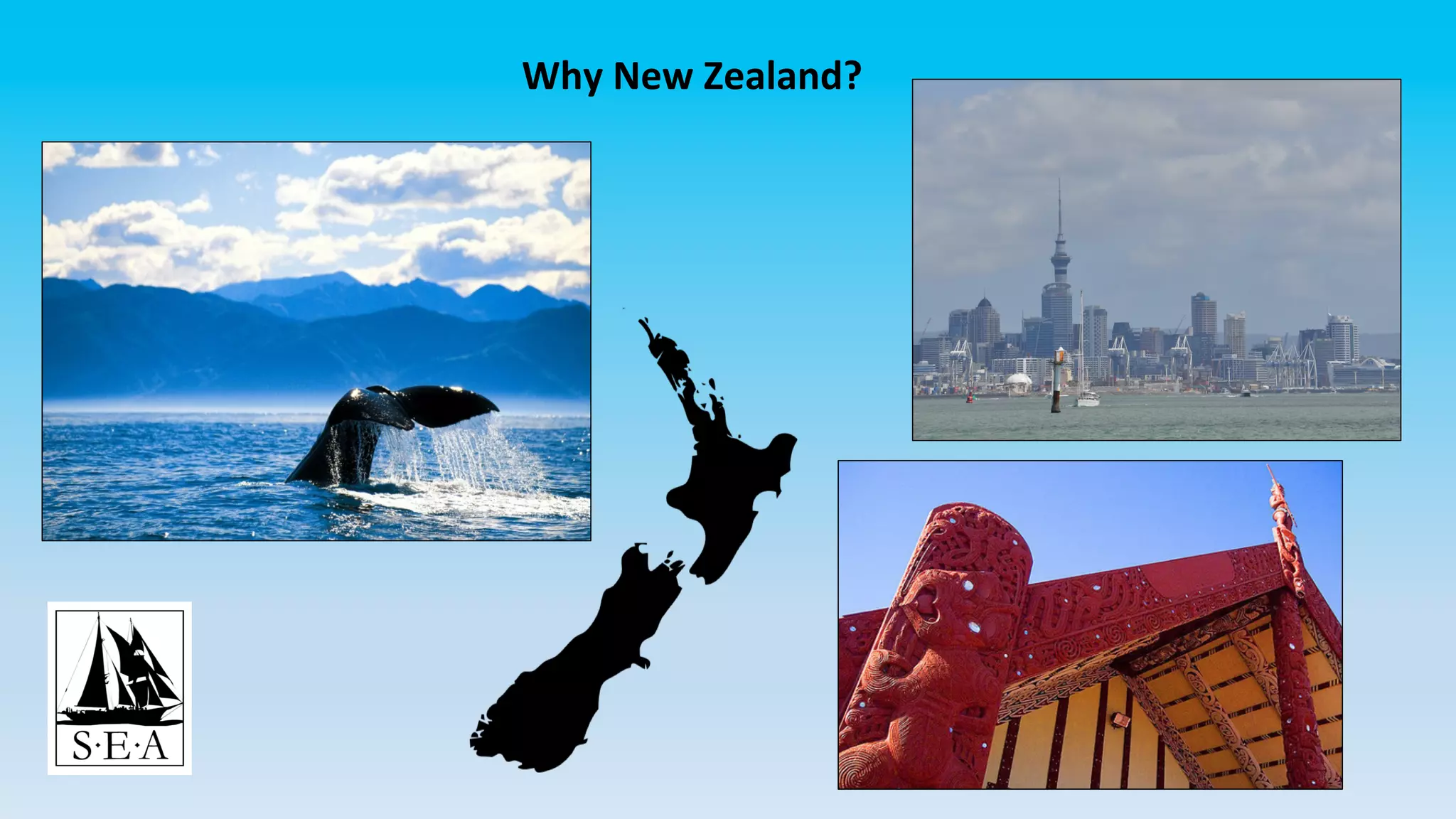
Why	New	Zealand?
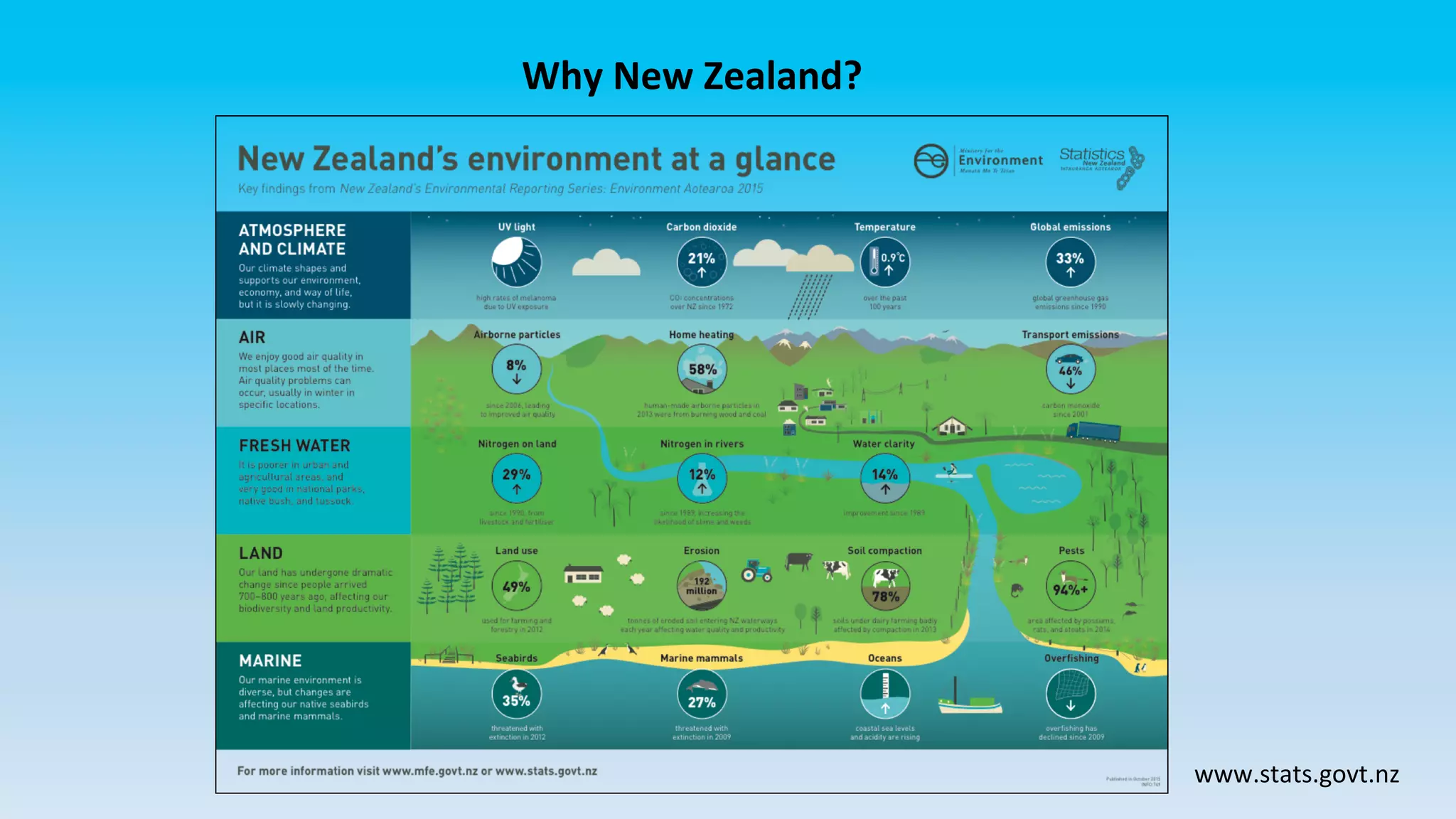
Why	New	Zealand?	
www.stats.govt.nz
ConservaCon	&	Management:	Our	work	in	progress	
Māori	Foreshore-Seabed	Debate:	
Hannah	Lipstein,	Alex	Salesin	
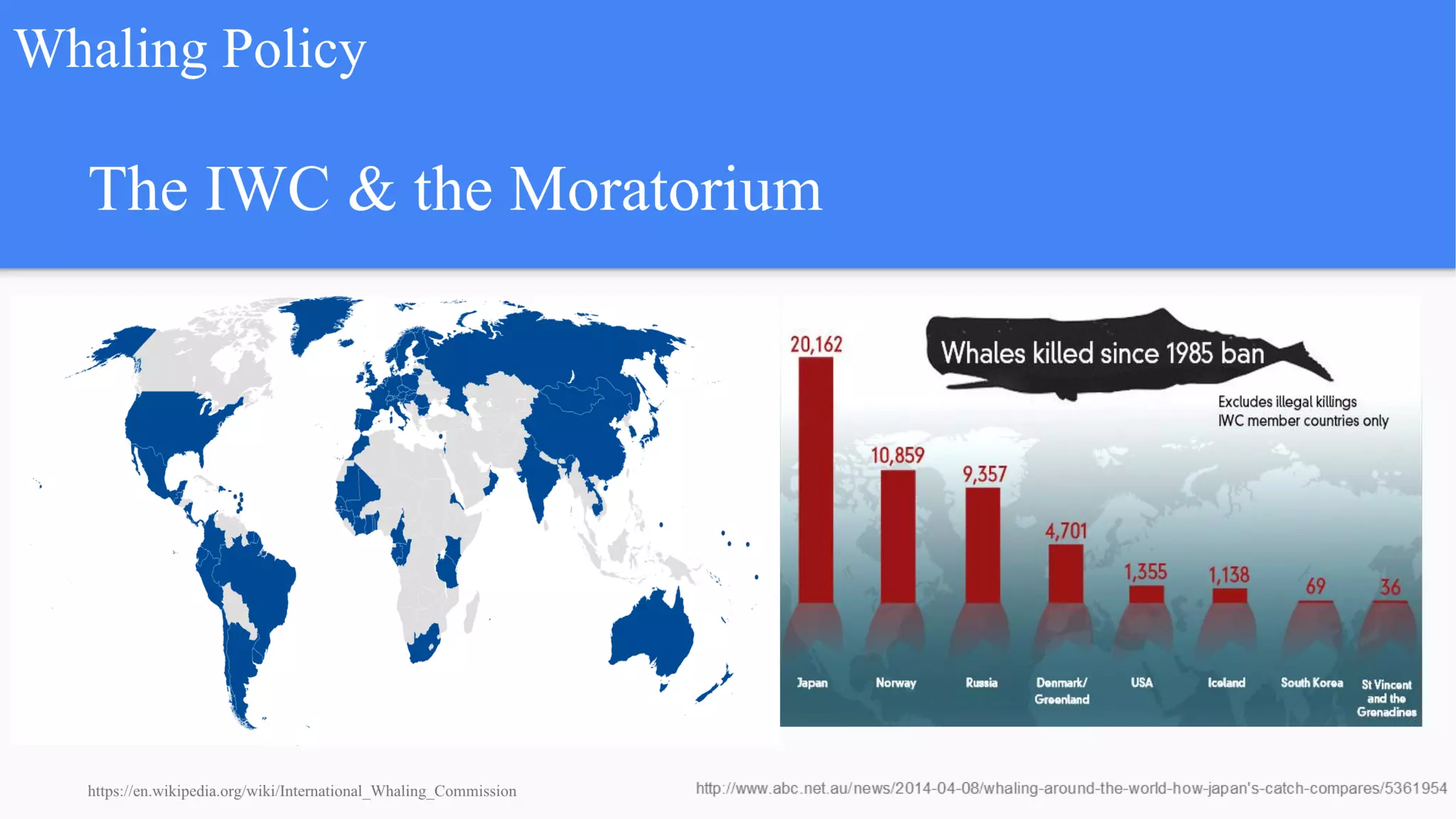
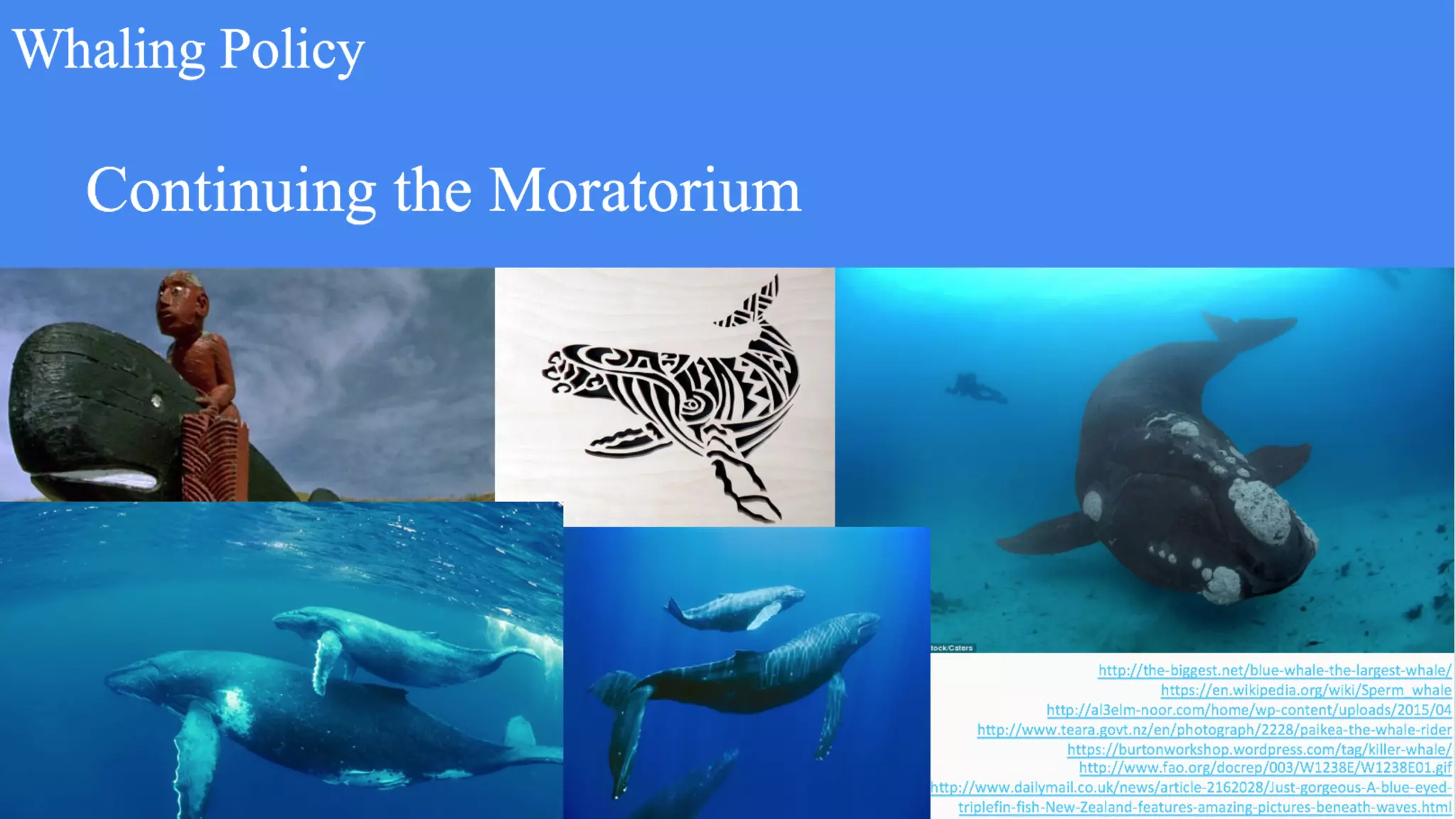
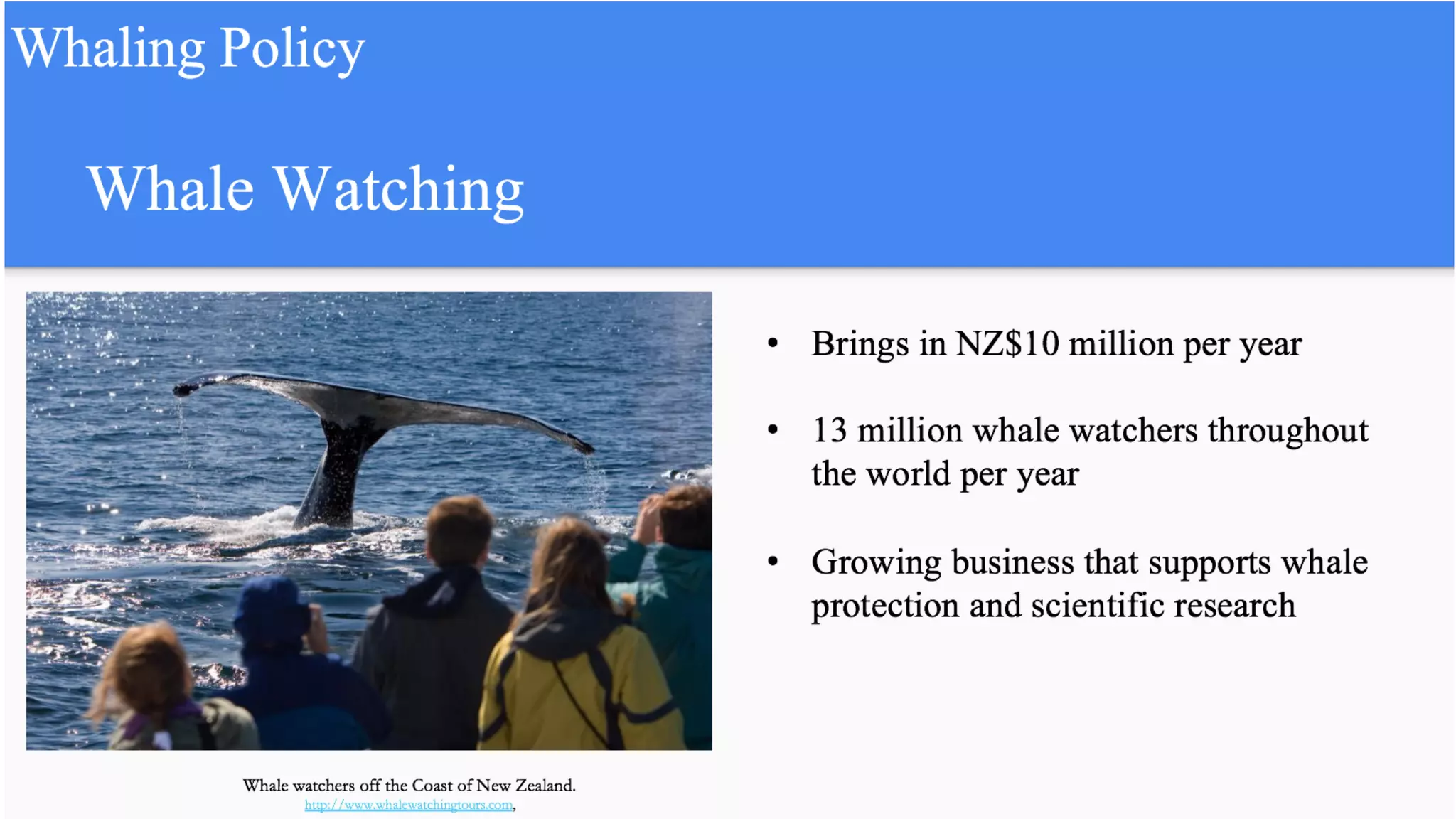
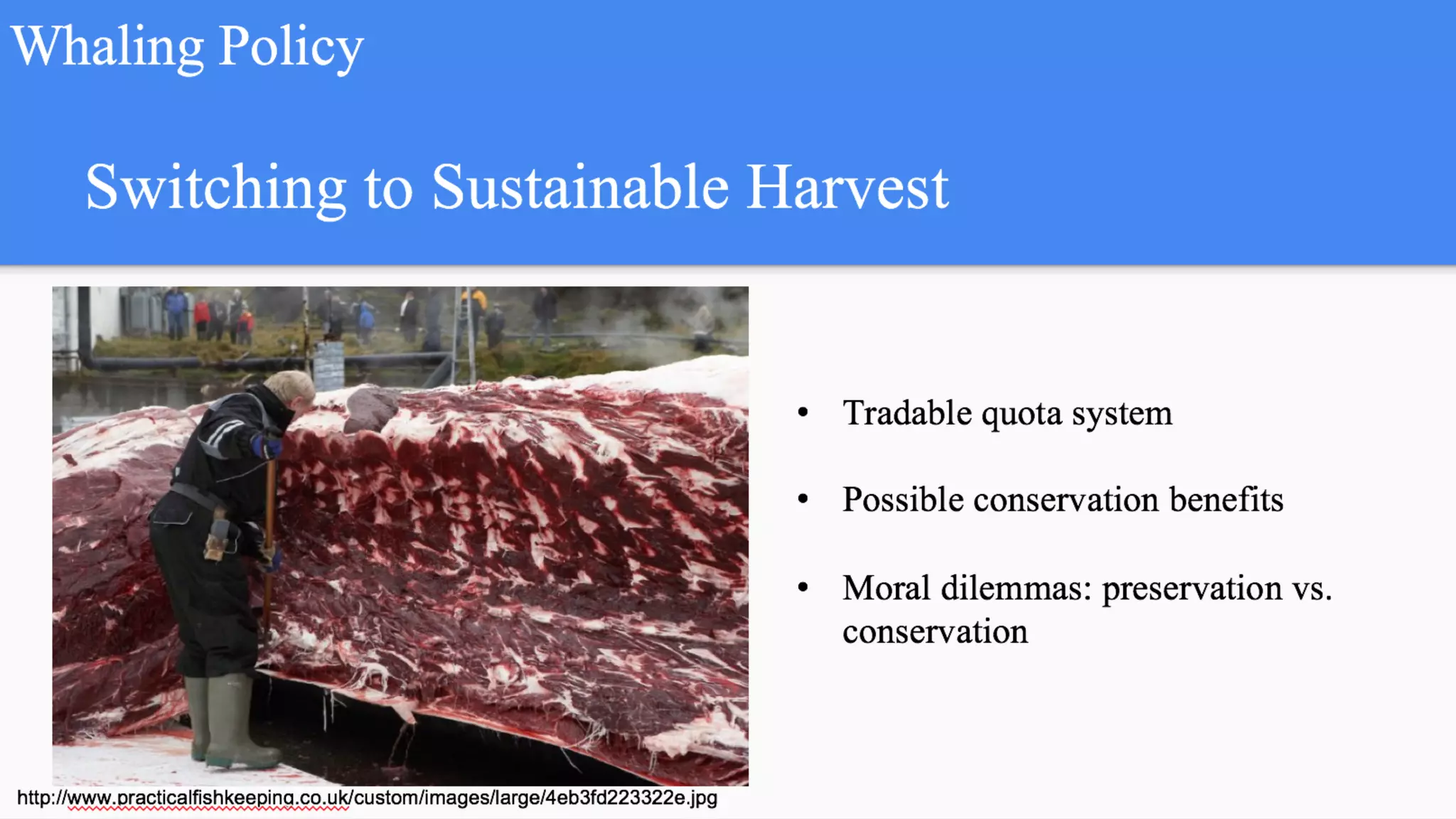
New	Zealand’s	Stance	on	Whaling	and	Role	in	IWC:	Eileen	Bates,	
Stacie	Bellairs,	Anna	Poholek,	Maggie	Smith	
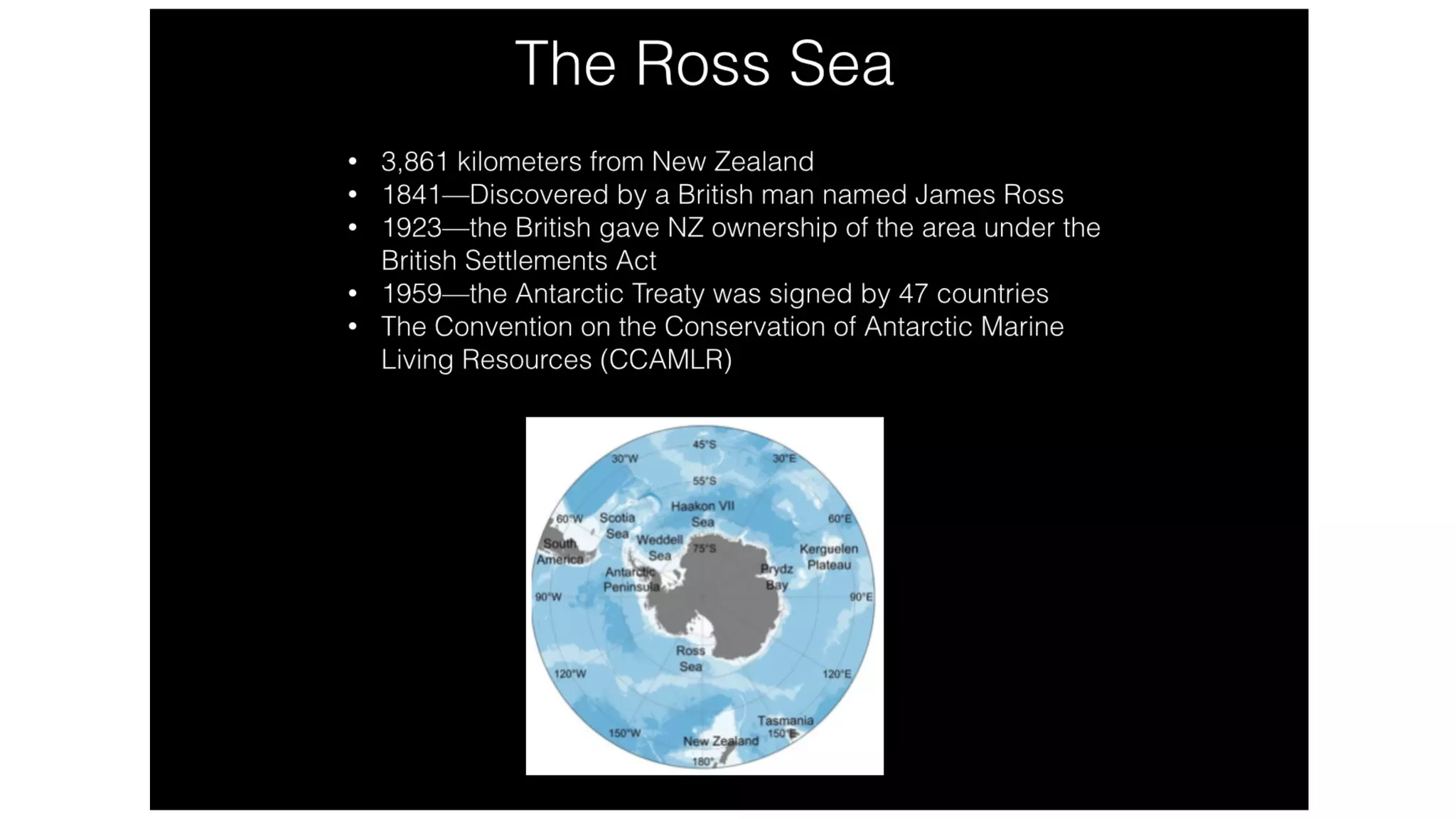
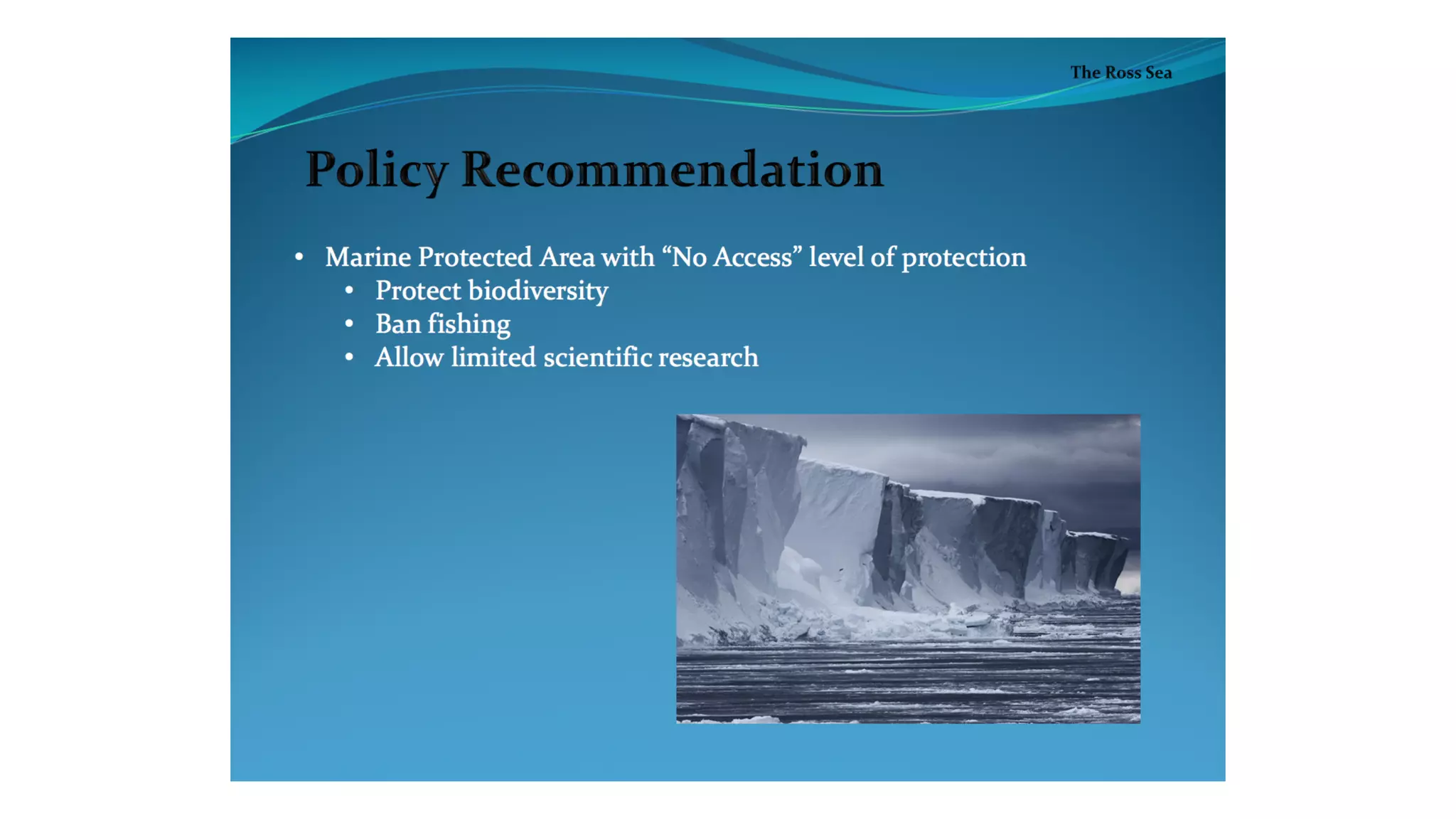
Ross	Sea	Marine	Sanctuary	planning:	
Shirley	Luo,	Eliza	Thomas,	Rachel	Soudakoff	
Climate	Change	AdaptaCon:	Ella	Dean,	
Alina	Nakano,	Tim	Dooley	
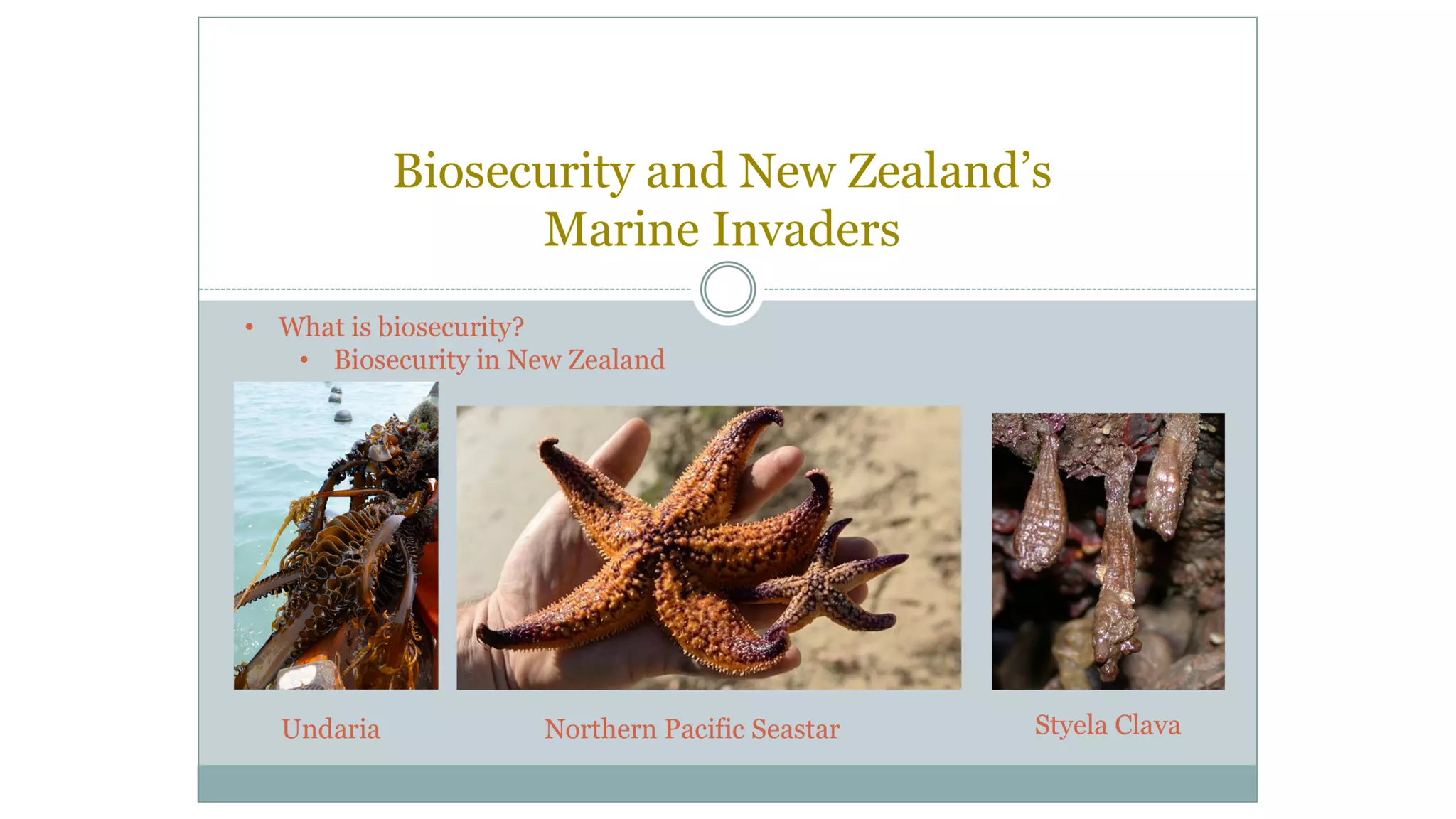
New	Zealand’s	Biosecurity	and	Waste	Policy:	
Madison	AHerbury,	Makenzie	Michel
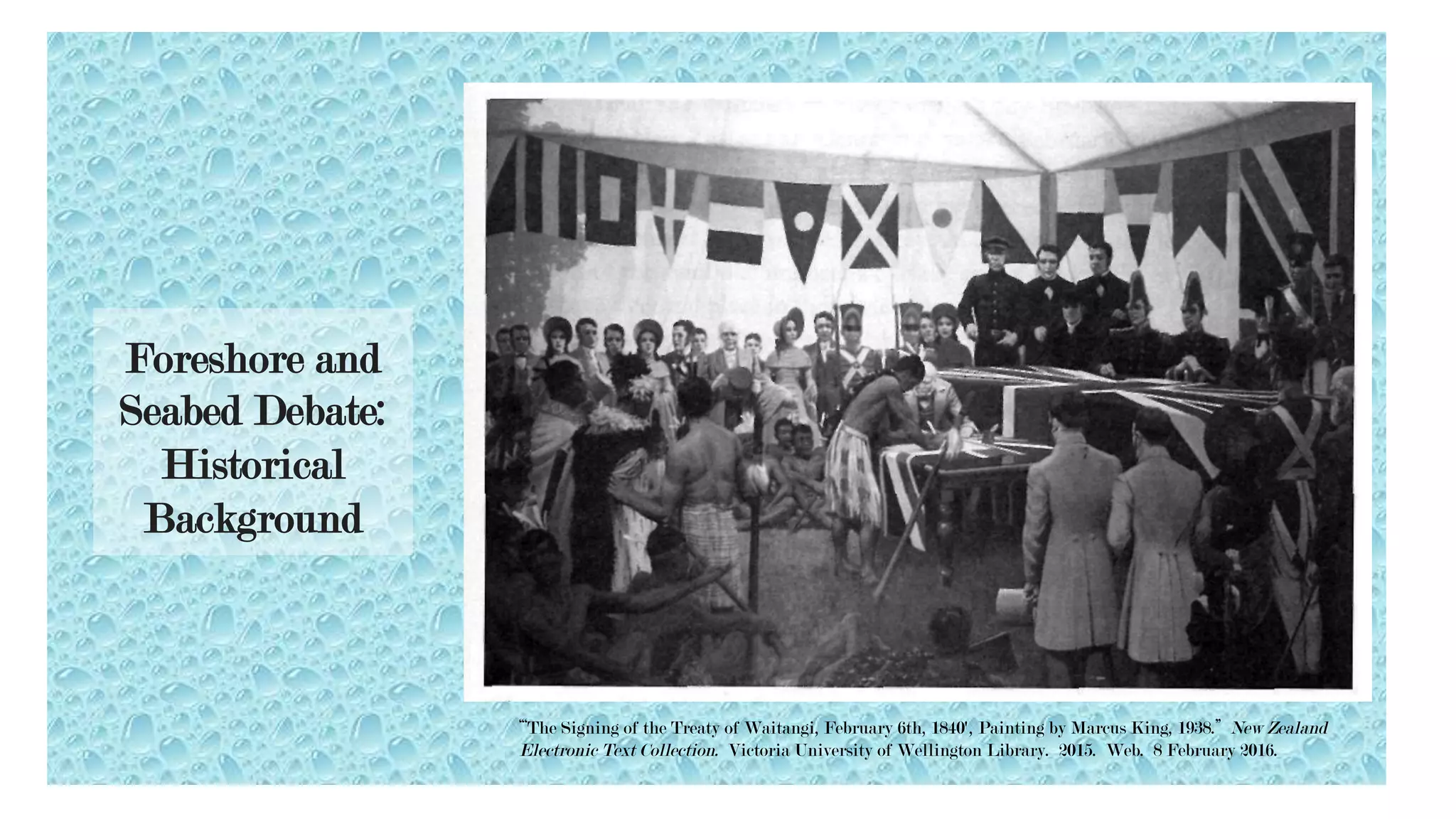
Māori	Foreshore-Seabed	Debate:	Alex	
Foreshore and
Seabed Debate:
Historical
Background
“‘The Signing of the Treaty of Waitangi, February 6th, 1840', Painting by Marcus King, 1938.” New Zealand
Electronic Text Collection. Victoria University of Wellington Library. 2015. Web. 8 February 2016.
Significance	of	the	Ross	Sea	
Environmental		
•  Last	PrisMne	Ecosystem	on	Earth	
•  Escaped	oil	spills,	mining,	invasive	species,	over	exploitaMon	
	
Economic	
•  AntarcMc	Toothfish's	rich	white	flesh	is	extremely	profitable	at	$70	per	kilogram	
	
ScienCfic	
•  Most	studied	conMnental	shelf	ever,	we	have	data	that	spans	over	170	years	
•  Structure	is	purely	natural	and	allows	scienMsts	to	study	effects	of	climate	change	without	human	
intervenMon
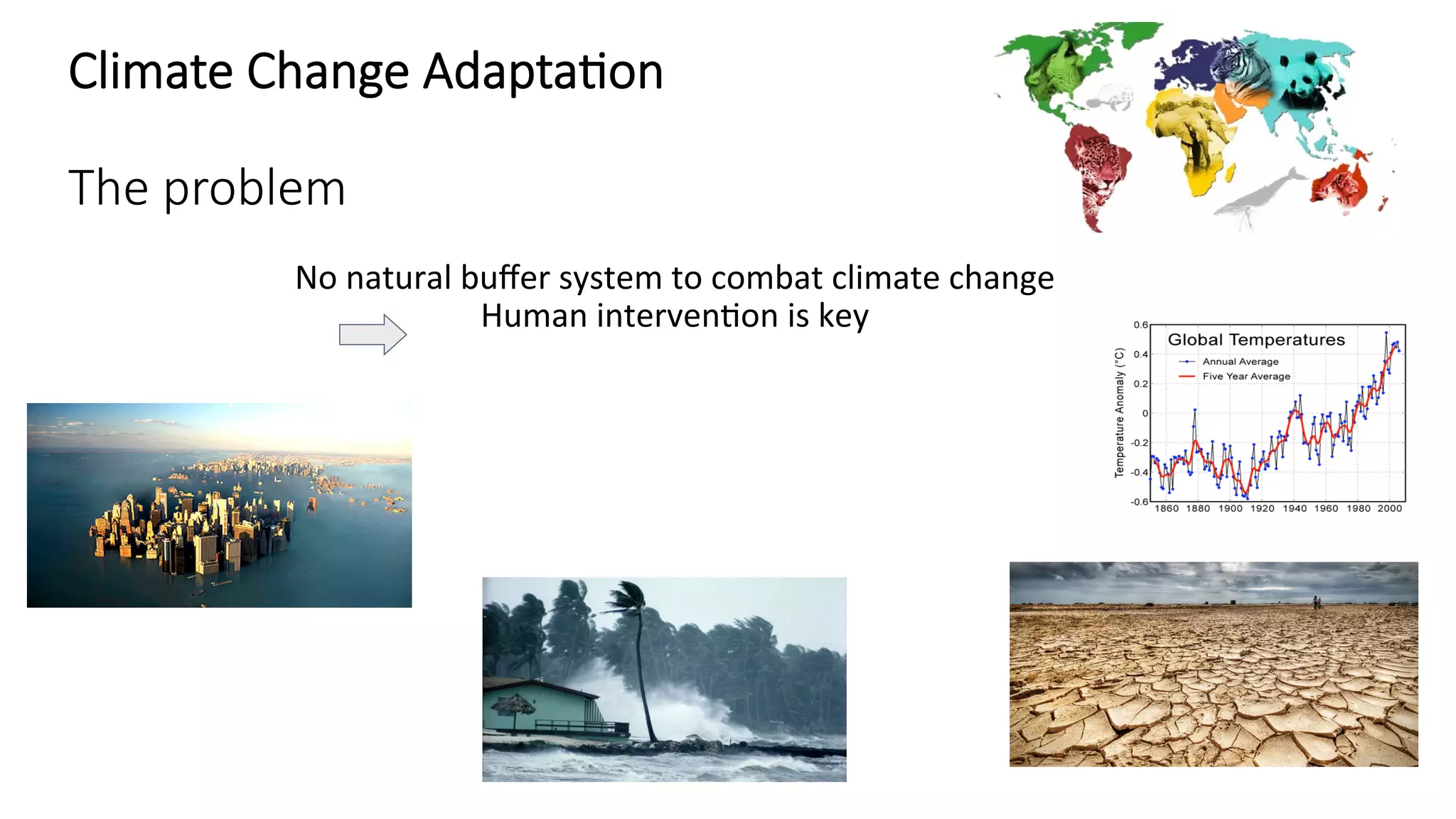
Climate Change Adapta/on
The problem
No	natural	buffer	system	to	combat	climate	change	
Human	intervenMon	is	key
Historical Background
•  Kyoto	Protocol	
•  New	Zealand’s	raMficaMon	and	
steps	to	reduce	climate	change	
•  Progress	following	treaty
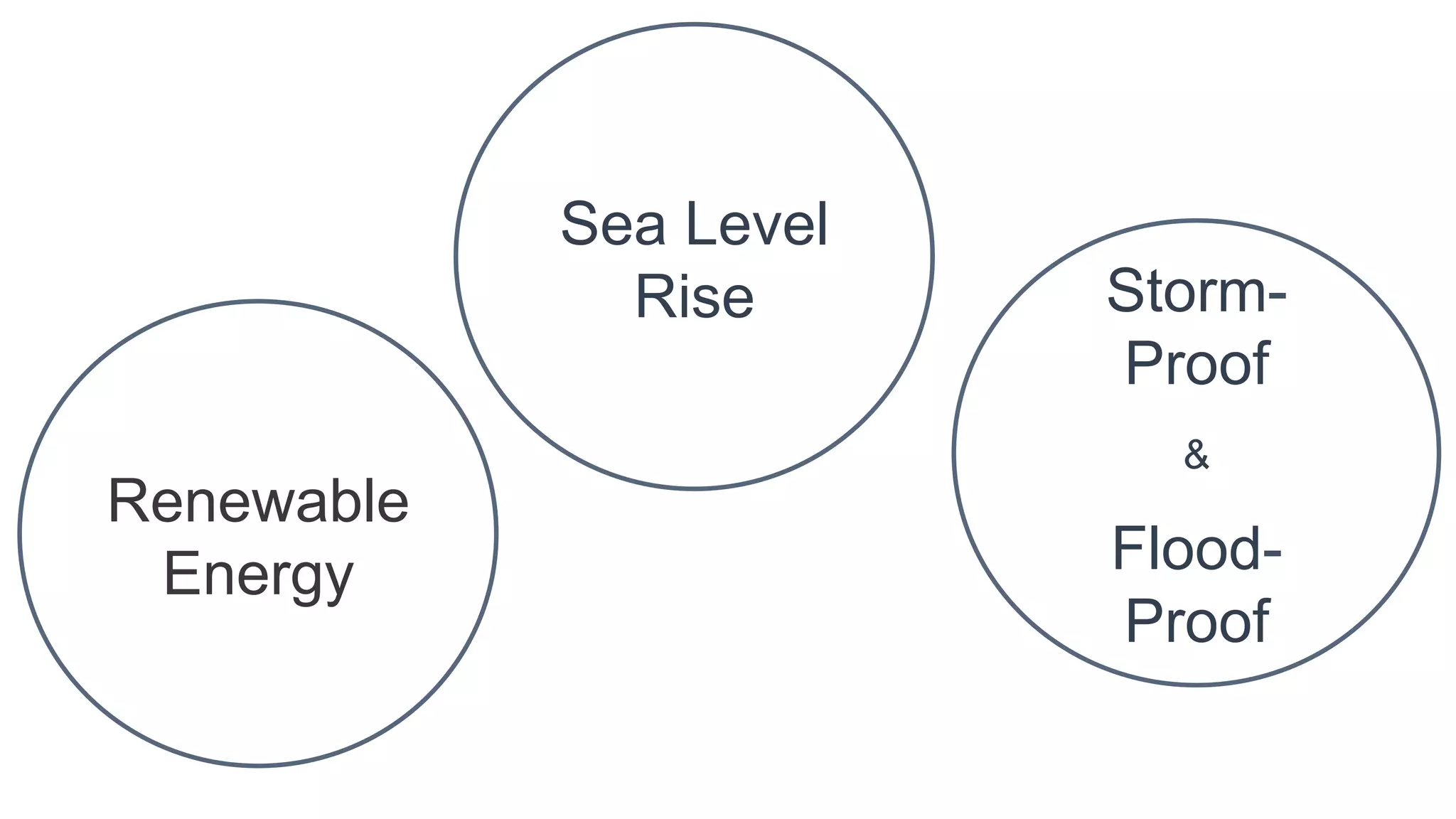
Storm-
Proof
&
Flood-
Proof
Sea Level
Rise
Renewable
Energy
Leadership	and	teamwork	skills,	knowledge	and	experience	applicable	
to	futures	in	ocean	advocacy	and	chosen	careers	
Goals:	idenCfy	key	issues	in	local,	regional	and	global	ocean	
conservaCon	and	management;	understand	complexity;	engage	
broader	community	
Results:	policy	briefs	with	recommendaCons	for	further	acCon,	
stakeholder	engagement,	and	policy	revision;	build	issue	awareness	
For	SEA,	building	relaConships	with	communiCes,	organizaCons,	and	
academic	insCtuCons	
radionz.co.nz
www.sea.edu

20160311 SEA Public Discussion