Defining Professional Ethics
Professional ethics can be defined as a code of conduct or set of moral principles that professionals are expected to uphold in their professional lives. It includes values such as integrity, objectivity, competence, confidentiality, and respect for others. These ethics ensure that professionals act not just in their own interest or that of their organization but in the interest of the public, clients, and society at large.
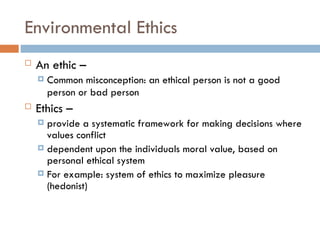
Professional ethics is not merely about adhering to written codes or legal standards; it involves internalizing values that guide decision-making even in ambiguous or high-stakes situations.
---
3. Core Principles of Professional Ethics
The architecture of professional ethics is built on several core principles:
3.1. Integrity
Integrity means being honest and having strong moral principles. It compels professionals to act with honesty in all professional dealings, avoiding deception, fraud, or manipulation.
3.2. Objectivity
This principle ensures that professionals remain impartial and free from conflicts of interest. It emphasizes the importance of decisions being based on merit and factual evidence.
3.3. Professional Competence
Competence involves maintaining the required knowledge and skills to provide services effectively. It mandates continuous learning and adaptation to changes in the field.
3.4. Confidentiality
Professionals are entrusted with sensitive information. Ethical practice demands that such information be protected from unauthorized disclosure.
3.5. Professional Behavior
This covers conduct that upholds the reputation of the profession. It means complying with laws, regulations, and standards, and avoiding any action that discredits the profession.
4. Importance of Professional Ethics
4.1. Trust Building
Trust is the currency of professional relationships. Ethical behavior builds trust with clients, stakeholders, employees, and the public.
4.2. Enhancing Professional Reputation
Organizations and individuals that uphold ethical standards enjoy greater respect, client loyalty, and a strong brand image.
4.3. Legal and Regulatory Compliance
Ethical conduct minimizes the risk of legal issues. Many industries are heavily regulated, and compliance with ethical standards helps avoid penalties and sanctions.
4.4. Decision-Making Framework
Ethics offers a structured framework to handle complex dilemmas where legal codes may be silent or insufficient.
5. Professional Ethics Across Various Sectors
Ethical principles may be universal, but their application varies across professions:
5.1. Medical Profession
Doctors adhere to the Hippocratic Oath. Ethics in this field is about patient confidentiality, informed consent, and prioritizing patient well-being over personal or institutional gains.
5.2. Legal Profession
Lawyers must uphold justice, fairness, and client confidentiality. Misconduct in this domain can distort justice and erode public trust.
That's all we need