CHAPTER 1: WHAT IS
PSYCHOLOGY AND
WHAT ARE ITS ROOTS?
What is Psychology?
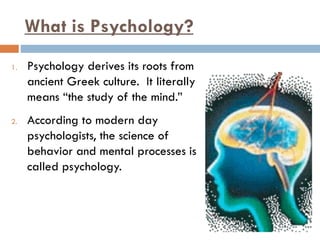
1. Psychology derives its roots from
ancient Greek culture. It literally
means “the study of the mind.”
2. According to modern day
psychologists, the science of
behavior and mental processes is
called psychology.
Greeks and Philosophy/Psychology
1. The Greek philosophers Socrates, Aristotle, and Plato
are credited with the inception of psychology.
2. These philosophers developed two practical theories
concerning psychology:
a) Emotions can distort behavior.
b) And, our perceptions are merely interpretation of
the external world.
3. The Greeks also developed some bizarre notions
regarding psychology:
a) Emotions flow from the heart, liver, and spleen.
 b) Mental disorders can be caused by excessive bile.
History of Psych
 4. When the medieval Roman Catholic
Church ruled over Europe, they began to
preach that the mind was an “unsolvable
mystery.” It operates completely outside
the natural laws that govern this world.
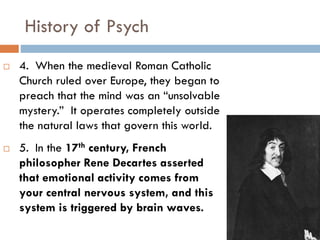
 5. In the 17th century, French
philosopher Rene Decartes asserted
that emotional activity comes from
your central nervous system, and this
system is triggered by brain waves.
Early Perspectives
 Structuralism—viewpoint that looks to
discover the basic structures of the mind and
how they influence behavior.
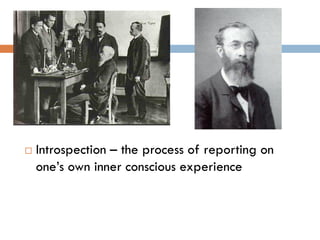
• This idea was pursued by Wilhelm Wundt, and
he built the first experimental psych lab.
• Wundt used the practice of introspection to
study the elements of the conscious mind.
 Introspection – the process of reporting on
one’s own inner conscious experience
Introspection
 Through introspection, subjects were given
an experience and were required to
report on his/her thoughts about it.
 Most experiences analyzed were
perceptual or sensory.
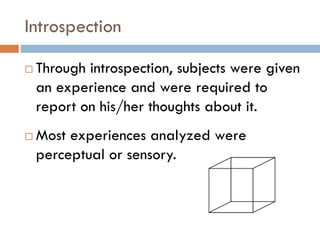
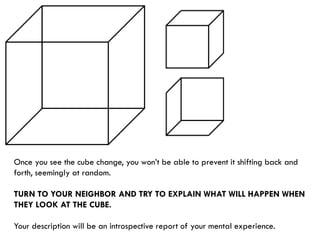
Once you see the cube change, you won’t be able to prevent it shifting back and
forth, seemingly at random.
TURN TO YOUR NEIGHBOR AND TRY TO EXPLAIN WHAT WILL HAPPEN WHEN
THEY LOOK AT THE CUBE.
Your description will be an introspective report of your mental experience.
Early Perspectives
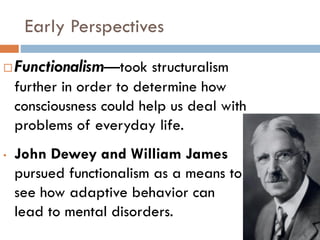
 Functionalism—took structuralism
further in order to determine how
consciousness could help us deal with
problems of everyday life.
• John Dewey and William James
pursued functionalism as a means to
see how adaptive behavior can
lead to mental disorders.
Structuralism and Functionalism
 http://www.youtube.com/watch?v=SW6nm69Z_IE&
safety_mode=true&persist_safety_mode=1&safe=
active
 1:11
6 Major Psychological Perspectives
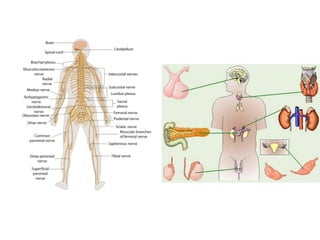
1) Biological View
-inherit some behaviors from your parents
-measure function of nervous and endocrine
(hormone) system
-strong roots in medicine and biological science
-have discovered things such as how damage
to certain parts of the brain can destroy
certain abilities
6 Major Psychological Perspectives
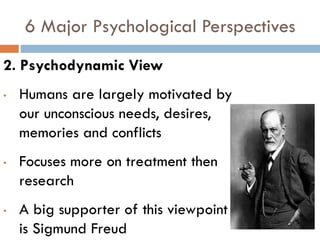
2. Psychodynamic View
• Humans are largely motivated by
our unconscious needs, desires,
memories and conflicts
• Focuses more on treatment then
research
• A big supporter of this viewpoint
is Sigmund Freud
6 Major Psychological Perspectives
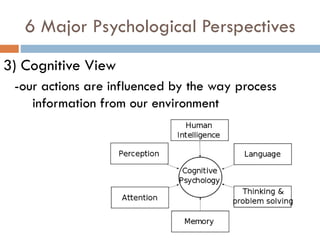
3) Cognitive View
-our actions are influenced by the way process
information from our environment
6 Major Psychological Perspectives
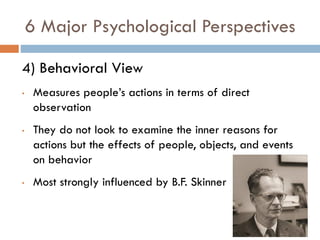
4) Behavioral View
• Measures people’s actions in terms of direct
observation
• They do not look to examine the inner reasons for
actions but the effects of people, objects, and events
on behavior
• Most strongly influenced by B.F. Skinner
6 Major Psychological Perspectives
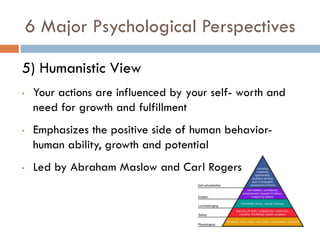
5) Humanistic View
• Your actions are influenced by your self- worth and
need for growth and fulfillment
• Emphasizes the positive side of human behavior-
human ability, growth and potential
• Led by Abraham Maslow and Carl Rogers
6 Major Psychological Perspectives
6) Socio-Cultural
• Emphasizes the importance of social interactions,
social learning, and cultural perspective
• Culture- blend of human language, beliefs, customs,
values, traditions
• Why certain cultures have certain behaviors
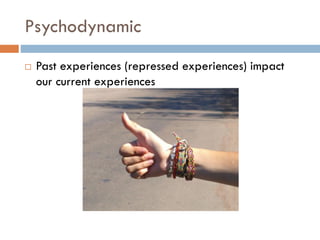
Psychodynamic
 Past experiences (repressed experiences) impact
our current experiences
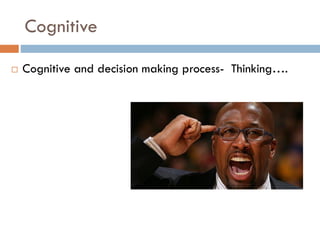
Cognitive
 Cognitive and decision making process- Thinking….
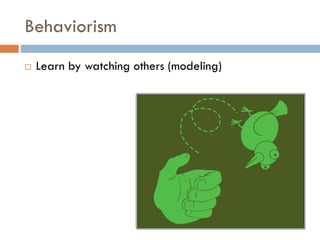
Behaviorism
 Learn by watching others (modeling)
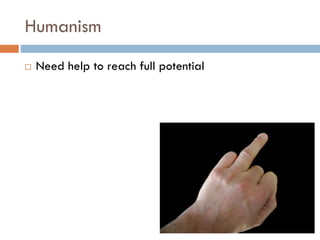
Humanism
 Need help to reach full potential
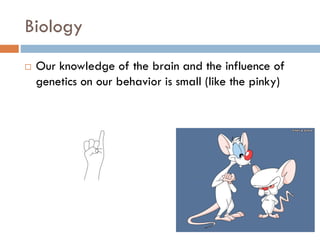
Biology
 Our knowledge of the brain and the influence of
genetics on our behavior is small (like the pinky)
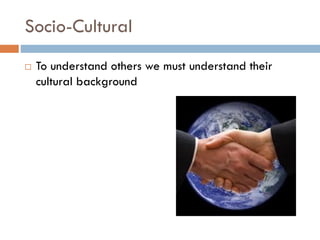
Socio-Cultural
 To understand others we must understand their
cultural background
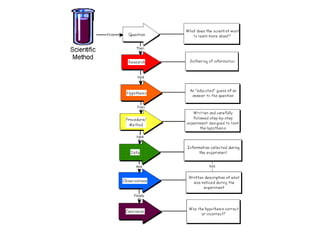
How do Psychologist do their work?
 Psychologists use a process called the scientific
method in order to develop their knowledge of
mental disorders and behaviors.
Types of Research
 Experimental:
 Research where the relationship between two or
more variables are being tested
 The experimenter deliberately manipulates one
condition (independent variable) to measure a
change
 Manipulated OR Independent Variable- the variable that is
changed or tested in the experiment
 Responding OR Dependent Variable- the variable that is
the result of the manipulated or independent variable.
Scientific Experiment
 An exercise physiologist counsels his
clients to exercise in the morning rather
than at night to facilitate weight loss.
Design an experiment to test whether this
is the correct advice.
Scientific Experiment
 Do you need to define any terms for the
experiment?
Scientific Experiment
 What is your independent variable?
Scientific Experiment
 What is your independent variable?
Whether the client exercises in the am or
pm
Scientific Experiment
 What is your dependent variable?
Scientific Experiment
 What is your dependent variable?
 weight loss
Scientific Experiment
 How will you select and assign your
subjects to a group?
Scientific Experiment
 How will you select and assign your
subjects to a group?
Gender
Age
Current weight
Body fat composition
Scientific Experiment
 What treatment will the experimental
group be given?
Scientific Experiment
 What treatment will the experimental
group be given?
 exercise in the am
Scientific Experiment
 What treatment will the control group be
given?
Scientific Experiment
 What treatment will the control group be
given?
Workout anytime throughout the day
Scientific Experiment
 What controls will you use in your
experiment?
Scientific Experiment
 What controls will you use in your
experiment?
The group of people in the experiment
Weighing participants at the same time
everyday
Scientific Experiment
 Is there anything you should control but
aren’t sure how?
Scientific Experiment
 Is there anything you should control but
aren’t sure how?
 Diet of participants
 What workouts they are doing
 How much sleep participants get
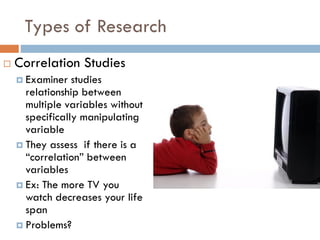
Types of Research
 Correlation Studies
 Examiner studies
relationship between
multiple variables without
specifically manipulating
variable
 They assess if there is a
“correlation” between
variables
 Ex: The more TV you
watch decreases your life
span
 Problems?
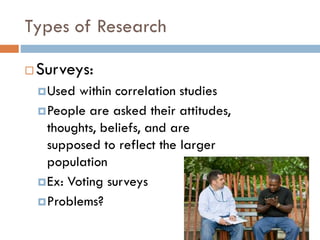
Types of Research
 Surveys:
Used within correlation studies
People are asked their attitudes,
thoughts, beliefs, and are
supposed to reflect the larger
population
Ex: Voting surveys
Problems?
Types of Research
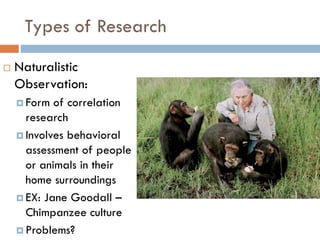
 Naturalistic
Observation:
 Form of correlation
research
 Involves behavioral
assessment of people
or animals in their
home surroundings
 EX: Jane Goodall –
Chimpanzee culture
 Problems?
Types of Research
 Case Studies:
 An intensive investigation of an individual or small
group
 Often include psychological testing
 EX: Mass homicide/Terrorism
 Problems?

017602877.pdf

  • 1.
    CHAPTER 1: WHATIS PSYCHOLOGY AND WHAT ARE ITS ROOTS?
  • 2.
    What is Psychology? 1.Psychology derives its roots from ancient Greek culture. It literally means “the study of the mind.” 2. According to modern day psychologists, the science of behavior and mental processes is called psychology.
  • 3.
    Greeks and Philosophy/Psychology 1.The Greek philosophers Socrates, Aristotle, and Plato are credited with the inception of psychology. 2. These philosophers developed two practical theories concerning psychology: a) Emotions can distort behavior. b) And, our perceptions are merely interpretation of the external world. 3. The Greeks also developed some bizarre notions regarding psychology: a) Emotions flow from the heart, liver, and spleen.  b) Mental disorders can be caused by excessive bile.
  • 4.
    History of Psych 4. When the medieval Roman Catholic Church ruled over Europe, they began to preach that the mind was an “unsolvable mystery.” It operates completely outside the natural laws that govern this world.  5. In the 17th century, French philosopher Rene Decartes asserted that emotional activity comes from your central nervous system, and this system is triggered by brain waves.
  • 5.
    Early Perspectives  Structuralism—viewpointthat looks to discover the basic structures of the mind and how they influence behavior. • This idea was pursued by Wilhelm Wundt, and he built the first experimental psych lab. • Wundt used the practice of introspection to study the elements of the conscious mind.
  • 6.
     Introspection –the process of reporting on one’s own inner conscious experience
  • 7.
    Introspection  Through introspection,subjects were given an experience and were required to report on his/her thoughts about it.  Most experiences analyzed were perceptual or sensory.
  • 8.
    Once you seethe cube change, you won’t be able to prevent it shifting back and forth, seemingly at random. TURN TO YOUR NEIGHBOR AND TRY TO EXPLAIN WHAT WILL HAPPEN WHEN THEY LOOK AT THE CUBE. Your description will be an introspective report of your mental experience.
  • 9.
    Early Perspectives  Functionalism—tookstructuralism further in order to determine how consciousness could help us deal with problems of everyday life. • John Dewey and William James pursued functionalism as a means to see how adaptive behavior can lead to mental disorders.
  • 10.
    Structuralism and Functionalism http://www.youtube.com/watch?v=SW6nm69Z_IE& safety_mode=true&persist_safety_mode=1&safe= active  1:11
  • 11.
    6 Major PsychologicalPerspectives 1) Biological View -inherit some behaviors from your parents -measure function of nervous and endocrine (hormone) system -strong roots in medicine and biological science -have discovered things such as how damage to certain parts of the brain can destroy certain abilities
  • 13.
    6 Major PsychologicalPerspectives 2. Psychodynamic View • Humans are largely motivated by our unconscious needs, desires, memories and conflicts • Focuses more on treatment then research • A big supporter of this viewpoint is Sigmund Freud
  • 14.
    6 Major PsychologicalPerspectives 3) Cognitive View -our actions are influenced by the way process information from our environment
  • 15.
    6 Major PsychologicalPerspectives 4) Behavioral View • Measures people’s actions in terms of direct observation • They do not look to examine the inner reasons for actions but the effects of people, objects, and events on behavior • Most strongly influenced by B.F. Skinner
  • 16.
    6 Major PsychologicalPerspectives 5) Humanistic View • Your actions are influenced by your self- worth and need for growth and fulfillment • Emphasizes the positive side of human behavior- human ability, growth and potential • Led by Abraham Maslow and Carl Rogers
  • 17.
    6 Major PsychologicalPerspectives 6) Socio-Cultural • Emphasizes the importance of social interactions, social learning, and cultural perspective • Culture- blend of human language, beliefs, customs, values, traditions • Why certain cultures have certain behaviors
  • 18.
    Psychodynamic  Past experiences(repressed experiences) impact our current experiences
  • 19.
    Cognitive  Cognitive anddecision making process- Thinking….
  • 20.
    Behaviorism  Learn bywatching others (modeling)
  • 21.
    Humanism  Need helpto reach full potential
  • 22.
    Biology  Our knowledgeof the brain and the influence of genetics on our behavior is small (like the pinky)
  • 23.
    Socio-Cultural  To understandothers we must understand their cultural background
  • 24.
    How do Psychologistdo their work?  Psychologists use a process called the scientific method in order to develop their knowledge of mental disorders and behaviors.
  • 26.
    Types of Research Experimental:  Research where the relationship between two or more variables are being tested  The experimenter deliberately manipulates one condition (independent variable) to measure a change  Manipulated OR Independent Variable- the variable that is changed or tested in the experiment  Responding OR Dependent Variable- the variable that is the result of the manipulated or independent variable.
  • 27.
    Scientific Experiment  Anexercise physiologist counsels his clients to exercise in the morning rather than at night to facilitate weight loss. Design an experiment to test whether this is the correct advice.
  • 28.
    Scientific Experiment  Doyou need to define any terms for the experiment?
  • 29.
    Scientific Experiment  Whatis your independent variable?
  • 30.
    Scientific Experiment  Whatis your independent variable? Whether the client exercises in the am or pm
  • 31.
    Scientific Experiment  Whatis your dependent variable?
  • 32.
    Scientific Experiment  Whatis your dependent variable?  weight loss
  • 33.
    Scientific Experiment  Howwill you select and assign your subjects to a group?
  • 34.
    Scientific Experiment  Howwill you select and assign your subjects to a group? Gender Age Current weight Body fat composition
  • 35.
    Scientific Experiment  Whattreatment will the experimental group be given?
  • 36.
    Scientific Experiment  Whattreatment will the experimental group be given?  exercise in the am
  • 37.
    Scientific Experiment  Whattreatment will the control group be given?
  • 38.
    Scientific Experiment  Whattreatment will the control group be given? Workout anytime throughout the day
  • 39.
    Scientific Experiment  Whatcontrols will you use in your experiment?
  • 40.
    Scientific Experiment  Whatcontrols will you use in your experiment? The group of people in the experiment Weighing participants at the same time everyday
  • 41.
    Scientific Experiment  Isthere anything you should control but aren’t sure how?
  • 42.
    Scientific Experiment  Isthere anything you should control but aren’t sure how?  Diet of participants  What workouts they are doing  How much sleep participants get
  • 43.
    Types of Research Correlation Studies  Examiner studies relationship between multiple variables without specifically manipulating variable  They assess if there is a “correlation” between variables  Ex: The more TV you watch decreases your life span  Problems?
  • 44.
    Types of Research Surveys: Used within correlation studies People are asked their attitudes, thoughts, beliefs, and are supposed to reflect the larger population Ex: Voting surveys Problems?
  • 45.
    Types of Research Naturalistic Observation:  Form of correlation research  Involves behavioral assessment of people or animals in their home surroundings  EX: Jane Goodall – Chimpanzee culture  Problems?
  • 46.
    Types of Research Case Studies:  An intensive investigation of an individual or small group  Often include psychological testing  EX: Mass homicide/Terrorism  Problems?