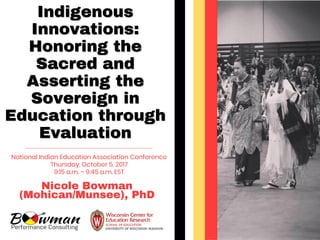
Indigenous
Innovations:
Honoring the
Sacred and
Asserting the
Sovereign in
Education through
Evaluation
Nicole Bowman
(Mohican/Munsee), PhD
National Indian Education Association Conference
Thursday, October 5, 2017
9:15 a.m. – 9:45 a.m. EST
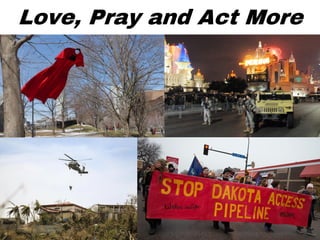
Love, Pray and Act More
Anushiik
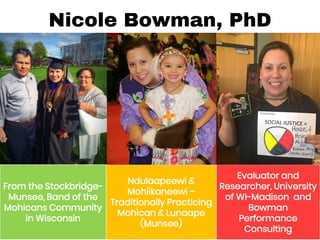
Nicole Bowman, PhD
From the Stockbridge-
Munsee, Band of the
Mohicans Community
in Wisconsin
Ndulaapeewi &
Mohiikaneewi –
Traditionally Practicing
Mohican & Lunaape
(Munsee)
Evaluator and
Researcher, University
of WI-Madison and
Bowman
Performance
Consulting
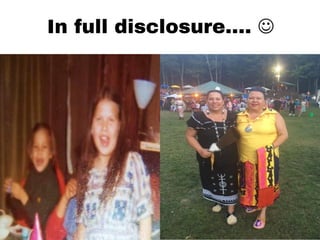
In full disclosure…. ☺
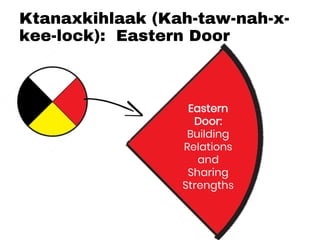
Ktanaxkihlaak (Kah-taw-nah-x-
kee-lock): Eastern Door
Eastern
Door:
Building
Relations
and
Sharing
Strengths
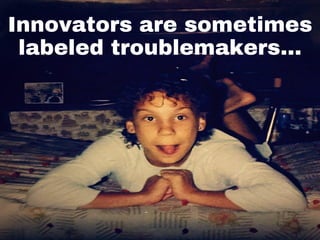
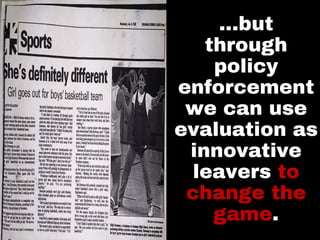
Innovators are sometimes
labeled troublemakers…
…but
through
policy
enforcement
we can use
evaluation as
innovative
leavers to
change the
game.
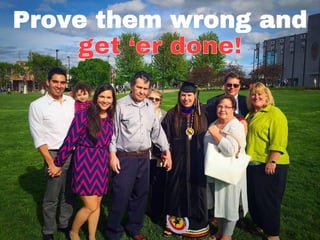
Keep that young spirit alive and
let nothing stand in your way!
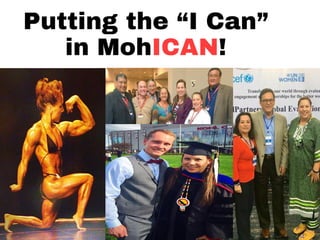
Putting the “I Can”
in MohICAN!
Everything
you need
to know is
inside you,
around,
above, and
below you!
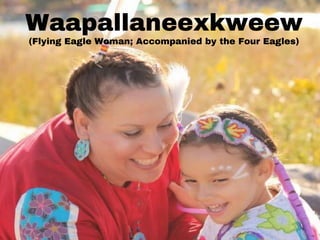
Waapallaneexkweew
(Flying Eagle Woman; Accompanied by the Four Eagles)
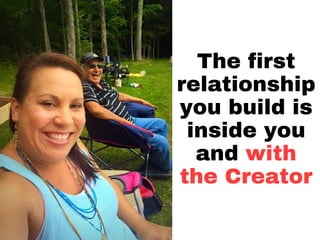
The first
relationship
you build is
inside you
and with
the Creator
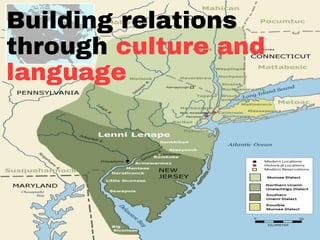
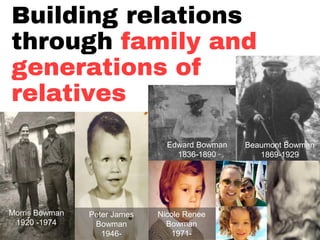
Building relations
through culture and
language
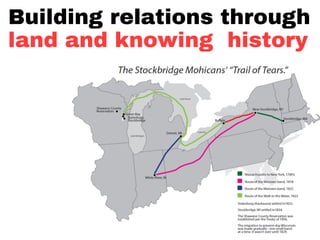
Building relations through
land and knowing history
Building relations
through family and
generations of
relatives
Edward Bowman
1836-1890
Beaumont Bowman
1869-1929
Morris Bowman
1920 -1974
Nicole Renee
Bowman
1971-
Peter James
Bowman
1946-
Just like the sturgeon we
have barriers to overcome.
Get “WOKE”
Awaken, engage,
and use the sacred
power that is
within you!
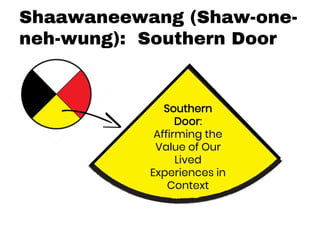
Shaawaneewang (Shaw-one-
neh-wung): Southern Door
Southern
Door:
Affirming the
Value of Our
Lived
Experiences in
Context
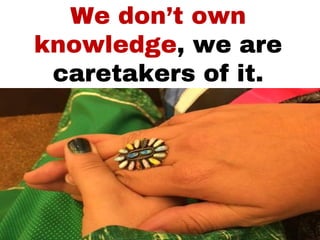
We don’t own
knowledge, we are
caretakers of it.
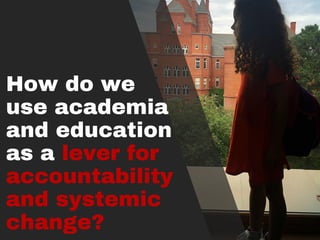
How do we
use academia
and education
as a lever for
accountability
and systemic
change?
Re-write and
re-right.
“Research [or
evaluation] offers
Indigenous
communities
opportunities to ‘re-
write’ and ‘re-right’ our
histories.”
- L.T. Smith, 2012
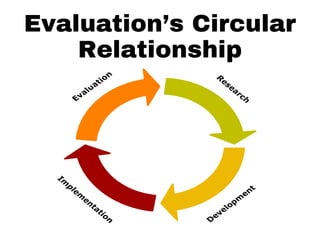
Evaluation’s Circular
Relationship
R
e
se
a
rch
Im
p
lem
en
ta
tio
n
Evaluation
Developm
ent
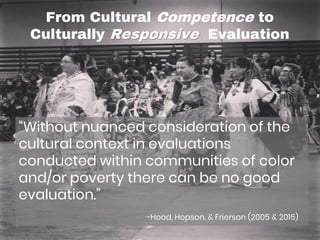
From Cultural Competence to
Culturally Responsive Evaluation
“Without nuanced consideration of the
cultural context in evaluations
conducted within communities of color
and/or poverty there can be no good
evaluation.”
-Hood, Hopson, & Frierson (2005 & 2015)
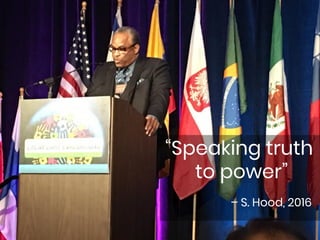
“Speaking truth
to power”
– S. Hood, 2016
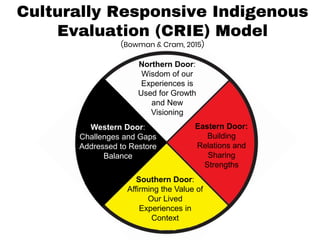
Culturally Responsive Indigenous
Evaluation (CRIE) Model
(Bowman & Cram, 2015)
Eastern Door:
Building
Relations and
Sharing
Strengths
Northern Door:
Wisdom of our
Experiences is
Used for Growth
and New
Visioning
Western Door:
Challenges and Gaps
Addressed to Restore
Balance
Southern Door:
Affirming the Value of
Our Lived
Experiences in
Context
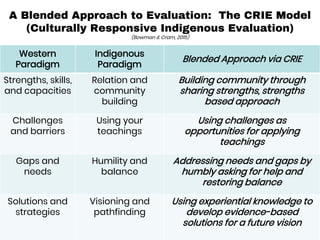
A Blended Approach to Evaluation: The CRIE Model
(Culturally Responsive Indigenous Evaluation)
(Bowman & Cram, 2015)
Western
Paradigm
Indigenous
Paradigm
Blended Approach via CRIE
Strengths, skills,
and capacities
Relation and
community
building
Building community through
sharing strengths, strengths
based approach
Challenges
and barriers
Using your
teachings
Using challenges as
opportunities for applying
teachings
Gaps and
needs
Humility and
balance
Addressing needs and gaps by
humbly asking for help and
restoring balance
Solutions and
strategies
Visioning and
pathfinding
Using experiential knowledge to
develop evidence-based
solutions for a future vision
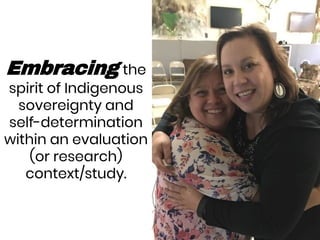
Embracing the
spirit of Indigenous
sovereignty and
self-determination
within an evaluation
(or research)
context/study.
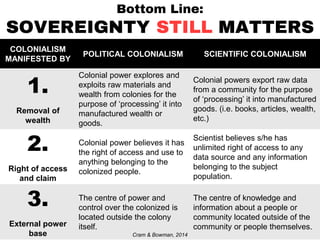
COLONIALISM
MANIFESTED BY
POLITICAL COLONIALISM SCIENTIFIC COLONIALISM
1.
Removal of
wealth
Colonial power explores and
exploits raw materials and
wealth from colonies for the
purpose of ‘processing’ it into
manufactured wealth or
goods.
Colonial powers export raw data
from a community for the purpose
of ‘processing’ it into manufactured
goods. (i.e. books, articles, wealth,
etc.)
2.
Right of access
and claim
Colonial power believes it has
the right of access and use to
anything belonging to the
colonized people.
Scientist believes s/he has
unlimited right of access to any
data source and any information
belonging to the subject
population.
3.
External power
base
The centre of power and
control over the colonized is
located outside the colony
itself.
The centre of knowledge and
information about a people or
community located outside of the
community or people themselves.
Cram & Bowman, 2014
Bottom Line:
SOVEREIGNTY STILL MATTERS
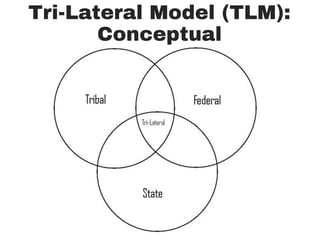
Tri-Lateral Model (TLM):
Conceptual
From
concept
or theory
to
action.
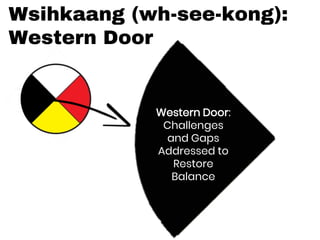
Wsihkaang (wh-see-kong):
Western Door
Western Door:
Challenges
and Gaps
Addressed to
Restore
Balance
Build braids and
bridges, not
worries and
walls.
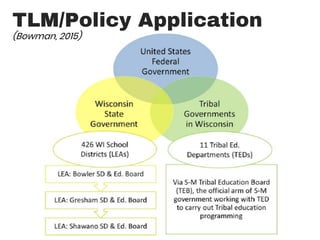
TLM/Policy Application
(Bowman, 2015)
This is how research, evaluation,
and legislative policies make
change happen.
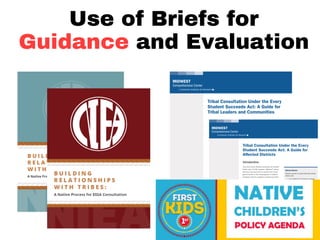
Use of Briefs for
Guidance and Evaluation
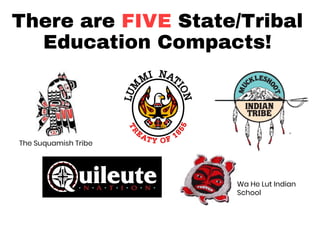
There are FIVE State/Tribal
Education Compacts!
The Suquamish Tribe
Wa He Lut Indian
School
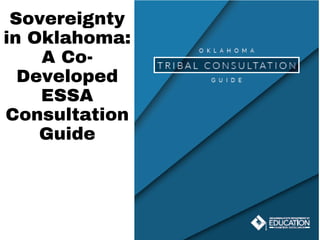
Sovereignty
in Oklahoma:
A Co-
Developed
ESSA
Consultation
Guide
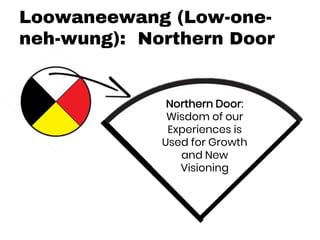
Loowaneewang (Low-one-
neh-wung): Northern Door
Northern Door:
Wisdom of our
Experiences is
Used for Growth
and New
Visioning
:
Everything the power
does, it does in a circle
Focus on
ESSA,
Culturally
Responsive
Indigenous
Evaluation, and
Sovereignty
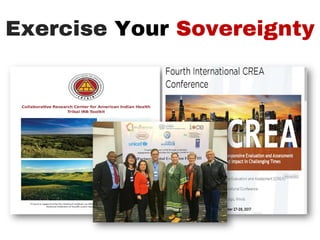
Exercise Your Sovereignty
Continue Strengthening Nations by
Building Relations via Strategic Networks
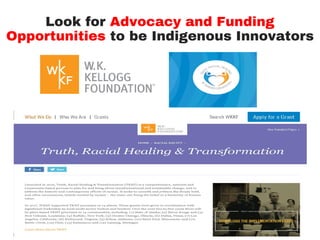
Look for Advocacy and Funding
Opportunities to be Indigenous Innovators
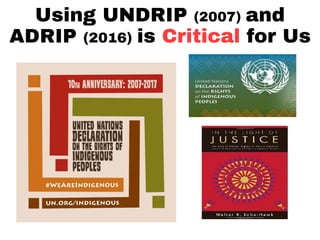
Using UNDRIP (2007) and
ADRIP (2016) is Critical for Us
Growth requires
discomfort.
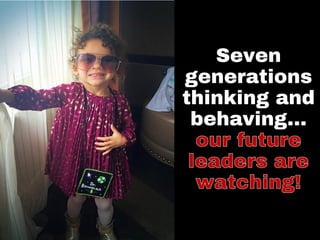
Seven
generations
thinking and
behaving…
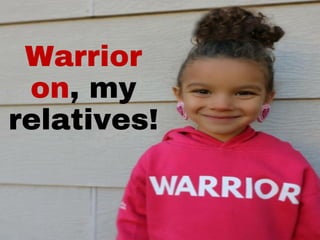
Warrior
on, my
relatives!
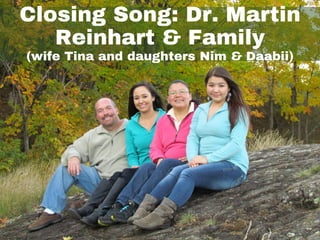
Closing Song: Dr. Martin
Reinhart & Family
(wife Tina and daughters Nim & Daabii)
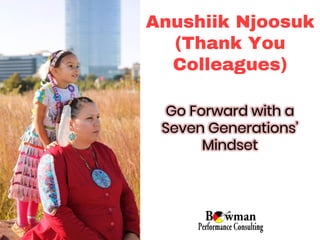
Anushiik Njoosuk
(Thank You
Colleagues)
Go Forward with a
Seven Generations’
Mindset
Nicole Bowman
(Mohican/Munsee), PhD
/BowmanPerformanceConsulting
/NBPC1
/NicoleBowman
/bpcwi
nicky@bpcwi.com | www.bpcwi.com
nrbowmanfarr@wisc.edu | lead.wceruw.org
wec.wceruw.org

Dr. Bowman's NIEA 2017 Keynote: Indigenous Innovations: Honoring the Sacred and Asserting the Sovereign in Education through Evaluation