big data, big opportunities:
retail industry
It is the busiest shopping time of the year
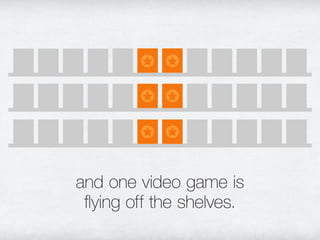
and one video game is flying
      off the shelves.
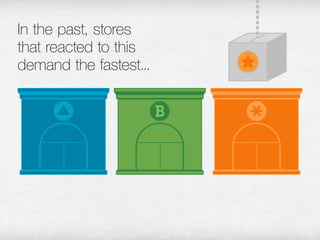
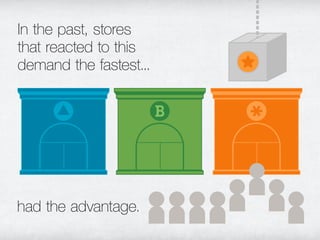
In the past, stores
that reacted to this
demand the fastest...
had the advantage.
But today, top retailers are using


 BIG DATA
to gain a competitive advantage
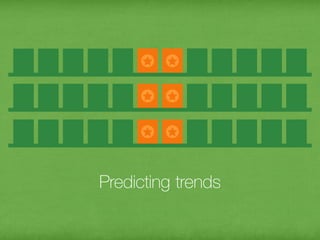
Predicting trends
edicting trends
and preparing for future demand.

edicting trends and preparing for future dema
BestMart wants to become the sales
leader for video games this season.
Their work started
months ago...
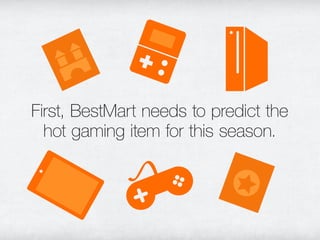
First, BestMart needs to predict the
  hot gaming item for this season.
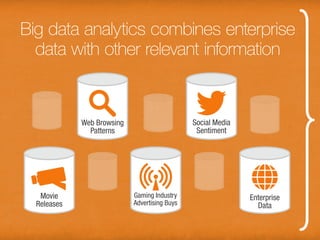
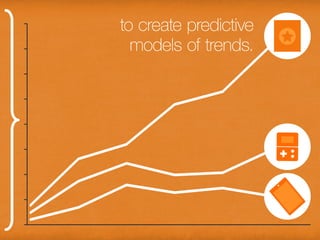
Big data analytics combines enterprise
  data with other relevant information
to create predictive models of trends.
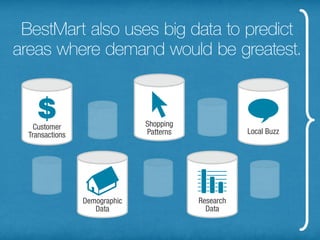
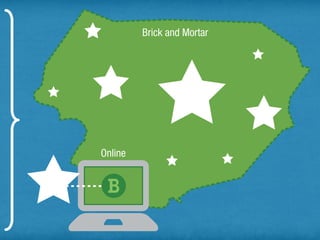
BestMart also uses big data to predict
areas where demand would be greatest.
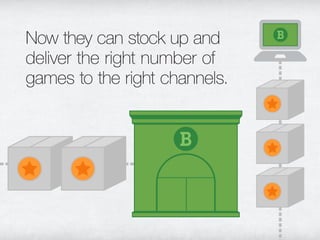
Now they can stock up and
deliver the right number of
games to the right channels.
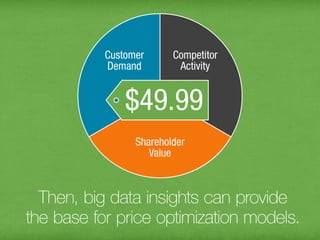
Then, big data insights can provide
the base for price optimization models.
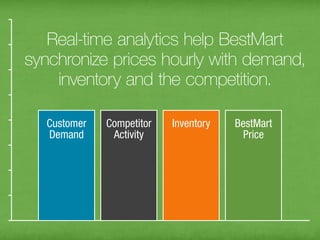
Real-time analytics help BestMart
synchronize prices hourly with demand,
    inventory and the competition.
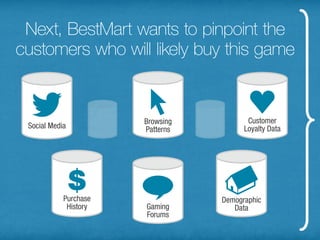
Next, BestMart wants to pinpoint the
customers who will likely buy this game
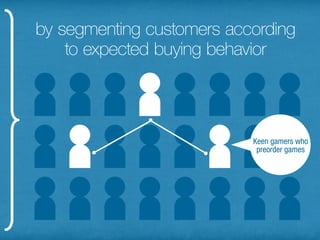
by segmenting customers according
    to expected buying behavior
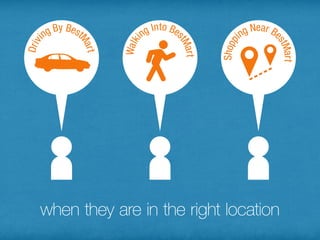
contacting them as they wish to be
              reached
when they are in the right location
and engaging them with
personalized real-time offers.
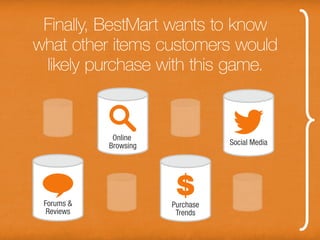
Finally, BestMart wants to know what
 other items customers would likely
       purchase with this game.
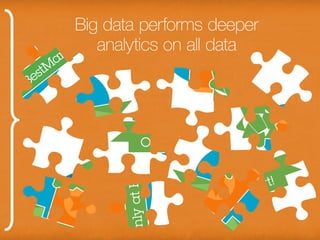
Big data performs deeper analytics on
               all data
to find meaningful patterns and
        hidden insights.
BestMart uses this insight to create an
 exclusive console and game bundle.
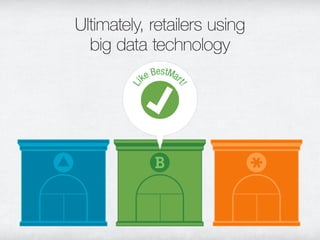
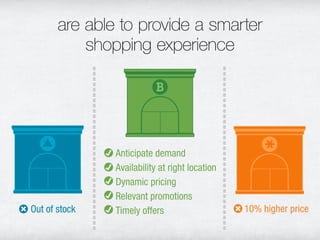
Ultimately, retailers using big data technology
are able to provide a smarter shopping
               experience
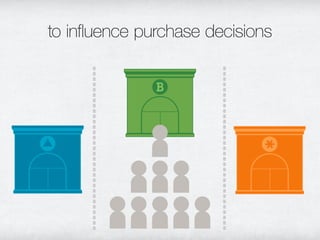
to influence purchase decisions
and edge out the competition.
Learn more about big data at
    IBMbigdatahub.com

Big Data in Retail - Examples in Action