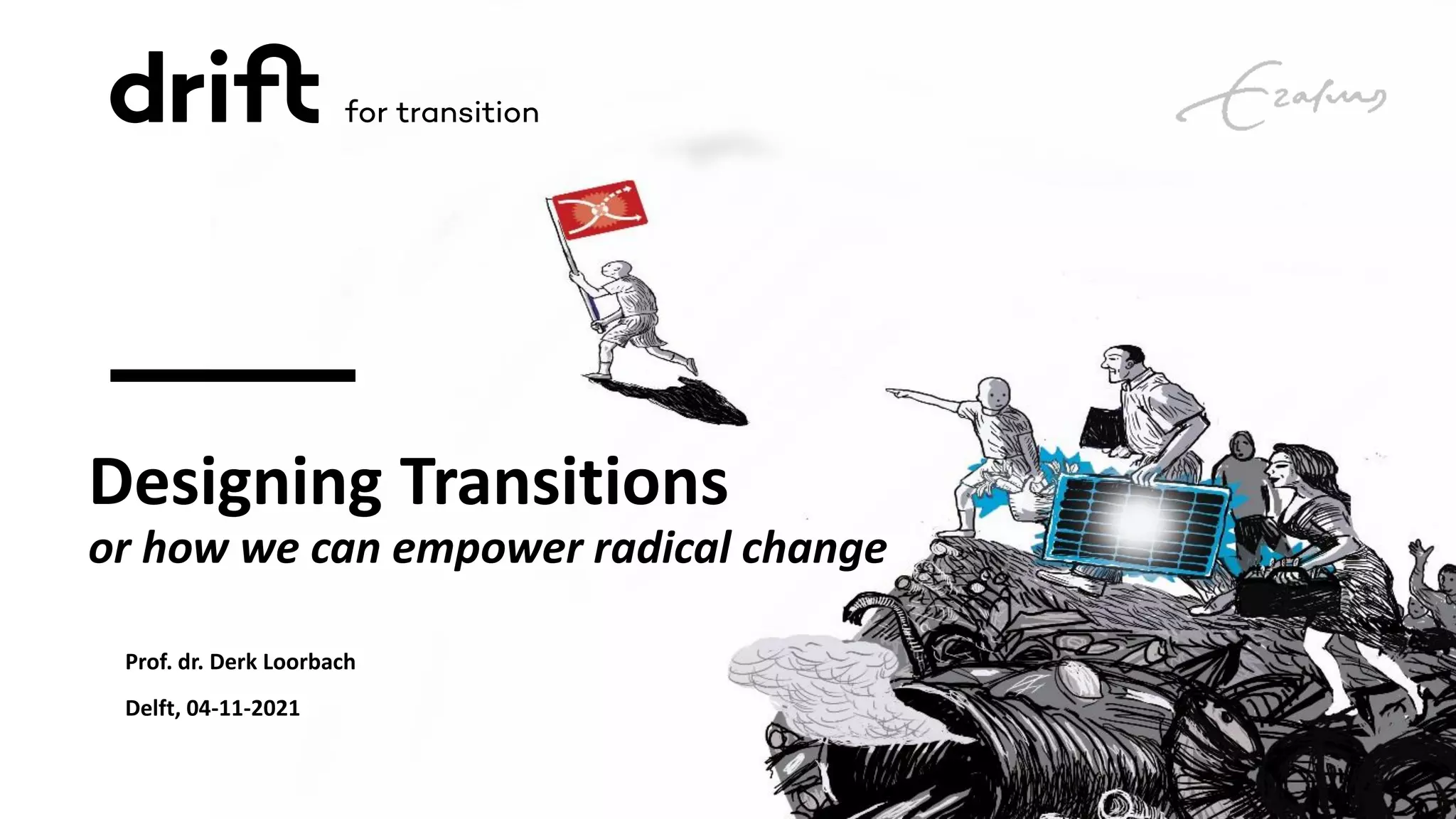
Designing Transitions
or how we can empower radical change
Prof. dr. Derk Loorbach
Delft, 04-11-2021
mission mission
Dutch Research
Institute For Transitions
Accelerate and guide just
suatainability transitions by
developing knowledge in and with
practice
Academic research, consulting,
education, activism
Social enterprise
30+ employees
Founded in 2004
Design Impact Transition
platform
Transdisciplinary and transformative
research, education and engagement
Strategic university platform
Core team and academics with impact
assignments
Establish and institutional space
for transformative academic work
at EUR
Come join the DIT launch November 25!
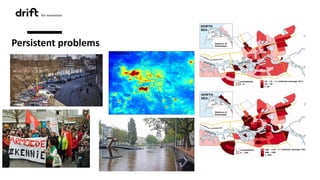
Persistent problems
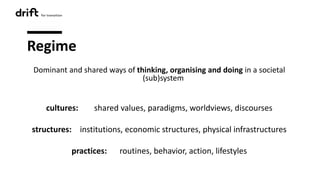
Regime
Dominant and shared ways of thinking, organising and doing in a societal
(sub)system
cultures: shared values, paradigms, worldviews, discourses
structures: institutions, economic structures, physical infrastructures
practices: routines, behavior, action, lifestyles
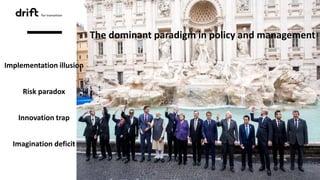
The dominant paradigm in policy and management
Implementation illusion
Risk paradox
Innovation trap
Imagination deficit
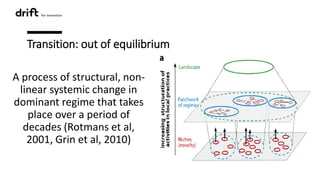
Transition: out of equilibrium
A process of structural, non-
linear systemic change in
dominant regime that takes
place over a period of
decades (Rotmans et al,
2001, Grin et al, 2010)
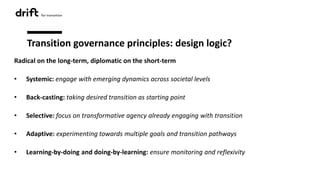
Transition governance principles: design logic?
Radical on the long-term, diplomatic on the short-term
• Systemic: engage with emerging dynamics across societal levels
• Back-casting: taking desired transition as starting point
• Selective: focus on transformative agency already engaging with transition
• Adaptive: experimenting towards multiple goals and transition pathways
• Learning-by-doing and doing-by-learning: ensure monitoring and reflexivity
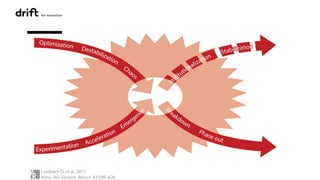
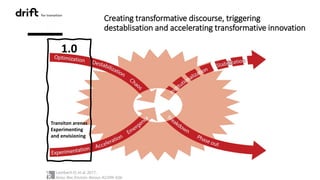
Creating transformative discourse, triggering
destablisation and accelerating transformative innovation
1.0
Transiton arenas
Experimenting
and envisioning
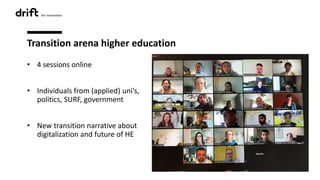
Transition arena higher education
• 4 sessions online
• Individuals from (applied) uni’s,
politics, SURF, government
• New transition narrative about
digitalization and future of HE
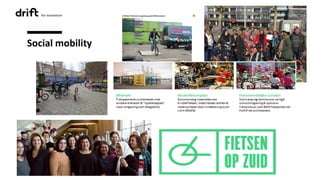
Social mobility
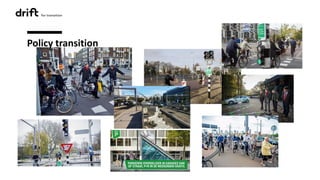
Policy transition
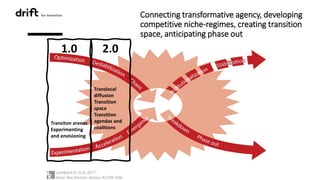
1.0
Transiton arenas
Experimenting
and envisioning
2.0
Translocal
diffusion
Transition
space
Transition
agendas and
coalitions
Connecting transformative agency, developing
competitive niche-regimes, creating transition
space, anticipating phase out
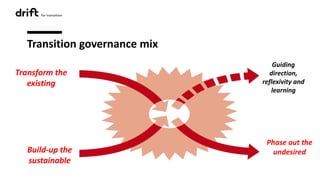
Build-up the
sustainable
Transform the
existing
Phase out the
undesired
Guiding
direction,
reflexivity and
learning
Transition governance mix
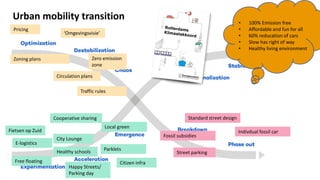
Pricing
Indivdual fossil car
Circulation plans
E-logistics
Fietsen op Zuid
Cooperative sharing
City Lounge
Happy Streets/
Parking day
Parklets
Local green
Traffic rules
Zoning plans
• 100% Emission free
• Affordable and fun for all
• 60% reducation of cars
• Slow has right of way
• Healthy living environment
‘Omgevingsvisie’
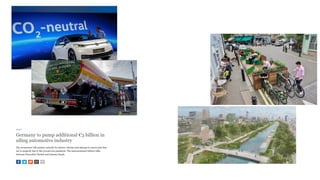
Urban mobility transition
Zero emission
zone
Street parking
Fossil subsidies
Standard street design
Free floating
Healthy schools
Citizen infra
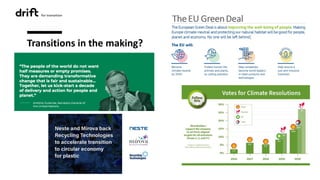
Transitions in the making?
1.0
Empowerment
Transiton arenas
Experimenting
and envisioning
2.0
Translocal
diffusion
Transition
space
Transition
agendas and
coalitions
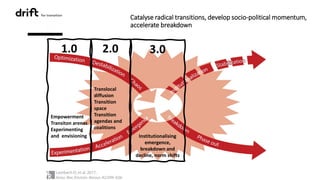
3.0
Institutionalising
emergence,
breakdown and
decline, norm shifts
Catalyse radical transitions, develop socio-political momentum,
accelerate breakdown
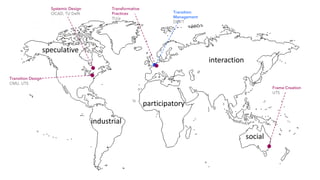
Systemic Design
OCAD, TU Delft
Transition Design
CMU, UTS
Frame Creation
UTS
Transformative
Practices
TU/e
Transition
Management
DRIFT
social
speculative
participatory
industrial
interaction
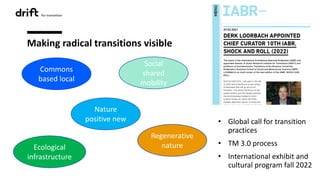
Making radical transitions visible
• Global call for transition
practices
• TM 3.0 process
• International exhibit and
cultural program fall 2022
Commons
based local
Nature
positive new
Social
shared
mobility
Regenerative
nature
Ecological
infrastructure
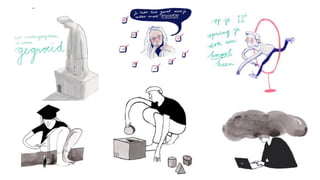
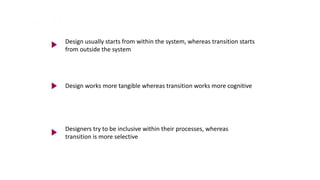
Design usually starts from within the system, whereas transition starts
from outside the system
Design works more tangible whereas transition works more cognitive
Designers try to be inclusive within their processes, whereas
transition is more selective
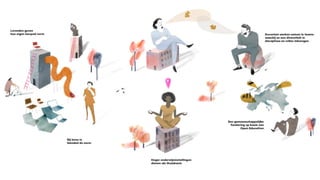
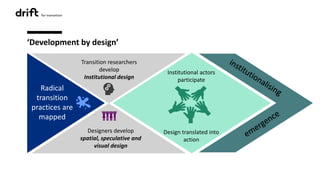
‘Development by design’
Transition researchers
develop
Institutional design
Designers develop
spatial, speculative and
visual design
Institutional actors
participate
Design translated into
action
Radical
transition
practices are
mapped
For more information and publications:
loorbach@drift.eur.nl
www.drift.eur.nl
www.twitter.com/drk75
loorbach@drift.eur.nl
www.drift.eur.nl
www.twitter.com/drk75

Designing Transitions

  • 1.
    Designing Transitions or howwe can empower radical change Prof. dr. Derk Loorbach Delft, 04-11-2021
  • 2.
    mission mission Dutch Research InstituteFor Transitions Accelerate and guide just suatainability transitions by developing knowledge in and with practice Academic research, consulting, education, activism Social enterprise 30+ employees Founded in 2004 Design Impact Transition platform Transdisciplinary and transformative research, education and engagement Strategic university platform Core team and academics with impact assignments Establish and institutional space for transformative academic work at EUR Come join the DIT launch November 25!
  • 5.
  • 6.
    Regime Dominant and sharedways of thinking, organising and doing in a societal (sub)system cultures: shared values, paradigms, worldviews, discourses structures: institutions, economic structures, physical infrastructures practices: routines, behavior, action, lifestyles
  • 7.
    The dominant paradigmin policy and management Implementation illusion Risk paradox Innovation trap Imagination deficit
  • 9.
    Transition: out ofequilibrium A process of structural, non- linear systemic change in dominant regime that takes place over a period of decades (Rotmans et al, 2001, Grin et al, 2010)
  • 11.
    Transition governance principles:design logic? Radical on the long-term, diplomatic on the short-term • Systemic: engage with emerging dynamics across societal levels • Back-casting: taking desired transition as starting point • Selective: focus on transformative agency already engaging with transition • Adaptive: experimenting towards multiple goals and transition pathways • Learning-by-doing and doing-by-learning: ensure monitoring and reflexivity
  • 12.
    Creating transformative discourse,triggering destablisation and accelerating transformative innovation 1.0 Transiton arenas Experimenting and envisioning
  • 13.
    Transition arena highereducation • 4 sessions online • Individuals from (applied) uni’s, politics, SURF, government • New transition narrative about digitalization and future of HE
  • 17.
  • 18.
  • 19.
    1.0 Transiton arenas Experimenting and envisioning 2.0 Translocal diffusion Transition space Transition agendasand coalitions Connecting transformative agency, developing competitive niche-regimes, creating transition space, anticipating phase out
  • 20.
    Build-up the sustainable Transform the existing Phaseout the undesired Guiding direction, reflexivity and learning Transition governance mix
  • 22.
    Pricing Indivdual fossil car Circulationplans E-logistics Fietsen op Zuid Cooperative sharing City Lounge Happy Streets/ Parking day Parklets Local green Traffic rules Zoning plans • 100% Emission free • Affordable and fun for all • 60% reducation of cars • Slow has right of way • Healthy living environment ‘Omgevingsvisie’ Urban mobility transition Zero emission zone Street parking Fossil subsidies Standard street design Free floating Healthy schools Citizen infra
  • 27.
  • 32.
    1.0 Empowerment Transiton arenas Experimenting and envisioning 2.0 Translocal diffusion Transition space Transition agendasand coalitions 3.0 Institutionalising emergence, breakdown and decline, norm shifts Catalyse radical transitions, develop socio-political momentum, accelerate breakdown
  • 33.
    Systemic Design OCAD, TUDelft Transition Design CMU, UTS Frame Creation UTS Transformative Practices TU/e Transition Management DRIFT social speculative participatory industrial interaction
  • 34.
    Making radical transitionsvisible • Global call for transition practices • TM 3.0 process • International exhibit and cultural program fall 2022 Commons based local Nature positive new Social shared mobility Regenerative nature Ecological infrastructure
  • 35.
    Design usually startsfrom within the system, whereas transition starts from outside the system Design works more tangible whereas transition works more cognitive Designers try to be inclusive within their processes, whereas transition is more selective
  • 36.
    ‘Development by design’ Transitionresearchers develop Institutional design Designers develop spatial, speculative and visual design Institutional actors participate Design translated into action Radical transition practices are mapped
  • 37.
    For more informationand publications: loorbach@drift.eur.nl www.drift.eur.nl www.twitter.com/drk75 loorbach@drift.eur.nl www.drift.eur.nl www.twitter.com/drk75