masters of photography
the men & women who are regarded as “artistic geniuses” and
are looked to as a reference or guide
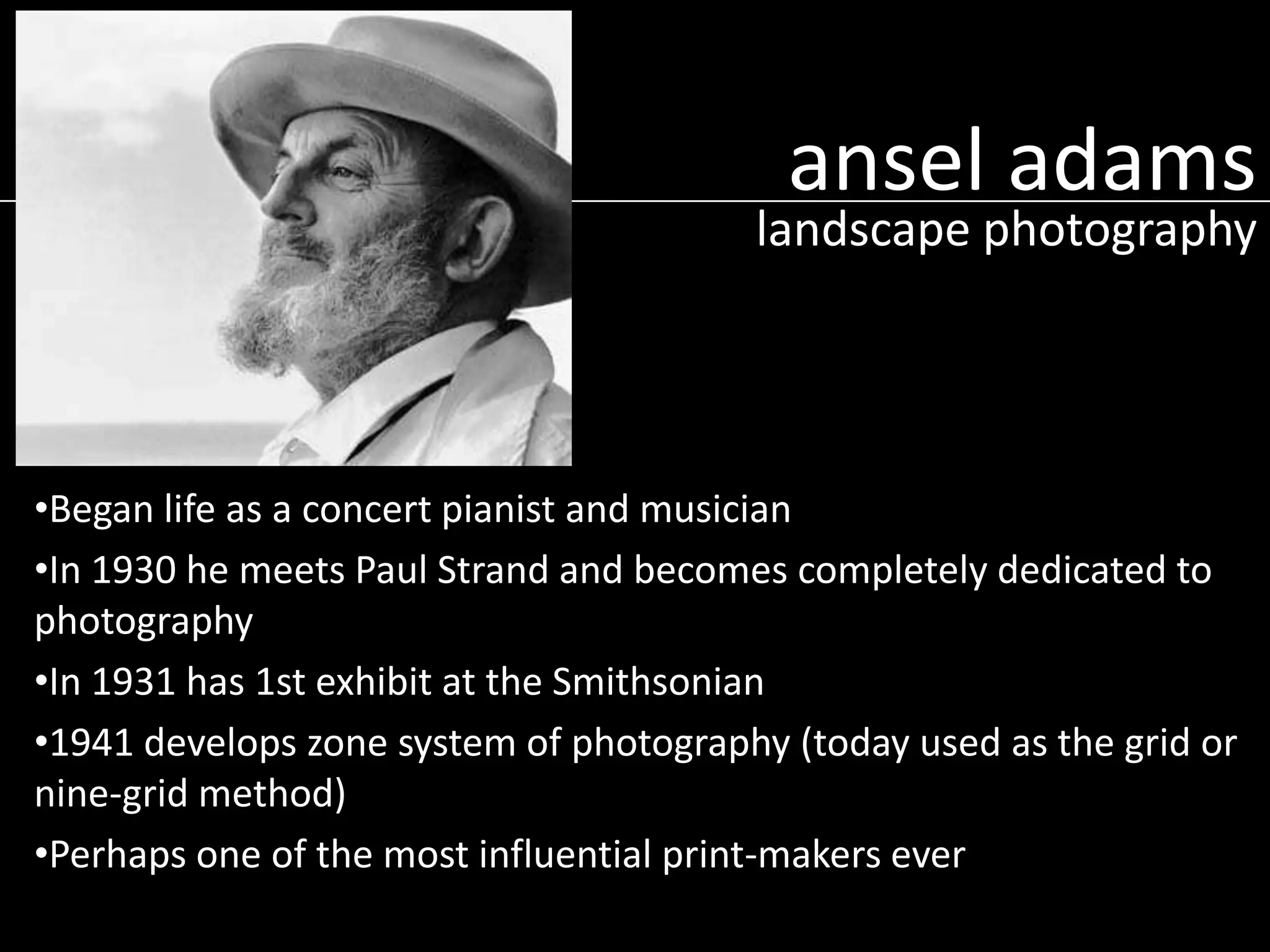
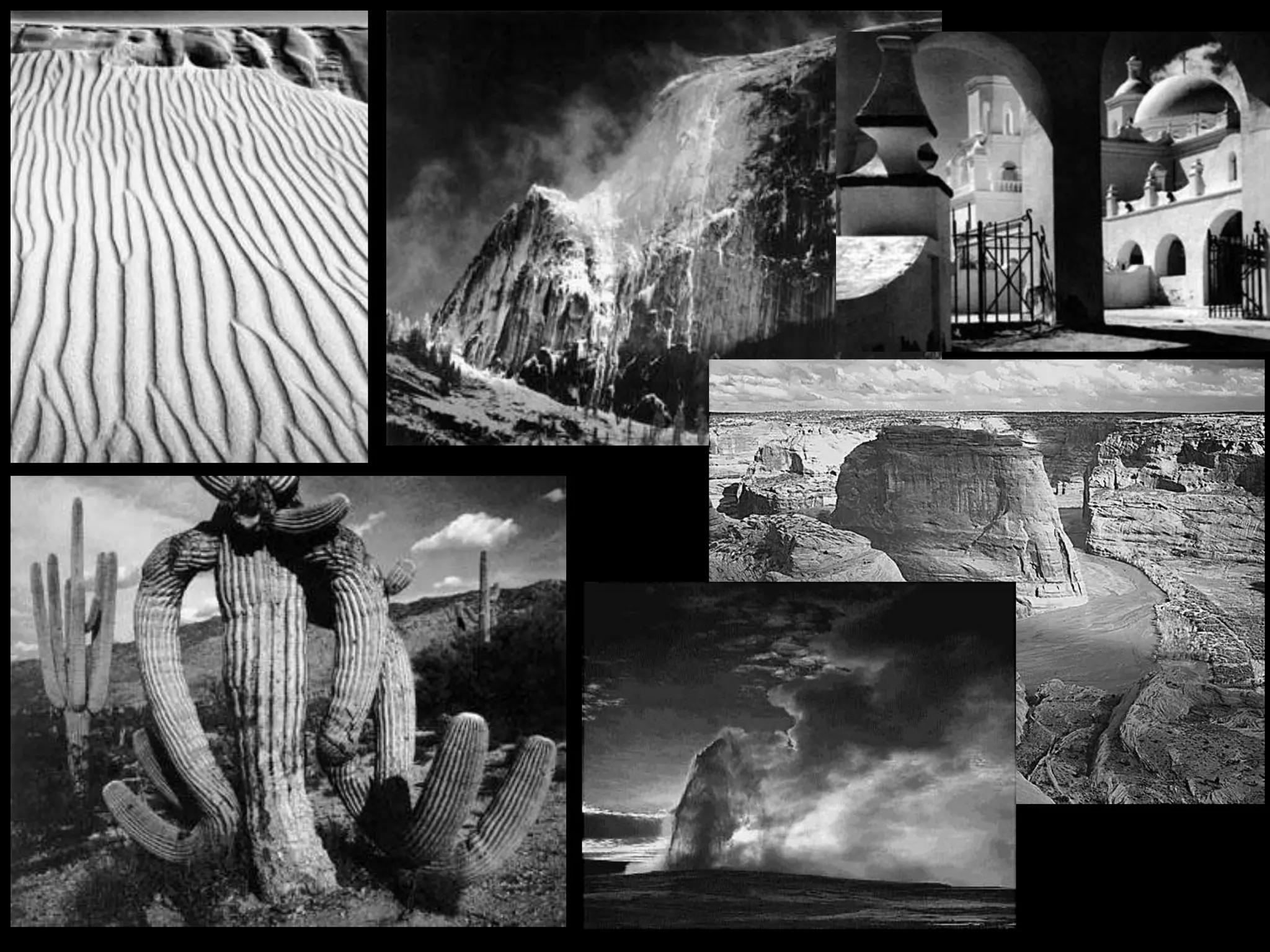
ansel adams

landscape photography

•Began life as a concert pianist and musician
•In 1930 he meets Paul Strand and becomes completely dedicated to
photography
•In 1931 has 1st exhibit at the Smithsonian
•1941 develops zone system of photography (today used as the grid or
nine-grid method)
•Perhaps one of the most influential print-makers ever
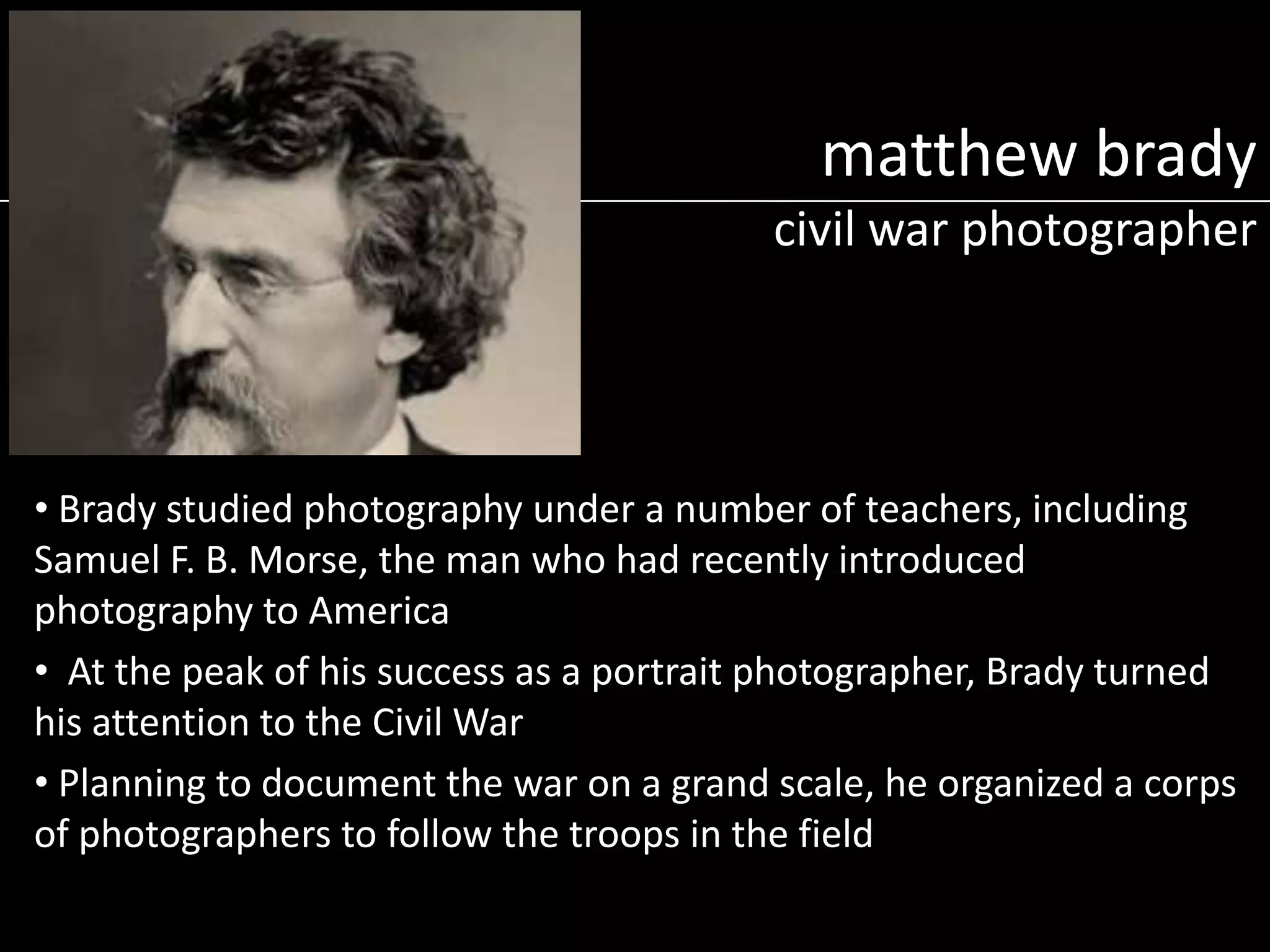
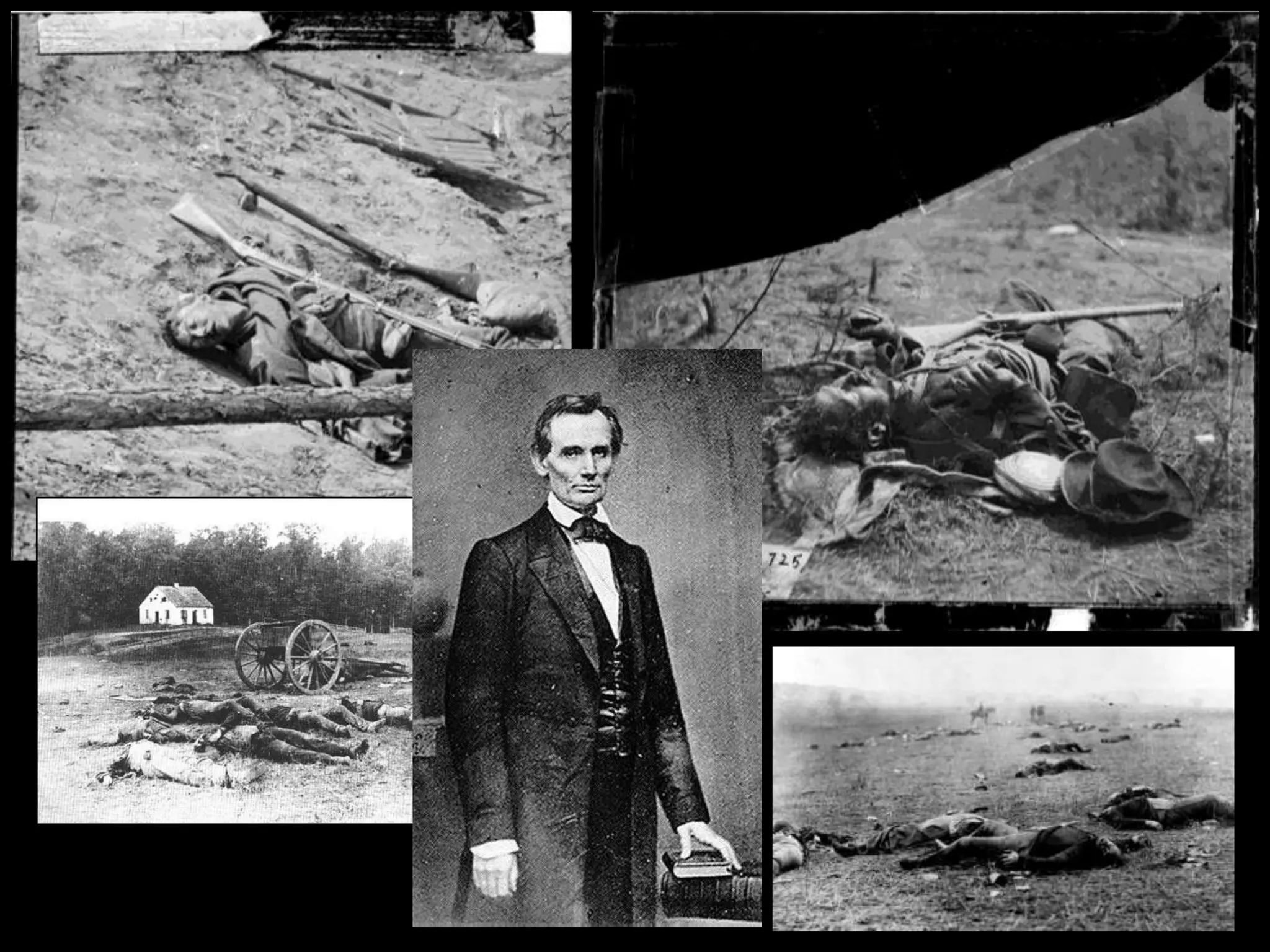
matthew brady
civil war photographer

• Brady studied photography under a number of teachers, including
Samuel F. B. Morse, the man who had recently introduced
photography to America
• At the peak of his success as a portrait photographer, Brady turned
his attention to the Civil War
• Planning to document the war on a grand scale, he organized a corps
of photographers to follow the troops in the field
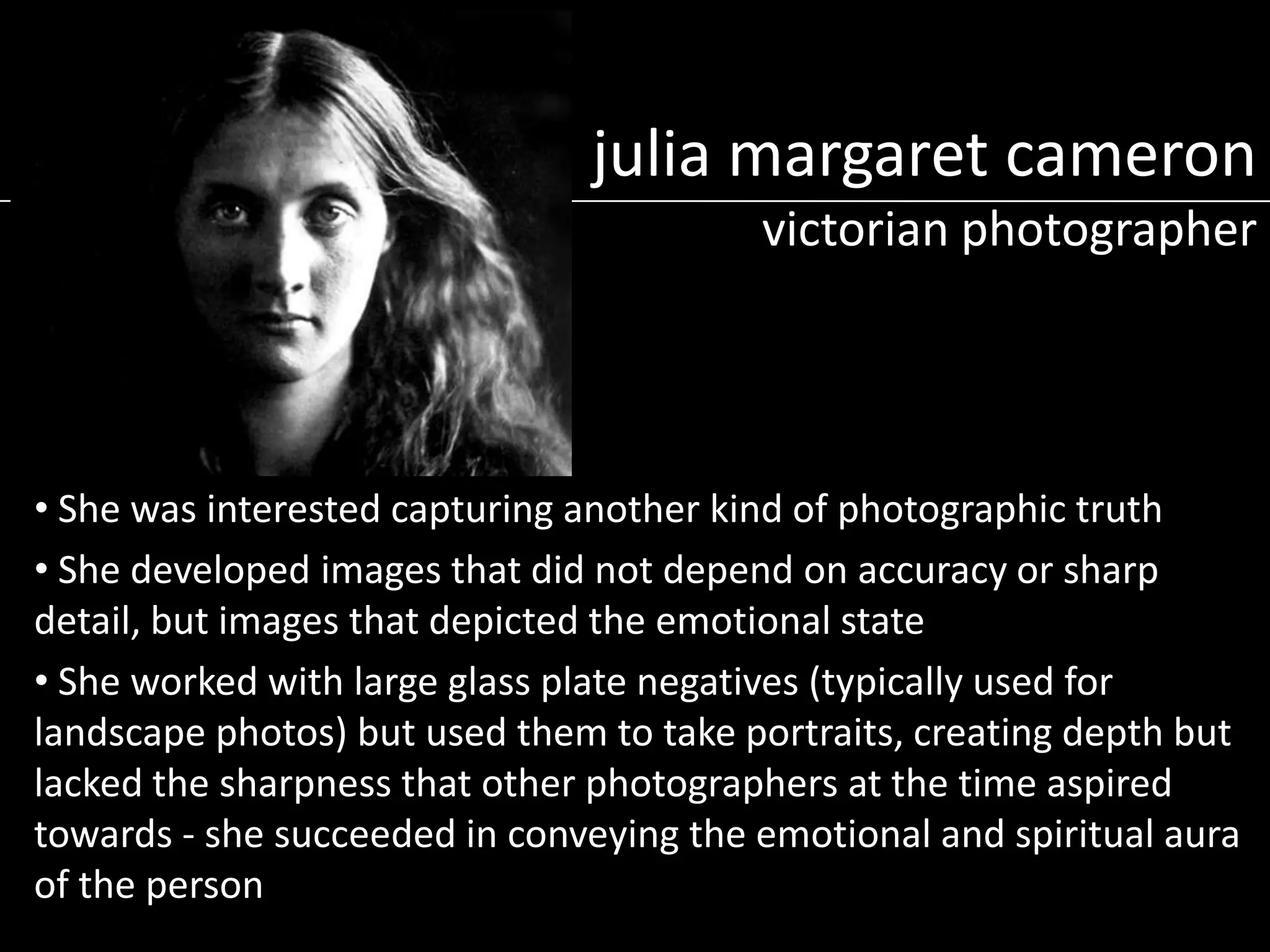
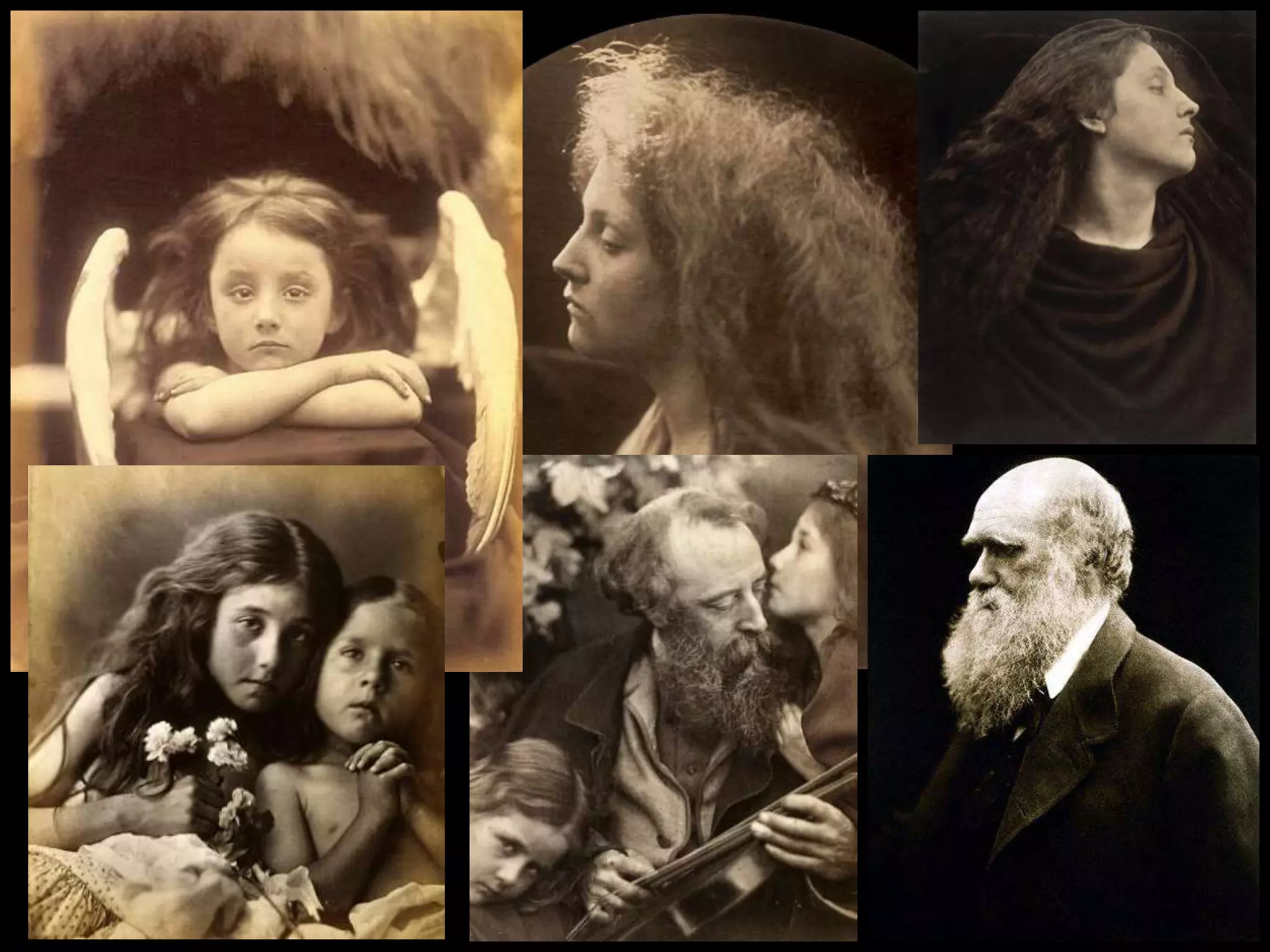
julia margaret cameron
victorian photographer

• She was interested capturing another kind of photographic truth
• She developed images that did not depend on accuracy or sharp
detail, but images that depicted the emotional state
• She worked with large glass plate negatives (typically used for
landscape photos) but used them to take portraits, creating depth but
lacked the sharpness that other photographers at the time aspired
towards - she succeeded in conveying the emotional and spiritual aura
of the person
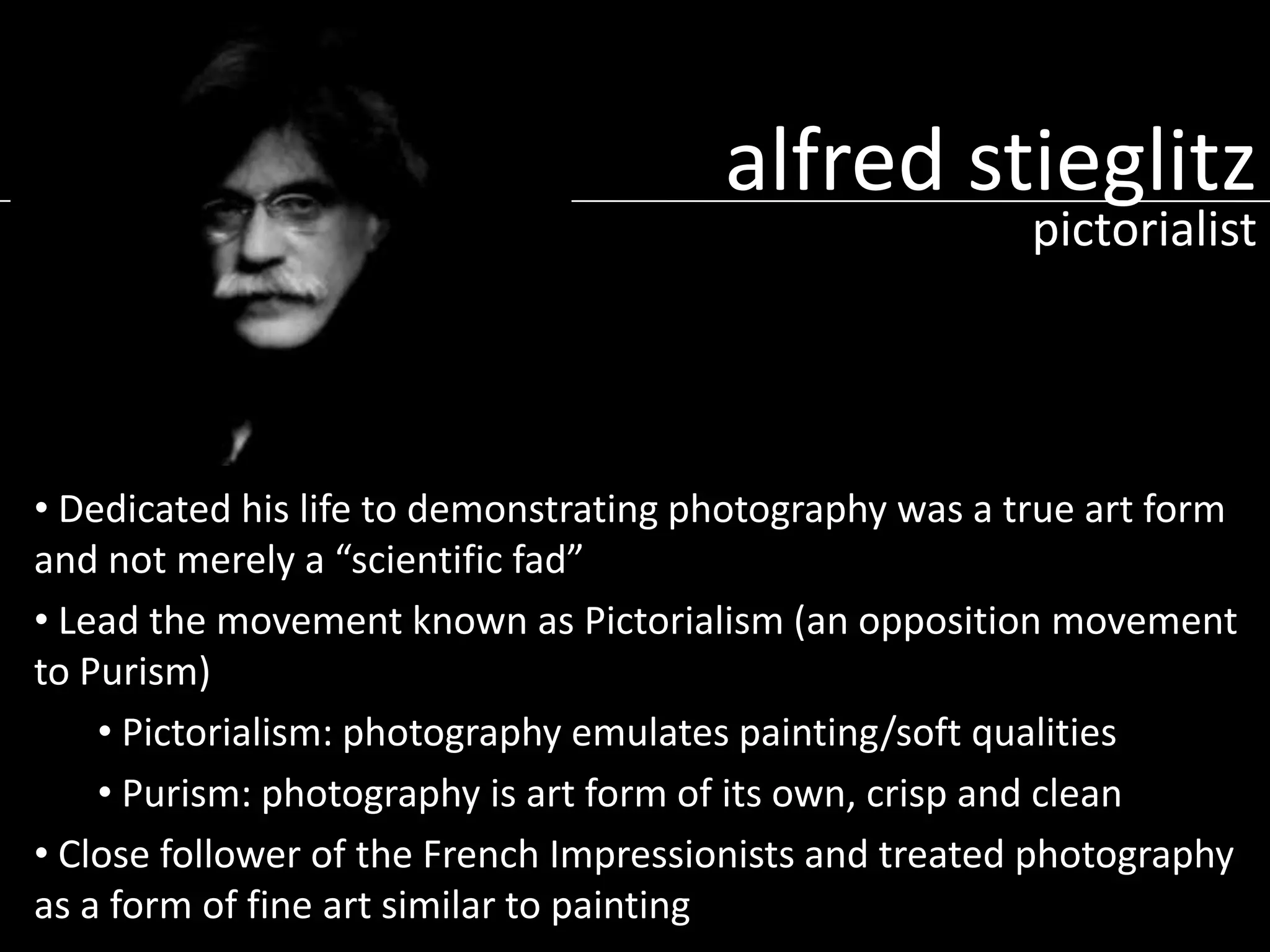
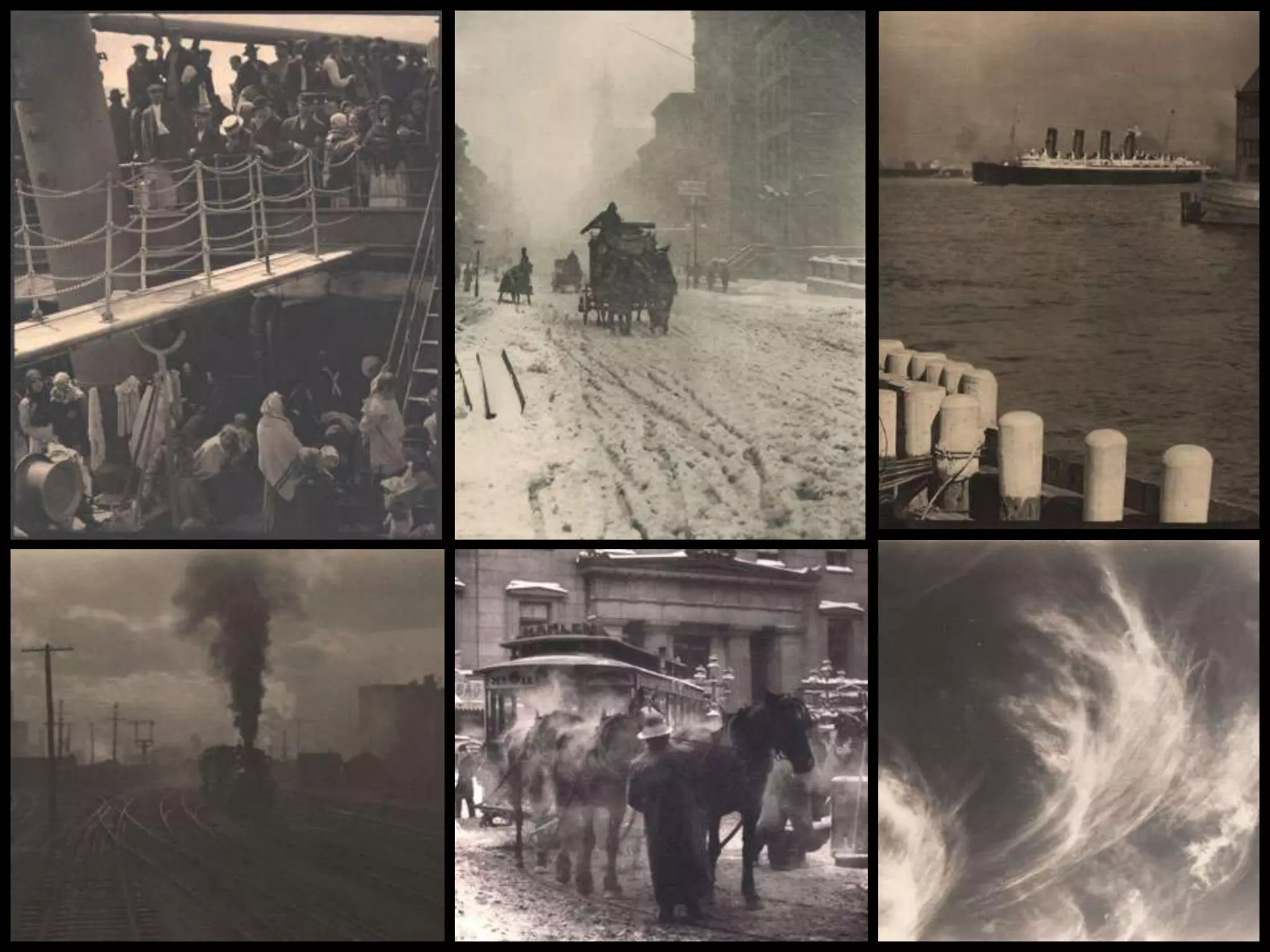
alfred stieglitz
pictorialist

• Dedicated his life to demonstrating photography was a true art form
and not merely a “scientific fad”
• Lead the movement known as Pictorialism (an opposition movement
to Purism)
• Pictorialism: photography emulates painting/soft qualities
• Purism: photography is art form of its own, crisp and clean
• Close follower of the French Impressionists and treated photography
as a form of fine art similar to painting
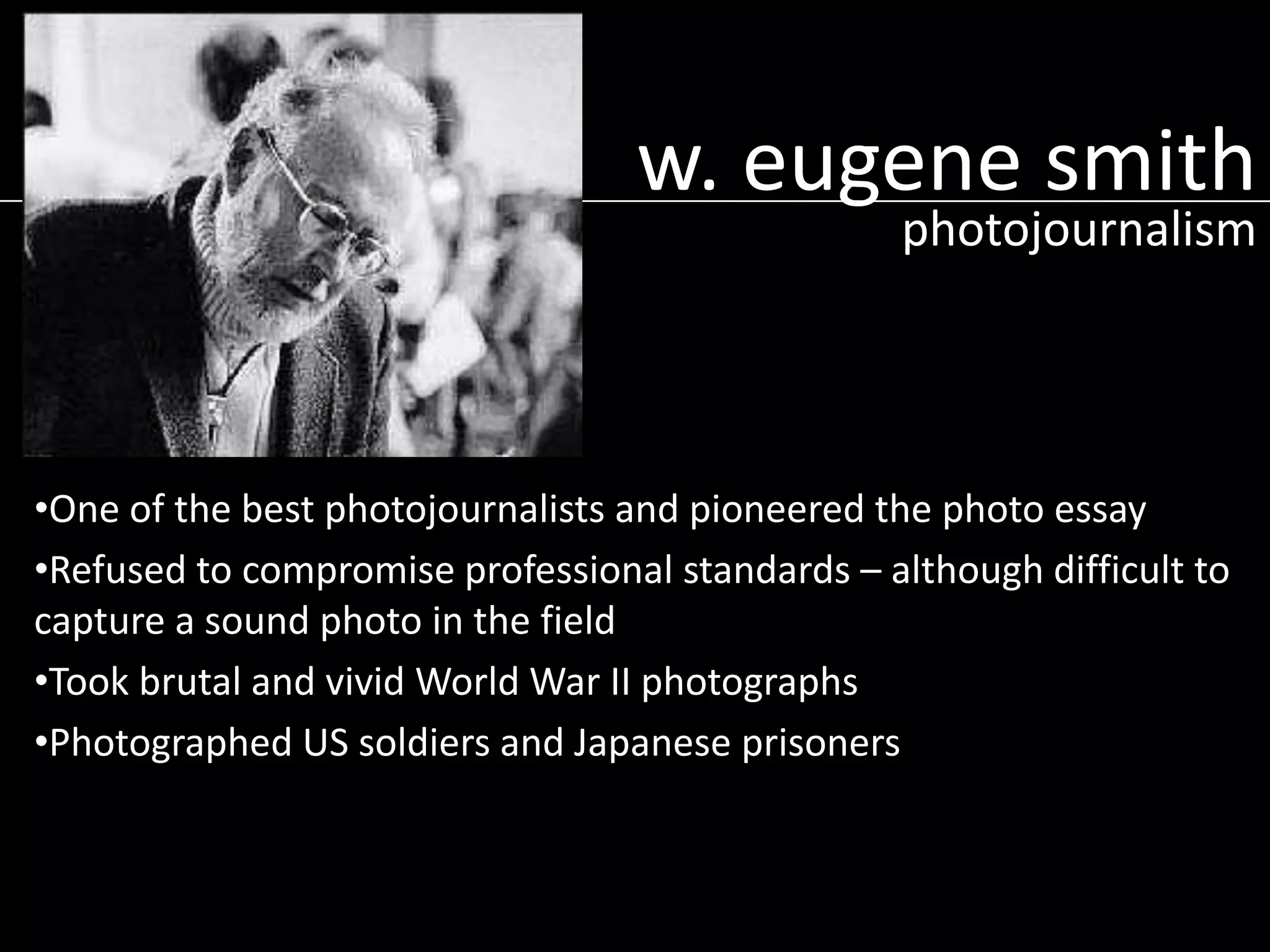
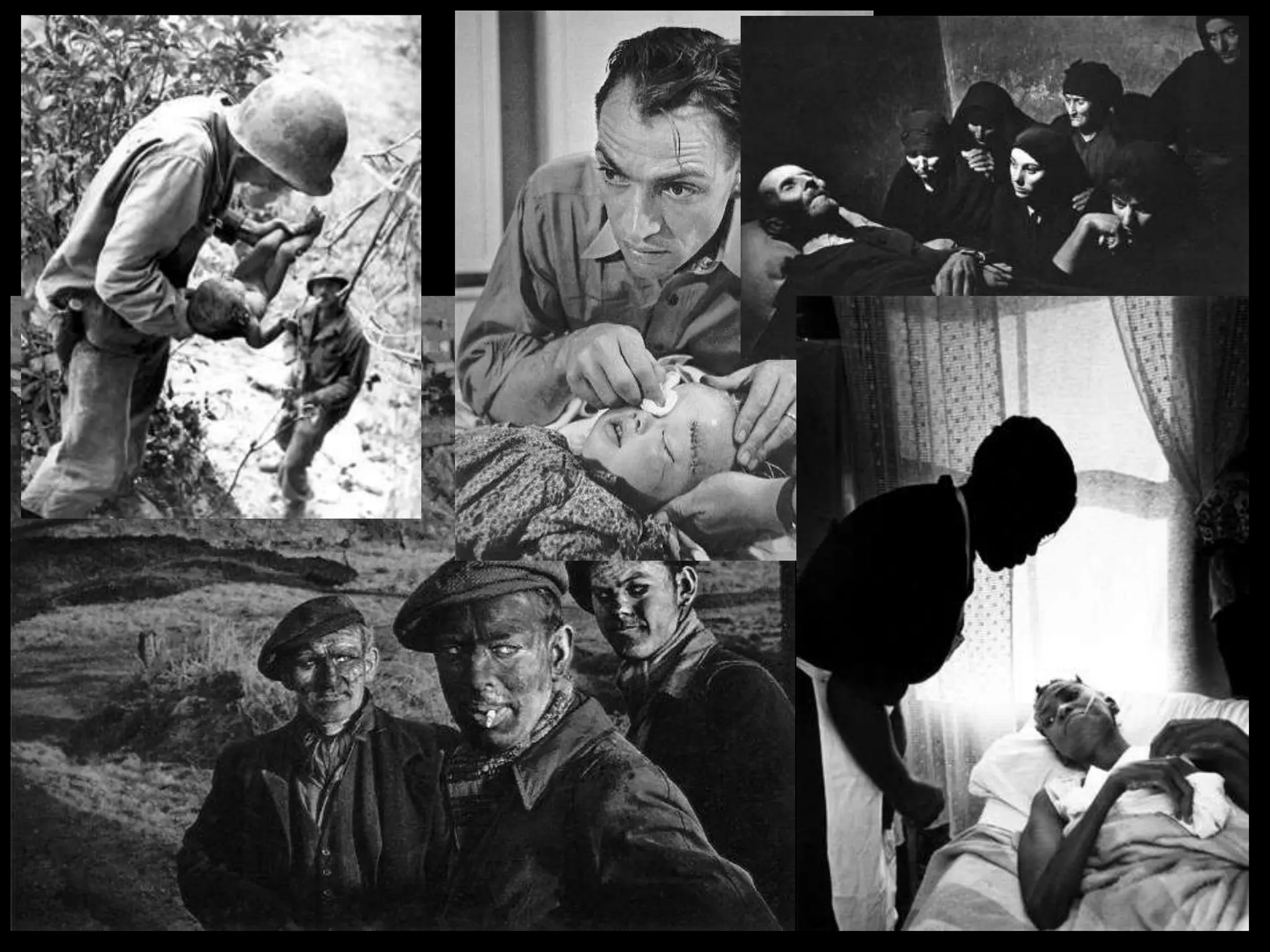
w. eugene smith
photojournalism

•One of the best photojournalists and pioneered the photo essay
•Refused to compromise professional standards – although difficult to
capture a sound photo in the field
•Took brutal and vivid World War II photographs
•Photographed US soldiers and Japanese prisoners
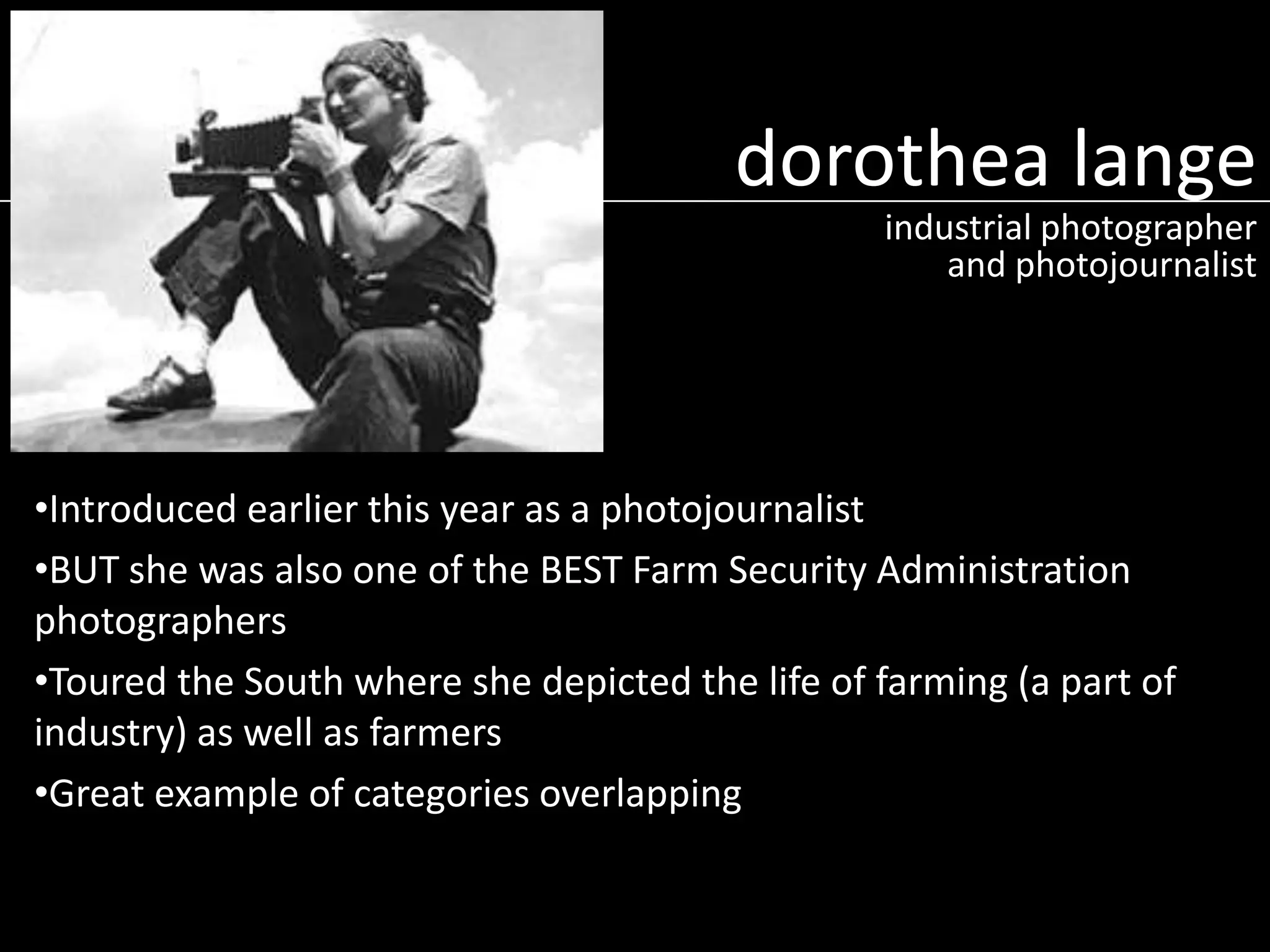
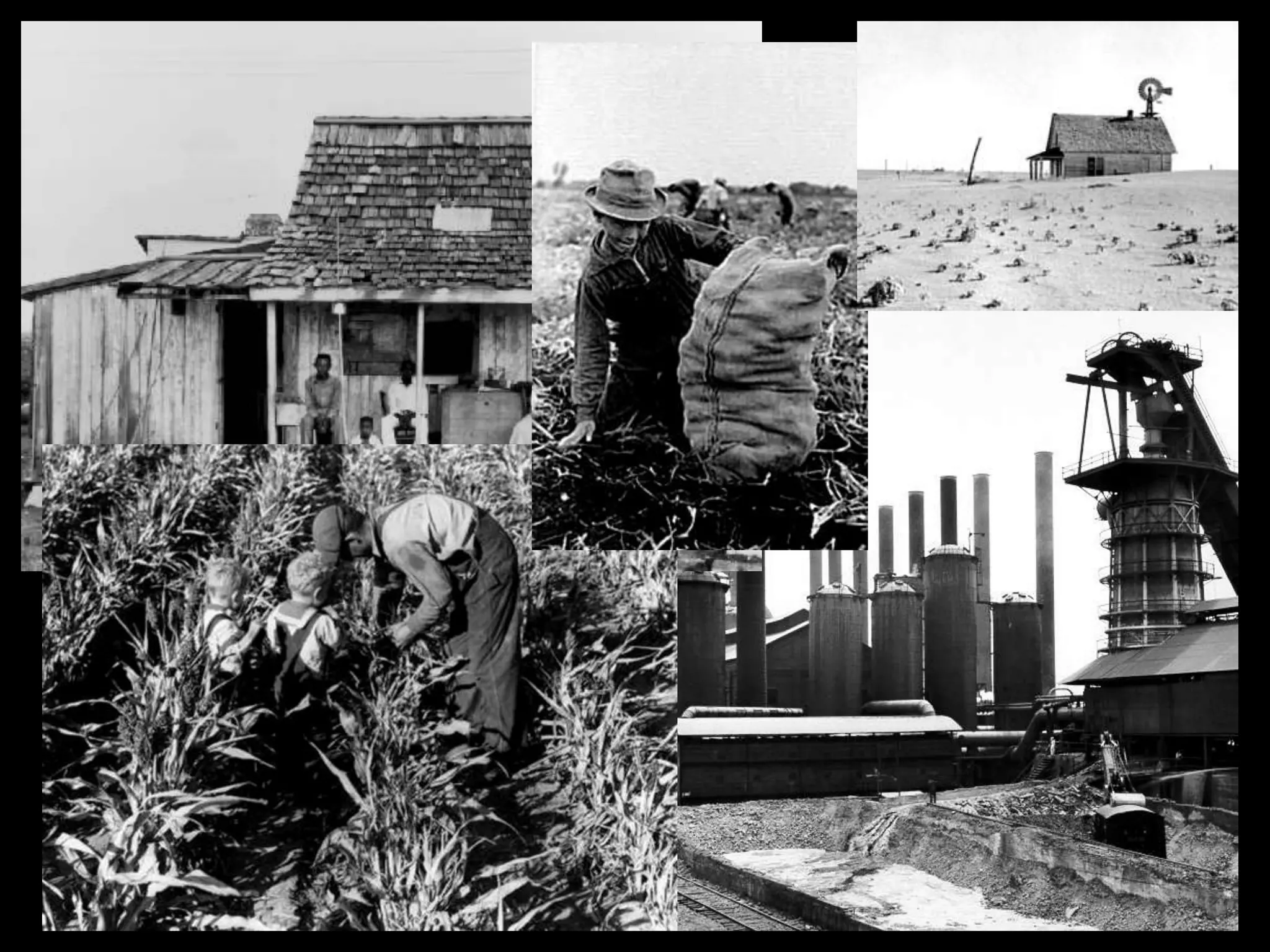
dorothea lange
industrial photographer
and photojournalist

•Introduced earlier this year as a photojournalist
•BUT she was also one of the BEST Farm Security Administration
photographers
•Toured the South where she depicted the life of farming (a part of
industry) as well as farmers
•Great example of categories overlapping
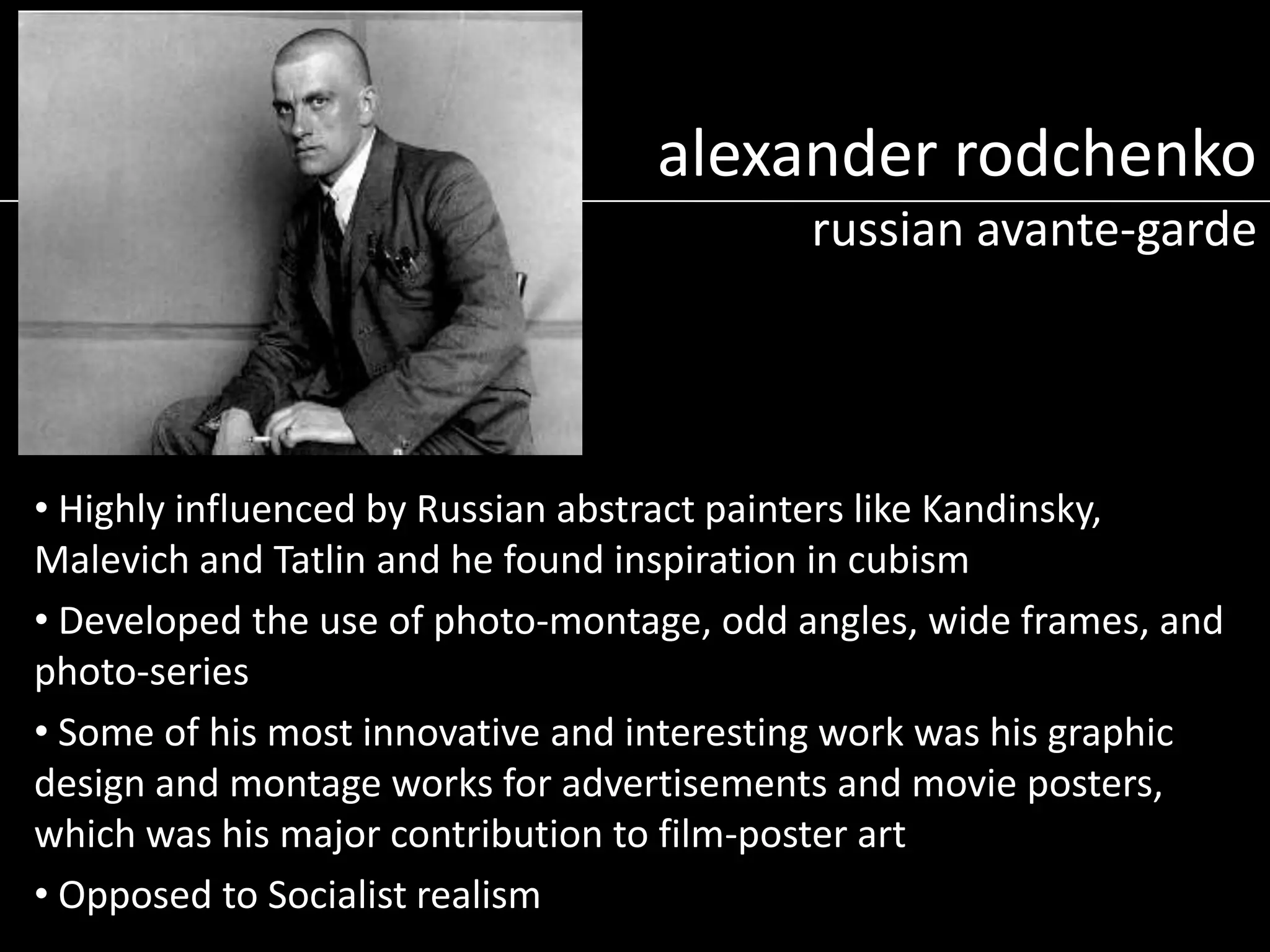
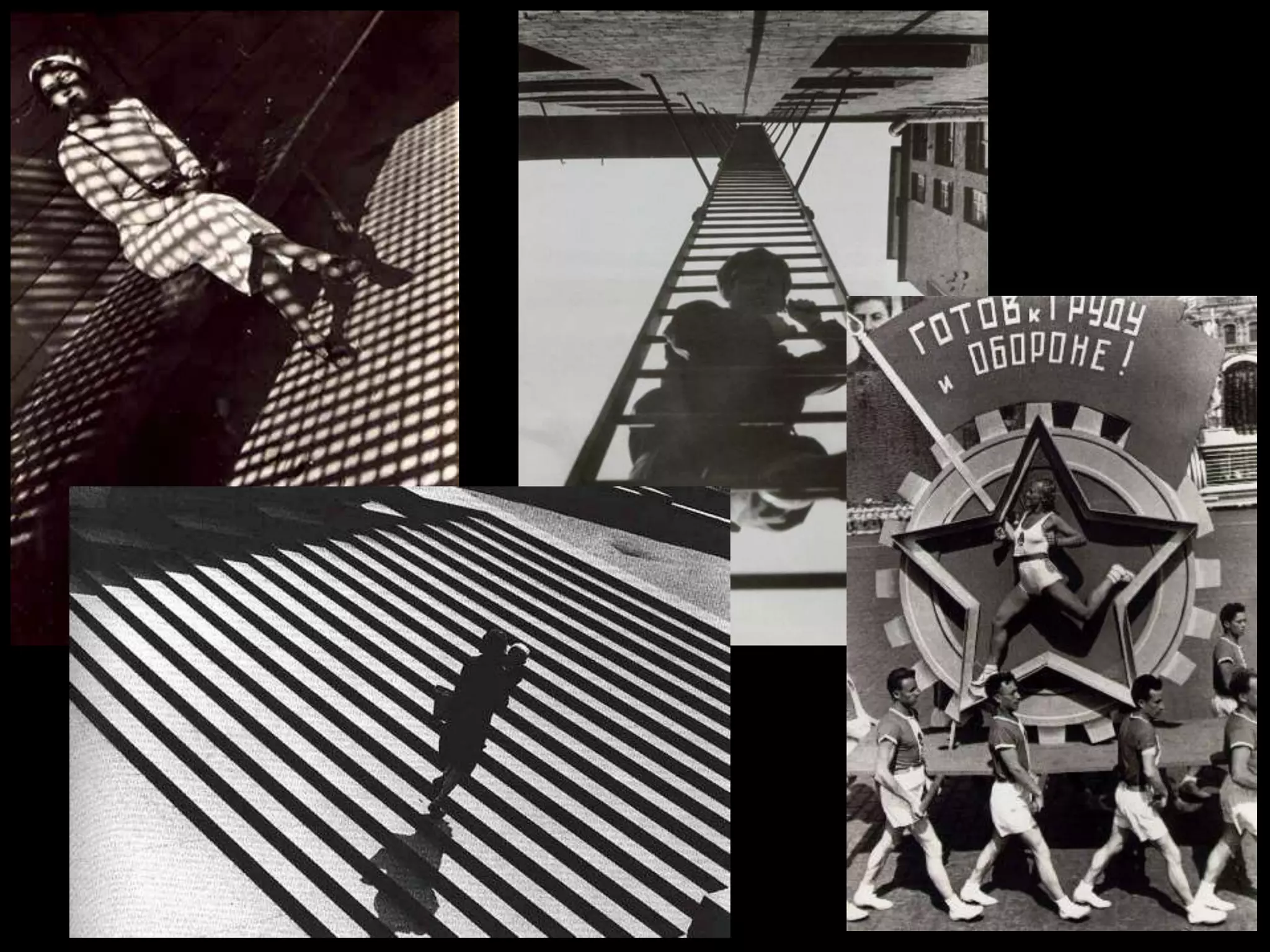
alexander rodchenko
russian avante-garde

• Highly influenced by Russian abstract painters like Kandinsky,
Malevich and Tatlin and he found inspiration in cubism
• Developed the use of photo-montage, odd angles, wide frames, and
photo-series
• Some of his most innovative and interesting work was his graphic
design and montage works for advertisements and movie posters,
which was his major contribution to film-poster art
• Opposed to Socialist realism
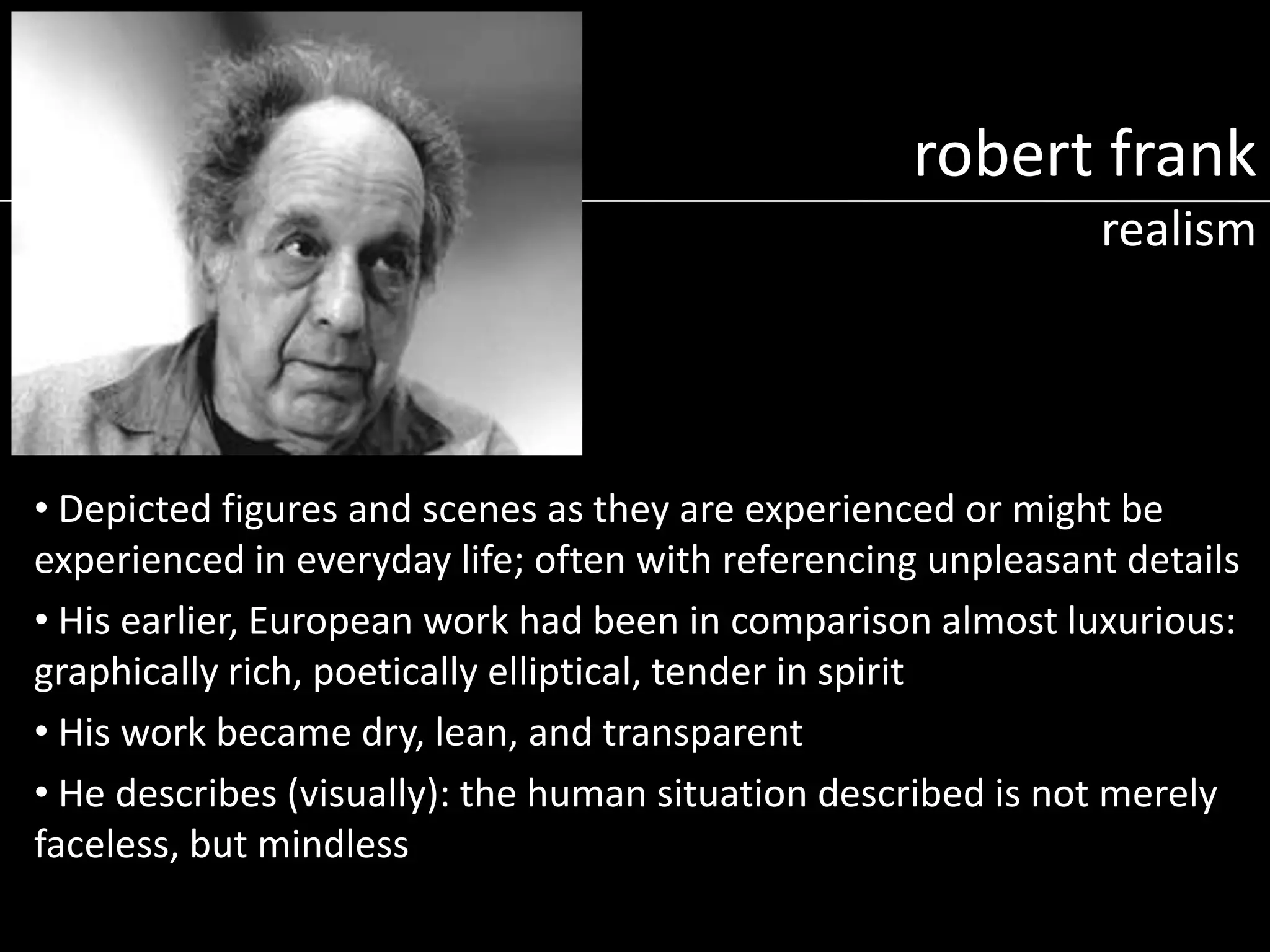
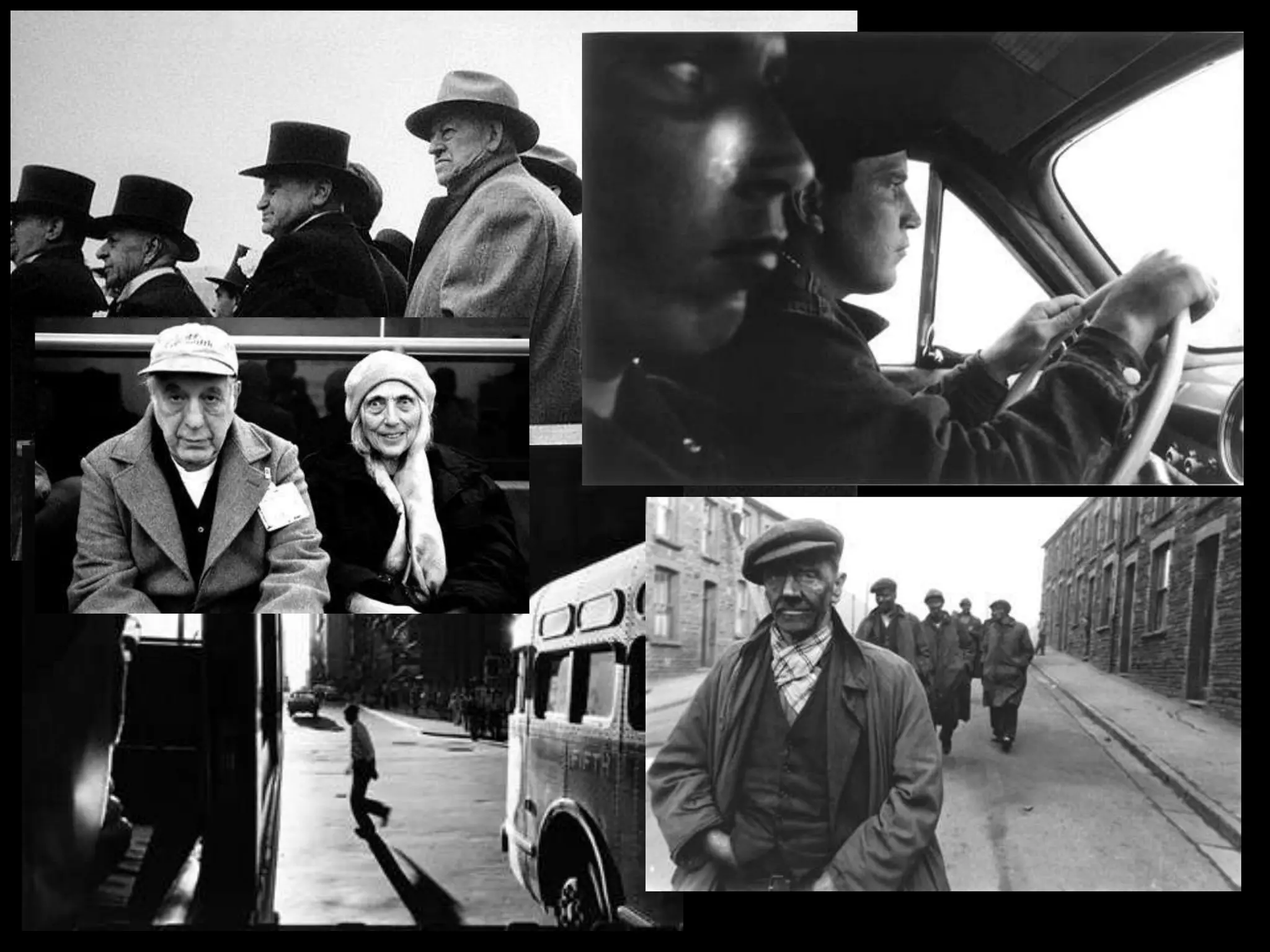
robert frank
realism

• Depicted figures and scenes as they are experienced or might be
experienced in everyday life; often with referencing unpleasant details
• His earlier, European work had been in comparison almost luxurious:
graphically rich, poetically elliptical, tender in spirit
• His work became dry, lean, and transparent
• He describes (visually): the human situation described is not merely
faceless, but mindless
lennart nilsson

scientific photographer

•Swedish photographer and scientist
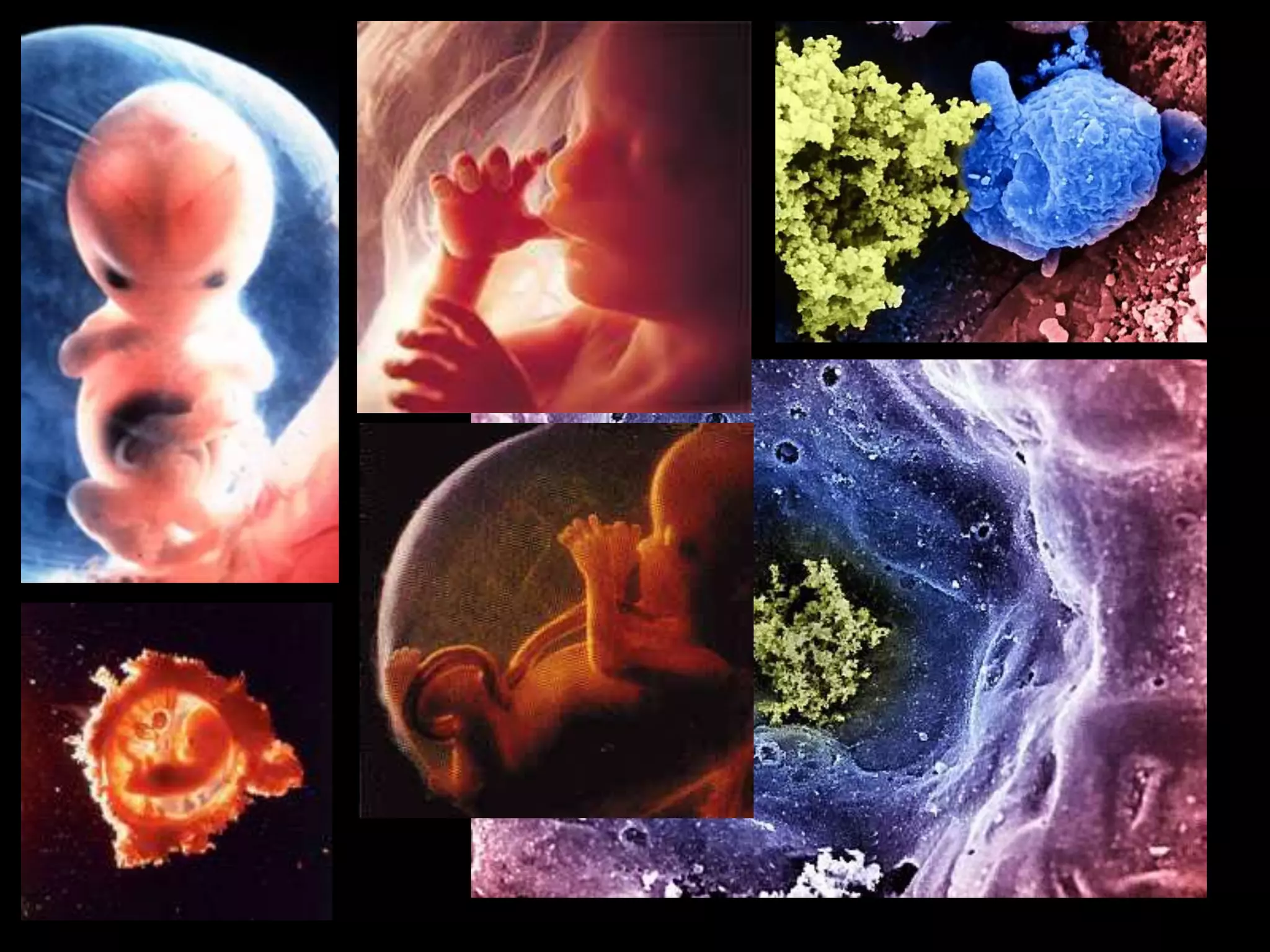
•Famous for his shots of in vivo human embryos and other medical
subjects
•Pioneered endoscope photography in 1950’s
•Worked with German engineers to develop the camera equipment
required for procedures
•As hobby, he stargazes (extremes of size)
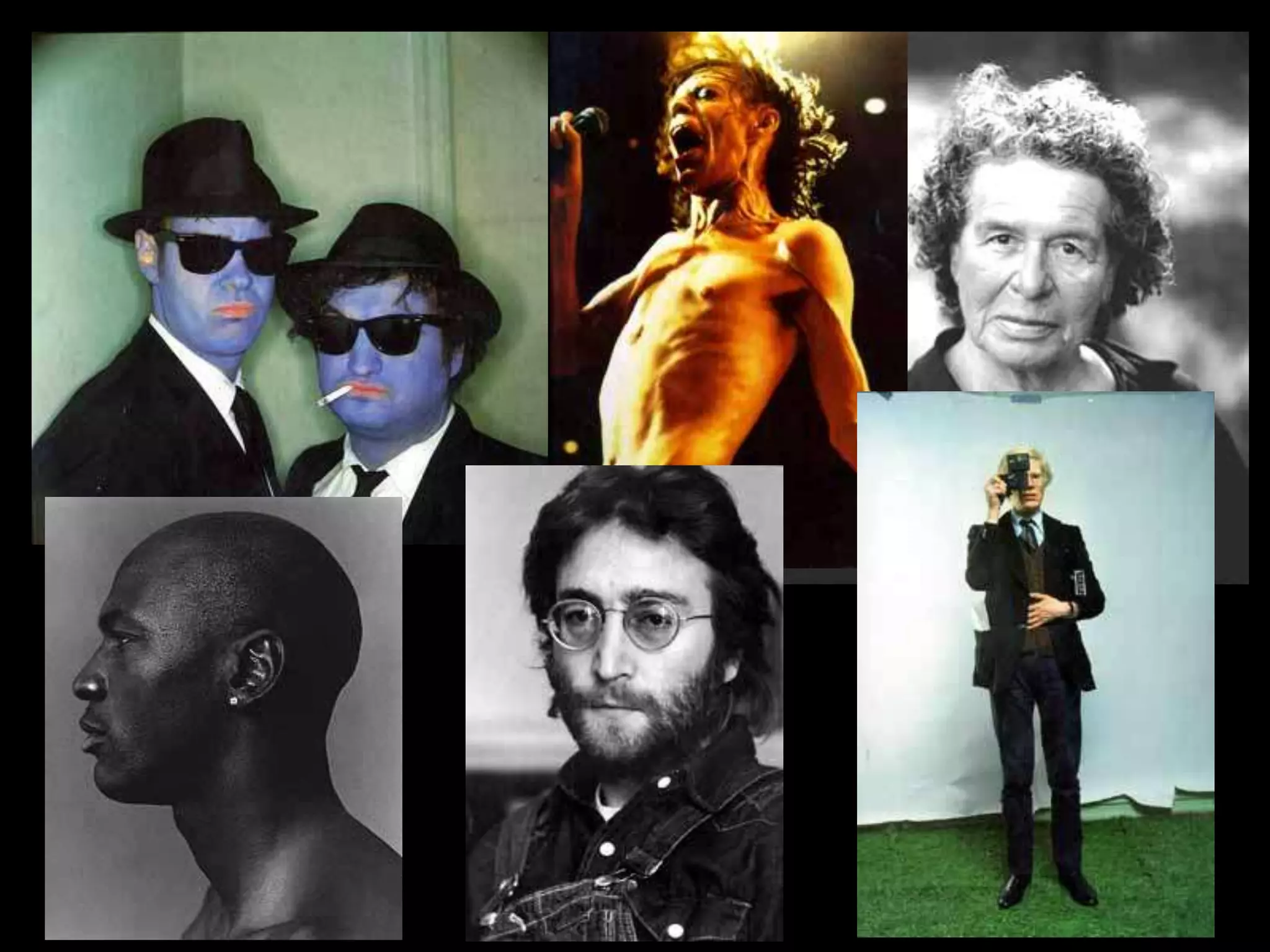
annie leibovitz
commercial photographer

•Received fine arts degree from the San Francisco Art Institute – 1971
•BUT began shooting for Rolling Stone Magazine a year before – 1970
•Became chief photographer in 1973
•In 1975 documented the Stones World Tour
•Photos shown in Vanity Fair and first solo show – 1983
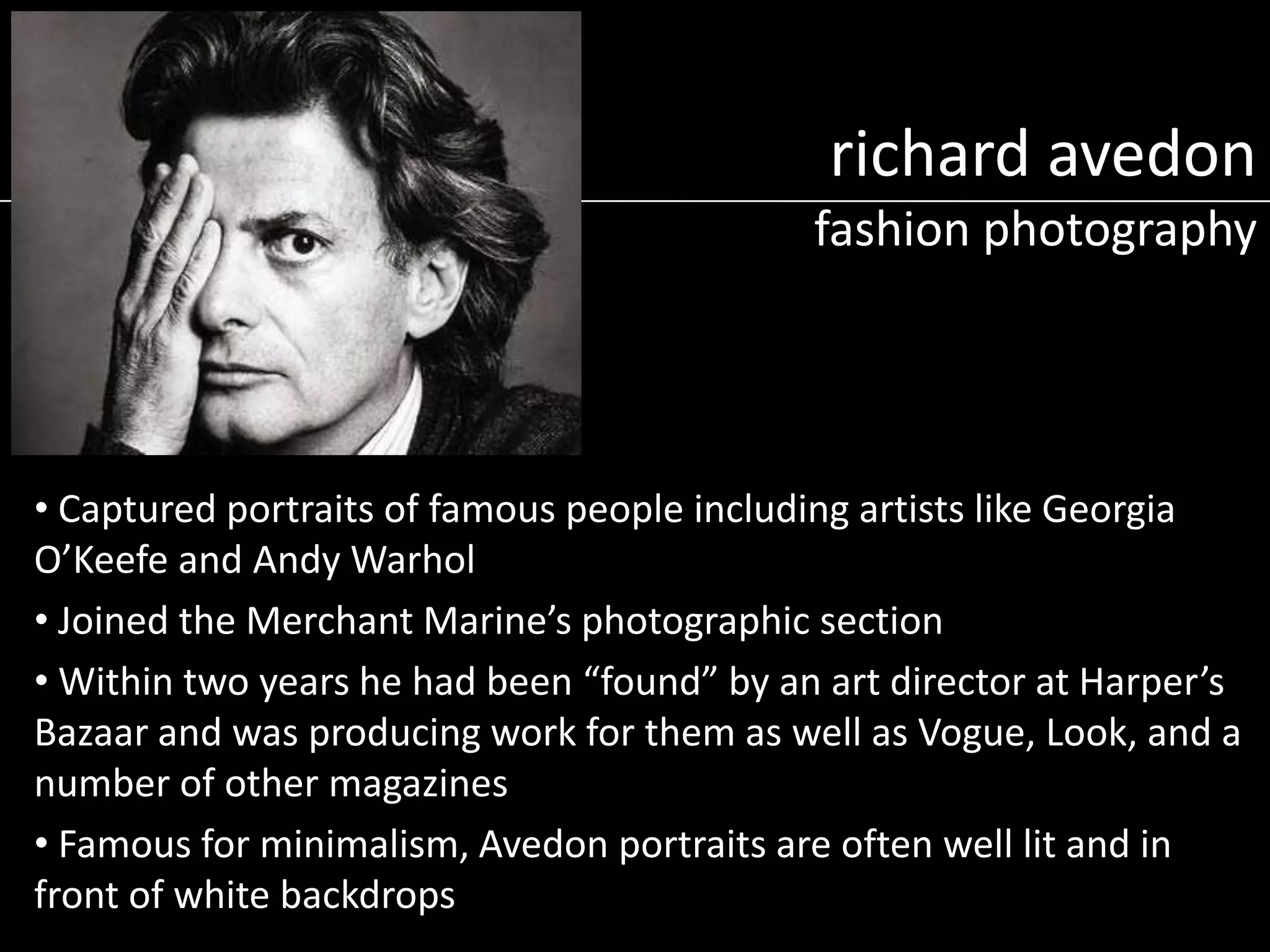
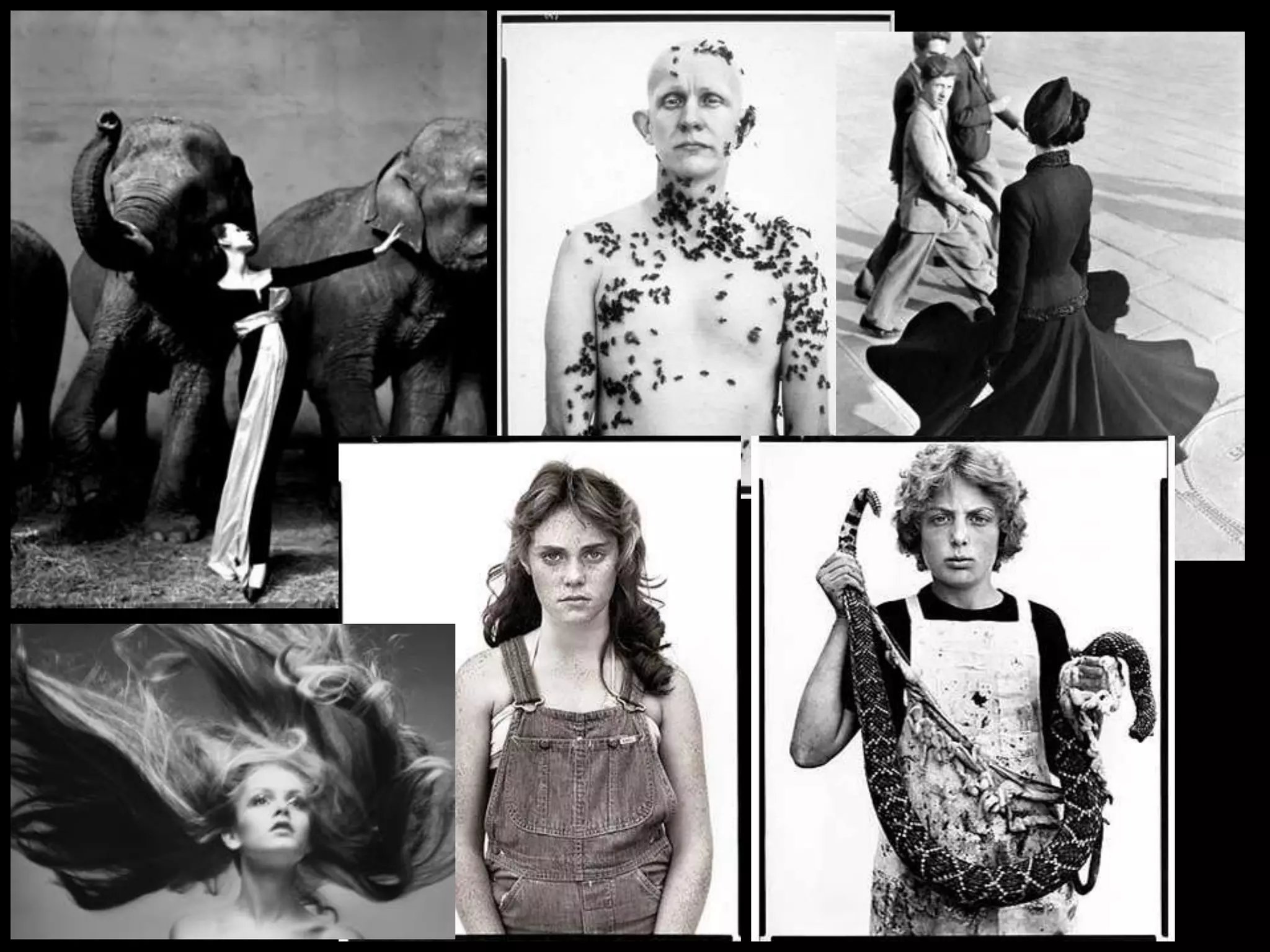
richard avedon
fashion photography

• Captured portraits of famous people including artists like Georgia
O’Keefe and Andy Warhol
• Joined the Merchant Marine’s photographic section
• Within two years he had been “found” by an art director at Harper’s
Bazaar and was producing work for them as well as Vogue, Look, and a
number of other magazines
• Famous for minimalism, Avedon portraits are often well lit and in
front of white backdrops
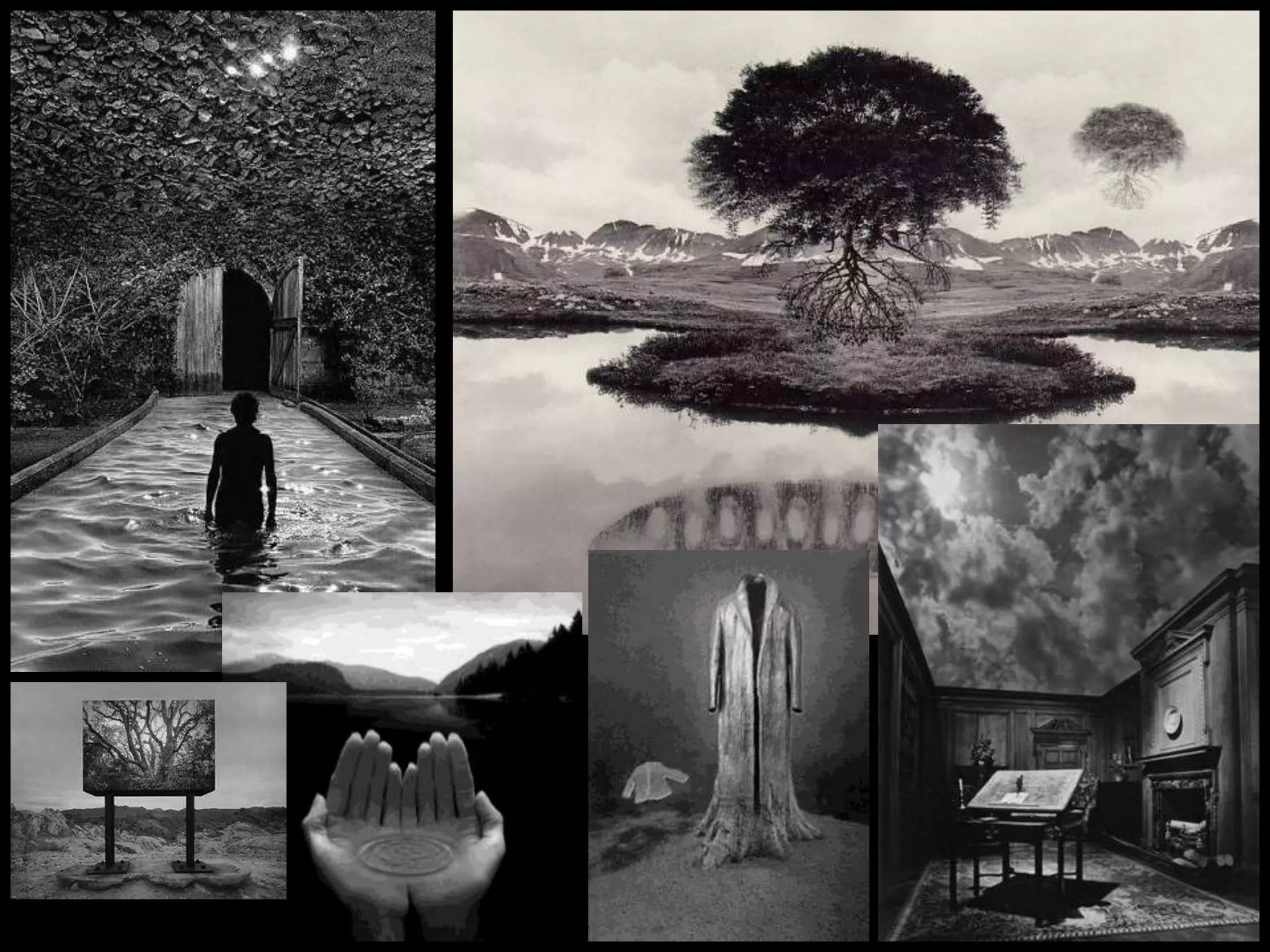
jerry uelsmann
surrealism

• He is known as the pioneer of multilayered imagery
• He is best known for his seamlessly grafted composite images in
black and white
• His photographs combine several negatives to create surreal
landscapes that interweave images of trees, rocks, water and human
figures in new and unexpected ways
• Knew his camera had the ability not only to record images, but also
that “[had] the potential of transcending the initial subject matter"
Unit 6 - Masters Notes

Unit 6 - Masters Notes

  • 1.
    masters of photography themen & women who are regarded as “artistic geniuses” and are looked to as a reference or guide
  • 2.
    ansel adams landscape photography •Beganlife as a concert pianist and musician •In 1930 he meets Paul Strand and becomes completely dedicated to photography •In 1931 has 1st exhibit at the Smithsonian •1941 develops zone system of photography (today used as the grid or nine-grid method) •Perhaps one of the most influential print-makers ever
  • 4.
    matthew brady civil warphotographer • Brady studied photography under a number of teachers, including Samuel F. B. Morse, the man who had recently introduced photography to America • At the peak of his success as a portrait photographer, Brady turned his attention to the Civil War • Planning to document the war on a grand scale, he organized a corps of photographers to follow the troops in the field
  • 6.
    julia margaret cameron victorianphotographer • She was interested capturing another kind of photographic truth • She developed images that did not depend on accuracy or sharp detail, but images that depicted the emotional state • She worked with large glass plate negatives (typically used for landscape photos) but used them to take portraits, creating depth but lacked the sharpness that other photographers at the time aspired towards - she succeeded in conveying the emotional and spiritual aura of the person
  • 8.
    alfred stieglitz pictorialist • Dedicatedhis life to demonstrating photography was a true art form and not merely a “scientific fad” • Lead the movement known as Pictorialism (an opposition movement to Purism) • Pictorialism: photography emulates painting/soft qualities • Purism: photography is art form of its own, crisp and clean • Close follower of the French Impressionists and treated photography as a form of fine art similar to painting
  • 10.
    w. eugene smith photojournalism •Oneof the best photojournalists and pioneered the photo essay •Refused to compromise professional standards – although difficult to capture a sound photo in the field •Took brutal and vivid World War II photographs •Photographed US soldiers and Japanese prisoners
  • 12.
    dorothea lange industrial photographer andphotojournalist •Introduced earlier this year as a photojournalist •BUT she was also one of the BEST Farm Security Administration photographers •Toured the South where she depicted the life of farming (a part of industry) as well as farmers •Great example of categories overlapping
  • 14.
    alexander rodchenko russian avante-garde •Highly influenced by Russian abstract painters like Kandinsky, Malevich and Tatlin and he found inspiration in cubism • Developed the use of photo-montage, odd angles, wide frames, and photo-series • Some of his most innovative and interesting work was his graphic design and montage works for advertisements and movie posters, which was his major contribution to film-poster art • Opposed to Socialist realism
  • 16.
    robert frank realism • Depictedfigures and scenes as they are experienced or might be experienced in everyday life; often with referencing unpleasant details • His earlier, European work had been in comparison almost luxurious: graphically rich, poetically elliptical, tender in spirit • His work became dry, lean, and transparent • He describes (visually): the human situation described is not merely faceless, but mindless
  • 18.
    lennart nilsson scientific photographer •Swedishphotographer and scientist •Famous for his shots of in vivo human embryos and other medical subjects •Pioneered endoscope photography in 1950’s •Worked with German engineers to develop the camera equipment required for procedures •As hobby, he stargazes (extremes of size)
  • 20.
    annie leibovitz commercial photographer •Receivedfine arts degree from the San Francisco Art Institute – 1971 •BUT began shooting for Rolling Stone Magazine a year before – 1970 •Became chief photographer in 1973 •In 1975 documented the Stones World Tour •Photos shown in Vanity Fair and first solo show – 1983
  • 22.
    richard avedon fashion photography •Captured portraits of famous people including artists like Georgia O’Keefe and Andy Warhol • Joined the Merchant Marine’s photographic section • Within two years he had been “found” by an art director at Harper’s Bazaar and was producing work for them as well as Vogue, Look, and a number of other magazines • Famous for minimalism, Avedon portraits are often well lit and in front of white backdrops
  • 24.
    jerry uelsmann surrealism • Heis known as the pioneer of multilayered imagery • He is best known for his seamlessly grafted composite images in black and white • His photographs combine several negatives to create surreal landscapes that interweave images of trees, rocks, water and human figures in new and unexpected ways • Knew his camera had the ability not only to record images, but also that “[had] the potential of transcending the initial subject matter"