BloodHound
Teaching a New Dog Even More
Tricks
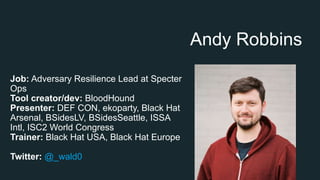
Andy Robbins
Job: Adversary Resilience Lead at Specter
Ops
Tool creator/dev: BloodHound
Presenter: DEF CON, ekoparty, Black Hat
Arsenal, BSidesLV, BSidesSeattle, ISSA
Intl, ISC2 World Congress
Trainer: Black Hat USA, Black Hat Europe
Twitter: @_wald0
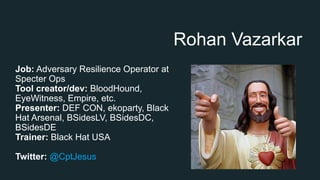
Rohan Vazarkar
Job: Adversary Resilience Operator at
Specter Ops
Tool creator/dev: BloodHound,
EyeWitness, Empire, etc.
Presenter: DEF CON, ekoparty, Black
Hat Arsenal, BSidesLV, BSidesDC,
BSidesDE
Trainer: Black Hat USA
Twitter: @CptJesus
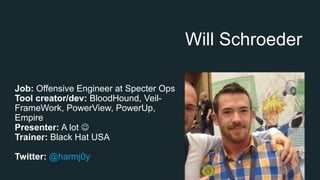
Will Schroeder
Job: Offensive Engineer at Specter Ops
Tool creator/dev: BloodHound, Veil-
FrameWork, PowerView, PowerUp,
Empire
Presenter: A lot 
Trainer: Black Hat USA
Twitter: @harmj0y
“Defenders think in
lists. Attackers think in
graphs. As long as this
is true, attackers win.”
John Lambert
General Manager, Microsoft Threat
Intelligence Center
Prior Work
Heat-ray: Combating Identity Snowball
Attacks Using Machine Learning,
Combinatorial Optimization and Attack
Graphs
John Dunagan, Alice X. Zheng, Daniel R. Simon, 2008
http://bit.ly/2qG0OvE
Active Directory Control Paths
Lucas Bouillot, Emmanuel Gras, Geraud de Drouas,
2014
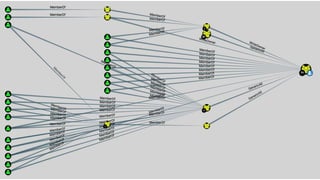
BloodHound
• Released at DEF CON 24 in
2016
• Uses graph theory for domain
attack path identification
• Easy data collection with
PowerShell ingestor based on
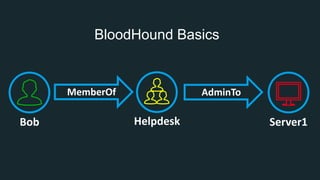
BloodHound Basics
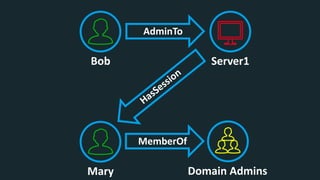
Bob Helpdesk Server1
AdminToMemberOf
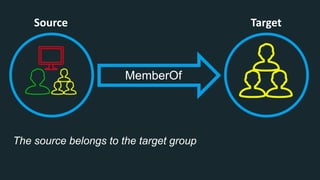
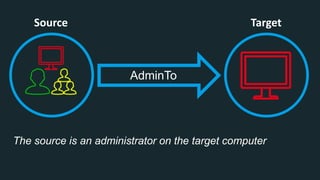
Source Target
The source belongs to the target group
MemberOf
Source Target
The source is an administrator on the target computer
AdminTo
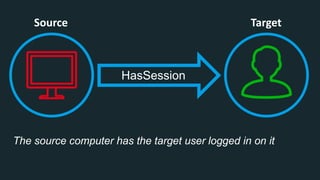
Source Target
The source computer has the target user logged in on it
HasSession
Bob Server1
AdminTo
Mary Domain Admins
MemberOf
BloodHound Basics
• Who is logged on where?
• Who has admin rights to what computers?
• What users, groups, and computers belong to
what groups?
• With those 3 pieces of information in our
database, we can nearly instantly identify any
derivative local admin attack path in a domain
• For more in-depth explanation, see our DEF
CON presentation here: http://bit.ly/2qE6Yx2
BloodHound 1.3
The ACL Attack Path Update
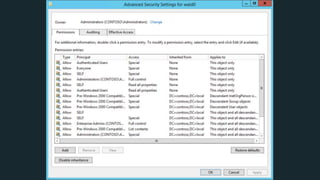
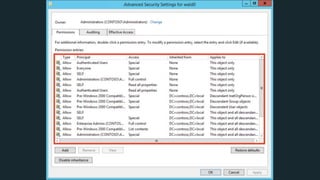
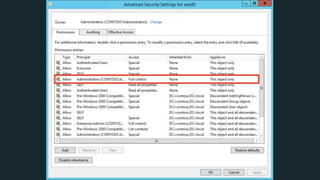
Discretionary Access Control Lists
• All securable objects in Windows and
Active Directory have a Security
Descriptor
• The Security Descriptor has a DACL
and a SACL
• The DACL is populated by Access
Control Entries (ACEs), which define
what permissions other objects do or
do not have against an object
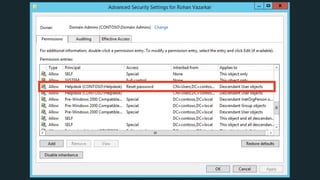
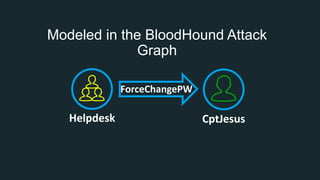
Modeled in the BloodHound Attack
Graph
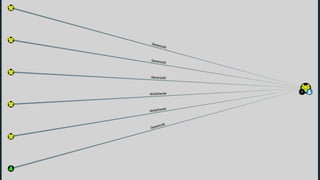
Helpdesk CptJesus
ForceChangePW
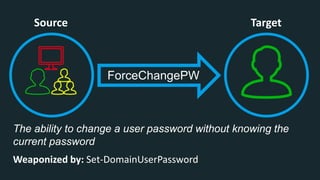
Source Target
The ability to change a user password without knowing the
current password
ForceChangePW
Weaponized by: Set-DomainUserPassword
Source Target
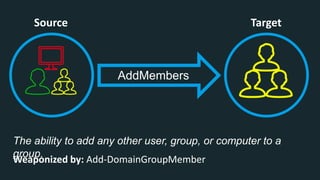
The ability to add any other user, group, or computer to a
group.
AddMembers
Weaponized by: Add-DomainGroupMember
Source Target
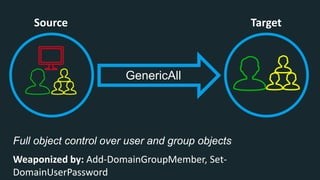
Full object control over user and group objects
GenericAll
Weaponized by: Add-DomainGroupMember, Set-
DomainUserPassword
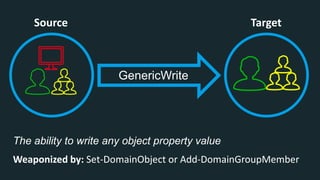
Source Target
The ability to write any object property value
GenericWrite
Weaponized by: Set-DomainObject or Add-DomainGroupMember
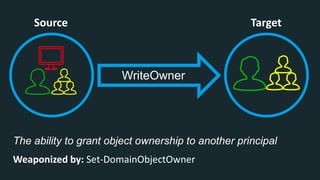
Source Target
The ability to grant object ownership to another principal
WriteOwner
Weaponized by: Set-DomainObjectOwner
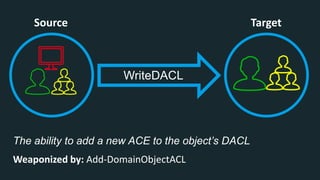
Source Target
The ability to add a new ACE to the object’s DACL
WriteDACL
Weaponized by: Add-DomainObjectACL
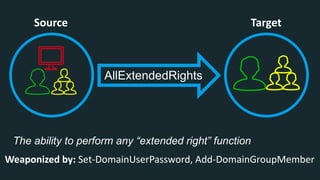
Source Target
The ability to perform any “extended right” function
AllExtendedRights
Weaponized by: Set-DomainUserPassword, Add-DomainGroupMember
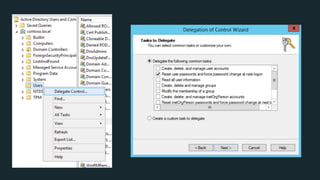
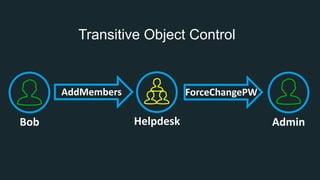
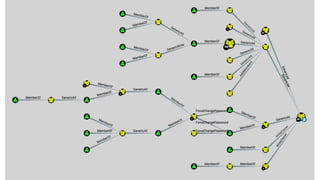
Transitive Object Control
Bob Helpdesk Admin
ForceChangePWAddMembers
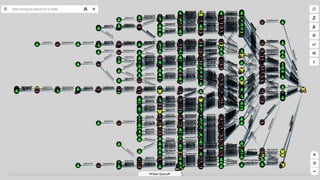
BloodHound Interface Demo
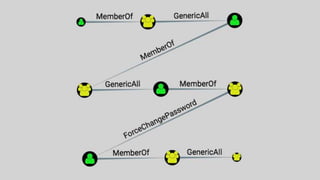
Transitive Object Control Attack Path
Demo
Get BloodHound:
https://bit.ly/GetBloodHound
Thank You!
Andy Robbins: @_wald0
Rohan Vazarkar: @CptJesus
Will Schroeder: @harmj0y
Specter Ops: @SpecterOps
www.specterops.io
BloodHound 1.3 - The ACL Attack Path Update - Paranoia17, Oslo

BloodHound 1.3 - The ACL Attack Path Update - Paranoia17, Oslo

  • 1.
    BloodHound Teaching a NewDog Even More Tricks
  • 2.
    Andy Robbins Job: AdversaryResilience Lead at Specter Ops Tool creator/dev: BloodHound Presenter: DEF CON, ekoparty, Black Hat Arsenal, BSidesLV, BSidesSeattle, ISSA Intl, ISC2 World Congress Trainer: Black Hat USA, Black Hat Europe Twitter: @_wald0
  • 3.
    Rohan Vazarkar Job: AdversaryResilience Operator at Specter Ops Tool creator/dev: BloodHound, EyeWitness, Empire, etc. Presenter: DEF CON, ekoparty, Black Hat Arsenal, BSidesLV, BSidesDC, BSidesDE Trainer: Black Hat USA Twitter: @CptJesus
  • 4.
    Will Schroeder Job: OffensiveEngineer at Specter Ops Tool creator/dev: BloodHound, Veil- FrameWork, PowerView, PowerUp, Empire Presenter: A lot  Trainer: Black Hat USA Twitter: @harmj0y
  • 5.
    “Defenders think in lists.Attackers think in graphs. As long as this is true, attackers win.” John Lambert General Manager, Microsoft Threat Intelligence Center
  • 6.
    Prior Work Heat-ray: CombatingIdentity Snowball Attacks Using Machine Learning, Combinatorial Optimization and Attack Graphs John Dunagan, Alice X. Zheng, Daniel R. Simon, 2008 http://bit.ly/2qG0OvE Active Directory Control Paths Lucas Bouillot, Emmanuel Gras, Geraud de Drouas, 2014
  • 8.
    BloodHound • Released atDEF CON 24 in 2016 • Uses graph theory for domain attack path identification • Easy data collection with PowerShell ingestor based on
  • 9.
    BloodHound Basics Bob HelpdeskServer1 AdminToMemberOf
  • 10.
    Source Target The sourcebelongs to the target group MemberOf
  • 11.
    Source Target The sourceis an administrator on the target computer AdminTo
  • 12.
    Source Target The sourcecomputer has the target user logged in on it HasSession
  • 13.
  • 15.
    BloodHound Basics • Whois logged on where? • Who has admin rights to what computers? • What users, groups, and computers belong to what groups? • With those 3 pieces of information in our database, we can nearly instantly identify any derivative local admin attack path in a domain • For more in-depth explanation, see our DEF CON presentation here: http://bit.ly/2qE6Yx2
  • 16.
    BloodHound 1.3 The ACLAttack Path Update
  • 17.
    Discretionary Access ControlLists • All securable objects in Windows and Active Directory have a Security Descriptor • The Security Descriptor has a DACL and a SACL • The DACL is populated by Access Control Entries (ACEs), which define what permissions other objects do or do not have against an object
  • 23.
    Modeled in theBloodHound Attack Graph Helpdesk CptJesus ForceChangePW
  • 24.
    Source Target The abilityto change a user password without knowing the current password ForceChangePW Weaponized by: Set-DomainUserPassword
  • 25.
    Source Target The abilityto add any other user, group, or computer to a group. AddMembers Weaponized by: Add-DomainGroupMember
  • 26.
    Source Target Full objectcontrol over user and group objects GenericAll Weaponized by: Add-DomainGroupMember, Set- DomainUserPassword
  • 27.
    Source Target The abilityto write any object property value GenericWrite Weaponized by: Set-DomainObject or Add-DomainGroupMember
  • 28.
    Source Target The abilityto grant object ownership to another principal WriteOwner Weaponized by: Set-DomainObjectOwner
  • 29.
    Source Target The abilityto add a new ACE to the object’s DACL WriteDACL Weaponized by: Add-DomainObjectACL
  • 30.
    Source Target The abilityto perform any “extended right” function AllExtendedRights Weaponized by: Set-DomainUserPassword, Add-DomainGroupMember
  • 31.
    Transitive Object Control BobHelpdesk Admin ForceChangePWAddMembers
  • 32.
  • 33.
    Transitive Object ControlAttack Path Demo
  • 36.
  • 37.
    Thank You! Andy Robbins:@_wald0 Rohan Vazarkar: @CptJesus Will Schroeder: @harmj0y Specter Ops: @SpecterOps www.specterops.io