tour guide : Yan Cui @theburningmonk
Hi, my name is Yan Cui.
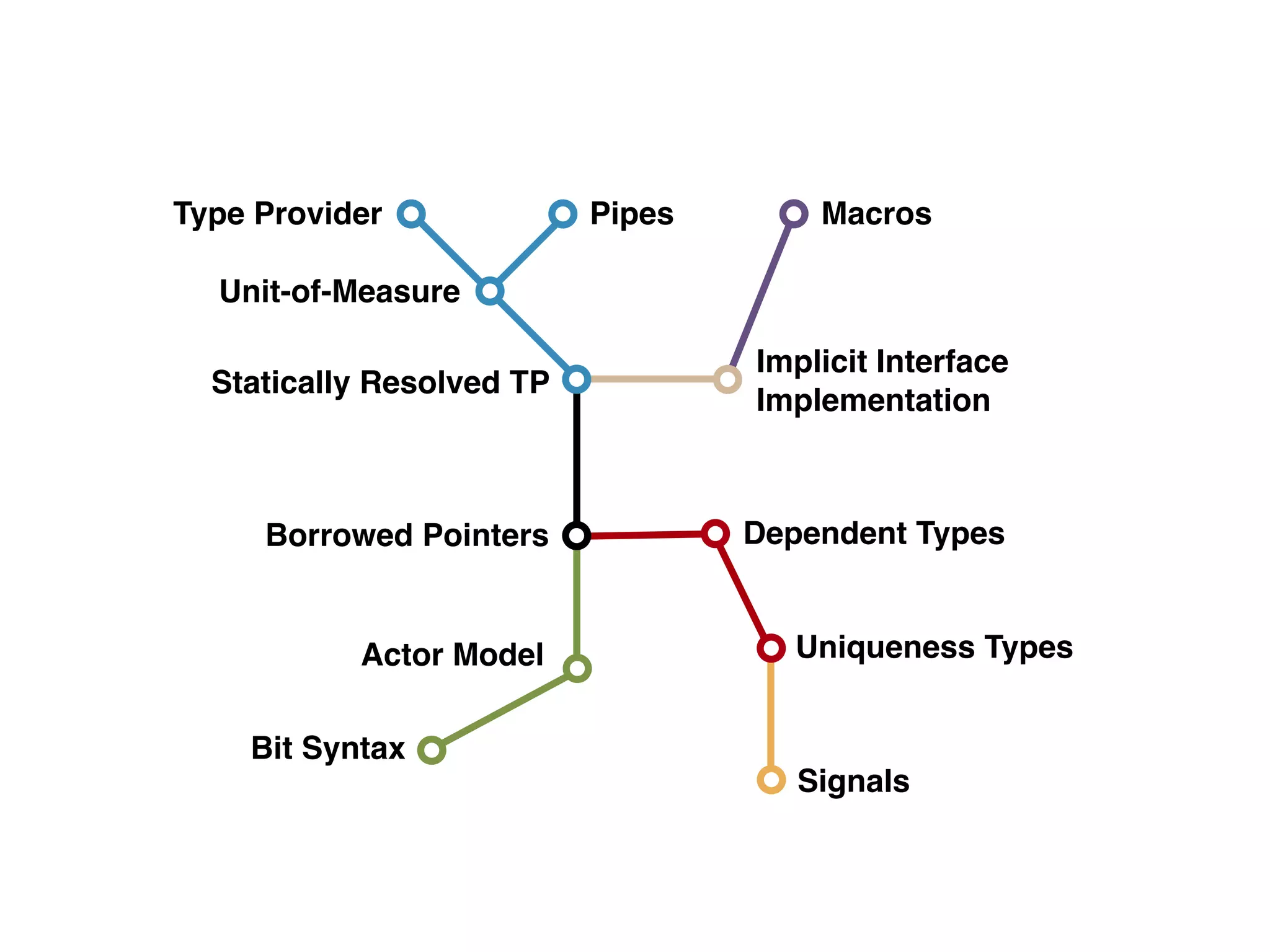
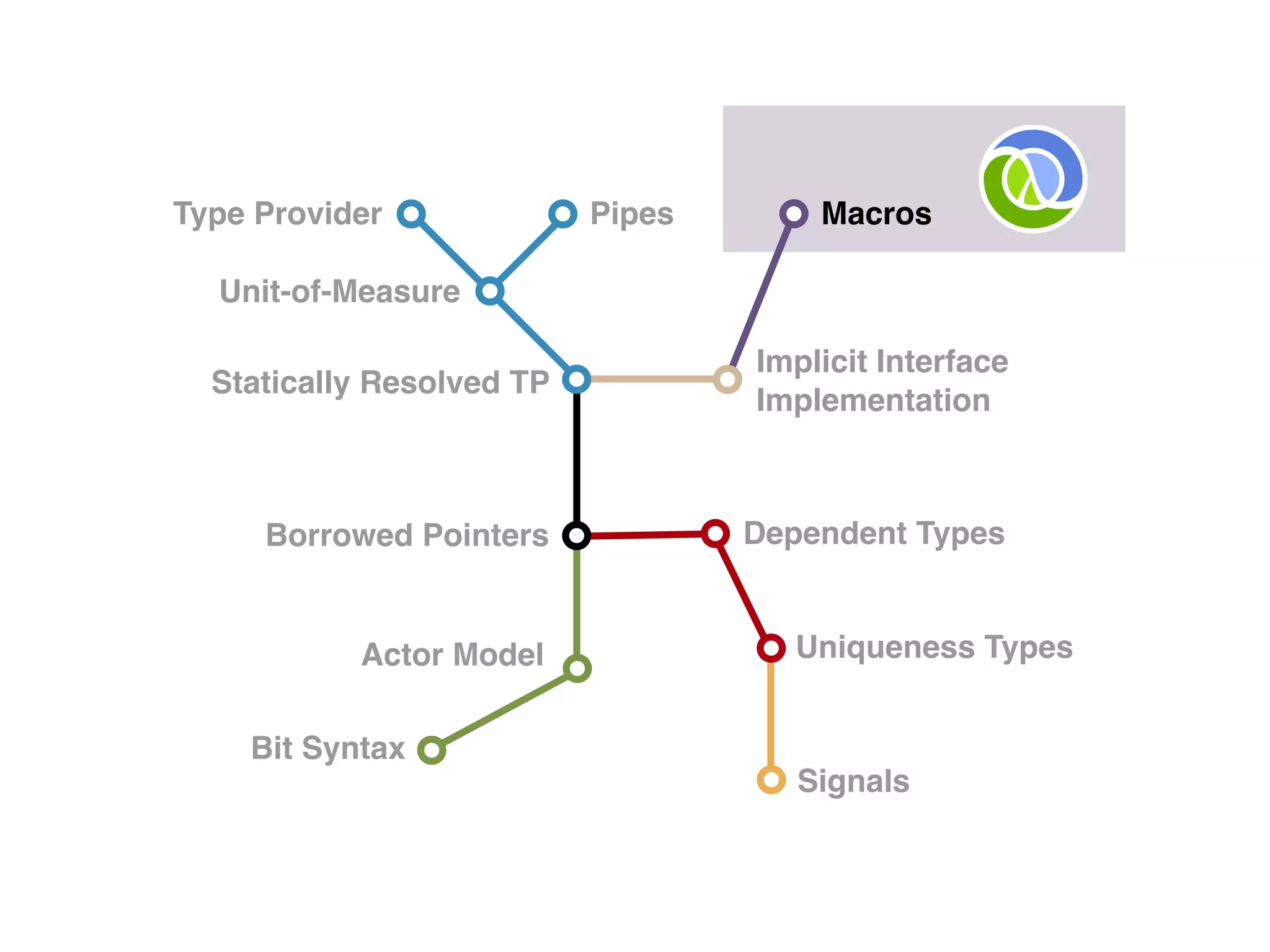
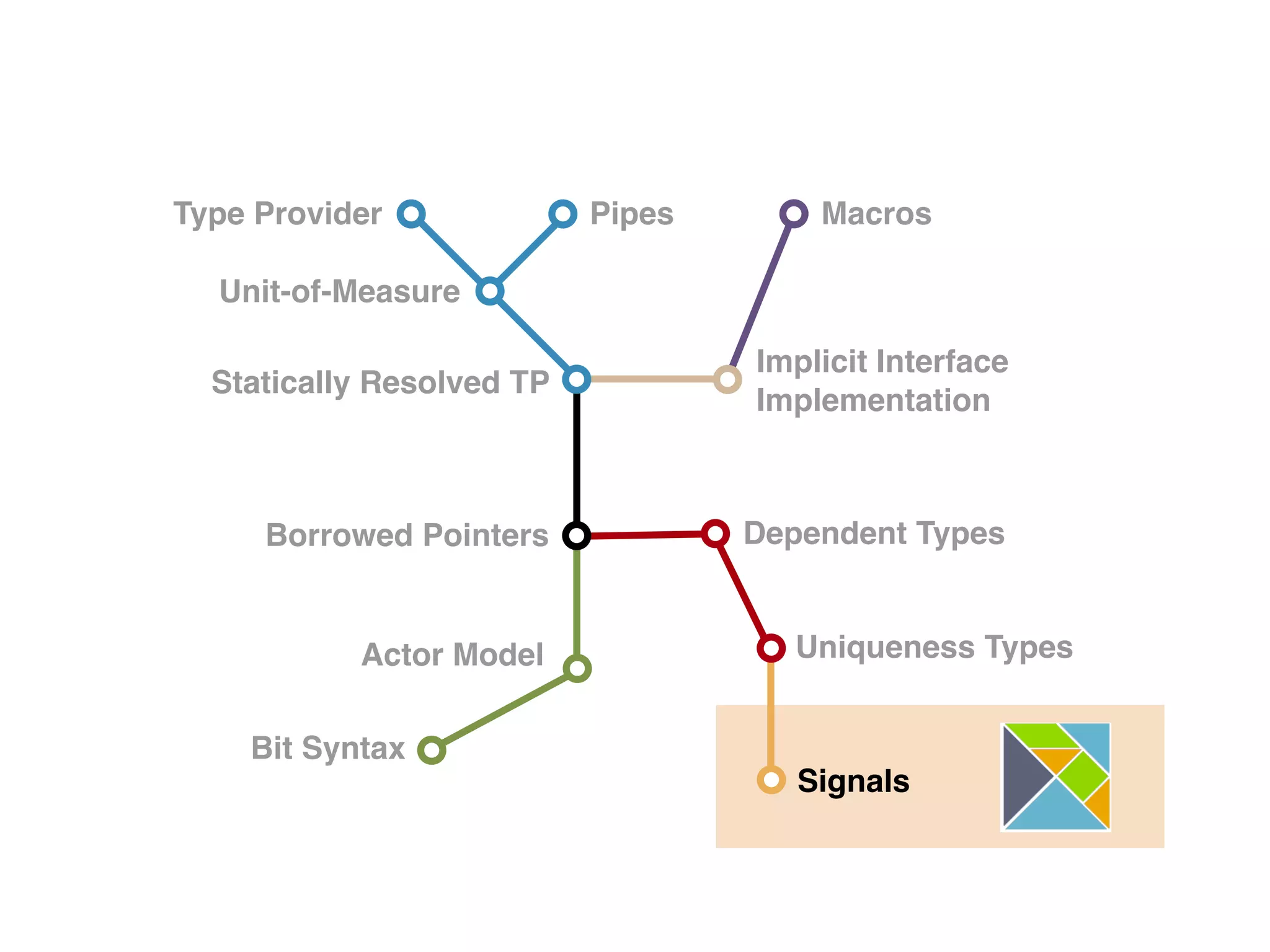
agenda
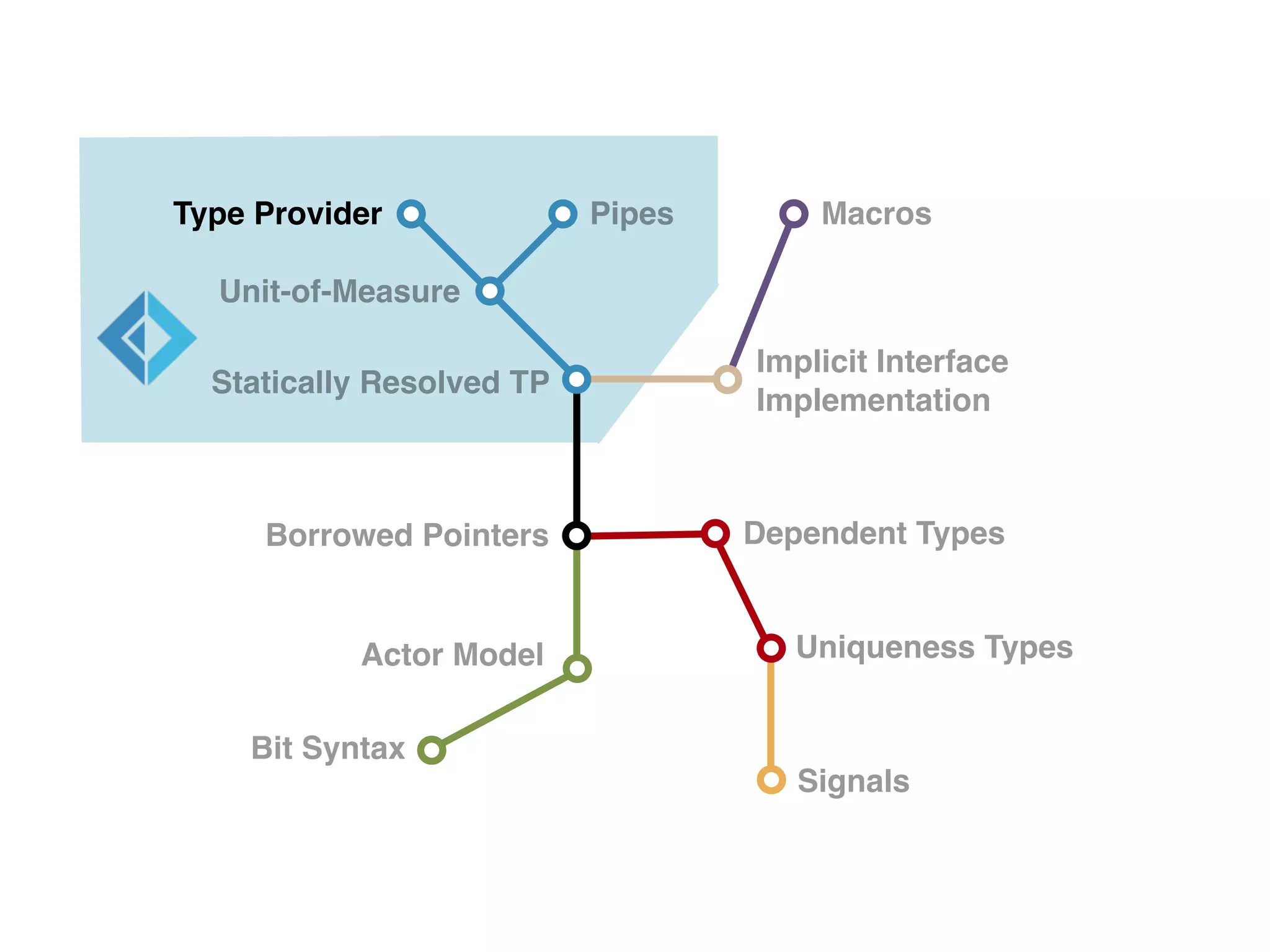
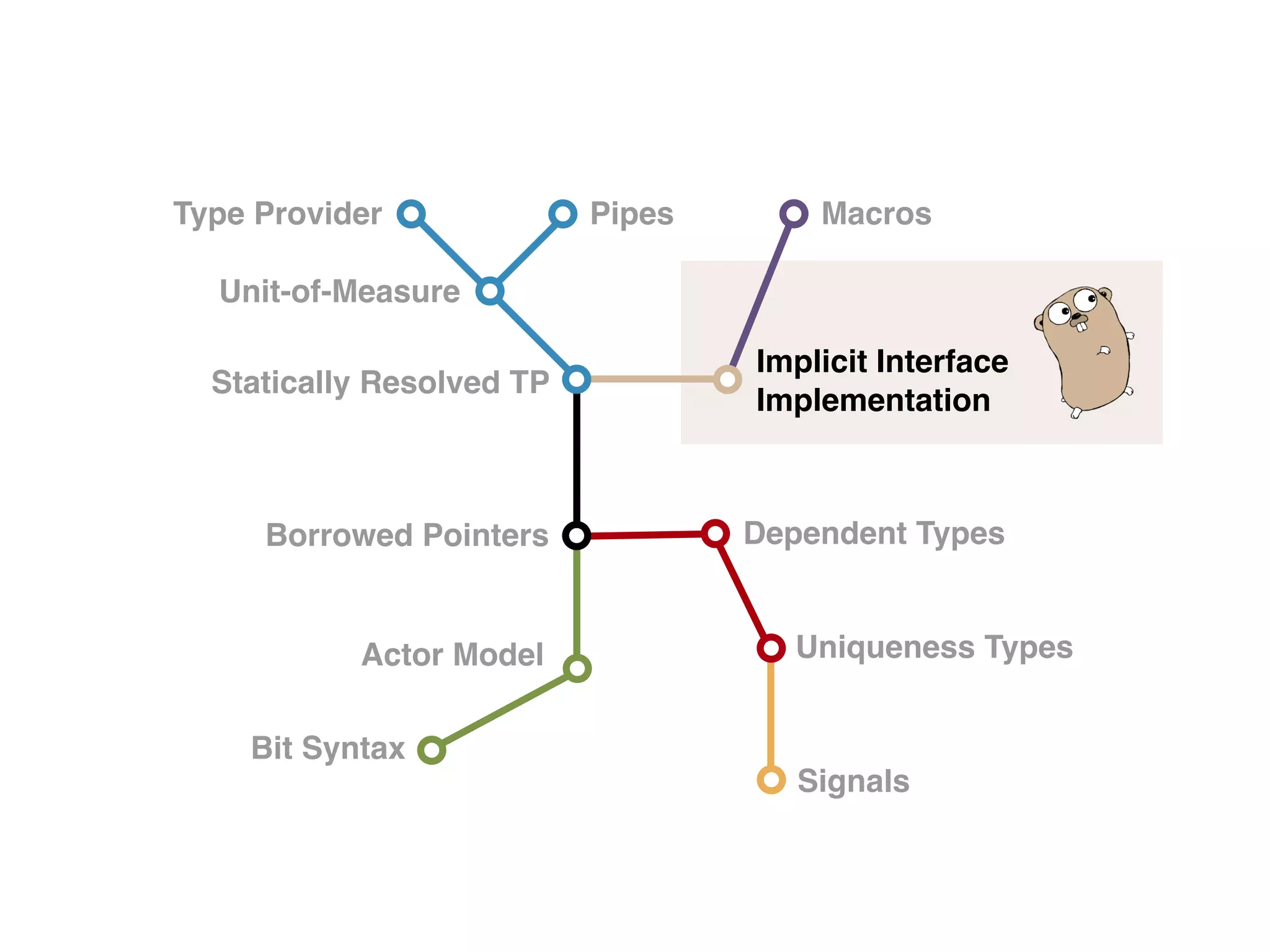
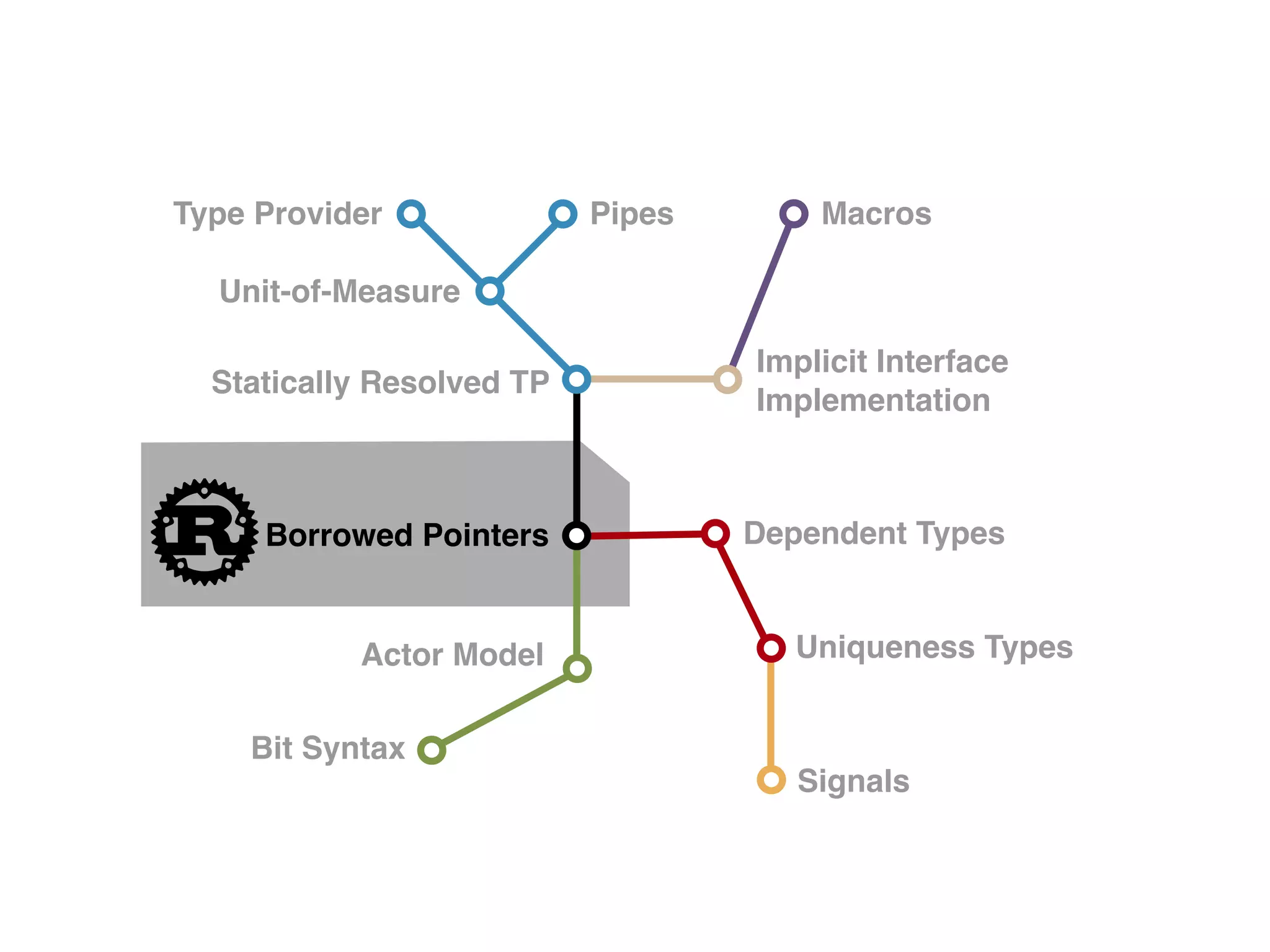
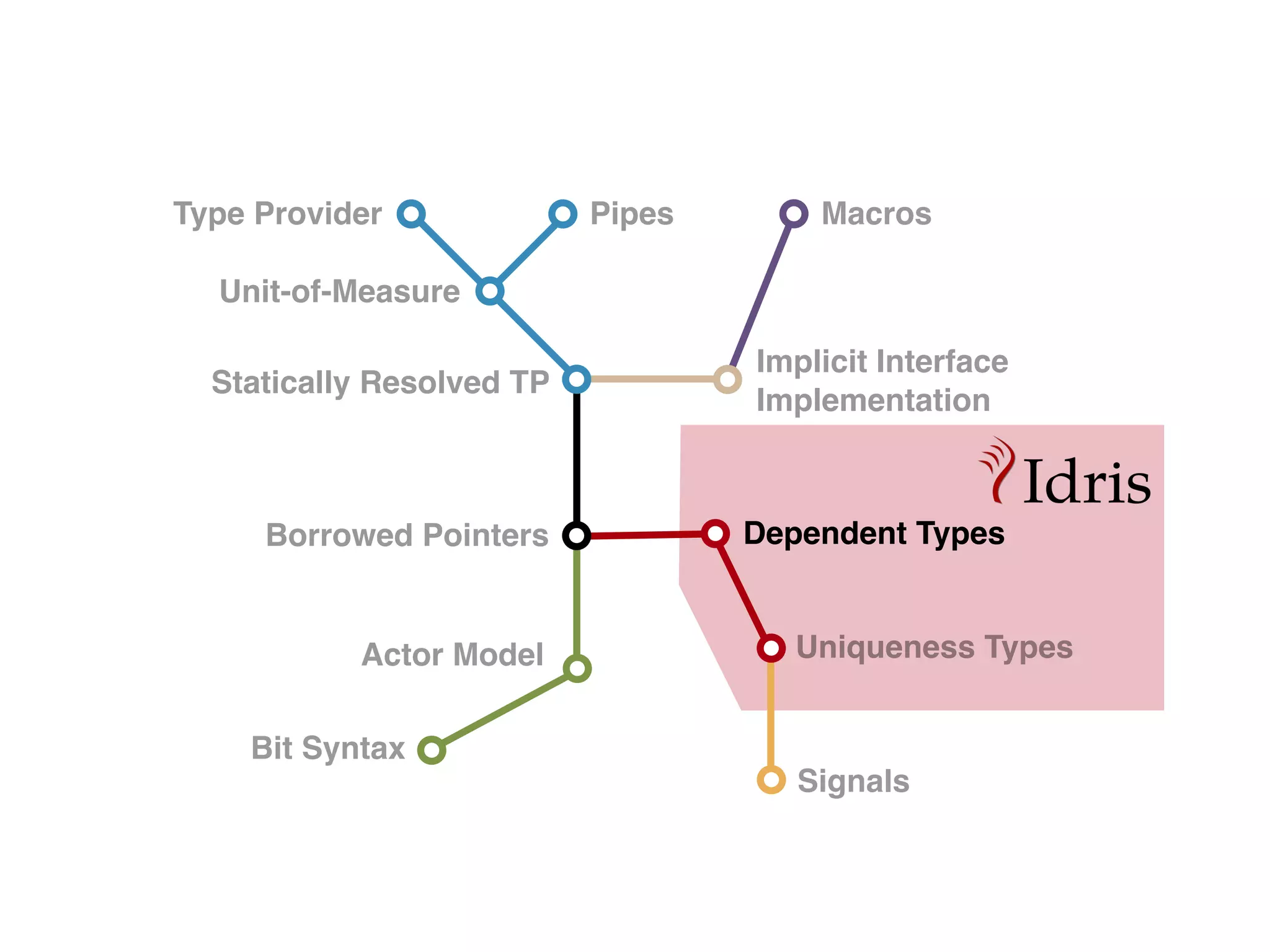
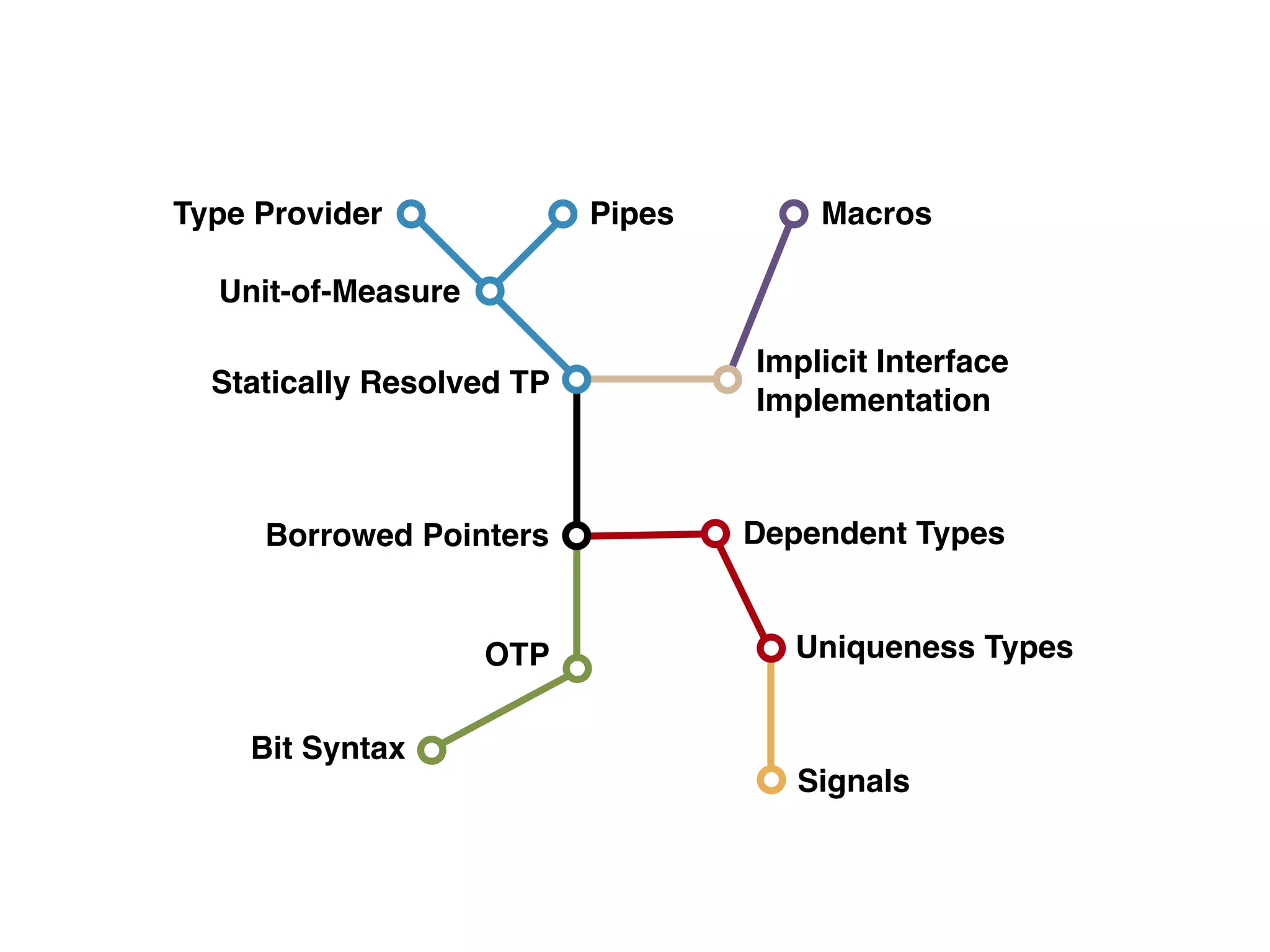
Type Provider Pipes
Statically Resolved TP
Implicit Interface
Implementation
Borrowed Pointers Dependent Types
Uniqueness Types
Bit Syntax
Signals
Macros
Unit-of-Measure
Actor Model
disclaimers
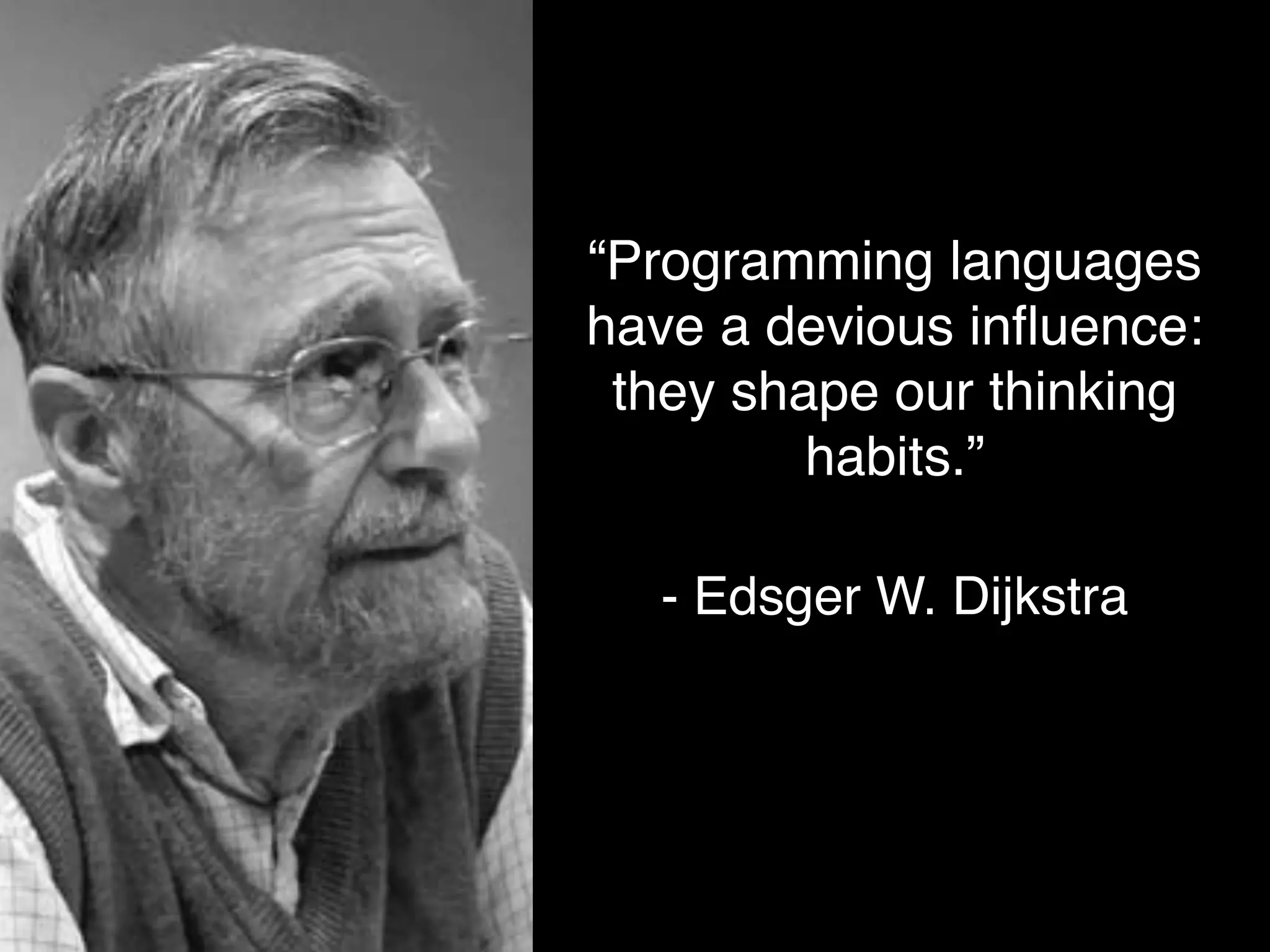
“Programming languages
have a devious influence:
they shape our thinking
habits.”
- Edsger W. Dijkstra
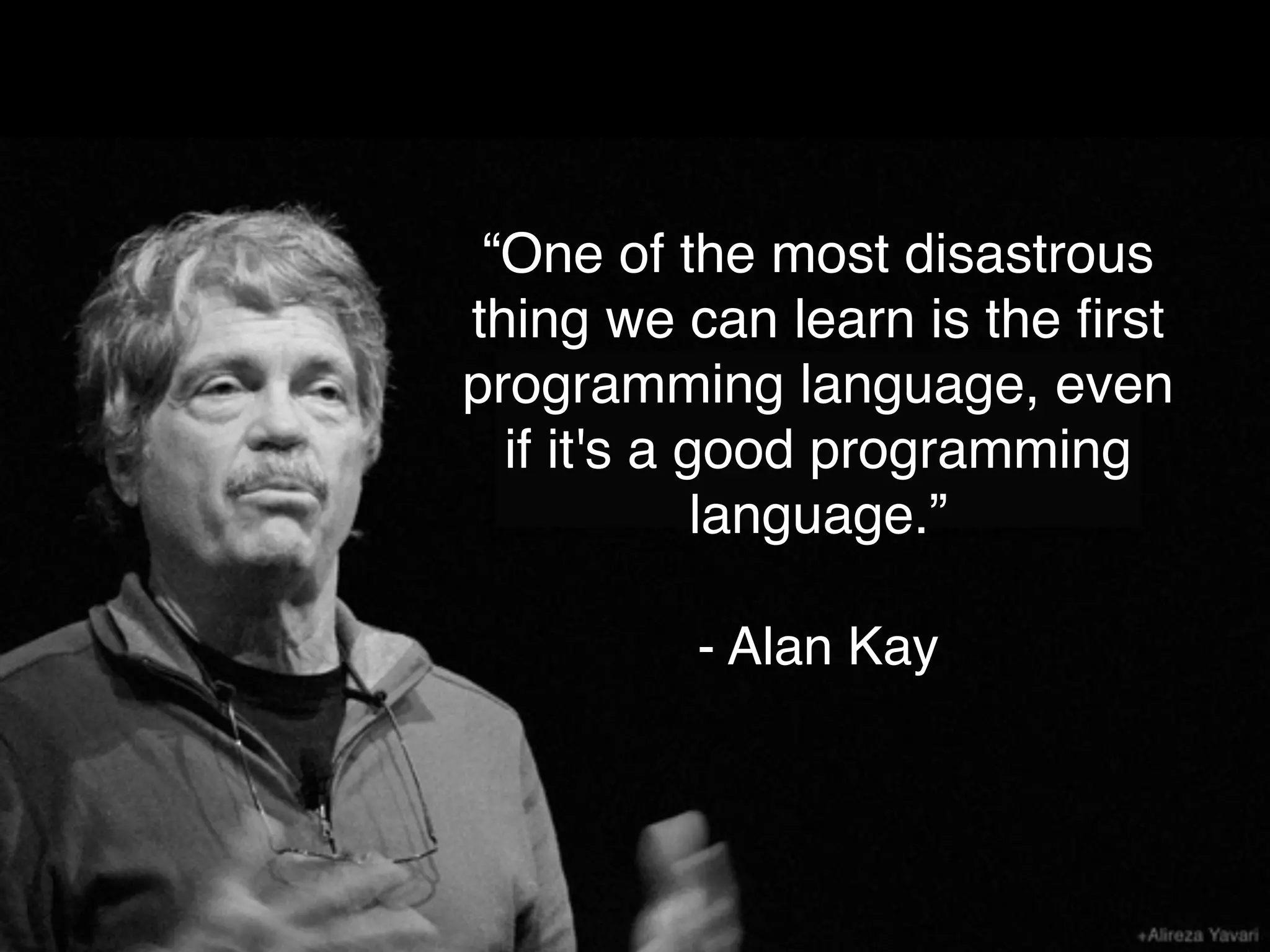
“One of the most disastrous
thing we can learn is the first
programming language, even
if it's a good programming
language.”
- Alan Kay
“The limits of my
language means the limits
of my world.”
- Ludwig Wittgenstein
“We cannot solve our
problems with the same
thinking we used when
we created them.”
- Albert Einstein
Type Provider Pipes
Statically Resolved TP
Implicit Interface
Implementation
Borrowed Pointers Dependent Types
Uniqueness Types
Bit Syntax
Signals
Macros
Unit-of-Measure
Actor Model
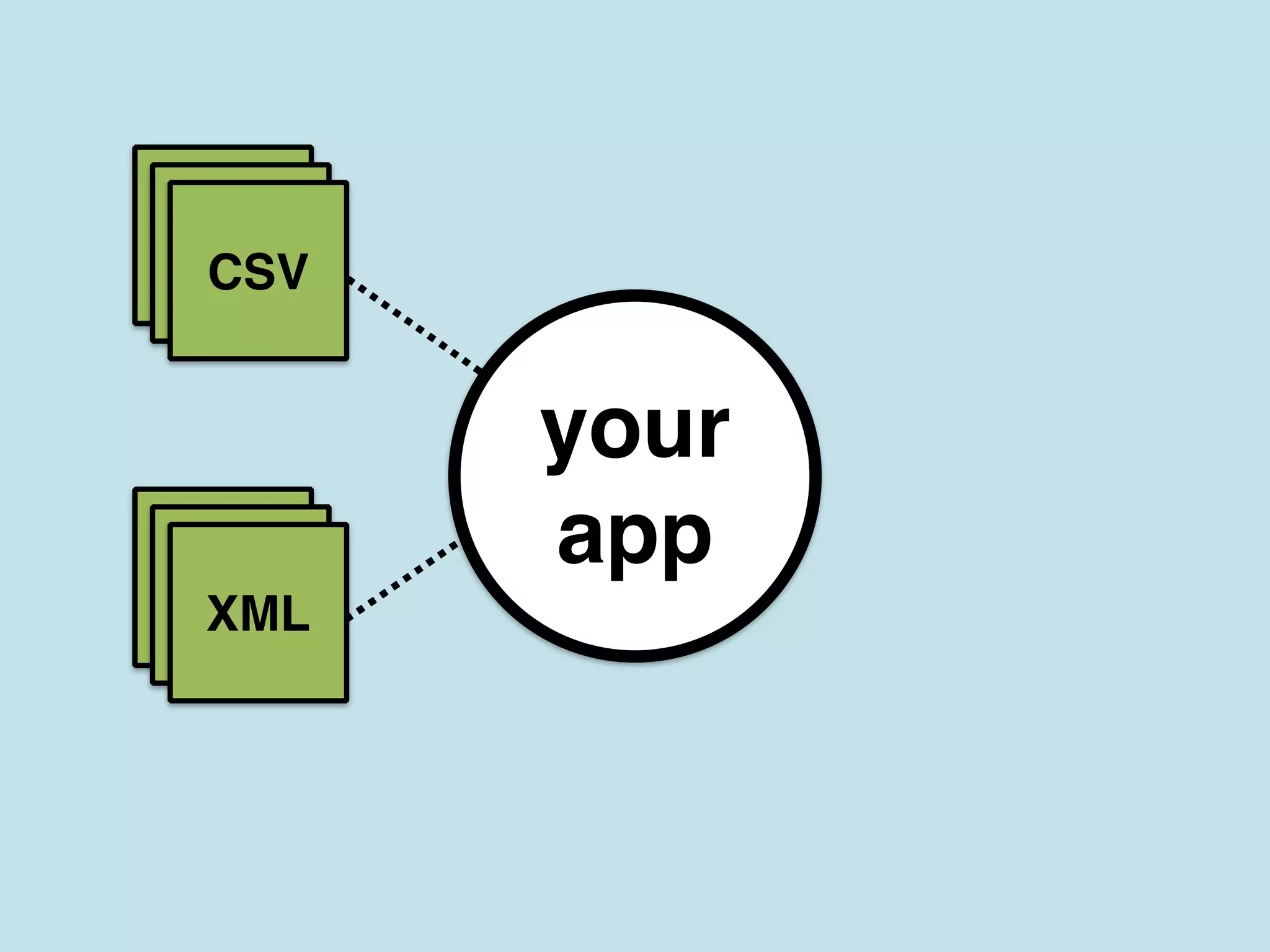
your
app
your
app
CSVCSVCSV
CSVCSVXML
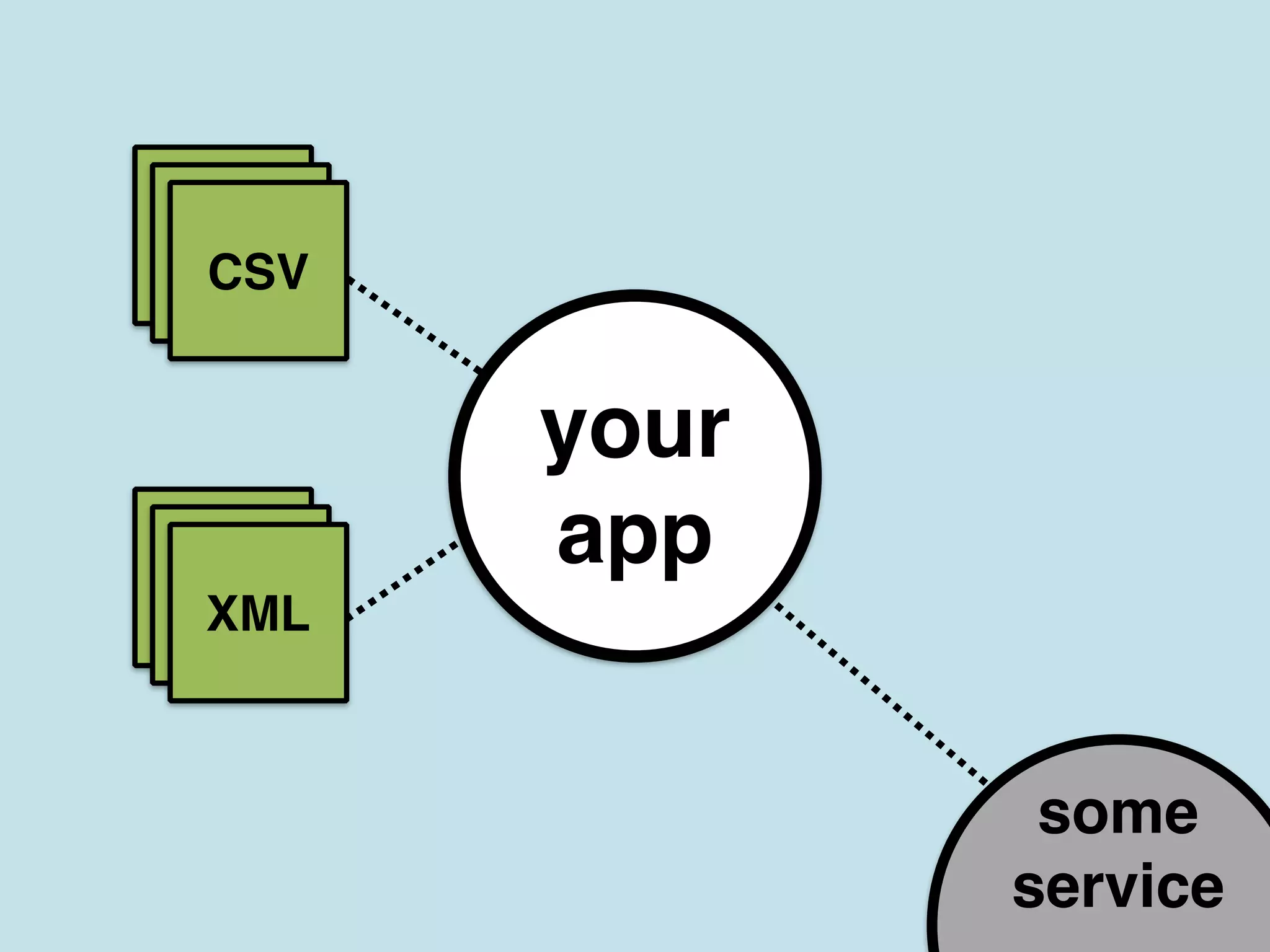
your
app
CSVCSVCSV
CSVCSVXML
some
service
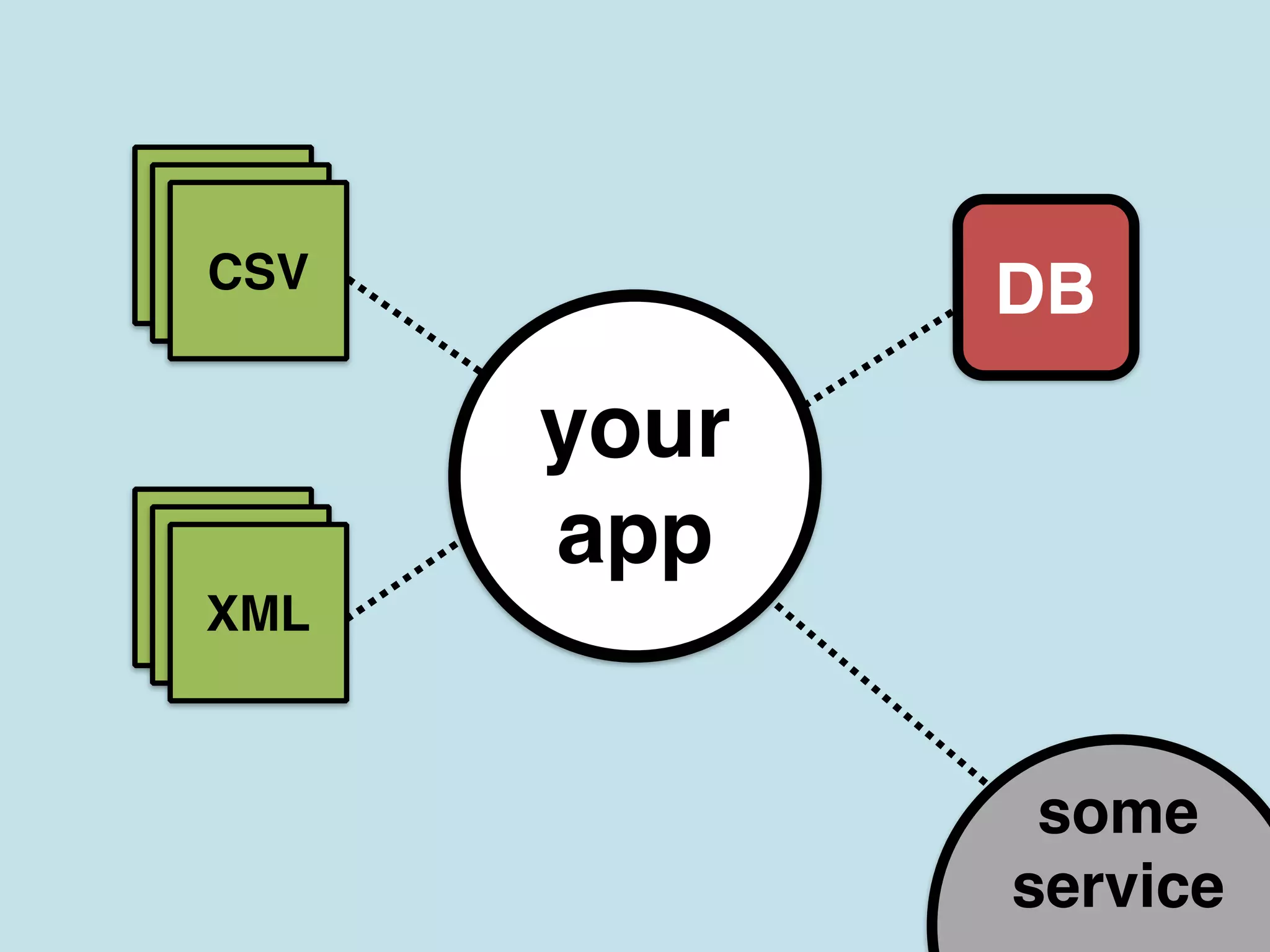
your
app
CSVCSVCSV
CSVCSVXML
some
service
DB
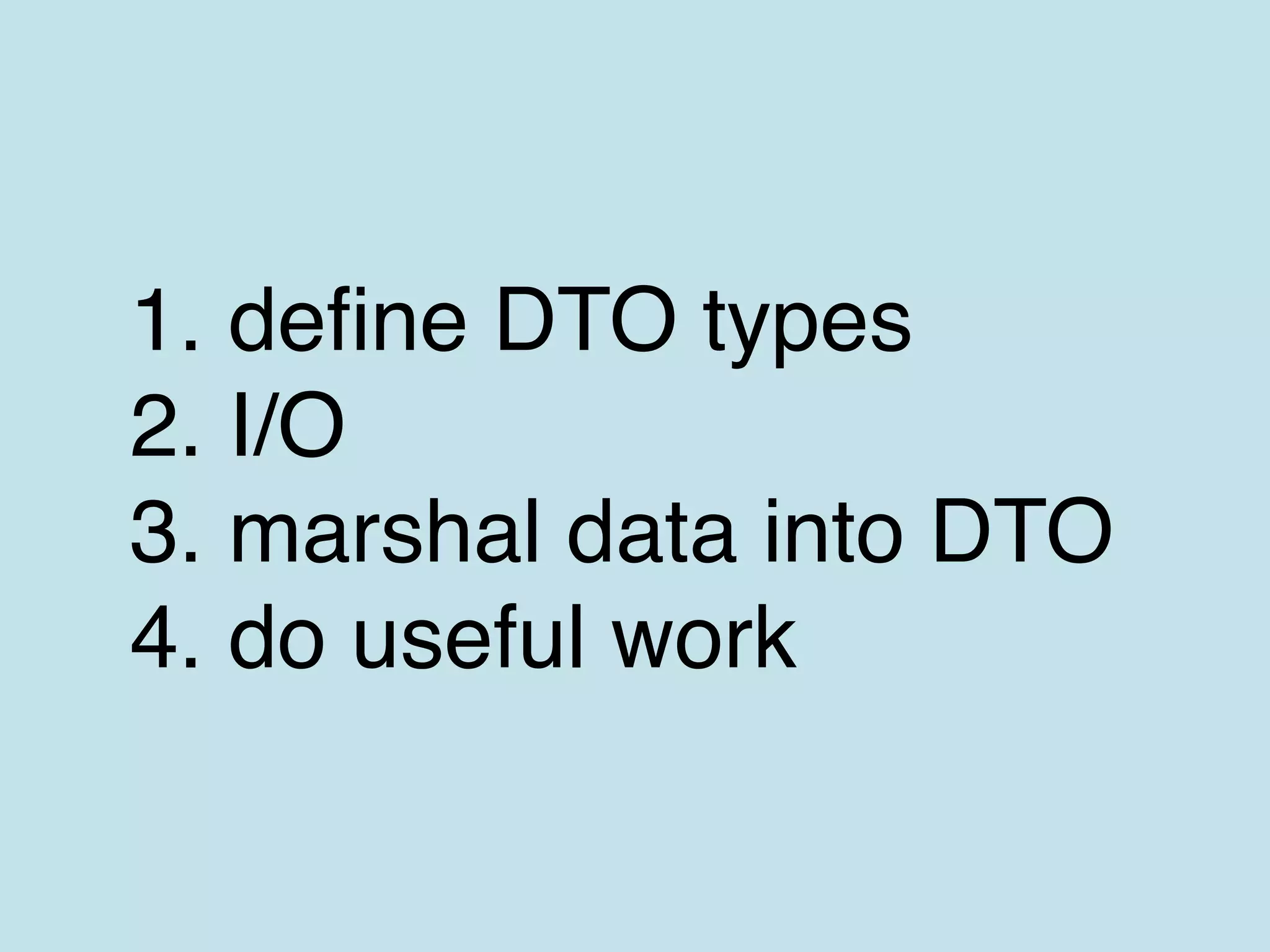
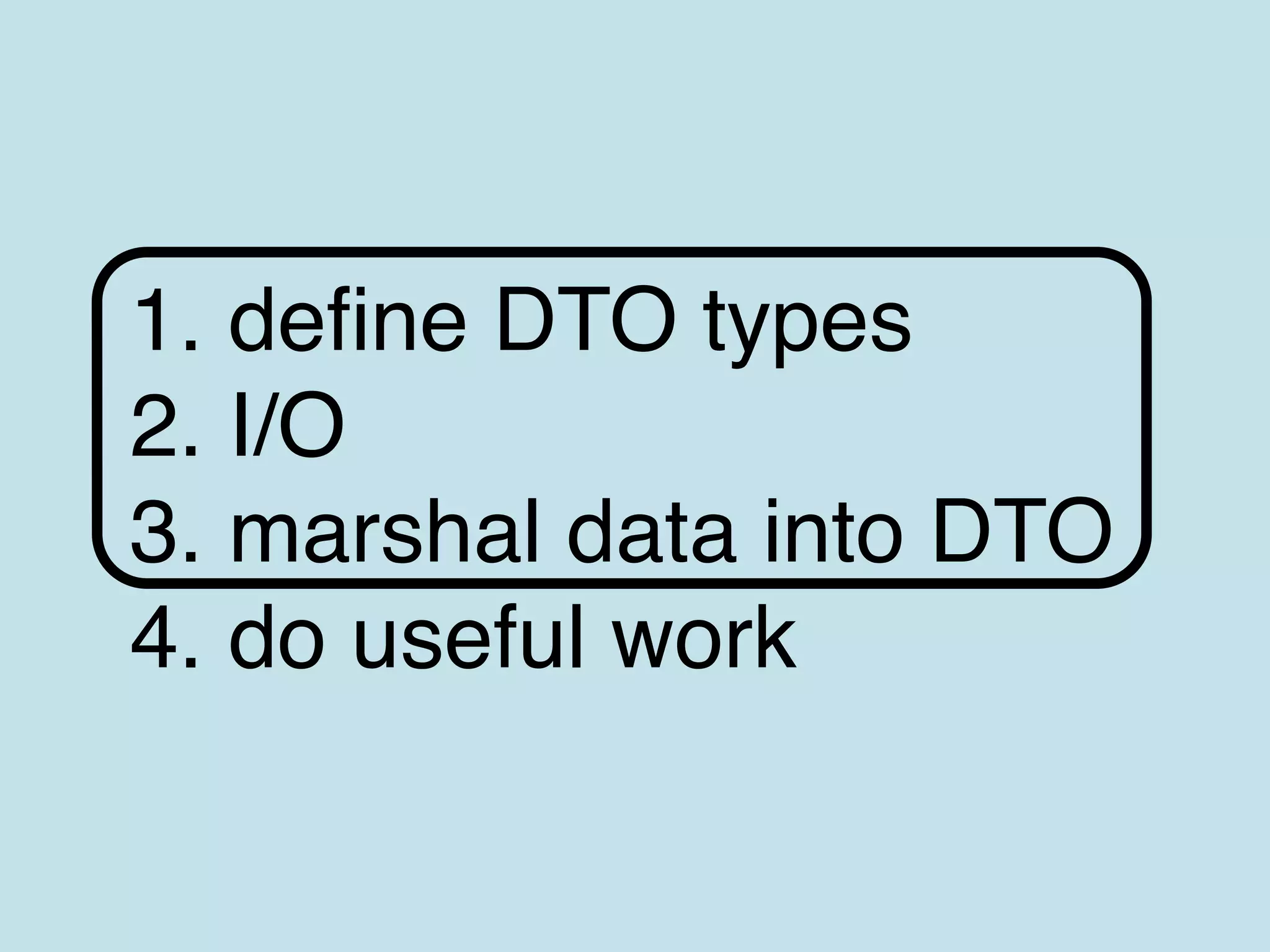
1. define DTO types
2. I/O
3. marshal data into DTO
4. do useful work
1. define DTO types
2. I/O
3. marshal data into DTO
4. do useful work
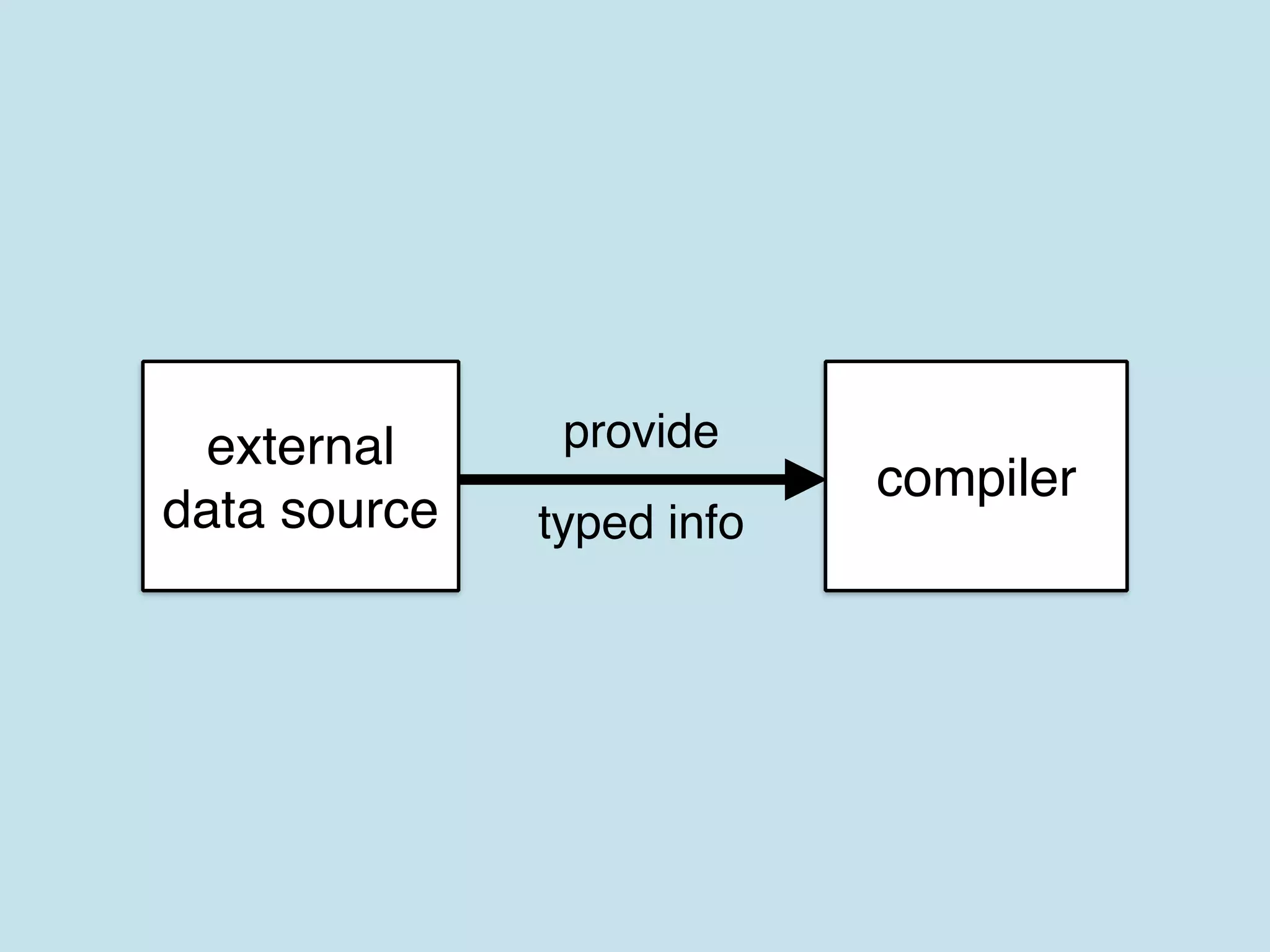
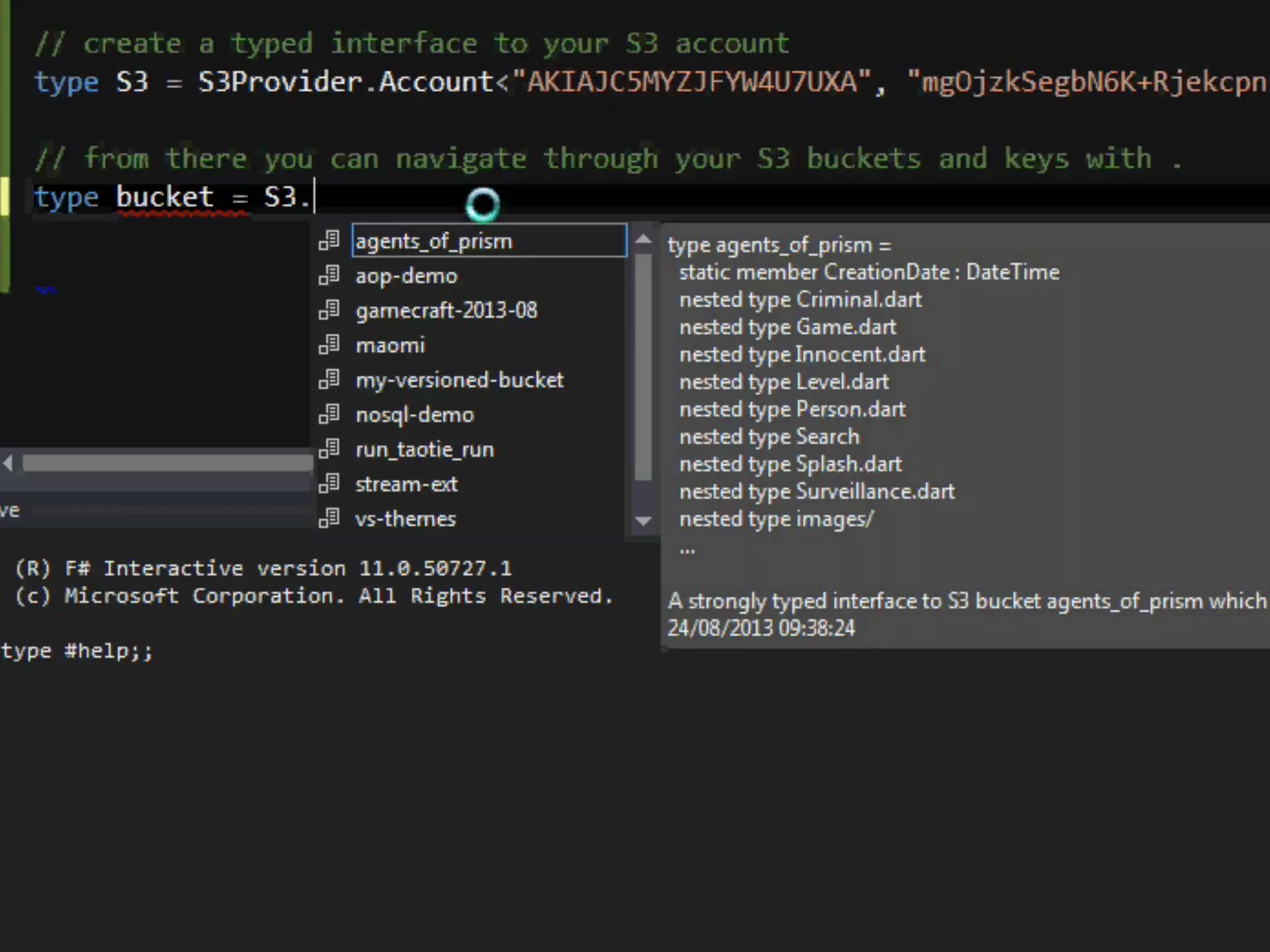
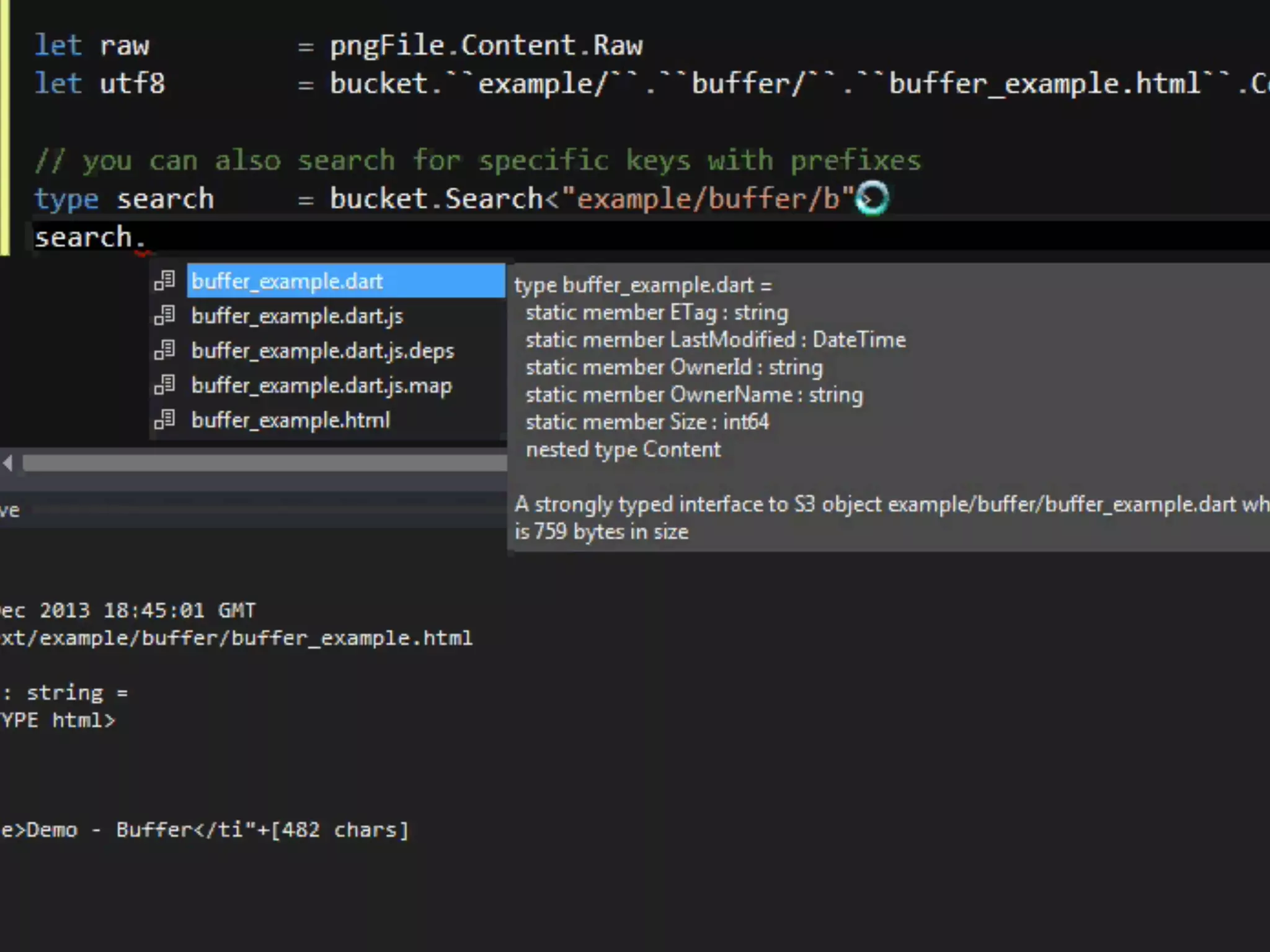
compiler
provideexternal
data source typed info
type providers
intellisense
tooltips
…
compile time validation
no code generation
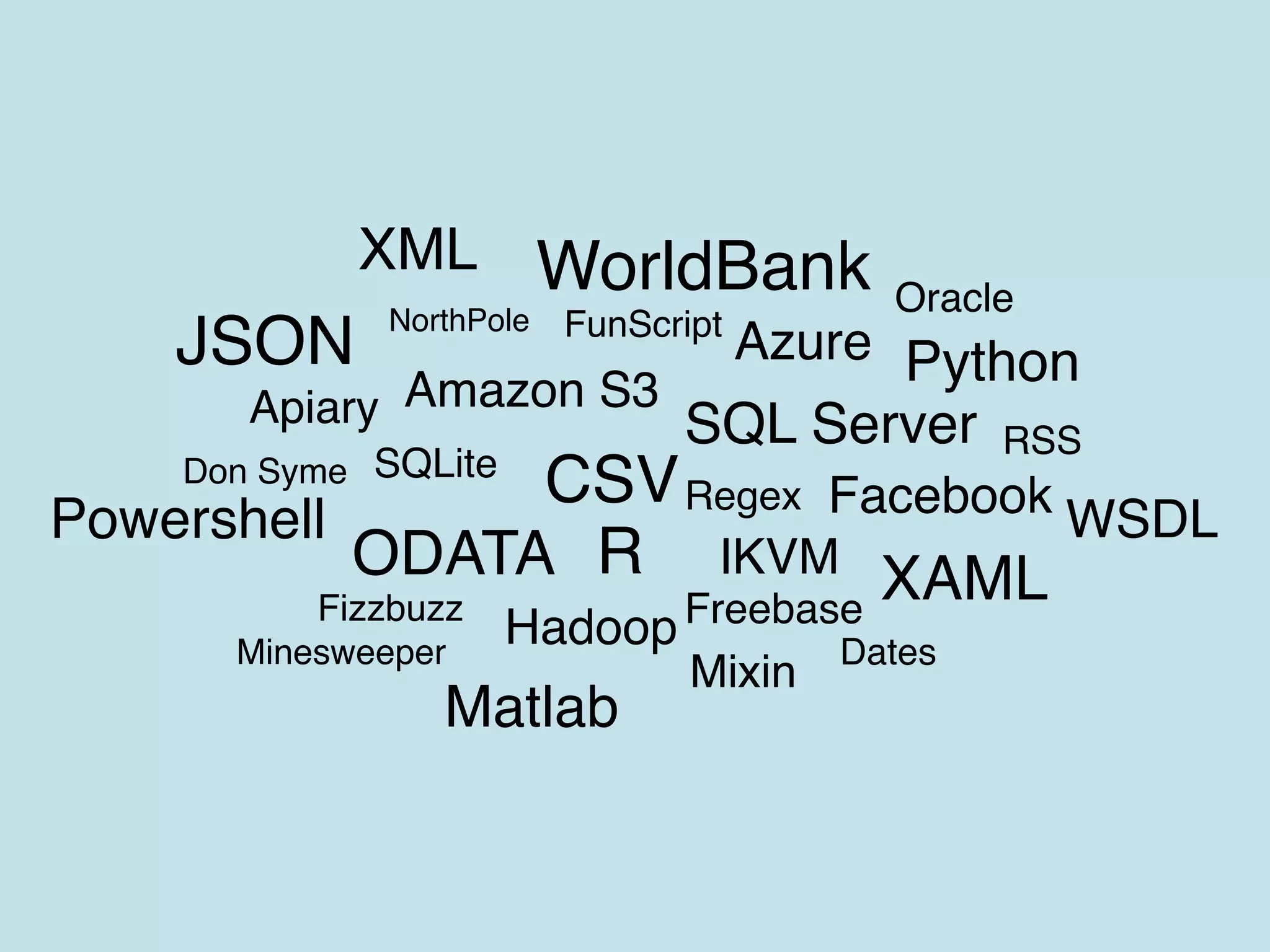
R
FunScript
Azure
Amazon S3
CSVSQLite
SQL Server
WSDL
WorldBank
Regex
ODATA IKVM
Facebook
Apiary
XAMLFreebase
Hadoop
Oracle
Minesweeper
Don Syme
Powershell
JSON
Fizzbuzz
Mixin
RSS
Matlab
Dates
NorthPole
XML
Python
Type Provider Pipes
Statically Resolved TP
Implicit Interface
Implementation
Borrowed Pointers Dependent Types
Uniqueness Types
Bit Syntax
Signals
Macros
Unit-of-Measure
Actor Model
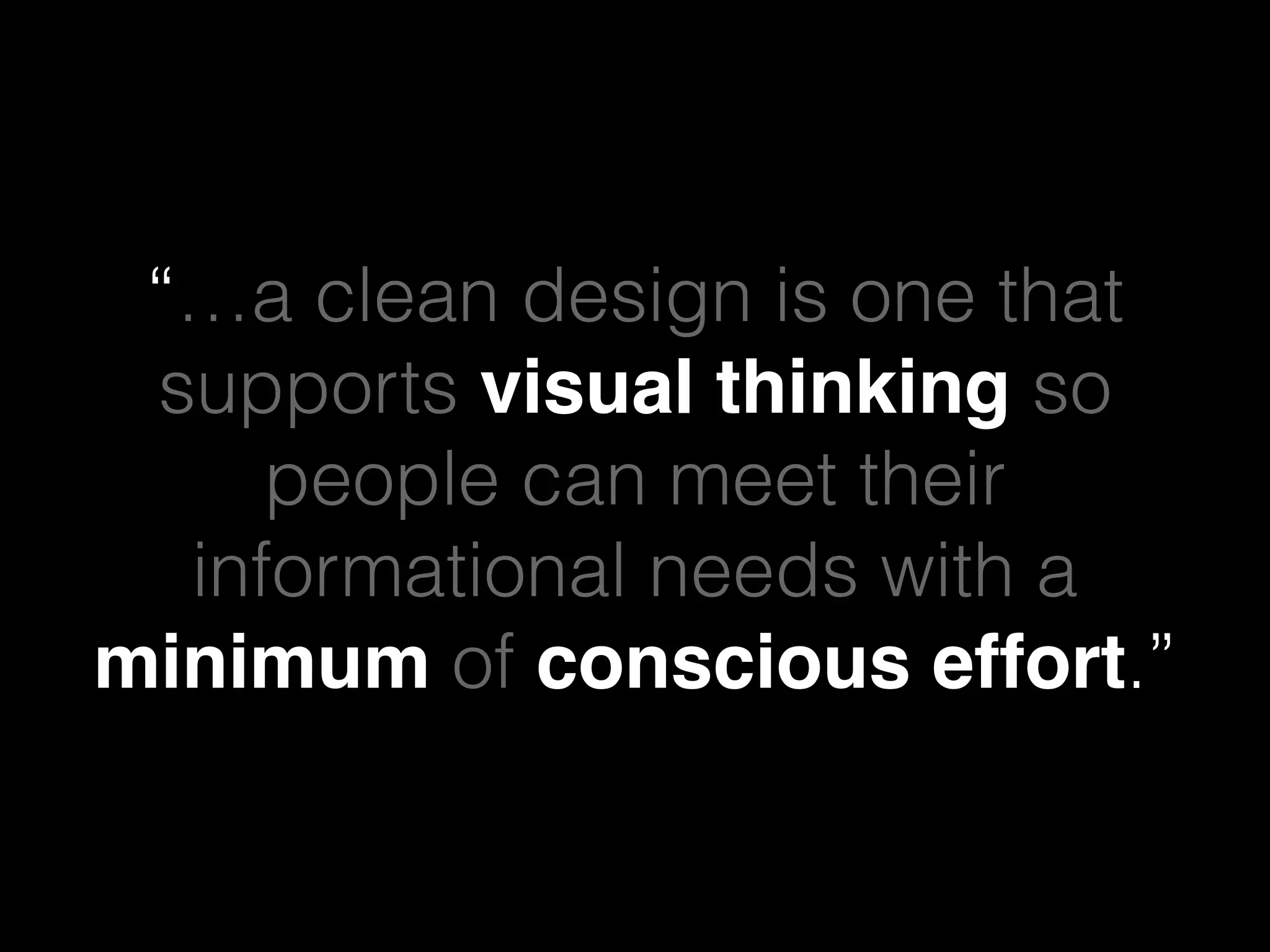
“…a clean design is one that
supports visual thinking so
people can meet their
informational needs with a
minimum of conscious effort.”
- Daniel Higginbotham
(www.visualmess.com)
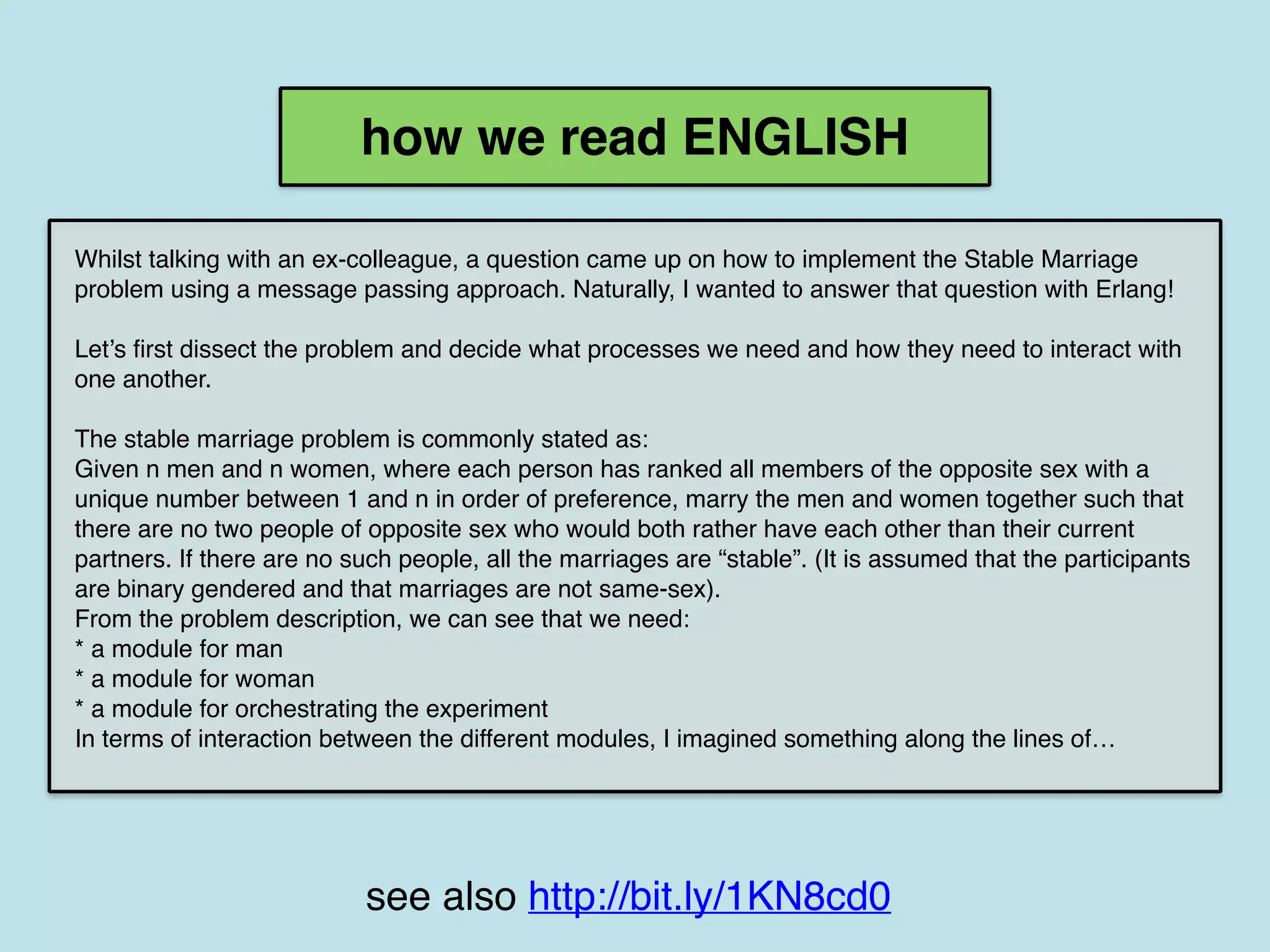
Whilst talking with an ex-colleague, a question came up on how to implement the Stable Marriage
problem using a message passing approach. Naturally, I wanted to answer that question with Erlang!
Let’s first dissect the problem and decide what processes we need and how they need to interact with
one another.
The stable marriage problem is commonly stated as:
Given n men and n women, where each person has ranked all members of the opposite sex with a
unique number between 1 and n in order of preference, marry the men and women together such that
there are no two people of opposite sex who would both rather have each other than their current
partners. If there are no such people, all the marriages are “stable”. (It is assumed that the participants
are binary gendered and that marriages are not same-sex).
From the problem description, we can see that we need:
* a module for man
* a module for woman
* a module for orchestrating the experiment
In terms of interaction between the different modules, I imagined something along the lines of…
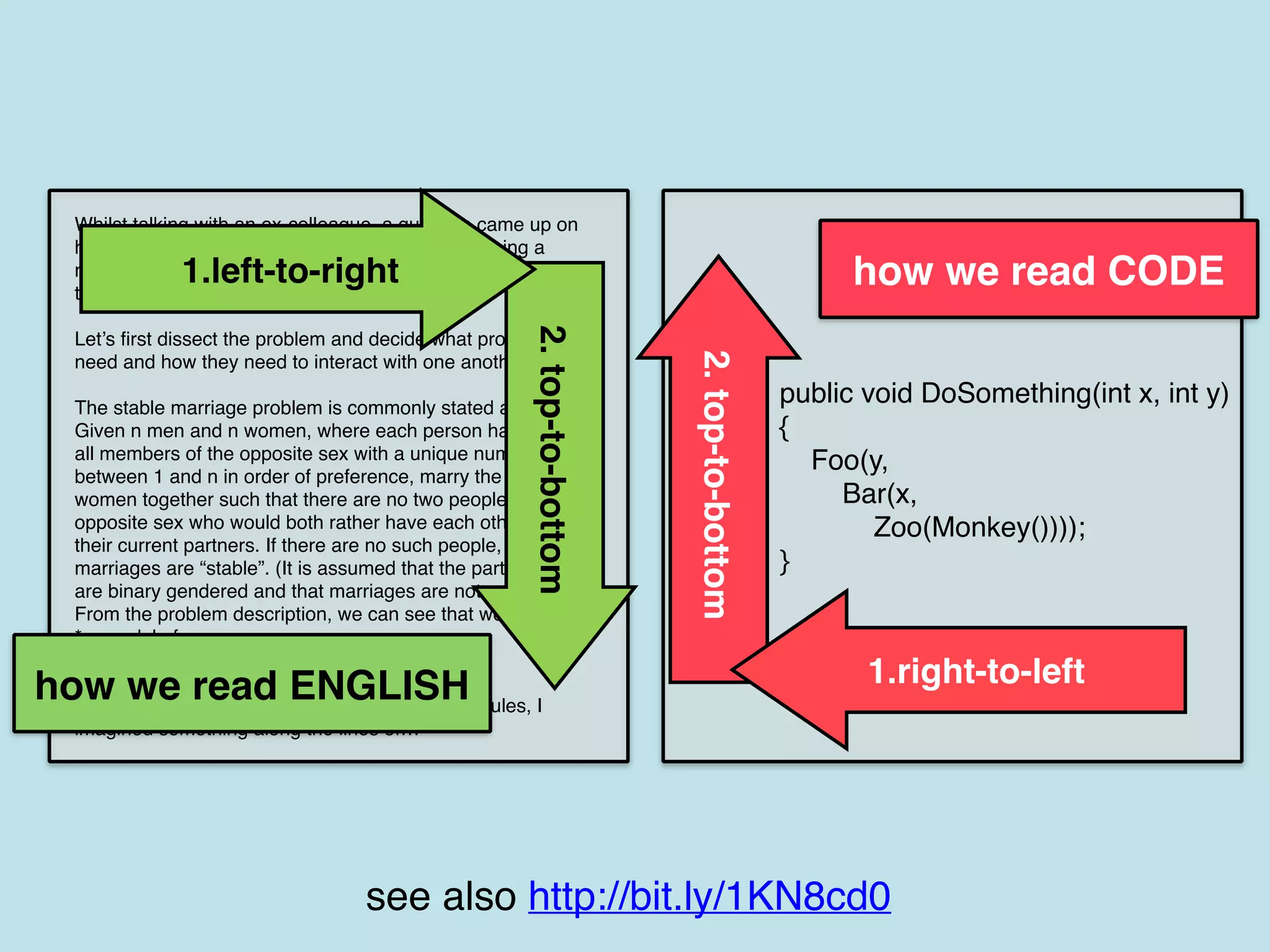
how we read ENGLISH
see also http://bit.ly/1KN8cd0
Whilst talking with an ex-colleague, a question came up on how to implement the Stable Marriage
problem using a message passing approach. Naturally, I wanted to answer that question with Erlang!
Let’s first dissect the problem and decide what processes we need and how they need to interact with
one another.
The stable marriage problem is commonly stated as:
Given n men and n women, where each person has ranked all members of the opposite sex with a
unique number between 1 and n in order of preference, marry the men and women together such that
there are no two people of opposite sex who would both rather have each other than their current
partners. If there are no such people, all the marriages are “stable”. (It is assumed that the participants
are binary gendered and that marriages are not same-sex).
From the problem description, we can see that we need:
* a module for man
* a module for woman
* a module for orchestrating the experiment
In terms of interaction between the different modules, I imagined something along the lines of…
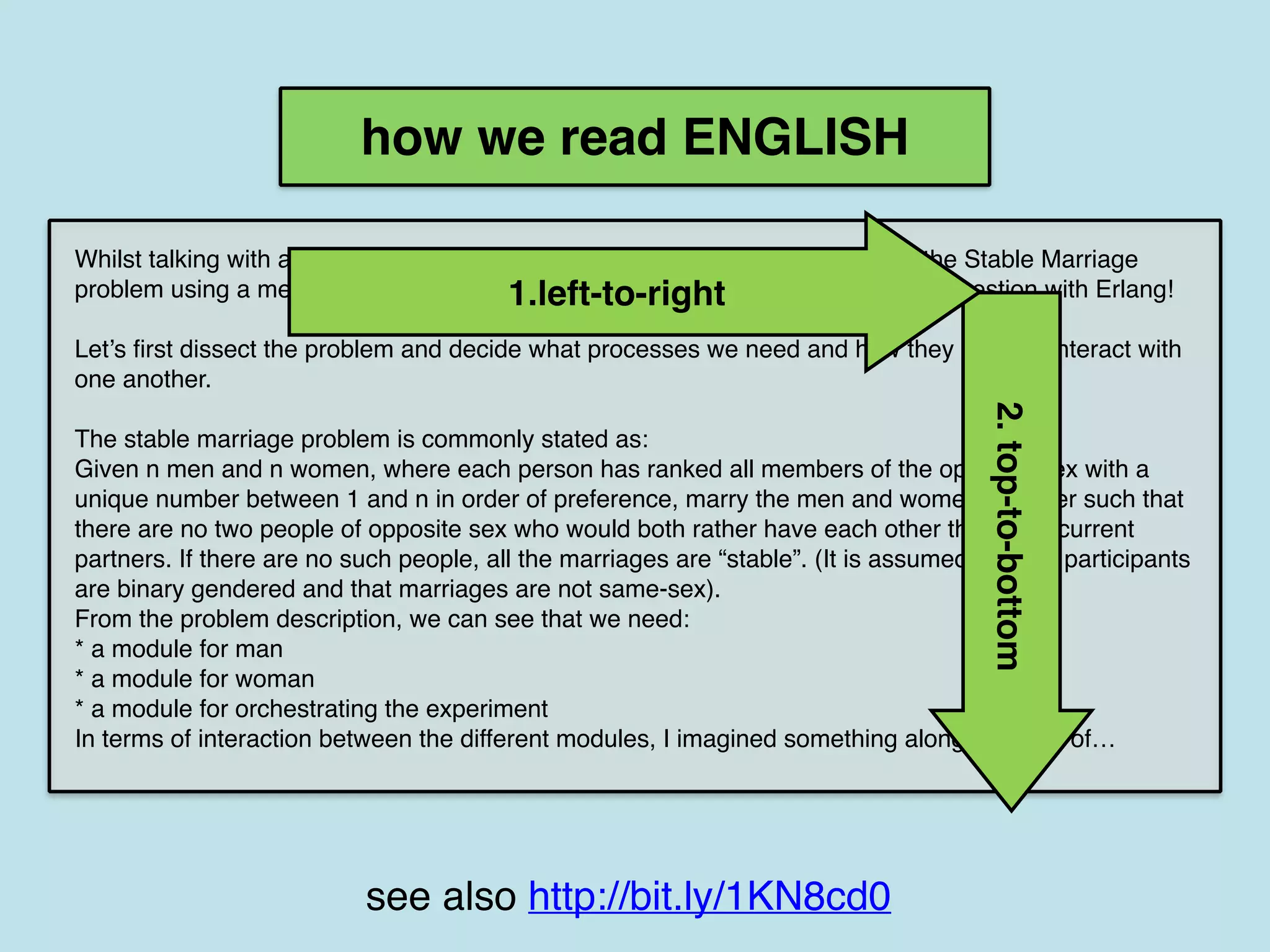
2.top-to-bottom
1.left-to-right
how we read ENGLISH
see also http://bit.ly/1KN8cd0
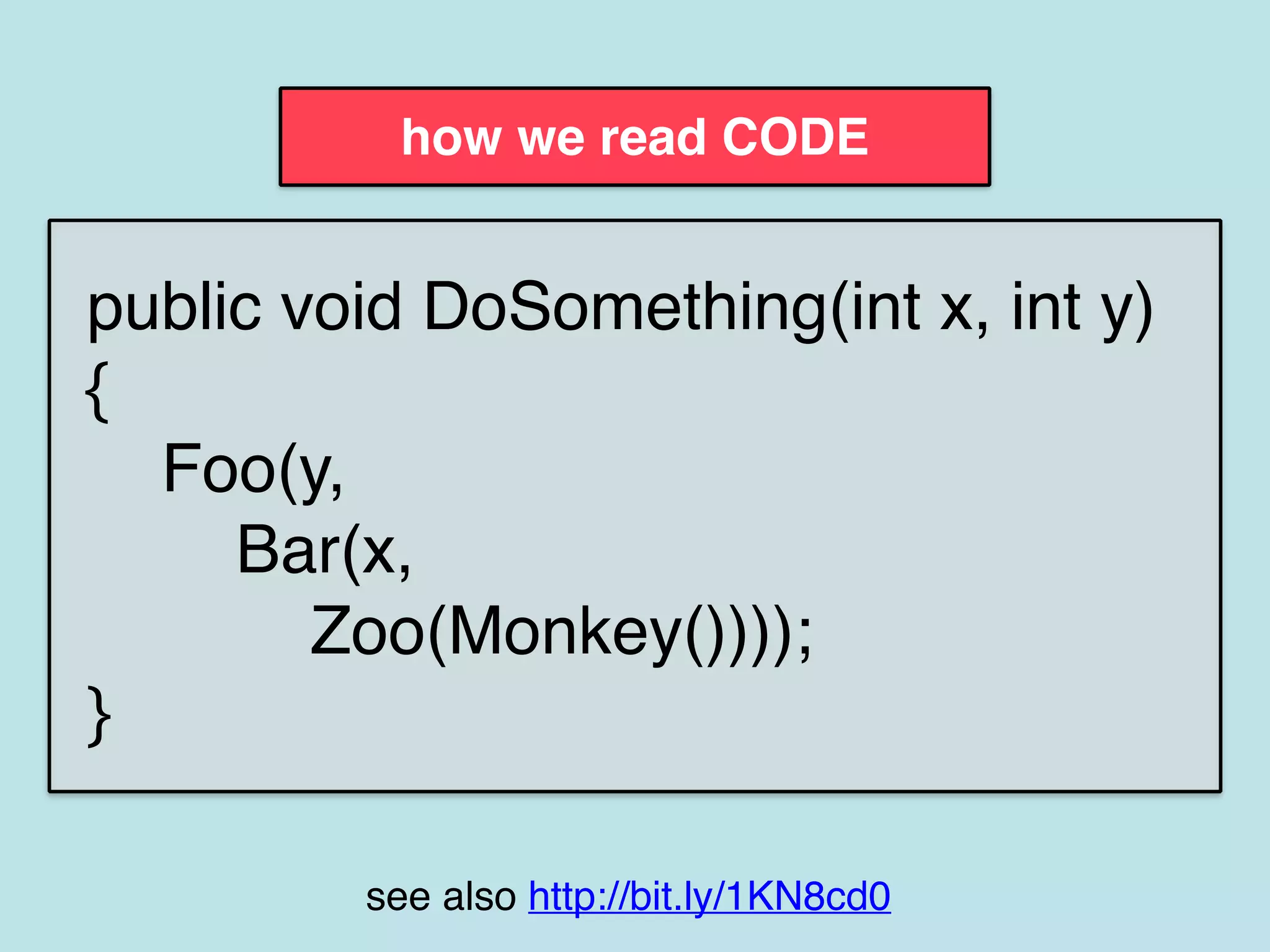
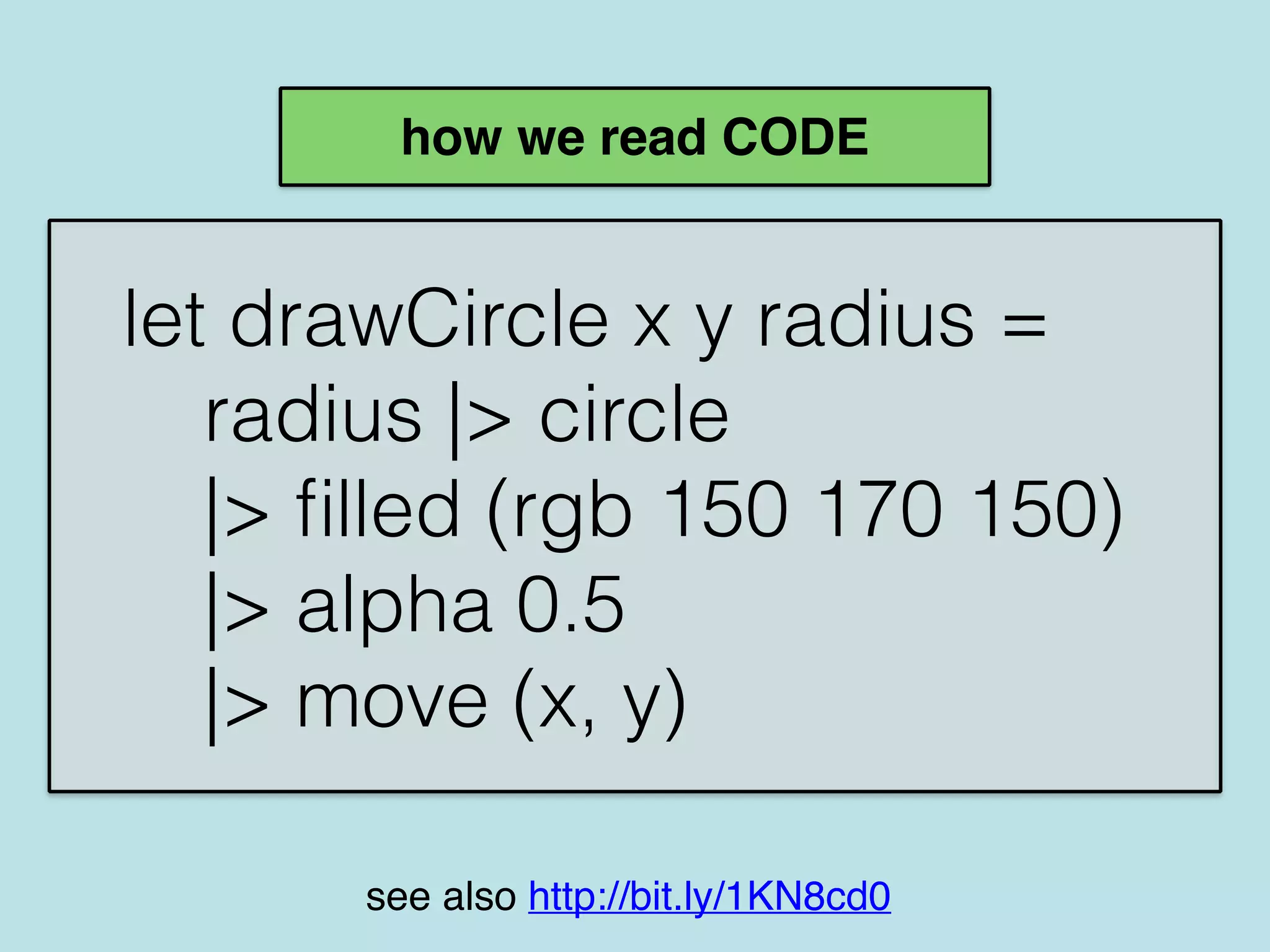
how we read CODE
public void DoSomething(int x, int y)
{
Foo(y,
Bar(x,
Zoo(Monkey())));
}
see also http://bit.ly/1KN8cd0
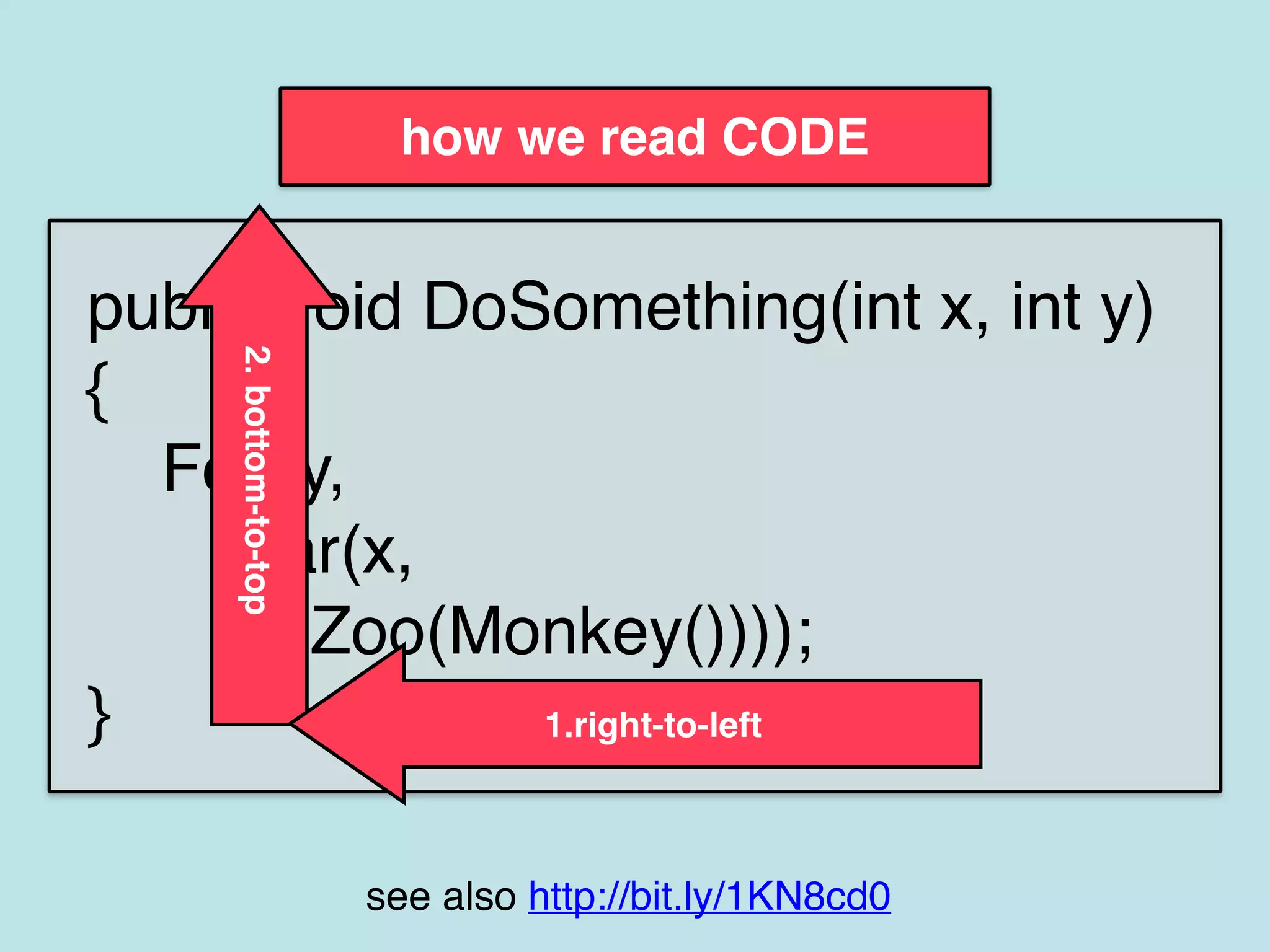
how we read CODE
public void DoSomething(int x, int y)
{
Foo(y,
Bar(x,
Zoo(Monkey())));
}
2.bottom-to-top
1.right-to-left
see also http://bit.ly/1KN8cd0
Whilst talking with an ex-colleague, a question came up on
how to implement the Stable Marriage problem using a
message passing approach. Naturally, I wanted to answer
that question with Erlang!
Let’s first dissect the problem and decide what processes we
need and how they need to interact with one another.
The stable marriage problem is commonly stated as:
Given n men and n women, where each person has ranked
all members of the opposite sex with a unique number
between 1 and n in order of preference, marry the men and
women together such that there are no two people of
opposite sex who would both rather have each other than
their current partners. If there are no such people, all the
marriages are “stable”. (It is assumed that the participants
are binary gendered and that marriages are not same-sex).
From the problem description, we can see that we need:
* a module for man
* a module for woman
* a module for orchestrating the experiment
In terms of interaction between the different modules, I
imagined something along the lines of…
2.top-to-bottom
1.left-to-right
how we read ENGLISH
public void DoSomething(int x, int y)
{
Foo(y,
Bar(x,
Zoo(Monkey())));
}
2.top-to-bottom
1.right-to-left
how we read CODE
see also http://bit.ly/1KN8cd0
“…a clean design is one that
supports visual thinking so
people can meet their
informational needs with a
minimum of conscious effort.”
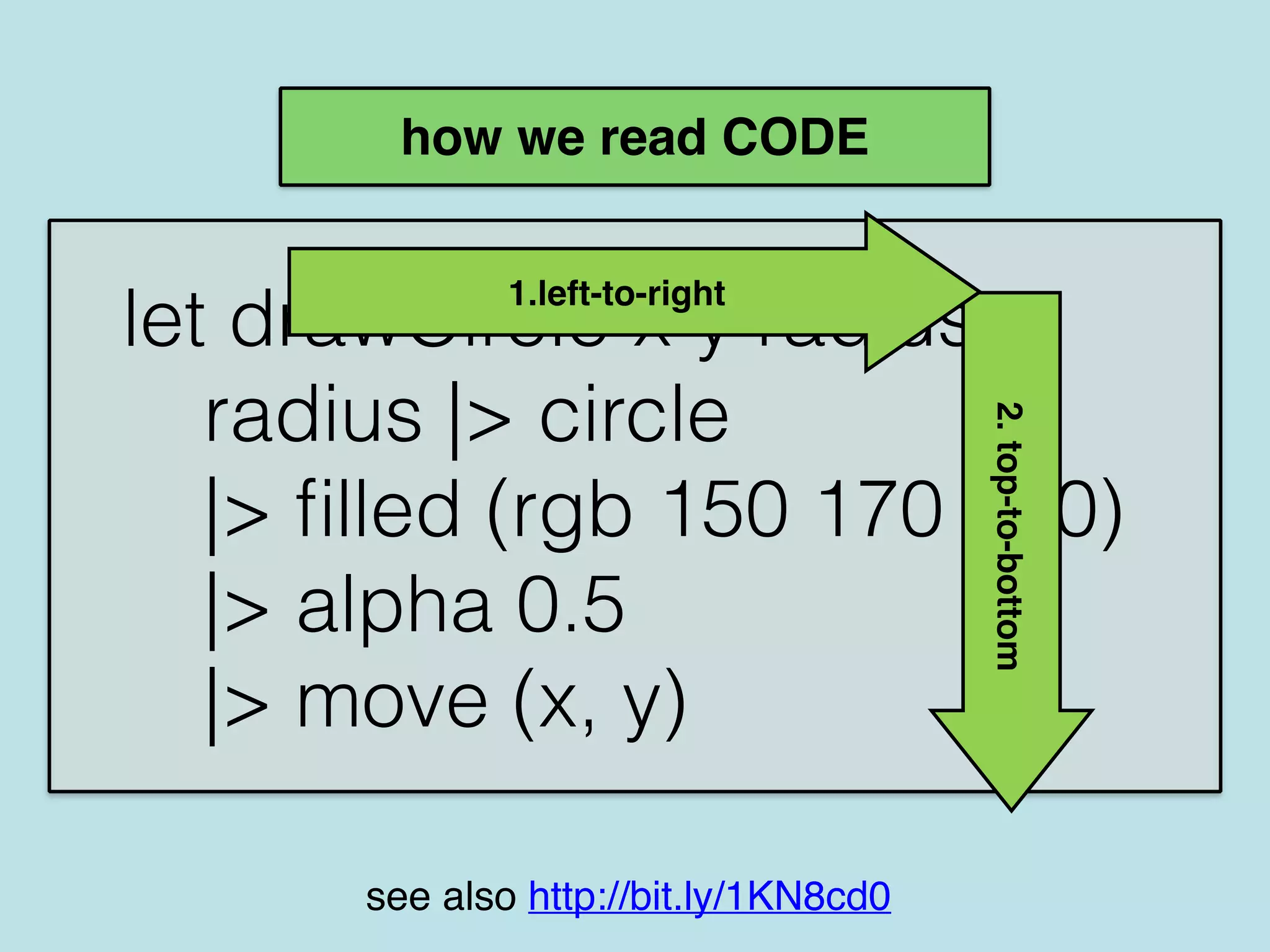
|>
how we read CODE
let drawCircle x y radius =
radius |> circle
|> filled (rgb 150 170 150)
|> alpha 0.5
|> move (x, y)
see also http://bit.ly/1KN8cd0
how we read CODE
let drawCircle x y radius =
radius |> circle
|> filled (rgb 150 170 150)
|> alpha 0.5
|> move (x, y)
2.top-to-bottom
1.left-to-right
see also http://bit.ly/1KN8cd0
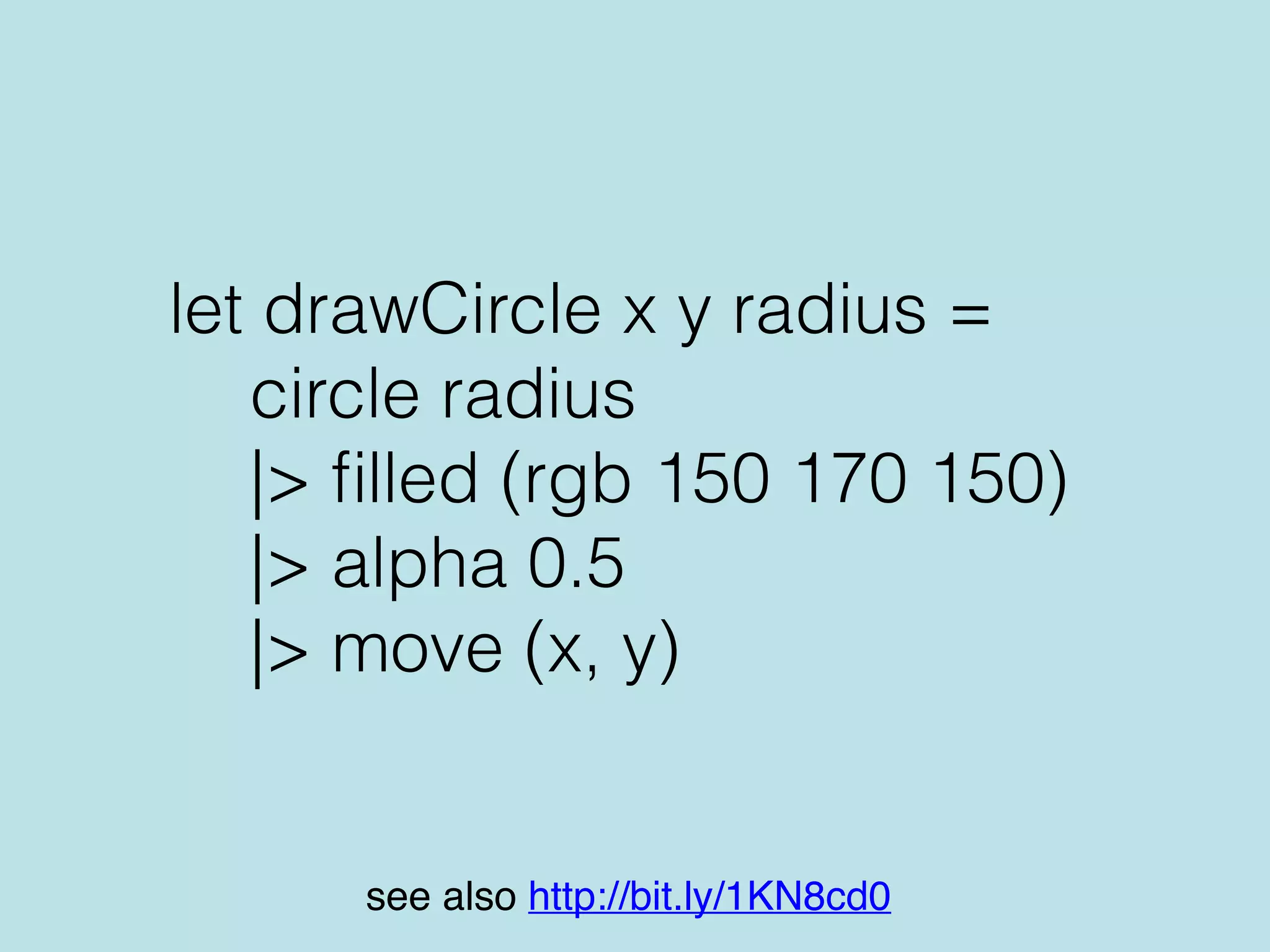
let drawCircle x y radius =
circle radius
|> filled (rgb 150 170 150)
|> alpha 0.5
|> move (x, y)
see also http://bit.ly/1KN8cd0
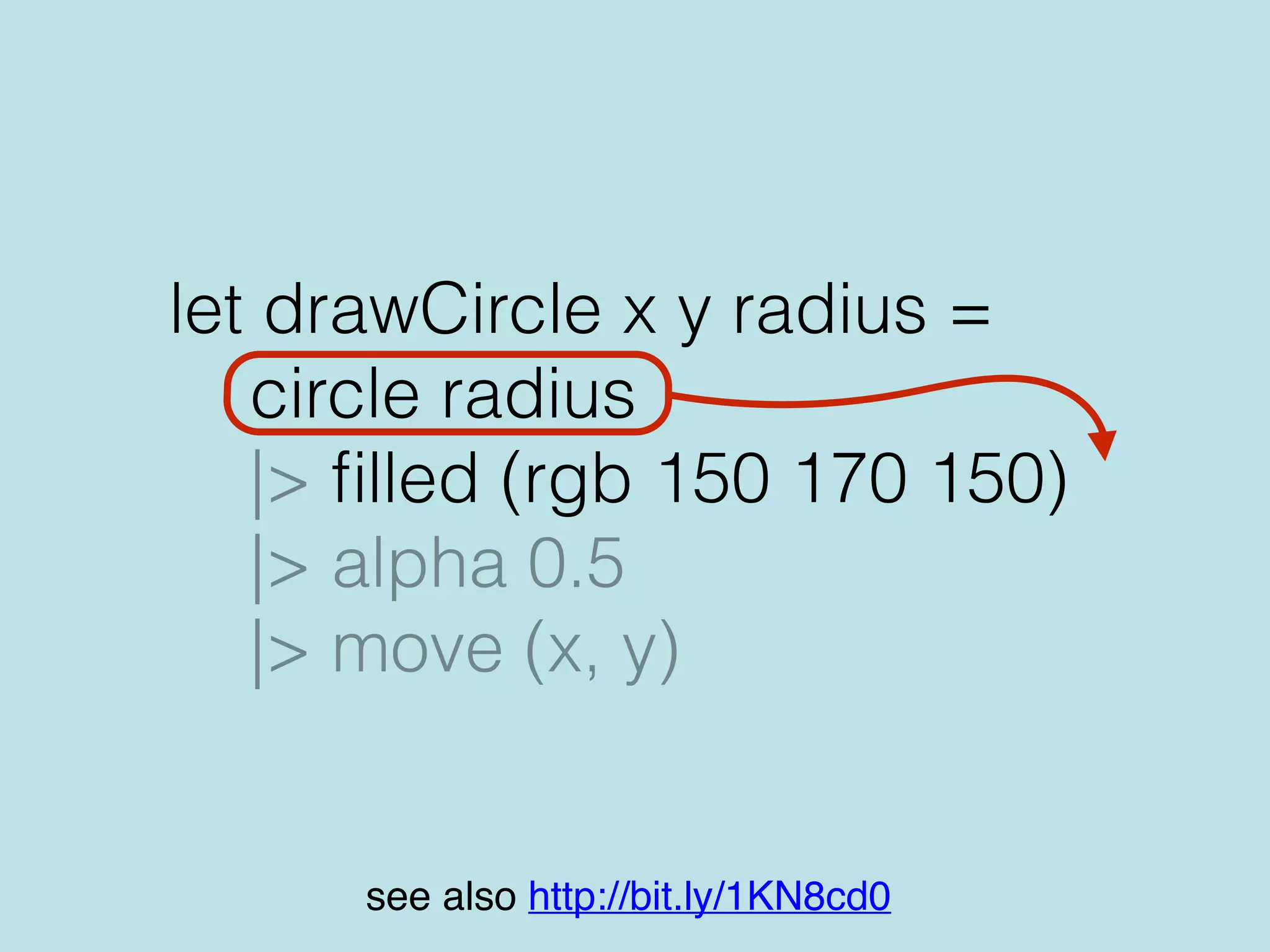
let drawCircle x y radius =
circle radius
|> filled (rgb 150 170 150)
|> alpha 0.5
|> move (x, y)
see also http://bit.ly/1KN8cd0
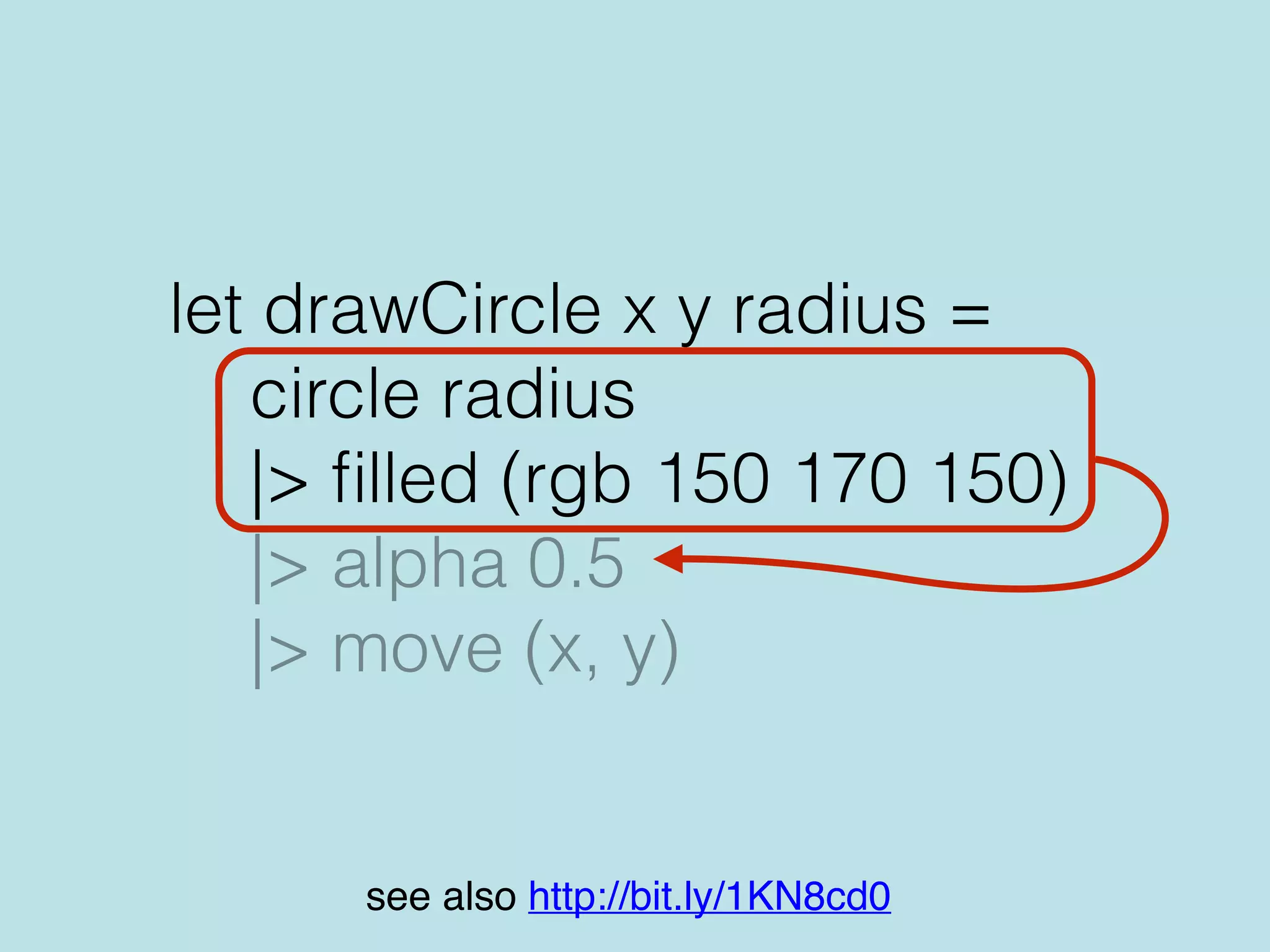
let drawCircle x y radius =
circle radius
|> filled (rgb 150 170 150)
|> alpha 0.5
|> move (x, y)
see also http://bit.ly/1KN8cd0
Type Provider Pipes
Statically Resolved TP
Implicit Interface
Implementation
Borrowed Pointers Dependent Types
Uniqueness Types
Bit Syntax
Signals
Macros
Unit-of-Measure
Actor Model
NASA orbiter crashed
because one engineer
accidentally used miles
instead of kilometres
you’re never too smart
to make mistakes
unit-of-measure
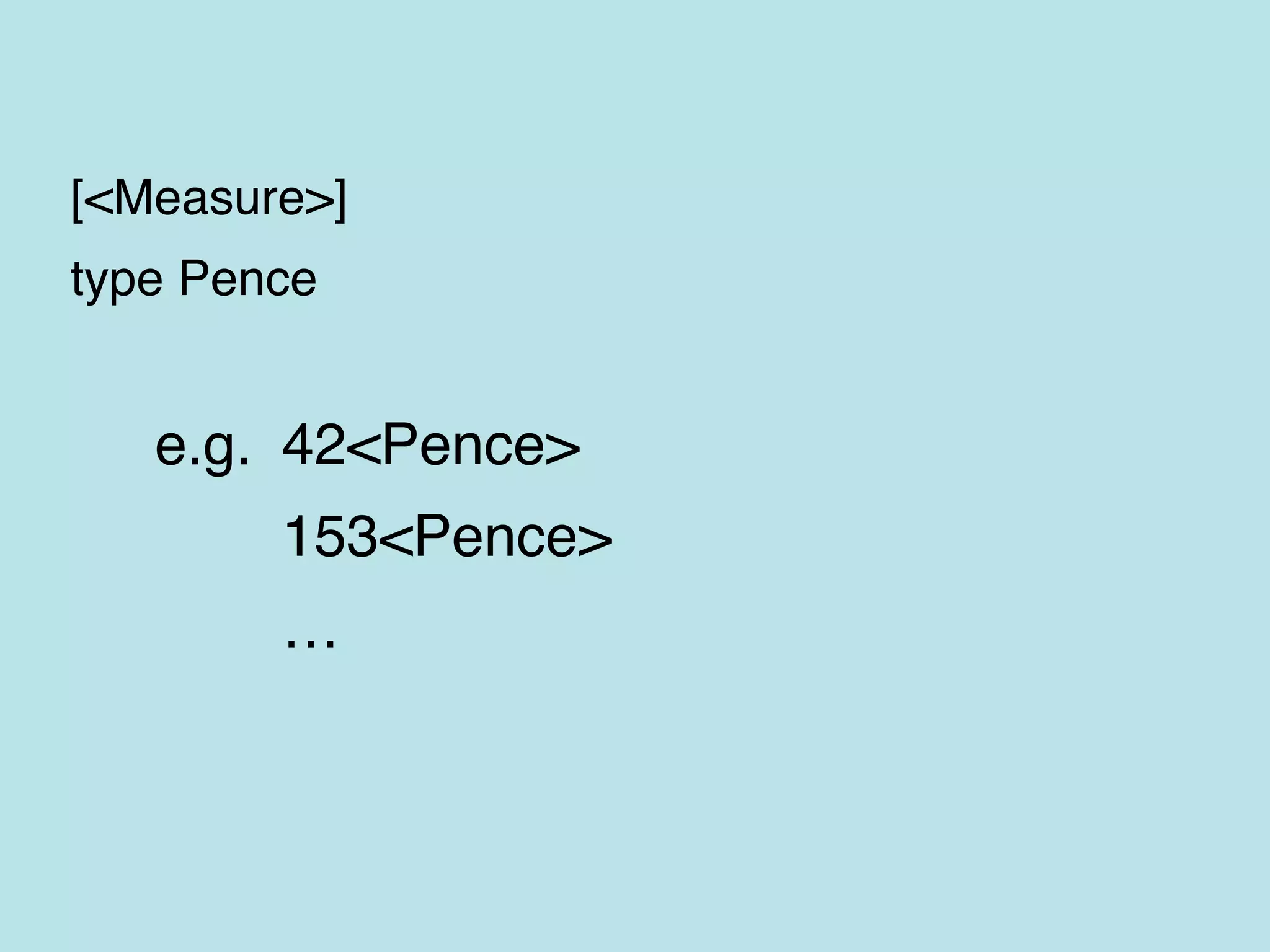
[<Measure>]
type Pence
e.g. 42<Pence>
153<Pence>
…
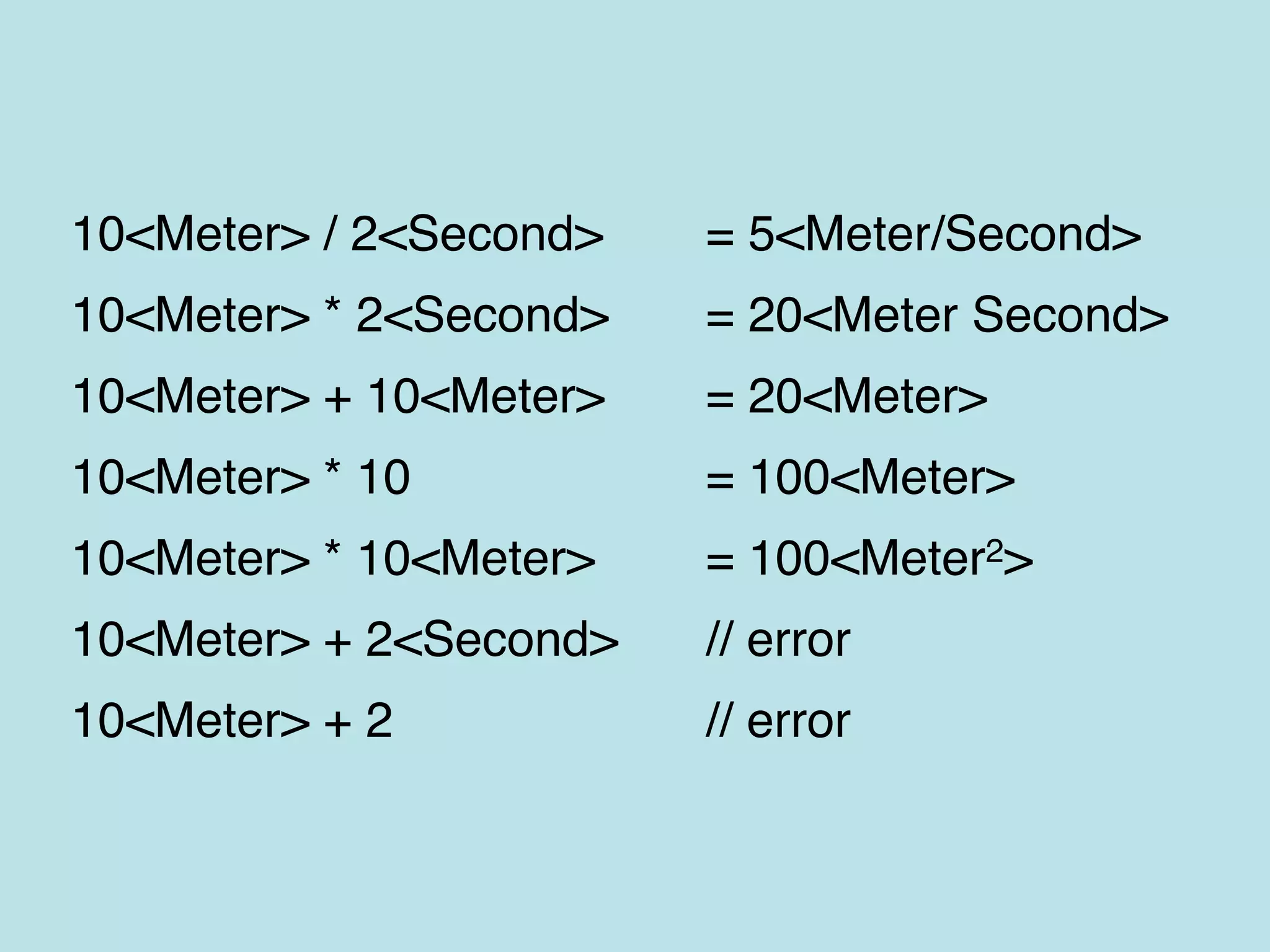
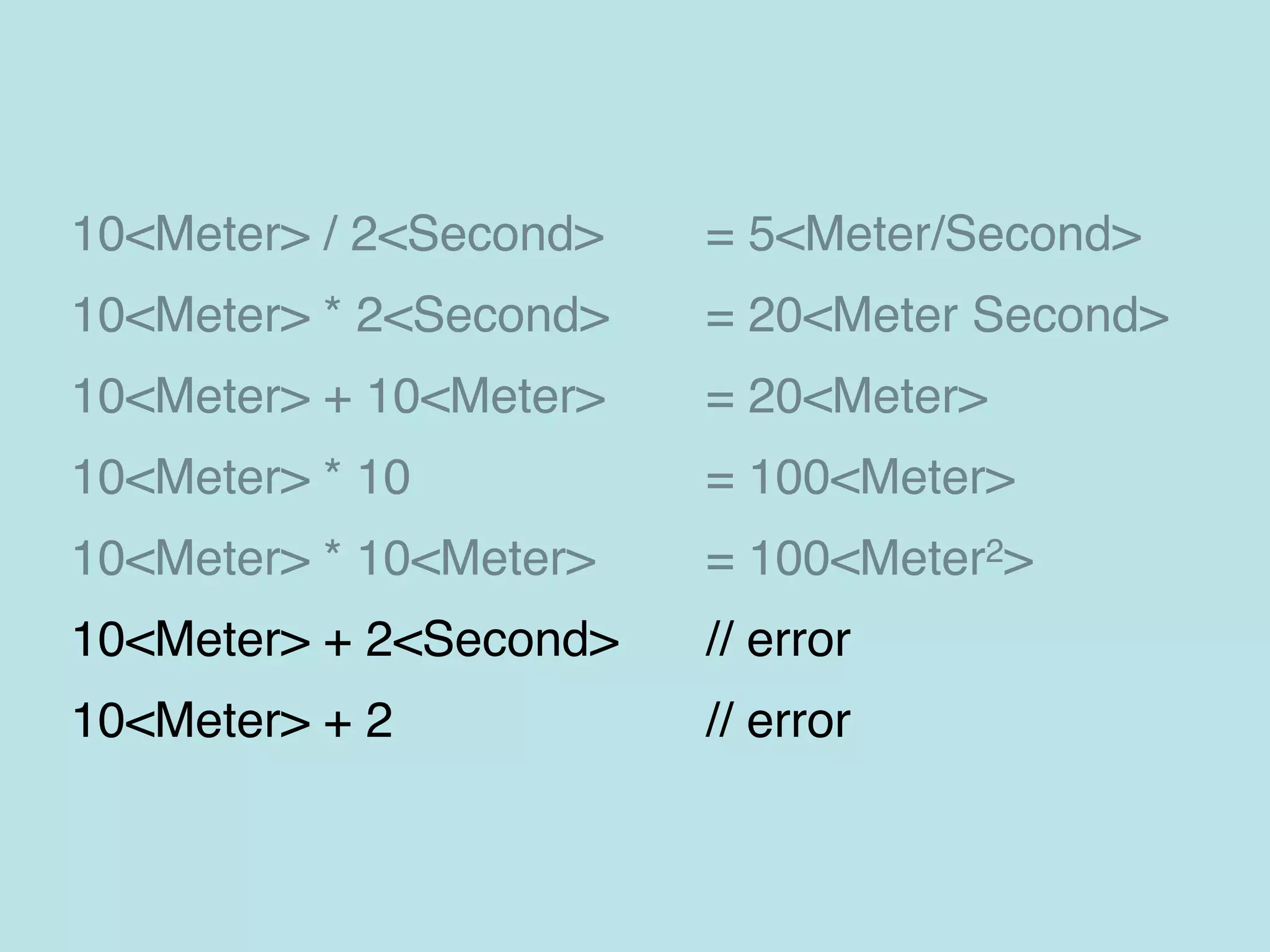
10<Meter> / 2<Second> = 5<Meter/Second>
10<Meter> * 2<Second> = 20<Meter Second>
10<Meter> + 10<Meter> = 20<Meter>
10<Meter> * 10 = 100<Meter>
10<Meter> * 10<Meter> = 100<Meter2>
10<Meter> + 2<Second> // error
10<Meter> + 2 // error
10<Meter> / 2<Second> = 5<Meter/Second>
10<Meter> * 2<Second> = 20<Meter Second>
10<Meter> + 10<Meter> = 20<Meter>
10<Meter> * 10 = 100<Meter>
10<Meter> * 10<Meter> = 100<Meter2>
10<Meter> + 2<Second> // error
10<Meter> + 2 // error
Type Provider Pipes
Statically Resolved TP
Implicit Interface
Implementation
Borrowed Pointers Dependent Types
Uniqueness Types
Bit Syntax
Signals
Macros
Unit-of-Measure
Actor Model
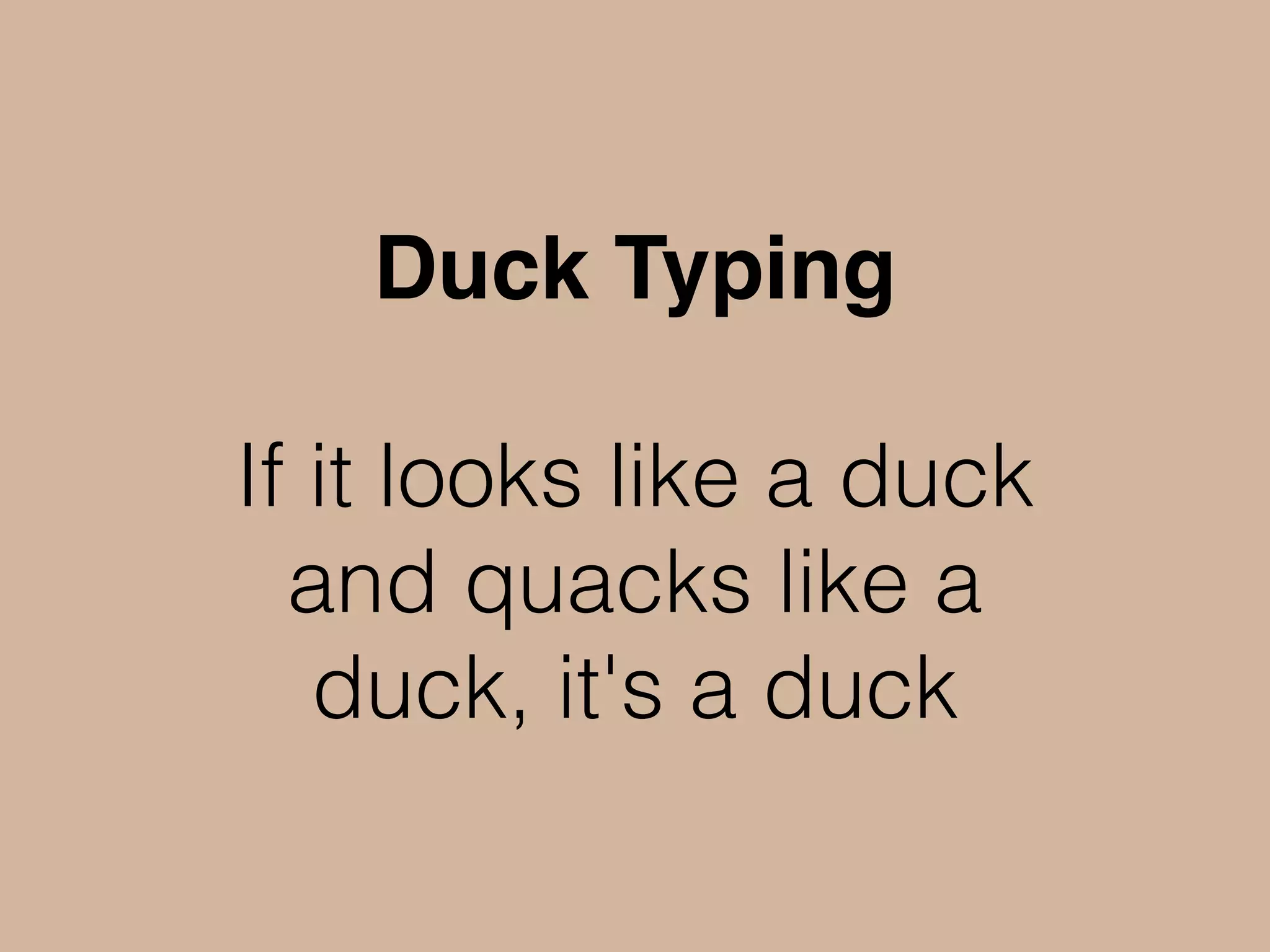
Duck Typing
If it looks like a duck
and quacks like a
duck, it's a duck
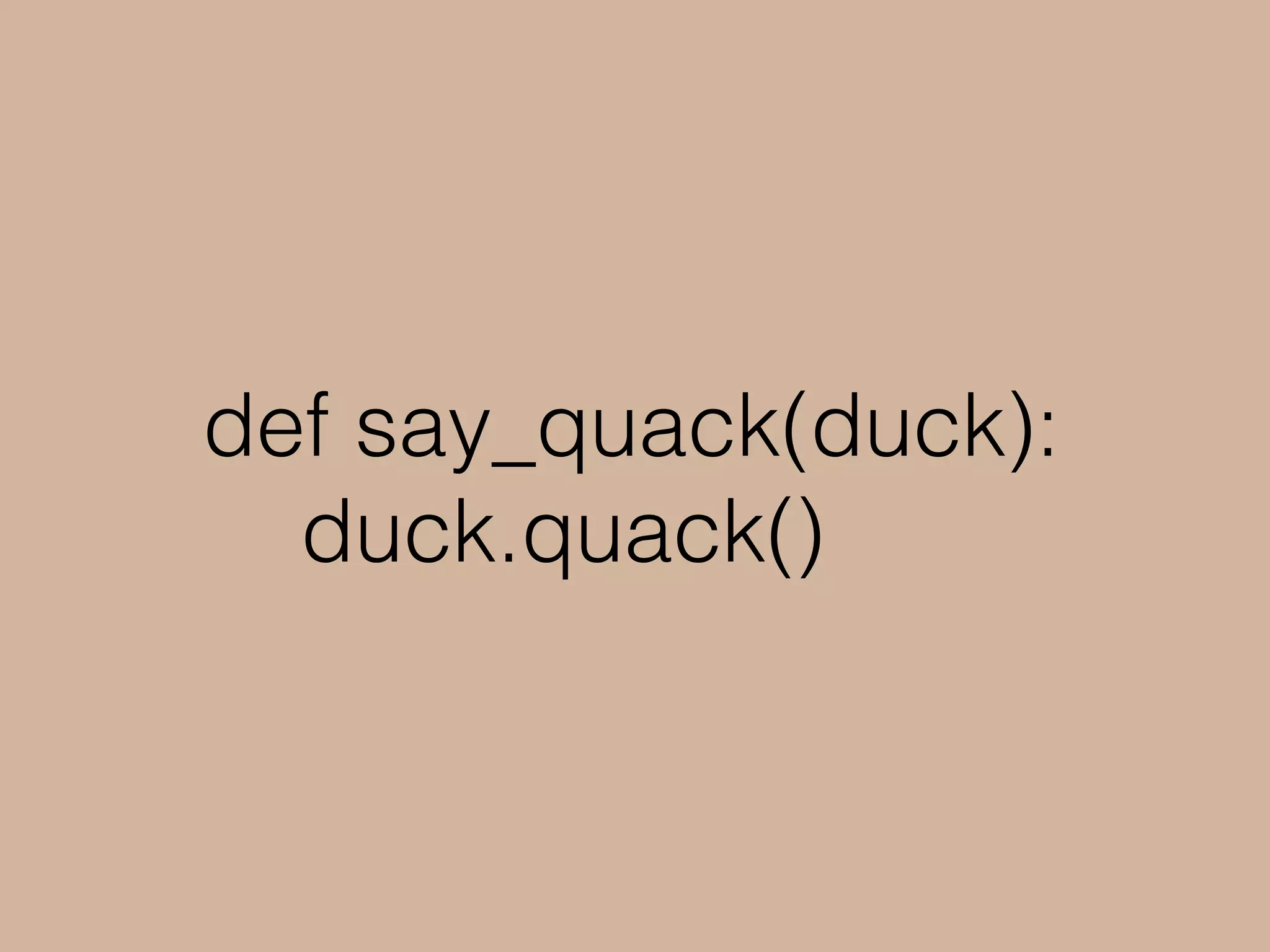
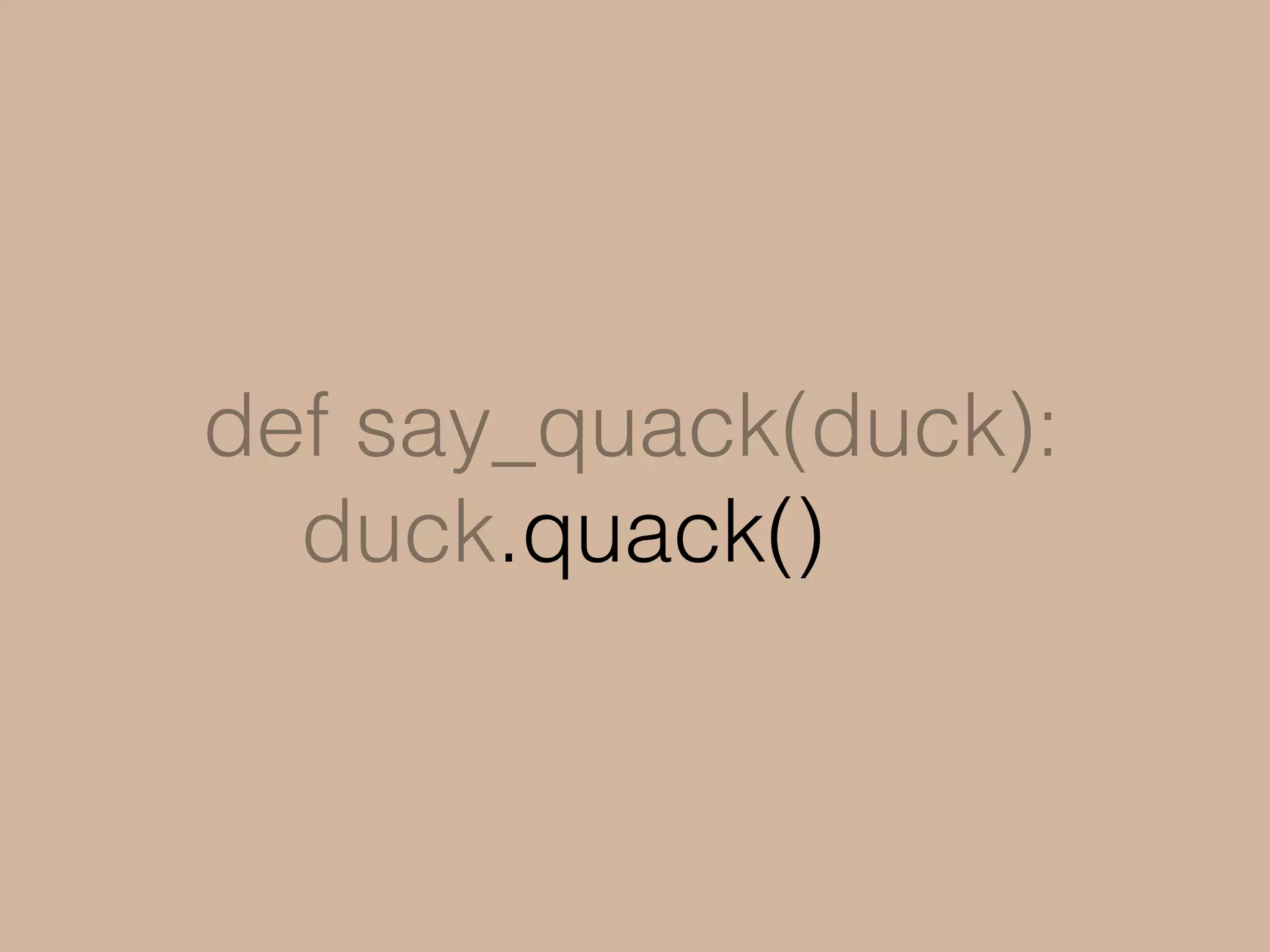
def say_quack(duck):
duck.quack()
def say_quack(duck):
duck.quack()
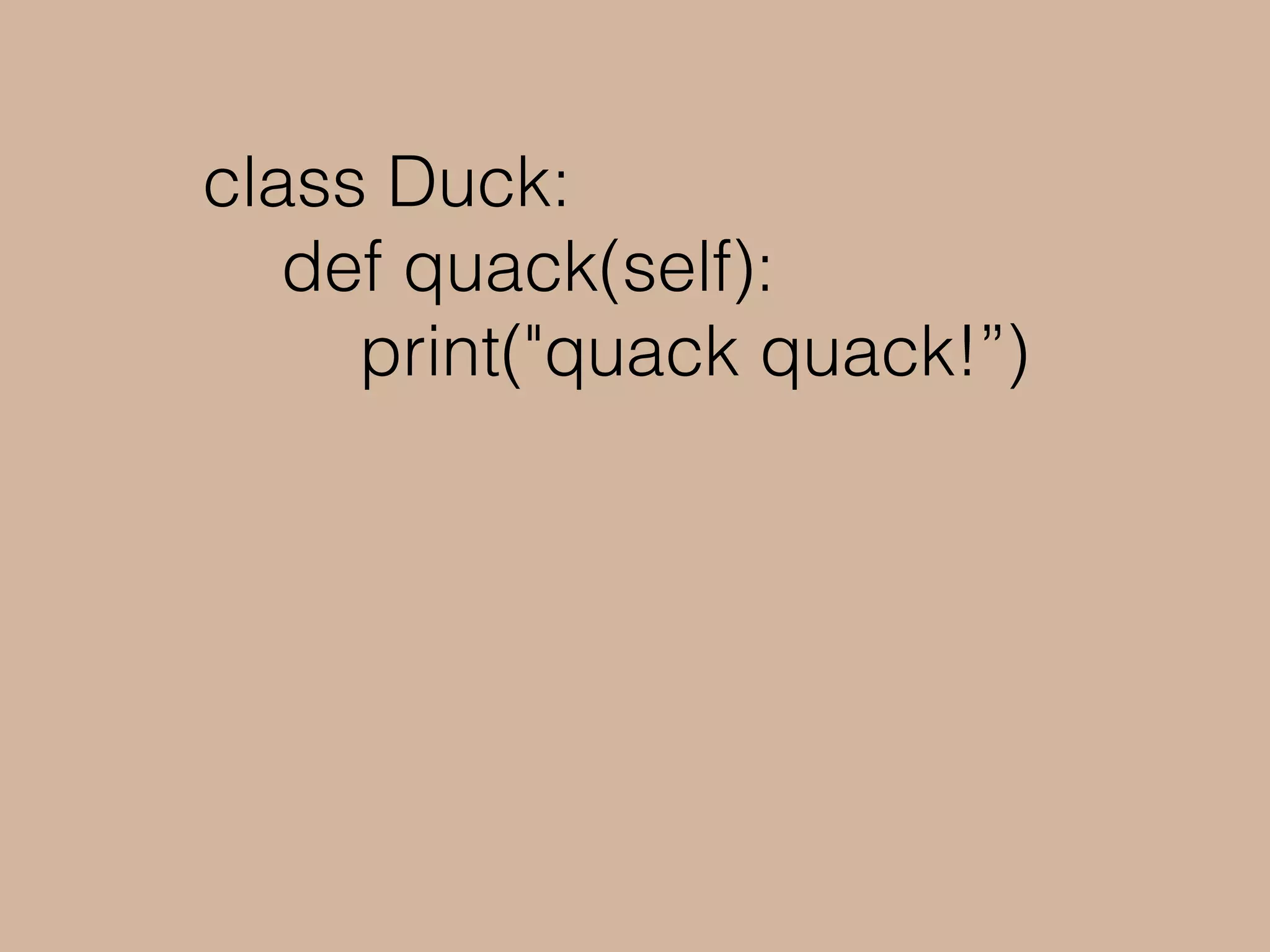
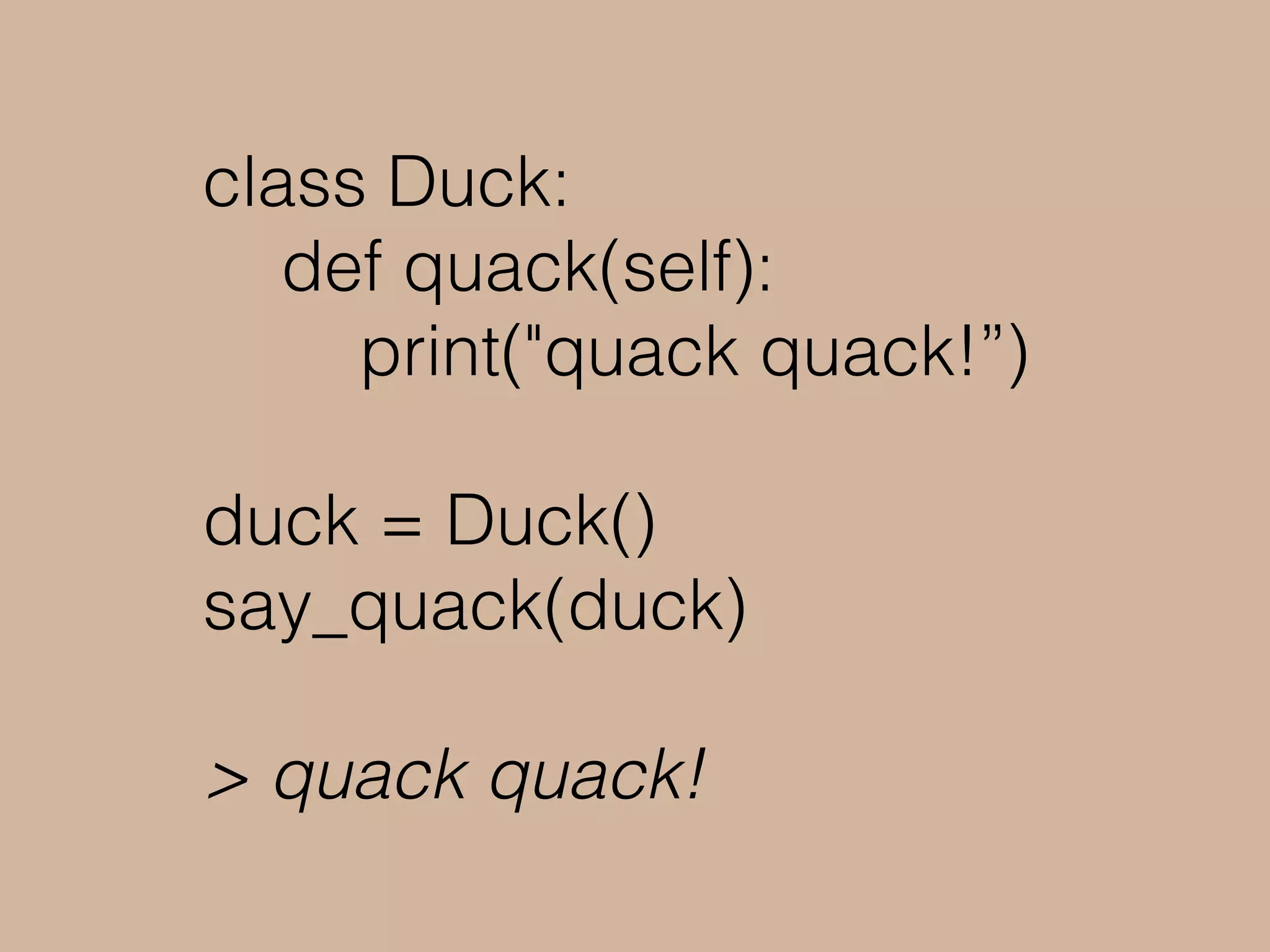
class Duck:
def quack(self):
print("quack quack!”)
class Duck:
def quack(self):
print("quack quack!”)
duck = Duck()
say_quack(duck)
> quack quack!
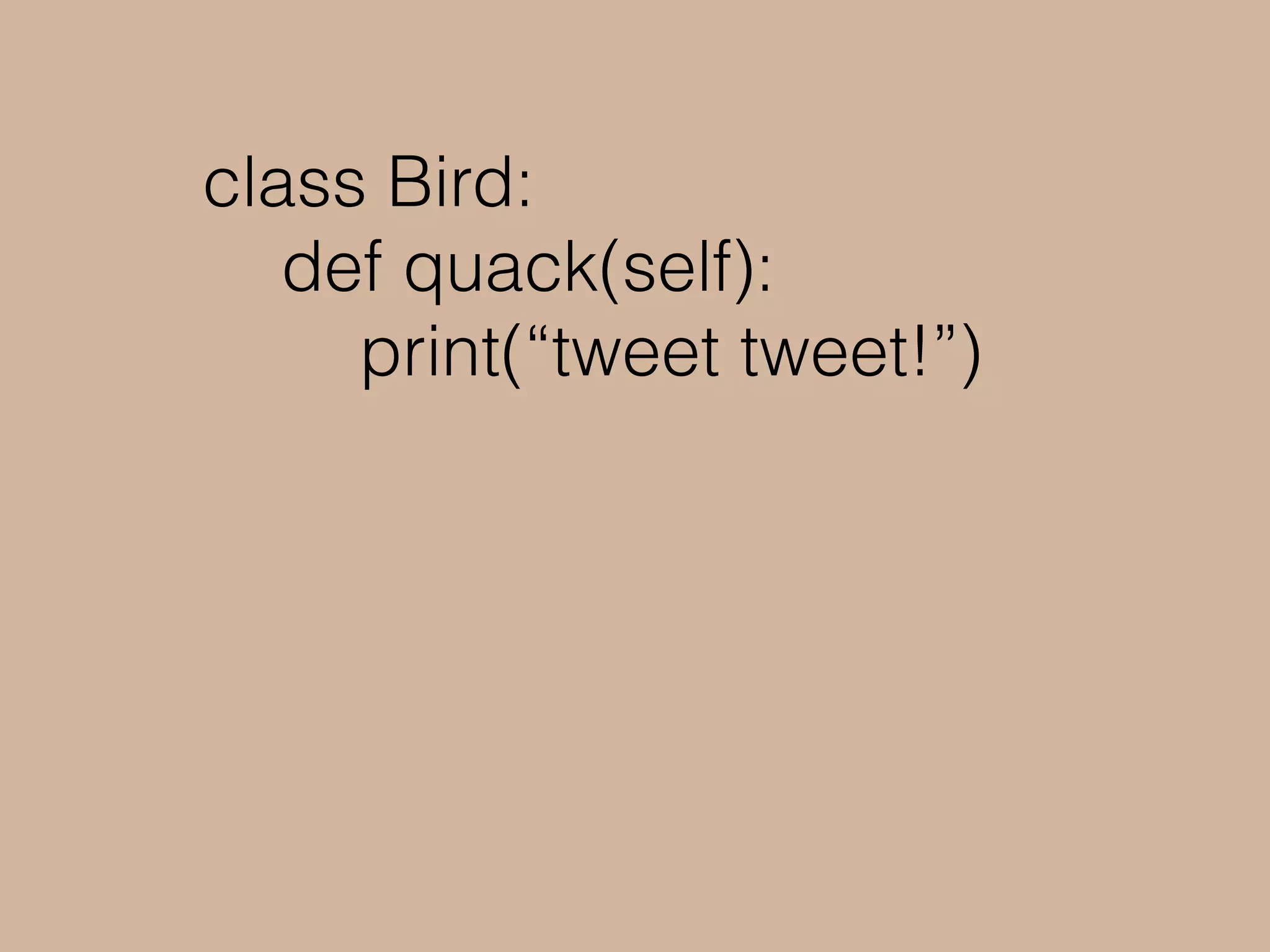
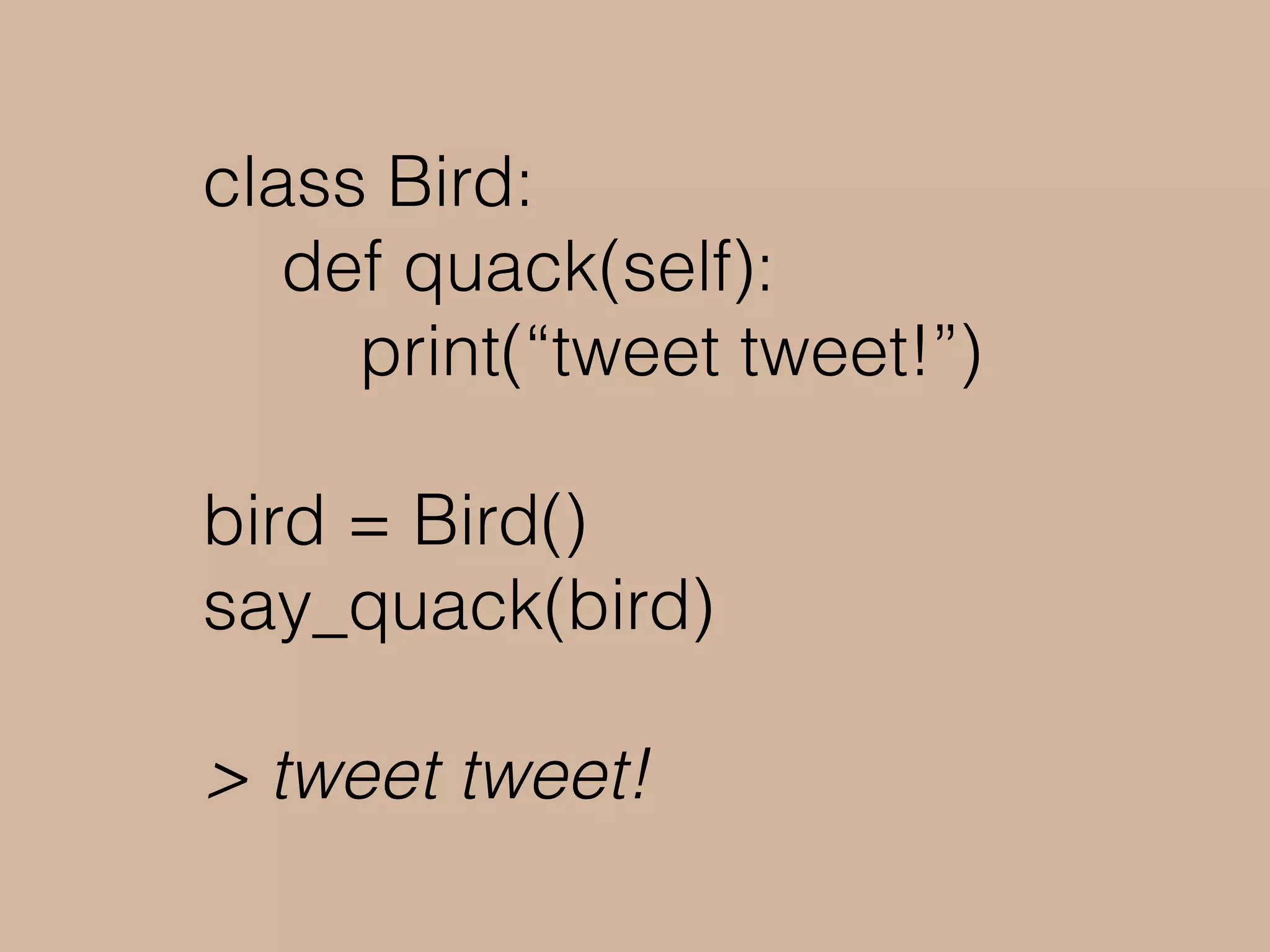
class Bird:
def quack(self):
print(“tweet tweet!”)
class Bird:
def quack(self):
print(“tweet tweet!”)
bird = Bird()
say_quack(bird)
> tweet tweet!
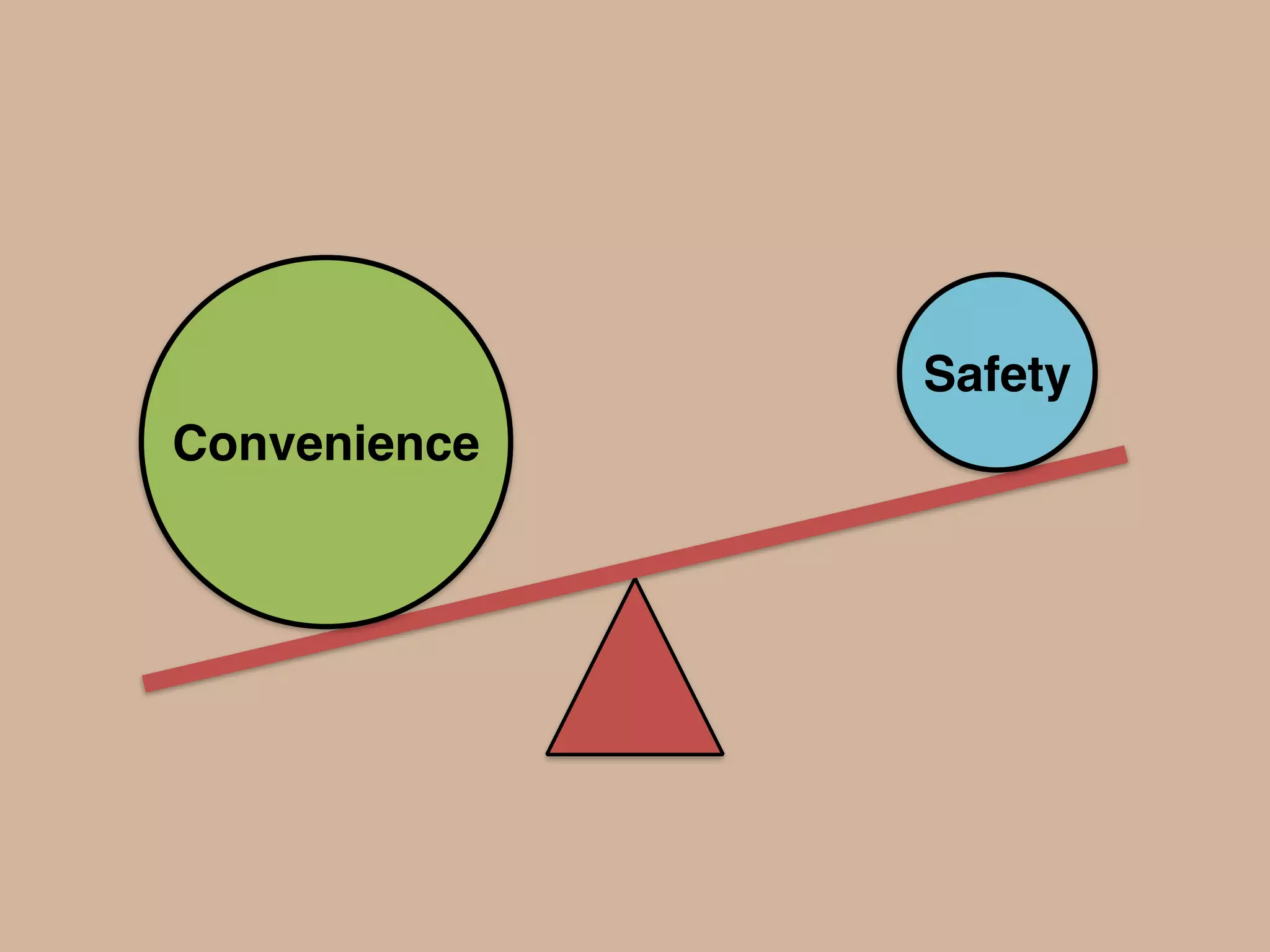
Convenience
Safety
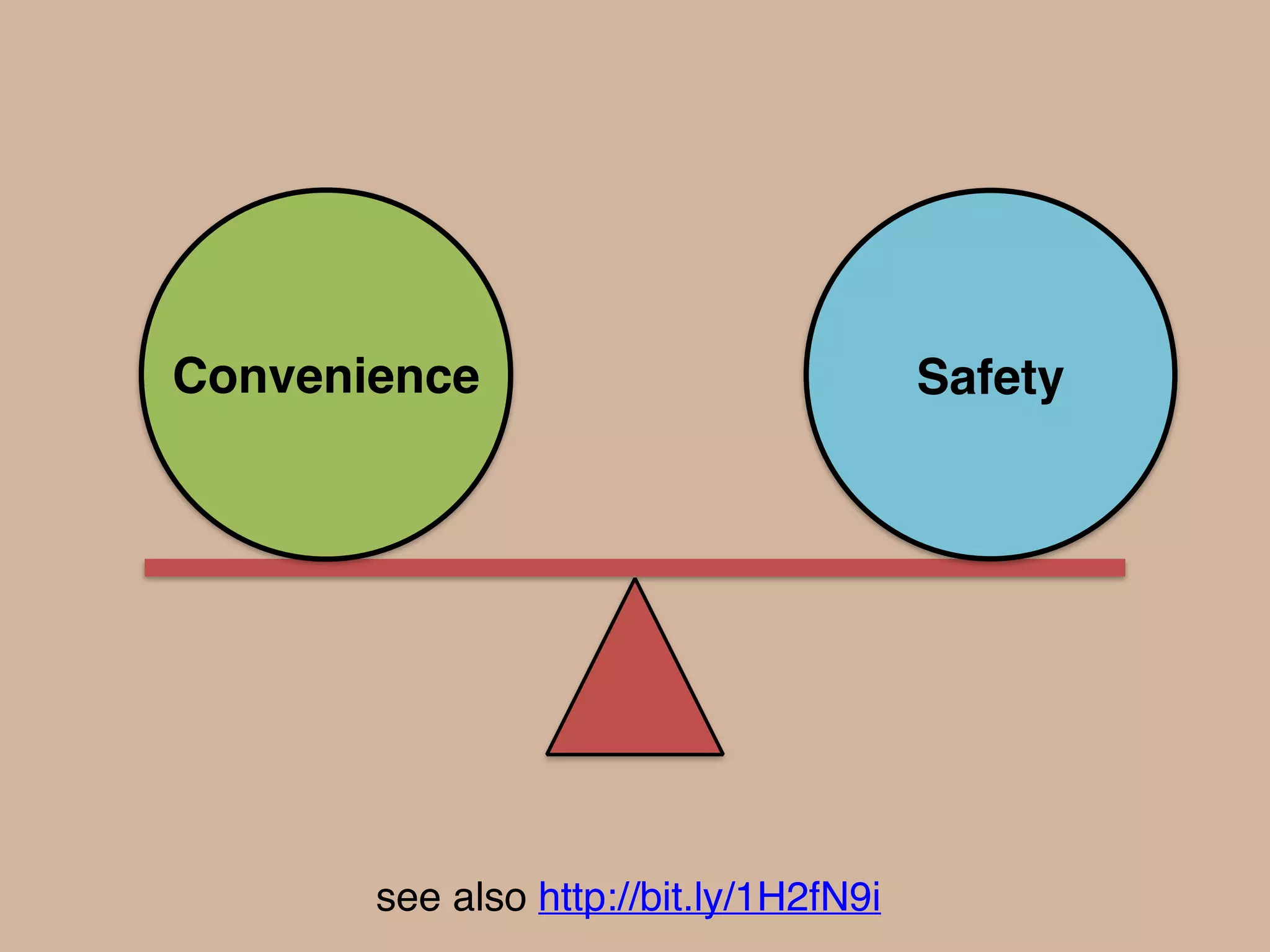
what if…
Convenience Safety
see also http://bit.ly/1H2fN9i
implicit
interface
implementation
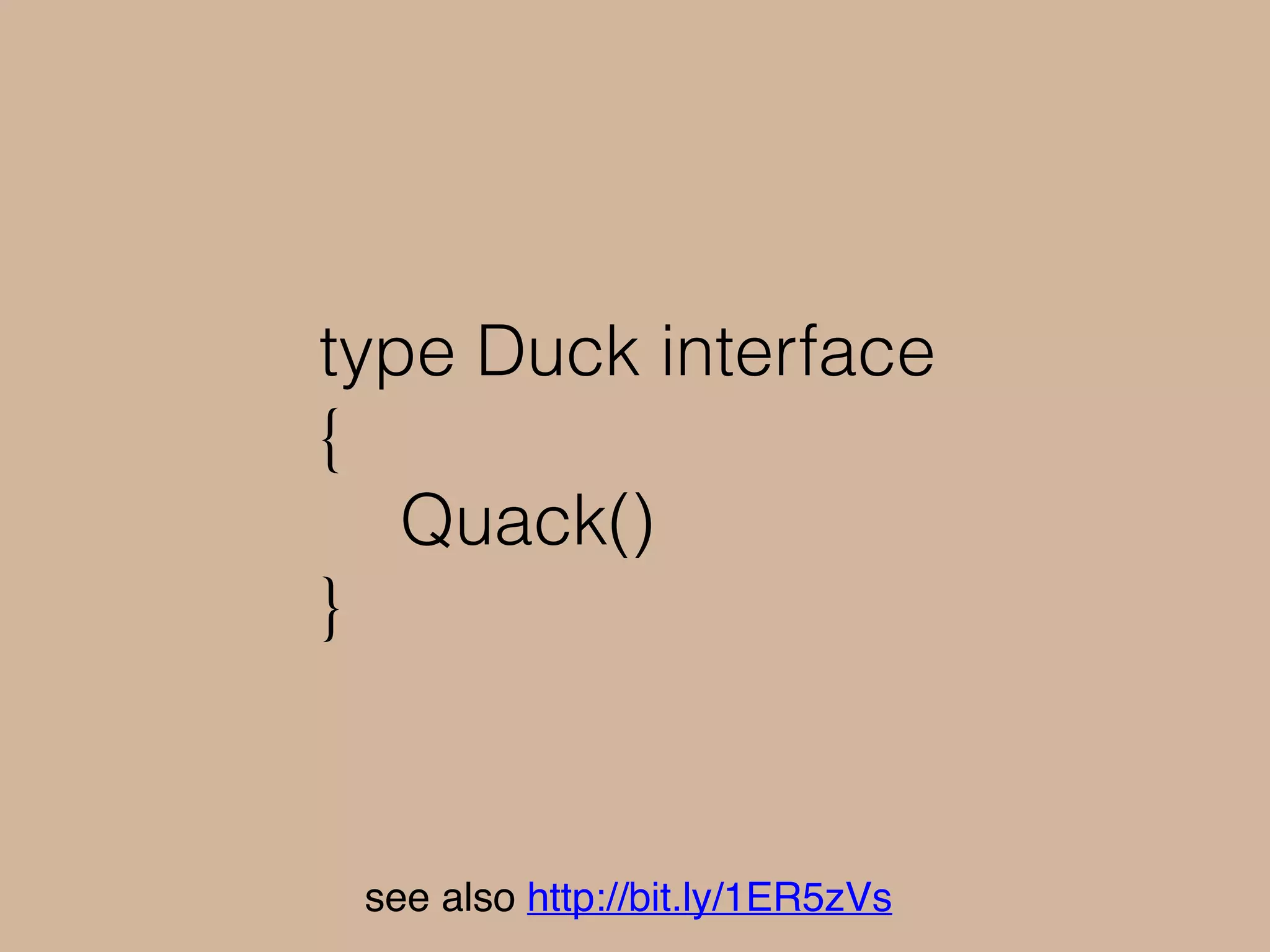
type Duck interface
{
Quack()
}
see also http://bit.ly/1ER5zVs
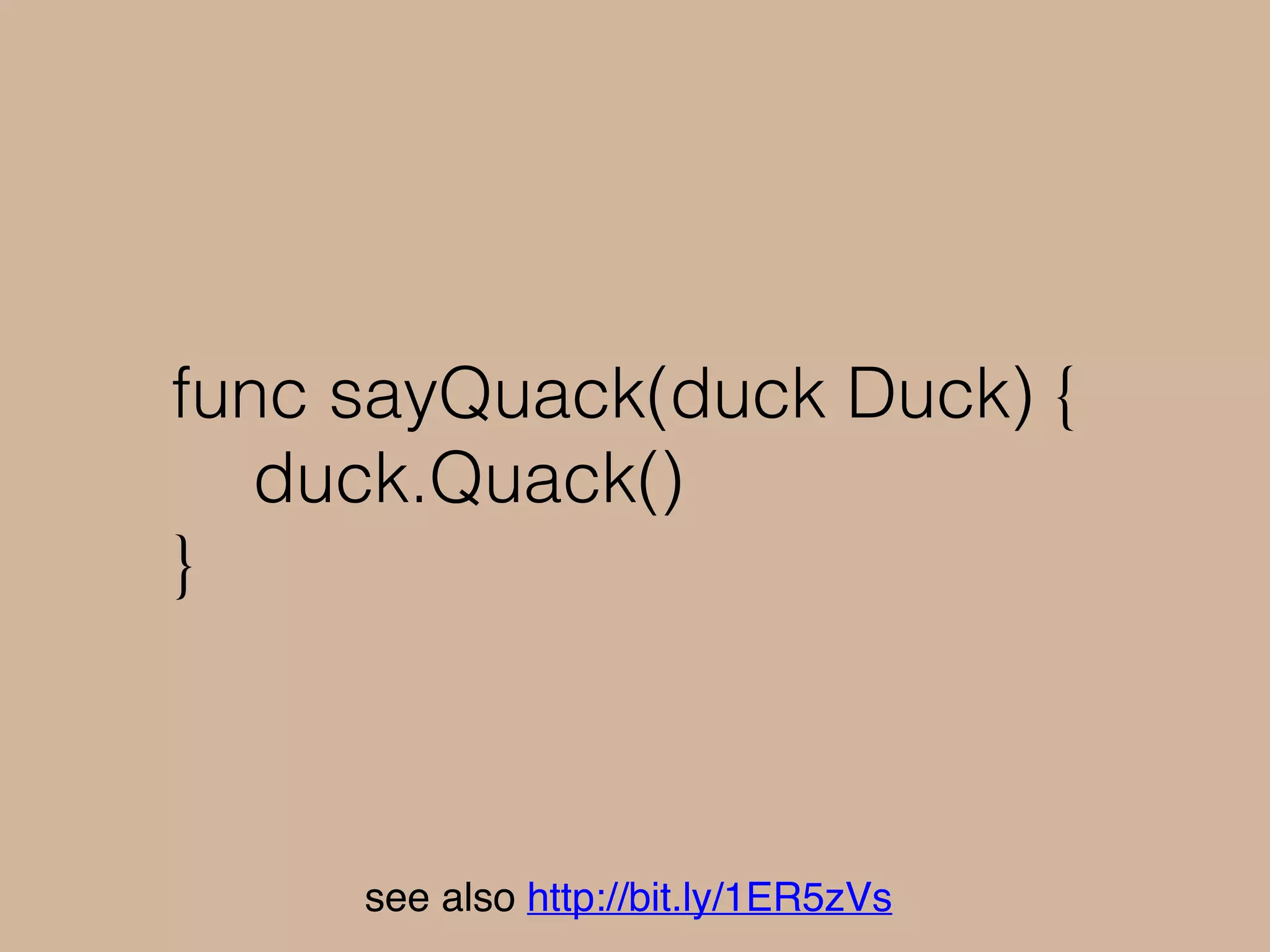
func sayQuack(duck Duck) {
duck.Quack()
}
see also http://bit.ly/1ER5zVs
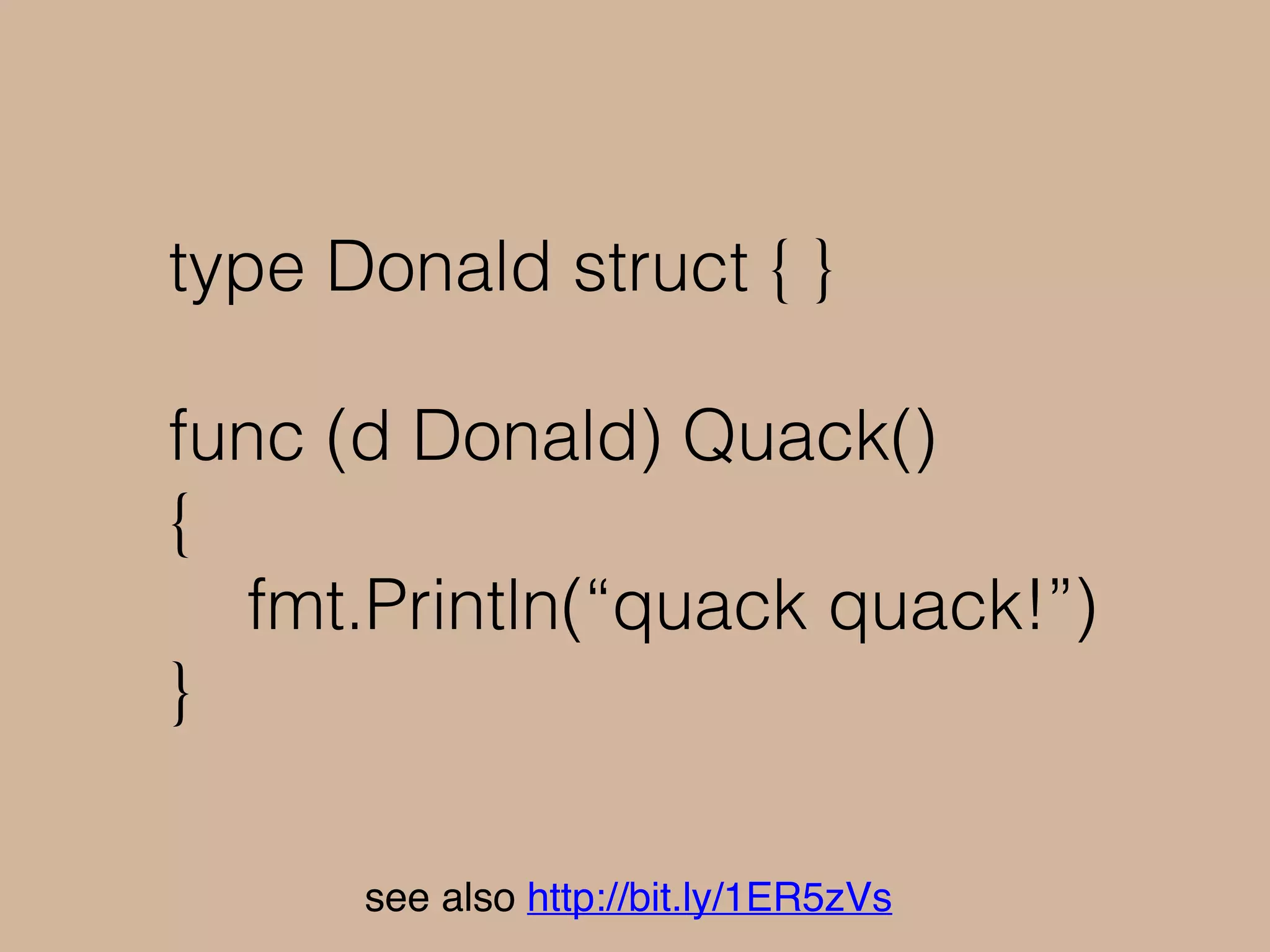
type Donald struct { }
func (d Donald) Quack()
{
fmt.Println(“quack quack!”)
}
see also http://bit.ly/1ER5zVs
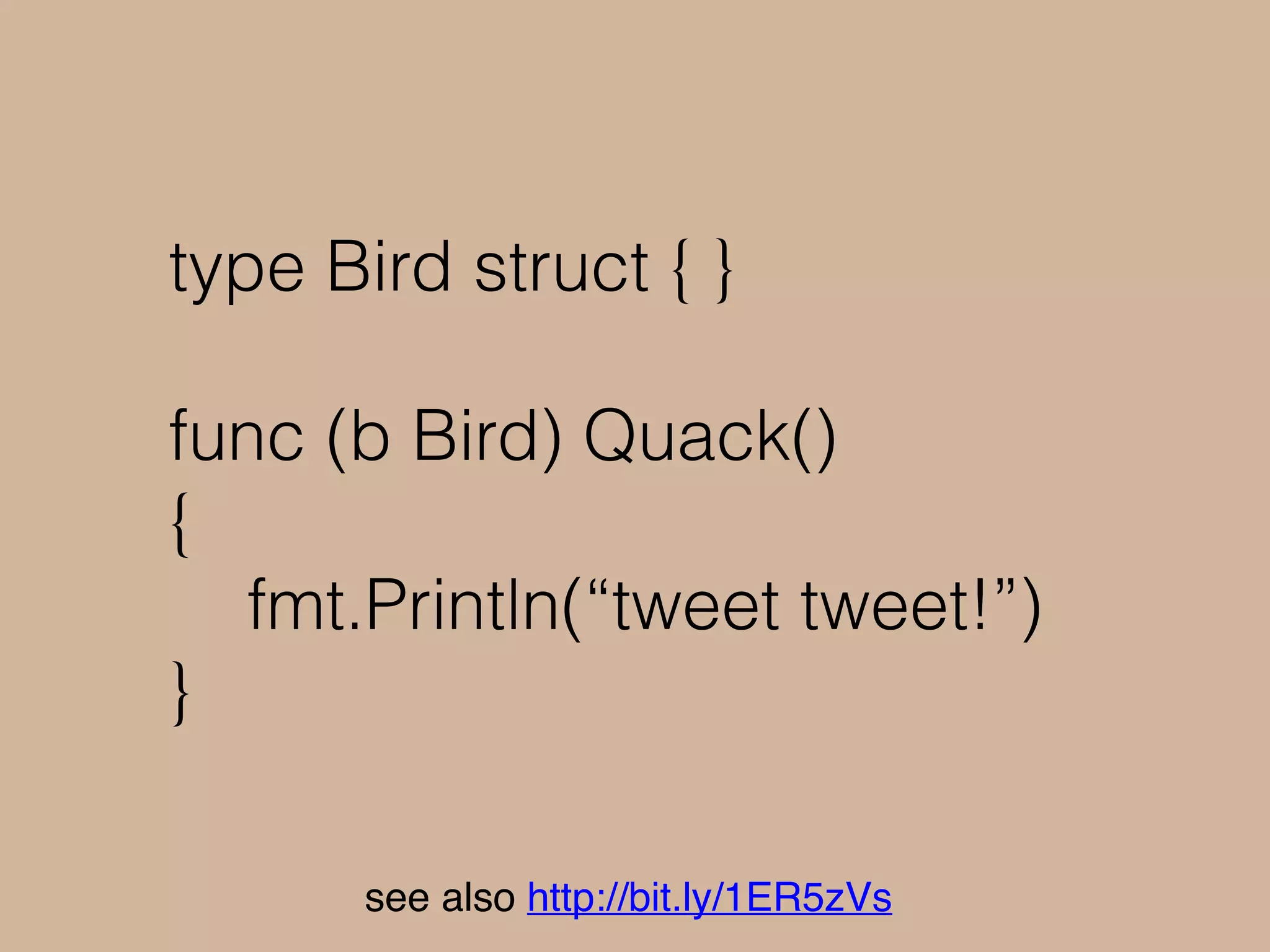
type Bird struct { }
func (b Bird) Quack()
{
fmt.Println(“tweet tweet!”)
}
see also http://bit.ly/1ER5zVs
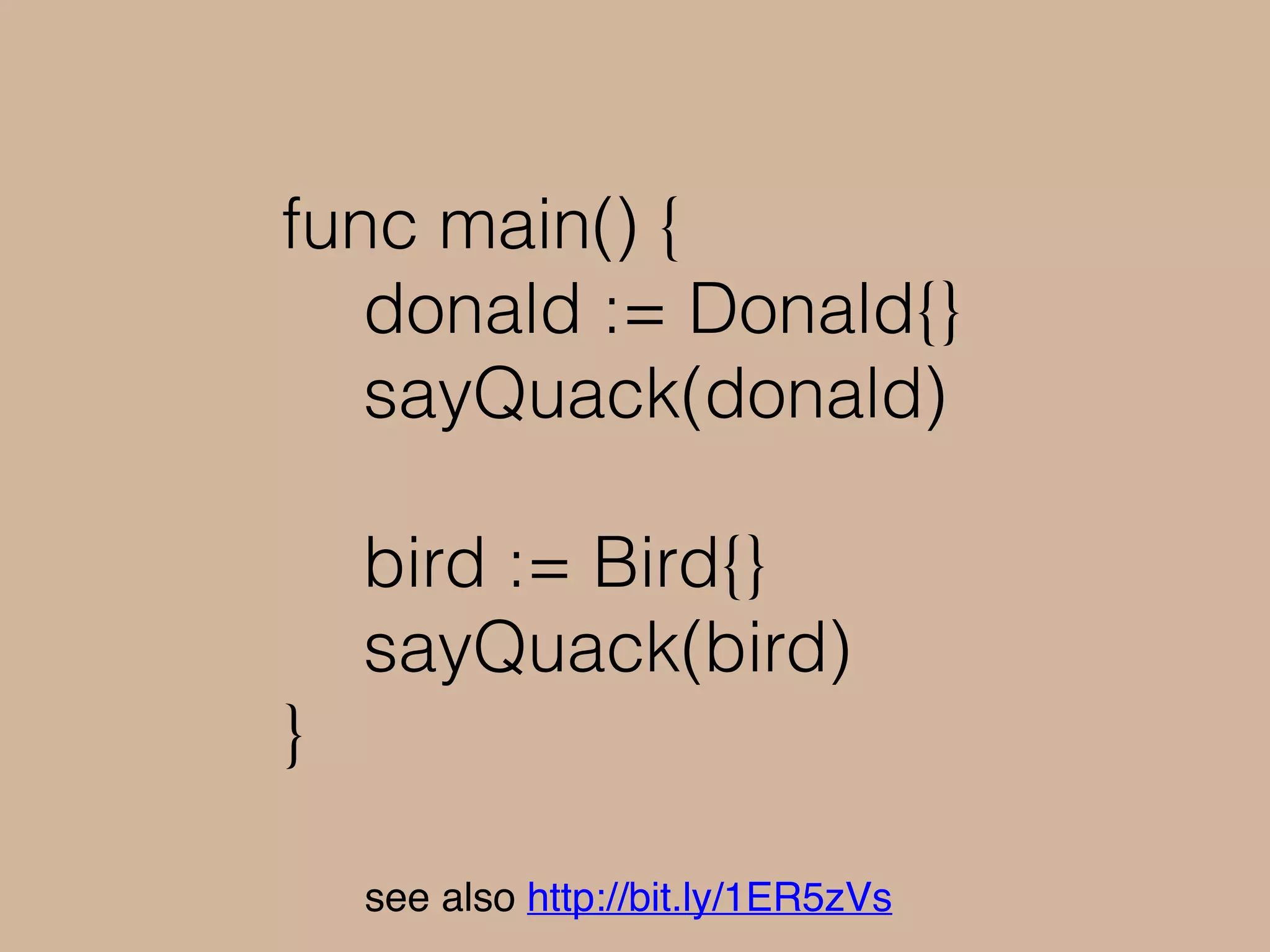
func main() {
donald := Donald{}
sayQuack(donald)
bird := Bird{}
sayQuack(bird)
}
see also http://bit.ly/1ER5zVs
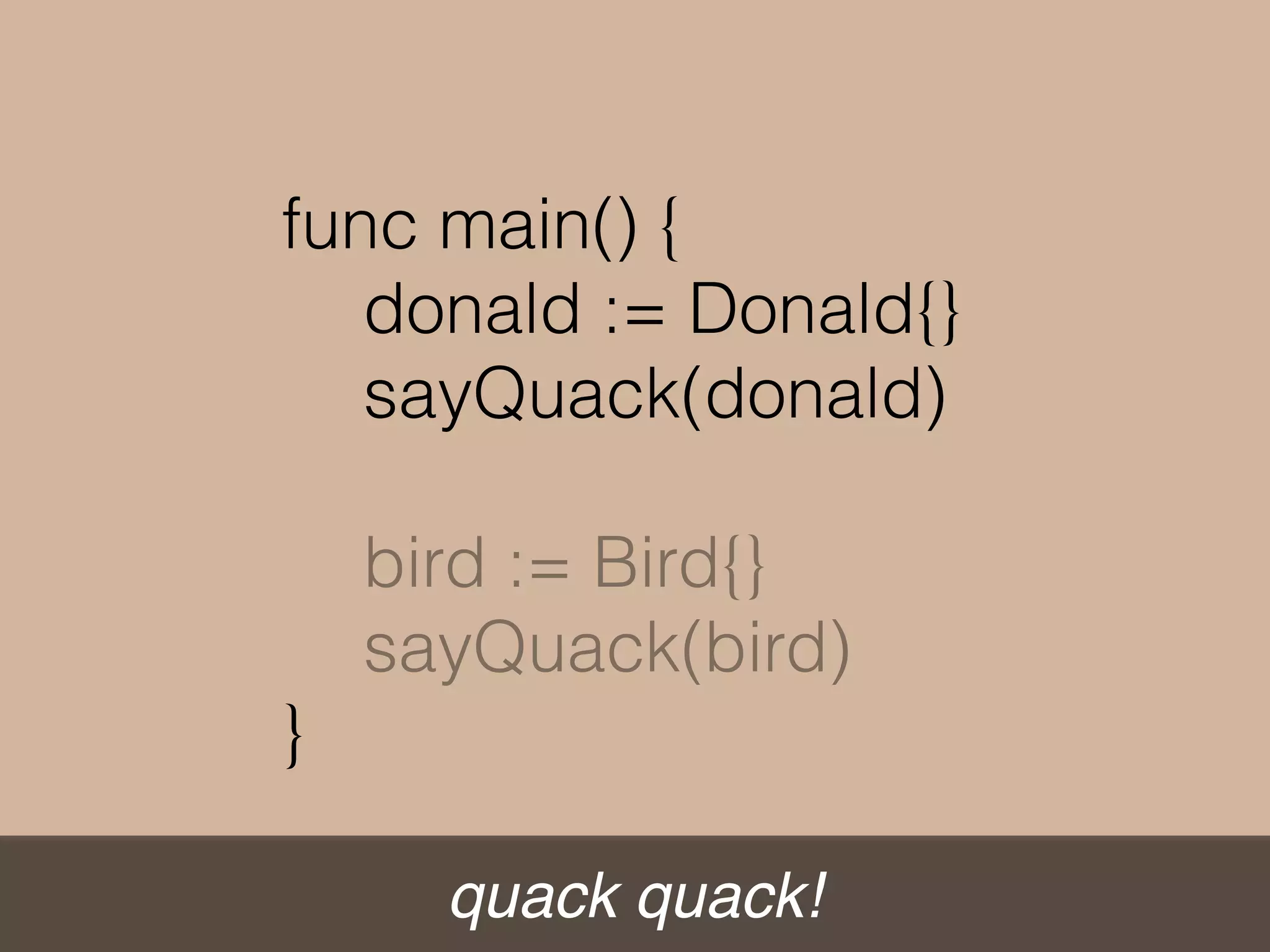
quack quack!
func main() {
donald := Donald{}
sayQuack(donald)
bird := Bird{}
sayQuack(bird)
}
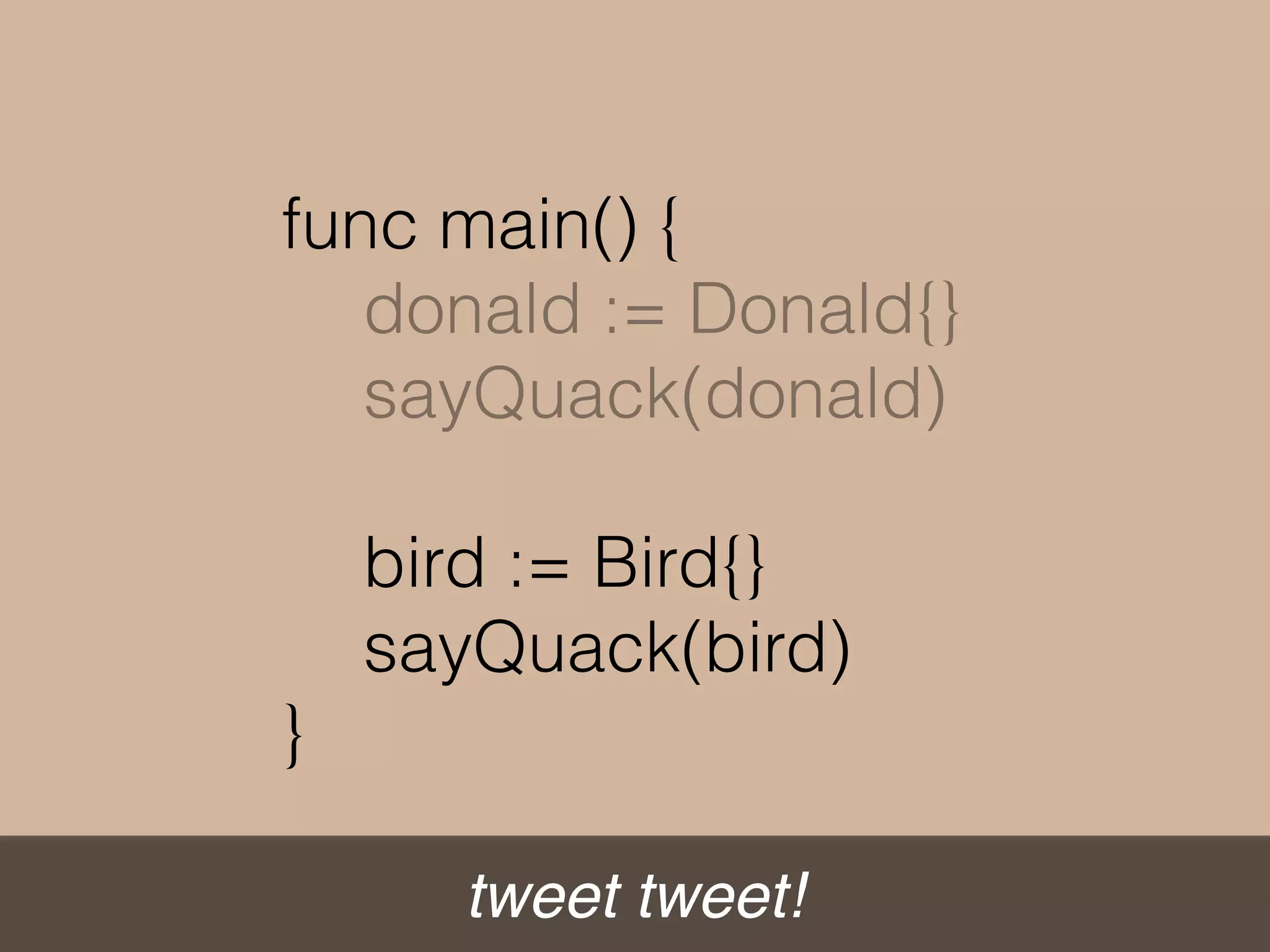
tweet tweet!
func main() {
donald := Donald{}
sayQuack(donald)
bird := Bird{}
sayQuack(bird)
}
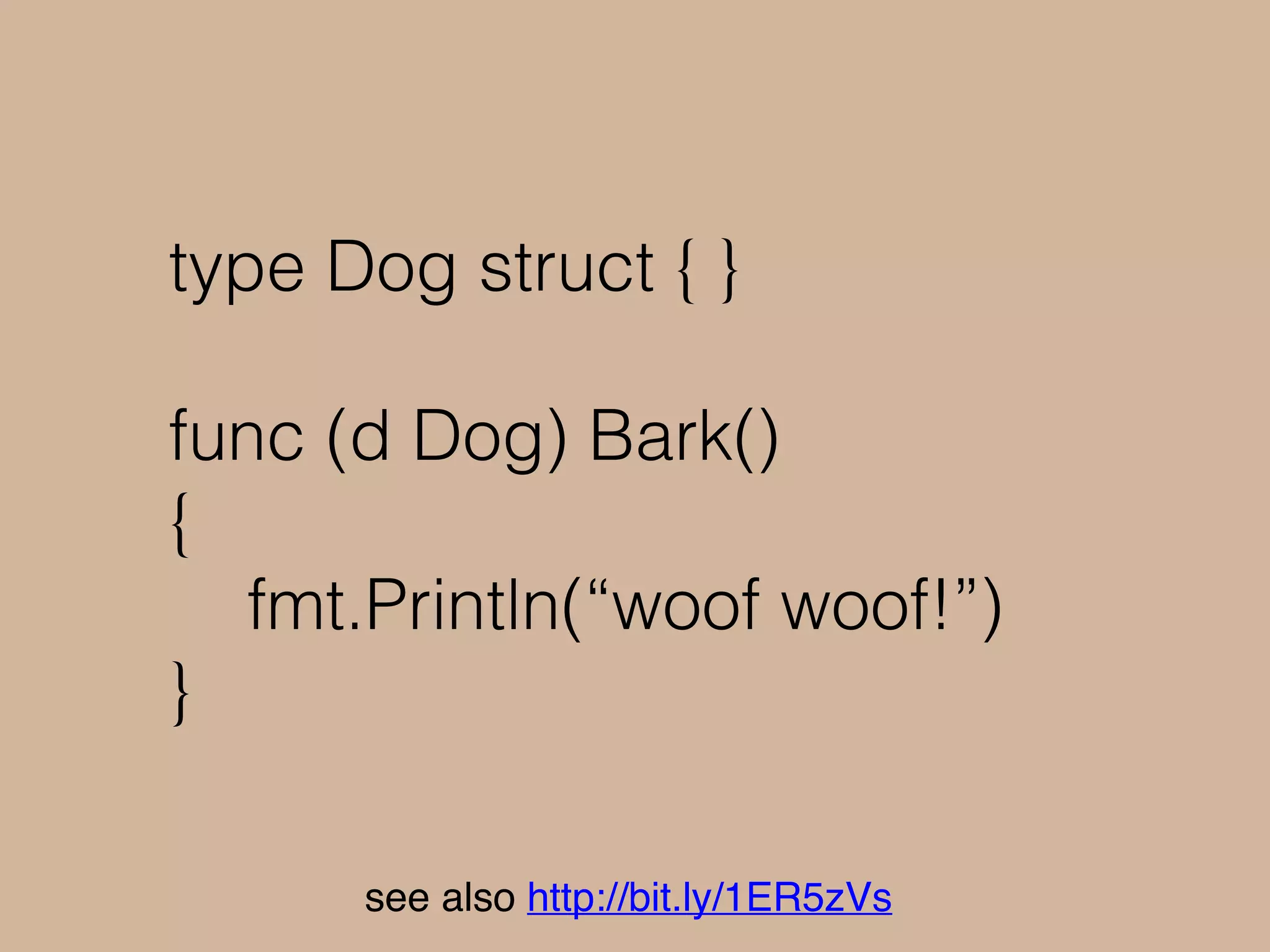
type Dog struct { }
func (d Dog) Bark()
{
fmt.Println(“woof woof!”)
}
see also http://bit.ly/1ER5zVs
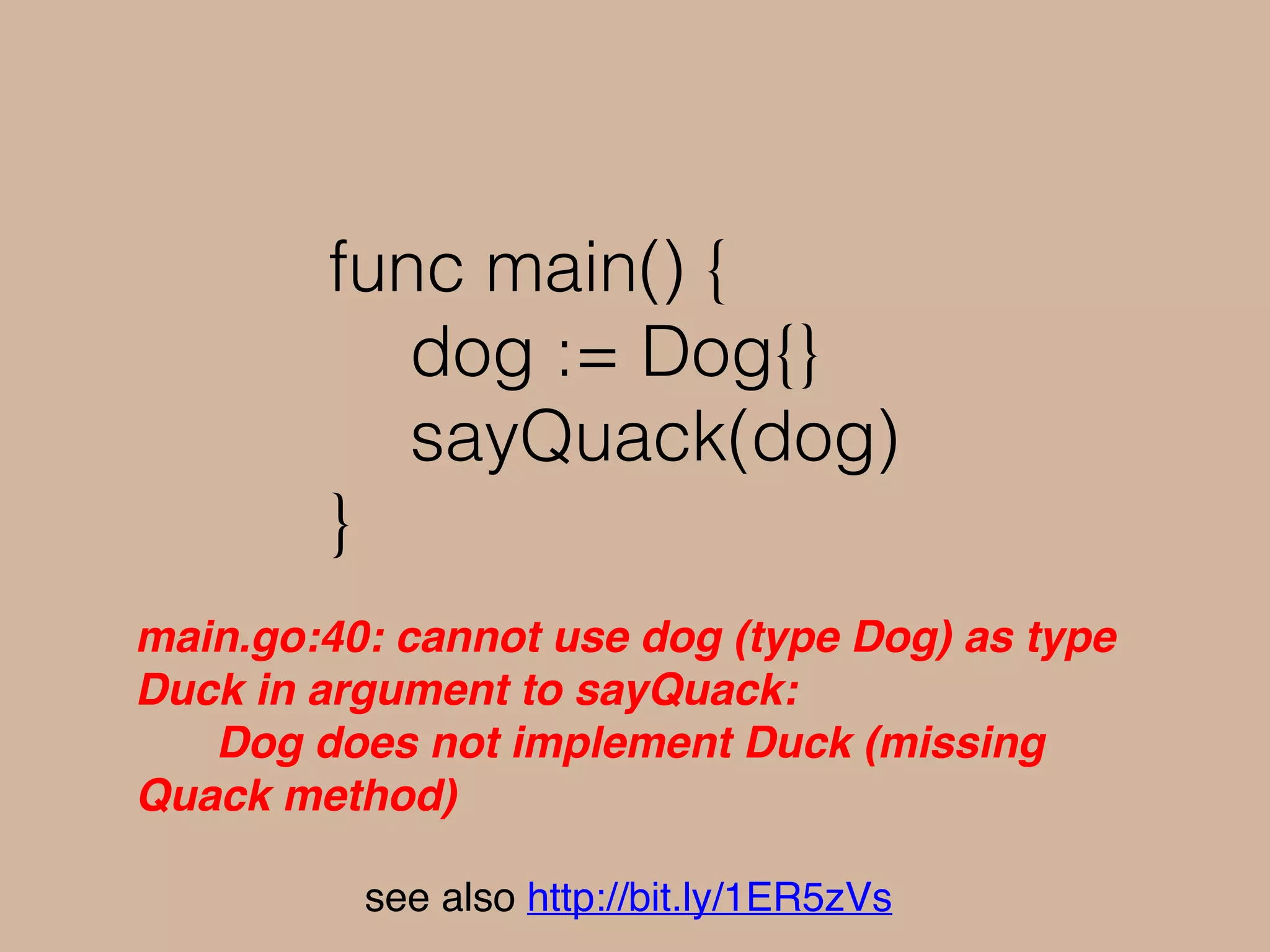
func main() {
dog := Dog{}
sayQuack(dog)
}
main.go:40: cannot use dog (type Dog) as type
Duck in argument to sayQuack:
Dog does not implement Duck (missing
Quack method)
see also http://bit.ly/1ER5zVs
patterns are observed
after the fact
see also http://bit.ly/1ER5zVs
system building is also
a process of learning
and discovery
see also http://bit.ly/1ER5zVs
implementation
package
interface package
see also http://bit.ly/1ER5zVs
encourages precise
interface definitions
see also http://bit.ly/1ER5zVs
Type Provider Pipes
Statically Resolved TP
Implicit Interface
Implementation
Borrowed Pointers Dependent Types
Uniqueness Types
Bit Syntax
Signals
Macros
Unit-of-Measure
Actor Model
Homoiconicity
…homoiconicity is a property of some
programming languages in which the program
structure is similar to its syntax, and therefore
the program’s internal representation can be
inferred by reading the text’s layout…
code is data
data is code
(let [x 1]
(inc x))
see also http://bit.ly/1PpIrjS
(let [x 1]
(inc x))
=> 2
see also http://bit.ly/1PpIrjS
list (1 2 3)
vector [1 2 3]
see also http://bit.ly/1PpIrjS
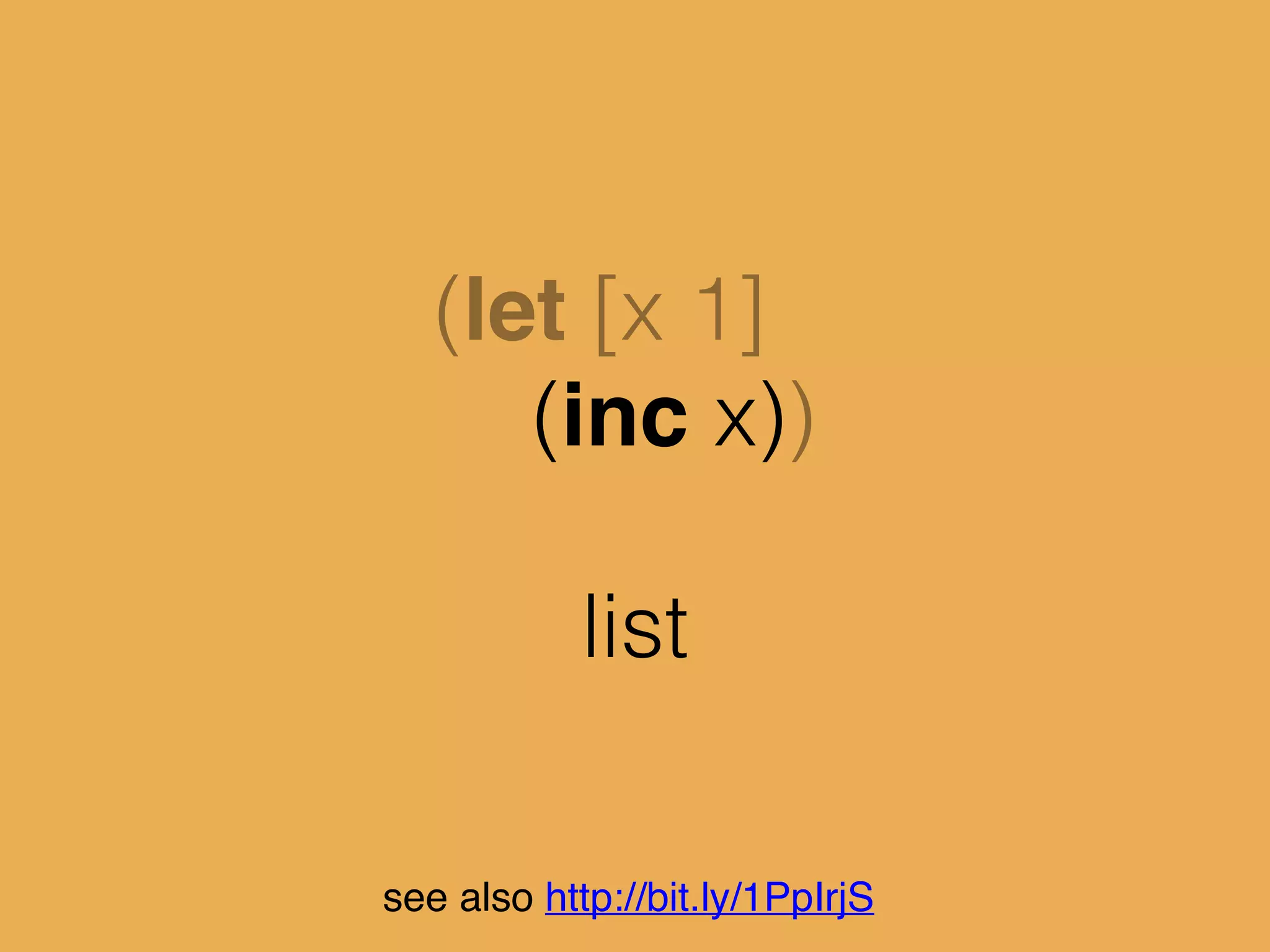
(let [x 1]
(inc x))
list
see also http://bit.ly/1PpIrjS
(let [x 1]
(inc x))
symbol
see also http://bit.ly/1PpIrjS
(let [x 1]
(inc x))
vector
see also http://bit.ly/1PpIrjS
(let [x 1]
(inc x))
list
see also http://bit.ly/1PpIrjS
form :
code as data structure
see also http://bit.ly/1PpIrjS
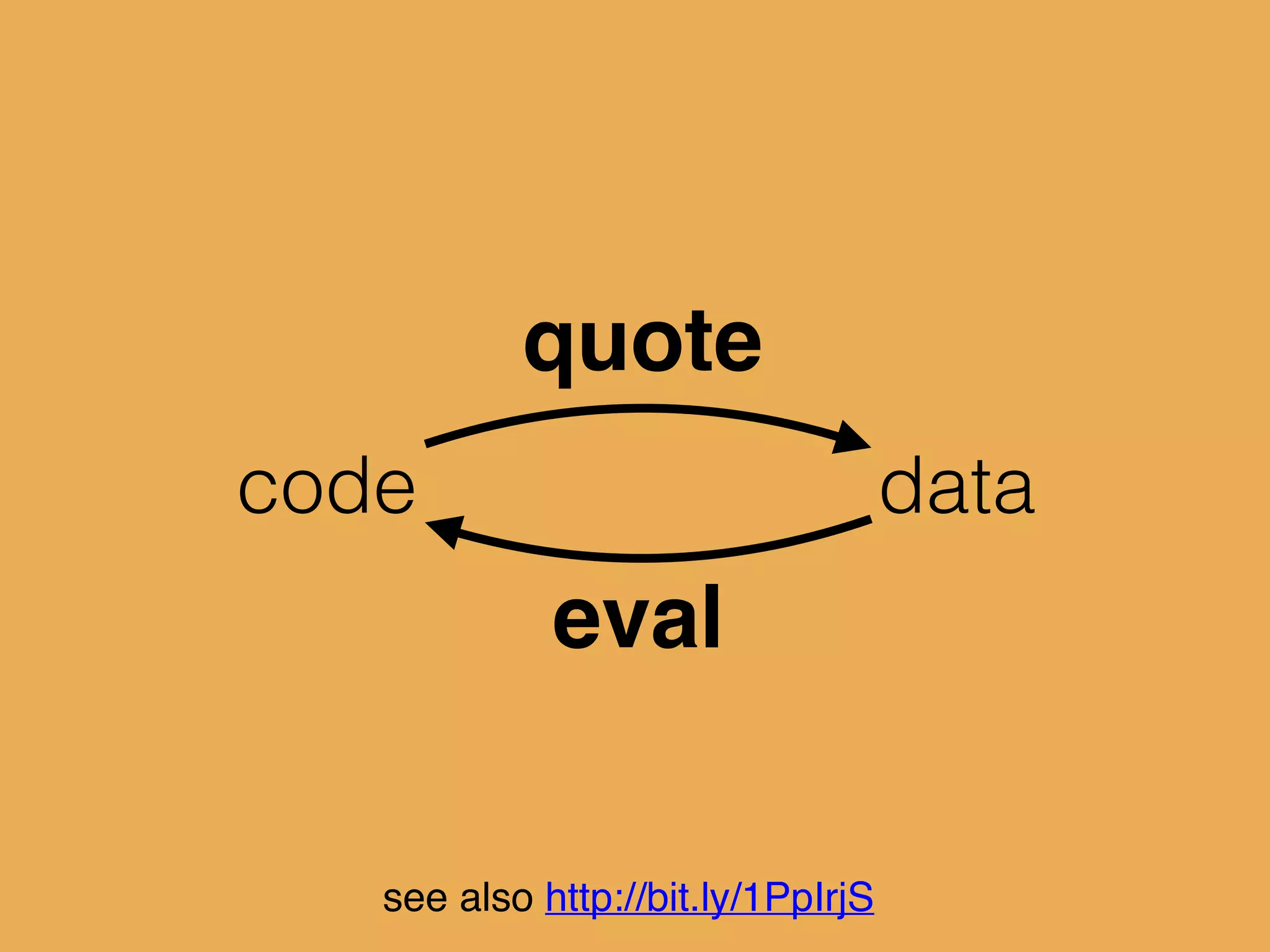
code data
quote
eval
see also http://bit.ly/1PpIrjS
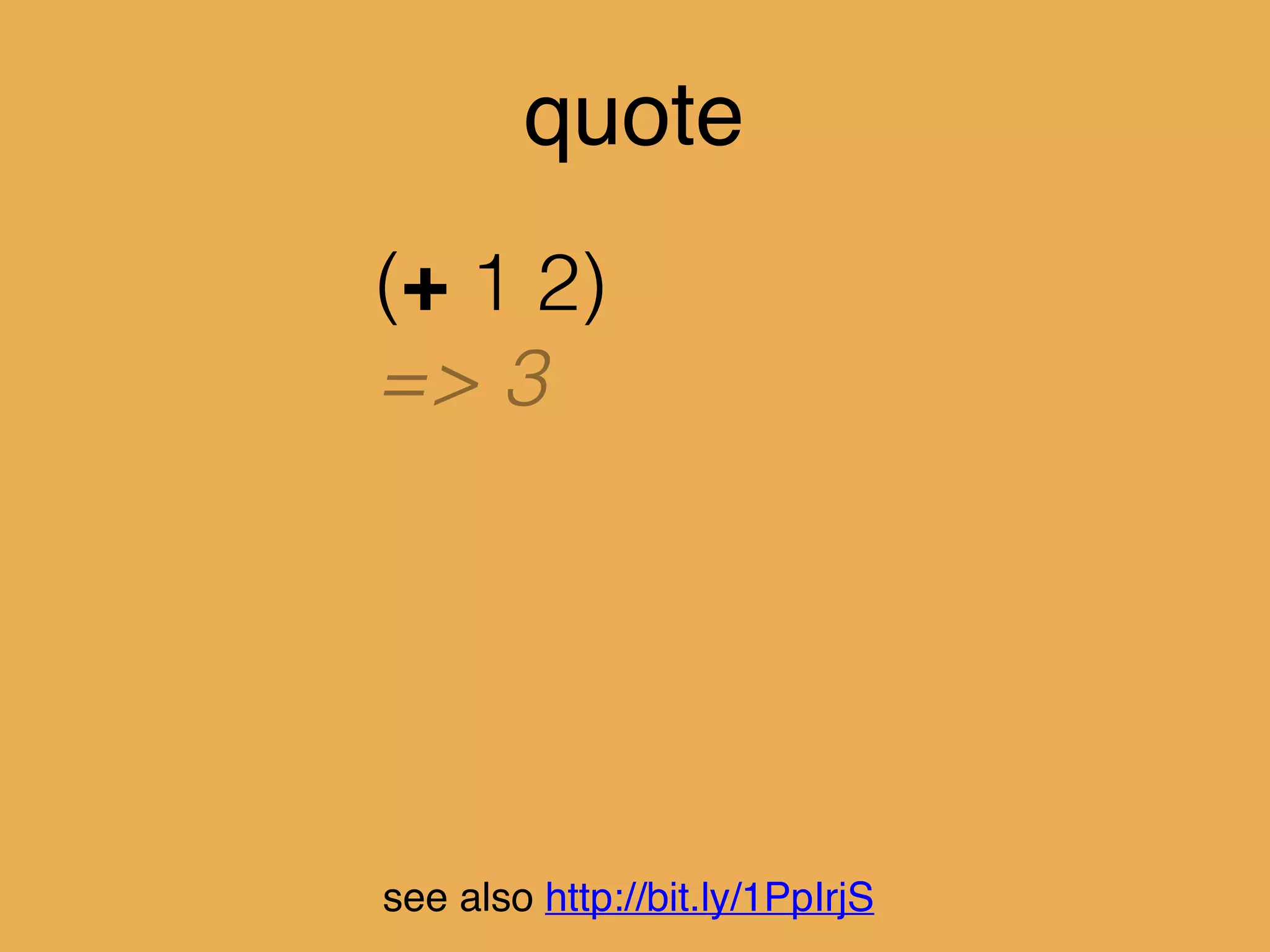
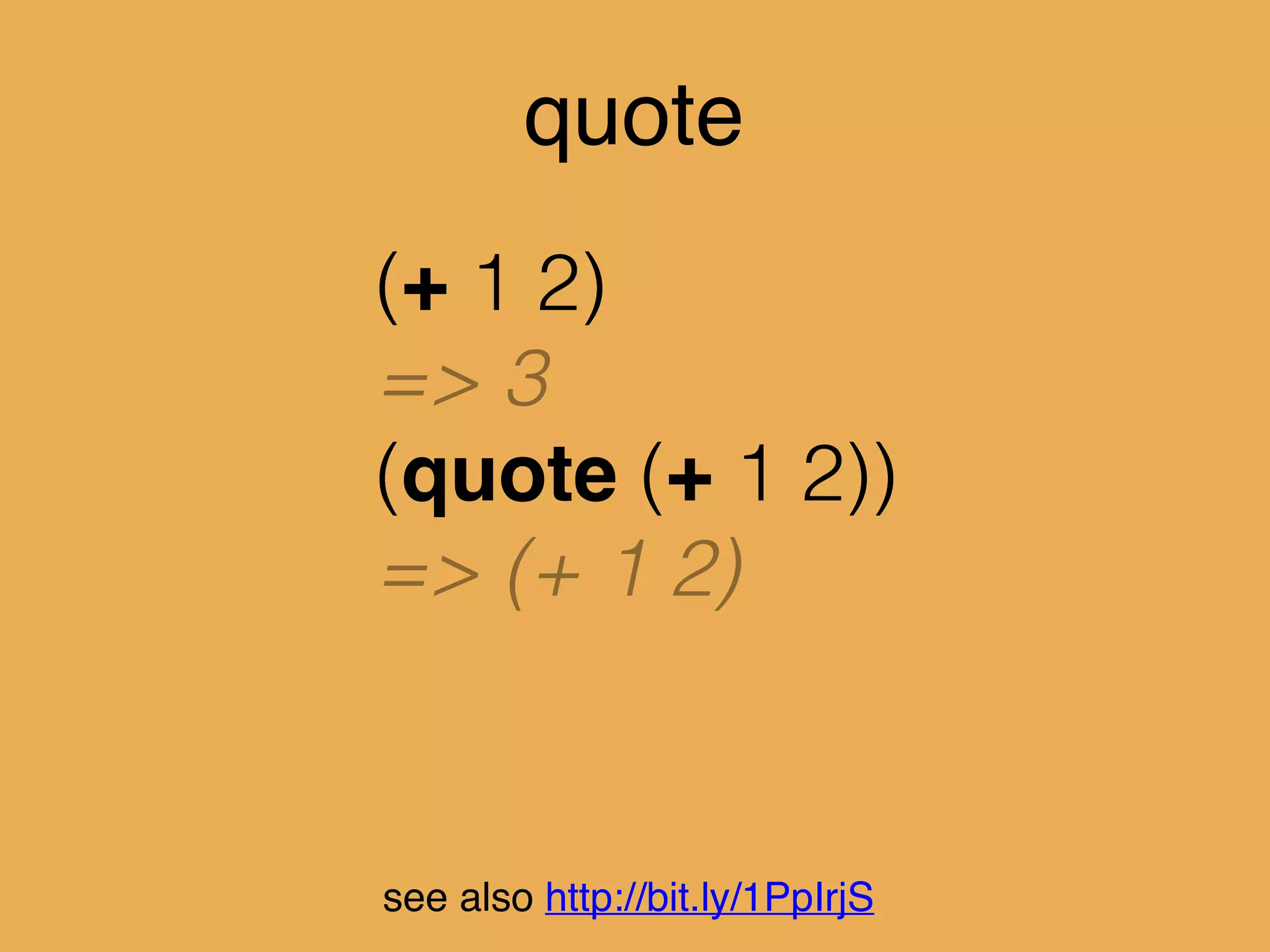
quote
(+ 1 2)
=> 3
see also http://bit.ly/1PpIrjS
quote
(+ 1 2)
=> 3
(quote (+ 1 2))
=> (+ 1 2)
see also http://bit.ly/1PpIrjS
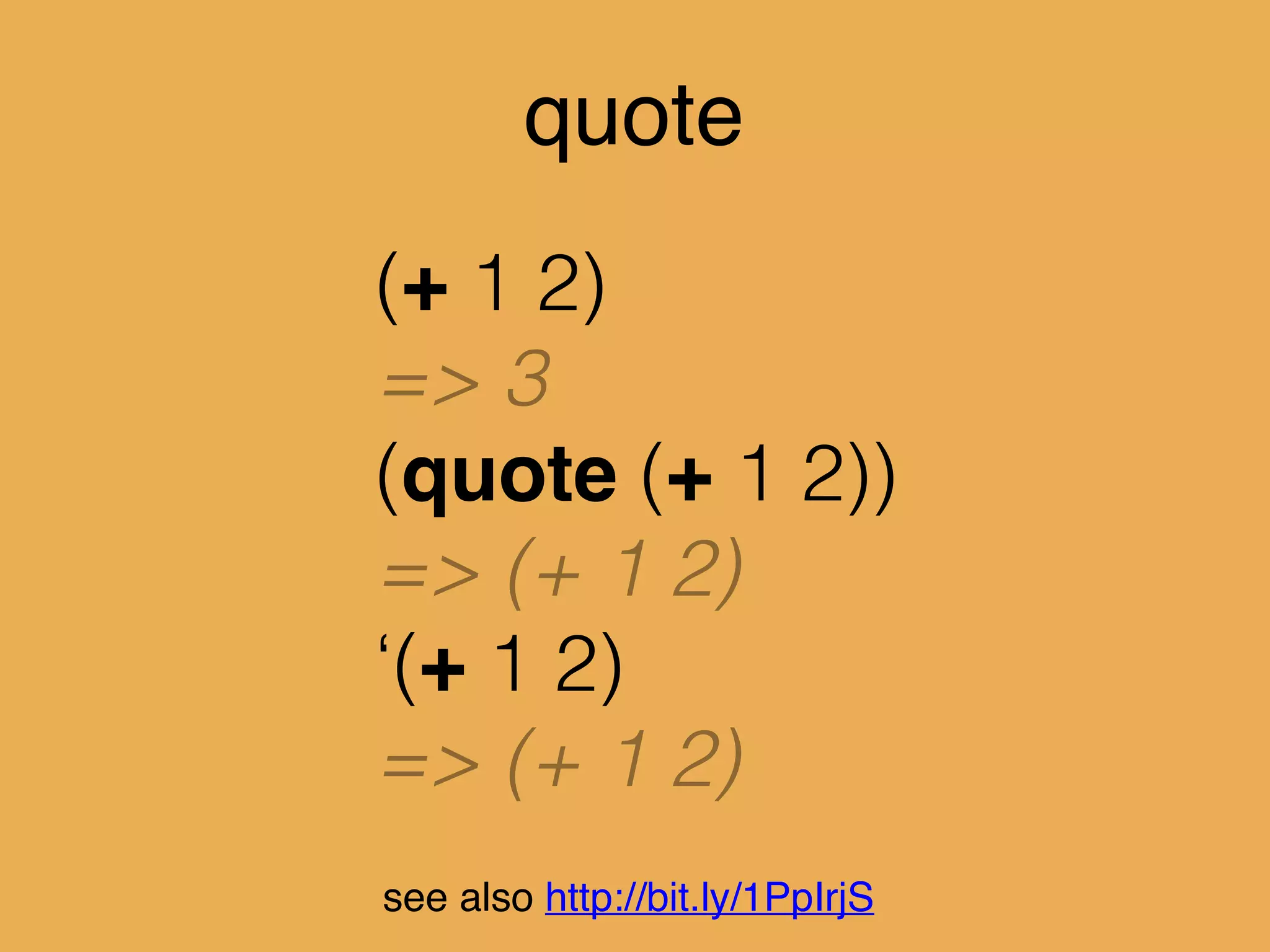
quote
(+ 1 2)
=> 3
(quote (+ 1 2))
=> (+ 1 2)
‘(+ 1 2)
=> (+ 1 2)
see also http://bit.ly/1PpIrjS
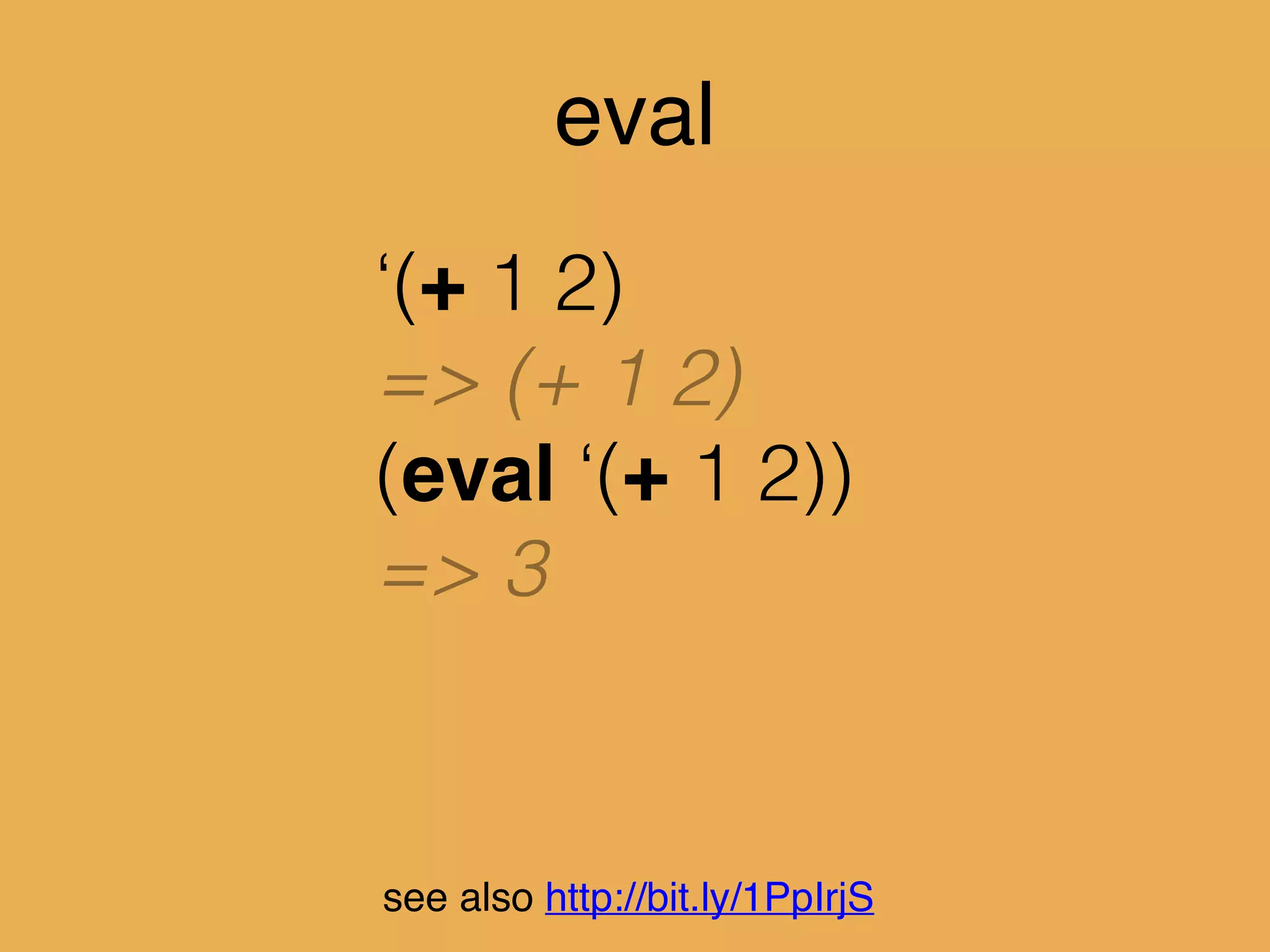
eval
‘(+ 1 2)
=> (+ 1 2)
(eval ‘(+ 1 2))
=> 3
see also http://bit.ly/1PpIrjS
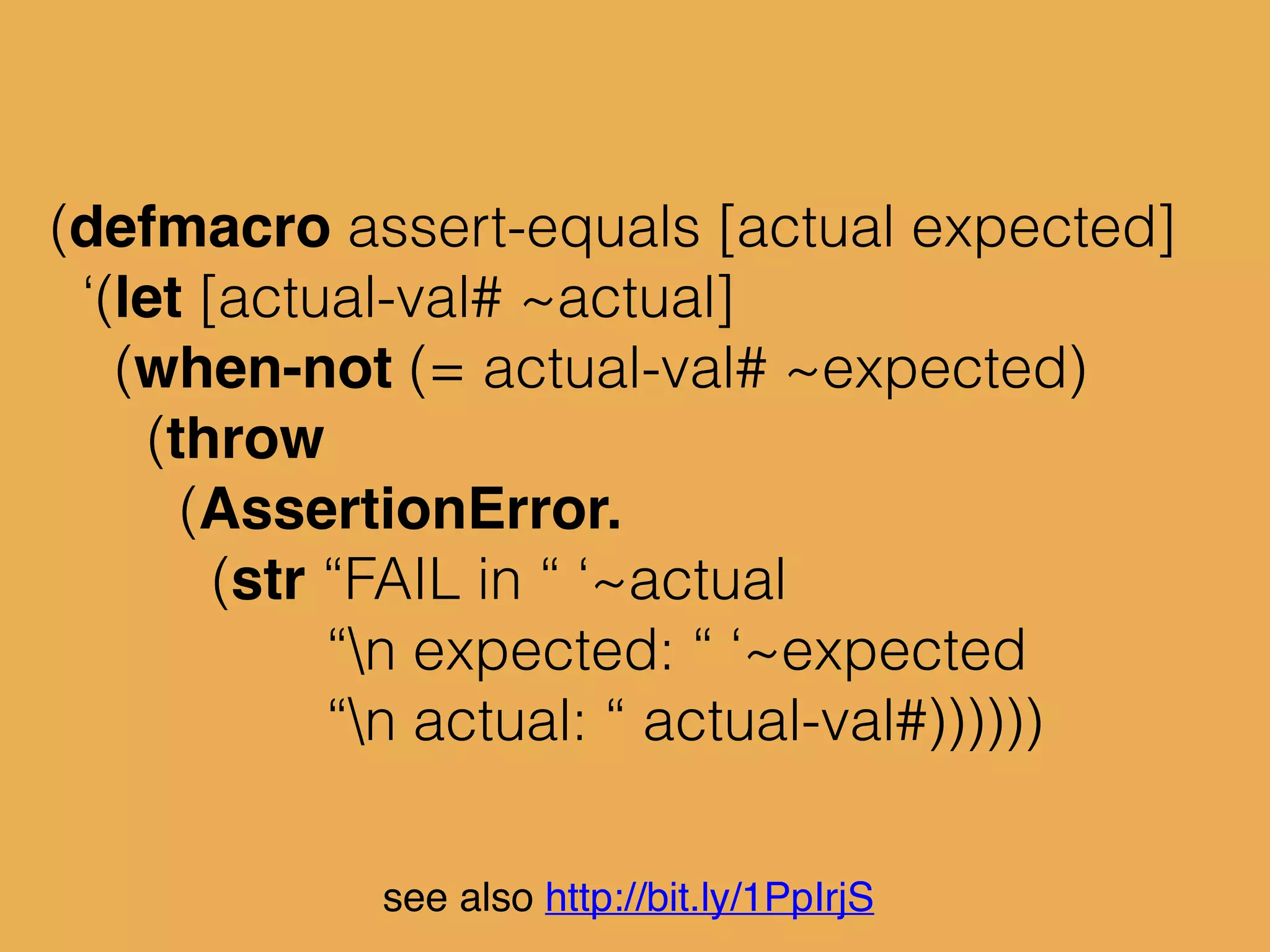
macros
(defmacro assert-equals [actual expected]
‘(let [actual-val# ~actual]
(when-not (= actual-val# ~expected)
(throw
(AssertionError.
(str “FAIL in “ ‘~actual
“n expected: “ ‘~expected
“n actual: “ actual-val#))))))
see also http://bit.ly/1PpIrjS
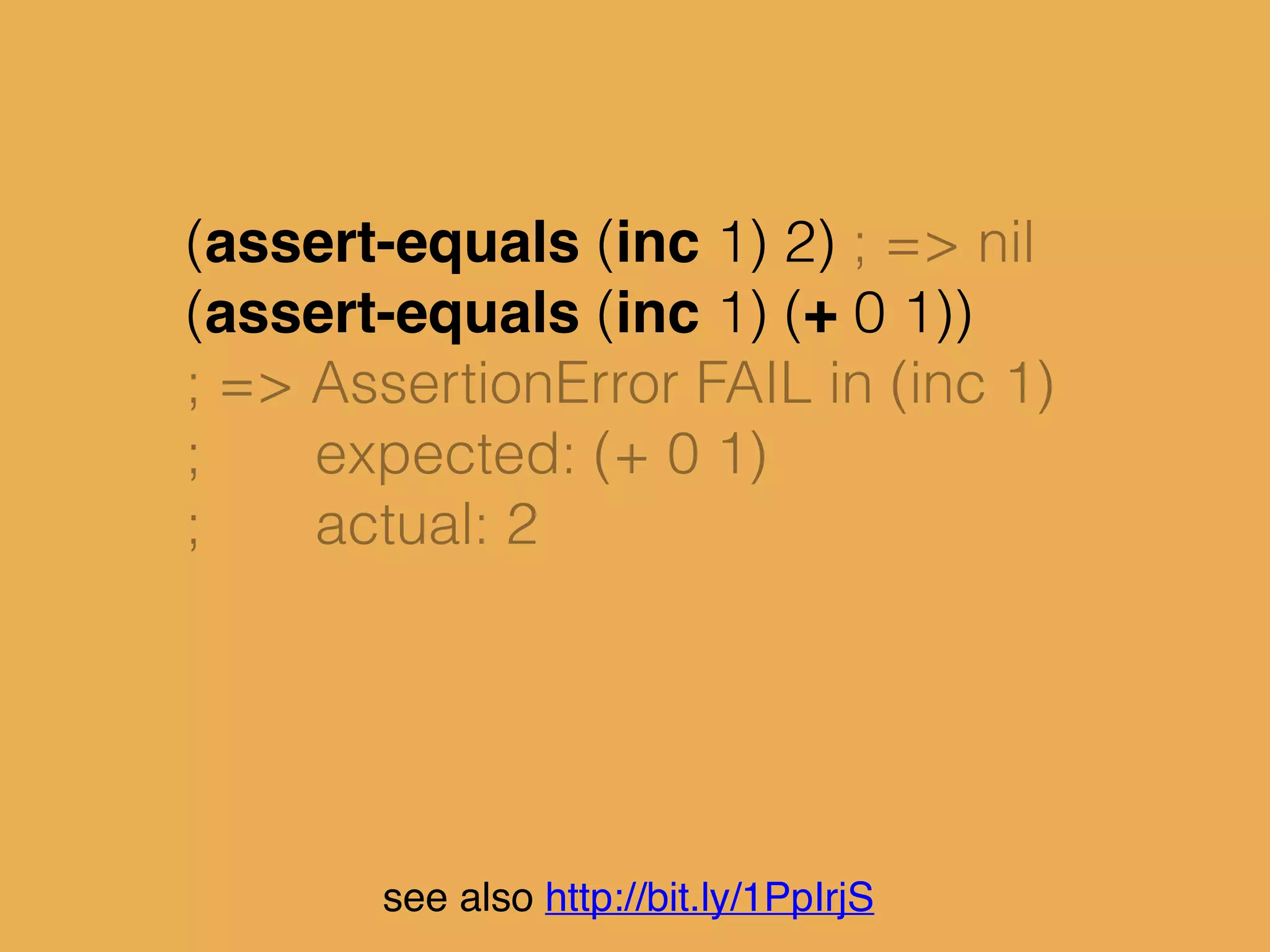
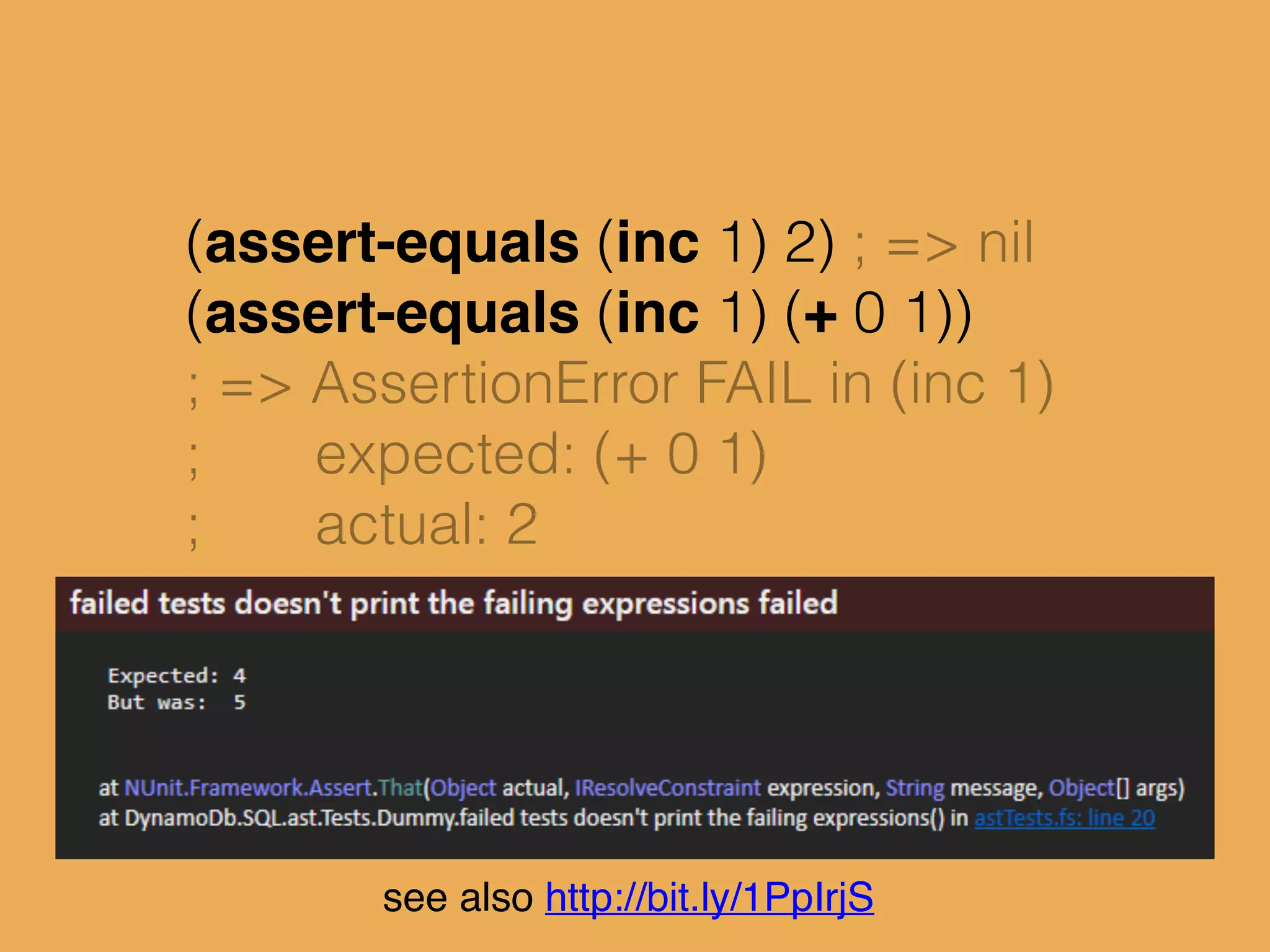
(assert-equals (inc 1) 2) ; => nil
(assert-equals (inc 1) (+ 0 1))
; => AssertionError FAIL in (inc 1)
; expected: (+ 0 1)
; actual: 2
see also http://bit.ly/1PpIrjS
(assert-equals (inc 1) 2) ; => nil
(assert-equals (inc 1) (+ 0 1))
; => AssertionError FAIL in (inc 1)
; expected: (+ 0 1)
; actual: 2
see also http://bit.ly/1PpIrjS
(assert-equals (inc 1) 2) ; => nil
(assert-equals (inc 1) (+ 0 1))
; => AssertionError FAIL in (inc 1)
; expected: (+ 0 1)
; actual: 2
see also http://bit.ly/1PpIrjS
huh?? where? what? how?
(defmacro assert-equals [actual expected]
‘(let [actual-val# ~actual]
(when-not (= actual-val# ~expected)
(throw
(AssertionError.
(str “FAIL in “ ‘~actual
“n expected: “ ‘~expected
“n actual: “ actual-val#))))))
(assert-equals (inc 1) (+ 0 1))
see also http://bit.ly/1PpIrjS
(defmacro assert-equals [actual expected]
‘(let [actual-val# ~actual]
(when-not (= actual-val# ~expected)
(throw
(AssertionError.
(str “FAIL in “ ‘~actual
“n expected: “ ‘~expected
“n actual: “ actual-val#))))))
(assert-equals (inc 1) (+ 0 1))
see also http://bit.ly/1PpIrjS
(defmacro assert-equals [actual expected]
‘(let [actual-val# ~actual]
(when-not (= actual-val# ~expected)
(throw
(AssertionError.
(str “FAIL in “ ‘~actual
“n expected: “ ‘~expected
“n actual: “ actual-val#))))))
(assert-equals (inc 1) (+ 0 1))
see also http://bit.ly/1PpIrjS
(defmacro assert-equals [actual expected]
‘(let [actual-val# ~actual]
(when-not (= actual-val# ~expected)
(throw
(AssertionError.
(str “FAIL in “ ‘~actual
“n expected: “ ‘~expected
“n actual: “ actual-val#))))))
see also http://bit.ly/1PpIrjS
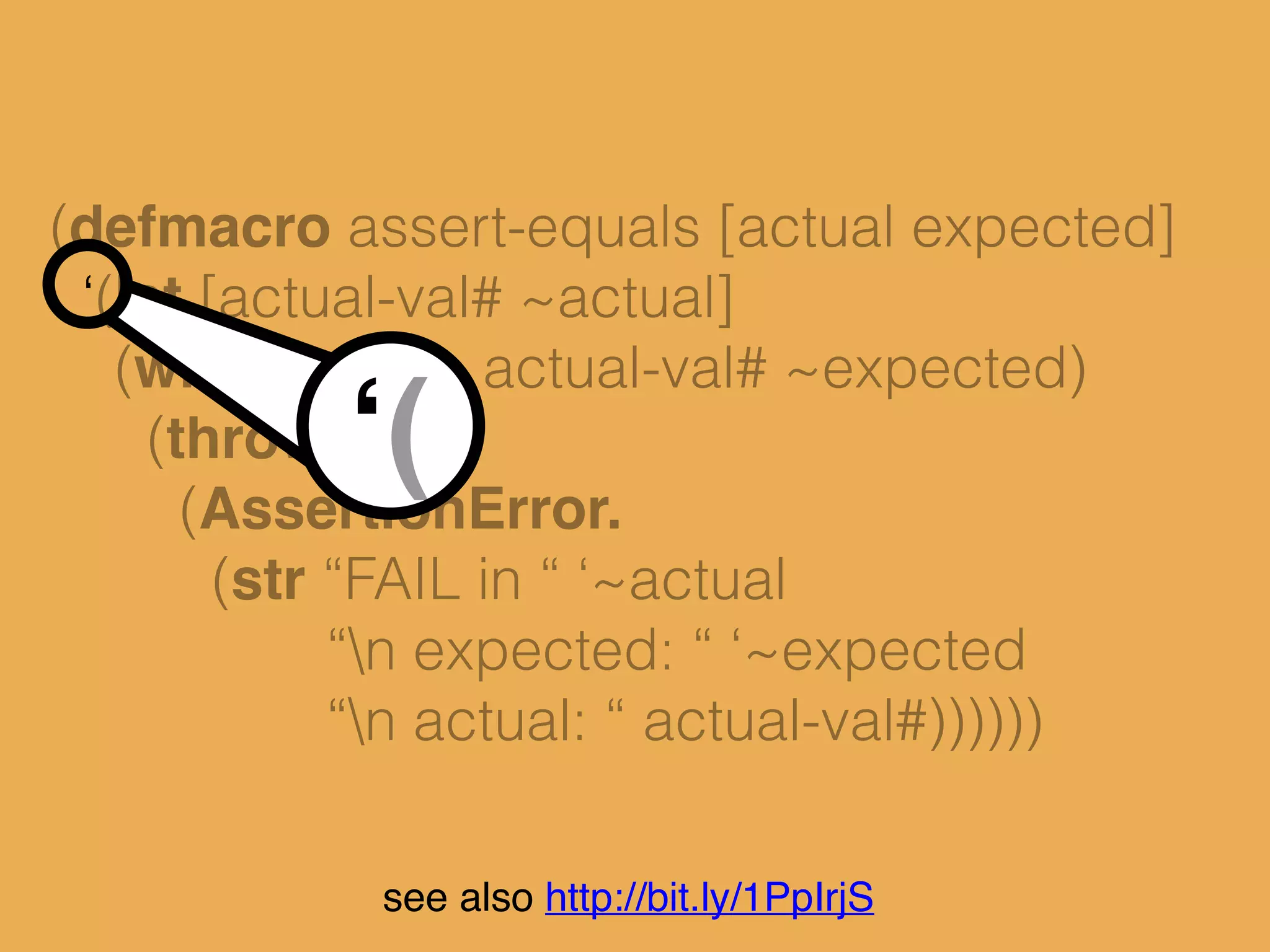
(defmacro assert-equals [actual expected]
‘(let [actual-val# ~actual]
(when-not (= actual-val# ~expected)
(throw
(AssertionError.
(str “FAIL in “ ‘~actual
“n expected: “ ‘~expected
“n actual: “ actual-val#))))))
‘(
expanded at
compile time
see also http://bit.ly/1PpIrjS
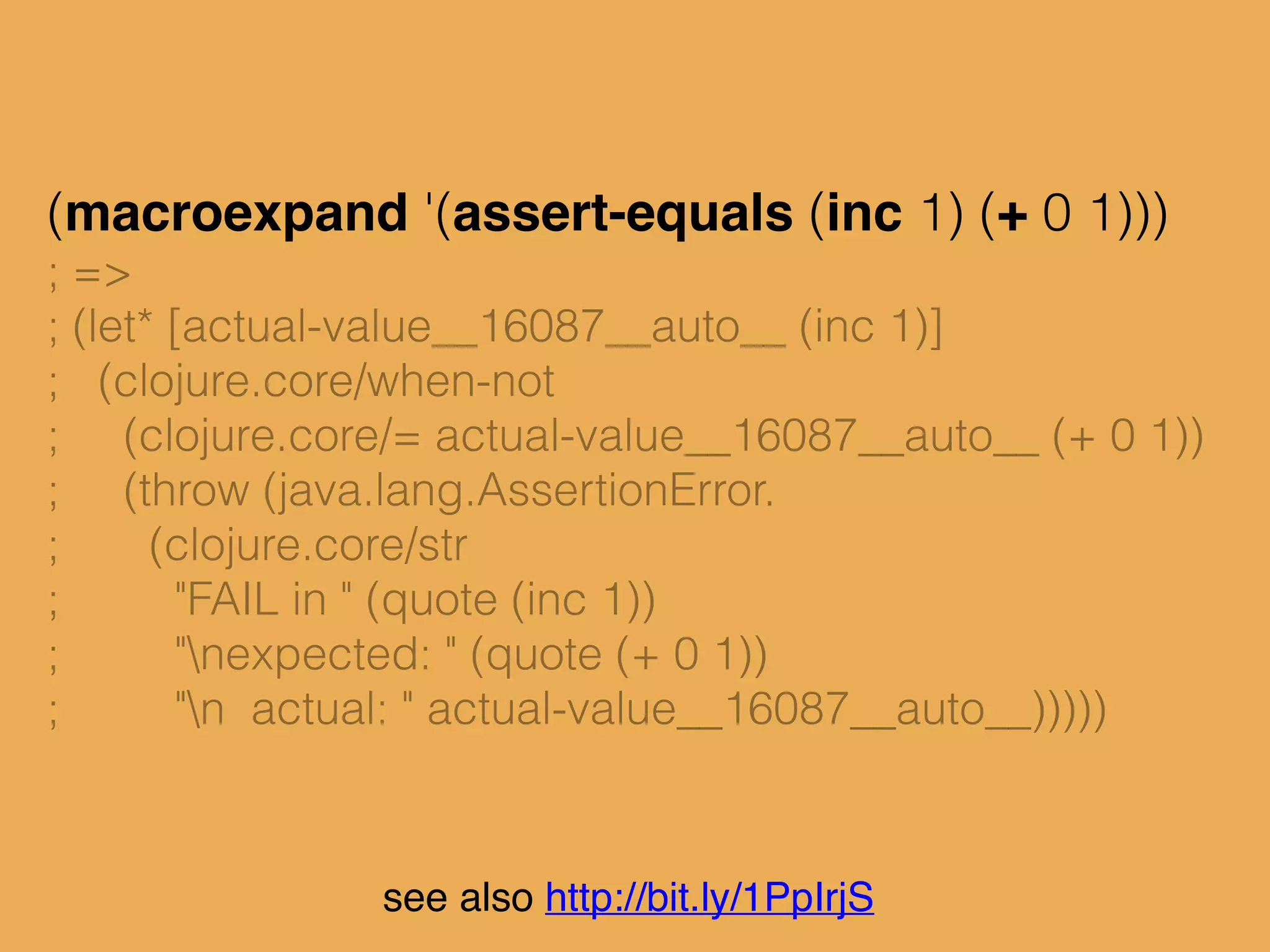
(macroexpand '(assert-equals (inc 1) (+ 0 1)))
; =>
; (let* [actual-value__16087__auto__ (inc 1)]
; (clojure.core/when-not
; (clojure.core/= actual-value__16087__auto__ (+ 0 1))
; (throw (java.lang.AssertionError.
; (clojure.core/str
; "FAIL in " (quote (inc 1))
; "nexpected: " (quote (+ 0 1))
; "n actual: " actual-value__16087__auto__)))))
Type Provider Pipes
Statically Resolved TP
Implicit Interface
Implementation
Borrowed Pointers Dependent Types
Uniqueness Types
Bit Syntax
Signals
Macros
Unit-of-Measure
Actor Model
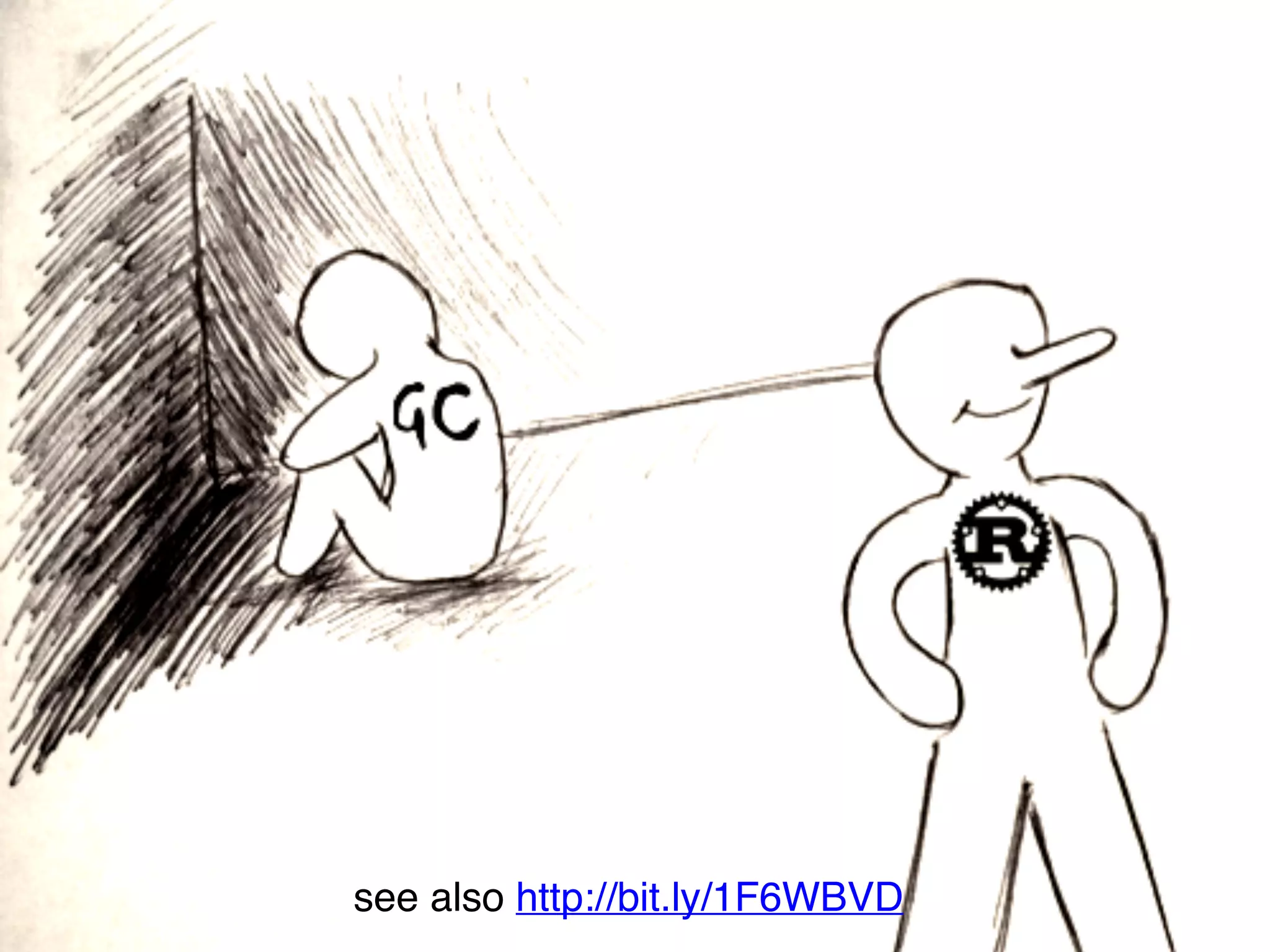
GC is great
runtime cost
ownership
see also http://bit.ly/1F6WBVD
memory safety
without GC
see also http://bit.ly/1F6WBVD
ZERO
runtime cost
see also http://bit.ly/1F6WBVD
safety + speed
see also http://bit.ly/1F6WBVD
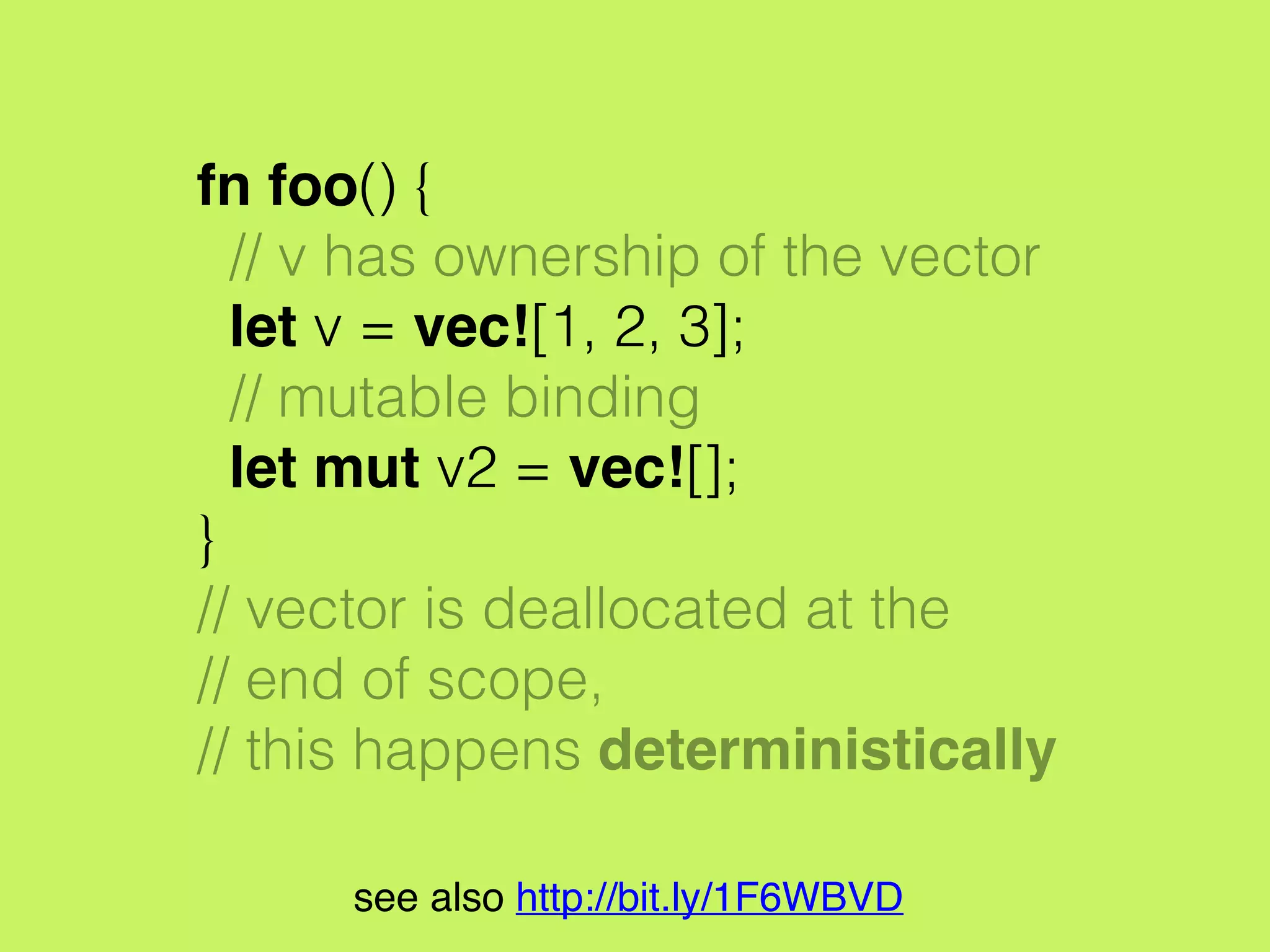
fn foo() {
// v has ownership of the vector
let v = vec![1, 2, 3];
// mutable binding
let mut v2 = vec![];
}
// vector is deallocated at the
// end of scope,
// this happens deterministically
see also http://bit.ly/1F6WBVD
immutable by default
see also http://bit.ly/1F6WBVD
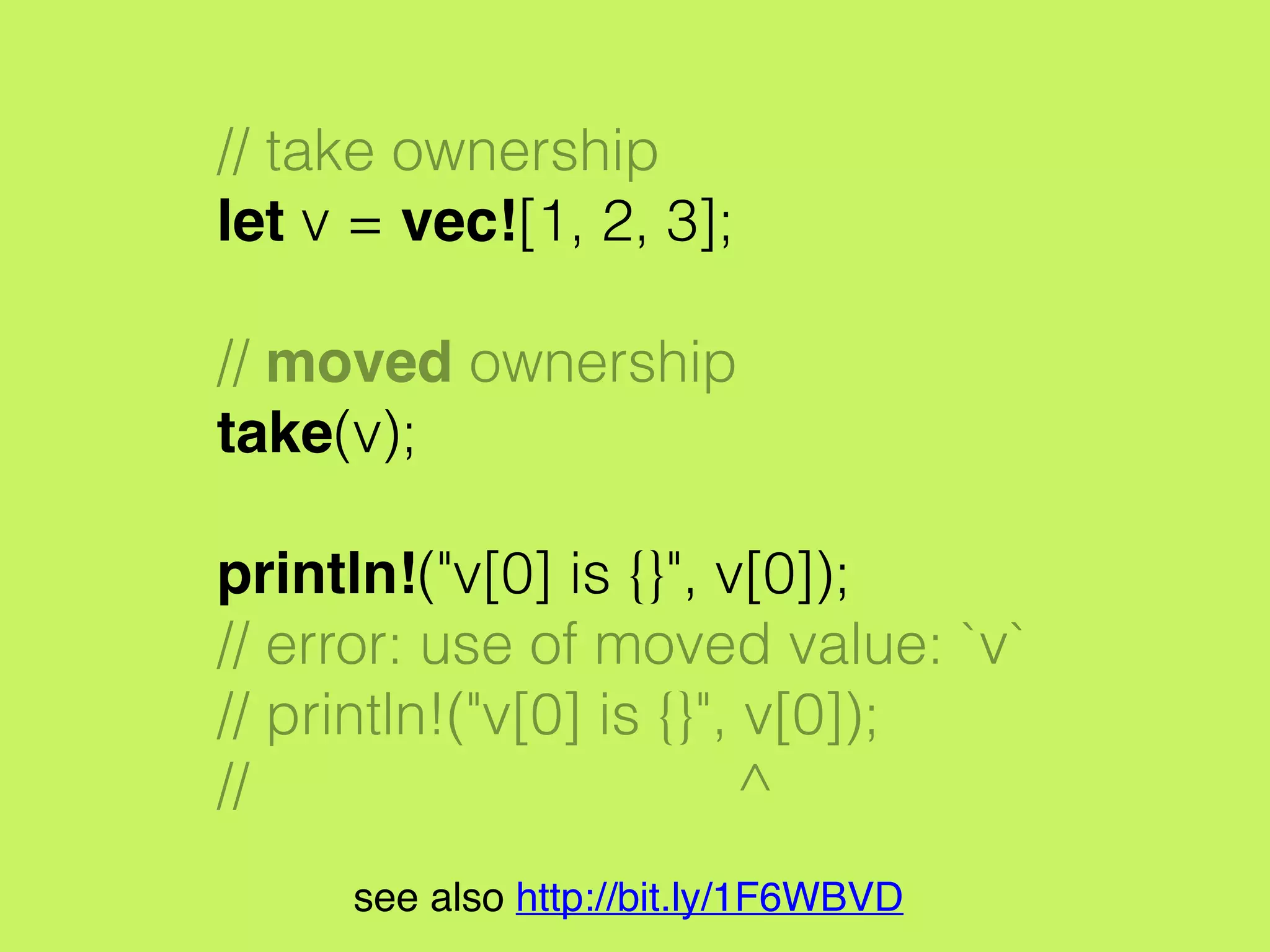
// take ownership
let v = vec![1, 2, 3];
see also http://bit.ly/1F6WBVD
// take ownership
let v = vec![1, 2, 3];
// moved ownership to v2
let v2 = v;
see also http://bit.ly/1F6WBVD
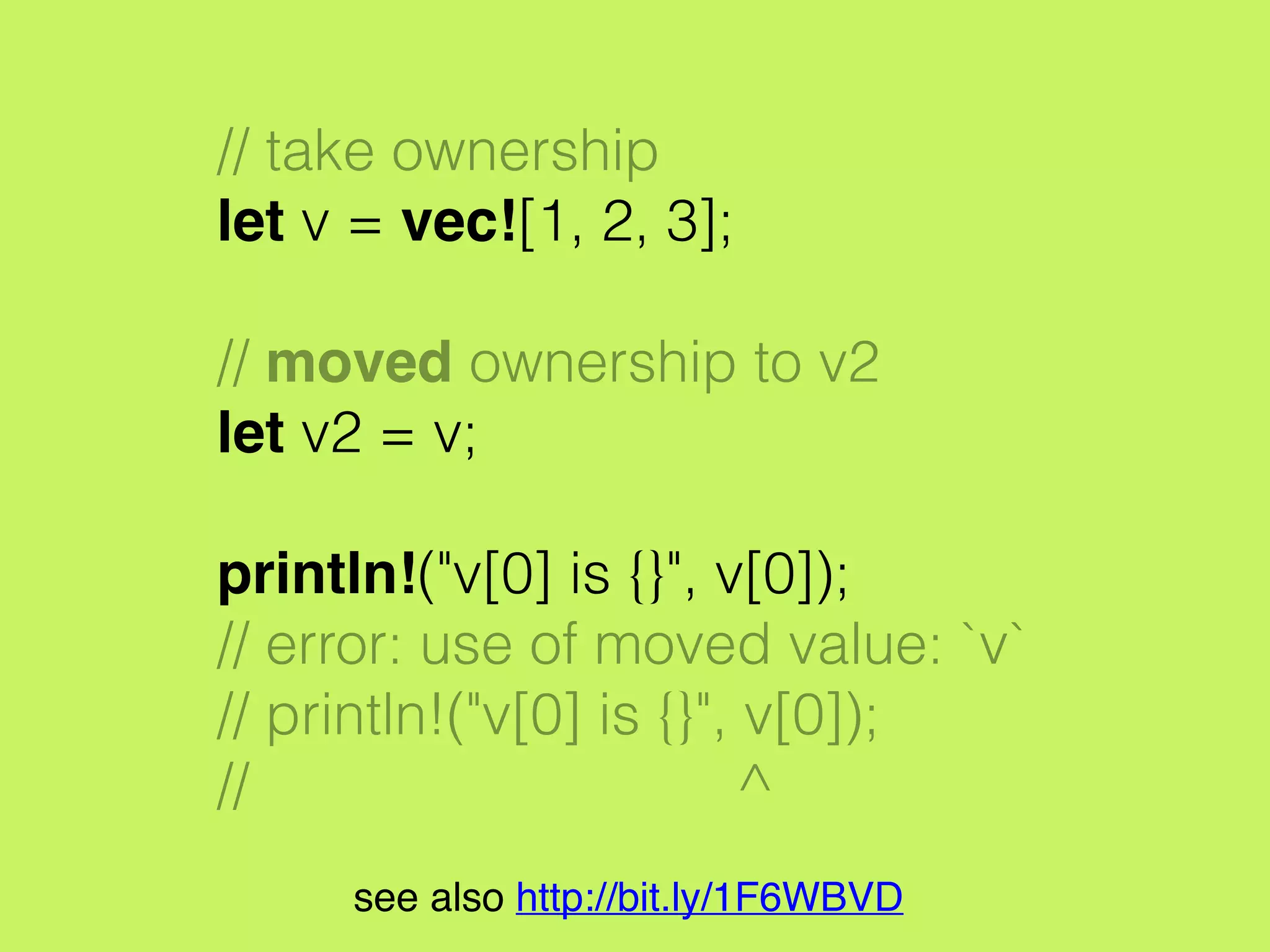
// take ownership
let v = vec![1, 2, 3];
// moved ownership to v2
let v2 = v;
println!("v[0] is {}", v[0]);
// error: use of moved value: `v`
// println!("v[0] is {}", v[0]);
// ^
see also http://bit.ly/1F6WBVD
fn take(v : Vec<i32>) {
// ownership of vector transferred
// to v in this scope
}
see also http://bit.ly/1F6WBVD
// take ownership
let v = vec![1, 2, 3];
// moved ownership
take(v);
see also http://bit.ly/1F6WBVD
// take ownership
let v = vec![1, 2, 3];
// moved ownership
take(v);
println!("v[0] is {}", v[0]);
// error: use of moved value: `v`
// println!("v[0] is {}", v[0]);
// ^
see also http://bit.ly/1F6WBVD
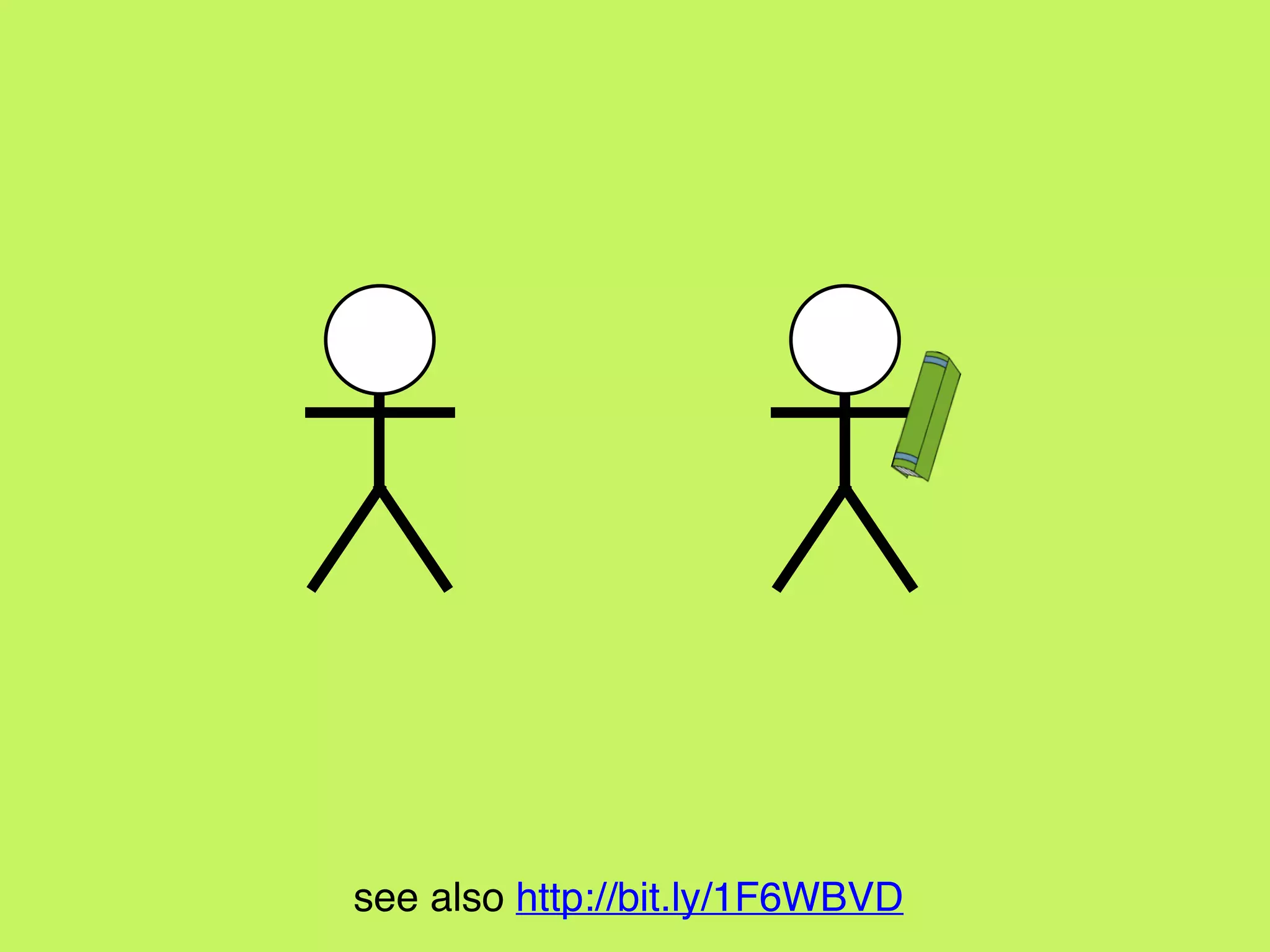
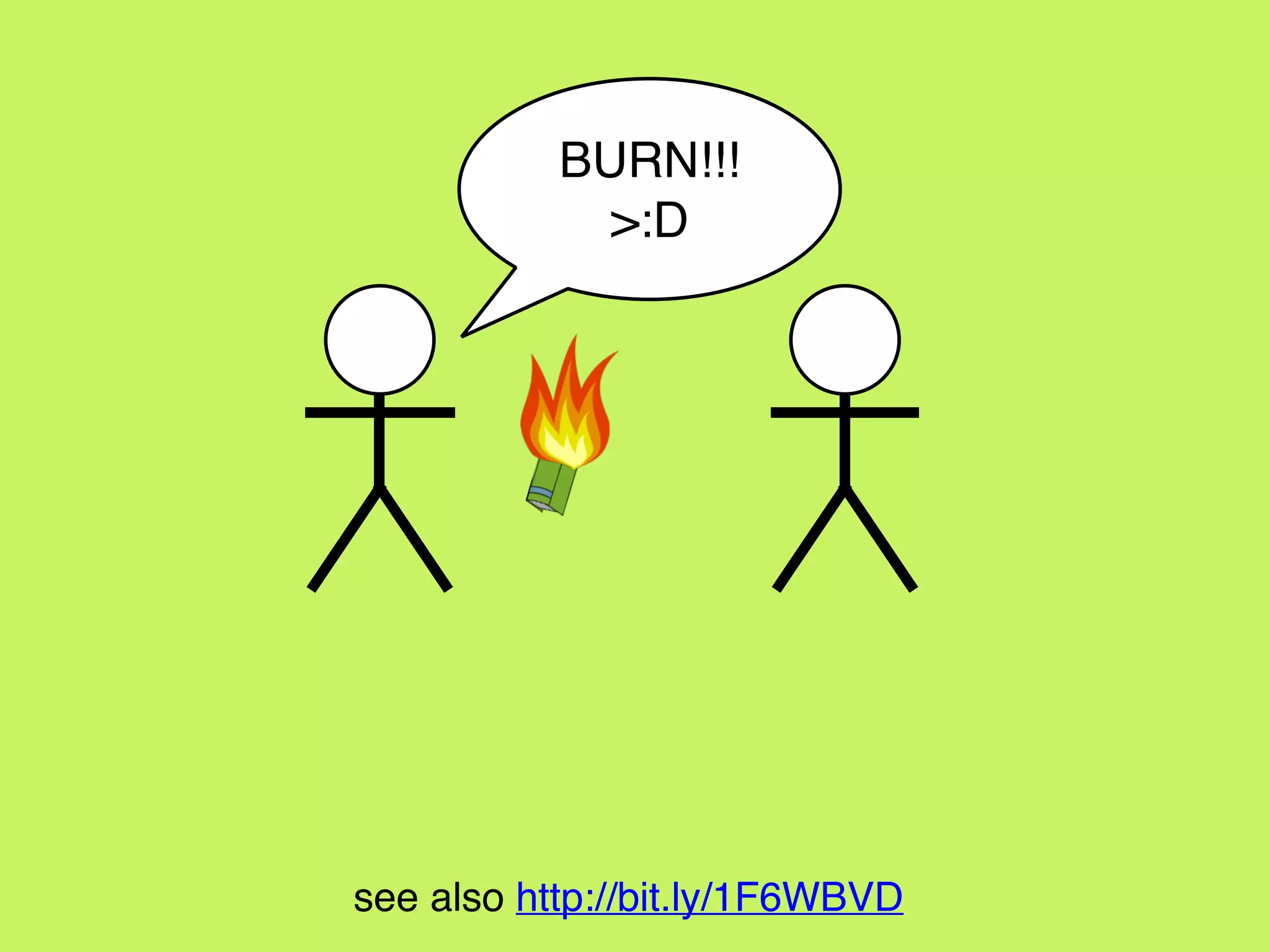
let me buy
your book
see also http://bit.ly/1F6WBVD
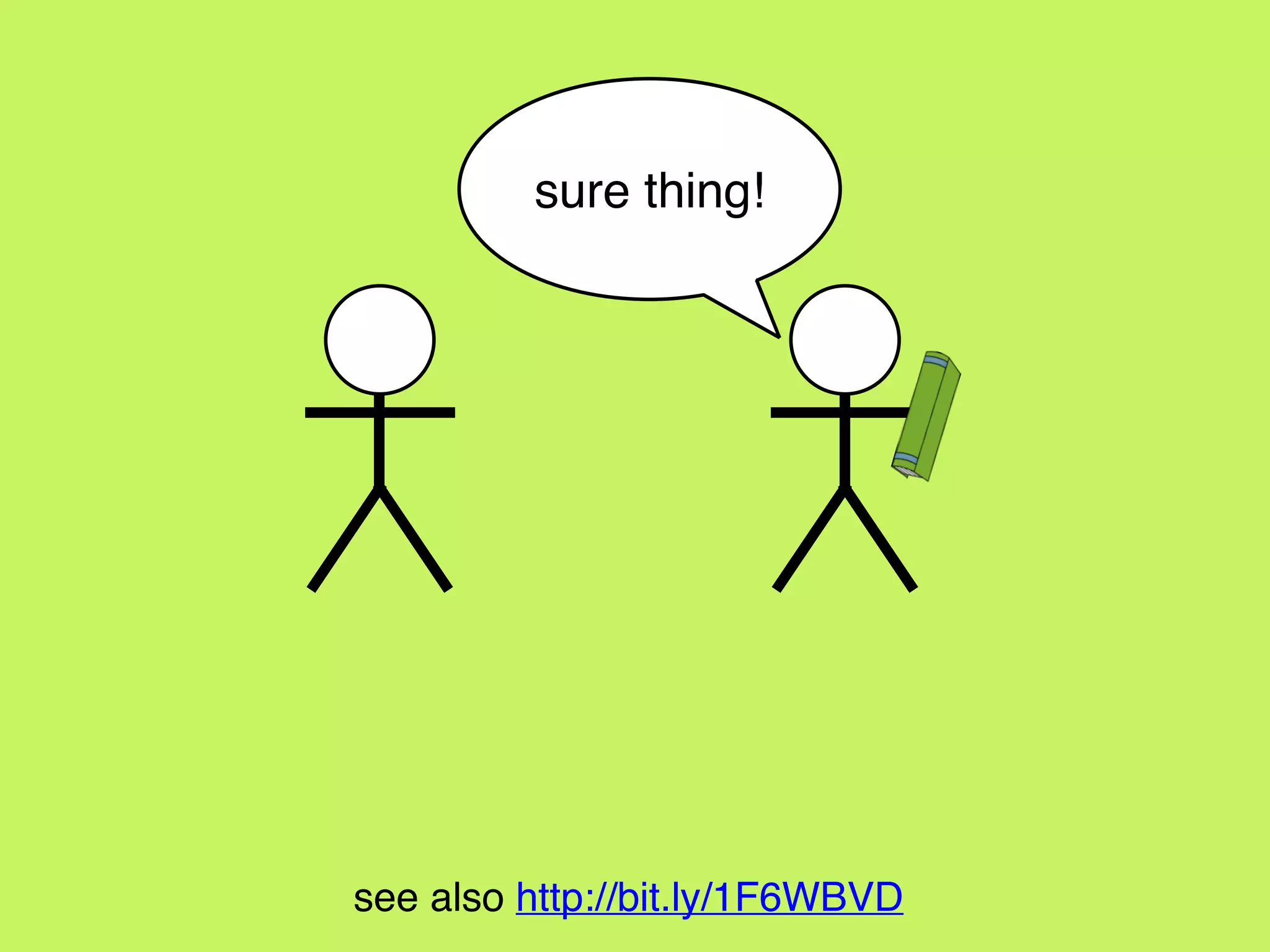
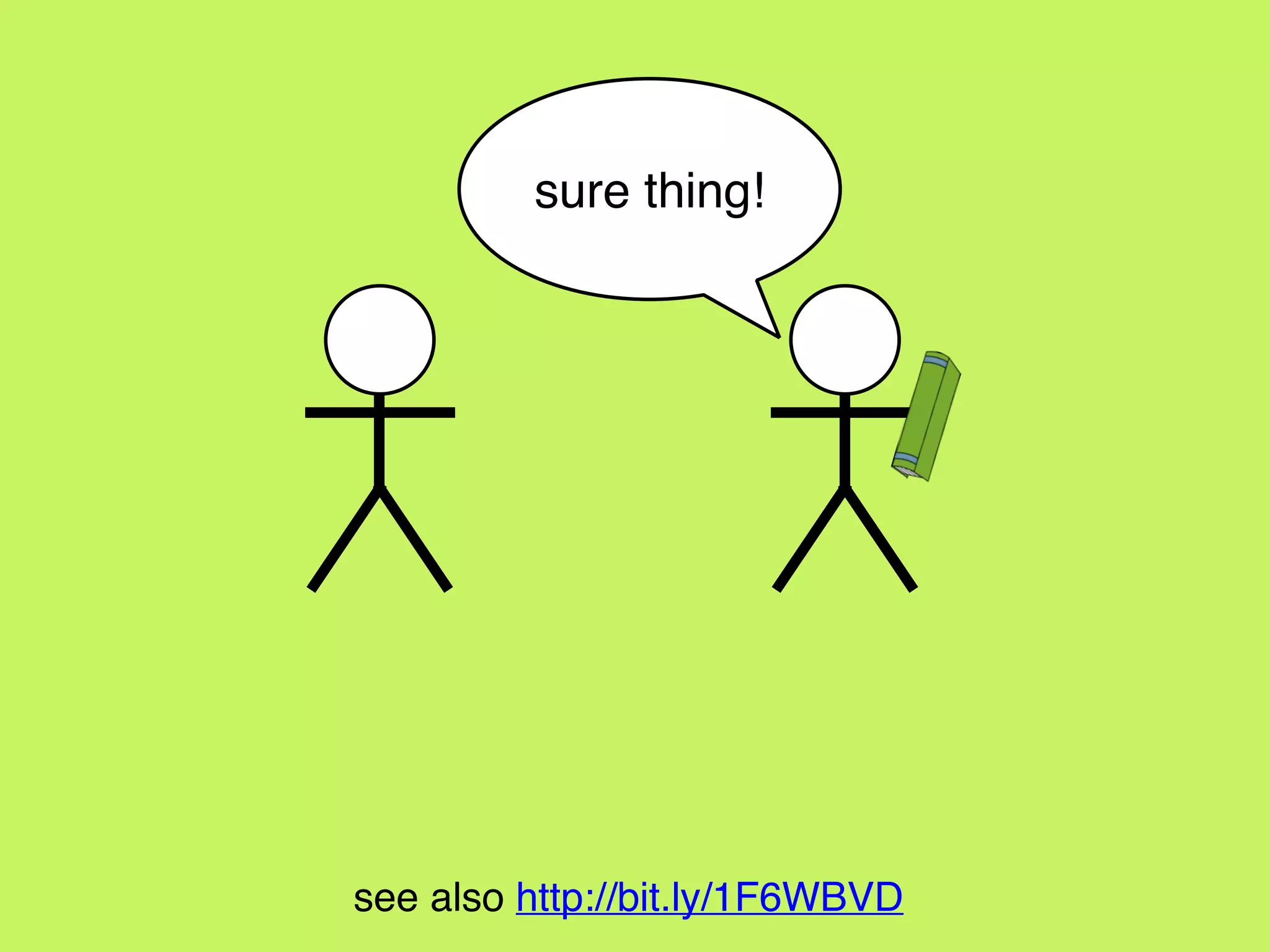
sure thing!
see also http://bit.ly/1F6WBVD
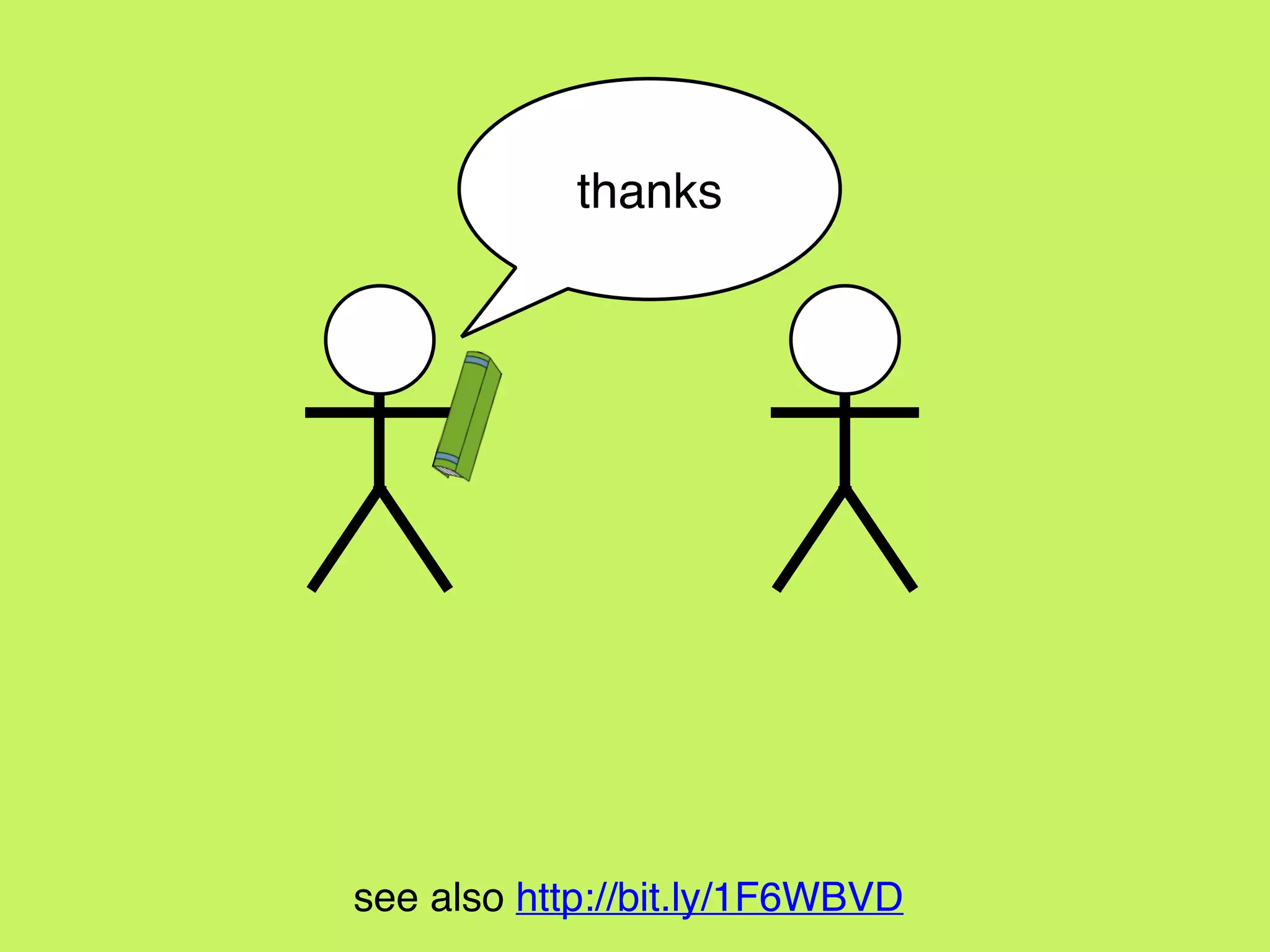
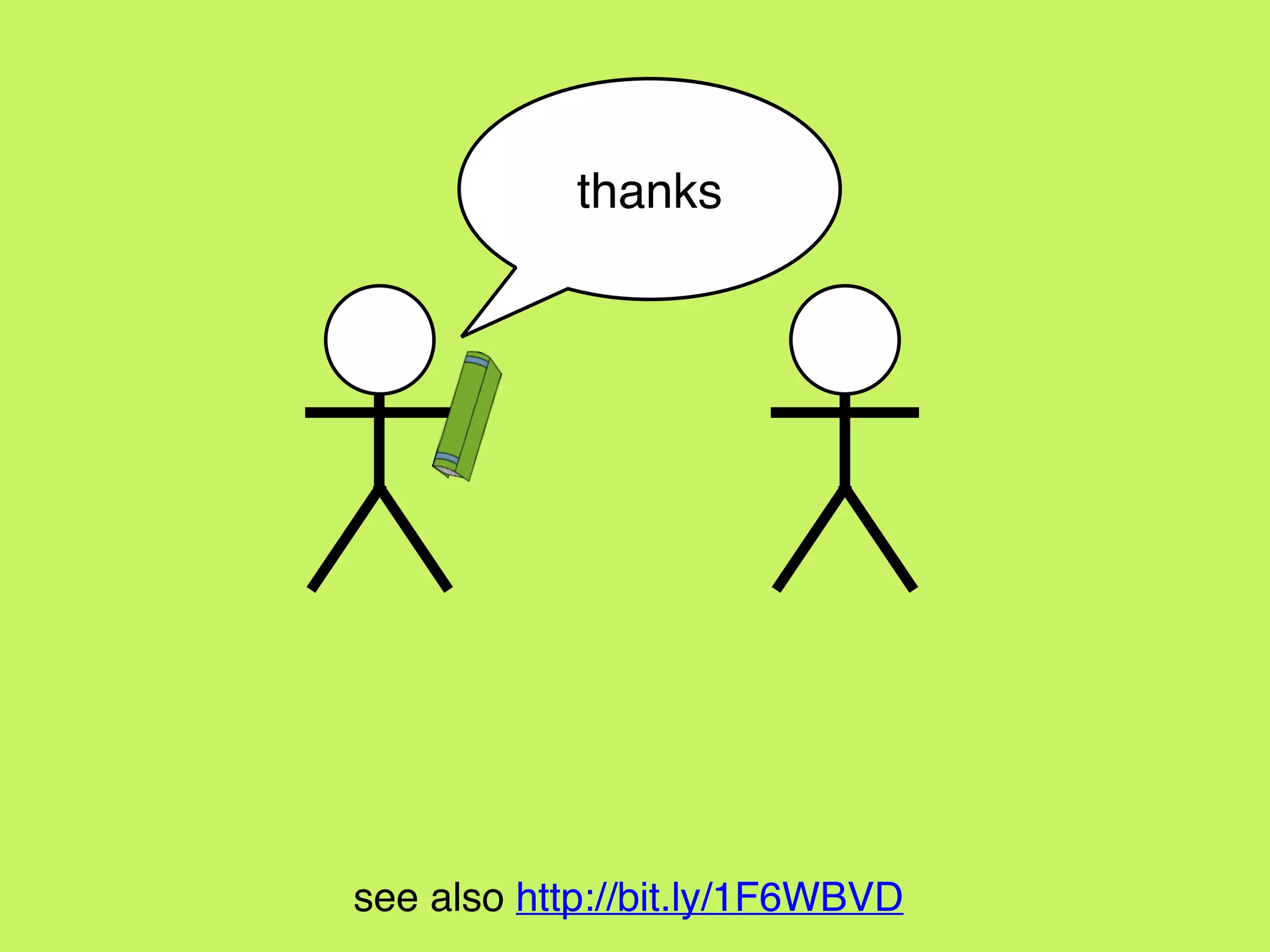
thanks
see also http://bit.ly/1F6WBVD
BURN!!!
>:D
see also http://bit.ly/1F6WBVD
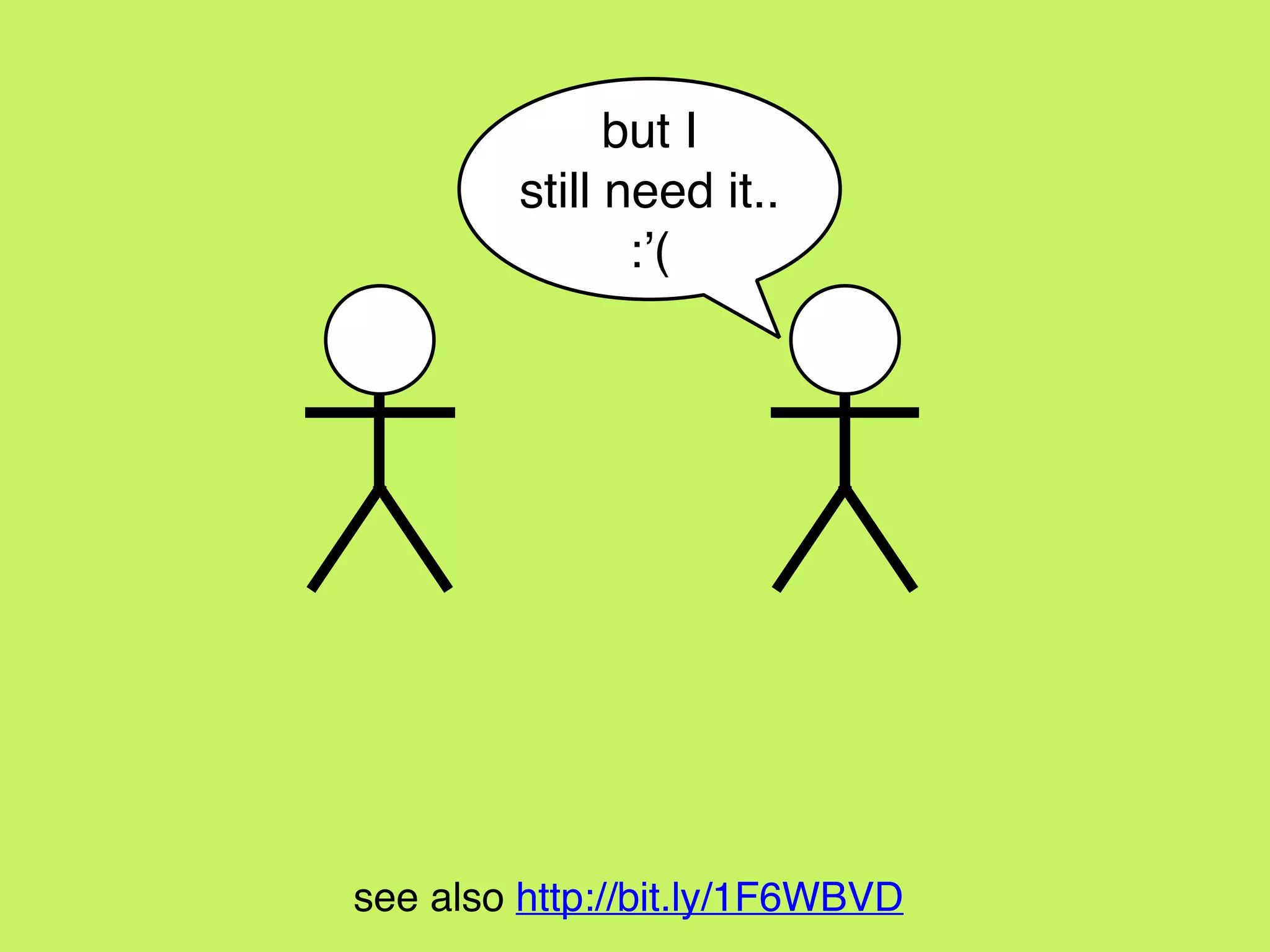
but I
still need it..
:’(
borrowing
see also http://bit.ly/1F6WBVD
// note we're taking a reference,
// &Vec<i32>, instead of Vec<i32>
fn take(v : &Vec<i32>) {
// no need to deallocate the vector
// after we go out of scope here
}
see also http://bit.ly/1F6WBVD
// take ownership
let v = vec![1, 2, 3];
// notice we're passing a reference,
// &v, instead of v
take(&v); // borrow ownership
println!("v[0] is {}", v[0]);
// v[0] is 1
see also http://bit.ly/1F6WBVD
let me
borrow your
book
see also http://bit.ly/1F6WBVD
sure thing!
see also http://bit.ly/1F6WBVD
thanks
see also http://bit.ly/1F6WBVD
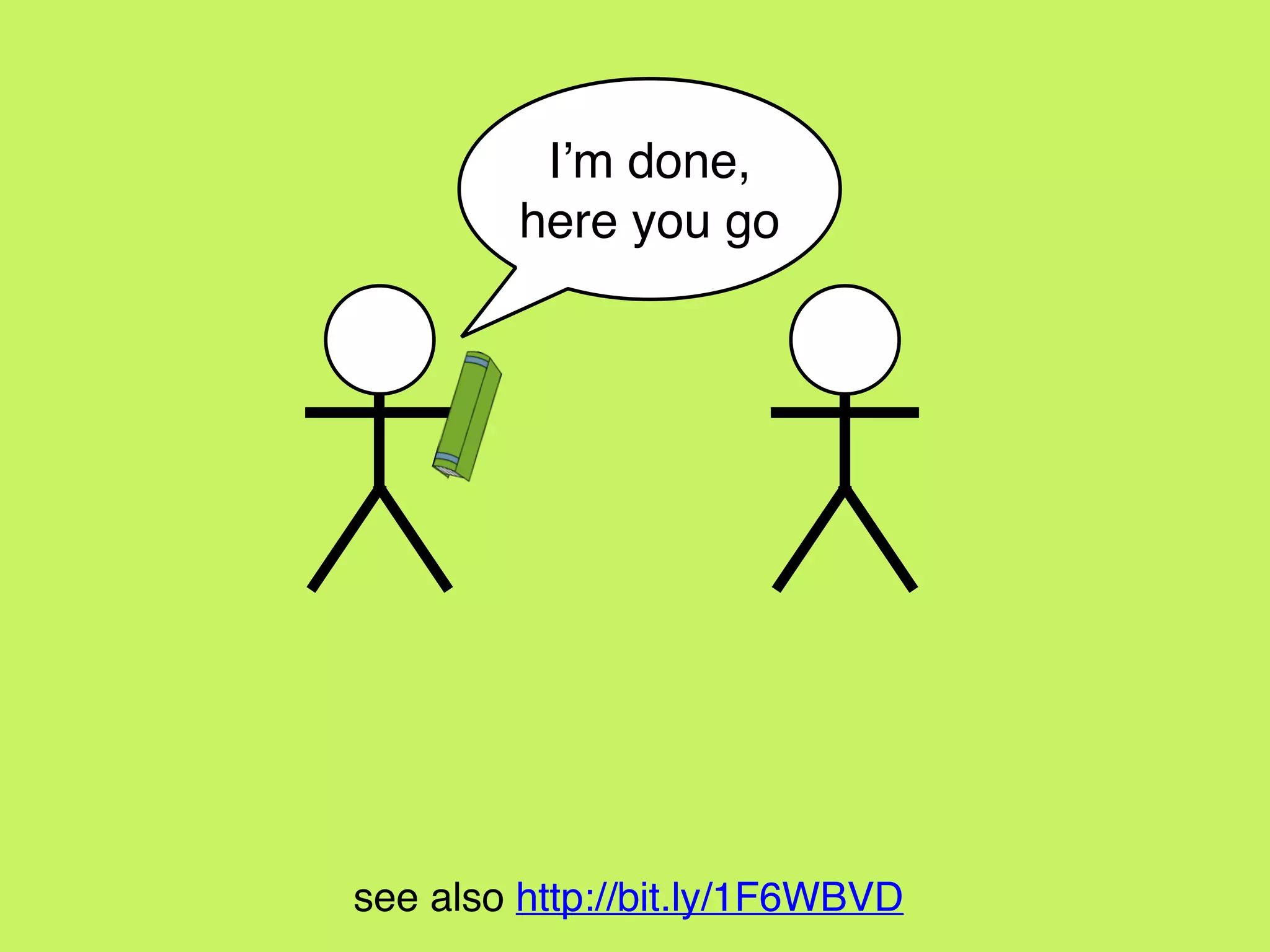
I’m done,
here you go
see also http://bit.ly/1F6WBVD
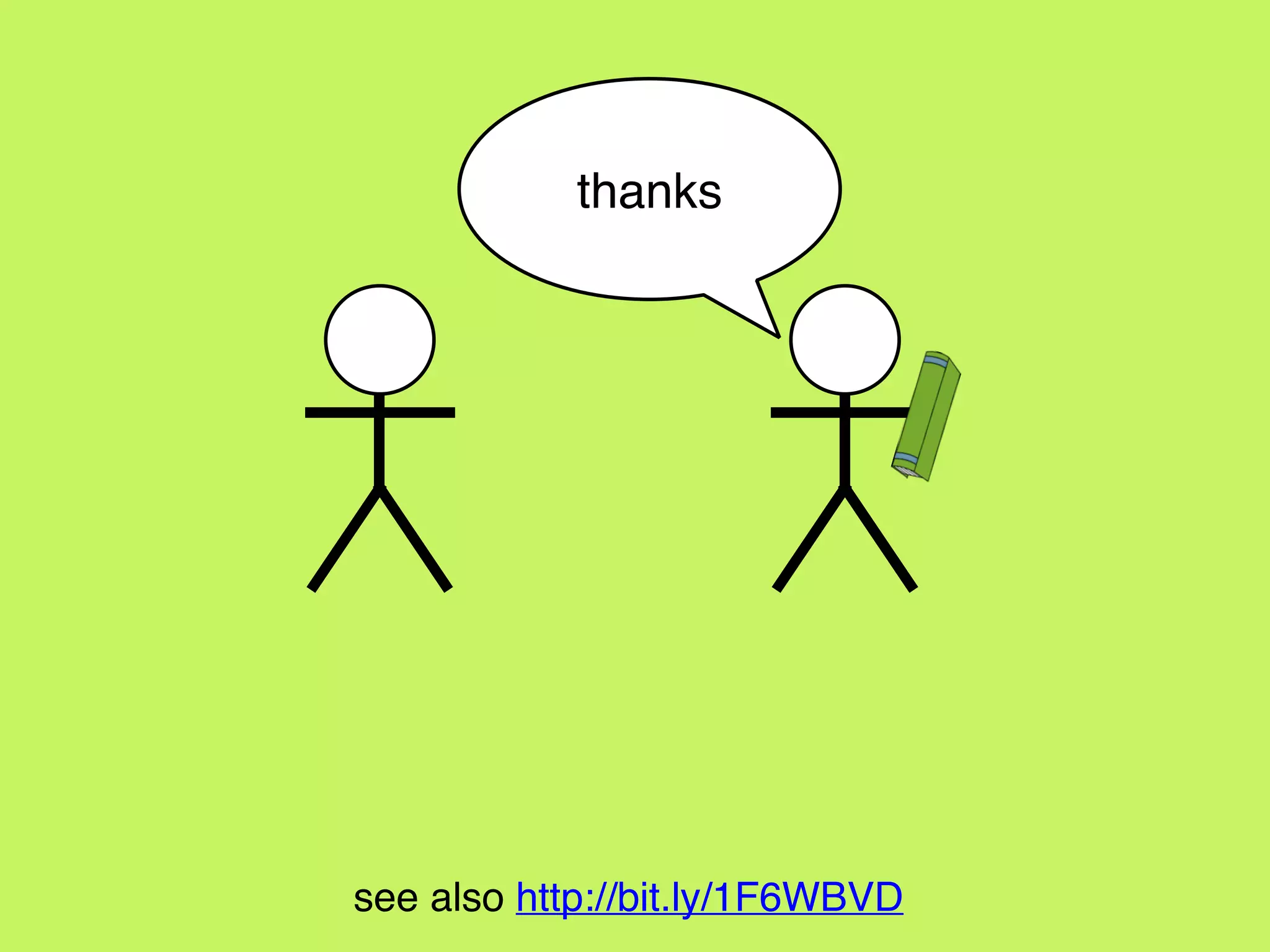
thanks
see also http://bit.ly/1F6WBVD
immutable by default
fn take(v : &Vec<i32>) {
v.push(5);
}
let v = vec![];
take(&v);
// cannot borrow immutable borrowed
// content `*v` as mutable
// v.push(5);
// ^
see also http://bit.ly/1F6WBVD
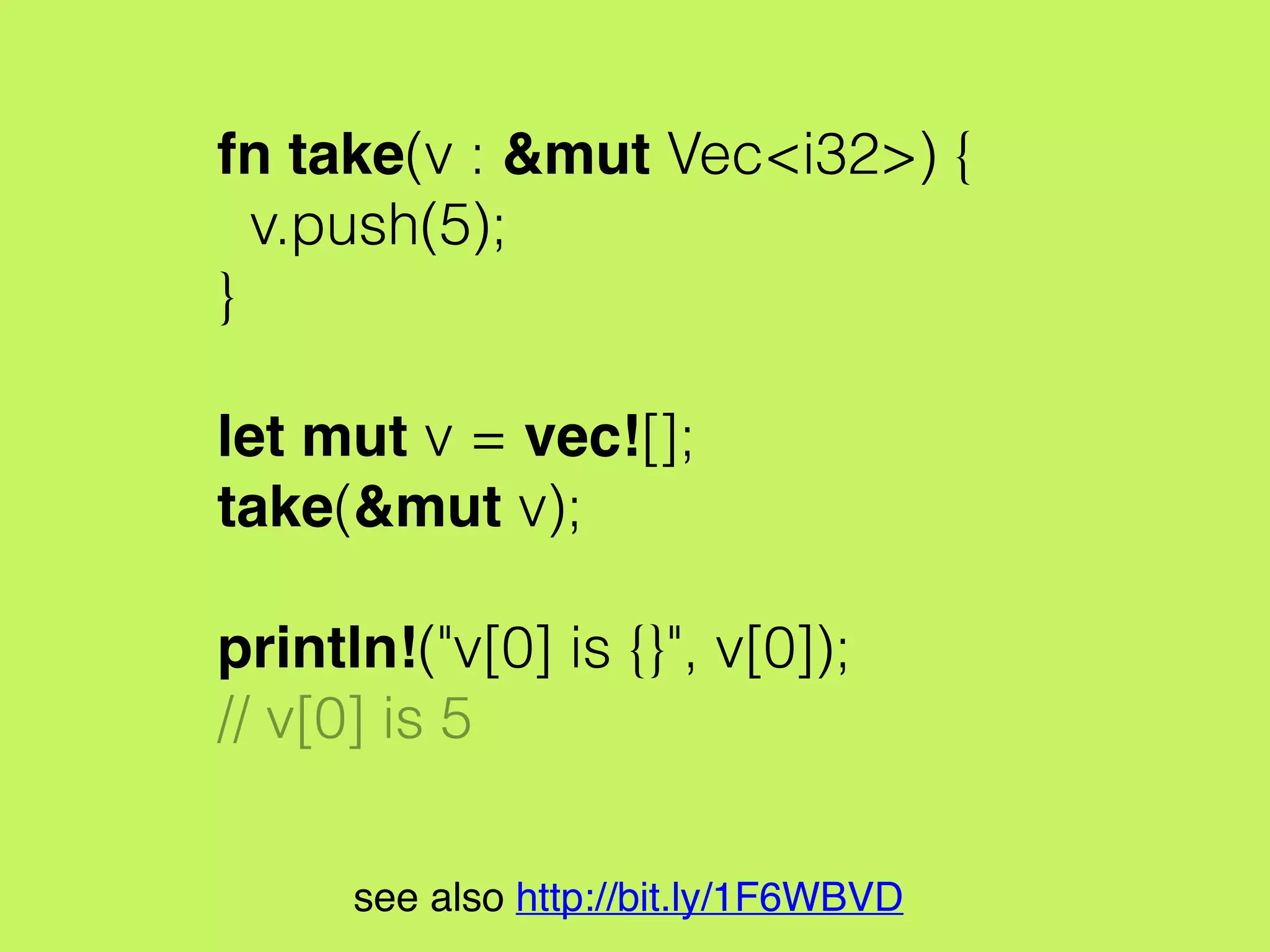
fn take(v : &mut Vec<i32>) {
v.push(5);
}
let mut v = vec![];
take(&mut v);
println!("v[0] is {}", v[0]);
// v[0] is 5
see also http://bit.ly/1F6WBVD
borrowing
rules
see also http://bit.ly/1F6WBVD
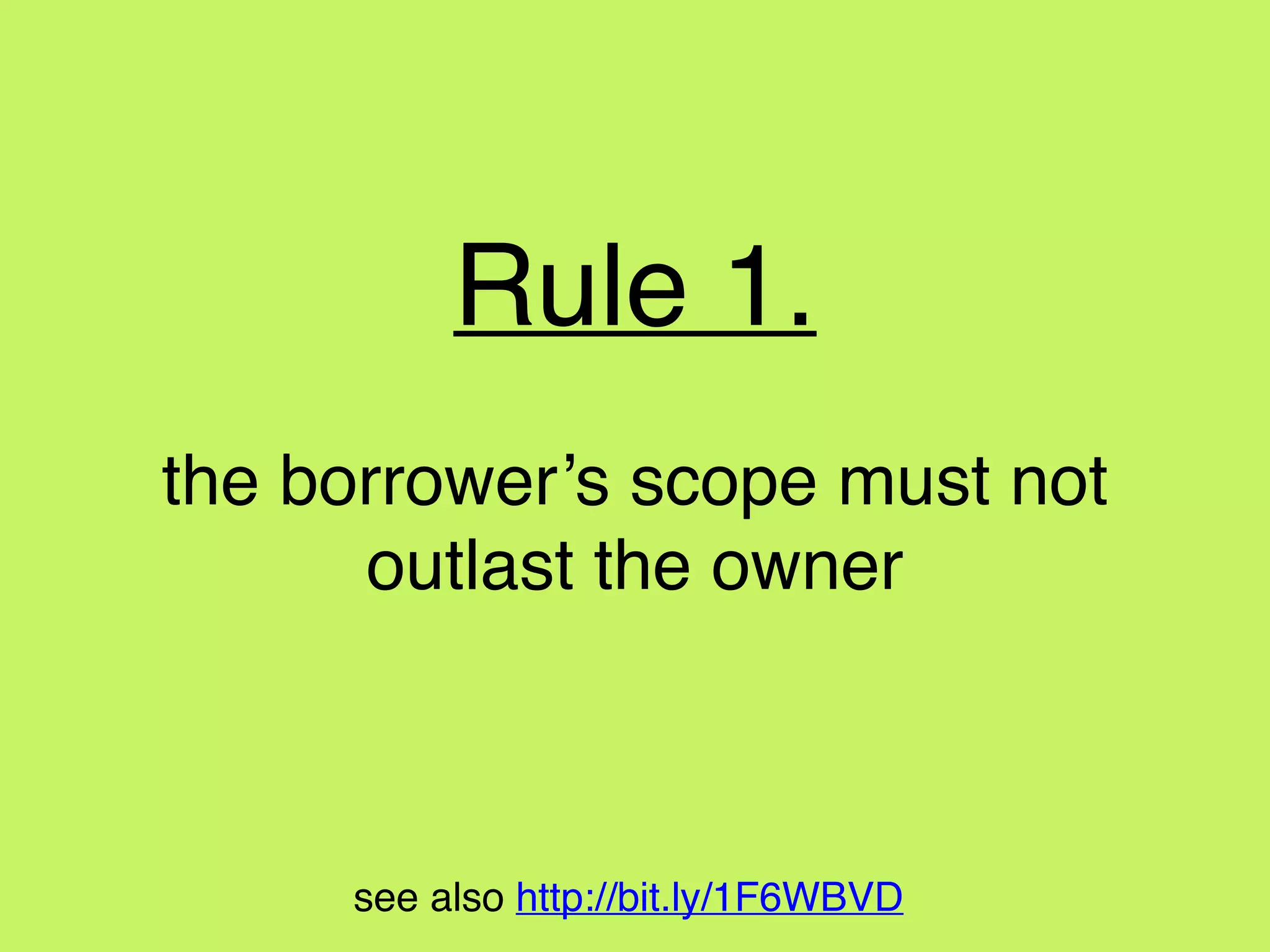
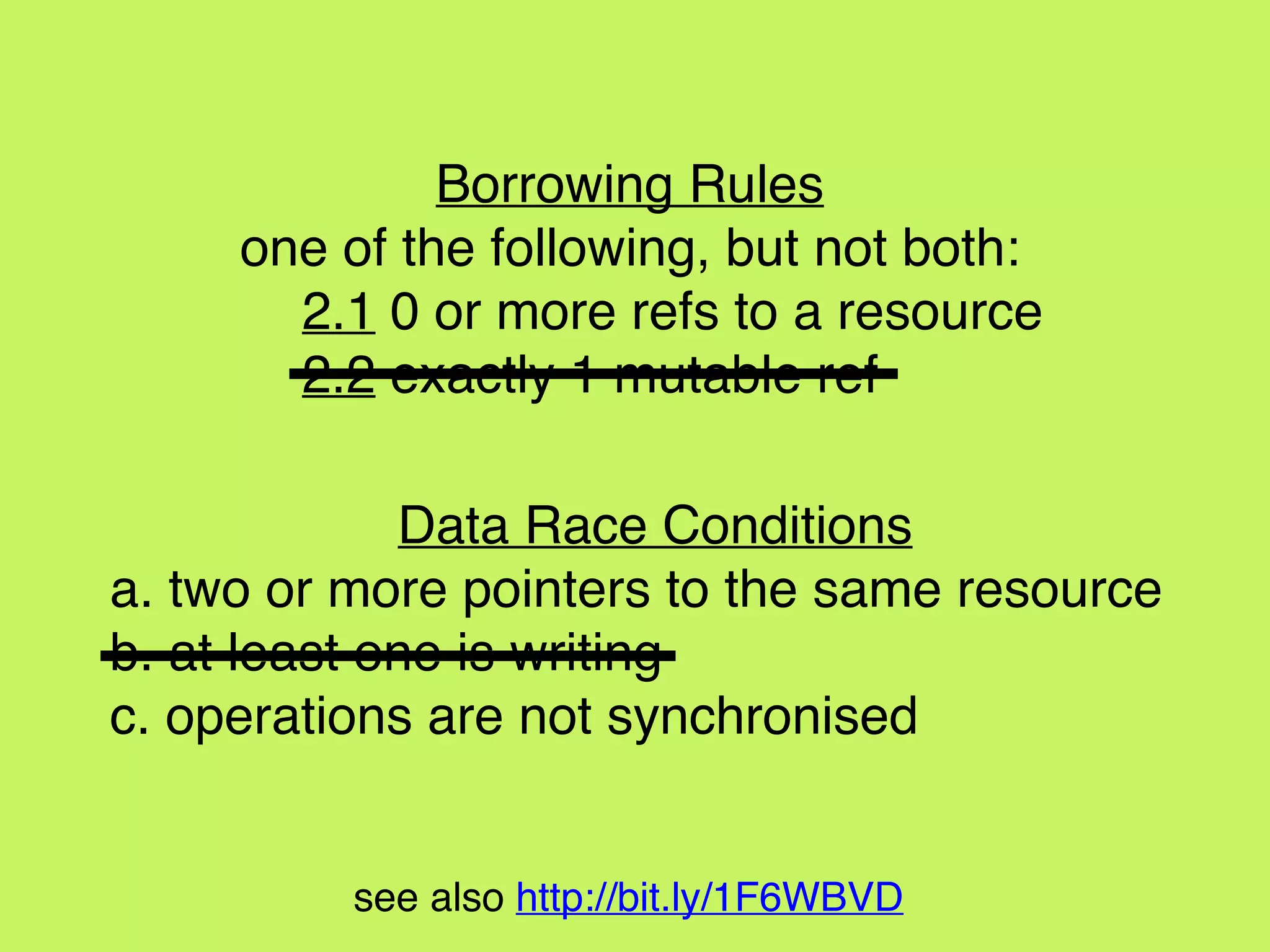
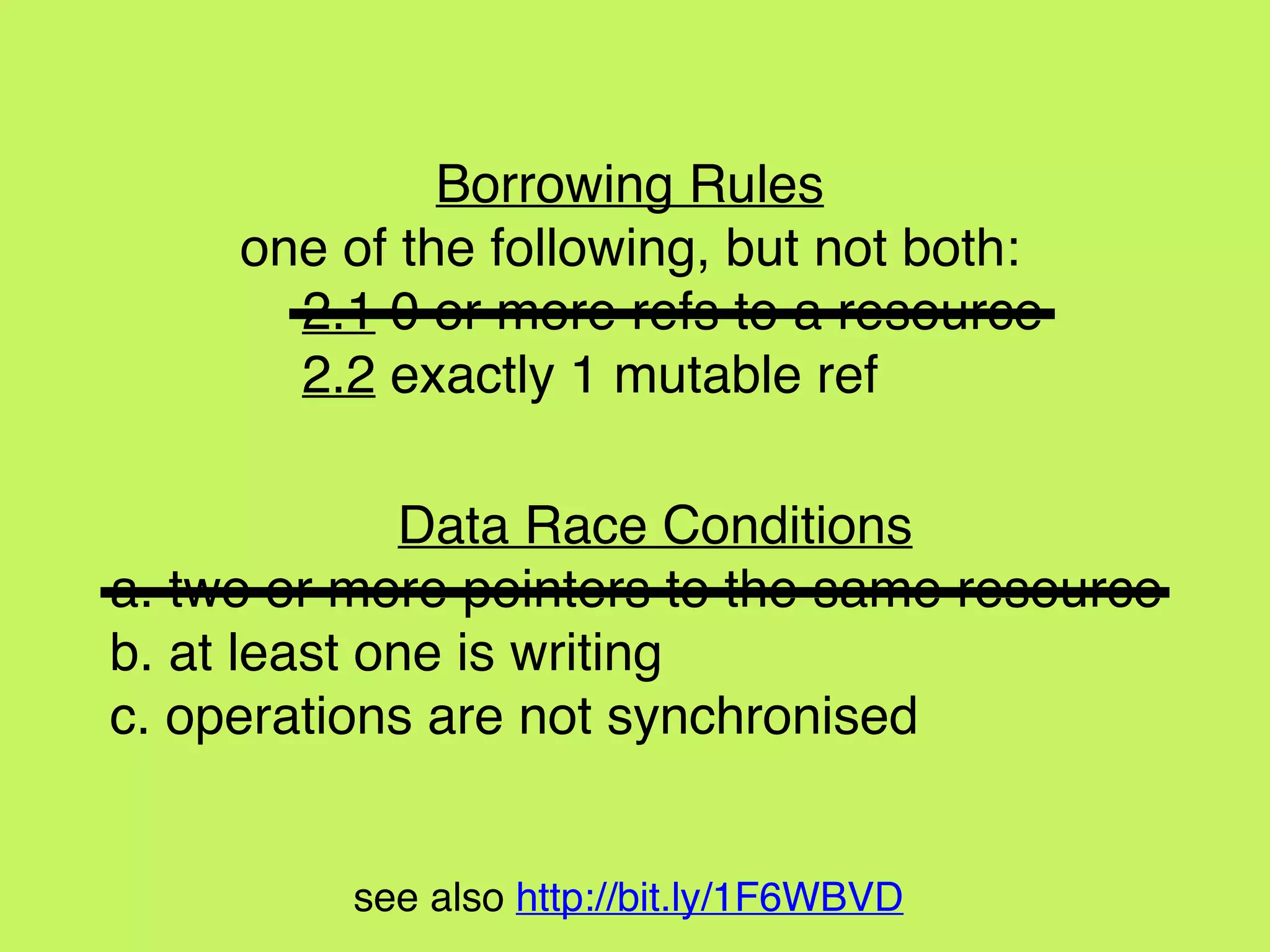
Rule 1.
the borrower’s scope must not
outlast the owner
see also http://bit.ly/1F6WBVD
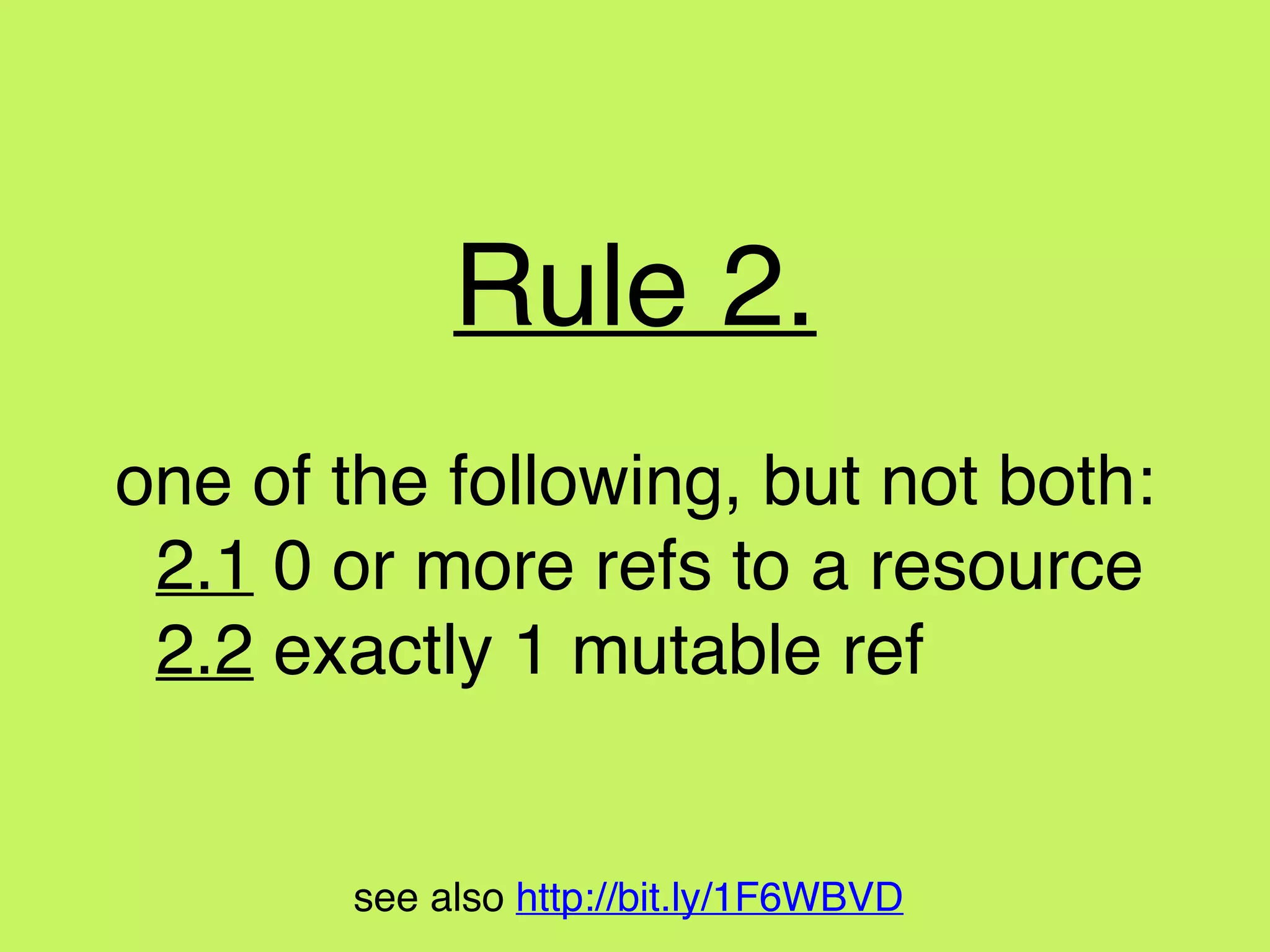
Rule 2.
one of the following, but not both:
2.1 0 or more refs to a resource
2.2 exactly 1 mutable ref
see also http://bit.ly/1F6WBVD
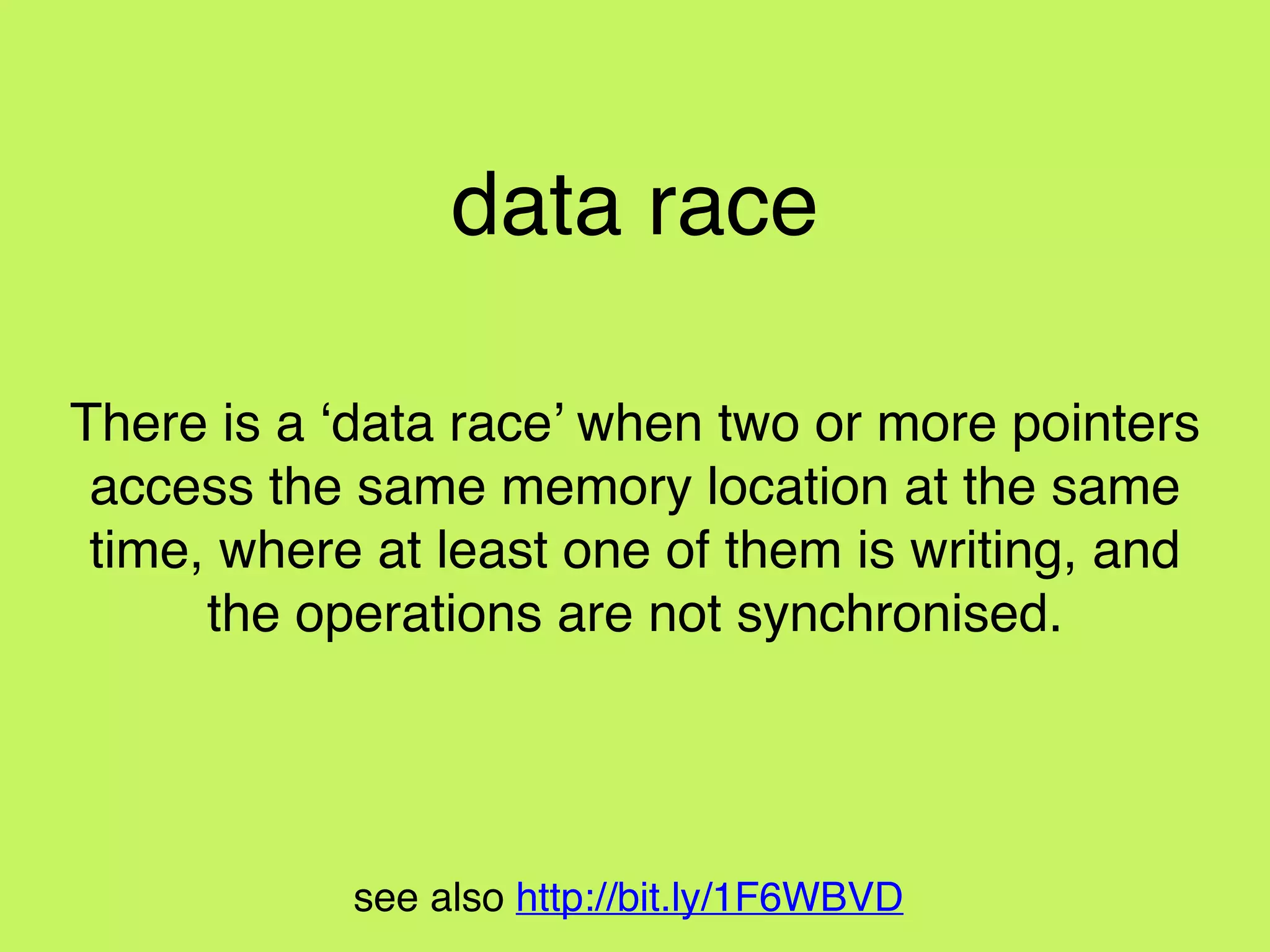
data race
There is a ‘data race’ when two or more pointers
access the same memory location at the same
time, where at least one of them is writing, and
the operations are not synchronised.
see also http://bit.ly/1F6WBVD
data race
a. two or more pointers to the same resource
b. at least one is writing
c. operations are not synchronised
see also http://bit.ly/1F6WBVD
Data Race Conditions
a. two or more pointers to the same resource
b. at least one is writing
c. operations are not synchronised
Borrowing Rules
one of the following, but not both:
2.1 0 or more refs to a resource
2.2 exactly 1 mutable ref
see also http://bit.ly/1F6WBVD
Data Race Conditions
a. two or more pointers to the same resource
b. at least one is writing
c. operations are not synchronised
Borrowing Rules
one of the following, but not both:
2.1 0 or more refs to a resource
2.2 exactly 1 mutable ref
see also http://bit.ly/1F6WBVD
Dependent Types
Uniqueness Types
Bit Syntax
Borrowed Pointers
Type Provider Pipes
Statically Resolved TP
Implicit Interface
Implementation
Signals
Macros
Unit-of-Measure
Actor Model
seen generics?
aka parametric polymorphism
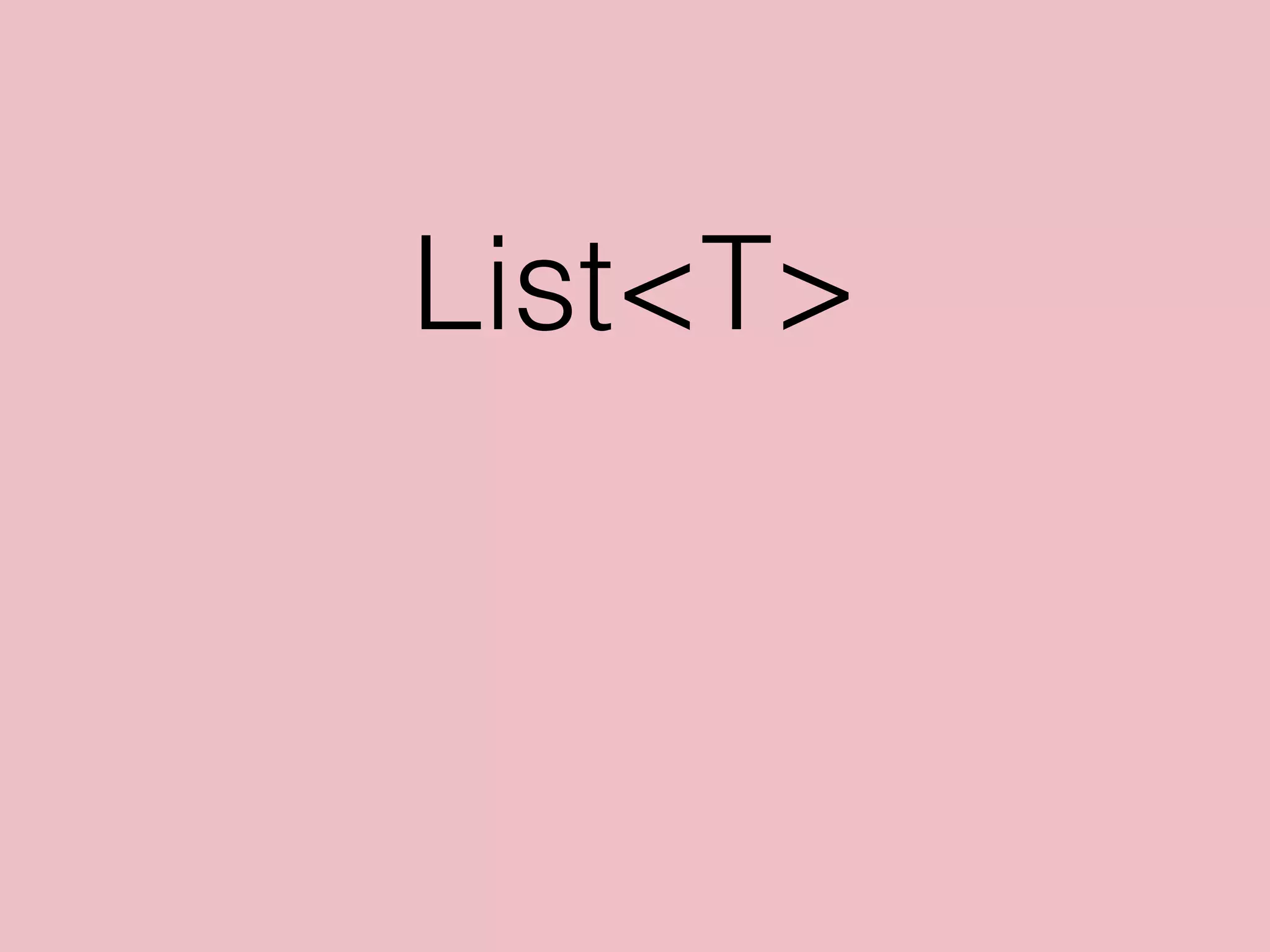
List<T>
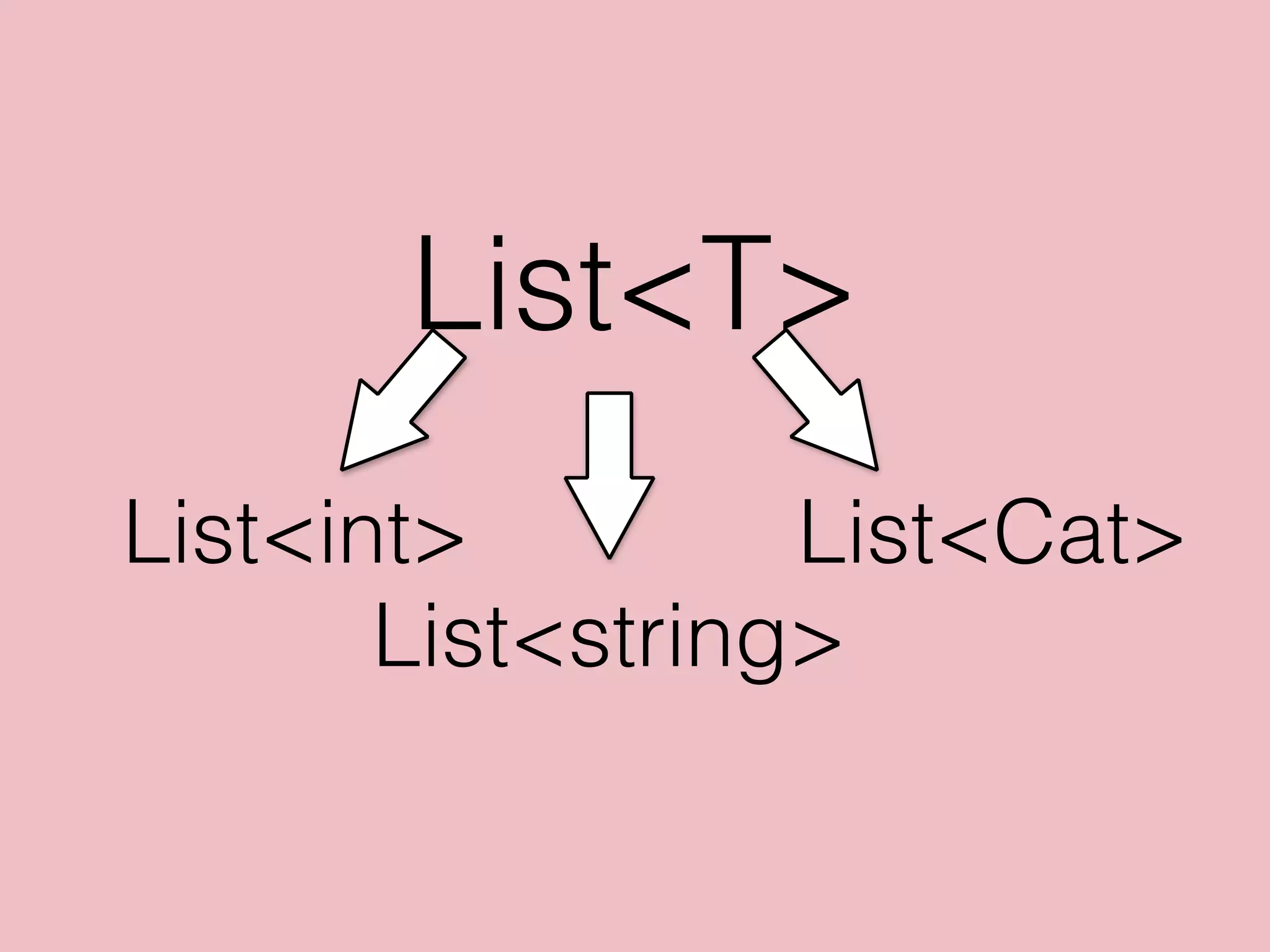
List<T>
List<int> List<Cat>
List<string>
what if…
types that depend on
arbitrary values?
Vect n a
vector of n elements of type a
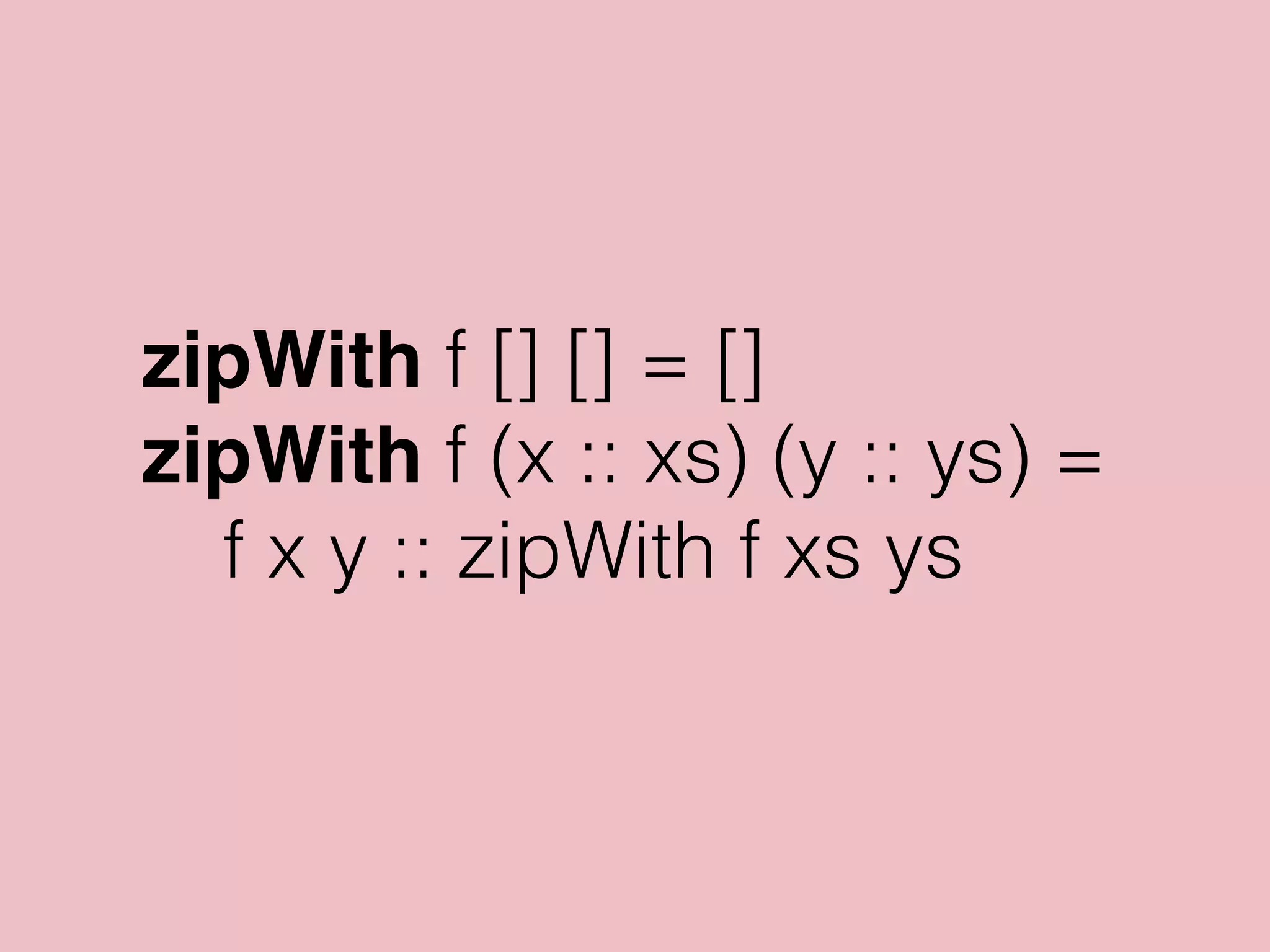
zipWith :
(a -> b -> c)
-> Vect n a
-> Vect n b
-> Vect n c
zipWith f [] [] = []
zipWith f (x :: xs) (y :: ys) =
f x y :: zipWith f xs ys
Type Driven Development
making invalid state
UNREPRESENTABLE
see also https://vimeo.com/123606435
Signals
Dependent Types
Uniqueness Types
Bit Syntax
Borrowed Pointers
Type Provider Pipes
Statically Resolved TP
Implicit Interface
Implementation
Macros
Unit-of-Measure
Actor Model
Functional Reactive
Programming
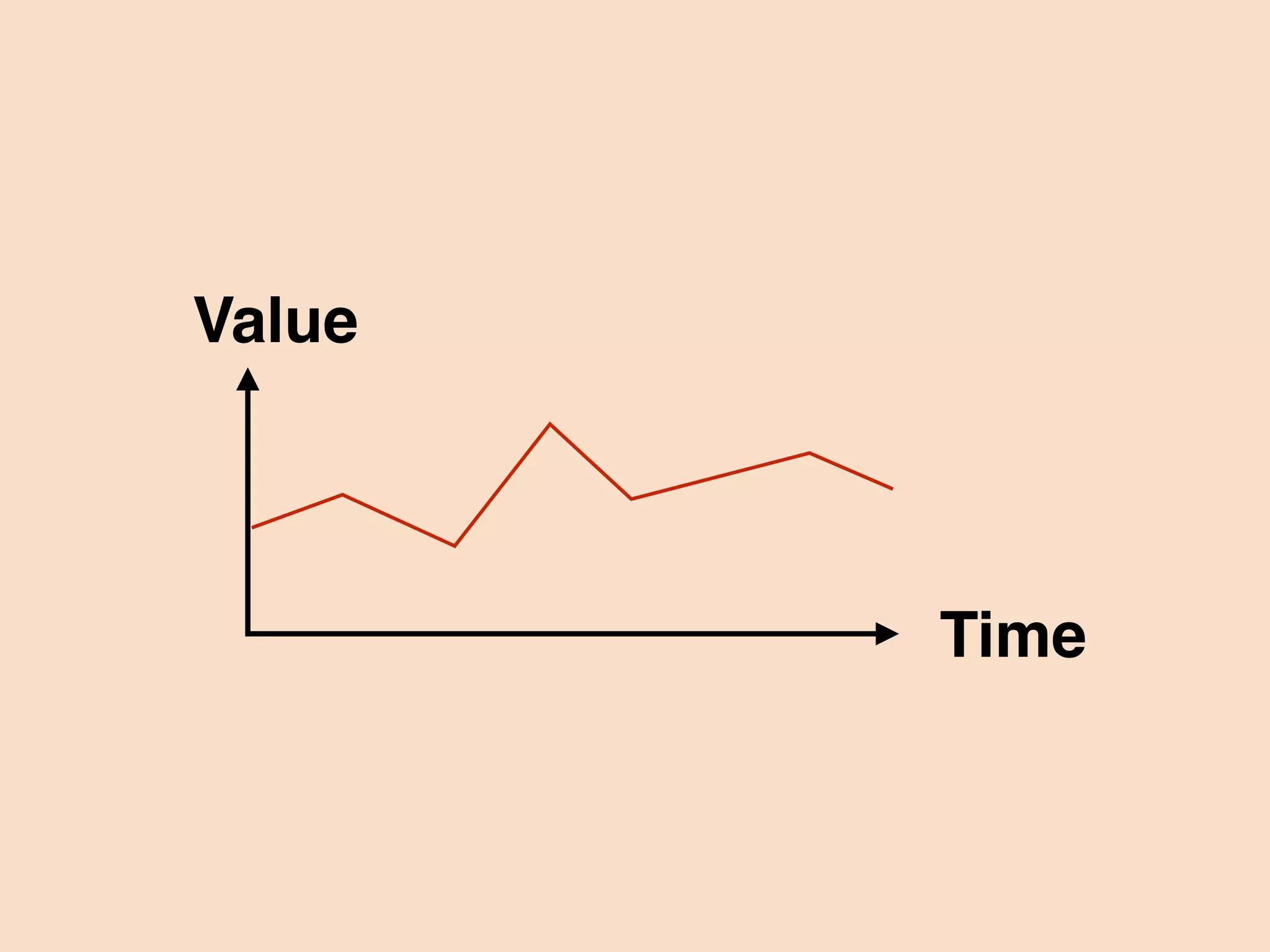
Value over Time
Time
Value
Signals
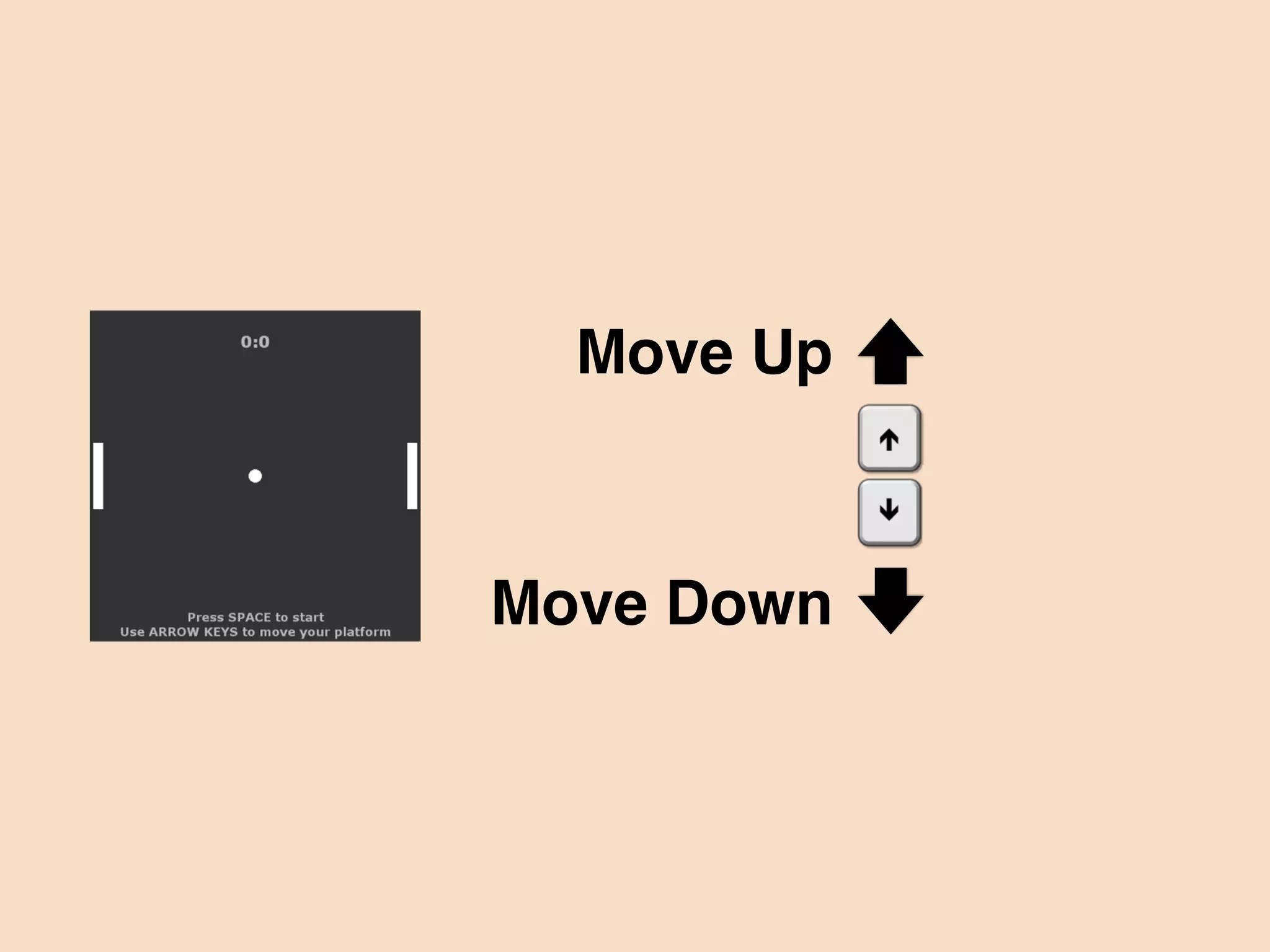
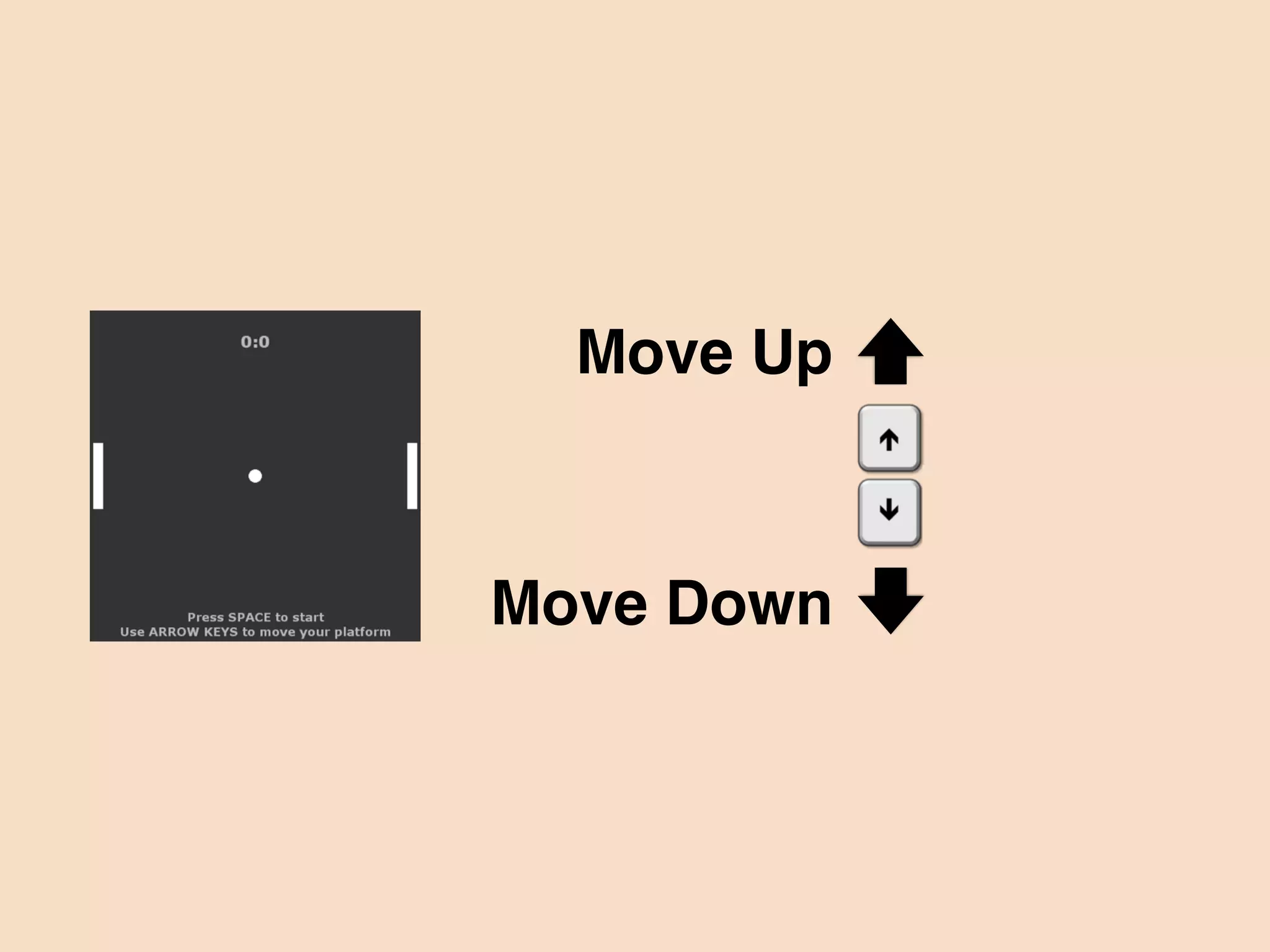
Move Up
Move Down
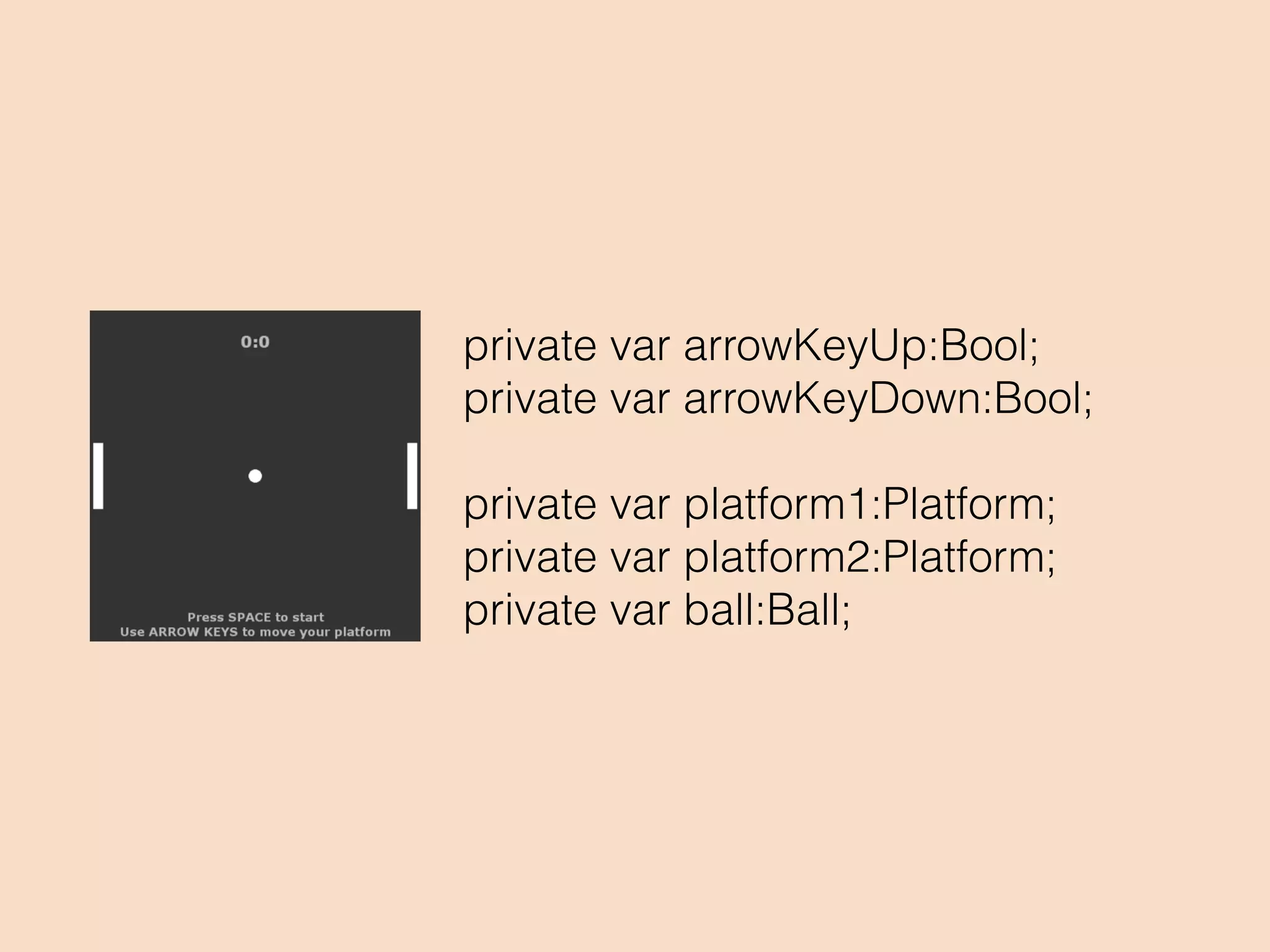
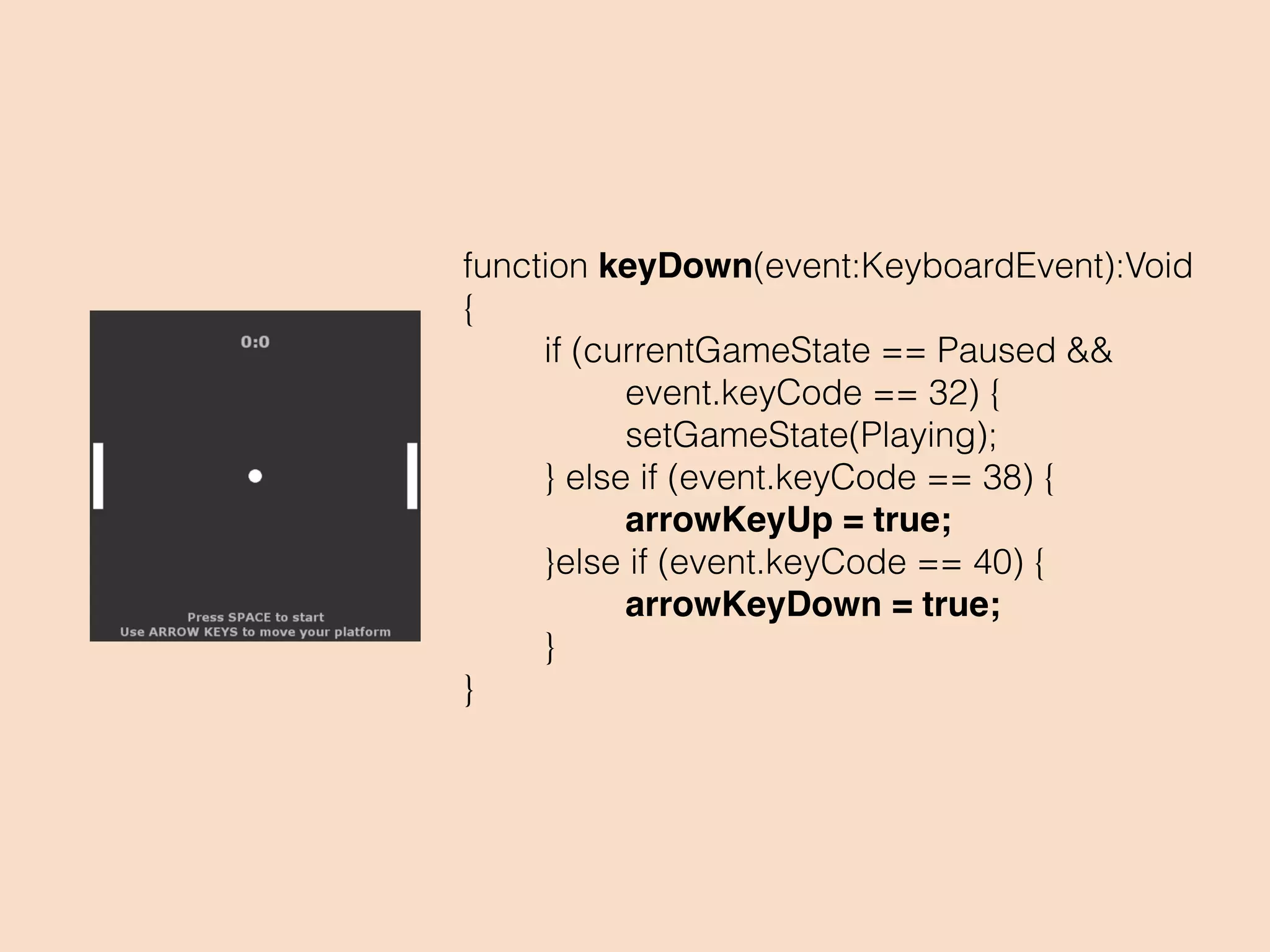
private var arrowKeyUp:Bool;
private var arrowKeyDown:Bool;
private var platform1:Platform;
private var platform2:Platform;
private var ball:Ball;
function keyDown(event:KeyboardEvent):Void
{
if (currentGameState == Paused &&
event.keyCode == 32) {
setGameState(Playing);
} else if (event.keyCode == 38) {
arrowKeyUp = true;
}else if (event.keyCode == 40) {
arrowKeyDown = true;
}
}
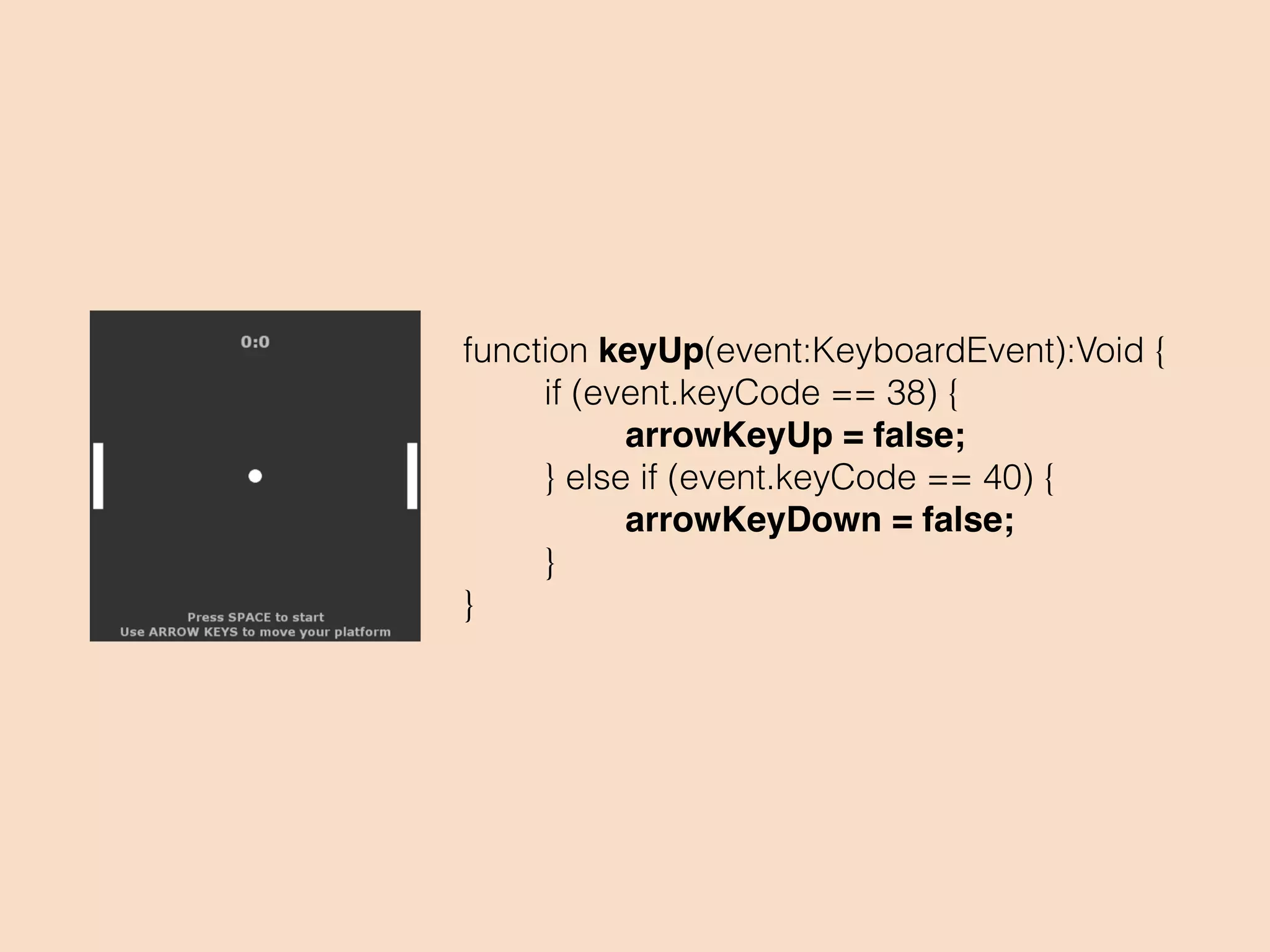
function keyUp(event:KeyboardEvent):Void {
if (event.keyCode == 38) {
arrowKeyUp = false;
} else if (event.keyCode == 40) {
arrowKeyDown = false;
}
}
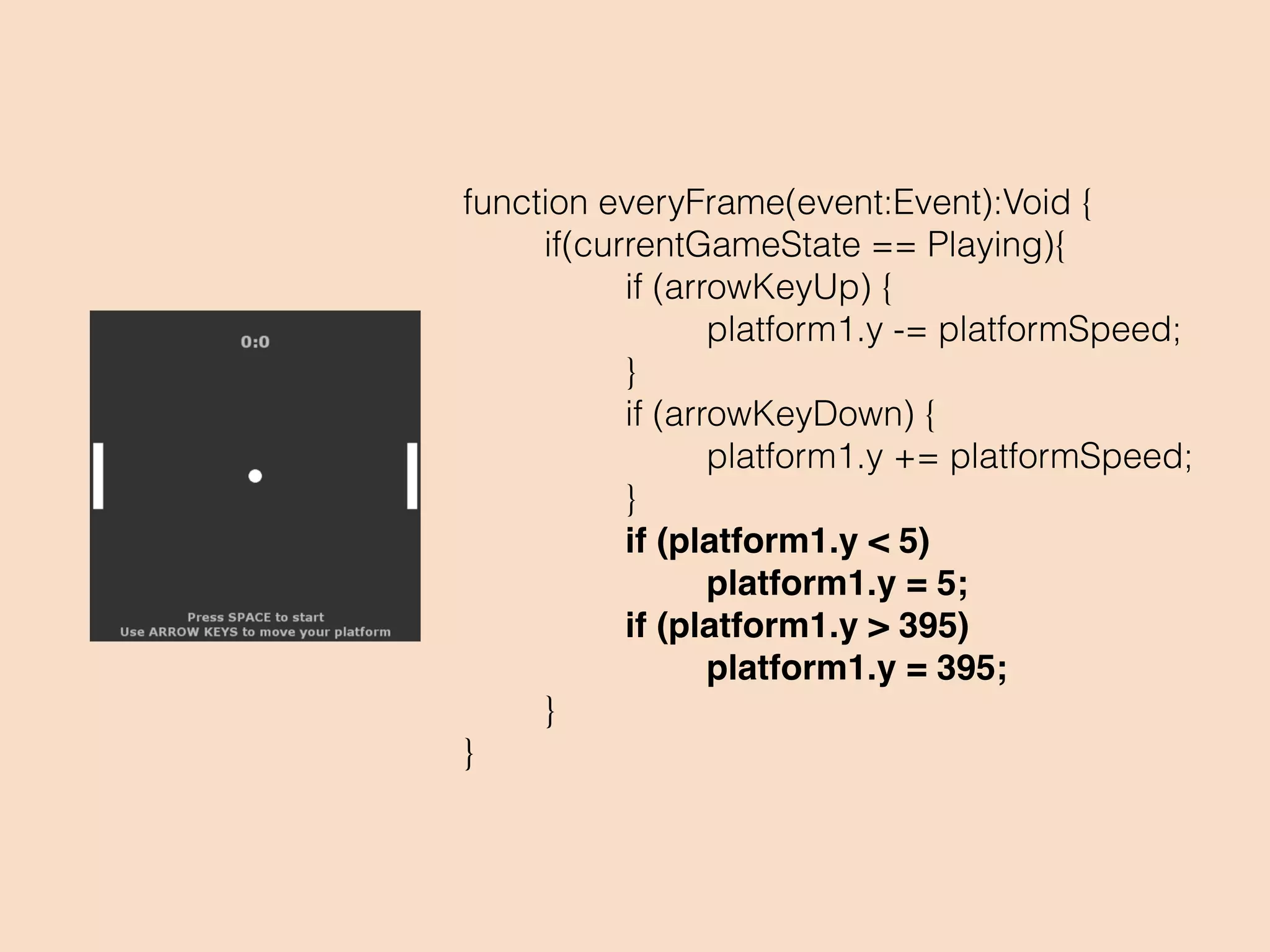
function everyFrame(event:Event):Void {
if(currentGameState == Playing){
if (arrowKeyUp) {
platform1.y -= platformSpeed;
}
if (arrowKeyDown) {
platform1.y += platformSpeed;
}
if (platform1.y < 5)
platform1.y = 5;
if (platform1.y > 395)
platform1.y = 395;
}
}
function everyFrame(event:Event):Void {
if(currentGameState == Playing){
if (arrowKeyUp) {
platform1.y -= platformSpeed;
}
if (arrowKeyDown) {
platform1.y += platformSpeed;
}
if (platform1.y < 5)
platform1.y = 5;
if (platform1.y > 395)
platform1.y = 395;
}
}
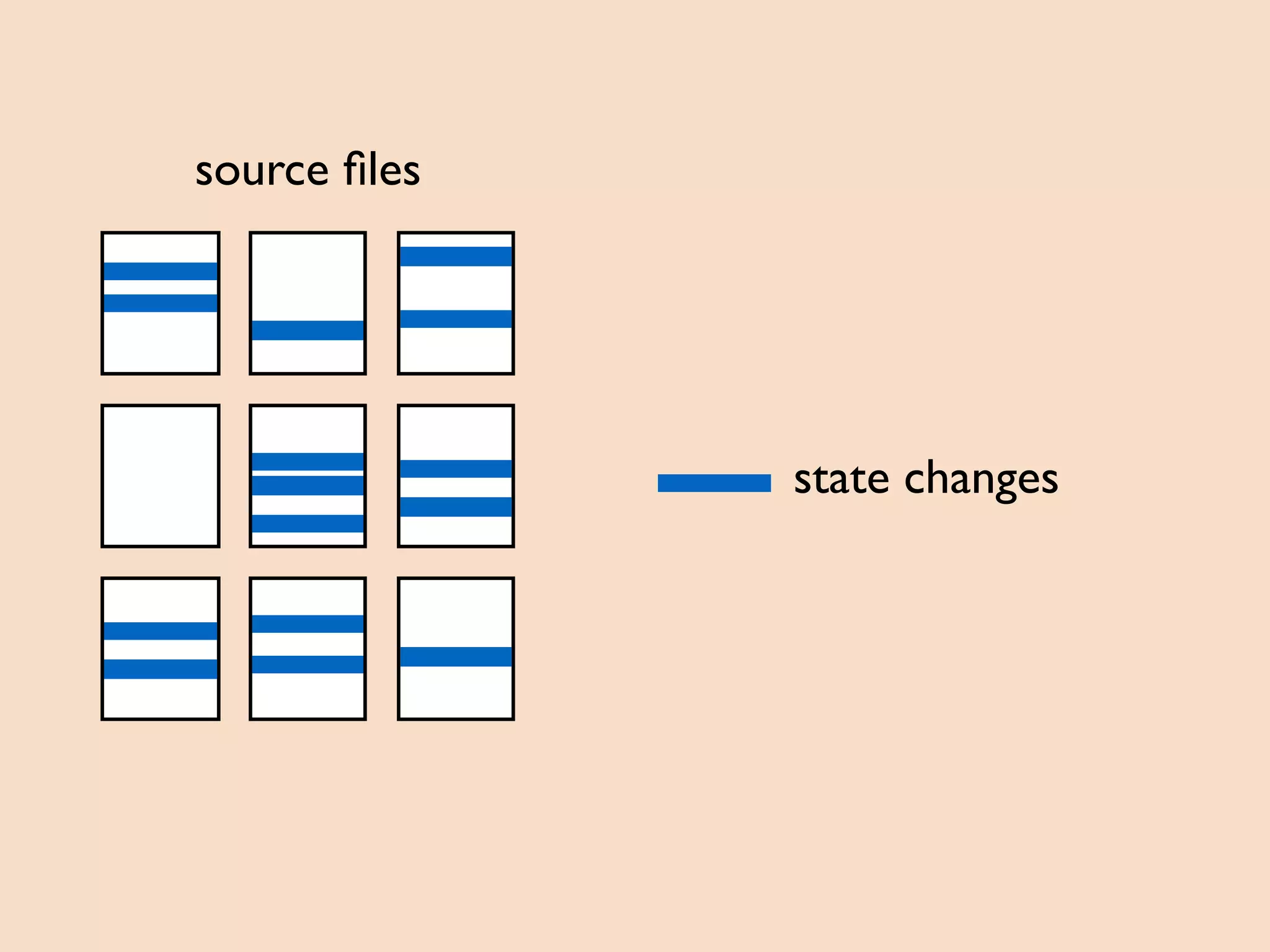
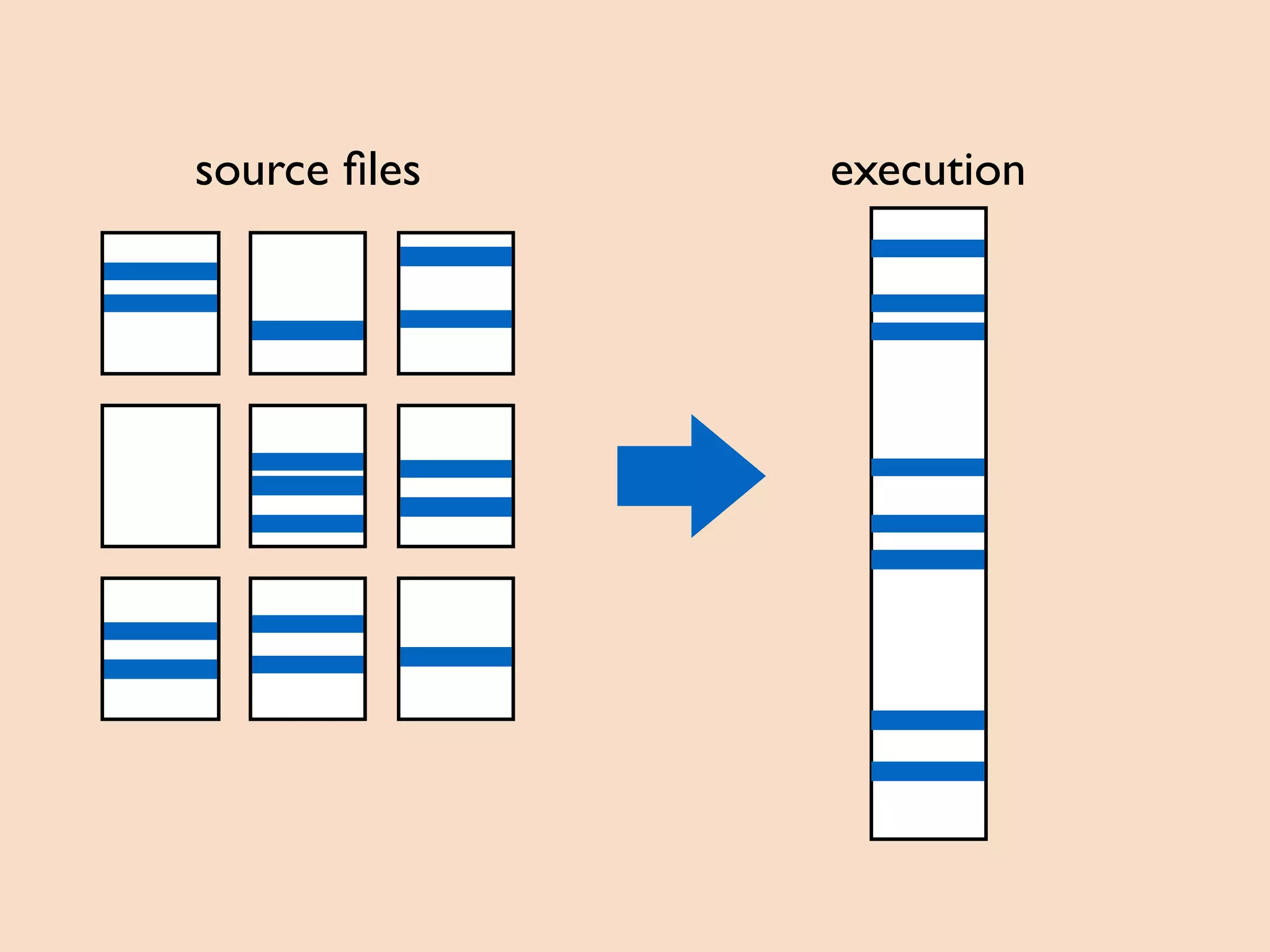
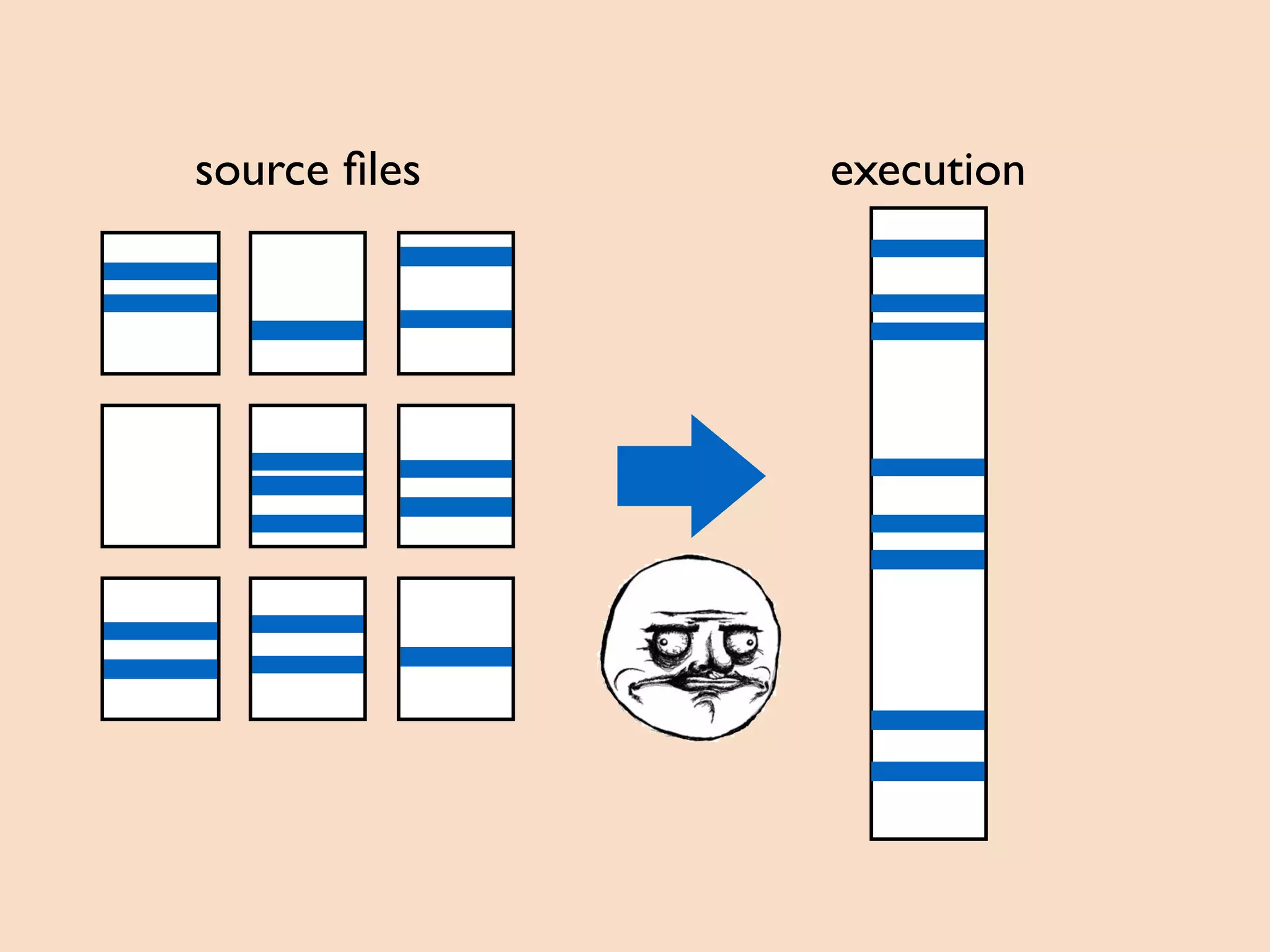
source files
state changes
source files execution
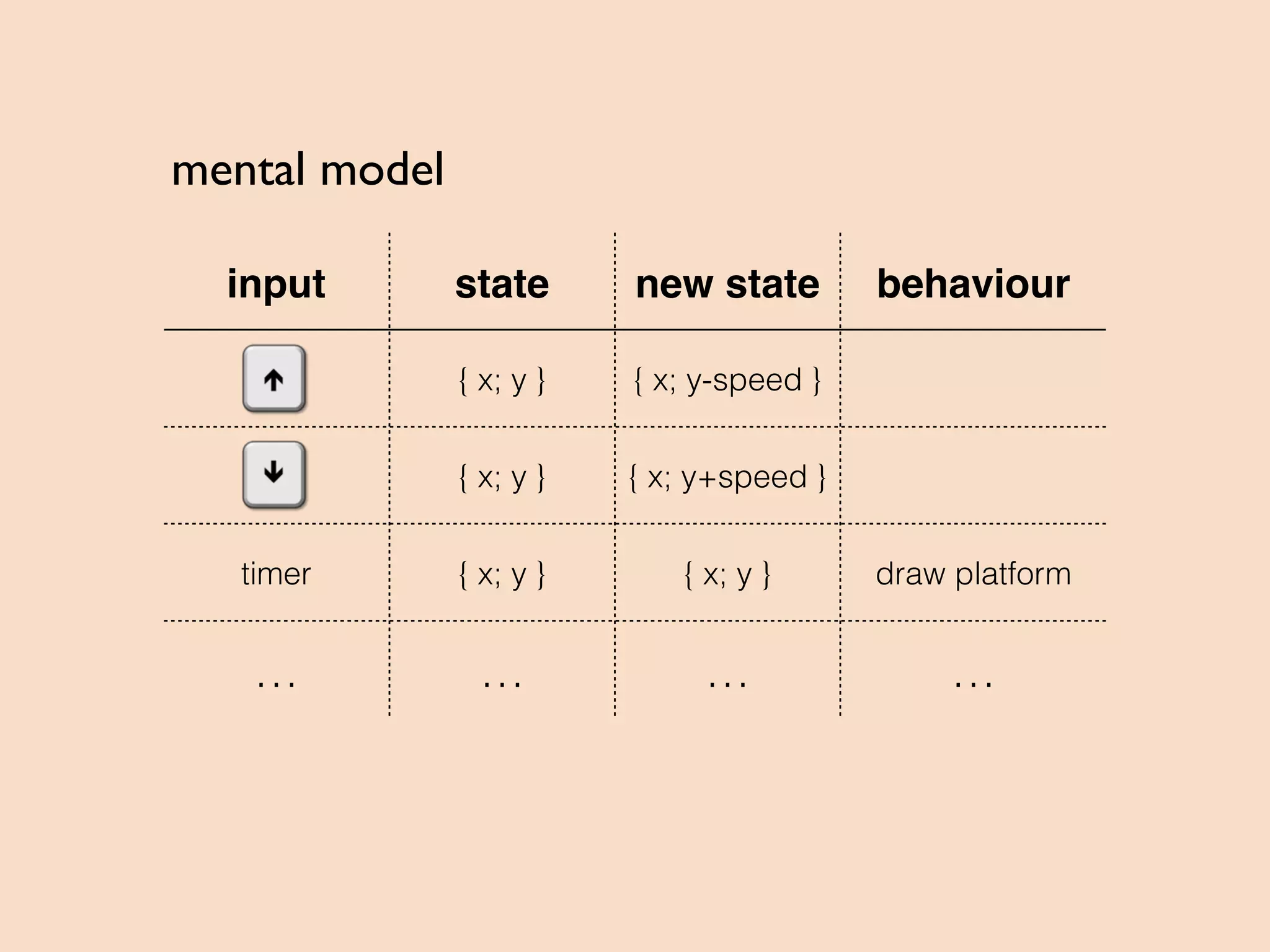
mental model
input state new state behaviour
{ x; y } { x; y-speed }
{ x; y } { x; y+speed }
timer { x; y } { x; y } draw platform
… … … …
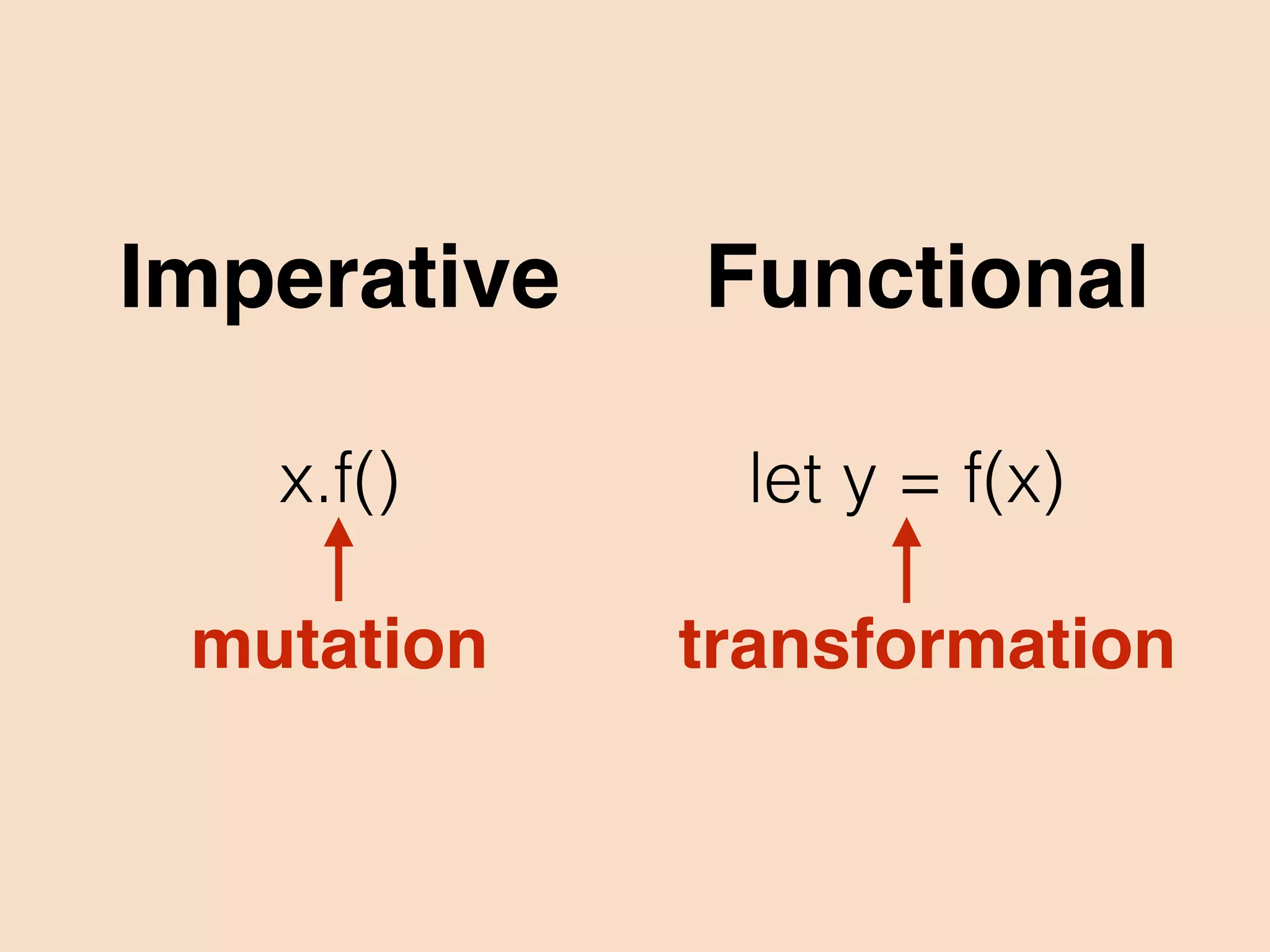
transformation
let y = f(x)
Imperative Functional
x.f()
mutation
transformations
simplify problem
decomposition
Move Up
Move Down
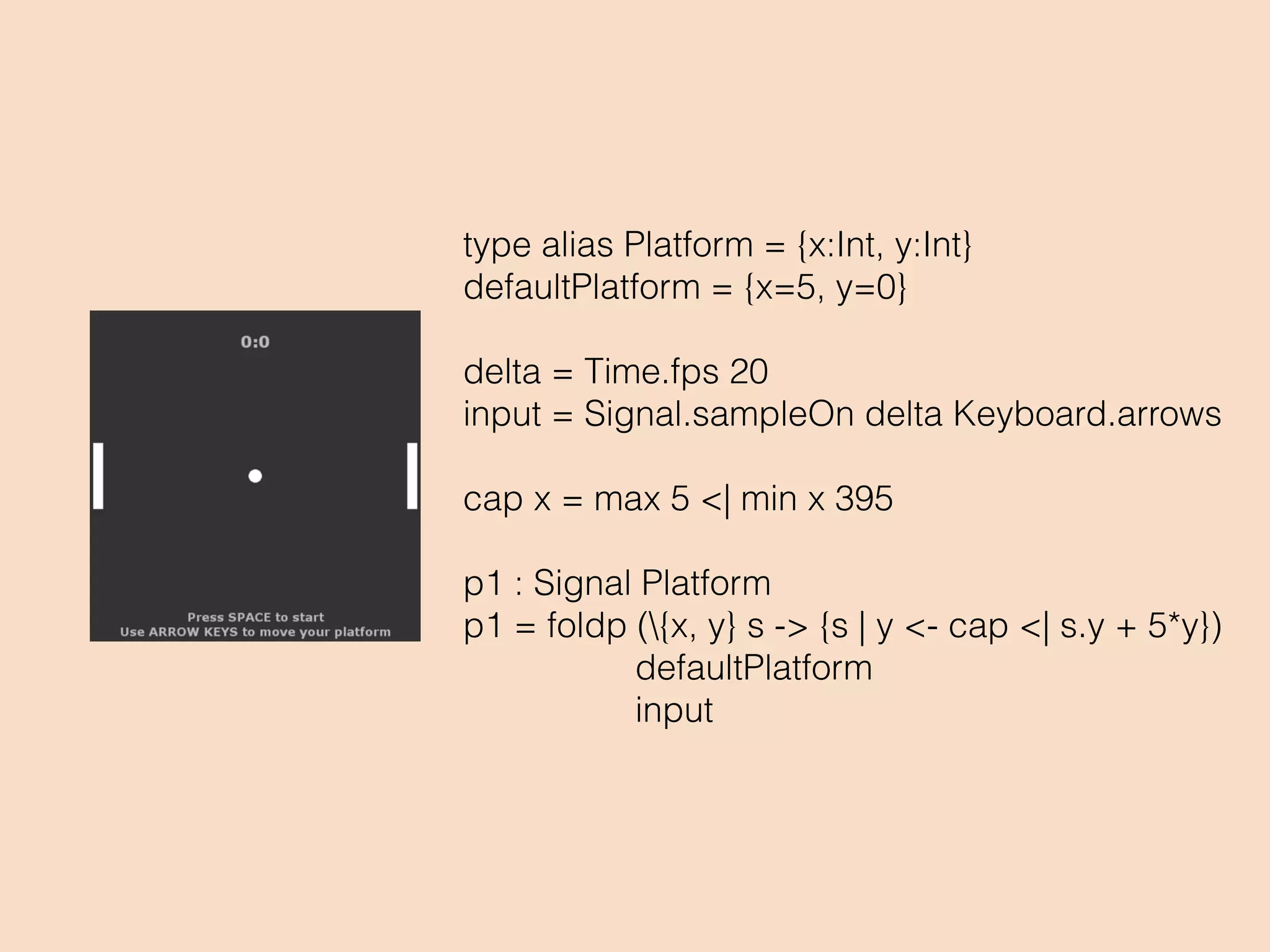
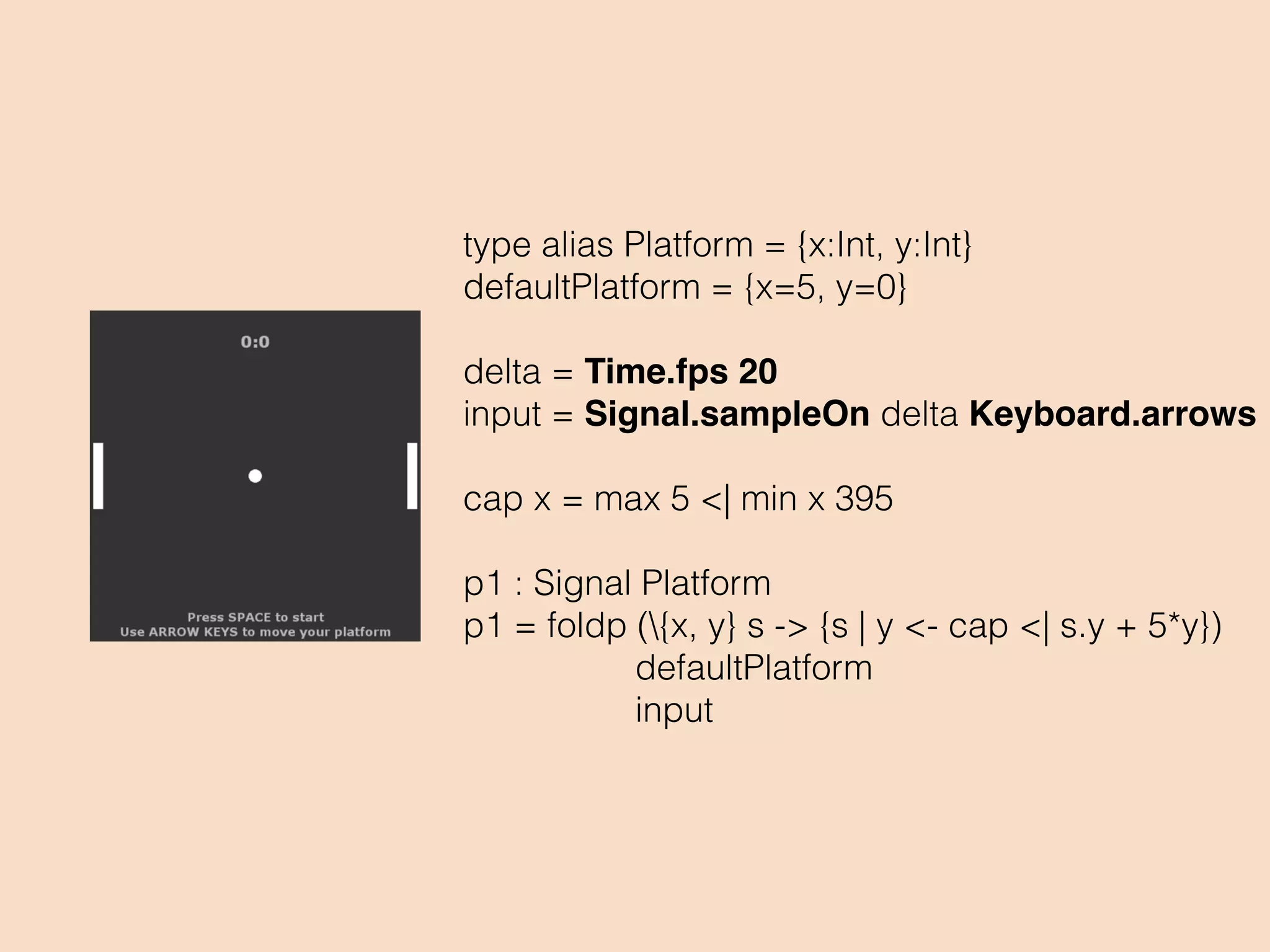
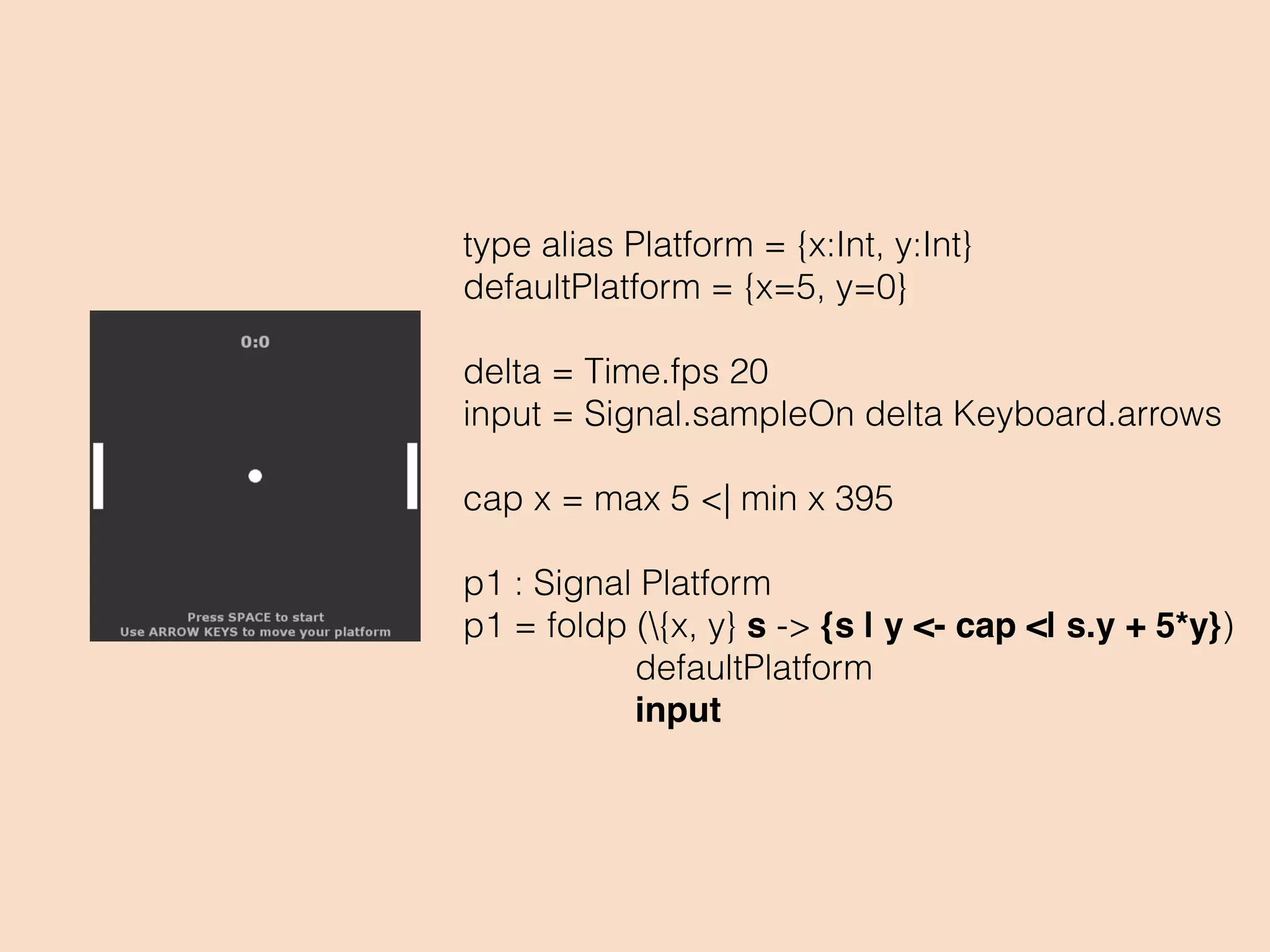
type alias Platform = {x:Int, y:Int}
defaultPlatform = {x=5, y=0}
delta = Time.fps 20
input = Signal.sampleOn delta Keyboard.arrows
cap x = max 5 <| min x 395
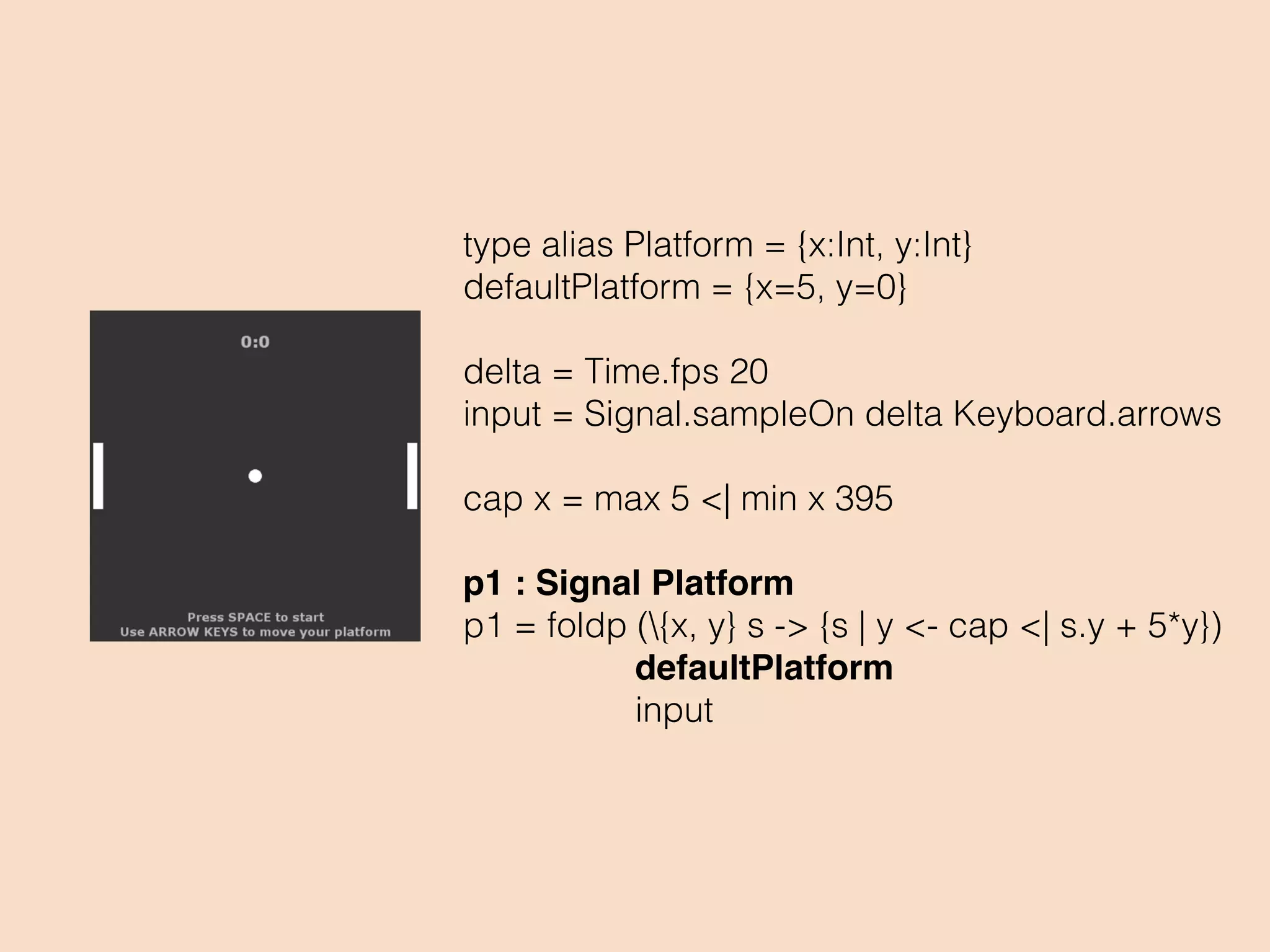
p1 : Signal Platform
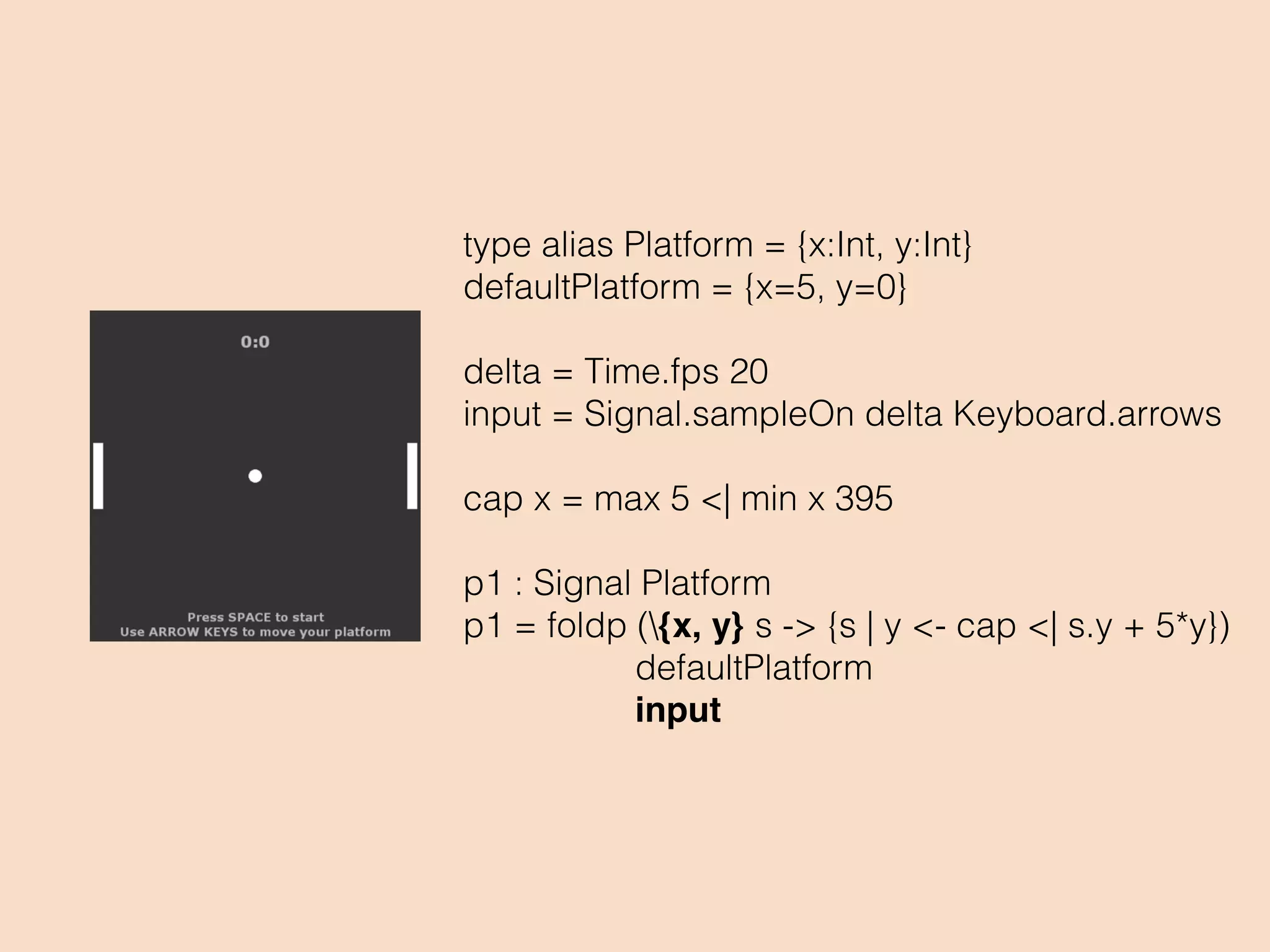
p1 = foldp ({x, y} s -> {s | y <- cap <| s.y + 5*y})
defaultPlatform
input
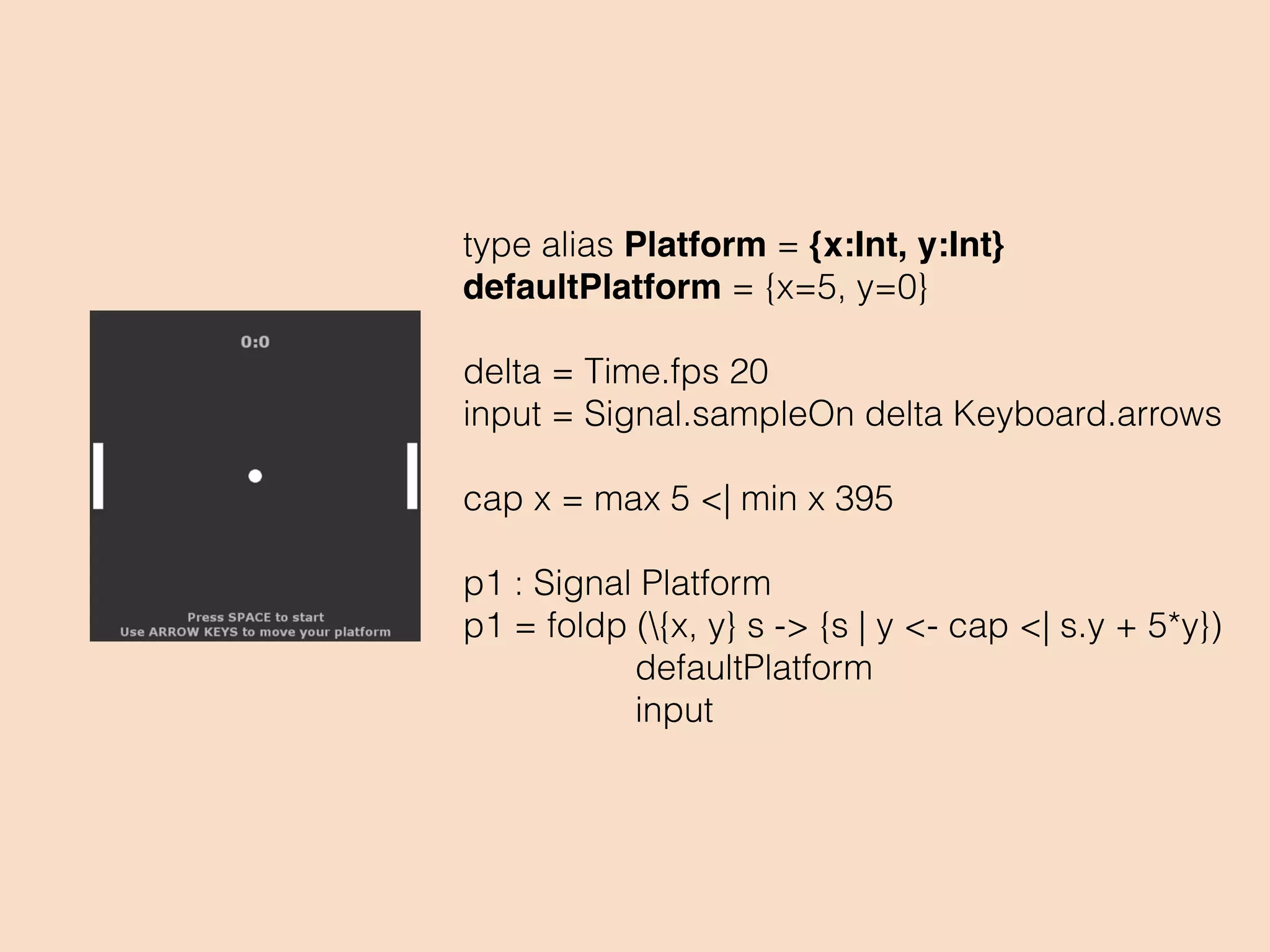
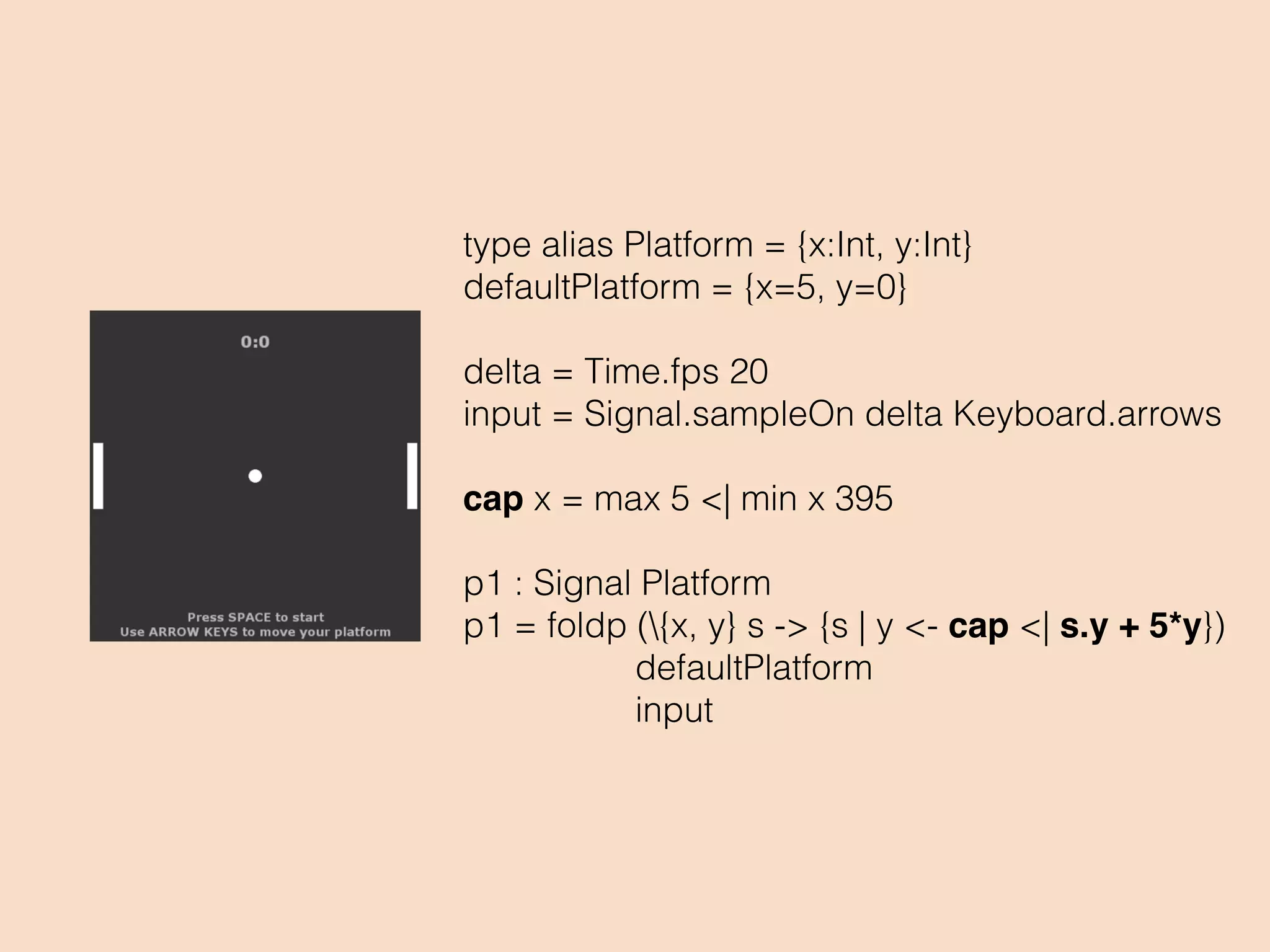
type alias Platform = {x:Int, y:Int}
defaultPlatform = {x=5, y=0}
delta = Time.fps 20
input = Signal.sampleOn delta Keyboard.arrows
cap x = max 5 <| min x 395
p1 : Signal Platform
p1 = foldp ({x, y} s -> {s | y <- cap <| s.y + 5*y})
defaultPlatform
input
type alias Platform = {x:Int, y:Int}
defaultPlatform = {x=5, y=0}
delta = Time.fps 20
input = Signal.sampleOn delta Keyboard.arrows
cap x = max 5 <| min x 395
p1 : Signal Platform
p1 = foldp ({x, y} s -> {s | y <- cap <| s.y + 5*y})
defaultPlatform
input
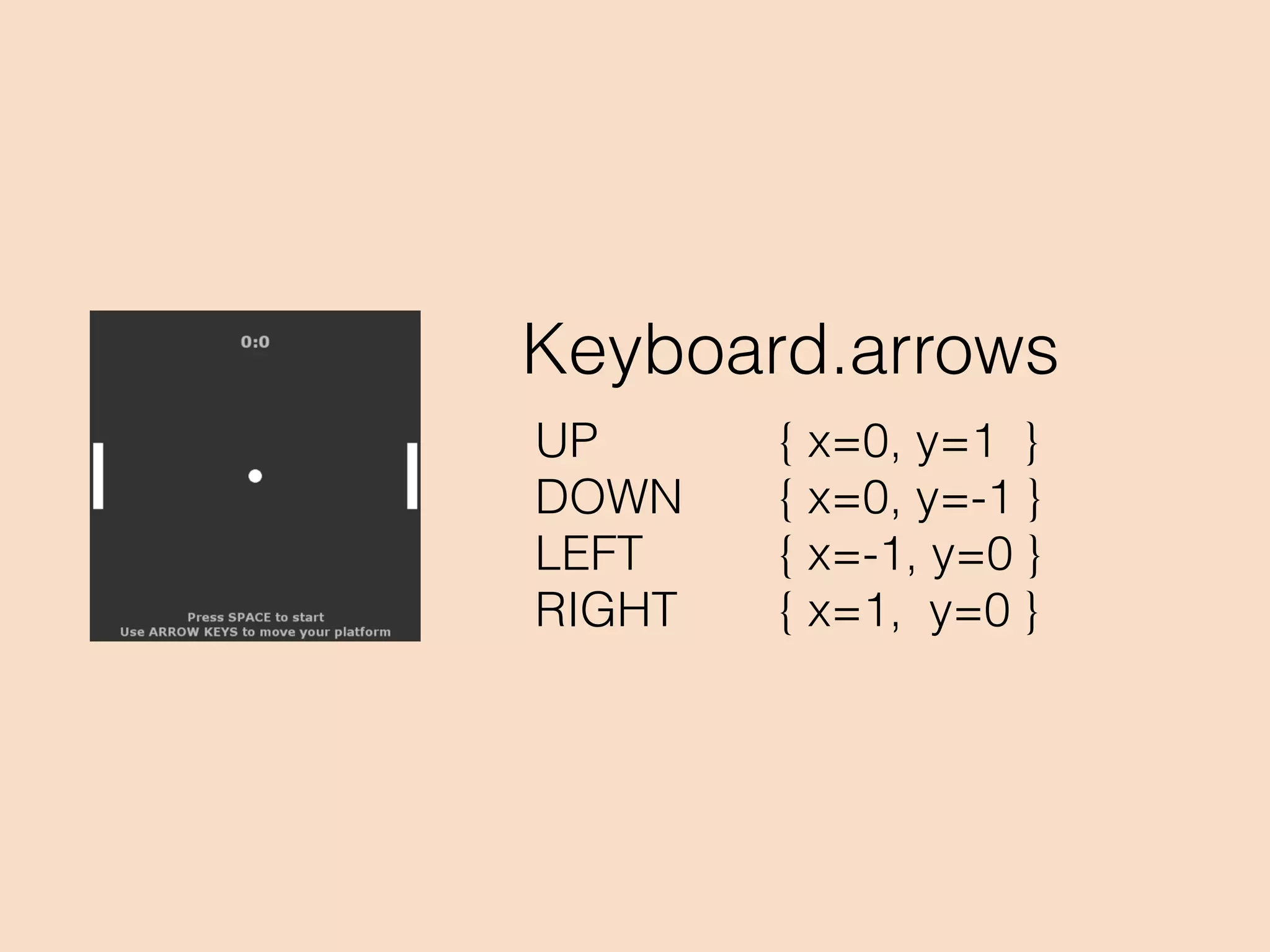
Keyboard.arrows
UP { x=0, y=1 }
DOWN { x=0, y=-1 }
LEFT { x=-1, y=0 }
RIGHT { x=1, y=0 }
type alias Platform = {x:Int, y:Int}
defaultPlatform = {x=5, y=0}
delta = Time.fps 20
input = Signal.sampleOn delta Keyboard.arrows
cap x = max 5 <| min x 395
p1 : Signal Platform
p1 = foldp ({x, y} s -> {s | y <- cap <| s.y + 5*y})
defaultPlatform
input
type alias Platform = {x:Int, y:Int}
defaultPlatform = {x=5, y=0}
delta = Time.fps 20
input = Signal.sampleOn delta Keyboard.arrows
cap x = max 5 <| min x 395
p1 : Signal Platform
p1 = foldp ({x, y} s -> {s | y <- cap <| s.y + 5*y})
defaultPlatform
input
type alias Platform = {x:Int, y:Int}
defaultPlatform = {x=5, y=0}
delta = Time.fps 20
input = Signal.sampleOn delta Keyboard.arrows
cap x = max 5 <| min x 395
p1 : Signal Platform
p1 = foldp ({x, y} s -> {s | y <- cap <| s.y + 5*y})
defaultPlatform
input
type alias Platform = {x:Int, y:Int}
defaultPlatform = {x=5, y=0}
delta = Time.fps 20
input = Signal.sampleOn delta Keyboard.arrows
cap x = max 5 <| min x 395
p1 : Signal Platform
p1 = foldp ({x, y} s -> {s | y <- cap <| s.y + 5*y})
defaultPlatform
input
“I thought of objects being like
biological cells and/or
individual computers on a
network, only able to
communicate with messages.”
- Alan Kay
“OOP to me means only
messaging, local retention and
protection and hiding of state-
process, and extreme late-
binding of all things.”
- Alan Kay
Borrowed Pointers
Actor Model
Bit Syntax
Type Provider Pipes
Statically Resolved TP
Implicit Interface
Implementation
Dependent Types
Uniqueness Types
Signals
Macros
Unit-of-Measure
actor model
actor
state
mailbox
actors share nothing
actor
state
mailbox
actor
actor
state
mailbox
actor
processing
storage
communication
loop (Map) ->
receive
{get, Key, Pid} ->
Pid ! maps:get(Key, Map, not_found),
loop(Map);
{set, Key, Value} ->
loop(maps:put(Key, Value, Map))
end.
loop (Map) ->
receive
{get, Key, Pid} ->
Pid ! maps:get(Key, Map, not_found),
loop(Map);
{set, Key, Value} ->
loop(maps:put(Key, Value, Map))
end.
loop (Map) ->
receive
{get, Key, Pid} ->
Pid ! maps:get(Key, Map, not_found),
loop(Map);
{set, Key, Value} ->
loop(maps:put(Key, Value, Map))
end.
loop (Map) ->
receive
{get, Key, Pid} ->
Pid ! maps:get(Key, Map, not_found),
loop(Map);
{set, Key, Value} ->
loop(maps:put(Key, Value, Map))
end.
client (N, Pid) ->
Pid ! {set, N, N},
Pid ! {get, N, self()},
receive
not_found -> io:format(“~p :-(~n”, [N]);
N -> io:format(“~p :-)~n”, [N]);
_ -> io:format(“~p …~n”, [N])
end.
client (N, Pid) ->
Pid ! {set, N, N},
Pid ! {get, N, self()},
receive
not_found -> io:format(“~p :-(~n”, [N]);
N -> io:format(“~p :-)~n”, [N]);
_ -> io:format(“~p …~n”, [N])
end.
client (N, Pid) ->
Pid ! {set, N, N},
Pid ! {get, N, self()},
receive
not_found -> io:format(“~p :-(~n”, [N]);
N -> io:format(“~p :-)~n”, [N]);
_ -> io:format(“~p …~n”, [N])
end.
start(N) ->
Kvs = spawn(mod, loop, [#{}]),
[spawn(mod, client, [X, Kvs])
|| X <- lists:seq(1,N)].
actors are cheap
no locks!
need state?
talk to the actor!
location
transparency
pre-emptive
scheduling
makes you
THINK
about
distributed systems
messaging promotes
failure thinking
Distributed
Computing
Network is reliable
Latency is zero
Bandwidth is infinite
Network is secure
Topology doesn't change
There is one administrator
Transport cost is zero
The network is homogeneous
8 fallacies of distributed computing
supervise & restart
Type Provider Pipes
Statically Resolved TP
Implicit Interface
Implementation
Borrowed Pointers Dependent Types
Uniqueness TypesOTP
Bit Syntax
Signals
Macros
Unit-of-Measure
10,000 hours to be
good at something
see also http://bit.ly/1KN7SLq
10,000 hours to be
good at something
see also http://bit.ly/1KN7SLq
10,000 hours to reach
top of an ultra-
competitive field
see also http://bit.ly/1KN7SLq
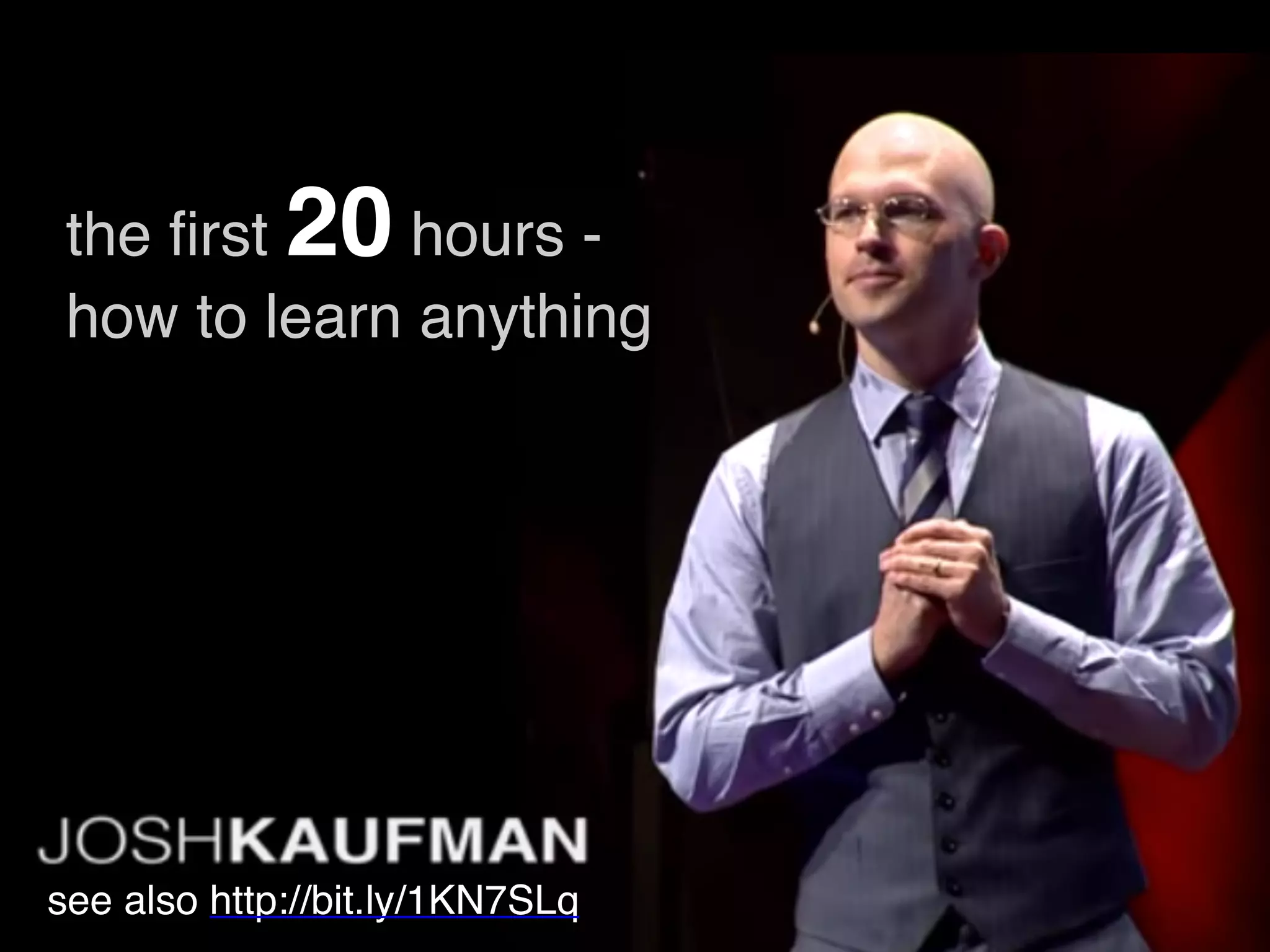
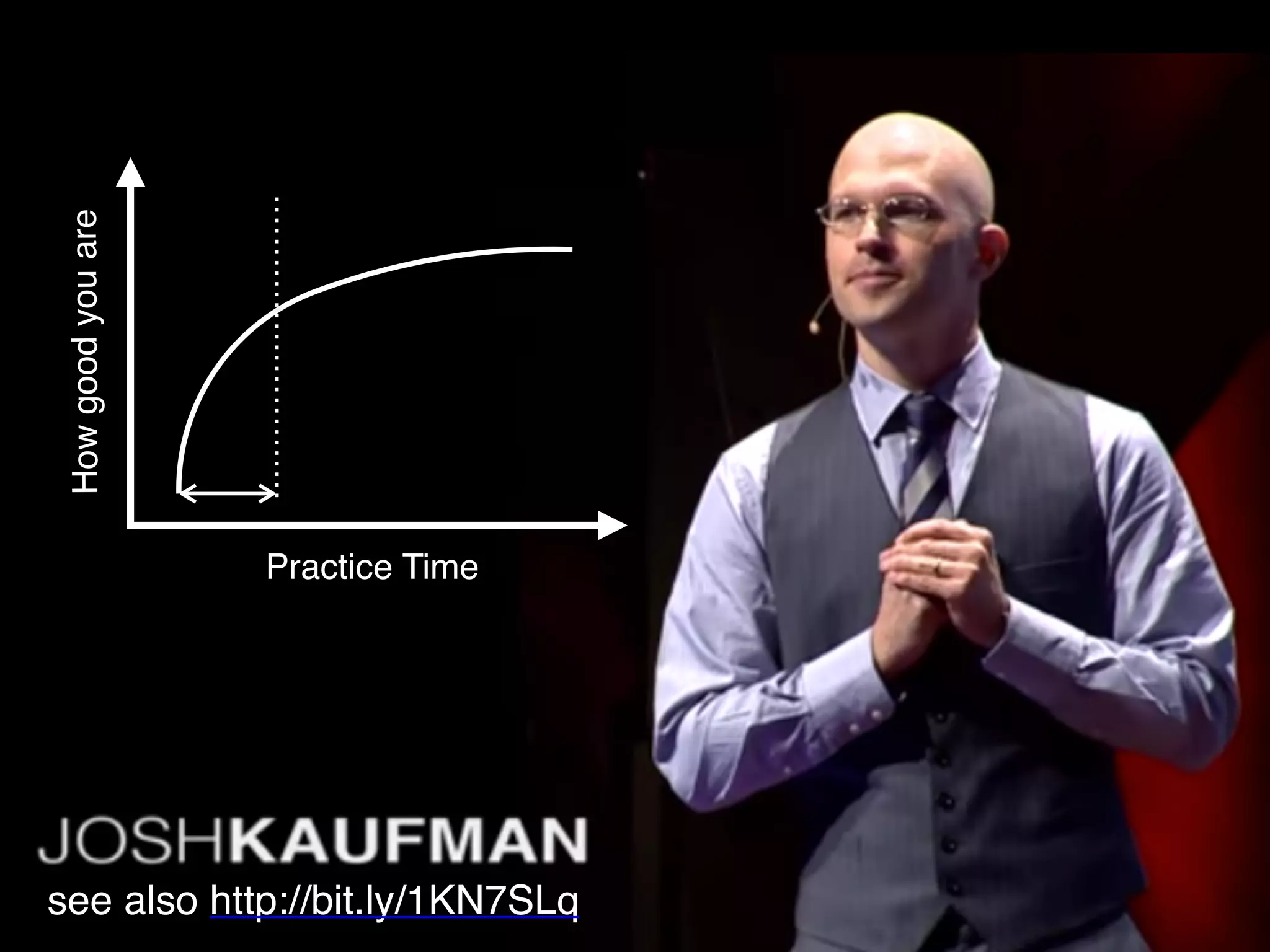
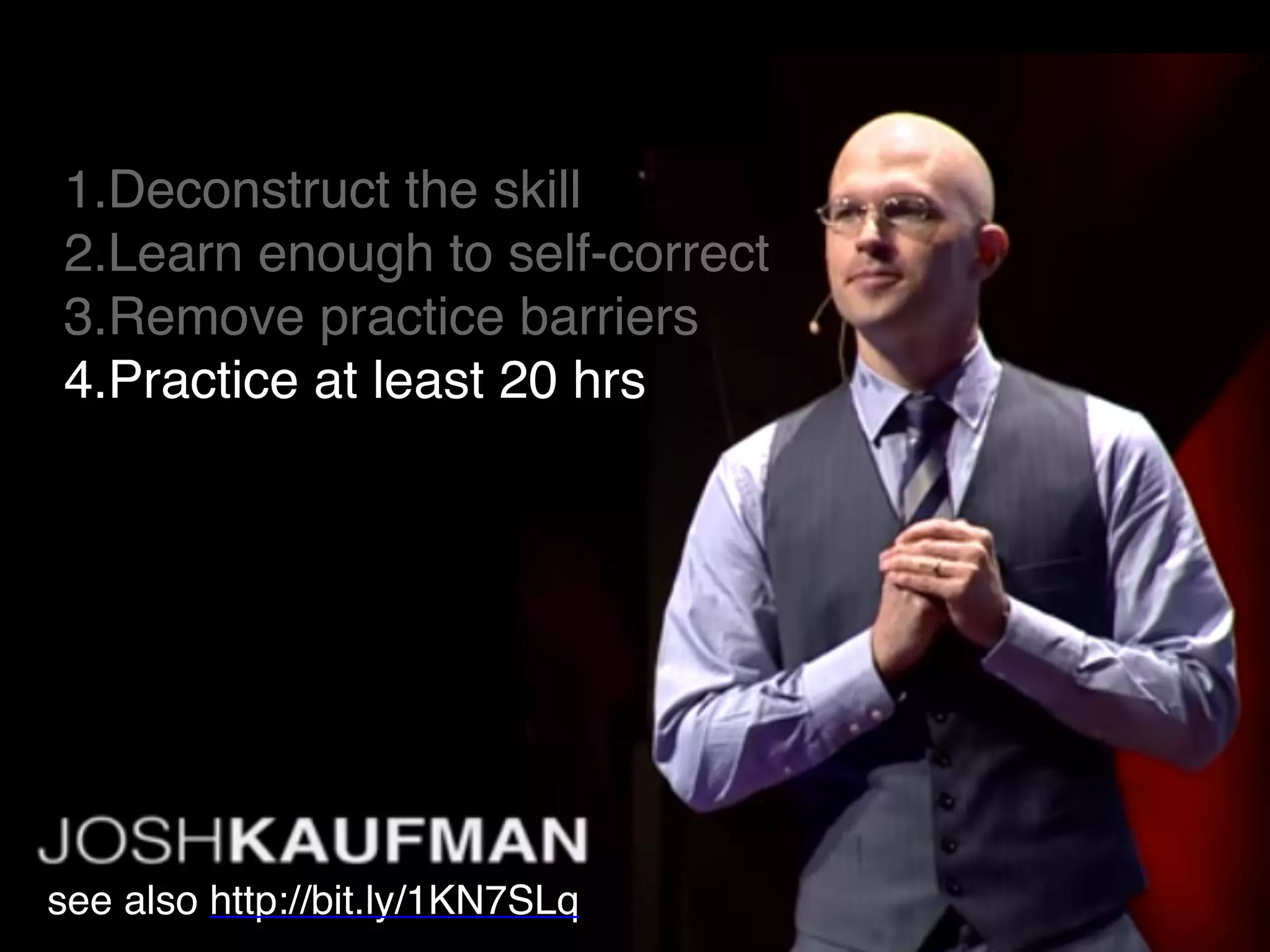
the first 20 hours -
how to learn anything
see also http://bit.ly/1KN7SLq
Practice Time
Howgoodyouare
see also http://bit.ly/1KN7SLq
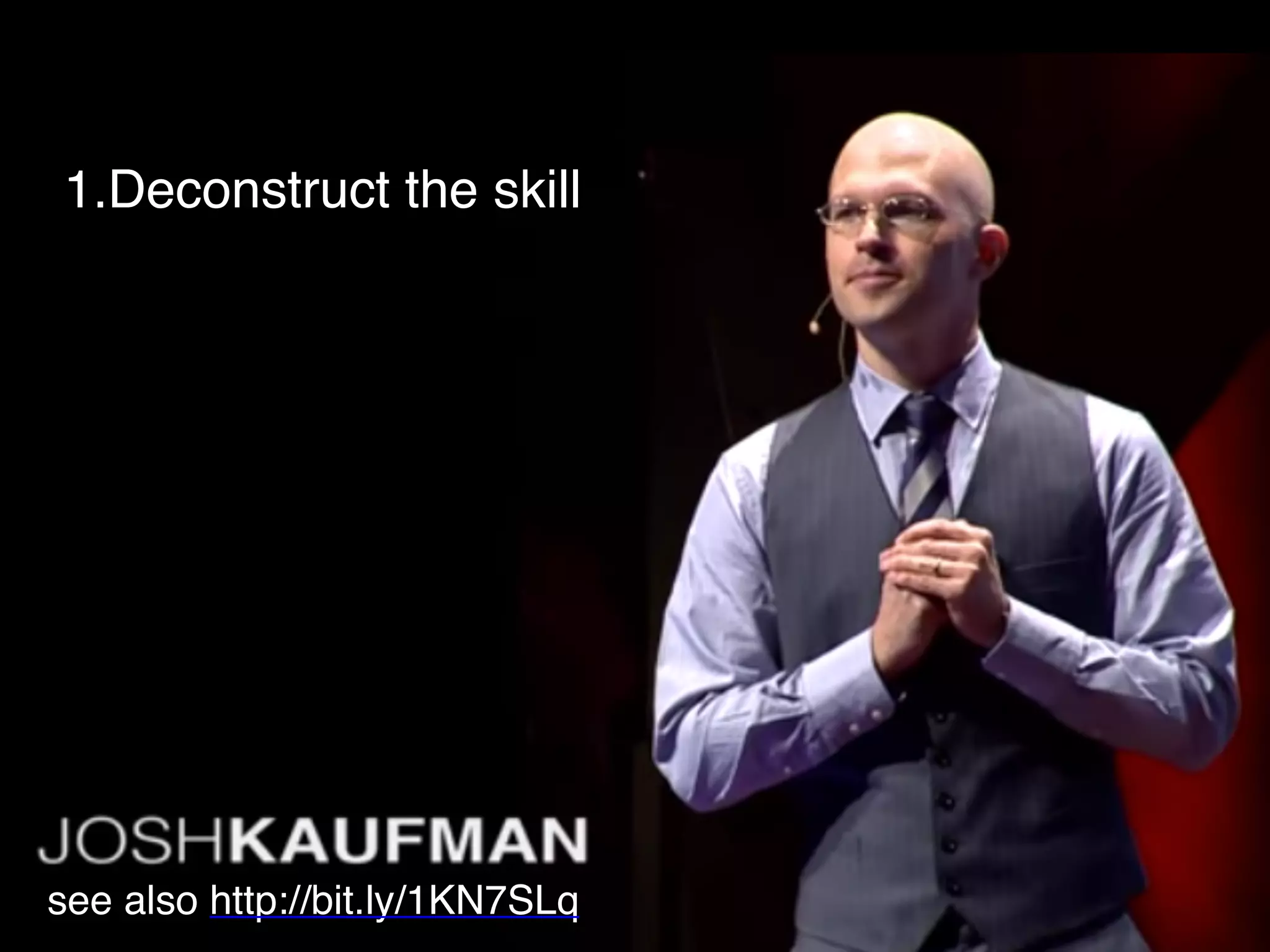
1.Deconstruct the skill
see also http://bit.ly/1KN7SLq
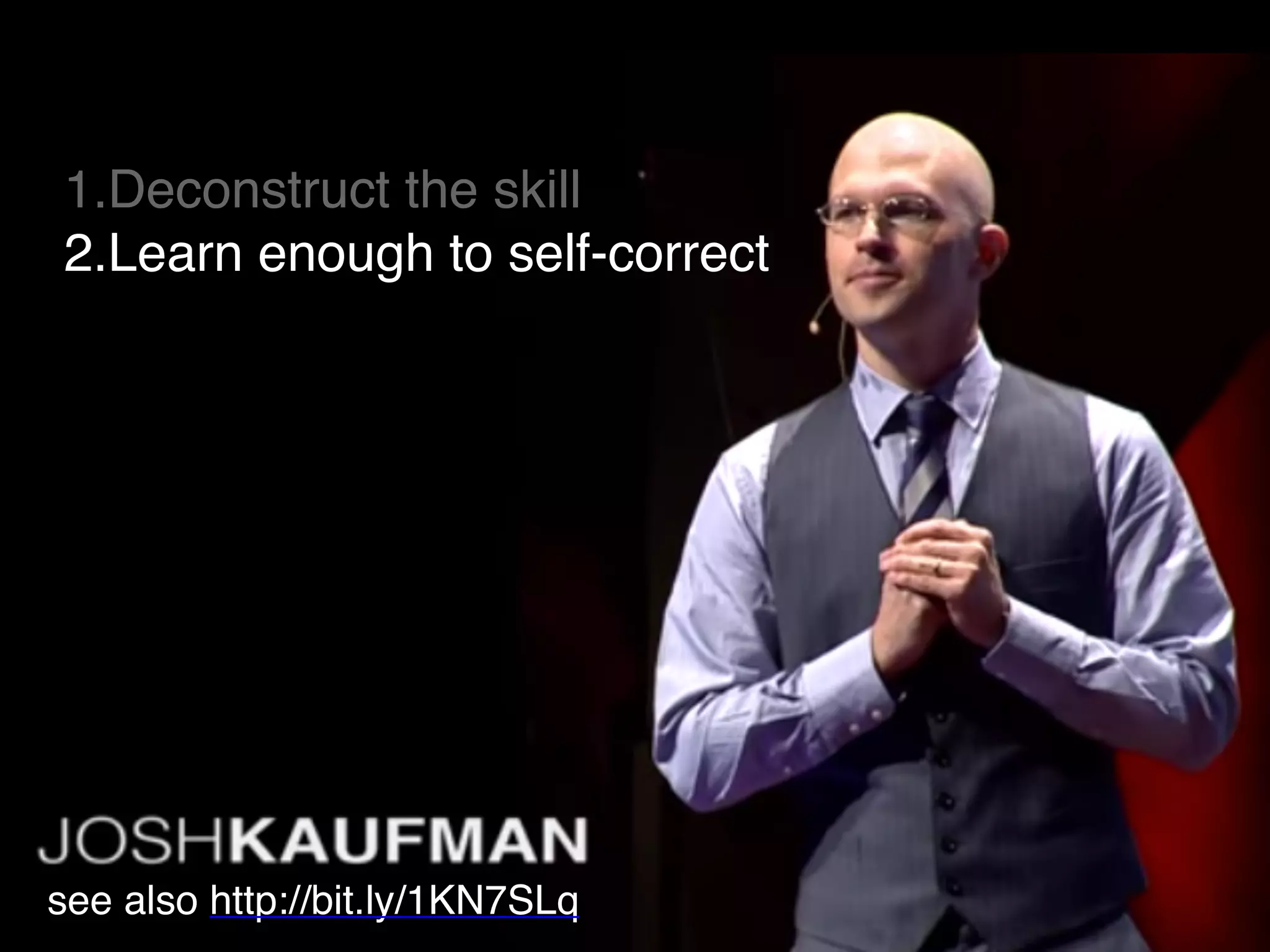
1.Deconstruct the skill
2.Learn enough to self-correct
see also http://bit.ly/1KN7SLq
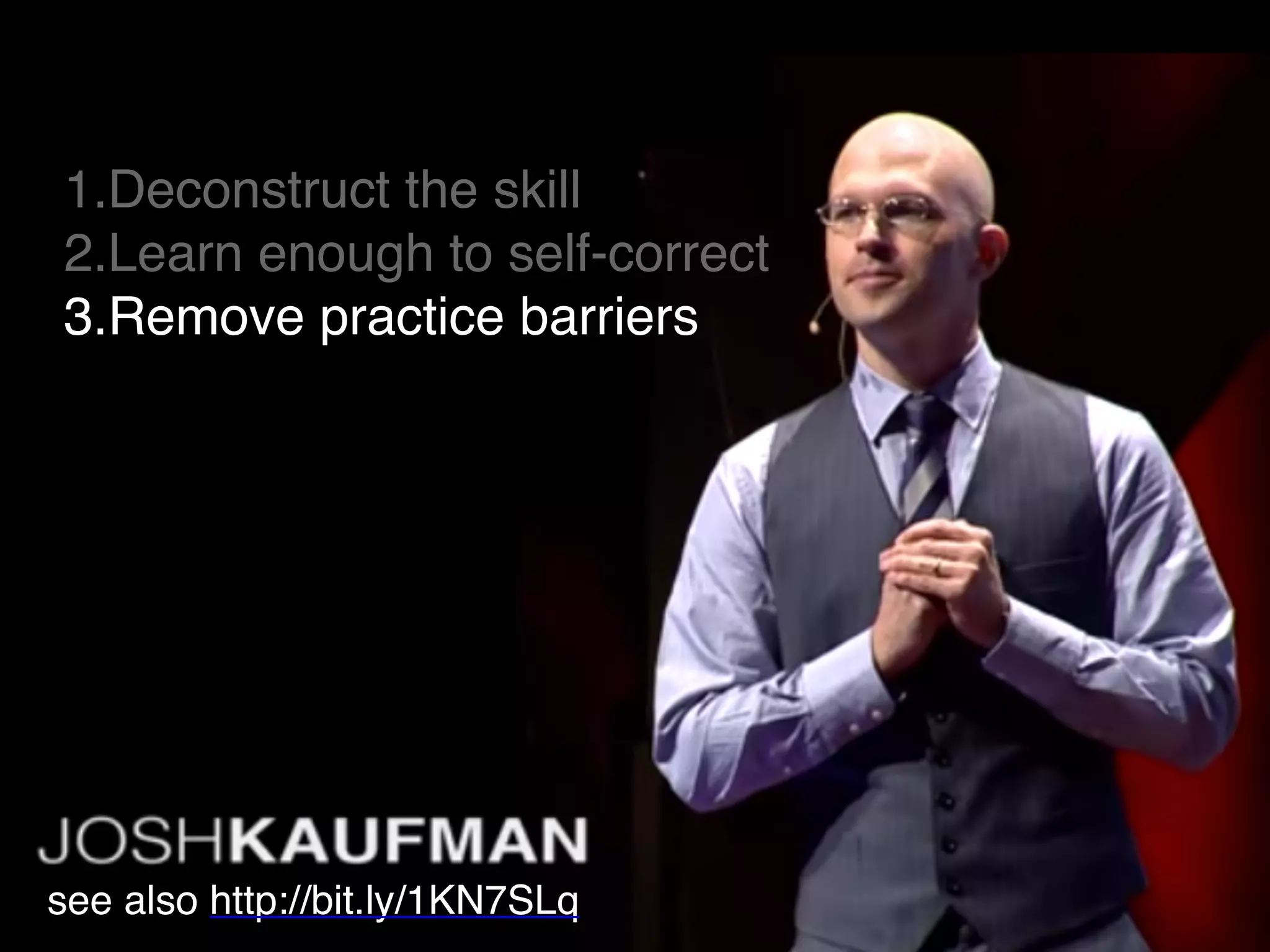
1.Deconstruct the skill
2.Learn enough to self-correct
3.Remove practice barriers
see also http://bit.ly/1KN7SLq
1.Deconstruct the skill
2.Learn enough to self-correct
3.Remove practice barriers
4.Practice at least 20 hrs
see also http://bit.ly/1KN7SLq
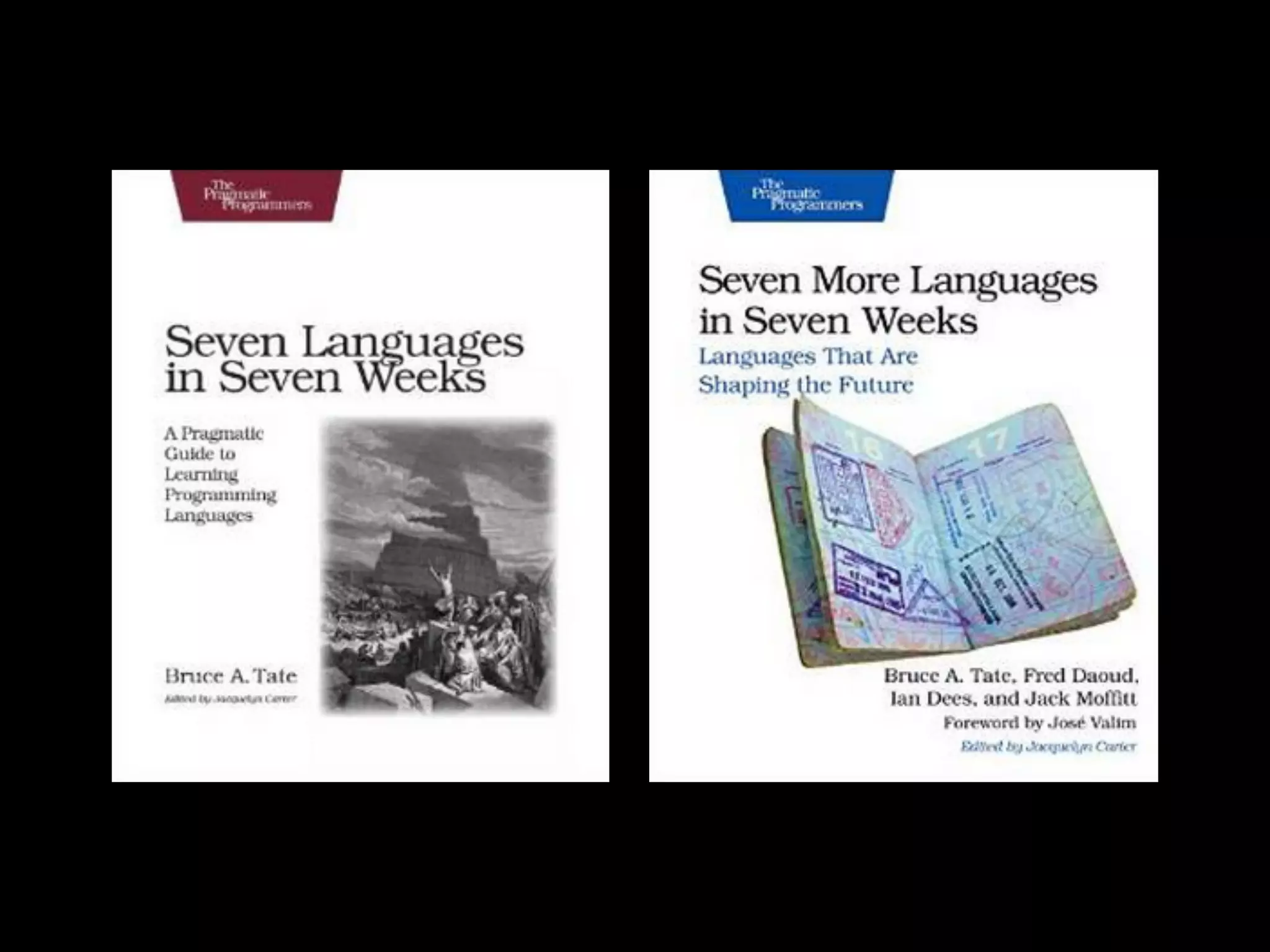
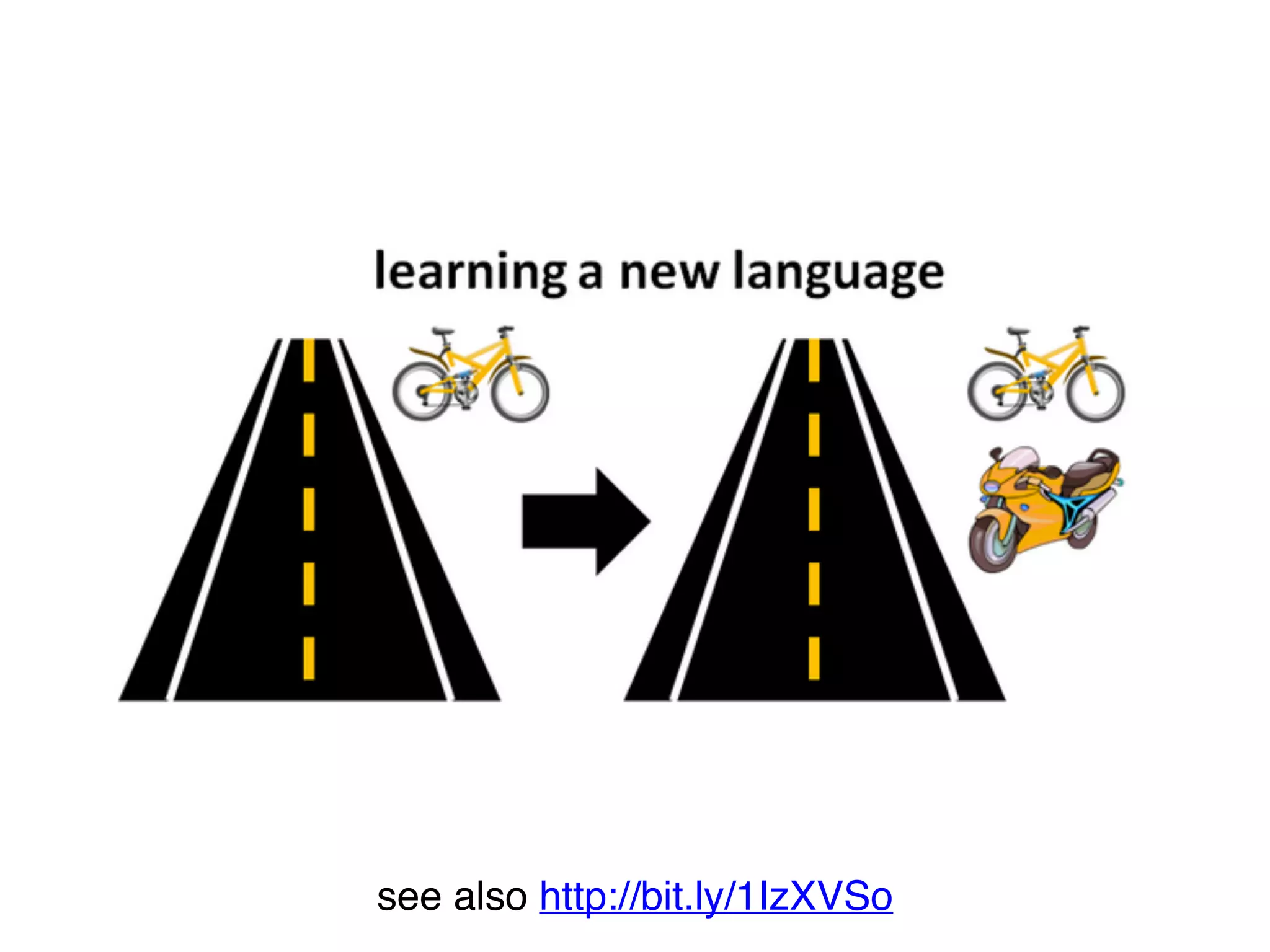
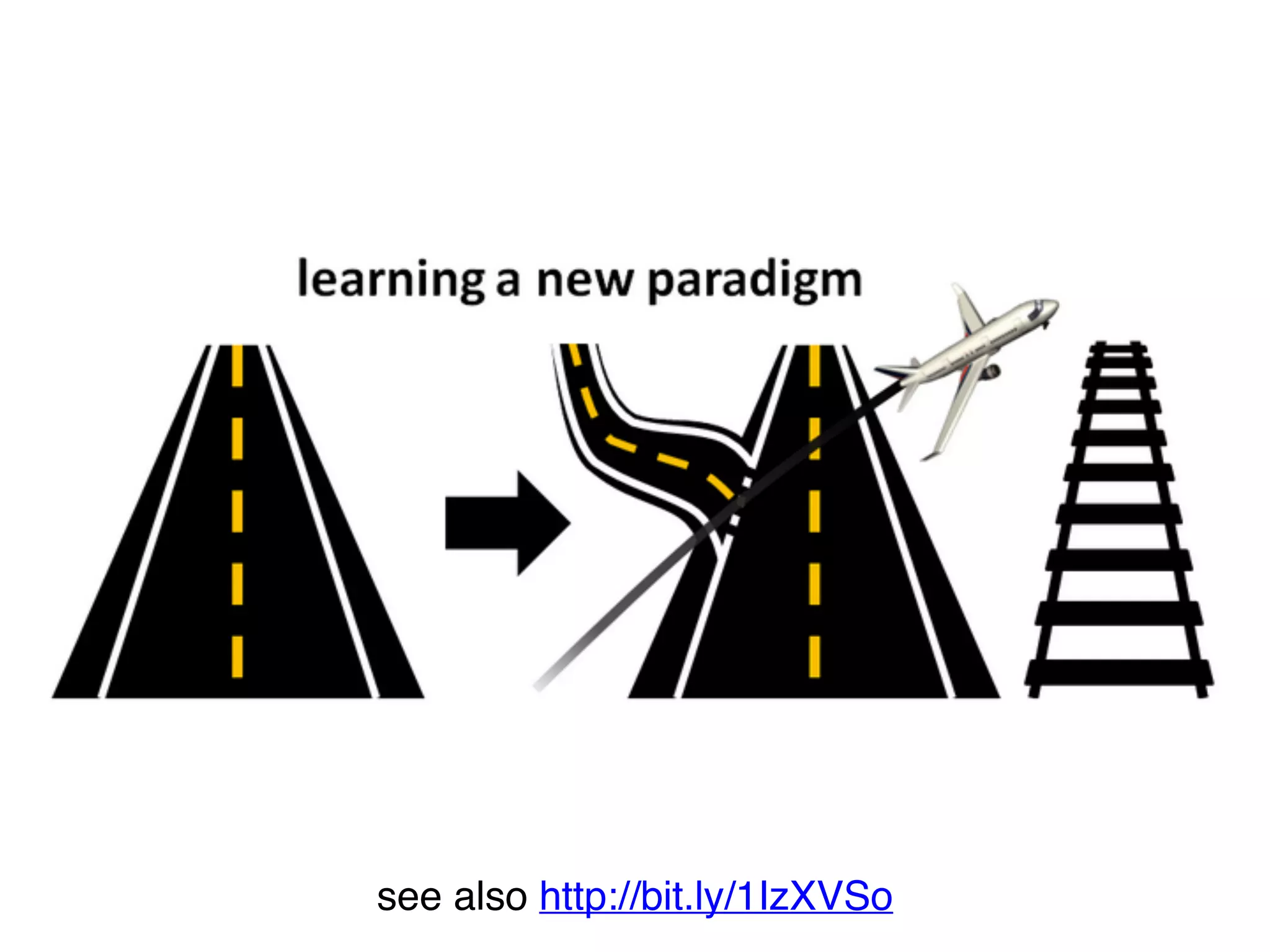
learn a new paradigm
not a new syntax
see also http://bit.ly/1IzXVSo
logic programming
stack-oriented
programming
array programming
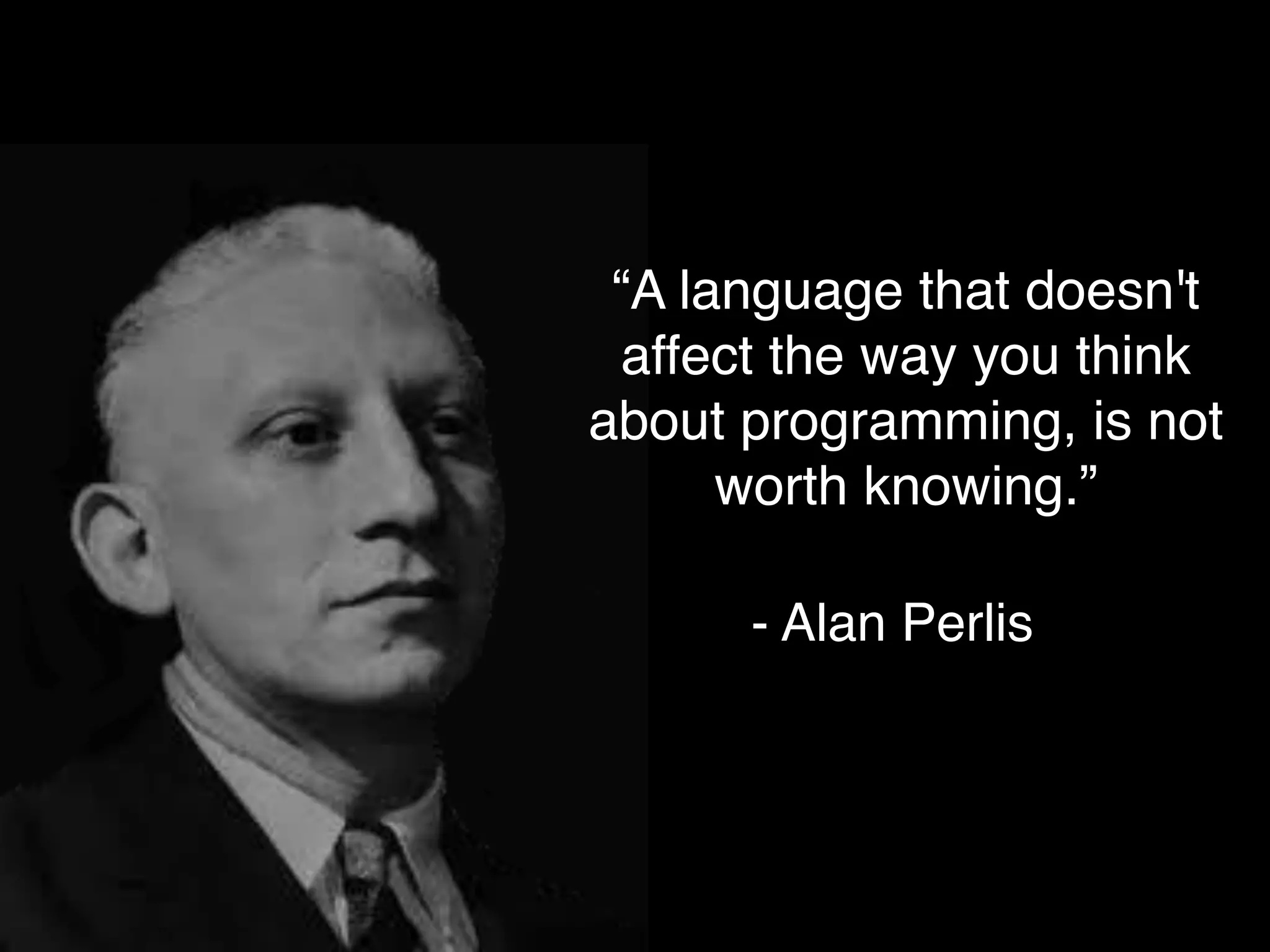
“A language that doesn't
affect the way you think
about programming, is not
worth knowing.”
- Alan Perlis
see also http://bit.ly/1IzXVSo
“Learning is an act of creation
itself, because something
happens in you that wasn't
there before.”
- Alan Kay
@theburningmonk
theburningmonk.com
github.com/theburningmonk

Tour of language landscape (code.talks)