Engineering 245The Lean Launch PadSession 7: ChannelsSteve Blank, Ann Miura-Ko, Jon Feiberhttp://e245.stanford.edu
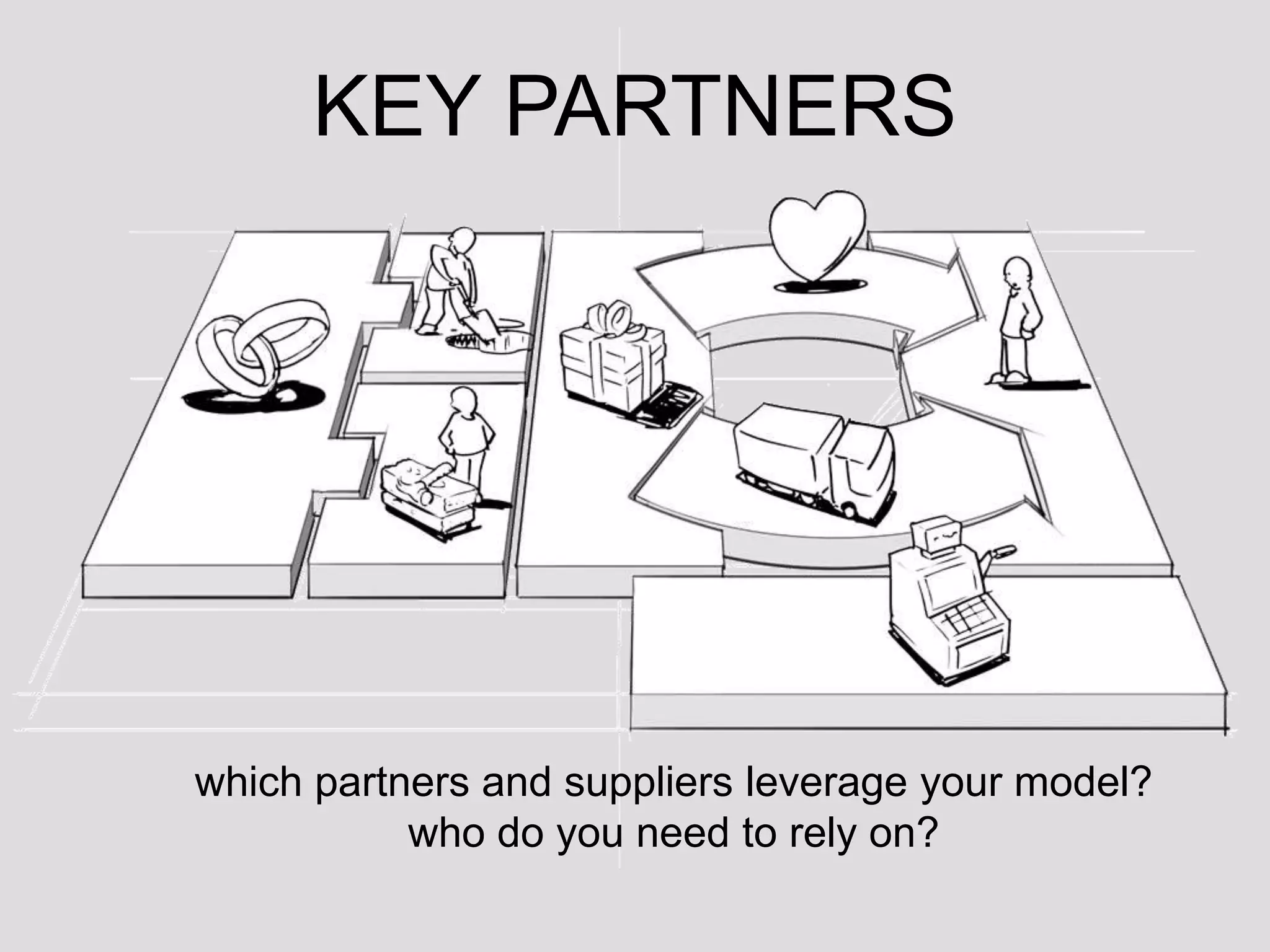
KEY PARTNERSwhich partners and suppliers leverage your model? who do you need to rely on?
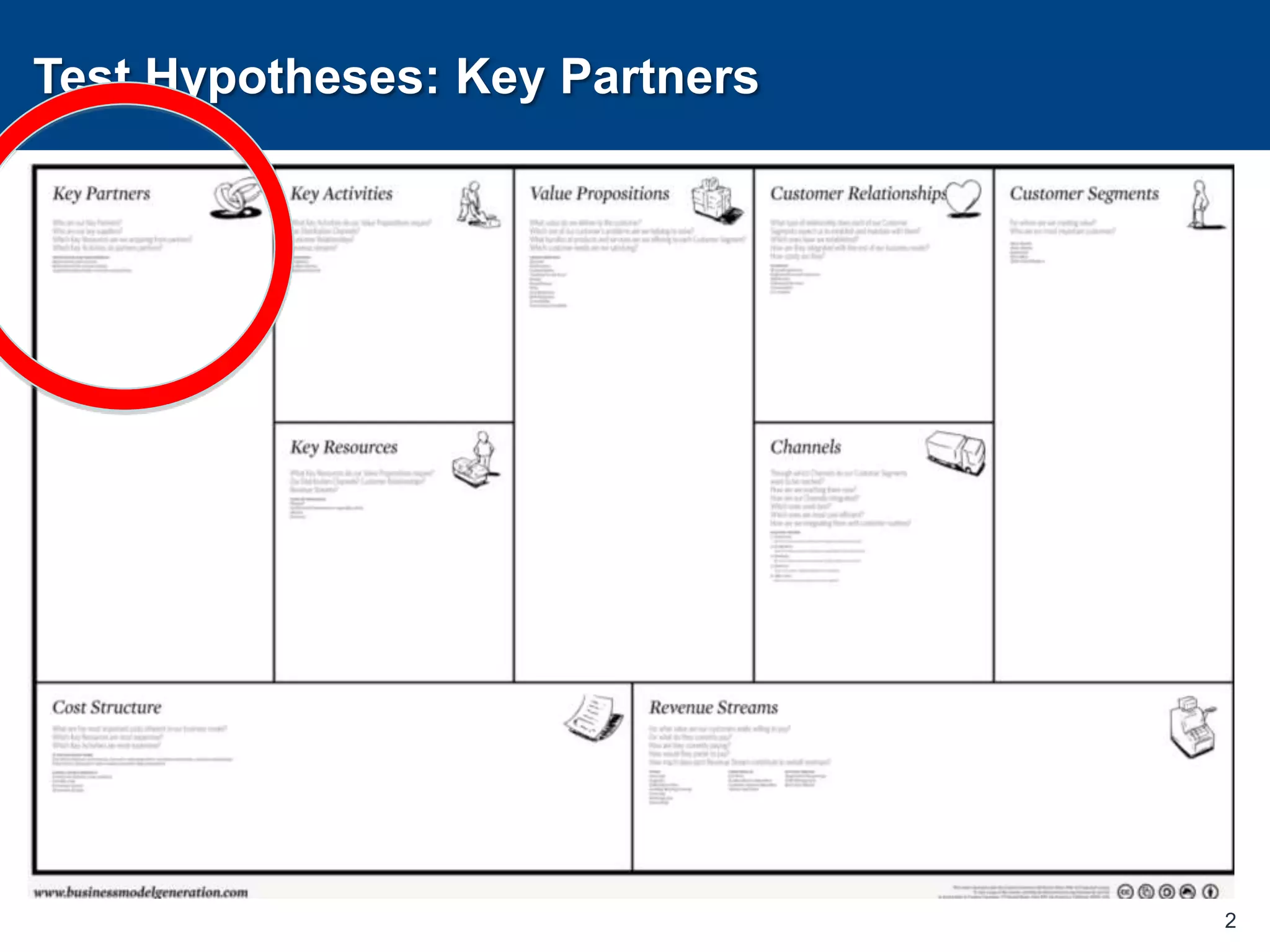
Test Hypotheses: Key Partners2
Why have partners?Faster time to marketBroader product offeringMore efficient use of capitalUnique customer knowledge or expertiseAccess to new markets3üüüüü
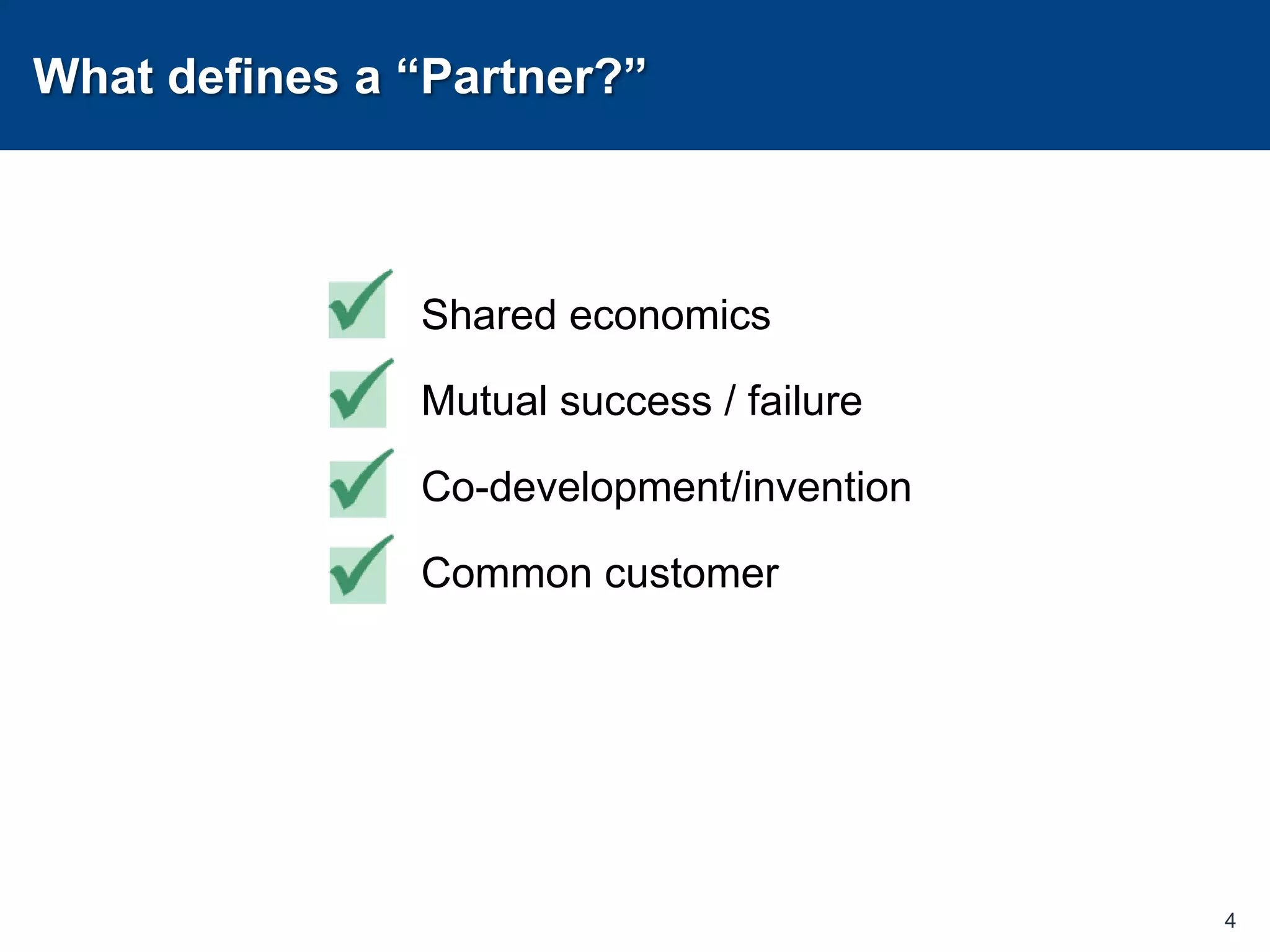
What defines a “Partner?”Shared economicsMutual success / failureCo-development/inventionCommon customer4
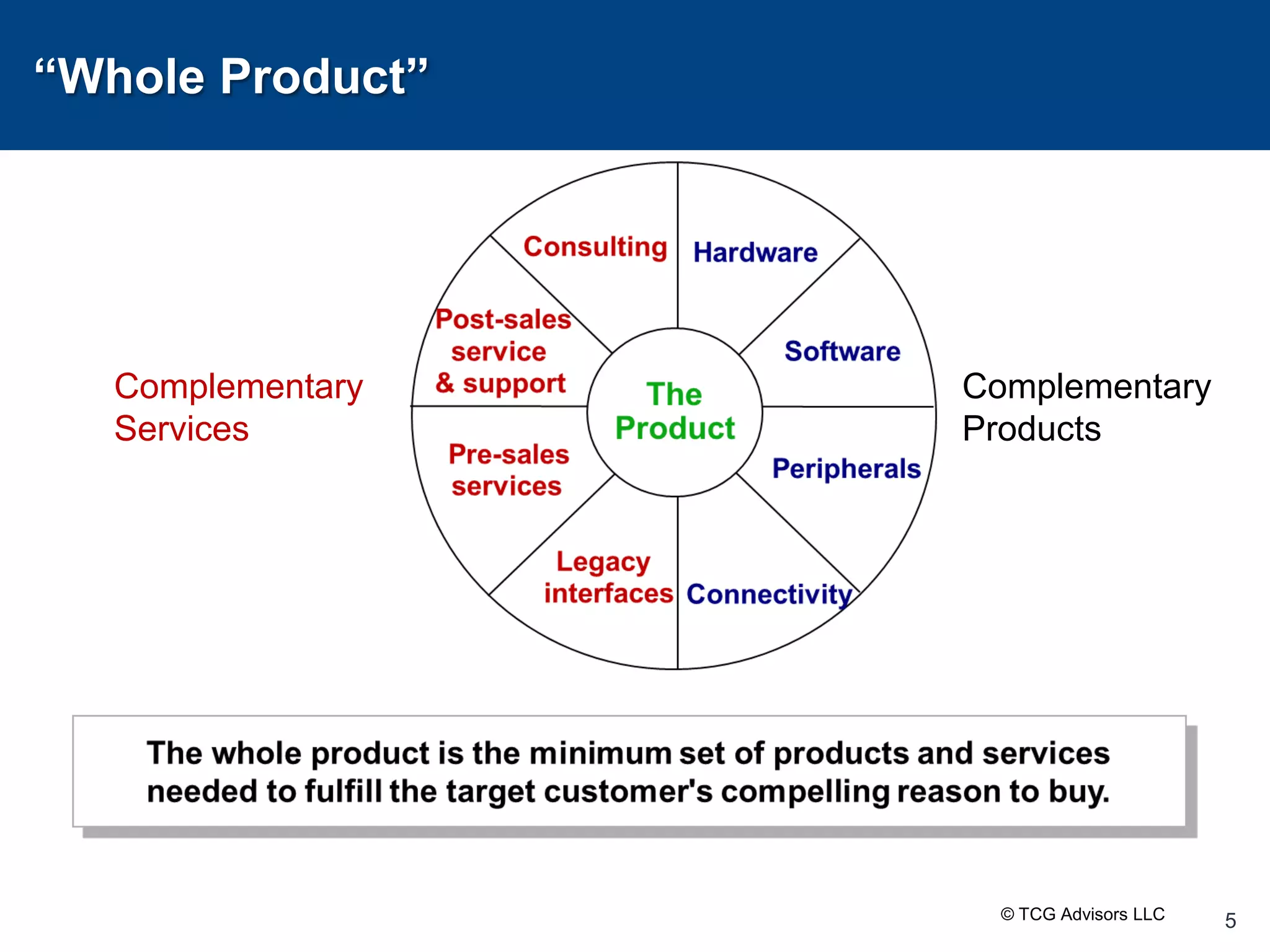
“Whole Product”5ComplementaryServicesComplementaryProducts© TCG Advisors LLC
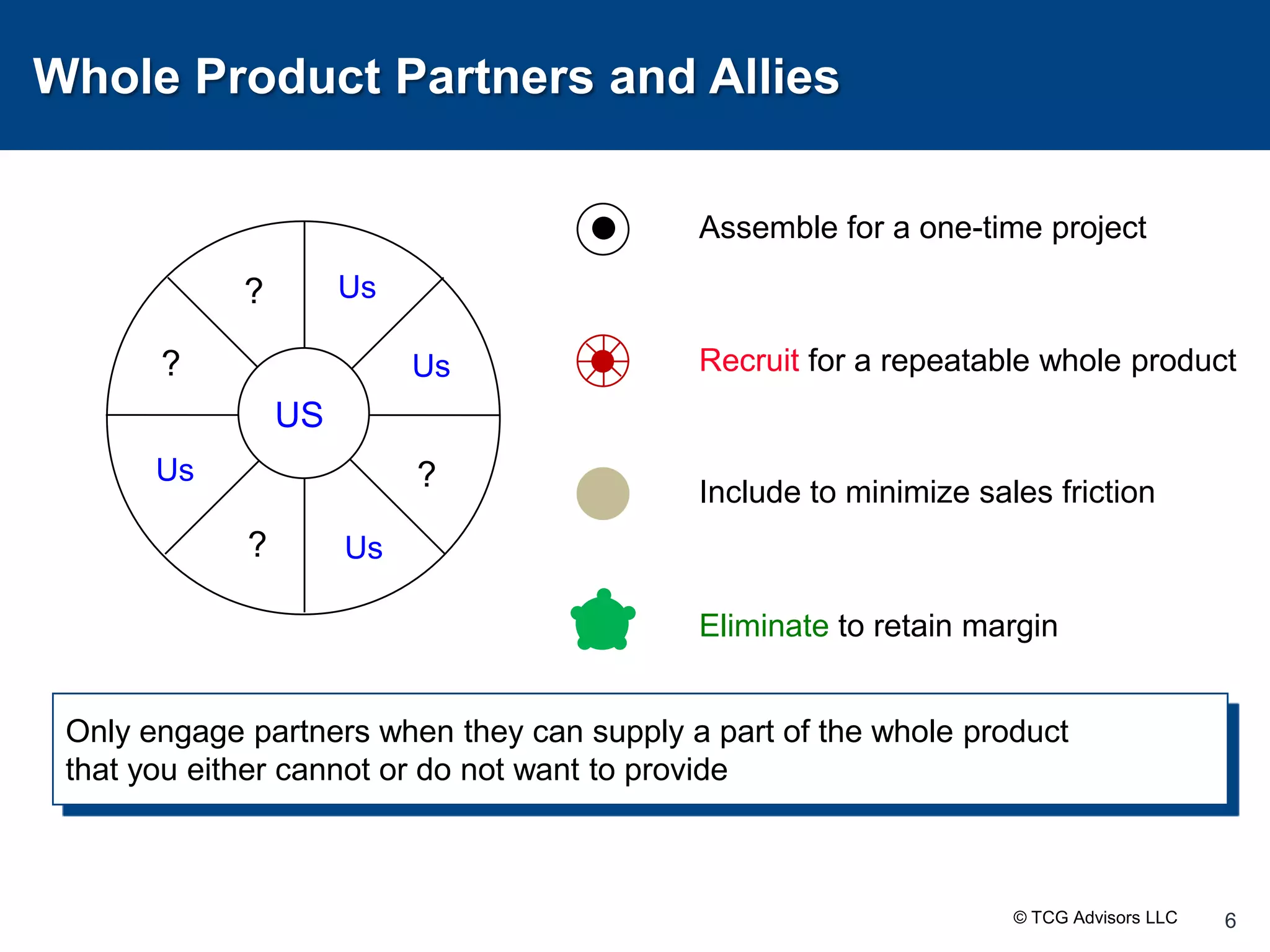
Whole Product Partners and Allies6Us??UsUSUs??UsAssemble for a one-time projectRecruit for a repeatable whole productInclude to minimize sales frictionEliminate to retain marginOnly engage partners when they can supply a part of the whole product that you either cannot or do not want to provide© TCG Advisors LLC
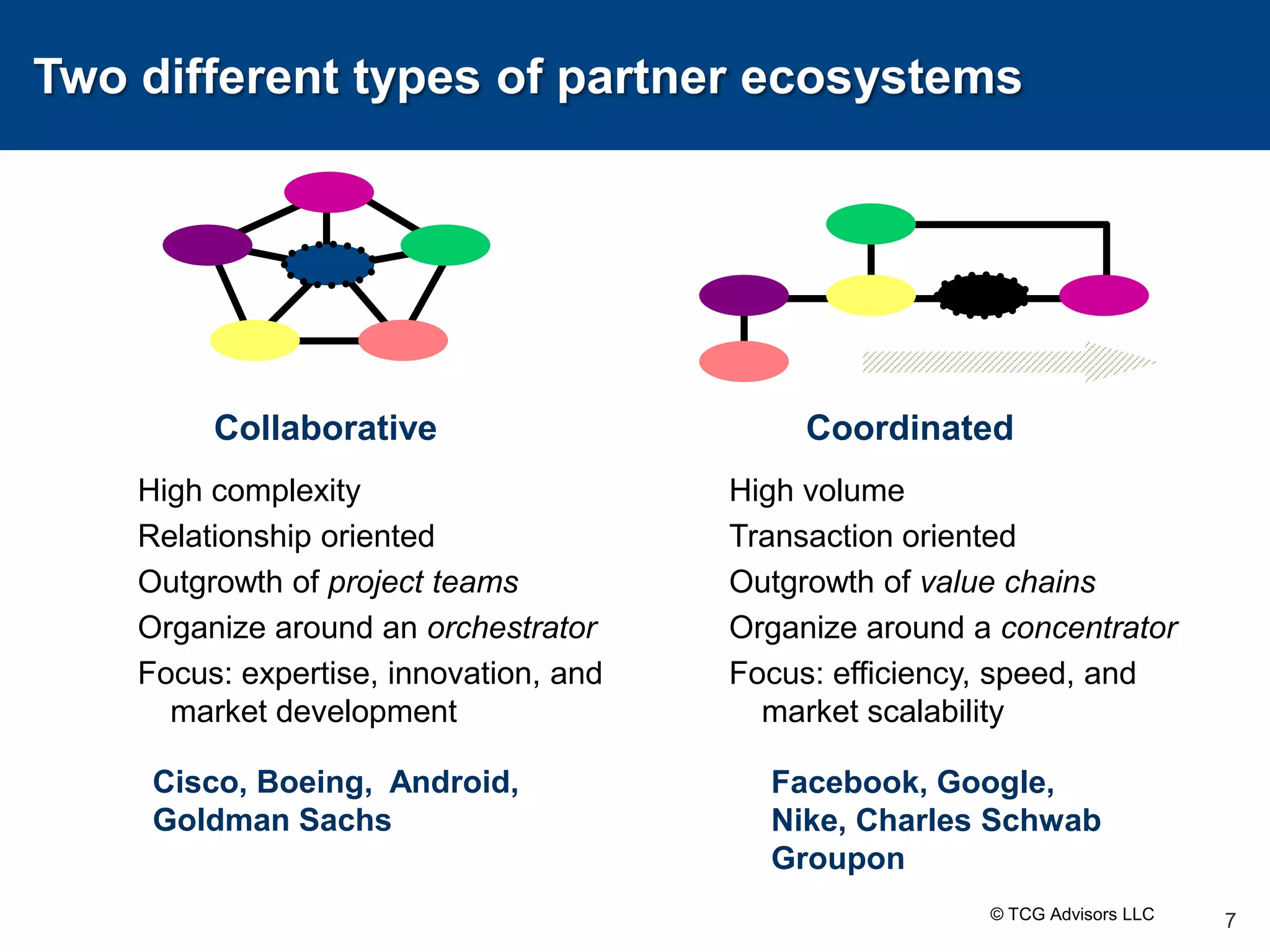
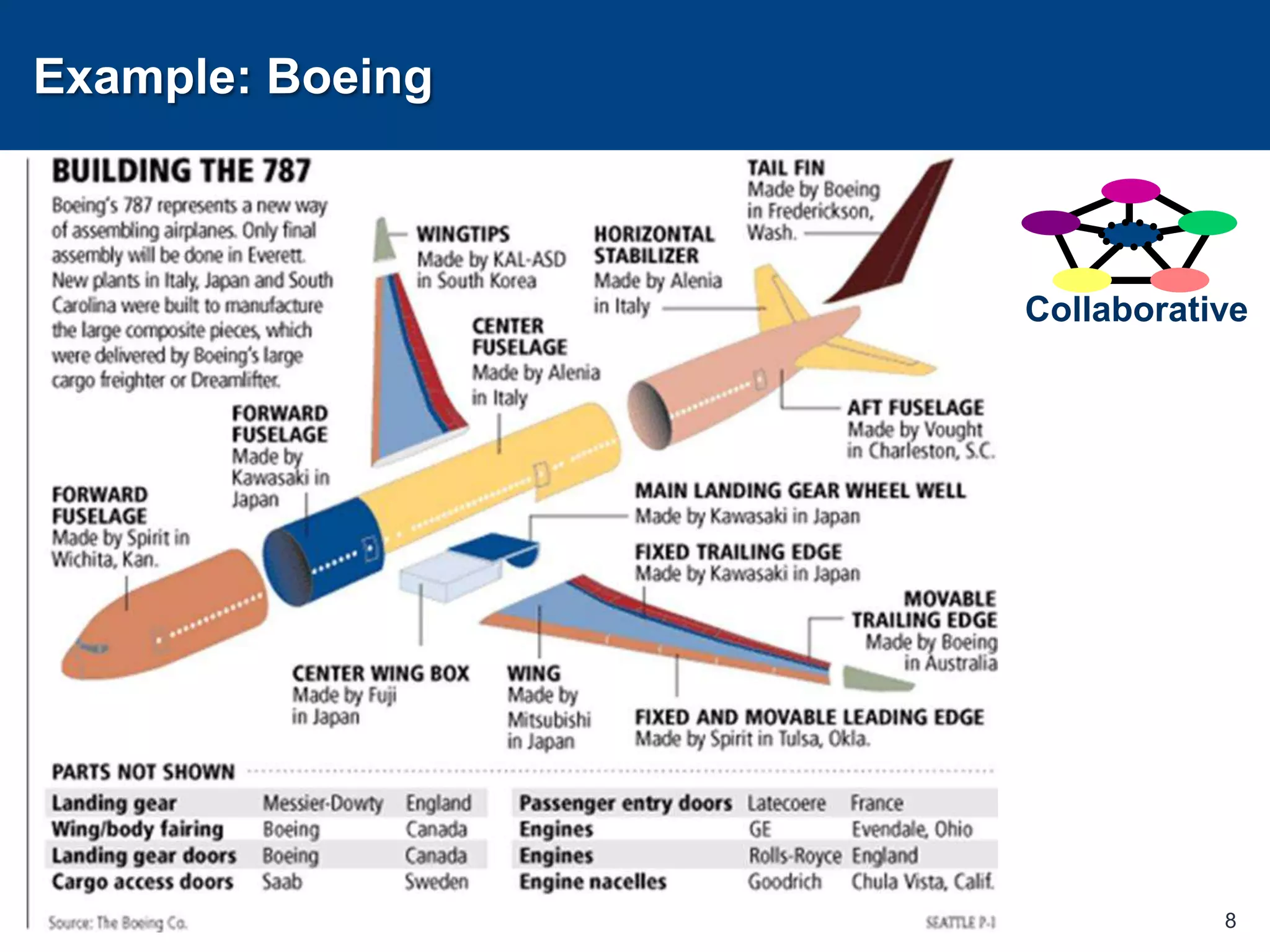
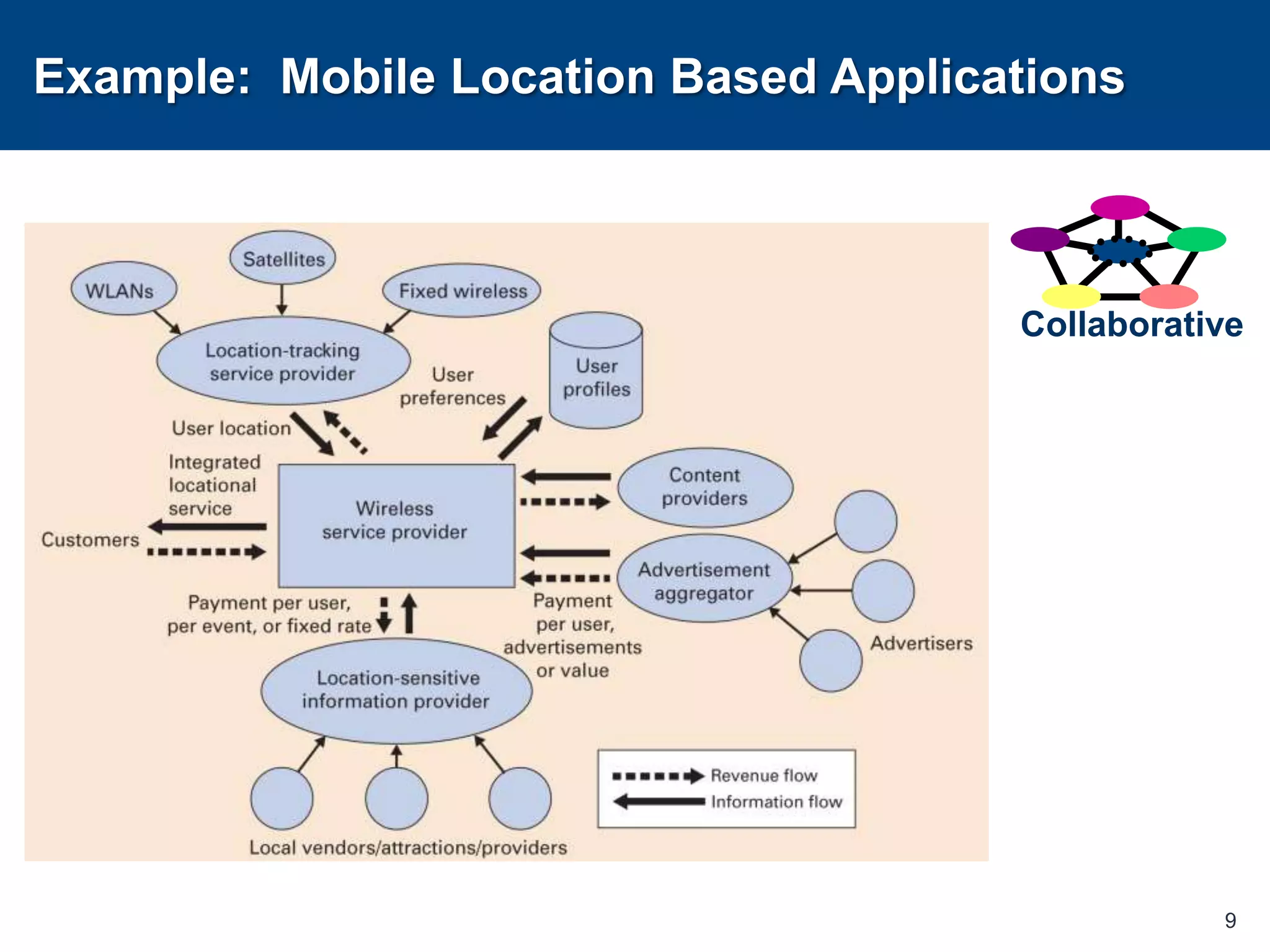
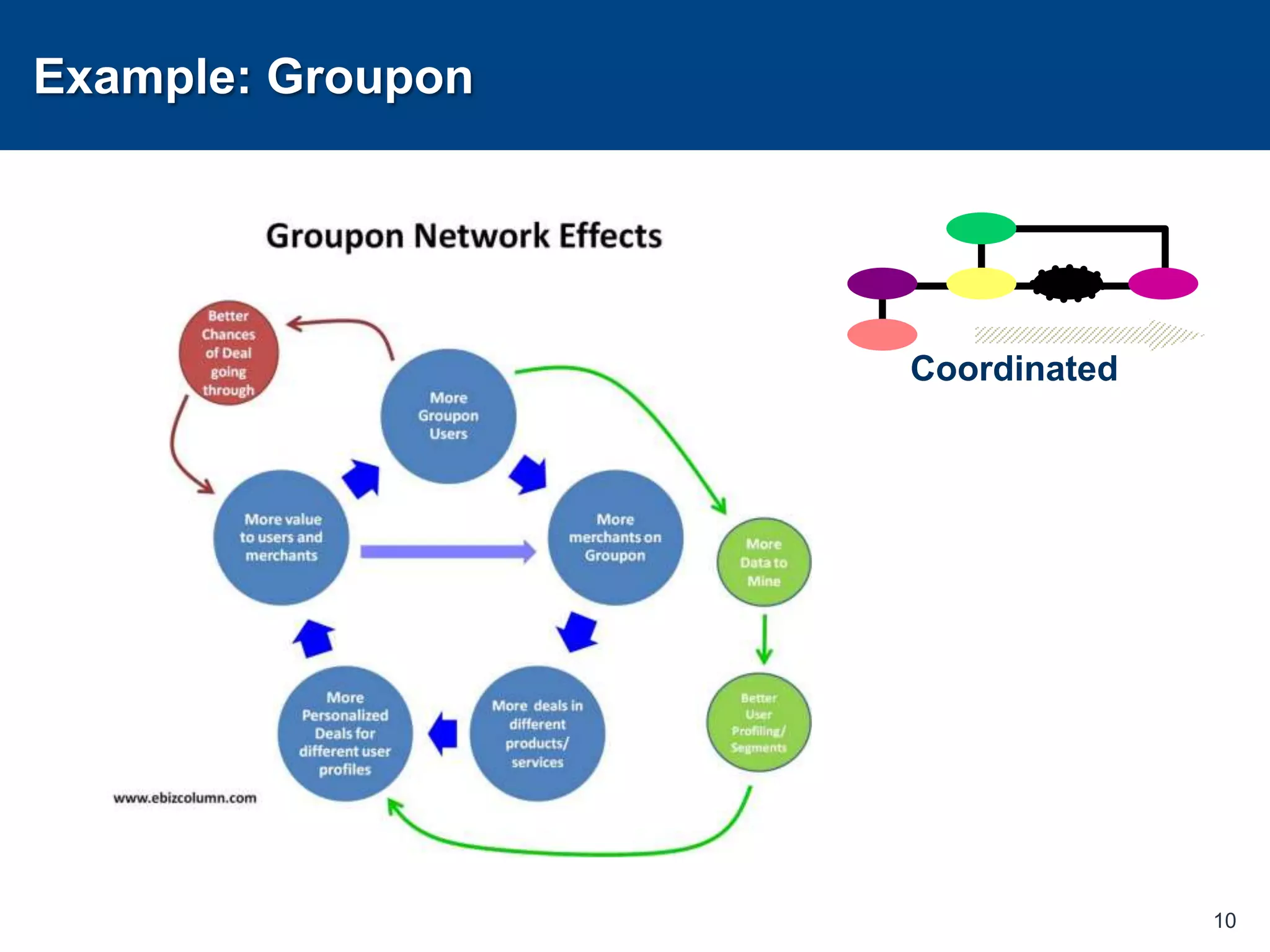
Two different types of partner ecosystems7CoordinatedCollaborativeHigh volumeTransaction orientedOutgrowth of value chainsOrganize around a concentratorFocus: efficiency, speed, and market scalabilityHigh complexityRelationship orientedOutgrowth of project teamsOrganize around an orchestratorFocus: expertise, innovation, and market developmentCisco, Boeing,  Android, Goldman SachsFacebook, Google,Nike, Charles SchwabGroupon© TCG Advisors LLC
Example: Boeing8Collaborative
Example:  Mobile Location Based Applications9Collaborative
Example: Groupon10Coordinated
Managing partners is difficult and has risksImpendence mismatch – “ants mating with elephants”Longest element of partners schedule becomes your longest itemNo clear ownership of customerProducts lack vision – shared product designDifferent underlying objectives in relationshipChurn in partners strategy or personnelIP issues Difficult to unwind or end11
Who makes the “best” partners?(all of the same entities that we have been talking about in this class!)Customers: Get them invested in your success beyond separating them from moneySuppliers: Unique products for you, financing terms, time to marketThe Channel: Do they really win when you do?  Are you accelerating their growth?  Can they help you define the best product?Rethink these relationships – get as many other people and organizations invested in your success and you in theirs!12
Strategies for Successful partneringStart slowly – 	gain expertise and ability to evaluate partnersBe a good partner (very few companies are!)Focus on ownership – 	who owns success in your organization?Be flexible – when you get to “contract enforcement” 	it is the beginning of the endConstantly re-evaluate – 	declare failure and move on before it is too late13

Engr 245 session 07 partners

  • 1.
    Engineering 245The LeanLaunch PadSession 7: ChannelsSteve Blank, Ann Miura-Ko, Jon Feiberhttp://e245.stanford.edu
  • 2.
    KEY PARTNERSwhich partnersand suppliers leverage your model? who do you need to rely on?
  • 3.
  • 4.
    Why have partners?Fastertime to marketBroader product offeringMore efficient use of capitalUnique customer knowledge or expertiseAccess to new markets3üüüüü
  • 5.
    What defines a“Partner?”Shared economicsMutual success / failureCo-development/inventionCommon customer4
  • 6.
  • 7.
    Whole Product Partnersand Allies6Us??UsUSUs??UsAssemble for a one-time projectRecruit for a repeatable whole productInclude to minimize sales frictionEliminate to retain marginOnly engage partners when they can supply a part of the whole product that you either cannot or do not want to provide© TCG Advisors LLC
  • 8.
    Two different typesof partner ecosystems7CoordinatedCollaborativeHigh volumeTransaction orientedOutgrowth of value chainsOrganize around a concentratorFocus: efficiency, speed, and market scalabilityHigh complexityRelationship orientedOutgrowth of project teamsOrganize around an orchestratorFocus: expertise, innovation, and market developmentCisco, Boeing, Android, Goldman SachsFacebook, Google,Nike, Charles SchwabGroupon© TCG Advisors LLC
  • 9.
  • 10.
    Example: MobileLocation Based Applications9Collaborative
  • 11.
  • 12.
    Managing partners isdifficult and has risksImpendence mismatch – “ants mating with elephants”Longest element of partners schedule becomes your longest itemNo clear ownership of customerProducts lack vision – shared product designDifferent underlying objectives in relationshipChurn in partners strategy or personnelIP issues Difficult to unwind or end11
  • 13.
    Who makes the“best” partners?(all of the same entities that we have been talking about in this class!)Customers: Get them invested in your success beyond separating them from moneySuppliers: Unique products for you, financing terms, time to marketThe Channel: Do they really win when you do? Are you accelerating their growth? Can they help you define the best product?Rethink these relationships – get as many other people and organizations invested in your success and you in theirs!12
  • 14.
    Strategies for SuccessfulpartneringStart slowly – gain expertise and ability to evaluate partnersBe a good partner (very few companies are!)Focus on ownership – who owns success in your organization?Be flexible – when you get to “contract enforcement” it is the beginning of the endConstantly re-evaluate – declare failure and move on before it is too late13

Editor's Notes

  • #4 (need to do this as a build…)