By: Shreya Thakrar 7KBE
The number zero is the very important digit in
our lives.
In actual fact zero means nothing but when the
same zero is placed in front of a number it
increases the value by a tenth. If you do the
same thing before a point (decimal) it reduces
the value. So zero is very valuable in our lives
and you will find out why.
The number zero we use today in the Hindu-
Arabic numeral system was originated in India
at around 650 AD.
Two civilizations coincidently invented the
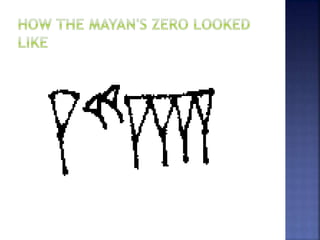
number zero. One was made by the Mayan
culture and the other civilization was the
Indian culture.
The Mayans indicated zero by a pair of wedges
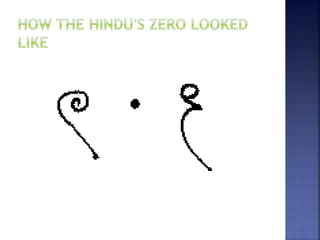
and the Indians (Hindus) indicated the zero as
a dot.
The Arab’s then changed it into a circle. Which
is being followed today.
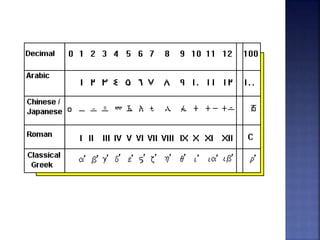
The term ‘number system’ means a set of numbers. The
ancients are the creators of different types of number
systems for example:
 The roman numerals
 Egyptian numerals
 Mayan numerals
 The Babylonian numerals
 And many more.
Out of all these the only people who discovered zero
were the Mayans. The others did have a number system
that was very complex due to the lack of having the
number zero. The numbers had to be written using
shapes and letters which was quite confusing to
understand, as compared to today’s number system.
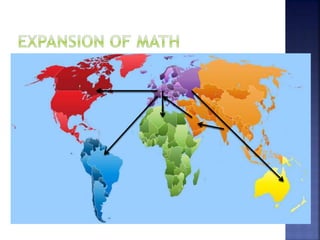
It was roughly 870 AD zero came to Europe.
The European who brought zero to Europe was
called Fibonacci from Italy who adopted it
from Mohammed-ibn-muna-al-Khowarizmi. The
concept of zero that was adopted by the
Europeans, was initially put in place in the 19th
century by Mohammed-ibn-muna-al-
Khowarizmi from the Middle East who was took
this idea from the Indians
Fibonacci went on to write a book called Liber
Abaci (book of calculations).
 Just imagine if we, today, did not have the
number zero. Life would be very
complicated, and wonder how the computers
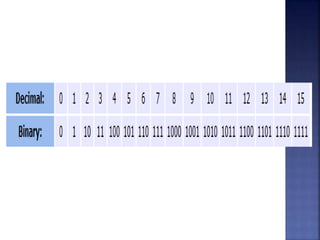
would work without zero as it uses the
binary number system. Imagine you counting
money where no zero’s were involved and
imagine if we were to follow the other
number systems. Wonder how the currencies
would be printed How complex our lives
would be without zero.
 ShreyaThakrar7KBEUnit5InvestigationTask1b.docx
 http://en.wikipedia.org/wiki/History_of_the_Hindu–Arabic_numeral_system
 http://yaleglobal.yale.edu/about/zero.jsp
 http://en.wikipedia.org/wiki/Republic_of_Pisa
 http://en.wikipedia.org/wiki/Fibonacci
 http://en.wikipedia.org/wiki/0_(number)
 http://en.wikipedia.org/wiki/Brahmagupta
 http://www.famousscientists.org/muhammad-ibn-musa-al-khwarizmi/
 http://en.wikipedia.org/wiki/Liber_Abaci
 http://en.wikipedia.org/wiki/René_Descartes
 http://www.scientificamerican.com/article.cfm?id=what-is-the-origin-of-zer
 http://tricksblower.blogspot.com/2011/02/weird-interesting-and-fun-facts.html
 http://www.virtualmv.com/virtualMe/vMe_mv/v2/v2com/v2kb/da/danshi00.htm
 http://dermajetics.ultra.pl/hymn/mapero.htm
 http://mathtricks.org/tag/binomial-expansion/
 http://www.innovationtools.com/weblog/innovationblog-detail.asp?ArticleID=1489
 Shreya.Thakrar7KBE Unit Question v3.docx
 http://www.mathsisfun.com/binary-number-system.html
 http://www.archimedes-lab.org/numbers/Num1_69.html

ZERO.ppt

  • 1.
  • 2.
    The number zerois the very important digit in our lives. In actual fact zero means nothing but when the same zero is placed in front of a number it increases the value by a tenth. If you do the same thing before a point (decimal) it reduces the value. So zero is very valuable in our lives and you will find out why.
  • 3.
    The number zerowe use today in the Hindu- Arabic numeral system was originated in India at around 650 AD. Two civilizations coincidently invented the number zero. One was made by the Mayan culture and the other civilization was the Indian culture. The Mayans indicated zero by a pair of wedges and the Indians (Hindus) indicated the zero as a dot. The Arab’s then changed it into a circle. Which is being followed today.
  • 6.
    The term ‘numbersystem’ means a set of numbers. The ancients are the creators of different types of number systems for example:  The roman numerals  Egyptian numerals  Mayan numerals  The Babylonian numerals  And many more. Out of all these the only people who discovered zero were the Mayans. The others did have a number system that was very complex due to the lack of having the number zero. The numbers had to be written using shapes and letters which was quite confusing to understand, as compared to today’s number system.
  • 8.
    It was roughly870 AD zero came to Europe. The European who brought zero to Europe was called Fibonacci from Italy who adopted it from Mohammed-ibn-muna-al-Khowarizmi. The concept of zero that was adopted by the Europeans, was initially put in place in the 19th century by Mohammed-ibn-muna-al- Khowarizmi from the Middle East who was took this idea from the Indians Fibonacci went on to write a book called Liber Abaci (book of calculations).
  • 10.
     Just imagineif we, today, did not have the number zero. Life would be very complicated, and wonder how the computers would work without zero as it uses the binary number system. Imagine you counting money where no zero’s were involved and imagine if we were to follow the other number systems. Wonder how the currencies would be printed How complex our lives would be without zero.
  • 12.
     ShreyaThakrar7KBEUnit5InvestigationTask1b.docx  http://en.wikipedia.org/wiki/History_of_the_Hindu–Arabic_numeral_system http://yaleglobal.yale.edu/about/zero.jsp  http://en.wikipedia.org/wiki/Republic_of_Pisa  http://en.wikipedia.org/wiki/Fibonacci  http://en.wikipedia.org/wiki/0_(number)  http://en.wikipedia.org/wiki/Brahmagupta  http://www.famousscientists.org/muhammad-ibn-musa-al-khwarizmi/  http://en.wikipedia.org/wiki/Liber_Abaci  http://en.wikipedia.org/wiki/René_Descartes  http://www.scientificamerican.com/article.cfm?id=what-is-the-origin-of-zer  http://tricksblower.blogspot.com/2011/02/weird-interesting-and-fun-facts.html  http://www.virtualmv.com/virtualMe/vMe_mv/v2/v2com/v2kb/da/danshi00.htm  http://dermajetics.ultra.pl/hymn/mapero.htm  http://mathtricks.org/tag/binomial-expansion/  http://www.innovationtools.com/weblog/innovationblog-detail.asp?ArticleID=1489  Shreya.Thakrar7KBE Unit Question v3.docx  http://www.mathsisfun.com/binary-number-system.html  http://www.archimedes-lab.org/numbers/Num1_69.html